Egypt 20-Day Tour with Nile Cruise
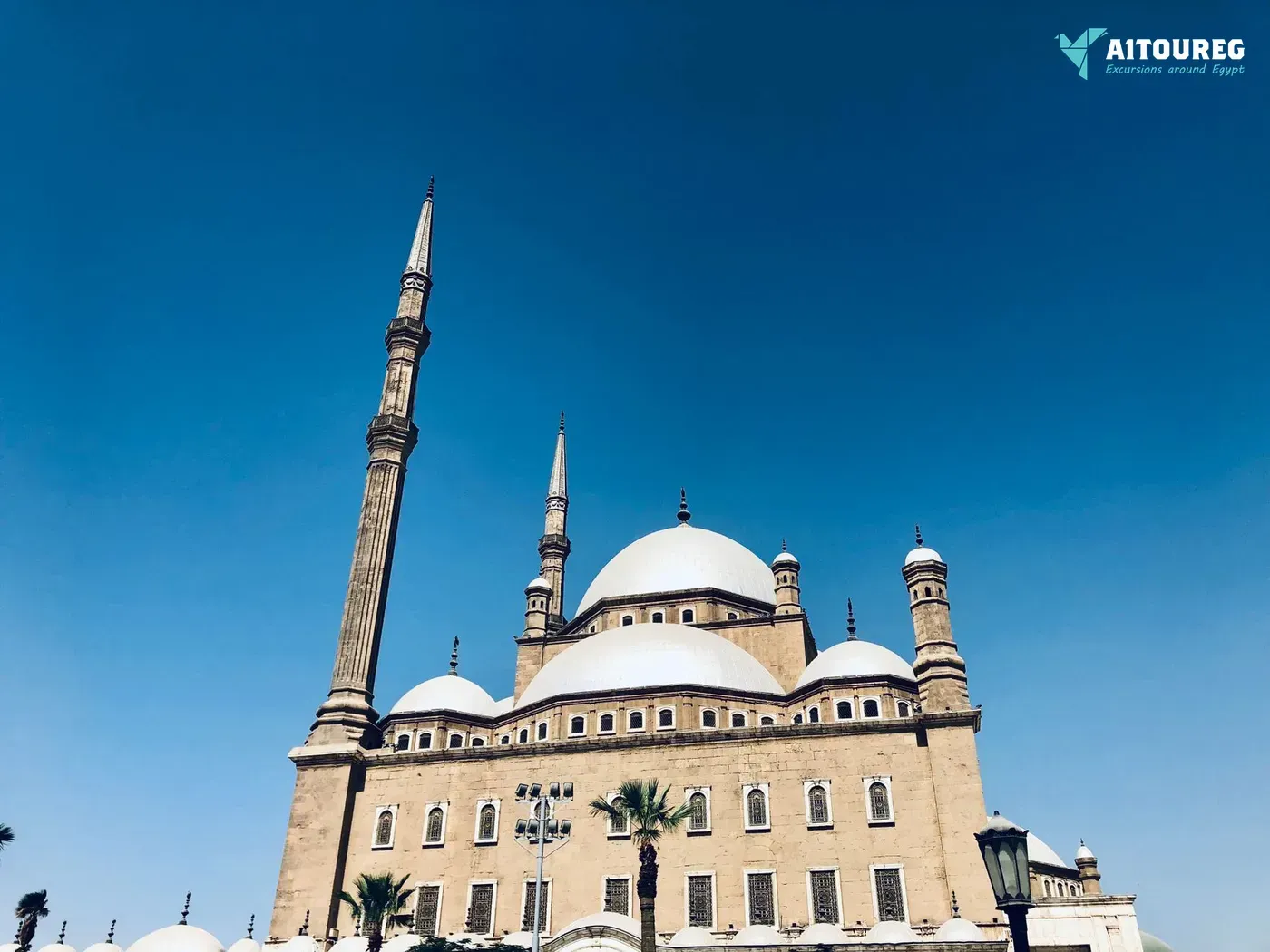
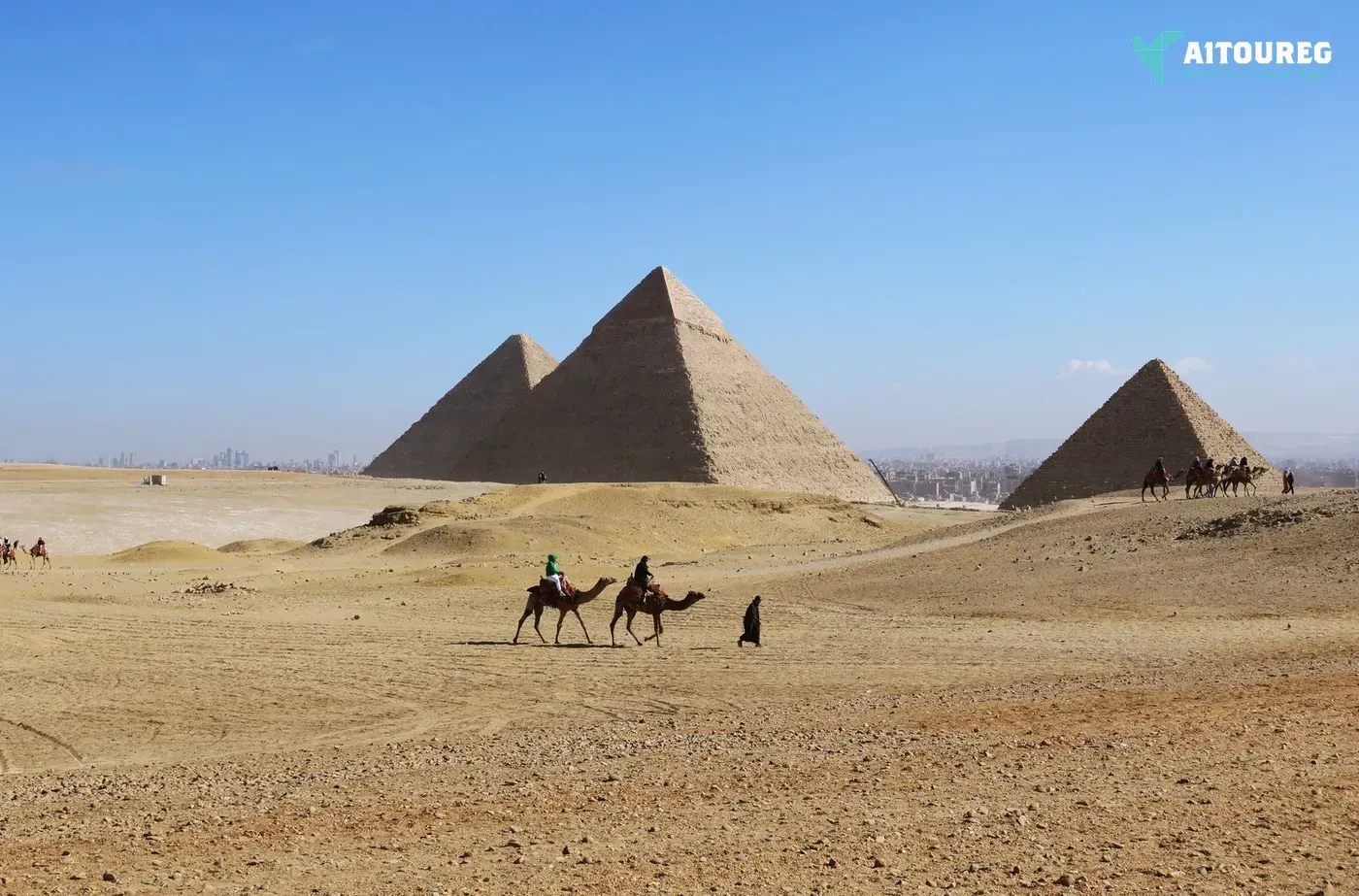
This Egypt 20-day tour with Nile cruise brings together major archaeological sites, a night in the White Desert and time to slow down on the Red Sea coast. We start in Cairo and Giza, where the Giza Pyramids set the scale for the trip. At the Cairo Egyptian Museum, your guide explains the royal statues, funerary objects and everyday pieces before you continue through Historic Old Cairo to the Mohammed Ali Mosque in the Citadel.
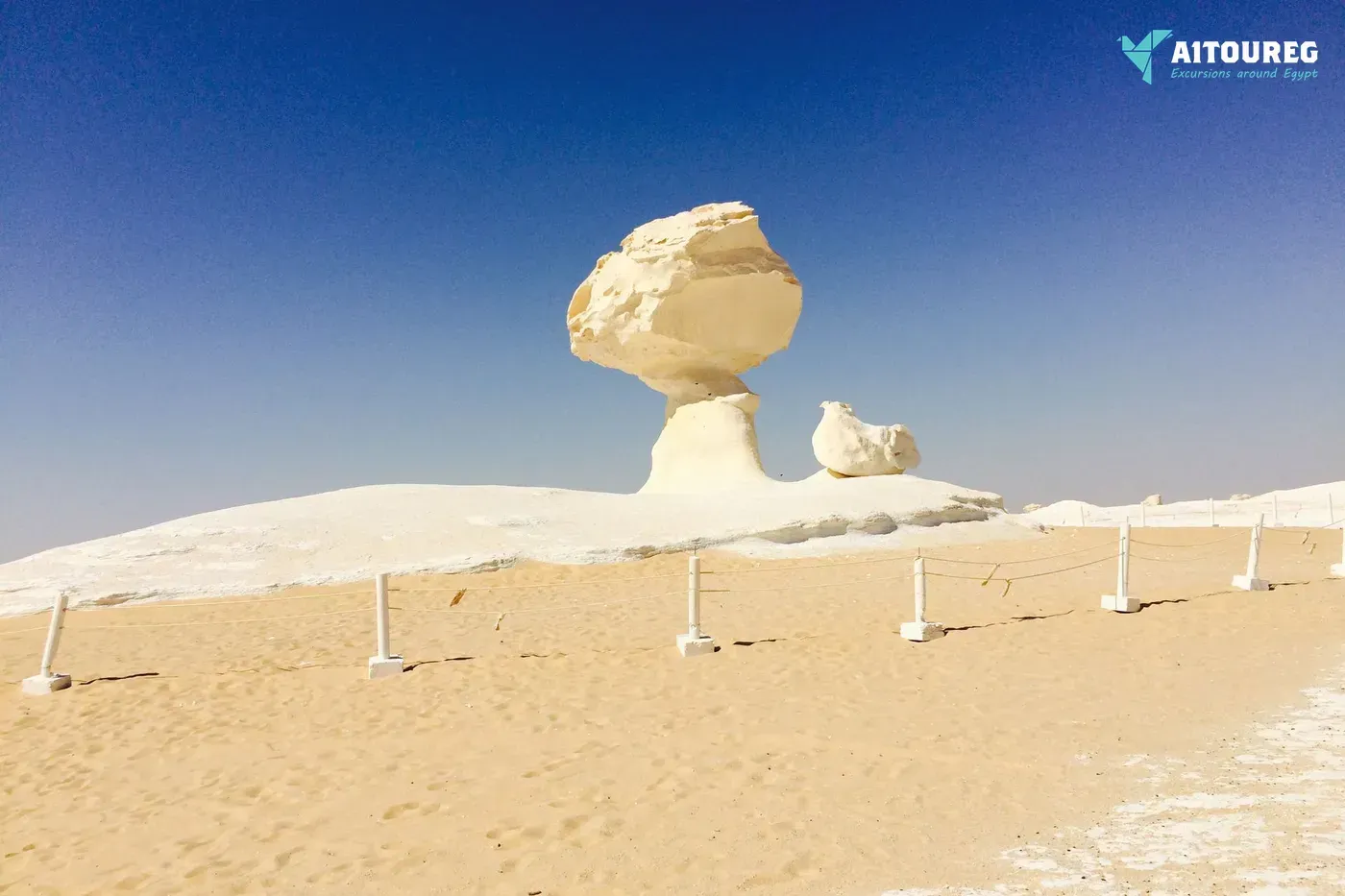
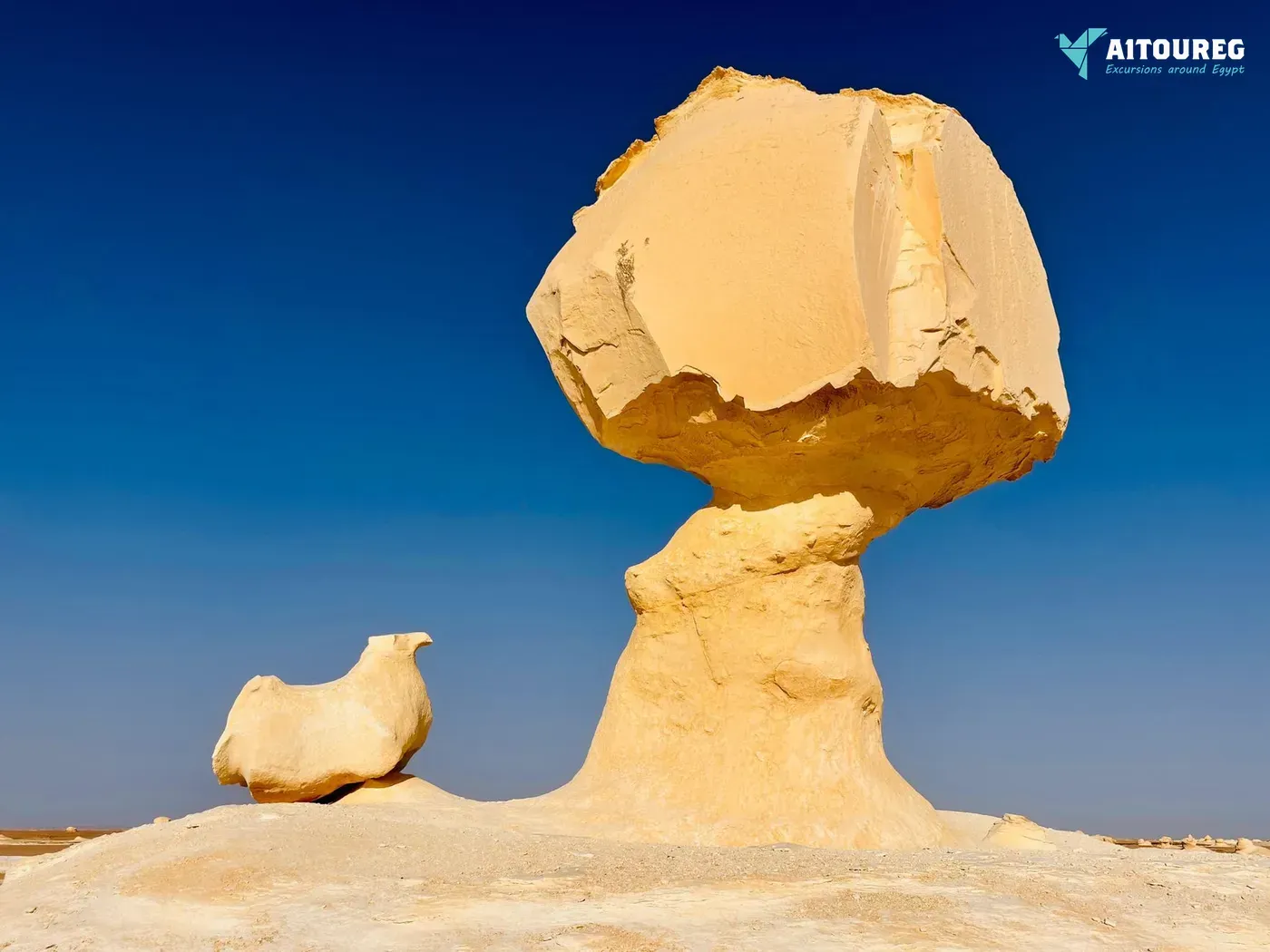
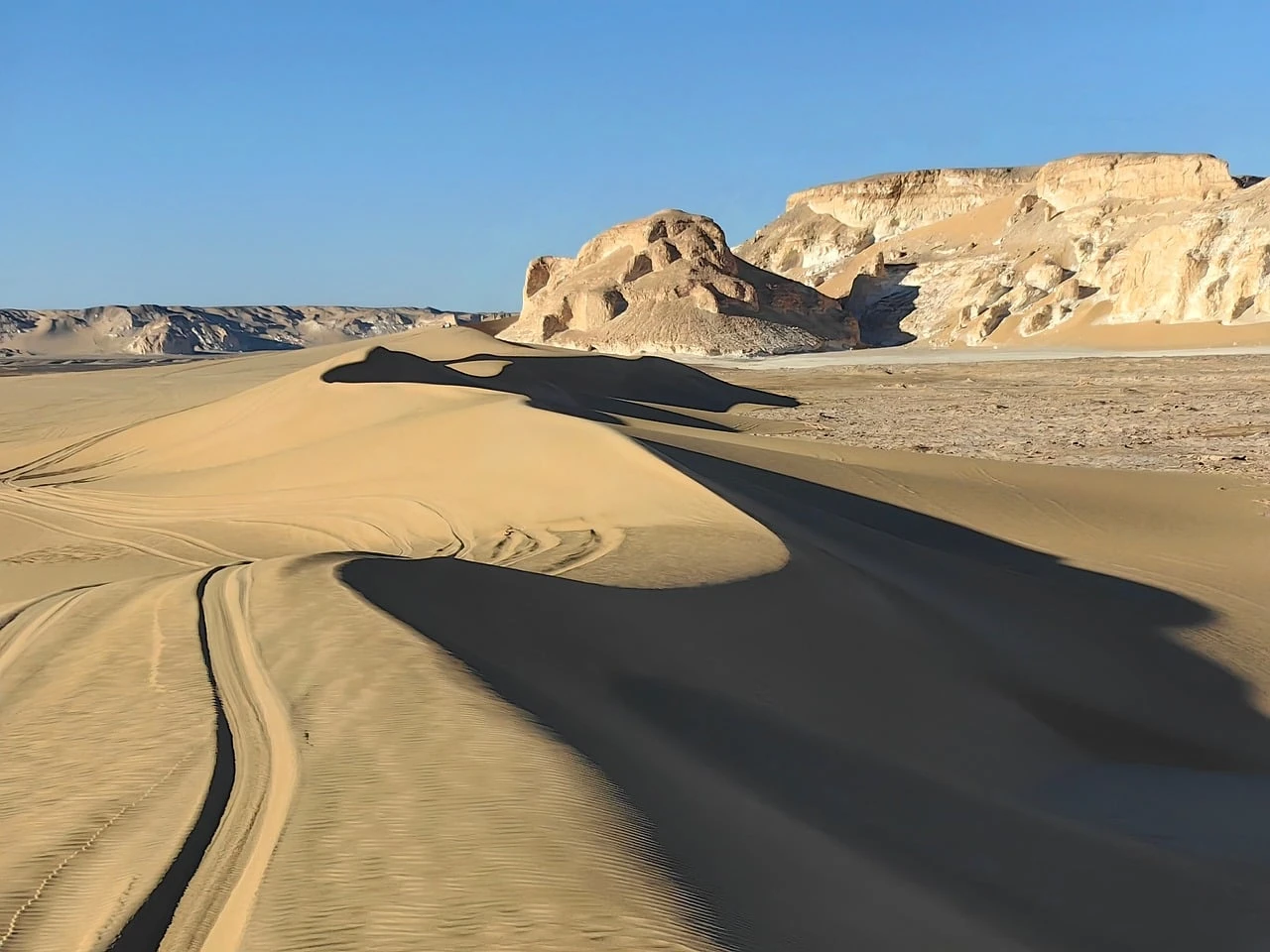
The desert section changes the pace. A guided desert safari into Egypt takes you west through changing landscapes to White Desert National Park, where pale limestone formations rise from the sand. In Agabat Valley, you explore broad views and sculpted rock, while Black Mountain formations and Crystal Mountain quartzite bring darker volcanic shapes and glittering stone to the route. A hot springs visit can also be included during this part of the journey, depending on the operating plan and local conditions.
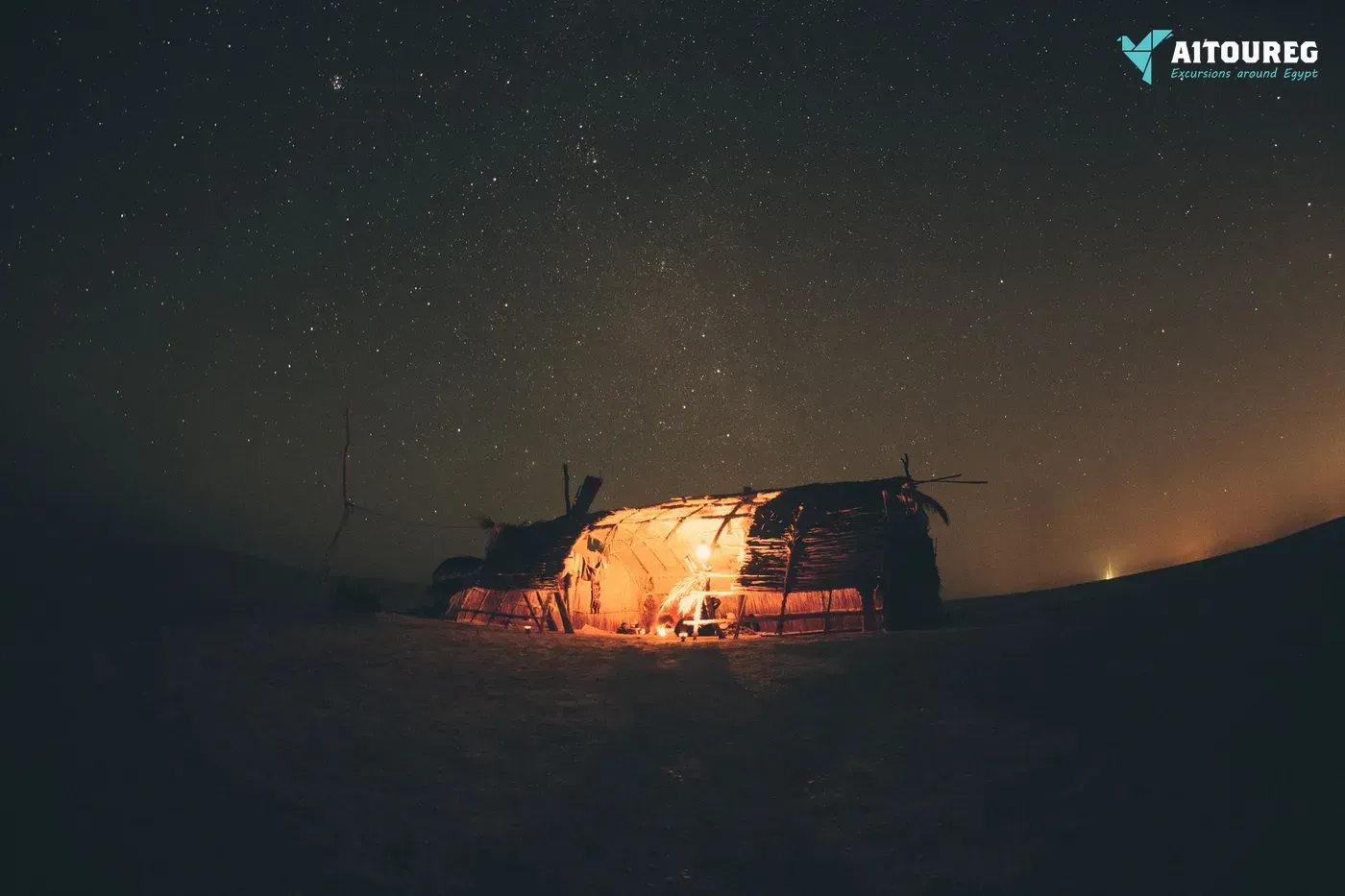
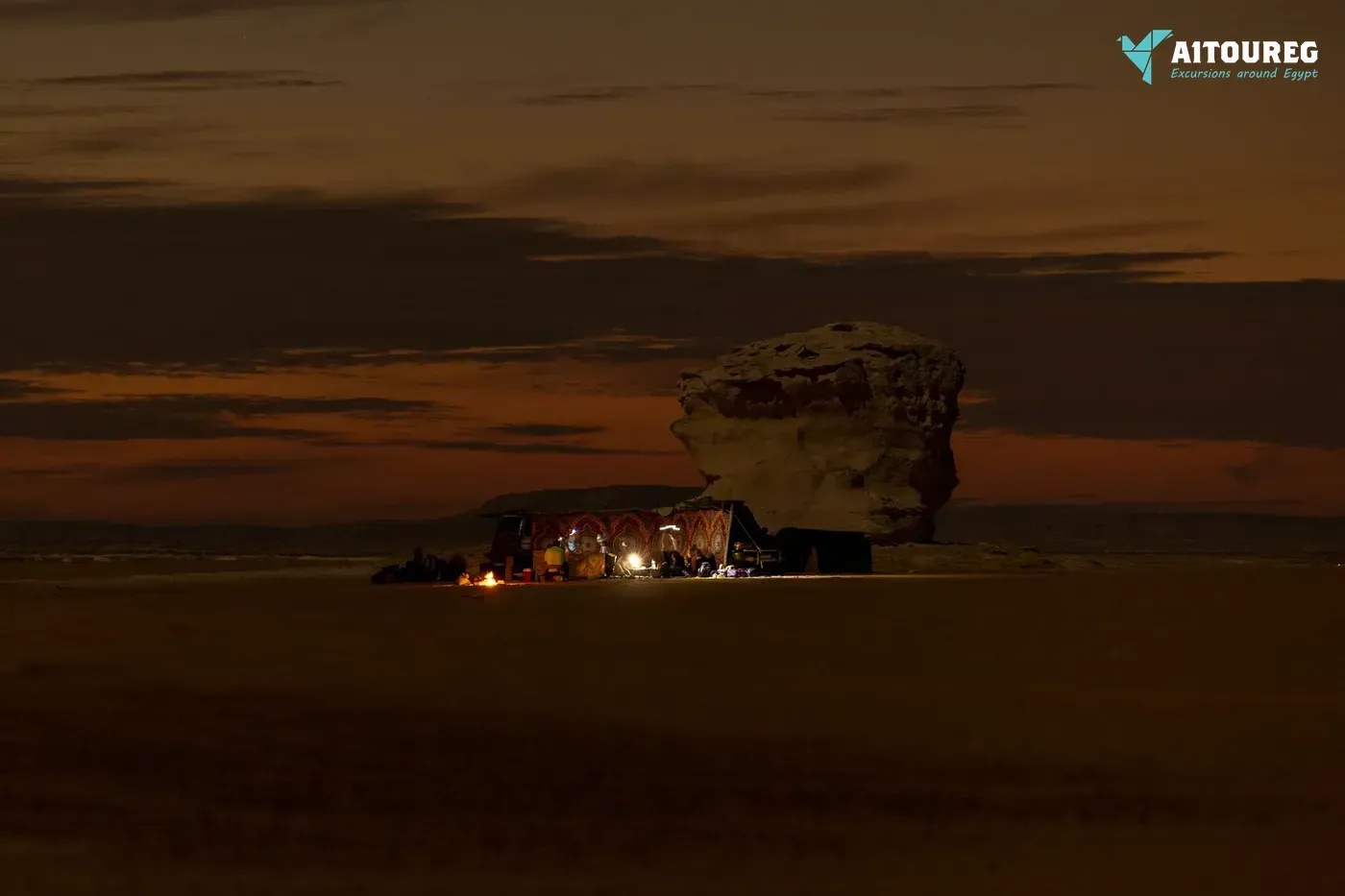
After sunset, the desert grows quiet and clear. Camping overnight in the white sands includes a simple camp meal and time around the fire, with stars lighting the landscape instead of town lights. This nocturnal desert experience suits travellers who enjoy some adventure and can manage a night away from conventional accommodation. Our desert team takes care of the camp logistics, while your guide explains the route and practical conditions before you leave.
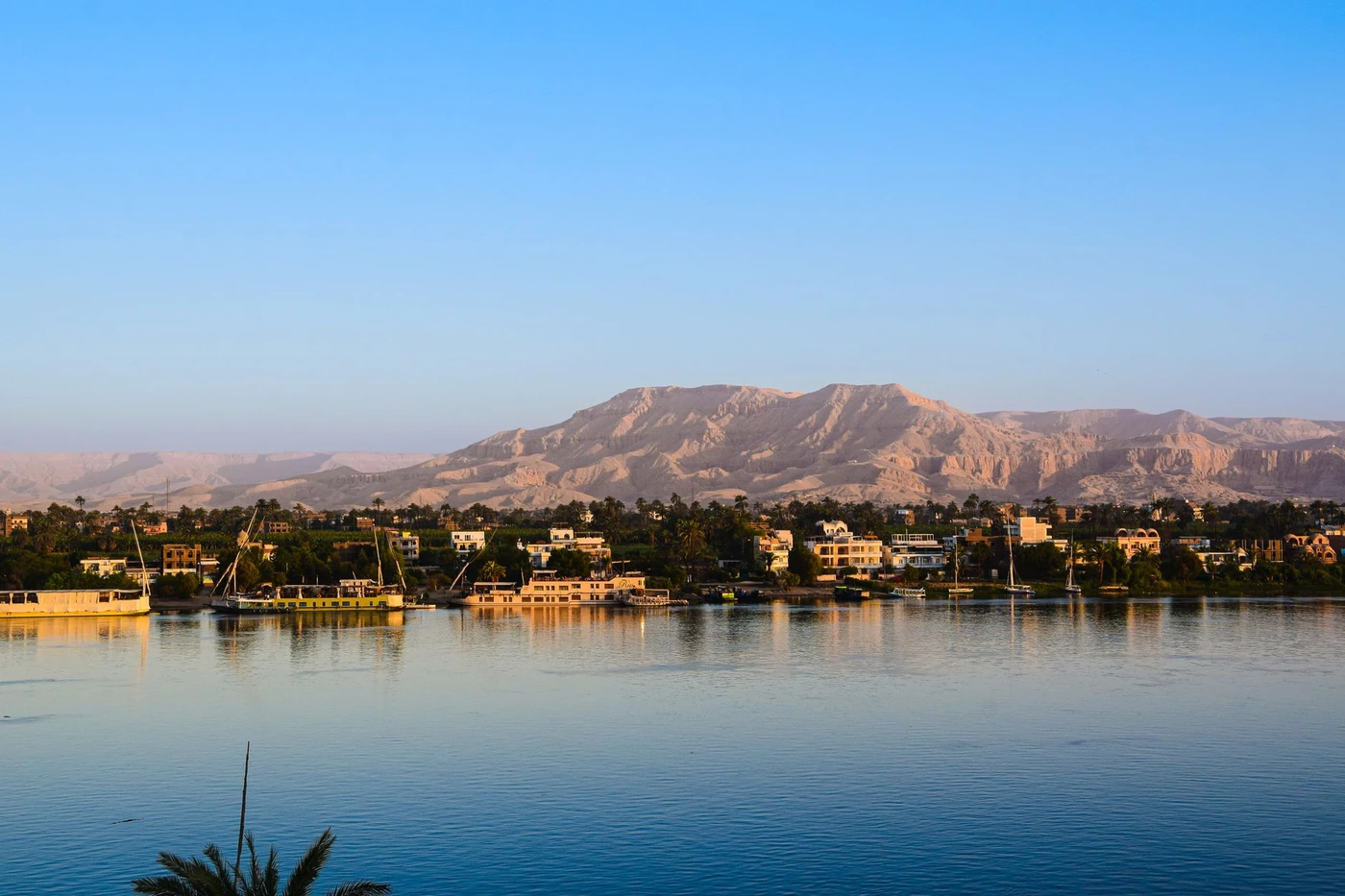
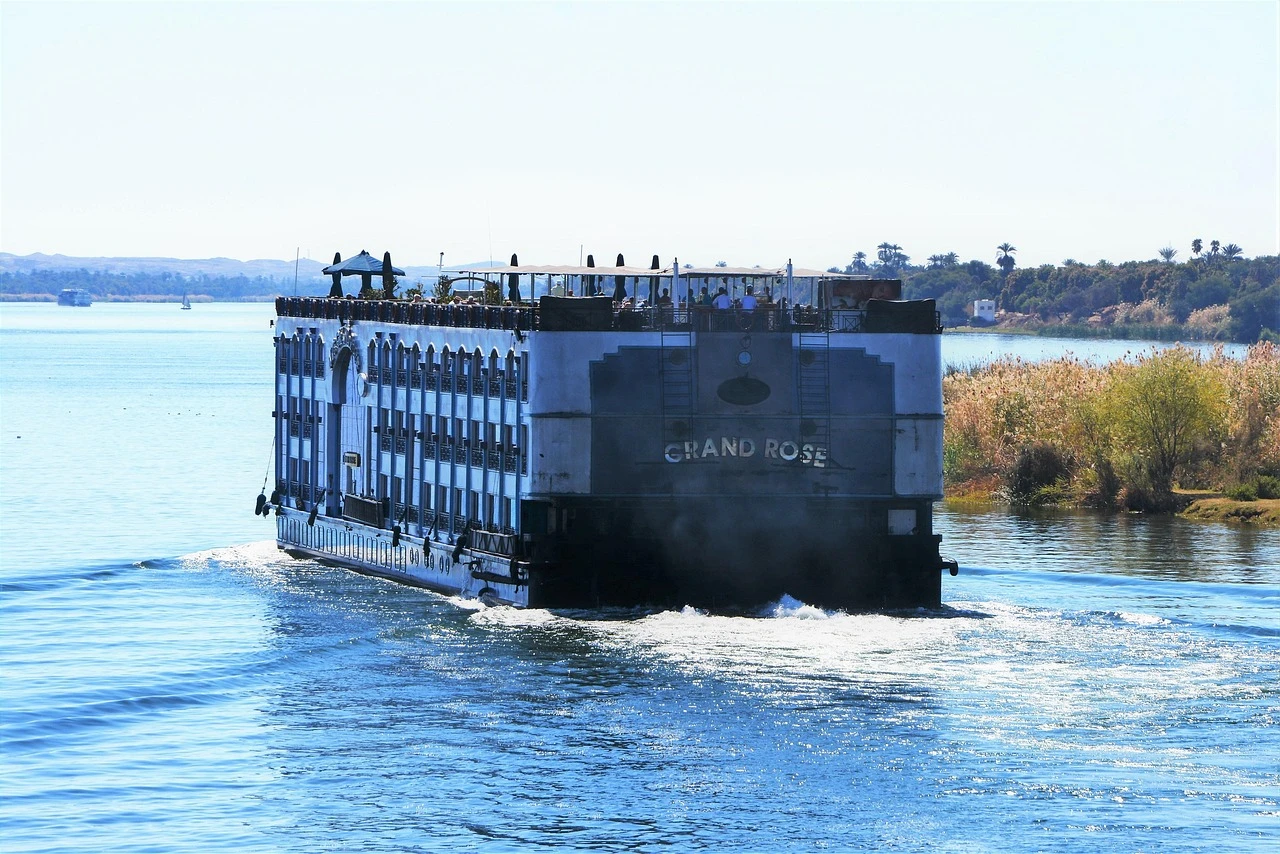
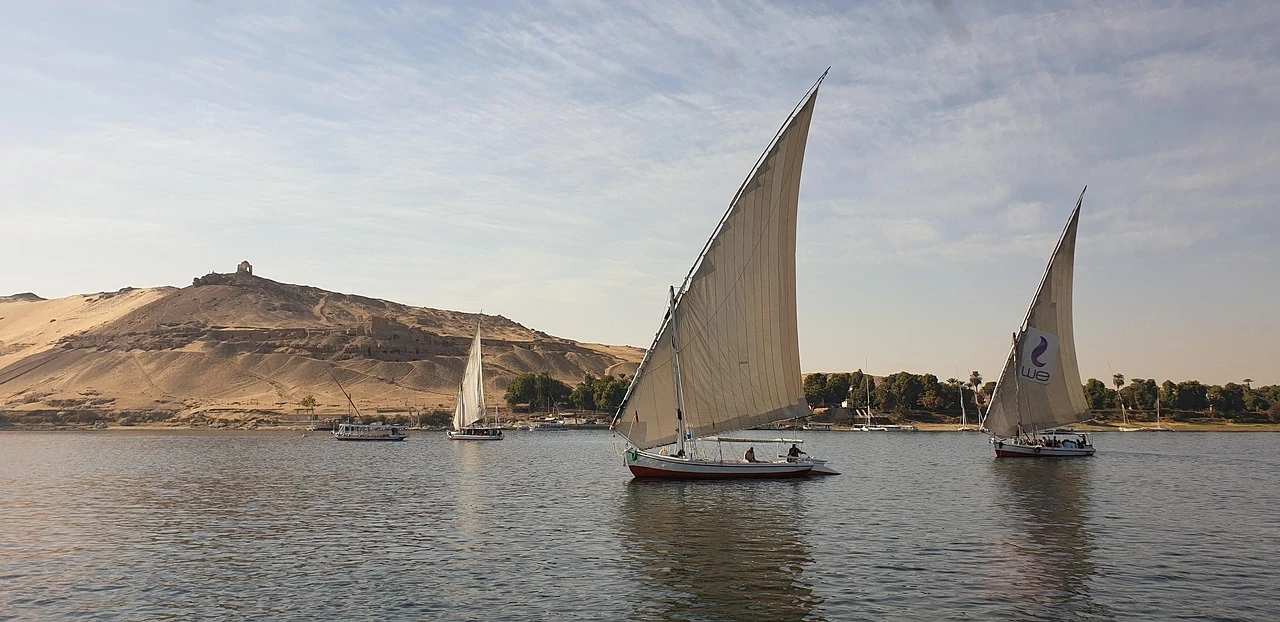
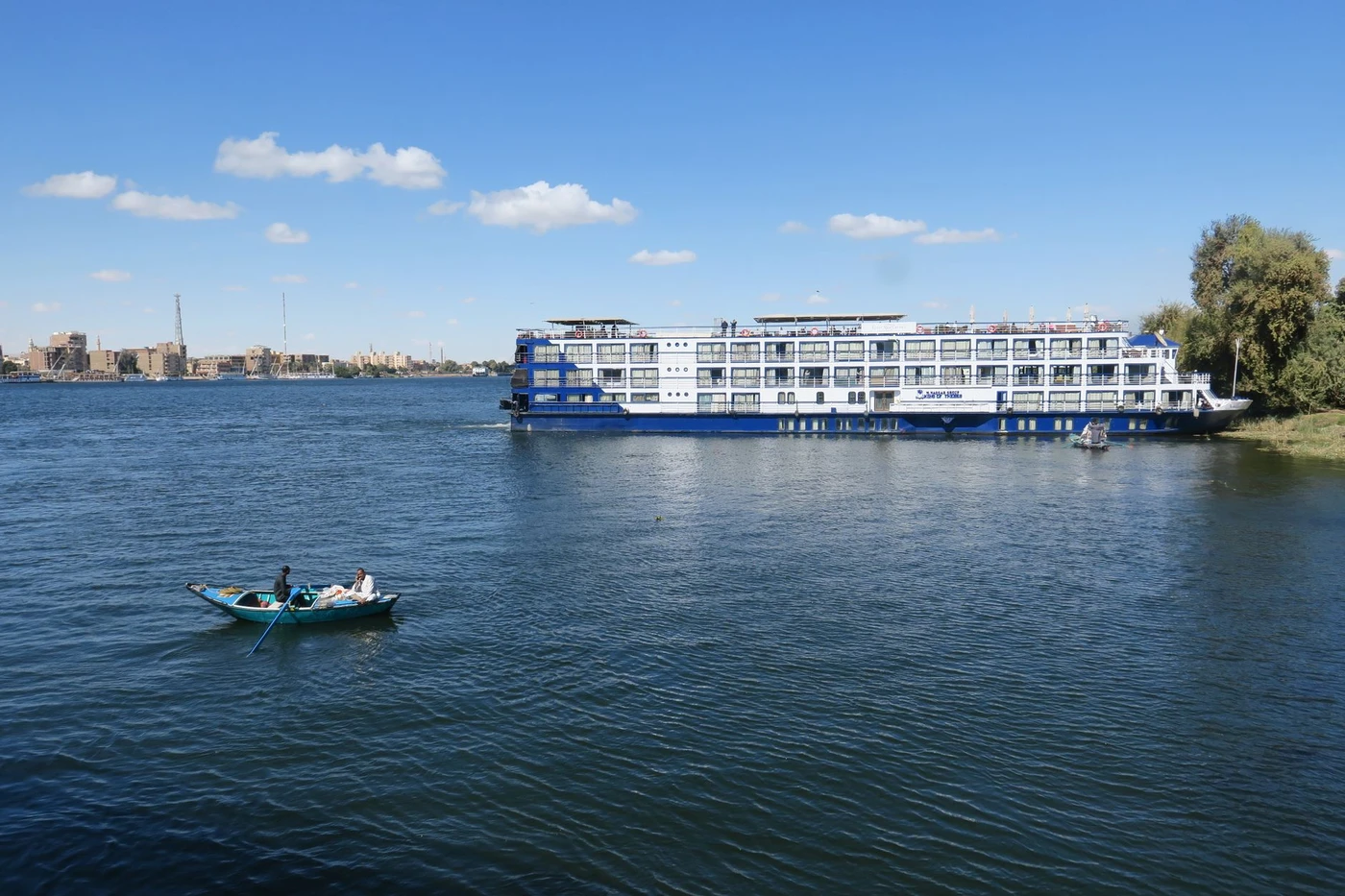
The journey then heads south for a three-day Nile boat journey between Aswan and Luxor, with time to watch villages, fields and river islands pass at an unhurried pace. Along the way, you see Luxor and Aswan’s archaeological sites in a logical order: the Aswan High Dam, the Philae Temple ruins and Philae’s island setting, followed by Edfu Temple and the twin sanctuaries at Kom Ombo. The boat provides a comfortable base between guided visits, although river travel still involves steps, walking and changing access from the shore.
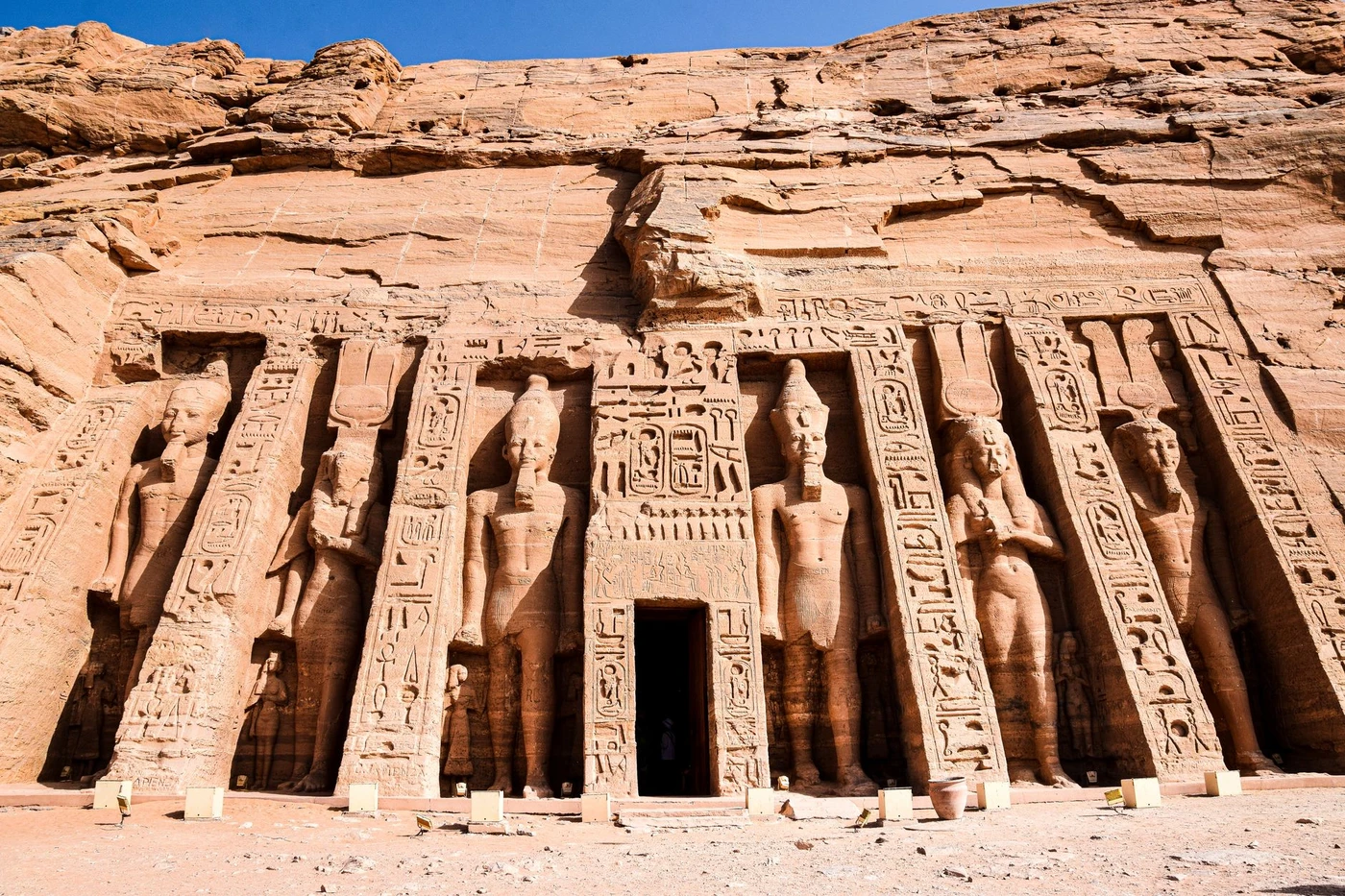
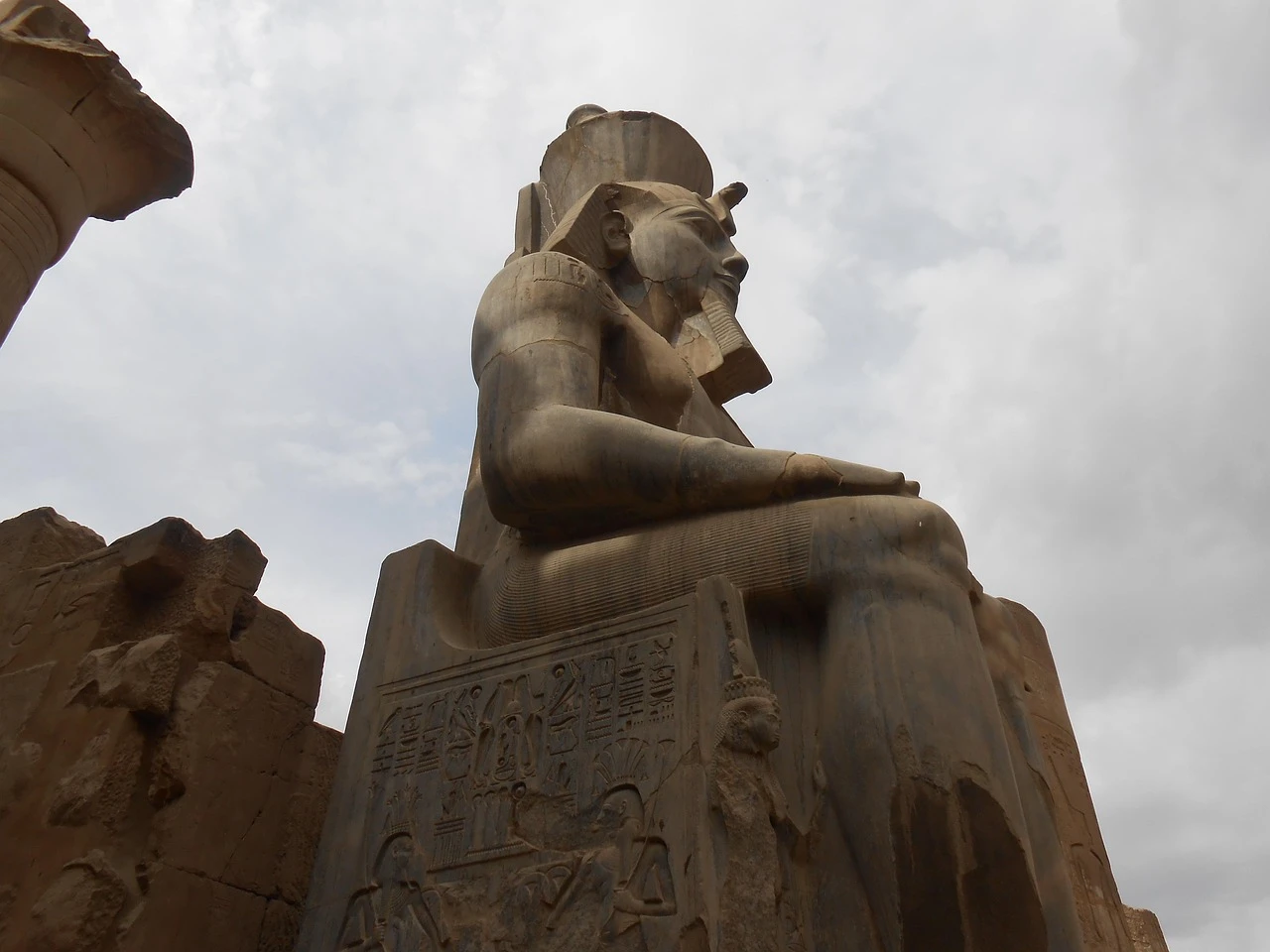
In Aswan, Abu Simbel is the main southbound highlight. The Abu Simbel temples were cut into the rock for Ramesses II and Nefertari, and the rock sculptures make more sense with a guide who can explain their relocation and religious purpose. The visit starts early in many programmes, so we plan the transport carefully and leave time to rest afterwards.
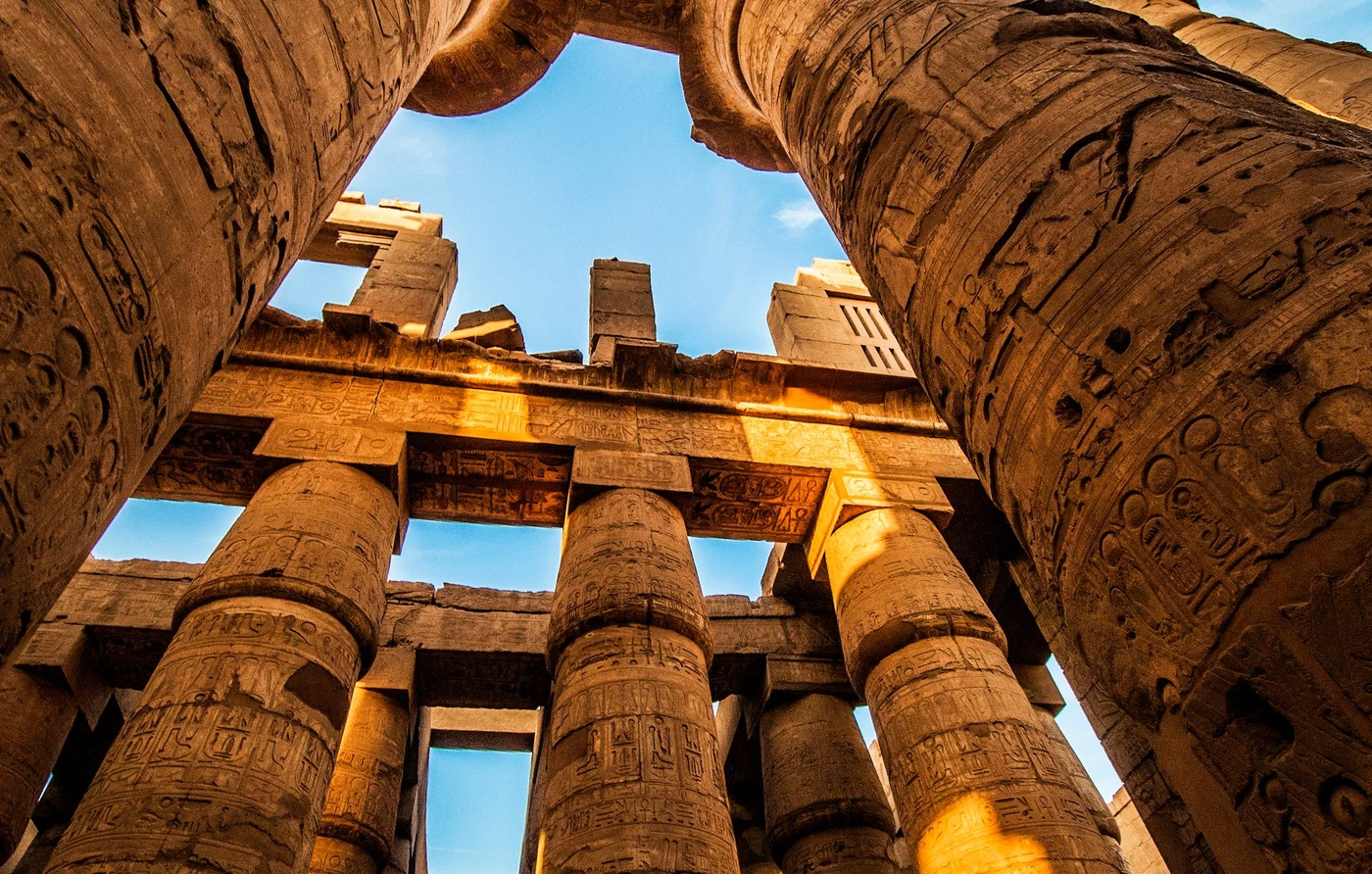
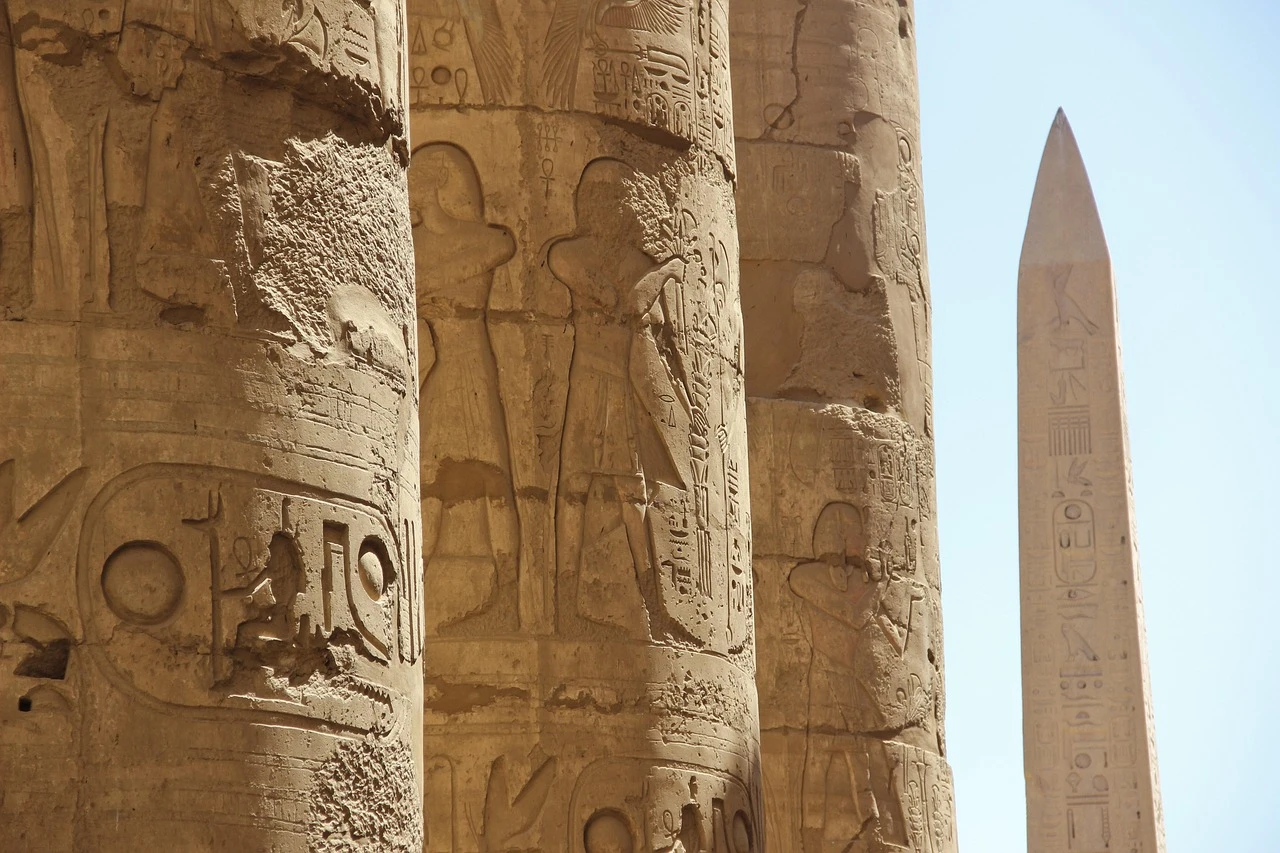
Luxor brings several of Egypt’s major heritage sites together. On the west bank, the Valley of Kings tombs and burial sites reveal painted chambers built for pharaohs, while the Hatshepsut memorial temple rises in terraces beneath the cliffs. On the east bank, a visit to the Karnak complex leads through pylons, courtyards and columned halls. The site is large enough to reward a measured pace rather than a rushed walk.
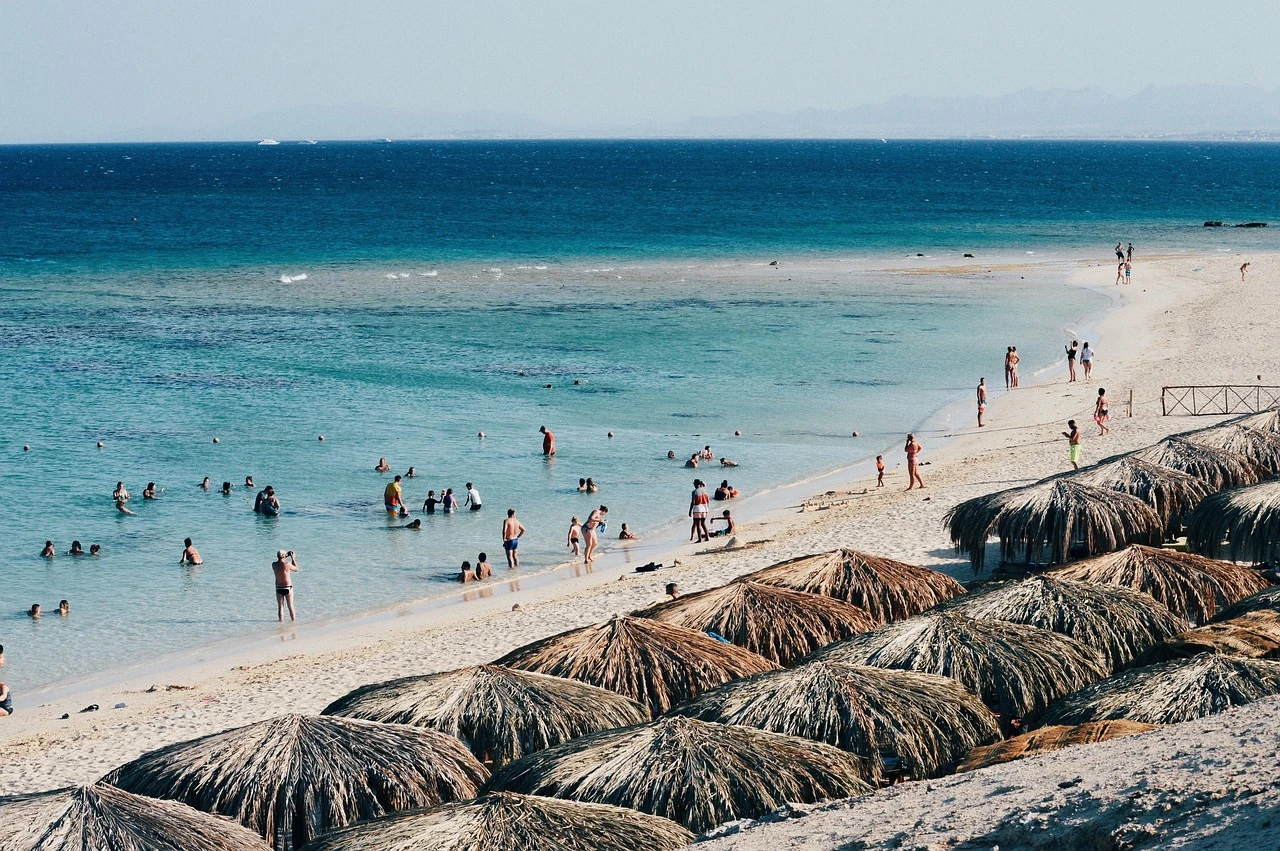
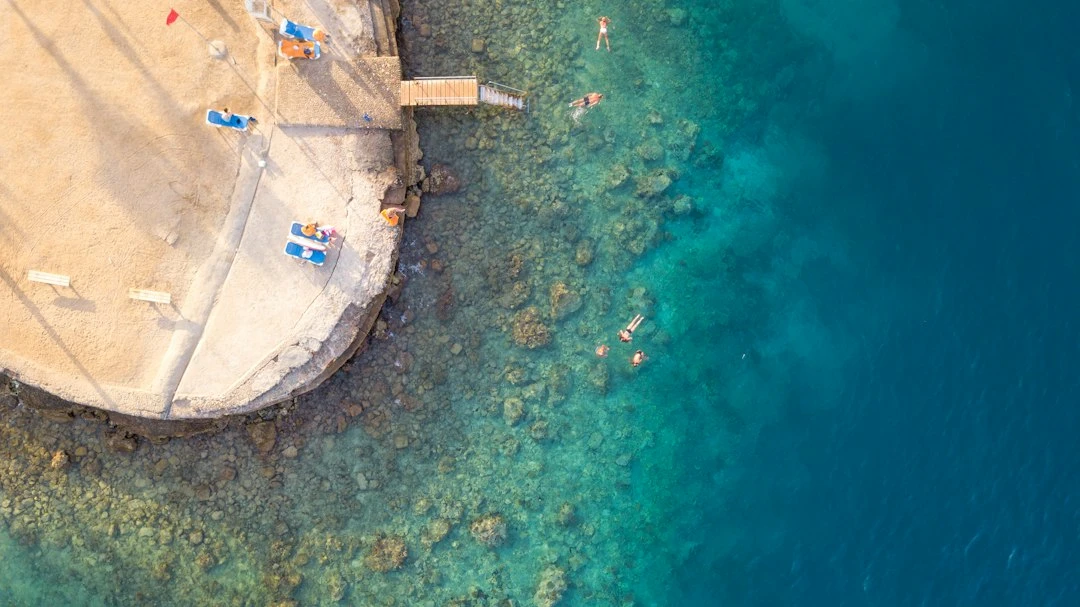
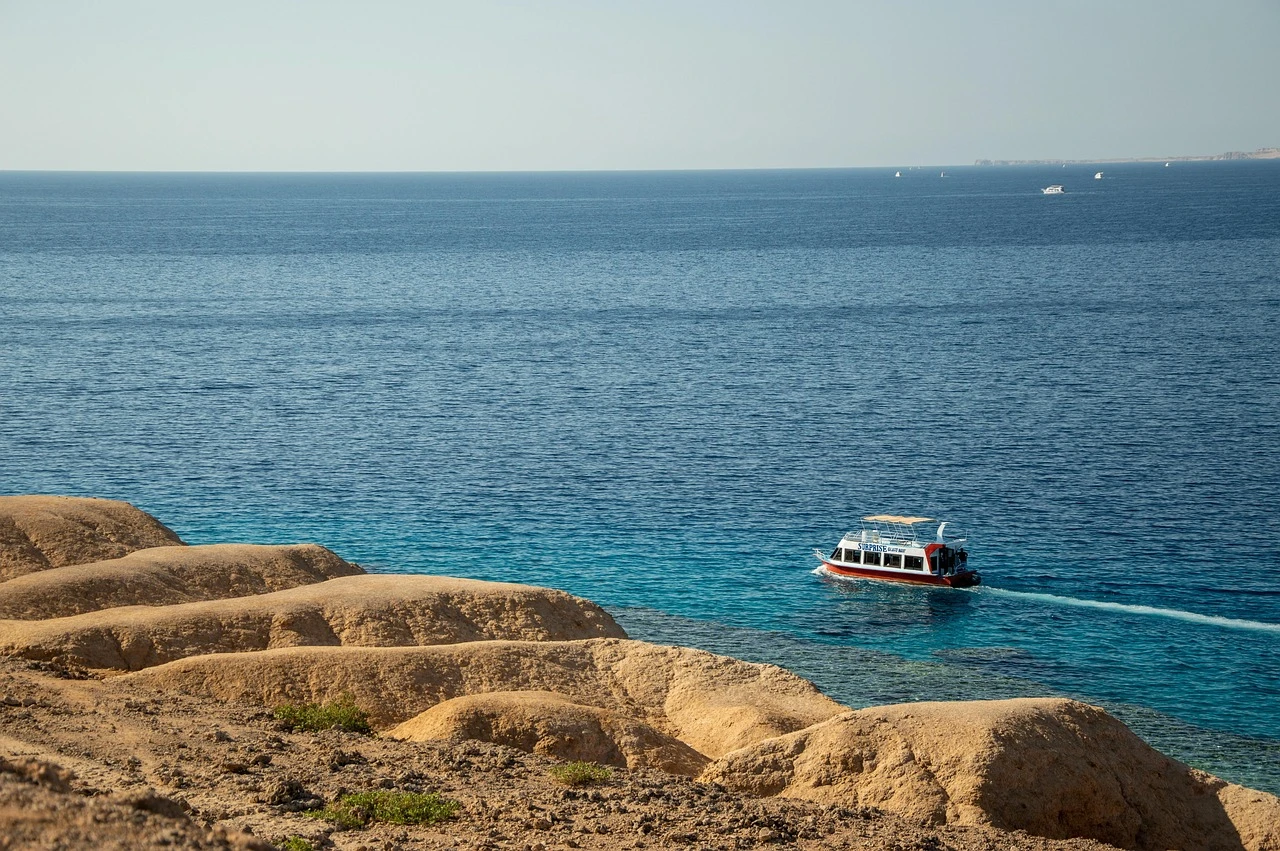
The final stage is spent at a Red Sea resort in Hurghada, a practical place to rest after the sightseeing and desert travel. In Hurghada, you have time for the shore, swimming or an optional sea activity, subject to conditions and local arrangements. We balance the schedule with transfers, guided touring and free periods, so this trip suits travellers who want depth and variety rather than a short, tightly packed break.
Our team arranges the main transport, accommodation, guiding and connections between regions, so you do not have to coordinate separate desert vehicles, river travel and archaeological visits. A licensed Egyptologist guides the principal sites where relevant. The tour involves early departures, uneven ground, stairs, heat and several long road sections, so it is less suitable for travellers who need a fully step-free itinerary. Tell us about mobility, dietary or family needs before travel so we can confirm the arrangements. Comfortable walking shoes and a small overnight bag for the desert are especially useful.
Entrance fees for the included archaeological sites
Airport and intercity transfers included in the tour plan
Transport in air-conditioned vehicles where road transfers apply
Licensed Egyptologist guide for scheduled sightseeing
Desert safari transport, camp equipment and overnight camping
Accommodation throughout the 20-day journey
Meals specified in the itinerary
Three-day Nile boat journey
Personal expenses, drinks and laundry
International flights
Egypt entry visa and travel insurance
Optional activities in Hurghada
Any sightseeing or services not listed in the itinerary
Tips for guides, drivers, boat crew and desert staff
Light, breathable clothing with modest layers for temples and religious sites
Sun hat, sunglasses and high-factor sunscreen
Warm layer for the desert night and early-morning excursions
Passport and any required visa documents
Comfortable walking shoes with good grip
Swimwear and a light cover-up for Hurghada
Cash in Egyptian pounds for personal expenses and tips
Reusable water bottle and personal medication
Small overnight bag for the desert camp
This 20-day Egypt journey is planned around Cairo’s Giza Pyramids, the Cairo Egyptian Museum, Historic Old Cairo and Mohammed Ali Mosque, followed by a desert safari into Egypt, Nile sightseeing, Luxor, Aswan, Abu Simbel and a Red Sea stay in Hurghada.
The desert section includes White Desert National Park, Agabat Valley exploration, Black Mountain formations, Crystal Mountain quartzite, hot springs discovery and night camping in white sands for a genuine nocturnal desert experience. The archaeological programme also covers Egypt’s major heritage sites, with transport, accommodation and meals provided according to your confirmed itinerary.
This 20-day Egypt tour combines scheduled sightseeing with slower travel, including three-day Nile boat relaxation between Aswan and Luxor and time at the Hurghada beach town on the Red Sea coast.
Some days involve early starts, walking across temple grounds and uneven desert or archaeological surfaces. The order may vary with transport and local conditions, but the route allows time for the main sights, including Philae Temple ruins, the Aswan High Dam structure, Edfu Temple visit and Kom Ombo dual sanctuaries.
Our team arranges the planned airport, hotel and station pickups and transfers shown in your final itinerary, connecting Cairo, the desert, Aswan, Luxor and the Hurghada beach town without requiring you to organise each leg independently.
Your booking documents explain where to meet your driver or representative and how the transfers connect with flights, road travel or the Nile boat. Please send accurate arrival and accommodation details before travel so we can coordinate the pickup correctly; exact times can change with transport schedules.
This Egypt tour can suit families and many older travellers, but it requires a reasonable level of fitness because the route includes desert travel, night camping, steps, heat and walking over uneven ground at temples and tombs.
Giza, the Valley of Kings tombs and the Hatshepsut memorial temple may involve walking and surfaces that are difficult for wheelchairs. The Hatshepsut terraced temple, Karnak complex exploration and Abu Simbel colossal temples also require outdoor walking. Tell us about mobility, medical or dietary needs before booking so our team can advise on practical arrangements.
Pack light, breathable clothing for daytime, a warm layer for the desert night, comfortable closed shoes, sun protection and modest clothing for religious sites such as the Philae sacred temple and Karnak sacred complex.
Bring a hat, sunglasses, sunscreen, a refillable water bottle, personal medication, a small overnight bag for the desert and swimwear for the Red Sea coastal resort in Hurghada. A scarf or light jacket is useful on transfers and during the nocturnal desert experience, when temperatures can fall after sunset.
You can request this 20-day Egypt journey by sending our team your preferred travel dates, traveller details and any accommodation, mobility or dietary requirements; we then confirm the itinerary, availability and payment terms before your booking is final.
Cancellation terms depend on how far in advance you cancel and on arrangements already secured for transport, accommodation, the Nile boat or domestic travel. The written booking conditions supplied with your confirmation govern any refund or amendment, so please read them before paying and contact us promptly if your plans change.
Your unforgettable Egypt journey starts with a booking you can trust.
* Available on selected tours. Flights, cruises and special bookings may have different cancellation policies.
Free cancellation up to 24 hours before activity starts
If you choose to pay online, a secure payment link can be provided after booking. For assistance or alternative payment options, please contact us via WhatsApp.
All our tour operators are licensed and verified by Egyptian tourism authorities.
Learn more about our licensed partners →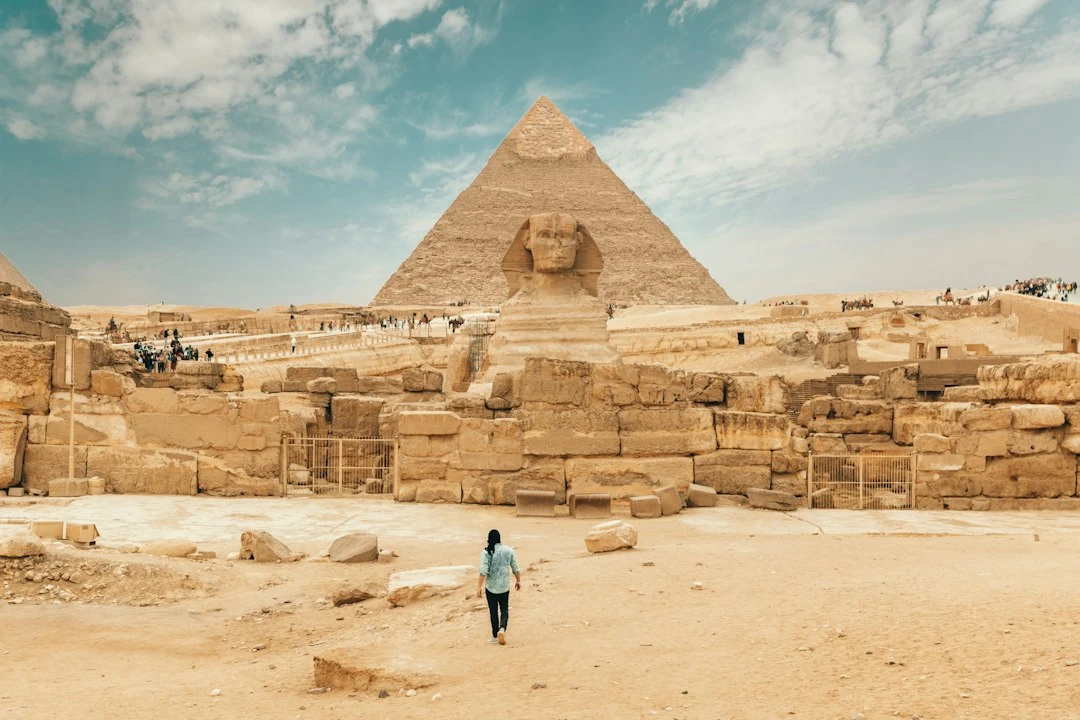

Free cancellation up to 24 hours before activity starts
If you choose to pay online, a secure payment link can be provided after booking. For assistance or alternative payment options, please contact us via WhatsApp.
All our tour operators are licensed and verified by Egyptian tourism authorities.
Learn more about our licensed partners →
Your Itinerary
Arrive in Cairo, where our representative meets you at the airport and helps with the transfer to your hotel. After check-in, you can rest, settle into the city’s pace and review the plan for the coming days with our team. Depending on your arrival time, there may be an opportunity for a short walk near the hotel or a relaxed dinner.
This opening day keeps the schedule light after your flight. Cairo is the starting point for Egypt's major heritage sites, and the following visits are arranged to limit unnecessary backtracking. We will confirm the next day’s departure details, answer questions about clothing, photography and local customs, and make sure you know where to meet your guide. Overnight in Cairo.
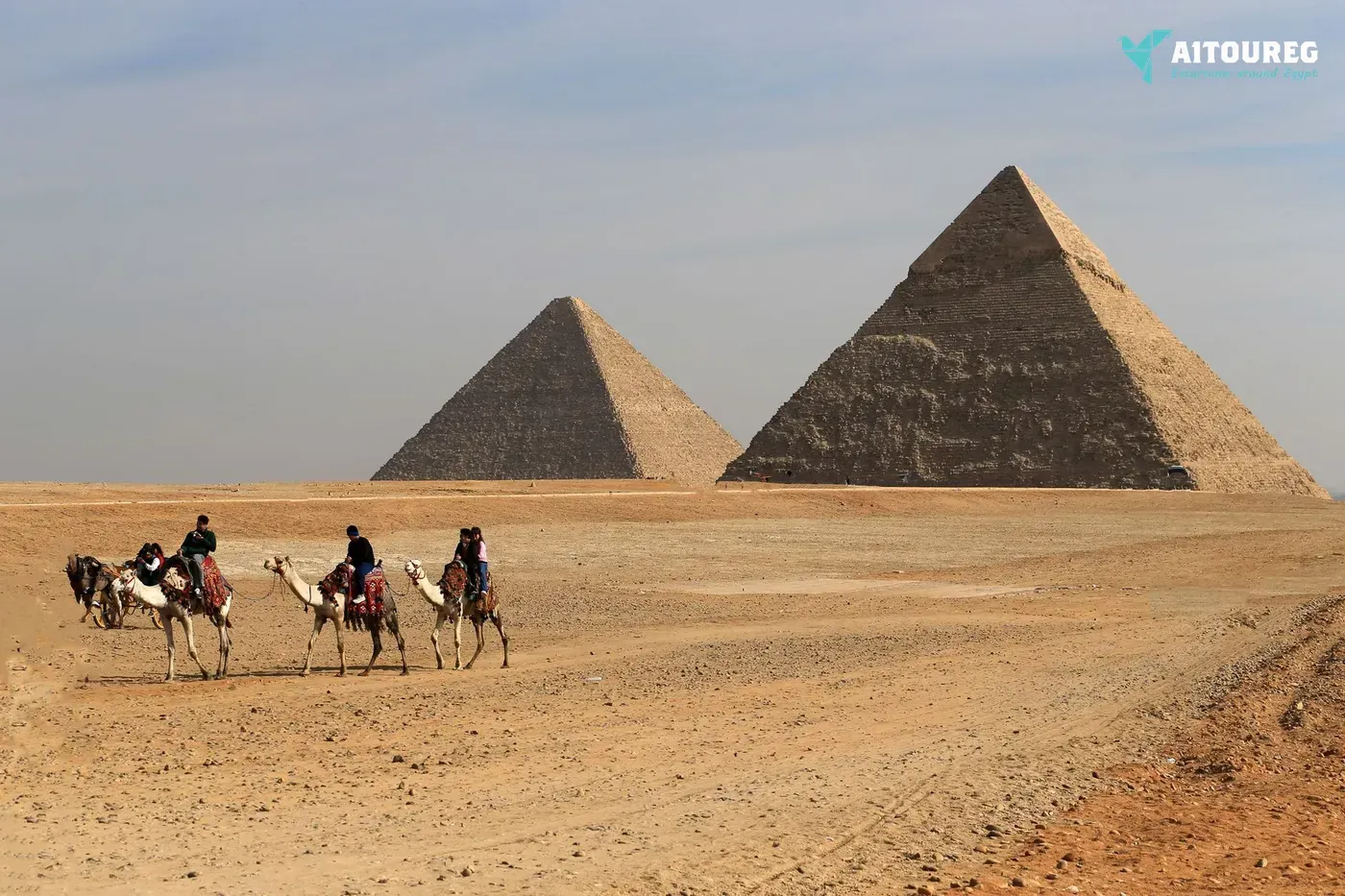
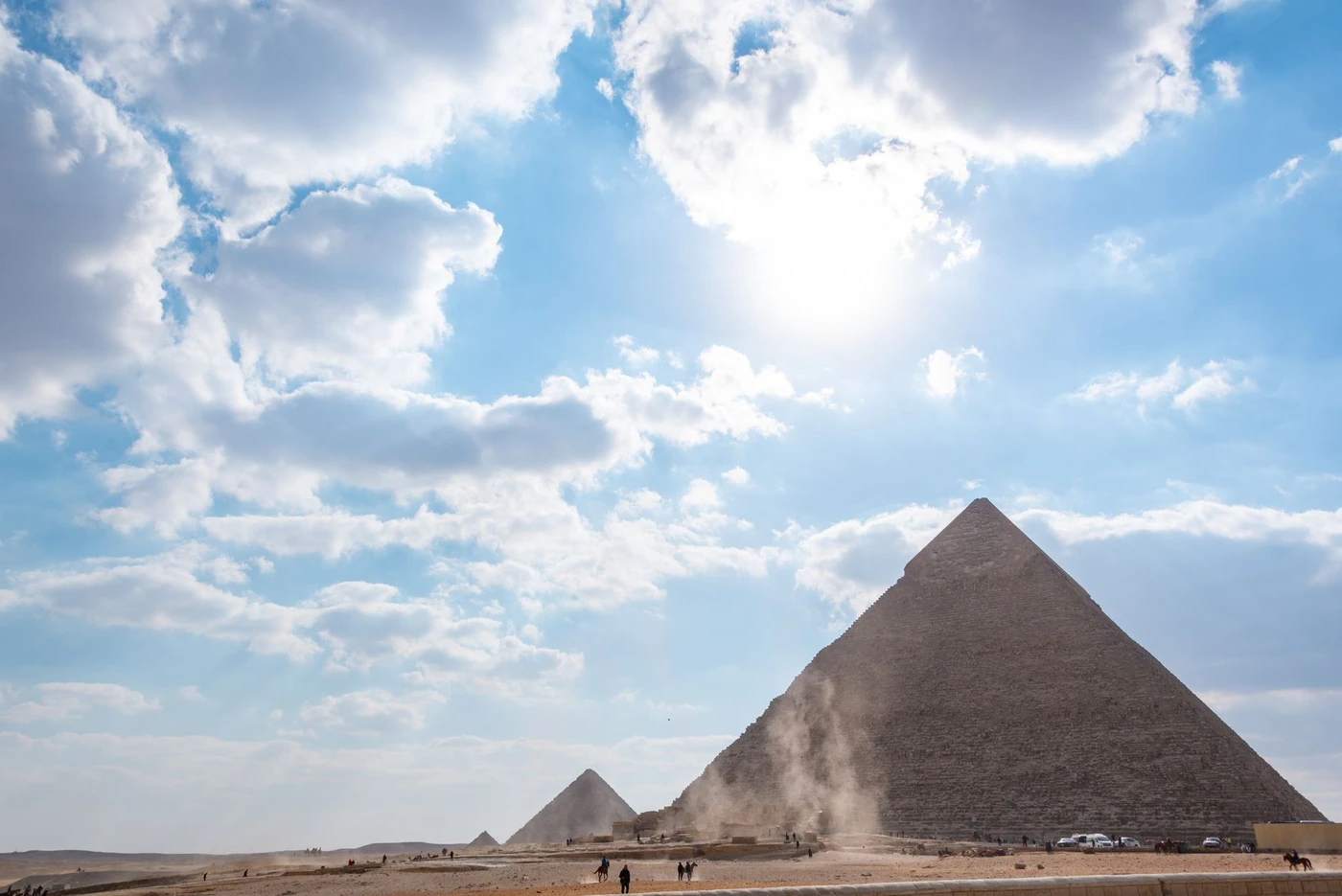
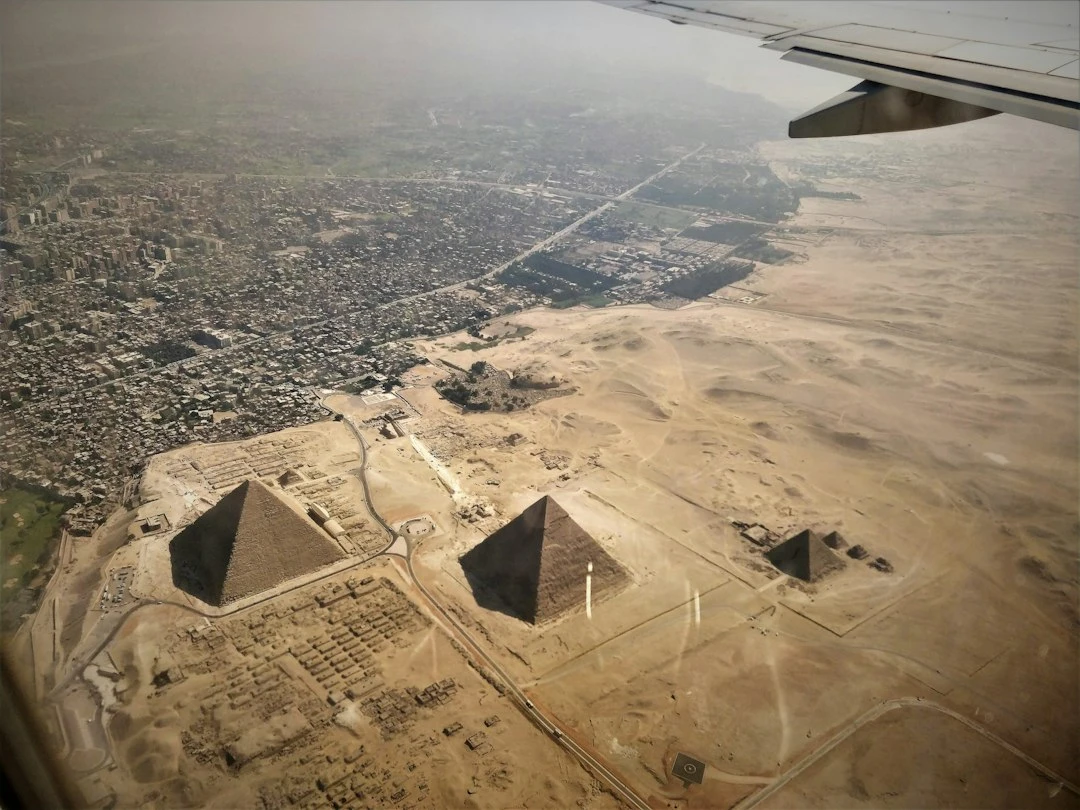
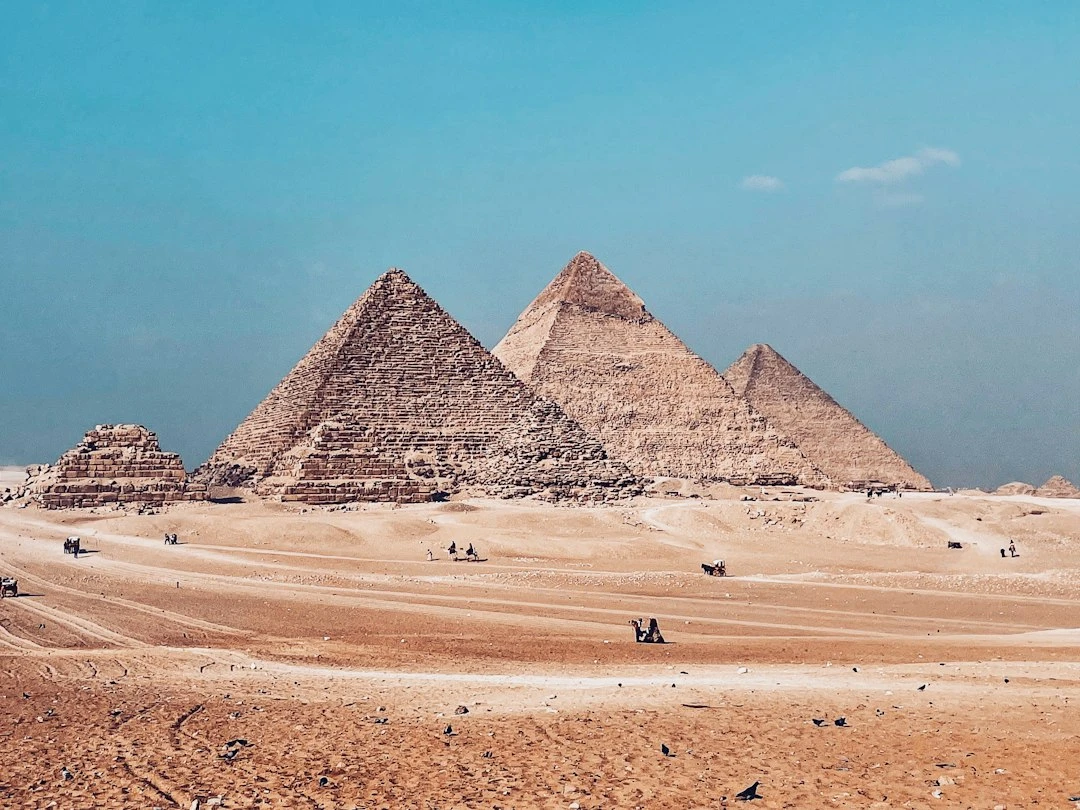
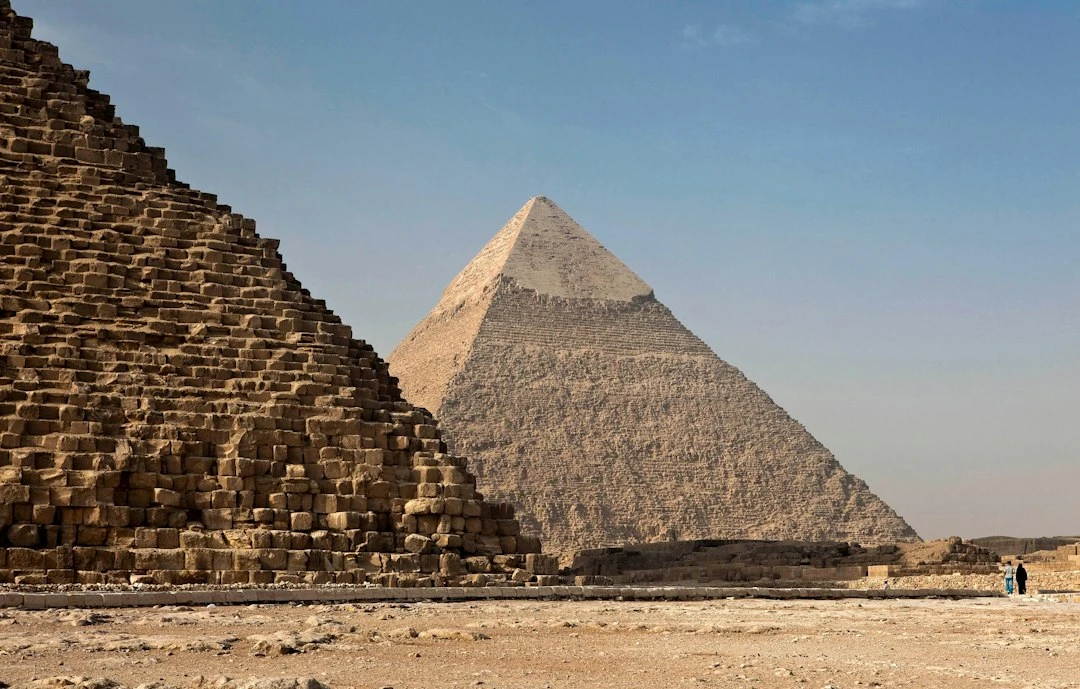
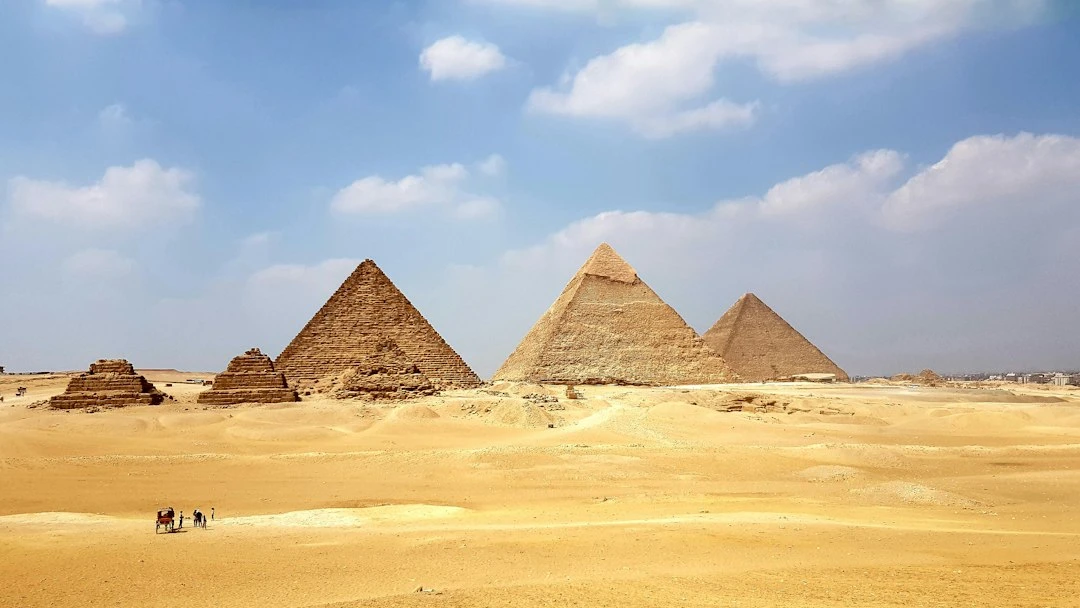
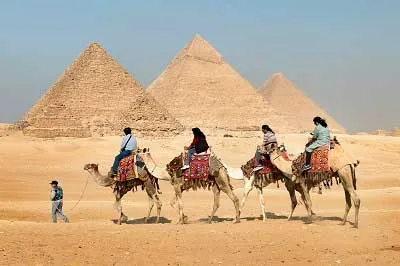
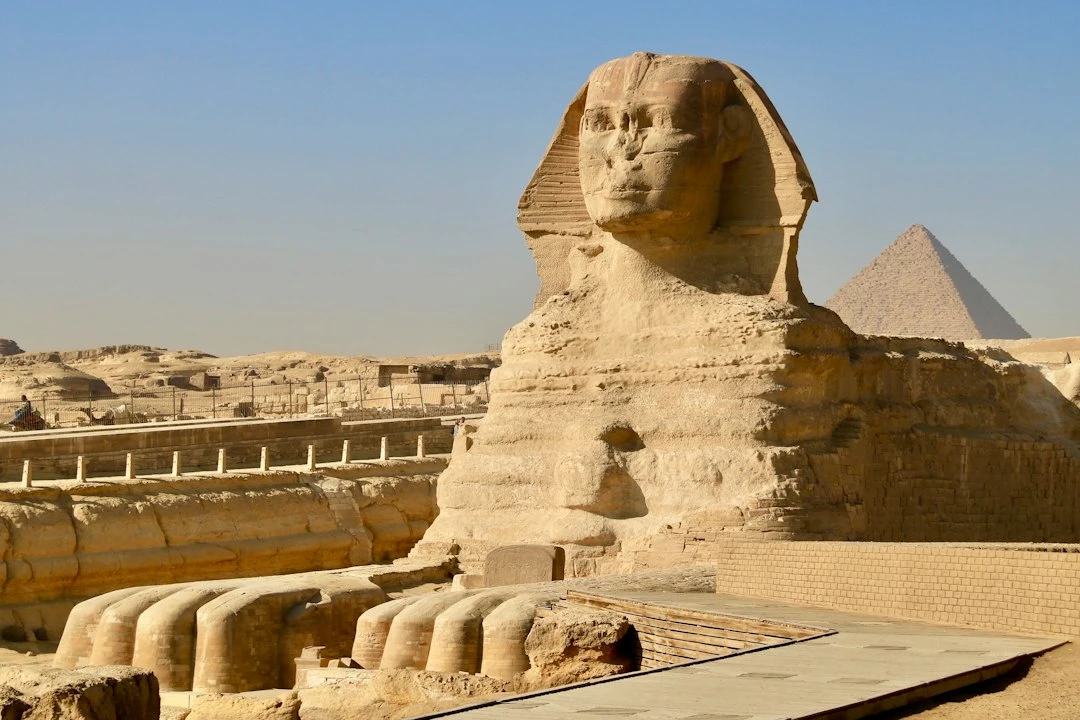
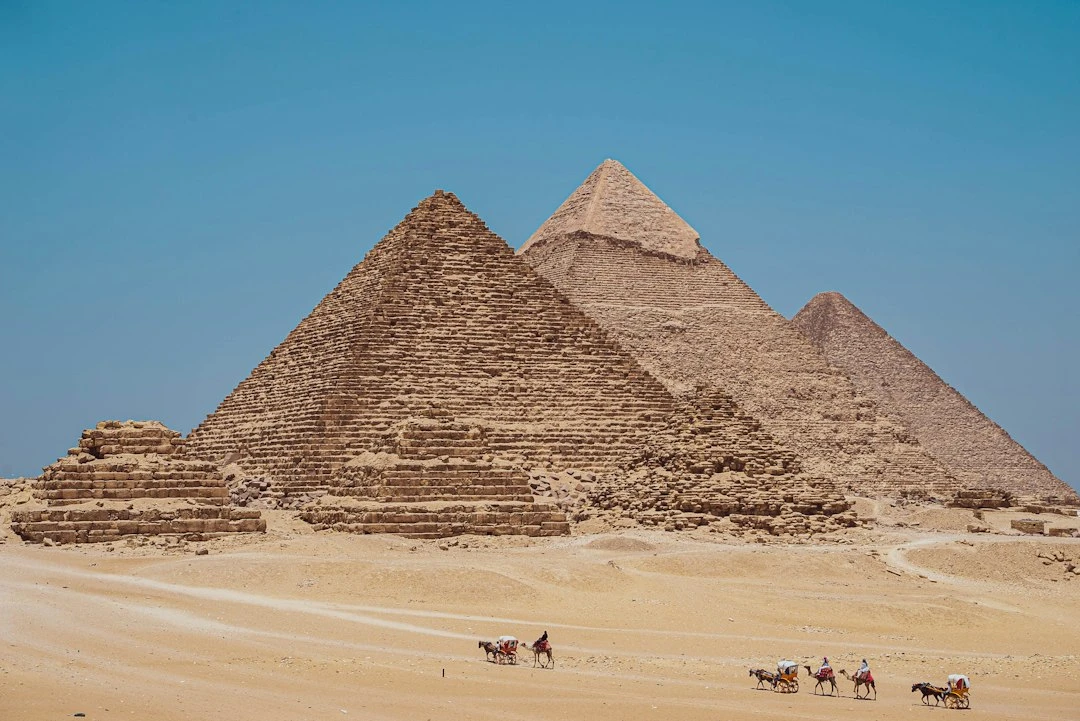
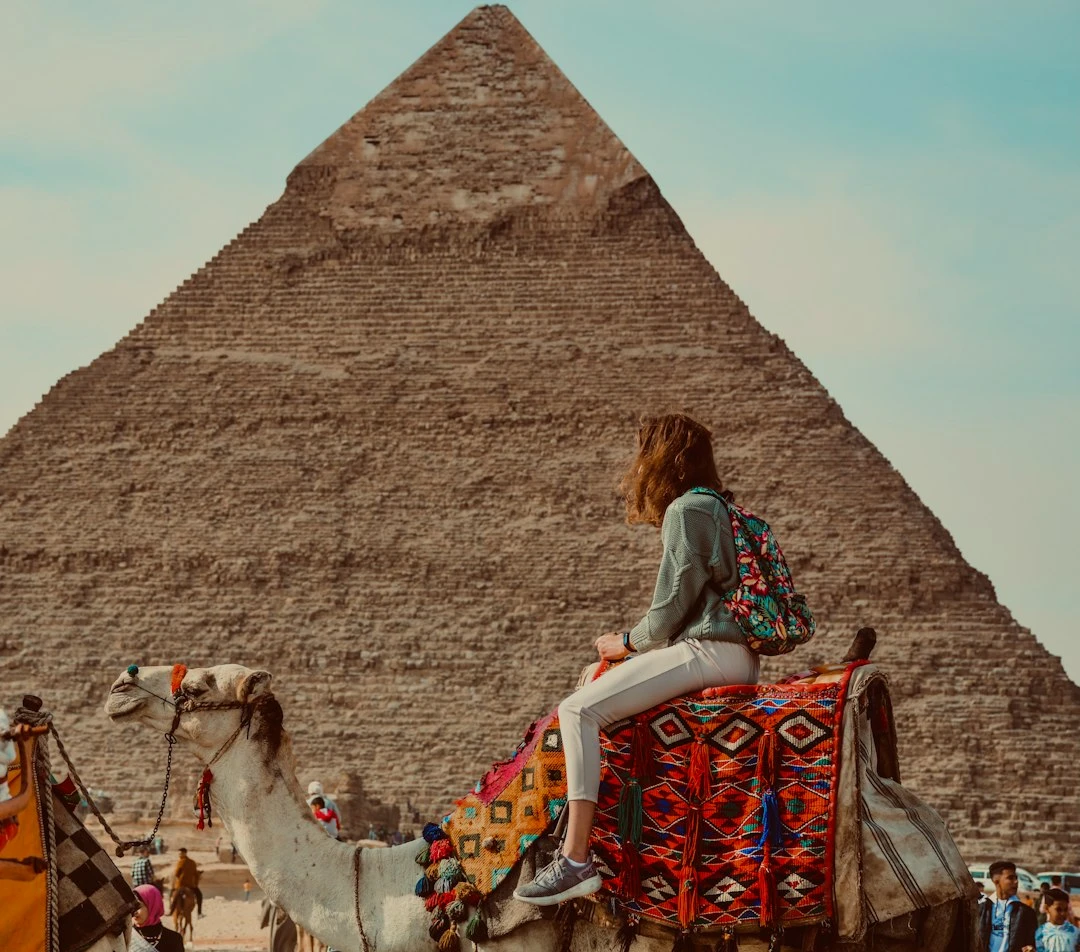
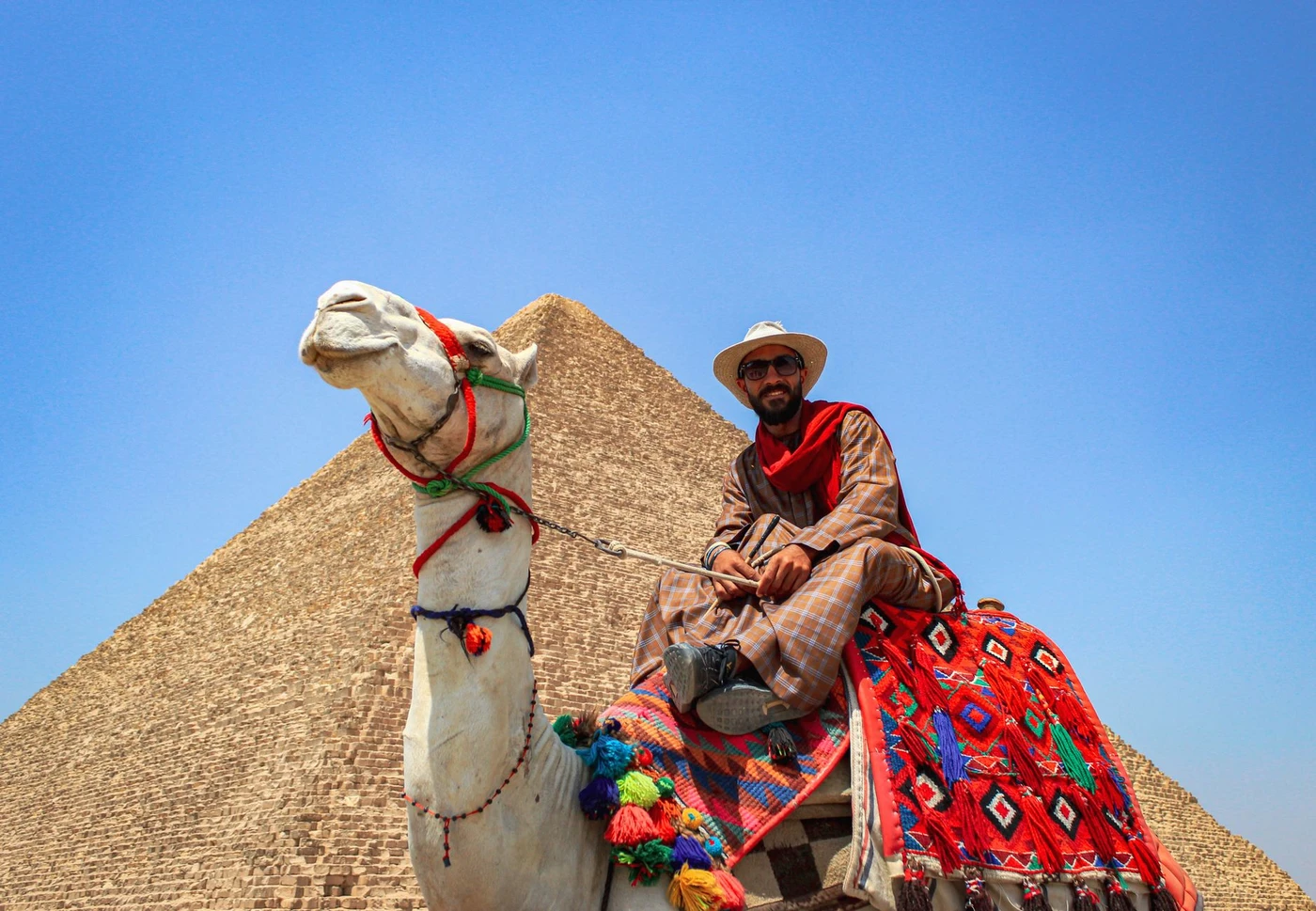
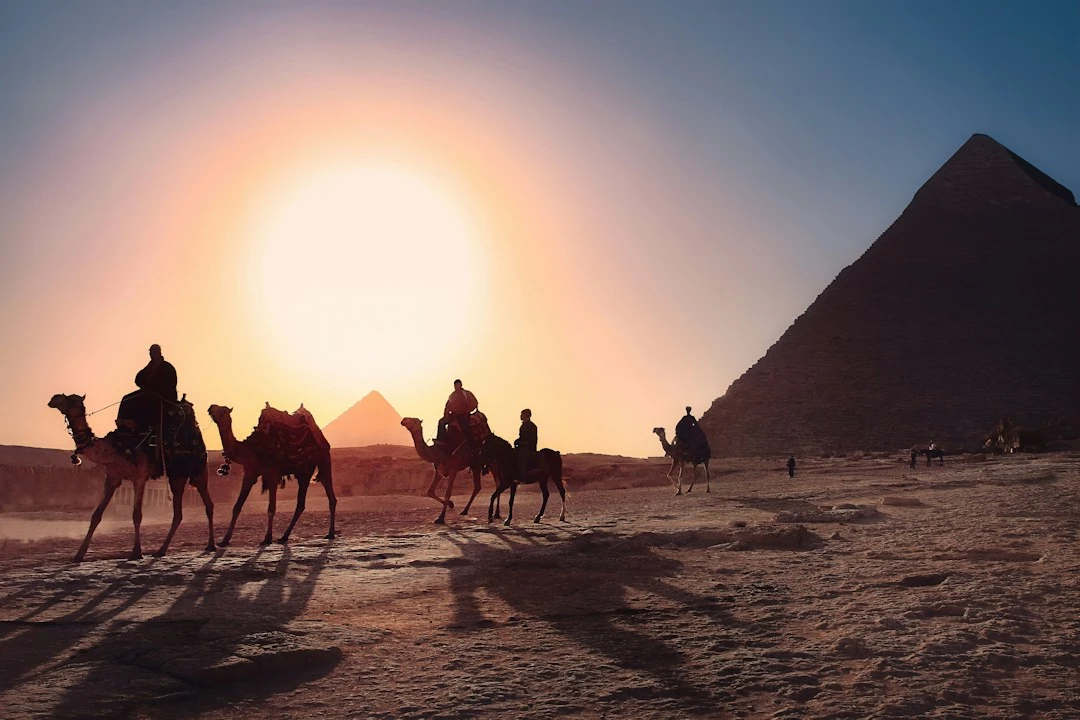
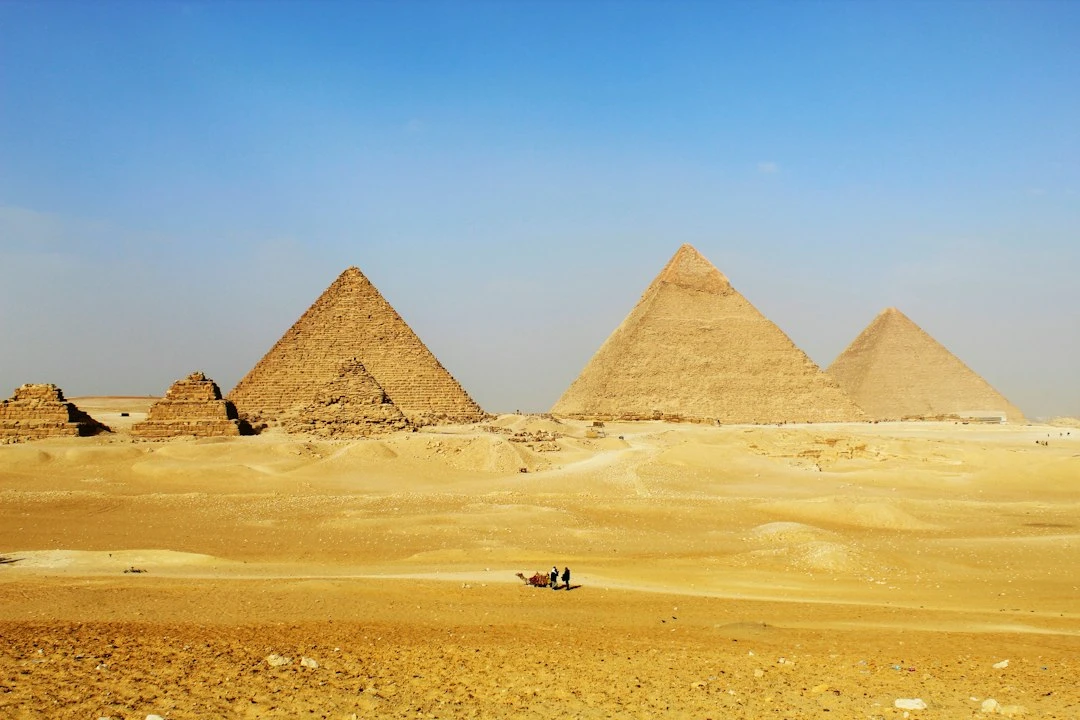
After breakfast, meet your guide for the drive to the Giza Plateau. You will see the Giza Pyramids in their proper setting, beginning with the Great Pyramid and continuing to the pyramids of Khafre and Menkaure. Your guide explains how the plateau was planned, how limestone was moved and why each pyramid has a different appearance today. Time is allowed for photographs and for viewing the Great Sphinx from the main approach.
The visit involves walking over uneven ground and exposed paths, so comfortable shoes, water and sun protection are useful. Optional interior access may be available locally, subject to the day’s arrangements and ticket availability. After the plateau, return to Cairo for a quieter afternoon and overnight stay.
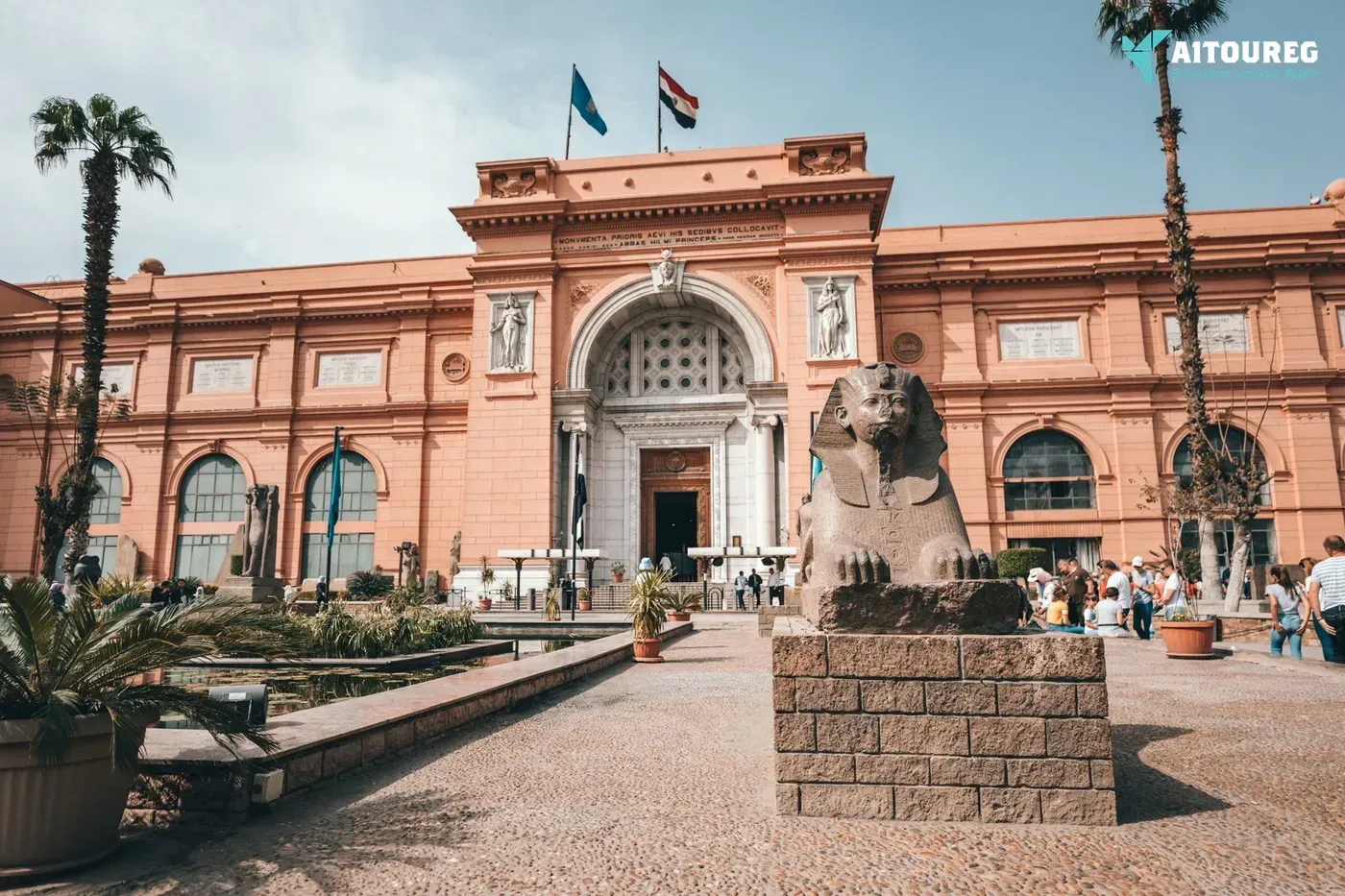
Today begins at the Cairo Egyptian Museum, where your guide leads you through galleries of royal sculpture, funerary objects, jewellery and everyday pieces from several periods of ancient Egyptian history. The museum is large, so the visit focuses on the collections that best explain the country’s dynasties and burial customs rather than trying to cover every room at speed.
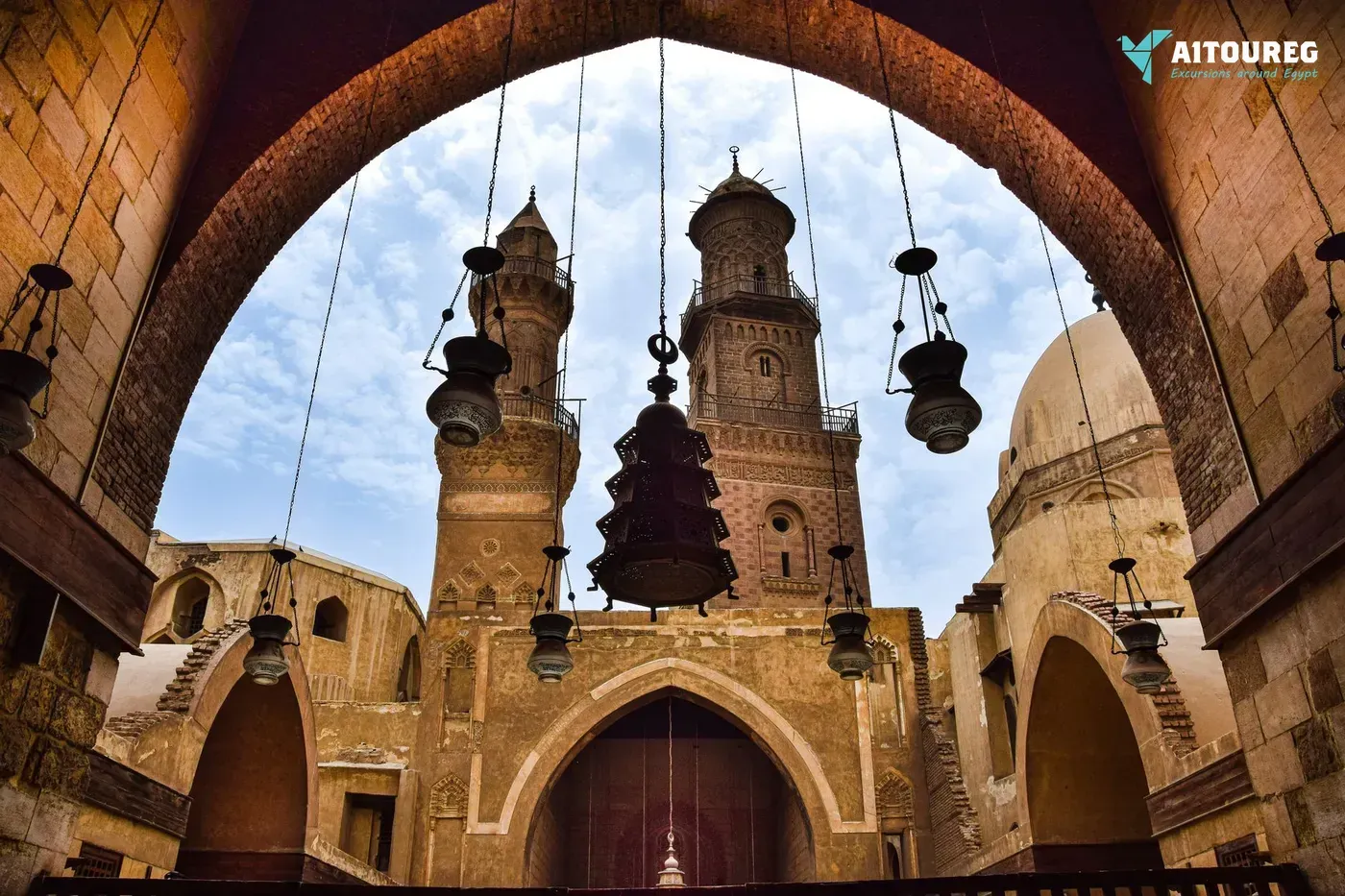
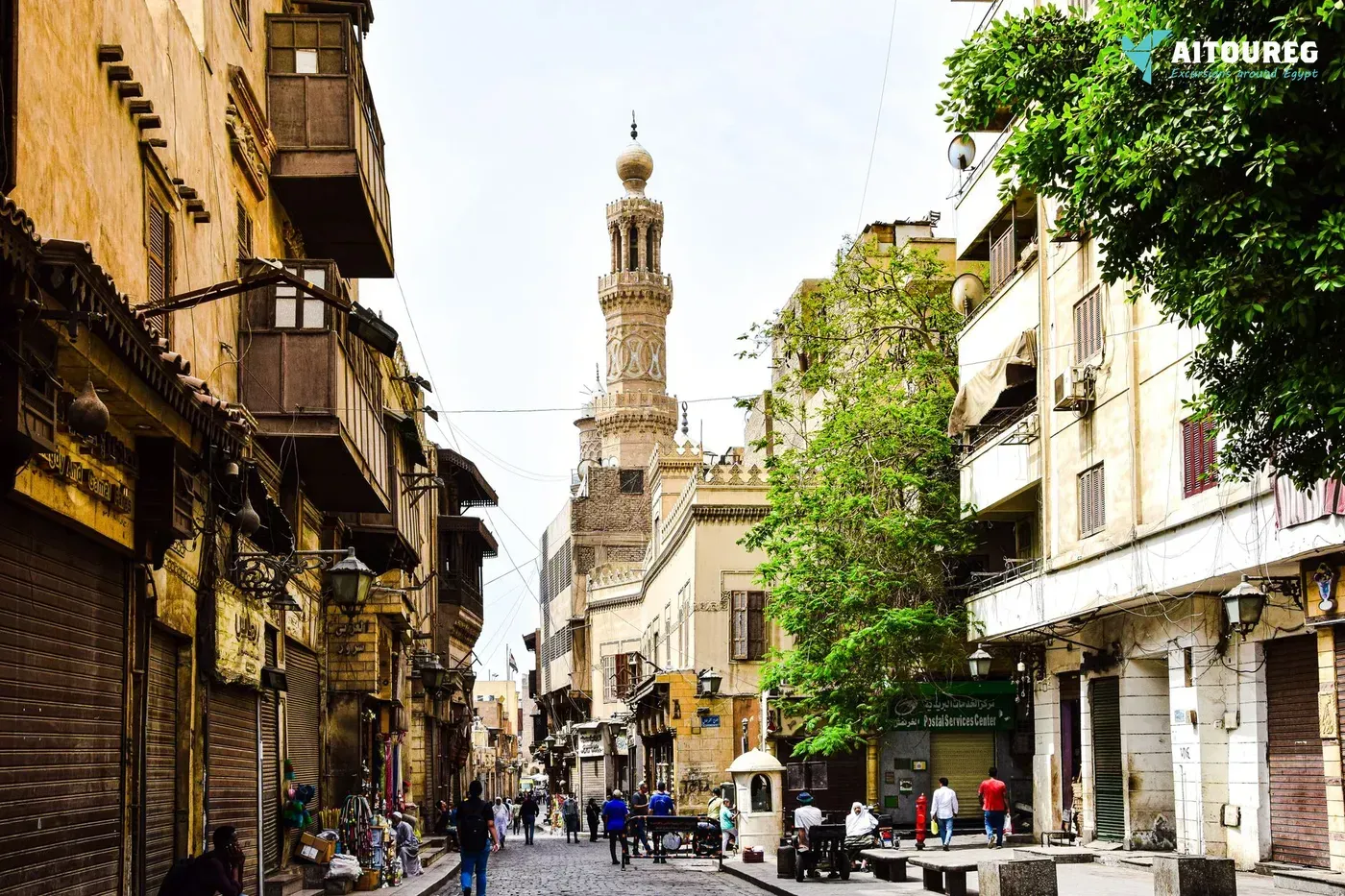
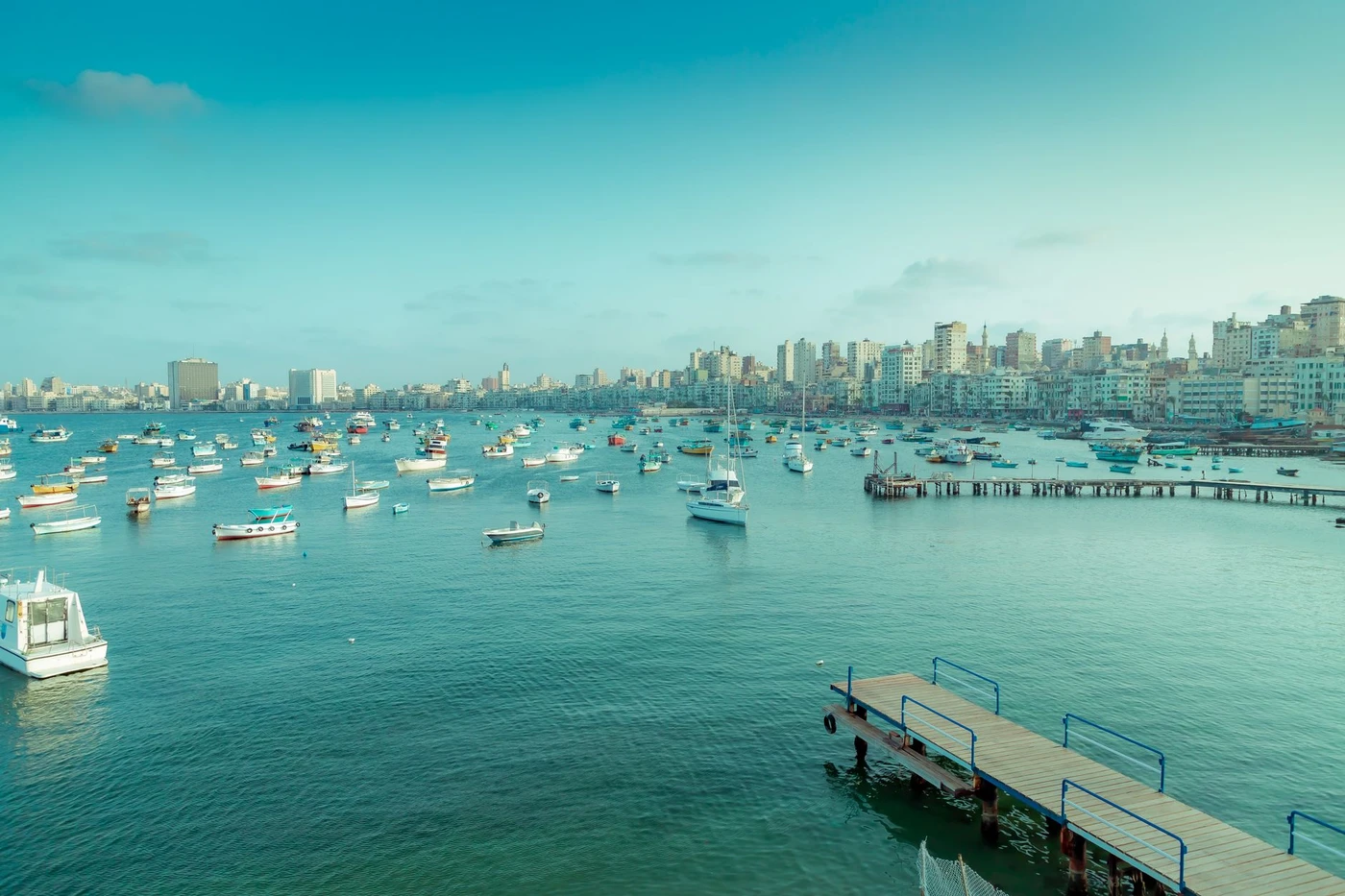
Later, continue to Historic Old Cairo, a district of churches, mosques and narrow lanes shaped by centuries of religious and commercial life. The route is taken at a measured pace, with time to pause at the buildings that are open during your visit. Return to the hotel after the sightseeing, leaving the evening free for rest or an independent meal.
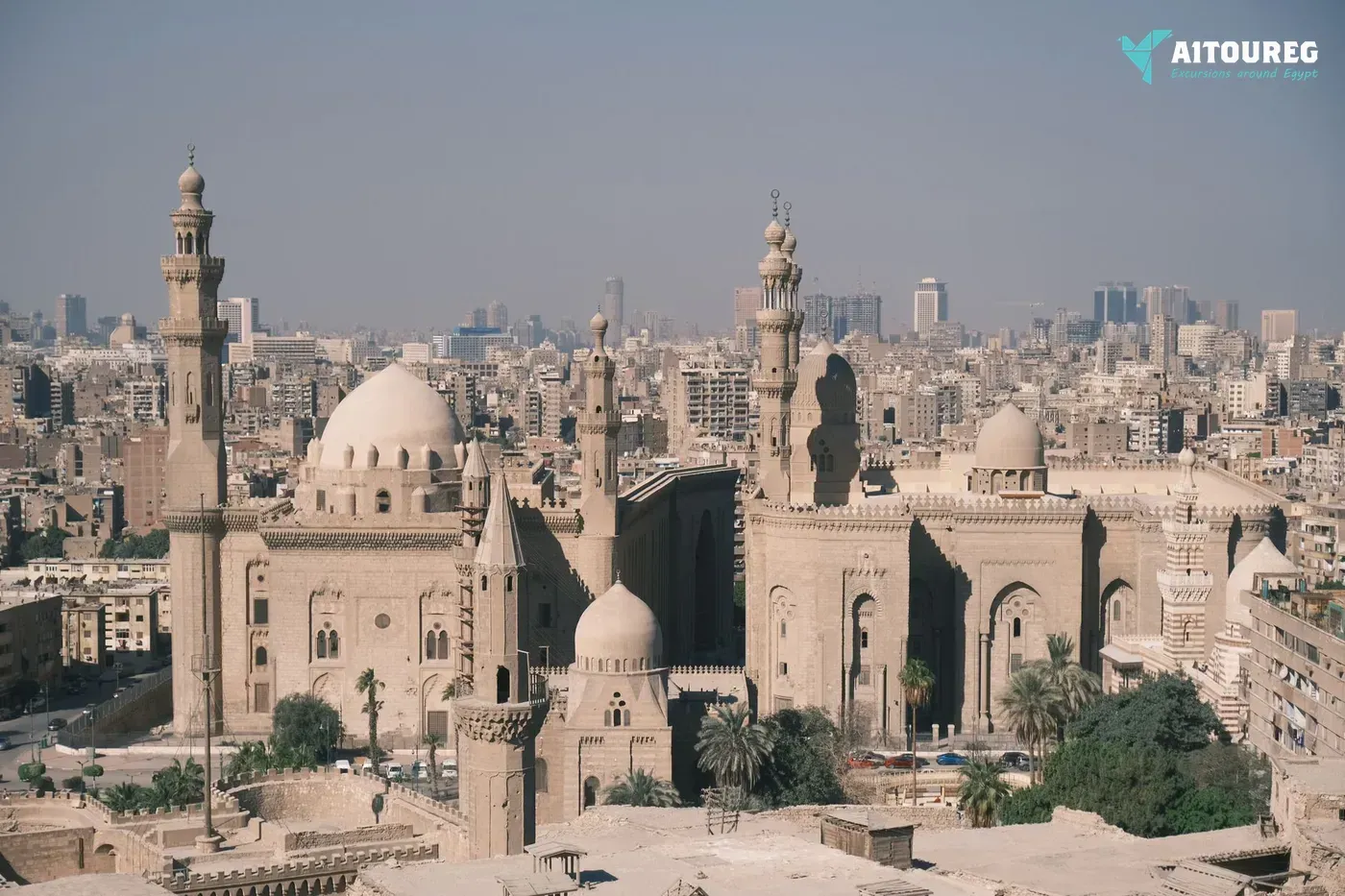
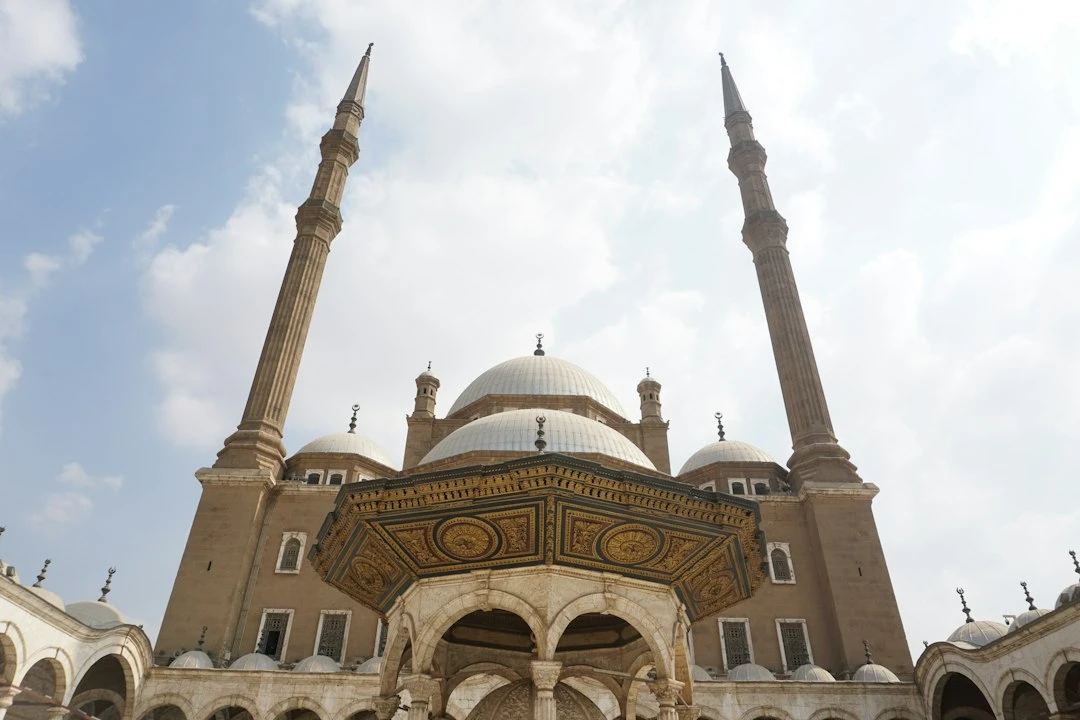
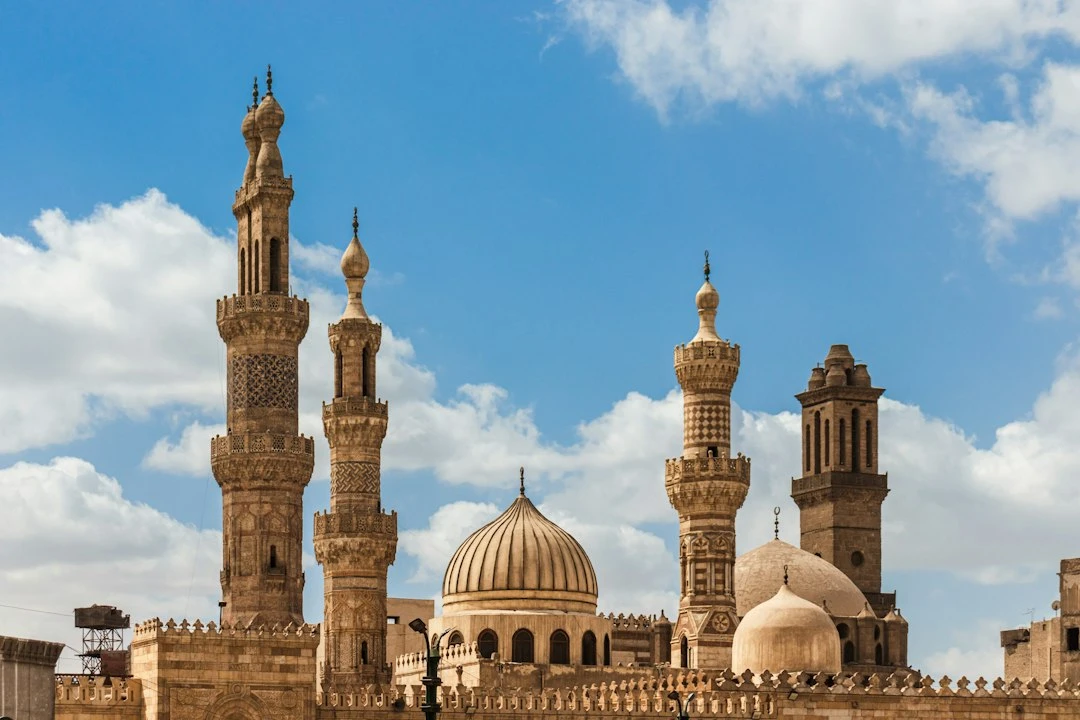
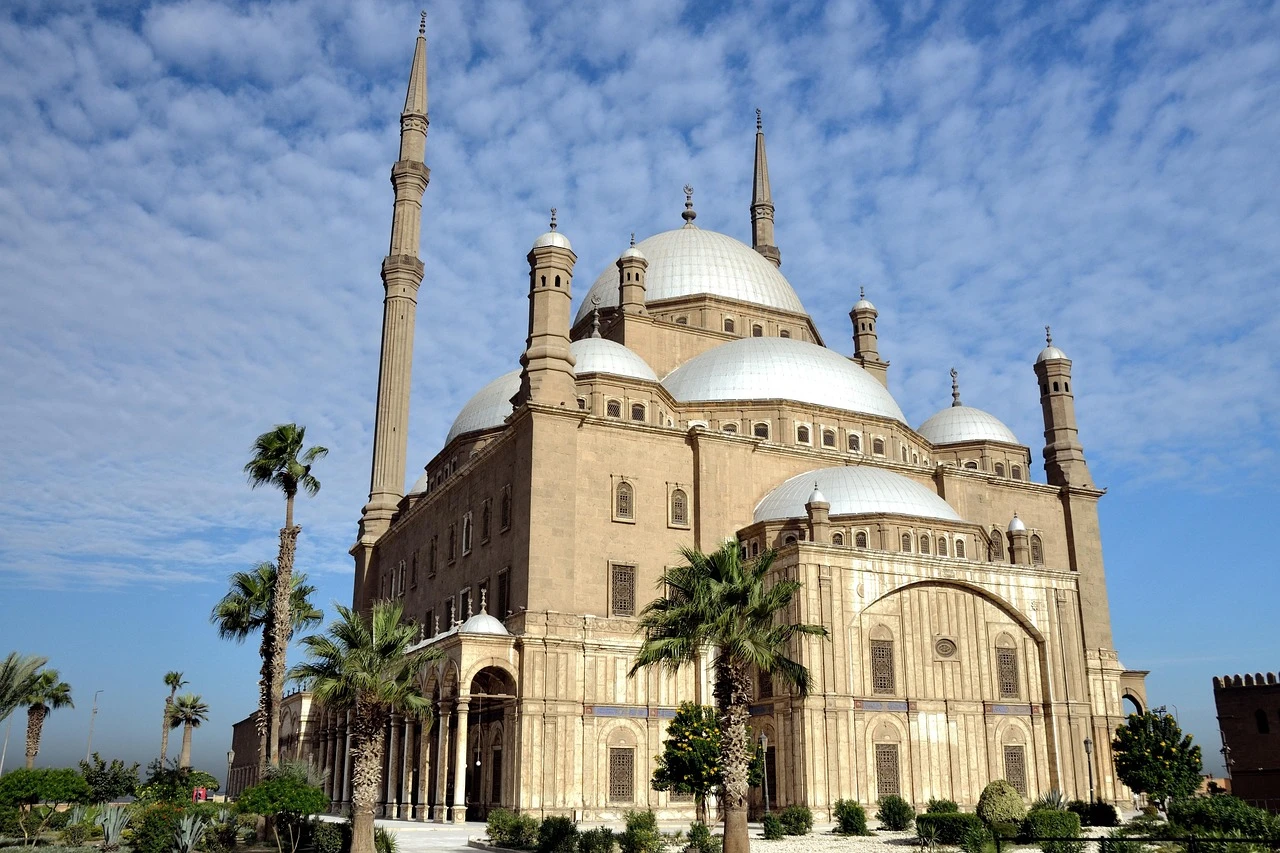
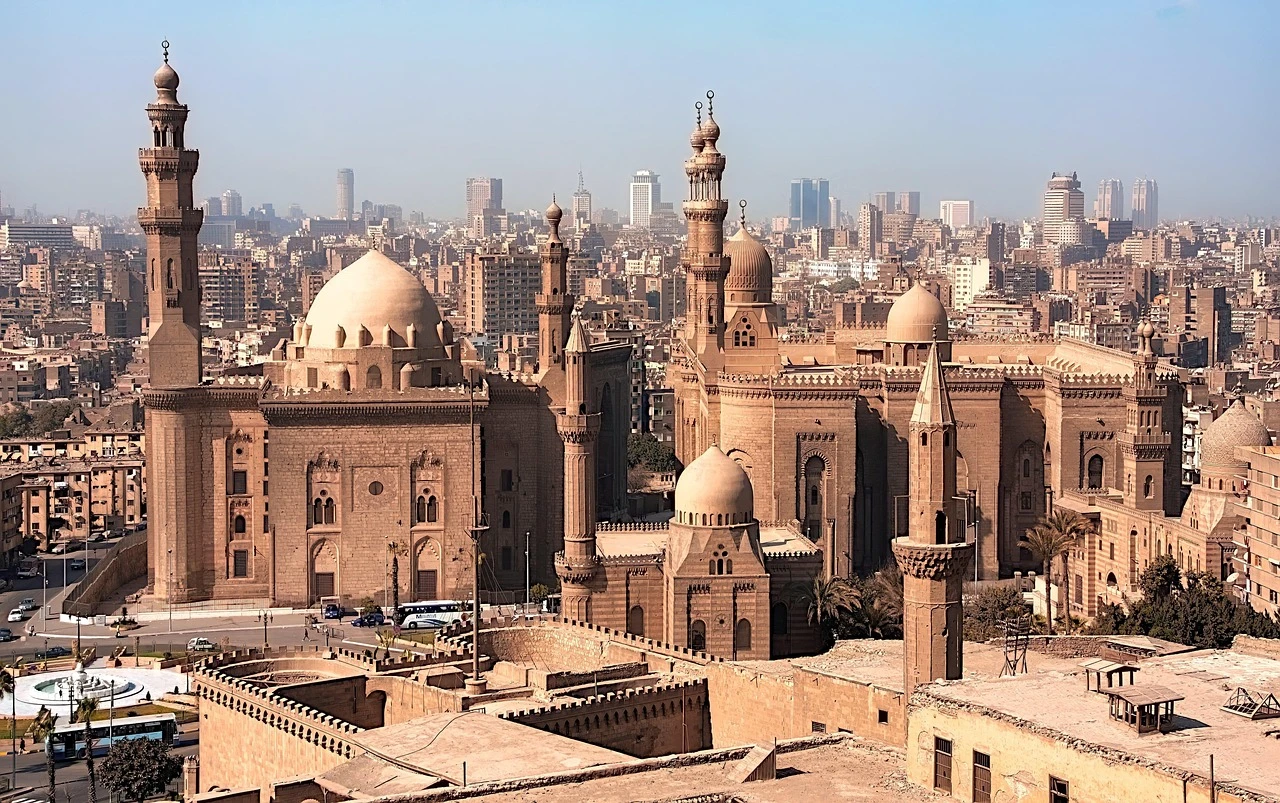
Travel to the Cairo Citadel for a guided visit to the Mohammed Ali Mosque. Its high domes, broad courtyard and city views make it one of the clearest places to understand Cairo’s Ottoman-era skyline. Your guide explains the mosque’s layout and the role of the citadel as a seat of government, while allowing time to remove shoes where required and observe local dress customs.
The rest of the day follows Cairo’s historic centre at an easy pace. You may browse a traditional market area with your guide, stop for tea or enjoy lunch before returning to the hotel. Roads can be busy, and sightseeing times may shift with traffic, so the day is kept flexible rather than packed with distant stops. Overnight in Cairo before the desert transfer.
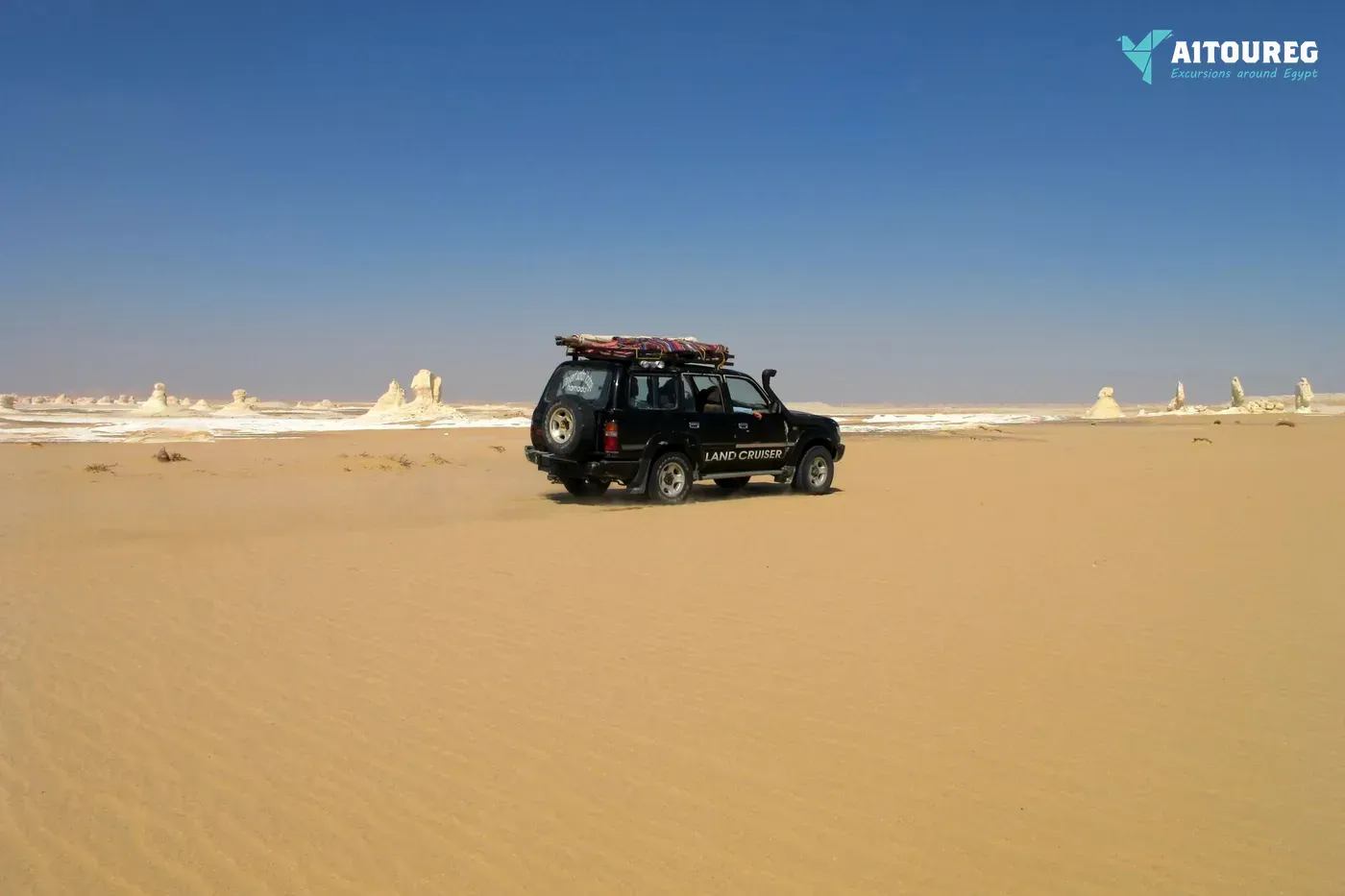
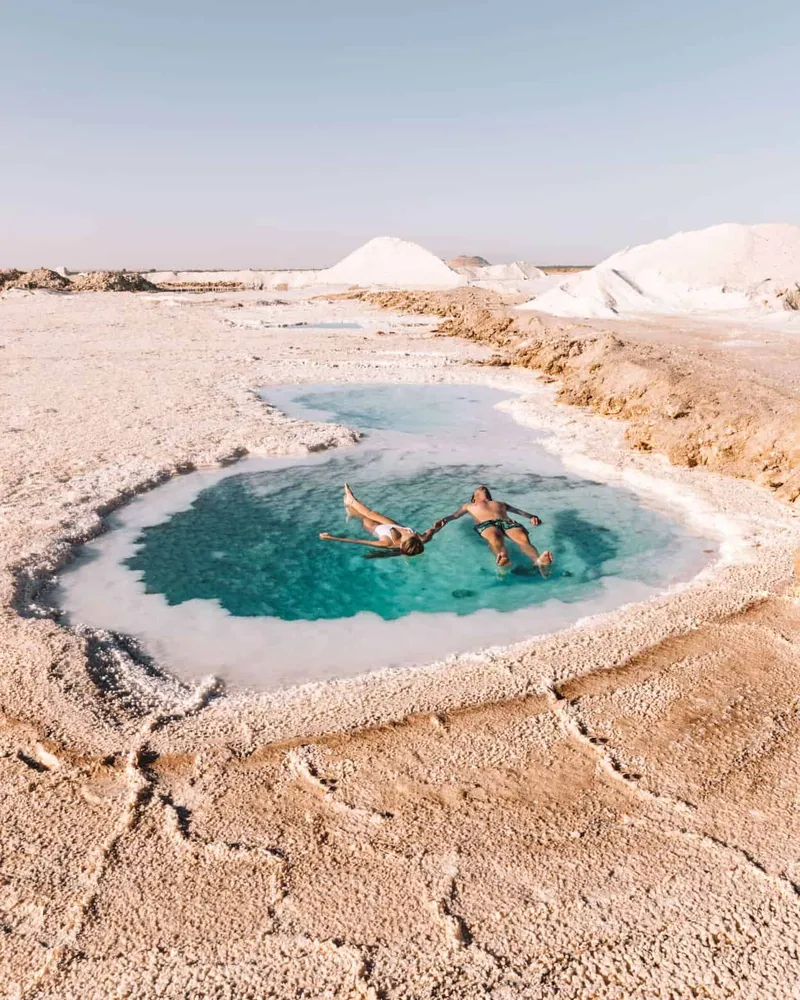
Leave Cairo by road for Bahariya Oasis, travelling through the changing scenery west of the capital. After arrival, meet the desert team and begin your Desert safari into Egypt by 4x4. The first stops show the contrast between the oasis and its surrounding arid landscape. You will also have a Hot springs discovery visit, where warm mineral water emerges in the desert environment; bathing depends on local conditions and your preference.
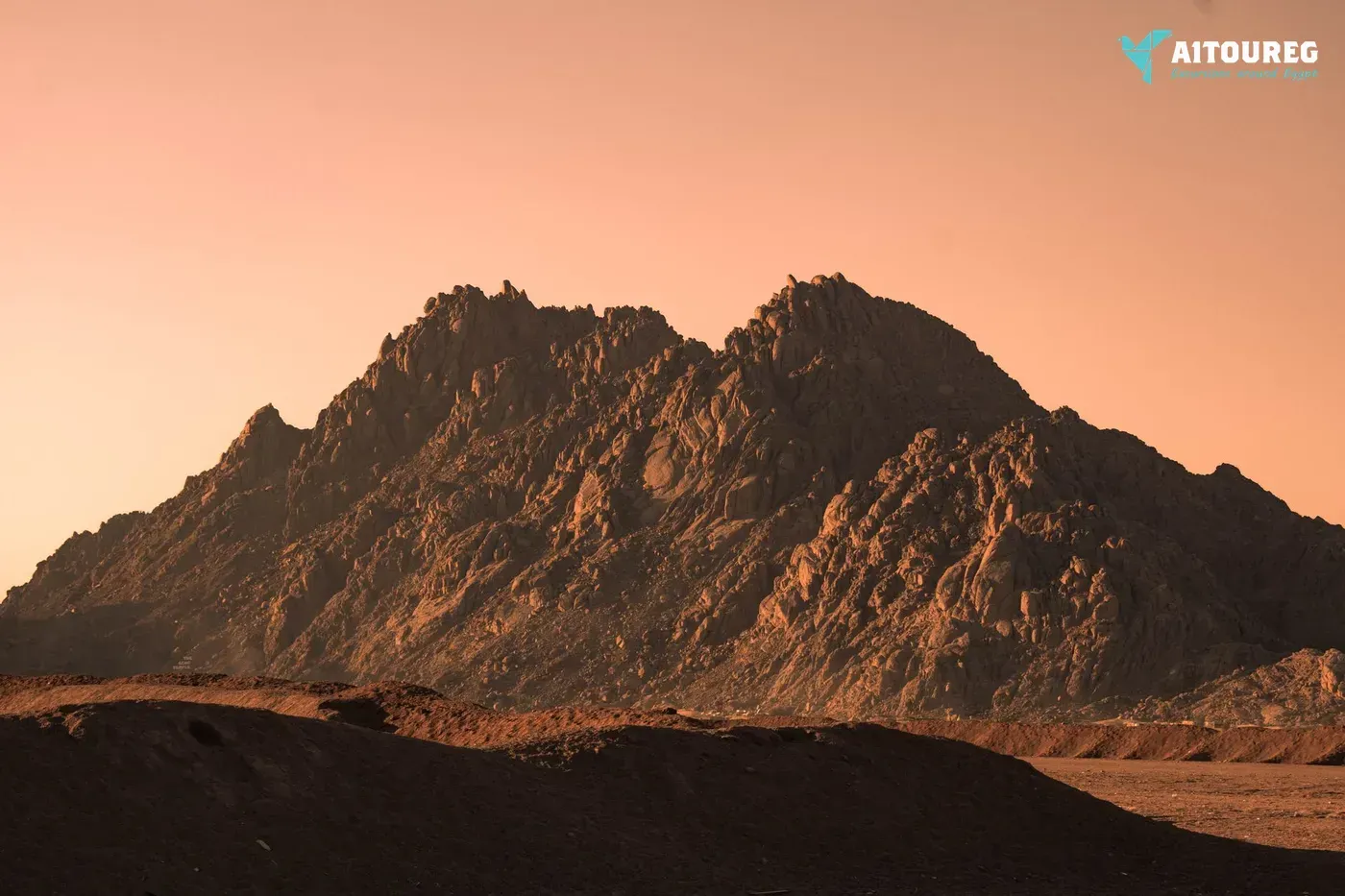
The route continues towards the dark volcanic ridges known as the Black Mountain formations. Your driver chooses practical stopping points for short walks and photographs, while the guide explains how the rocks differ from the pale desert around them. The day ends at a desert camp or lodge area, with dinner and a chance to rest before tomorrow’s longer landscape circuit.
Set out by 4x4 for the White Desert National Park, where wind-shaped chalk forms rise from a pale gravel plain. The route includes an Agabat Valley exploration, with time to walk around the formations and see how the colour and texture of the landscape change as the light moves. A stop at Crystal Mountain quartzite adds a sharper, darker outcrop to the day’s geology.
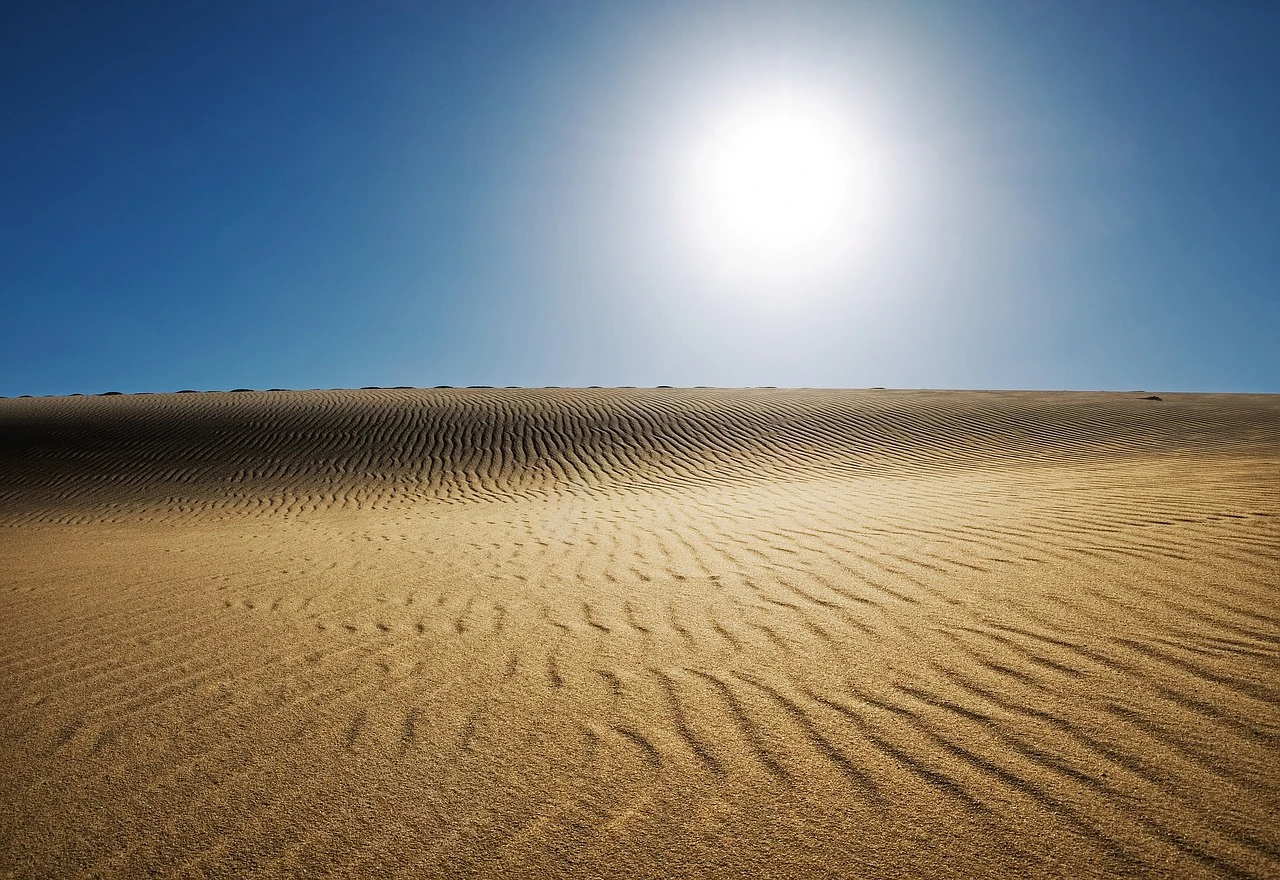
As afternoon cools, the team prepares camp among the open white sands. Night camping in white sands includes a cooked evening meal, simple camp arrangements and time around the fire. This Nocturnal desert experience is quiet and wide open: travellers can watch the sky away from city lights, then sleep in the desert setting before the early morning departure.
Wake early if you wish to see the first light across the chalk formations. Breakfast is prepared at camp, followed by a final walk and photographs before the 4x4 transfer returns to Bahariya Oasis. From there, continue by road to Cairo. The journey takes much of the day, so bring water, a light layer and any small items you need close at hand.
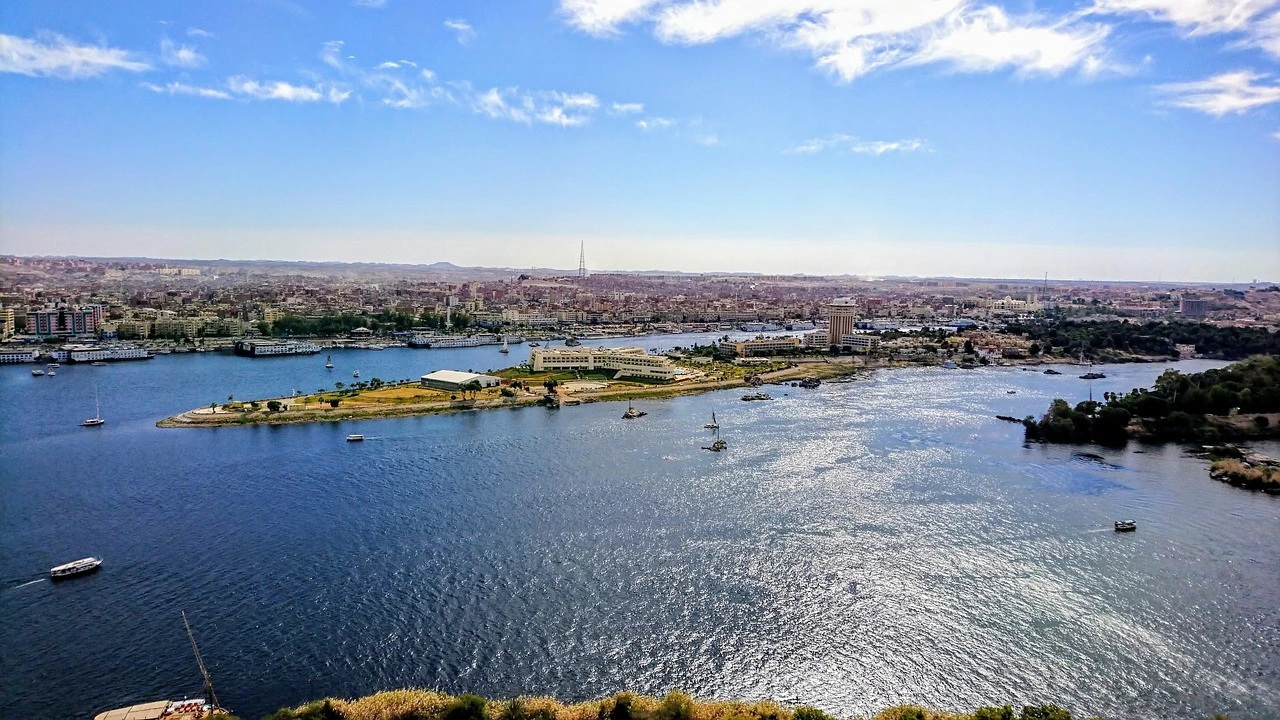
On arrival in Cairo, transfer to the airport for the flight to Aswan, subject to the operating schedule. Our team coordinates the airport transfer and onward hotel check-in. The evening in Aswan is intentionally calm after the desert drive and flight, giving you time to rest beside the Nile before the southern monuments begin the following morning.
Begin with the Aswan High Dam structure, an important modern project that changed the Nile’s flow, agriculture and settlement patterns in southern Egypt. Your guide sets the engineering story within the wider history of Nubia, including the relocation of temples threatened by the rising reservoir. Continue by boat to the island site where the Philae Temple ruins were reassembled.
Walk through the courtyards and columns of the Philae sacred temple, dedicated mainly to Isis, and look for the reliefs that survived the temple’s difficult relocation. The boat ride is short but conditions can affect the exact timing. After returning to Aswan, check in for the Nile vessel and enjoy a quiet evening with views of the river.
Travel from Aswan to the Abu Simbel colossal temples, usually by an early road transfer or another arranged connection. The journey through the desert takes several hours, but the arrival makes the change in landscape clear. At the site, your guide explains how Ramesses II created the temples and how the complex was moved to higher ground during the construction of the High Dam.
The four seated figures outside the main temple form the best-known view, while the interior halls contain columns, reliefs and scenes of royal power. At the smaller temple, the Abu Simbel rock sculptures honour Nefertari alongside Hathor. Photography rules and access arrangements are followed on the ground. Return to Aswan later in the day and spend the night aboard or near the Nile vessel.
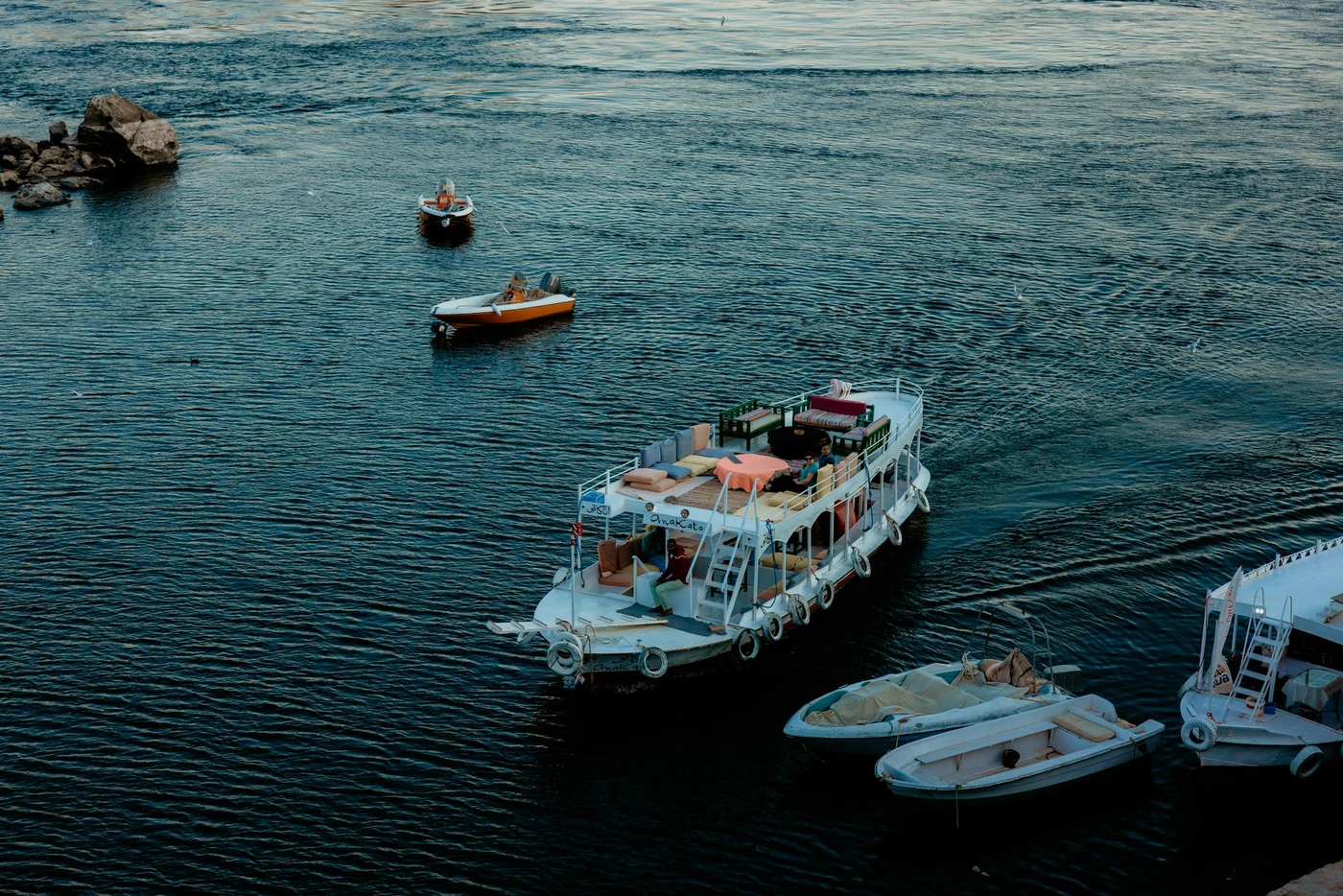
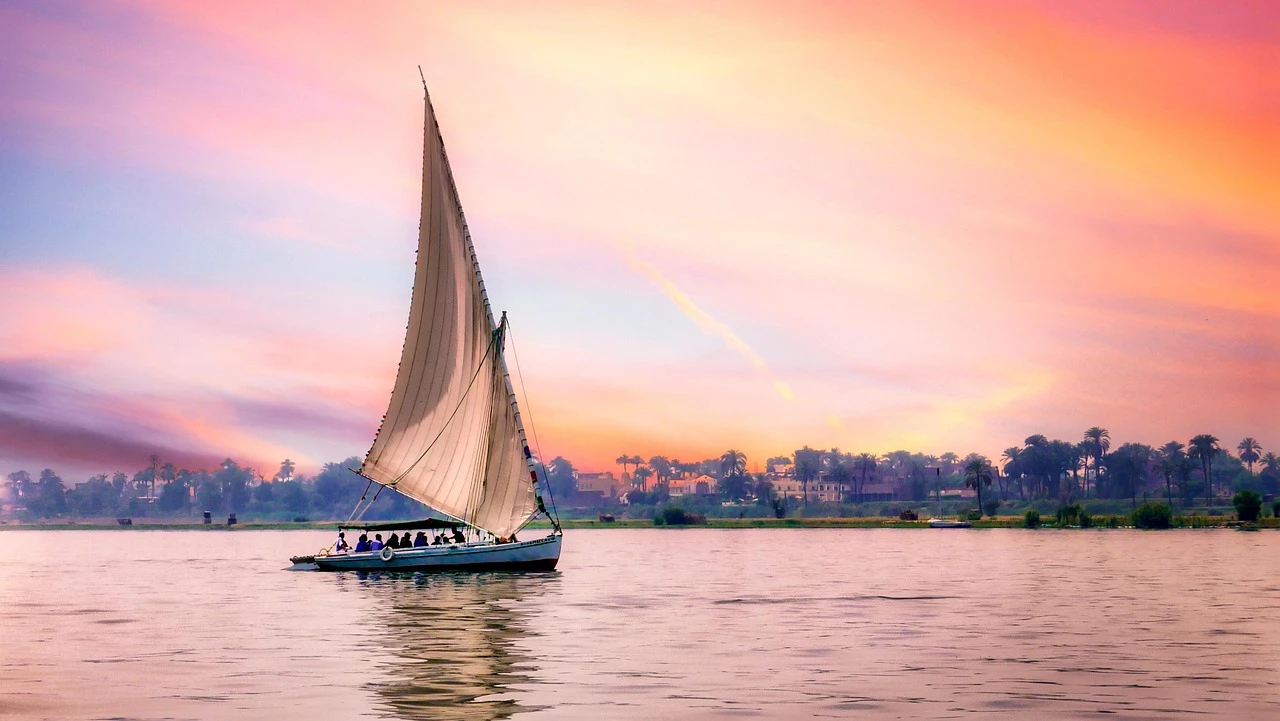
Settle into the boat and begin your Three-day Nile boat relaxation through the river landscape. The morning is a chance to watch villages, fields and palm-lined banks pass at a slower pace. Meals are served on board, and the schedule allows time on deck between visits. Keep essentials in a small day bag because the cabins remain your base while the vessel is moving.
Later, stop at the Kom Ombo dual sanctuaries, a paired temple complex dedicated to Sobek and Horus the Elder. The symmetrical plan, carved medical instruments and crocodile-related displays give the visit a distinct character. Return to the boat after the guided walk and continue sailing towards Edfu, with the evening free to enjoy the river views.
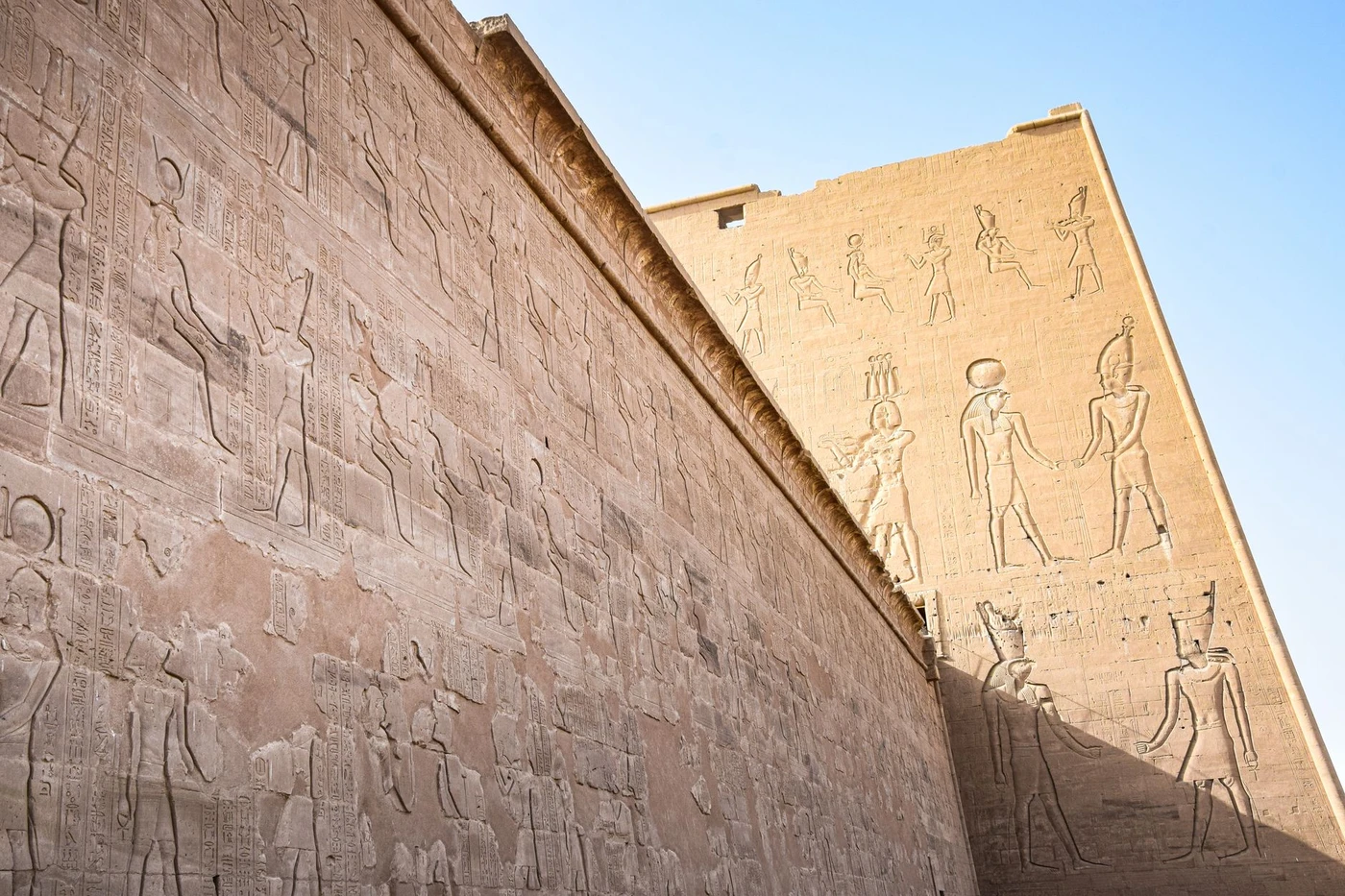
After breakfast, travel by local transfer to the temple at Edfu for an Edfu Temple visit. The large pylons, enclosed courts and well-preserved reliefs make it easy to follow the sequence of an ancient temple ceremony. Your guide points out the scenes of Horus, the sacred boat and the annual conflict between Horus and Seth, while leaving time to examine the carved inscriptions at your own pace.
Return to the vessel and continue sailing north. The afternoon is deliberately unhurried. You can read on deck, rest in the cabin or watch the riverbank from the shaded areas. The boat may pass through locks or adjust its sailing schedule, so daily timing is practical rather than fixed to the minute. Overnight on board as the landscape gradually changes on the way to Luxor.
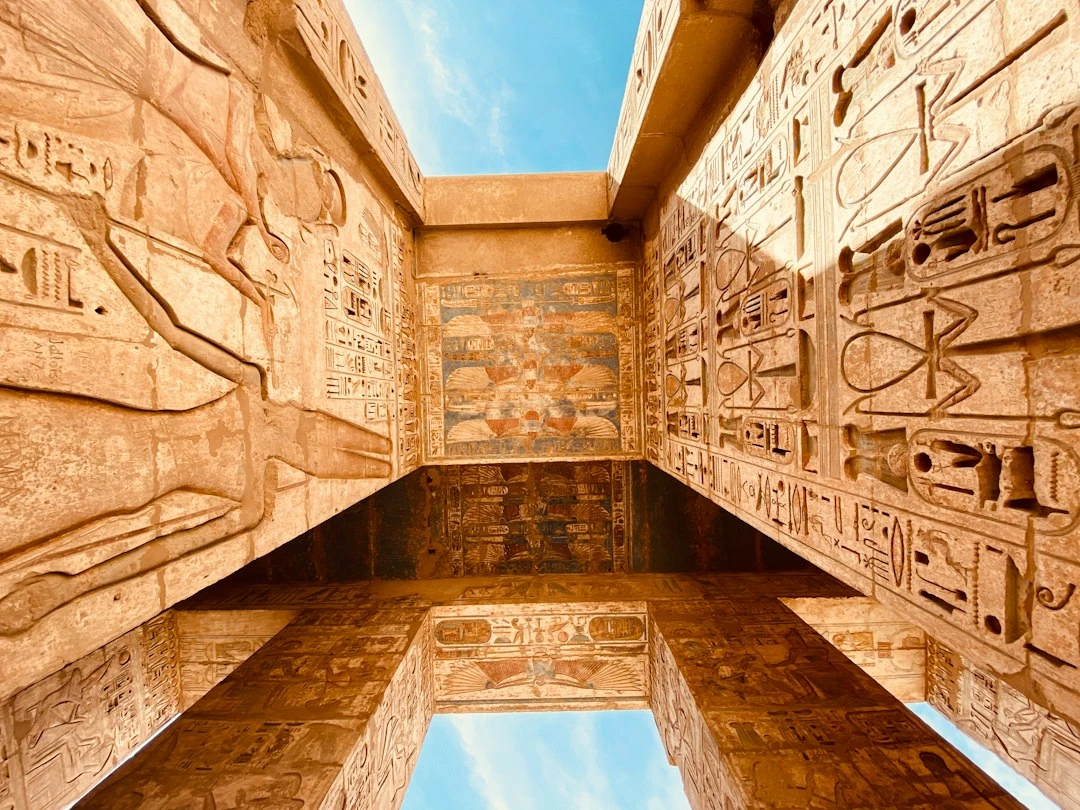
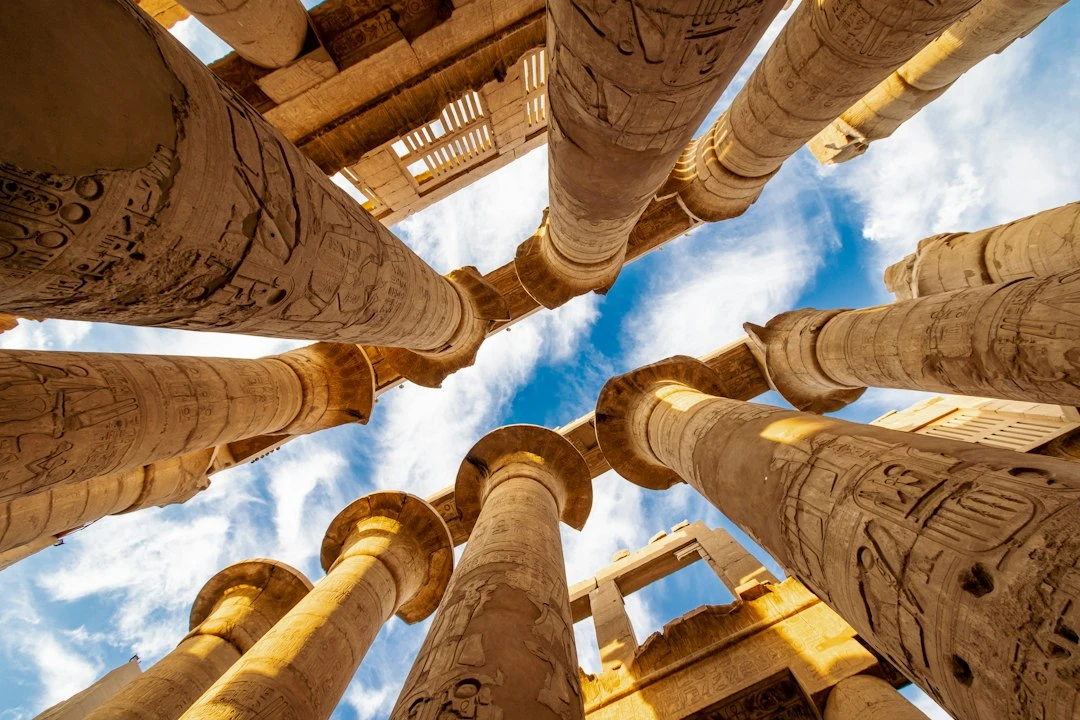
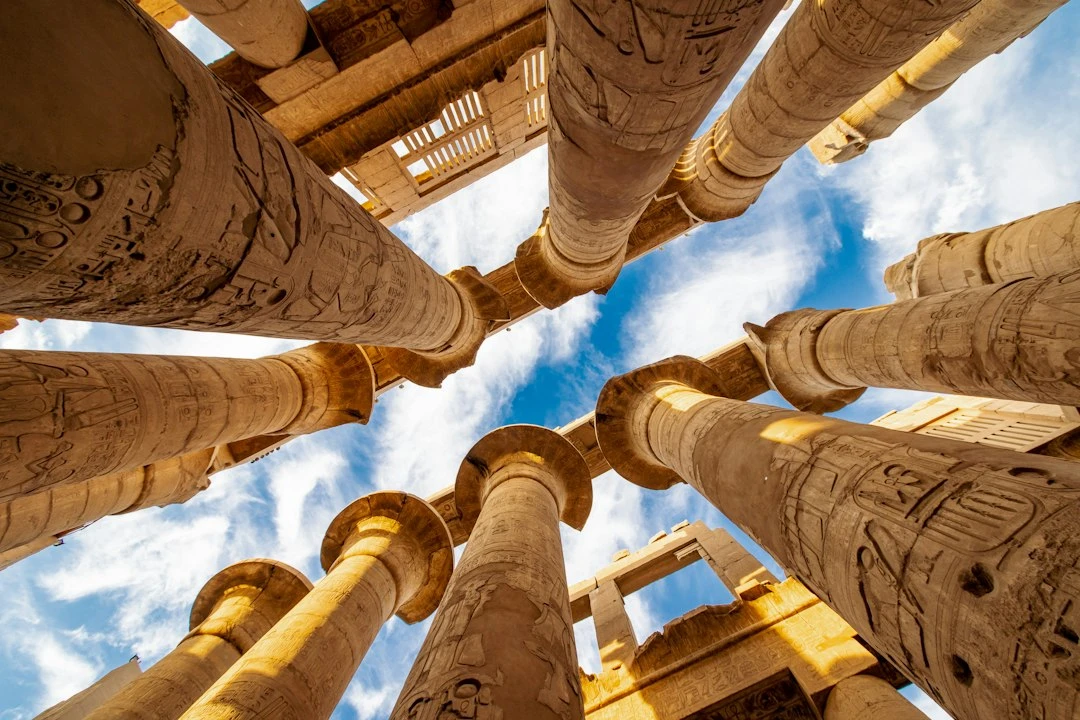
Arrive in Luxor and begin the Karnak complex exploration with your guide. The route passes through the monumental entrance and into the Great Hypostyle Hall, where rows of massive columns carry inscriptions and reliefs. You will also see the sacred lake and the open courts that show how the temple grew under successive rulers rather than being built in one period.
This Karnak sacred complex visit requires steady walking over broad stone surfaces, often in direct sun. Water, a hat and comfortable footwear make a difference. After the guided visit, transfer to your Luxor accommodation or remain near the river for lunch, depending on the day’s arrangements. The evening is free to rest before the West Bank visits.
Cross to Luxor’s West Bank for the Valley of Kings tombs. Inside the valley, your guide explains why royal burials moved underground and how the painted corridors lead towards the burial chambers. Entry to individual tombs can vary, and the included selection is confirmed locally. The paths are uneven, with steps and heat inside some tombs, so take the visit at a comfortable pace.
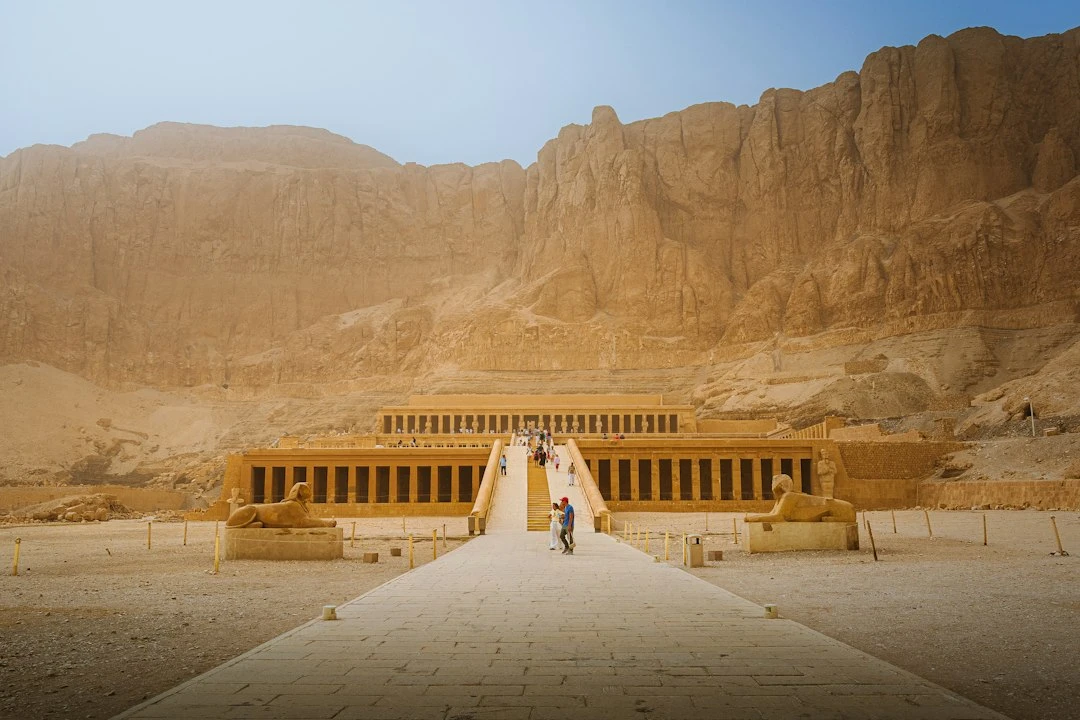
Continue to the Hatshepsut memorial temple, arranged in broad terraces against the cliffs. The colonnades and reliefs describe the queen’s reign, trade expeditions and divine birth story. The site is also known as the Hatshepsut terraced temple, a layout that makes the approach especially clear from the lower court. Return across the Nile after sightseeing and spend the evening in Luxor.
Use the morning for a deeper look at the royal landscape around Luxor. Your guide revisits the purpose of the Kings Valley burial sites through the tombs and surrounding desert paths, focusing on the difference between visible decoration, hidden chambers and the practical work carried out by tomb builders. The visit is arranged around the tombs open on the day rather than promising one specific interior.
After the valley, take a slower drive through the West Bank’s agricultural villages before returning to the river. This gives you a view of everyday life beside the cultivated strip, in contrast with the dry hills behind it. The afternoon is free for rest, a café stop or time at the hotel. Prepare a small overnight bag for the transfer to Hurghada.
Leave Luxor by road for Hurghada, crossing from the Nile Valley towards the Red Sea coast. The journey takes several hours and passes through increasingly dry terrain before the mountains and sea appear. Our team arranges the transfer and a suitable comfort stop along the way, although the exact timing depends on road conditions and the group’s pace.
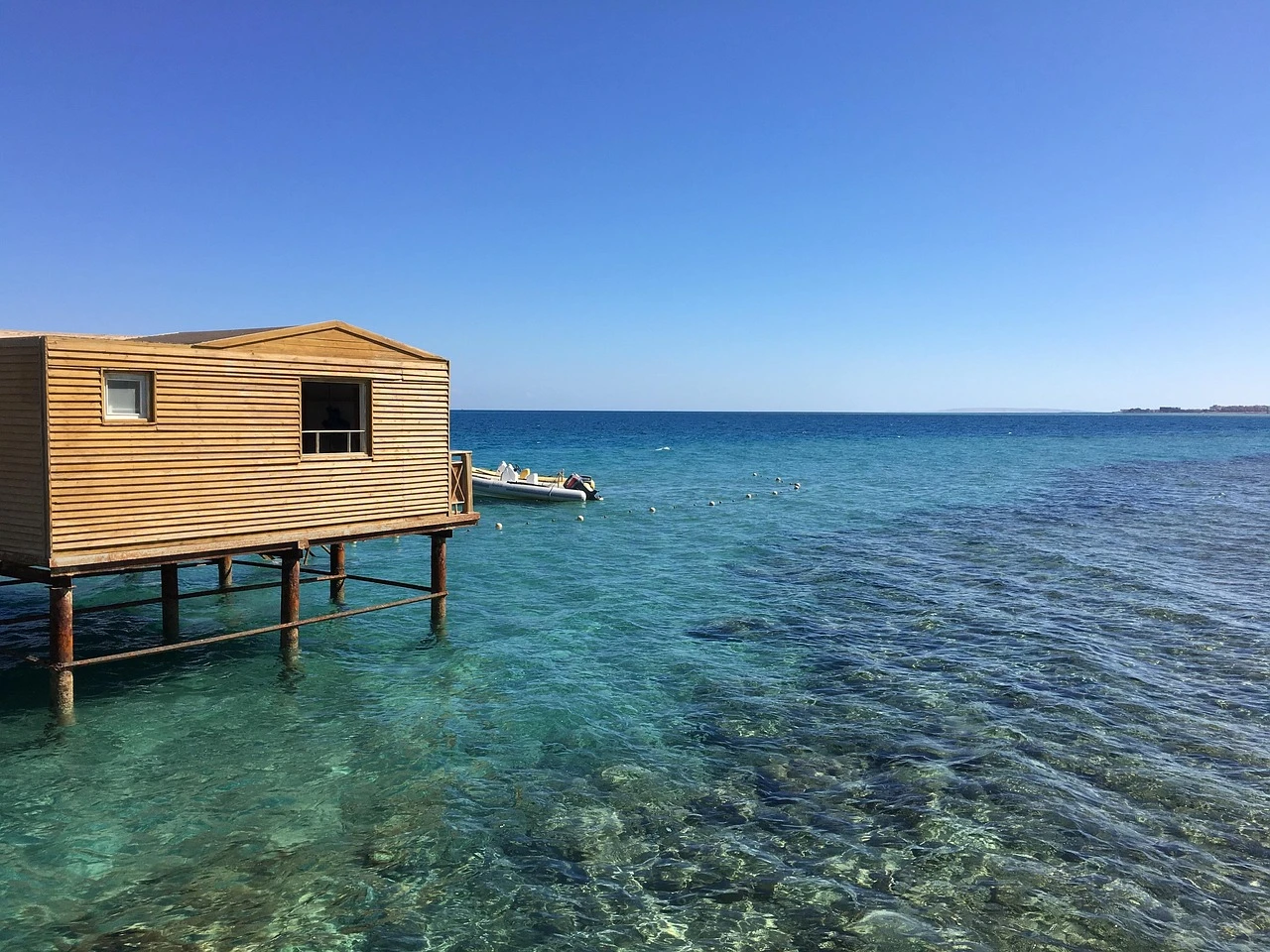
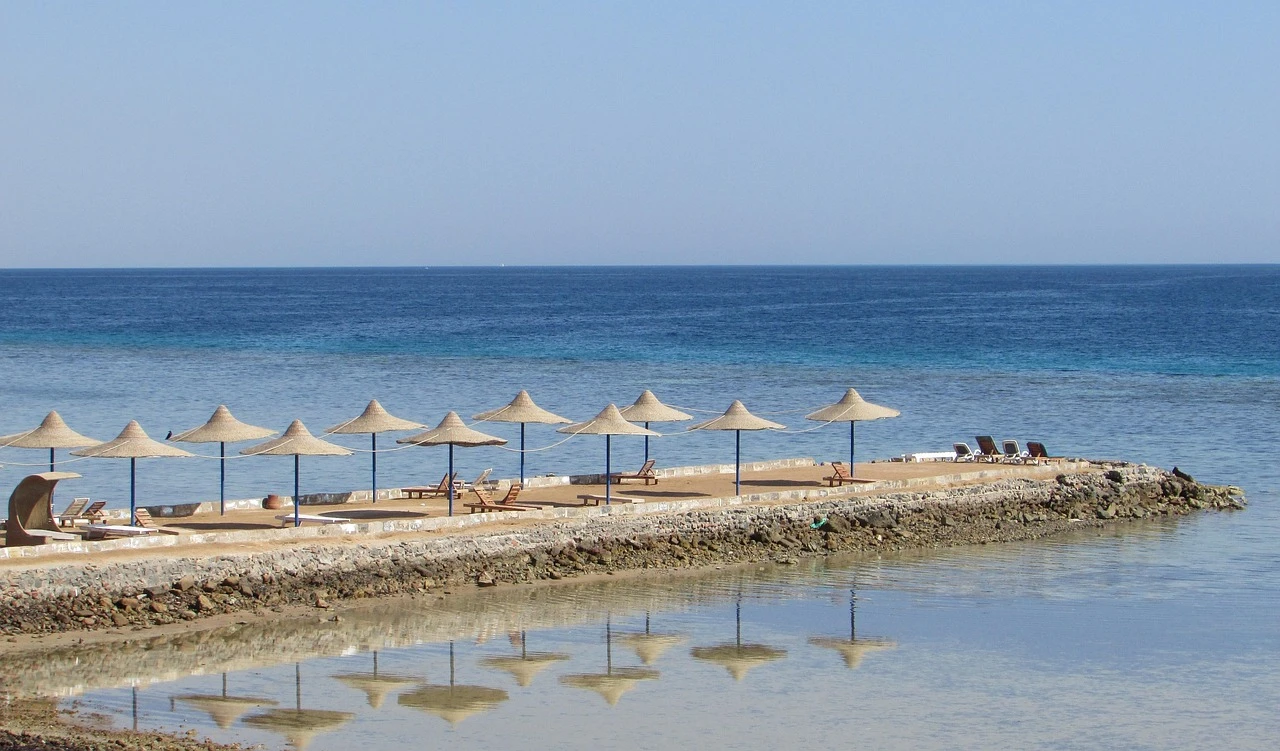
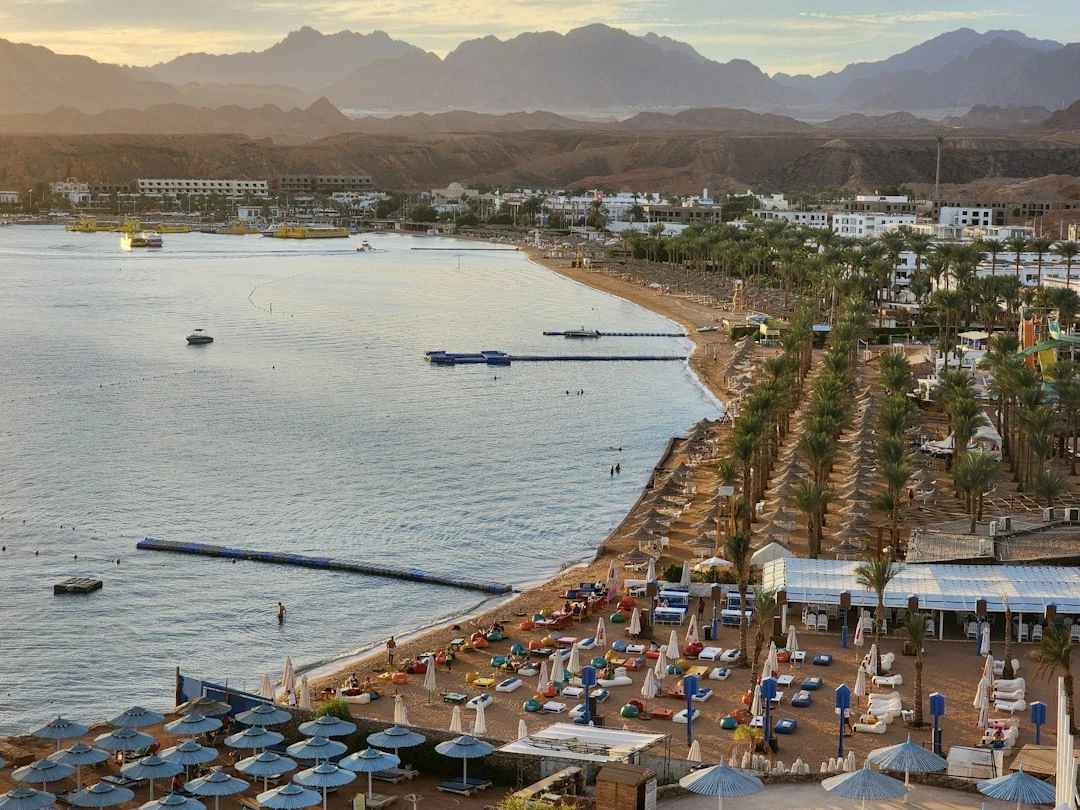
On arrival, check into your Red Sea coastal resort and take time to settle in. Later, explore the waterfront area of the Hurghada beach town or simply rest by the sea. This transition day is lighter than the archaeological days, giving you a proper break after the long road journey and the packed sightseeing schedule in Luxor.
Enjoy a relaxed day beside the Red Sea. The morning can be spent on the beach, by the resort pool or walking along the seafront, with no monument schedule to follow. If you choose to swim, follow the local beach guidance and pay attention to the conditions announced by staff, as sea access and water activities can change with the weather.
Our team remains available to help arrange an optional boat outing, snorkelling session or other local activity, subject to availability and suitability. You can also keep the day entirely free. A light cover-up, reef-safe sun protection, water and comfortable sandals are useful for the coast. Dinner and overnight stay are in Hurghada.
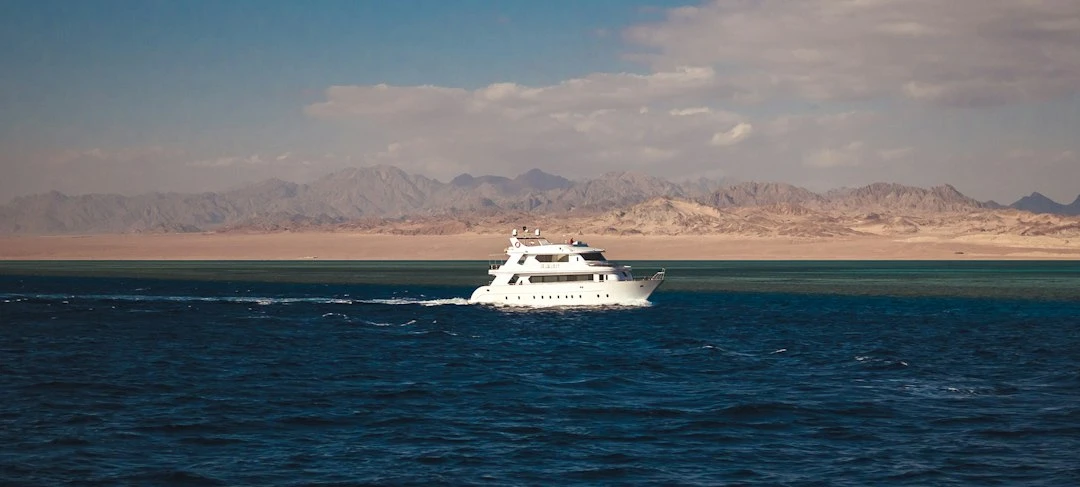
Take an optional or pre-arranged marine excursion from Hurghada, travelling by boat to a permitted swimming or snorkelling area. The crew explains the route, equipment and safety instructions before you enter the water. Travellers who prefer to stay dry can remain on board and enjoy the sea views, so the day does not depend on everyone taking part in swimming.
Sea conditions, departure arrangements and the length of the outing are confirmed locally rather than guaranteed in advance. Bring swimwear, a towel, a hat and a waterproof bag for personal items. Return to shore later in the day and leave the evening open for a quiet meal or a walk along the promenade. Overnight in Hurghada.
Keep this day flexible after the earlier transfers and sightseeing. You might return to the beach for a few hours, visit local shops with a guide or sit at a waterside café and watch the boats leave the harbour. Hurghada is easy to enjoy without a packed programme, and the open schedule lets you choose a pace that suits your energy and interests.
For travellers who want more activity, our team can advise on available desert, diving or boat options. These are arranged according to local conditions and should be selected with your experience level in mind. If you prefer a quiet day, rest at the resort and keep your final evening in Egypt simple. Overnight in Hurghada.
Spend the morning on the coast before checking out. Allow time to pack carefully, especially if you have bought fragile souvenirs or carried sand and beach items from the Red Sea. After check-out, transfer to the airport or onward connection for Cairo, following the schedule arranged for your departure flight the next day.
On reaching Cairo, transfer to your hotel and use the evening to rest. If your arrival is early enough, you can enjoy a final meal or short walk near the hotel, but we do not add a demanding sightseeing programme after the intercity transfer. Our team confirms the airport pickup plan and luggage arrangements for the morning.
After breakfast, check out and meet our representative for the transfer to Cairo International Airport. The departure time is planned around your flight details, allowing practical room for traffic, airport procedures and luggage check-in. Keep your passport, travel documents and any items needed during the transfer in your hand luggage.
Our team assists with the final transfer and makes sure you know where to go inside the airport before saying goodbye. Your 20-day route has covered Cairo, the Western Desert, Aswan, the Nile, Luxor and Hurghada in a clear north-to-south-to-coast sequence. Departure assistance ends at the airport, with timing adjusted to your confirmed flight.