
15-Day Egypt Tour: Cairo, Luxor and Hurghada
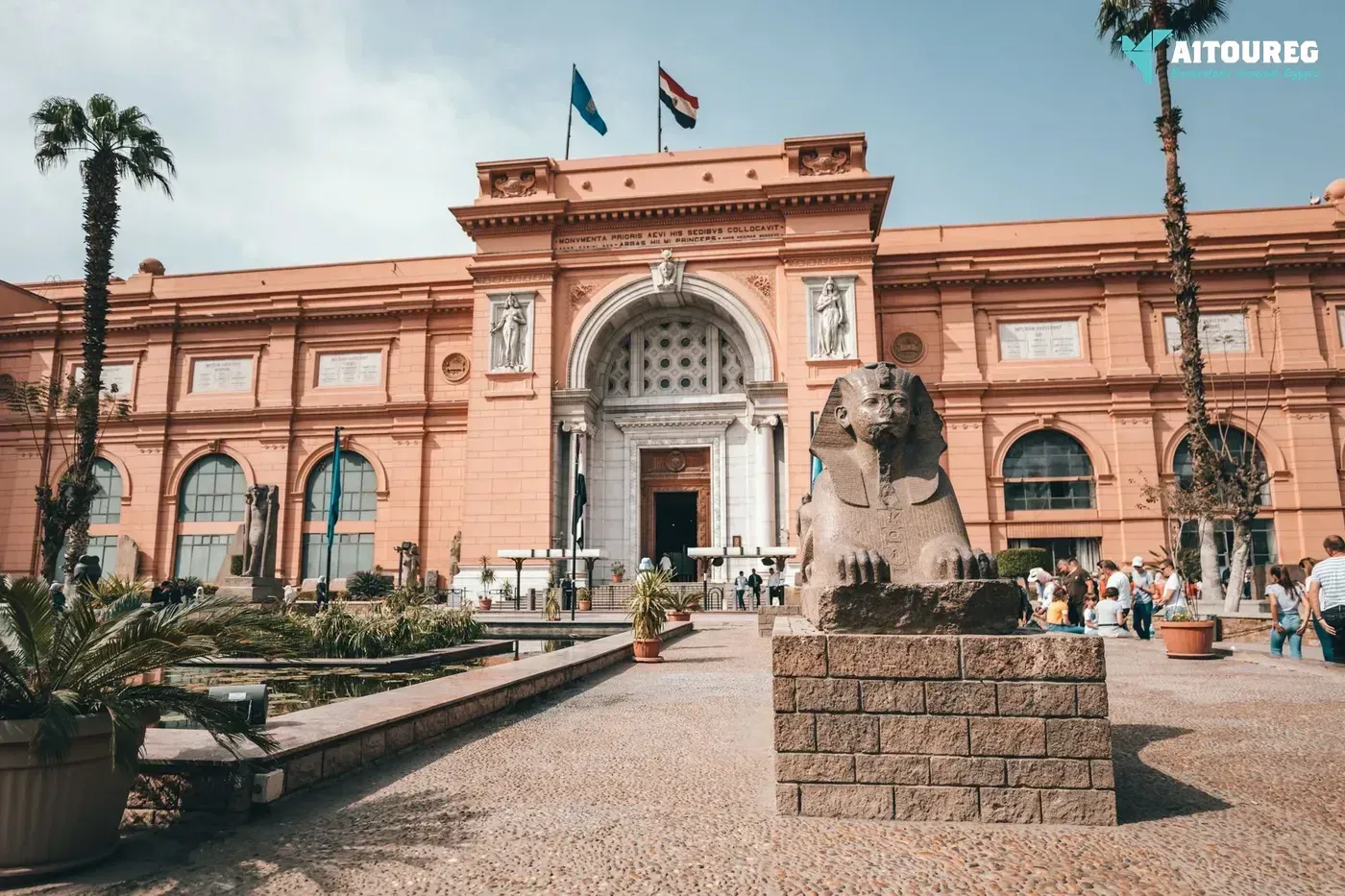
This 15-day Egypt tour brings together major ancient sites, desert landscapes and the Red Sea coast in one well-planned route. You start in Cairo, where the Pyramids of Giza rise beyond the city and the Museum of Egyptian Antiquities, Cairo, puts royal statues, jewellery and everyday objects into context. Our team arranges the transfers and sightseeing, so you can concentrate on the places you came to see instead of planning each connection.
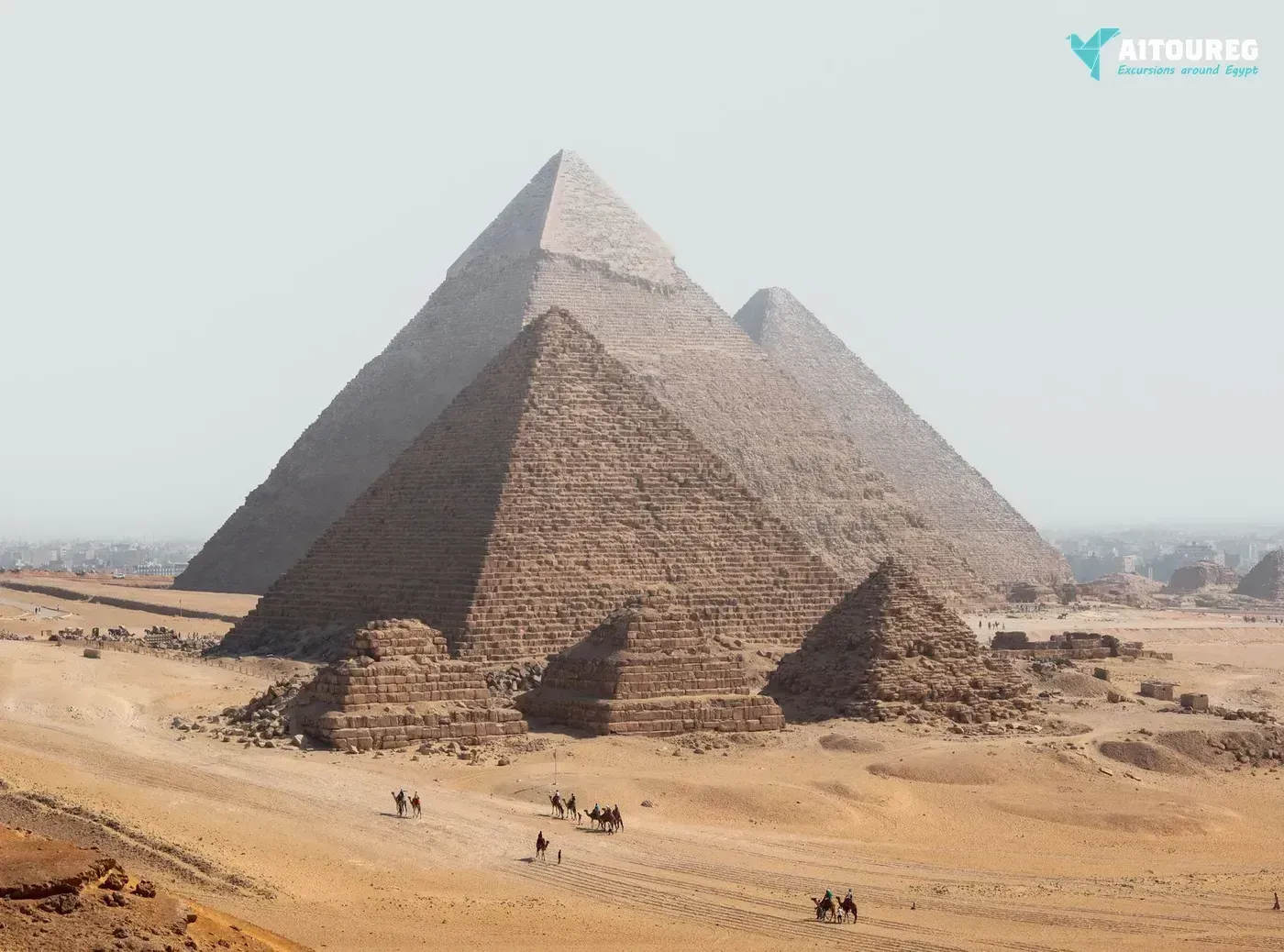
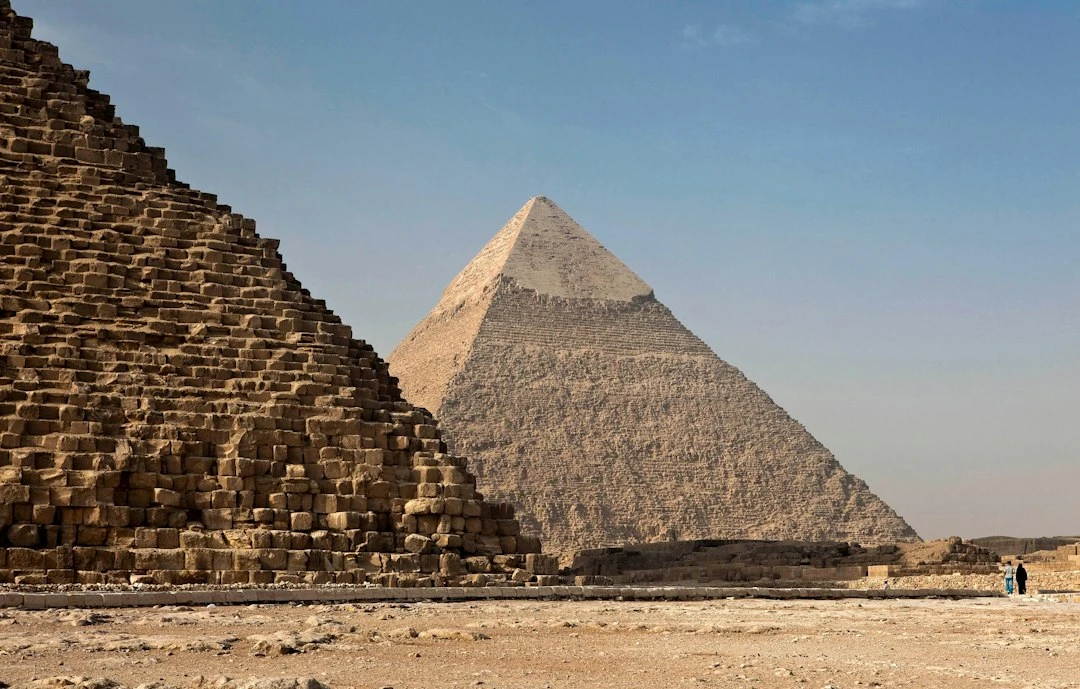
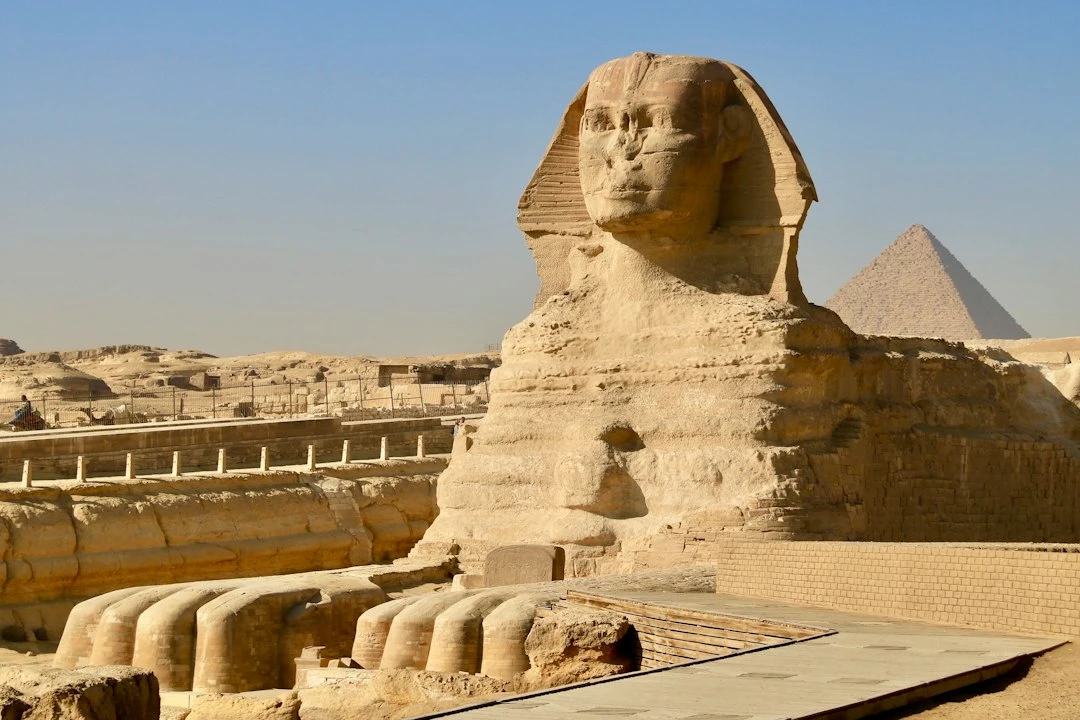
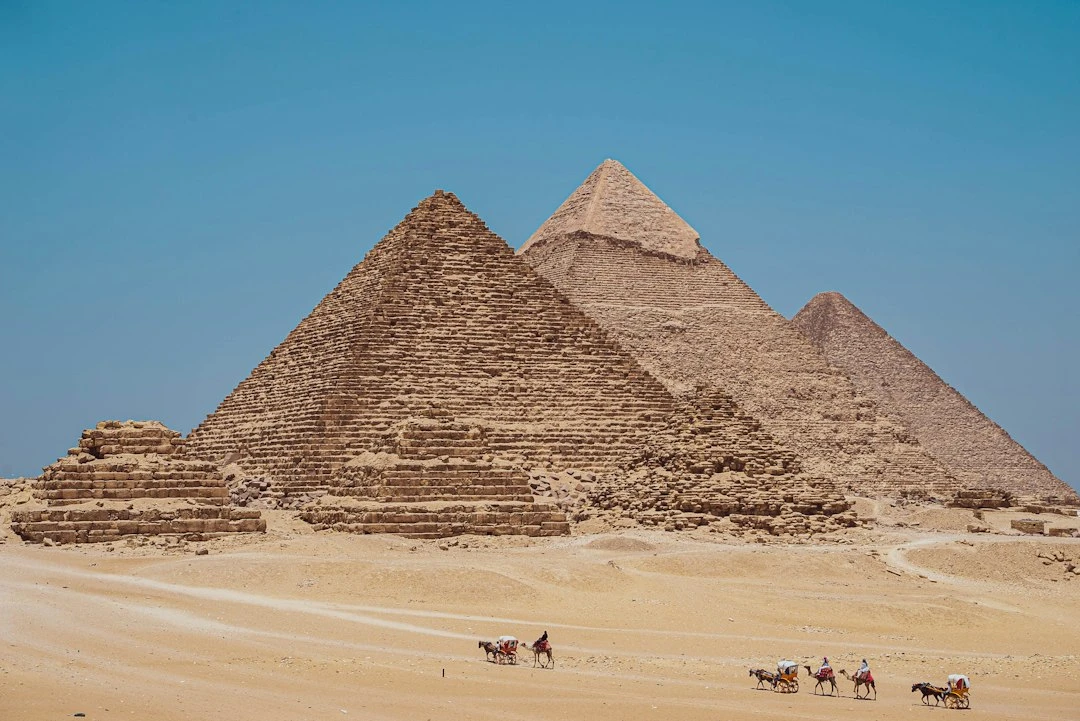
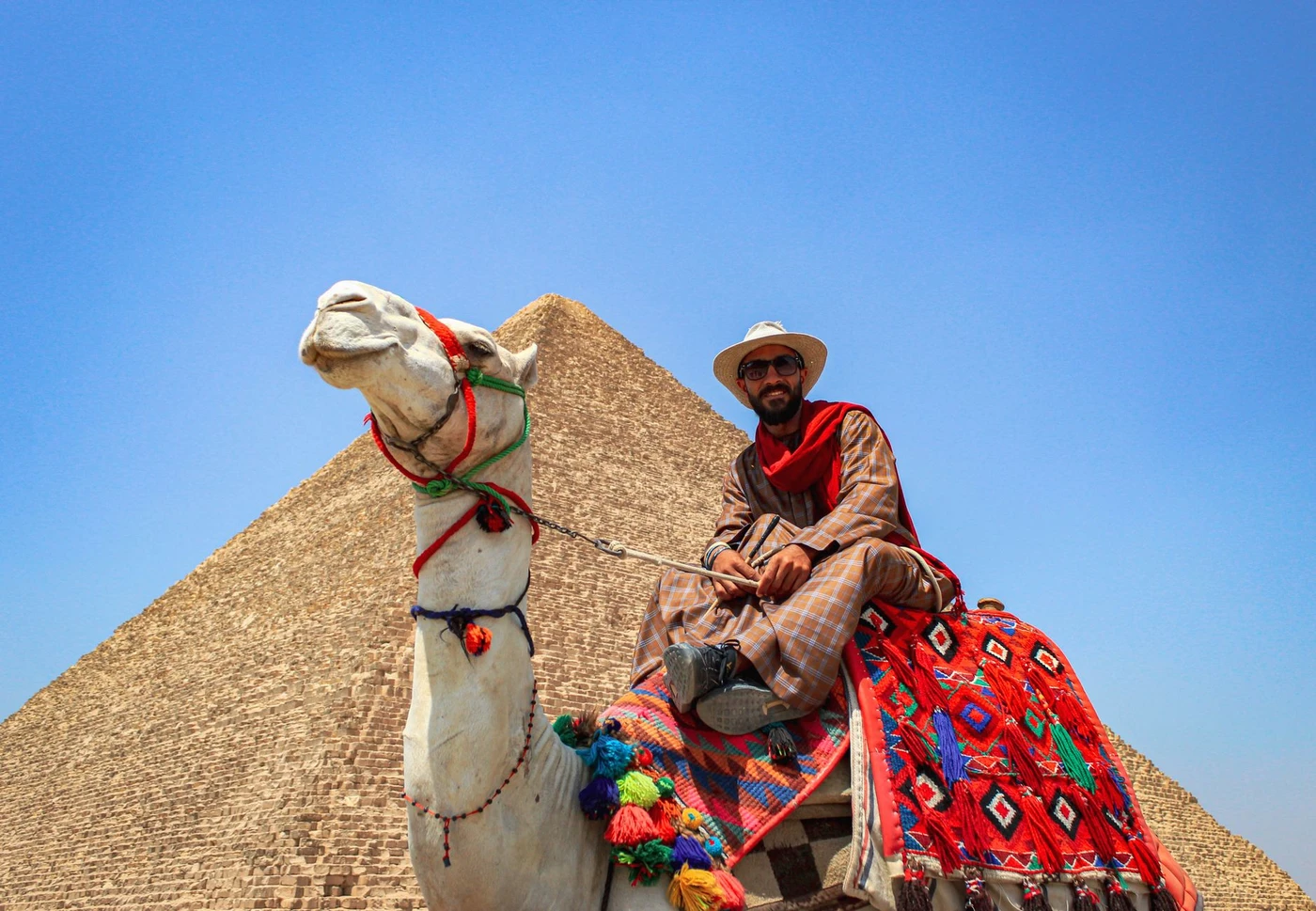
The Pyramids of Giza deserve time to walk between the great monuments, see the Sphinx and hear your guide explain how the necropolis developed. Cairo has a different rhythm, with busy streets, older neighbourhoods and museums that reward a slower look. We keep the guiding practical, with clear meeting points and breaks when the day includes several visits.
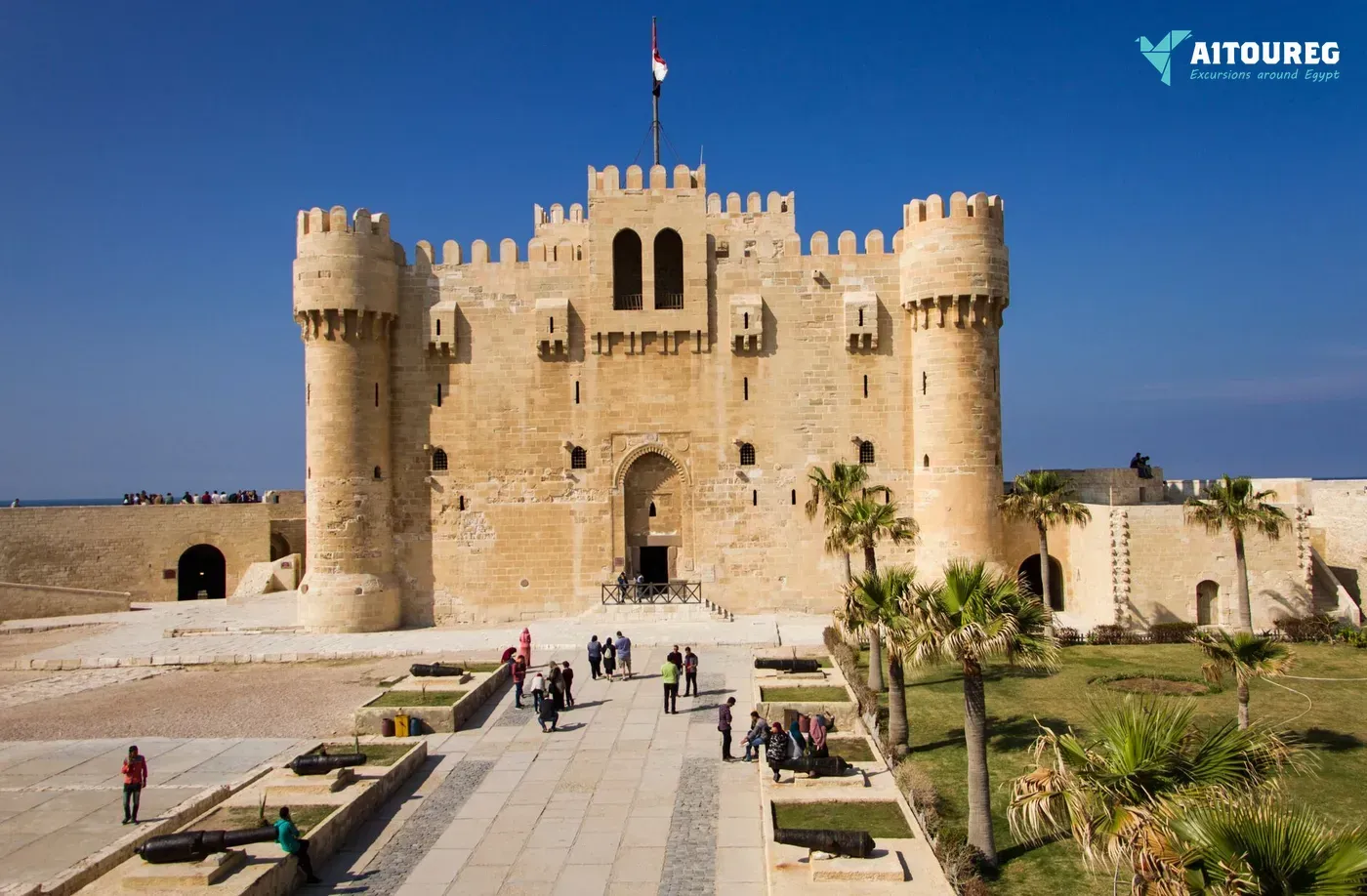
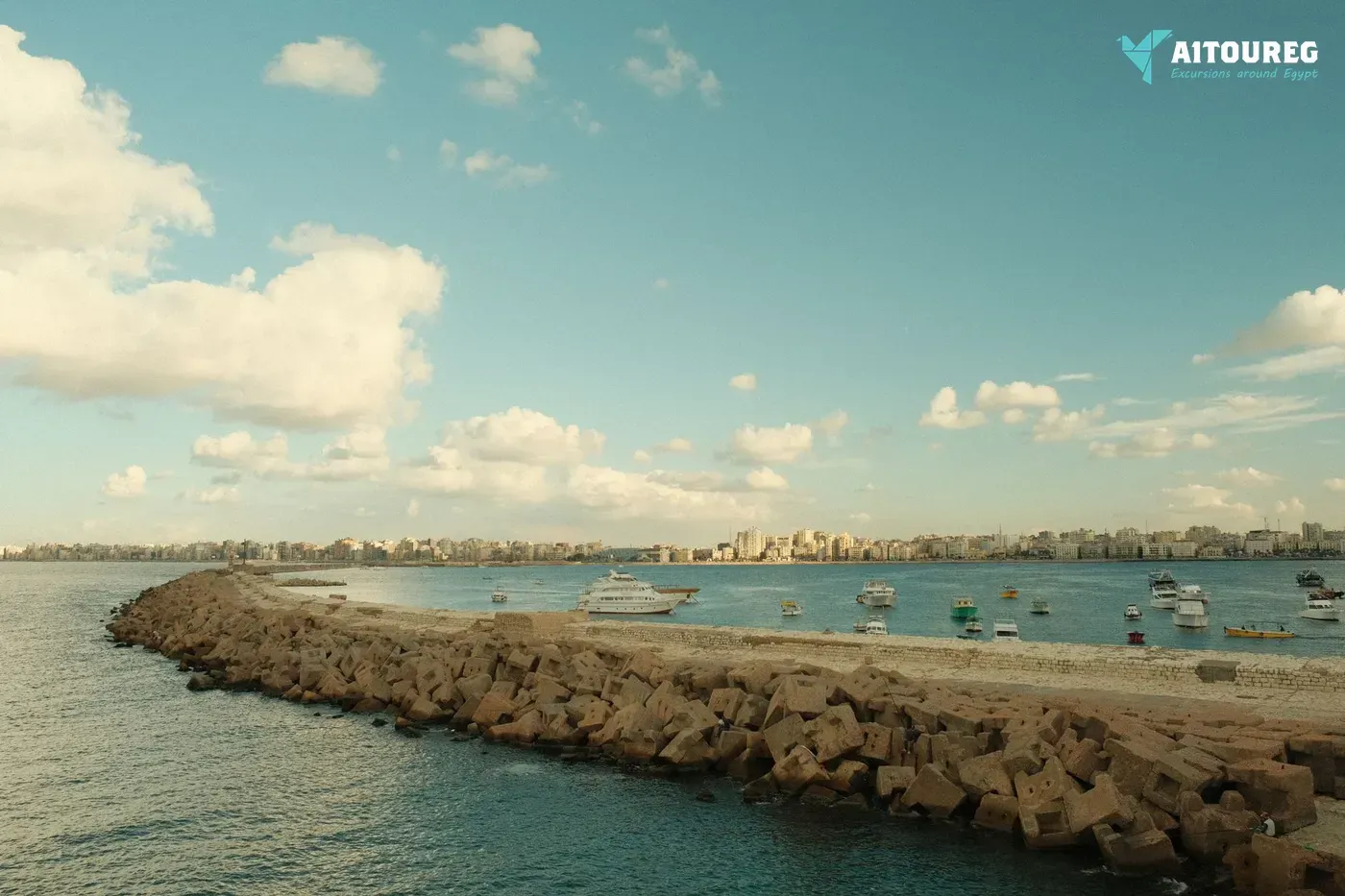
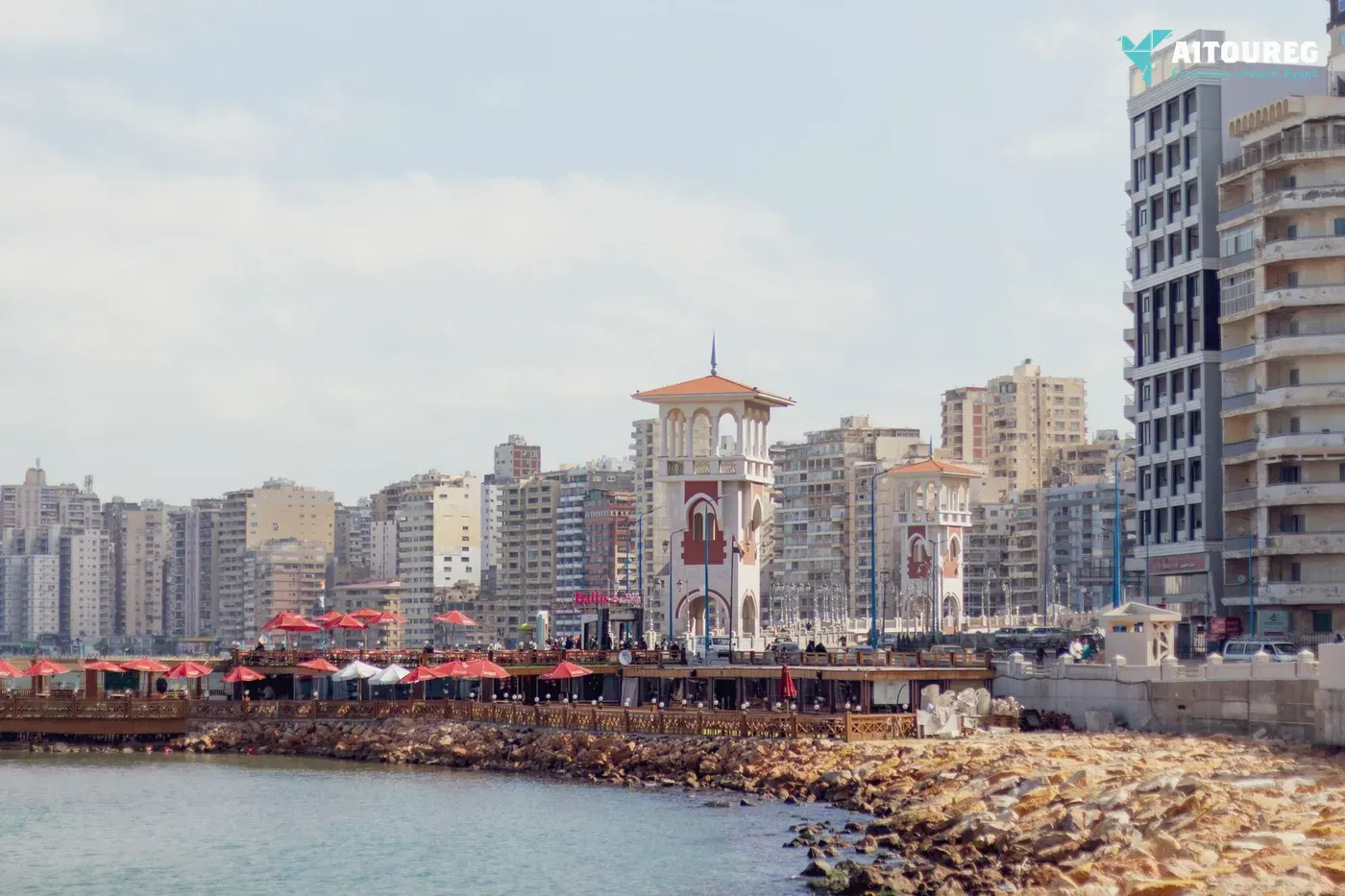
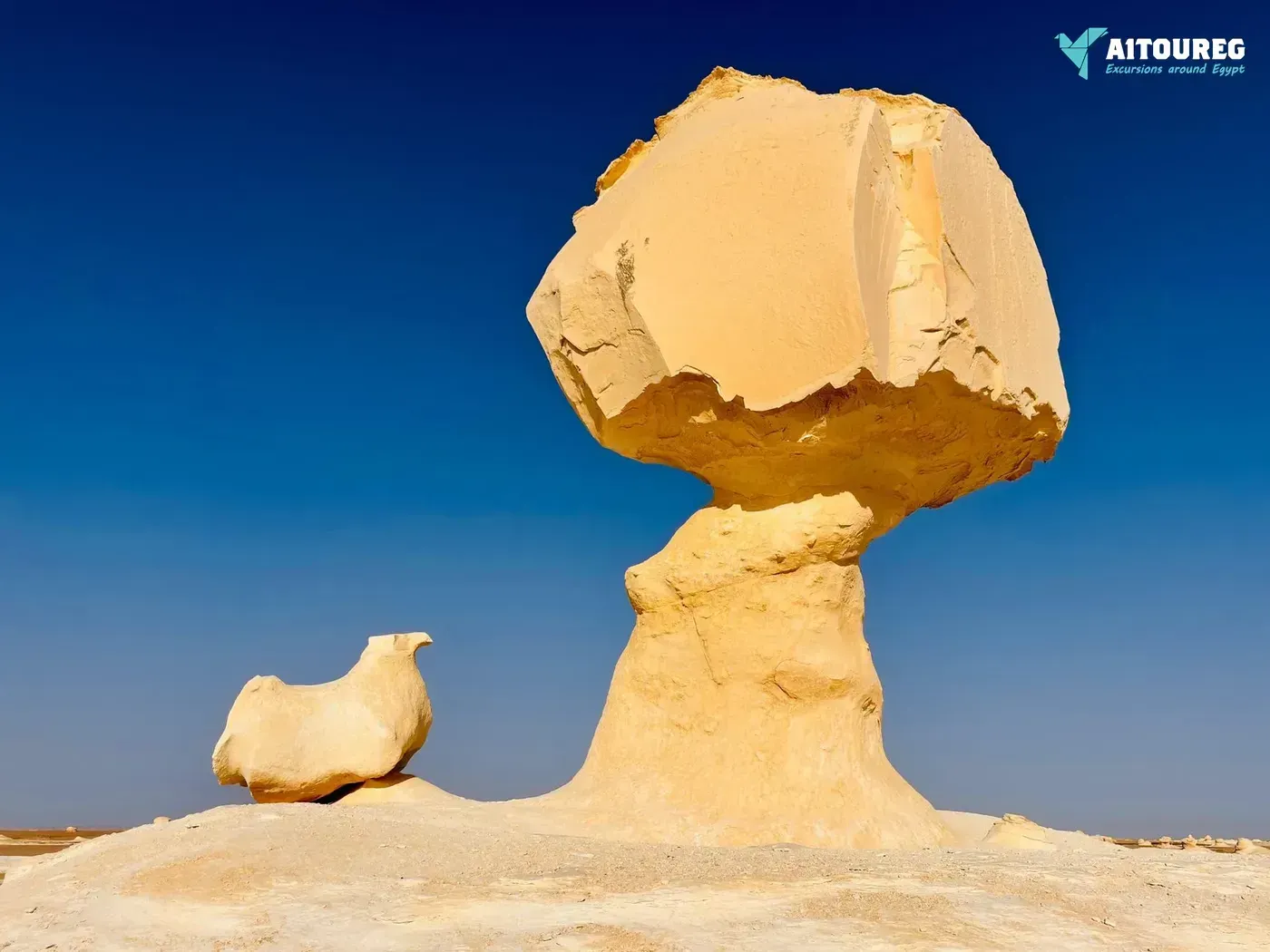
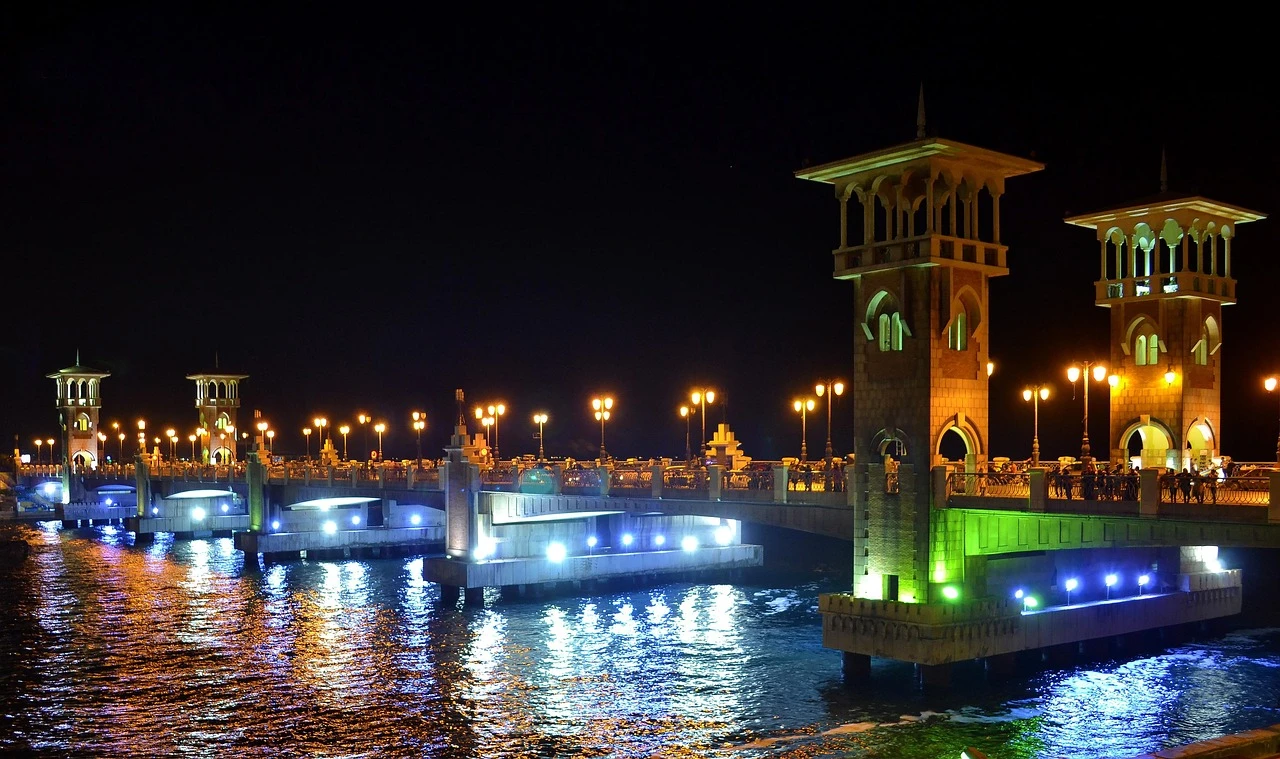
The route then reaches the City of Alexandria on the Mediterranean coast. Its waterfront, Greco-Roman history and links to the ancient library provide a clear contrast with the monuments of Giza. It then turns west towards the Bahariya Oasis sanctuary and the White Desert wilderness, where pale limestone formations rise from an open desert plain. This section suits travellers who enjoy landscapes and photography as much as museum visits. Conditions are more basic than in the cities, and the pace depends on the desert road and local arrangements.
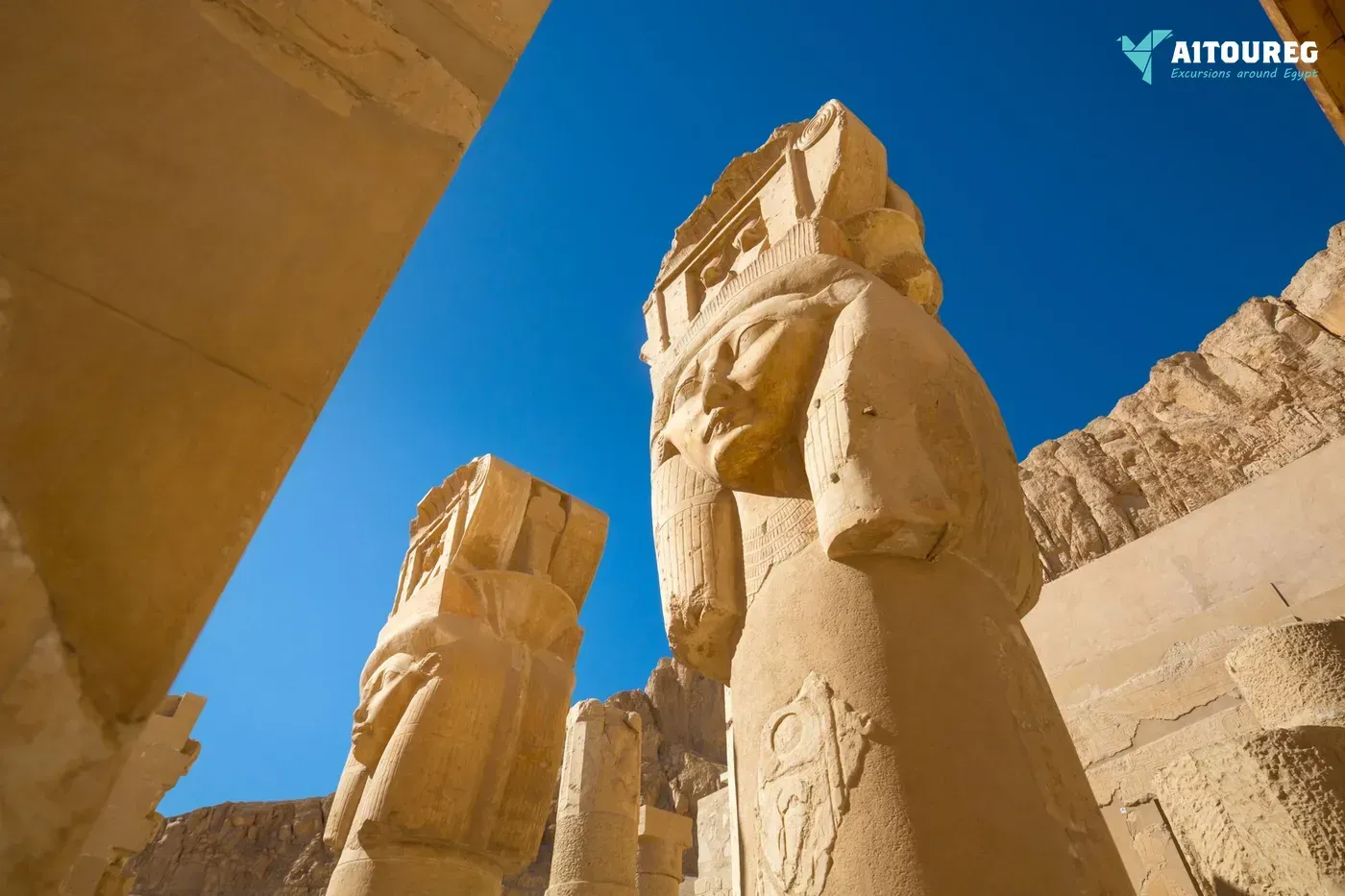
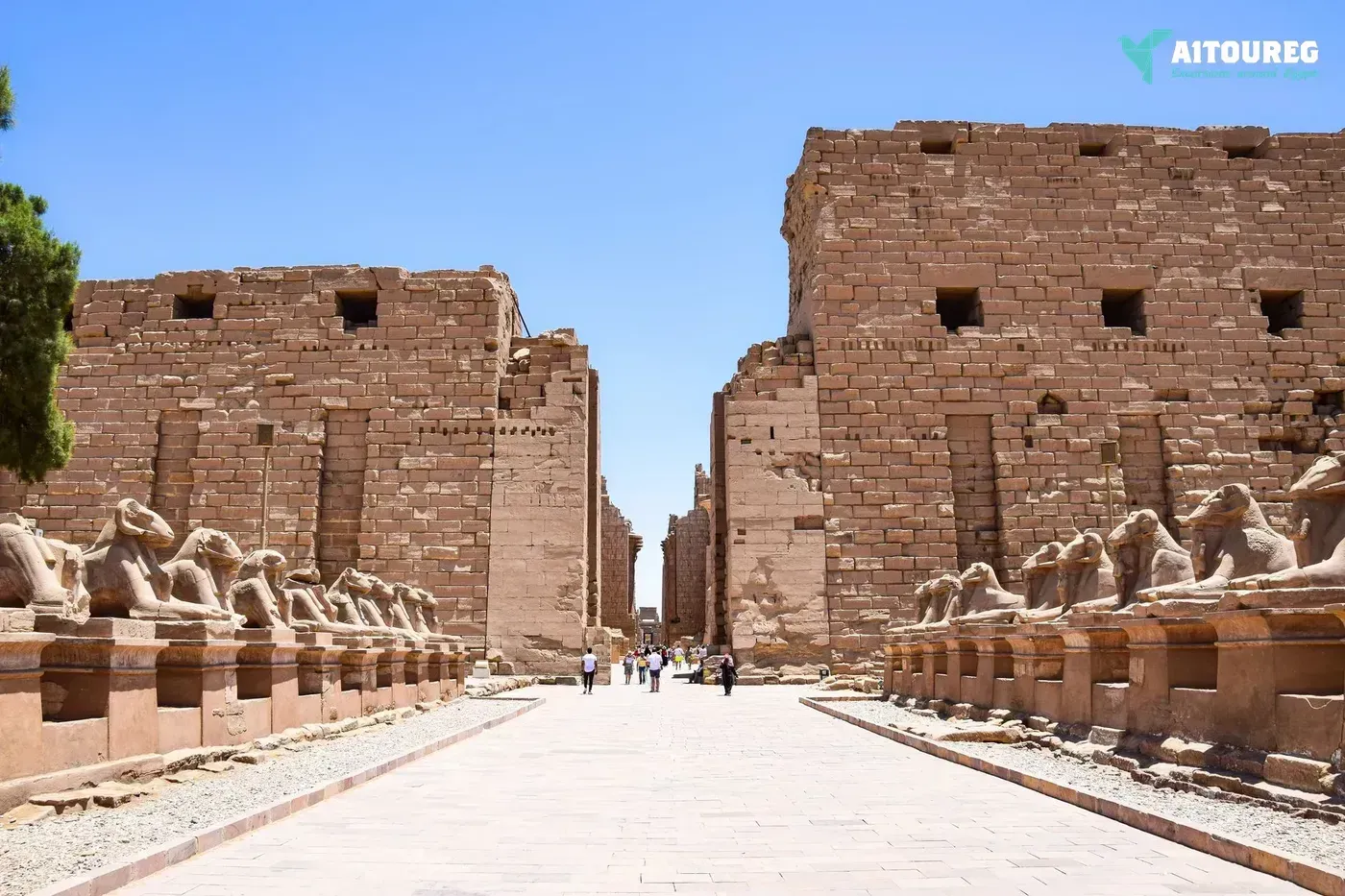
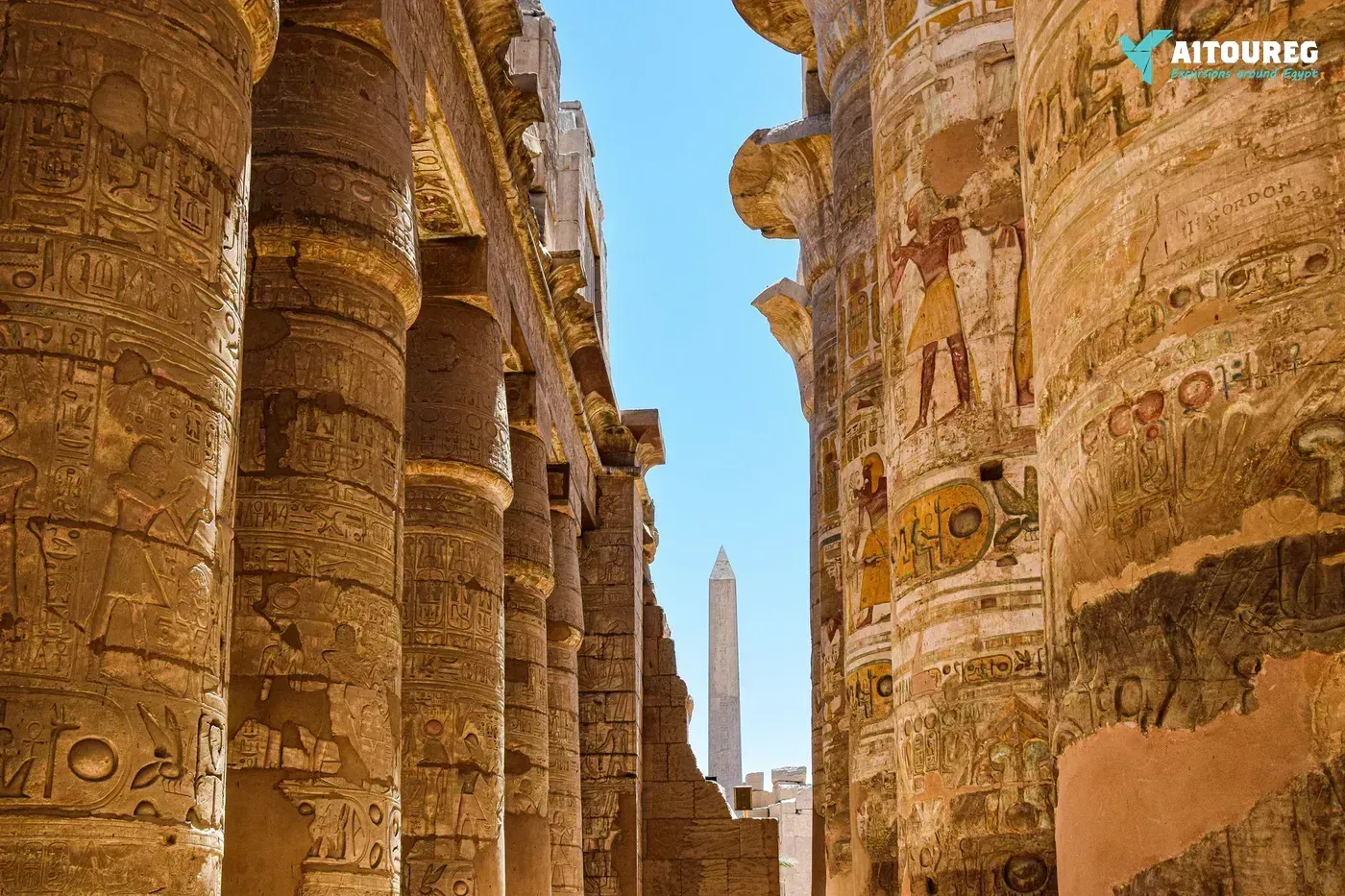
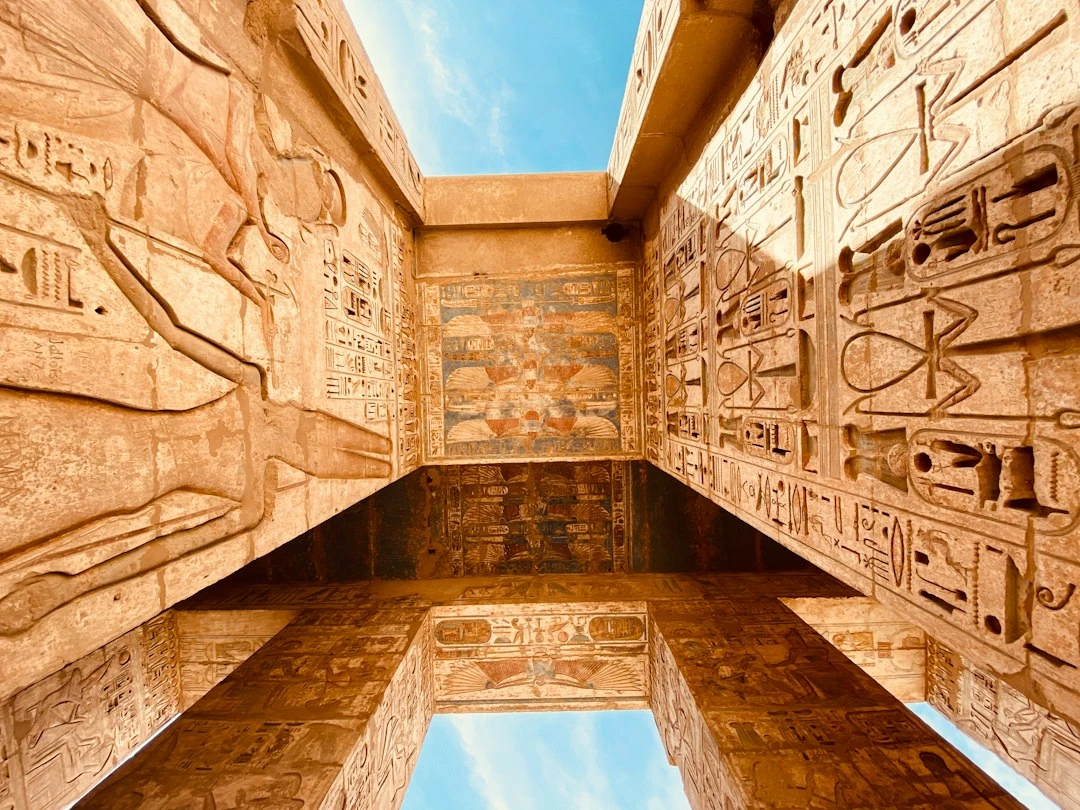
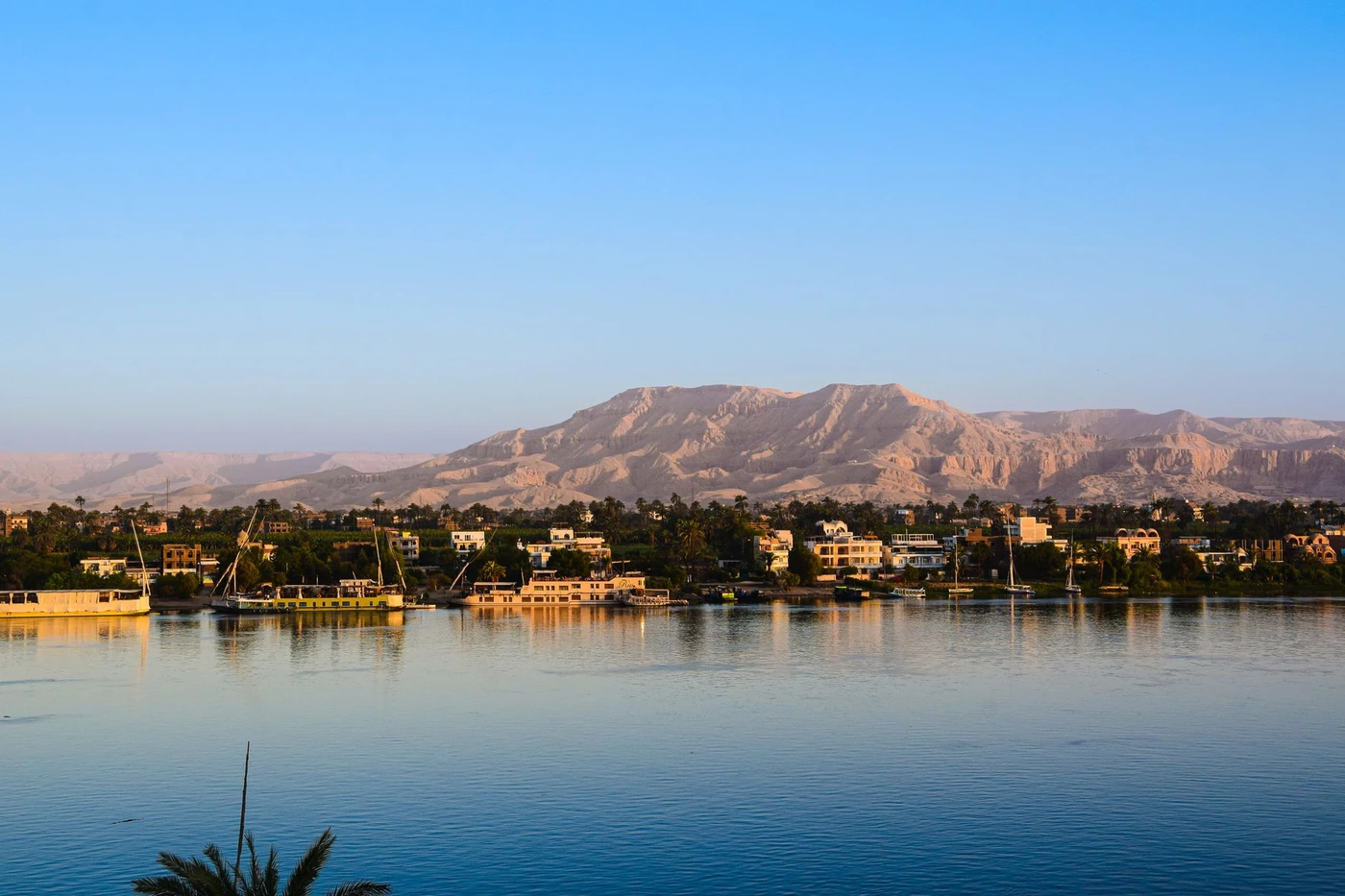
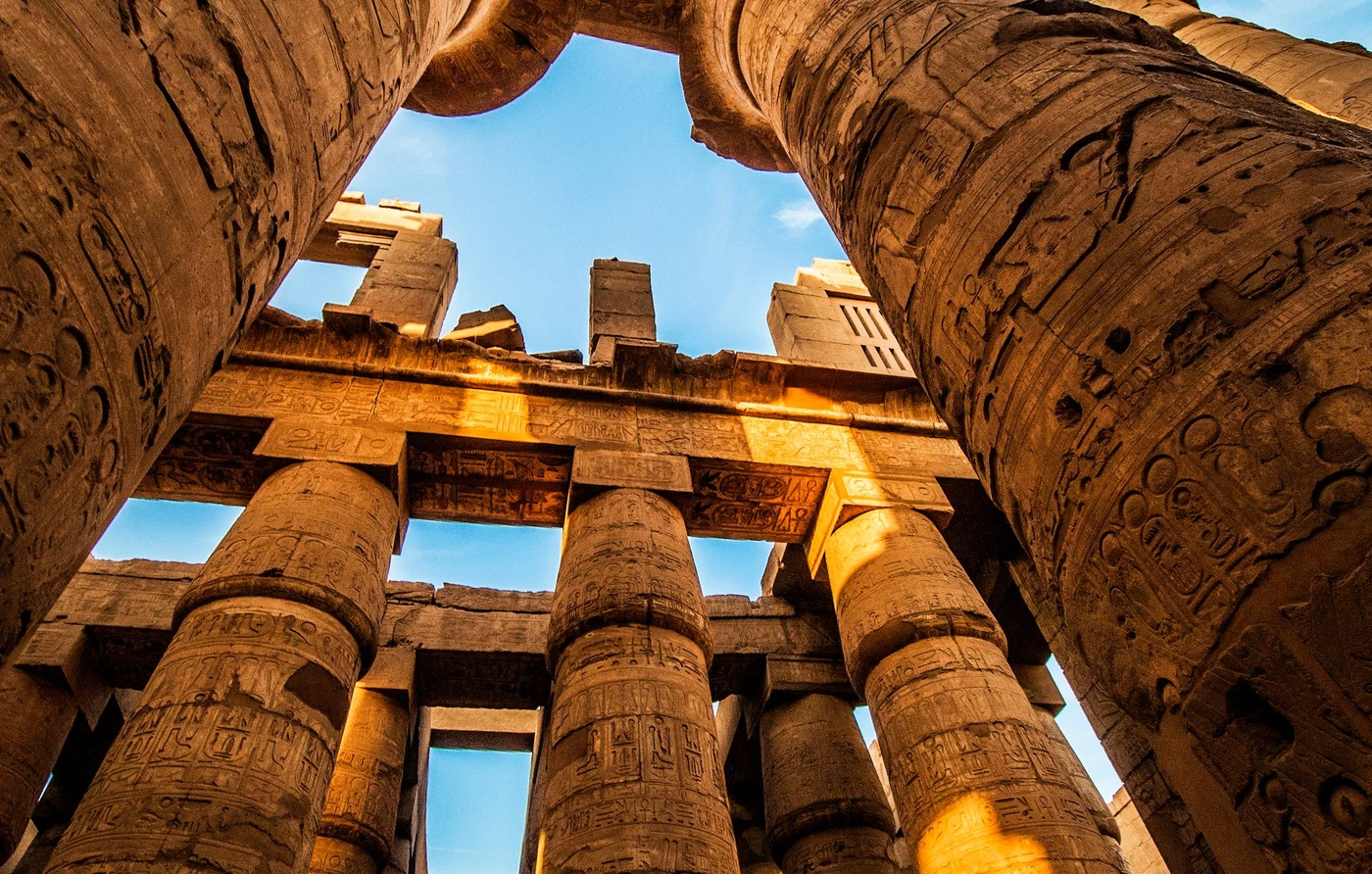
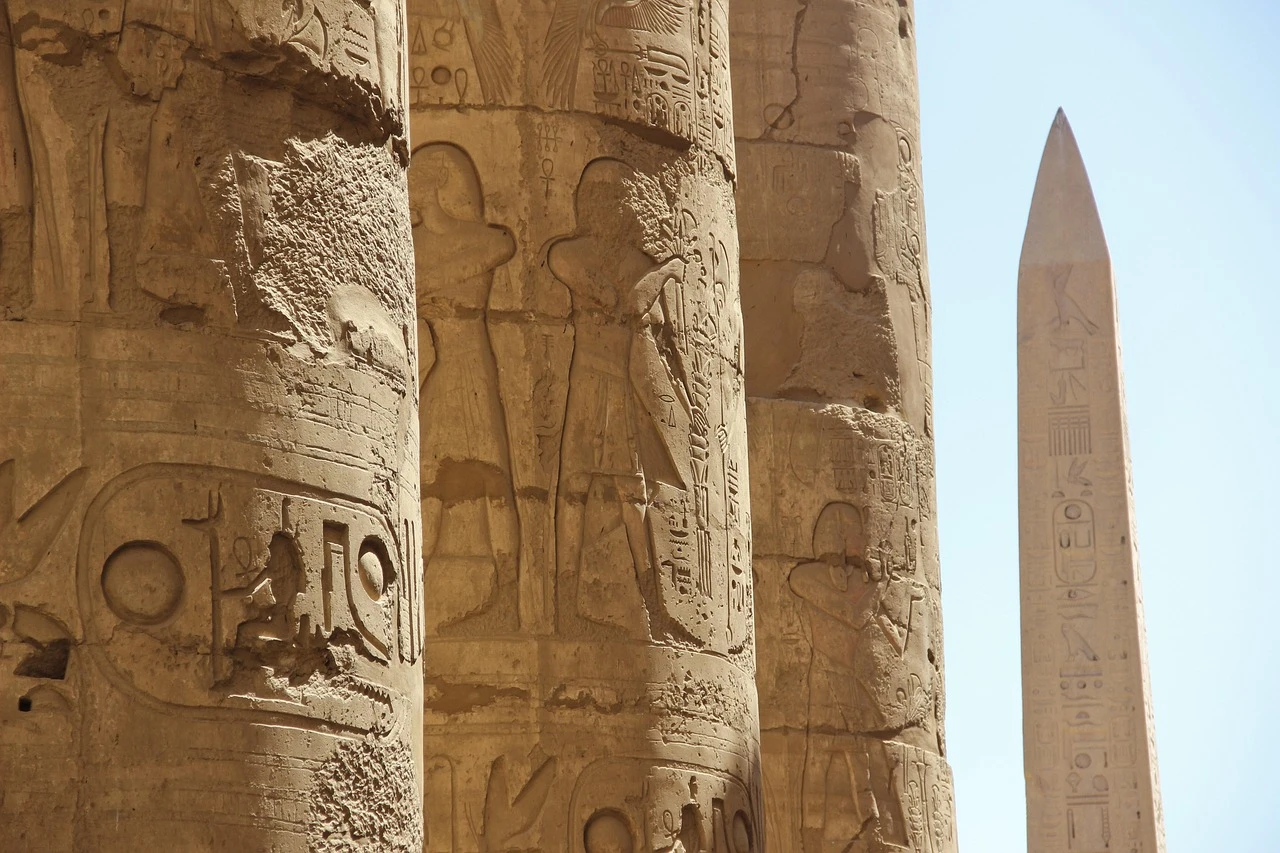
Southern Egypt has the Nile Valley’s largest concentration of temples and tombs. In Luxor, the Karnak temple complex leads through monumental gateways, columns and courtyards built over many centuries. Across the river, the Valley of the Kings necropolis has painted burial chambers cut into the hills. We also visit Hatshepsut temple, whose terraces sit beneath the Theban cliffs. Your guide explains the changing purpose of each site, while a sensible pace gives you time to take in the scale without rushing every stop.
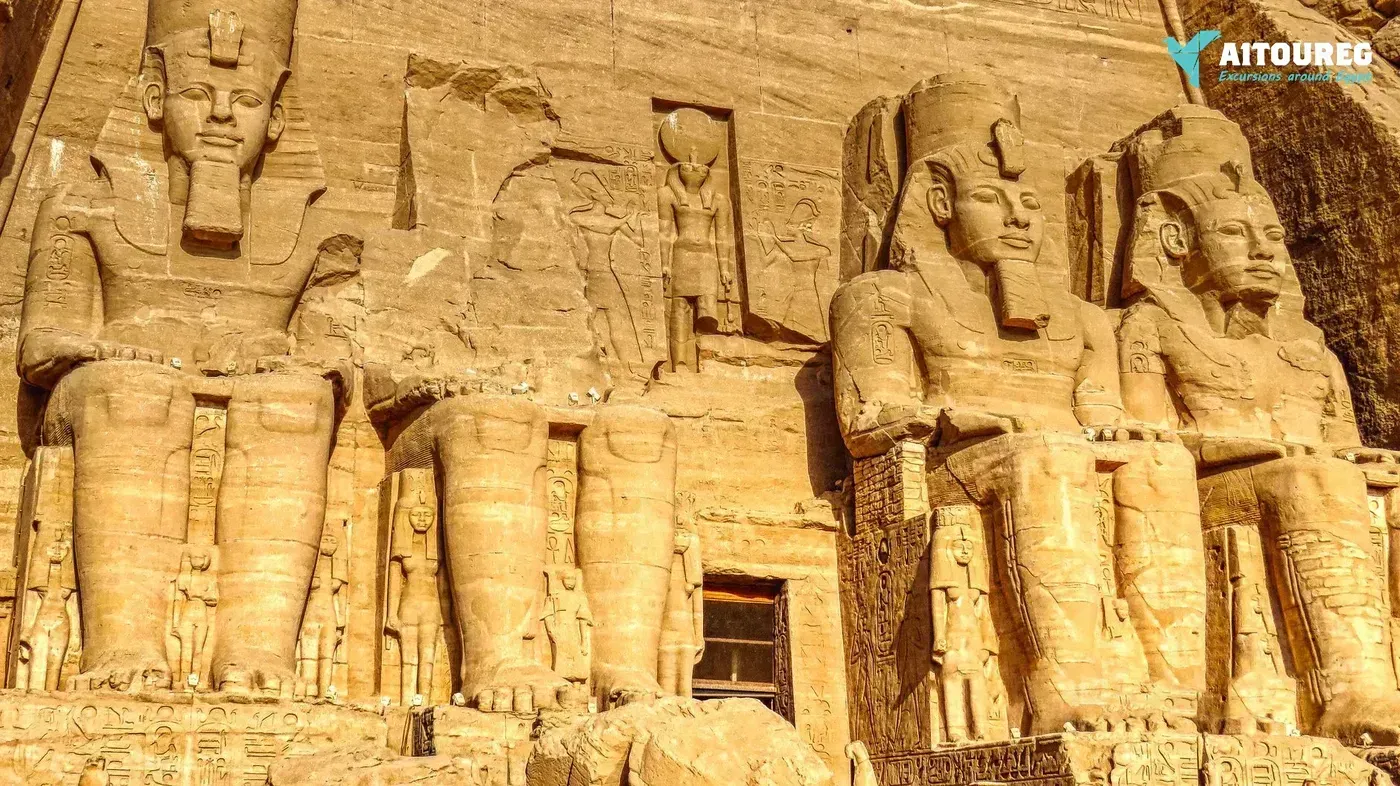
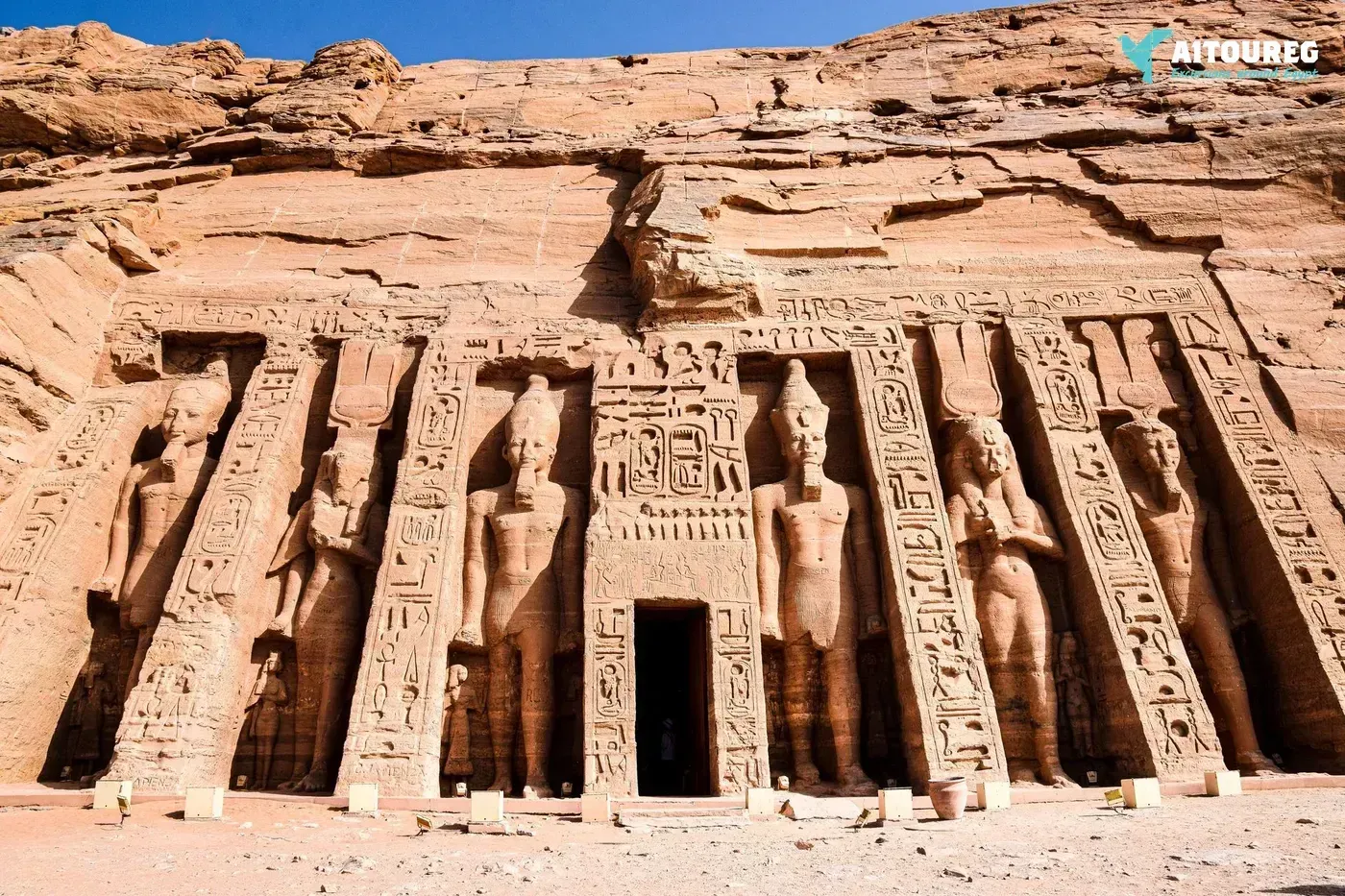
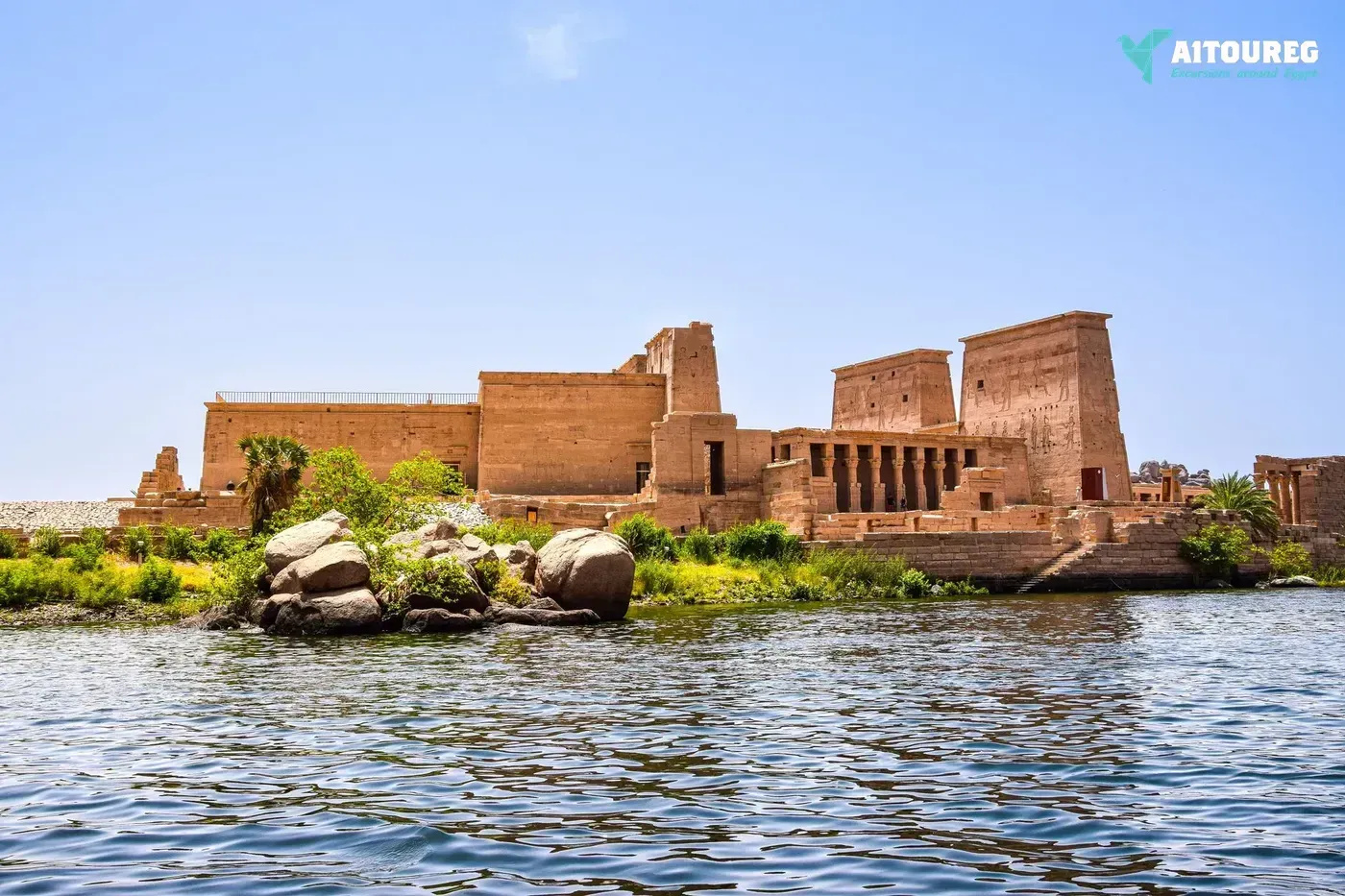
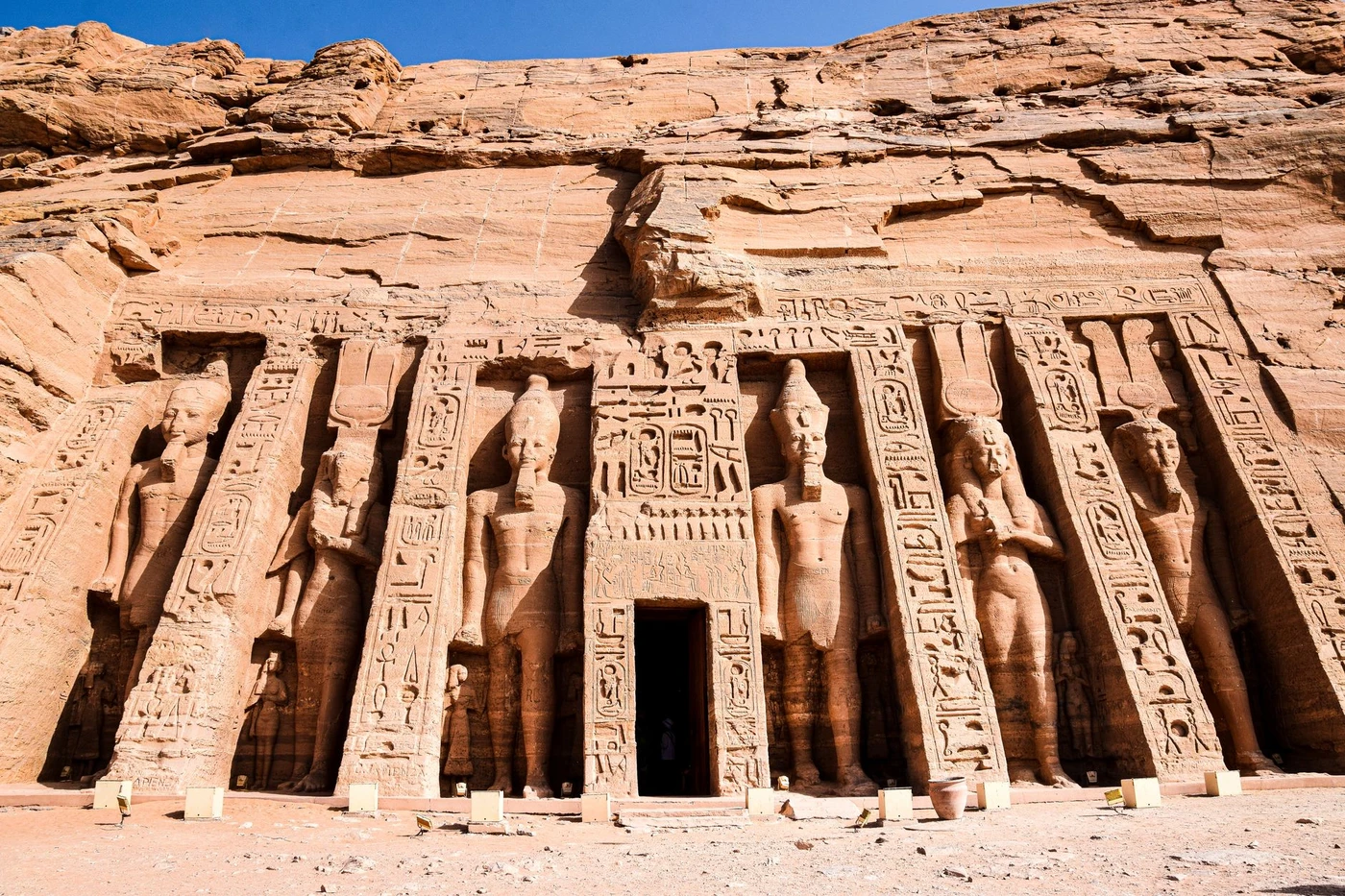
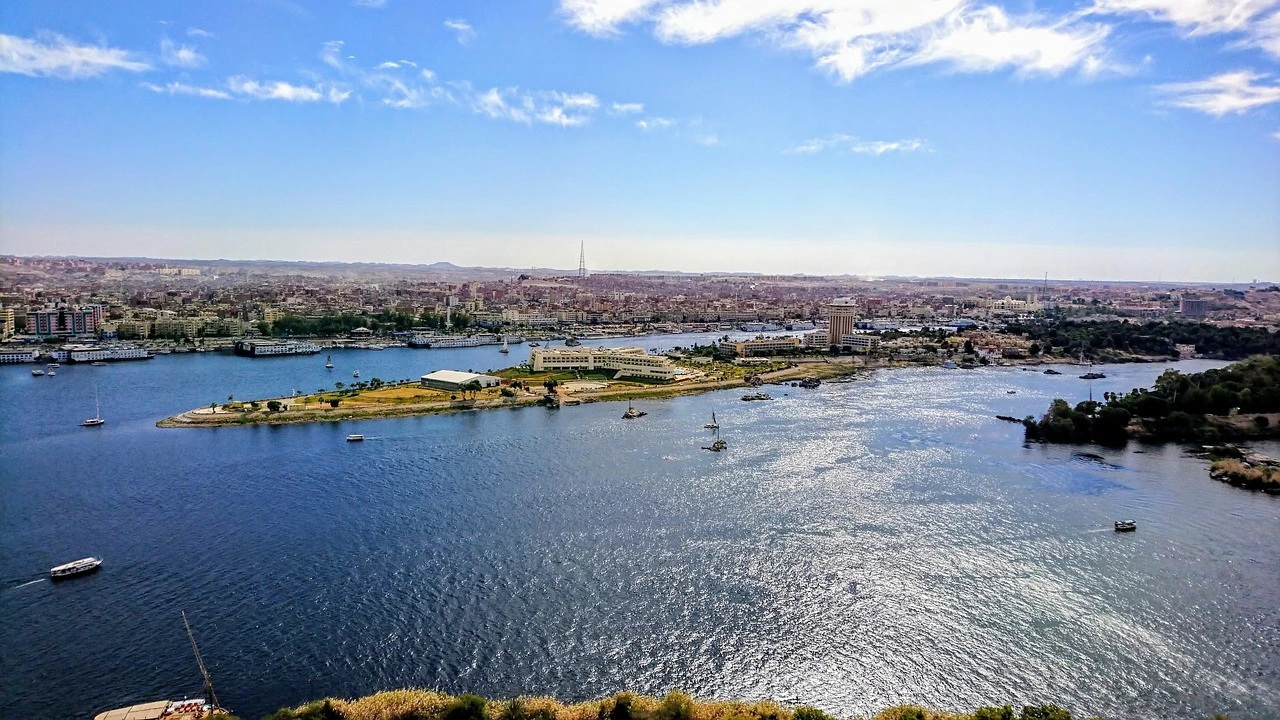
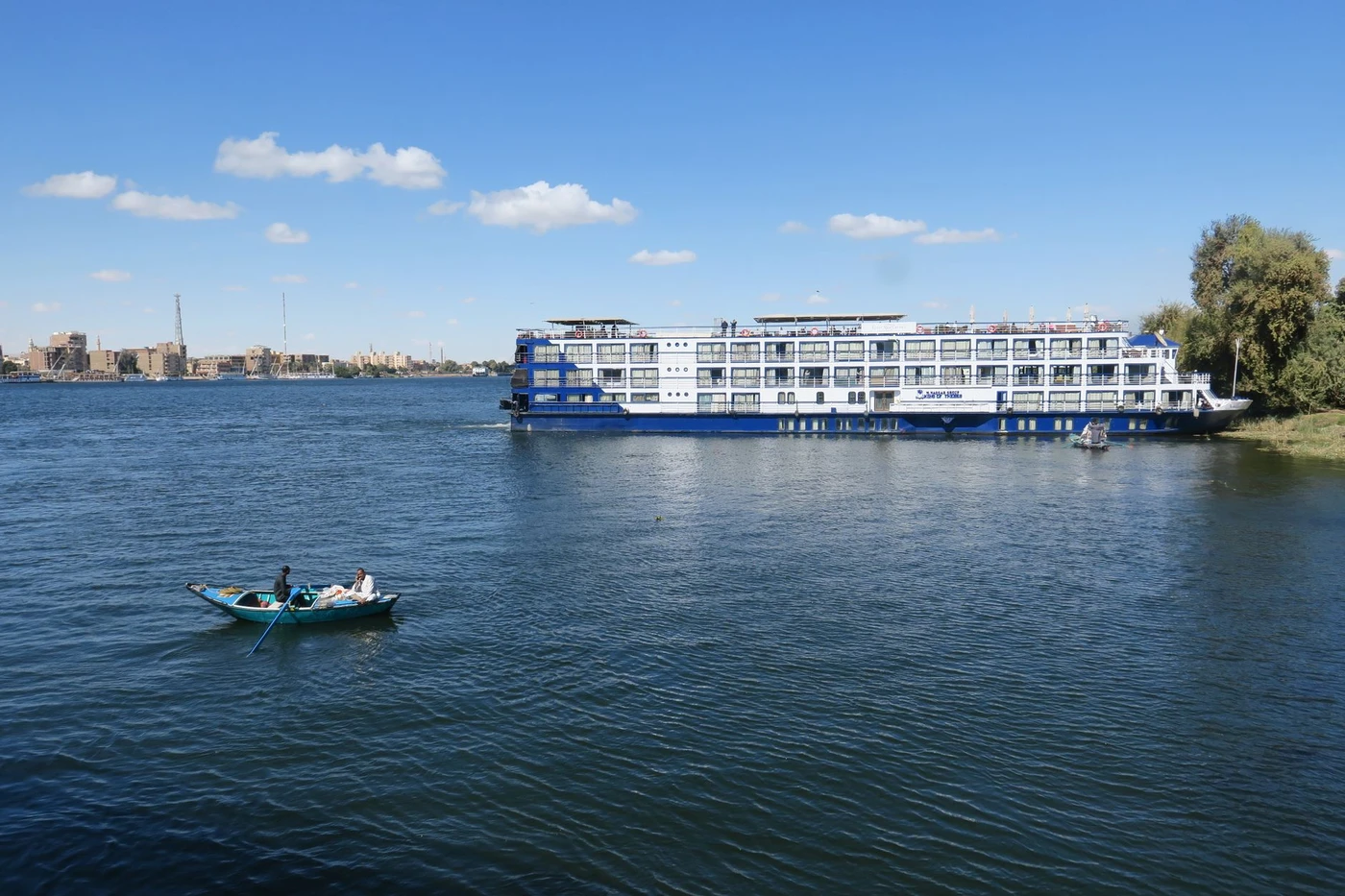
Aswan feels quieter, with the Nile passing between granite islands and low desert hills. A visit to the Temple of Philae includes a short boat crossing when local conditions permit, followed by time to look at its reliefs and courtyards. The itinerary also includes the Abu Simbel monuments, where the colossal façade of the Great Temple and the smaller Temple of Hathor make a memorable southern excursion. Transport for these longer journeys is arranged as part of the tour, so you do not have to manage the route alone.
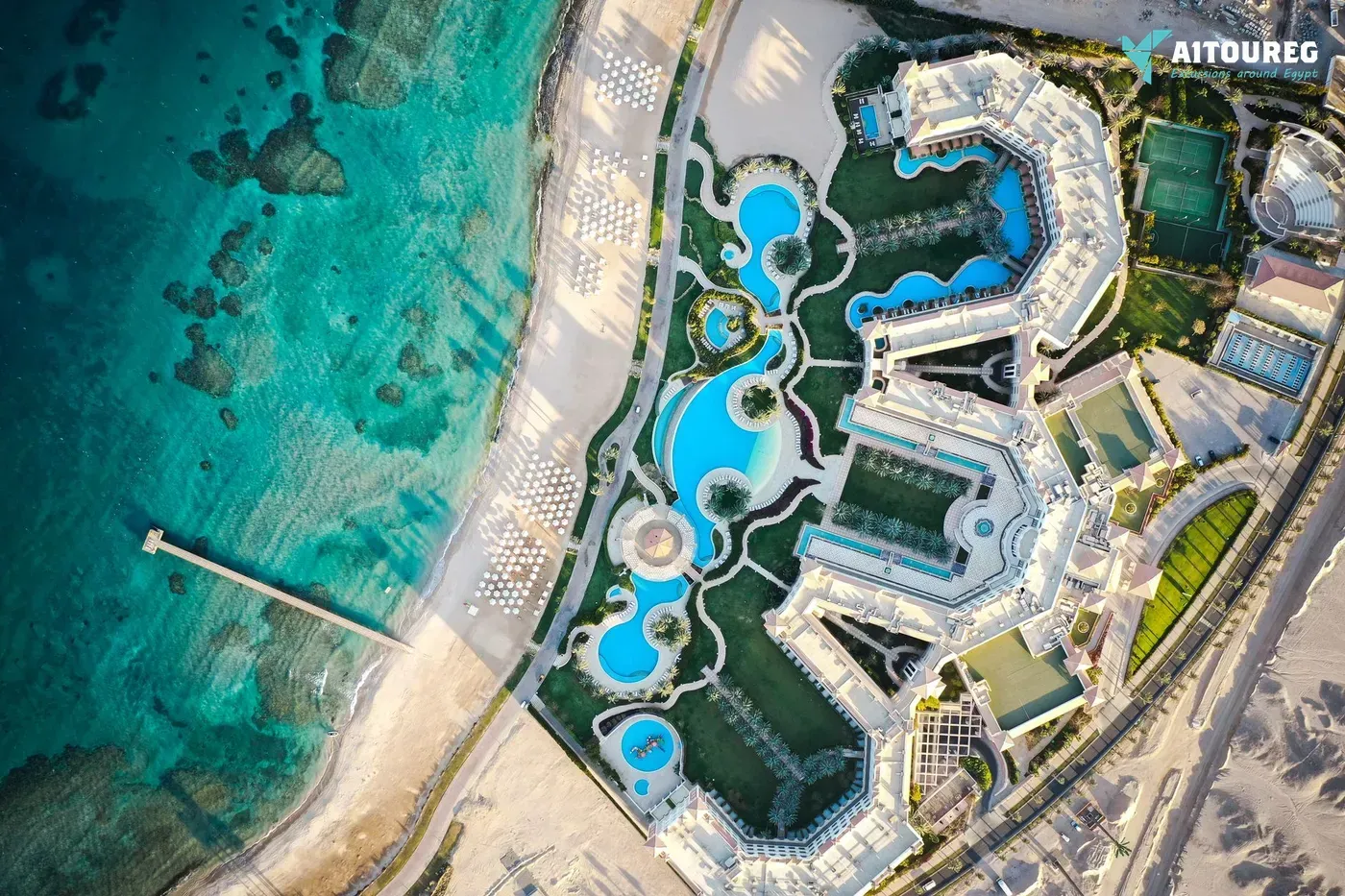
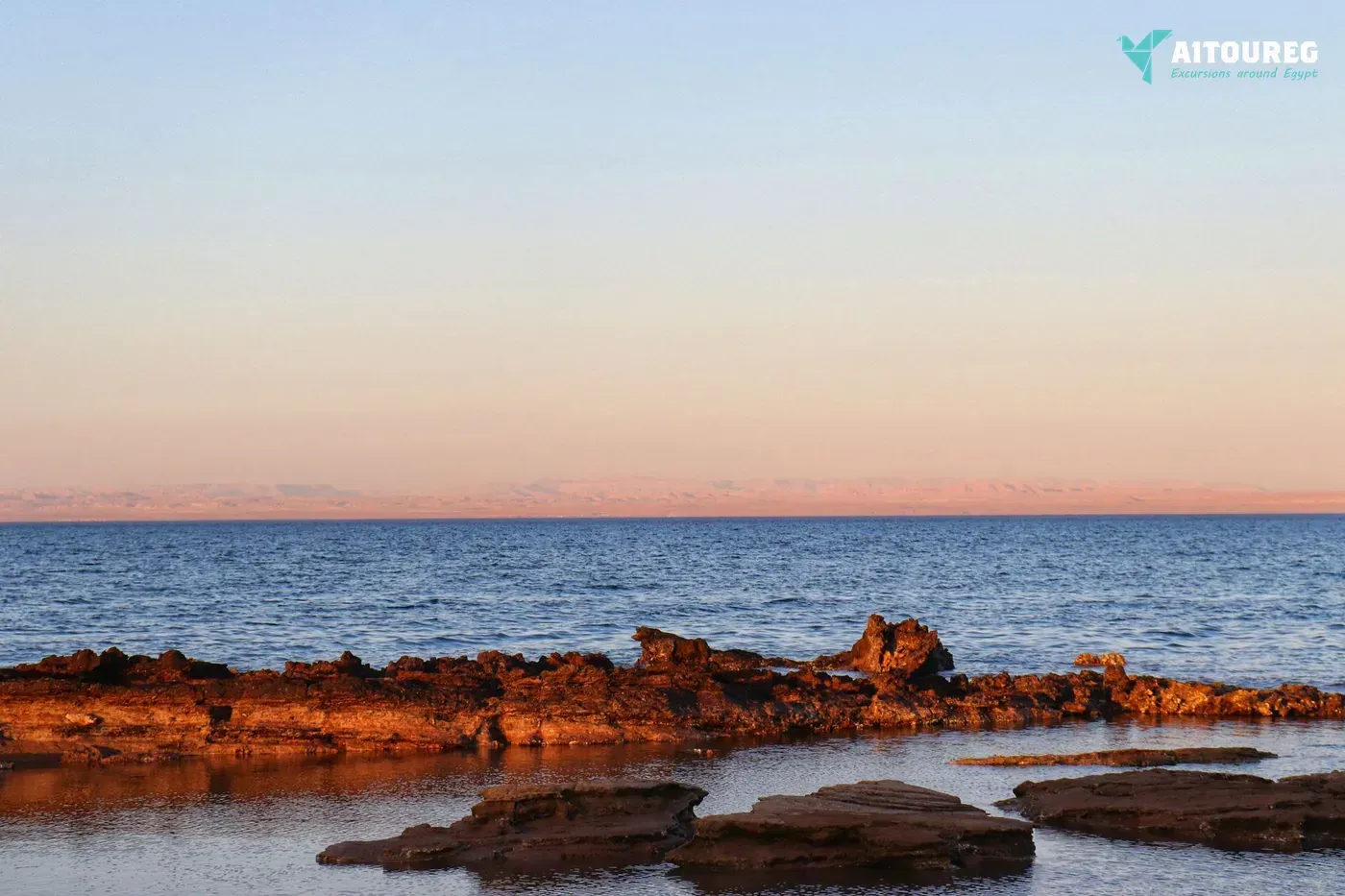
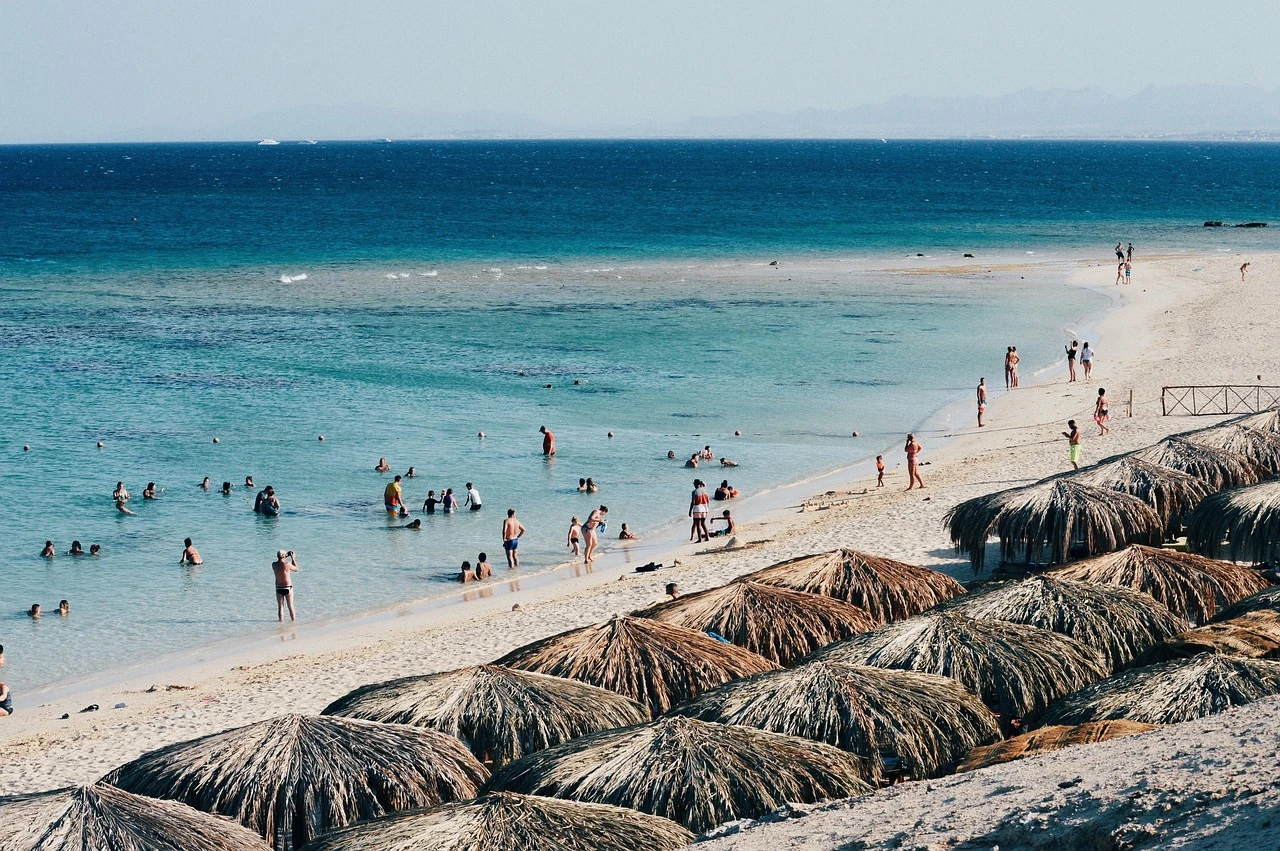
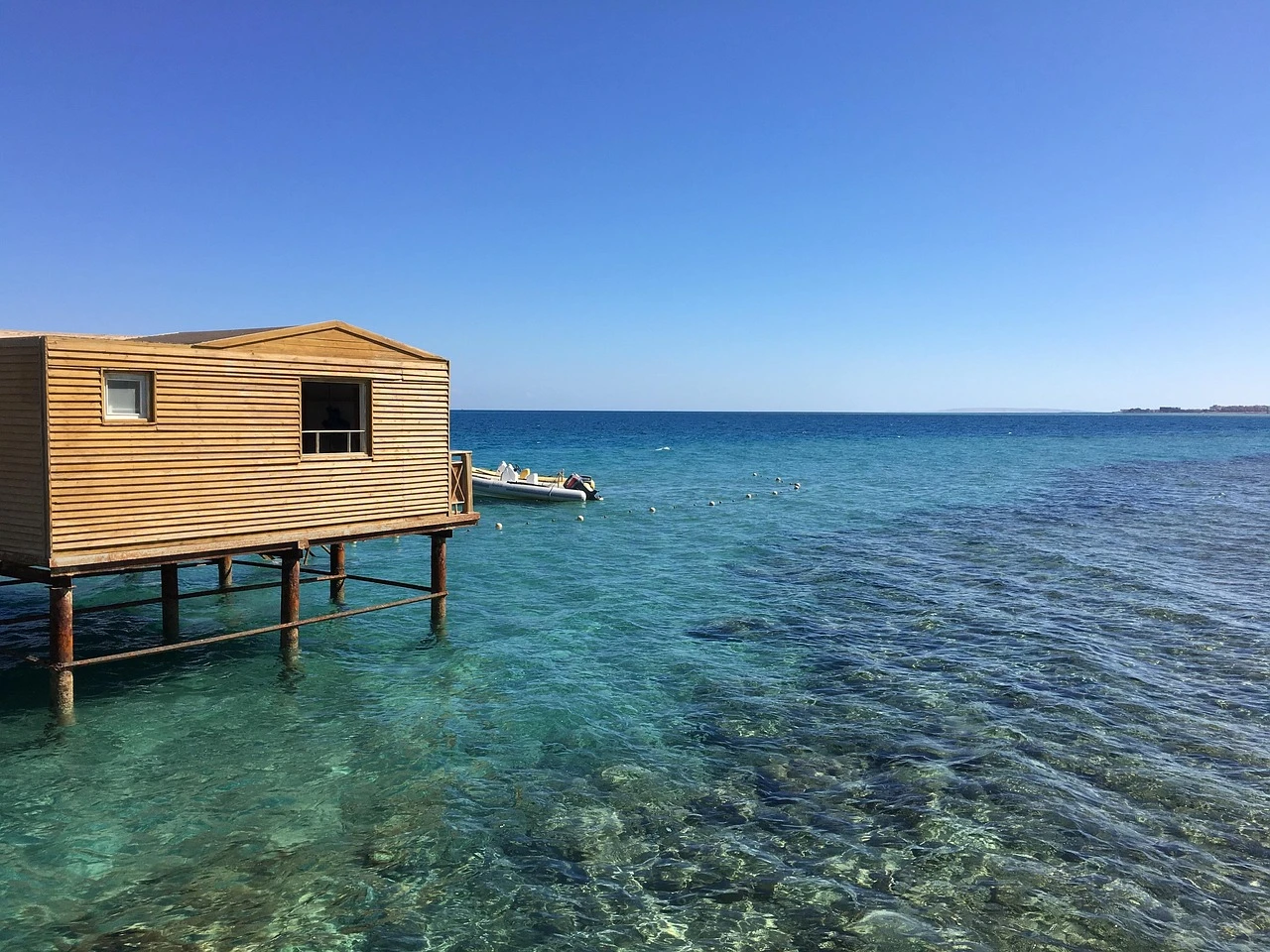
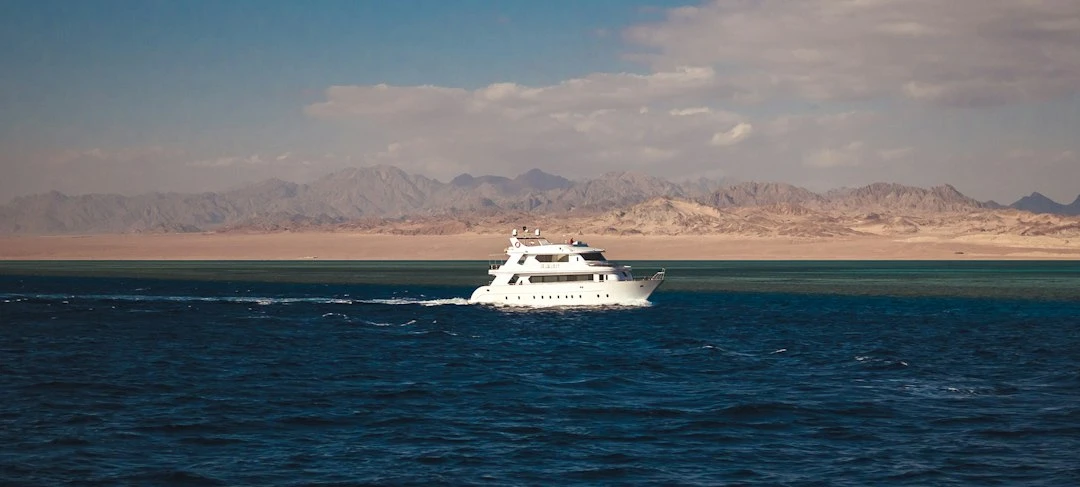
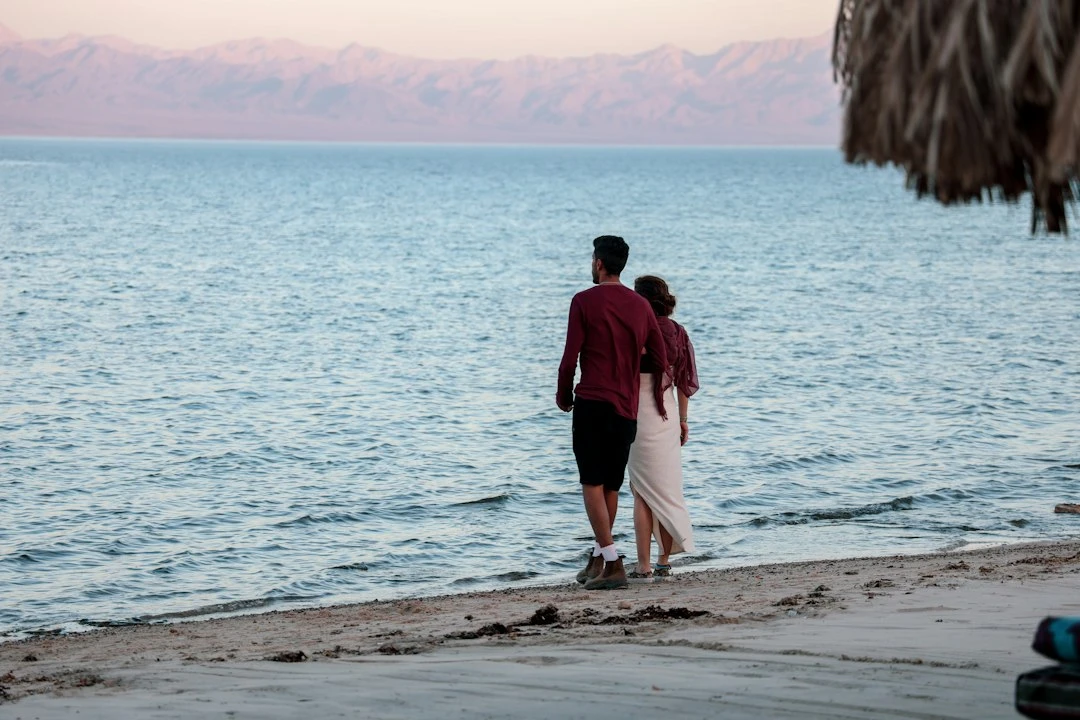
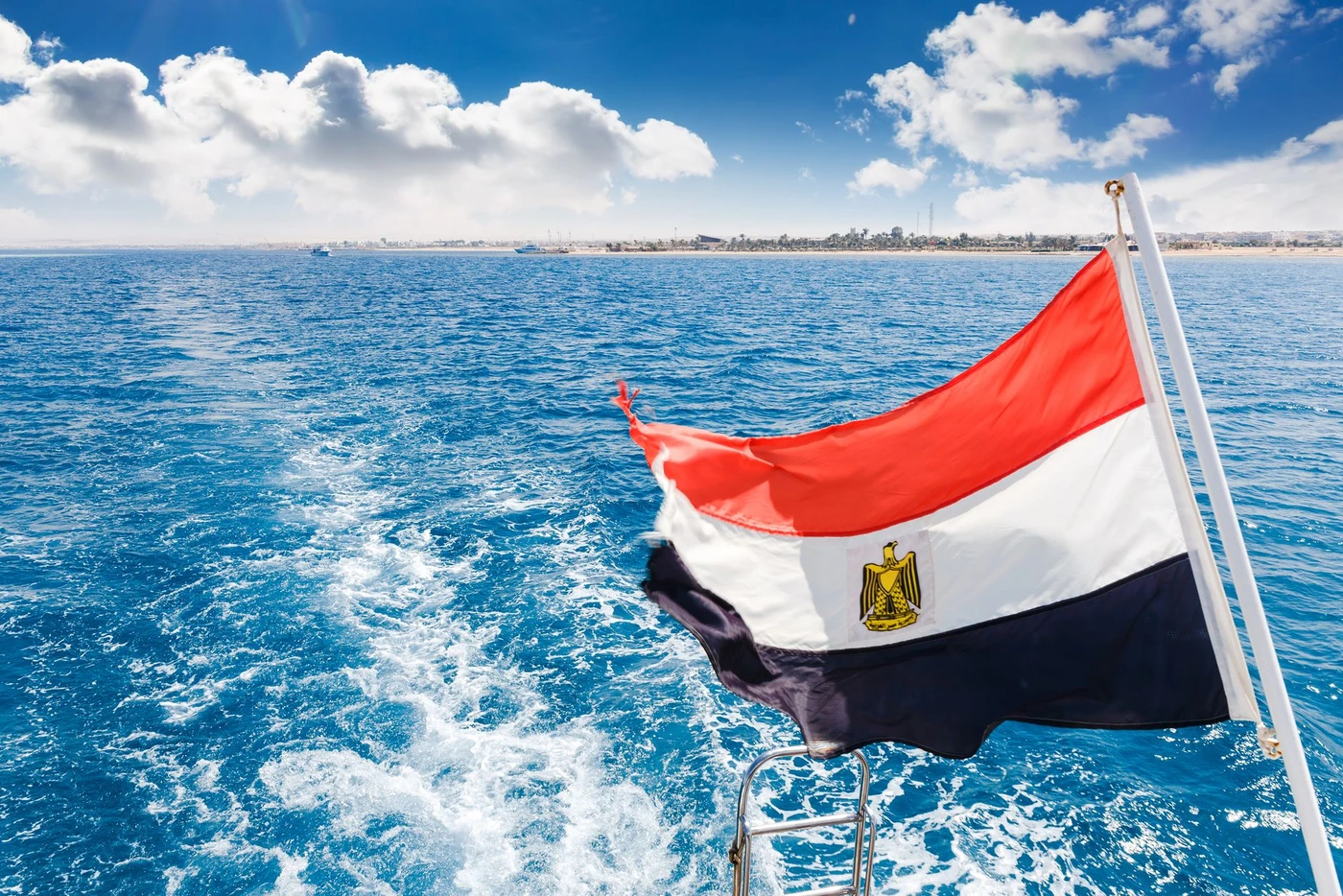
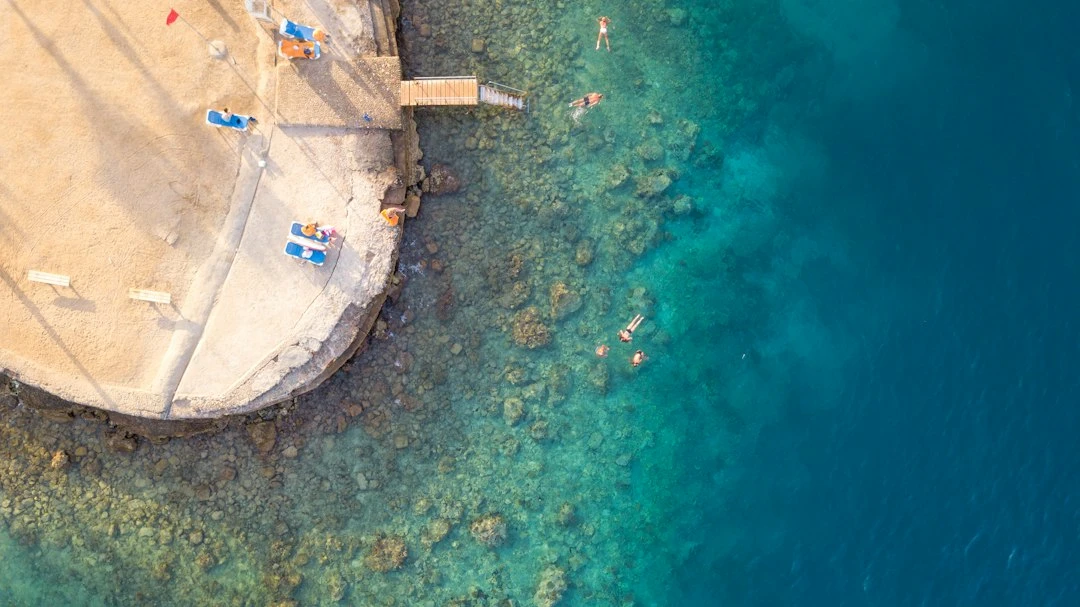
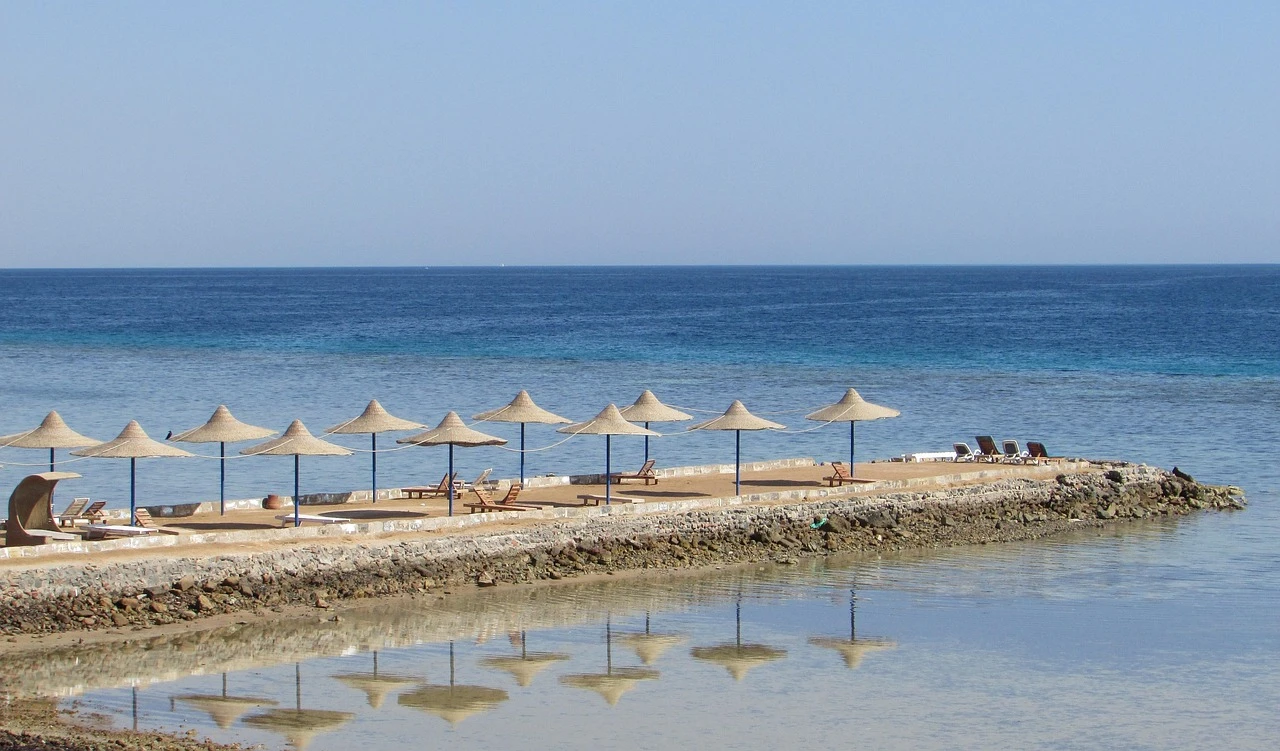
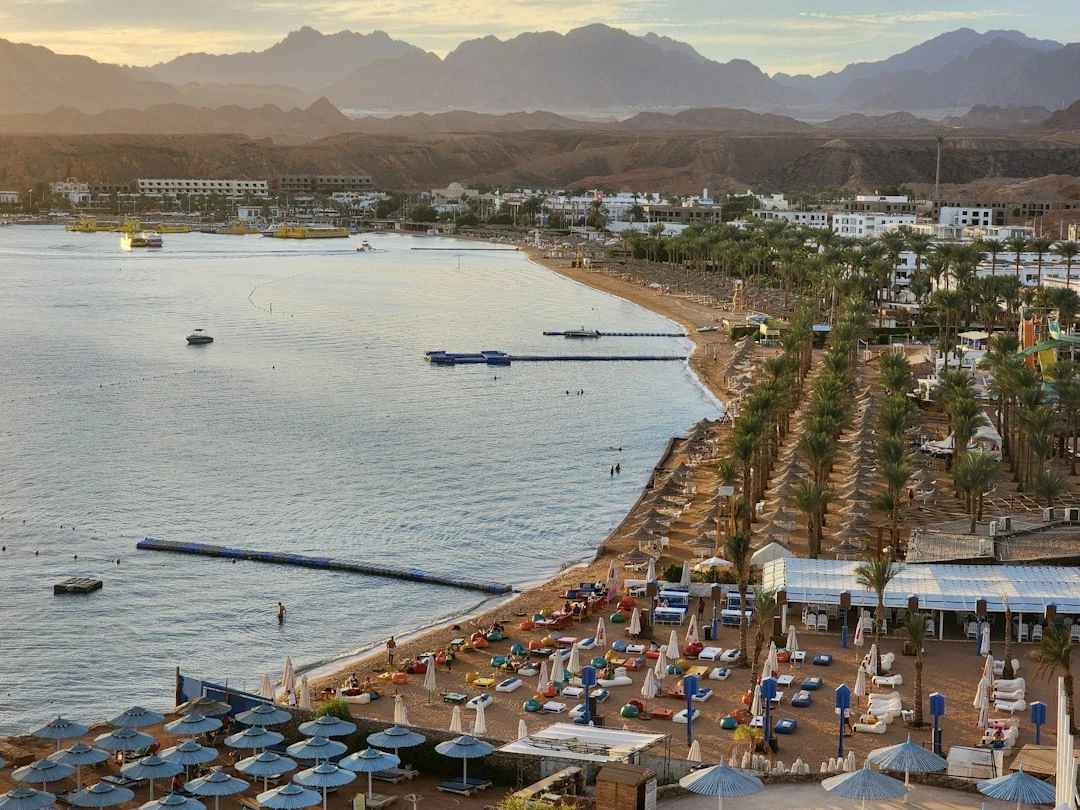
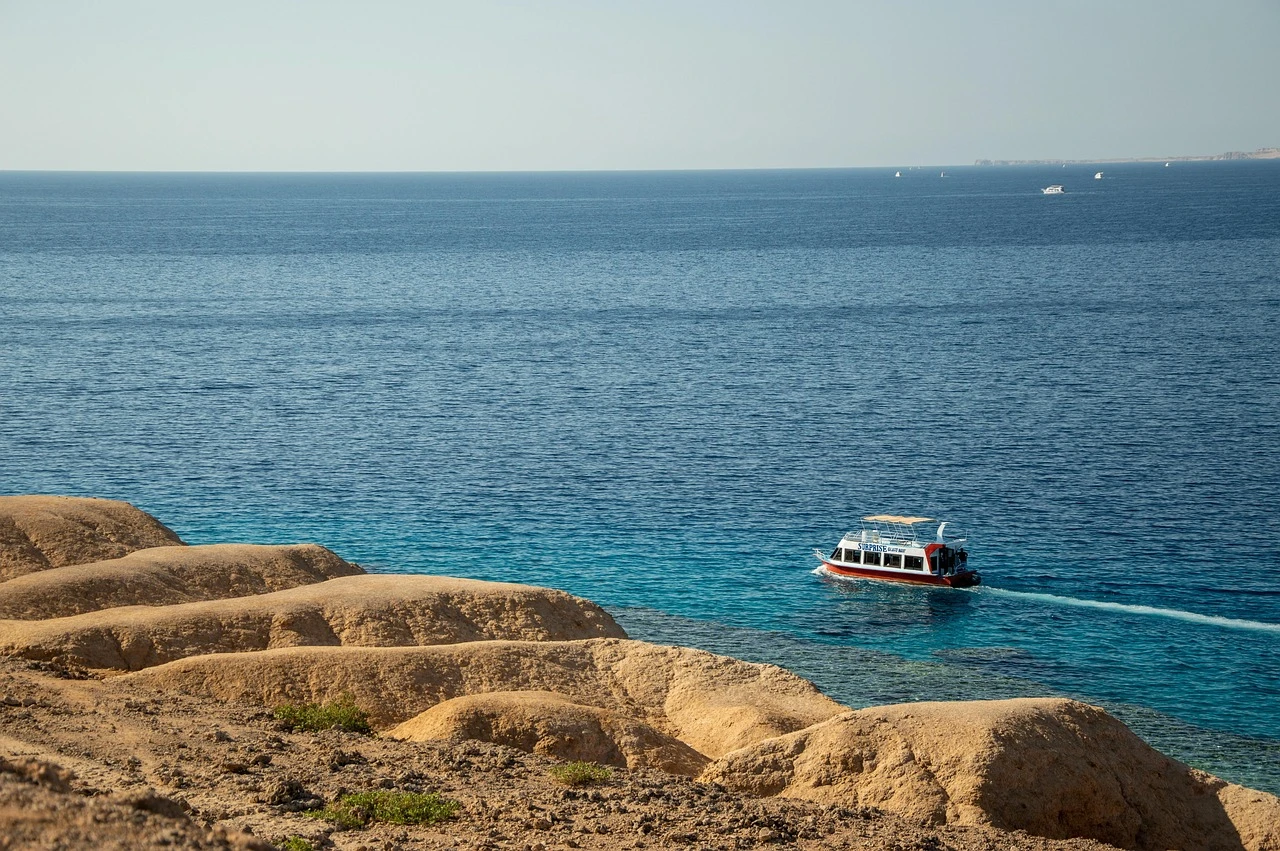
The final coastal stay is in Hurghada, with time beside the Red Sea shores after the sightseeing programme. You can use this quieter part of the trip to rest, swim where conditions allow or choose an optional sea activity locally. We do not promise particular sea conditions, and this part of the tour suits travellers who are happy to leave some time unstructured after a full cultural itinerary.
This tour suits travellers who want a broad first look at Egypt and are comfortable with several long road journeys, early starts and warm outdoor visits. It is less suitable if you prefer to stay in one resort or need a completely step-free programme, since archaeological sites often have uneven ground, stairs and sandy paths. Wear light clothing, carry water and use a wide-brimmed hat or protective headwear in exposed areas. Our team confirms the day’s arrangements locally and helps coordinate pickups, drop-offs, meals and transfers throughout the route.
English-speaking guide, with a licensed Egyptologist for archaeological visits where arranged
Meals specified in the booking itinerary
Airport and intercity transfers included in the itinerary
Transport between destinations by suitable air-conditioned vehicle
Sightseeing tours and entrance fees listed in the itinerary
Accommodation during the tour as specified in the booking
Assistance from our local team throughout the tour
Egypt entry visa and personal travel insurance
Meals and drinks not listed as included
Personal expenses, laundry and telephone charges
International or domestic flights unless stated in the booking
Optional excursions and activities in Hurghada
Gratuities for guides, drivers and local staff
Swimwear and a light cover-up for time on the Red Sea shores
Wide-brimmed hat or protective headwear, sunglasses and high-factor sunscreen
Light, breathable clothing that covers shoulders and knees at religious or historic sites
Refillable water bottle and any personal medication
Small day bag, camera and spare batteries or a power bank
Passport and any required visa documents
Comfortable walking shoes with grip for stone, sand and uneven ground
A light layer for air-conditioned vehicles and cooler desert evenings
This 15-day Egypt tour includes the planned sightseeing programme, guided visits, and transfers between the main stops, including Cairo, Giza, Alexandria, the White Desert wilderness, Bahariya Oasis sanctuary, Luxor, Aswan, Abu Simbel and Hurghada; the booking details show exactly which accommodation, meals, transport and entrance tickets are included.
Our team confirms the arrangements before travel, so you can check what is covered for your dates rather than relying on a general package description.
This 15-day Egypt itinerary has a full pace because it combines city sightseeing, desert travel, Nile-side visits and time on the Red Sea shores, but the route is spread across the trip so you are not visiting every major sight in one day.
You will have time for the Pyramids of Giza and the Museum of Egyptian Antiquities, Cairo, before continuing to Alexandria and the desert. In Luxor, the schedule includes the Karnak temple complex, the Valley of the Kings necropolis and Hatshepsut temple; Aswan includes the Temple of Philae and Abu Simbel monuments.
Pickup and transfers are arranged according to your confirmed itinerary, with our team coordinating the movements between hotels, sightseeing areas, desert stops, airports or other agreed meeting points where required.
We send the practical pickup information before each part of the tour. Please provide accurate accommodation and arrival details when booking, since the meeting point and transfer plan can vary between Cairo, the Bahariya Oasis, Luxor, Aswan and Hurghada.
This 15-day Egypt tour can suit families and many active travellers, but it involves regular walking, steps, uneven ground, early starts and some long road journeys, especially around the White Desert wilderness, Bahariya Oasis sanctuary and ancient sites.
Travellers with limited mobility should tell us before booking so we can review the route and access at each stop. The Pyramids of Giza, Karnak temple complex, Valley of the Kings necropolis and Abu Simbel monuments may require walking over uneven surfaces, and some desert areas are difficult for wheelchairs.
Bring light, breathable clothing, comfortable closed walking shoes, sunscreen, sunglasses, a **wide-brimmed hat or protective headwear**, a refillable water bottle and a light layer for cooler mornings or evenings.
Modest clothing is useful when visiting religious and historic areas, while sturdy footwear helps at the Pyramids of Giza, Hatshepsut temple and the Valley of the Kings necropolis. Pack a small overnight bag if the itinerary includes an overnight desert or river transfer, and keep essential medication with you.
Booking and cancellation rules for this 15-day Egypt tour depend on the selected package, travel dates and the booking conditions shown before payment, so review those terms carefully before confirming.
Some arrangements may need advance confirmation because the itinerary includes multiple destinations and transport services. Contact our team before booking if you need to change dates, add special assistance or clarify a cancellation deadline; we will explain the applicable conditions without promising availability.
Your unforgettable Egypt journey starts with a booking you can trust.
* Available on selected tours. Flights, cruises and special bookings may have different cancellation policies.
Free cancellation up to 24 hours before activity starts
If you choose to pay online, a secure payment link can be provided after booking. For assistance or alternative payment options, please contact us via WhatsApp.
All our tour operators are licensed and verified by Egyptian tourism authorities.
Learn more about our licensed partners →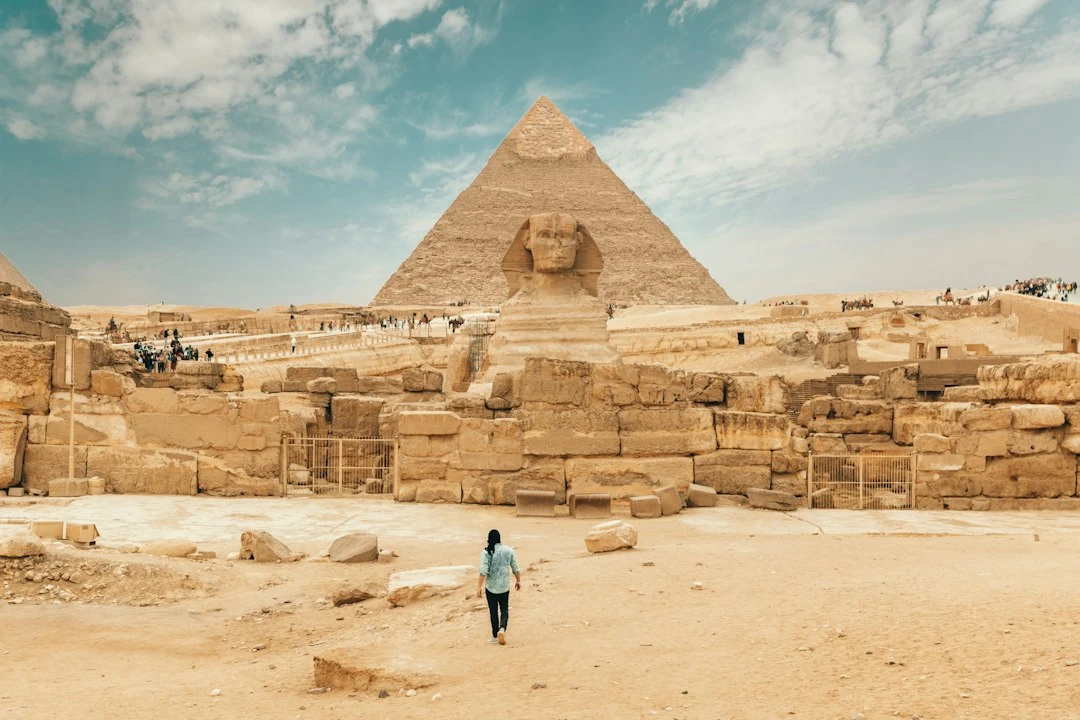


Free cancellation up to 24 hours before activity starts
If you choose to pay online, a secure payment link can be provided after booking. For assistance or alternative payment options, please contact us via WhatsApp.
All our tour operators are licensed and verified by Egyptian tourism authorities.
Learn more about our licensed partners →
Your Itinerary
Arrive in Cairo, where our representative meets you at the airport and helps with the arrival formalities before your transfer into the city. The drive gives you a first look at the capital’s broad avenues, neighbourhoods and busy river crossings. After check-in, the rest of the day is kept light so you can recover from your journey.
Use the time to settle in, exchange money if needed and speak with our team about the days ahead. Your guide can confirm the next morning’s arrangements and answer practical questions about clothing, walking and the order of visits. If your arrival allows, take a quiet evening walk near your accommodation or enjoy dinner independently. No sightseeing is scheduled today, so the pace remains comfortable after the flight.
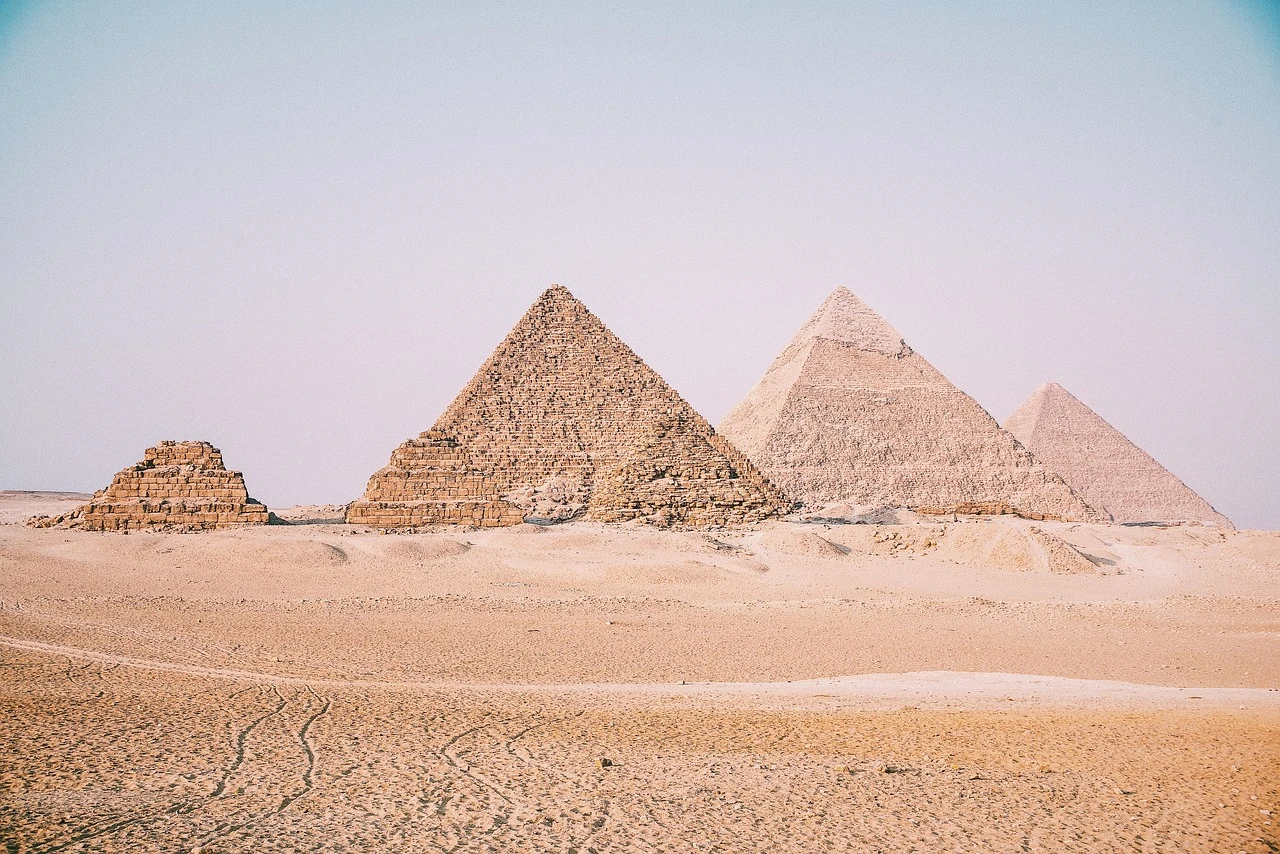
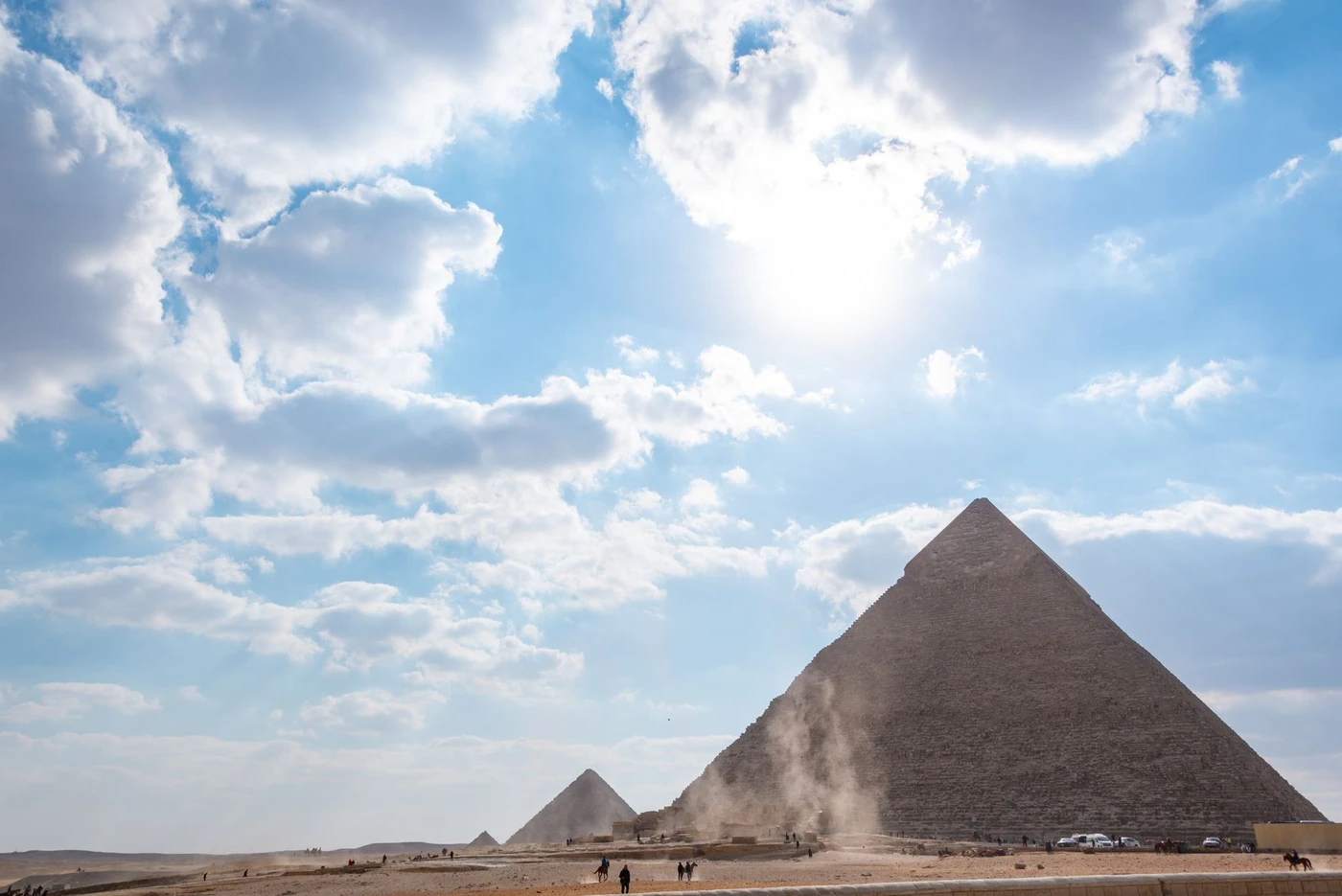
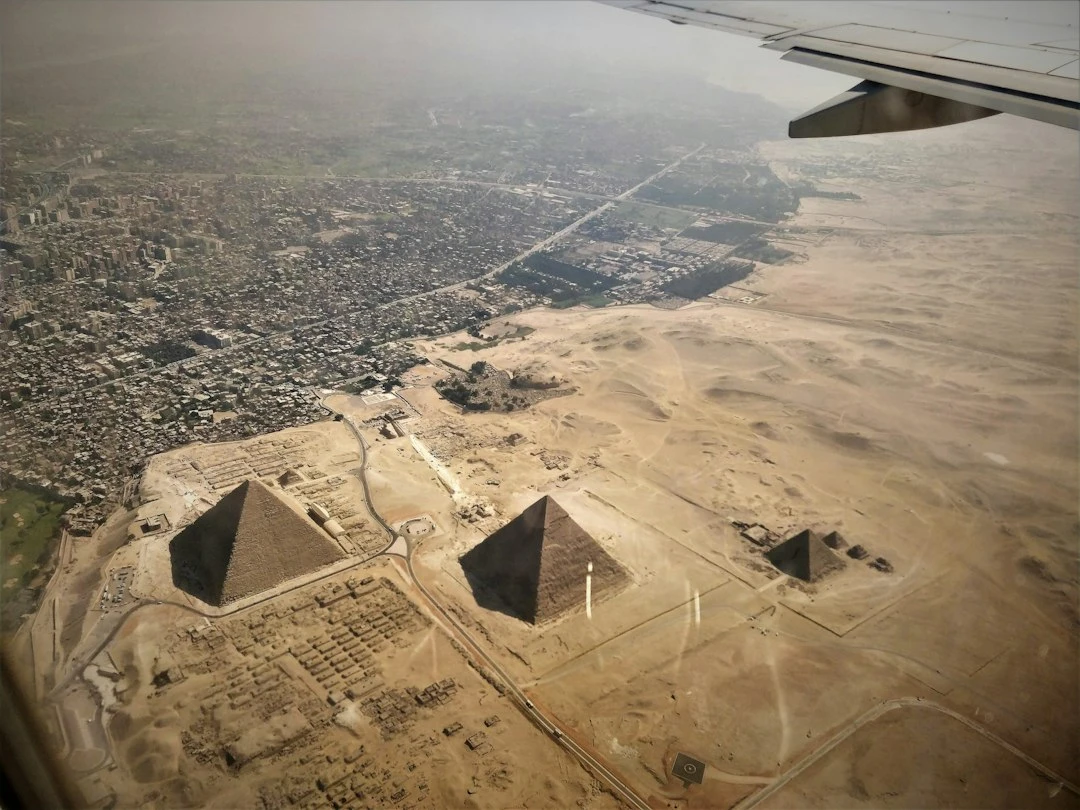
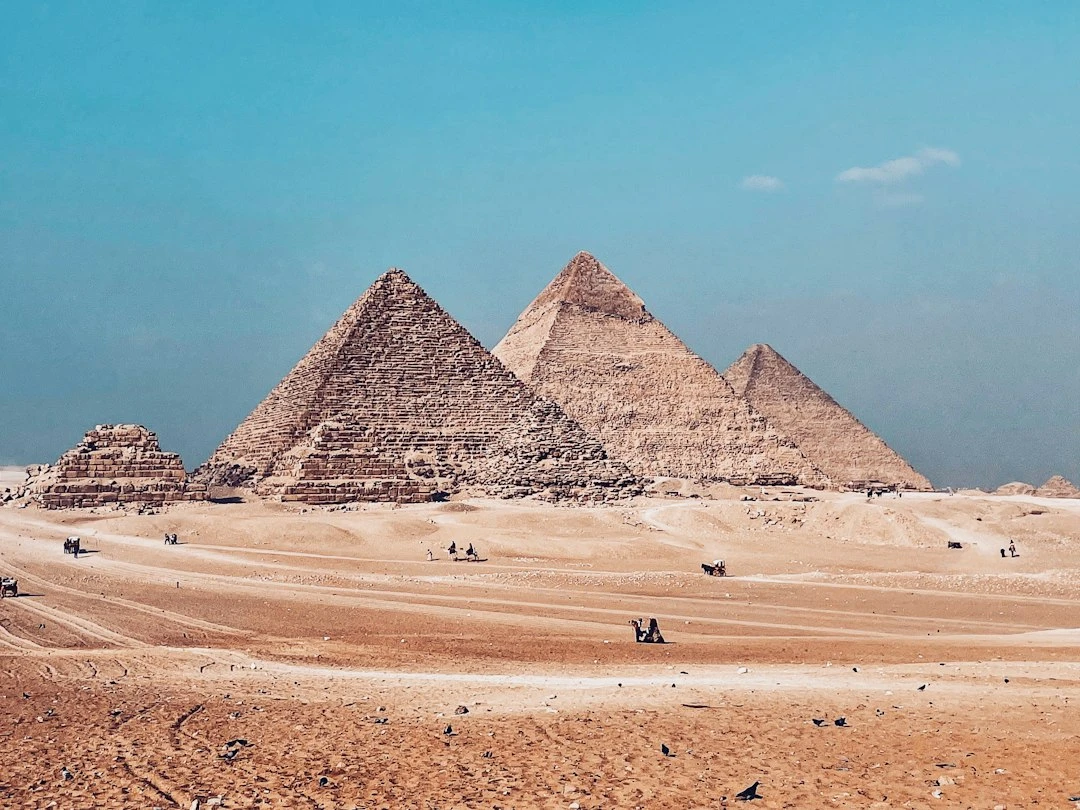
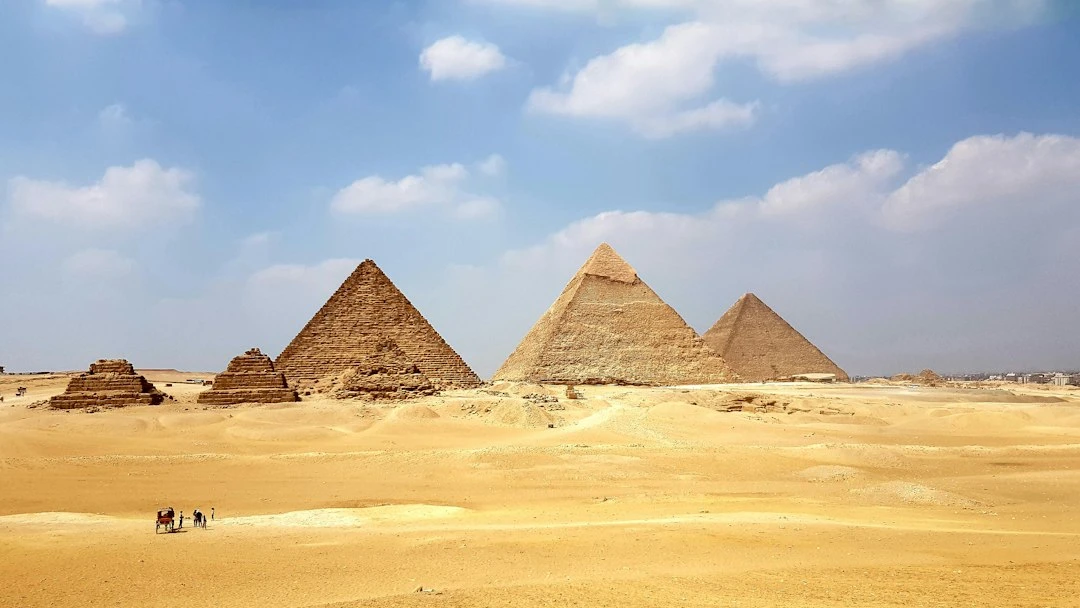
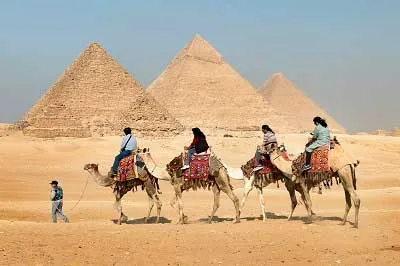
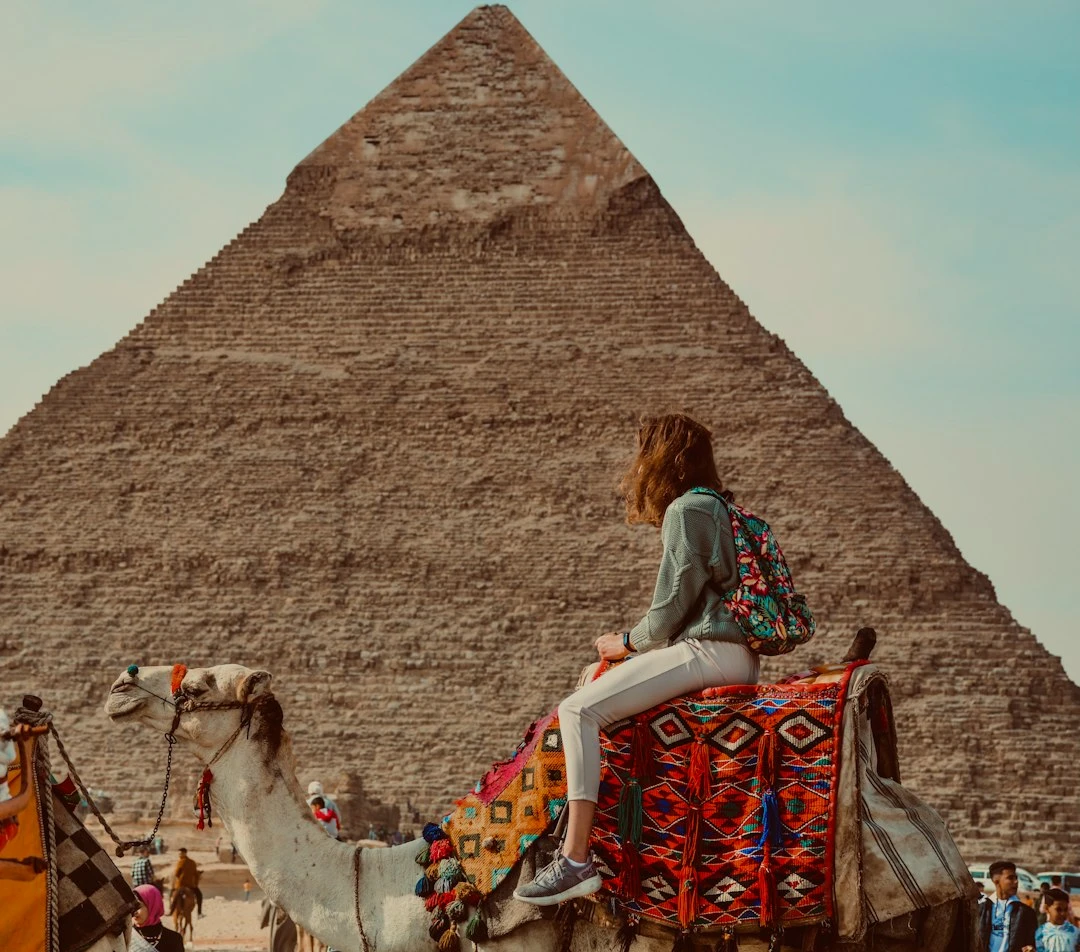
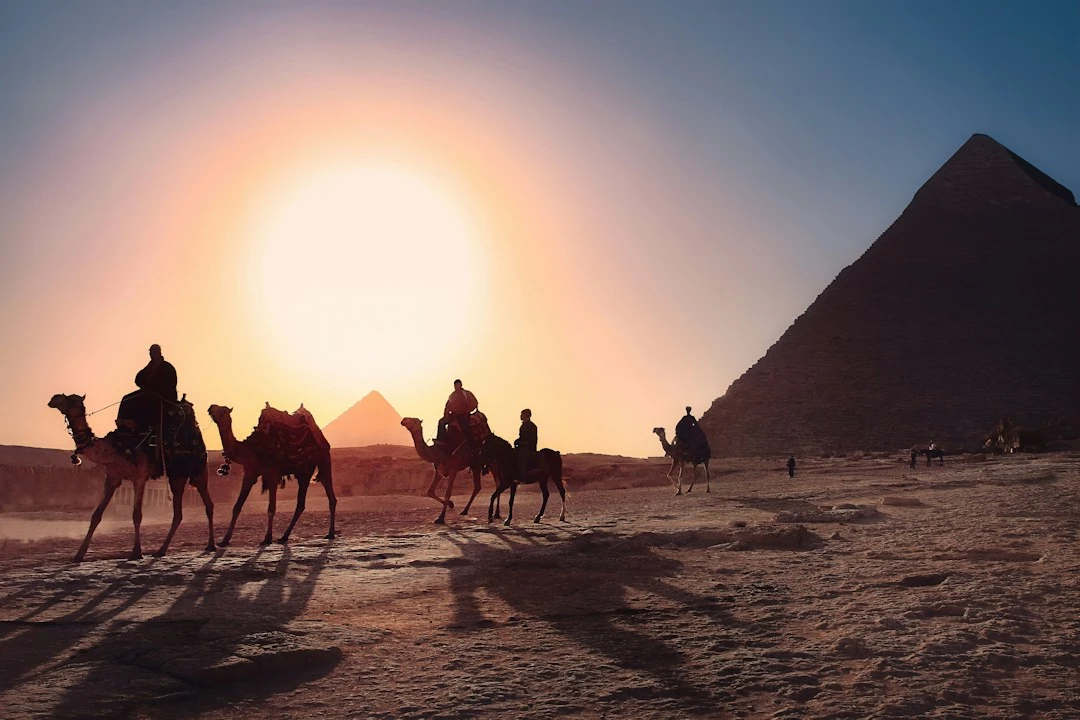
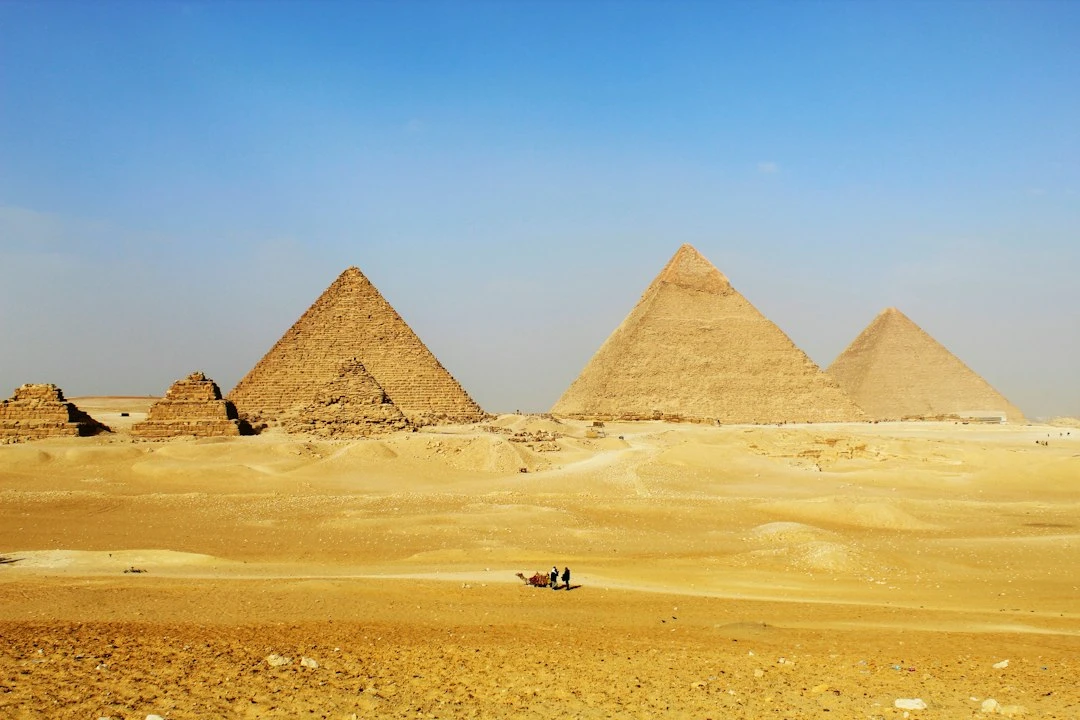
After breakfast, travel to the Giza Plateau for a guided visit to the Pyramids of Giza. Your guide explains how the monuments were planned and built as royal tombs while you walk between the Great Pyramid, the Pyramid of Khafre and the Pyramid of Menkaure. There is time for photographs and for viewing the Sphinx from the plateau before leaving the site.
The visit involves uneven ground, exposed sun and some walking between viewpoints, so comfortable shoes, water and sun protection are useful. Your guide will help you understand which areas are open on the day and how to manage optional interior visits if available. After lunch, return towards central Cairo for a slower afternoon. The exact order can change with traffic and site access, but the main monuments are visited during the cooler part of the day whenever practical.
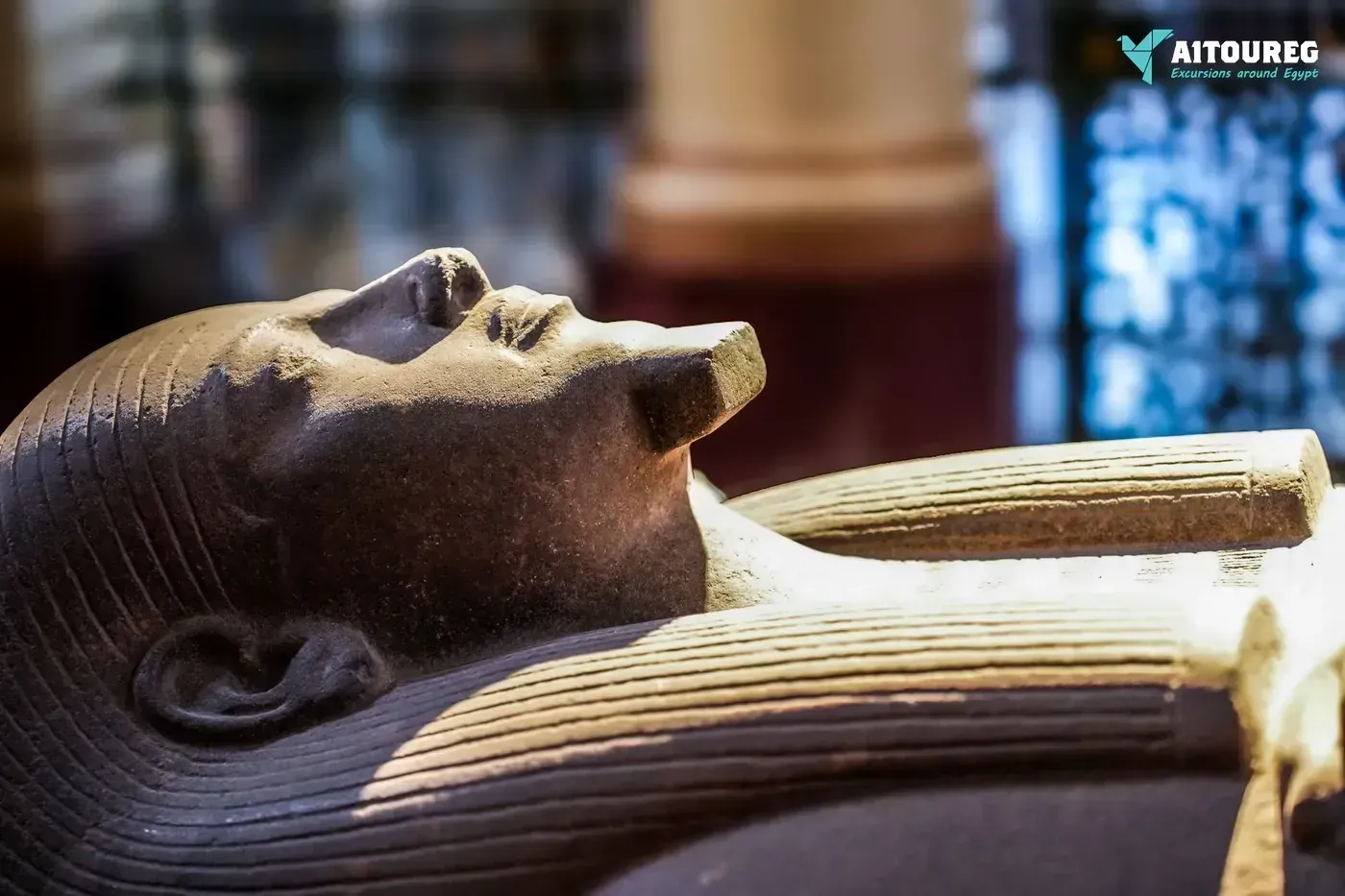
Begin with the Museum of Egyptian Antiquities, Cairo, where your guide leads you through selected galleries rather than asking you to rush through the whole collection. You see royal statues, painted coffins, jewellery and objects used in daily life, with explanations that connect the displays to the temples and tombs visited later in the tour. Allow time for security checks and for moving between rooms at an easy pace.
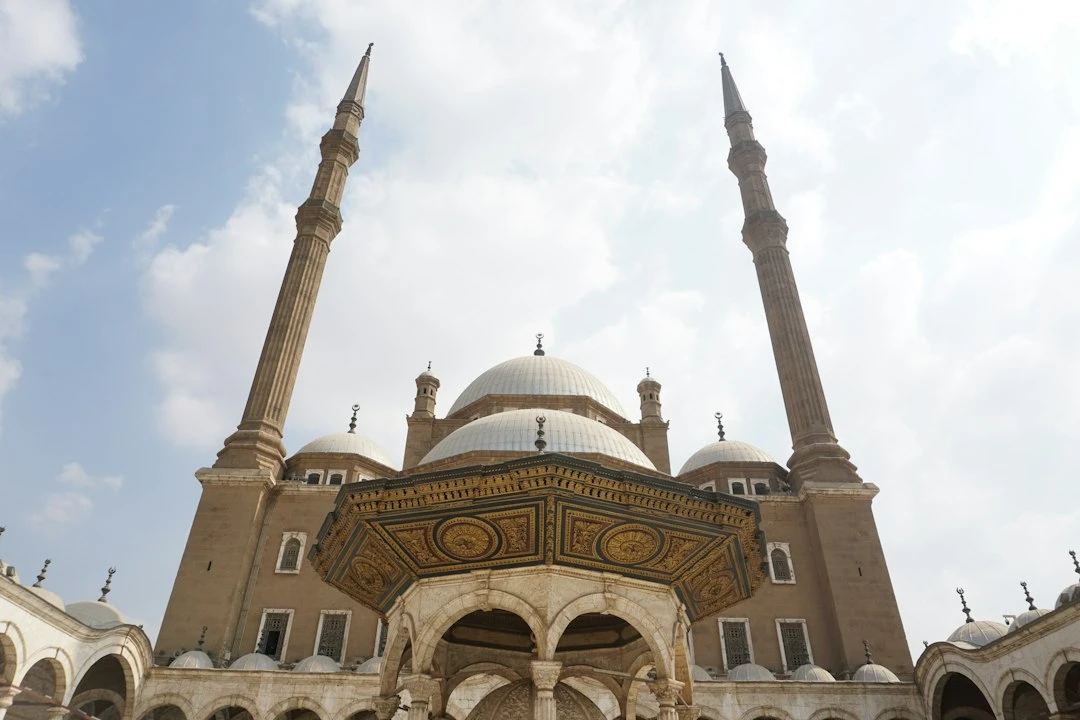
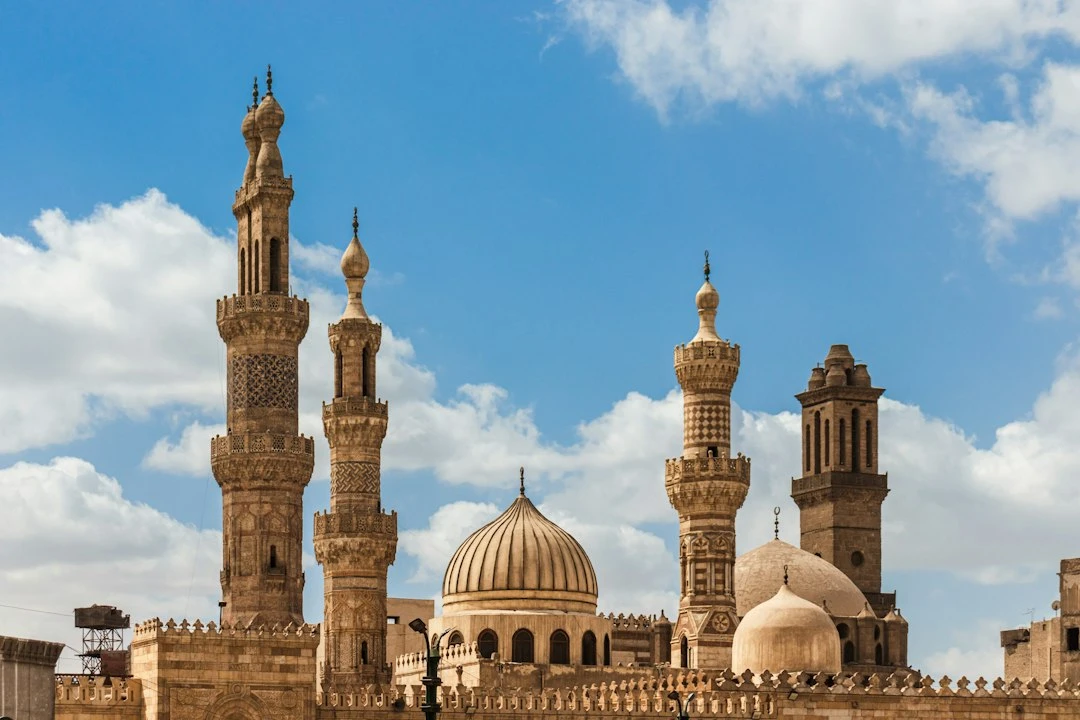
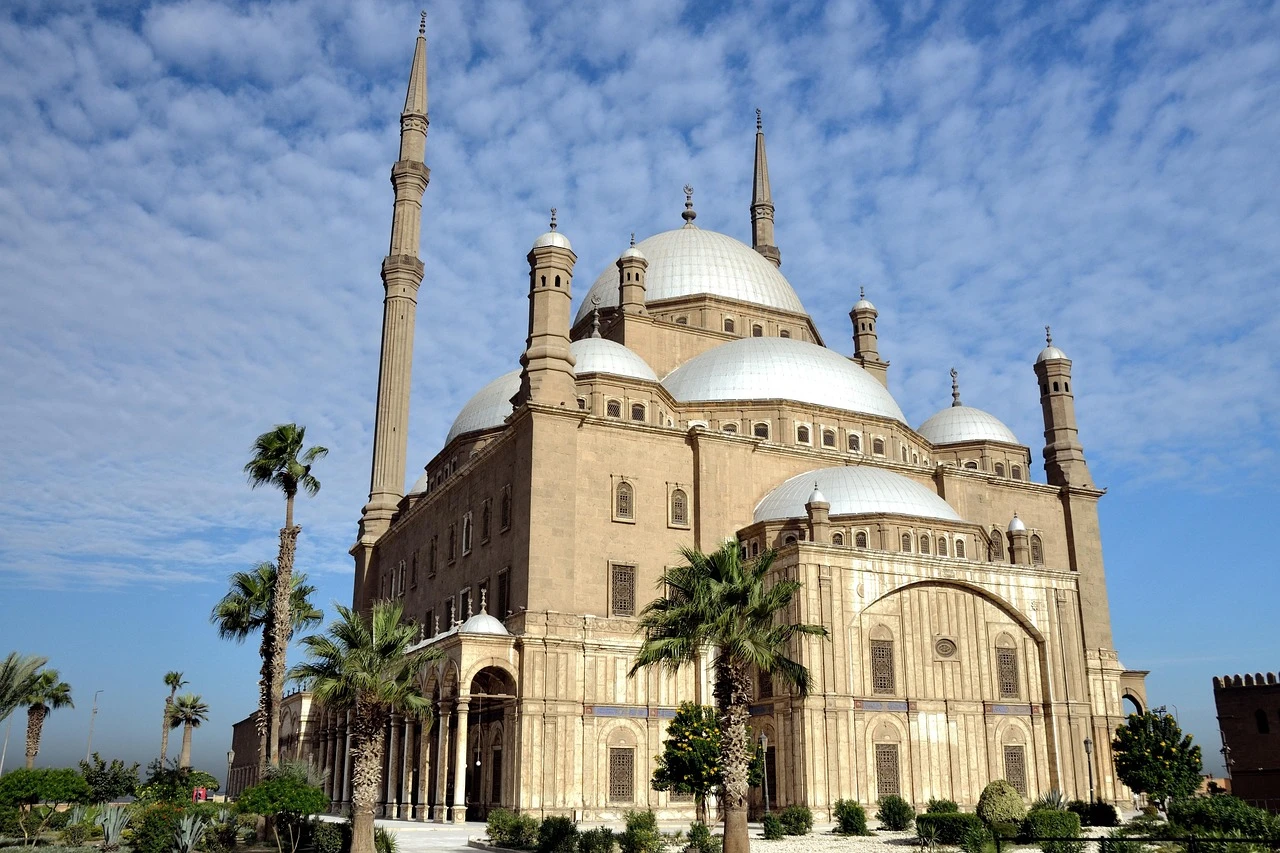
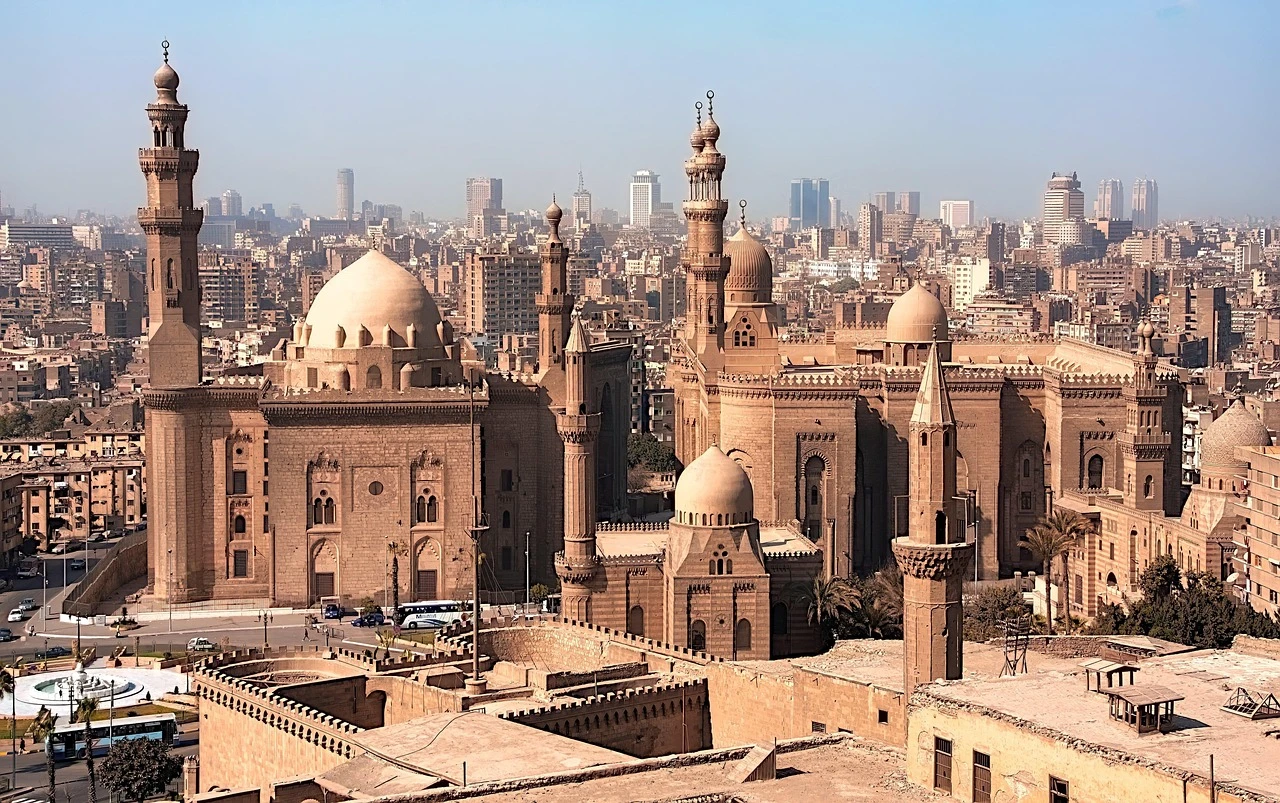
After a break for lunch, continue to Old Cairo. The area brings together historic churches, narrow lanes and Islamic monuments, giving you a different view of the capital’s long history. Your guide will choose a practical walking route according to opening conditions and the group’s energy. Modest clothing and comfortable footwear are helpful, and shoulders and knees should be covered when entering religious buildings.
Leave Cairo after breakfast for the northbound road to the City of Alexandria. The drive usually takes several hours, depending on traffic, so our team arranges a comfortable vehicle and a stop when appropriate. On arrival, explore the waterfront and hear how Alexandria developed as a major Mediterranean centre under the Ptolemaic and Roman rulers.
Your guide presents the city through its surviving landmarks, including the Catacombs of Kom El Shoqafa and the area around the ancient library site. The exact sequence depends on opening times, but the day combines archaeology with views of the Corniche and time for a relaxed seafood or local lunch. Some sites have steps, narrow passages or uneven paving. After sightseeing, return to Cairo by road for the night, arriving in time for dinner and rest.
Today the journey turns west into the desert. After breakfast, meet your driver for the transfer to Bahariya Oasis sanctuary, a journey of roughly four to five hours depending on road conditions and stops. The landscape gradually changes from the settled Nile Valley to open desert, with low escarpments and wide stretches of pale sand.
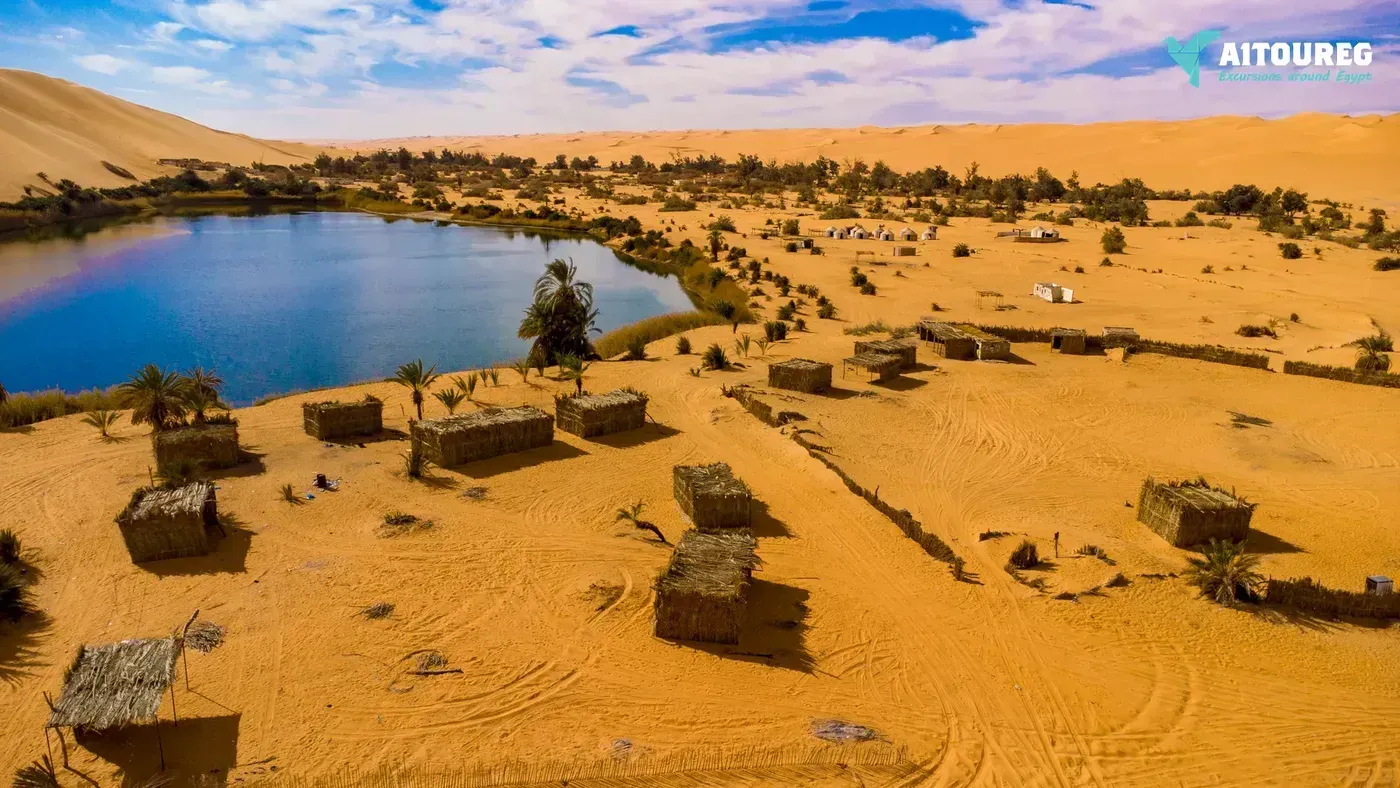
After arrival, check in and take time to rest before a short local outing. Bahariya has palm groves, springs and small farming areas, so the oasis feels different from Cairo and provides a useful base for the desert section. Your guide explains the practical plan for the following day, including vehicle changes, walking surfaces and what to pack for an overnight camp if that is part of your arrangement. Keep valuables close and take only essentials into the desert vehicle.
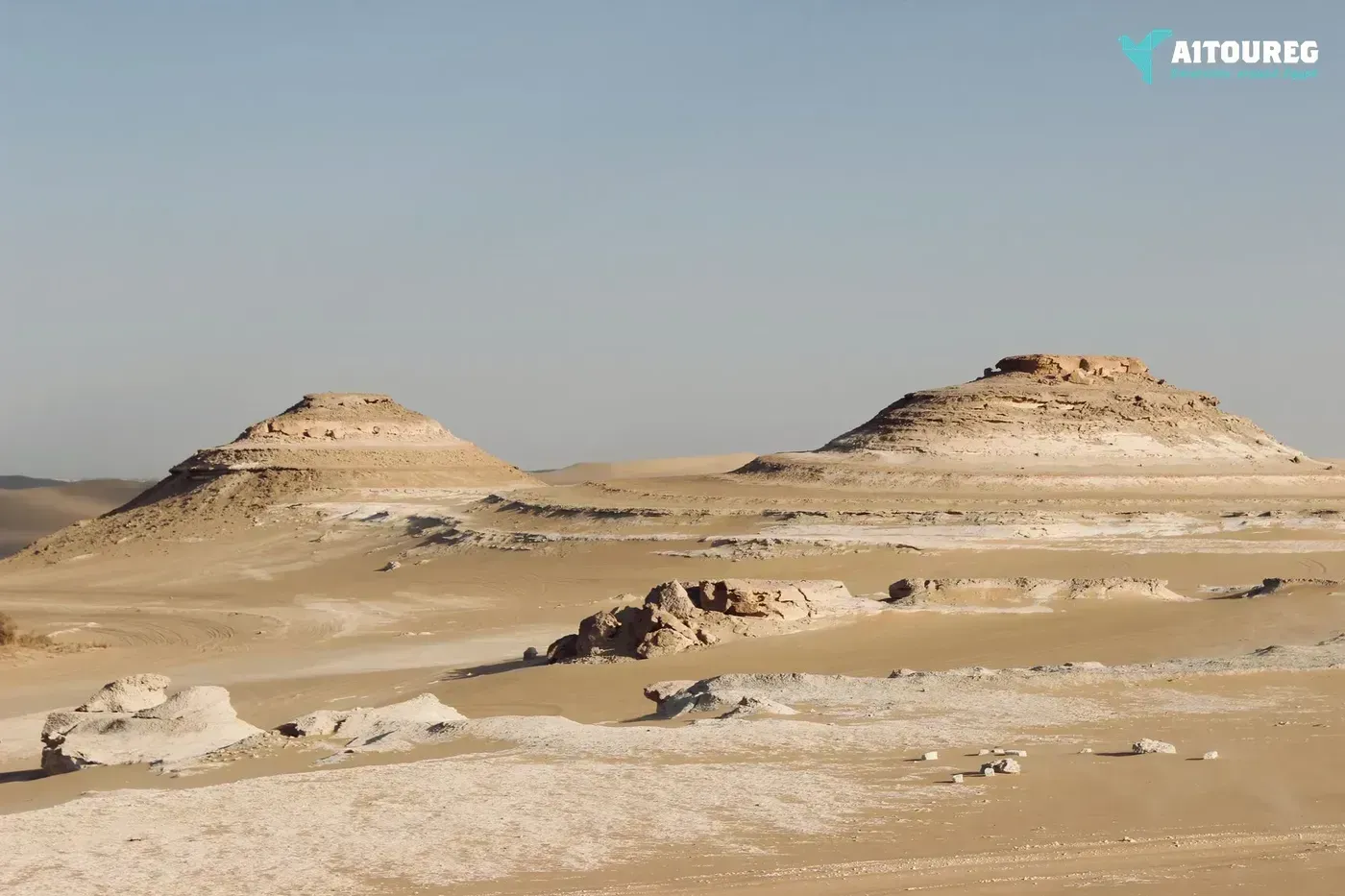
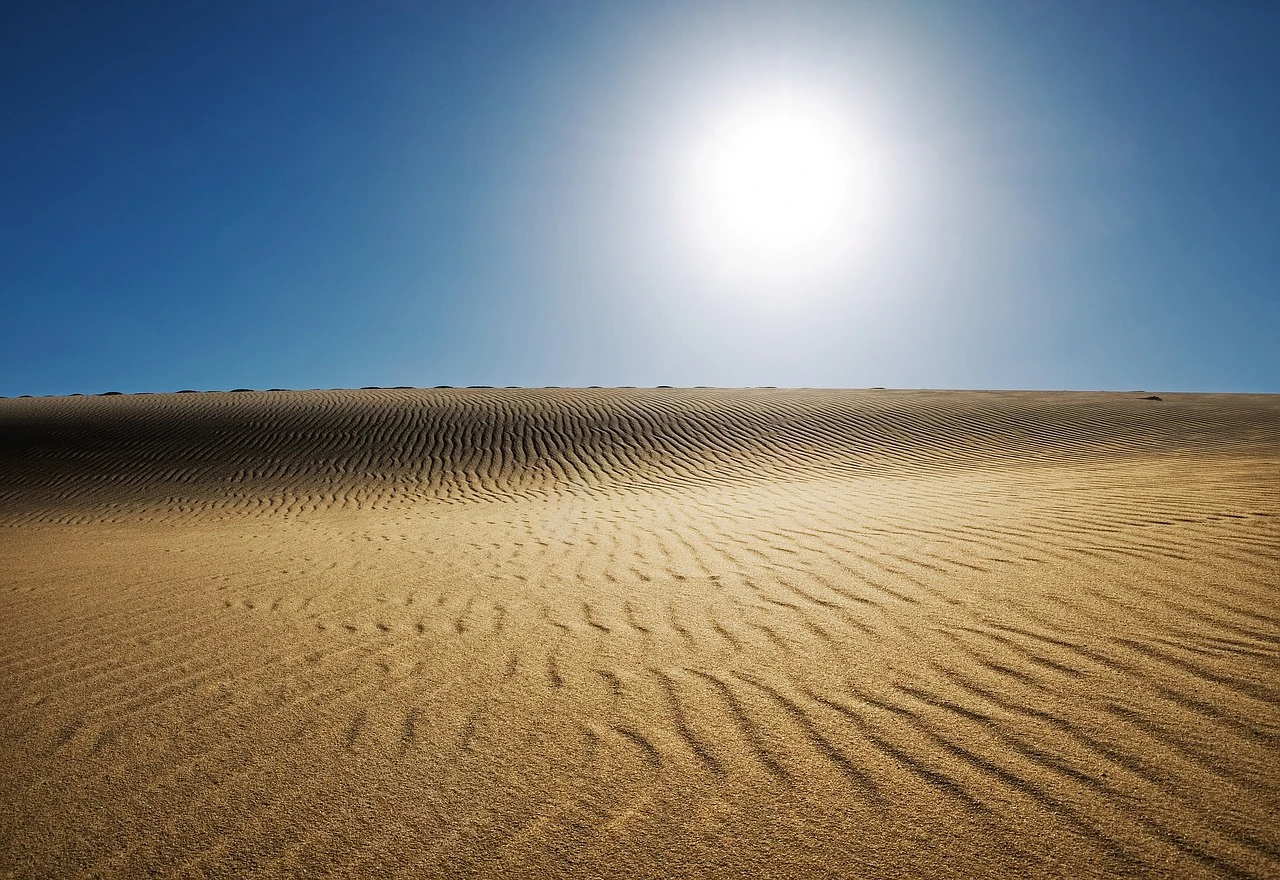
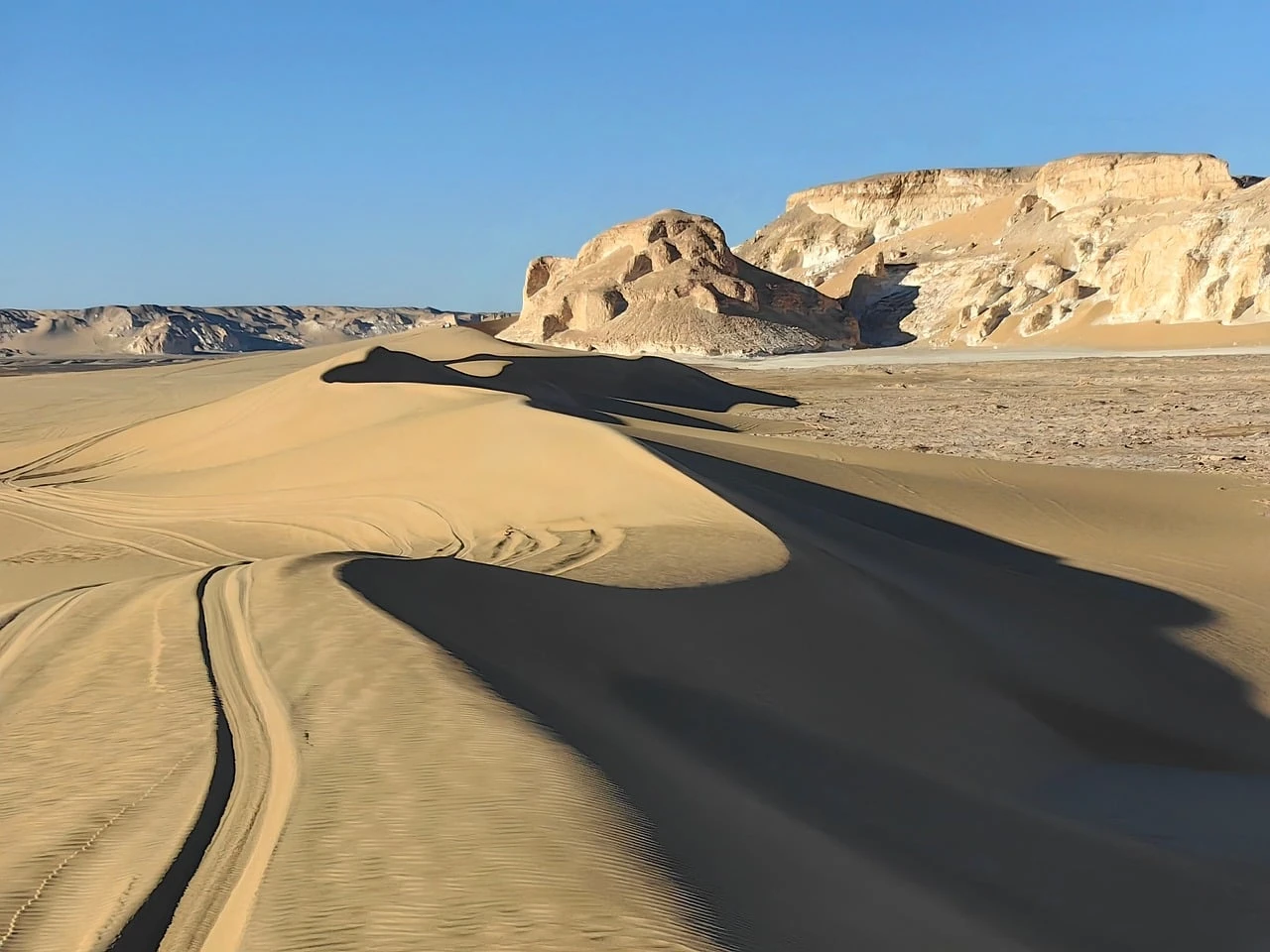
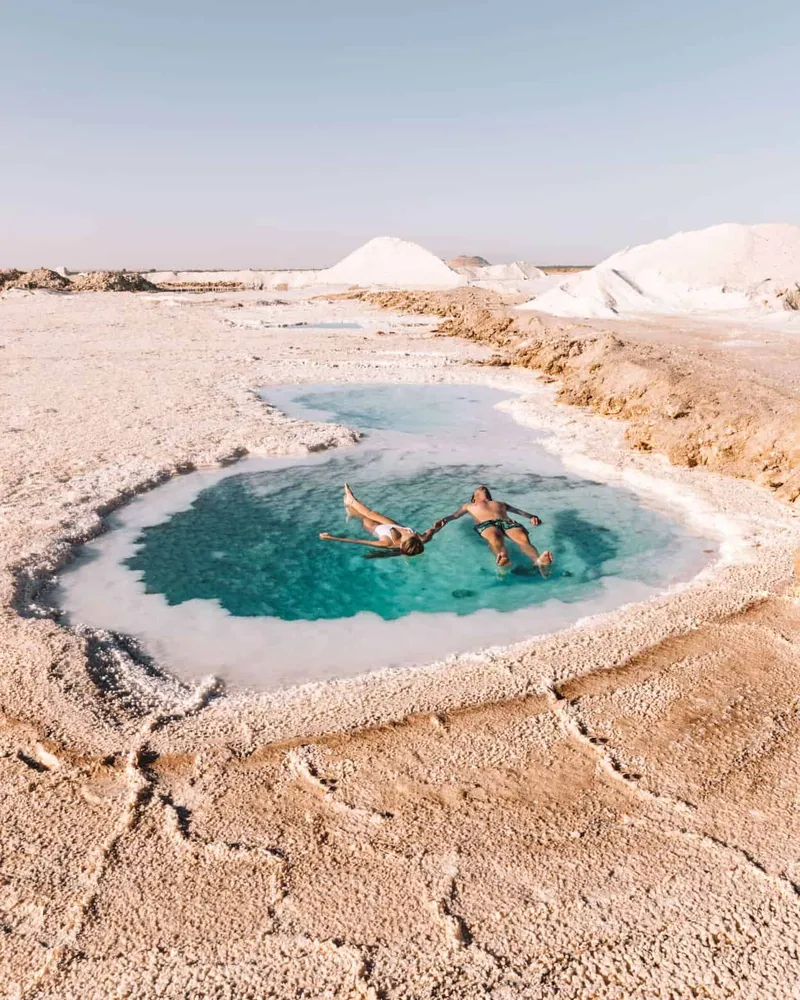
Set out by four-wheel-drive vehicle after breakfast to explore the White Desert wilderness. The route crosses open terrain where wind-shaped chalk formations rise from the pale ground. Your driver stops at suitable viewpoints so you can walk short distances, take photographs and examine the changing shapes without rushing. Conditions underfoot vary, and the sun can be strong even when the air feels cool.
Continue towards the camping area later in the day, with a simple meal arranged in the desert setting. If your programme includes an overnight camp, the team sets up the sleeping arrangements and explains the facilities before darkness falls. The desert becomes very quiet at night, but temperatures can drop after sunset, so pack a warm layer as well as light daytime clothing. Your guide will adjust the route if access or ground conditions require it.
Wake early in the desert for first light, when the chalk formations take on softer tones. After breakfast, pack your belongings carefully so no small items are left in the sand, then begin the return drive towards Bahariya and Cairo. The desert vehicle brings you back to the oasis before the longer road transfer, giving you a chance to refresh and organise your luggage.
The drive to Cairo takes much of the day, with rest stops arranged according to the group’s needs. This is a travel-focused day rather than another major sightseeing programme. On arrival, check in and enjoy a free evening. Our team confirms the next day’s transfer and any baggage arrangements for the flight or journey south. Keep a small overnight bag accessible if your main luggage will be handled separately during the next stage.
After breakfast, transfer to Cairo airport for the flight south to Luxor. Airport procedures, baggage handling and the flight schedule determine the exact timing, so our team allows room for check-in and security. On arrival, meet your local representative and transfer to your accommodation. The route into the city follows the Nile Valley, with fields and villages replacing Cairo’s dense streets.
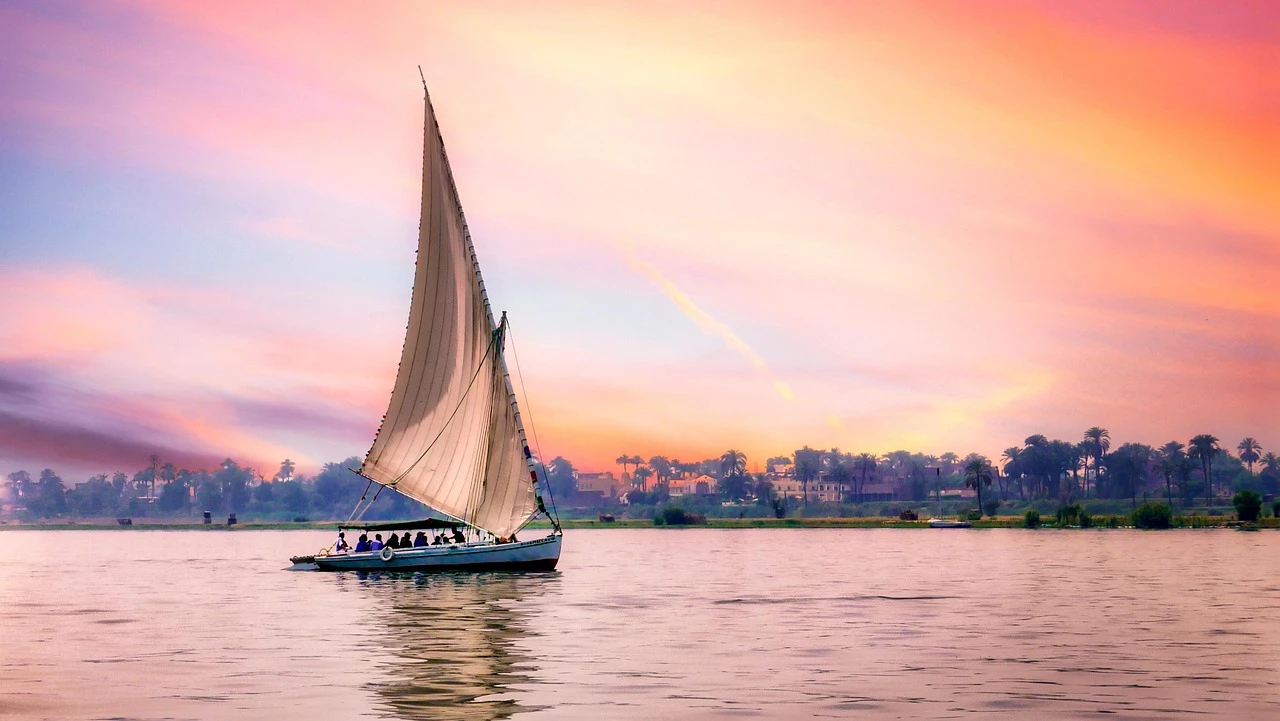
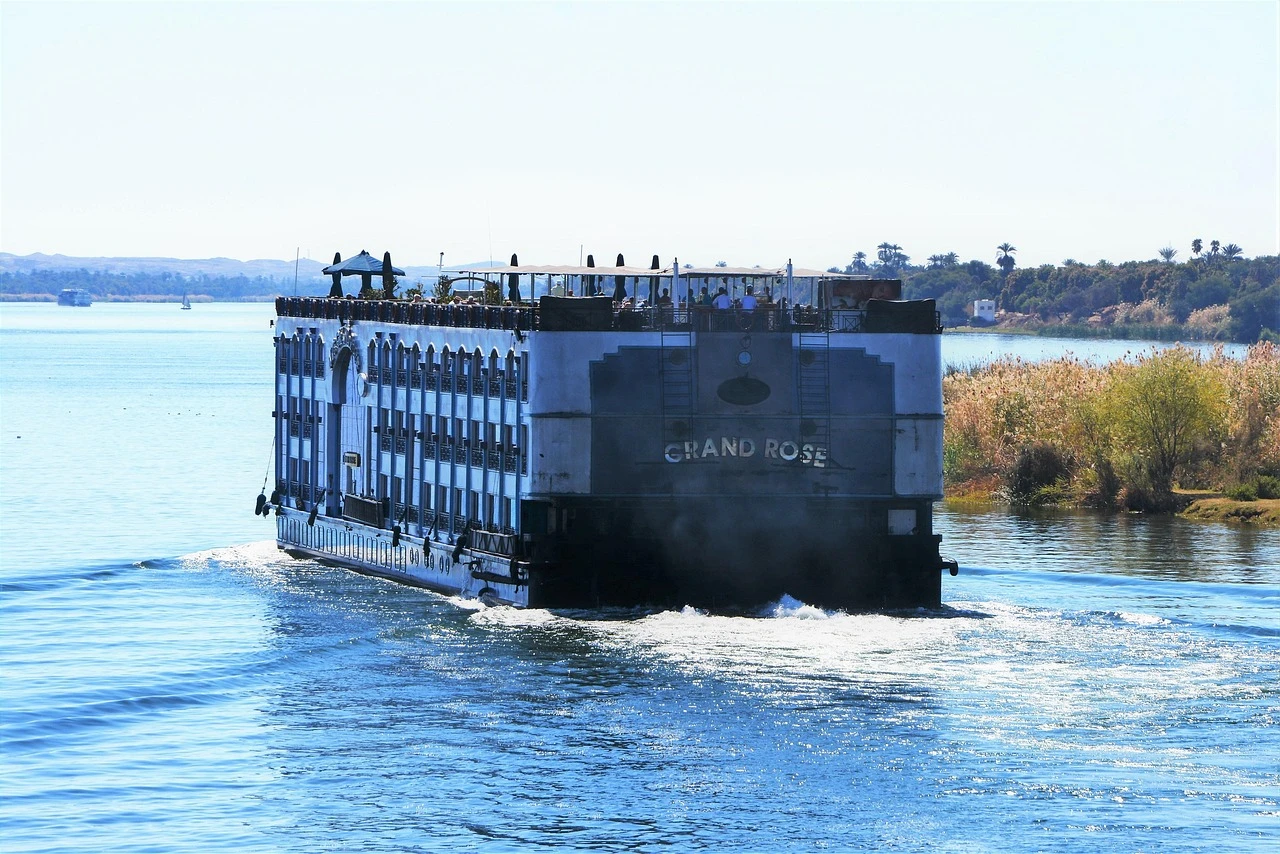
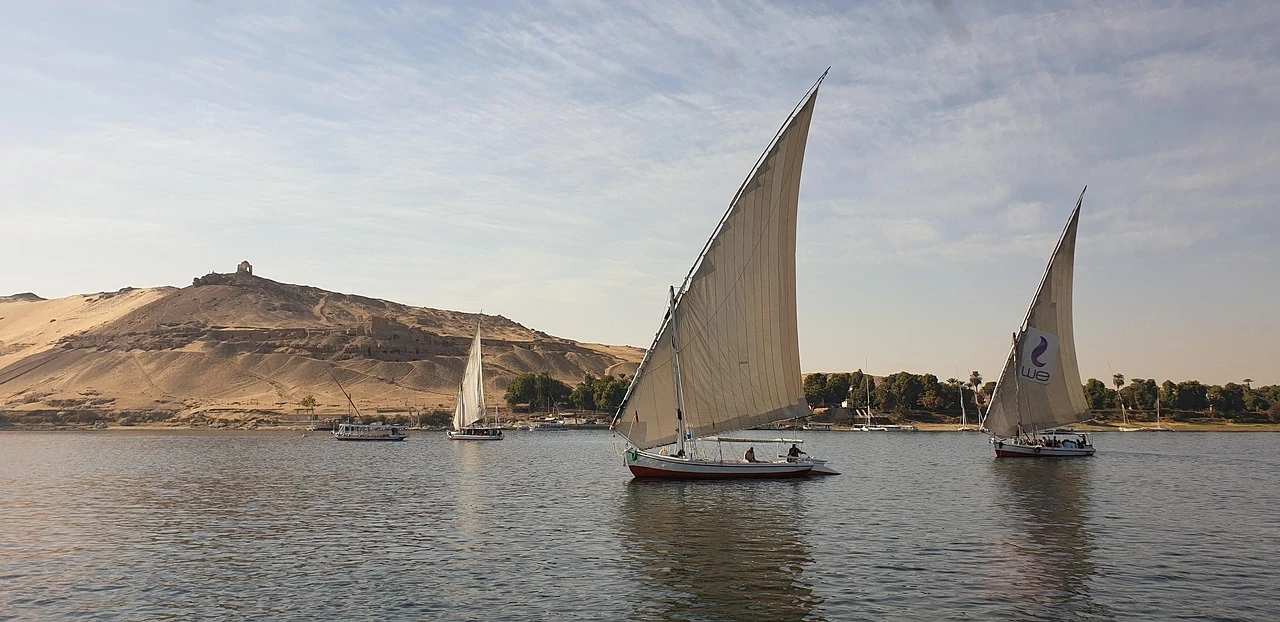
Use the afternoon to settle in and learn how the Luxor visits will be arranged. If time and energy allow, your guide may suggest a gentle walk near the river or a felucca ride, subject to local conditions. Otherwise, keep the afternoon free before the early sightseeing days ahead. Luxor is compact in comparison with Cairo, but the archaeological areas are spread across both banks, making a well-planned transfer important.
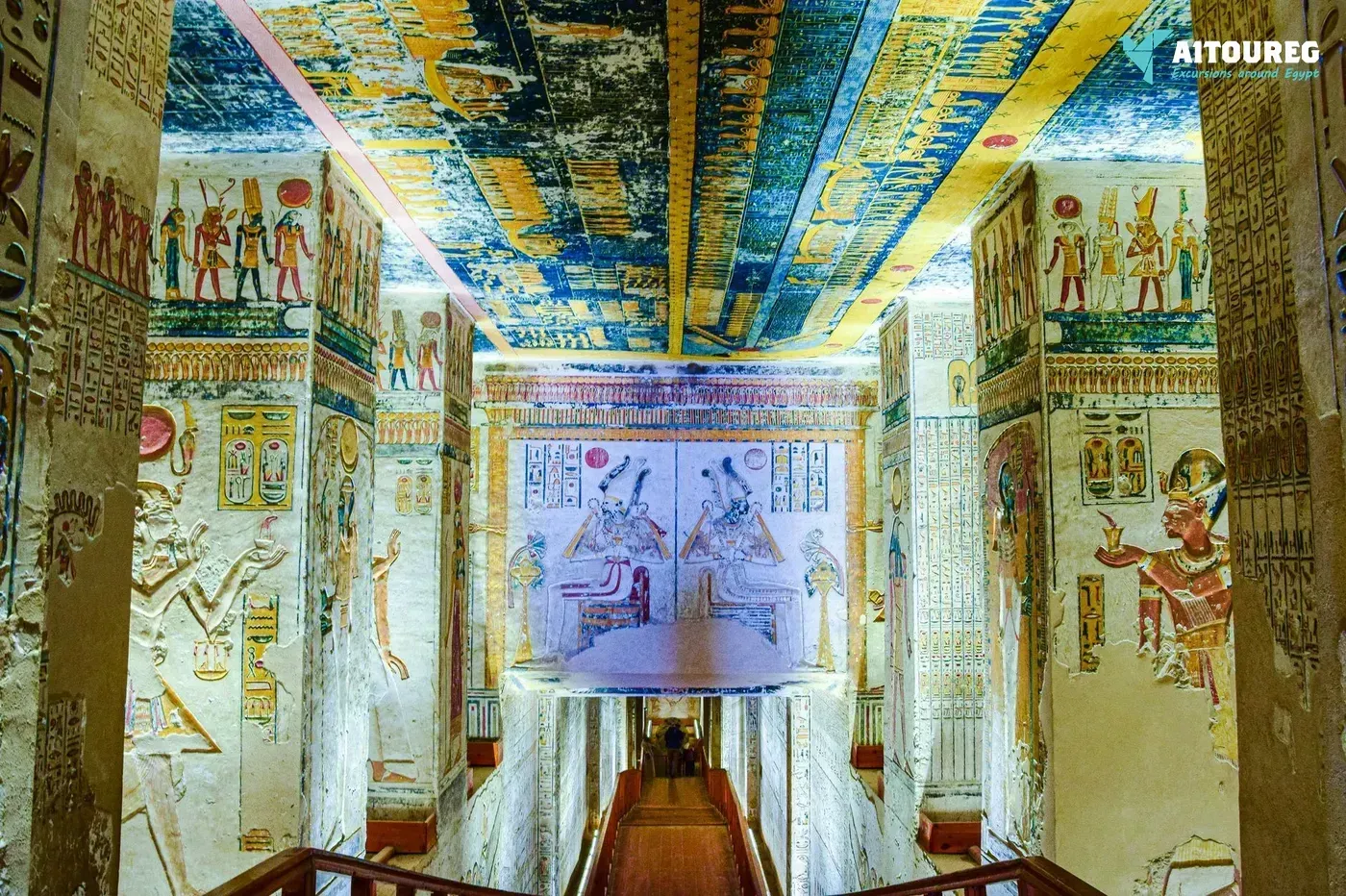
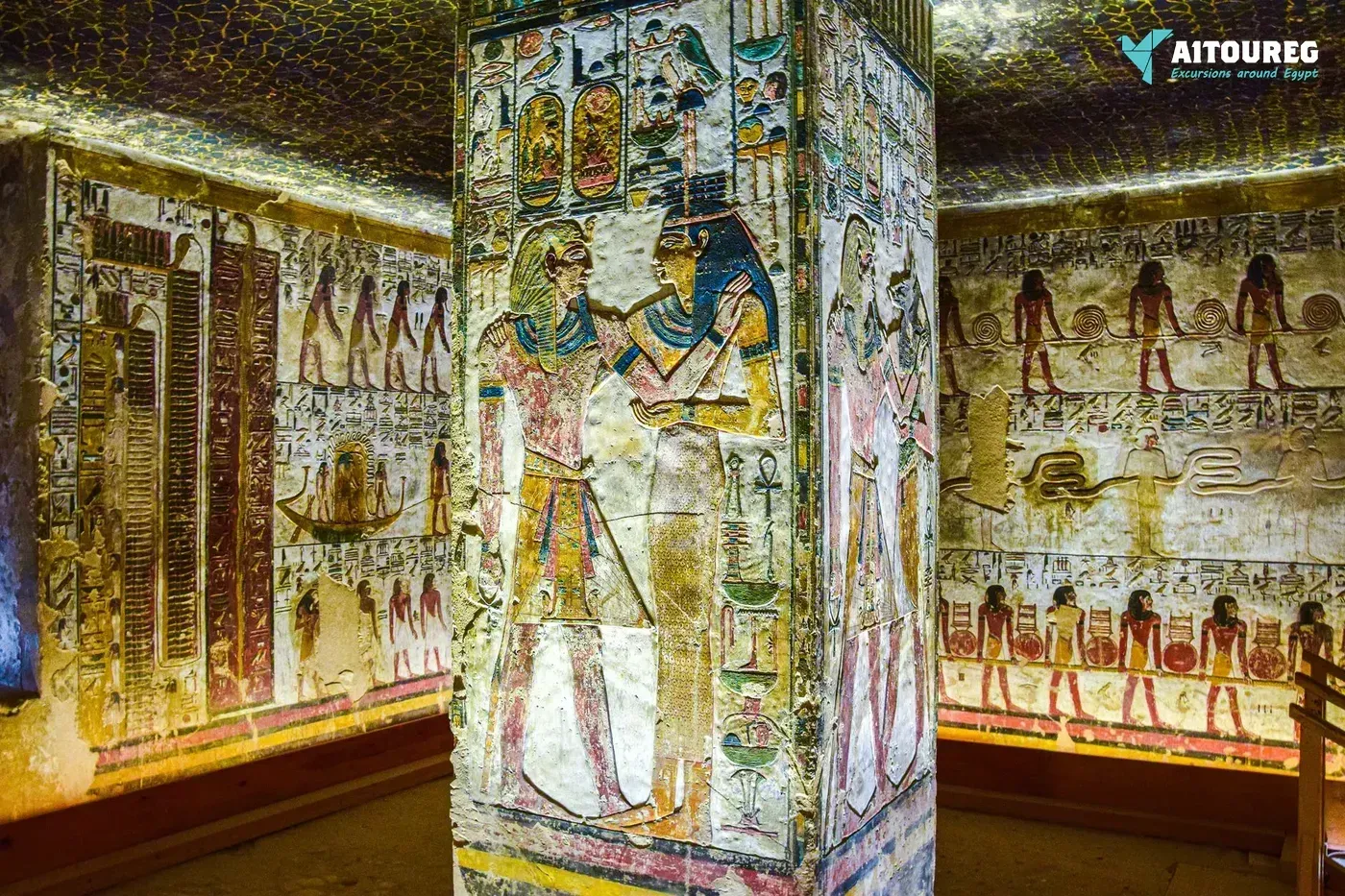
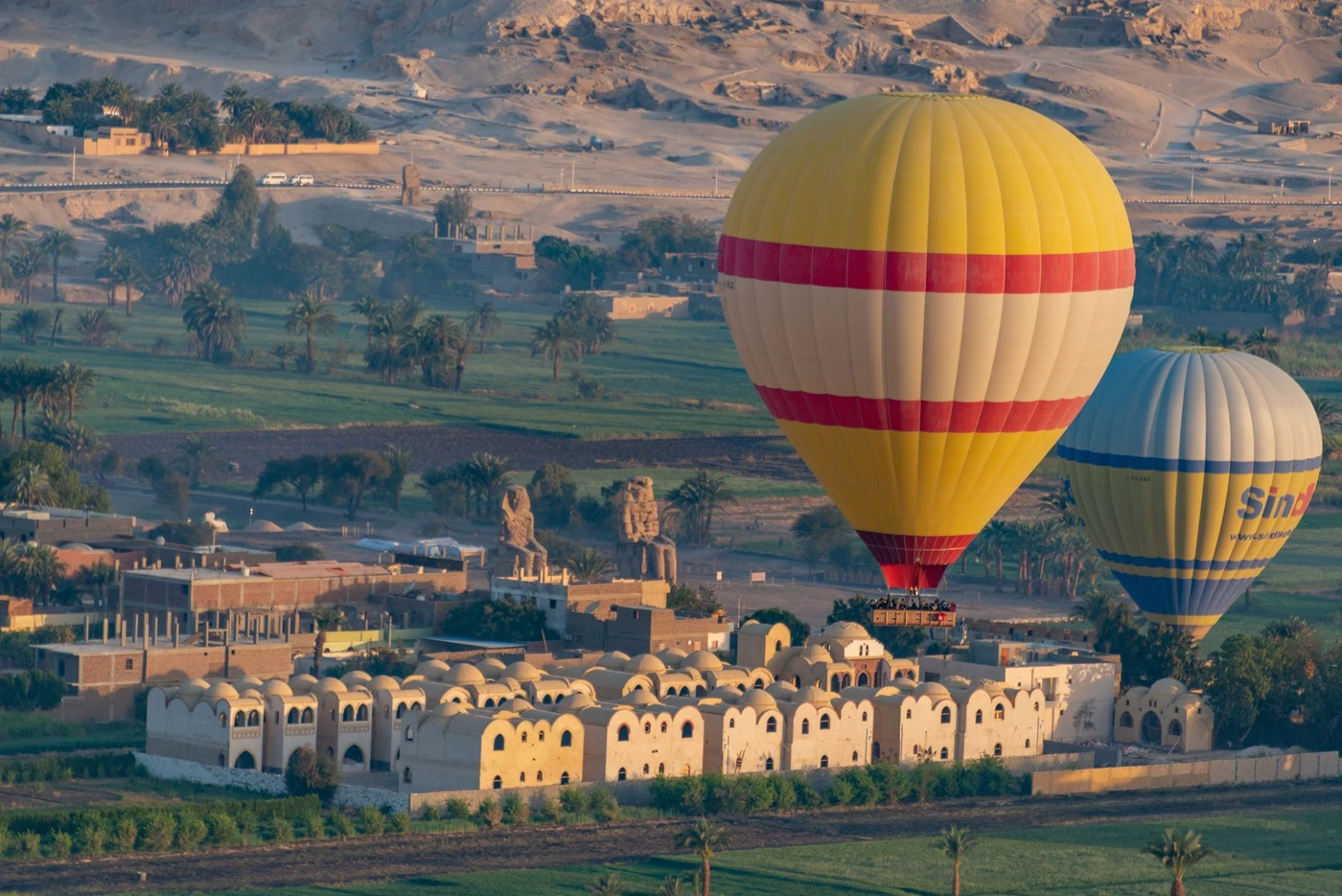
Cross the Nile in the morning for the west-bank archaeological sites. Your guide takes you into the Valley of the Kings necropolis, where selected tombs are open for visitors. Descend carefully into the decorated chambers and look for scenes showing royal rituals, gods and the journey into the afterlife. Tomb access can change, so the guide explains the available choices on the day.
Continue to the Hatshepsut temple, built against the cliffs at Deir el-Bahari. Its broad terraces and columned spaces make the approach easy to understand, while the reliefs provide context for the queen’s reign and trading expeditions. The site is exposed, with ramps and open courtyards, so water and sun protection matter. After a break for lunch, return across the river and spend the evening at leisure.
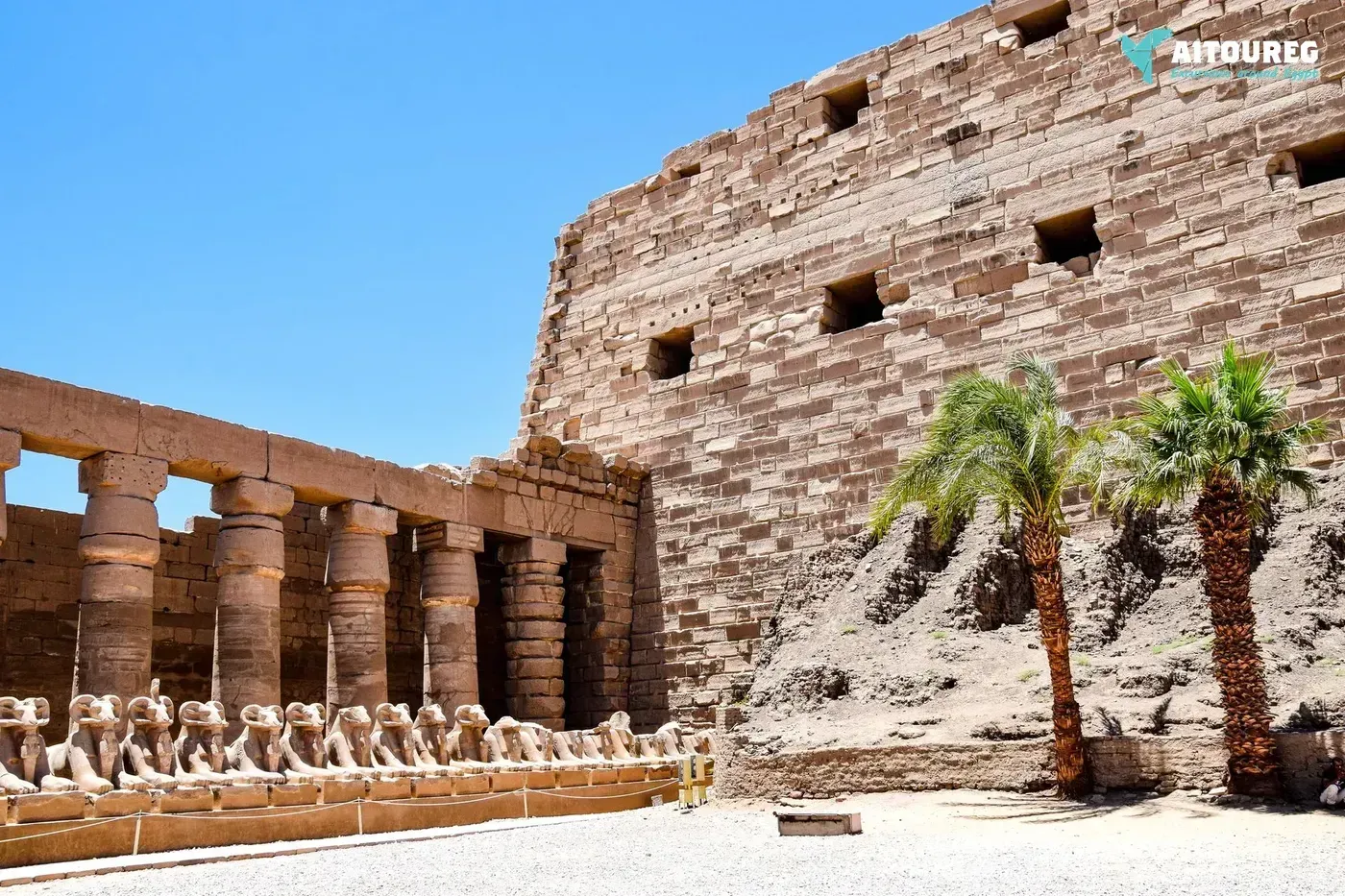
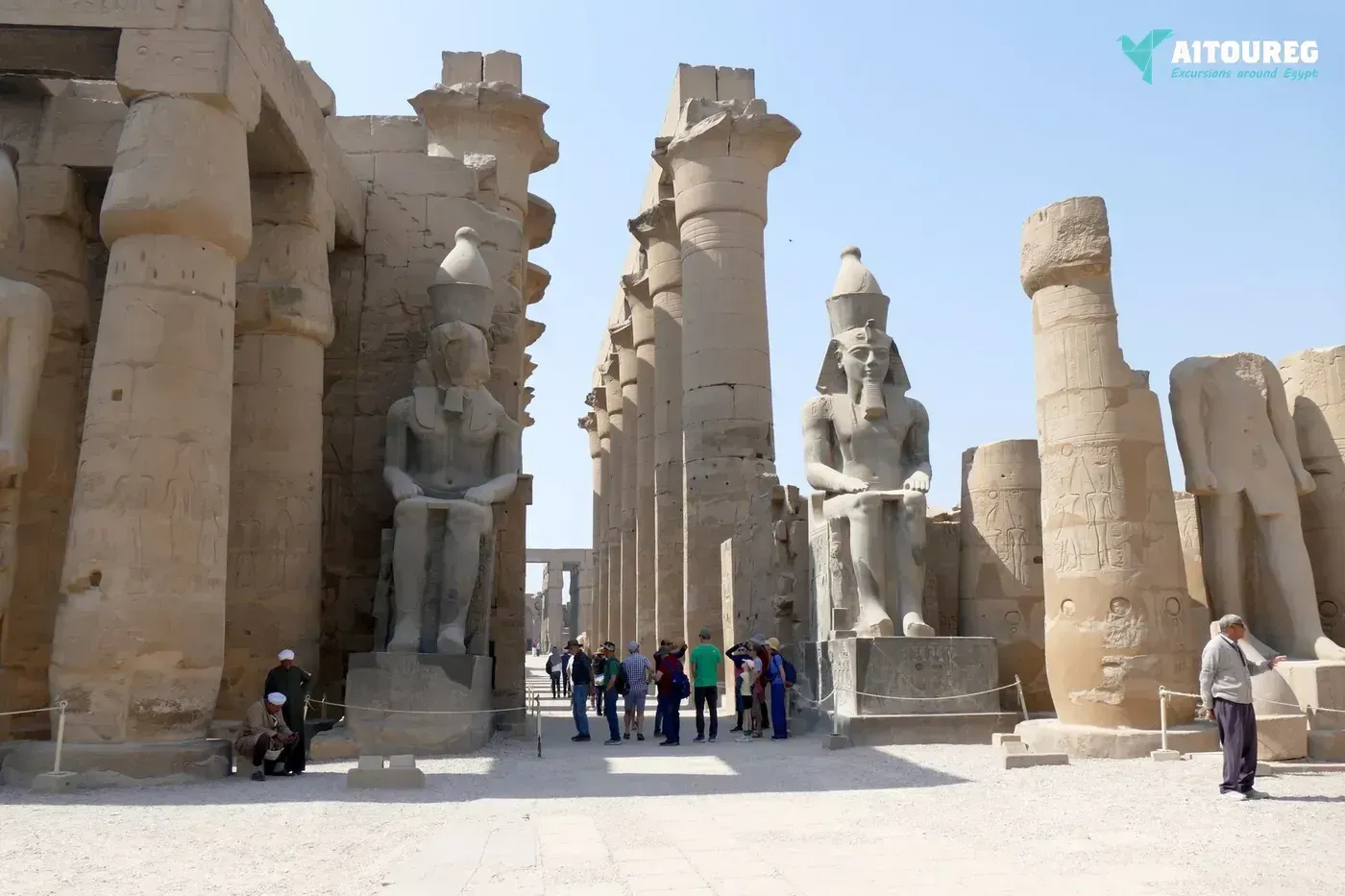
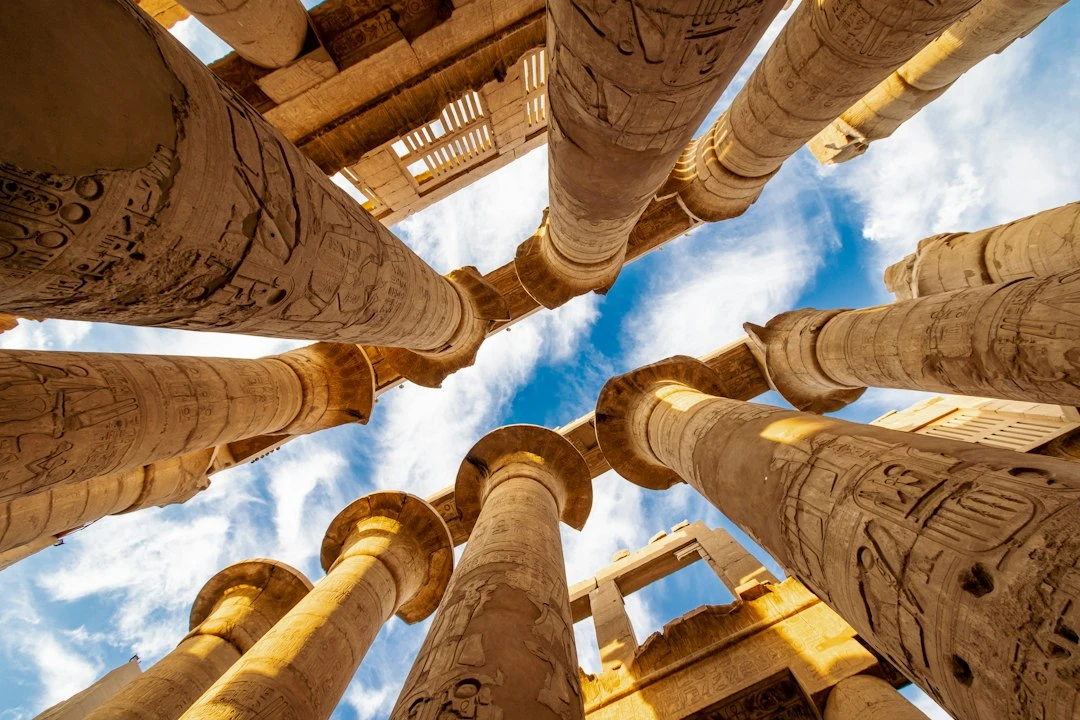
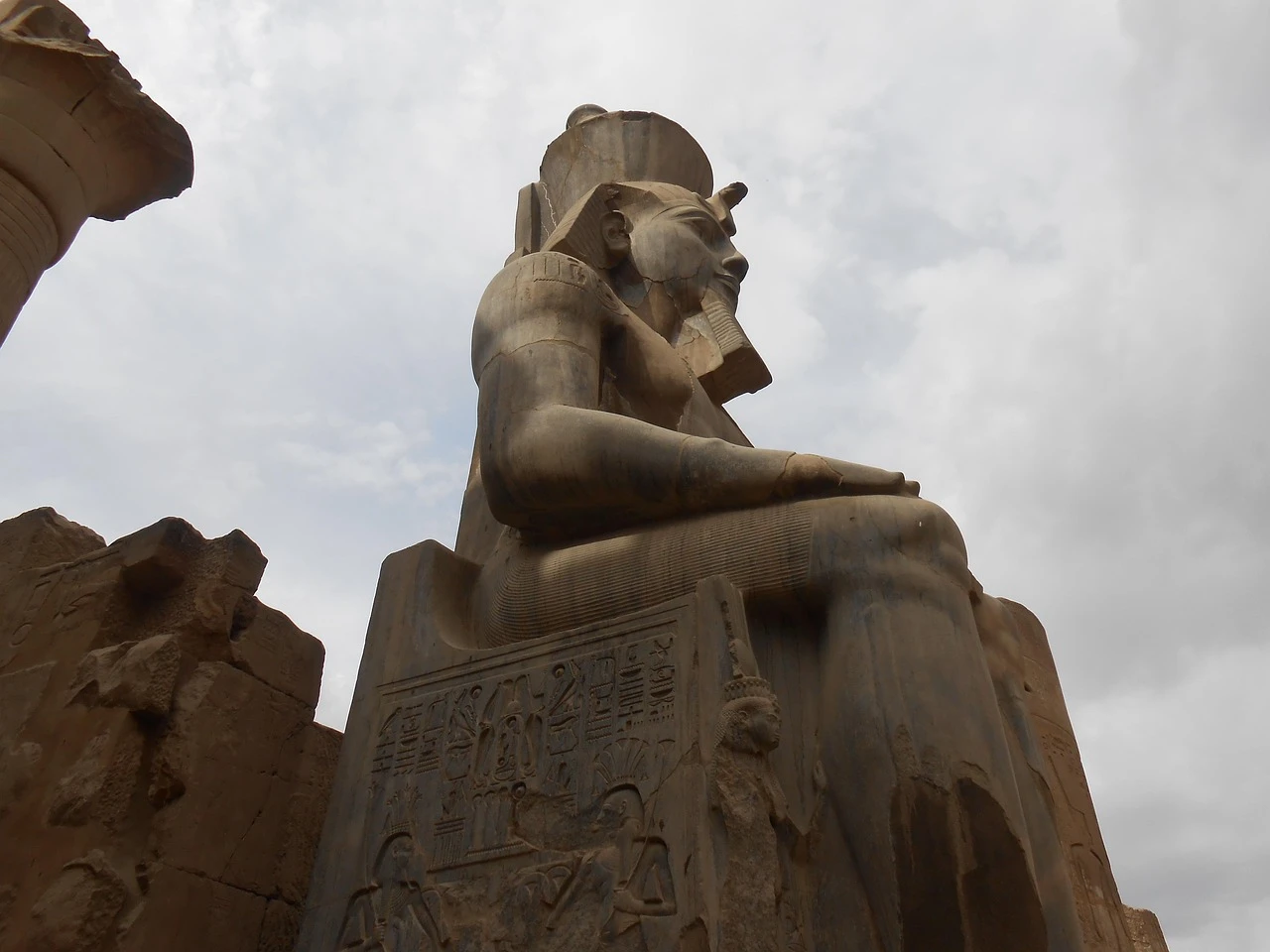
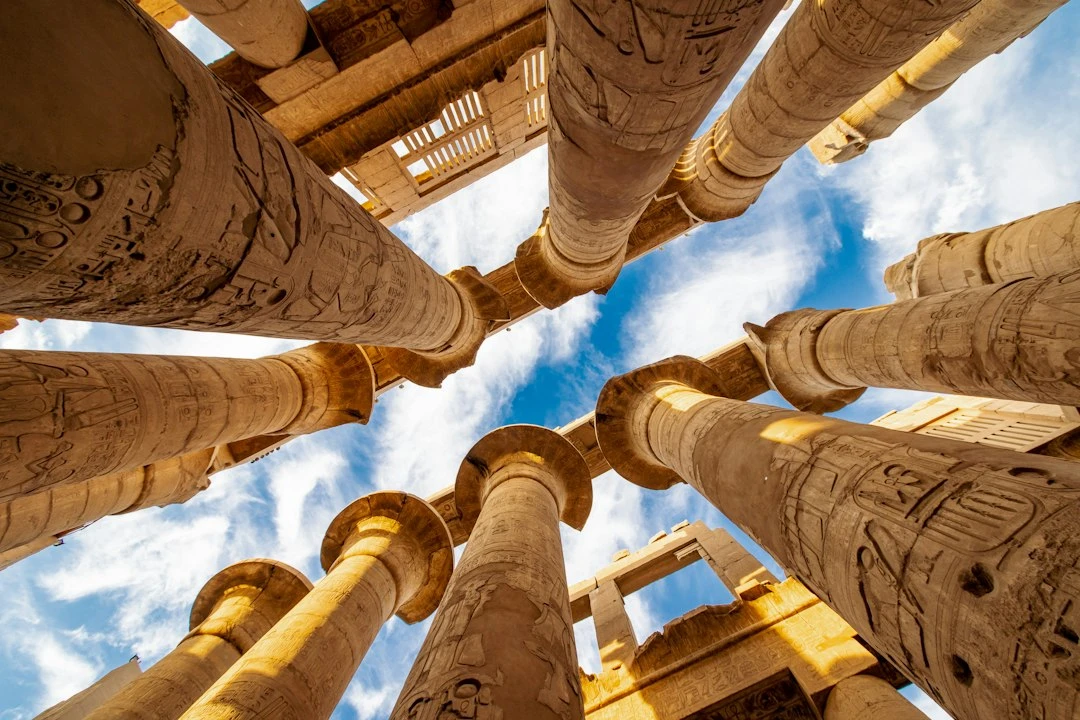
Visit the Karnak temple complex in the morning, when the columns and open courts are easier to explore before the strongest midday heat. Walk through the monumental entrance and the Great Hypostyle Hall as your guide explains the additions made by successive pharaohs. The scale is easier to appreciate from the processional routes and broad courts than from photographs alone.
After a break, continue through Luxor’s east-bank centre and spend time near the river. Depending on opening conditions and the group’s pace, the guide may include another nearby historic stop or allow extra time at Karnak. The day is arranged around walking, with shaded pauses where possible. In the evening, return to your accommodation and prepare for the move south on the following day.
Leave Luxor after breakfast for the journey to Aswan. The road follows the Nile Valley, passing cultivated land, villages and stretches of desert between settlements. The transfer takes several hours, with stops arranged for comfort and refreshments. Your guide can point out changes in the landscape and explain how irrigation supports farming along the river.
Arrive in Aswan and check in before taking a slower look at the city. The waterfront, local streets and river views give the afternoon a different rhythm from the larger archaeological sites. If the schedule permits, you can take a short felucca ride or enjoy time beside the Nile, subject to wind and local operating conditions. Keep the evening relaxed, since the next day involves an early road transfer to southern Egypt.
Travel before sunrise by road to the Abu Simbel monuments. The journey from Aswan takes several hours each way, and the early departure helps make the visit more manageable before the hottest part of the day. On arrival, walk towards the temples of Ramesses II and Nefertari, positioned above the shore of Lake Nasser.
Inside, your guide explains the reliefs, royal imagery and the relocation of the temples during the construction of the Aswan High Dam. Photography rules and access arrangements are set by the site authorities, so follow the instructions given on the ground. After the visit, return to Aswan by vehicle with a rest stop during the drive. The evening is free for a quiet meal and recovery after the long excursion.
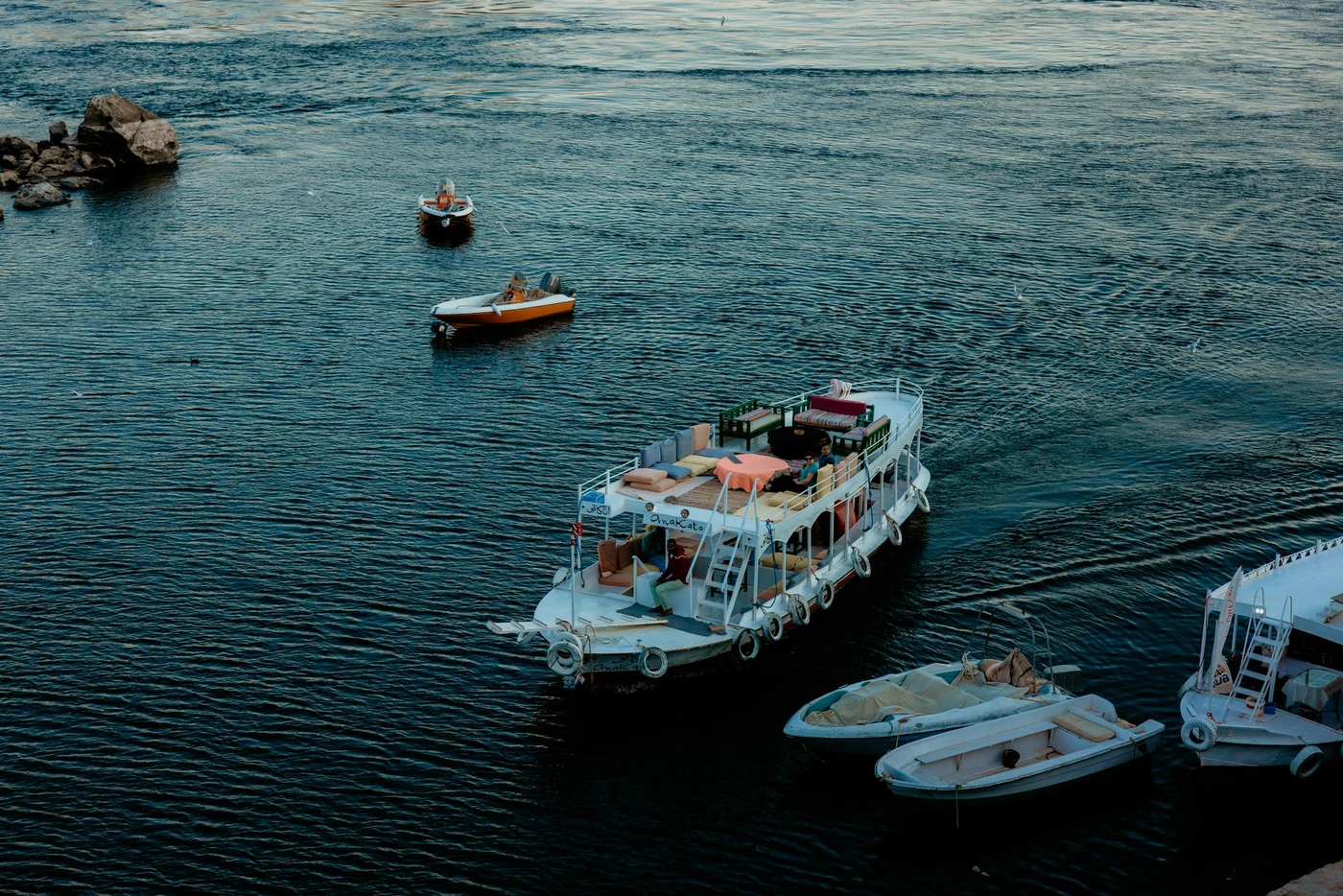
Take a boat across the water to the island of Agilkia for a visit to the Temple of Philae. The short crossing adds a clear sense of place before you enter the sanctuary, whose reliefs and columns preserve worship connected with Isis and other ancient Egyptian deities. Your guide describes how the temple complex was moved to higher ground to protect it from rising water.
Return by boat and continue with a relaxed Aswan programme. Depending on the day’s conditions, you may visit a local market, view the river from the Corniche or spend time at your accommodation. This is a good afternoon for laundry and repacking before the transfer east. Boat movements depend on local conditions, and the order of stops may be adjusted for comfort and access.
After breakfast, begin the overland transfer east towards Hurghada. This is a substantial travel day across the desert, with breaks planned along the route. The scenery changes gradually as the road leaves the Nile Valley and reaches the coast. On arrival, check in and take time to settle before an easy evening near the Red Sea shores.
The afternoon is intentionally unhurried after the transfer. You can walk along the waterfront, sit by the sea or arrange an optional activity locally if time, conditions and availability allow. No particular boat trip or water sport is promised, since sea conditions and operating schedules vary. Our team remains available to explain the next morning’s airport transfer and help with luggage arrangements.
Your final morning is arranged around your departure schedule. After breakfast, check your room carefully, settle any personal extras and keep your passport and travel documents accessible. Our team confirms the transfer time according to your flight details and takes you to Hurghada airport with enough time for check-in and security procedures.
If your flight leaves later, there may be time for breakfast by the water or a short walk near your accommodation, but this depends on the confirmed departure time and luggage arrangements. The tour ends at the airport, so please check that you have all medication, chargers and valuables before leaving the vehicle. Travellers continuing independently can receive practical guidance about onward transport from the airport.