Egypt 15-Day Private Tour with Nile Cruise
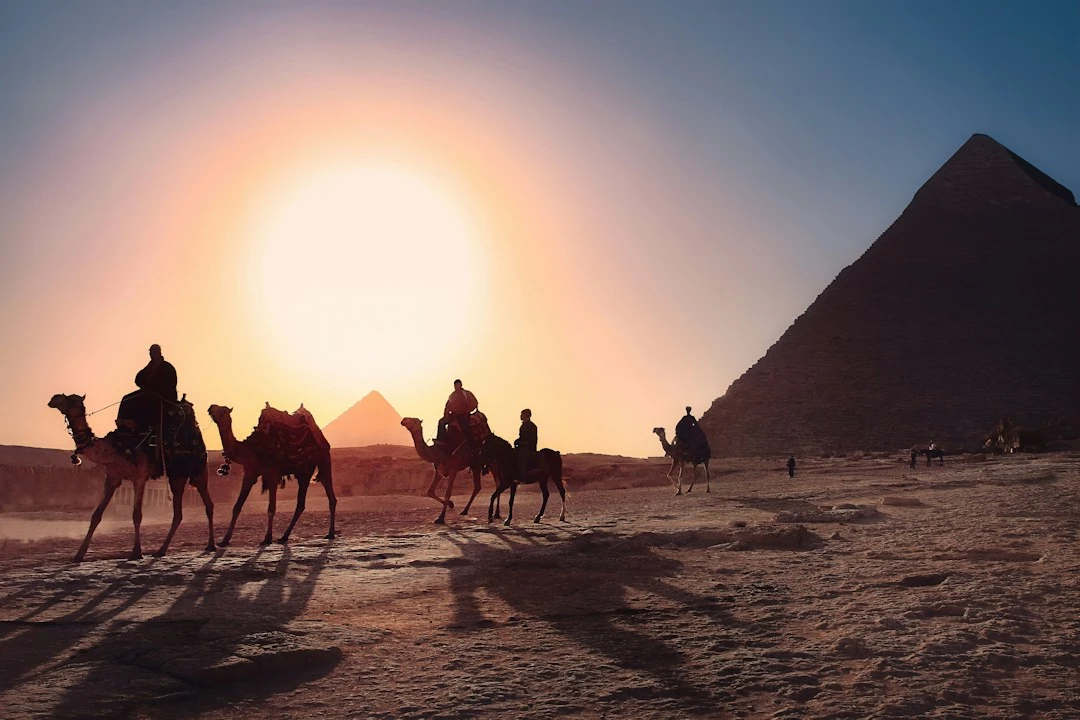
Egypt 15-day private tour with a Nile cruise brings together ancient sites, desert landscapes and the Red Sea coast in one well-paced itinerary. You start in Cairo, where the pyramids of Giza and the Sphinx bring the history of Egypt’s Old Kingdom into focus. With a private guide and organised transfers, you can concentrate on the sites rather than sorting out roads, tickets and connections between cities.
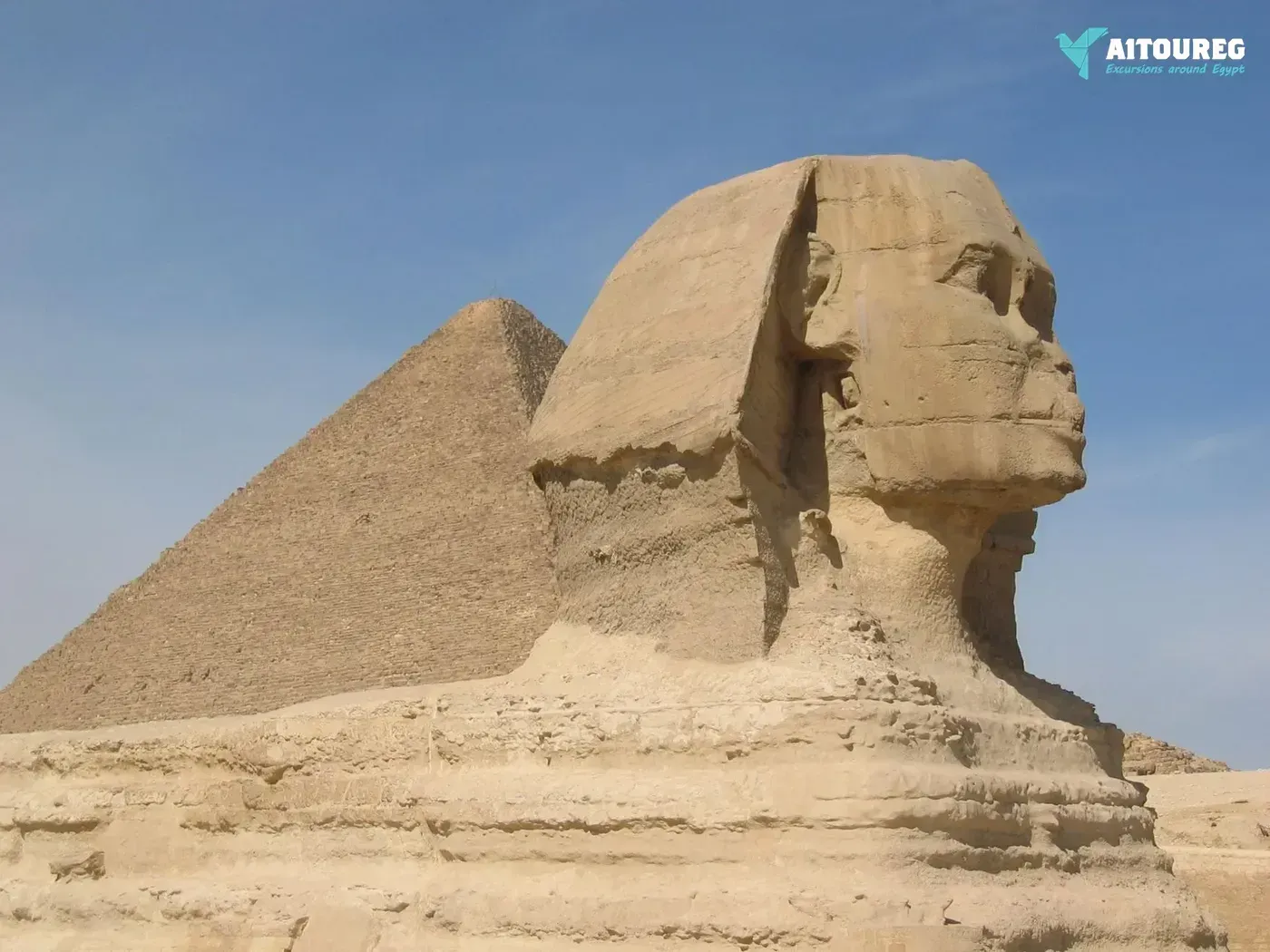
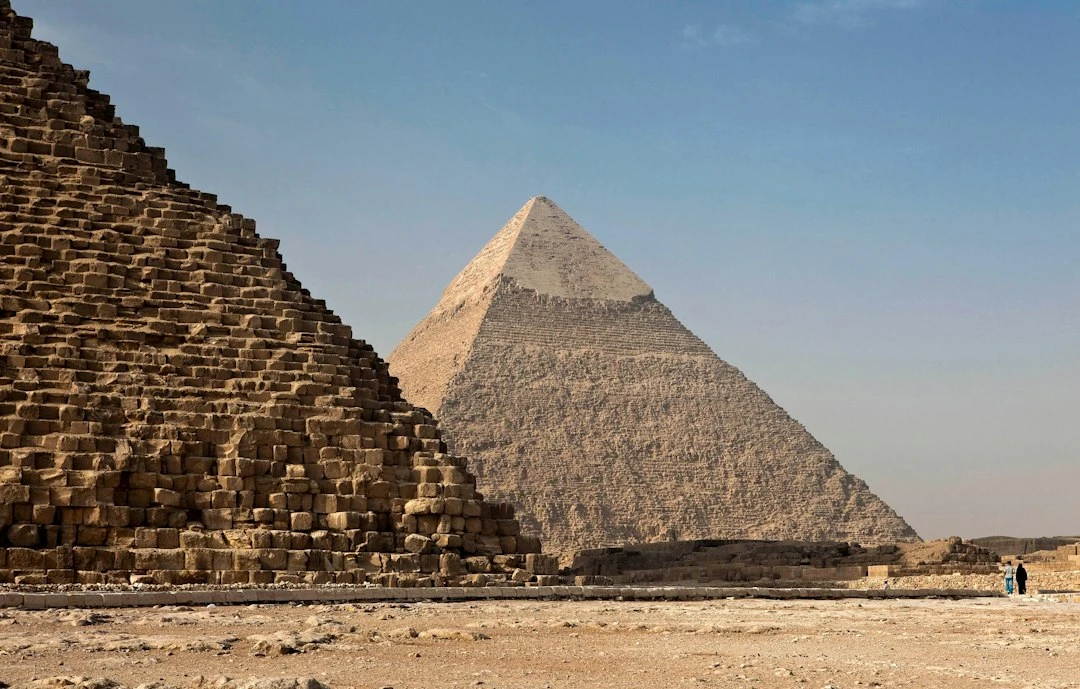
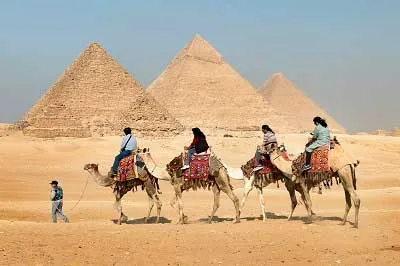
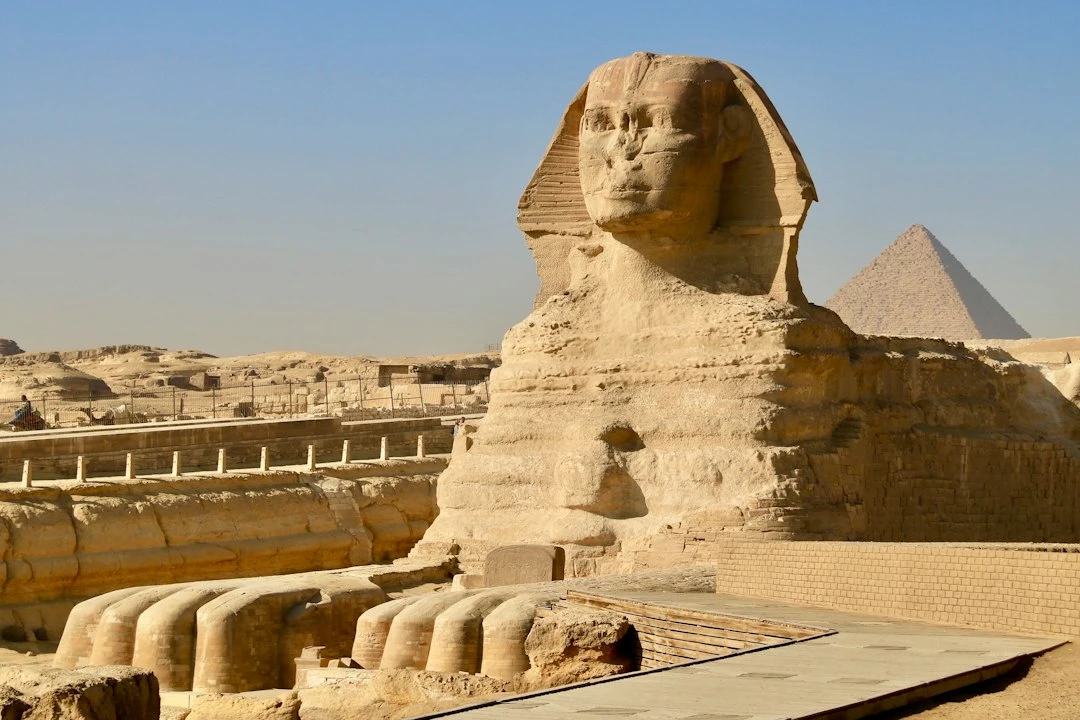
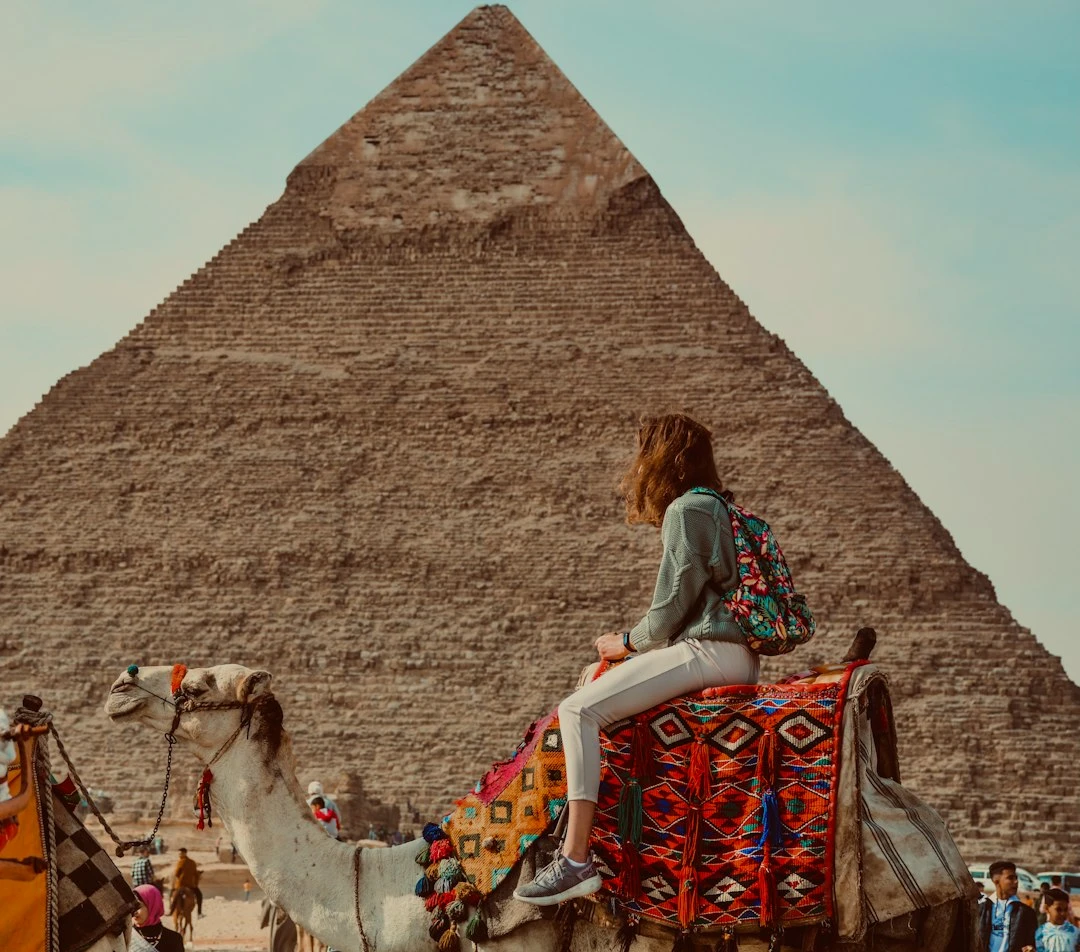
At Giza, your guide explains how the pyramids were built and how the plateau changed through different periods of Egyptian history. There is time for the main viewpoints and for seeing the Sphinx up close. You then visit the Egyptian Museum, where statues, jewellery, coffins and everyday objects show how much ancient Egypt extends beyond the pyramids. The visits are substantial, so comfortable shoes and some flexibility will help.
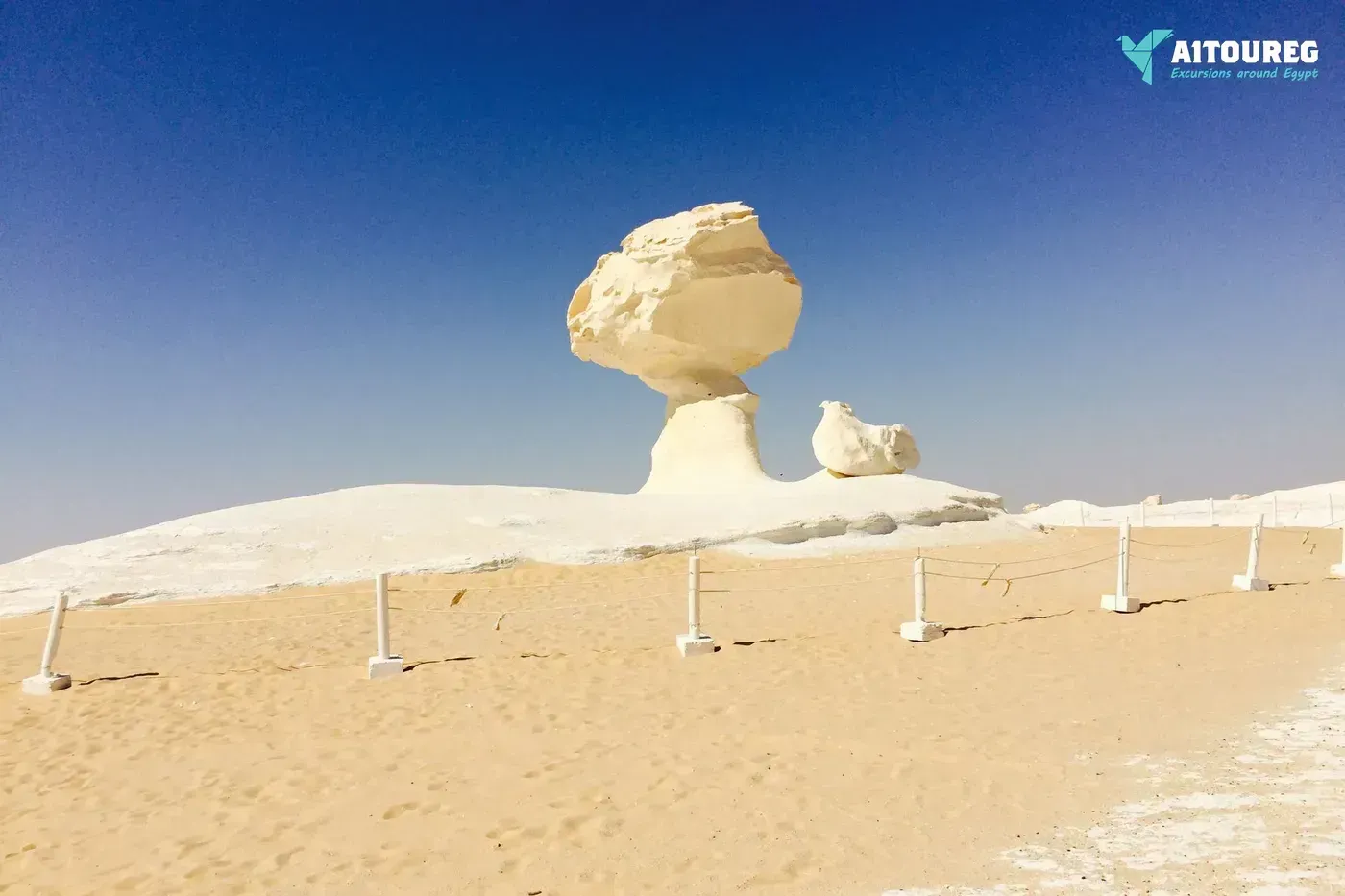
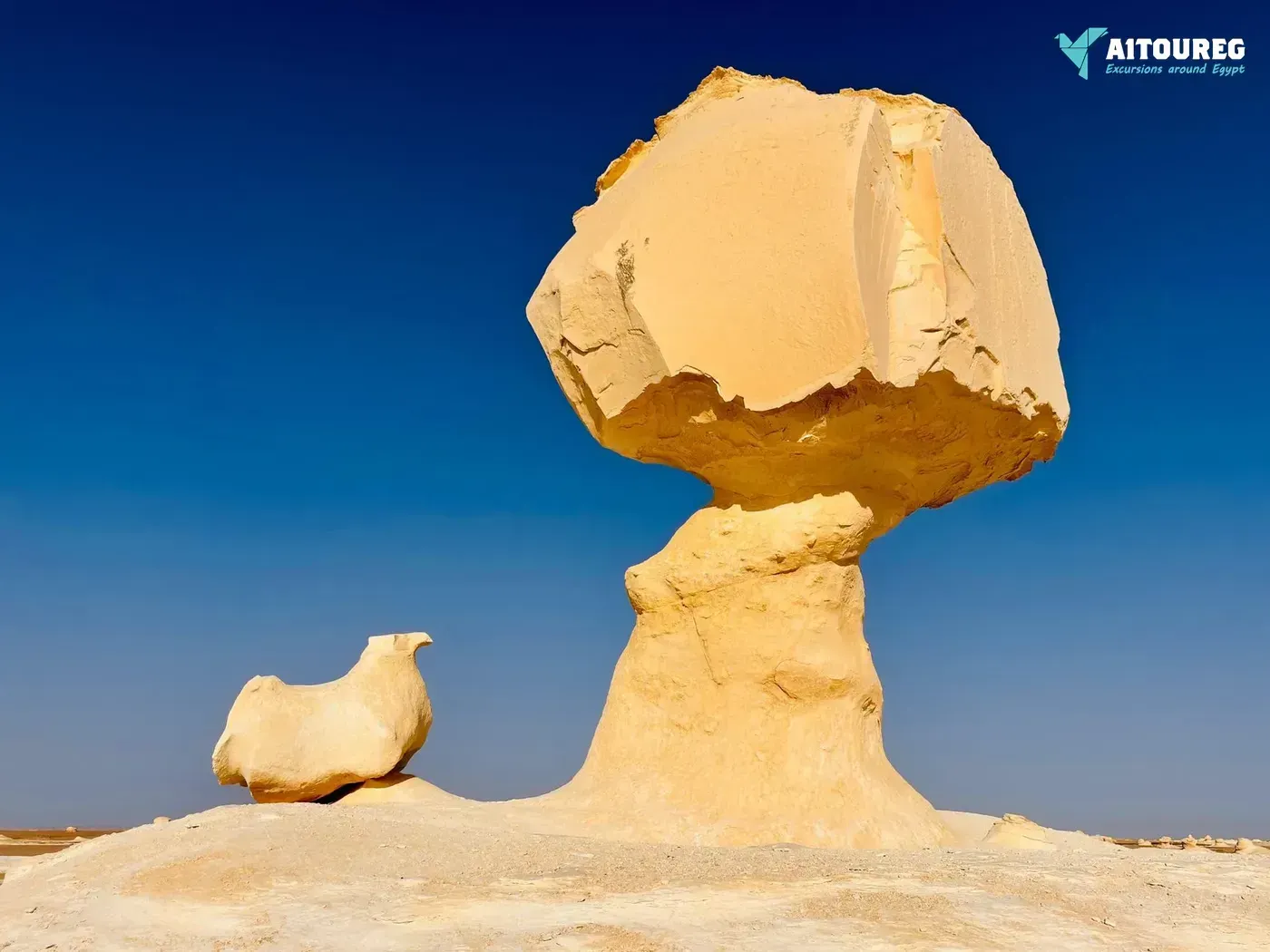
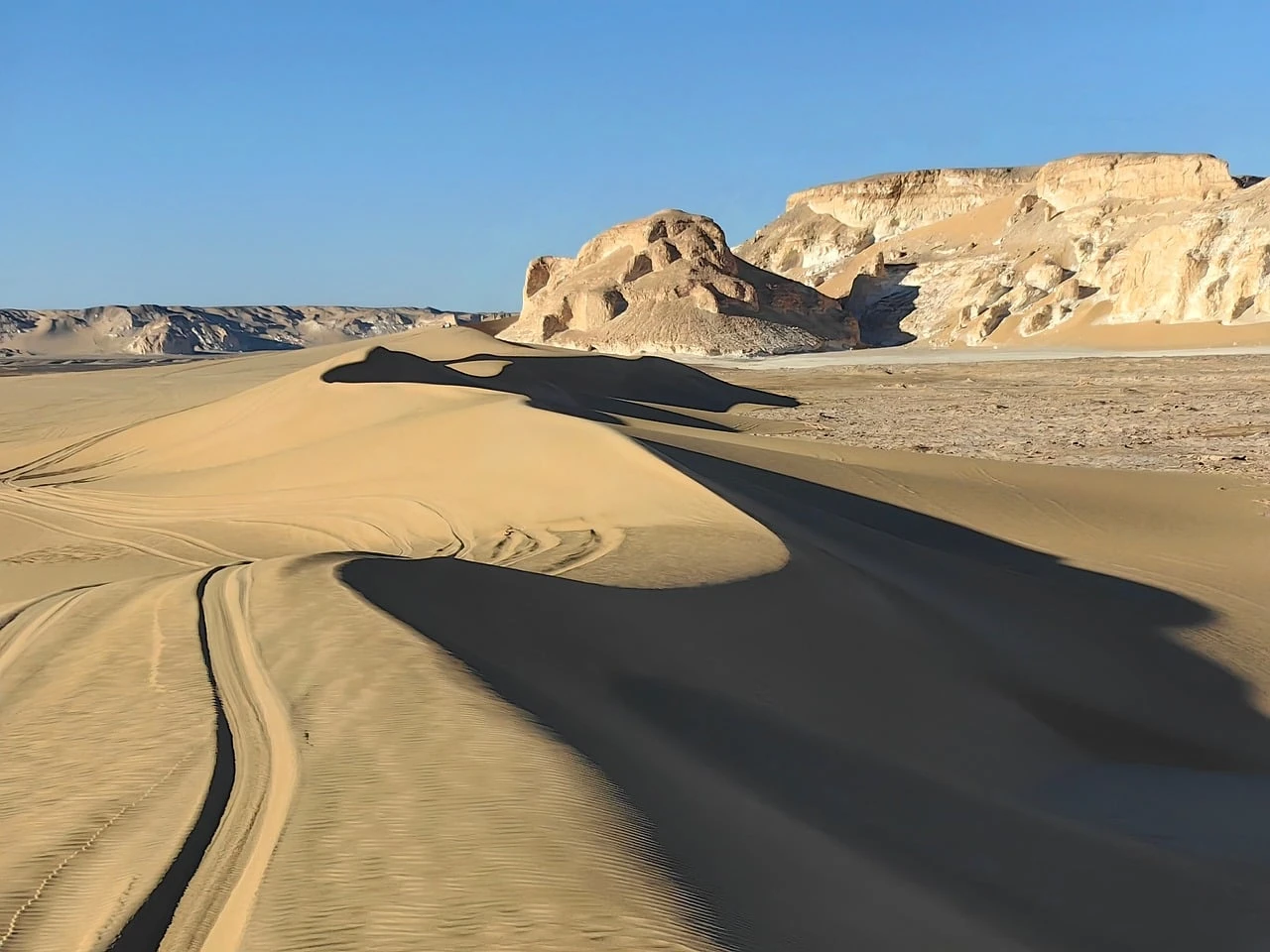
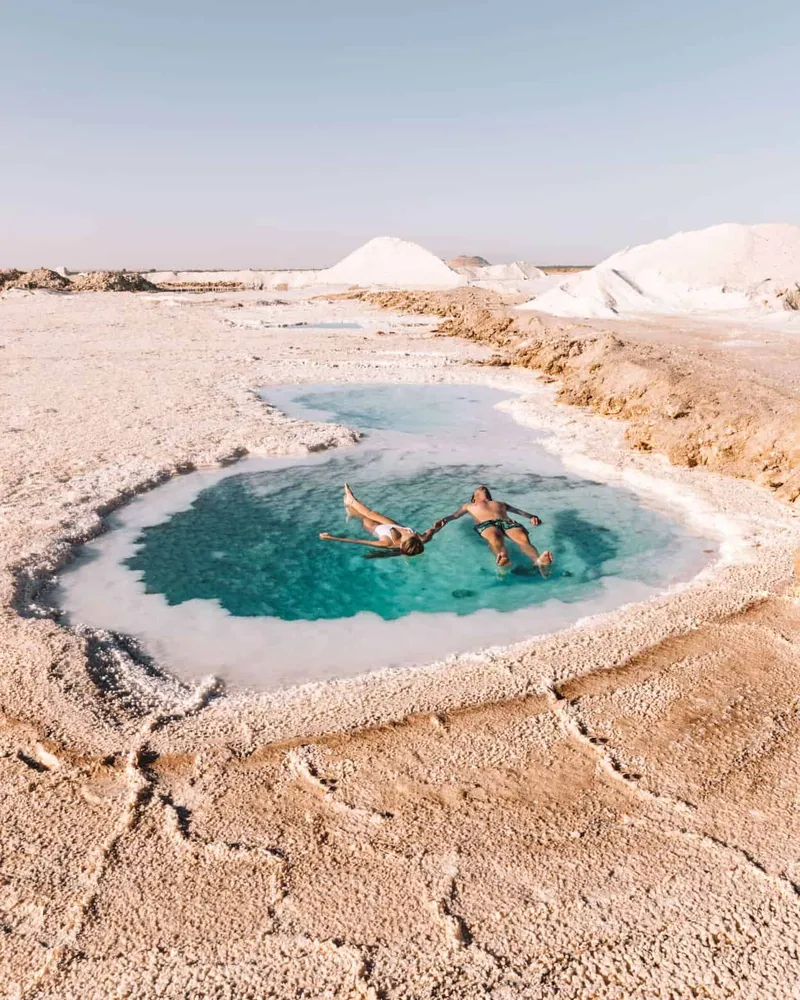
The tour also takes you to the White Desert, a very different landscape west of the Nile Valley. Pale limestone formations rise from the desert floor in unusual shapes, particularly as the light shifts later in the day. This part includes a longer road journey and time outdoors, giving you a closer feel for the open desert than a brief roadside stop would. We arrange the transport and local logistics to keep the experience practical and comfortable.
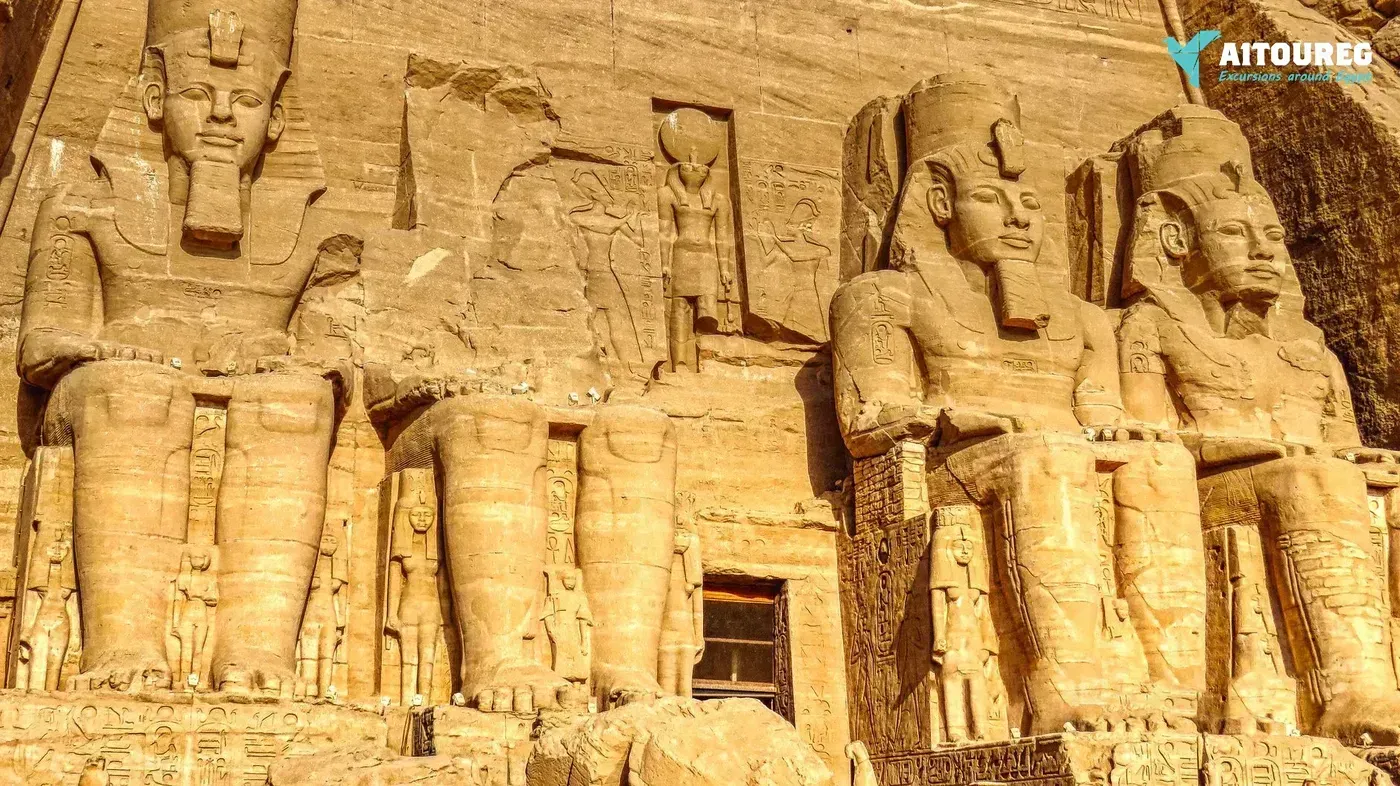
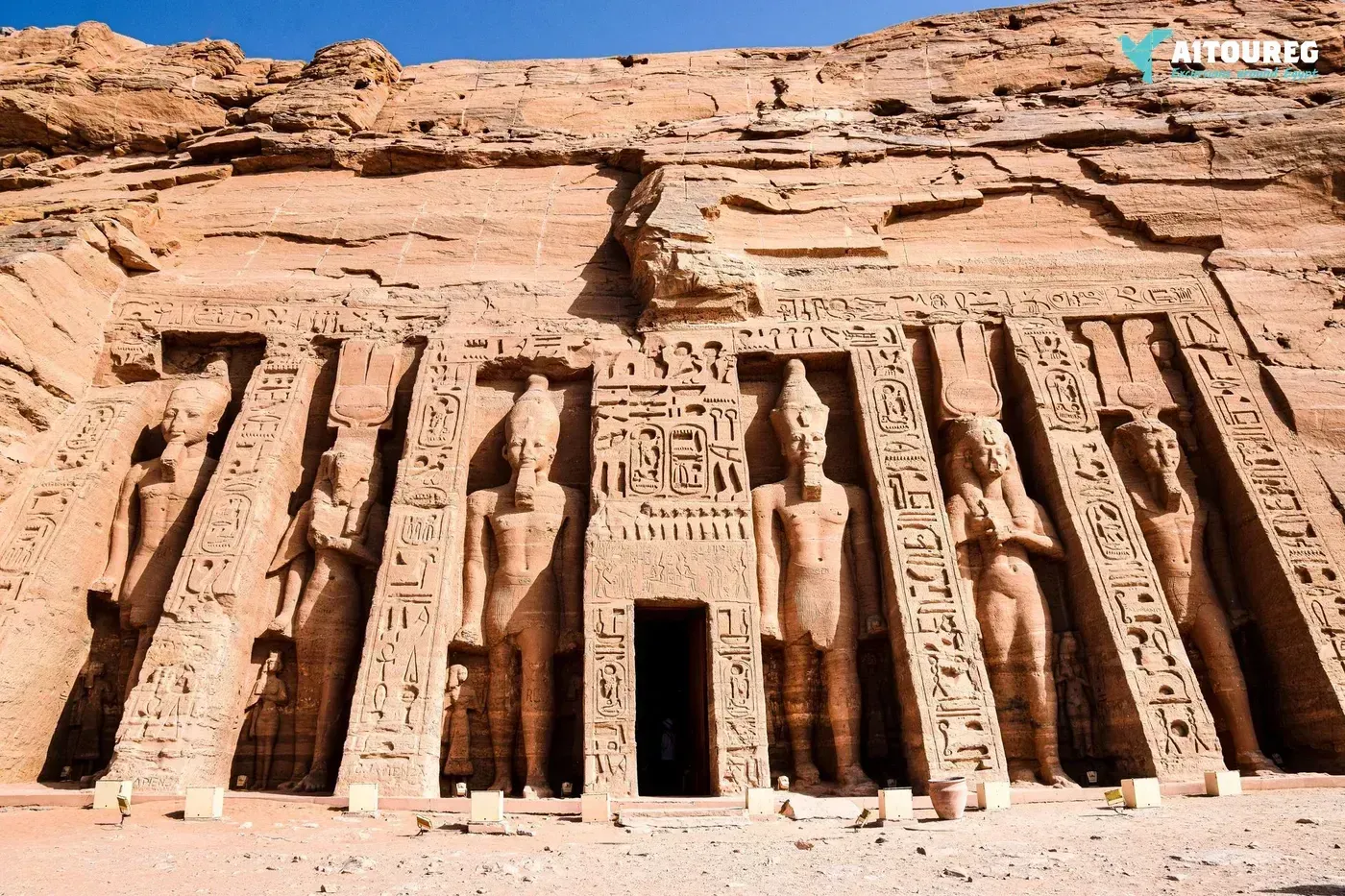
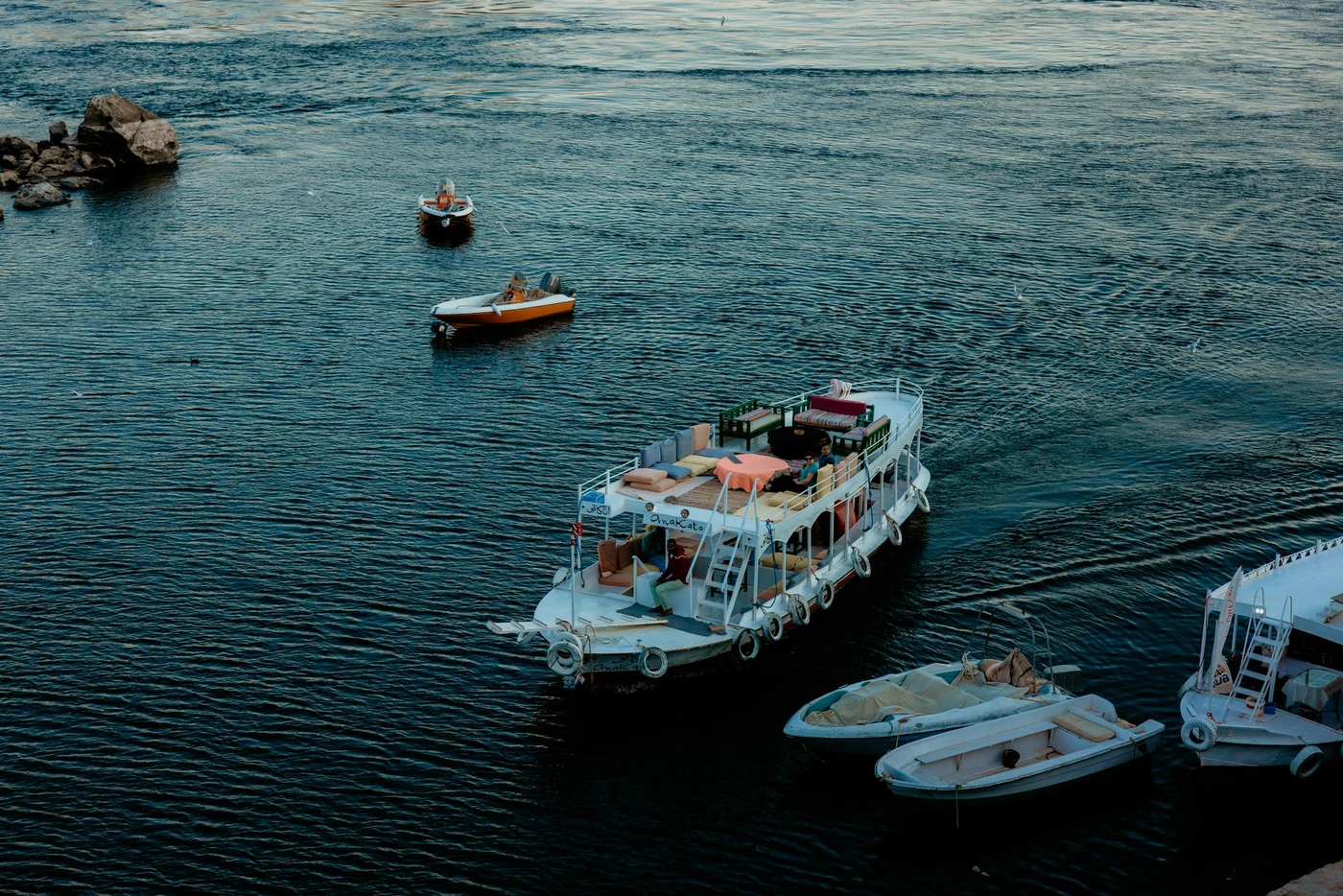
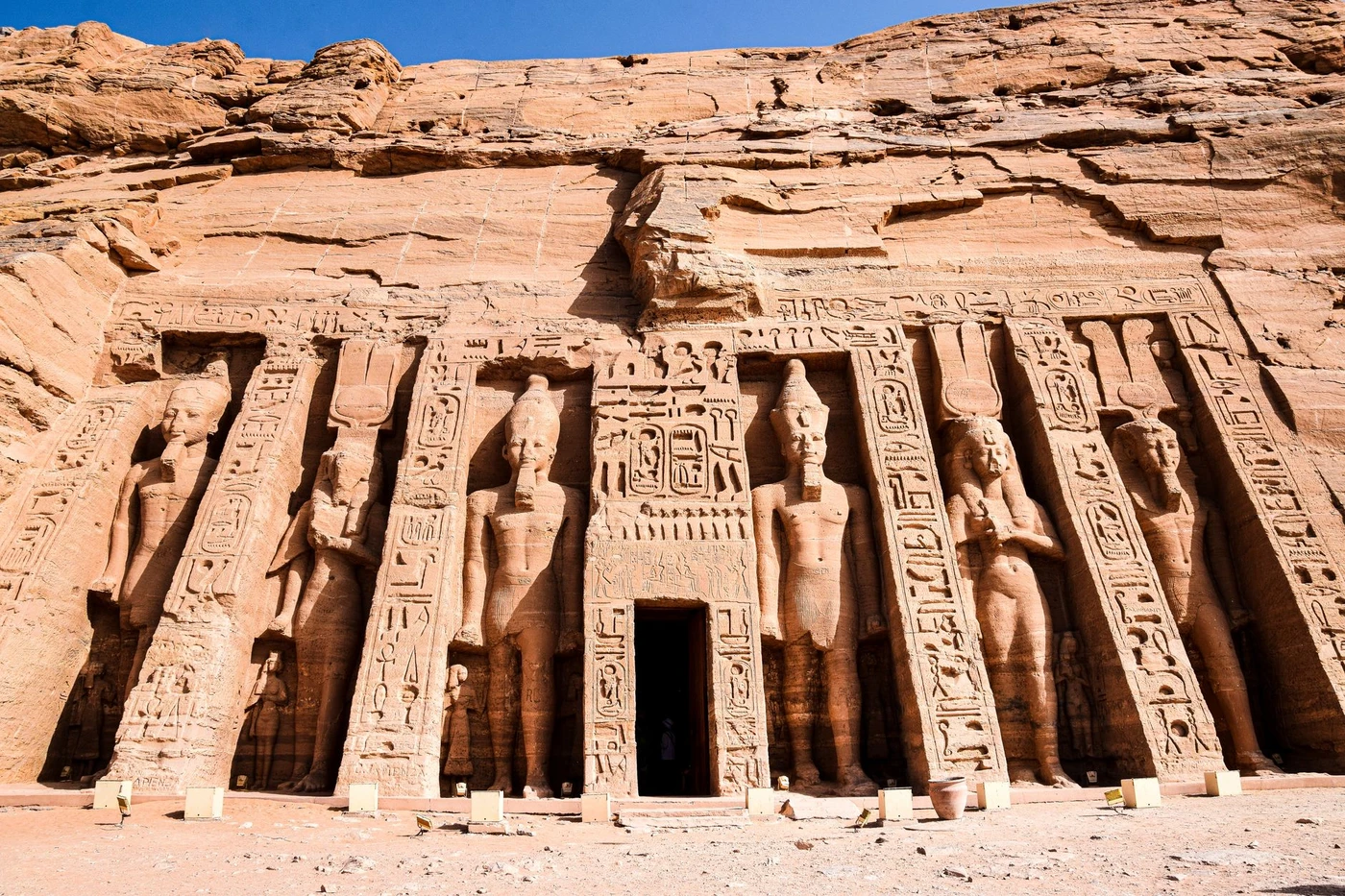
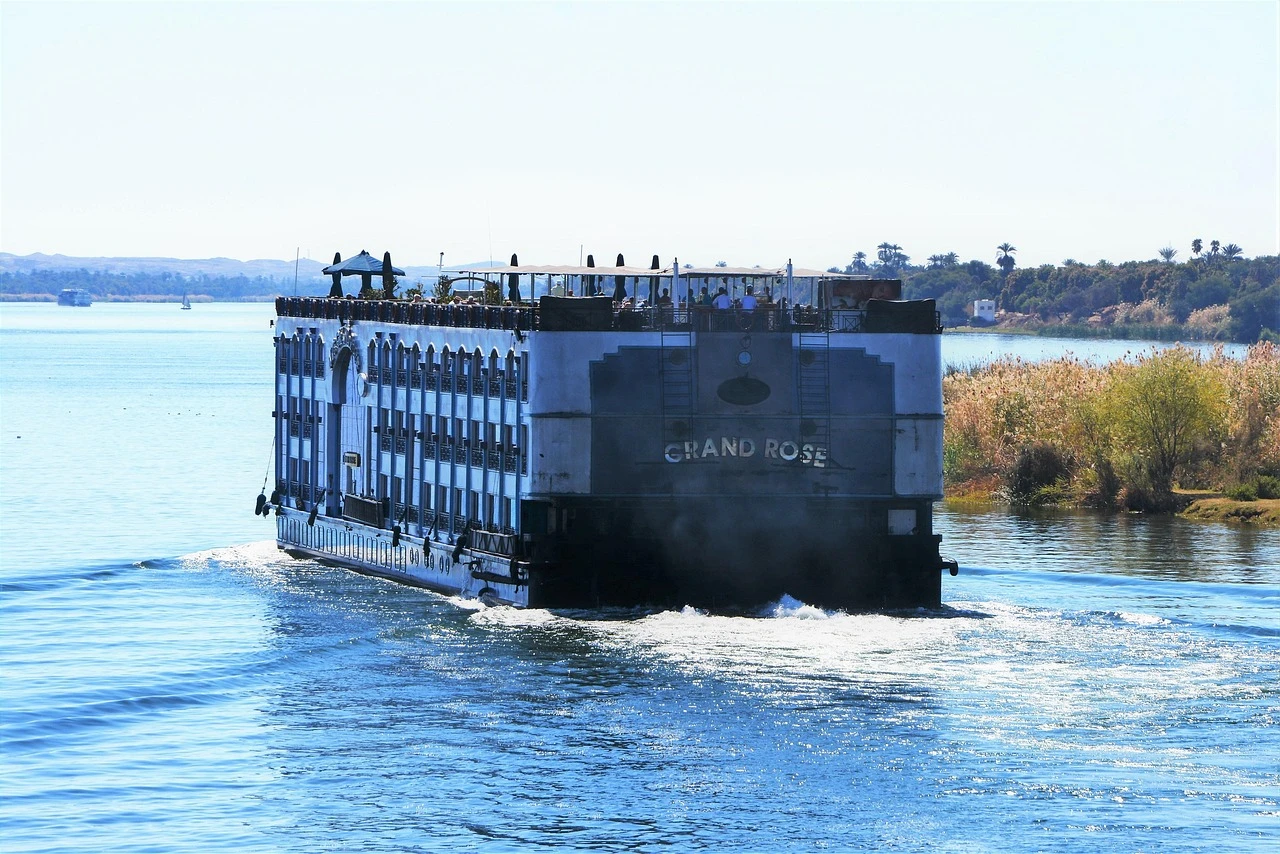
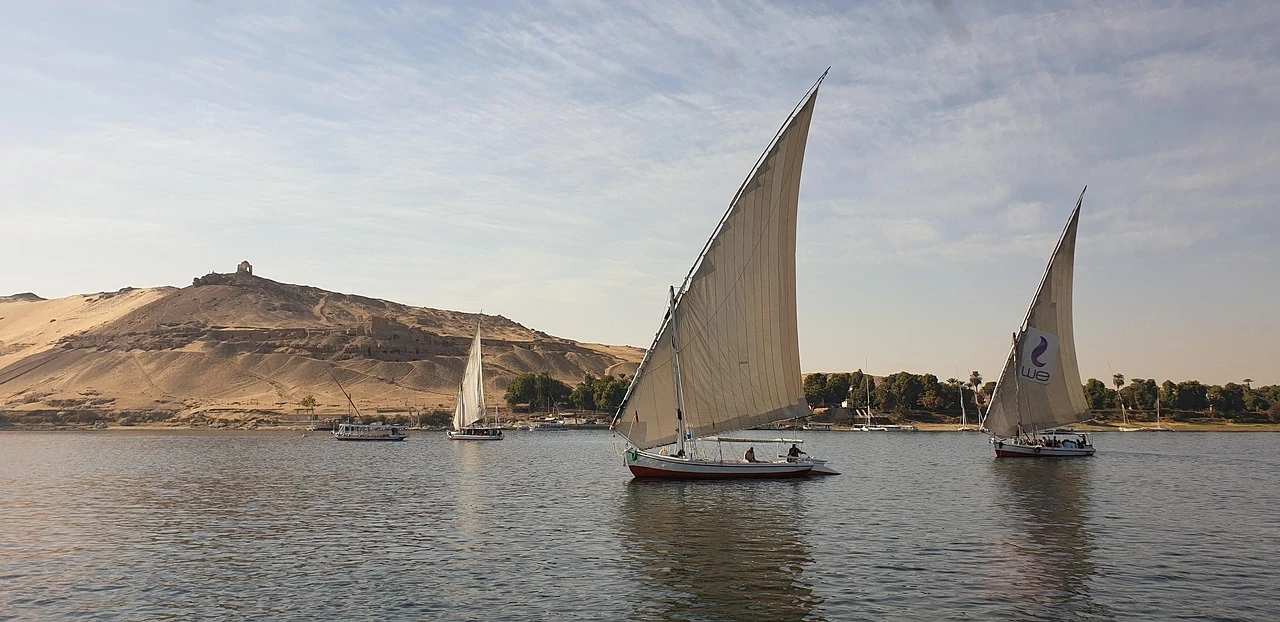
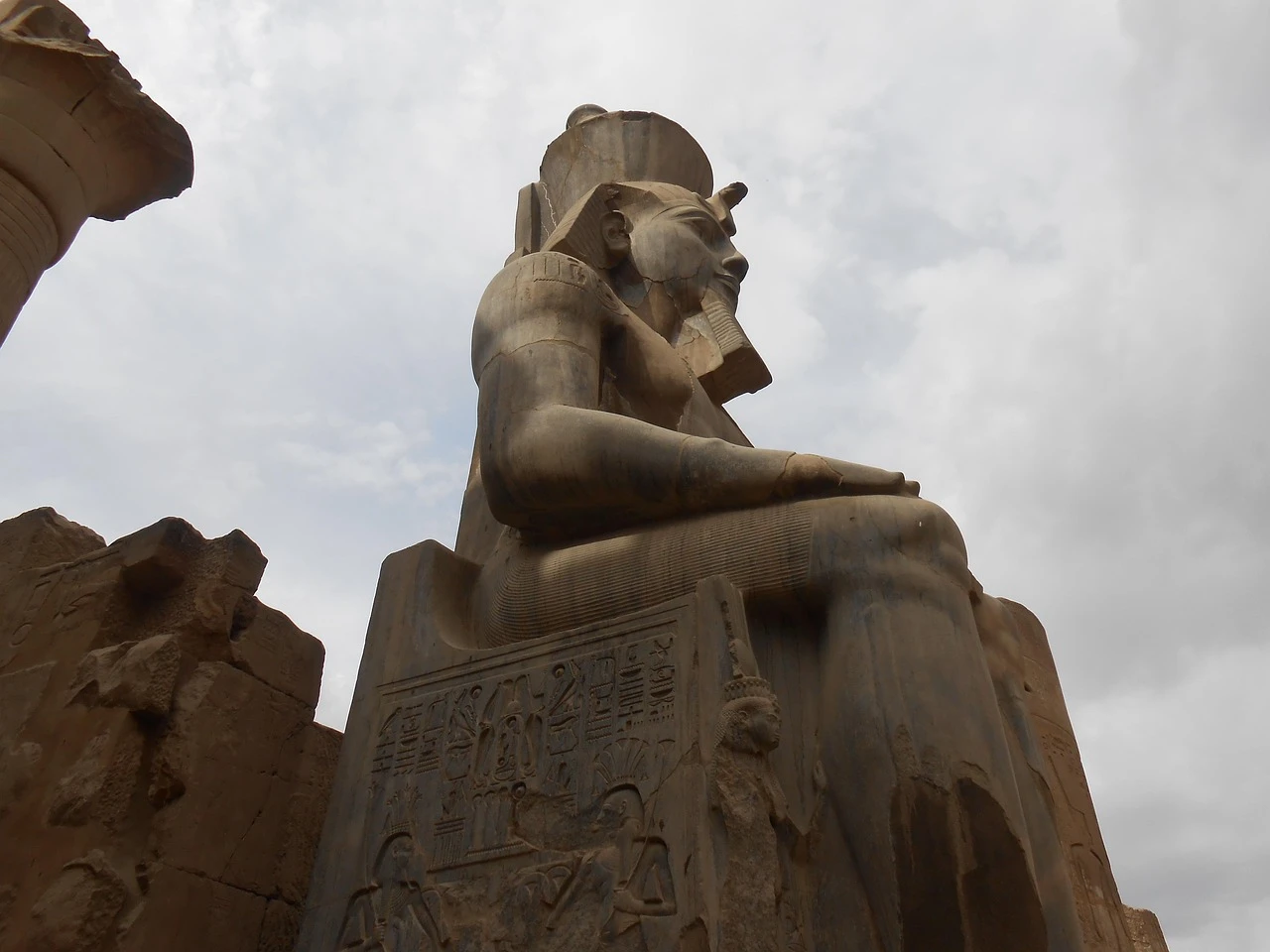
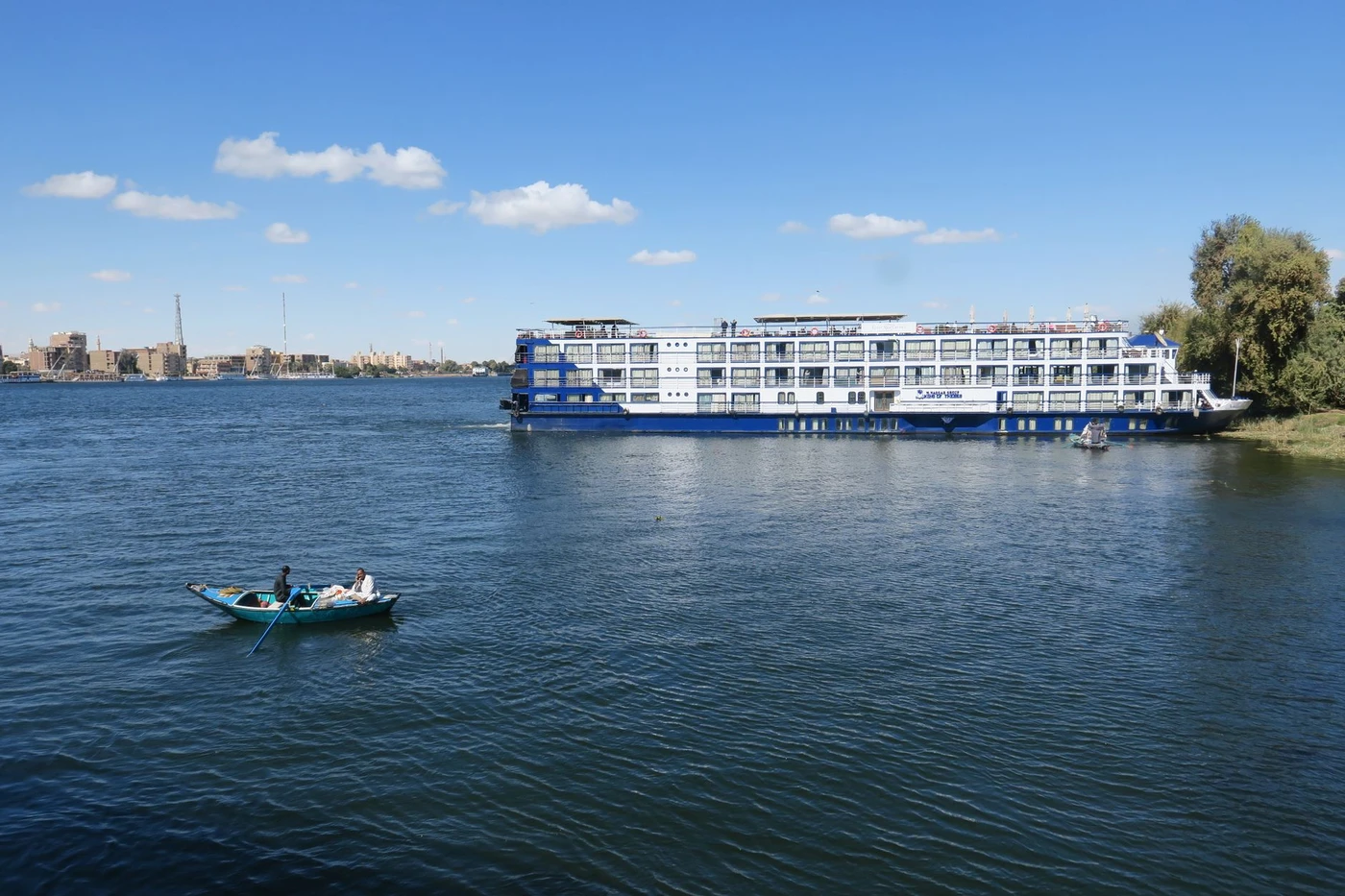
In southern Egypt, Abu Simbel is a major highlight. The rock-cut temples of Ramses II and Nefertari are known for their large seated figures, deep reliefs and carefully planned interiors. The visit is usually planned around the transport connection from Aswan, with an early start possible depending on the final schedule. Back in Aswan, the Nile cruise slows the pace, giving you time to watch villages, cultivated riverbanks and desert edges pass by from the deck.
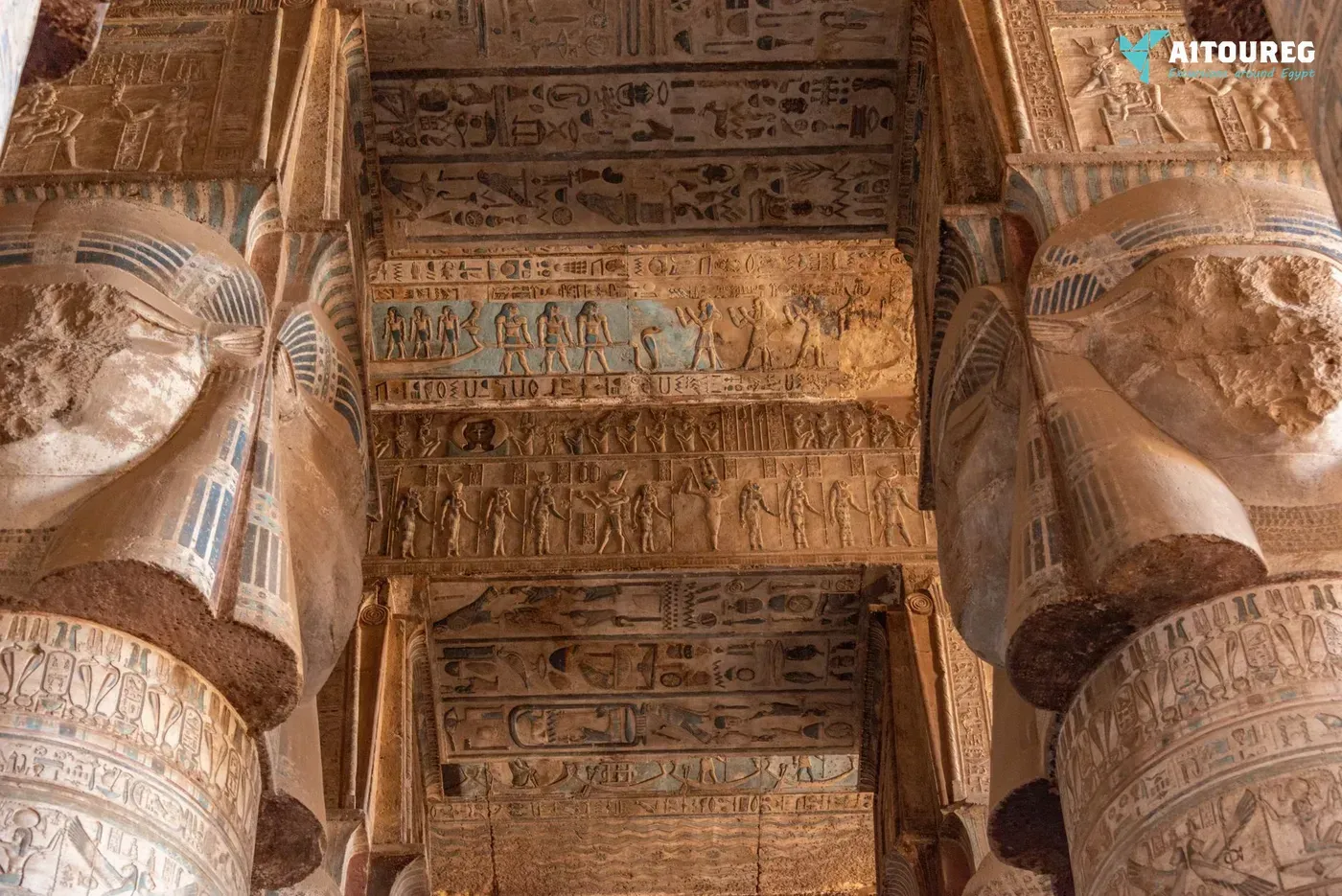
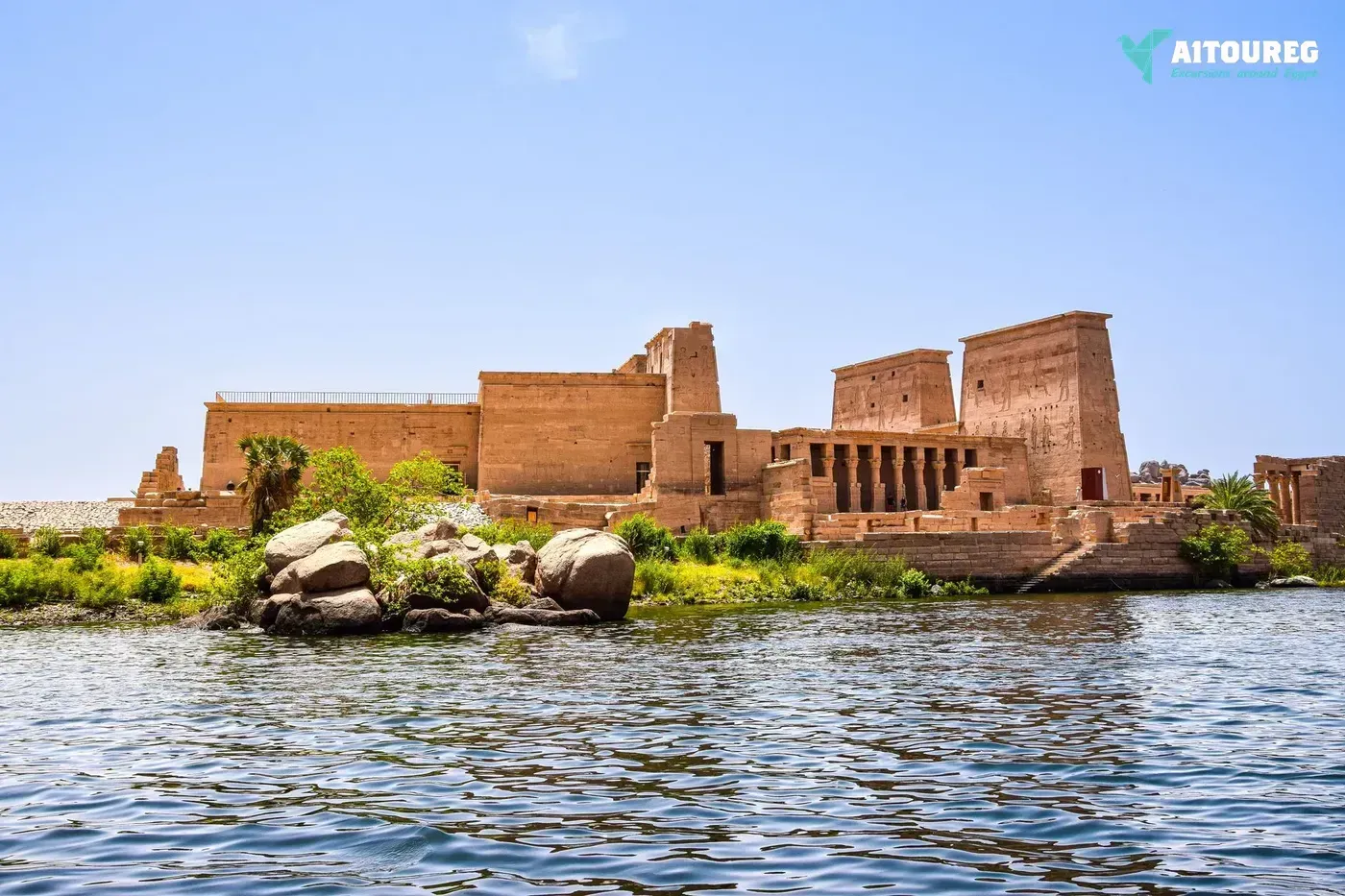
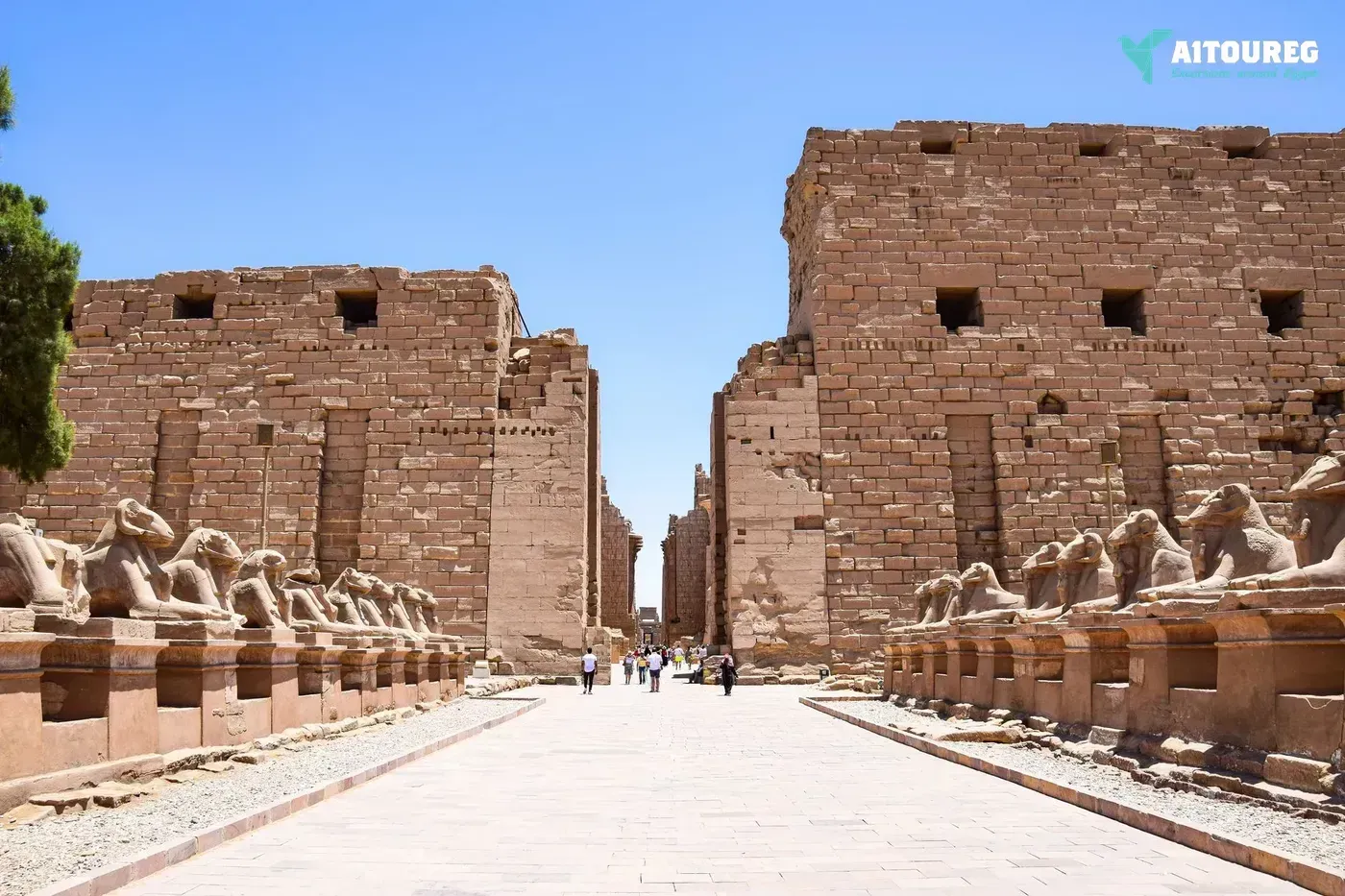
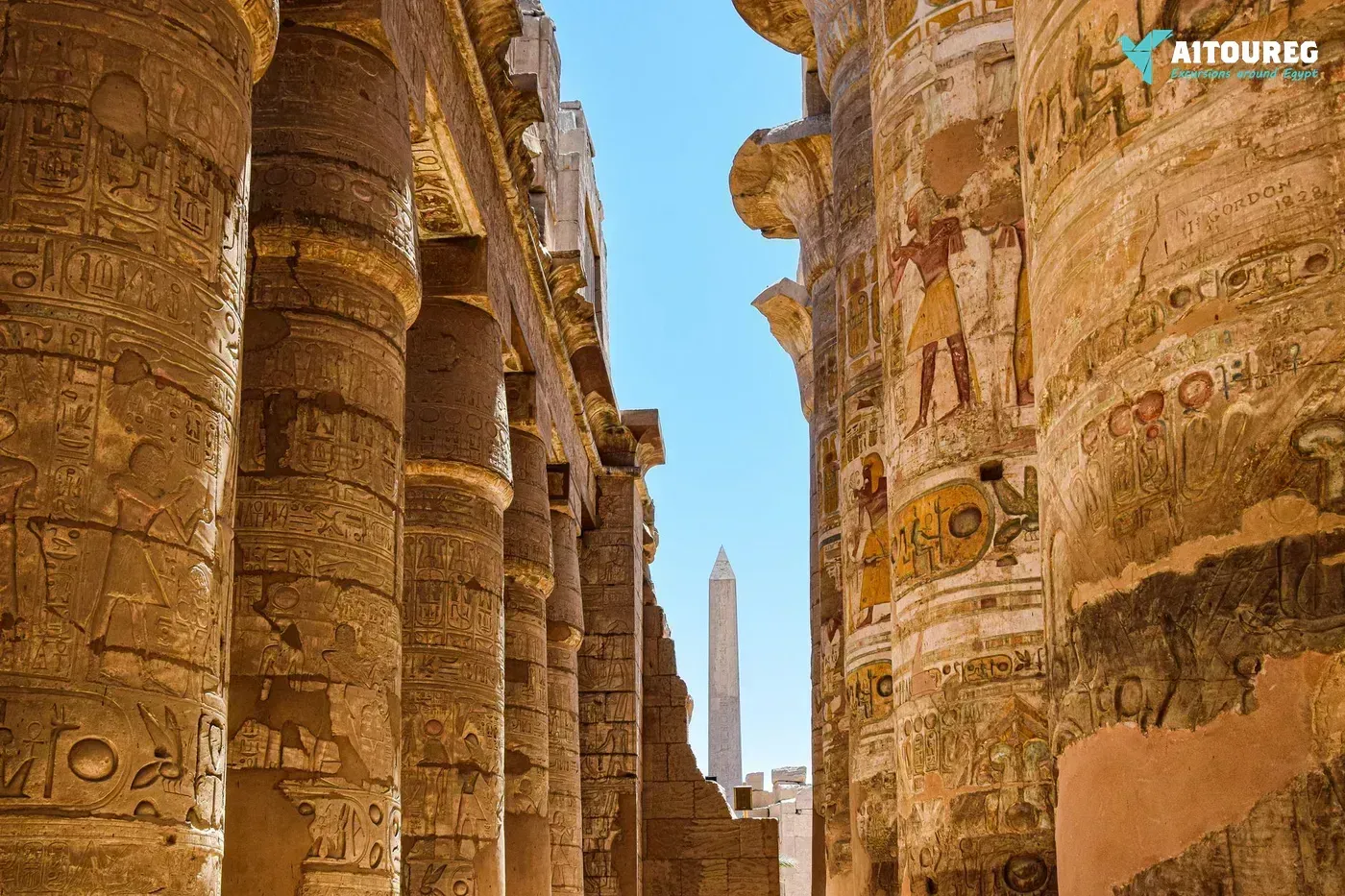
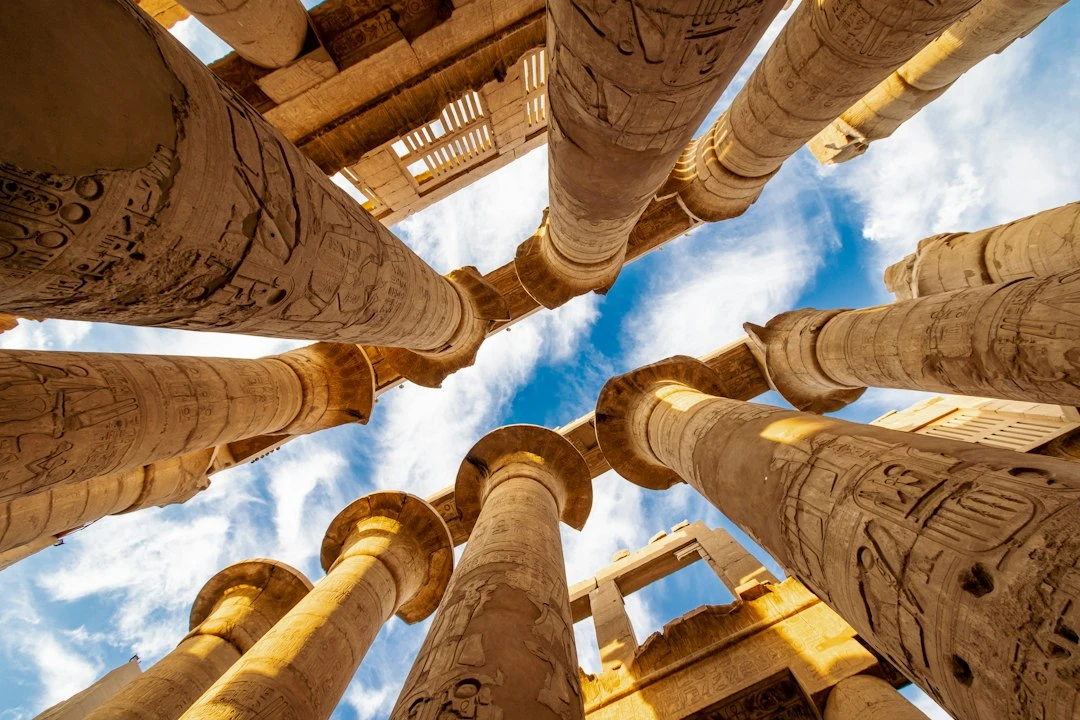
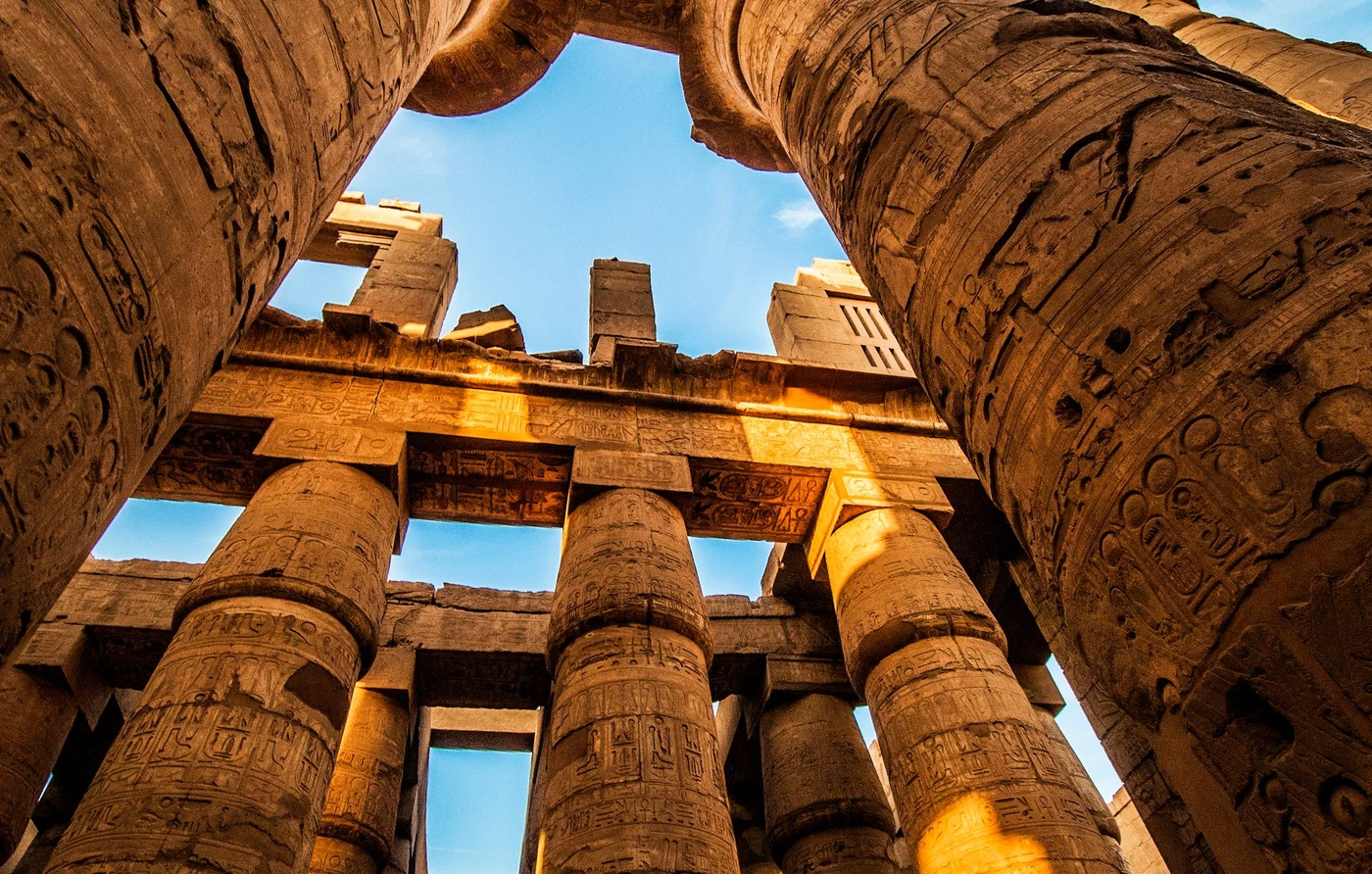
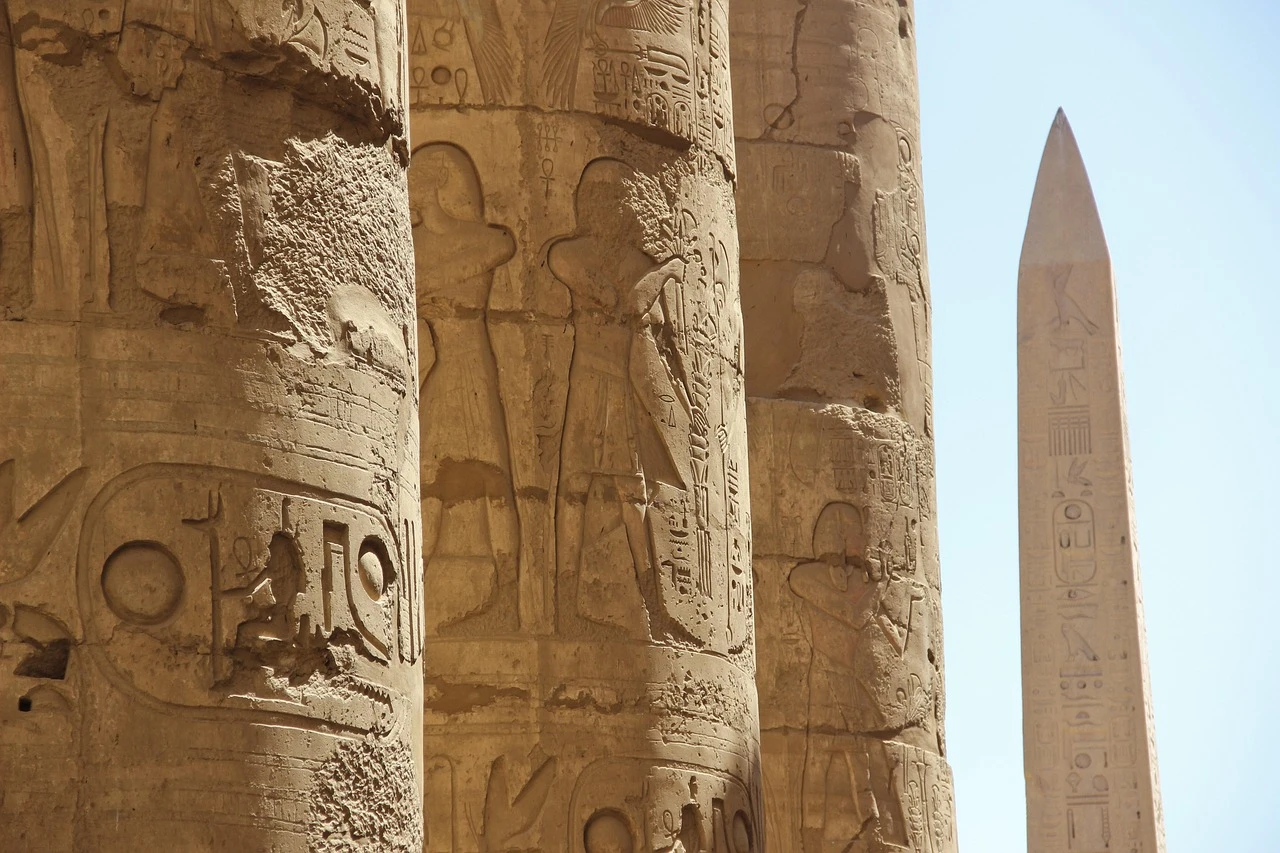
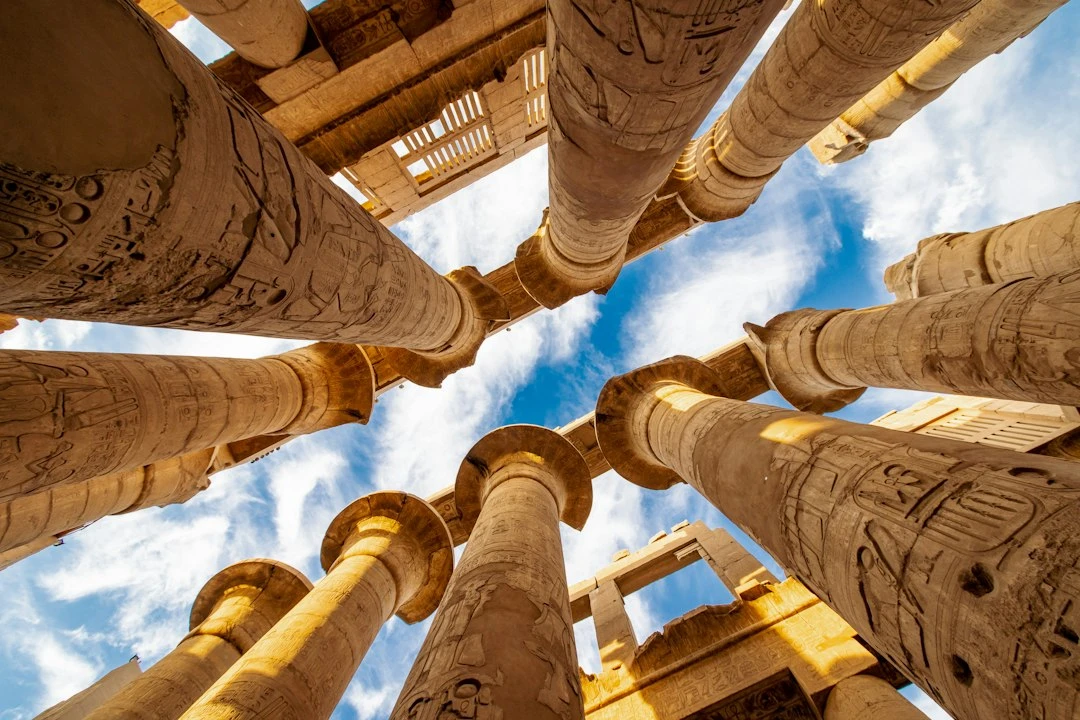
As you travel between Aswan and Luxor, you visit Philae Temple, set on an island reached by boat. Its columns, gateways and reliefs remain closely tied to the worship of Isis. In Luxor, Karnak Temple leads you through vast courtyards, processional spaces and rows of columns. Luxor Temple feels especially atmospheric later in the day, when its illuminated stonework contrasts with the city around it.
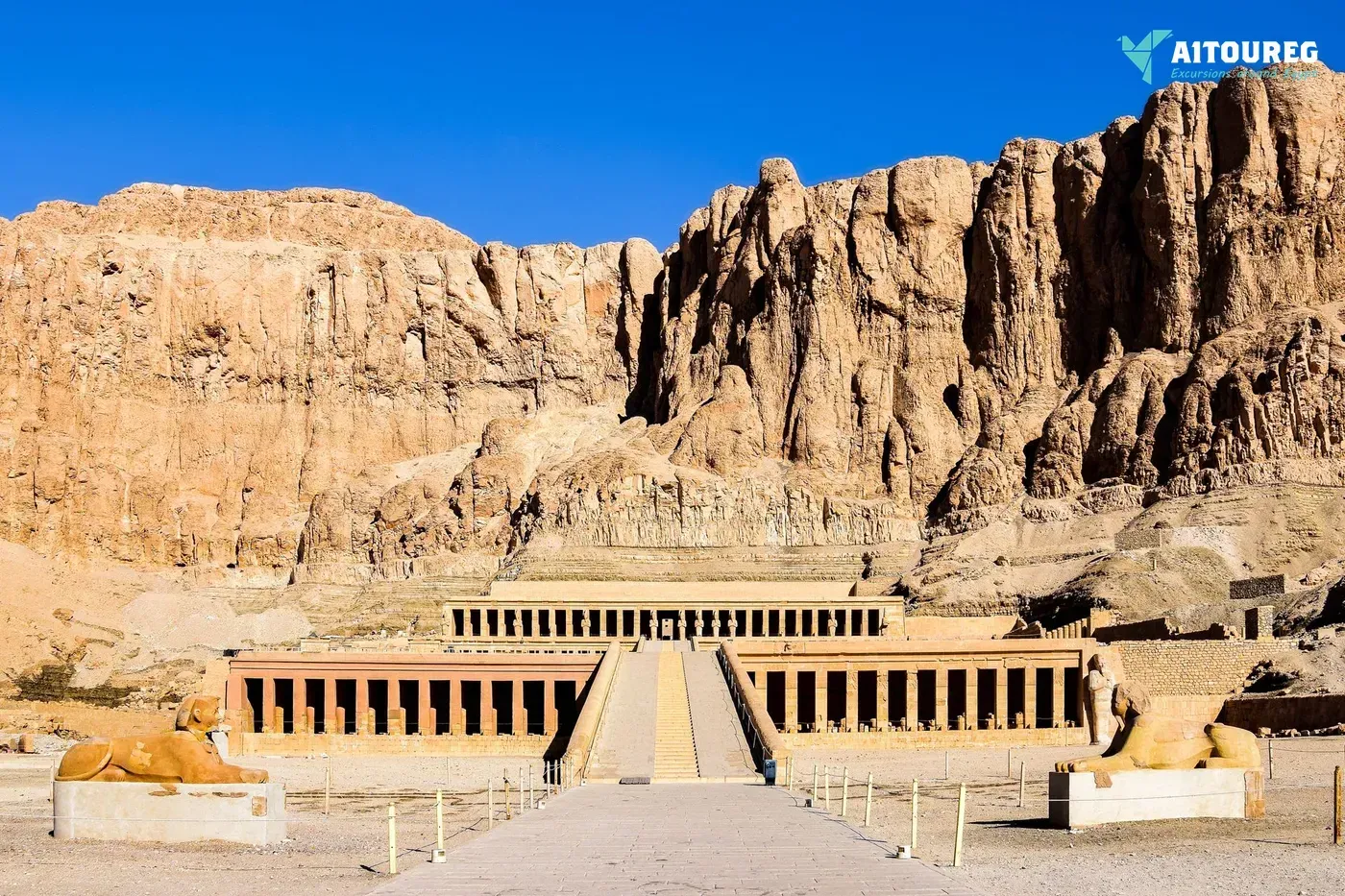
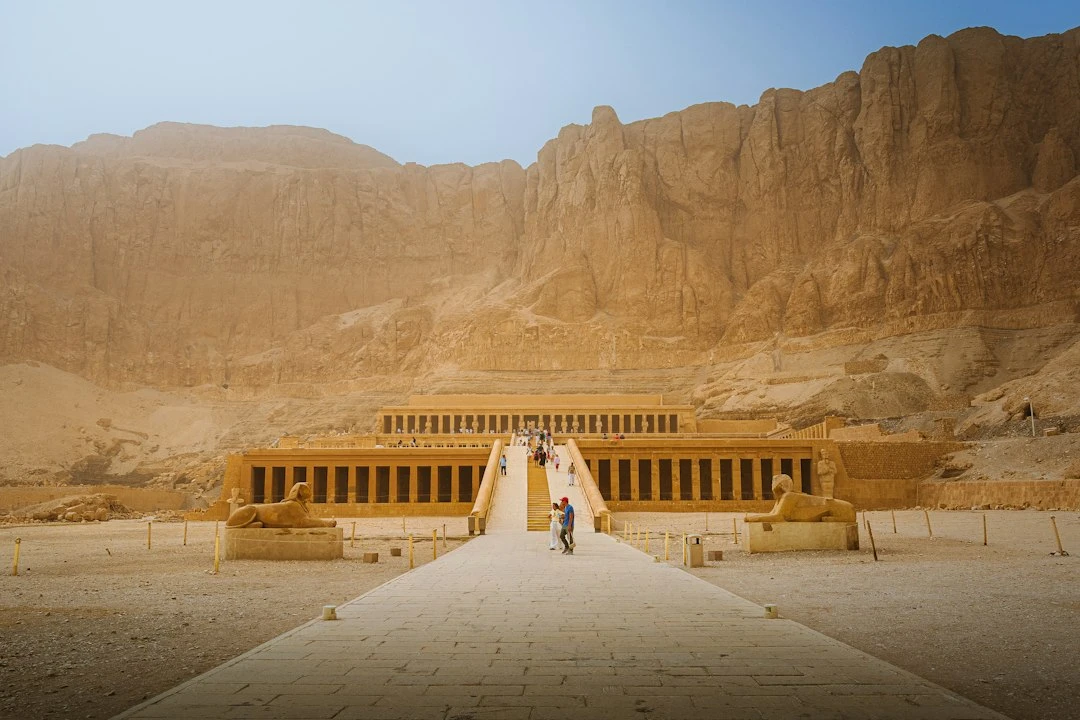
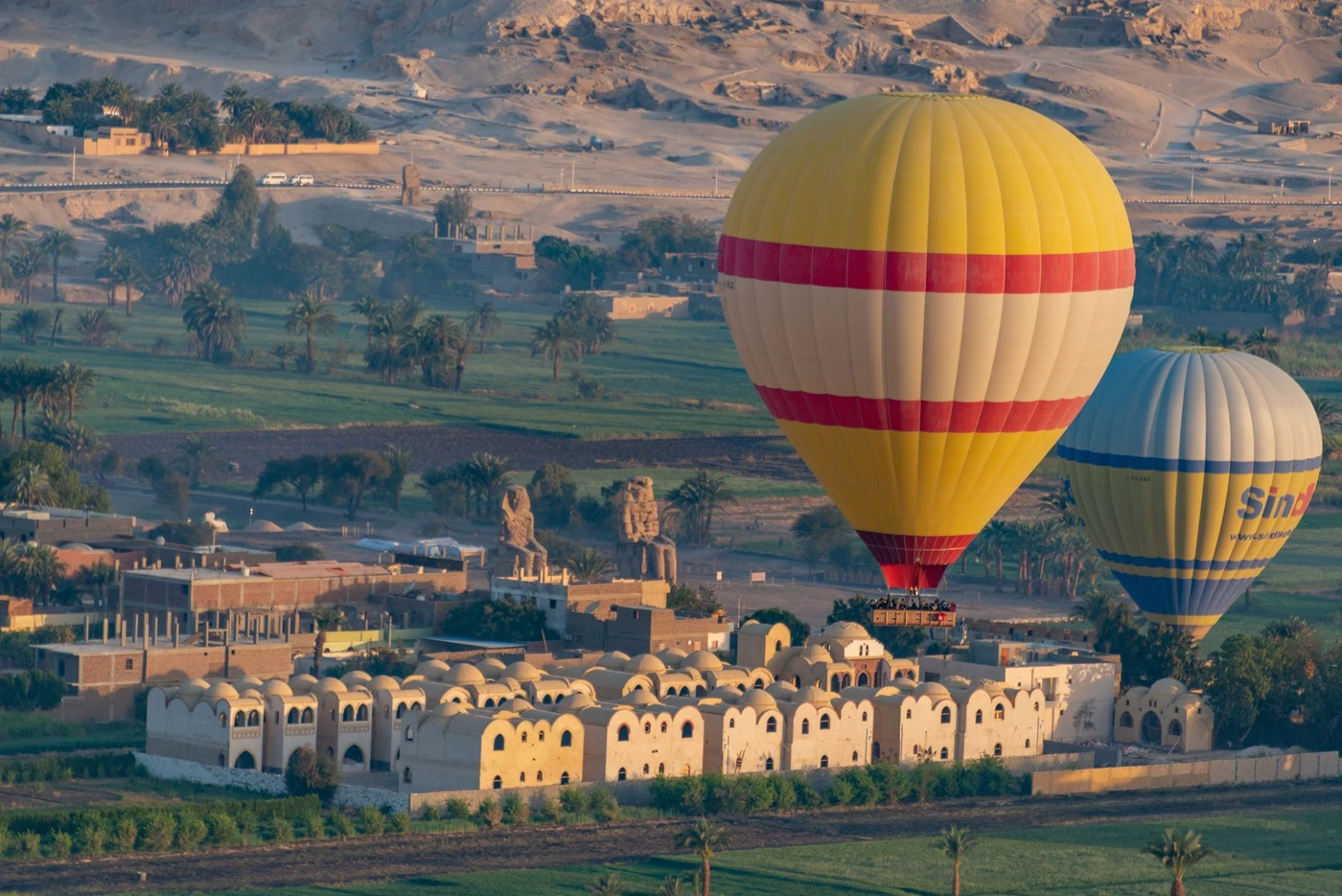
Luxor’s West Bank adds the Valley of the Kings and Hatshepsut Temple. In the Valley of the Kings, your guide explains the purpose of the royal tombs and which ones are open during your visit, since access can vary. Hatshepsut Temple has broad terraces cut into the limestone cliffs, with reliefs showing trade, ritual and royal life. These visits involve walking over uneven ground and in direct sun.
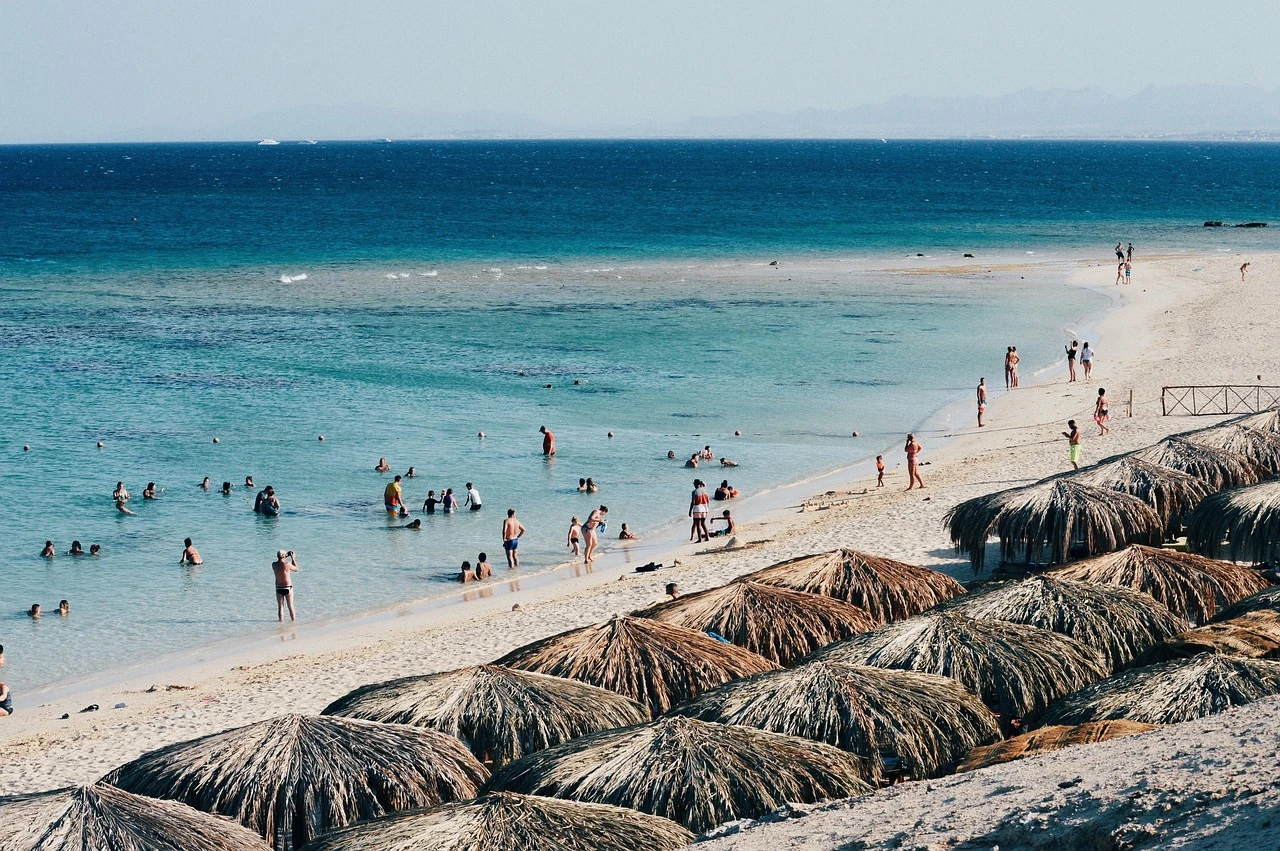
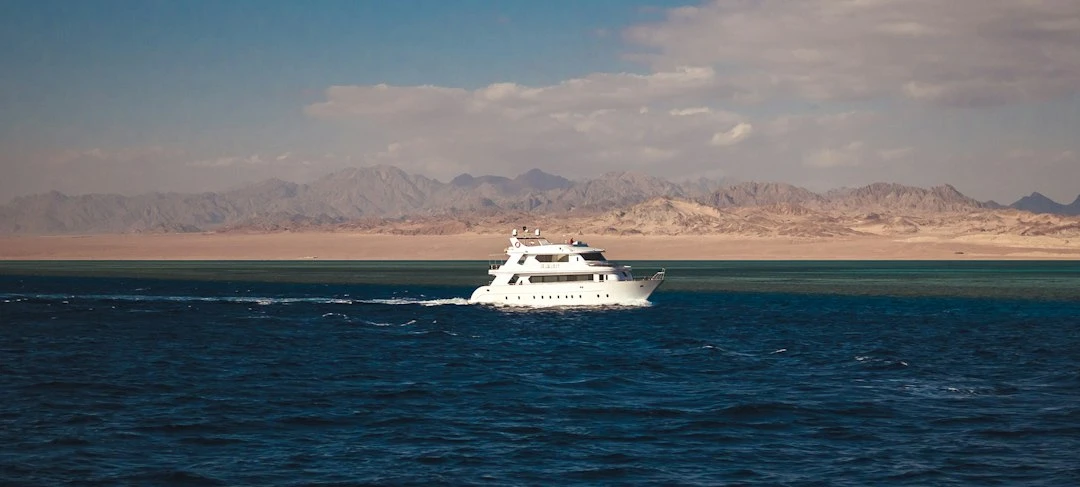
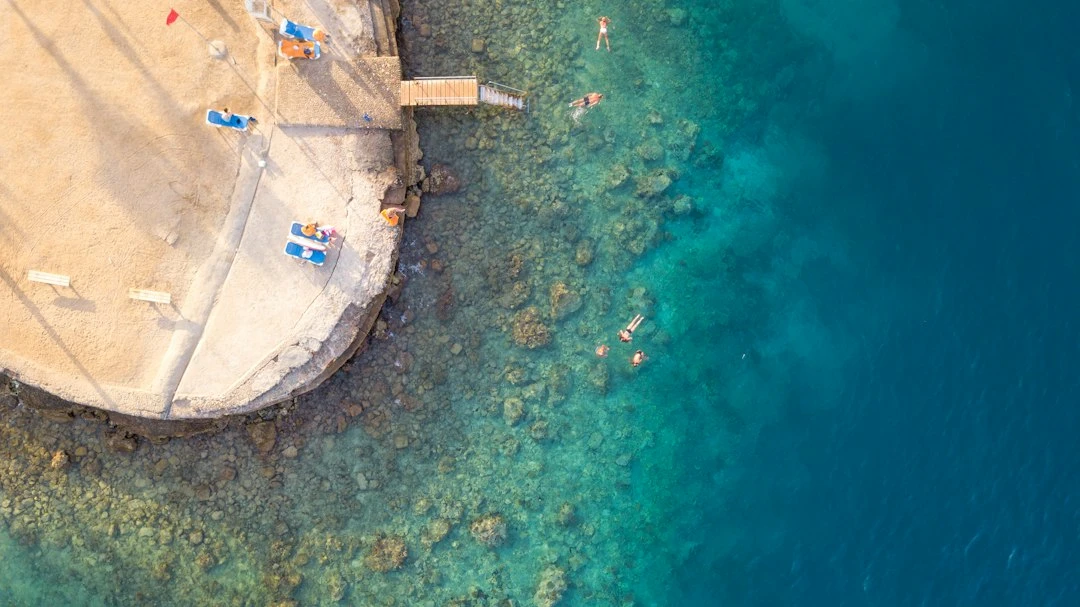
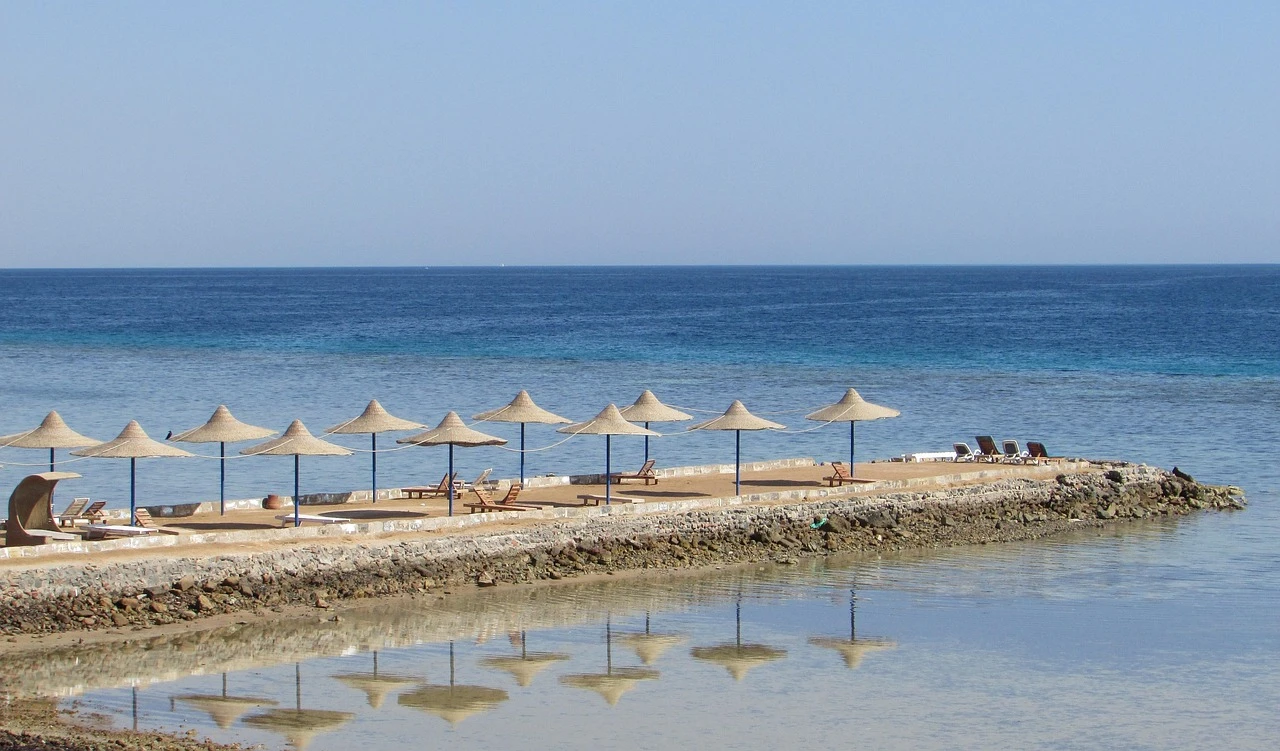
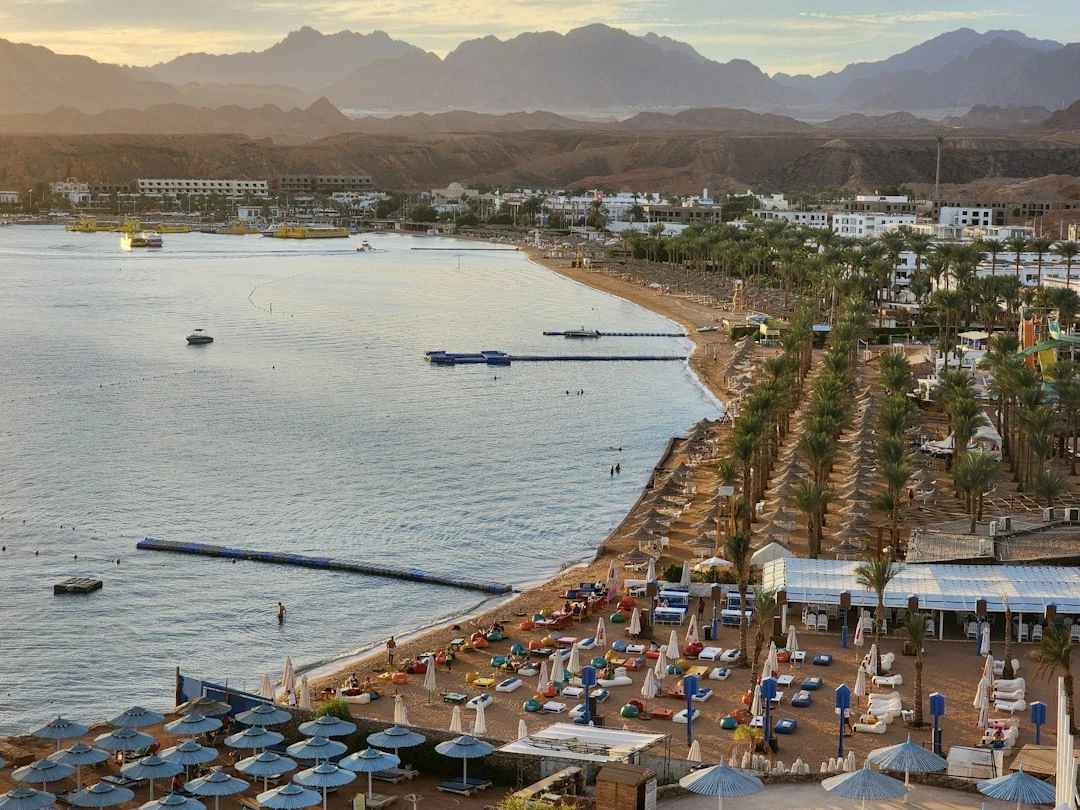
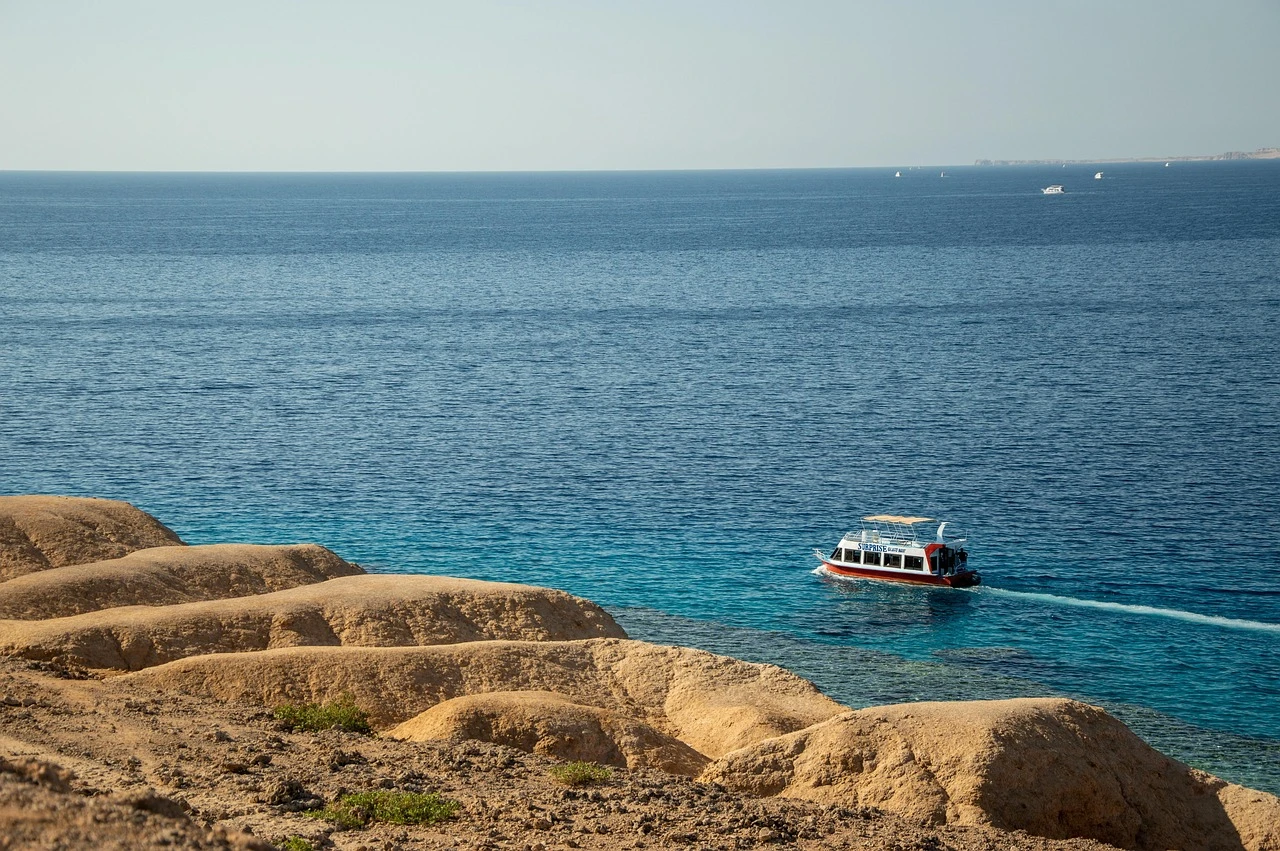
After the archaeological sightseeing, Marsa Alam gives you time beside the Red Sea. The coast suits travellers looking for a quieter final part of the holiday, with the option to rest, swim or arrange water-based activities locally. Sea conditions and activity availability vary, so we keep those arrangements separate unless they are specifically included in your booking.
Our team coordinates accommodation, transfers, sightseeing and cruise connections, while your licensed Egyptologist explains the principal sites. The programme suits travellers who want broad coverage and private support rather than a short city break. It is a demanding trip for anyone who finds long road journeys, early starts, stairs or uneven paths difficult. We can discuss mobility needs before confirming arrangements. Bring a refillable water bottle, sun protection and comfortable walking shoes; your final itinerary confirms the exact pickup details and any domestic travel arrangements.
Accommodation according to the selected package
Meals specified in the final itinerary
Assistance from our Egypt-based operations team
Private sightseeing with a licensed Egyptologist where applicable
Entrance tickets to the listed sightseeing sites
Nile cruise accommodation according to the selected package
Transport for the White Desert excursion
Private transfers between destinations
Airport pickup and drop-off in Egypt
International flights
Meals and drinks not specified in the itinerary
Egypt entry visa and personal travel insurance
Optional activities in Marsa Alam
Gratuities for guides, drivers and cruise staff
Any services not listed under inclusions
Personal spending, laundry and phone charges
Entrance tickets for additional areas inside certain monuments
Passport valid for the required period
Hat, sunglasses and high-factor sunscreen
Travel insurance documents
Swimwear and a light cover-up for Marsa Alam
Comfortable walking shoes with secure soles
Small day bag for sightseeing
Any required medication and a copy of your prescriptions
Cash or payment card for personal expenses and gratuities
Refillable water bottle
Light, breathable clothing and a layer for cooler evenings
This 15-day Egypt tour package is planned to include accommodation, guided sightseeing, transfers between the main destinations, a Nile cruise, and visits to the Pyramid structures of Giza, the Sphinx monument, the Egyptian Museum, the White Desert, Abu Simbel, Philae Temple, Luxor and Marsa Alam.
Meals, domestic travel, entrance fees and other services depend on the selected package. Our team will provide the final inclusions before you confirm your booking, so you can check exactly what is covered.
This 15-day Egypt itinerary has a full but manageable pace, combining major sightseeing days with time for the Nile cruise and a seaside stay in Marsa Alam. In Cairo, you visit the Pyramid structures of Giza, the Sphinx monument and the Egyptian Museum; later, the route continues through Abu Simbel, Philae Temple, Luxor and the White Desert.
In Luxor, the sightseeing order normally includes the Valley of the Kings, Hatshepsut Temple, Karnak Temple and Luxor Temple. Some days involve early starts, walking on uneven ground and travel between destinations, while the cruise and Marsa Alam portion allow a slower rhythm.
Airport and hotel pickups are arranged as part of the tour plan, with our team coordinating transfers between Cairo, the cruise route, Luxor, Abu Simbel, the White Desert and Marsa Alam. Your confirmed itinerary will explain where to meet your driver or guide and how each travel leg is handled.
Transfer arrangements can vary by final routing and transport schedule. Please share accurate arrival and departure details when booking, and tell us about any mobility or luggage requirements in advance.
This Egypt tour can suit families and many older travellers, but it includes temple visits, desert travel and walking over uneven surfaces at places such as the Pyramid structures of Giza, the Valley of the Kings and Karnak Temple. Children should be comfortable with long sightseeing days, while travellers with limited mobility may need tailored arrangements.
Philae Temple requires a boat transfer, and some historic sites have steps or limited shade. Tell our team about mobility needs before booking so we can review the route, vehicle access and possible adjustments.
Pack light, breathable clothing that covers the shoulders and knees for visits to religious and historic sites, along with comfortable walking shoes, sun protection and a reusable water bottle. Bring a light layer for cooler mornings, swimwear for Marsa Alam, and practical clothing for the White Desert.
You should also carry your passport, personal medication, any required travel documents and basic toiletries. A small day bag is useful during sightseeing and the Nile cruise; your guide can advise on local customs at each stop.
To book this Egypt tour, contact our team with your preferred travel dates, traveller details and arrival information; we will confirm the itinerary, availability and final inclusions before payment. Cancellation terms depend on the booking conditions for the selected package, accommodation and cruise arrangements.
Read those conditions carefully before confirming, especially for deposits, amended dates and cancellations close to travel. We also recommend suitable travel insurance and checking passport and entry requirements before departure.
Your unforgettable Egypt journey starts with a booking you can trust.
* Available on selected tours. Flights, cruises and special bookings may have different cancellation policies.
Free cancellation up to 24 hours before activity starts
If you choose to pay online, a secure payment link can be provided after booking. For assistance or alternative payment options, please contact us via WhatsApp.
All our tour operators are licensed and verified by Egyptian tourism authorities.
Learn more about our licensed partners →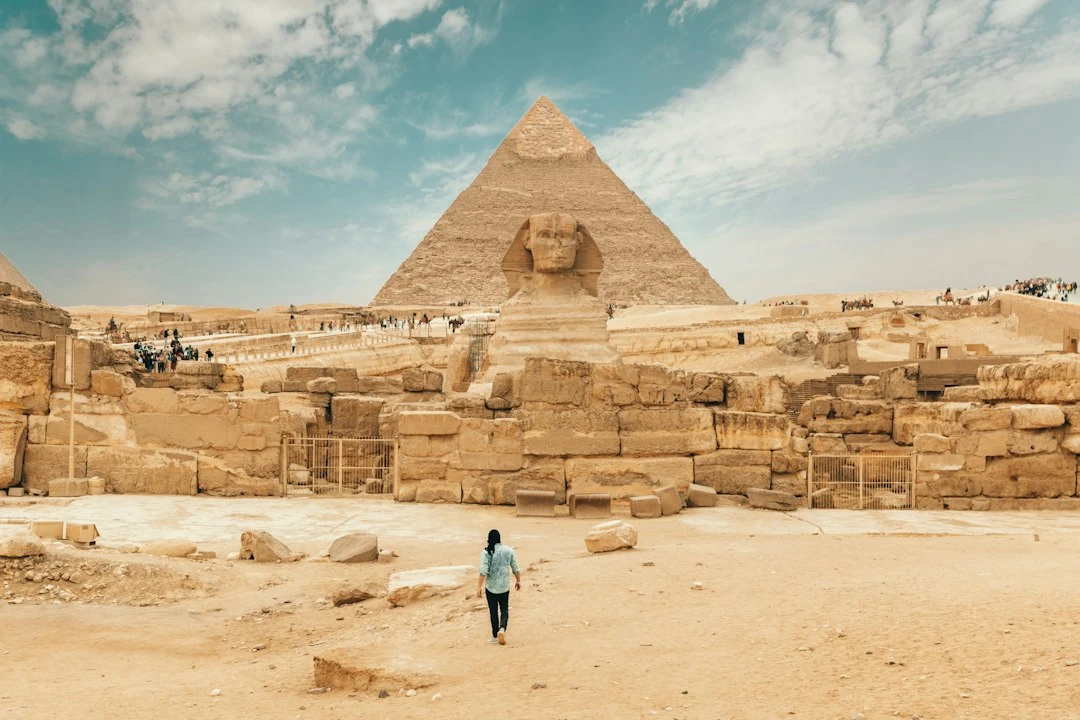

Free cancellation up to 24 hours before activity starts
If you choose to pay online, a secure payment link can be provided after booking. For assistance or alternative payment options, please contact us via WhatsApp.
All our tour operators are licensed and verified by Egyptian tourism authorities.
Learn more about our licensed partners →
Your Itinerary
Arrive in Cairo, where our representative meets you at the airport and helps with the arrival formalities. You then transfer to your hotel in a private, air-conditioned vehicle. The journey into the city gives you a first look at Cairo’s broad avenues, busy neighbourhoods and changing skyline.
The rest of the day is kept light after your journey. Settle into your room, rest, and meet our team for a briefing about the 15-day programme. We explain the order of visits, domestic travel arrangements and what to expect during the Nile cruise. If your arrival time and energy allow, your guide can suggest an easy evening walk or a nearby place for dinner. No major sightseeing is scheduled, so you can begin the tour at a comfortable pace.
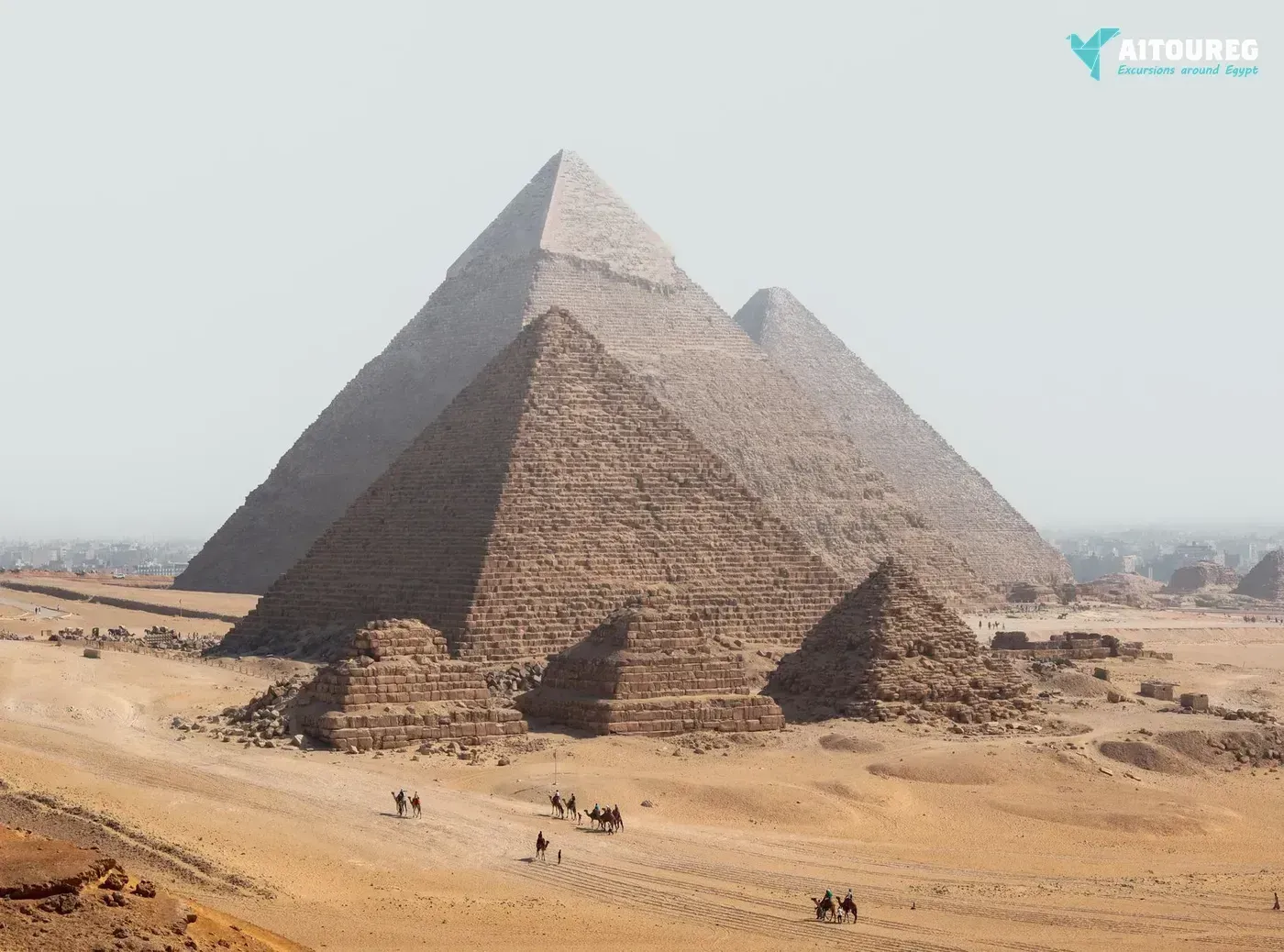
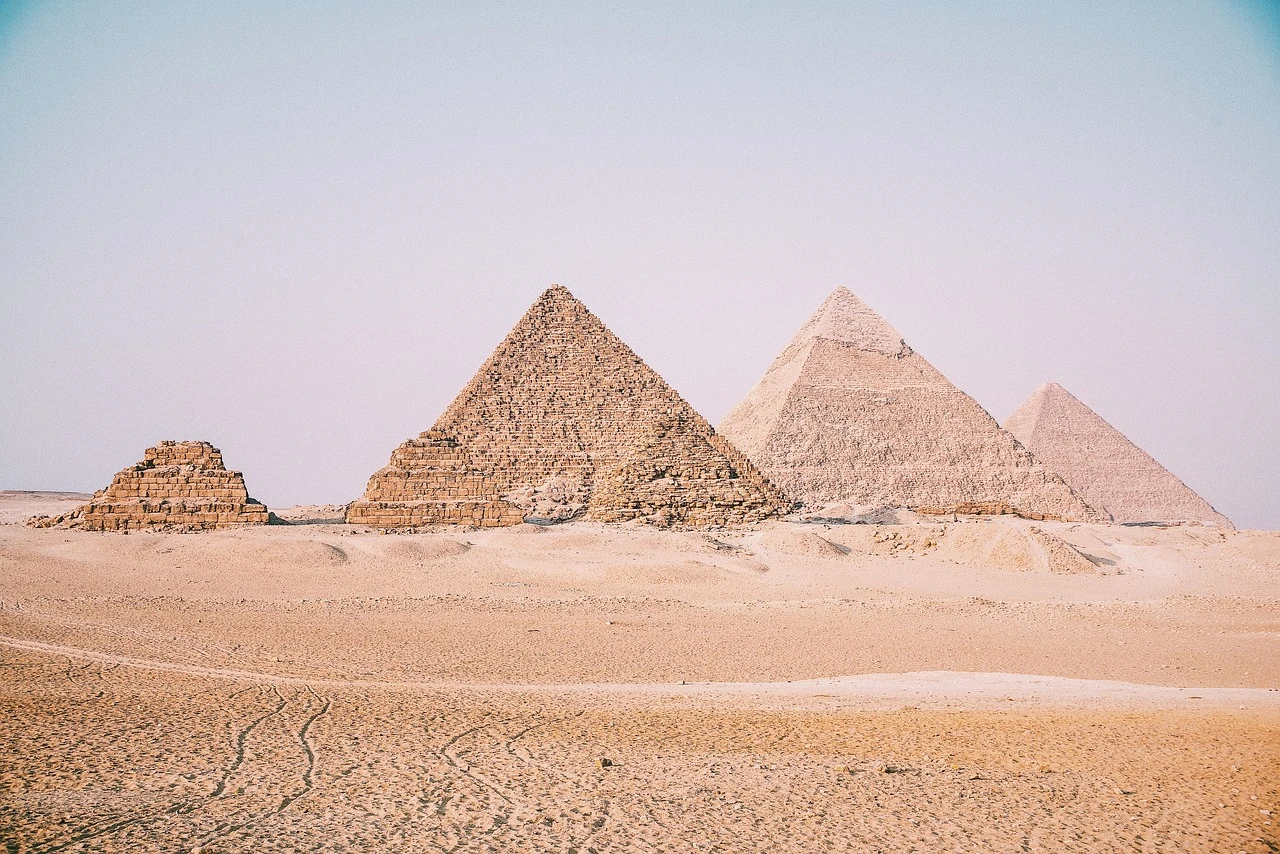
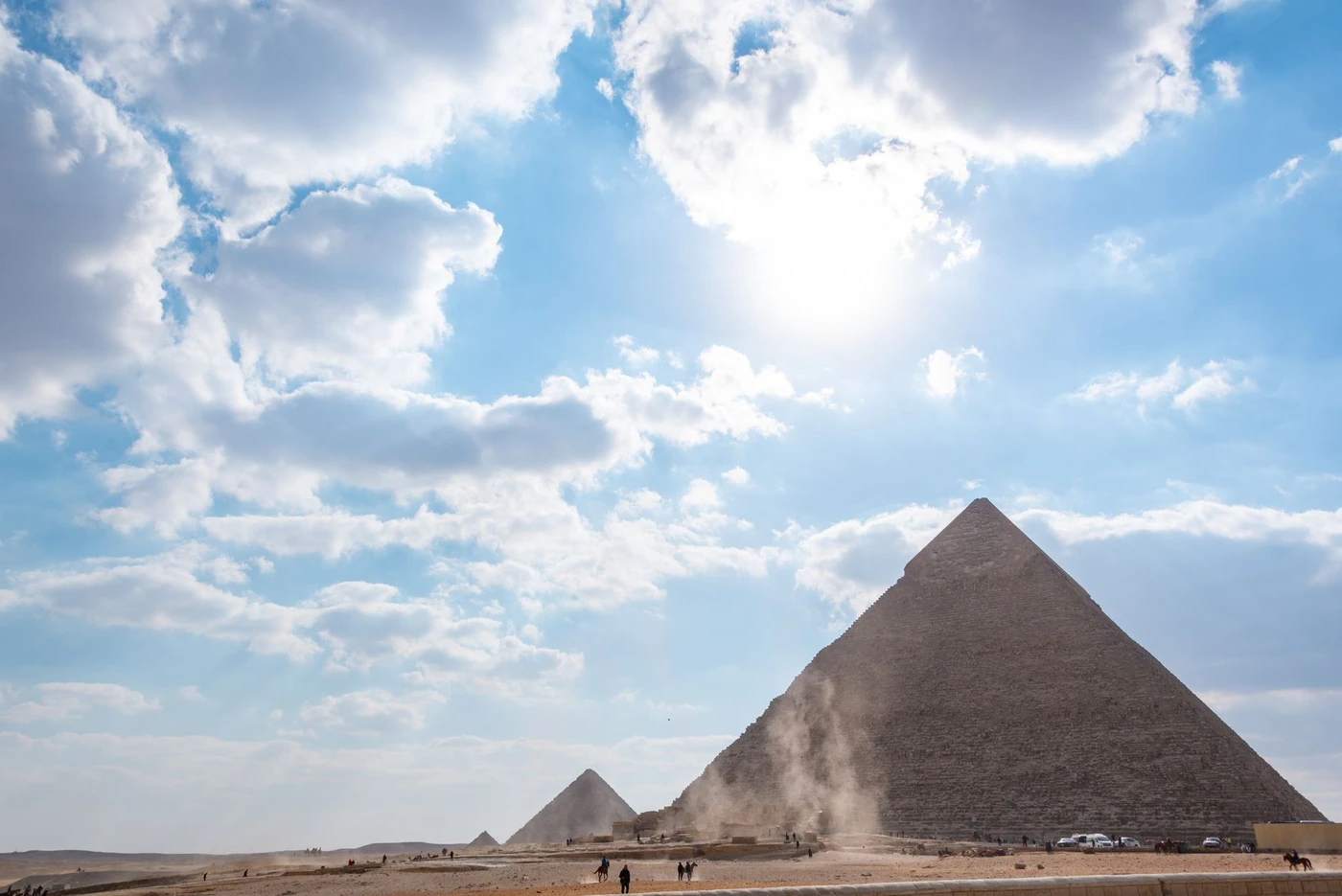
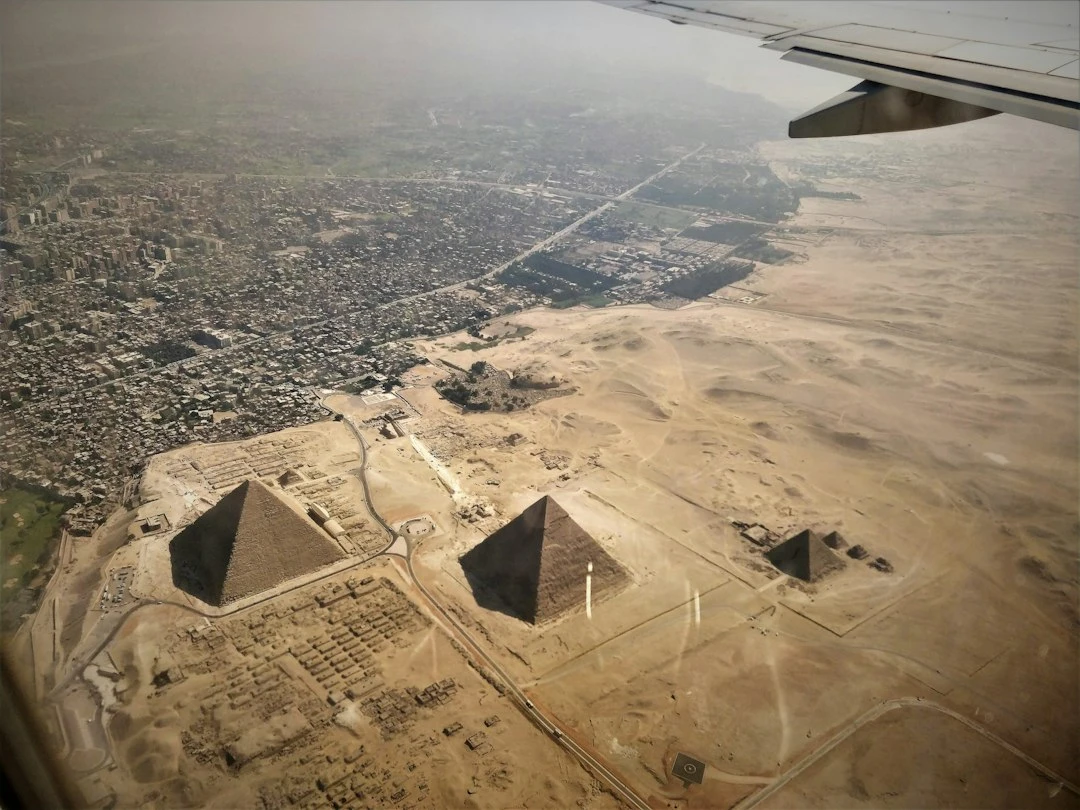
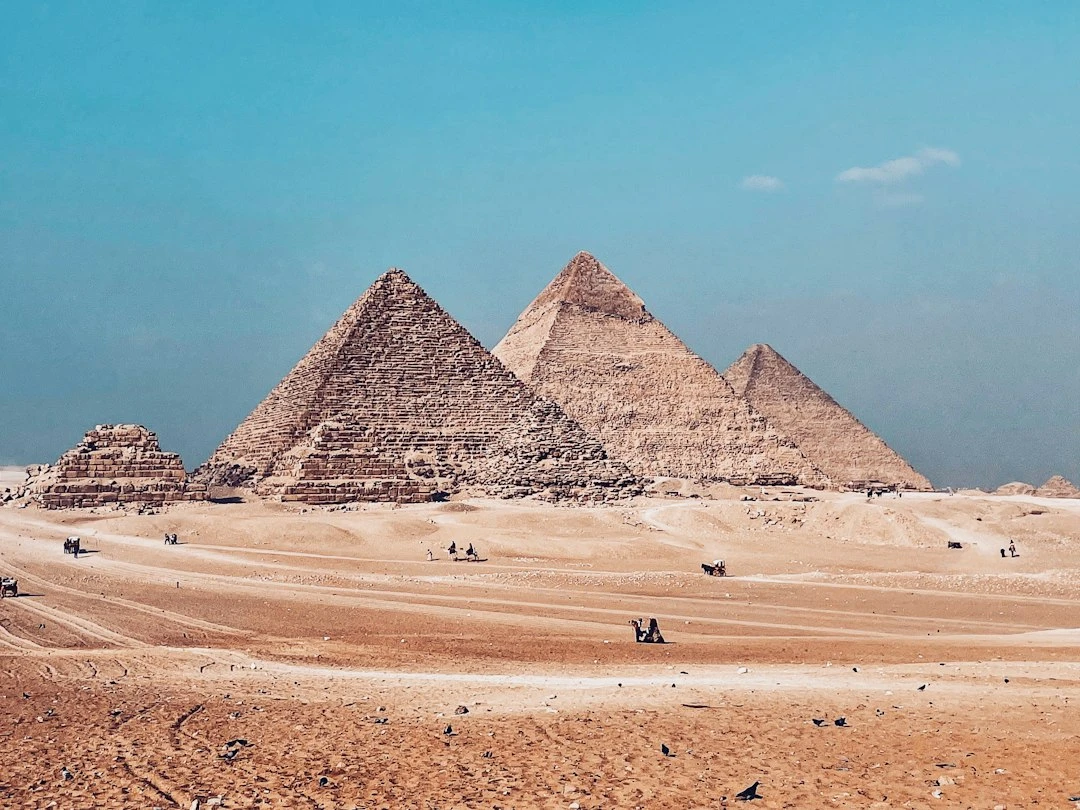
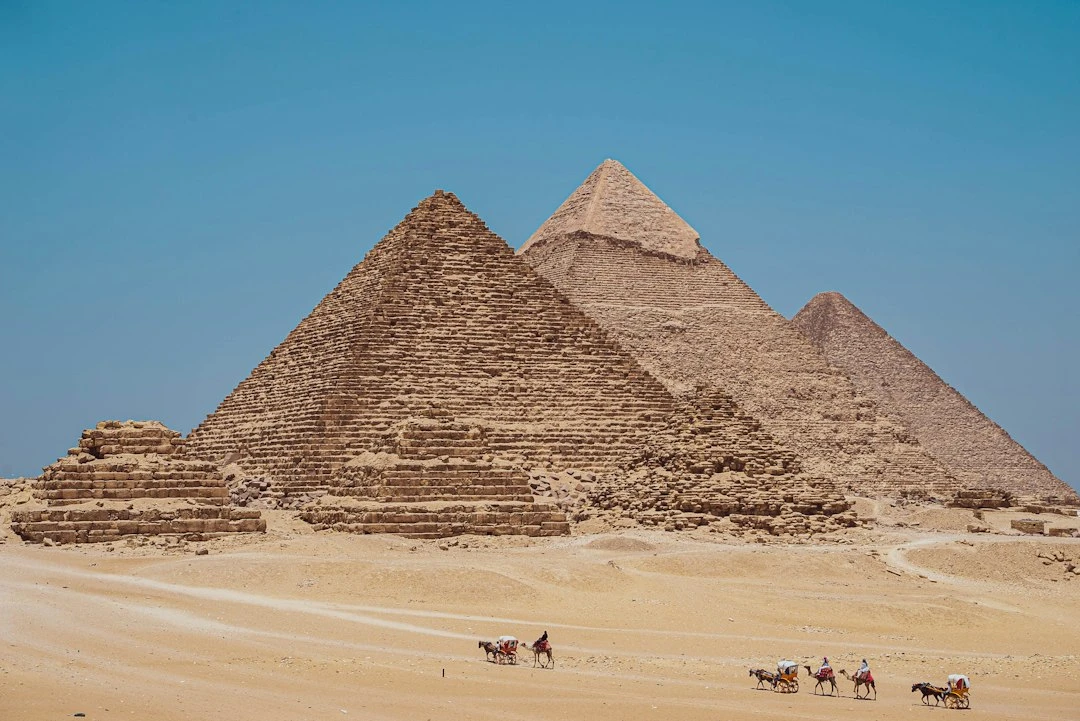
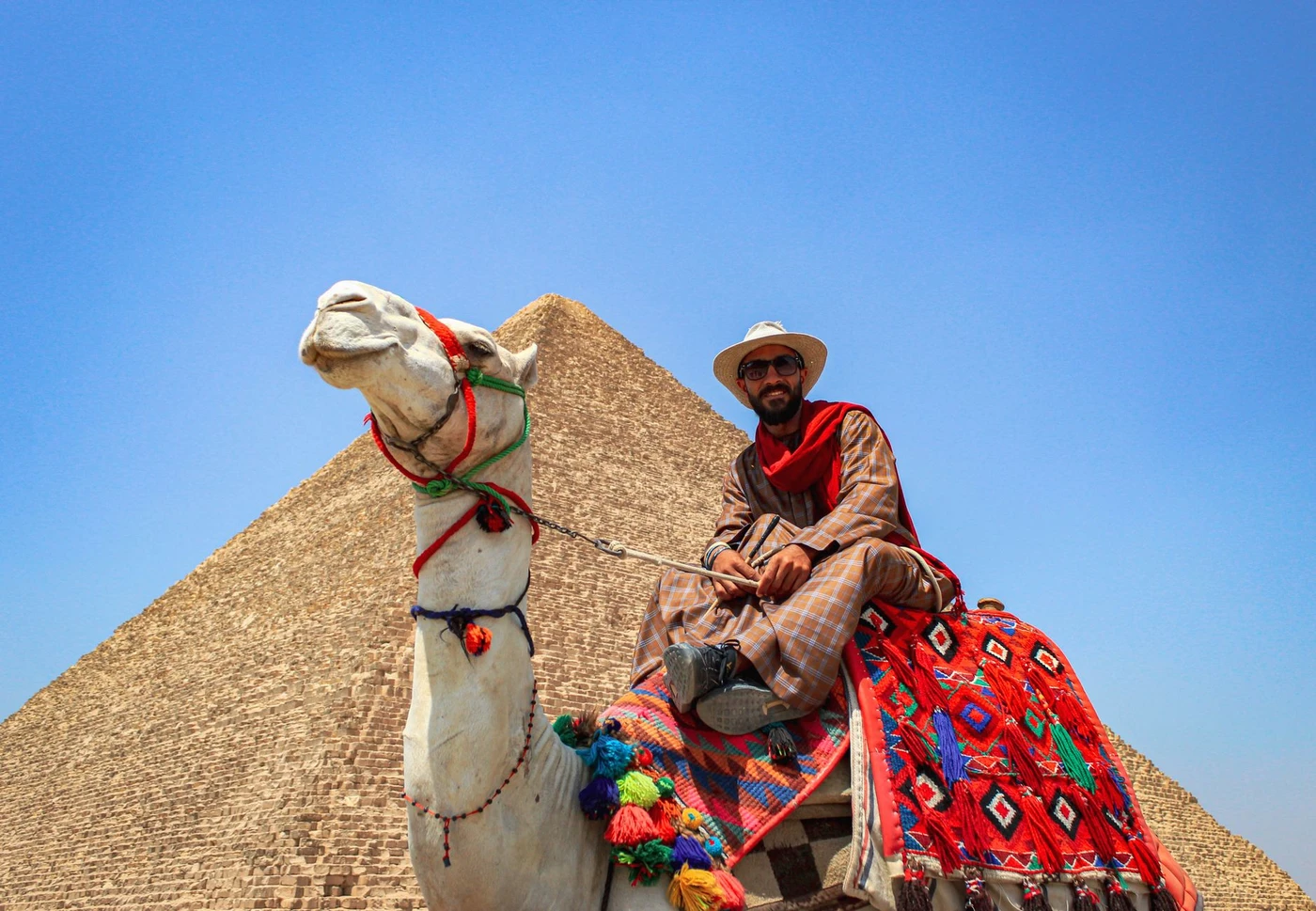
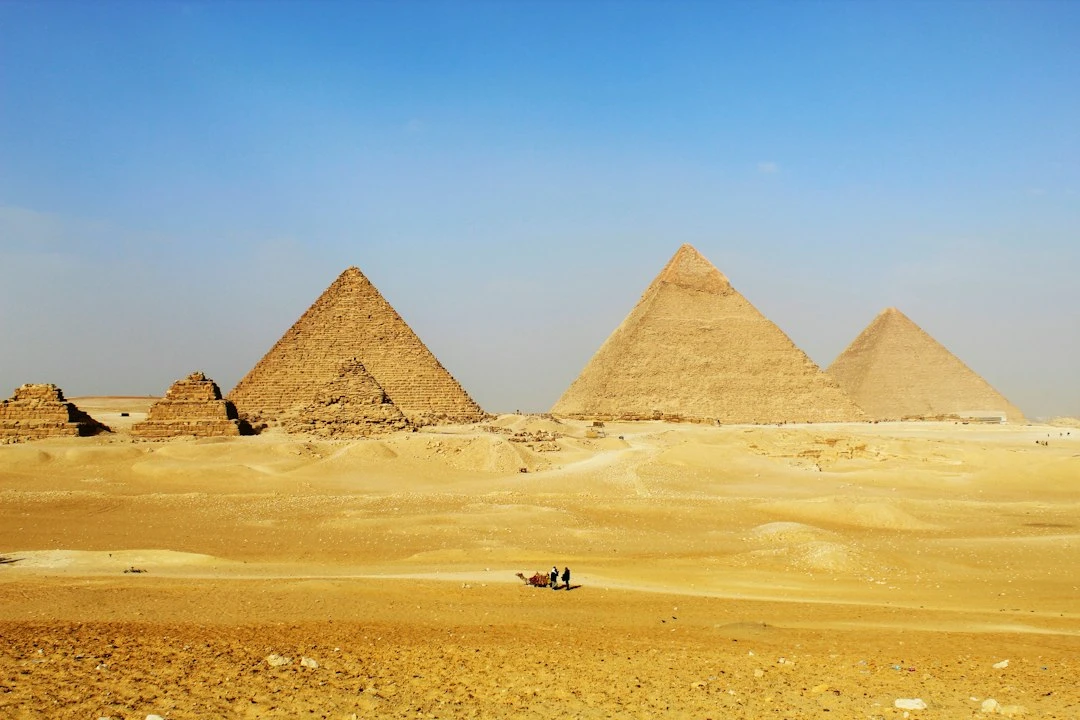
After breakfast, your guide takes you to the Giza Plateau for the first major sightseeing day. You visit the Pyramid structures of Giza, built as royal burial monuments during Egypt’s Old Kingdom. Your guide explains how the plateau was planned, how the limestone blocks were moved and what is known about the individual rulers connected with each monument. You have time to walk between the principal viewpoints and take photographs.
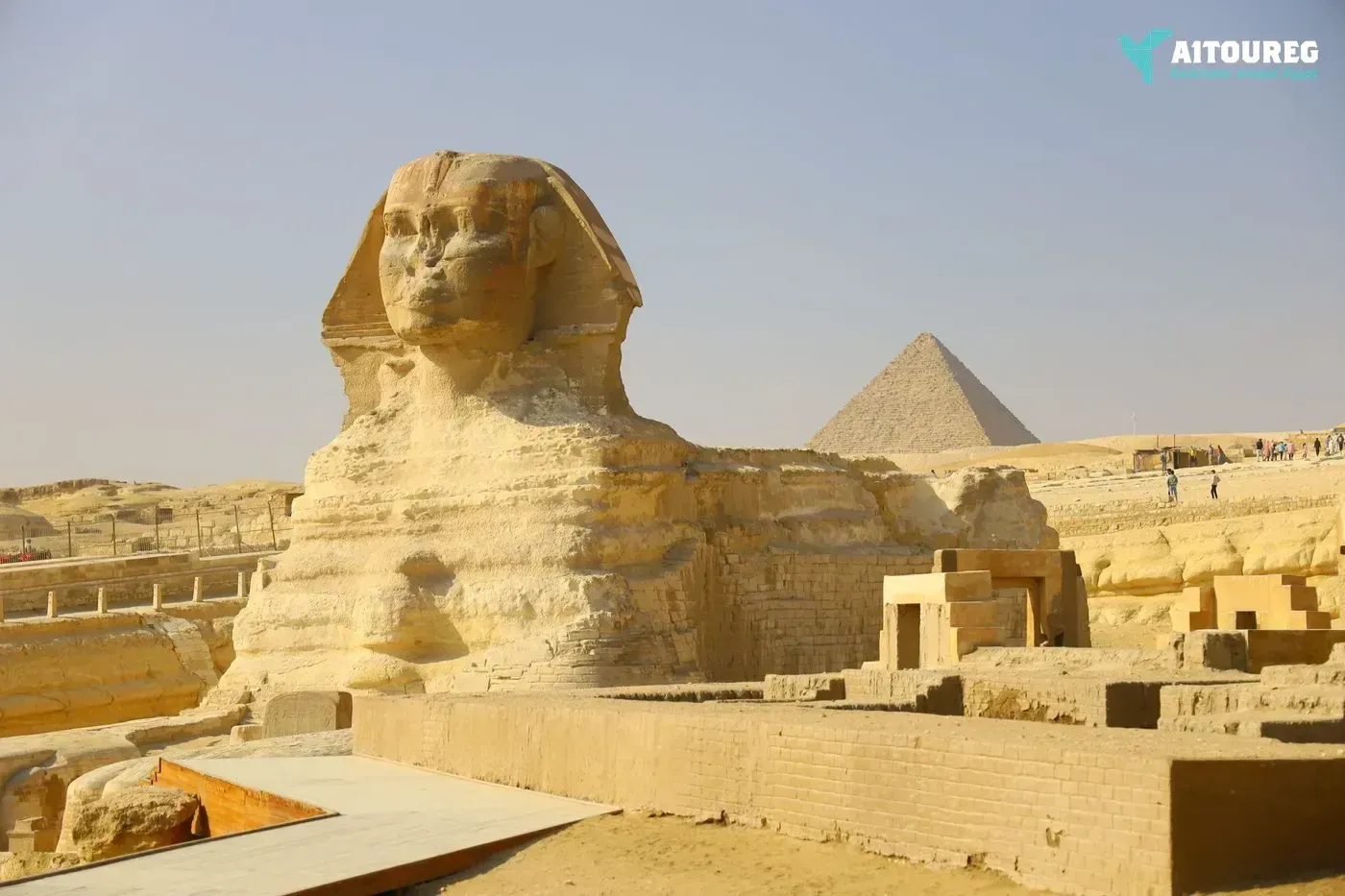
The visit continues to the Sphinx monument, whose human-headed, lion-bodied form faces the plateau. Your guide points out the surviving details of the carved limestone and explains the later restoration work. Depending on the day’s access arrangements, there may be an opportunity to enter one pyramid at an additional charge. Wear comfortable shoes, carry water and expect sun exposure, as much of the site is open ground. Return to Cairo after the tour for a relaxed evening.
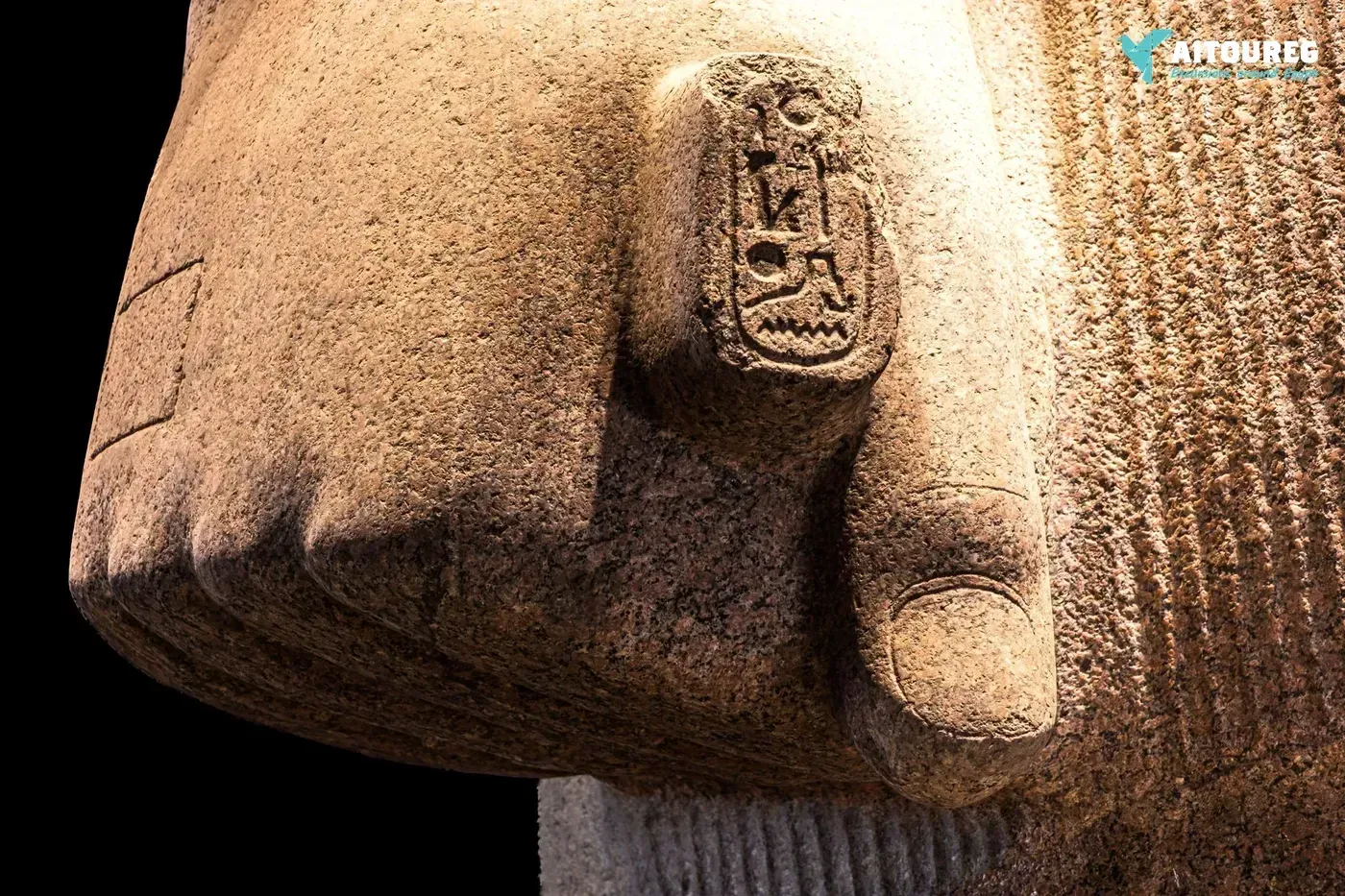
Begin the morning at the Egyptian Museum in central Cairo. Inside, your Egyptologist guide leads you through selected galleries rather than trying to cover every object in one visit. You see royal statues, painted coffins, jewellery and everyday items that explain how people lived, worshipped and prepared for death across several periods of Egyptian history. The collection is extensive, so the route is paced with time to stop at the pieces that interest you most.
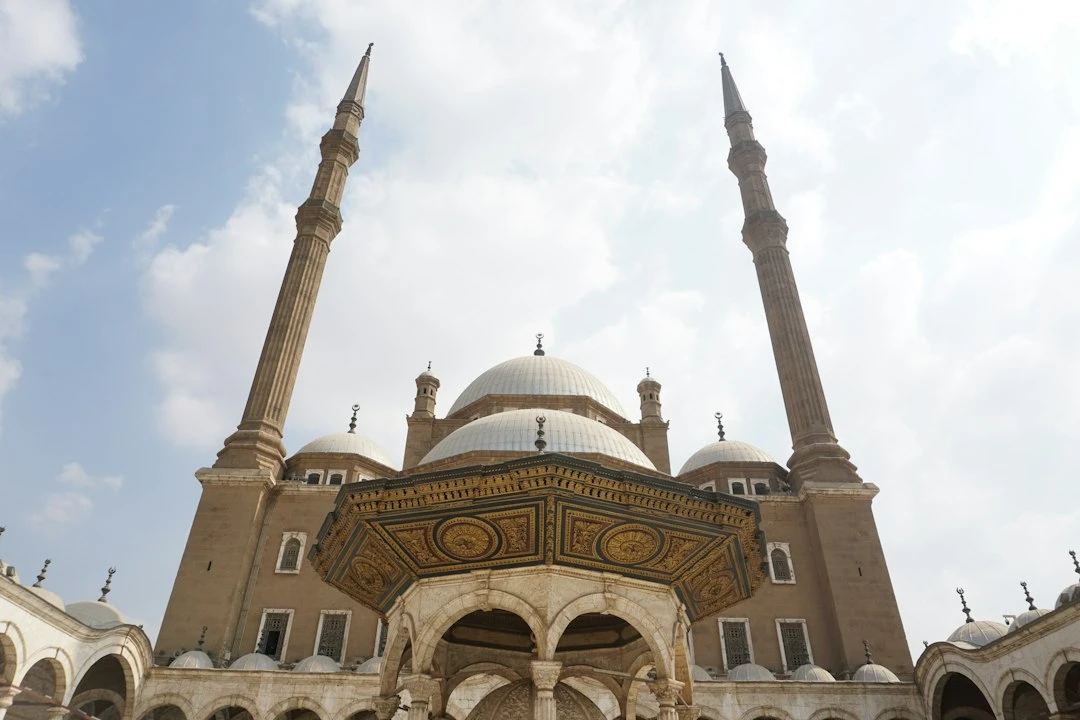
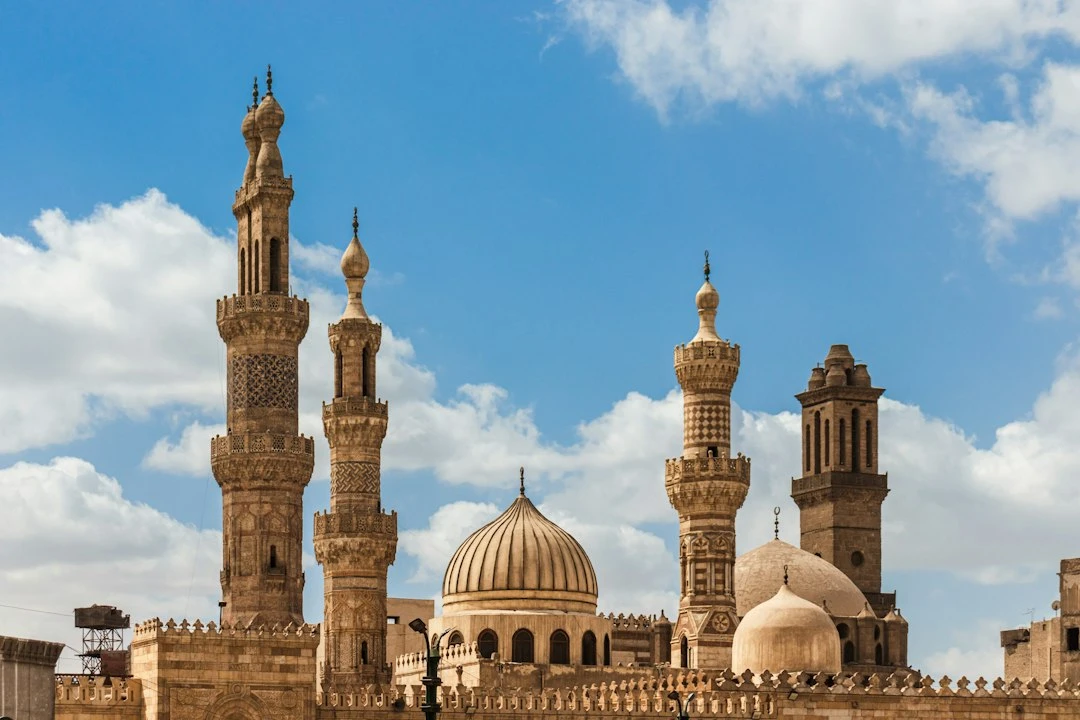
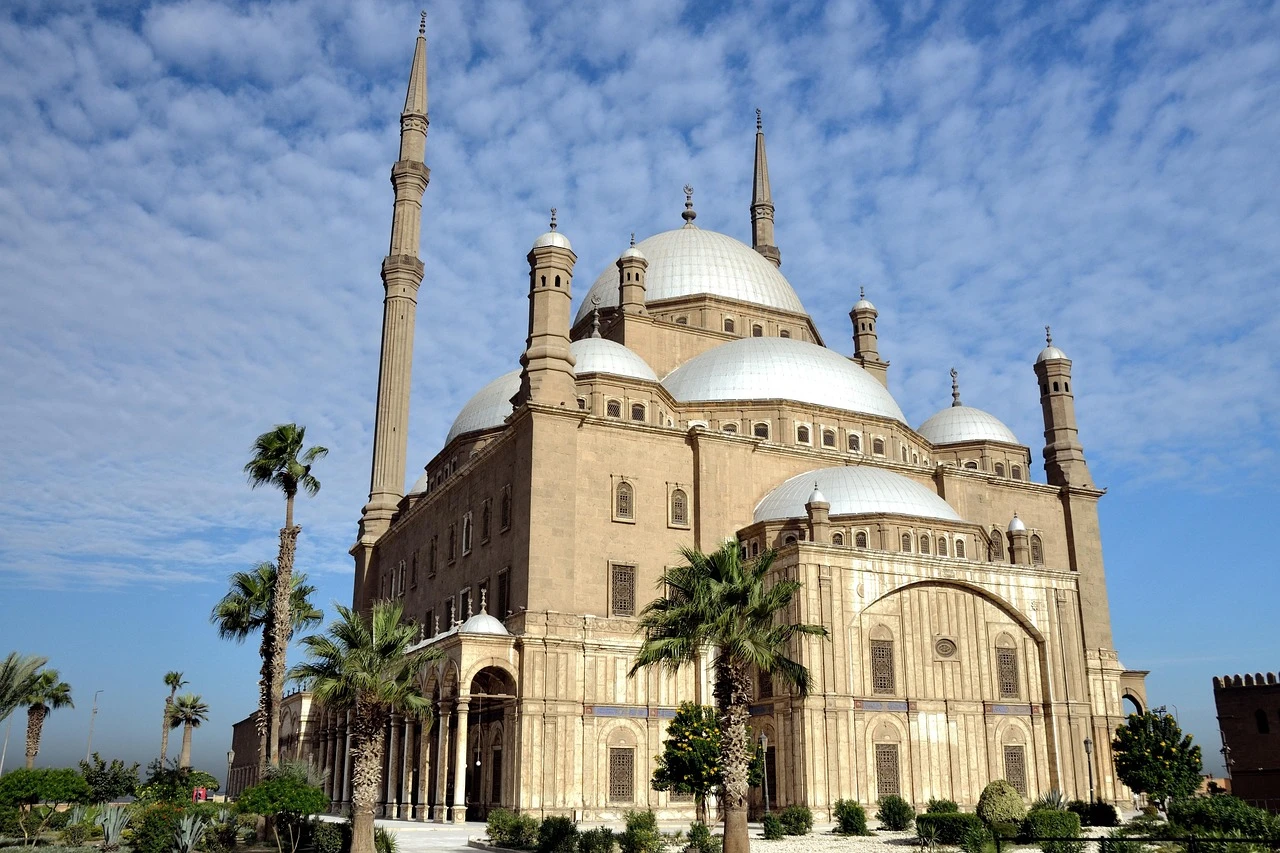
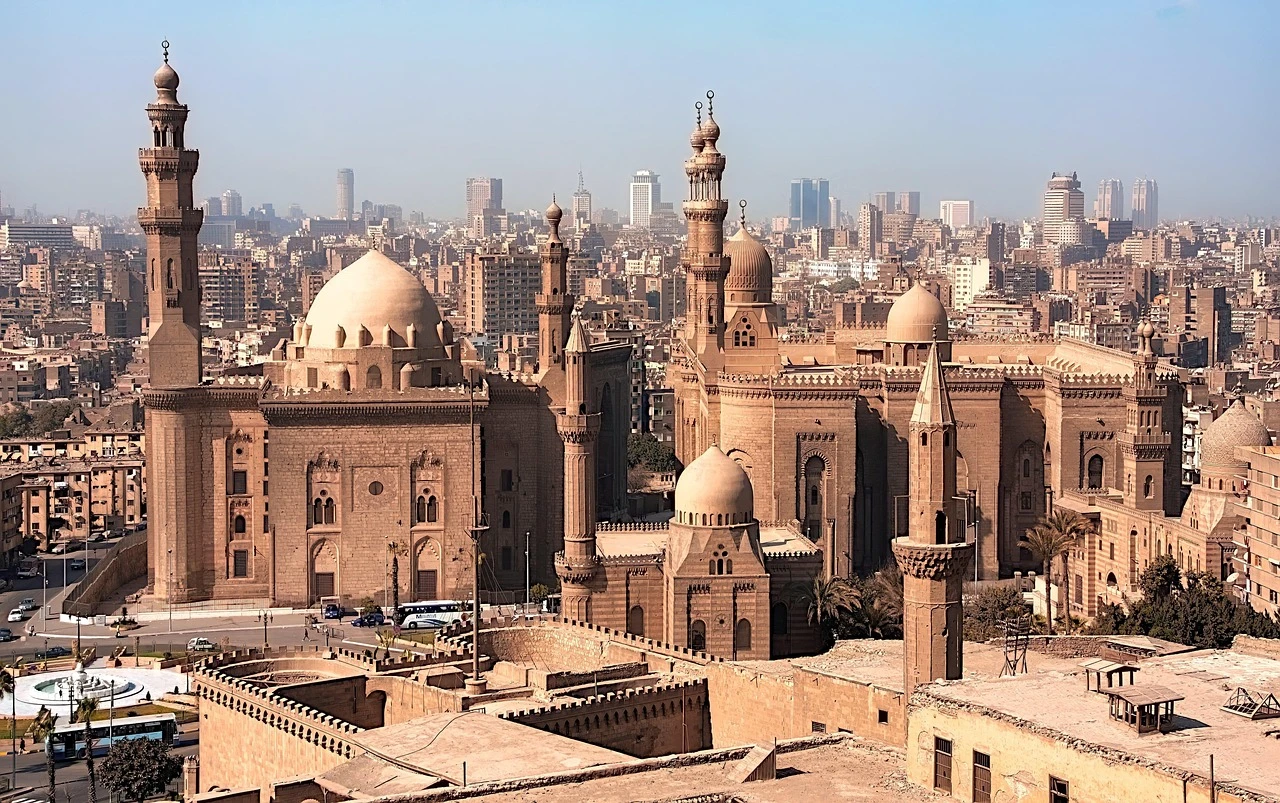
After a break for lunch, continue with a drive through central Cairo and time in one of the city’s historic districts, subject to local access and the day’s schedule. Your guide can explain how modern Cairo grew around older religious and commercial quarters. The afternoon remains flexible, giving you the option to rest at the hotel before the next day’s desert excursion. Your team also confirms the early departure arrangements and luggage needs for the journey west.
Leave Cairo by road for Bahariya Oasis, travelling through the changing landscape west of the capital. The drive takes several hours, with a rest stop along the way. On arrival, you meet the local desert team and have lunch before continuing into the desert by 4x4. The open landscape becomes more striking as dark volcanic rocks and pale chalk formations appear around the route.
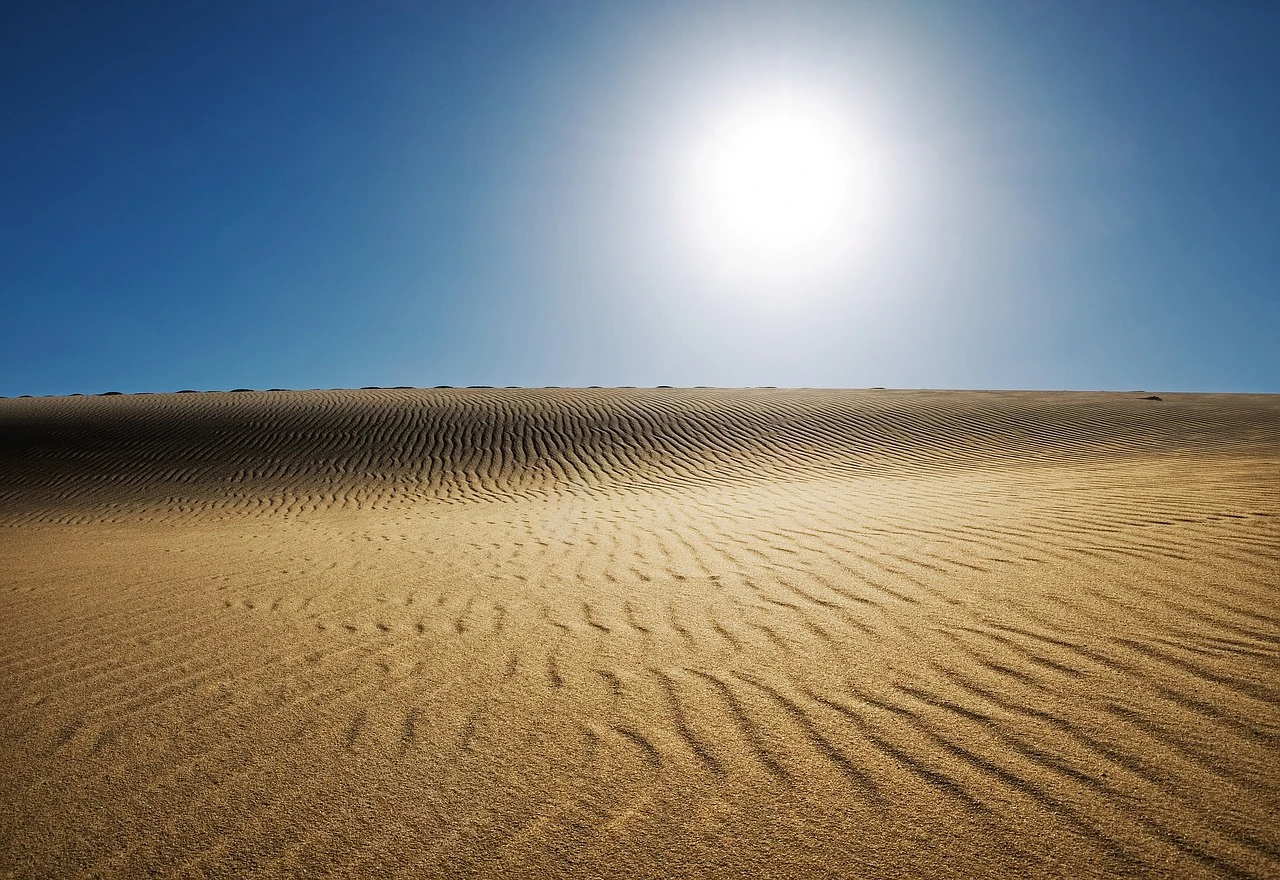
In the afternoon, explore the White Desert, known for its bright limestone shapes sculpted by wind and sand. Your driver stops at suitable viewpoints so you can walk a short distance, take photographs and see the formations from different angles. Conditions underfoot can be uneven, so closed shoes are useful. Camp arrangements are simple and practical, with dinner served in the desert and time to watch the sky after sunset. The evening is quiet, with no artificial light around the camp.
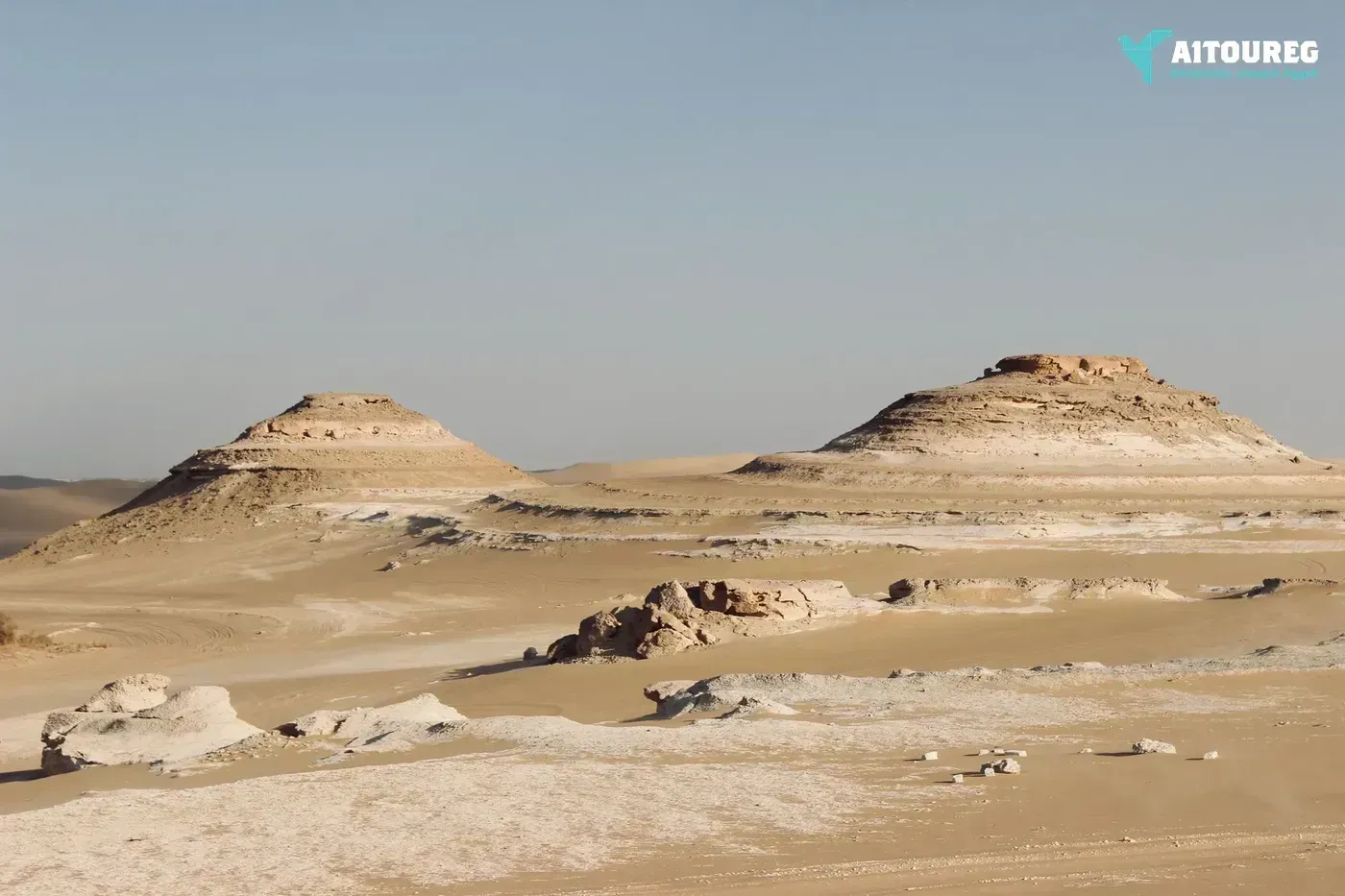
After breakfast at camp, continue the desert route towards the Black Desert, where small volcanic hills and dark stones contrast with the surrounding sand. You then visit the Bahariya area before the return drive, with time for a short rest and lunch. The exact sequence can change according to road conditions and local access, but the day remains focused on the oasis landscape rather than a rushed list of stops.
Travel back to Cairo by private vehicle during the afternoon. The journey is long, so our driver builds in suitable breaks and your guide keeps the pace comfortable. On arrival, check back into your Cairo hotel and prepare only the luggage needed for the next stage if your arrangements require it. A free evening gives you time to shower, rest and have dinner before the early domestic travel connected with the Nile section of the tour.
Transfer to Cairo Airport for your flight to Aswan. After meeting our representative, travel to the riverfront and board a motorboat across the reservoir to Philae Temple. The temple complex was moved to higher ground on Agilkia Island during the construction of the Aswan High Dam, preserving its reliefs and sanctuaries from rising water. Your guide explains the history of Isis worship and points out scenes carved into the temple walls.
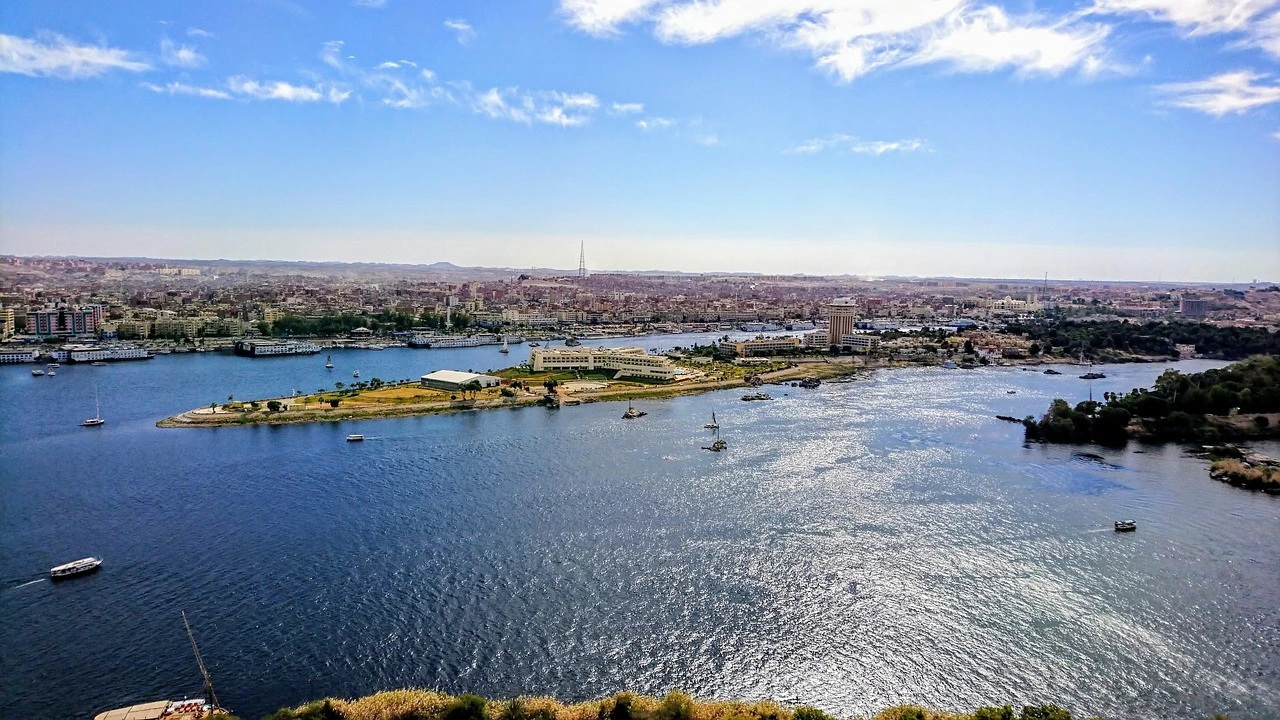
Return by boat and continue with a drive through Aswan, a city shaped by the Nile, granite quarries and long-standing trade routes. Depending on your cruise schedule, you may have time to see the riverbank or relax on board before dinner. The pace is deliberately easy after the flight. Your guide confirms the following day’s Abu Simbel departure, including the early start and the approximate driving time each way.
Set out early by road for Abu Simbel, travelling south through the desert beside Lake Nasser. The journey takes several hours each way, but the destination makes this one of the tour’s key archaeological visits. At the site, your guide introduces the two rock-cut temples commissioned by Ramesses II. The larger façade has four seated royal figures, while the smaller temple is dedicated to Queen Nefertari and the goddess Hathor.
Allow time to enter both temples and study the carved halls, offering scenes and painted reliefs. Photography rules can vary inside, so follow the instructions given at the entrance. Return to Aswan after the visit and board the Nile cruise, where the crew explains cabin arrangements and the daily routine. Take the evening to rest on deck or watch the river landscape as the boat prepares for the next sailing section.
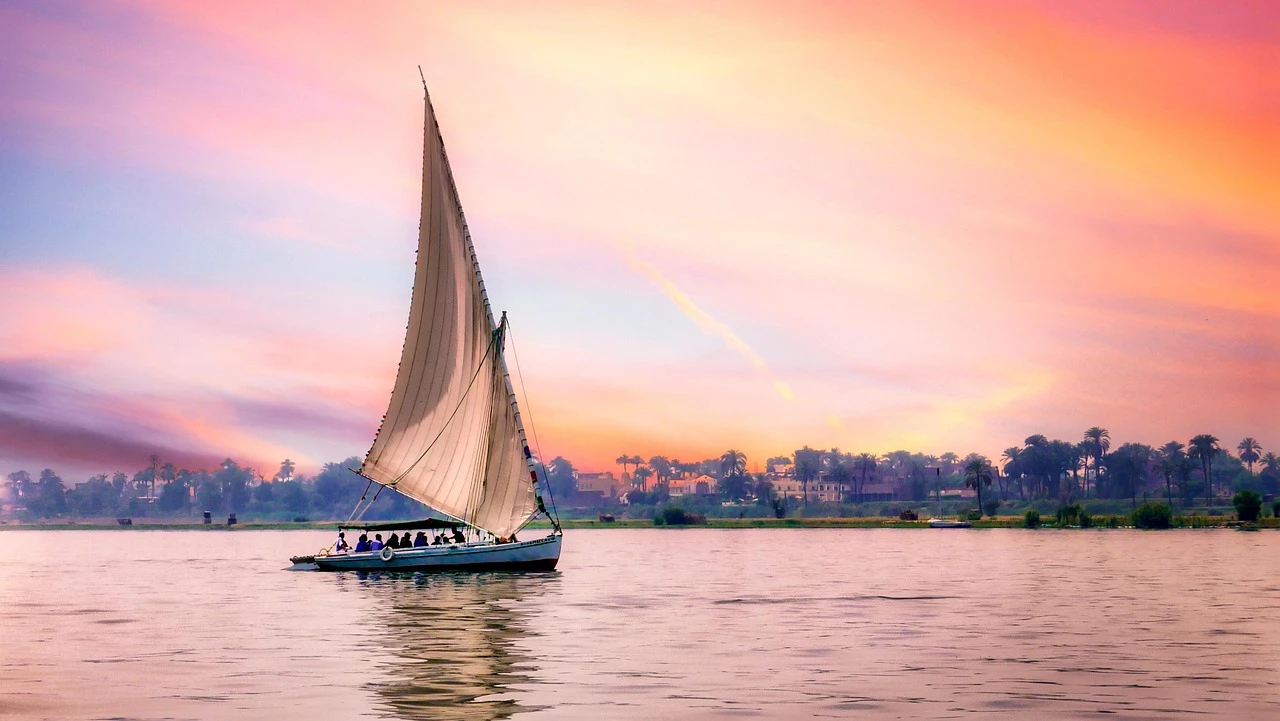
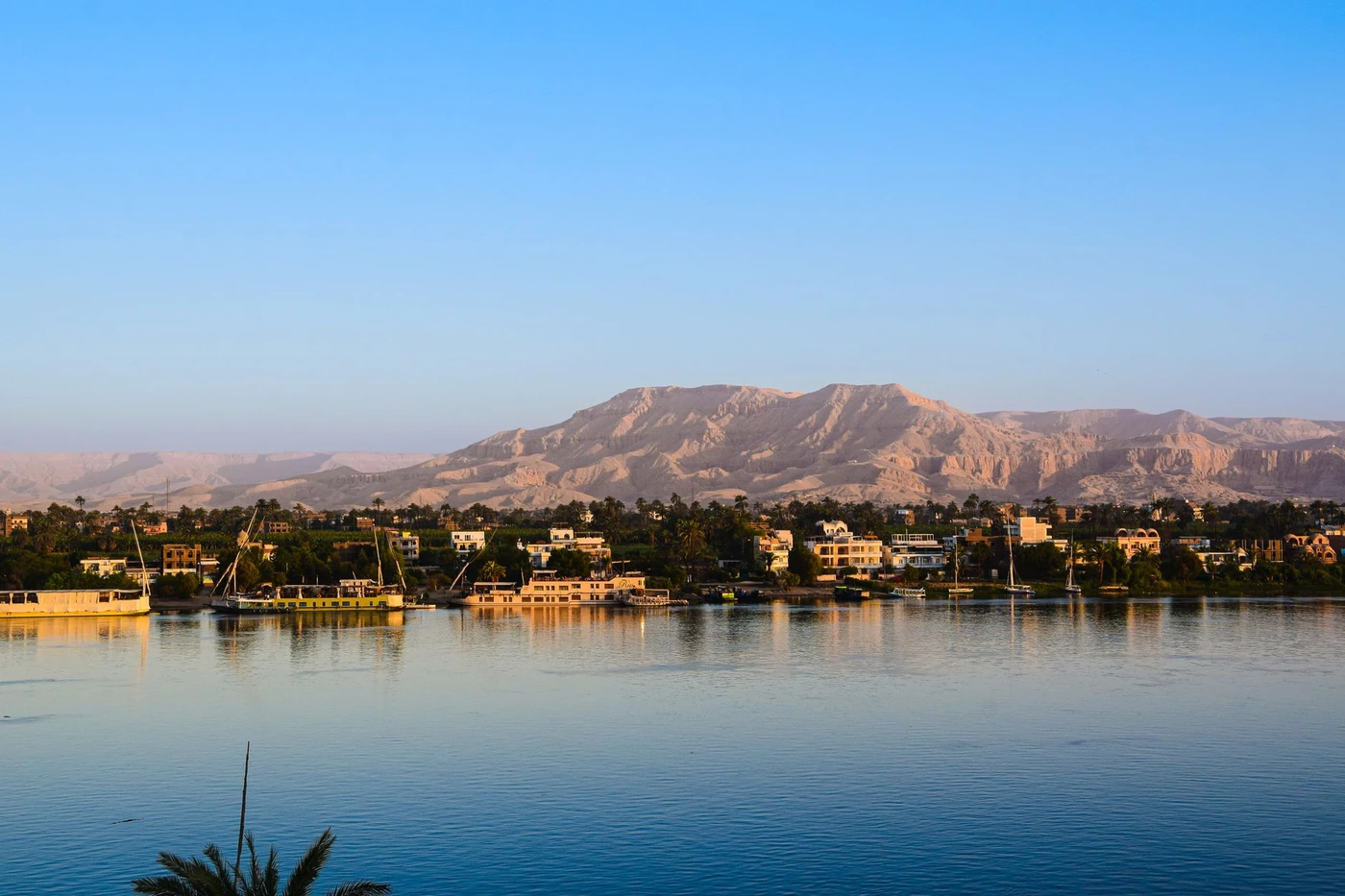
The cruise continues north along the Nile, giving you a slower view of cultivated riverbanks, small settlements and fields bordered by desert. Breakfast and lunch are served on board, and there is time to sit on the deck between visits. The crew advises you about the sailing schedule, so keep essentials such as water, sun protection and comfortable walking shoes close at hand.
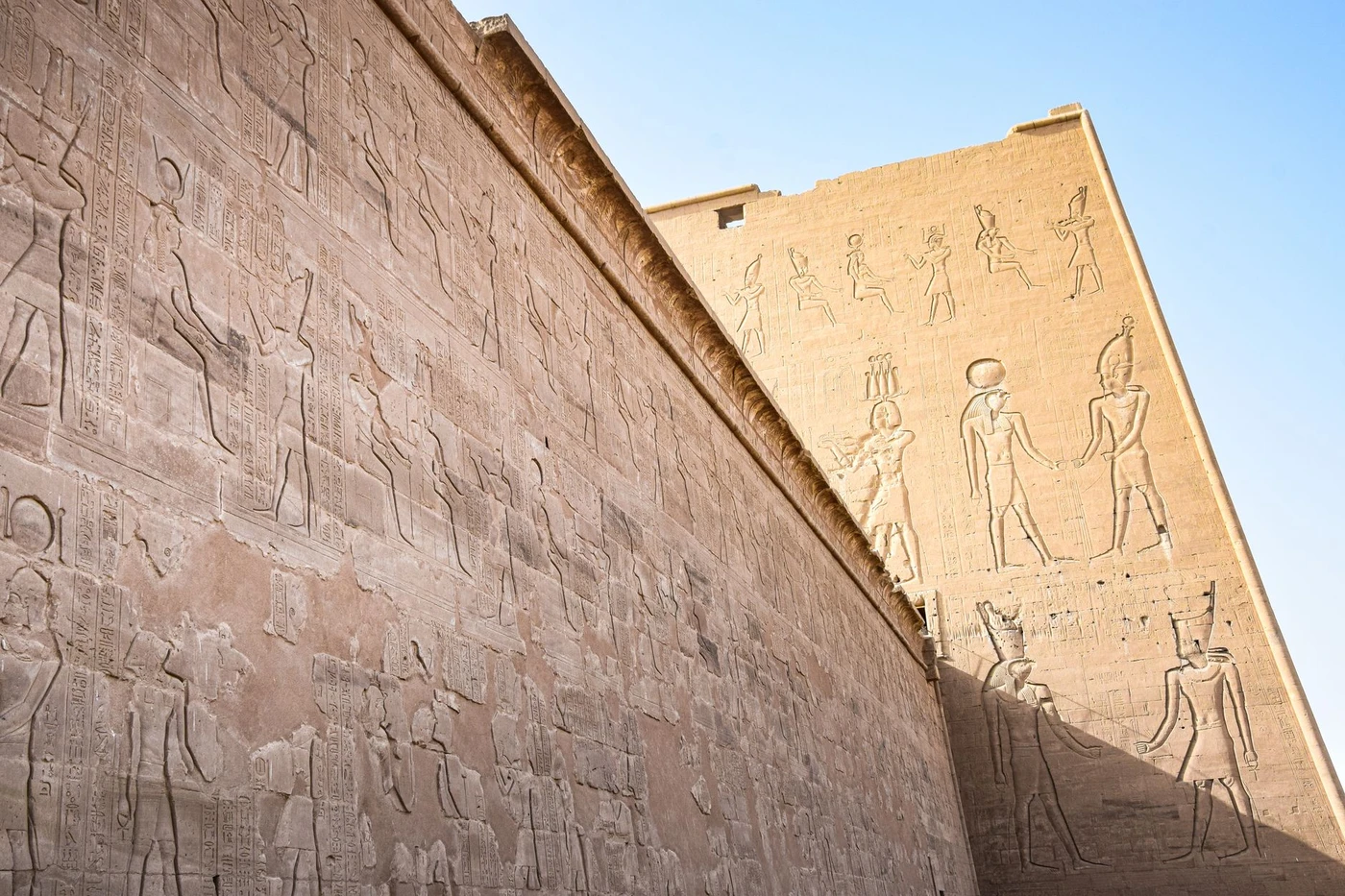
Depending on the vessel’s timetable, visit the riverside temple at Kom Ombo and continue towards Edfu. At Kom Ombo, your guide explains the unusual double plan of the sanctuary and its associations with Sobek and Horus. In Edfu, a short transfer usually takes you to the well-preserved temple dedicated to Horus. The site is reached through a busy local area, so allow time for the transfer before entering the monumental courtyard and hypostyle halls. Return to the ship for dinner and overnight sailing.
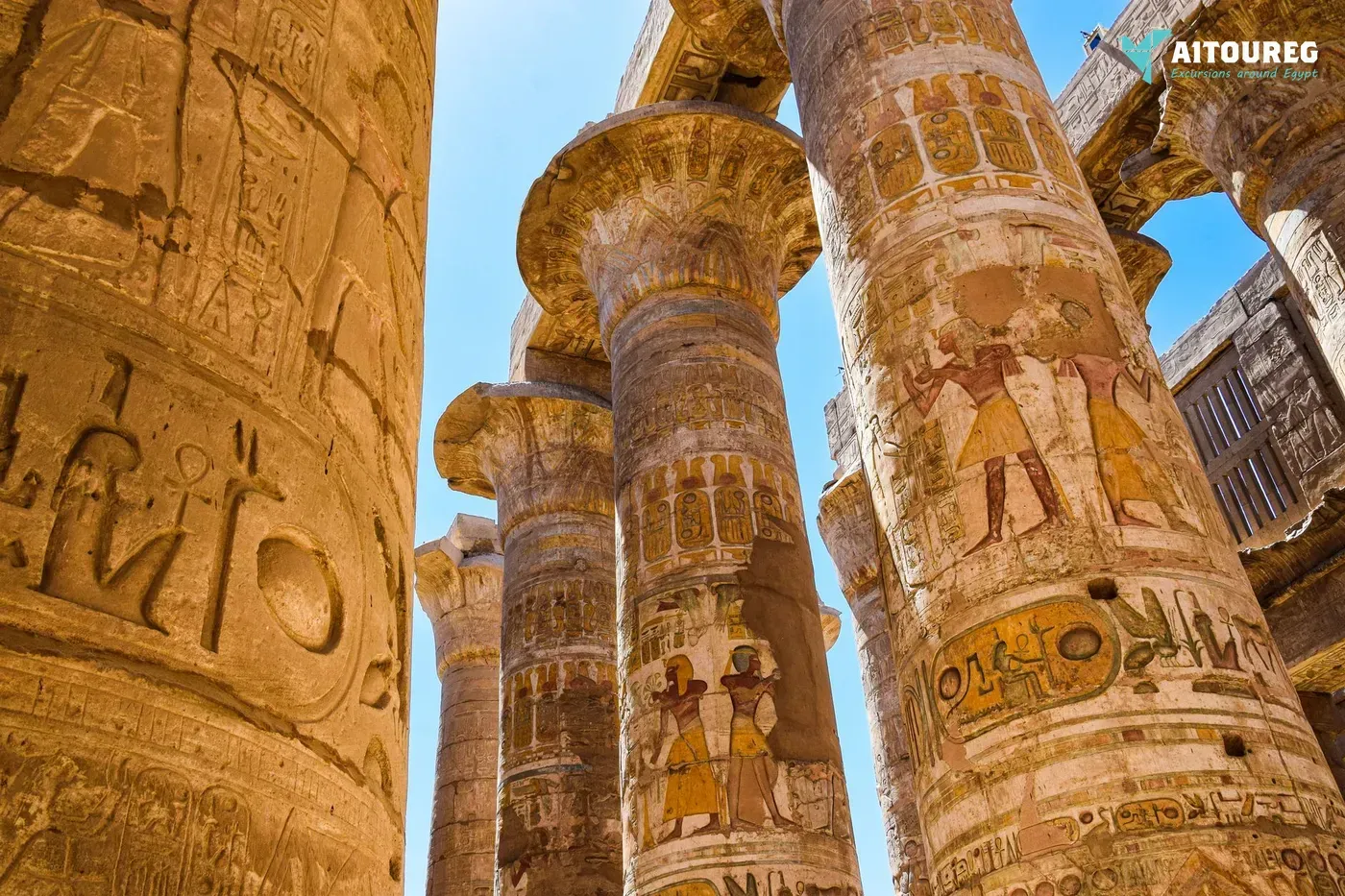
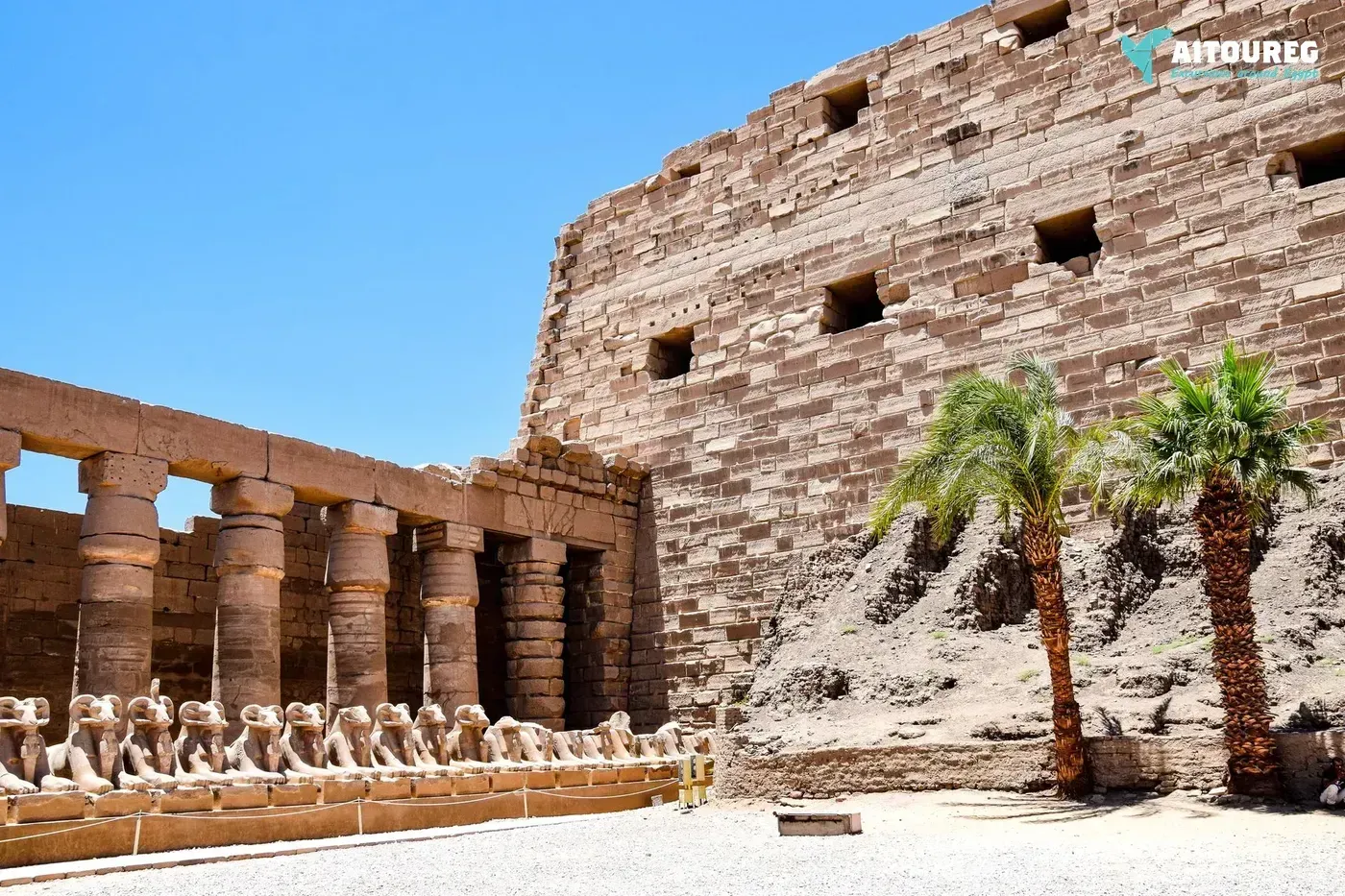
Arrive in Luxor as the cruise schedule permits and begin the east-bank sightseeing programme. Your first visit is Karnak Temple, a vast complex expanded by successive pharaohs over many centuries. Walk through the outer courts and the Great Hypostyle Hall, where the forest of carved columns gives a clear sense of the scale of the religious centre. Your guide links the principal gateways, obelisks and sanctuaries to the rulers who added them.
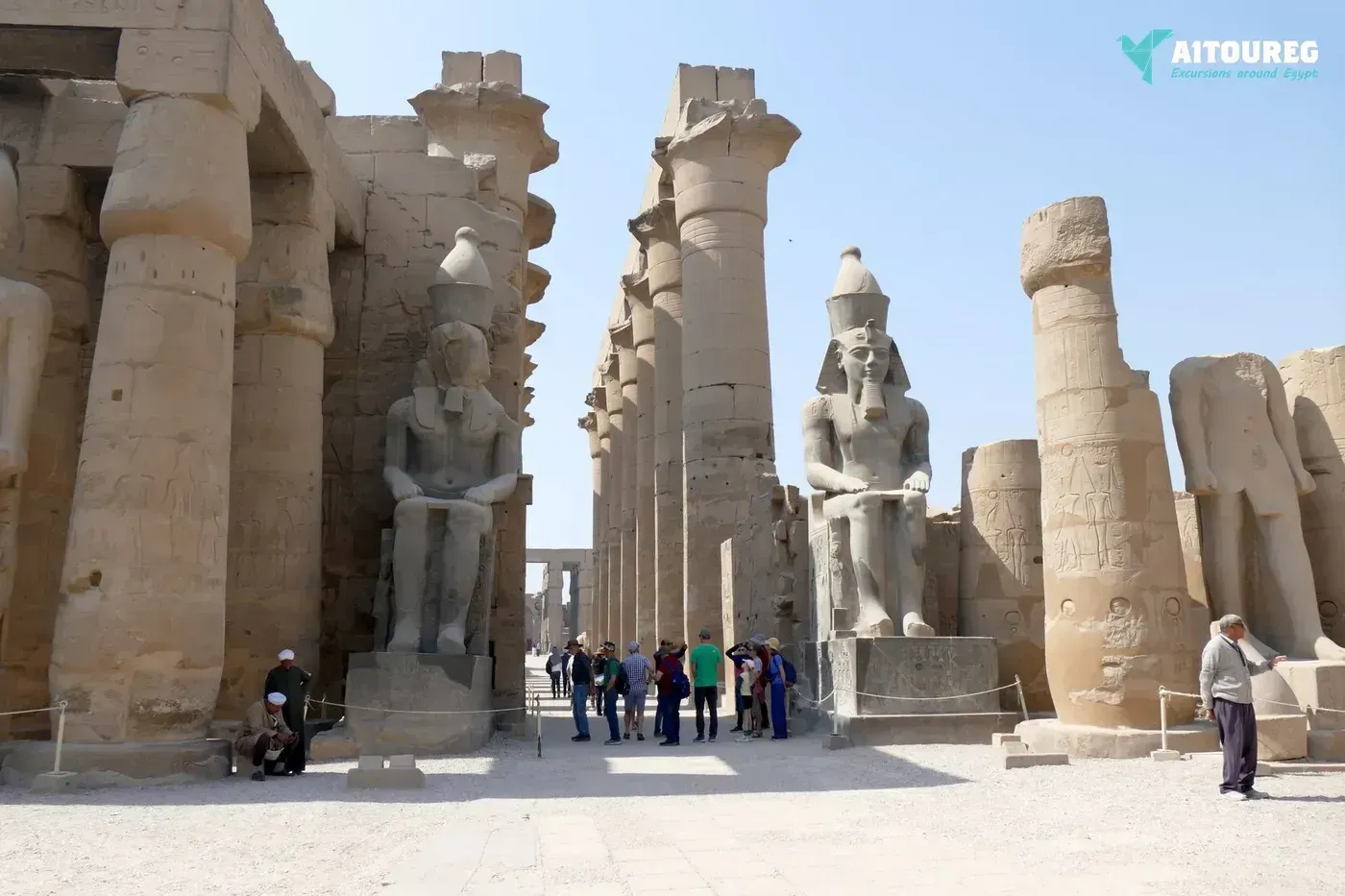
After a break for lunch and some time to rest, continue to Luxor Temple in the city centre. Its avenue, courtyards and columned spaces were connected with royal ceremonies and the annual Opet Festival. The warm light later in the day can make the reliefs easier to study, but the timing follows site access and the cruise’s arrival. Transfer to your Luxor accommodation or onward overnight arrangements after the visit.
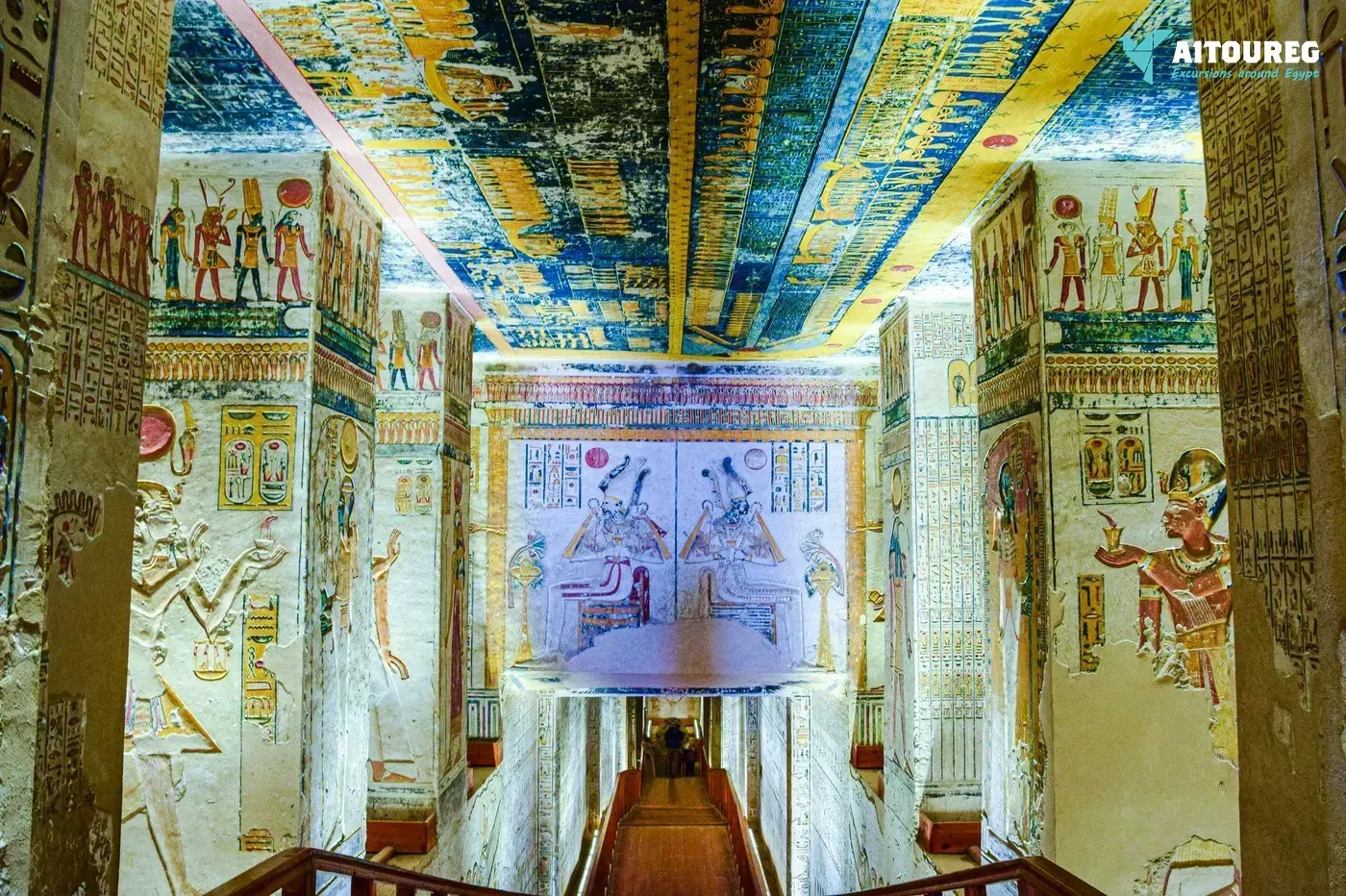
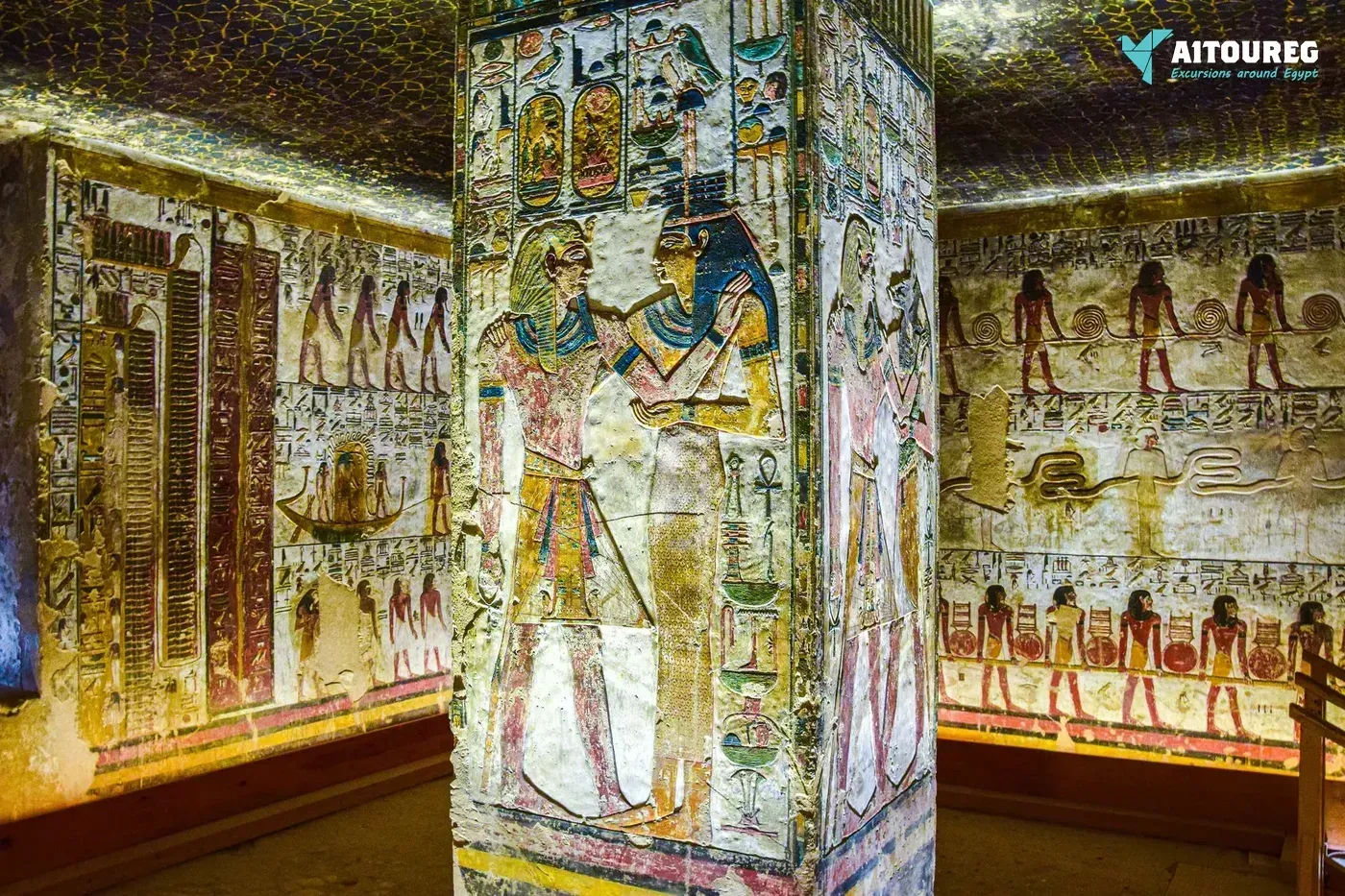
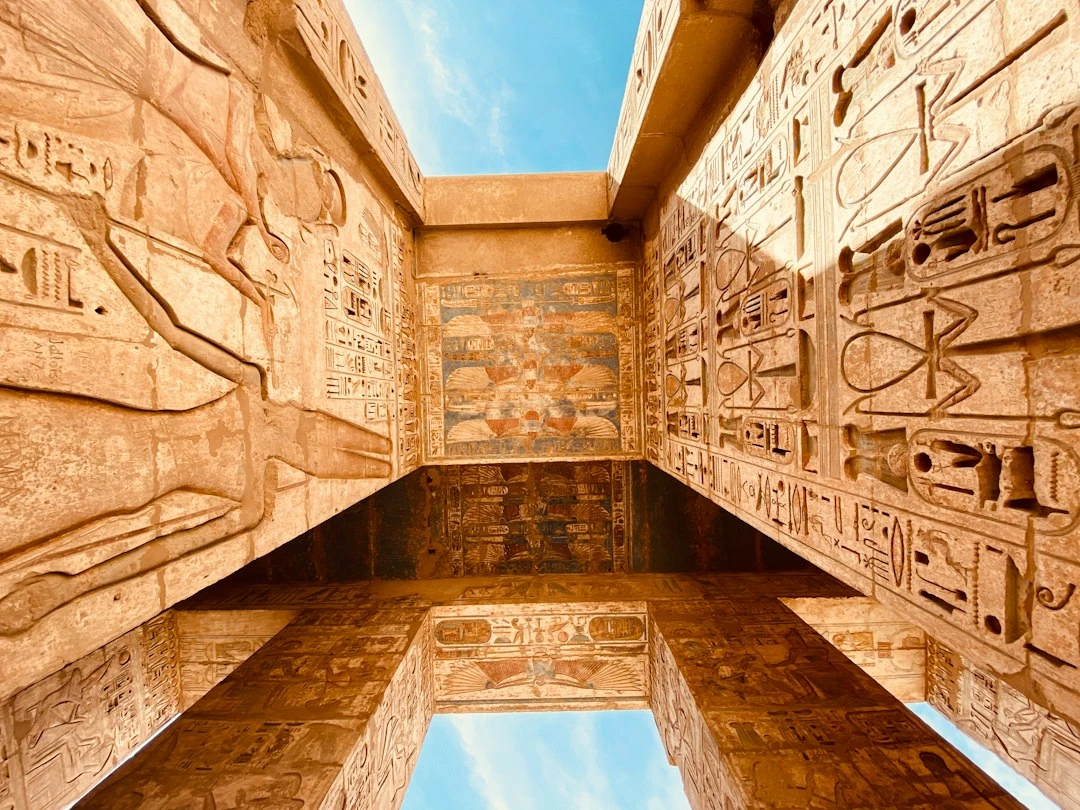
Cross the Nile in the morning for Luxor’s west-bank sites. Begin at the Valley of the Kings, where royal tombs were cut into the desert hills rather than built as visible monuments. Your ticket usually allows entry to a selected number of tombs, and your guide explains the painted corridors, burial chambers and funerary scenes. Individual tomb access can change, so the exact selection is confirmed locally.
Continue to Hatshepsut Temple, arranged in broad terraces against the cliffs. The reliefs record the queen’s reign, including the trading expedition to Punt. There is some walking between the vehicle, ticket area and monument, with limited shade on parts of the route. Carry water and use sun protection. After lunch, return across the river and spend the rest of the day at leisure in Luxor, or continue with an optional local activity if your schedule allows.
After breakfast, leave Luxor for Marsa Alam by private road transfer. The route crosses the Eastern Desert, changing from Nile farmland to wide, rocky landscapes before reaching the Red Sea coast. The drive takes several hours, and our driver includes a suitable stop so you can stretch, buy refreshments and use the facilities.
On arrival, check into your seaside accommodation and settle in. The afternoon is free for the beach, the swimming area or a quiet break after the road journey. Your representative explains the hotel facilities and the arrangements for the following days, including any optional marine or desert activities. Sea conditions, local operating schedules and access rules can affect excursions, so the final details are confirmed locally rather than promised in advance.
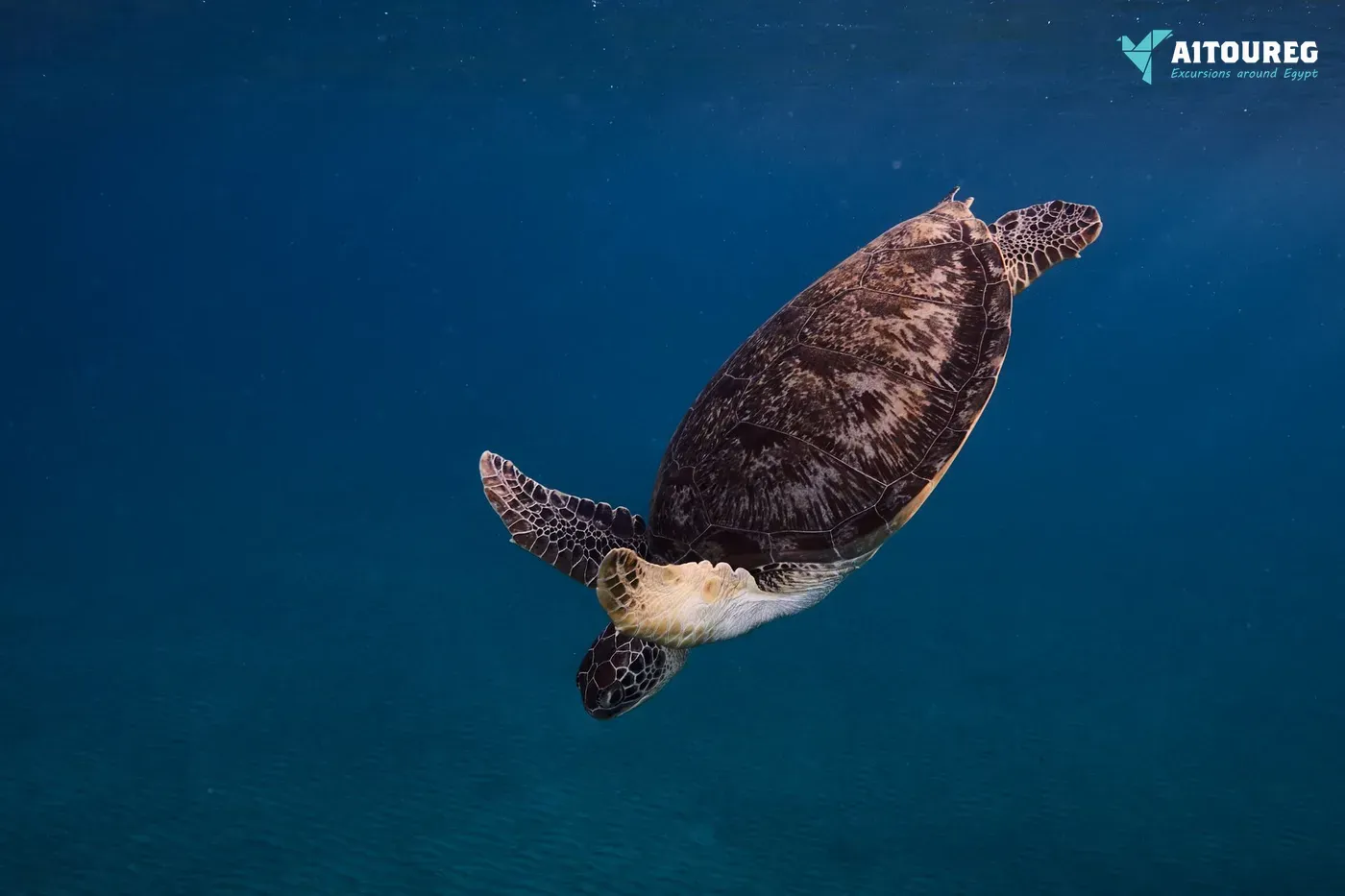
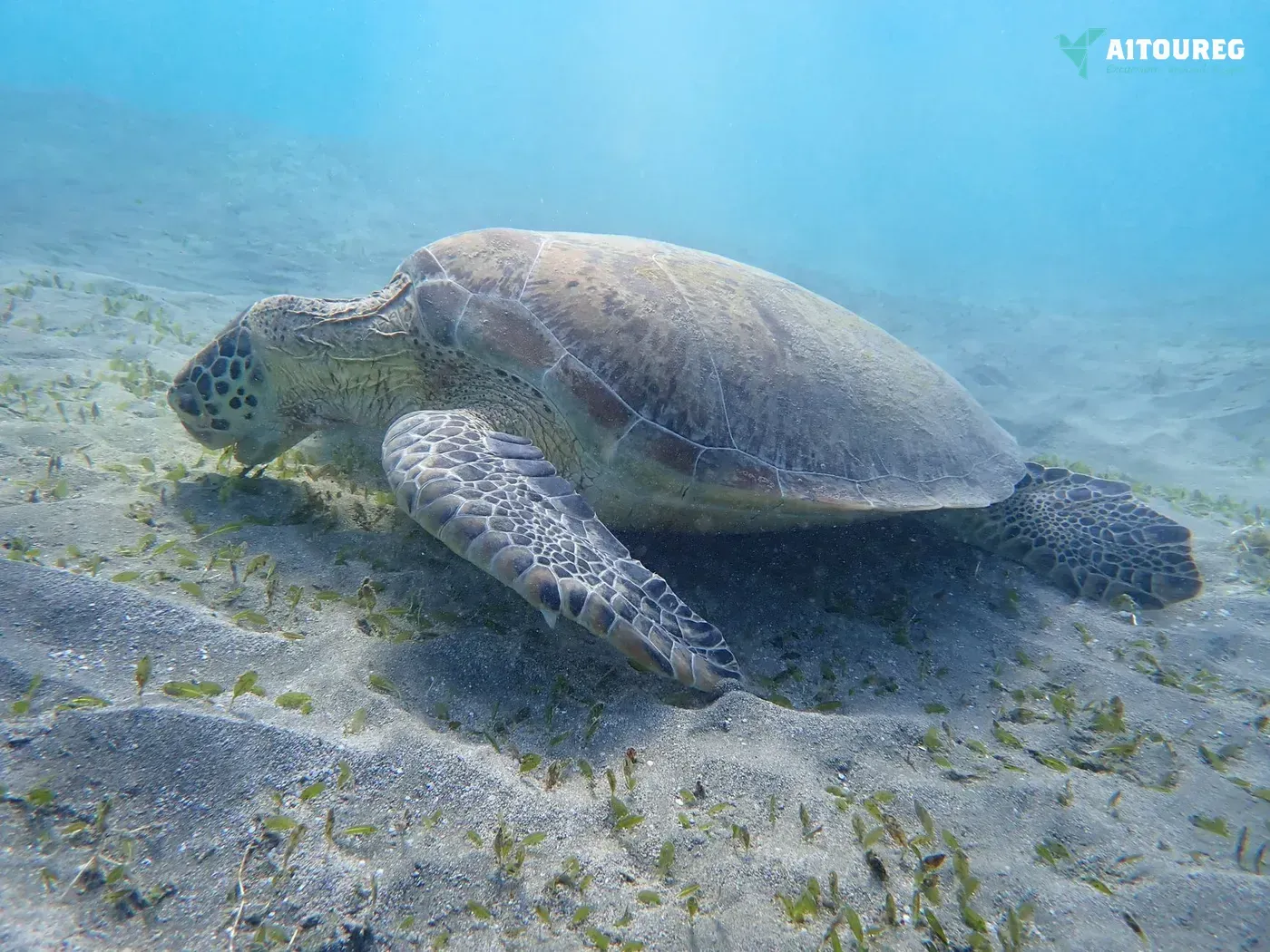
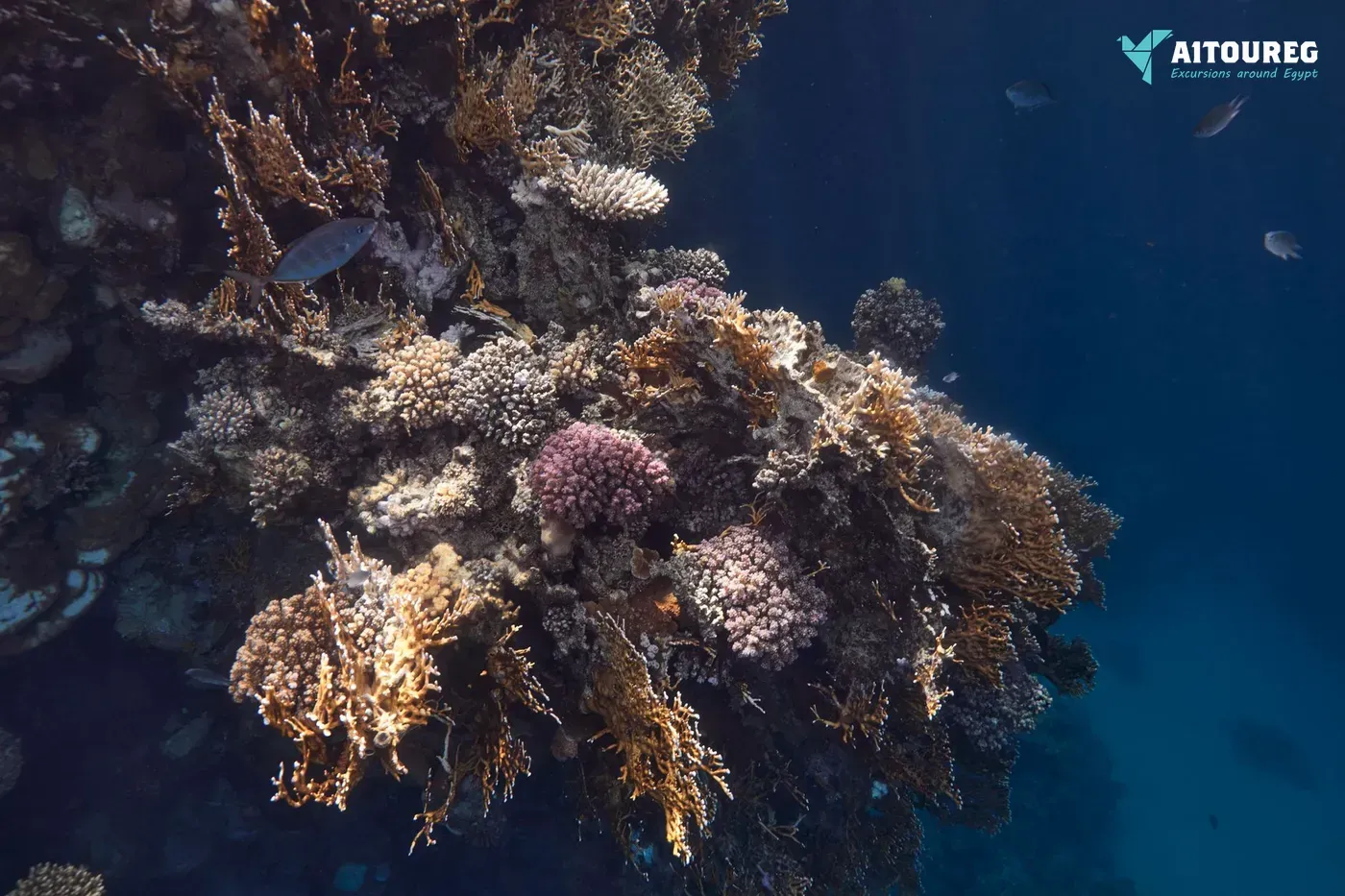
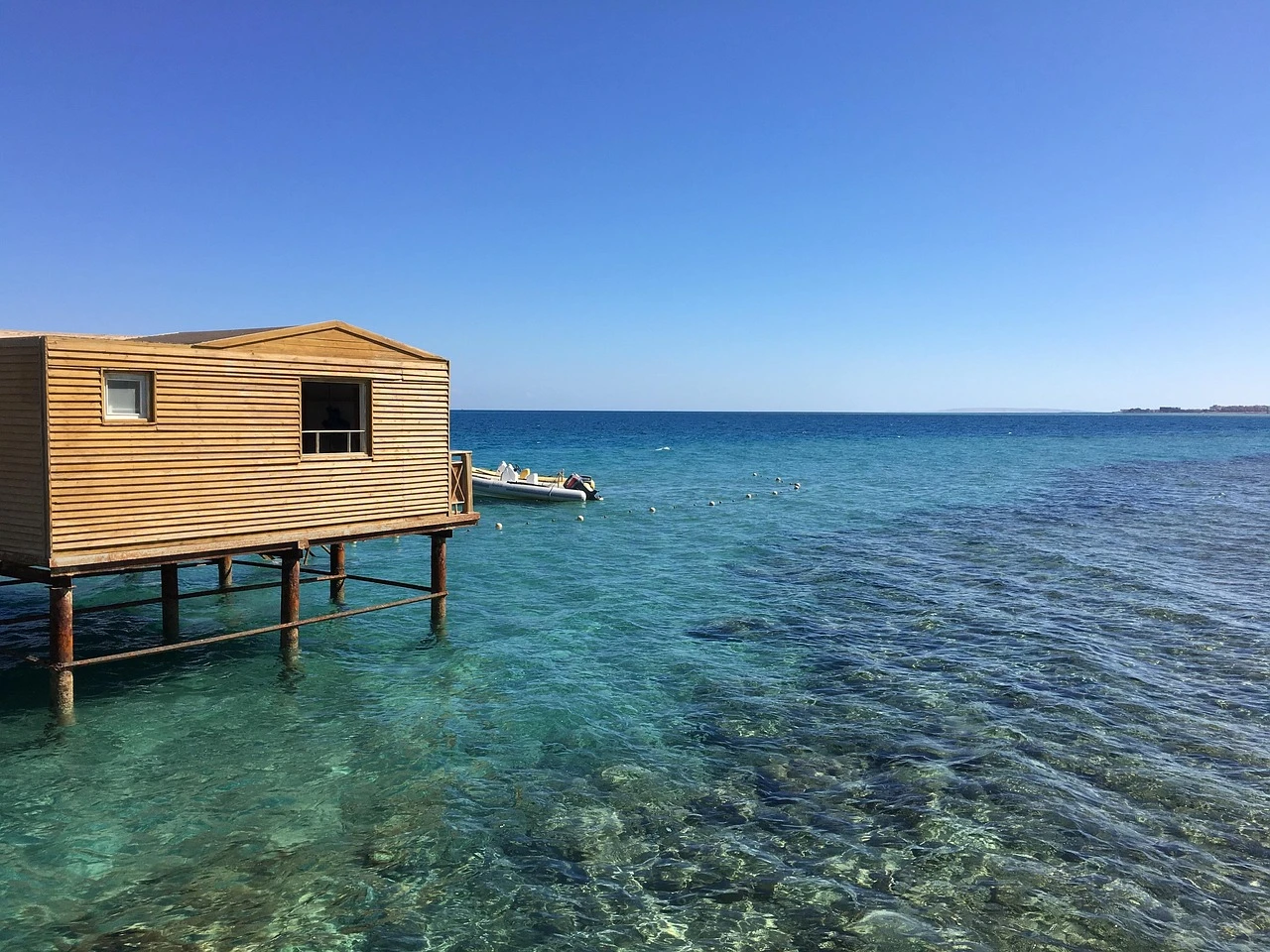
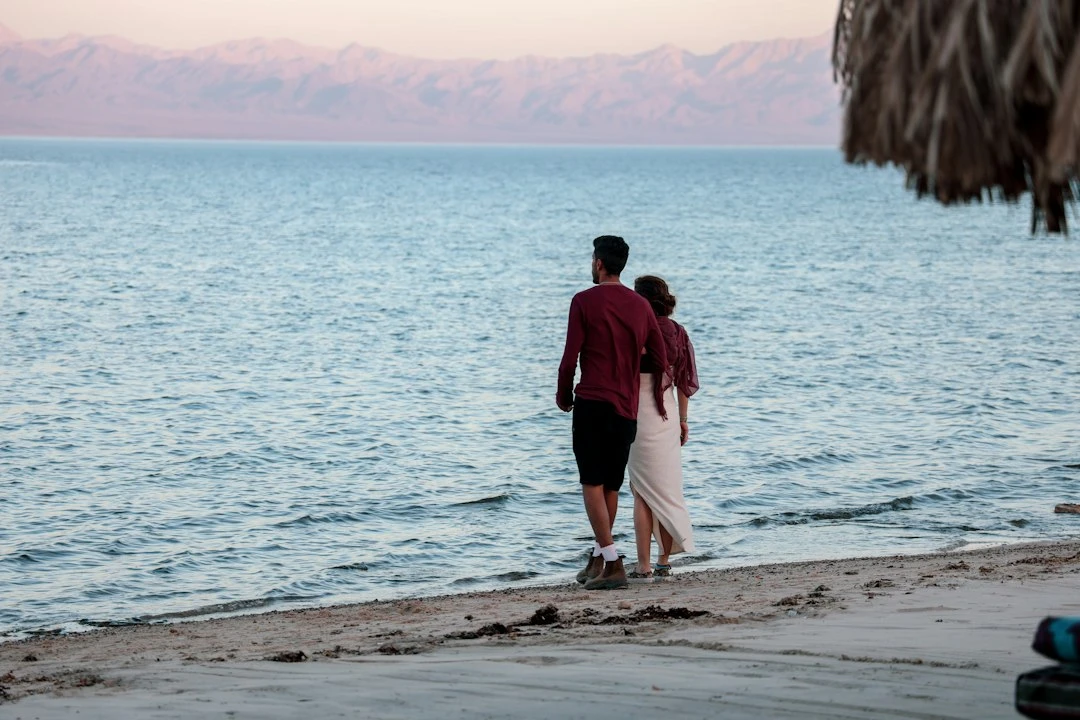
Spend the day at your own pace on the Red Sea coast. You can relax by the water, swim where conditions and designated areas allow, or arrange a snorkelling outing through the approved local providers available at your accommodation. The coast is known for clear shallows, coral gardens and varied marine life, although visibility and sea conditions naturally change from day to day.
If you join a boat or reef excursion, the local team explains the route, safety procedures and equipment before departure. Bring reef-safe sun protection, a hat and a light cover-up, and follow instructions about where swimming is permitted. Travellers who prefer a quieter day can enjoy the facilities, read by the pool or take a short walk along the coast. Our representative remains available for practical help and can confirm the next day’s plan.
Today gives you another way to experience the area around Marsa Alam. Depending on the selected programme and local conditions, travel into the nearby desert by 4x4 or spend time at a designated coastal site. The route shows how quickly the landscape changes between bare mountain foothills, gravel plains and the sea. Stops are made for photographs and short walks rather than a demanding trek.
Your local guide explains how communities have used the desert routes and points out practical details such as wells, tracks and mineral-coloured rock. If the day includes a coastal stop, there is time to sit by the water or snorkel only in the areas approved by the crew. Wear sturdy sandals or walking shoes, carry water and expect limited shade away from the hotel. Return to Marsa Alam later in the day for dinner and a comfortable final evening by the coast.
Keep the final full day flexible. After breakfast, choose a quiet morning at the accommodation, a swim in the designated area or an additional activity arranged locally. This open time is useful after the archaeological visits and road transfers, and it lets you enjoy the coast without having to follow a tight sightseeing schedule.
You can also use the day to organise photographs, pick up small gifts and check your travel documents. Our representative confirms the next day’s airport transfer and the luggage collection arrangements with you. If you plan to spend time in the water, follow the lifeguard or boat crew’s guidance and remember that currents and visibility vary. Have your final dinner in Marsa Alam and keep essential items in your hand luggage for the departure journey.
After breakfast, check out according to the accommodation’s departure procedure. Our representative and driver collect you for the transfer to the airport serving your onward journey. The departure timing is arranged around your confirmed flight, with enough allowance for the road transfer and airport check-in requirements.
Before leaving, check your room, luggage and travel documents carefully. Keep passports, tickets, medication and valuables with you rather than in checked baggage. If your flight leaves later in the day, our team can advise you on the practical timing for a final meal or a short rest, subject to the accommodation’s check-out rules. Your 15-day Egypt tour ends at the airport, with assistance available through the transfer and departure process.