Aswan and Luxor 3-Day Private Tour from Marsa Alam
Aswan and Luxor 3-day private tour from Marsa Alam takes you into Upper Egypt to see royal tombs, river temples and large sandstone sanctuaries linked to ancient dynasties. We collect you from Marsa Alam or Port Ghalib and cover the long overland route by private vehicle, so you can visit Aswan, Abu Simbel and Luxor without arranging separate transfers between the sites.
The schedule brings together Egypt's major sights at a steady, purposeful pace. In Luxor, you start on the west bank at the Valley of the Kings, where tombs cut into the Theban hills. Your guide explains how they were planned, painted and protected, then puts the scenes inside the burial chambers into context. The Tomb of the boy pharaoh Tutankhamun can be included according to the ticket arrangements for your visit. Its small scale and famous painted burial chamber set it apart from the larger royal tombs nearby.
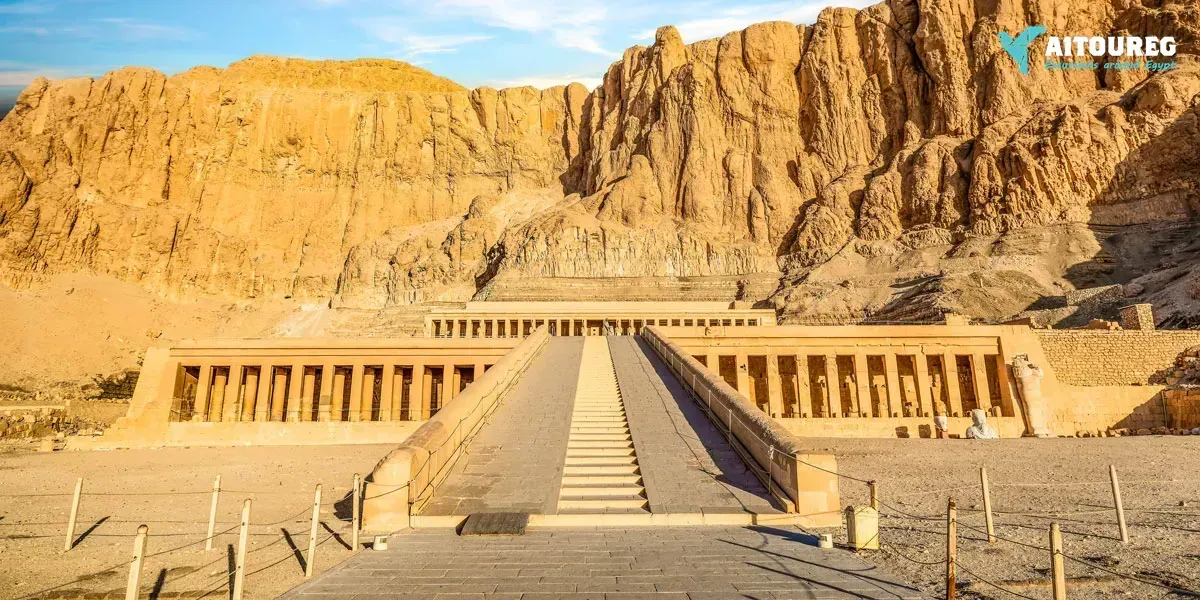
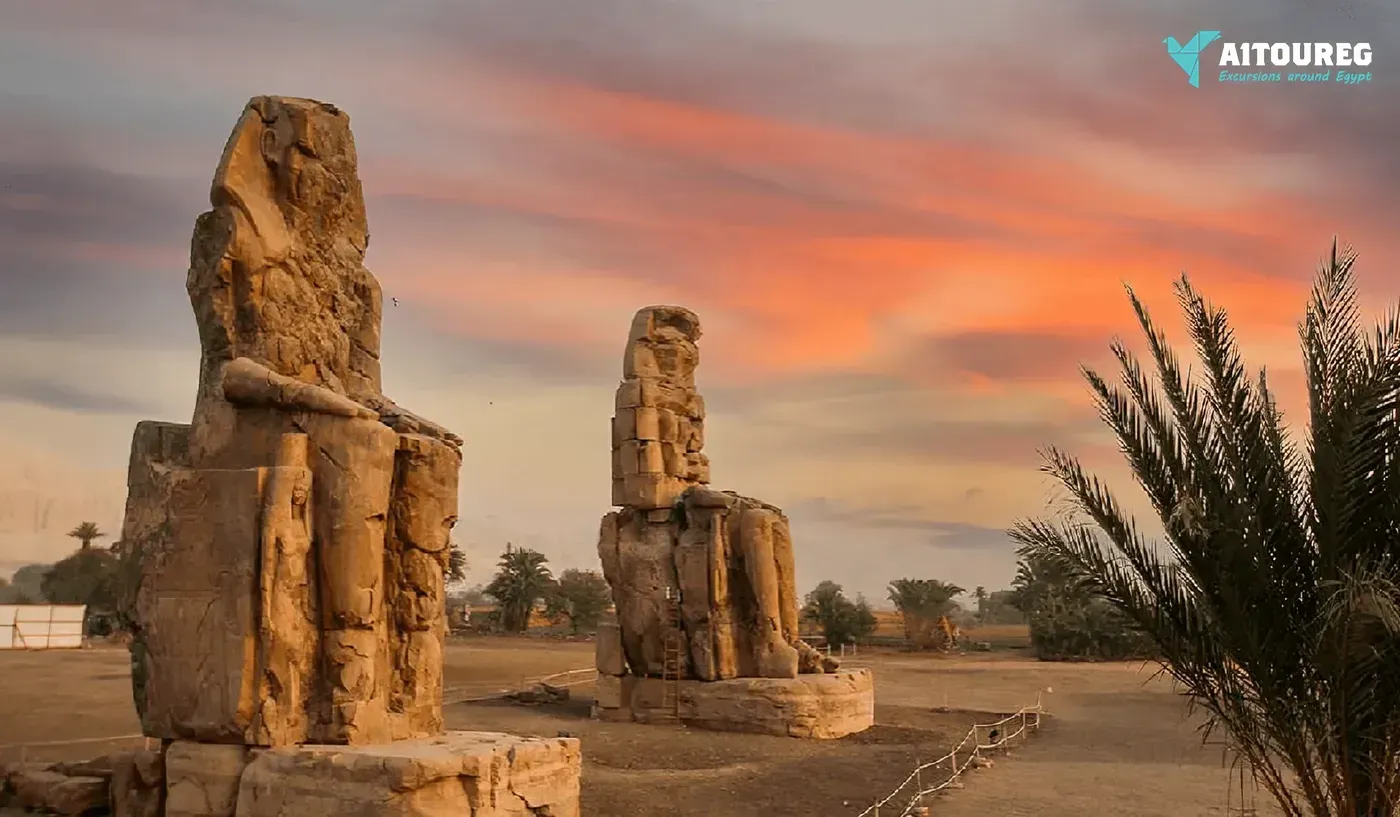
On the same side of the Nile, Queen Hatshepsut's temple rises in terraces below the cliffs at Deir el-Bahari. Its reliefs show the queen's trading expedition to Punt and her unusual route to power. Nearby, the Colossi of Memnon make a short, worthwhile stop: two large seated figures that once guarded the entrance to a temple now mostly gone. The guide keeps these visits focused, leaving time to look closely without rushing from one photo stop to the next.
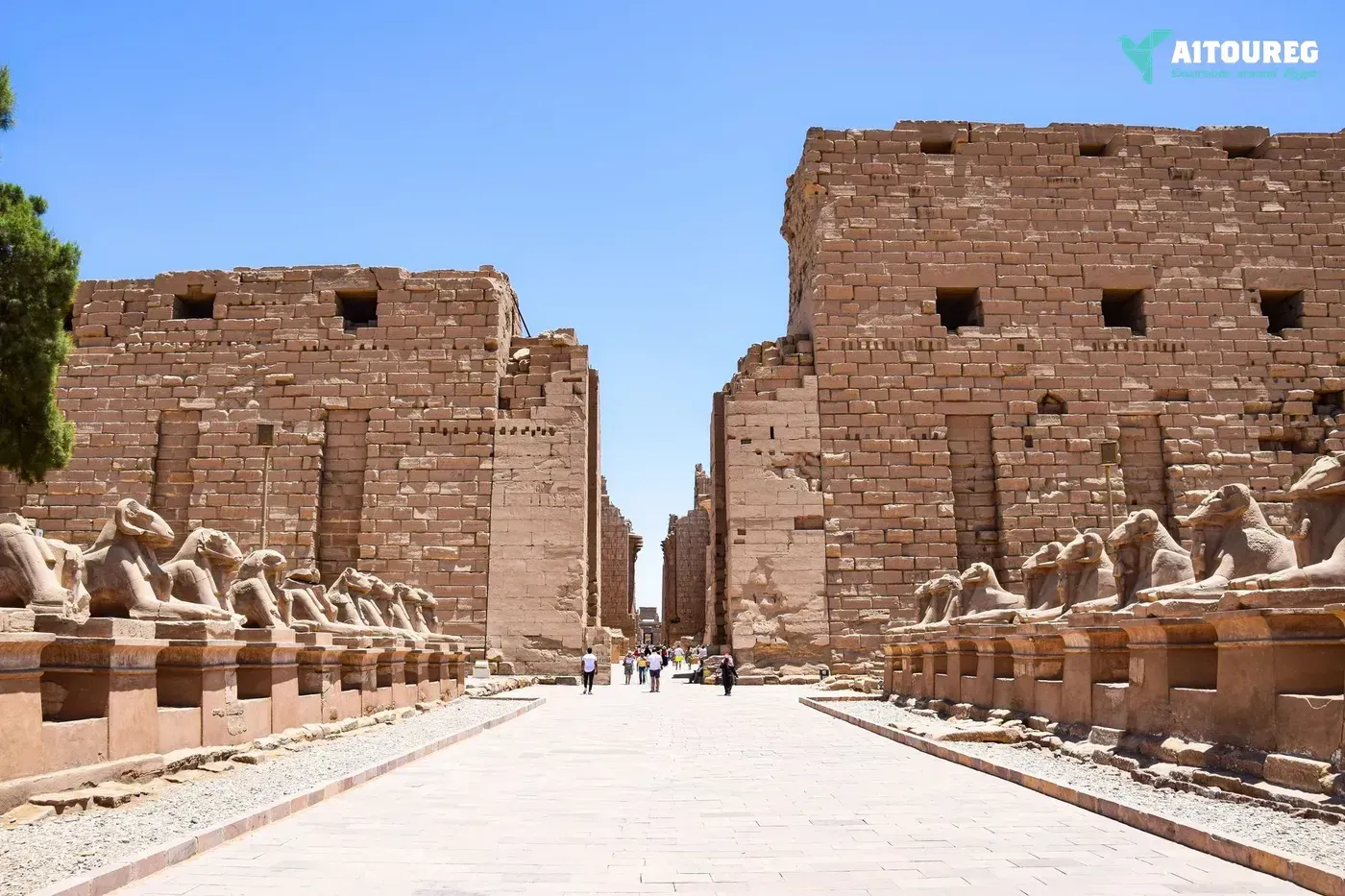
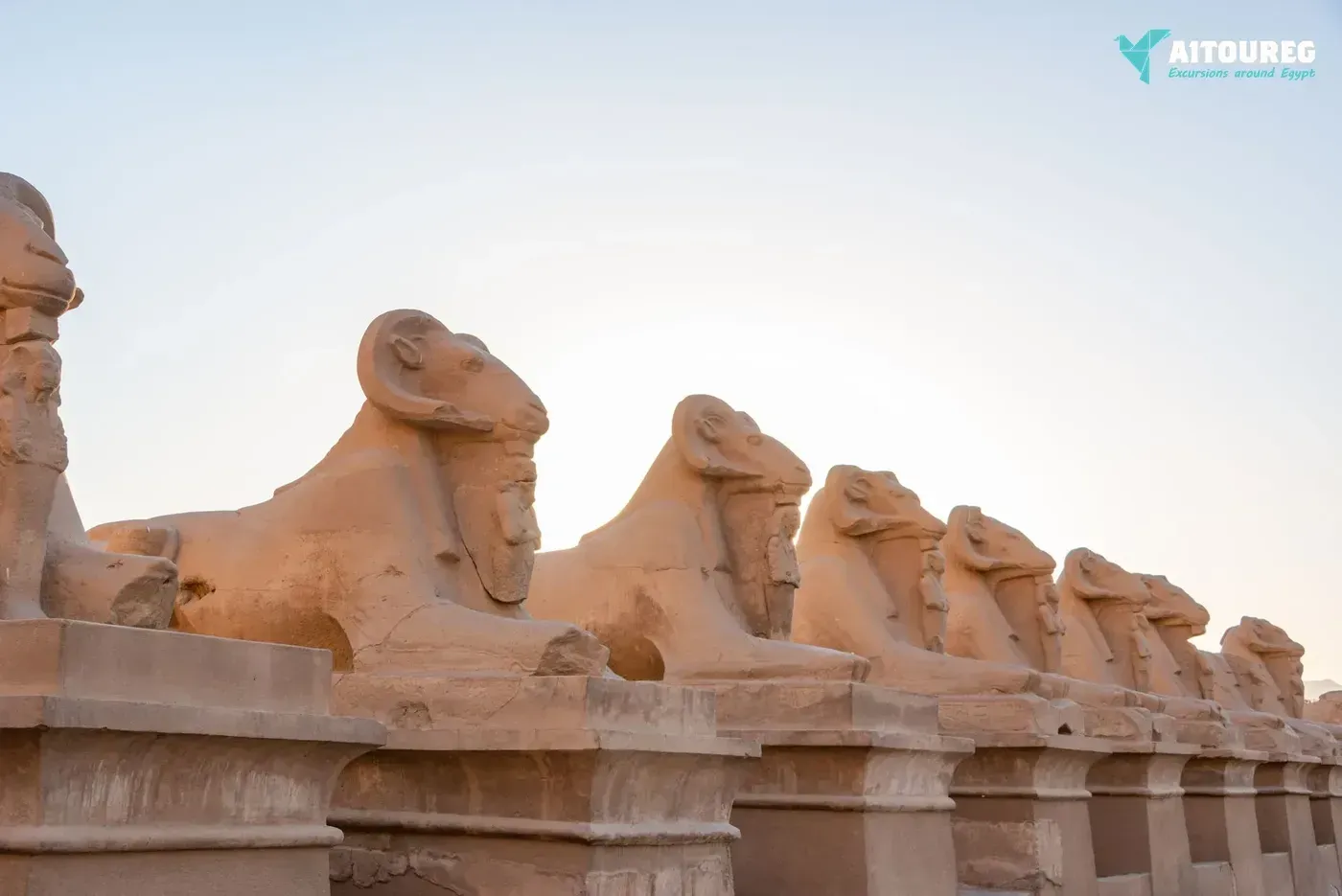
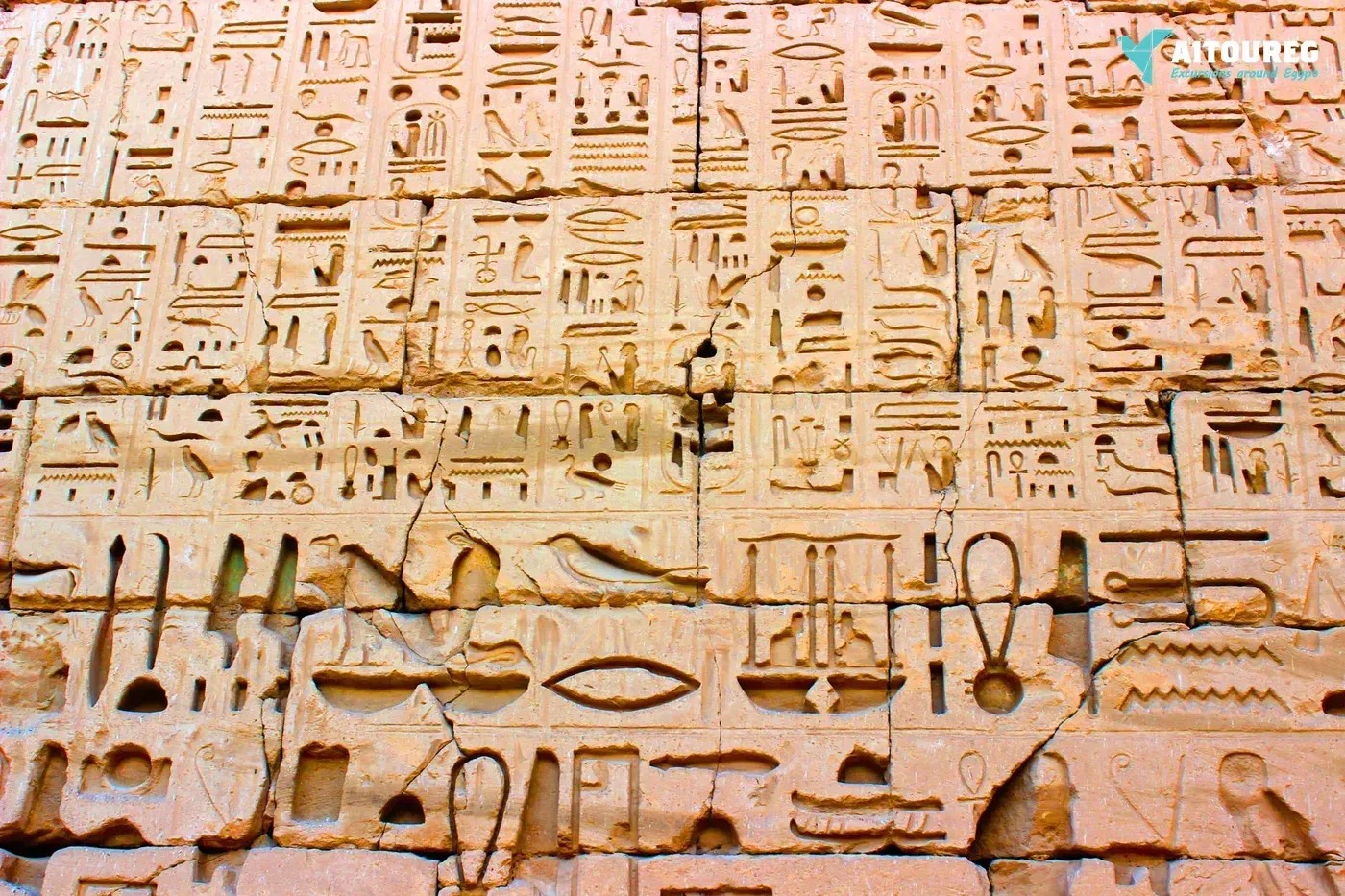
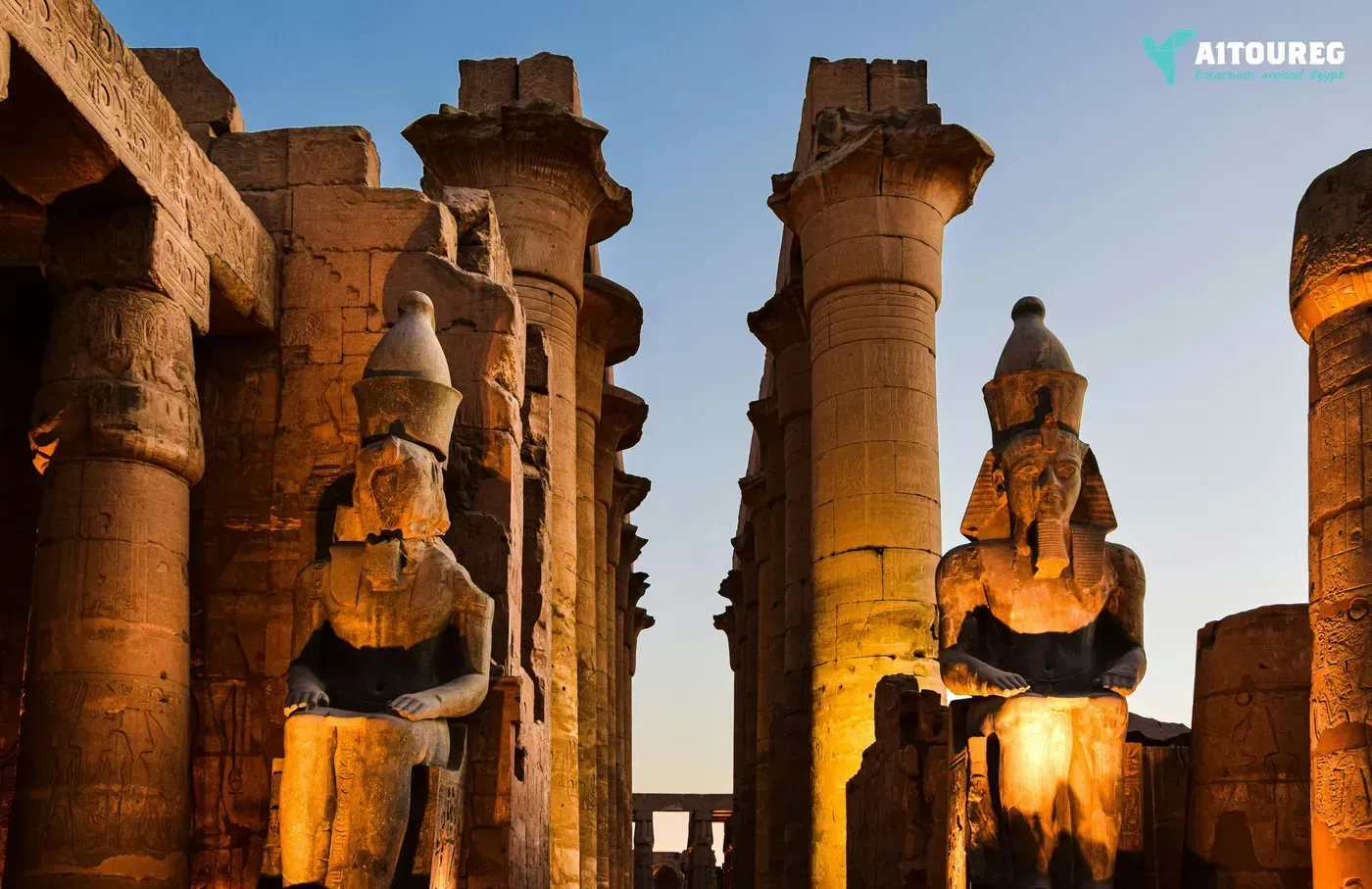
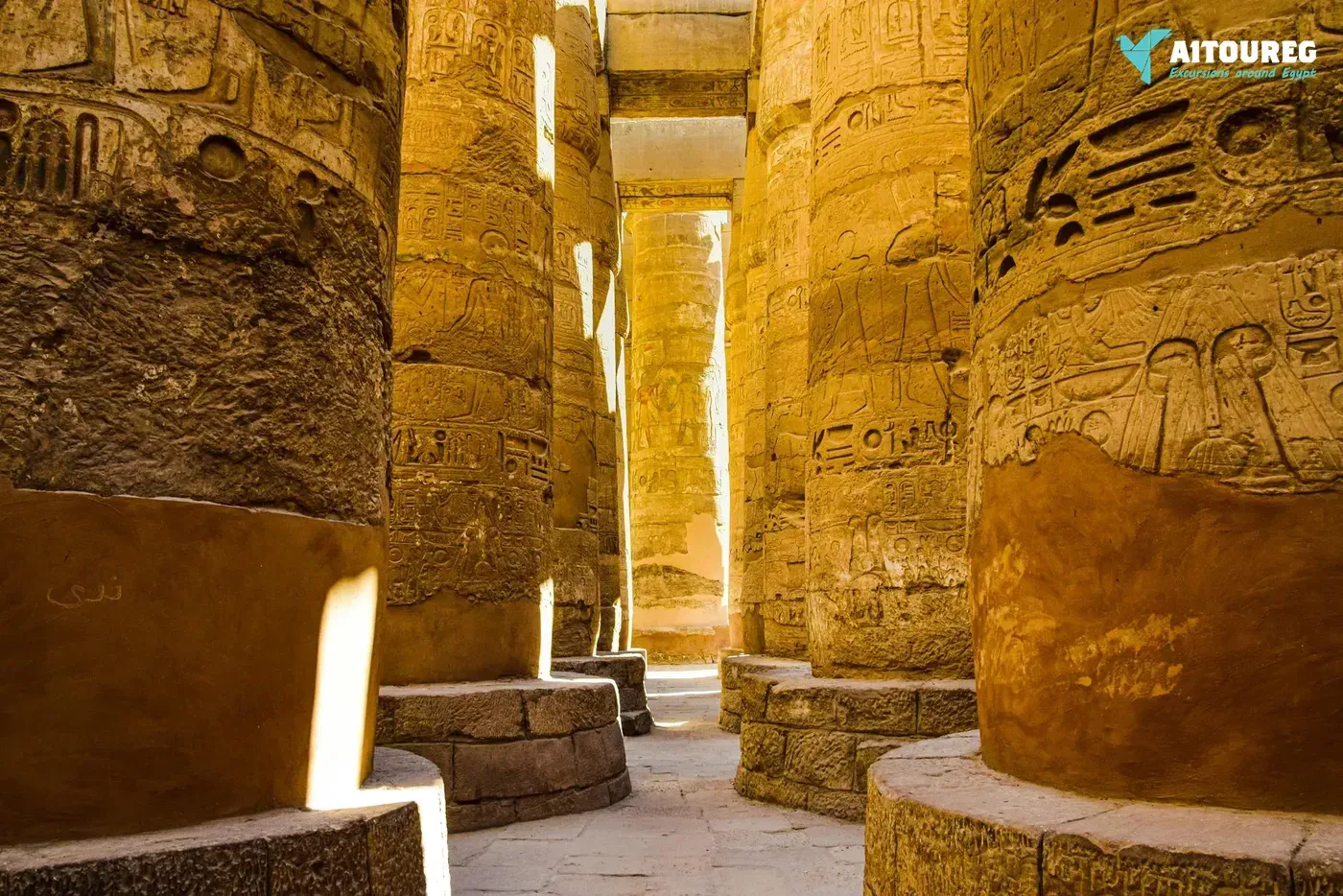
East Luxor feels different. At Karnak temple, you pass through courts and pylons before reaching the Great Hypostyle Hall, where rows of towering columns carry carved inscriptions and traces of colour. The complex makes more sense as you walk through it than it does from a single viewpoint. We leave time for explanations and photographs, while the private vehicle makes the transfer between the west and east banks comfortable.
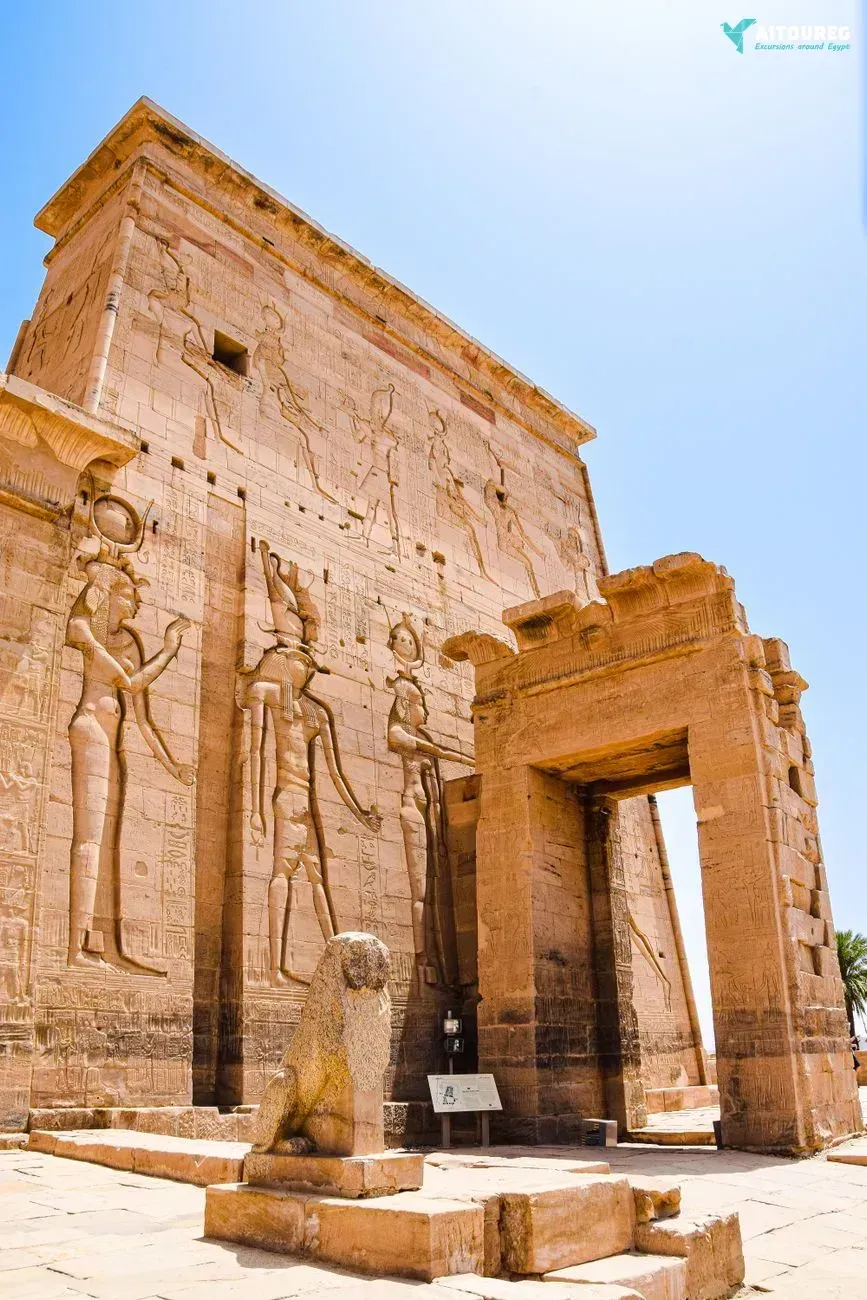
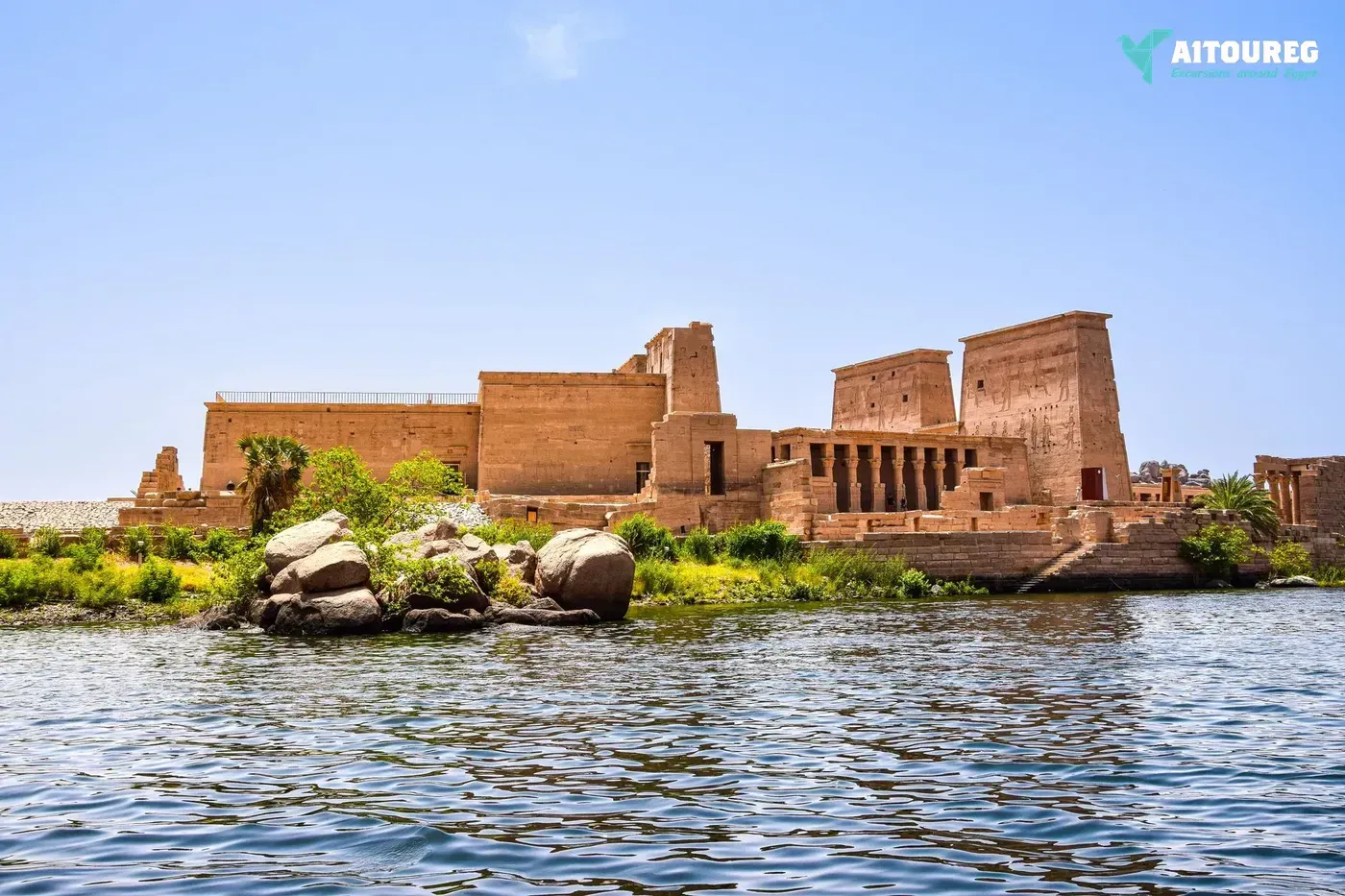
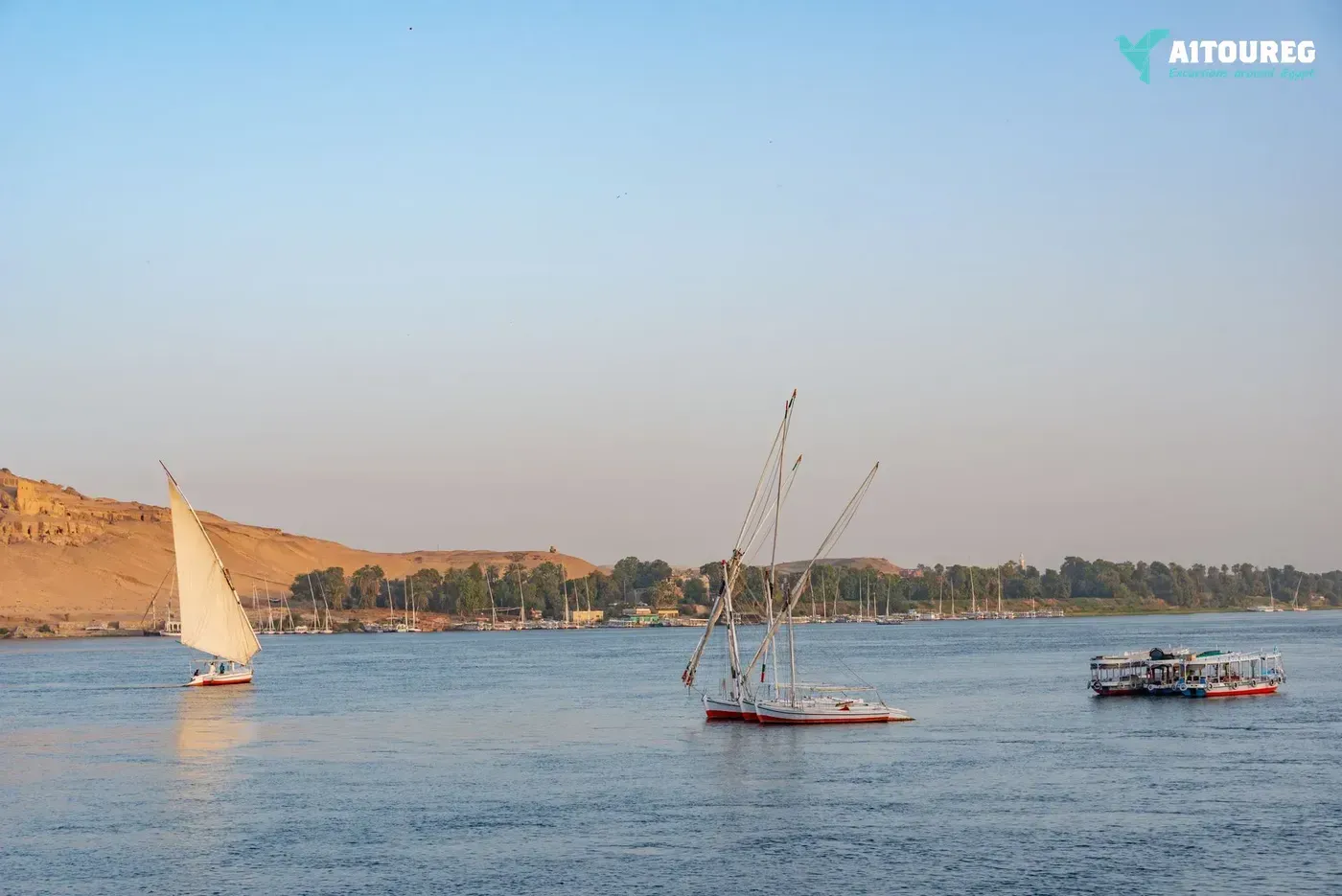
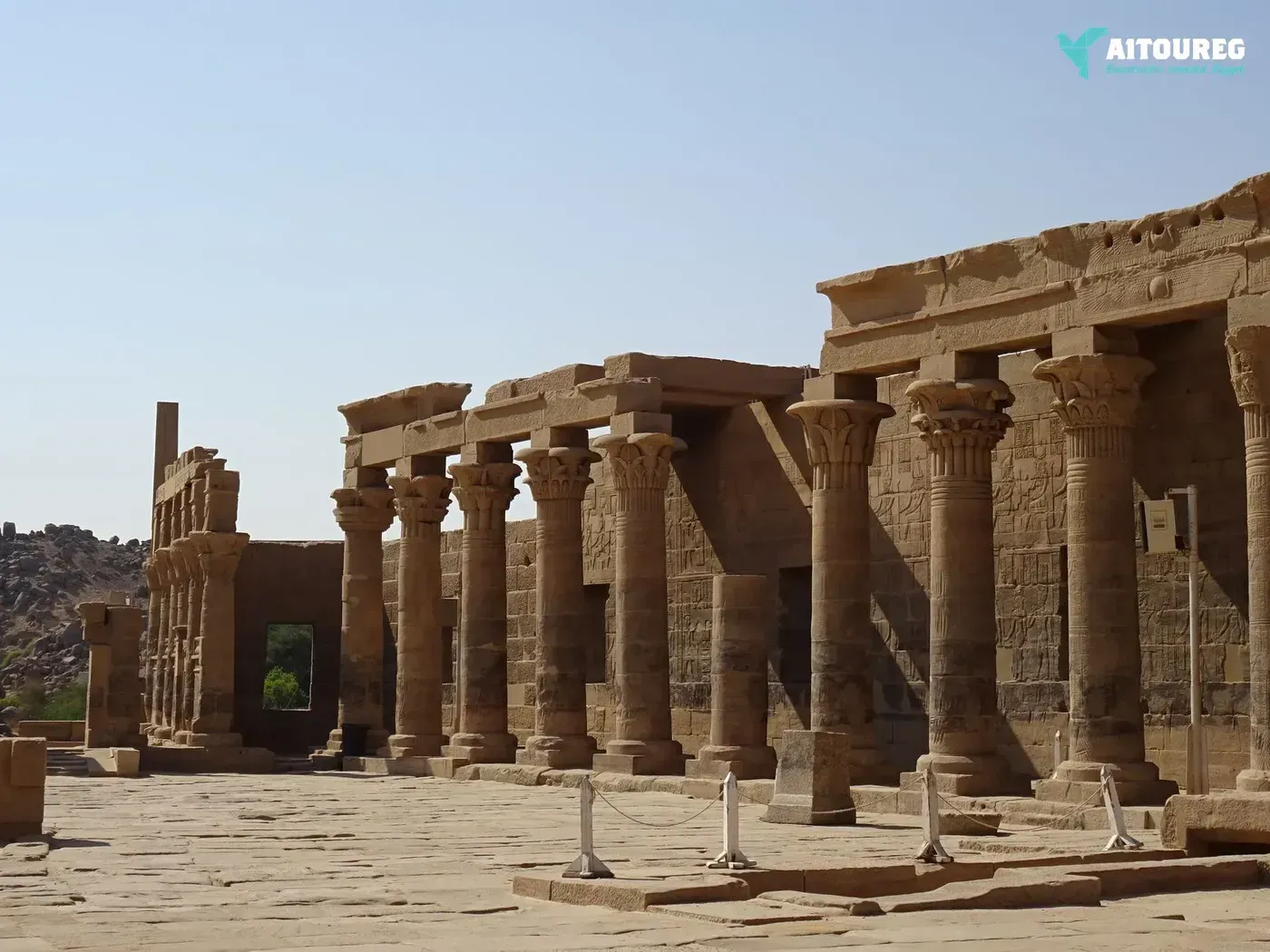
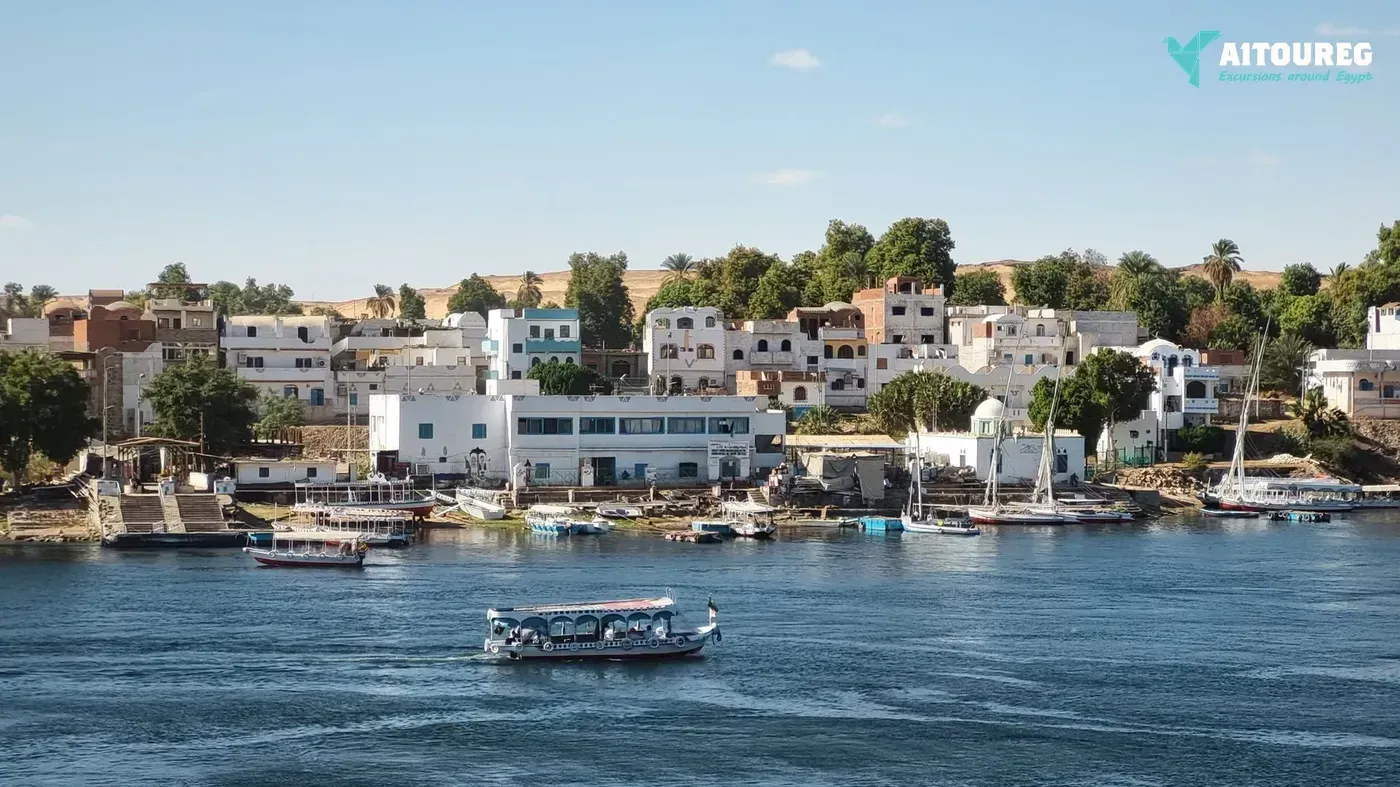
Aswan brings a quieter stretch beside the Nile. You visit the Philae temple, also commonly spelled Phiala, reached by boat on Lake Nasser when local operating conditions allow. The sanctuary was moved to higher ground after the construction of the Aswan High Dam, and its reliefs include scenes of Isis, Osiris and Horus. Its island setting gives this stop a distinct sense of place, although boat access can depend on local arrangements and water conditions.
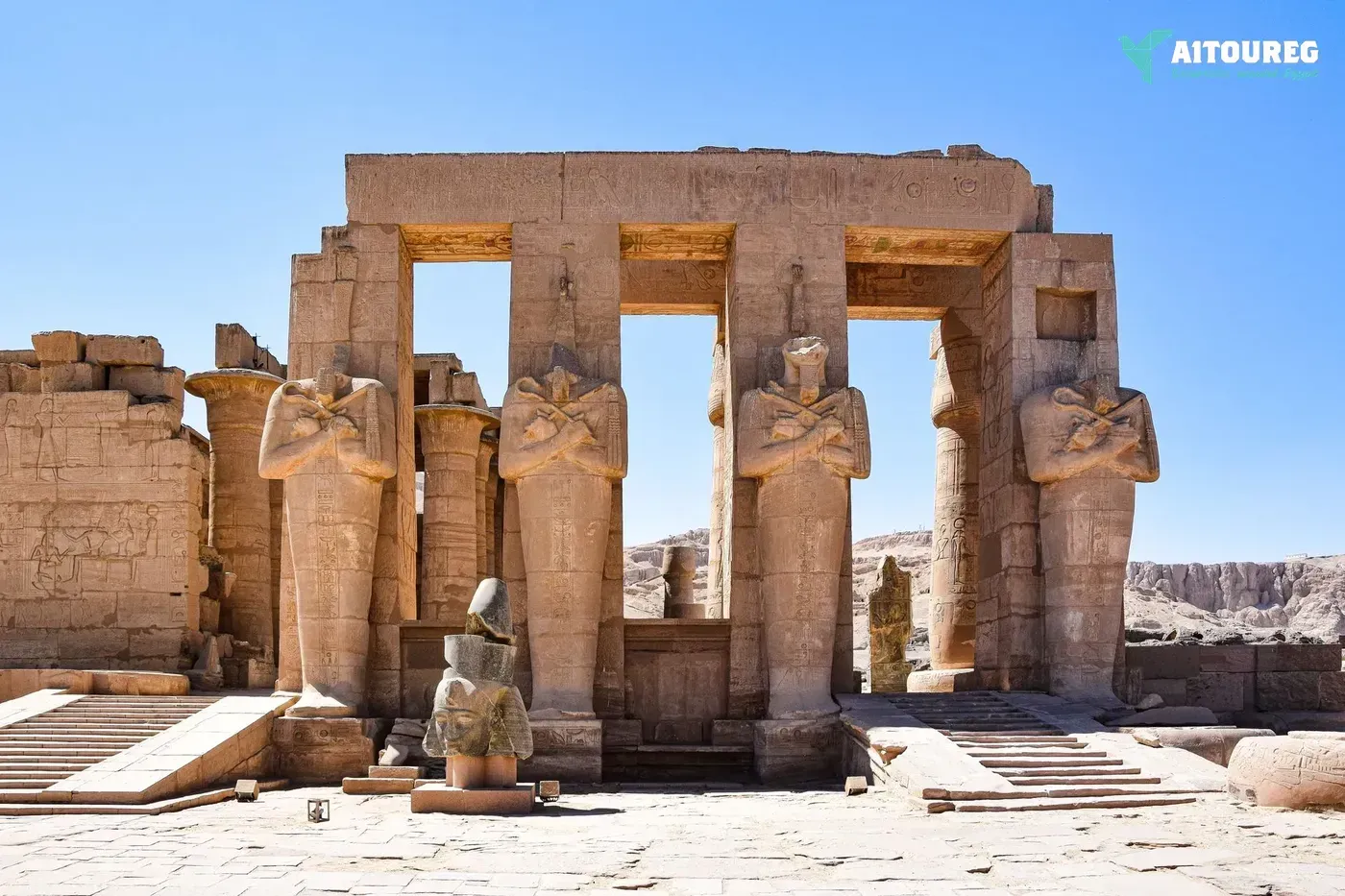
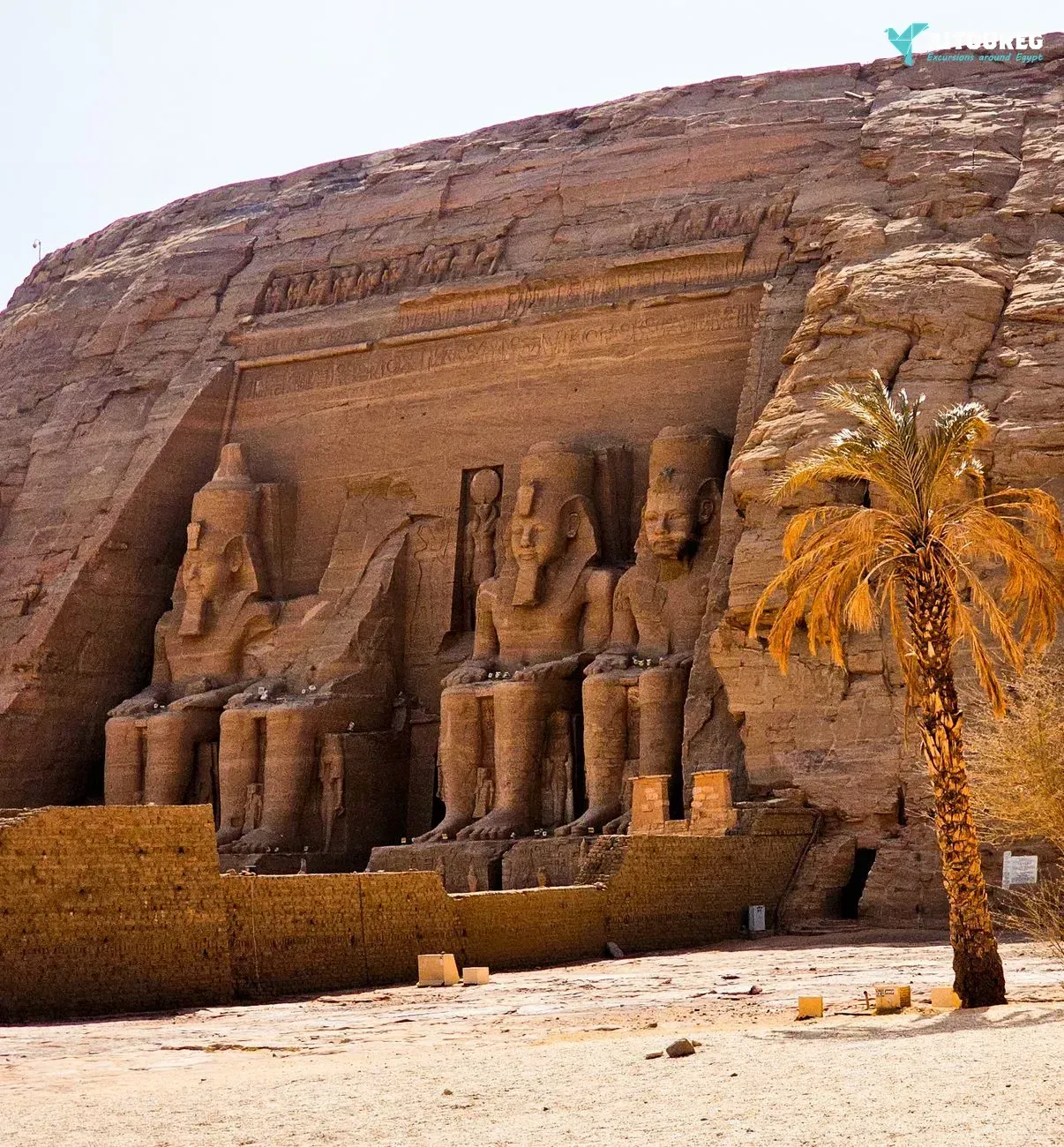
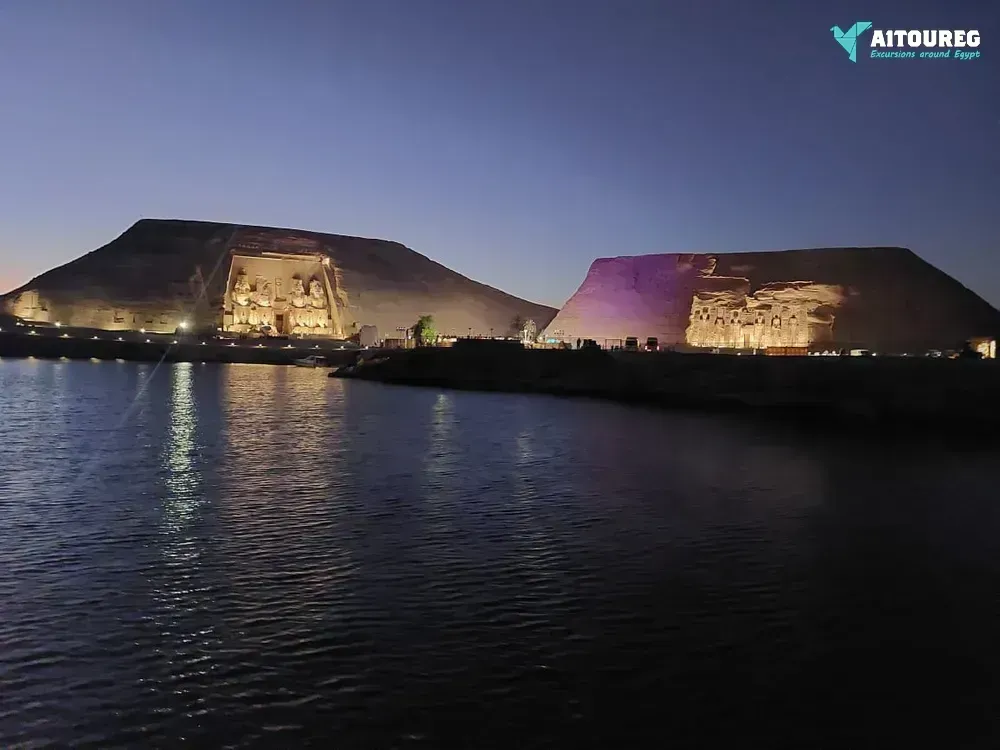
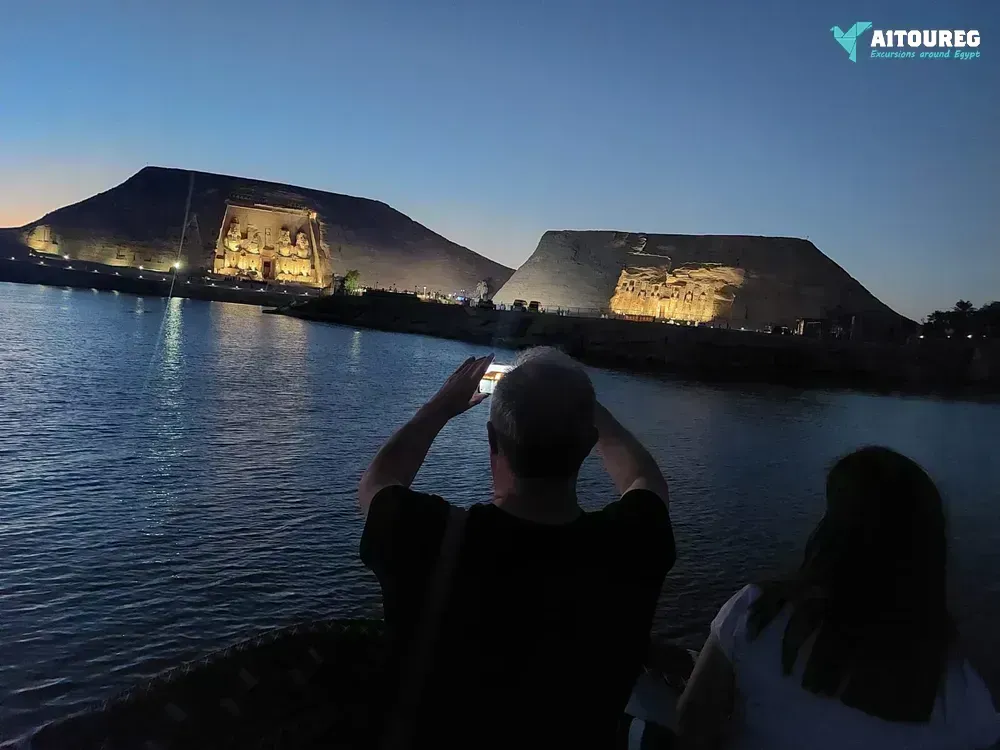
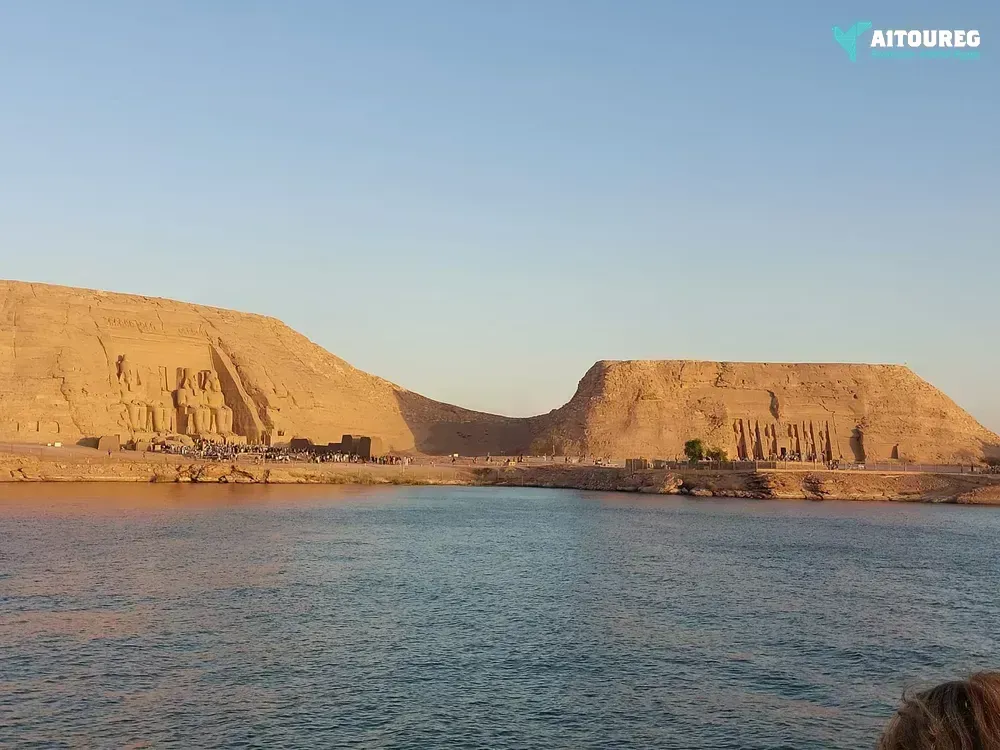
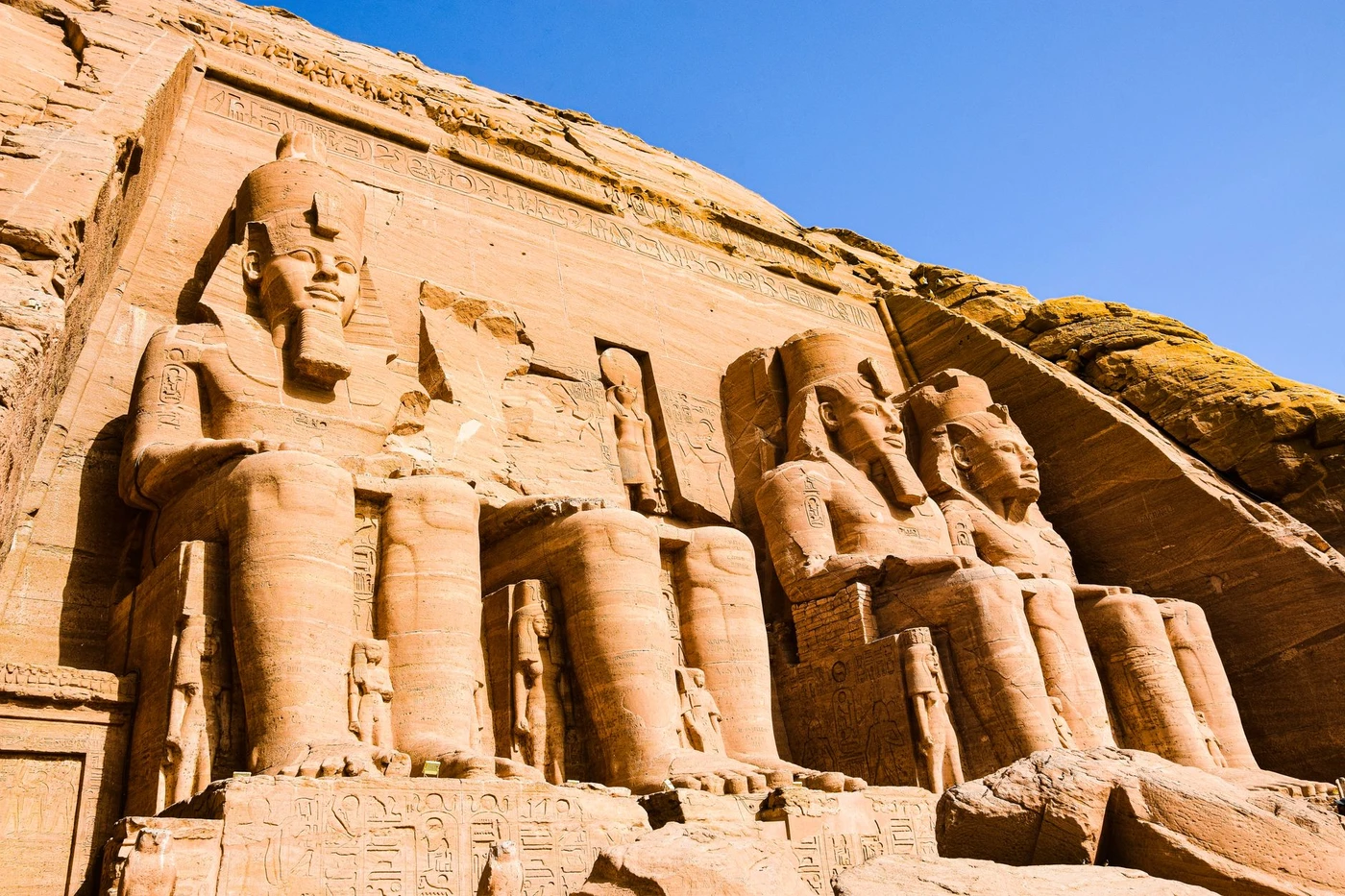
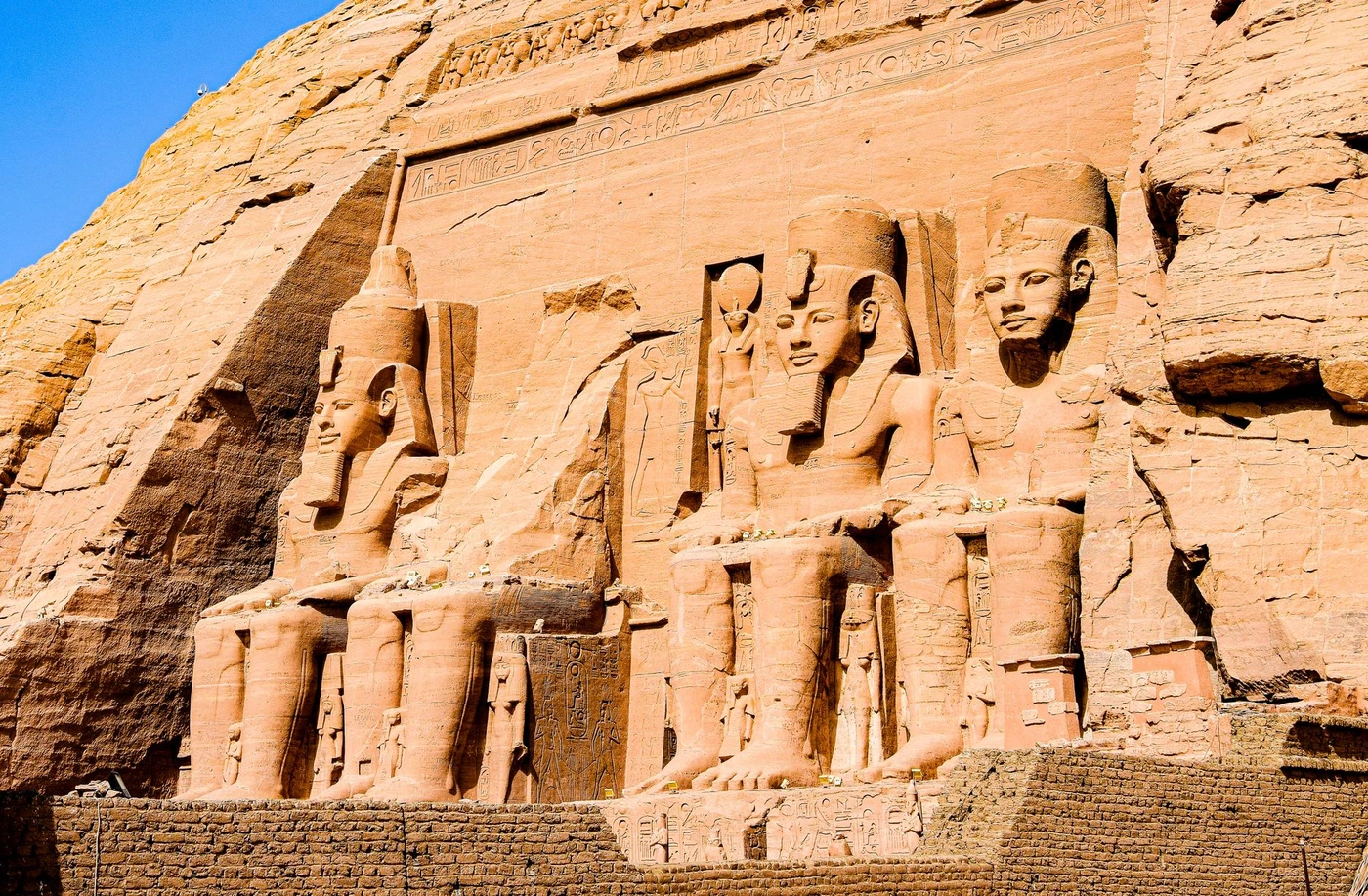
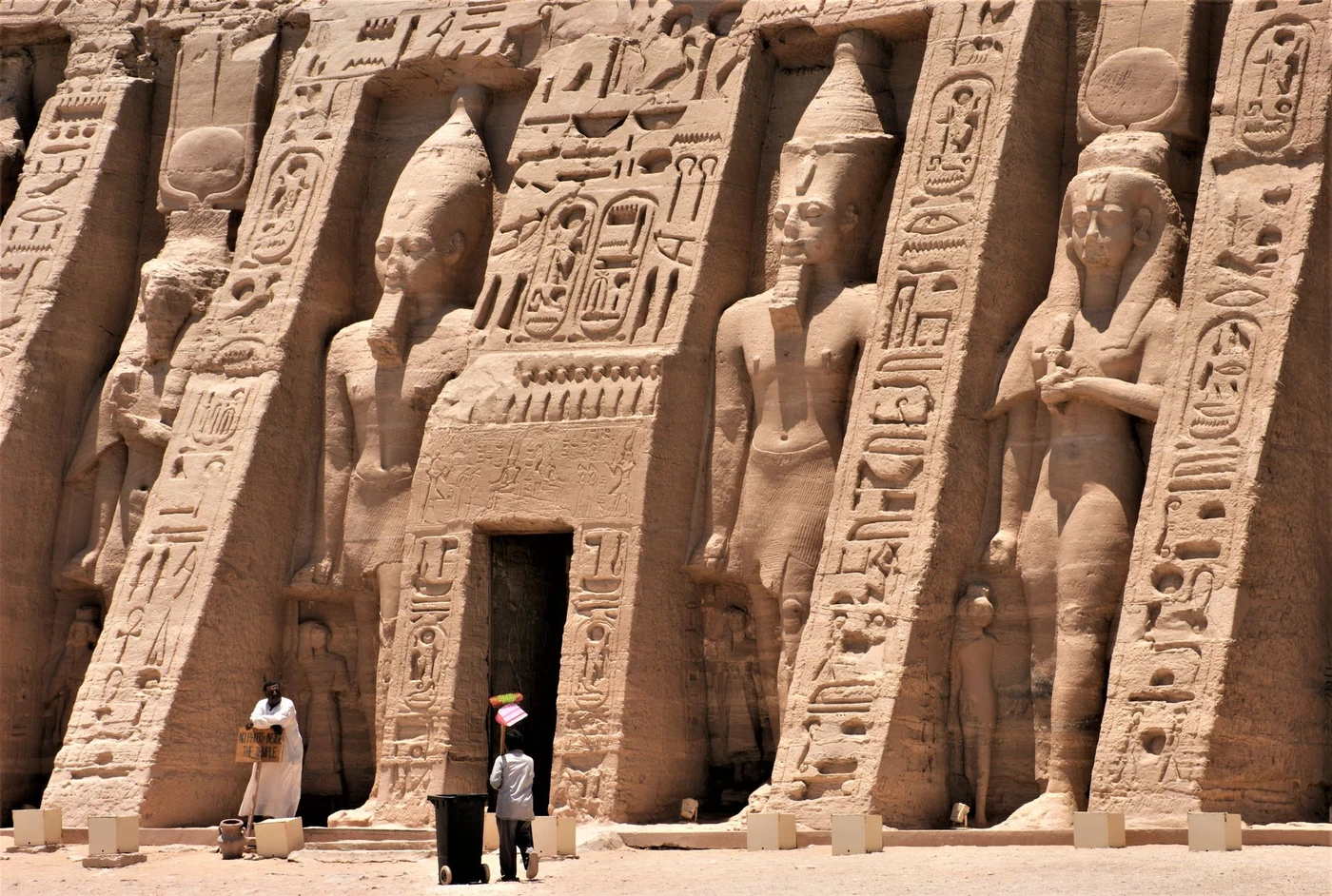
An early departure takes you to the Abu Simbel temples, carved into the rock during the reign of Ramses II. The four seated statues at the Great Temple are the first sight outside. Inside, halls and sanctuaries lead to spaces dedicated to Ramses and the gods. The smaller temple honours Queen Nefertari alongside Hathor. This is a long road journey, so Abu Simbel suits travellers who want to see one of southern Egypt's defining monuments and are comfortable with an early start.
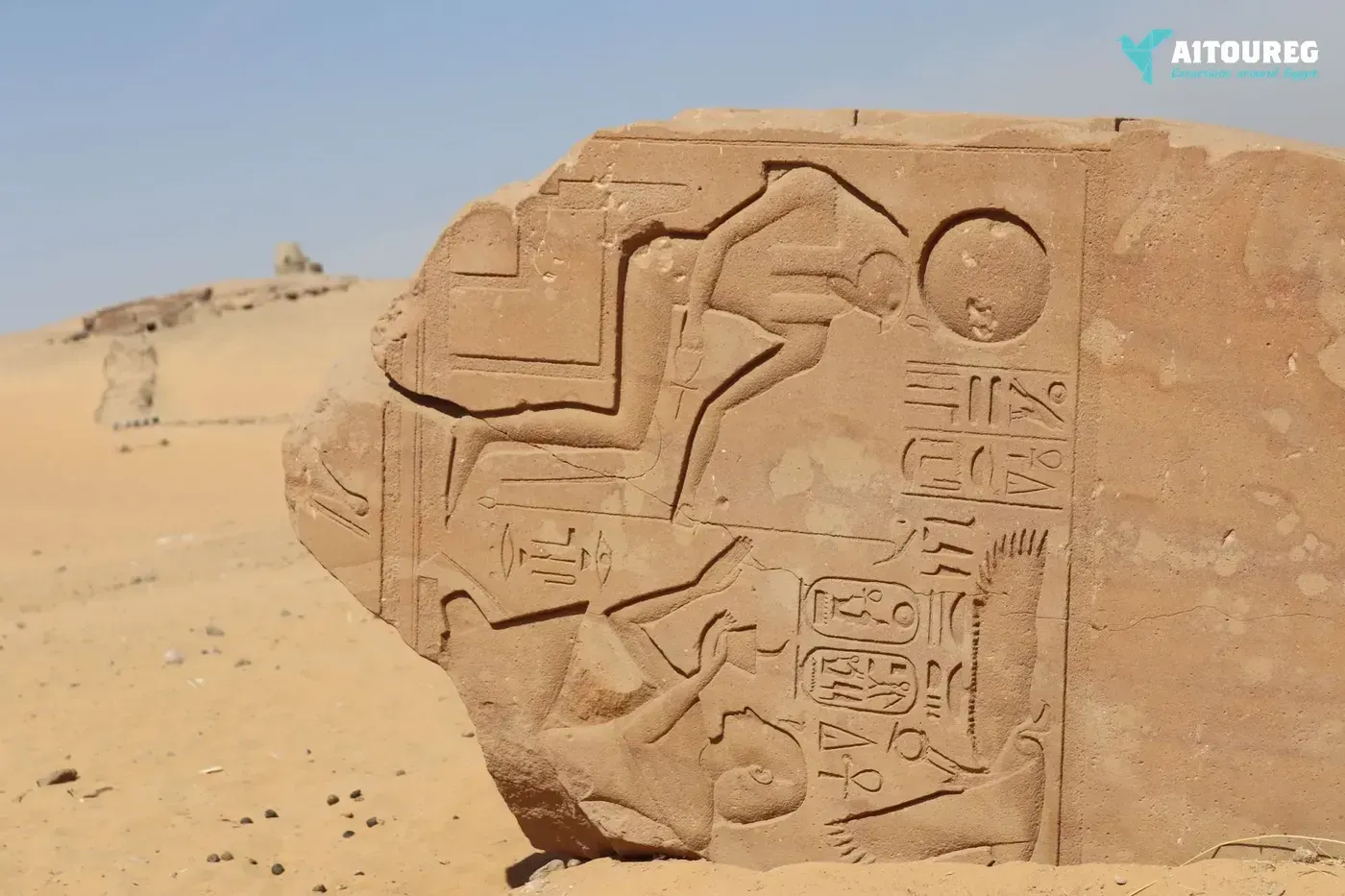
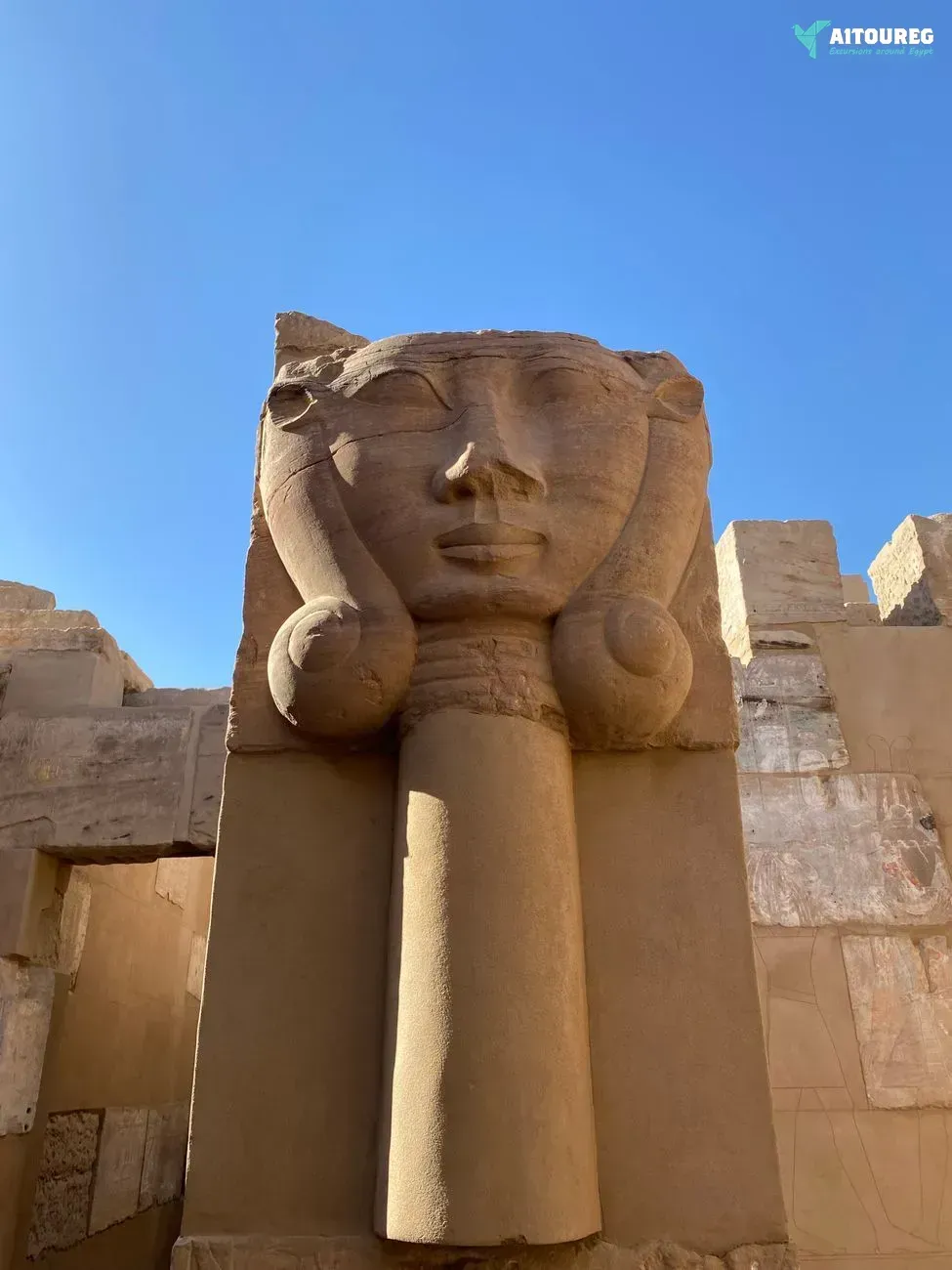
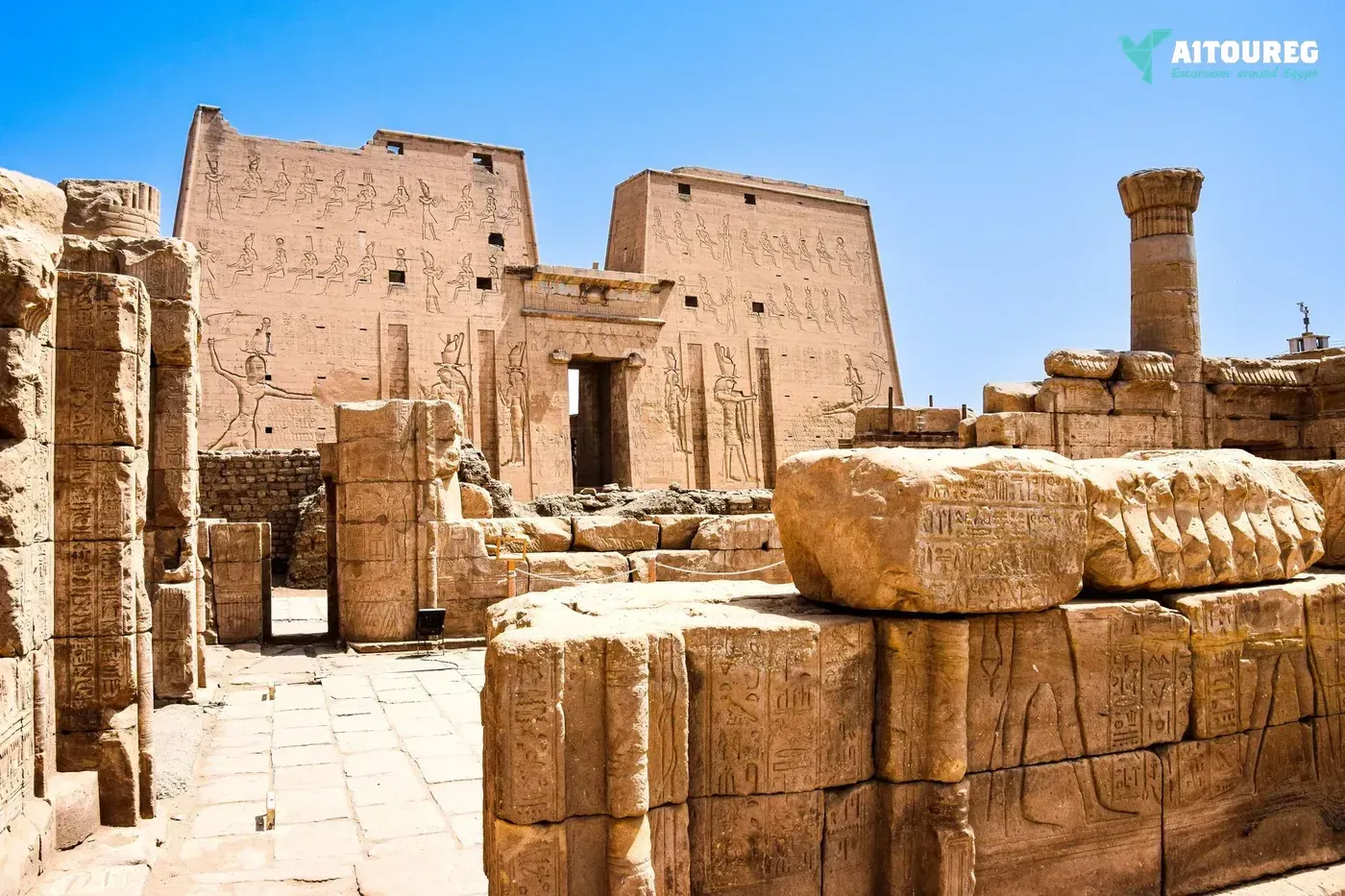
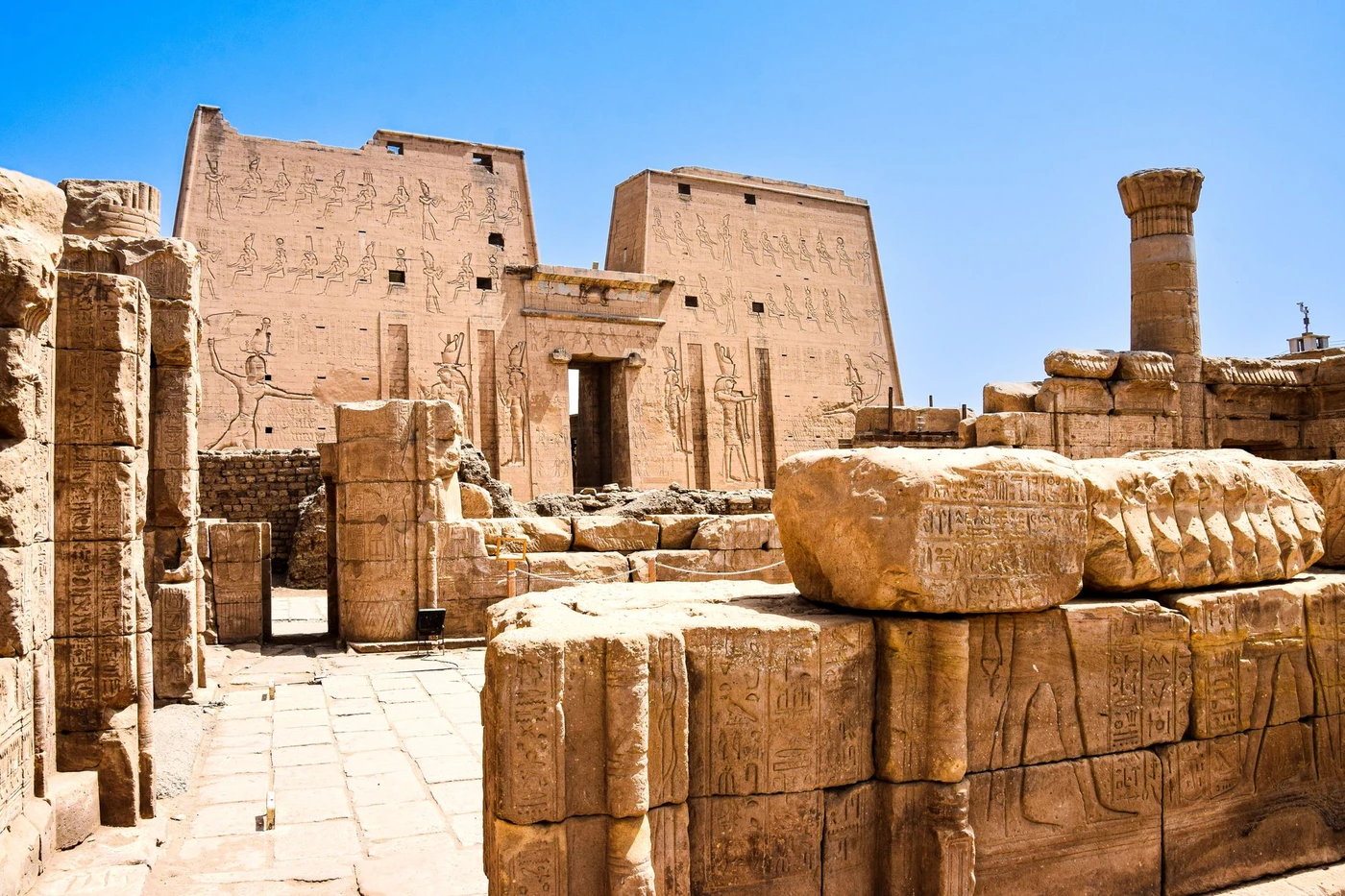
The route also includes the Dendera and Abydos temples, two important sites north of Luxor. Dendera is known for its well-preserved Temple of Hathor, including the decorated ceiling and reliefs of Cleopatra. Abydos, associated with Osiris, has finely carved scenes in the Temple of Seti I. These visits take the tour beyond the usual Luxor circuit and suit travellers interested in temple architecture, religious history and detailed wall carvings.
Our team coordinates the pickup, road transport, guiding and planned stops, so you do not need to find drivers or arrange separate transfers in each city. The tour suits couples, families with older children and travellers with limited time in Egypt. It is less suitable for anyone who needs a slower itinerary with shorter road journeys, as the distances to Aswan and Abu Simbel are substantial. Wear comfortable shoes, carry water, and keep your passport and any required tickets accessible during the visits.
Private air-conditioned vehicle for the tour and transfers
Professional English-speaking guide
Pickup and drop-off from Marsa Alam or Port Ghalib
Transport between Luxor, Aswan, Abu Simbel, Dendera and Abydos
Hotel accommodation and meals as confirmed in your booking details
Entrance fees unless included in your booking details
Drinks and personal expenses
Tipping for the guide and driver
Boat transfer to Philae temple where charged locally
Optional activities not listed in the itinerary
Comfortable walking shoes
Small overnight bag for the three-day route
Water bottle and sun protection
Light, breathable clothing and a hat
Cash for drinks, personal expenses and optional tickets
Passport or a copy of your passport
The tour includes private road transport from Marsa Alam or Port Ghalib, a private guide and visits to Luxor, Aswan, Abu Simbel, Dendera and Abydos, with stops at the Valley of the Kings, Queen Hatshepsut's temple, Karnak temple, Phiala temple, the Colossi of Memnon and the Abu Simbel temples.
Your booking details will show which entrance fees, meals and accommodation arrangements are included, as these can depend on the selected option. We confirm the pickup and drop-off arrangements before travel.
Three days is enough for a full sightseeing schedule covering Luxor, Aswan and Abu Simbel from Marsa Alam, but the tour has several long road transfers and an early start for the Abu Simbel temples. The route is planned in stages so you can visit the main sights without trying to fit everything into one day.
Visits include the Valley of the Kings and Luxor's west bank, followed by Karnak temple, Dendera and Abydos, then Aswan and Phiala temple. The exact order may change to suit road conditions and site opening arrangements.
Pickup is available from your accommodation in Marsa Alam or Port Ghalib for this private journey to Aswan and Luxor, and we arrange the return drop-off at the end of the tour. Our team confirms the pickup point and travel details with you before departure.
Because the journey covers several destinations by road, the transfer between sites is made in a private vehicle with your guide. Please provide your accommodation details when booking so we can organise the route correctly.
The tour can suit families with children, but it is a demanding three-day road trip with early starts, extended time in the vehicle and walking across temple grounds and uneven archaeological areas. Travellers with limited mobility should contact us before booking so we can assess the sights and transport arrangements.
The Valley of the Kings, Queen Hatshepsut's temple and the Abu Simbel temples each involve walking in hot, open areas. We can discuss a comfortable pace, but some steps, uneven surfaces and site access limits may remain.
Wear light, modest clothing, comfortable walking shoes and a hat for this three-day tour, and bring sunscreen, water, sunglasses and any personal medication you need. The archaeological sites are exposed, so practical clothing is more useful than formal wear.
Bring your passport or required travel identification, phone charger and a small overnight bag if your booking includes overnight arrangements. A light layer can help during early departures and cooler vehicle journeys.
You can request the tour by providing your preferred travel date, pickup location in Marsa Alam or Port Ghalib and the number of travellers; our team will confirm the arrangements, availability and booking conditions. The trip includes private transport and a guide, with the final inclusions shown before you confirm.
Cancellation and amendment terms depend on the booking option and travel date, so check the policy attached to your quote or confirmation. Contact us as soon as plans change, particularly if transport, accommodation or entrance arrangements have already been secured.
Your unforgettable Egypt journey starts with a booking you can trust.
* Available on selected tours. Flights, cruises and special bookings may have different cancellation policies.
Free cancellation up to 24 hours before activity starts
If you choose to pay online, a secure payment link can be provided after booking. For assistance or alternative payment options, please contact us via WhatsApp.
All our tour operators are licensed and verified by Egyptian tourism authorities.
Learn more about our licensed partners →Free cancellation up to 24 hours before activity starts
If you choose to pay online, a secure payment link can be provided after booking. For assistance or alternative payment options, please contact us via WhatsApp.
All our tour operators are licensed and verified by Egyptian tourism authorities.
Learn more about our licensed partners →
Your Itinerary
Our team collects you from Marsa Alam or Port Ghalib in a private vehicle for the drive towards Upper Egypt. The road inland takes several hours, with rest stops arranged along the way. Your guide will explain the route and help you keep the day comfortable during the longer transfer.
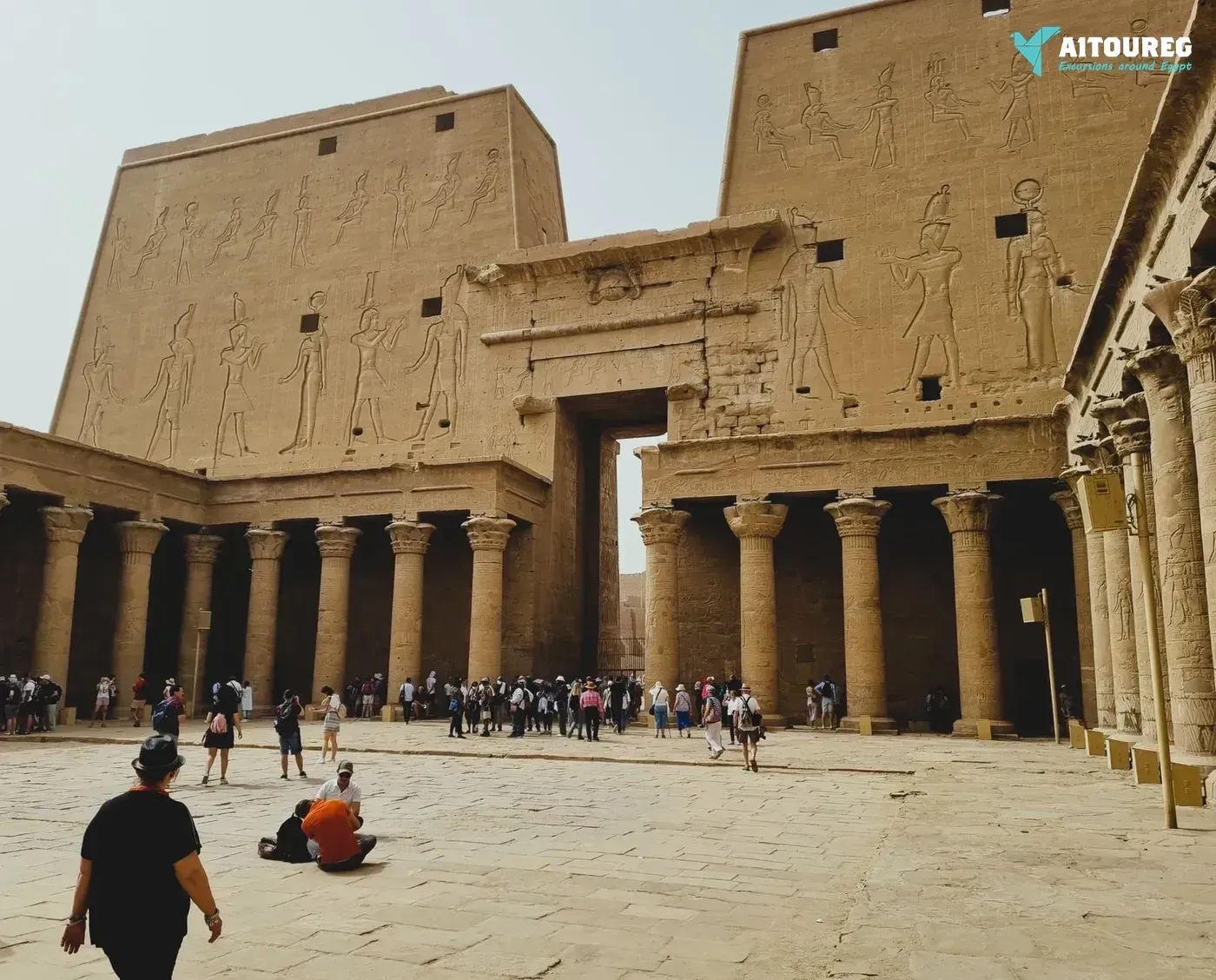
The first sightseeing stop is the Dendera and Abydos temples. At Dendera, you can walk through the Temple of Hathor and look up at its detailed astronomical ceiling. At Abydos, the Temple of Seti I has finely carved reliefs and a quieter atmosphere than many of Luxor’s major sites. Your guide puts both temples into context, including their role in ancient Egyptian religion and kingship.
After the visits, continue south to Luxor and check in at your accommodation. The evening is free to rest after the road journey, with time to arrange dinner or take a short walk nearby before the next day’s sightseeing.
Begin with Luxor’s West Bank, where the Valley of the Kings holds royal tombs cut into the desert cliffs. You will enter the tombs included in your visit and see painted walls showing scenes from the journey to the afterlife. The Tomb of the boy pharaoh Tutankhamun can be visited when access is available, with your guide explaining what remains at the site and how the tomb was found.
Continue to Queen Hatshepsut's temple, built in terraces against the cliffs at Deir el-Bahari. Its long approach and columned levels make the layout easy to understand on foot. Nearby, stop at the Colossi of Memnon for photographs and a short explanation of the former temple complex.
After lunch or a short break, cross to the East Bank and visit Karnak temple. Follow the avenue, courtyards and columned hall as your guide explains how successive pharaohs expanded the complex. Later, travel by private vehicle towards Aswan, arriving in the evening for an overnight stay.
Leave Aswan early for the journey to the Abu Simbel temples, set close to the modern border with Sudan. The transfer is long, but the private vehicle allows the route to follow the group’s pace with breaks as needed. At the site, see the great seated figures of Ramesses II and enter the rock-cut temple, then visit the smaller temple built for Queen Nefertari.
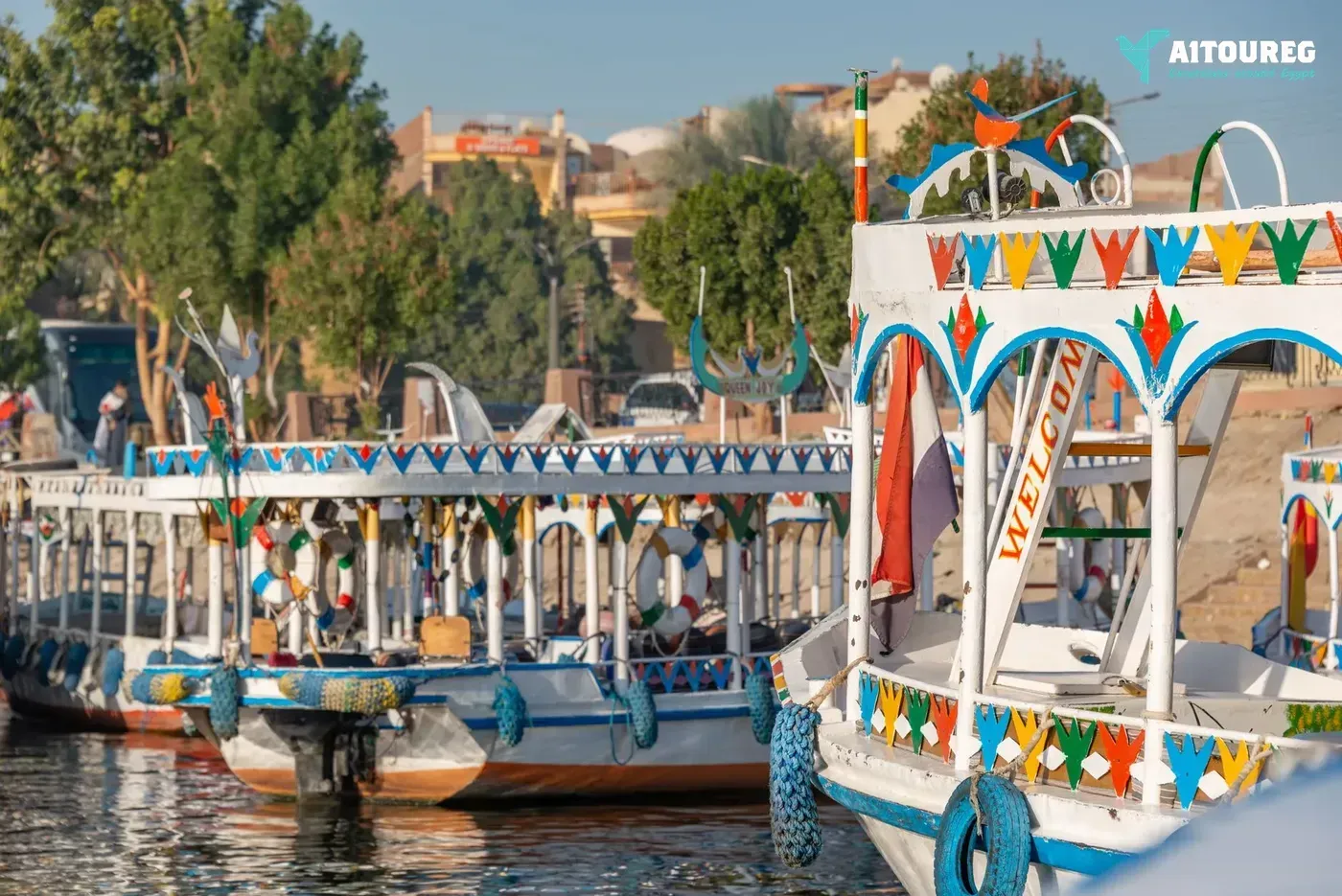
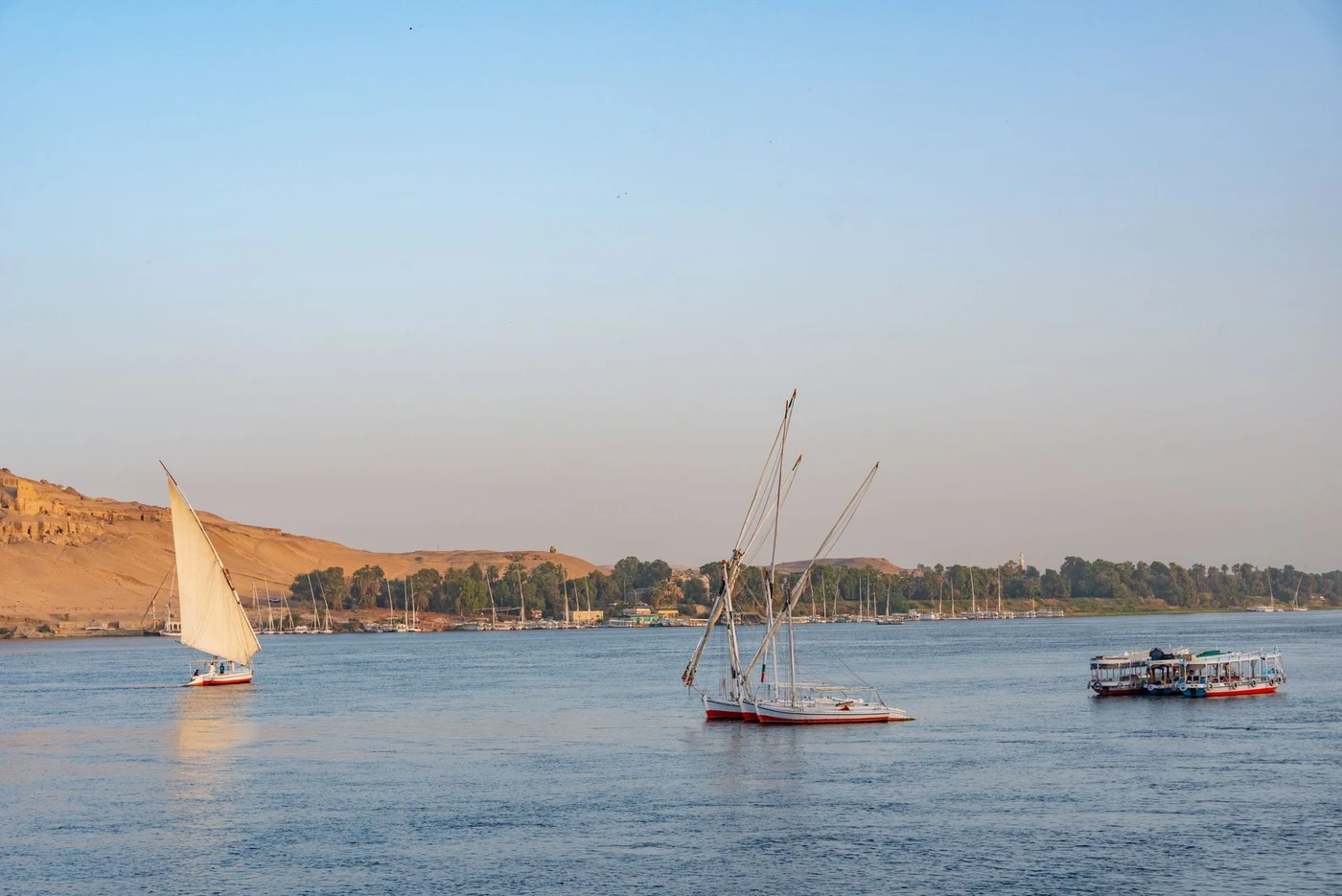
Return to Aswan and continue to the island setting of the Phiala temple. A short boat crossing takes you to the sanctuary, where carved halls, columns and reliefs show the long history of worship at the site. Your guide will also explain how the temple was relocated during the construction of the Aswan High Dam.
After the visit, begin the private road transfer back to Marsa Alam or Port Ghalib. This is a full departure day with substantial driving, so keep essentials, water and travel documents within easy reach. Our team confirms the drop-off details before the final leg.