About Fayoum
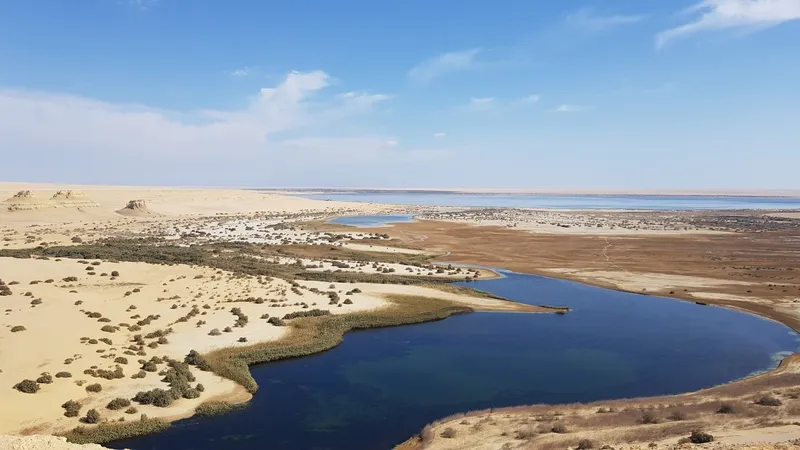
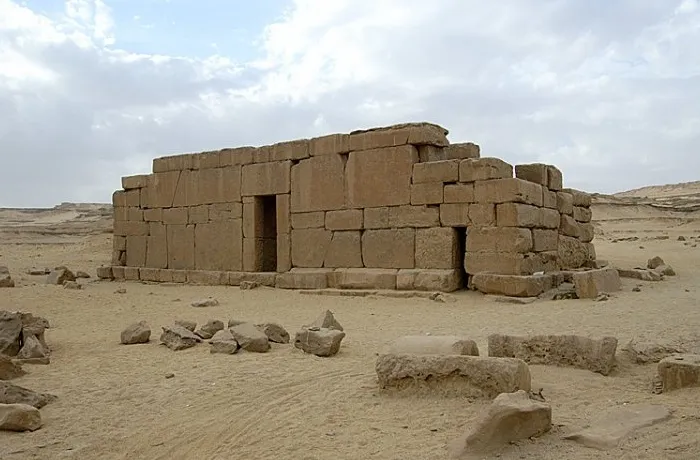
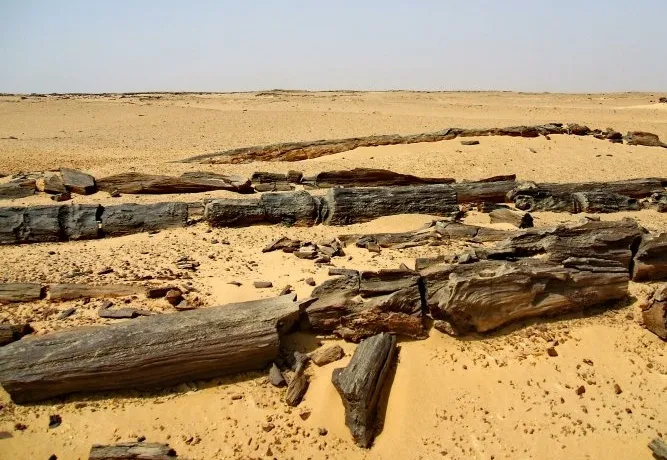
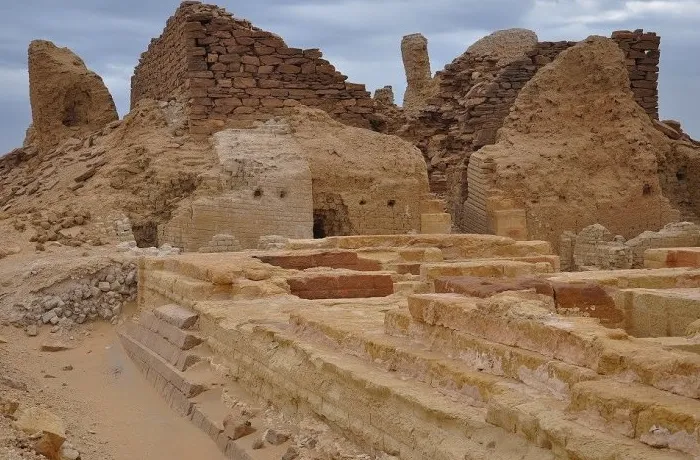
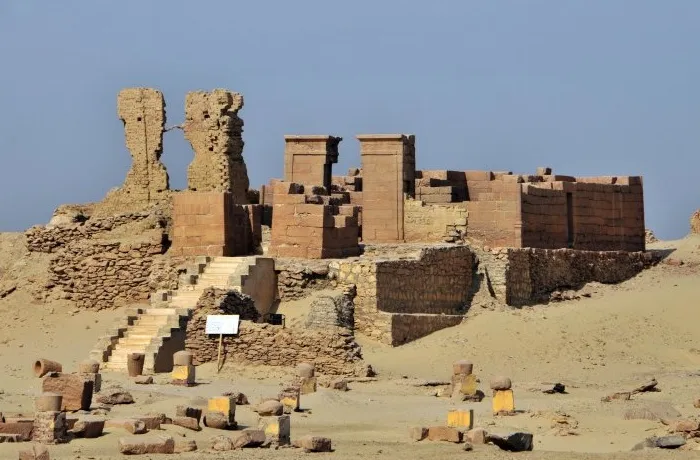
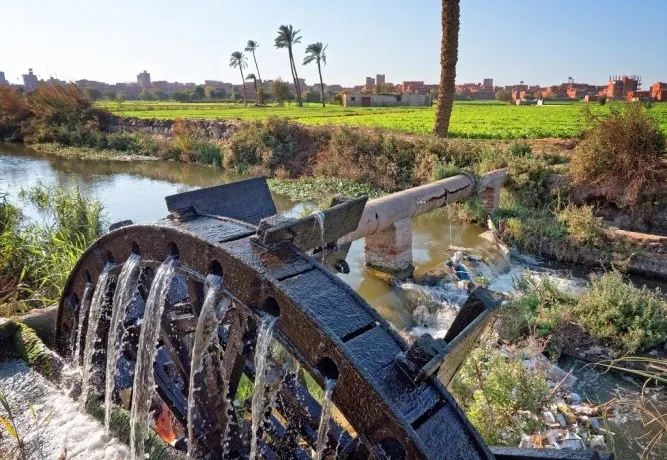
El Fayum stands as one of Egypt's governorates in the north-western part of the country, situated approximately 100km from Cairo. El Fayum is celebrated for its extraordinarily fertile lands, captivating tourist landmarks stretching back to pharaonic times, and its remarkable historical legacy. The toponym "El Fayum" traces its origins to the Coptic word 'Phiom', signifying lake or sea, as this territory once enclosed an ancient sea during the Prehistoric era. Ptolemy II (Philadelophos) bestowed upon El Fayoum the name 'Philadelphia'. El Fauoum is equally distinguished by its Fayimian and Meorian Cultures, which have been dated to between 5500 and 4000 BC. The inhabitants of these cultures led settled lives and had mastered the arts of agriculture and pottery. As climatic shifts took hold around 4000 BC, people gradually abandoned Fayoum and moved toward the Nile Valley, where they came into contact with the Maadi Culture.
We organise a wide range of journeys through Fayoum Oasis, providing varied excursions across El Fayoum so visitors can fully experience this extraordinary oasis. The Fayoum, positioned less than a hundred kilometres from Cairo and endowed with an outstanding heritage of flora, fauna, and archaeological sites, ranks among the most beautiful and fertile territories in Egypt. Furthermore, it encompasses two zones designated as protected areas by the Egyptian Government: Lake Qarun and Wadi Rayan National Parks. The Fayoum is organised into six administrative districts whose principal towns are Madinat al-Fayoum, Tamiya, Sinnuris, Ibshawai, Yusuf al Siddiq and Its – made up of roughly 157 villages and 1565 hamlets with a population exceeding 3 million residents. The total surface area measures 4678 sq.