Egypt 16-Day Itinerary: Cairo, Luxor & Siwa
This 16-day Egypt itinerary brings together ancient sites, desert landscapes and the Red Sea coast in one planned trip. You start in Cairo at the Giza Pyramids, then travel through Alexandria and Siwa Oasis before crossing the White Desert. The route continues to Hurghada, Luxor and Aswan, with Abu Simbel included before you return to Cairo.
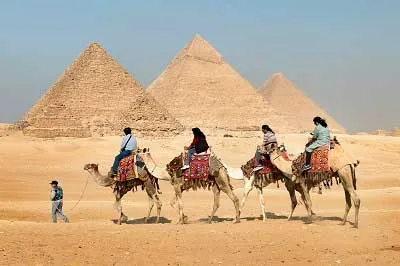
In Cairo, our guide helps you follow a full day among the Giza Pyramids, moving between viewpoints to take in the scale of the monuments. You also visit the Cairo Museum, then see Old Cairo and the Mosque of Mohamed Ali in the Citadel. This part of the itinerary balances major antiquities with historic streets, religious buildings and time for meals and rest.
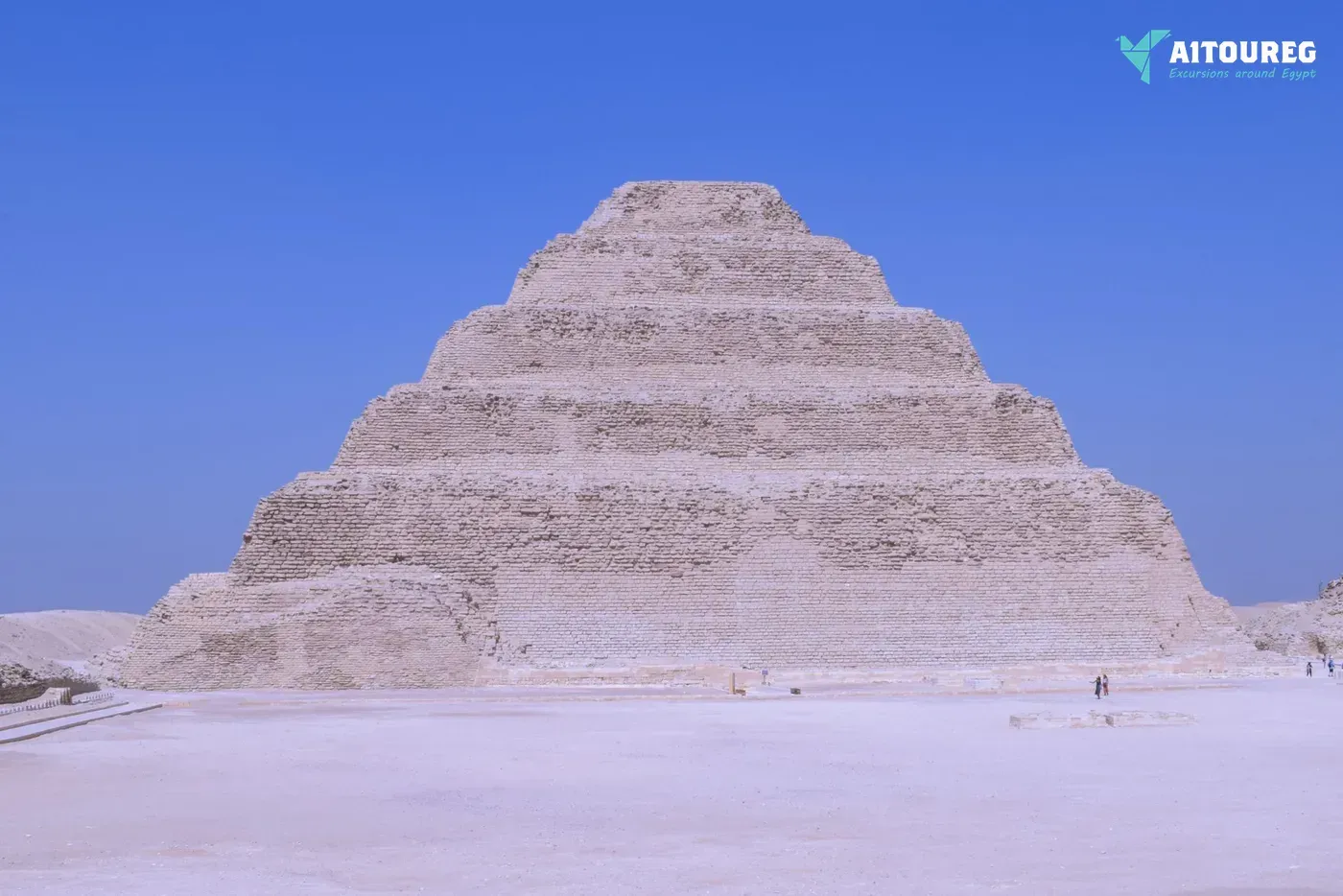
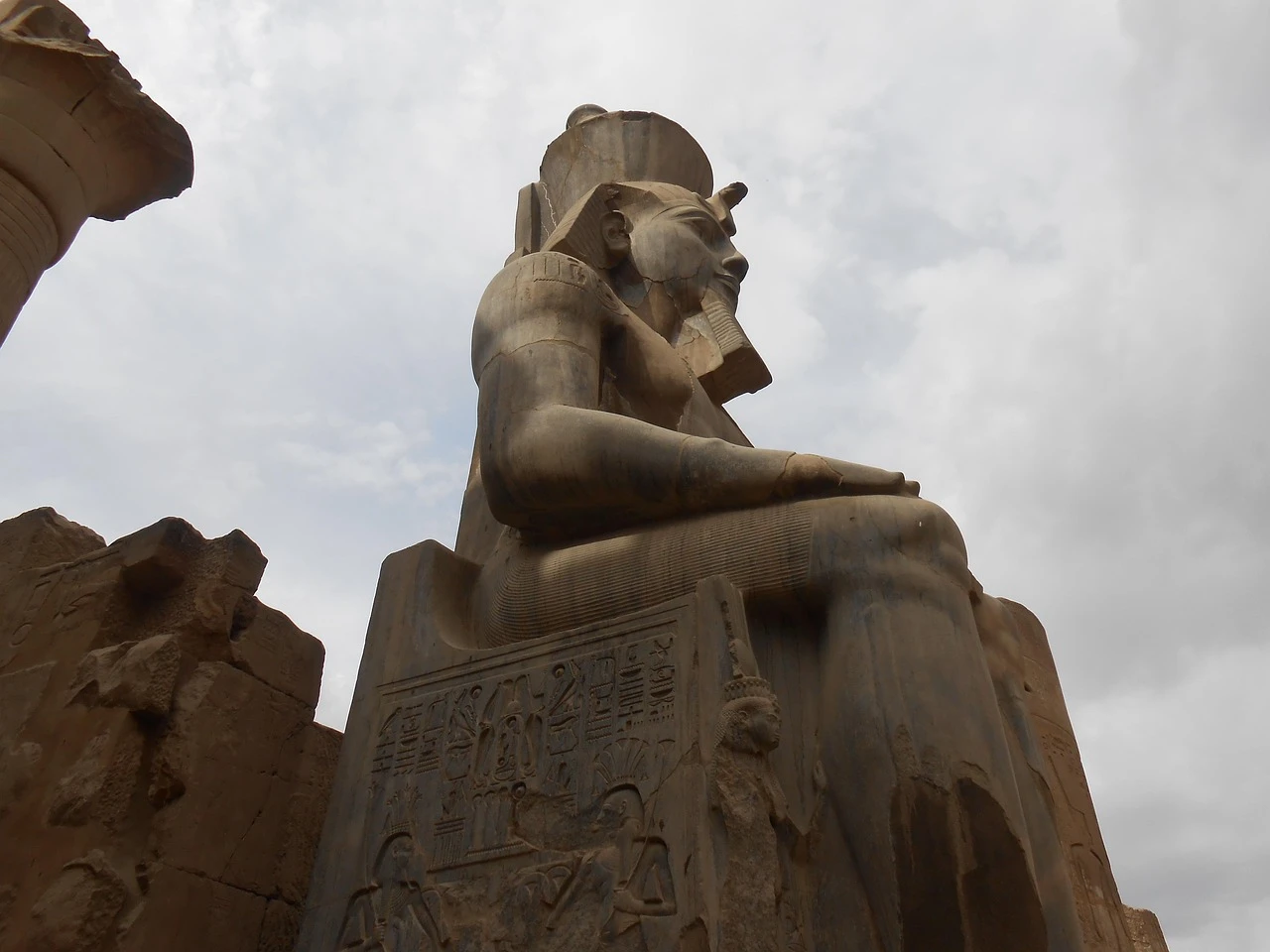
The visit to Memphis, Sakkara and Dahshour takes you beyond Egypt’s most photographed pyramid complex. At Memphis, you see the former capital’s colossal statue of Ramesses II. Sakkara has the Step Pyramid of Djoser and nearby tombs, while Dahshour shows the Bent Pyramid and Red Pyramid, where builders refined the pyramid form. The sites are spread out, so a private vehicle and a well-planned route make the day more comfortable.
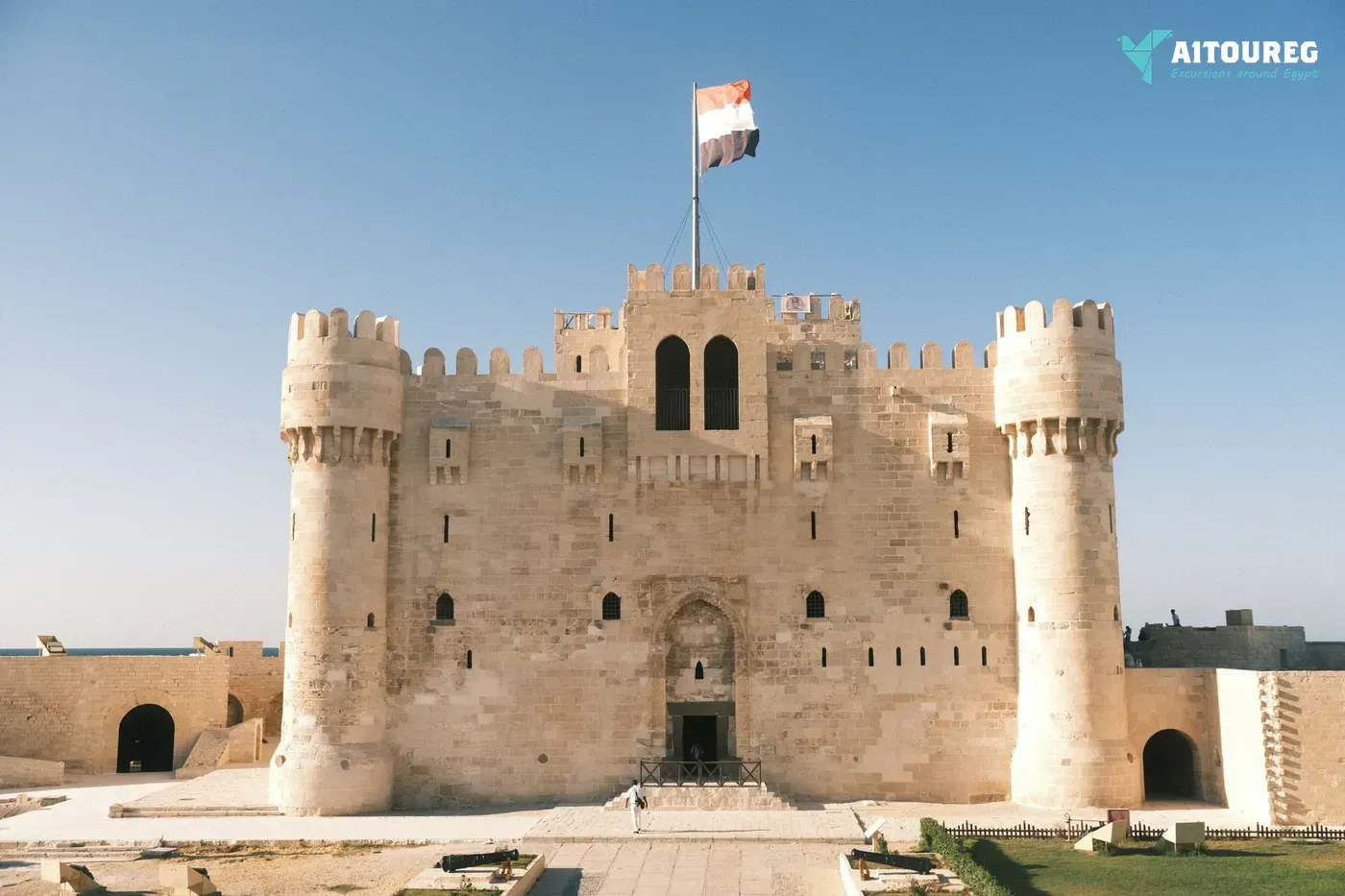
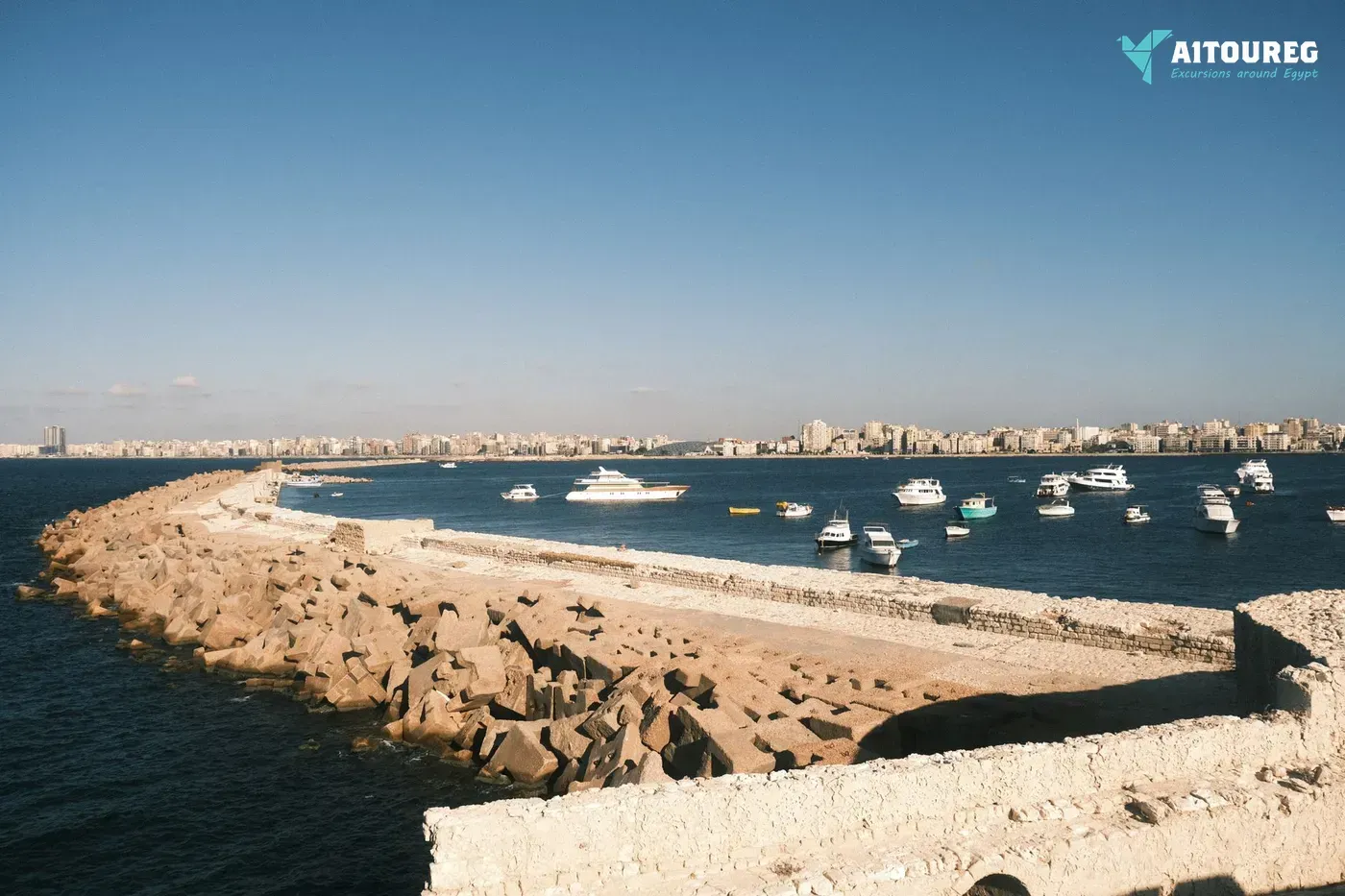
Alexandria shows you a different side of Egypt. Along the Mediterranean, you can see the Catacombs of Kom El Shoqafa, Pompey’s Pillar and the exterior of the Bibliotheca Alexandrina, subject to opening arrangements. The journey then turns west towards Siwa Oasis, where palm groves, salt lakes and desert tracks slow the pace. Our team plans the transfers and sightseeing around road conditions, rest stops and your group’s needs.
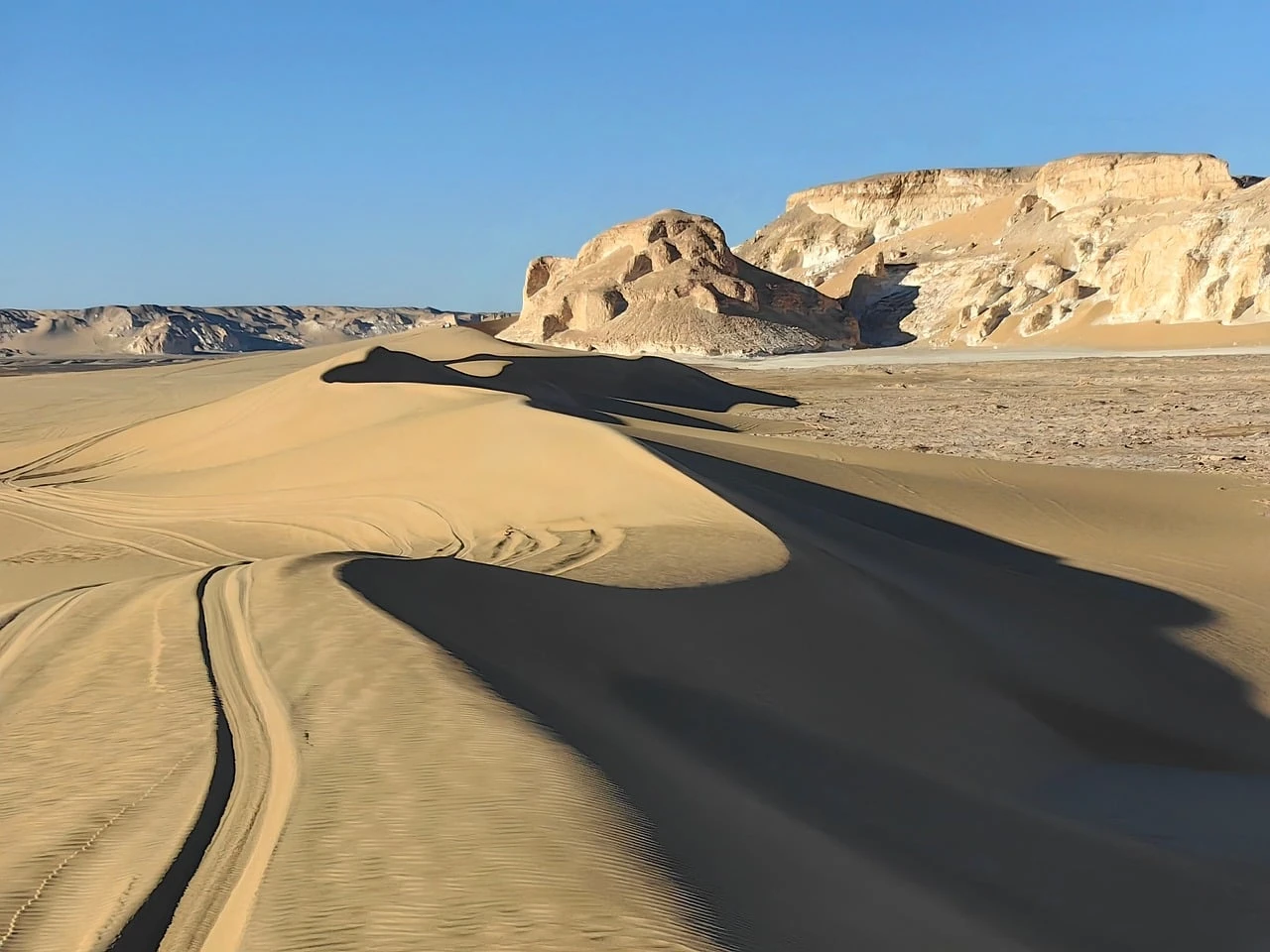
The desert section includes the White Desert, where wind has shaped pale limestone formations. The landscape changes as you leave the oasis for open desert, so bring sun protection, water and comfortable shoes. Siwa and the White Desert suit travellers who enjoy longer road journeys and wide-open scenery. Rough tracks and extended transfers may be difficult for some travellers.
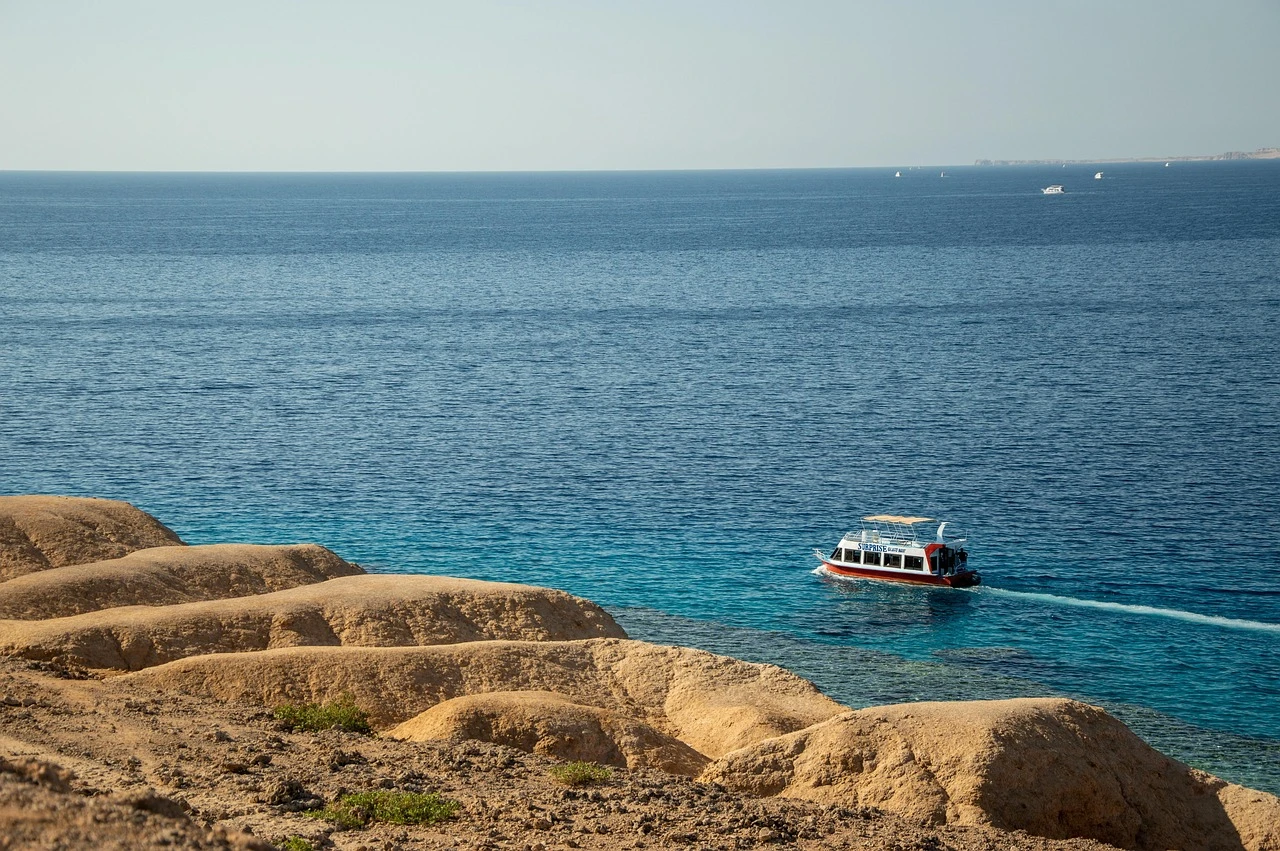
After the desert, Hurghada gives you time beside the Red Sea. Hurghada, sometimes typed Hurgada, is a practical base for relaxing on the coast or arranging optional water activities, depending on sea conditions and availability. Travellers searching for “Discover the redsea” will find this part of the itinerary useful because it leaves time for the coast instead of filling every hour with monuments.
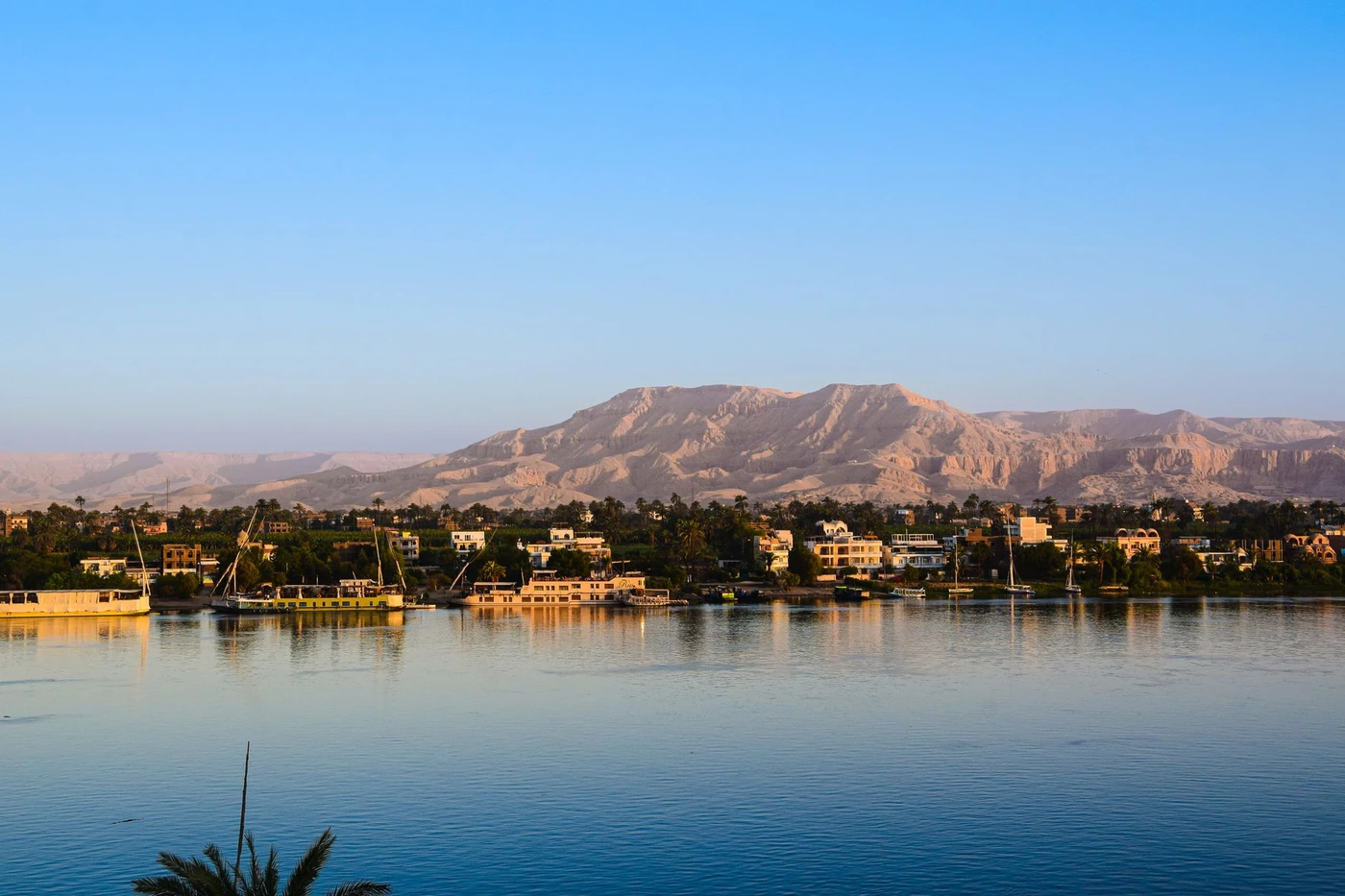
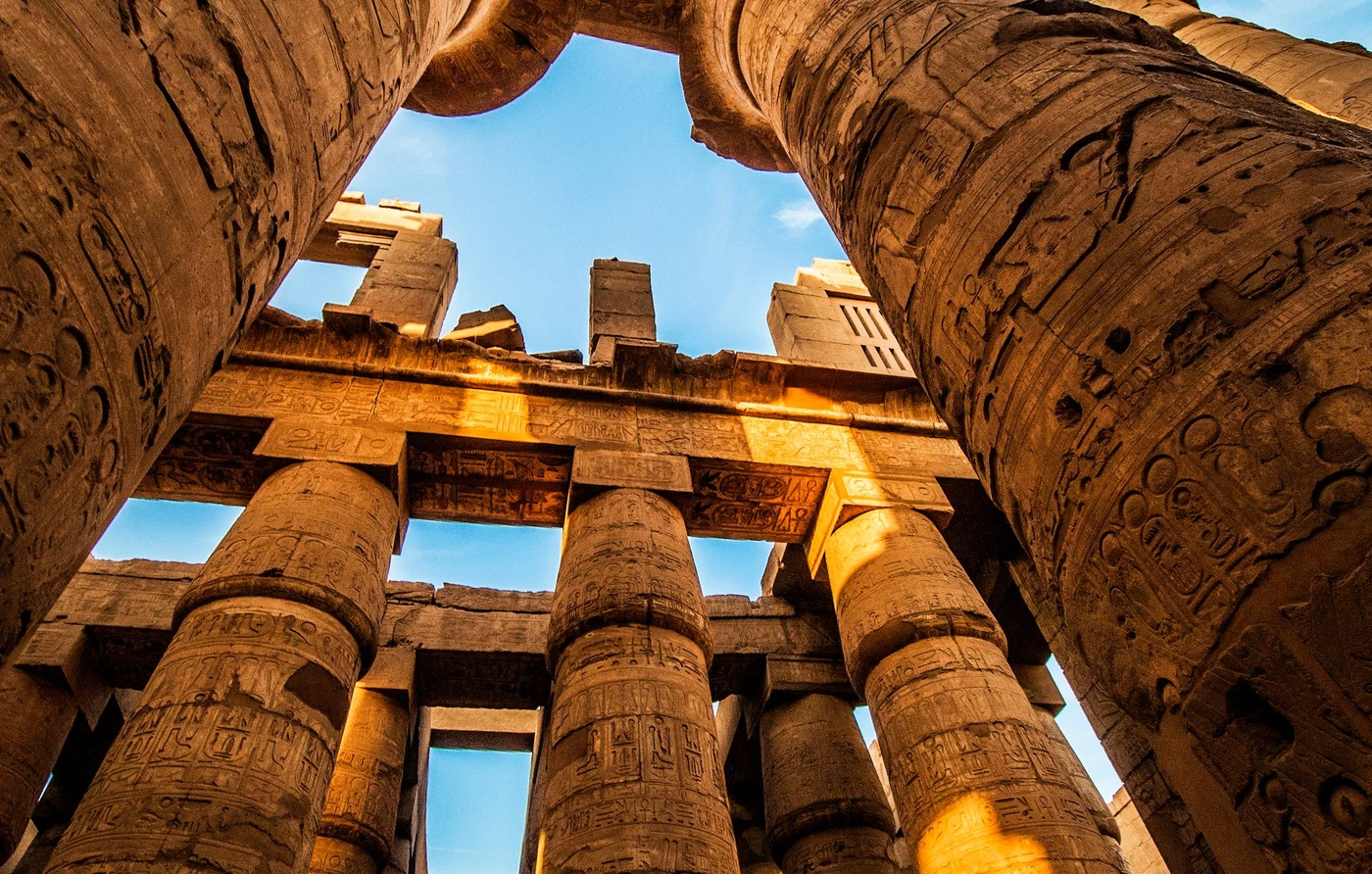
Luxor brings the ancient sites back into focus. On the east bank, Karnak has a vast sequence of temples, columns and courtyards. Across the Nile, the Valley of the Kings contains decorated royal tombs, followed by the Hatshepsut temple at Deir el-Bahari. It is also called the Valley of Kings in many searches. In Aswan, you visit Philae Temple, sometimes misspelled “Phiala temple”, on an island reached by boat. Abu Simbel is the major southern highlight, with rock-cut temples built for Ramesses II and Nefertari.
We run the trip with planned transfers, local guidance and enough time for meals, sleep and changing transport conditions. It suits families, couples and private groups who want to see more of Egypt without arranging every connection themselves. Family and group travellers can ask our team about a special price. The itinerary includes uneven ground, early departures and several long drives, so tell us about mobility needs before confirmation; we can then advise on the most comfortable arrangements.
Meals, accommodation, entrance arrangements and transport depend on the confirmed package selected for your travellers. Before departure, we explain the daily order, road sections and pickup points, and our Egypt-based team remains available during the tour. Comfortable walking shoes are especially useful at the pyramid fields, temple courtyards and desert stops.
Airport, hotel and sightseeing transfers in a private air-conditioned vehicle
Sightseeing tours and entrance arrangements included in the confirmed package
Accommodation as specified in the confirmed itinerary
Services of a knowledgeable local guide, with a licensed Egyptologist where relevant
Support from our Egypt-based operations team
Road transfers between the listed destinations
Optional activities in Hurghada and Siwa
Meals and drinks not stated in the confirmed itinerary
International flights
Gratuities for guides, drivers and local staff
Personal spending, laundry and phone charges
Entry visa and personal travel insurance
Cash for personal expenses and optional activities
Light, breathable clothing and a warm layer for desert evenings
Sun cream, hat, sunglasses and a reusable water bottle
Swimwear and a light cover-up for time beside the Red Sea
Travel insurance details and essential medication
Small overnight bag for longer road sections
Comfortable walking shoes with secure soles
Passport and any required visa documents
The 16-day Egypt itinerary includes planned sightseeing and transfers for the main stops listed in your booking, including the Giza Pyramids, Cairo Museum, Old Cairo, the Mosque of Mohamed Ali, Alexandria, Siwa Oasis, Luxor, Abu Simbel and Hurghada. The confirmed arrangements also explain which accommodation, meals, entrance fees, guides and transport are included.
Our team sends the detailed inclusions before payment, so you can check the arrangements for each part of the route rather than assume that every meal, ticket or domestic transfer is covered.
This 16-day Egypt itinerary has a full sightseeing schedule, with time divided between Cairo, Alexandria, Siwa Oasis, Luxor, Abu Simbel and Hurghada rather than spent in one city. Some days include long road transfers or early starts, while the resort stay gives you time to rest and enjoy the Red Sea.
You will visit Memphis, Sakkara and Dahshour around Cairo, then see Karnak, the Valley of Kings and Hatshepsut temple in Luxor. The exact order can change with transport and site arrangements.
Pickup and drop-off are arranged at the accommodation or meeting point confirmed for each stage of the tour, with road transfers connecting Cairo, Alexandria, Siwa Oasis, Luxor, Abu Simbel and Hurghada. Our team provides the practical pickup details before each transfer, including where to meet the guide or driver.
Long journeys are part of the route, especially around the desert and Upper Egypt. We plan the transfers around the confirmed itinerary and advise you if a domestic connection or separate transport arrangement is needed.
The tour can suit families and older children, but travellers should be comfortable with walking, uneven ground, steps, heat and some long road journeys. The Giza Pyramids, Sakkara, Abu Simbel, Karnak and the Valley of Kings include outdoor paths, while some historic areas have limited wheelchair access.
Tell us about mobility needs, medical requirements or young children before booking so our team can review the route and suggest practical adjustments where possible. Family and group travellers can also ask our team about a special price.
Bring light, breathable clothing, comfortable walking shoes, sun protection and clothing that covers your shoulders and knees for religious and historic sites. A hat, sunglasses, reusable water bottle, personal medication, travel documents and a light layer for air-conditioned transport are useful throughout the itinerary.
For Hurghada and time to discover the Red Sea, pack swimwear and a cover-up. You may also want a small day bag for visits to the Phiala temple, Hatshepsut temple and desert areas.
To book the 16-day Egypt itinerary, send our team your preferred travel dates, traveller details and any accommodation or mobility requirements so we can confirm the arrangements and payment terms. Cancellation conditions depend on the services reserved for your dates and are explained before you make payment.
Availability, transport and site arrangements should be confirmed in writing before final booking. If your plans change, contact us as early as possible; the applicable cancellation terms may differ for accommodation, transport and other booked services.
Your unforgettable Egypt journey starts with a booking you can trust.
* Available on selected tours. Flights, cruises and special bookings may have different cancellation policies.
Free cancellation up to 24 hours before activity starts
If you choose to pay online, a secure payment link can be provided after booking. For assistance or alternative payment options, please contact us via WhatsApp.
All our tour operators are licensed and verified by Egyptian tourism authorities.
Learn more about our licensed partners →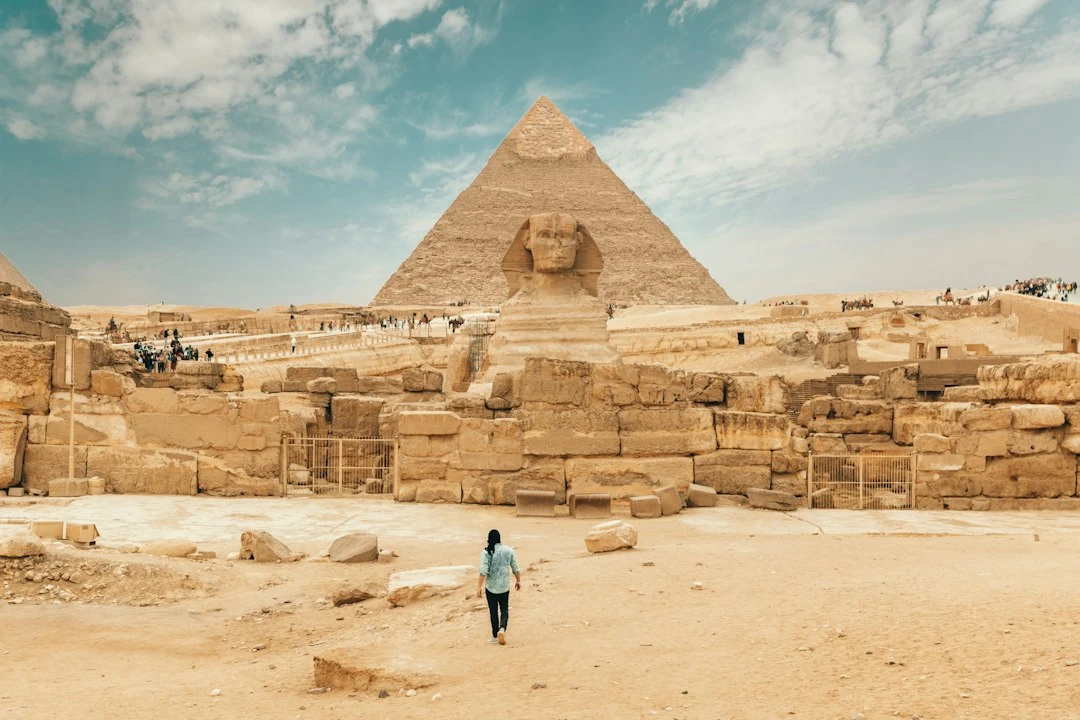


Free cancellation up to 24 hours before activity starts
If you choose to pay online, a secure payment link can be provided after booking. For assistance or alternative payment options, please contact us via WhatsApp.
All our tour operators are licensed and verified by Egyptian tourism authorities.
Learn more about our licensed partners →
Your Itinerary
When you arrive in Cairo, our representative meets you at the airport and assists with the arrival formalities before your transfer to the hotel. The journey into the city gives you a first look at Cairo’s busy streets and broad avenues, while our team remains available to help with check-in and the arrangements for the following morning.
The rest of the day is free for rest after your flight. Depending on your arrival time and energy, you may take a short walk near the hotel or simply settle in. We keep this first day light, since the main sightseeing begins with the Giza Pyramids and the historic areas of Cairo. Your guide confirms the next day’s plan, including the pickup arrangements and the pace of the visits.
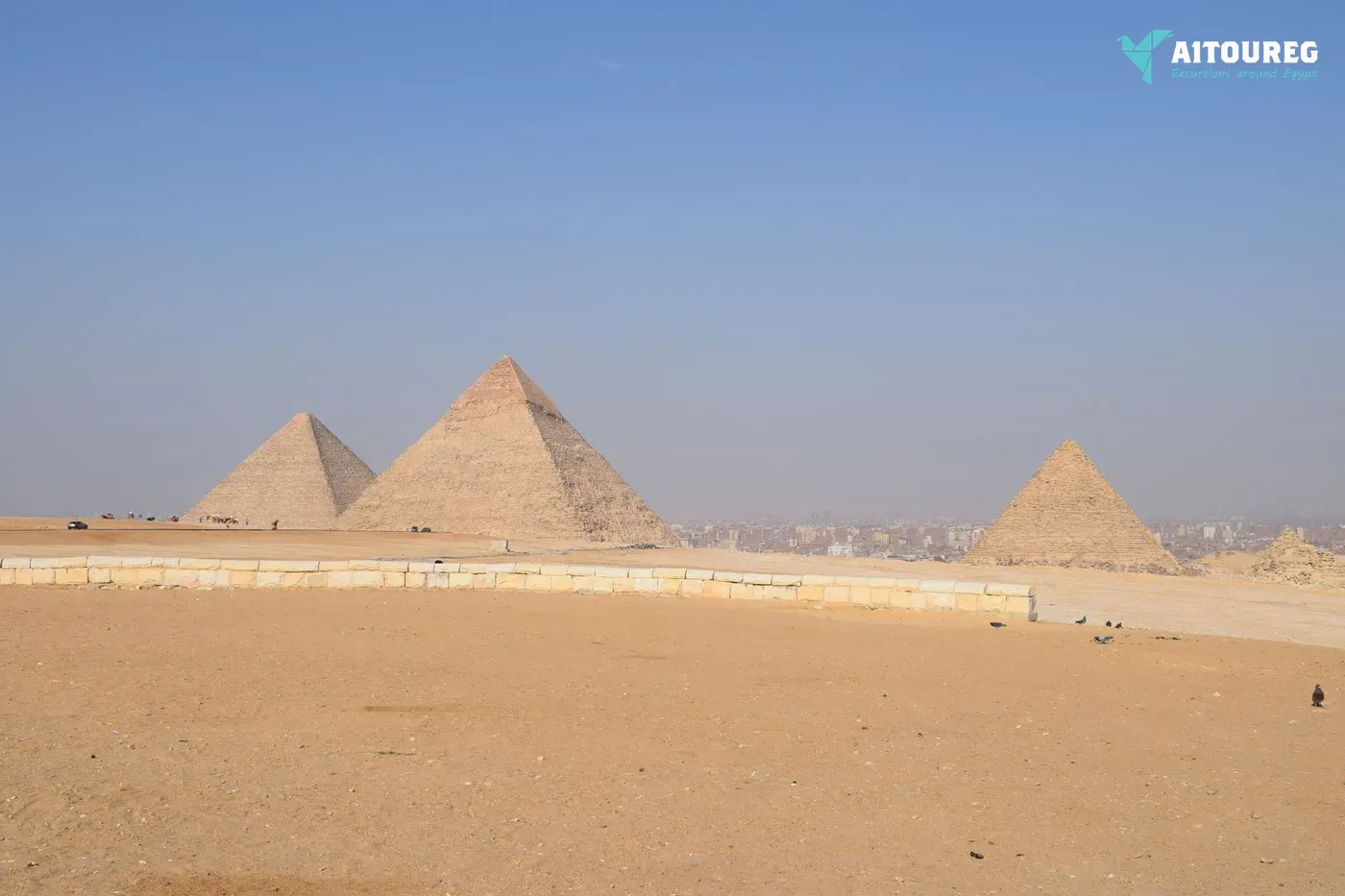
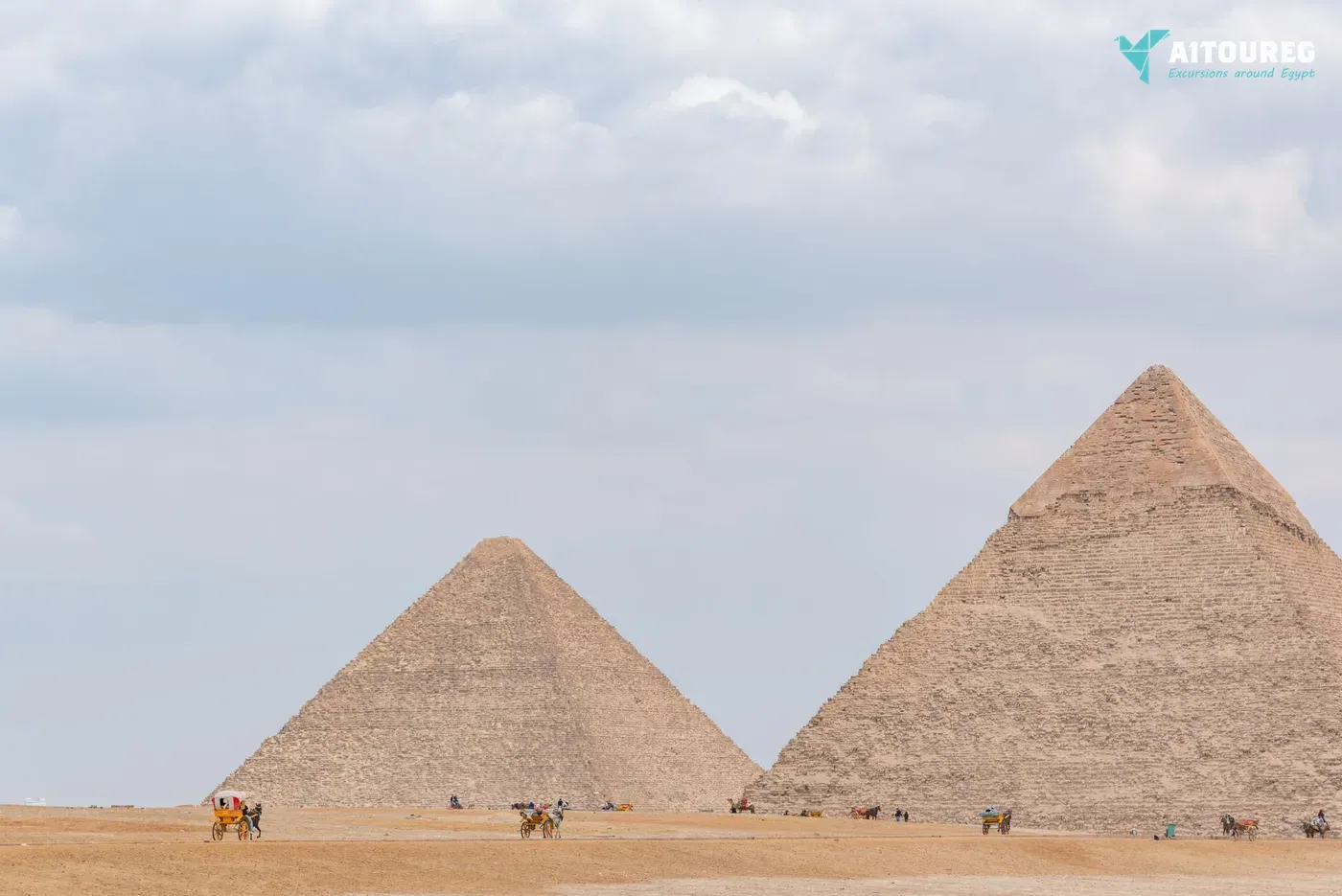
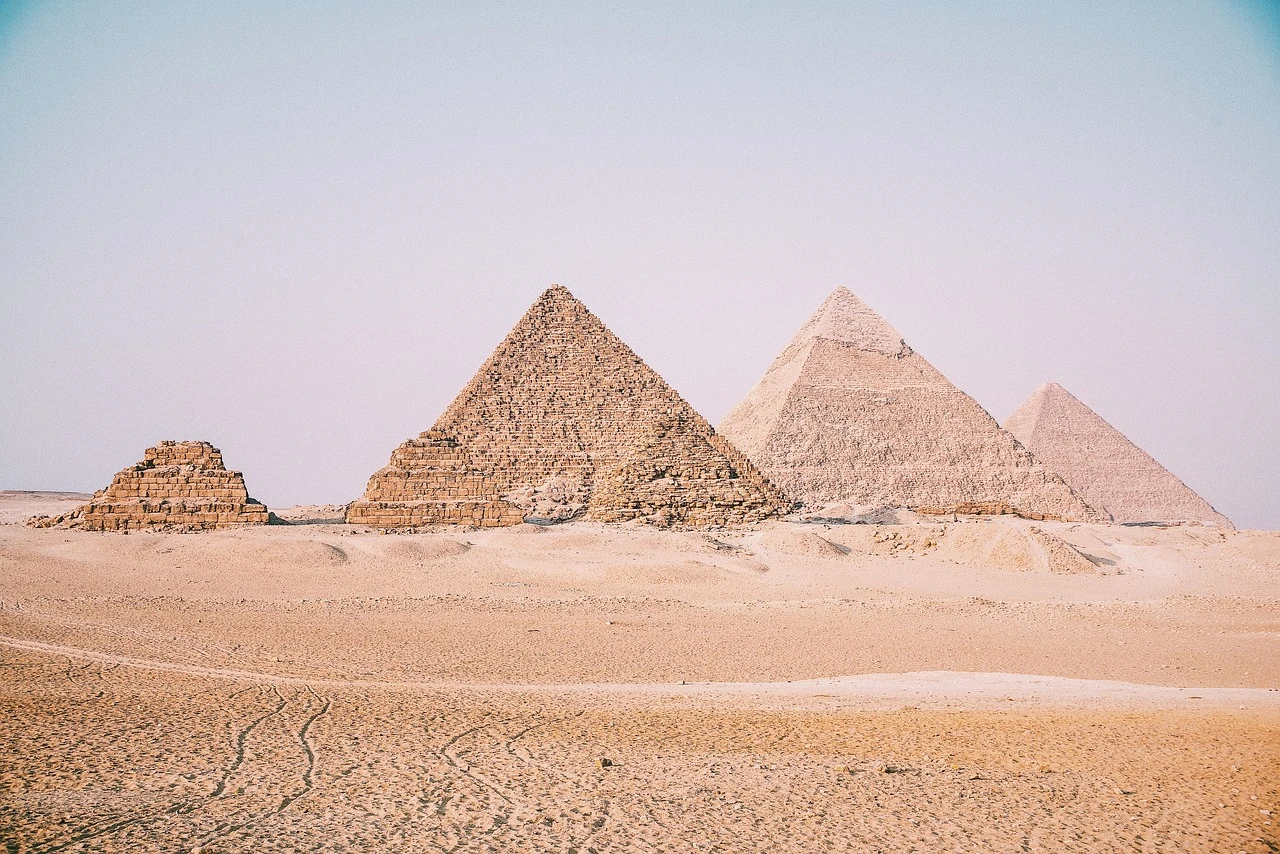
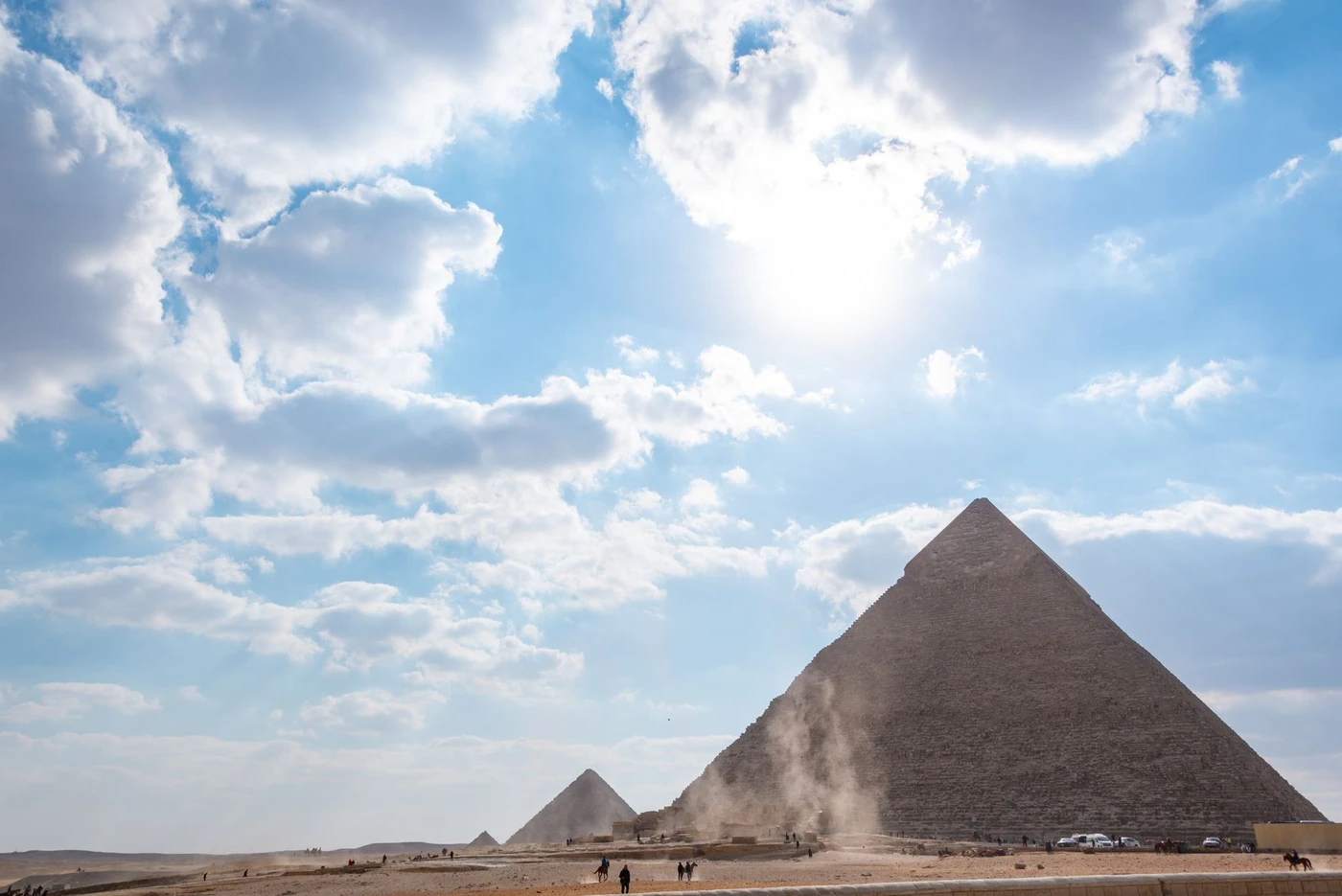
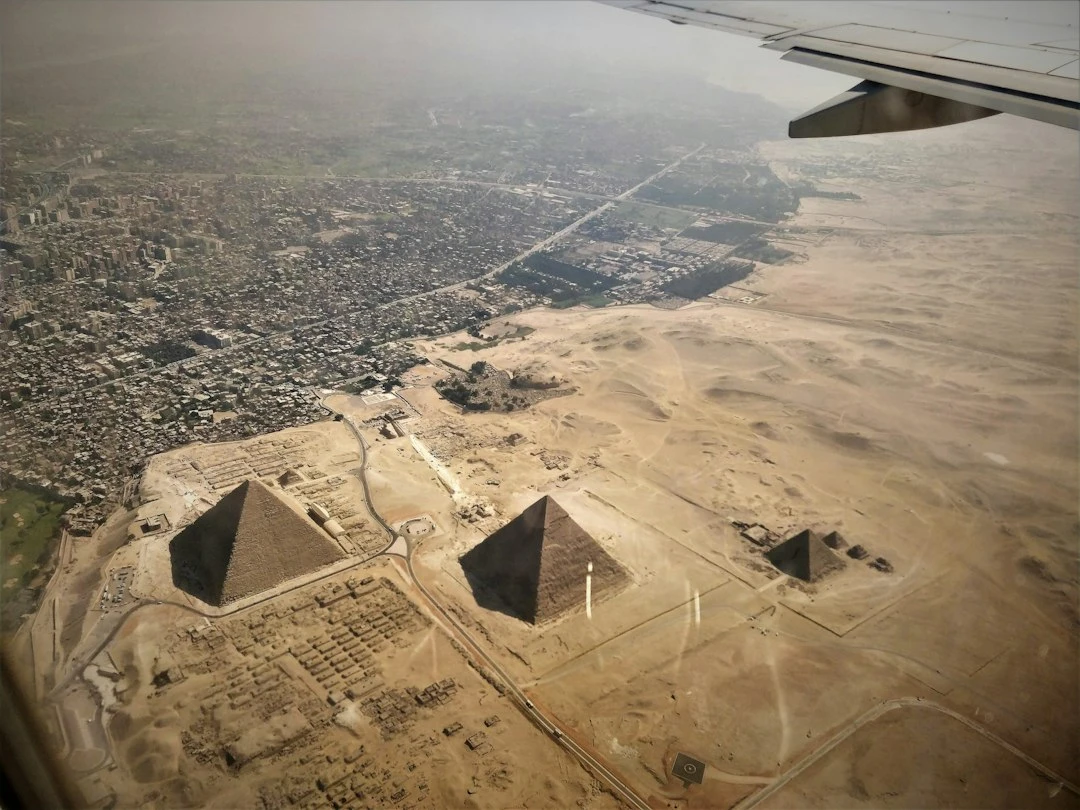
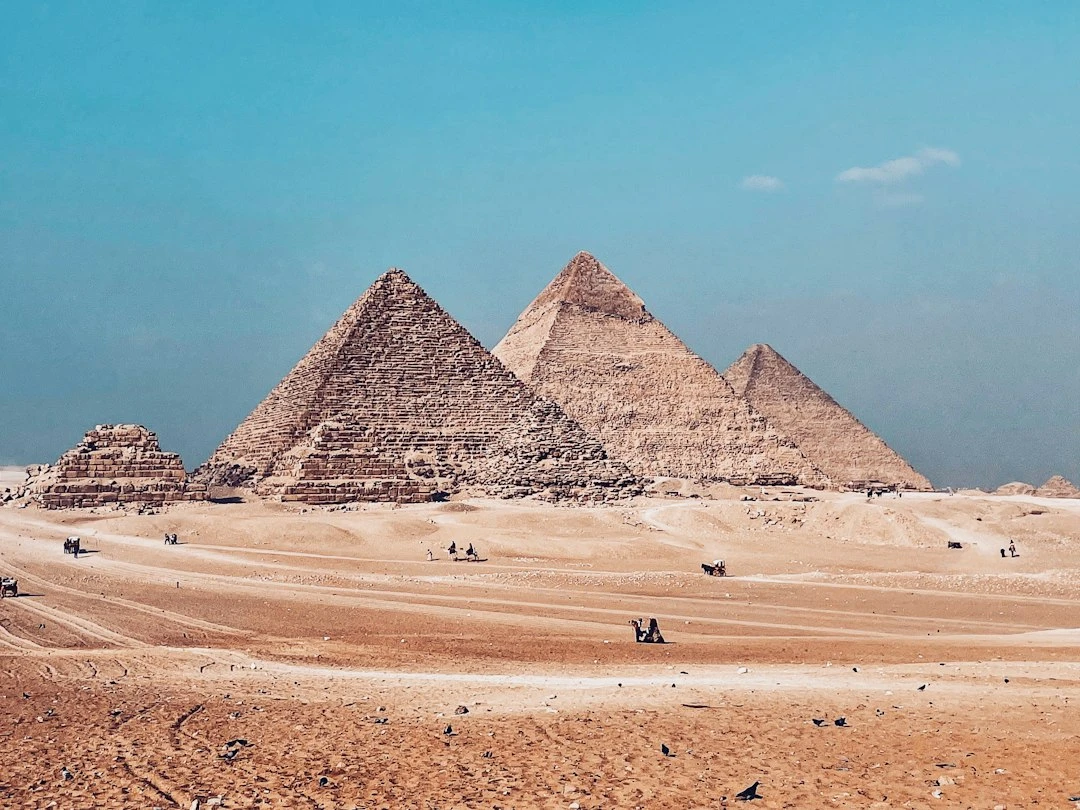
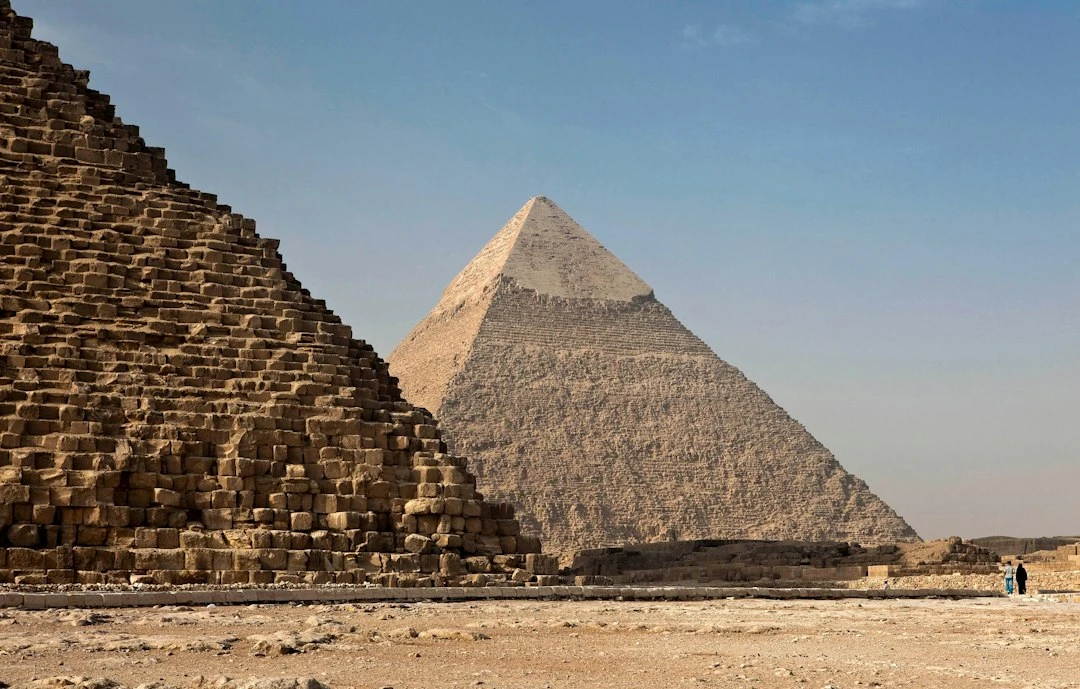
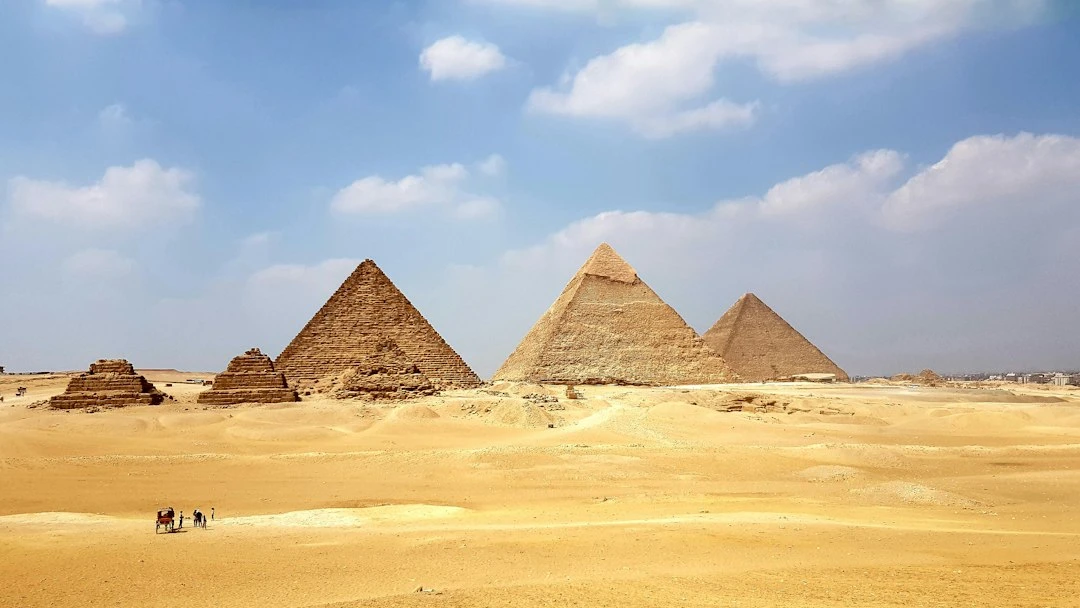
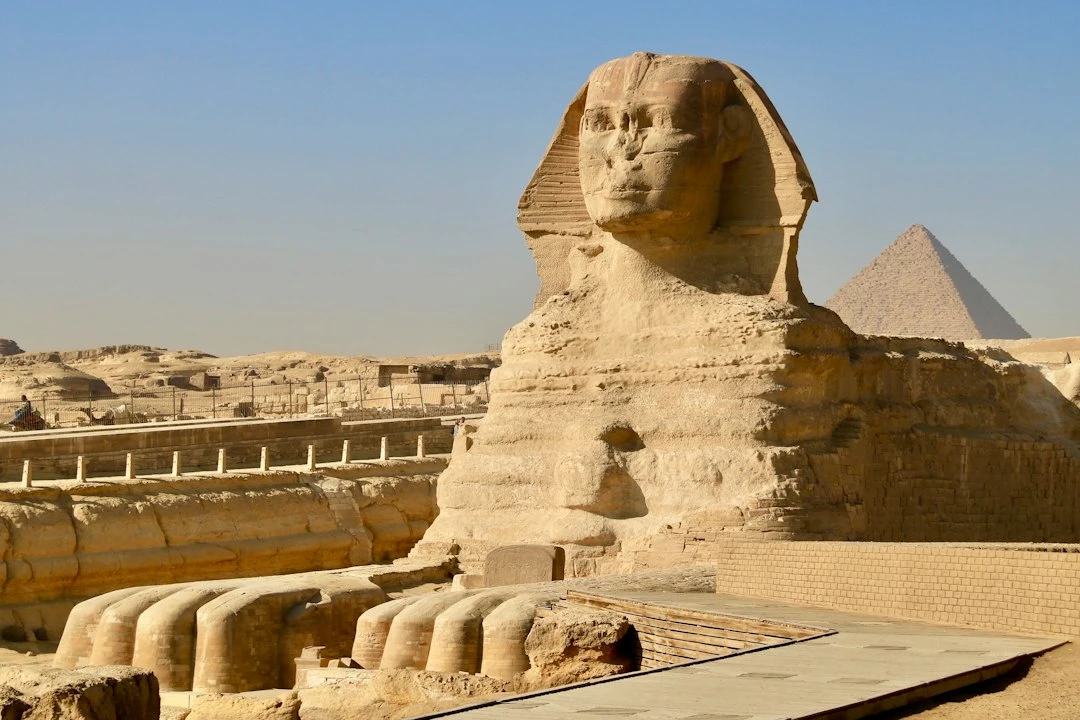
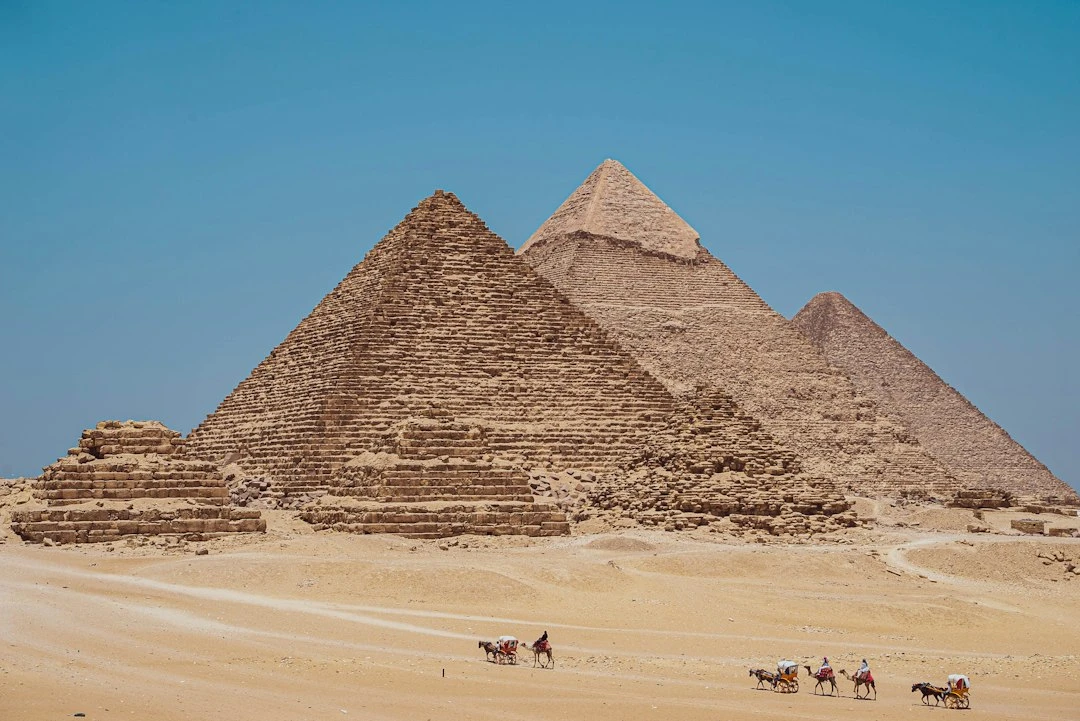
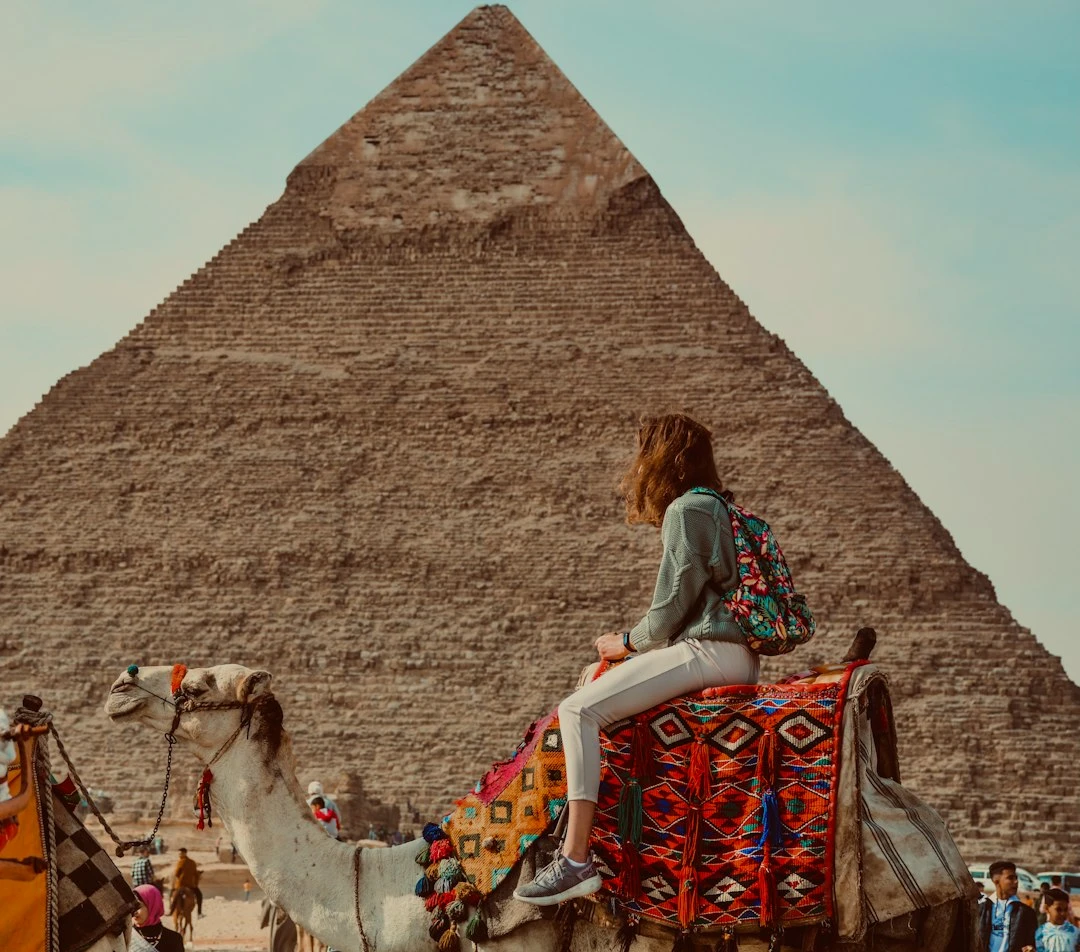
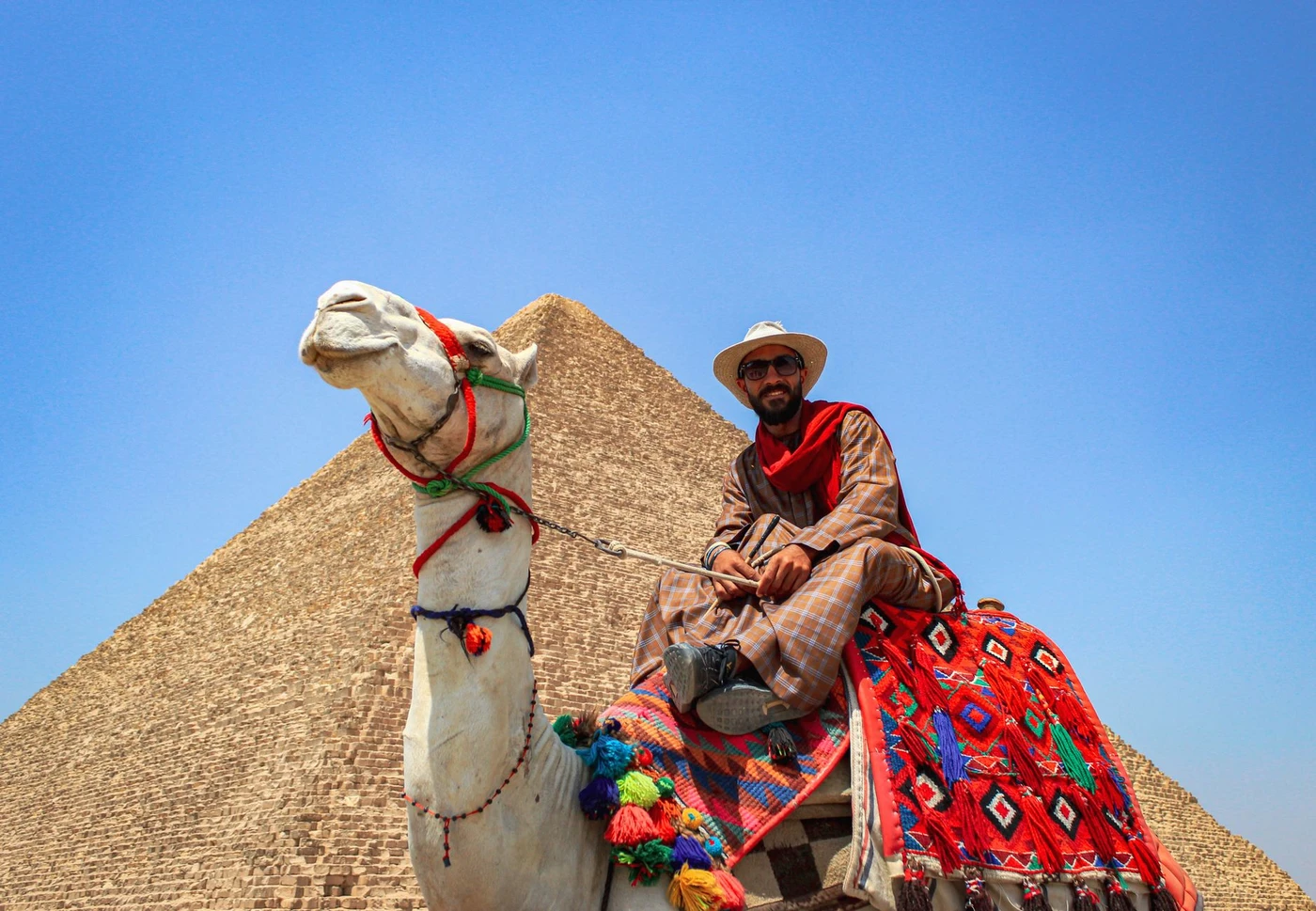
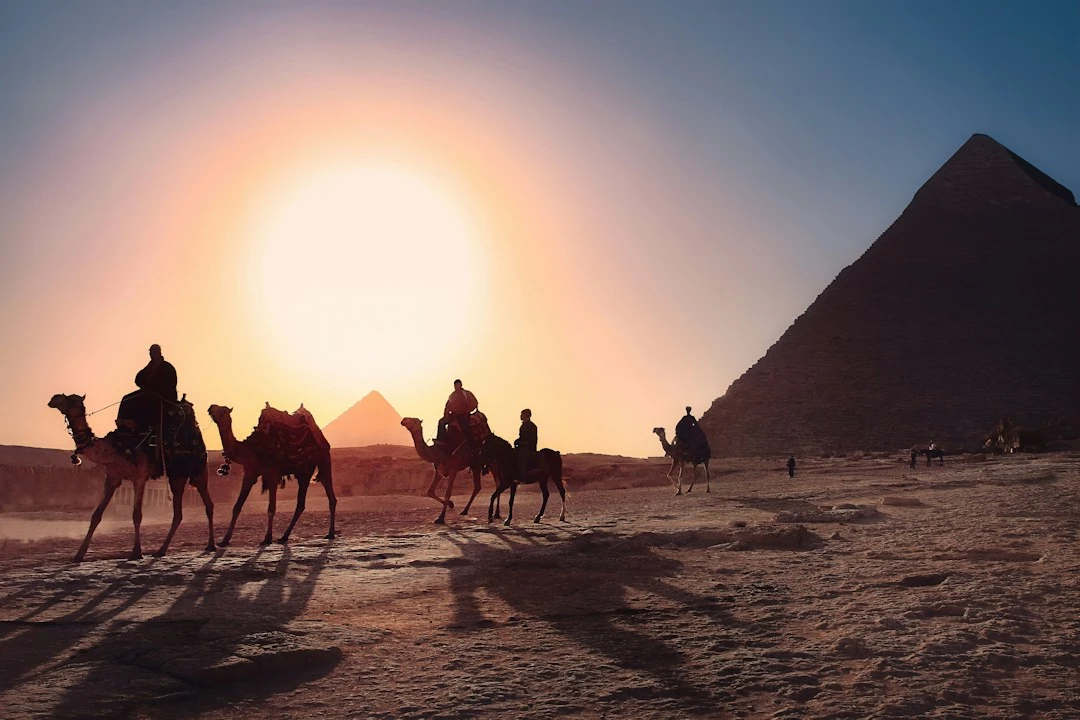
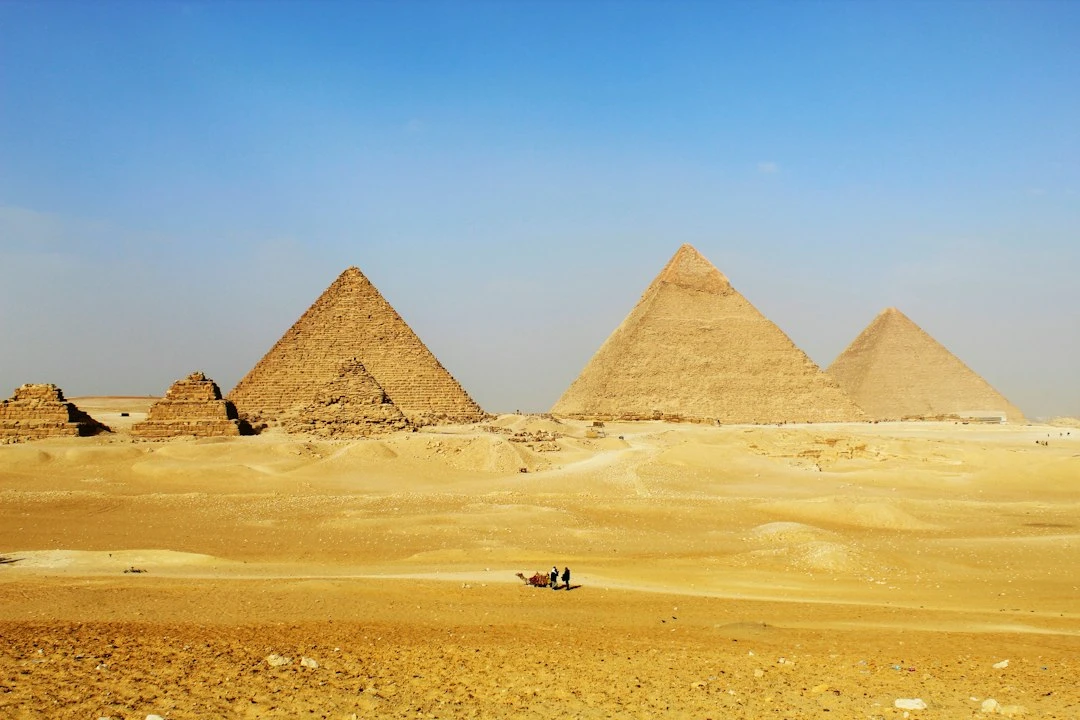
After breakfast, your guide takes you to the Giza Plateau, where you see the Great Pyramid, the Pyramid of Khafre and the Pyramid of Menkaure in that order. You also have time near the Sphinx and the Valley Temple. The plateau is open and can feel hot in the middle of the day, so comfortable shoes, water and sun protection are useful. Your guide explains how the pyramid complex was planned and how the monuments relate to the royal landscape.
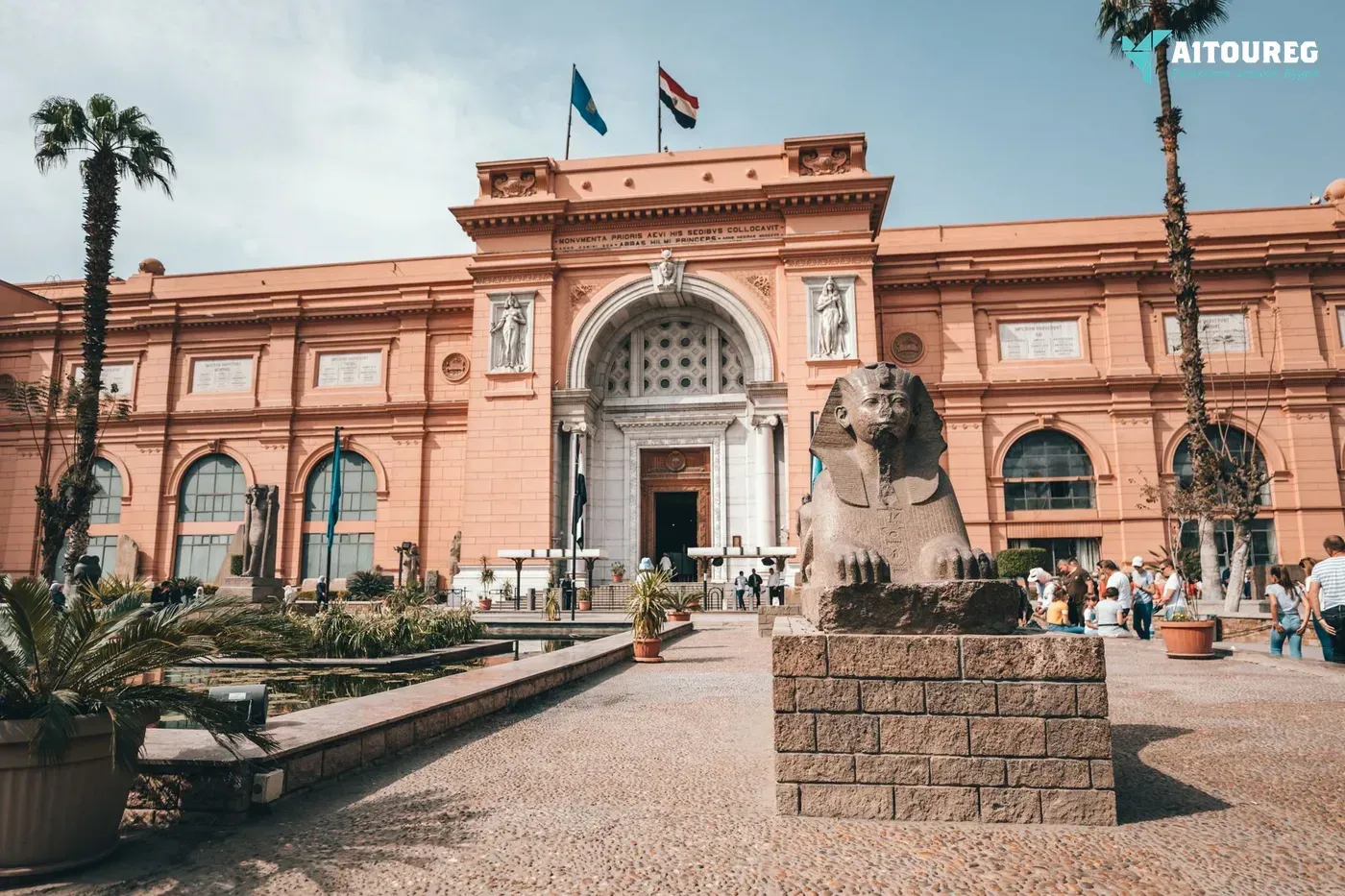
After lunch, continue to the Cairo Museum to see a wide collection of objects from ancient Egypt, including statues, jewellery, coffins and royal burial goods. The visit gives context to the monuments seen in the morning. We then return you to the hotel for an evening at leisure. The schedule allows time for photographs without turning the day into a rushed sequence of stops.
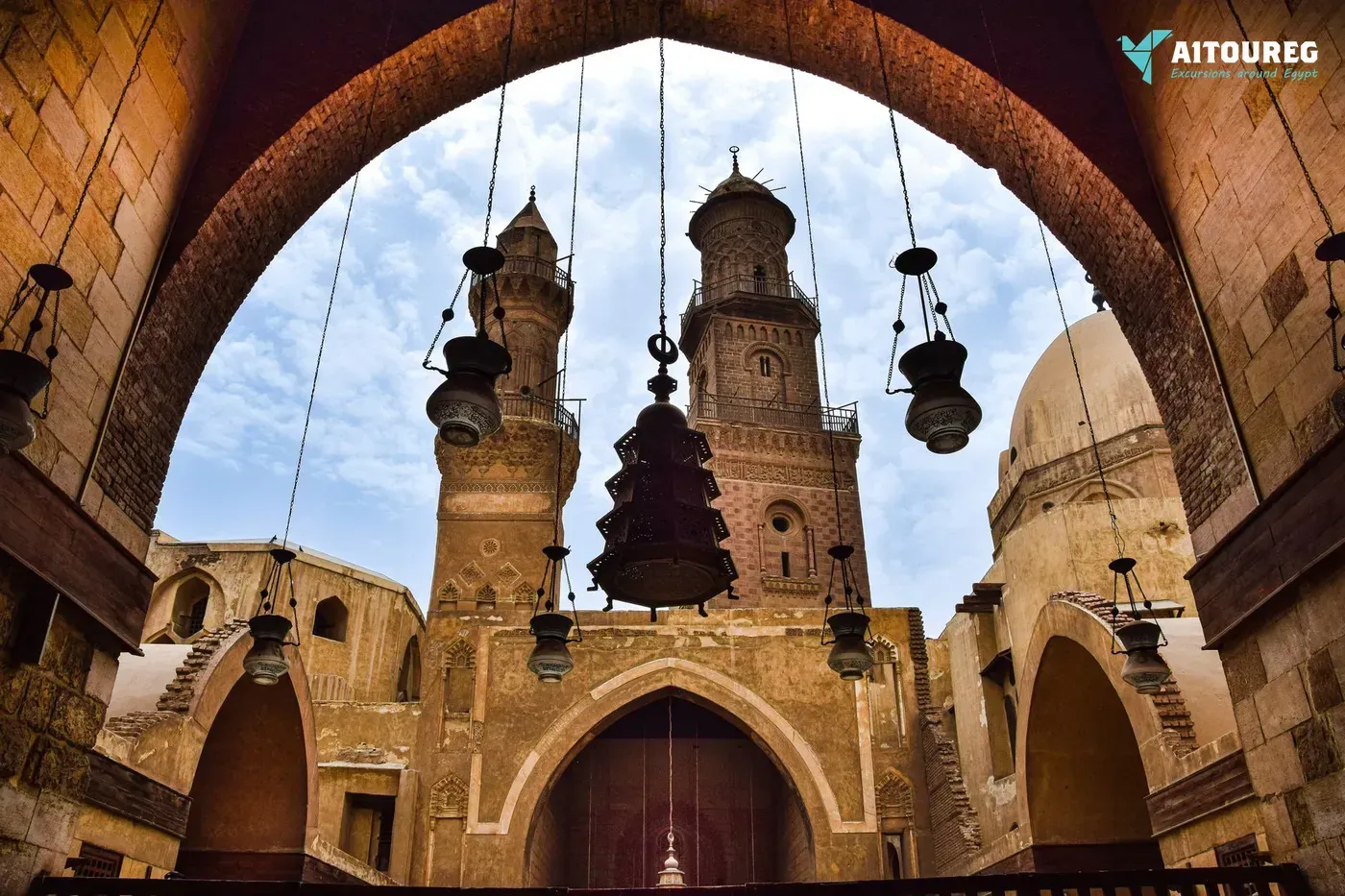
Today focuses on Cairo’s historic districts. Begin in Old Cairo, where churches, mosques and narrow lanes reflect the city’s long religious history. Your guide leads you through the area at a comfortable pace and explains the different architectural periods. The route may include time around the Coptic quarter, with opportunities to enter selected historic buildings when they are open.
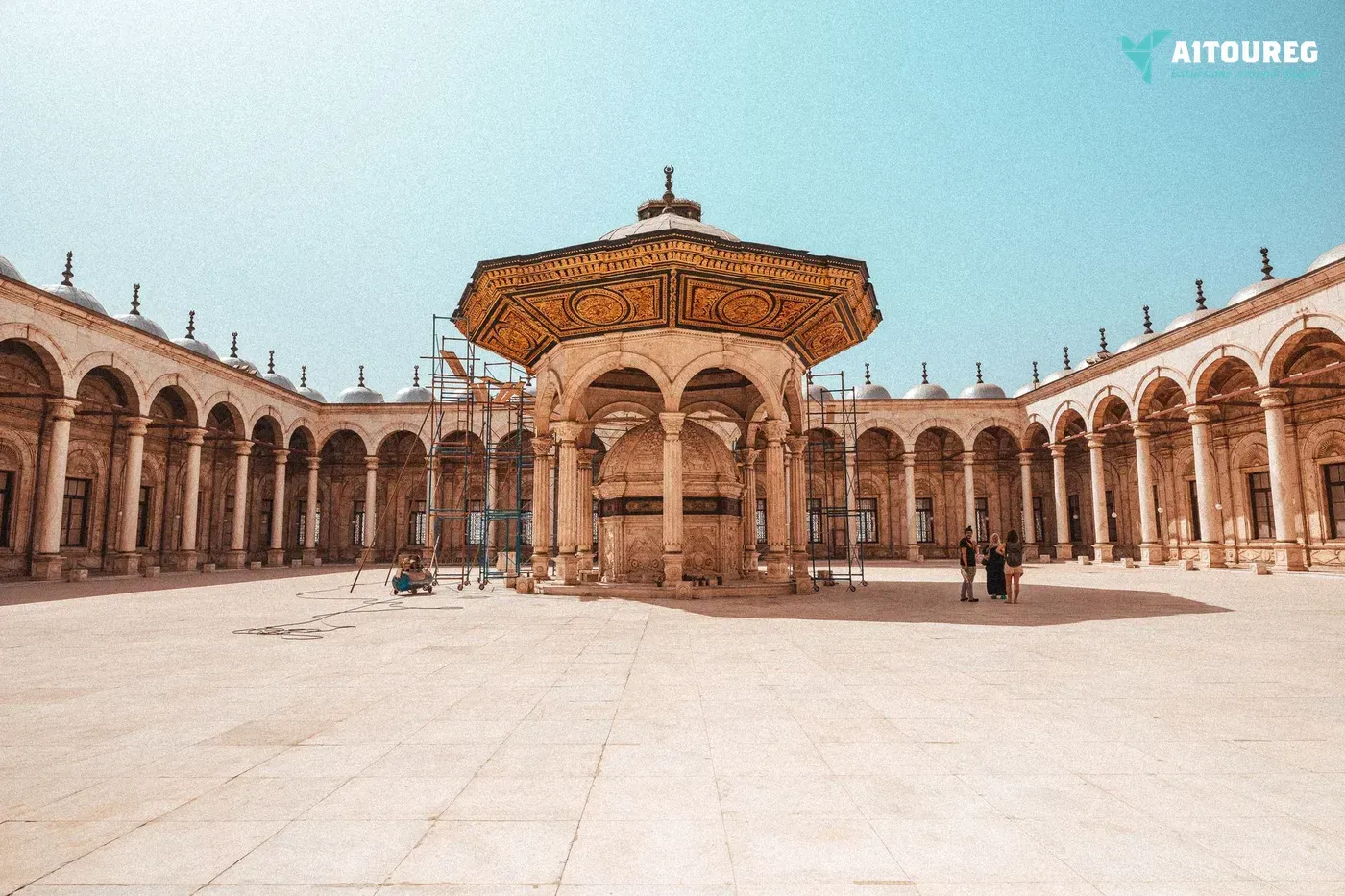
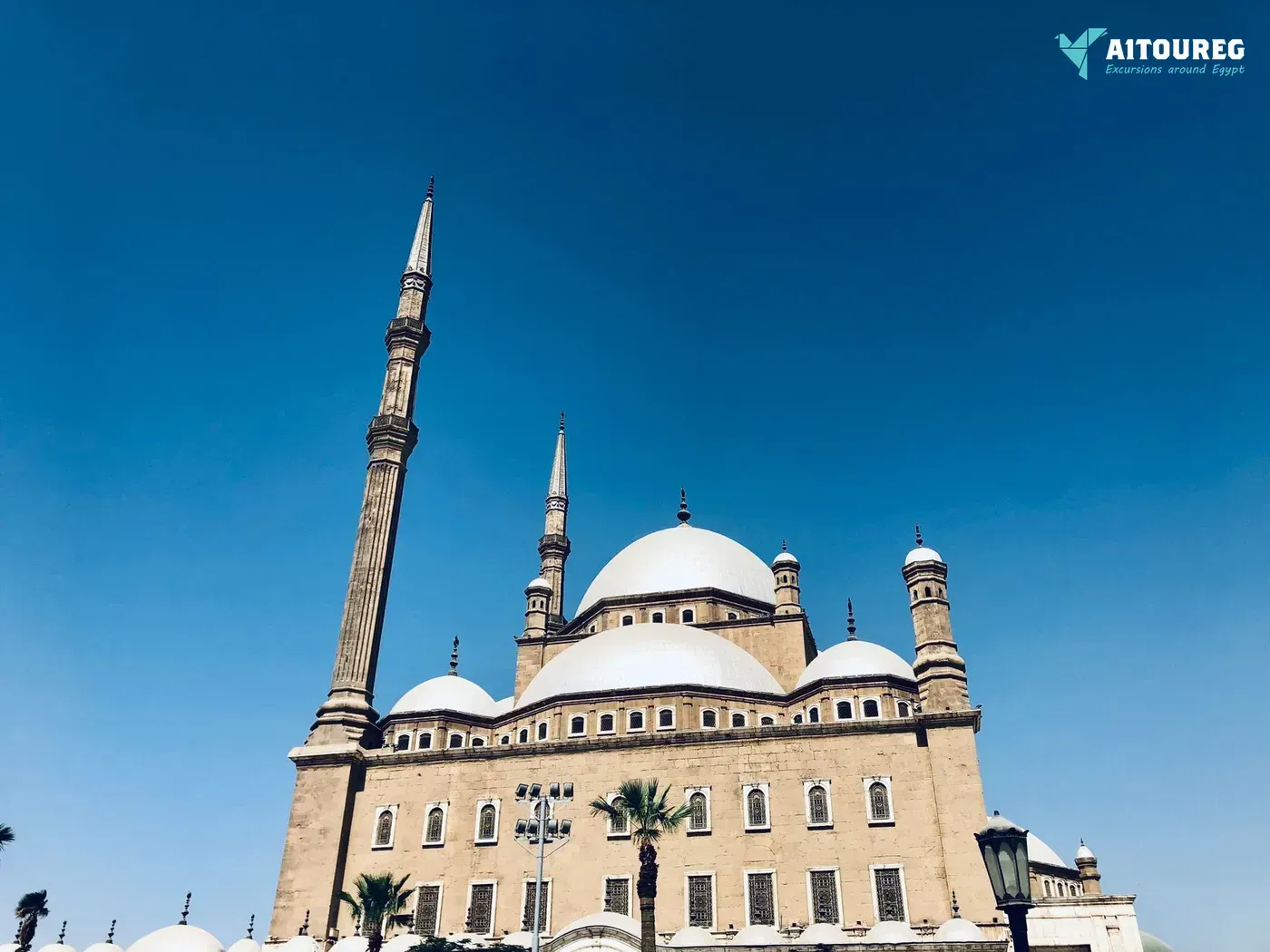
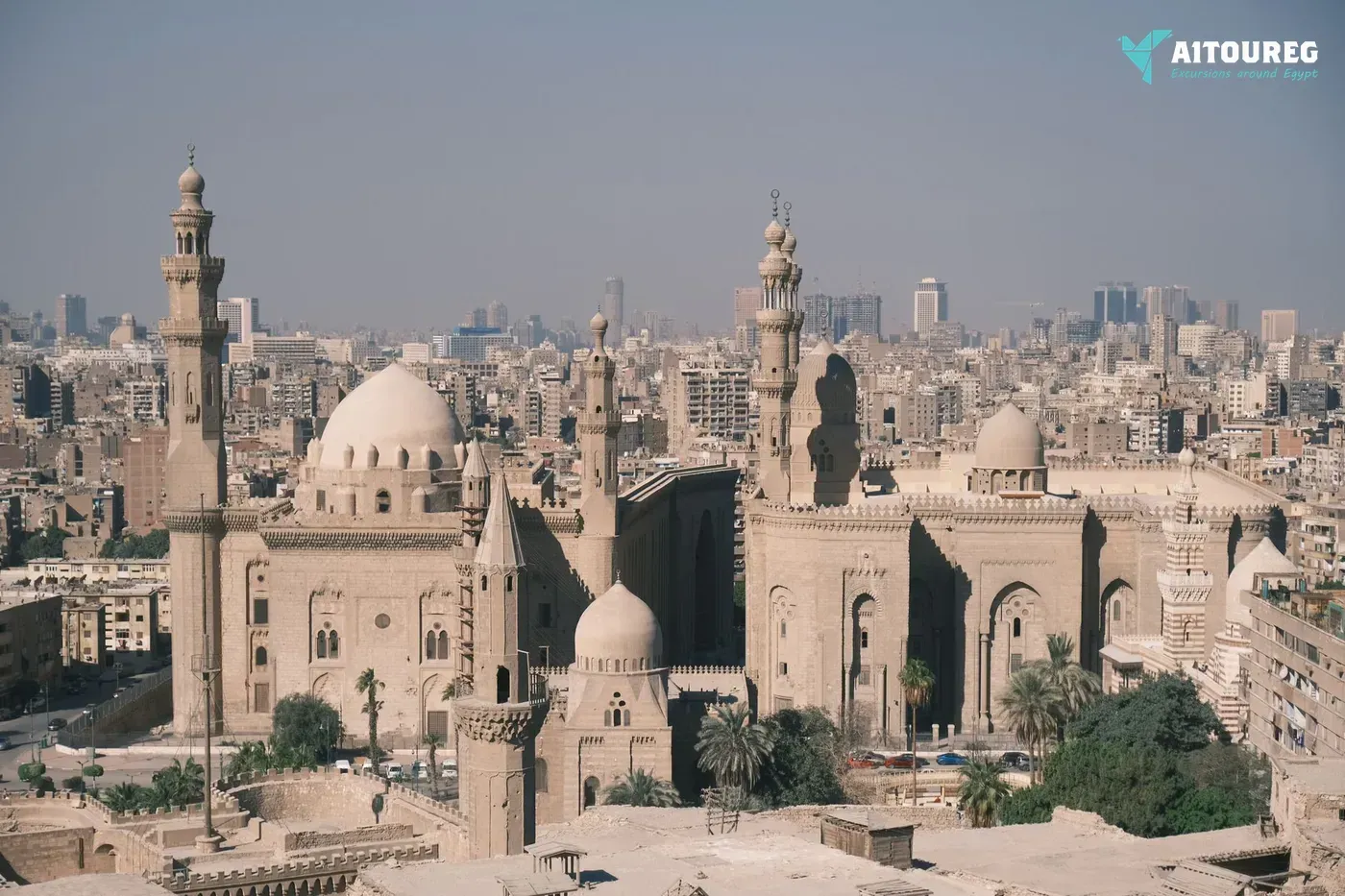
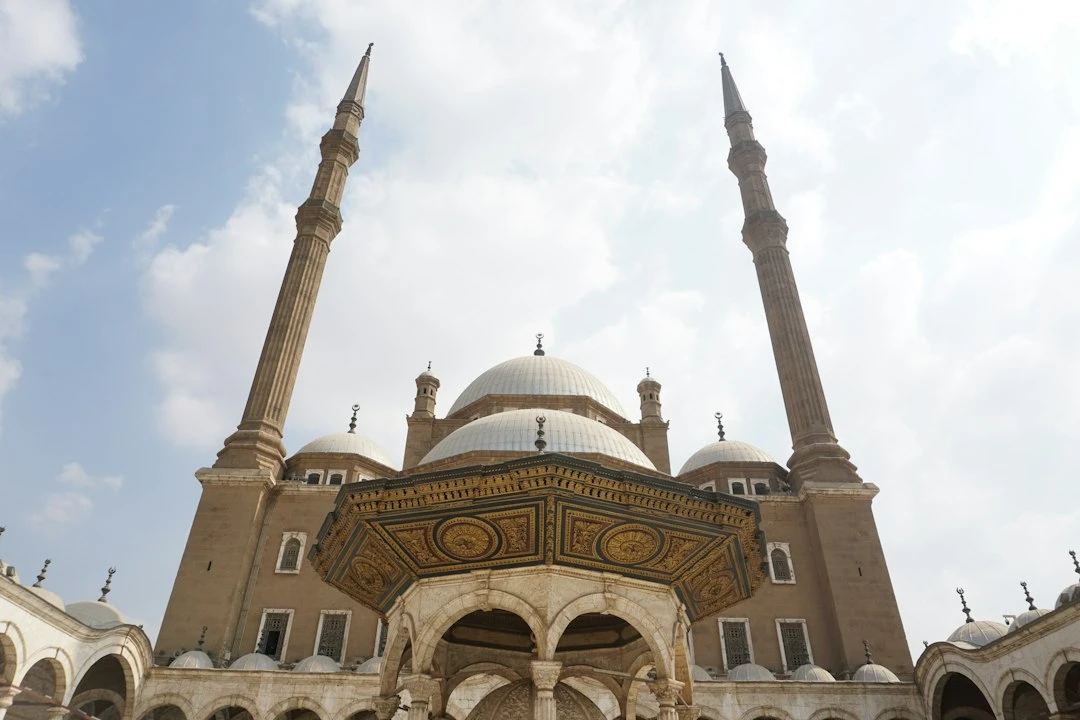
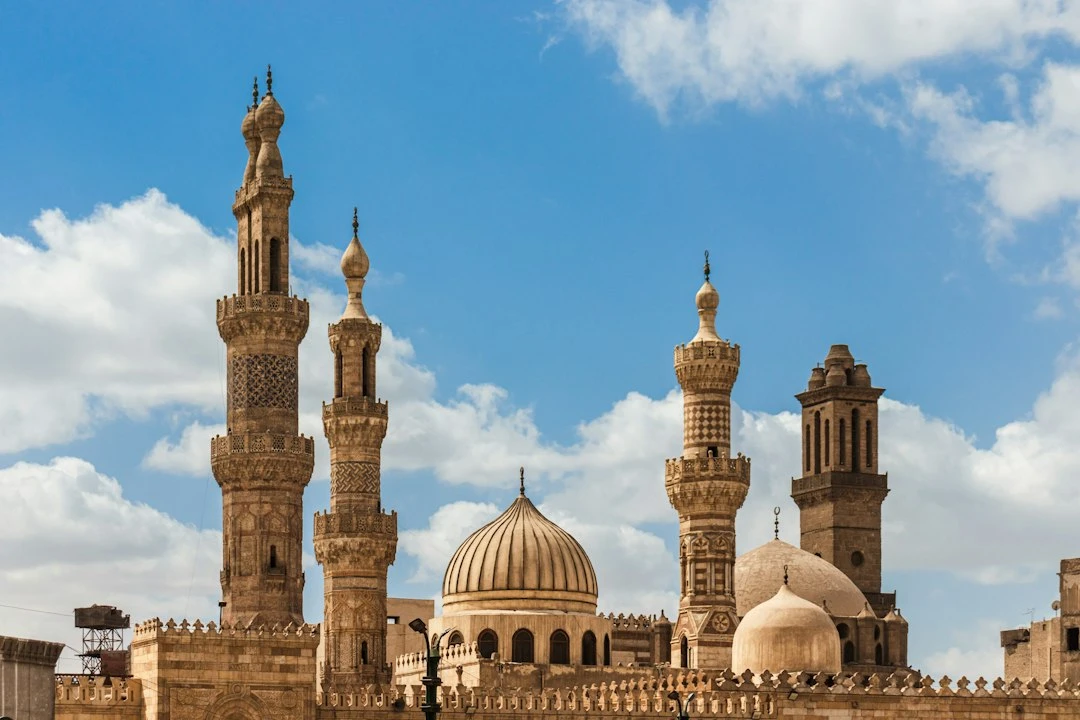
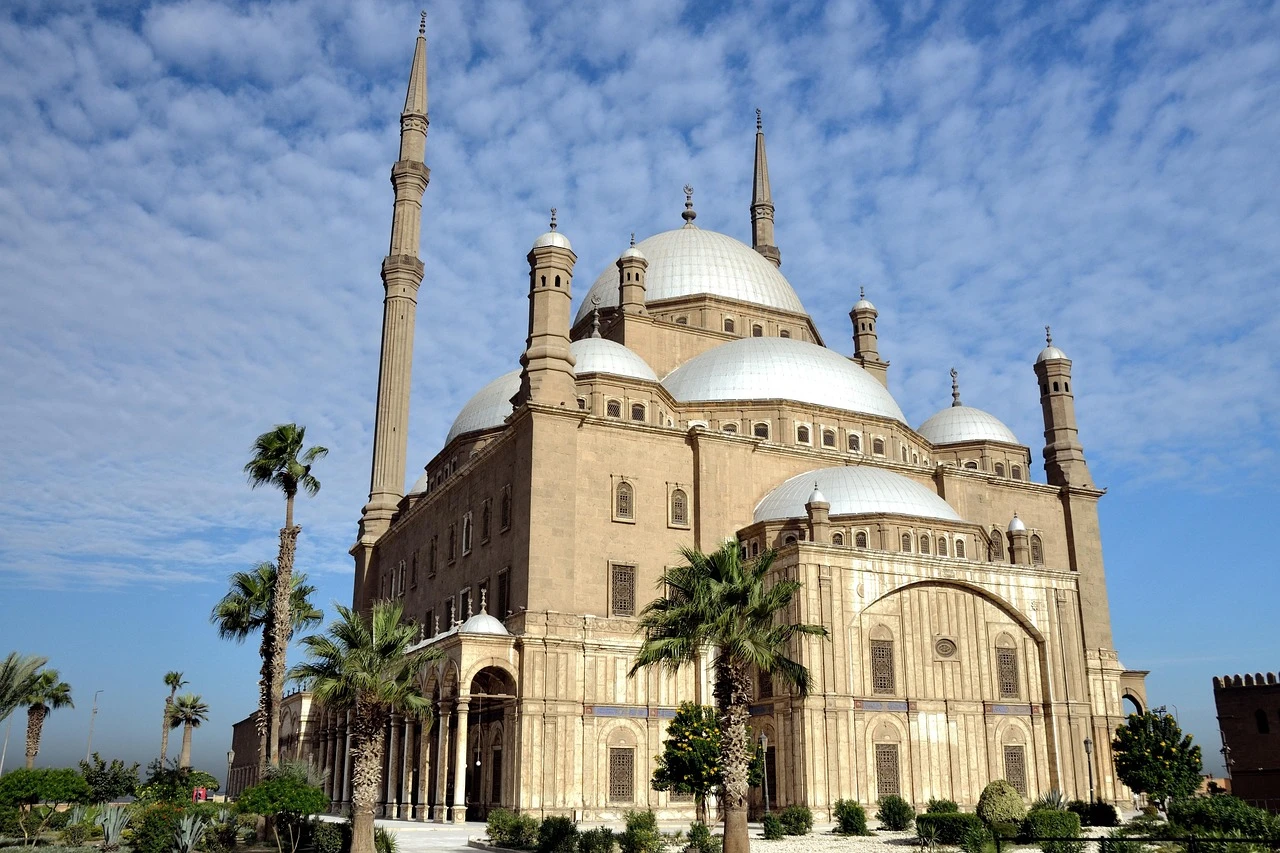
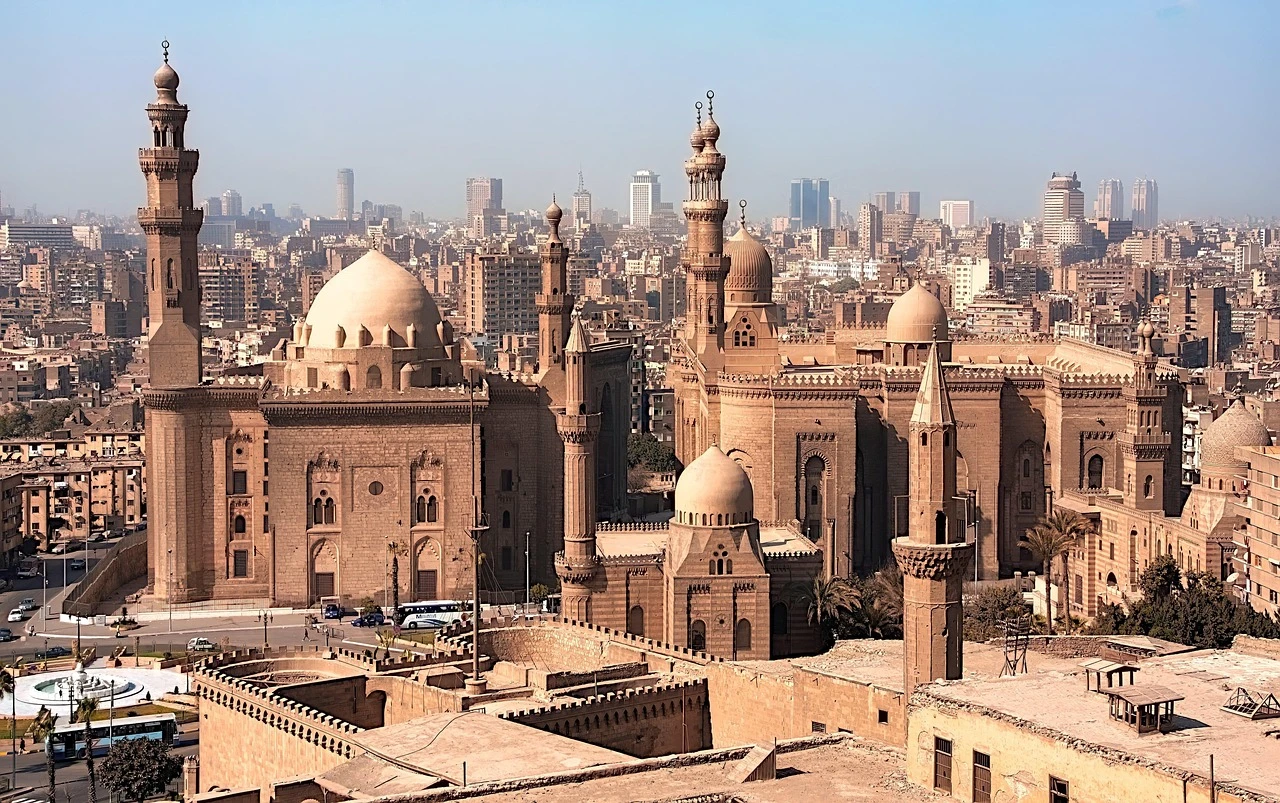
Continue to the Citadel of Cairo and the Mosque of Mohamed Ali, whose large domes and Ottoman design give it a different character from the earlier Islamic monuments. From the Citadel, you can look across much of Cairo when visibility allows. Modest clothing is appropriate for the mosque, and visitors remove their shoes before entering the prayer area. After the visits, return to the hotel, with the evening free for dinner or rest.
Leave Cairo after breakfast for the ancient sites south of the city. At Memphis, the former capital of ancient Egypt, your guide introduces the remaining statues and reliefs, including the large limestone figure of Ramesses II. The open-air site is compact, so the visit is easy to combine with the larger pyramid areas that follow.
At Sakkara, walk through the necropolis and see the Step Pyramid of Djoser, the earliest large pyramid complex in Egypt. Depending on access, you may also enter a decorated tomb. Continue to Dahshour for the Bent Pyramid and the Red Pyramid, where the change in pyramid design is clear. These sites are quieter than Giza and involve uneven ground, so sturdy footwear helps. Return to Cairo in the afternoon for a relaxed evening.
Set out early from Cairo for Bahariya Oasis, a long overland journey through the Western Desert. The road trip takes several hours, with a comfort stop along the way and time to watch the landscape change from city outskirts to open desert. On arrival, transfer to a local 4x4 vehicle for the desert section of the excursion.
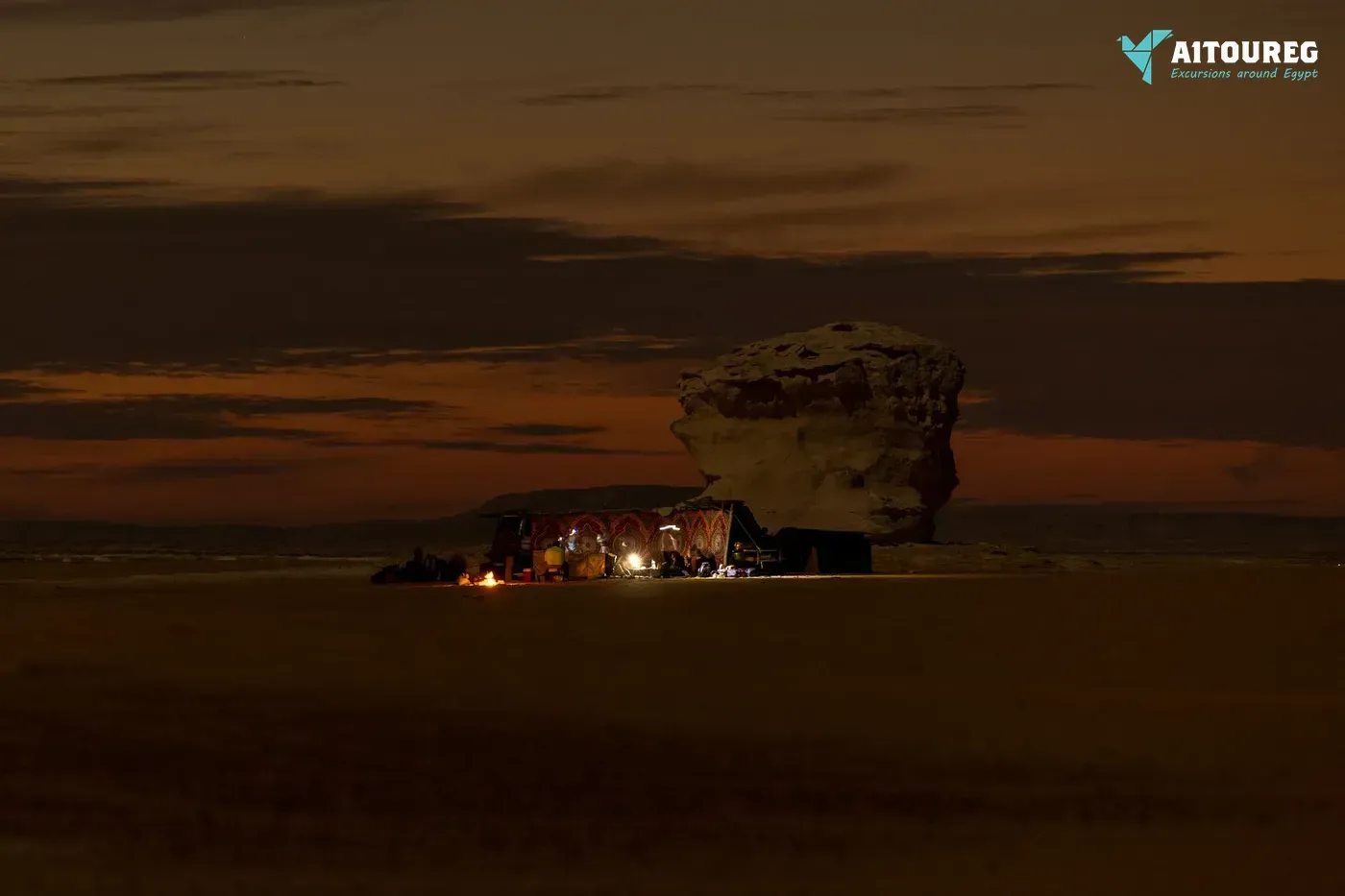
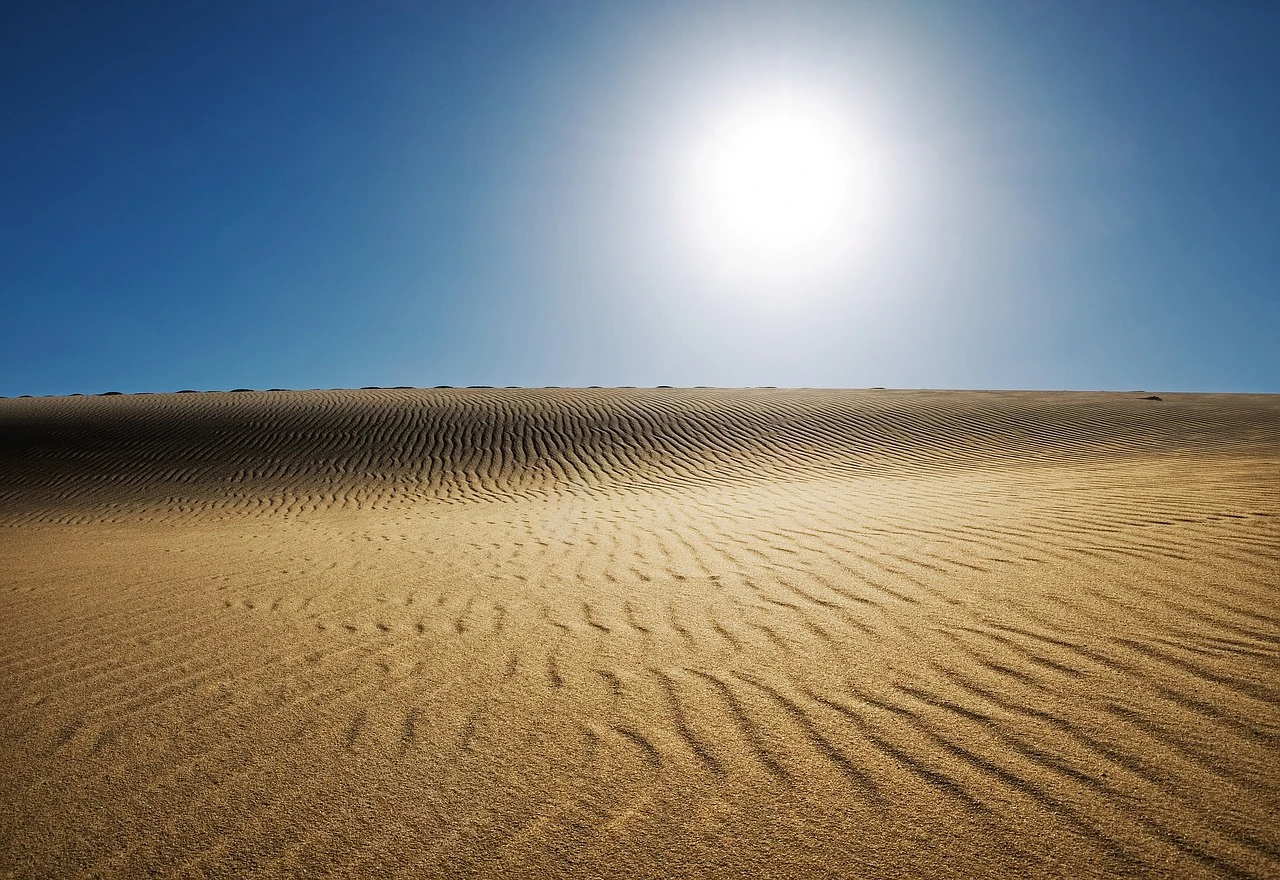
Continue toward the White Desert, where wind-shaped chalk formations rise from the pale ground. The light changes quickly across the formations, so your driver and guide choose suitable places for short walks and photographs. The terrain is remote and facilities are limited; bring water, a hat and layers for the cooler evening. After the desert visit, settle into a simple desert camp or local accommodation according to the confirmed arrangement. Dinner and the night’s rest take place away from Cairo’s traffic and noise.
After breakfast, leave the desert area and begin the return drive to Cairo. The morning is deliberately unhurried, giving you time to pack and enjoy the final views of the Western Desert before the road becomes busier near the capital. The transfer is lengthy, so our team plans suitable rest stops and helps with luggage when you reach the city.
Arrive in Cairo later in the day and check back into your hotel. This is a useful recovery afternoon after the desert excursion, with no major monument visit scheduled. You can relax, arrange laundry or enjoy dinner independently. Your guide also reviews the next day’s Alexandria excursion and the following transfer to Siwa Oasis, so you know what to expect before leaving Cairo again.
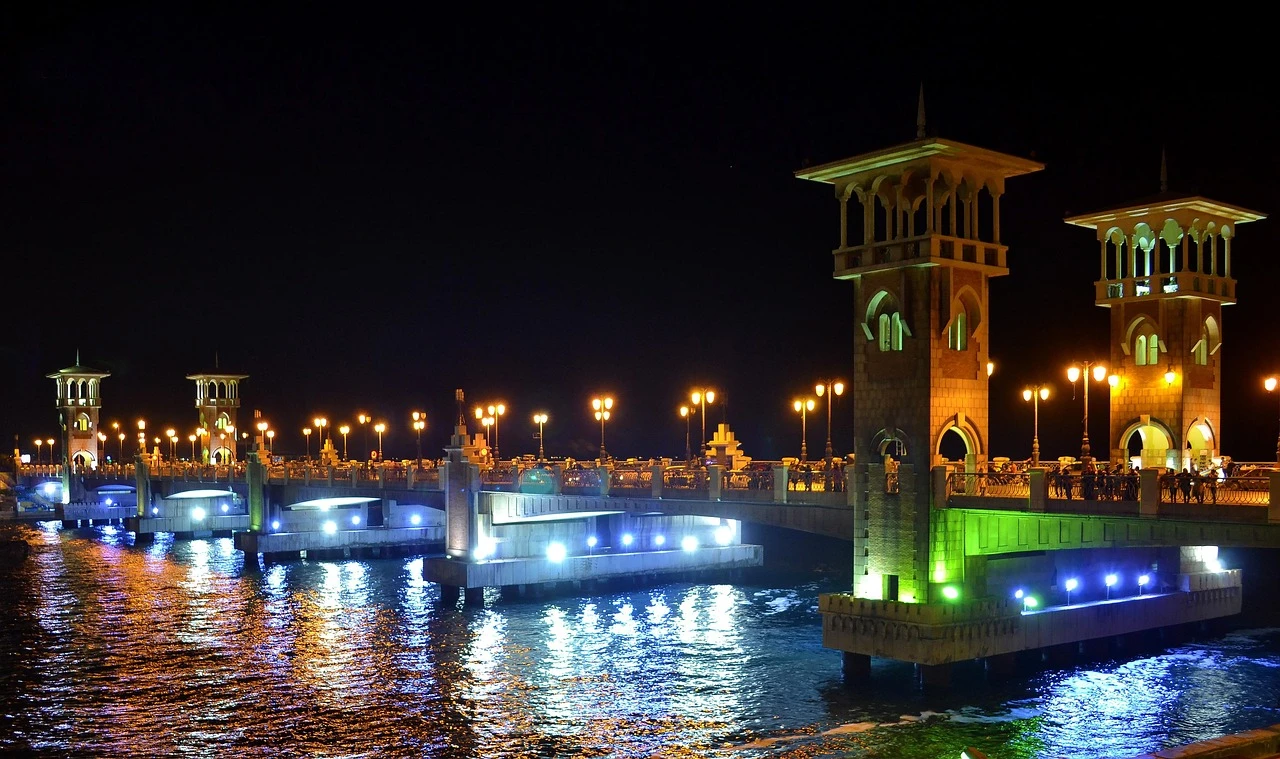
Travel by road to Alexandria after breakfast. The coastal route takes several hours, and the drive gives you a look at the changing scenery between Cairo and the Mediterranean. In Alexandria, visit the Catacombs of Kom El Shoqafa, where underground chambers combine Egyptian, Greek and Roman influences. Your guide explains the burial customs and the unusual layout while you move through the site’s steps and passageways.
Continue to Pompey’s Pillar and the area associated with the ancient Serapeum, then spend time near the Mediterranean waterfront. If access and timing allow, the itinerary includes a visit to the exterior or grounds of the Bibliotheca Alexandrina. Lunch is usually arranged in the city, with time for a seafood meal if you wish. Return to Cairo in the evening, ready for the long westbound transfer the following morning.
Leave Cairo early for Siwa Oasis, a long road transfer across the Western Desert. The journey takes much of the day, so we recommend carrying snacks, water and any medication you need during the drive. There are planned stops along the route, though services become more limited as you move farther from the capital.
On arrival, check in and take time to rest. If daylight and energy allow, enjoy a short walk through the oasis or see the palm groves surrounding the town. Siwa has a slower rhythm than Cairo, with mud-brick buildings, salt lakes and springs spread across a wide desert setting. Our team confirms the next day’s 4x4 route and the meeting arrangements with your local guide before you settle in for the evening.
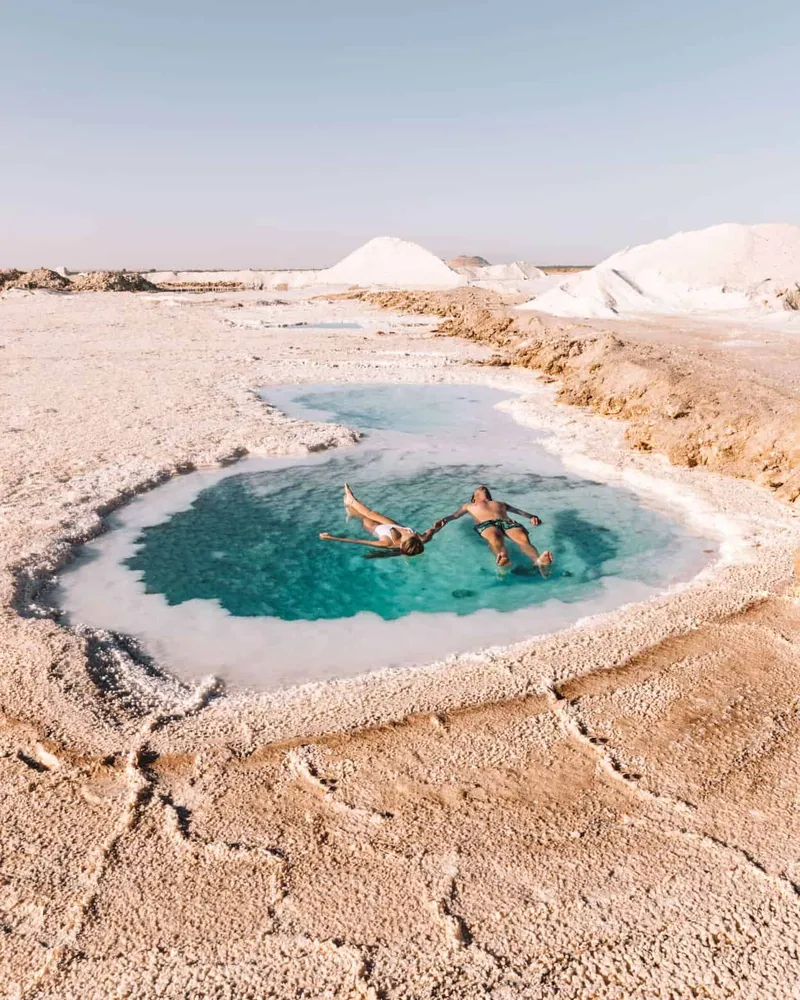
Today is dedicated to Siwa Oasis and its surrounding desert. Travel by 4x4 to see the oasis landscape of palms, dunes and saltwater pools. Depending on local conditions and the confirmed route, there may be time to swim at a suitable spring or salt lake. Your guide explains how water supports the date and olive farms and why Siwa developed as an important settlement in this remote part of Egypt.
Visit the old town area and the Temple of the Oracle at Aghurmi, where the setting on a rocky rise gives a wide view over the palms. You may also stop at a traditional spring before watching the light soften across the dunes. Sand driving is handled by an experienced local driver; follow guidance near water and on uneven ground. Return to the accommodation for a quiet final night in the oasis.
After breakfast, begin the return transfer from Siwa to Cairo. It is another long drive, so the day is kept free of additional sightseeing. Use the journey to rest, read or watch the desert scenery pass by. Our driver makes practical stops during the route, and our team remains available if you need help with luggage or arrangements on arrival.
Reach Cairo later in the day and check into the hotel. Keep your evening simple, since the following morning includes an early domestic flight to Aswan. Pack a smaller overnight bag if requested for the southern part of the itinerary, while the rest of your luggage can be handled according to the hotel and transfer arrangements. Your guide confirms the airport transfer and the sightseeing order in Aswan before the day ends.
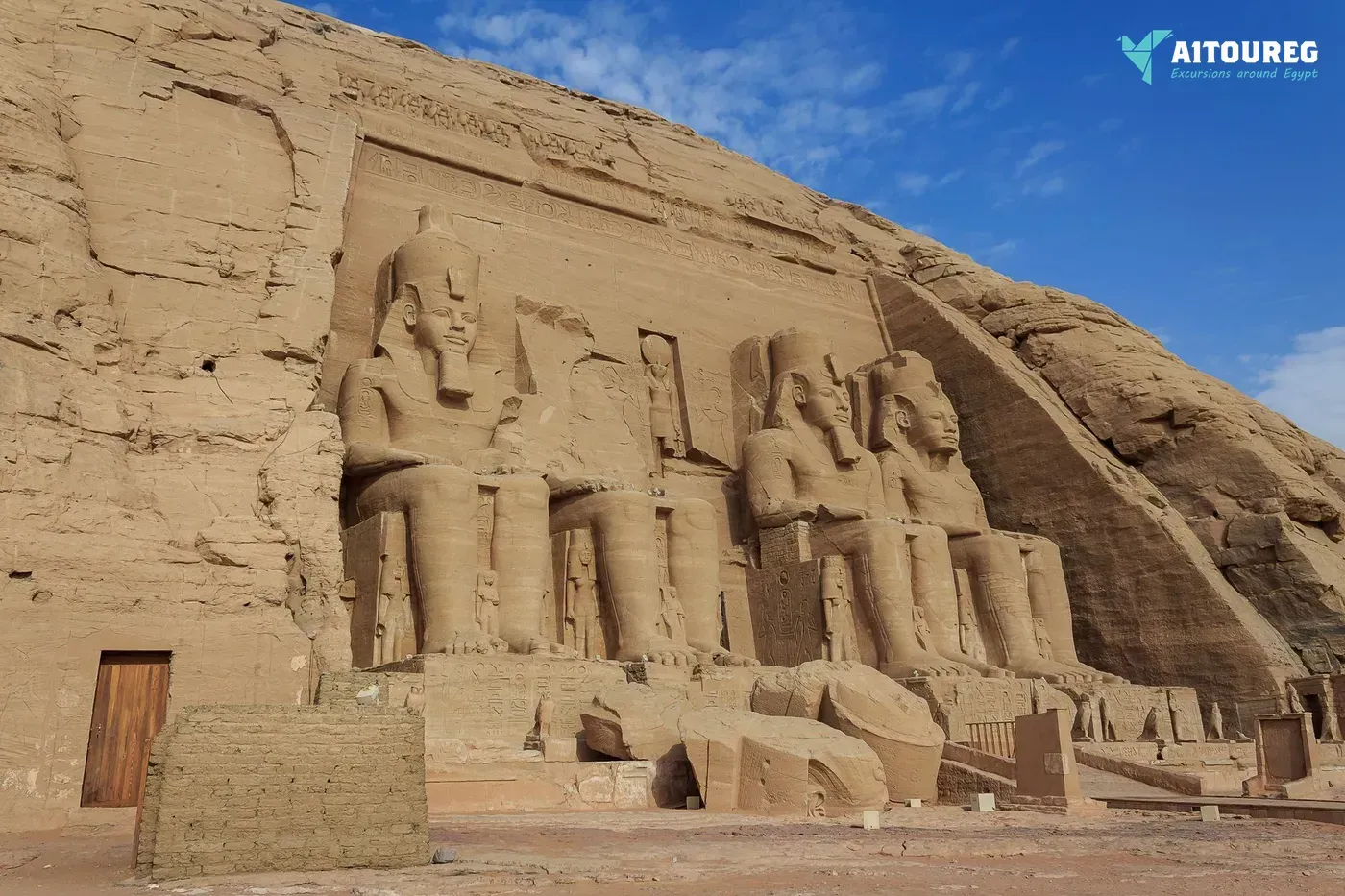
Transfer to Cairo airport for your flight to Aswan, then continue by road to Abu Simbel. The monuments are in southern Egypt near the Sudanese border, and the road journey takes several hours. On arrival, enter the temple complex to see the four seated figures of Ramesses II carved into the main façade. Inside, your guide points out the reliefs and explains the temple’s royal and religious purpose.
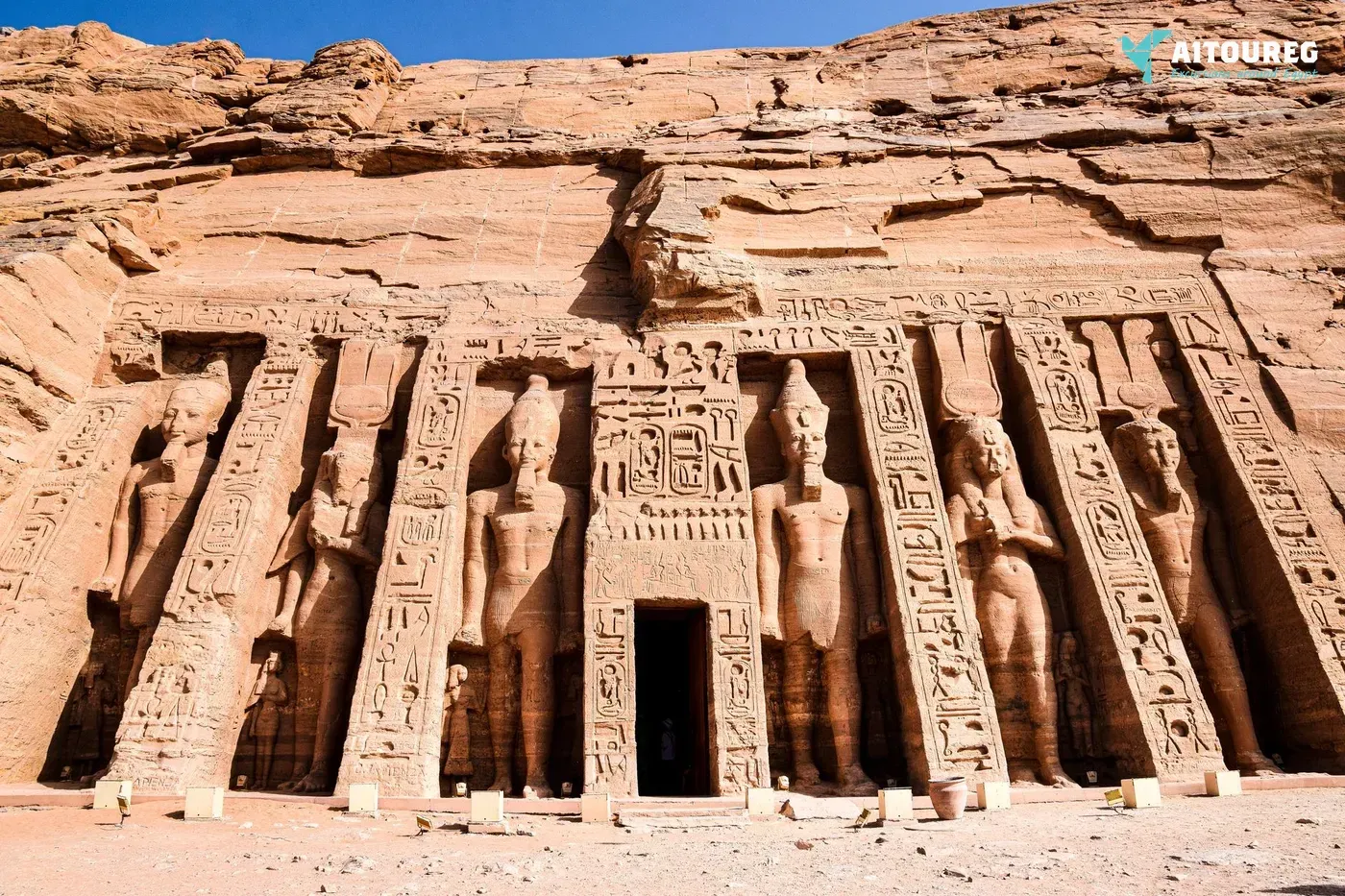
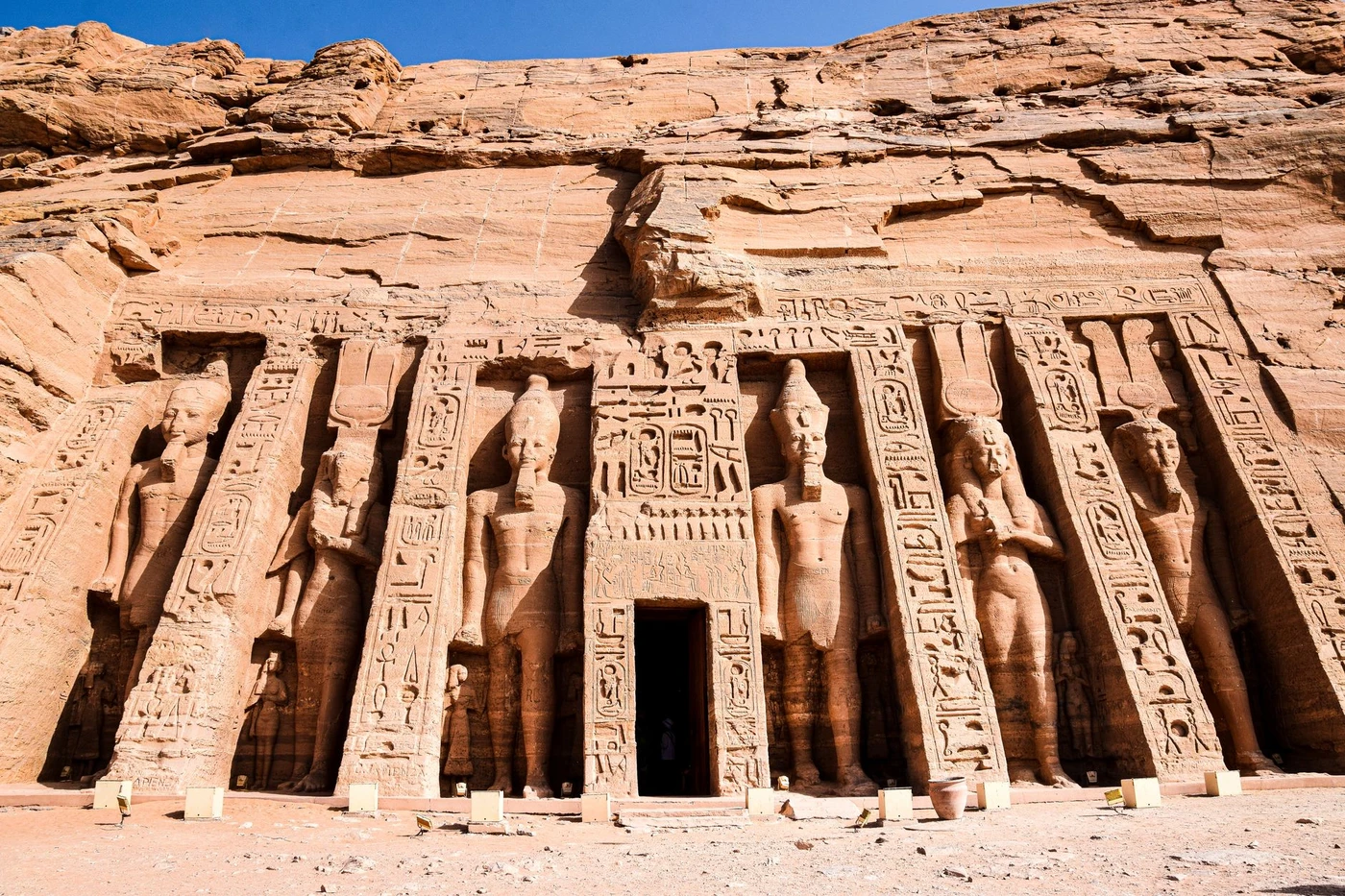
Visit the smaller temple dedicated to Queen Nefertari, which has finely painted scenes and statues of the queen and the goddess Hathor. The site is open and sunny, so water and sun protection are important. After the visit, return to Aswan by road and check in. Depending on the transport schedule, the evening is free for rest, a Nile-side walk or a simple dinner.
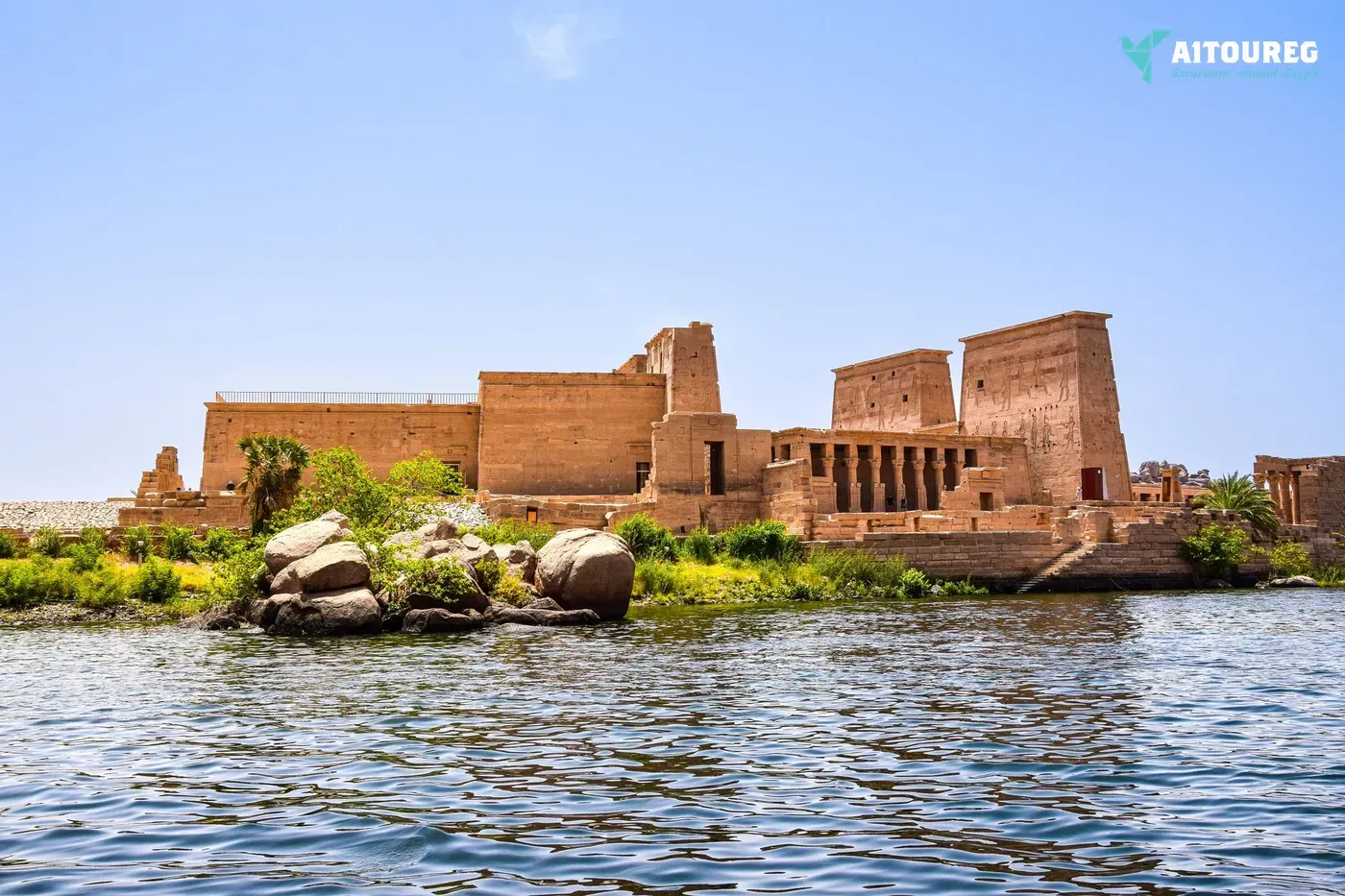
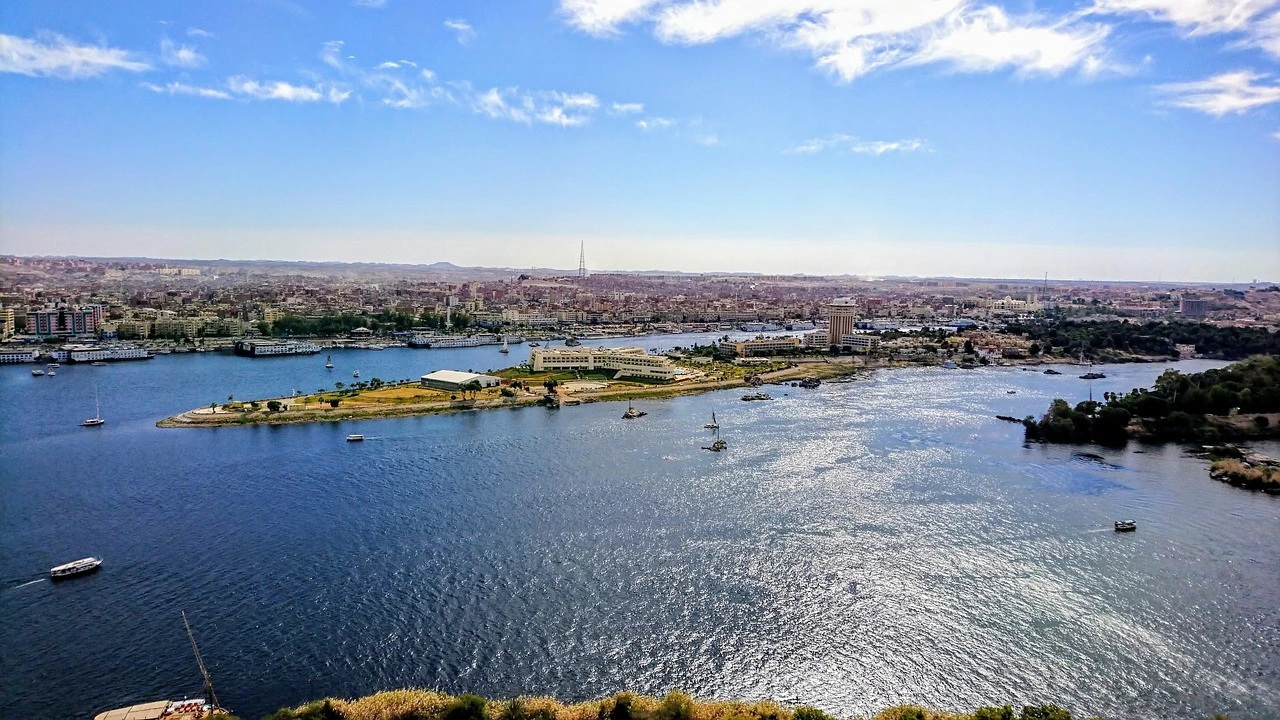
Begin with a boat ride across the Nile to Agilkia Island, home to Philae Temple. The island setting makes the approach part of the visit, and your guide explains how the temple complex was moved to higher ground during the construction of the High Dam. Walk through the entrance pylons, courtyards and columned halls while looking for reliefs connected with Isis, Osiris and Horus.
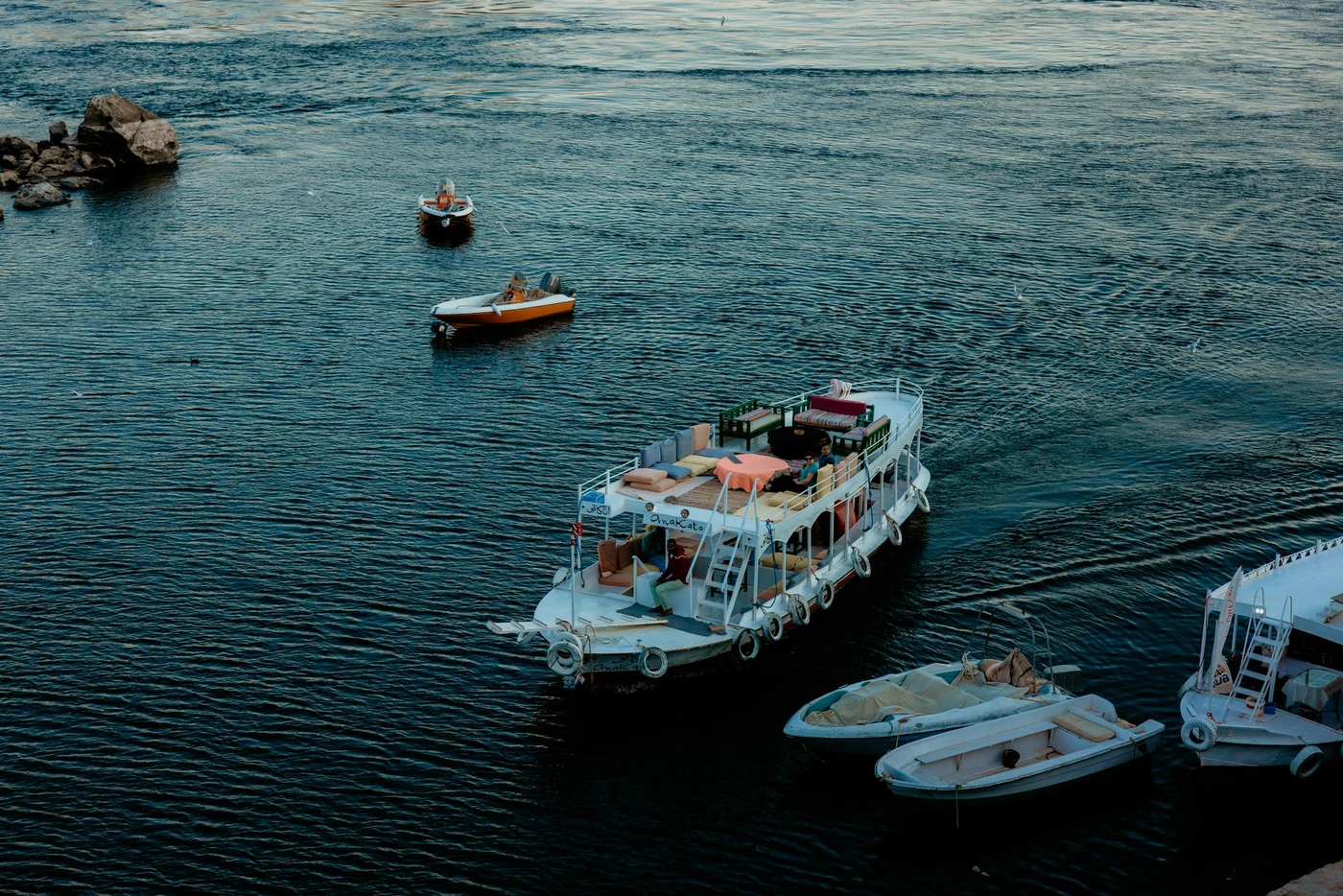
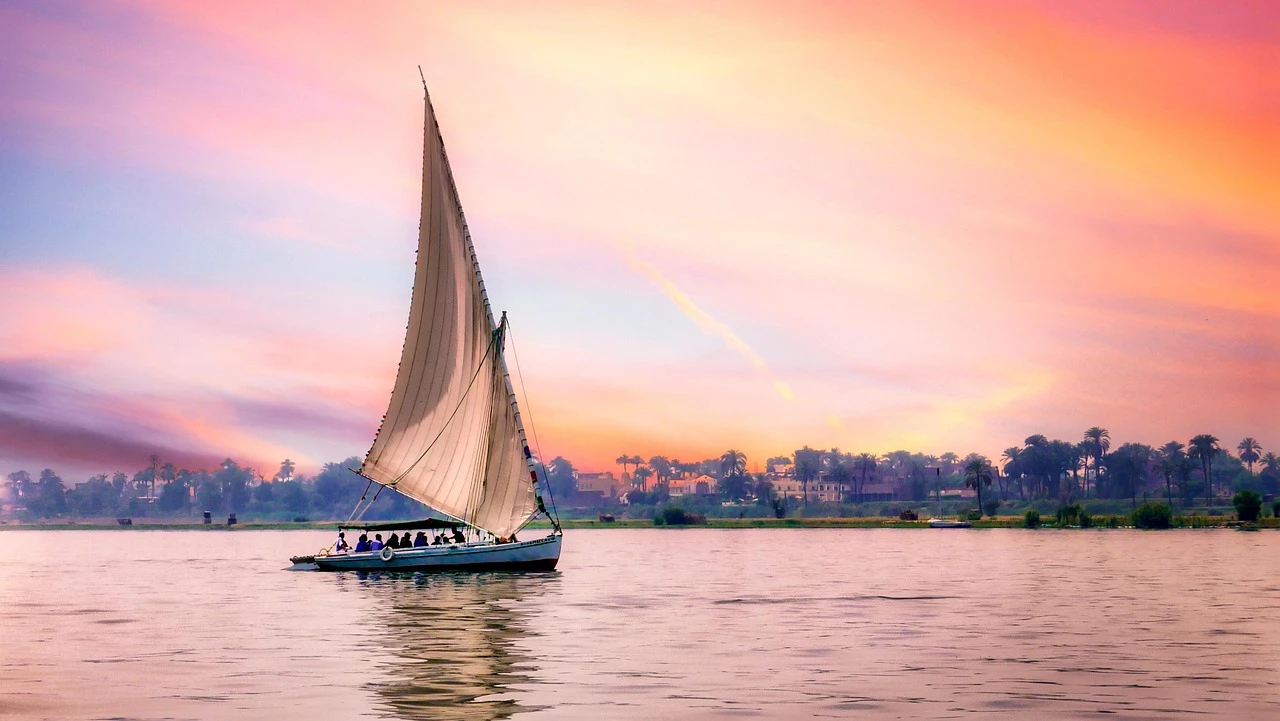
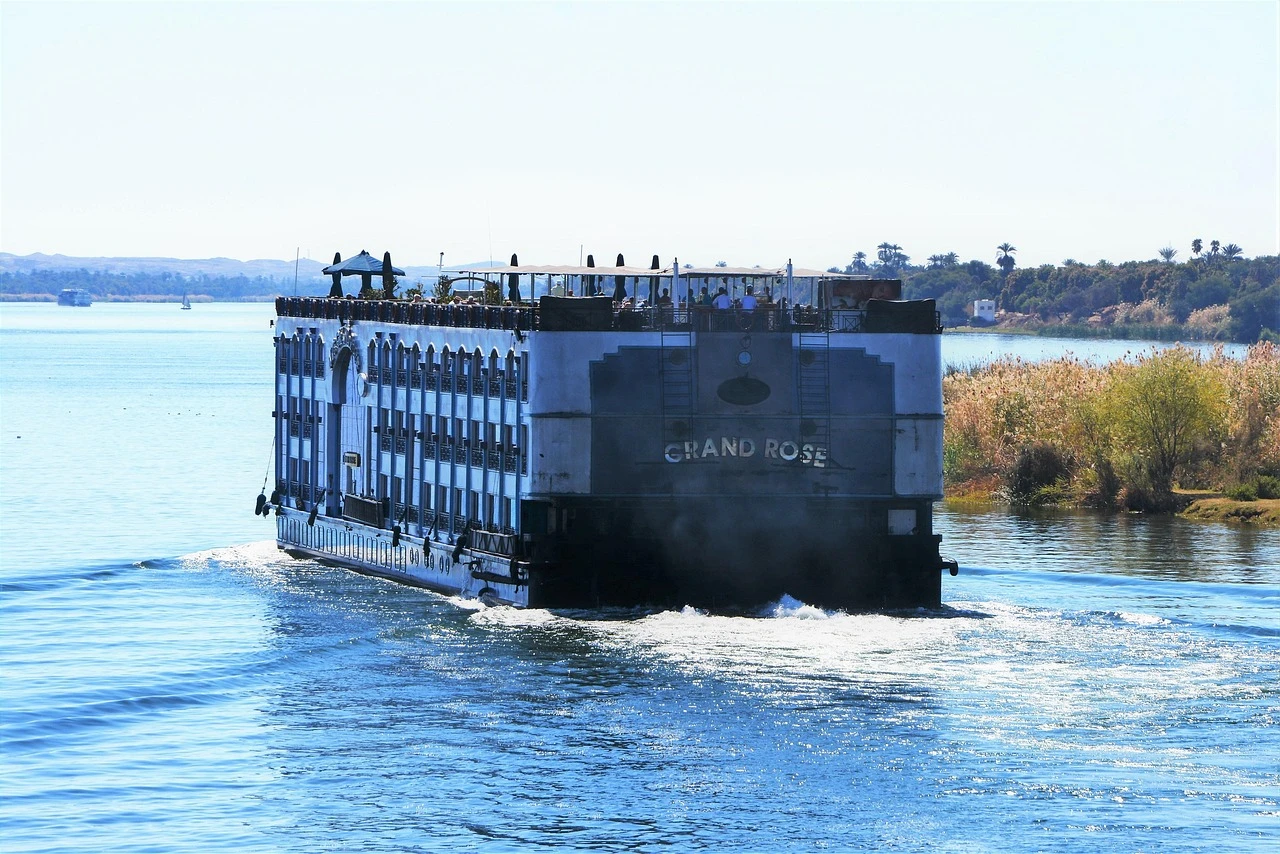
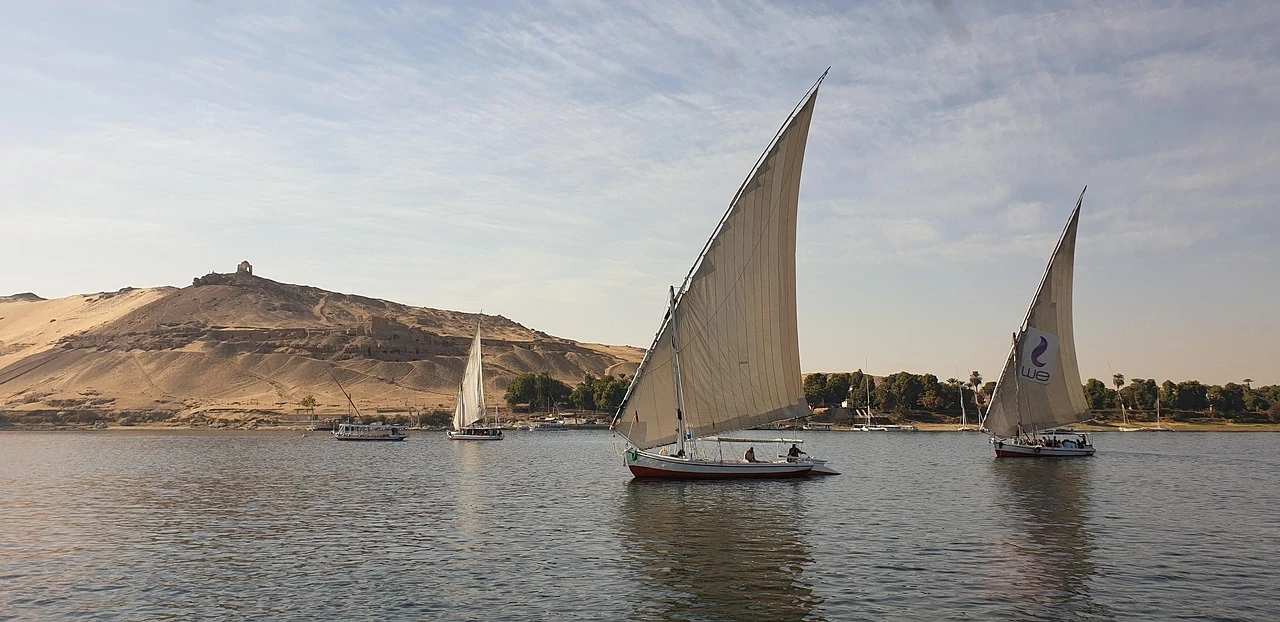
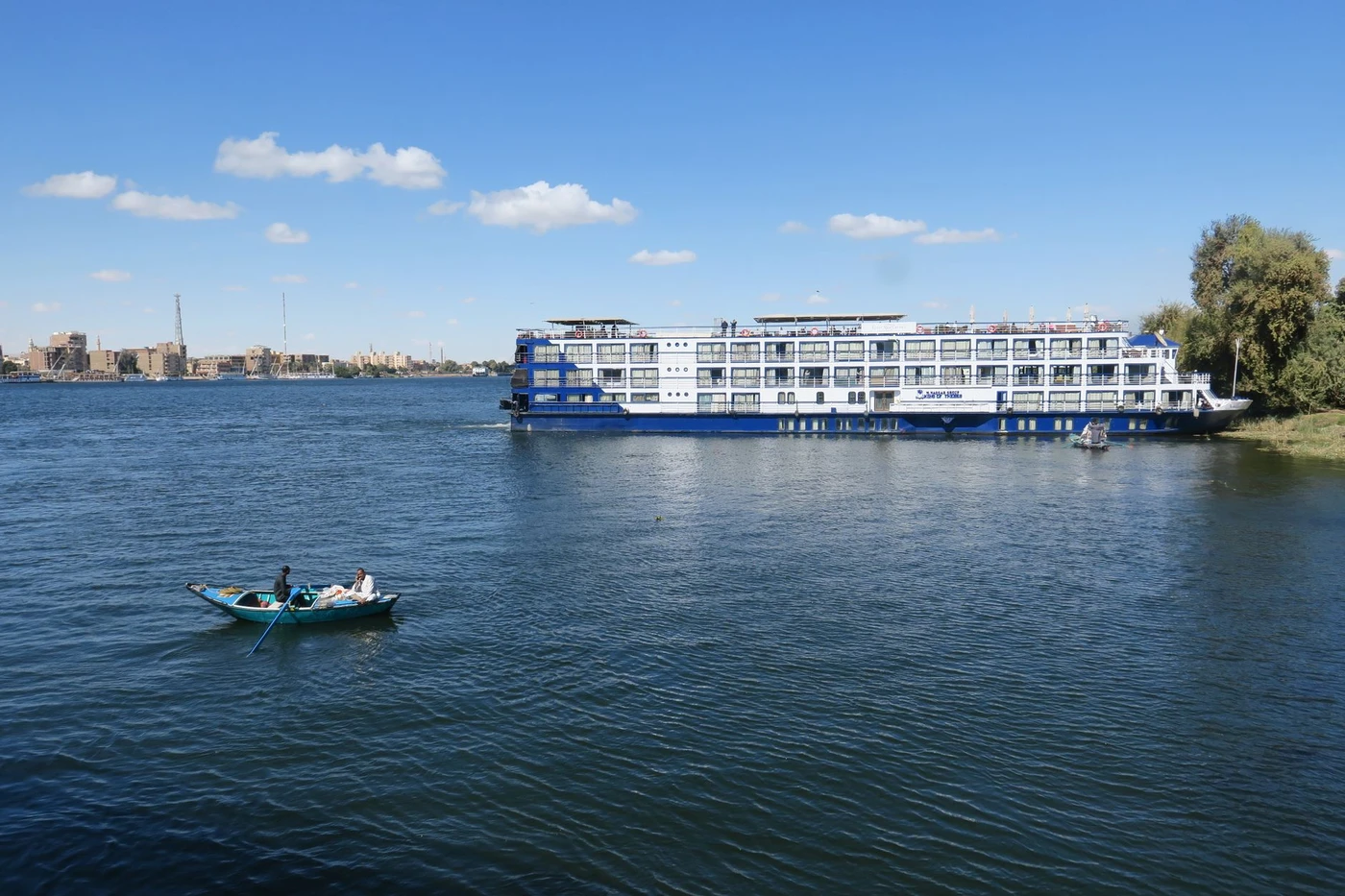
Return by boat and continue with a drive past the High Dam, an important modern project that changed navigation, irrigation and settlement patterns along the Nile. The rest of the day is free in Aswan. You may choose a felucca ride if river conditions and timing suit, or relax at the hotel after the previous day’s long excursion. Our team confirms the next transfer to Luxor and keeps the pace manageable.
Leave Aswan after breakfast for Luxor by road. The transfer follows the Nile Valley and takes several hours, with opportunities to stop during the journey. On arrival in Luxor, check in or leave your luggage at the hotel before beginning the afternoon visit. The change from Aswan to Luxor is easy to notice: farmland, villages and ancient temple sites fill the river corridor.
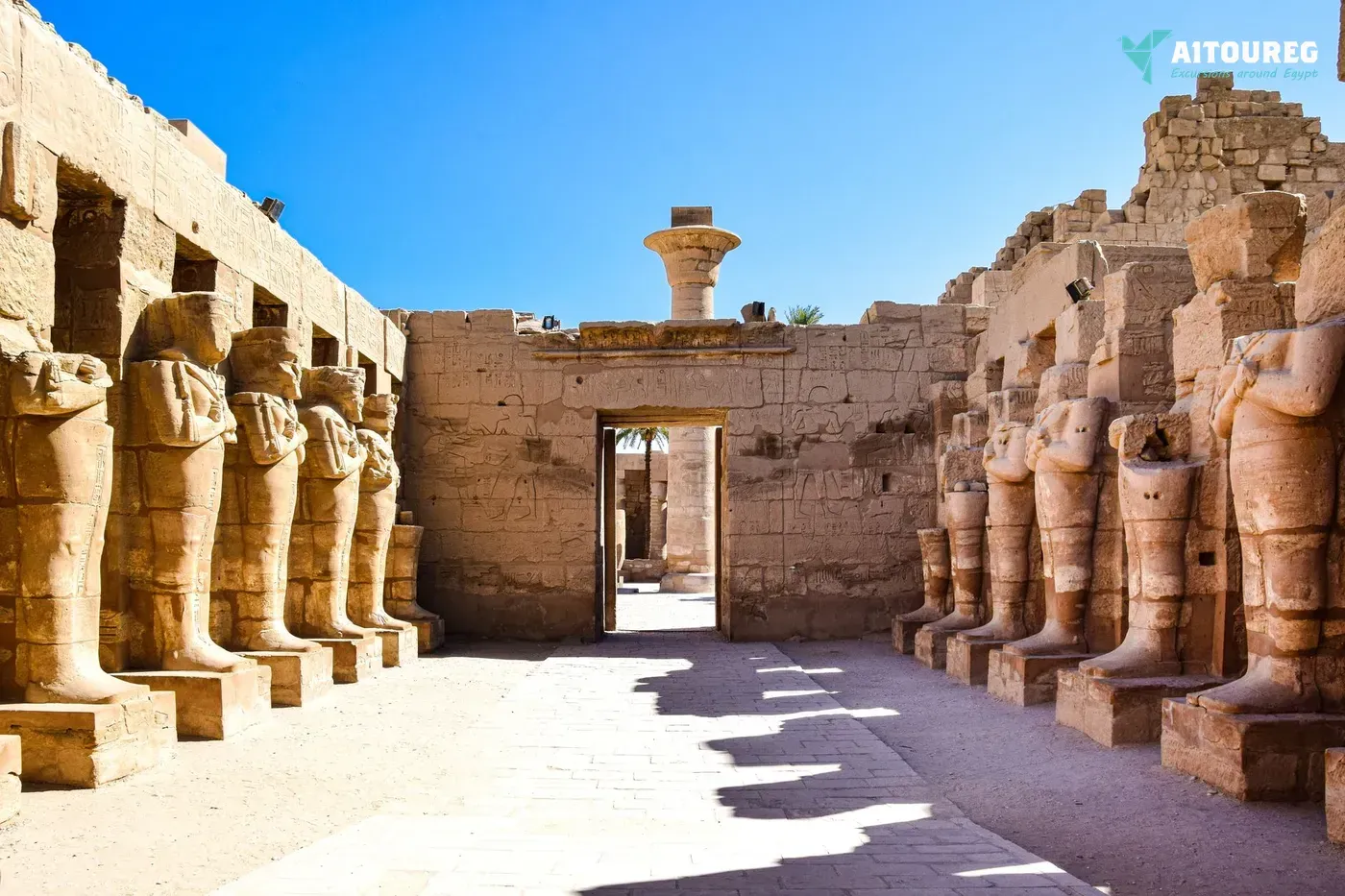
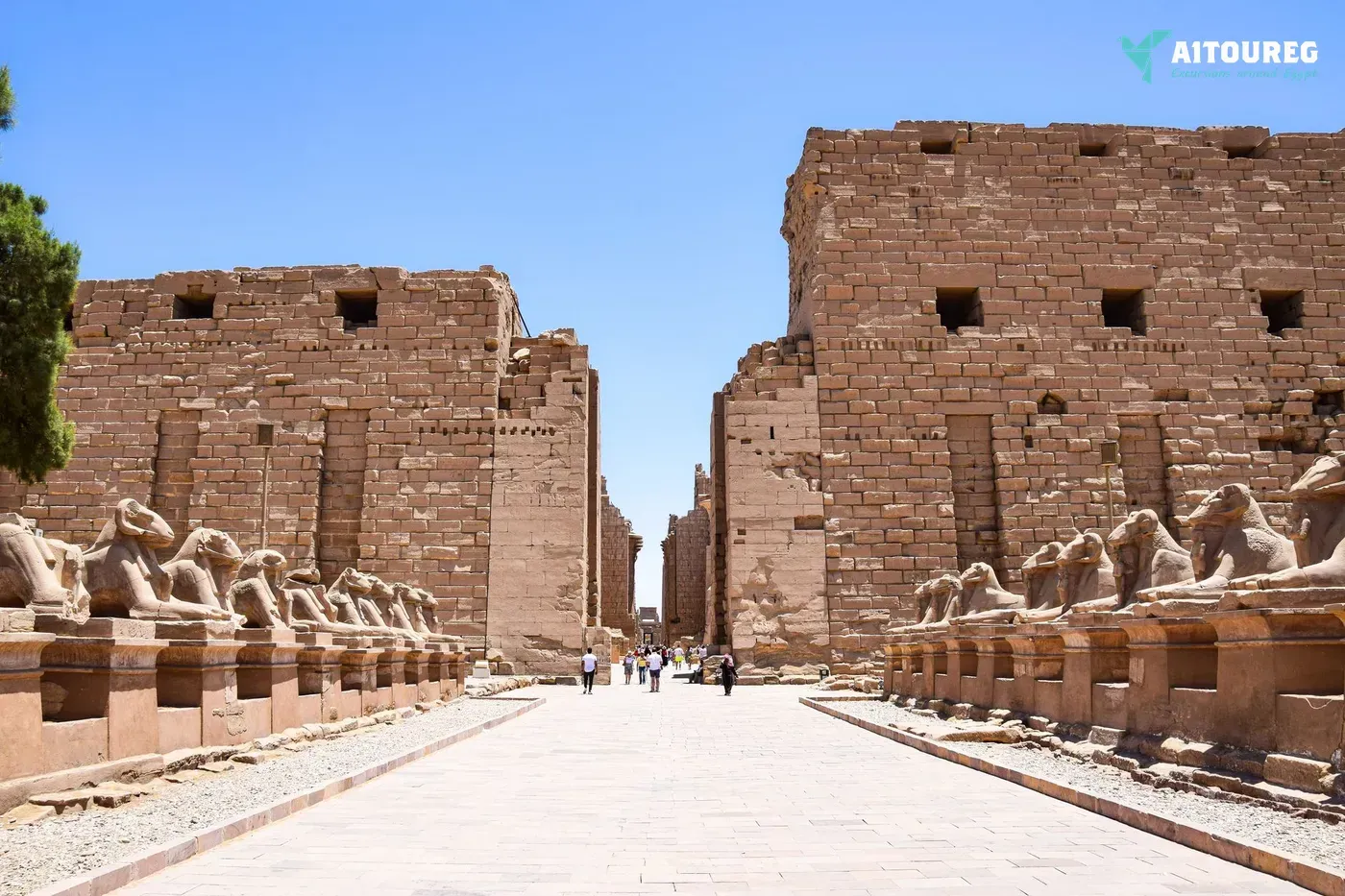
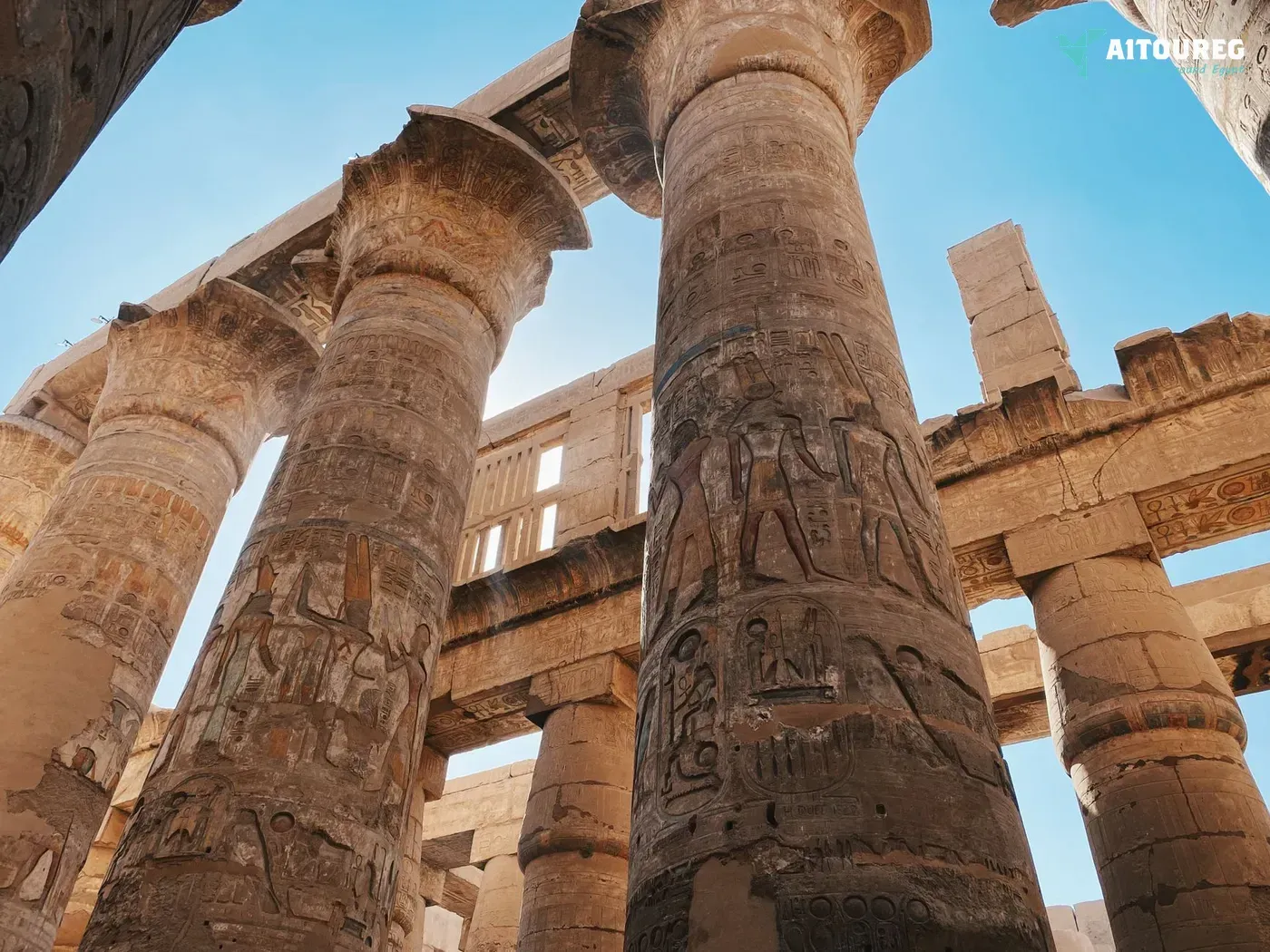
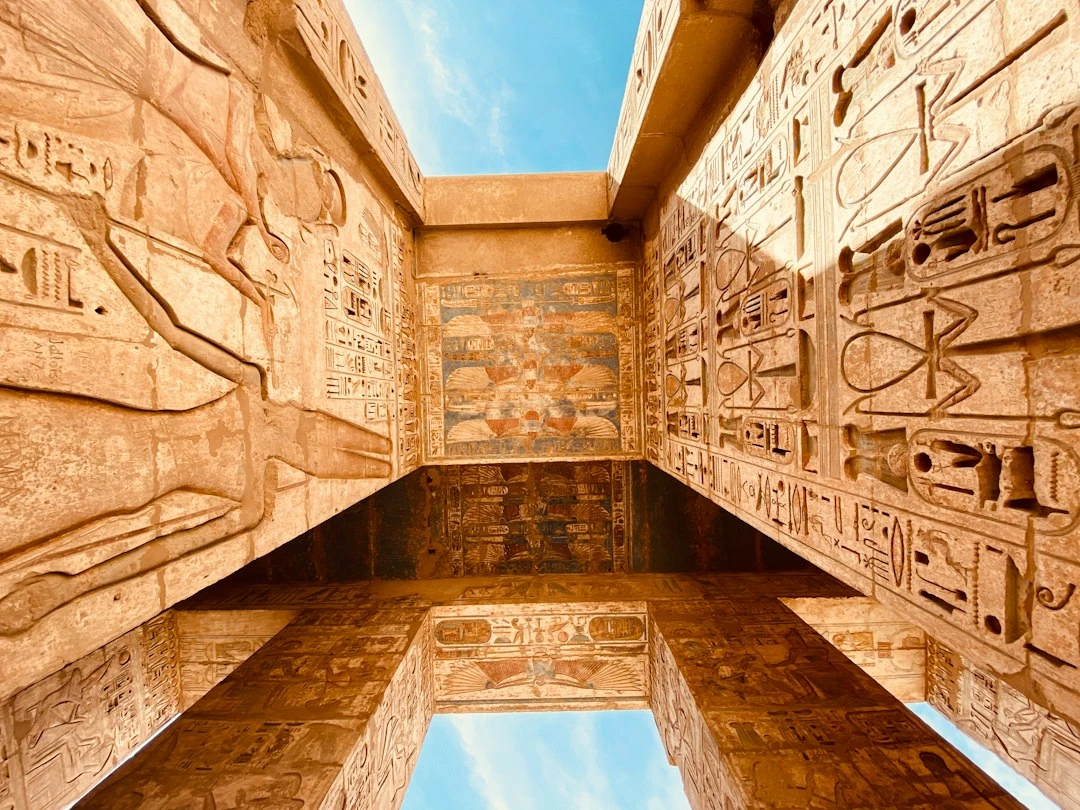
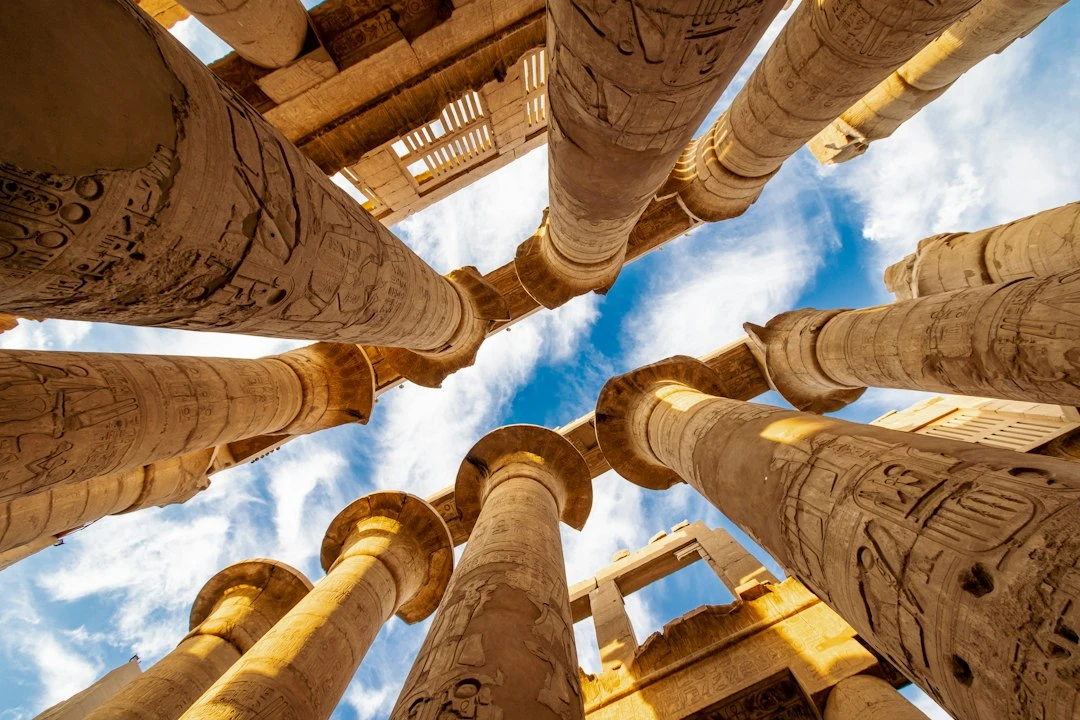
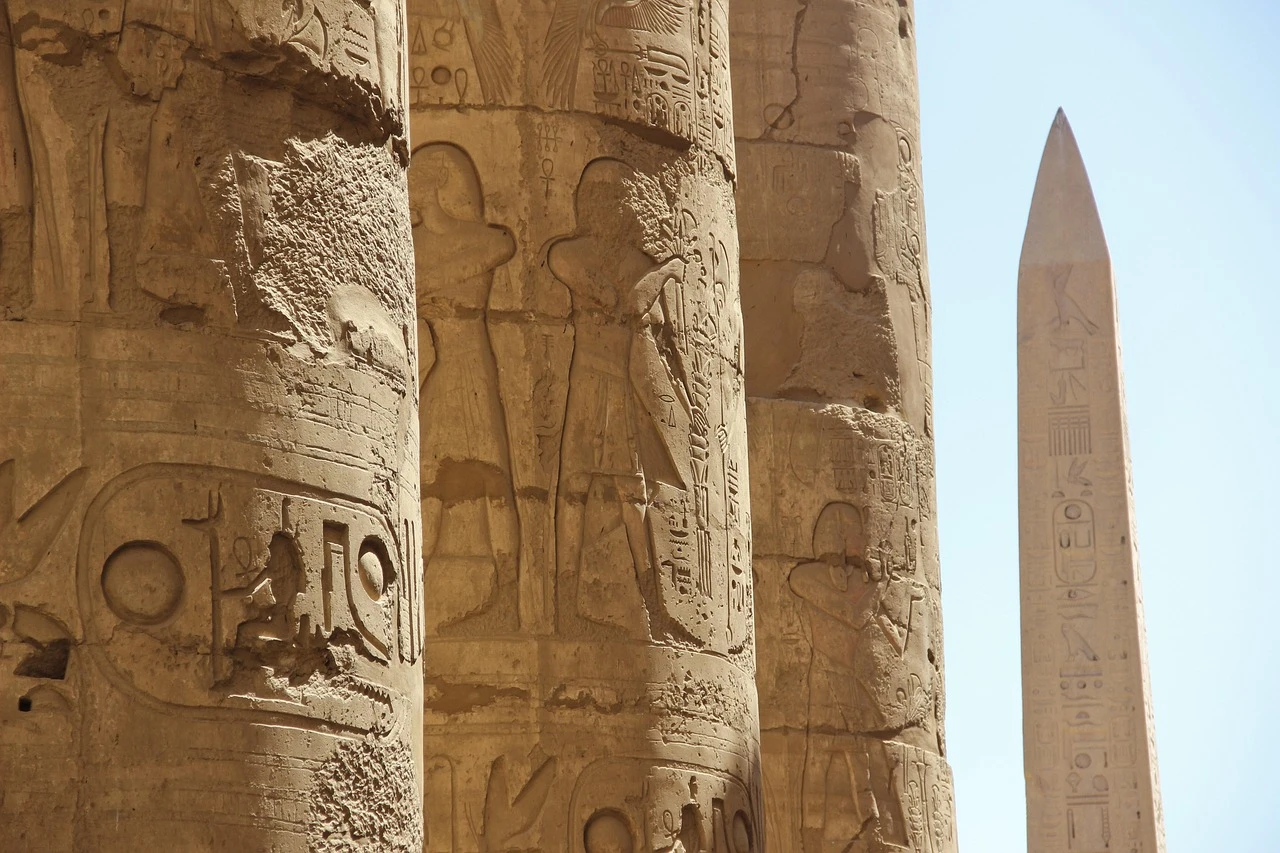
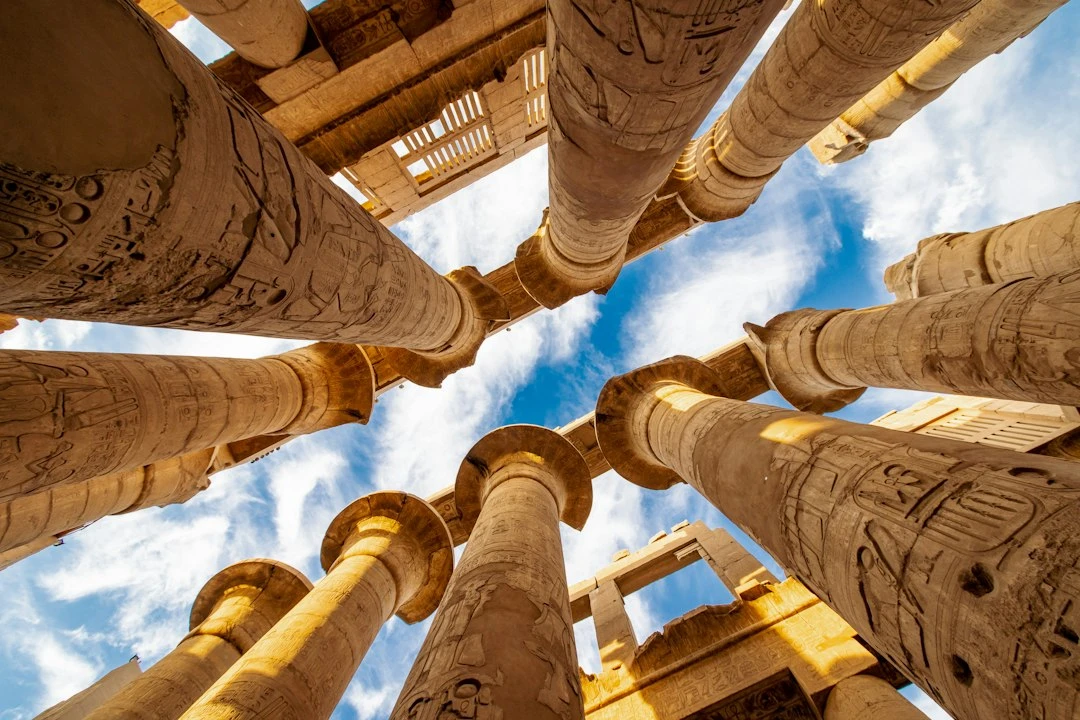
Visit Karnak, beginning at the avenue and entrance before moving through the great courtyards and the Hypostyle Hall. Your guide explains how different pharaohs added to the complex over many centuries. Look closely at the carved columns and surviving colour in sheltered areas. Karnak covers a large area, so the walking is steady rather than rushed. Finish the day at the hotel, with time to rest before the West Bank visits.
Cross to Luxor’s West Bank in the morning and enter the Valley of the Kings. Your ticket normally allows entry to a selected number of open tombs, and your guide helps you choose according to access and interest. Inside, the decorated corridors descend into the rock, with painted scenes intended to guide the king through the afterlife. Photography rules vary by tomb, so follow the instructions at the entrance.
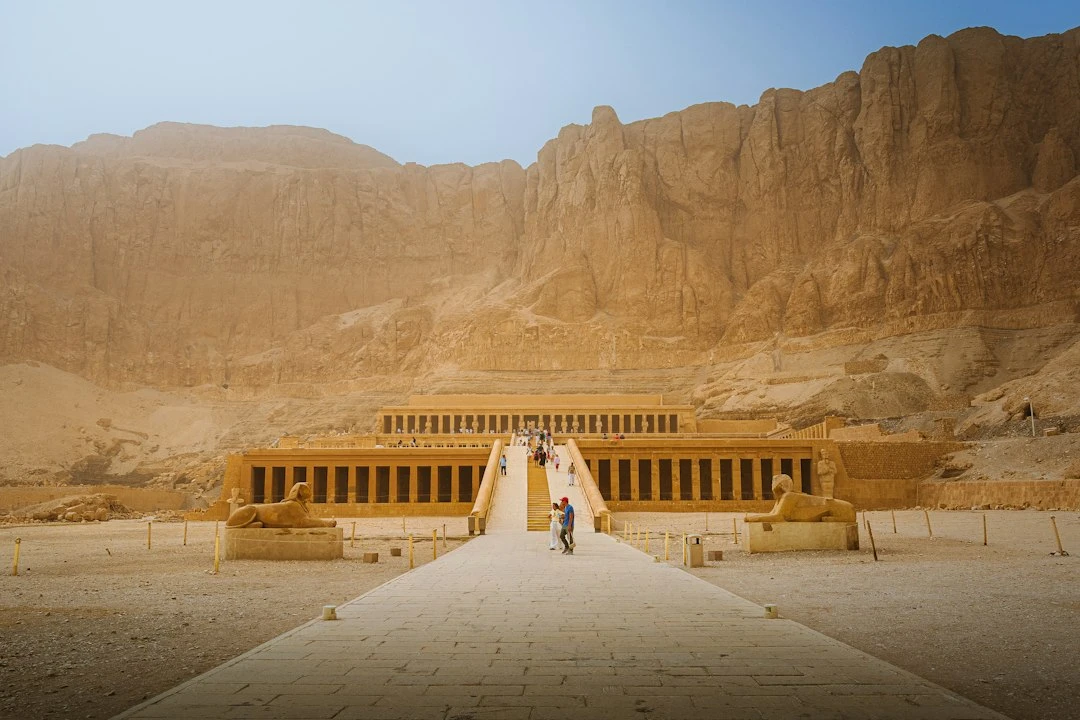
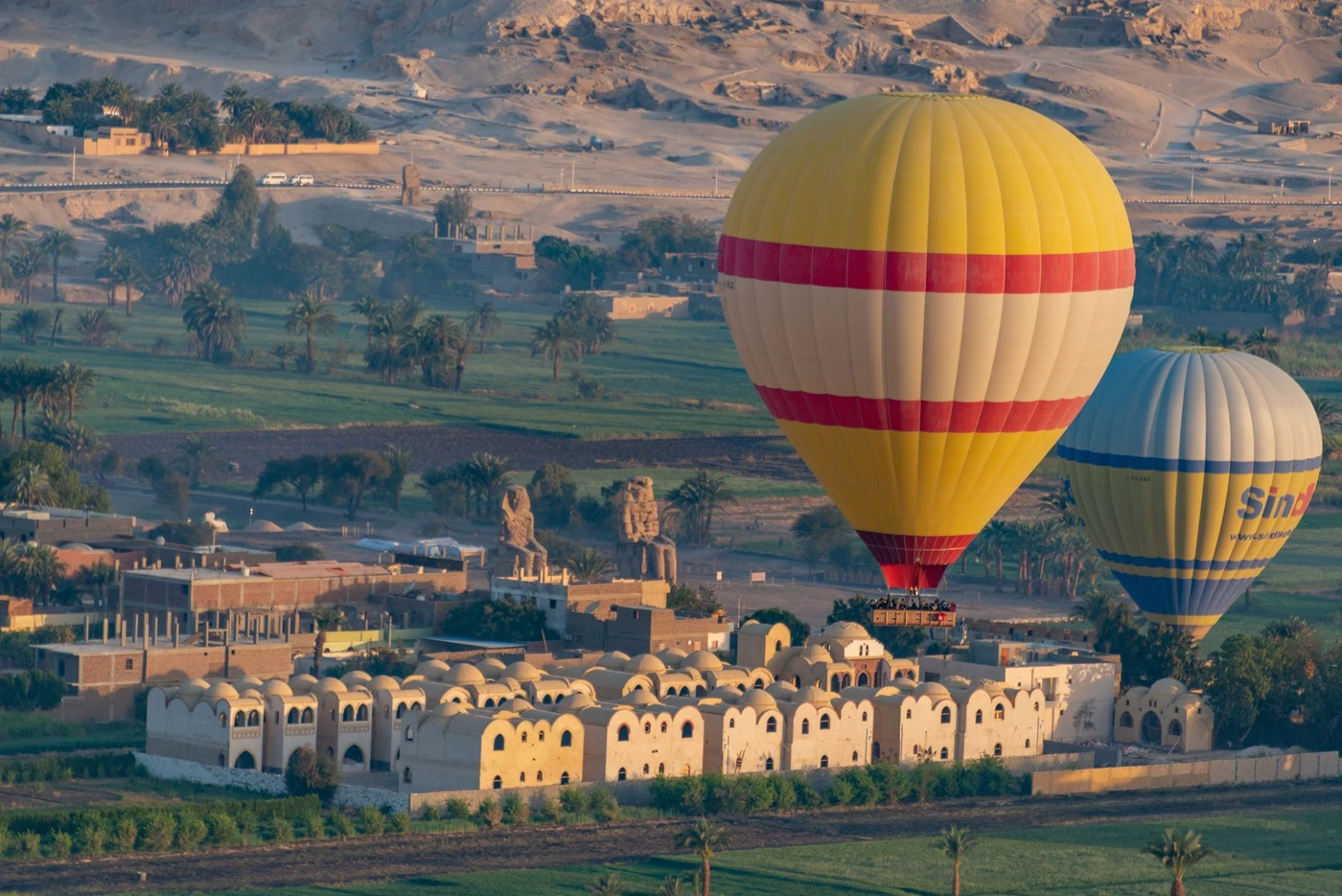
Continue to Hatshepsut Temple at Deir el-Bahari, whose terraces rise against the cliffs. The approach reveals the temple in stages, while the reliefs show ceremonies, offerings and the expedition to Punt. Stop near the Colossi of Memnon before returning to the east bank. The morning involves heat, steps and uneven surfaces; comfortable shoes and water make the visits easier. Spend the evening in Luxor before the coastal transfer.
After breakfast, transfer by road from Luxor to Hurghada on the Red Sea coast. The journey crosses the Eastern Desert and takes several hours, with the landscape changing from Nile farmland to rugged mountains and open desert. On arrival, check in and receive information about the resort facilities, beach access and any optional activities available during your stay.
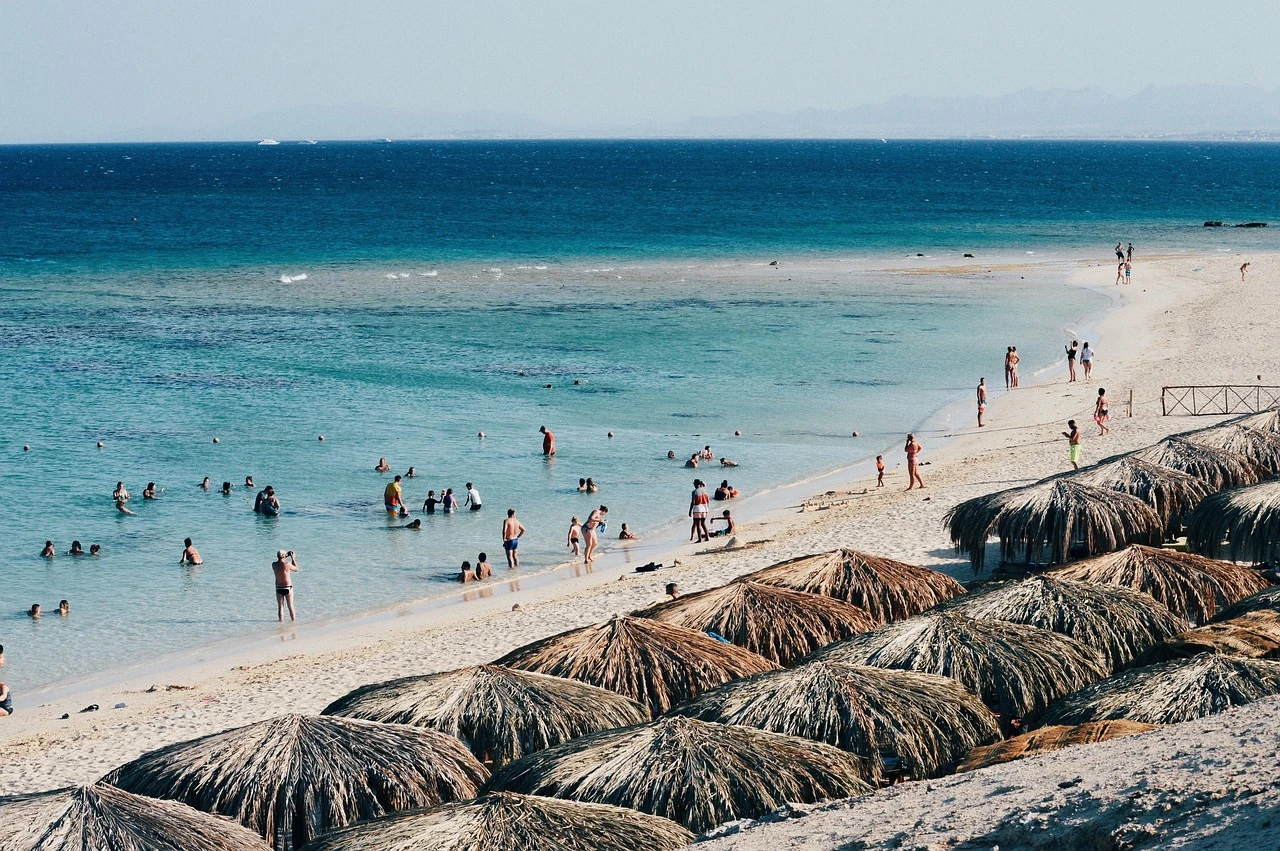
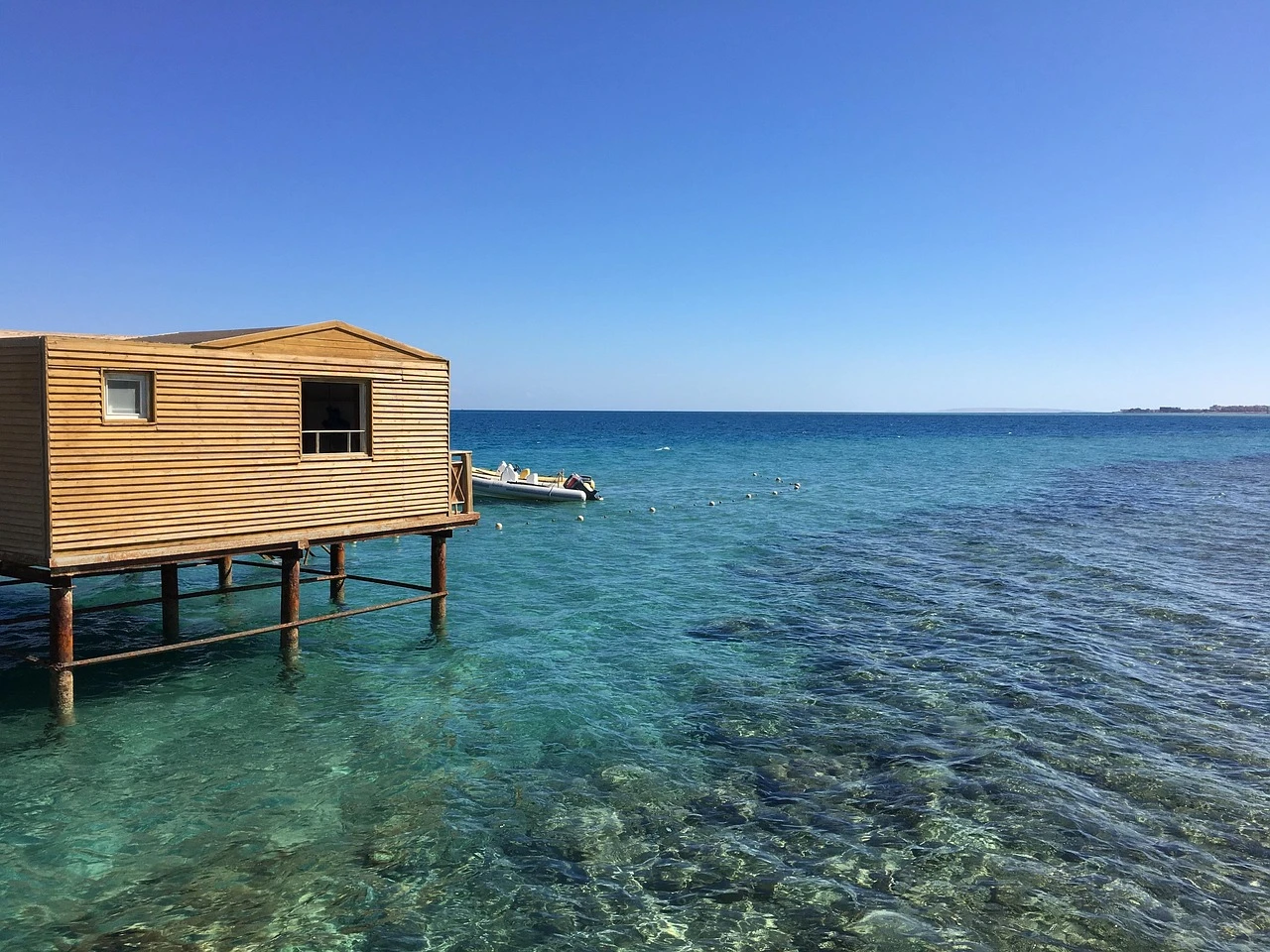
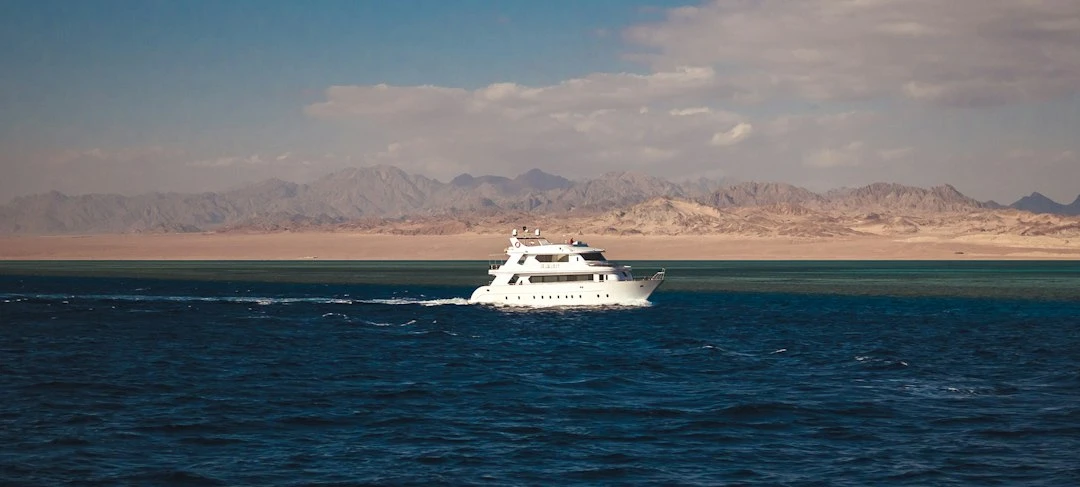
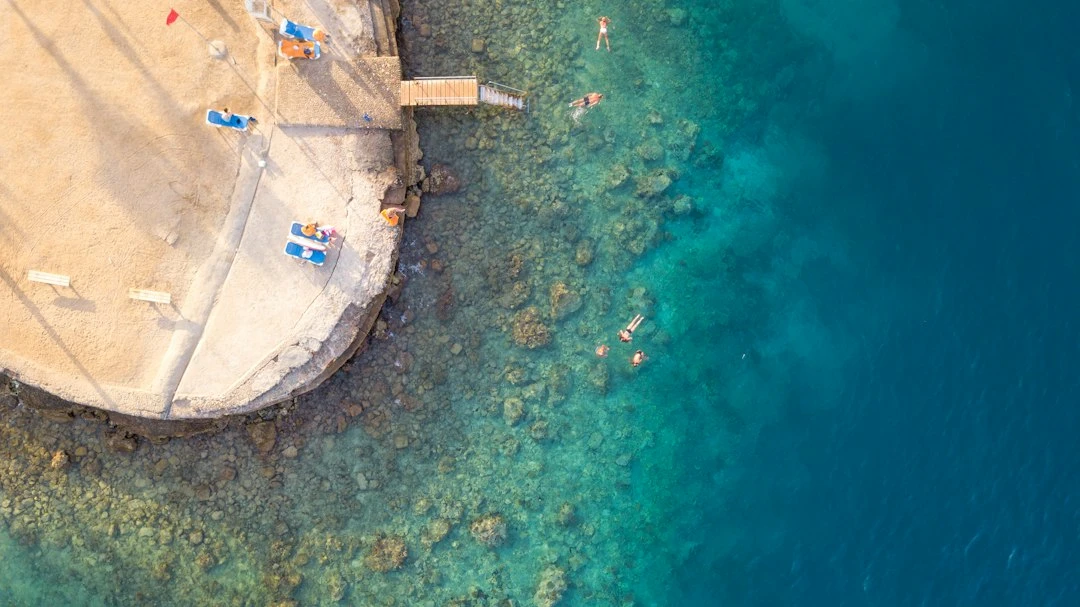
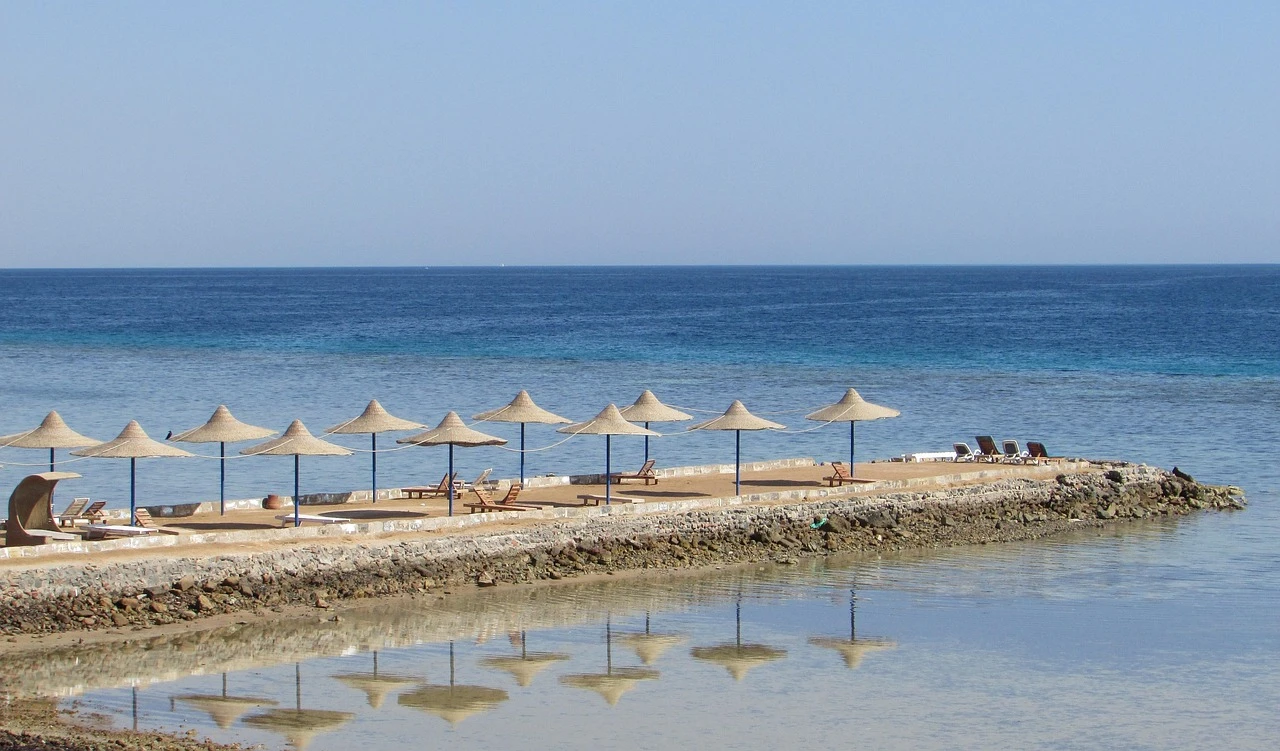
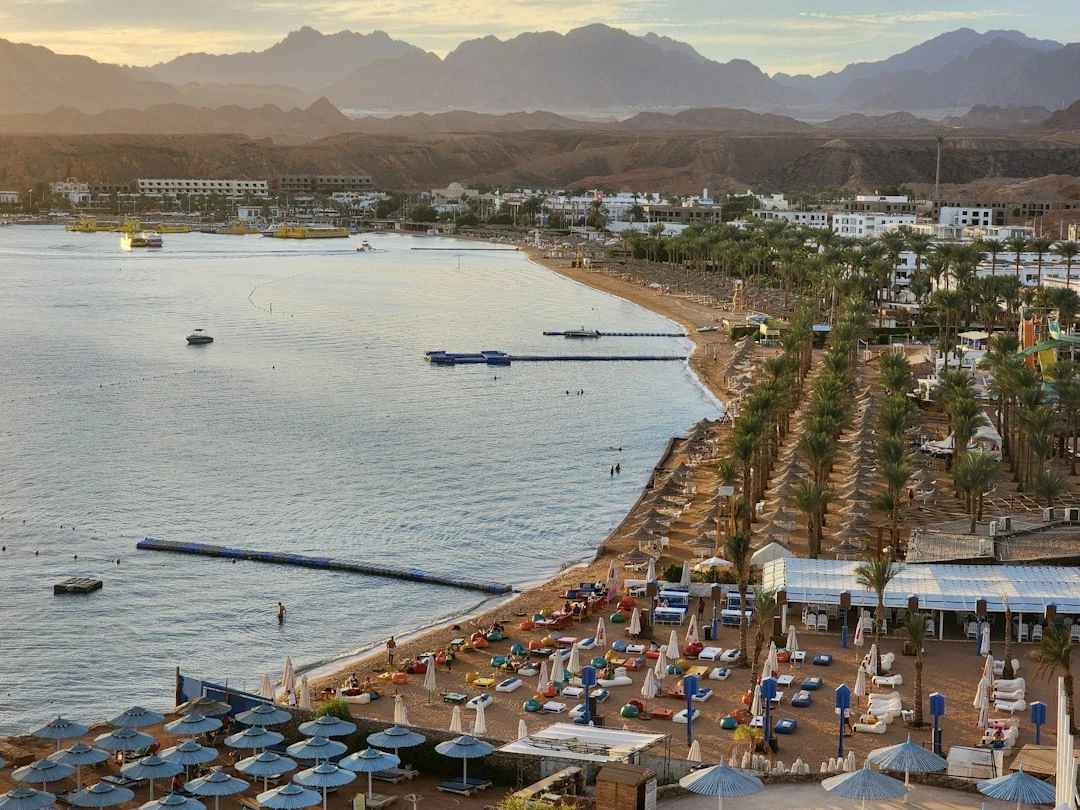
The afternoon is free for time by the sea. You can swim, relax or arrange a boat, snorkelling or diving activity through the appropriate local desk, subject to sea conditions and availability. Our team keeps the day flexible after the long sightseeing programme. This is your chance to discover the Red Sea at an easy pace, without adding another long archaeological visit. Dinner and the evening are at leisure in Hurghada.
Enjoy breakfast and your remaining free time in Hurghada before the departure transfer. Depending on your flight time, you may have a quiet morning at the resort or take a final walk along the coast. Check-out and luggage collection follow the hotel’s confirmed schedule, and our representative helps coordinate the transfer to the airport.
We arrange the onward journey according to your flight details and allow practical time for the drive and airport procedures. Families and group travellers can ask our team about a special price when planning this itinerary, with the final arrangement based on the group’s dates and needs. Keep passports, travel documents and essential items in your hand luggage for the transfer. Your 16-day Egypt itinerary ends when you depart Hurghada.