
Egypt And Marsa Alam 21-Day Tour
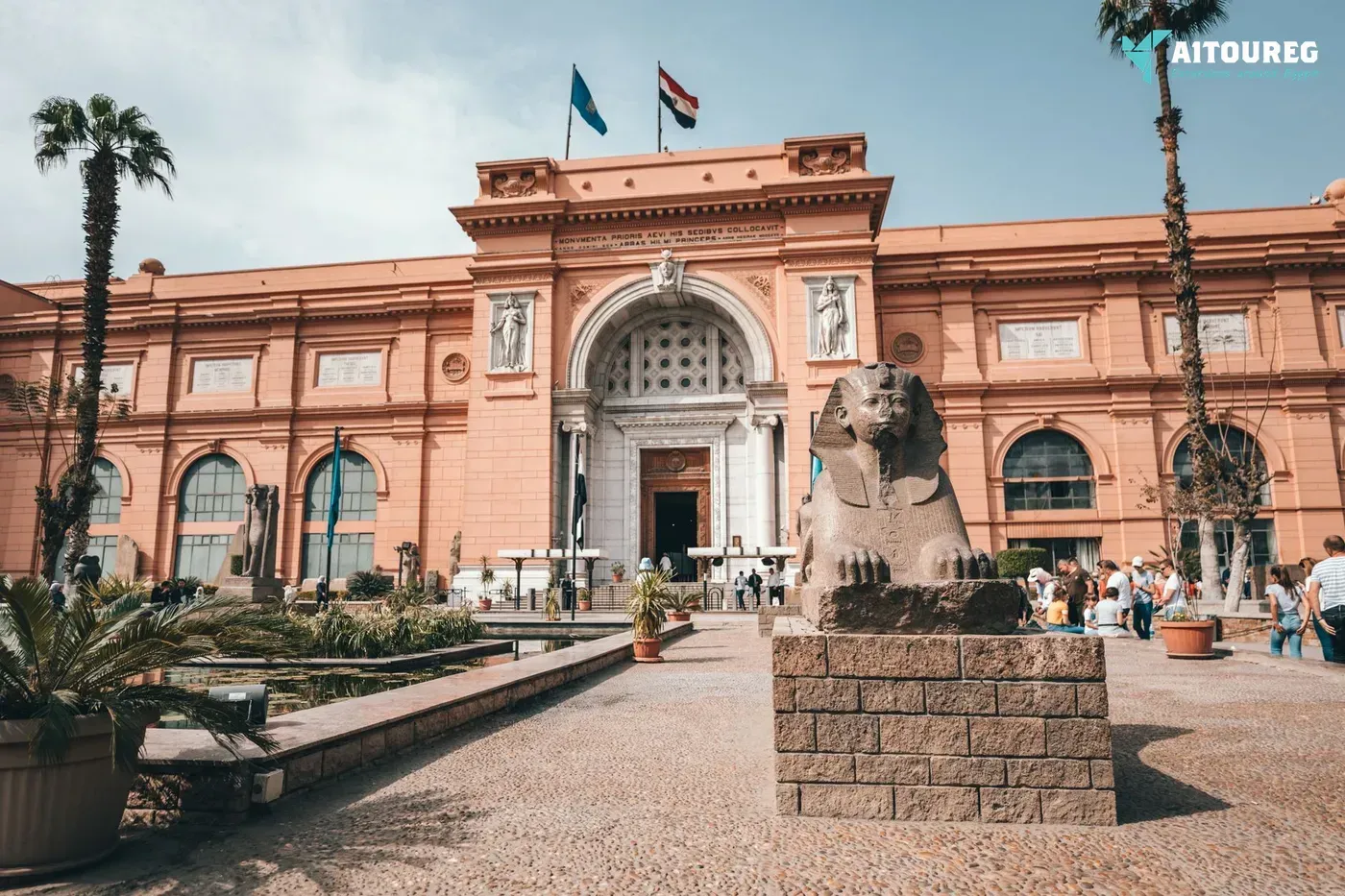
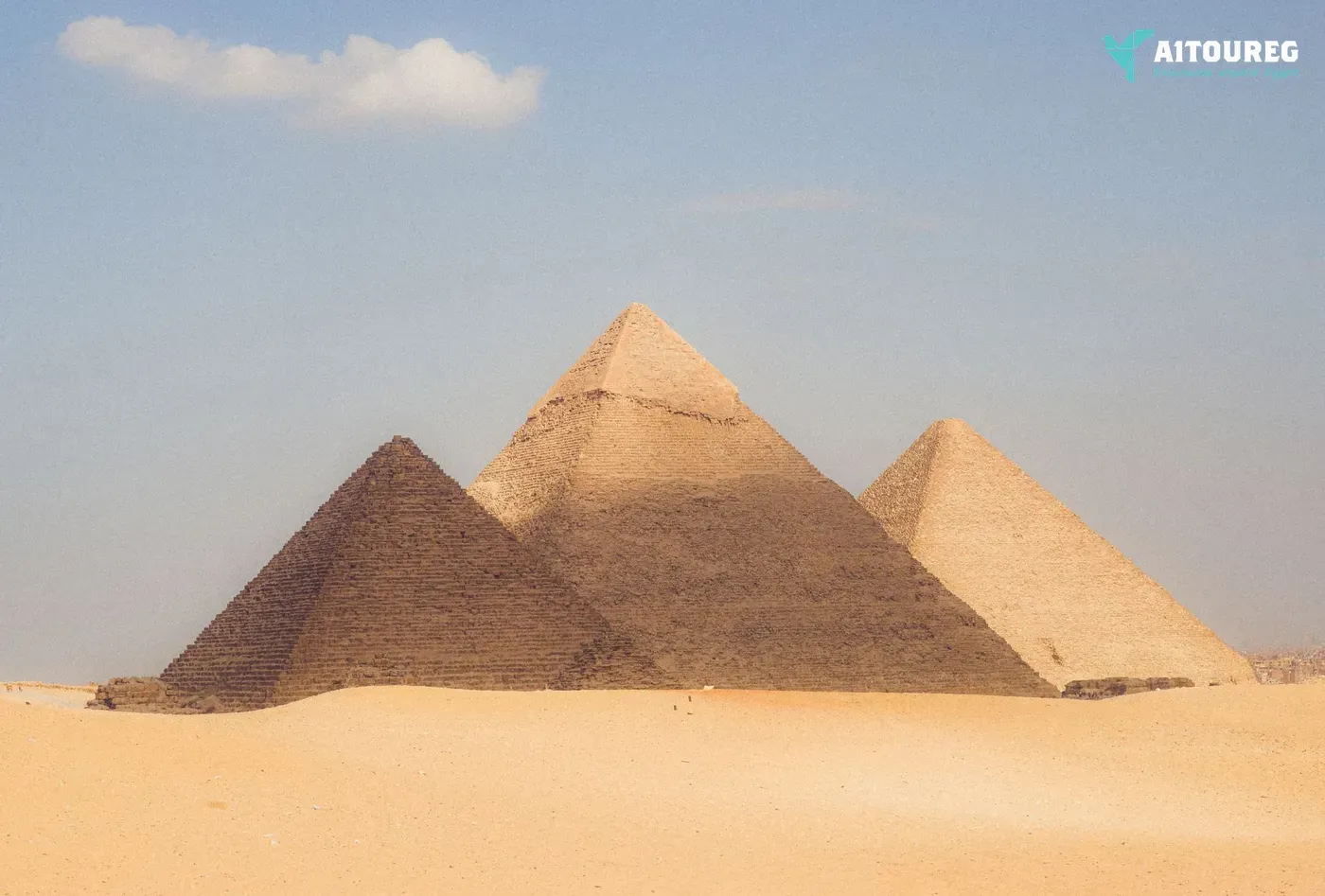
Our Egypt and Marsa Alam 21-day tour brings together major archaeological sites, desert landscapes and the Red Sea coast at an unhurried pace. You begin in Cairo with the Giza Pyramids, then visit the Cairo Museum and The Civilization museum, where royal mummies and artefacts from across the country trace Egypt’s history.
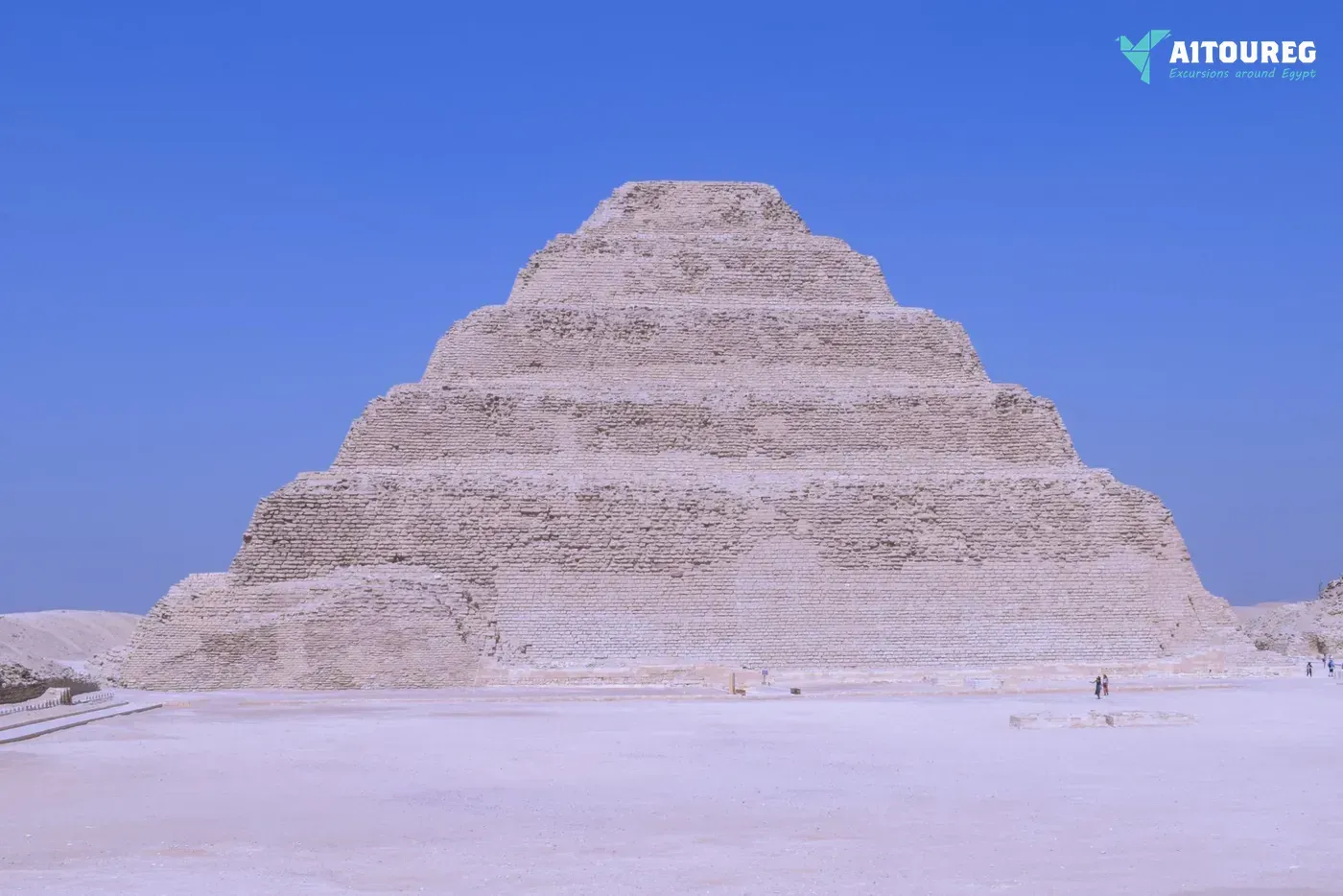
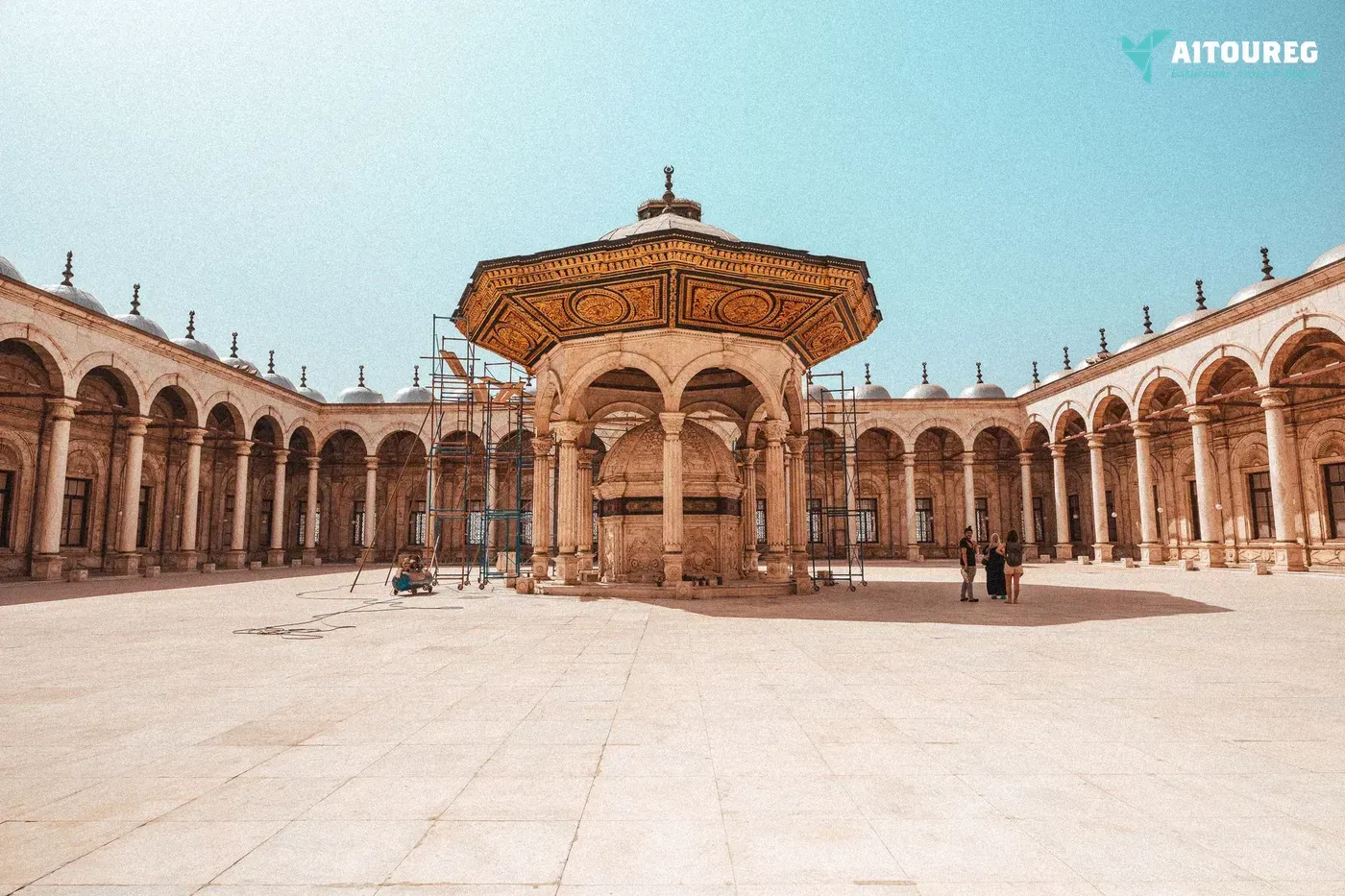
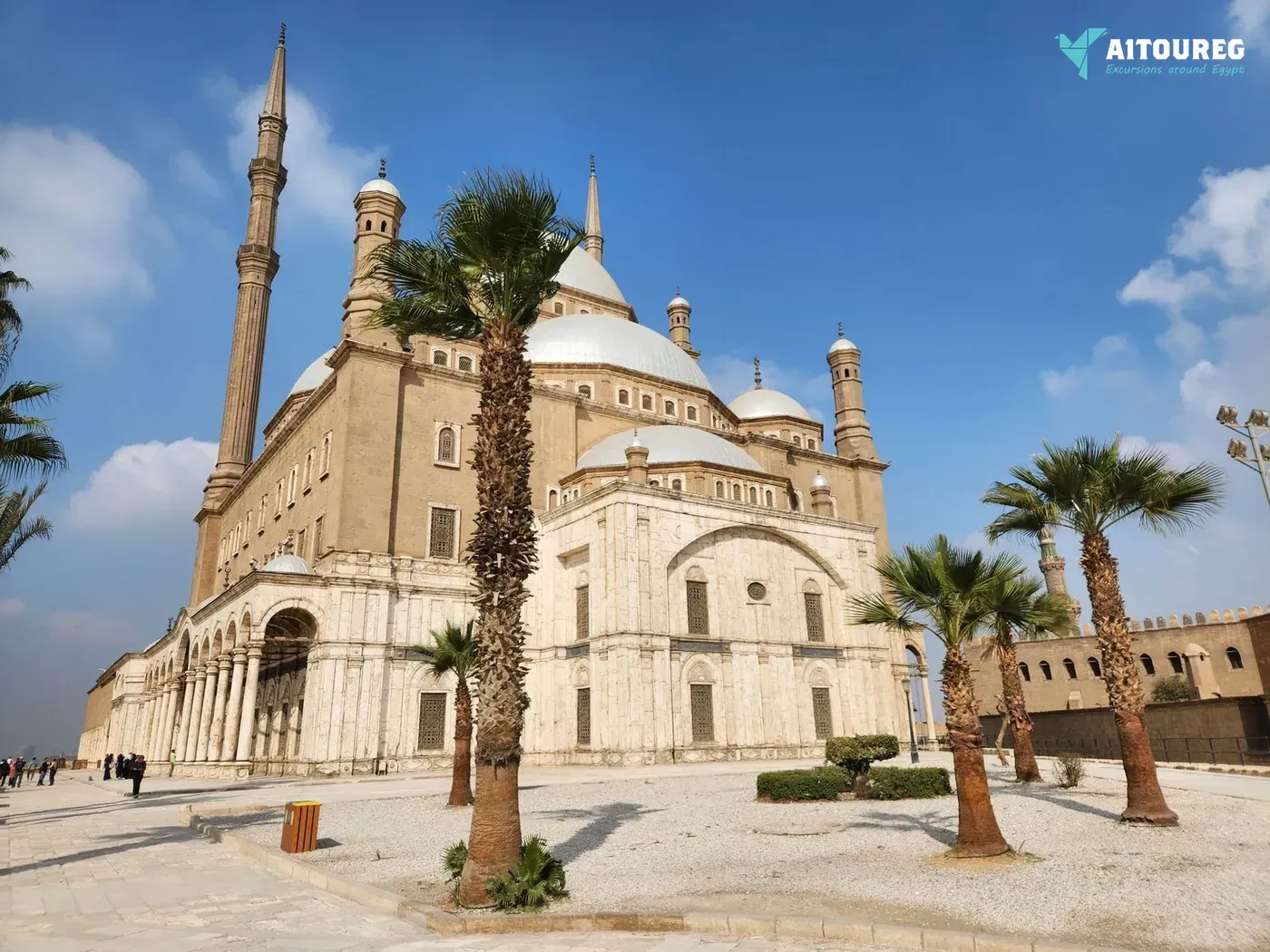
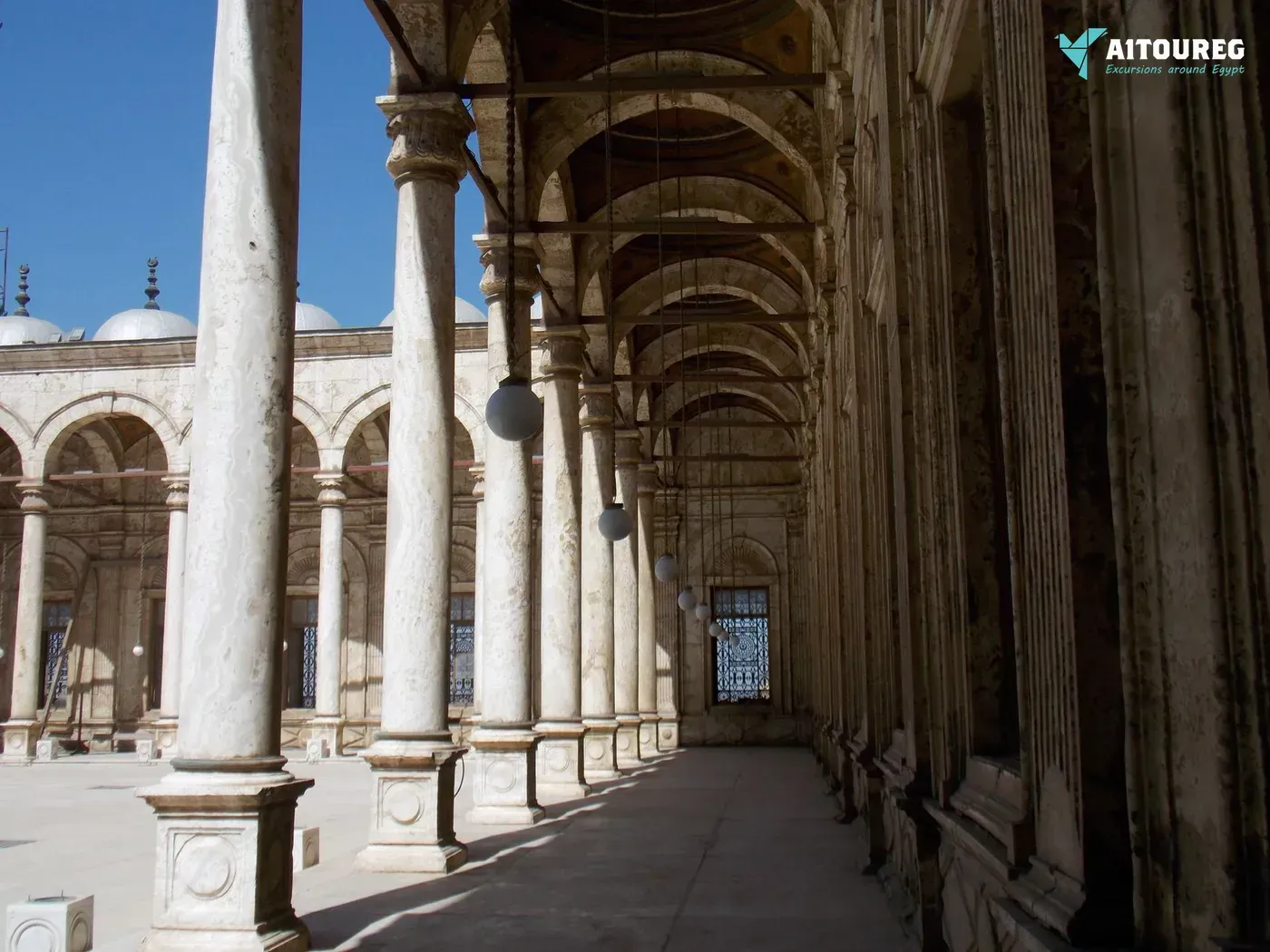
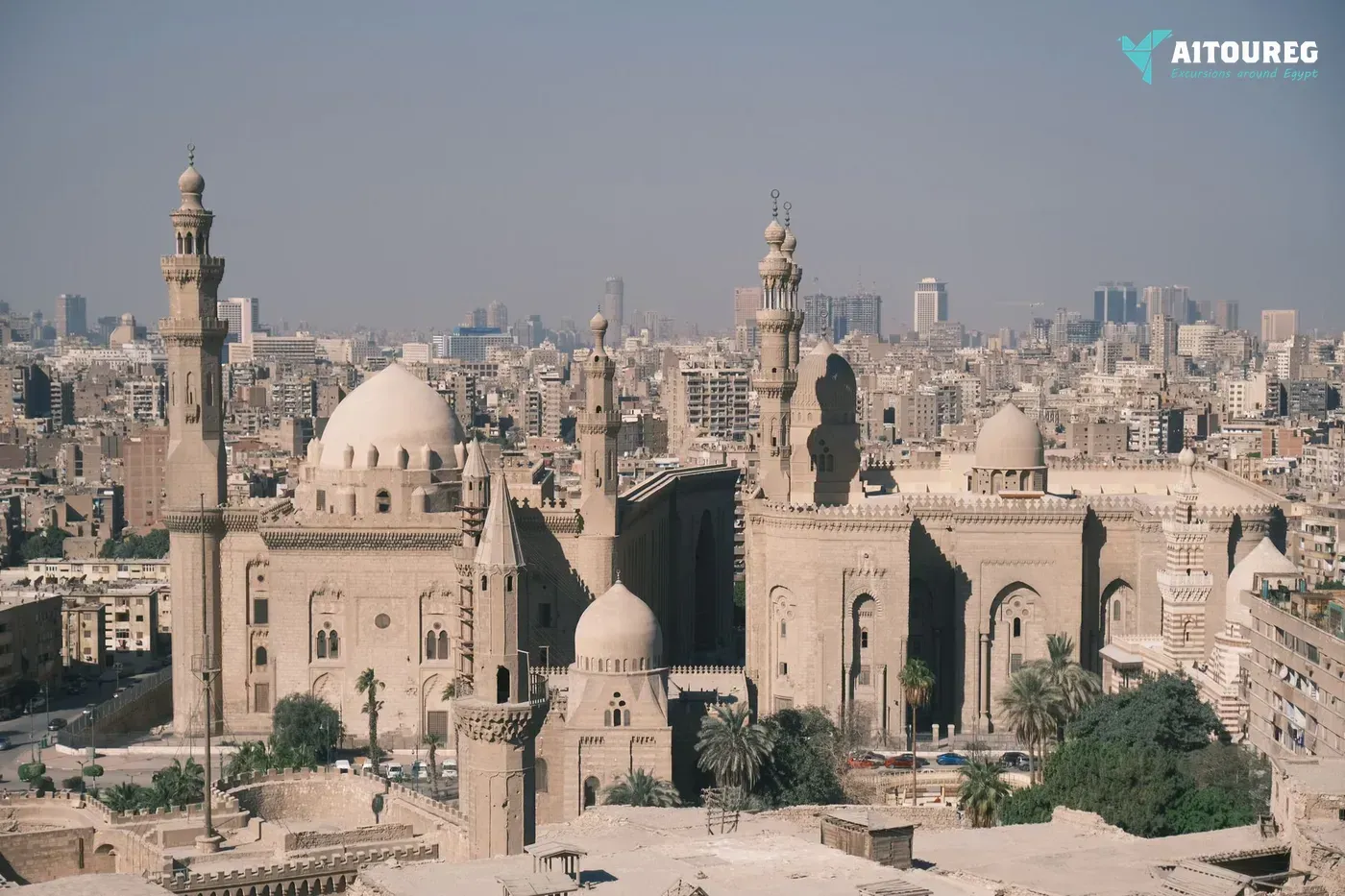
Old Cairo has a different feel, with historic churches, narrow lanes and the Mosque of Mohamed Ali inside the Citadel of Cairo. Outside the capital, Memphis, Sakkara and Dahshour show how royal architecture developed before the Giza pyramids. Our guide explains the stepped pyramid, early tombs and the Red and Bent pyramids while our team handles the transfers between the sites.
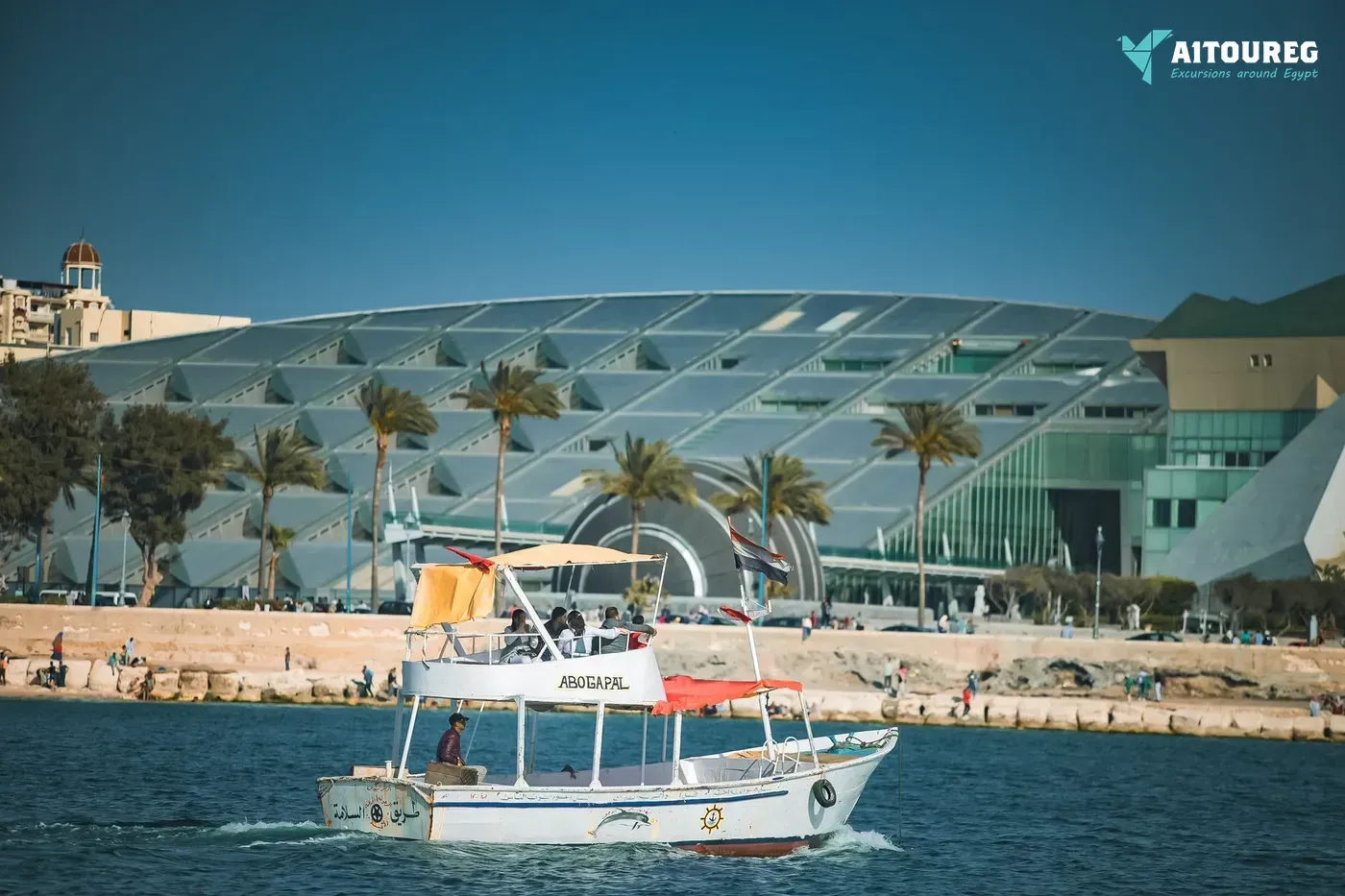
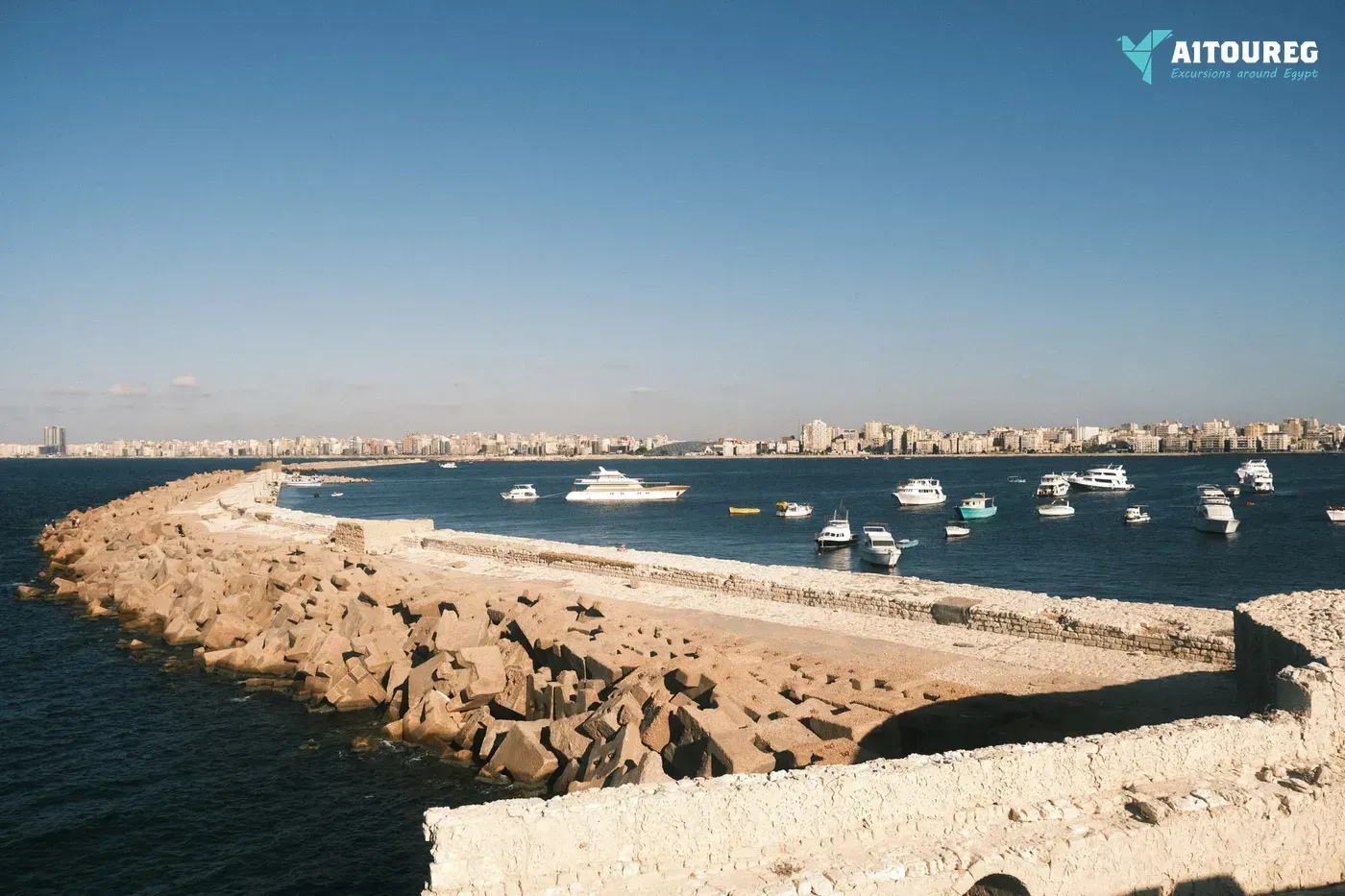
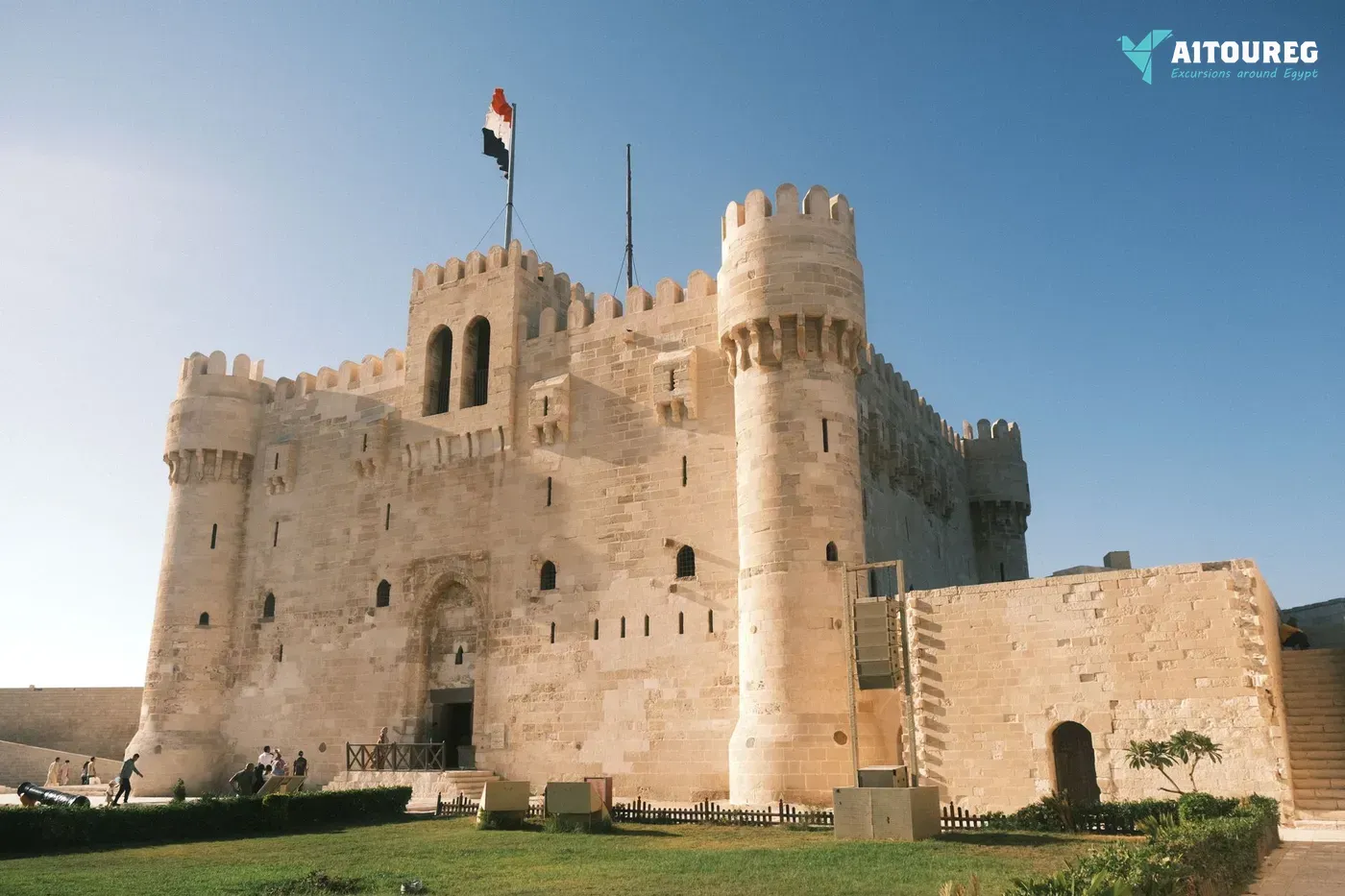
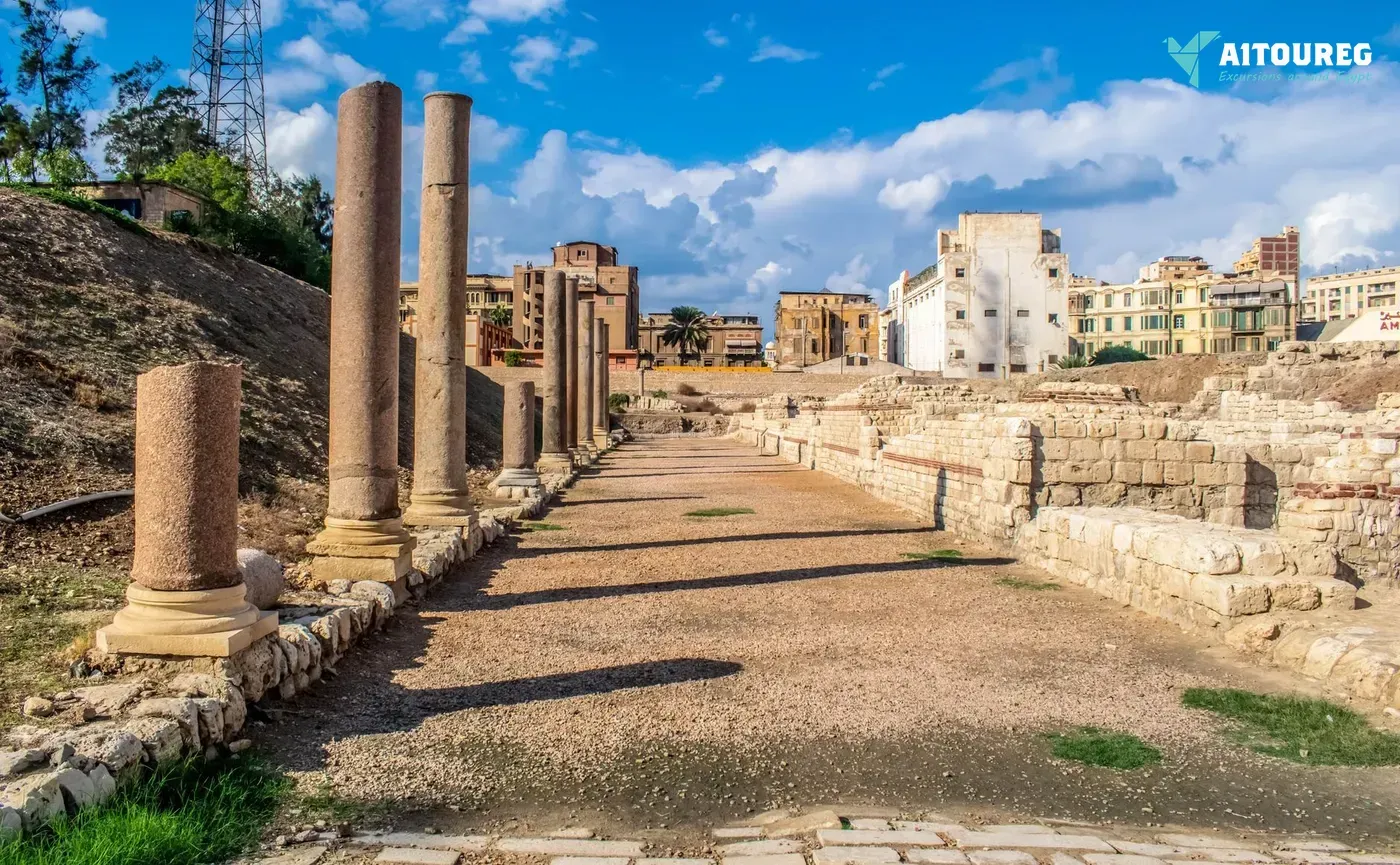
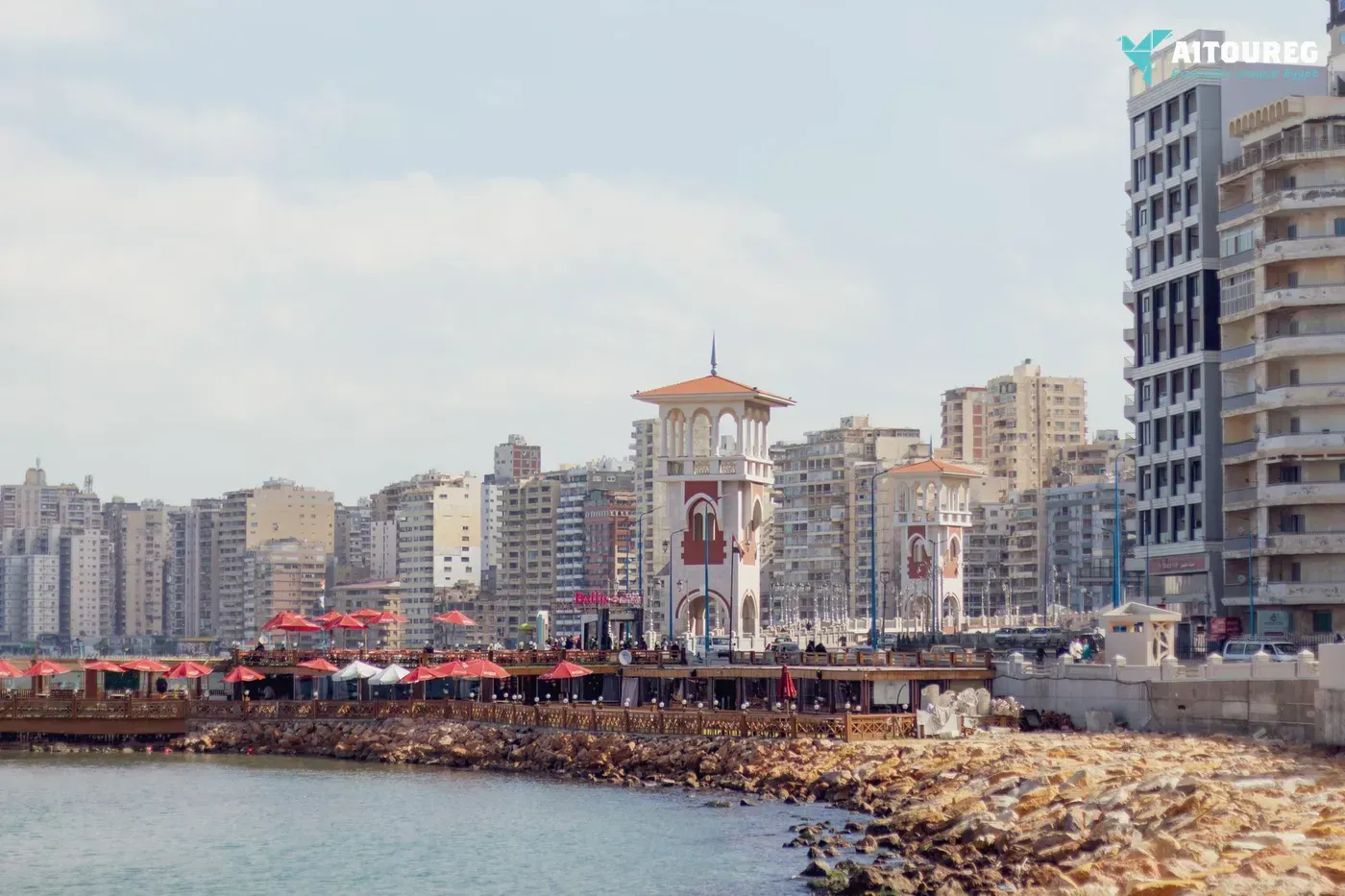
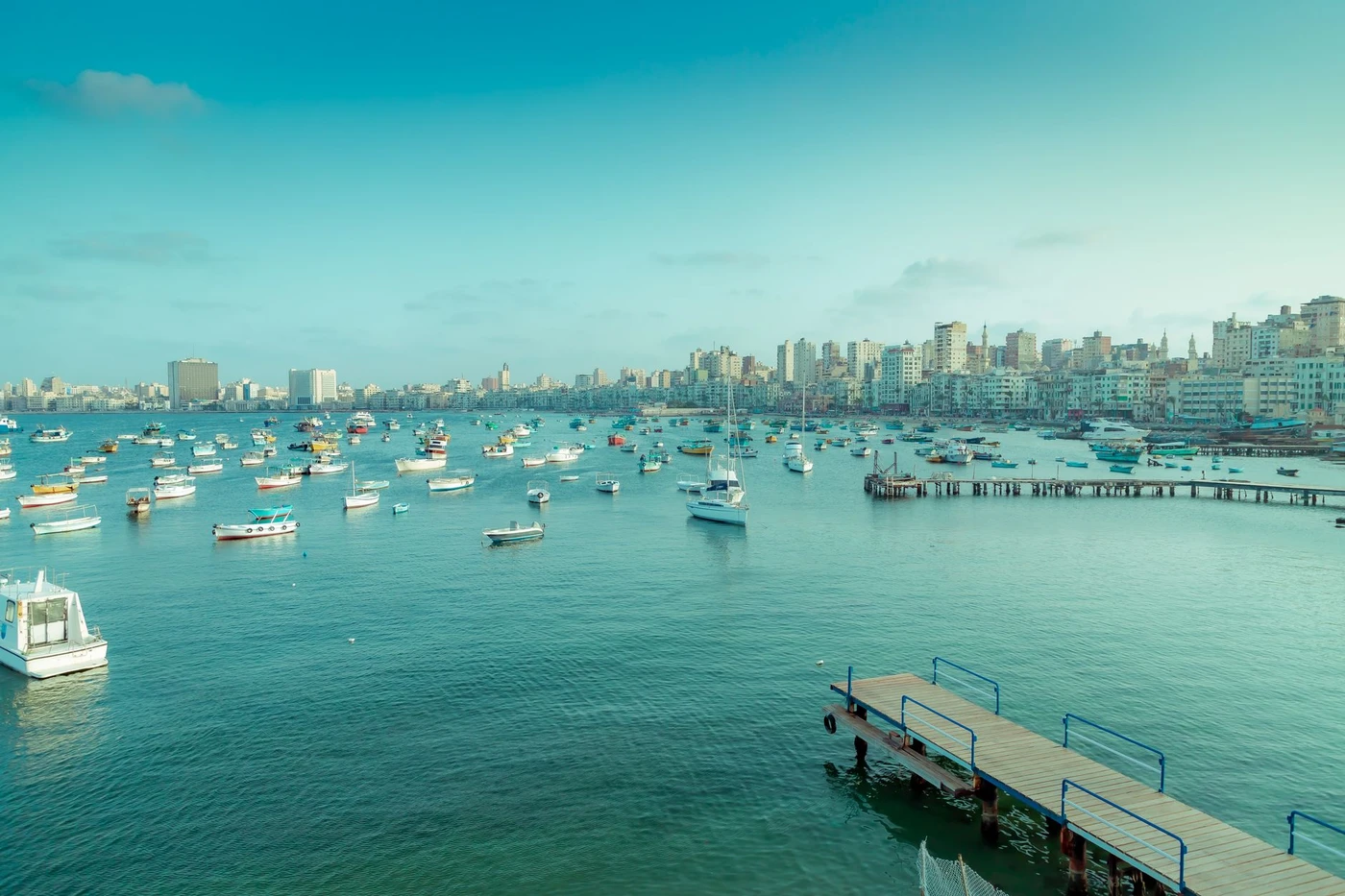
Alexandria adds a Mediterranean chapter to the itinerary. You visit the Catacombs of Kom el Shoqafa, Pompei Pillar, the Library of Alexandria and the Citadel of Sultan Qeitaby by the sea. Al Montazah Palace and its gardens make a quieter stop. The drive takes longer than a city sightseeing day, so this part suits travellers who want historical depth rather than a short list of photographs.
In the Western Desert, you can take an adventure through Siwa Oasis. The Fortress at Shali, the temple of the Oracle, Gebel Al Mawta and Cleopatra’s Bath show the oasis’s history, while El Alamein Tombs add a modern historical site along the route. You also travel into Egypt Desert, with time to visit hot springs and see the great sand sea.
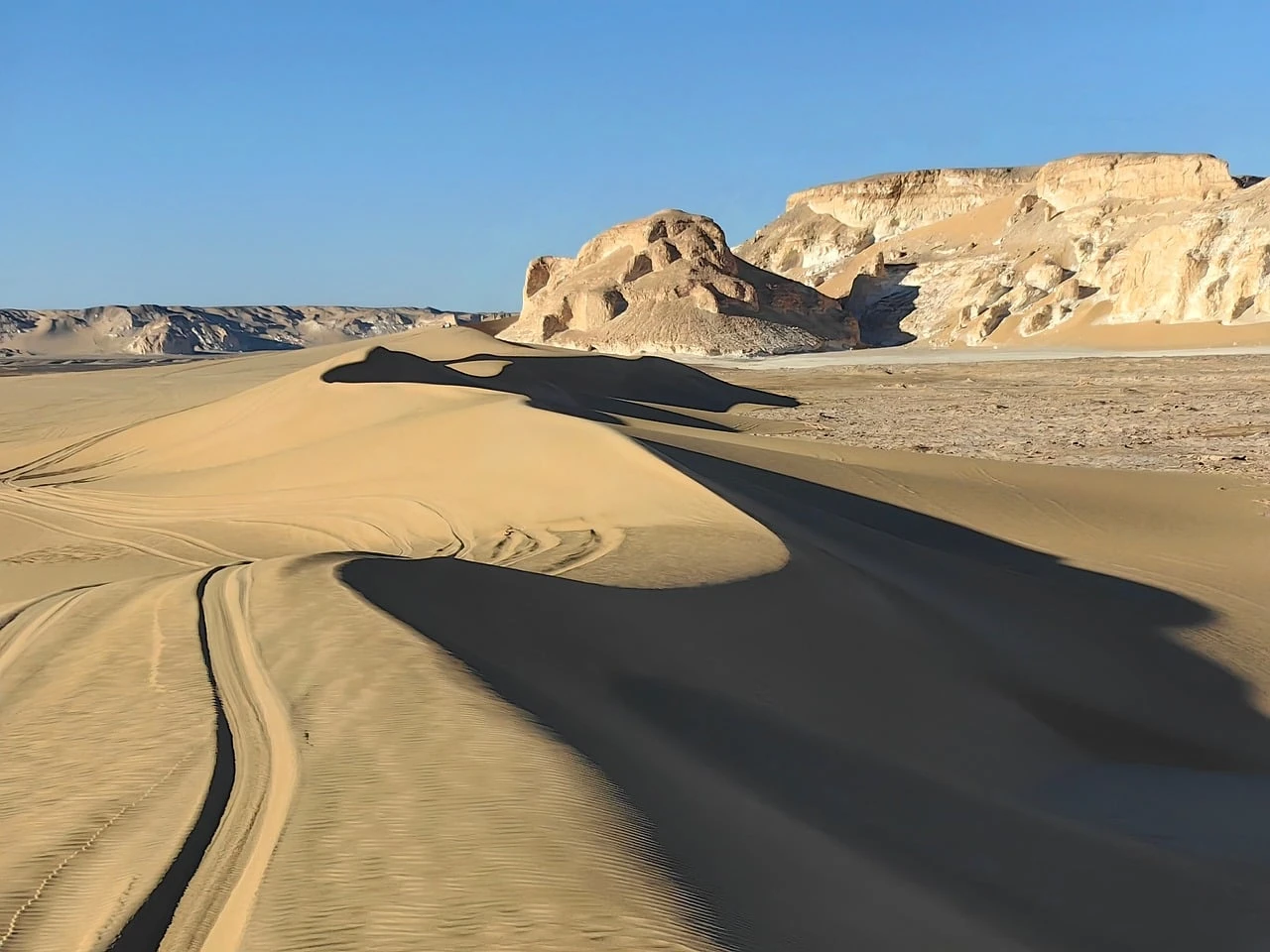
The desert section continues through the white desert, the valley of Agabat, the black Mountain and the crystal mountain. Limestone formations shift in colour and shape as the light moves across the landscape. One night in the white desert gives you a simple camp experience away from city noise; the exact camp arrangements depend on local conditions and the operating plan.
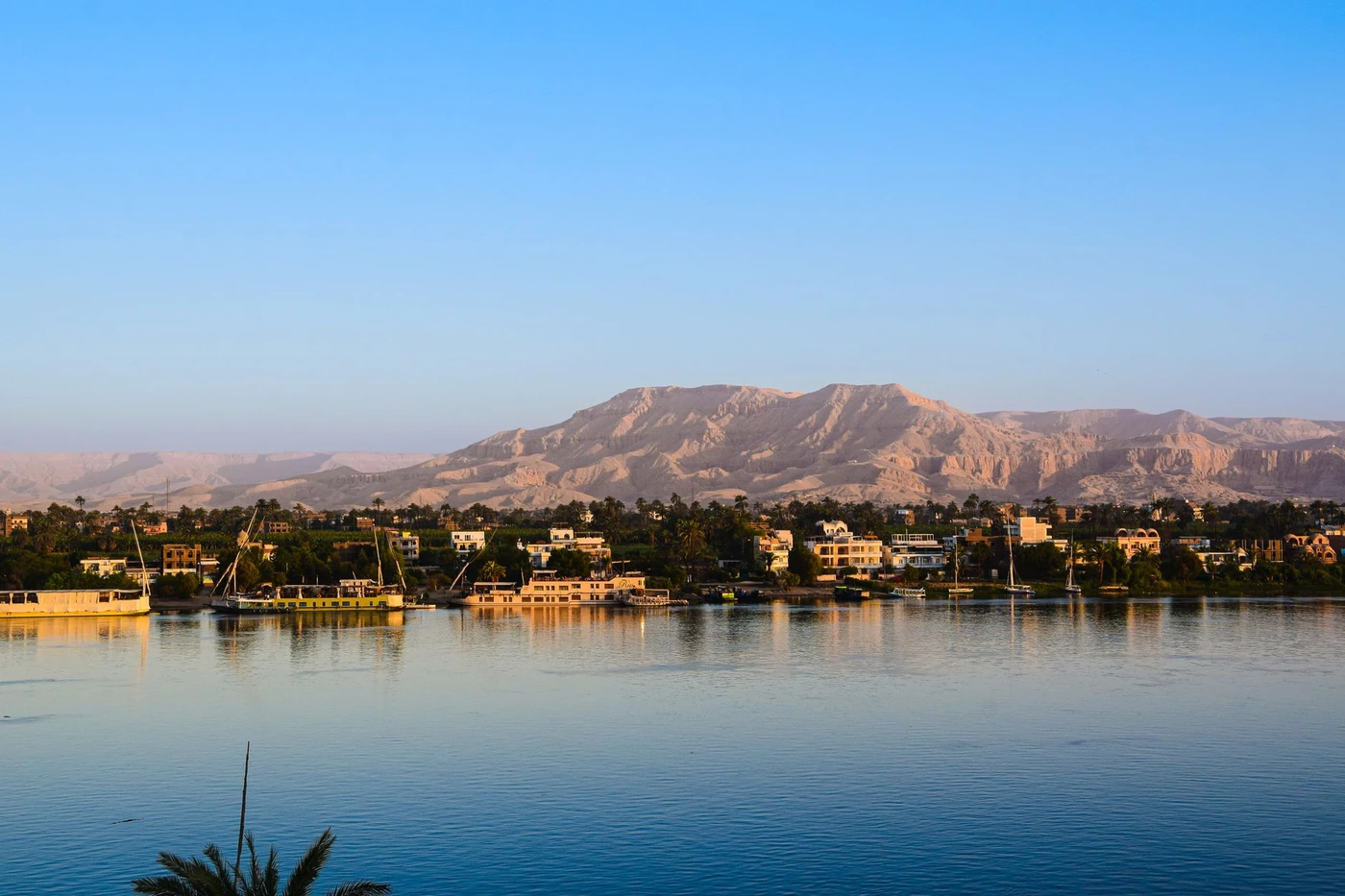
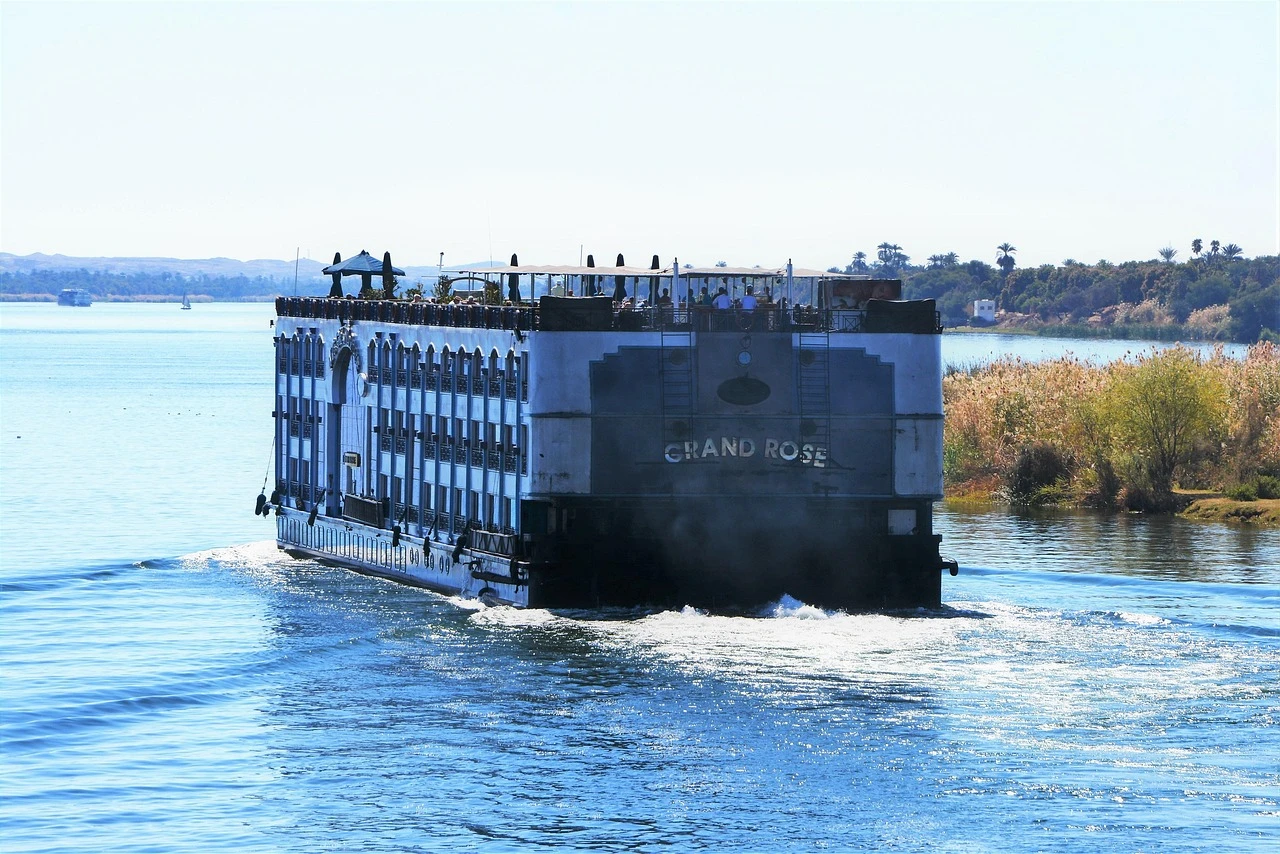
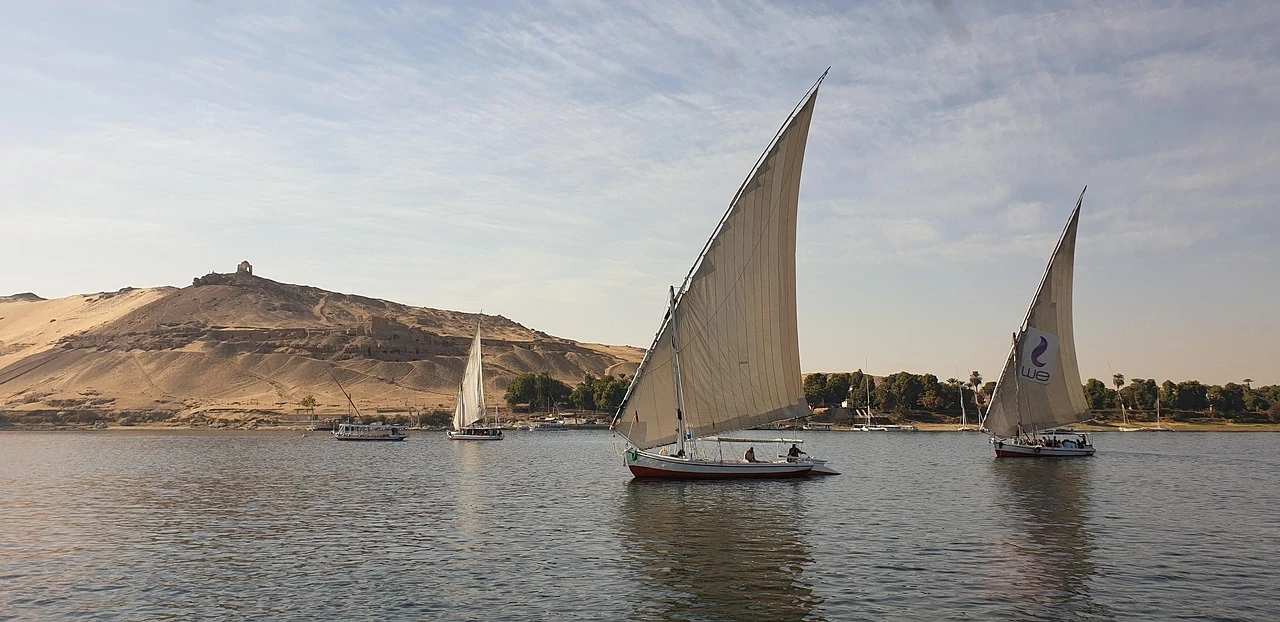
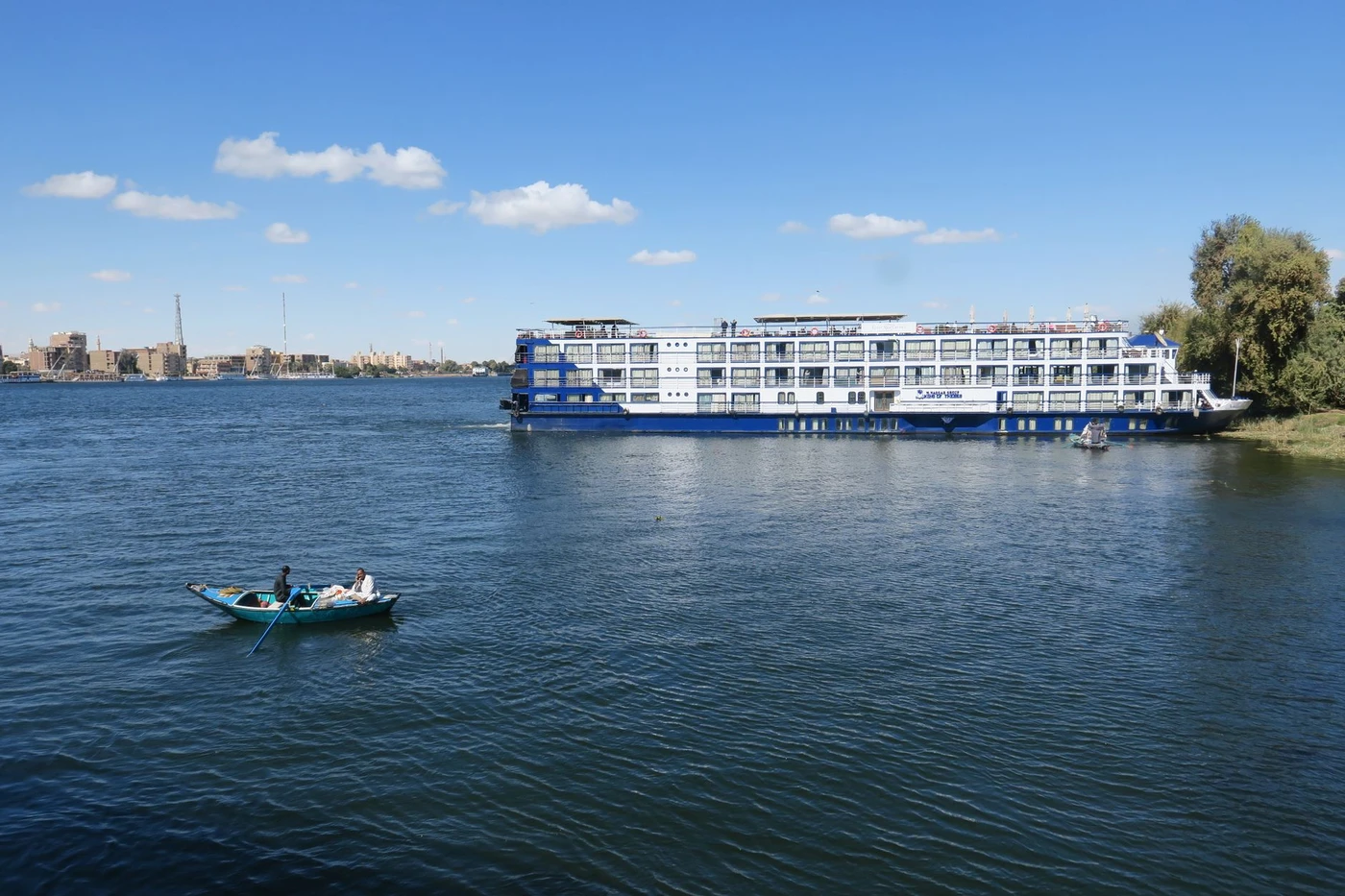
After Cairo and the desert, spend 4 days on a Nile Cruise, relaxing as you travel between Luxor and Aswan. It is a comfortable way to see the archaeological sites along the river. Stops include Edfu, Kom Ombo, Phila temple and the Aswan Dam, with time to see the Phiala temple, a name used for Philae in some travel references.
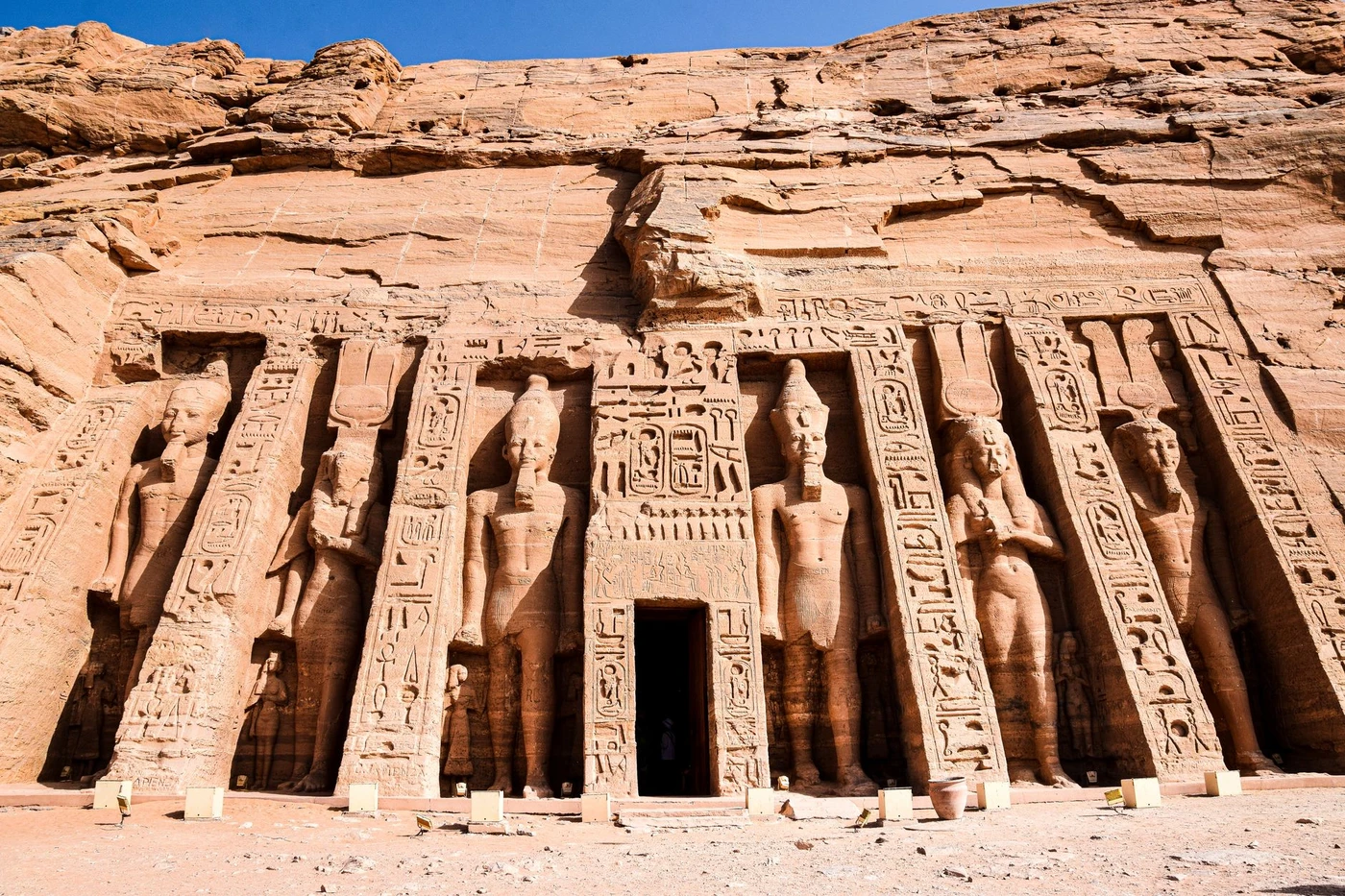
Luxor brings the ancient story into focus with the Valley of the Kings, Queen Hatshepsut temple and Karnak temple. You may also see Valley of Kings and Hatshepsut temple in common travel searches, but the visits are to the same celebrated sites. Abu Simbel adds another major stop, with rock-cut temples and colossal figures best seen with an organised transfer.
The final coastal stay in Marsa Alam gives you time to slow down after a full sightseeing programme. This trip suits travellers who want a broad introduction to Egypt and are comfortable with long road journeys, early starts and changing accommodation styles. We coordinate guides, land transport, cruise arrangements and desert logistics, while meals and the daily pace follow the confirmed itinerary. Comfortable walking shoes are useful at archaeological sites, and modest clothing is respectful at religious places.
Marsa Alam accommodation and scheduled transfers
Accommodation throughout the 21-day itinerary
Desert transport and camp services
One night of camping in the White Desert
Local guides, including a licensed Egyptologist where relevant
Transfers by air-conditioned vehicle
Four-day Nile cruise accommodation and meals as specified in the itinerary
Sightseeing tours and entrance arrangements listed in the itinerary
Tips for guides, drivers, cruise staff and desert staff
Personal spending, drinks and meals not listed as included
International and domestic flights unless stated in the confirmed itinerary
Egypt entry visa and travel insurance
Any changes caused by weather, road conditions or transport schedules
Optional activities and excursions
Comfortable walking shoes with good grip
Modest clothing for mosques and religious sites
Light, breathable clothing and a warm layer for desert evenings
Personal medication and basic toiletries
Sun protection, hat and reusable water bottle
Small overnight bag for the White Desert camp
Swimwear and a light cover-up for Marsa Alam
Passport and any required visa documents
The 21 days Egypt itinerary and Marsa Alam tour includes guided sightseeing across Cairo, Alexandria, Siwa Oasis, the White Desert, the Nile Valley, Abu Simbel, Hurghada and Marsa Alam, with planned transfers and a four-day Nile cruise included according to the booking arrangements.
Over 21 days, you visit Egypt’s top highlights in a varied order that combines ancient sites, oasis landscapes, desert scenery, a Nile cruise and time by the Red Sea. The route includes the Catacombs of Kom el Shoqafa, the Library of Alexandria, Pompei Pillar, the Citadel of Sultan Qeitaby and Al Montazah Palace in Alexandria, followed by El Alamein Tombs and Siwa Oasis.
In Siwa, you see the Fortress at Shali, the Temple of the Oracle, Gebel Al Mawta, Cleopatra’s Bath and the Great Sand Sea. The desert section includes an adventure trip, a drive into the Egypt Desert, the Valley of Agabat, the Black Mountain, the Crystal Mountain, hot springs and one night in the White Desert.
Our team arranges the planned pickups, drop-offs and overland transfers between the main stops, with the exact meeting details confirmed in your booking information. The itinerary uses road transfers for Cairo, Alexandria, Siwa and the desert, then includes the four-day Nile cruise while you discover archaeological treasures between Luxor and Aswan.
Depending on the confirmed route, transfers also connect the cruise section with Abu Simbel, Hurghada and Marsa Alam. Please provide accurate hotel, airport or accommodation details so we can coordinate each pickup clearly.
This tour can suit families and active travellers, but the 21-day pace and varied terrain require reasonable mobility, especially at desert camps and ancient sites with sand, steps and uneven ground. The Giza Pyramids, Cairo museums, Alexandria, the Nile cruise and Red Sea stays are generally easier to manage, while the White Desert and Siwa sections involve longer drives and outdoor conditions.
Travellers with limited mobility should tell us before booking. We can review the route, discuss suitable assistance and explain where access is difficult; some sites, including the Valley of the Kings, Queen Hatshepsut temple and Karnak temple, may require walking over uneven surfaces.
Bring light, breathable clothing, modest outfits for religious and historic sites, comfortable walking shoes, sun protection and a warmer layer for the desert night and early mornings. A hat, sunglasses, sunscreen, reusable water bottle, personal medicines and a small bag for daily excursions are useful throughout the tour.
Pack a swimsuit for Cleopatra’s Bath, the hot springs and your Red Sea time in Hurghada and Marsa Alam. Sturdy footwear is especially helpful for the Great Sand Sea, the Valley of Agabat, the Black Mountain and the White Desert camping night.
You can request the 21-day Egypt itinerary and Marsa Alam tour through our booking process, and our team will confirm the travel arrangements, availability and payment conditions before your reservation is final. Because the programme combines desert camping, a four-day Nile cruise, guided sightseeing and transfers, we need accurate traveller and accommodation details when preparing the booking.
Cancellation and amendment terms depend on the confirmed booking arrangements, including services reserved for the Nile cruise, desert camp and transport. Review those conditions before paying, and contact us as soon as possible if you need to change or cancel the trip.
Your unforgettable Egypt journey starts with a booking you can trust.
* Available on selected tours. Flights, cruises and special bookings may have different cancellation policies.
Free cancellation up to 24 hours before activity starts
If you choose to pay online, a secure payment link can be provided after booking. For assistance or alternative payment options, please contact us via WhatsApp.
All our tour operators are licensed and verified by Egyptian tourism authorities.
Learn more about our licensed partners →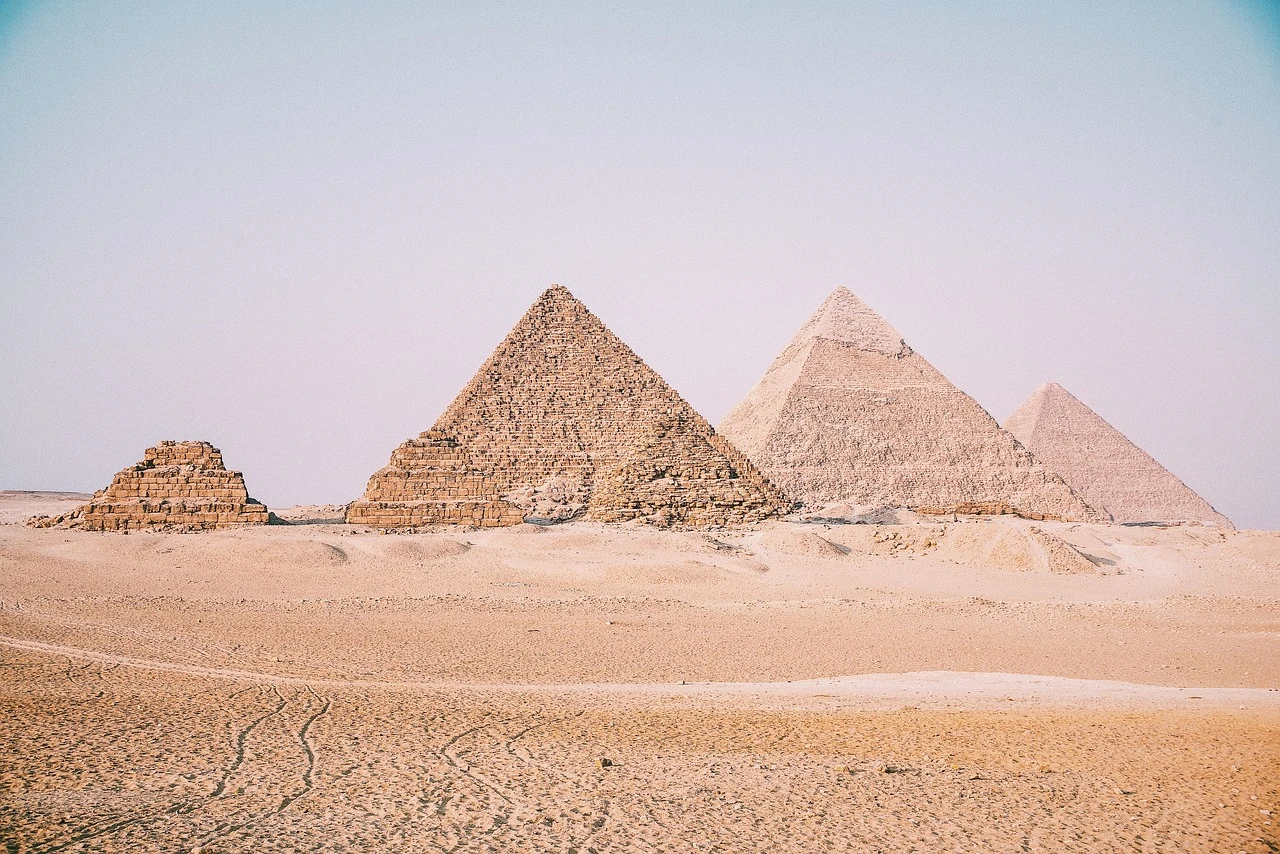

Free cancellation up to 24 hours before activity starts
If you choose to pay online, a secure payment link can be provided after booking. For assistance or alternative payment options, please contact us via WhatsApp.
All our tour operators are licensed and verified by Egyptian tourism authorities.
Learn more about our licensed partners →
Your Itinerary
Our team meets you at Cairo International Airport, helps with the arrival formalities, and transfers you to your hotel. The first day is kept light after your flight, giving you time to settle in, rest, and ask your guide any questions about the 21-day route. Your guide will also confirm the following day’s sightseeing plan and any details needed for domestic travel.
If your arrival time allows, you can take a short walk near the hotel or enjoy a quiet evening in Cairo. There is no demanding sightseeing scheduled today, so you begin the tour at a comfortable pace. Keep your passport and essential medicines with you during transfers, and let our team know if you need help arranging an early meal or other practical support.
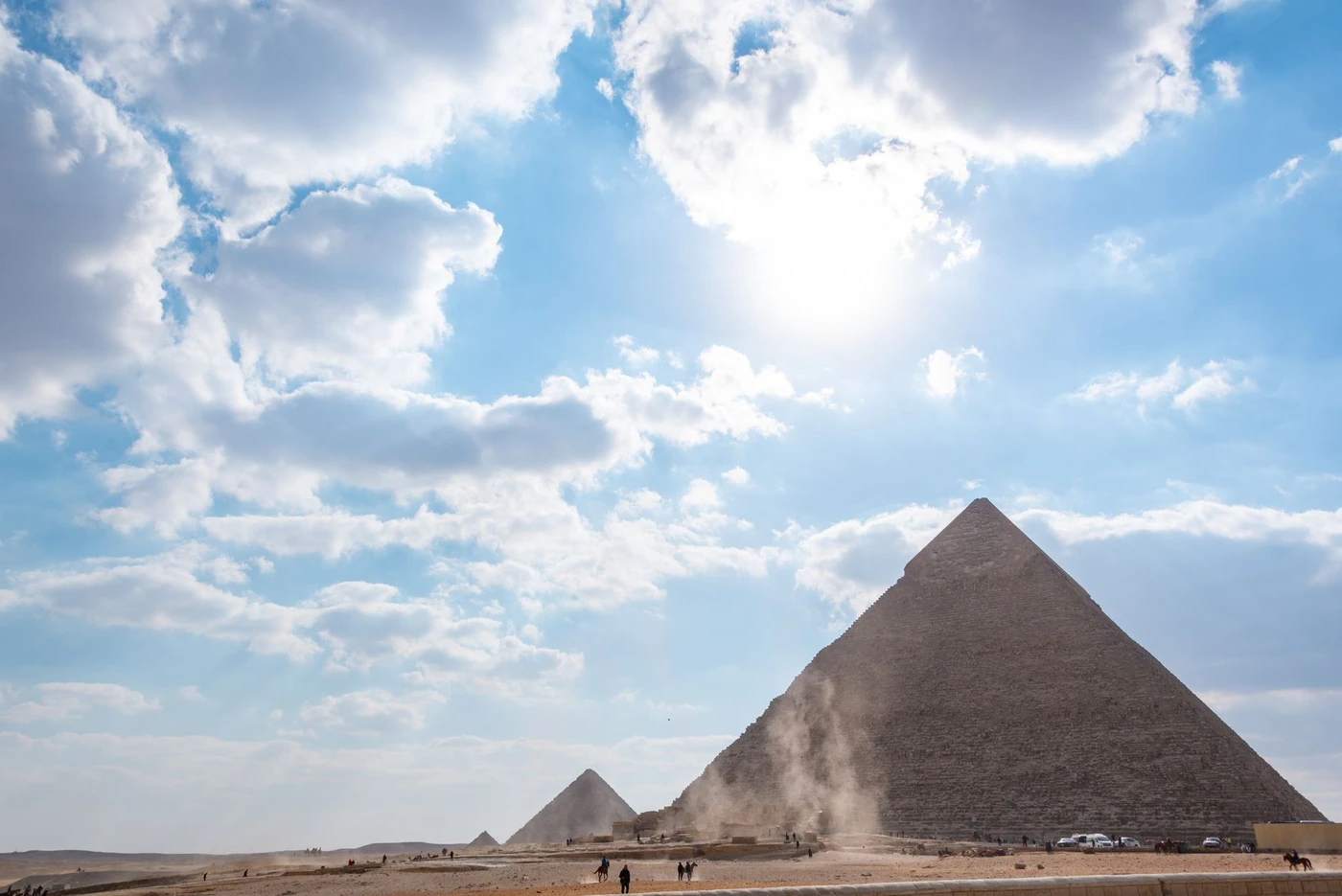
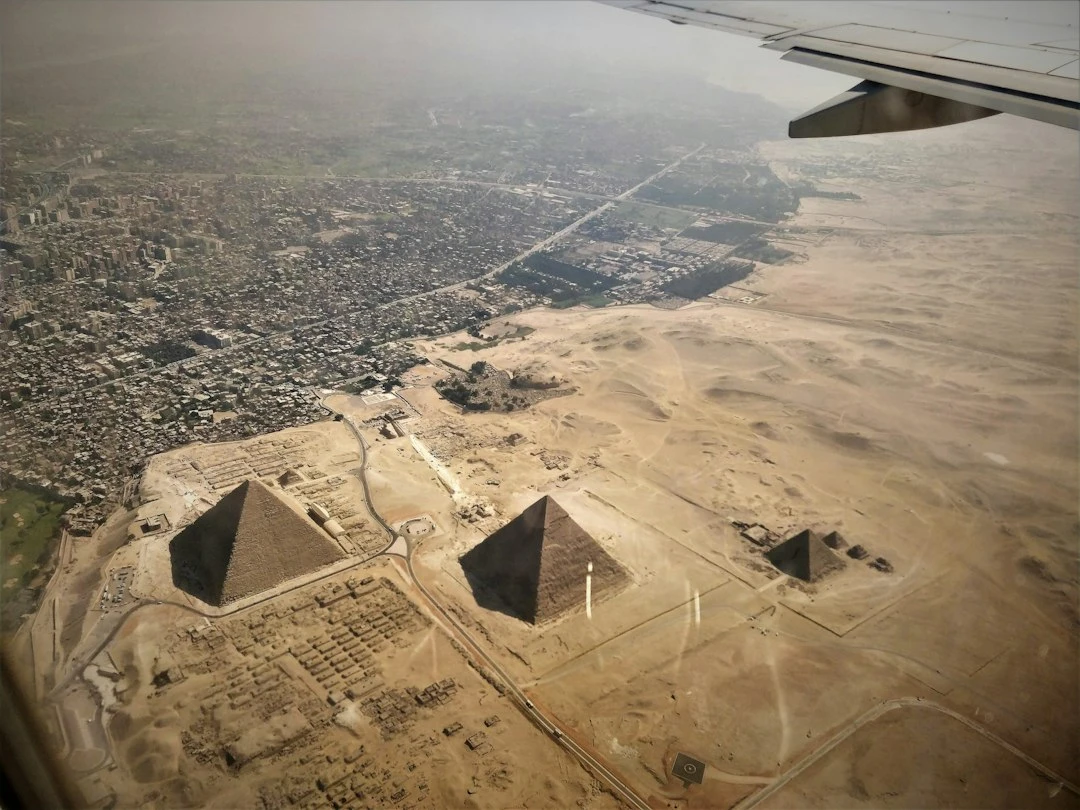
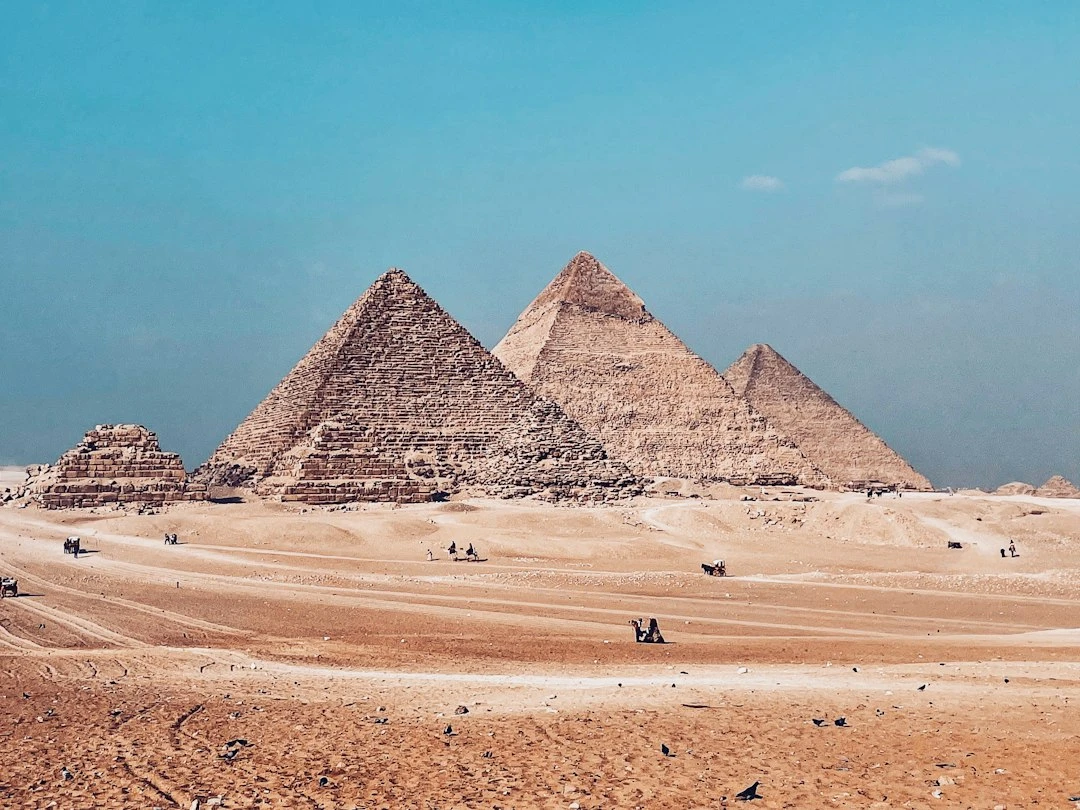
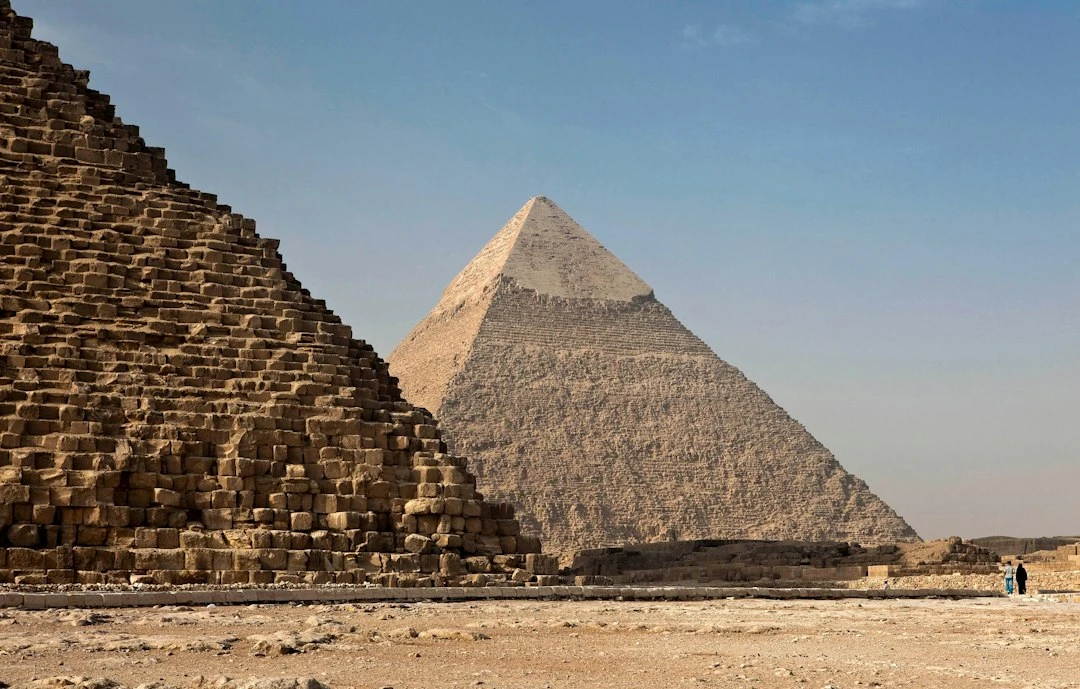
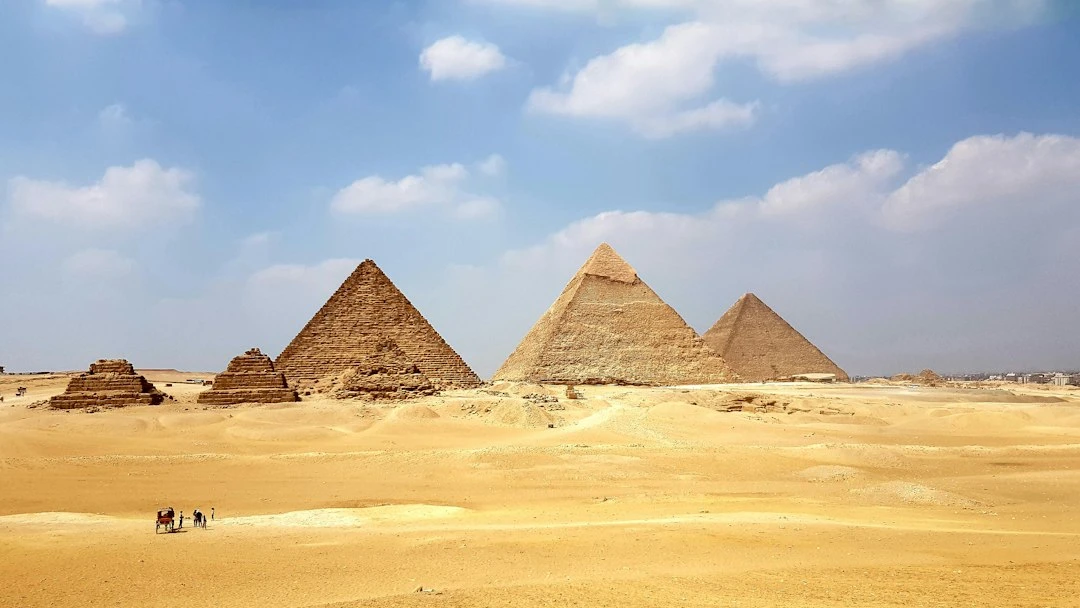
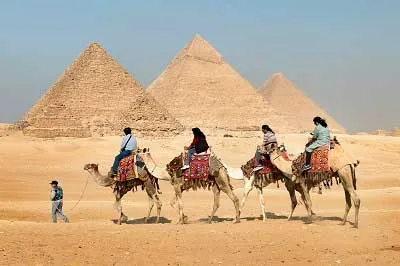
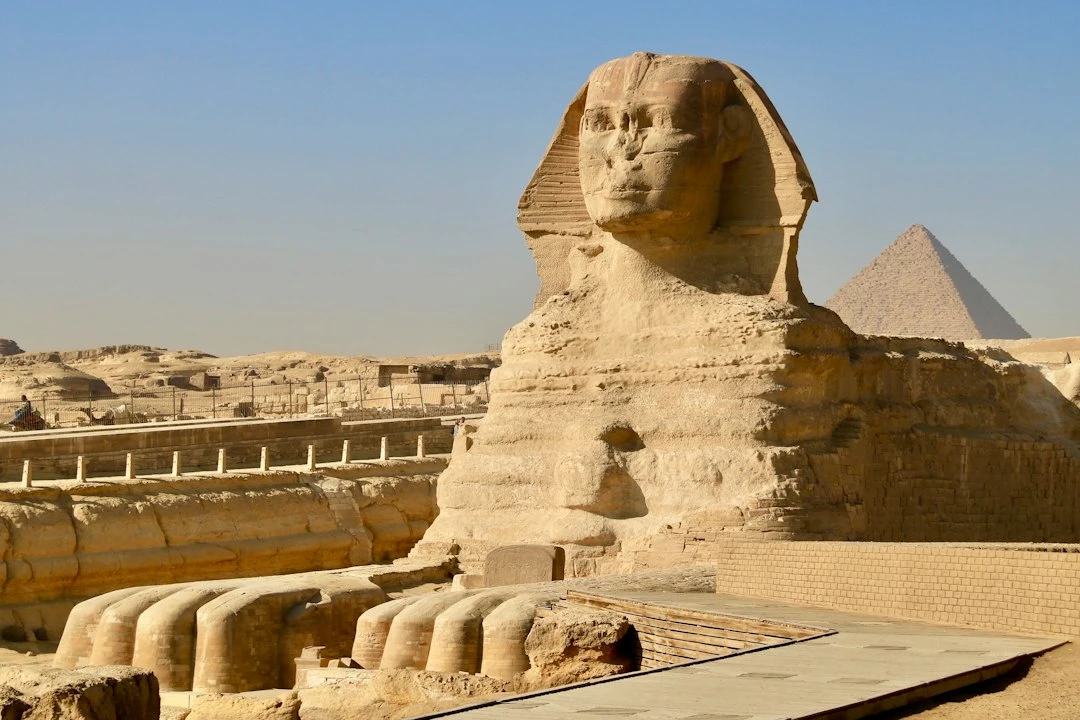
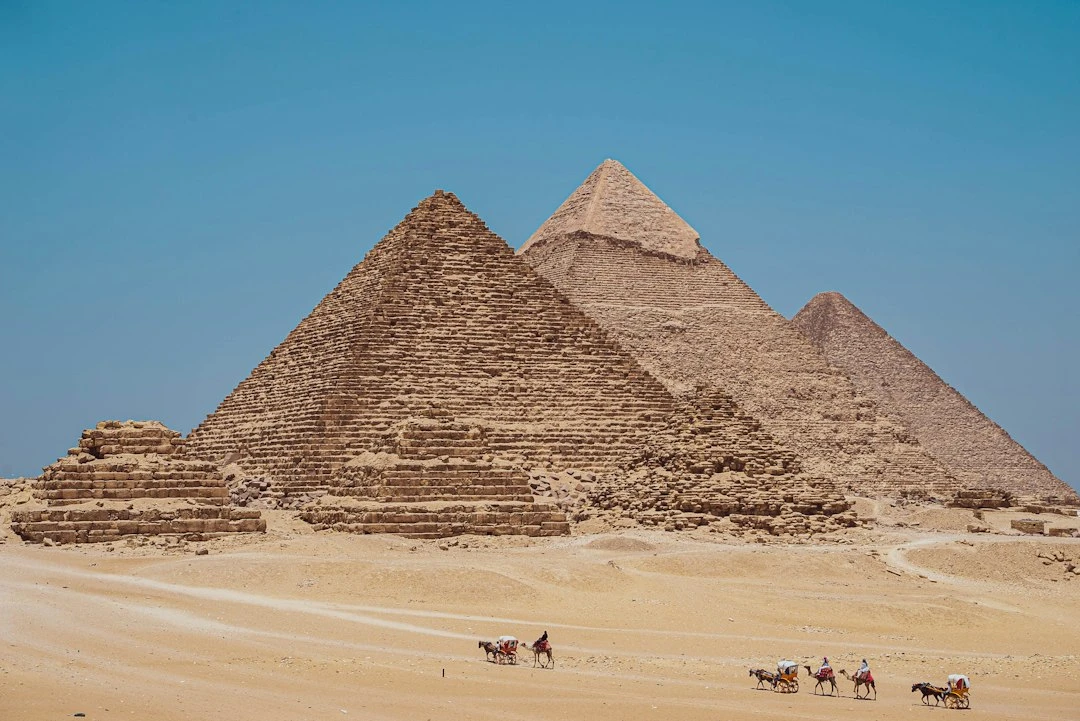
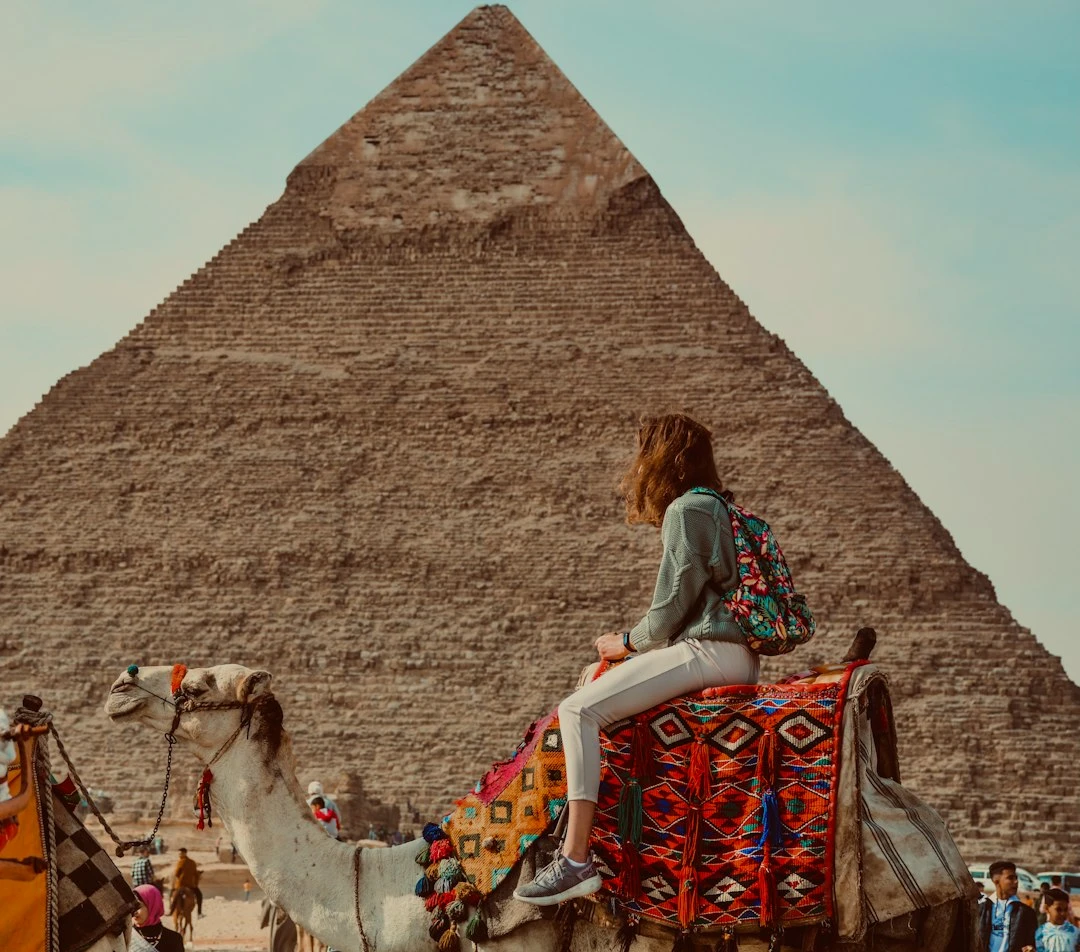
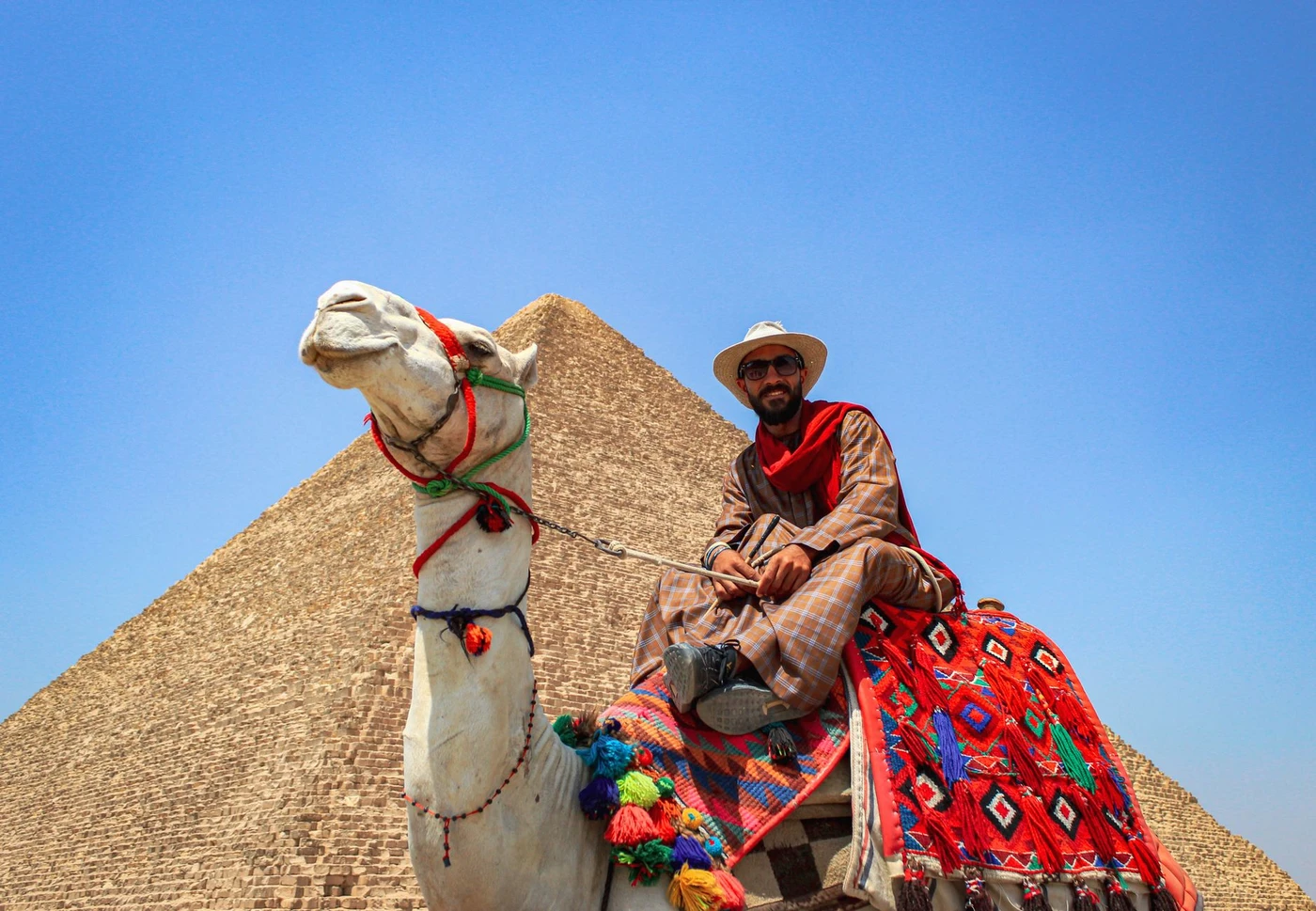
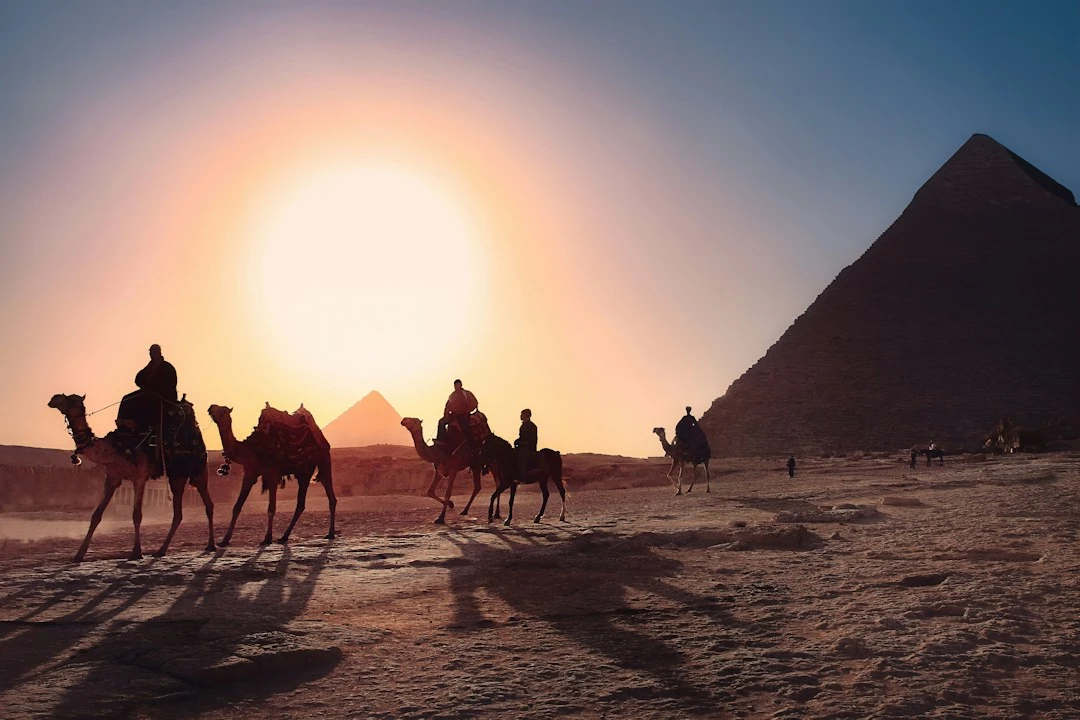
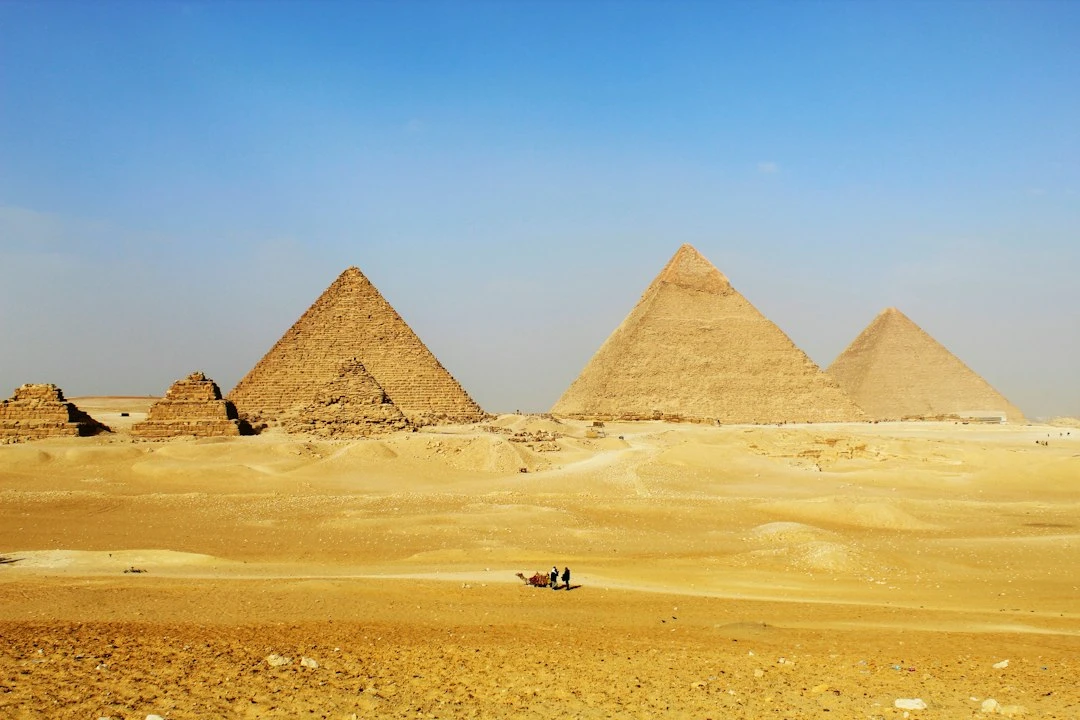
After breakfast, you visit the Giza Pyramids, where your guide explains the construction and purpose of the pyramids of Khufu, Khafre, and Menkaure. You have time to walk around the plateau, see the Great Sphinx, and take photographs from the open viewpoints. The ground is uneven in places, so comfortable shoes and sun protection are useful. A short drive connects the plateau with the city centre.
Next, explore the Cairo museum and its collection of pharaonic sculpture, jewellery, coffins, and royal objects. Your guide helps place the exhibits in context rather than rushing through every room. The visit usually takes several hours, with time for a break and lunch between sites. You return to the hotel in the afternoon, leaving the evening free for rest or an optional walk.
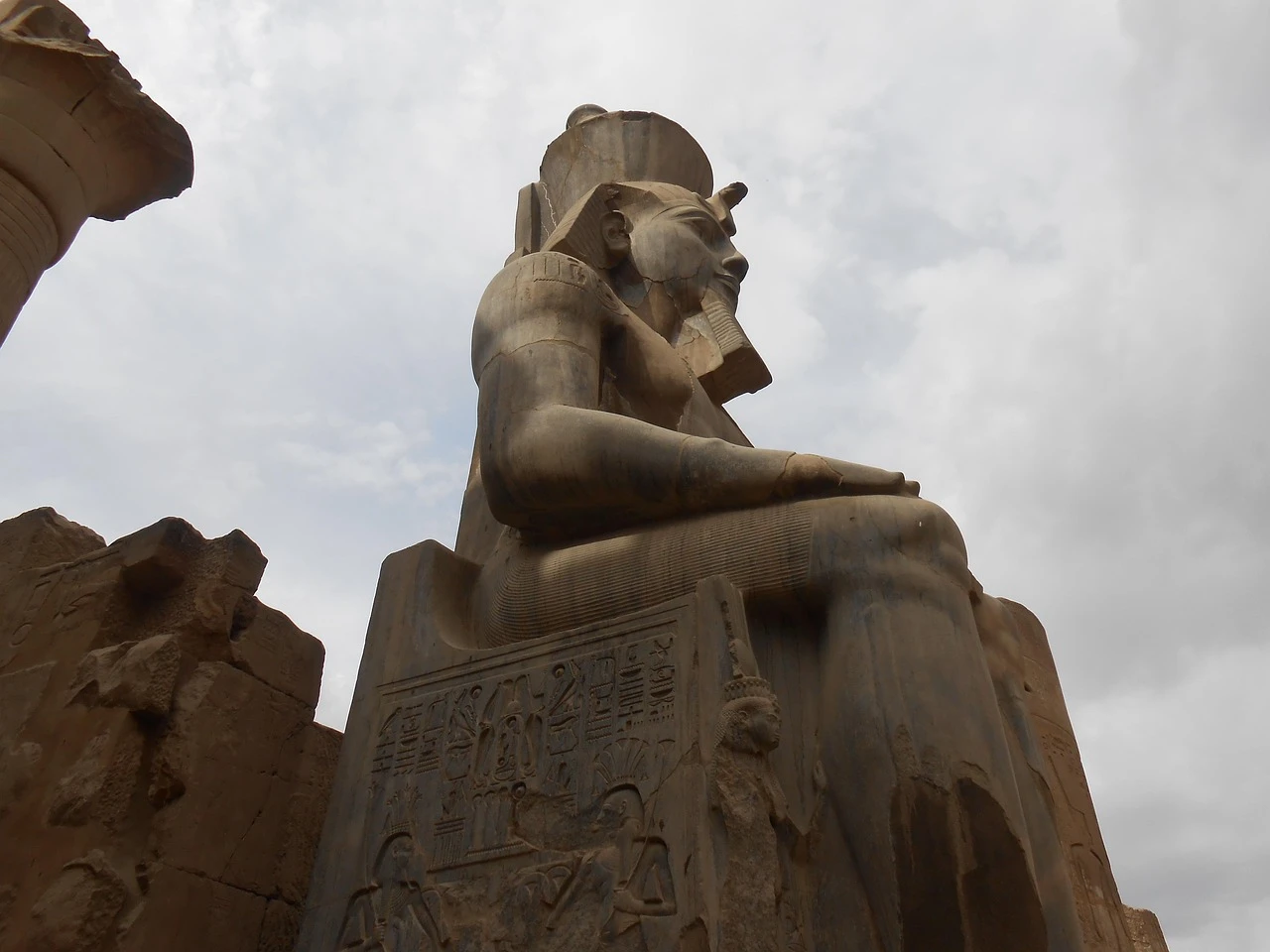
Today takes you south of Cairo through the ancient necropolis of Memphis, Sakkara, and Dahshour. At Memphis, you see the remains of Egypt’s first capital, including the large limestone statue of Ramesses II and the alabaster sphinx. The site is open and relatively quiet, so your guide can explain how the city connected royal power with the Nile valley.
At Sakkara, visit the Step Pyramid of Djoser and explore the surrounding funerary complex. Depending on access and the day’s conditions, your guide may include one of the decorated tombs. Continue to Dahshour for the Bent Pyramid and Red Pyramid, which show important stages in pyramid design. The excursion involves several vehicle transfers and walking over sandy ground, before you return to Cairo for the night.
Begin at The Civilization, the National Museum of Egyptian Civilization, where the galleries trace Egypt’s history across several periods. The Royal Mummies Hall gives a close look at preserved rulers and the burial customs associated with them. Your guide keeps the visit focused, allowing time to read displays and see the objects without turning the museum into a rushed checklist.
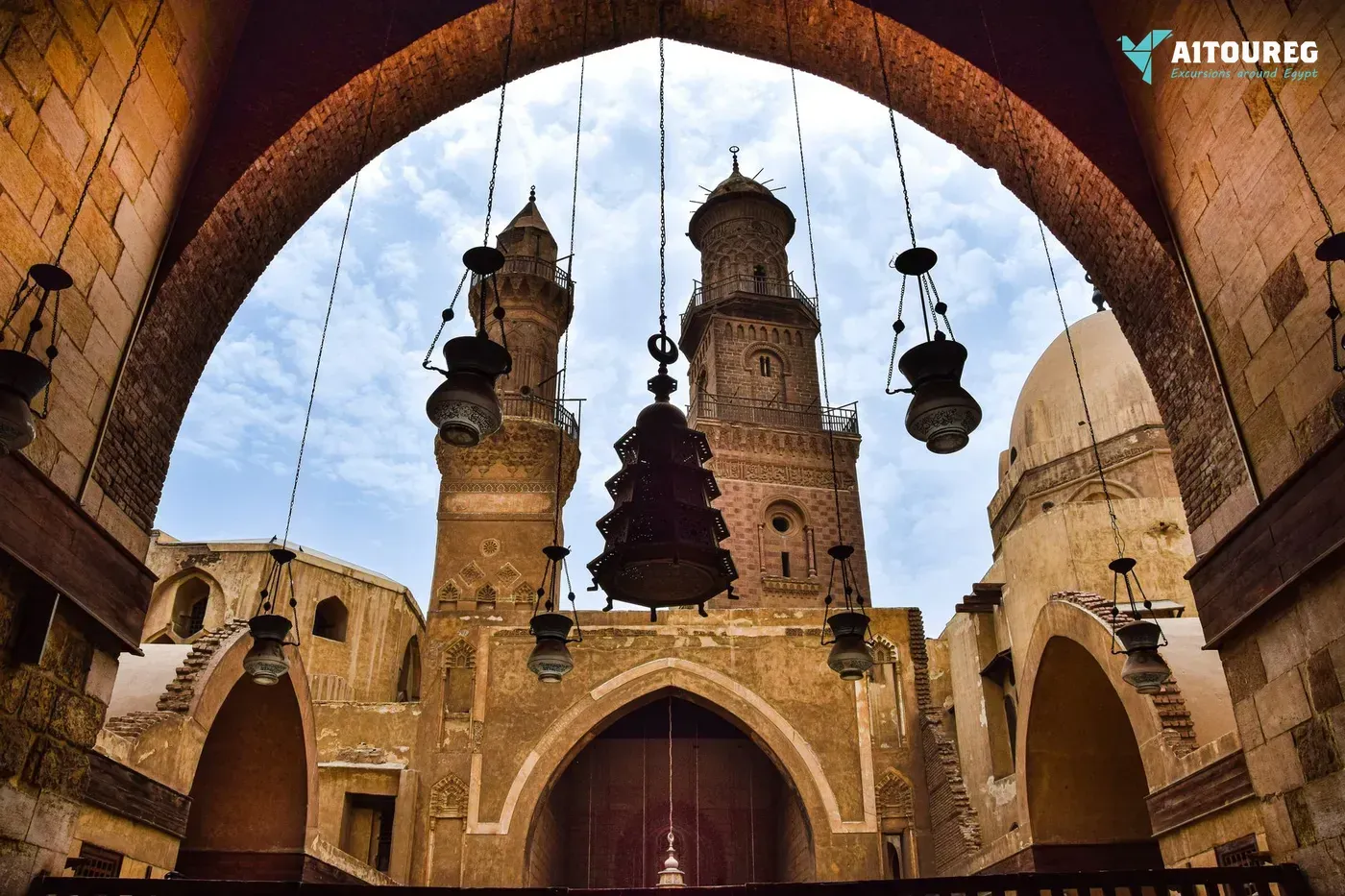
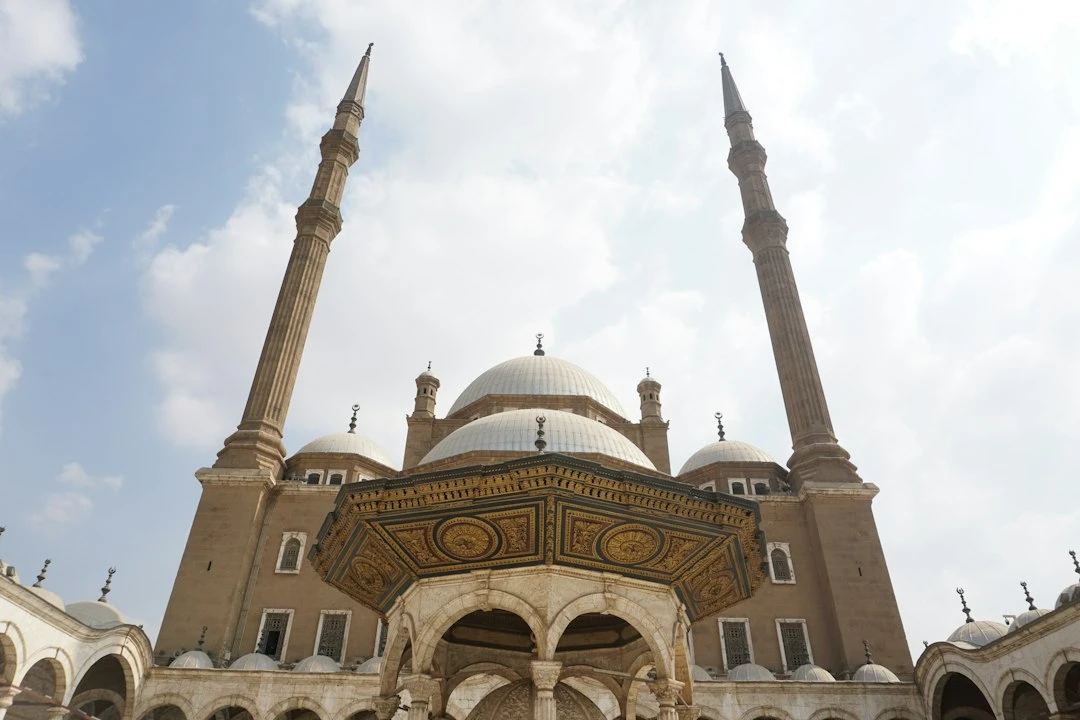
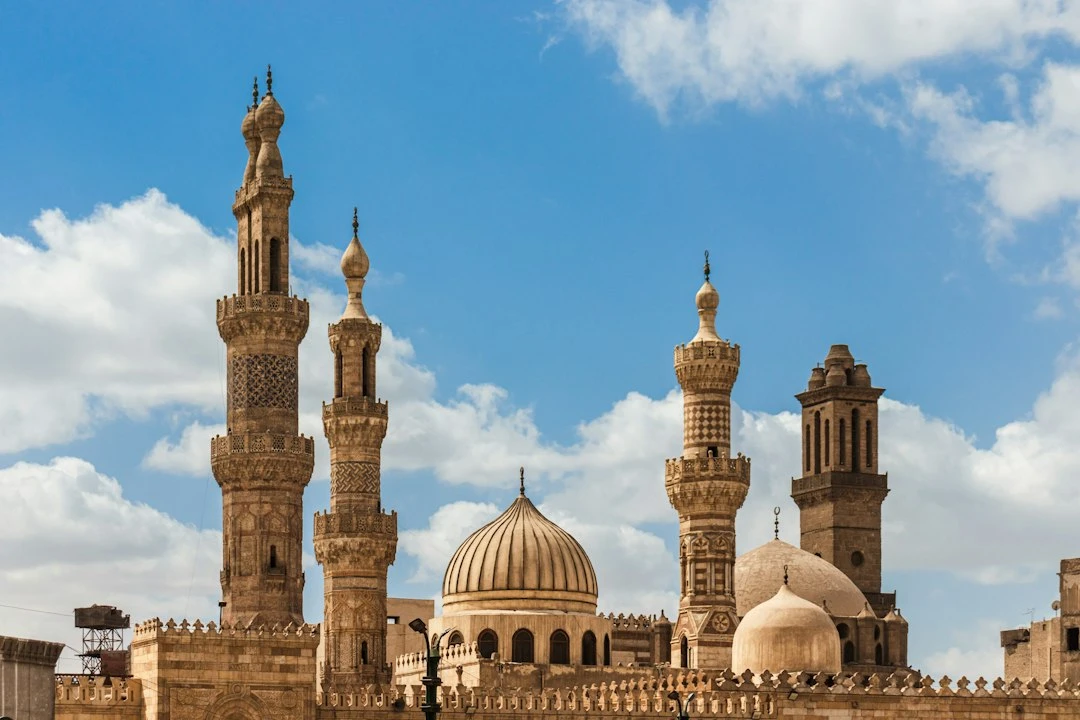
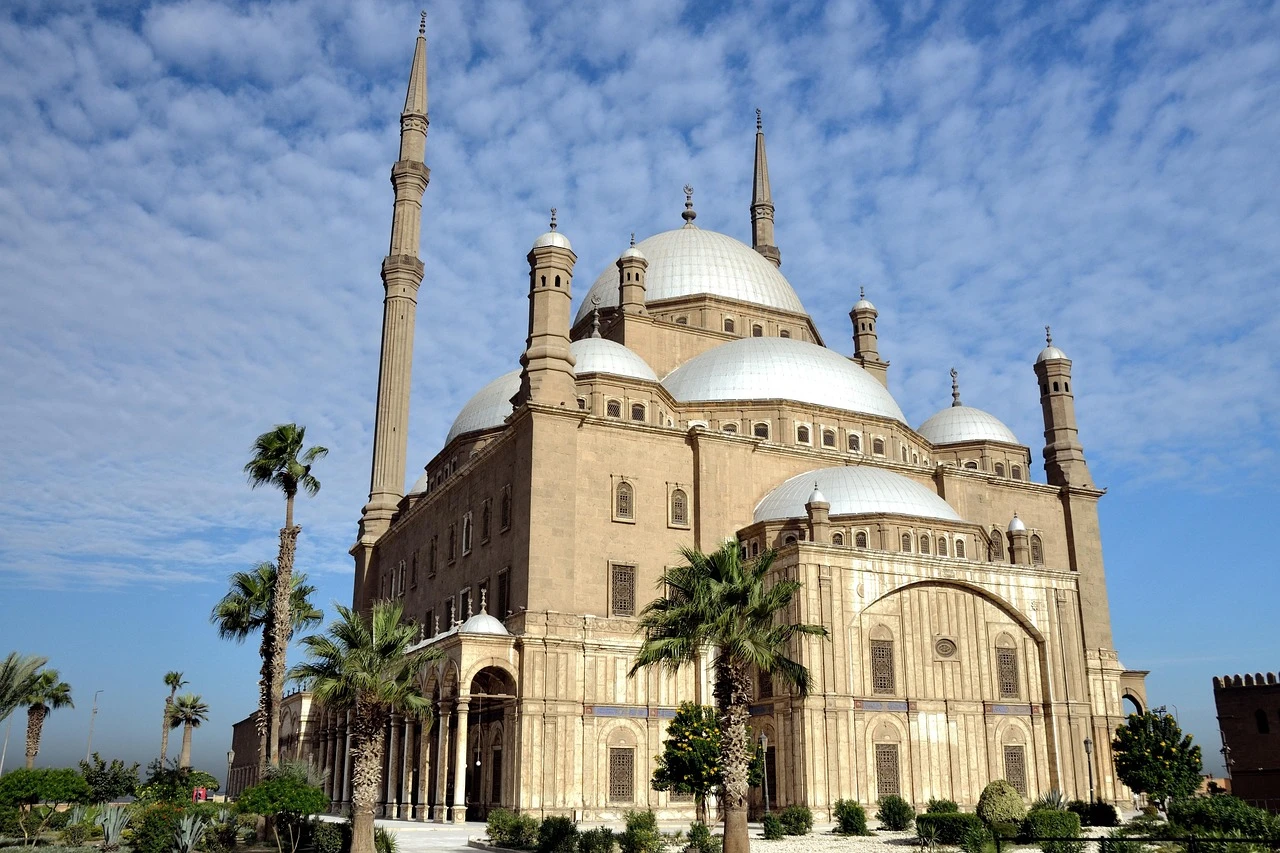
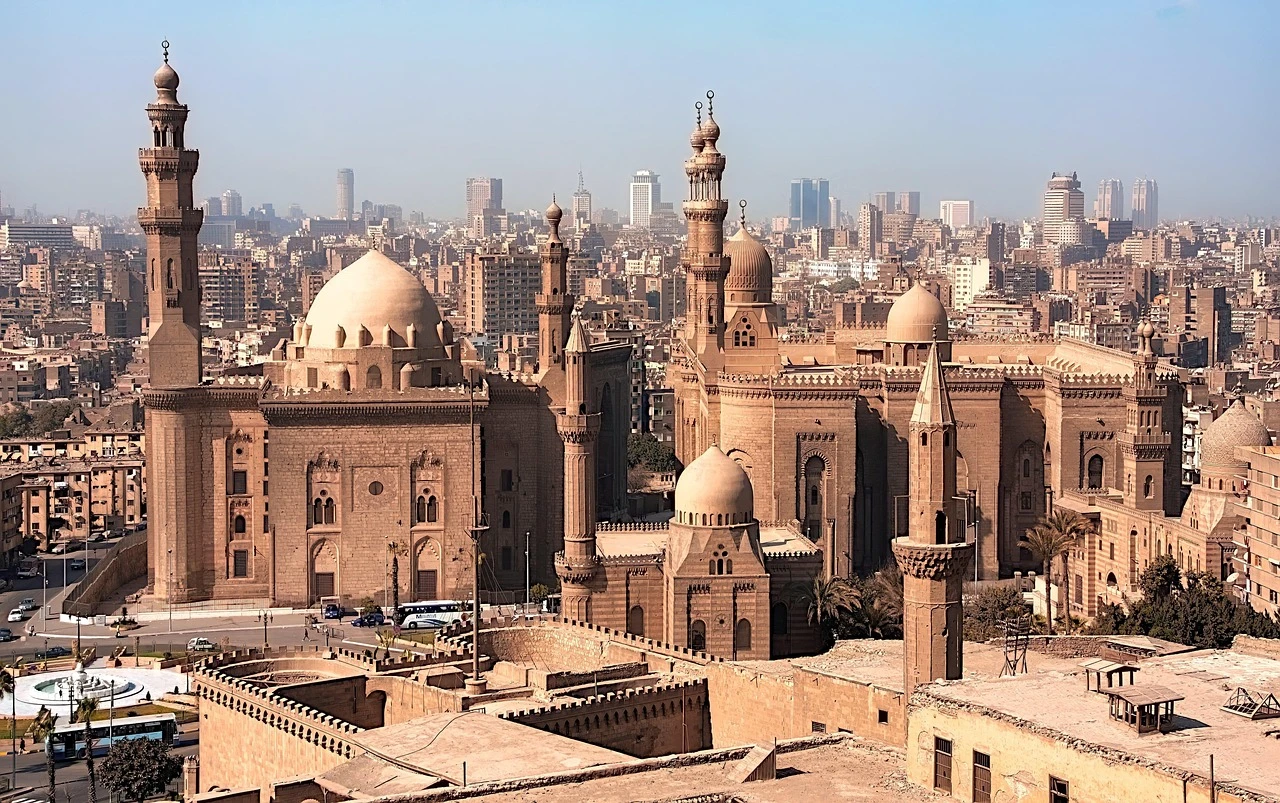
Continue through Old Cairo to see historic churches, lanes, and Islamic monuments gathered within a compact area. At the Citadel of Cairo, visit The Mosque of Mohamed Ali for its domes, alabaster surfaces, and broad views across the city. Some courtyards require shoes to be removed, and modest clothing is appropriate. After the sightseeing, return to your hotel and prepare for the longer road journey to Alexandria.
Leave Cairo by road for Alexandria, a journey that usually takes several hours depending on traffic. Start at the Catacombs of Kom el Shoqafa, an underground Roman-era burial complex where Egyptian, Greek, and Roman influences meet in the carvings and layout. The stairs are narrow and the site is below ground, so tell your guide if you need a slower pace.
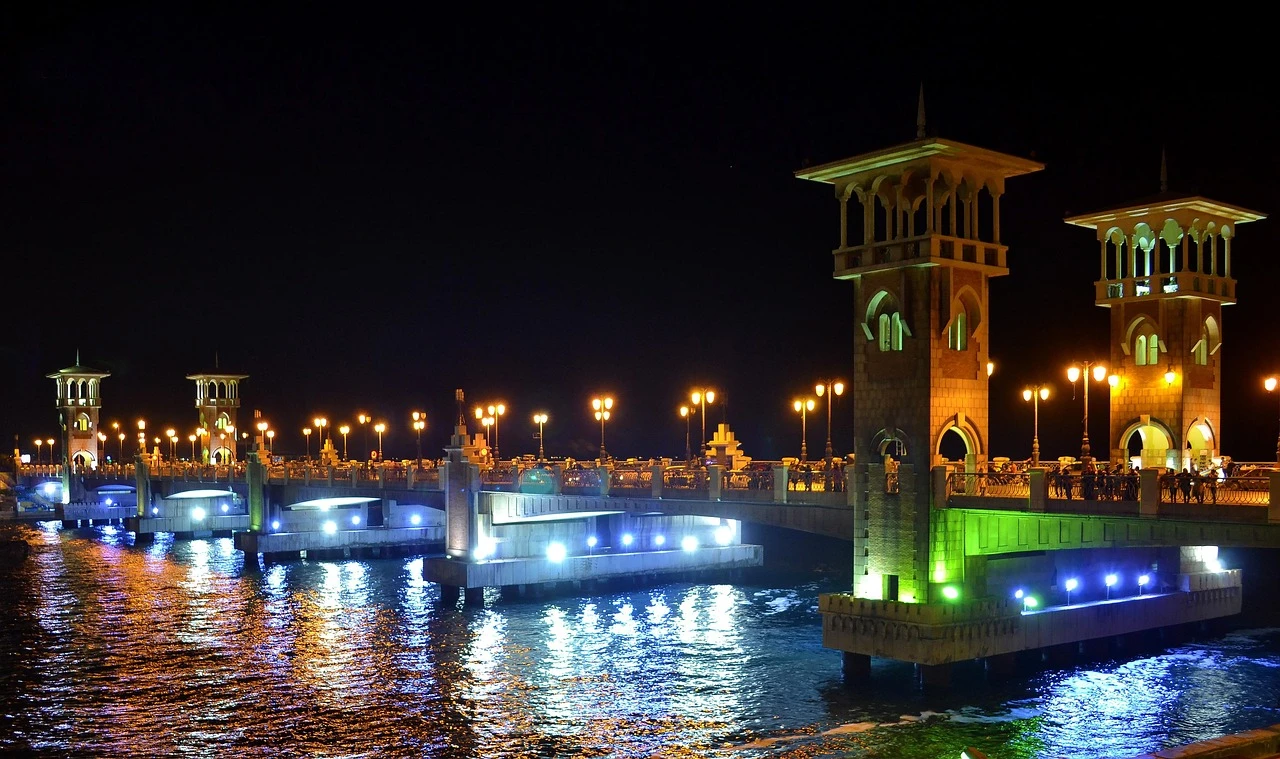
Continue to Pompey Pillar, the surviving column from the ancient Serapeum area, then visit the Library of Alexandria and its modern cultural complex. Along the coast, see The Citadel of Sultan Qeitaby, built beside the site traditionally associated with the ancient Pharos lighthouse. Finish at Al Montazah Palace and its gardens before checking into your Alexandria accommodation. The day combines enclosed archaeological sites with open coastal areas, so bring water and a light layer.
After breakfast, begin the long overland transfer west towards Siwa Oasis. The journey crosses increasingly open desert scenery, with planned stops for refreshments and rest. Our driver follows the approved route, while your guide keeps you informed about the day’s progress. The road section is substantial, so carry water, snacks, sun protection, and anything you need during the transfer.
On arrival in Siwa, check in and take time to recover from the drive. If daylight remains, enjoy a gentle introduction to the oasis with a short walk through palm groves or the old town area. Siwa has a slower rhythm than Cairo and Alexandria, with narrow lanes, mud-brick buildings, and cultivated land fed by natural springs. Dinner and the evening are free, ready for the next day’s sightseeing.
Explore Siwa’s historic centre with a local guide, beginning at The Fortress at Shali. The abandoned mud-brick settlement rises above the oasis and gives a clear view of the palms and salt lakes. Weather and earlier construction methods have shaped the remaining walls, so stay on marked paths and follow your guide when moving through the ruins.
Continue to the temple of the Oracle, associated with the ancient sanctuary visited by Alexander the Great. At Gebel Al Mawta, climb carefully to see rock-cut tombs decorated with details from different periods. Your guide explains the burial traditions and the way Siwa connected the Mediterranean world with Egypt’s western desert. The afternoon is less formal, leaving time to browse local crafts or rest at the accommodation.
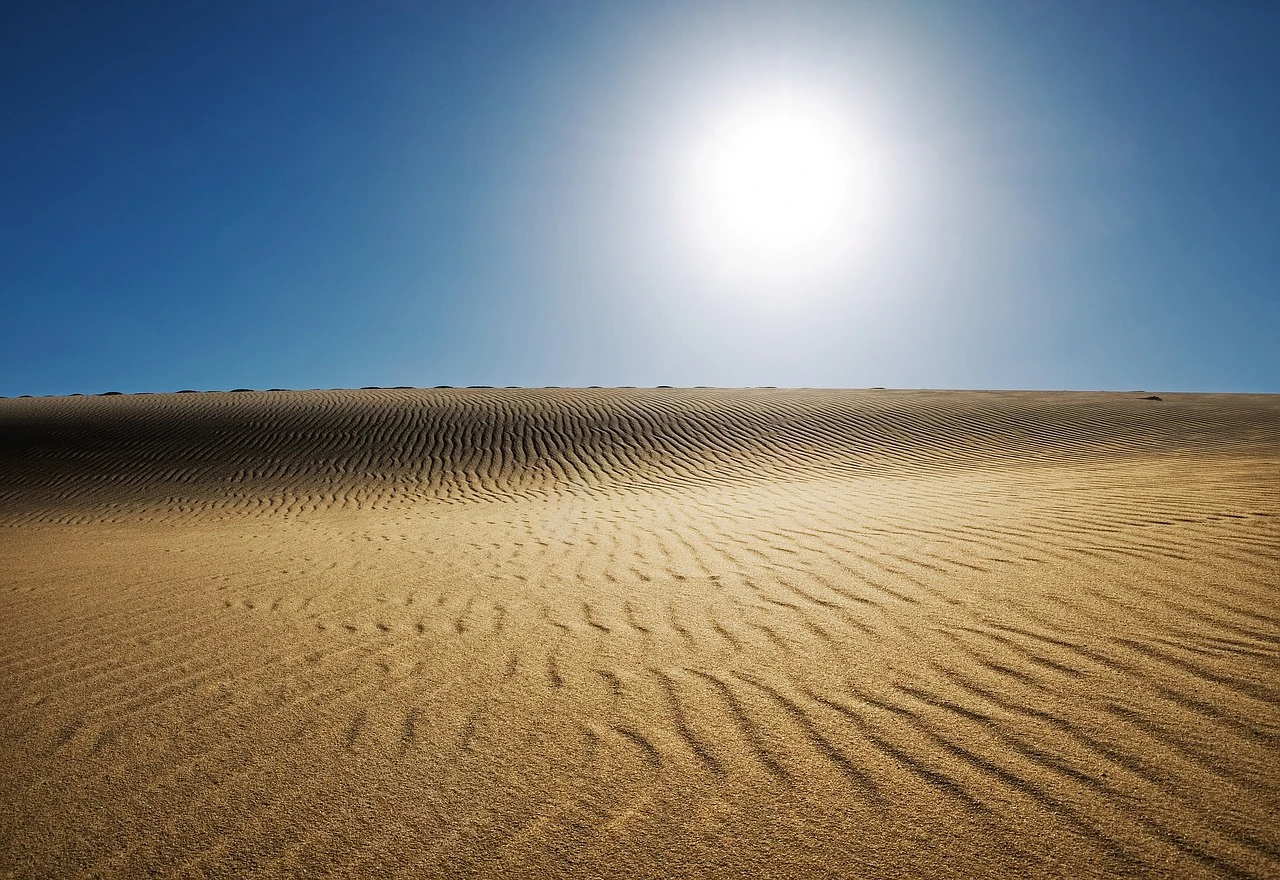
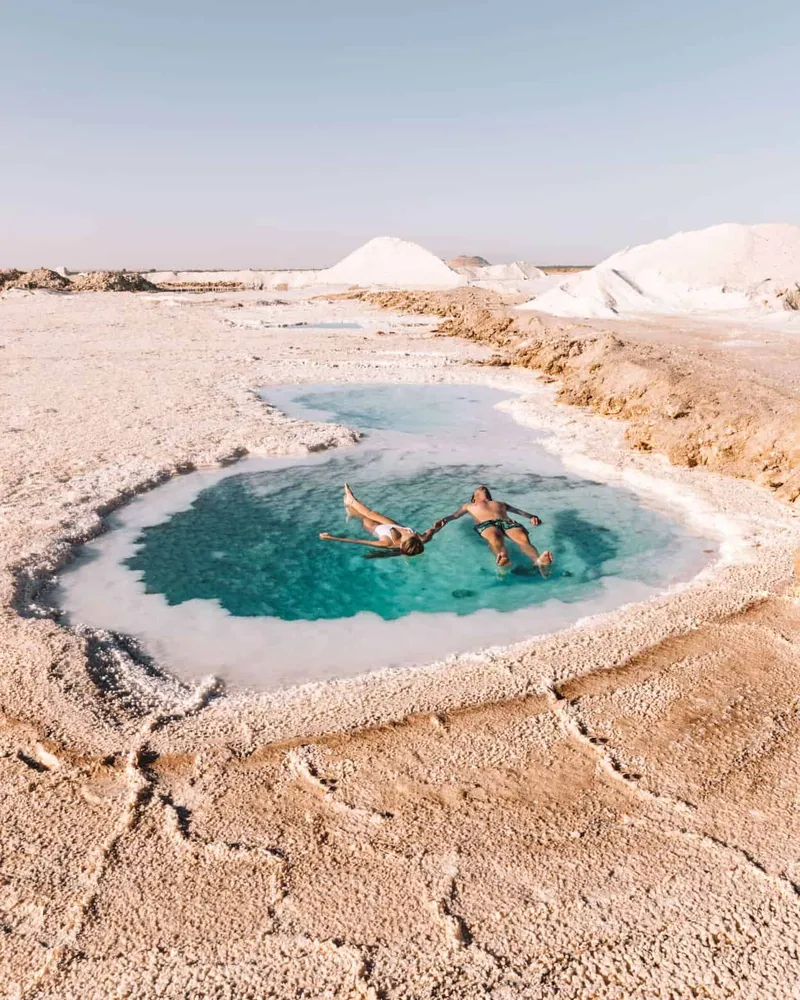
Today introduces the natural side of Siwa. Visit Cleopatra's Bath, a stone-lined spring where water rises naturally through the rock. You can see the spring and surrounding palms, but swimming depends on local conditions and your comfort. Continue towards the Great Sand Sea, where the paved road gives way to wide desert landscapes and soft dunes.
Our desert driver takes you across suitable sections of the dunes, with stops for photographs and quiet views. The pace is adjusted for the group, and your guide explains how water, salt, and cultivation shape life in the oasis. Return to Siwa later in the day for a final evening among its palm-lined lanes. Keep valuables secure and carry only what you need for the desert outing.
Leave Siwa after breakfast for the long transfer east through Egypt Desert. This is the first stage of your adventure trip, with broad views, sparse settlements, and changing desert colours along the route. The drive takes much of the day, so breaks are arranged when practical. A soft bag with overnight essentials is easier to manage than carrying all of your luggage to the camp.
As the route approaches the White Desert region, the landscape changes from open sand to pale limestone formations. Your desert team selects a suitable camping area according to local regulations and conditions. Before sunset, your guide explains the camp arrangement, meal plans, and basic facilities. The evening is spent outdoors, away from city lights, with dinner prepared at camp and time to watch the desert darken.
Wake at camp and enjoy the quiet morning before exploring the white limestone formations. The White Desert has sculpted rocks shaped by wind and erosion, and your guide points out the forms without treating them as fixed landmarks. Drive towards the valley of Agabat, a striking area where pale rock, sand, and darker formations meet. Walking is easy in some areas but sandy underfoot, so closed shoes help.
Continue past the black Mountain and the crystal mountain, stopping for photographs and a closer look at the contrasting geology. You can discover the hot springs during a planned desert stop, subject to local access and conditions. This is your one night in the white desert and an unforgettable overnight in the White Desert in the practical sense: a simple camp, a cooked dinner, and a clear sense of distance from the cities.
After breakfast at camp, pack your overnight items and leave the desert with the support vehicle. The return drive crosses the same broad western landscapes before reaching the cultivated Nile valley and Cairo. Depending on road conditions and the transfer schedule, the journey takes most of the day, with rest stops arranged along the way.
On arrival, check in and keep the evening free. This recovery time matters after two long desert days and prepares you for the early domestic transfer ahead. Our team confirms the airport arrangements and luggage plan with you. Keep one small day bag ready for the Nile section, including sun protection, a refillable water bottle, and comfortable clothing for temples and deck time.
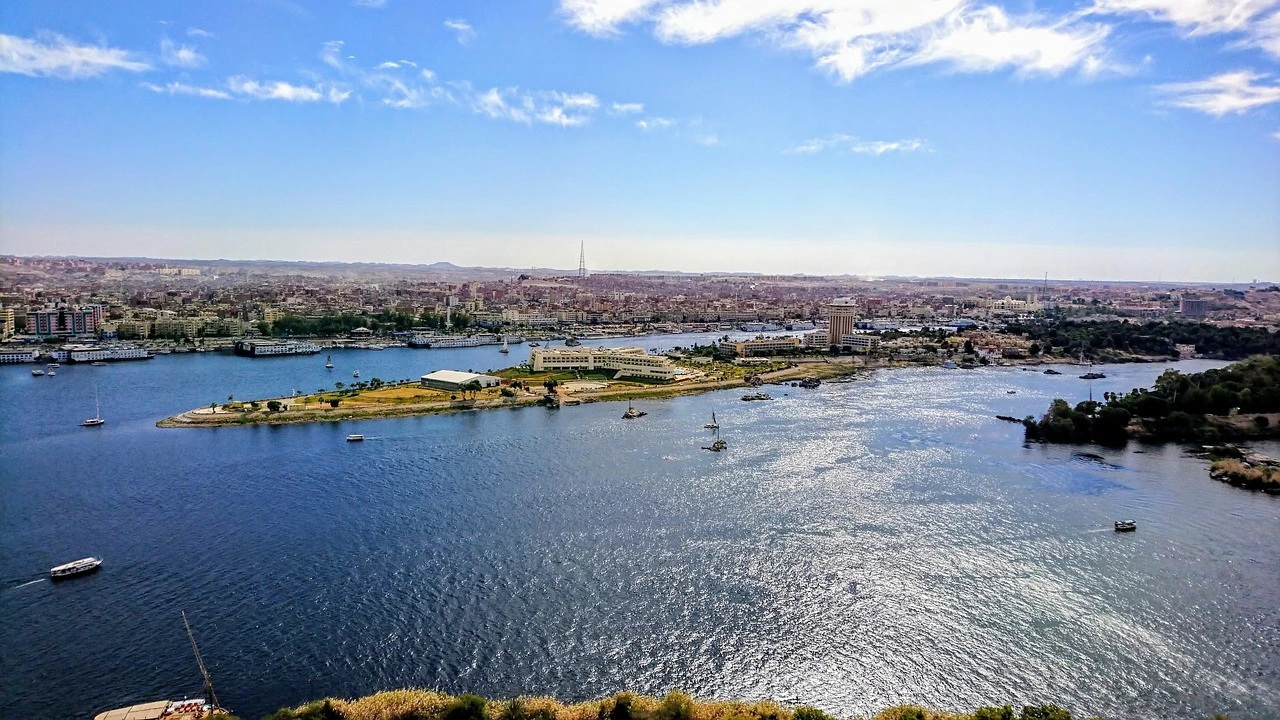
Transfer to Cairo Airport for your flight to Aswan. After landing, our team meets you and takes you to the Nile cruise boat or your nearby accommodation, depending on the sailing schedule. Aswan is warmer and more relaxed than Cairo, with granite islands, low desert hills, and the river at the centre of daily life.
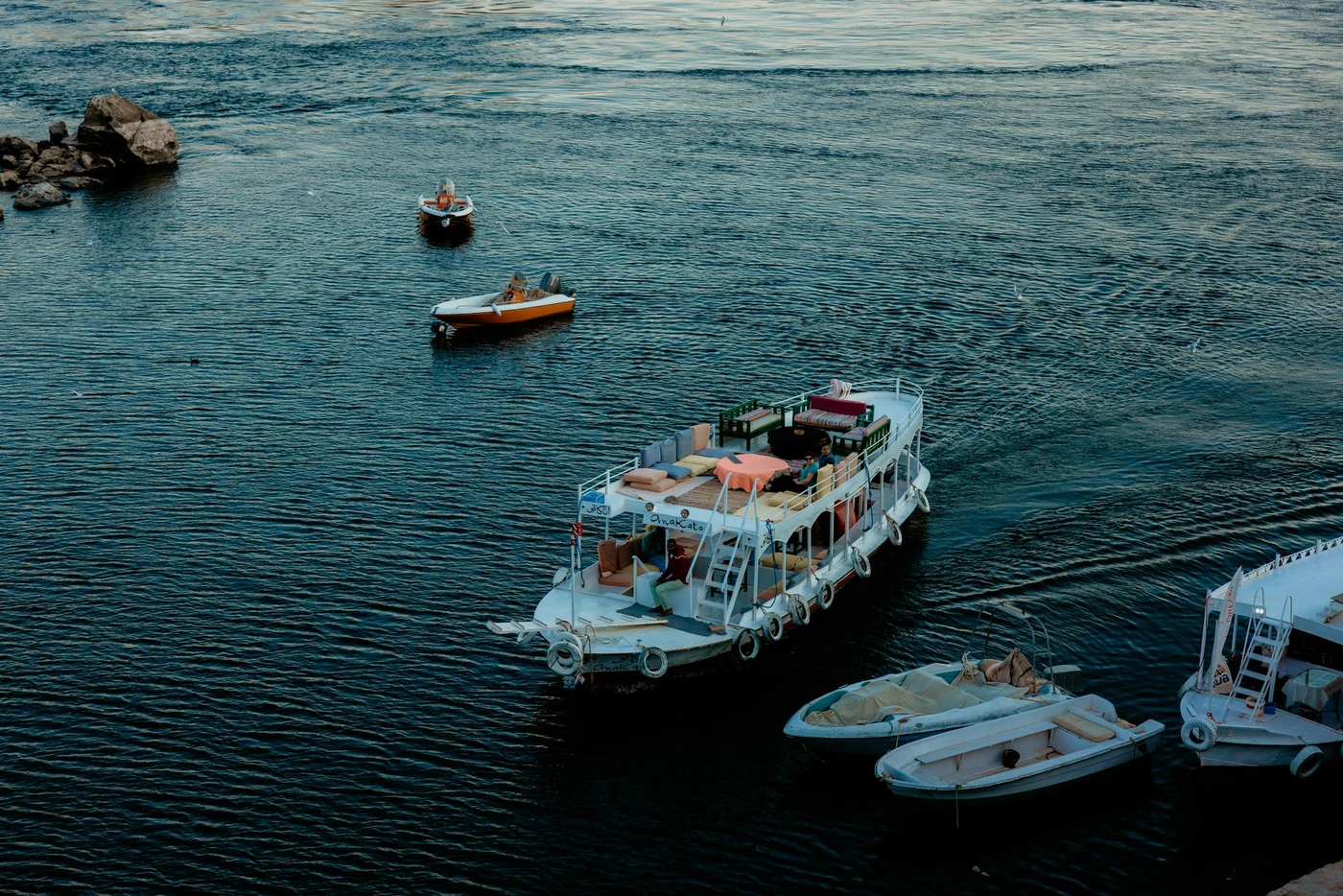
Visit Phila temple on Agilkia Island, reached by a short boat ride. The sanctuary was moved to higher ground during the Nile’s modern dam projects, and your guide explains the rescue work as well as the temple’s connection with Isis. Return by boat and settle into the cruise. The remaining time is used for lunch, cabin arrangements, and a first view of the river from the deck.
Make the early road trip to Abu Simbel, where the temples of Ramesses II and Nefertari face the desert near Lake Nasser. The journey is long but straightforward, with a rest stop arranged on the route. At the site, your guide explains the colossal figures, the interior halls, and the relocation of the temples before the lake reached the original site. Photography rules can differ inside, so follow the current instructions.
Return to Aswan and visit Aswan Dam, the major structure that changed flood control, electricity production, and the shape of the river landscape. The viewpoint gives context to Lake Nasser and the modern Nile system. Back on the boat, have dinner and rest. The following cruise days are paced around sailing times, so keep personal items organised and return to the boat when your guide gives the boarding time.
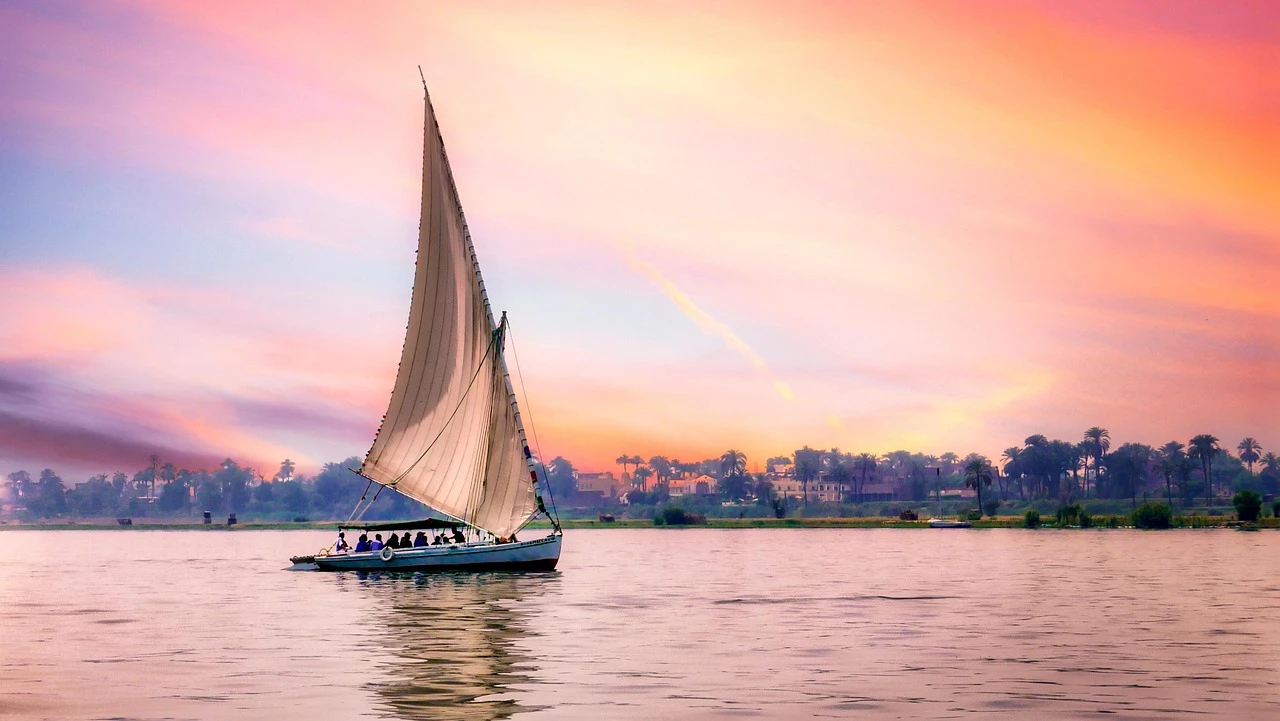
The boat sails north after breakfast, giving you a slower morning on the river. Watch cultivated banks, villages, and desert edges pass from the deck while your guide explains how irrigation supports the narrow agricultural strip. Sailing times can change with river traffic and lock procedures, so the day includes flexible time on board rather than a rigid city schedule.
Visit Kom Ombo in the afternoon or evening, depending on the boat’s docking time. The temple is unusual because it is dedicated to two sets of gods, including Sobek and Horus, with mirrored areas and reliefs that reveal medical and ritual details. Walk from the boat to the site and return before departure. Dinner is served on board, followed by free time to enjoy the river after dark.
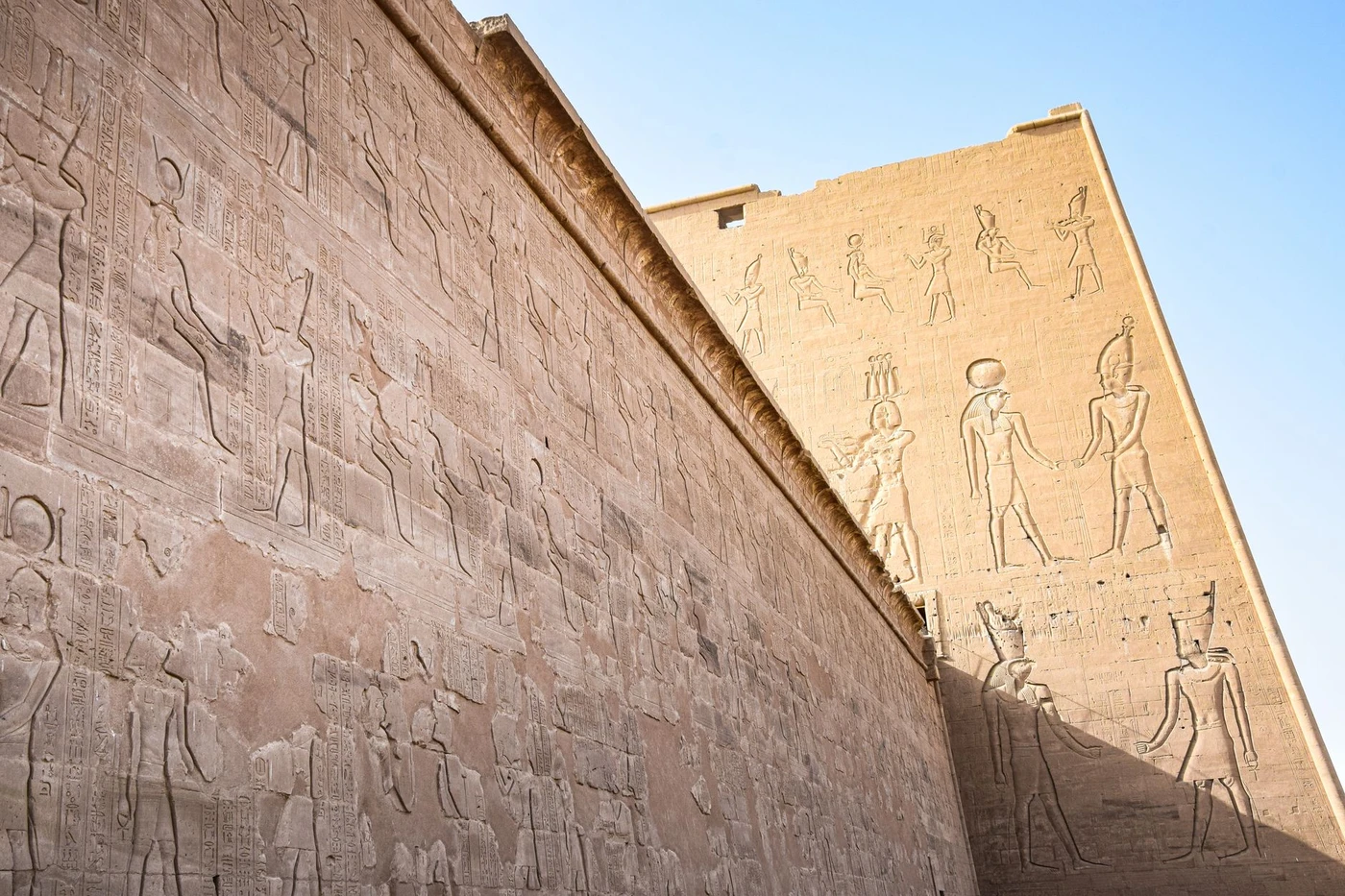
Ride from the boat to Edfu by local carriage or approved transfer, depending on the operating arrangements that day. Edfu Temple is dedicated to Horus and has some of the most complete temple walls in Egypt. Your guide leads you through the entrance pylons, courts, hypostyle halls, and sanctuary, explaining the reliefs that describe the temple’s rituals and the myth of Horus.
Return to the boat for lunch and continued sailing towards Luxor. This is one of the more restful days of the cruise: travellers can use the deck, read, or watch the riverbank while the crew handles the navigation. Bring a hat for the open-air walk and allow time for the carriage transfer, which can be lively near the temple. Evening arrangements follow the boat’s sailing programme.
Arrive in Luxor after the final stretch of the cruise and complete the disembarkation process. Your luggage is transferred to the vehicle while you begin sightseeing, so keep cameras, documents, and water in a small day bag. Luxor’s east bank is close to the river and city centre, making the transfers between the boat, temple, and accommodation practical.
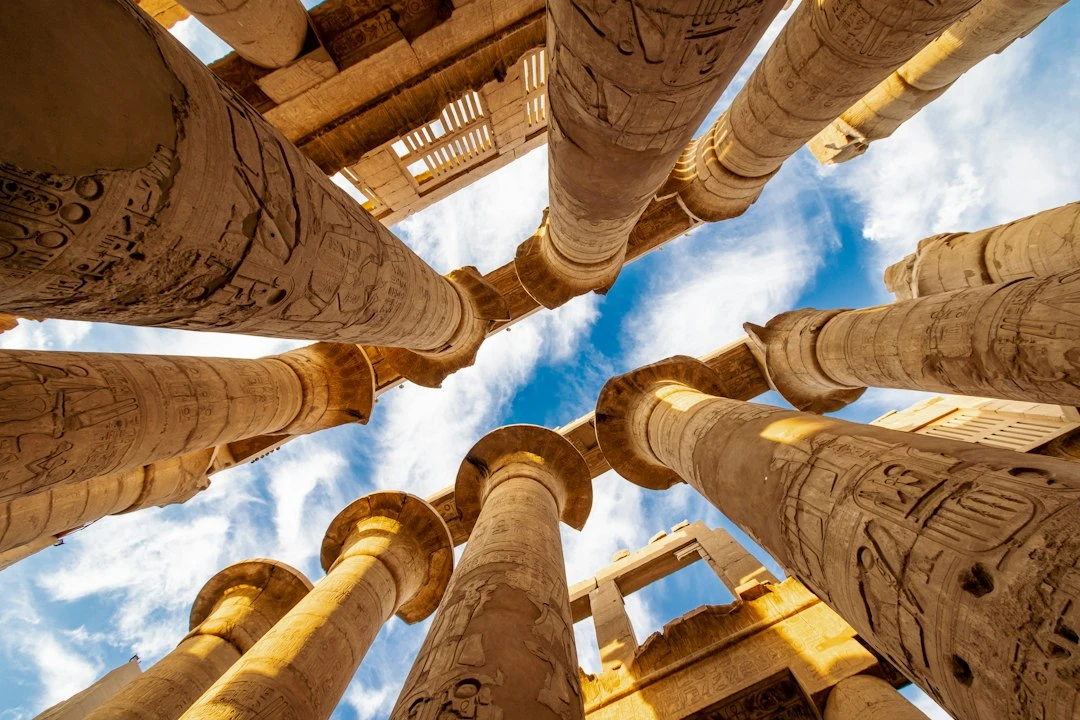
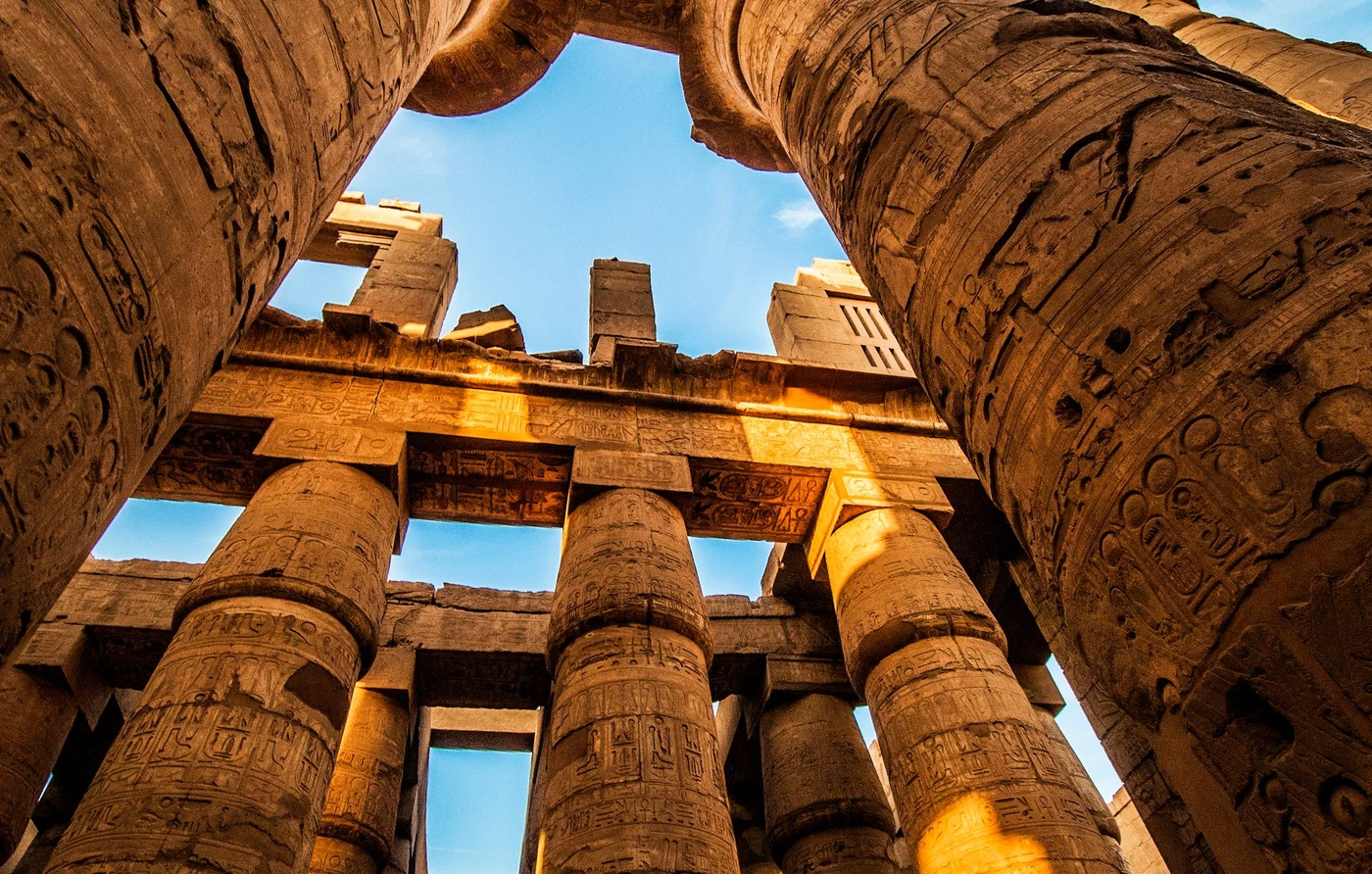
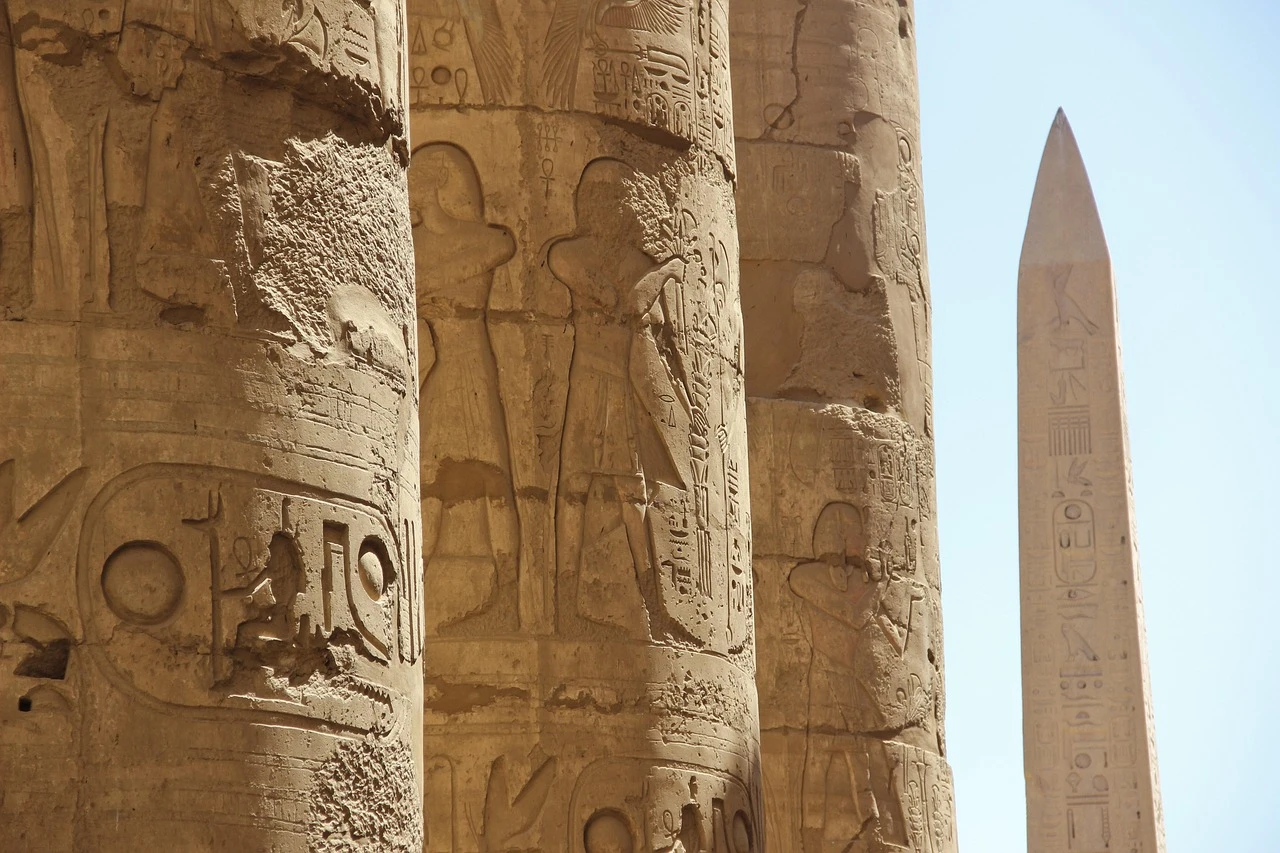
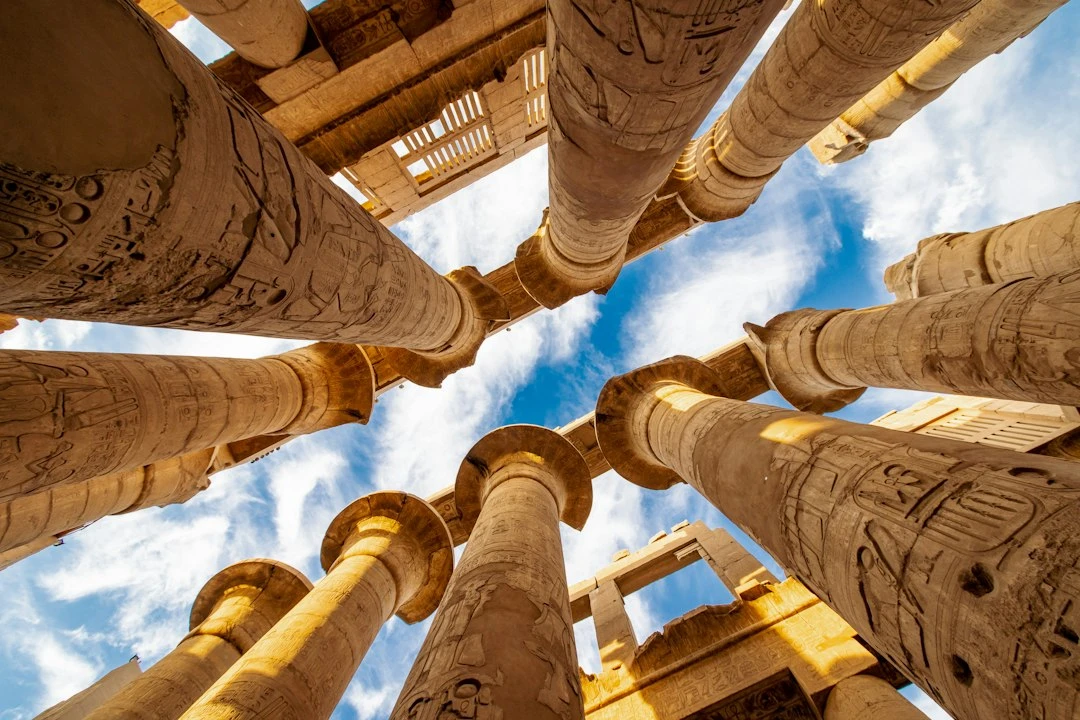
Visit Karnak temple, the largest religious complex on the east bank. Walk through the outer courts and the Great Hypostyle Hall, where rows of columns still carry carved inscriptions. Your guide explains how successive pharaohs added to the complex over centuries. After the visit, check in and take a break. The evening is free for a calm walk along the Corniche or an early night before the west bank programme.
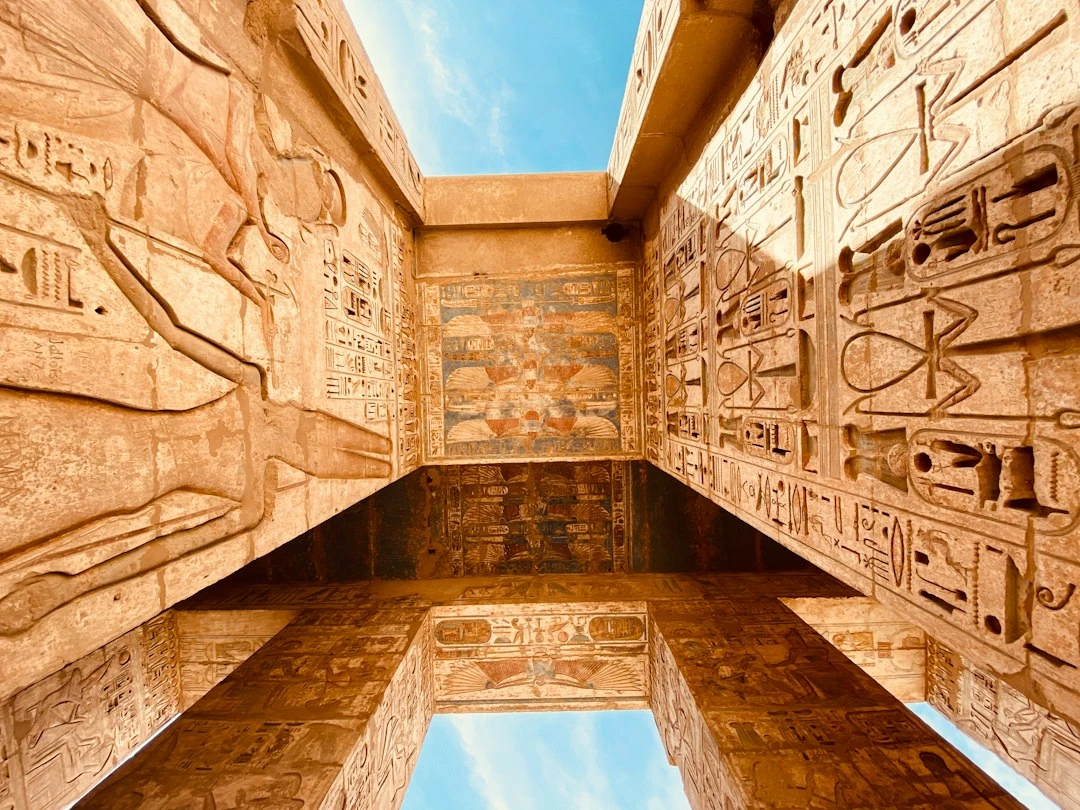
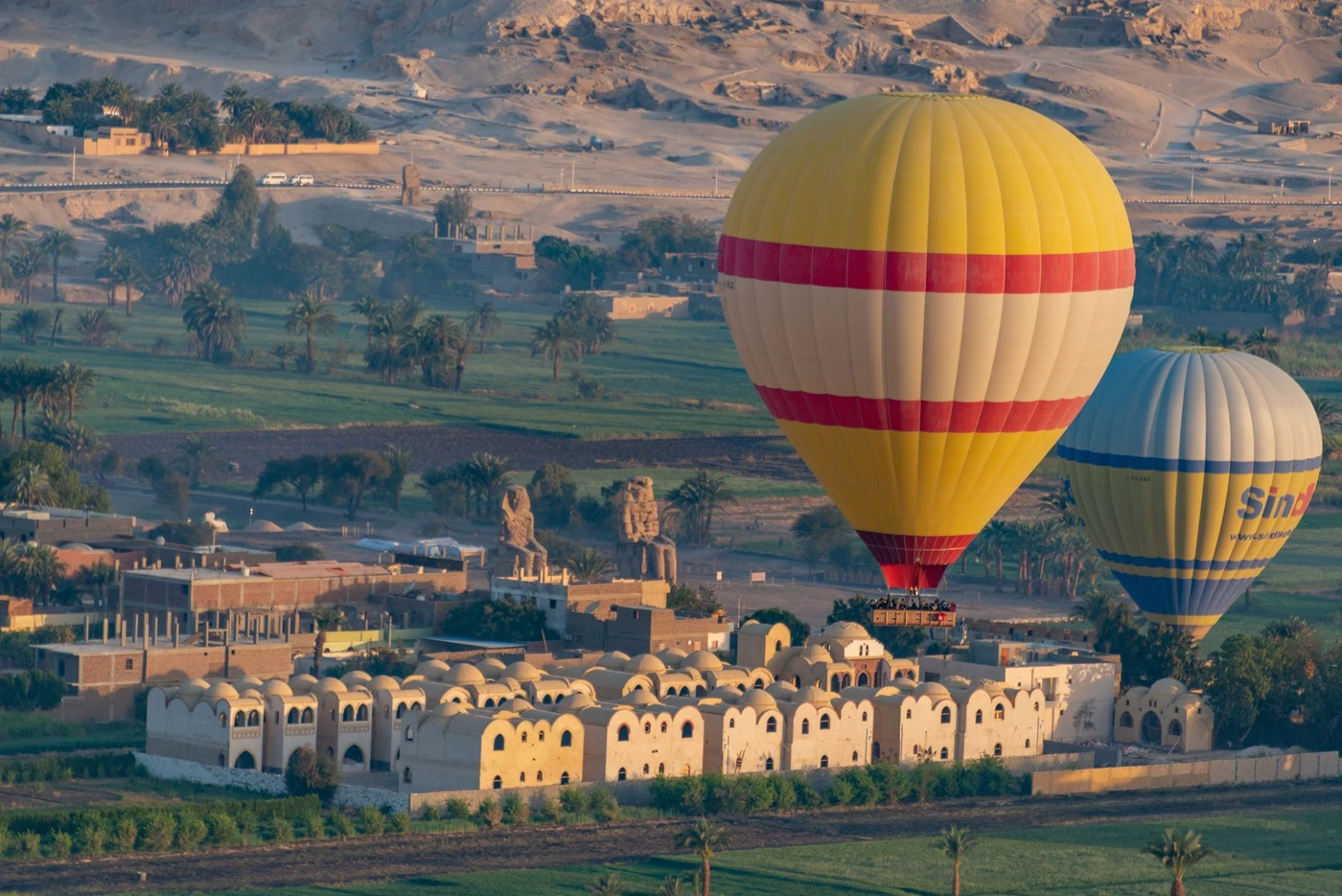
Cross the Nile early to the west bank, when the light is softer and the temperatures are usually more manageable. At the Valley of the Kings, enter the tombs included in the site ticket and see painted scenes showing the pharaoh’s passage into the afterlife. Tomb access changes from time to time, so your guide will explain which chambers are open on the day. The paths include slopes and steps.
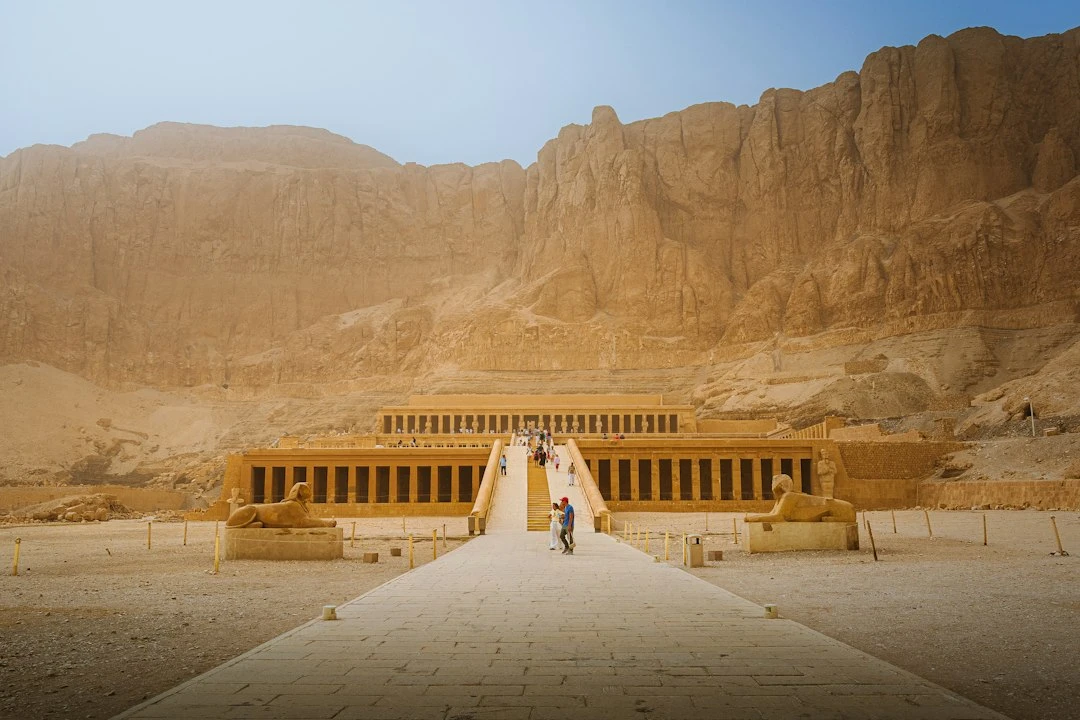
Continue to Queen Hatshepsut temple, built against the cliffs at Deir el-Bahari. Its terraces and surviving reliefs tell the story of Hatshepsut’s rule and the trading expedition to Punt. In the afternoon, revisit the broader area known as the Valley of Kings only as a route reference before returning across the river; the main archaeological visit is completed in the morning. End with hotel check-in and rest.
Leave Luxor by road for Hurghada, crossing from the Nile valley towards the Red Sea coast. The transfer usually takes several hours and passes through dry mountain scenery before the sea comes into view. Our driver arranges a suitable rest stop, and your luggage stays with the vehicle throughout the journey. The day is intentionally lighter after the temple visits.
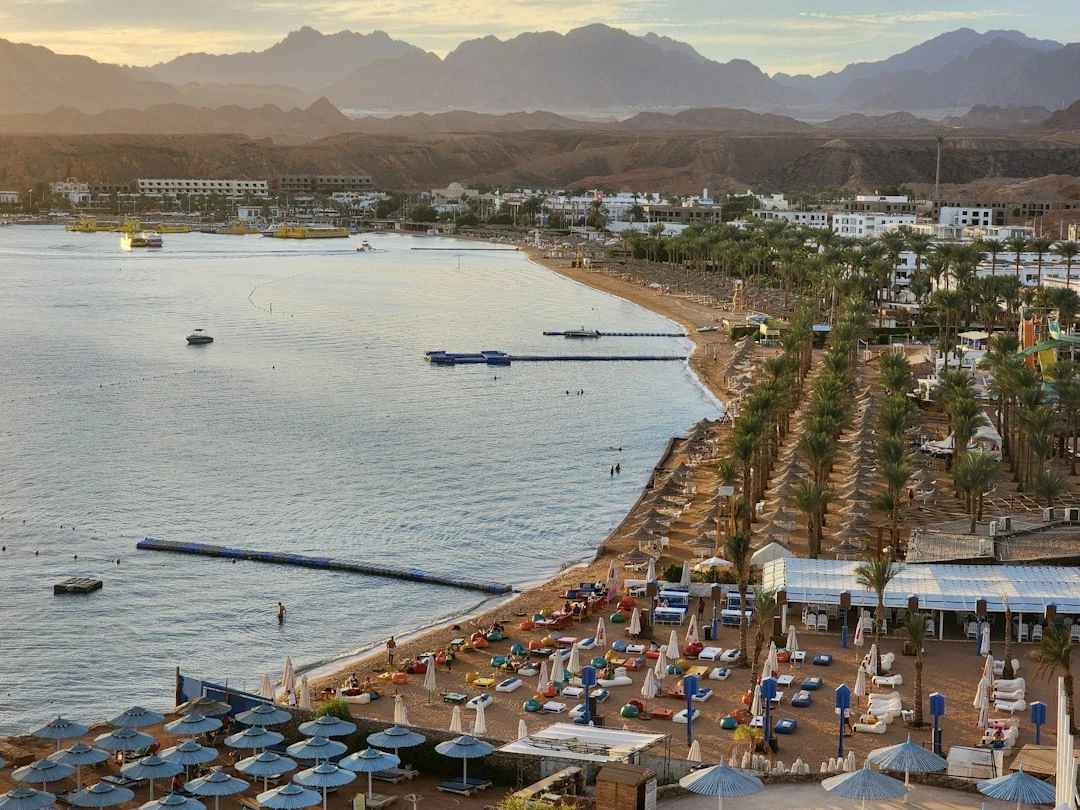
After arrival, check in and spend the afternoon at your own pace. You may walk along the waterfront, relax at the hotel, or arrange a Red Sea activity separately if conditions and availability allow. Hurghada is a useful place to slow down, with time for a swim or a quiet meal rather than another archaeological schedule. Our team confirms the next transfer and the practical details for continuing south.
Enjoy a relaxed morning in Hurghada before the road transfer south to Marsa Alam. The coastal journey follows the Red Sea for part of the route, with desert hills inland and small settlements along the road. The drive takes several hours, so carry water and keep anything you may need during the journey in the passenger area.
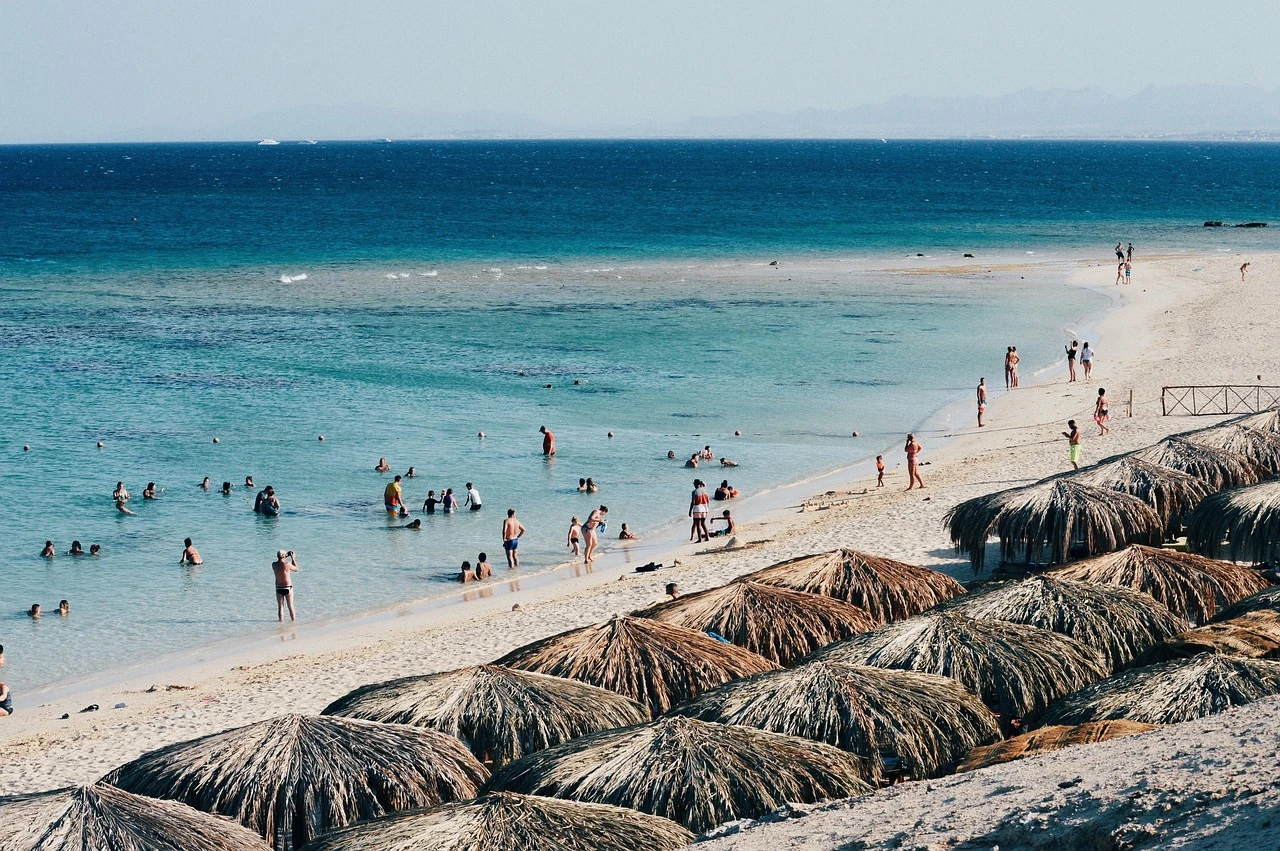
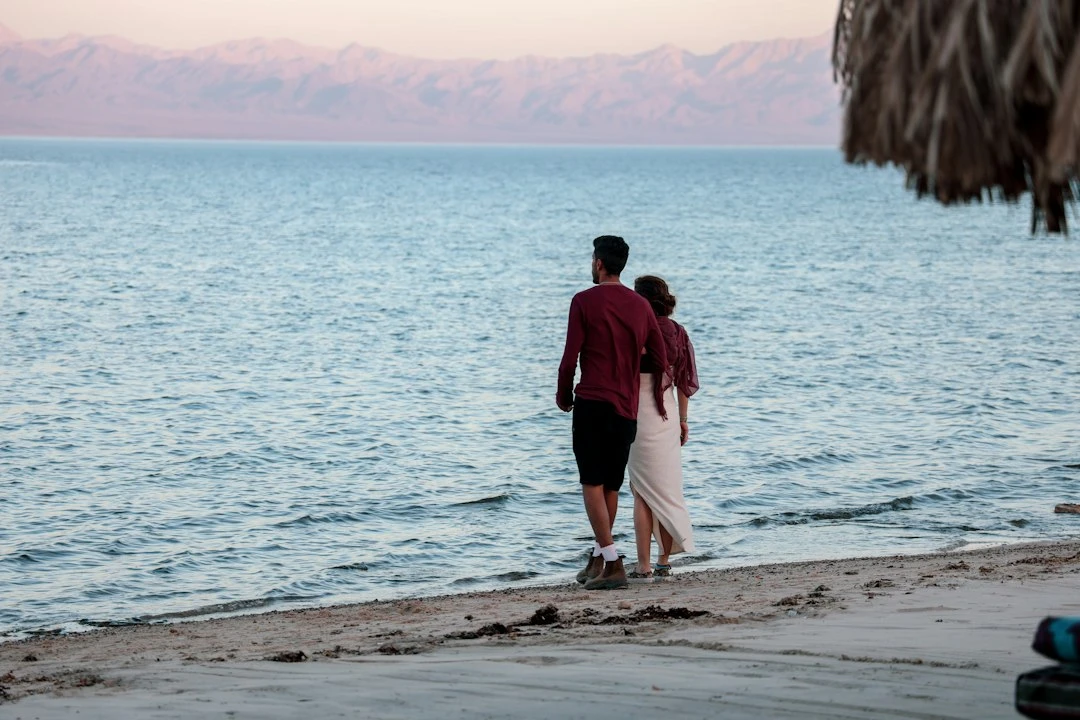
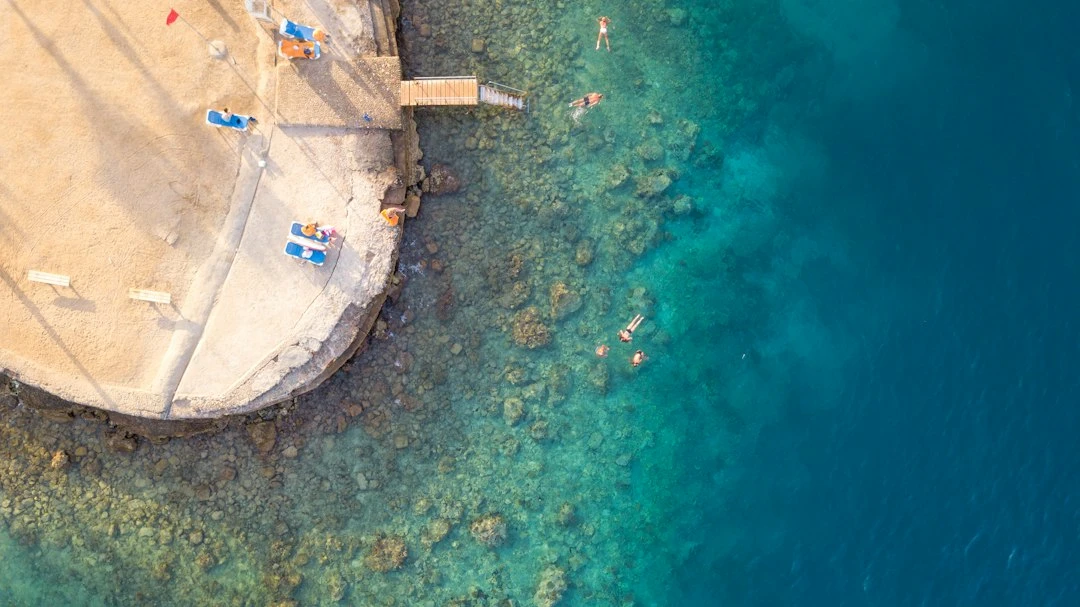
On arrival in Marsa Alam, settle into your accommodation and meet our team for a briefing about the following day. The area is known for its clear-water bays, coral reefs, and quieter coastal setting, but sea conditions can affect marine activities. Use the afternoon to rest, explore the shoreline where permitted, or enjoy the hotel facilities. No strenuous sightseeing is planned, giving you time to adjust after the transfer.
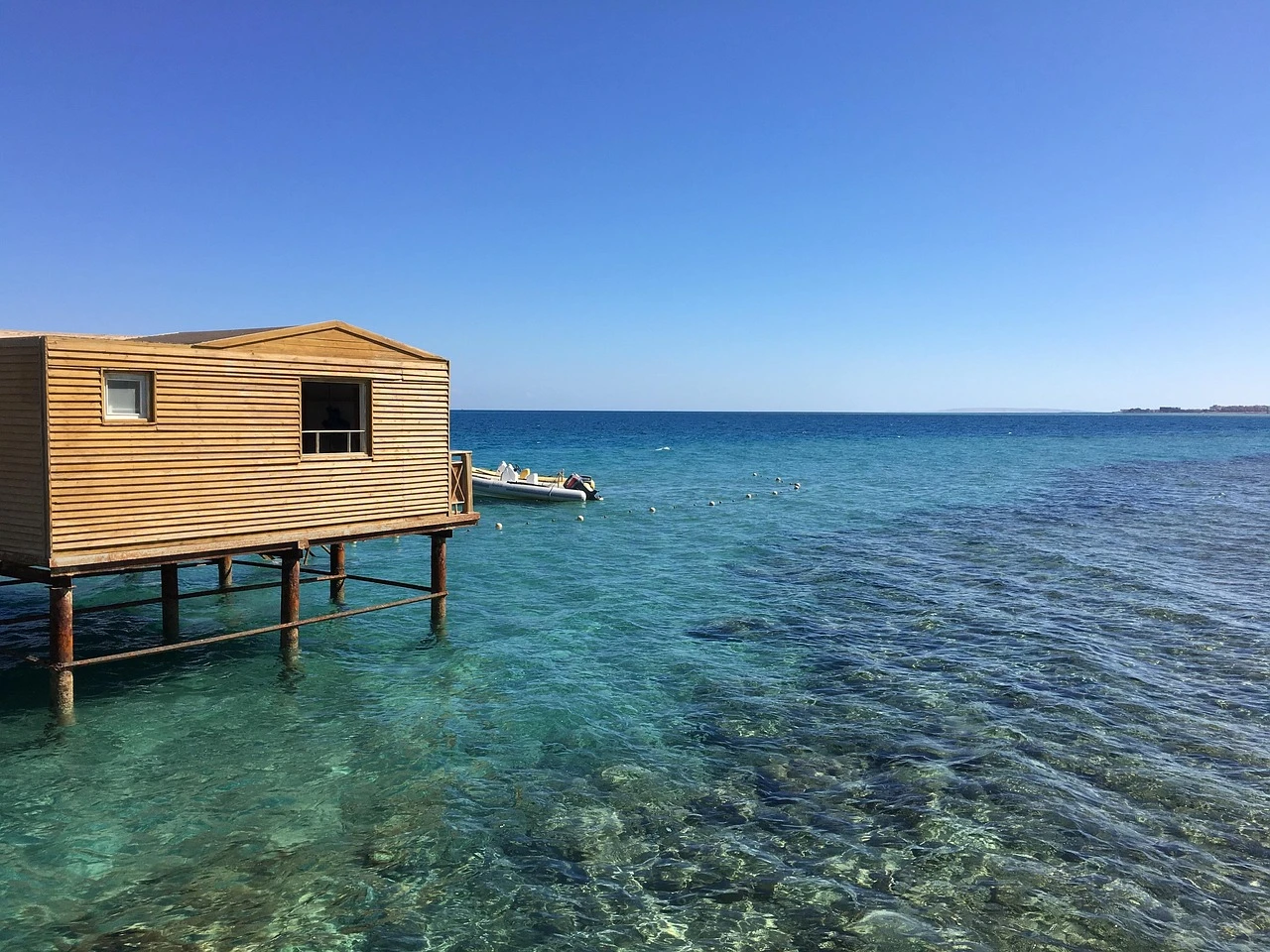
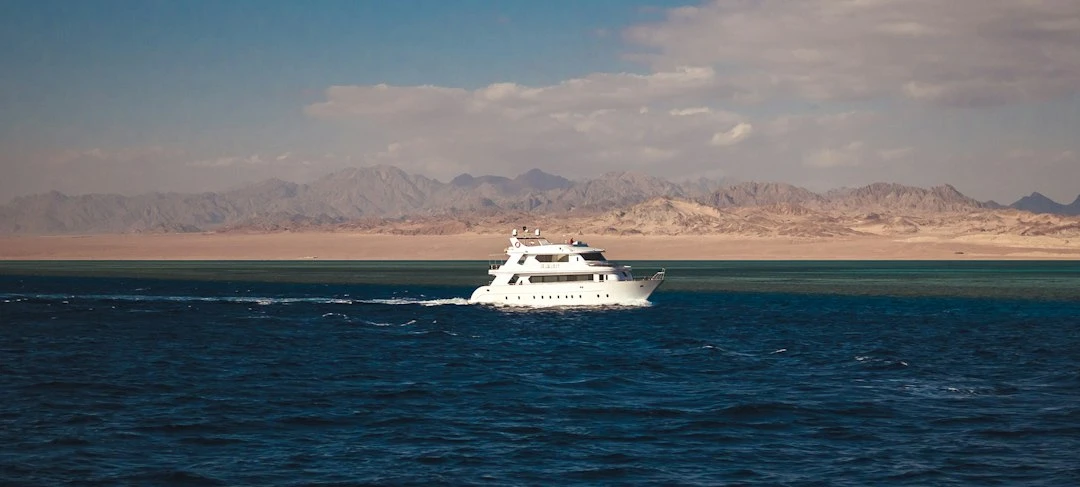
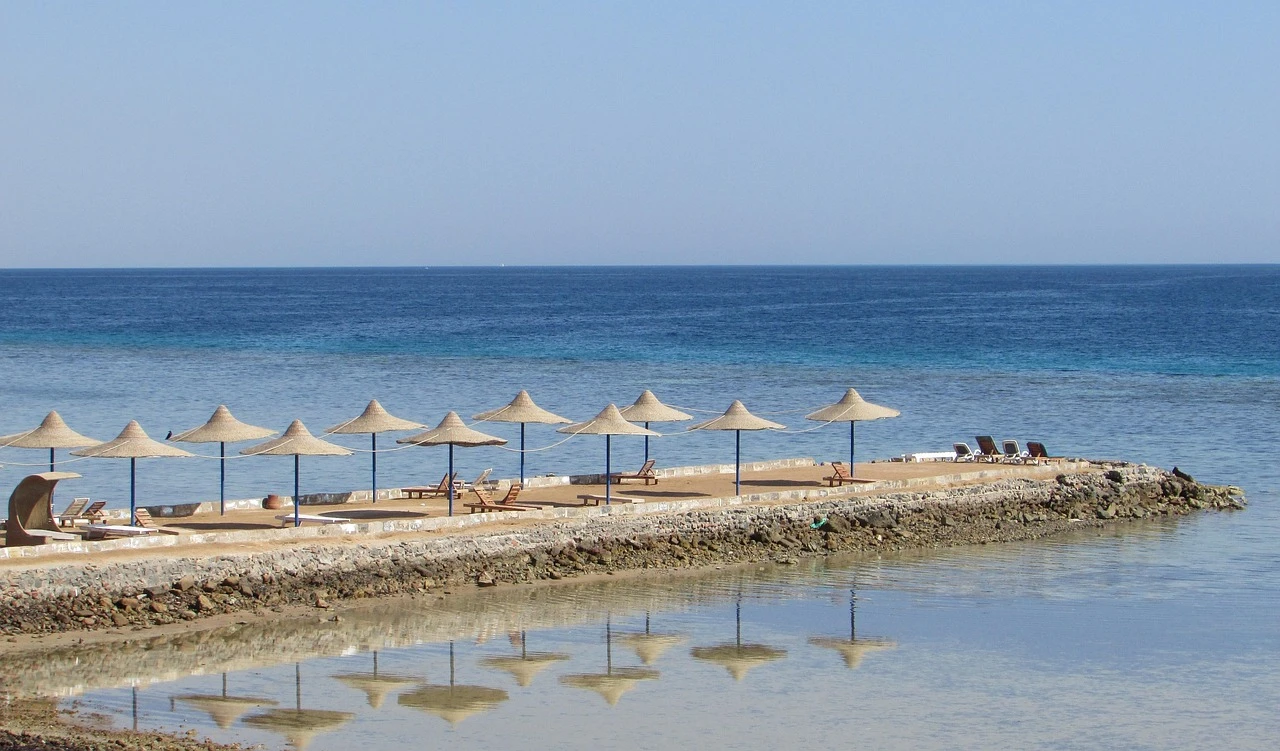
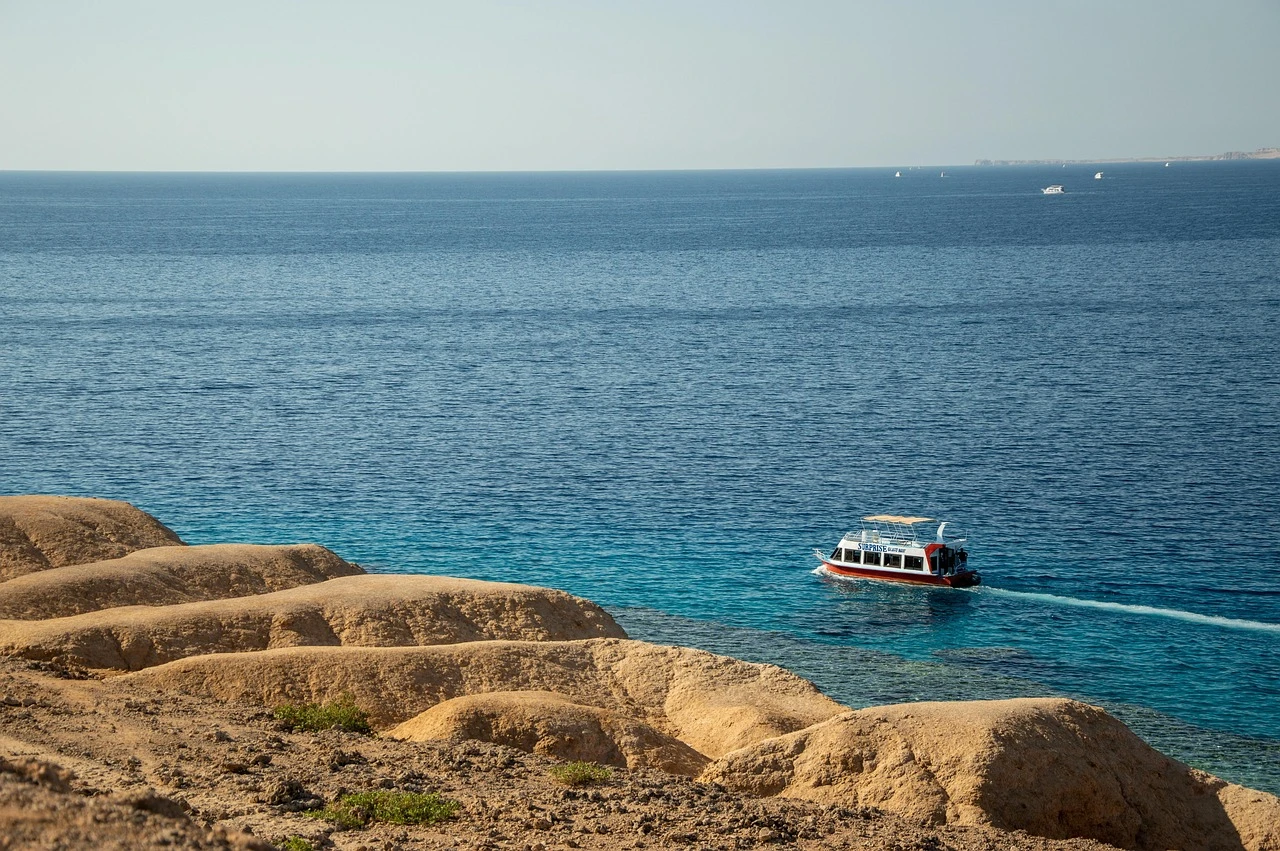
Spend the day beside the Red Sea in Marsa Alam. Depending on the selected local arrangement, you may take a boat or shore-based trip for swimming and snorkelling, with equipment and safety instructions explained before entering the water. Non-swimmers can remain on the boat or enjoy the beach area. Marine activities depend on weather, sea conditions, local regulations, and availability, so the final plan is confirmed locally.
Those who prefer a quieter day can relax at the accommodation and enjoy the coast without joining a water activity. Keep sun protection, a towel, and secure footwear for rocky shorelines. Our team remains available for transfers and practical assistance. In the evening, prepare your luggage for departure and keep travel documents in your hand luggage.
After breakfast, check out and meet our driver for your airport transfer. The departure plan is based on your flight time, allowing practical room for the drive, luggage handling, and airport procedures. Our team helps you confirm the vehicle and departure details in advance so the final morning is straightforward.
If your flight leaves later, you may have limited free time at the accommodation before leaving for the airport, subject to the property’s checkout arrangements. Keep passports, medication, valuables, and travel documents with you rather than in checked luggage. Your 21-day Egypt itinerary and Marsa Alam tour ends with the transfer to the airport.