11-Day Egypt Tour: Giza, Luxor & White Desert
This 11-day Egypt tour links Cairo’s ancient monuments with the Western Desert, Aswan and Luxor. You start at the Giza Pyramids and the Sphinx, cross the desert, then continue south for temples, tombs and time on the Nile. Flights, accommodation, guided visits, meals on selected days and transfers are arranged by our team, keeping a full itinerary straightforward to follow.
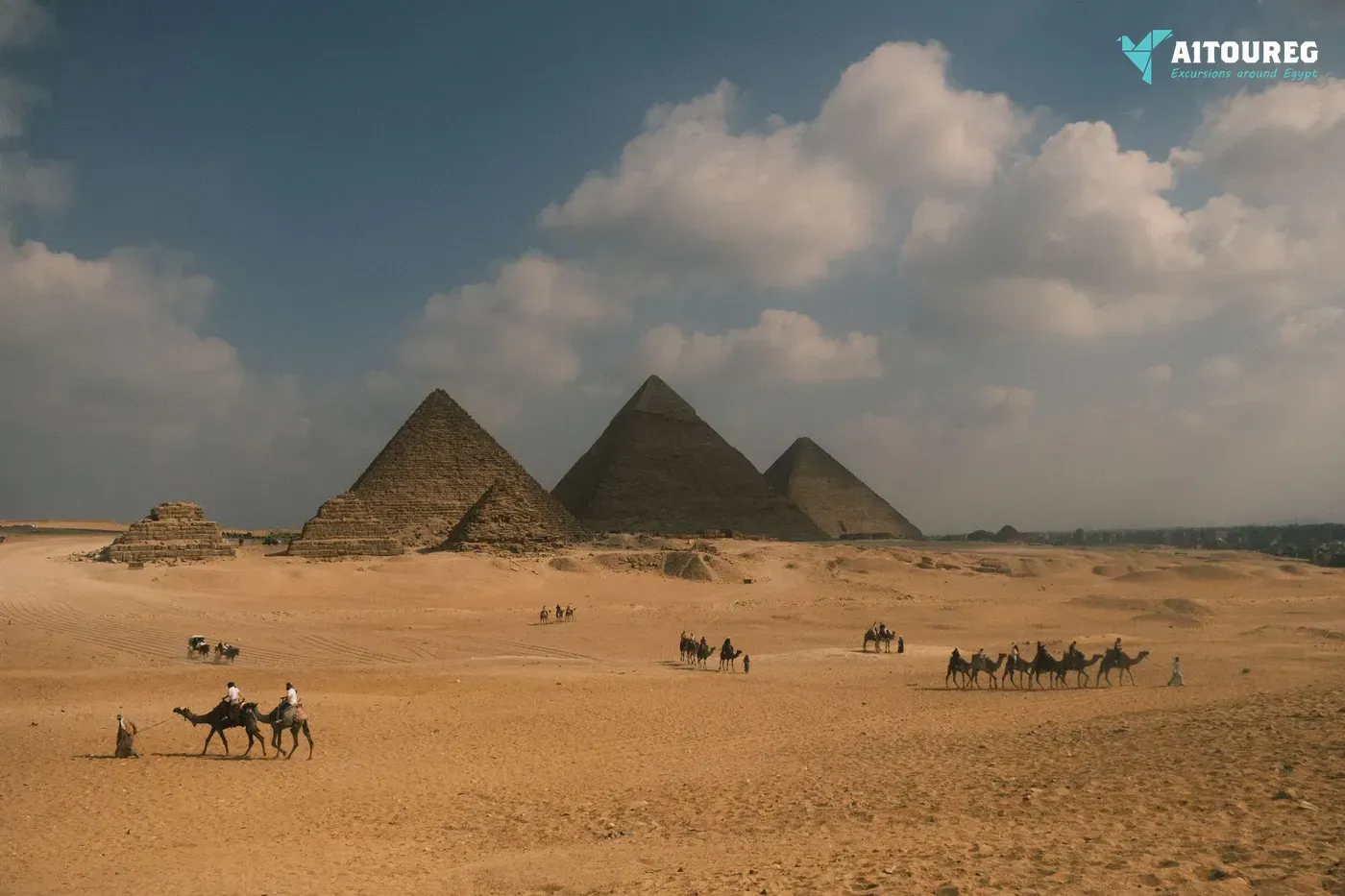
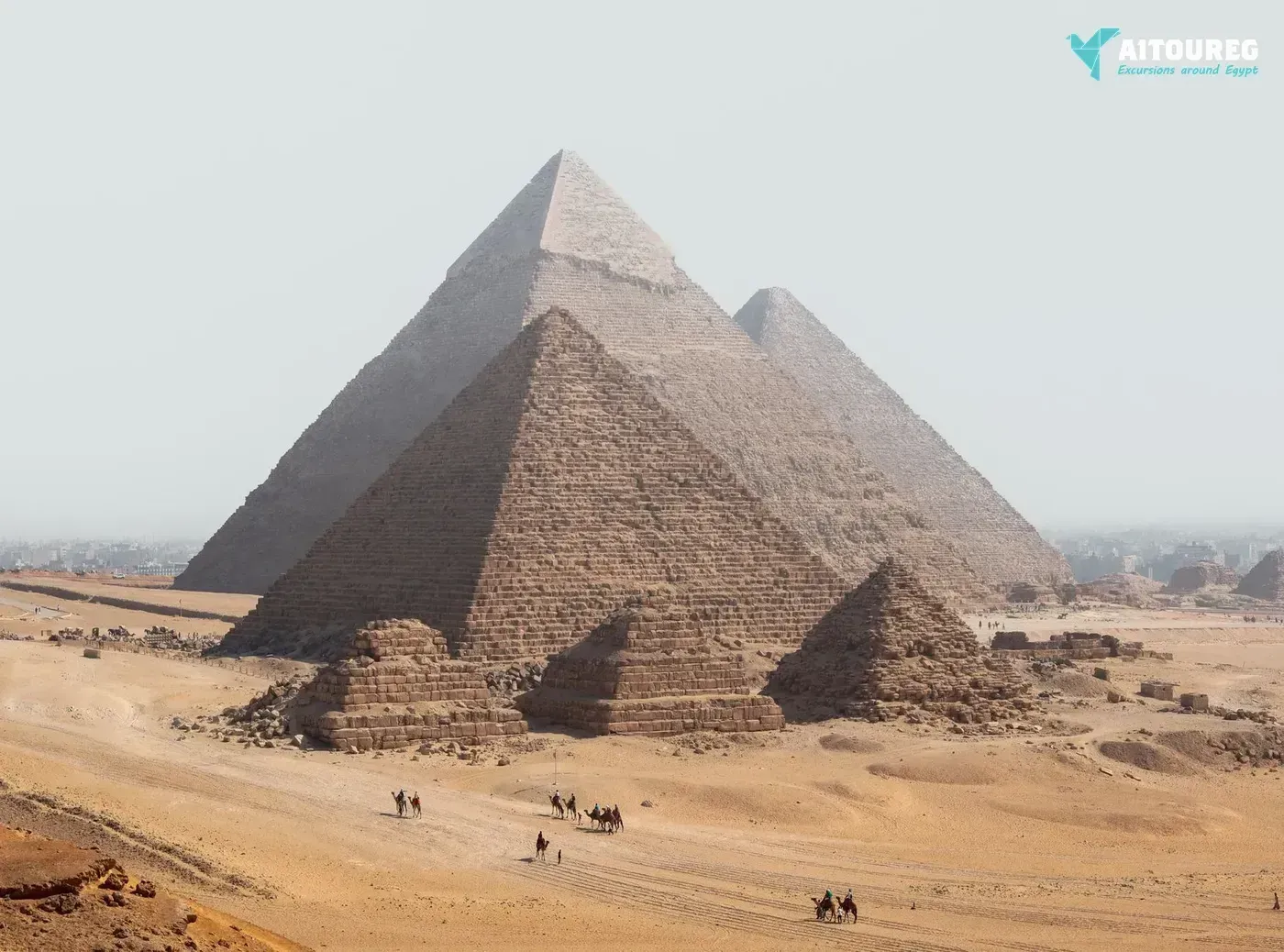
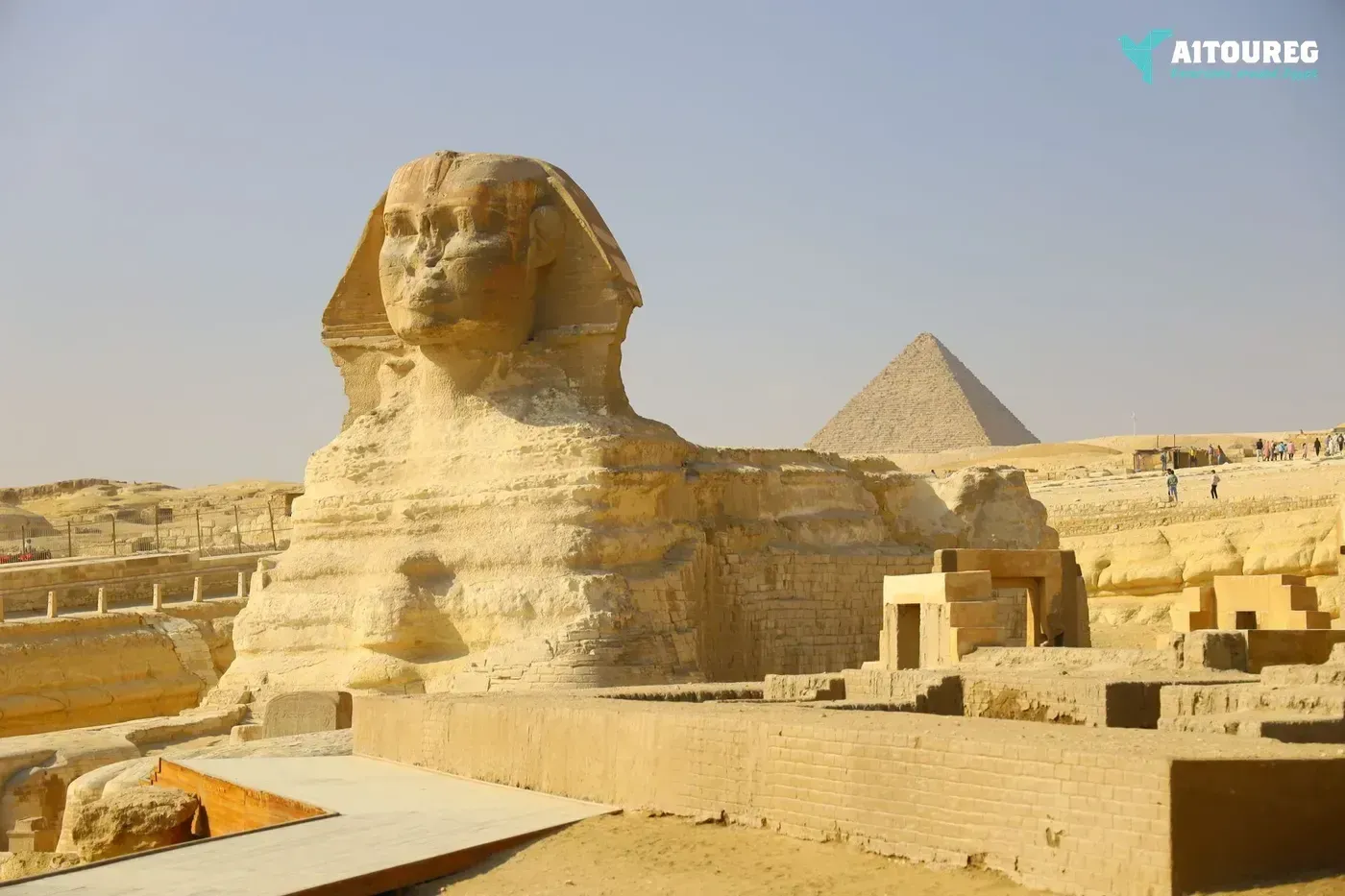
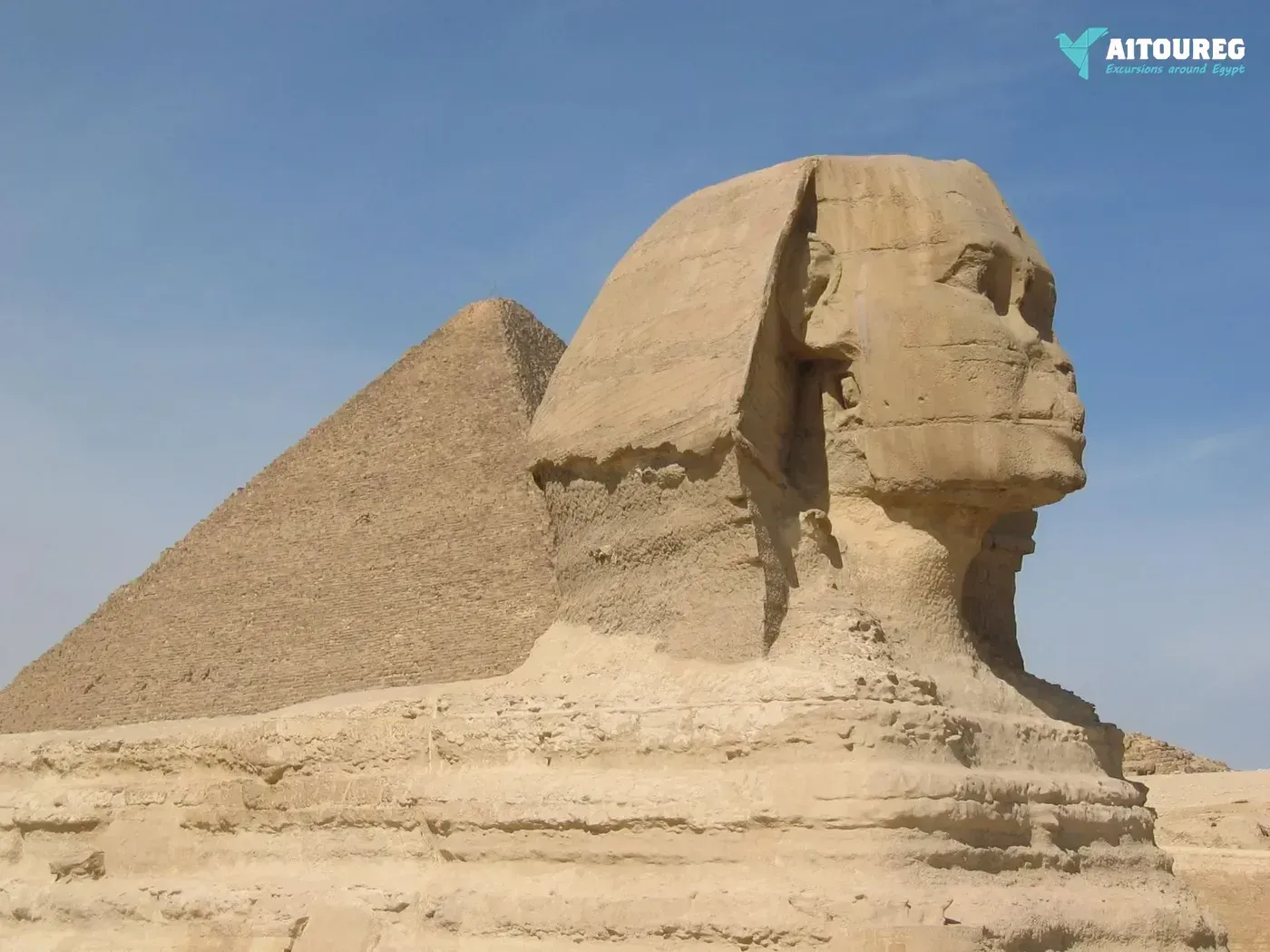
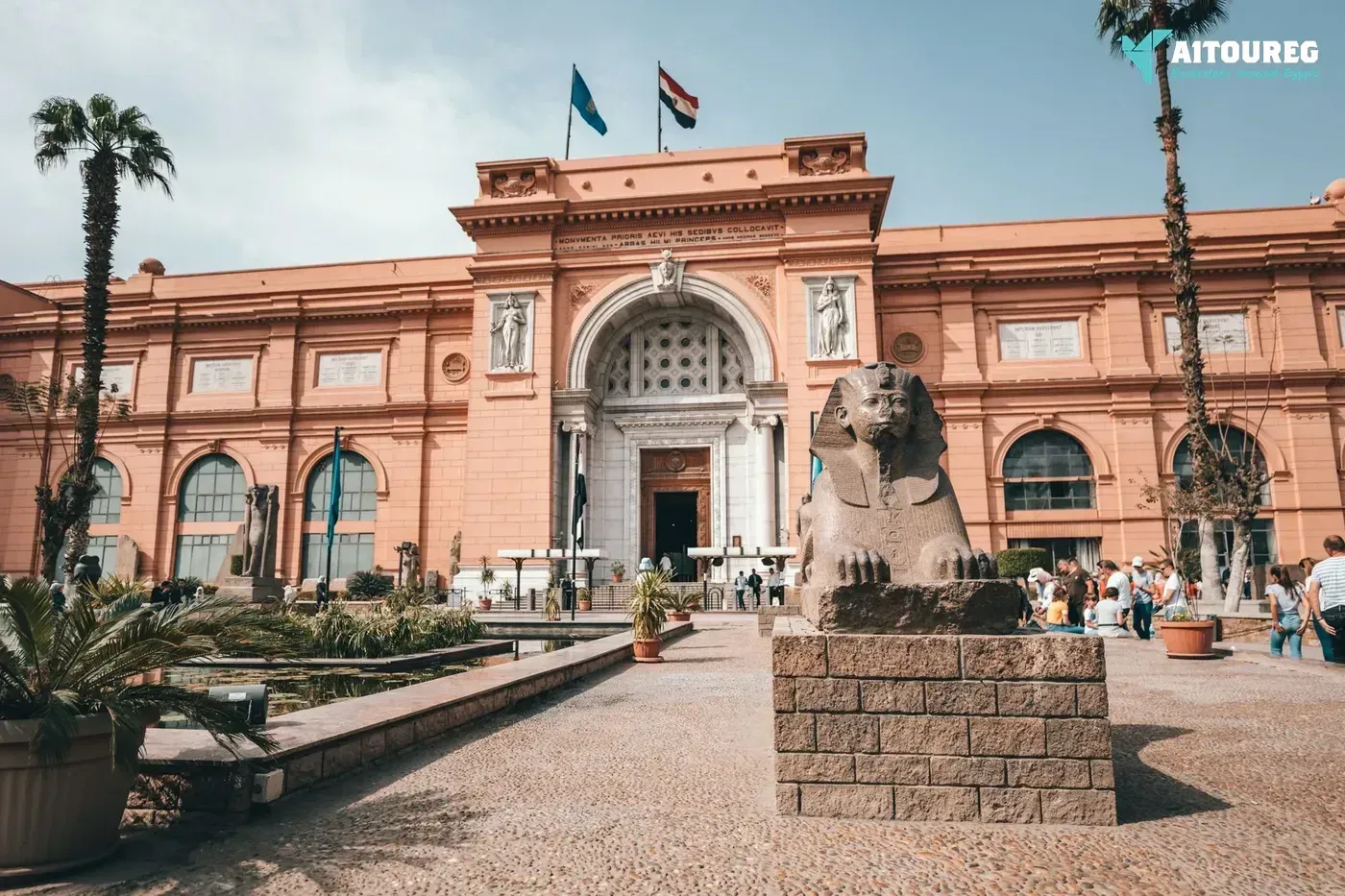
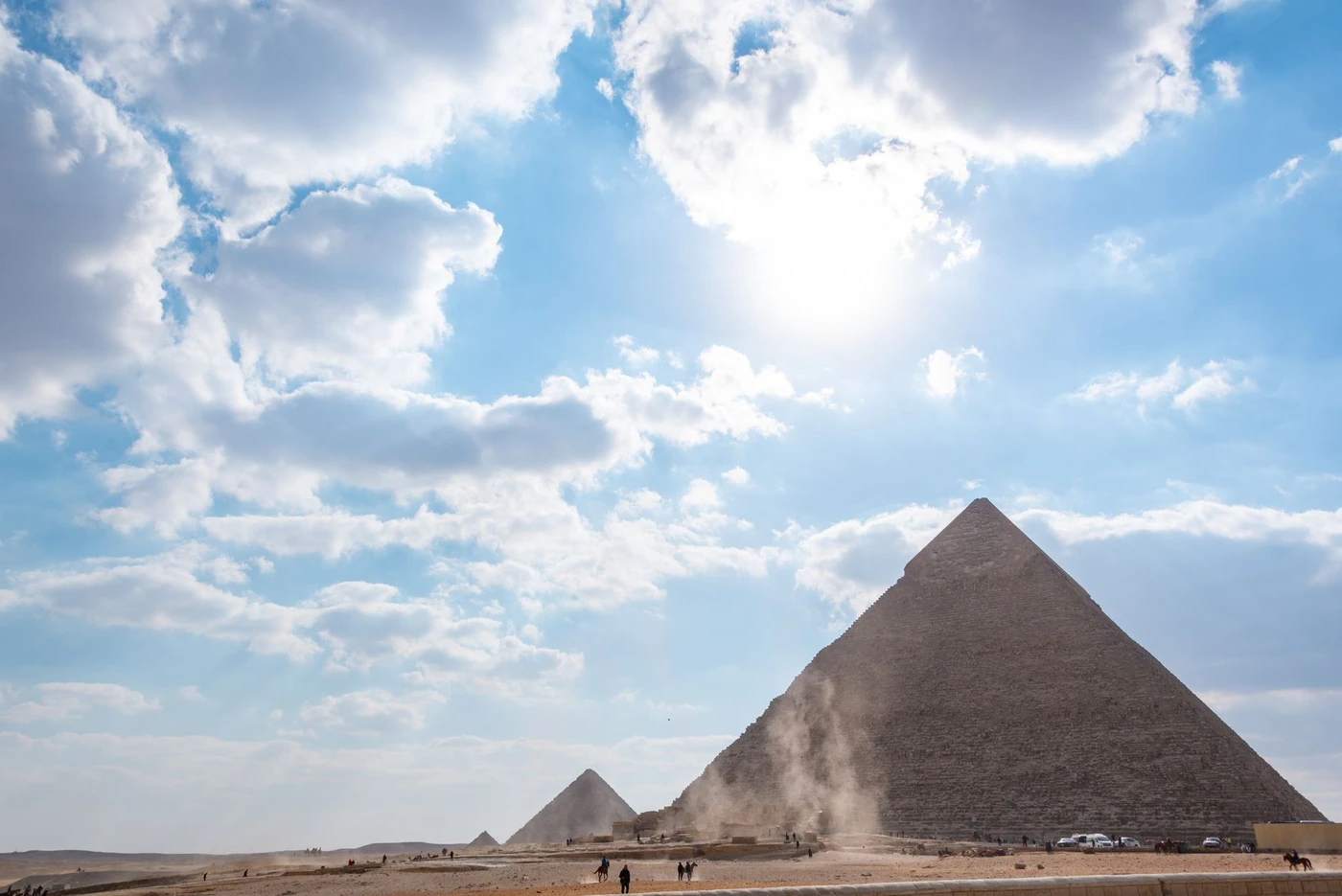
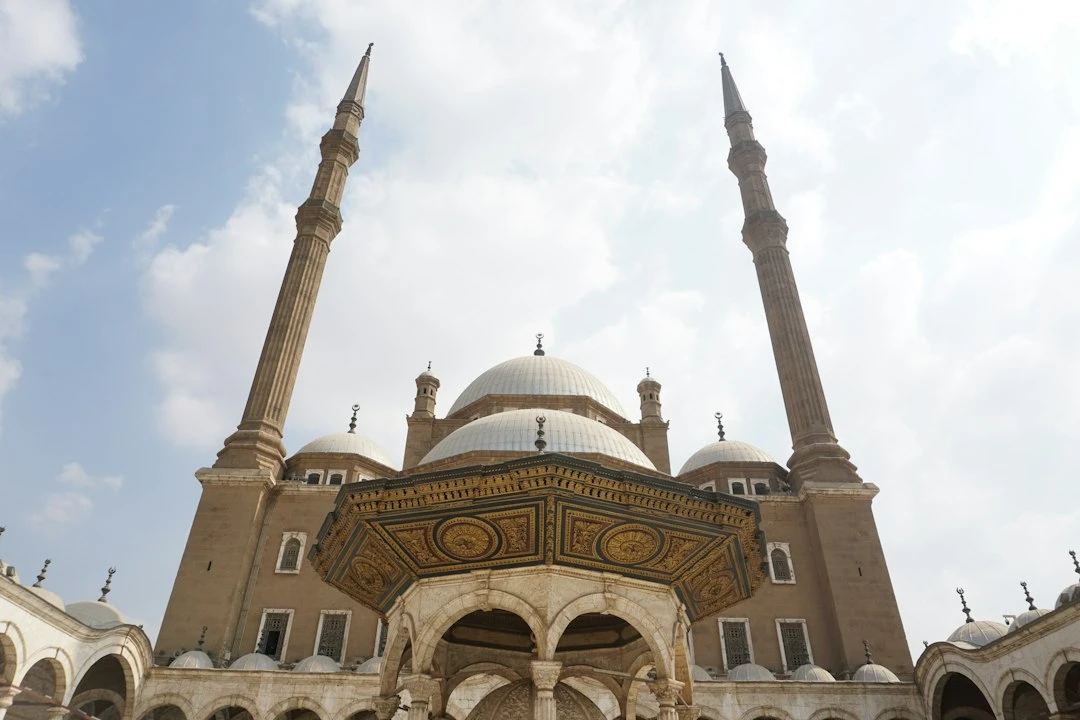
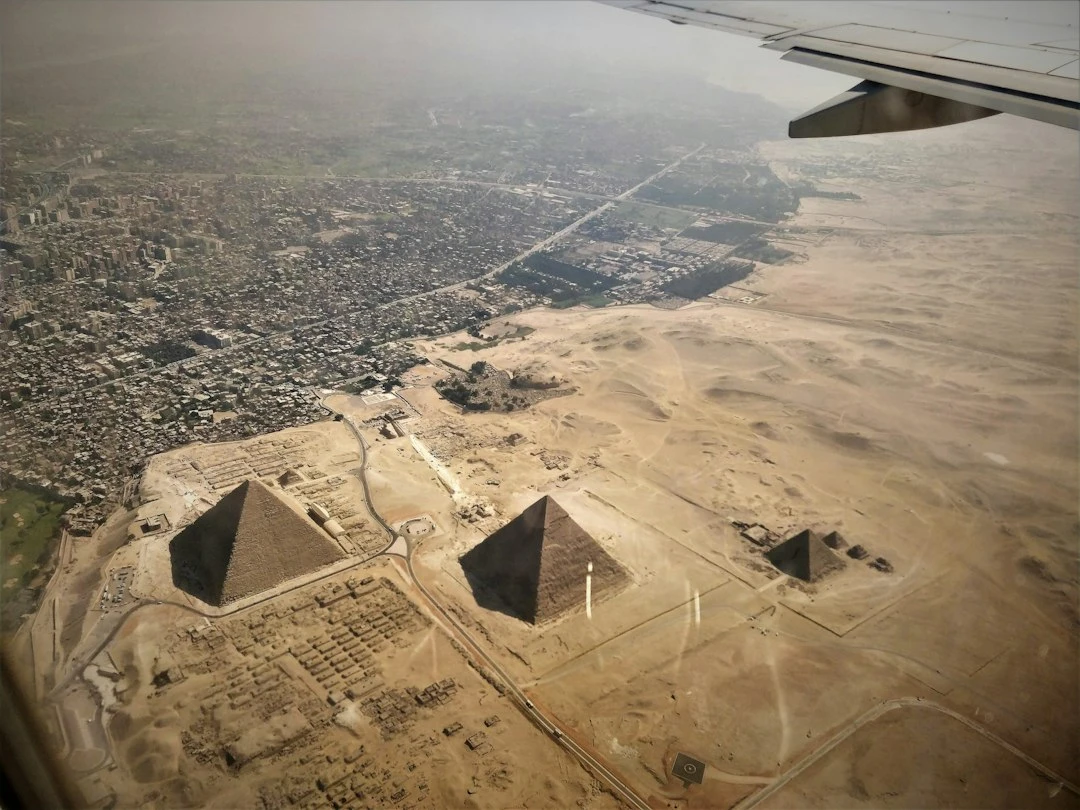
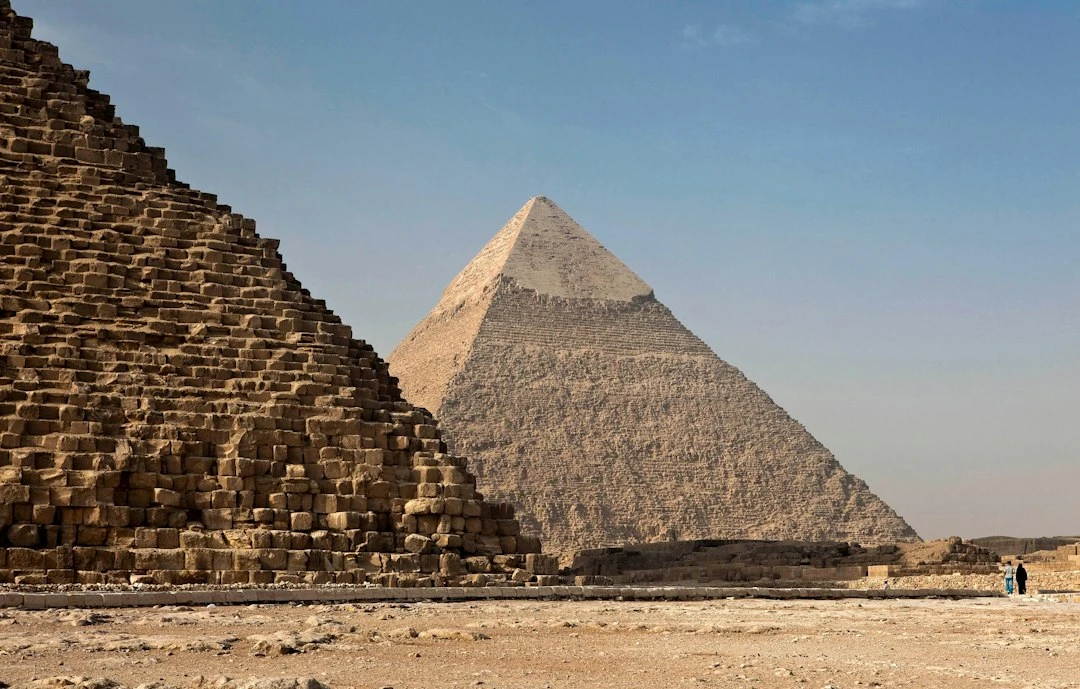
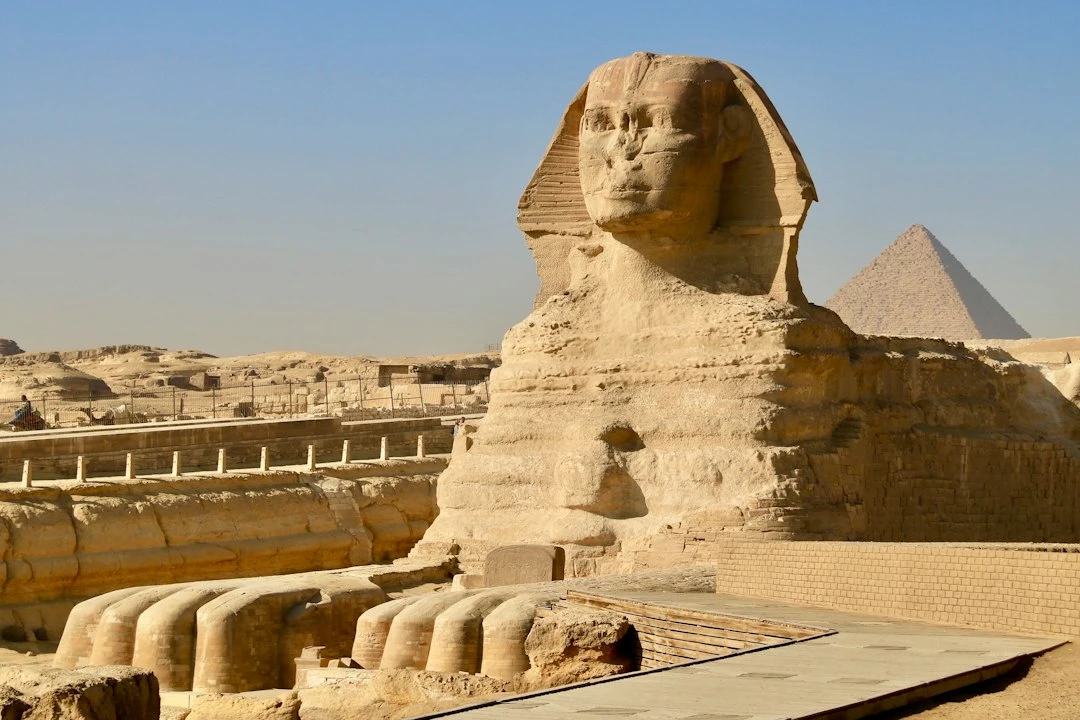
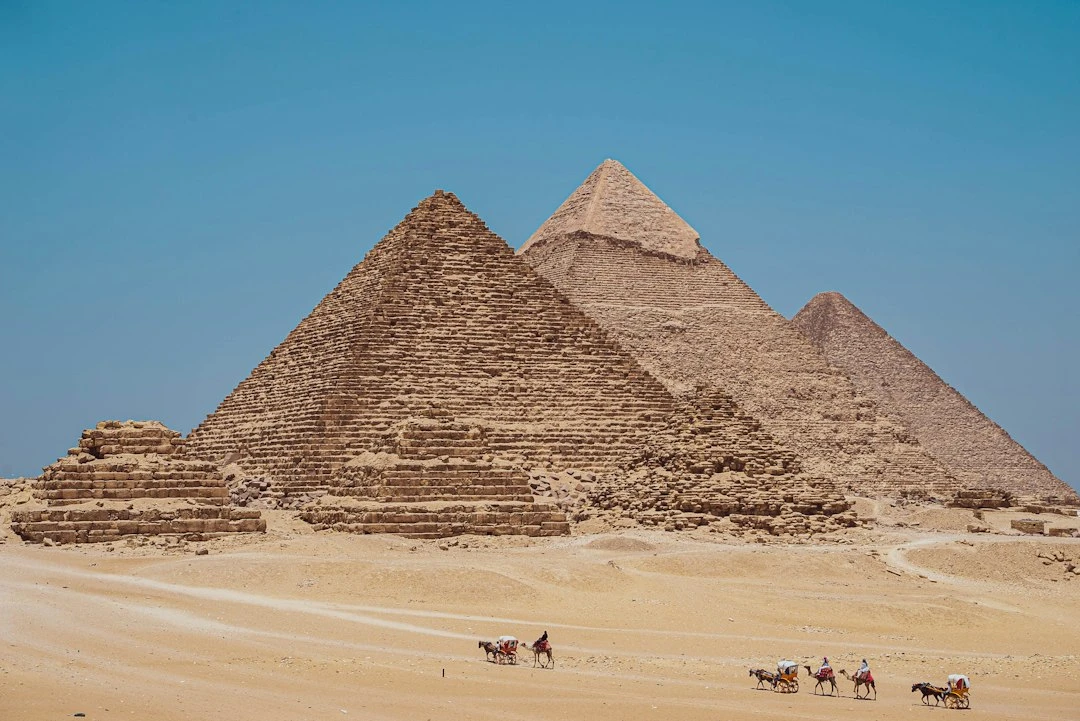
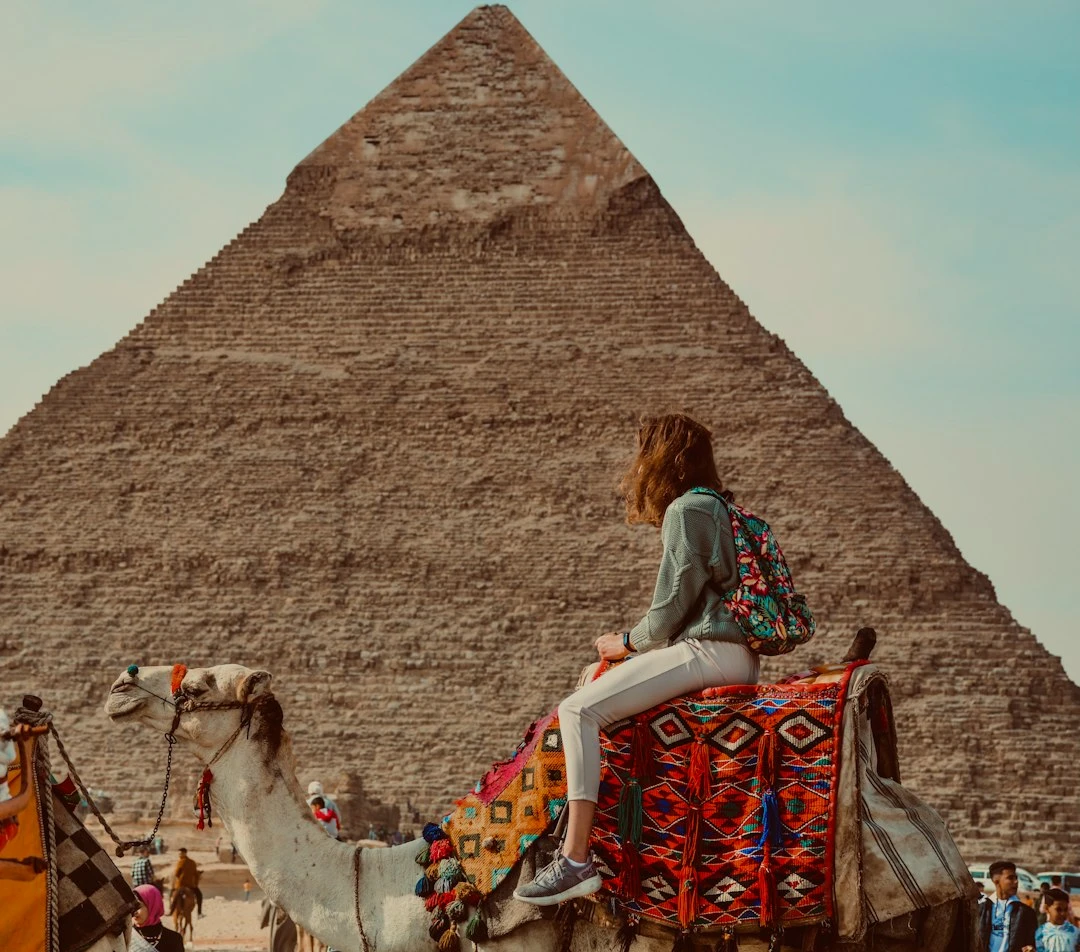
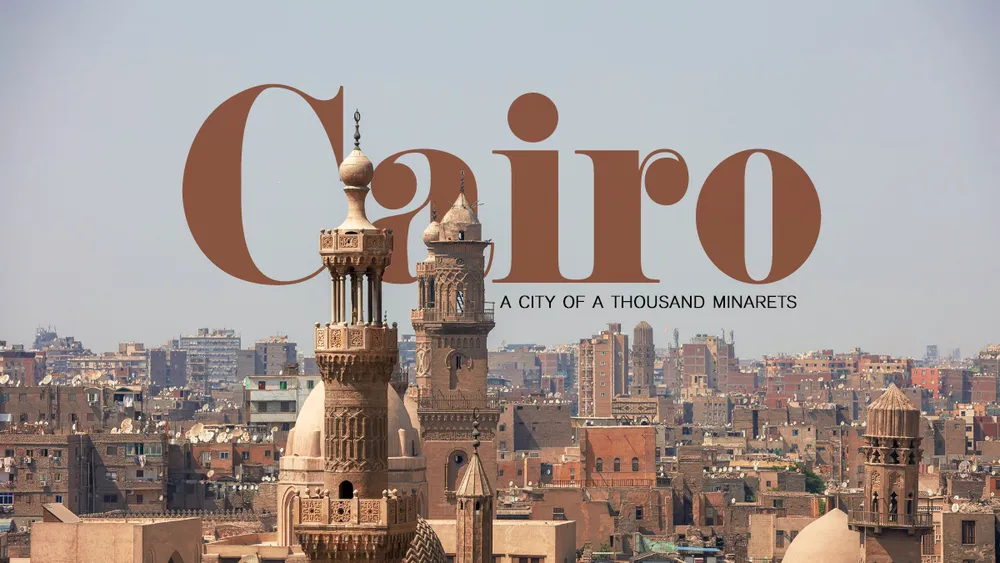
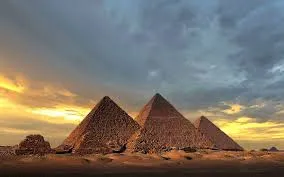
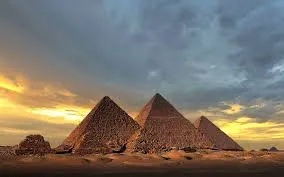
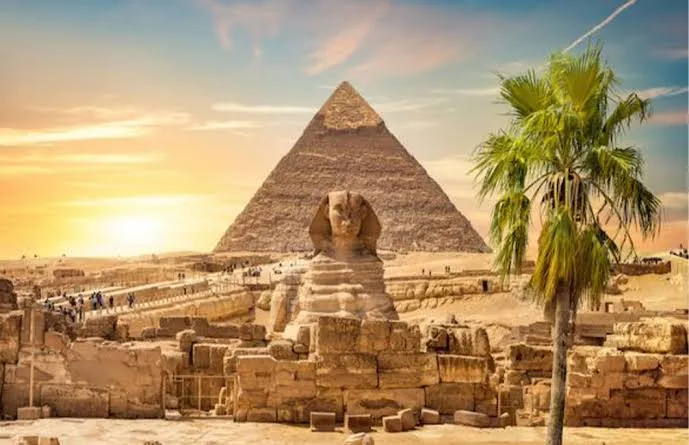
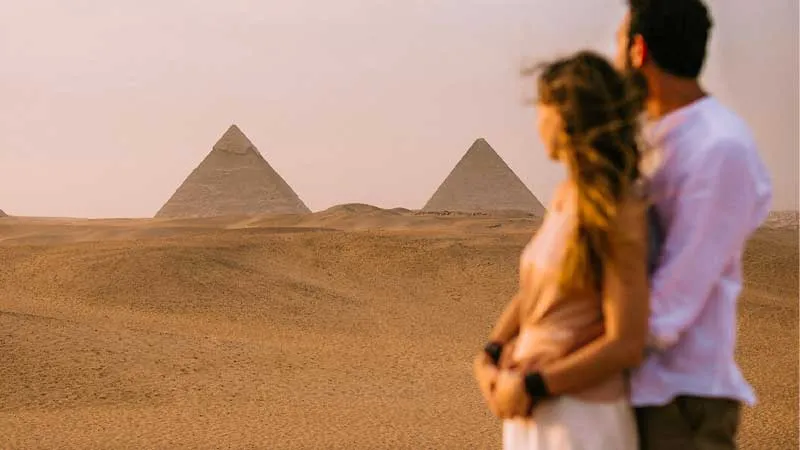
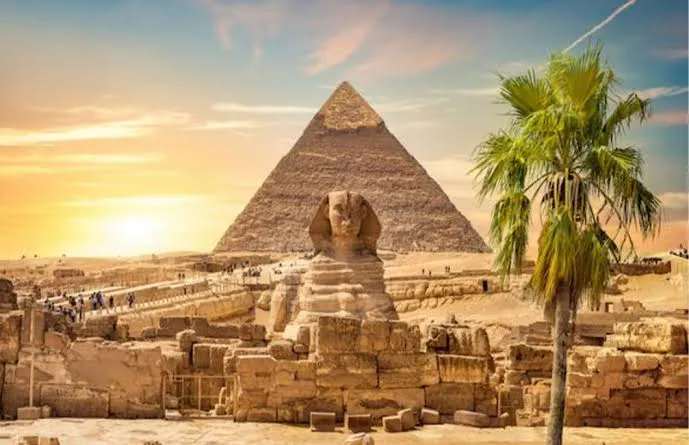
In Cairo, your licensed Egyptologist explains the sites as you go, rather than hurrying you from one photo stop to the next. At the Giza Plateau, you see the Great Pyramid, the other pyramids and the Sphinx, with time to notice how the view changes across the plateau. The Egyptian Museum brings you close to royal statues, funerary objects and artefacts from several periods. Outside central Cairo, Ancient Memphis, the Sakkara necropolis and the Dahshour Pyramid complex trace the development of pyramid building before and after Giza.
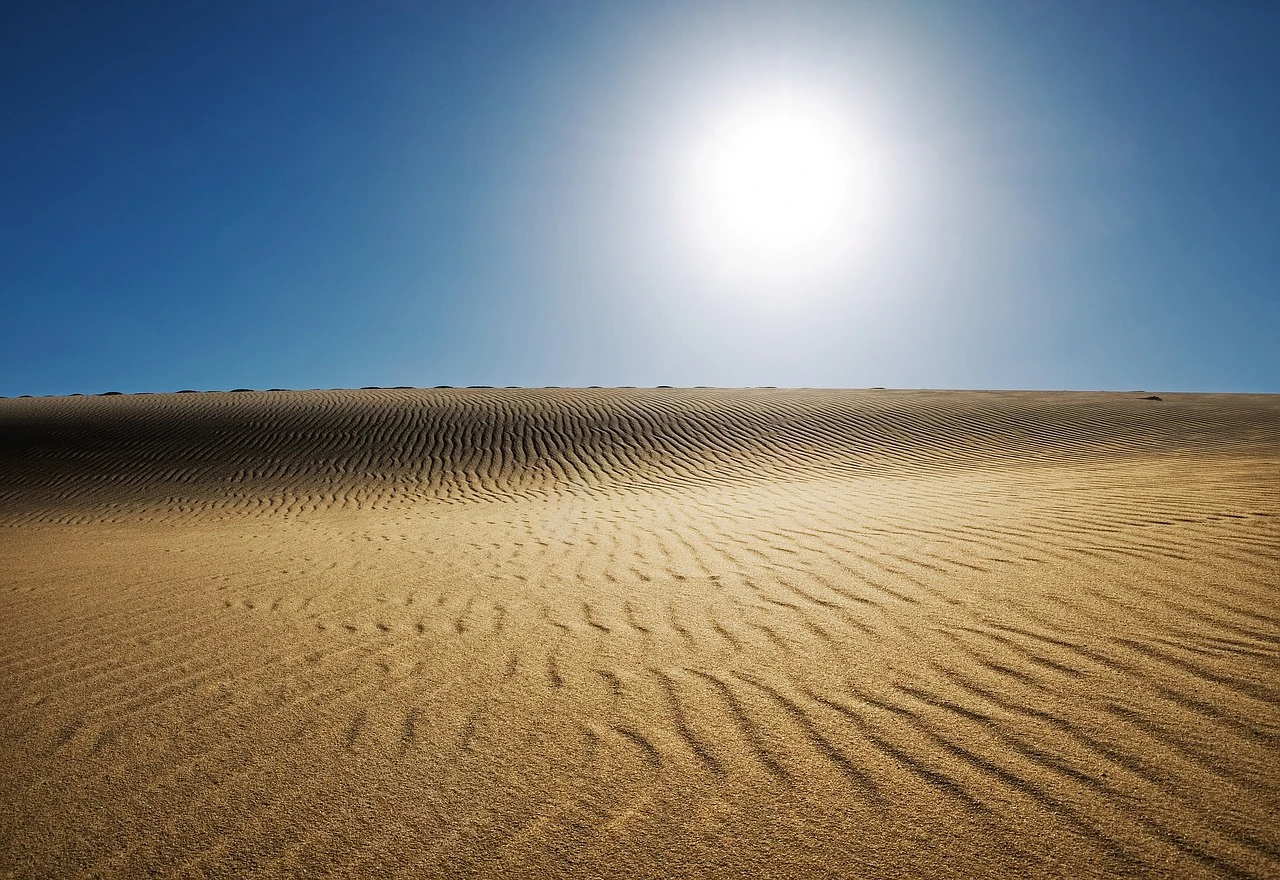
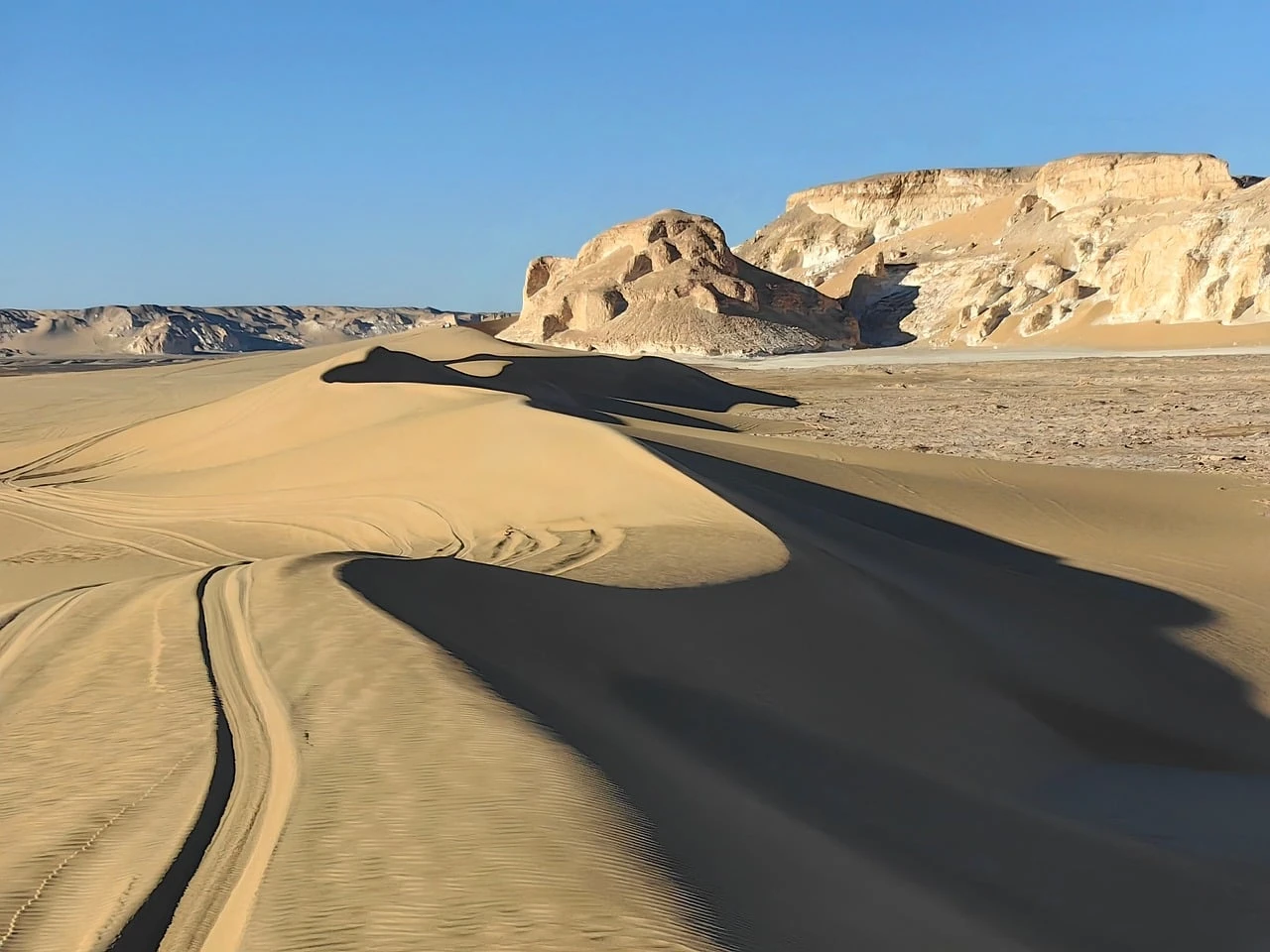
The desert section sets a different pace. You leave Cairo for a guided journey through the Egyptian desert towards Bahariya Oasis and the White Desert. The route includes the Golden Mummies Valley discovery, where the desert preserved an important collection of Greco-Roman-era burials, followed by the dark slopes of Black Desert and the pale rock formations of the White Desert. Quartz-studded Crystal Mountain makes a short, memorable stop along the way. Desert conditions are simple, but our local team manages the route, camp arrangements and transfers between vehicles.
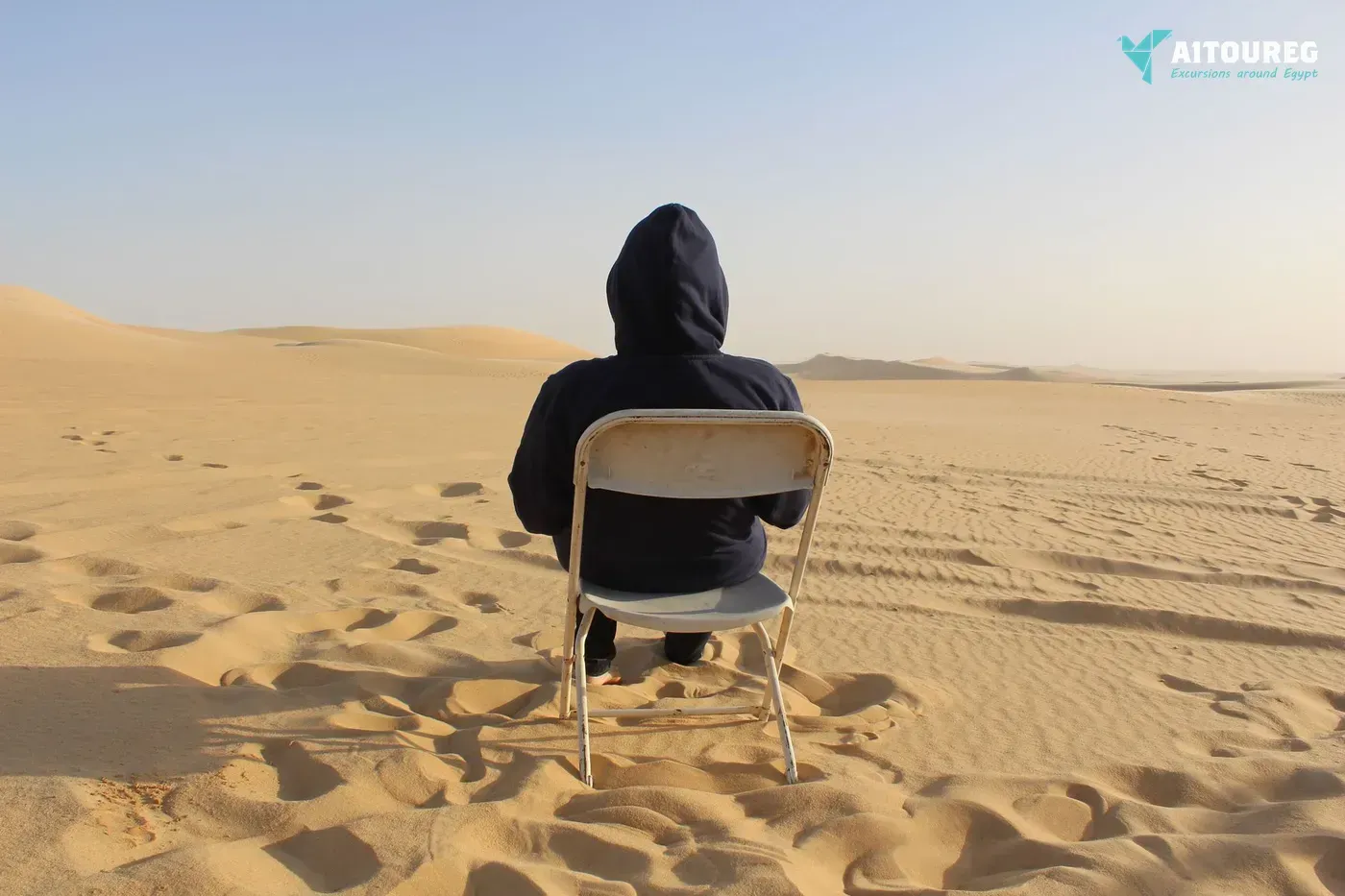
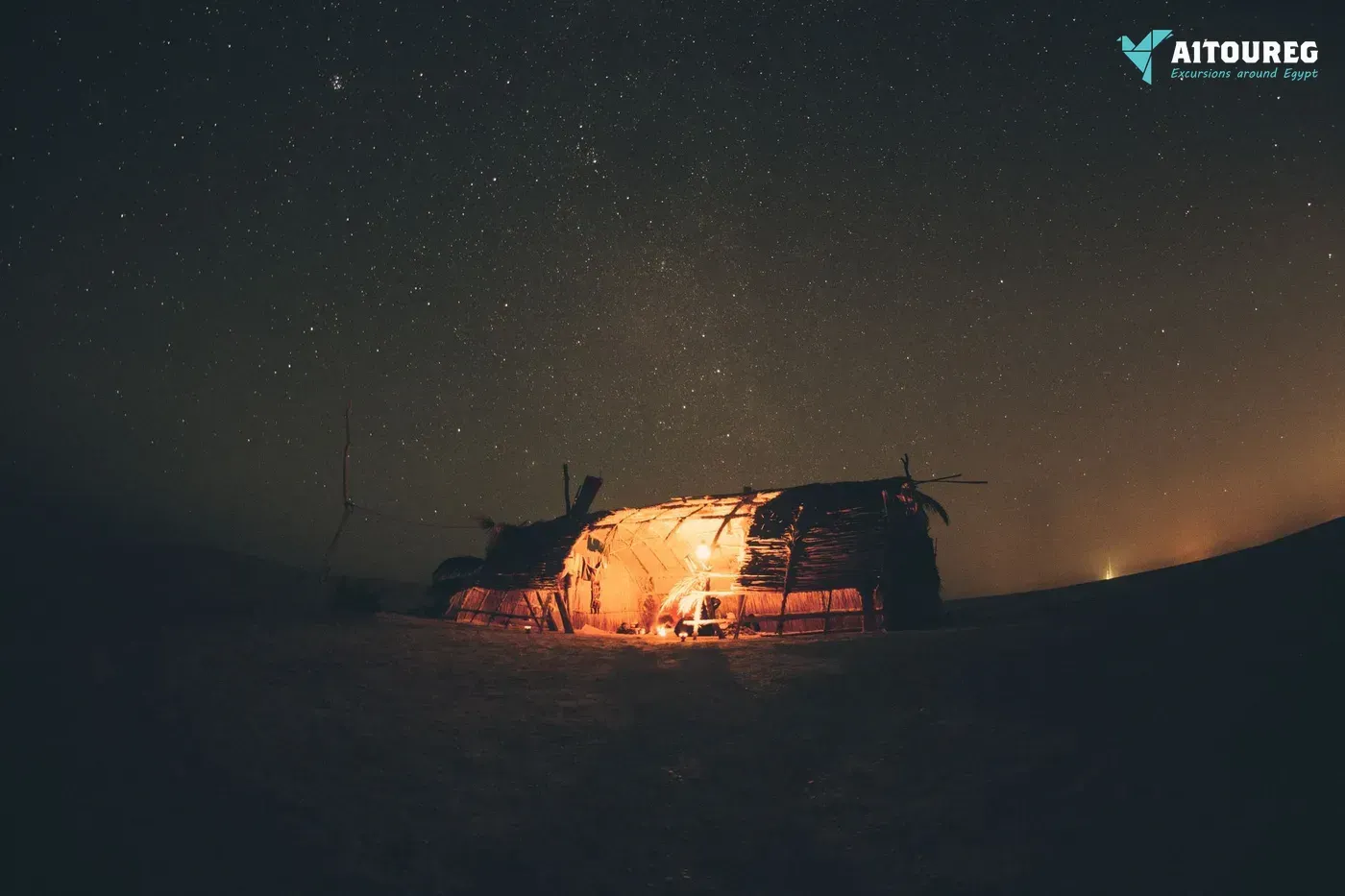
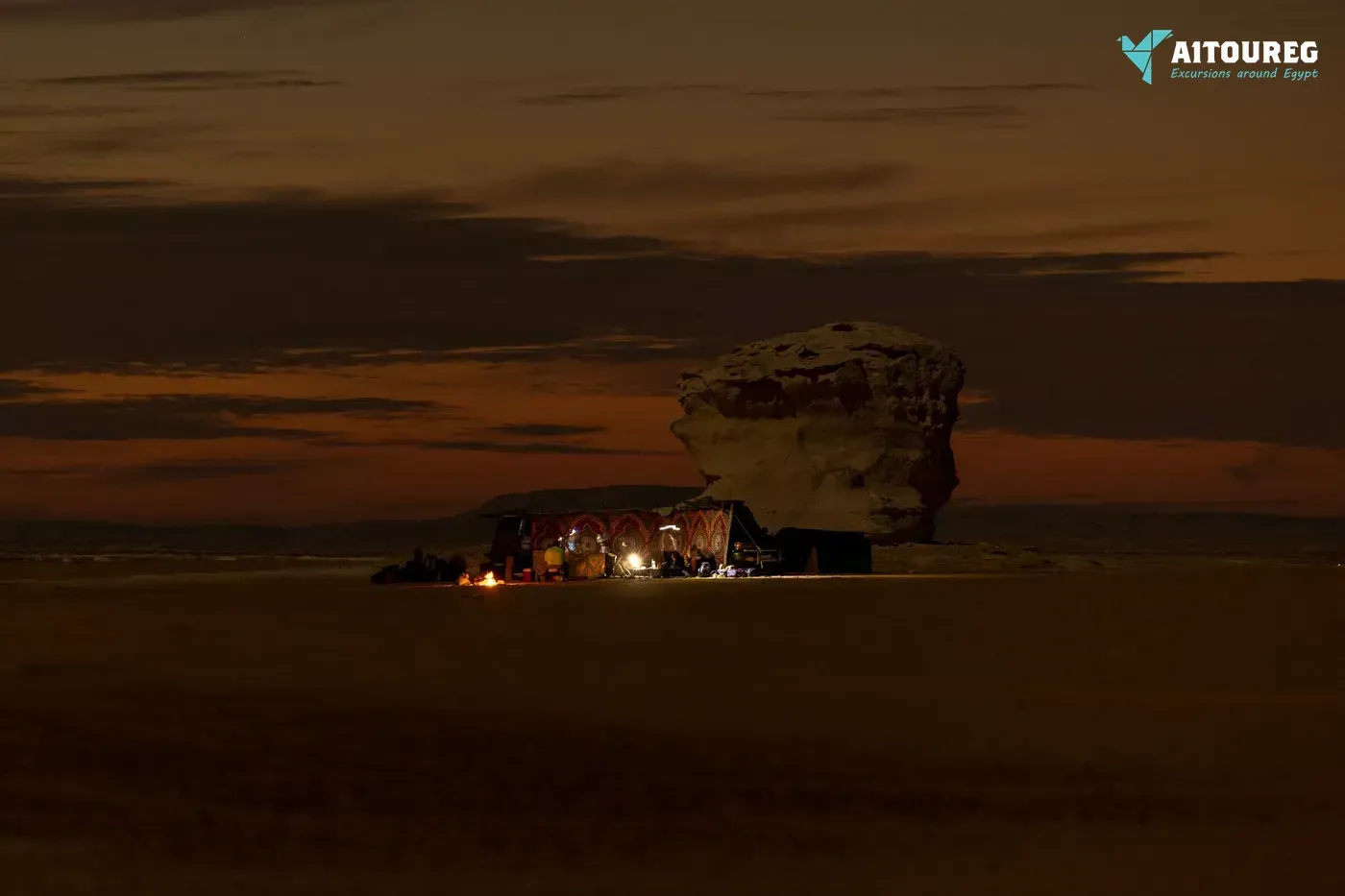
Once you reach the camping area, you spend the night in the wilderness beneath the open sky. A desert dinner is prepared at camp, and the quiet after dark is part of the experience. Depending on the operating plan and local conditions, the night may include a geothermal spa visit to a natural hot spring in the oasis area. Camping under desert stars suits travellers who are comfortable with basic facilities and some dust; it is less suitable if you want resort-style accommodation throughout the trip.
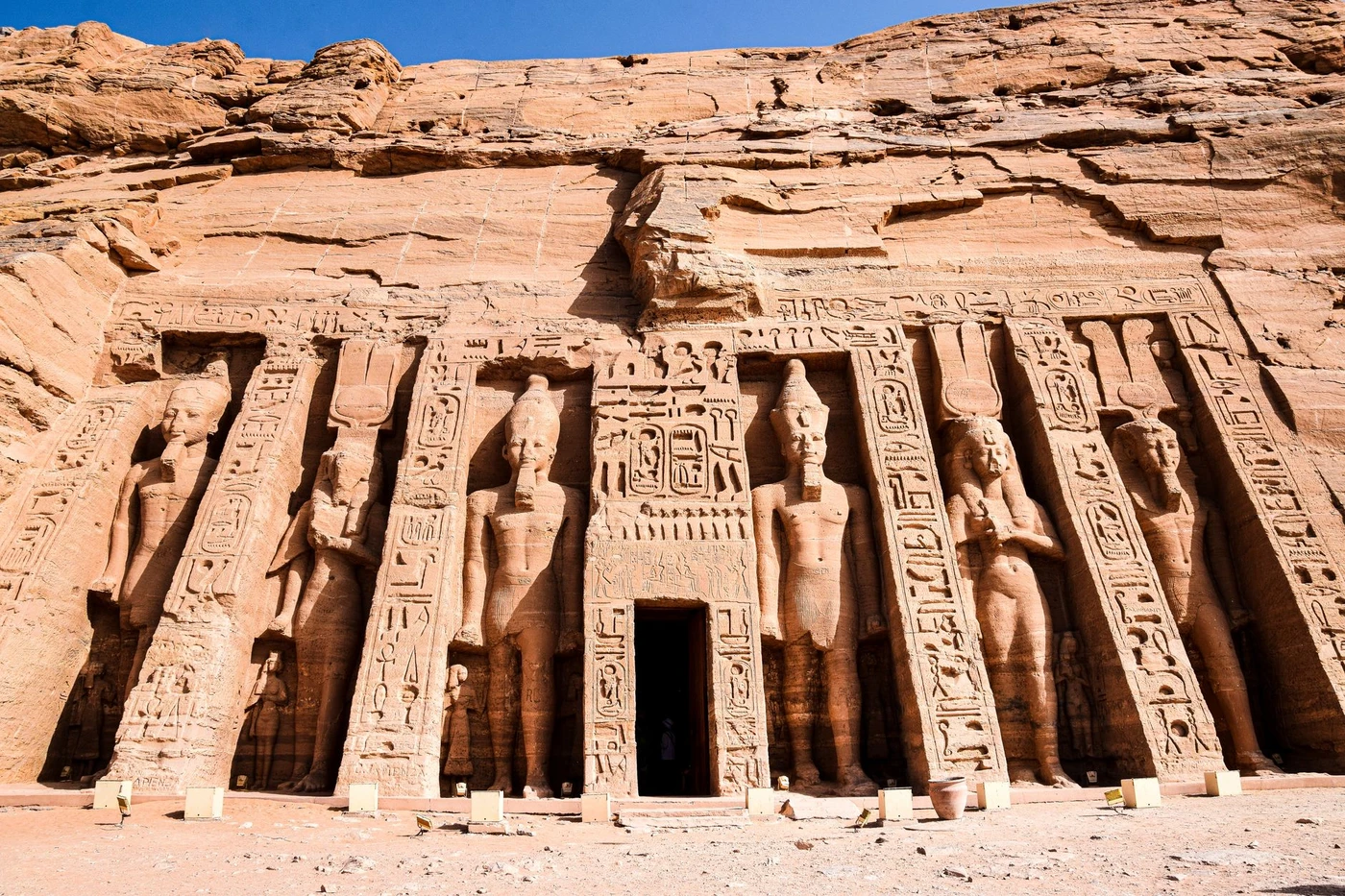
From Aswan, the Nile section follows the southern monuments in a relaxed order. An excursion to the Abu Simbel colossal temples brings you before the vast seated figures of Ramesses II and into interiors carved into the rock. Back in Aswan, you visit Philae sacred sanctuary on its island setting and see the Aswan hydroelectric barrier, commonly known as the High Dam, which changed the river and made Lake Nasser possible. An optional visit to Nubian settlements adds time among local culture, colourful village streets and traditional hospitality.
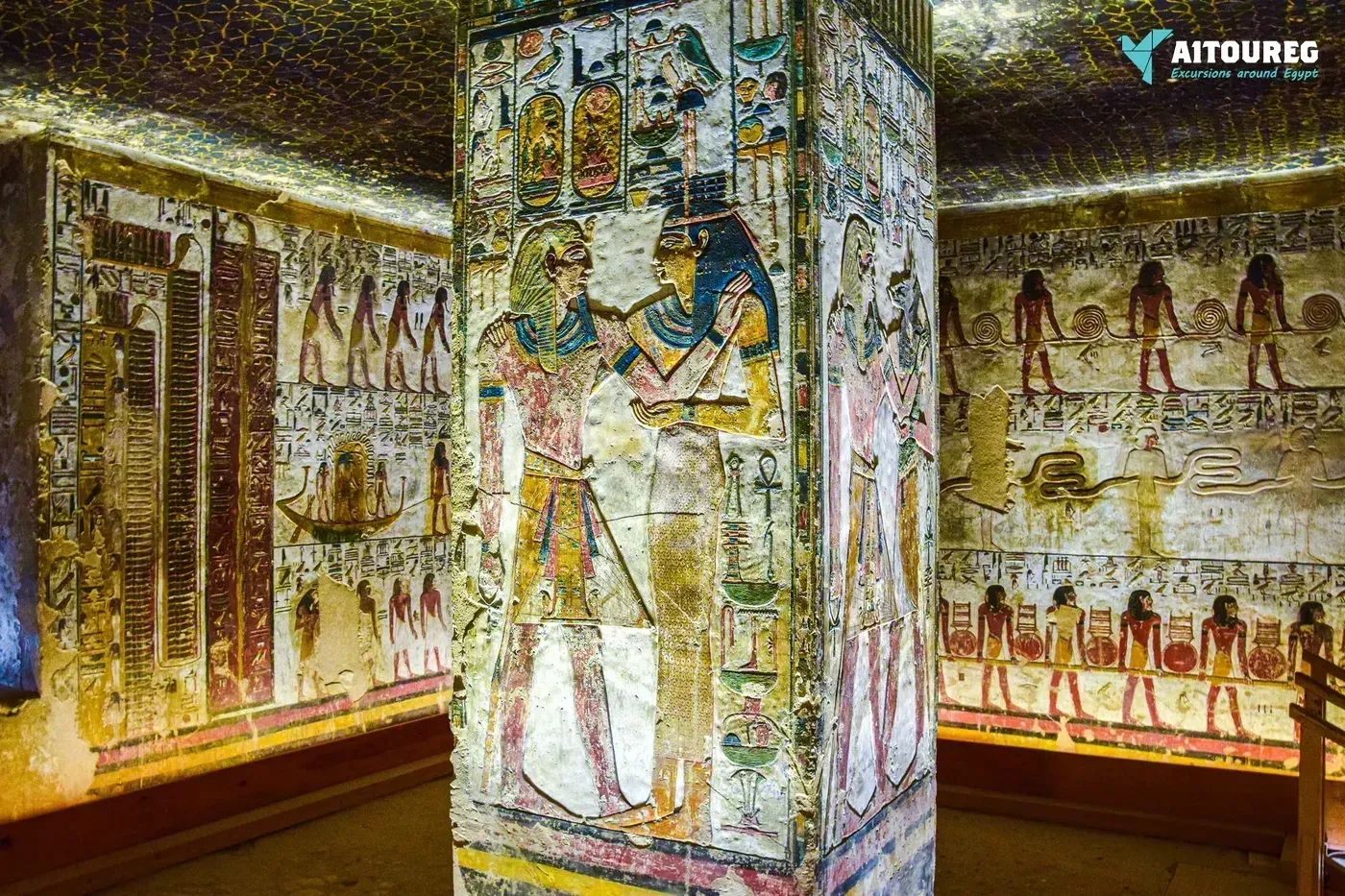
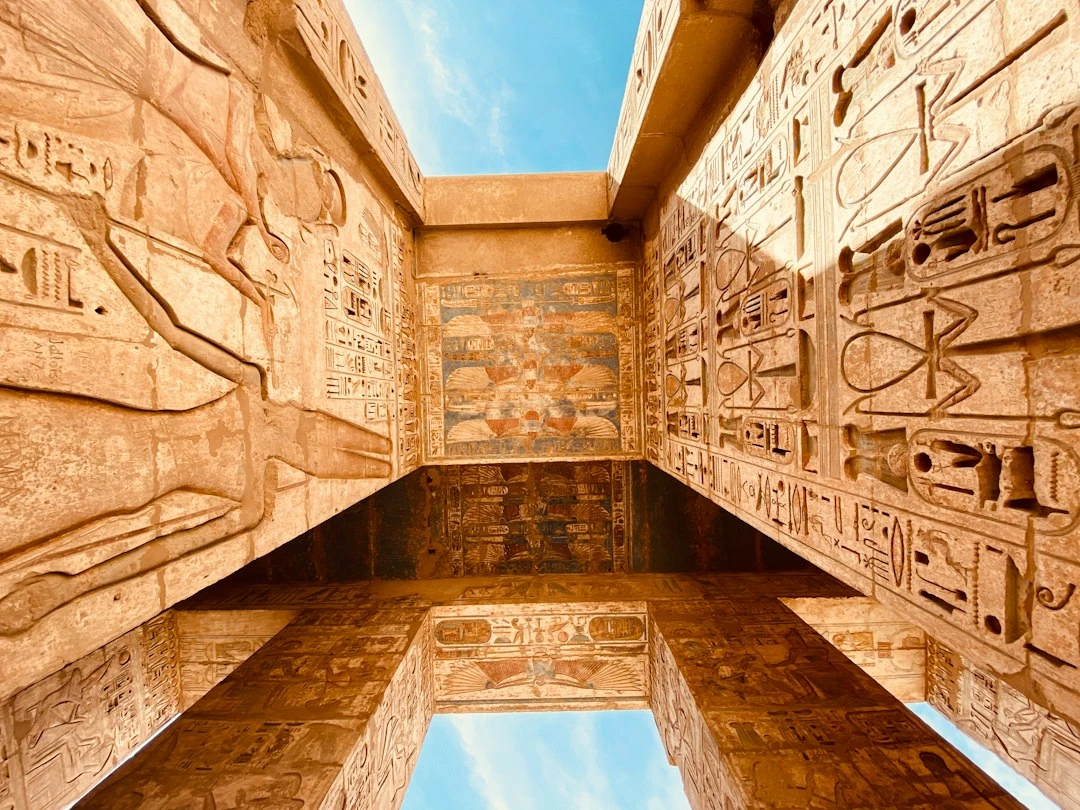
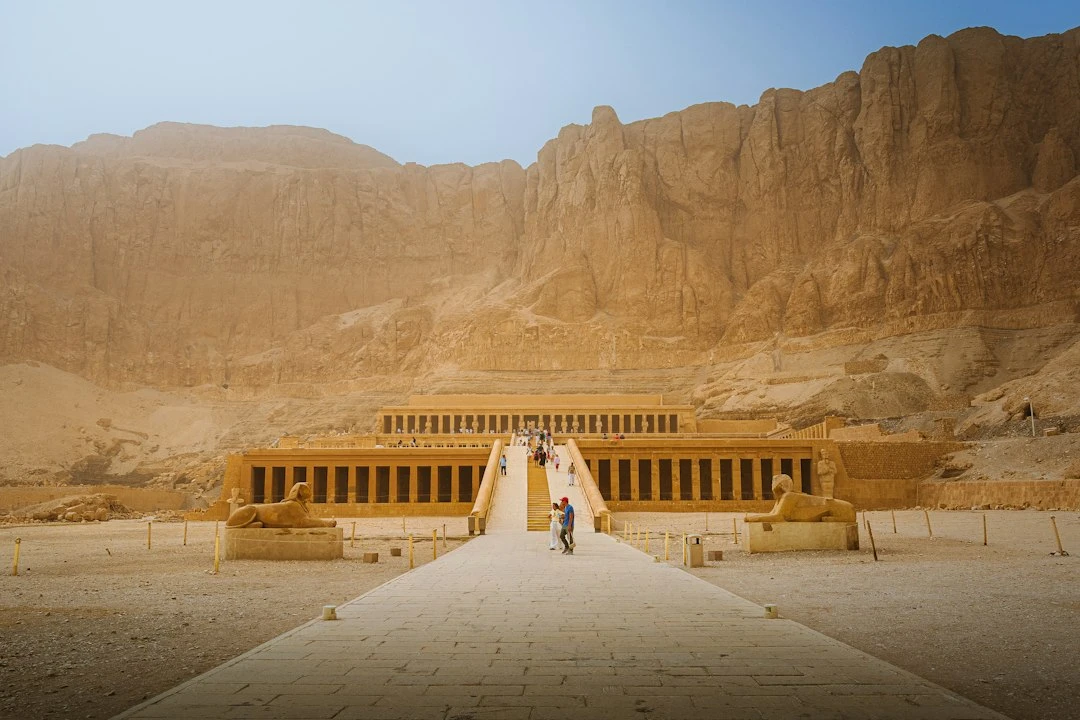
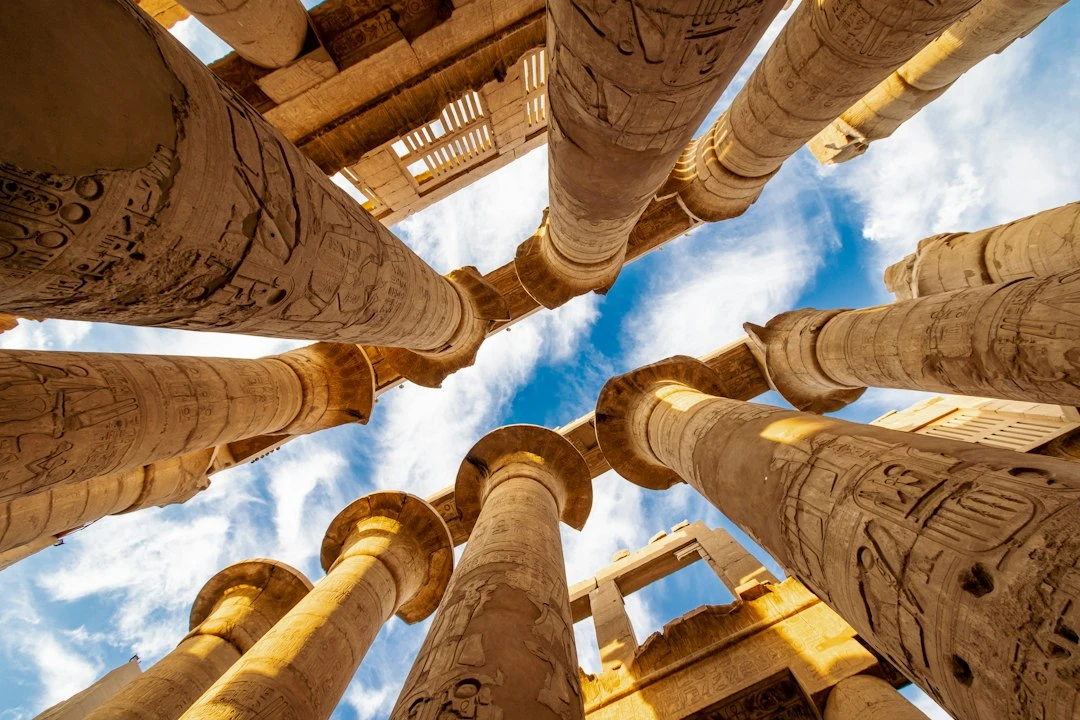
The journey then continues north to Luxor, where ancient Thebes spreads across both banks of the Nile. On the west bank, you visit the Valley of the Kings and its royal tombs, the Memnon stone sentinels and Queen Hatshepsut mortuary temple cut into the cliffs. On the east bank, the Karnak sanctuary grounds invite a slower walk past pylons, columns and carved inscriptions, while Luxor ceremonial temple has statues and courtyards that take on softer light later in the day.
This itinerary suits travellers who want a broad first experience of Egypt and are happy to combine early starts, domestic travel, road journeys and outdoor camping with comfortable accommodation elsewhere. Our guides explain the history on site, while our drivers and operations team coordinate pickups, drop-offs, luggage and connections. Meals follow the route, with Egyptian dishes and hotel or cruise dining included where stated; dietary requirements should be shared before travel. An optional hot-air balloon adventure over Luxor can be added when permitted, giving you an aerial view of the Nile Valley before the day’s sightseeing begins.
Because the trip connects Cairo, the Western Desert, Aswan and Luxor, organised transport saves you from arranging separate domestic flights, desert vehicles, guides and intercity transfers. Bring comfortable walking shoes, sun protection and a warm layer for the desert night; your travel documents include the final pickup details and accommodation information.
White Desert expedition with desert camp and dinner
Accommodation in Cairo, the desert area, Aswan and Luxor as specified in the itinerary
Professional licensed Egyptologist guide for sightseeing
Nile cruise or Nile-based accommodation as specified in the itinerary
Meals stated in the itinerary
Domestic flights and other internal transport stated in the itinerary
Entrance fees to the listed archaeological sites and museums
Private or shared air-conditioned transfers and sightseeing vehicles as arranged
Airport, hotel and station pickups and drop-offs
Optional Nubian settlements visit
International flights
Any sightseeing or services not stated in the itinerary
Personal expenses, drinks and laundry
Egypt entry visa and personal travel insurance
Tips for guides, drivers, cruise staff and camp staff
Optional hot-air balloon adventure in Luxor
Comfortable walking shoes with good grip
Small overnight bag for the desert expedition
Light, breathable clothing that covers shoulders and knees at religious sites
Cash in Egyptian pounds for personal expenses and gratuities
Sun hat, sunglasses and high-factor sunscreen
Passport and any required visa documents
Insect repellent and any regular medication
Reusable water bottle and personal toiletries
Warm layer, socks and a compact sleeping layer for the desert night
Camera, spare battery or power bank
The 11-day Egypt tour includes the flights stated in the itinerary, accommodation, guided sightseeing, transfers, desert expedition arrangements, camping, and the meals listed for each day. Our team arranges visits to the Giza Pyramids, the Egyptian Museum, Abu Simbel, Philae, Luxor and the White Desert.
The desert section includes a wilderness camping experience, a geothermal spa night and an overnight under desert stars. Optional activities, such as a Nubian settlements visit or hot-air balloon flight, are confirmed separately when available.
This Egypt itinerary is active and varied: begin in Cairo with the Giza Pyramids, Sphinx, Egyptian Museum, Memphis, Sakkara necropolis and Dahshour Pyramid complex, then travel through the desert before continuing to Aswan and Luxor for temples, tombs and Nile sightseeing.
Expect early starts, road transfers, walking on uneven ground and several changes of accommodation. In Luxor, visits include Karnak sanctuary grounds, the Valley of the Kings, Luxor Temple, the Memnon stone sentinels and Queen Hatshepsut's mortuary temple.
Our team arranges scheduled airport pickups and transfers between the tour stops, with the exact meeting details provided in your booking information. Transfers connect the Cairo, desert, Aswan and Luxor sections, while the itinerary also includes the flight arrangements stated in the package.
At the airport or meeting point, look for the driver or representative holding the agreed identification details. We ask travellers to send accurate arrival information before the tour so we can coordinate each pickup and any necessary transfer changes.
This Egypt tour can suit families with older children, but it requires regular walking, early departures, steps, uneven temple and desert surfaces, and a night in wilderness accommodation. The White and Black Desert landscapes, Crystal Mountain and royal tombs are best approached by travellers who can manage an active touring pace.
Some sites and camping areas may not be fully accessible for wheelchairs or people with limited mobility. Tell us about mobility needs, medical considerations and children's ages before booking so our team can explain the practical options; the optional balloon adventure also has its own access requirements.
Bring light, breathable clothing for daytime, a warm layer for desert evenings, comfortable closed shoes, sun protection, a hat, personal medication and a small overnight bag for the desert camp. Modest clothing that covers shoulders and knees is practical for temples, mosques and local communities.
Pack a reusable water bottle, insect repellent and a torch for the memorial overnight under desert stars. The desert expedition includes the Golden Mummies Valley discovery, quartz-studded Crystal Mountain and geothermal spa night, so a swimsuit, towel and footwear suitable for sand are useful.
You can request this 11-day Egypt tour by submitting your preferred travel dates and traveller details; our team then checks the itinerary components and sends the booking conditions before payment. Cancellation and amendment rules depend on the flights, accommodation and other suppliers confirmed for your reservation.
Read the applicable terms carefully before confirming, especially for optional activities such as the Nubian settlements visit and aeronautical balloon adventure. If plans change, contact us as early as possible because some confirmed arrangements may have separate deadlines or non-refundable conditions.
Your unforgettable Egypt journey starts with a booking you can trust.
* Available on selected tours. Flights, cruises and special bookings may have different cancellation policies.
Free cancellation up to 24 hours before activity starts
If you choose to pay online, a secure payment link can be provided after booking. For assistance or alternative payment options, please contact us via WhatsApp.
All our tour operators are licensed and verified by Egyptian tourism authorities.
Learn more about our licensed partners →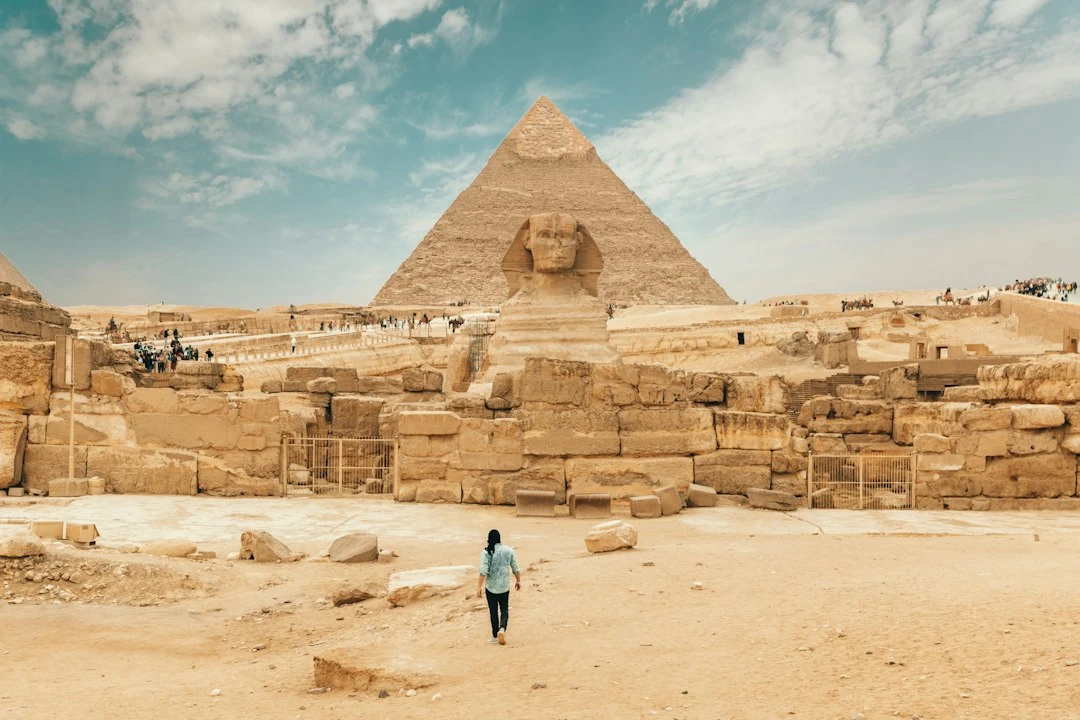

Free cancellation up to 24 hours before activity starts
If you choose to pay online, a secure payment link can be provided after booking. For assistance or alternative payment options, please contact us via WhatsApp.
All our tour operators are licensed and verified by Egyptian tourism authorities.
Learn more about our licensed partners →
Your Itinerary
Arrive in Cairo, where our representative meets you at the airport and helps with the arrival formalities before your transfer to the hotel. The drive gives you a first look at the capital and its broad Nile valley setting. After check-in, the rest of the day is kept light so you can rest after the journey.
Our team confirms the schedule for the days ahead, including the desert departure, domestic flights and Nile travel. If you arrive with time and energy, your guide can suggest an easy evening walk or a nearby place for dinner. Keep your passport and essential medication accessible, since both will be useful during the internal travel days.
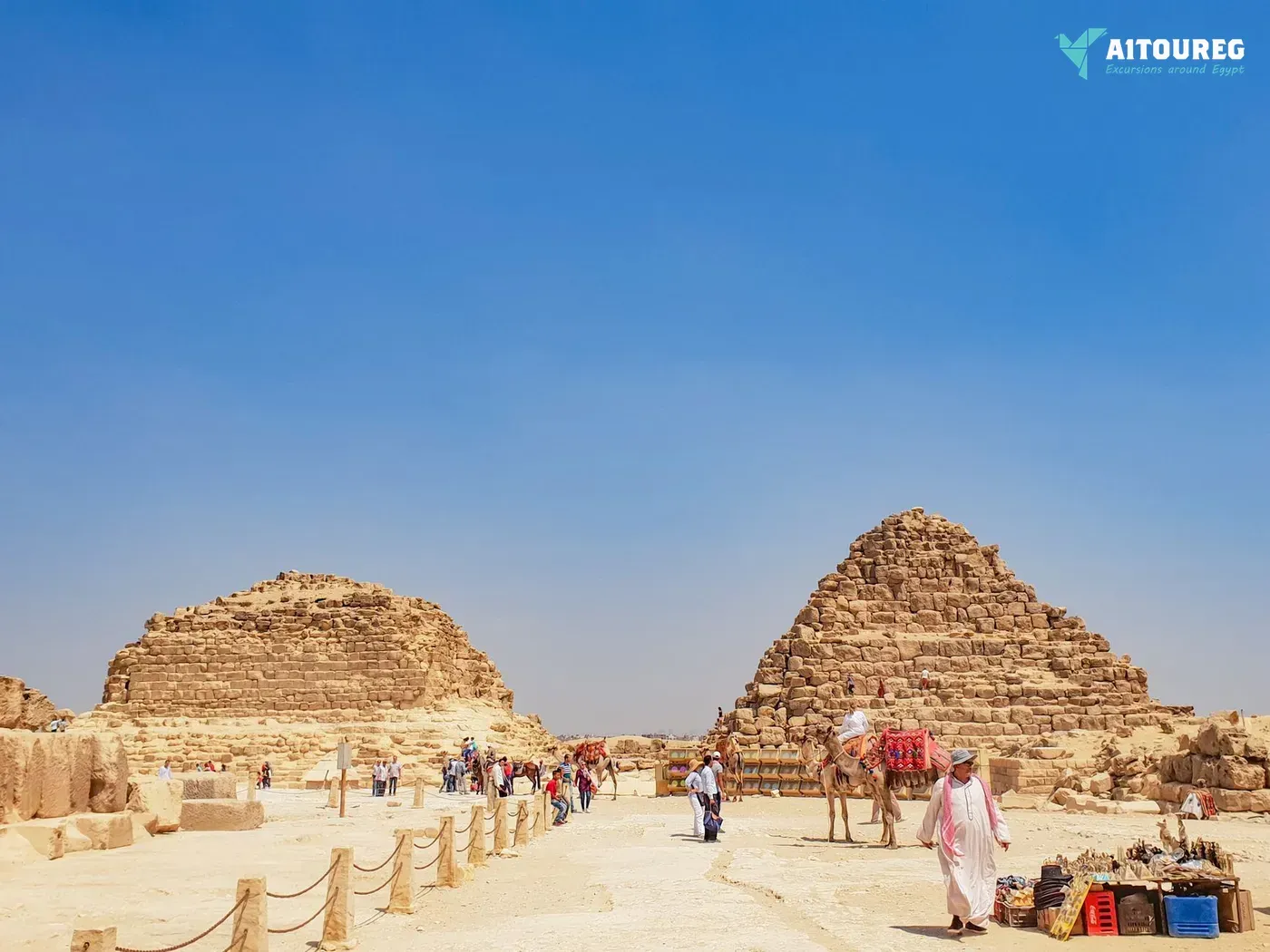
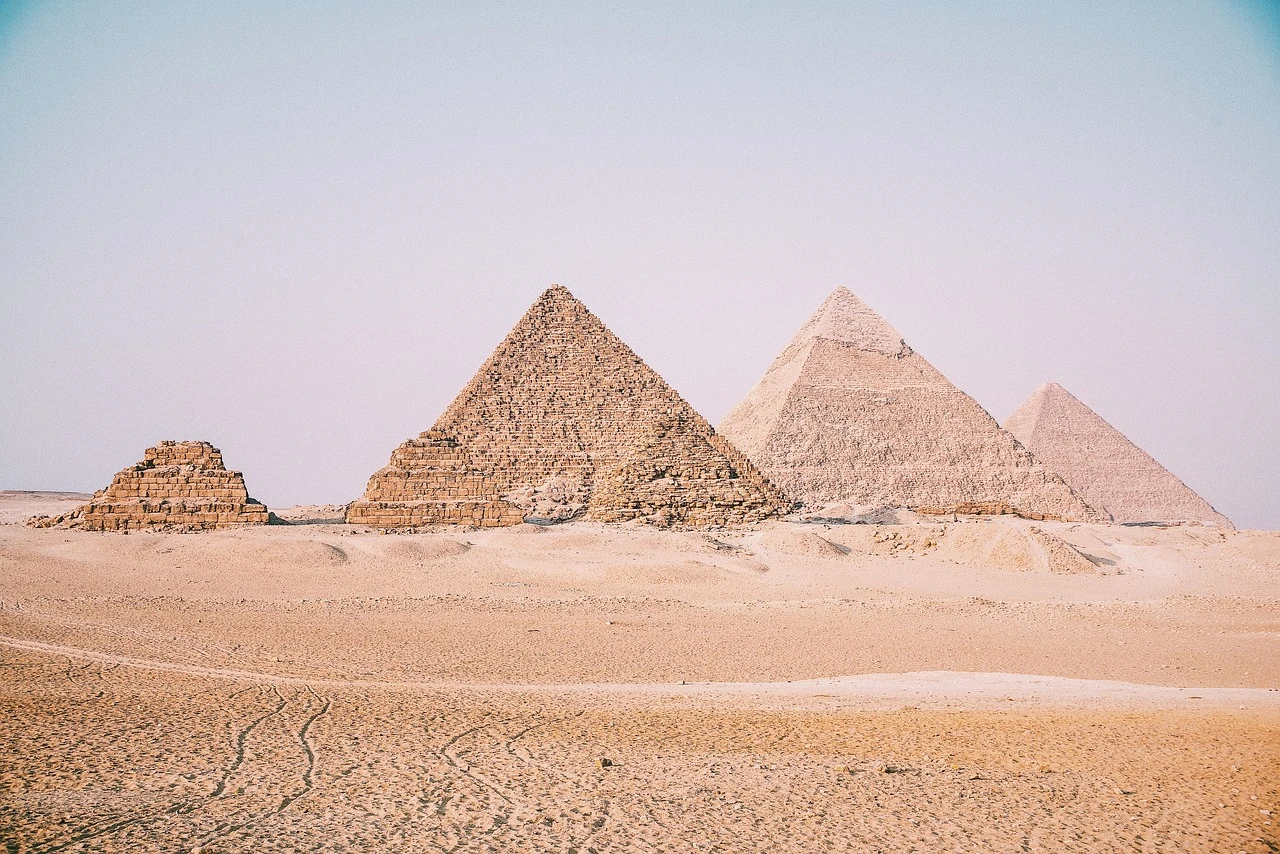
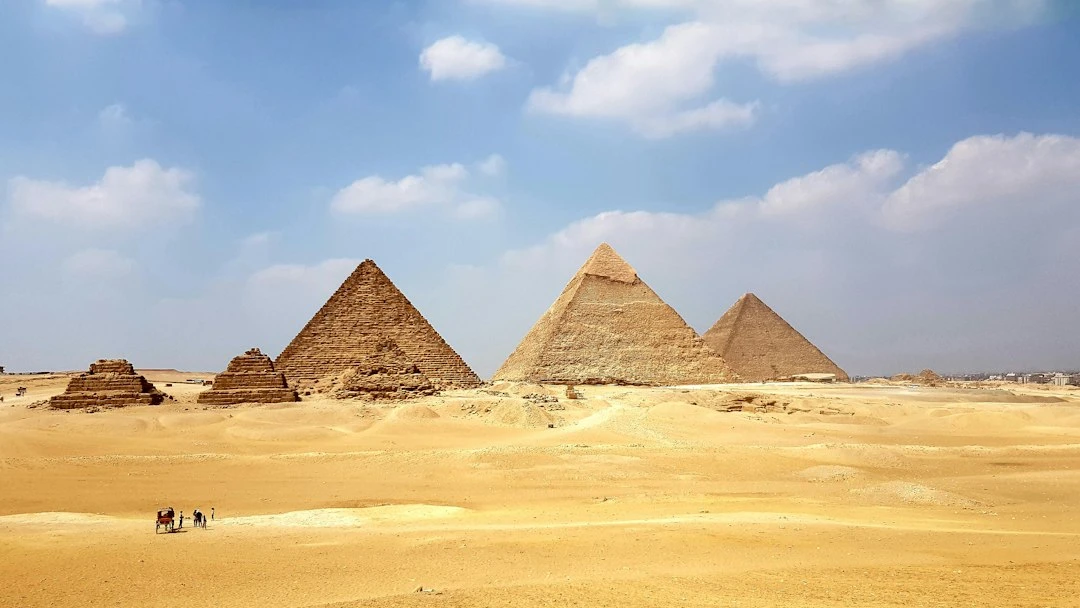
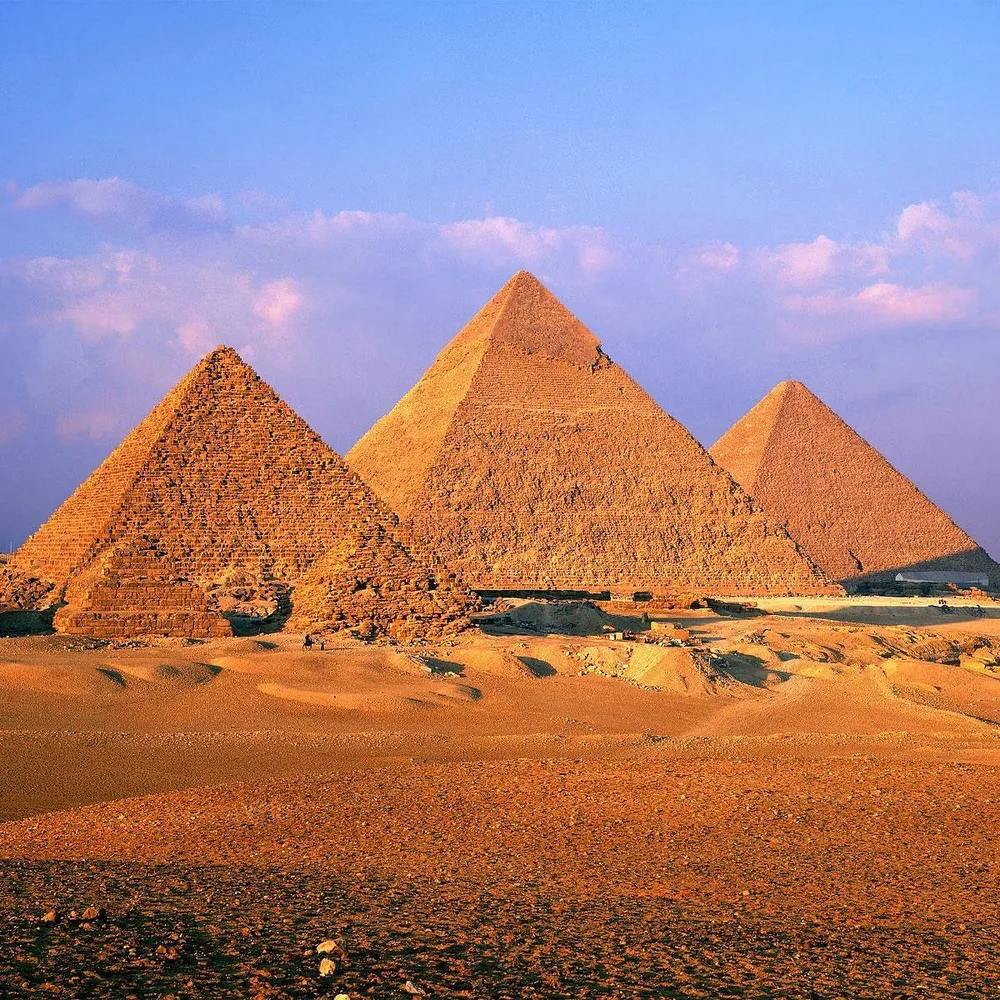
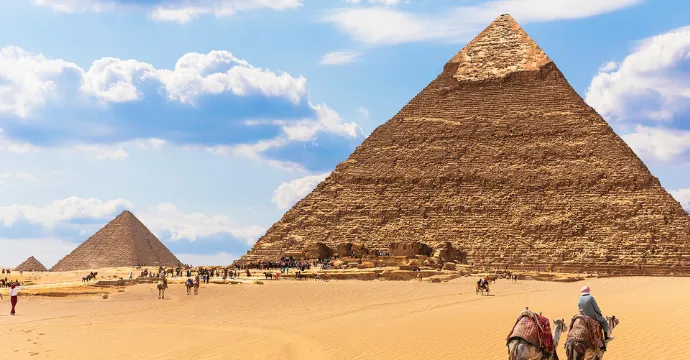
Begin at the Iconic Giza Pyramids, where you see the pyramid fields in a clear order: the Great Pyramid, the Pyramid of Khafre and the Pyramid of Menkaure. Your guide explains how the complex was planned, how the stones were moved and which areas you may enter when access is available. Time is set aside for photographs from the plateau and for a closer look at the Valley Temple.
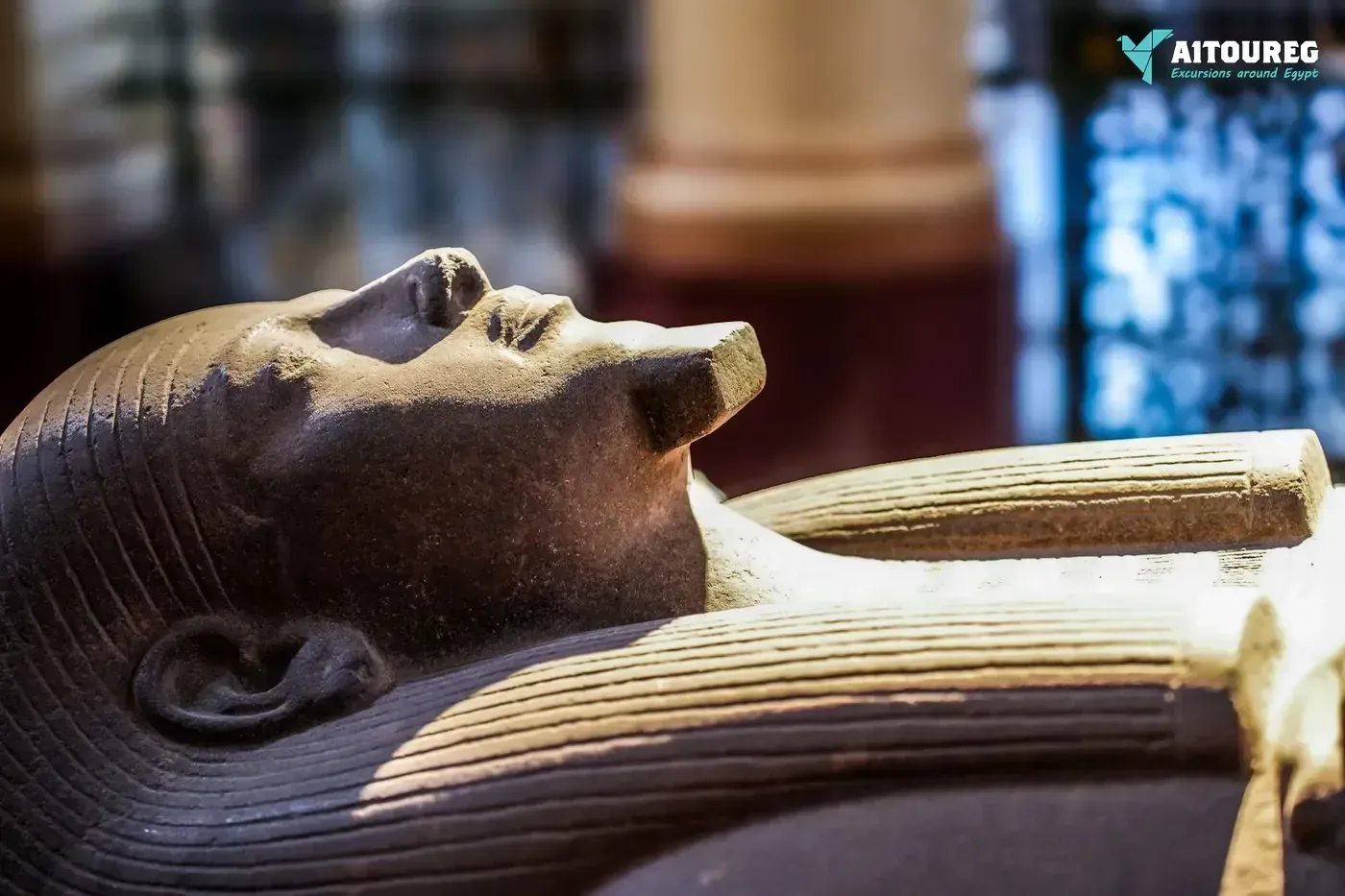
Continue to the Mythical Sphinx, whose lion body and human head face the pyramid field. Later, visit the World-Class Egyptian Museum in central Cairo. The galleries contain statues, funerary objects and royal treasures spanning several periods of Egyptian history. Museum visits involve plenty of walking, so comfortable shoes and water are useful; the order of the galleries may change with local access arrangements.
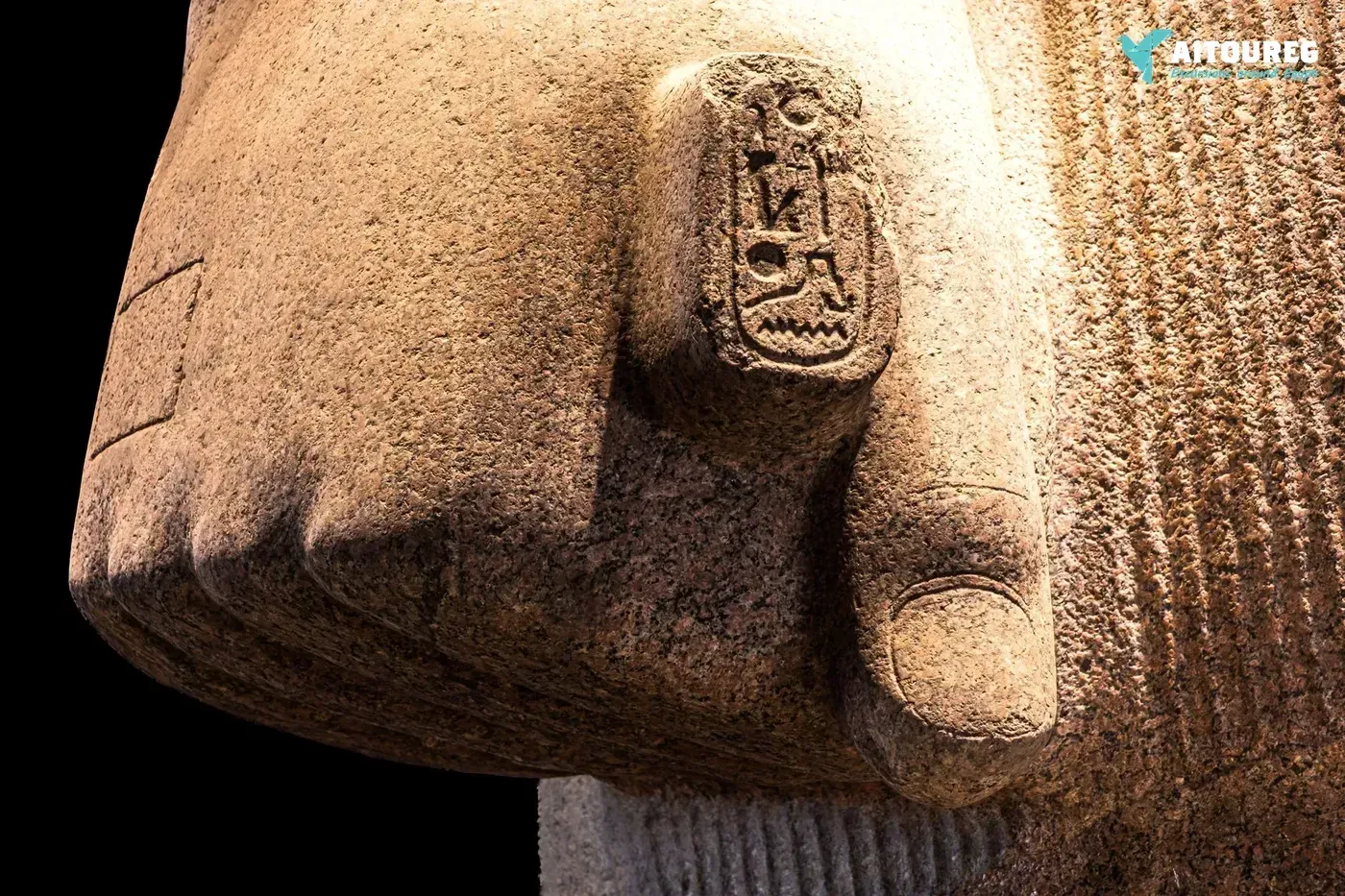
Leave Cairo for the ancient capital of Ancient Memphis. At the open-air site, see the colossal limestone figure of Ramesses II and the alabaster sphinx, then hear how Memphis controlled trade and administration in the early kingdom. The visit is shorter than the pyramid sites but gives useful context for the monuments that follow.
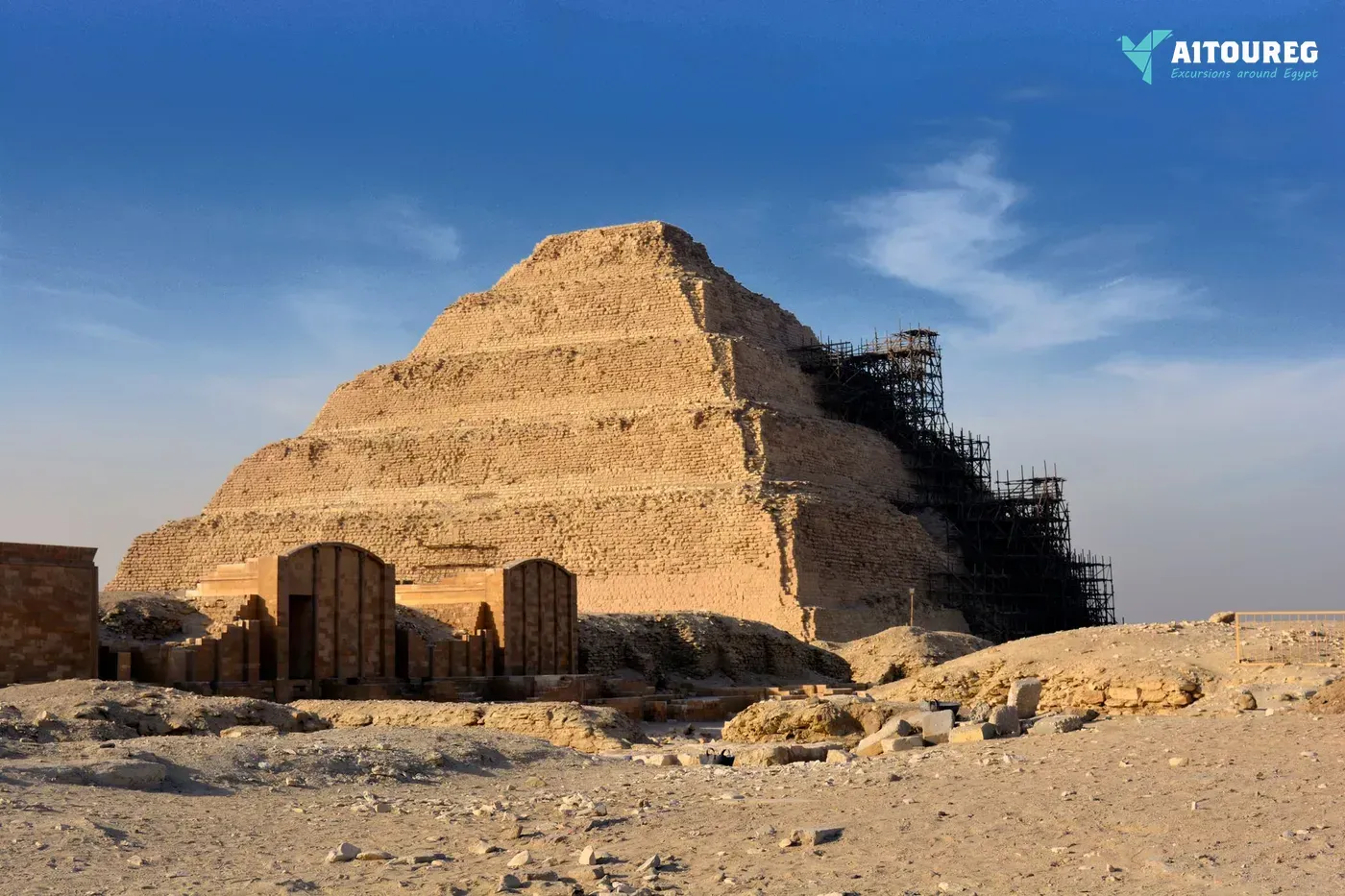
At the Sakkara necropolis, walk around the Step Pyramid of Djoser and its surrounding courtyards. This was one of Egypt’s earliest large stone monuments, and your Egyptologist points out the changes in design that led to later true pyramids. Continue to the Dahshour Pyramid complex for the Bent Pyramid and Red Pyramid, with time to explore the desert setting. Return to Cairo after the sightseeing, usually in the afternoon, with the evening free.
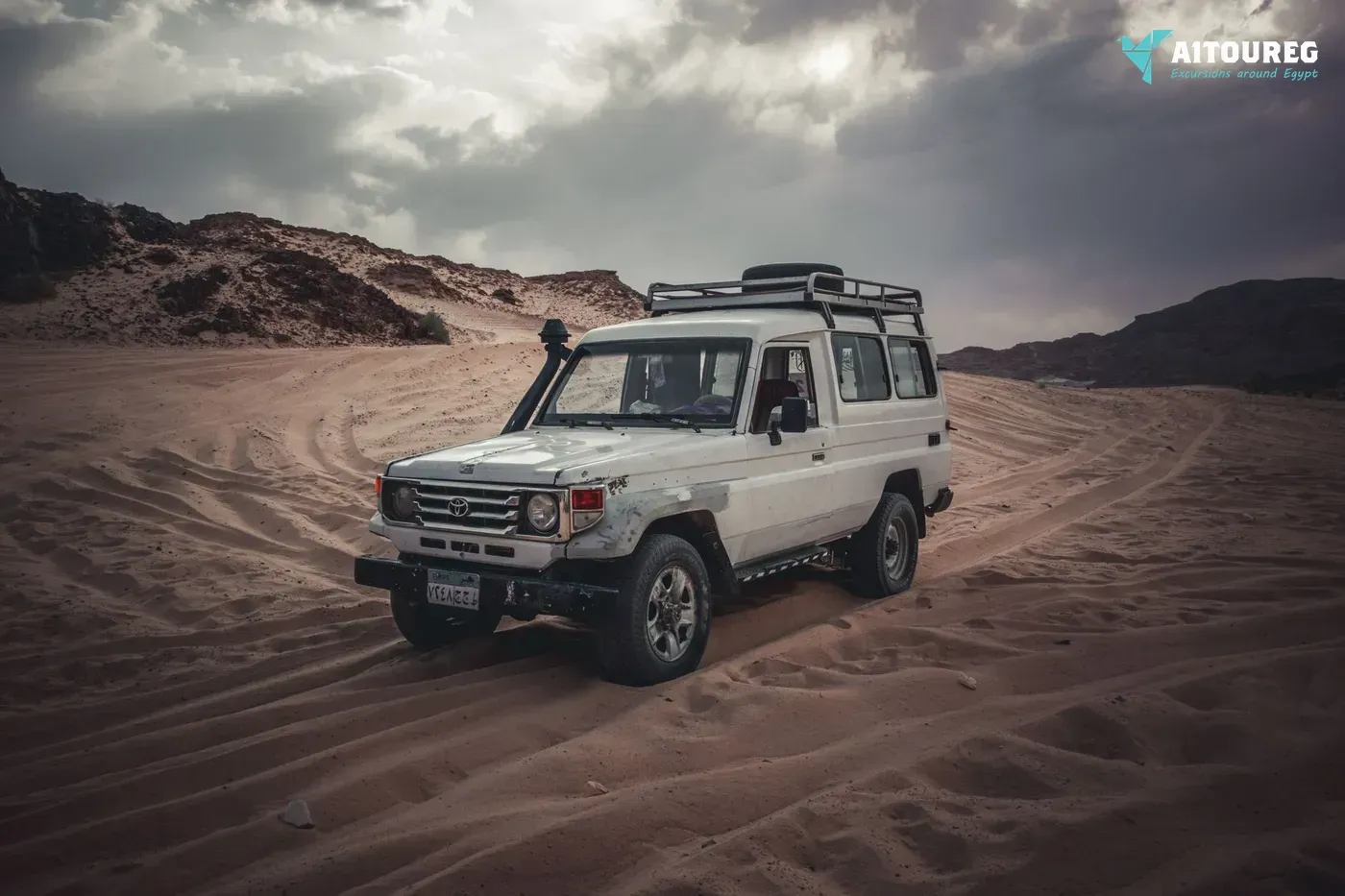
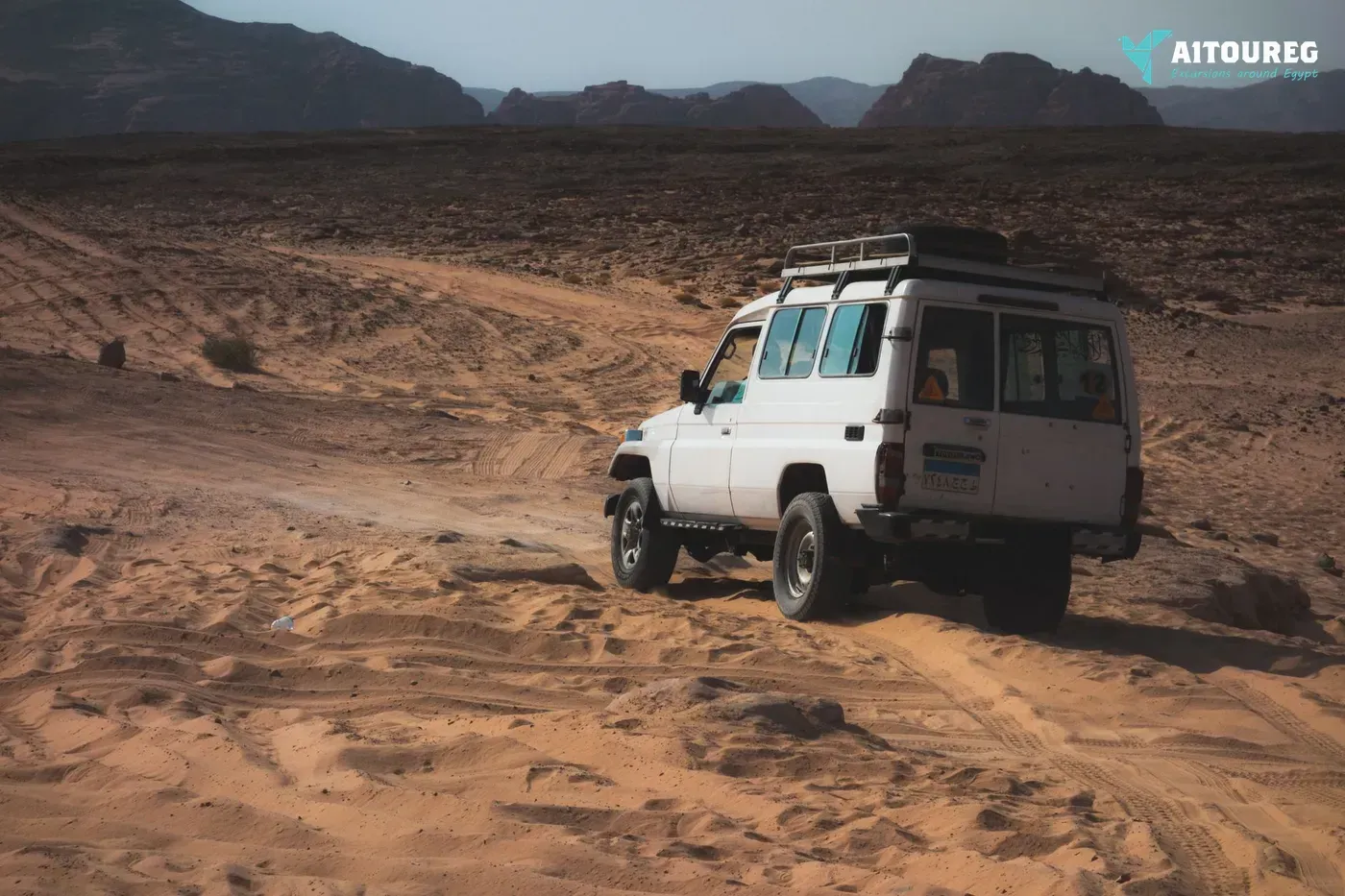
Travel by road from Cairo to Bahariya Oasis, a journey across increasingly open country. After lunch and a short break, begin a Desert expedition through Egyptian sands by four-wheel-drive vehicle. The route crosses dry valleys and low dunes before reaching the Golden Mummies Valley discovery, where burial remains found near the oasis show how local life continued during the Greco-Roman period.
Continue towards the Quartz-studded Crystal Mountain, a low ridge scattered with bright quartz crystals. Your driver chooses a safe stopping point, and you should avoid removing stones from the site. Back in the oasis, the evening includes a Geothermal spa night at a natural hot spring or similar local bathing area, subject to access and conditions. Dinner is served in the oasis before you settle into the desert camp arrangements.
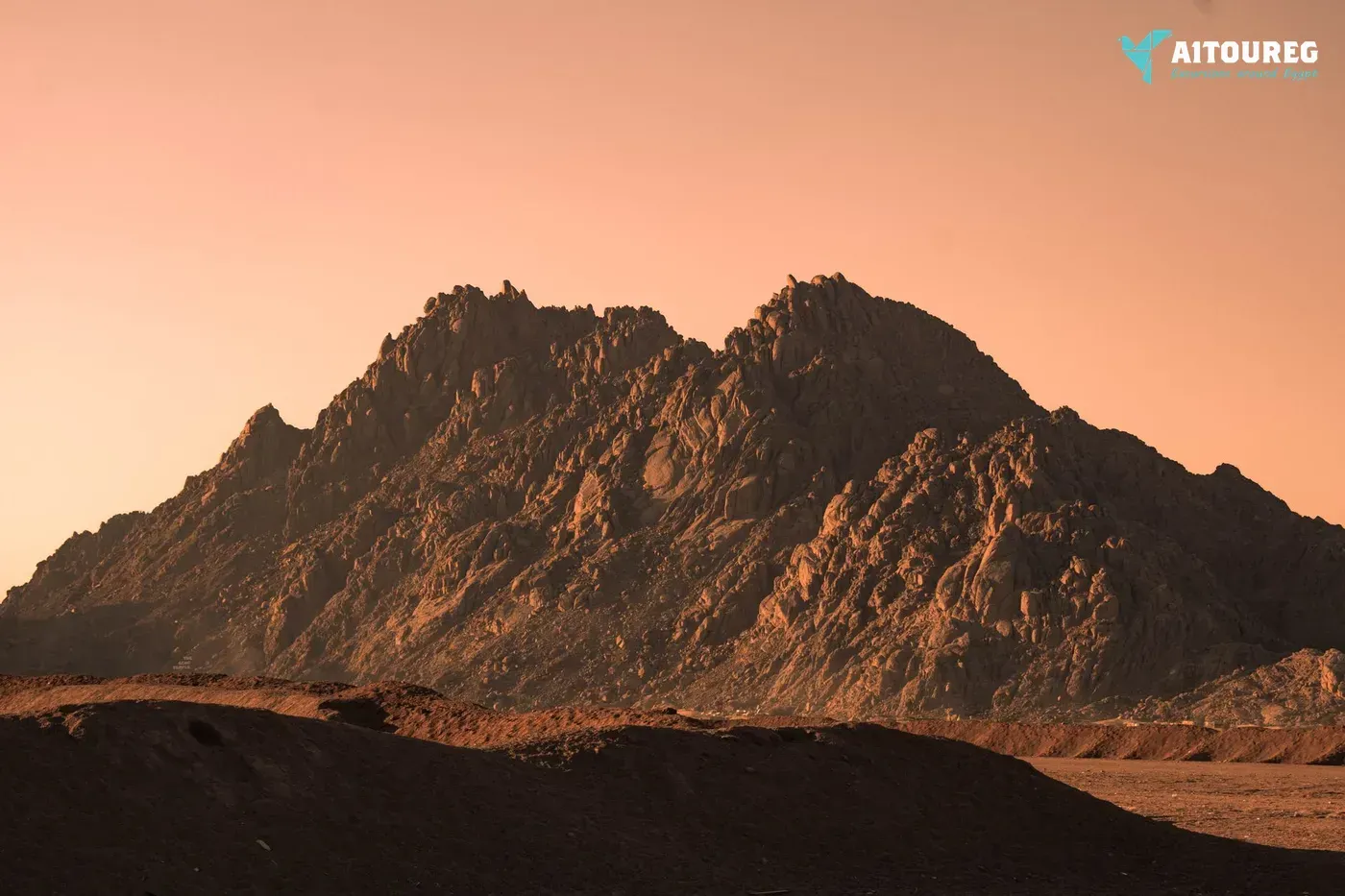
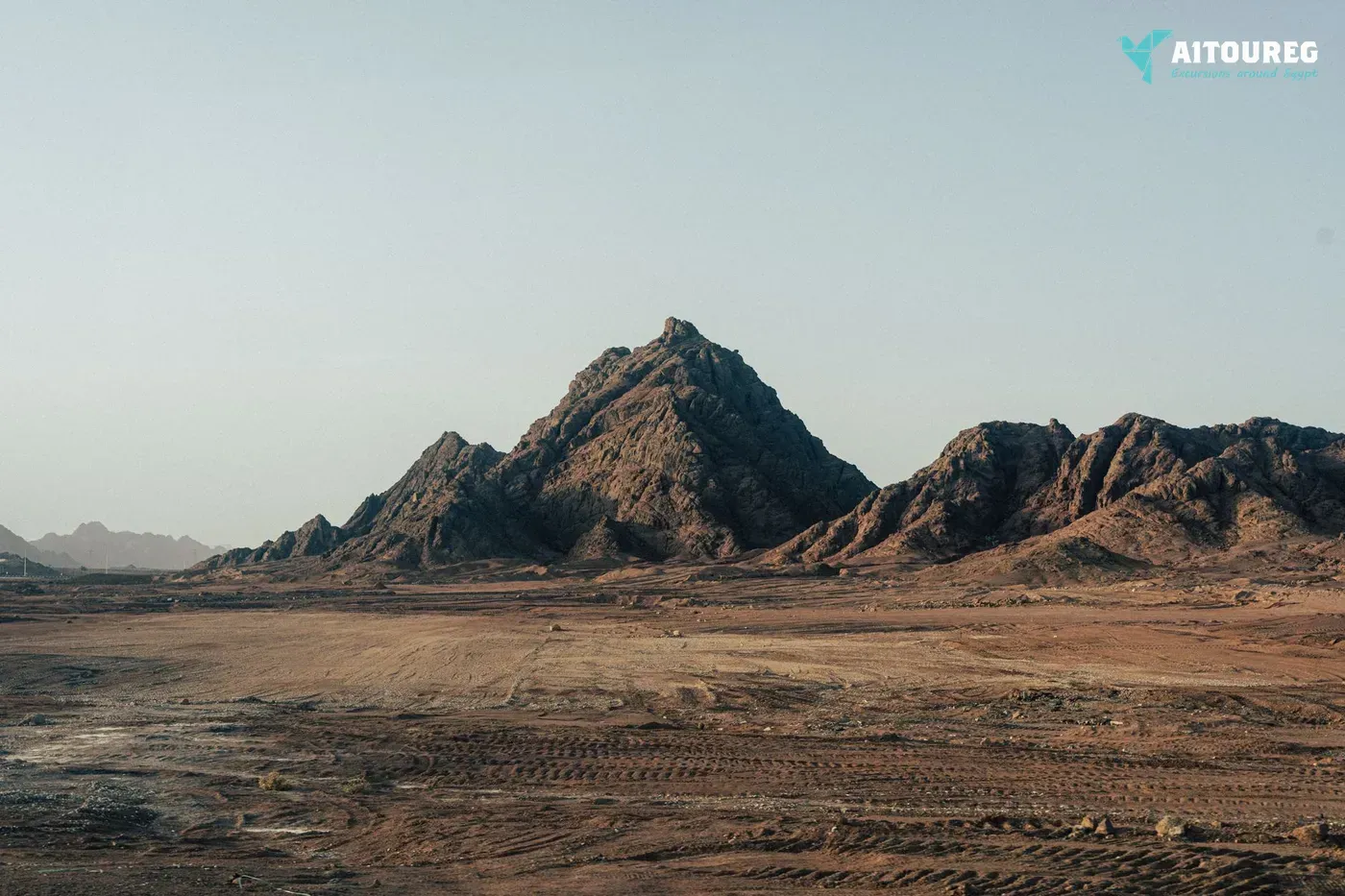
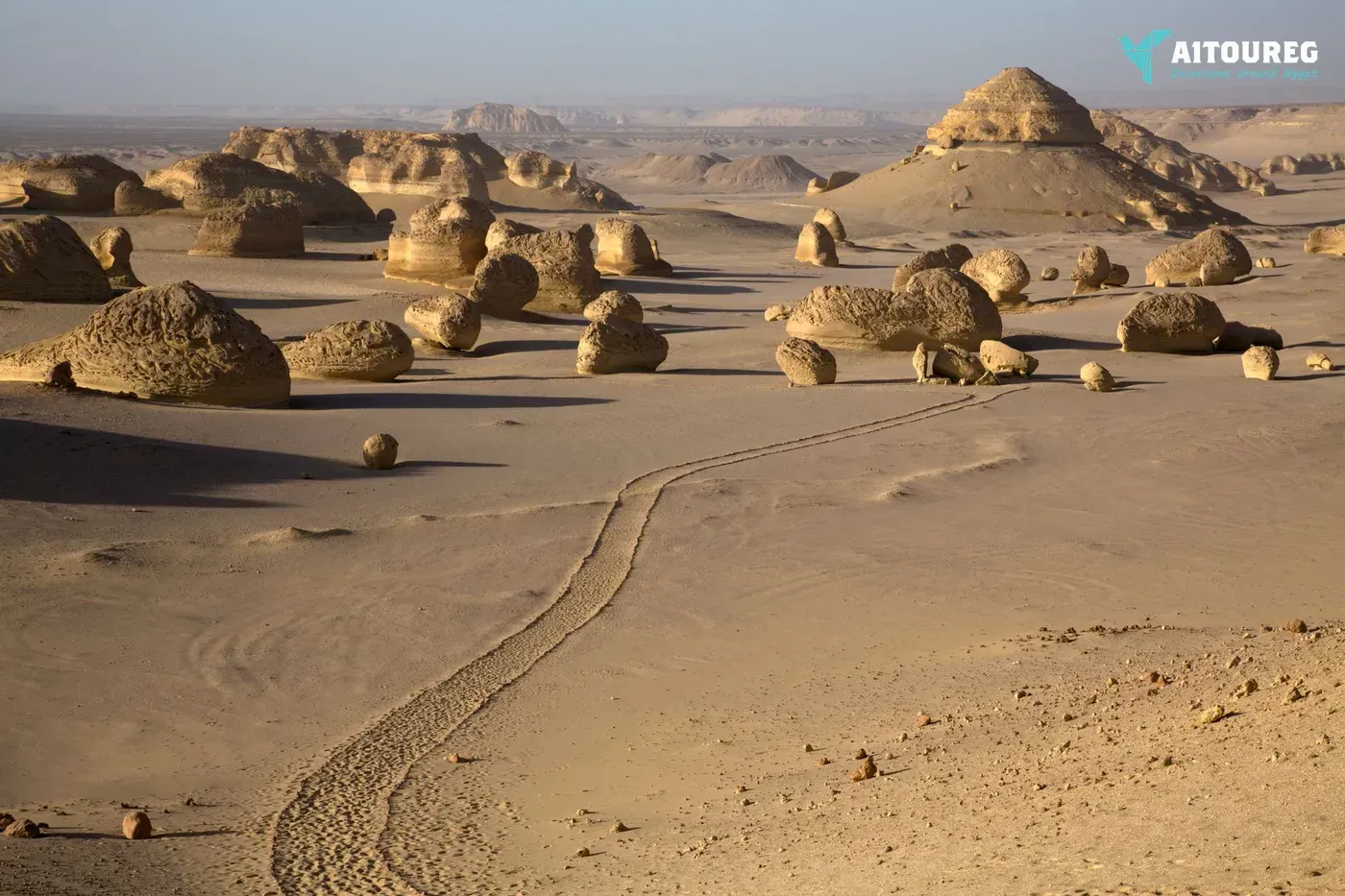
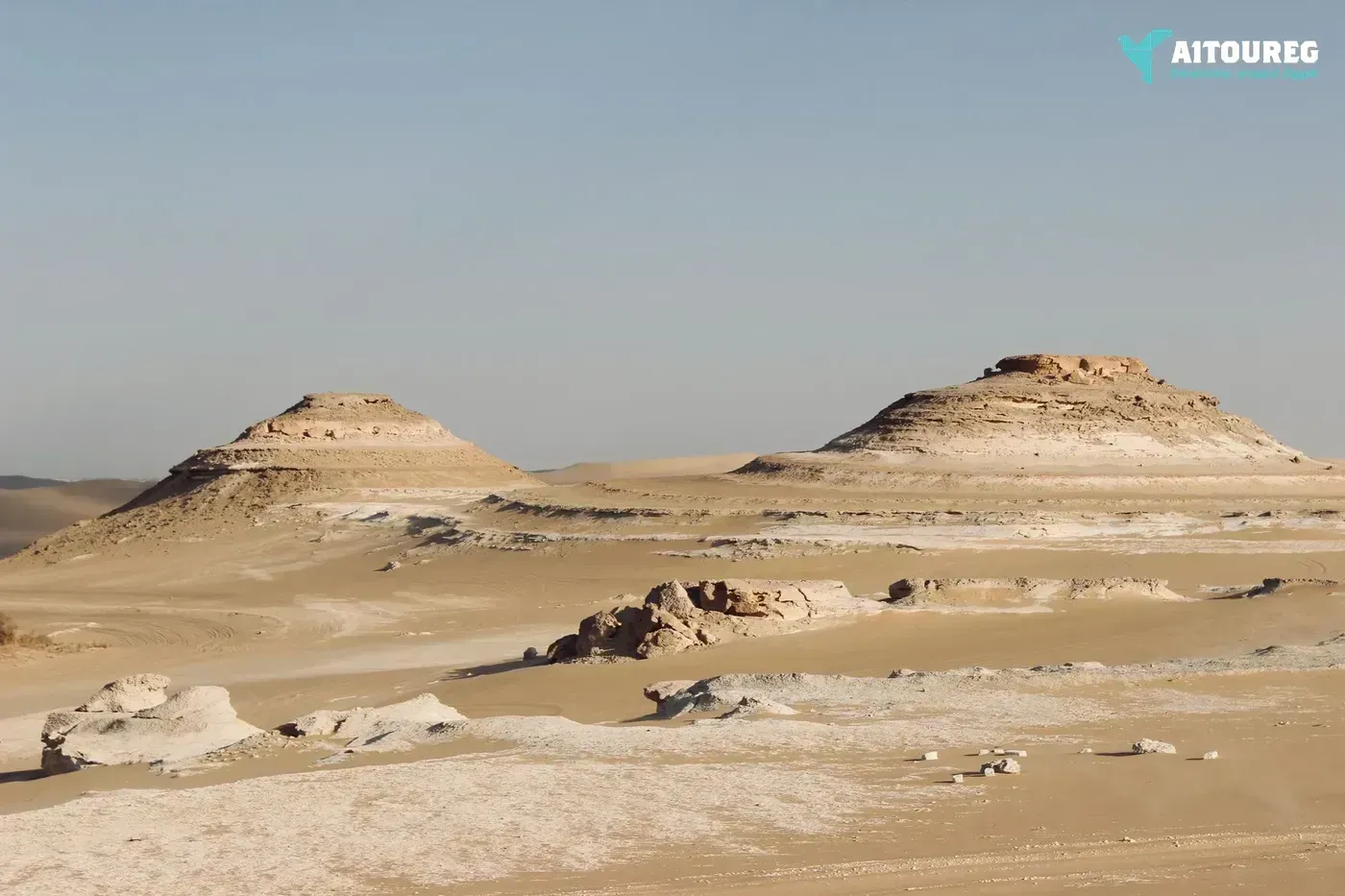
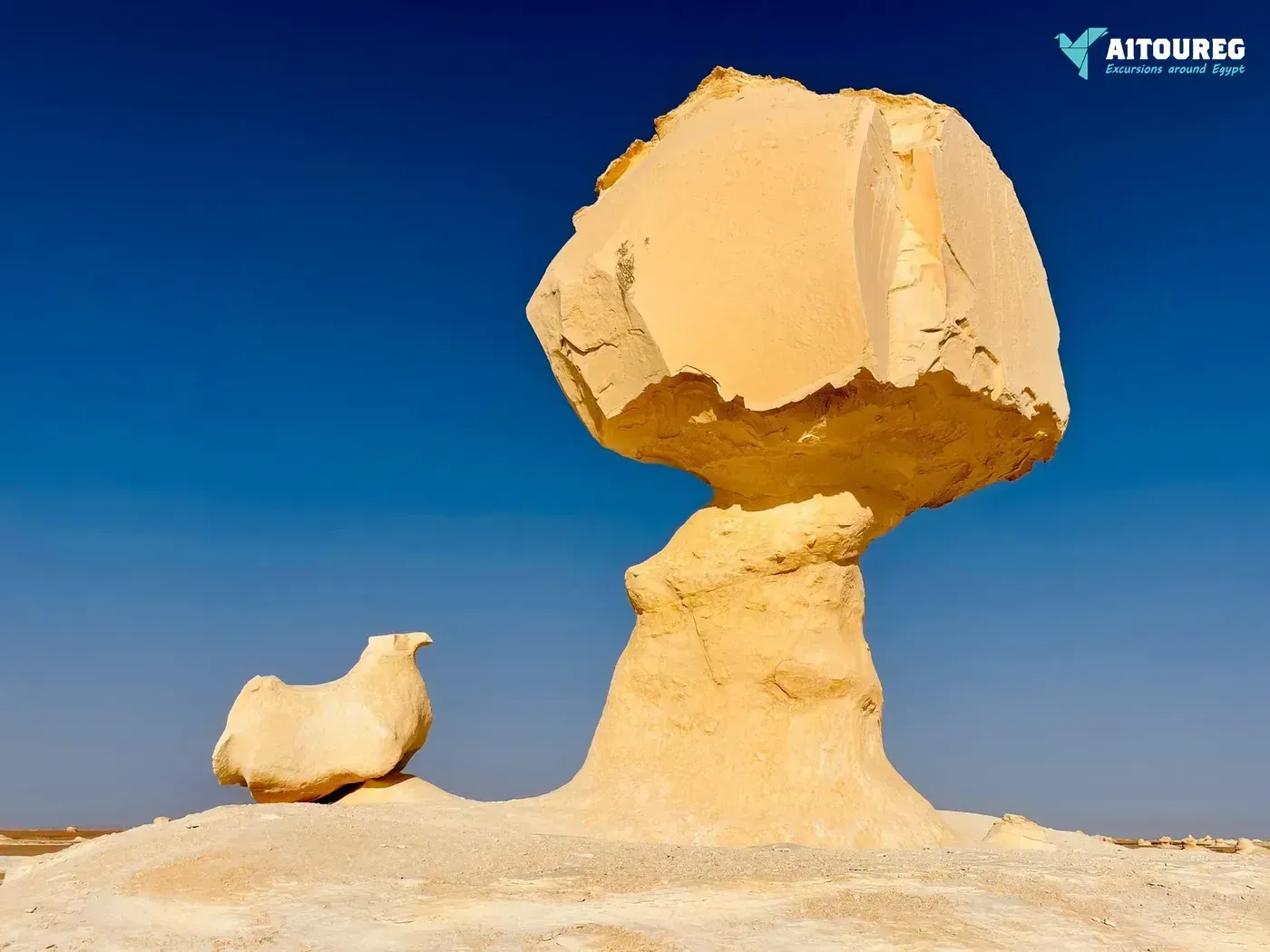
Set out after breakfast for the Surreal White and Black Desert landscapes. The Black Desert has dark volcanic hills and gravel plains, while the White Desert is shaped by pale chalk formations rising from the open floor. The drive includes several short stops rather than one long walk, making it easier to appreciate the changing terrain and take photographs without rushing.
Later, reach the camp area for a Wilderness camping experience. The team prepares a fresh dinner and arranges bedding in a protected position, with facilities kept simple compared with a hotel. A memorial overnight under desert stars gives you a quiet evening away from city lights; temperatures can fall after sunset, so bring warm layers even outside the winter months. Breakfast follows at camp before the return journey begins.
After breakfast, leave the desert by four-wheel-drive vehicle and return to Bahariya Oasis before continuing by road to Cairo. The journey takes much of the day, with planned breaks for refreshments and rest. The landscape gradually changes from open desert to cultivated land and denser traffic as you approach the capital.
On arrival, transfer to your Cairo hotel for a relaxed evening. This is a practical recovery day after the desert camp, so there is no major sightseeing scheduled. Keep your luggage organised for the next morning’s flight and carry any fragile desert finds or electronics in your hand luggage. Our team confirms the airport transfer and the arrangements for your onward stay in Aswan.
Fly from Cairo to Aswan and continue by road to Abu Simbel, allowing time for the journey through southern Egypt. At the site, enter the Abu Simbel colossal temples of Ramesses II and Queen Nefertari. The four seated figures outside the larger temple are immediately striking, but the interior chambers are equally important: look for the reliefs showing royal ceremonies, battles and religious scenes.
Your guide explains how the temples were relocated to higher ground during the Nubian rescue campaign when the reservoir was created. After the visit, return to Aswan by road and check in. The schedule is full, so the evening is best used for dinner and rest. The exact road and flight sequence can vary with the confirmed transport plan, but our team coordinates the transfers so you are not left to arrange the connections independently.
Take a short boat ride to the island of Philae and visit the Philae sacred sanctuary, dedicated mainly to Isis. The temple courts, columns and reliefs are reached on foot, and the island setting makes the visit feel separate from the modern city. Your guide follows the surviving inscriptions and explains the sanctuary’s later Christian use.
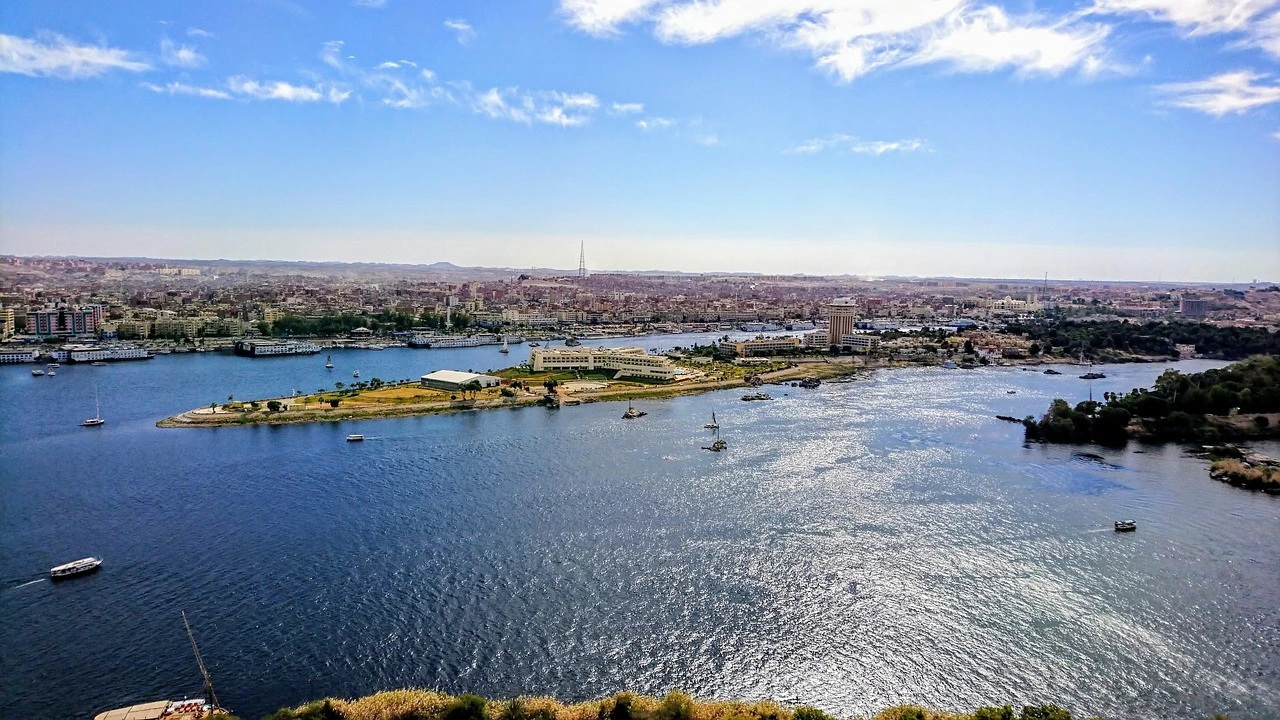
Continue to the Aswan hydroelectric barrier to understand how the dam changed irrigation, electricity production and settlement patterns along the Nile. If you choose the Nubian settlements visit (optional), travel by boat or road according to local conditions and meet residents in a village setting. The visit may include tea, conversation and a look at brightly painted homes. Later, board the Nile cruise or transfer to the vessel, where the crew explains cabin arrangements and the sailing schedule.
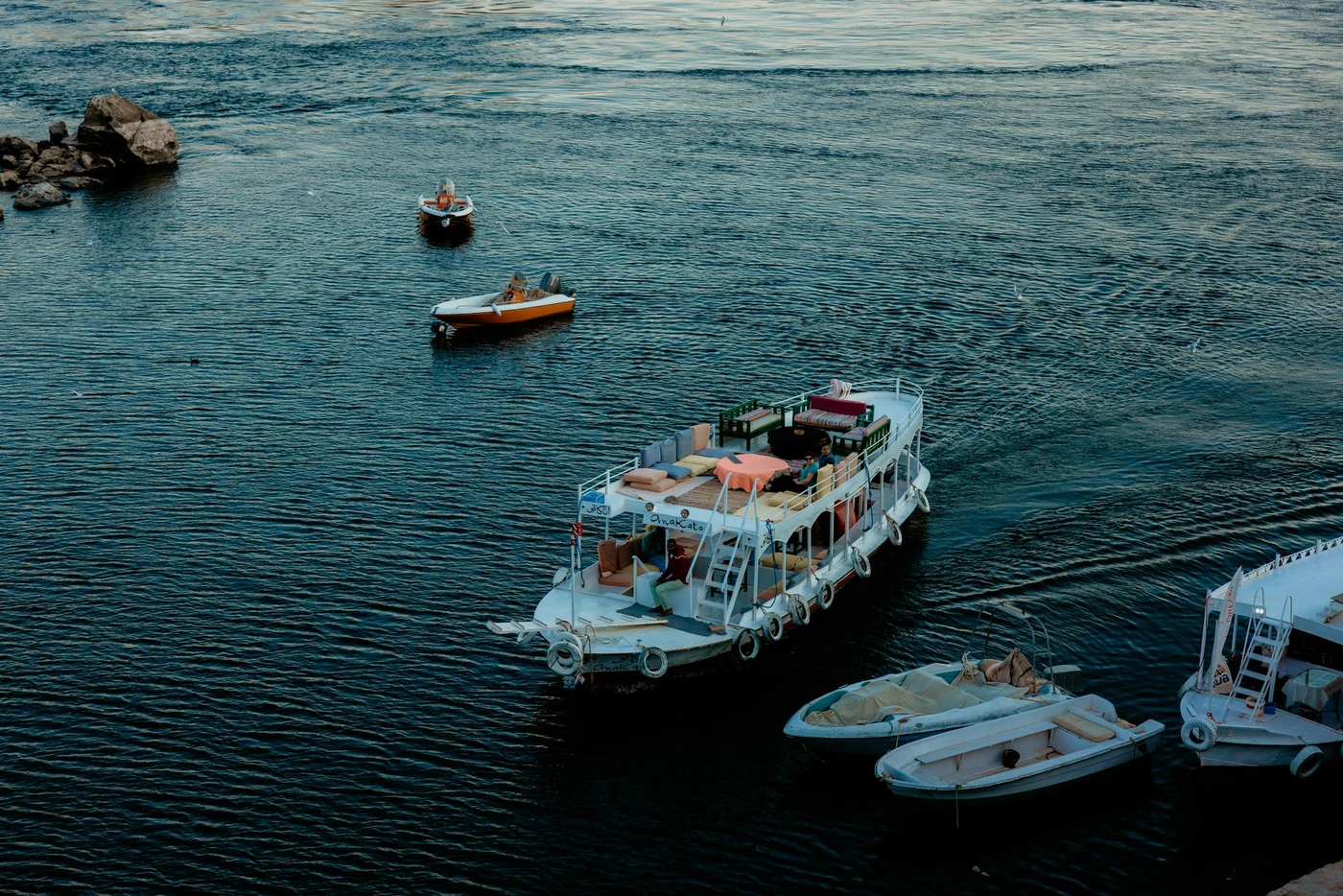
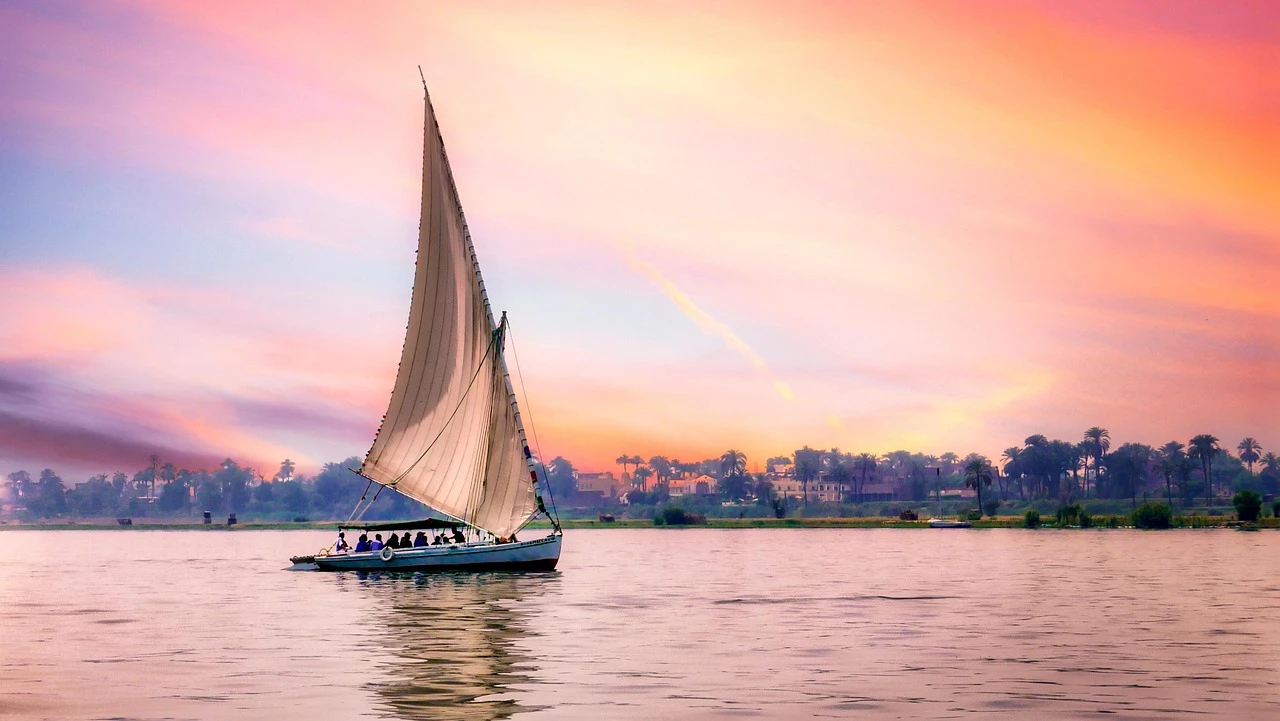
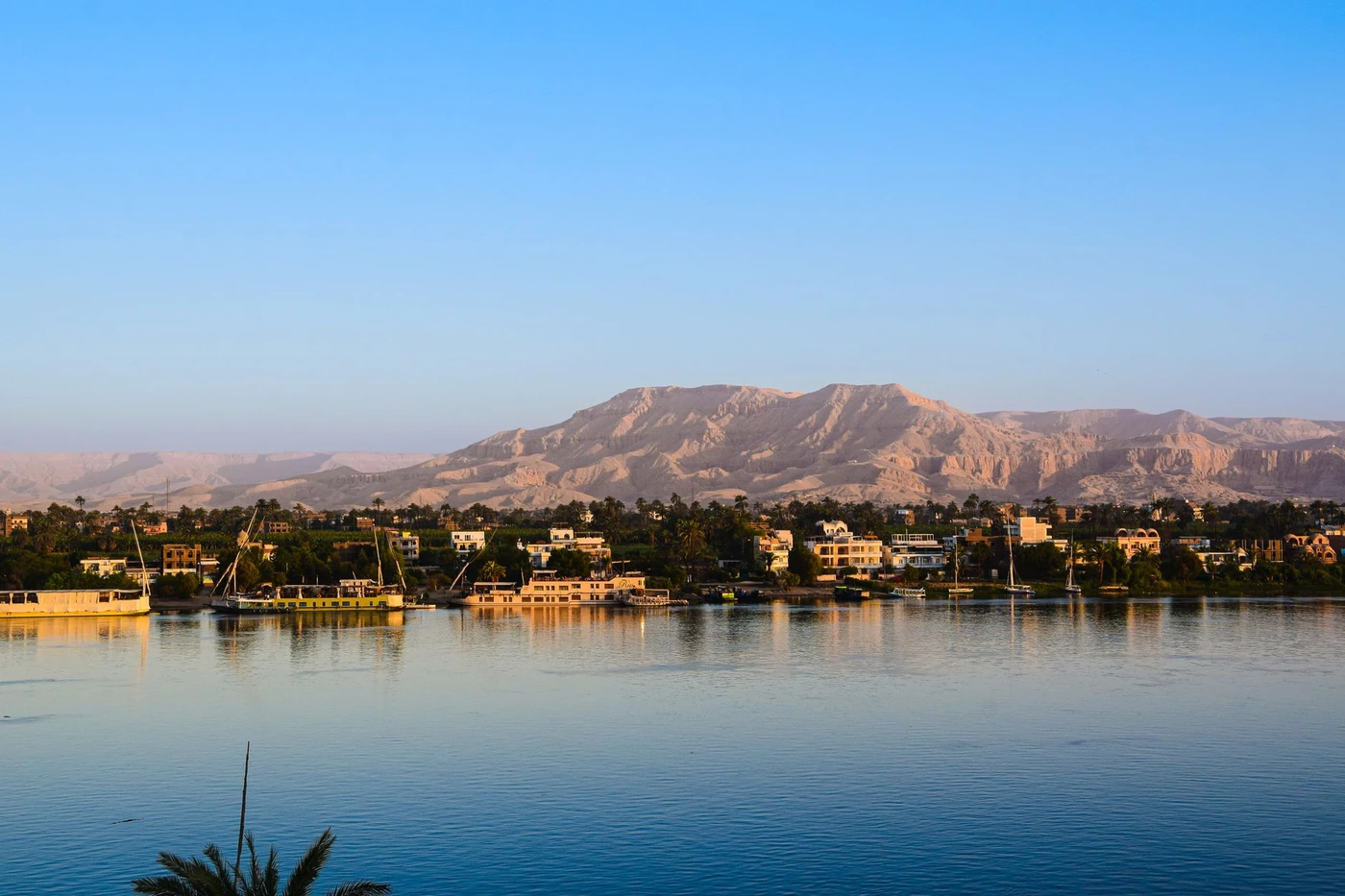
Spend the day on the Nile as the vessel travels north towards Luxor. Mornings are suited to the upper deck, where you can watch palm groves, cultivated fields and small riverside villages pass at a slower pace than the road journey. Meals are taken onboard, and there is time to read, rest or speak with your guide about the temples and settlements along the route.
The cruise schedule may include a stop at a river temple or a period of sailing without a shore visit, depending on navigation and local operating conditions. Follow the onboard guidance when the vessel is moored and keep valuables secured in your cabin. By evening, the ship is positioned for the Luxor programme, leaving you ready for the west-bank visits on the following day.
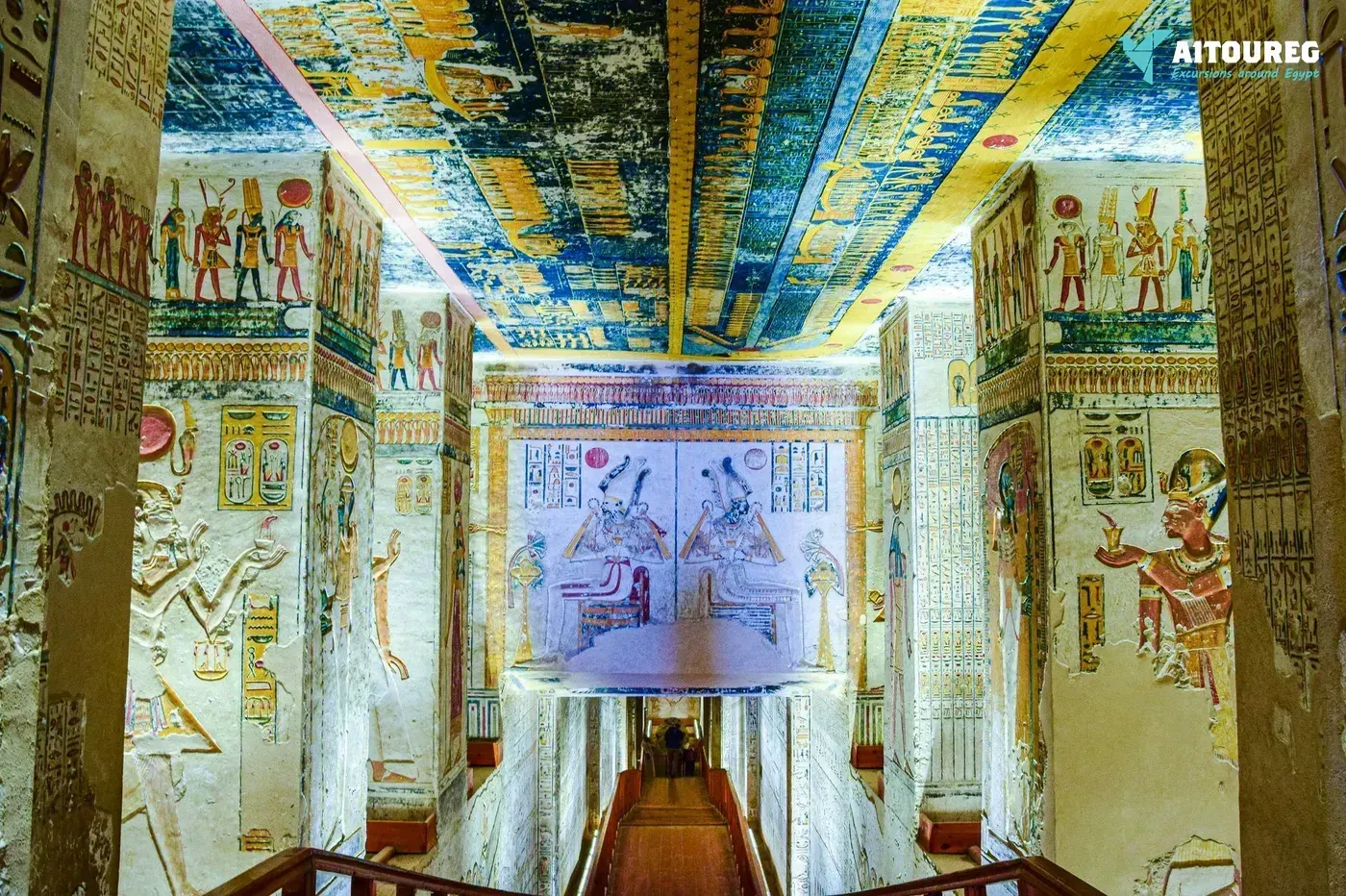
Cross to Luxor’s west bank in the morning to visit the Royal tombs of the Kings in the Valley of the Kings. Your guide explains the painted burial chambers and the beliefs behind their layouts; the tombs entered depend on the site authorities and the day’s access. Continue to the Queen Hatshepsut mortuary temple, built into the cliffs at Deir el-Bahari, then pause beside the Memnon stone sentinels.
After a break, visit the Karnak sanctuary grounds, walking through the great columned hall and the temple precincts in the order set by the guide. Finish at Luxor ceremonial temple, where the avenue, pylons and evening light make a useful contrast with Karnak. An Aeronautical balloon adventure (optional) may be arranged early in the morning before the west-bank visits, subject to weather, flight safety and local approval.
Enjoy breakfast and complete check-out according to the departure arrangements. Depending on your flight time, there may be a little free time for the cruise staff to help with luggage and for a final view of the Nile from the deck. Our representative then arranges your transfer to Luxor airport or the next confirmed connection.
Allow extra time for airport security and domestic or international check-in, especially if you are connecting through Cairo. Keep your passport, travel documents and permitted hand luggage with you during the transfer. Our team remains available until your departure so the final handover is clear and unhurried.