14-Day Egypt Itinerary: Cairo, Siwa, Nile Cruise & Hurghada
This 14-day Egypt itinerary brings Cairo, Siwa Oasis, the Nile and Hurghada into one well-organised trip. You start at the Giza Pyramids and Cairo Museum, travel west through Alexandria and El Alamein, then cross the desert to Siwa before joining a 4-day Nile cruise from Aswan to Luxor. The journey ends in Hurghada, where the pace becomes easier and you have time to enjoy the Red Sea.
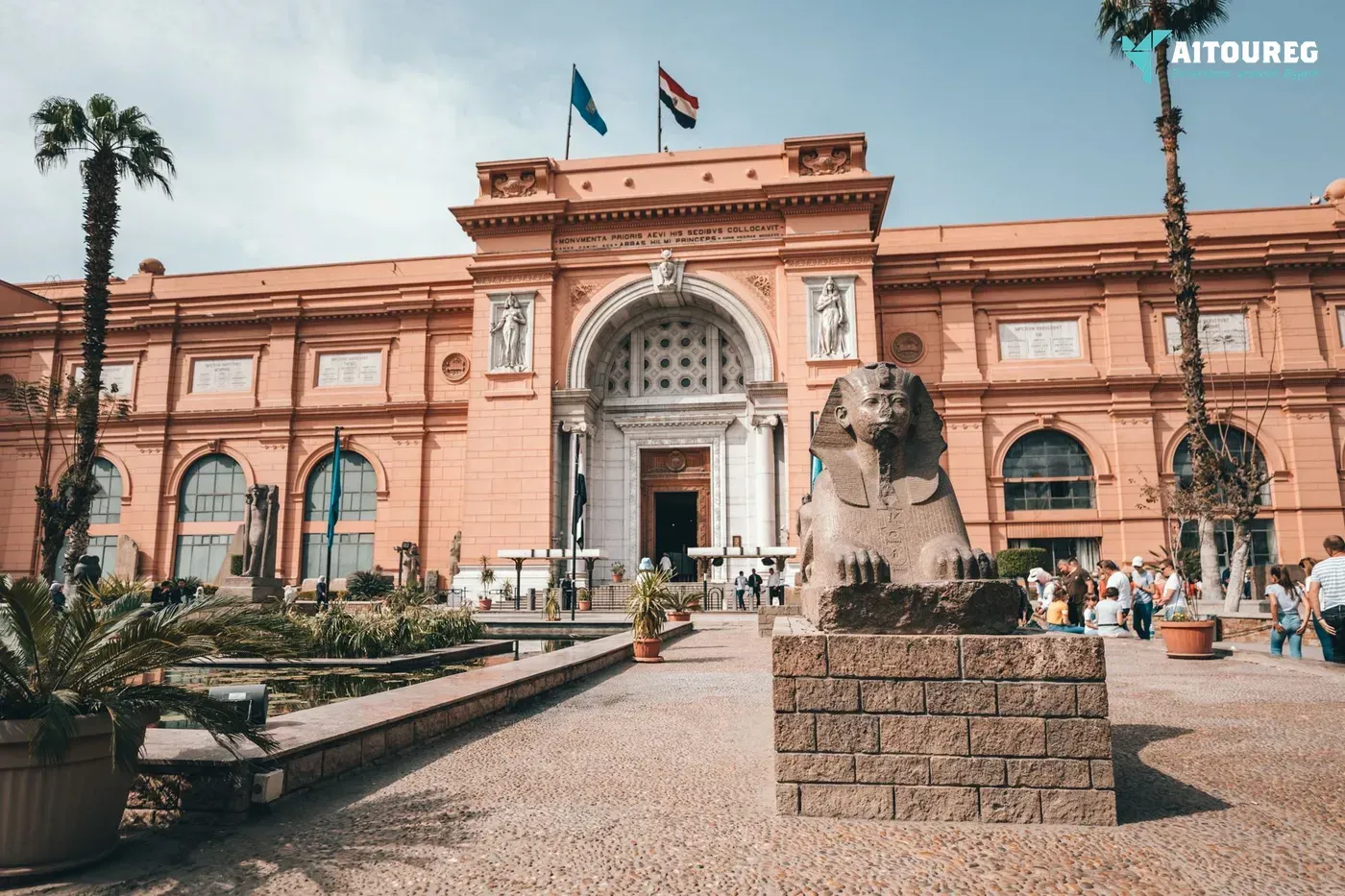
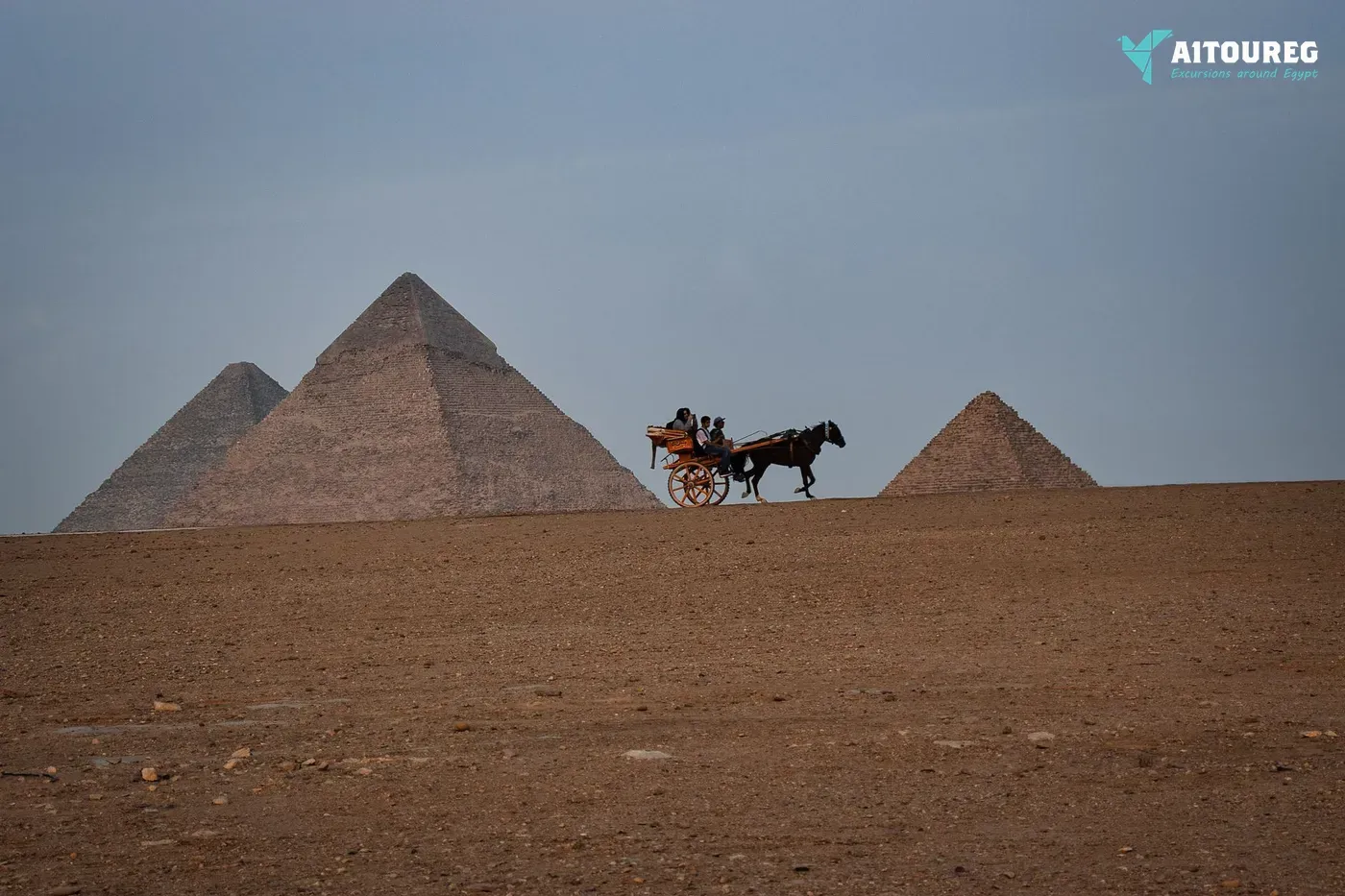
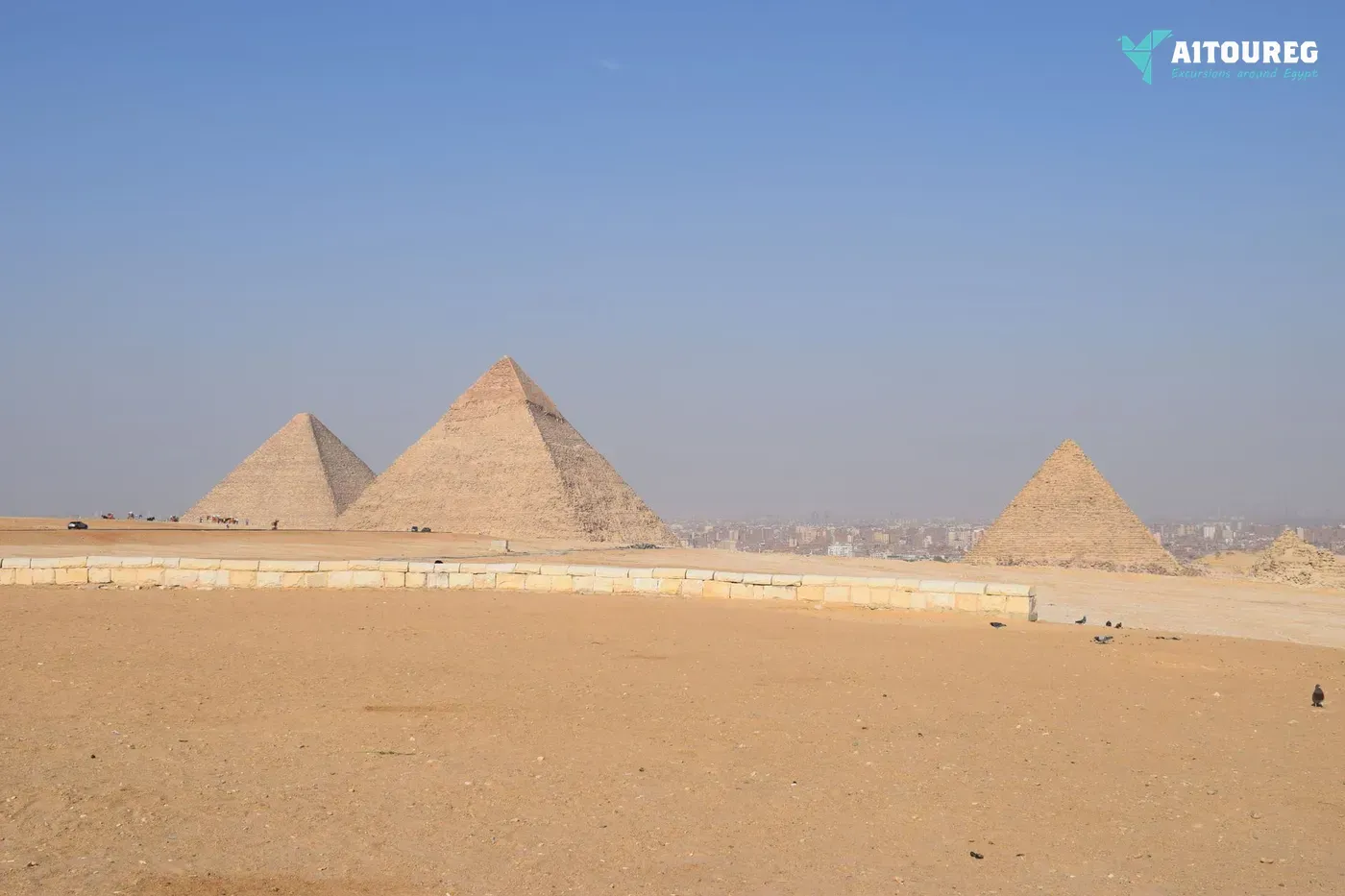
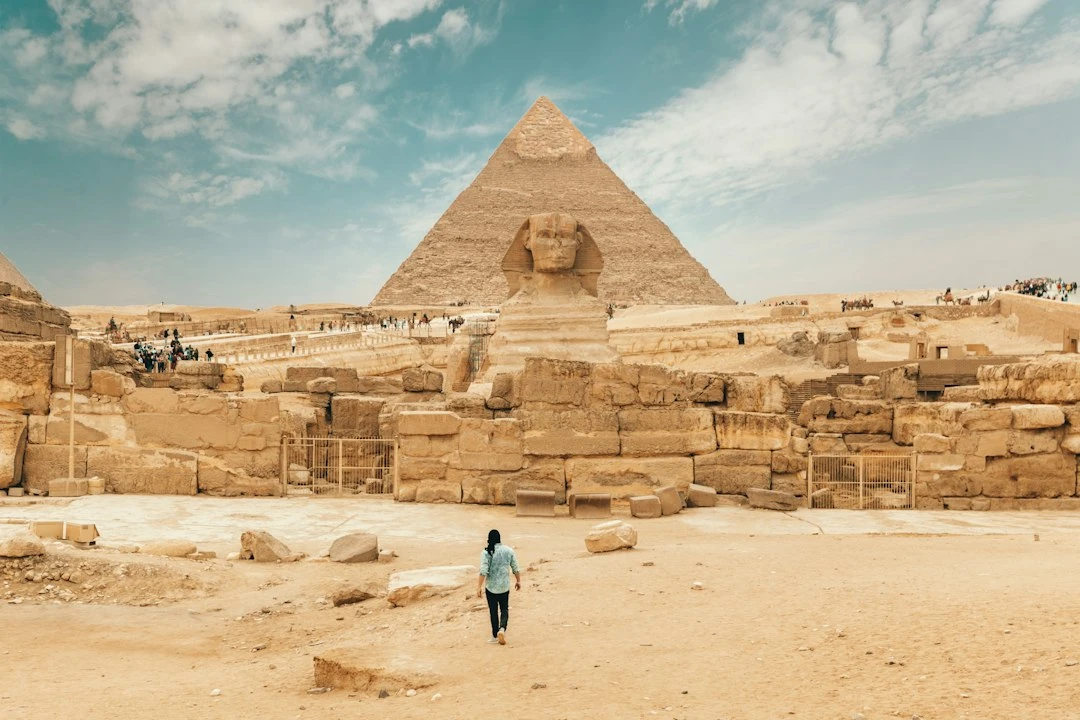
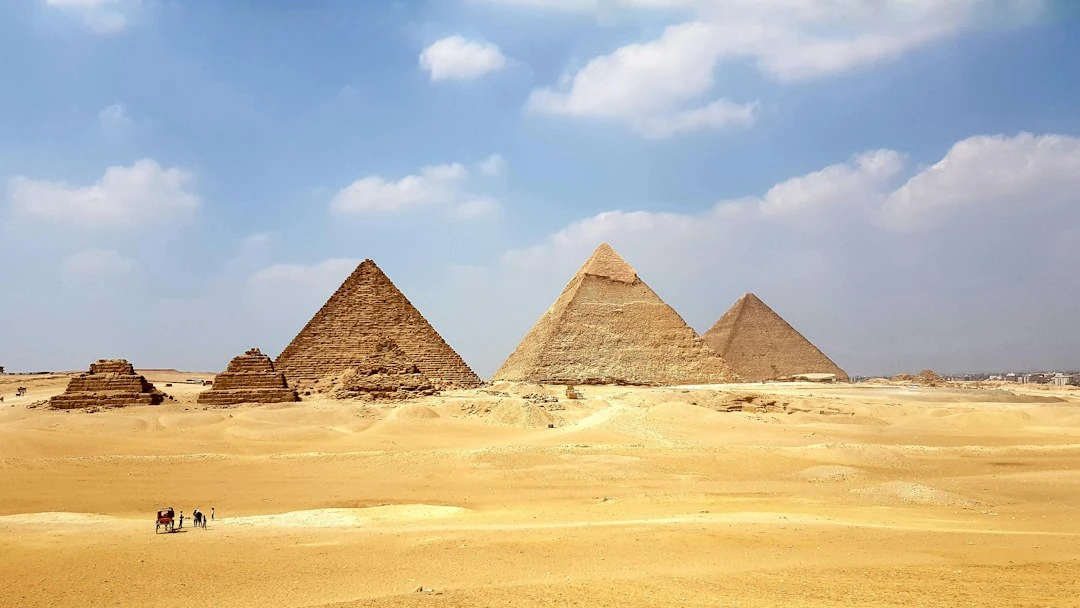
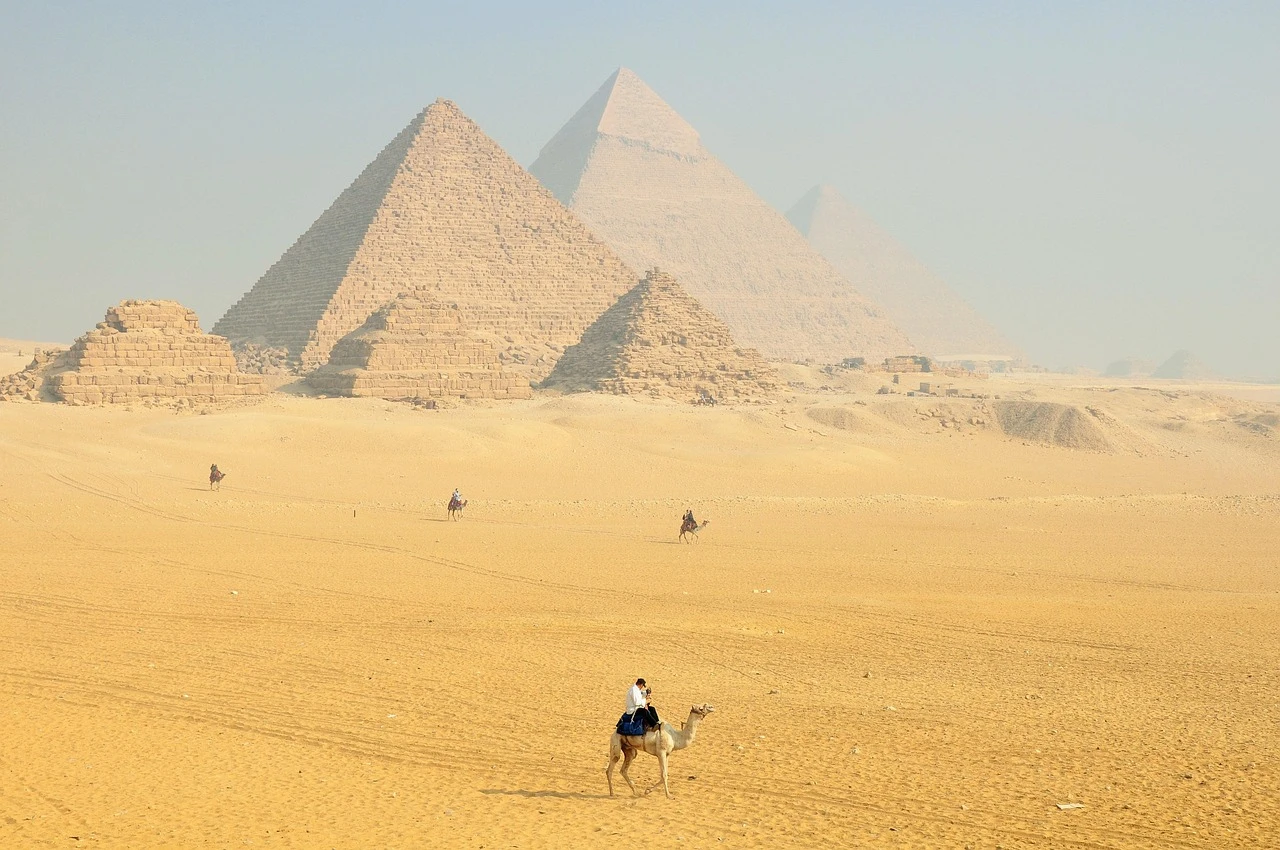
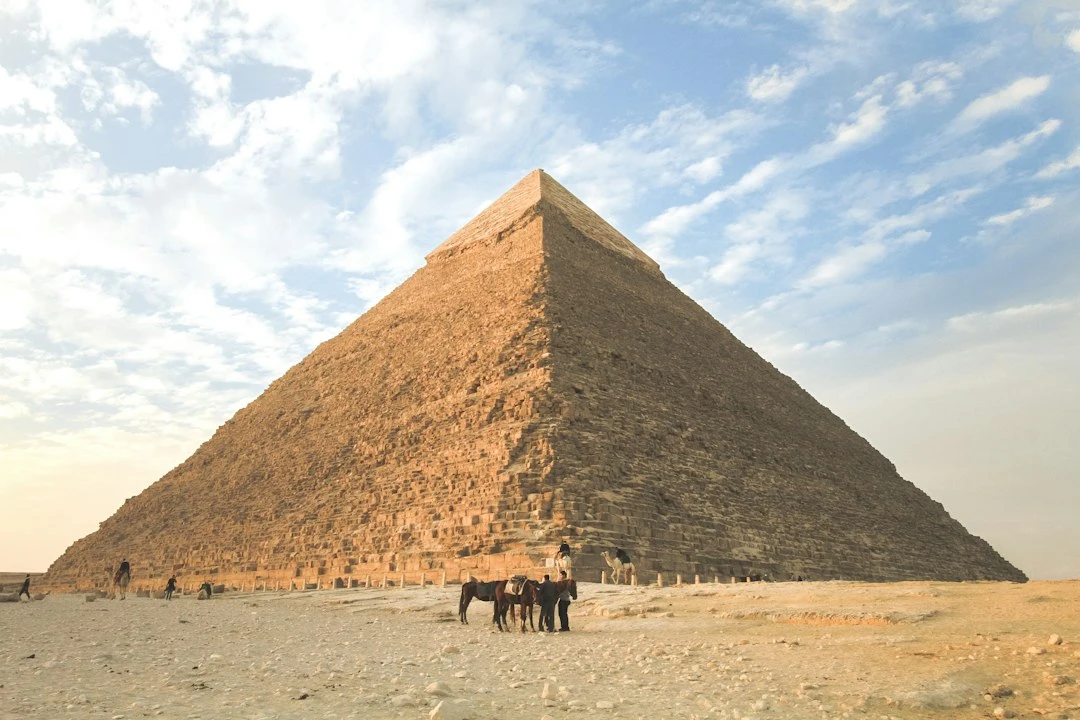
Cairo is a practical introduction to Egypt’s history. At the Giza Pyramids, your guide explains how the monuments were built and how the plateau changed over time. In the Cairo Museum, you can look closely at royal statues, funerary objects and pieces linked to ancient Egyptian rulers. The city days include uneven ground and busy sights, so we keep the visits focused and leave time to rest between the main stops.
Alexandria gives you a different view of Egypt on the Mediterranean coast. You see ancient and modern parts of the city together, then continue to El Alamein, where the military museum and war cemetery explain the North African campaign of the Second World War. This part of the itinerary adds context beyond the pharaohs and changes the scenery before the long desert road to Siwa.
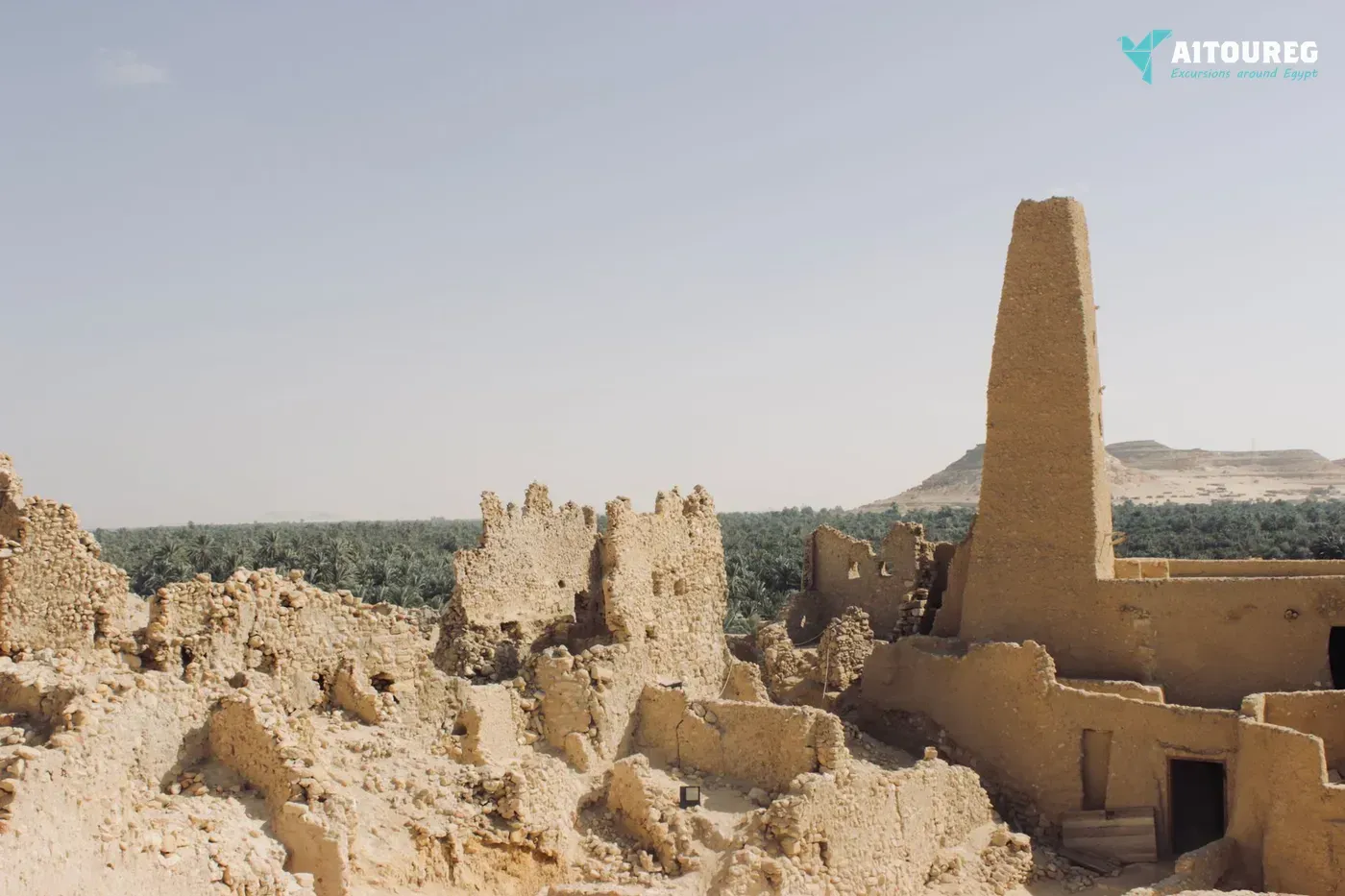
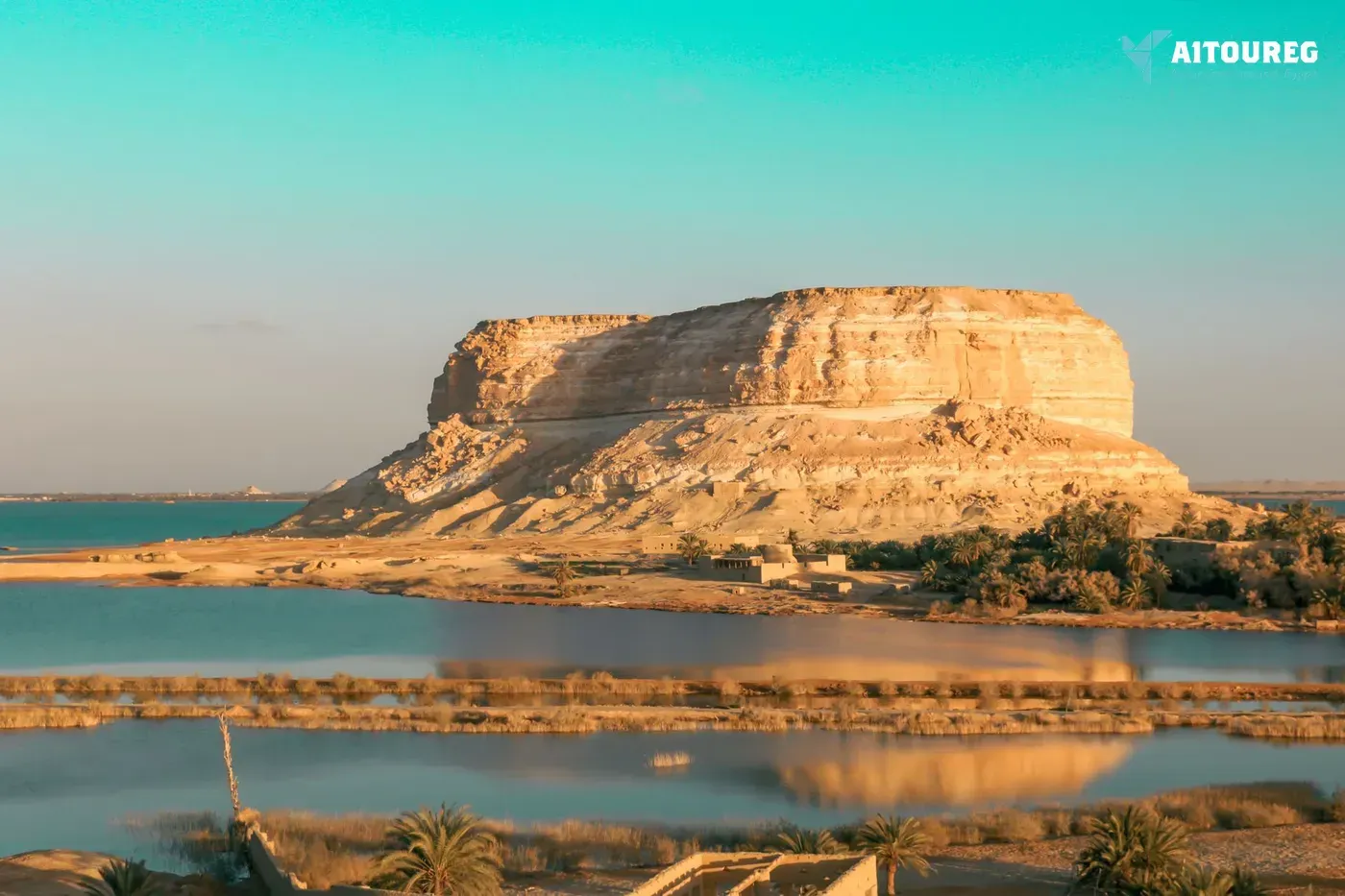
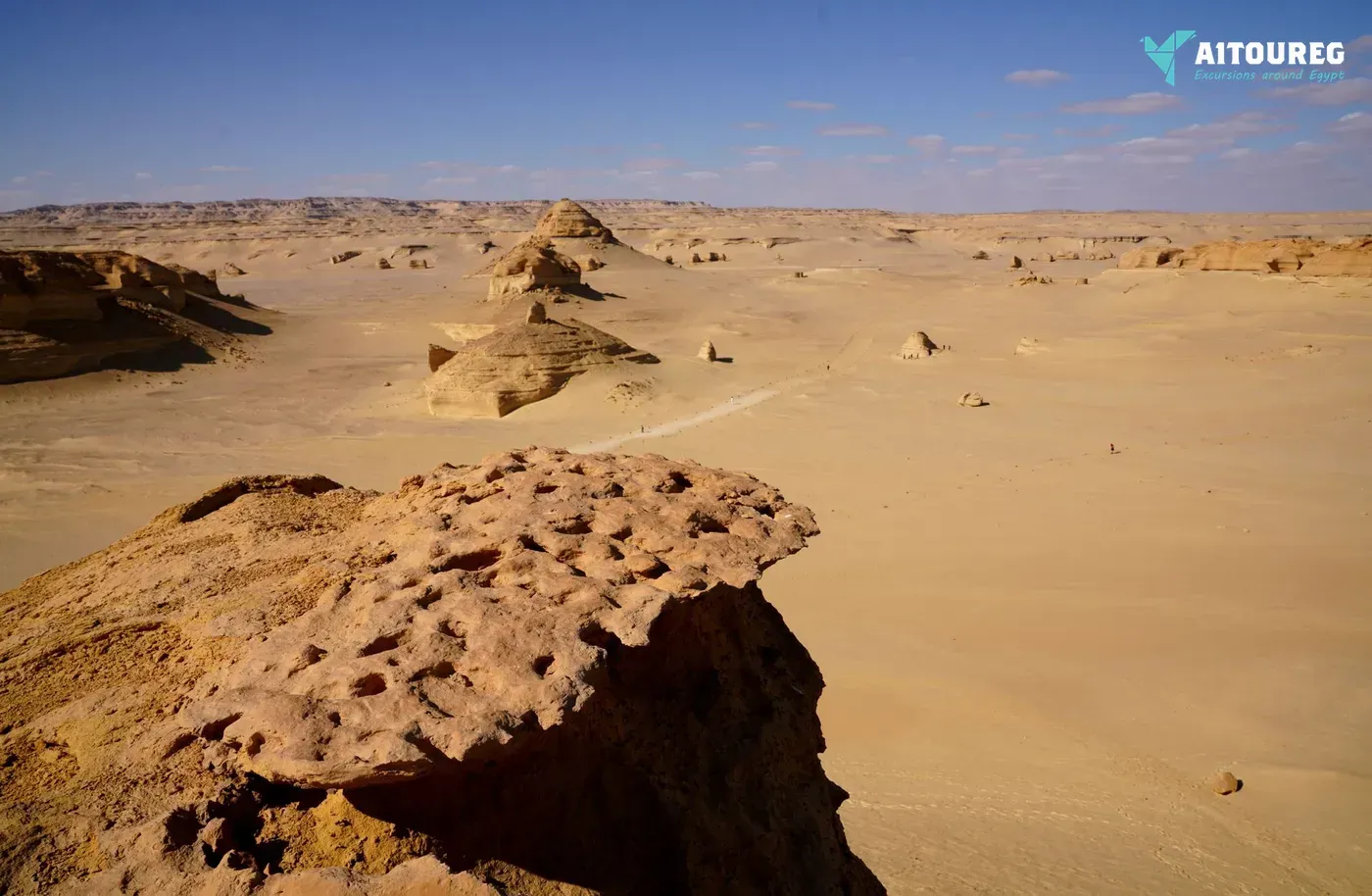
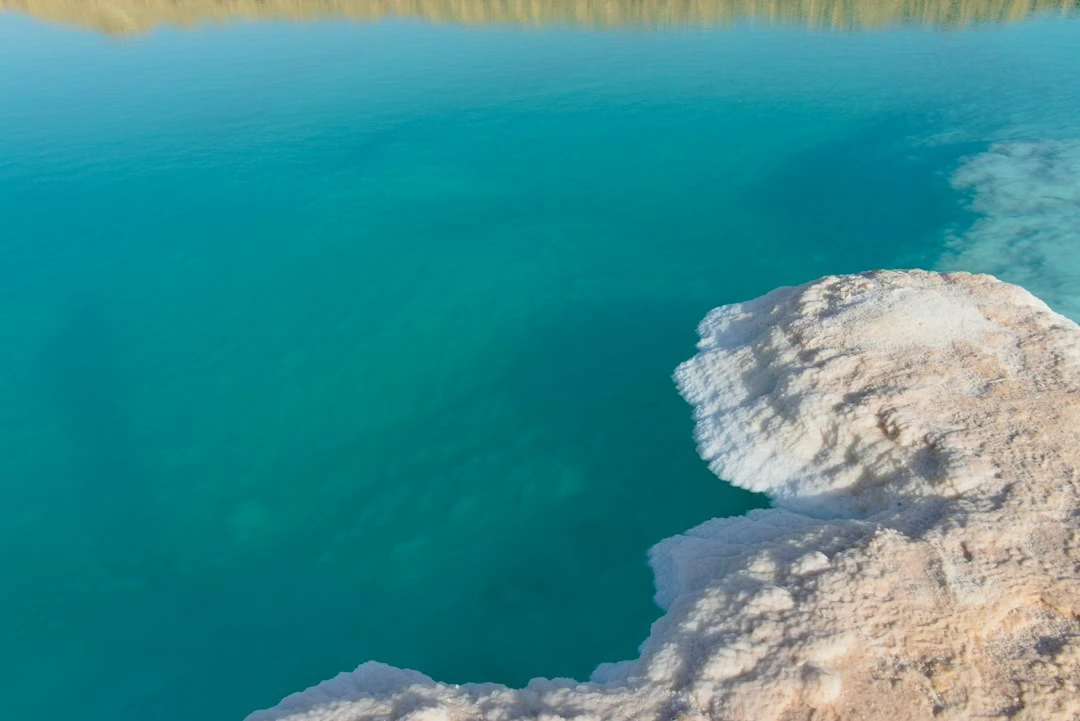
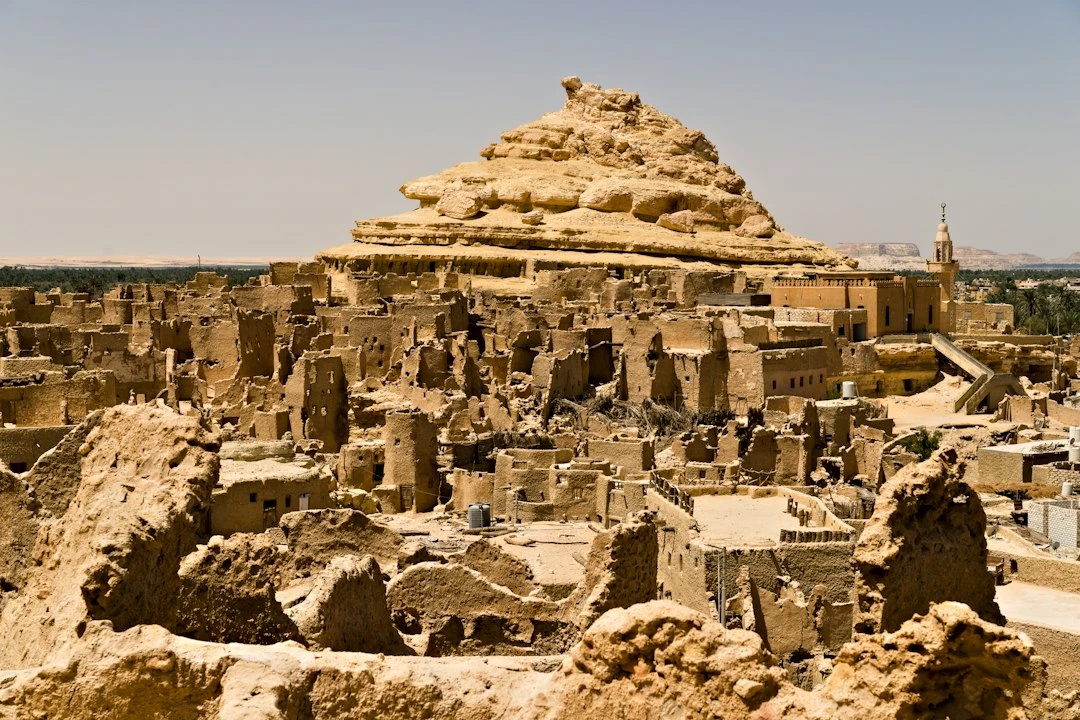
In Siwa Oasis, you travel into a remote landscape of palm groves, salt lakes and low desert hills. The Fortress at Shali, built from local mud and salt, rises above the oasis settlement. You also visit the Temple of the Oracle, linked with Alexander the Great, and Gebel Al Mawta, a hill with rock-cut tombs. Cleopatra’s Bath is a natural spring where travellers can stop, although the site’s condition and access can vary.
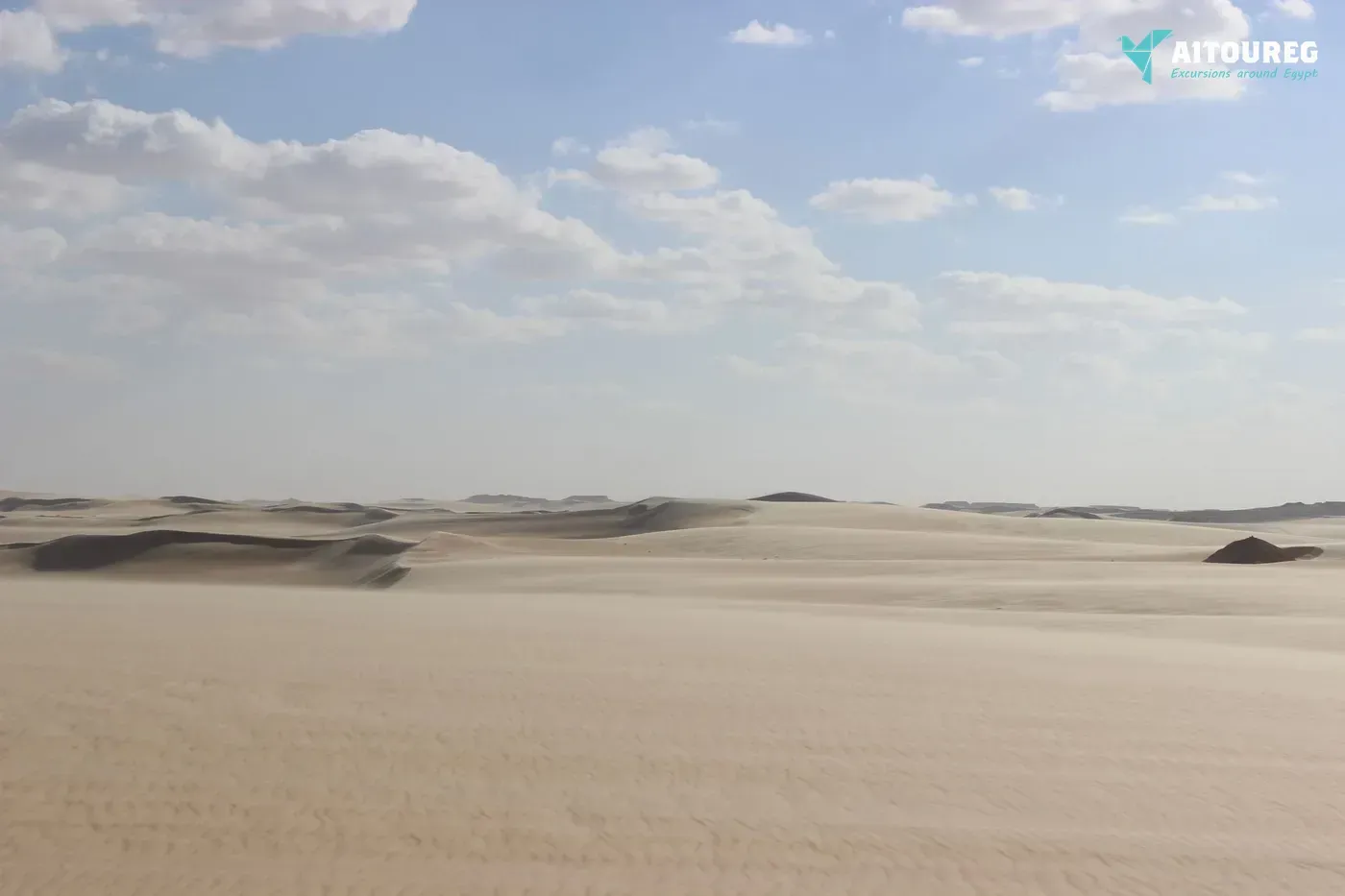
The desert journey continues into the Sand Sea, where wide dunes run beyond the oasis. A local desert excursion shows how Siwa’s green farmland meets the Sahara, with time for photographs and a quieter setting than the major cities. The route is long, and road conditions can make this section tiring; it suits travellers who want to see a less familiar side of Egypt rather than those looking for a short city break.
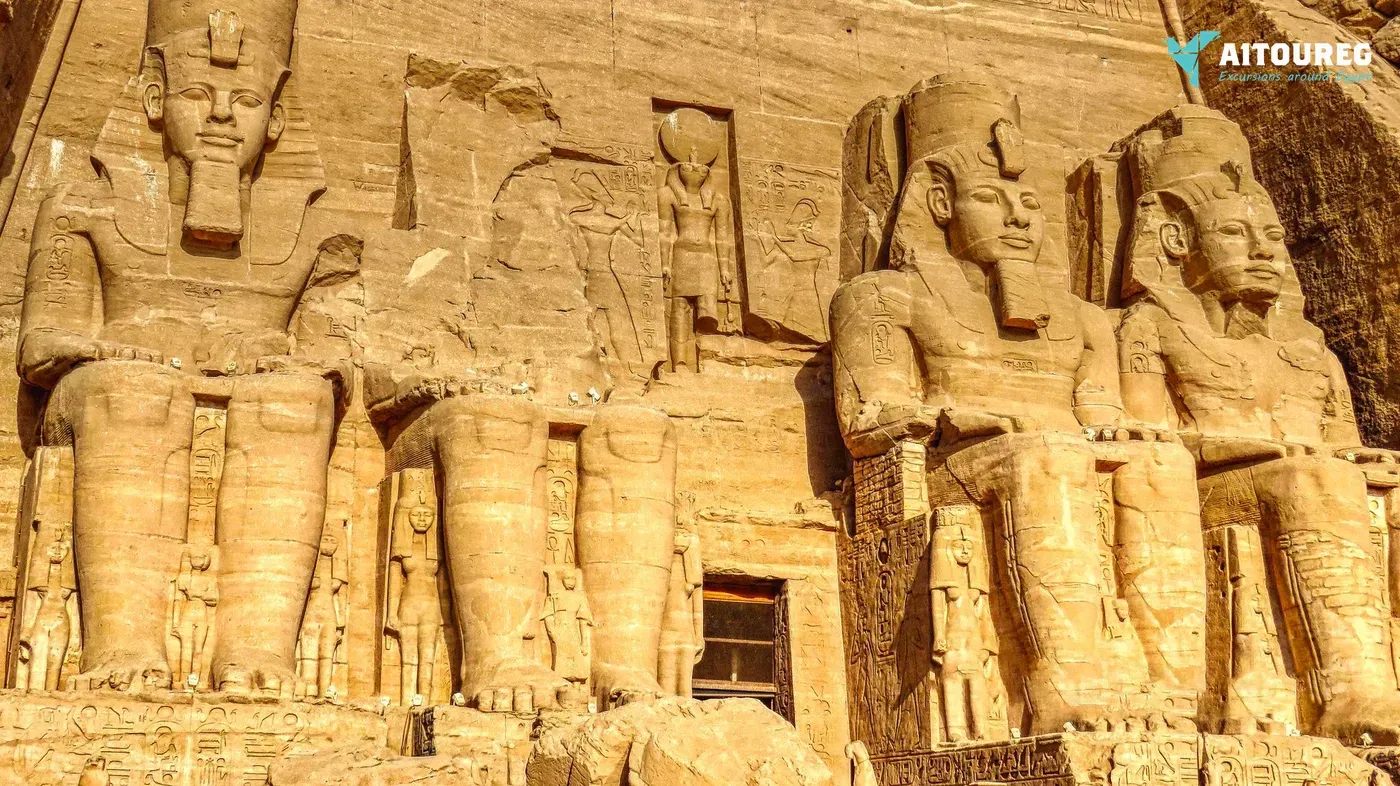
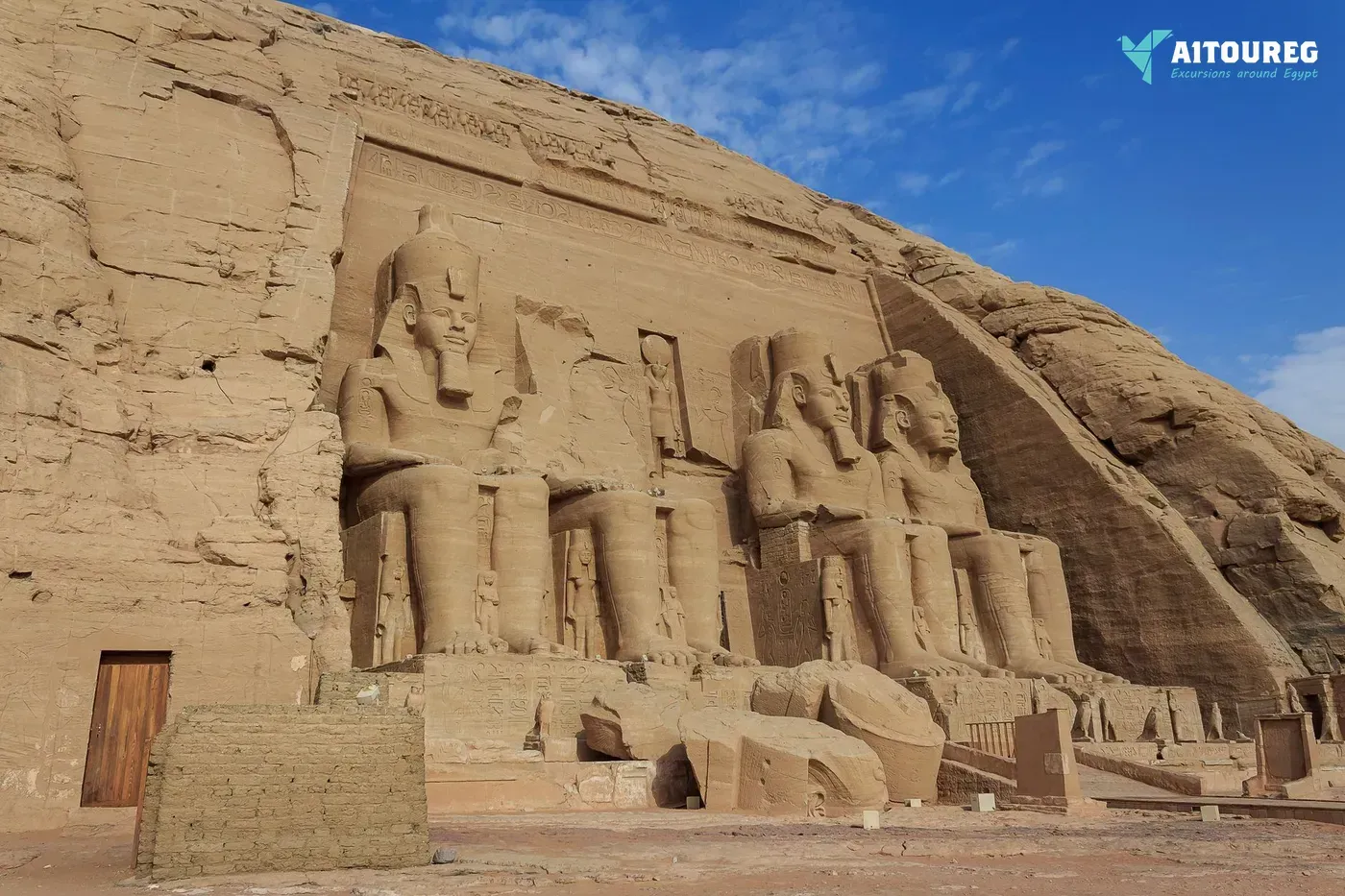
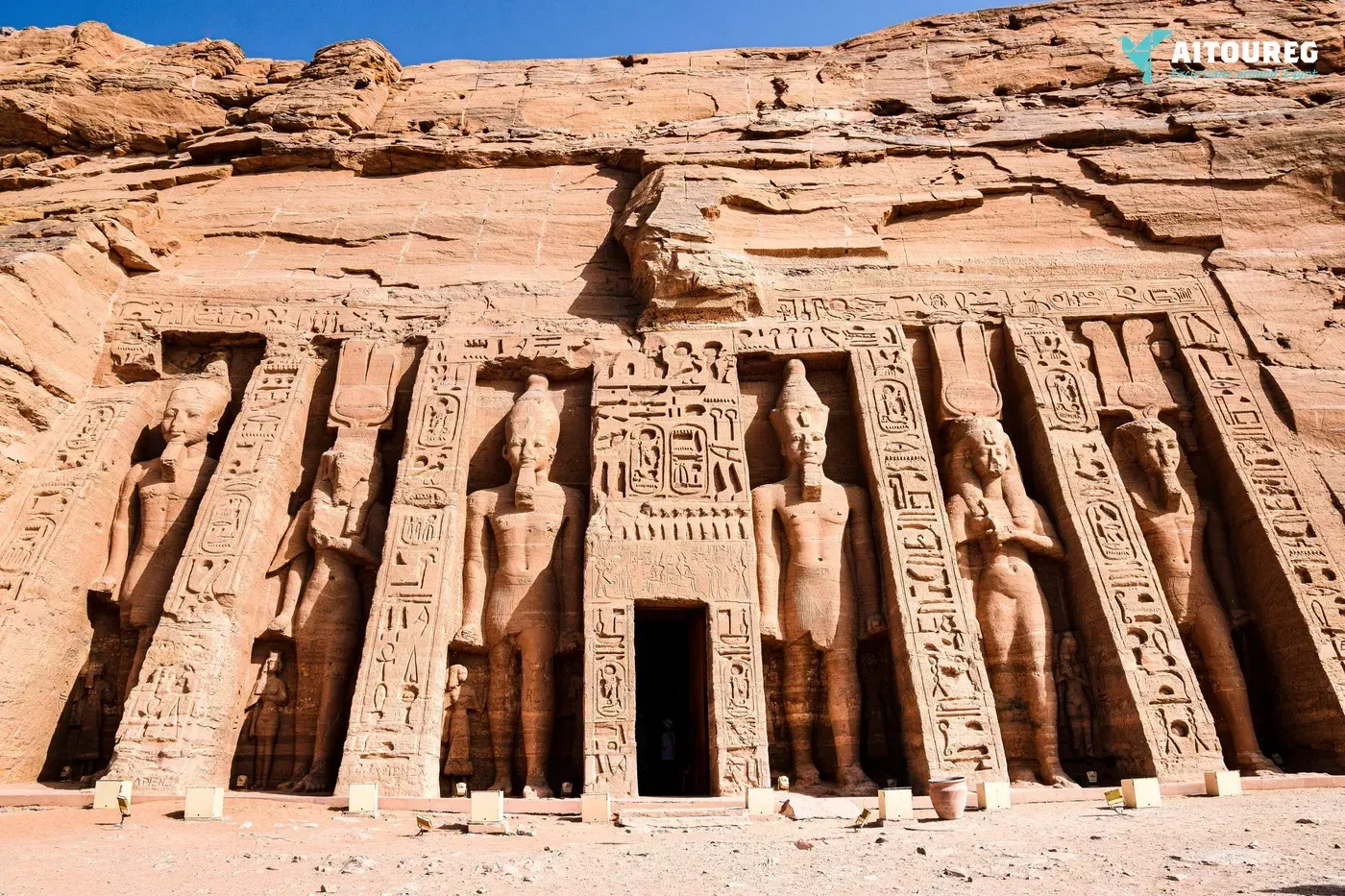
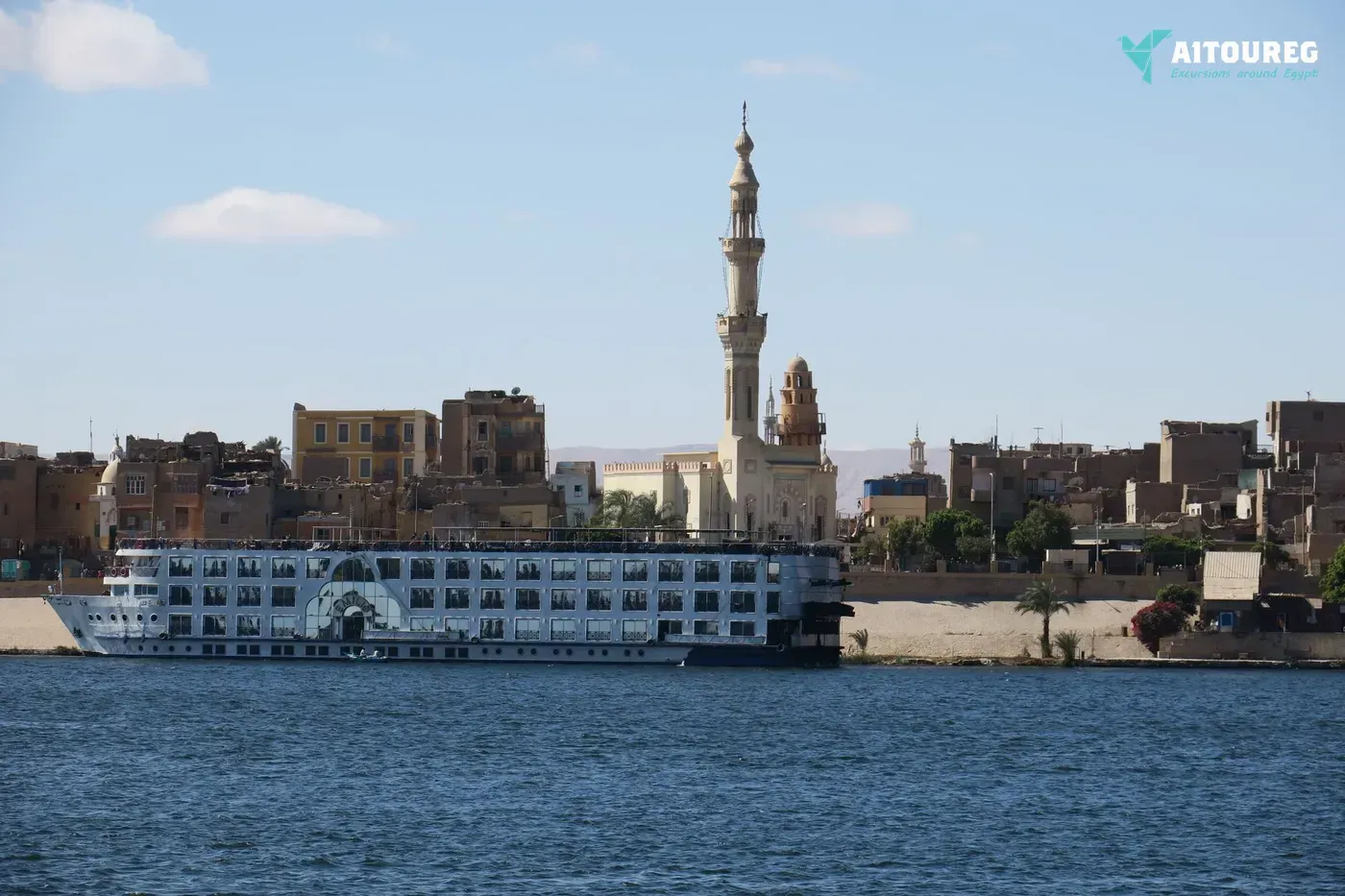
After Siwa, you travel to Aswan for a 4-day Nile cruise towards Luxor. The cruise gives you relaxed time on the river alongside guided visits on shore. You see Philae Temple, also written in travel searches as Phiala Temple, on an island near Aswan, and Abu Simbel is included as a major excursion from the city. Temple visits follow the sailing schedule, while meals and time on board provide a comfortable pause from the road journeys.
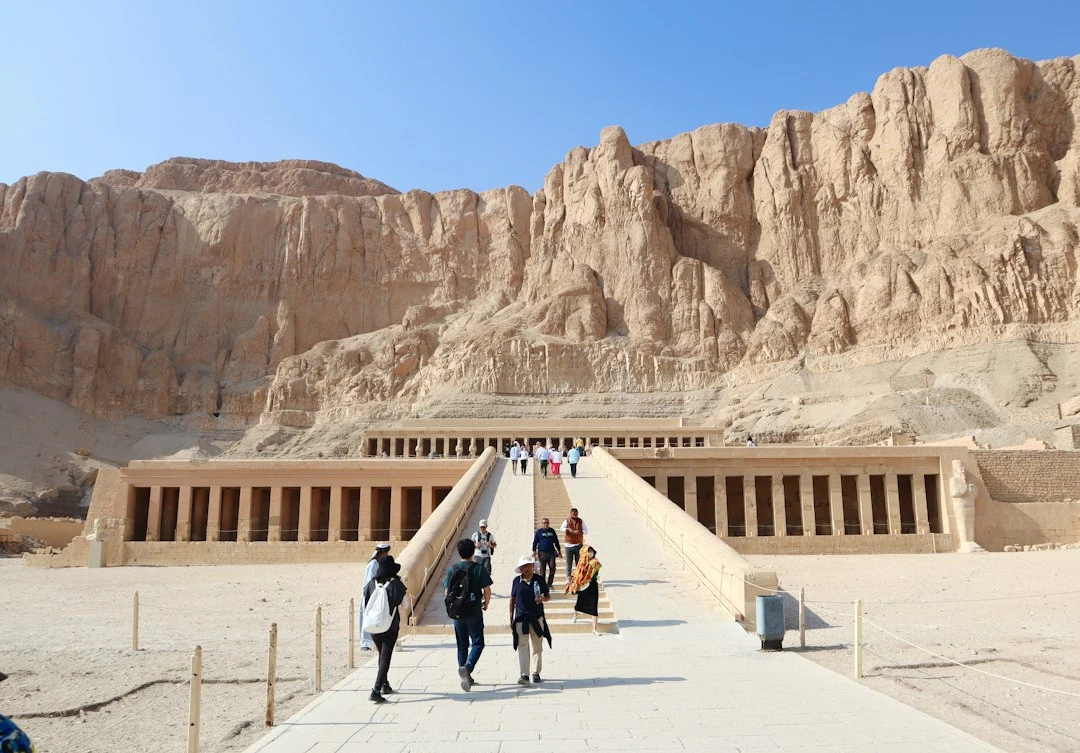
As the boat heads north, the ancient sites come closer together. At Luxor, Karnak has a vast complex of pylons, columns and processional spaces. On the west bank, the Valley of the Kings contains decorated royal tombs cut into the desert cliffs, while Hatshepsut Temple rises in terraces below the mountain. Your licensed Egyptologist guide explains each site, and we plan around the heat, walking distances and the need to carry water.
Hurghada gives the final days a slower rhythm after the sightseeing and long transfers. You can rest by the coast, choose optional sea activities where conditions allow, or simply take a break. This organised itinerary suits travellers who want to cover a wide area of Egypt and prefer our team to coordinate road transport, sightseeing order and cruise arrangements. It is less suitable for anyone seeking a low-movement beach holiday, since the first part includes several early starts, long drives and regular walking at archaeological sites. Accommodation, meals, transfers and guiding follow the confirmed programme, and we provide practical details before departure.
Transport between destinations and sightseeing locations
Licensed Egyptologist guide for guided visits
Excursion to Abu Simbel
4-day Nile cruise between Aswan and Luxor
Pickup and drop-off arrangements according to the programme
Meals and services stated in the confirmed itinerary
Accommodation during the tour
Entry visas and personal travel insurance
Entrance fees not stated in the confirmed itinerary
Personal spending, drinks and laundry
Tips for guides, drivers and cruise staff
Optional activities in Hurghada
International flights
Passport and any required visa documents
Reusable water bottle
Sun hat, sunglasses and high-factor sunscreen
Any regular medication and basic personal toiletries
Light, breathable clothing and a modest outfit for temple visits
Swimwear and a small beach bag for Hurghada
Comfortable walking shoes with good grip
Light layer for air-conditioned vehicles and evenings
This 14-day Egypt itinerary includes guided sightseeing in Cairo and Giza, Alexandria and El Alamein, a Siwa Oasis adventure journey, an exceptional 4-day Nile cruise from Aswan to Luxor, and a relaxing Red Sea stay in Hurghada. The route includes visits to the Giza Pyramids, Cairo Museum, the Fortress at Shali, the temple of the Oracle, Gebel Al Mawta, Cleopatra's Bath, Abu Simbel, Philae Temple, Karnak, the Valley of the Kings and Hatshepsut Temple.
Accommodation, meals, internal transfers and any domestic transport included in your confirmed programme are listed clearly before booking. We also arrange pickups and guided visits according to the final itinerary.
The 14-day Egypt itinerary has a varied pace, beginning with Cairo, Alexandria and El Alamein, then moving through Siwa Oasis, the Nile cruise between Aswan and Luxor, and time to unwind in Hurghada. Sightseeing days include scheduled driving and walking, while the Nile cruise gives you a slower way to see southern Egypt.
In Siwa, the route can include the Fortress at Shali, the temple of the Oracle, Gebel Al Mawta, Cleopatra's Bath and the magnificent sand sea. The cruise follows the main order of Aswan, Abu Simbel and Philae Temple before Luxor, Karnak, the Valley of the Kings and Hatshepsut Temple.
Our team arranges the planned airport, hotel and intercity transfers for this Egypt tour and confirms the meeting details with you before each service. Pickup arrangements depend on your arrival point, hotel location and the day’s route, particularly for the longer transfer to Siwa Oasis and the change between the Nile cruise and Hurghada.
A representative meets you at the agreed location, helps with the transfer and explains the next step. Please provide accurate arrival and accommodation details when booking so we can coordinate the schedule safely.
This Egypt itinerary can suit families and many older travellers, but it requires comfort with long road transfers, uneven ground, stairs on the cruise and walking around archaeological sites. The Giza Pyramids, Siwa Oasis and temple areas may involve sand, heat and irregular surfaces, while boarding or leaving the cruise can require steps.
Tell us about mobility needs, medical considerations or travelling with children before confirmation. We can explain the walking involved at each stop and advise whether adjustments are practical for your group.
Bring light, breathable clothing, modest clothes for sightseeing, comfortable walking shoes, sun protection and a light layer for cooler evenings during this Egypt itinerary. A hat, sunglasses, reusable water bottle, swimwear for Hurghada and personal medication are useful, while secure luggage is helpful during the Siwa transfer and cruise.
Wear shoes with good grip for the Giza Pyramids, Gebel Al Mawta and temple visits. A scarf or cover-up is practical for religious sites, and insect repellent may be useful around the Nile and Red Sea.
To book this 14-day Egypt tour, send us your preferred travel dates, traveller details, arrival information and any special requirements so our team can confirm the programme and availability. The exact deposit, payment schedule and cancellation terms depend on the services reserved, including the Nile cruise, transport and accommodation.
We provide the applicable booking conditions before you confirm. Review those terms carefully, especially for changes or cancellations close to travel, and ask us about any part of the itinerary that needs clarification.
Your unforgettable Egypt journey starts with a booking you can trust.
* Available on selected tours. Flights, cruises and special bookings may have different cancellation policies.
Free cancellation up to 24 hours before activity starts
If you choose to pay online, a secure payment link can be provided after booking. For assistance or alternative payment options, please contact us via WhatsApp.
All our tour operators are licensed and verified by Egyptian tourism authorities.
Learn more about our licensed partners →

Free cancellation up to 24 hours before activity starts
If you choose to pay online, a secure payment link can be provided after booking. For assistance or alternative payment options, please contact us via WhatsApp.
All our tour operators are licensed and verified by Egyptian tourism authorities.
Learn more about our licensed partners →
Your Itinerary
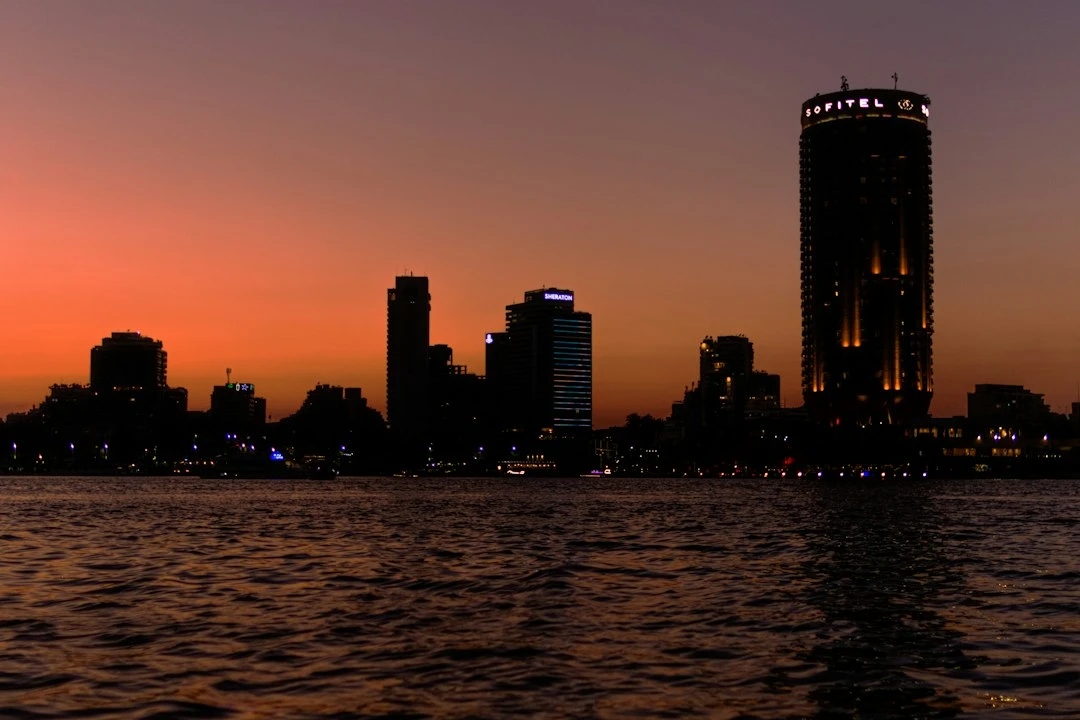
Arrive in Cairo, where our representative meets you at the airport and helps with the arrival formalities before your transfer to the hotel. The drive into the city gives you a first look at Cairo’s broad streets, busy neighbourhoods and the Nile bridges.
Keep this first day light after your flight. Our team confirms the programme, answers practical questions and helps arrange any details for the following morning. Depending on your arrival time, you can rest at the hotel or take a short walk nearby. The main sightseeing begins tomorrow, so there is no need to rush.
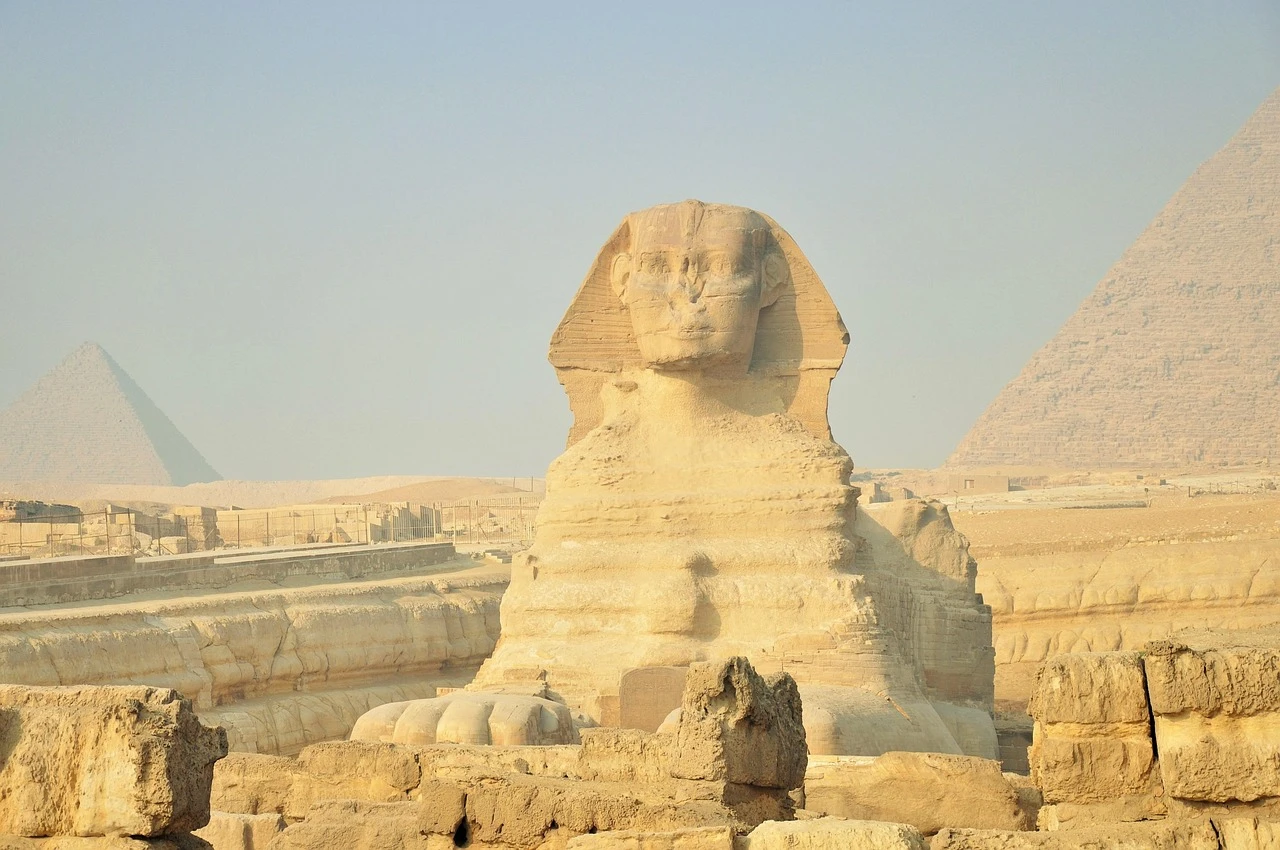
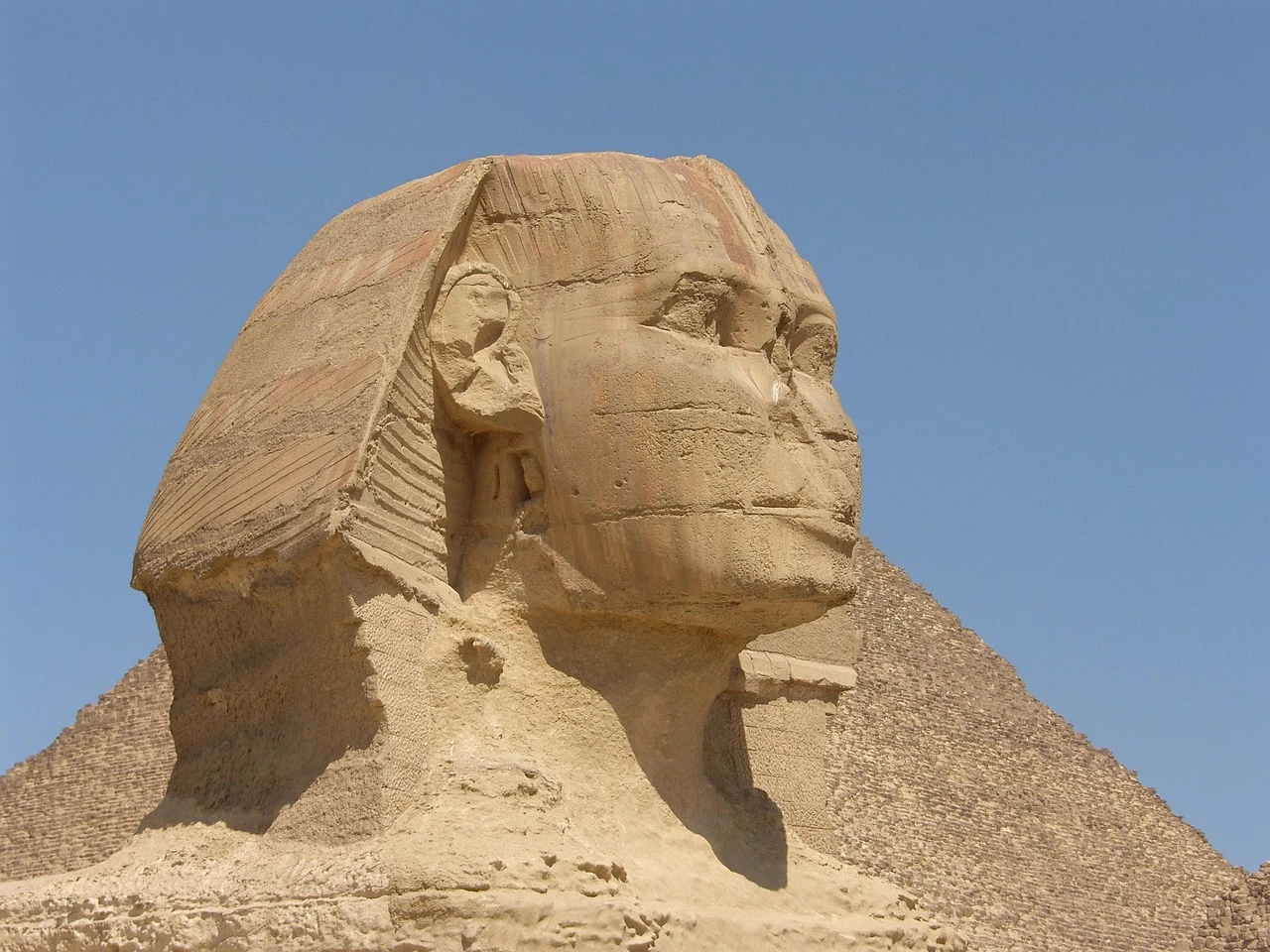
After breakfast, begin with the Giza Pyramids. Your guide explains how the pyramid complex was planned, then leads you around the Great Pyramid, the pyramids of Khafre and Menkaure, and the nearby Sphinx area. There is time for photographs and for views across the desert plateau before returning towards central Cairo.
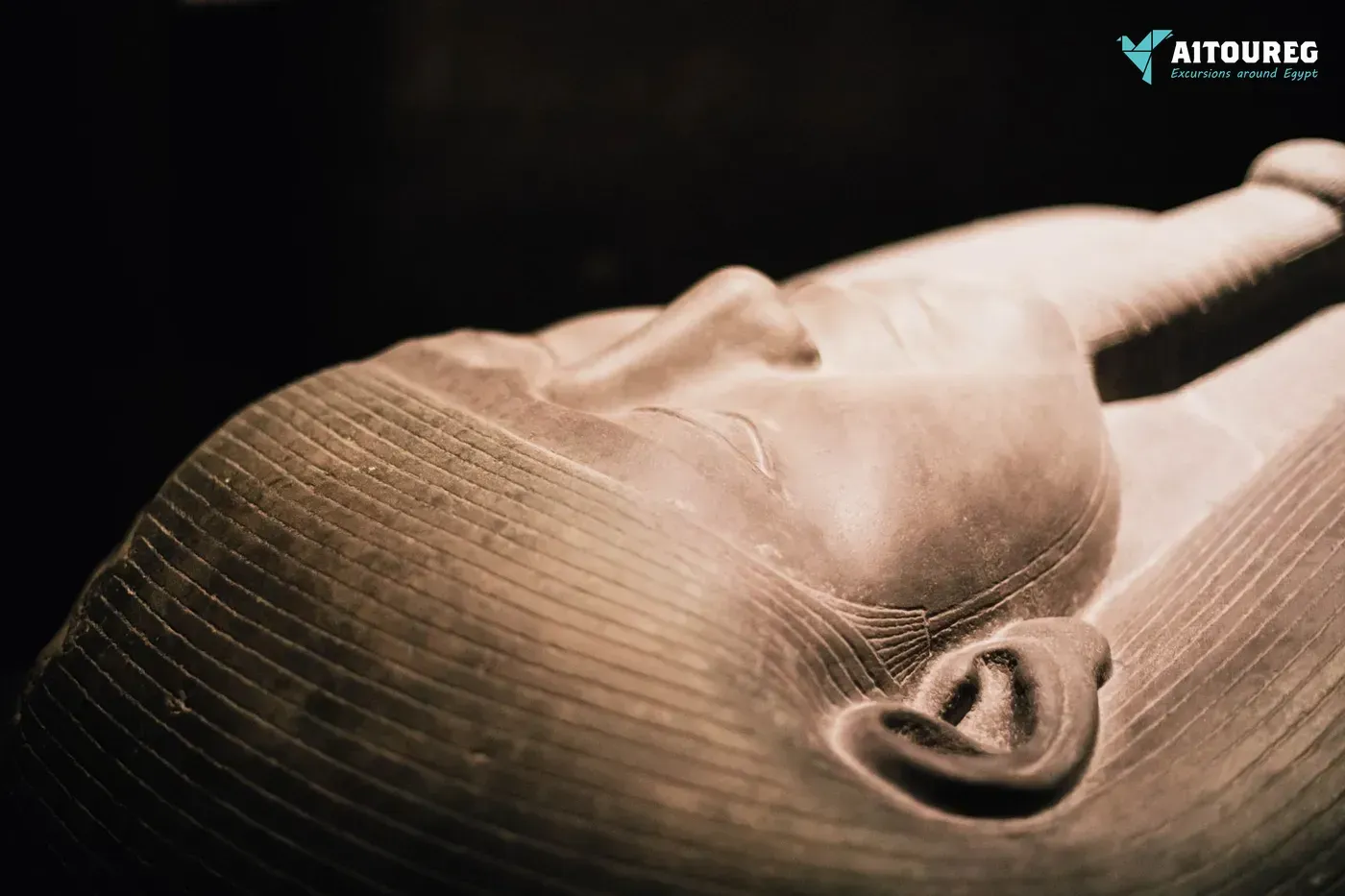
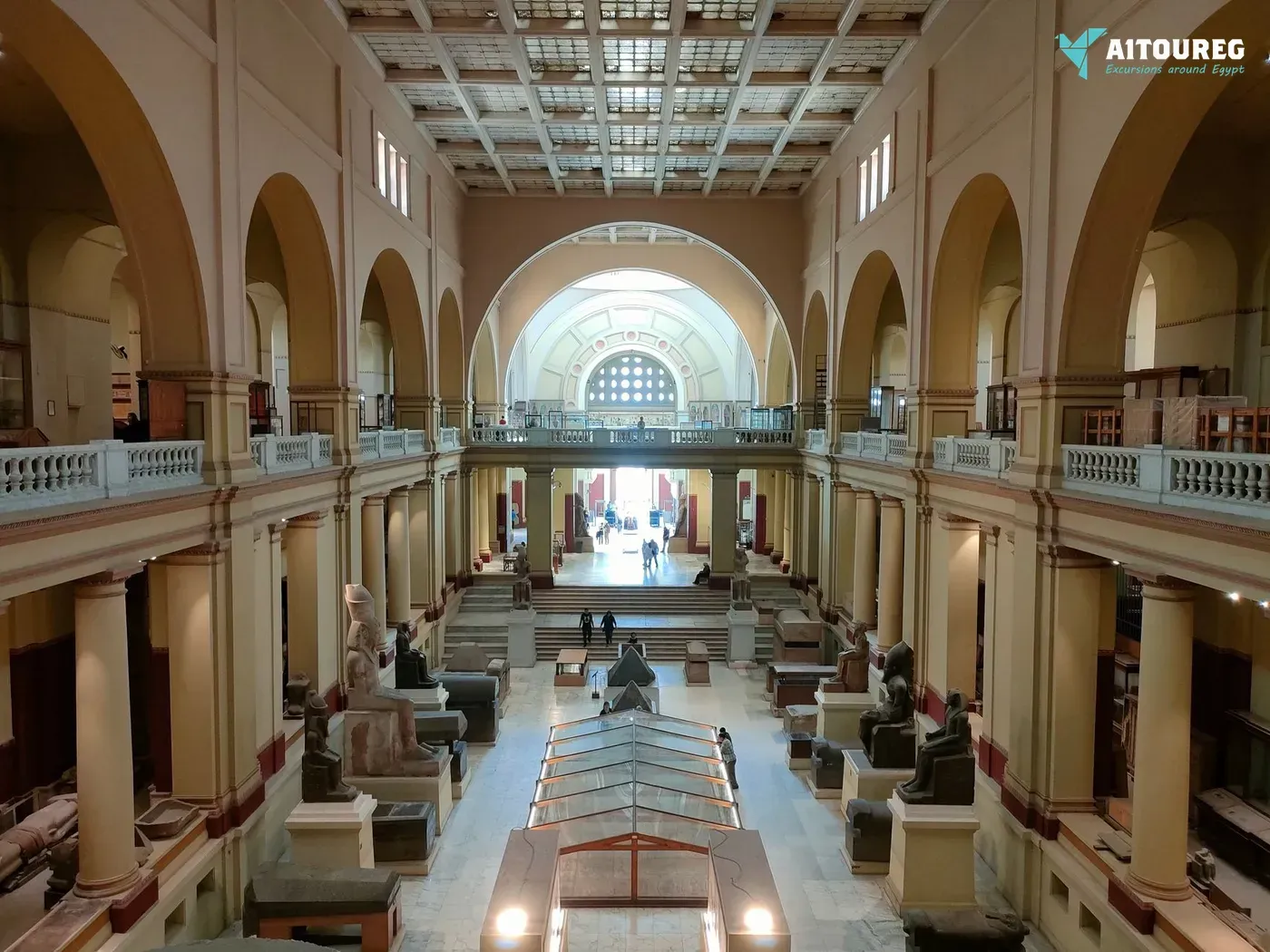
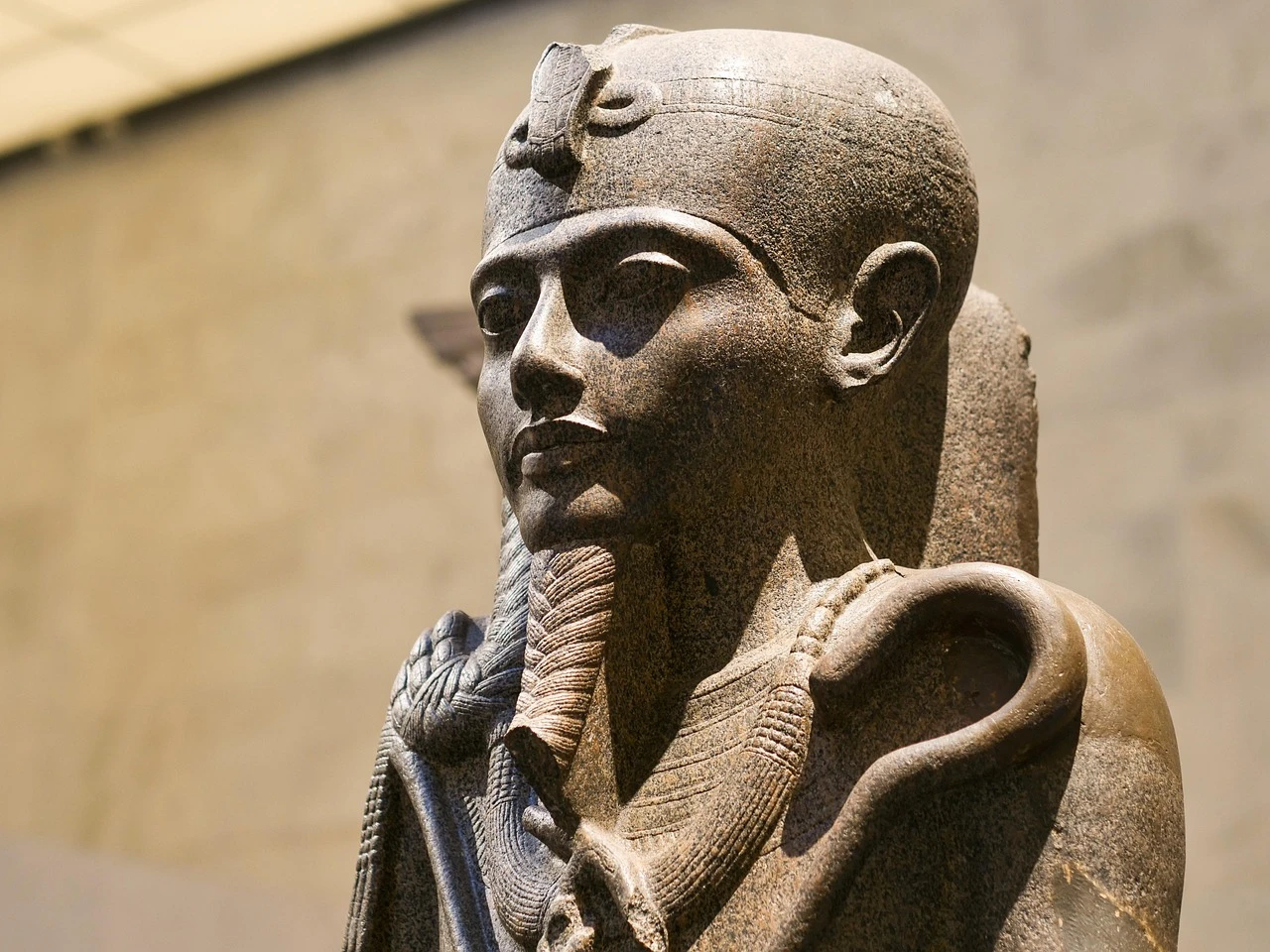
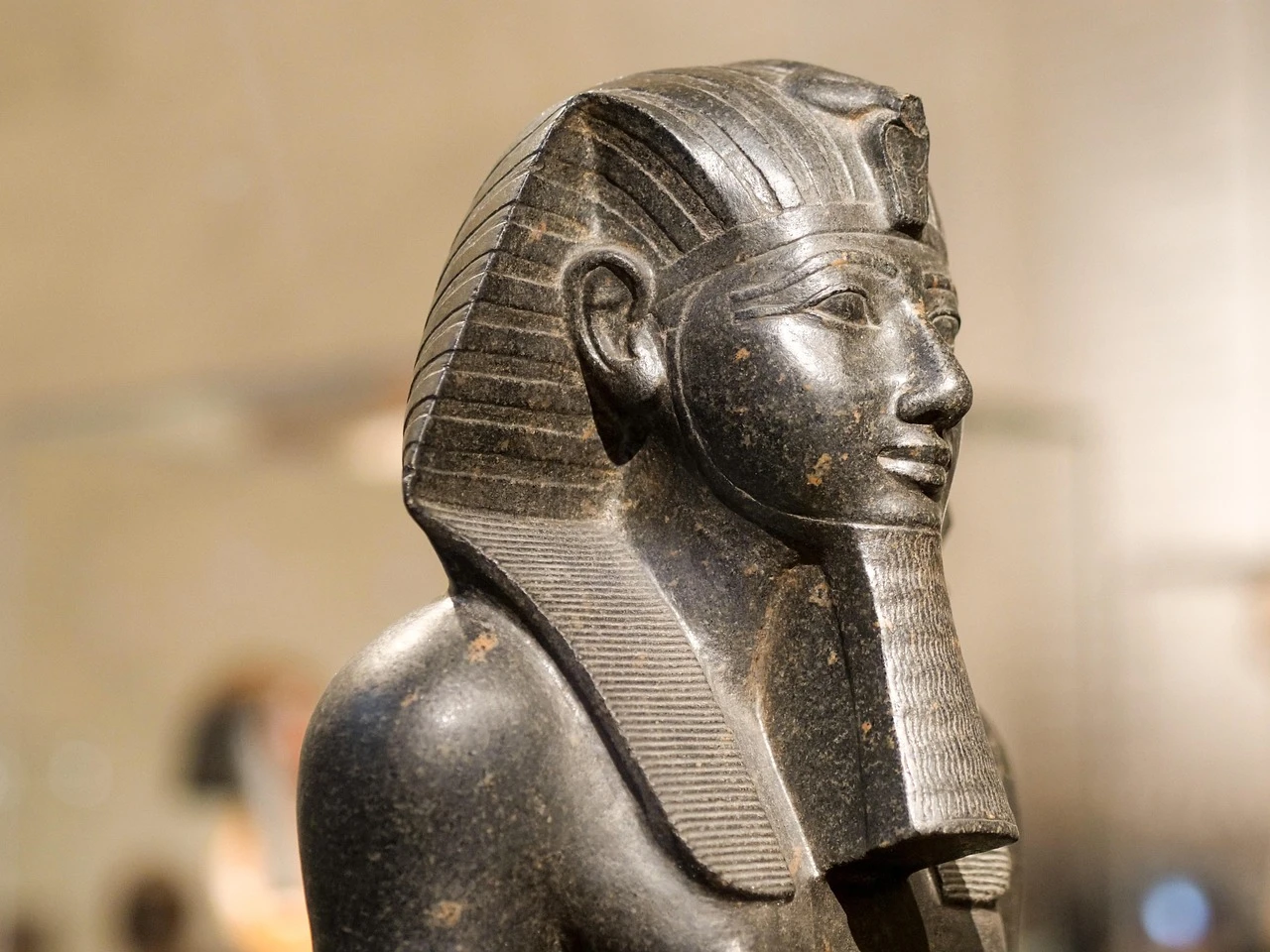
Continue to the Cairo Museum, where galleries display royal statues, sarcophagi, jewellery and objects from several periods of ancient Egyptian history. The visit puts the monuments at Giza into a wider context, with your guide pointing out pieces that help explain burial customs, kingship and daily life. The order may change according to traffic and museum access, but both visits fit comfortably into a full sightseeing day.
Leave Cairo after breakfast for Alexandria, travelling north through the Nile Delta to Egypt’s Mediterranean coast. The city has a different pace and character from Cairo. Your guide introduces its Greek, Roman and modern history as you visit the principal sights and follow the seafront Corniche.
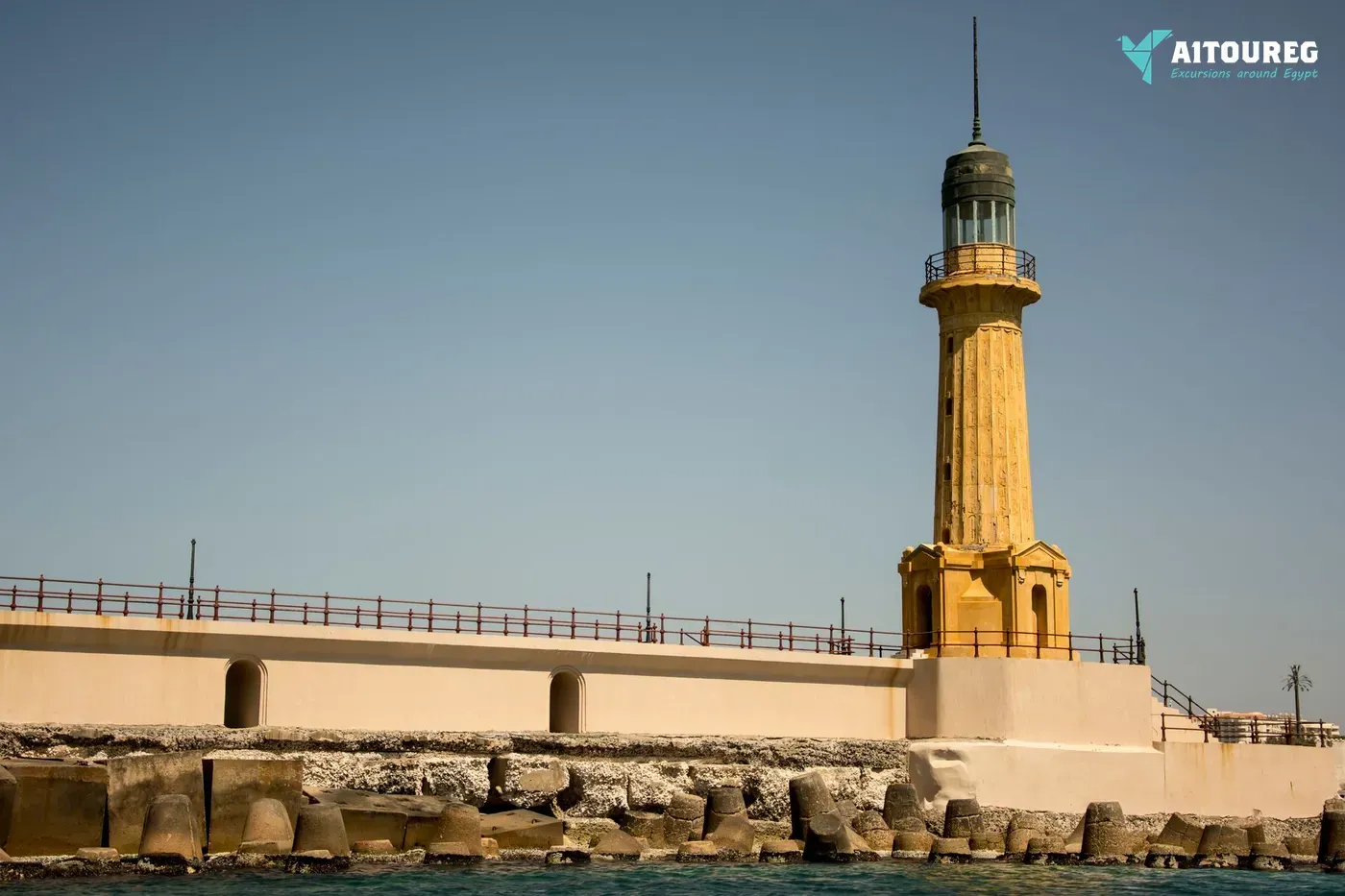
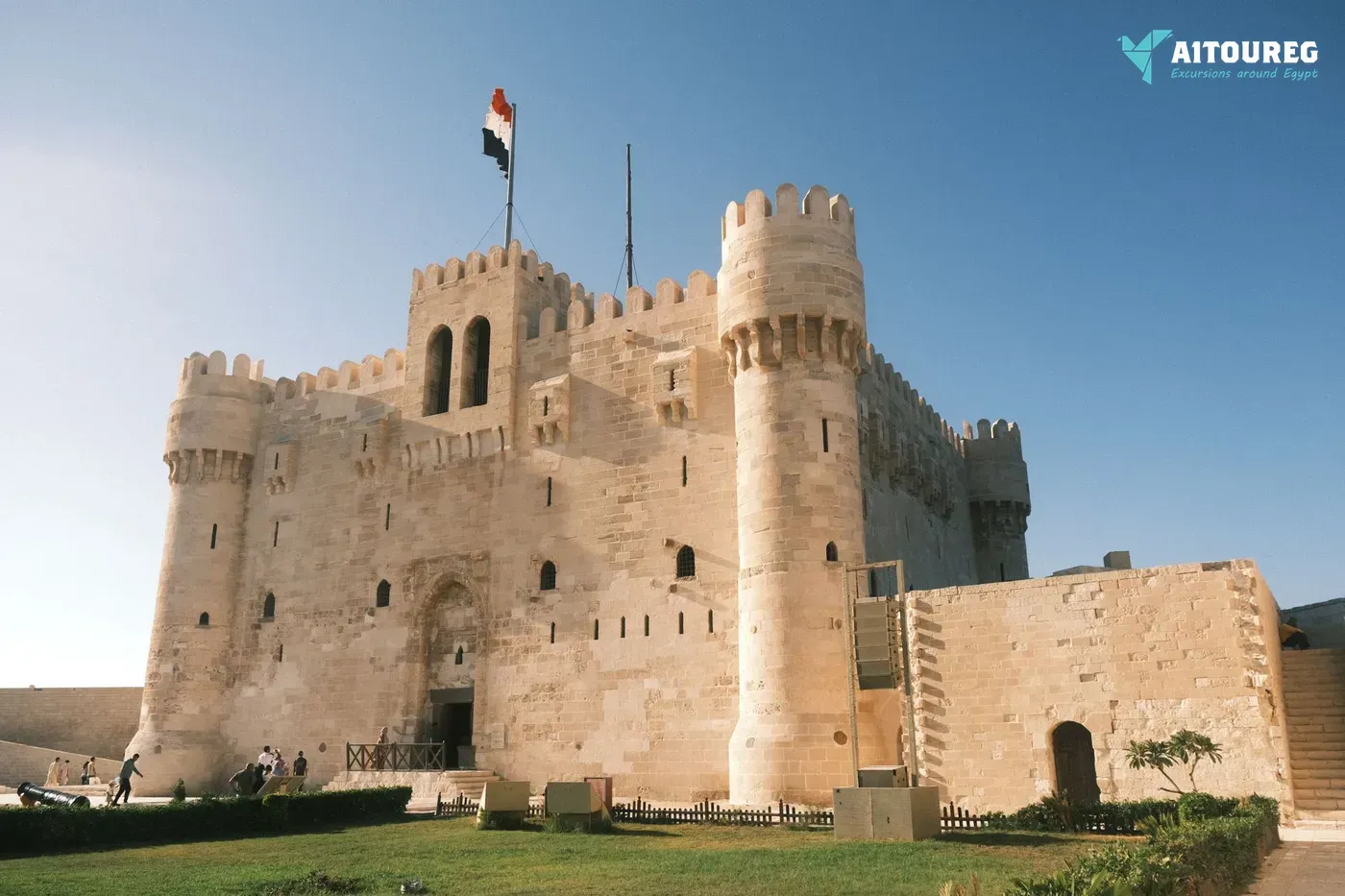
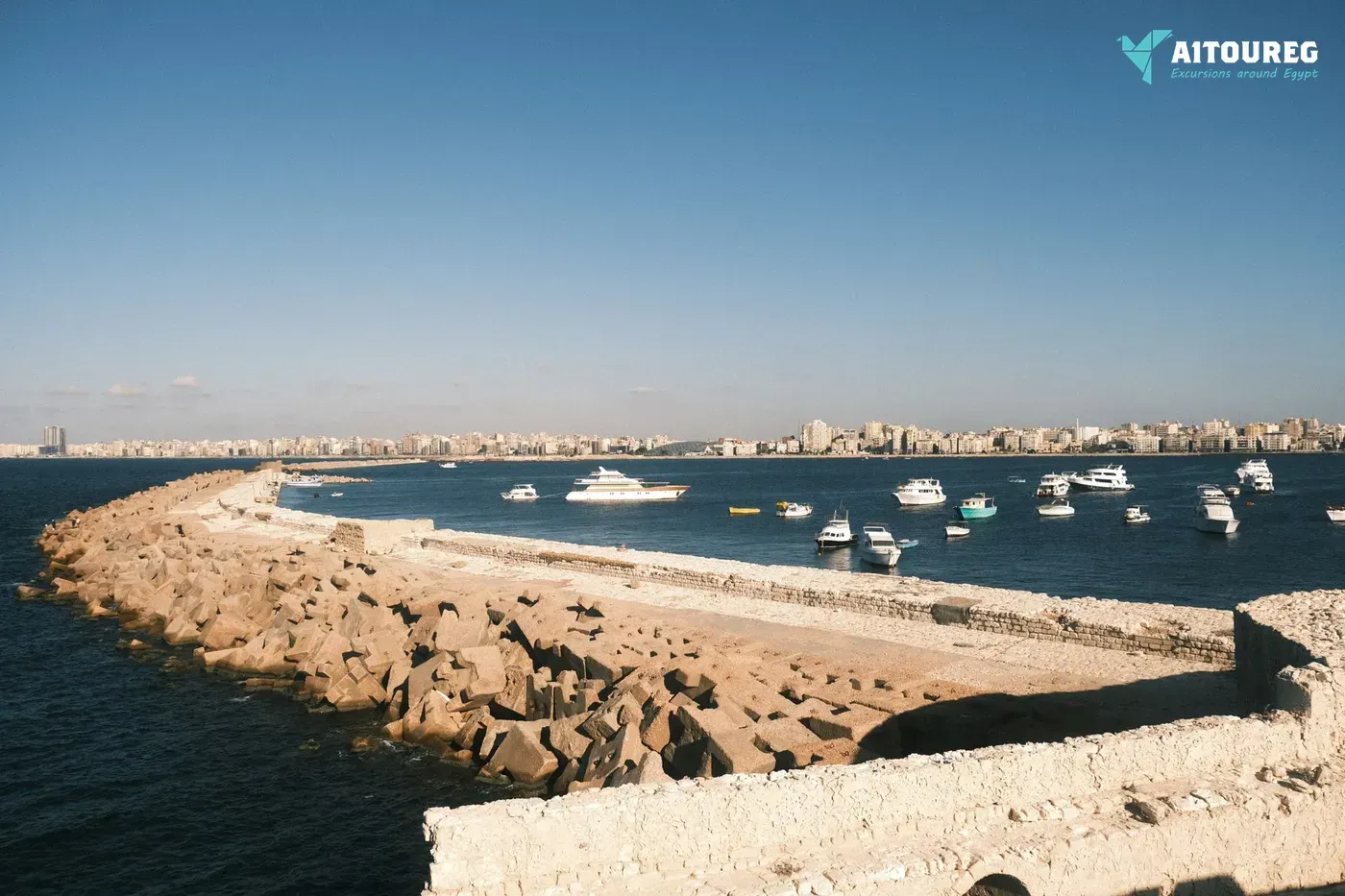
See the area associated with the ancient Pharos lighthouse and visit the Catacombs of Kom El Shoqafa, where underground chambers combine Egyptian, Greek and Roman influences. Continue to the Citadel of Qaitbay, built on the harbour site traditionally linked with the ancient lighthouse, then visit the Bibliotheca Alexandrina from the outside or inside when access is available. After sightseeing, return to your accommodation in Alexandria for the night.
Today begins with a long westward drive towards Siwa Oasis. Stop at El Alamein, where the museum and Commonwealth War Cemetery explain the North African campaign of the Second World War. The visit is quiet and respectful, with displays covering the opposing forces, equipment and the battles fought across this coastline.
Continue through increasingly open desert landscapes to Siwa. This is a substantial road journey, so the day includes breaks and time to stretch during the transfer. As the oasis approaches, palms and cultivated land appear around the desert road. After arrival, settle into your accommodation and enjoy a calm evening. Our team confirms the next day’s route and the arrangements for visiting Siwa’s historic and natural sights.
Explore Siwa with your local guide, beginning in the old town and visiting The Fortress at Shali. Built from salt, mud and palm materials, Shali reveals how Siwan families once lived in a fortified settlement. Walk carefully through the ruins, where the compact lanes and high walls show how the town was designed for protection and shade.
Continue to the temple of the Oracle at Aghurmi, linked with Alexander the Great’s visit to Siwa, then visit Gebel Al Mawta, a hill containing rock-cut tombs with views over the oasis. Later, pause at Cleopatra’s Bath, a natural stone pool fed by a spring. Swimming depends on local conditions and personal preference. The day combines walking, short drives and time to understand how water shapes life in this remote oasis.
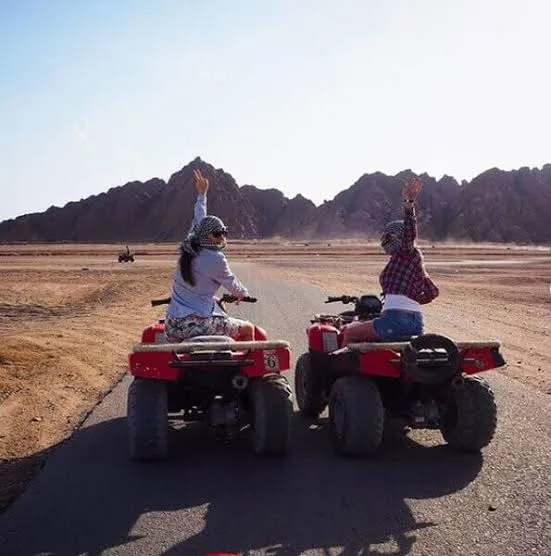
Set out for a desert excursion around Siwa after breakfast. This is the chance to make an adventure journey beyond the cultivated centre of the oasis, travelling by four-wheel-drive vehicle across sandy tracks towards the magnificent sand sea. The route depends on local conditions, and your driver chooses suitable stopping points for photographs and quiet desert views.
After the excursion, begin the long transfer back to Cairo. The landscape changes gradually from dunes and open desert to agricultural land and the built-up outskirts of the capital. Breaks are taken along the way, but this remains a demanding travel day. Arrive in Cairo in the evening, check in and rest before the early flight or transfer connected with the Nile cruise programme.
Travel from Cairo to Aswan by domestic flight or another arranged connection, then continue to Abu Simbel. The temples were cut into the rock during the reign of Ramesses II and later moved to higher ground during the construction of the High Dam. Your guide explains the relocation project and the temple scenes before you return to Aswan.
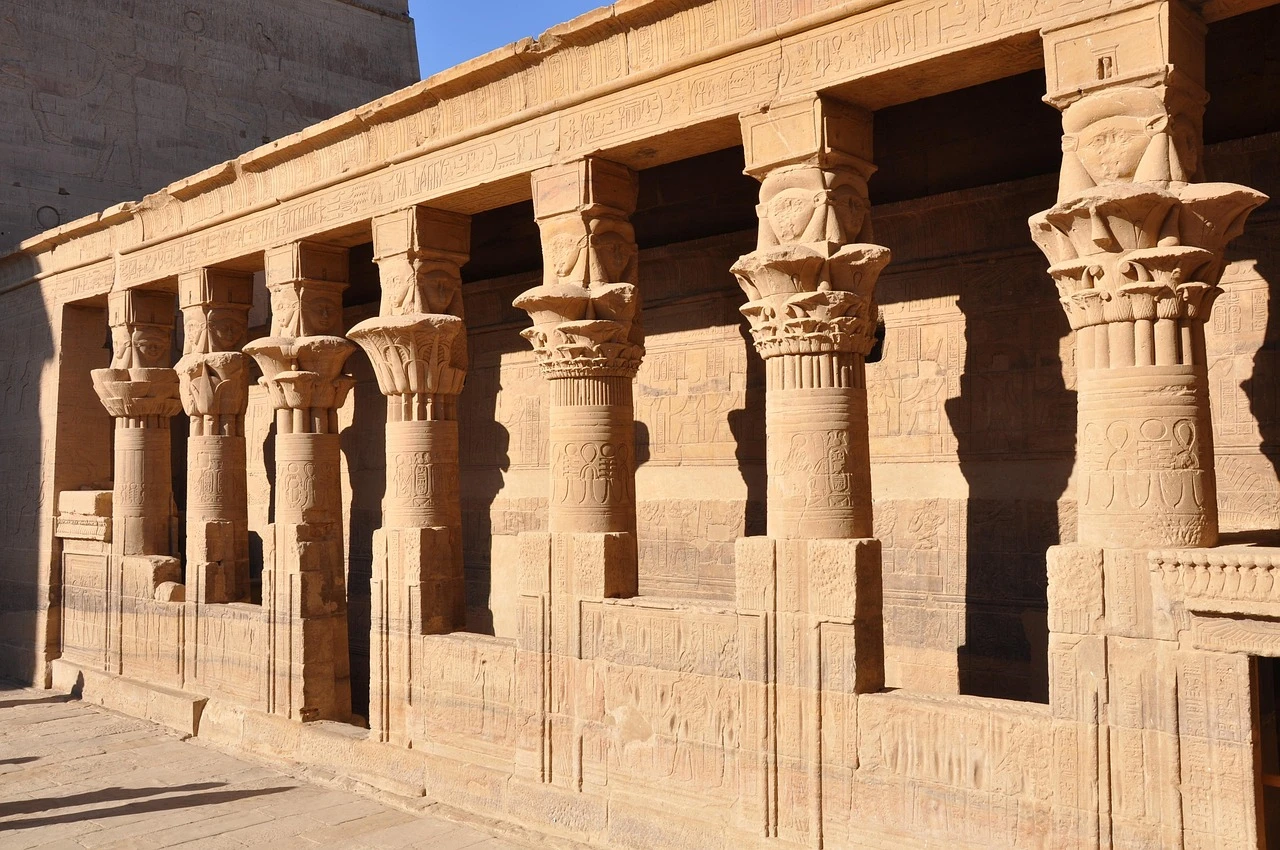
Board your cruise vessel in Aswan and settle into your cabin. In the afternoon, visit Phiala temple on Agilkia Island, reached by a short boat ride. The sanctuary was dedicated mainly to Isis and preserves reliefs from several periods. Back on board, enjoy the first Nile views as the ship prepares for the cruise schedule. This begins your exceptional 4 Days Nile Cruise between Aswan and Luxor.
Wake on the Nile and enjoy breakfast on board before the cruise continues north. Depending on the sailing schedule, there may be time to relax on deck and watch villages, fields and palm groves pass along the riverbanks. The pace is quieter today, with sightseeing arranged around the ship’s navigation.
Later, visit the temple at Kom Ombo, set beside the river and dedicated to Sobek and Horus the Elder. The symmetrical layout, carved columns and remaining reliefs make it easy to see how two cults shared one complex. Your guide points out the ancient medical instruments and the crocodile connections before you return to the ship. Sail onwards in the evening and spend the night on board.
After breakfast, travel from the riverbank to Edfu Temple by the locally used transfer arranged for the cruise group. The temple is one of the best-preserved large sanctuaries in Egypt. Its entrance pylons, enclosed courts and covered halls retain clear carvings showing the ritual world of Horus, the falcon-headed god.
Return to the ship and continue towards Luxor. Spend part of the afternoon on deck or in the lounge while the vessel passes through the agricultural Nile Valley. The crew follows the sailing programme, so the exact time of arrival at Luxor can vary. This evening is a good opportunity to prepare for tomorrow’s early visit to the west bank, where several of ancient Egypt’s most important royal monuments are located.
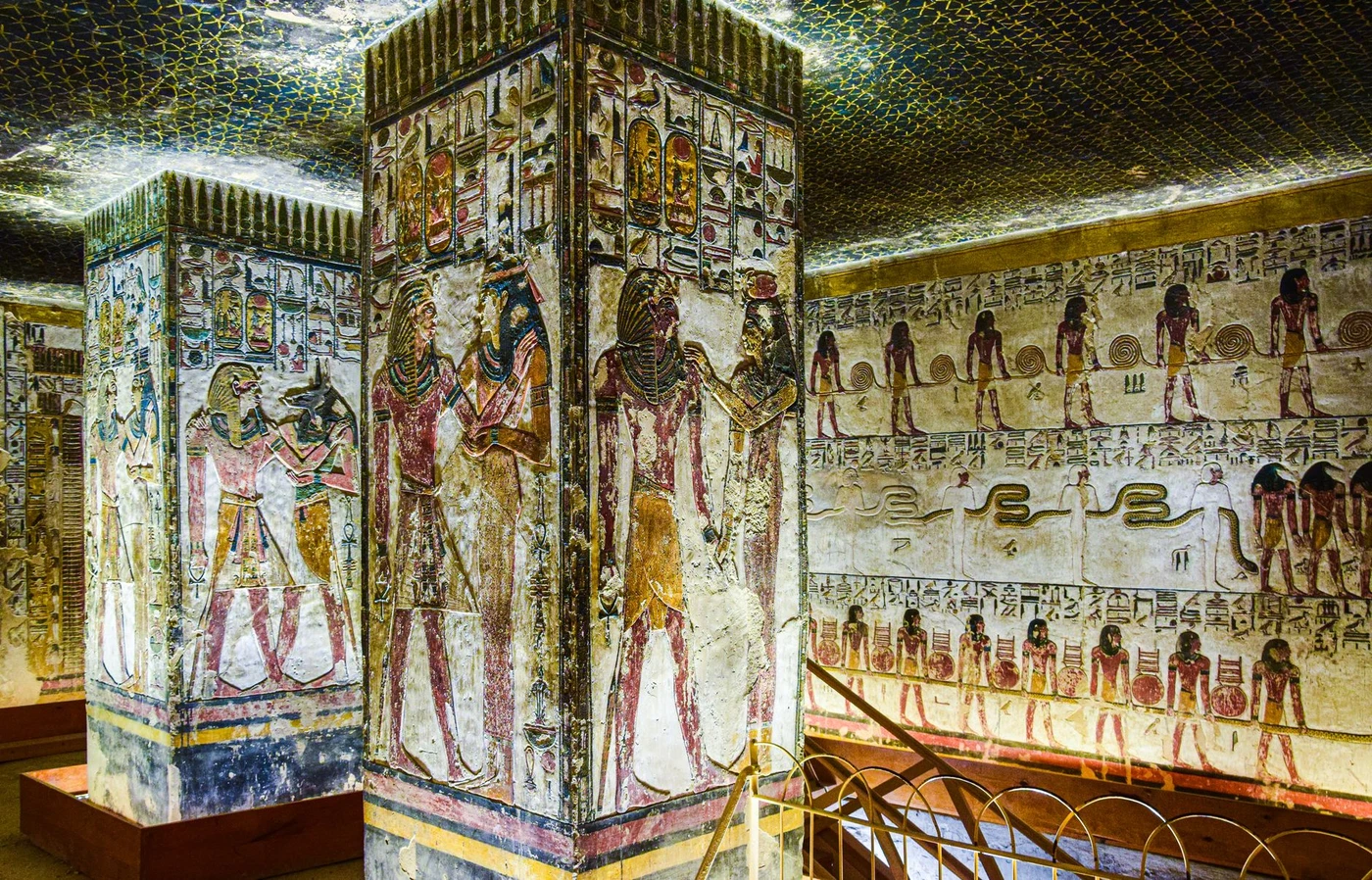
Begin with the west bank of Luxor, where the Valley of the Kings contains tombs cut into the desert hills for New Kingdom rulers. Your guide explains the decoration, burial beliefs and changing plans of the tombs included in your entry. Conditions inside can be warm, and the paths include uneven surfaces, so comfortable shoes and water are useful.
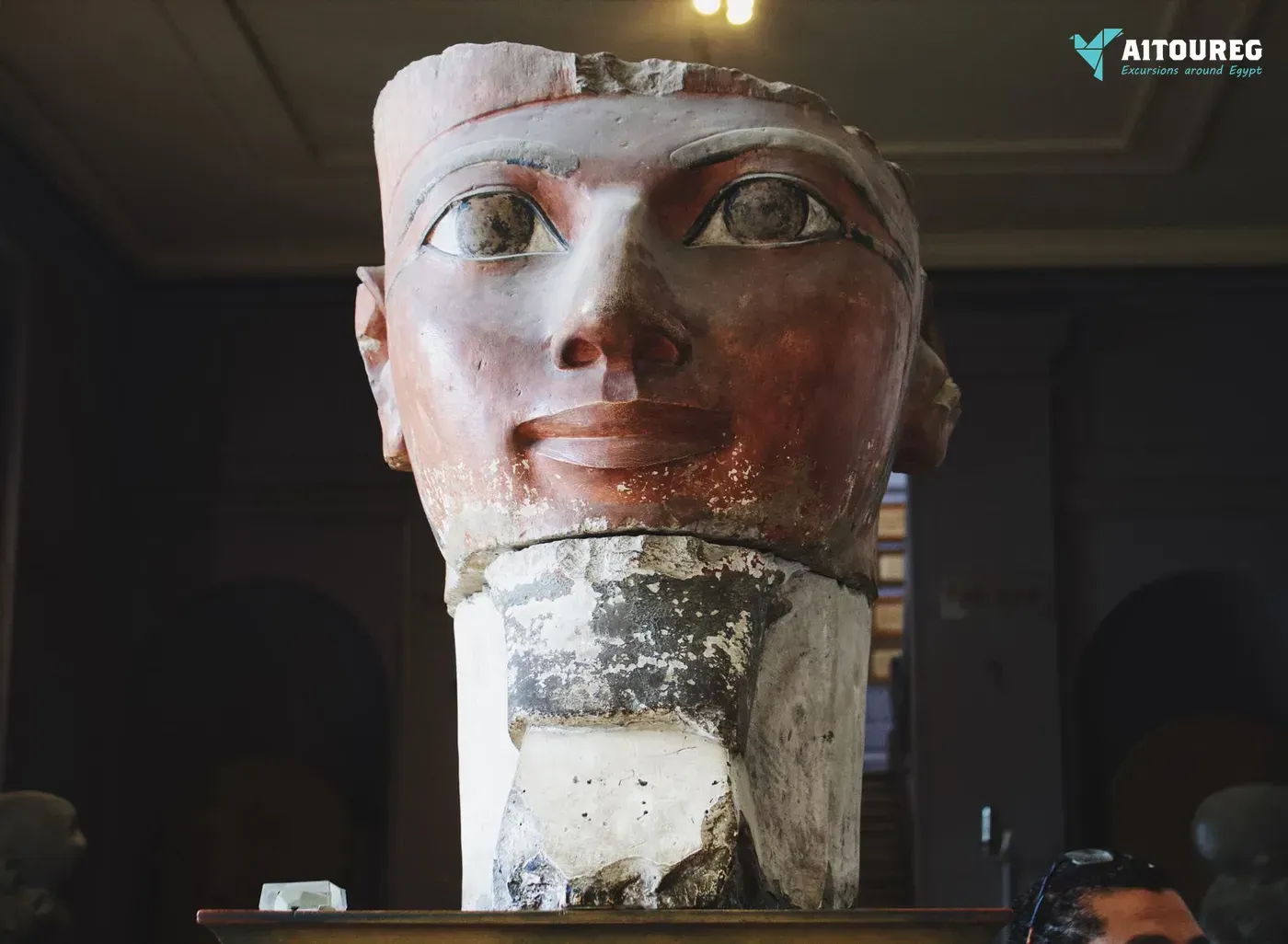
Continue to Hatshepsut temple, built against the cliffs at Deir el-Bahari. Its terraces and long approach reveal how the monument was designed to connect architecture with the surrounding landscape. Pause at the Colossi of Memnon before returning to the ship for breakfast or checkout, according to the cruise schedule. Later, transfer to your Luxor accommodation and enjoy a free evening after the morning’s walking.
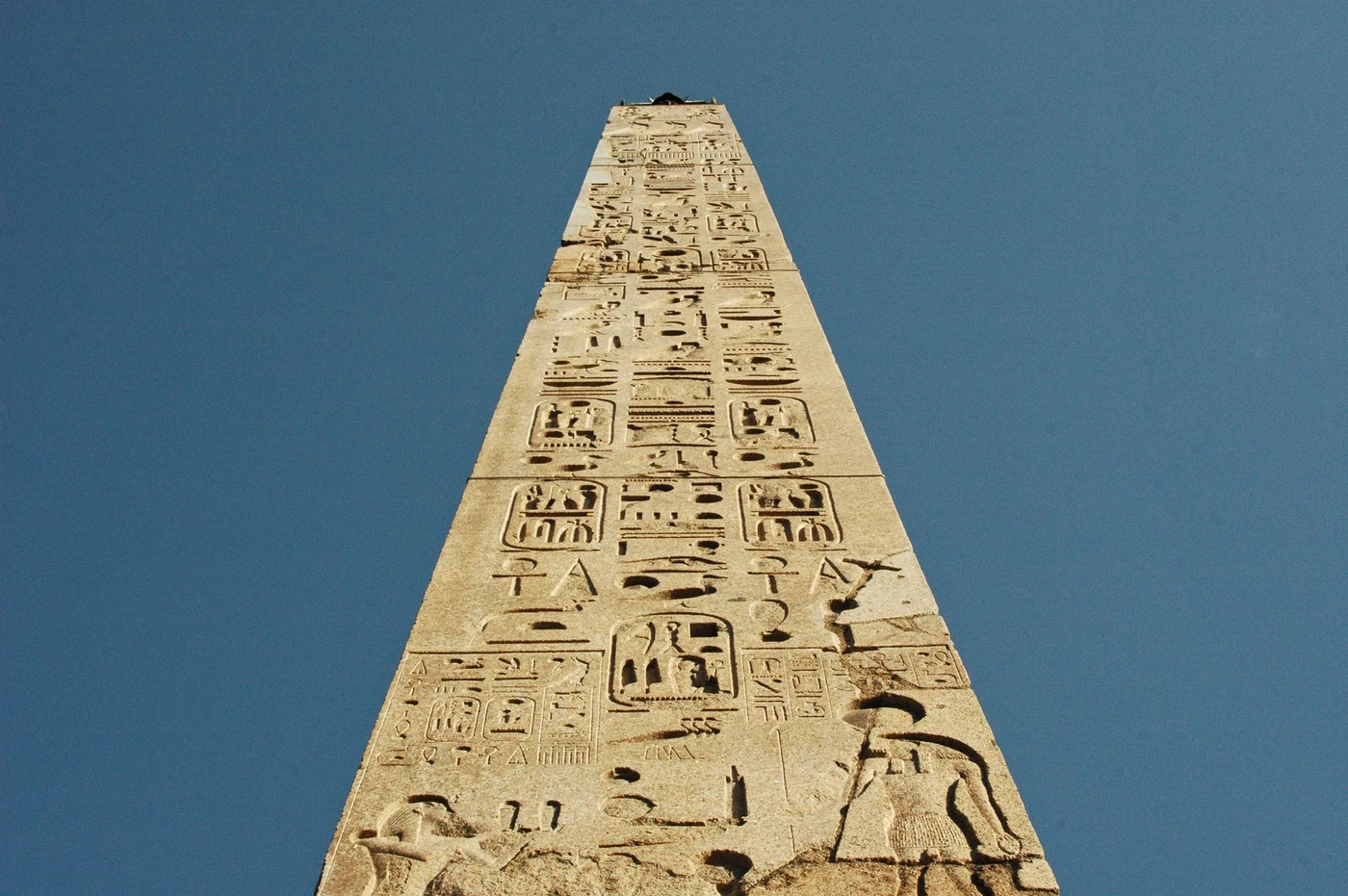
Visit Karnak Temple in the morning, when the monumental avenues and open courts are easier to explore before the strongest midday heat. The complex grew over many centuries, and your guide helps you read its main areas in order: the avenue of sphinxes, the great pylons, the Hypostyle Hall and the sacred lake area. Allow time to look closely at the carved columns and painted details.
After the visit, leave Luxor by road for Hurghada on the Red Sea. The transfer crosses the Eastern Desert, with changing views of dry mountain ranges and open gravel plains before the coast comes into view. On arrival, check in and have time to rest. The evening is free, with dinner and hotel arrangements handled according to the selected accommodation plan.
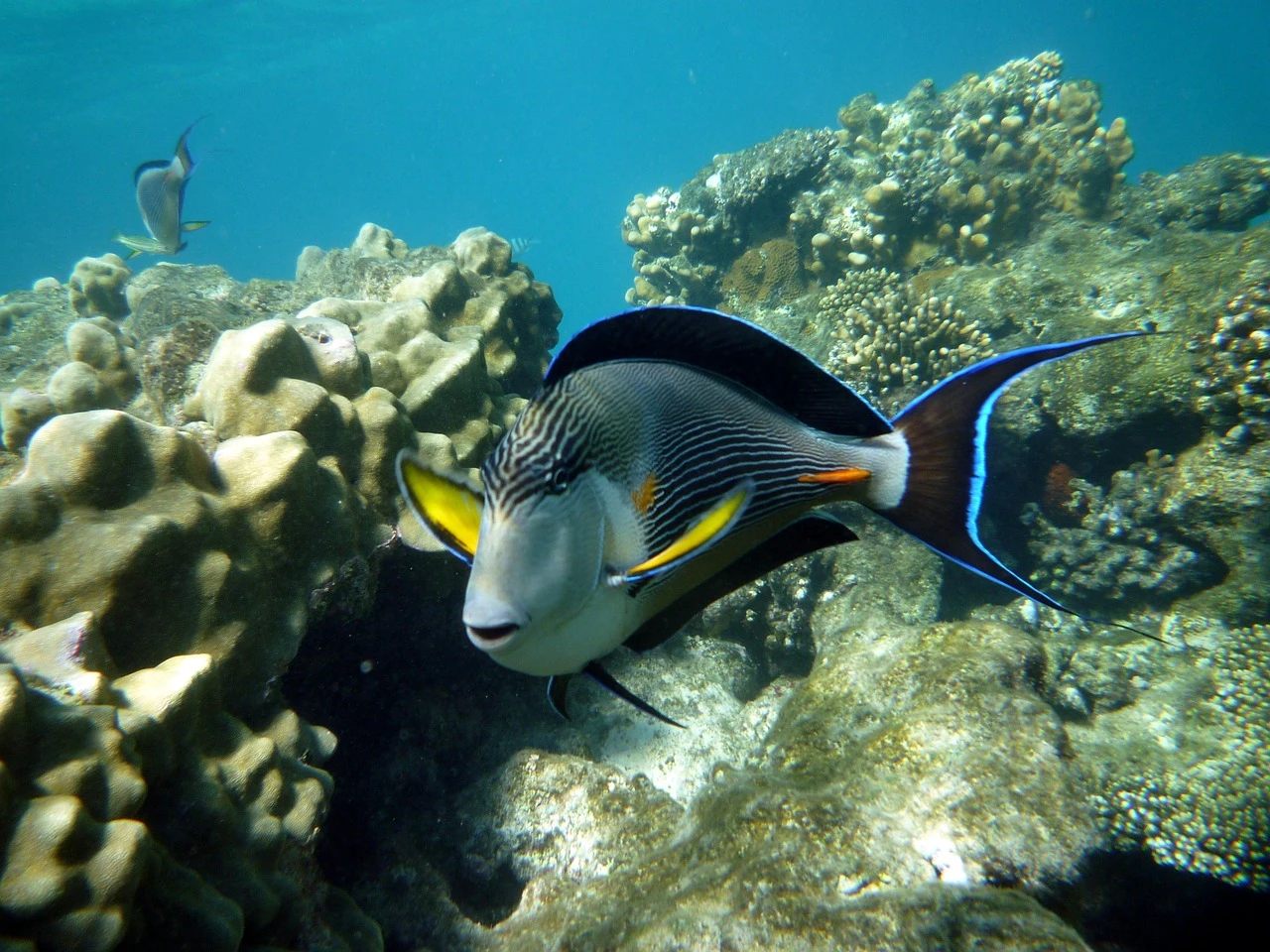
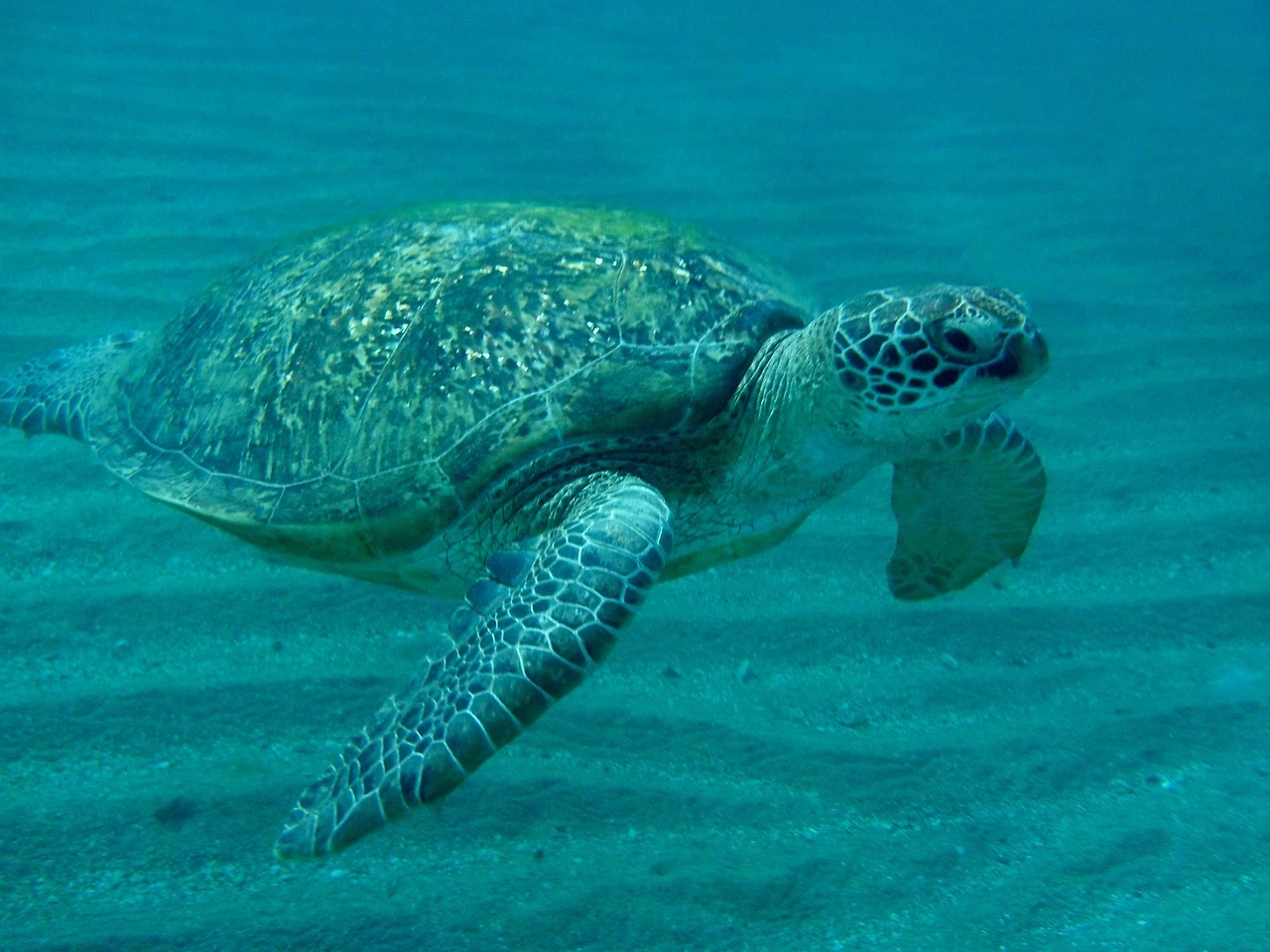
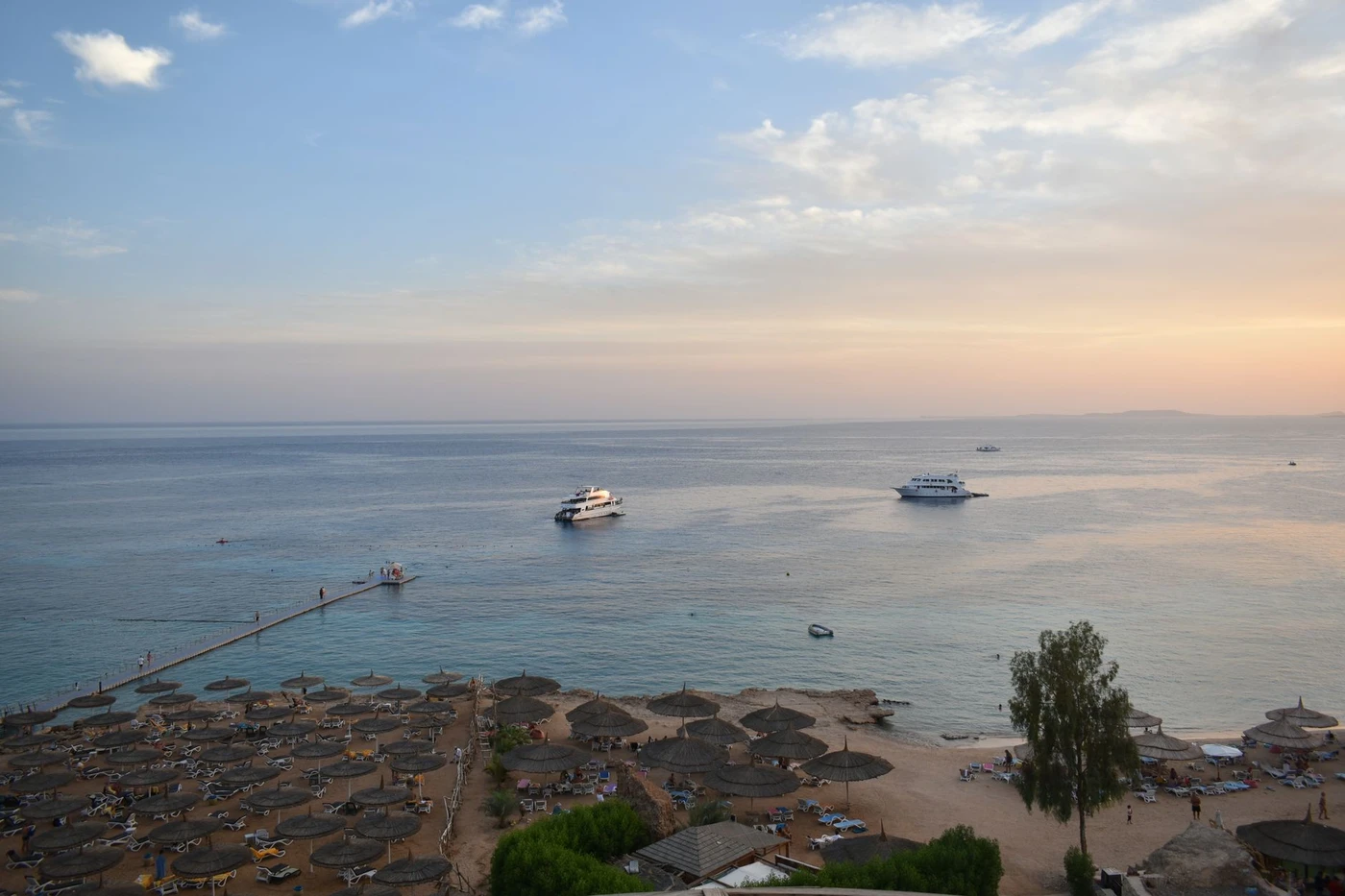
Spend the day beside the Red Sea, with the activity selected for your pace and the sea conditions. A typical excursion includes a boat trip to clear-water areas for swimming and snorkelling, with equipment and safety guidance arranged locally. Travellers who prefer to stay dry can relax on board and enjoy the coastline instead.
The crew explains the boat routine before departure, including boarding, equipment use and the meeting point for returning to shore. Bring a hat, sun protection, swimwear and a towel, and keep valuables secure. Water visibility and the exact route can change with conditions, so the final stops are confirmed on the day. Return to Hurghada in the afternoon for a relaxed evening.
Use your final full day to Uncover the Red Sea at a comfortable pace. You may choose another organised marine excursion, spend time on the beach or use the hotel facilities. Our team can explain the available options and help match the day to your interests, including a gentler plan for travellers who do not want a full boat outing.
Hurghada also has cafés, shops and a long coastal road where you can take an easy walk outside the main heat of the day. Keep the afternoon flexible so you can return to the hotel, organise luggage and confirm the next day’s airport transfer. This is a useful buffer at the end of a varied Egypt itinerary, with no long sightseeing programme to follow.
After breakfast, check your luggage and leave the hotel according to the departure arrangements. Our representative transfers you to Hurghada airport or to the next agreed connection, allowing suitable time for check-in and airport procedures.
If your flight is later in the day, the morning remains available for a final coffee, a short walk or quiet time at the hotel, subject to the accommodation’s checkout rules. Keep travel documents, medication and valuables in your hand luggage. Your 14-day programme ends with the transfer, after Cairo, Alexandria, Siwa, the Nile Valley and the Red Sea.