
Egypt 14-Day Overland Tour from Cairo to Abu Simbel
Egypt 14-Day Overland Tour from Cairo to Abu Simbel goes beyond the usual route, connecting Egypt’s major monuments with quieter archaeological sites and desert landscapes. Begin in Giza at the pyramid complex and the Great Sphinx, then travel south through the Fayoum Oasis region, Middle Egypt, Luxor and Aswan. The journey suits travellers looking for context and variety, rather than a quick visit to the headline sights.
In Cairo, our team guides you across the pyramid plateau before a visit to Cairo's National Museum, where the displays place Egypt’s dynasties, beliefs and daily life in context. The route then reaches the Alexandrian coast, bringing a change of scenery and a look at Egypt’s Mediterranean side. Overland travel takes time, but you see the landscape shift between city, farmland, desert and river valley instead of moving between isolated airports.
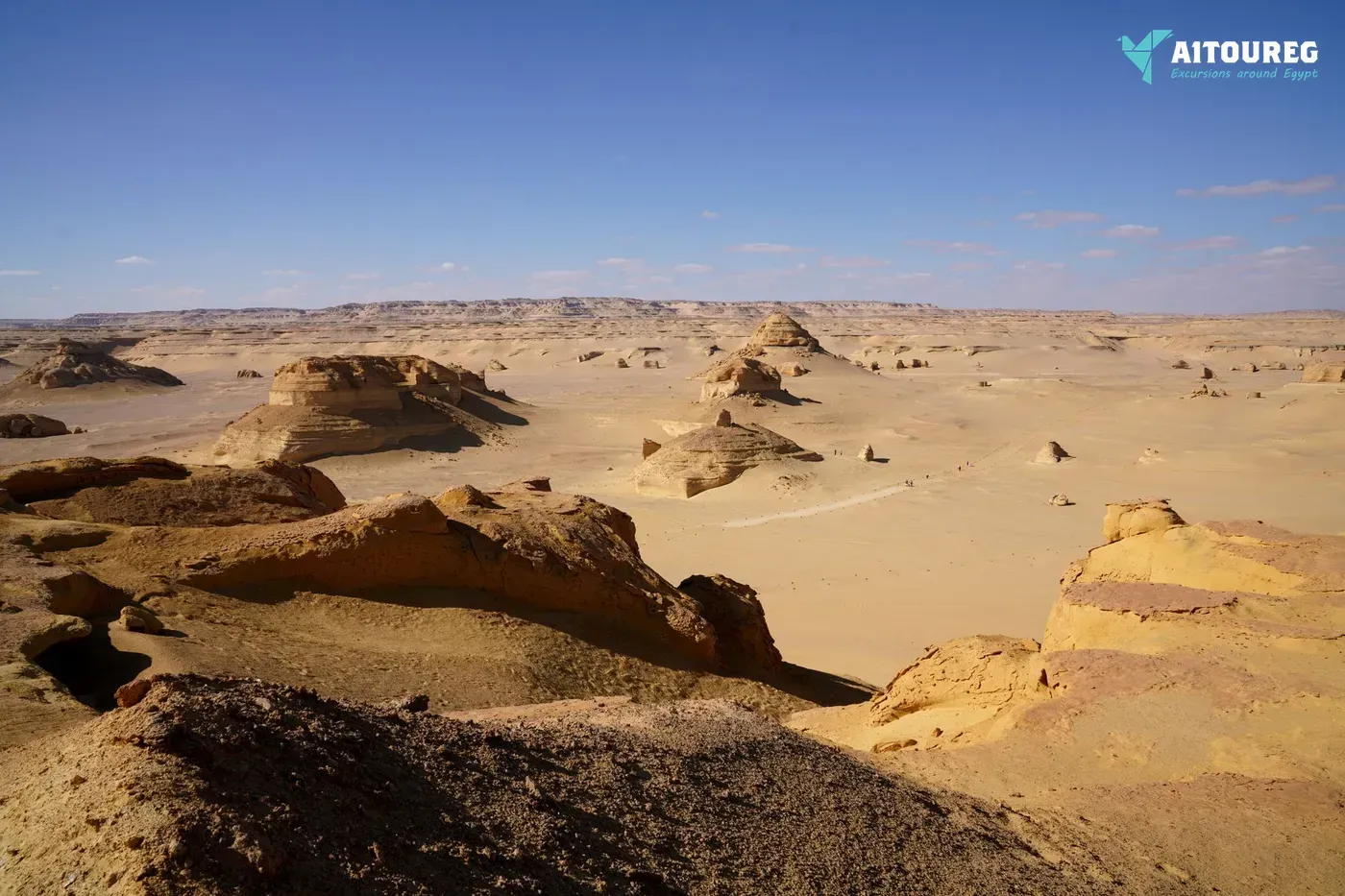
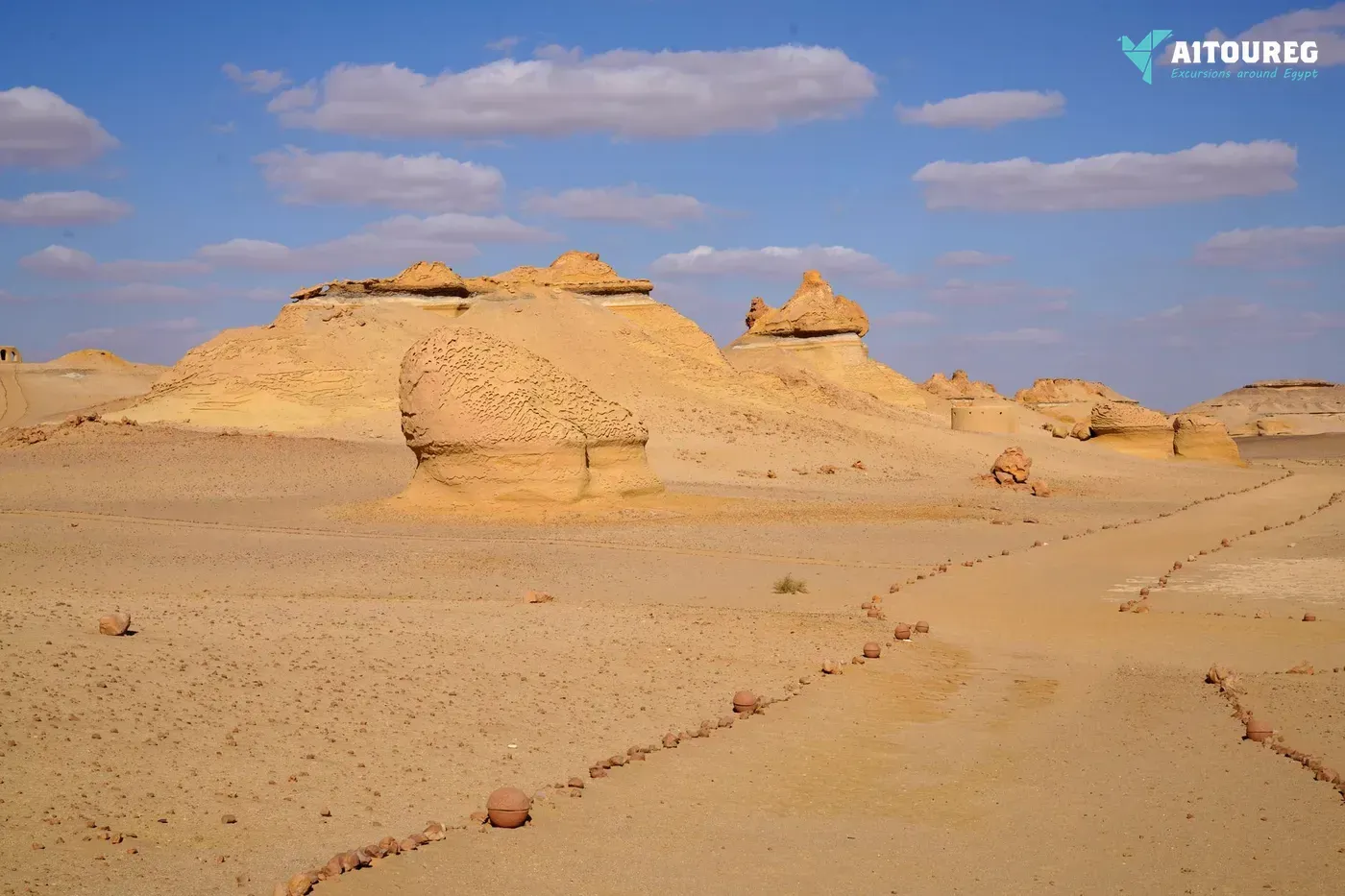
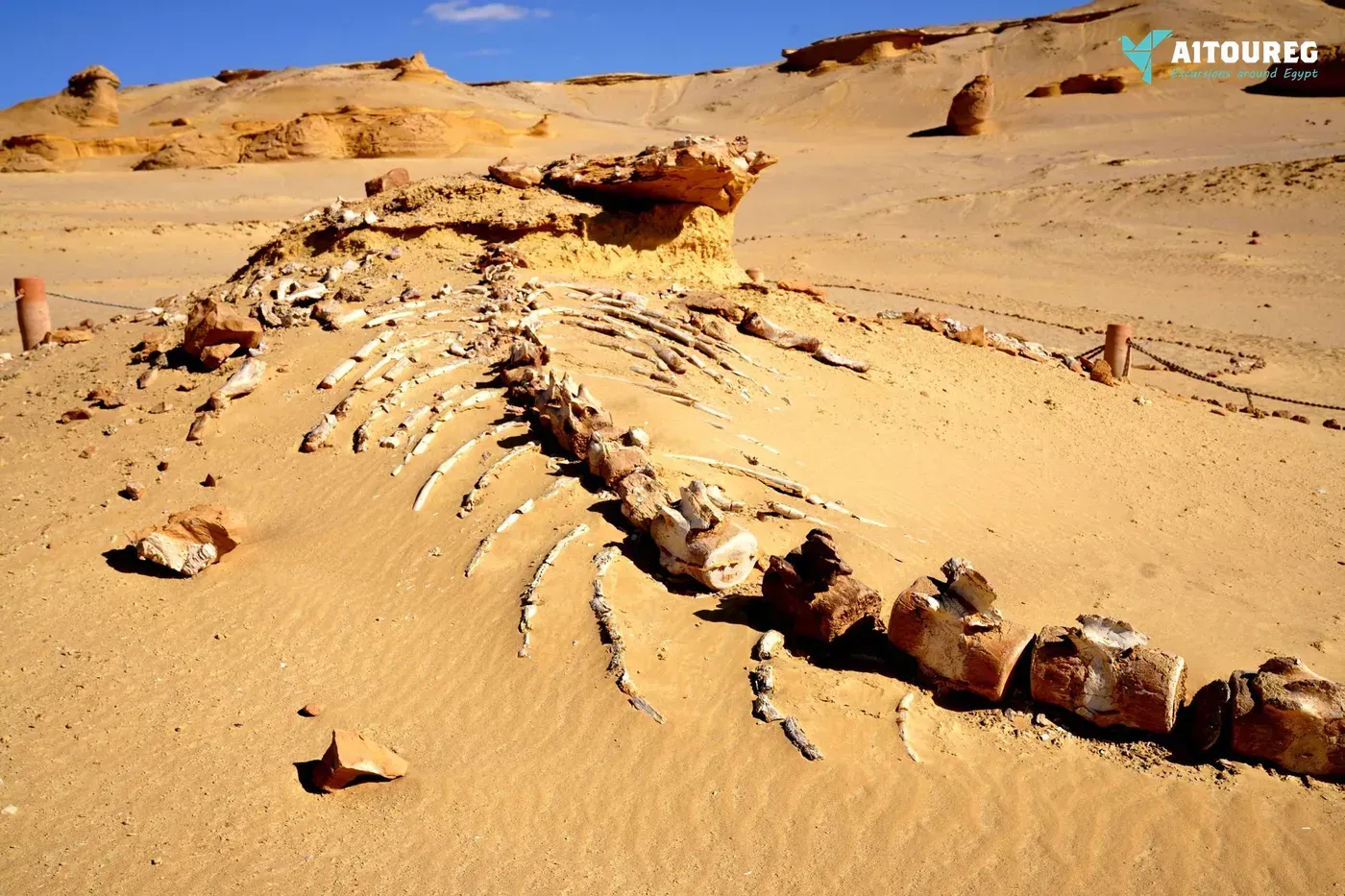
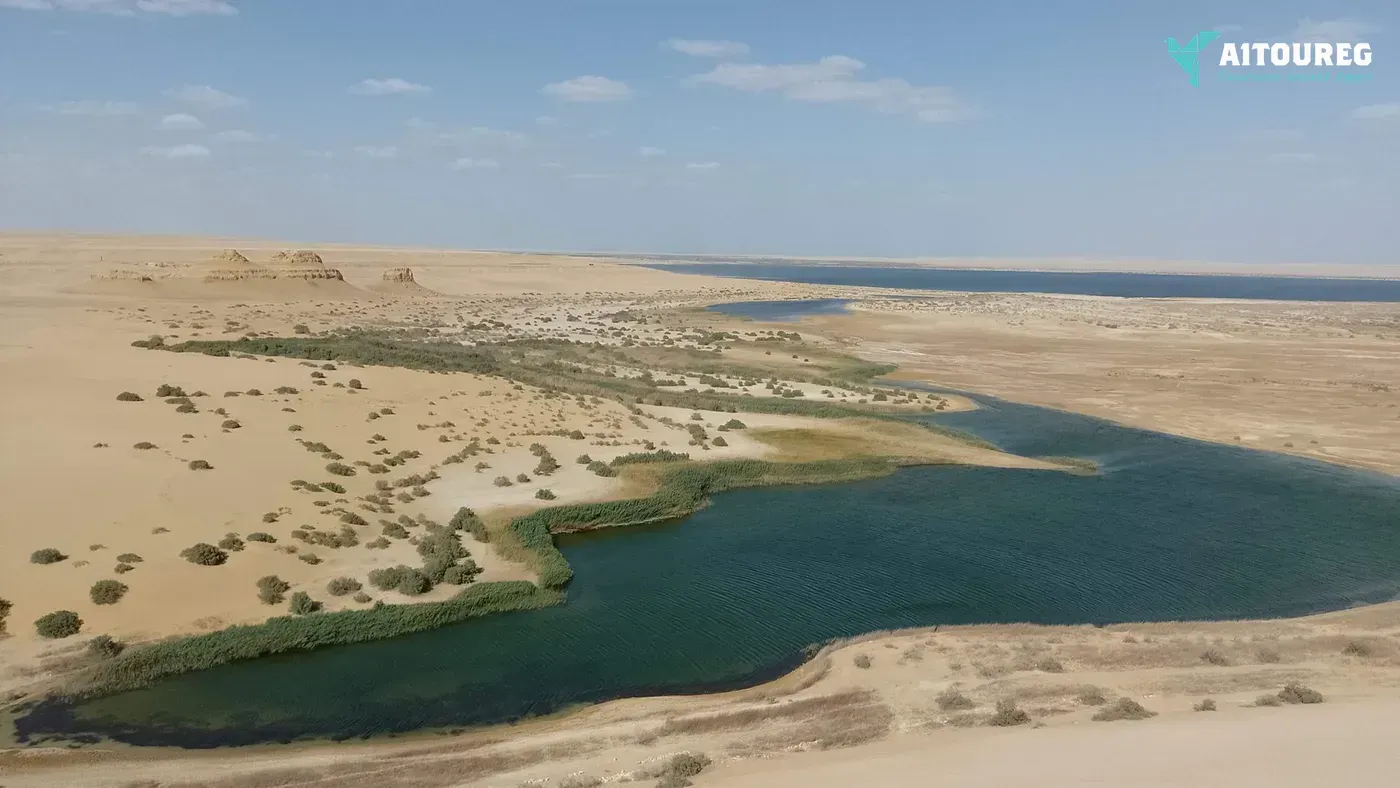
The Fayoum section opens into a more rugged landscape. You will explore Wadi El Hitan-Valley of Whales, a protected desert area known for fossilised ancient whale remains. A 4x4 desert exploration follows the surrounding tracks to Wadi El Riyan National Park and Magic Lake. The Wadi El Hitan museum adds useful detail before or after the outdoor visit. Conditions in the desert are basic, and the programme suits travellers comfortable with sun, dust and uneven ground.
Further south, the route slows around El Minya. You will visit the Tel El Amarna burial sites and the royal tombs of King Akhnaton, then continue to Bani Hassan necropolis, Tuna El Gebel burial grounds and the El Ashmunein site. These places show another side of ancient Egypt, with rock-cut tombs, religious remains and traces of settlements that see fewer visitors than Giza or Luxor. A guide helps explain what remains on site, especially where inscriptions and foundations are incomplete.
The Sohag region leads to Abydos Temple, one of the most important religious sites in ancient Egypt. Inside, look for the King registry, scenes linked to the Egyptian Calendar system and the Flower of Life symbol often discussed by visitors. The temple also contains mysterious cryptic spaces and layered inscriptions that reward a slower look. The route can include the sacred temple of Hathor, where your guide will point out reliefs connected with Cleopatra VII.
Luxor has the densest concentration of major monuments. On the west bank, visit the Valley of Kings and Hatshepsut's mortuary temple, then cross to the east bank for the Karnak temple complex. The setting shifts from painted burial chambers to broad courtyards, columns and processional avenues. We arrange the transfers and sightseeing order so you can focus on the monuments instead of organising transport between them.
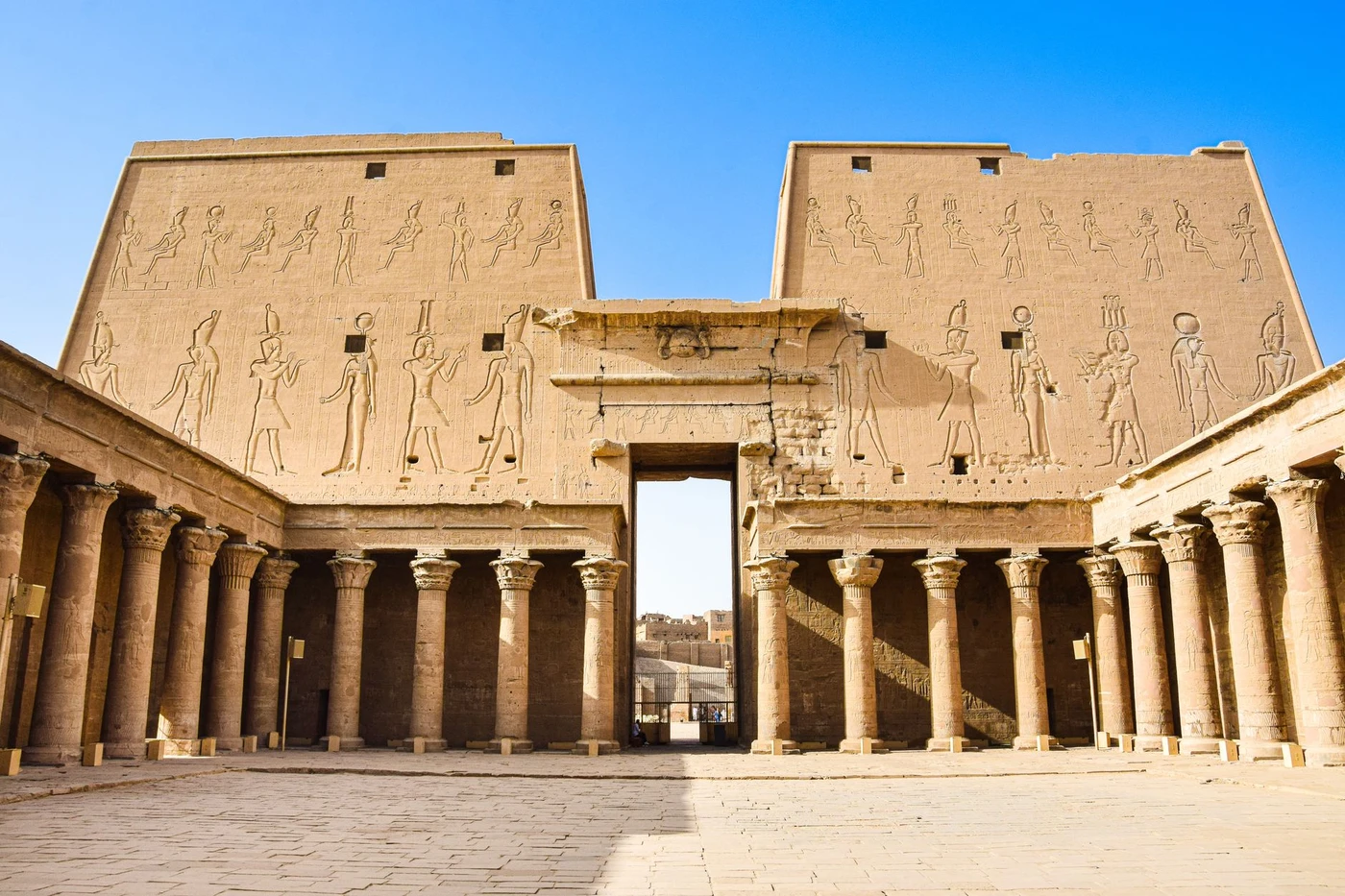
From Luxor, continue south with visits to Esna, Edfu Temple and Kom Ombo Temple before reaching Aswan. Edfu preserves a particularly clear temple layout, while Kom Ombo is unusual for its double dedication. In Aswan, explore Philae Temple and the city’s major sites, with time to take in the Nile setting at a gentler pace. The final major visit is the Abu Simbel monuments, reached by arranged road transfer according to the operating schedule.
This is an active trip, with long road sections, early starts for some visits and walking over stone surfaces, sand and uneven paths. Accommodation, planned transfers, sightseeing and meals are arranged as part of the programme, while the exact hotel and meal arrangements depend on the confirmed itinerary. The tour suits curious adults, families with older children and travellers who prefer a structured route. It is less suitable if you need a slow-paced holiday or have difficulty with stairs and extended walking. Tell our team about mobility, dietary or health requirements before travel so we can advise on the practical arrangements.
Accommodation during the 14-day tour
4x4 desert transport for the Wadi El Hitan area
Aswan and Abu Simbel transfers
Meals stated in the confirmed itinerary
Licensed Egyptologist guides where relevant
Sightseeing and entrance arrangements listed in the itinerary
Planned overland transfers in a comfortable air-conditioned vehicle
Personal expenses, drinks and laundry
Any meals or entrance fees not stated as included
Optional activities not listed in the itinerary
Egypt entry visa and personal travel insurance
International and domestic flights
Tips for guides and drivers
Comfortable walking shoes with good grip
Small day bag, camera and spare phone power bank
Light, breathable clothing that covers shoulders and knees at religious sites
Light fleece or jacket for early starts and desert evenings
Passport and required travel documents
Refillable water bottle
Wide-brimmed hat or cap, sunglasses and high-factor sunscreen
Any personal medication, with prescriptions where needed
The 14-day Egyptian overland adventure journey covers guided sightseeing and road transfers through Cairo, Giza, the Alexandrian coast, Fayoum Oasis, El Minya, Sohag, Luxor, Esna, Edfu, Kom Ombo and Aswan, with visits to the Pyramid complex at Giza, the Great Sphinx monument, major temples, Philae Temple and the Abu Simbel monuments.
The route also includes the Cairo's National Museum, Wadi El Riyan National Park, Magic Lake, Wadi El Hitan museum, the Valley of the Kings, Karnak temple complex, Edfu Temple and Kom Ombo Temple. Exact accommodation, meals, guide arrangements and entrance inclusions are shown in the booking details for your departure.
This 14-day Egypt tour has a full sightseeing schedule, with several long overland transfers, but it is arranged in regional stages so you can explore each area in a practical order. The journey moves from Cairo and Giza to the Alexandrian coast, Fayoum, El Minya, Sohag, Luxor and then Aswan.
Some days focus on archaeology, such as the Tel El Amarna burial sites, the royal tombs of King Akhnaton, Bani Hassan necropolis, Tuna El Gebel burial grounds and El Ashmunein site. Other days include 4x4 desert exploration, the Wadi El Hitan-Valley of Whales and the Wadi El Hitan museum, followed by temple visits and the journey south.
Pickup and road transfers are arranged according to your confirmed starting location and the day’s route, with our team coordinating the meeting details before the tour begins. This overland journey uses road transport between the main regions, including the transfer from Luxor through Esna, Edfu and Kom Ombo to Aswan.
Because the route covers a large part of Egypt, transfer times vary and some days begin early. Your guide or tour coordinator will confirm pickup instructions, meeting points and the plan for each day; exact times can change with local traffic, site access and operational arrangements.
Children can usually join this Egyptian overland adventure journey, while travellers with limited mobility should discuss their needs with us before booking because the route includes uneven ground, steps, temple courtyards, desert terrain and extended walks. The Pyramid complex at Giza, Valley of the Kings and Abu Simbel monuments may each require walking between transport areas and the sites.
The 4x4 desert exploration at Wadi El Hitan, visits to burial grounds and long road transfers may be tiring for younger children or travellers with reduced stamina. We can advise on the practical demands of your planned departure, but we cannot guarantee step-free access at every ancient site.
Bring light, breathable clothing, comfortable walking shoes, sun protection and a wide-brimmed hat or cap for temple, tomb and desert visits. A light layer is useful for air-conditioned vehicles and cooler mornings, while modest clothing covering the shoulders and knees is respectful at religious and historic sites.
Pack a refillable water bottle, sunglasses, sunscreen, personal medication, a small day bag and a phone or camera with spare power. The route includes the desert around Wadi El Hitan, the Valley of the Kings, Karnak temple complex, Philae Temple and the Abu Simbel monuments, so footwear with a firm sole is more useful than formal shoes.
To book the 14-day Egyptian overland adventure journey, select your preferred departure details and review the current inclusions, traveller requirements and payment conditions before confirming. Cancellation terms depend on the booking conditions attached to your reservation, so check those terms carefully or ask our team before payment.
If your interests include Abydos Temple, the Mysterious Cryptic references, Cleopatra VII, the King registry, the Flower of Life symbol or the Egyptian Calendar system, tell us in advance so your guide can place the interpretation in context. The itinerary wording may also use corrected names such as Hathor's sacred temple and Hatshepsut's mortuary temple; we can clarify exactly which stops apply to your departure.
Your unforgettable Egypt journey starts with a booking you can trust.
* Available on selected tours. Flights, cruises and special bookings may have different cancellation policies.
Free cancellation up to 24 hours before activity starts
If you choose to pay online, a secure payment link can be provided after booking. For assistance or alternative payment options, please contact us via WhatsApp.
All our tour operators are licensed and verified by Egyptian tourism authorities.
Learn more about our licensed partners →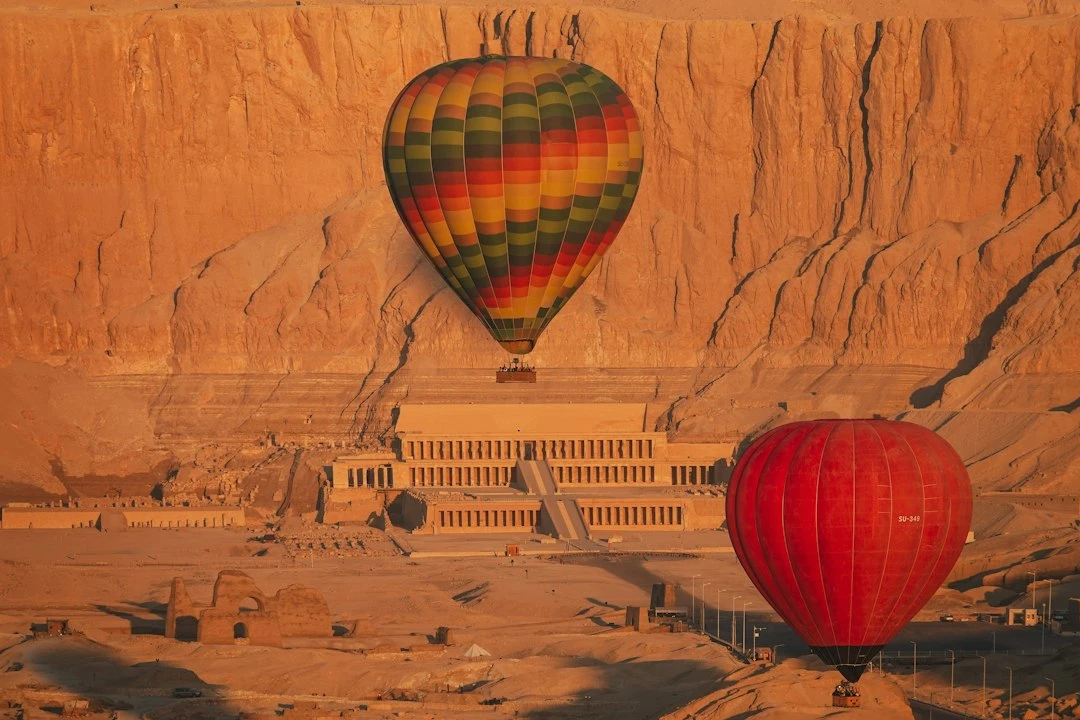


Free cancellation up to 24 hours before activity starts
If you choose to pay online, a secure payment link can be provided after booking. For assistance or alternative payment options, please contact us via WhatsApp.
All our tour operators are licensed and verified by Egyptian tourism authorities.
Learn more about our licensed partners →
Your Itinerary
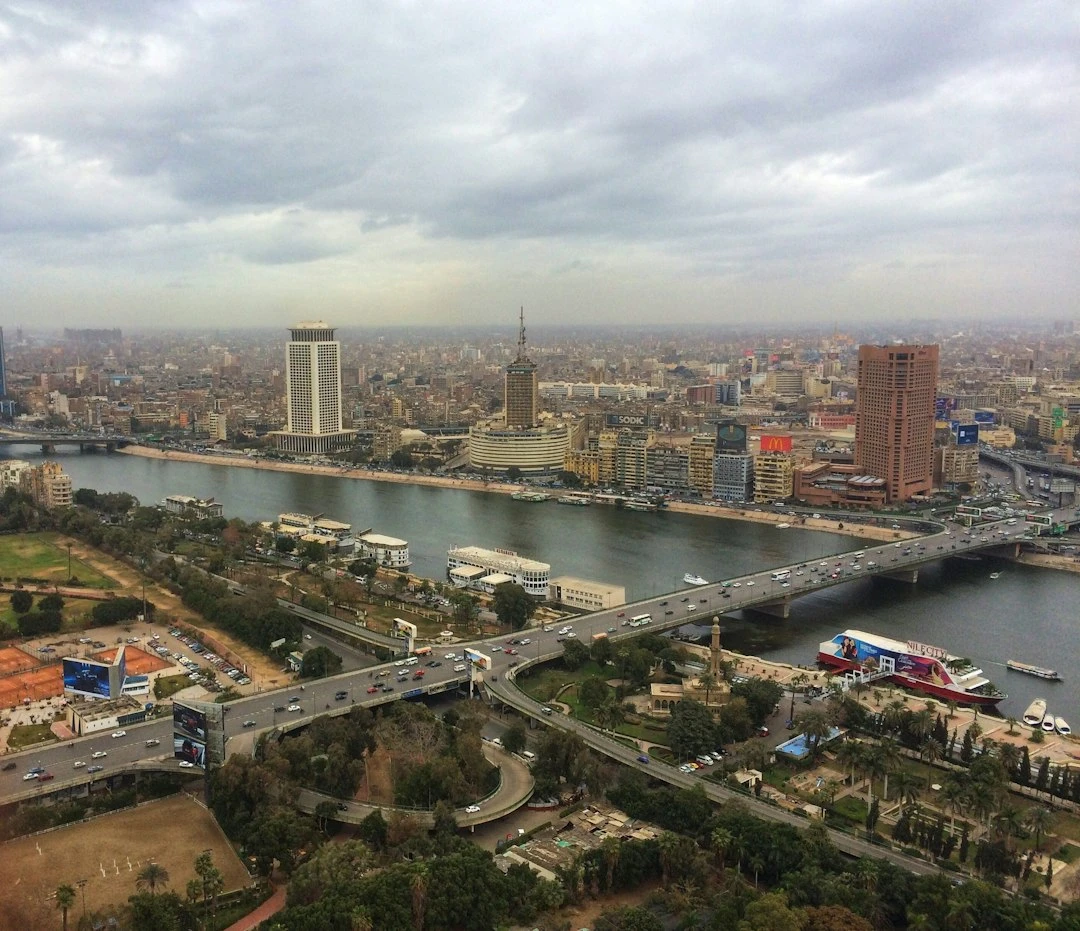
Arrive in Cairo, where our team meets you at the airport and helps with the transfer to your accommodation. After check-in, the rest of the day is kept light so you can recover from the journey and get your bearings in Egypt’s capital. Your guide reviews the route, answers practical questions and confirms the next morning’s departure arrangements.
If your arrival time allows, take a short walk near your accommodation or rest before the overland days begin. Cairo is a large city, so traffic can affect transfer times; we build the day around a calm arrival rather than adding a rushed sightseeing stop. Meals and evening plans remain flexible according to your arrival schedule.
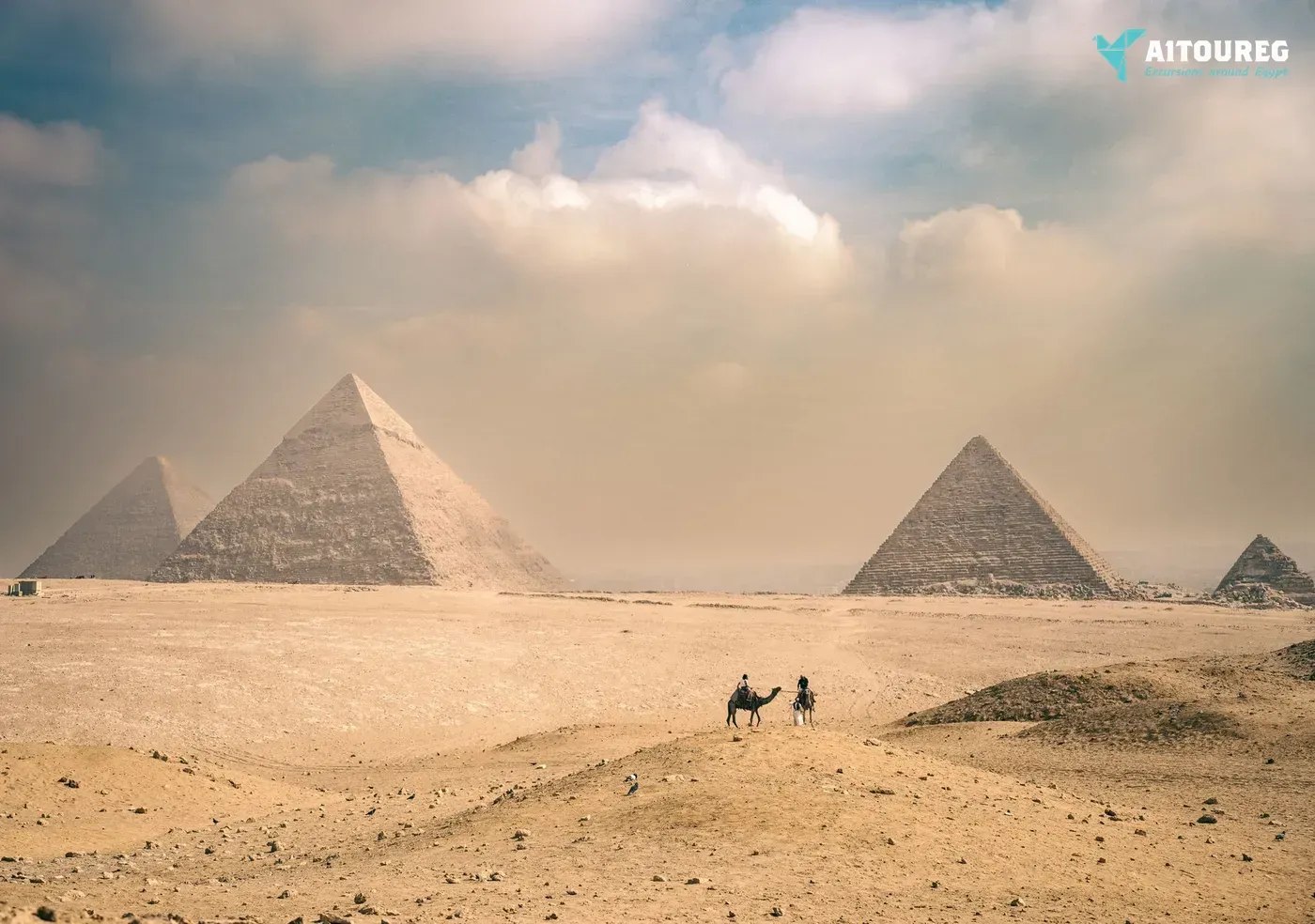
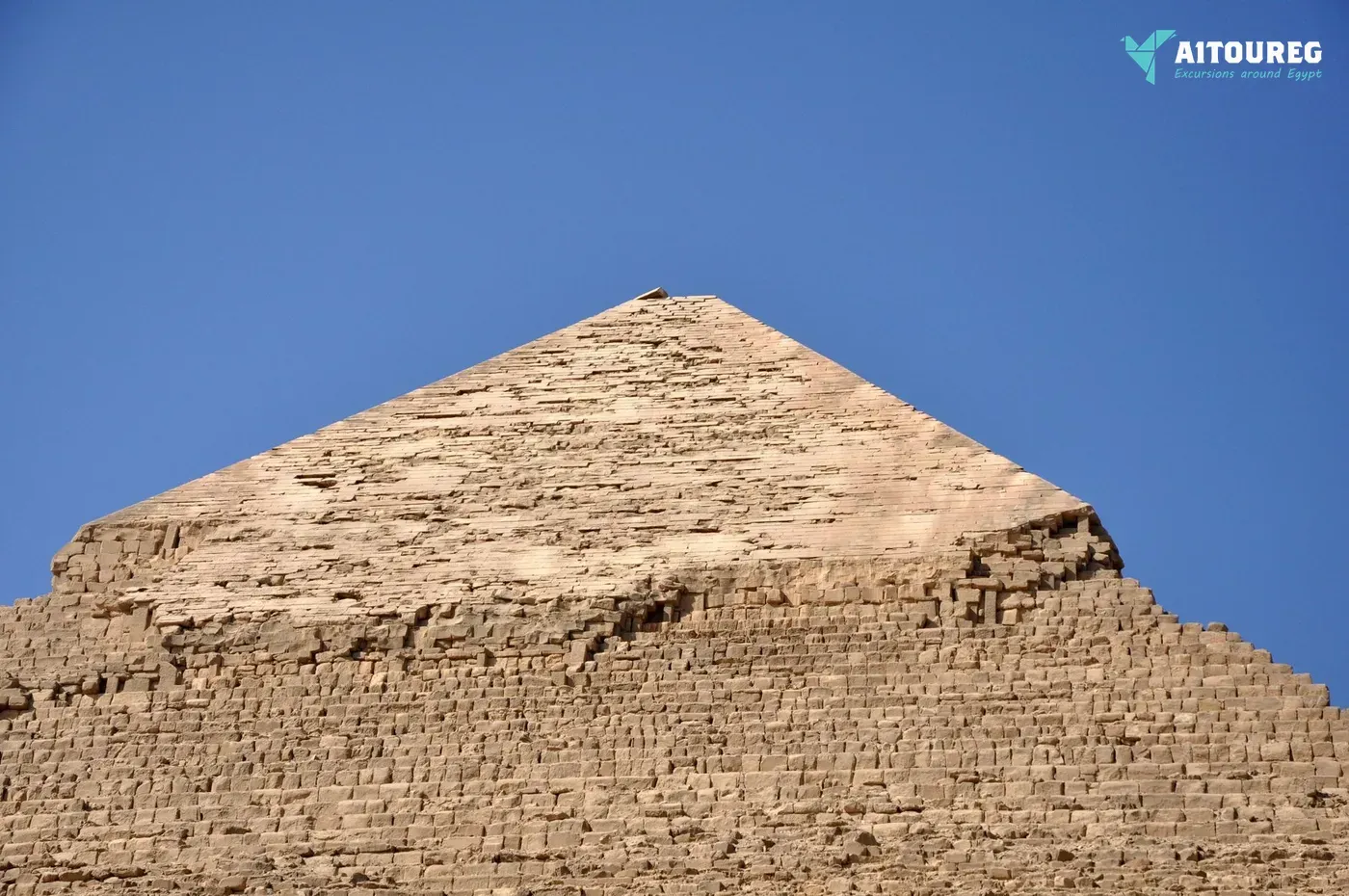
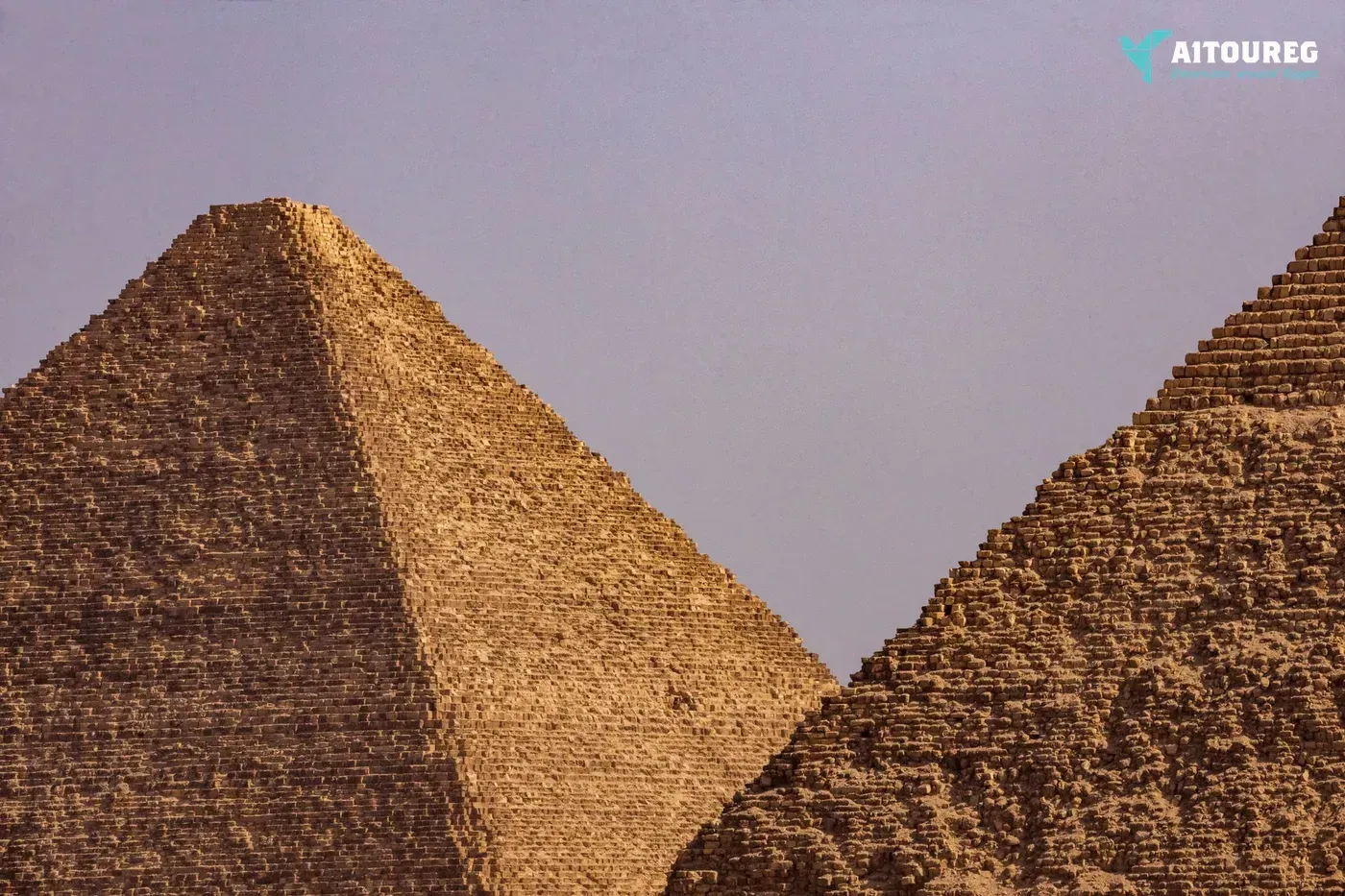
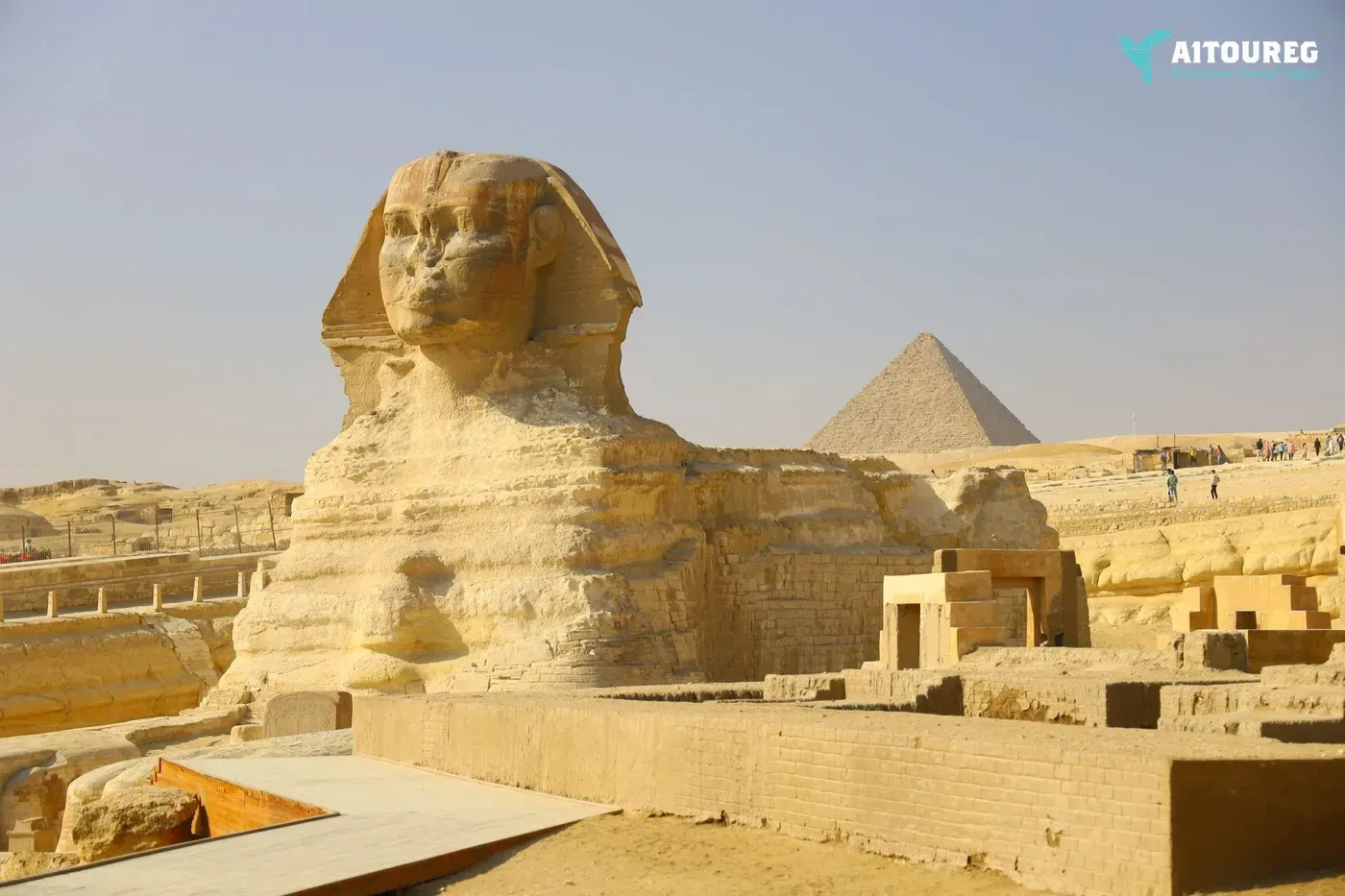
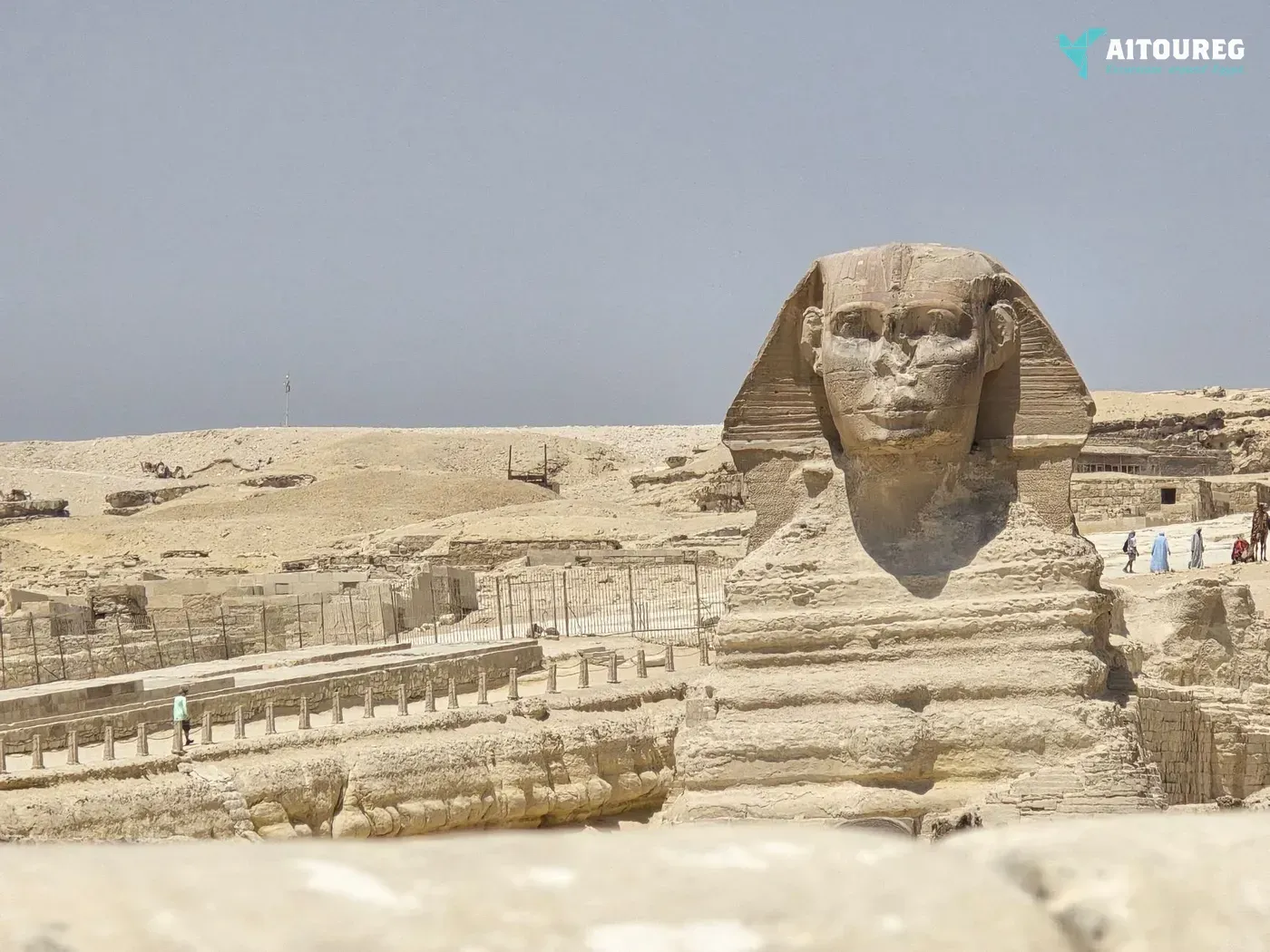
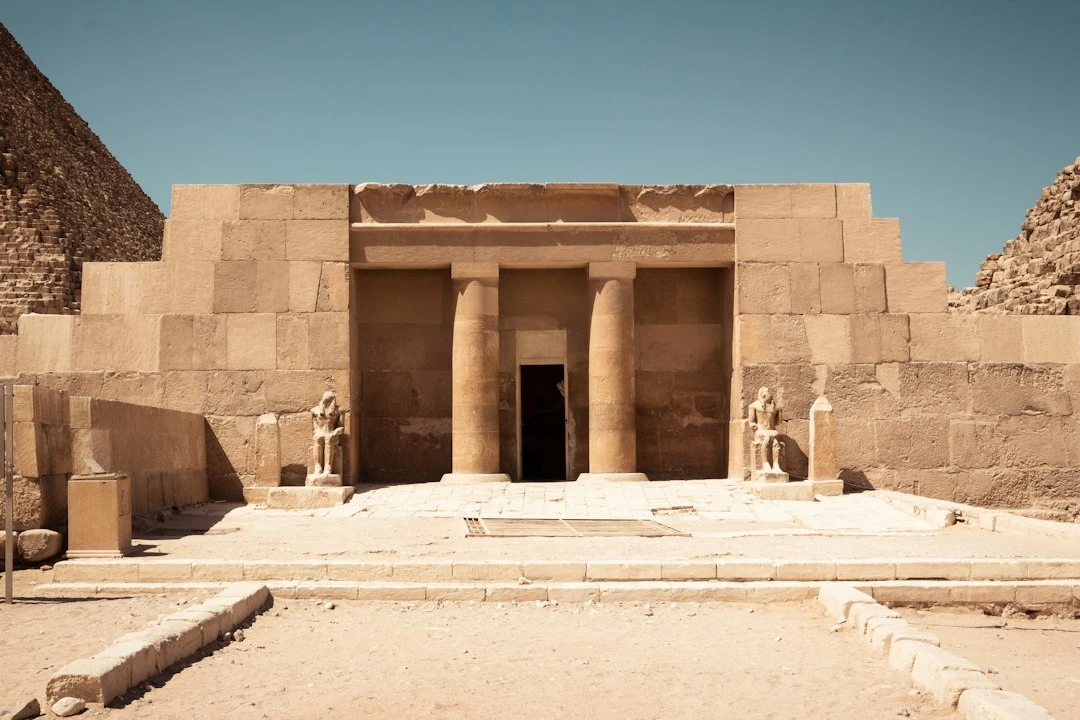
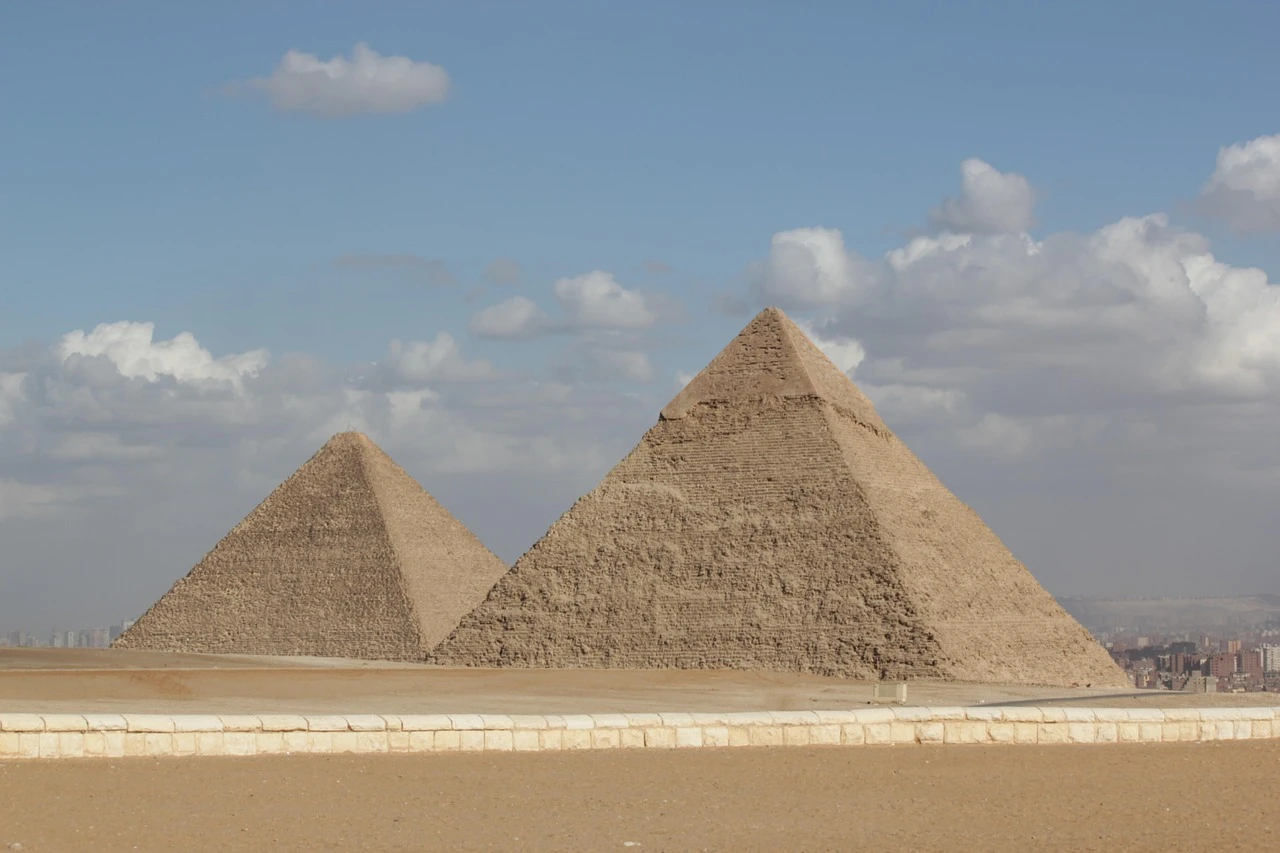
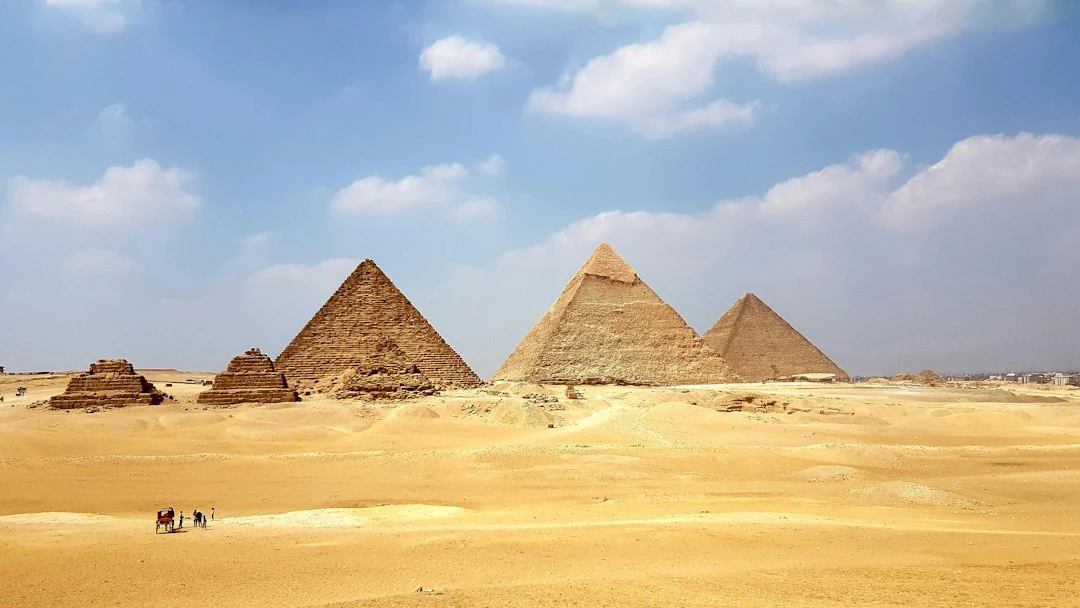
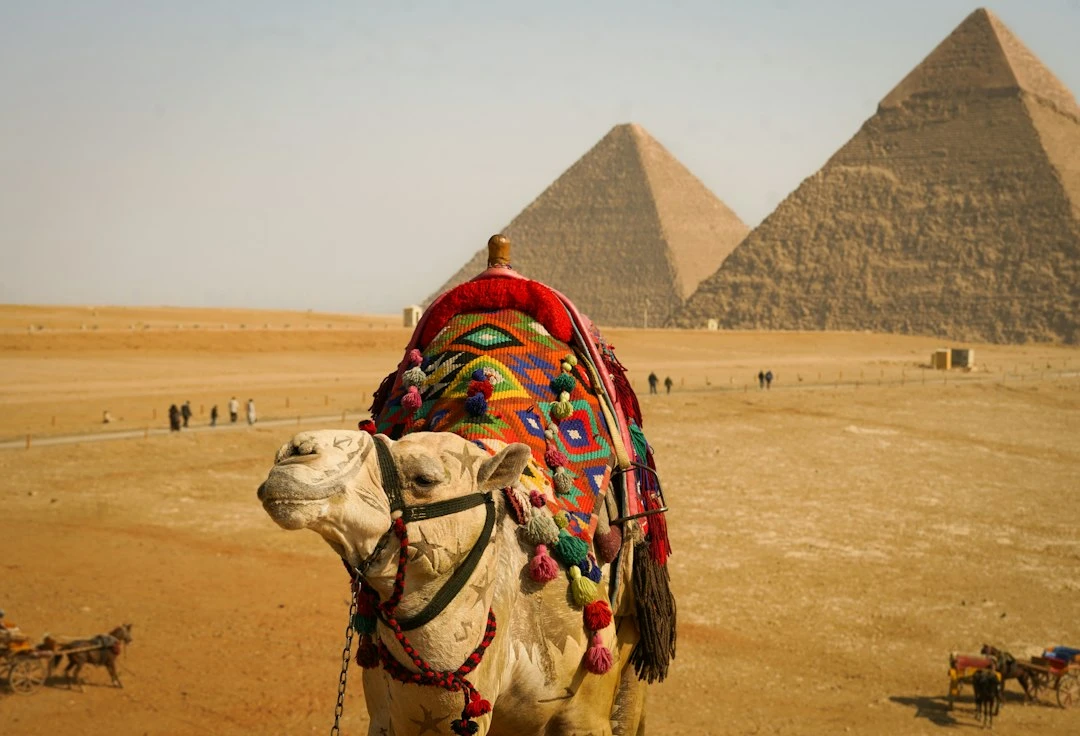
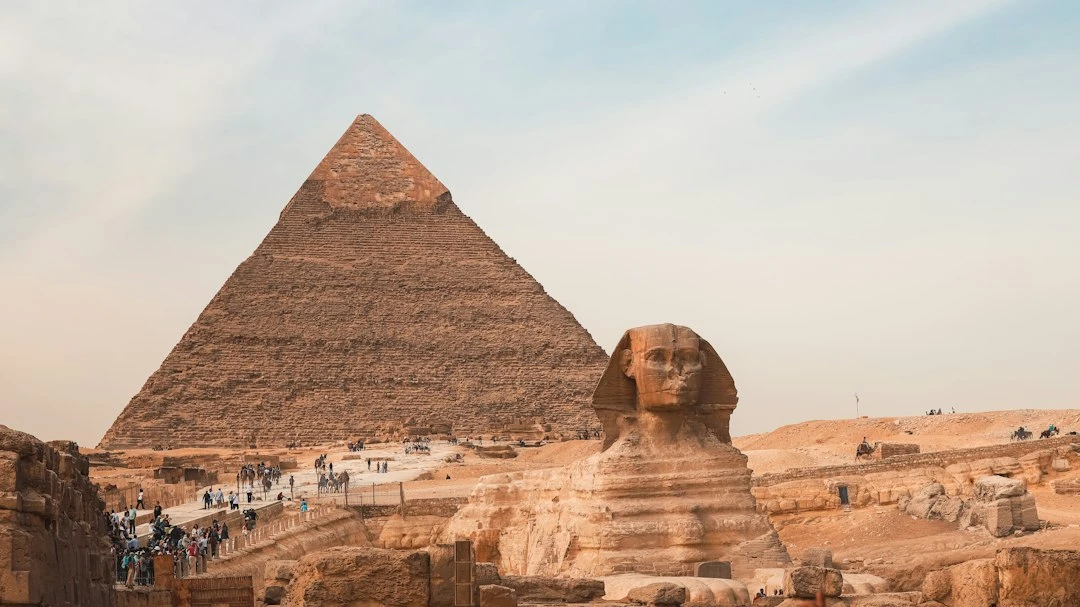
Begin at Giza, travelling to the Pyramid complex at Giza with your guide. Walk around the pyramid bases and viewpoints, where the scale of the Old Kingdom monuments becomes clear from ground level. The visit continues to the Great Sphinx monument, whose carved face and lion’s body sit beside the ancient ceremonial landscape. Your guide explains how the plateau was planned as a connected royal complex rather than a group of isolated monuments.
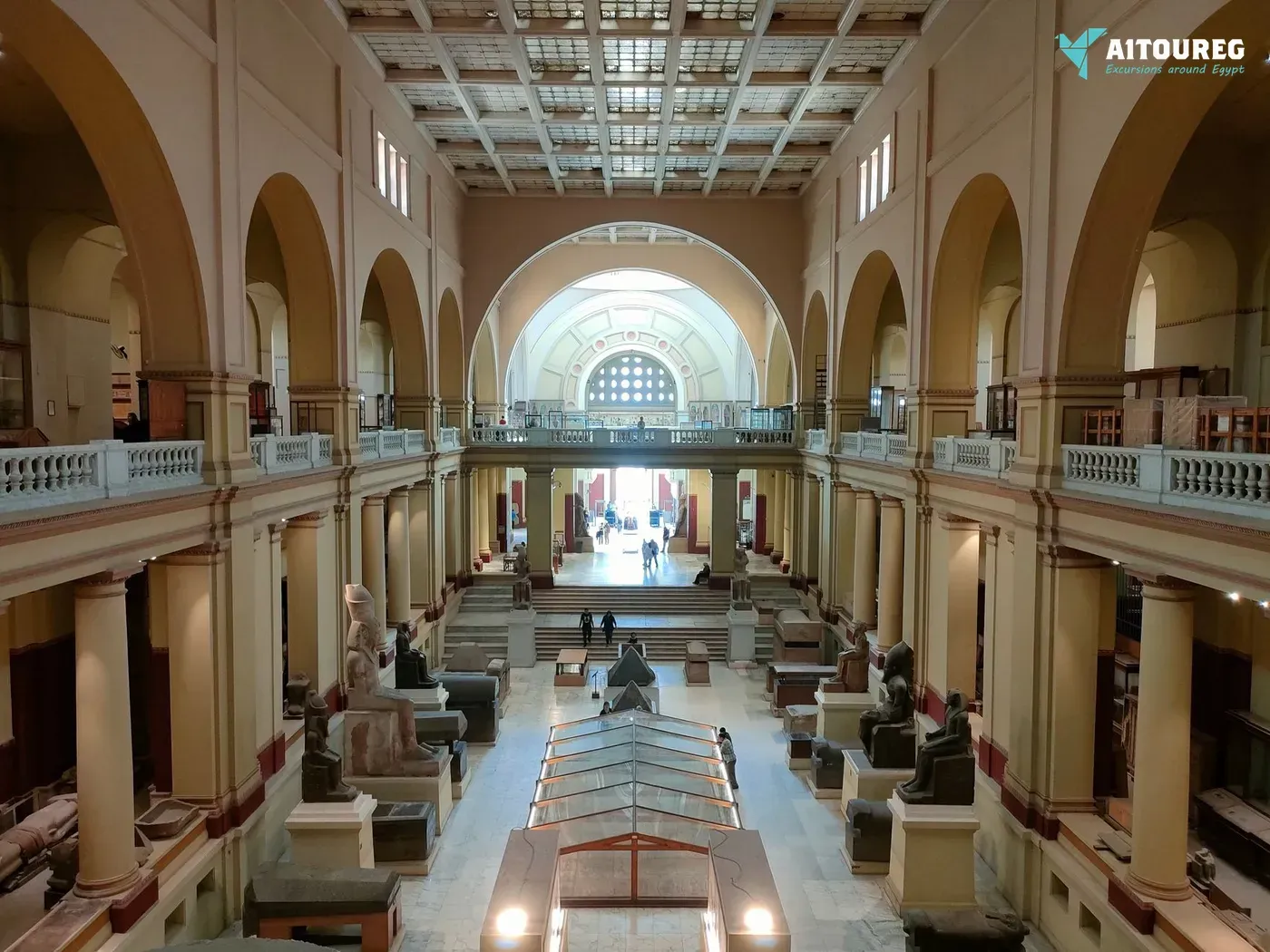
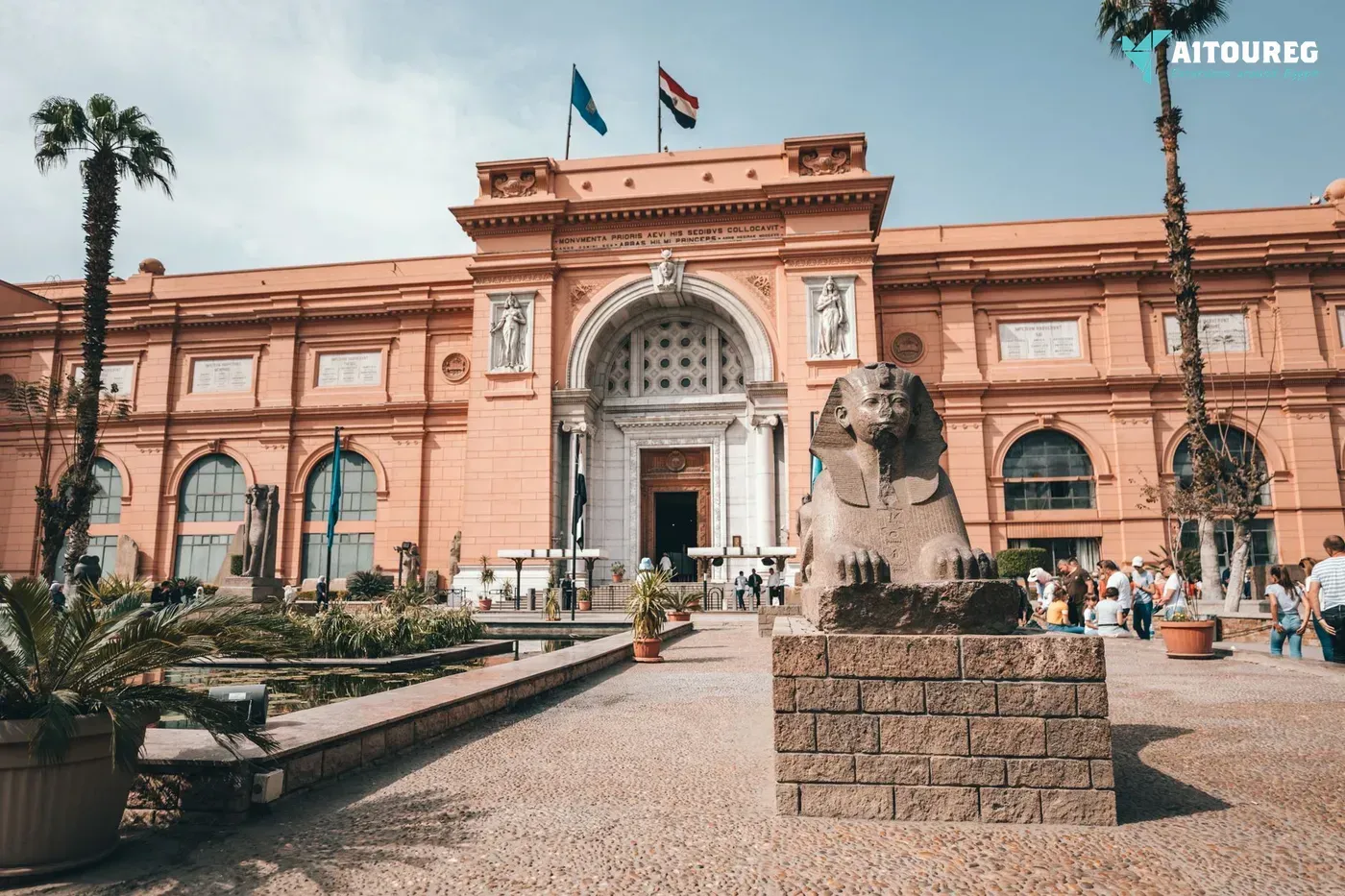
Later, return towards central Cairo for Cairo's National Museum. Its galleries place Egypt’s long history in context, from early dynastic objects to later periods, and help prepare you for the sites ahead. Expect walking on uneven ground at Giza, sun exposure and time spent standing in museum galleries. Comfortable shoes, water and a wide-brimmed hat or cap are useful.
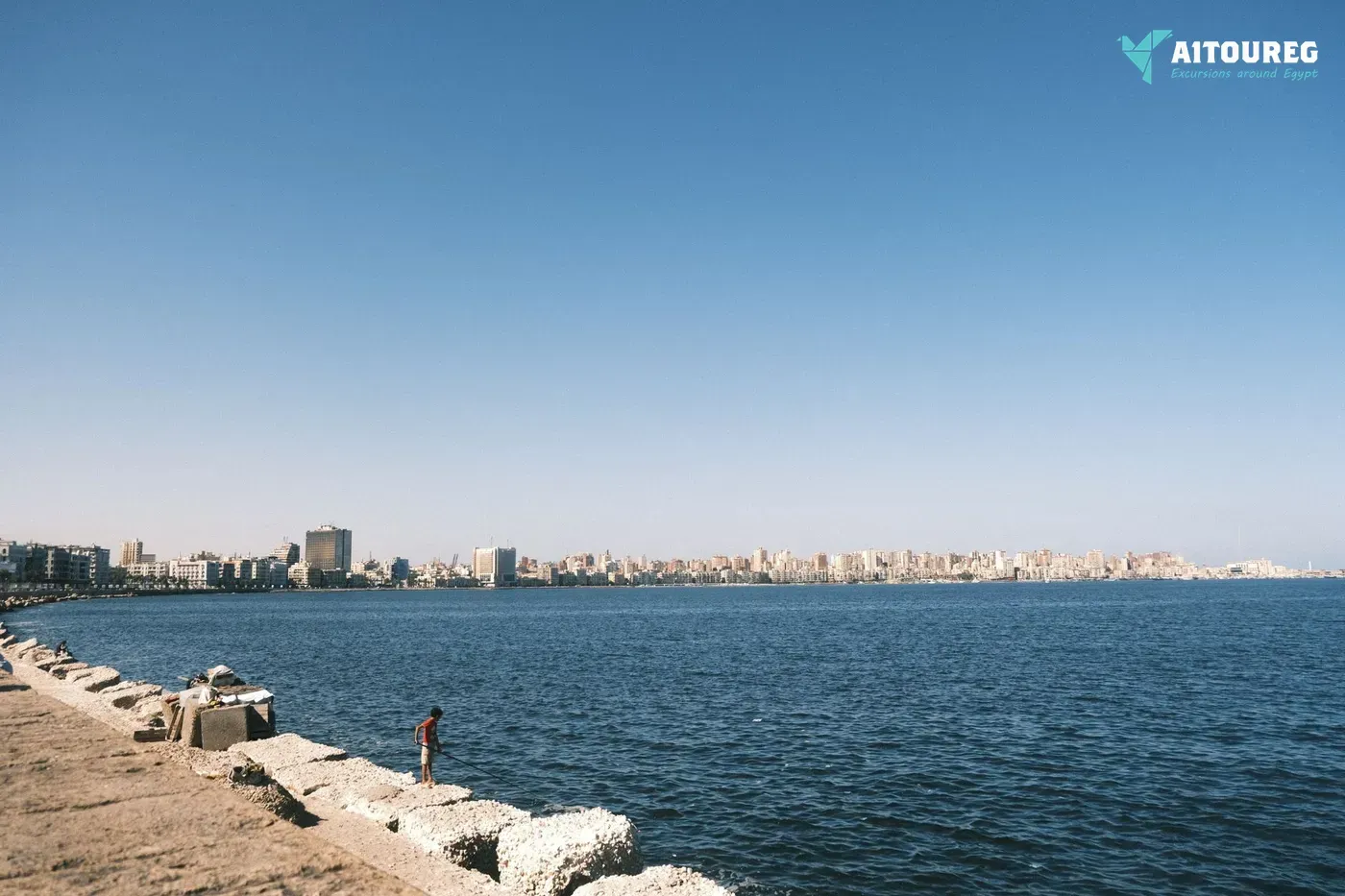
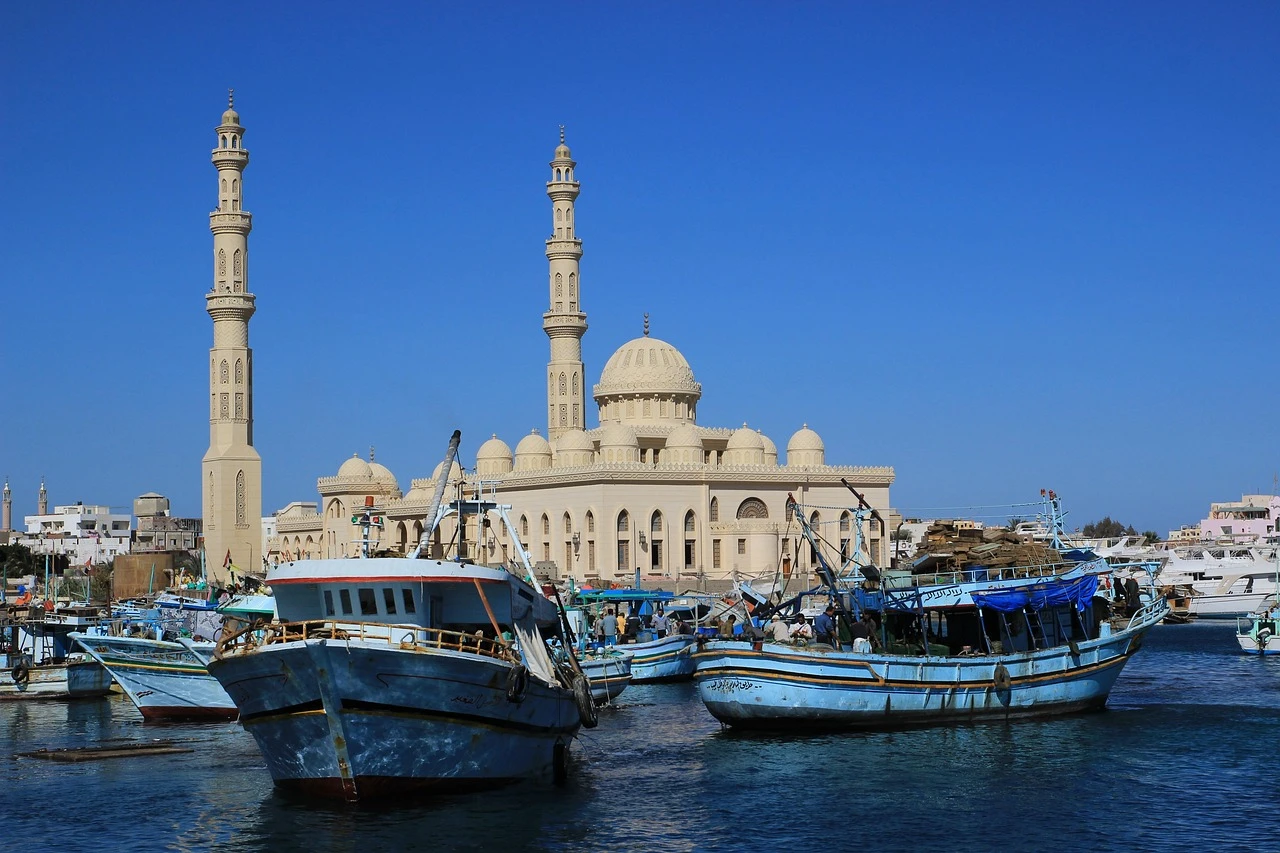
Leave Cairo by road for the Alexandrian coast, following the route north towards the Mediterranean. Alexandria has a different pace and character from Cairo, with sea air, broad waterfront views and layers of Greek, Roman, Egyptian and modern history. Your guide introduces the city through its coastal setting before taking you to the principal sightseeing areas included in the day’s plan.
Allow several hours for the drive in each direction, with the exact journey shaped by traffic. On arrival, walk at an easy pace and keep some time for the waterfront and local lunch. The city’s historic remains are spread across urban streets rather than one enclosed site, so transfers between stops are part of the experience. Return to Cairo in the evening for rest before the next desert excursion.
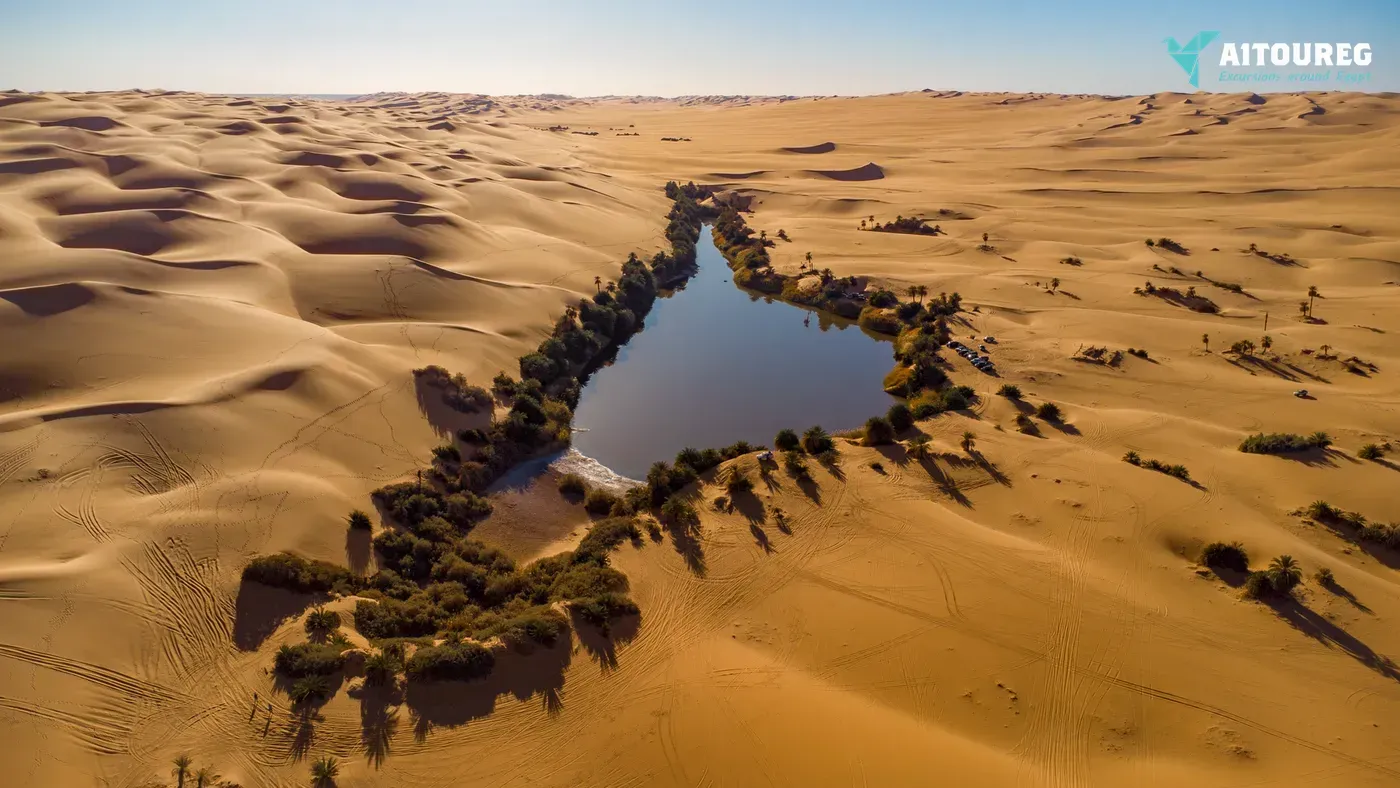
Travel southwest into the Fayoum Oasis region, leaving the Cairo suburbs behind for cultivated land, desert edges and wide open views. The route continues to Wadi El Hitan-Valley of Whales, a protected desert area known for fossilised whale remains preserved in ancient seabeds. The landscape is quiet and exposed, so your guide sets the walking pace around the ground conditions and the heat.
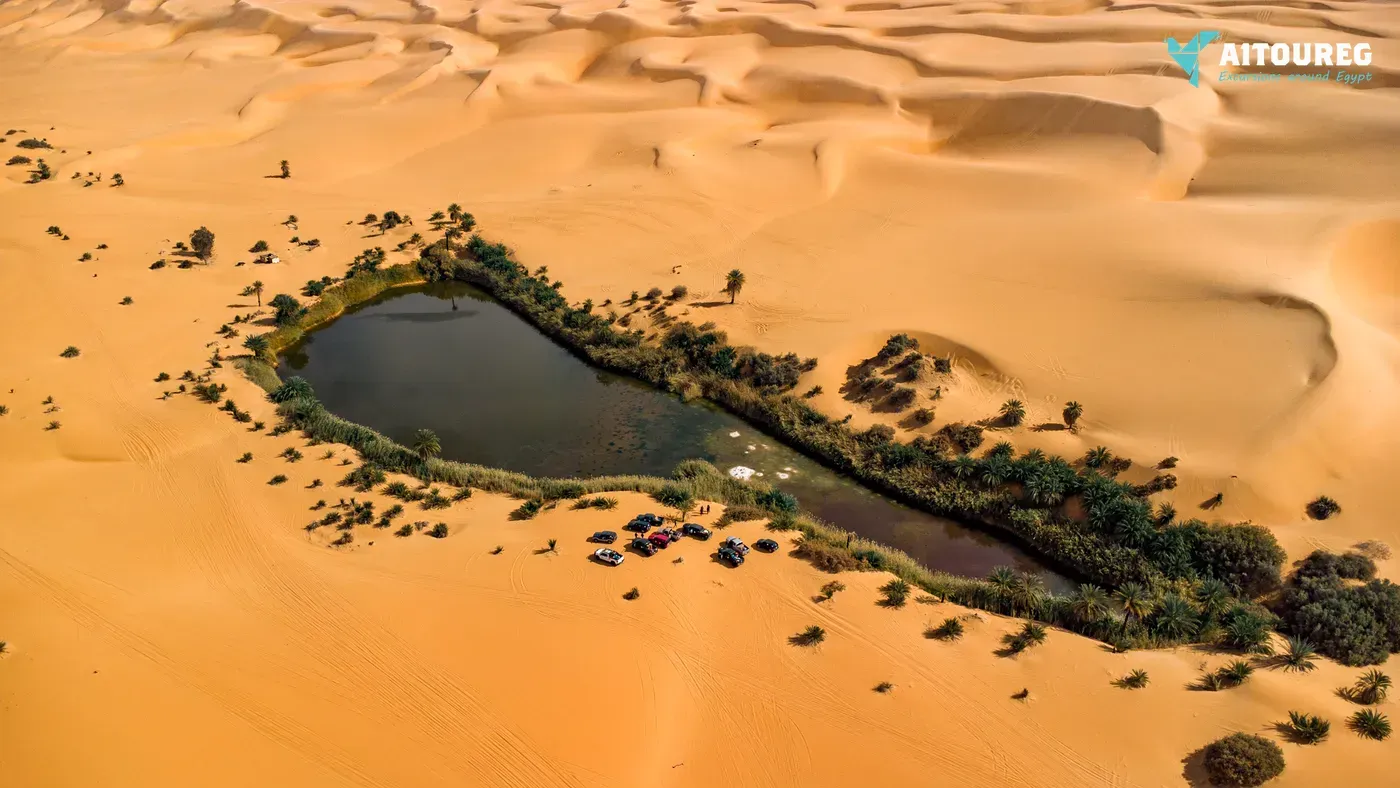
Continue with 4x4 desert exploration across the area before visiting the Wadi El Hitan museum. The museum explains how the fossils record the evolutionary transition of whales from land mammals to marine animals. Later, visit Wadi El Riyan National Park and Magic Lake, where desert hills meet water in a striking change of scenery. A 4x4 transfer is essential on the sandy sections; bring water, sun protection and closed walking shoes.
Set out early for El Minya, travelling south through the Nile Valley. This is a longer road day, with the scenery changing from the Fayoum desert margins to farmland, villages and the river corridor. Our team keeps the journey practical, allowing comfort stops along the way and explaining the sites planned for the following day.
After reaching the El Minya area, check in and take time to rest. Depending on road conditions and arrival time, your guide may offer a short orientation around the local area, but the main archaeological visits are saved for daylight. El Minya is a useful base for exploring Middle Egypt, where major sites are quieter and more widely spaced than those around Cairo and Luxor.
Begin with the Bani Hassan necropolis, a line of rock-cut tombs above the eastern bank of the Nile. Inside, painted scenes show daily life, sport and administration, giving the visit a close, human scale. The approach includes steps and uneven surfaces, so take time on the ascent and follow your guide through the open and enclosed sections.
Continue to the Tuna El Gebel burial grounds, where tombs and funerary remains reflect the religious life of ancient Hermopolis. The day ends at the El Ashmunein site, once a major centre associated with Thoth and the Ogdoad. These locations are spread across Middle Egypt, so road transfers connect the visits. Carry water and sun protection, as shade is limited around several of the archaeological areas.
Travel through Middle Egypt to Tell El Amarna burial sites, the remains of the short-lived capital founded by Akhenaten. The desert setting helps explain the scale of the abandoned city, while the tombs and surviving traces show the distinctive art and religious ideas of the Amarna period. Your guide places the site within the wider story of the royal court and the move away from traditional temple worship.
Continue south towards the Sohag region after the visit. The journey takes much of the day, so expect a combination of sightseeing and road time rather than a tightly packed schedule. Along the route, the Nile Valley alternates between cultivated fields and desert escarpments. Rest at the end of the transfer and prepare for the following morning’s visit to Abydos.
Travel to Abydos for a guided visit to Abydos Temple, one of Egypt’s most important religious sites. The walls preserve processions, offering scenes and royal imagery in finely carved relief. Your guide draws attention to the King registry, a sequence of royal names that helps historians understand Egypt’s succession of rulers.
Look closely for the Flower of Life symbol and the references that connect the temple to the ancient Egyptian Calendar system. The site is best approached slowly, since details are easy to miss when moving quickly between halls. After the visit, continue by road to Luxor. The transfer is straightforward but takes time, and arrival may be later in the day. Settle into your accommodation and keep the evening free.
Spend the day on Luxor’s East Bank, beginning at the Karnak temple complex. Enter through the temple precincts and walk between pylons, courtyards, obelisks and the vast Hypostyle Hall. The complex grew over many centuries, so the guide separates the major phases and explains how successive rulers added their own sanctuaries and inscriptions.
Allow several hours for Karnak because the site is extensive and much of the route is outdoors. Breaks are taken in suitable shaded areas where possible. The rest of the day can include time near the modern riverfront or at the accommodation, depending on energy and the sightseeing pace. Keep footwear practical; the ground alternates between packed dust, stone paving and broad open courtyards.
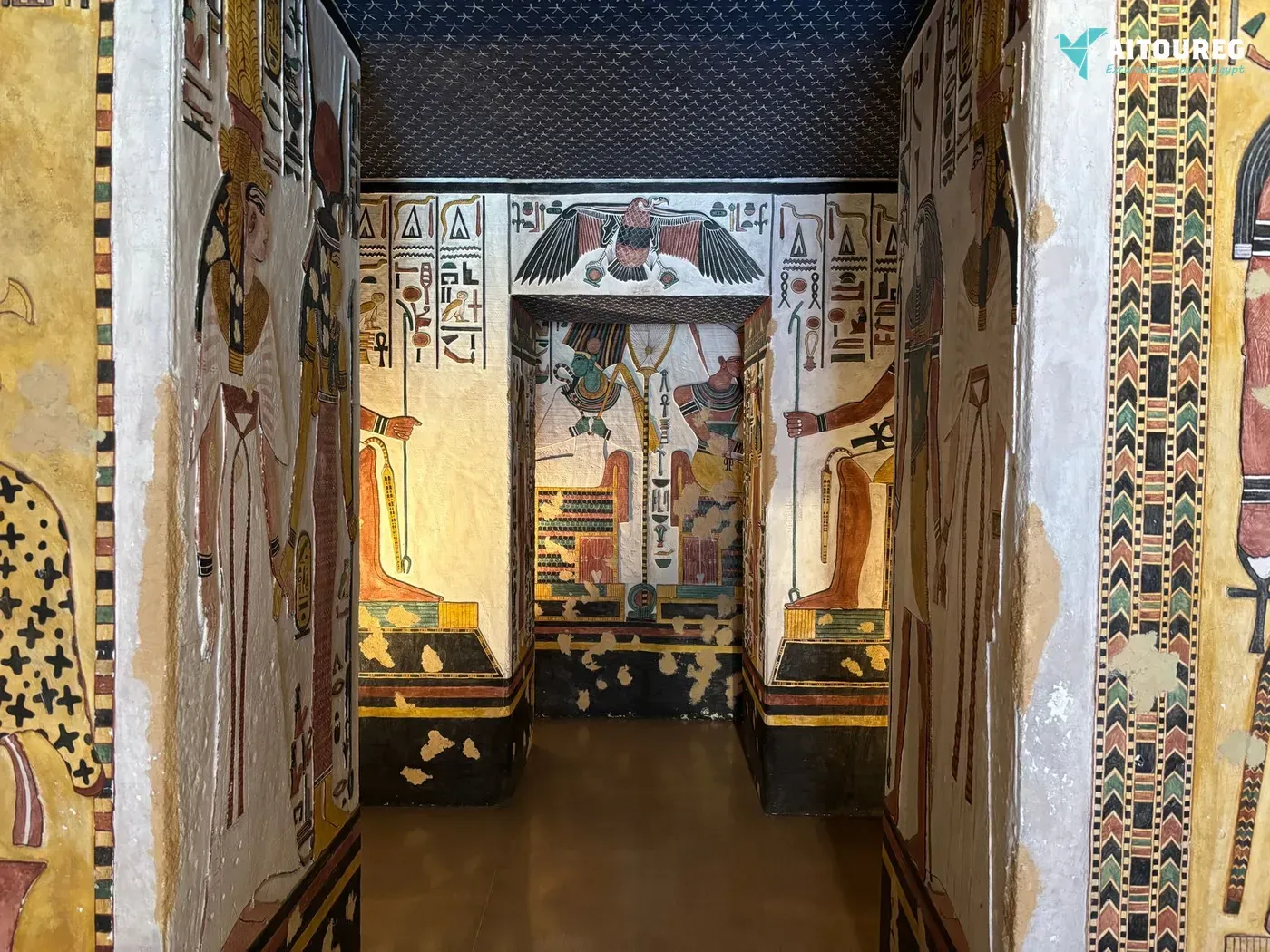
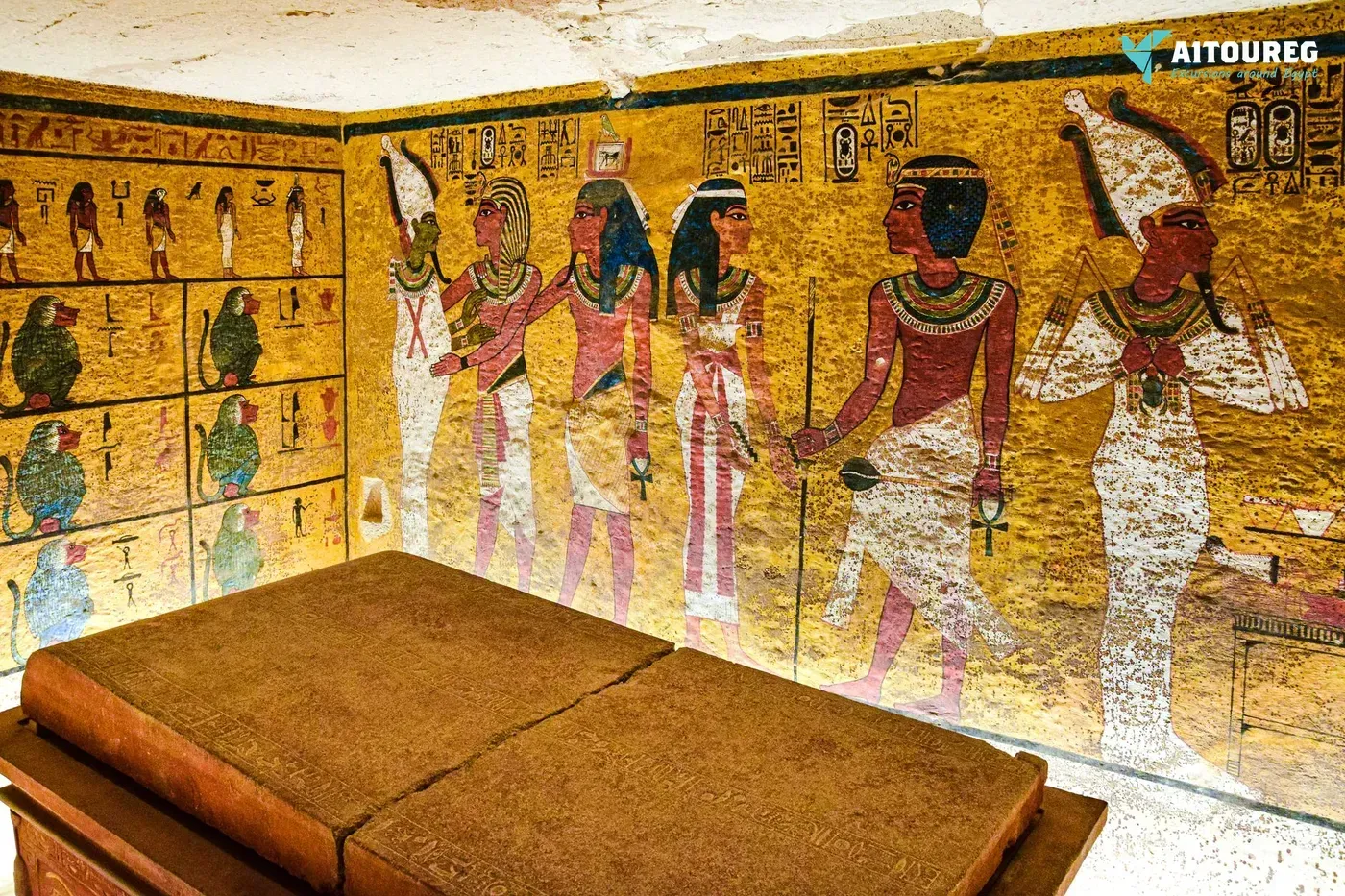
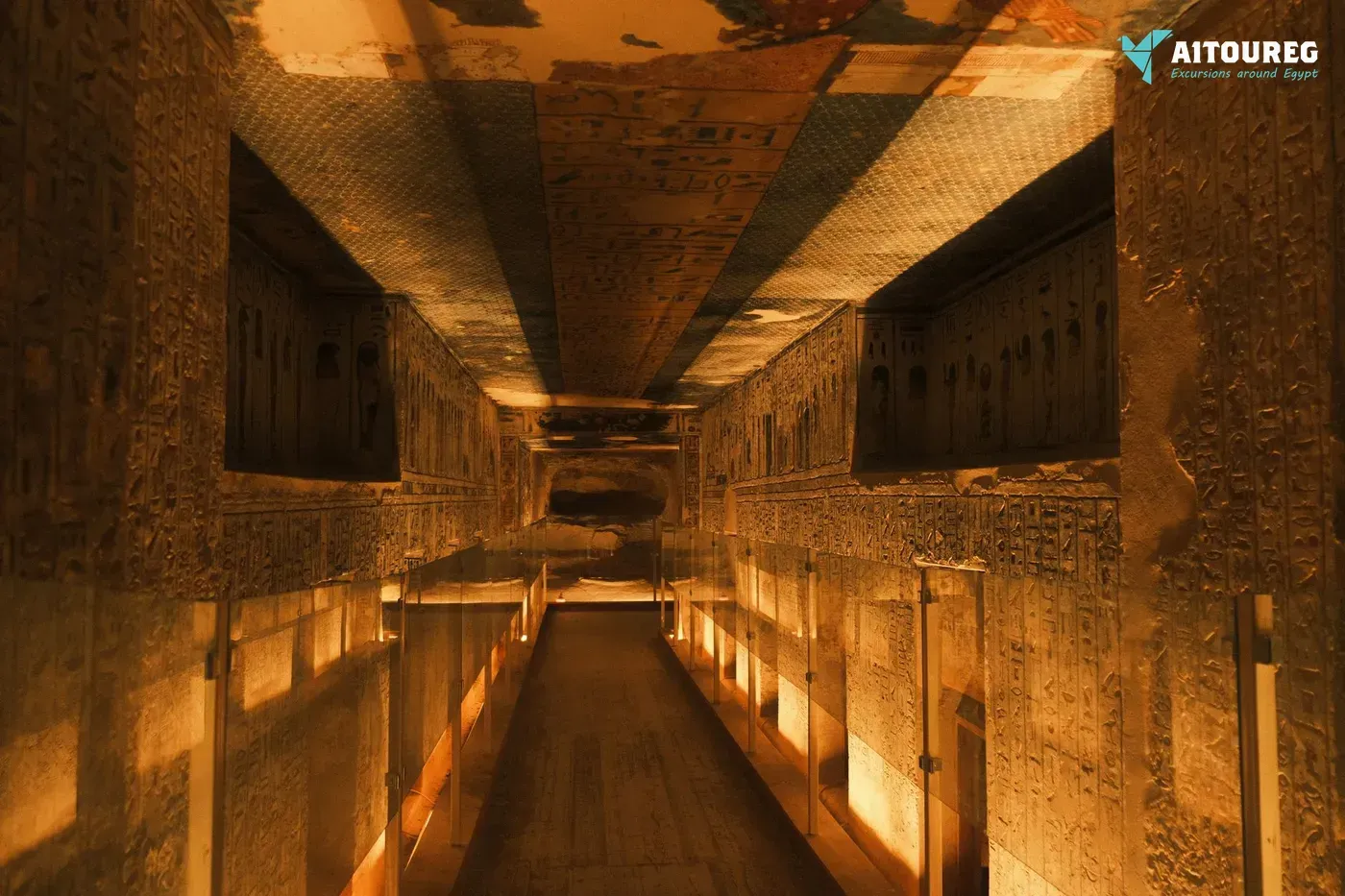
Cross to Luxor’s West Bank for the Valley of Kings, where royal tombs were cut into the desert hills. Your guide explains how the tomb corridors were designed for the afterlife and points out painted ceilings, funerary texts and scenes of the journey through the underworld. The number of open tombs can vary, so the exact selection is confirmed locally.
Continue to Hatshepsut's mortuary temple, listed in the brief as “Wide-brimmed hat or capshepsut's mortuary temple.” Its terraces rise against the cliffs, with ramps and colonnades linking the different levels. The site involves outdoor walking and some uneven surfaces; morning visits are generally more comfortable than the hottest part of the day. Return across the Nile after sightseeing and spend the evening in Luxor.
Leave Luxor and follow the Nile south, stopping first in Esna. The town’s temple lies below the modern street level, and the remaining hypostyle hall preserves columns and astronomical decoration. Continue to Edfu for Edfu Temple, one of Egypt’s best-preserved Ptolemaic temples. The approach leads into a substantial courtyard and through halls dedicated to Horus, with reliefs that record rituals and royal ceremonies.
Travel onward to Kom Ombo Temple, set beside the Nile. Its unusual design gives equal attention to Sobek and Horus the Elder, with separate sanctuaries and shared courts. The day combines several visits with a long road transfer, so wear comfortable shoes and keep water accessible. Continue towards Aswan after the final temple visit.
Begin exploring Aswan, a city shaped by the Nile, granite islands and the southern gateway of ancient Egypt. Your guide introduces the river landscape and the history of the region before the boat transfer to Philae Temple. The temple complex sits on an island and is dedicated mainly to Isis, with courts, colonnades and reliefs that remained in use into the Roman period.
The boat crossing is part of the visit, and landing arrangements can depend on local conditions. Walk through the temple at an unhurried pace, looking for the contrast between open courtyards and enclosed sanctuaries. Later, return to Aswan for time by the river or at your accommodation. This is a gentler sightseeing day after the previous temple route, though steps and uneven stone surfaces are still present.
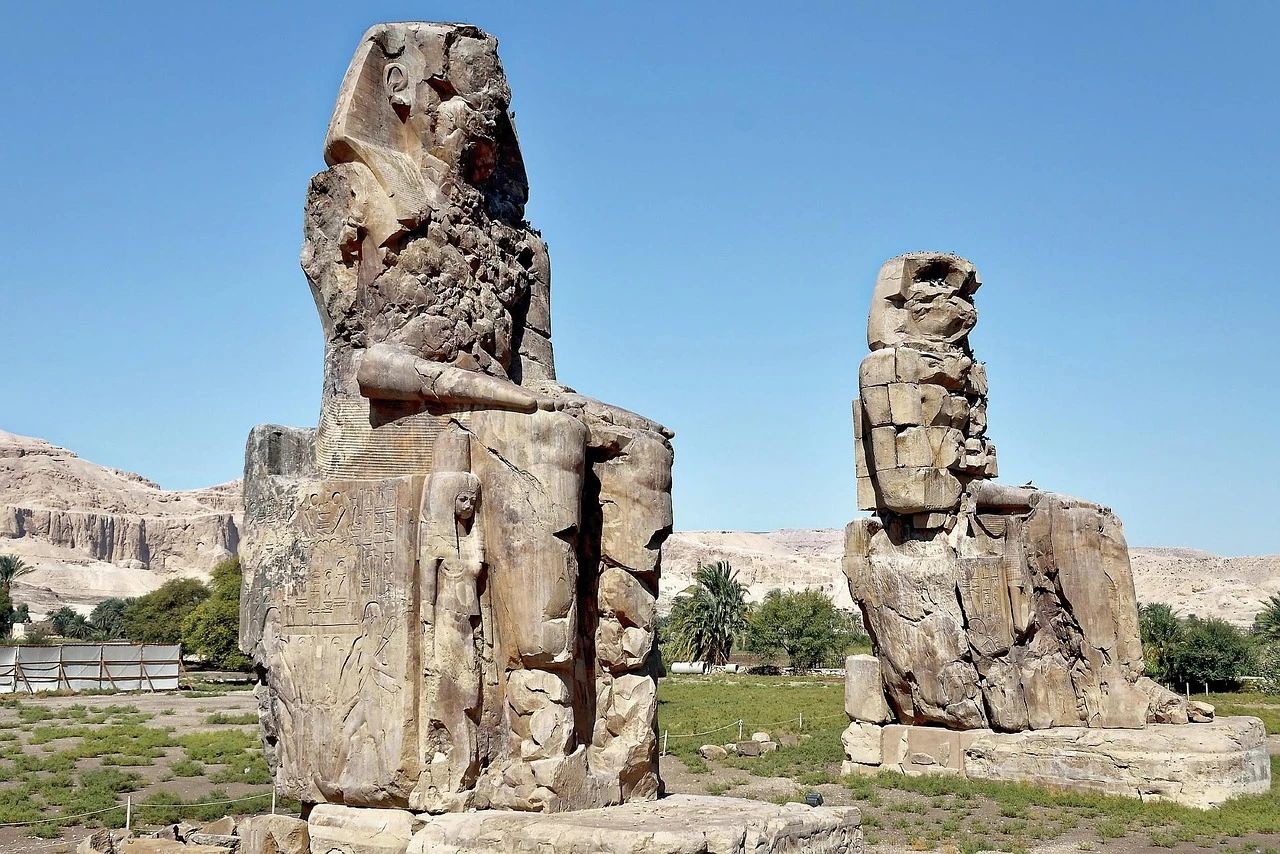
Set out early from Aswan by road for the Abu Simbel monuments, travelling south through the desert beside Lake Nasser. The journey takes several hours each way, but the destination is planned as the main focus of the day. At the site, the colossal seated figures of Ramesses II mark the entrance to the larger temple, while the nearby temple of Nefertari has its own imposing facade.
Inside, reliefs and painted chambers explain the royal messages behind the temples. Your guide also describes how the monuments were relocated during the creation of Lake Nasser, a key detail in understanding their present setting. Conditions are sunny and exposed, with walking between the parking area and the temples, so carry water and wear sun protection. Return to Aswan after the visit for a final overnight in southern Egypt.
Enjoy breakfast and complete check-out according to your departure arrangements. Our team organises the final transfer to Aswan airport or the next point on your Egypt travel plans, allowing for the distance, traffic and any required airport procedures. Keep passports, travel documents and essential medication in your hand luggage rather than in a checked bag.
If your departure is later, there may be time for a quiet breakfast or a short rest at the accommodation, but no major sightseeing is scheduled. The tour ends with the transfer, so your guide confirms the meeting point and luggage arrangements before you leave. Allow extra time at the airport for check-in and security, especially after a multi-stop overland journey.