Cairo Nile Cruise and White Desert Tour
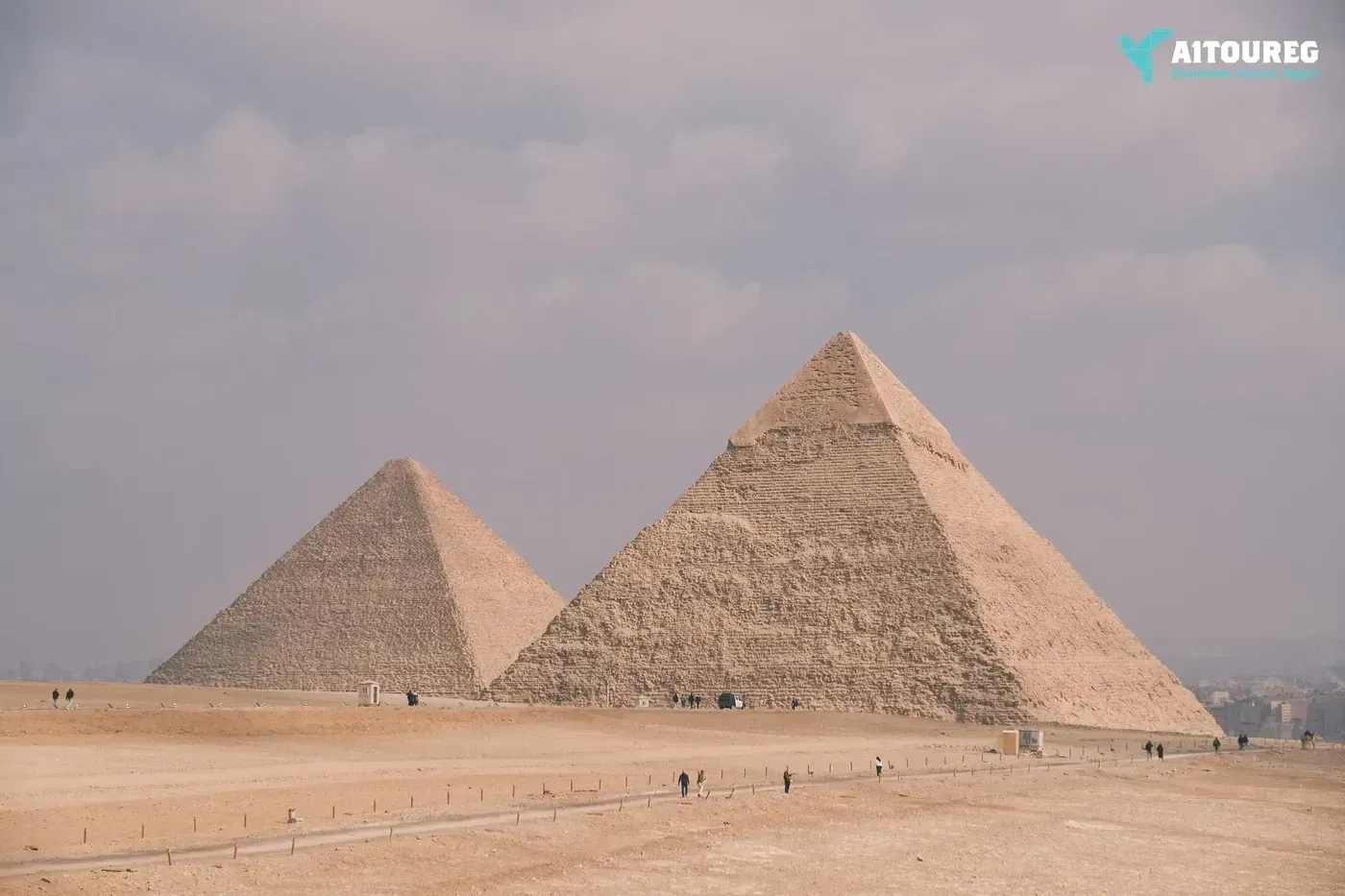
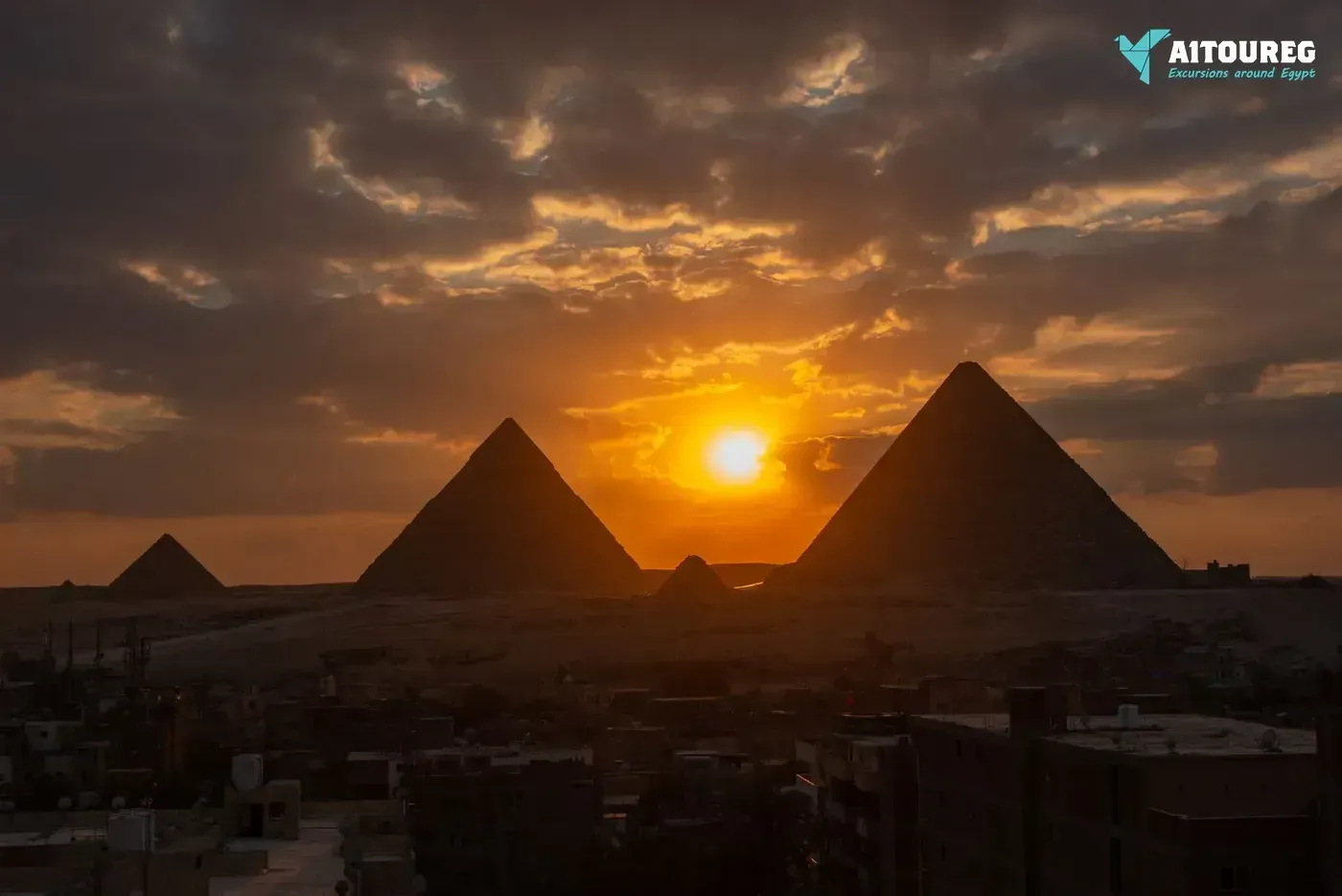
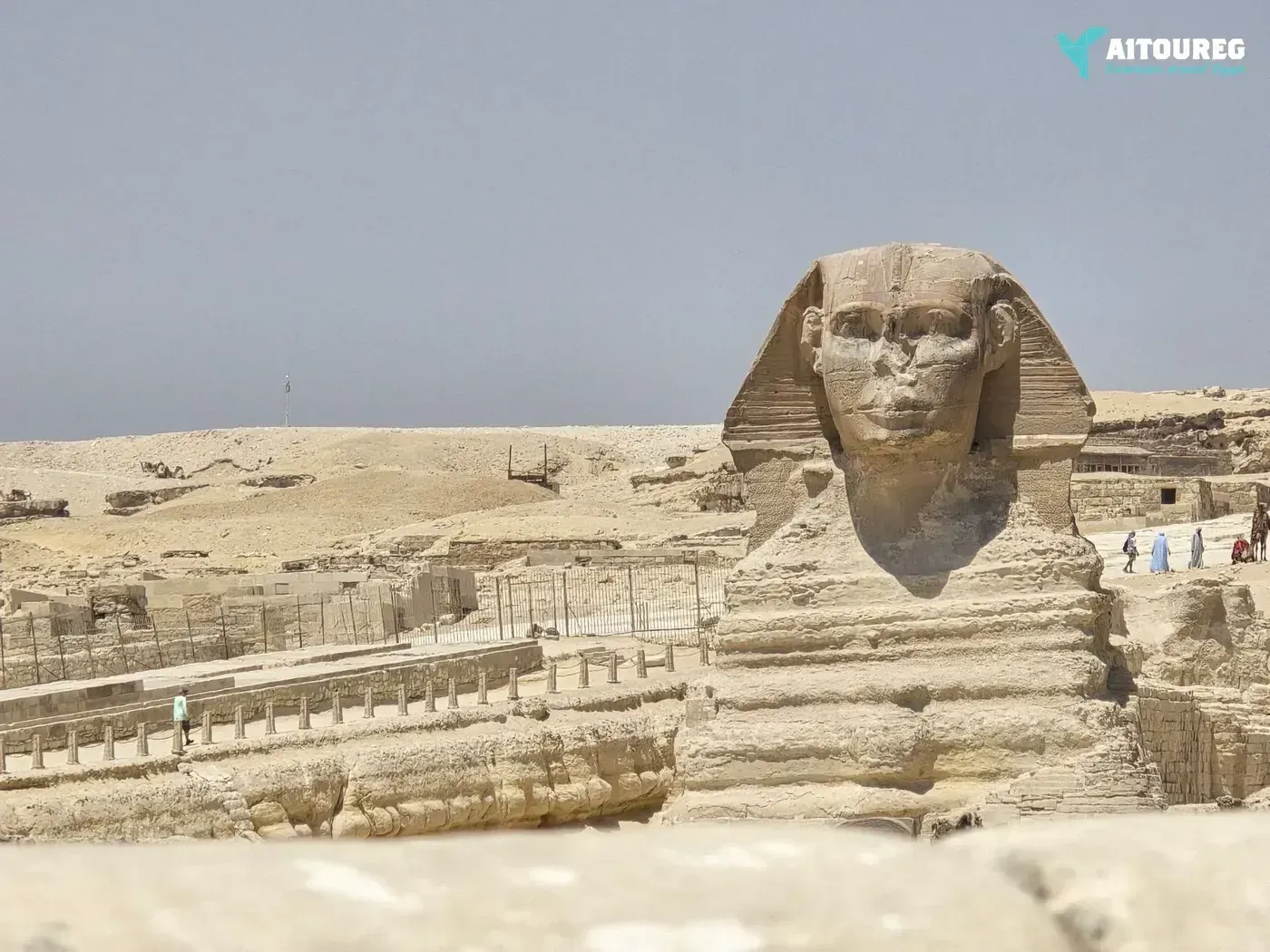
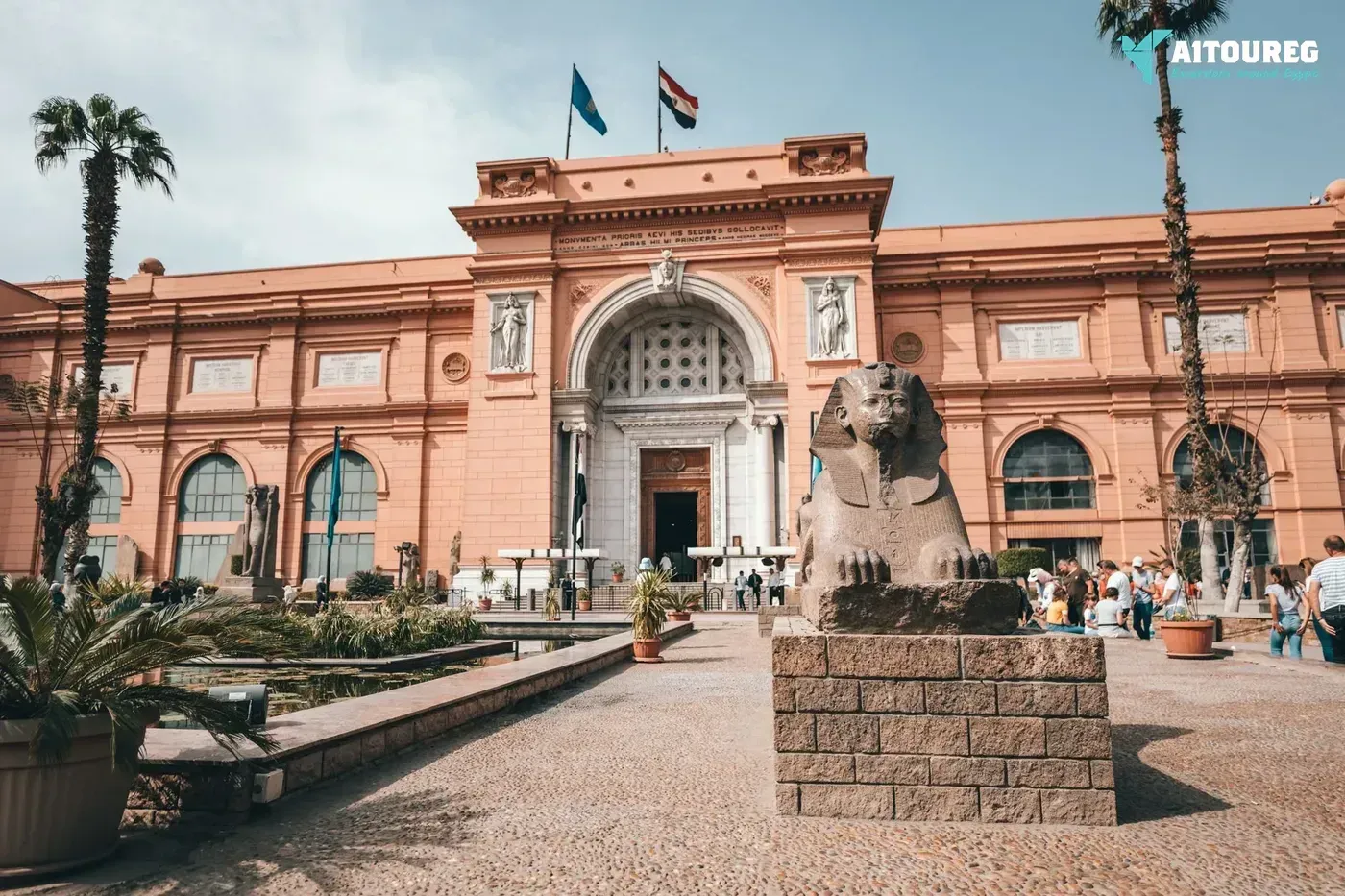
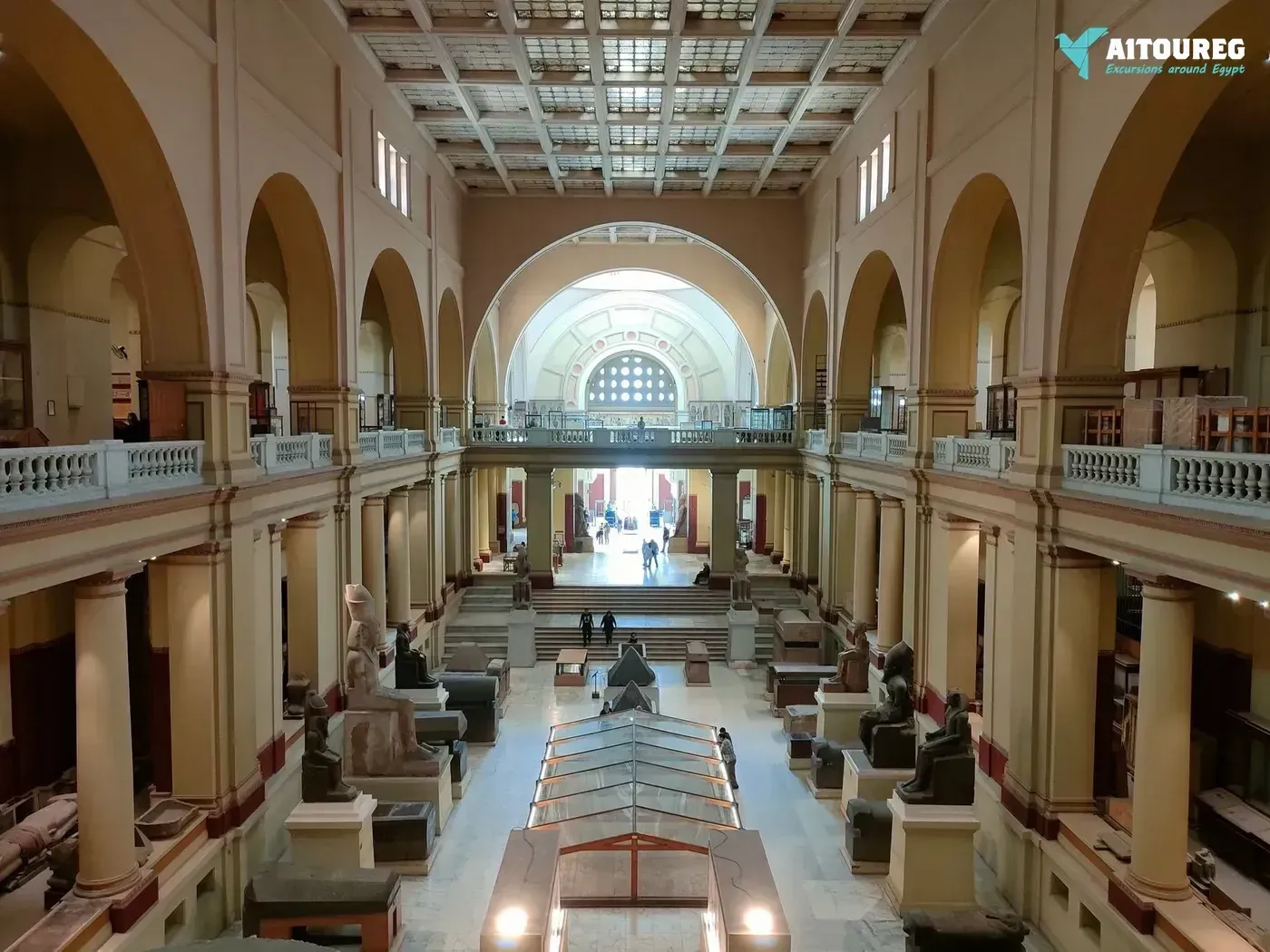
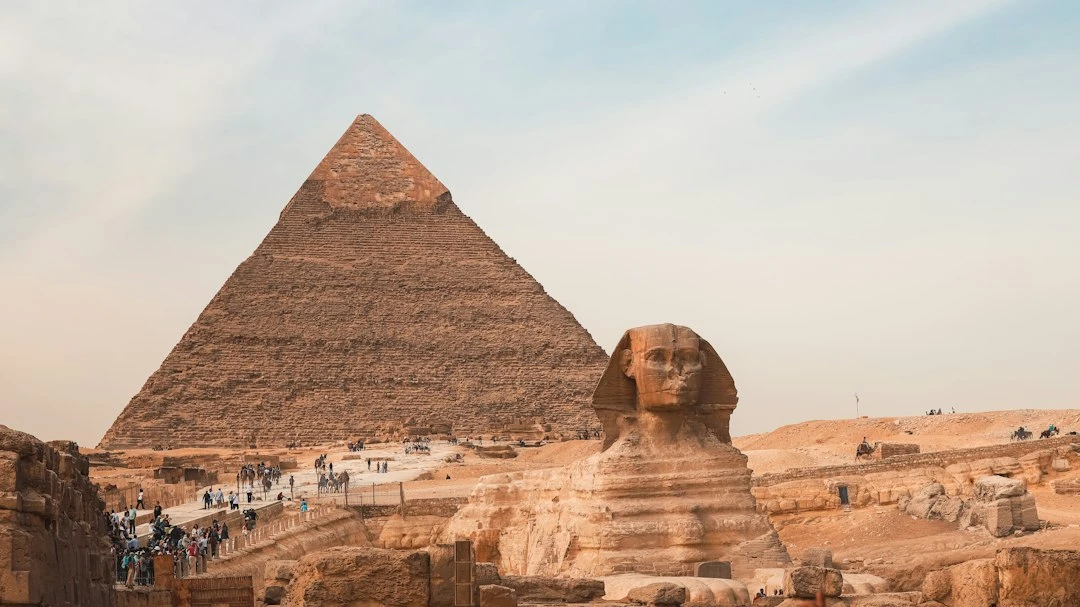
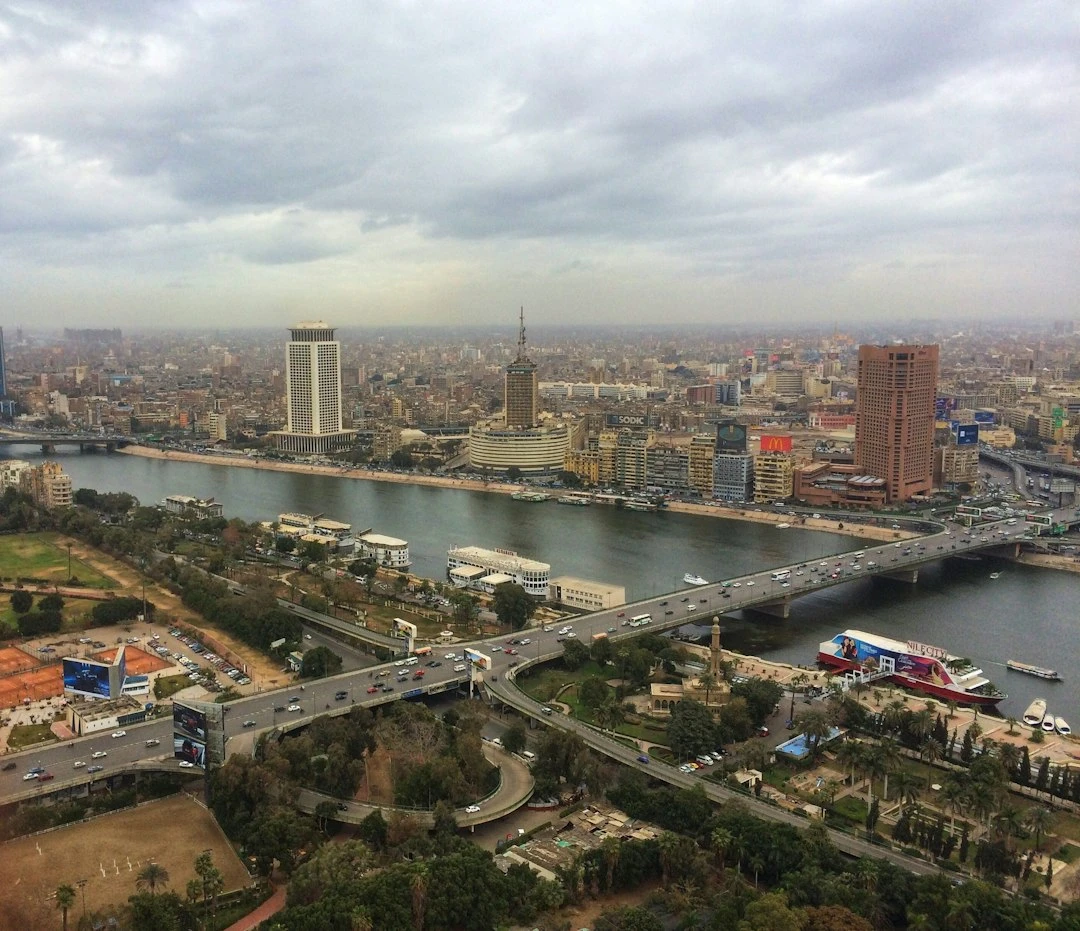
This Cairo Nile Cruise and White Desert tour brings Egypt’s ancient sites and western landscapes together in one 10-day trip. In Cairo, our guide takes you around the Pyramids of Giza and the Sphinx, then through the Egyptian Museum, where royal statues, jewellery and everyday objects give the monuments more context. You have time to look closely, ask questions and keep a sensible pace instead of rushing between viewpoints.
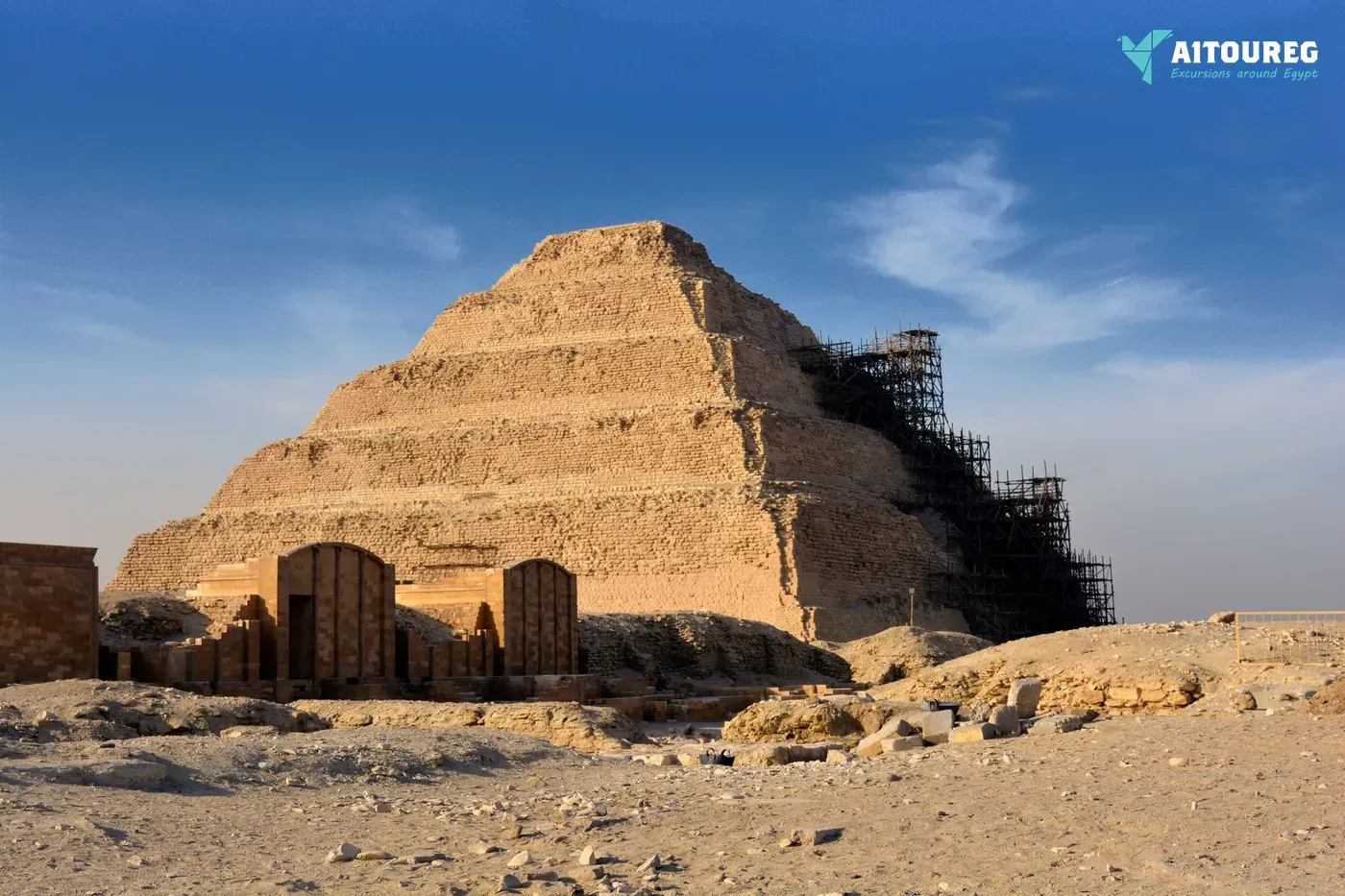
Cairo’s sightseeing continues south of the city at Memphis, Sakkara and the Dahshour Pyramids. Memphis brings the old capital to life through its large colossus of Ramesses II and open-air remains. At Sakkara, you see the Step Pyramid of Djoser and the wider funerary complex. Dahshour is quieter, with the Bent Pyramid and Red Pyramid showing how pyramid design developed. These visits suit travellers who want more than a photograph at Giza and are comfortable walking over uneven ground in the heat.
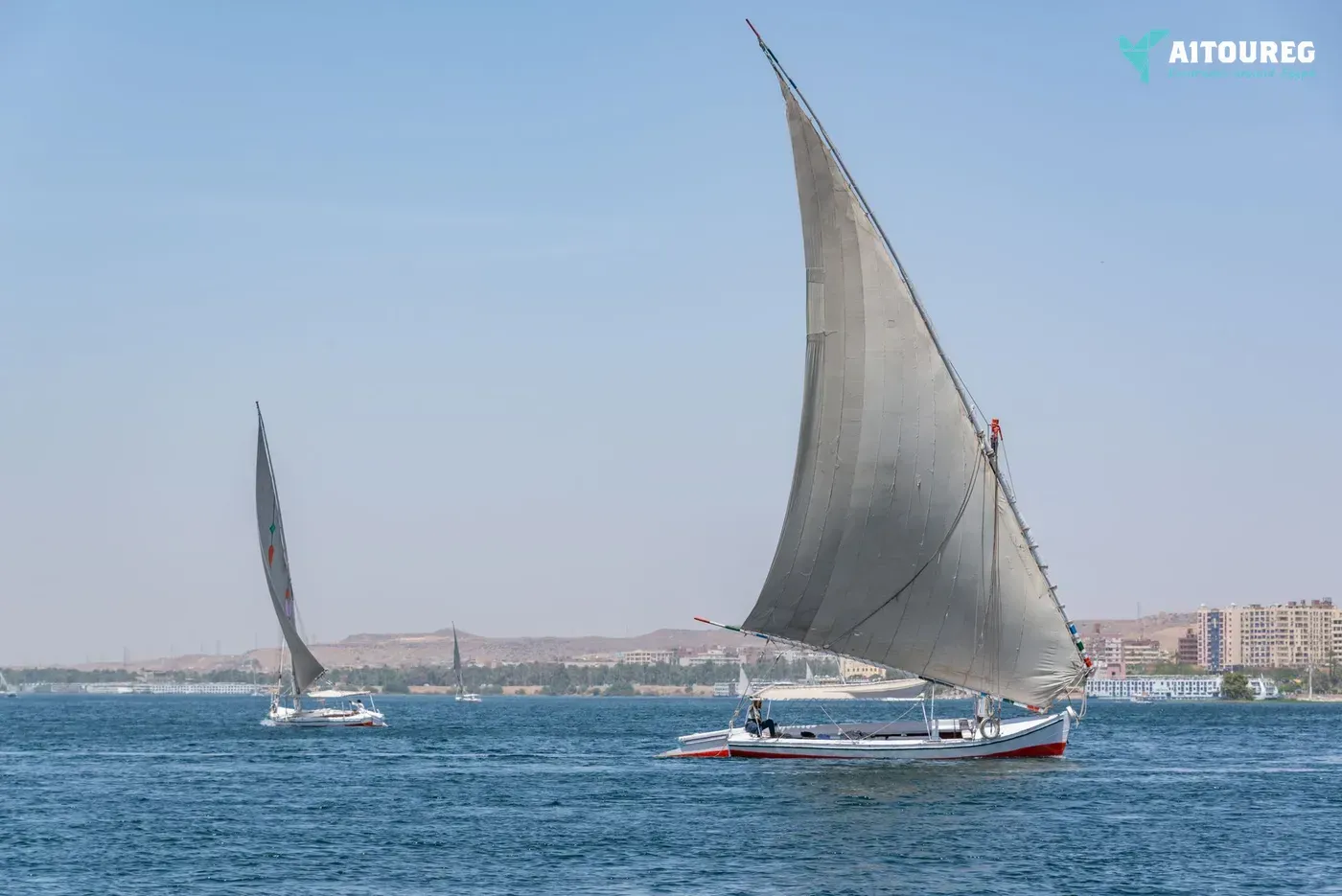
From Aswan, you join a four-day Nile voyage towards Luxor. Villages, fields and river islands pass by from the deck, leaving time for meals and rest between guided visits. Our team arranges the transfers and sightseeing, so the changes between airports, hotels, the cruise and the desert are clear. On the river, you can sail by felucca around the Aswan islands when conditions and local arrangements allow. It is a shorter, quieter ride than the cruise ship.
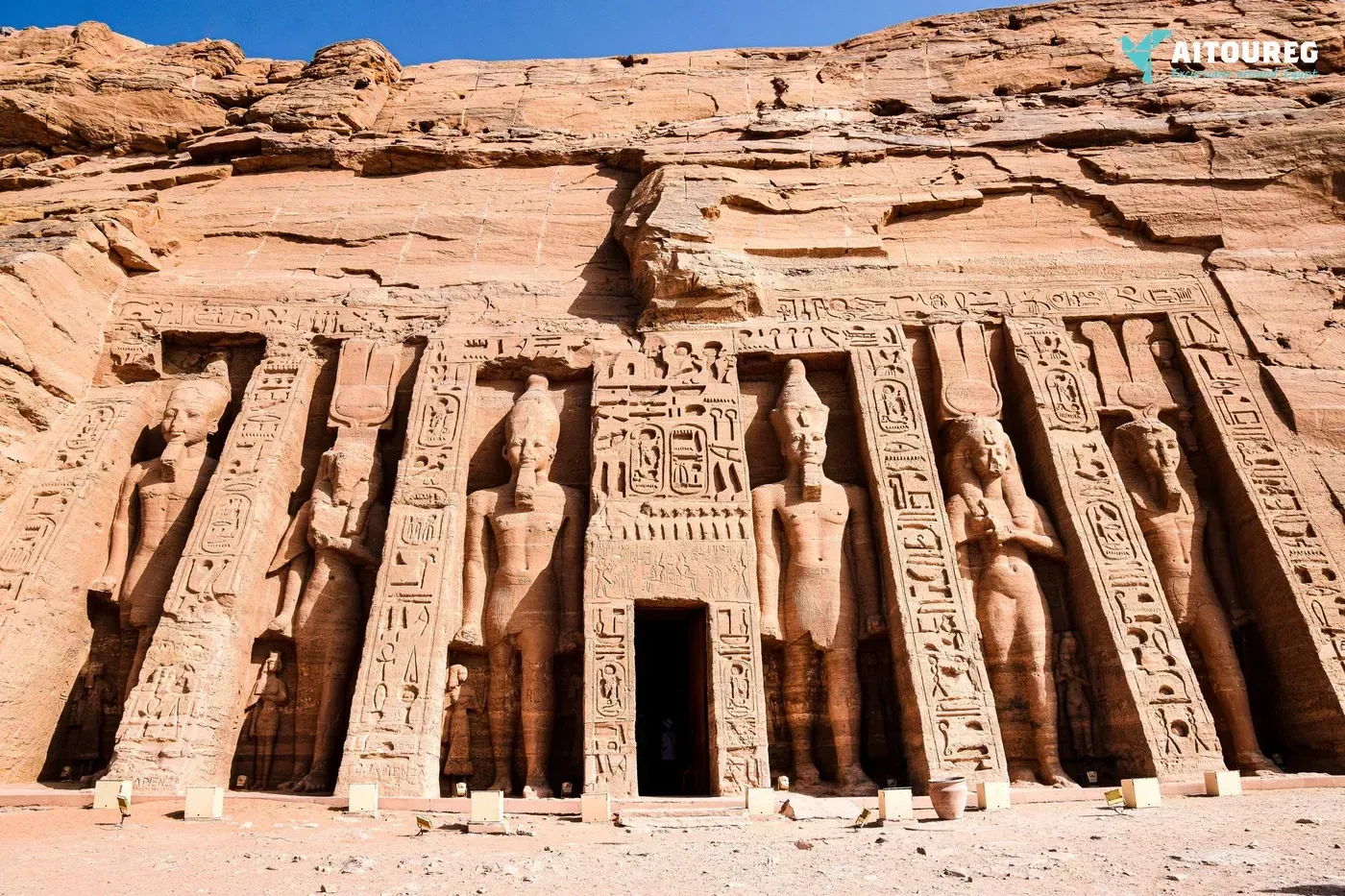
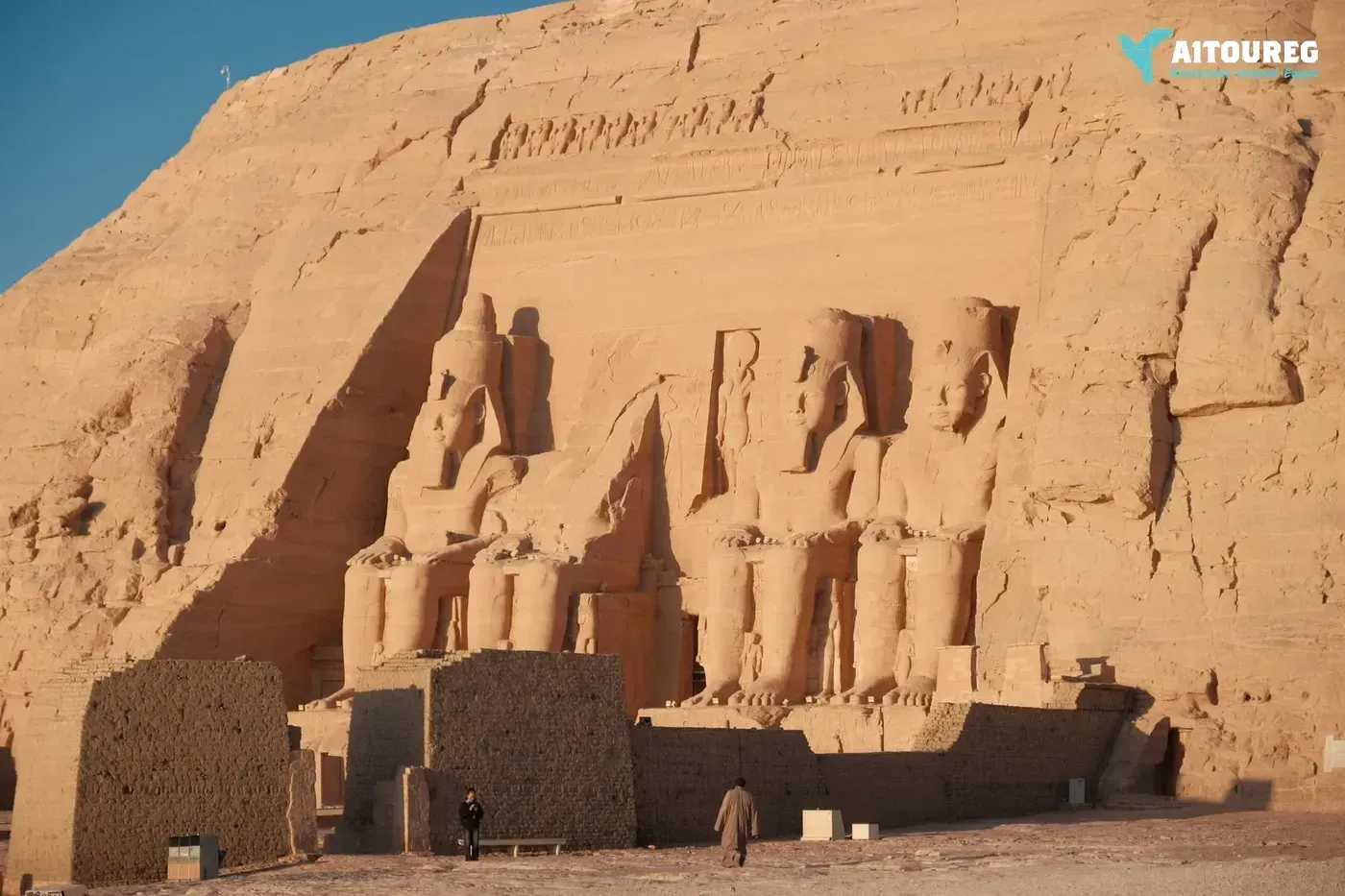
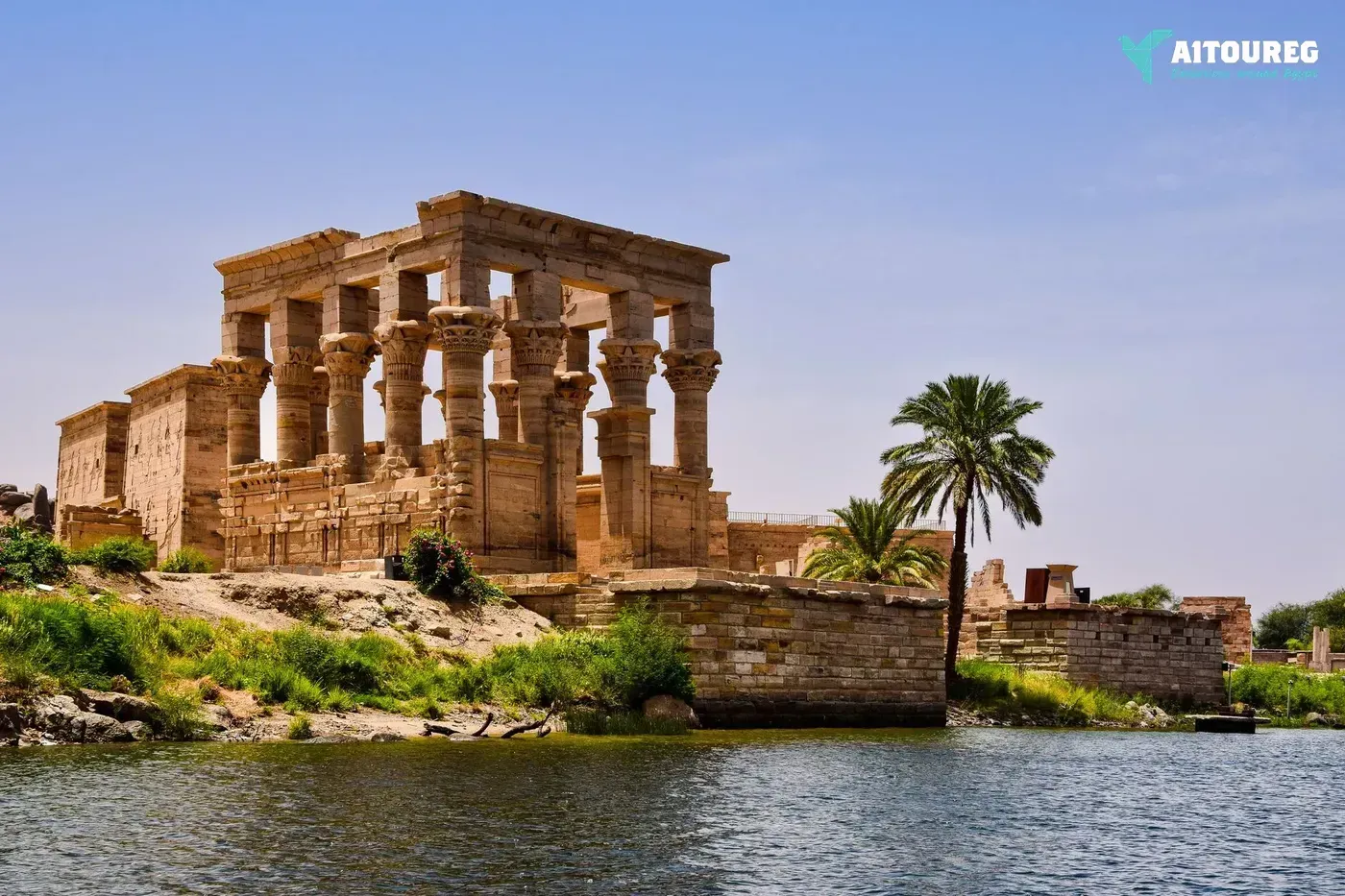
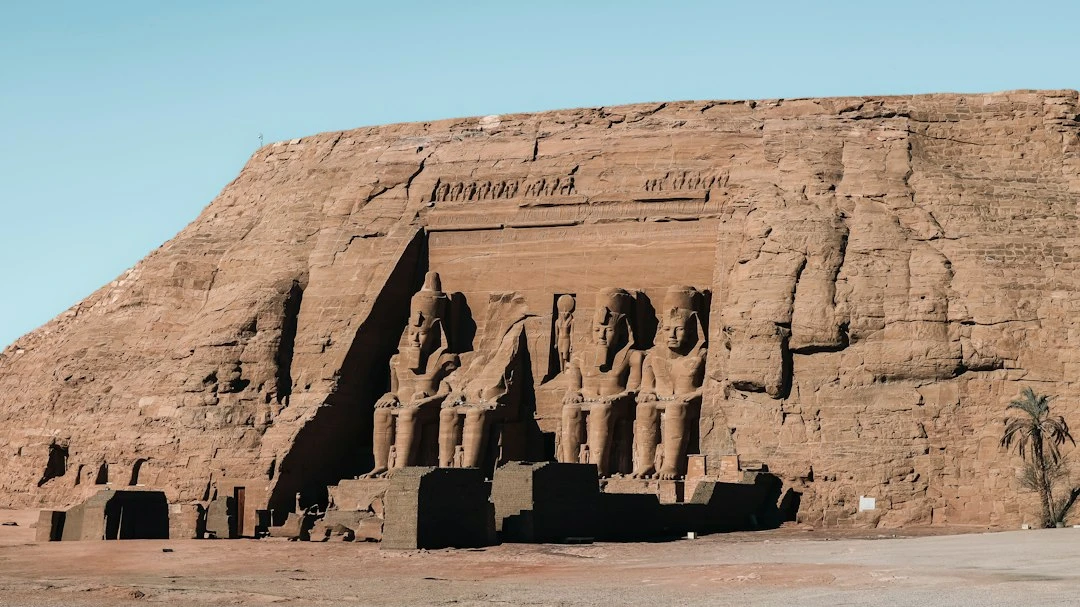
Aswan’s programme includes the Philae Temple, usually reached by boat on an island, and the High Dam, whose construction changed the Nile’s flow and created Lake Nasser. An excursion to the Abu Simbel temples adds a long but worthwhile day, with the rock-cut sanctuaries of Ramesses II and Queen Nefertari on the lake’s western shore. The early start and travel time make this visit best for travellers who want to see one of southern Egypt’s major monuments rather than keep every day leisurely.
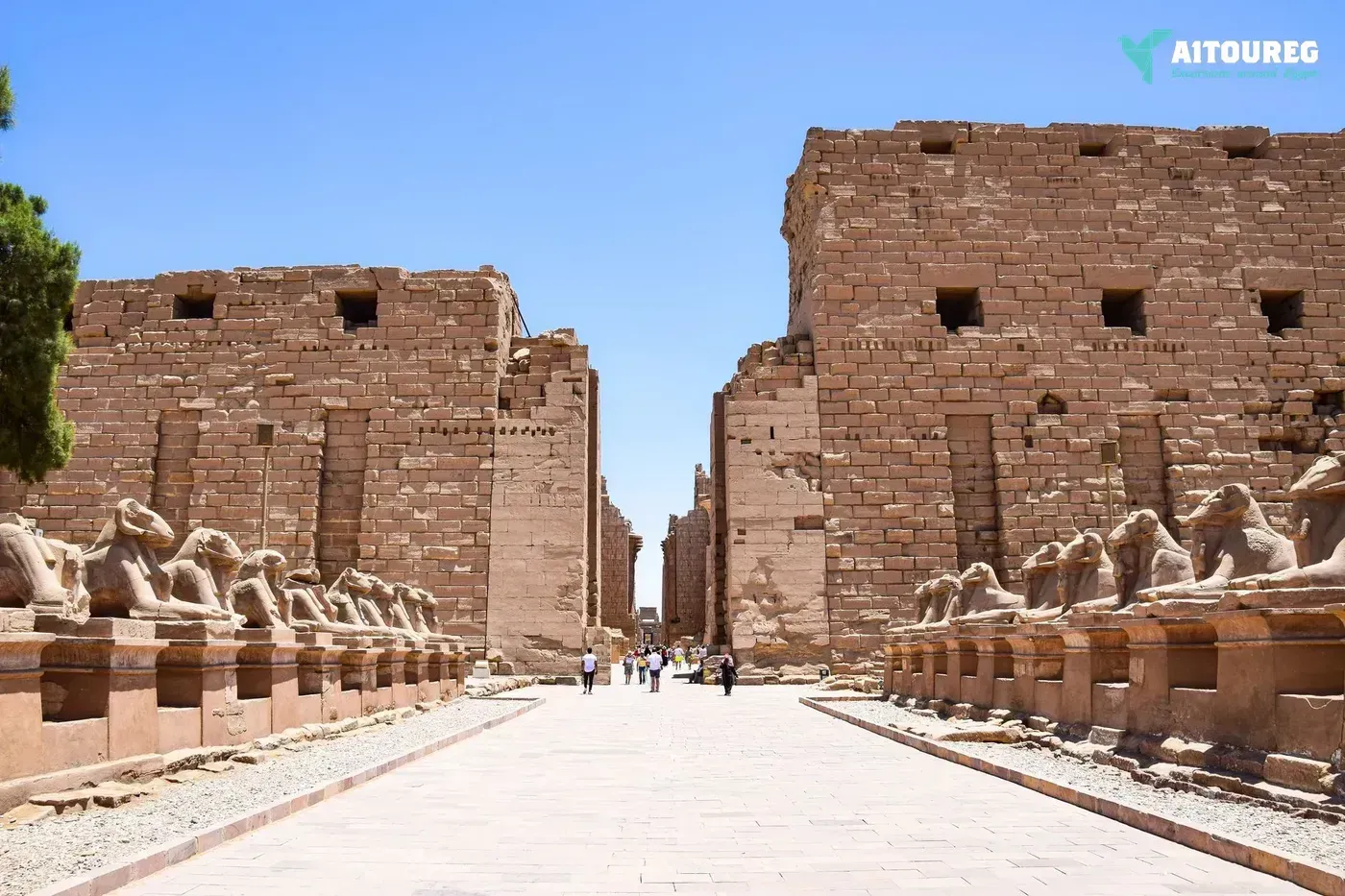
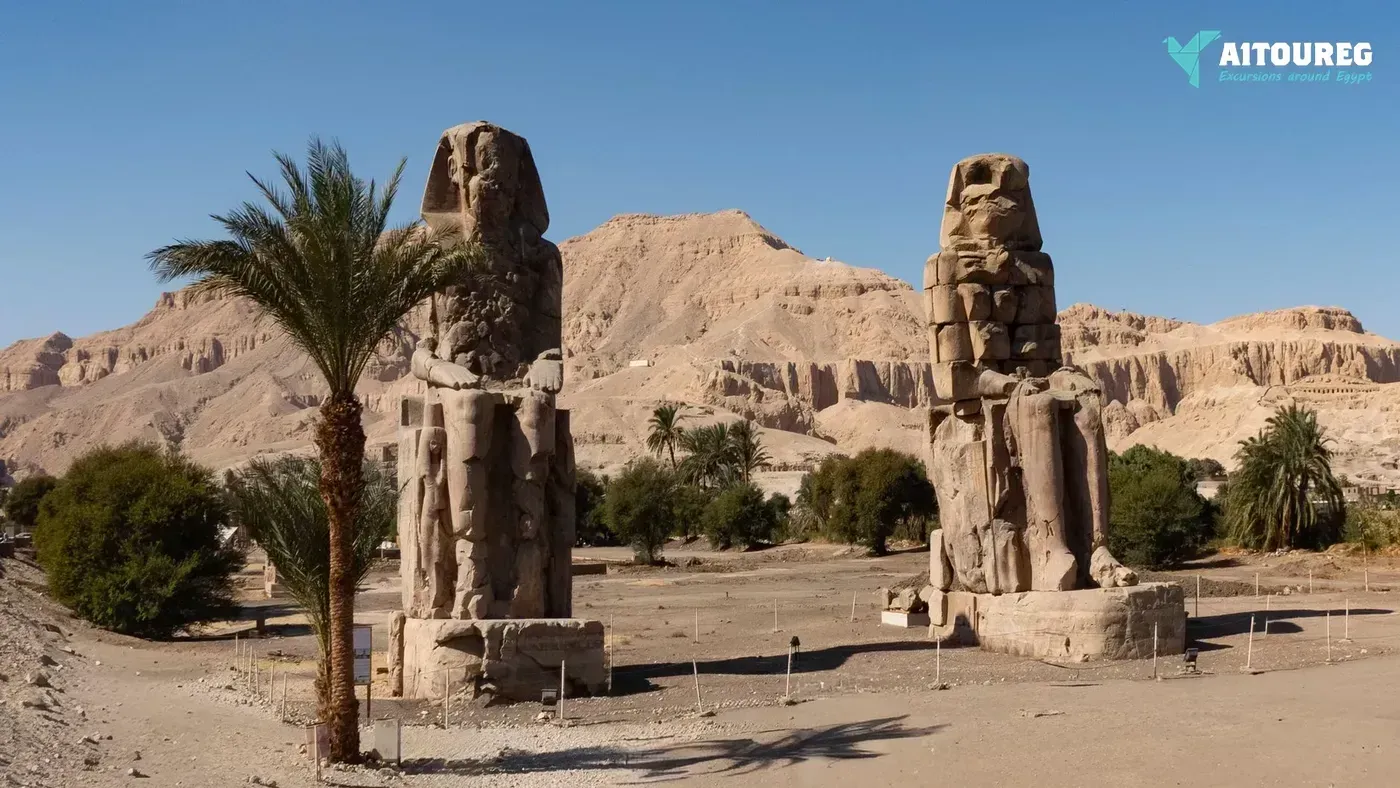
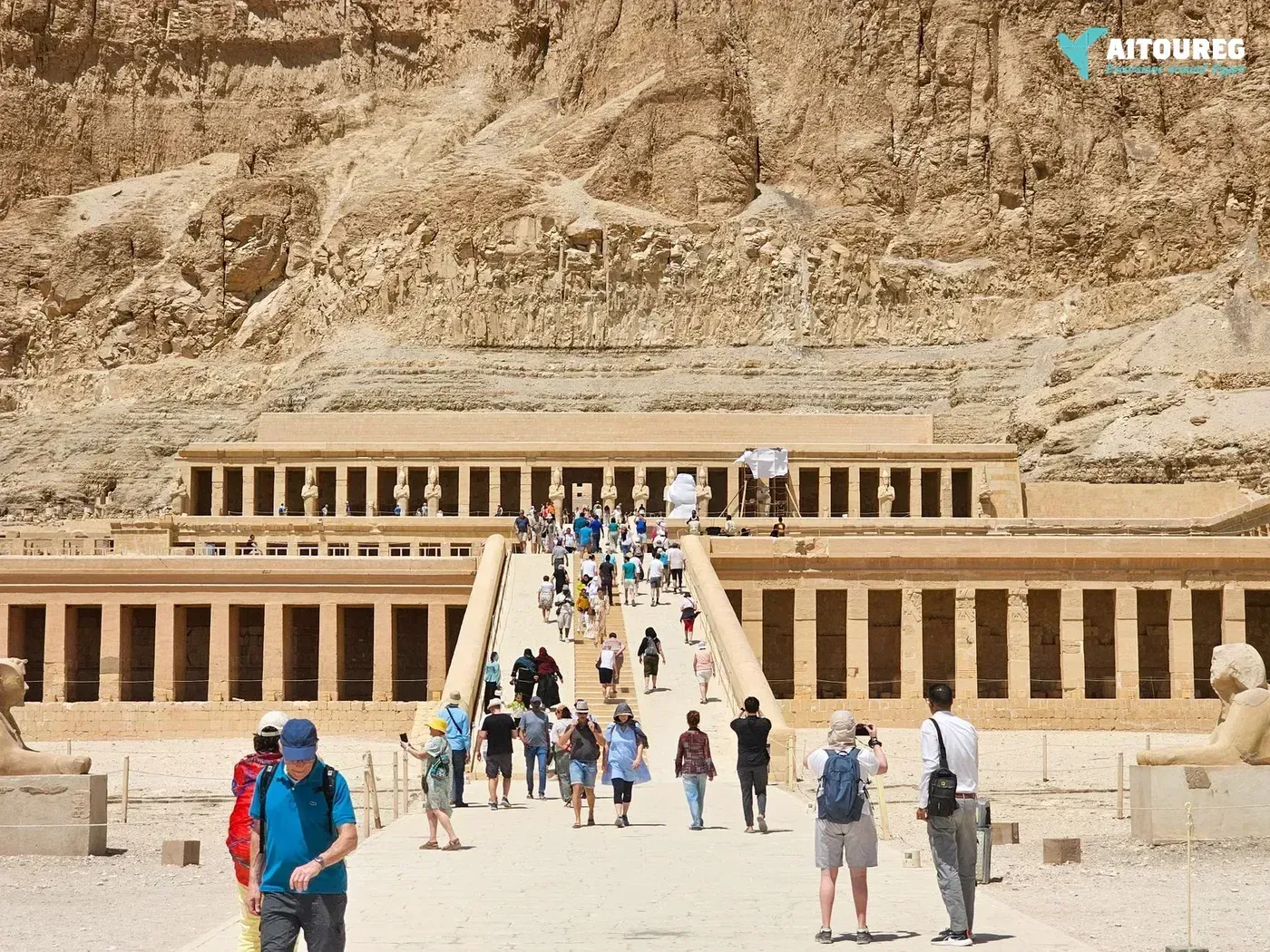
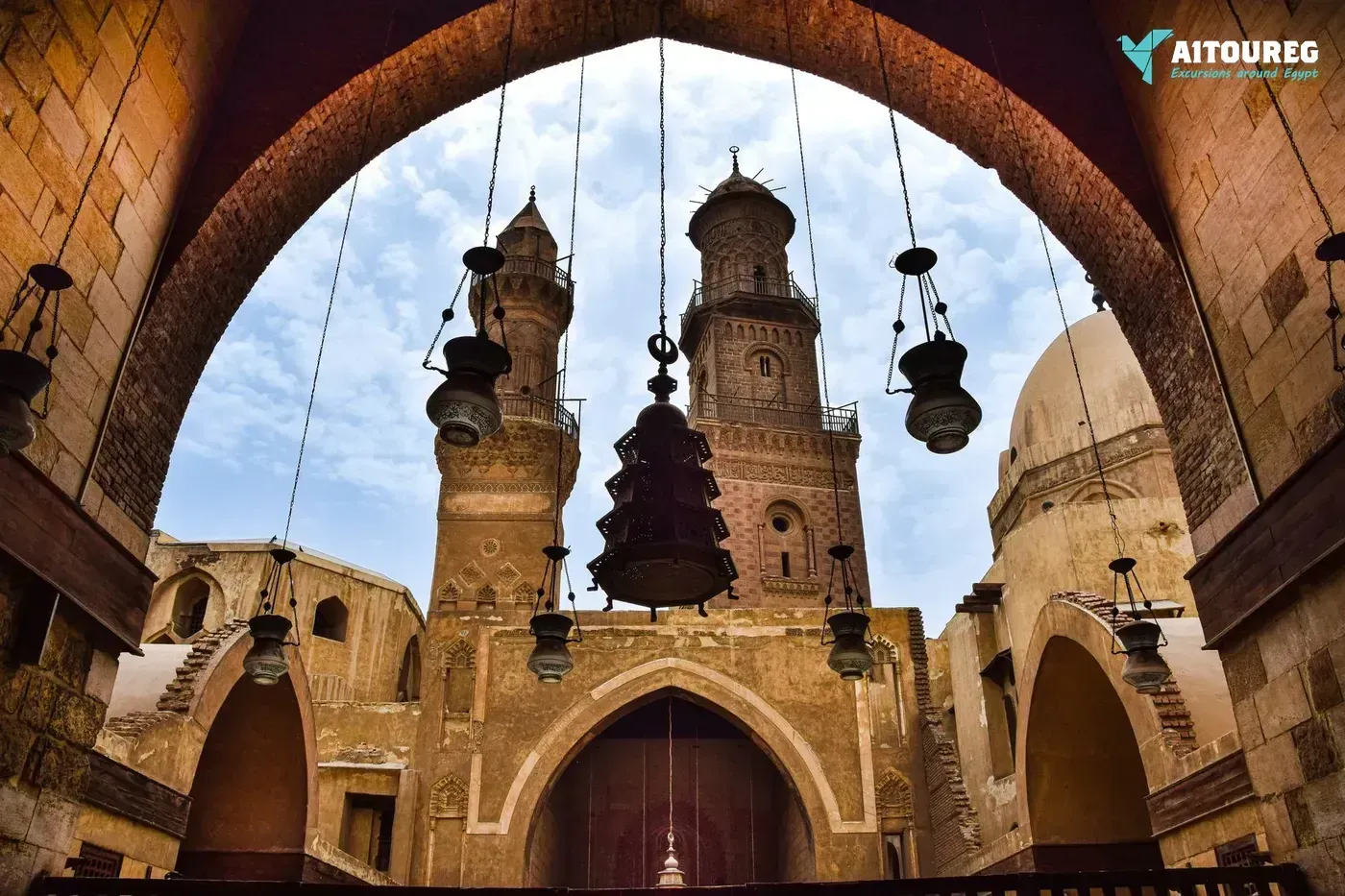
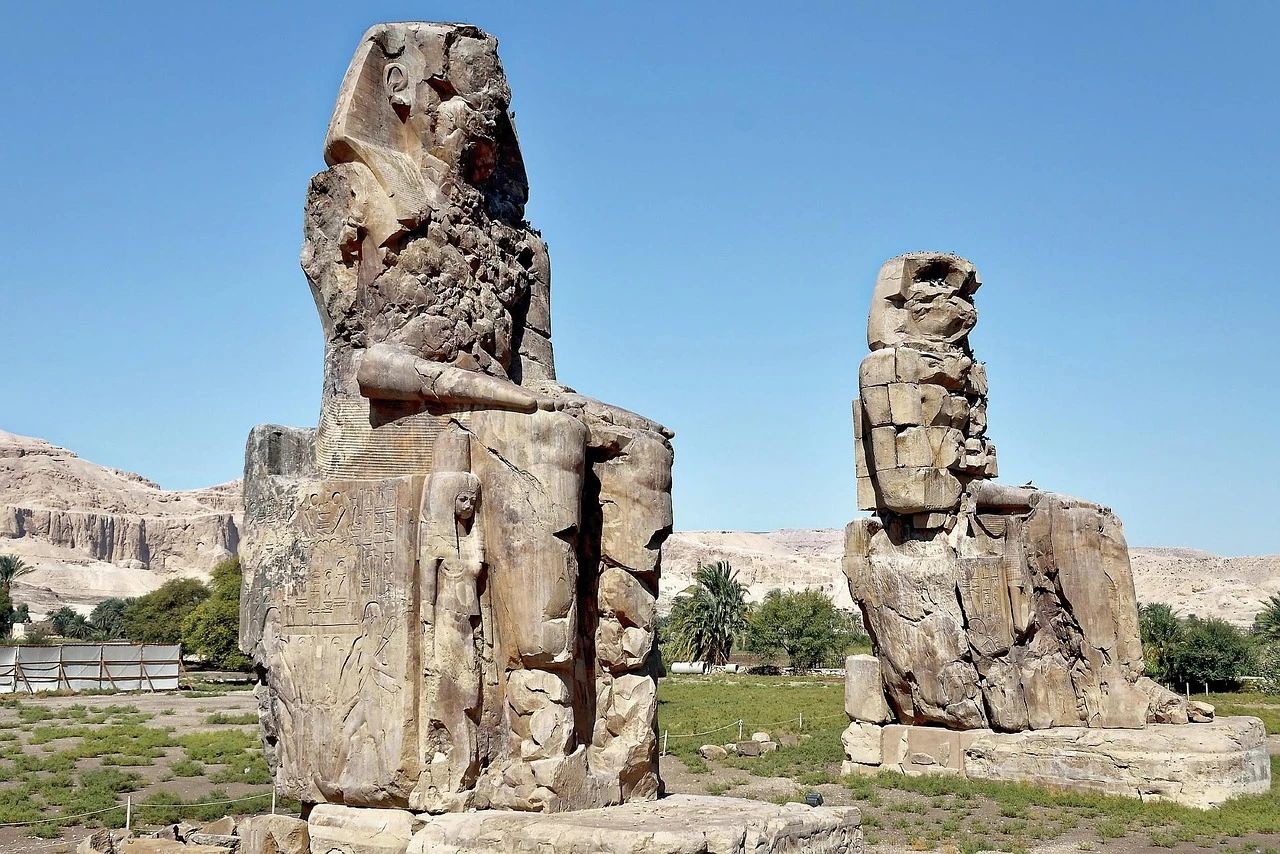
Further north, Luxor brings the trip’s largest concentration of ancient sites. On the west bank, you visit the Valley of the Kings, Hatshepsut Temple and the Colossi of Memnon, then continue to Medinet Habu and the Ramesseum to examine temple walls and royal memorials more closely. The Valley of the Queens has a different scale and history, with decorated tombs built for queens and royal children. On the east bank, Karnak Temple rewards an unhurried walk through its pylons, columns and sacred precinct, while Luxor Temple takes on a softer atmosphere as the light fades later in the day.
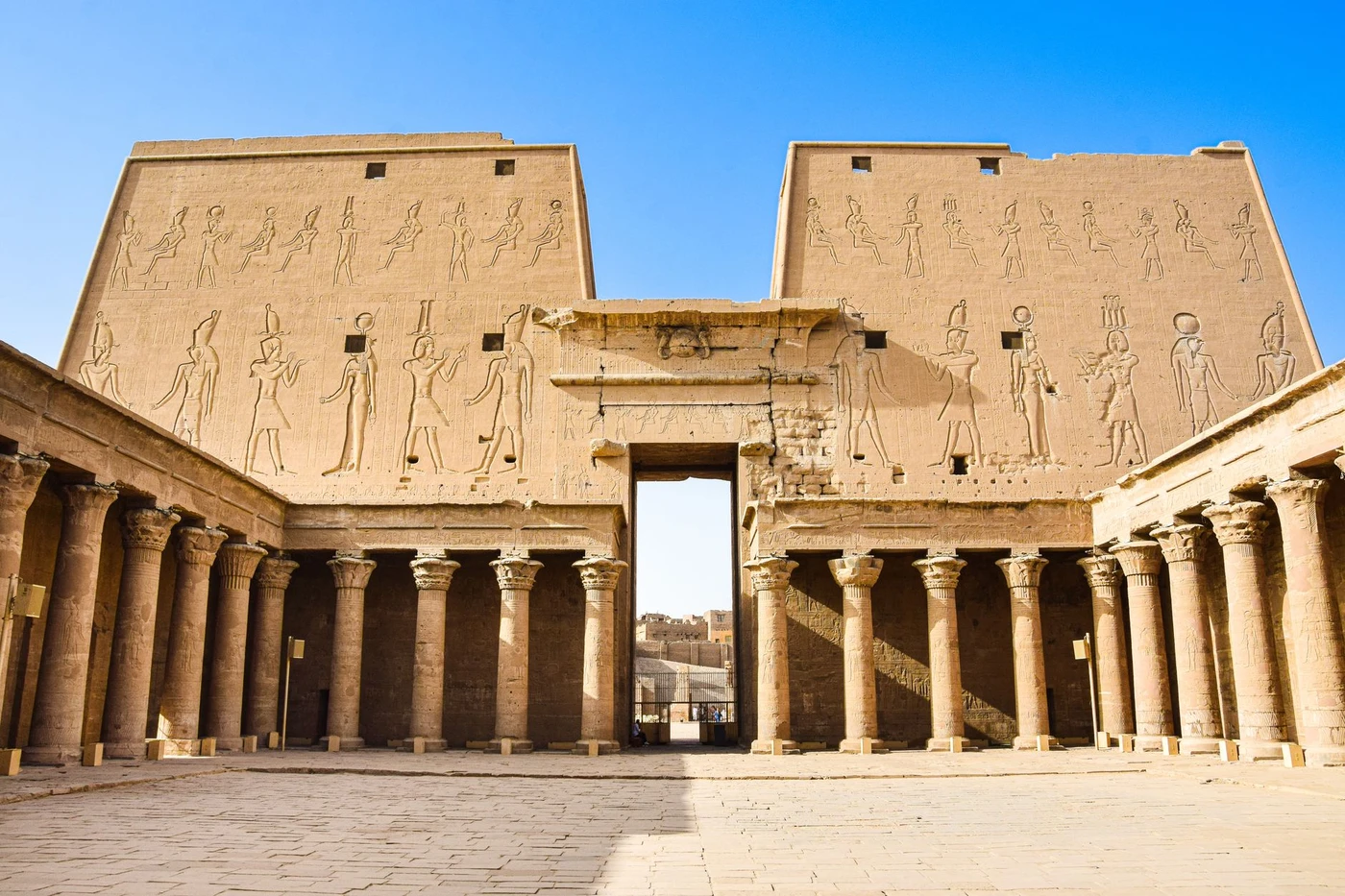
A guided excursion to Dendera Temple takes you beyond Luxor’s usual route. Its well-preserved reliefs, high columns and astronomical ceiling show the character of a later temple complex. Your Egyptologist explains the scenes and symbols without turning the visit into a lecture, while our drivers handle the road journey so you can focus on the site.
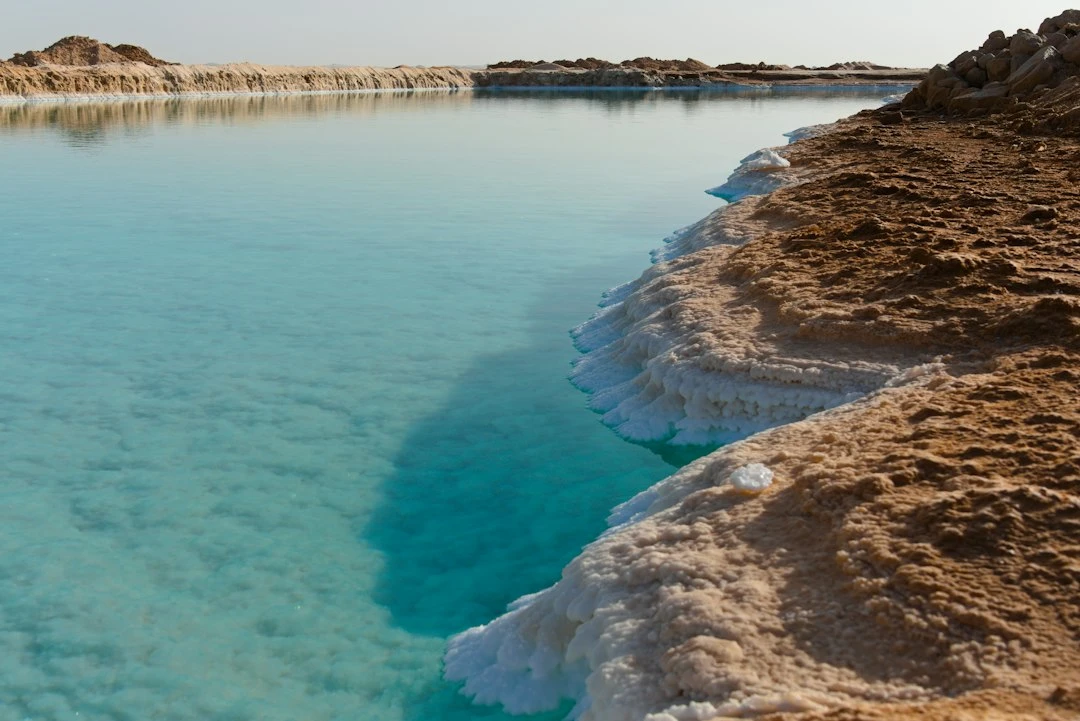
The final landscape is completely different. You travel to Bahariya Oasis, where palms, springs and low desert hills mark the start of the Western Desert. From there, a 4x4 route reaches the White Desert, known for pale limestone formations shaped by wind and erosion. A desert encampment in the White Desert gives you an evening away from city noise, followed by a simple camp meal and a night under the open sky when conditions permit. Facilities are basic, so this part suits travellers happy to exchange hotel comforts for a remote desert setting.
We recommend this tour for adults, families with older children and curious travellers who want a broad first experience of Egypt. It is a full programme with road transfers, early starts and walking on stone surfaces, so it is less suitable for anyone seeking a slow resort holiday or needing step-free access throughout. Bring light layers, sun protection, comfortable shoes and a small overnight bag for the cruise and desert stay. The exact sequence of visits can change when local transport or site conditions require it.
Meals specified in the confirmed itinerary
Accommodation in Bahariya Oasis and a desert encampment in the White Desert
Accommodation in Cairo and during the Nile cruise
Entrance fees for the included sites
Transfers between airports, hotels, the cruise and desert destinations
Guided sightseeing with a licensed Egyptologist where relevant
Transport for the included sightseeing and desert journey
International flights
Entry visa and personal travel insurance
Personal expenses, drinks and laundry
Optional activities or visits not stated in the itinerary
Any domestic travel arrangements not confirmed in the final itinerary
Tipping for guides, drivers, cruise staff and desert camp team
Personal medication and basic toiletries
Comfortable walking shoes with firm soles
Power bank and camera equipment
Passport and any required visa documents
Sun hat, sunglasses and high-factor sunscreen
Light, breathable clothing plus a warm layer for the desert evening
Small overnight bag for the Nile cruise and desert camp
Reusable water bottle
Swimwear for the cruise if you plan to use onboard facilities
This 10-day Egypt tour includes guided sightseeing in Cairo, a four-day Nile voyage from Aswan, transfers between the main stops, and an overnight desert encampment in the White Desert near Bahariya Oasis; exact inclusions such as meals, entrance tickets and accommodation are confirmed in your booking details.
The 10-day itinerary has a full sightseeing pace, with Cairo visits first, a four-day Nile voyage from Aswan to Luxor, and a final desert section at Bahariya Oasis and the White Desert; most sightseeing takes place during the day, with time to rest during transfers and the cruise.
Along the Luxor visits, you see the Colossi of Memnon, Hatshepsut temple, Medinet Habu, the Ramesseum and the Valley of the Queens, with Dendera temple included according to the confirmed route. The order can change because of cruise operation, road conditions or monument opening arrangements.
Our team arranges the planned pickups and transfers for the Cairo sightseeing, Aswan departure, Nile cruise connections and White Desert journey, with the meeting details shared before each service; the exact pickup point and time depend on your accommodation, arrival details and final itinerary.
Road transfers to Bahariya Oasis and the White Desert take longer than city sightseeing, so we plan the route with rest stops where appropriate. We also coordinate the movement between the cruise, guided visits and onward transfers so you are not left to arrange the main connections yourself.
This 10-day Egypt tour can suit families and active travellers, but it includes uneven ground, steps, walking at archaeological sites, boat access and a desert transfer, so travellers with limited mobility should discuss their needs with our team before booking.
The Pyramids of Giza, temples and tomb areas can involve sand, narrow passages or stairs, while the White Desert has a remote setting and basic desert-camp conditions. Children should be comfortable with long sightseeing days and road journeys; we can explain the practical demands of the confirmed itinerary.
Bring light, breathable clothing for daytime sightseeing, modest clothes for temples and museums, comfortable walking shoes, sun protection, a hat, a refillable water bottle and any medication you need; a warm layer is also useful for the desert encampment in the White Desert, especially after sunset.
Pack a small overnight bag if the desert section is separate from your main luggage, plus a phone charger, personal toiletries and a torch. Sand, uneven paths and changing temperatures make sturdy footwear and layered clothing more practical than formal travel clothes.
To book this 10-day Egypt tour, send our team your preferred travel dates, traveller details, accommodation information and any special requests; we then confirm the itinerary, cruise arrangements, required transfers and the booking terms before final payment.
Cancellation conditions depend on the confirmed services, including cruise and accommodation arrangements, so review the written policy provided with your booking rather than relying on a general rule. If your plans change, contact us as early as possible so we can explain the available options.
Your unforgettable Egypt journey starts with a booking you can trust.
* Available on selected tours. Flights, cruises and special bookings may have different cancellation policies.
Free cancellation up to 24 hours before activity starts
If you choose to pay online, a secure payment link can be provided after booking. For assistance or alternative payment options, please contact us via WhatsApp.
All our tour operators are licensed and verified by Egyptian tourism authorities.
Learn more about our licensed partners →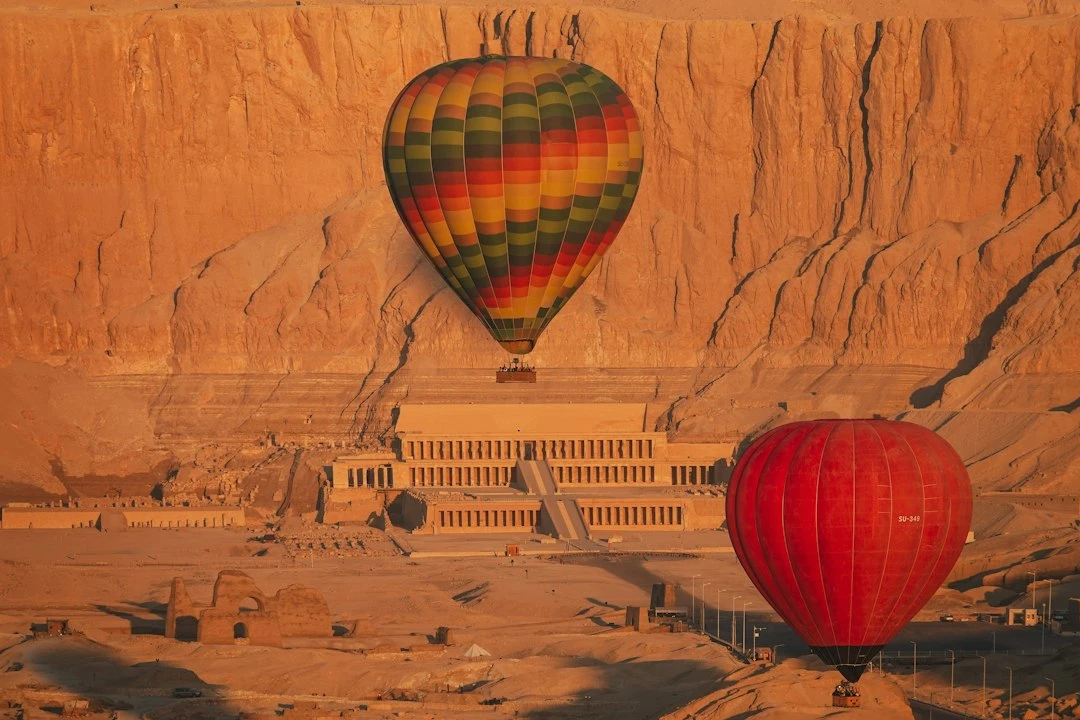


Free cancellation up to 24 hours before activity starts
If you choose to pay online, a secure payment link can be provided after booking. For assistance or alternative payment options, please contact us via WhatsApp.
All our tour operators are licensed and verified by Egyptian tourism authorities.
Learn more about our licensed partners →
Your Itinerary
On arrival in Cairo, our team meets you at the airport and helps with the transfer to your hotel. We keep the first day light so you can settle in after your journey, complete check-in and rest before the sightseeing begins. Your guide reviews the next stages of the trip, including the domestic transfer to Aswan and the Nile voyage.
If your arrival time allows, we can help you get oriented in the city or arrange a relaxed evening nearby. Otherwise, the evening is free. Cairo traffic can make transfers slower than the distance suggests, so we plan the logistics with practical timings rather than rushing the first day.
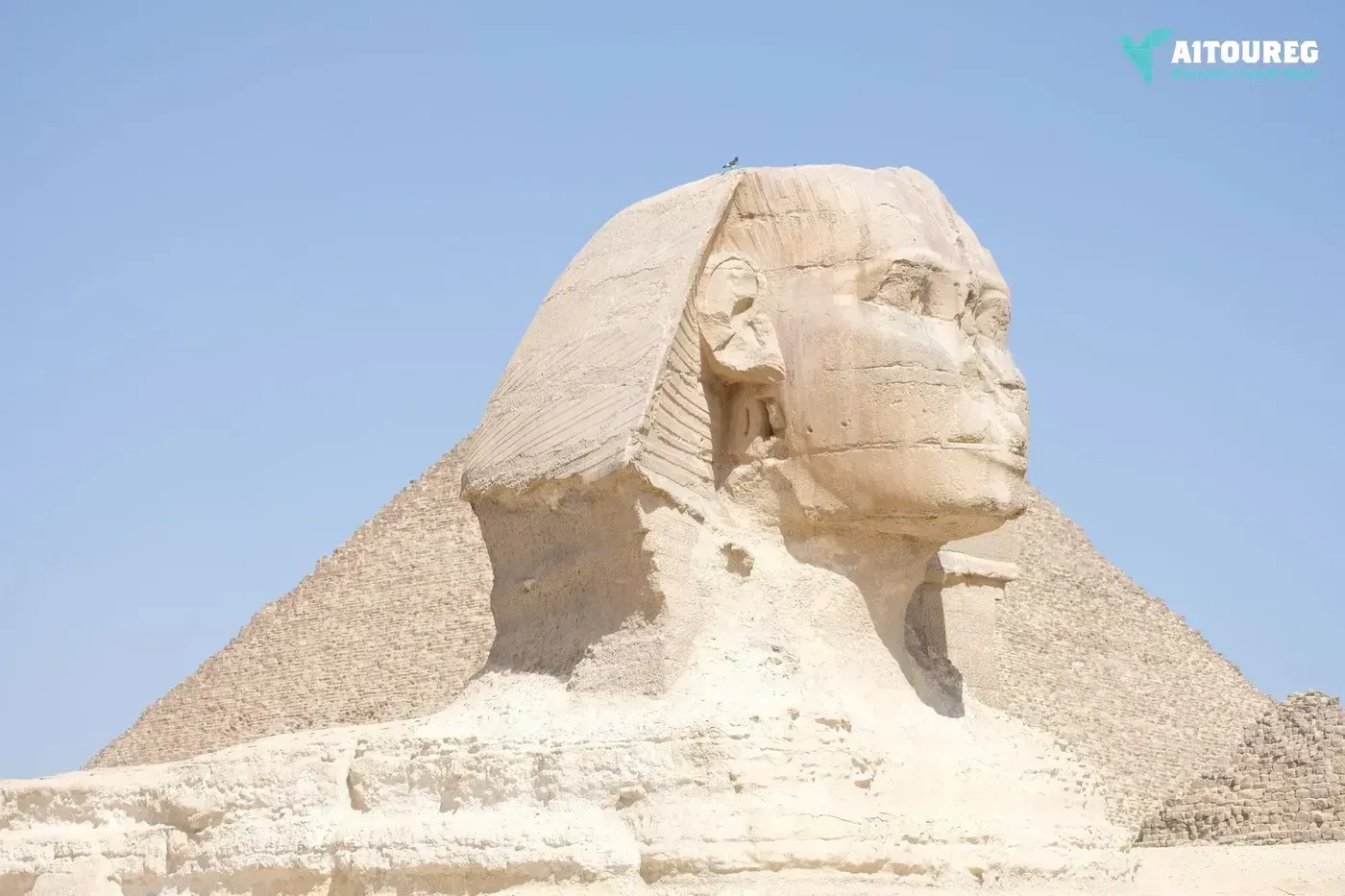
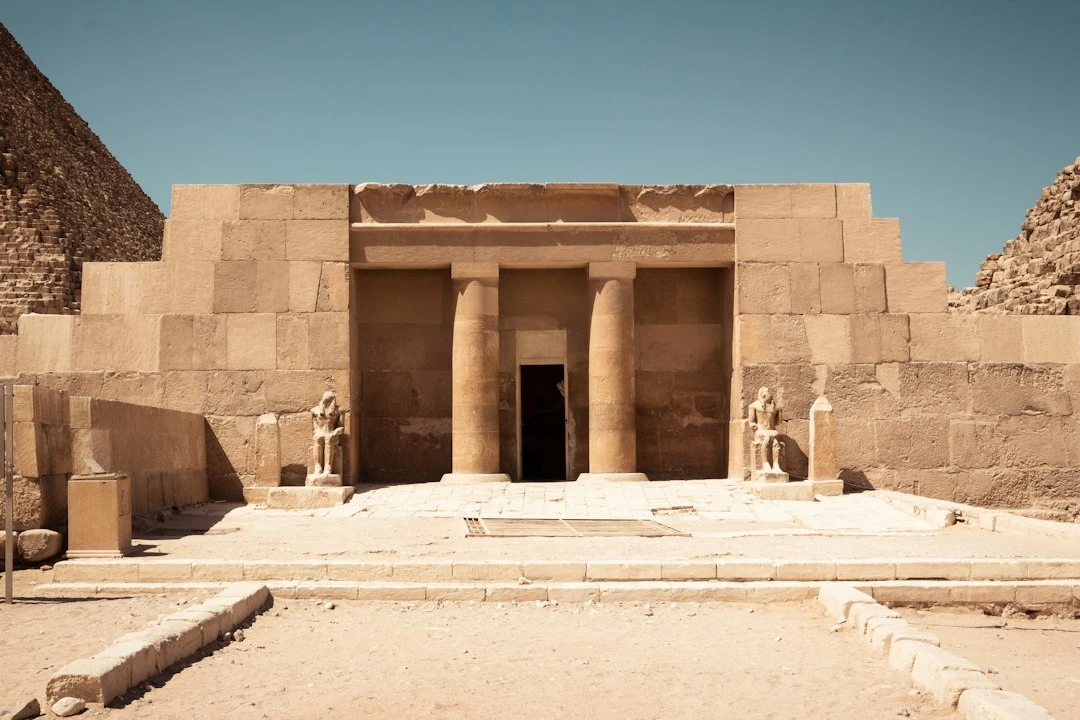
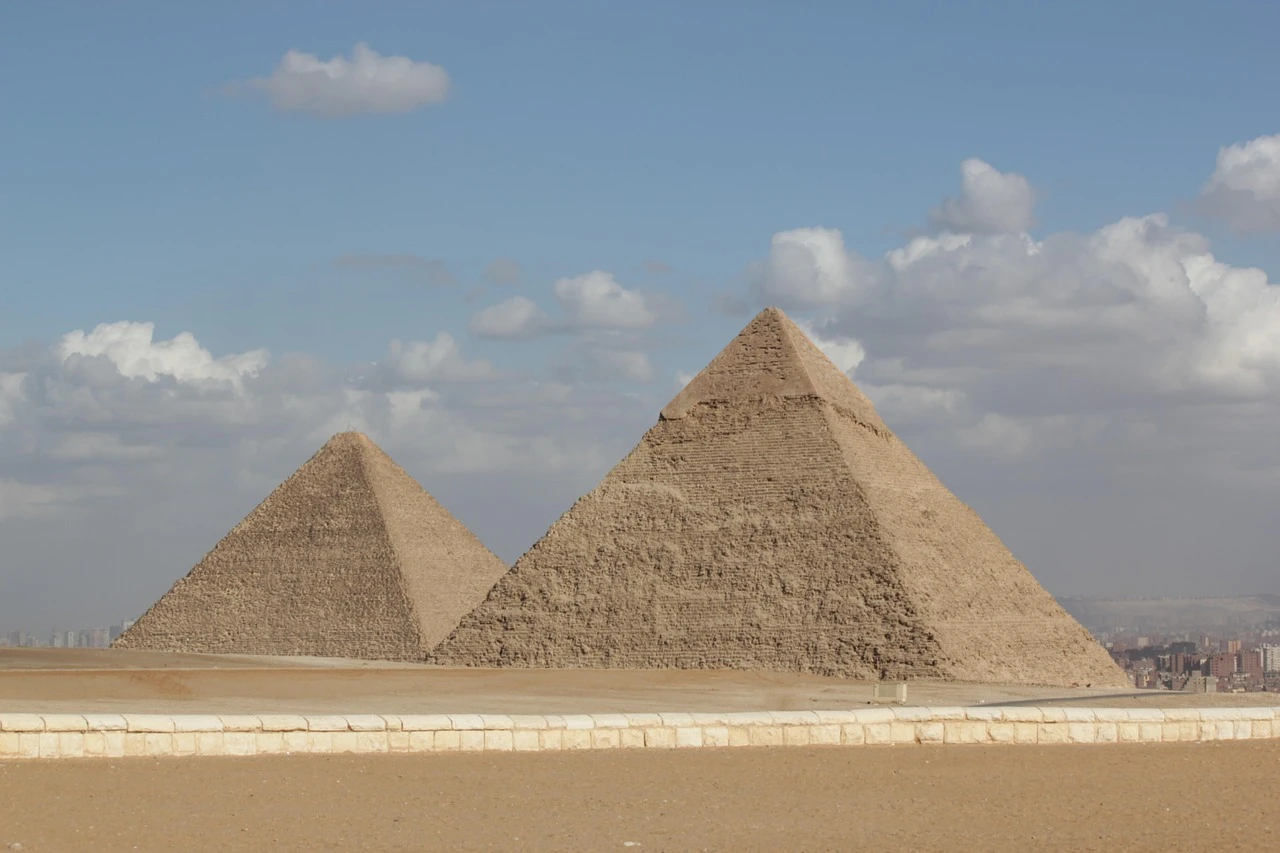
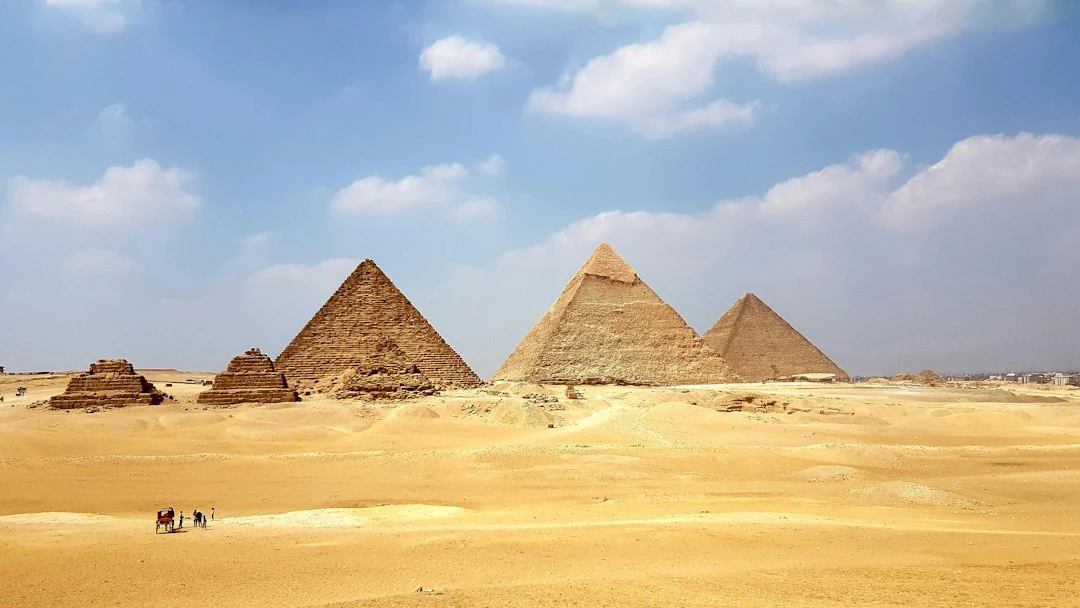
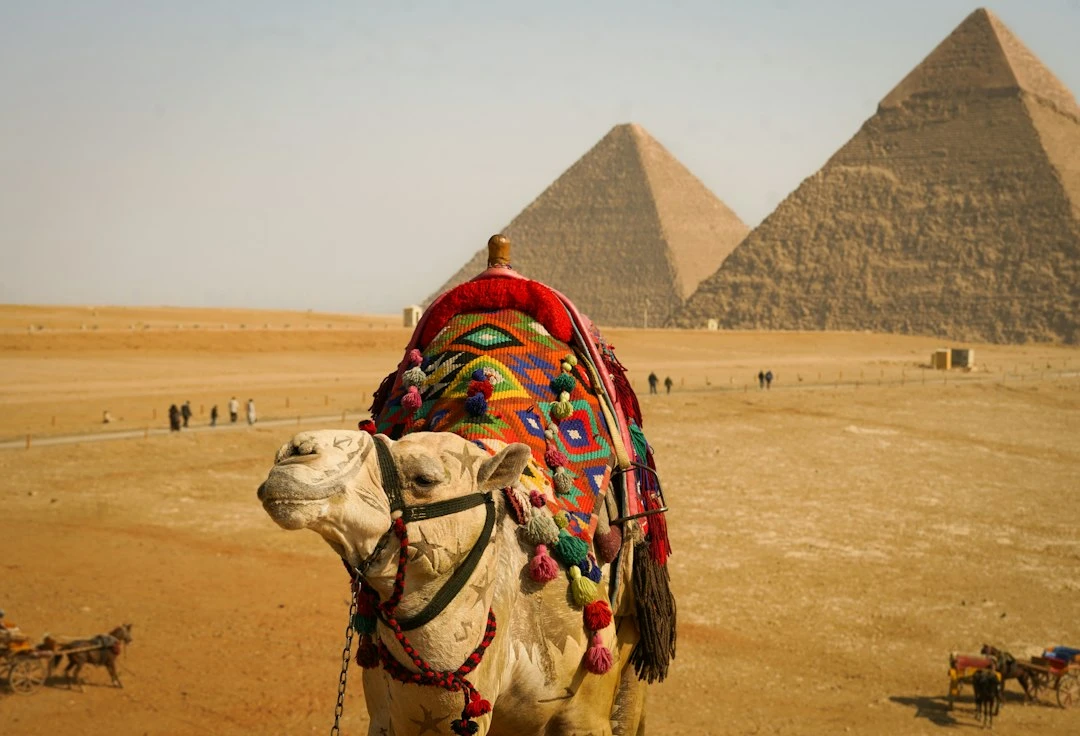
Your sightseeing begins at the Pyramids of Giza, where your guide explains how the three royal monuments were built and how their alignment relates to the surrounding plateau. You have time to walk around the pyramid complex and take photographs before continuing to the nearby Sphinx, whose lion body and human head remain one of the most recognisable images of ancient Egypt.
After lunch, the route moves south to Memphis, the former capital of ancient Egypt, and then to Sakkara. The step pyramid complex shows the early development of pyramid construction, while the Dahshour Pyramids provide a quieter look at the experiments that led to the smooth-sided form. The day involves walking over uneven ground, so comfortable shoes, water and sun protection are useful.
The morning is devoted to the Egyptian Museum, where your guide leads you through galleries of royal statues, funerary objects, jewellery and everyday items from different periods of Egyptian history. Rather than trying to see every case, the visit focuses on the main collections and the objects that help make sense of the monuments visited yesterday.
Later, you transfer to Cairo airport for the flight to Aswan. On arrival, our team takes you to your cruise boat or nearby accommodation, depending on the sailing schedule. The change from the capital to southern Egypt is clear: the pace becomes quieter, and the Nile valley narrows around the river. The evening is set aside for rest and preparation for the following day's visits.
After breakfast, the day starts with the Abu Simbel temples, reached by an organised road transfer from Aswan. The rock-cut sanctuaries of Ramesses II and Nefertari are known for their enormous façades and carefully decorated inner chambers. The journey takes several hours each way, but the visit gives you time to examine the reliefs before returning to Aswan.
Back in the city, you see the High Dam and continue by boat to the island sanctuary known as Phiala temple. The temple complex was moved to higher ground during the dam project, and your guide explains that history while you walk among its columns and reliefs. Later, you Sail with Felucca around the islands, subject to river conditions, before returning to the cruise boat for dinner and an overnight stay.
The boat continues north along the Nile after breakfast. This is a slower day, giving you time to watch village fields, palm trees and desert edges pass from the deck. Your guide explains the rhythm of life along the river and points out the changing landscape as the boat moves between the southern towns and the agricultural valley.
Depending on the navigation schedule, there may be a stop at one of the temples along the cruise route. Visits are arranged around docking and sailing times, so the order can vary. On board, you can have lunch, rest in the shaded areas and enjoy the river views without adding another long road transfer. The overnight stay remains on the cruise boat.
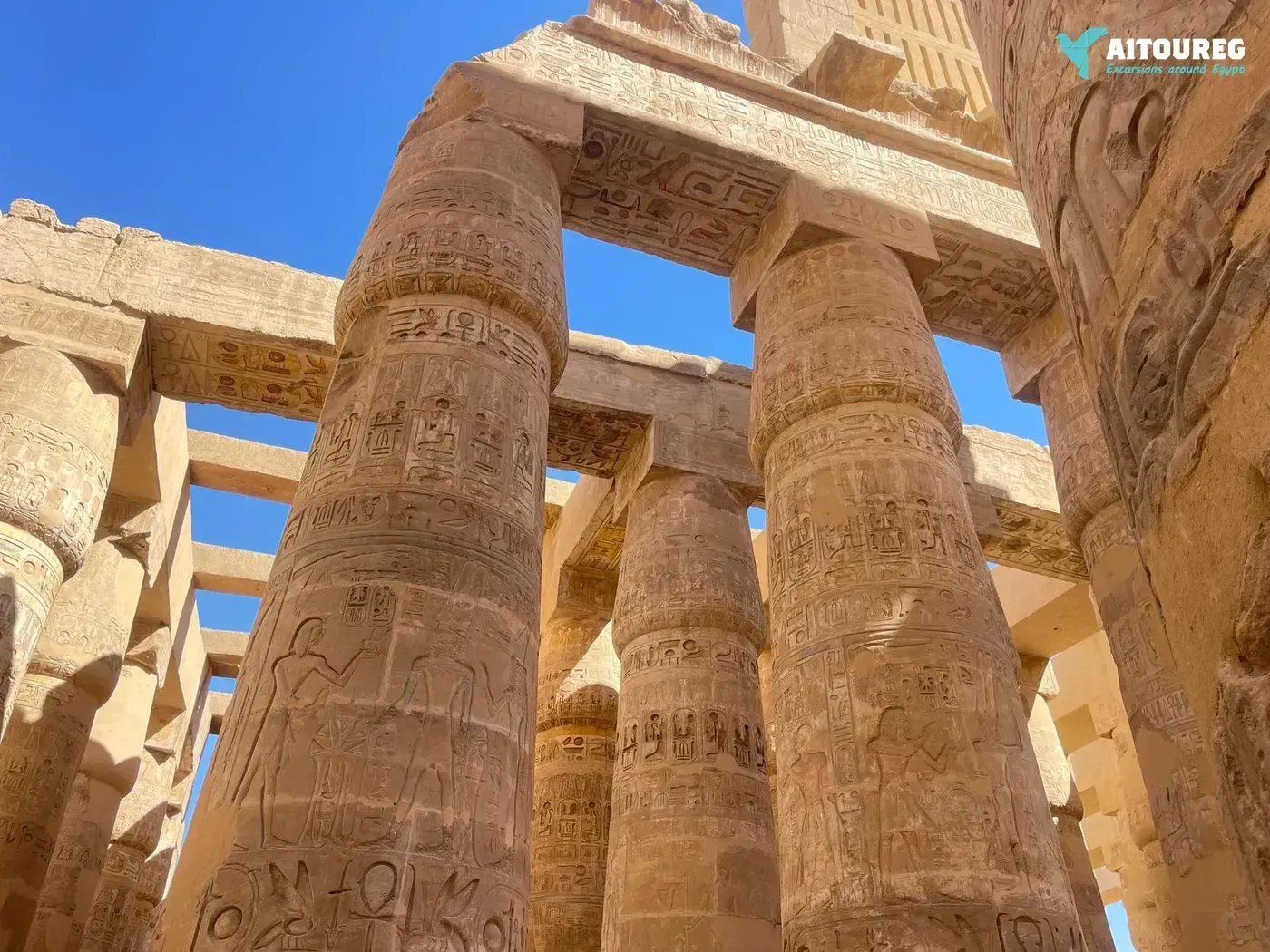
As the cruise reaches Luxor, you leave the boat for a guided visit to Karnak temple. The complex grew over many centuries, so the walk moves through several courtyards, pylons and the great hypostyle hall rather than a single compact monument. Your guide helps place the major additions in their historical order and leaves time for photographs among the columns.
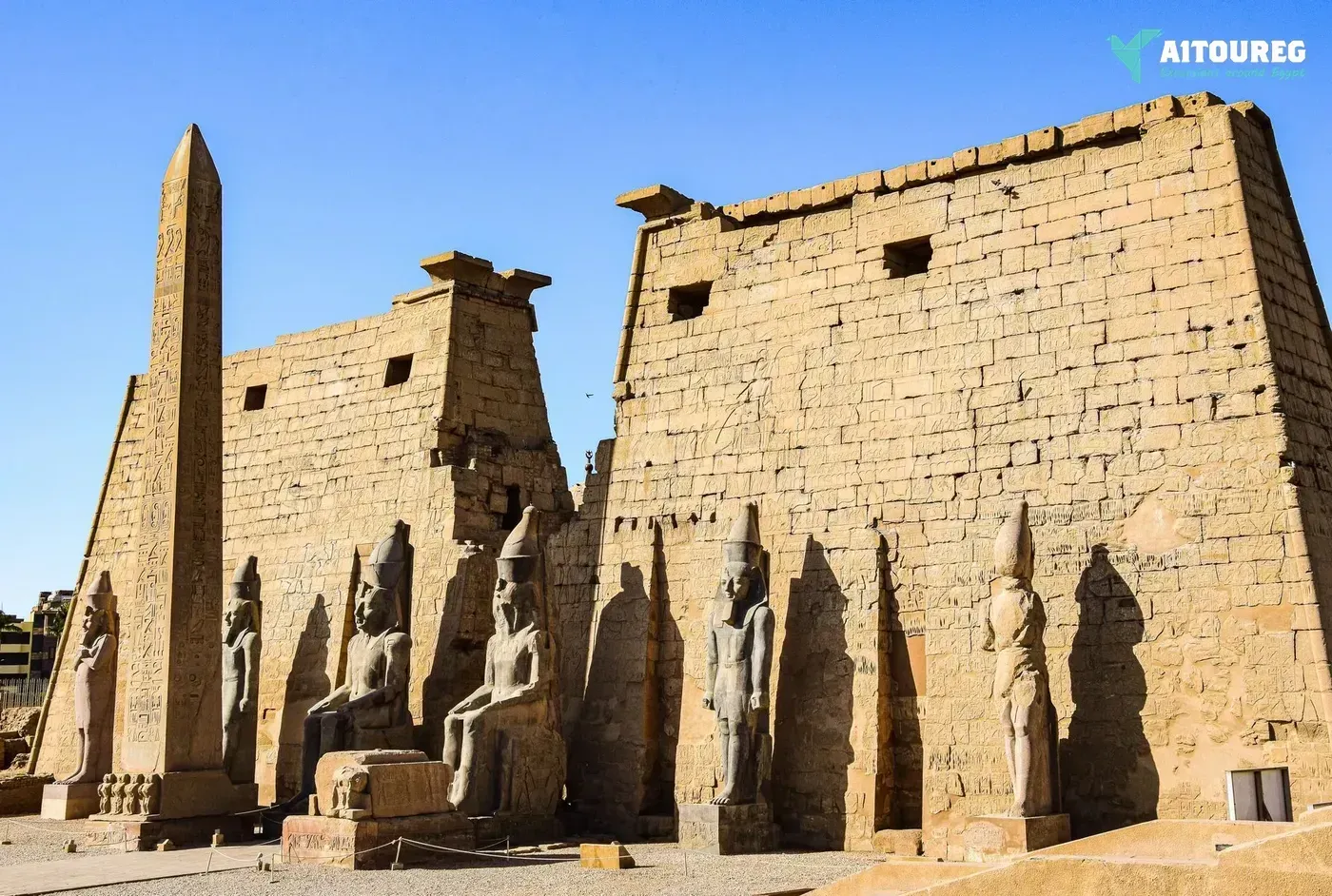
Later, you visit Luxor temple, whose avenue, statues and columned courts take on a different character from Karnak. The two sites were once linked, and seeing them on the same day makes the religious layout of ancient Thebes easier to understand. You return to your accommodation in Luxor after the visits, with the afternoon or evening free for a quiet meal and rest.
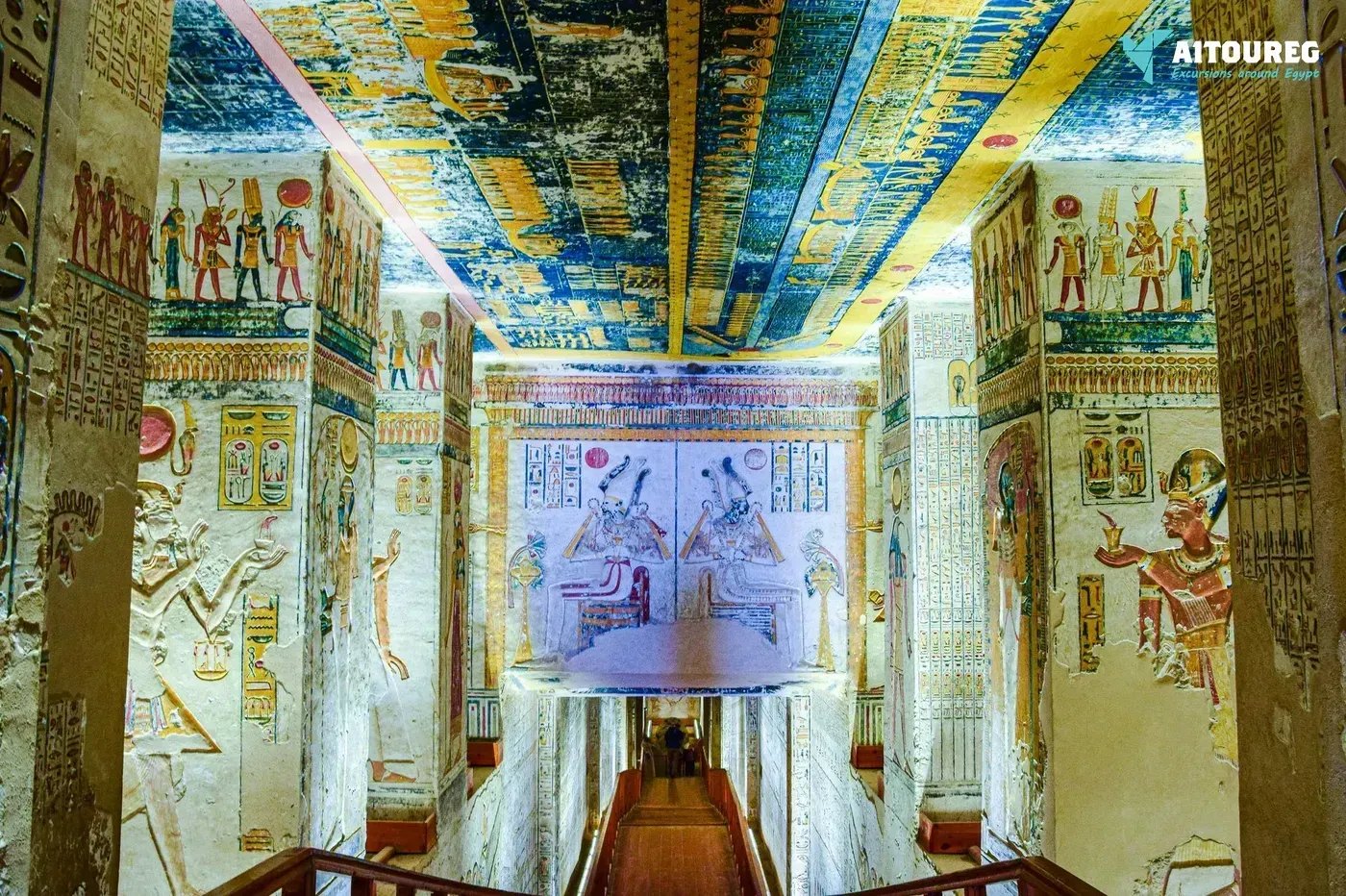
The morning crosses the Nile to the west bank, where the Valley of the Kings contains royal tombs cut into the desert hills. Your guide explains the painted burial scenes and the practical layout of the tombs, while the number open to visitors is confirmed locally. Continue to Hatshepsut temple, built in terraces against the cliffs, then stop at the Colossi of Memnon for a short look and photographs.
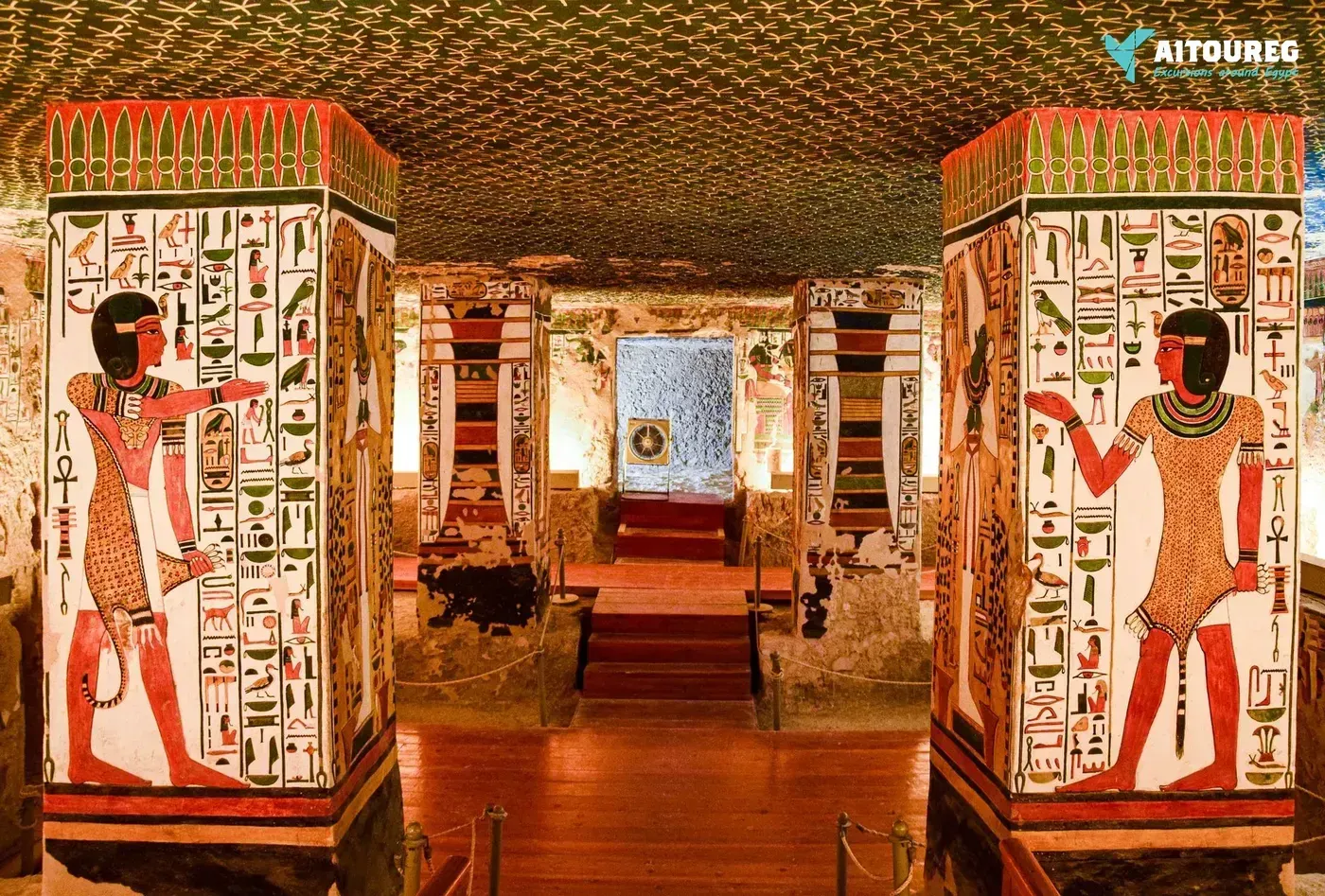
The route continues to Medinet Habu, with its broad courts and military reliefs, followed by the Ramesseum, the memorial temple associated with Ramesses II. If time and access allow, the visit also includes the Valley of the Queens, where the tomb decorations differ in subject and scale. The sites are spread out, so the private vehicle makes the sequence comfortable and limits unnecessary walking between monuments.
After breakfast, you leave Luxor by private vehicle for Dendera temple, north of the city. The sanctuary is dedicated to Hathor and is known for its well-preserved columns, decorated halls and astronomical imagery on the ceiling. Your guide draws attention to the layered history of the site and the details that are easy to miss when walking through the broad entrance and inner rooms.
After the visit, the journey continues by road towards Cairo. This is a long transfer, so we build in rest stops and time for refreshments along the way. The scenery changes gradually from cultivated Nile farmland to the open desert and then to the outskirts of the capital. On arrival, you check in and have the evening to rest before the next early start.
We leave Cairo by road for Bahariya oasis, travelling west through the desert. The drive takes much of the day, with a stop for refreshments and a chance to stretch along the way. After arriving, you have time to see the oasis landscape, where palm groves, low hills and springs create a marked contrast with the surrounding desert.
Later, a local desert vehicle carries you towards The white desert. Chalk formations rise from the pale ground in shapes formed by wind and erosion, and the light changes as the sun drops. After sunset, you settle into the Desert encampment in the white desert, where dinner is prepared in a simple setting. Facilities are basic, temperatures can fall after dark, and a warm layer, closed shoes and a small overnight bag are helpful.
After breakfast at camp, you have a final opportunity to take photographs of the desert landscape before the return drive begins. The vehicle travels back through Bahariya and across the desert towards Cairo. We allow time for the road journey and coordinate the final transfer around your departure details, since airport check-in requirements depend on your flight.
On reaching Cairo, our team takes you to the airport or to another agreed drop-off point. Keep passports, travel documents and any valuables in your hand luggage, and allow space for the possibility of traffic delays near the city. If your flight is later in the day, we can help arrange a practical place to wait between the road transfer and airport drop-off.