Best Activities to Enjoy in Makadi Bay
Dendera Temple Private Day Trip from Makadi
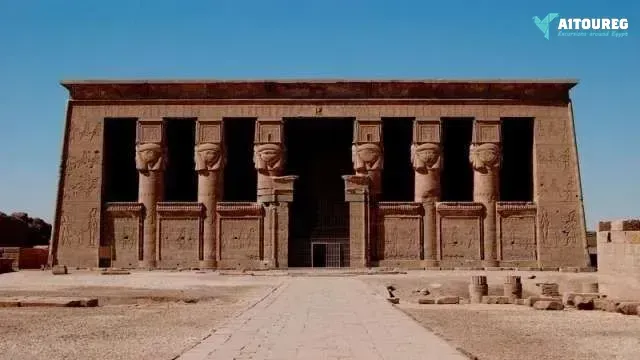
A Dendera Temple private day trip from Makadi takes you inland to one of Upper Egypt’s most detailed ancient temple sites. With a private guide beside you, you can follow the carvings and history as you explore. The drive leaves the Red Sea resorts behind and continues to the Temple of Hathor, where tall columns, coloured reliefs and astronomical scenes cover the sanctuary complex.
Hathor was linked with music, motherhood, fertility and healing. Her temple at Dendera was built mainly during the Late Ptolemaic period, particularly under Ptolemy XII and Cleopatra VII, with additions made later by the Romans. Your guide explains the setting before you go inside, making the rulers’ names and the purpose of each area easier to understand than they would be from the carvings alone.
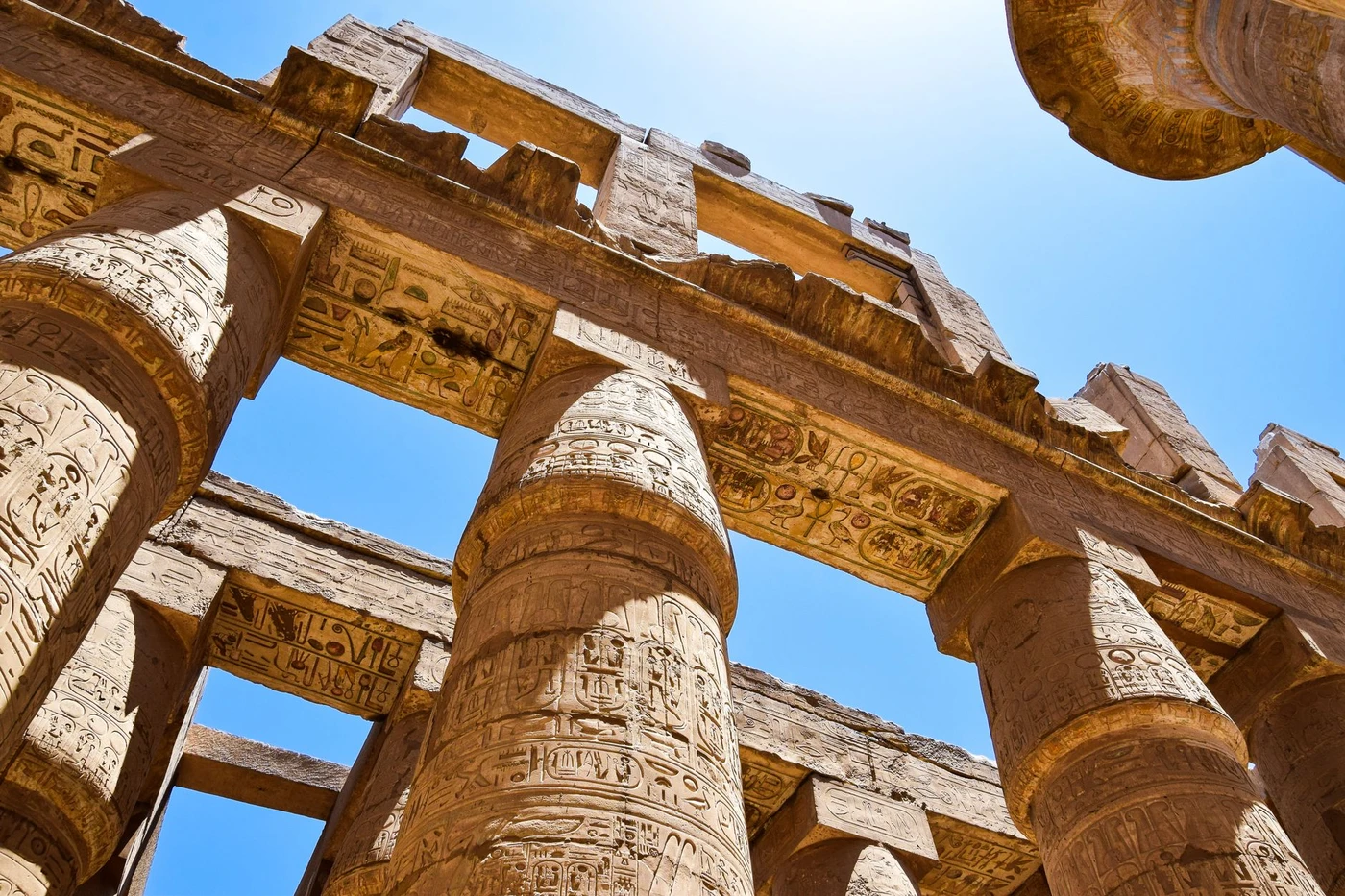
You visit the Temple of Hathor in a clear order, starting at the broad entrance and columned halls before continuing towards the inner sanctuary. Hathor’s face and cow-eared form appear on the columns, while the walls show rulers presenting offerings to the gods. Look at the colour still visible on the ceilings and reliefs. Your guide can point out the pigments and symbols that are easy to miss.
One of the main highlights is the zodiac of Dendera, a well-known astronomical relief linked to the temple’s ceiling decoration. You also see the Egyptian Calendar, shown through ancient signs and scenes that reflect ideas about time, festivals and the movements of the heavens. Together, these details make the temple more than a straightforward monument stop: religious beliefs, royal authority and observations of the natural world appear side by side.
At the back and lower levels of the temple, your guide explains the mysterious crypts and their practical role within the religious complex. Some are narrow and dim, with carved walls and little room to move, so this part suits travellers who are comfortable walking and using steps. Entry depends on local preservation rules, opening arrangements and the conditions at the site that day.
Is this excursion suitable for you? It suits travellers looking for a focused archaeological visit who are comfortable with a substantial road journey from Makadi. The day includes walking over outdoor ground, standing during explanations and entering areas with uneven floors. Travellers with mobility concerns should speak to our team before booking so we can discuss the practical arrangements. Families can take the trip, although younger children may find the drive and temple visit tiring.
Our team arranges the private pickup, road transfer and meeting with your guide, making the day simpler than organising separate transport and site assistance. Bring water, sun protection and comfortable shoes. The open areas around Dendera can feel hot even when the temple interiors are cooler. Before you leave the site, your guide will confirm the meeting point and return arrangements.
Visit to Dendera Temple
Road transfer between Makadi and Dendera
Private air-conditioned vehicle
Private Egyptologist guide
Private pickup and drop-off from Makadi
Meals and drinks
Personal expenses
Entrance fees unless stated in your booking details
Tips for the guide and driver
Any optional services not listed in the inclusions
Light clothing and a cover-up for temple areas
Comfortable walking shoes
Passport or photo identification if requested
Sun hat, sunglasses and sunscreen
Cash for personal expenses and optional services
Drinking water
The private Dendera day trip from Makadi includes a pickup and drop-off, private road transfer, and the services of a private tour guide for your visit to the Temple of Hathor. Your guide explains the temple’s reliefs, the Zodiac of Dendera, and the history of Cleopatra VII.
Entrance fees, meals, and personal expenses may depend on the booking arrangement, so our team will confirm the inclusions before you travel.
The Dendera excursion from Makadi is a full-day road trip, with several hours spent travelling in each direction and time at the temple itself. The visit is paced around the main courtyards, halls, roof areas, and the underground crypts rather than rushed between sights.
Because the road journey is long, this tour suits travellers who are comfortable spending much of the day in a private vehicle. Your guide can adjust the walking pace during the temple visit.
Pickup for the Dendera tour is arranged from your accommodation in Makadi, followed by a private transfer to Dendera with your guide. After visiting the Temple of Hathor, you return by road to Makadi for drop-off at your accommodation.
The exact pickup time depends on your travel date and hotel location, and our team confirms the arrangements before the excursion. The route is overland, so there is no domestic flight or Nile cruise involved.
The private Dendera day trip can suit families with children because the vehicle, guide, and pace are arranged for your group. It is also more flexible than a shared excursion, although the long road journey may be tiring for younger children.
Some walking, uneven ground, steps, and temple surfaces are involved, including access to parts of the crypts and roof areas. Tell us about any mobility needs before booking so we can discuss the practical arrangements.
Wear light, comfortable clothing and supportive shoes for the Dendera temple visit, and bring water, sun protection, and a hat. Shoulders and knees covered by respectful clothing are a practical choice when visiting the Temple of Hathor and other ancient sites.
The temple includes detailed reliefs such as the Egyptian Calendar and the Zodiac of Dendera, so a phone or camera can be useful if photography is permitted on the day. Bring any medication you may need during the long transfer.
You can request the private Dendera day trip from Makadi by sharing your preferred date, accommodation details, and group size with our team. We then confirm the pickup arrangements, guide service, available inclusions, and booking conditions for your excursion.
Cancellation and amendment terms depend on the reservation conditions provided at booking, so check them before confirming. The visit includes the Temple of Hathor, where your guide can point out the relief of Cleopatra VII and explain Hathor’s role as a goddess of healing.
Your unforgettable Egypt journey starts with a booking you can trust.
* Available on selected tours. Flights, cruises and special bookings may have different cancellation policies.
Free cancellation up to 24 hours before activity starts
If you choose to pay online, a secure payment link can be provided after booking. For assistance or alternative payment options, please contact us via WhatsApp.
All our tour operators are licensed and verified by Egyptian tourism authorities.
Learn more about our licensed partners →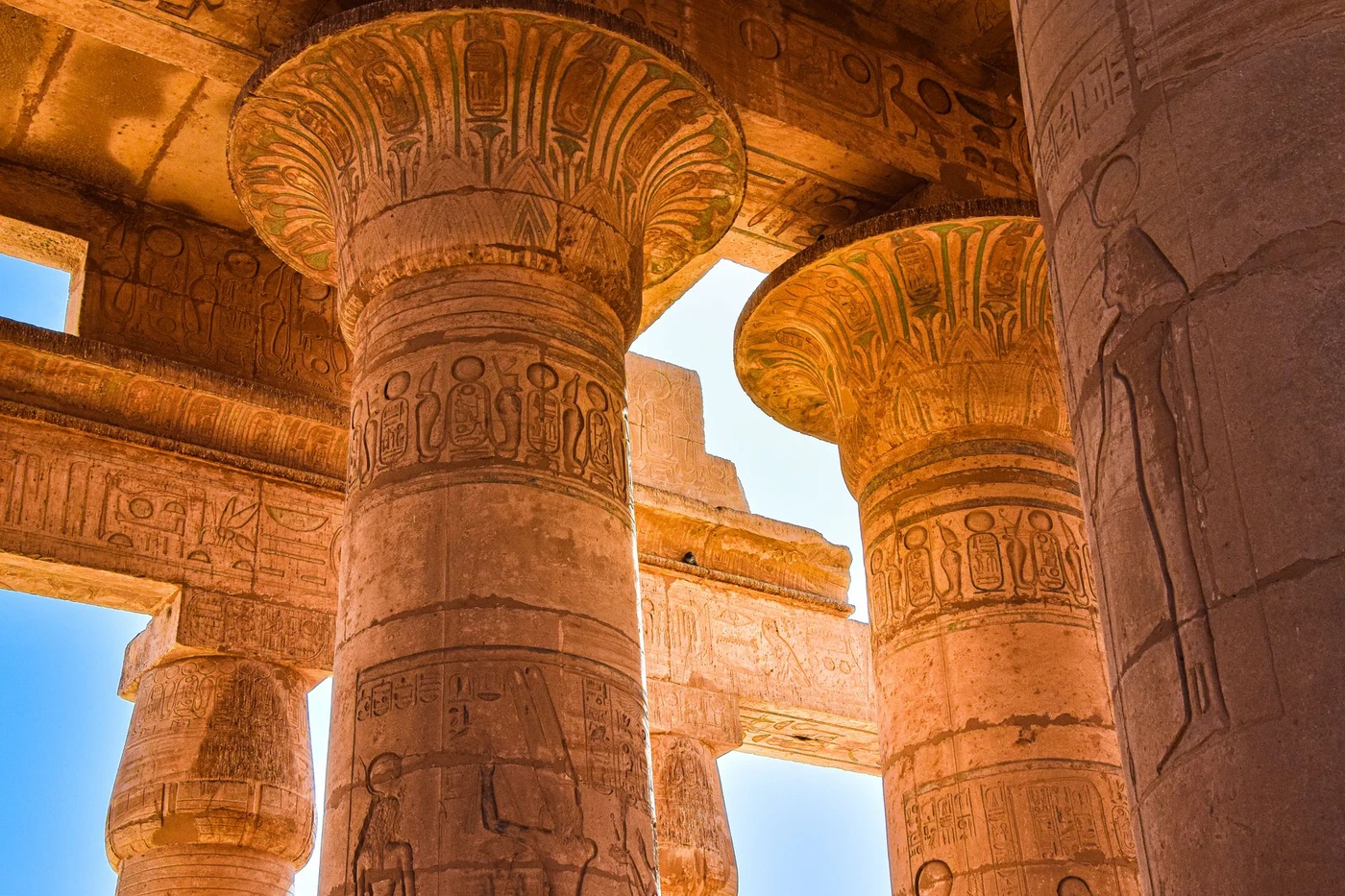


Free cancellation up to 24 hours before activity starts
If you choose to pay online, a secure payment link can be provided after booking. For assistance or alternative payment options, please contact us via WhatsApp.
All our tour operators are licensed and verified by Egyptian tourism authorities.
Learn more about our licensed partners →
Your Itinerary
Our team collects you from your hotel in Makadi and begins the private road transfer to Dendera. The journey takes several hours, so settle in for a relaxed morning with time to watch the scenery change as you leave the Red Sea coast and travel through the Nile Valley. Your private guide accompanies you and explains the route, the farming landscape and the history behind the temple visit.
On arrival, your guide handles the practical arrangements and walks with you into the archaeological site. Wear comfortable shoes, bring water, and use sun protection, as much of the visit takes place outdoors. The temple grounds are spacious, and the pace is flexible, with time for questions and photographs before you enter the main building.
Begin the site visit inside the Temple of Hathor, the main monument at Dendera. Your guide points out the massive entrance, the decorated columns and the reliefs that show Hathor, a goddess associated with healing, music and motherhood. The temple was largely built during the Late Ptolemaic period, especially under Ptolemy XII and Cleopatra VII, and later rulers added to its decoration.
Look up at the astronomical ceiling to see the Zodiac of Dendera, then examine the carved scenes that help explain the Egyptian Calendar and the religious festivals connected with the temple. Your guide sets the images in context rather than rushing through them, so you can notice the colours, hieroglyphs and royal figures. Allow time to move between the hypostyle hall, inner chambers and courtyards while learning how worshippers used this temple.
Continue with the less visible parts of the complex, including the mysterious crypts cut into the temple structure. These narrow spaces require careful walking and may feel very different from the open halls. Your guide explains their religious purpose and highlights the carved details that are easy to miss. The visit also includes the relief connected with Cleopatra the Seventh, giving you a clear link between the temple’s decoration and the final centuries of ancient Egyptian rule.
After leaving the site, stop for a simple meal at a suitable local restaurant before beginning the return transfer. Your guide can help you choose familiar Egyptian dishes and answer any final questions about Dendera. The drive back to Makadi follows the same general route, with a rest stop when needed, and our driver returns you to your hotel after the full-day excursion.