
Egypt 16-Day Adventure Tour with White Desert & Red Sea
Egypt 16-day adventure tours bring together the country’s major ancient sites, desert landscapes and Red Sea coast in one carefully planned trip. You will visit the Giza Pyramid Complex, explore royal tombs in the Valley of the Kings, see the temples of Abu Simbel and end with time beside the clear waters of Marsa Alam. There is plenty of variety, while the itinerary leaves room to see each place without racing through a checklist.
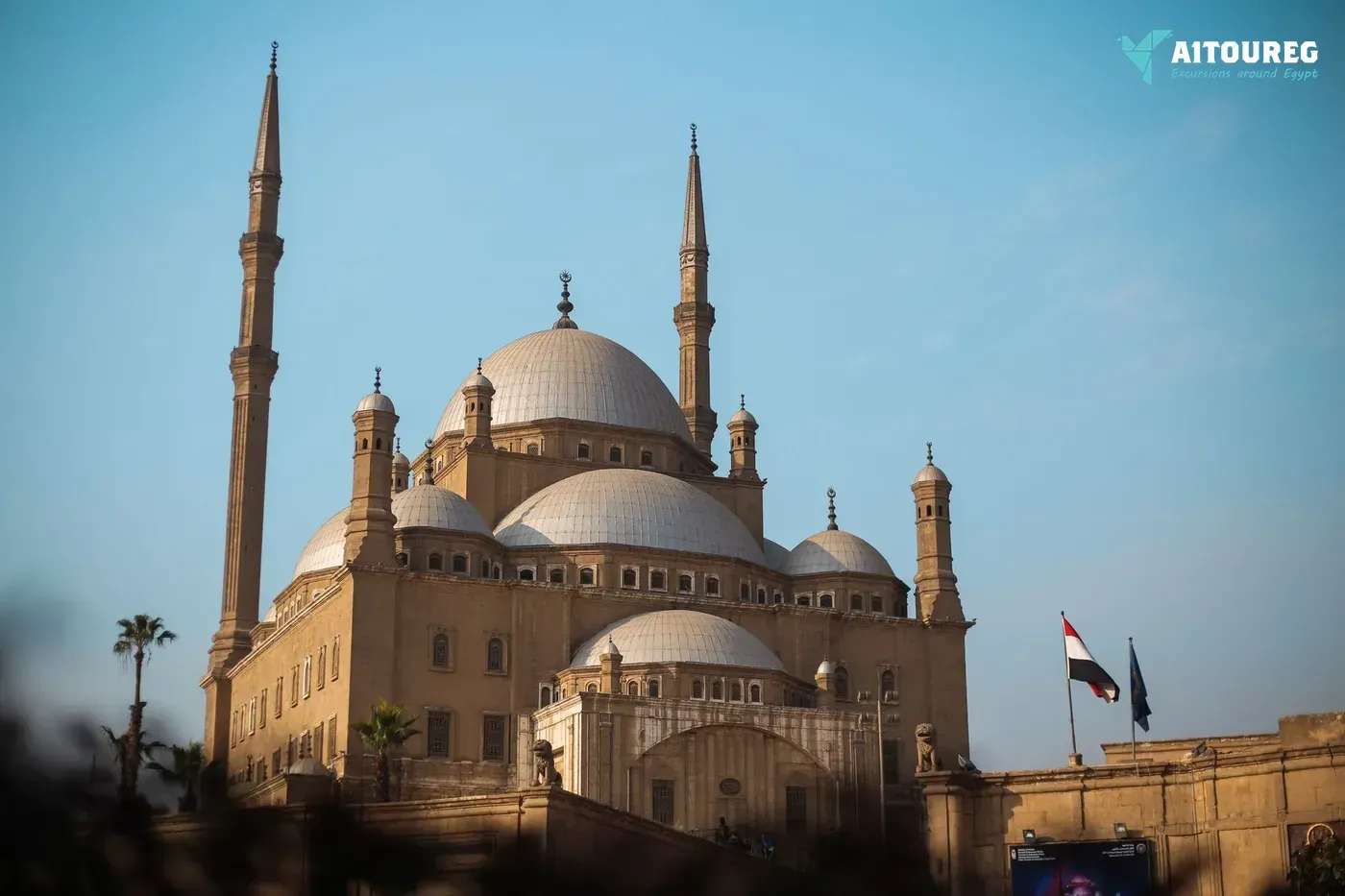
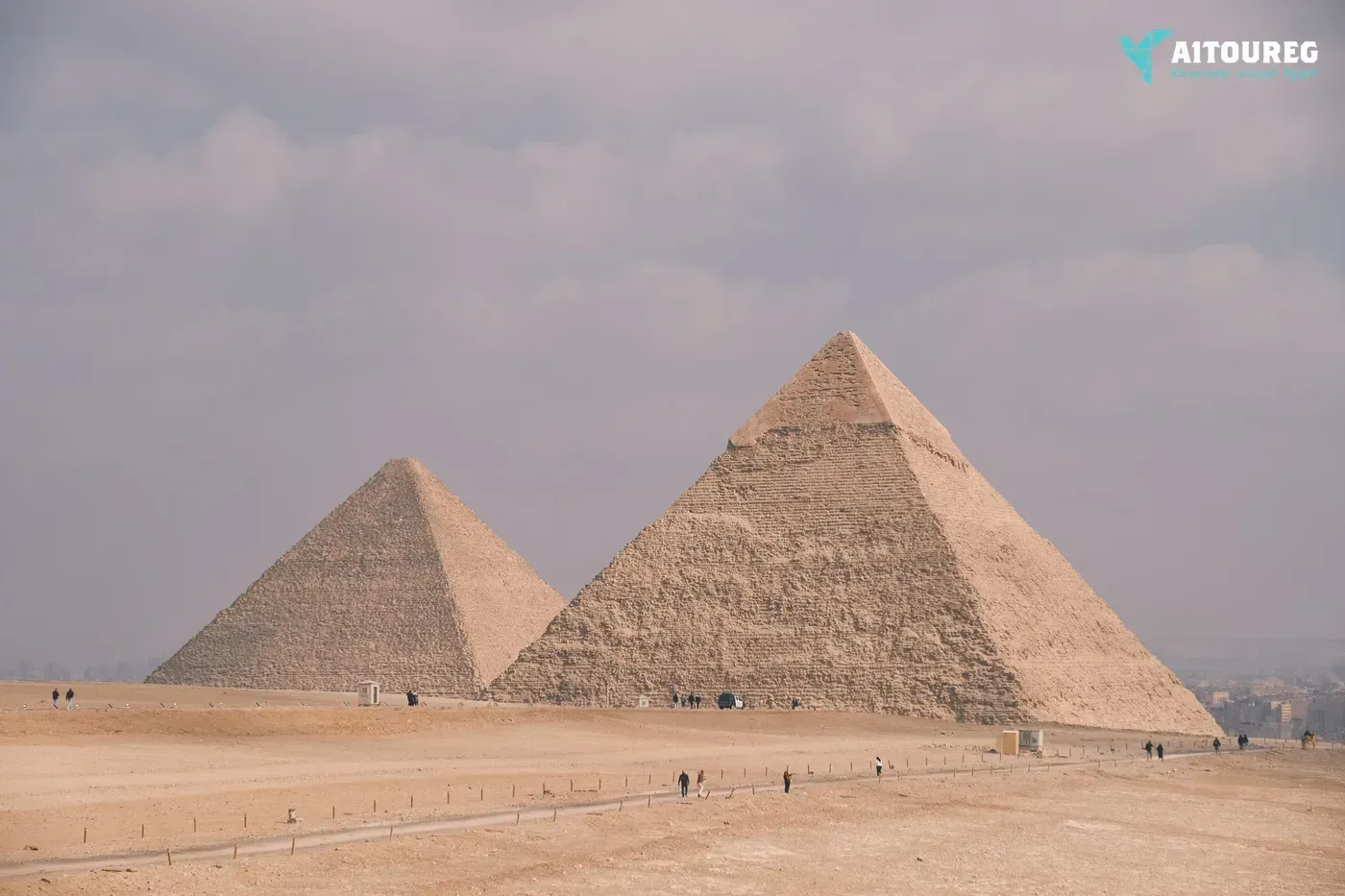
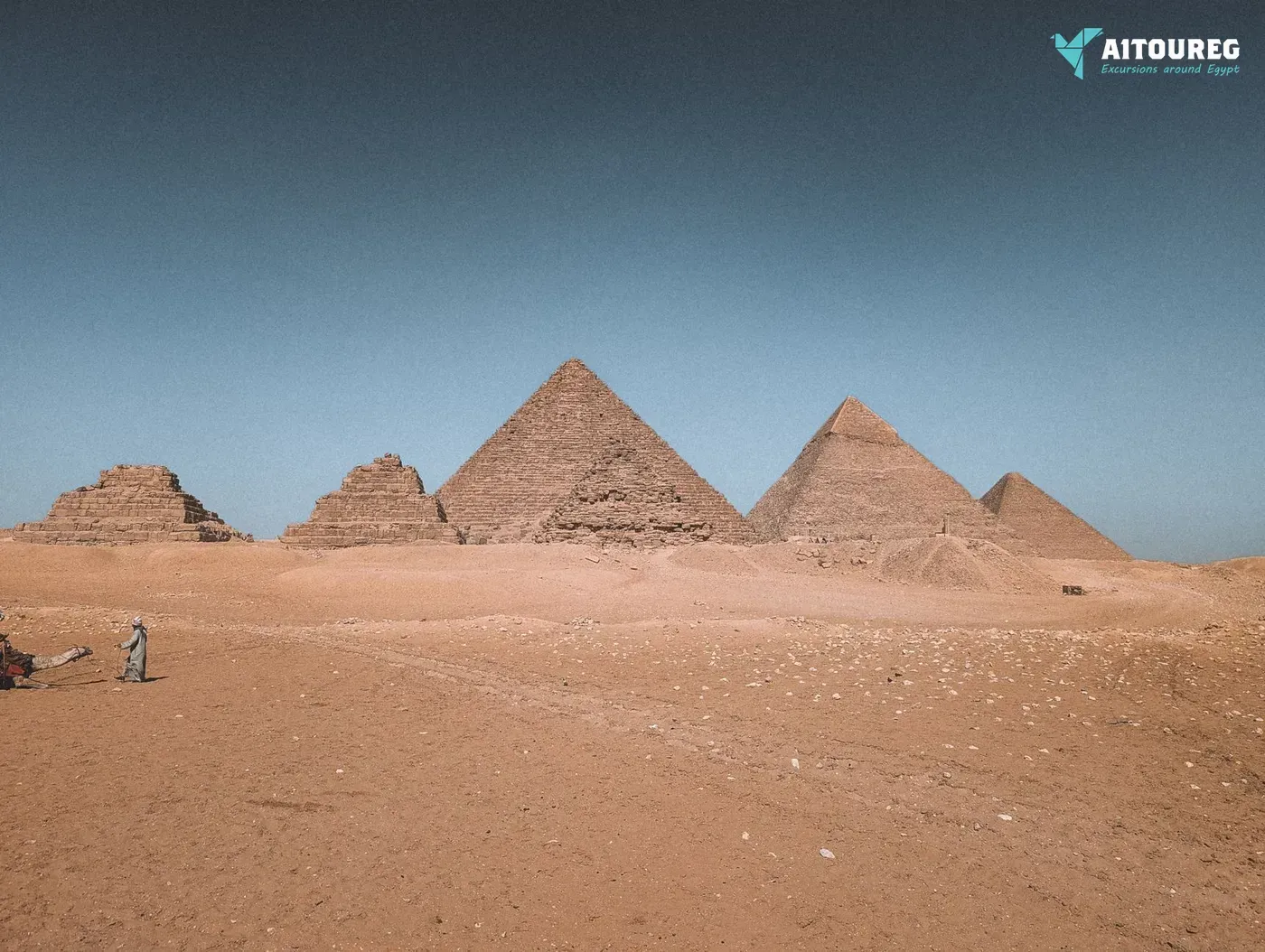
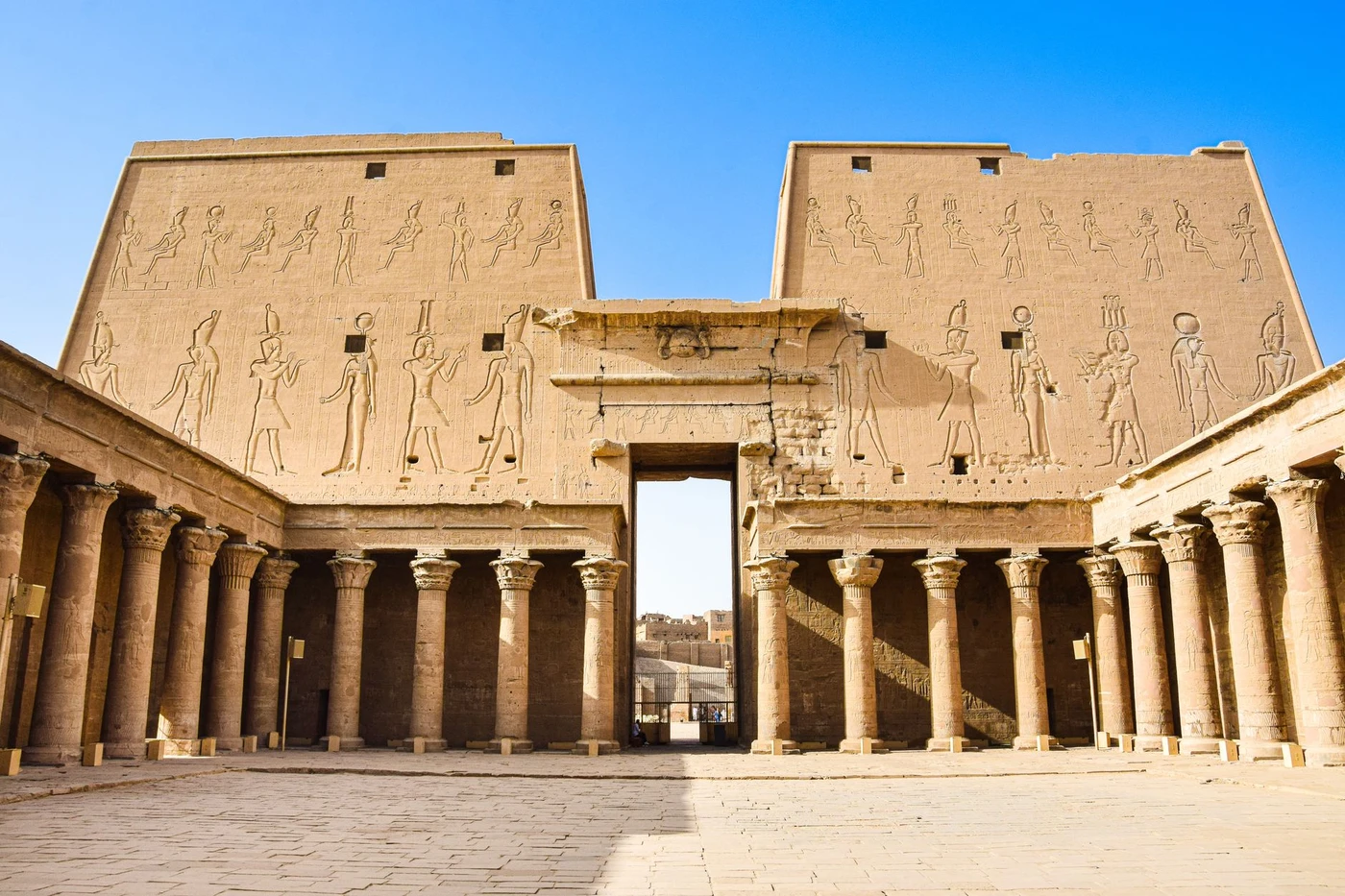
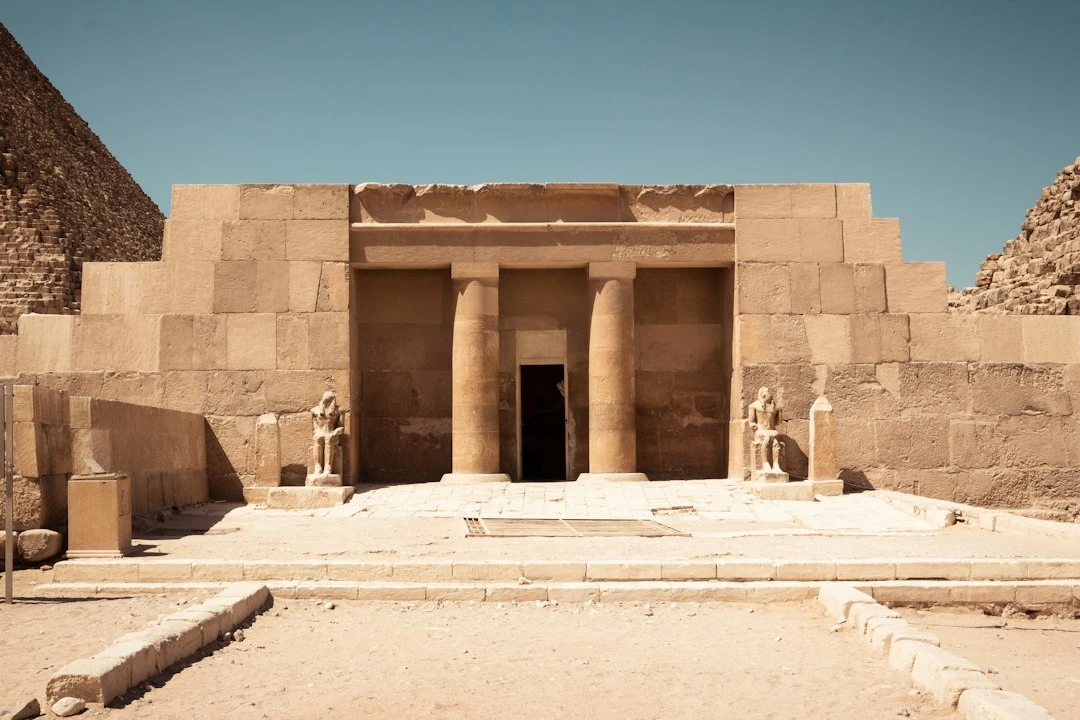
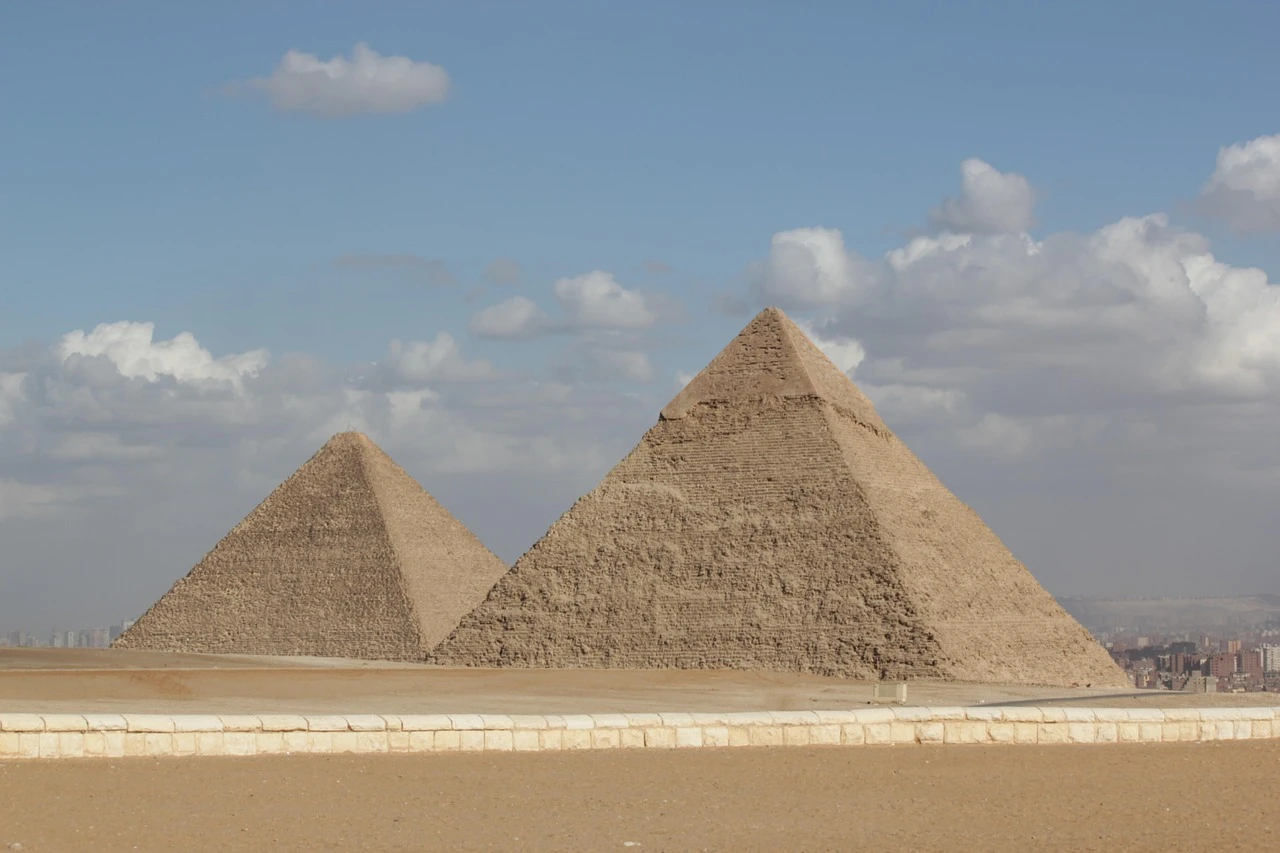
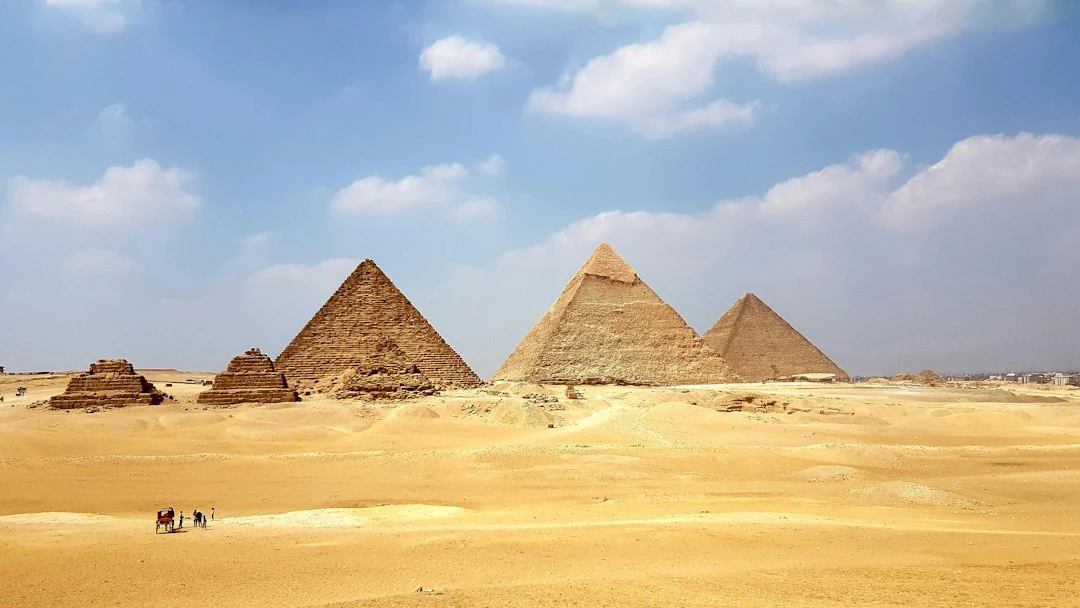
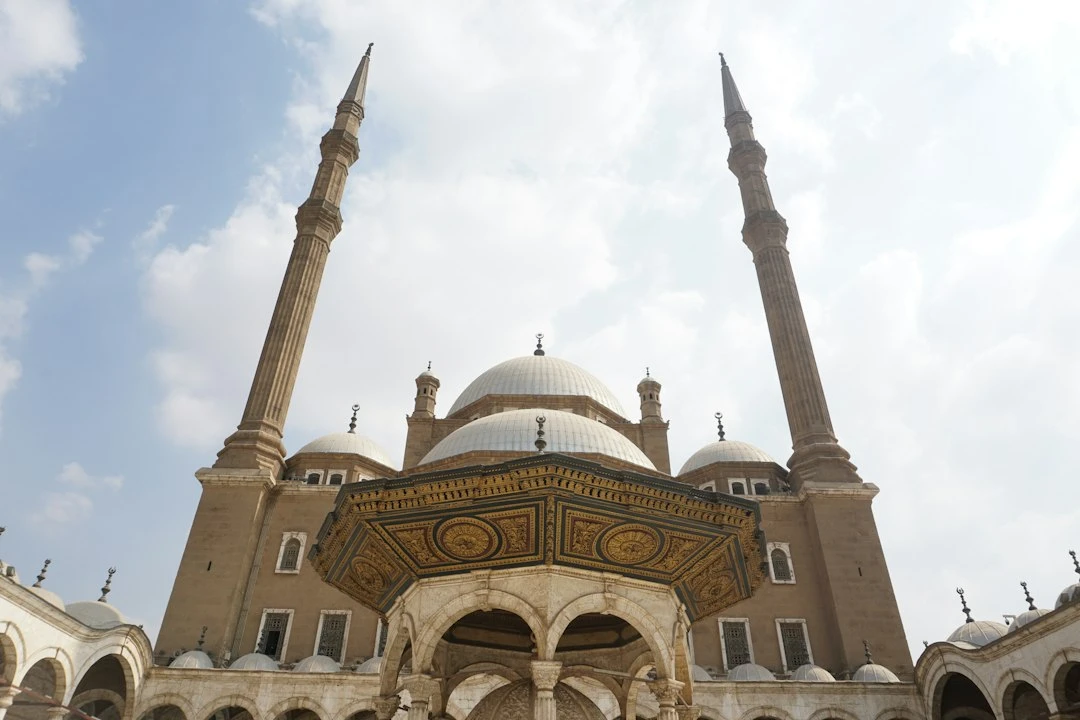
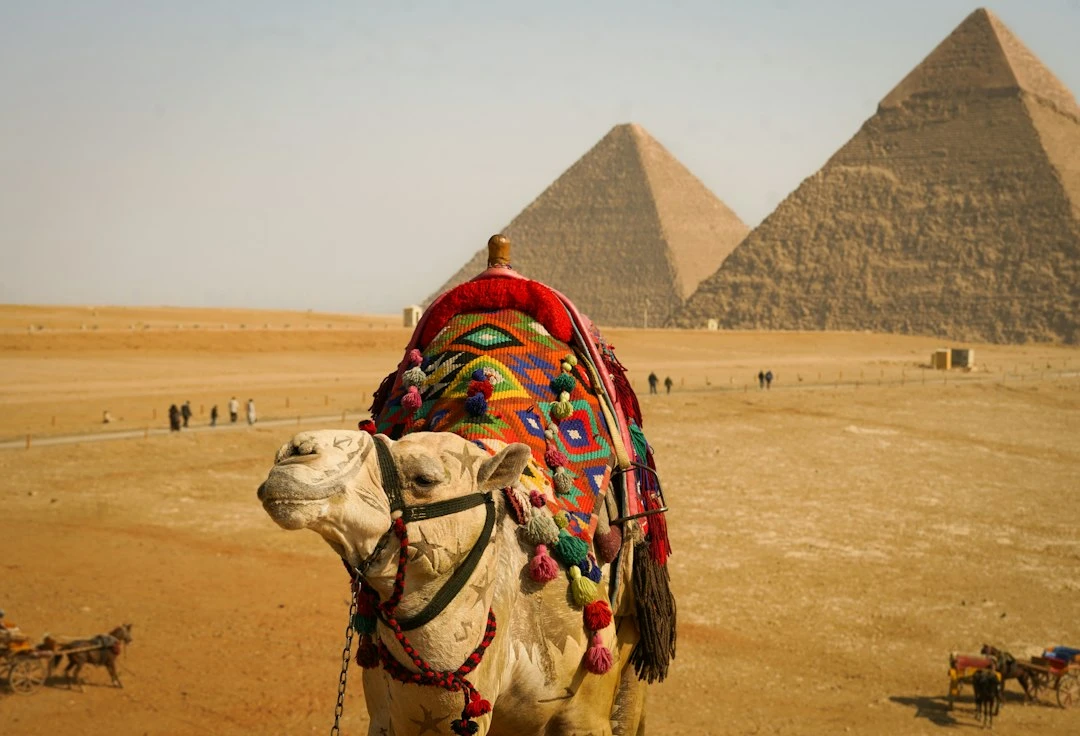
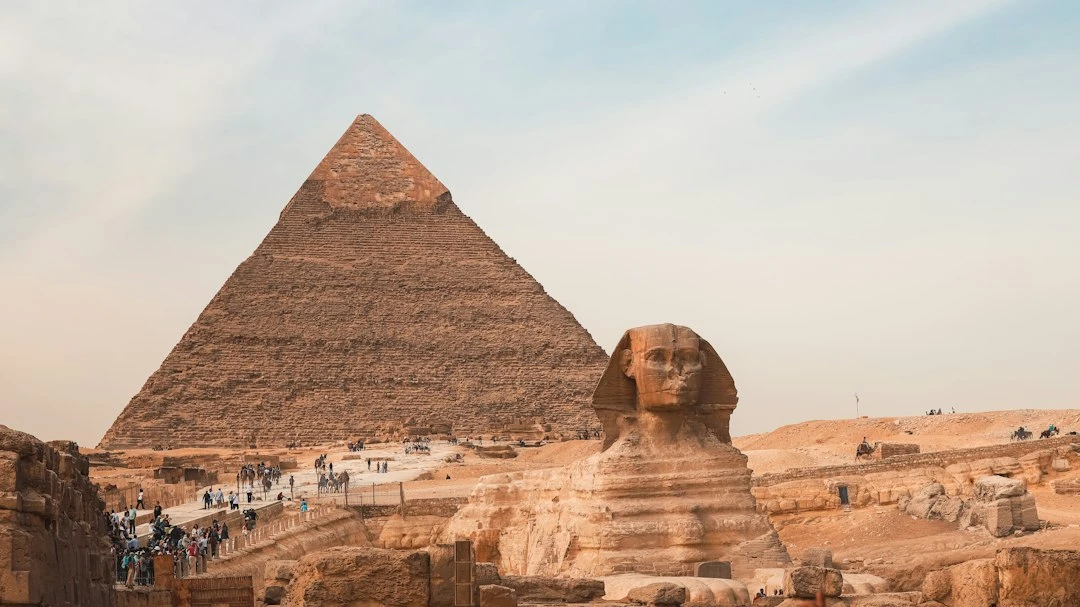
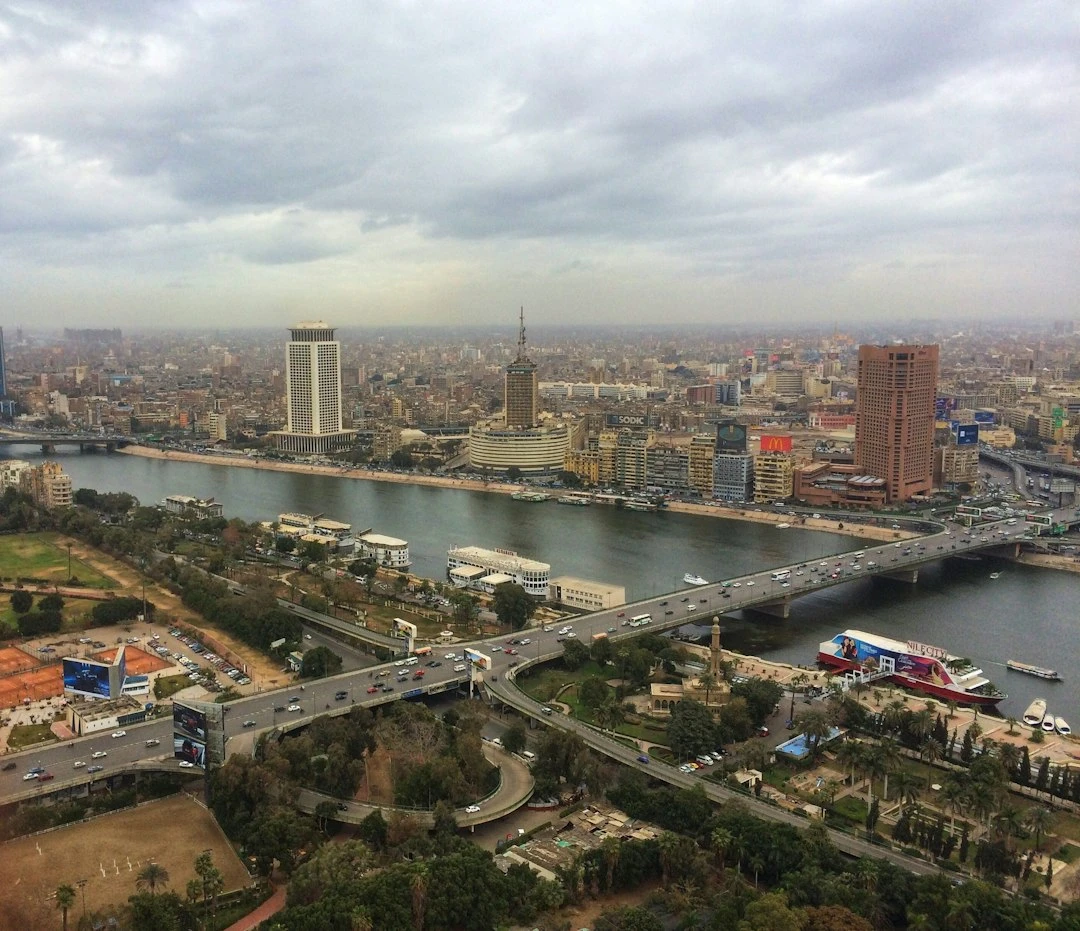
In Cairo, our team takes you through the city’s long history in a practical order. At the Giza Pyramid Complex, your guide explains how the pyramids and Sphinx fit into the wider landscape, with time for photographs and a closer look at the plateau. The Cairo National Museum adds context through its artefacts. In Historic Old Cairo, churches, mosques and narrow streets reflect centuries of religious and commercial life. You also visit the Mohamed Ali Mosque in the Citadel, whose elevated position gives you a wide view across Cairo.
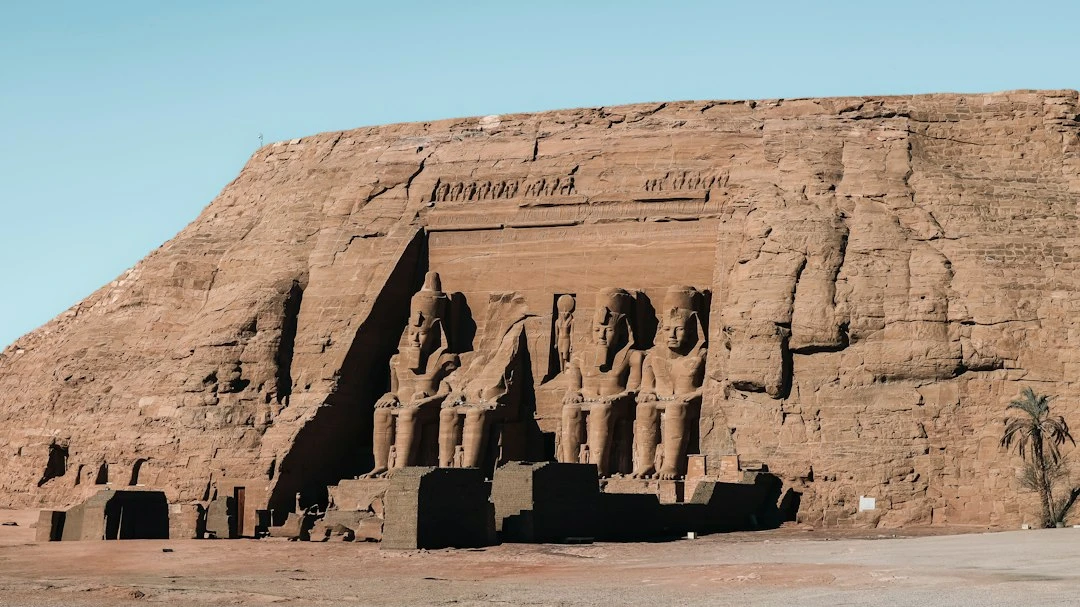
The southern part of the journey takes you to Luxor and Abu Simbel. In Luxor, the Valley of the Kings is easier to understand with a guide who can explain how the tombs were planned, decorated and used. The dry valley also makes sensible footwear and sun protection important. Abu Simbel involves a longer transfer or flight connection, depending on the confirmed arrangements, but the scale of Ramses II’s temples makes the journey worthwhile. We organise the transport links and keep the sightseeing order clear, so you know when to expect road travel, guided visits and time to rest.
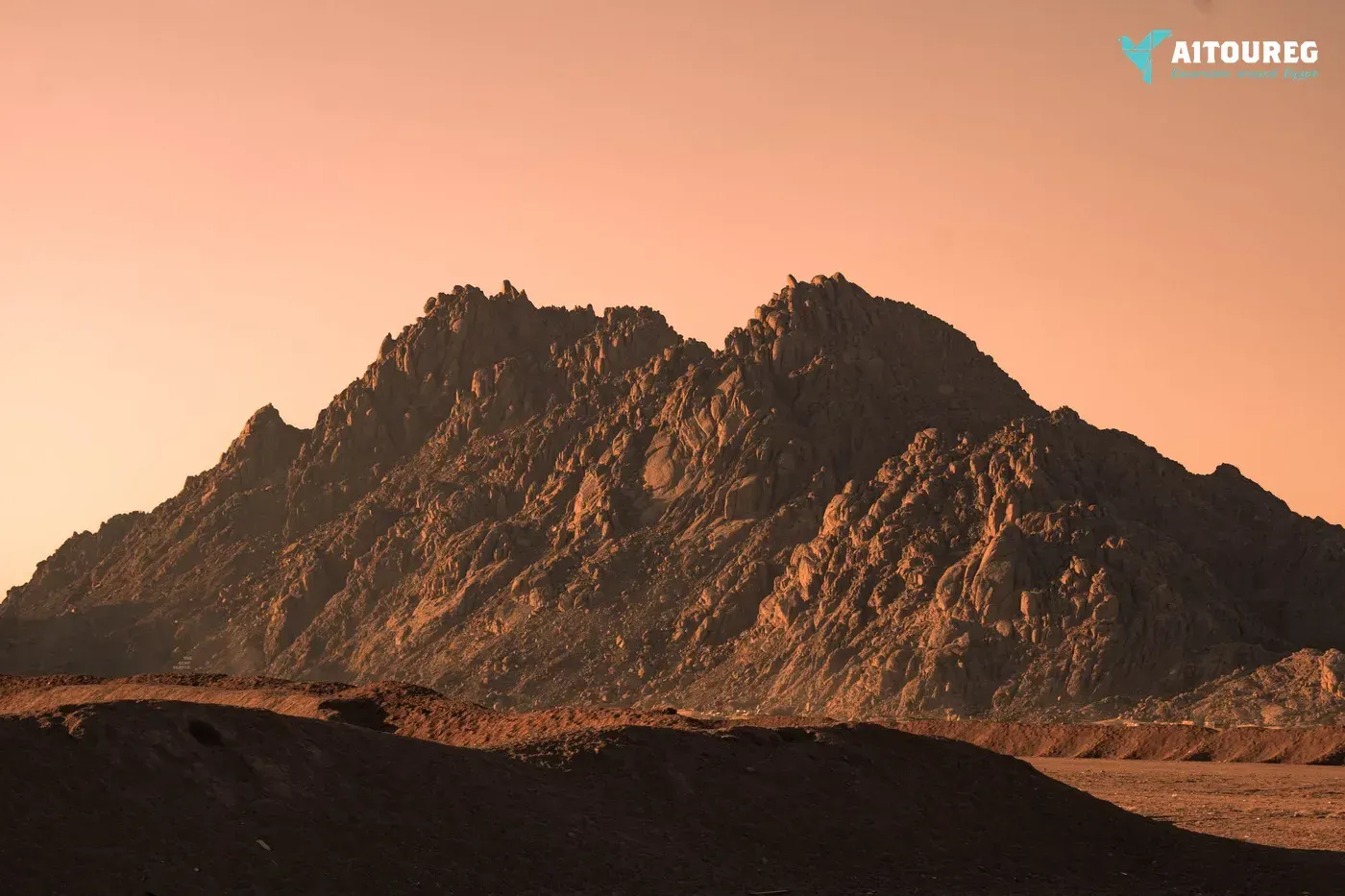
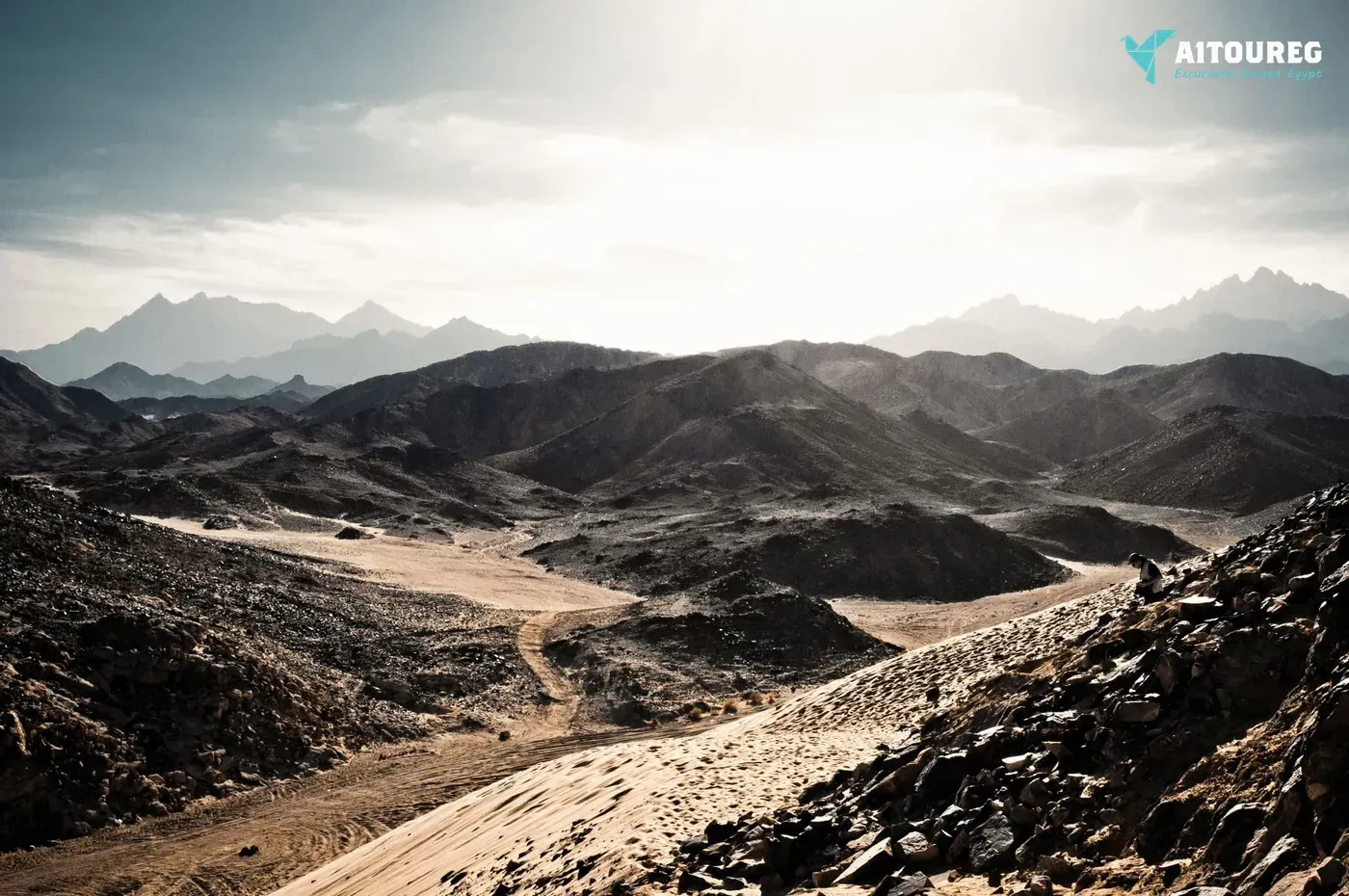
The desert section changes the pace. A desert safari adventure takes you into the Western Desert, where dark volcanic-looking ground gives way to pale limestone formations. At Agabat Valley, you can walk among sculpted rocks and open sand, while the views from Black Mountain give the route a broader, more rugged outlook. Crystal Mountain appears as a distinct band of quartz-rich rock, and your desert team selects stops according to the route and local conditions.
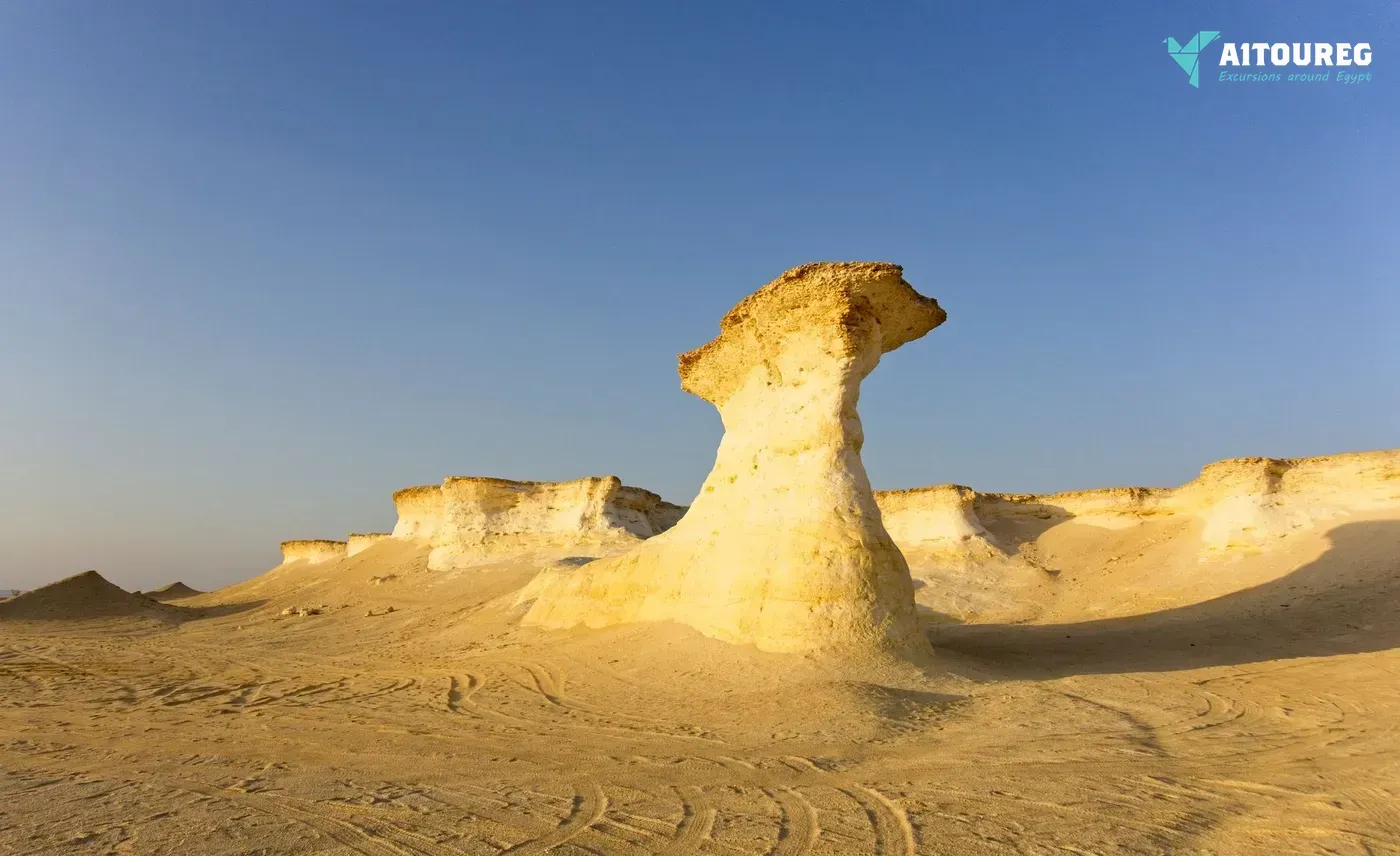
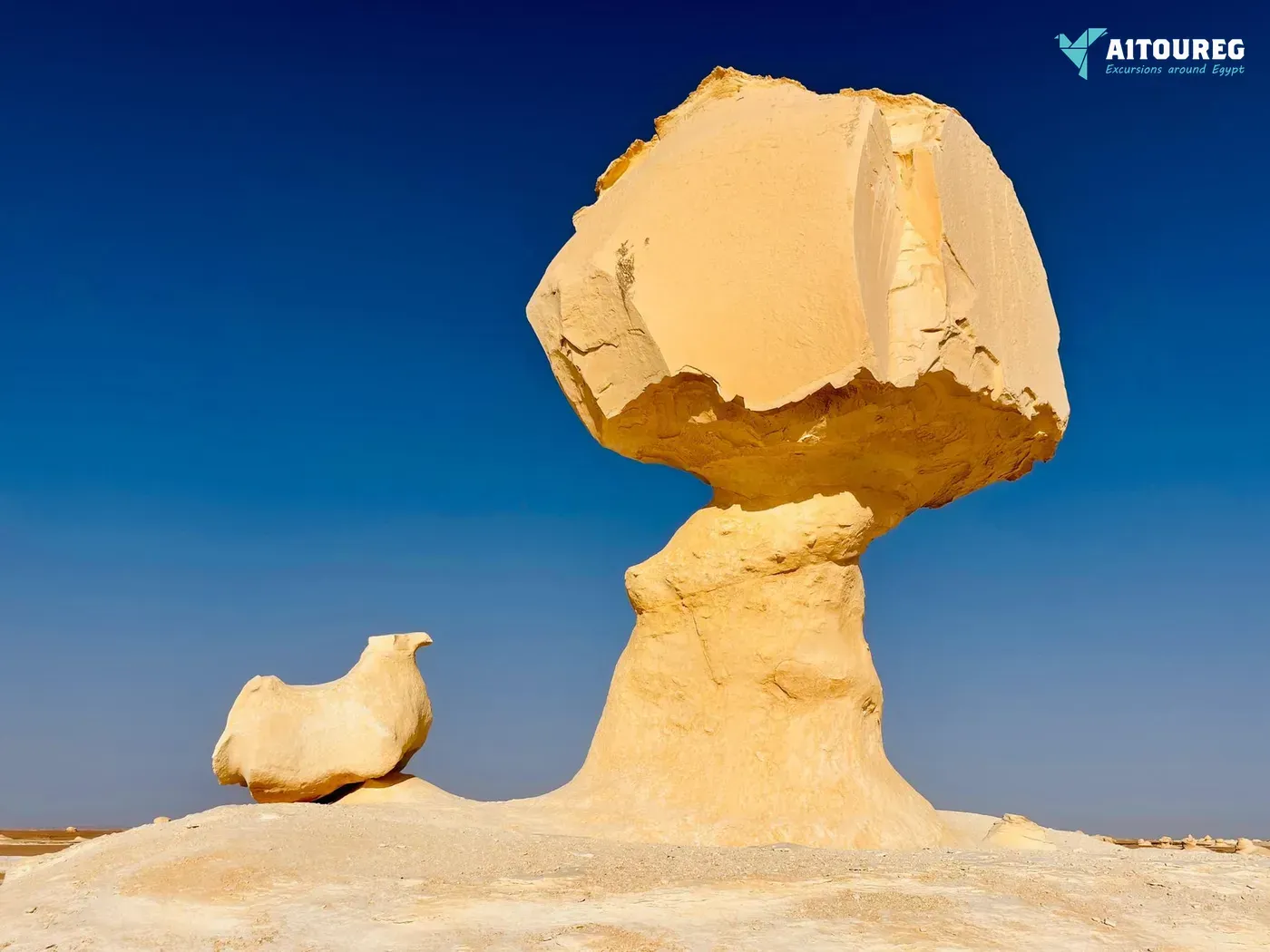
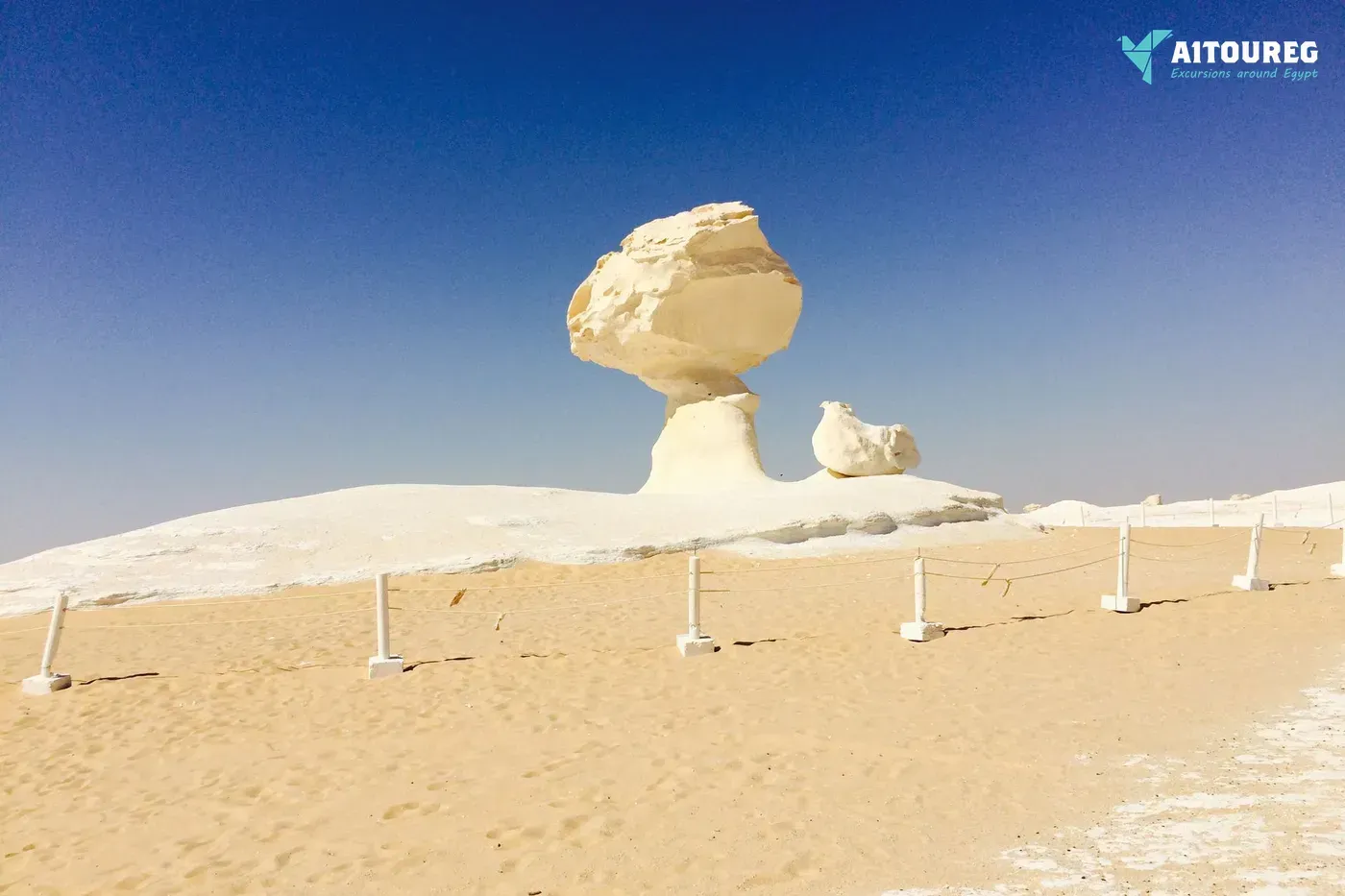
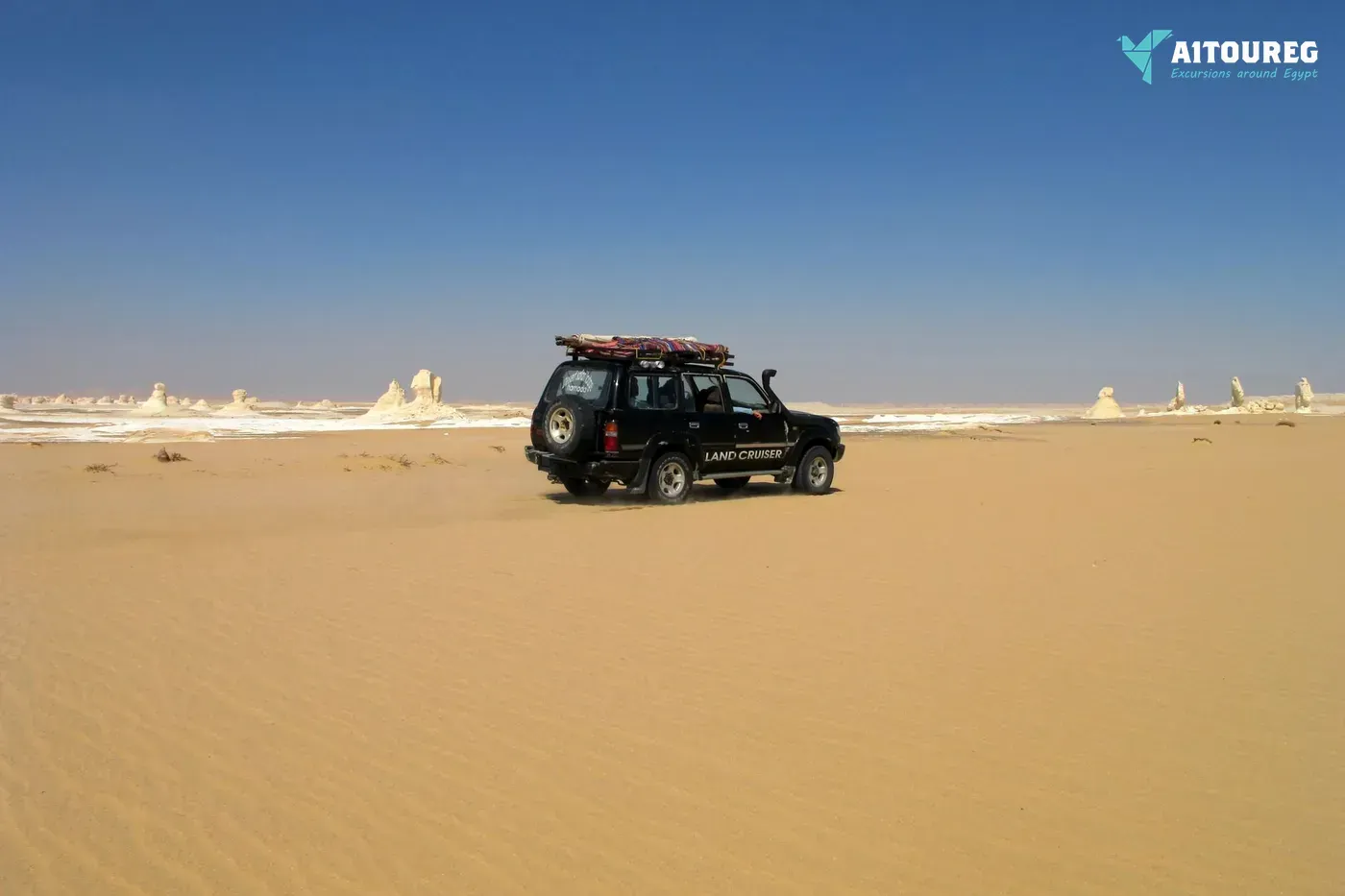
The White Desert wilderness is the focus of this section. Its chalk formations rise from the open ground in unusual shapes, with the low sun stretching their shadows. A White Desert overnight is more than a quick roadside stop: dinner is prepared at camp, the evening is quiet and the landscape changes again after dark. The setup is simple rather than resort-style, so this part suits travellers who are comfortable with basic desert camping and a night away from city facilities.
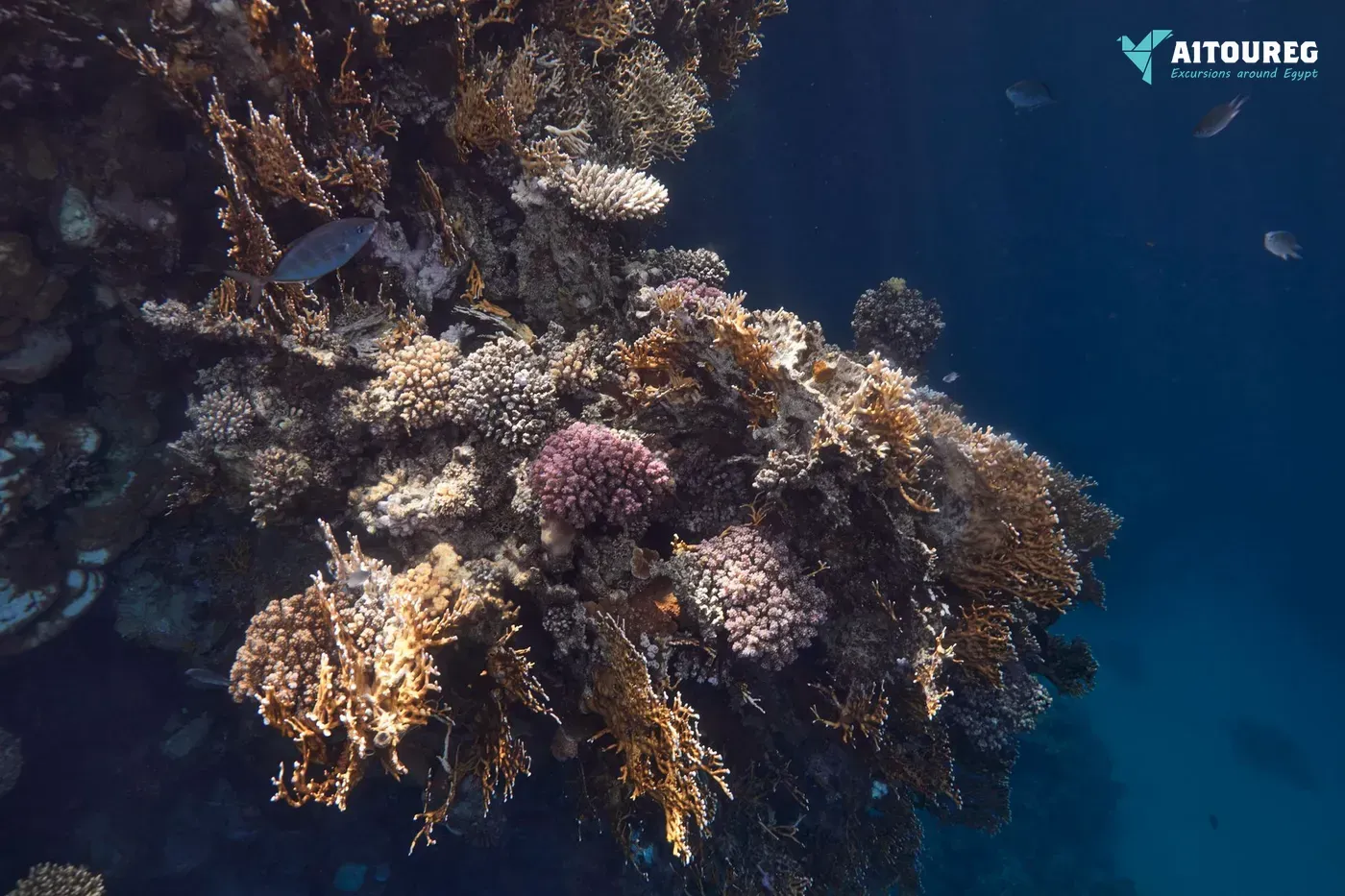
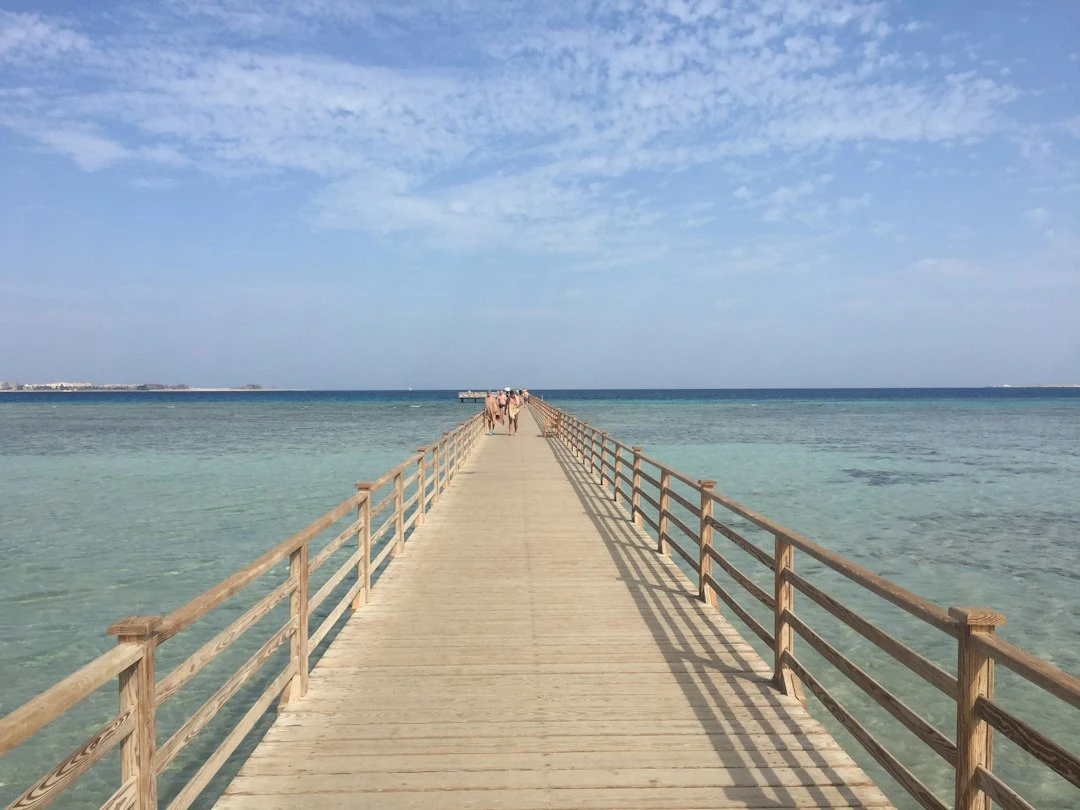
Near Bahariya Oasis, geothermal hot springs give you a chance to relax after the desert drive, although water temperature and access can vary. We leave room for breaks, short walks and photographs without making every stop a long hike. The transfer to the Marsa Alam coastal resort brings slower days beside the Red Sea. You can rest, swim where conditions allow or choose an optional boat or snorkelling activity to look for Red Sea marine life. Sea activities depend on local weather, sea conditions and the final programme.
This tour suits travellers who want ancient history, desert scenery and time on the coast in one extended holiday, including families with older children and adults comfortable with some long transfers. It is less suitable for anyone looking for a short city break, a fully relaxing beach holiday or a trip without early departures and uneven ground. Our team handles the planned transfers, accommodation arrangements and sightseeing coordination, while a licensed Egyptologist guides the main archaeological visits where scheduled. Meals and rest stops follow the confirmed itinerary, with time set aside for water, shade and practical breaks.
Pack for changing conditions: light clothing for daytime, a warm layer for the desert evening, closed shoes for rocky ground and swimwear for Marsa Alam. Bring regular medication in your hand luggage, and keep a reusable water bottle, sun protection and a small overnight bag ready for the White Desert camp.
Accommodation during the 16-day tour
Meals and activities stated in the confirmed itinerary
Planned transfers between airports, hotels and sightseeing areas
Guided sightseeing with a licensed Egyptologist where scheduled
Desert safari arrangements and support for the White Desert overnight
Optional Red Sea activities not listed as included
Visa fees and personal travel insurance
Personal expenses, drinks and laundry
Tips and services not specifically mentioned as included
International and domestic flights unless stated in the confirmed itinerary
Sun cream, sunglasses, a hat and a reusable water bottle
Small overnight bag for the White Desert camp
Personal medication and basic toiletries
Light, breathable clothing and a warm layer for desert evenings
Comfortable closed shoes for archaeological sites and rocky desert terrain
Swimwear and a light cover-up for Marsa Alam
Passport and required travel documents
Phone or camera with spare battery or power bank
This 16-day Egypt tour combines guided sightseeing, desert travel and coastal time across Cairo, Giza, Abu Simbel, Luxor and Marsa Alam. The planned experiences include the Giza Pyramid Complex, Cairo National Museum, Historic Old Cairo, Mohamed Ali Mosque, the Valley of the Kings, an overnight in the White Desert and time to see Red Sea marine life.
Accommodation, transport, meals, entrance fees and domestic travel can vary by the selected package, so we recommend checking the booking details for the exact inclusions before you confirm.
This 16-day Egypt itinerary has a varied pace, with sightseeing days in Cairo and Luxor, longer transfers for the desert and Abu Simbel, and a slower stay at the Marsa Alam coastal resort. You will have time for major sites, but the programme is active rather than a single-base holiday.
The desert section includes a desert safari adventure, Agabat Valley exploration, Black Mountain vistas, Crystal Mountain formations and a White Desert overnight. Road conditions and the order of visits may affect the daily rhythm.
Our team arranges the agreed airport, hotel and intercity transfers for your itinerary, with the pickup details confirmed before travel. The route may include road journeys between Cairo, the Western Desert, Luxor and Marsa Alam, so some transfer days are longer than the sightseeing days.
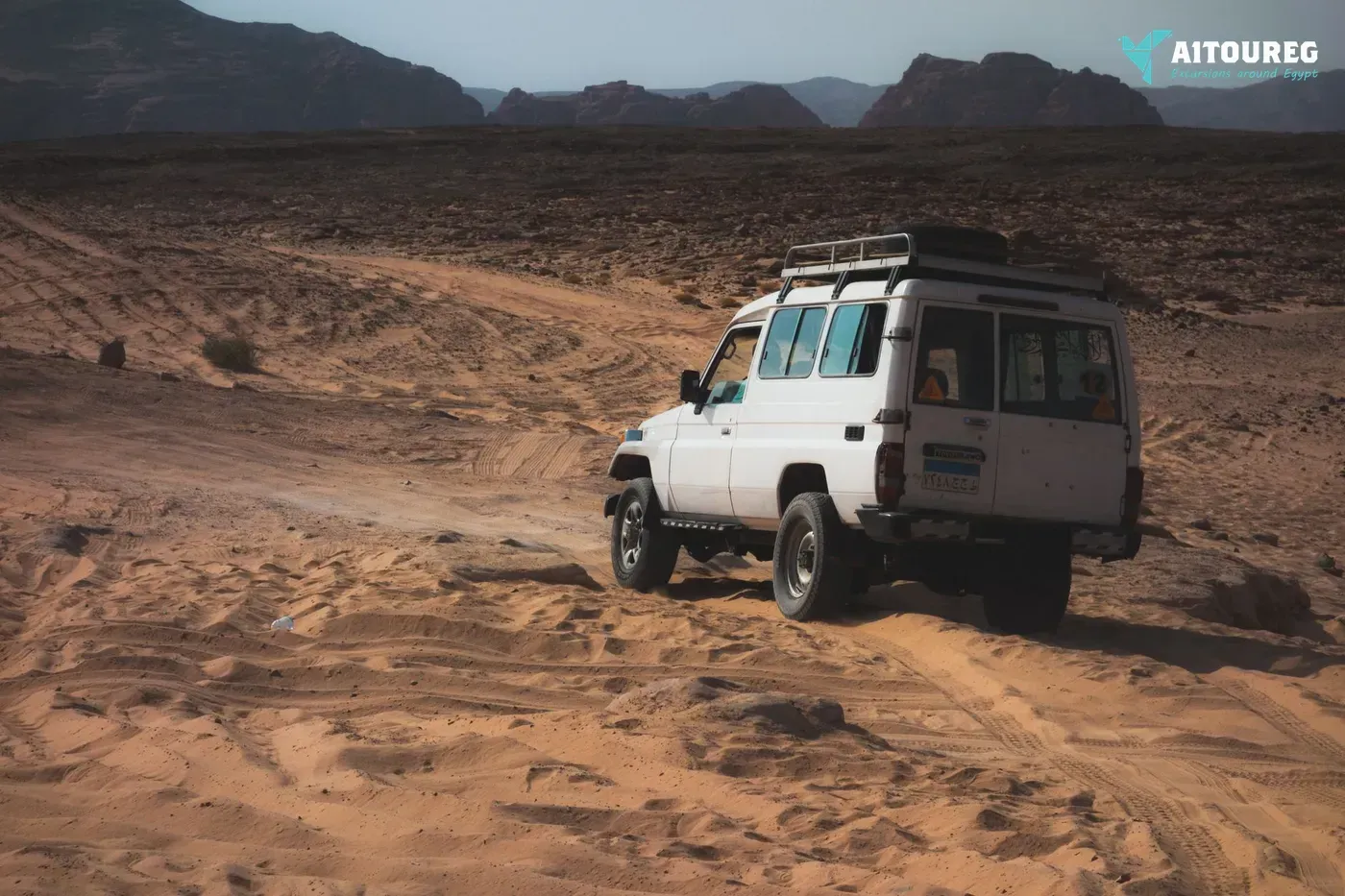
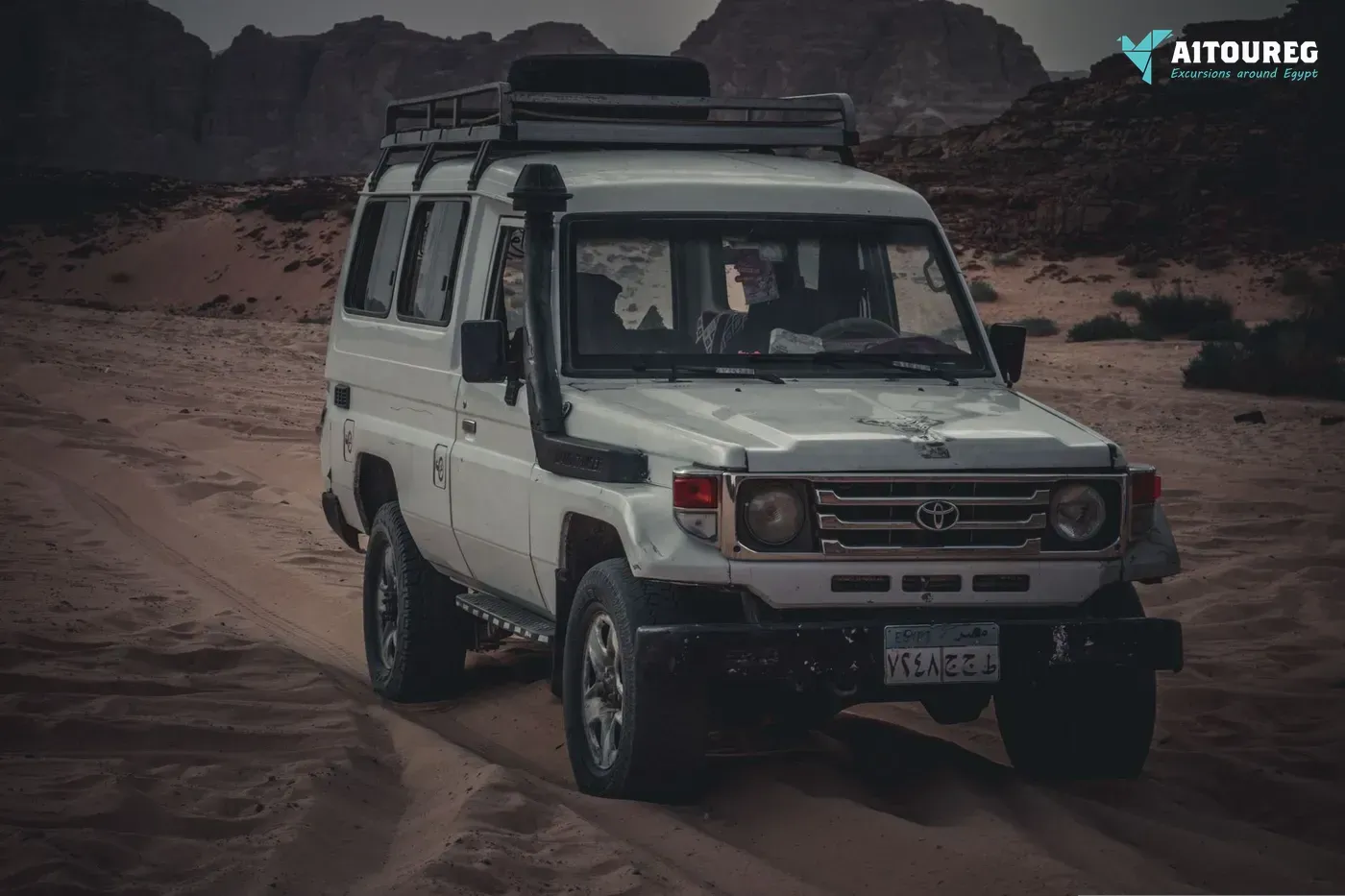
For desert travel, vehicles suitable for the route are used, and the exact meeting point, luggage guidance and transfer schedule are shared with you in advance. Please provide accurate arrival and accommodation details when booking.
The tour can suit families and active travellers, but several visits involve walking on uneven ground, steps, sand and exposed desert terrain. The Giza Pyramid Complex, Historic Old Cairo, Luxor sites and White Desert wilderness may be difficult for travellers using wheelchairs or those who cannot walk for extended periods.
Children should be comfortable with long travel days and changing environments. Tell us about mobility needs, medical concerns or family requirements before booking so our team can assess the route and discuss practical adjustments.
Bring light, breathable clothing, modest layers, comfortable walking shoes, sun protection and a warmer layer for the White Desert overnight. Desert temperatures can change after sunset, while visits to Cairo, mosques and local communities call for clothing that covers the shoulders and knees.
Pack swimwear, a hat, sunglasses, sunscreen, personal medication and a reusable water bottle for the Marsa Alam coastal resort. If you plan to see Red Sea marine life, ask us whether snorkelling equipment is included or should be arranged separately.
You can request the tour by providing your preferred travel dates, traveller details, arrival information and any accommodation or mobility requirements. Our team will confirm the itinerary, availability and the services included before you make the booking.
Cancellation terms depend on the travel date, suppliers and package arrangements, including accommodation, transport and desert services. We will provide the applicable conditions with your booking information; read them carefully before confirming, especially if your plans may change.
Your unforgettable Egypt journey starts with a booking you can trust.
* Available on selected tours. Flights, cruises and special bookings may have different cancellation policies.
Free cancellation up to 24 hours before activity starts
If you choose to pay online, a secure payment link can be provided after booking. For assistance or alternative payment options, please contact us via WhatsApp.
All our tour operators are licensed and verified by Egyptian tourism authorities.
Learn more about our licensed partners →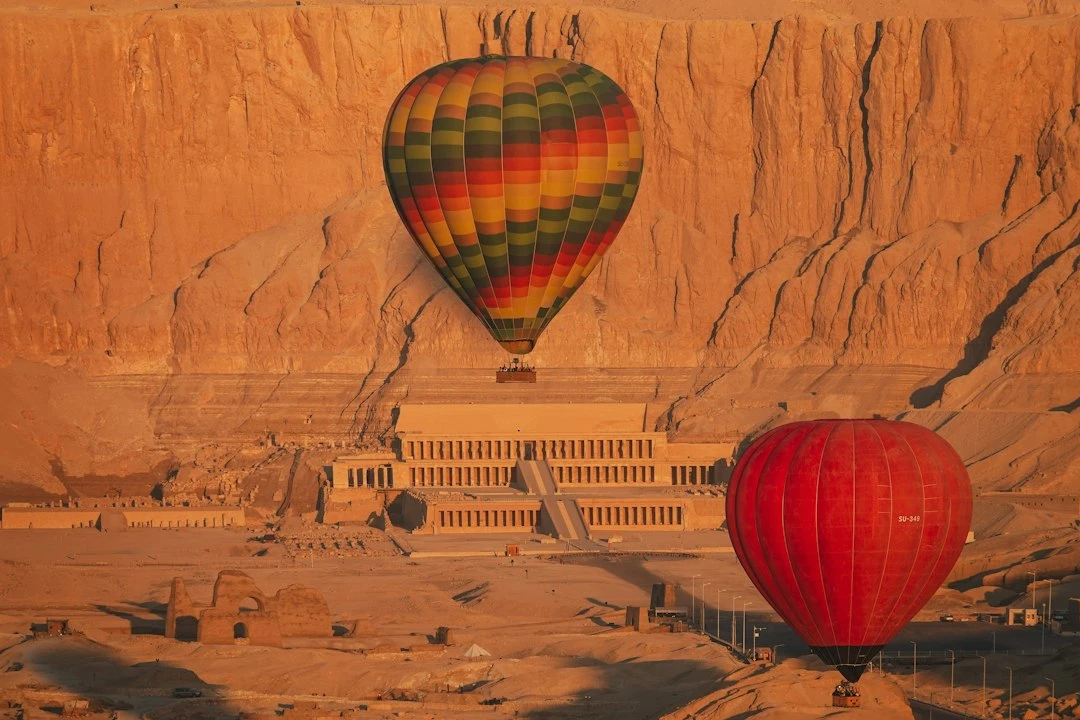

Free cancellation up to 24 hours before activity starts
If you choose to pay online, a secure payment link can be provided after booking. For assistance or alternative payment options, please contact us via WhatsApp.
All our tour operators are licensed and verified by Egyptian tourism authorities.
Learn more about our licensed partners →
Your Itinerary
Our team meets you at Cairo International Airport and helps with the arrival process, luggage and transfer to your hotel. After check-in, the rest of the day is free for rest following your journey. If you arrive early and feel ready to go out, your guide can suggest a gentle first walk or a nearby meal, but there is no scheduled sightseeing today.
Your guide reviews the 16-day route with you, including domestic travel, the desert section and the coastal stay. Cairo traffic can make transfers slow, so we allow time rather than rushing between stops. Keep your passport and essential medication with you during every transfer; larger luggage can be arranged for the longer journeys. Overnight in Cairo.
After breakfast, we drive to the Giza Pyramid Complex, where your guide explains how the pyramids, temples and causeways formed part of a royal funerary landscape. You see the Great Pyramid, the pyramids of Khafre and Menkaure, and the Great Sphinx area. There is time for photographs and for walking on the plateau, although the ground is uneven and daytime sun can be strong.
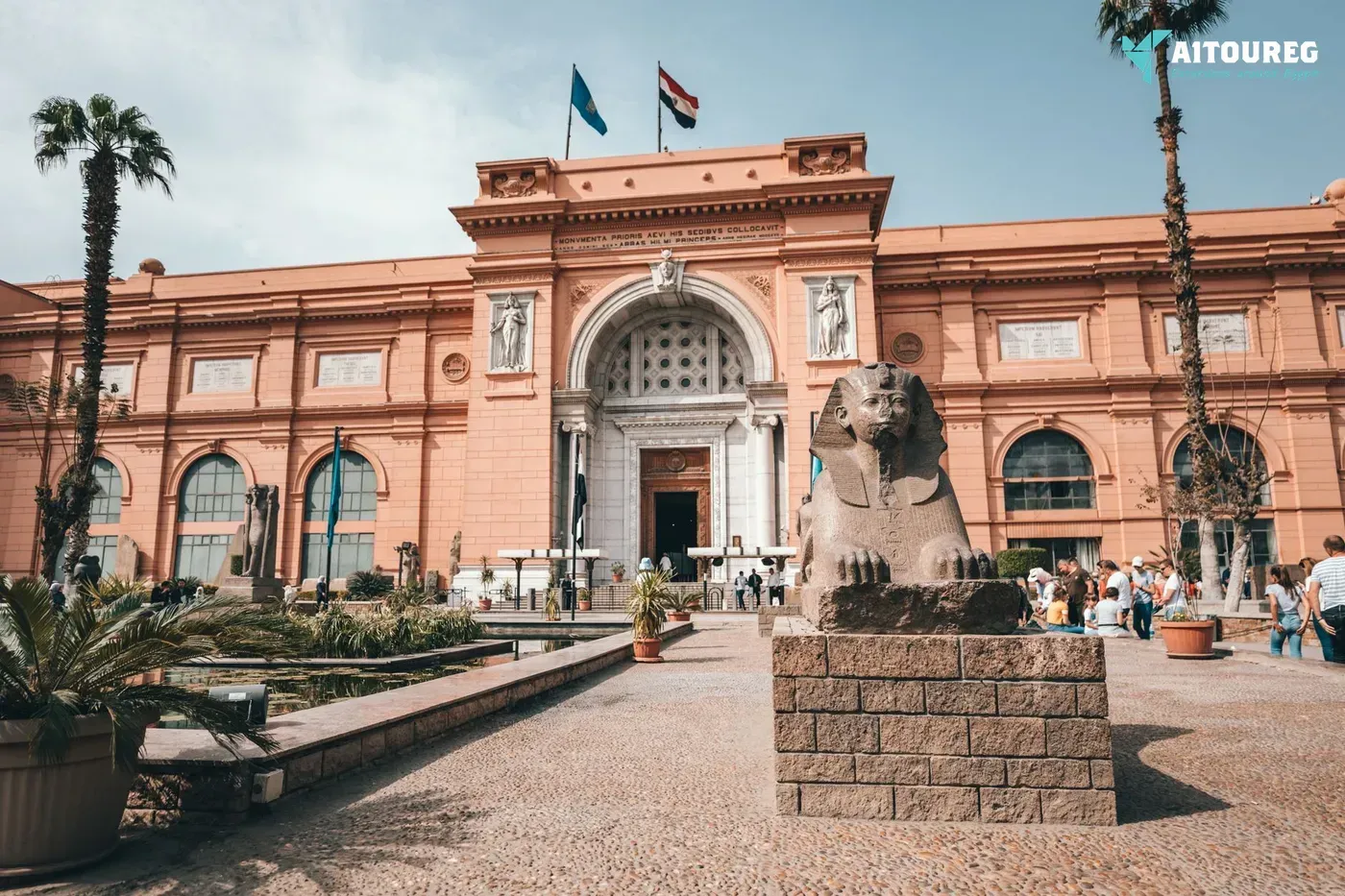
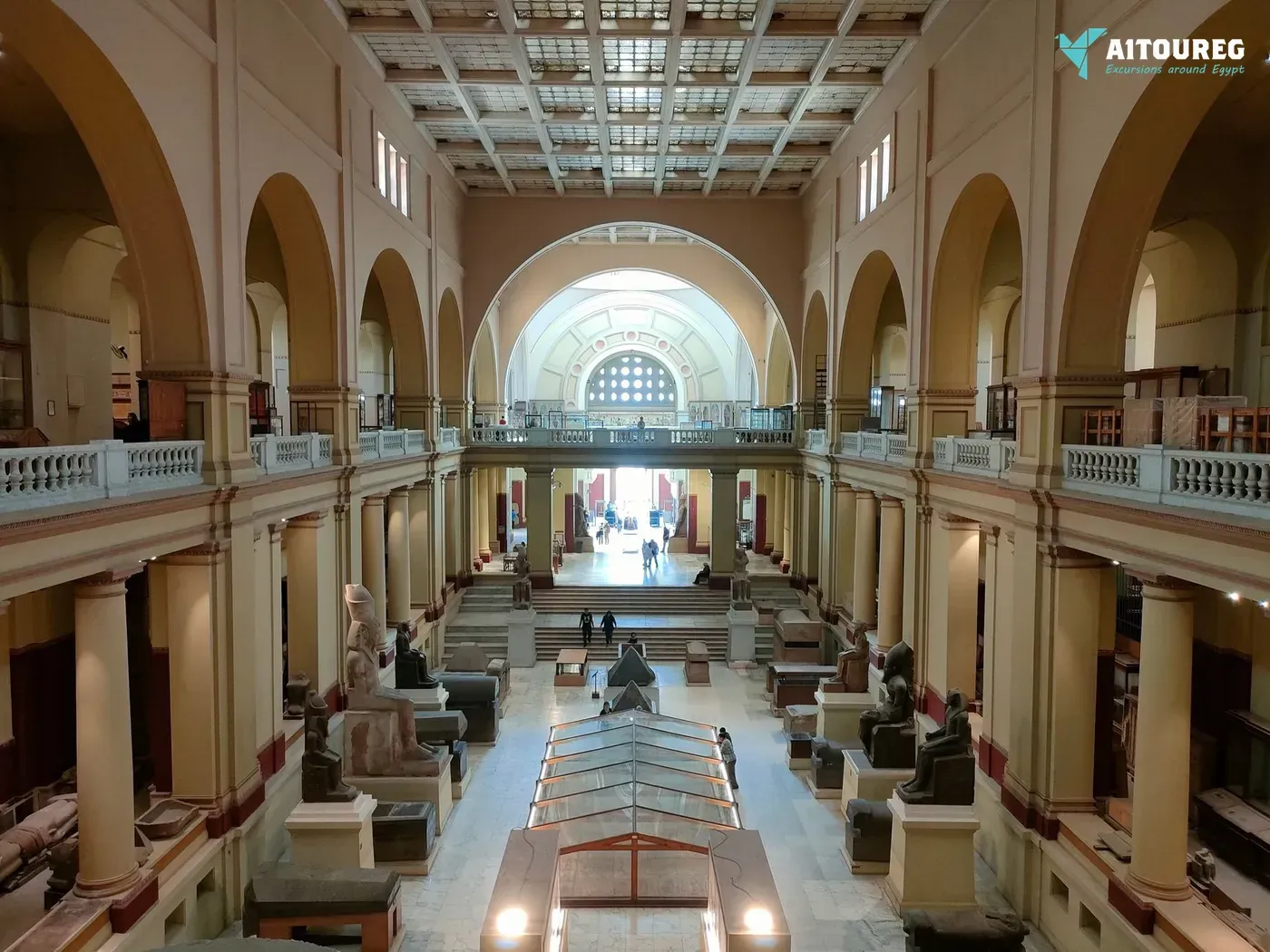
We then continue to the Cairo National Museum for a closer look at Egyptian sculpture, jewellery, coffins and everyday objects from different periods. Your guide places the pieces in context instead of leaving you to read every display alone. The visit takes several hours, with a break for lunch between the two sites. We return to the hotel in the afternoon, leaving the evening open for rest.
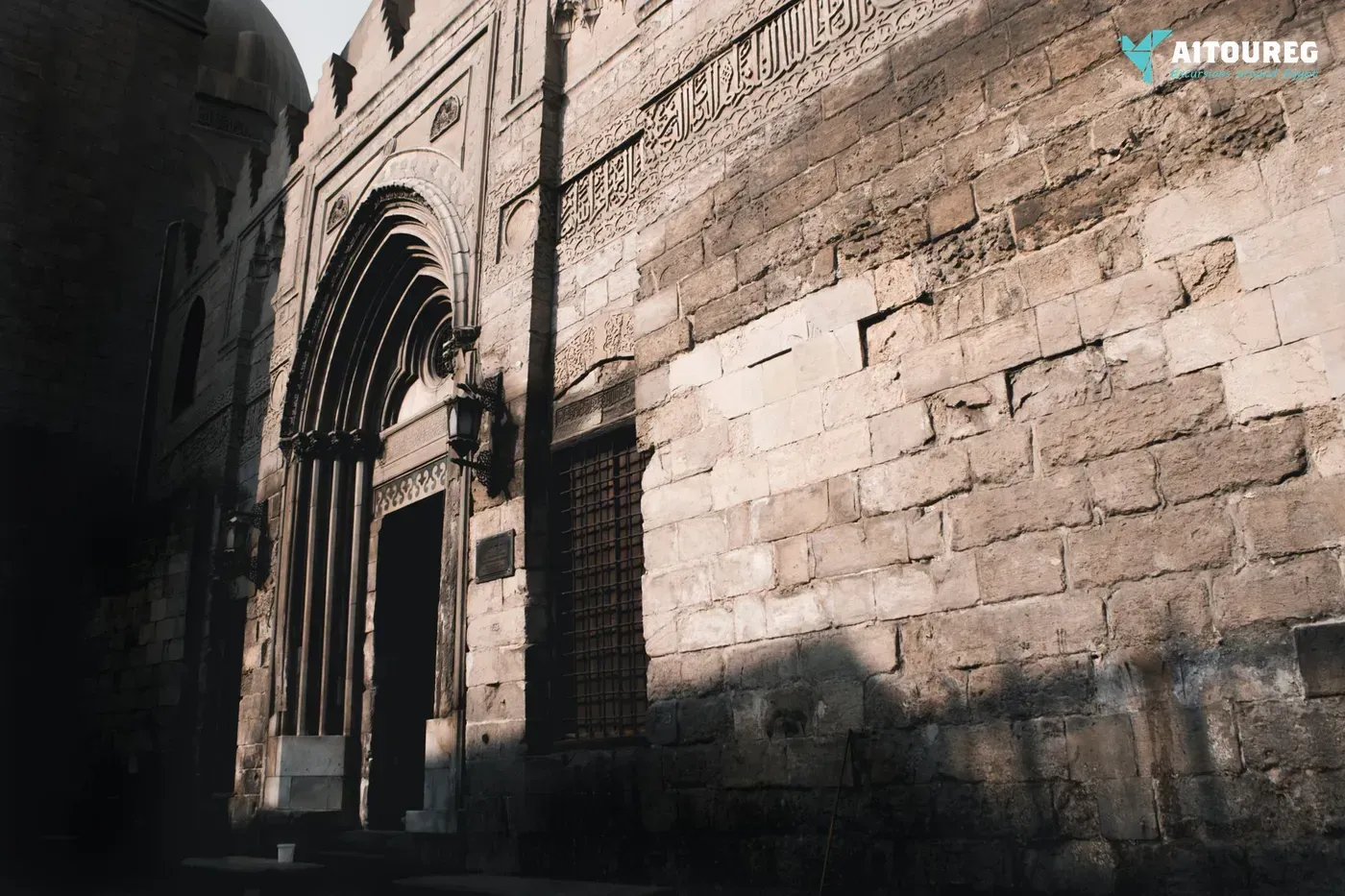
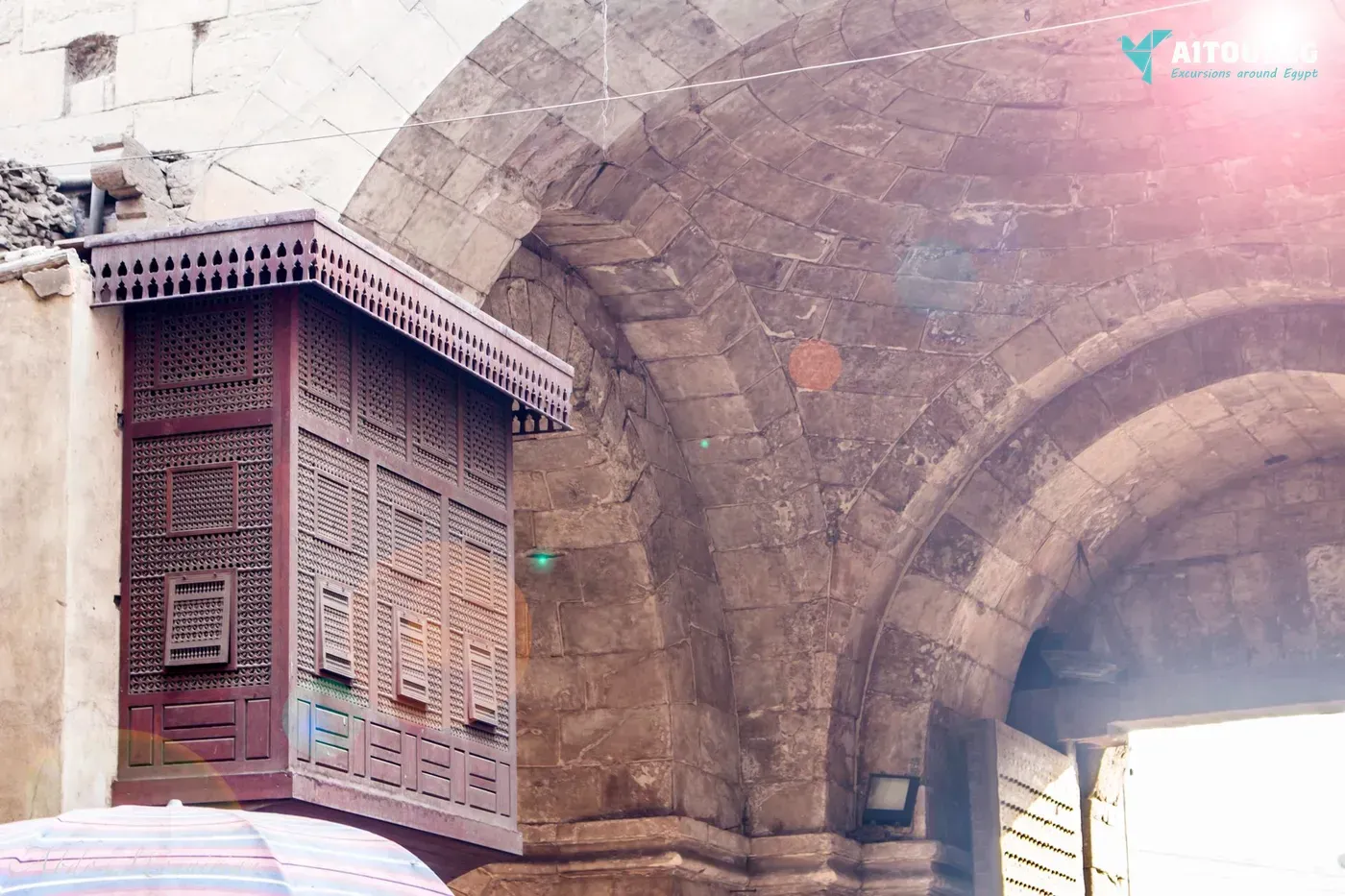
Today we explore Historic Old Cairo at a slower walking pace. The area brings together Coptic churches, early Islamic monuments and narrow streets shaped by centuries of worship and trade. Your guide points out architectural details that are easy to miss, including carved screens, old stonework and the changing forms of religious buildings. Modest clothing is appropriate, and some interiors require shoes to be removed.
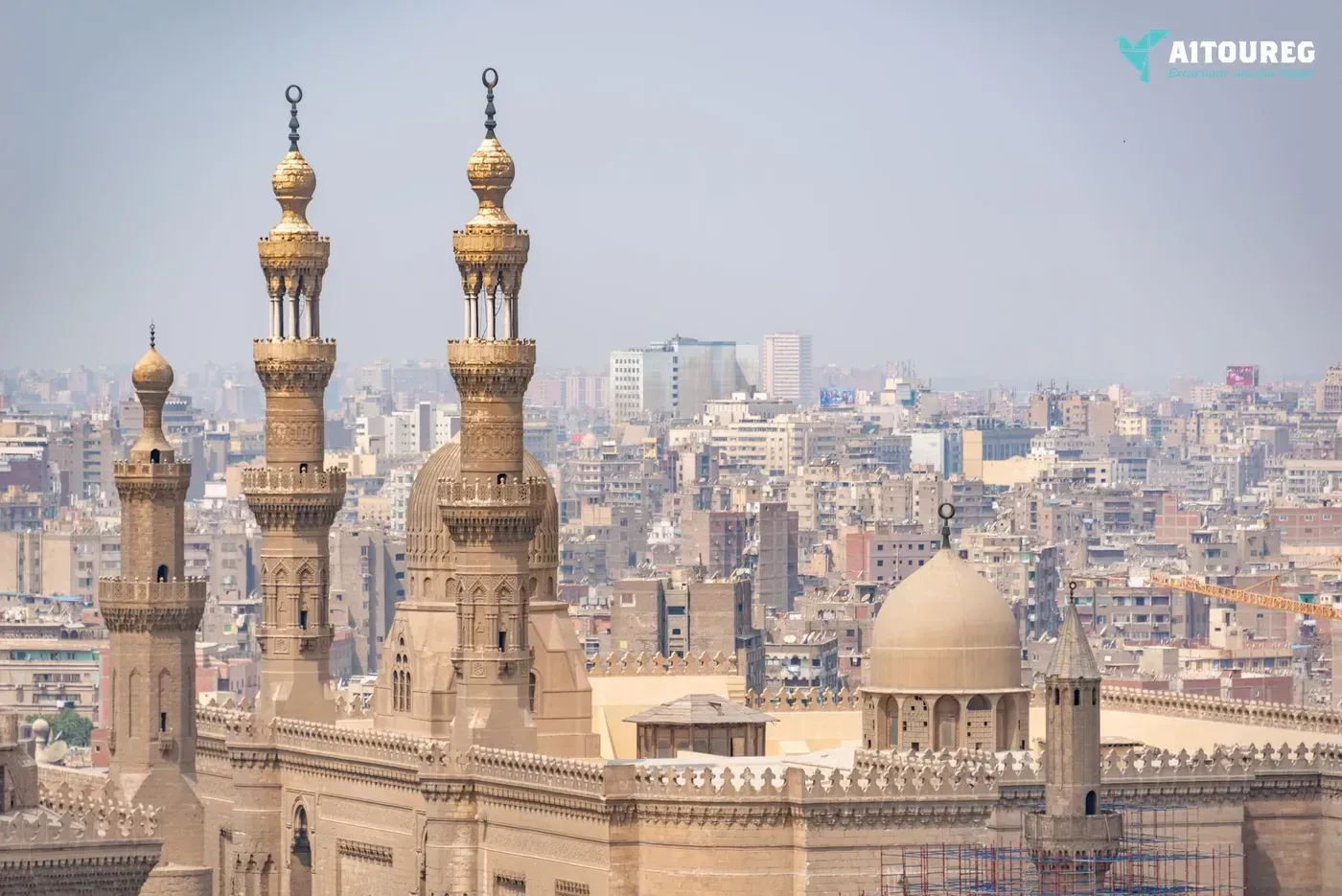
We continue to the Citadel of Cairo, where the Mohamed Ali Mosque has broad views across the city on a clear day. Inside, the large courtyard, alabaster walls and high central dome give the visit a different scale from the older lanes below. After lunch, we return to the hotel. The evening is free, and your guide confirms the next day's early departure arrangements before you rest.
We transfer to Cairo airport for a domestic flight to Aswan, then continue by road towards Abu Simbel. The journey is long but worthwhile, and your guide keeps the schedule practical around transport connections. On arrival, you enter the Abu Simbel temples, cut into the rock beside Lake Nasser. The four seated figures at the Great Temple are the first detail most travellers notice, followed by the decorated halls inside.
The smaller temple, dedicated to Queen Nefertari and Hathor, has finely preserved reliefs and a more intimate layout. Your guide explains the temples' relocation during the creation of Lake Nasser, a major engineering project of the twentieth century. After the visit, we return to Aswan by road or continue according to the confirmed travel arrangements. Overnight in Aswan, with time to recover from the early start.
We begin with a relaxed look at Aswan and the Nile. Depending on the day's arrangements, you may visit the Unfinished Obelisk, which shows how stoneworkers shaped granite before a flaw stopped the work, and the Philae Temple complex on Agilkia Island. A short boat ride reaches the island, where reliefs dedicated to Isis, Osiris and other deities cover the temple walls.
The pace is deliberately lighter after the Abu Simbel journey. There is time for a felucca ride or a quiet riverside lunch if conditions and the schedule allow. Your guide explains how the old cataracts affected movement along the Nile and how modern dams changed the area. We prepare for the transfer north later in the day or the following morning, depending on the transport plan, and overnight in Aswan.
After breakfast, we travel north from Aswan to Luxor by road or train according to the confirmed arrangements. The route follows the Nile Valley, passing cultivated fields, villages and stretches of desert beyond the river. The journey takes several hours, so bring water, sun protection and a small bag with essentials close at hand. Larger luggage remains secured with the transfer arrangements.
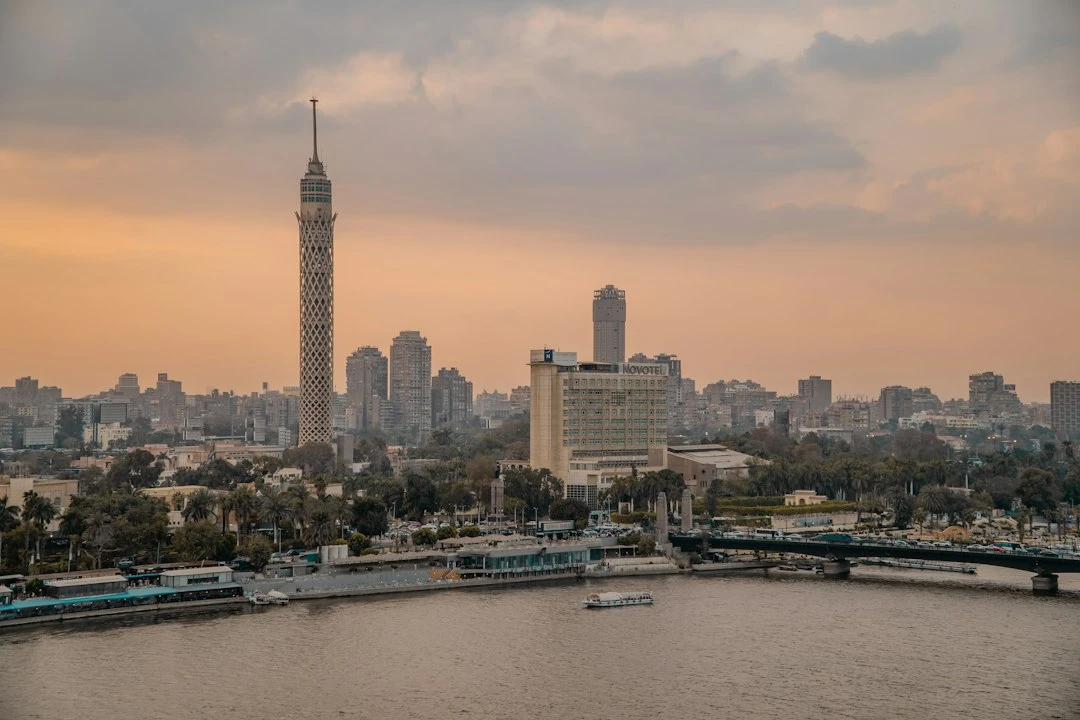
On arrival in Luxor, we check in and allow time to settle before a first orientation near the river. Your guide explains the difference between Luxor's East Bank and West Bank, which helps you understand the plan for the next two days. If time permits, we make a short evening visit to the riverside or local market. Overnight in Luxor, ready for an early start on the West Bank.
We cross the Nile early for the main West Bank visit. At the Valley of the Kings, your guide explains why pharaohs were buried in concealed rock-cut tombs rather than in open pyramids. You enter the tombs included in the day's plan, where painted chambers show gods, funerary texts and scenes intended to guide the ruler into the afterlife. The paths can be dusty, steep and warm, so comfortable shoes are important.
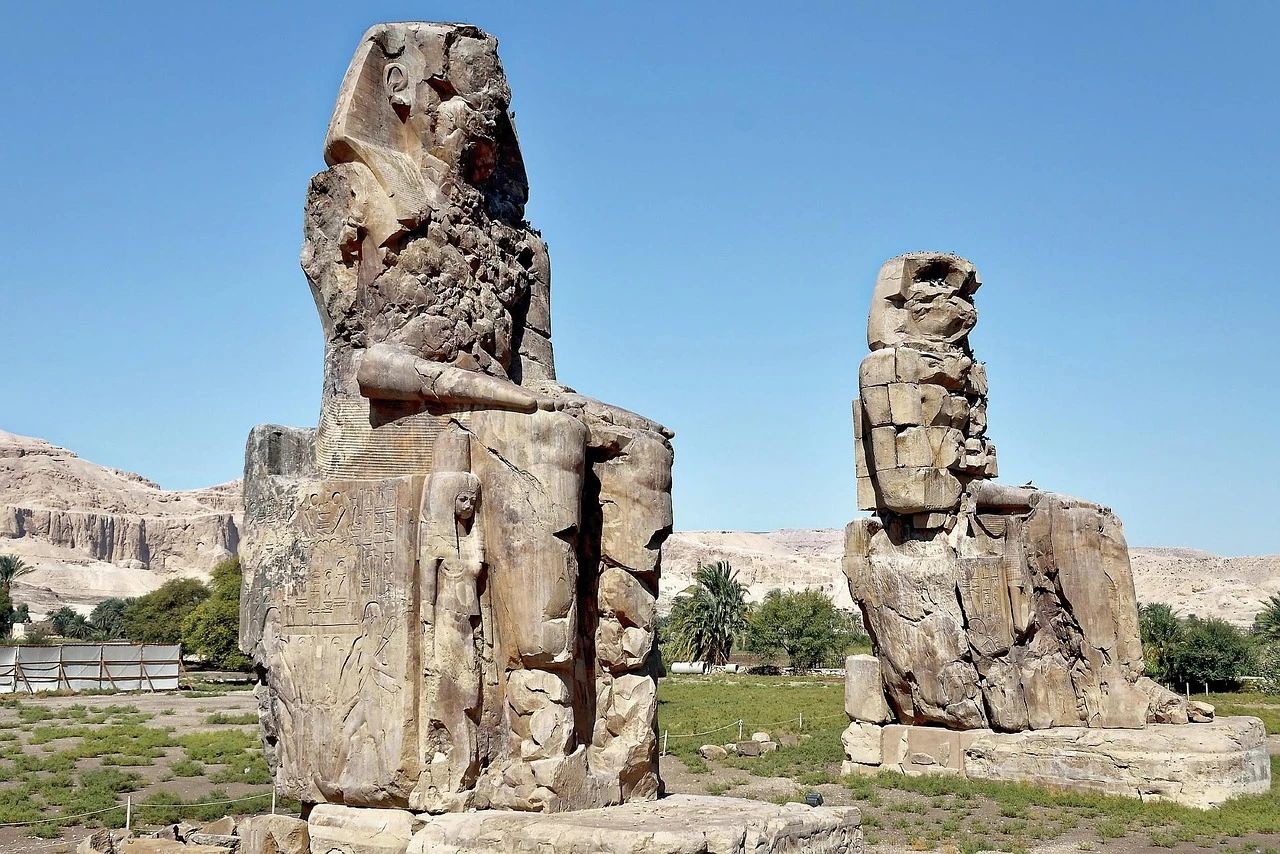
We continue to the nearby temple of Hatshepsut, built against the cliffs, and stop at the Colossi of Memnon before returning across the river. The order can change to manage heat and site conditions. Lunch is taken locally or back in Luxor, followed by a free afternoon. Your guide can help arrange a quiet rest, since the following morning begins with more ancient monuments.
Today we visit Karnak Temple, beginning in the outer courts before moving towards the Great Hypostyle Hall. The forest of columns, carved walls and remaining colour show how the complex expanded under successive rulers. Your guide separates the main historical phases so the site feels readable rather than like one large collection of stones. Allow time for walking on uneven paving and for shaded pauses.
We then visit Luxor Temple, where the processional avenue, colossal statues and later Roman and Christian additions reflect the site's long use. The two temples were once connected by a sphinx-lined route. After lunch, the afternoon is free for the hotel pool, a felucca ride or a final walk beside the Nile. We confirm the next transfer to Marsa Alam and keep the evening quiet.
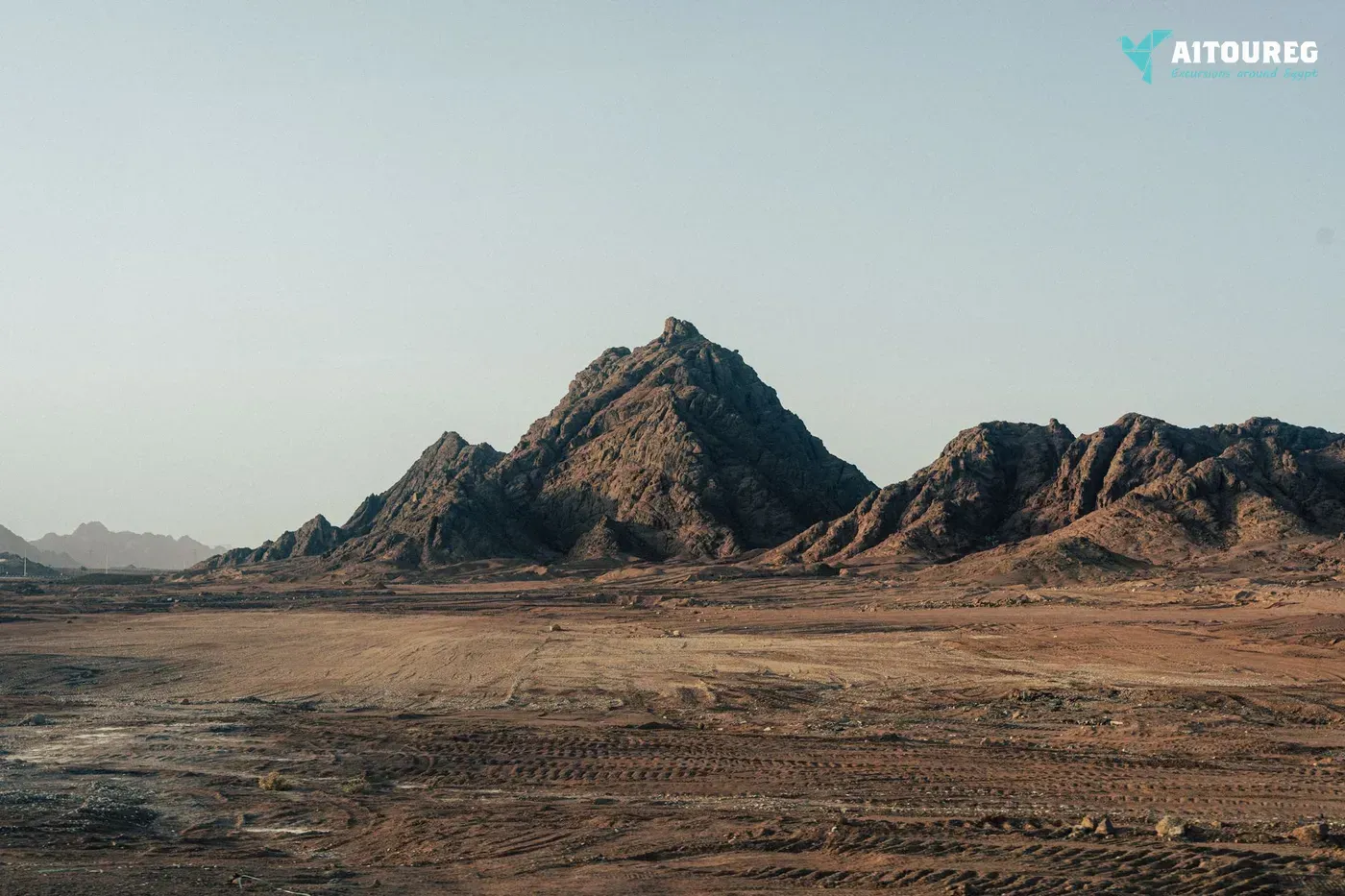
We leave Luxor after breakfast for the Red Sea coast. The road crosses the Eastern Desert, changing from irrigated Nile farmland to wide, rocky mountain country before descending towards the sea. The transfer takes much of the day, with planned comfort stops. Keep a small day bag with water, sunglasses, medication and swimwear rather than placing everything in the main luggage.
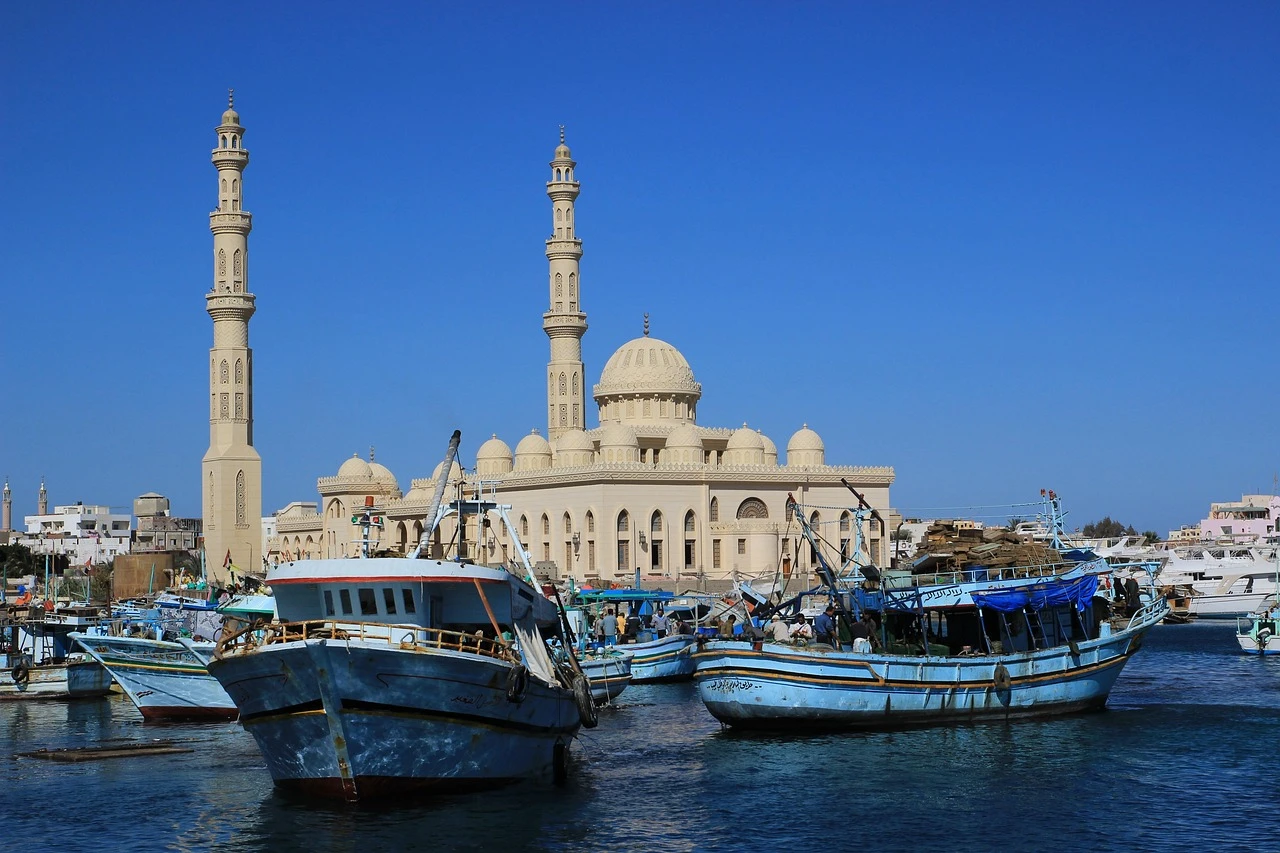
On arrival, we check in at the Marsa Alam coastal resort and review the arrangements for the next two days. The rest of the afternoon is free to rest, walk along the shore or use the resort facilities. Marsa Alam has a quieter feel than the larger Red Sea centres, and evenings are generally suited to an early dinner after the road journey. Overnight by the coast.
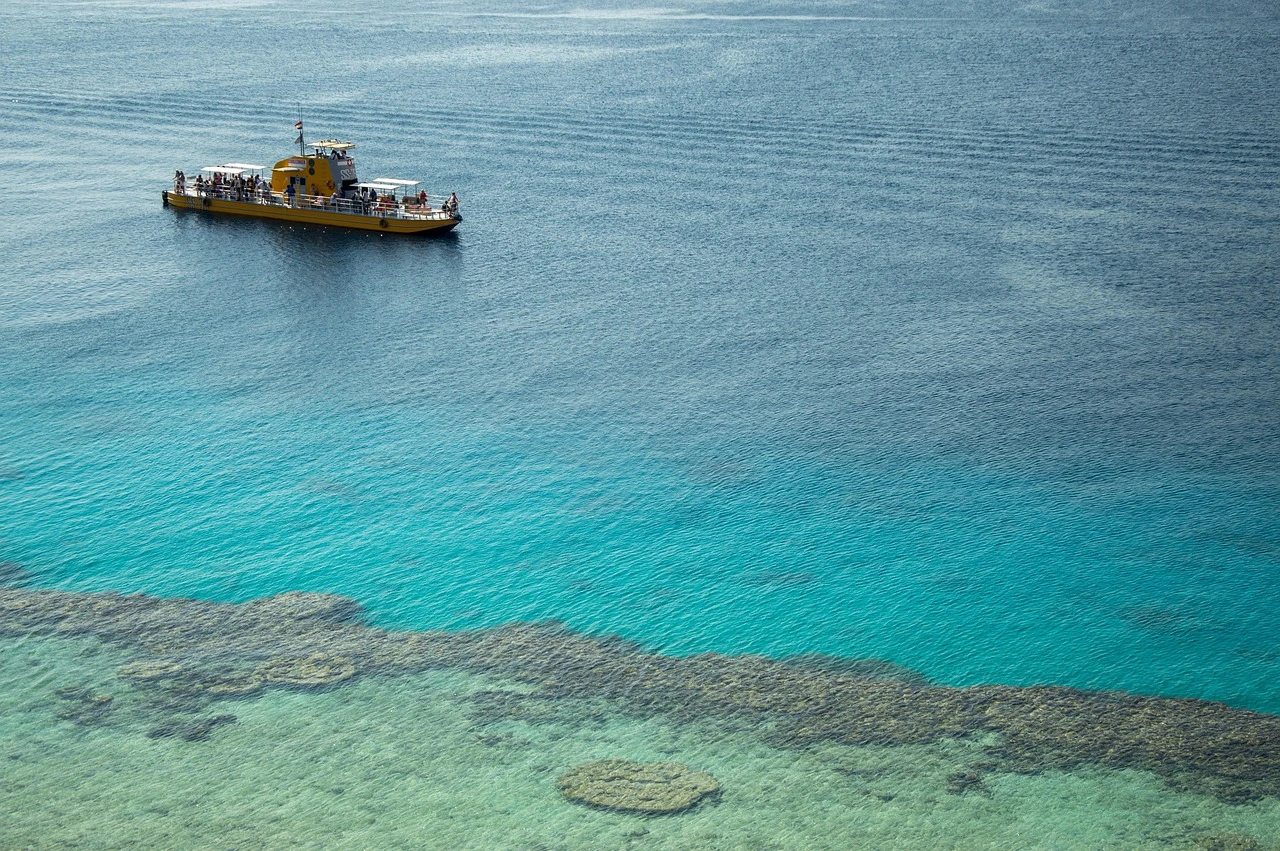
Today is set aside for the sea. We travel to the departure point for a guided snorkelling or boat excursion, depending on the confirmed schedule and sea conditions. After a safety briefing, you enter the water at suitable reef areas to look for colourful fish, coral formations and other Red Sea marine life. Non-swimmers can remain on the boat or use available assistance, while children should stay with a supervising adult.
There is time between water stops to dry off, eat a simple lunch and enjoy the view of the coast. Marine areas must be treated carefully: do not stand on coral, touch animals or collect shells. We return to the resort later in the day, with the evening free. If you prefer to skip the water activity, our team can help arrange a quieter coastal day without changing the next transfer.
This flexible day gives you time to enjoy Marsa Alam without another long transfer. You can rest at the resort, swim where permitted, take a beach walk or arrange an optional local excursion through our team. The choice depends on your energy and the conditions at sea. Keep sun exposure sensible, drink water regularly and follow lifeguard or guide instructions around the shore.
For travellers who prefer culture to the beach, your guide can suggest a nearby community visit or a short desert outing when available. We do not promise a particular activity until local conditions and logistics are confirmed. In the evening, we prepare you for the next stage: a road transfer inland and north towards the Western Desert. Pack a light overnight bag for the desert section, including warm layers because temperatures can fall after sunset.
We leave the coast for a long overland transfer towards Bahariya Oasis. The route passes through desert landscapes and remote stretches where services are limited, so we carry water and stop when practical. This is a travel-focused day rather than a sightseeing day. Breaks are arranged for refreshments and comfort, and your driver follows the approved route and local travel guidance.
After reaching the oasis area, we check in at the desert accommodation and meet the team who will support the next day's 4x4 route. The change from the Red Sea to the Western Desert is clear: palms and cultivated patches appear around the oasis, while the surrounding land is dry and open. Your guide checks footwear, luggage and the plan for the camp. A simple dinner and early rest follow the long journey.
We begin the desert safari adventure in a 4x4 vehicle, leaving the oasis for a route through sand, gravel and volcanic-looking hills. The first stops introduce the landscape around Bahariya and give you time to photograph the changing colours of the desert. At the geothermal hot springs, you can relax in the naturally warm water if access is open and conditions are suitable. Bring sandals, a towel and a change of clothes.
We also stop for views from Black Mountain vistas, where the raised ground gives a broad look over the oasis and surrounding desert. Your guide explains how wind, water and ancient volcanic activity shaped the area. The driving is steady but can be bumpy, and travellers with back or mobility concerns should tell us in advance. We return to the oasis or continue to the desert camp, depending on the overnight plan.
We continue by 4x4 towards the White Desert, stopping at Crystal Mountain formations along the route. The quartz-rich rock catches the light, but it is fragile, so we stay on the practical walking paths and do not climb or remove pieces. Later, the route reaches Agabat Valley exploration areas, where pale rock towers and open sand create a very different view from the darker hills near Bahariya.
By afternoon, we enter the White Desert wilderness and walk among the wind-shaped chalk formations with our guide. The low evening light changes their outlines as camp is prepared. Tonight is the White Desert overnight, usually in a prepared desert camp with a cooked meal and basic facilities. Temperatures can drop sharply after sunset, so warm layers, a headlamp and a small overnight bag are useful.
We wake in the desert and have breakfast at camp before the 4x4 vehicles return us towards Bahariya. The morning light is often the clearest time to see the chalk shapes, so there is a short walk before departure. We leave no rubbish behind and follow the guide's instructions around soft ground and fragile formations. The drive out of the desert is followed by the longer road transfer to Cairo.
After arrival, we check in and have time to shower, rest and repack before departure. If the road journey finishes early, your guide can suggest a nearby café or a simple final meal; no additional sightseeing is added if travellers need recovery time. Keep your passport, flight details and valuables together for the next morning. Overnight in Cairo near the agreed departure arrangements.
Our team arranges your transfer to Cairo International Airport in line with your confirmed departure details. We allow extra time for city traffic, airport procedures and luggage handling, so the exact pickup time depends on your flight. Your driver helps with the transfer, while our team remains available if you need assistance before leaving Egypt.
Before departure, check your room, vehicle and luggage carefully for passports, chargers and small personal items. Travellers continuing to another destination should keep travel documents accessible rather than packed away. This final day has no scheduled sightseeing, giving you a straightforward departure after the desert, Nile Valley, ancient sites and Red Sea sections of the tour.