Egypt 20-Day Expedition Tour
The Egypt 20-Day Expedition Tour starts with Cairo’s major archaeological sites, then continues to Siwa, the White Desert, Aswan, Luxor and Hurghada. It suits travellers who want Egypt’s best-known monuments alongside time in the desert, an oasis stay and the Red Sea coast. Our team arranges the transfers, guides and accommodation, keeping the long route organised without making it feel rushed.
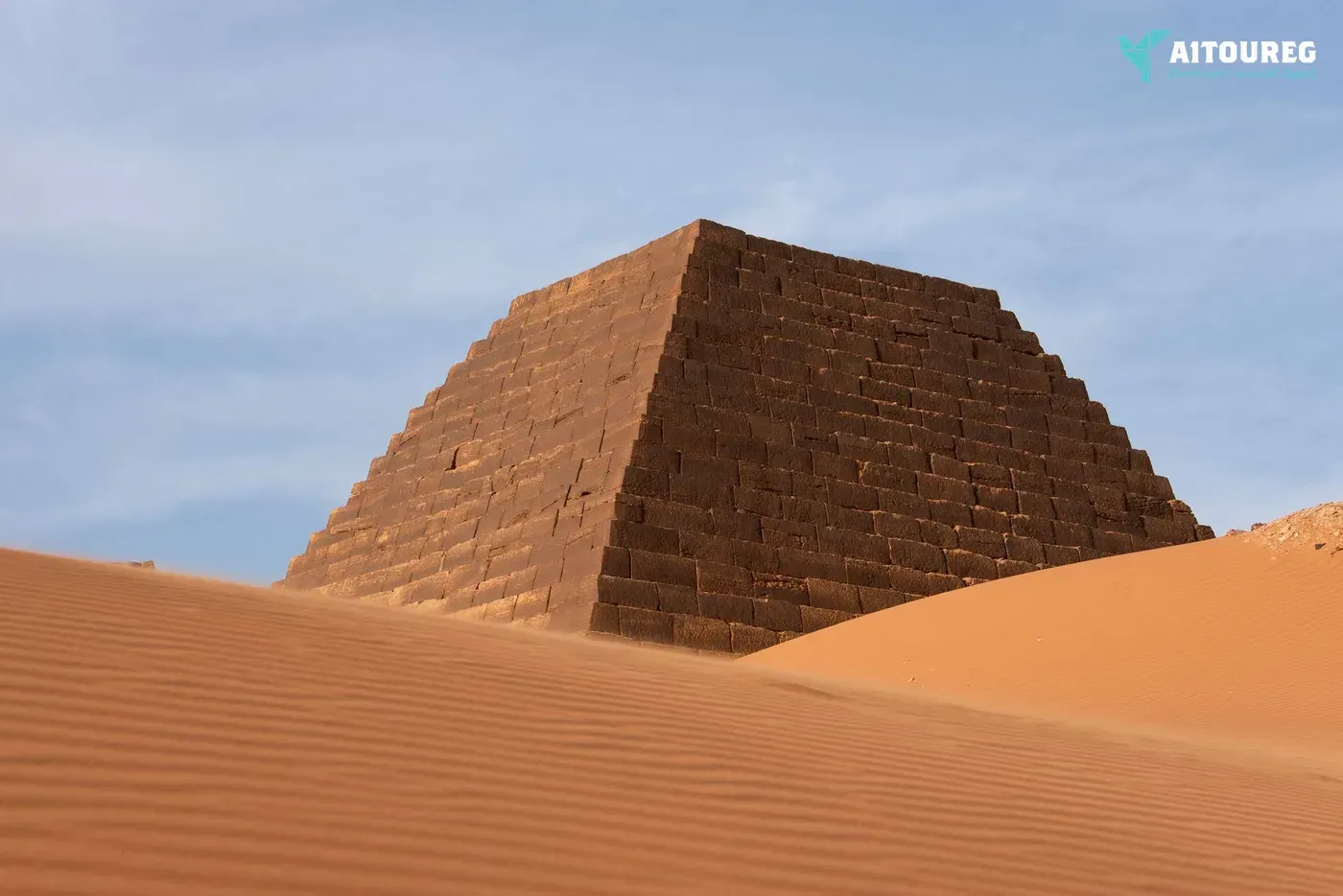
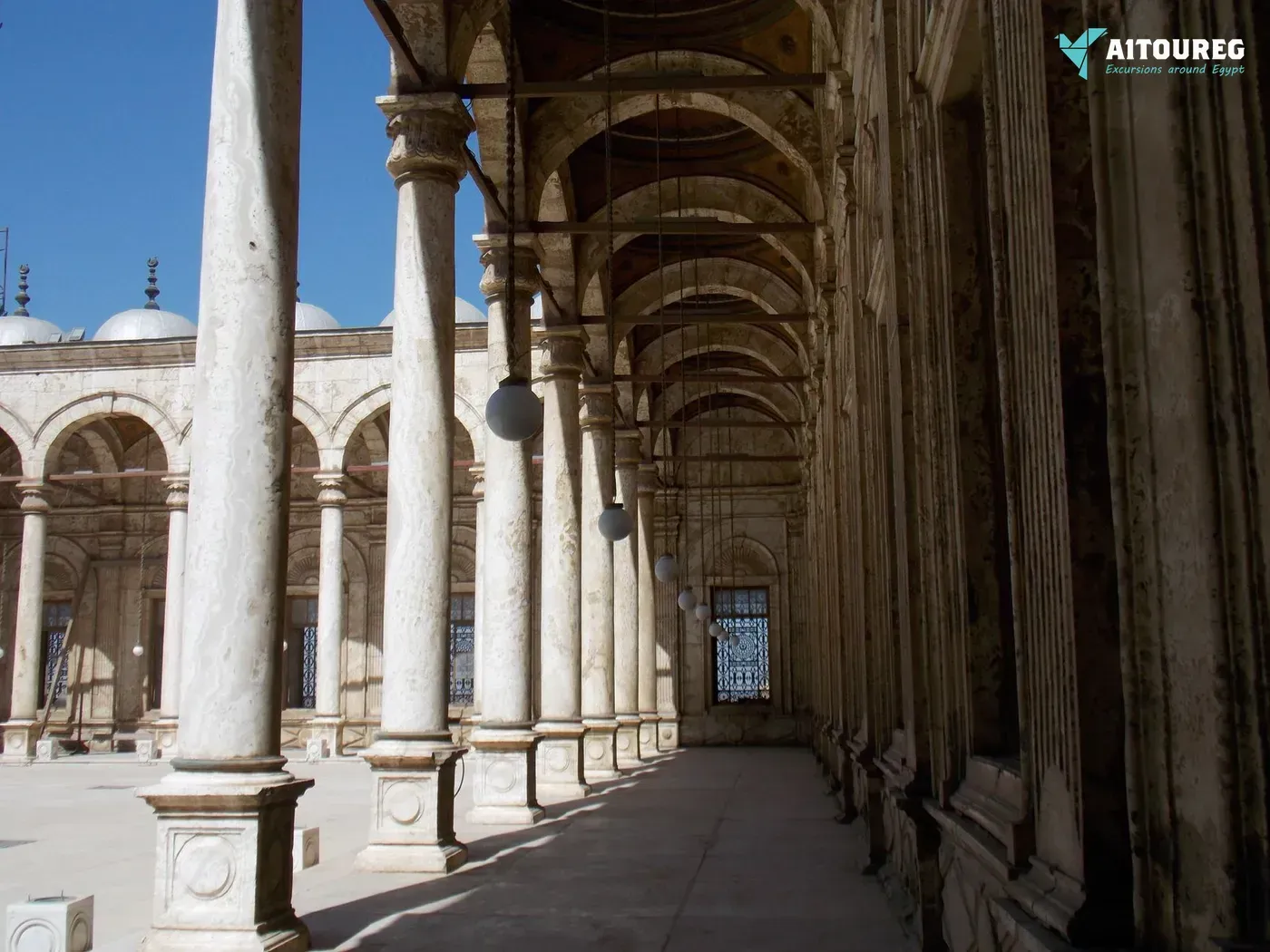
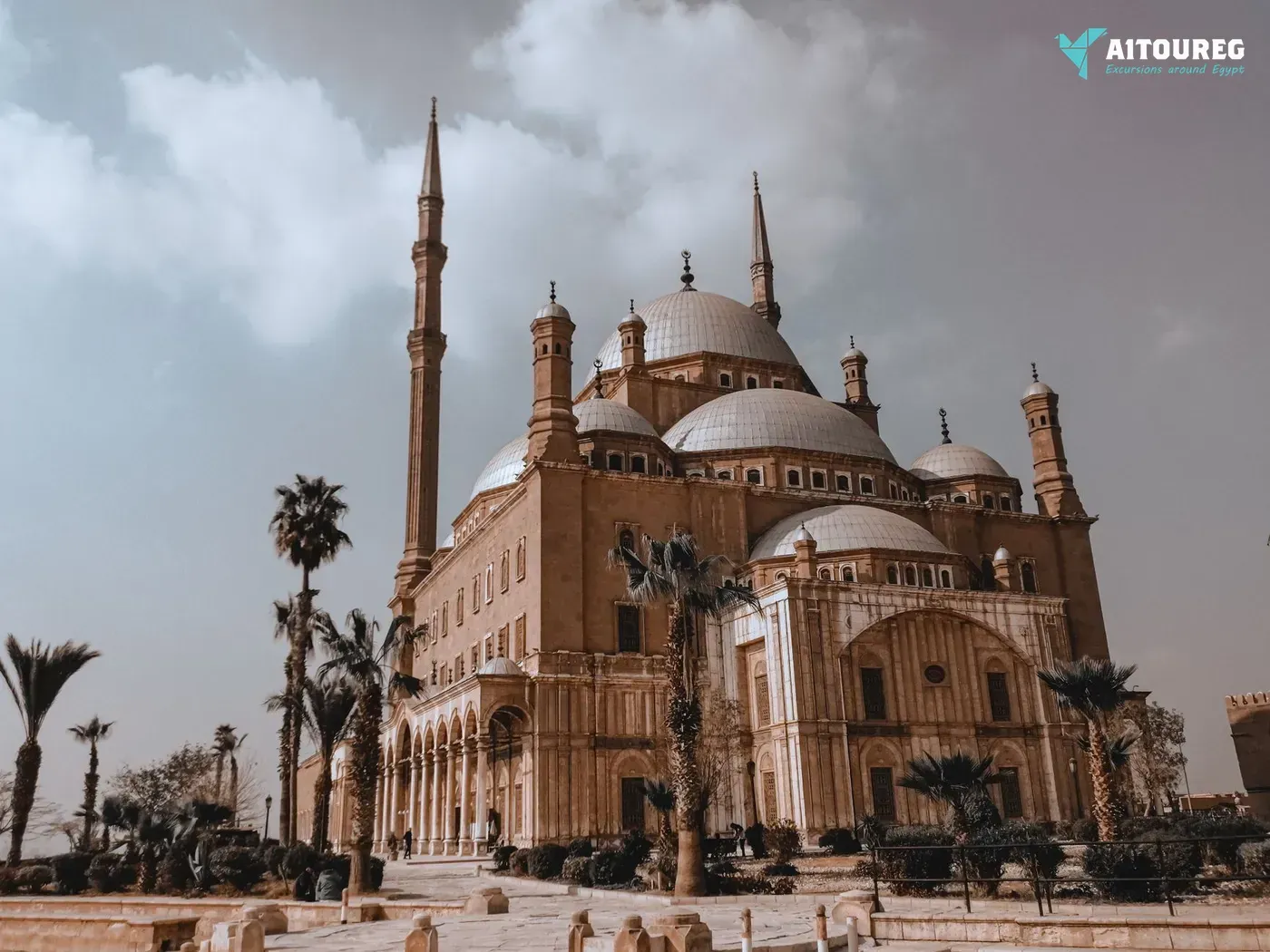
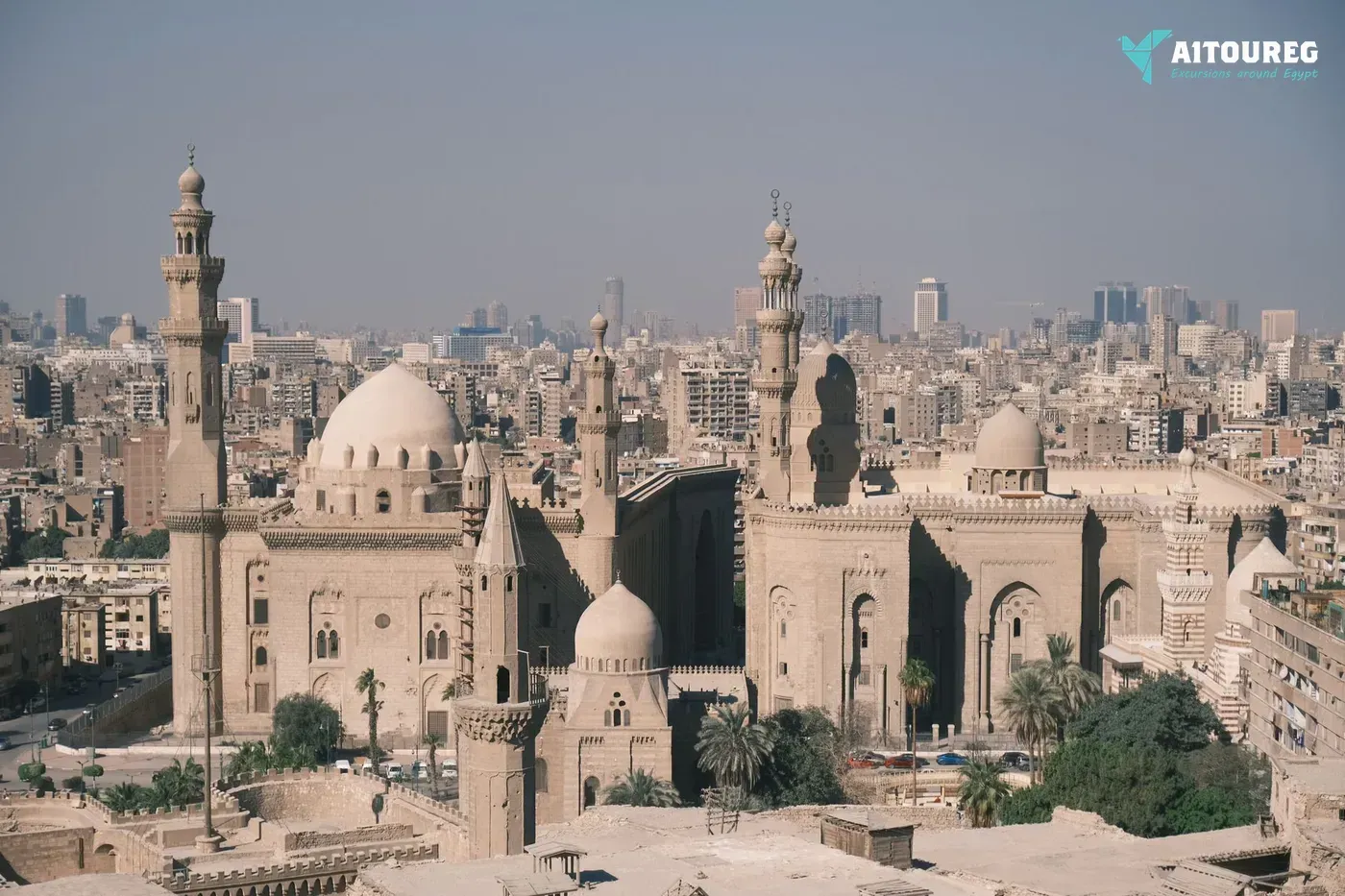
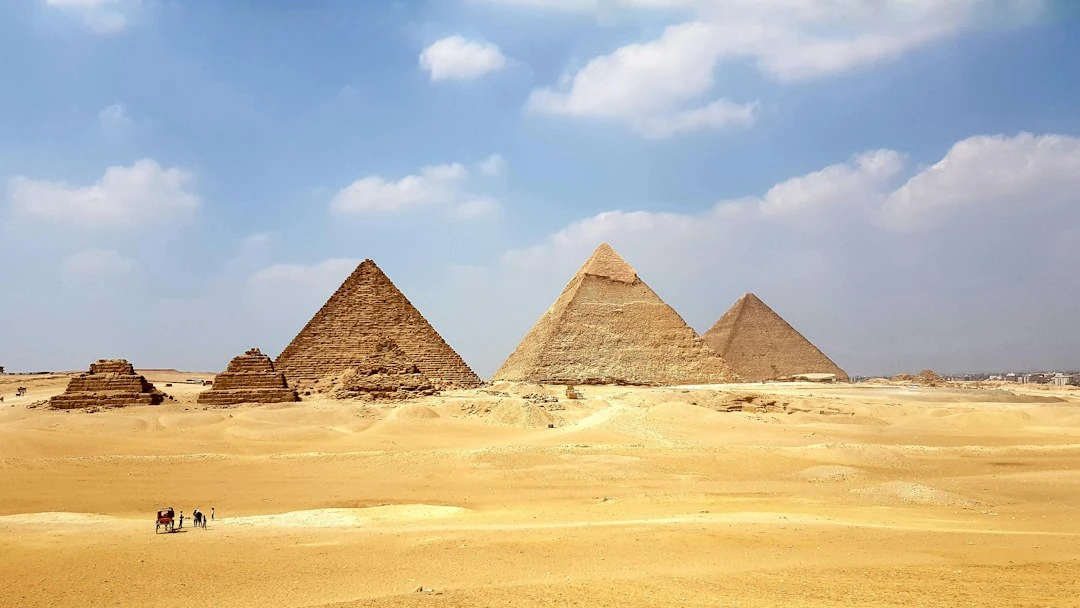
In Cairo, you visit the Pyramids of Giza complex before seeing the ruins of Memphis, the Saqqara necropolis and the pyramids at Dahshur. Together, these places show how pyramid building changed over different periods. The Cairo Museum of Antiquities and the Egyptian Civilization Museum add context with royal objects, mummies and everyday artefacts. In Historic Cairo, you can walk along older streets and visit the Mohamed Ali Mosque on the Citadel, with views across the city from its courtyard.
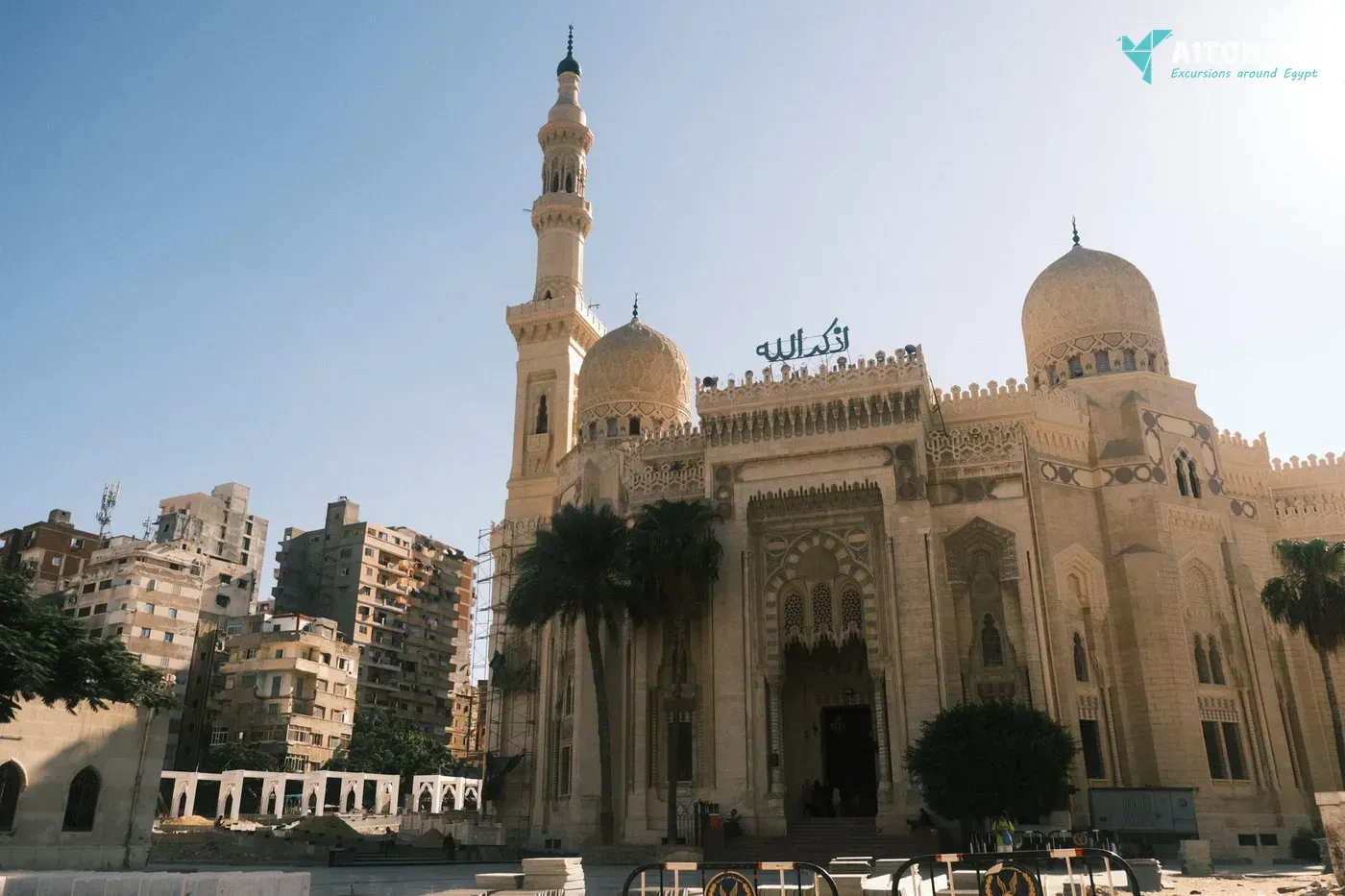
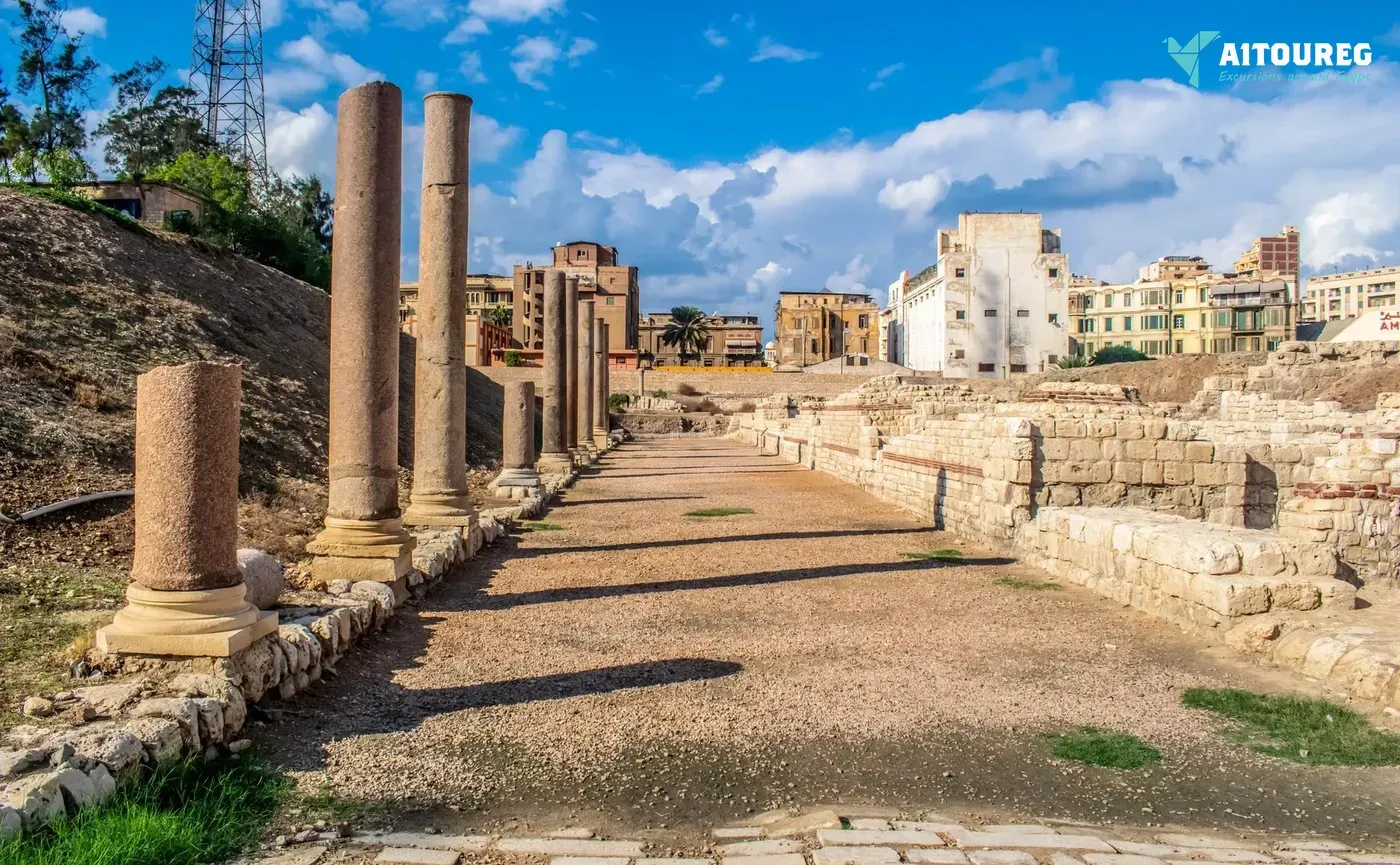
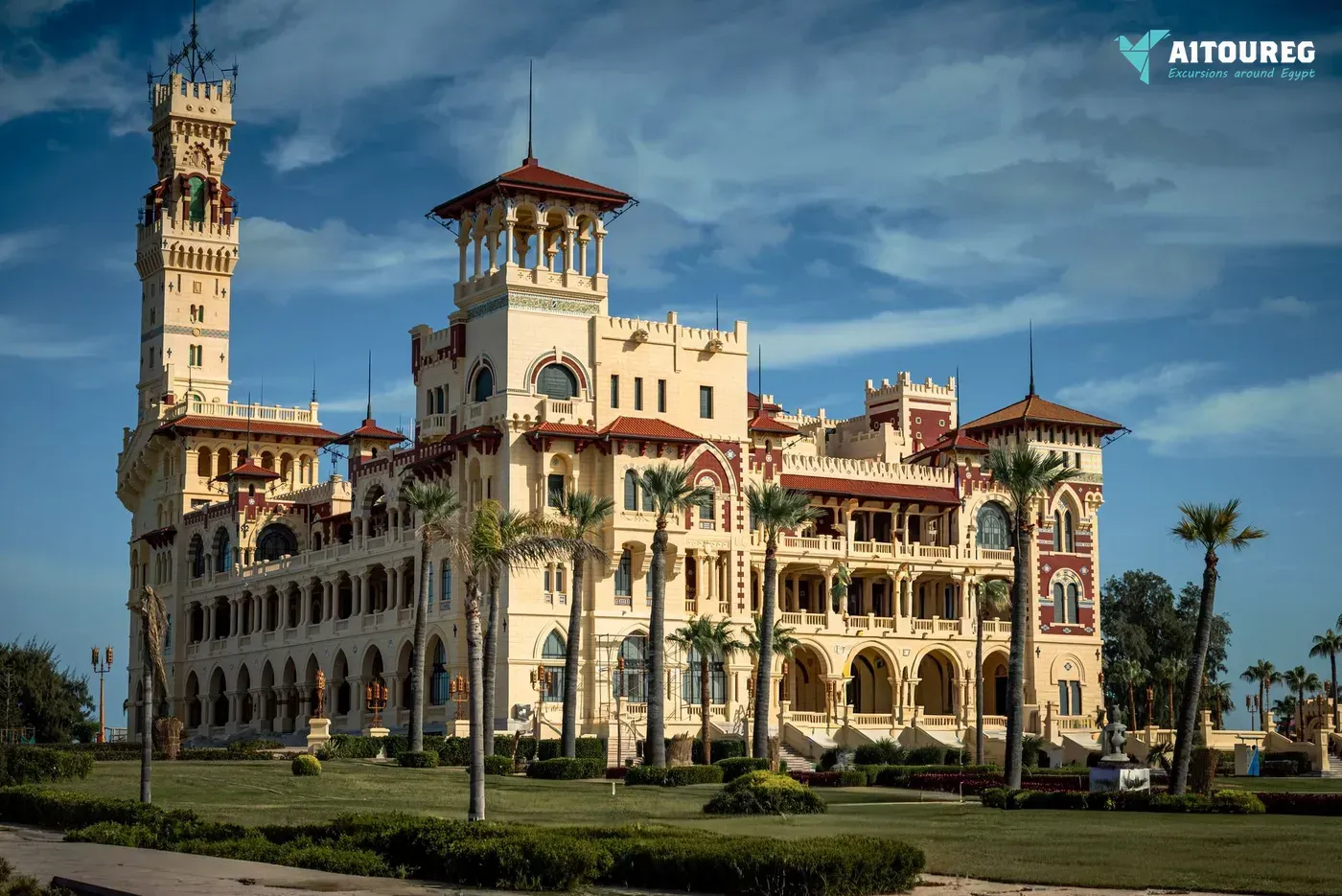
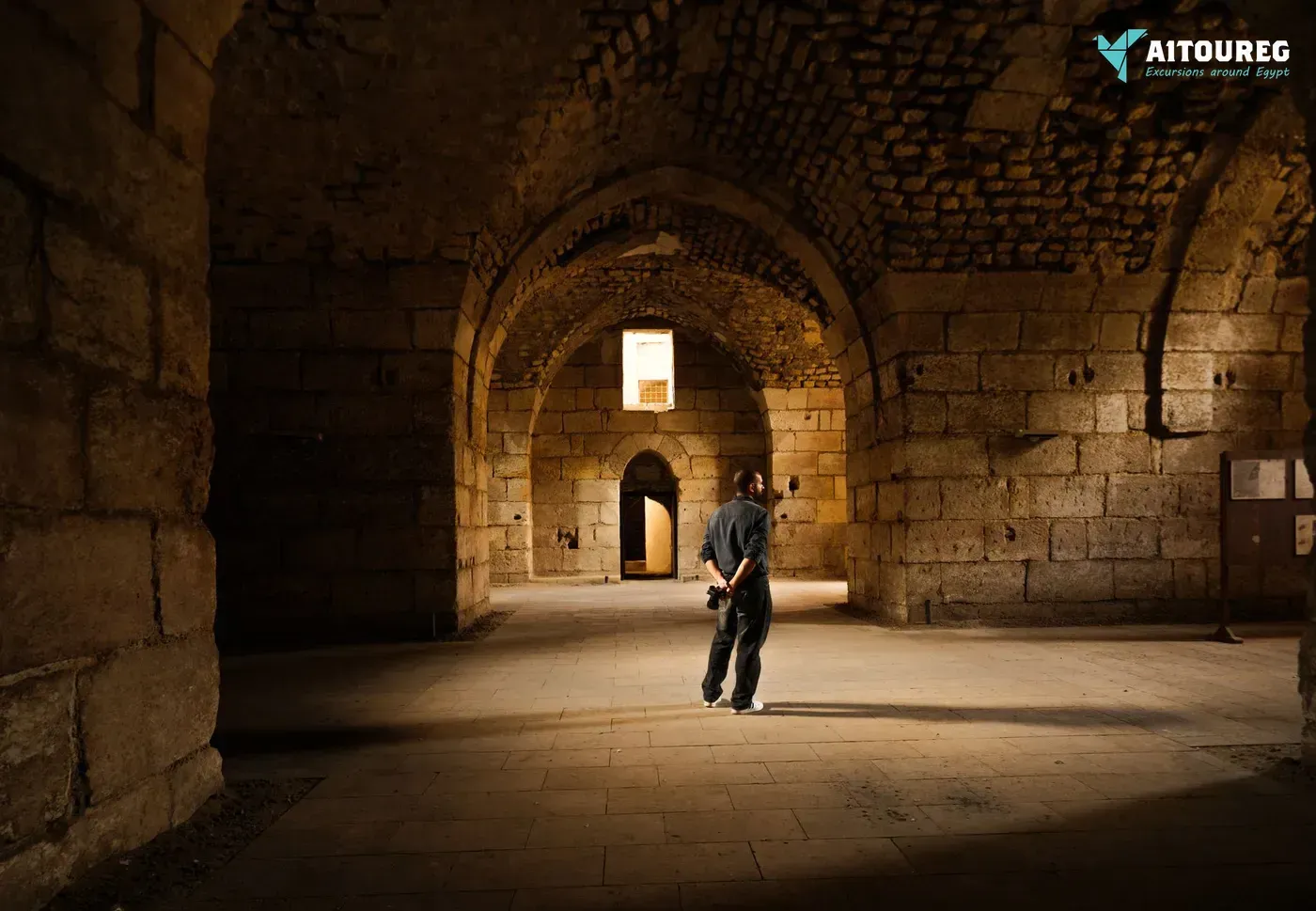
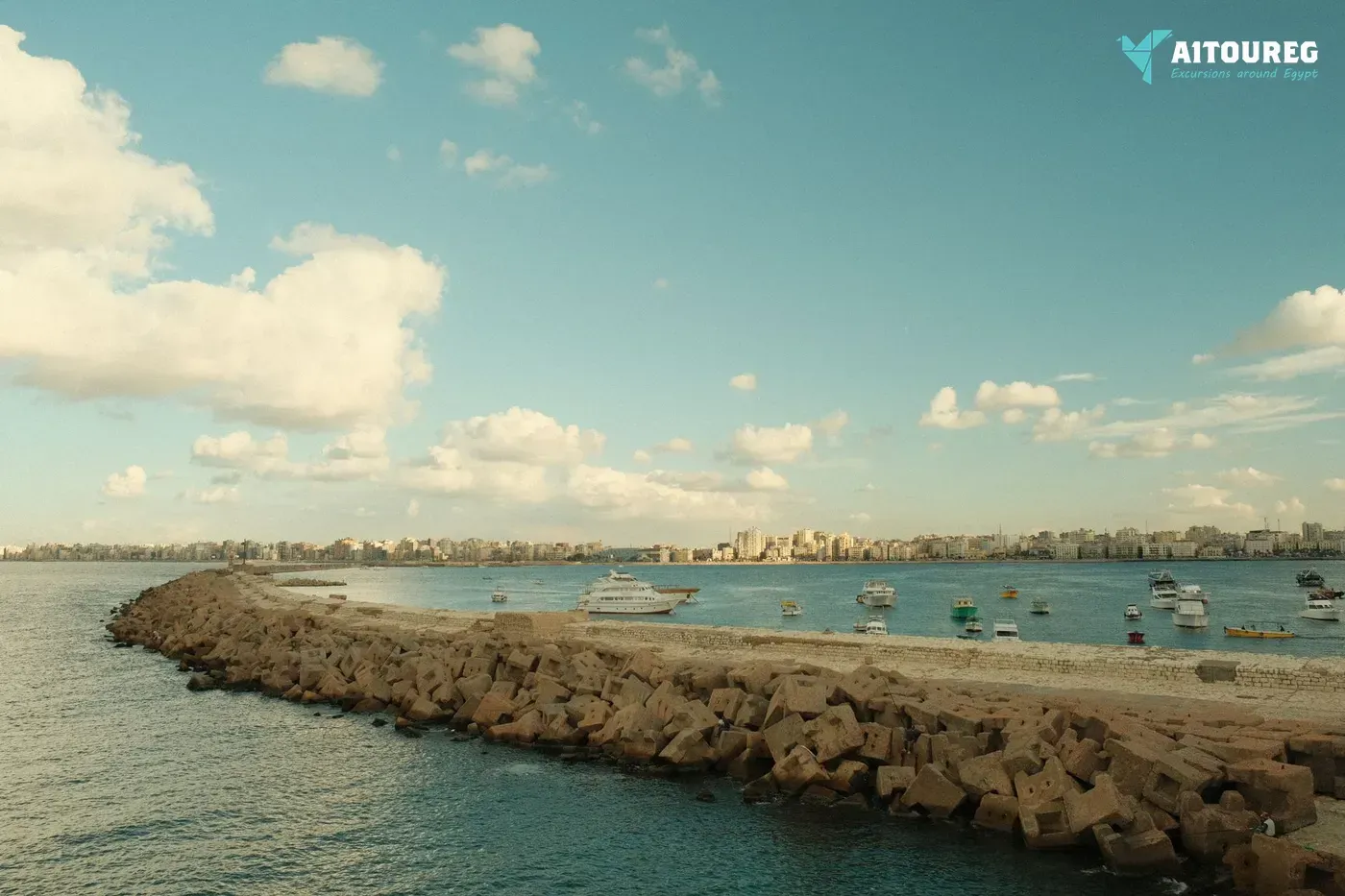
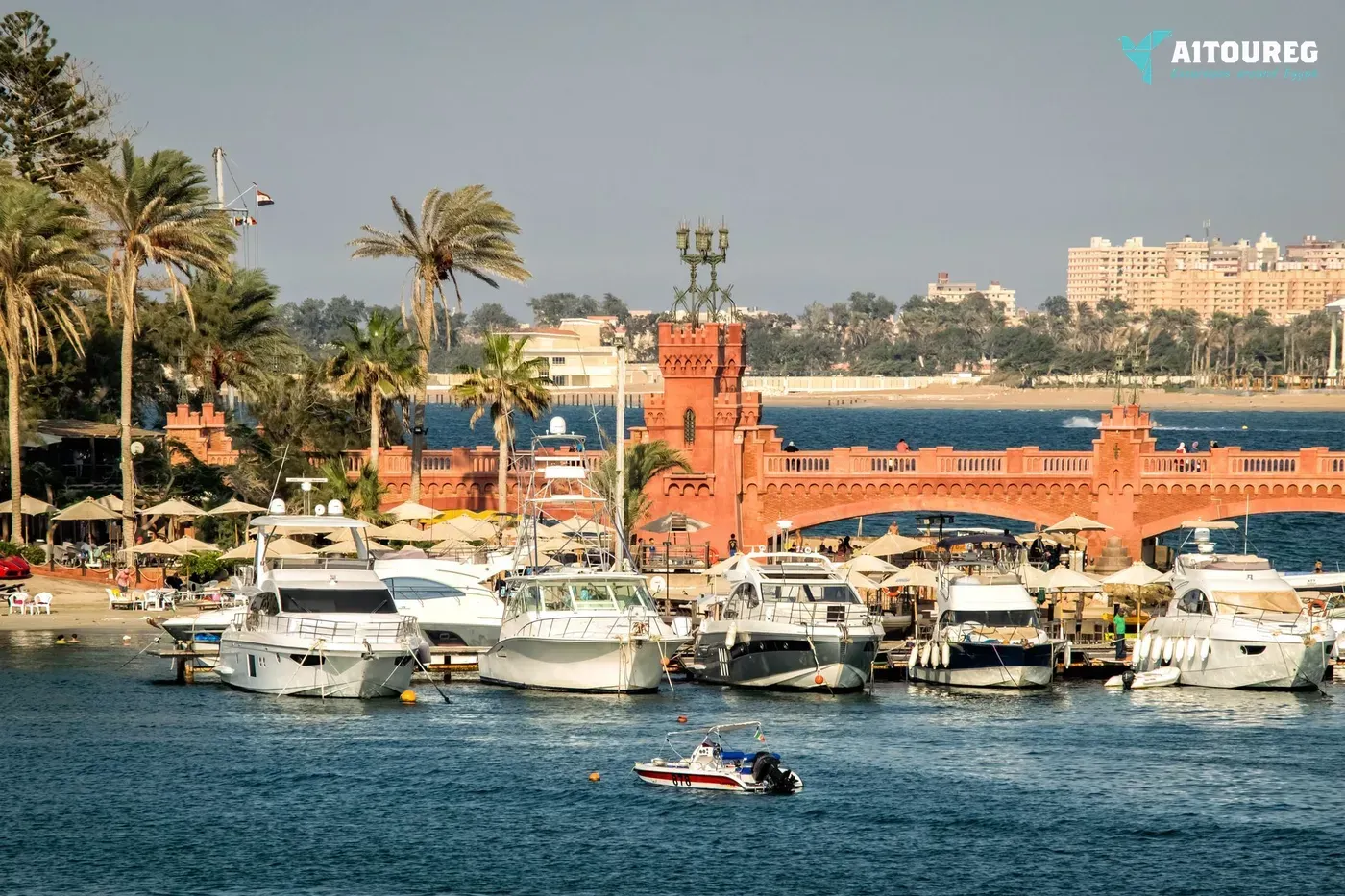
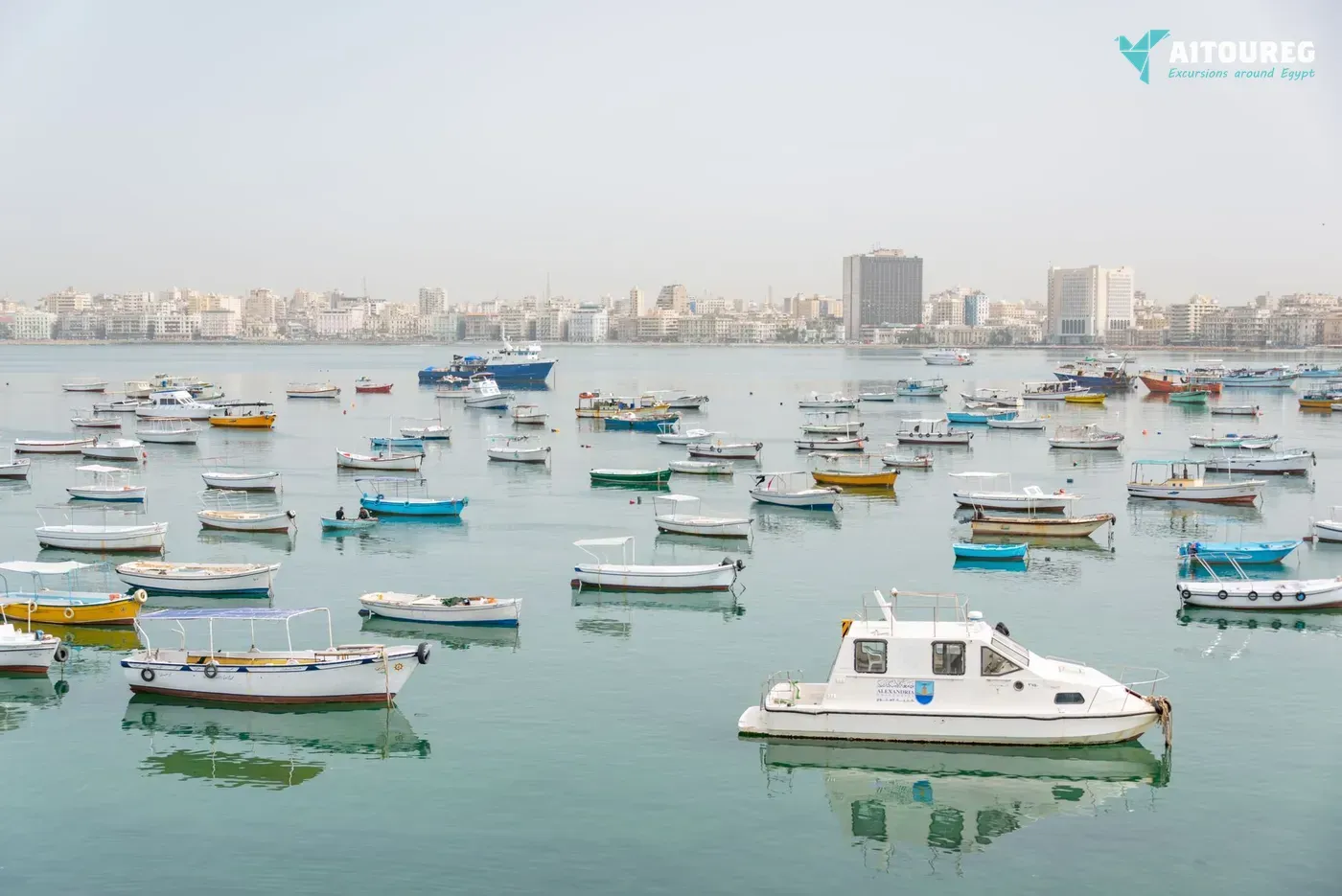
The route continues to Alexandria, Egypt’s Mediterranean port. At the Kom el-Shoqafa Catacombs, Greek, Roman and Egyptian influences appear in the carved underground chambers. You also visit Pompey’s Column, Fort Qaitbay and the Alexandria Library, with time to see the royal gardens at Montaza Palace. After Cairo’s inland monuments, Alexandria brings a cooler coastal change of pace.
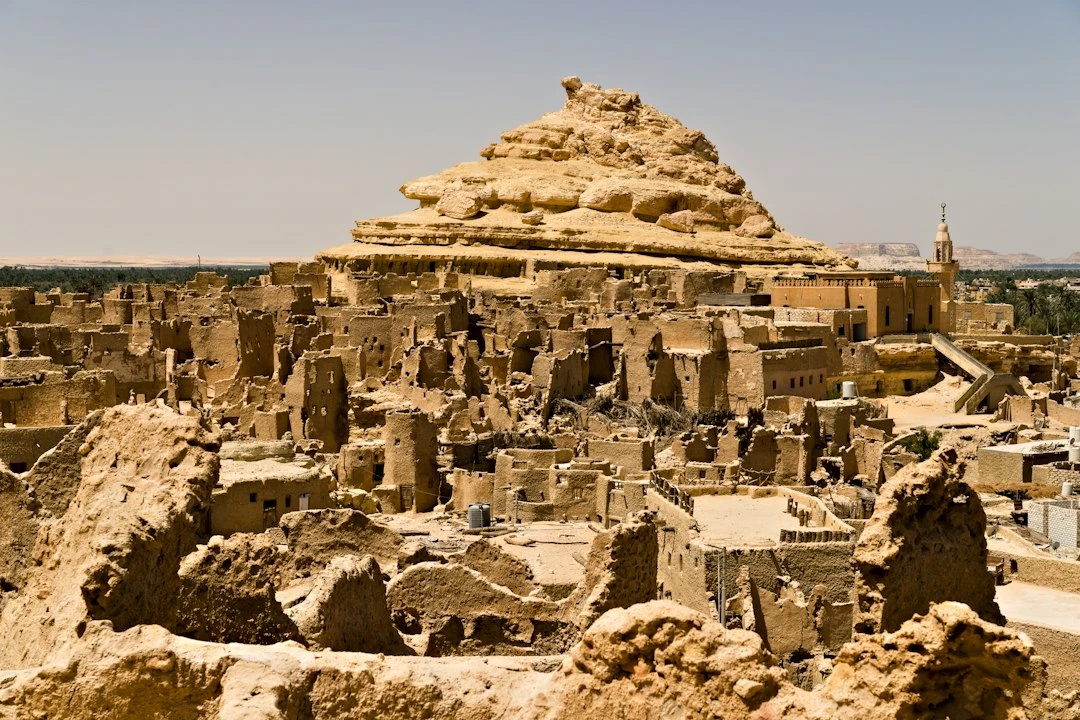
In Siwa oasis, daily life follows the palm groves, springs and the edge of the Great Sand Sea. The old fortress of Shali rises above the town, while the Oracle Temple and Gebel Al-Mawta introduce Siwa’s ancient religious and funerary history. Cleopatra’s Spring is a natural place to stop, and the area’s thermal spring waters make the oasis feel far removed from the Nile Valley. We arrange local transport across the sandy tracks and allow time for the landscape instead of treating Siwa as a quick photo stop.
We then cross Egyptian desert landscapes, passing the El Alamein War Cemetery before reaching the White Desert. The chalk formations shift in shape and colour as the light fades. You see the Agabat Valley, the Black Mountain and the Crystal Mountain before arriving at camp. Sleeping beneath star-filled skies makes this a memorable White Desert overnight, but conditions are simple and weather-dependent. This section suits travellers who are comfortable with basic facilities and a remote setting.
The Nile section is a four-day cruise between Aswan and Luxor, with meals and guided visits arranged around the sailing schedule. Along the way, you visit the Philae Temple complex on its island setting, the Aswan High Dam, Edfu Temple and the dual temple at Kom Ombo. The days combine boat travel with manageable guided walks, though ancient sites often have uneven paving, steps and strong sun.
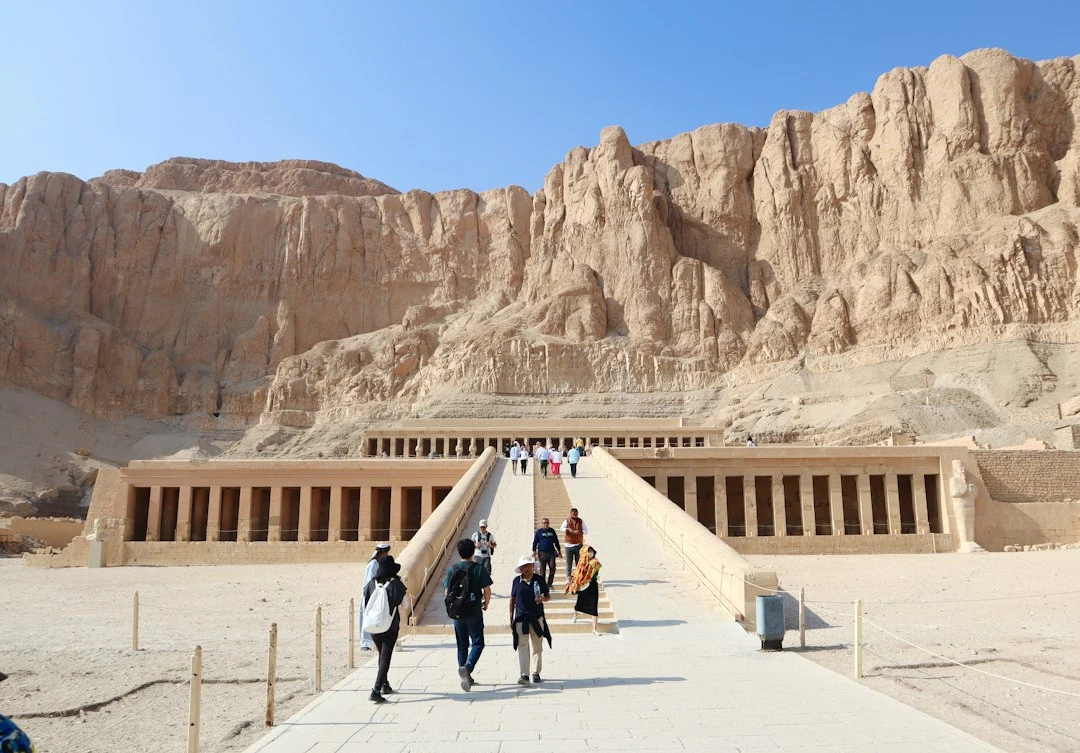
In Luxor, the Valley of the Kings reveals tombs cut into the western hills. Hatshepsut’s Mortuary Temple sits below the cliffs, while Karnak Temple has its own day of pylons, columns and long processional spaces. The itinerary also includes the rock-cut temples of Abu Simbel, where the scale of the façades and their setting beside Lake Nasser make an early start worthwhile.
The final stay is in Hurghada, where you can slow down after the sightseeing programme and spend time beside the Red Sea. This is a substantial trip with road transfers, desert travel, guided walks and a cruise, so it suits travellers who enjoy variety and can manage several early starts. We provide the planned transport, local guidance and accommodation, while the order of some visits may change with sailing schedules, site access and transport conditions. Bring comfortable walking shoes, sun protection and modest clothing for mosque visits.
Airport and hotel transfers where included in the confirmed programme
Private or shared air-conditioned transport according to the itinerary
Four-day Nile River cruise with meals
Licensed Egyptologist guide for scheduled sightseeing
Entrance fees for the listed archaeological sites
Accommodation throughout the tour
Desert transport and overnight camping in the White Desert
Meals stated in the final itinerary
International and domestic flights unless specifically stated
Tips for guides, drivers and cruise staff
Optional activities not listed in the confirmed itinerary
Any site, service or meal not specified as included
Personal spending, drinks and laundry
Egypt entry visa and travel insurance
Passport and a copy of its photo page
Small overnight bag for the White Desert camp
Reusable water bottle and personal medication
Light, breathable clothing and a warm layer for desert nights
Comfortable walking shoes with good grip
Cash in Egyptian pounds for personal spending and gratuities
Sun hat, sunglasses and high-factor sunscreen
Swimwear and a light cover-up for Hurghada
Modest clothing covering shoulders and knees for religious sites
The route includes a journey across Egyptian desert landscapes to Siwa oasis settlement, where you can see Shali ancient fortress, Oracle Temple sanctuary, Gebel Al-Mawta mountain and Cleopatra's Spring pool. The desert section continues through the Great Sand Sea dunes, White Desert chalk formations and Agabat Valley landscape, with views of the Black Mountain and the Crystal Mountain.
The four-day Nile River cruise experience groups multiple archaeological discoveries along the Nile in a practical sequence. Abu Simbel rock-cut temples are visited separately, while the Valley of the Kings burial ground, Hatshepsut mortuary Temple and Karnak sacred precinct are explored around Luxor. The exact order can change with navigation and local operating conditions.
Longer overland legs connect Cairo with Alexandria and Siwa, while the desert crossing reaches the White Desert for a memorable overnight experience in White Desert camping beneath star-filled skies. The Nile portion uses the cruise vessel for travel between the main river sights, and road transfers connect the cruise with Abu Simbel and other scheduled visits.
Please provide accurate flight, hotel and contact information when booking. Pickup times can vary by location and itinerary order, so we do not publish one fixed time for every traveller.
Mobility is most demanding at places such as the Kom el-Shoqafa underground Catacombs, Gebel Al-Mawta mountain, desert viewpoints and some temple approaches. The White Desert camp, natural thermal spring waters and Red Sea marine realm also involve outdoor surfaces rather than paved resort paths. Children should be supervised near water, on boat decks and around ancient structures.
Tell us about mobility needs, medical considerations and children's ages before booking. We can explain the walking involved at the Pyramids of Giza complex, Philae Temple island sanctuary, Karnak sacred precinct, Valley of the Kings and Hurghada beach resort destination so you can judge the route realistically.
For the White Desert, bring a torch, reusable water bottle and a small overnight bag if your main luggage is stored separately during the camp. Desert nights can feel cool even after a hot day, and the camping section includes natural thermal spring waters where permitted by the local plan.
A hat, sunglasses, high-factor sunscreen and a secure day bag help at the Pyramids, Saqqara, Abu Simbel and Luxor. If you plan to swim or snorkel in Hurghada, bring suitable beach equipment; sea conditions and available activities are confirmed locally rather than guaranteed in advance.
Because this route combines desert services, a four-day Nile River cruise, domestic transfers and accommodation in several regions, cancellation conditions can vary according to the confirmed components and how close the cancellation is to departure. The booking confirmation is the governing document, not a general website summary.
Tell us early if you need changes to the Alexandria Mediterranean port visit, the Siwa programme, Abu Simbel rock-cut temples, the Nile cruise or time at Hurghada. We will explain which adjustments are possible before you commit.
Your unforgettable Egypt journey starts with a booking you can trust.
* Available on selected tours. Flights, cruises and special bookings may have different cancellation policies.
Free cancellation up to 24 hours before activity starts
If you choose to pay online, a secure payment link can be provided after booking. For assistance or alternative payment options, please contact us via WhatsApp.
All our tour operators are licensed and verified by Egyptian tourism authorities.
Learn more about our licensed partners →
Free cancellation up to 24 hours before activity starts
If you choose to pay online, a secure payment link can be provided after booking. For assistance or alternative payment options, please contact us via WhatsApp.
All our tour operators are licensed and verified by Egyptian tourism authorities.
Learn more about our licensed partners →
Your Itinerary
Your 20-day Egyptian expedition begins with arrival in Cairo, where our team meets you at the airport and assists with the transfer to your hotel. After the journey, take time to settle in and rest. The pace is intentionally light, giving you room to recover before the sightseeing begins.
Your guide reviews the programme, answers practical questions and confirms arrangements for the following days. Depending on your arrival time, you may take a short walk near the hotel or enjoy your first Egyptian meal. Cairo is a large, energetic city, so we keep the first evening simple and comfortable. Keep your passport and essential travel documents accessible, and ask our team about the next morning’s pickup arrangements before turning in.
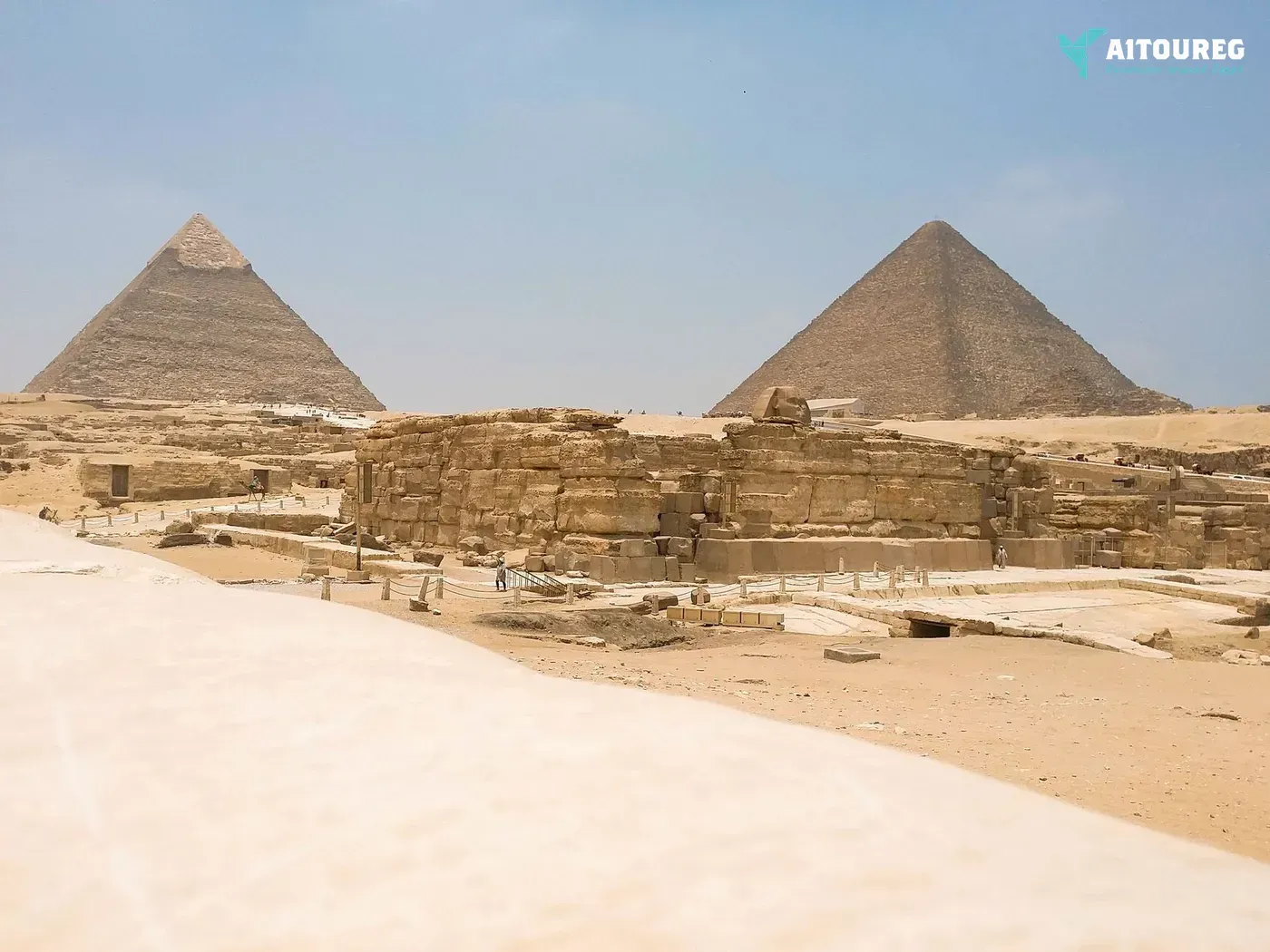
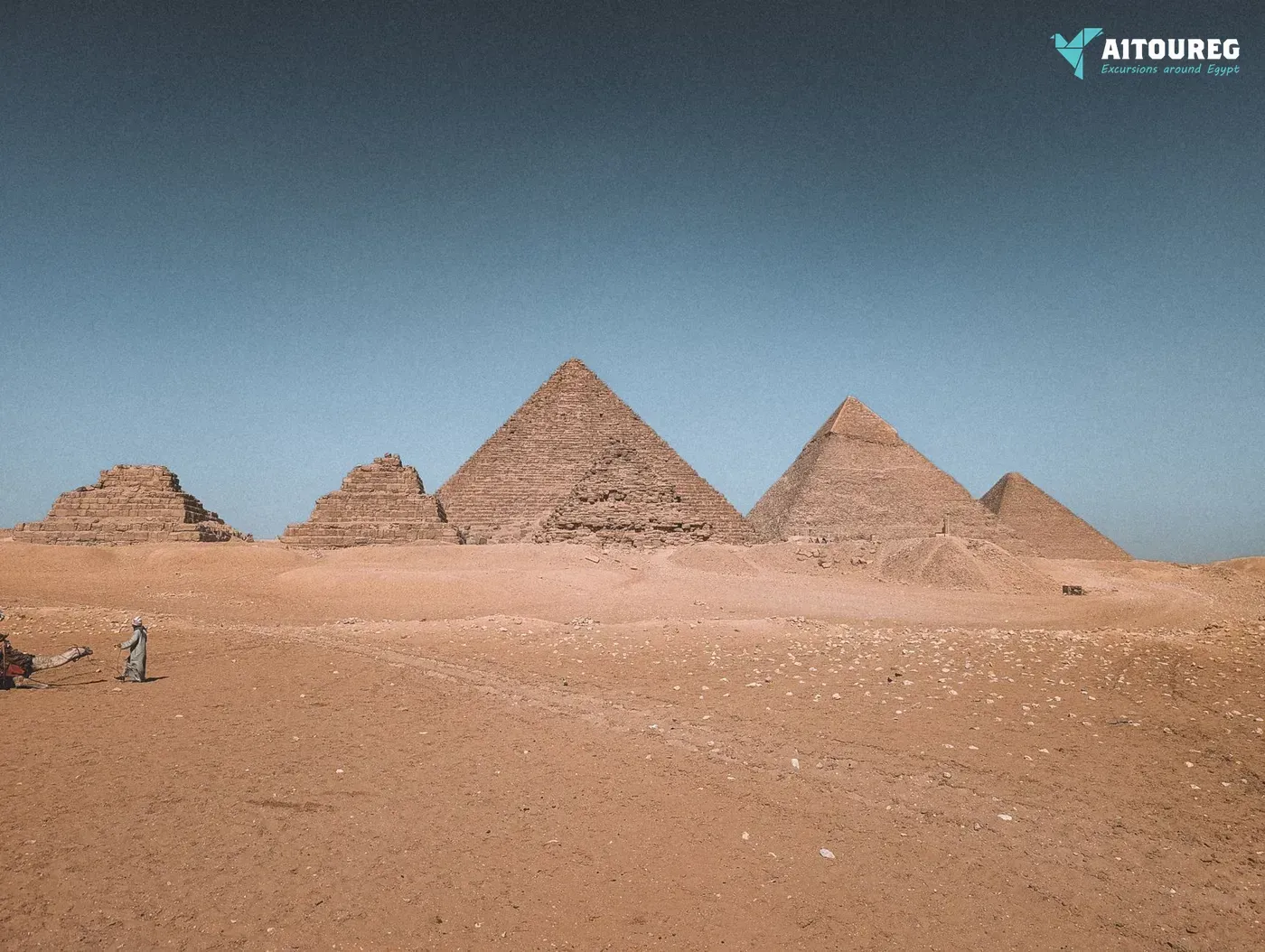
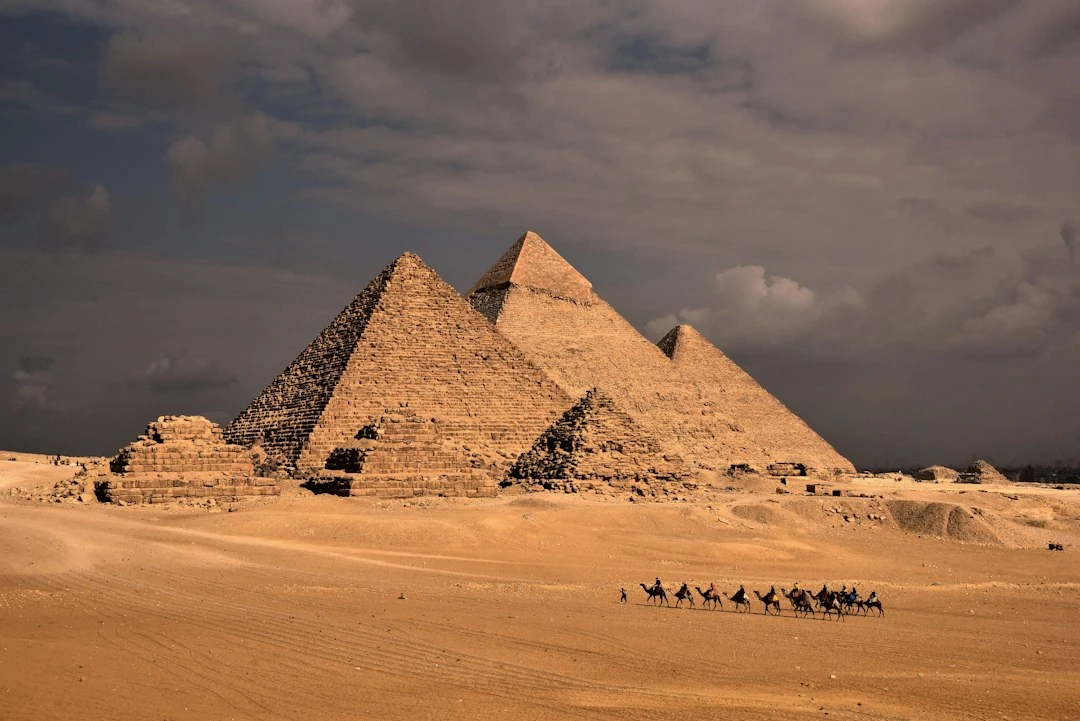
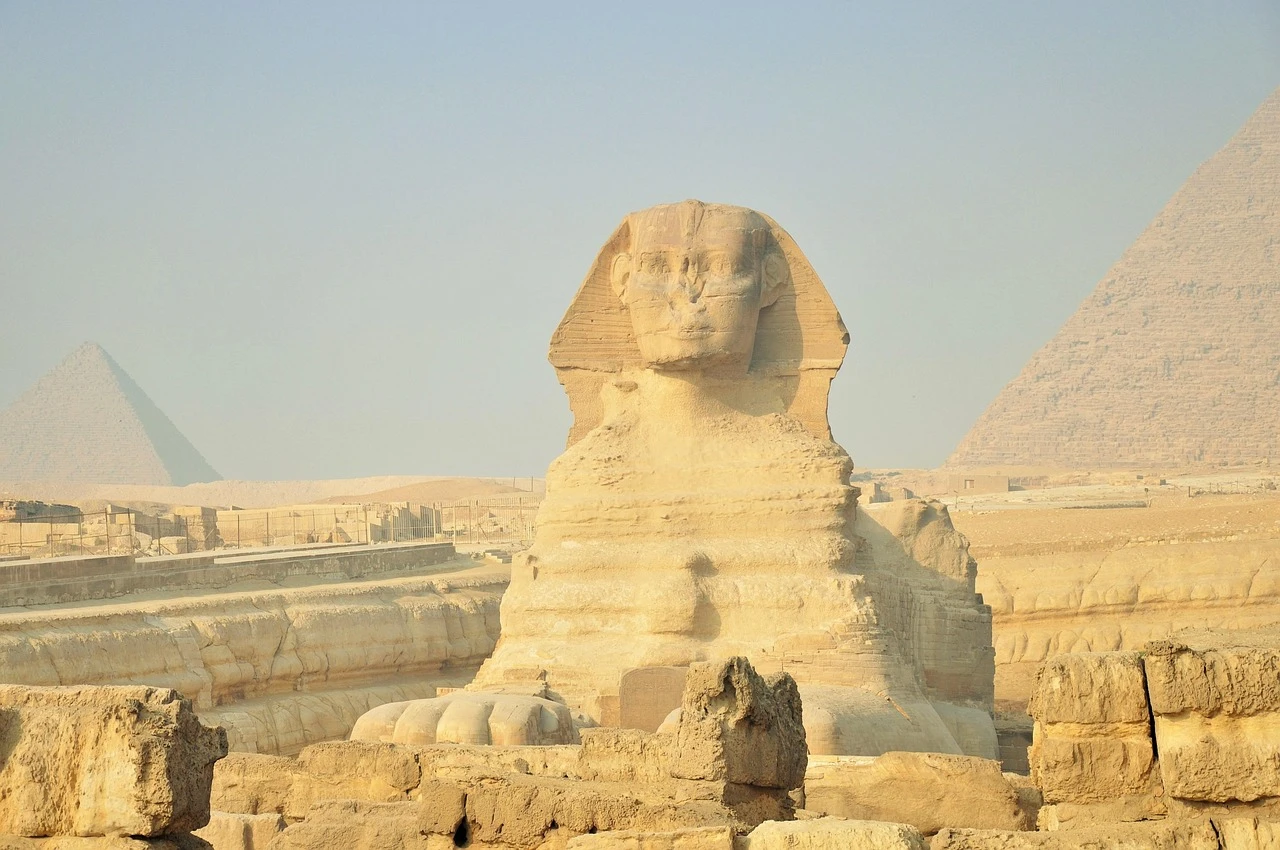
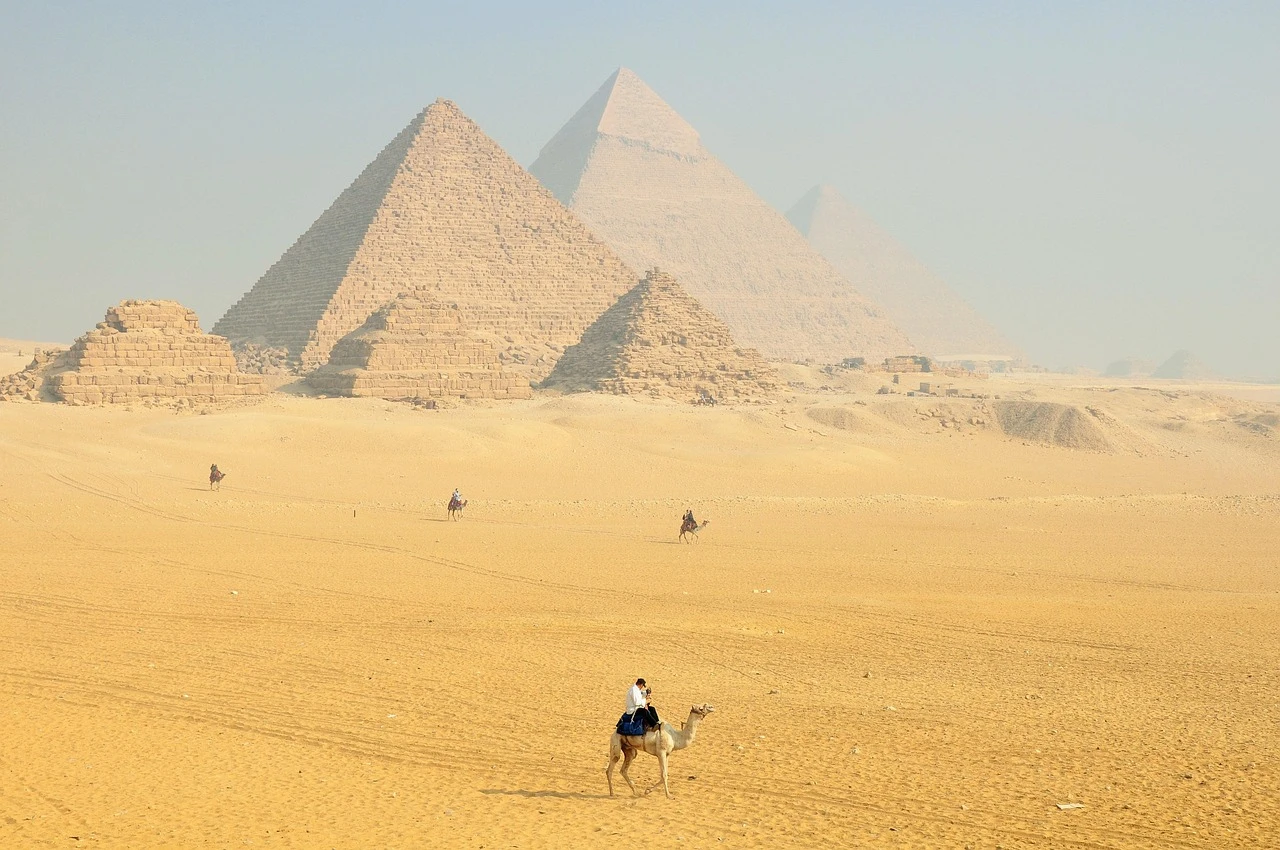
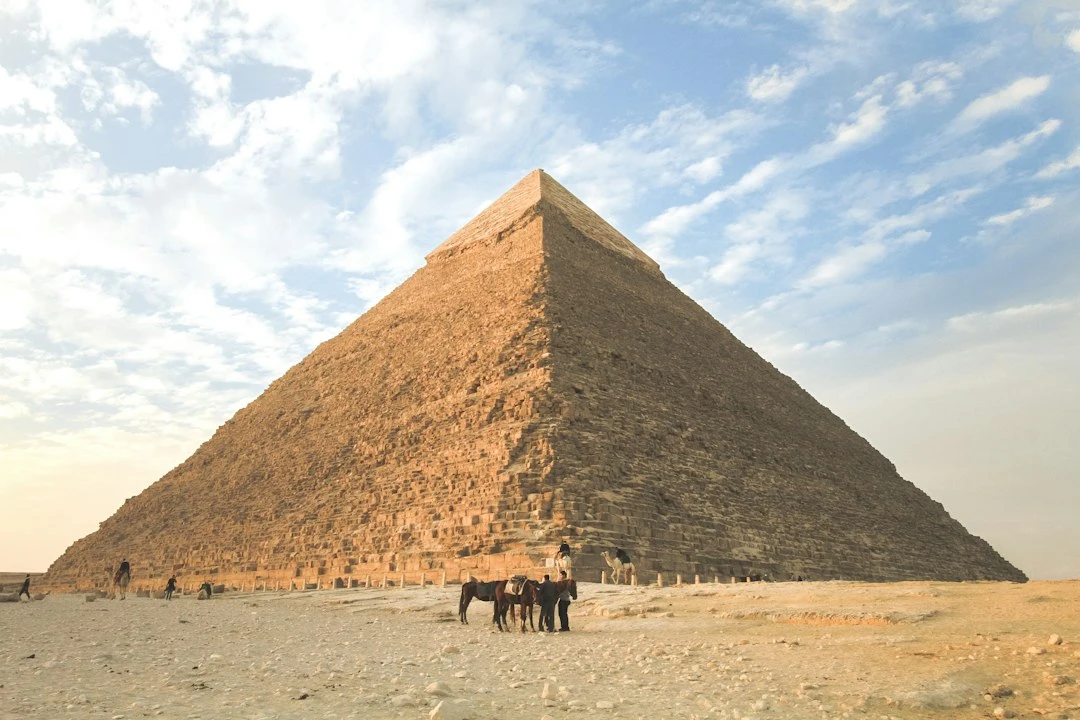
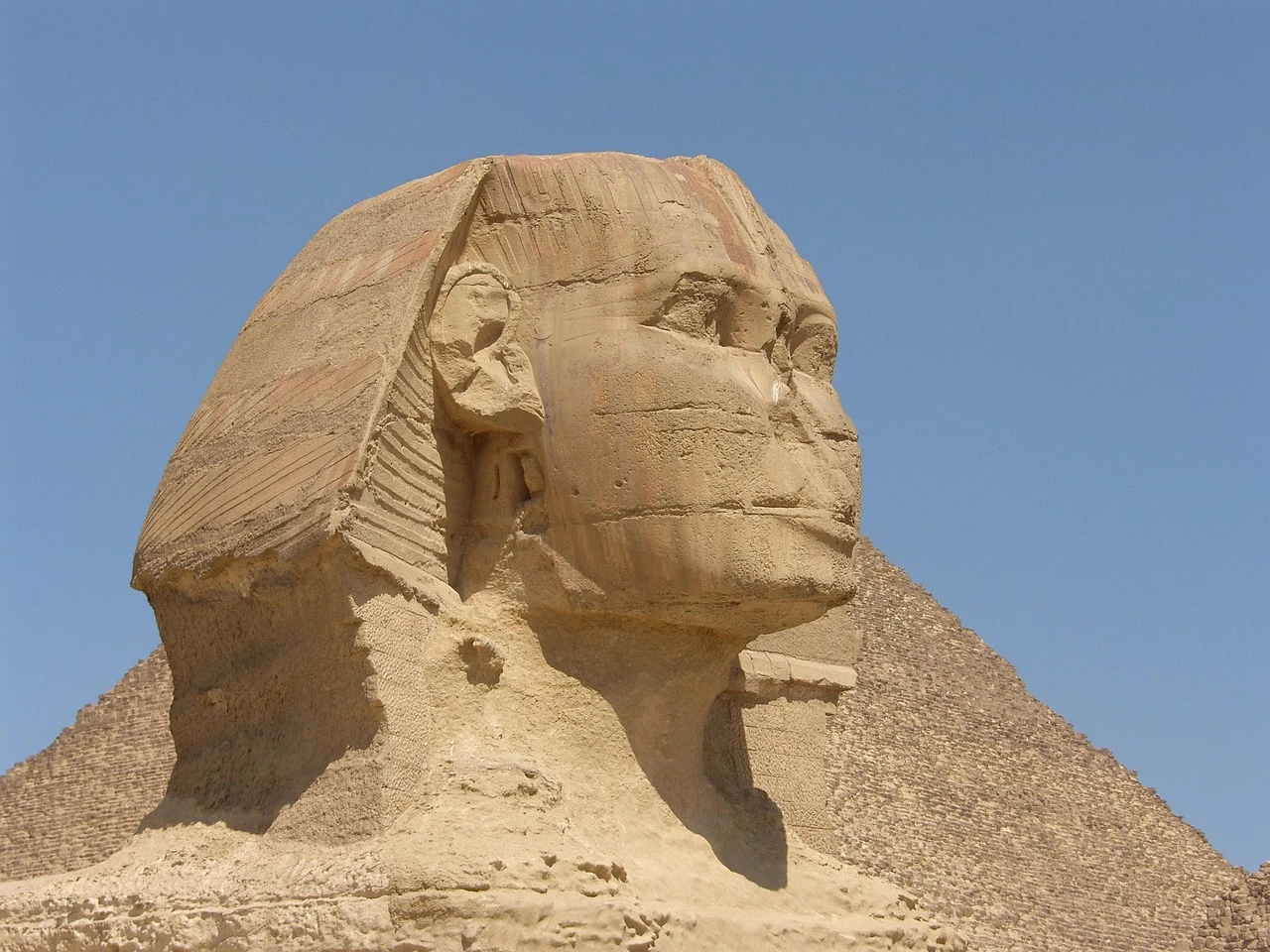
After breakfast, travel to the Pyramids of Giza complex, beginning with the Great Pyramid before continuing to the pyramids of Khafre and Menkaure. Your guide explains how the plateau was planned as a royal burial landscape, then leads you to the Great Sphinx. There is time for photographs and a close look at the stonework, though access inside the pyramids is subject to separate arrangements and availability.
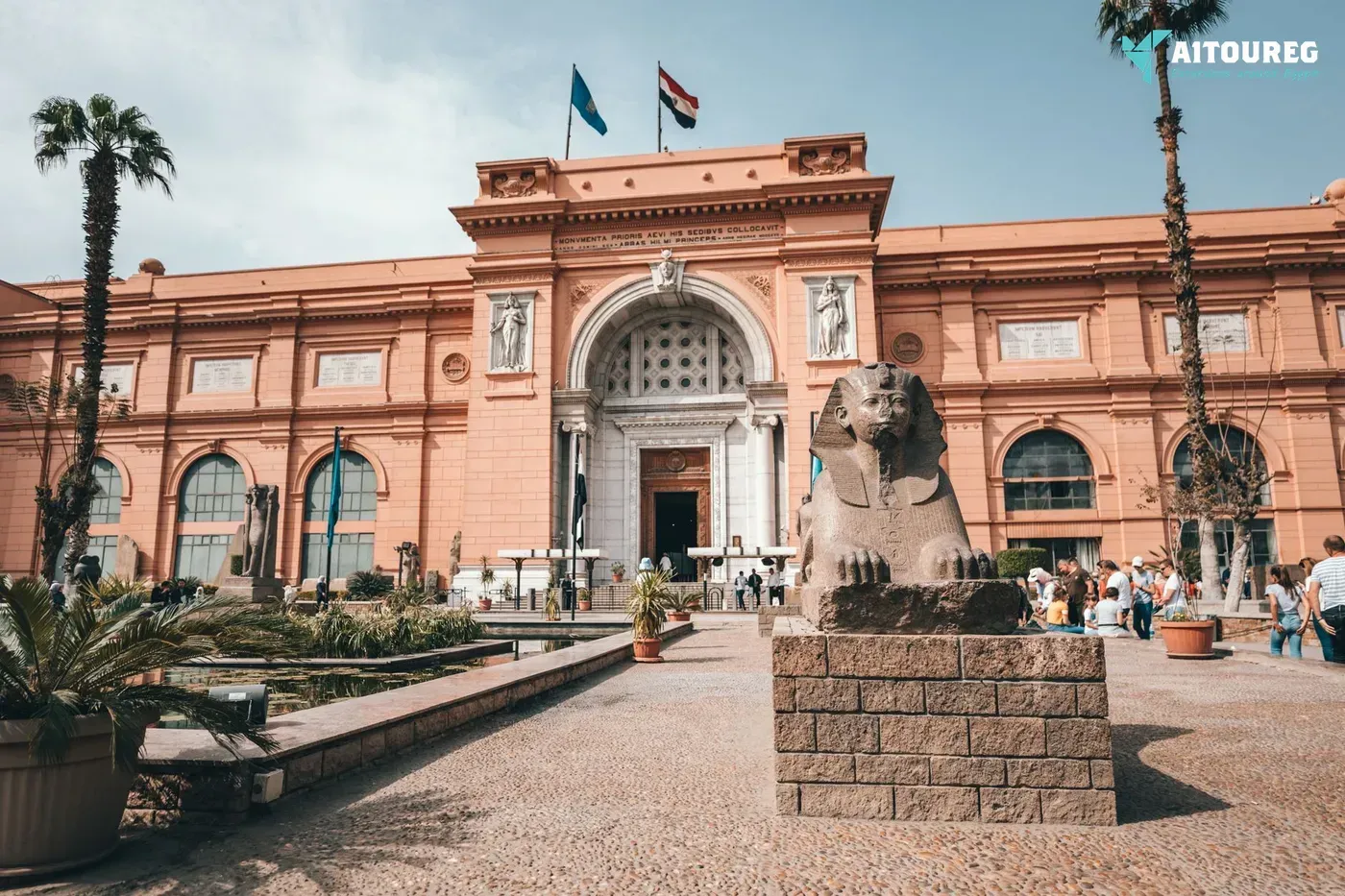
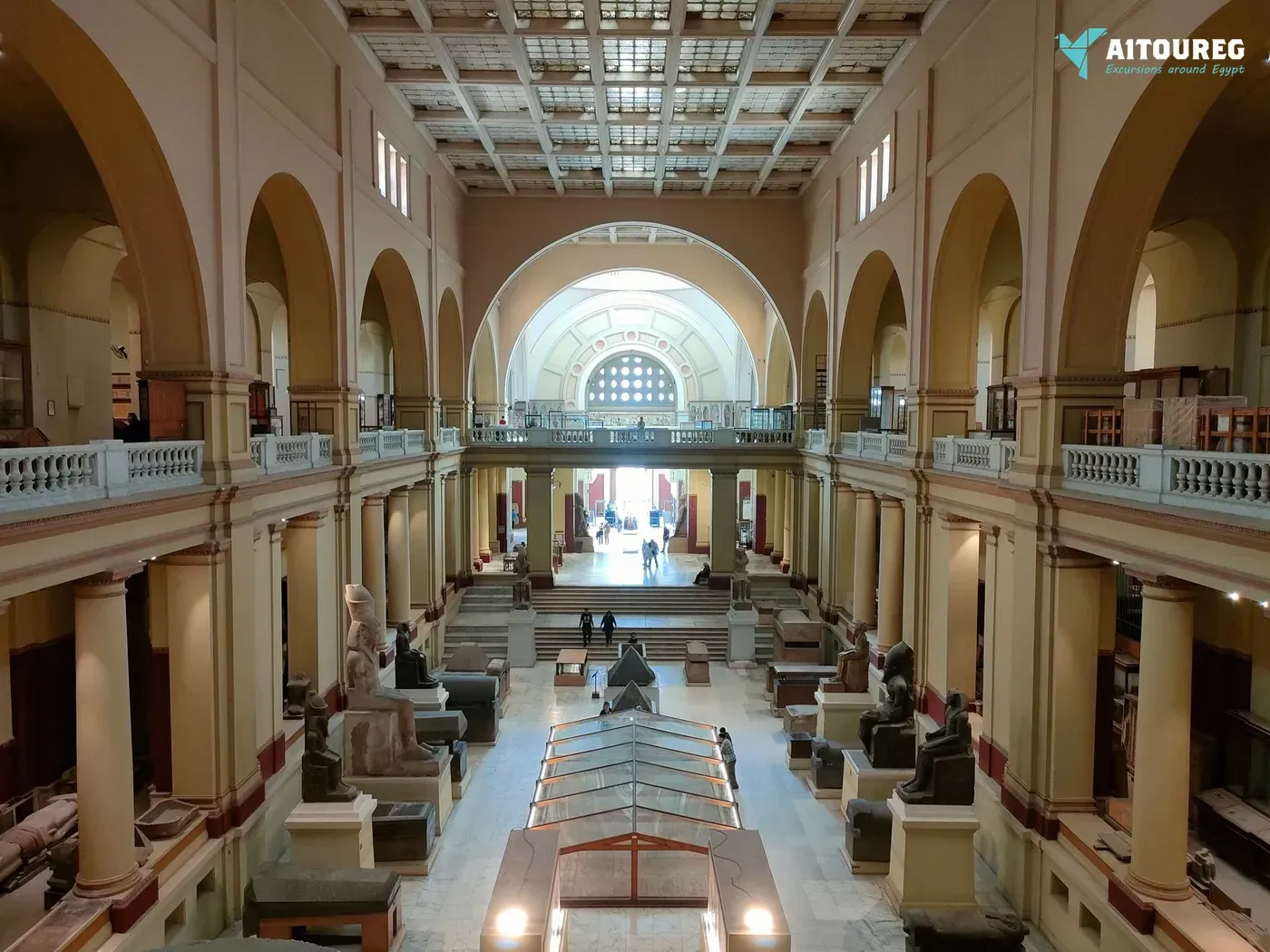
Continue into central Cairo for the Cairo Museum of Antiquities. Its galleries place royal statues, funerary objects and everyday artefacts in context, giving you a useful introduction to the periods seen later on the tour. The visit takes several hours at a steady walking pace. Wear comfortable shoes, carry water, and expect security checks at both major sites. After the museum, return to your hotel for an evening at leisure.
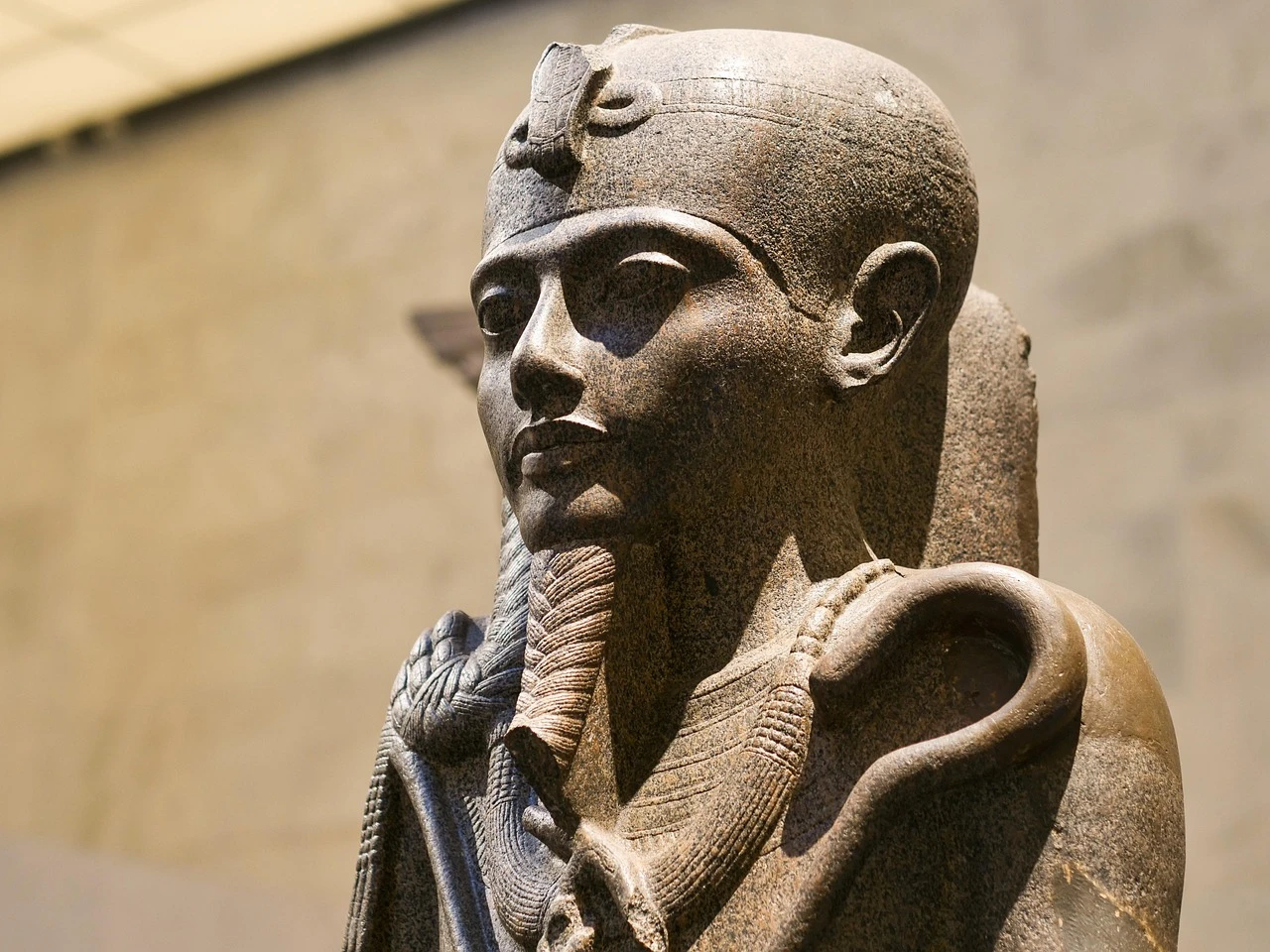
Begin at the Egyptian Civilization Museum, where the collection follows Egyptian history across the country’s major periods. The Royal Mummies gallery gives particular insight into ancient burial customs and the people behind the monuments. Your guide helps connect the displays with the temples, tombs and settlements you will visit later.
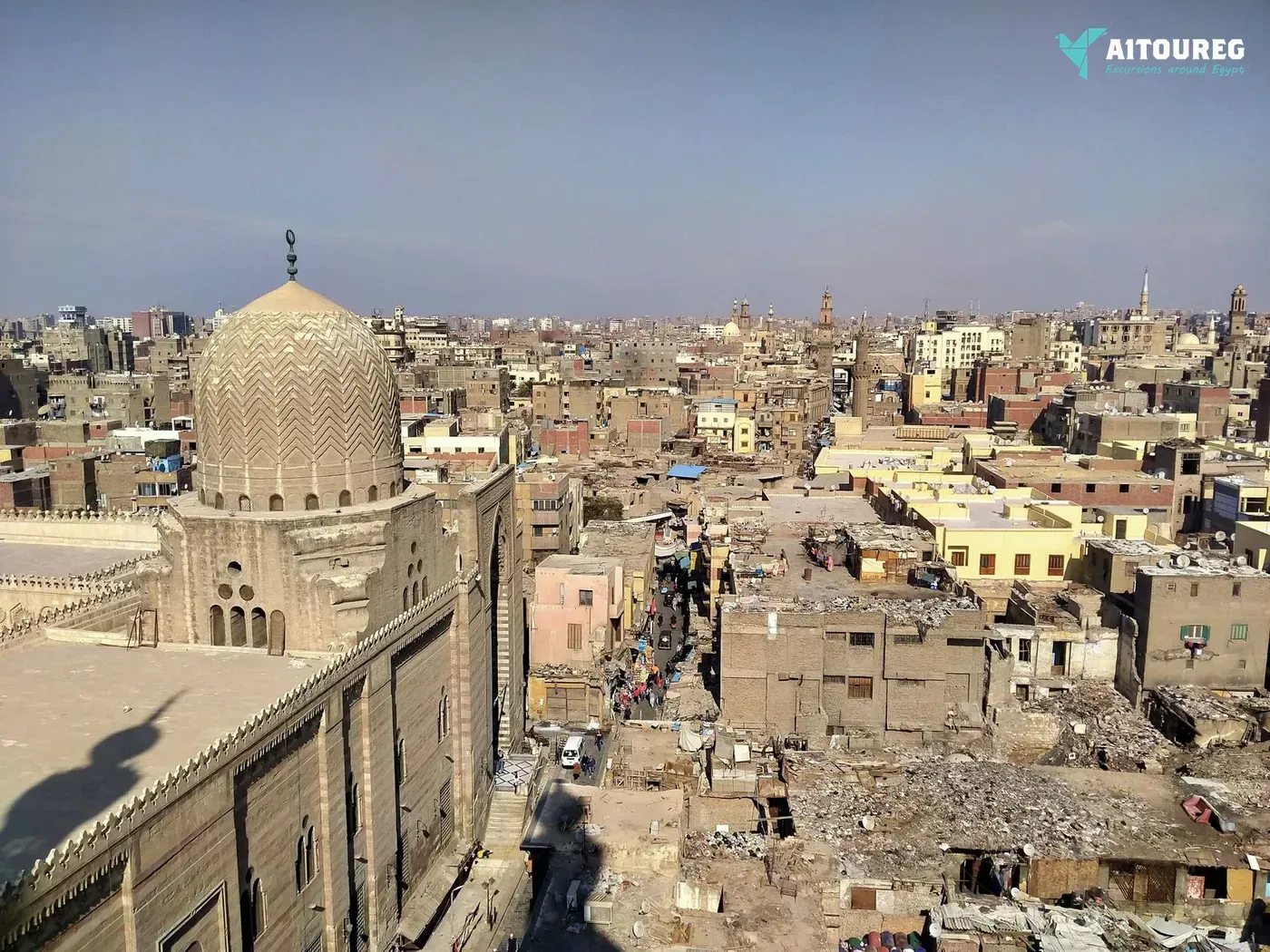
In the afternoon, explore historic Cairo districts on foot, moving through lanes, markets and old religious quarters at a measured pace. The route includes the Mohamed Ali Mosque landmark inside the Cairo Citadel, known for its broad courtyard and clear views across the city. Your guide explains how Cairo developed around its defensive walls, mosques and commercial streets. Some lanes have uneven paving and the mosque requires modest clothing; comfortable footwear and covered shoulders are useful. Return to the hotel after the walk, with the evening free.
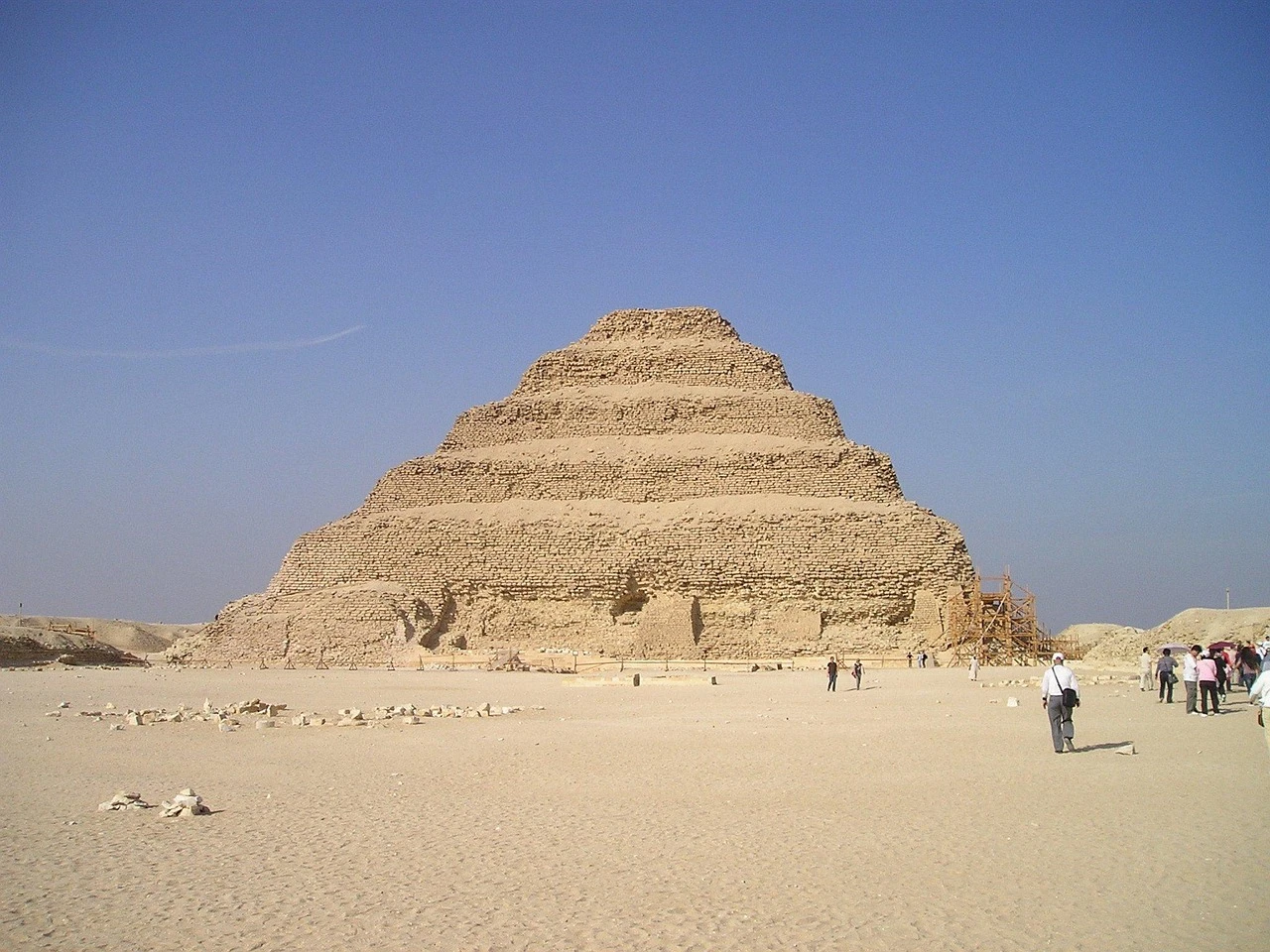
Leave Cairo for the ancient city of Memphis, the former administrative centre of a powerful early Egyptian kingdom. The open-air collection includes monumental sculpture, including the large limestone figure of Ramesses II. From Memphis, continue to the Saqqara necropolis site, where the Step Pyramid of Djoser rises from one of Egypt’s most important burial grounds. Your guide explains the development from early mastaba tombs to pyramid construction.
Continue south to the Dahshur pyramid field, a quieter desert setting with the Bent Pyramid and Red Pyramid. The changing angles of the pyramids show how builders refined their methods before the later Giza monuments. The day includes outdoor walking over sand and exposed ground, with some steps at viewpoints and tomb entrances. Carry sun protection and water. Return to Cairo in the late afternoon, leaving the evening free before the next day’s coastal excursion.
Travel by road to Alexandria, the Mediterranean port founded by Alexander the Great. Start at the Kom el-Shoqafa underground Catacombs, descending into a layered funerary complex where Egyptian, Greek and Roman traditions meet. Continue to Pompey’s Column monument, a single granite column associated with the ancient Serapeum, then visit the Alexandria Library historic site and its modern reading hall and cultural setting.
After lunch, walk around Fort Qaitbay fortress on the waterfront. The fort occupies the area traditionally linked with the ancient Pharos lighthouse, and its sea-facing position helps explain Alexandria’s role as a major harbour. Finish at Montaza Palace royal gardens, where landscaped paths and coastal views provide a calmer close to the day. The drive between Cairo and Alexandria takes several hours each way, so the schedule is full. Expect security checks, stone steps and uneven surfaces at the catacombs and fort.
Leave Cairo early for the western route towards Siwa oasis settlement. On the way, stop at El Alamein War Cemetery, a carefully maintained memorial to troops who died in the North African campaign. The rows of headstones and the cemetery’s register offer a quiet counterpoint to the ancient sites elsewhere in Egypt. Our guide gives context while allowing time for respectful reflection.
Continue west through increasingly open desert landscapes toward Siwa, with rest stops arranged during the long road transfer. The scenery changes from cultivated land to arid plains, salt flats and low dunes before the oasis appears. On arrival, check in and take a relaxed evening. Siwa is remote, and the transfer is one of the longer road journeys on the itinerary, so keep essential medicines, a water bottle and travel documents in your hand luggage. Dinner and overnight arrangements are in Siwa.
Explore Siwa on a local sightseeing route that begins at Shali ancient fortress. Built from a mixture of salt, mud and stone, the old settlement rises above the oasis and reveals how residents adapted to the area’s scarce building materials. Walk through the remaining lanes with your guide, taking care on worn surfaces and exposed steps.
Continue to the Oracle Temple sanctuary, associated with the ancient oracle of Amun and the visit of Alexander the Great. The site is modest in scale, but its position and history explain Siwa’s importance long before modern roads reached the oasis. Later, visit nearby palm groves and local streets at an easy pace. The afternoon is left flexible for rest, tea or independent exploration within the agreed area. Siwa’s distances are short by vehicle, but heat and uneven ground can make the day tiring; a hat and comfortable shoes help.
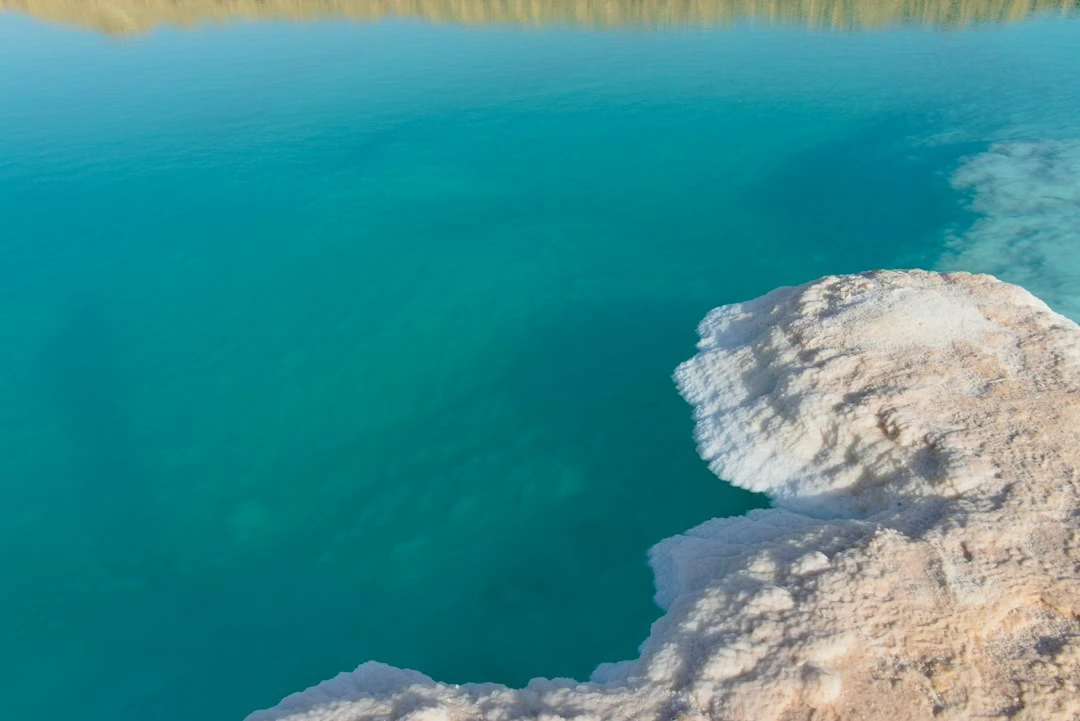
Begin at Gebel Al-Mawta mountain, a compact hill covered with rock-cut tombs from different periods of Siwa’s history. From the higher ground, you can see the palms, salt areas and settlements spread across the oasis. Continue to Cleopatra’s Spring pool, a natural stone-lined pool fed by underground water. You may see travellers bathing there, but conditions and local arrangements vary, so follow your guide’s advice.
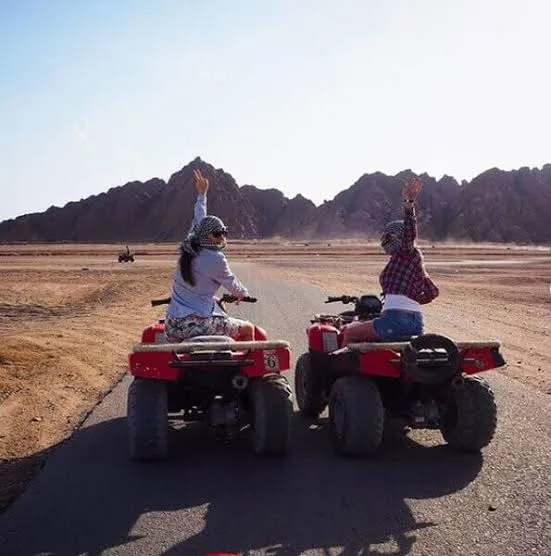
Later, head towards the Great Sand Sea by four-wheel-drive vehicle. The route crosses broad dunes and desert tracks, with stops for photographs and a break in the shade. Finish at natural thermal spring waters, where you can relax after the drive if conditions permit. This is an outdoor day with limited facilities between stops. Bring swimwear if you plan to enter the spring, along with a towel, sun protection and extra water. Return to Siwa for the night.
After breakfast, begin the long road transfer back towards Cairo. The return route crosses the same broad western landscapes in reverse, but the changing light and views make the journey feel different. Our team plans rest stops along the way, and you should keep medication, snacks and a refillable water bottle close at hand rather than packed in the main luggage.
On arrival in Cairo, check in and take the evening to rest before the White Desert excursion. Your guide explains the next day’s route, the overnight camping arrangement and the limited facilities available in the desert. Pack a small overnight bag with warm layers, a torch, personal toiletries and sturdy shoes; larger luggage can remain secured for the transfer. This quieter day is useful after the long drive and prepares you for an early departure towards Bahariya and the western desert.
Commence an adventurous expedition from Cairo towards Bahariya, crossing Egyptian desert landscapes that shift from cultivated edges to open rock and sand. Continue by four-wheel-drive vehicle towards the White Desert chalk formations, where wind-shaped limestone rises in pale forms above the desert floor. Your guide chooses walking and photography stops according to the route and conditions.
Travel onward through the Agabat Valley landscape, then pass the Black Mountain and the Crystal Mountain, where dark volcanic rock and quartz-rich stone create sharp changes in colour and texture. As daylight fades, reach the camp and settle into a simple evening meal. This is desert camping beneath star-filled skies, with basic facilities rather than hotel-style comfort. Temperatures can drop after sunset, so bring warm clothing even if the daytime is hot. The memorable overnight experience in White Desert ends with camp accommodation and a quiet desert night.
Wake at camp for tea or breakfast and a final look across the chalk landscape before leaving by four-wheel-drive vehicle. The return journey follows desert tracks before reconnecting with the road to Cairo. Expect several hours of travel, with stops for rest and refreshments. Brush off sand before the airport transfer and keep valuables with you during the journey.
After reaching Cairo, continue to the airport for the flight to Aswan, subject to the day’s flight schedule. On arrival, our team transfers you to your accommodation or cruise arrangements. Aswan has a slower rhythm than Cairo, with the Nile framed by granite islands and low desert hills. The evening is kept light so you can rest after the road and air transfers. Your guide confirms the following morning’s Abu Simbel departure and explains what to carry for the early excursion.
Travel from Aswan to the Abu Simbel rock-cut temples, usually by road with an early start to make the most of the cooler part of the day. The Great Temple’s four seated figures of Ramesses II dominate the approach, while the smaller temple honours Queen Nefertari. Inside, your guide points out the reliefs, halls and sanctuary areas, explaining how the monuments were relocated during the creation of Lake Nasser.
Allow time to view both temples from the exterior and interior before returning to Aswan. The journey is long, but the route gives a clear sense of the scale of southern Egypt and the distance between the Nile settlements. Dress for sun and walking, and carry water and any essential medication. On return, settle into the accommodation or cruise vessel and enjoy a quiet evening. The next stage is the four-day Nile River cruise experience, beginning with Aswan’s river and island sights.
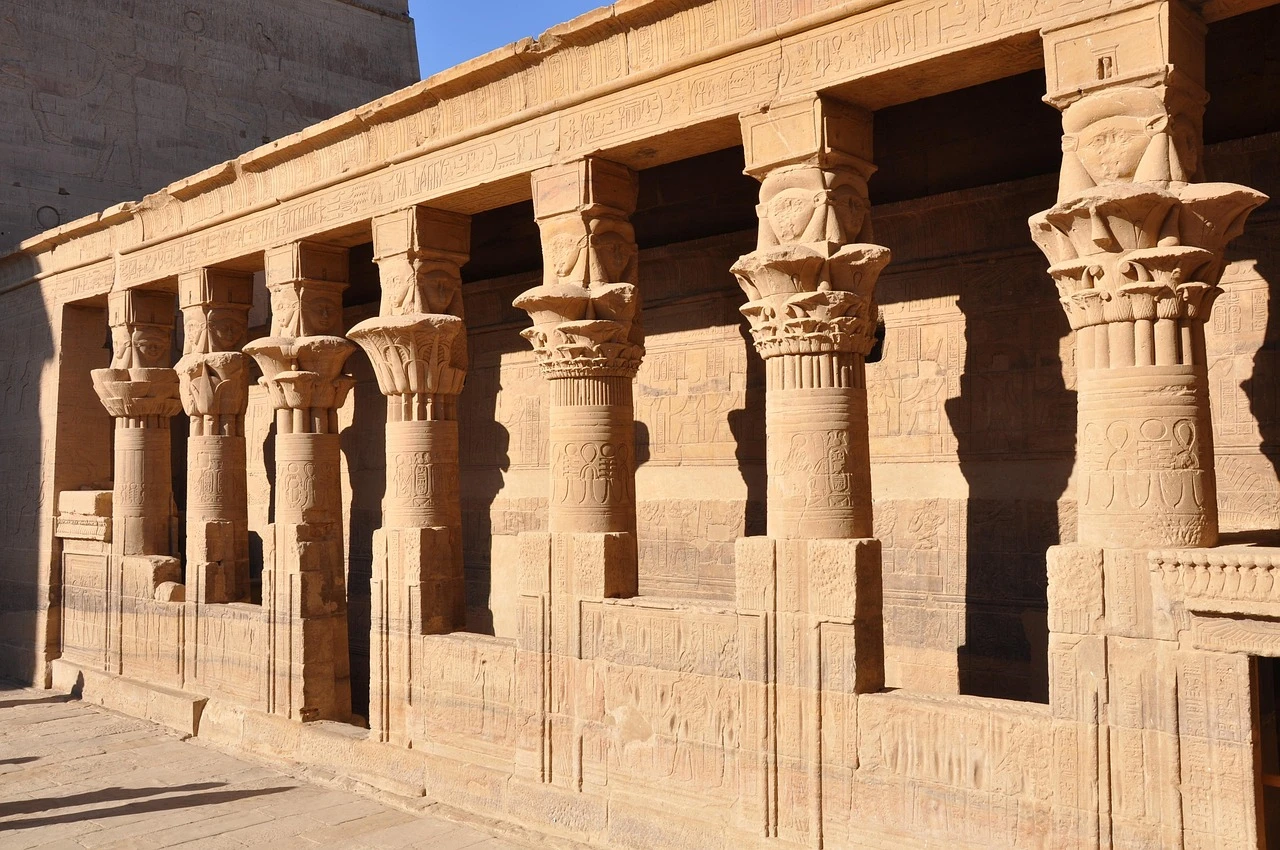
Begin with a boat crossing to Philae Temple island sanctuary, reached across the reservoir created by the Aswan High Dam. The sacred complex was dedicated mainly to Isis and contains colonnades, reliefs and later additions from several rulers. Your guide explains how the monuments were dismantled and rebuilt on higher ground to protect them from rising water. Allow time for the boat ride and for walking across uneven stone surfaces.
Continue to the Aswan High Dam structure, where the broad reservoir and engineered embankment show the scale of modern water management in southern Egypt. After the visit, return to the Nile vessel and begin sailing when the cruise schedule allows. The afternoon brings views of riverbank villages, date palms and desert slopes. Meals are served on board, and cabins provide a chance to rest between excursions. Keep sun protection and a light layer nearby, since the temperature can change between the open deck and shaded interiors.
Sail north along the Nile, watching the cultivated strip narrow between fields and desert. The main visit is Kom Ombo dual temple, an unusual complex dedicated to Sobek, the crocodile god, and Horus the Elder. Its paired entrances, halls and sanctuaries reflect the shared layout. Your guide points out carved medical instruments, calendars and scenes of offerings, while the riverside position explains why the site served travellers and farmers moving along the waterway.
After the temple visit, return to the vessel and continue sailing towards Edfu. The cruise day balances time on deck with a guided archaeological stop, so there is no need to rush between sites. Bring a hat, water and shoes with grip for the temple’s dusty approach. The evening is spent on board, with the Nile’s banks passing quietly beyond the deck. Cruise schedules can change with navigation and lock procedures, but the crew advises travellers before each landing.
Travel by horse-drawn carriage or local transfer, depending on the cruise arrangements, to Edfu temple monuments. The well-preserved temple was dedicated to Horus and retains a clear processional entrance, massive pylons, courtyards and inner halls. Your guide explains the reliefs showing the sacred boat procession and the mythic struggle between Horus and Seth. The visit takes place mostly on foot, with shade available in some areas but not throughout.
Return to the vessel for breakfast or a late morning meal, then spend the rest of the day sailing towards Luxor. This is a useful opportunity to enjoy the landscape without another major transfer. Watch for farmers working beside the water, small ferry crossings and villages set close to the river. Keep valuables in your cabin and follow the vessel’s safety briefing. By evening, the cruise is positioned for the final Luxor sightseeing programme and the journey’s last night on the Nile.
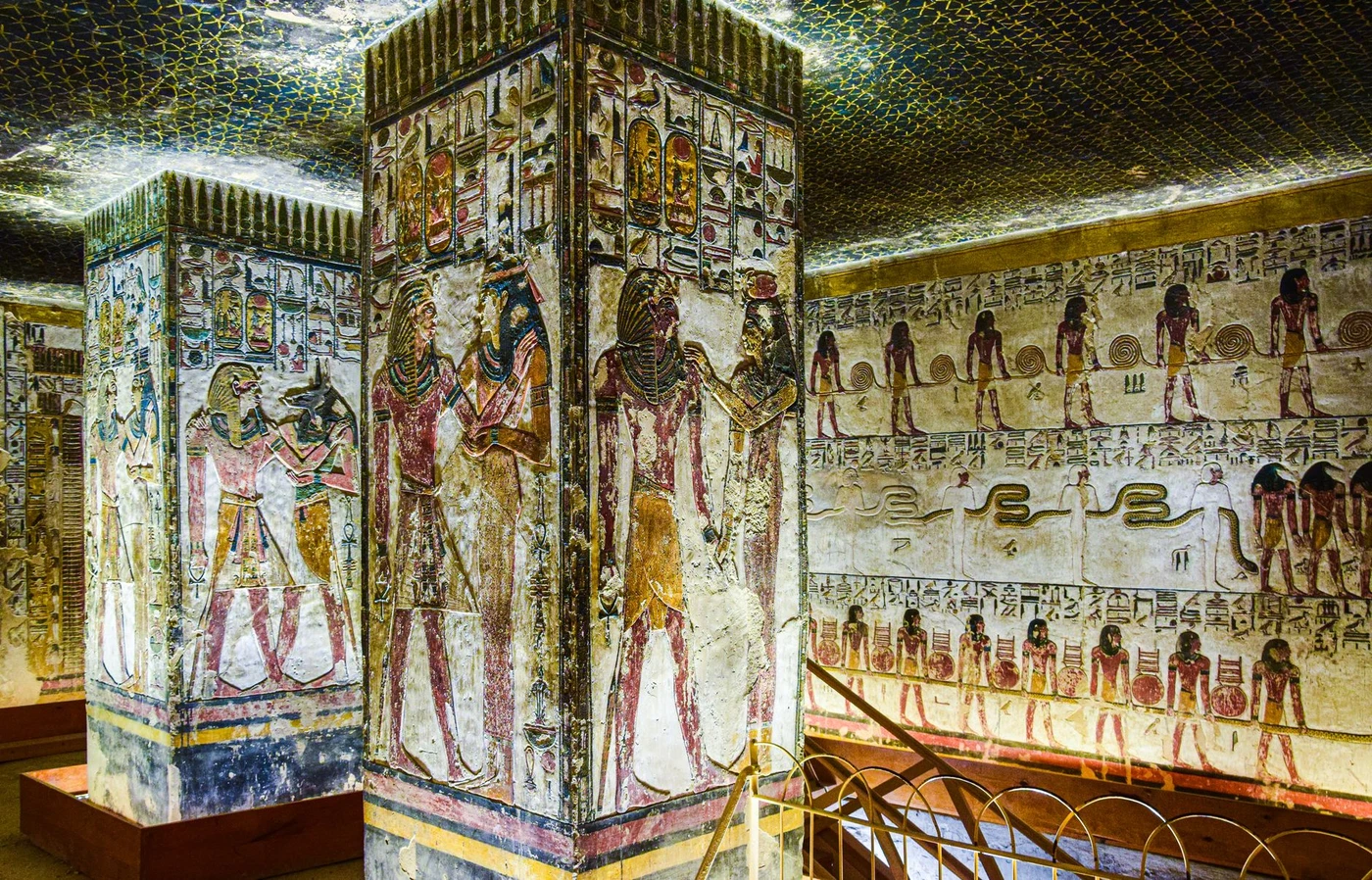
Disembark in Luxor and cross to the west bank for the Valley of the Kings royal necropolis. Your entry allows access to a selection of open tombs, chosen according to the site’s operating arrangements. Inside, painted scenes cover walls and ceilings with images connected to the afterlife. The valley is dry and exposed, and walking between tomb entrances involves uneven ground and slopes.
Continue to Hatshepsut’s Temple, the Hatshepsut mortuary Temple built against the cliffs at Deir el-Bahari. Its terraces and long approach frame the surrounding limestone. After a break, cross to the east bank for Karnak Temple monumental complex, entering through its broad precincts and the Great Hypostyle Hall. This final visit includes considerable walking, so comfortable shoes and water are important. After Karnak sacred precinct, transfer by road to Hurghada, arriving in the evening for a resort check-in and rest.
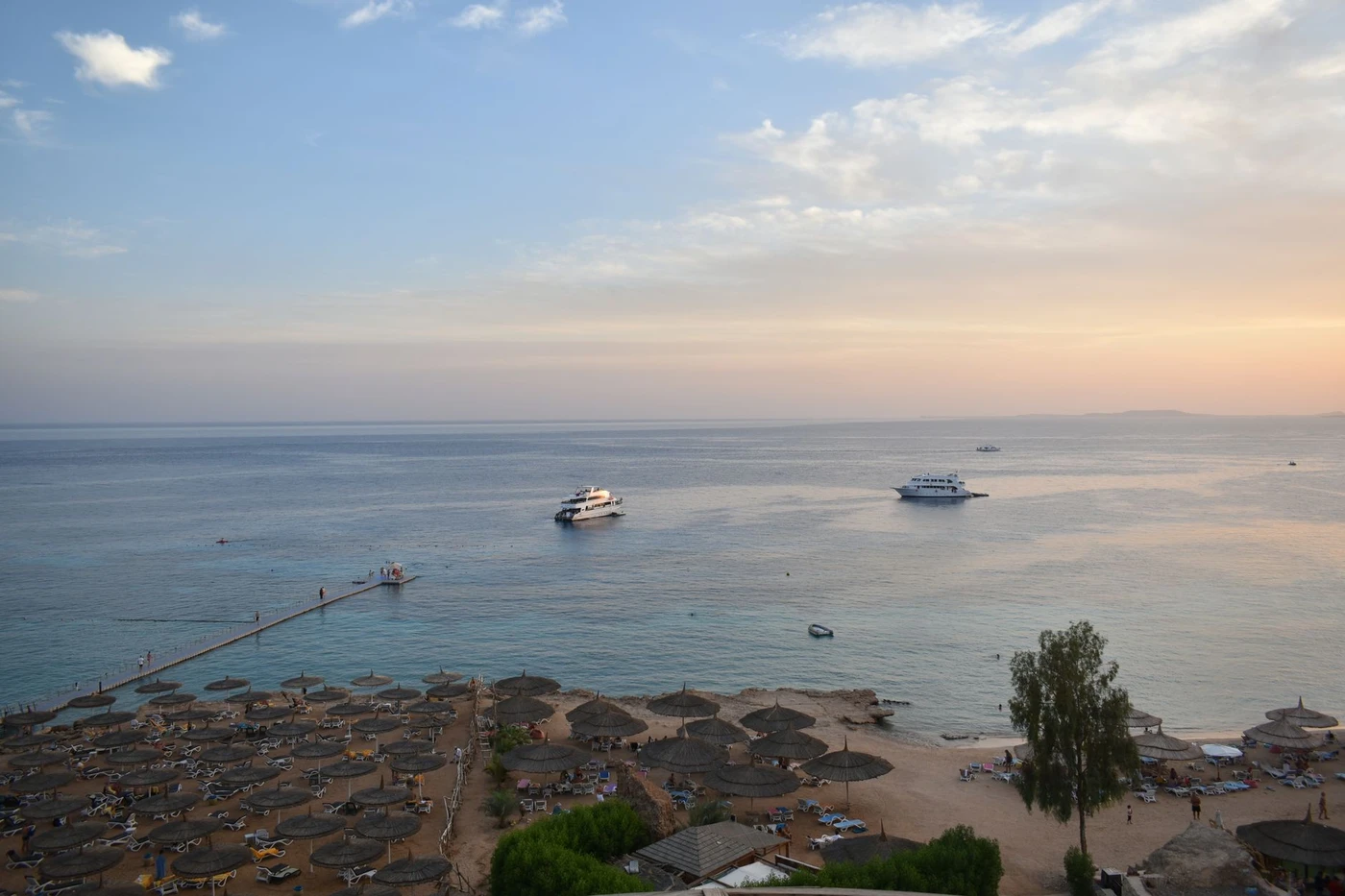
After breakfast, enjoy a slower morning at the Hurghada beach resort destination. The previous day included a full Luxor programme and a road transfer, so this day leaves space for rest, swimming and time at the resort. Our team remains available for practical assistance, including arranging local transfers or confirming optional activities separately from the main itinerary.
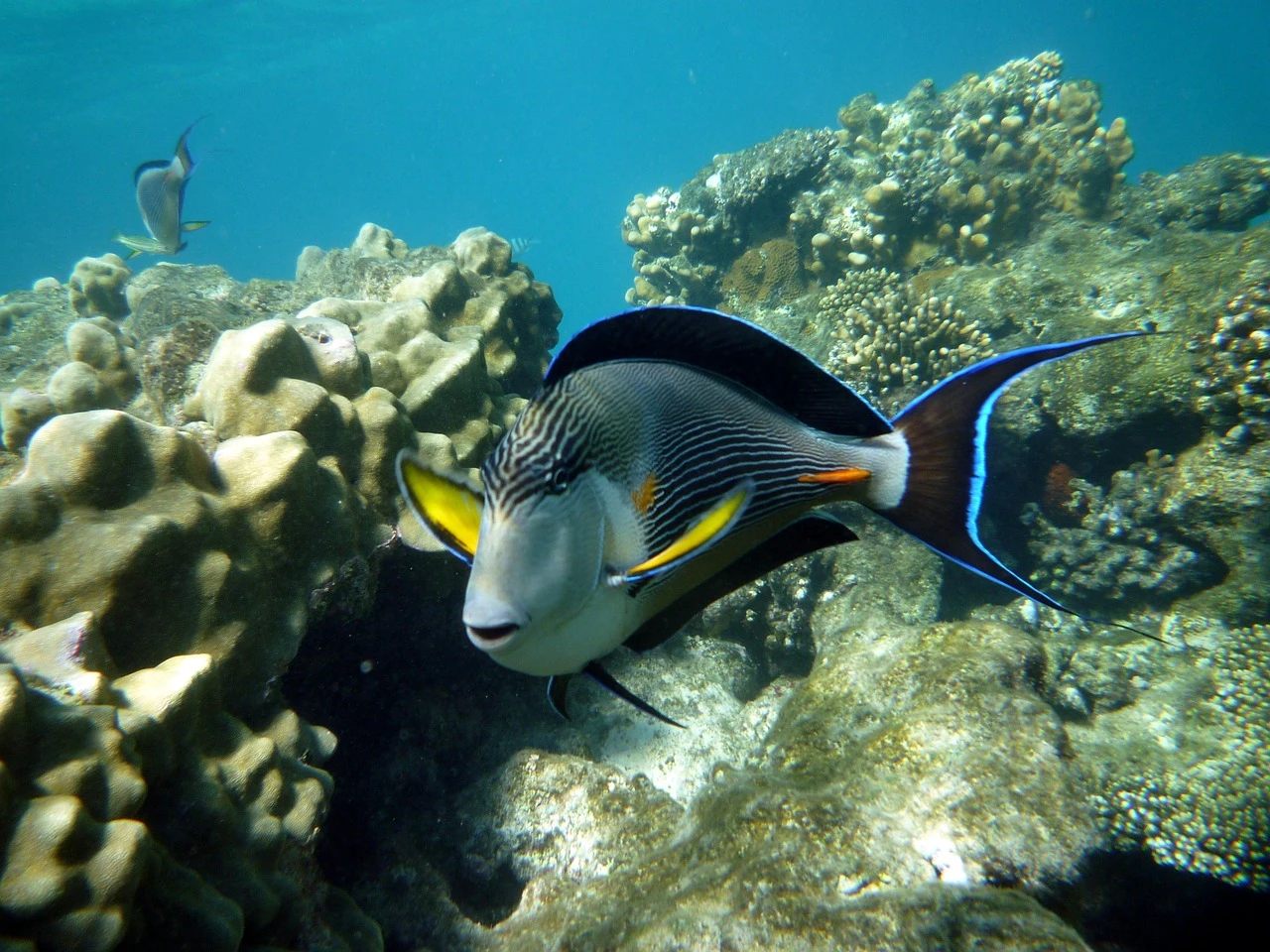
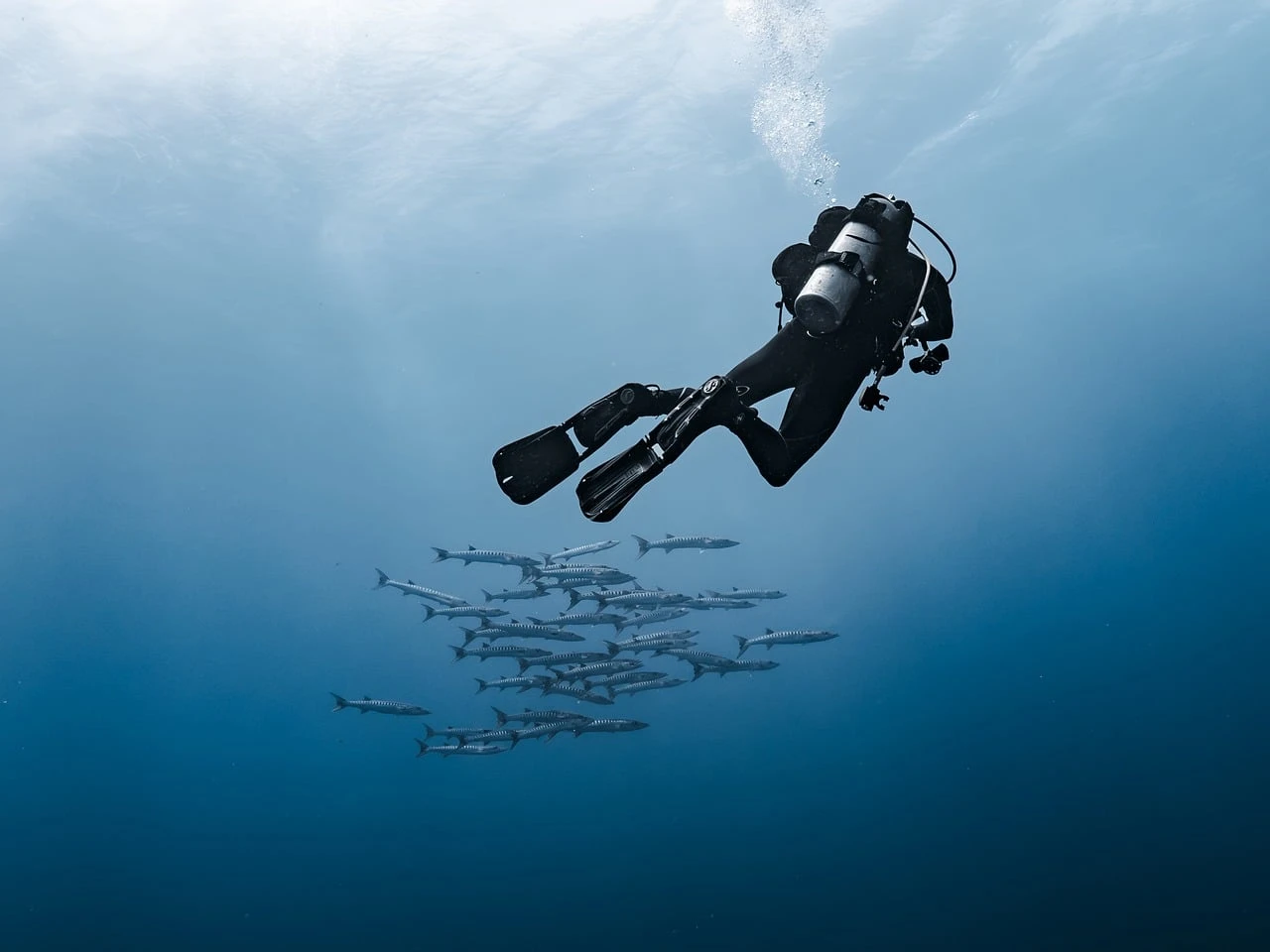
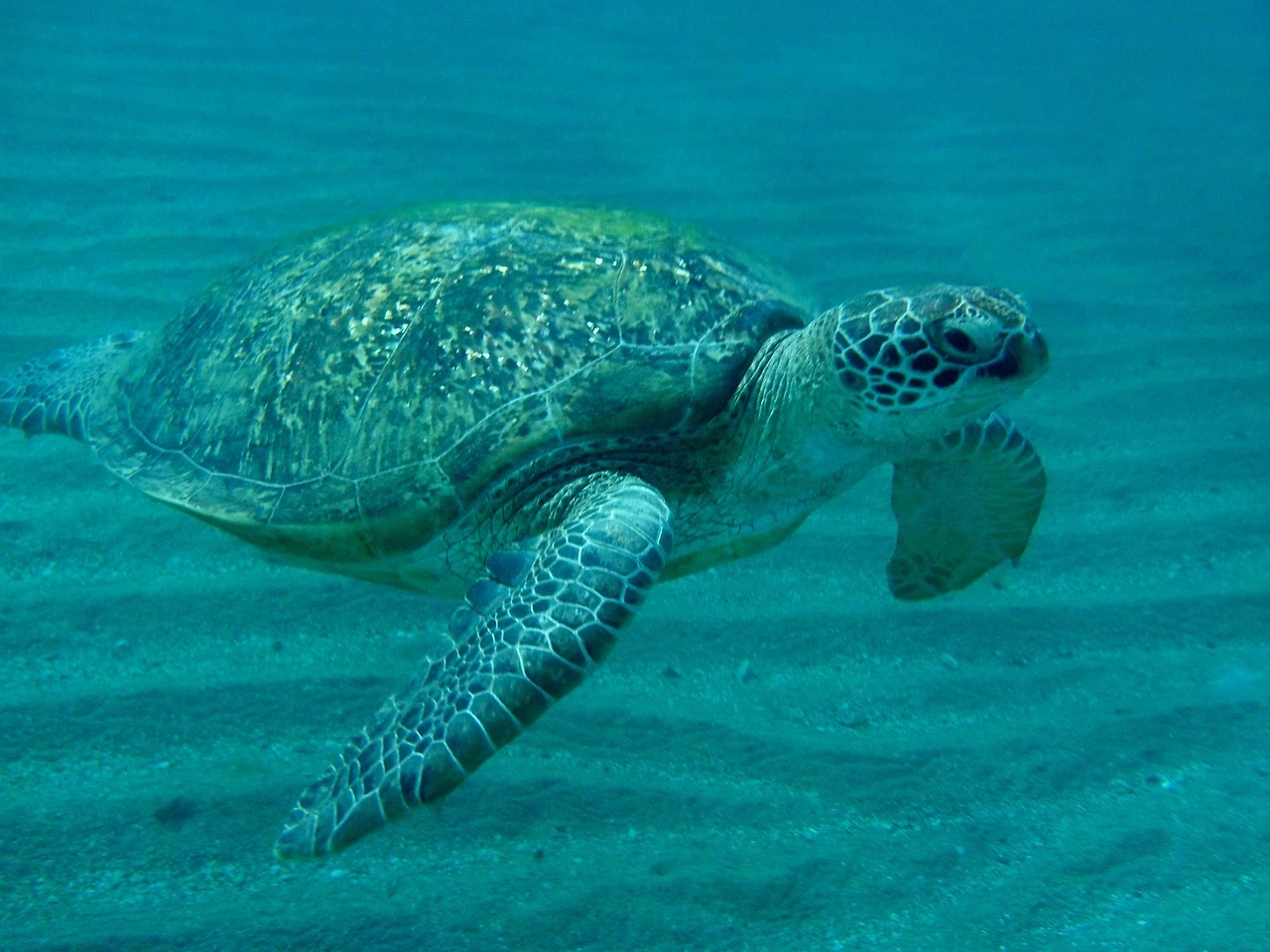
The Red Sea marine realm begins just offshore, with warm water, coral habitats and a range of marine life visible on organised boat or snorkelling trips when conditions and availability allow. If you join an optional outing, listen to the crew’s safety instructions and use approved equipment. Otherwise, relax beside the beach or pool and enjoy the change of pace. Keep a copy of your travel documents secure, use sun protection and drink water regularly, particularly during the middle of the day.
Spend the day on a planned Red Sea excursion from Hurghada, travelling by boat to a suitable marine area selected by the local crew. The trip may include time for swimming, snorkelling or viewing the reef from the boat, depending on sea conditions and the operating schedule. The crew explains boarding procedures, equipment use and safe distances before anyone enters the water.
Back on board, there is time to sit in the shade, have refreshments and watch the coastline recede. You do not need advanced swimming experience for a gentle boat day, but tell the crew about your comfort level and follow their instructions. Travellers who prefer to stay dry can enjoy the deck and the scenery. Return to Hurghada later in the day and keep the evening free. Bring a hat, swimwear, a towel and a light cover-up; protect phones and cameras from spray.
Your final full day is free for Hurghada at your own pace. You can return to the beach, spend time by the pool or arrange another activity through our team, subject to availability. Travellers who want more time on the water may ask about a further Red Sea excursion, while others may prefer a quiet morning after the long archaeological section of the tour.
Use the afternoon to organise luggage and keep souvenirs safely packed. Check that passports, medication and electronic items are in your hand luggage for the following day’s departure. Our team confirms the airport transfer details and allows for the road time needed to reach Hurghada International Airport. The evening is a good moment for a final meal beside the coast, with no late sightseeing planned. Rest well so departure is straightforward.
After breakfast, check out and meet our team for the transfer to Hurghada International Airport. The departure arrangement is planned around your confirmed flight details, so keep your passport, tickets and essential items accessible. Allow time for hotel checkout, airport security and luggage procedures.
This final transfer closes the expedition after Cairo’s archaeological sites, Alexandria’s Mediterranean history, Siwa’s desert landscapes, the White Desert camp, the Nile cruise, Abu Simbel, Luxor and the Red Sea. If your flight leaves later, luggage storage and a short period at the resort may be possible according to the accommodation’s arrangements. Our team remains available until the airport handover, helping with directions and practical questions before you continue your journey home.