15-Day Egypt Tour with Nile Cruise and Marsa Alam
Our 15-day Egypt tour with a Nile cruise and Marsa Alam brings together ancient sites, desert landscapes and the Red Sea coast in one organised itinerary. You start in Cairo at the Pyramids of Giza and the Sphinx, travel west into the White Desert, then follow the Nile from Luxor to Aswan. The tour ends in Marsa Alam, where the pace eases after two weeks of sightseeing.
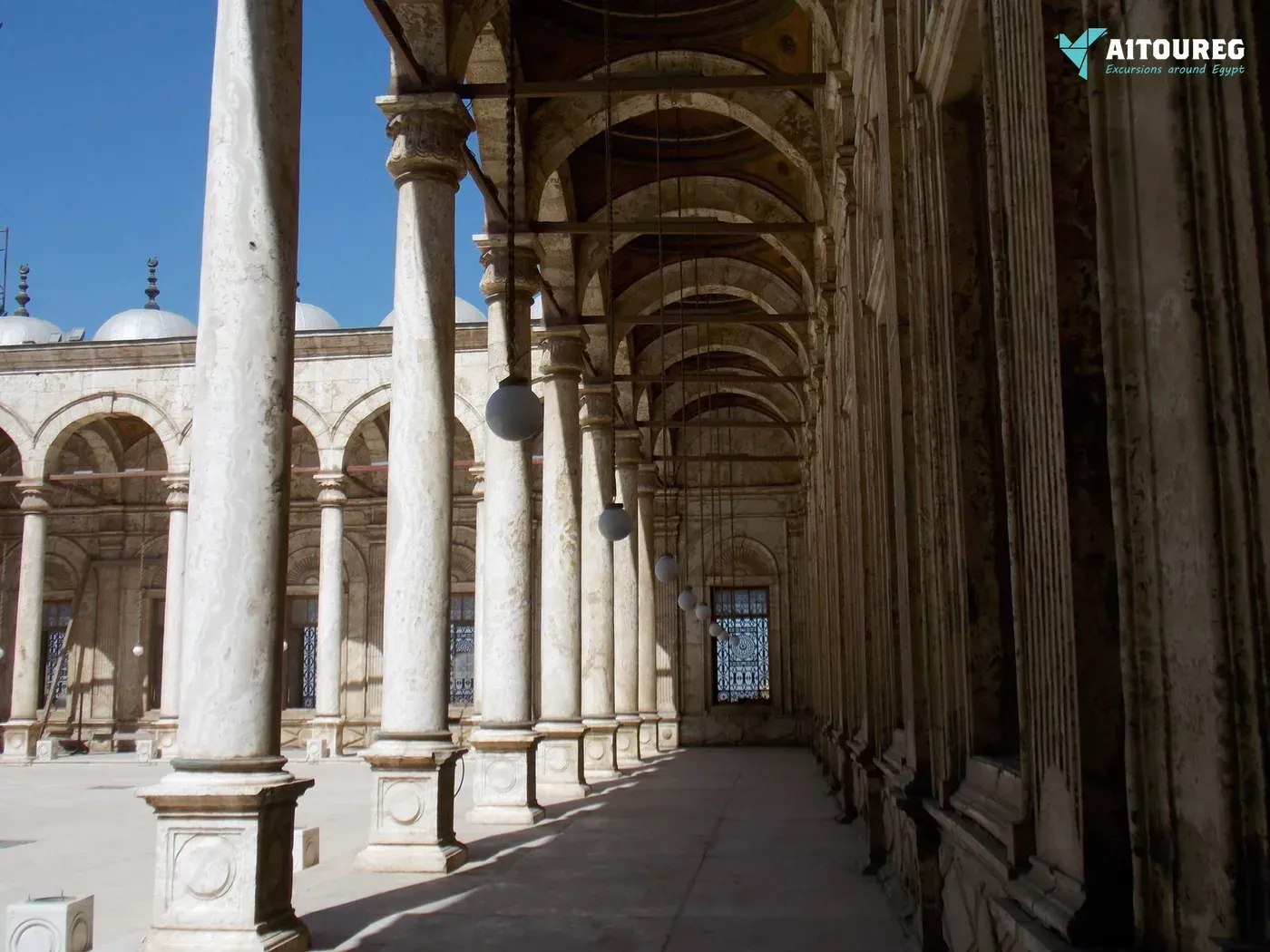
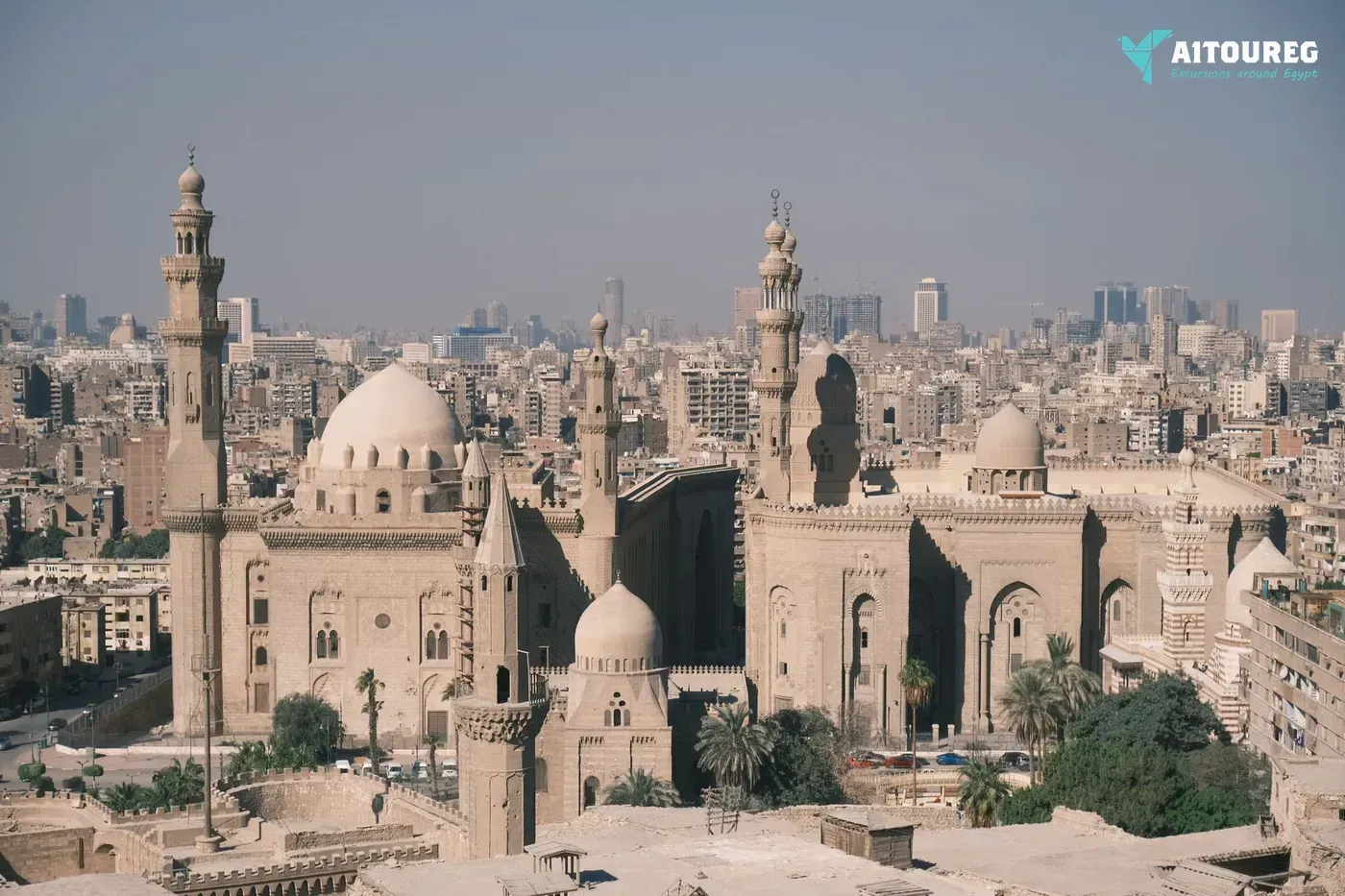
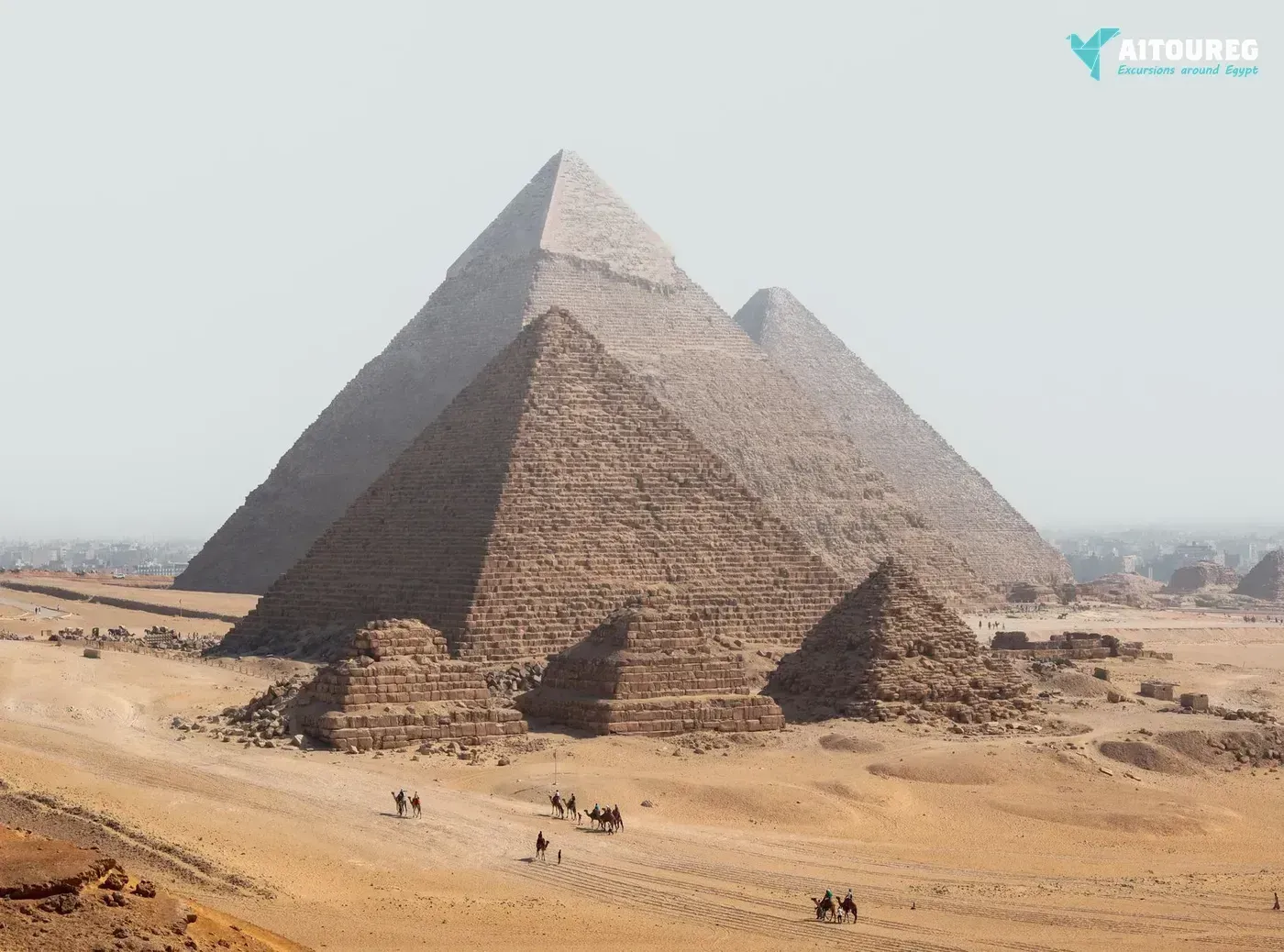
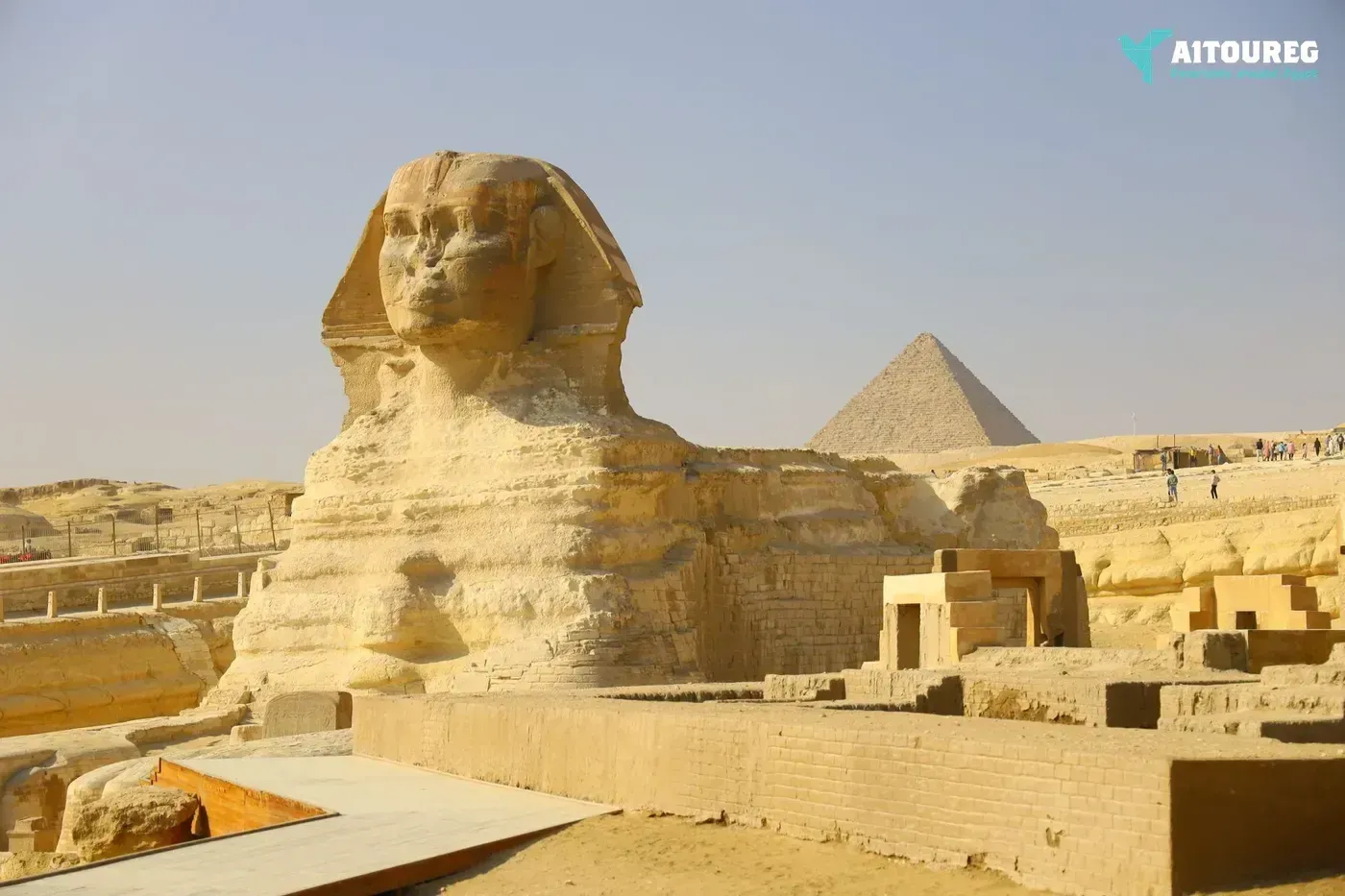
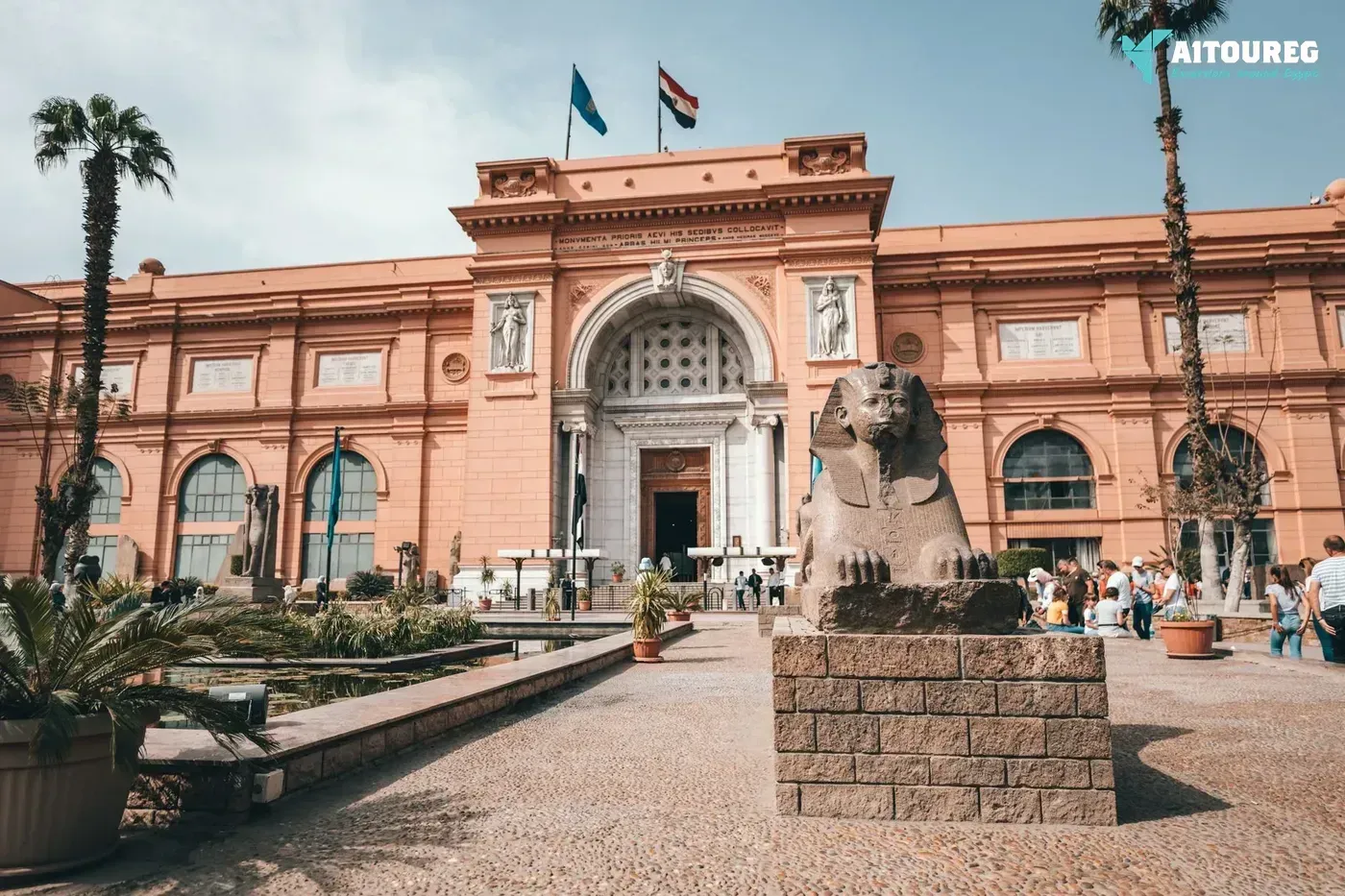
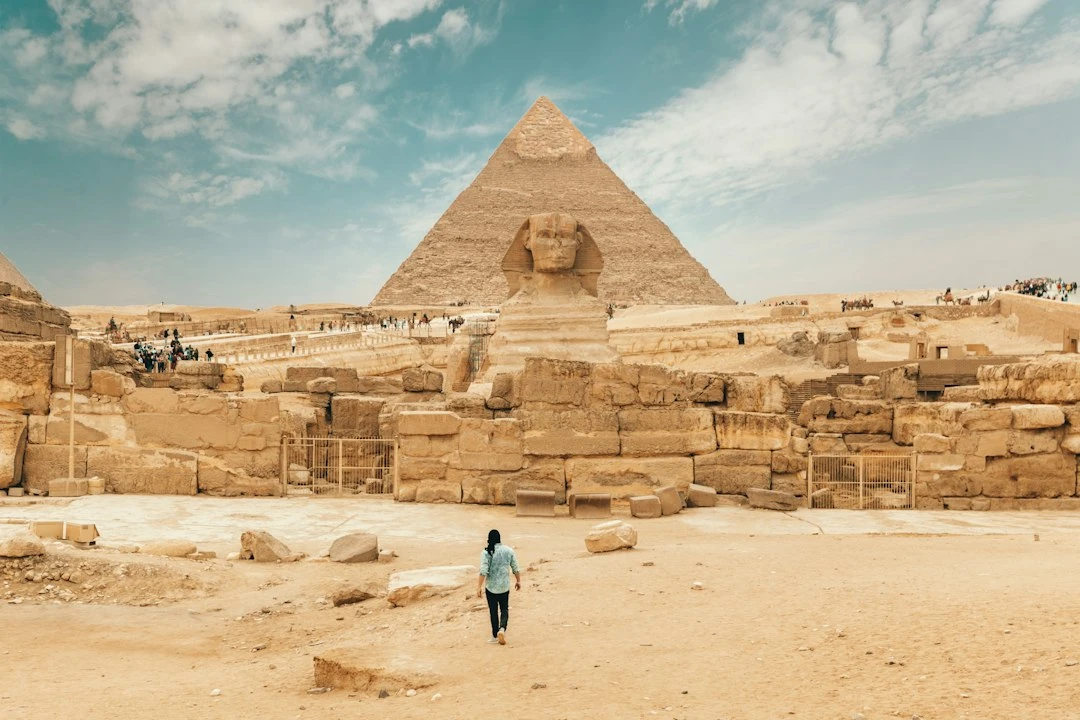
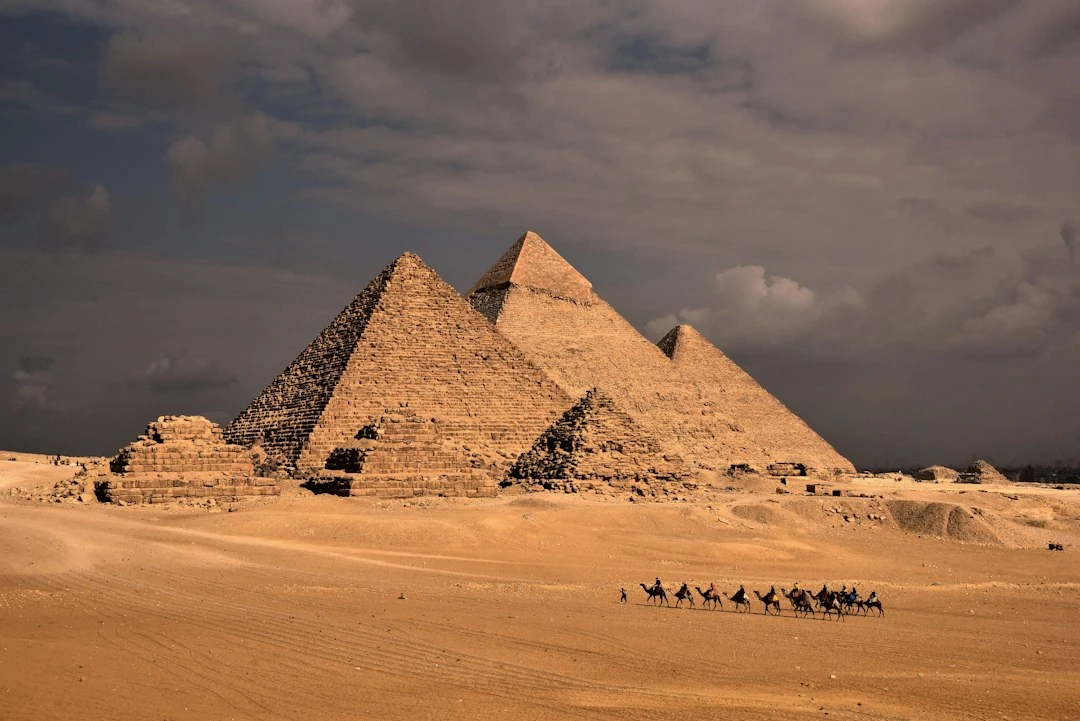
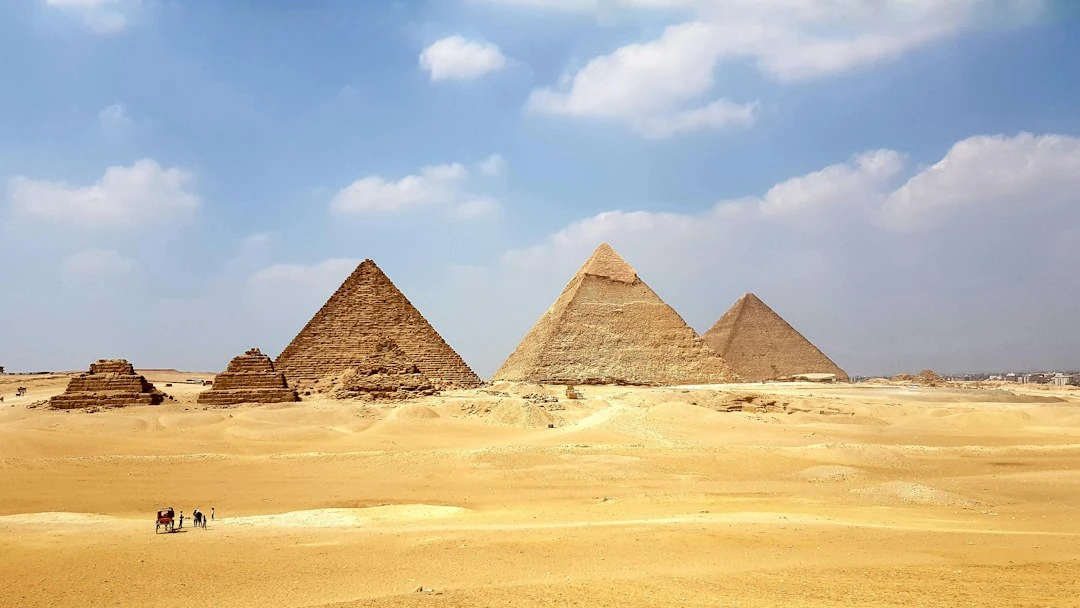
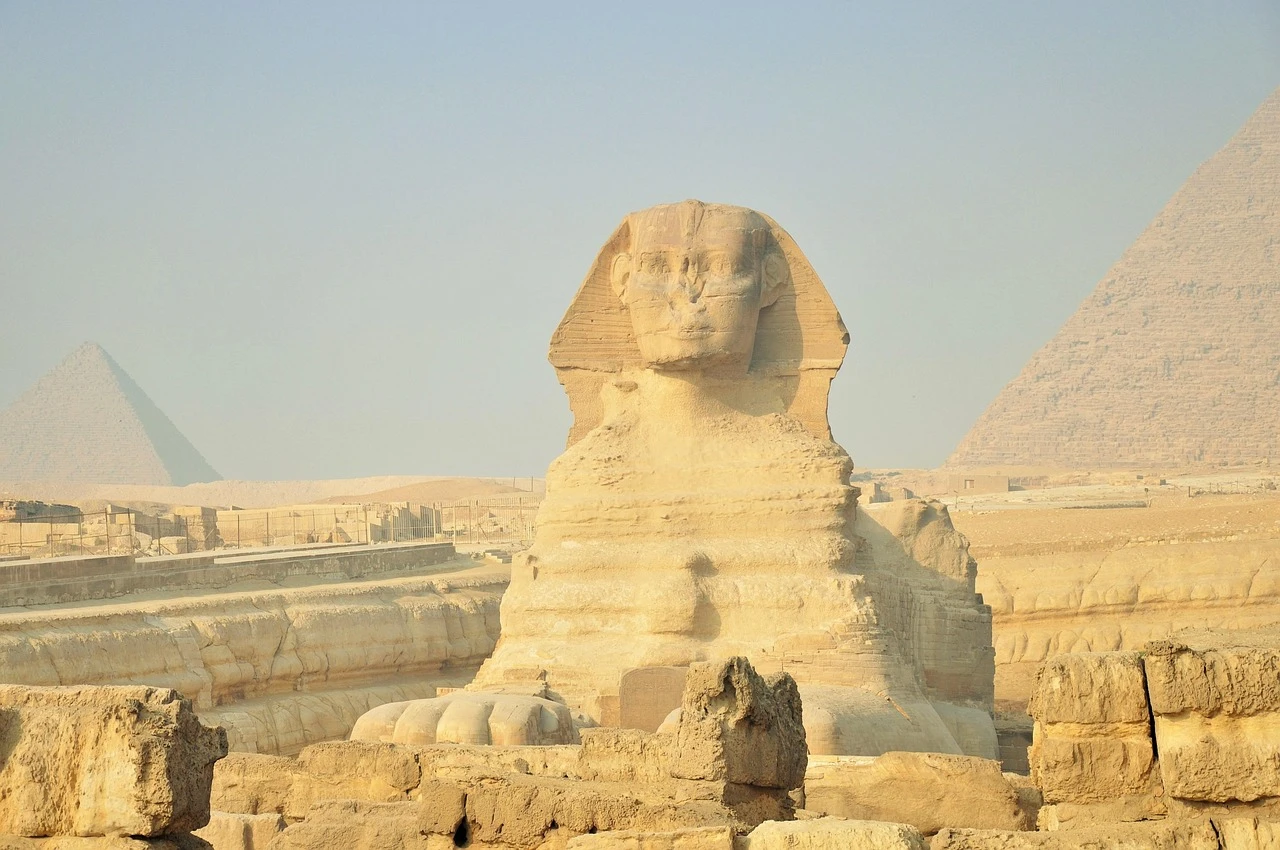
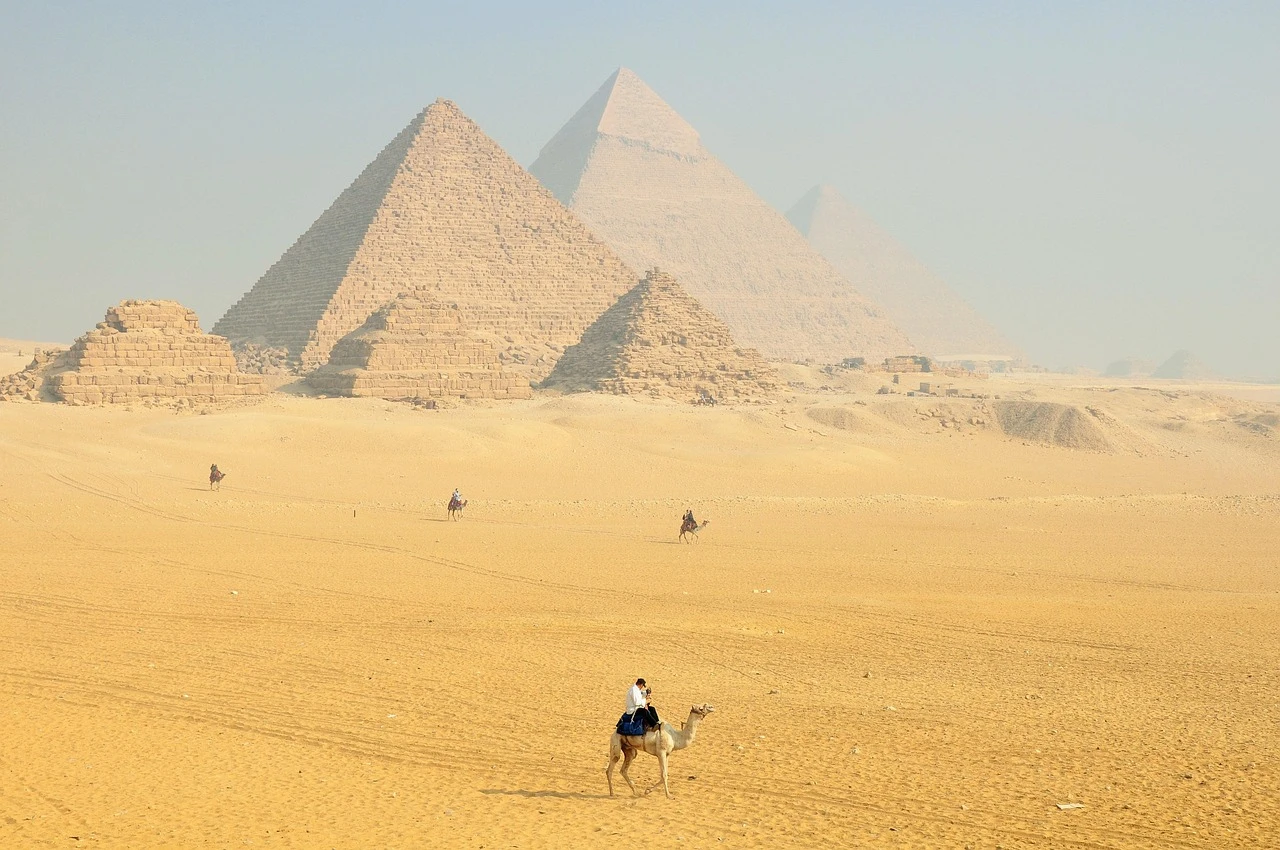
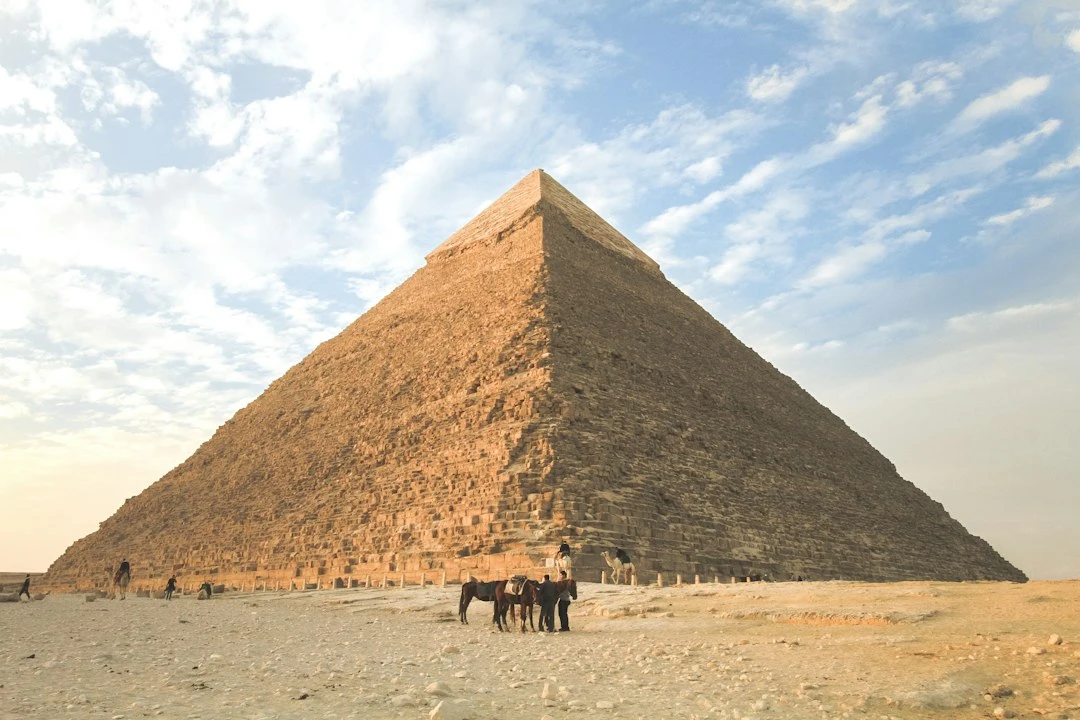
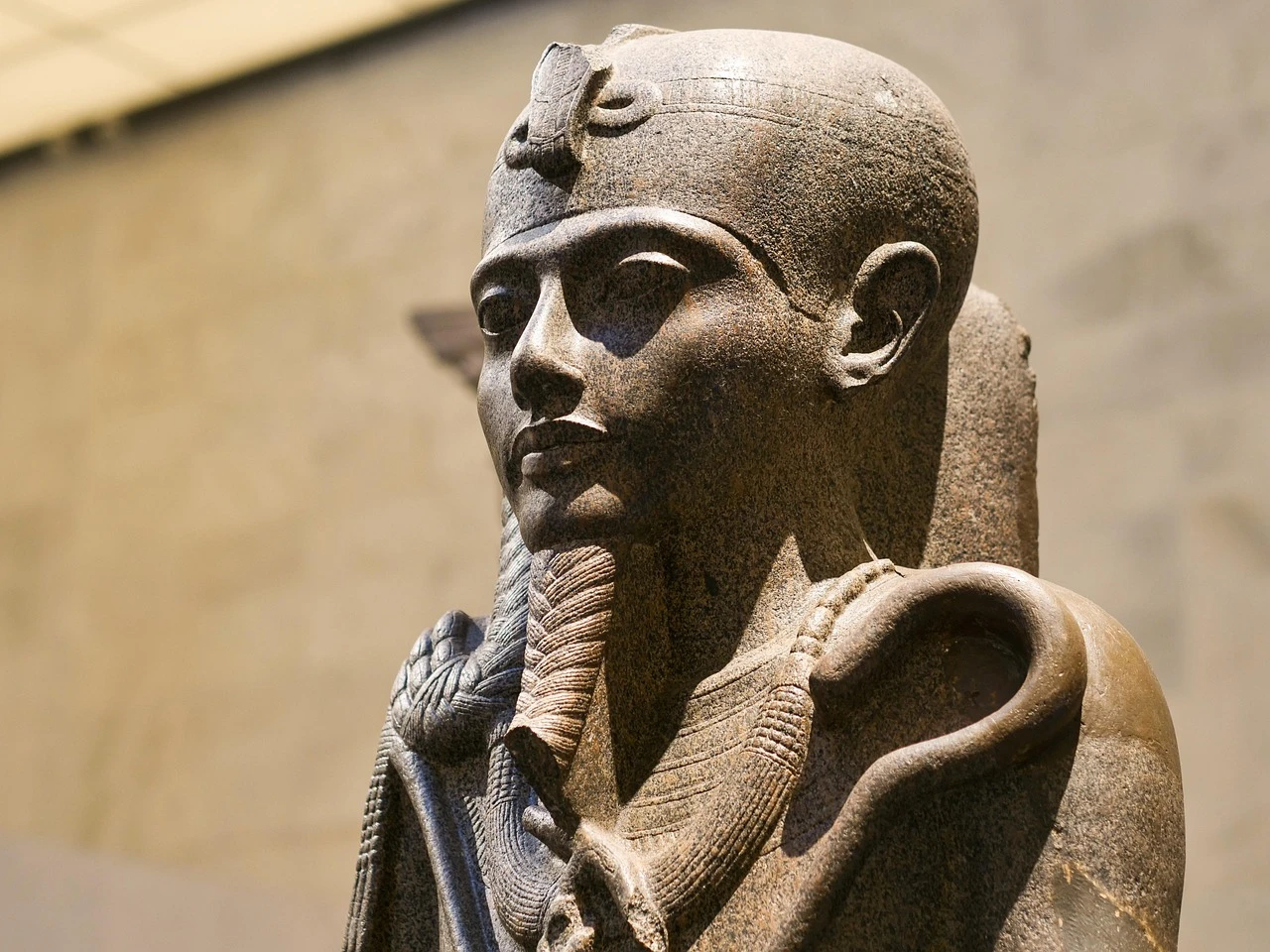
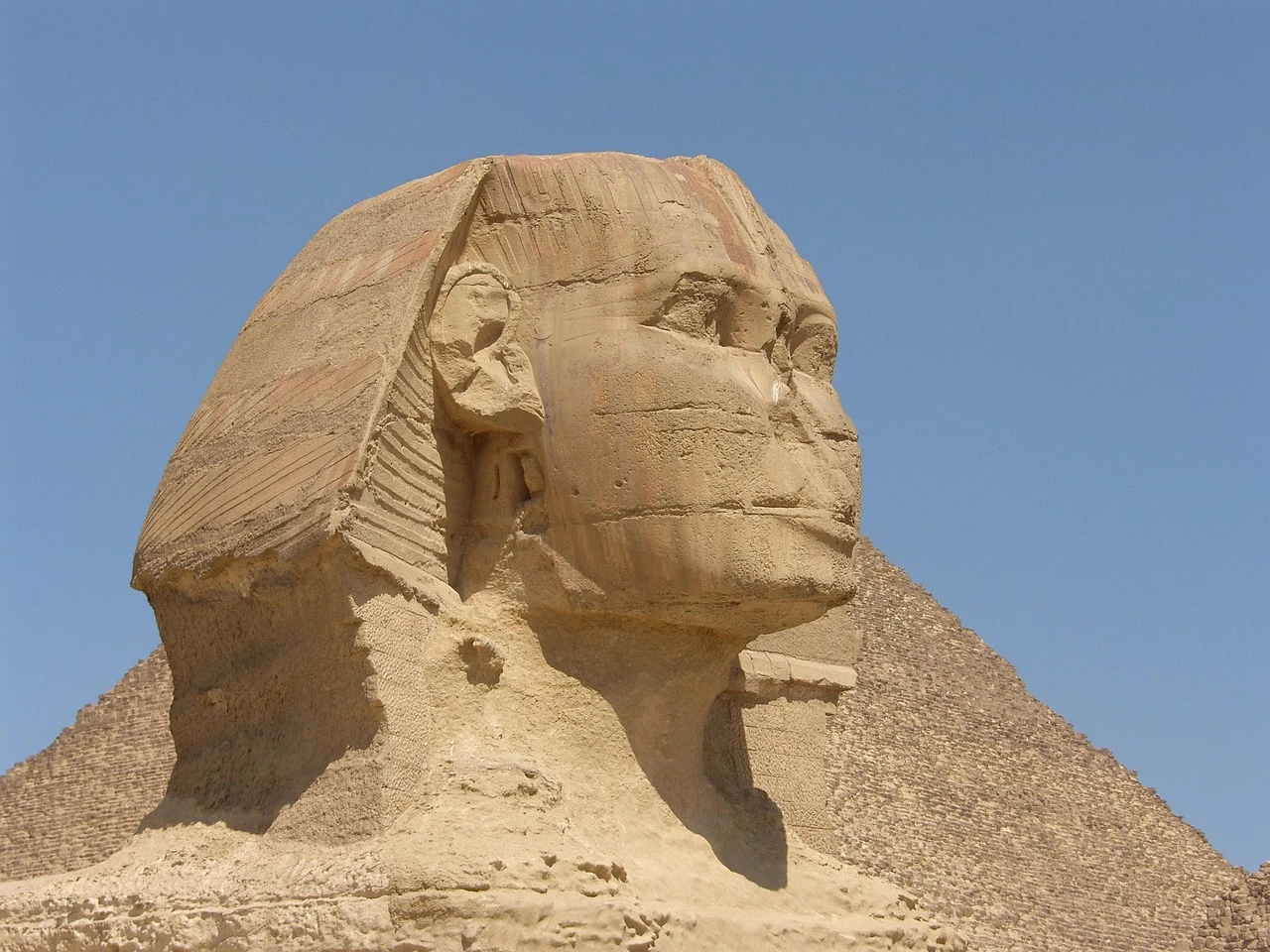
In Cairo, our guide takes you around the Giza plateau in a clear order: the Pyramids first, followed by the Sphinx and its valley temple. There is time to take in the site, take photographs and hear how the pyramid complex was planned, rather than hurrying between viewpoints. At the Egyptian Museum, royal statues, funerary objects and everyday items from ancient Egypt put the monuments into context. A visit to Old Cairo brings a different setting, with historic churches, Islamic architecture and narrow streets around the old religious quarter.
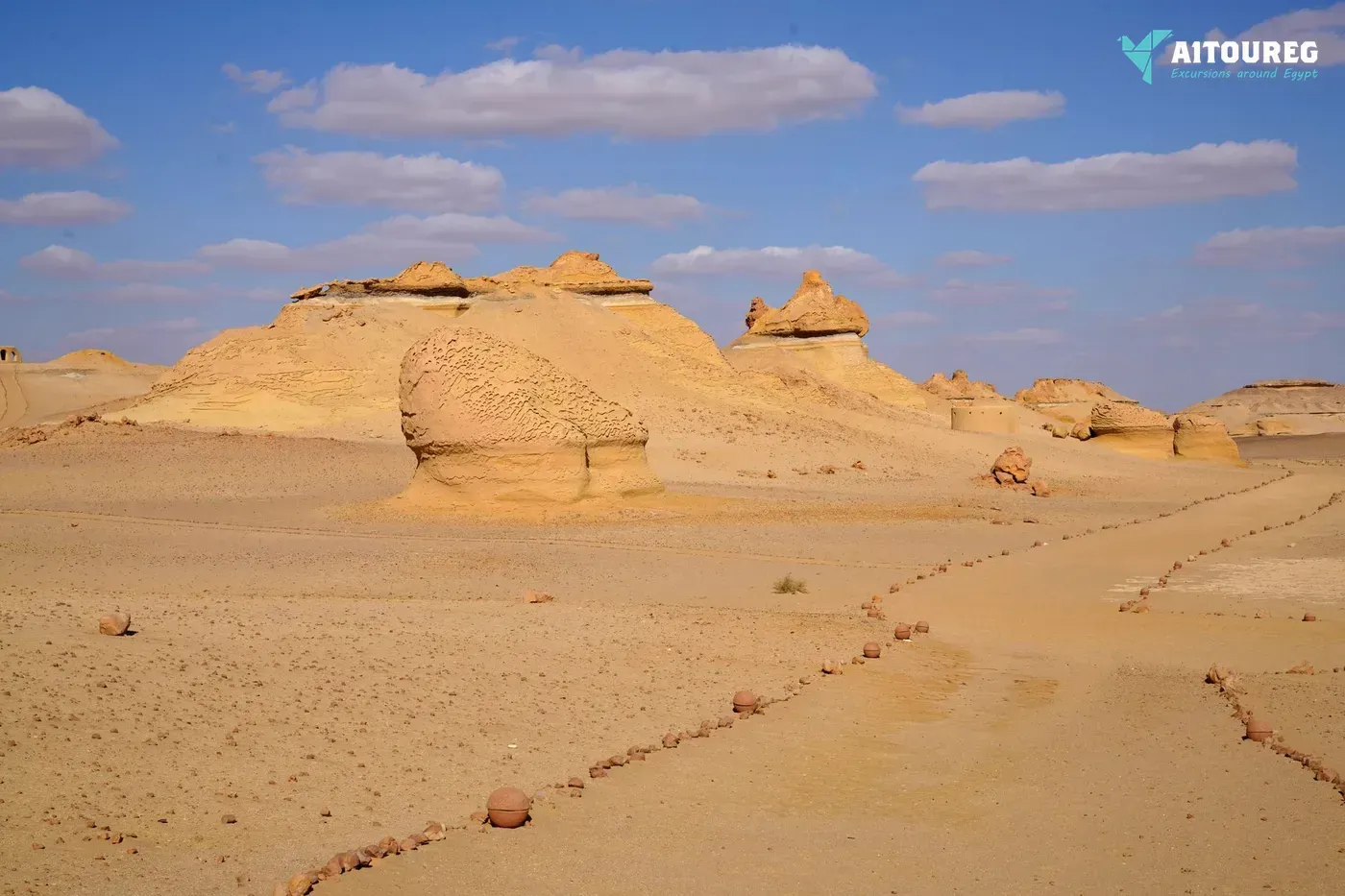
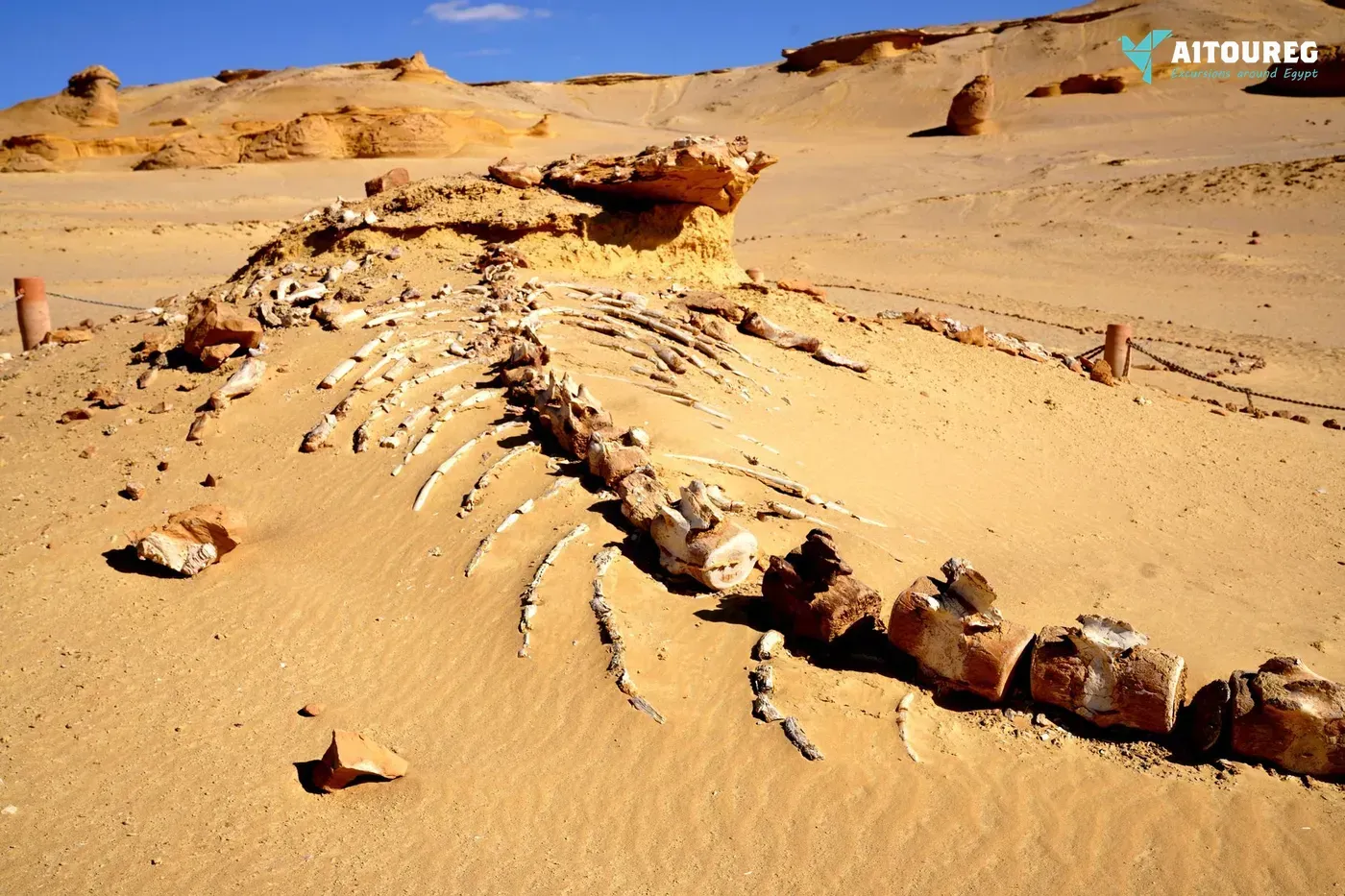
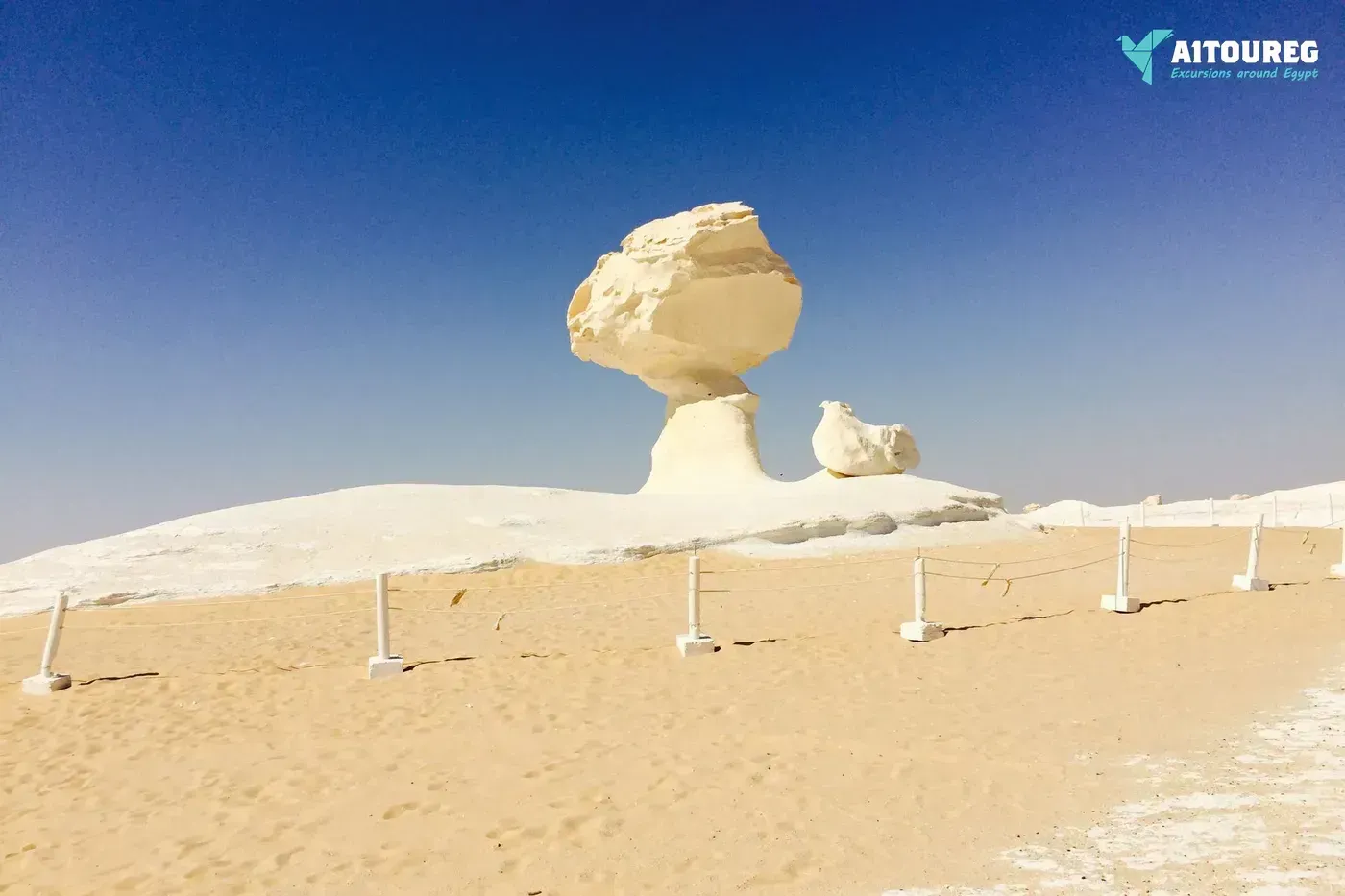
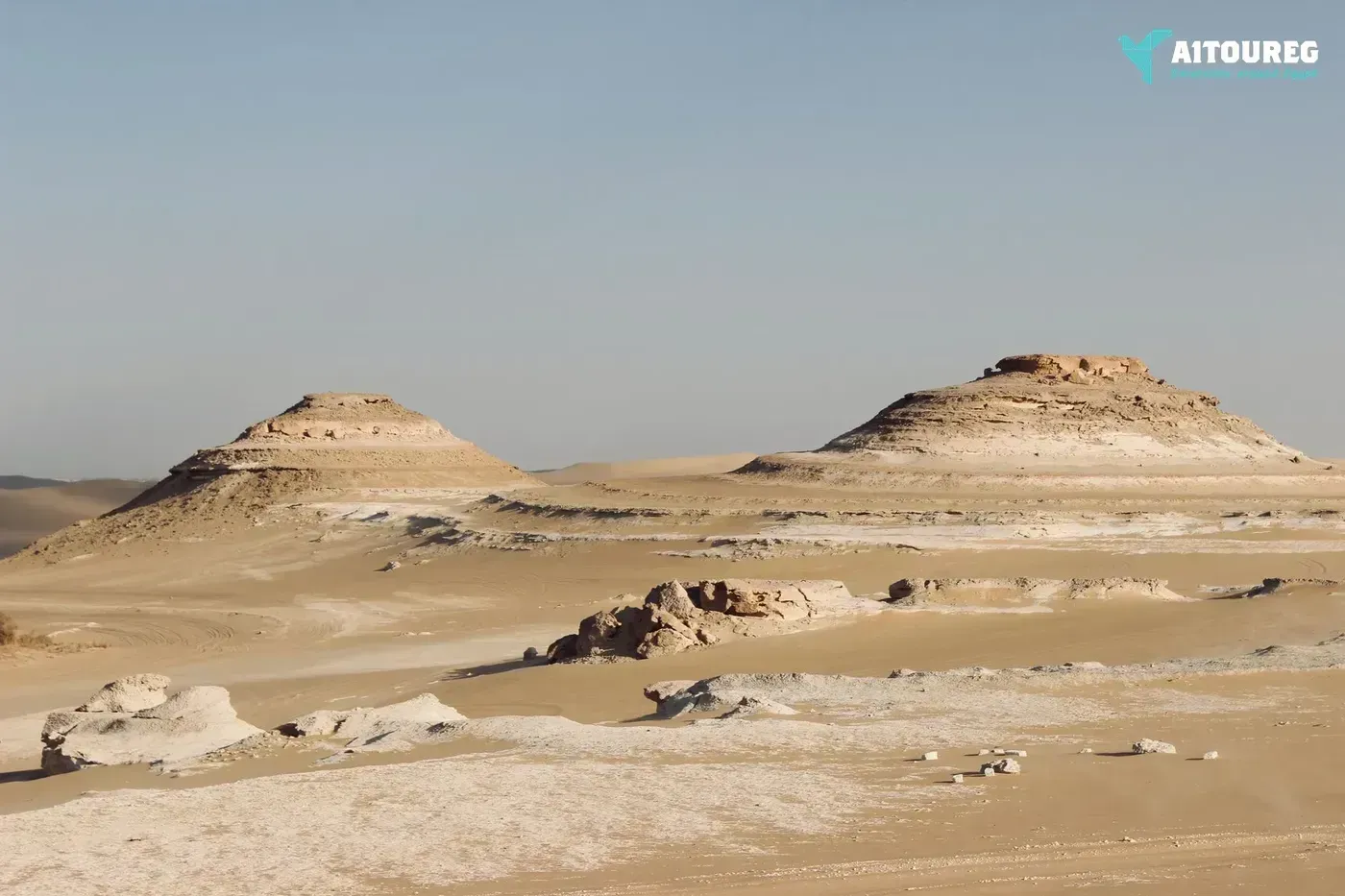
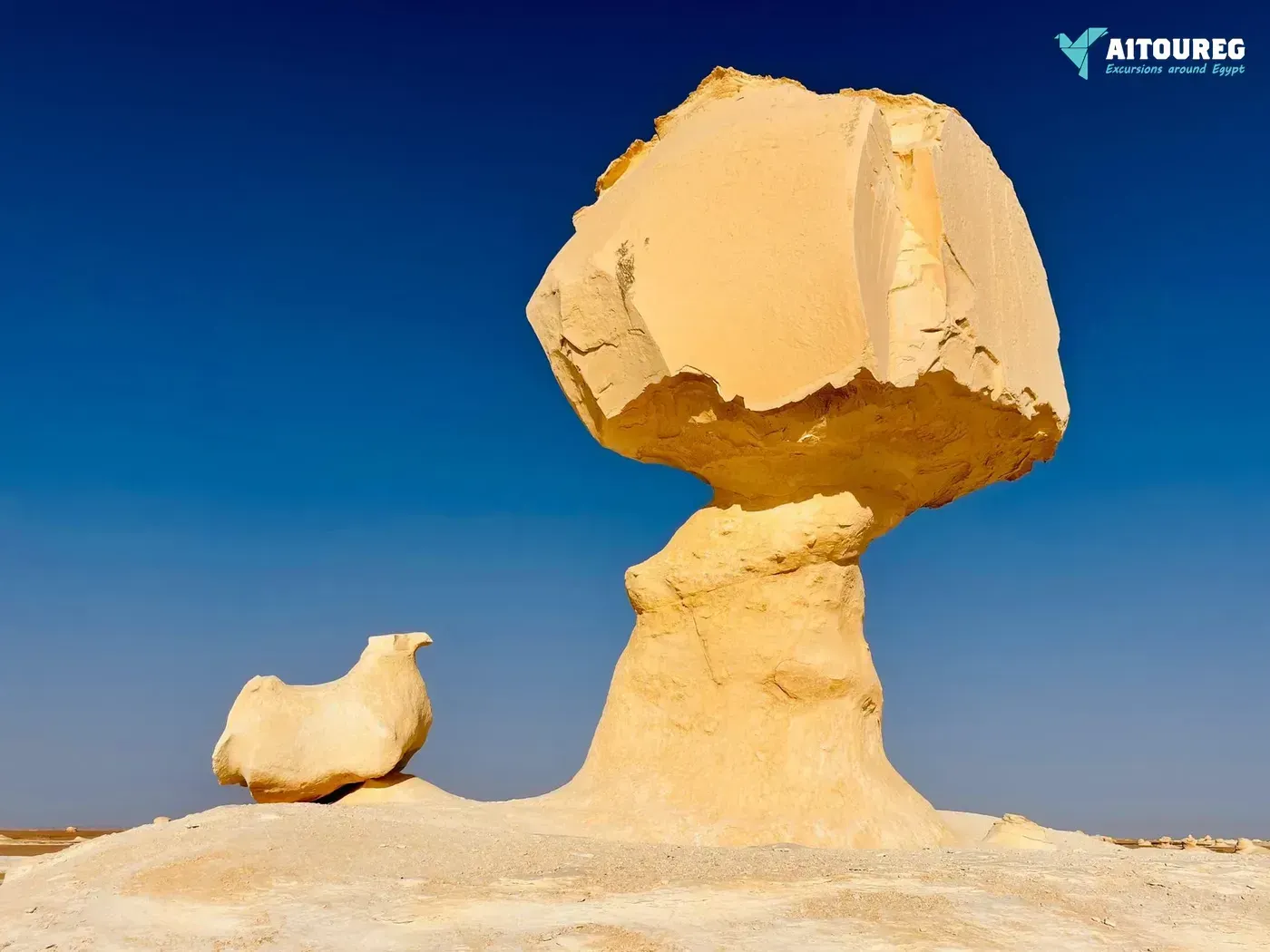
The desert section changes the pace of the tour. You travel towards Bahariya Oasis, a palm-lined settlement surrounded by open desert, then continue to the White Desert, where wind-shaped chalk formations rise from the pale ground. Wadi El Hitan, the Valley of the Whales, is known for fossil remains of early whales preserved in the desert. This section suits travellers who want more than the standard Cairo and Nile route. The road journeys are longer and the landscape is remote, so you should be comfortable with driving and simple desert conditions.
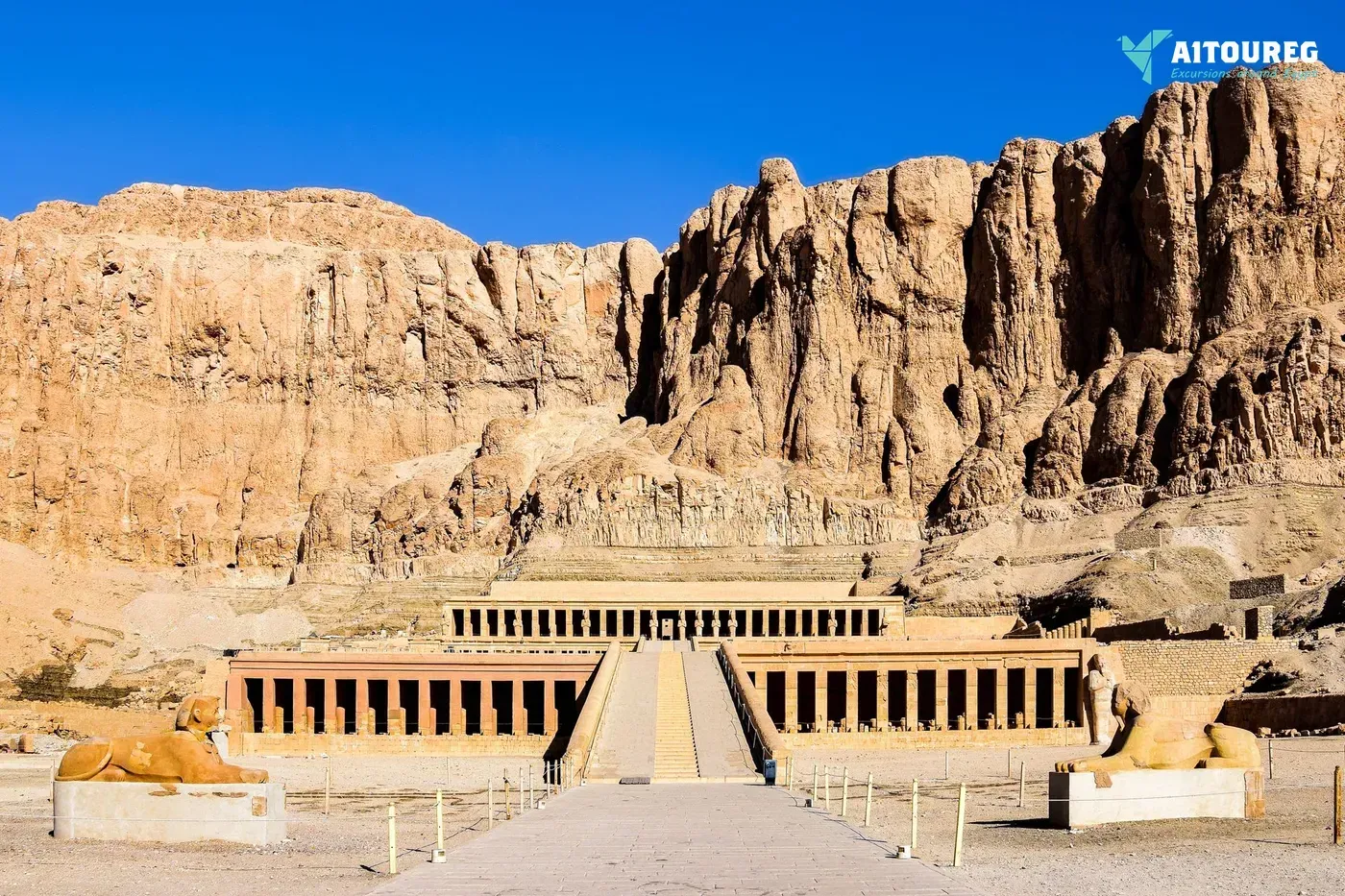
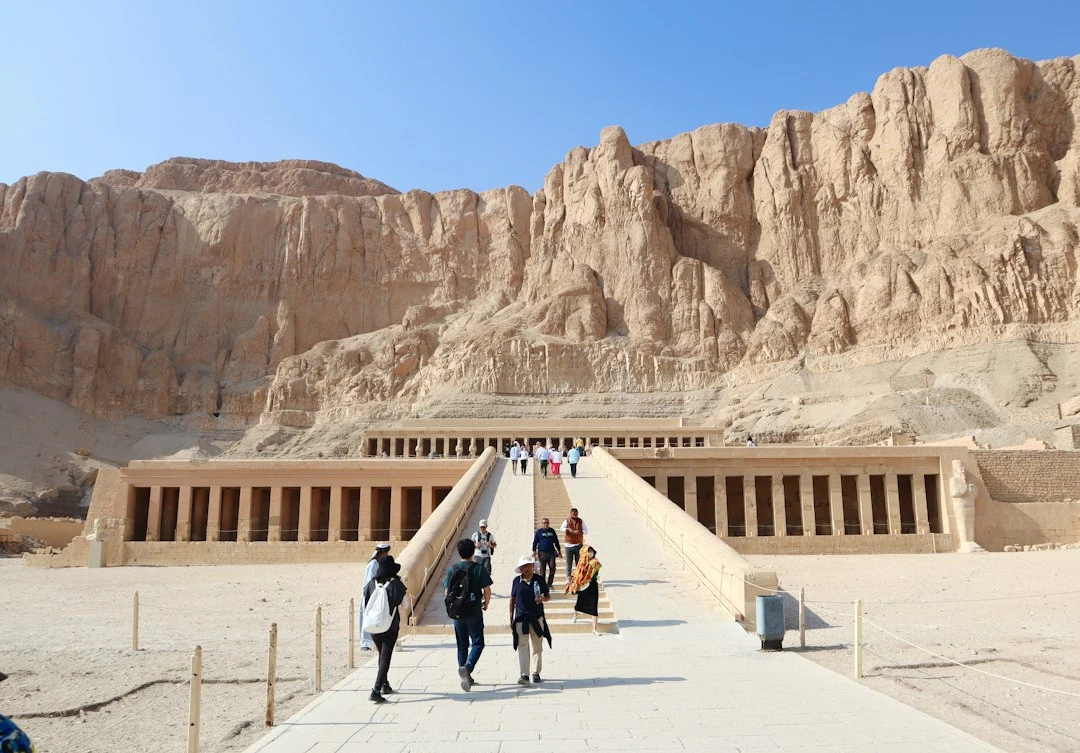
The five-day Nile cruise forms the middle section of the tour. After visiting Luxor’s east bank, including Karnak Temple and Luxor Temple, you cross to the west bank for the Valley of the Kings and the wide-brimmed Hatshepsut Temple at Deir el-Bahari. The boat then travels south at an easier pace, giving you time to watch villages, fields and river traffic from the deck. Your guide joins you at the main temples, while the boat provides your accommodation, meals and a place to rest between excursions.
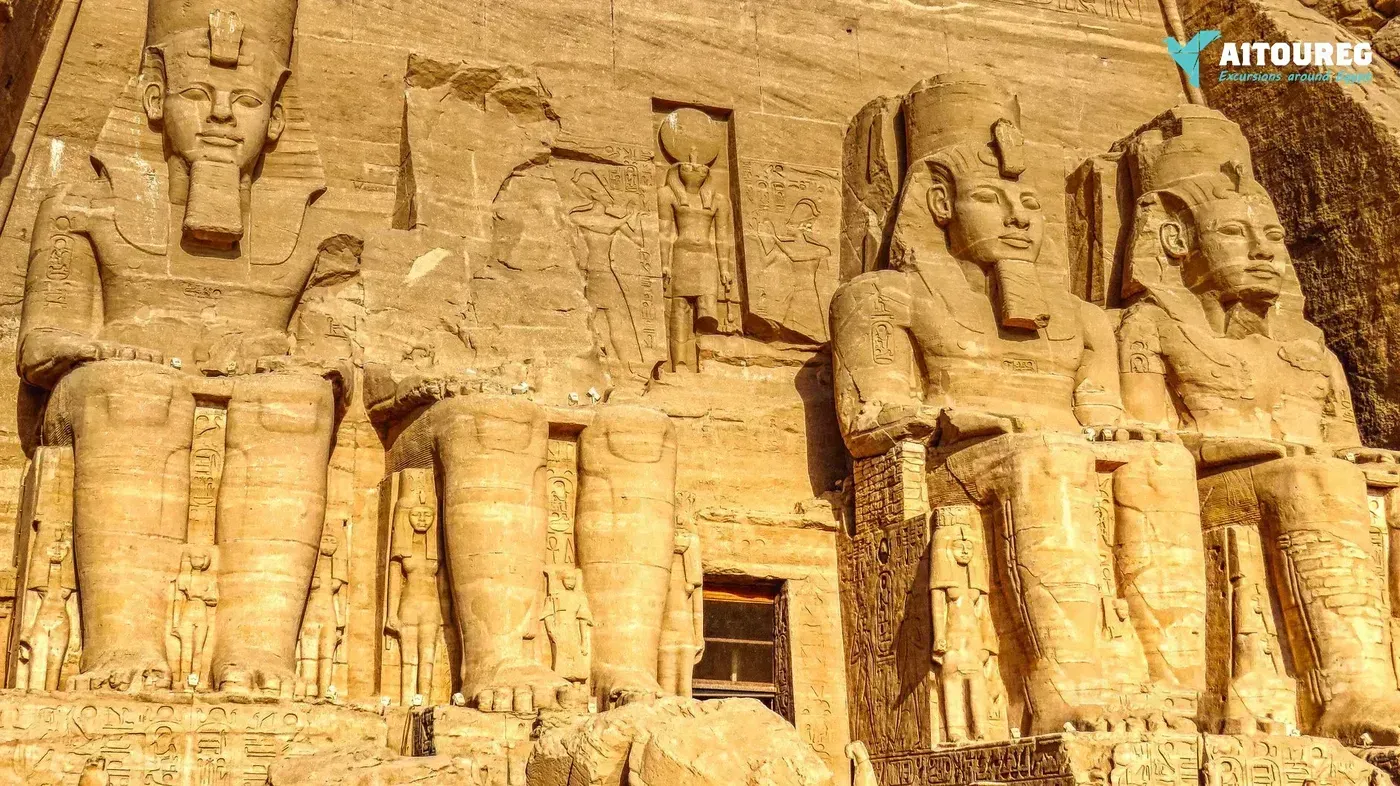
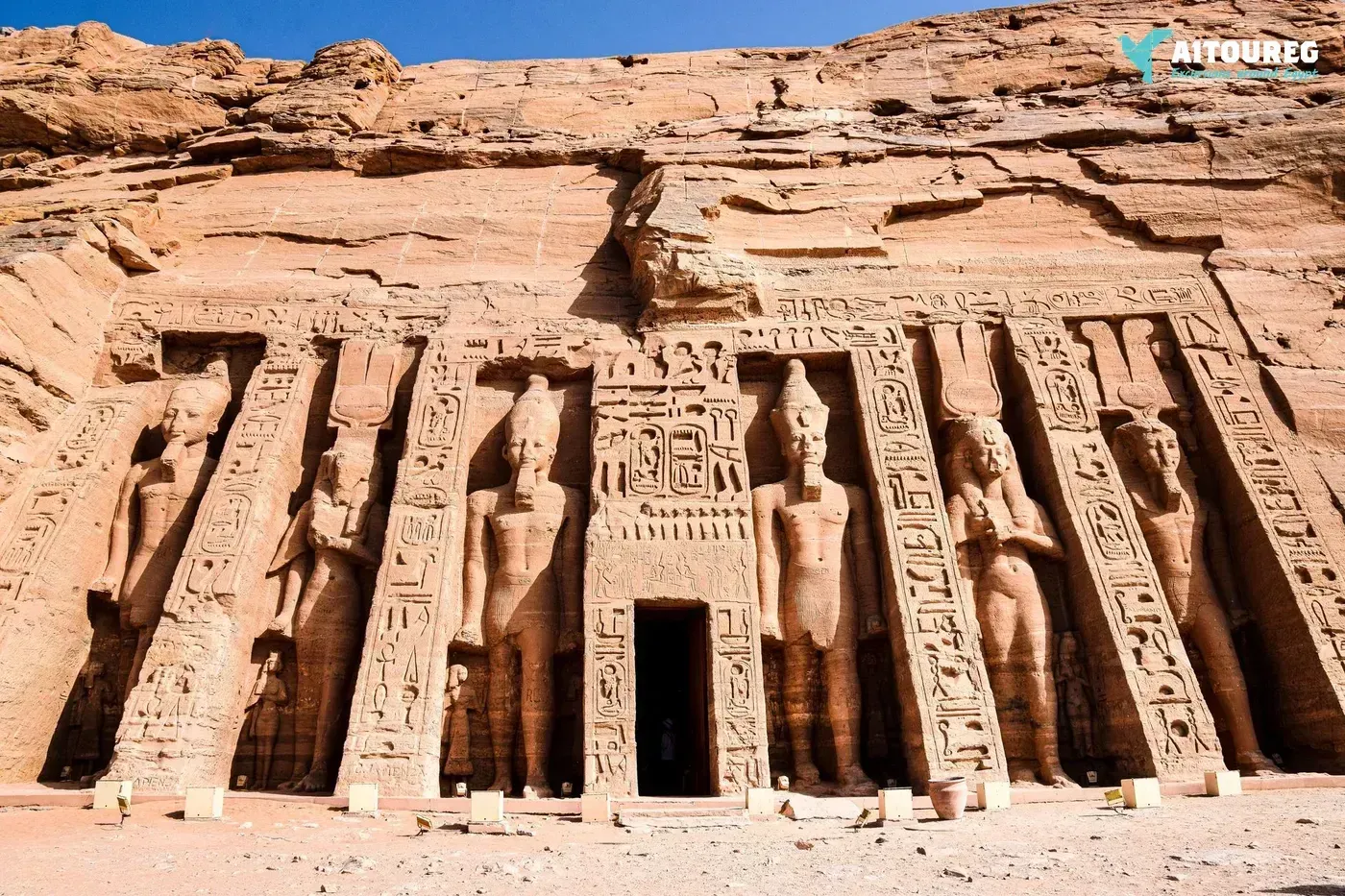
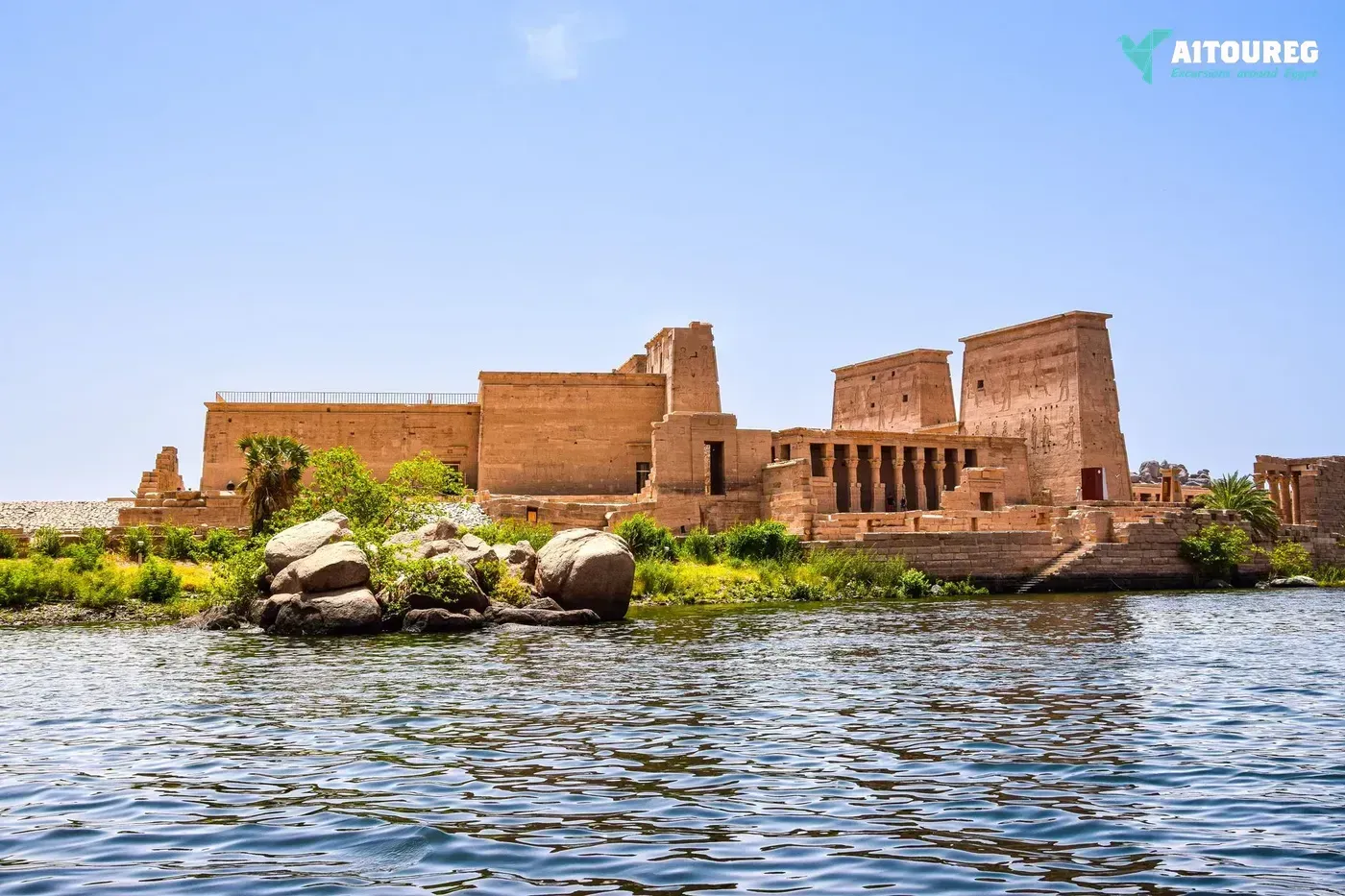
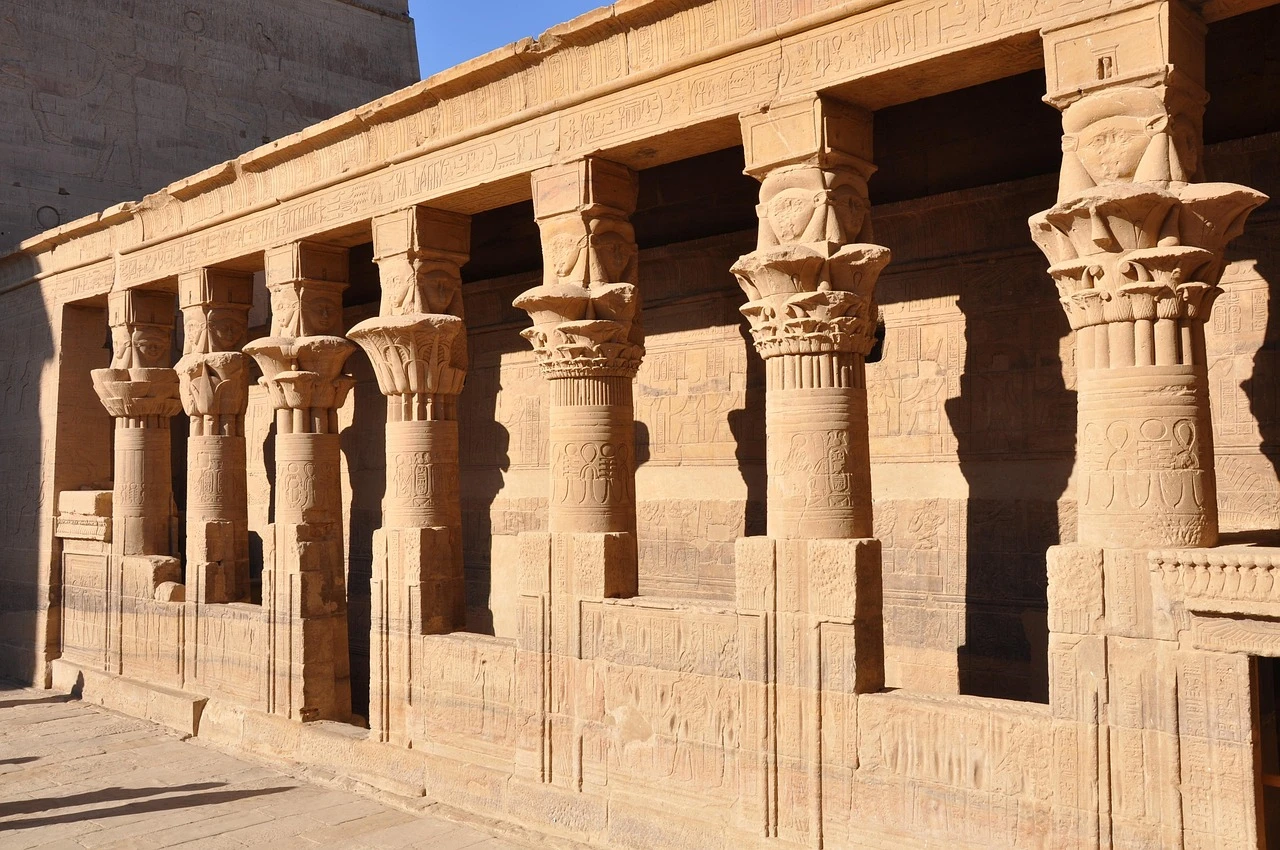
At Aswan, Phiala Temple—more commonly spelled Philae Temple—sits on an island reached by boat and is dedicated mainly to Isis. Its setting feels different from the large temple complexes on the riverbank. Abu Simbel requires an early start, but its seated colossi and deep temple chambers make the journey worthwhile. We arrange the transfers and touring details, so you can focus on the sites rather than managing separate tickets, vehicles and connections.
The final stay in Marsa Alam leaves time for swimming, rest and optional Red Sea activities, subject to sea conditions and local availability. It provides a welcome change from the early starts at archaeological sites. The tour suits travellers who want a broad first visit to Egypt and prefer one coordinated plan, with guides, transport and accommodation arranged across several regions. It is less suited to anyone looking for a slow beach holiday or a short city break, since the desert and sightseeing sections include long drives and some early mornings.
Our team explains each day’s meeting arrangements, helps with transfers and keeps the schedule clear as you move between Cairo, the desert, the Nile and the coast. Comfortable walking shoes help on uneven archaeological ground. Light clothing, sun protection and a warmer layer for desert evenings will also make the days easier. Bring your passport for hotel and transport arrangements, and keep essential medication in your hand luggage.
Airport and intercity transfers as arranged in the itinerary
Accommodation throughout the 15-day itinerary
Five-day Nile cruise between Luxor and Aswan
Excursions to the Pyramids of Giza, the Sphinx, the Egyptian Museum and Old Cairo
Meals included on the Nile cruise according to the cruise programme
Marsa Alam stay and transfers as arranged in the itinerary
Visits to the Valley of the Kings, Karnak Temple, Luxor Temple, Hatshepsut Temple, Philae Temple and Abu Simbel
Professional English-speaking guide, including licensed Egyptologist guiding where relevant
Desert excursions to Bahariya Oasis, the White Desert and Wadi El Hitan
Transport in an air-conditioned vehicle for sightseeing and transfers
Optional entry inside the Pyramids of Giza
Any services not listed under inclusions
Egypt entry visa and personal travel insurance
International flights
Personal expenses, drinks and laundry
Gratuities for guides, drivers, cruise staff and other service providers
Optional activities in Marsa Alam
Swimwear and a light cover-up for Marsa Alam
Small day bag for temple and desert excursions
Passport and any required visa documents
Reusable water bottle
Comfortable walking shoes with good grip
Wide-brimmed hat, sunglasses and high-factor sunscreen
Light, breathable clothing for daytime sightseeing
Personal medication and essential toiletries
A warmer layer for desert evenings and air-conditioned transport
This 15-day Egypt expedition includes the planned sightseeing programme, transfers between destinations, a five-day Nile cruise between Luxor and Aswan, desert visits, and time in Marsa Alam. The route includes the Pyramids of Giza, the Sphinx, the Egyptian Museum, Old Cairo, the White Desert, Wadi El Hitan, Abu Simbel, and major Luxor temples.
Exact inclusions such as accommodation, meals, entrance tickets, guide services, and any domestic transfers are set out in the booking details. The sightseeing order can change when transport or site access requires it.
This 15-day Egypt itinerary has a full sightseeing schedule with rest built in through the Nile cruise and time by the Red Sea. You will walk across uneven ground at the Pyramids of Giza, the Valley of the Kings, Karnak Temple, Luxor Temple, Abu Simbel, and the Hatshepsut Temple.
Most visits take place at a steady sightseeing pace, with vehicle transfers between areas. Tell our team about your preferred pace before booking so we can explain the walking, stairs, desert drives, and cruise arrangements in more detail.
Our team arranges the planned pickup and transfers for the 15-day Egypt tour according to your confirmed arrival and departure details. The route connects Cairo, the desert areas, Luxor, Aswan, Abu Simbel, and Marsa Alam, with the Nile cruise covering the main stretch between Luxor and Aswan.
Send accurate flight and accommodation information when booking so we can coordinate the transport plan. Transfer times vary by road conditions, site visits, and the final itinerary, and exact pickup instructions are confirmed before travel.
This Egypt tour can suit families, but travellers with limited mobility should plan carefully because several sights have uneven surfaces, steps, sand, and long walking routes. The Pyramids of Giza, the Egyptian Museum, Old Cairo, the Valley of the Kings, and the temples around Luxor each present different access conditions.
Some desert areas, including the White Desert and Wadi El Hitan, are reached by vehicle but may still involve walking on rough ground. Contact our team before booking with details of mobility aids, fitness concerns, or children’s ages so we can assess the route honestly.
Bring light, breathable clothing, comfortable closed shoes, sun protection, and a wide-brimmed hat for the desert and temple visits. Modest clothing that covers shoulders and knees is useful at religious sites such as Karnak Temple, Luxor Temple, the Hatshepsut Temple, Philae Temple, and Abu Simbel.
Pack water, sunglasses, sunscreen, any required medication, and a light layer for cooler evenings or air-conditioned vehicles. Swimwear is useful for time in Marsa Alam, while sturdy footwear helps on desert ground and at archaeological sites.
Booking and cancellation conditions for this 15-day Egypt trip depend on the travel dates, services reserved, and the terms shown at the time of booking. Check those terms before paying, especially because the Nile cruise, accommodation, transport, and entrance arrangements may have separate supplier conditions.
Contact our team promptly if you need to change traveller details, dates, arrival information, or the sightseeing plan. We will explain any applicable restrictions and the available options, but cancellation terms should be confirmed in writing before you book.
Your unforgettable Egypt journey starts with a booking you can trust.
* Available on selected tours. Flights, cruises and special bookings may have different cancellation policies.
Free cancellation up to 24 hours before activity starts
If you choose to pay online, a secure payment link can be provided after booking. For assistance or alternative payment options, please contact us via WhatsApp.
All our tour operators are licensed and verified by Egyptian tourism authorities.
Learn more about our licensed partners →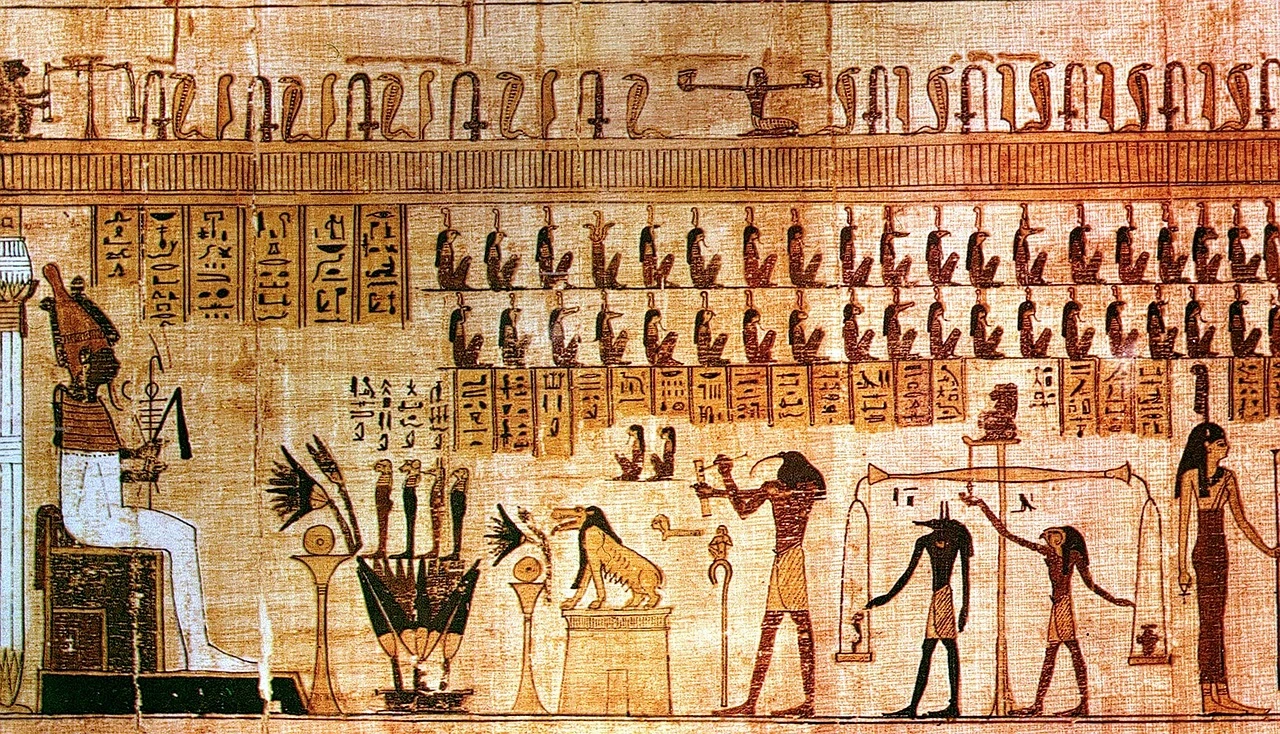

Free cancellation up to 24 hours before activity starts
If you choose to pay online, a secure payment link can be provided after booking. For assistance or alternative payment options, please contact us via WhatsApp.
All our tour operators are licensed and verified by Egyptian tourism authorities.
Learn more about our licensed partners →
Your Itinerary
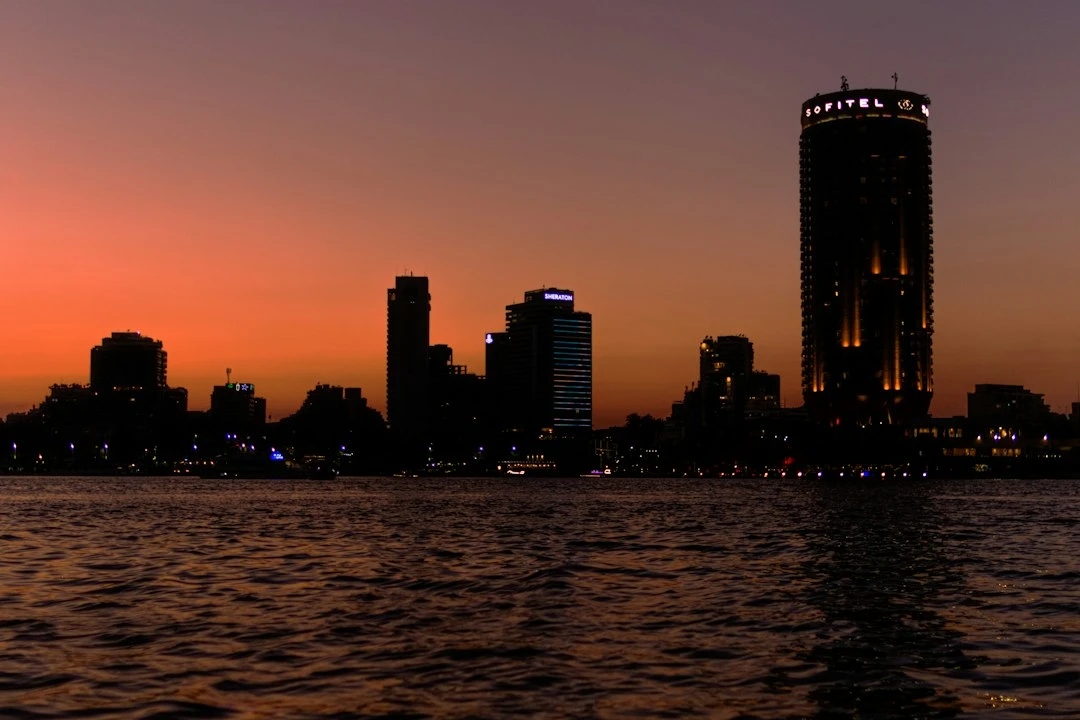
Arrive in Cairo, where our representative meets you at the airport and helps with the arrival formalities before your transfer to the hotel. The drive gives you a first look at the city’s broad avenues, busy neighbourhoods and Nile-side districts. After check-in, the rest of the day is free for rest following your journey.
Our team confirms the arrangements for the next morning and remains available if you need help with practical details. Keep your passport, medication and any valuables with you during transfers. Depending on your arrival time, you may take a short walk near the hotel or have an early night before the sightseeing begins. No major visit is scheduled today, so you can start the 15-day Egypt itinerary at a comfortable pace.
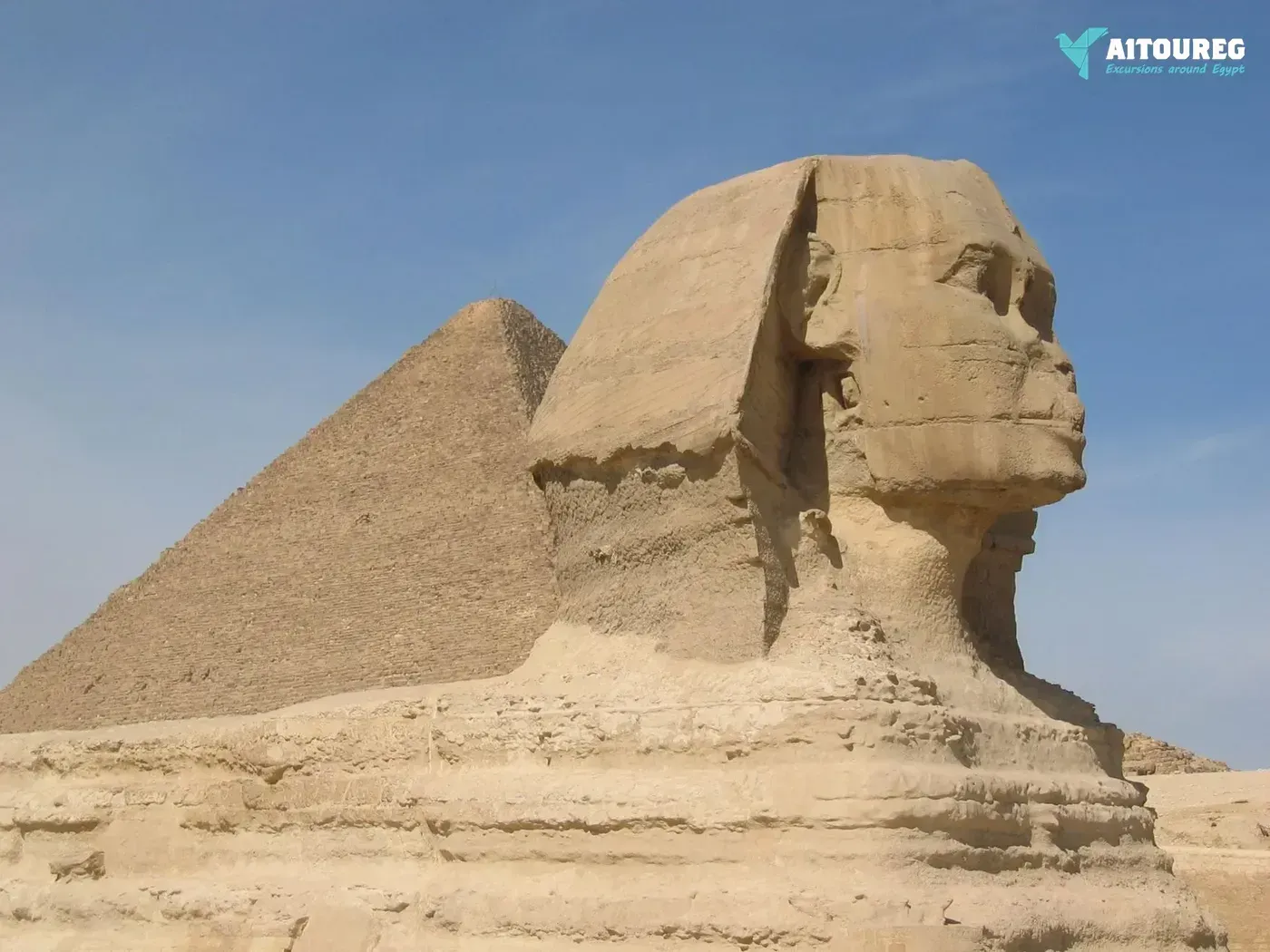
After breakfast, your guide takes you to the Giza Plateau to see the Pyramids of Giza. You have time to view the pyramids from the main plateau, walk to suitable viewpoints and hear how the royal tombs were built and used. An optional interior visit may be arranged locally when available and suitable for your schedule. The Sphinx is nearby, carved from the bedrock with the body of a lion and the head of a king.
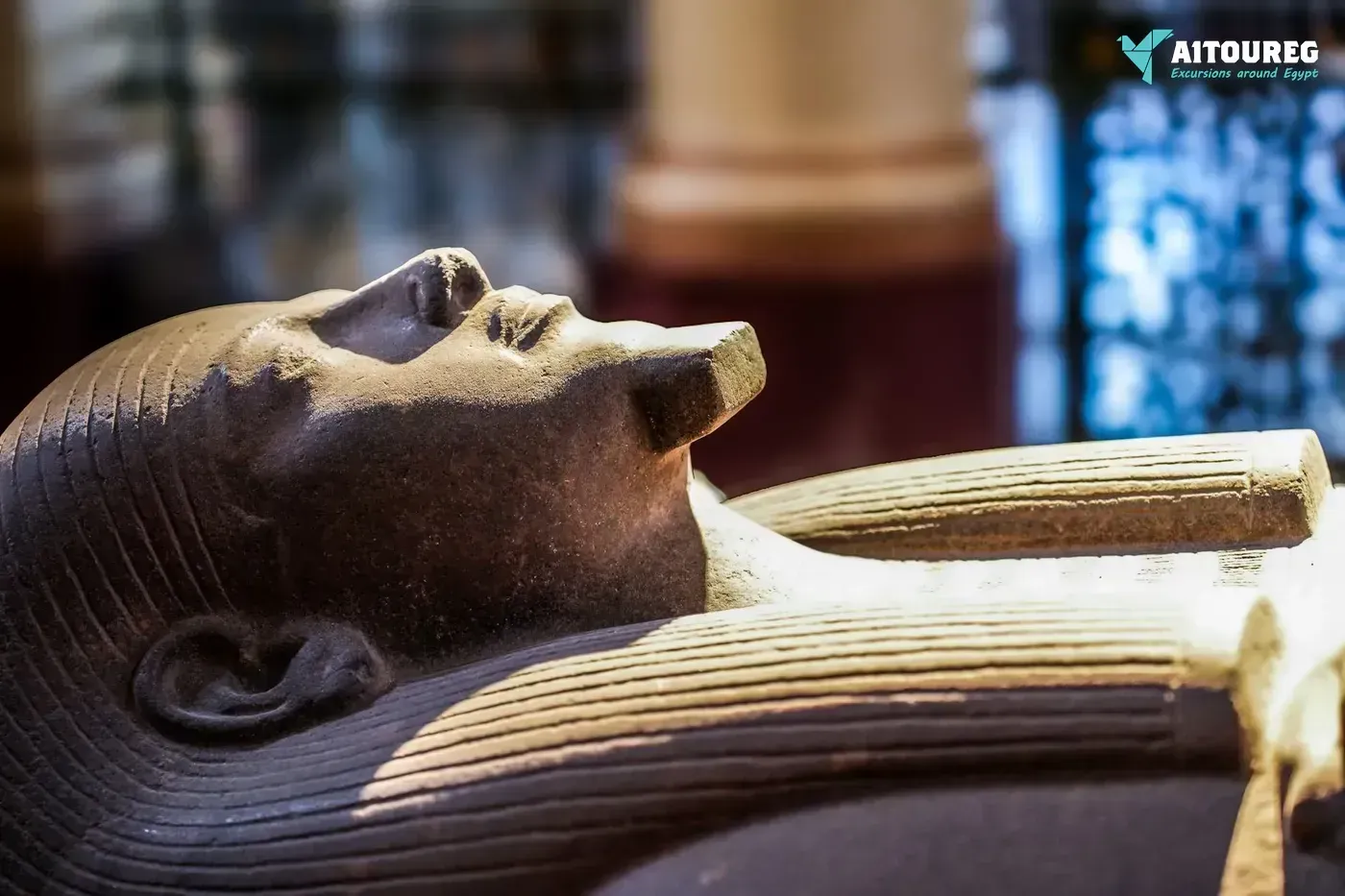
After a break for lunch, continue to the Egyptian Museum in central Cairo. Its galleries contain royal statues, funerary objects, jewellery and everyday pieces from several periods of ancient Egyptian history. Your guide explains the key rooms without trying to cover every object. Wear comfortable shoes and carry water, as the plateau involves walking in open sun before the cooler museum galleries.
Today begins in Old Cairo, an area where Christian, Islamic and Jewish heritage sites stand within a relatively compact part of the city. Walk through the historic lanes with your guide and visit the churches and monuments that are open during your visit. The route is taken at a steady pace, with time to listen, look closely at architectural details and pause when the streets become busy.
Later, you have free time for lunch and personal exploration. You might browse local craft shops, sit in a café or return to the hotel for a quiet afternoon. Our team coordinates the transfers and explains the next day’s desert arrangements. Modest clothing is helpful when visiting religious sites, and shoulders and knees should be covered. Some lanes and entrances have uneven surfaces, so tell your guide if you need a slower route.
Leave Cairo for Fayoum and continue towards Wadi el Hitan, the Valley of the Whales. The journey takes you from cultivated land into a wide desert landscape where fossilised whale remains are preserved in the former seabed. At the visitor area, follow the marked paths and learn how these fossils show the evolutionary change from land mammals to animals adapted to life in the water.
The visit is quiet and open, with limited shade, so bring a hat, water and sun protection. After time at the fossil site, have lunch in the Fayoum area before returning to Cairo. This is a full day on the road, and the desert tracks can be uneven. The order of the stops may change with local access conditions, but the guide keeps the schedule practical and leaves time for photographs without turning the visit into a rushed stop.
Travel west from Cairo to Bahariya Oasis, a long road journey that takes you away from the Nile Valley and into the Western Desert. After reaching the oasis, transfer to a local 4x4 for the desert section. The landscape changes as you pass dunes, dark volcanic rocks and pale limestone formations. Your driver chooses accessible viewpoints and explains how the wind has shaped the ground over time.
Continue into the White Desert, where bright chalk formations rise from the surrounding plain. There is time to walk around selected formations, take photographs and enjoy a simple desert meal or refreshment before the return journey. The visit requires sun protection and closed walking shoes; there are no continuous urban facilities once you leave the oasis. Depending on the final arrangements, you stay overnight in Bahariya or return towards Cairo, with the guide confirming the plan before departure.
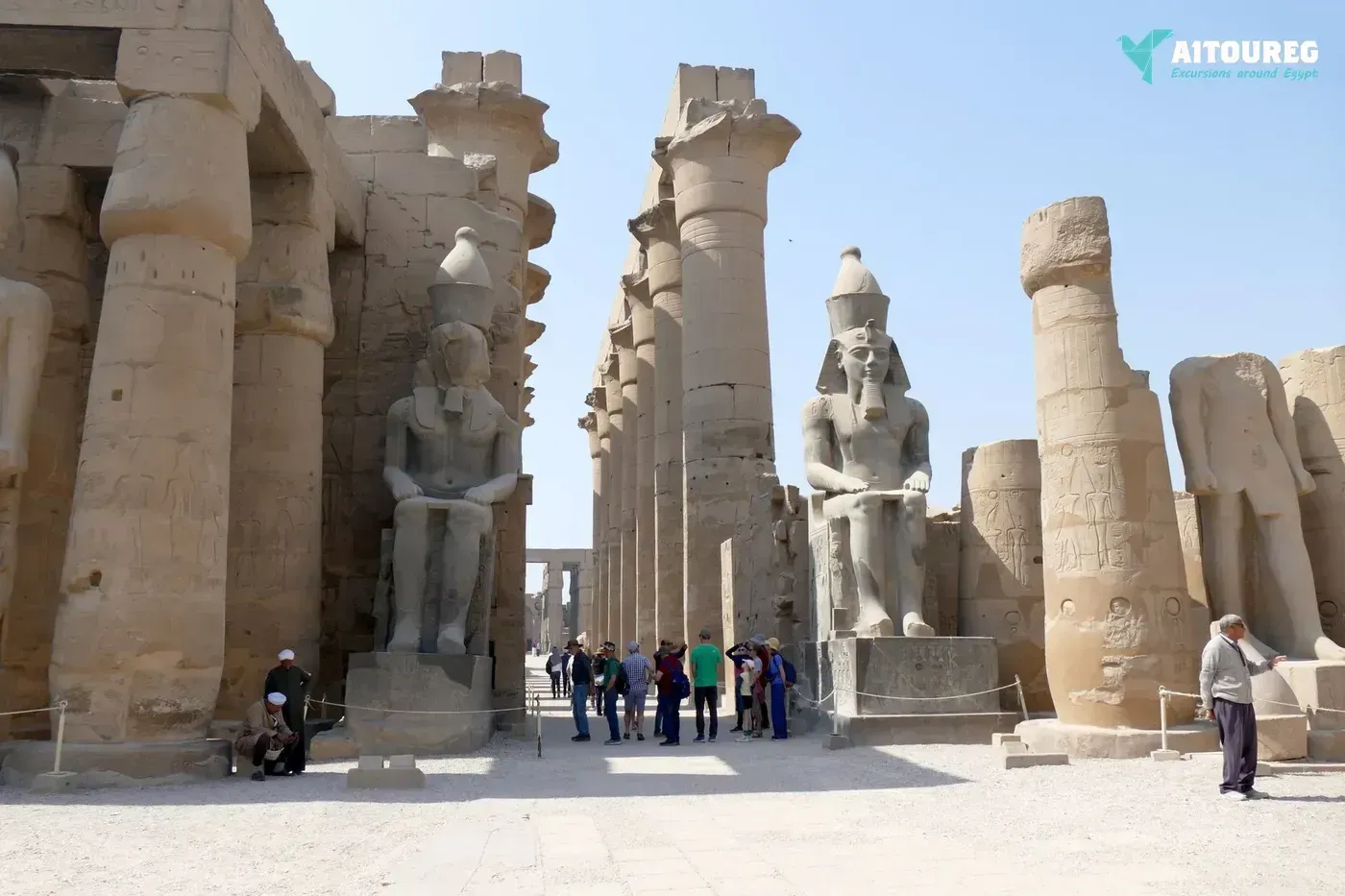
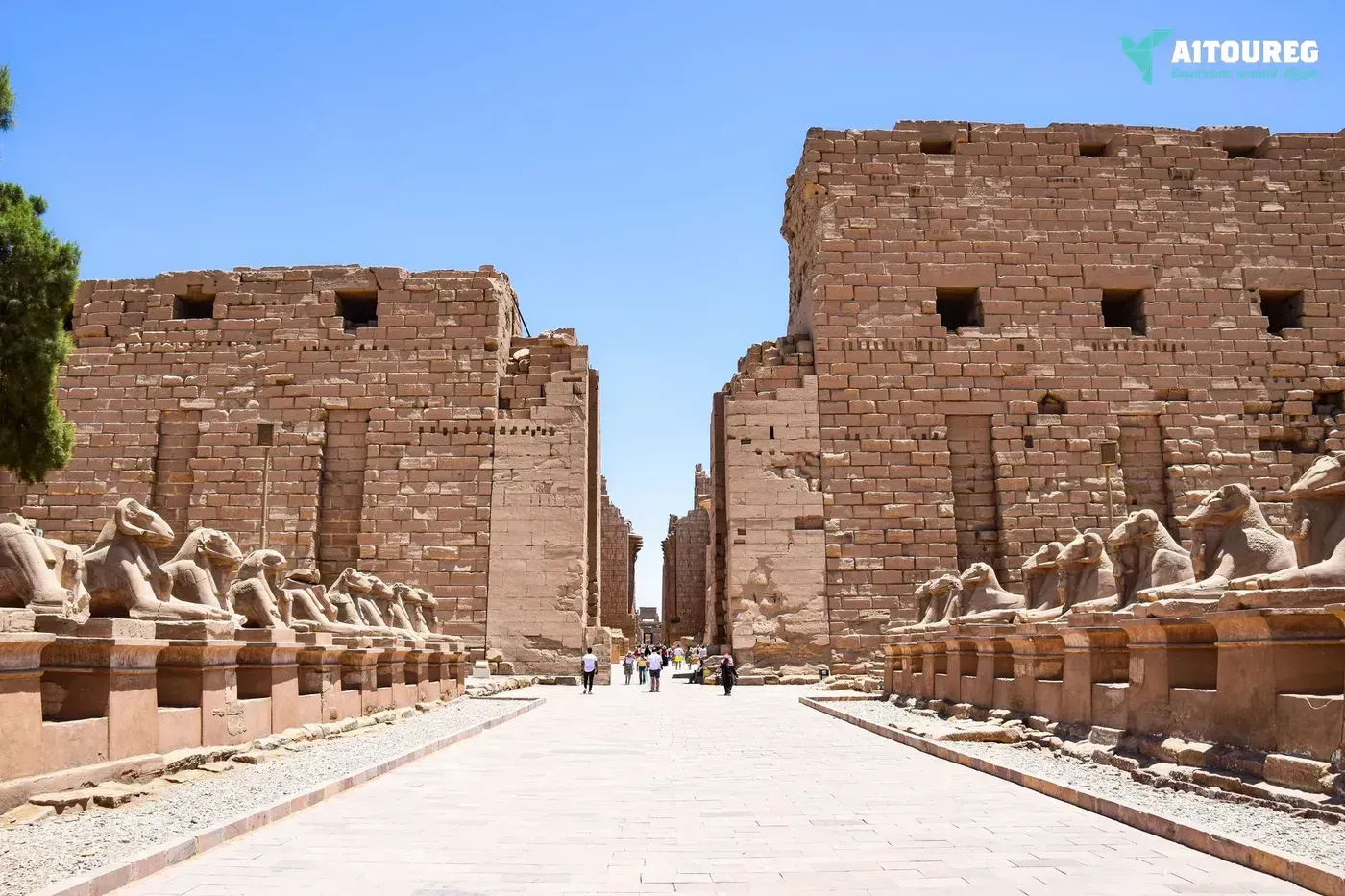
After breakfast, transfer to Cairo airport for the flight to Luxor. On arrival, our representative takes you to the hotel or cruise embarkation point, depending on the sailing schedule. After settling in and having time for lunch, visit Karnak Temple, the largest temple complex in Luxor and one of the major religious centres of ancient Egypt.
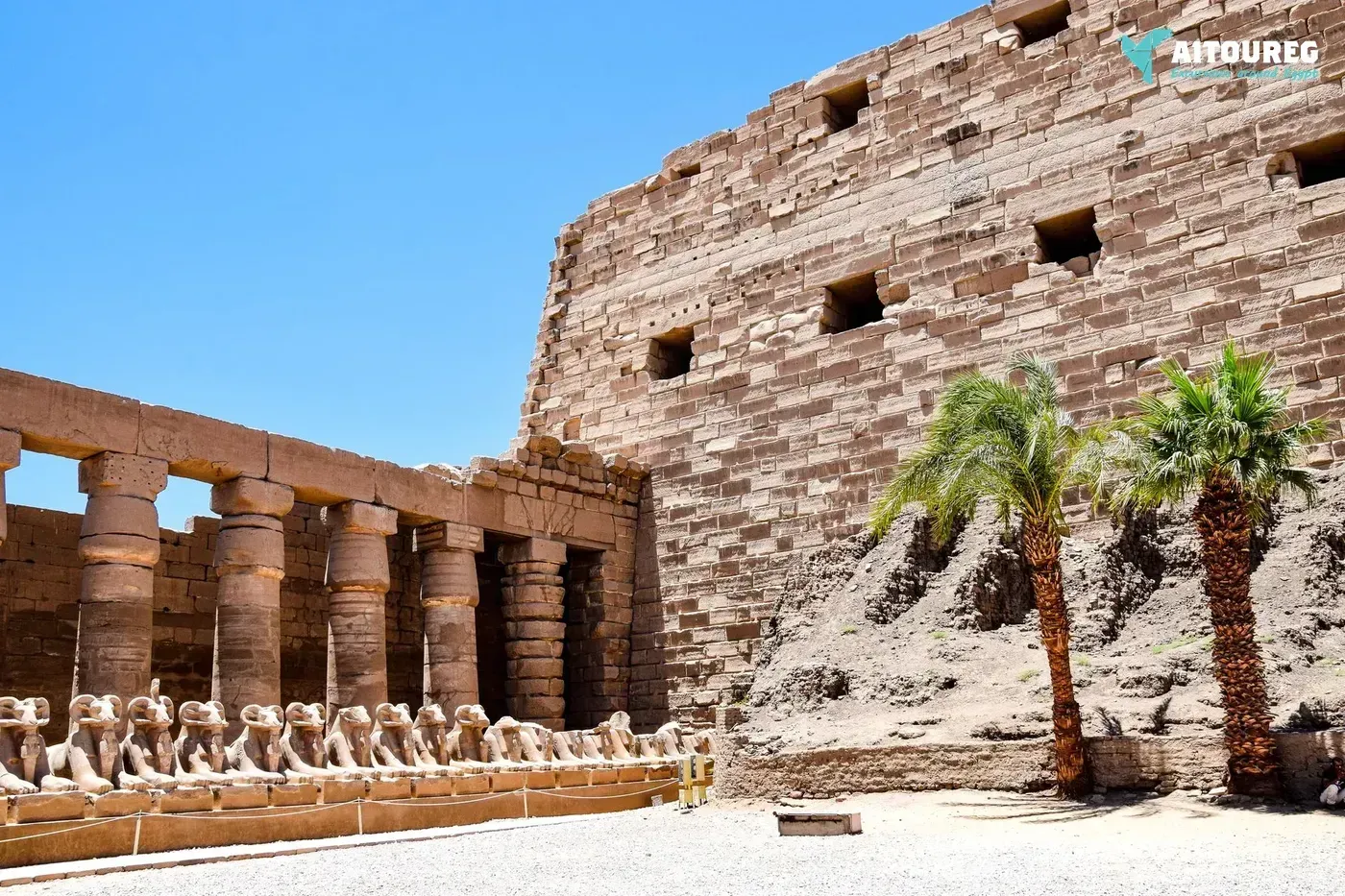
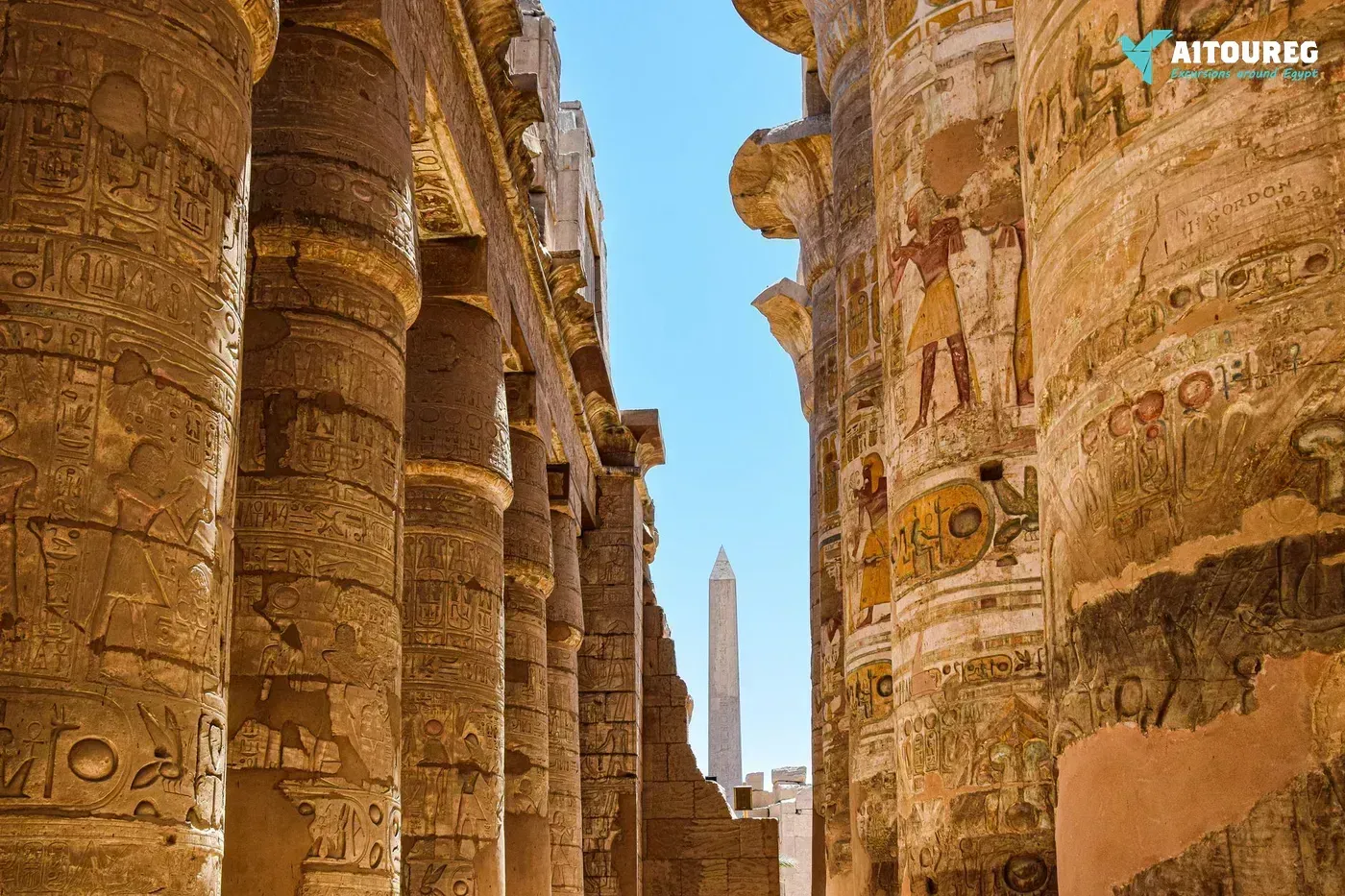
Walk along the avenue and through the great courts and hypostyle hall, where rows of massive columns still carry carved inscriptions and reliefs. Your guide sets a manageable route because the complex is extensive and much of the walking is outdoors. Late afternoon usually brings softer light, but the exact order depends on access and cruise arrangements. Keep your ticket, phone and water secure during the visit, then return for dinner and preparation for the Nile cruise.
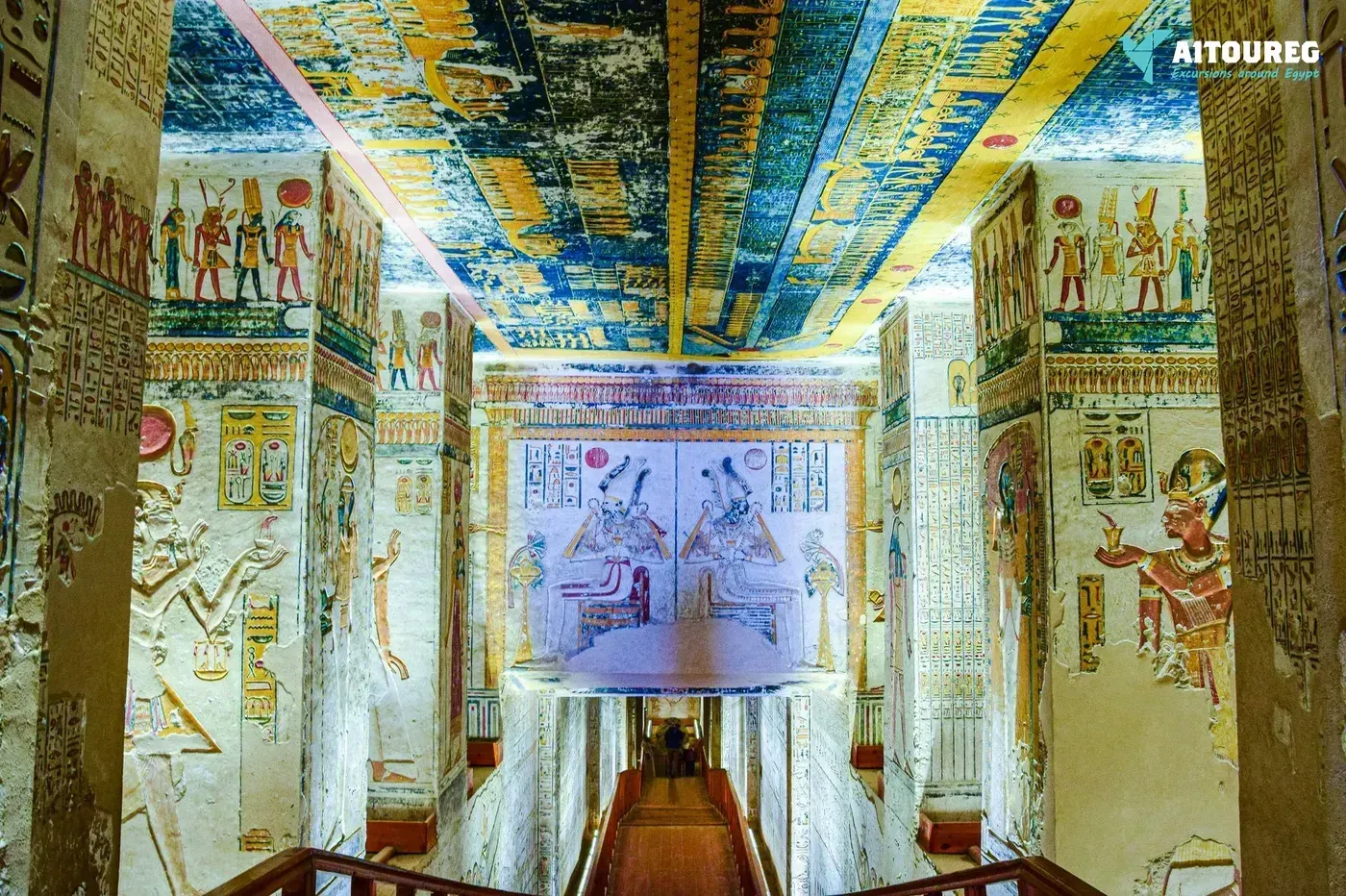
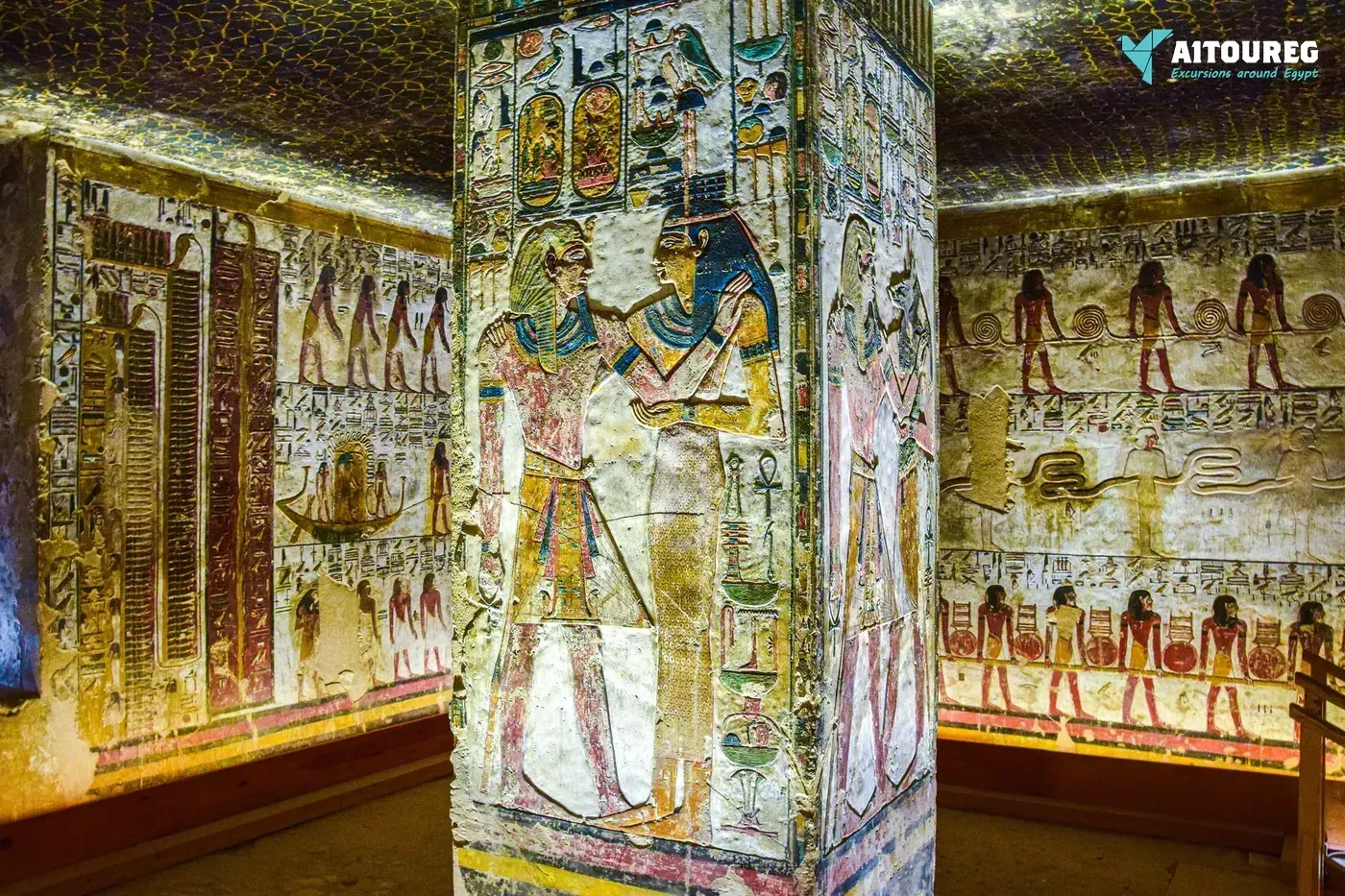
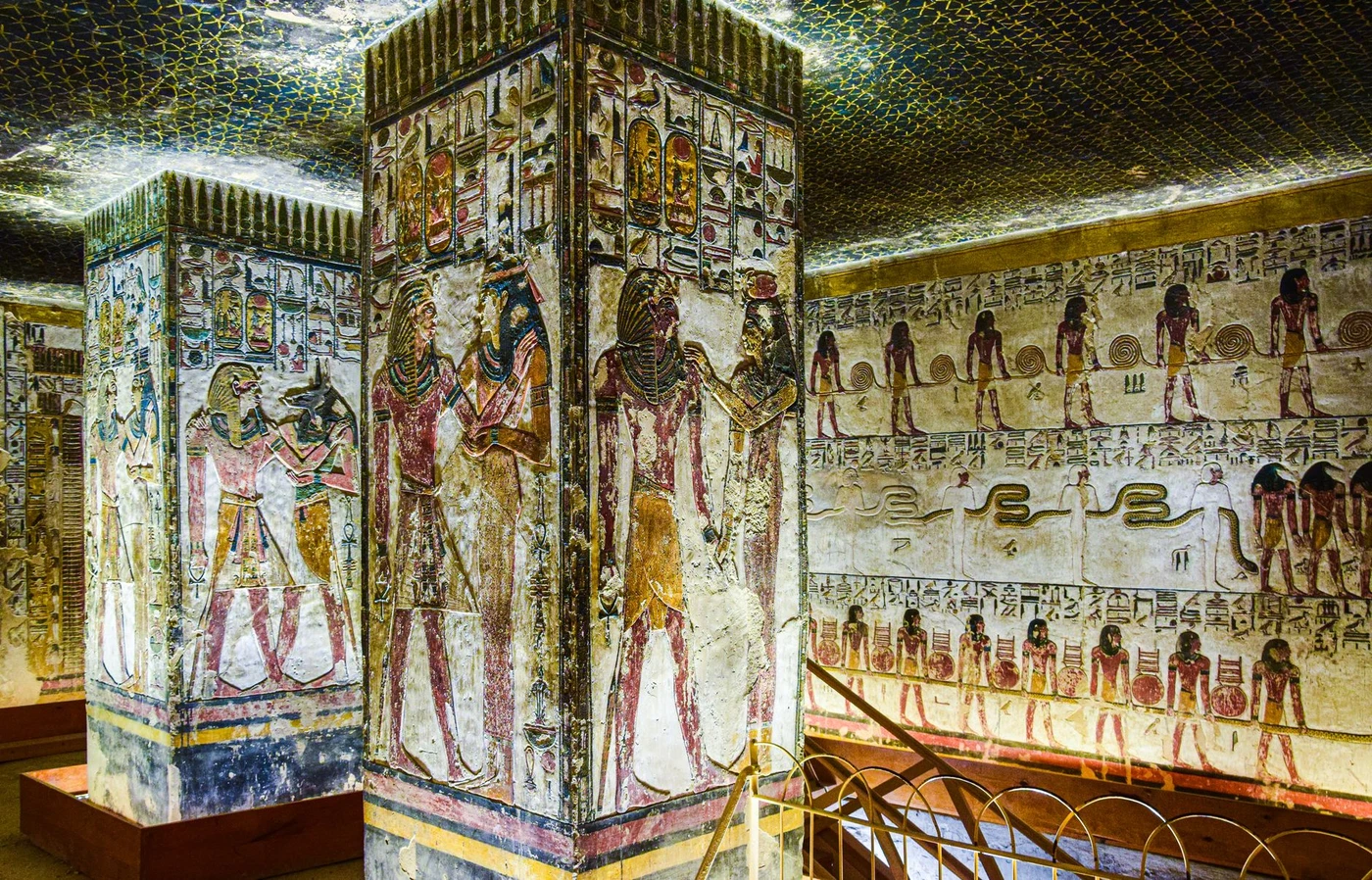
Cross the Nile early for the West Bank, beginning at the Valley of the Kings. Your entry usually includes access to a selection of open tombs, while additional tombs may require a separate ticket. Descend carefully into the decorated burial chambers and look for painted scenes of gods, rituals and the journey into the afterlife. The guide explains how the valley replaced the more visible pyramid tombs used by earlier kings.
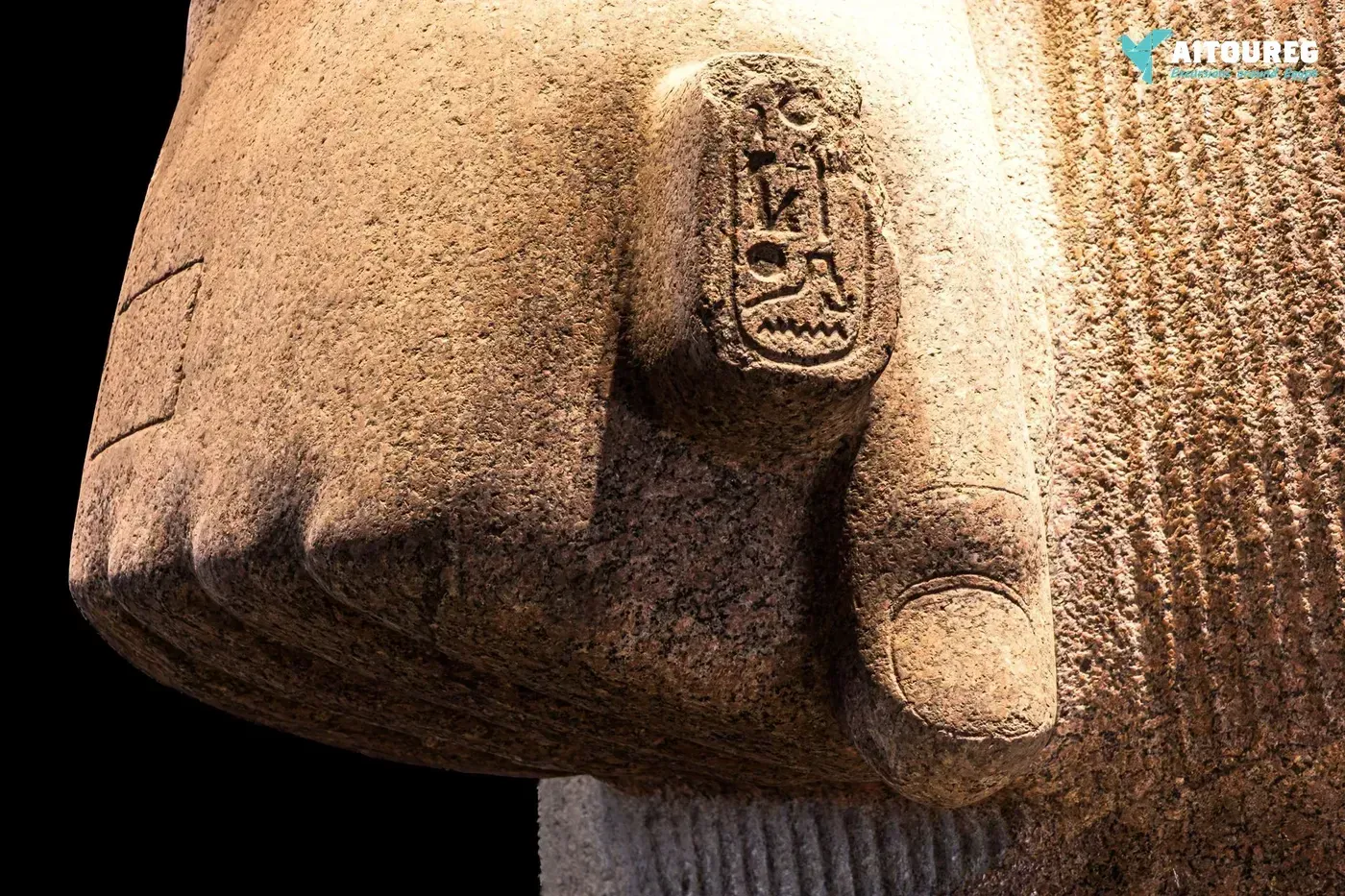
Continue to Hatshepsut Temple, built in terraces against the cliffs at Deir el-Bahari. The approach, colonnades and reliefs show how the female pharaoh presented her rule and trade connections. The area has little shade, so a wide-brimmed hat, water and light clothing are useful. After the visits, return across the river for lunch and a quieter part of the afternoon on board or at the hotel.
Begin with a visit to Luxor Temple, set beside the modern city and close to the Nile. Its courtyards, statues and columns reflect several periods of construction, and your guide points out the inscriptions that show how later rulers reused and adapted the site. The temple is easier to explore at a measured pace than the larger complexes, with time to notice details around the processional route.
Return for lunch, then complete the cruise check-in and settle into your cabin. The afternoon is generally unhurried, giving you time to watch the riverbank scenery as the vessel prepares to sail. Nile cruise schedules can vary with river traffic and lock arrangements, so the crew confirms the exact departure time. Keep a small day bag ready for excursions, since you may leave the ship several times during the five-day sailing between Luxor and Aswan.
Spend part of the morning on board as the cruise continues south. From the deck, you see strips of farmland, palm groves and villages along the river, with the desert beginning beyond the cultivated edge. The pace is slower today, giving you time to read, rest or join the ship’s scheduled activities without the need to repack.
Later, travel from the mooring point to Edfu Temple by local horse-drawn carriage or vehicle, according to the arrangements on the ground. The temple is dedicated to Horus and retains a strong sense of enclosure, with a tall gateway, courts and detailed reliefs. Your guide explains the ceremonial route before you return to the ship. The approach can be dusty and busy, so comfortable shoes and a little patience make the transfer easier. Sail onward after the visit, subject to the vessel’s navigation schedule.
Continue south towards Kom Ombo, with most of the morning spent watching the Nile from the ship. The river remains central to daily life here: fields and villages occupy the narrow fertile strip, while the surrounding desert is close behind. This stretch of the cruise is a useful break between temple visits and gives you a chance to enjoy the ship’s facilities.
After docking, walk to the Kom Ombo temple, which was dedicated to both Sobek and Horus the Elder. The unusual double design is easy to understand on site, as the sanctuary, courts and entrances are arranged around two parallel axes. Reliefs include religious scenes and practical medical instruments. Return to the ship after the visit for dinner and sailing towards Aswan. Bring a torch or use your phone light carefully on uneven paths after sunset, while following the guide’s route back to the mooring point.
Leave Aswan before sunrise for the road journey to Abu Simbel. The drive crosses open desert and takes several hours each way, so an early start, breakfast supplies and comfortable clothing are important. On arrival, walk towards the temples of Ramesses II and Queen Nefertari, where the huge façades face the former lake shoreline.
Inside, your guide explains the reliefs, royal imagery and the careful relocation of the temples during the creation of Lake Nasser. Photography rules inside may be restricted, so follow the local instructions. Allow time to view both temples at a steady pace before returning to Aswan by road. The excursion is demanding because of the distance and heat, but the route is straightforward and our team confirms the meeting arrangements before departure. Keep essential medication and water in your day bag rather than in the vehicle’s luggage area.
After breakfast, take a short boat ride across the reservoir to Philae Temple, sometimes written as Phiala Temple in search listings. The complex sits on an island and is dedicated mainly to Isis. As the boat approaches, the pylons and colonnades appear above the water, giving you a clear view of how the site was protected and relocated when the original island was affected by rising water.
Walk through the courtyards and decorated halls with your guide, then return by boat to Aswan. The crossing depends on local boat operations and wind conditions, so the exact timing can change. Later, enjoy free time at the hotel or on board, or ask our team about a suitable local walk. Aswan is generally warmer than Cairo and Luxor, so loose clothing, water and sun protection are useful even during a relaxed sightseeing day.
Leave Aswan after breakfast for the transfer to Marsa Alam on the Red Sea coast. This is a long overland journey through desert scenery, with rest stops arranged along the route when practical. Keep snacks, water, medication and travel documents in a small bag that stays with you. The road can feel remote, so use the breaks to stretch and check that you have everything needed for the remainder of the day.
On arrival in Marsa Alam, check in and settle into your accommodation. The rest of the day is free to rest, walk near the resort area or sit by the sea. No fixed water activity is planned, since sea conditions and local operating arrangements vary. Our team confirms the following day’s options and the return transfer details. The change from river travel to the coast is deliberately unhurried after the long drive from Aswan.
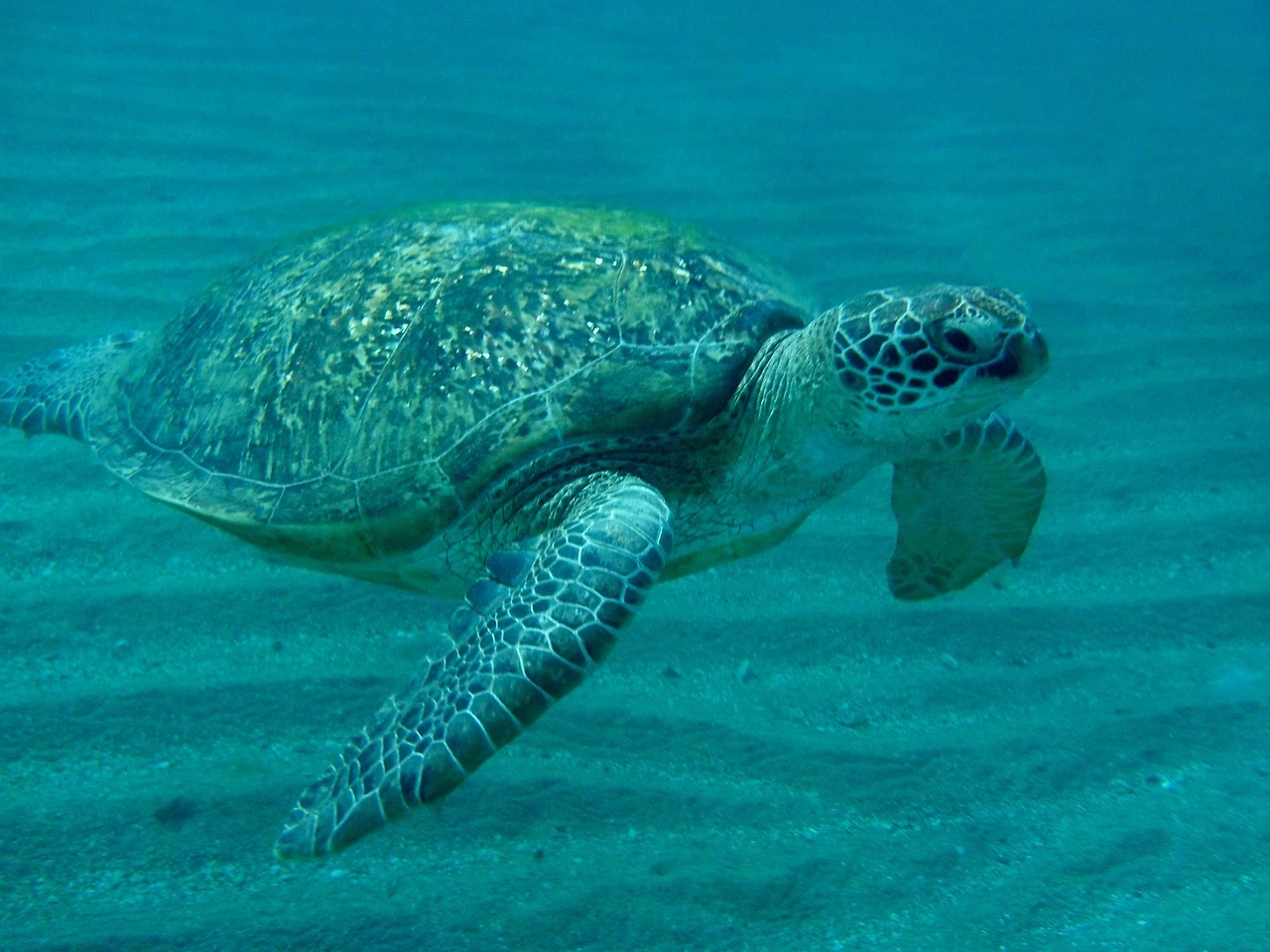
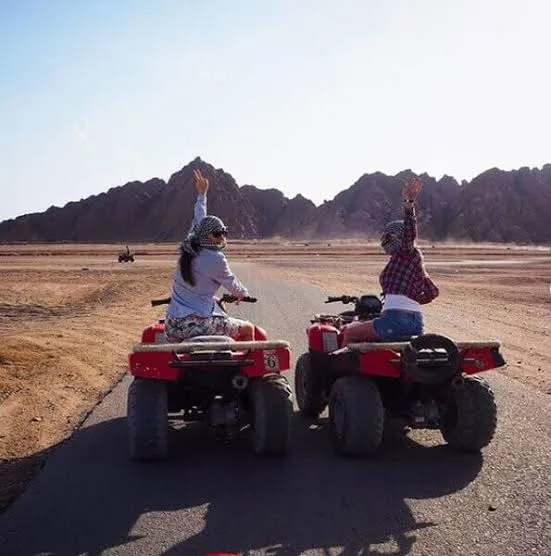
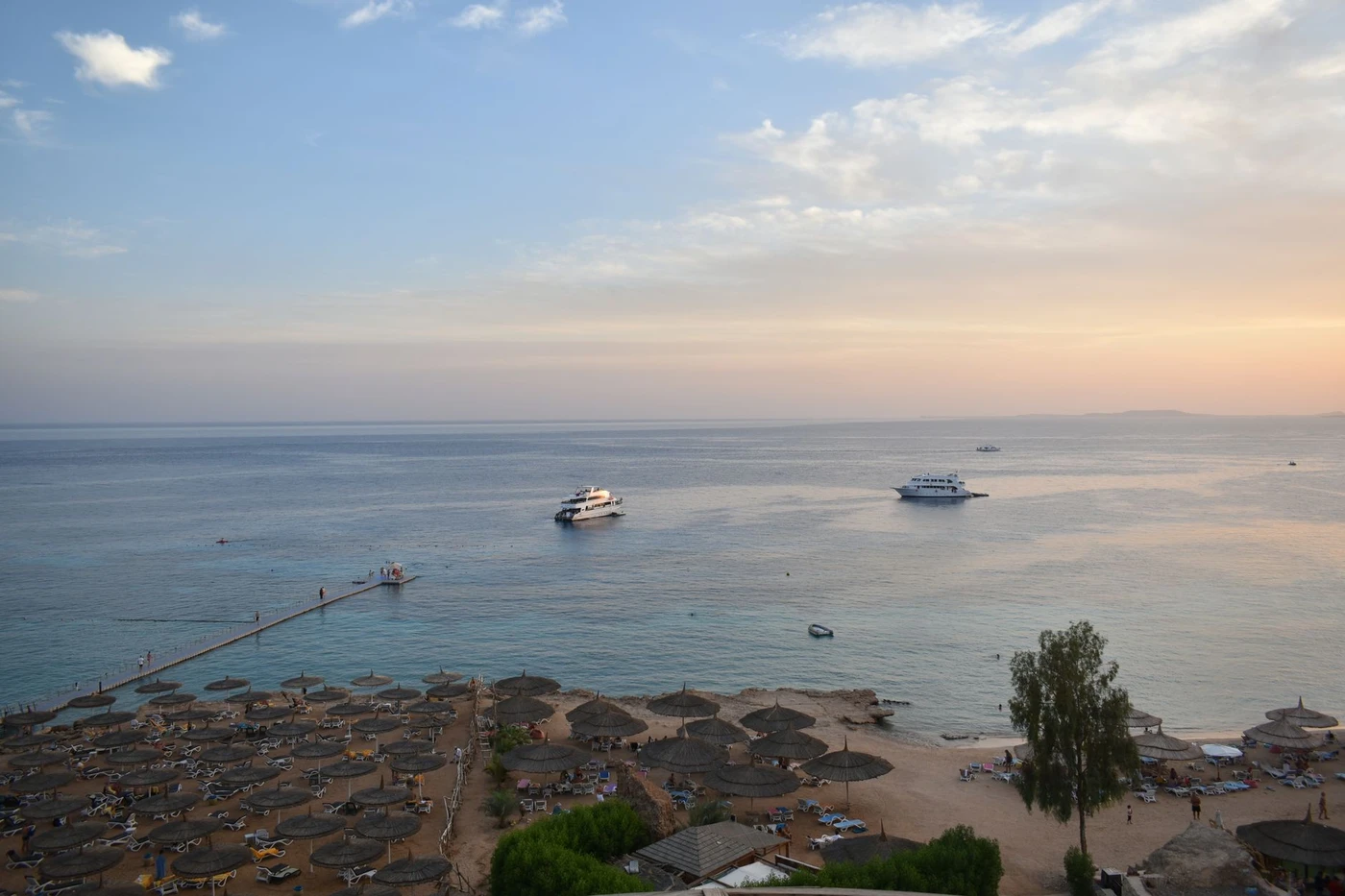
Enjoy a full day in Marsa Alam at your own pace. You can relax by the water, swim where conditions and local safety guidance allow, or arrange a snorkelling or diving outing through the approved local arrangements. The Red Sea coast is known for clear reef habitats, but visibility, wind and access vary, so activities are confirmed locally rather than promised in advance.
Keep the day flexible and follow the beach or boat team’s instructions, especially around currents, reef areas and sun exposure. Travellers who prefer a quieter day can remain at the hotel, read, or take a short walk in the cooler morning or late afternoon. Our team remains available for practical help and confirms the next day’s departure arrangements before dinner. Pack beach items separately from your main luggage so the final morning transfer is easier.
After breakfast, check out and meet our representative for your departure transfer. The exact time depends on your flight schedule and the distance to the airport, so the team confirms it in advance. Leave extra time for luggage handling and airport procedures, and check your room carefully for passports, chargers and personal belongings before departing.
Travellers with later flights may have some free time after check-out, subject to the accommodation’s arrangements. Our team can help coordinate luggage storage or a suitable waiting plan when available. The transfer takes you from Marsa Alam to the airport for your onward flight, bringing the 15-day Egypt expedition to a close. Keep your travel documents and any liquids packed according to airline rules during the final journey.