Egypt 14-Day Tour with Red Sea Diving
Egypt 14-Day Tour with Red Sea Diving brings together Egypt’s major ancient sites, desert landscapes and time by the coast in a carefully planned route. You start in Cairo, where the Giza Pyramids give you a sense of the country’s scale, then continue through Alexandria, the Western Desert, Luxor and Aswan before finishing beside the Red Sea. Our team arranges the main transfers, guides and sightseeing, leaving you to concentrate on the places rather than the logistics between them.
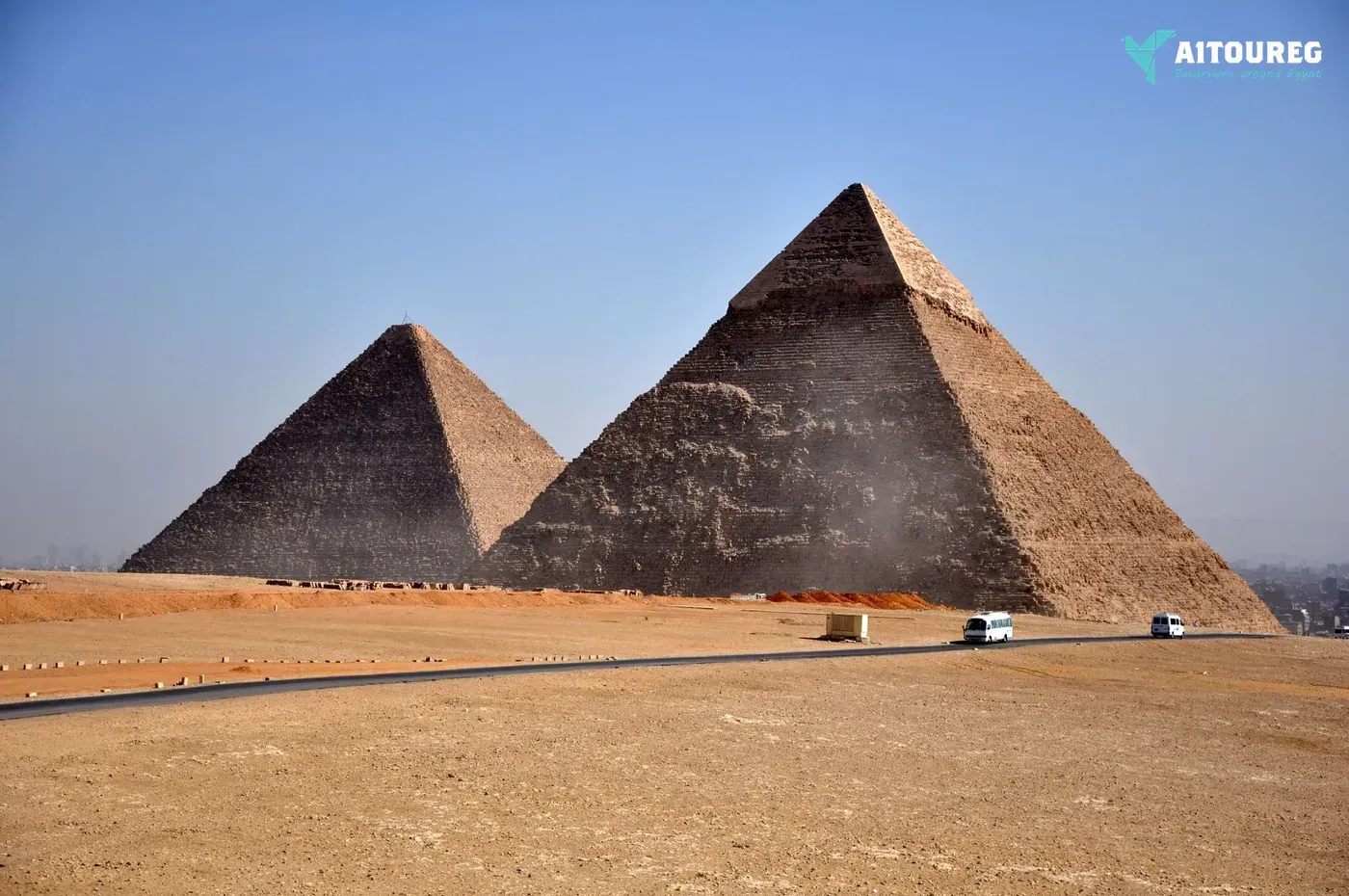
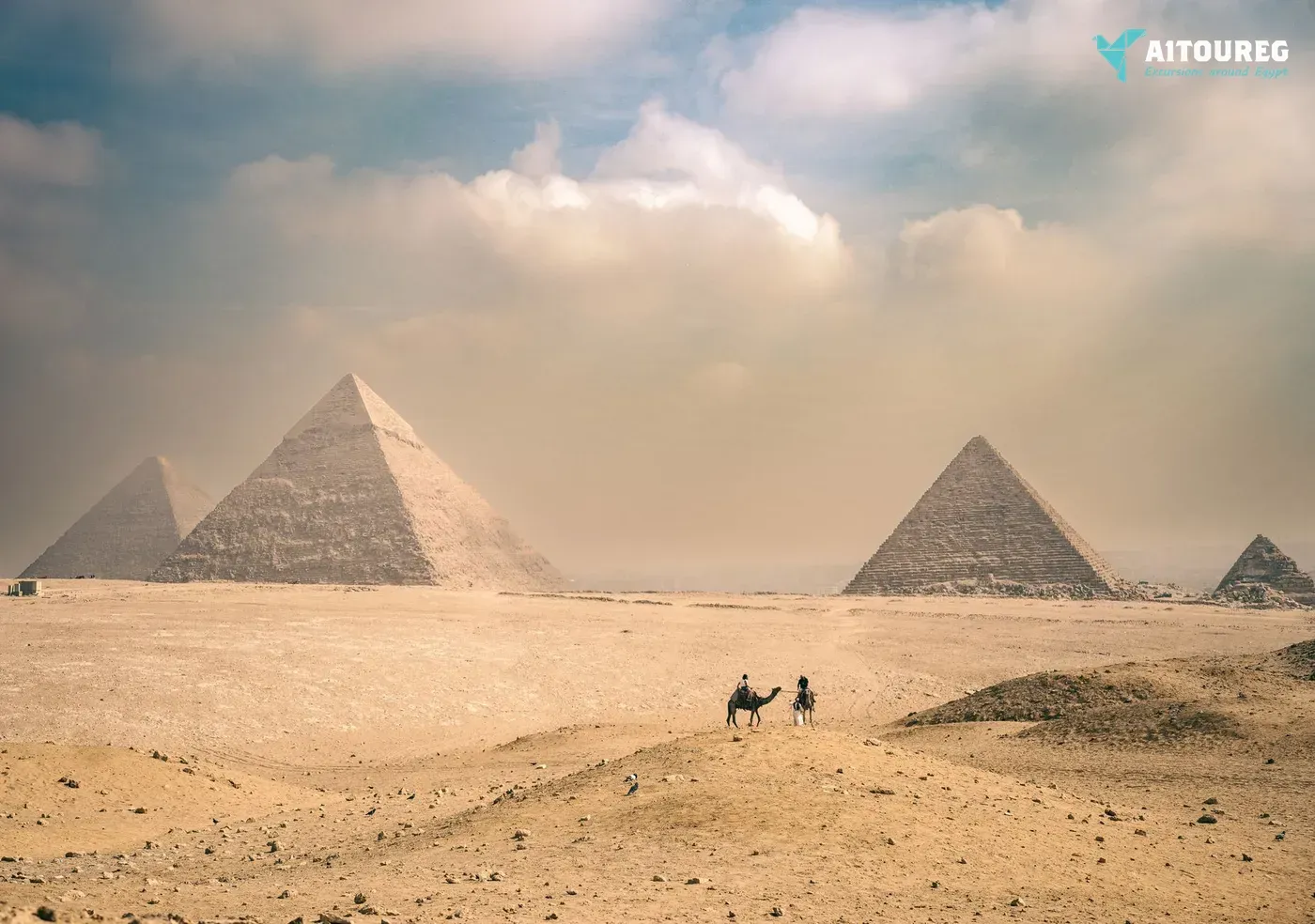
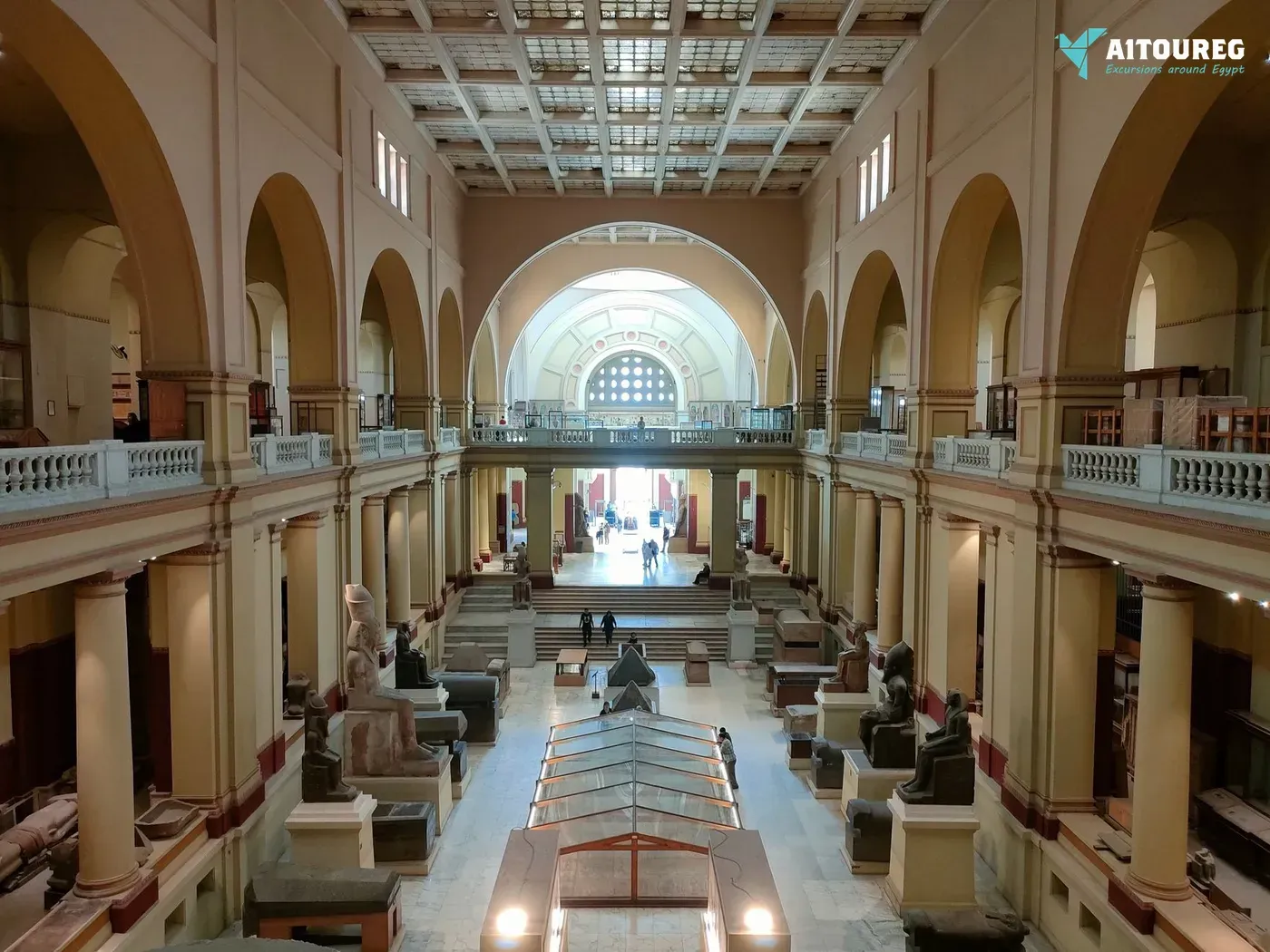
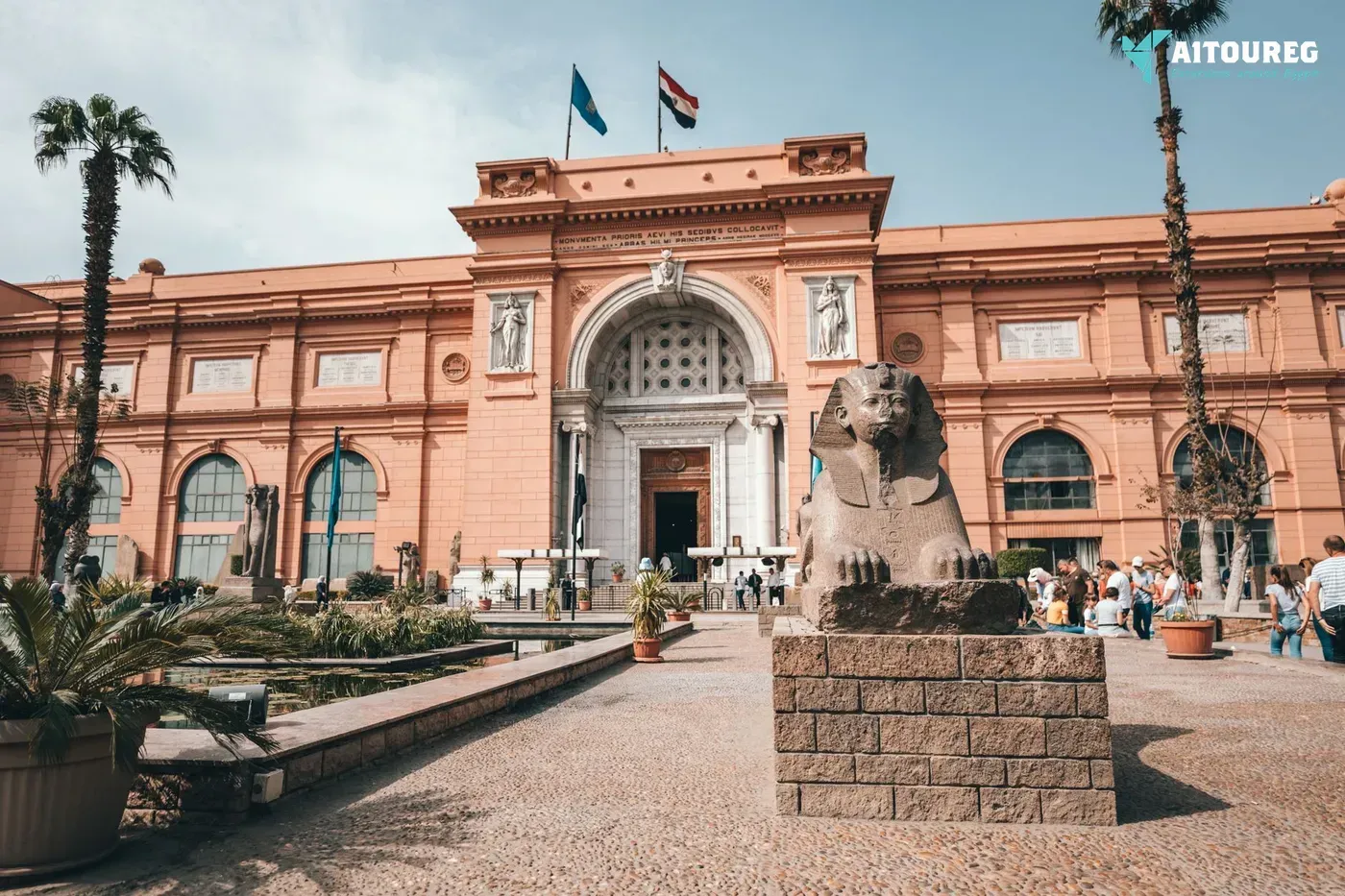
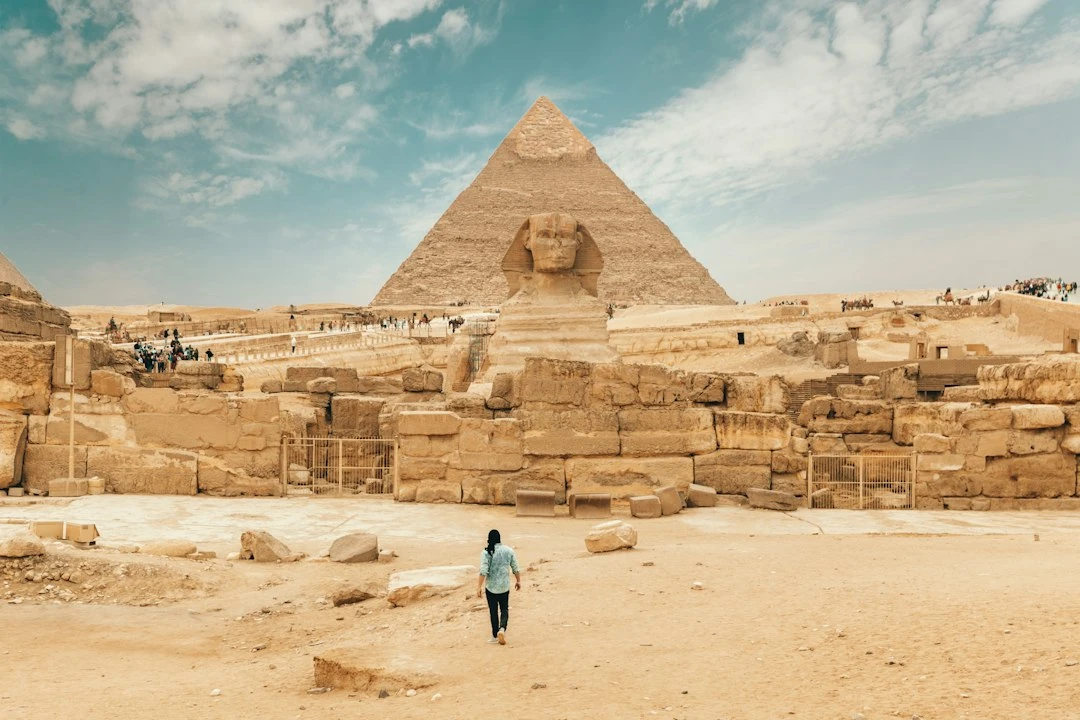
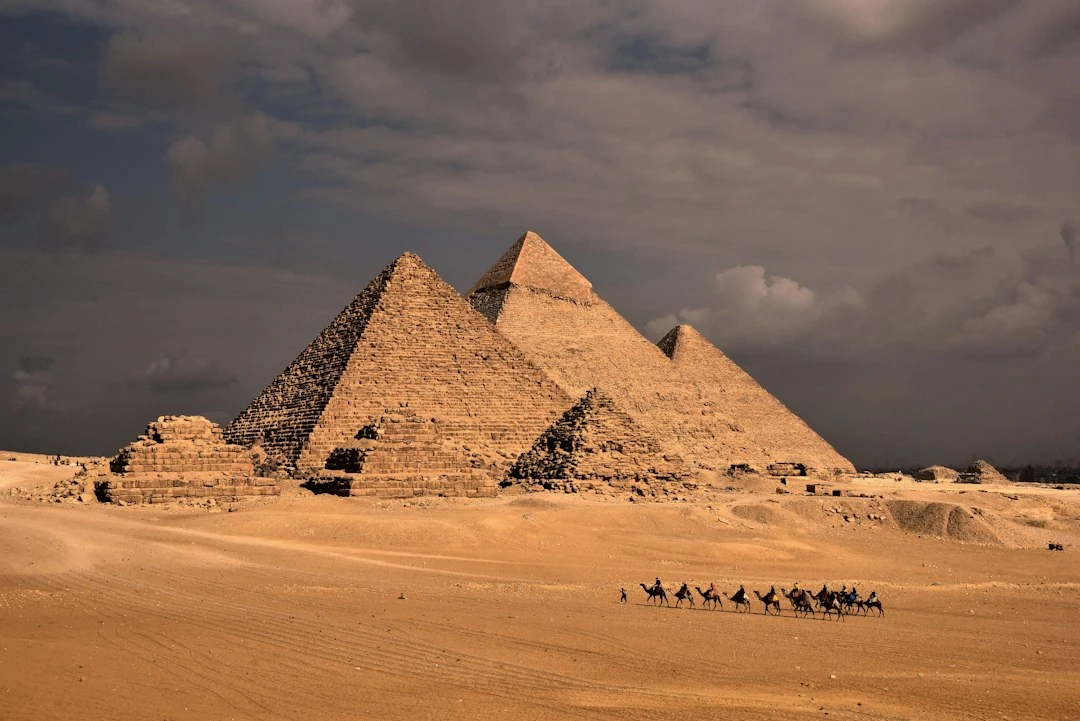
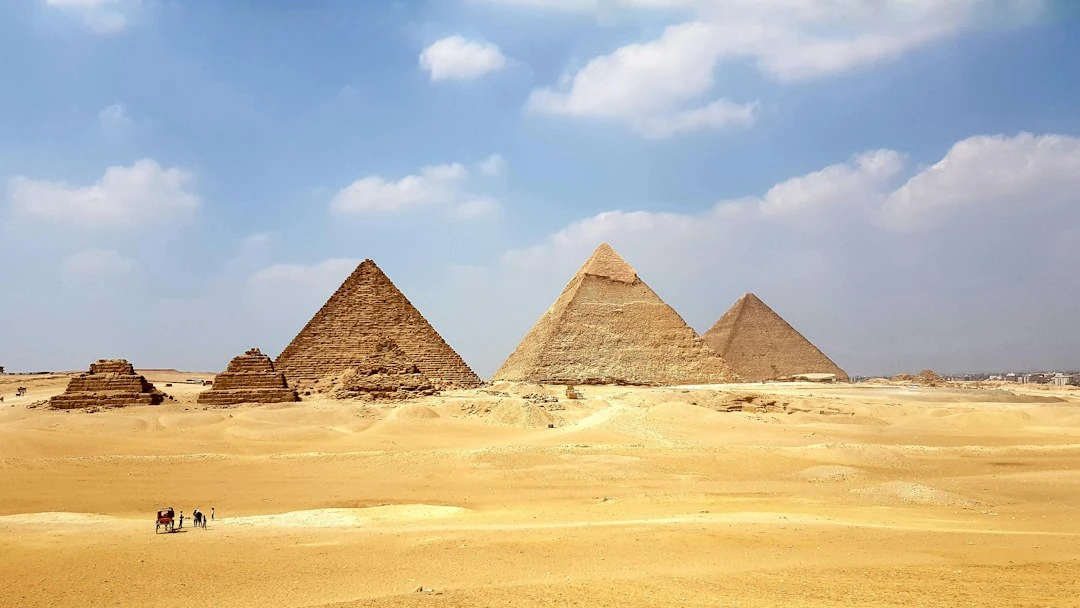
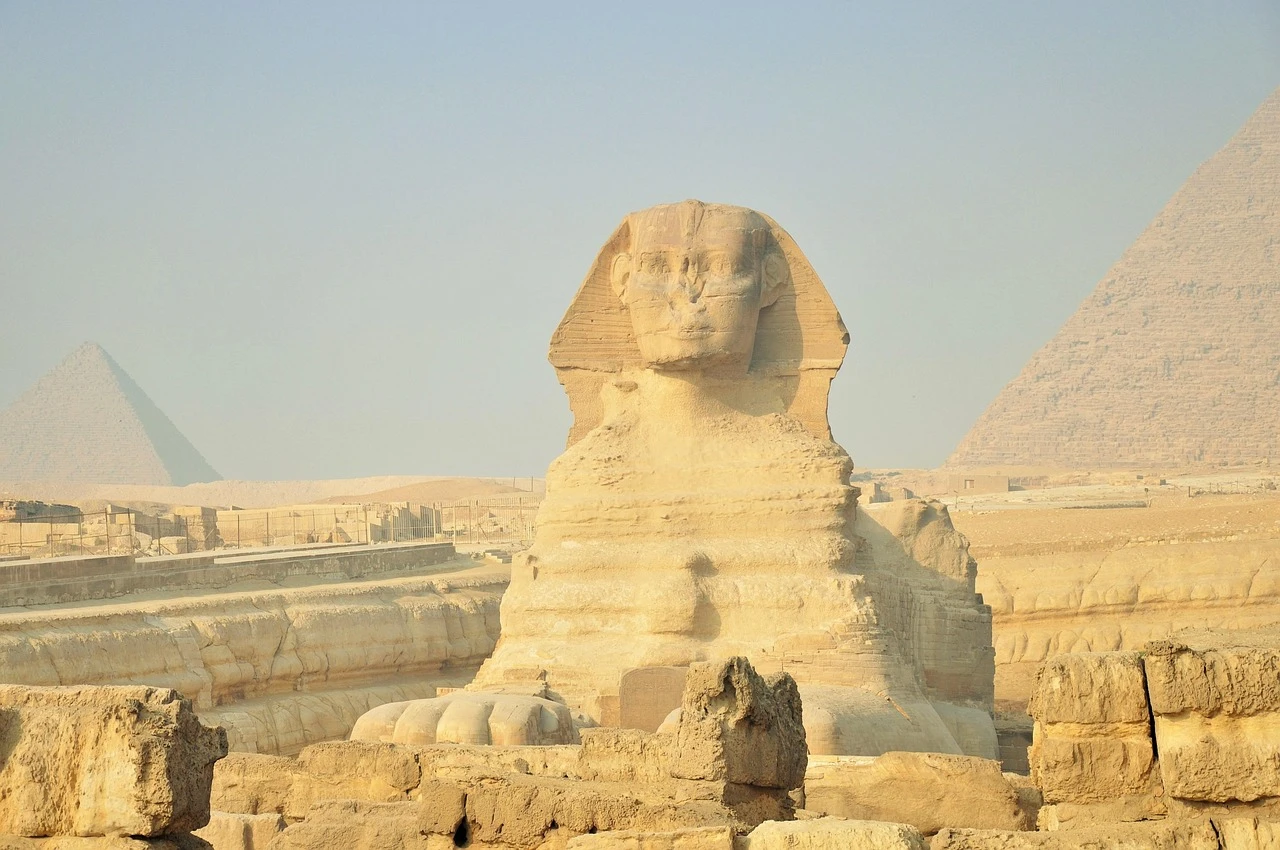
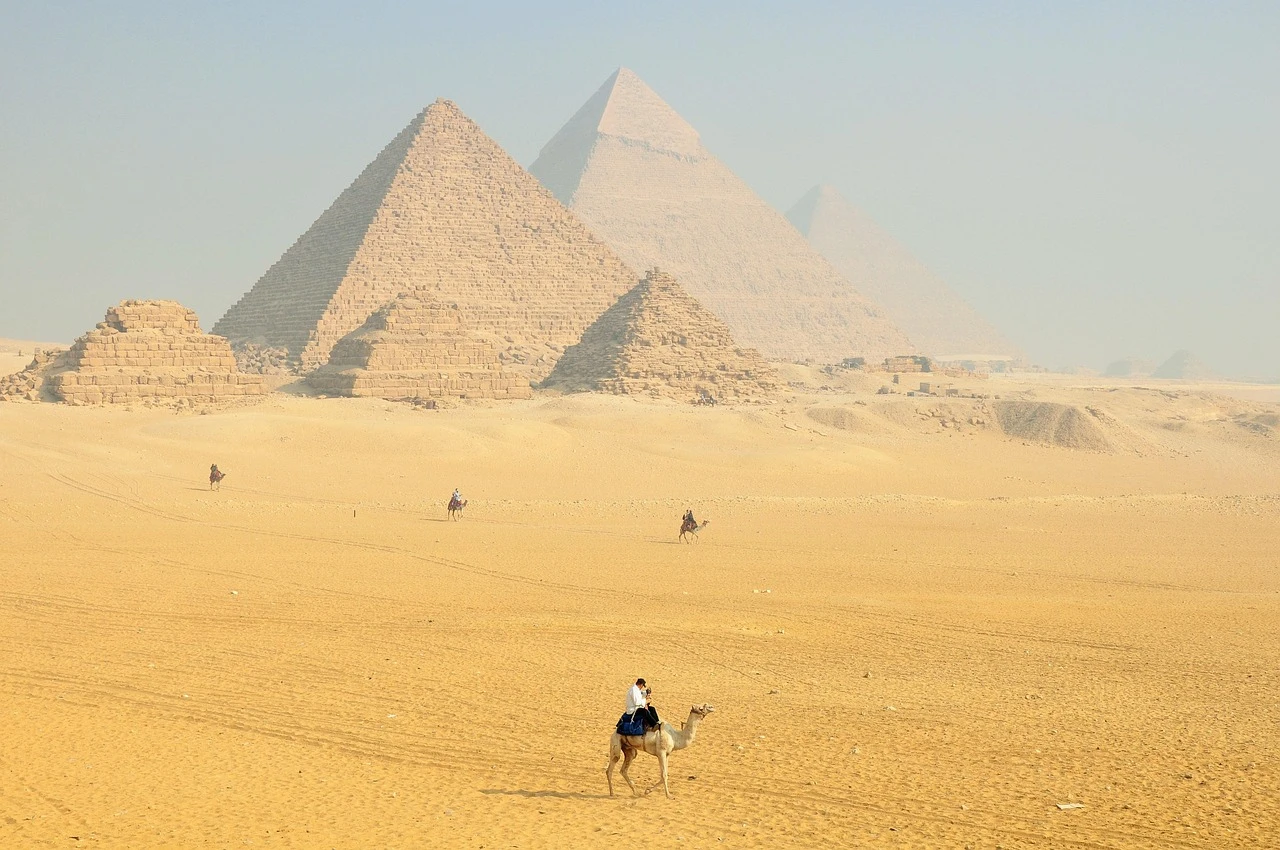
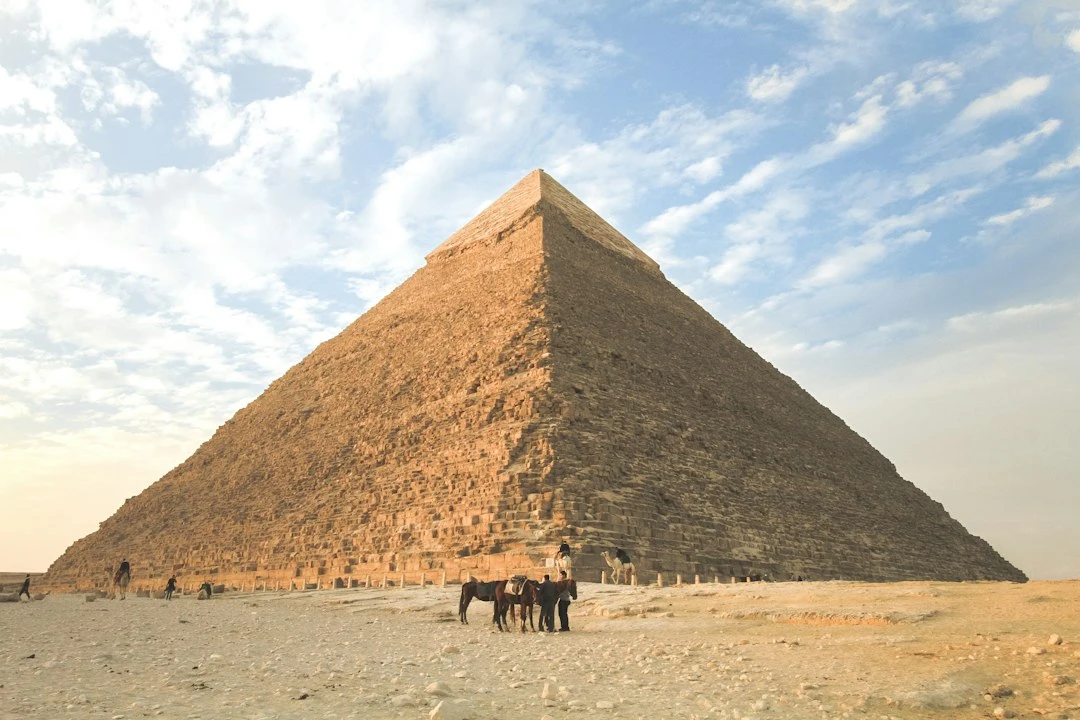
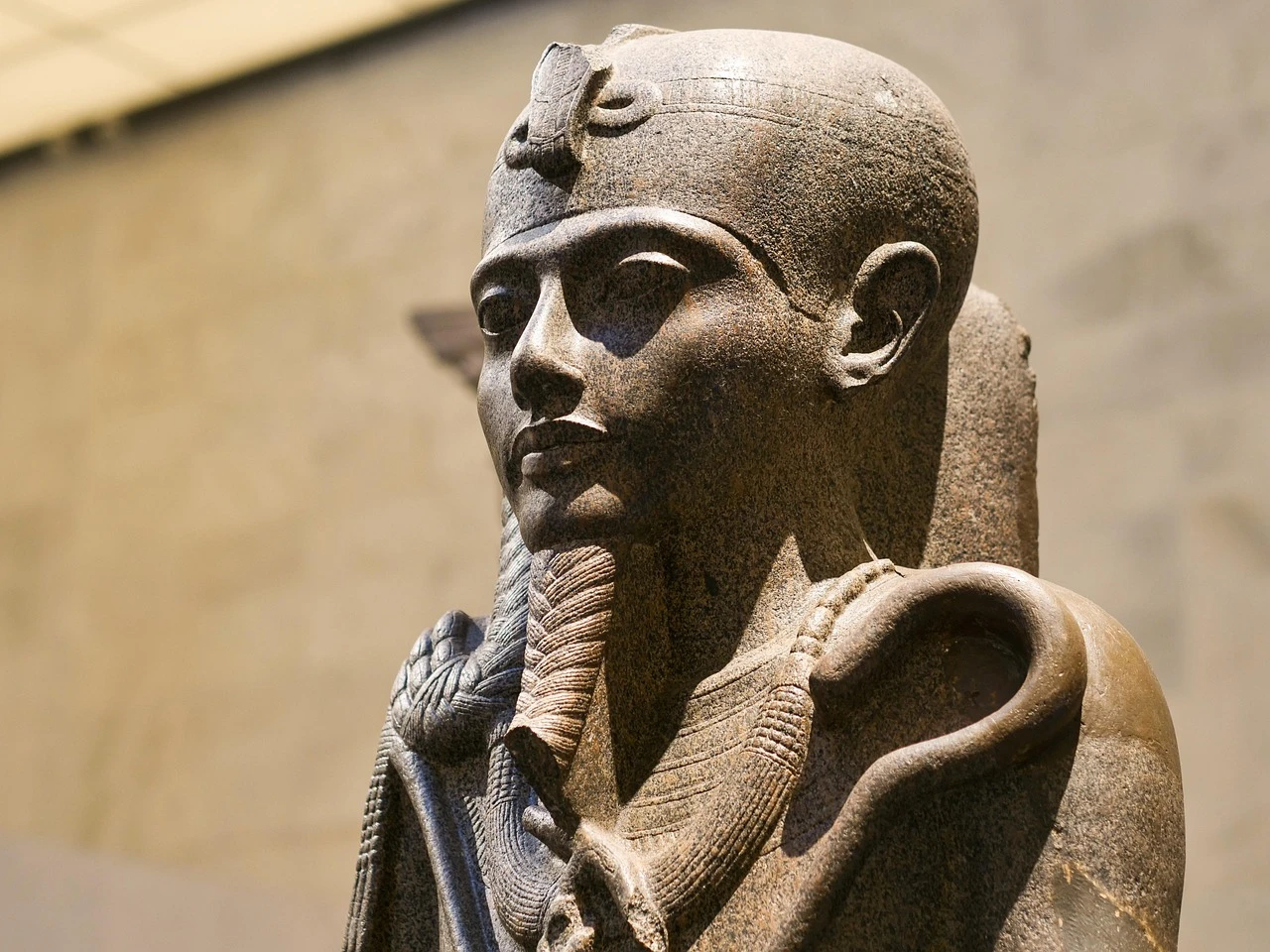
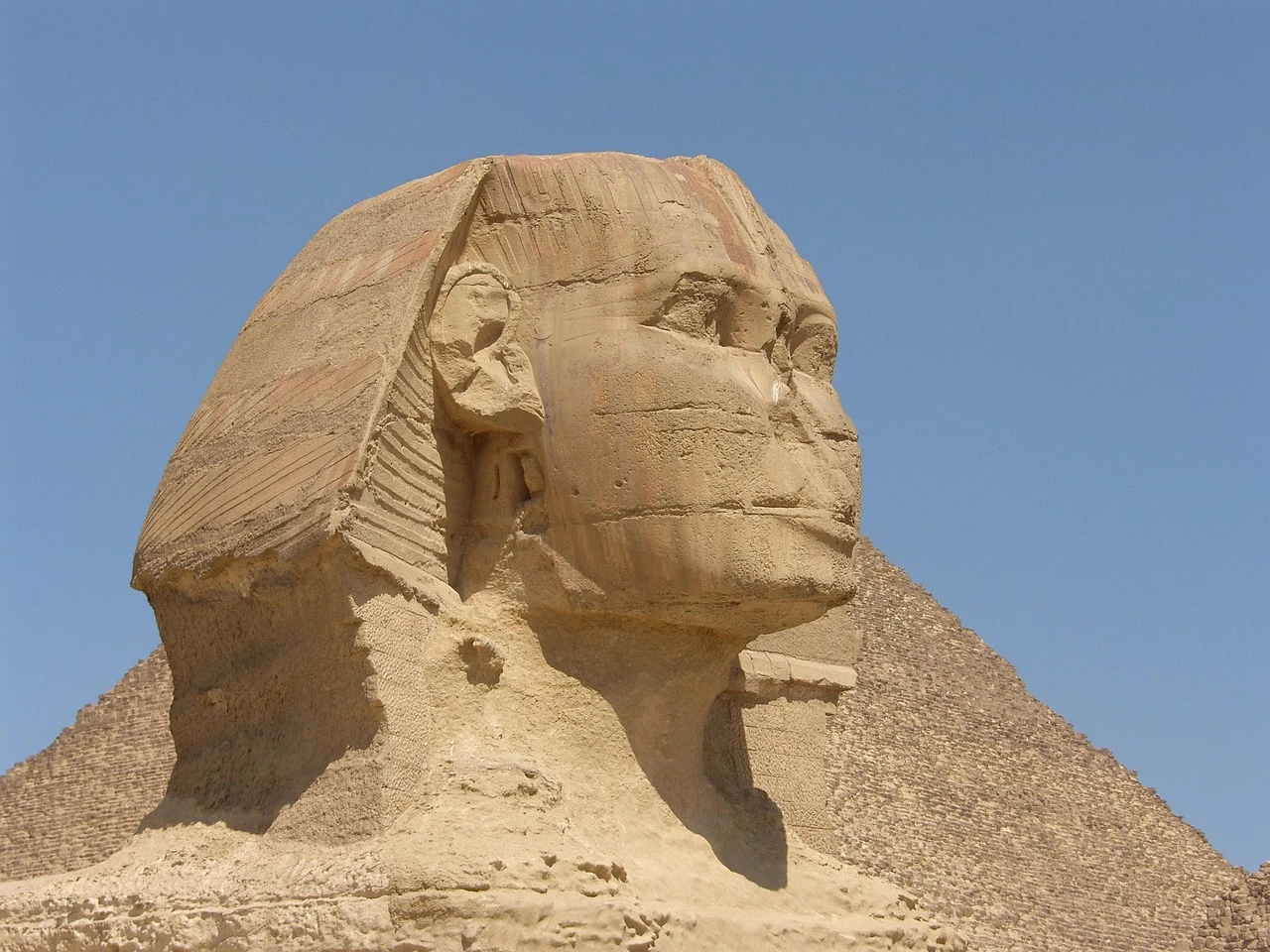
Cairo provides the first major chapter. At the Giza Pyramids, you can walk around the complex, see the Sphinx and learn how the royal monuments were laid out across the desert plateau. A visit to the Cairo National Museum adds context with objects and statues from Egypt’s long history. The pace is active, with time outdoors and some uneven ground, balanced by transport between locations and chances to stop for meals.
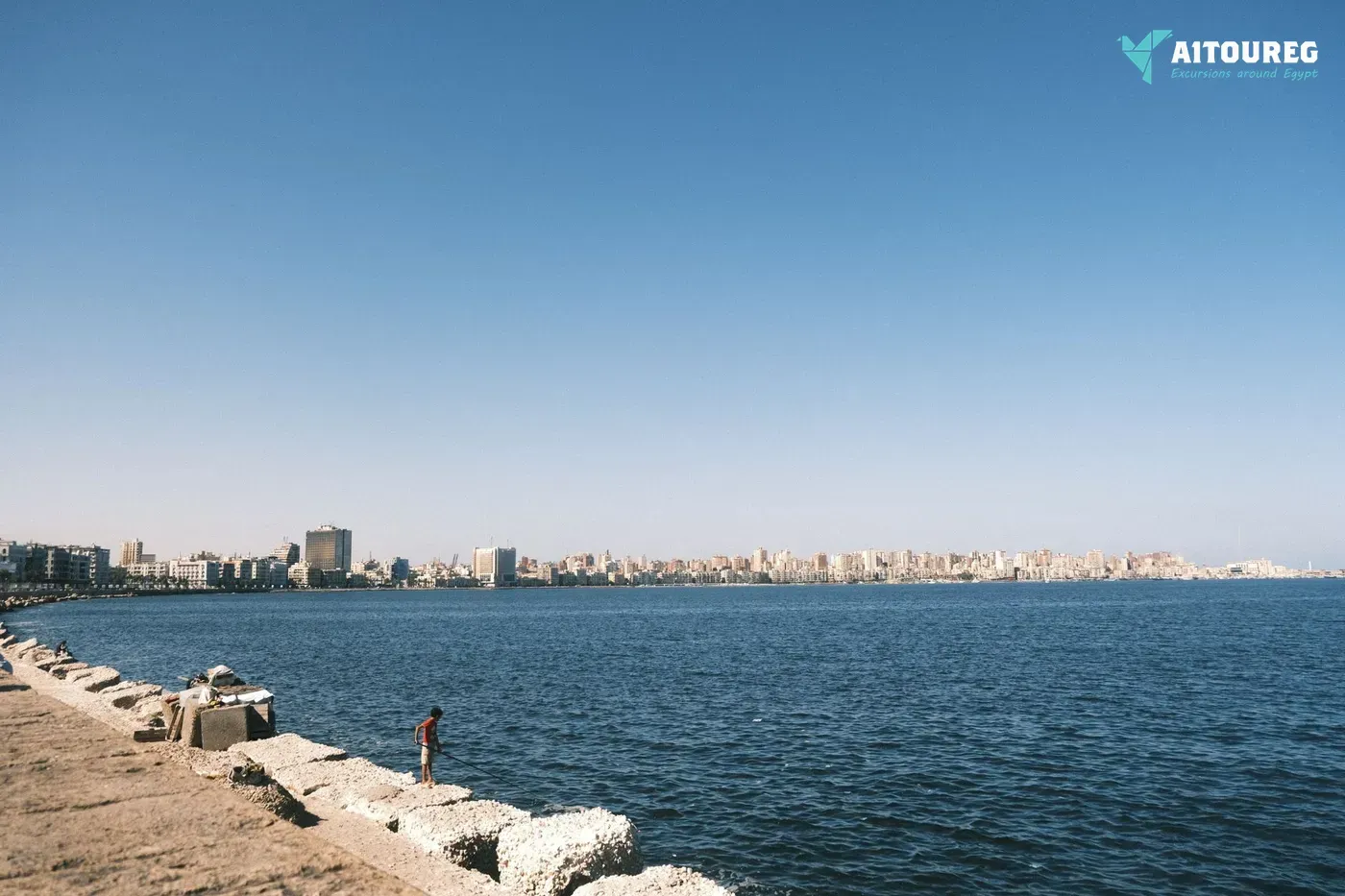
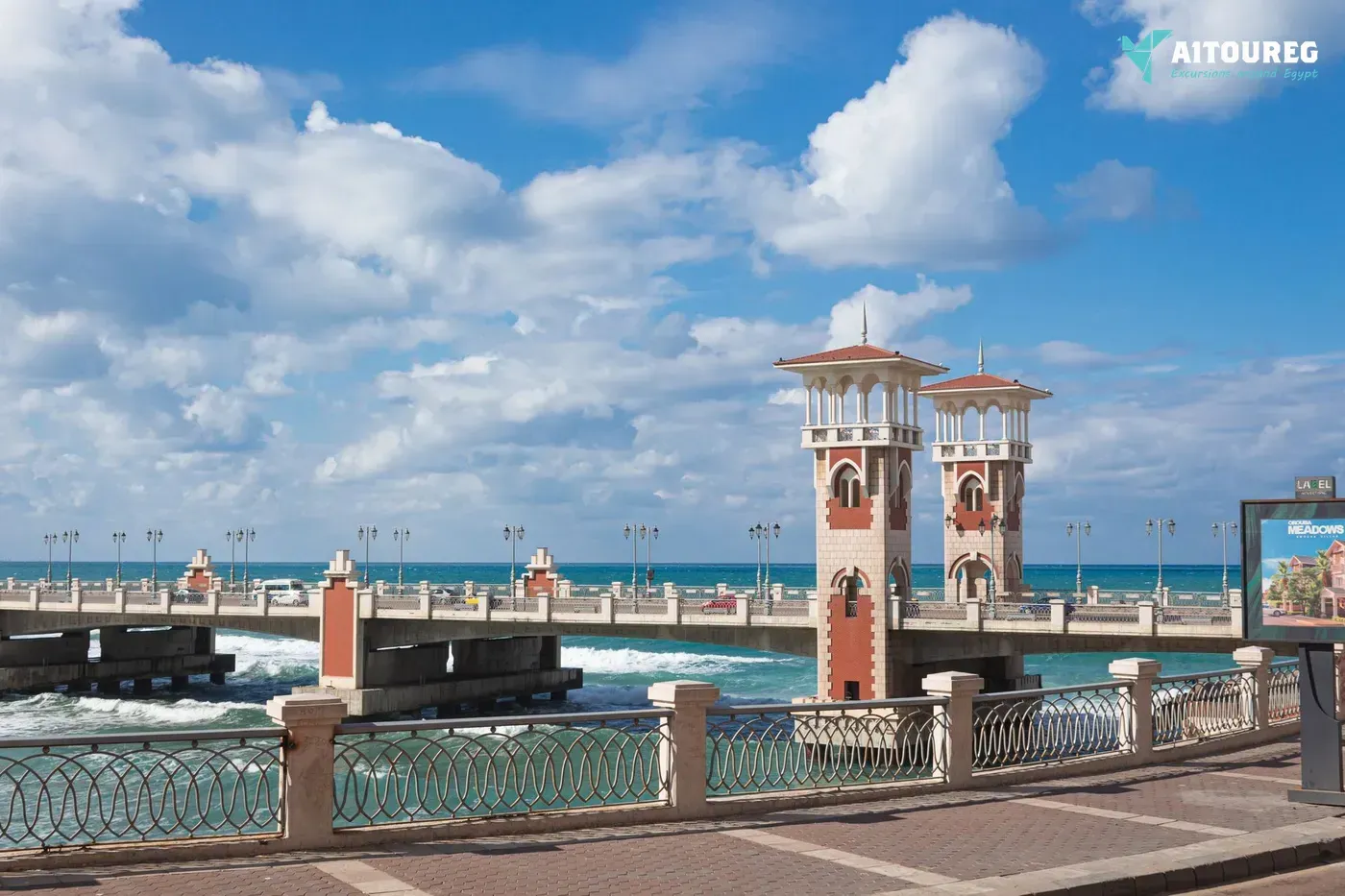
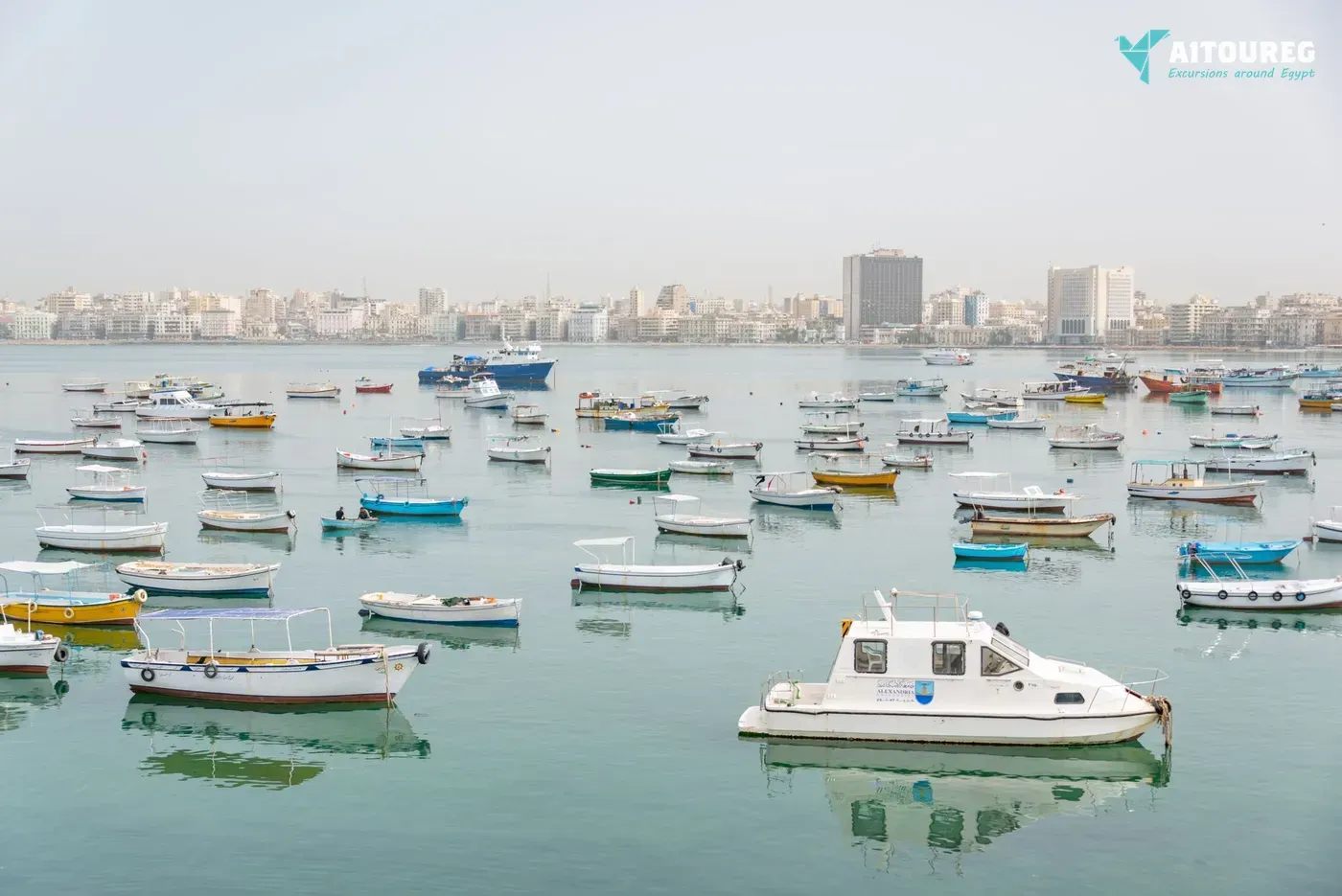
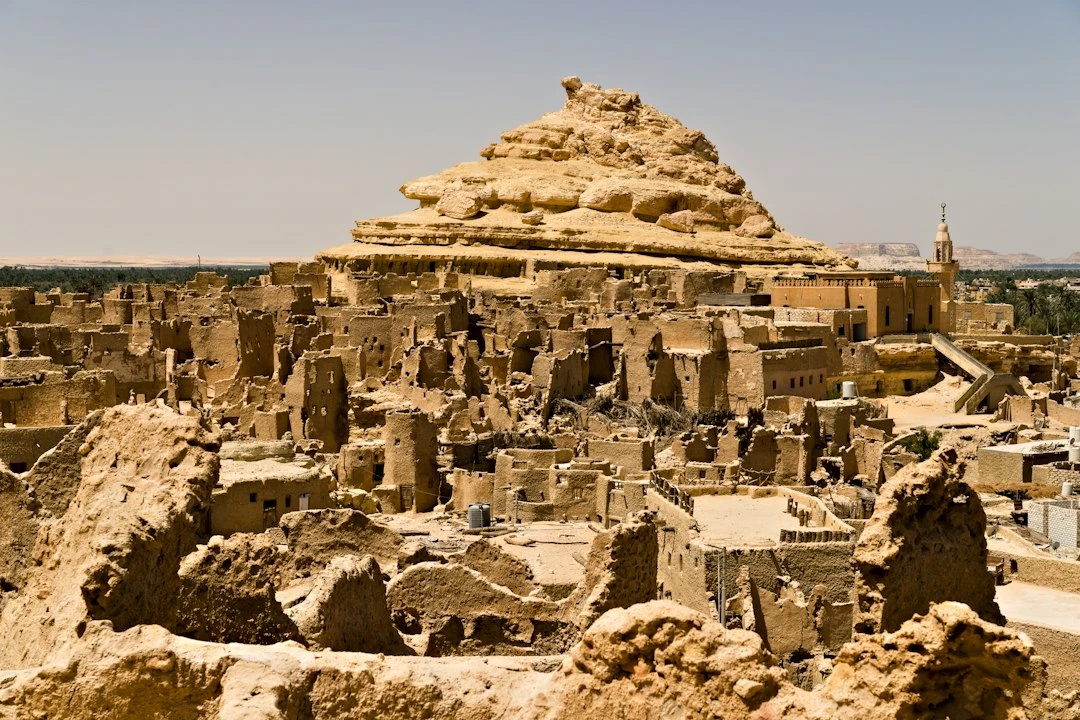
Alexandria has a different feel, shaped by the Mediterranean coast and its Greco-Roman past. The city’s Alexandria Coastal Beauty is best seen alongside its main historic locations, including the Catacombs of Kom El Shoqafa, Pompey’s Pillar and the area around the Bibliotheca Alexandrina when included in the route. Sea air, broad streets and a change of scenery make Alexandria a clear contrast to Cairo before you travel west towards the desert.
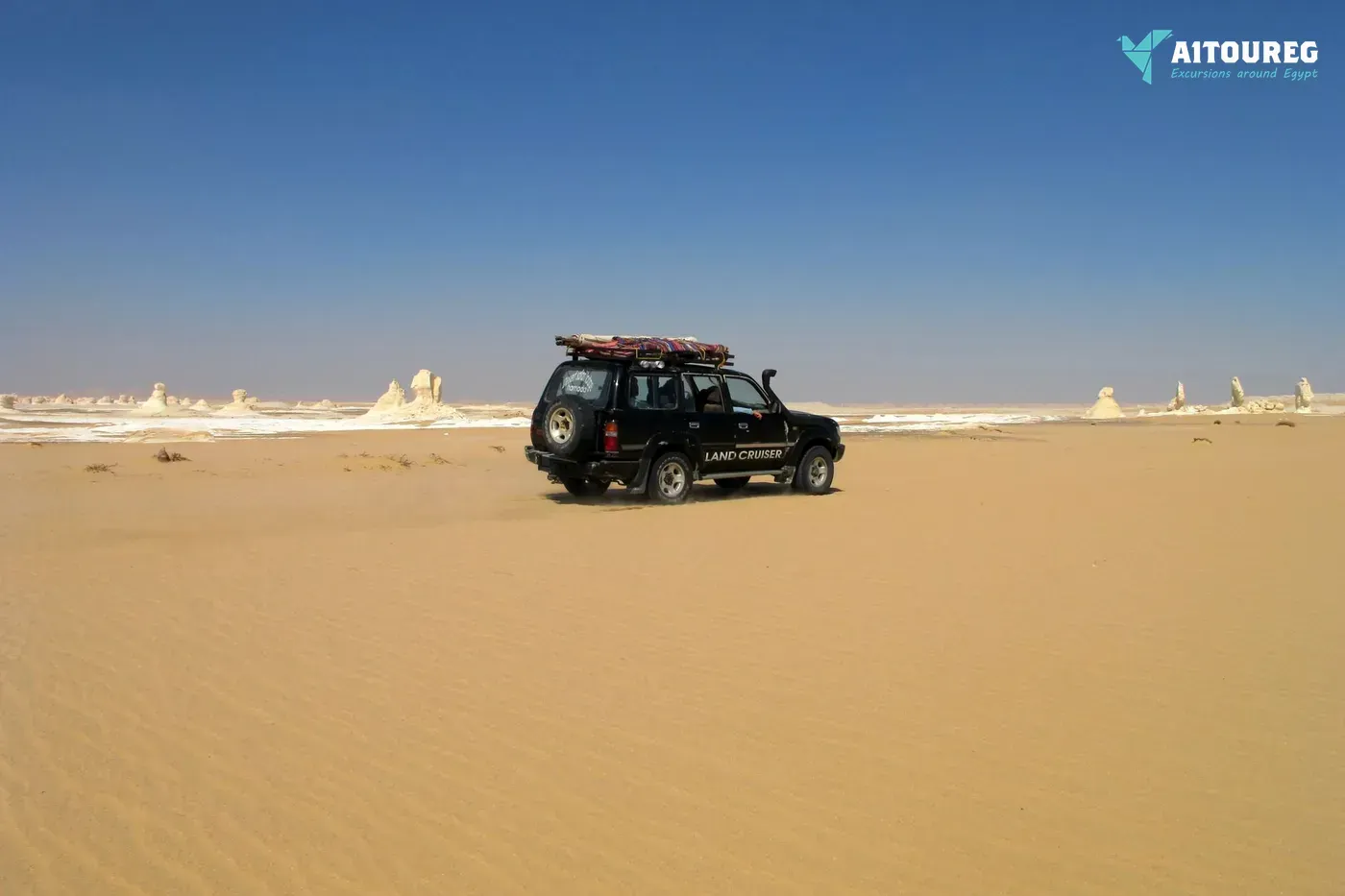
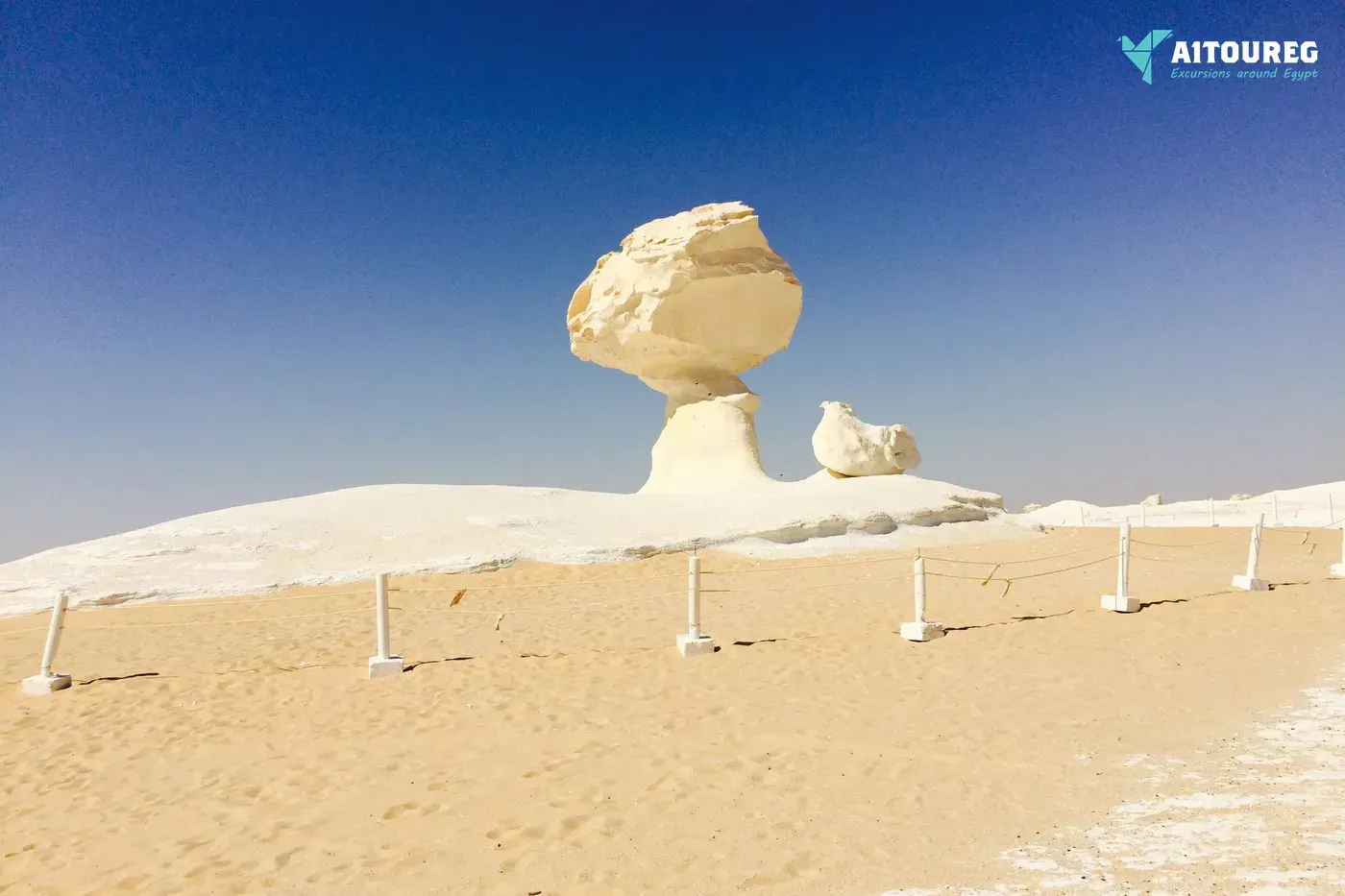
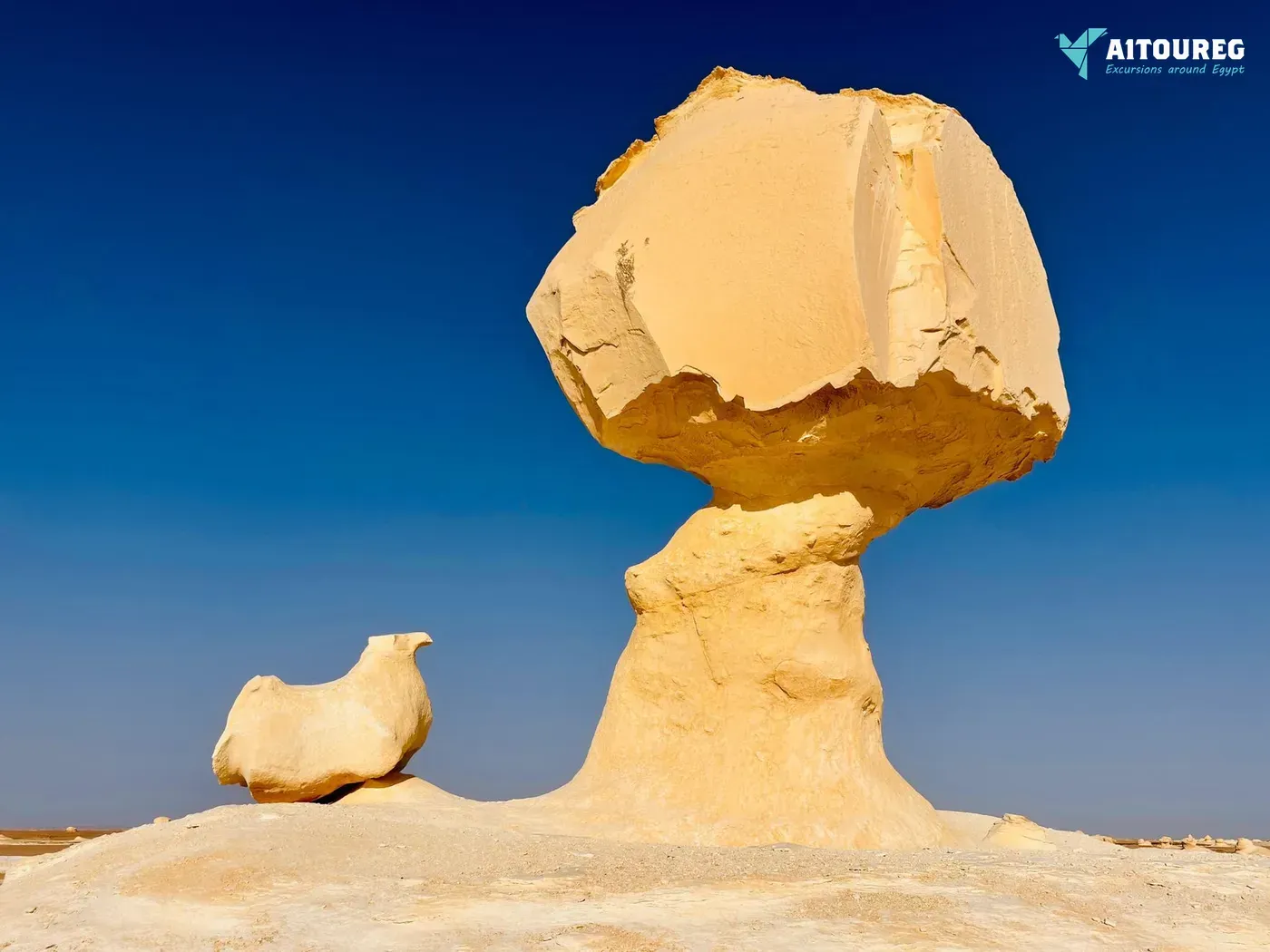
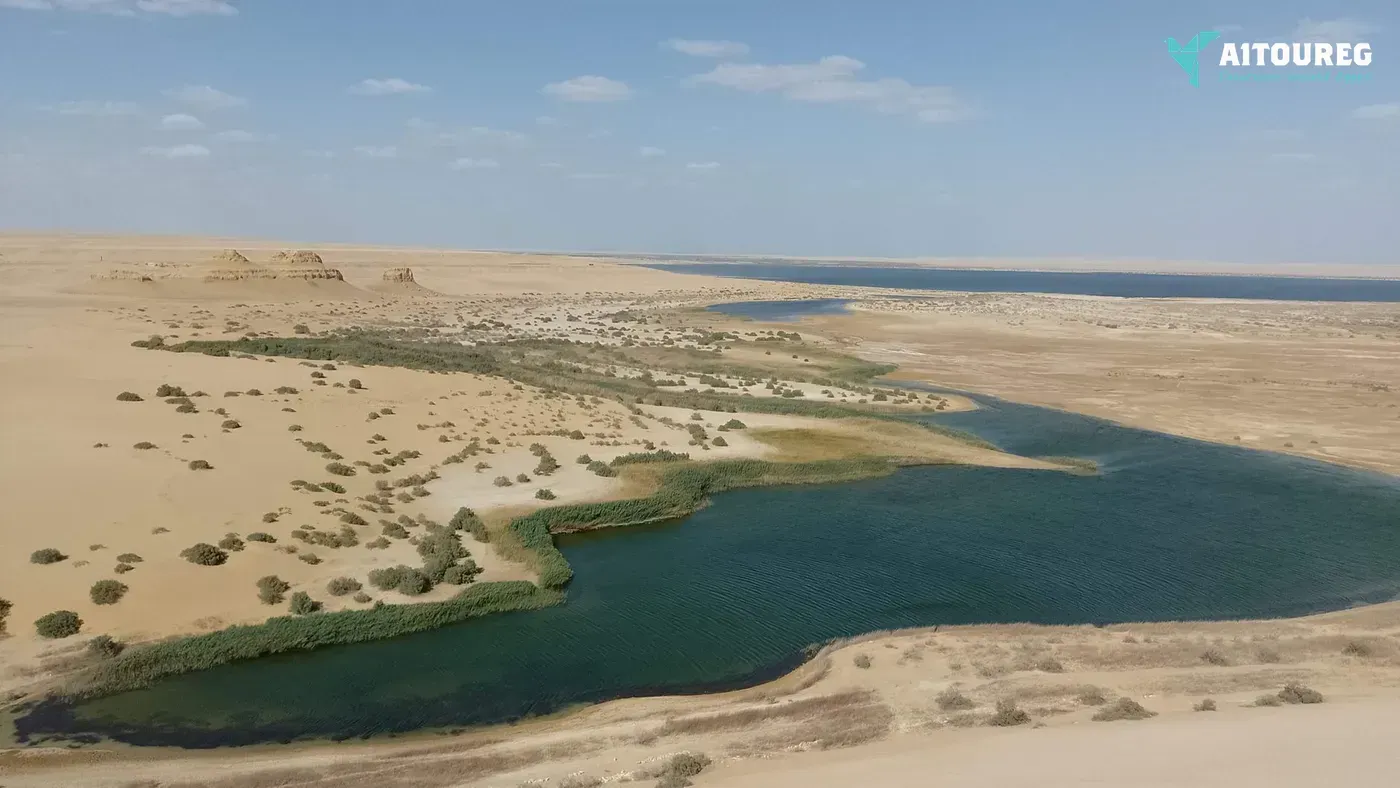
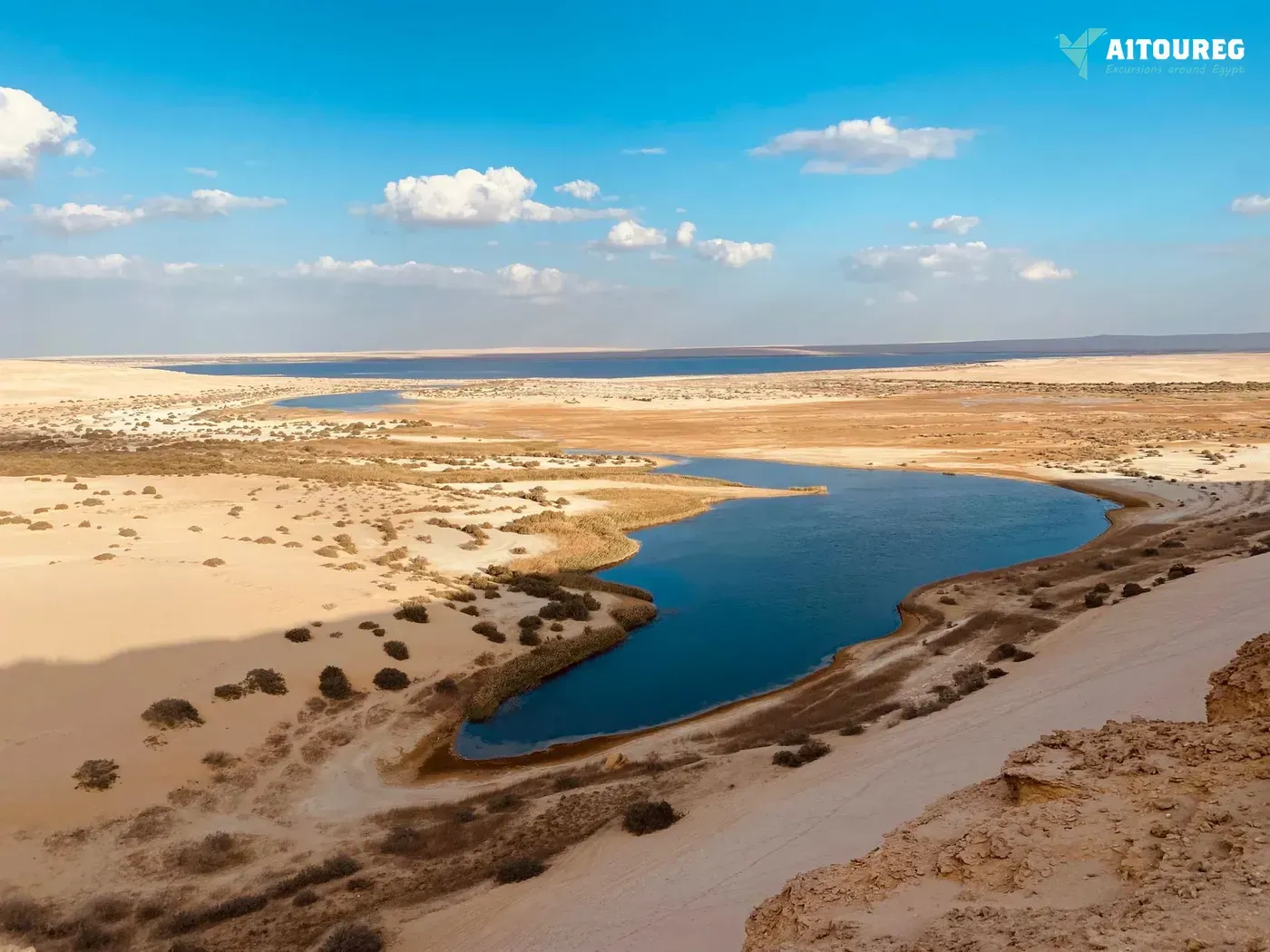
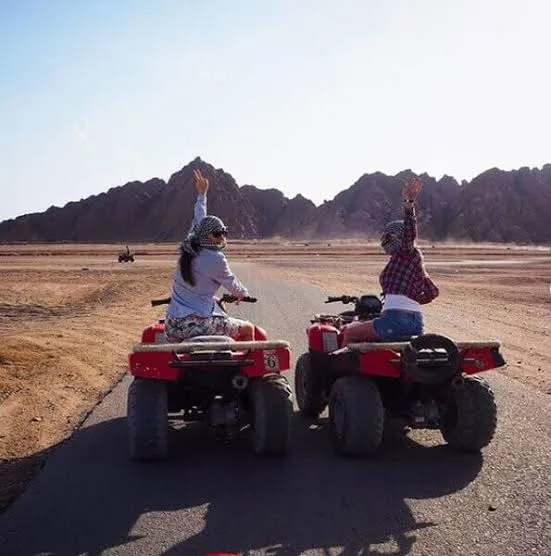
In Bahariya Oasis, palms, springs and low desert hills take the place of the city. You will see the Bahariya Spring Oasis and travel into the surrounding desert by 4x4, where wind and time have shaped the pale rock of the White Desert Formation. The view changes as the light moves across the chalk formations, making this a quiet, open stretch after the busy archaeological sites. Desert travel is simple rather than luxurious, and we plan the route around comfort, hydration and suitable stops.
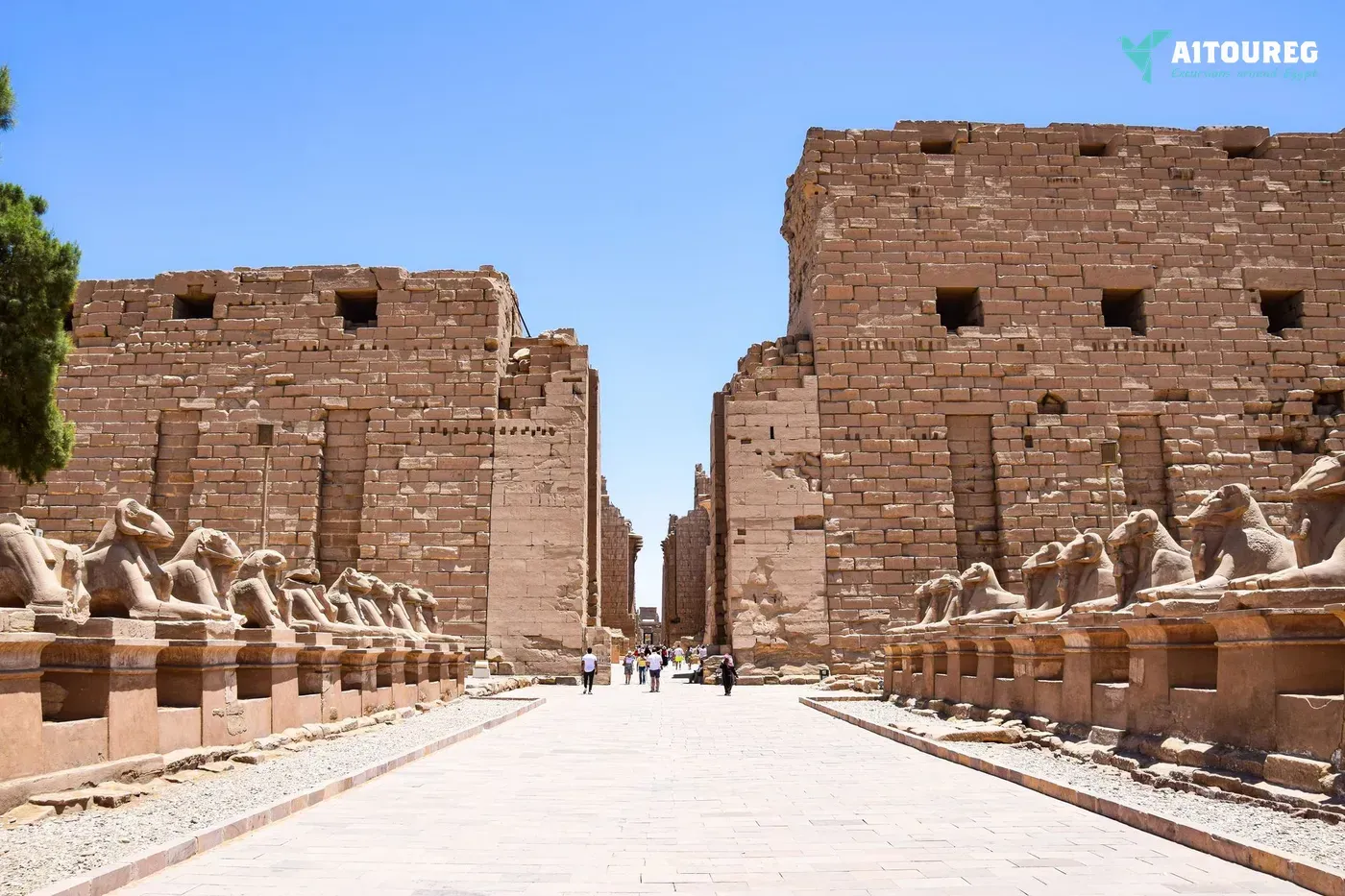
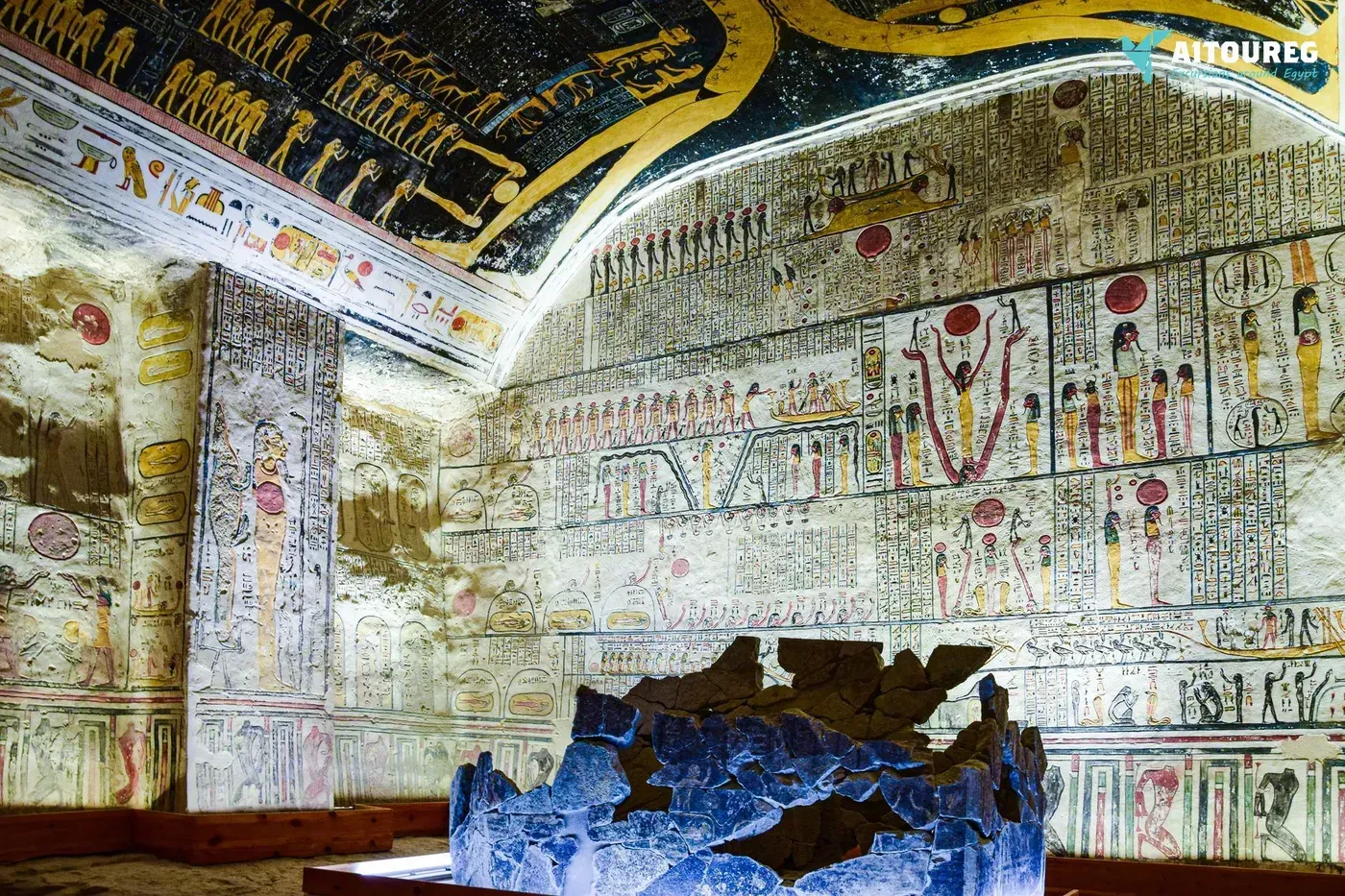
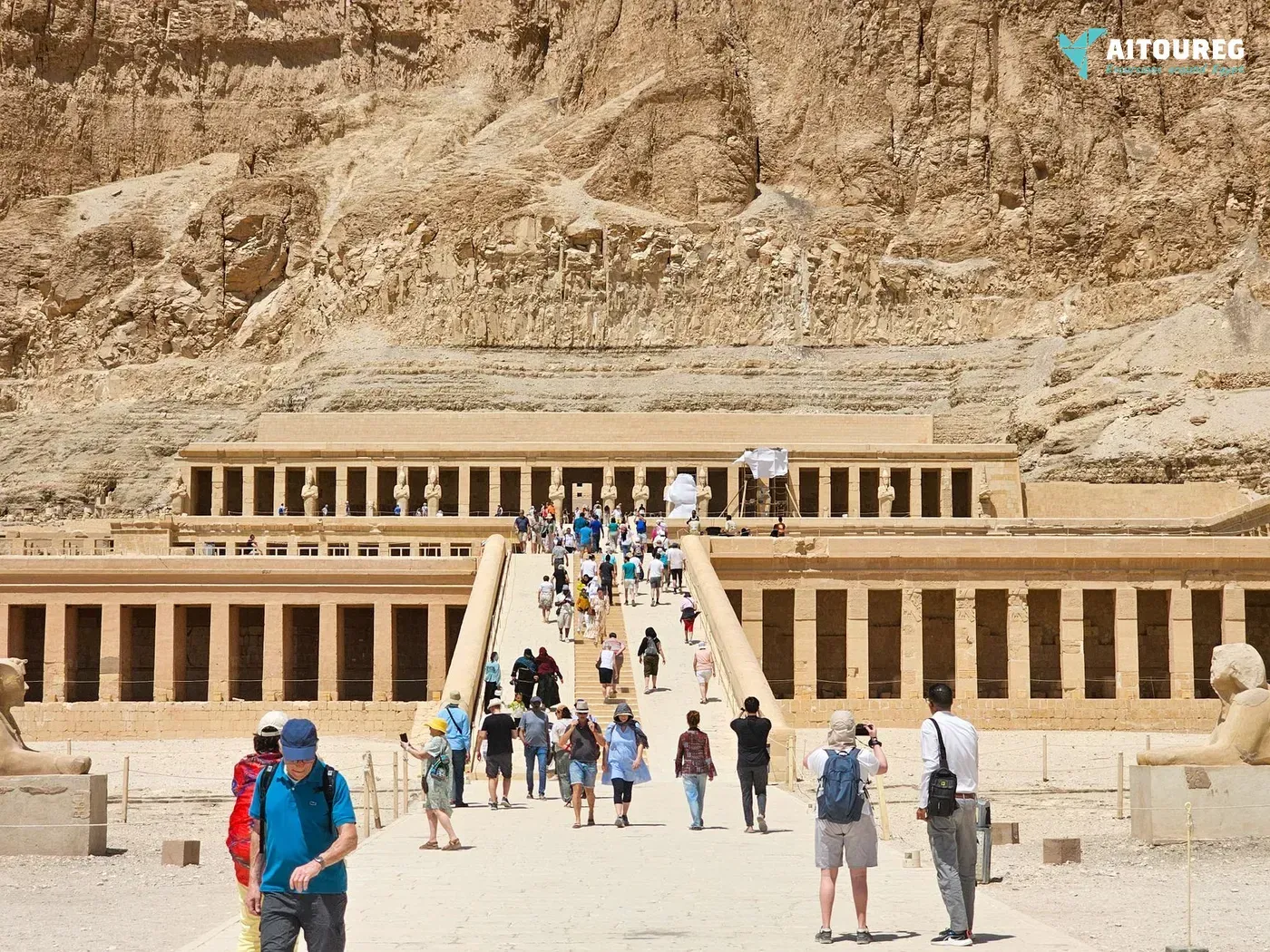
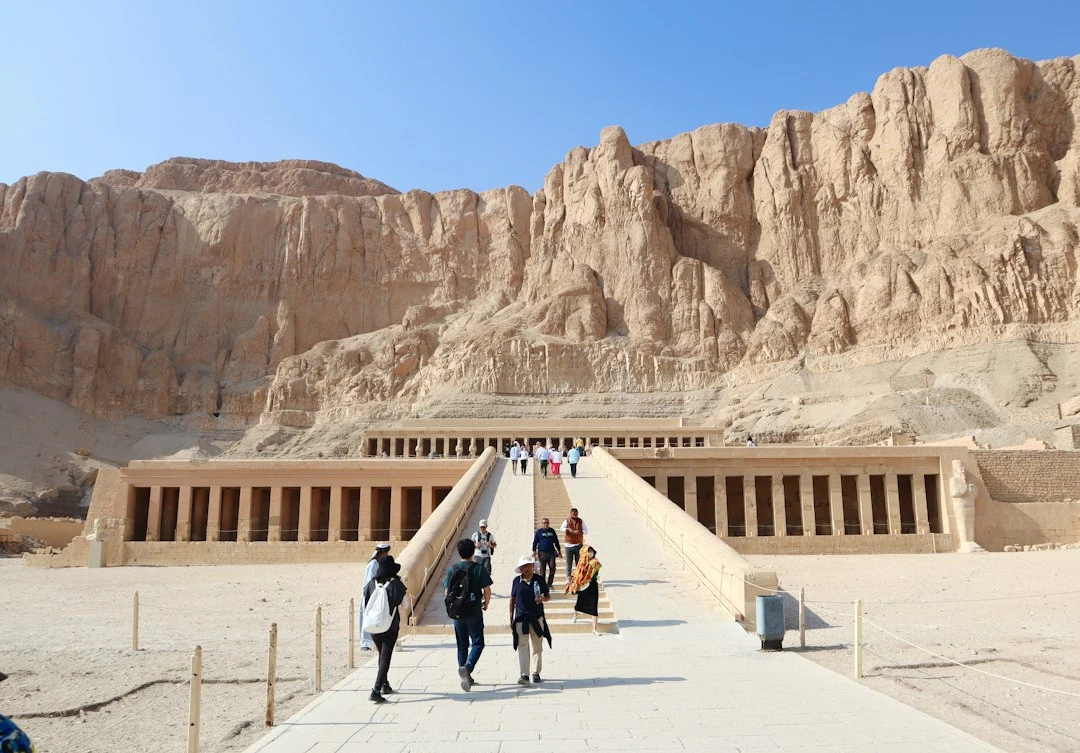
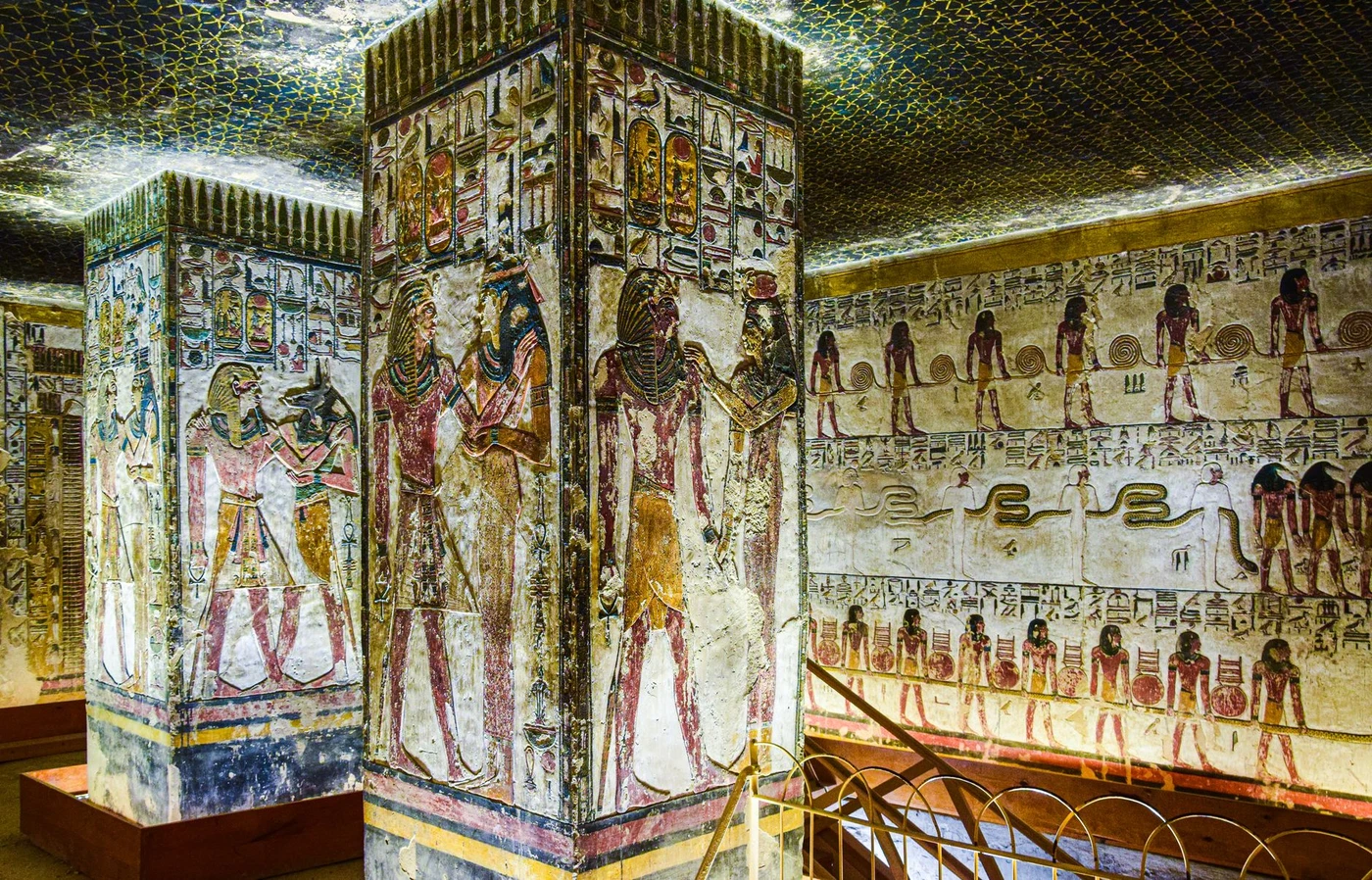
Upper Egypt has the highest concentration of temples and royal monuments. In Luxor, the Karnak Temple Complex shows how successive pharaohs expanded a vast religious centre, while the Valley of Kings Royal Tombs takes you into decorated burial chambers cut into the western hills. You also visit the Hatshepsut Mortuary Temple, set against the cliffs at Deir el-Bahari. A licensed Egyptologist can explain the symbols, rituals and changing dynasties without turning the sites into a list of dates.
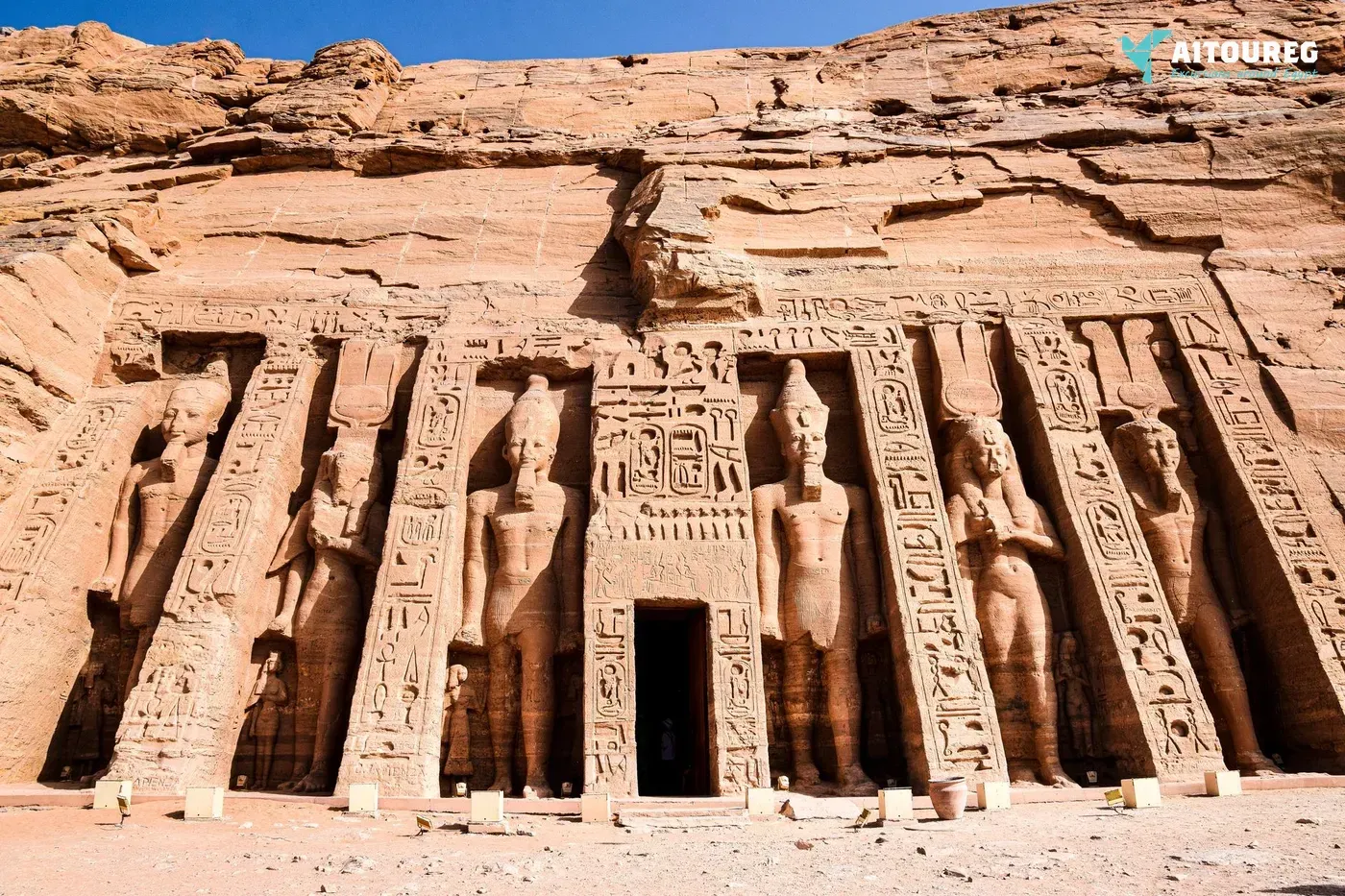
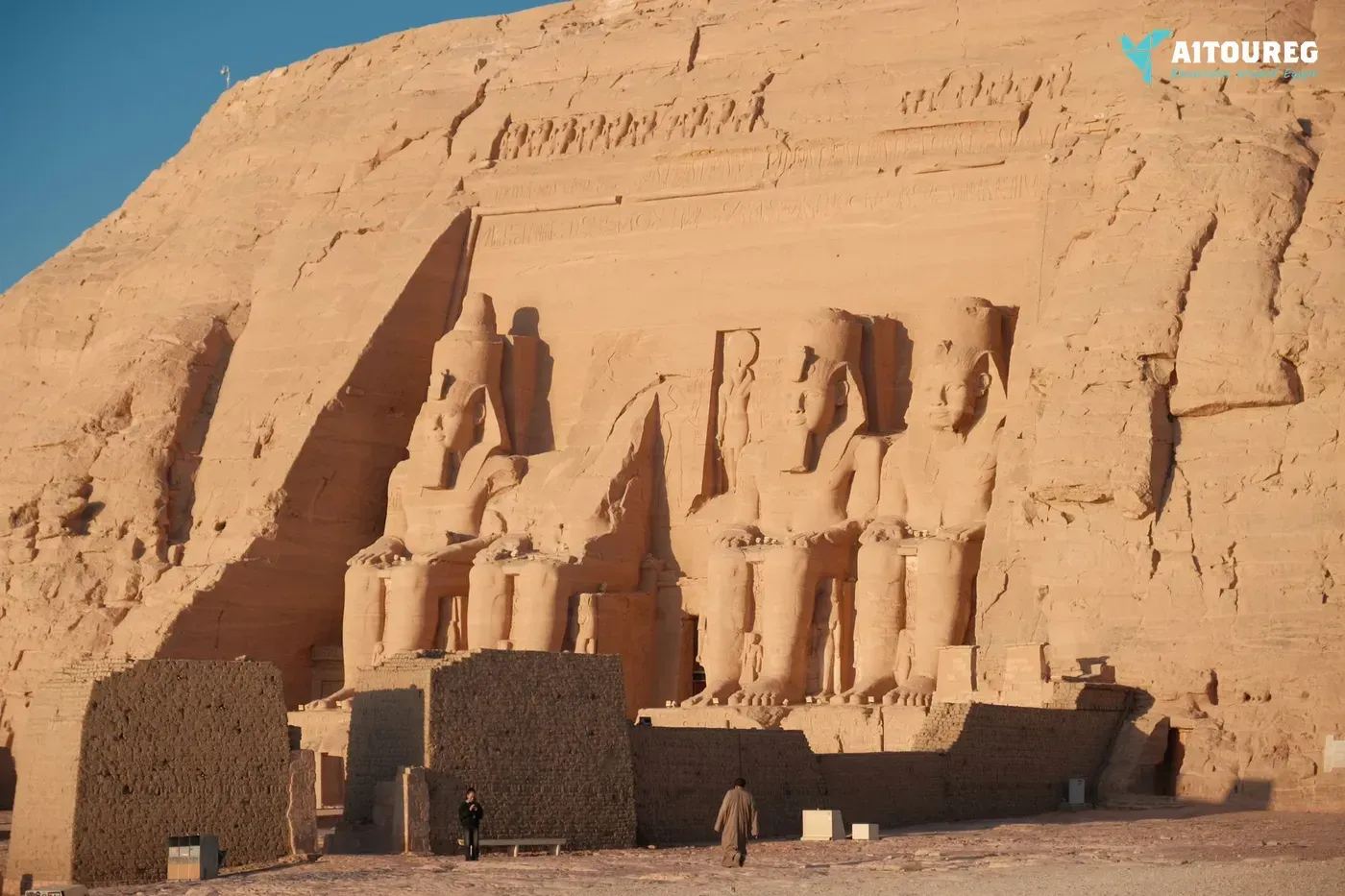
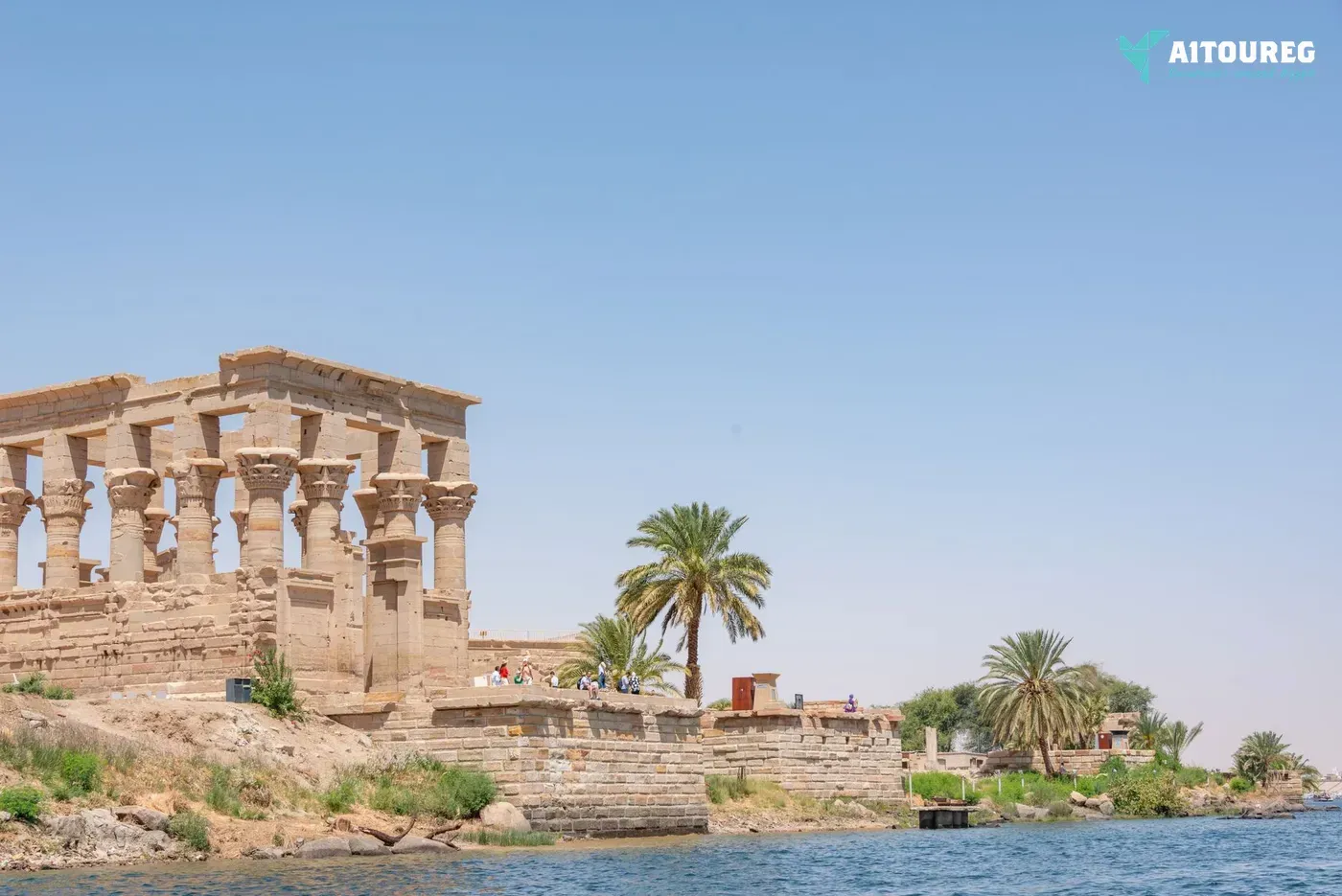
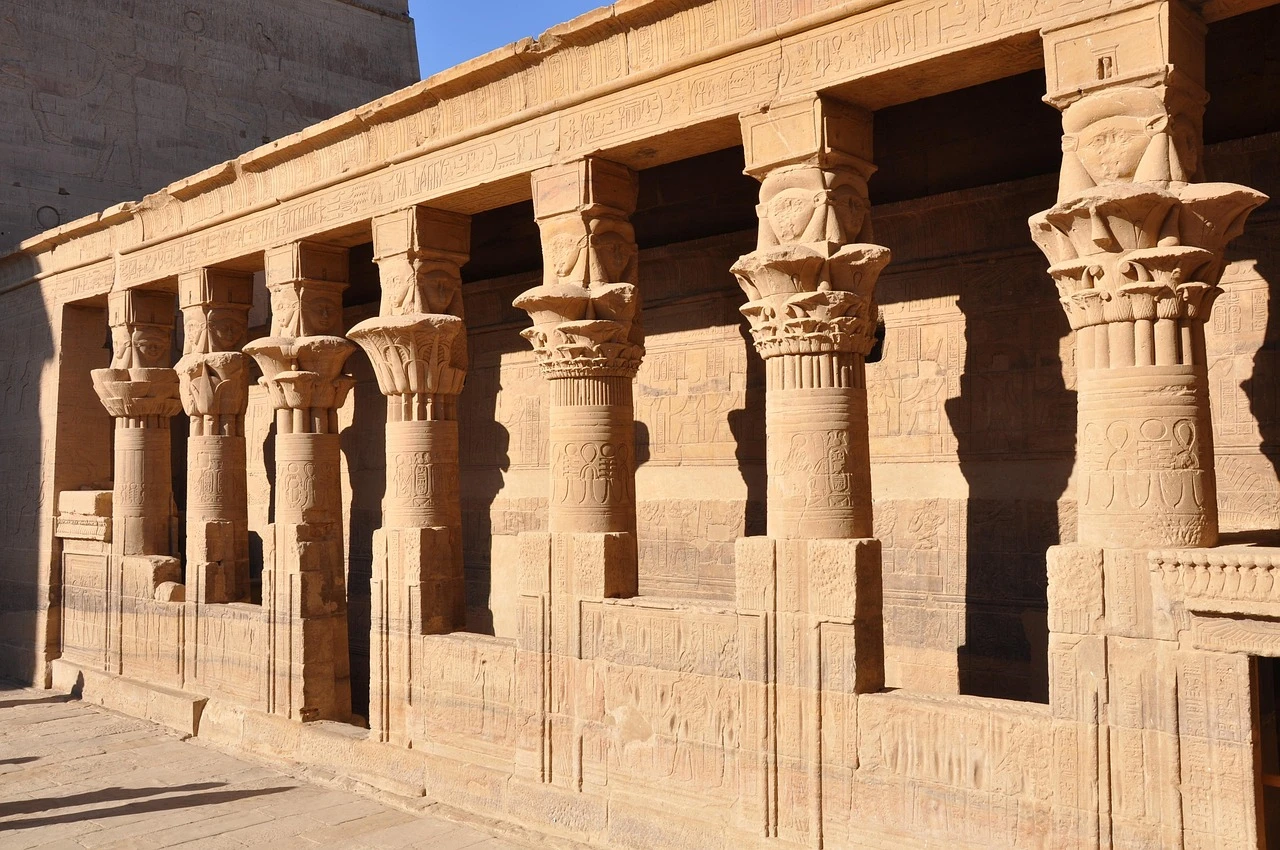
Aswan moves at a slower pace, with the Nile, granite islands and warm light shaping the experience. The Philae Sacred Temple is reached by boat on Lake Nasser and is dedicated mainly to Isis, with reliefs and columns still clear across the island complex. The route can continue south to the Abu Simbel Monuments, where the colossal façades of Ramesses II and the smaller temple of Nefertari face the lake. These visits require early starts or a planned transfer, and our team explains the arrangements in advance.
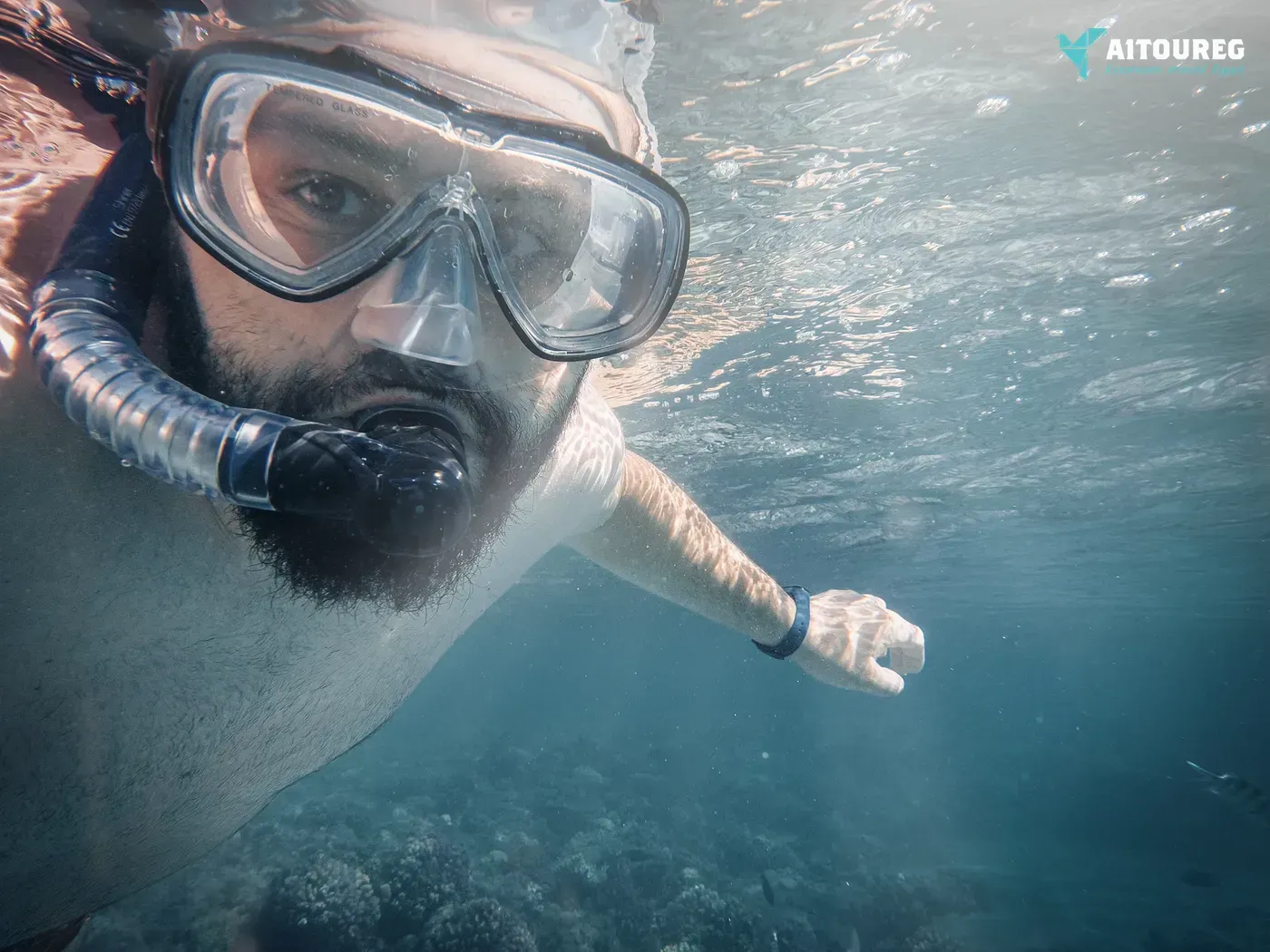
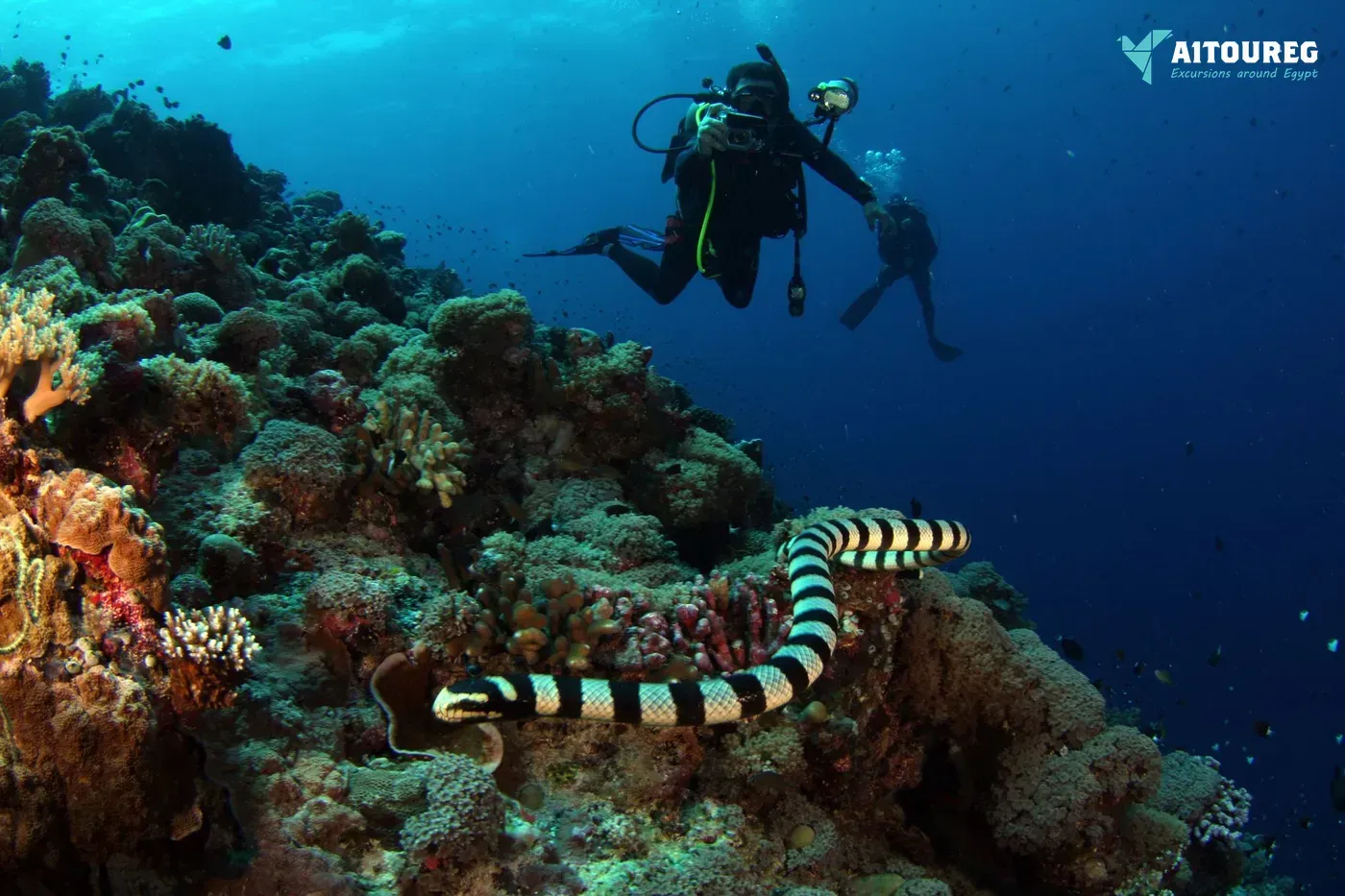
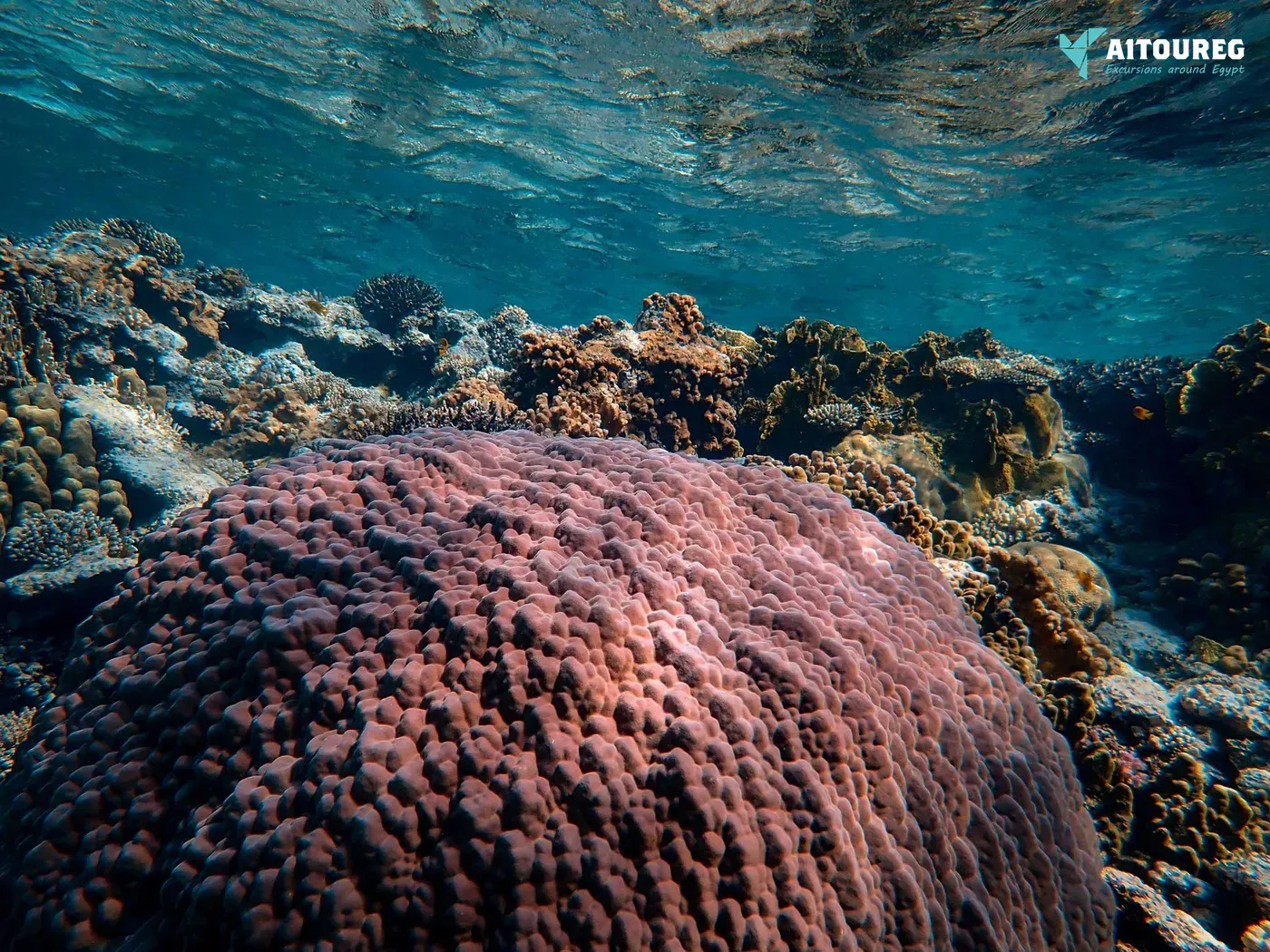
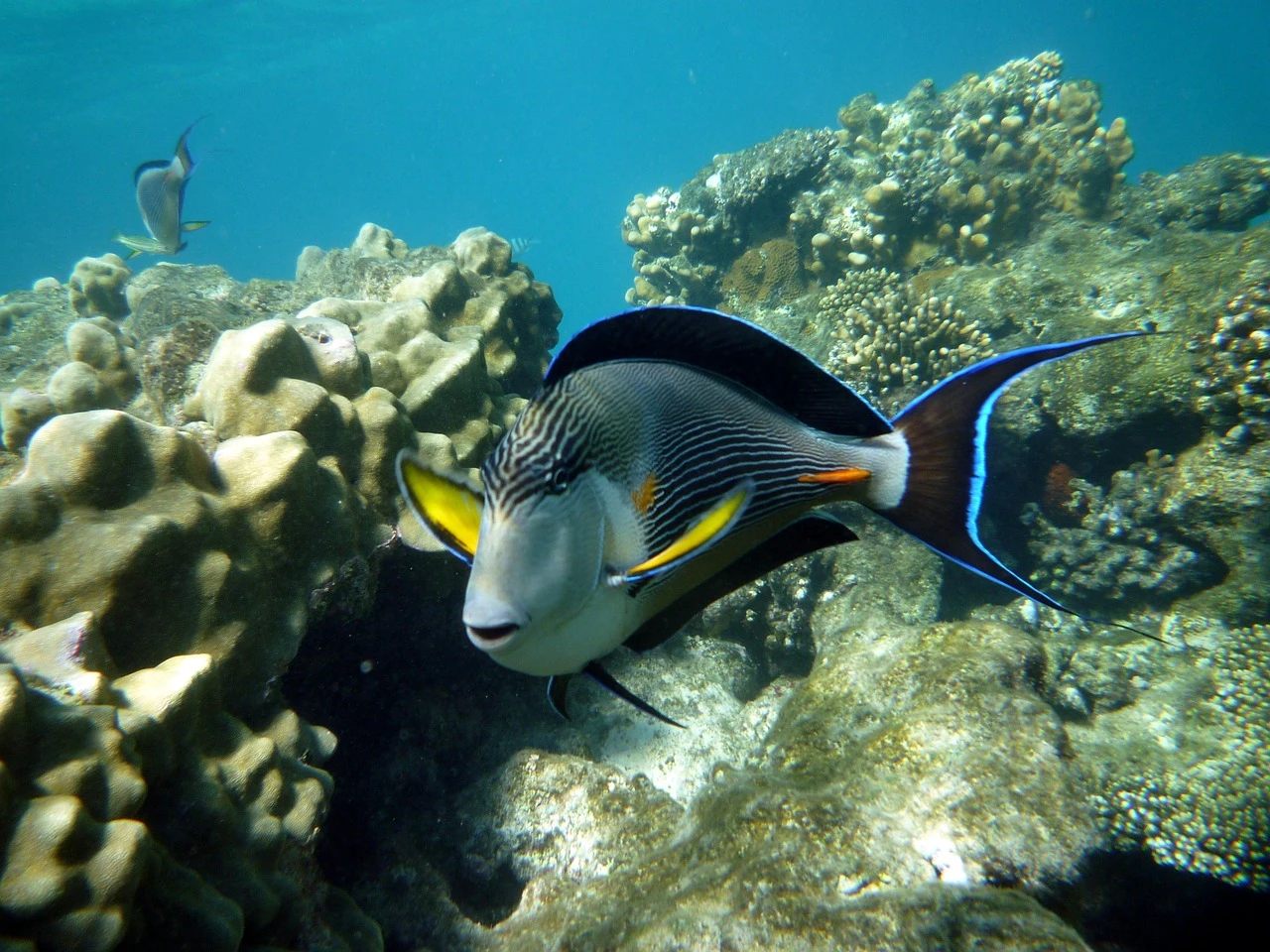
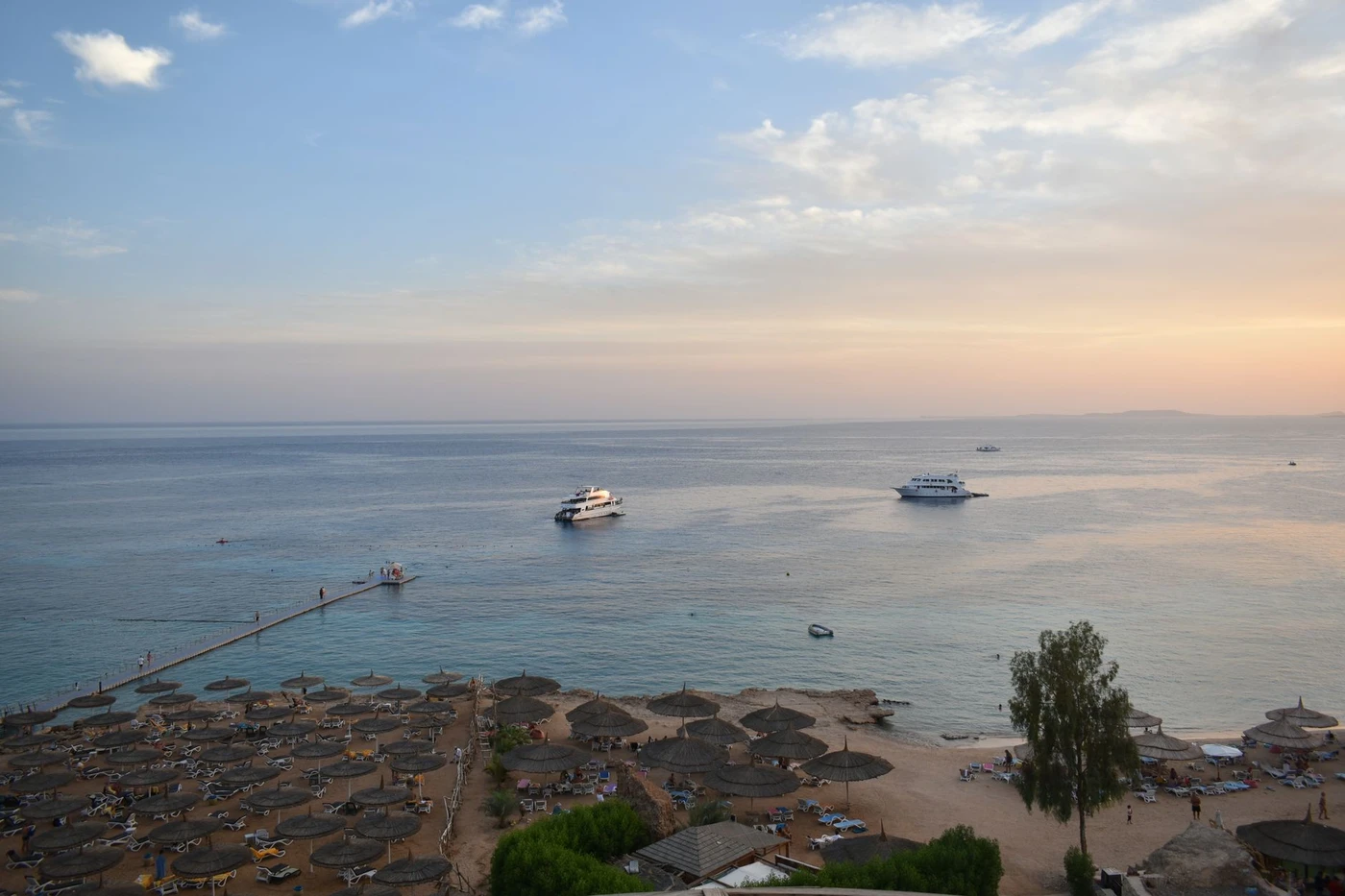
The final section gives you time to rest after the overland sightseeing. Red Sea Diving suits travellers who want to see coral reefs and marine life with a qualified dive team, while snorkelling or time by the water may be better for those who prefer a gentler pace. Diving is subject to local conditions, personal certification and medical requirements; beginners should ask about introductory options before travel. We do not guarantee visibility or sea conditions.
This itinerary suits travellers who want a broad first experience of Egypt and are comfortable with several long transfers, early starts and warm weather. It is less suitable for anyone seeking a slow beach holiday or a fully accessible route, since ancient sites often include steps, sand and uneven surfaces. Accommodation, meals, transport and guiding are organised around the confirmed itinerary, with time set aside for practical breaks. Bring comfortable walking shoes and keep your passport accessible for domestic travel and hotel check-in.
Assistance from our local A1 Toureg team
Airport, hotel and intercity transfers within Egypt
Boat transfer to Philae Sacred Temple
Accommodation for the tour as stated in the confirmed itinerary
Licensed Egyptologist guide for scheduled sightseeing
Desert 4x4 excursion in Bahariya Oasis and the White Desert
Meals specified in the confirmed itinerary
Sightseeing tours and entrance arrangements for the listed attractions
Transportation in a private or shared air-conditioned vehicle, according to the booking
Tips and gratuities
Drinks with meals unless specified
Optional activities, including diving or equipment rental where not included
International flights
Egypt entry visa and personal travel insurance
Any sightseeing or services not listed in the inclusions
Domestic flights or other internal transport unless stated in the confirmed itinerary
Personal expenses, laundry and telephone charges
A phone or camera with spare battery or power bank
Reusable water bottle and any regular medication
Motion-sickness medication if you need it for road or boat journeys
Swimwear, reef-safe sun cream and a compact towel for Red Sea activities
Small overnight bag for transfers and desert travel
Sun protection, sunglasses and a hat
Light, breathable clothing and a warm layer for desert evenings
Comfortable walking shoes with good grip
Passport and a copy stored separately
This 14-day Egyptian exploration tour is organised around guided sightseeing, regional transfers and visits to major ancient and natural sites, including the Giza Pyramids, Cairo National Museum, Alexandria Coastal Beauty, the White Desert Formation and Bahariya Spring Oasis. The full booking details confirm which accommodation, meals, entrance tickets and guide services are included.
Our team also coordinates the practical arrangements between Cairo, Upper Egypt and the Red Sea coast. Please check the inclusions shown with your selected package before booking, as services can vary by itinerary option.
The 14-day Egypt itinerary has a full sightseeing pace, with time divided between Cairo, the desert, Upper Egypt and the Red Sea coast rather than spending the entire trip in one city. Visits include the Abu Simbel Monuments, Philae Sacred Temple, Karnak Temple Complex, Valley of Kings Royal Tombs and Hatshepsut Mortuary Temple.
Several sightseeing days involve early starts, walking over uneven ground and time in the sun. We plan the route in a practical order, while the final Red Sea stay gives you time to rest or choose optional activities.
Pickups and transfers are arranged according to your booked itinerary, with collection from the agreed hotel, airport or accommodation point and drop-off at the next planned destination or stay. This supports the route through Cairo, Alexandria Coastal Beauty, Bahariya Spring Oasis, Upper Egypt and the Red Sea coast.
Pickup details are confirmed before each travel section because locations and transport arrangements can differ. Please provide accurate accommodation and arrival information so our team can coordinate the transfer clearly.
Children can join this 14-day Egypt tour, but travellers should be comfortable with long sightseeing days, road transfers, stairs, sand and uneven surfaces. The Giza Pyramids, White Desert Formation and ancient temple areas may require walking outdoors, while sites such as Philae Sacred Temple can involve boat transfers.
Travellers with limited mobility should contact our team before booking so we can review each day, including access at the Valley of Kings Royal Tombs and Abu Simbel Monuments. We can explain where assistance or a slower pace may be possible.
Bring light, breathable clothing, comfortable walking shoes, sun protection and a light layer for cooler mornings or evenings. Modest clothing that covers the shoulders and knees is useful when visiting religious and historic sites, including Karnak Temple Complex, Hatshepsut Mortuary Temple and Philae Sacred Temple.
Pack a hat, sunglasses, reusable water bottle, personal medication and a small day bag. If you plan Red Sea Diving, bring any preferred personal equipment details and confirm what diving gear is supplied with your chosen arrangements.
You can request the 14-day Egypt tour by submitting your travel details and preferred dates, after which our team confirms the itinerary, availability and booking conditions. We will also clarify the planned visits, including Cairo National Museum, the Abu Simbel Monuments and Red Sea Diving arrangements where selected.
Cancellation terms depend on the booking conditions for your confirmed package and any services arranged for the trip. Read those terms before payment, and contact us as soon as possible if you need to change or cancel your plans.
Your unforgettable Egypt journey starts with a booking you can trust.
* Available on selected tours. Flights, cruises and special bookings may have different cancellation policies.
Free cancellation up to 24 hours before activity starts
If you choose to pay online, a secure payment link can be provided after booking. For assistance or alternative payment options, please contact us via WhatsApp.
All our tour operators are licensed and verified by Egyptian tourism authorities.
Learn more about our licensed partners →

Free cancellation up to 24 hours before activity starts
If you choose to pay online, a secure payment link can be provided after booking. For assistance or alternative payment options, please contact us via WhatsApp.
All our tour operators are licensed and verified by Egyptian tourism authorities.
Learn more about our licensed partners →
Your Itinerary
Arrive in Cairo, where our representative meets you at the airport and helps with the first practical steps after your flight. Once your luggage and entry formalities are complete, you transfer to your hotel in the city. The journey gives you an early look at Cairo’s wide avenues, older neighbourhoods and busy streets.
The rest of the day is deliberately light. Settle in, rest after travelling and meet the tour team for a briefing about the fortnight ahead. We explain the order of sightseeing, internal transfers and the early starts required on some days. If your arrival time allows, your guide can suggest a short walk or nearby meal, but there is no pressure to add activities.
Keep your passport and essential medication accessible during the transfer. The first full sightseeing day begins after breakfast, giving you time to adjust before visiting the monuments around Giza.
After breakfast, travel from central Cairo to the Giza plateau for a guided visit to the Giza Pyramids. Your guide explains how the pyramid complex was planned, how stone was moved and how the monuments fitted into the beliefs of Egypt’s Old Kingdom. You have time to walk around the main viewpoints and see the different angles of Khufu, Khafre and Menkaure.
Continue to the Great Sphinx, where the lion’s body and human head face across the plateau. The visit includes time for photographs and for questions about the temple structures beside the statue. Ground surfaces are uneven in places, and the midday sun can be strong, so comfortable shoes, water and a hat are useful.
Return to Cairo after the plateau visit. The afternoon remains flexible for rest or an optional local meal, while your guide confirms the following day’s museum visit and any road arrangements.
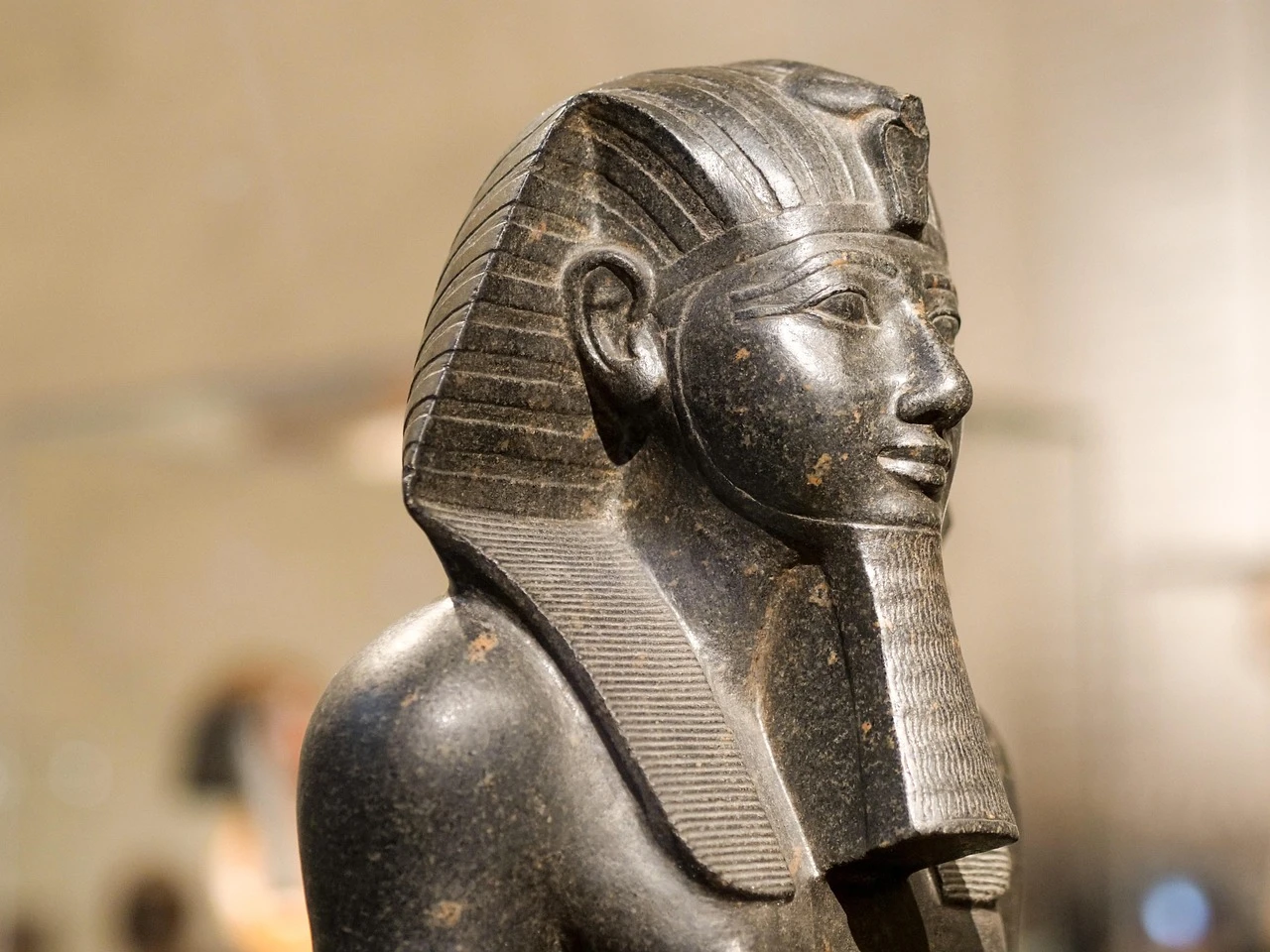
Today centres on the Cairo National Museum, where you see a broad collection of Egyptian objects arranged across different periods of the country’s history. Allow time to examine statues, coffins, jewellery, tools and everyday items rather than treating the museum as a quick stop. Your Egyptologist guide places the exhibits in context and points out details that are easy to miss in a large collection.
After the museum, continue through an older part of Cairo for a slower look at historic streets and religious architecture. Depending on access and the day’s conditions, the route may include a church, mosque or traditional market area. Your guide explains local customs and helps you move comfortably through the busier sections.
There is time for lunch and a break before returning to the hotel. Prepare a small overnight bag for the desert section, while larger luggage can remain arranged for the next transfer according to the tour plan.
Leave Cairo by road for Alexandria, a journey of several hours depending on traffic. On arrival, explore the Mediterranean waterfront and the city’s broad coastal setting. Your guide introduces Alexandria’s Greek, Roman and later history as you visit the main planned sights included in the day’s route, with time to see how the city differs from inland Cairo.
The itinerary may include the Catacombs of Kom El Shoqafa, Pompey’s Pillar and the area around the Citadel of Qaitbay, subject to opening arrangements. At the coast, the air and light change noticeably, and there is a chance to pause for lunch or a drink near the seafront. Some sites involve steps and uneven flooring, so wear shoes with a secure sole.
Return to Cairo in the late afternoon or evening. The following day begins with a longer desert transfer, so keep essentials close and use the evening to rest. Your driver and guide will confirm the departure arrangements before you settle in.
Travel west from Cairo towards Bahariya in a comfortable vehicle, crossing the changing landscape from the Nile Valley’s settled edge to open desert. The drive takes several hours, with a break arranged along the way. Your guide explains how oasis communities depend on groundwater and agriculture in an otherwise dry environment.
On arrival, explore the Bahariya Spring Oasis at a relaxed pace. See palm groves, cultivated land and the warm springs that support local life. A spring visit is a chance to slow down after the road journey, although water temperature and access can vary. Follow local guidance and bring swimwear only if bathing is permitted at the selected site.
Spend the night in Bahariya or at a desert camp, depending on the confirmed route. The evening is quiet compared with Cairo, with dinner and time to look across the darkening landscape. Pack a light layer because desert temperatures can fall after sunset.
Set out by 4x4 into the desert to see the chalk landscapes known for their pale rock shapes. The White Desert Formation has been shaped by wind and erosion, leaving isolated pinnacles and rounded forms across the open ground. Your driver chooses safe stopping points, and your guide explains how the rock changed over long periods.
Walk short distances around the formations, photograph the contrast between white stone and sand, and pause for tea or a simple desert meal according to the day’s arrangements. There are no continuous paths or shaded facilities, so carry water, use sun protection and follow the guide across the uneven surface. The pace is easy, but sturdy footwear helps.
Return towards Bahariya and then continue by road to Cairo, or complete the return according to the agreed overnight plan if road timing makes that more practical. This is a long travel day; the schedule allows breaks rather than rushing between viewpoints.
After the desert section, transfer to Cairo Airport for the flight to Luxor. Internal flight timings can vary, so the morning is organised around the confirmed departure rather than a fixed public schedule. On arrival, meet the local team and continue to the east bank of the Nile for the day’s main visit.
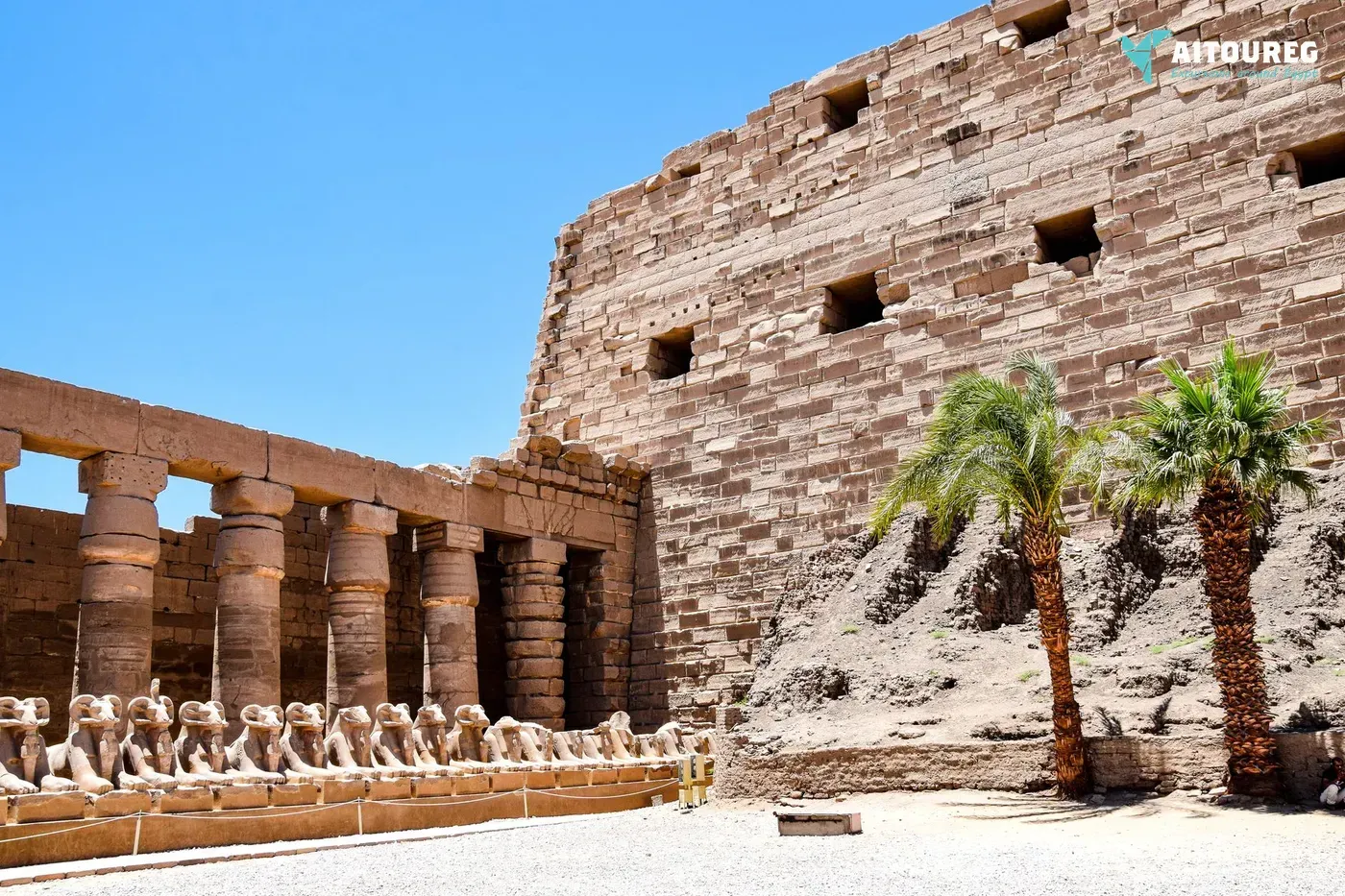
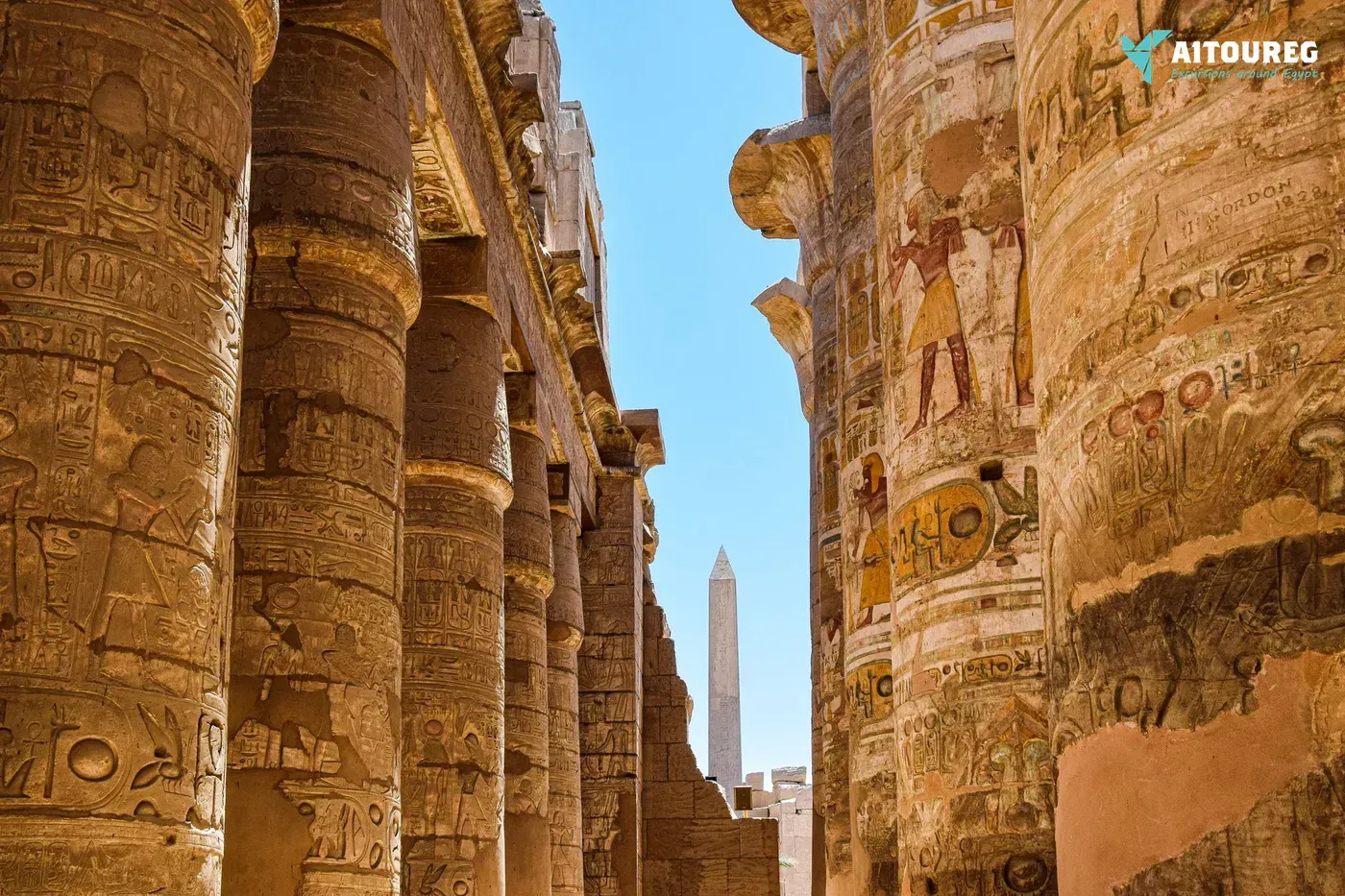
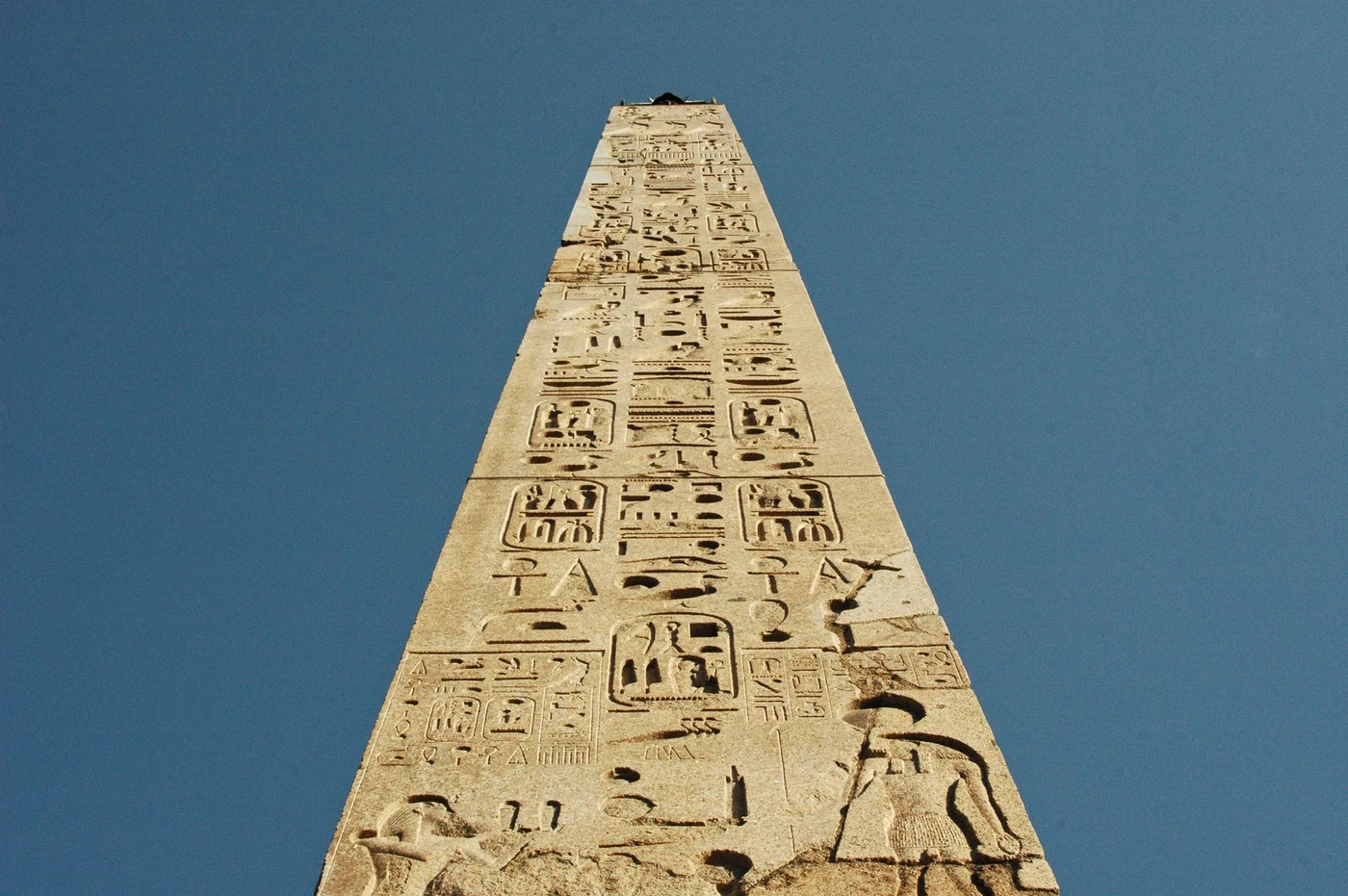
Explore the Karnak Temple Complex with your Egyptologist guide. Walk through the great entrance, the vast columned hall and the temple courts, while learning how successive rulers added chapels, pylons and inscriptions over many centuries. The complex is extensive, so allow time for walking in the open sun and for pauses as your guide explains the reliefs.
After the visit, transfer to your Luxor accommodation and check in. The evening is free for dinner or rest. Keep water with you during the temple visit, and wear clothing that is comfortable for several hours on your feet.
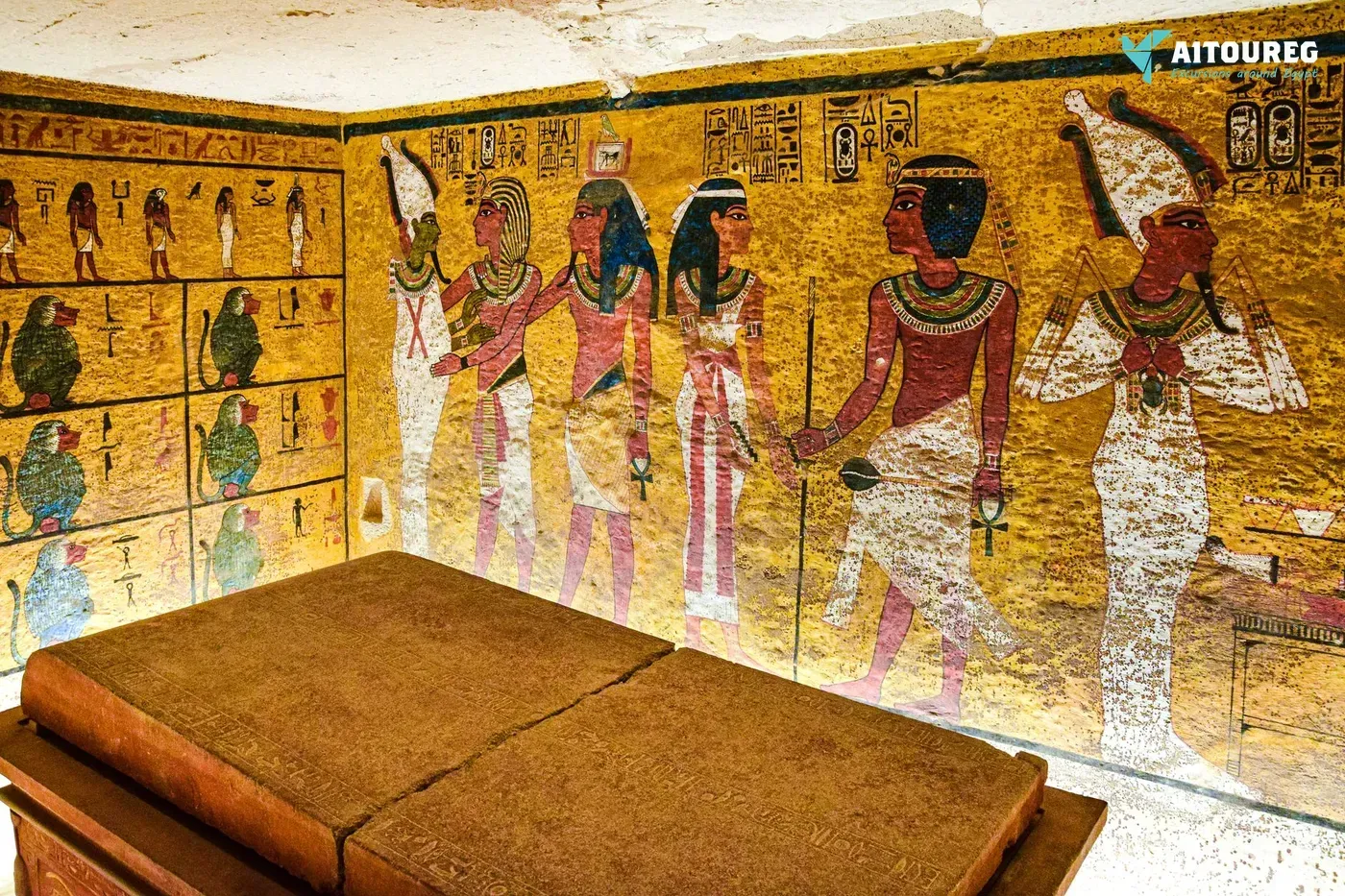
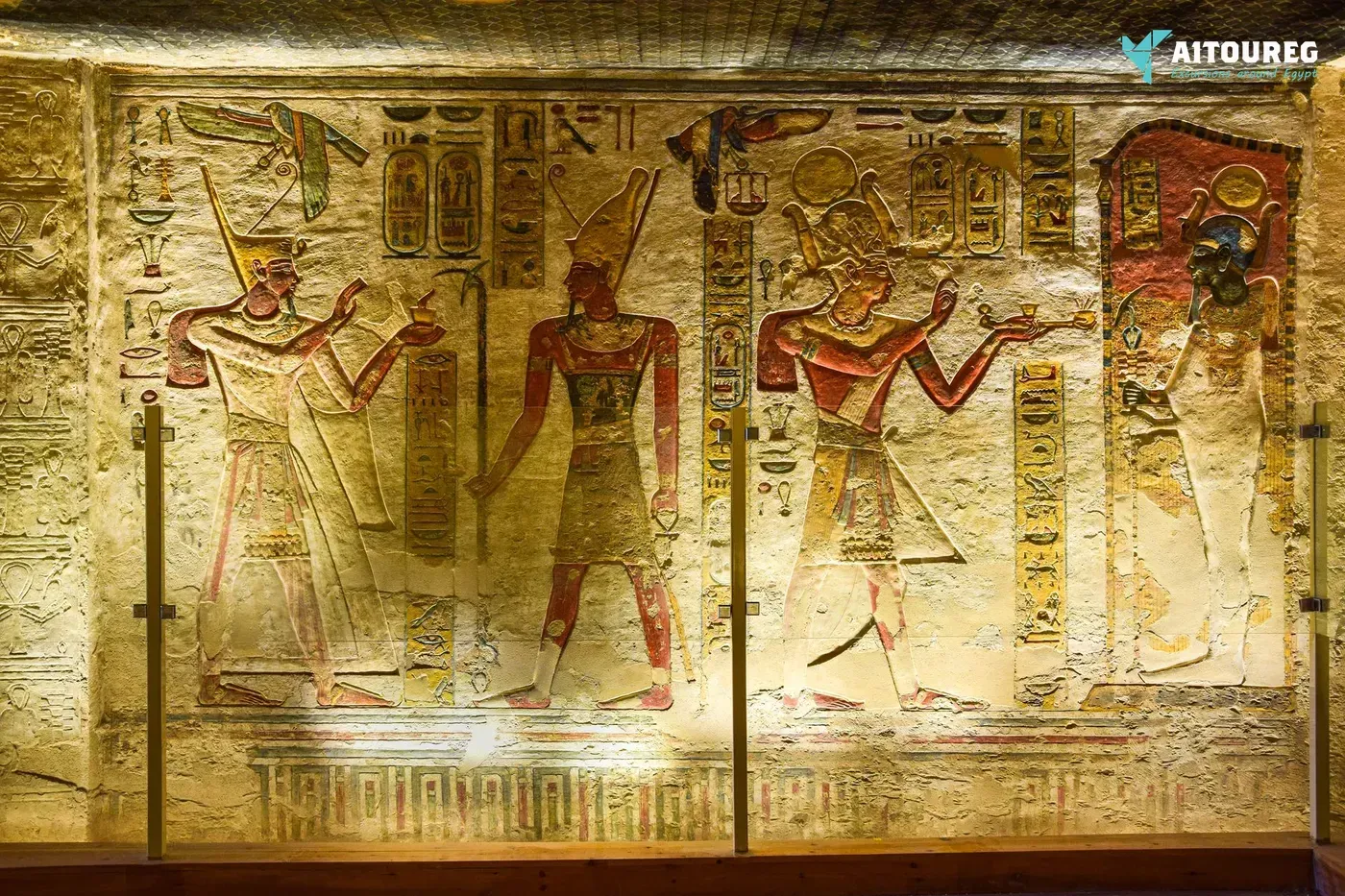
Cross to Luxor’s west bank after breakfast for a morning among the royal burial sites. At the Valley of the Kings Royal Tombs, your guide explains why pharaohs were buried in this desert valley and how the painted corridors led towards the burial chambers. The included tombs can change, and additional entrances may require separate arrangements, but every visit involves steps and uneven ground.
Continue to the Hatshepsut Mortuary Temple, set against the cliffs at Deir el-Bahari. Walk up the broad terraces and examine the surviving reliefs that describe the queen’s rule and her trading expedition to Punt. The site has limited shade, so an early start, water and sun protection make the visit more comfortable.
Return to the east bank after the sightseeing, with time for lunch and a rest before the next travel stage. Your guide confirms the following morning’s transfer to Aswan and helps organise luggage for the road journey.
Leave Luxor after breakfast and travel south towards Aswan. The road follows the Nile Valley, passing farmland, villages and stretches of desert. The drive takes much of the day, with planned stops so you can stretch, buy refreshments and take in the changing scenery rather than remain in the vehicle continuously.
Your guide uses the journey to explain how settlements depend on the river and how transport links connect Upper Egypt’s cities. If the schedule and access arrangements allow, there may be a short stop at a riverside town or an archaeological point along the route; the main focus remains reaching Aswan comfortably.
Arrive in Aswan and check in before the evening. The city has a slower rhythm and a different landscape, with granite islands and broad Nile views. Rest well, since the next day includes an early excursion to the temples at Abu Simbel.
Begin before sunrise for the road transfer to Abu Simbel, allowing for the long journey through the desert south of Aswan. The early departure helps you reach the site before the strongest heat and leaves time to examine the temples without compressing the visit. Bring breakfast items, water and a light layer for the cooler start.
At the Abu Simbel Monuments, stand before the four colossal figures of Ramesses II and enter the rock-cut temple to see its halls, reliefs and sanctuaries. The smaller temple dedicated to Queen Nefertari sits nearby. Your guide explains the temples’ original location and their relocation during the construction of the Aswan High Dam, a practical detail that adds important context to the visit.
Return to Aswan by road after the tour. The journey is long, but the route includes opportunities for breaks. The evening is free for a quiet meal and rest rather than another scheduled sightseeing stop.
Visit the island setting of the Philae Sacred Temple by boat after breakfast. The short crossing gives you a clear view of the granite-strewn Nile landscape before you walk through the temple gateway, columned courts and sanctuaries. Your guide points out scenes of Isis, Horus and other deities, and explains how the complex remained an active religious centre into the Roman period.
The boat ride and island paths are straightforward for most travellers, but surfaces can be uneven and access depends on local operating conditions. Take water, a hat and comfortable shoes. Allow time for photographs from the landing area, where the temple and surrounding water create a different setting from the inland monuments.
Return to Aswan for lunch and a relaxed afternoon. You may spend time by the river or browse local shops with your guide’s advice. Keep only what you need ready for tomorrow’s road transfer to the Red Sea coast.
Leave Aswan by road for Hurghada, crossing from Upper Egypt towards the Red Sea coast. This is a substantial transfer and takes several hours, with rest stops arranged along the route. The landscape changes from cultivated Nile farmland to wide desert and then to the coastal plain, making the journey a useful transition between the archaeological and seaside parts of the tour.
Our team keeps the day practical: luggage stays with you, refreshments can be arranged during breaks and the driver follows the confirmed road plan. Wear comfortable clothes for the journey and keep sunscreen, medication and valuables in a small day bag rather than in the main luggage.
Arrive in Hurghada, check in and take time to settle by the coast. The evening is free for a meal and rest. Your diving or sea excursion briefing takes place before the next day’s water activities, including guidance about equipment, boat procedures and personal comfort in the water.
Spend the day on a Red Sea diving excursion arranged around your experience level and the confirmed sea conditions. After transfer to the marina, meet the dive team, check equipment and listen to the safety briefing before boarding. Certified divers can explore suitable reef sites, while travellers who do not dive can ask about available snorkelling or time on the boat.
Underwater, expect clear reef scenery, colourful fish and sheltered areas selected by the crew for the day’s conditions. No dive site or visibility is guaranteed, and the instructor or guide makes the final decision about safe locations. Follow the briefing, stay within your limits and tell the team about any health concern before entering the water.
Return to shore with the afternoon available for poolside rest, a walk along the promenade or a quiet meal. Keep the evening easy after the water activity, and allow enough time to organise luggage for departure.
Enjoy a final breakfast and complete hotel check-out according to the confirmed departure arrangements. Our team checks the transfer details and helps with luggage before taking you to Hurghada Airport or the next agreed point in your travel plan. Allow extra time for airport procedures, especially if you are connecting to an international flight.
If your departure is later in the day, you can spend the remaining hours at the hotel or take a short local walk, provided your luggage and airport timing allow it. Avoid planning a separate excursion today, since road traffic and airline check-in requirements can vary.
Before leaving, check your room, vehicle and day bag for passports, phones, chargers and medication. Your fourteen-day route ends with the airport transfer, leaving you ready for the journey home or your onward connection.