

Egypt 17-Day Package Tour with Nile Cruise
This 17-day Egypt package tour brings together ancient sites, desert landscapes and historic cities in one well-planned route. You travel from the Mediterranean coast and Siwa Oasis to Cairo, the White Desert and Wadi El Hitan, then continue south for a 4-night stay aboard a Nile river cruise. The days are full, but the route takes you beyond the usual Cairo and Luxor circuit.
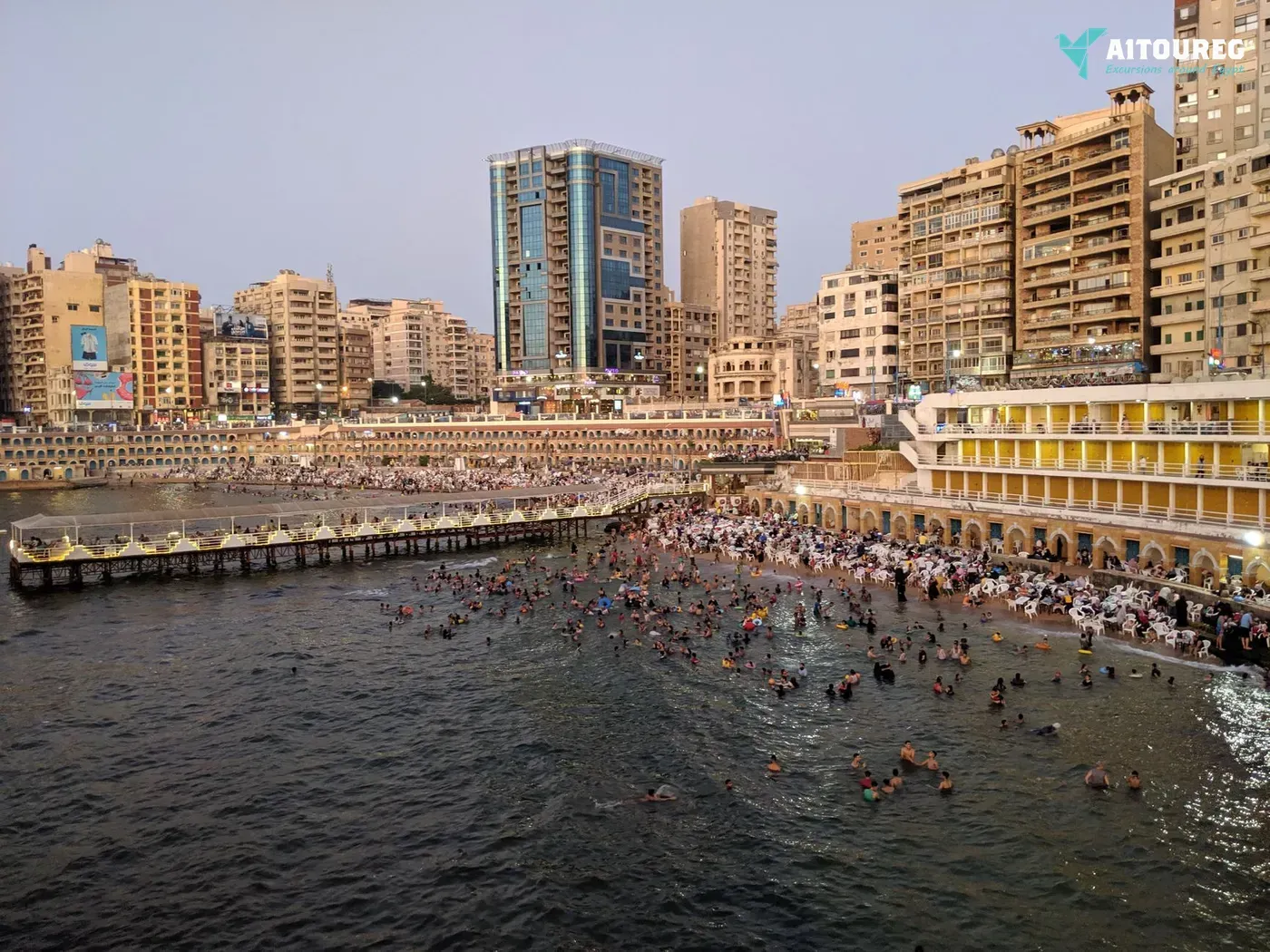
In Alexandria, our guide takes you through Kom El Shoqafa's ancient catacombs, where underground chambers mix Egyptian, Greek and Roman details. You also visit the Library of Alexandria, Pompey's Pillar and the Citadel of Sultan Qeitbay beside the Mediterranean. Al Montazah Palace provides a quieter pause, with gardens and sea views. Alexandria feels unlike inland Egypt, shaped by its harbour, coastal climate and long connection with the wider Mediterranean.
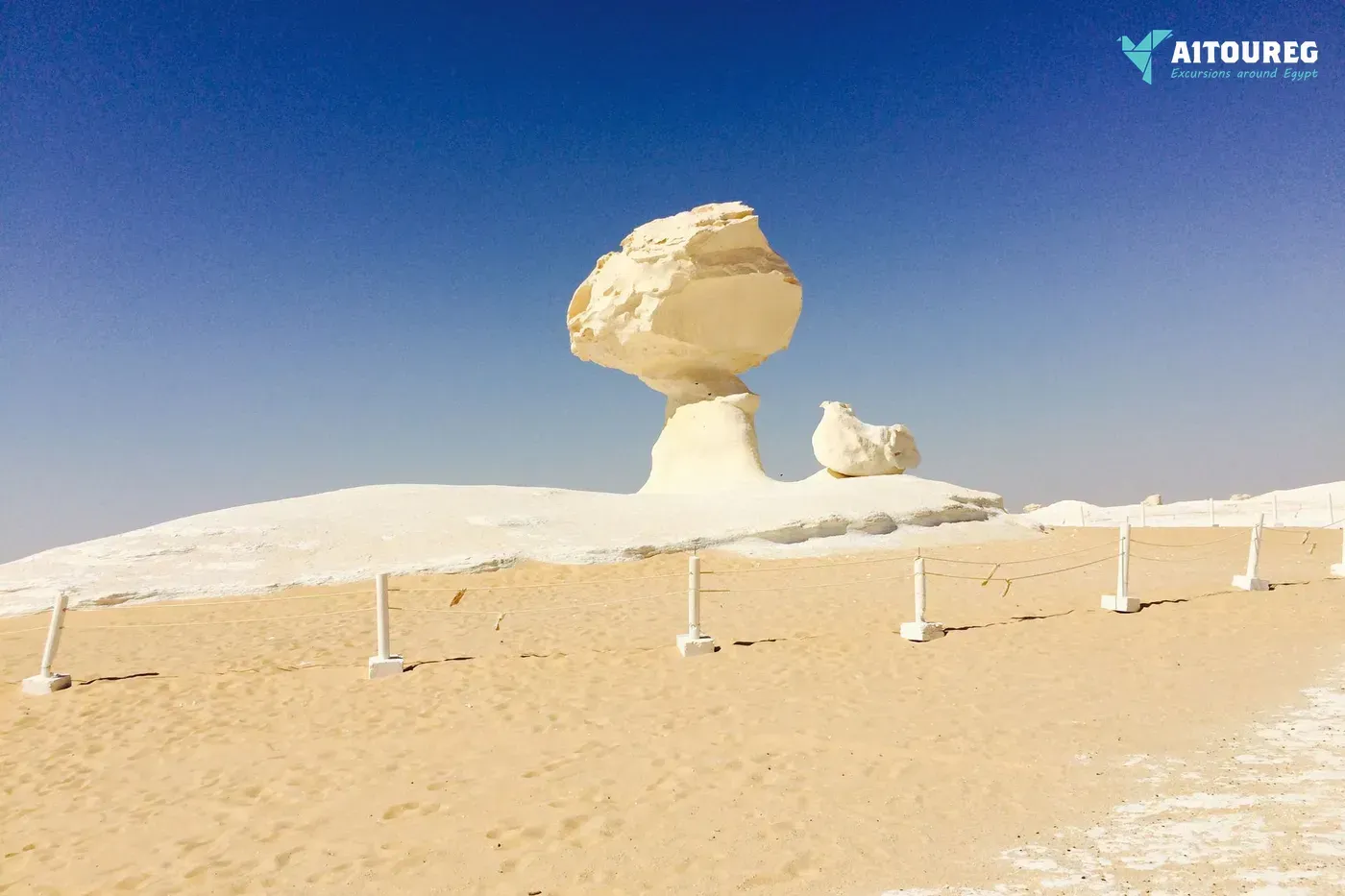
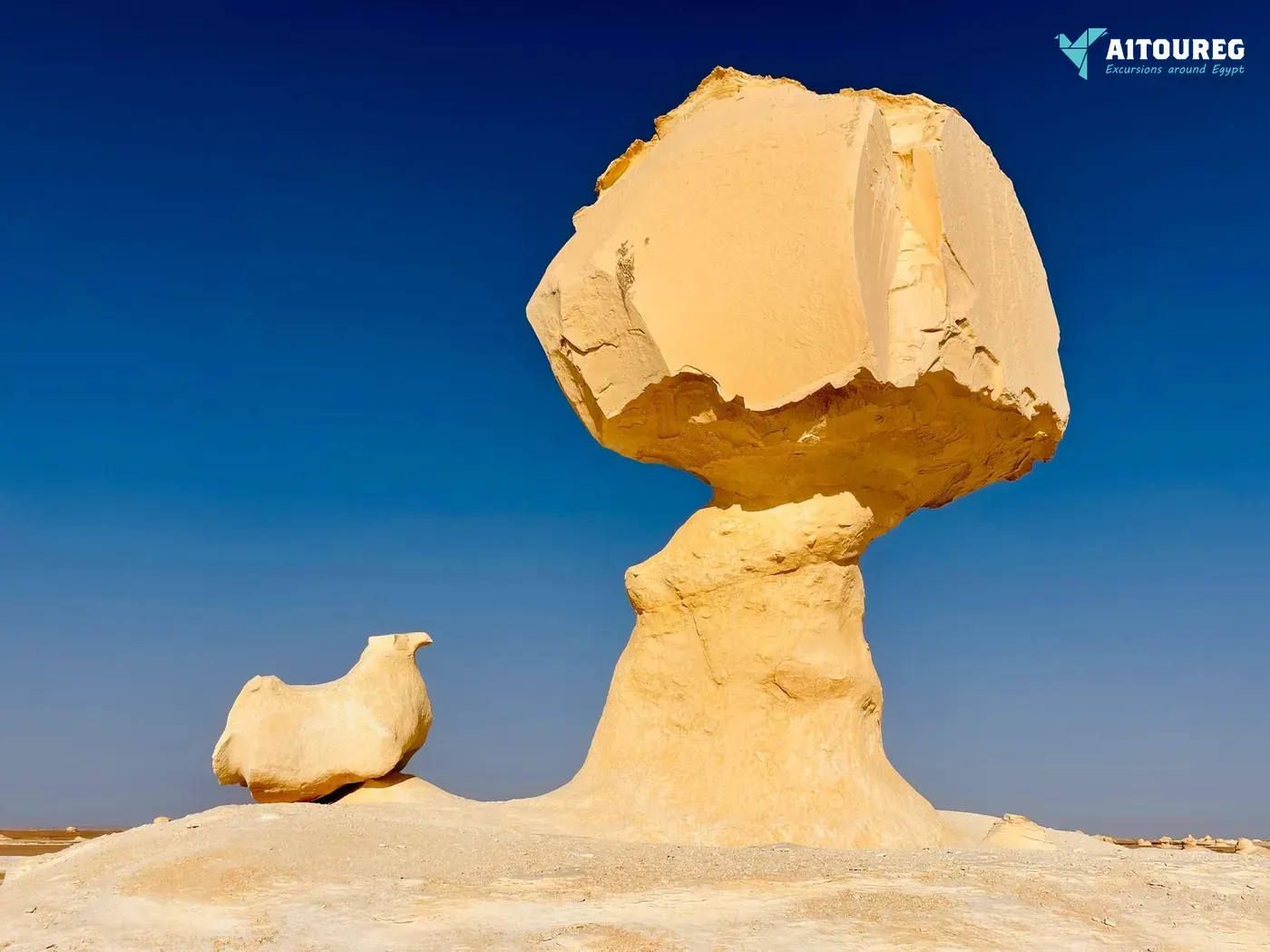
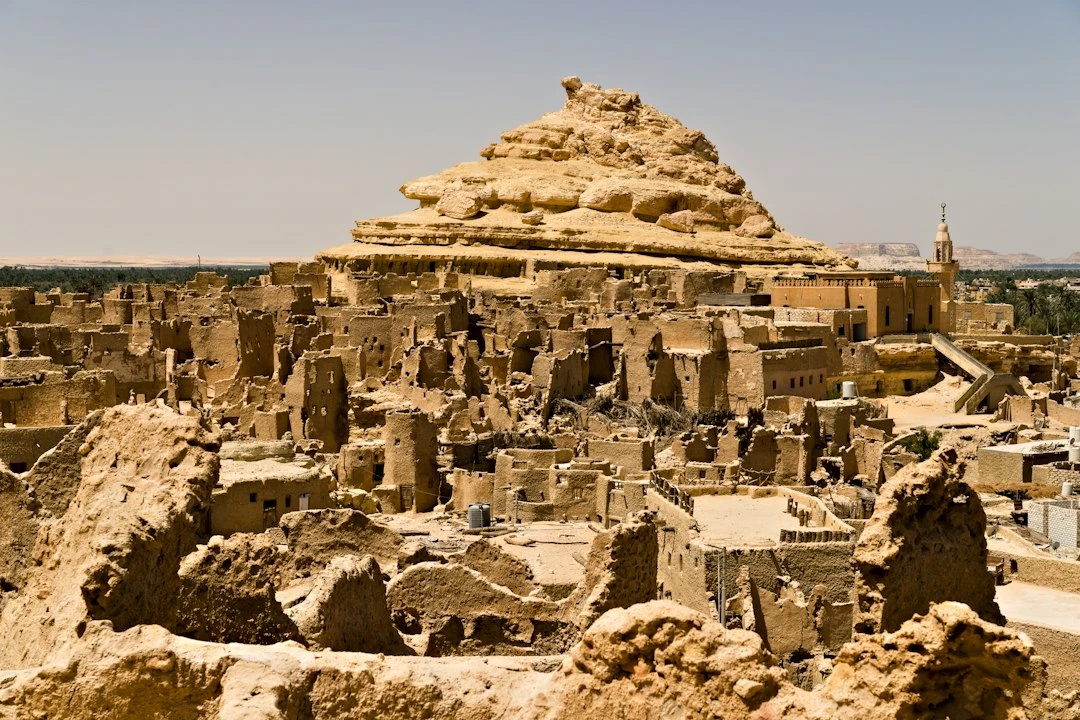
The western desert section takes you to Siwa Oasis, with its date palms, salt lakes, springs and mud-brick buildings. On the way, the El Alamein Tombs connect the route with the coast's Second World War history. You then cross the white desert landscape, where wind-shaped chalk formations rise from the open ground. In the Wadi El Hitan region, a UNESCO-listed fossil valley, you can see the remains of ancient whales that once lived in an ocean covering this part of Egypt.
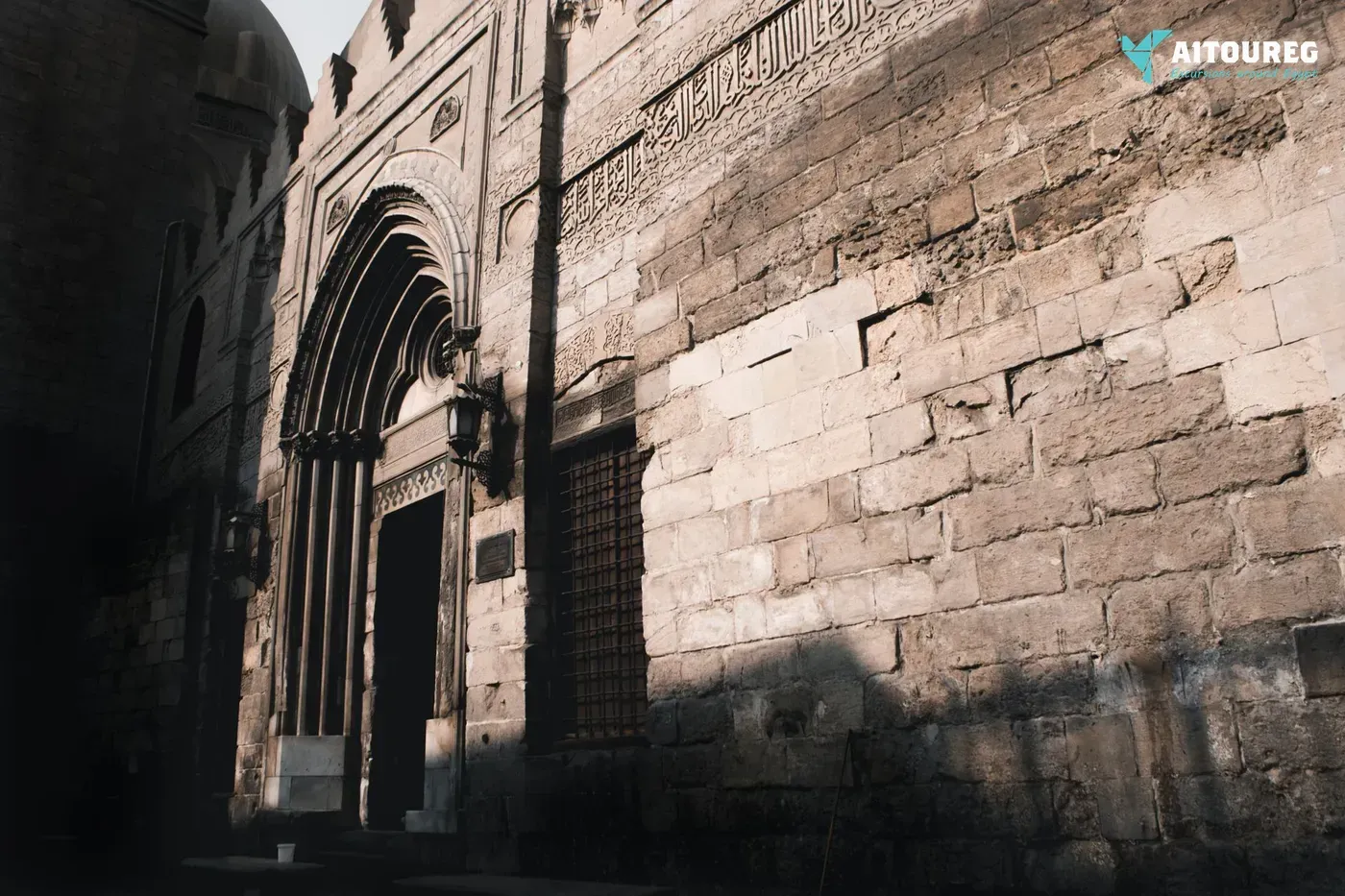
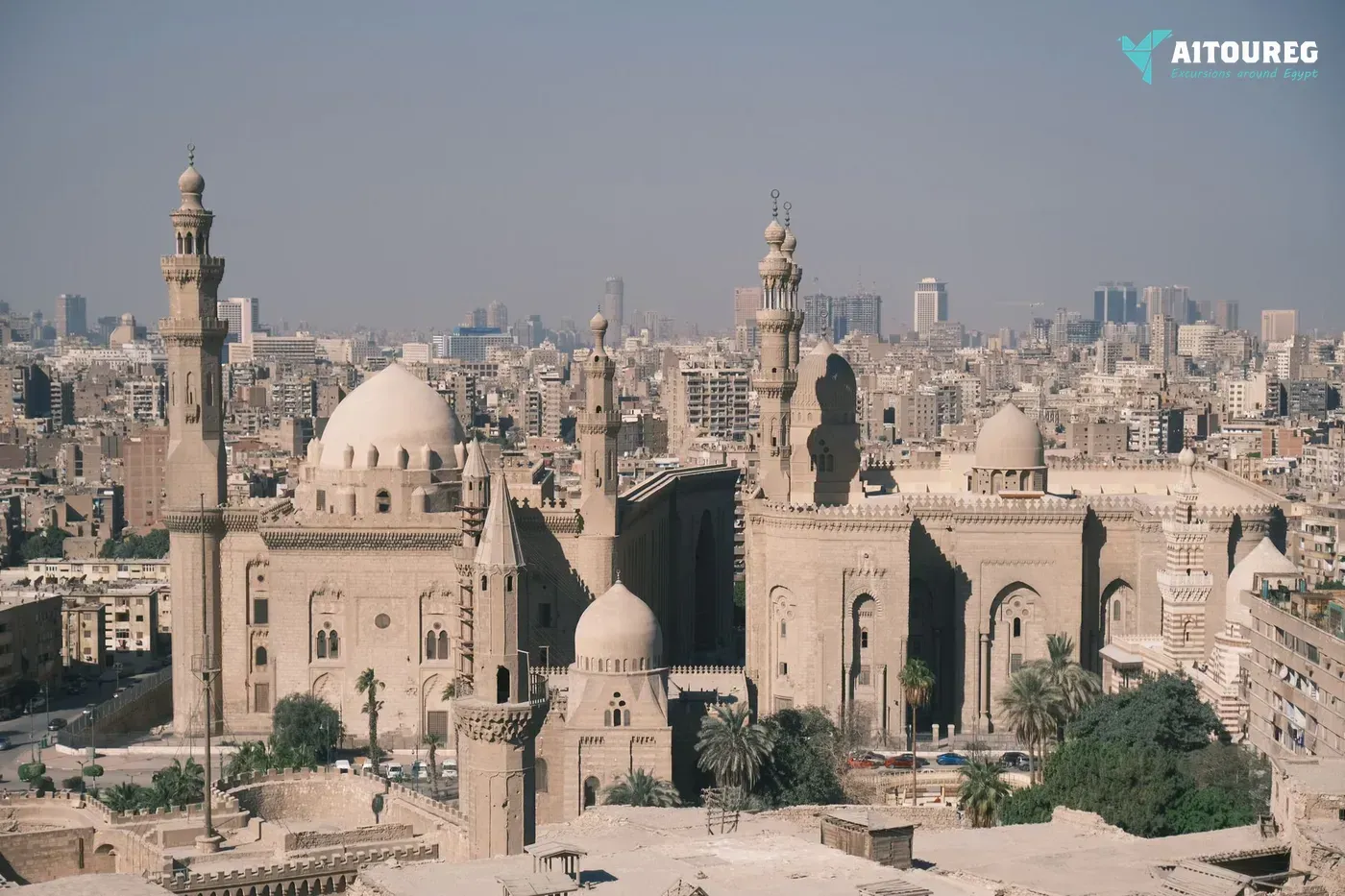
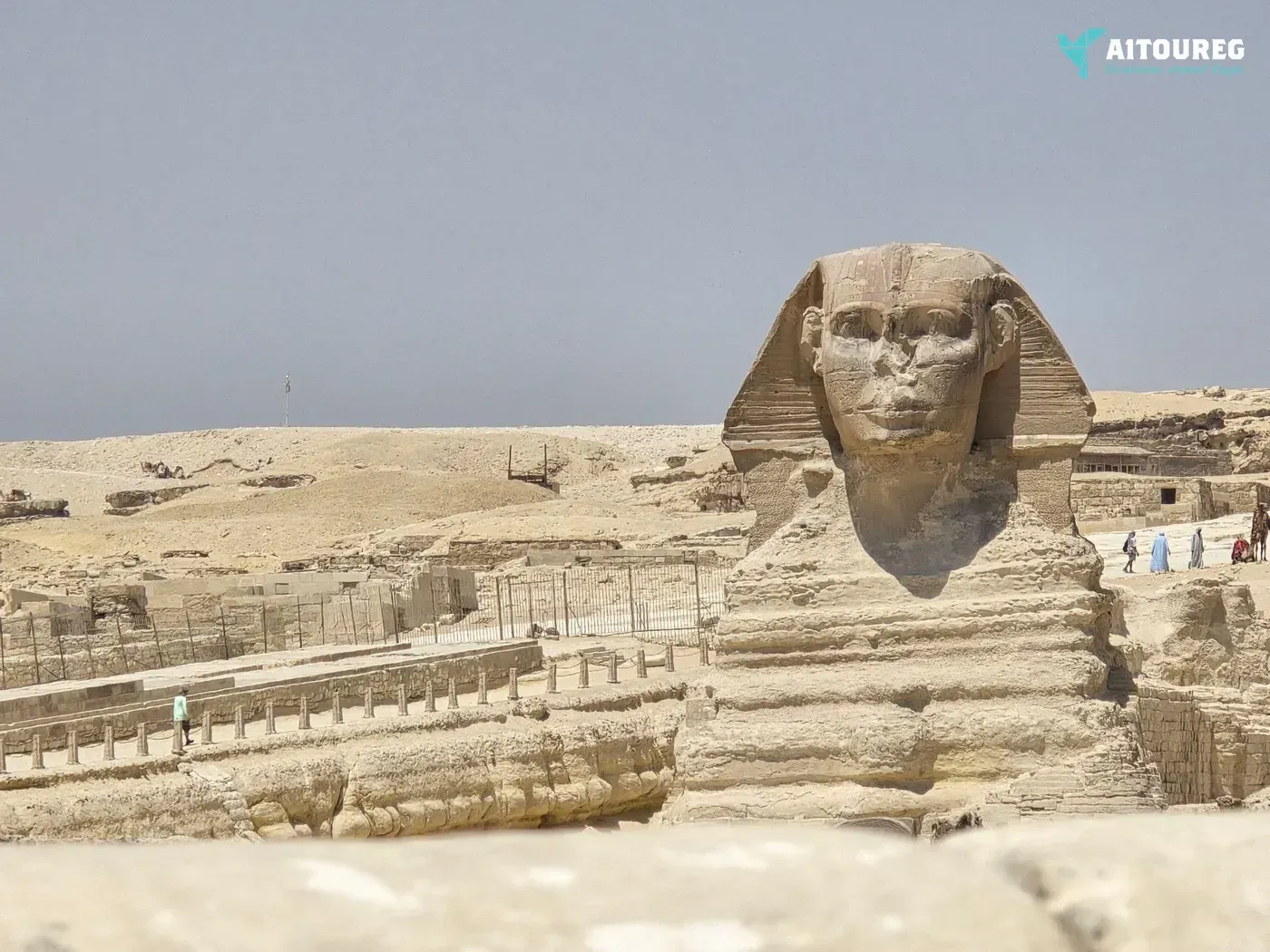
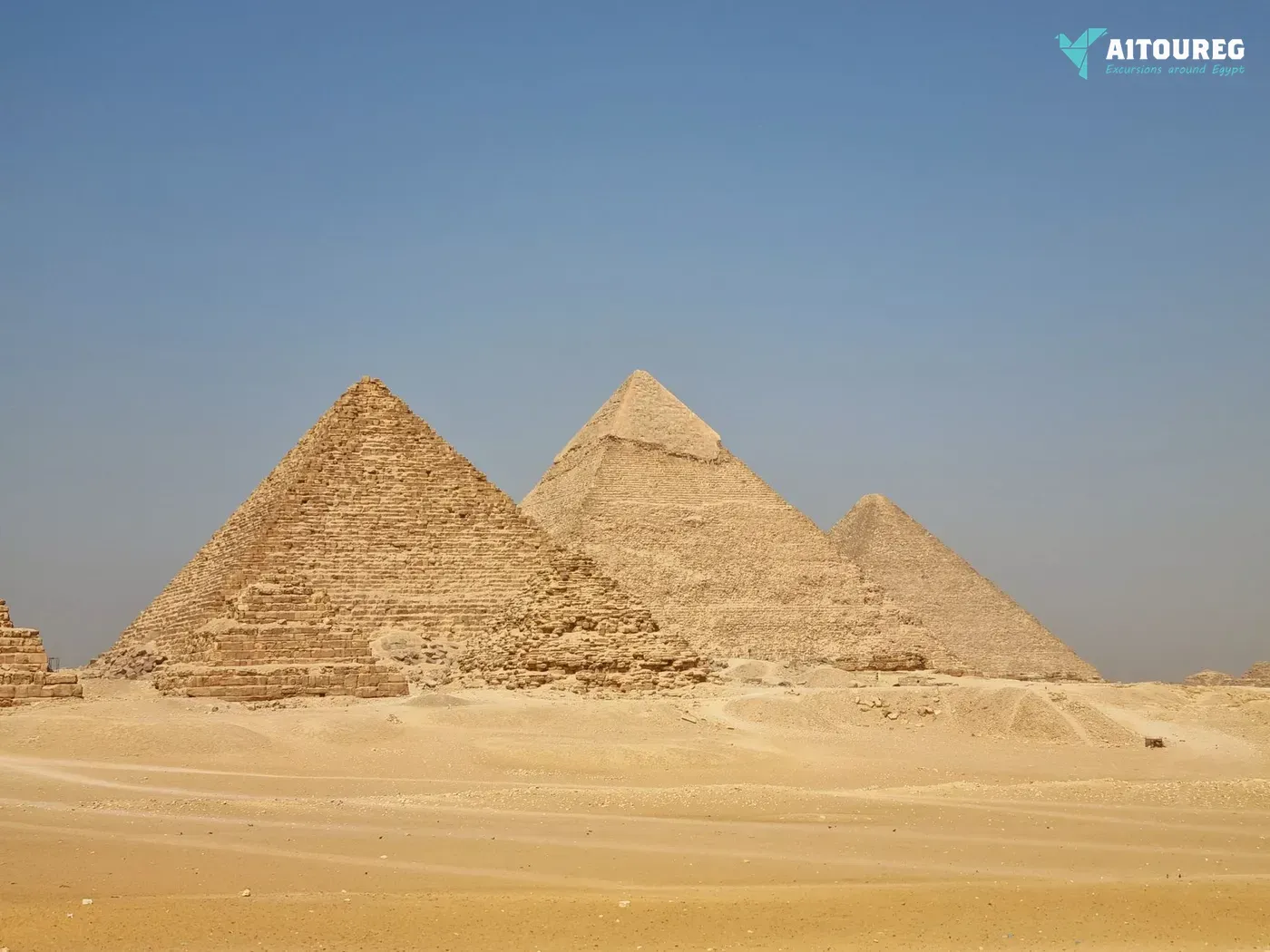
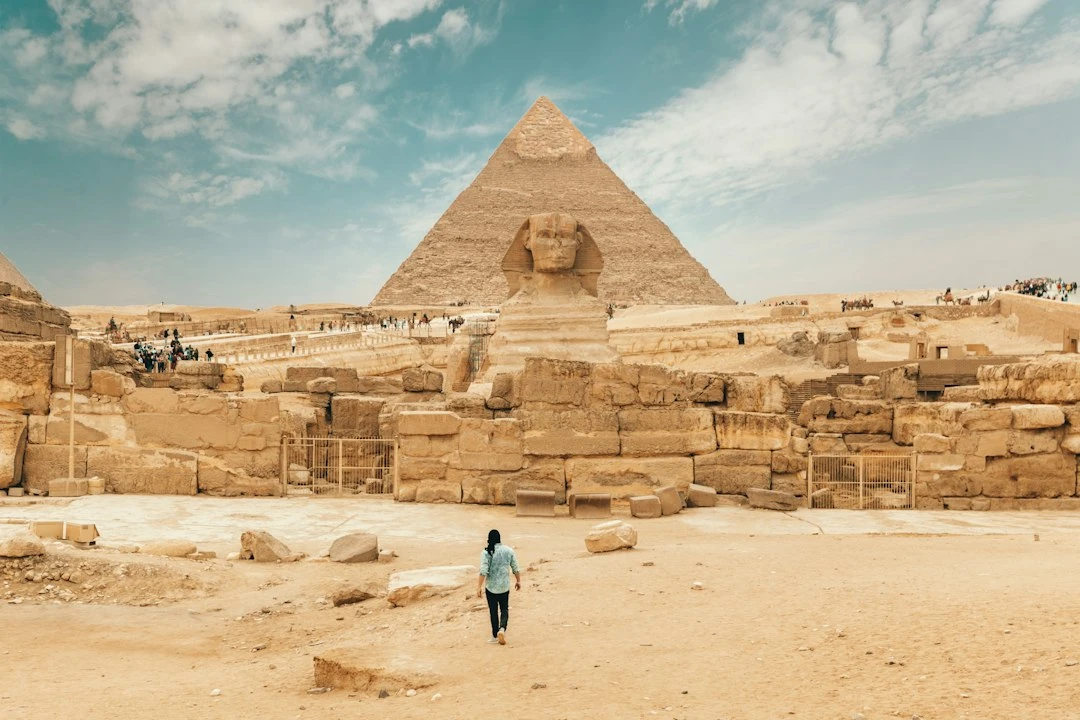
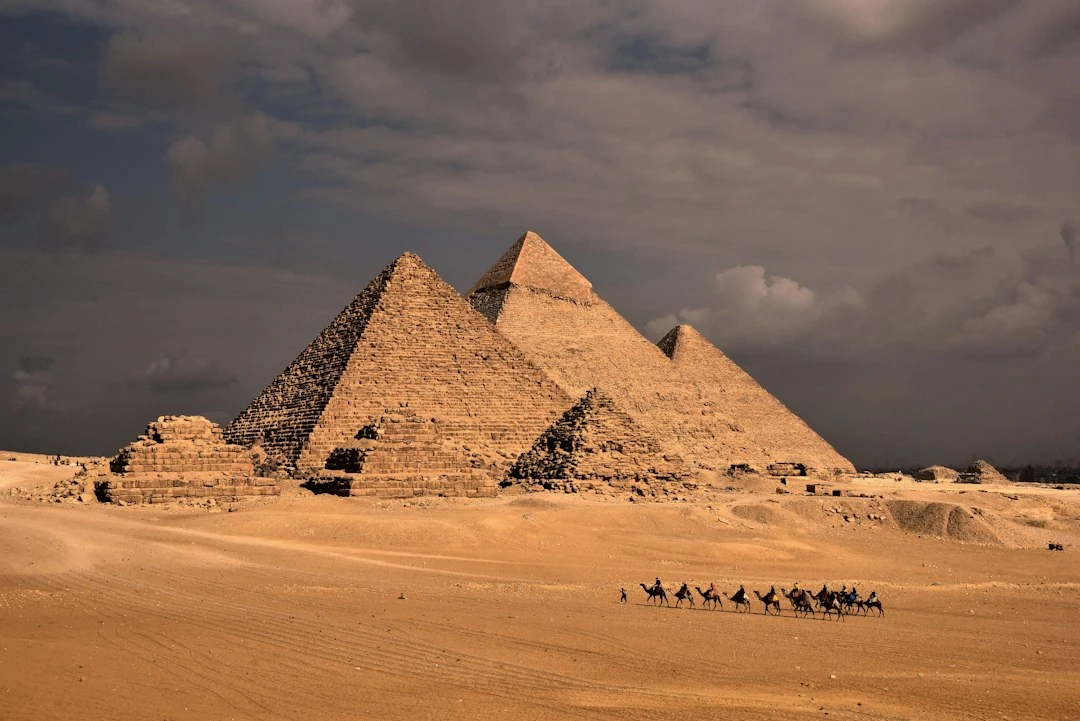
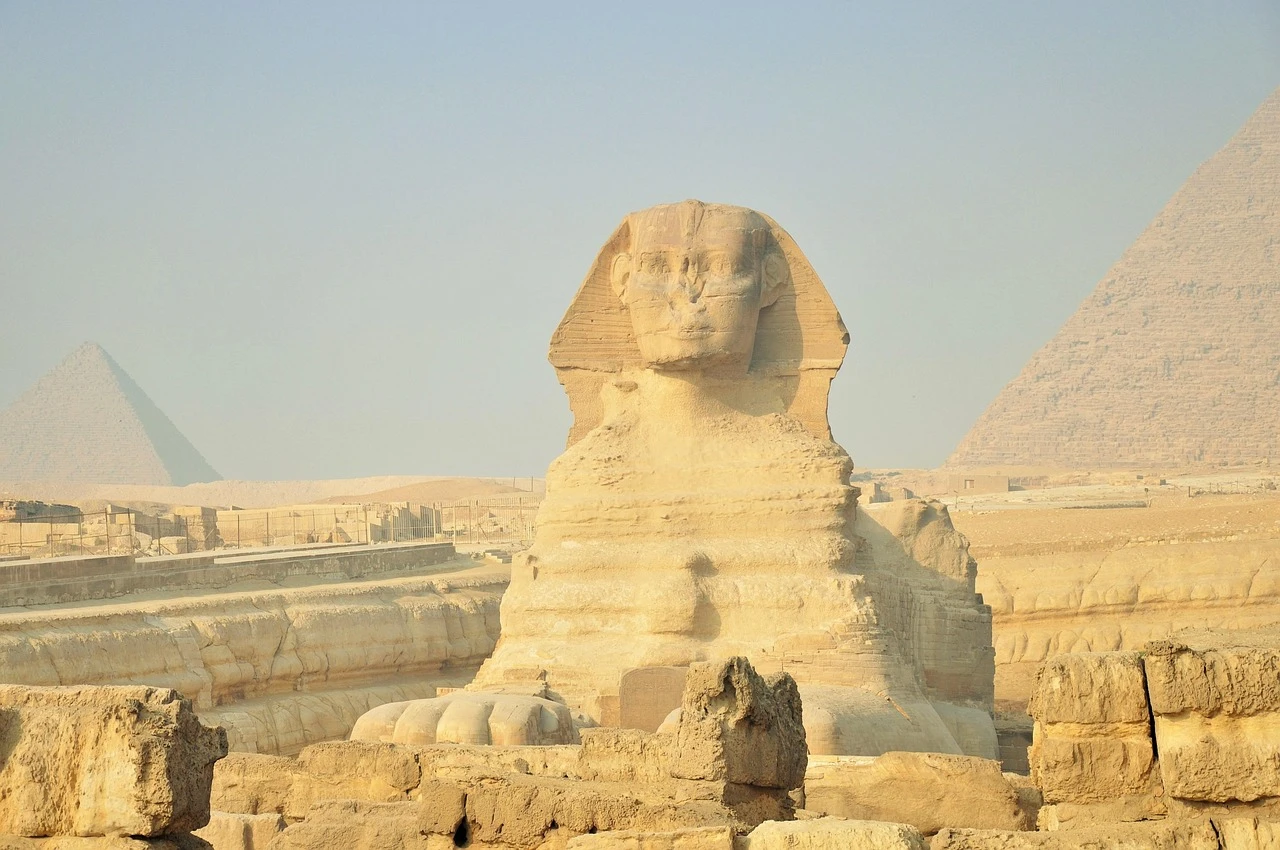
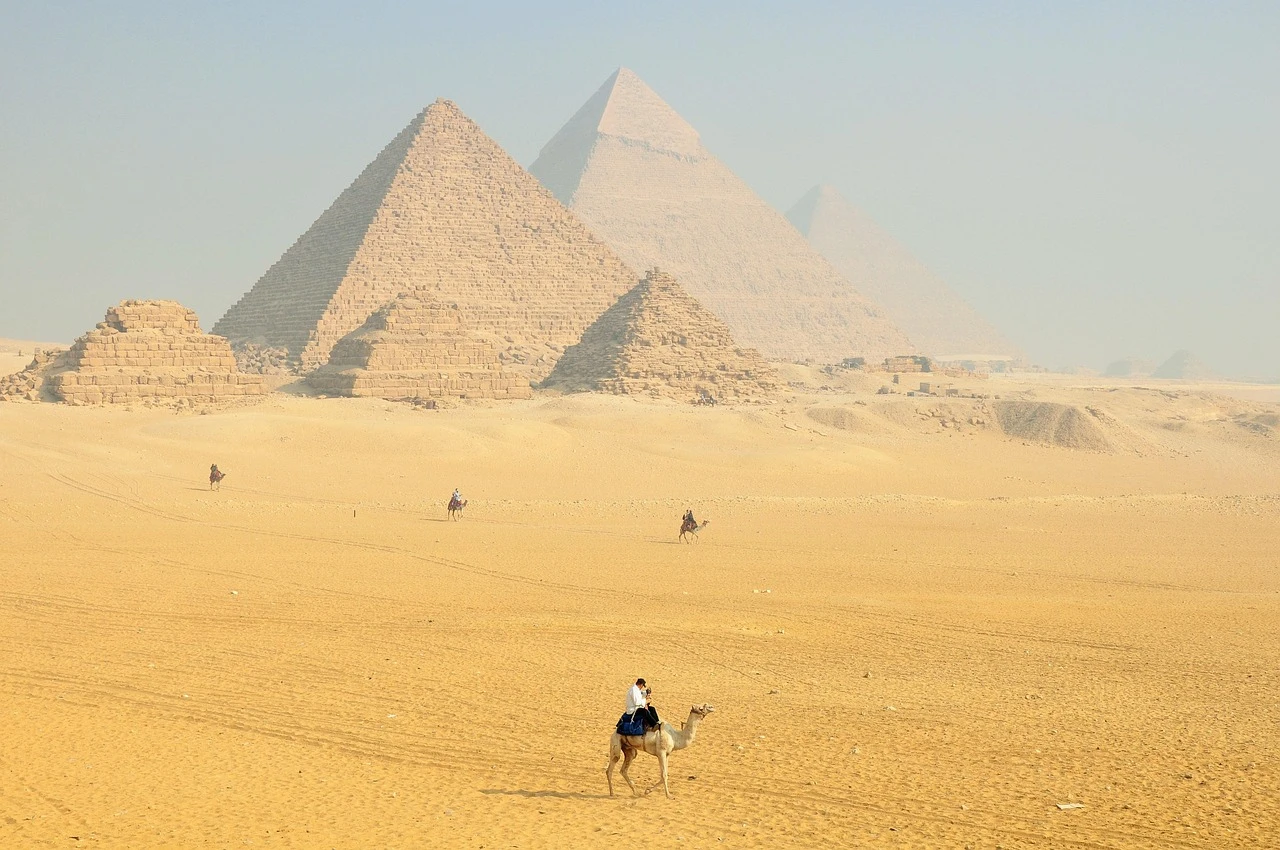
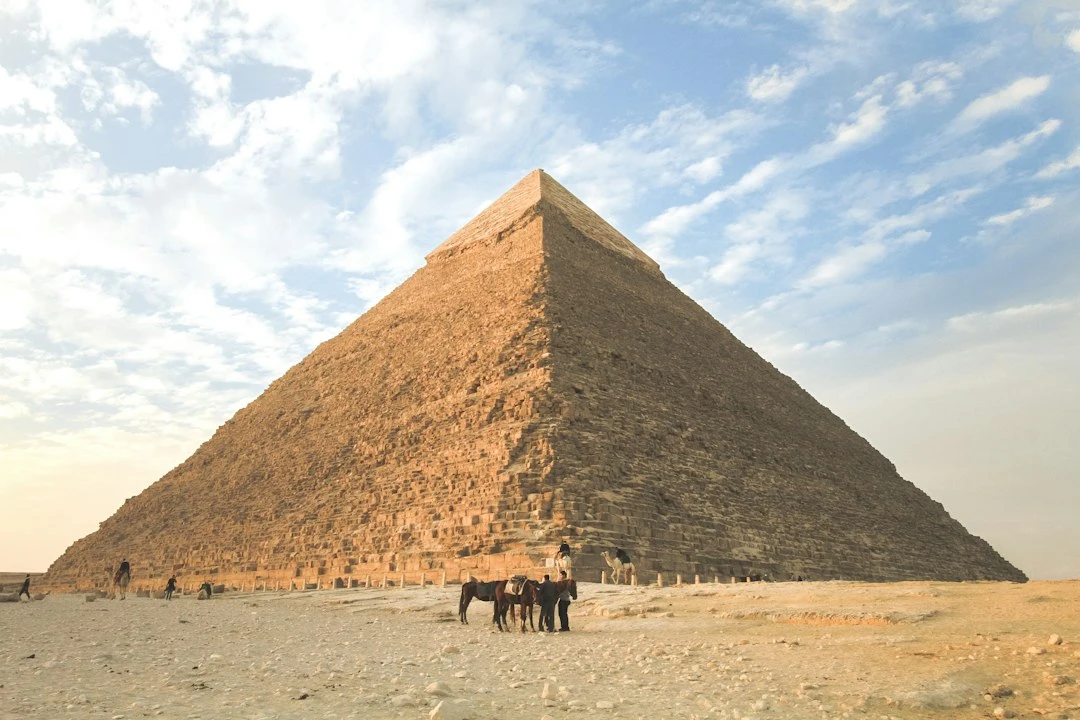
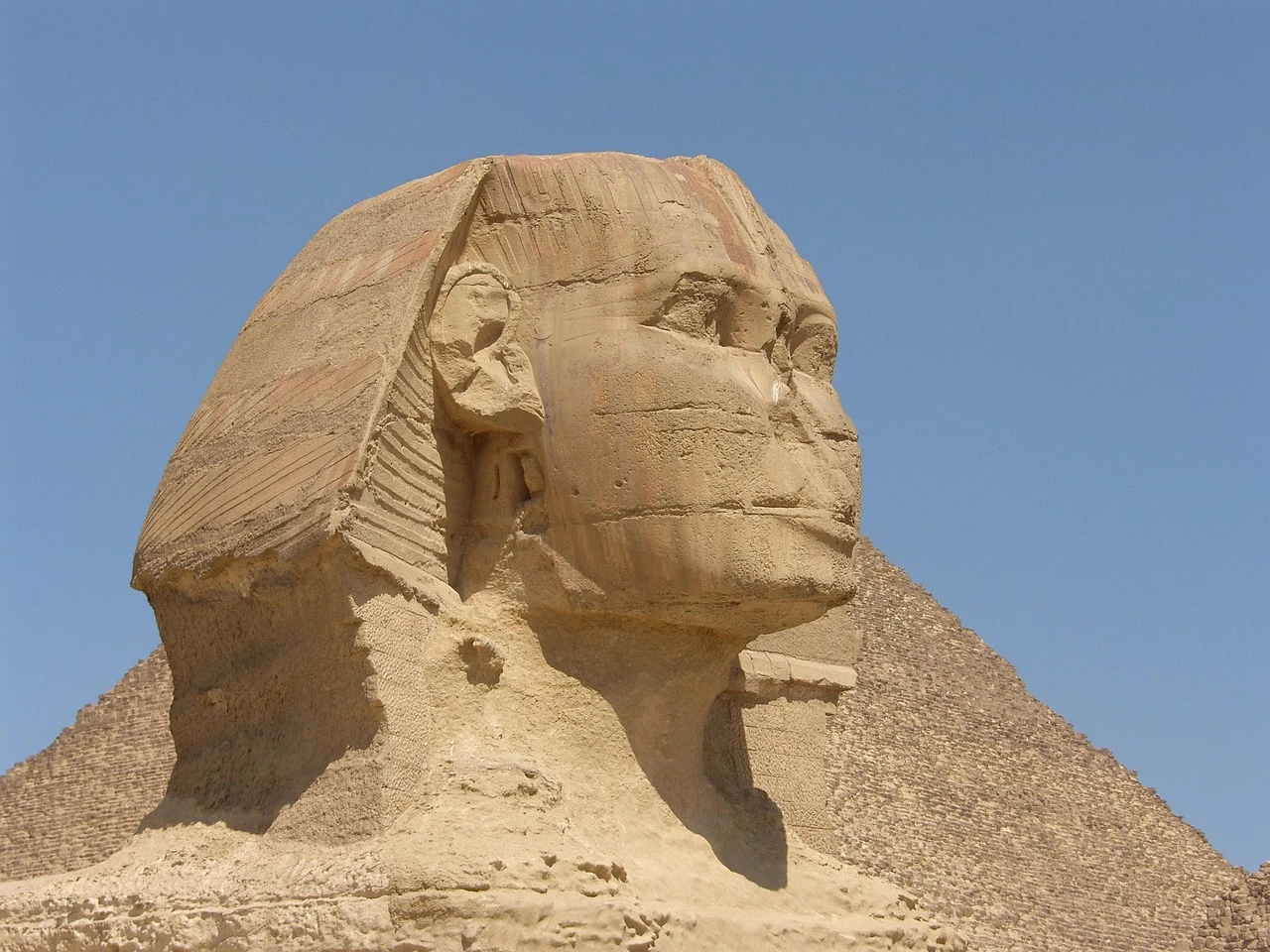
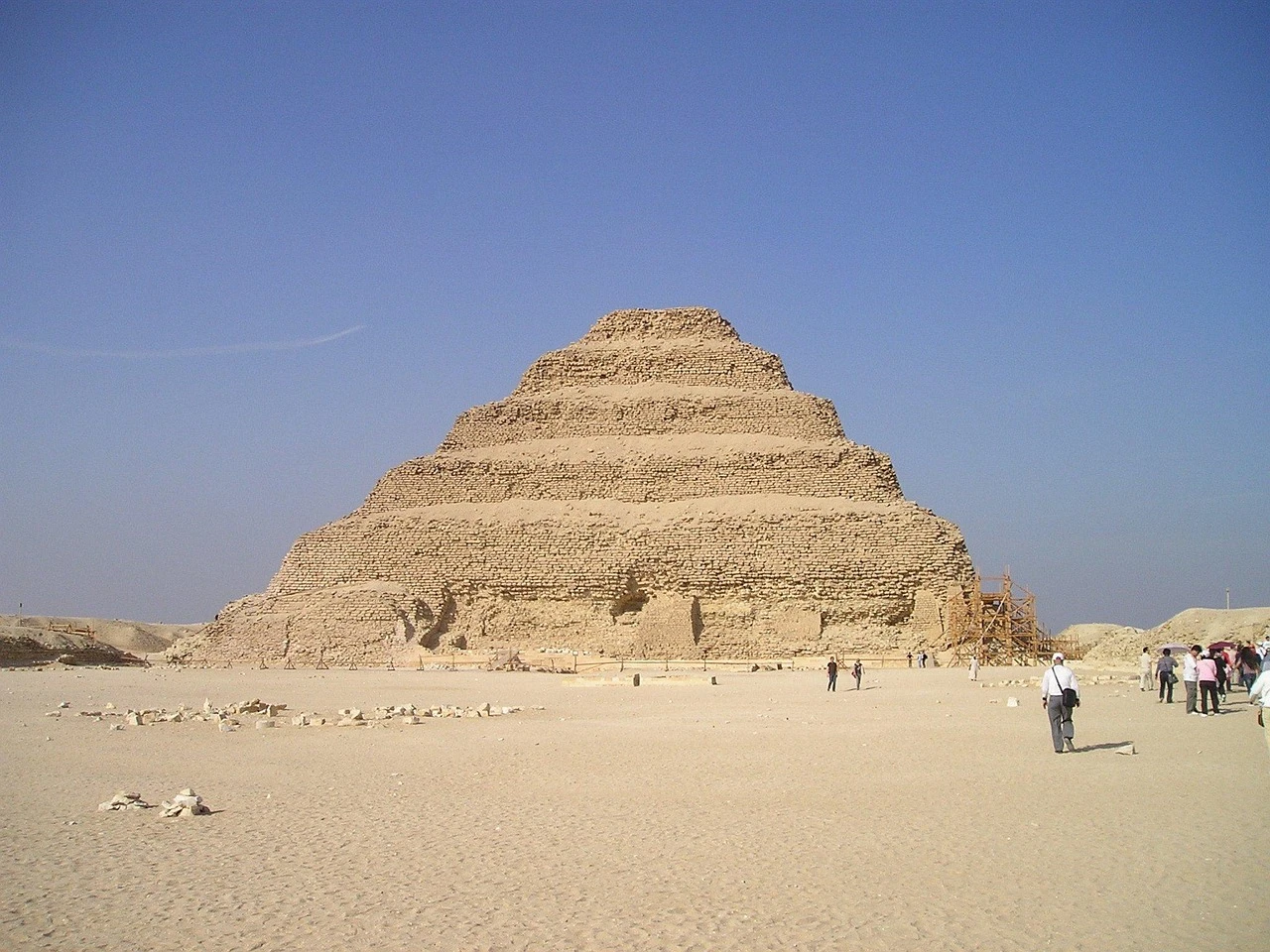
Cairo brings Egypt's best-known sights into focus. At Giza, you stand before the pyramids of Khufu, Khafre and Menkaure, then look across the plateau to the Great Sphinx. In Old Cairo, the route moves through historic churches, mosques and lanes shaped by centuries of religious and civic life. Our team arranges the transfers between visits, leaving you to focus on the sites instead of city traffic and local transport.
The southern route includes Dendera Temple, with its well-preserved reliefs and astronomical ceiling, followed by Abydos, one of ancient Egypt's important religious centres. At Aswan, you visit the Abu Simbel temples, carved into the rock for Ramesses II and Nefertari. You also see Philae Temple, reached by boat on an island in the Nile. A guide can explain the gods, rulers and symbols as you go, without turning the day into a lecture.
Your 4-night stay aboard a Nile river cruise slows the pace. Between guided visits, watch fields, villages and palm-lined banks pass from the deck. The cruise route includes Edfu, Kom Ombo Temple and the main monuments of Luxor. At Karnak Temple, the avenue, pylons and vast hypostyle hall show the scale of the ancient Theban complex. At Luxor Temple, the columns and statues are lit later in the day.
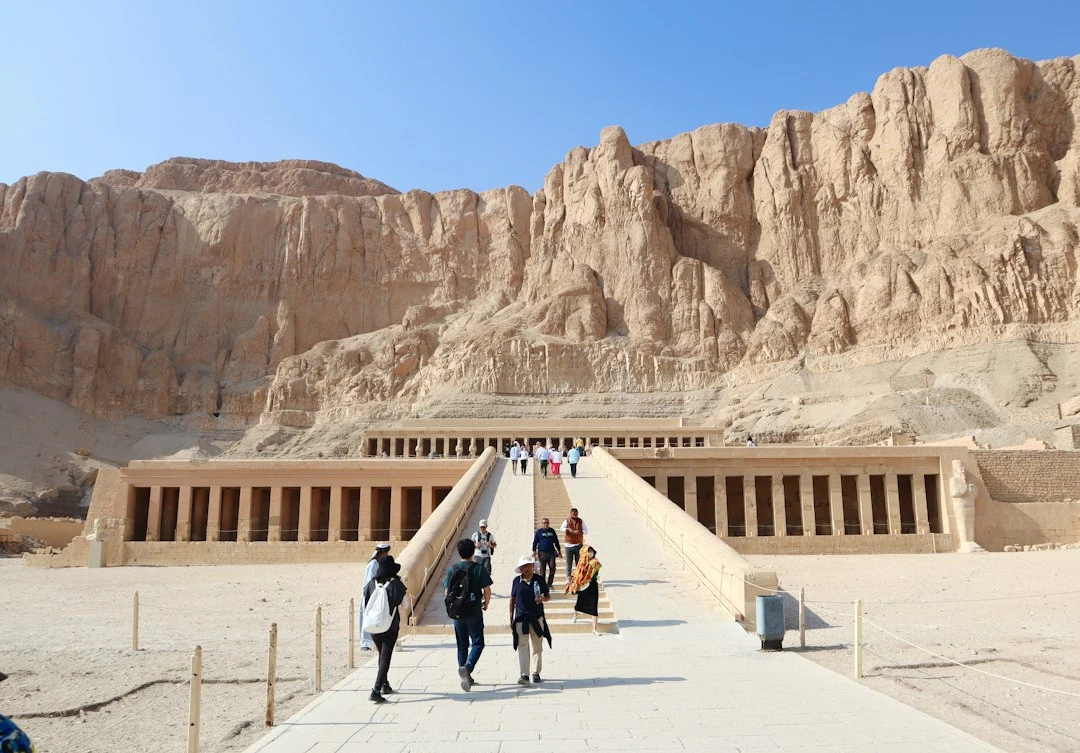
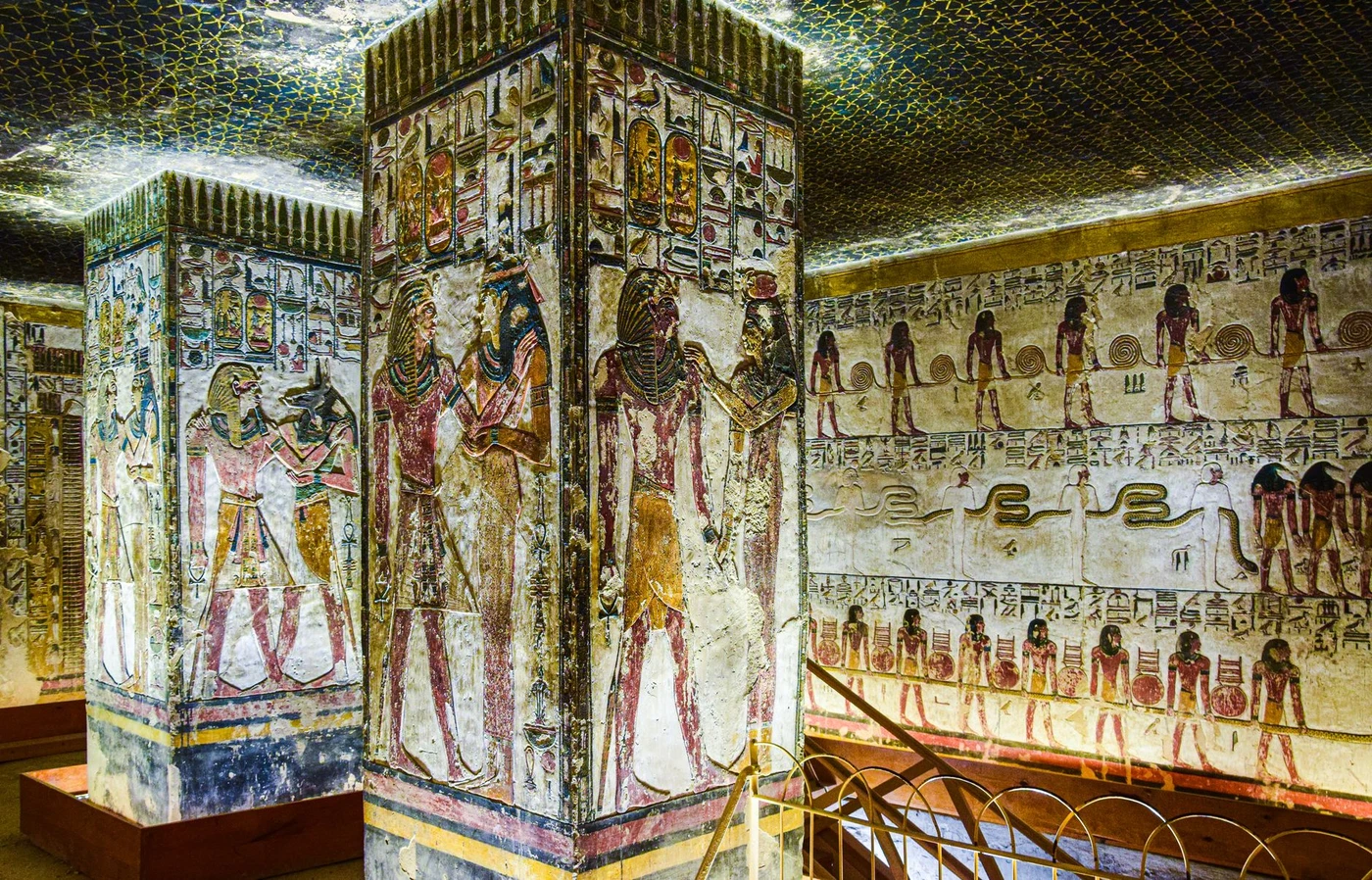
On Luxor's west bank, the Valley of the Kings takes you into the burial landscape of New Kingdom rulers. Hatshepsut Temple is built against the cliffs and reached by a broad approach through the desert. Visits involve uneven ground, steps and exposed paths, so comfortable footwear and sun protection are important. We keep the sightseeing organised and allow time for photographs, while the guide explains how each place fits into the wider history.
This tour suits travellers who want a broad, well-supported introduction to Egypt and are comfortable with several long road transfers, early starts and warm outdoor conditions. It is less suitable if you prefer a short city break or need a low-walking itinerary. Our team coordinates the transport, accommodation, cruise arrangements and site visits, with meals and inclusions set out clearly in your booking details. Bring a refillable water bottle, light clothing, a hat and shoes with firm soles; desert and temple visits are easier when you are prepared for sun and uneven surfaces.
Transport for the Alexandria, desert, Cairo and southern Egypt sections
Guided sightseeing at the listed archaeological and historic sites
Airport, hotel and scheduled tour transfers
Desert transport for Siwa Oasis, the White Desert and Wadi El Hitan
Assistance from our Egypt-based tour team
4-night stay aboard a Nile river cruise
Entrance fees for the sites included in the confirmed itinerary
Excursion to Abu Simbel
Accommodation for the tour duration
Personal expenses, drinks and laundry
Optional activities not listed in the confirmed itinerary
Gratuities for guides, drivers and cruise staff
Egypt entry visa and related charges
Travel insurance
International flights
Meals not specifically included in the booking details
Comfortable walking shoes with firm soles
Refillable water bottle
Portable charger and camera equipment
Small day bag for temple, desert and cruise excursions
Passport and any required visa documents
Light jacket for cooler evenings and air-conditioned transport
Hat, sunglasses and high-factor sunscreen
Any prescribed medication and basic personal supplies
Light, breathable clothing covering shoulders and knees for religious sites
This 17-day Egypt package includes guided sightseeing across Alexandria, Siwa Oasis, Cairo, the White Desert, Wadi El Hitan, Luxor, Aswan and Abu Simbel, plus a 4-night stay aboard a Nile river cruise covering the main temples and tombs listed in the itinerary.
The confirmed booking details explain which accommodation, transfers, entrance tickets, meals, guides and domestic travel are included. Our team will clarify these arrangements before you travel, as inclusions can vary by departure plan.
The 17-day itinerary has a full pace because it combines Alexandria, desert landscapes, historic Cairo and a Nile cruise, but visits are arranged in stages rather than as one continuous sightseeing day. You see Giza's iconic pyramidal structures and the legendary Great Sphinx, then continue through Old Cairo, Siwa Oasis, El Alamein and southern Egypt.
In the cosmopolitan city of Alexandria, the route includes Kom el Shoqafa's ancient catacombs, the Library of Alexandria, Pompei Pillar, the Citadel of Sultan Qeitaby and Al Montazah Palace. The desert section includes the striking White Desert landscape and the Wadi El Hitan region, while the cruise and land tours include Dendera temple, Abydos, Karnak temple, Luxor temple, Hatshepsut temple, the Valley of the Kings, Edfu, Komm Ombo temple, Phiala temple and the magnificent Abu Simbel temples.
Pickup and transfer arrangements for this Egypt tour are confirmed according to your arrival point, accommodation and the next destination, with our team coordinating the road transfers and tour departures shown in your booking. The itinerary includes longer journeys between Cairo, Alexandria, Siwa, the desert areas, Luxor and Aswan, so clear meeting instructions are provided.
For flights, trains or other travel that you arrange separately, send us the confirmed details as early as possible. Pickup times can change with transport schedules, site opening arrangements and local conditions, and your final confirmation will contain the practical instructions.
This Egypt tour can suit families and many older travellers, but it requires regular walking, early starts, uneven ground, steps and some heat exposure at archaeological sites and desert stops. The Nile cruise provides a more settled four-night section, while places such as Giza, the Valley of the Kings, St Catherine Monastery and Abu Simbel involve walking between transport and monuments.
Some desert tracks and historic sites may not be suitable for wheelchairs or travellers who cannot manage steps. Tell our team about mobility needs, medical concerns, children’s ages or required car seats before booking so we can check the route and discuss practical arrangements.
Bring light, breathable clothing, comfortable walking shoes, a hat, sunscreen, sunglasses and a refillable water bottle for the desert and temple visits, with a warmer layer for early mornings and evenings. Modest clothing that covers shoulders and knees is practical for religious sites, including St Catherine Monastery, and useful throughout the tour.
Pack any required medication, personal toiletries, a small day bag and suitable luggage for road transfers and the cruise. Sand, stone surfaces, stairs and bright sun are common at sites such as the Giza pyramids, White Desert, Dendera temple and Abu Simbel, so footwear with good grip helps.
You can request the 17-day Egypt package by sharing your preferred travel dates, traveller details, arrival information and any needs that affect transport or accessibility; our team then confirms the itinerary, inclusions and availability before payment. The final booking terms explain deposits, payment stages, changes and cancellation conditions.
Cancellation rules depend on the confirmed services, including accommodation, transport and the 4-night Nile cruise, so check those terms before making non-refundable travel arrangements. Ask us to explain any clause you are unsure about, especially if your plans may change.
Your unforgettable Egypt journey starts with a booking you can trust.
* Available on selected tours. Flights, cruises and special bookings may have different cancellation policies.
Free cancellation up to 24 hours before activity starts
If you choose to pay online, a secure payment link can be provided after booking. For assistance or alternative payment options, please contact us via WhatsApp.
All our tour operators are licensed and verified by Egyptian tourism authorities.
Learn more about our licensed partners →


Free cancellation up to 24 hours before activity starts
If you choose to pay online, a secure payment link can be provided after booking. For assistance or alternative payment options, please contact us via WhatsApp.
All our tour operators are licensed and verified by Egyptian tourism authorities.
Learn more about our licensed partners →
Your Itinerary
Arrive in Cairo, where our representative meets you at the airport and helps with the arrival process before your transfer to the hotel. The rest of the day is kept light so you can recover from the journey and settle into the city.
Depending on your arrival time, you may have a first look at Cairo from the road or take a quiet walk near your hotel. Our team confirms the following day’s arrangements, including pickup details and the pace of the sightseeing. Keep your passport and essential medicines with you during transfers, and use the evening to rest before the first full day in Egypt.
Begin with Giza’s iconic pyramidal structures: the Great Pyramid of Khufu, the Pyramid of Khafre and the Pyramid of Menkaure. Your guide explains how the plateau was planned as a royal cemetery, then leads you to the legendary Great Sphinx, whose lion body and human face face the causeway and pyramids. There is time for photographs and, if you choose, an optional interior visit subject to local arrangements.
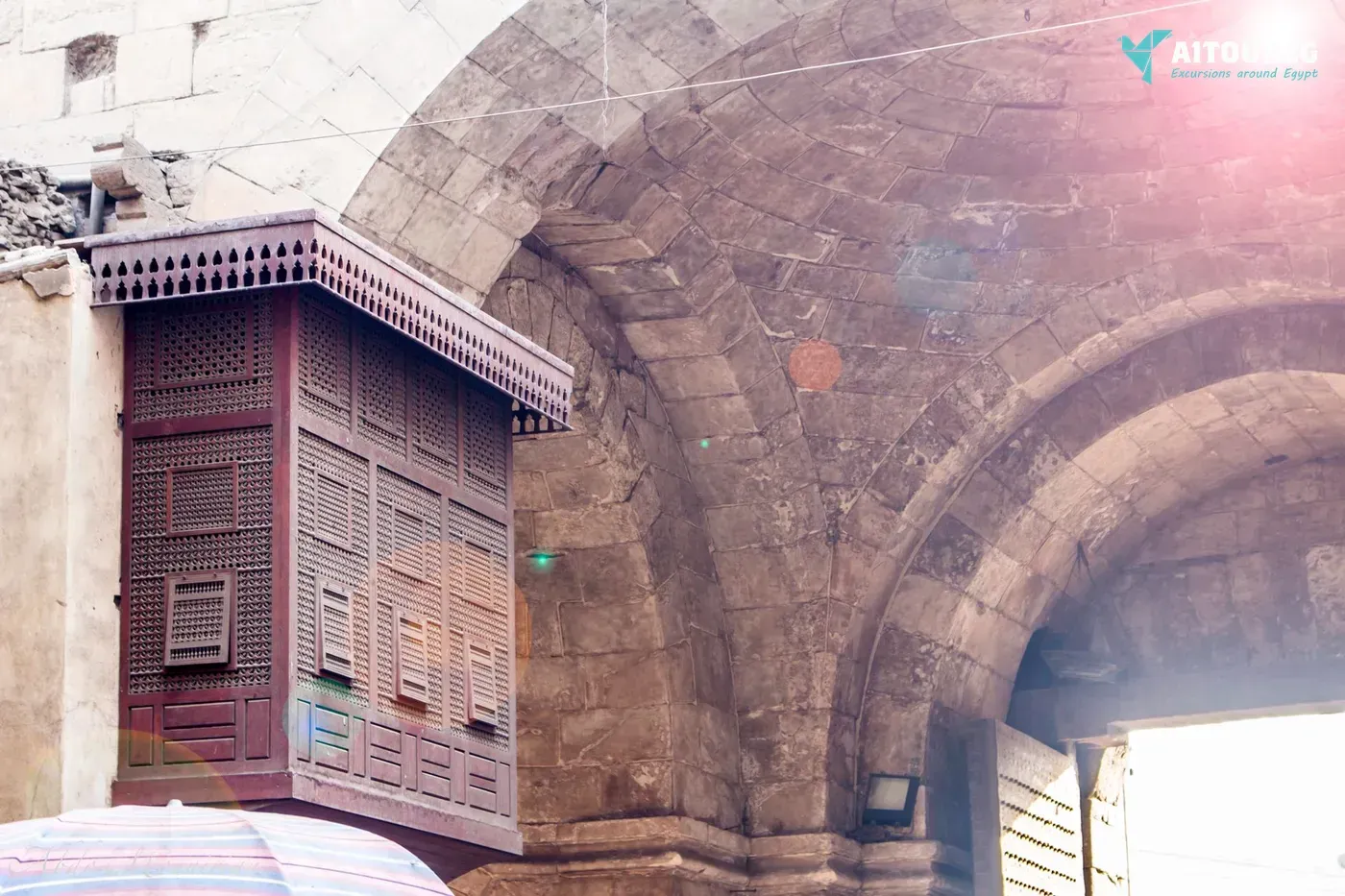
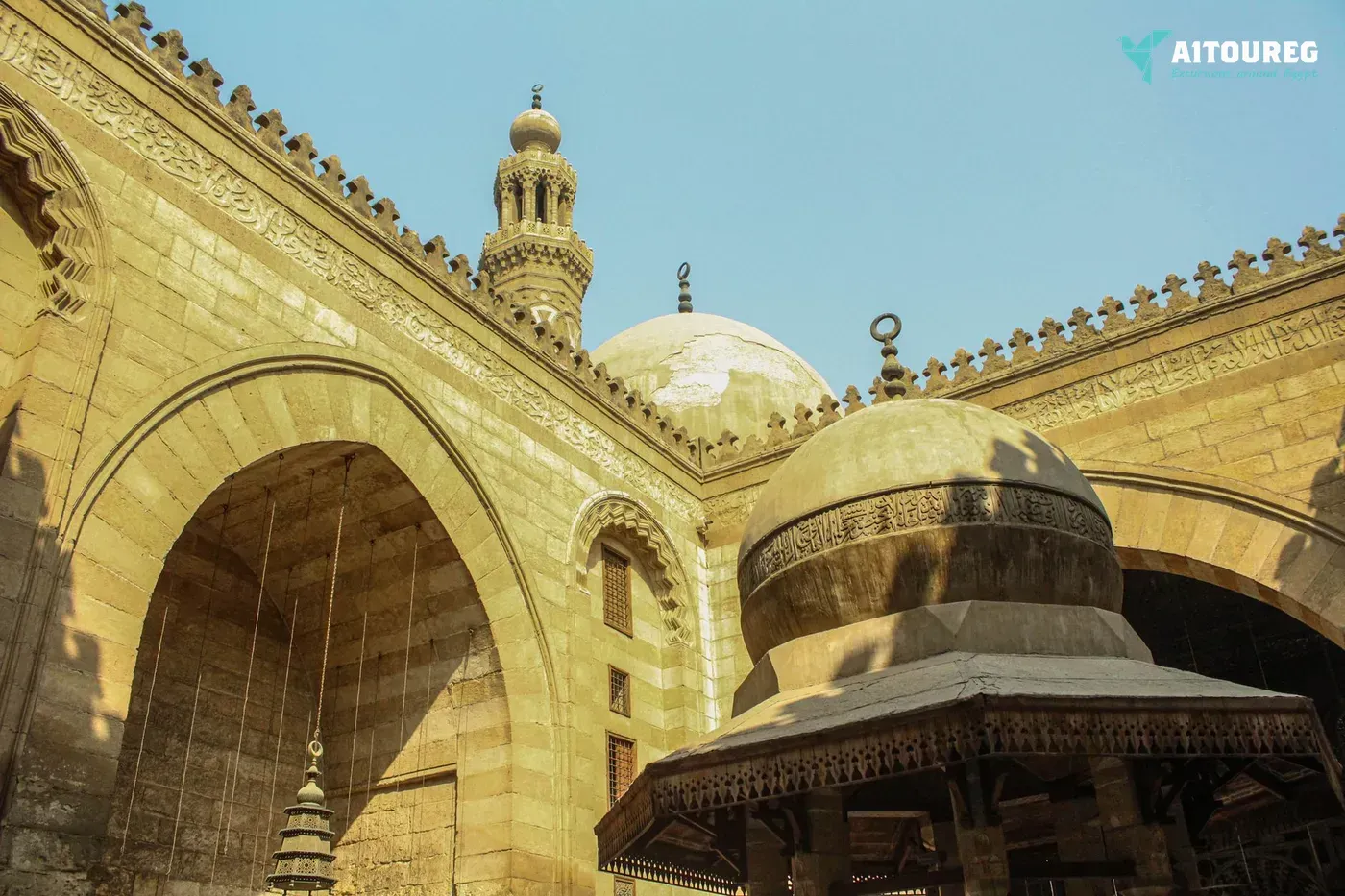
After lunch, continue to Old Cairo. The district brings together historic churches, mosques and lanes around the old city centre. You see how Cairo developed around successive periods of Egyptian history before returning to your hotel. Wear comfortable shoes, carry water, and expect exposed walking at Giza with a quieter, more sheltered pace in Old Cairo.
Travel by road to the cosmopolitan city of Alexandria, Egypt’s Mediterranean port. Start at Kom el Shoqafa’s ancient catacombs, where underground chambers combine Egyptian, Greek and Roman funerary ideas. Continue to Pompey Pillar, commonly known as Pompey’s Pillar, a single granite column that once formed part of the Serapeum complex.
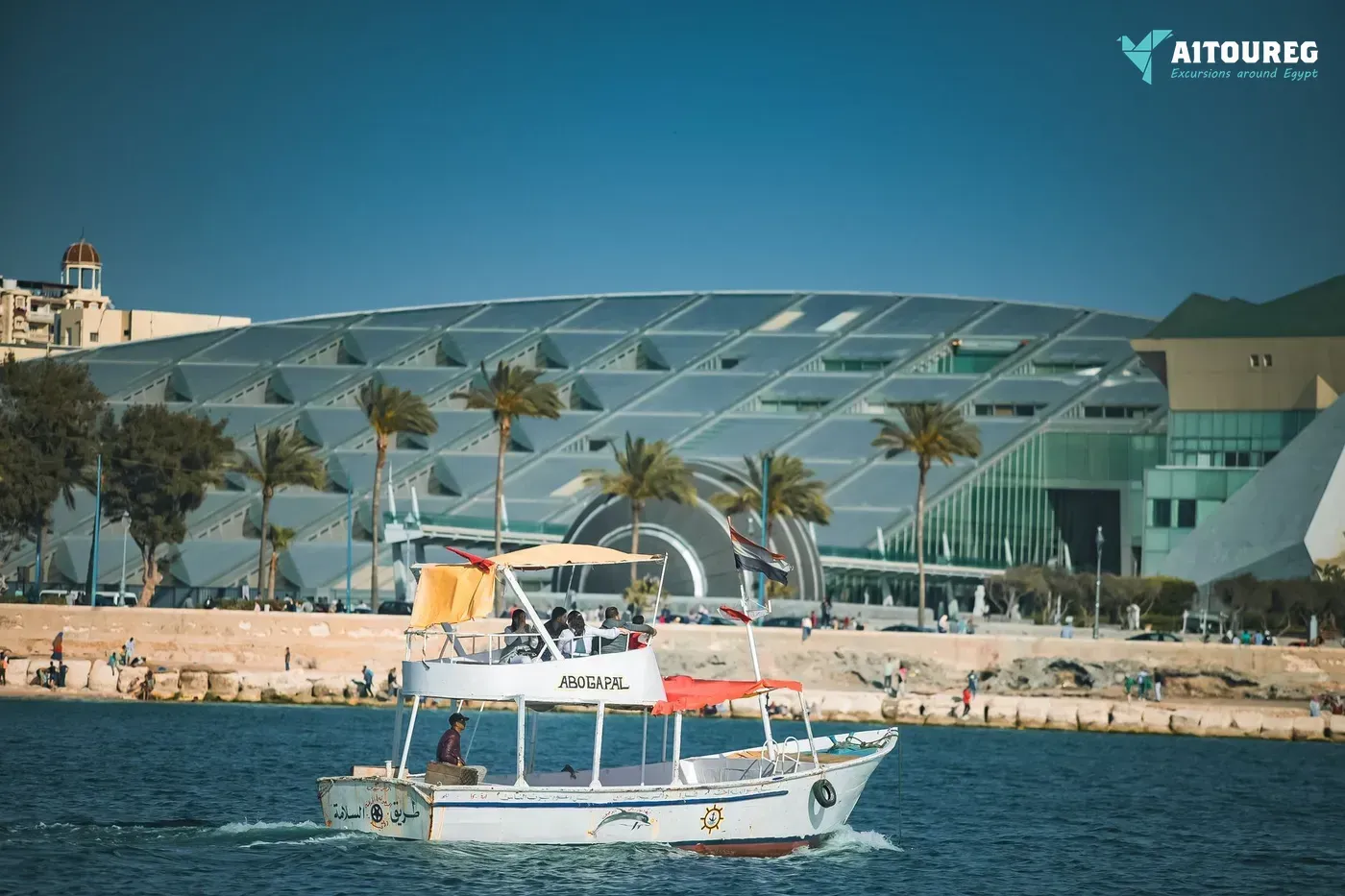
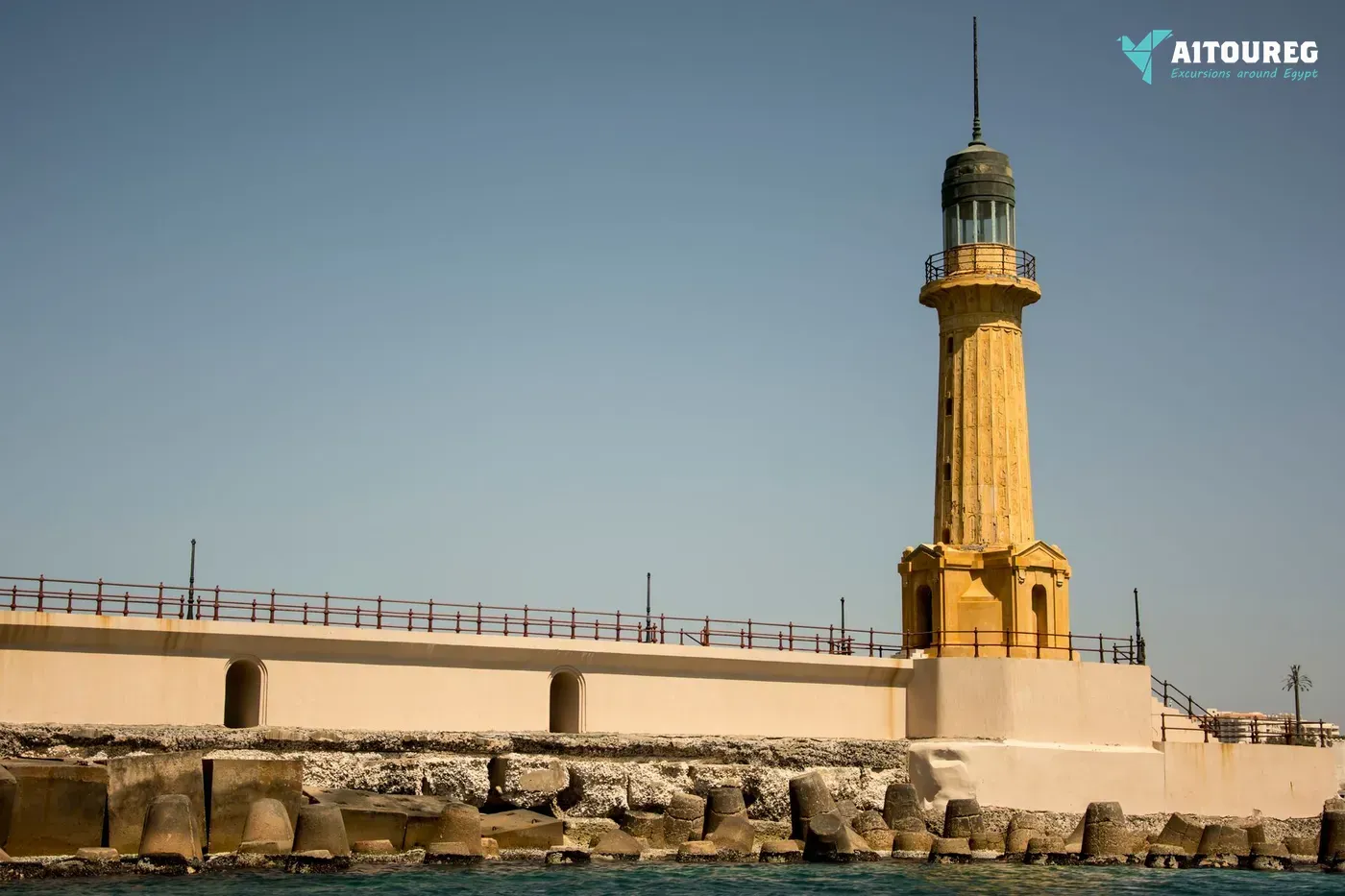
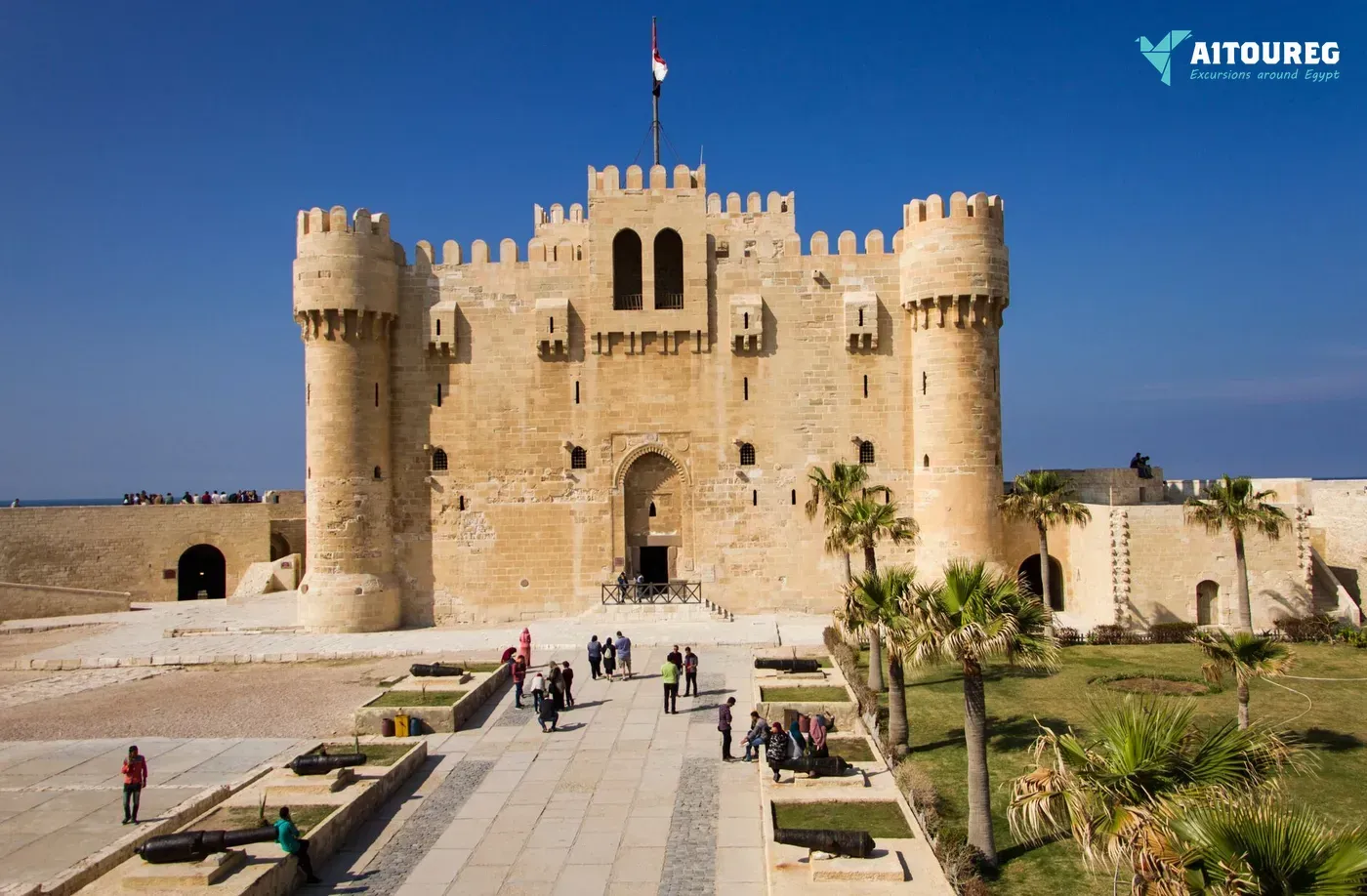
Visit the Library of Alexandria, whose modern building recalls the city’s long connection with scholarship, then continue to the Citadel of Sultan Qeitaby on the waterfront. The fortress occupies the site traditionally associated with the ancient Pharos lighthouse. Depending on the day’s traffic and site access, there is also time at Al Montazah Palace and its coastal gardens. Return to Cairo after the sightseeing; the journey takes several hours, so the day is planned as a full excursion.
Leave Cairo for the western route towards Siwa Oasis. The road passes through the Mediterranean region, with a stop at the El Alamein Tombs. Your guide explains the Second World War campaigns in North Africa and the role of this area before you continue into the desert.
The drive to Siwa is long, and the landscape changes gradually from settled farmland and coastland to broad, dry plains. Breaks are arranged during the transfer, but keep snacks, water and sun protection accessible in the vehicle. Arrive in Siwa later in the day and check in before a relaxed evening. Siwa lies close to the Libyan border, so local security procedures and road conditions can affect the exact timing of the journey.
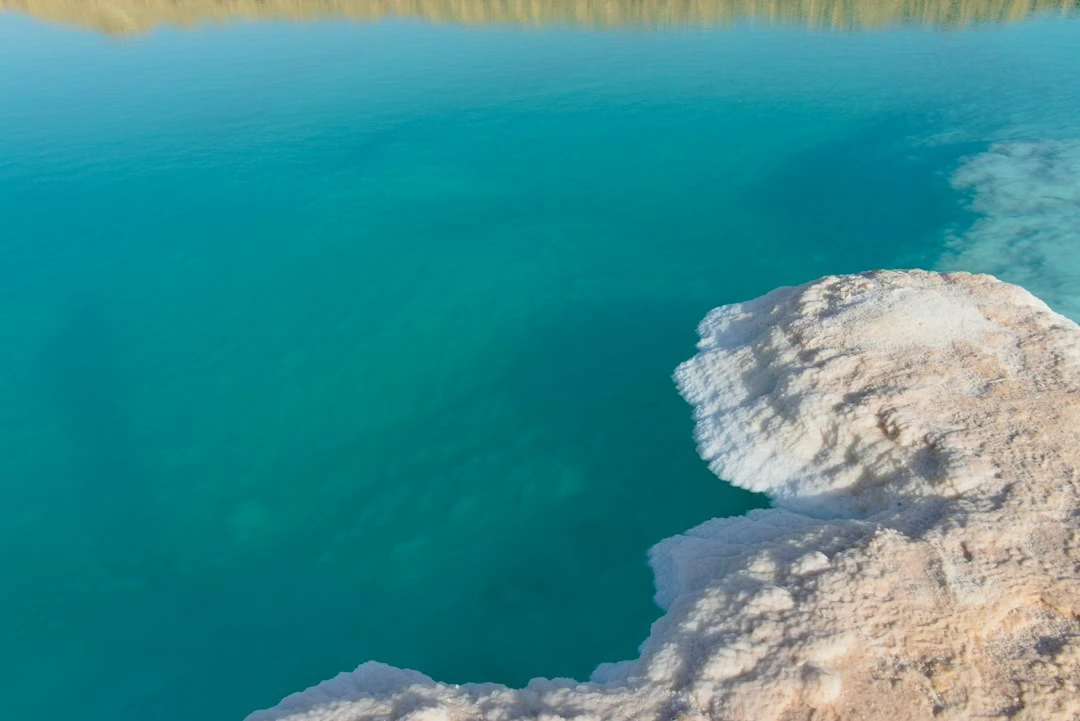
Spend the day exploring Siwa Oasis, where palm groves, natural springs and salt lakes spread across an otherwise arid landscape. Walk through the old settlement area and see the mud-brick remains that reflect Siwa’s distinctive building tradition. Your guide places the oasis within its long history as a trading and agricultural centre.
There is time to visit an oasis spring and travel through the palm plantations, with the schedule adjusted to the heat and the condition of the roads. The pace is unhurried, but some ground is uneven and sandy. In the afternoon, enjoy the changing desert light around the salt lakes before returning to your accommodation. Siwa is remote, so facilities are simpler than in Cairo or along the Nile; bring a reusable water bottle, light clothing and a layer for the cooler evening.
After breakfast, begin the return transfer from Siwa to Cairo. The journey retraces the desert road and takes most of the day, with rest stops along the way. Keep your camera ready for the wide changes in landscape as the oasis gives way to open desert and then more densely settled areas near the capital.
On arrival in Cairo, check in and have time to rest. We keep this evening free rather than adding another major site, since the previous day’s sightseeing and today’s road journey require a steady pace. Our team reviews the next excursions and confirms the practical arrangements for the Western Desert and St Catherine sections of the itinerary.
Travel southwest from Cairo towards the Wadi El Hitan region in the Western Desert. The area is known for fossilised whale remains preserved in ancient seabed sediments, showing how this part of Egypt changed over geological time. At the site, follow the marked routes with your guide and examine the fossils from designated viewing areas.
The landscape is open and exposed, with little shade, so a hat, sunscreen, sturdy shoes and sufficient drinking water are important. The road journey takes several hours each way and includes stretches across desert tracks, making this a full-day excursion. After the visit, return to Cairo or continue according to the day’s desert logistics. Your guide explains where walking is permitted and helps keep the visit respectful of the protected environment.
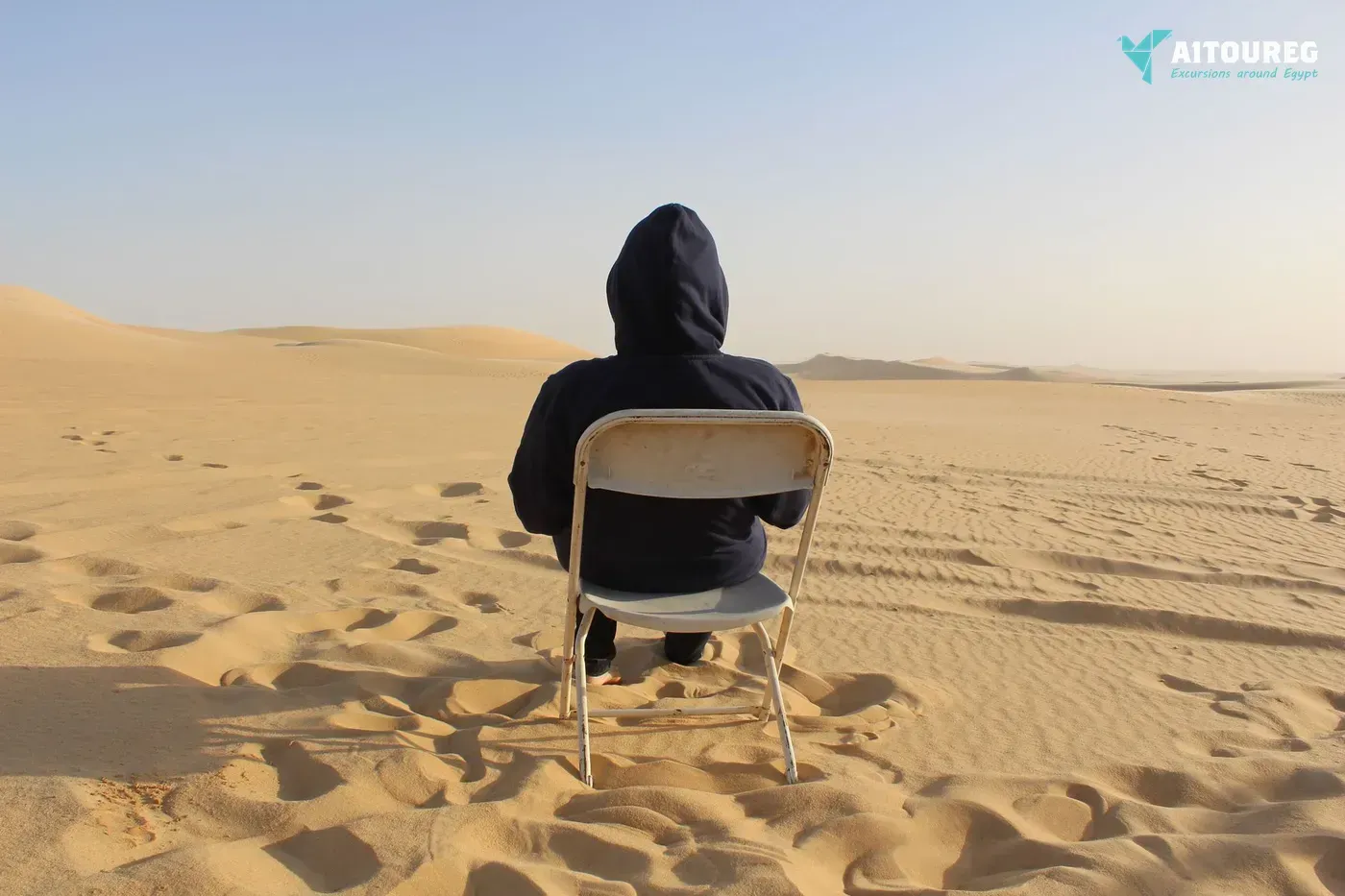
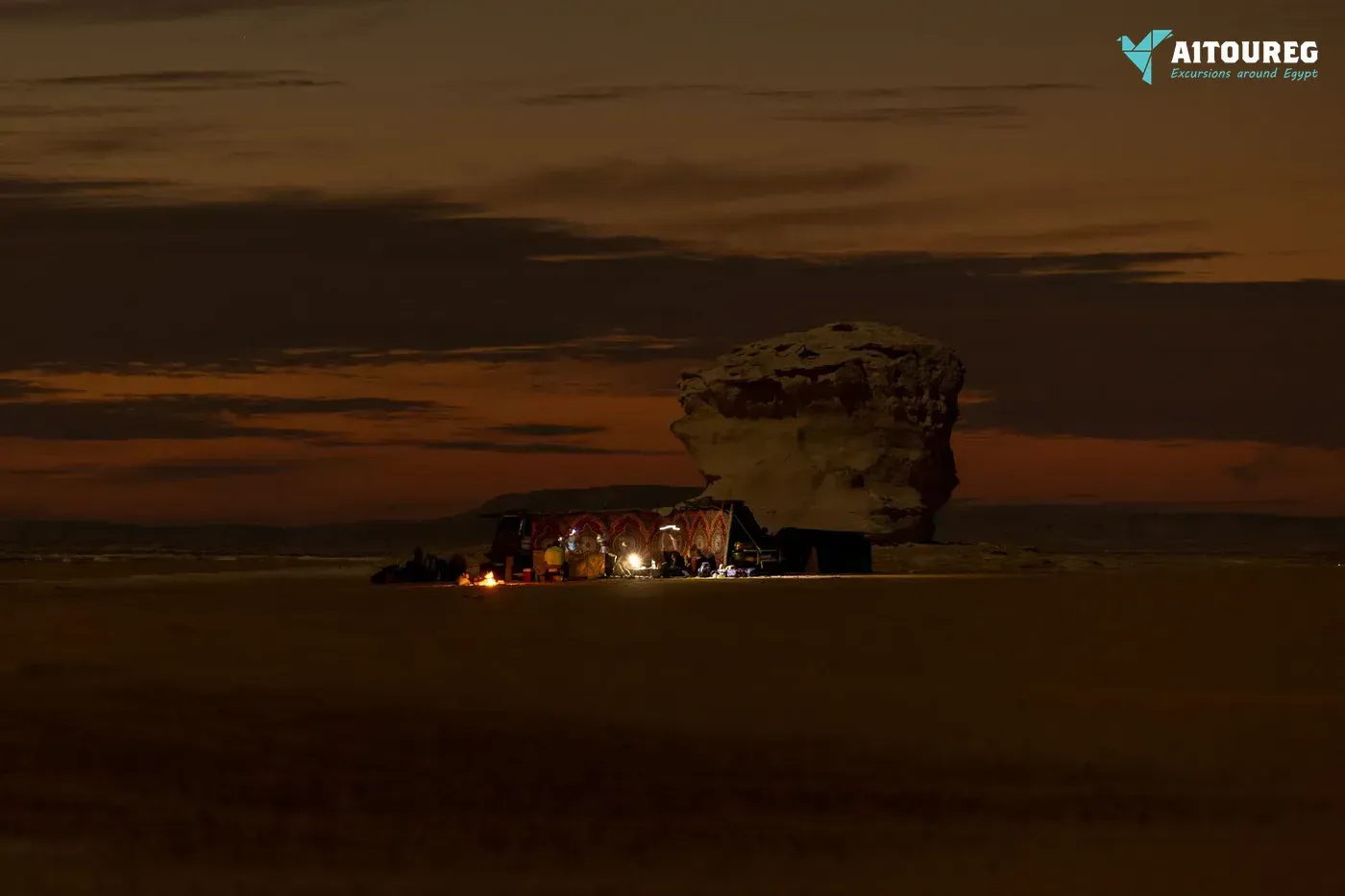
Depart Cairo for Bahariya Oasis, a Western Desert settlement surrounded by palms, low hills and mineral springs. After reaching the oasis, continue towards the striking white desert landscape, where wind-shaped chalk formations rise from the desert floor. The forms change in appearance as the sun moves, and your guide points out the safest routes for walking and photography.
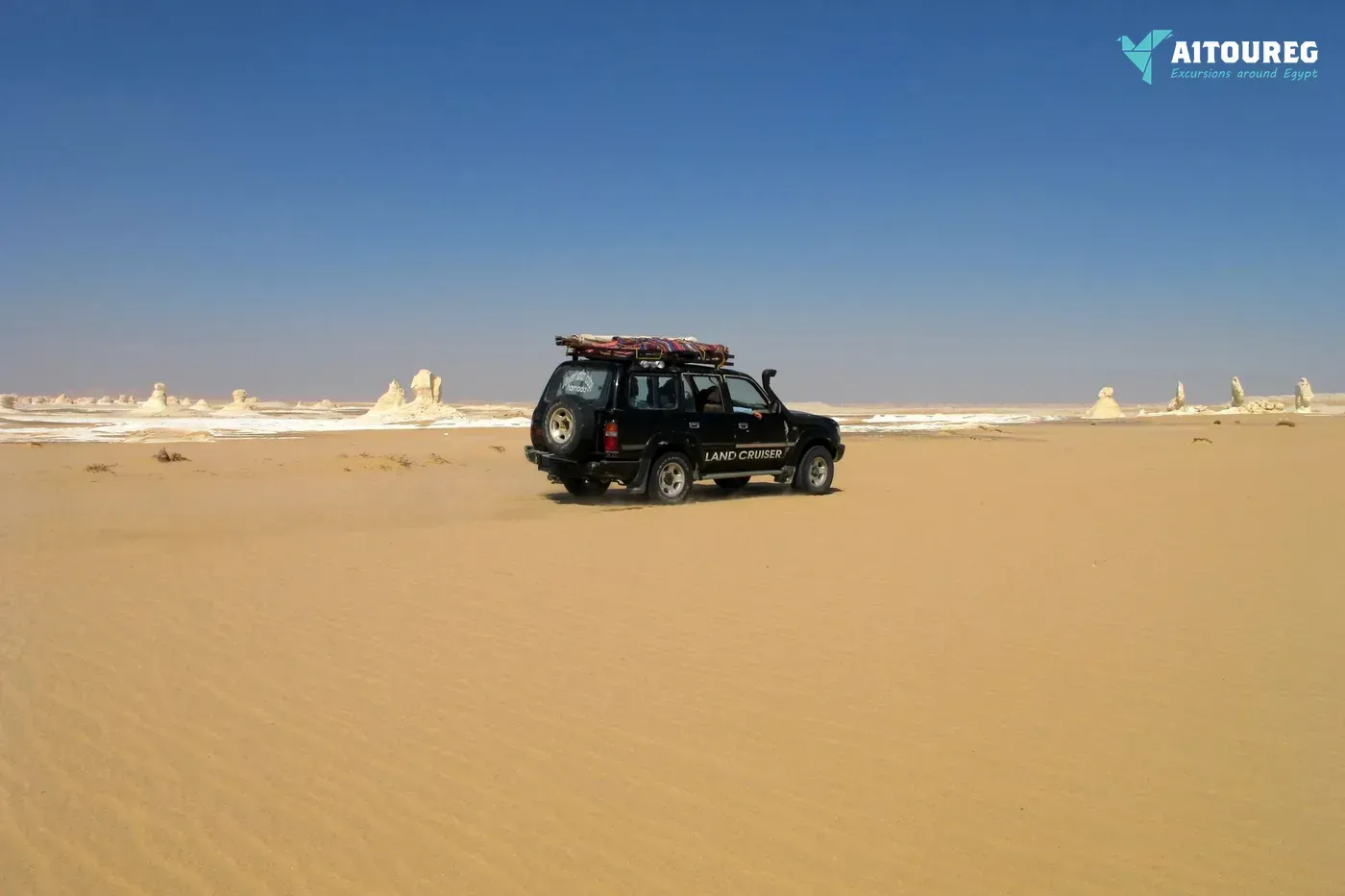
Desert travel here is by 4x4 vehicle, and the surface can be uneven. Carry your day bag, water, sun protection and any medication you need rather than leaving essentials in the luggage vehicle. The night is spent in the desert area or at an arranged desert accommodation, depending on the confirmed plan and local conditions. Facilities are basic compared with Cairo, but the quiet surroundings give you time to see the desert after the day visitors have left.
Watch the desert landscape change again as you leave Bahariya and travel back towards Cairo. If conditions and timing allow, there is a short stop in the oasis before the main road journey. The return route takes much of the day, so the schedule focuses on safe transfers rather than adding another major attraction.
Arrive in Cairo and settle back into the hotel. Use the evening to organise a small overnight bag for St Catherine, while larger luggage can remain arranged for the later Nile section. Our team confirms the road transfer, the monastery visit and the clothing guidance for entering the religious site. Rest is recommended, as the next day includes a long journey across the Sinai Peninsula.
Leave Cairo by road for St Catherine, crossing towards the mountains of the southern Sinai. The journey is long and includes security checkpoints, so keep your passport accessible and follow your guide’s instructions. Stops are made during the transfer for refreshments and rest.
As you approach St Catherine, the scenery becomes more mountainous and the air can feel cooler, particularly outside the warmer months. Check in on arrival and keep the afternoon relaxed. The visit to the monastery is scheduled for the following morning, when opening arrangements and local access conditions are clearer. Modest clothing is appropriate for the religious site, and comfortable walking shoes will help on the uneven ground around the monastery.
Visit St Catherine Monastery, one of the oldest continuously active Christian monasteries. Inside the complex, your guide explains its religious history, the fortified walls and the manuscripts and icons associated with the site, subject to the areas open on the day. The visit involves walking over uneven surfaces, and access to individual rooms can vary.
After the monastery, begin the road transfer back to Cairo. The return journey takes several hours, with breaks arranged along the route. A late arrival is possible because of the distance, so the evening is reserved for rest rather than another sightseeing stop. Keep your belongings with you during the transfer and dress respectfully throughout the monastery visit.
Travel south by road towards Luxor, stopping at Abydos and Dendera on the way. Abydos was an important centre of the cult of Osiris, and its temple reliefs and ordered columns help explain the religious importance of the site. Continue to Dendera temple, dedicated mainly to Hathor, where the carved ceilings, astronomical imagery and well-preserved reliefs reward a slower visit.
This is a long transfer day, with sightseeing divided around the road journey. Bring water, sun protection and comfortable shoes; the temple compounds include open areas as well as shaded halls. Continue to Luxor after the visits and check in near the Nile or at the cruise embarkation area. The exact sequence can change with road conditions and site opening arrangements, but both temples are visited before the Nile cruise begins.
Begin the Nile section in Luxor with a visit to Karnak temple. Walk through its monumental gateways, courts and columned halls while your guide explains the temple’s development under successive pharaohs. Continue to Luxor temple, where the avenue and remaining columns show how the eastern bank was used for royal and religious ceremonies.
Board the vessel later in the day and settle into your cabin. This begins the planned 4-night stay aboard a Nile river cruise. Meals and time on deck follow the cruise schedule, while the ship’s exact sailing time depends on navigation and mooring arrangements. Keep a small bag ready for shore visits, as the main luggage stays in your cabin and the gangways can be busy when several boats are moored together.
Cross to Luxor’s West Bank for the valley of Kings, where royal tombs were cut into the desert hills. Your ticket usually allows entry to a selection of open tombs, and your guide explains the wall scenes, burial beliefs and practical layout. Continue to Hatshepsut temple, built against the cliffs at Deir el-Bahari. Its terraces and reliefs tell the story of the queen’s reign and trading expeditions.
Return to the cruise for lunch or rest before the vessel sails south. The West Bank involves walking in strong sun and on sloping or uneven ground, so closed shoes and water are useful. Once underway, spend the afternoon on deck watching villages, fields and riverbank traffic pass by. The cruise timetable may place part of the sightseeing before breakfast or later in the day.
Stop at Edfu to visit the temple dedicated to Horus. The approach is usually made by a short local transfer from the river, followed by a walk through the temple’s large gateway and courts. The reliefs remain detailed, and your guide explains the temple’s role and the myths represented on its walls.
Return to the vessel and continue sailing towards Kom Ombo. Later, visit Komm Ombo temple, an unusual double temple dedicated to Sobek and Horus the Elder. Its position beside the river makes the approach especially clear, while the reliefs and carved medical instruments provide practical details about ancient belief and daily life. Shore visits are timed around the ship’s sailing schedule, so stay with the group and return to the vessel by the stated time.
Leave early for the magnificent Abu Simbel temples, travelling south from Aswan by road. The two rock-cut temples were built for Ramesses II and Queen Nefertari, with colossal figures at the entrance and deeply carved interior chambers. Your guide explains the temples’ relocation during the construction of the Aswan High Dam and allows time for the main halls and photographs before the return journey.
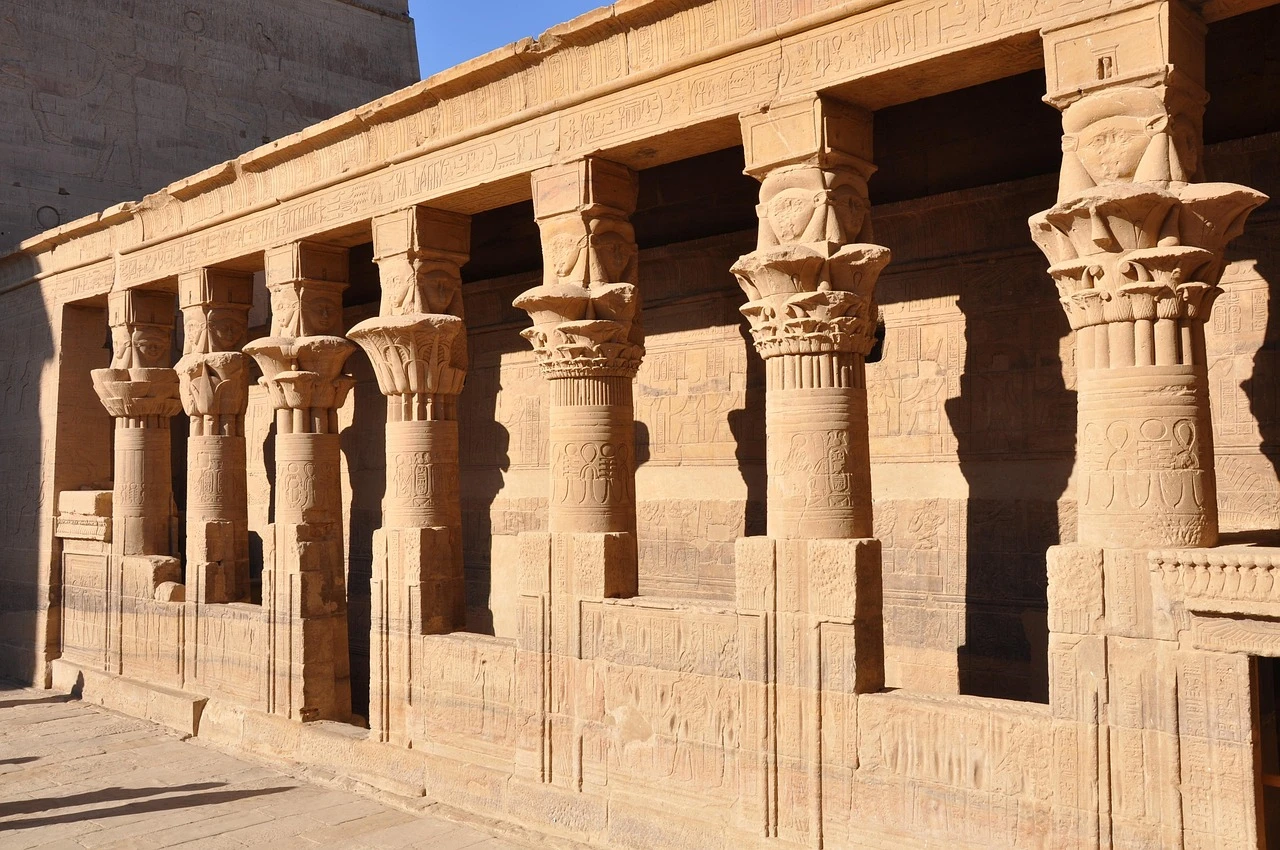
Back in Aswan, visit the Phiala temple, also commonly written as Philae, on an island reached by boat. The sanctuary’s courtyards and reliefs reflect worship of Isis and later religious periods. Return to the cruise for the final night aboard. The Abu Simbel transfer is long and begins early, so keep essentials in a small day bag and expect a later return to the vessel.
Disembark after breakfast, following the cruise team’s instructions for cabin checkout and luggage collection. Our representative assists with the transfer from Aswan to the airport or onward connection, depending on your departure plans. Keep your passport, flight details and personal medicines in your hand luggage.
If your departure is later, the morning can be kept quiet near the river while arrangements are finalised. Airport transfers are planned around the confirmed travel schedule, but allow extra time for security and check-in procedures. This completes the 17-day journey; the final transfer time depends on your departure point and the transport arrangements confirmed by our team.