8-Day Egypt Tour Cairo, Luxor and Aswan
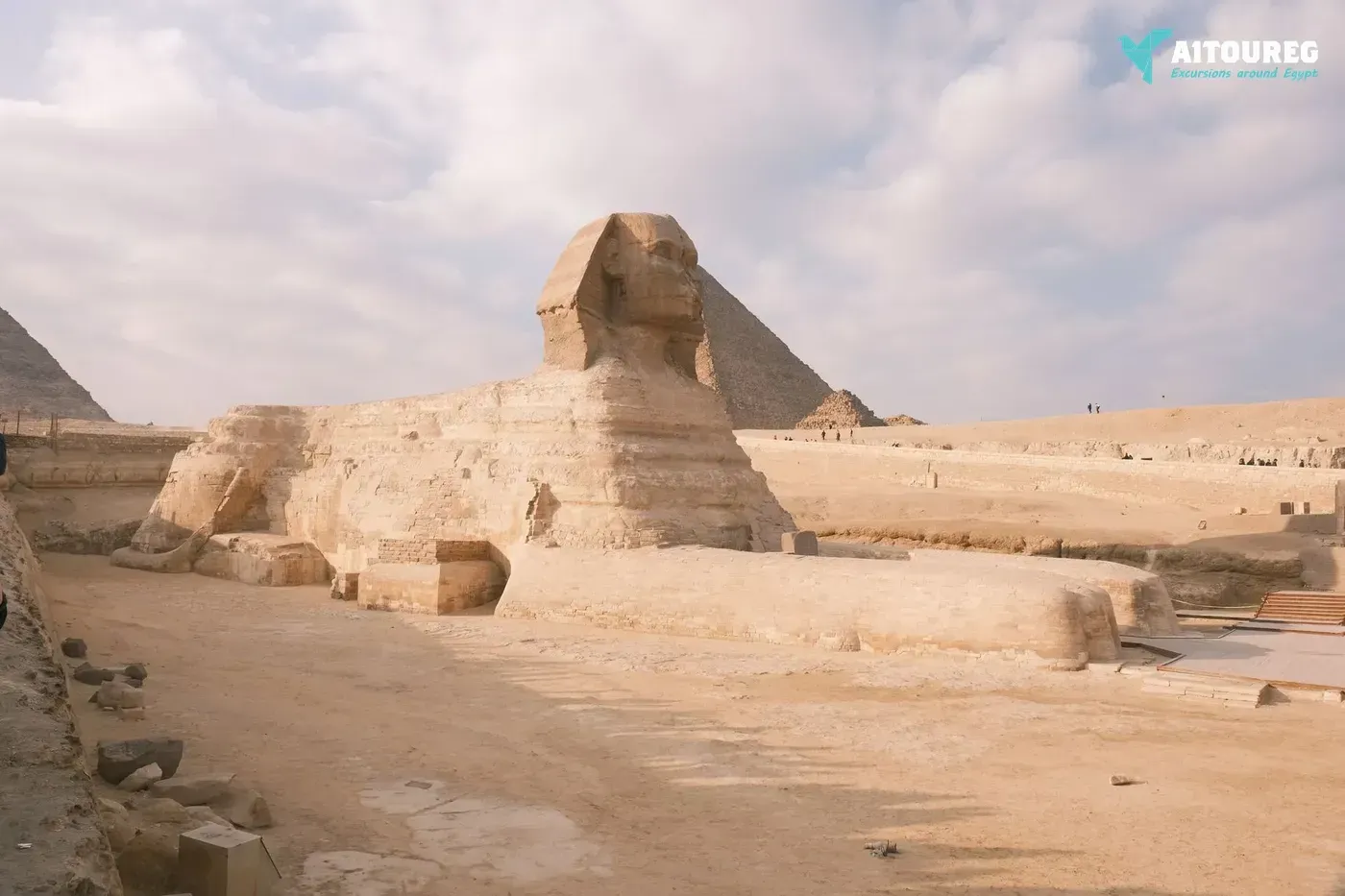
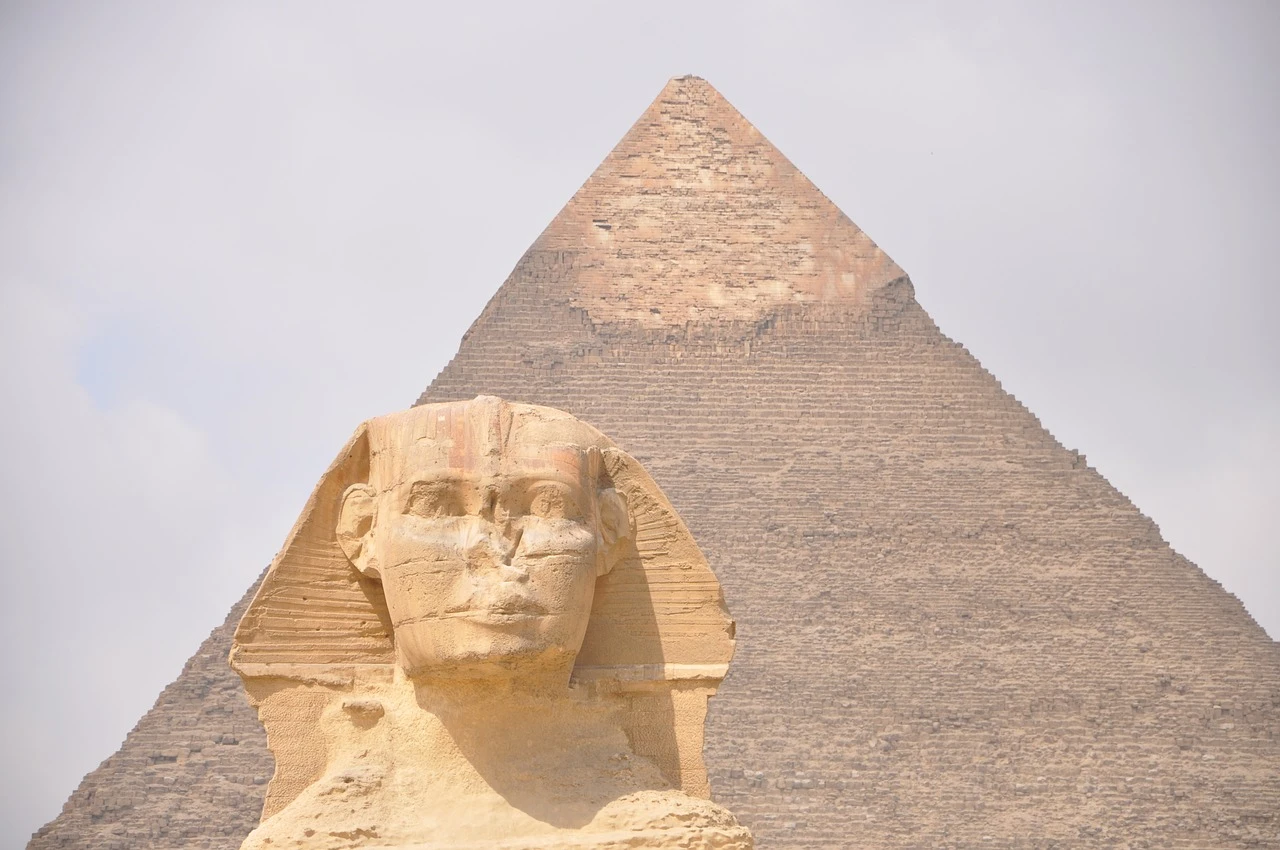
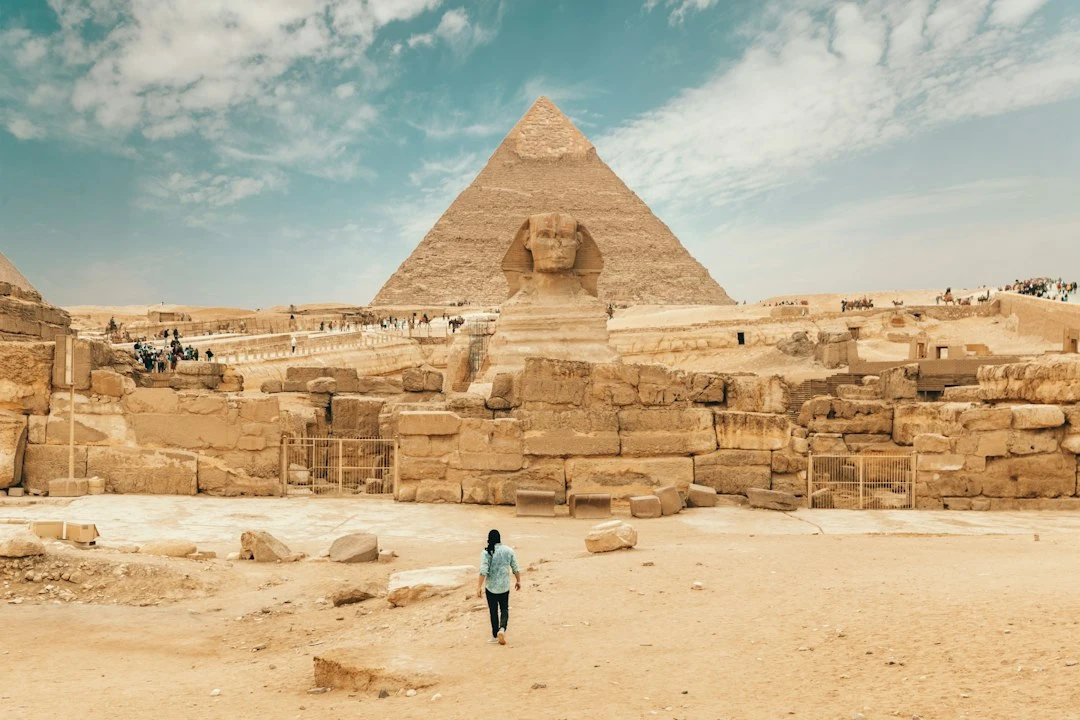
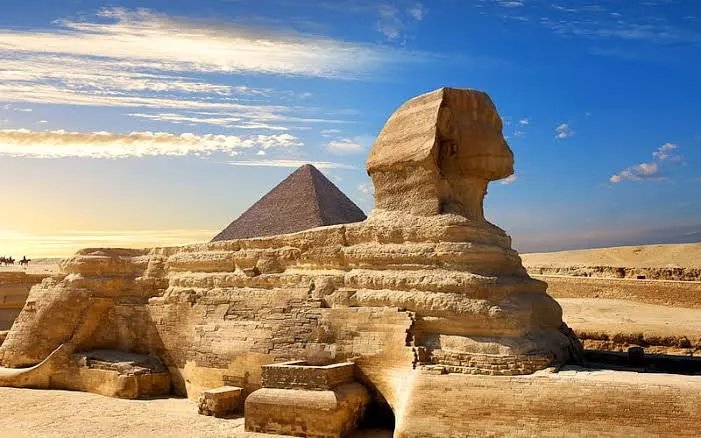
Our 8-day Egypt tour through Cairo, Luxor and Aswan brings together the country’s major ancient sights, with each transfer, ticket and guide arranged by our team. You start at the Giza Pyramid Complex, walking across the plateau to take in the pyramids before standing before the Great Sphinx and its carved limestone face. A private Egyptologist guide and organised transport keep the days clear and well paced, with time to stop, take photographs and ask questions.
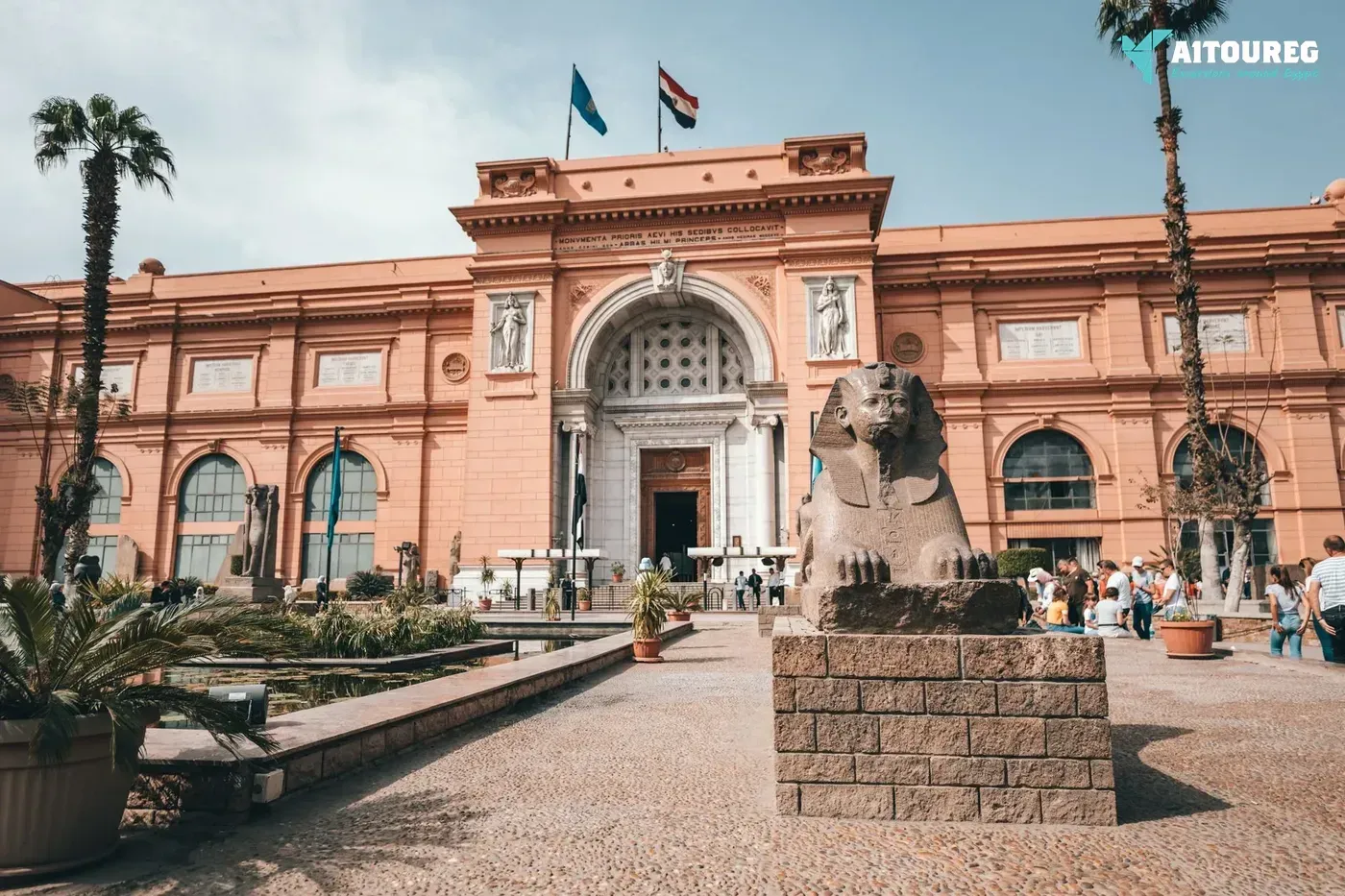
In Cairo, the Egyptian Museum puts the other sites into context. Its galleries hold royal statues, jewellery, coffins and everyday objects from different periods, giving your guide plenty to explain about a civilisation that changed over thousands of years. The pace works well for travellers who want a clear introduction rather than a rushed checklist. Cairo traffic can slow the journeys, so our team plans the route around the sightseeing schedule as far as local conditions allow.
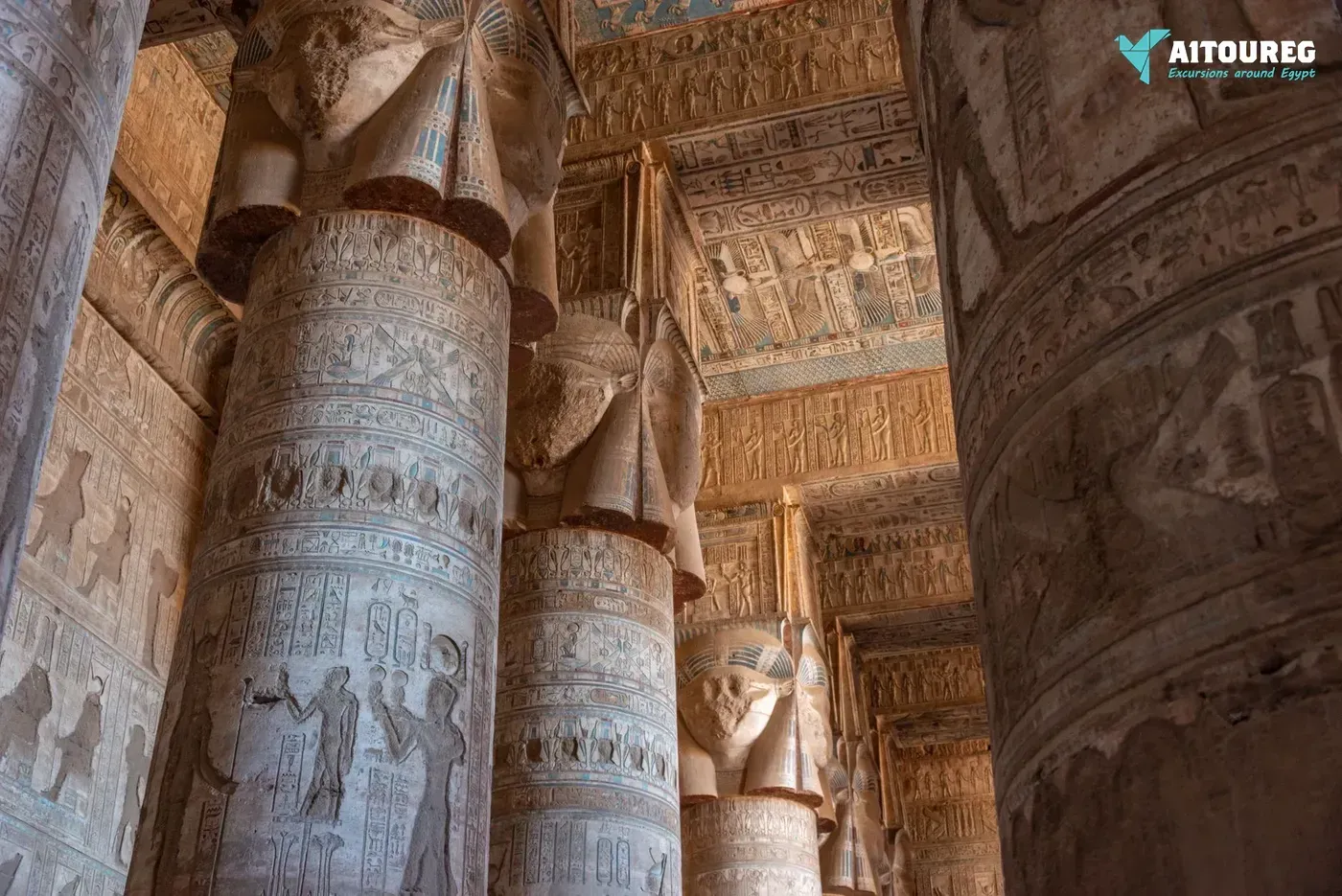
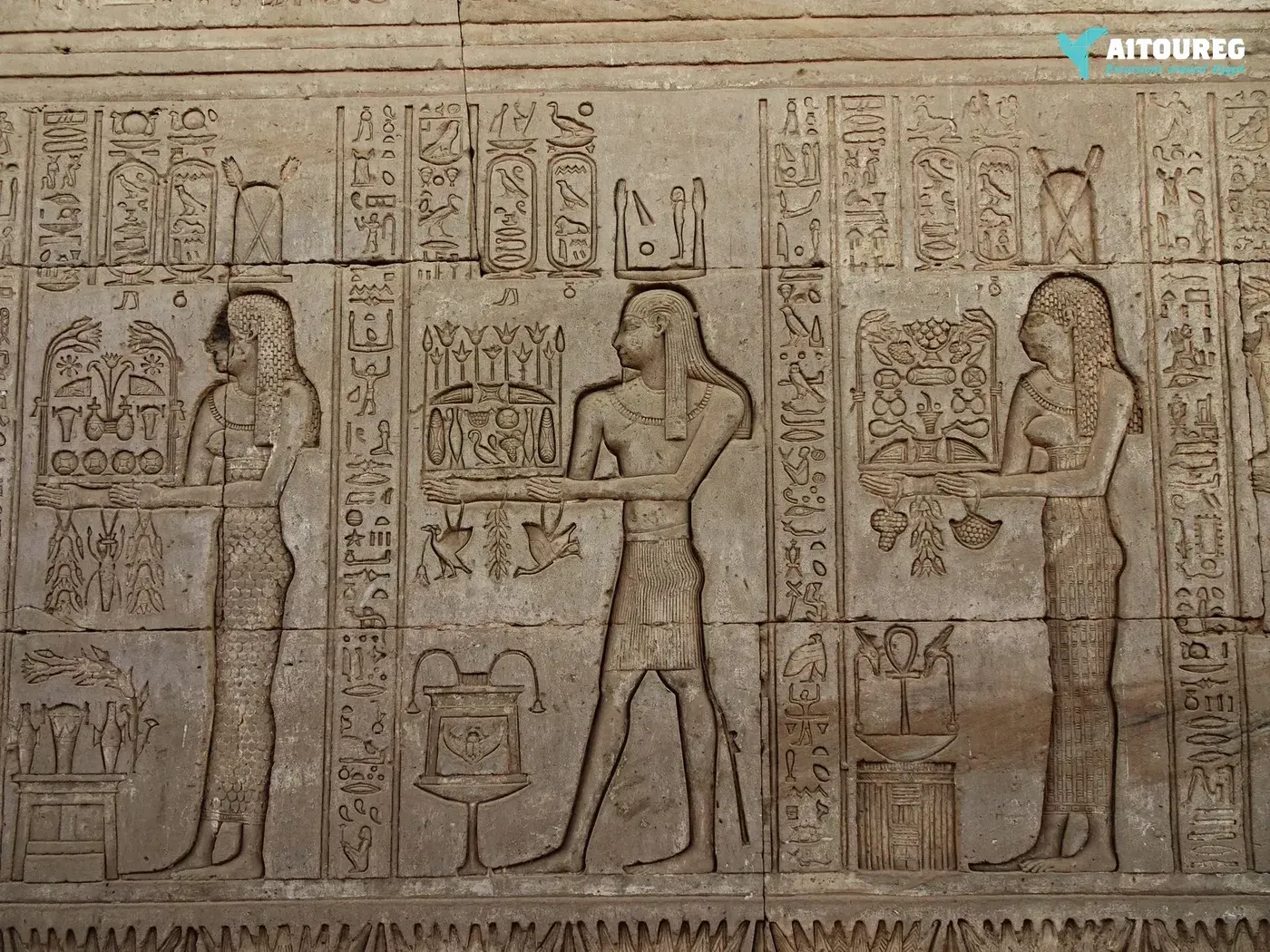
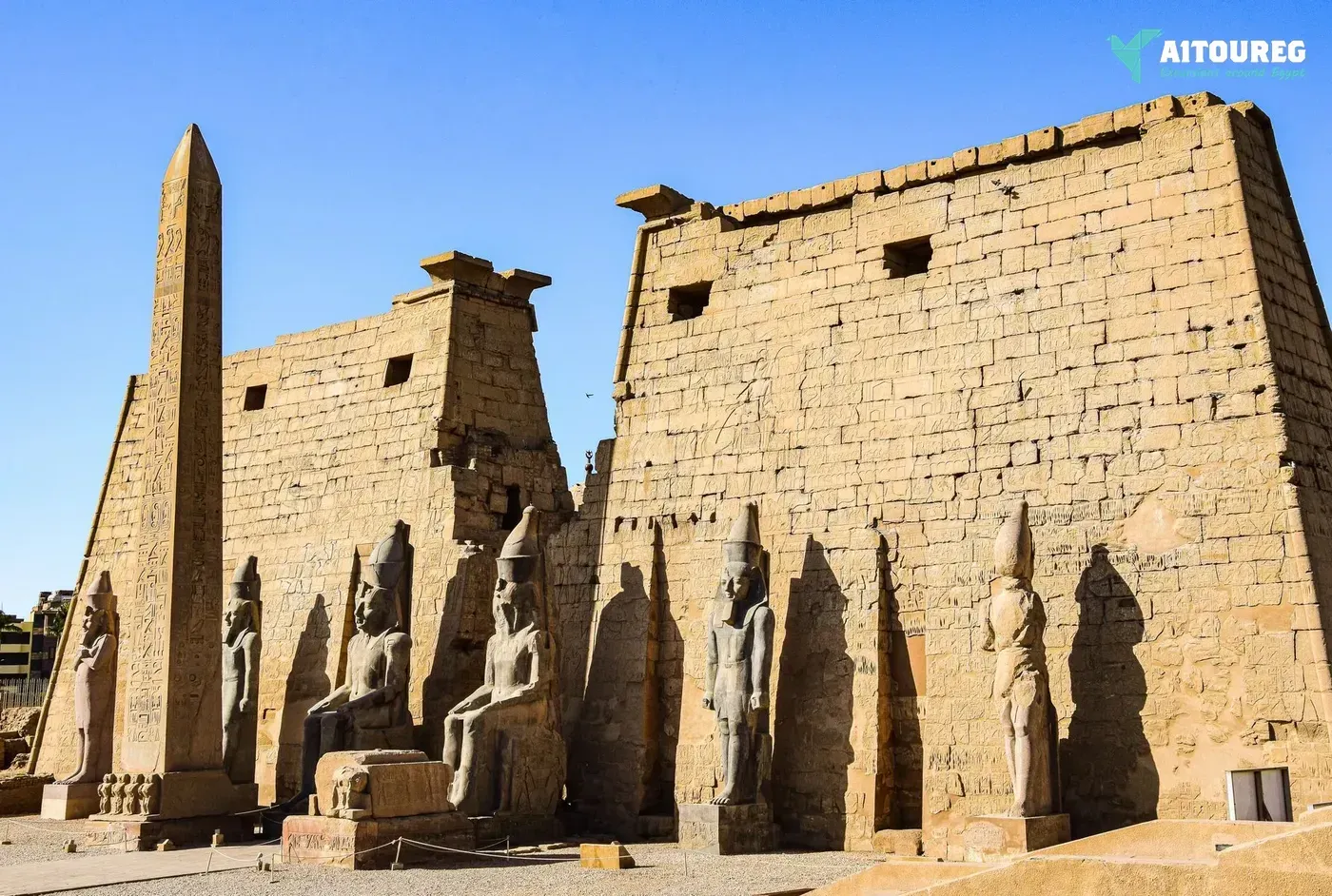
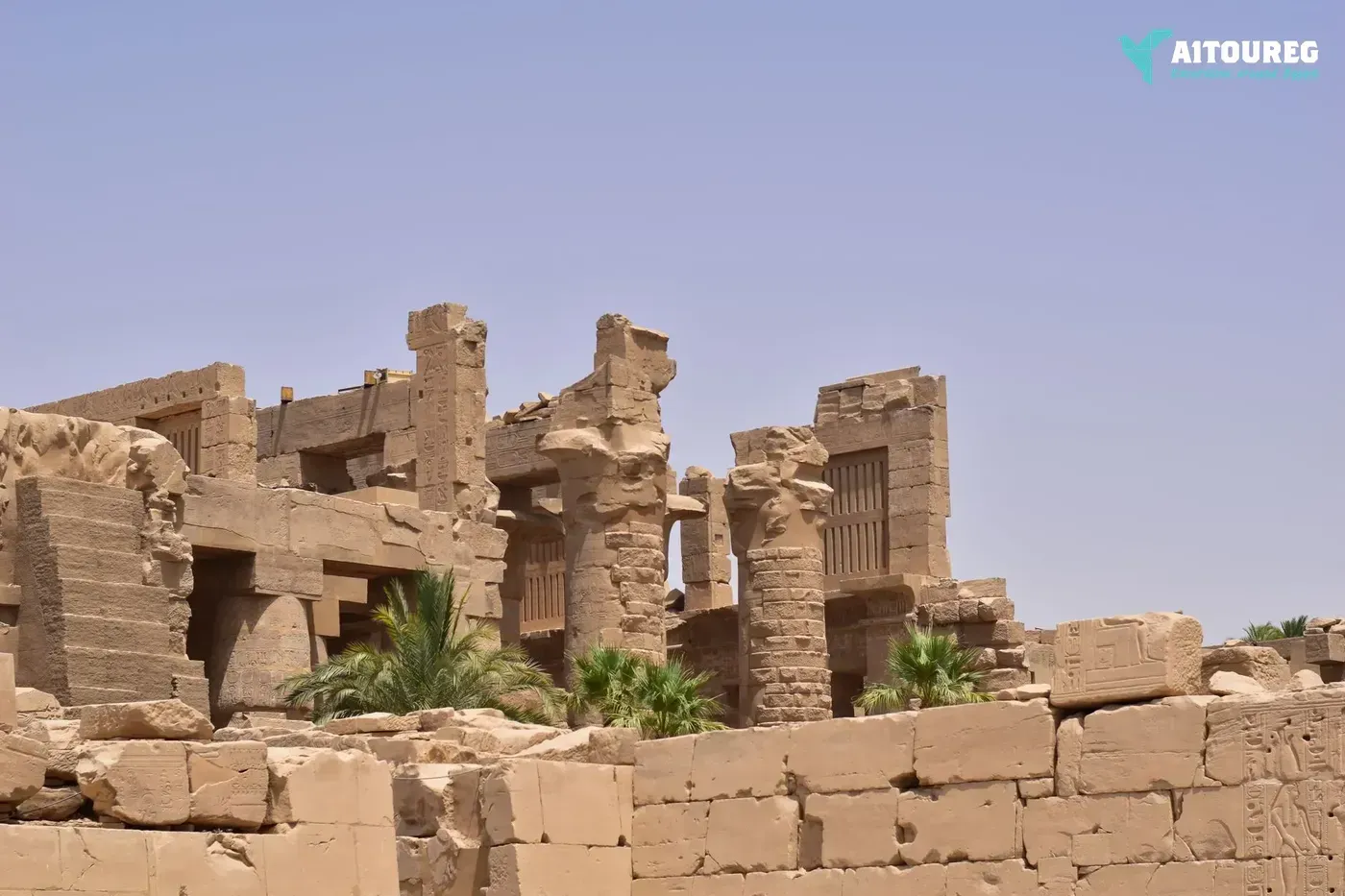
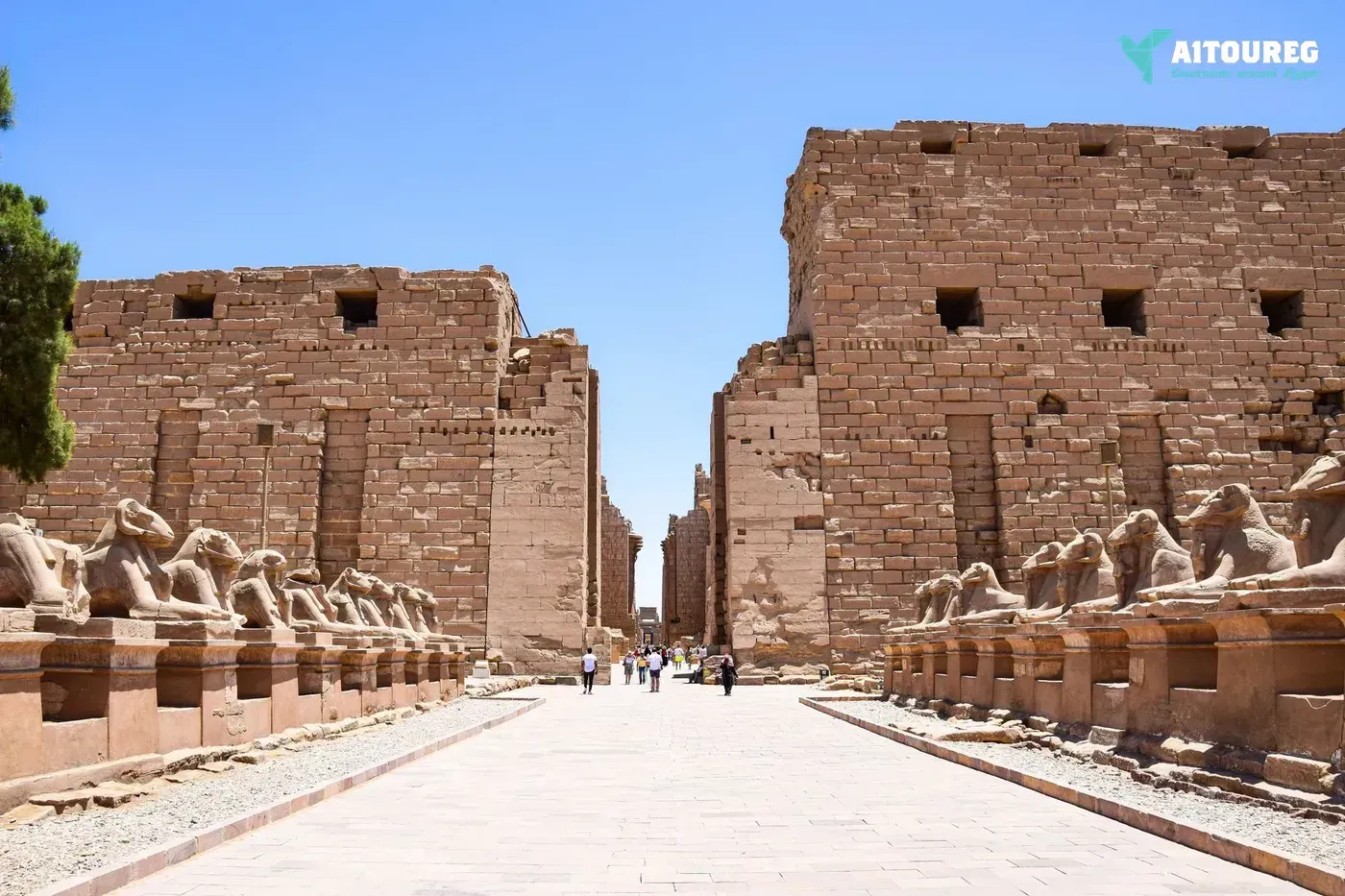
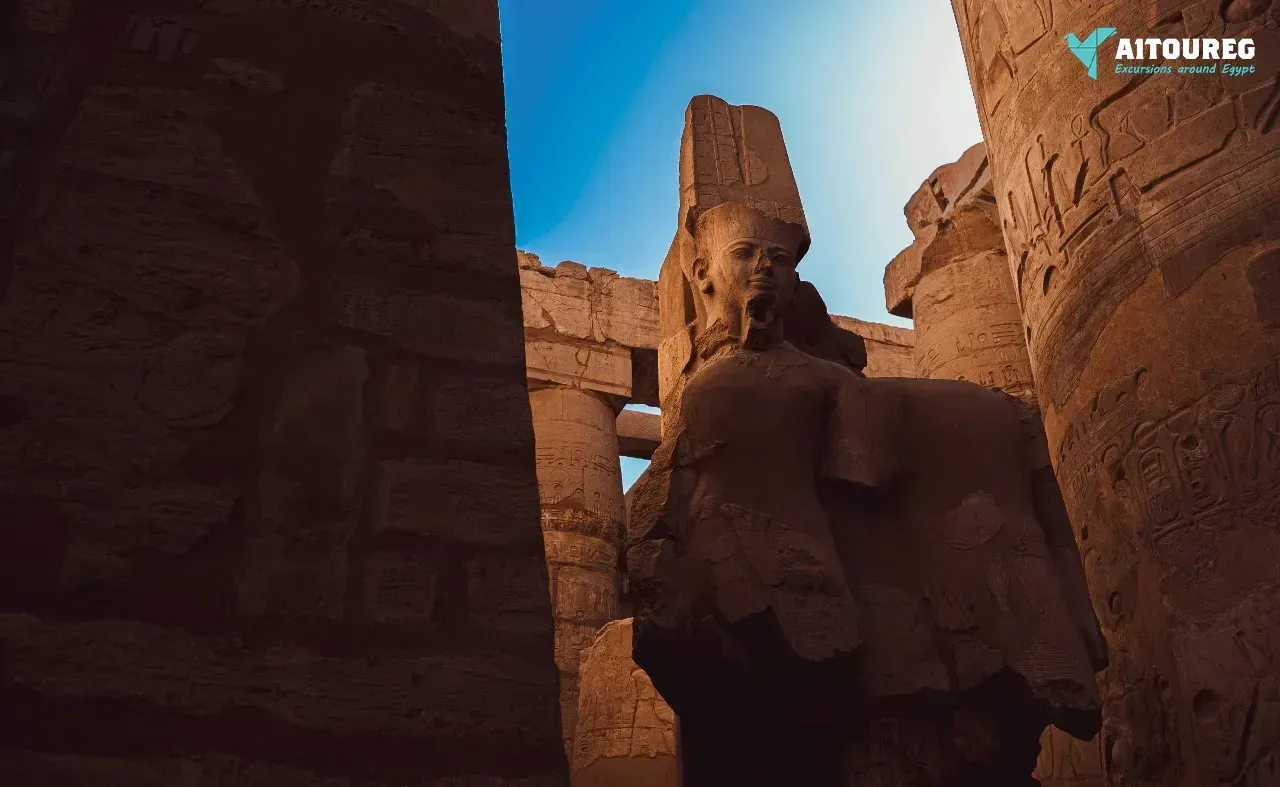
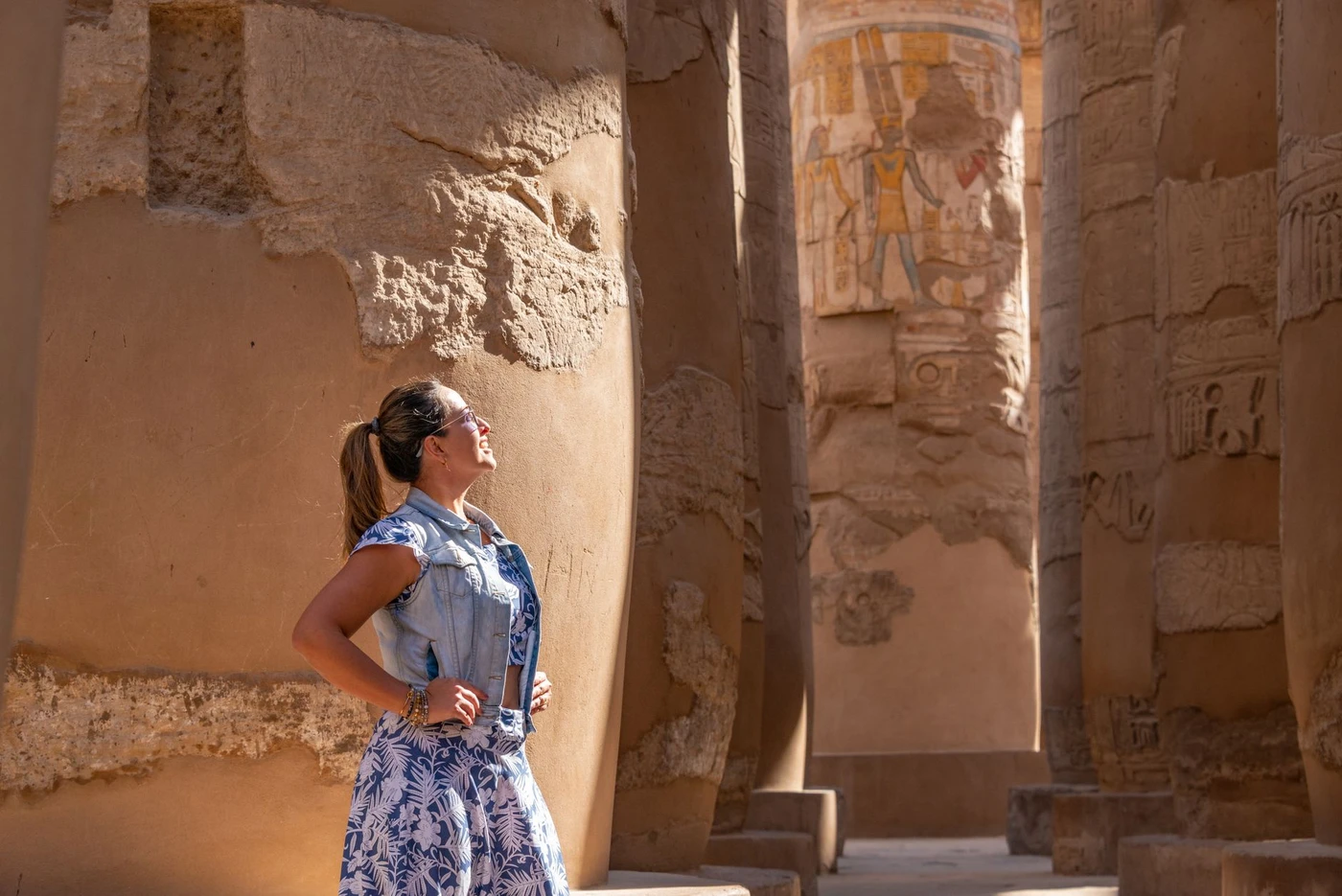
In Luxor, the focus moves from museum collections to monuments in their original setting. On the East Bank, the Karnak Temple Complex leads you through vast courts, columns and sacred spaces built by successive pharaohs. Luxor Temple Ruins have a different feel later in the day, when the avenue, statues and surviving columns show the temple’s connection with the ancient city. The tour also includes Dendera Ancient Temple, where well-preserved reliefs and an astronomical ceiling make the journey beyond Luxor worthwhile.
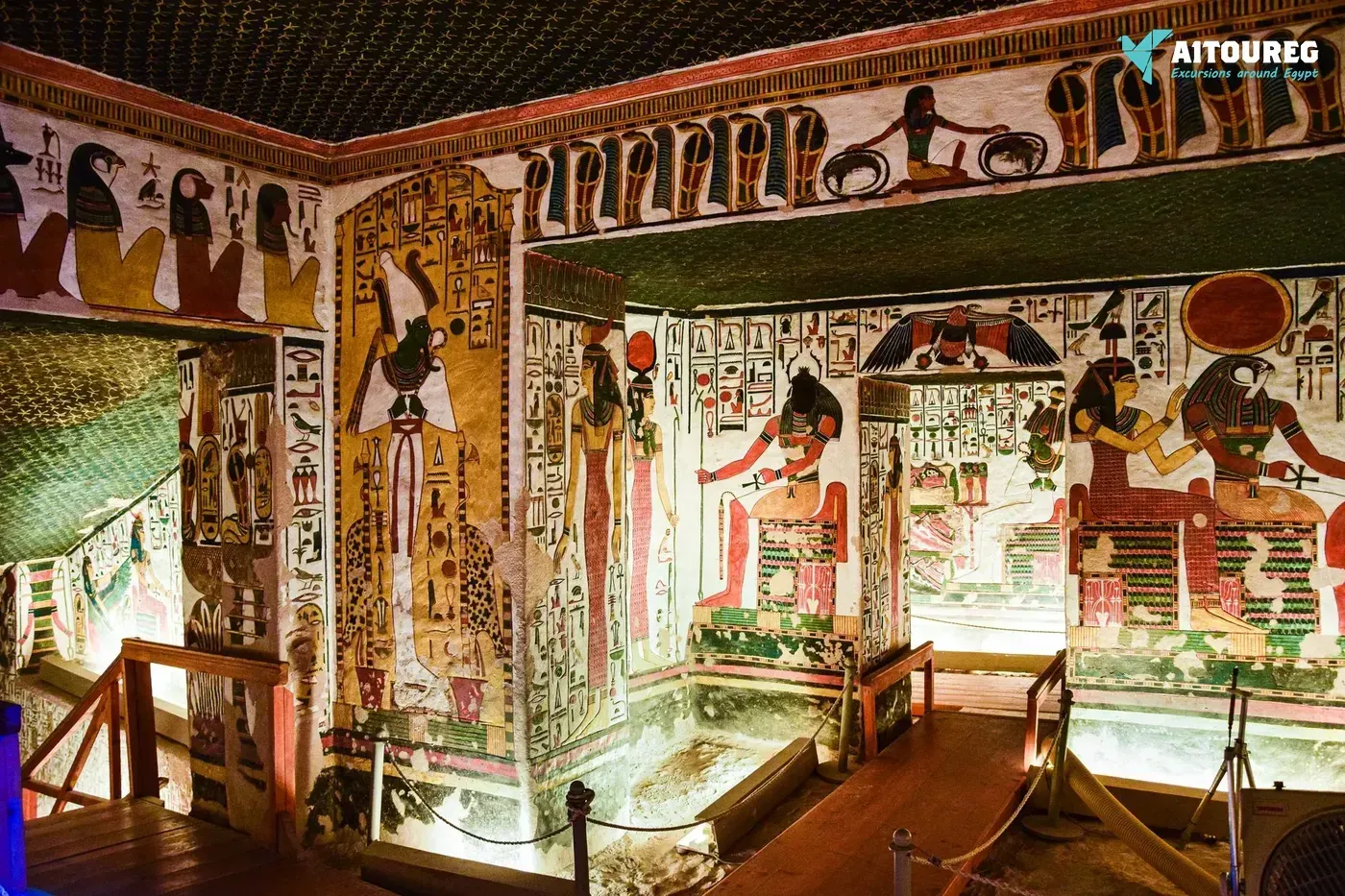
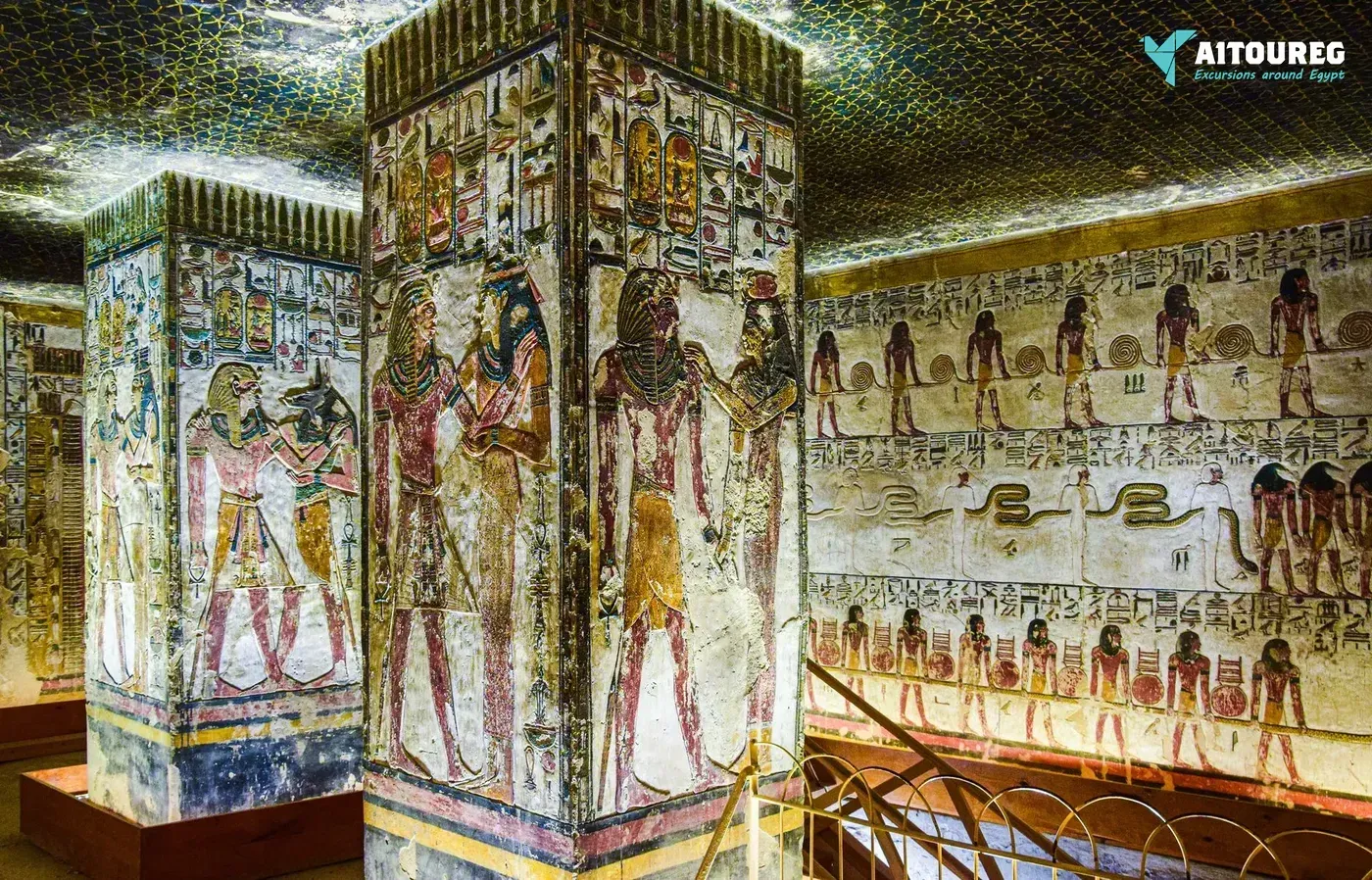
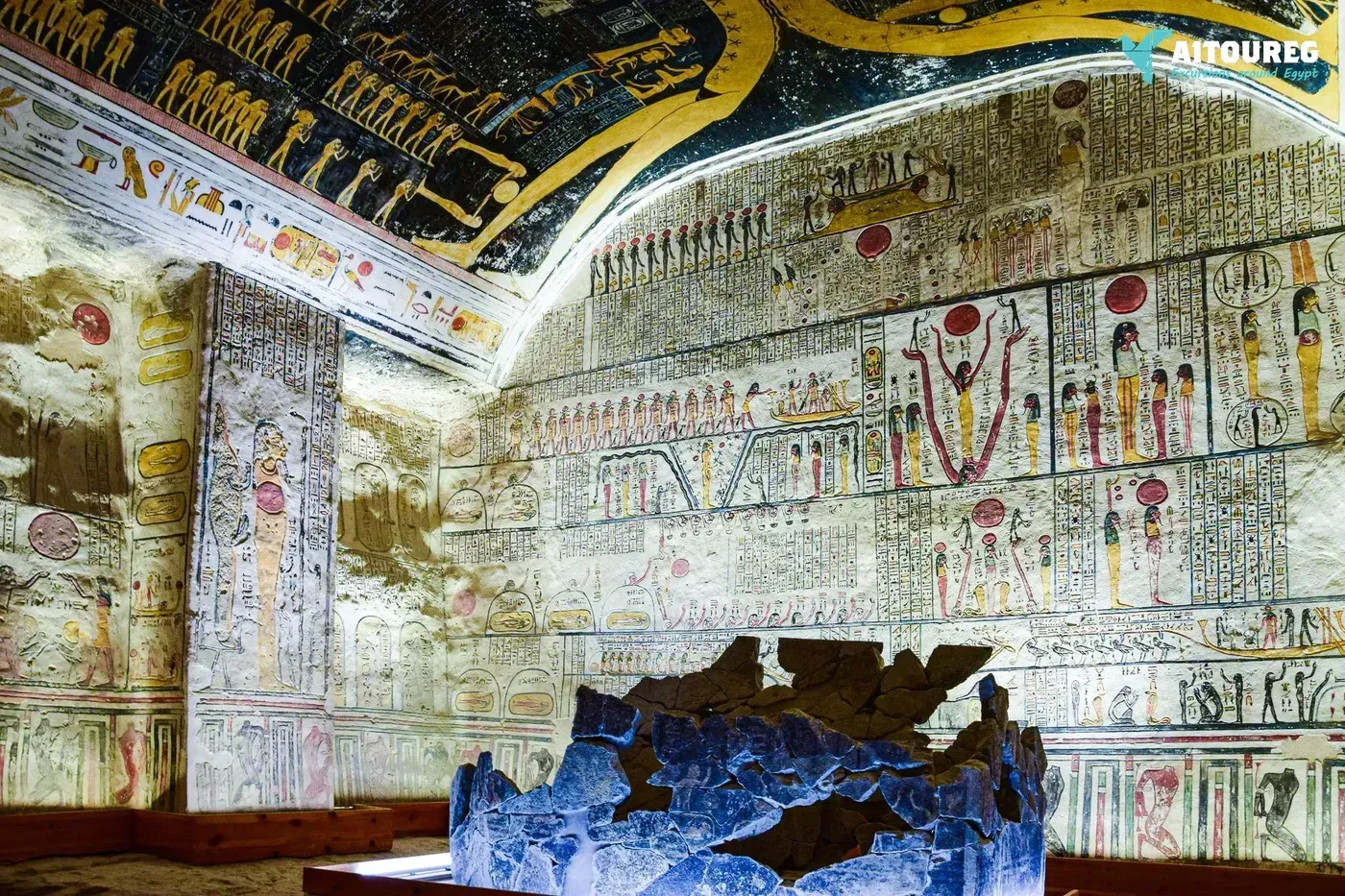
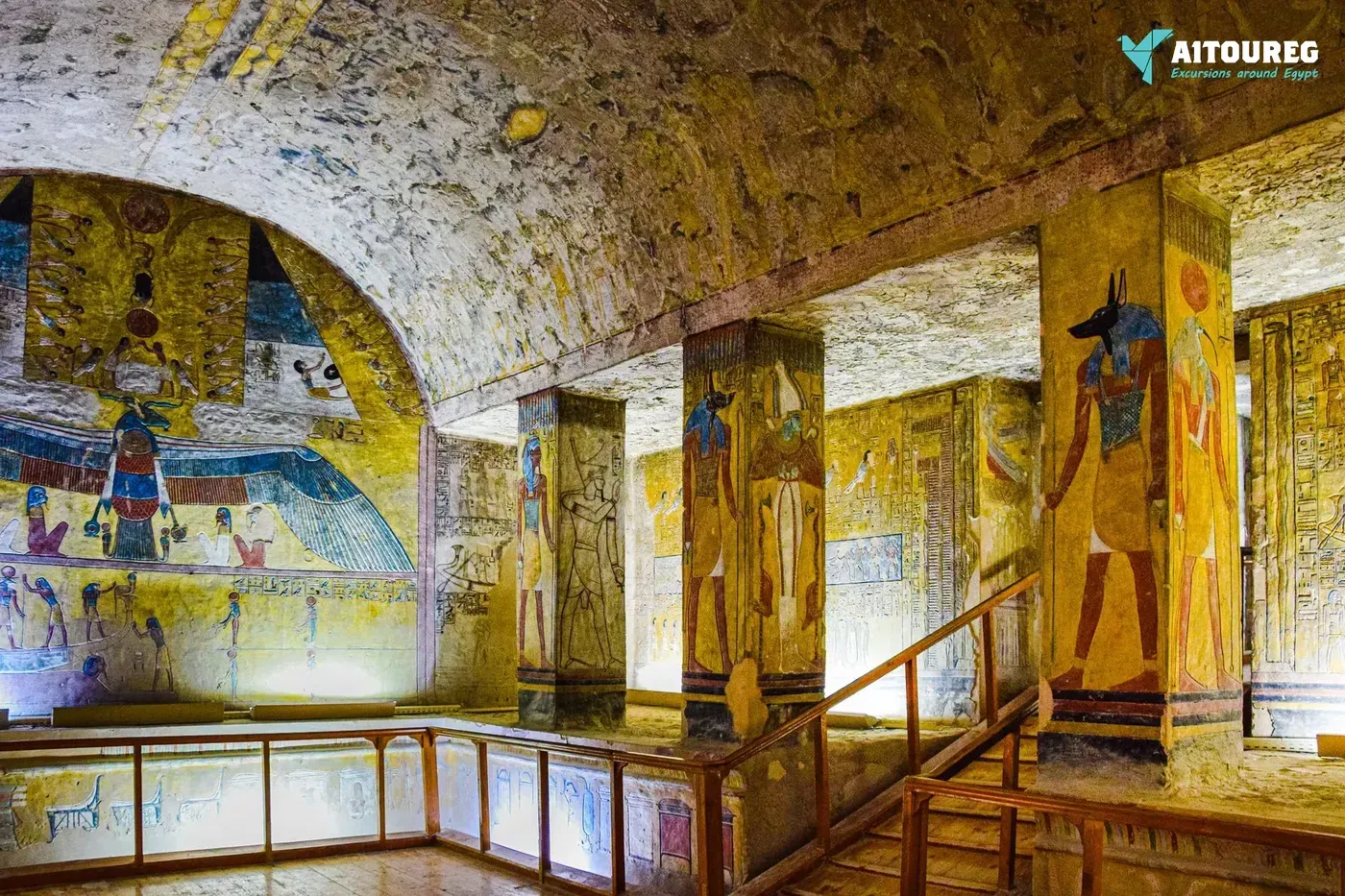
On the West Bank, the royal landscape stretches across the desert hills. Inside the Valley of the Kings Tombs, your guide explains the decoration, burial beliefs and construction of the tombs cut into the rock. The Seti 1 Royal Tomb is known for its detailed reliefs and long decorated passages. The Nefertari Queen's Sepulchre has finely painted scenes linked to the queen’s journey into the afterlife. Entry to individual tombs can change, so the exact open tombs are confirmed locally.
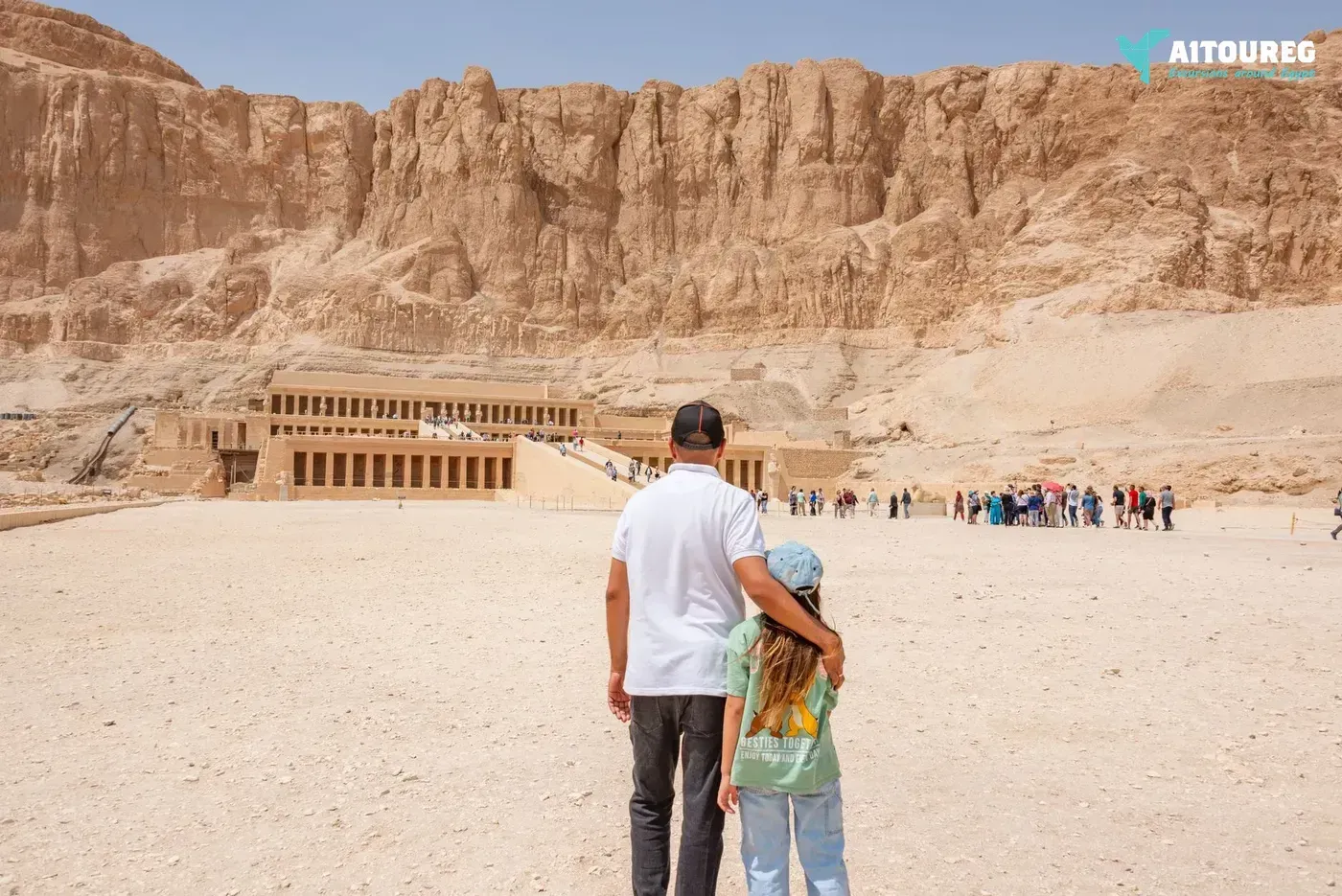
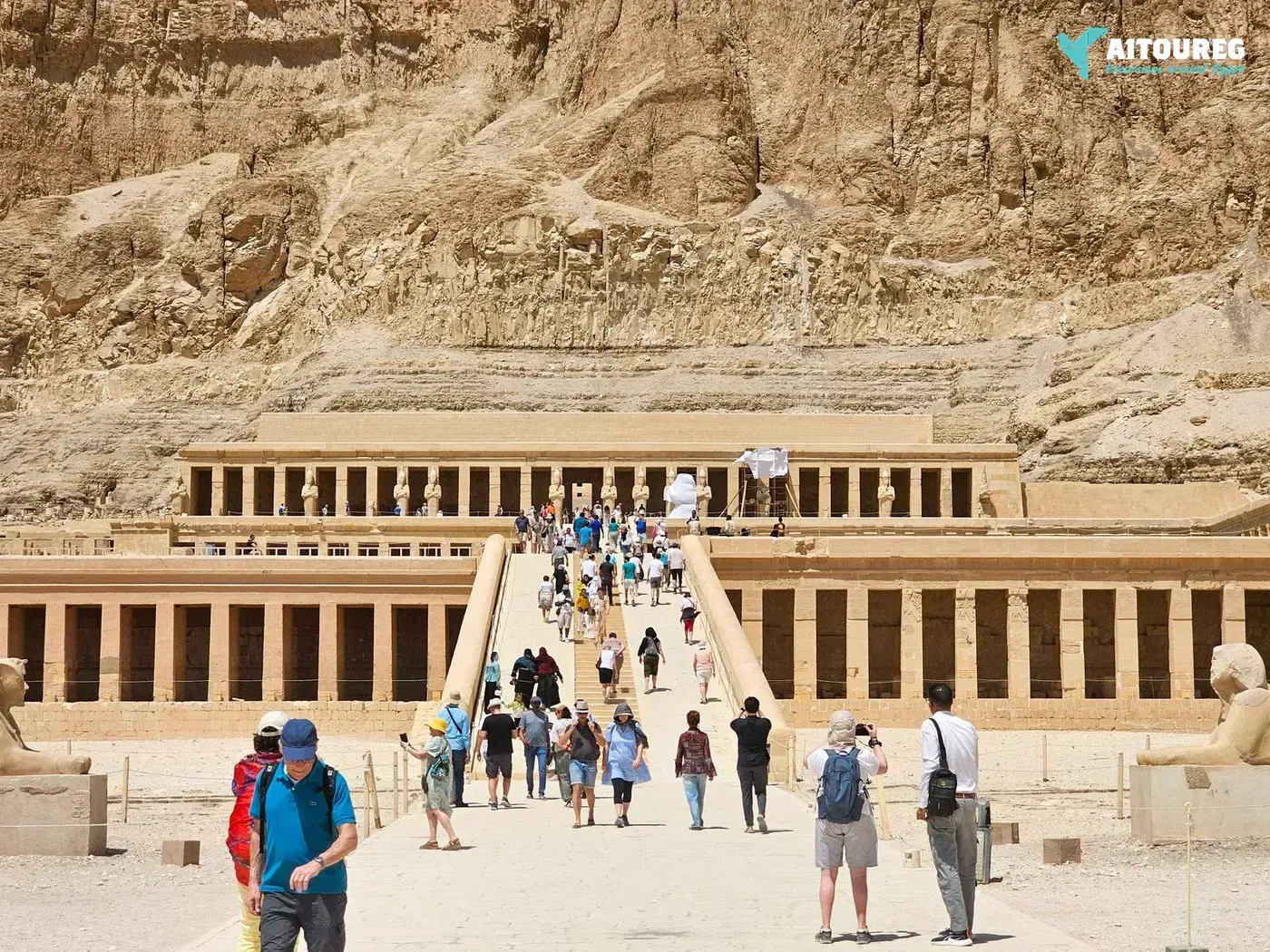
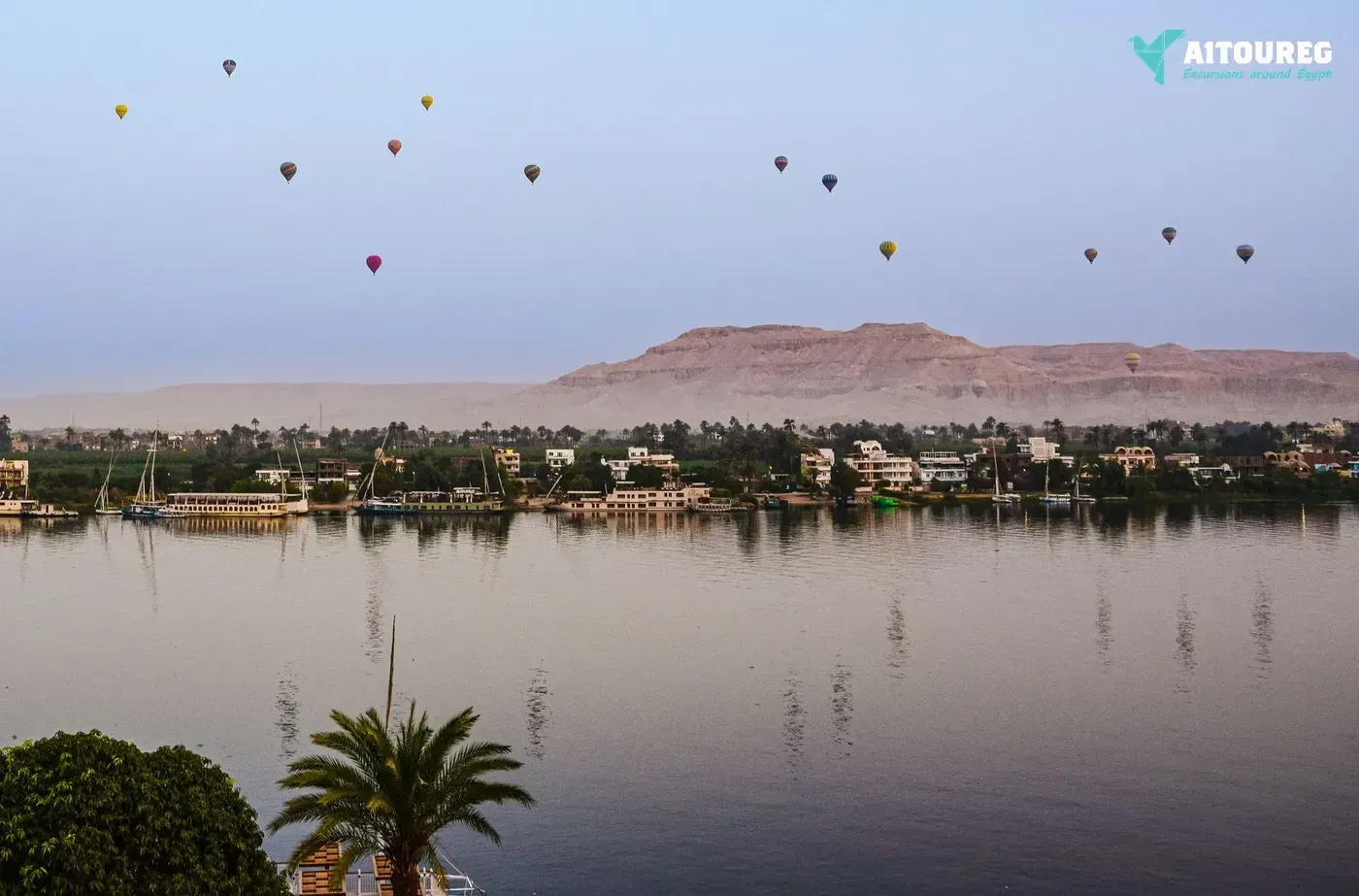
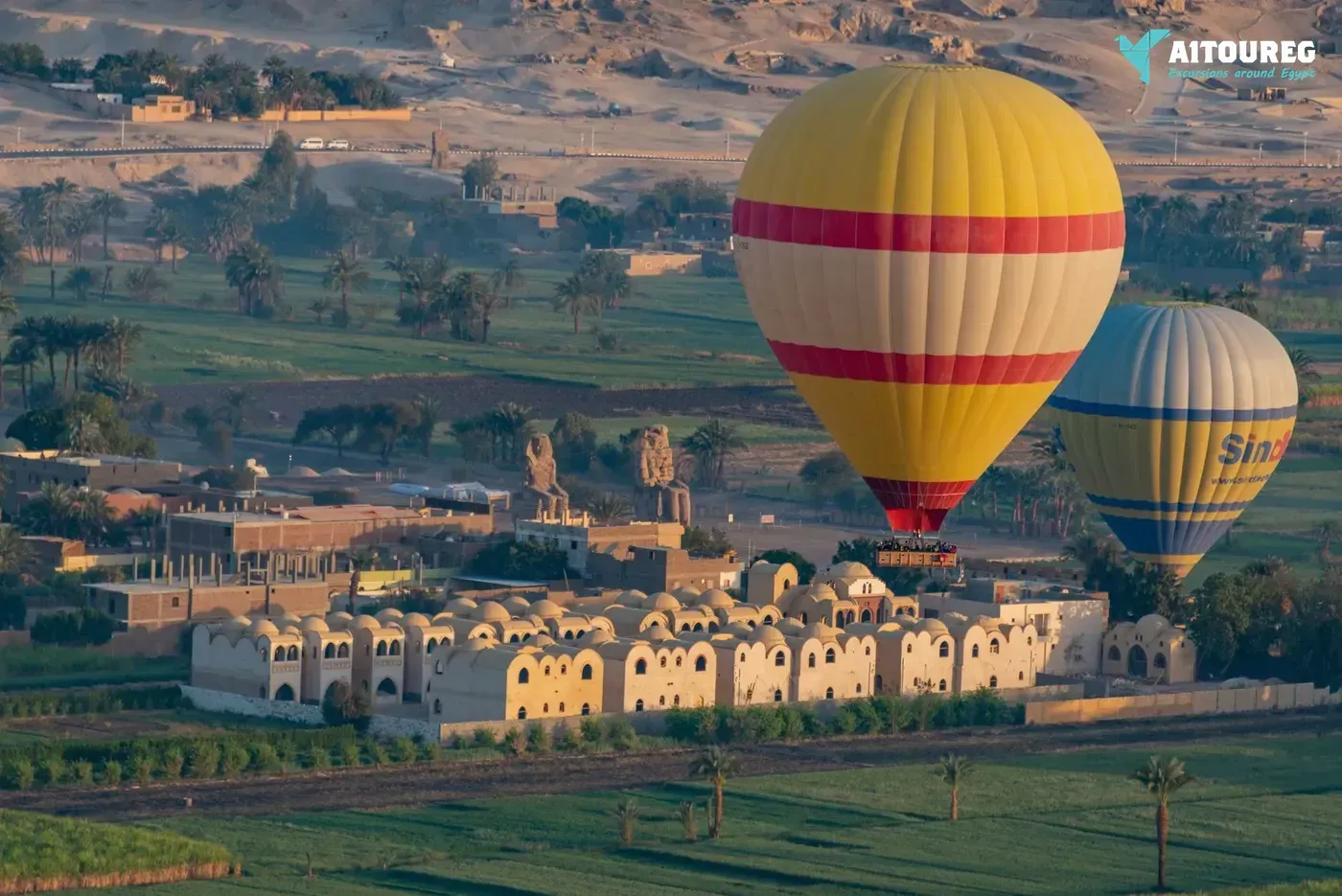
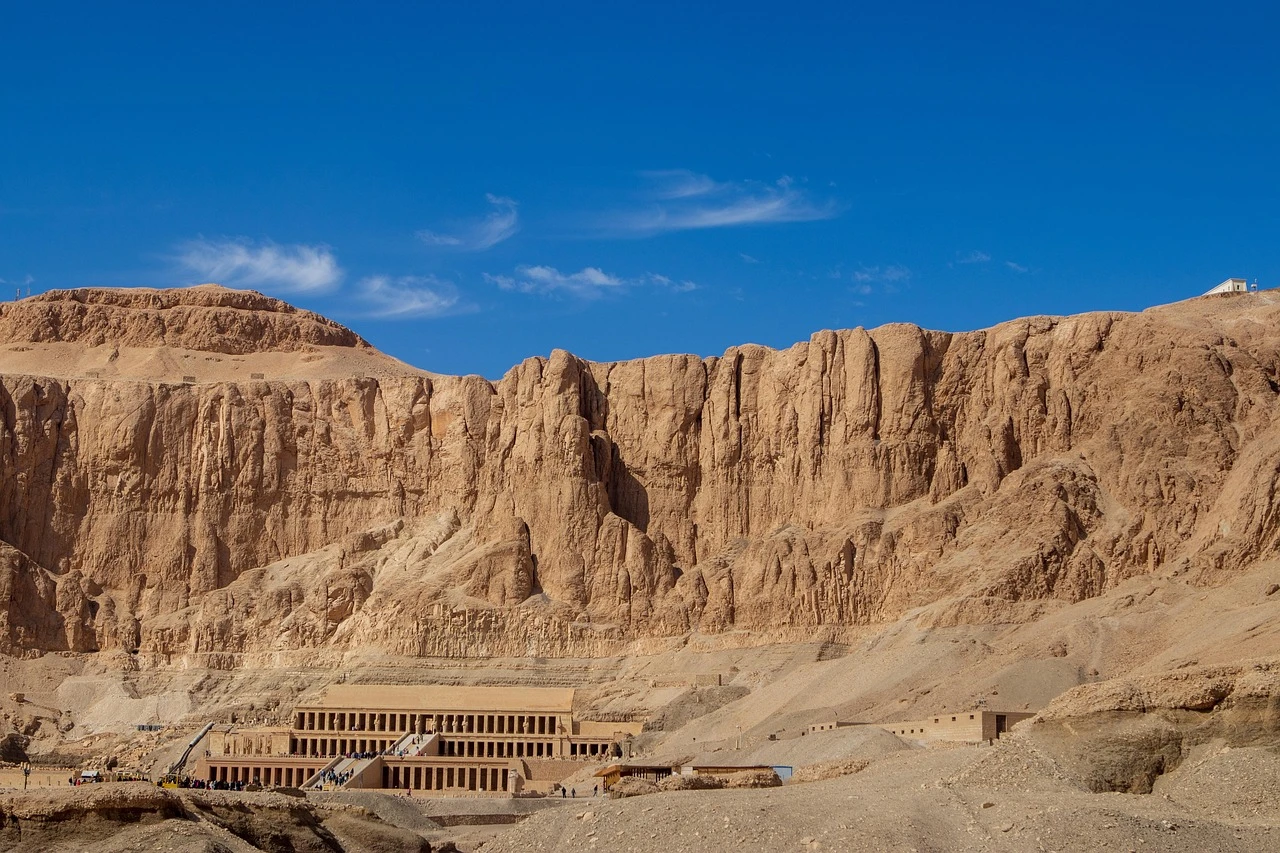
You also visit the Hatshepsut Funerary Temple, built into the cliffs at Deir el-Bahari, and the Memnon Colossal Statues nearby. An optional early-morning hot air balloon adventure over Luxor can be arranged, subject to operating conditions and local availability. From above, you can see the contrast between the green farmland, the Nile and the dry Theban hills. At ground level, your guide fills in the history of each site.
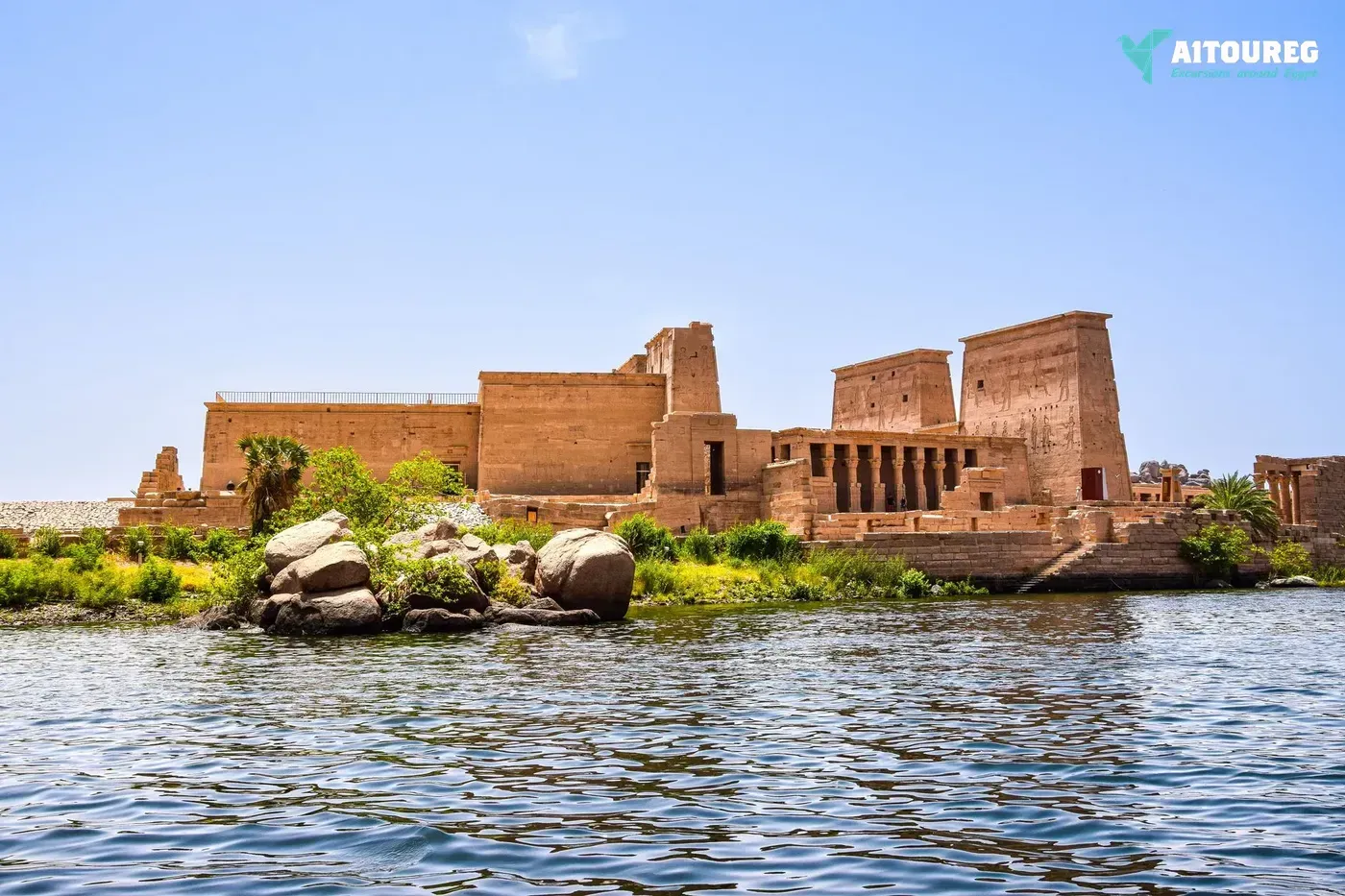
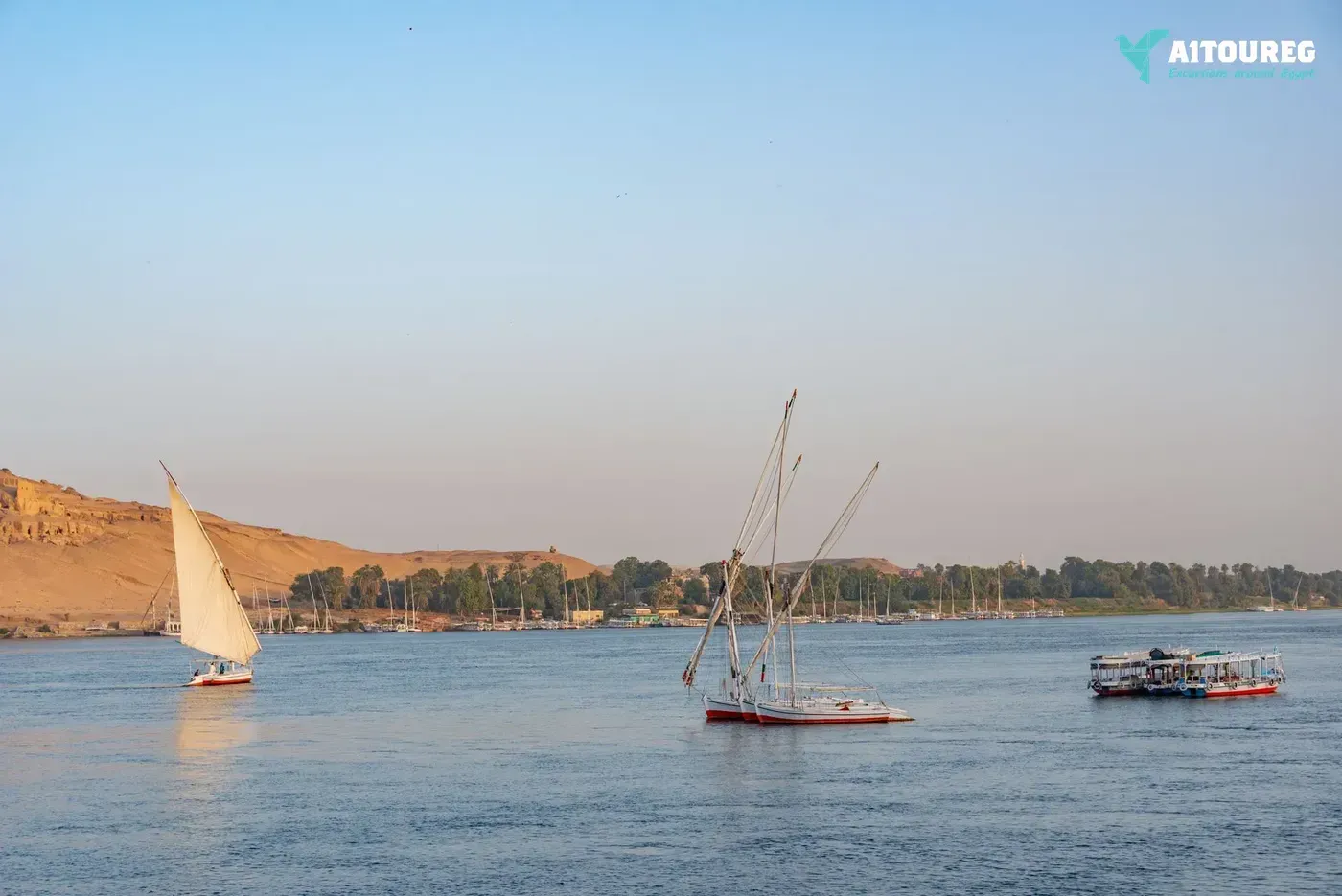
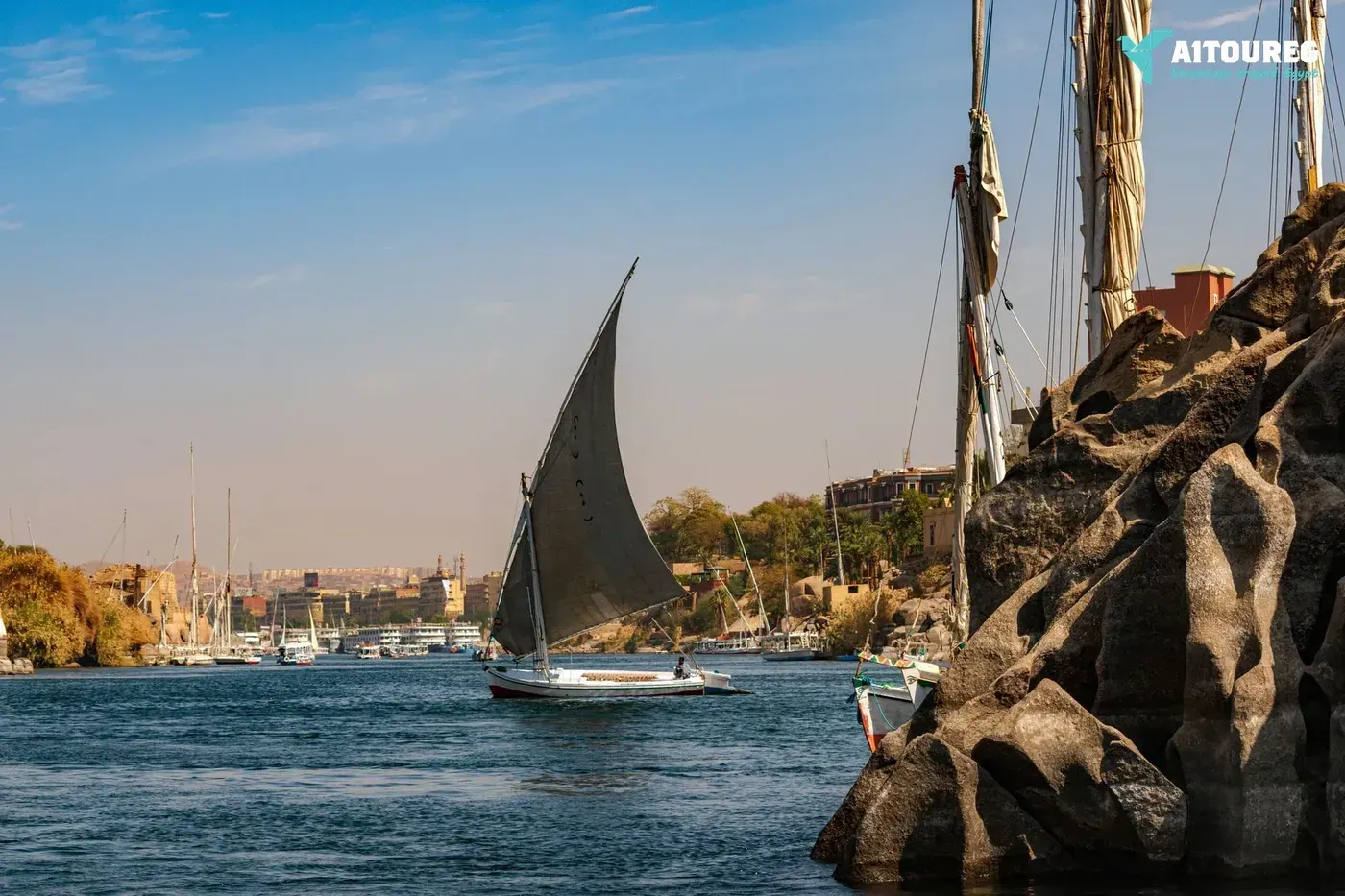
Aswan brings a slower pace beside the Nile. At the Aswan High Dam, you learn how the modern project changed power generation, agriculture and the river’s flow. A boat takes you to the Philae Temple Complex, relocated to Agilkia Island after the dam was built. Its island setting, reliefs and courtyards make it a memorable stop in the south. A Felucca Sailing Experience adds time on the water, with the boat moving by wind when conditions permit and by assistance when needed.
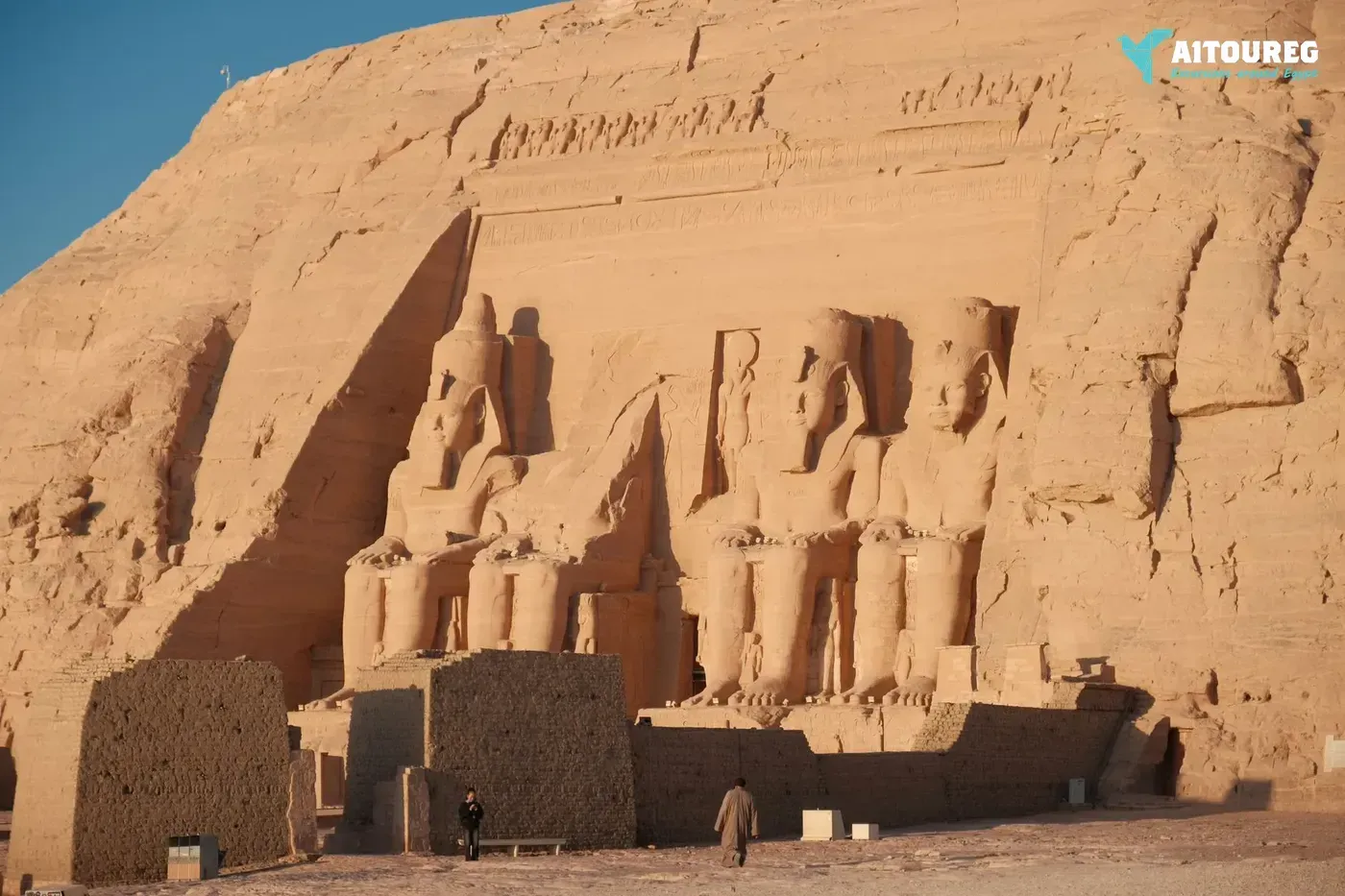
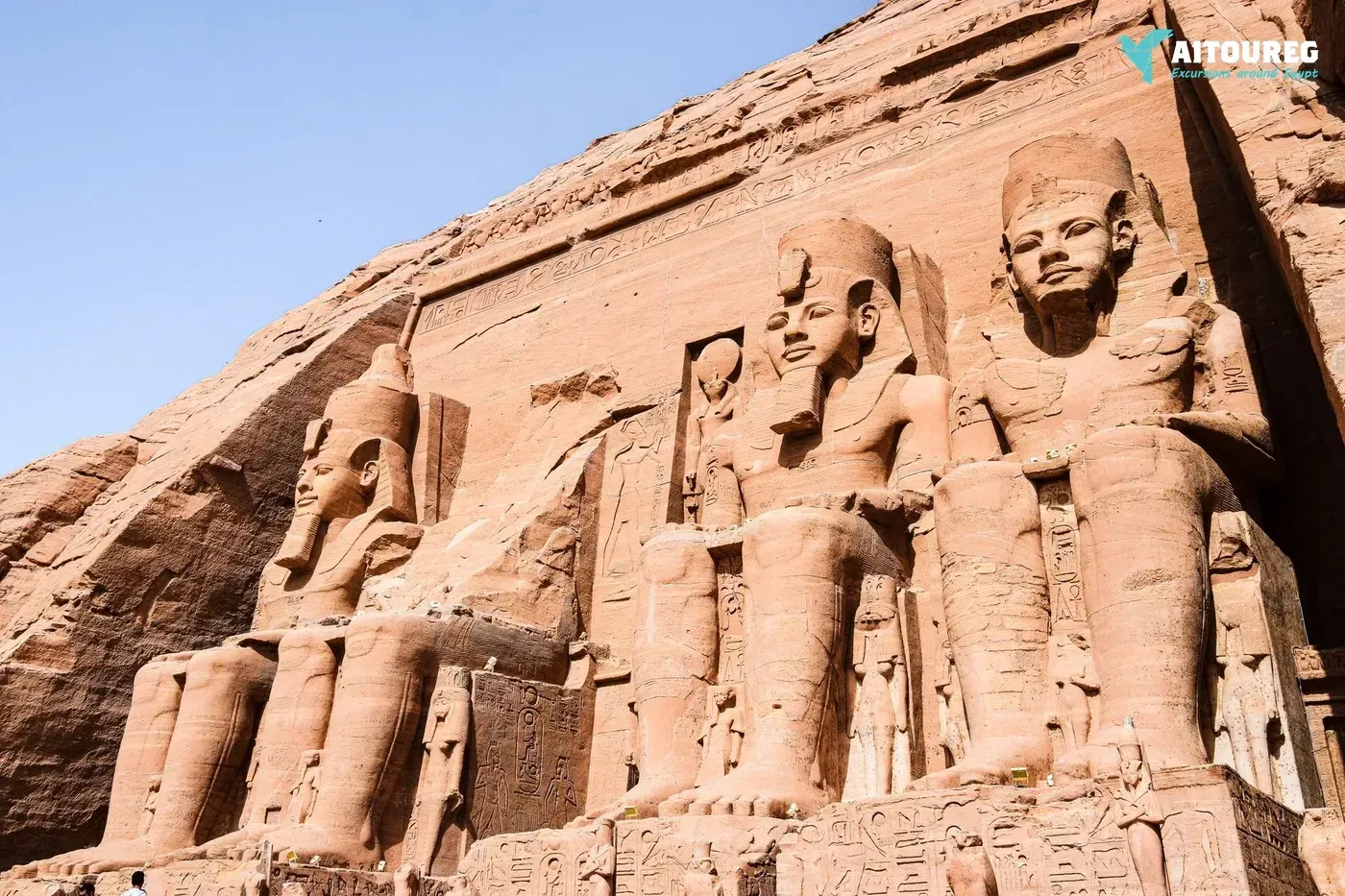
The route then continues to the Abu Simbel Temples, whose monumental façades and inner chambers were also moved to higher ground during the dam project. This is the longest of the sightseeing transfers, but the temples reward the early start and give the southern part of the tour a strong historical finish. We arrange the transport and guide support, leaving you free to focus on the site instead of navigating the desert route alone.
This organised package suits first-time visitors, couples, families with older children and travellers who want private attention across several cities. It is a full itinerary rather than a slow resort break, with early starts, road transfers and time on foot at archaeological sites. We coordinate accommodation, sightseeing, meals and transfers according to the confirmed booking, while our team keeps each day practical and comfortable. Wear shoes with firm soles, carry water, and bring a light layer for early departures and evening visits.
Transport during the tour in a private air-conditioned vehicle
Entrance fees for the included sightseeing visits stated in the itinerary
Private sightseeing tours with a licensed Egyptologist guide where relevant
Private transfers between airports, hotels and scheduled sightseeing sites
Assistance from our local team throughout the tour
Felucca sailing experience in Aswan
Domestic flights or long-distance transport not stated in the confirmed itinerary
International flights
Additional tomb tickets not included in the confirmed entry package
Optional hot air balloon flight over Luxor
Meals and drinks not specifically listed in the booking details
Entry visa and personal travel insurance
Personal expenses and gratuities
Comfortable walking shoes with firm soles
Phone or camera with spare battery or power bank
Light clothing that covers shoulders and knees for temple visits
Sun protection, including a hat, sunglasses and high-factor sunscreen
Reusable water bottle
Any prescribed medication and basic personal supplies
A light layer for early-morning departures and evening visits
Passport and any required visa documents
This 8 day Egypt tour package includes private guided sightseeing in Cairo, Luxor and Aswan, with visits to the Giza Pyramid Complex, the Great Sphinx, Cairo's Egyptian Museum, major Luxor temples and tombs, and key Aswan sites. The itinerary also includes the Abu Simbel Temples, with transport and other arrangements confirmed in your booking details.
In Luxor, the planned visits include the Karnak Temple Complex, Luxor Temple Ruins, the Valley of the Kings Tombs and Dendera Ancient Temple. In Aswan, you see the Philae Temple Complex and Aswan High Dam, with a Felucca Sailing Experience arranged as part of the programme where conditions and scheduling allow.
This 8 day Egypt tour has a full sightseeing schedule, but we arrange it in a practical order so you can see the main monuments without treating every stop as a rushed photo break. Cairo comes first, followed by Luxor and Aswan, with guided visits balanced against travel and rest time.
Luxor sightseeing may include the Airborne Hot Air Balloon Adventure early in the day, followed by the Valley of the Kings Tombs, Hatshepsut Funerary Temple and Memnon Colossal Statues. The Seti 1 Royal Tomb and Nefertari Queen's Sepulchre may involve separate entry arrangements, so we confirm access and timing before travel.
Our team arranges the planned airport, hotel and sightseeing transfers for this private Egypt tour, helping you move between Cairo, Luxor and Aswan with clear instructions at each stage. Your final pickup points, transfer details and any domestic travel arrangements are provided with the confirmed itinerary.
At arrival, a representative meets you according to the agreed travel details and assists with the onward transfer. Sightseeing transfers are coordinated around your guide's schedule, including visits to the Abu Simbel Temples and the Dendera Ancient Temple, which are outside the main city centres.
This 8 day Egypt tour can suit families and many travellers with limited mobility, but several sites involve uneven ground, steps, heat and walking, so we need your requirements before confirming the arrangements. The Giza Pyramid Complex, temple courtyards and tomb areas can be manageable with support, while some tomb entrances are narrow or steep.
Tell us about wheelchair use, walking distance, stairs, medical needs and the ages of children travelling. We can discuss a gentler pace and practical alternatives, although access at historic sites cannot always be adapted. The Felucca Sailing Experience also requires careful boarding and may need an alternative arrangement for some travellers.
Wear light, breathable clothing with shoulders and knees covered for temple and religious-site visits, and bring comfortable walking shoes, sunglasses, sunscreen and a hat. A light layer is useful for early starts, including the Airborne Hot Air Balloon Adventure, while a scarf or cover-up can help during visits to mosques or conservative areas.
Carry water, personal medication, a small day bag and identification for arranged travel. A camera is useful at the Karnak Temple Complex, Philae Temple Complex and the Colossal Statues of Memnon, but follow local instructions about photography inside tombs such as Nefertari Queen's Sepulchre.
You can request this 8 day Egypt tour by sending us your preferred travel dates, traveller details, arrival information and any hotel or mobility requirements; our team then confirms the itinerary, inclusions and availability before payment. Cancellation terms depend on the booking arrangements and are shown clearly before you confirm.
Because transport, guides, entrance tickets and timed visits can involve separate reservations, contact us as early as possible if your plans change. We will explain any applicable cancellation charges and help adjust the programme where arrangements permit, including visits to the Seti 1 Royal Tomb or Abu Simbel Temples.
Your unforgettable Egypt journey starts with a booking you can trust.
* Available on selected tours. Flights, cruises and special bookings may have different cancellation policies.
Free cancellation up to 24 hours before activity starts
If you choose to pay online, a secure payment link can be provided after booking. For assistance or alternative payment options, please contact us via WhatsApp.
All our tour operators are licensed and verified by Egyptian tourism authorities.
Learn more about our licensed partners →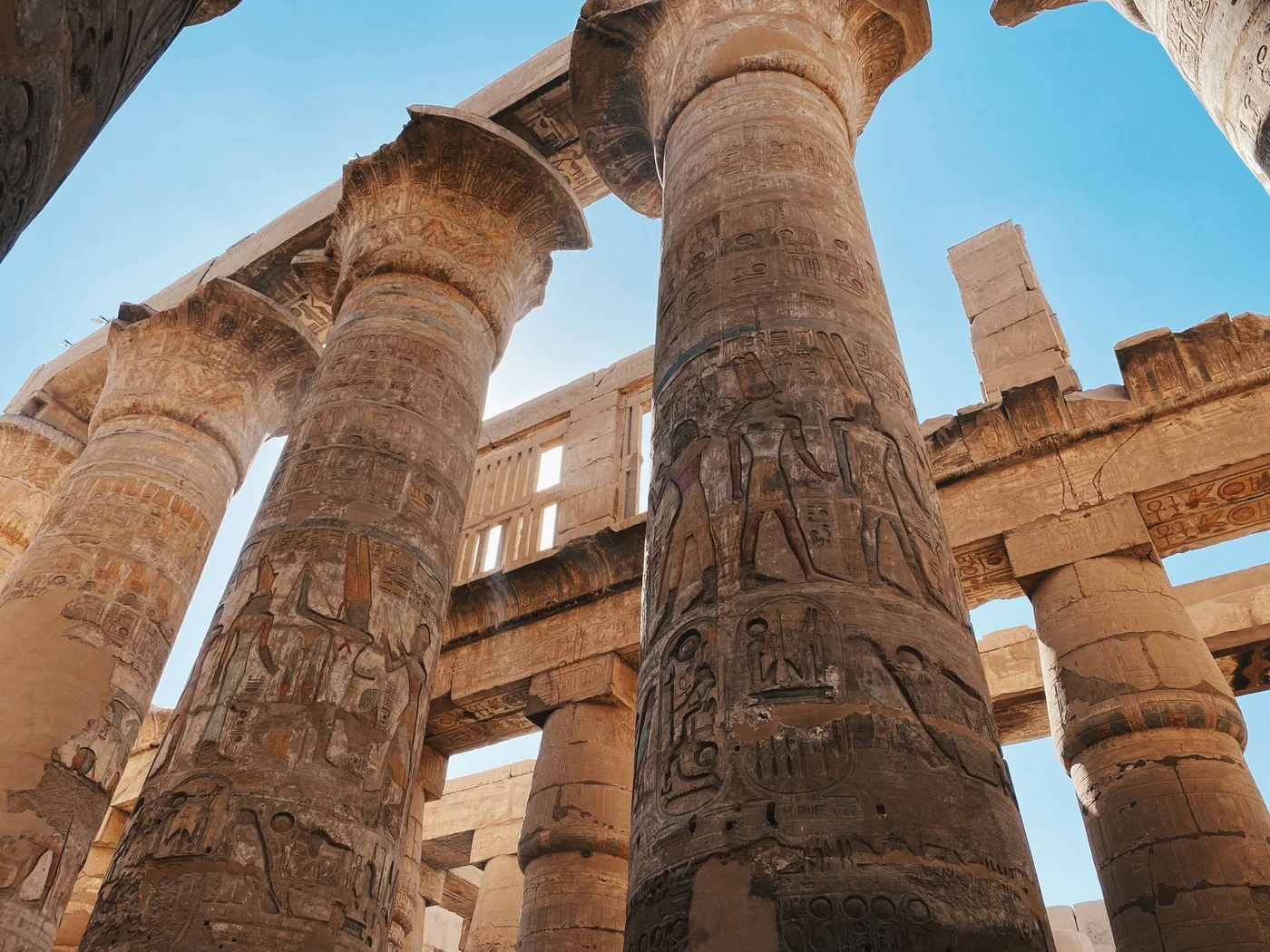

Free cancellation up to 24 hours before activity starts
If you choose to pay online, a secure payment link can be provided after booking. For assistance or alternative payment options, please contact us via WhatsApp.
All our tour operators are licensed and verified by Egyptian tourism authorities.
Learn more about our licensed partners →
Your Itinerary
Arrive in Cairo, where our representative meets you at the airport and assists with the arrival formalities before your private transfer to the hotel. The drive gives you a first look at the capital as you settle in, with time to rest after your flight and speak with your guide about the days ahead.
This is a light opening day rather than a sightseeing day. Your guide can confirm the next morning’s arrangements, help with practical questions, and recommend a nearby place for dinner if you would like to eat outside the hotel. Keep your passport and personal items accessible during transfers, and allow extra time for Cairo traffic when planning any evening plans.
Overnight: Cairo. The schedule is kept flexible so you begin the tour rested and ready for the first full day of visits.
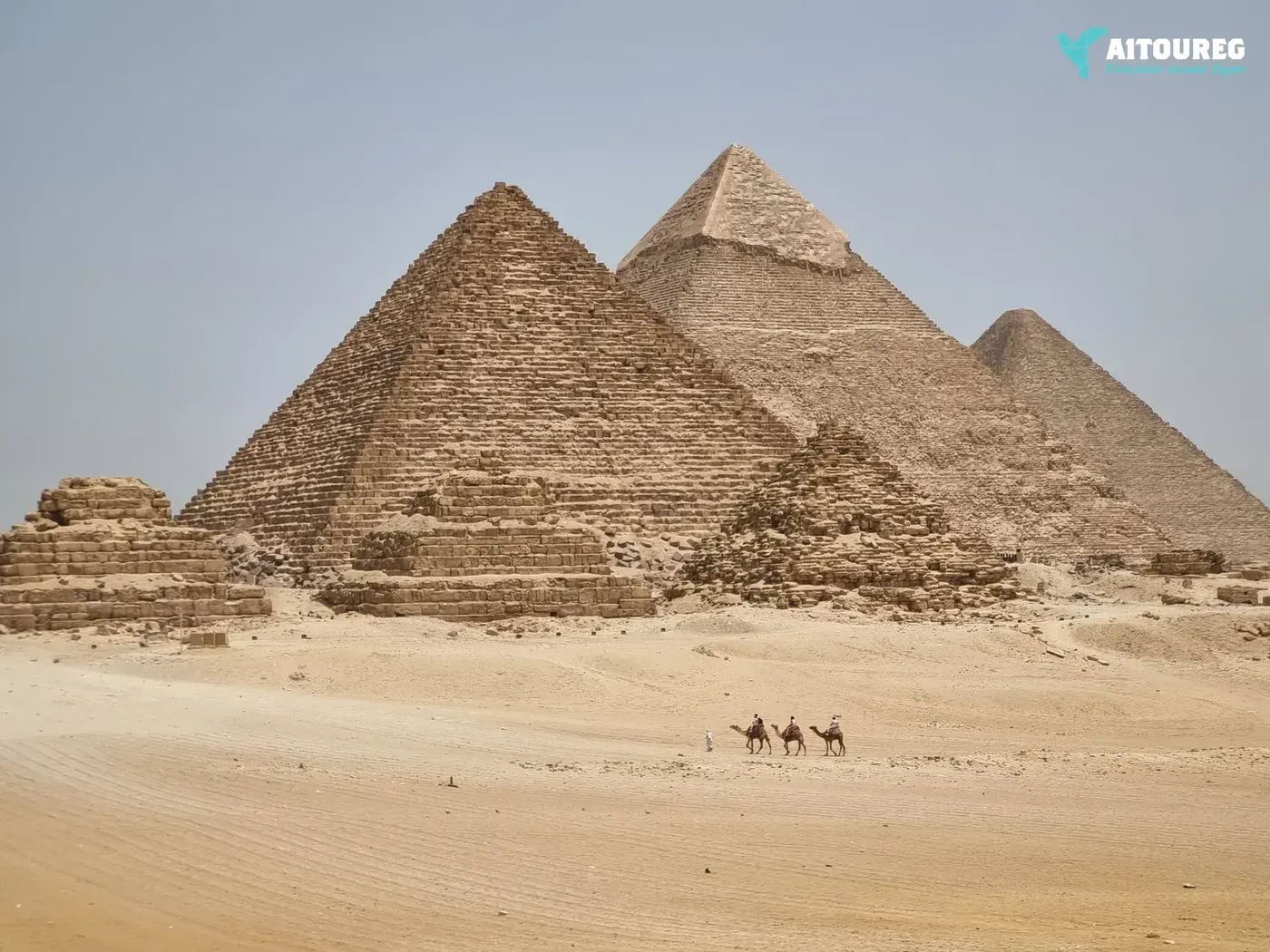
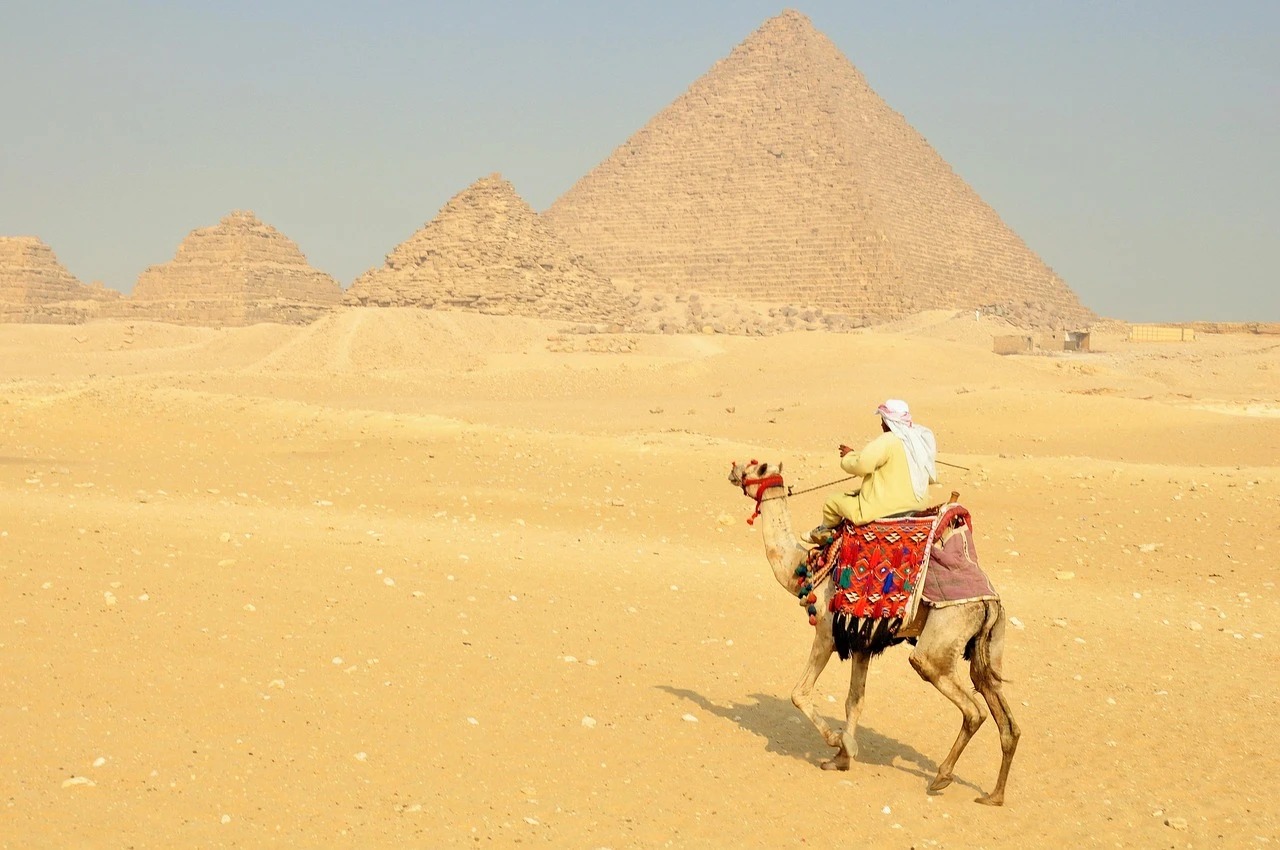
After breakfast, your guide takes you to the Giza Pyramid Complex, where you see the pyramids of Khufu, Khafre and Menkaure in their desert setting. Your guide explains how the plateau was planned, how the pyramids were built, and which areas you can enter if you choose. Wear comfortable shoes, carry water, and expect sun exposure while walking between the viewpoints.
Continue to the Great Sphinx, then pause for photographs before travelling into central Cairo. At Cairo's Egyptian Museum, your guide leads you through selected galleries rather than trying to cover every room. Displays include royal statuary, funerary objects and artefacts from different periods of ancient Egyptian history. The order may change with museum access and traffic conditions.
Return to your hotel after the museum, with the evening free to relax or dine independently.
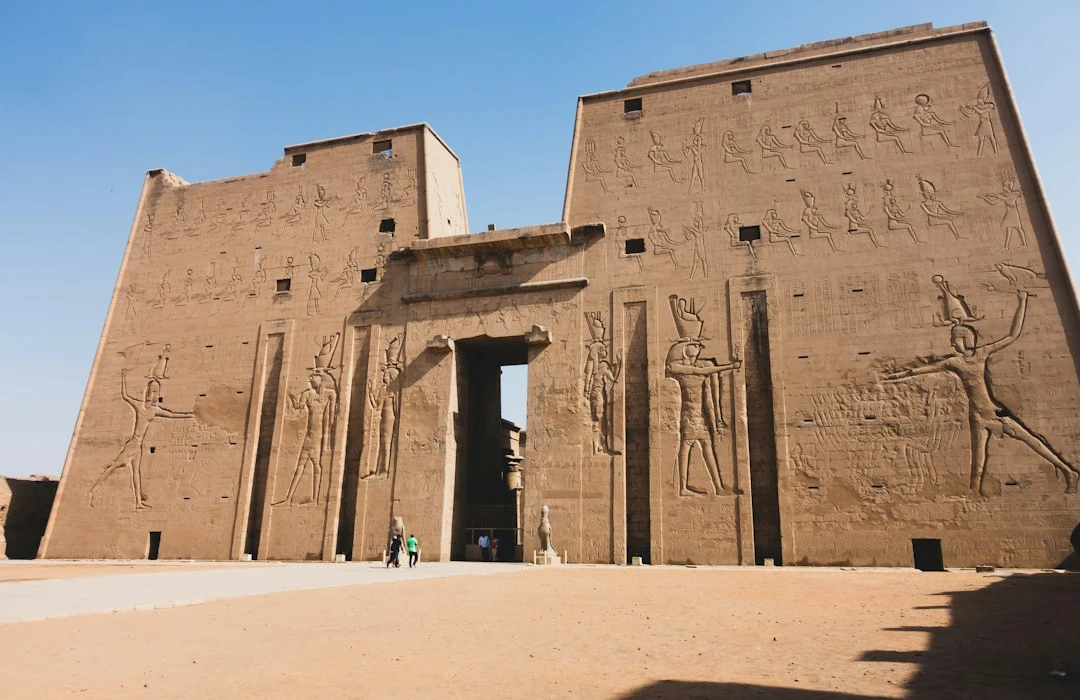
Travel south to Luxor by domestic flight or another arranged transfer, depending on the confirmed logistics for your departure date. After arrival, continue by road to Dendera. At the Dendera Ancient Temple, walk through the monumental entrance into the temple of Hathor, known for its detailed reliefs, columns and astronomical ceiling designs. Your Egyptologist explains how the temple was used and how later rulers added to the site.
Continue to Luxor and check in before visiting the Luxor Temple Ruins. The temple is especially clear in sequence: the avenue approach leads to the first pylon, courtyards, colonnades and inner sanctuary areas. Your guide points out the Roman and later additions visible within the complex, giving the visit a layered sense of time.
The day includes road travel, so the pace allows for comfort and a proper break before the evening visit. Overnight in Luxor.
Begin before sunrise with an Airborne Hot Air Balloon Adventure over Luxor’s west bank, subject to operating conditions and local arrangements. After the transfer to the launch area and safety briefing, the flight gives you a quiet view of the Nile, farmland and temple sites as daylight spreads across the landscape. The experience includes ground transfers and preparation time, so the early start is essential.
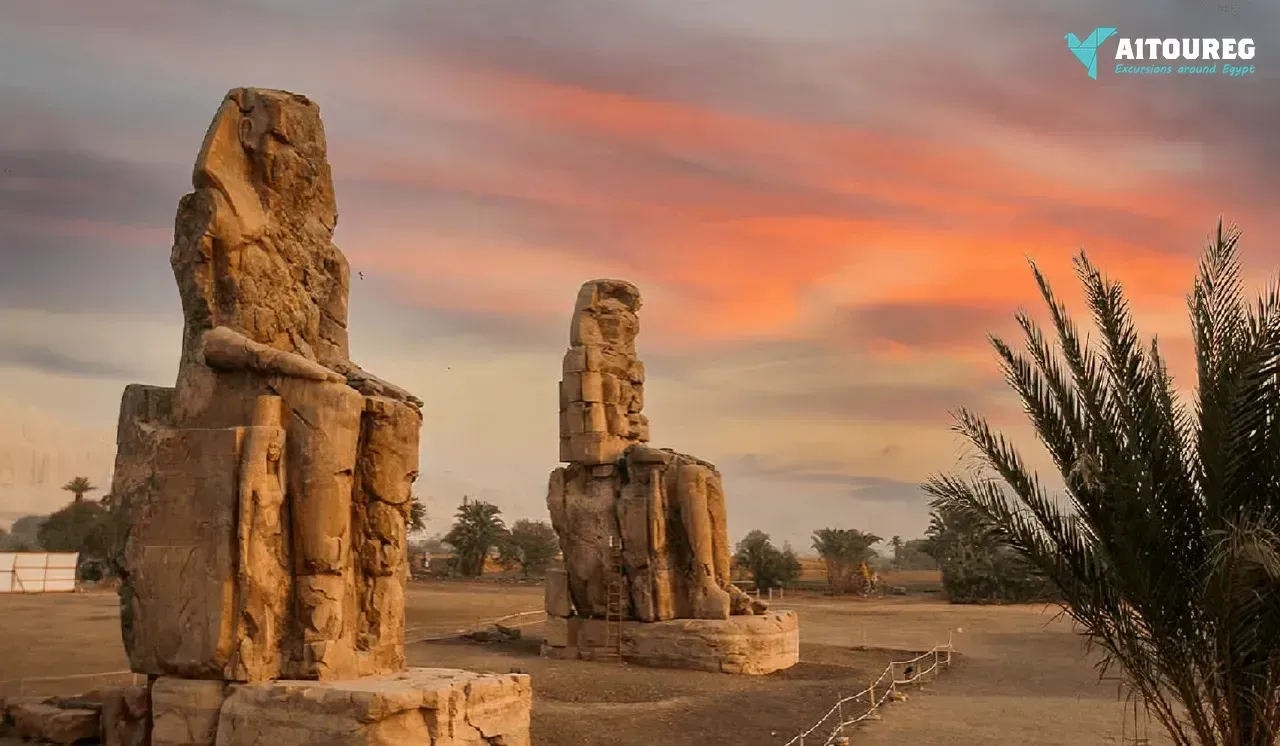
After landing, visit the Valley of the Kings Tombs, where your guide explains the decoration, burial beliefs and construction of the royal tombs. Continue to the Hatshepsut Funerary Temple, built into the cliffs at Deir el-Bahari, then stop at the Memnon Colossal Statues for photographs and an explanation of their original setting.
Return to Luxor for a relaxed afternoon. The west bank involves uneven surfaces, steps and open areas, so supportive footwear and sun protection will make the visits easier.
Continue the west bank programme with two important royal burial sites. At the Seti 1 Royal Tomb, your guide draws attention to the finely painted chambers, long corridors and scenes connected with the king’s journey through the afterlife. Access to individual tombs can be regulated, so the final visit sequence follows the conditions on the day.
Next, visit the Nefertari Queen's Sepulchre in the Valley of the Queens area. Its decorated chambers are known for careful figures, strong colour and inscriptions linked to Queen Nefertari. The tomb visit is usually taken at a measured pace, as the interior is enclosed and visitors must follow site instructions.
After lunch, transfer south to Aswan by road or arranged domestic connection. The journey takes several hours, with rest stops planned as needed. On arrival, check in and enjoy a quiet evening beside the Nile.
Start with the Aswan High Dam, a major modern engineering project that changed water management, agriculture and settlement along the Nile. Your guide explains the dam’s role and the creation of Lake Nasser before you continue to the riverbank for the boat crossing to the Philae Temple Complex.
Philae was relocated to higher ground after the construction of the dam. On the island, walk through the entrance pylon, courtyards and sanctuaries dedicated mainly to Isis, while your guide points out reliefs from different periods and the later Christian use of parts of the site. The boat ride is a normal part of the visit, and boarding requires care.
Later, enjoy a Felucca Sailing Experience on the Nile. The traditional sailboat moves at a gentle pace, with views of the river islands and shoreline. Sailing time depends on wind and local conditions; your crew and guide choose a suitable route before returning you to the hotel.
Leave Aswan early for the road journey to the Abu Simbel Temples. The excursion takes much of the day because the temples lie far south of Aswan, so bring breakfast items, water and anything you need for a longer transfer. Our team confirms the departure arrangements in advance and keeps the visit organised around the approved access schedule.
At the site, your guide introduces the Great Temple of Ramesses II, with its four colossal seated figures carved into the rock façade. Inside, follow the halls towards the sanctuary and examine the wall scenes showing royal ceremonies and military campaigns. The nearby temple of Queen Nefertari is smaller but richly decorated, with columns and reliefs dedicated to Hathor.
After time to explore and take photographs, return to Aswan by road. The afternoon and evening are intentionally unhurried, giving you space to rest after the long excursion and prepare for departure.
Enjoy breakfast in Aswan before checking out according to your onward travel arrangements. Our team confirms the transfer details and takes you to Aswan airport or the relevant departure point with enough time for check-in. Keep your passport, travel documents and valuables in your hand luggage during the transfer.
If your departure is later in the day, you may have a little free time near the hotel, subject to checkout and luggage arrangements. This is not a scheduled sightseeing day, so the timing stays practical rather than adding another rushed visit. Your guide can help clarify the transfer plan and any final logistics before you leave.
The tour ends when you depart Aswan, or when our arranged transfer connects you with your next destination. Please allow extra time for airport procedures and road conditions when booking onward travel.