Luxor Overnight Tour from Hurghada with Dendera and Abydos
This Luxor overnight tour from Hurghada brings together the main monuments on Luxor’s west and east banks with two major temple sites north of the city. You begin among royal tombs and ancient temples, spend the night in Luxor, then travel to Dendera and Abydos with our team. It suits travellers who want more than a rushed day trip and prefer to visit the sites in a sensible order with an Egyptologist guide.
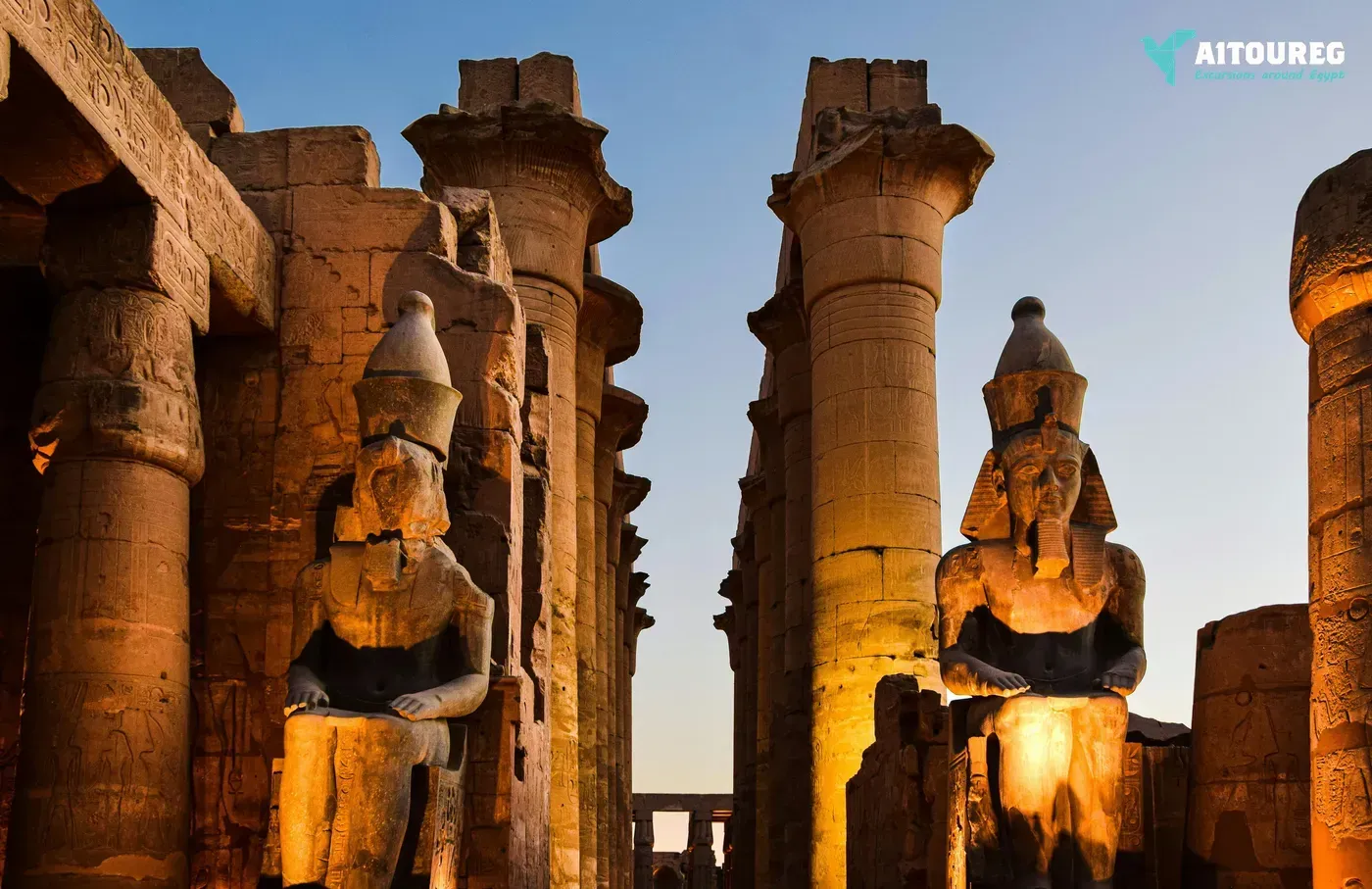
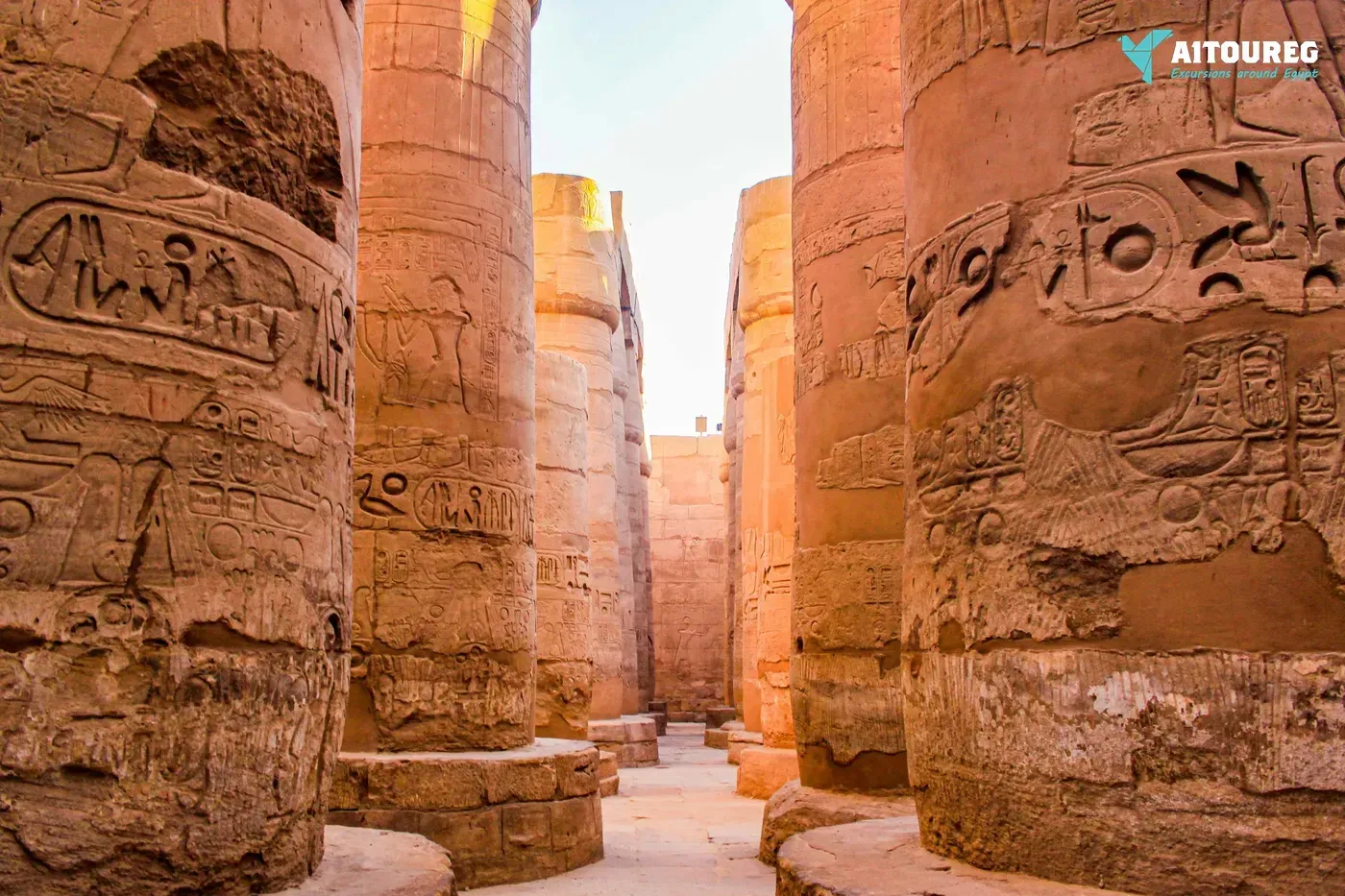
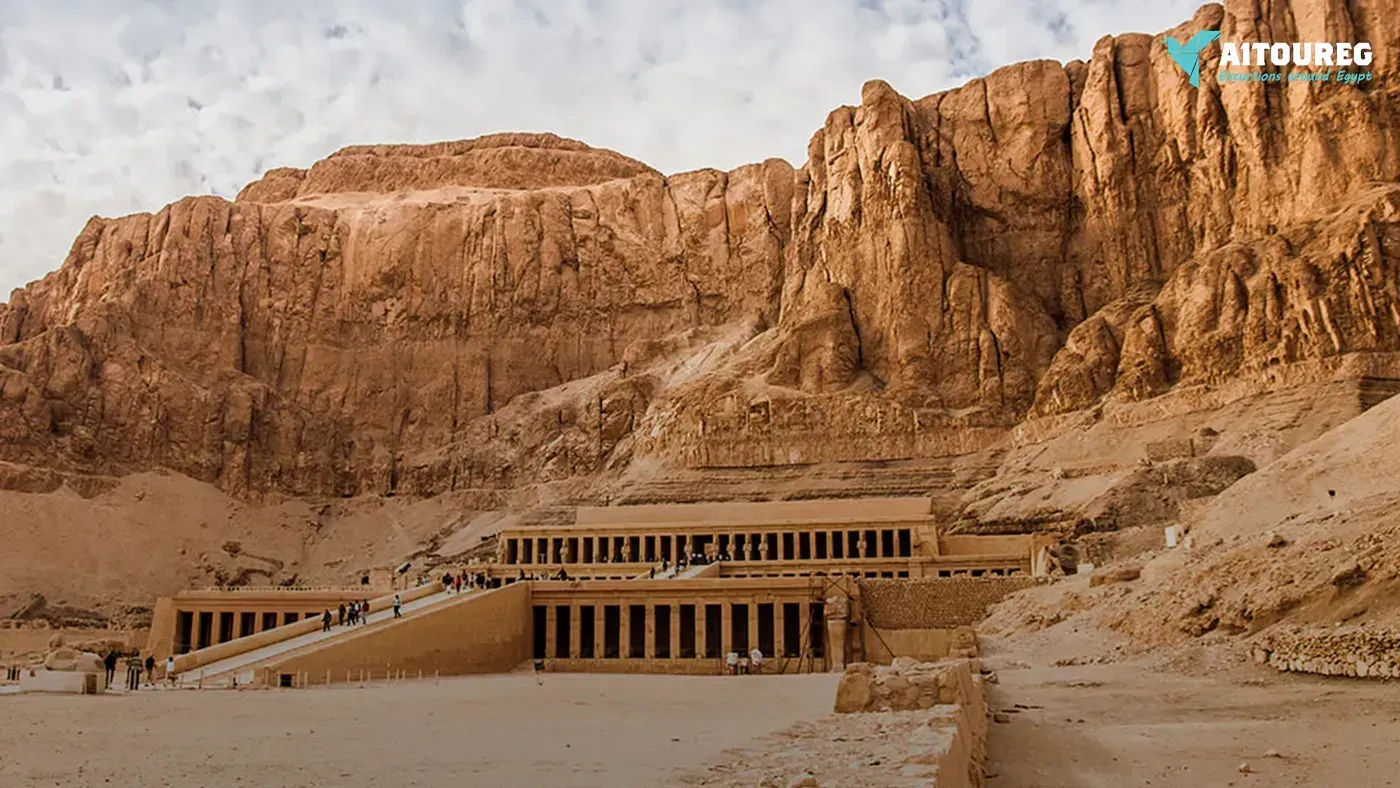
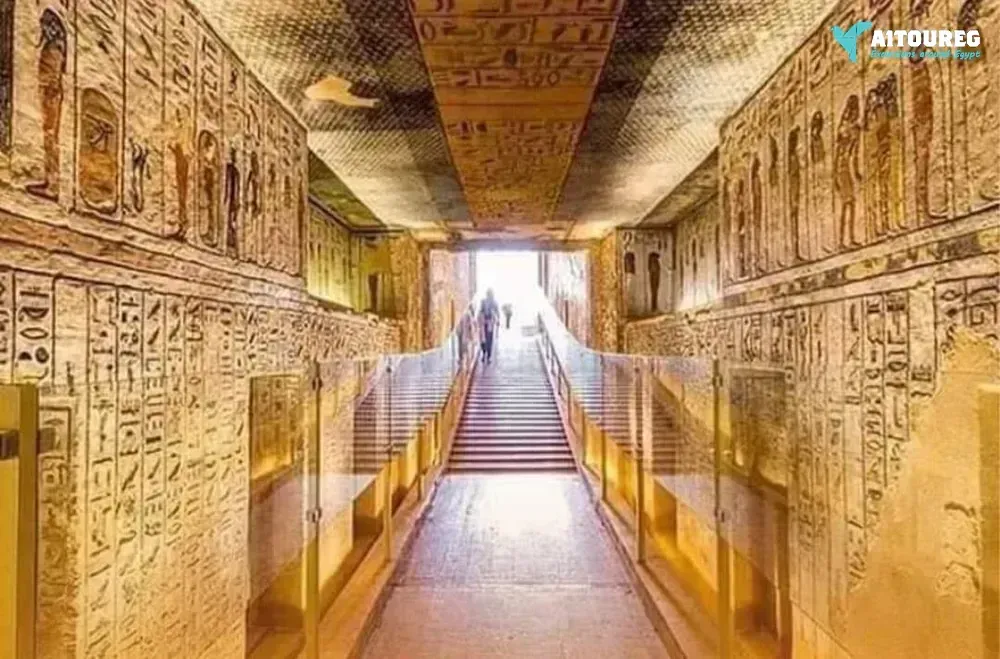
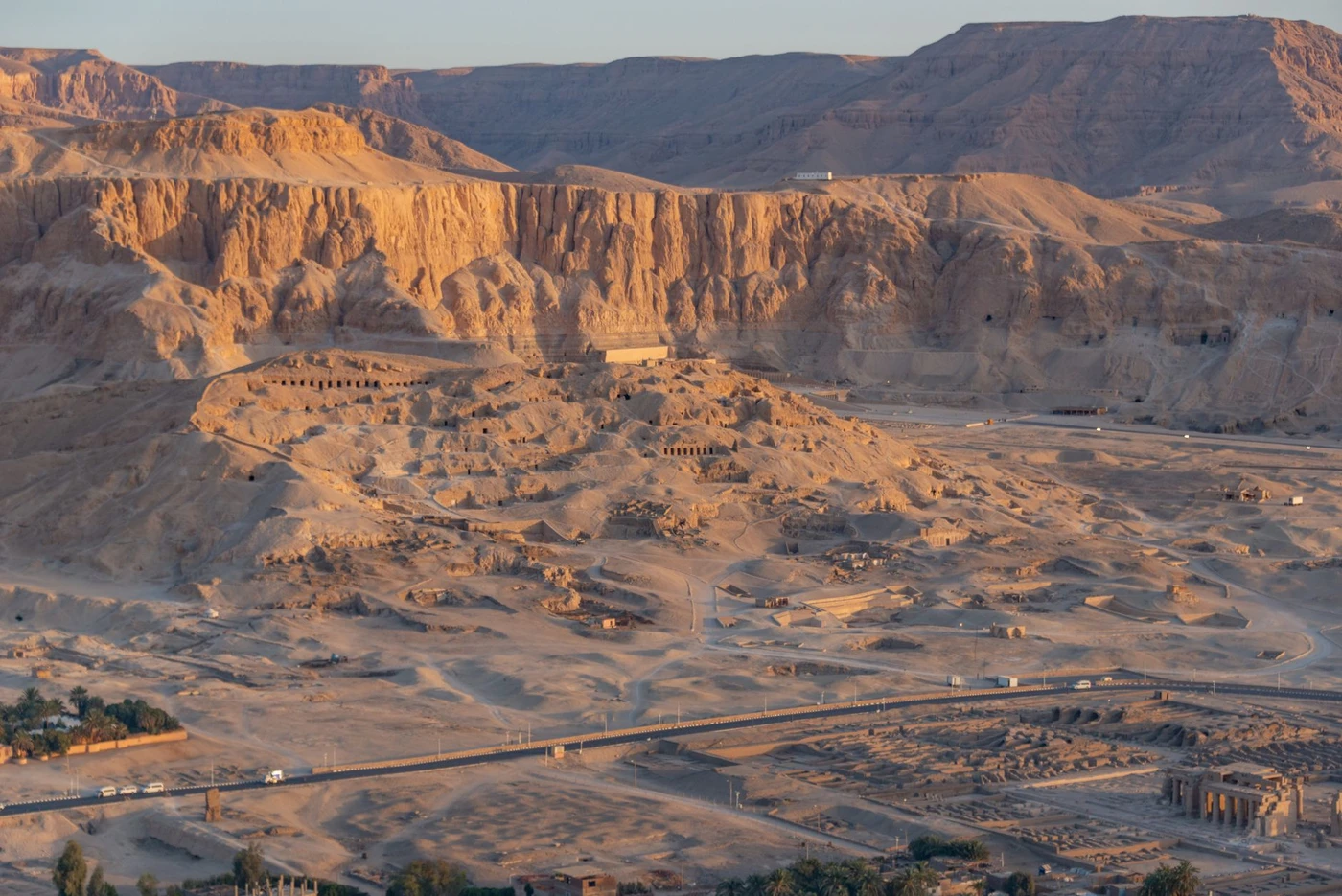
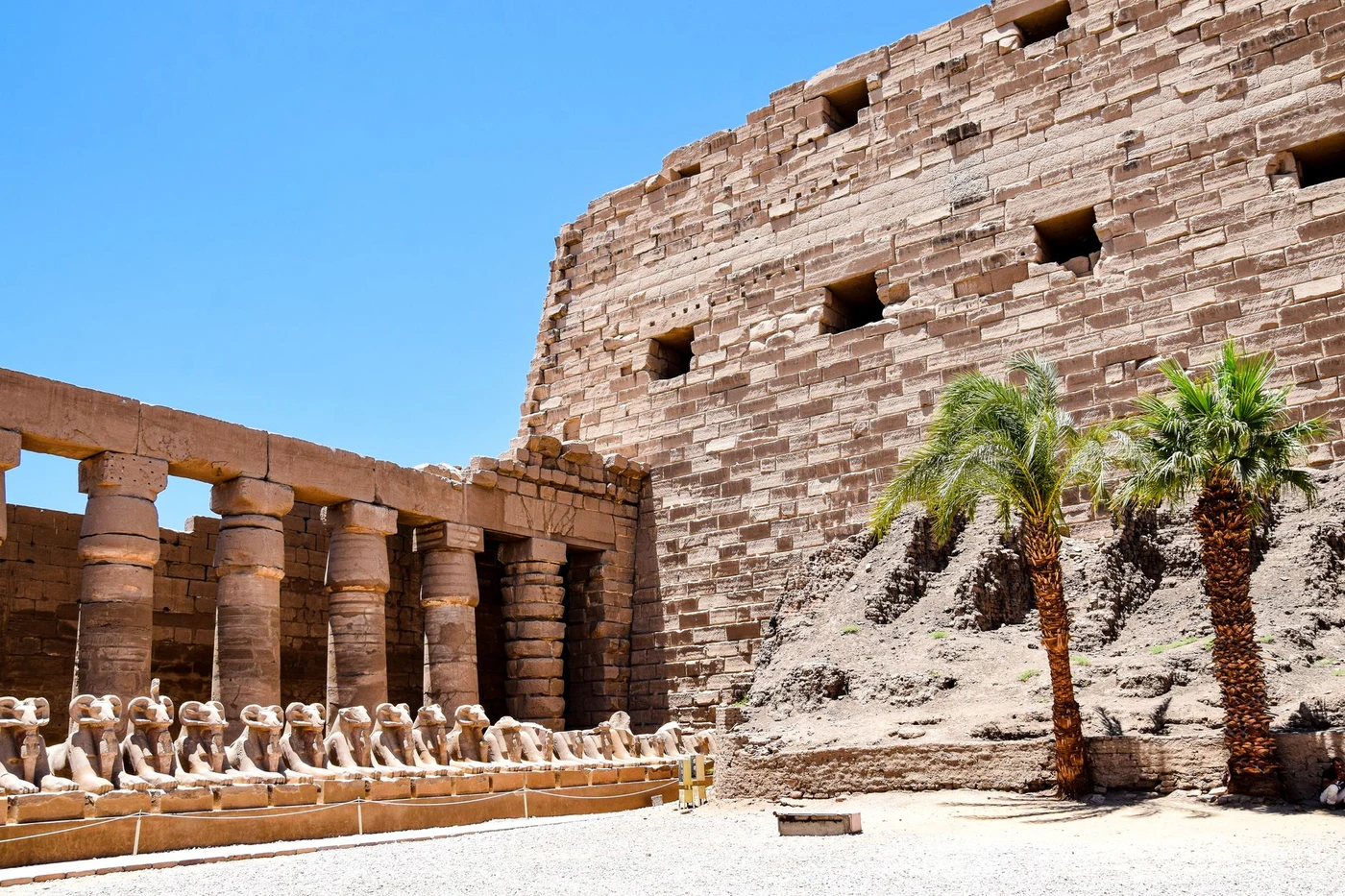
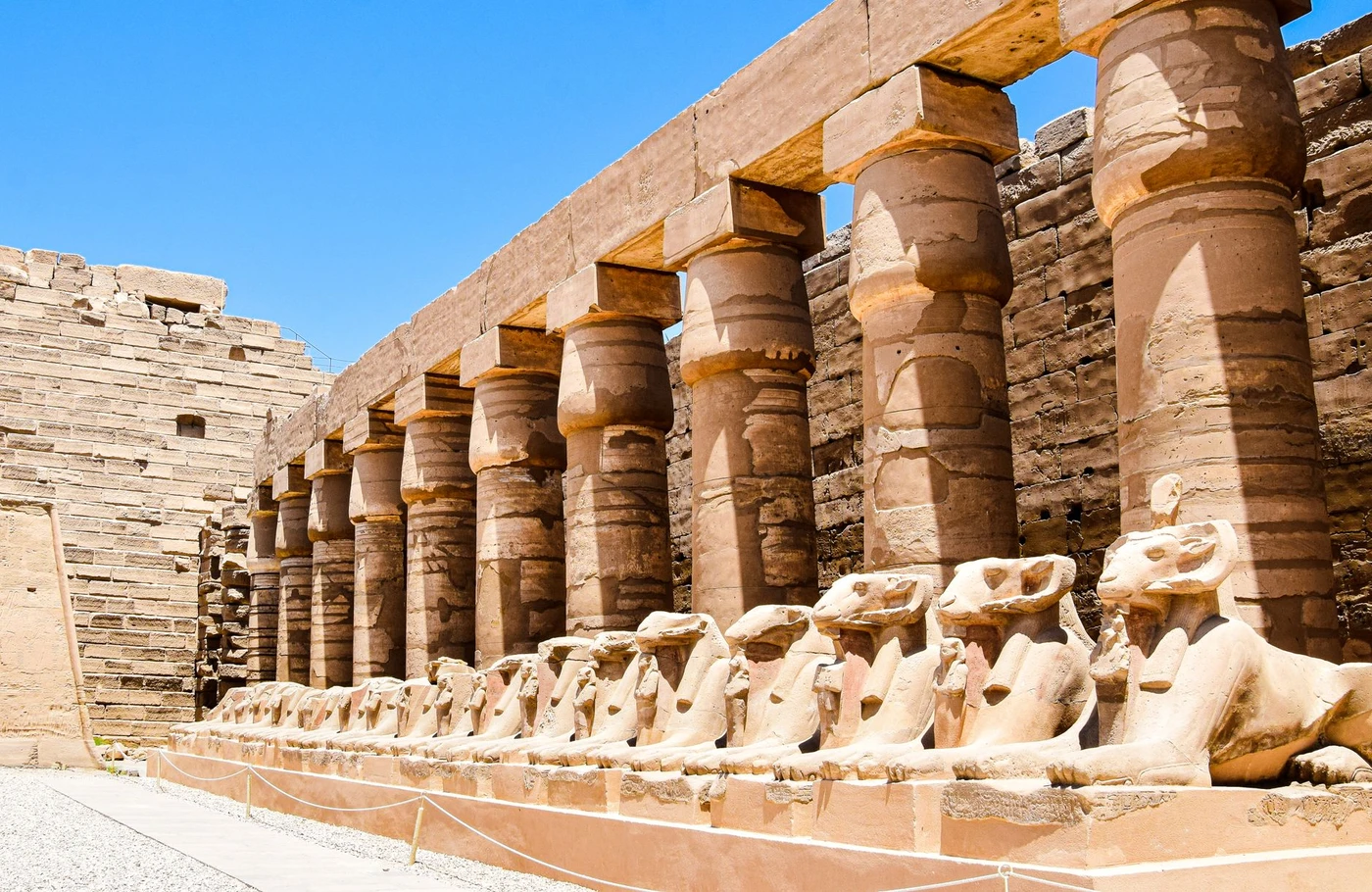
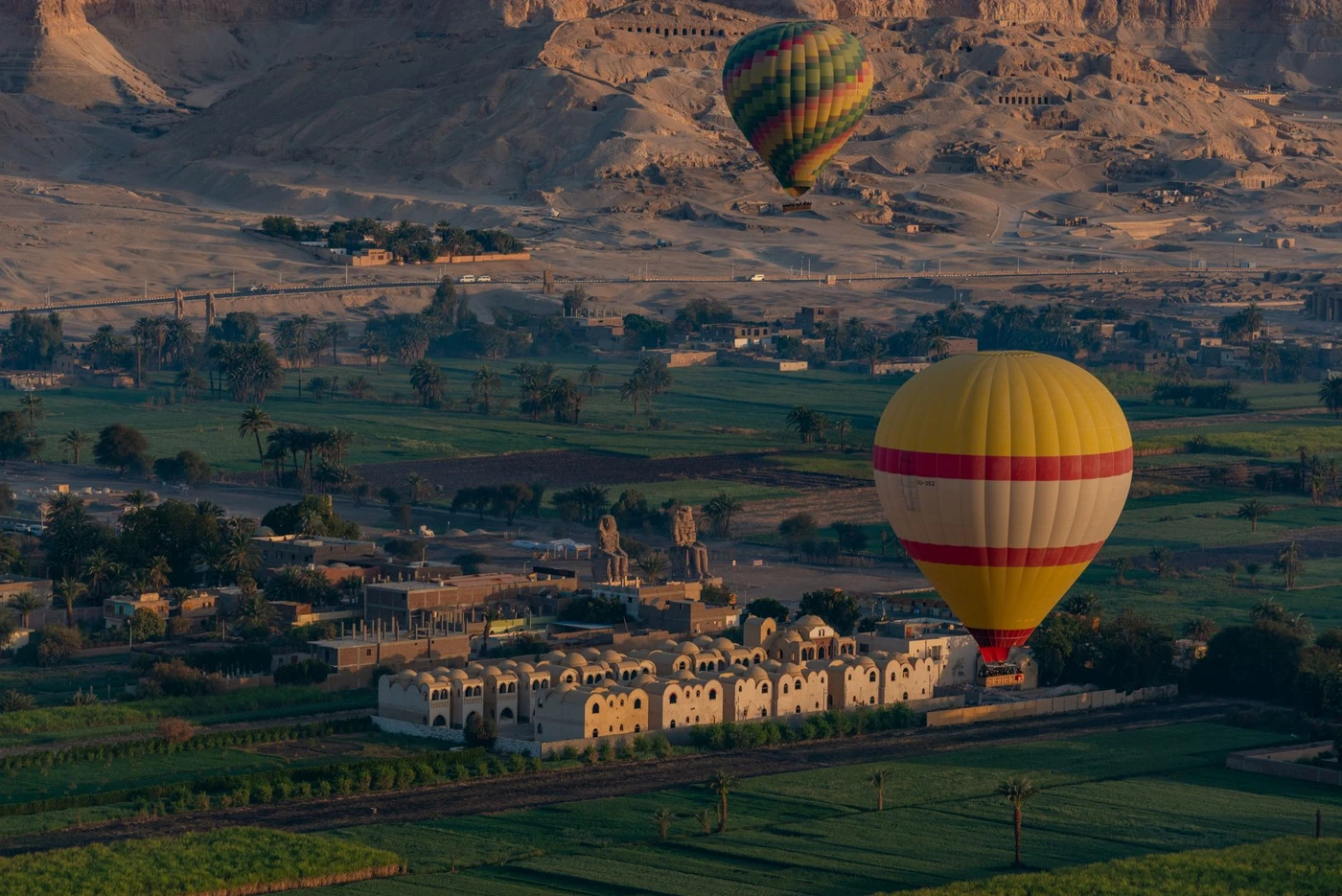
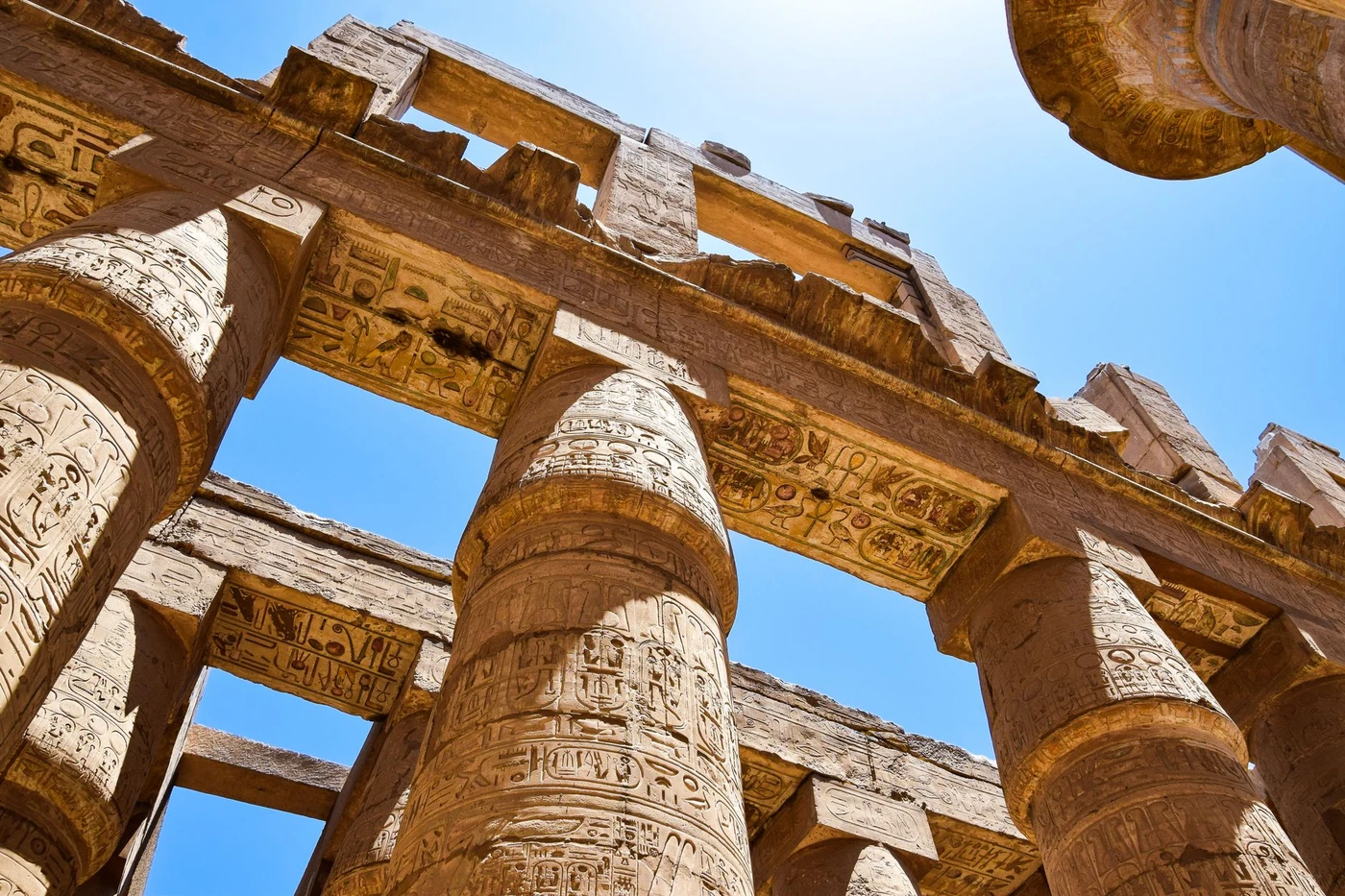
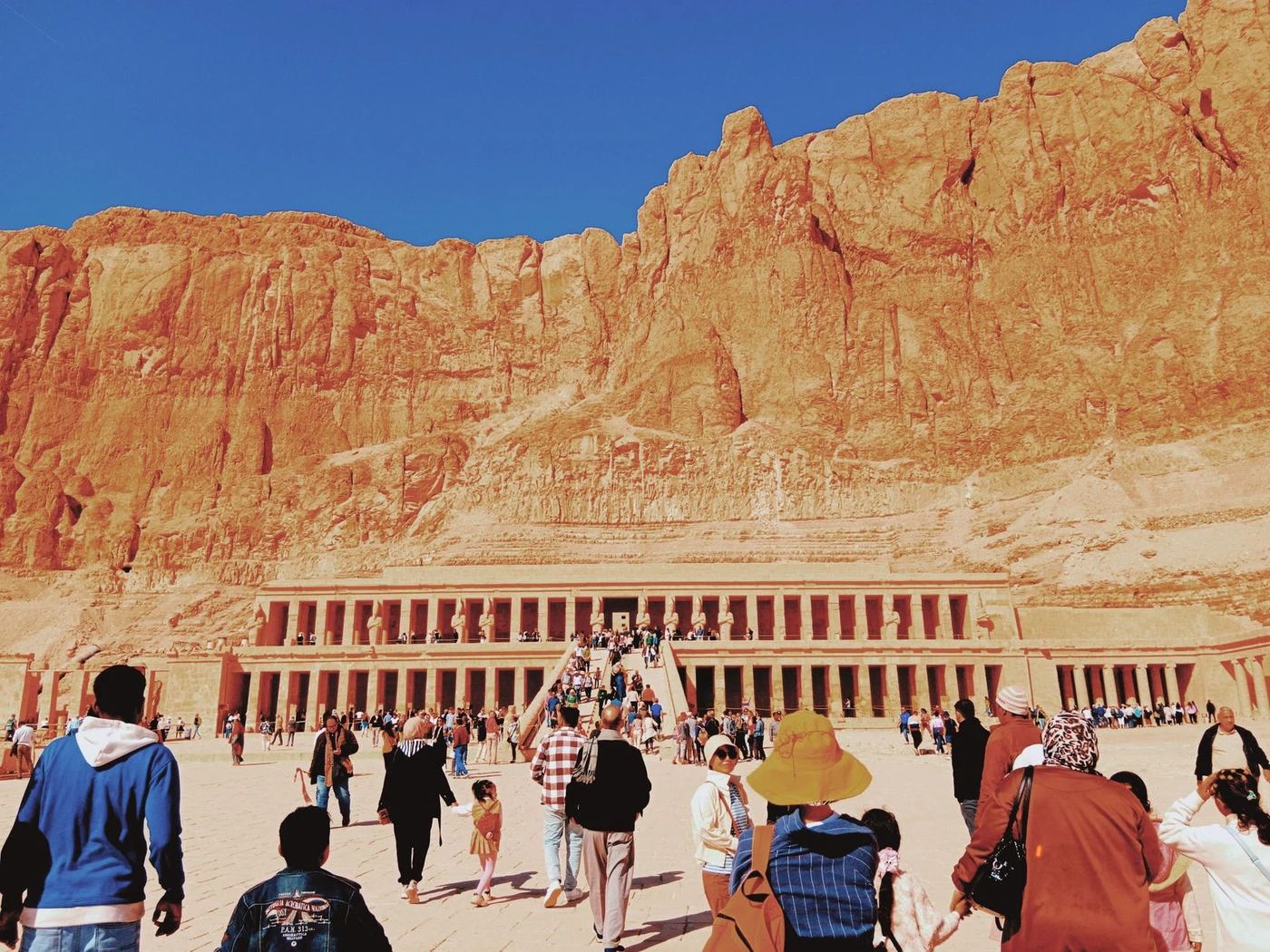
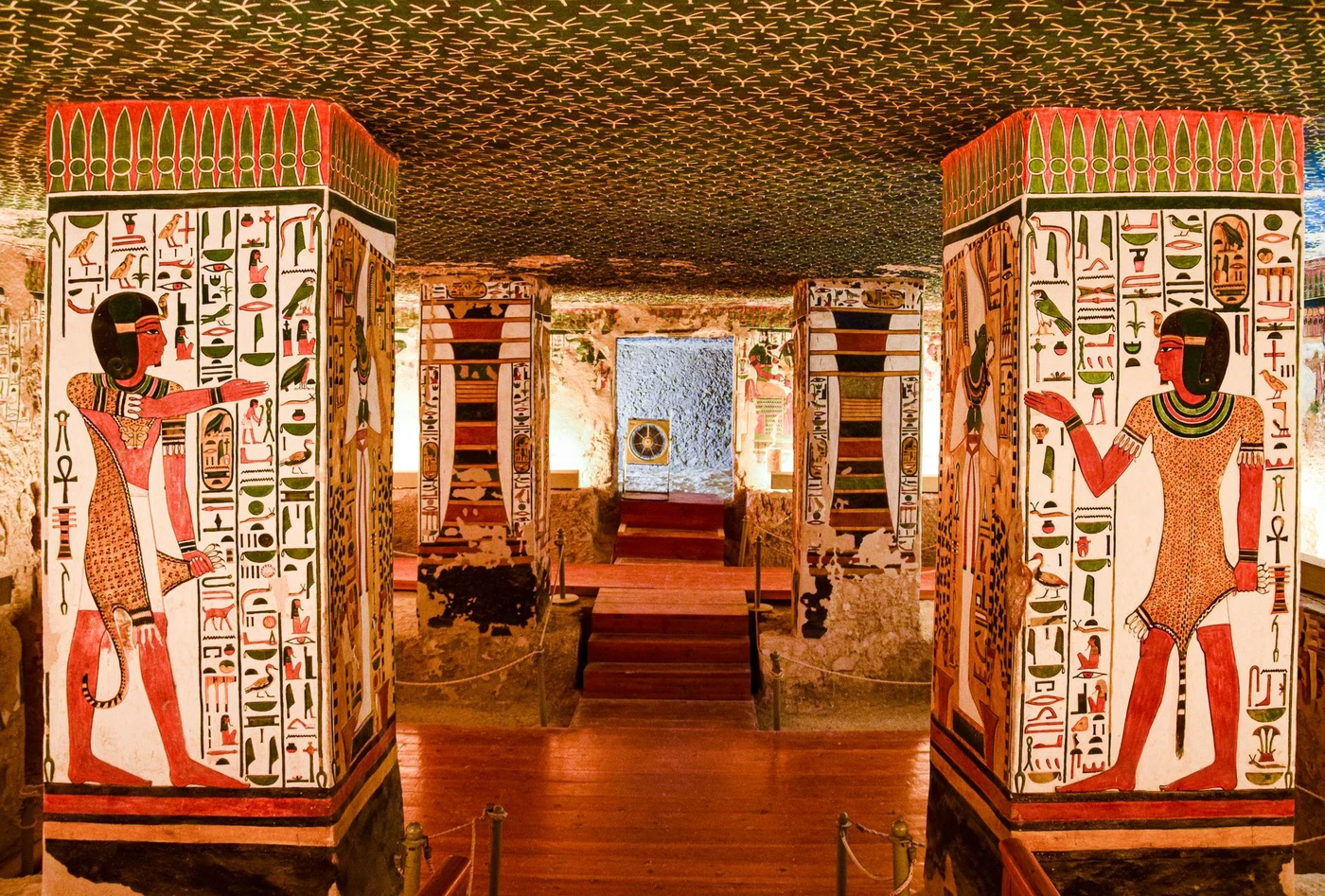
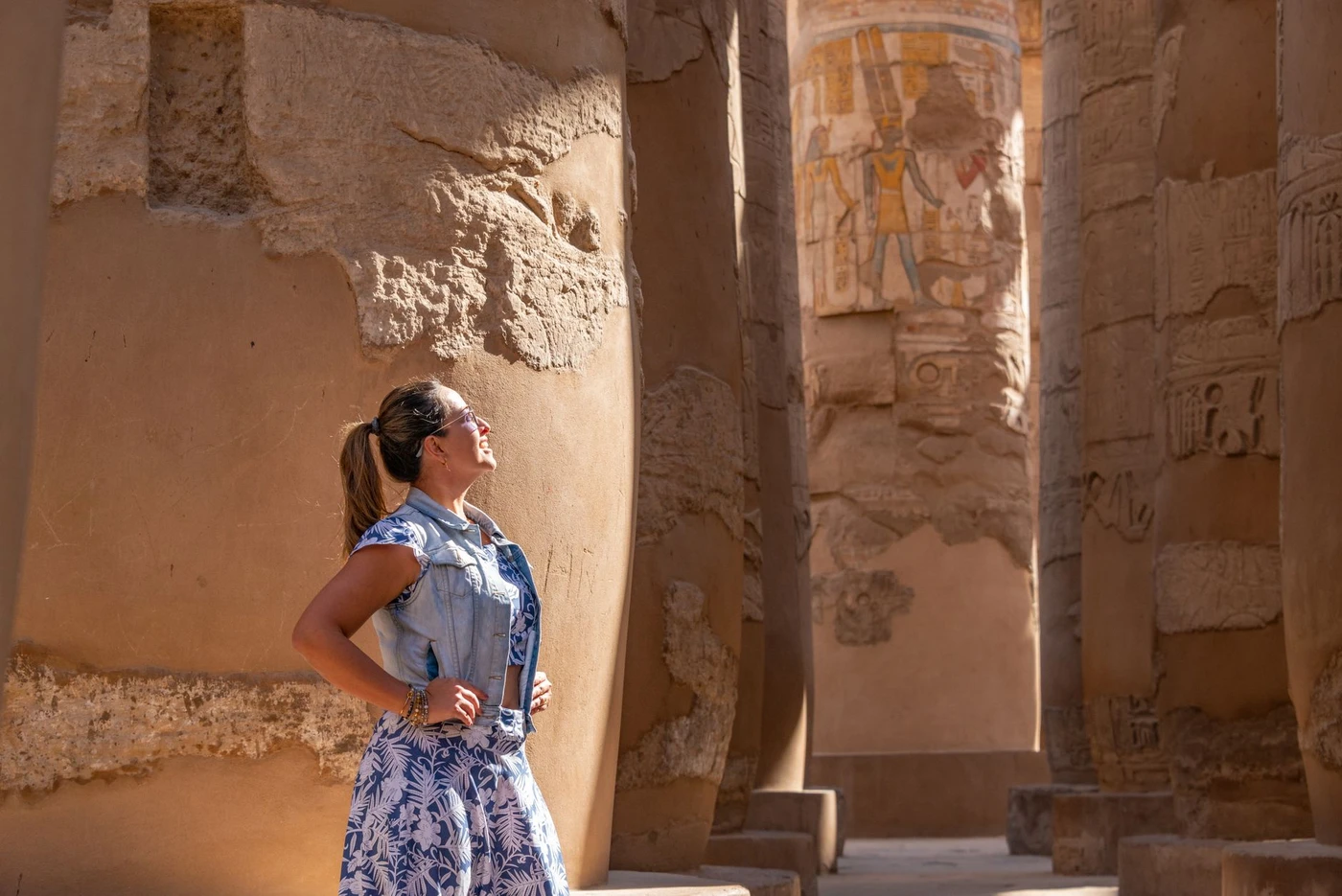
The first sightseeing route takes you to the Valley of the Kings, where New Kingdom rulers had tombs cut into the desert hills. Your guide explains the painted scenes and burial beliefs as you walk through the open tombs. Next comes the Queen Hatshepsut temple at Deir el-Bahari, built in terraces against the cliffs. At Karnak, the setting opens out again, with the Great Hypostyle Hall, temple courts and tall columns showing how the complex expanded over centuries. There is time for photographs, questions and short rests between visits.
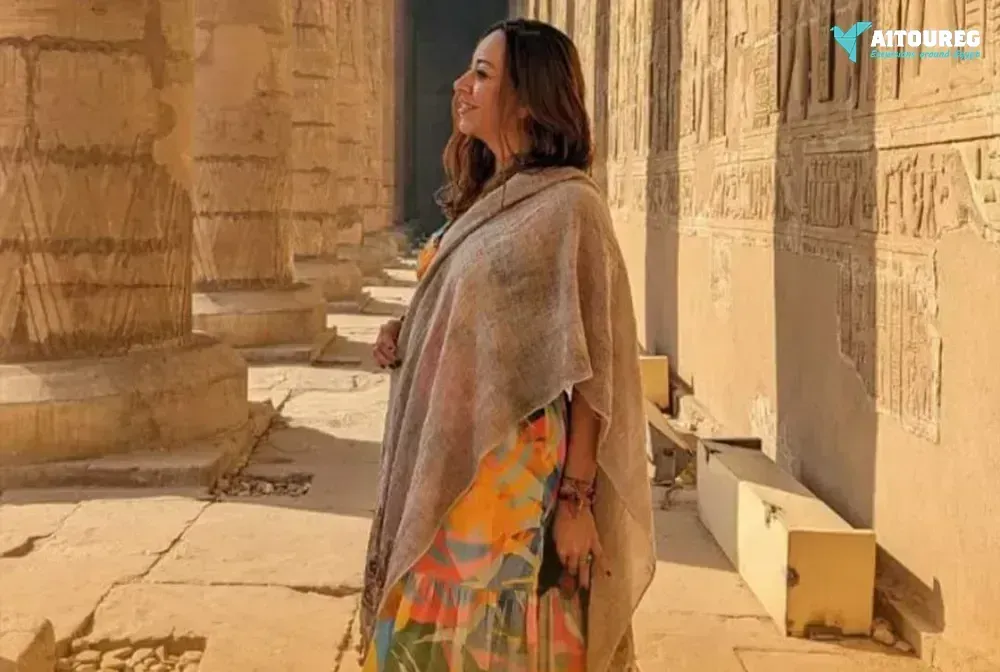
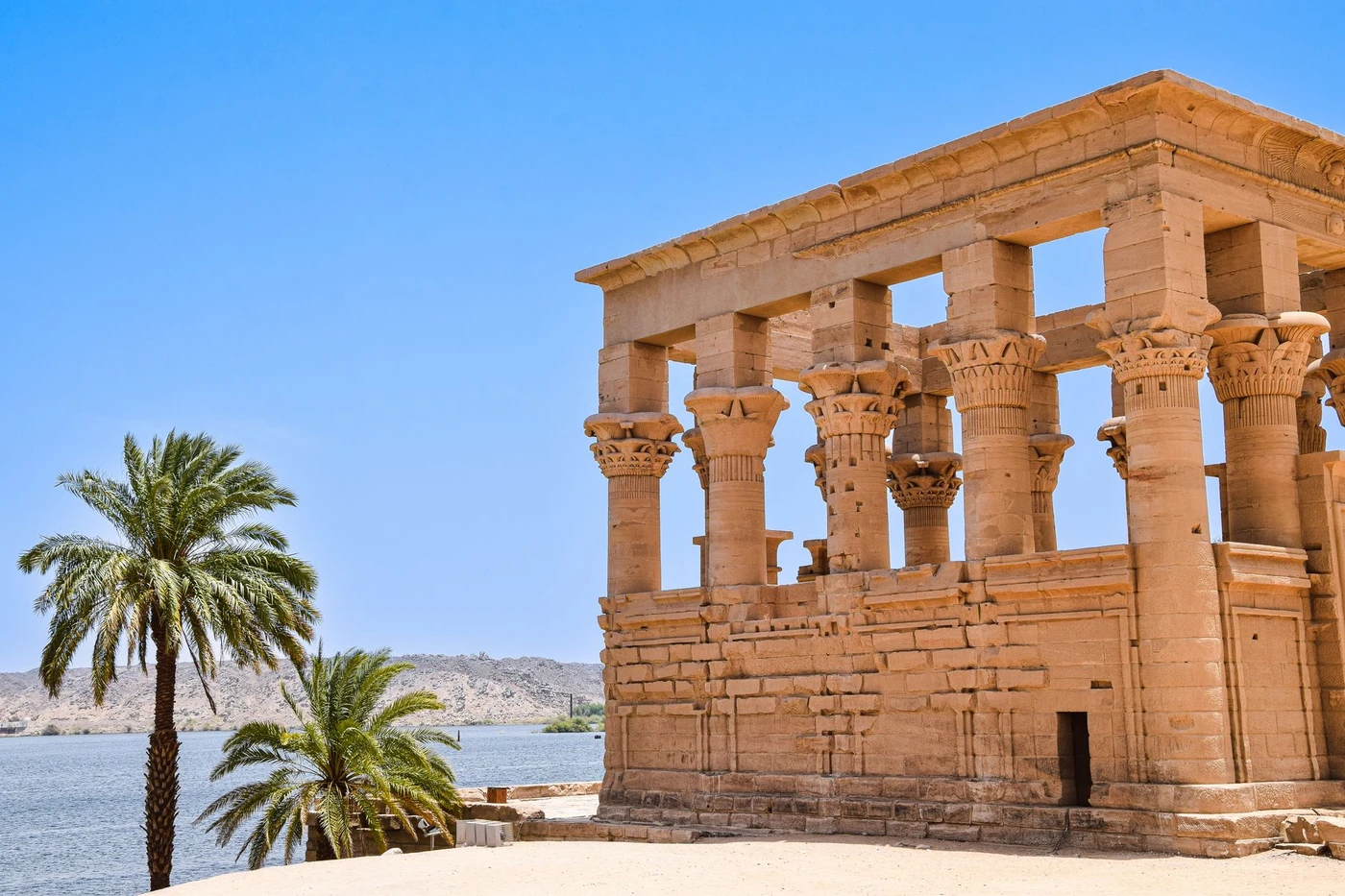
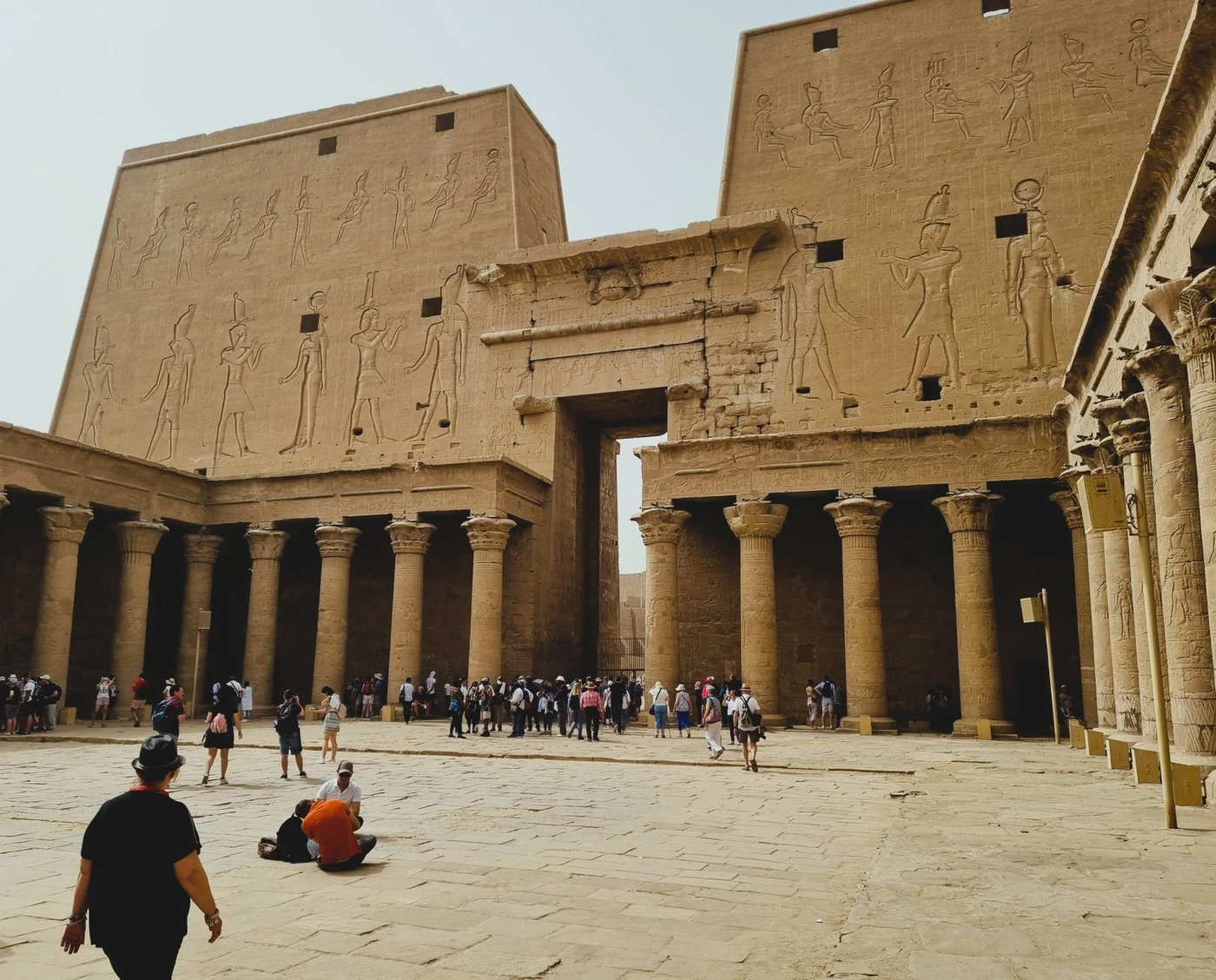
Dendera is home to The Temple of Hathor, one of Egypt’s best-preserved temples. Inside, look at the large columns, ceiling scenes and the relief showing Cleopatra VII with her son Caesarion. Your guide can also point out the underground Mysterious Crypt, a narrow, carefully decorated space that is easy to overlook. The temple’s astronomical carvings include the Egyptian Calendar. A design often called the Flower of Life may also draw attention; its modern name and interpretation are discussed rather than treated as settled fact.
After Dendera, the road carries on to The Temple of Abydos. This ancient religious centre is known for finely carved reliefs and its connection with Osiris, the god associated with the afterlife. One important detail is the King List, a relief naming earlier rulers of Egypt. Your guide explains its context, why it matters and which kings it includes, then leaves you time to examine the colour and depth still visible in parts of the temple.
We arrange the road transport between Hurghada, Luxor, Dendera and Abydos in an air-conditioned vehicle, with pickup and drop-off included according to your booking details. The distances make this a full two-day excursion, so comfortable clothing, walking shoes and water are useful. The night in Luxor breaks up the return journey and allows a calmer visit to the northern temples than a single long day from Hurghada.
Our team organises the route, site admissions, guiding and overnight arrangements, so you do not need to manage local transfers or work out the order of visits. The tour suits travellers interested in archaeology, temple architecture and Egyptian history, as well as families who prefer a structured plan. It is less suitable if you want a slow beach break or find long road journeys difficult. Please tell us about mobility needs in advance; several sites have uneven ground, steps and exposed areas.
Meals and accommodation follow the services shown in your booking details, and the overnight stop gives you time to rest before the second sightseeing day. Bring a passport or identification document if requested for travel arrangements, keep valuables with you, and wear modest clothing for temple visits. Entrance arrangements can vary by site, so our guide confirms the practical details on the day.
Assistance with the organised route and local arrangements
Entrance tickets to the listed sightseeing sites
Licensed Egyptologist guide
Transport in an air-conditioned vehicle
Overnight accommodation in Luxor
Pickup and drop-off from Hurghada
Optional activities or services not listed in the inclusions
Drinks and meals not specified in the booking details
Tips for the guide and driver
Personal expenses
Modest clothing for temple visits
Sun protection, hat and sunglasses
Any required medication and personal essentials
Passport or identification document if requested
Water bottle
Comfortable walking shoes
Light clothing and a warmer layer for the evening
The overnight trip to Luxor from Hurghada includes the return road transfer, sightseeing at Luxor’s main temples and tombs, one night in Luxor, and visits to the Temple of Hathor at Dendera and the Temple of Abydos. Our team arranges the route so you can see the principal sites across two days.
The itinerary includes the Valley of the Kings, the Queen Hatshepsut temple and Karnak Temple, followed by Dendera and Abydos. Check the booking details for the exact inclusions, such as meals, entrance tickets and guide arrangements.
This is a two-day overnight tour from Hurghada, with the first day focused on Luxor and the second day on Dendera and Abydos before returning. The schedule involves several hours on the road and walking around large temple and archaeological sites, so it suits travellers who are comfortable with a full sightseeing day.
You will visit the Valley of the Kings, the Queen Hatshepsut temple and Karnak in sequence, then continue to Dendera and Abydos. Time at each site can vary with road conditions, entry arrangements and the pace of the group.
Pickup for the overnight Luxor tour takes place from your accommodation in Hurghada, with the exact collection details confirmed after booking. We use road transfers between Hurghada, Luxor, Dendera and Abydos, and our team coordinates the return drop-off at the end of the tour.
Because this is a long-distance excursion, please provide the correct hotel or accommodation details and a reachable phone number. The final pickup arrangements depend on your location and the day’s operating plan.
The overnight Luxor tour can suit older children and families who are comfortable with long road transfers, early starts and walking over uneven ground, but it may be tiring for very young children. The Valley of the Kings, Karnak, the Temple of Hathor and the Temple of Abydos all involve outdoor walking.
Travellers with limited mobility should contact us before booking so we can discuss the route and practical support. Some entrances, pathways and temple areas are not fully accessible, and the itinerary may not suit travellers who cannot manage steps or uneven surfaces.
Wear comfortable, modest clothing and supportive shoes for the overnight Dendera and Abydos tour, and bring sun protection, water, personal medication and a small overnight bag. Light layers help with changing temperatures between the air-conditioned vehicle, open temple grounds and evening in Luxor.
Keep your passport or approved identification, booking details and any required travel documents with you. A hat and sunglasses are useful, while a scarf or light cover-up can provide extra protection from the sun during visits to the Temple of Hathor and the Temple of Abydos.
At Dendera, you can see the Temple of Hathor, the relief associated with Cleopatra VII, the Egyptian Calendar and the underground Mysterious Crypt; at Abydos, the King List and the design often called the Flower of Life are explained by your guide. These details add context to the temples beyond their main courtyards.
Booking and cancellation terms depend on the selected package and travel date, so review the conditions shown with your reservation before confirming. If your plans change, contact our team as early as possible; any refund or amendment follows the applicable booking policy.
Your unforgettable Egypt journey starts with a booking you can trust.
* Available on selected tours. Flights, cruises and special bookings may have different cancellation policies.
Free cancellation up to 24 hours before activity starts
If you choose to pay online, a secure payment link can be provided after booking. For assistance or alternative payment options, please contact us via WhatsApp.
All our tour operators are licensed and verified by Egyptian tourism authorities.
Learn more about our licensed partners →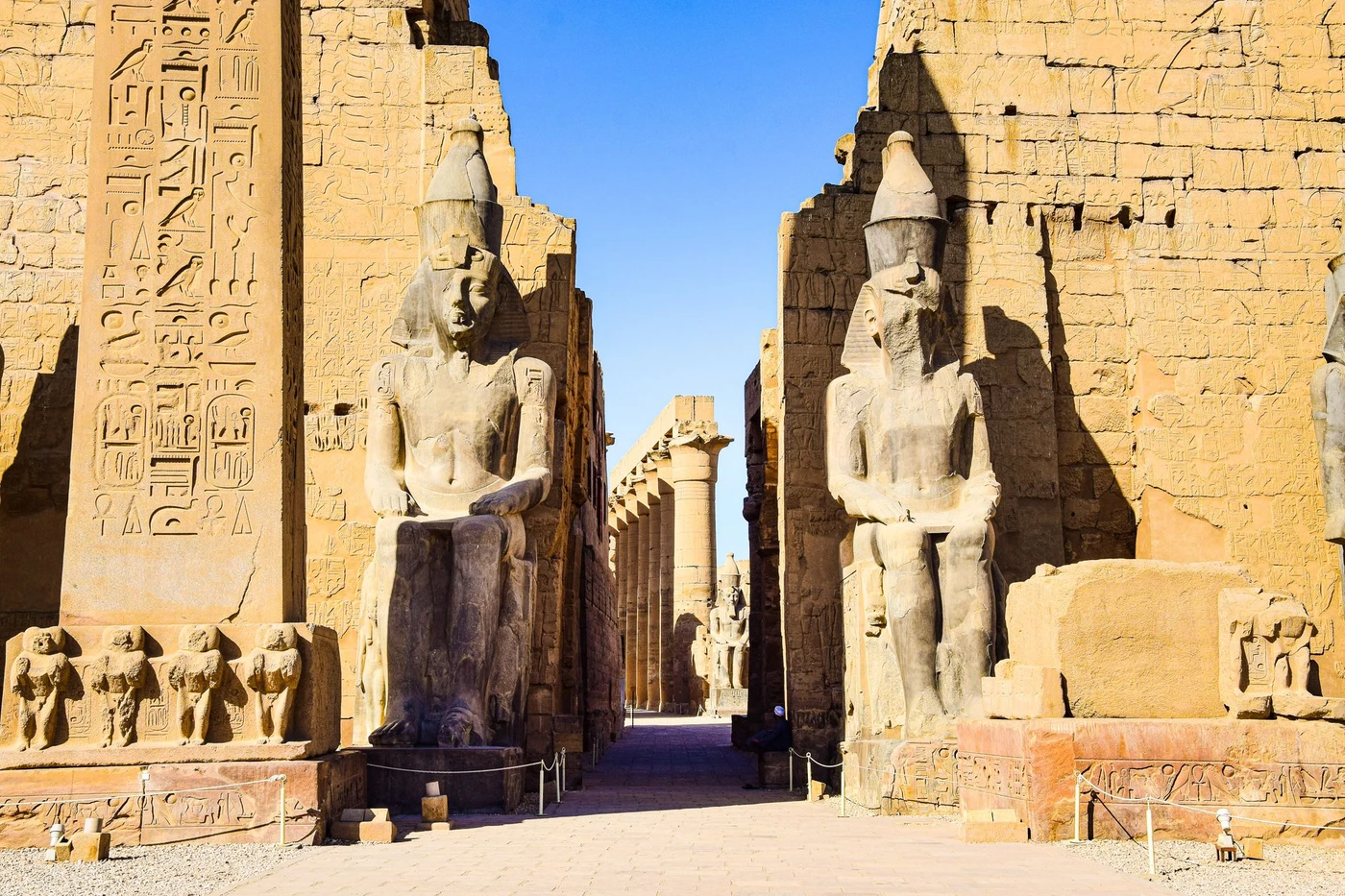
Free cancellation up to 24 hours before activity starts
If you choose to pay online, a secure payment link can be provided after booking. For assistance or alternative payment options, please contact us via WhatsApp.
All our tour operators are licensed and verified by Egyptian tourism authorities.
Learn more about our licensed partners →
Your Itinerary
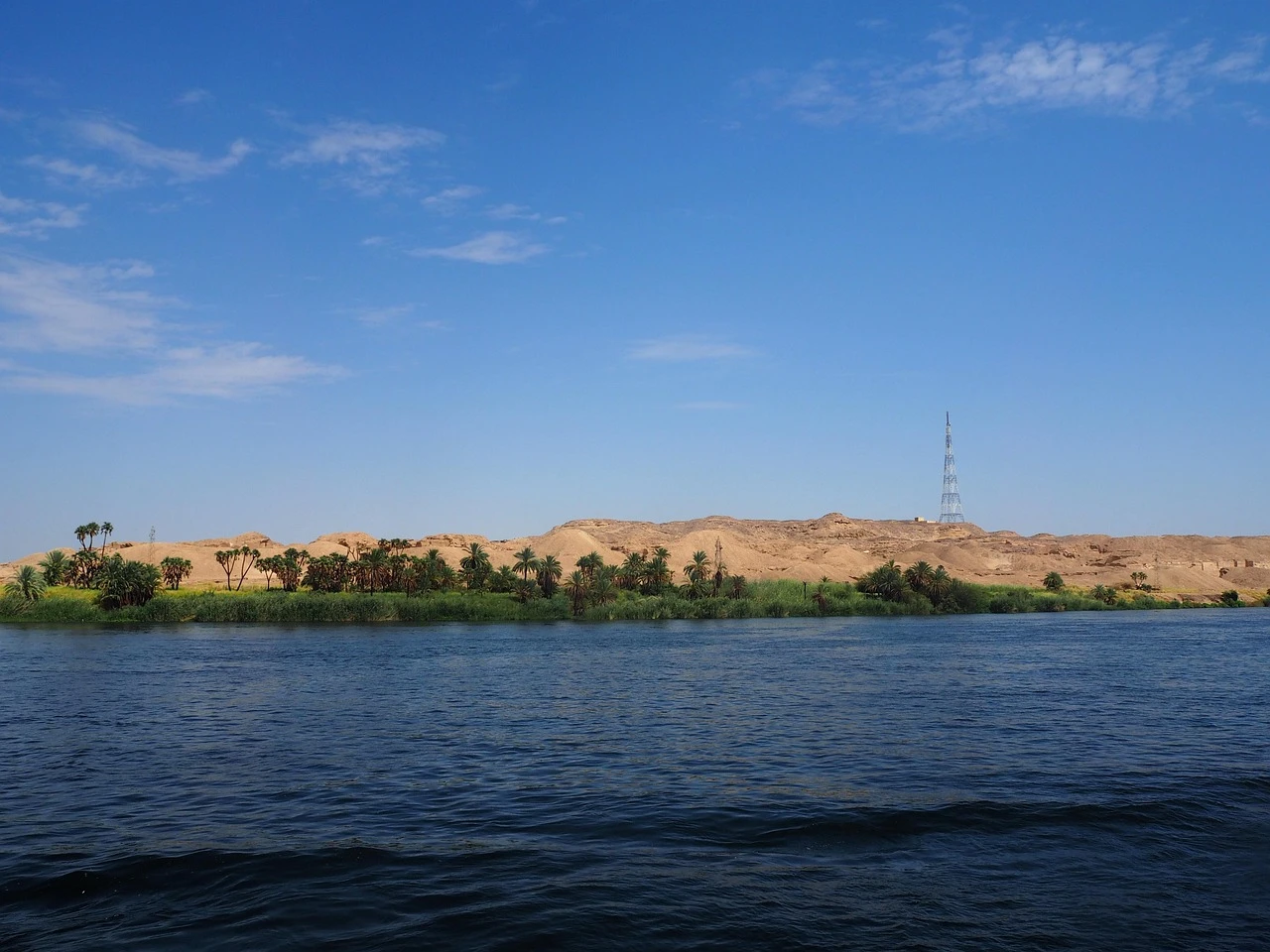
We pick you up from your hotel in Hurghada and drive across the Eastern Desert towards Luxor. After arriving, the tour begins on the west bank of the Nile at the Valley of the Kings. Your guide explains how the royal tombs were cut into the limestone hills, then leads you inside the open tombs included on the day. Conditions are warm and uneven underfoot, so comfortable shoes, water and sun protection are useful.
Continue to the temple of Queen Hatshepsut, set against the cliffs at Deir el-Bahari. Its broad terraces and reliefs tell the story of the queen's reign and trading expedition to Punt. After a typical lunch stop, cross the Nile to Karnak Temple. Walk through the great hypostyle hall, past the obelisks and along the processional spaces while your guide sets the temple complex in context.
After the Luxor visits, we take you to your overnight accommodation in Luxor. The evening is free to rest after the long drive and full sightseeing schedule. Your guide will confirm the next morning's departure arrangements before you settle in.
After breakfast, we leave Luxor by road and head north to Dendera. At the Temple of Hathor, you can see the decorated ceiling, column capitals and reliefs linked with Hathor, music and healing. The visit also includes the Mysterious Crypt, a restricted-feeling lower space whose carved walls are explained by your guide, and the relief of Cleopatra VII. Look up for the Flower of Life motif and the Egyptian Calendar, both among the details that make Dendera rewarding for travellers who enjoy close study of temple decoration.
We then continue north to the Temple of Abydos, one of ancient Egypt's important religious sites. Inside, your guide points out the King List, a carved sequence of rulers used to discuss how Egyptian history was recorded and remembered. The reliefs and colour traces are best viewed at a steady pace, with time for questions and photographs where permitted.
After the Abydos visit, we begin the road transfer back to Hurghada. The return journey takes several hours, with a comfort stop arranged when appropriate. We drop you at your hotel at the end of the excursion.