


Luxor Two-Day Private Tour from Hurghada
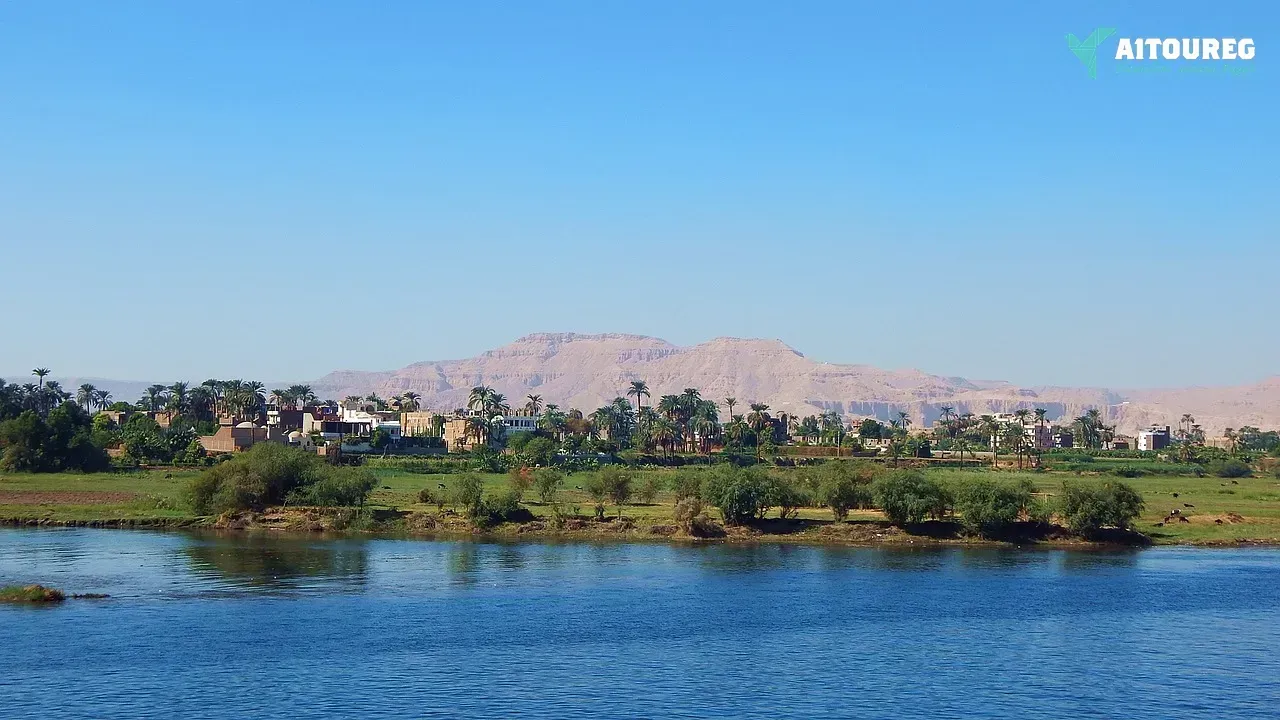
Luxor two-day tour from Hurghada gives you time to see more of the west bank without rushing between sites. Our team takes you to royal temples, workers’ tombs and a museum that helps put Luxor’s history in context. The tour is private, with a guide and dedicated transport, so the day can follow your pace, the heat and the time you want to spend at each site.
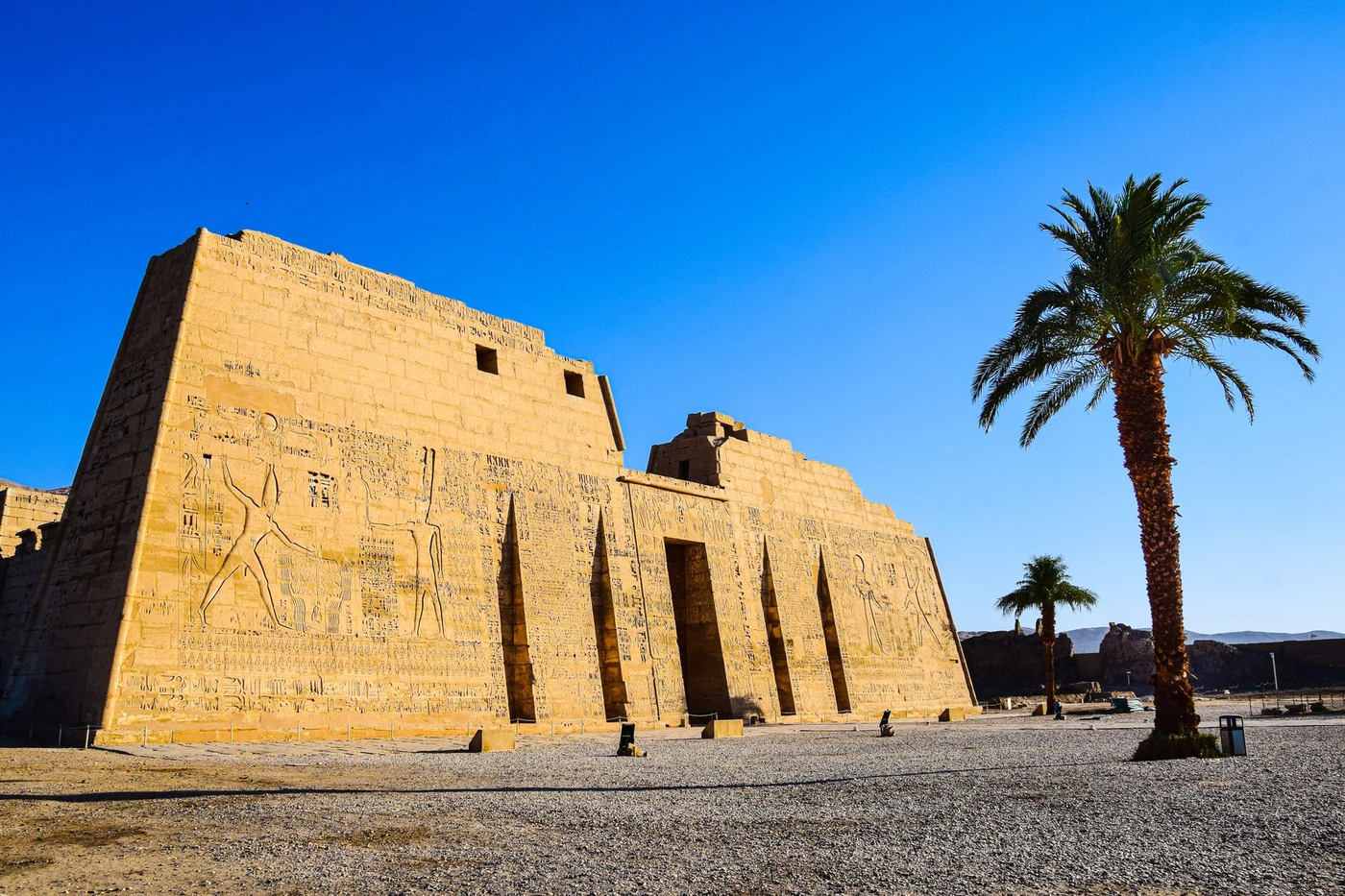
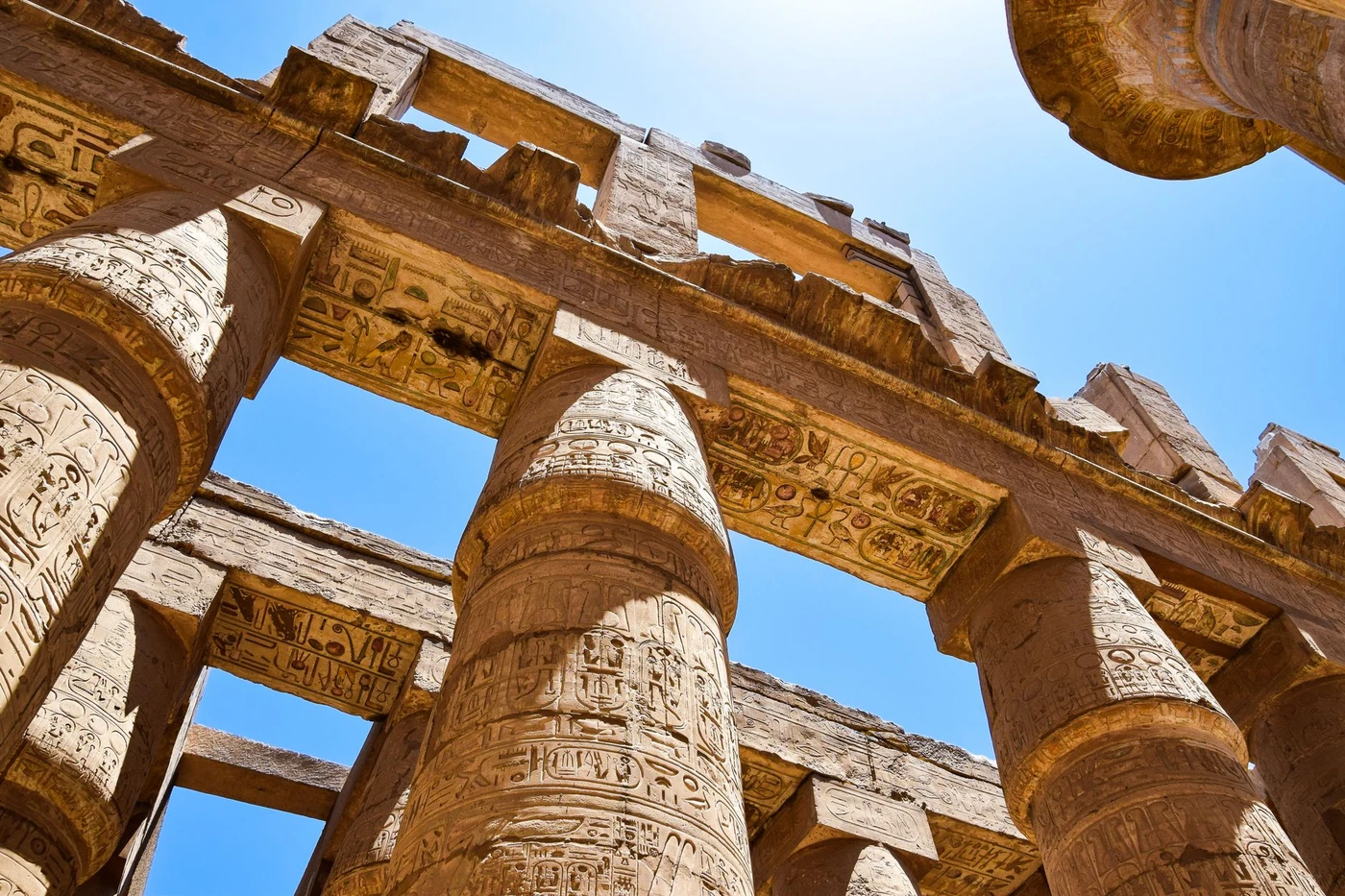
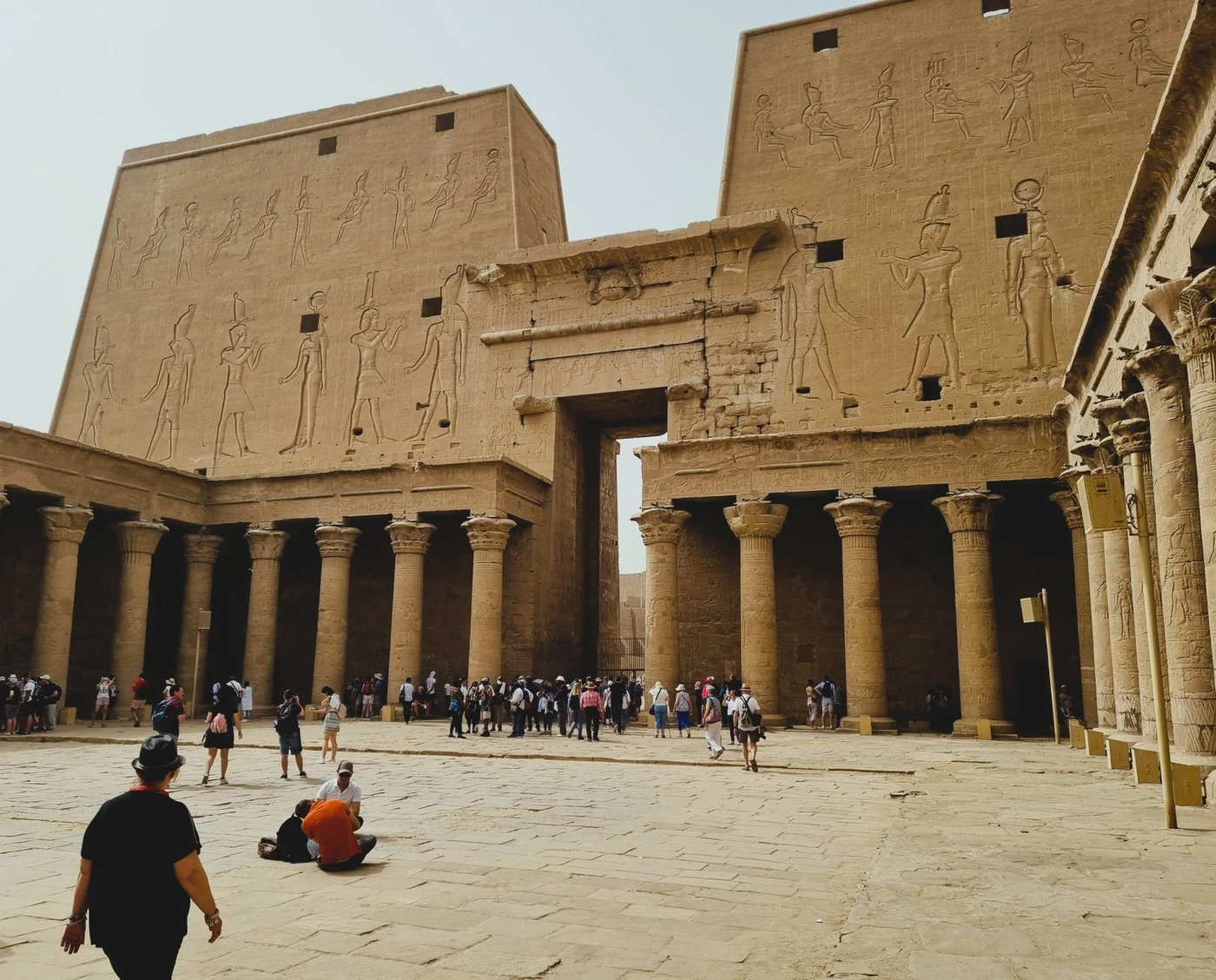
The first day starts with the drive from Hurghada to Luxor, then continues on the west bank of the Nile. At Madinet Habu Temple, tall pylons and broad painted reliefs introduce the reign of Ramesses III. The temple is known for its well-preserved decoration, including scenes of religious ceremonies and military victories. Your guide explains the layout as you pass through the entrance courts, colonnades and inner rooms, pointing out details that are easy to miss without some background.
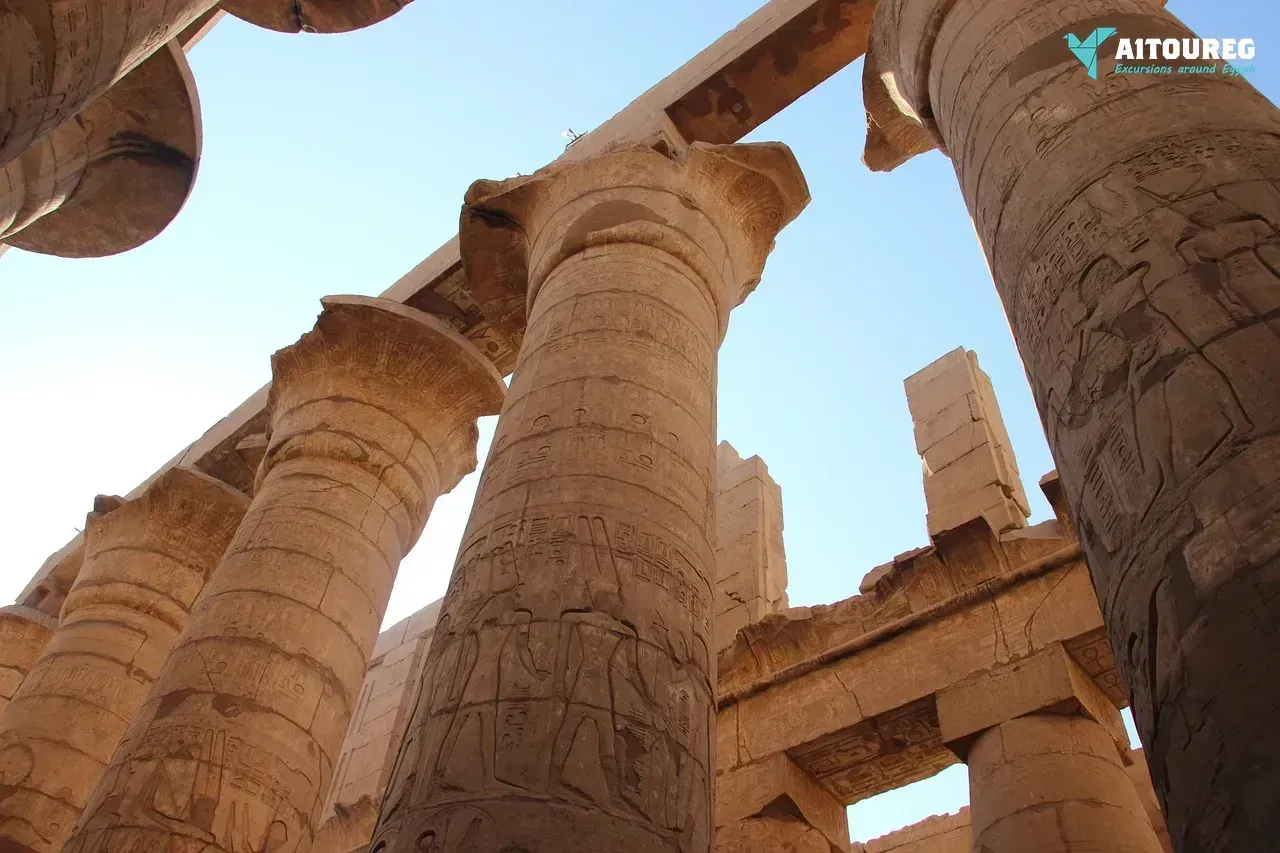
From Madinet Habu, you continue to The Ramesseum temple, the memorial temple of Ramesses II. Its fallen colossus, damaged columns and surviving reliefs show how the site has changed over time, while the remaining walls still give a clear idea of its original scale. The open setting makes it a good place to pause and look towards the desert foothills. Walking is steady rather than strenuous, but much of the route is outdoors and shade is limited.
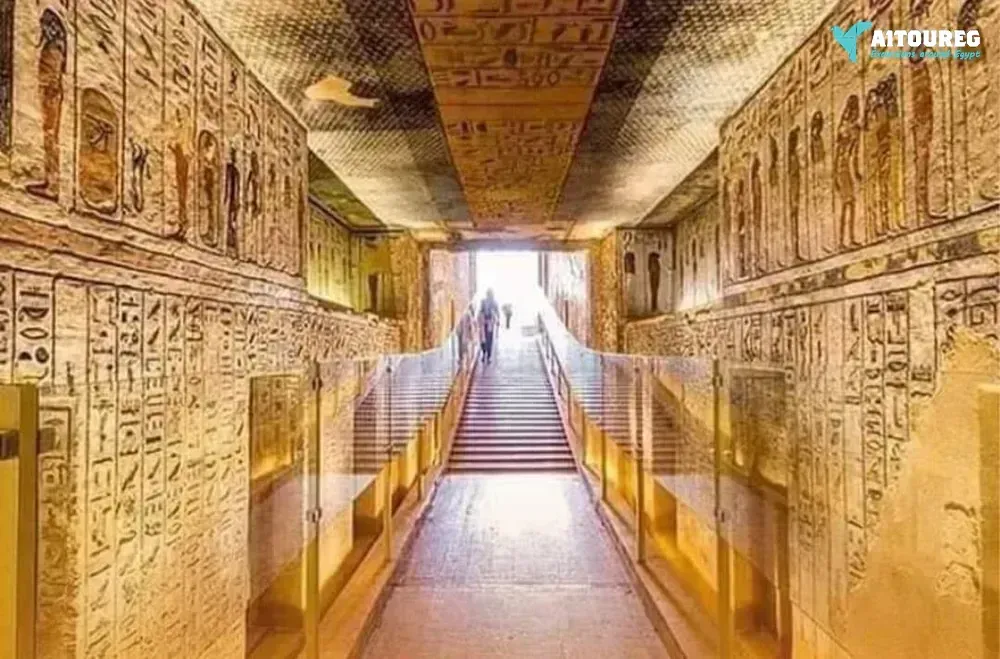
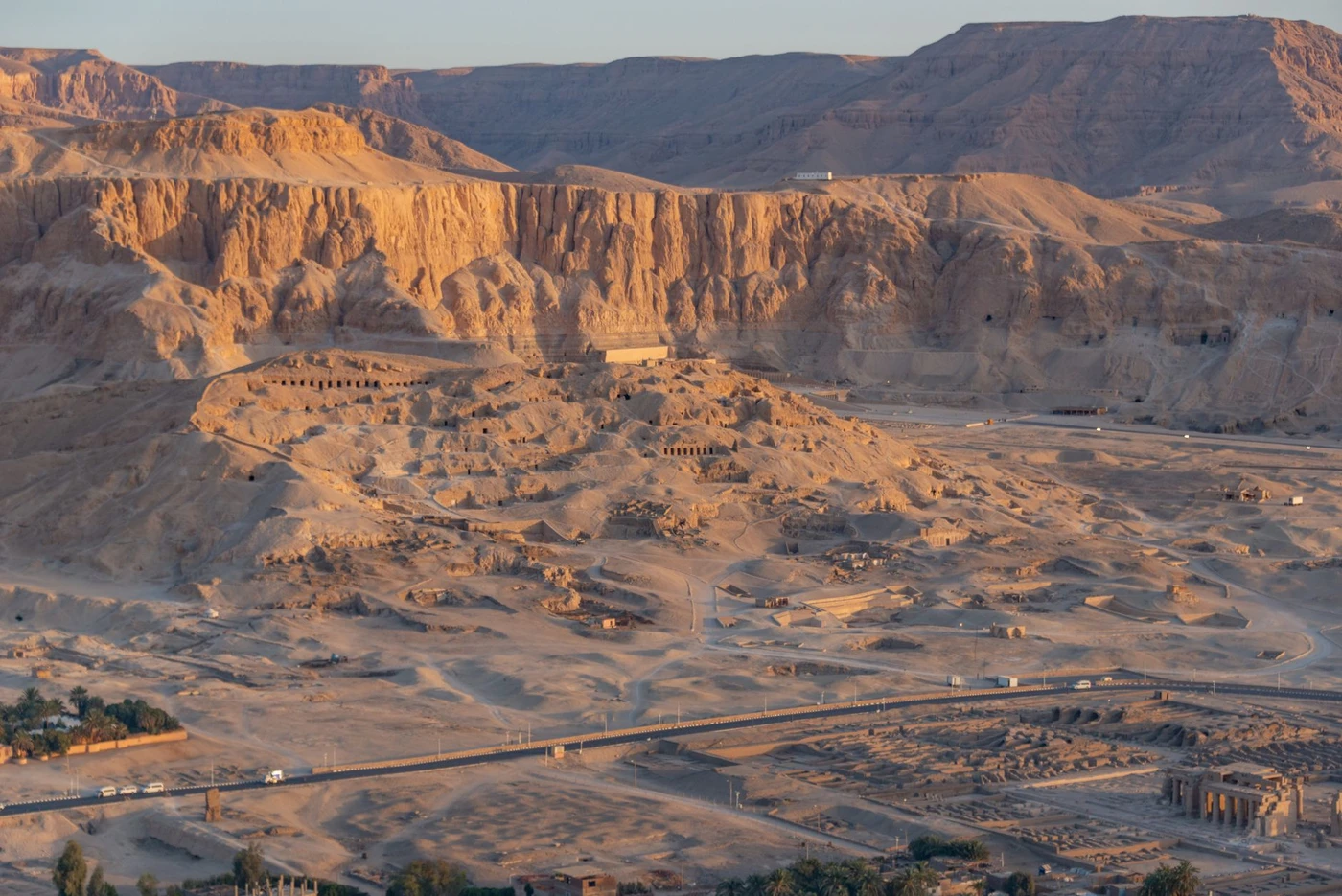
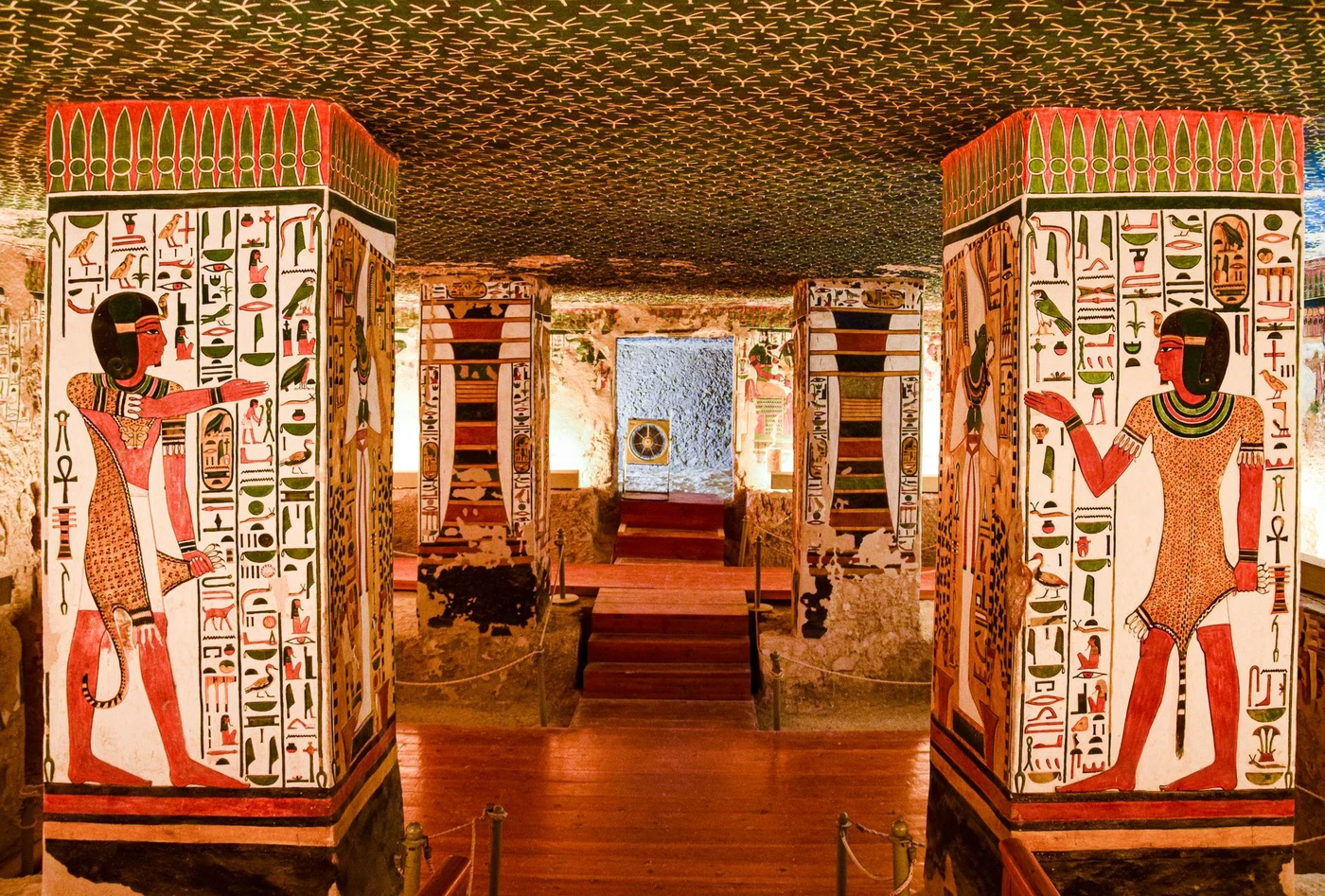
Deir El Madina brings a different focus to the west-bank visit. It was the settlement of the craftsmen who worked on royal tombs in the Valley of the Kings and the Valley of The Queens. Their own tombs contain carefully painted scenes of daily life, offerings and the afterlife. The site is smaller than the major temple complexes, but its decoration is often intimate and finely detailed. Your guide connects the village, the tombs and the work of the communities who lived here.
You also visit the Valley of The Queens, where queens and other members of the royal family were buried. The number of open tombs can change with conservation work and local arrangements, so the exact interior visits are confirmed on the day. The walk between sites is generally manageable, although uneven ground, steps and strong sun make comfortable shoes and water important. After visiting the west bank, we take you to your hotel in Luxor for a proper rest instead of sending you straight back to Hurghada.
The following day is less exposed and centred on objects preserved indoors. At Luxor Museum, your guide introduces selected statues, reliefs, jewellery and other finds from the temples and tombs around the city. The collection is displayed in a clear, compact setting, making it easier to see how the objects relate to the places you visited on the west bank. Visiting the museum afterwards gives you another way to understand the people, rulers and religious ideas behind the monuments.
This tour suits travellers who have already seen Luxor’s main attractions, want more time on the west bank or prefer a private plan to a large group. It is also a practical choice if you want to combine several less-visited sites with a hotel night in Luxor. The drive from Hurghada is long, and the visit includes outdoor walking, uneven surfaces and warm conditions, so it is less suitable for travellers who need a very short sightseeing day or step-free access throughout. We arrange the route, transfers and guiding together, so you can spend your time at the sites rather than coordinating transport between them. Please bring comfortable footwear, sun protection and any personal medication you may need; your pickup and return details are confirmed before departure.
Visits to Madinet Habu Temple, The Ramesseum temple, Deir El Madina, the Valley of The Queens and Luxor Museum
Private air-conditioned transport from Hurghada to Luxor and back
Guided visits with a qualified guide
Pickup and drop-off from your Hurghada accommodation
One night of hotel accommodation in Luxor
Any services not mentioned in the inclusions
Personal expenses
Gratuities
Entrance fees to the listed sites
Meals and drinks unless specified in the booking details
A refillable water bottle
Personal medication and any mobility assistance you require
Light clothing suitable for warm weather
Comfortable walking shoes with secure soles
A valid passport or identification document
Sun hat, sunglasses and high-factor sunscreen
This private two-day tour to Luxor from Hurghada includes transport between the two cities, visits to Madinet Habu Temple, the Ramesseum temple, Deir El Madina, the Valley of the Queens and Luxor Museum, plus the planned overnight stay in Luxor before your return transfer.
The first day ends with check-in at your Luxor hotel. Your booking confirmation will explain which entrance fees, meals and hotel arrangements are included for your selected package.
This Luxor excursion lasts two days, with the first day focused on the west bank and the second day ending with Luxor Museum before the drive back to Hurghada. The schedule is arranged as a private tour, so our team can keep the pace practical around visits, breaks and transfers.
You will visit Deir El Madina and the Valley of the Queens on the first day, along with the other west-bank sites. Travel between Hurghada and Luxor makes this a full itinerary, so comfortable walking shoes are useful.
Pickup for this private Luxor tour takes place in Hurghada, usually from your accommodation or another agreed meeting point, followed by a road transfer to Luxor and a return drive after your Luxor Museum visit on day two.
We confirm the pickup location and departure details before the tour. Please provide your accommodation details when booking so our team can plan the transfer clearly.
This two-day Luxor tour can suit families and travellers with a reasonable level of fitness, but the ancient sites include uneven ground, steps and exposed areas, particularly around Madinet Habu Temple and the Valley of the Queens.
Children should stay close to an accompanying adult, especially at open archaeological sites. If you use a wheelchair, walking aid or need frequent rest stops, tell us before booking so we can discuss the route and practical arrangements.
Wear light, modest clothing and comfortable closed shoes for this Luxor tour, and bring a hat, sunscreen, water, personal medication and any identification required for your hotel booking.
The temples and tomb areas can involve walking over dusty or uneven surfaces, so clothing that covers your shoulders and knees is a sensible choice. A small day bag is easier to manage than large luggage during the sightseeing visits.
You can request the private two-day tour by sending us your preferred travel date, Hurghada pickup details and traveller information; our team will confirm the arrangements and provide the applicable booking and cancellation terms.
Cancellation conditions can vary by travel date, hotel arrangement and the services reserved, so check the written terms before confirming. If your plans change, contact us as soon as possible and we will explain the available options.
Your unforgettable Egypt journey starts with a booking you can trust.
* Available on selected tours. Flights, cruises and special bookings may have different cancellation policies.
Free cancellation up to 24 hours before activity starts
If you choose to pay online, a secure payment link can be provided after booking. For assistance or alternative payment options, please contact us via WhatsApp.
All our tour operators are licensed and verified by Egyptian tourism authorities.
Learn more about our licensed partners →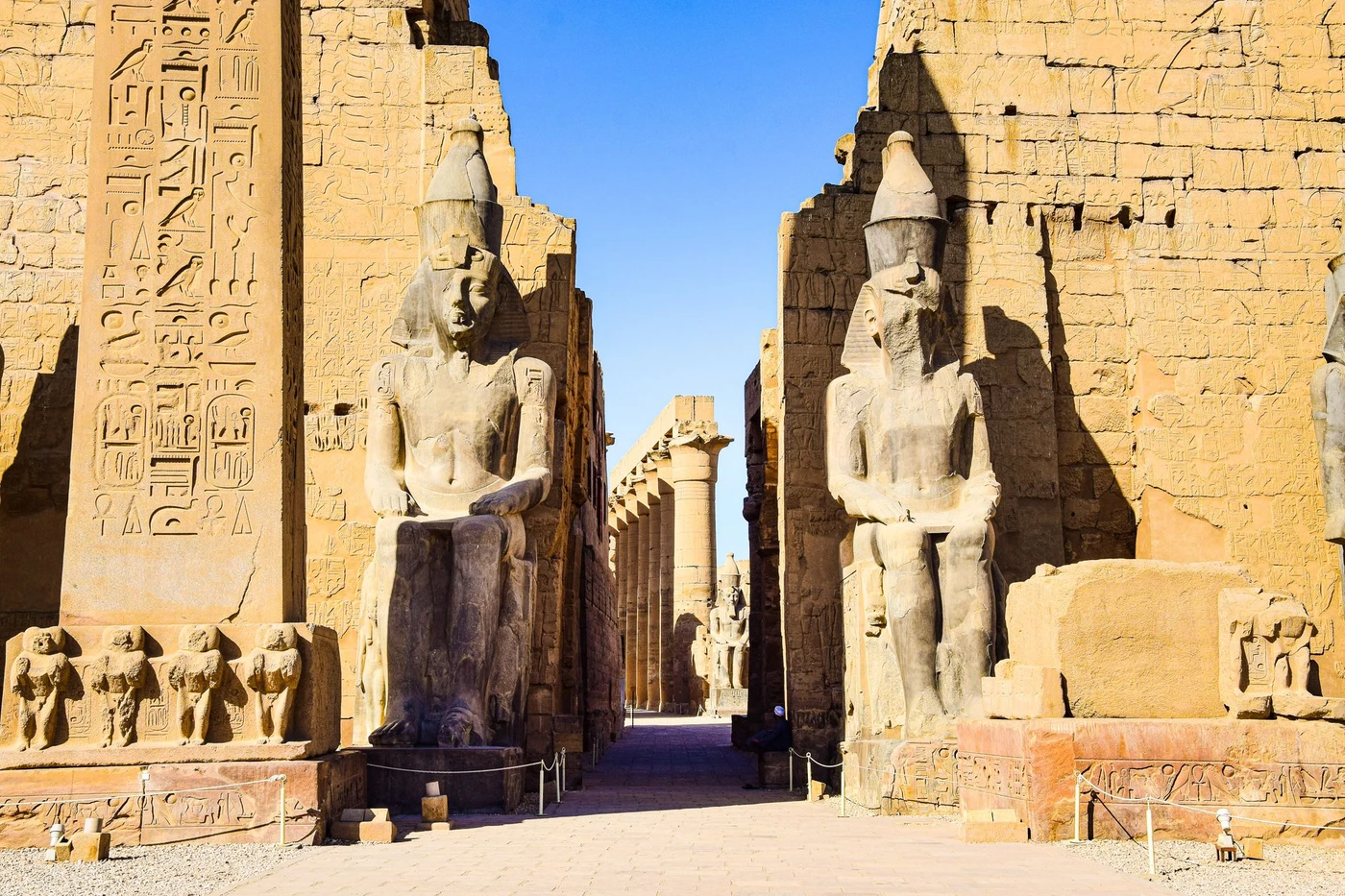
Free cancellation up to 24 hours before activity starts
If you choose to pay online, a secure payment link can be provided after booking. For assistance or alternative payment options, please contact us via WhatsApp.
All our tour operators are licensed and verified by Egyptian tourism authorities.
Learn more about our licensed partners →
Your Itinerary
Your private tour begins with a road transfer from Hurghada to Luxor, with the journey taking several hours depending on traffic and the conditions on the road. After arriving on the West Bank, visit Madinet Habu Temple, the well-preserved mortuary temple of Ramesses III. Your guide will point out the tall entrance, detailed battle scenes and inscriptions that explain the king’s reign.
Continue to The Ramesseum temple, built for Ramesses II. Much of the structure is now in ruins, but its remaining columns, reliefs and fallen statue fragments show the original scale of the complex. The route then moves to Deir El Madina, the former village of the craftsmen who decorated the royal tombs. Its small tombs have finely painted scenes, giving you a closer look at everyday life and ancient Egyptian beliefs.
Finish the West Bank visits at Valley of The Queens, where selected tombs are open according to the day’s access arrangements. We then transfer you to your Luxor hotel for check-in and an evening at your own pace.
After breakfast and hotel check-out, visit Luxor Museum before leaving the city. The collection is arranged in a calm, easy-to-follow setting and includes statues, reliefs and objects from temples and royal tombs in the Luxor area. Your guide can explain how the pieces relate to the sites visited on the previous day, helping you see details that are easy to miss outdoors.
Allow time to walk through the galleries at a comfortable pace and ask questions about the display pieces. Museum visits usually take around one to two hours, depending on your interests and the pace you prefer. The visit also gives you a cooler indoor stop before the return journey.
After the museum, meet your driver for the transfer back to Hurghada. The drive takes several hours, with breaks arranged as needed during the route. You arrive back in Hurghada after this two-day private excursion, with drop-off at your accommodation or another agreed location.