



Luxor Private 4-Day Tour from Hurghada
Luxor private 4-day tour from Hurghada gives you time to see the main monuments of ancient Thebes without cramming them into one long excursion. You visit Luxor's East and West Banks, where temples, royal tombs and workers' settlements show how the city functioned over thousands of years. We arrange the road transfers, local guiding and sightseeing in a practical order, leaving you more time at the monuments and less time dealing with transport.
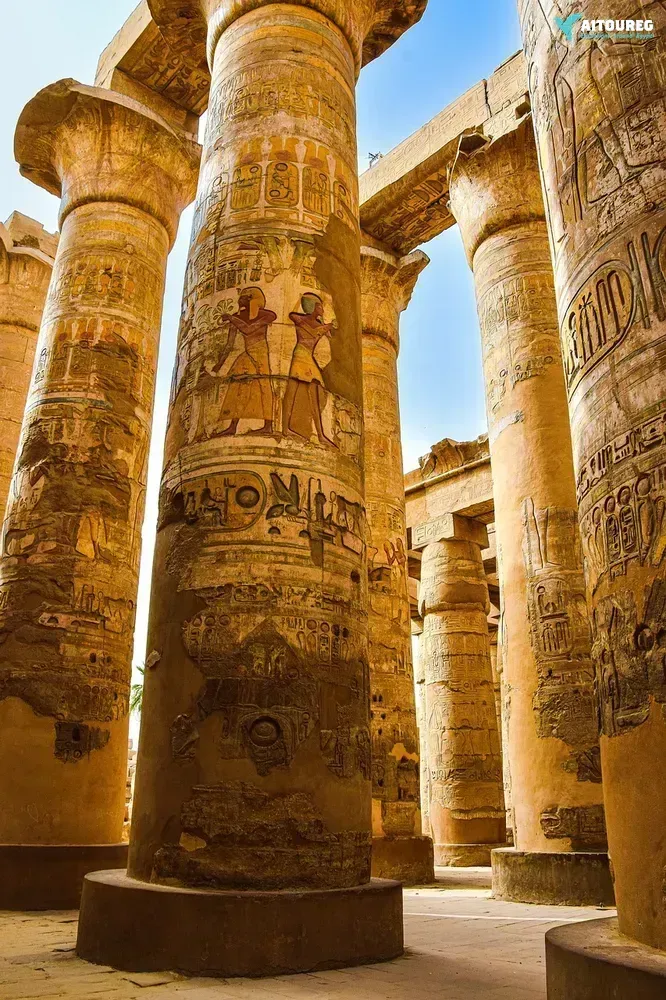
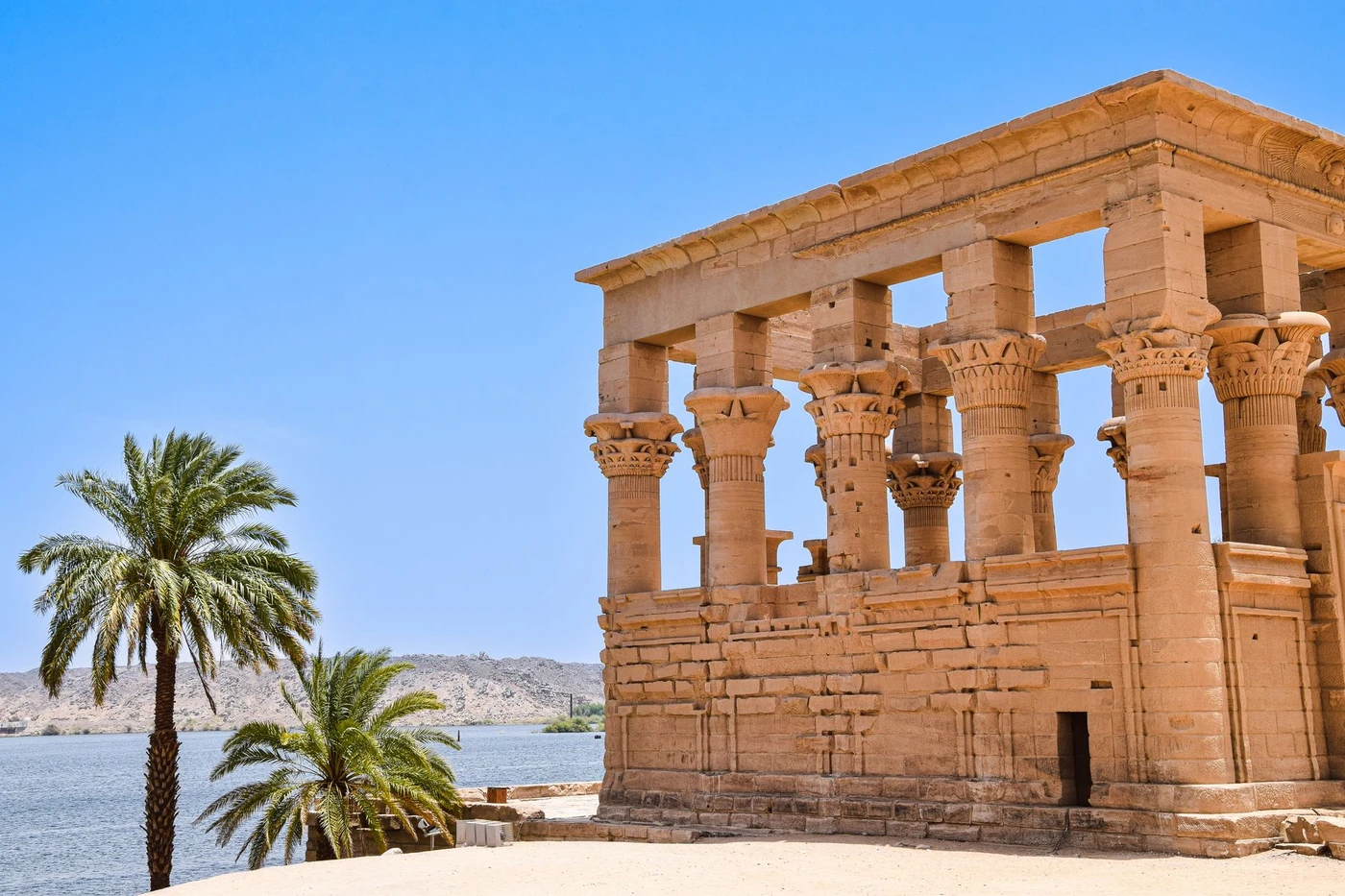
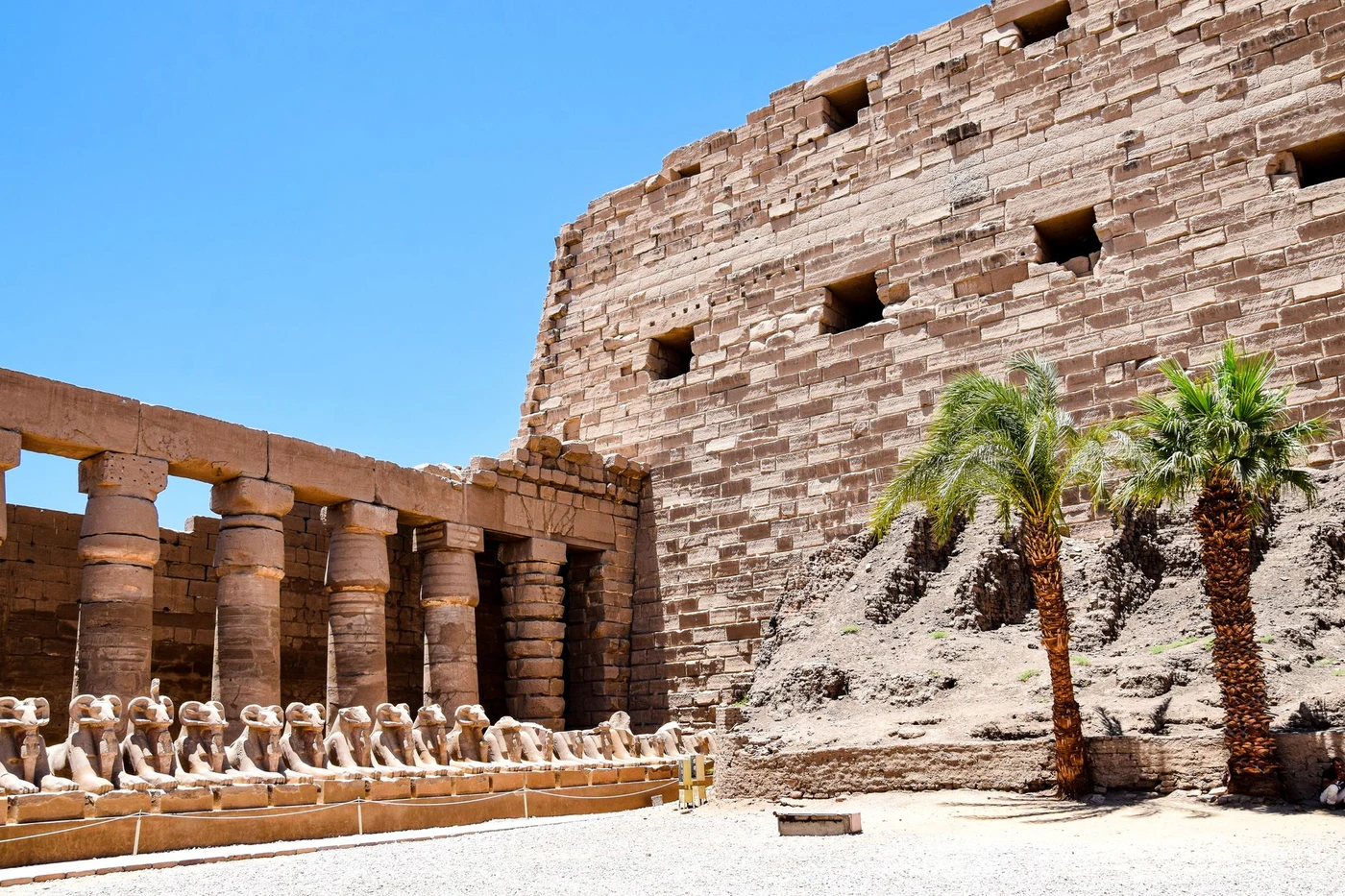
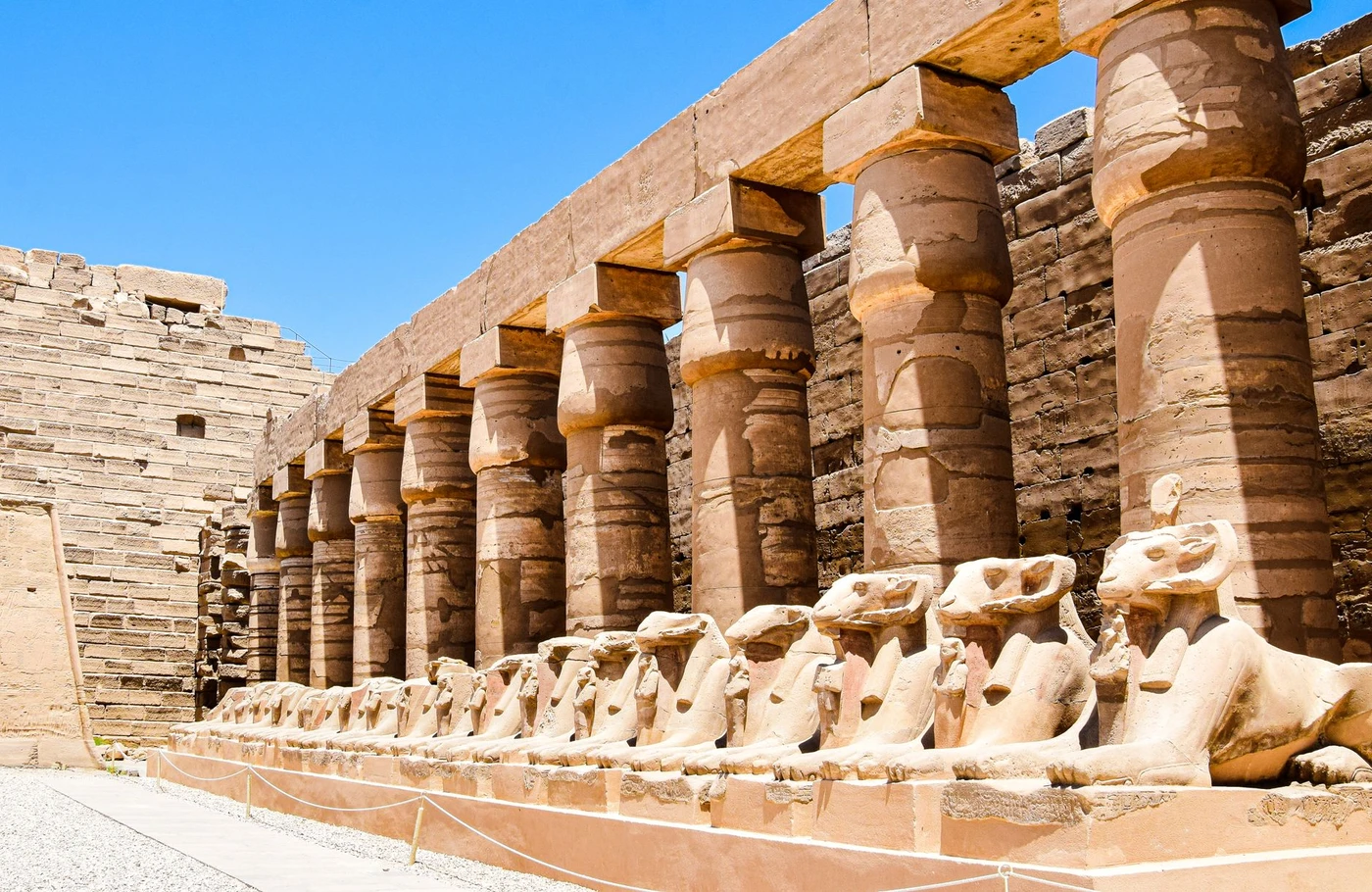
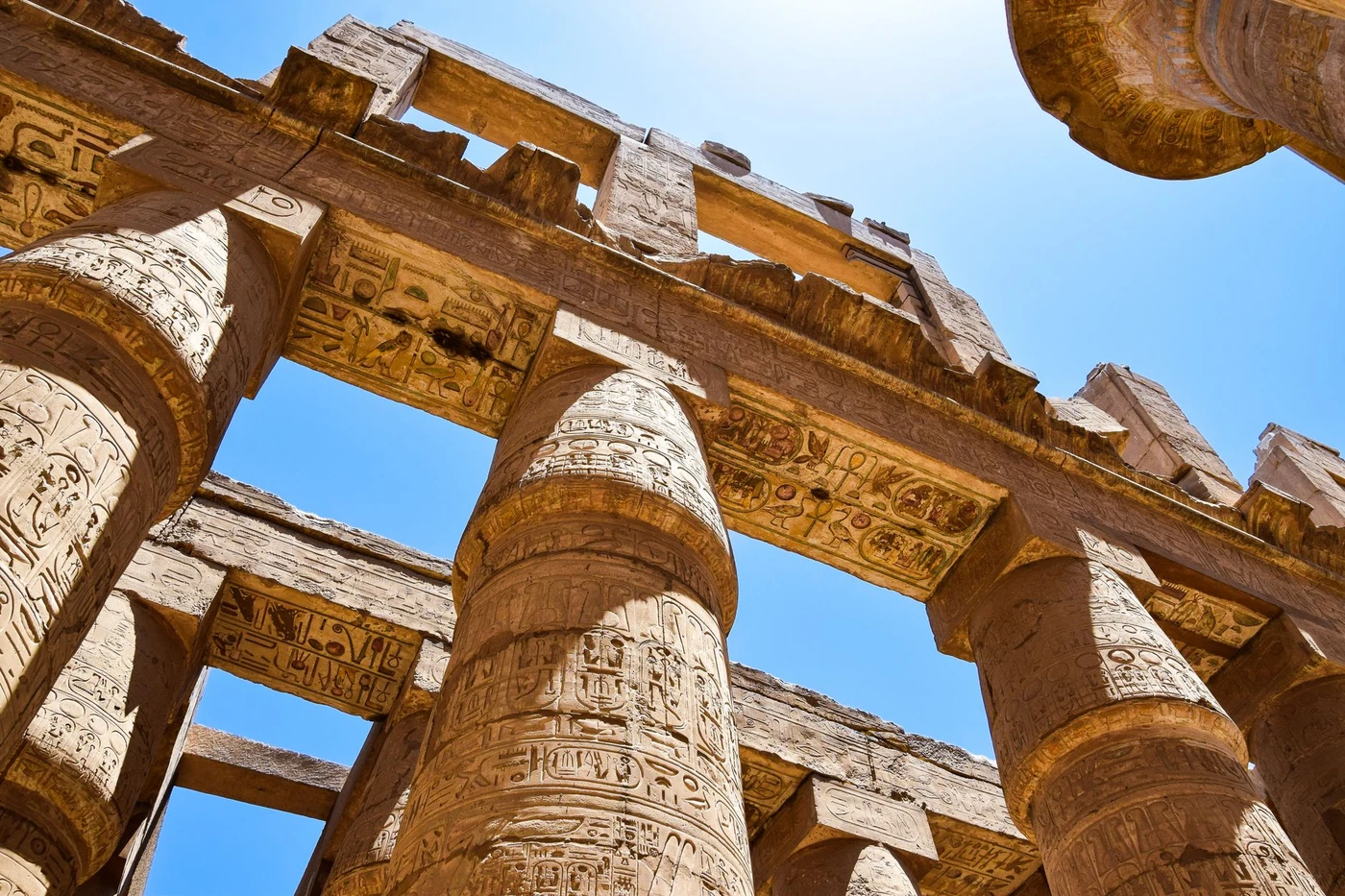
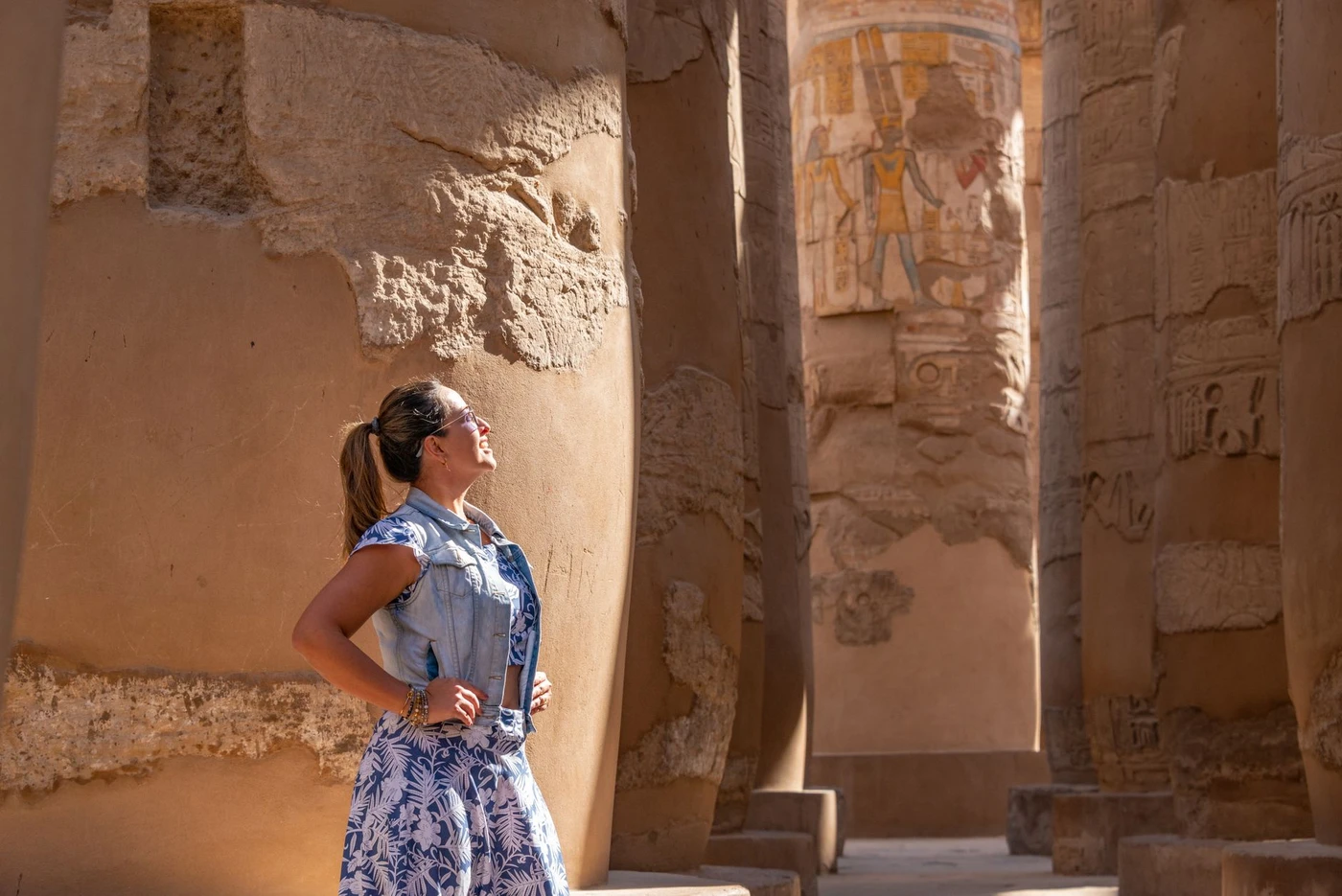
Your first visits are the temple of Luxor and the temple of Karnak on the East Bank. At Luxor Temple, the avenue, massive pylons and seated statues lead you into a monument built and enlarged by several pharaohs. Karnak takes longer to explore: its courtyards, obelisks and Great Hypostyle Hall cover a large sacred complex. A licensed Egyptologist from our team explains the reliefs and the temples' changing roles as you walk at a steady pace, with breaks when needed.
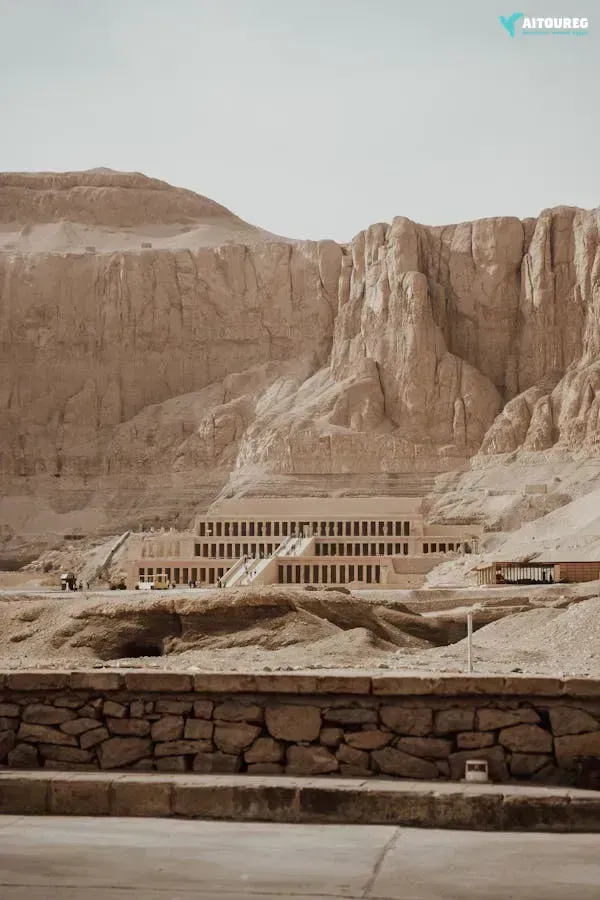
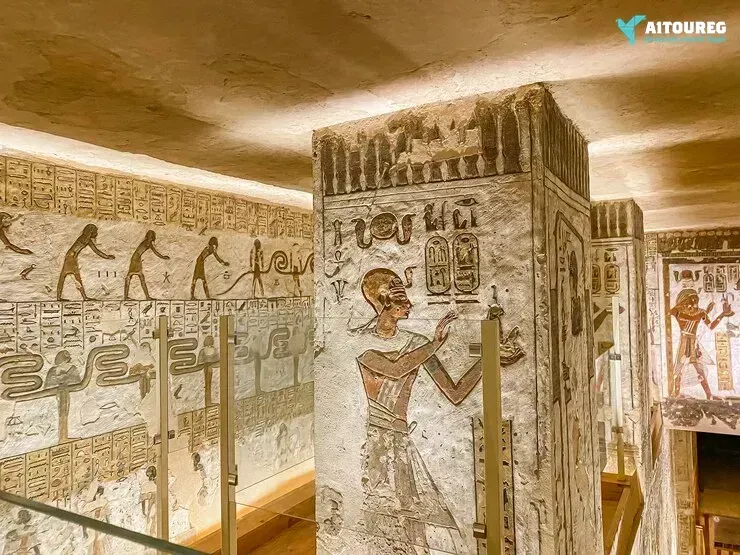
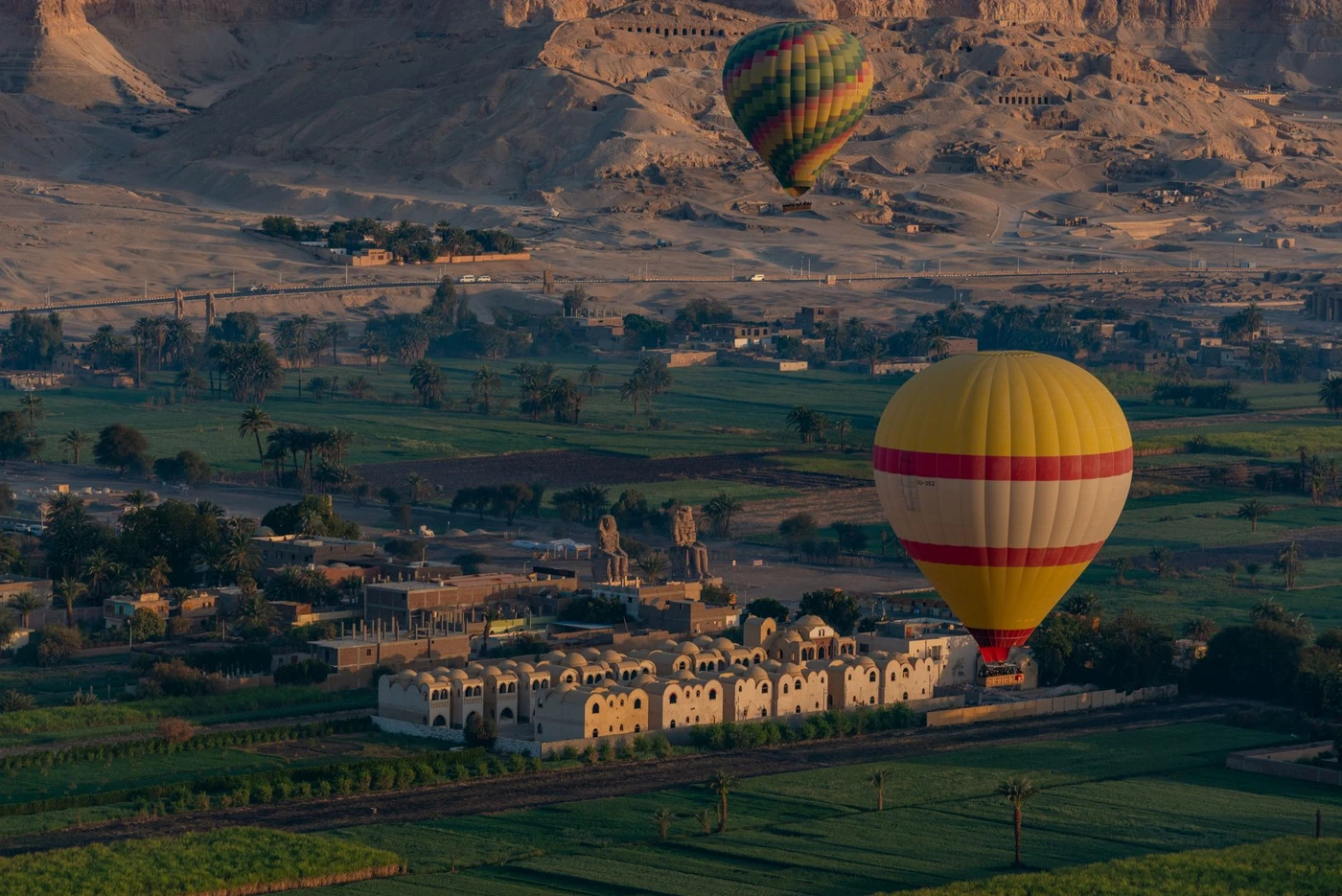
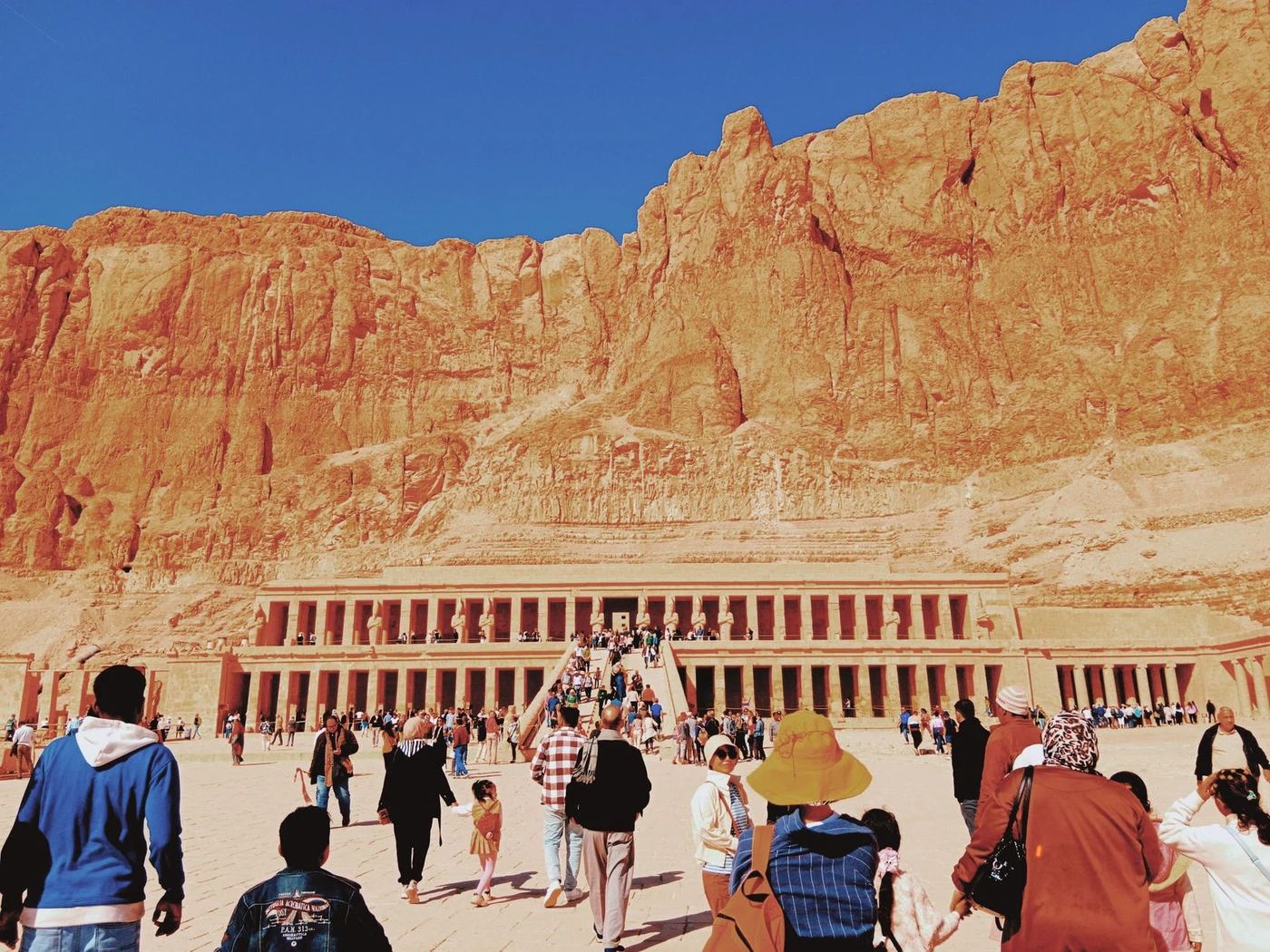
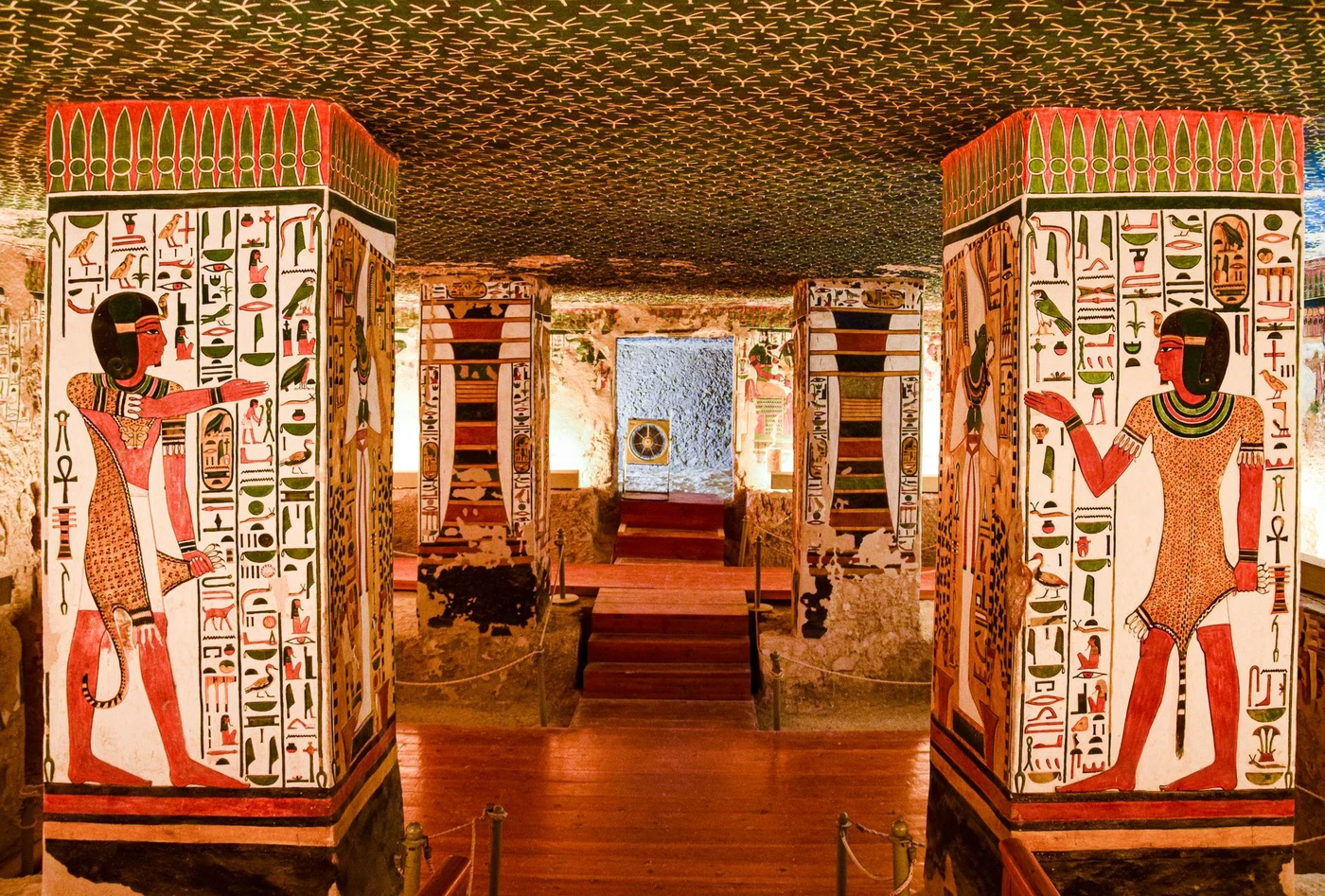
On the West Bank, you visit the Valley of the Kings, where tombs were cut into the desert hills for New Kingdom rulers. The number of open tombs can vary, but your guide helps you choose the most suitable ones on the day. You also see the temple of Queen Hatshepsut, built in terraces against the cliffs, and the Colossi of Memnon, two large stone figures beside the modern road. Their size is easiest to judge when you stand close to the carved feet and weathered faces.
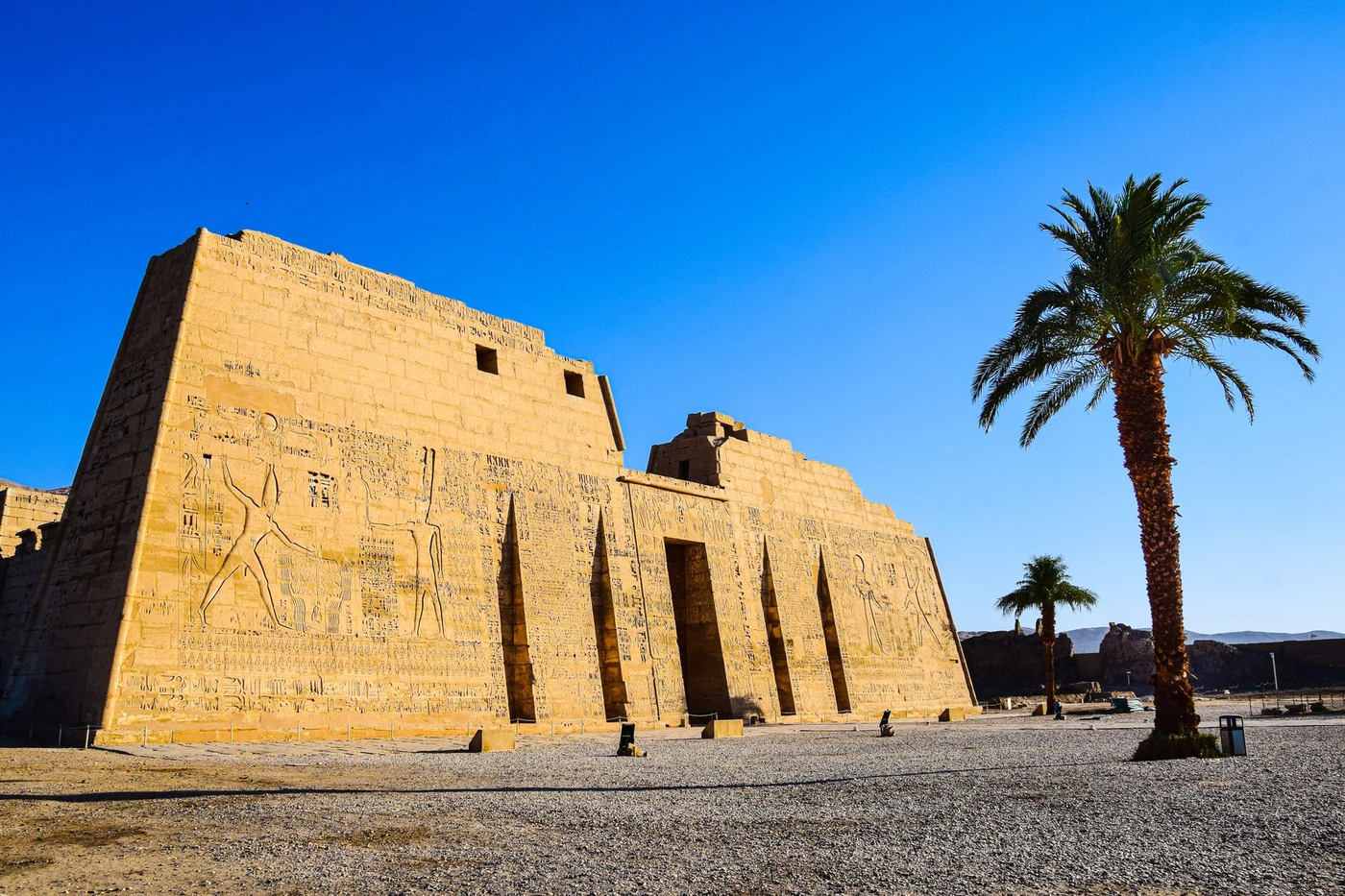
Further west, the Madinet Habu Temple has deep reliefs, broad courts and some of Luxor's best-preserved colour. The Ramsseum temple shows the remains of a large memorial temple built for Ramesses II. At Deir El Madina, the village and tombs of the craftsmen who worked in the royal necropolis offer a more personal view of ancient life. The Valley of the Queens adds another perspective, with tombs made for royal women and children. Together, these places show the West Bank as more than a series of grand facades.
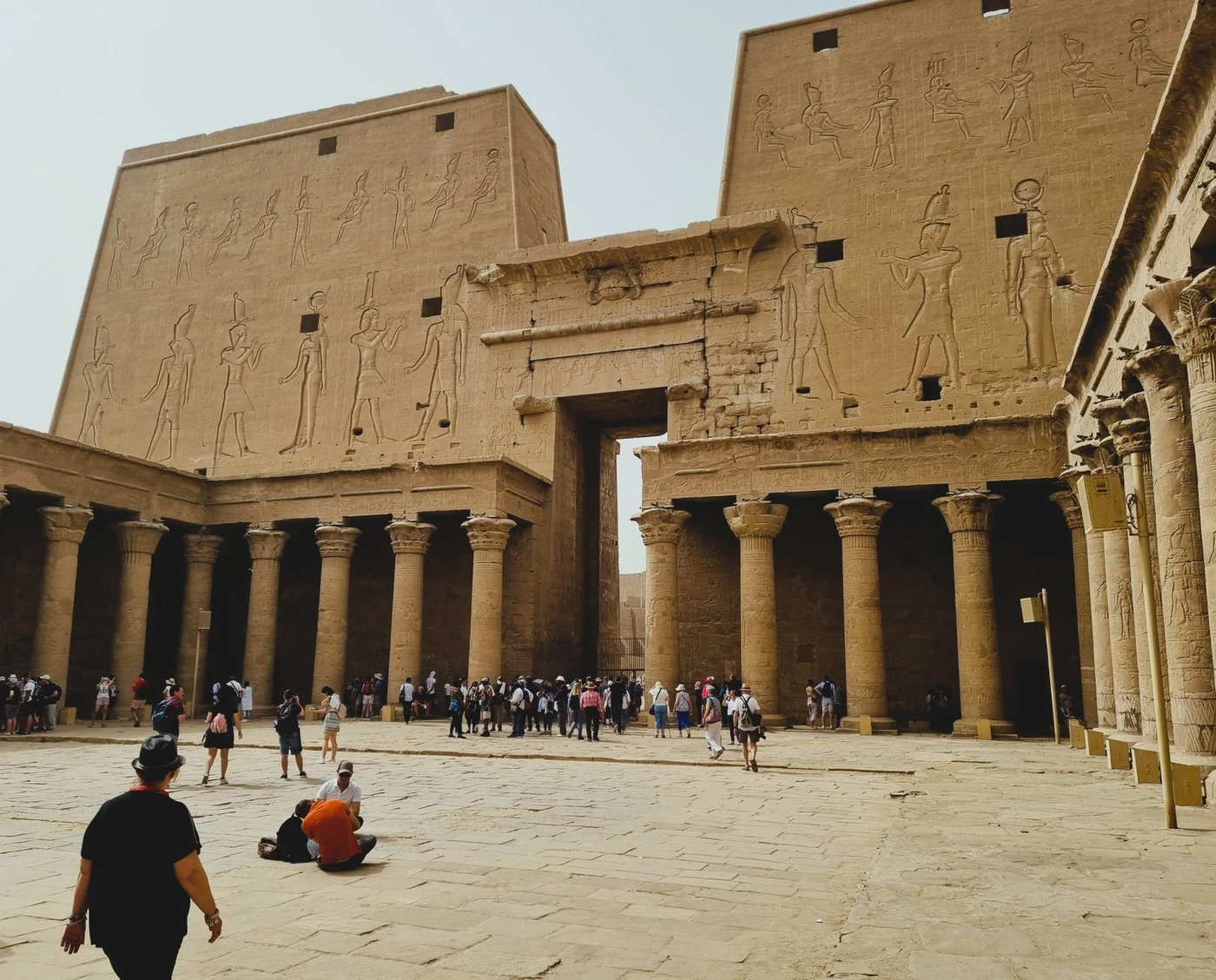
The extra days also make room for visits to the temple of Dendera and the temple of Abydos. Dendera is known for its substantial walls, detailed columns and the astronomical ceiling in the Temple of Hathor. Abydos has finely carved reliefs and strong connections with the cult of Osiris. These excursions involve longer road journeys than the central Luxor sites, so we plan sensible stops and keep the sightseeing focused instead of rushing through every area.
This tour suits travellers who want a thorough introduction to Luxor and prefer a private setting to a large group. It works well for couples, families with older children and adults interested in archaeology, history and photography. The programme includes walking over uneven ground, steps and exposed areas, so it is less suitable for anyone who needs fully step-free access. Tell us about mobility needs before travel, and our team can explain the terrain at each stop.
Transport is by private air-conditioned vehicle, with pickup in Hurghada and transfers between the sightseeing areas and your accommodation in Luxor. We keep the route comfortable, with time for meals and rest during the longer drives. Accommodation, guiding and inclusions are confirmed in your booking details; meals are arranged according to the selected package. Carry water, sun protection and comfortable shoes, and keep your passport available for hotel check-in and travel procedures.
Accommodation in Luxor for the tour duration
Road assistance from our local team
Private air-conditioned vehicle for the tour and road transfers
Licensed Egyptologist guide during sightseeing
Visits to the listed temples, tombs and archaeological sites
Pickup and drop-off in Hurghada
Visits to Dendera and Abydos
Entry tickets to sightseeing sites unless stated in your booking details
Gratuities for the guide and driver
Optional tombs, activities or services not listed in the inclusions
Personal expenses and souvenirs
Travel insurance
Meals and drinks unless included in the selected package
Any required medication and personal essentials
Light clothing suitable for warm weather and a cover-up for temple visits
Reusable water bottle
Comfortable walking shoes with good grip
Hat, sunglasses and high-factor sunscreen
Camera or phone with spare battery or power bank
Passport or a clear copy for accommodation and travel procedures
The 4-day private Luxor tour from Hurghada includes private transfers between Hurghada and Luxor and visits to the main ancient sites listed in the itinerary, including the temple of Luxor, the temple of Karnak, the west-bank tombs and temples, Dendera, and Abydos.
Accommodation, meals, entrance tickets, and guide arrangements can vary by booking, so our team will confirm the exact inclusions before you travel.
This 4-day Luxor itinerary has a full sightseeing schedule, but the private format gives you more flexibility than a large group tour and allows the visits to be arranged at a comfortable pace. You will see Luxor’s east and west banks before travelling to Dendera and Abydos.
The visits include the Valley of the Kings, the temple of Queen Hatshepsut, the Colossi of Memnon, Madinet Habu Temple, the Ramesseum temple, Deir El Madina, and the Valley of The Queens, with time organised around local conditions and your agreed plan.
Pickup for this private Luxor getaway takes place at your accommodation in Hurghada, followed by a private road transfer to Luxor and return travel at the end of the tour. Our team confirms the pickup details and meeting point with you before departure.
Because this is a multi-day road tour, the journey between Hurghada and Luxor forms part of the schedule rather than a short local transfer. Keep your passport, medication, water, and essential items with you during the drive.
This private Luxor tour can suit families and some travellers with limited mobility, but the ancient sites involve walking over uneven ground, steps, open courtyards, and exposed areas. The Valley of the Kings and several west-bank temples may be tiring for anyone who finds prolonged walking difficult.
Tell our team about children’s ages, mobility needs, or fitness concerns when booking. We can explain the walking involved at each stop and discuss a practical sightseeing pace, although full wheelchair access cannot be assumed at every monument.
For this four-day Luxor tour, wear light, breathable clothing that covers your shoulders and knees, comfortable closed shoes, and sun protection, as many visits involve walking outdoors between archaeological areas. A light layer is useful for cooler mornings or evenings.
You can request this private Luxor tour by providing your preferred travel dates, Hurghada pickup details, traveller numbers, and any accommodation or mobility requirements; our team will then confirm the itinerary and booking conditions. Availability depends on the dates and arrangements requested.
Cancellation terms vary according to the confirmed booking, accommodation, transport, and ticket arrangements. Review those terms before payment, and contact us promptly if your plans change so we can explain the available options.
Your unforgettable Egypt journey starts with a booking you can trust.
* Available on selected tours. Flights, cruises and special bookings may have different cancellation policies.
Free cancellation up to 24 hours before activity starts
If you choose to pay online, a secure payment link can be provided after booking. For assistance or alternative payment options, please contact us via WhatsApp.
All our tour operators are licensed and verified by Egyptian tourism authorities.
Learn more about our licensed partners →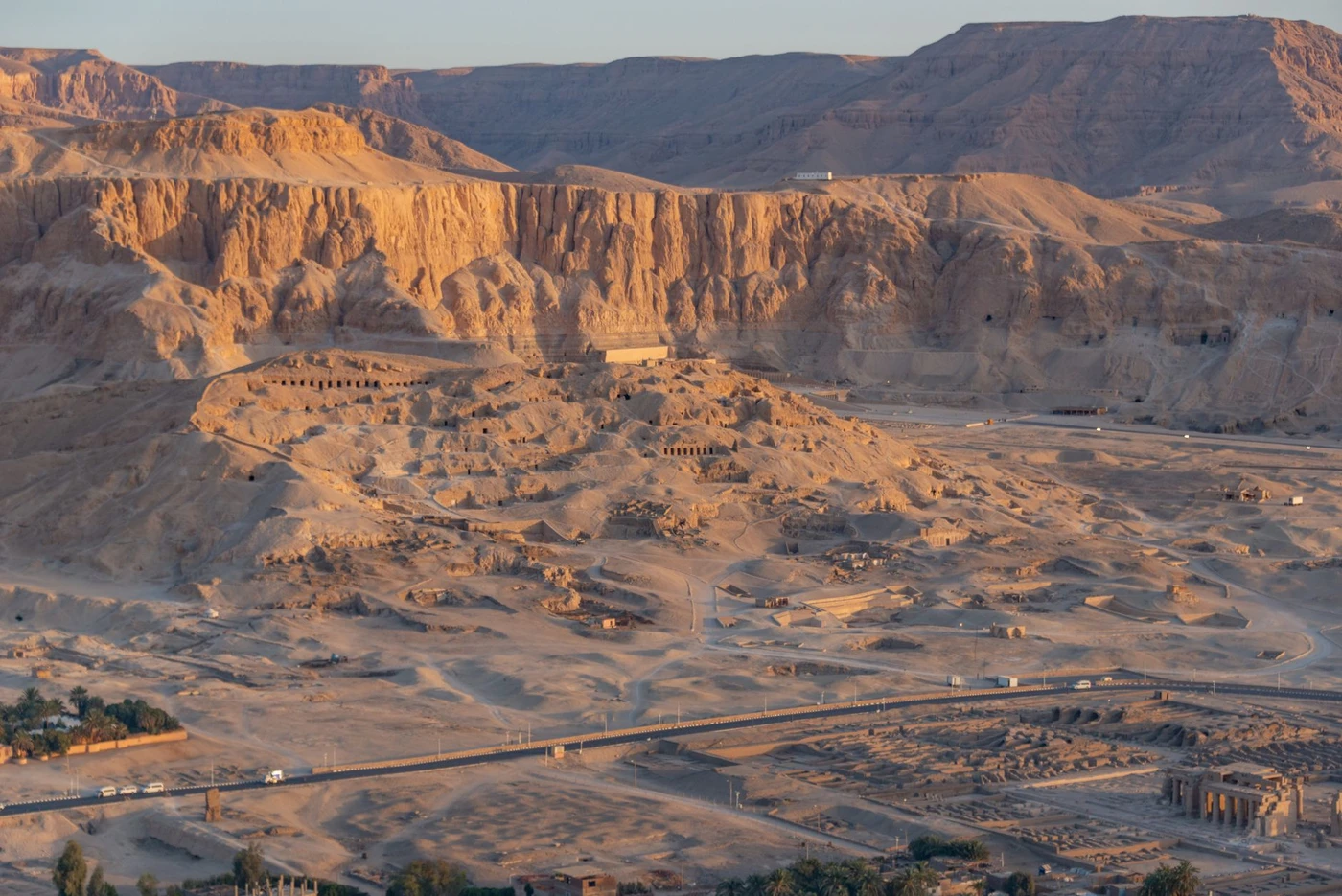
Free cancellation up to 24 hours before activity starts
If you choose to pay online, a secure payment link can be provided after booking. For assistance or alternative payment options, please contact us via WhatsApp.
All our tour operators are licensed and verified by Egyptian tourism authorities.
Learn more about our licensed partners →
Your Itinerary
Our team collects you in Hurghada for the private transfer to Luxor. The drive takes several hours, with a break arranged on the way so you can stretch and have refreshments. After arriving in Luxor, check-in and a little time to settle in are followed by your first sightseeing visit on the East Bank.
Begin at the temple of Karnak, where broad courts, towering columns and the avenue once linked to Luxor’s other major temple. Your guide explains how priests used this large sacred complex and points out details that are easy to miss among the columns. Continue to the temple of Luxor later in the day, when the site takes on a different atmosphere. See the entrance, statues and the long processional layout before returning to your accommodation for the evening.
The day is kept practical after the road journey, with walking at a measured pace and time for water, rest and dinner.
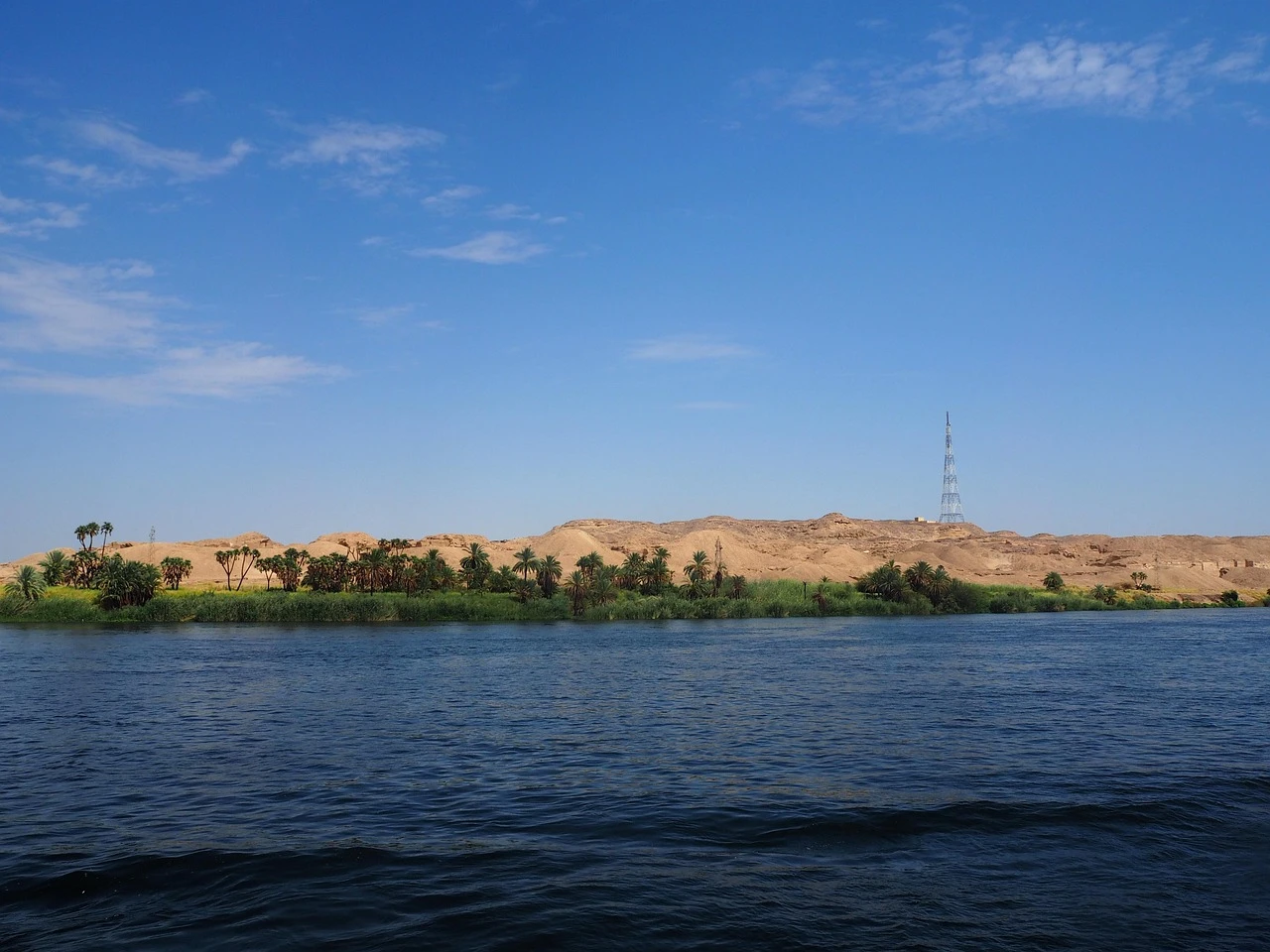
After breakfast, cross the Nile to Luxor’s West Bank for a full morning among royal monuments. Start at The Valley of the Kings, where selected tombs lead down into the cliffs. Inside, you see painted burial chambers and learn how the decoration guided a pharaoh through the afterlife. Tomb access can vary, so your guide will explain the available options on the day.
Continue to the temple of Queen Hatshepsut, built in terraces against the limestone cliffs. Its ramps, colonnades and reliefs tell the story of her reign and the trading expedition shown on the walls. On the way back towards the cultivated land, pause at The Colossi of Memnon, two large seated figures that once guarded the entrance to a much bigger temple.
In the afternoon, visit The Madinet Habu Temple, known for its enclosing walls, courts and detailed reliefs. There is time to look closely at the carved scenes before returning to Luxor for the evening.
Today focuses on the communities and officials who supported royal life in ancient Thebes. After breakfast, travel across the West Bank and begin at The Ramsseum temple, the memorial temple of Ramesses II. Your guide sets the remaining pylons, courts and fallen colossus within the larger plan, helping you picture how the monument would have appeared when complete.
Continue to Deir El Madina, the village where skilled craftsmen and their families lived while working on royal tombs. The smaller tombs here are known for their fine painted scenes, including everyday activities as well as religious images. Wear comfortable shoes, since the paths can be uneven and some chambers are reached by steps.
Later, visit The Valley of The Queens and then The Valley of Nobles. Their tombs show different aspects of ancient Egyptian society, from royal family members to senior officials. Your guide will choose a sensible route through the sites, with shaded pauses and time to return to your accommodation after the visits.
Leave Luxor after breakfast for the northbound drive to Dendera. The journey takes time, so we use a comfortable private vehicle and allow breaks as needed. At the temple of Dendera, walk through the entrance into the great hypostyle hall, where the ceiling and columns carry vivid astronomical and religious decoration. The temple’s layout, chapels and reliefs give you a clear view of how worship continued here during the later periods of ancient Egypt.
Continue by road to the temple of Abydos, one of Egypt’s important pilgrimage centres. Its well-preserved reliefs and carefully arranged halls include scenes connected with Osiris, the god associated with the afterlife. Your guide explains the religious importance of Abydos and gives you time to examine the carved details before the return journey.
After the visit, begin the private transfer back to Hurghada. This is a long sightseeing and driving day, so keep essentials such as water, sun protection and comfortable clothing close at hand. Drop-off in Hurghada completes the four-day getaway.