
Luxor Day Trips Departing from El Gouna
Luxor and Aswan 3-Day Tour from El Gouna
The Luxor and Aswan 3-Day Tour from El Gouna links Egypt’s major temples and tombs in one privately arranged trip. You travel by private vehicle with an Egyptologist guide, beginning at the ancient sanctuary of Dendera and continuing through Luxor and Aswan to the temples of Abu Simbel. It is a long-distance sightseeing tour, but the route lets you visit places that are difficult to cover on separate day trips from the Red Sea coast.
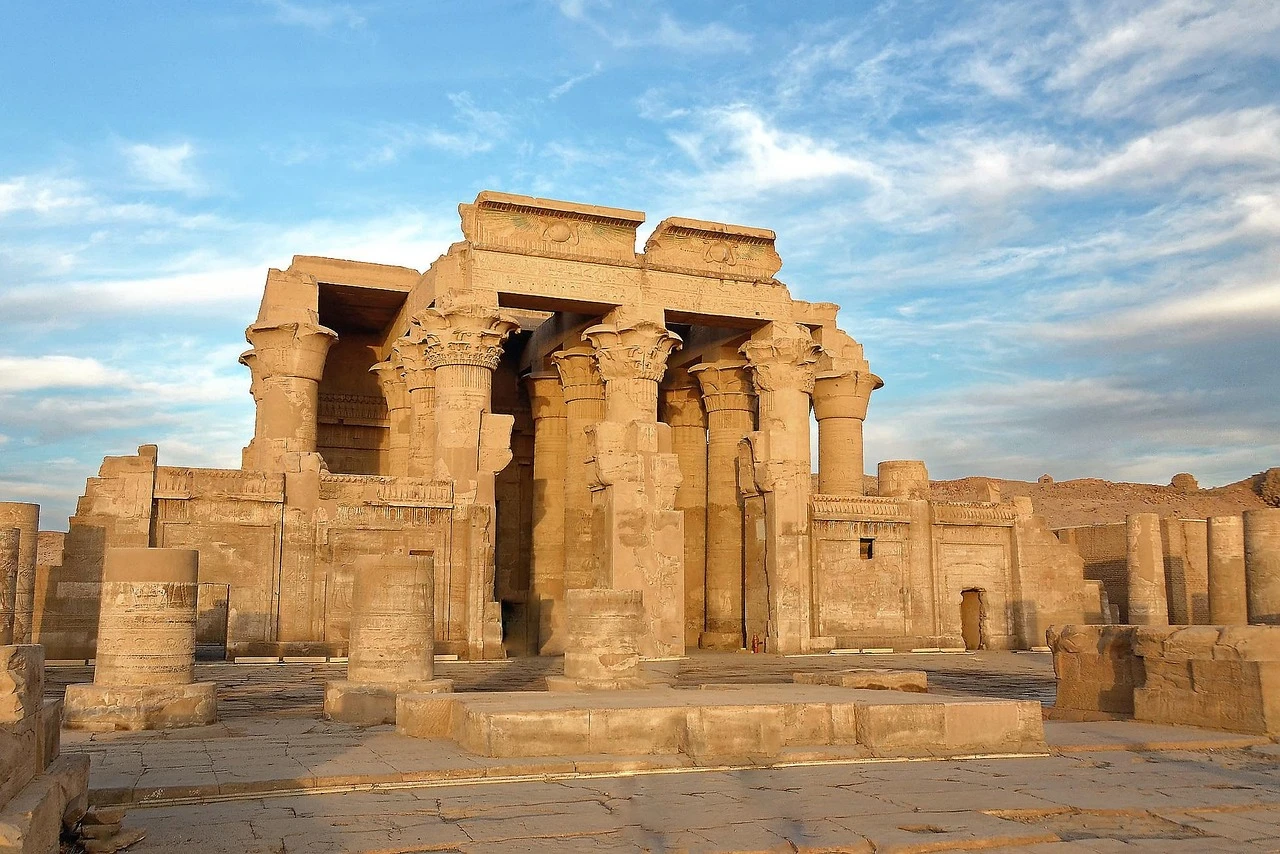
Dendera is a good place to begin. Its main temple, dedicated to Hathor, has well-preserved columns, carved walls and a famous astronomical ceiling. Your guide explains the symbols and reliefs as you walk through the complex, giving the details more context than a quick visit on your own. The site is quieter than many of Luxor’s main monuments and shows a different side of ancient Egyptian religious architecture.
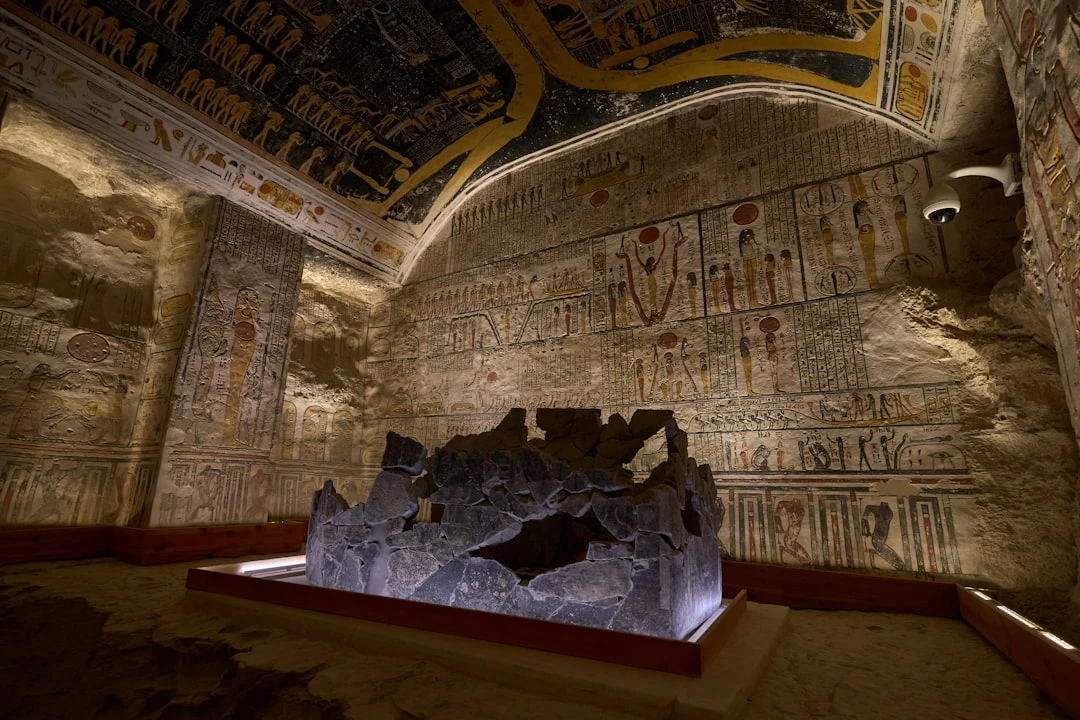
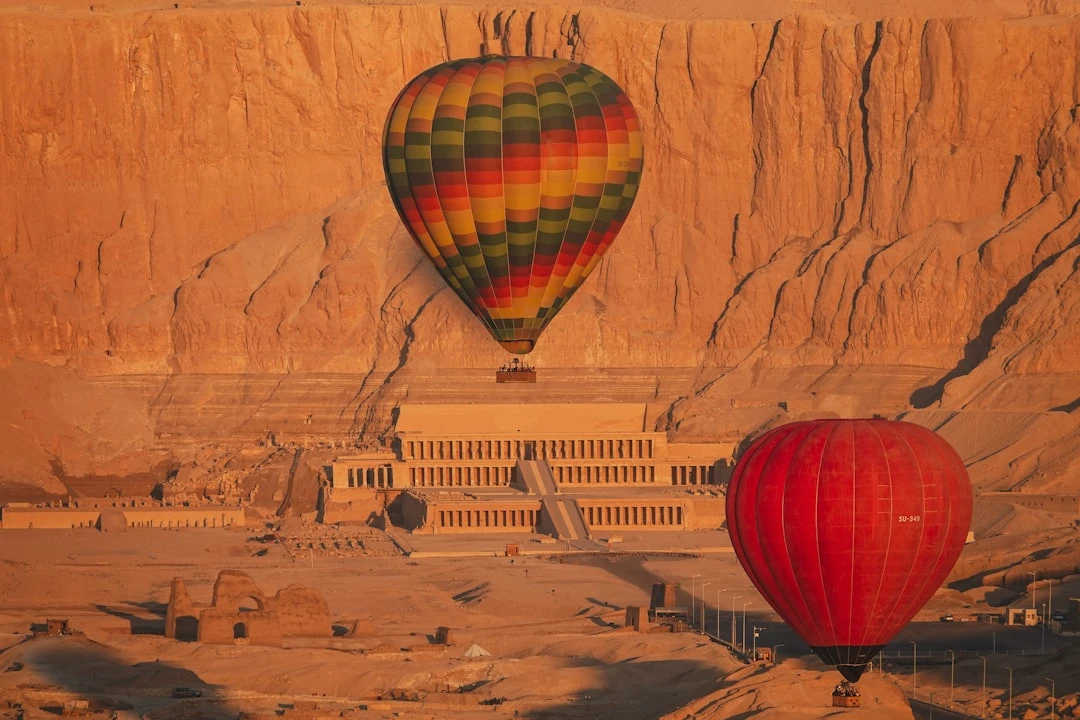
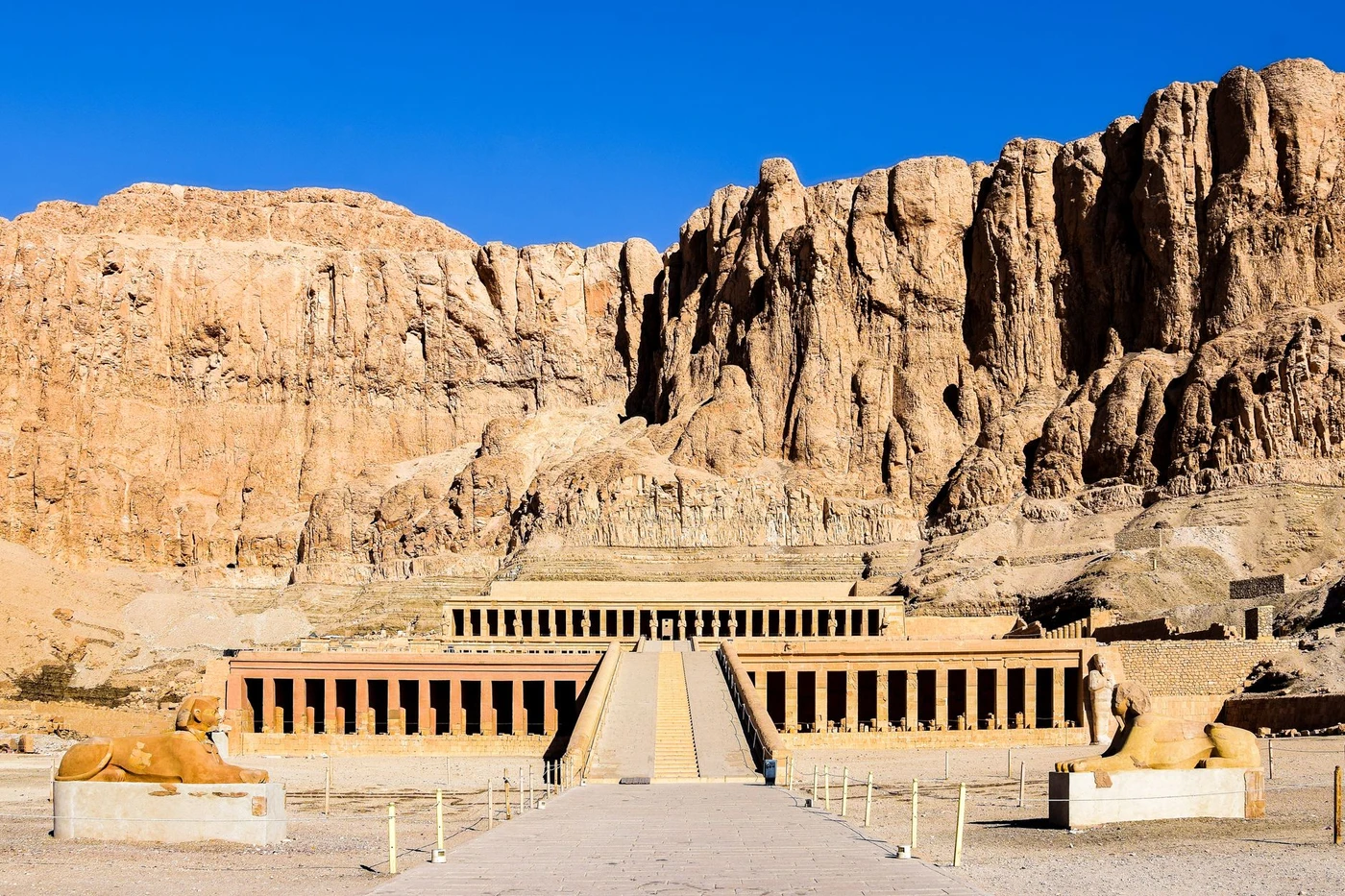
On Luxor’s west bank, you visit the Valley of the Kings, where tombs were cut into the desert cliffs for New Kingdom rulers. The number of open tombs varies, and your guide explains which entrances are available that day. You then visit Queen Hatshepsut Temple, built into the limestone cliffs at Deir el-Bahari, before stopping at the Colossi of Memnon. The two seated statues make a short, practical stop and show the scale of the monuments that once lined the west bank.
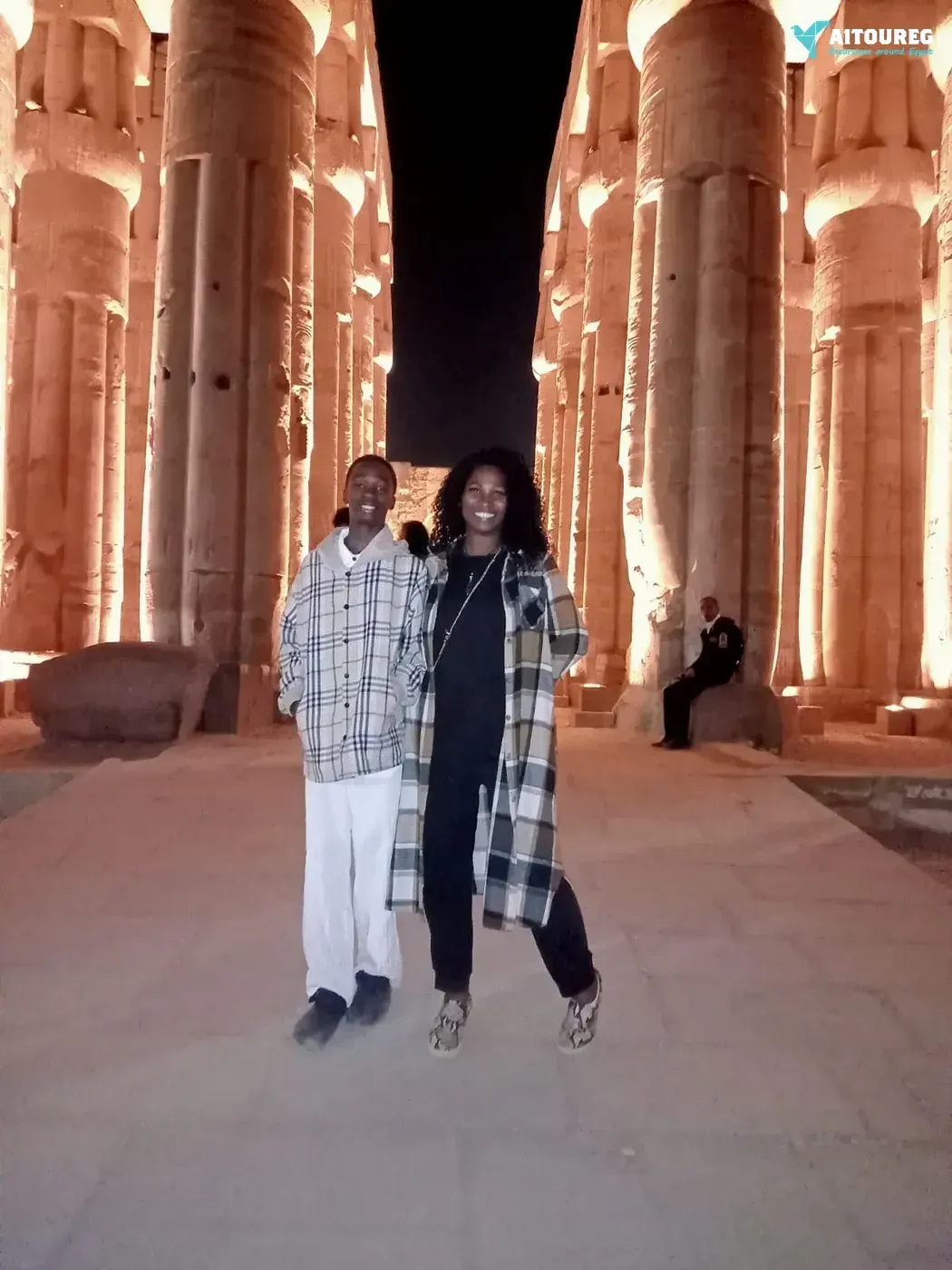
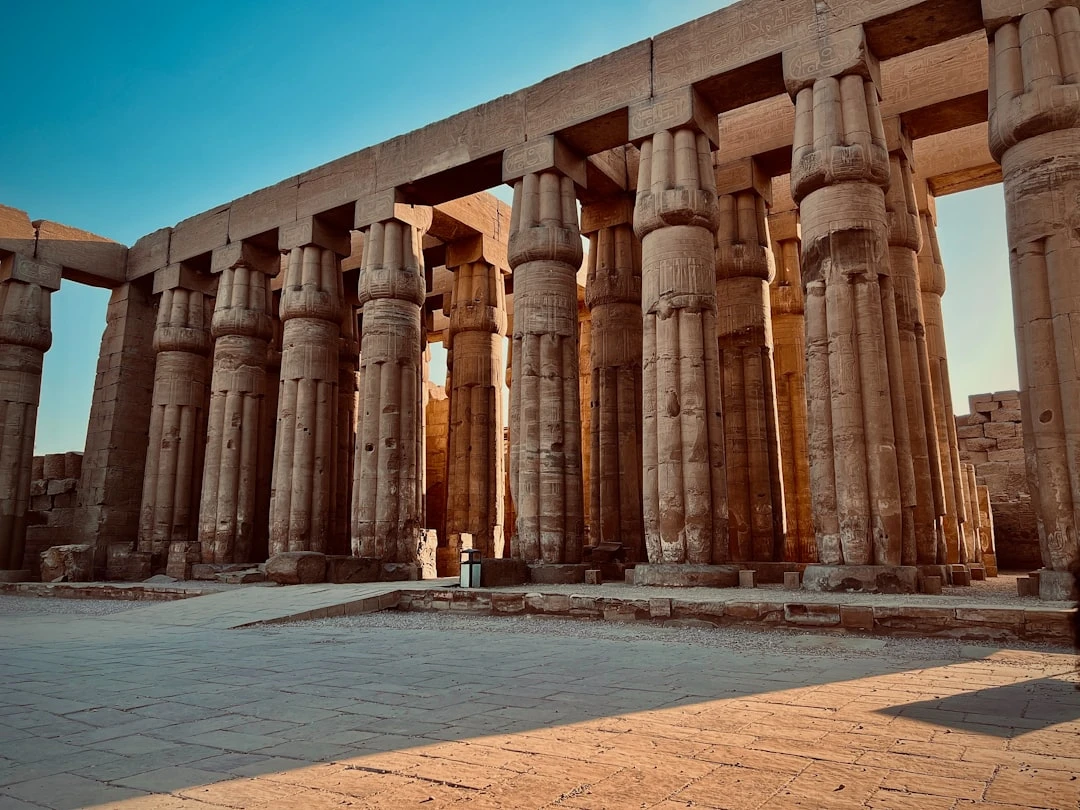
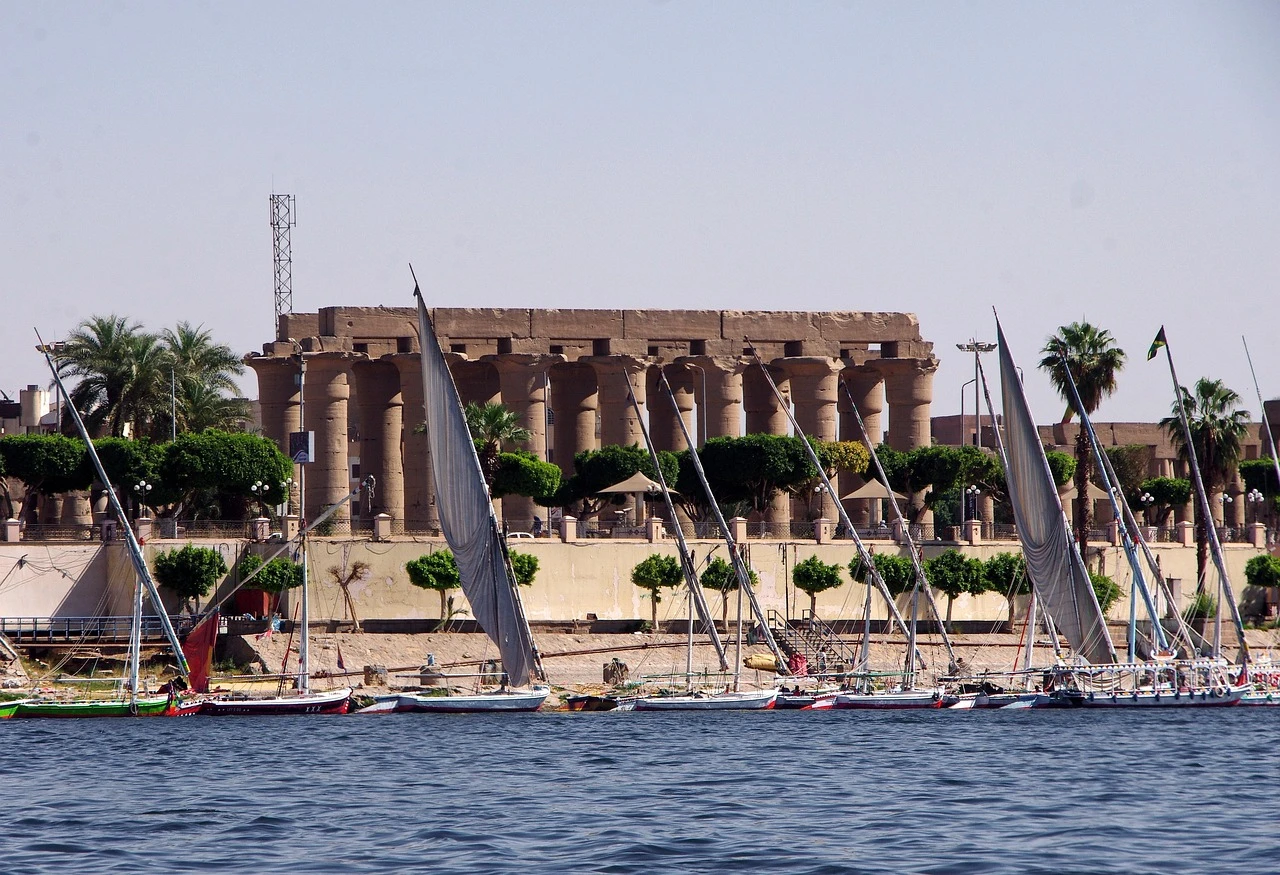
Karnak Temple gives the Luxor visits a greater sense of scale. You pass through the entrance pylons and enter the huge columned hall, where rows of carved pillars change with the light and shade. Several pharaohs built and enlarged the complex, so its history is easier to follow with a guide beside you. The pace allows time for walking and sightseeing instead of rushing between photo stops, though comfortable shoes are important.
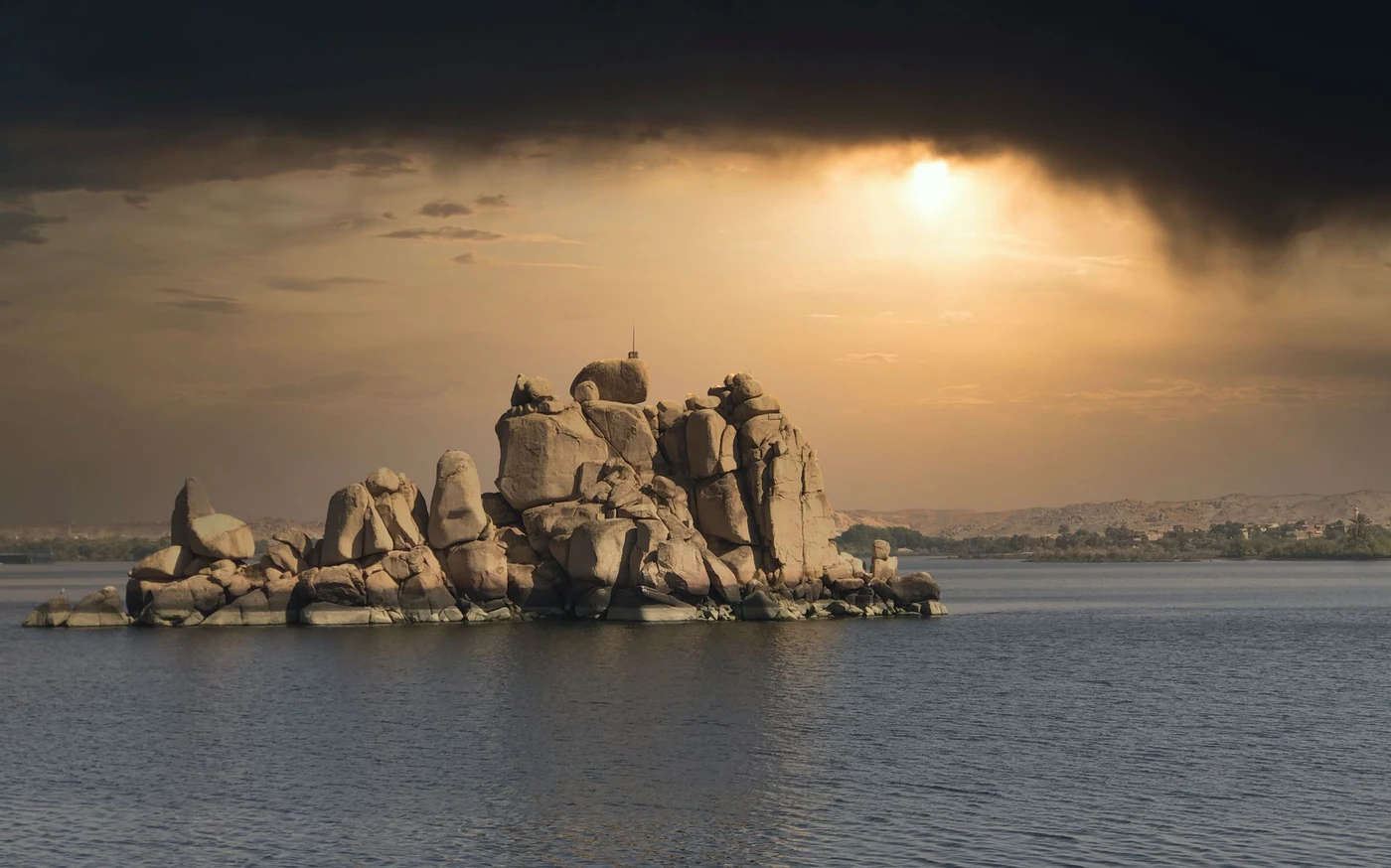
Aswan has a different setting beside the Nile. Visiting Philae Temple usually involves a short boat crossing to the island where the sanctuary was relocated after the Aswan High Dam was built. The temple is dedicated mainly to Isis, with courtyards, gateways and reliefs to explore while the river surrounds you. The boat crossing and site visit depend on local operating conditions.
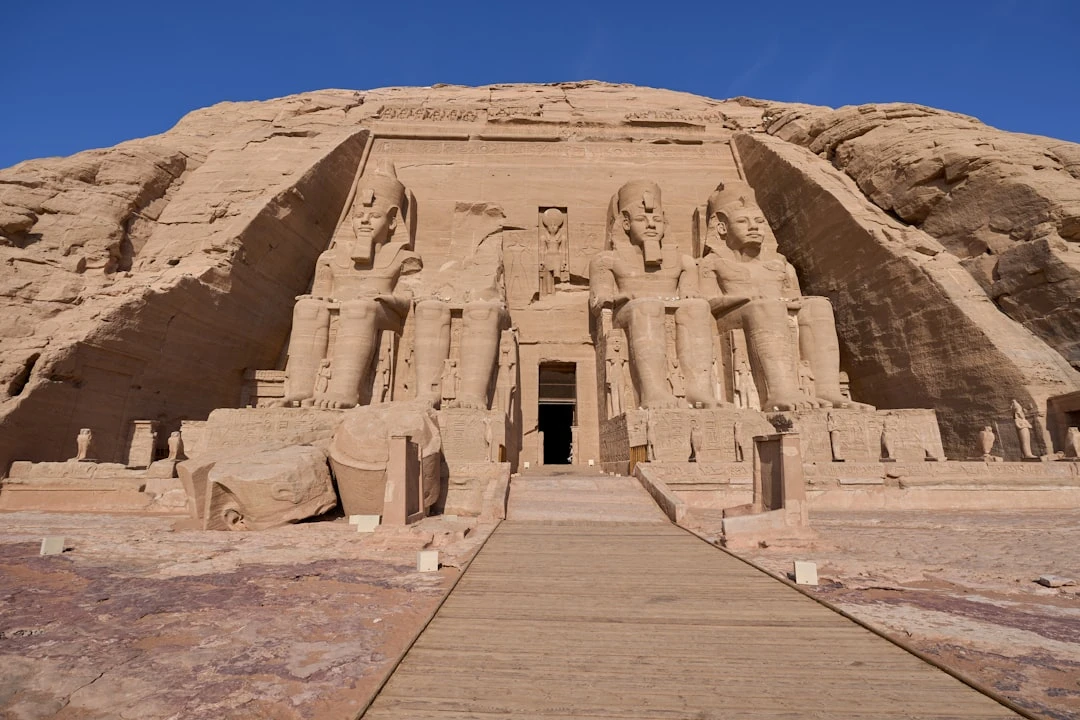
The temples of Abu Simbel are the most remote stop on the route and a key reason travellers choose a multi-day private tour instead of trying to fit everything into one rushed excursion. The larger temple was built for Ramesses II and has four colossal seated figures at its entrance; the nearby temple was dedicated to Queen Nefertari. Your guide explains the main scenes and how the temples were moved to higher ground during the creation of Lake Nasser.
We arrange the transfers, sightseeing order and drop-offs as one connected itinerary, so you do not need to book separate drivers or find local guides at each destination. The tour suits travellers who want to see major ancient sites during a short stay and are comfortable spending several hours on the road. It is less suitable for anyone looking for a slow resort break or for travellers who find long vehicle journeys difficult. Bring water, sun protection and shoes with firm soles; site surfaces include steps, uneven ground and exposed paths.
Egyptologist tour guide
Boat transfer to Phiala (Philae) Temple
Pickup and drop-off in El Gouna or Port Ghalib
Road transfers between El Gouna, Luxor, Aswan and Abu Simbel
Private air-conditioned vehicle
Visits to all listed archaeological sites
Personal expenses
Entrance tickets to the archaeological sites
Tips for the guide and driver
Accommodation, unless included in your selected package
Any optional activities not listed in the itinerary
Meals and drinks
Sunscreen and sunglasses
Light, breathable clothing and a hat
Cash for entrance tickets, meals and personal expenses
Comfortable walking shoes
Reusable water bottle
Passport or a clear passport copy
A light layer for early morning and evening travel
The 3-day Luxor and Aswan trip from El Gouna includes private vehicle transfers, a tour guide, and visits to Dendera temple, Luxor’s west and east bank sights, Aswan, and the Abu Simbel temples. The planned sightseeing includes The Valley of the Kings, Queen Hatshepsut temple, The Colossi of Memnon, Karnak temple, and Phiala temple.
Entrance fees, meals, accommodation, and any optional services depend on the booking arrangement, so check the current inclusions before confirming.
This three-day Luxor and Aswan itinerary is full but practical, with sightseeing spread across the journey rather than completed in one long day. You can expect an early start for the drive, guided visits in Luxor, time in Aswan, and a separate visit to the Abu Simbel temples.
The exact order may change because of road conditions, opening arrangements, or the starting location. Our guide keeps the pace organised and allows time at each main site, including Dendera temple and Karnak temple.
Pickup for this private Luxor and Aswan tour is available from El Gouna or Port Ghalib, followed by road transfers in a private vehicle with our tour team. Your confirmed pickup point and arrangements are agreed during booking, since the route and driving time depend on where you start.
The vehicle remains part of the tour for the intercity journey and return transfer. Please provide your accommodation location and a reachable contact number when booking.
The tour can suit families with children, but it includes long road transfers, early starts, uneven ground, steps, and walking around large archaeological sites such as The Valley of the Kings and Abu Simbel temples. Travellers with limited mobility should discuss their needs with us before booking.
Queen Hatshepsut temple, Karnak temple, and the Colossi of Memnon require time outdoors, while access at Phiala temple may involve additional walking or boat arrangements. We can explain the practical conditions for each stop.
Wear light, modest clothing, comfortable walking shoes, sunglasses, and a hat for this Luxor and Aswan trip, where much of the sightseeing takes place outdoors. Bring sunscreen, water, personal medication, identification, and a small day bag for visits to Dendera temple and the archaeological sites.
A light layer is useful for early road departures and air-conditioned vehicles. The tour involves sun, dust, steps, and uneven paths, so choose clothing and footwear that are practical rather than formal.
You can request this private three-day tour by providing your preferred date, pickup location in El Gouna or Port Ghalib, traveller details, and any mobility or dietary requirements. We then confirm the itinerary, inclusions, availability, and arrangements for visiting the Abu Simbel temples.
Cancellation terms depend on the booking conditions for your confirmed trip and are provided before payment or confirmation. Read those terms carefully, especially if your plans may change.
Your unforgettable Egypt journey starts with a booking you can trust.
* Available on selected tours. Flights, cruises and special bookings may have different cancellation policies.
Free cancellation up to 24 hours before activity starts
If you choose to pay online, a secure payment link can be provided after booking. For assistance or alternative payment options, please contact us via WhatsApp.
All our tour operators are licensed and verified by Egyptian tourism authorities.
Learn more about our licensed partners →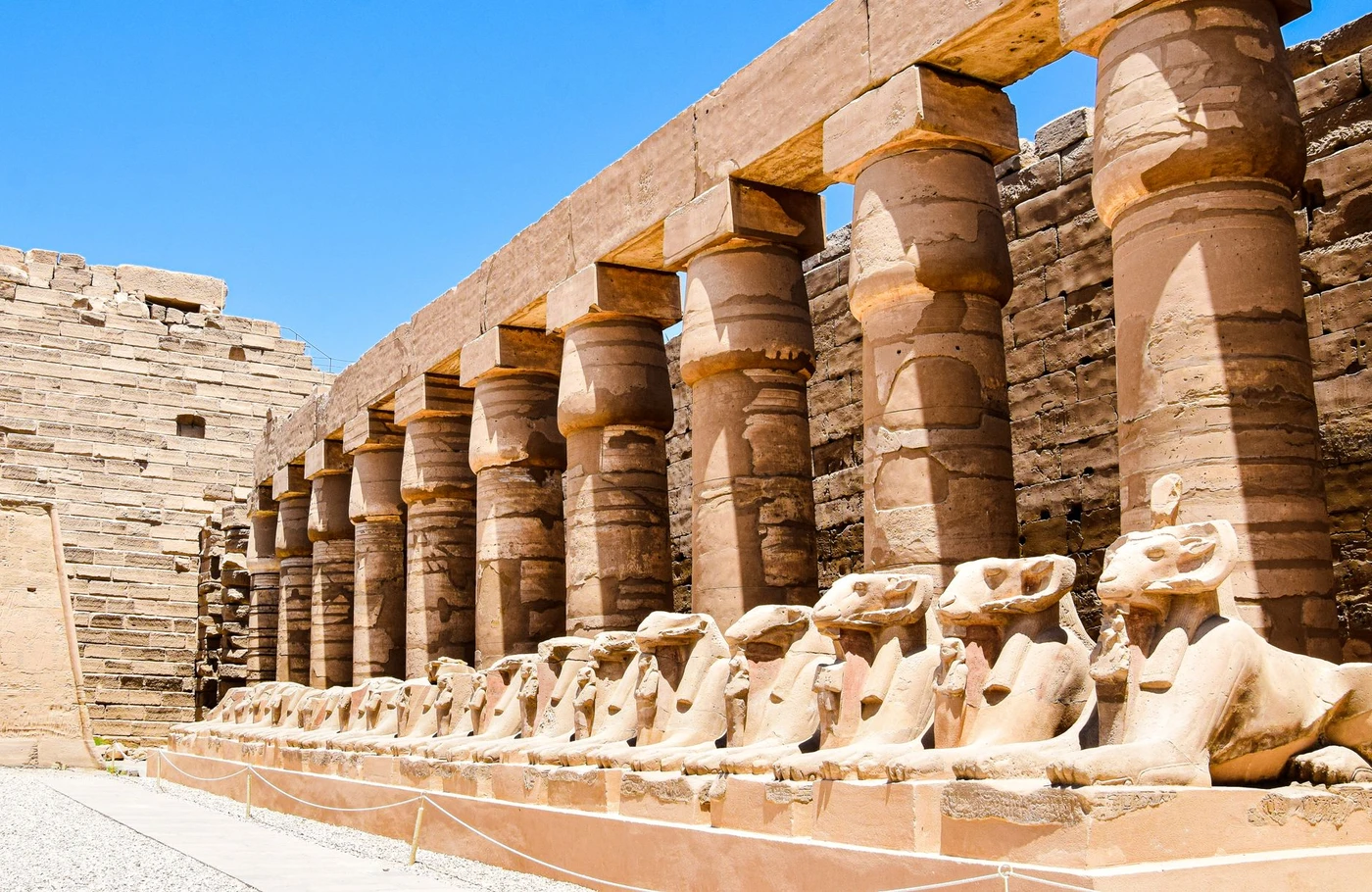
Free cancellation up to 24 hours before activity starts
If you choose to pay online, a secure payment link can be provided after booking. For assistance or alternative payment options, please contact us via WhatsApp.
All our tour operators are licensed and verified by Egyptian tourism authorities.
Learn more about our licensed partners →
Your Itinerary
Your three-day trip begins with a private-vehicle pickup in El Gouna or Port Ghalib, followed by the road journey to Upper Egypt. The route and departure time are arranged around your pickup point, with stops available during the drive. On arrival near Qena, visit Dendera temple, dedicated mainly to Hathor, the goddess associated with music, motherhood and the sky. You can walk through the large entrance, inspect the reliefs on the temple walls and look up at the well-preserved astronomical ceiling.
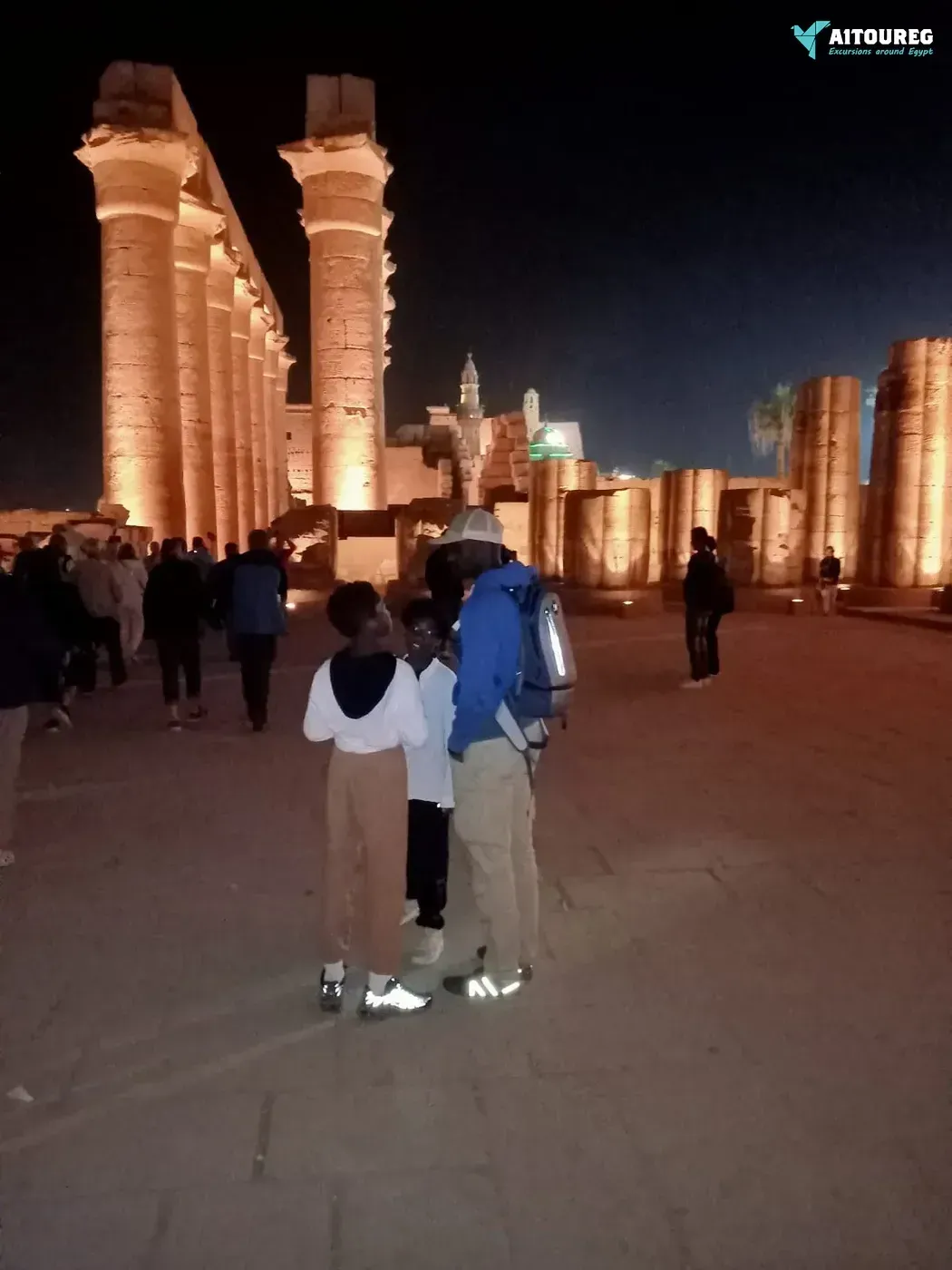
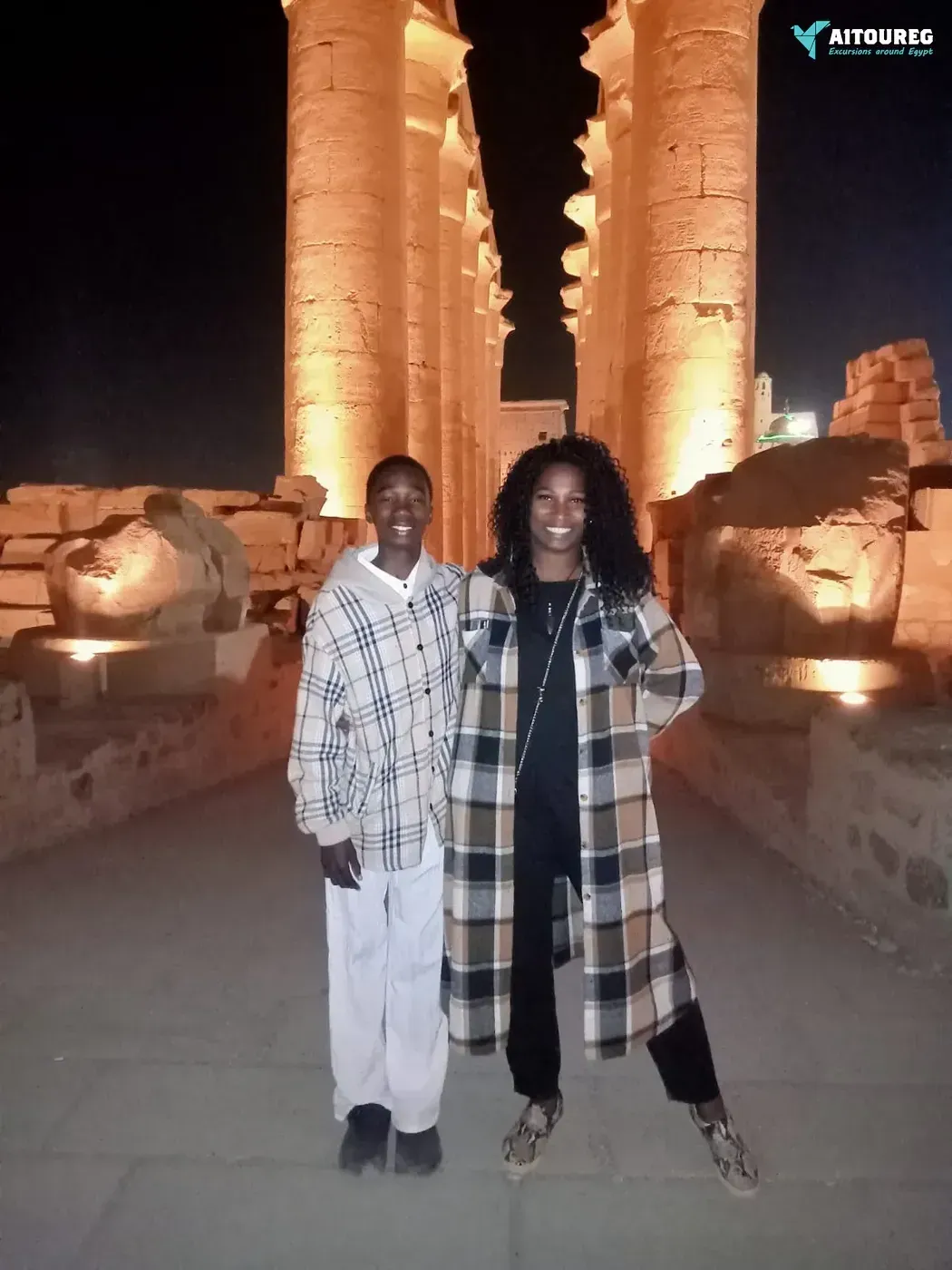
Continue south to Luxor and visit Karnak temple, where your guide leads you through the Avenue of Sphinxes, the Great Hypostyle Hall and the open courts. The scale changes as you move between courtyards and columns, so allow time to pause for explanations and photographs. After the visit, transfer to your Luxor accommodation for the evening. The first day combines a long road transfer with two major temple visits, so comfortable shoes, water and light luggage kept close in the vehicle are useful.
After breakfast, cross to Luxor’s West Bank for a morning among the royal tombs. At The valley of the Kings, your guide explains how the tombs were cut into the desert hills and decorated with scenes intended to guide the pharaoh into the afterlife. Your entry allows access to the tombs included for the day; conditions inside can be narrow, uneven and warm, with steps in several places.
Continue to Queen Hatshepsut temple, built in terraces against the cliffs at Deir el-Bahari. The approach, rising platforms and surviving reliefs make the layout easy to follow with a guide. On the way back towards the river, stop at The Colossi of Memnon. These large seated statues stand beside the ancient approach to Amenhotep III’s temple and make a brief, practical photo stop. After lunch or a rest break, leave Luxor by private vehicle for Aswan. The transfer takes several hours, so the evening is kept for arrival and check-in rather than another long sightseeing programme.
Leave Aswan early by private vehicle for the journey to southern Egypt and the Abu Simbel temples. Your guide helps you follow the main points in the Great Temple of Ramesses II, including the seated royal figures, the decorated halls and the sanctuary, before you explore the smaller temple dedicated to Nefertari and Hathor. The site is reached after a long road transfer, so bring breakfast or snacks, water and sun protection, and expect time in the open air.
Return to Aswan and visit the Phiala temple, commonly known as Philae, on an island reached by boat from the shore. The boat crossing is part of the visit; allow time for the transfer and for the guide’s explanation of the temple’s reliefs, courtyards and later religious additions. After the island visit, we arrange your final transfer for the planned drop-off point in Aswan or onward travel as confirmed for your booking. This is the departure day, and the long Abu Simbel return journey means your onward timing should leave a sensible margin.