
Luxor Tours | Reserve Premier Excursions & Packages Online
Luxor Habu Temple, Workers & Queens Tour
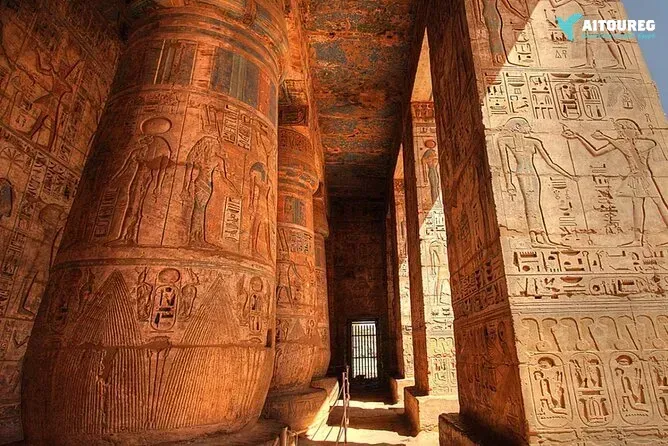
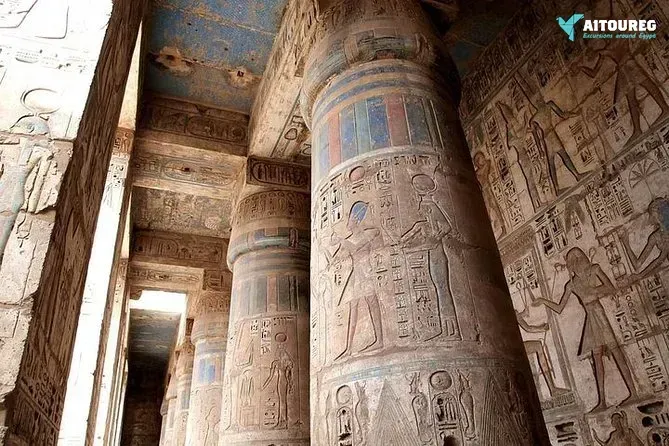
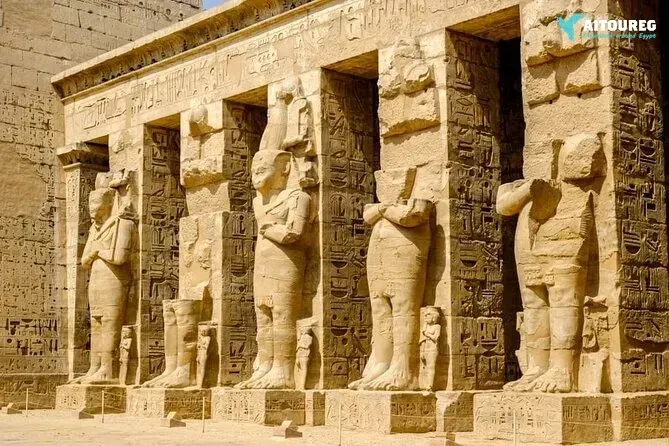
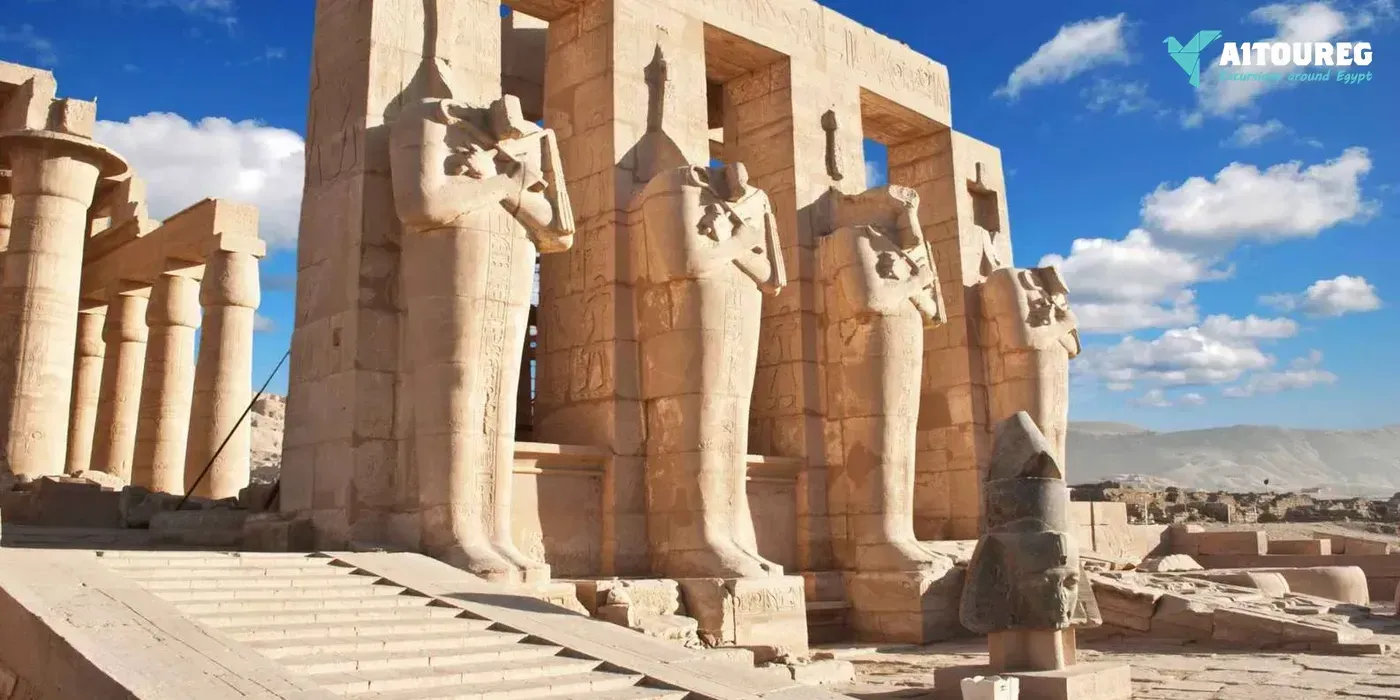
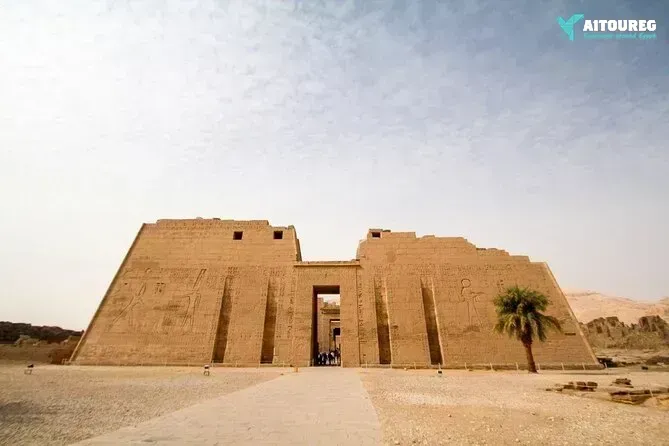
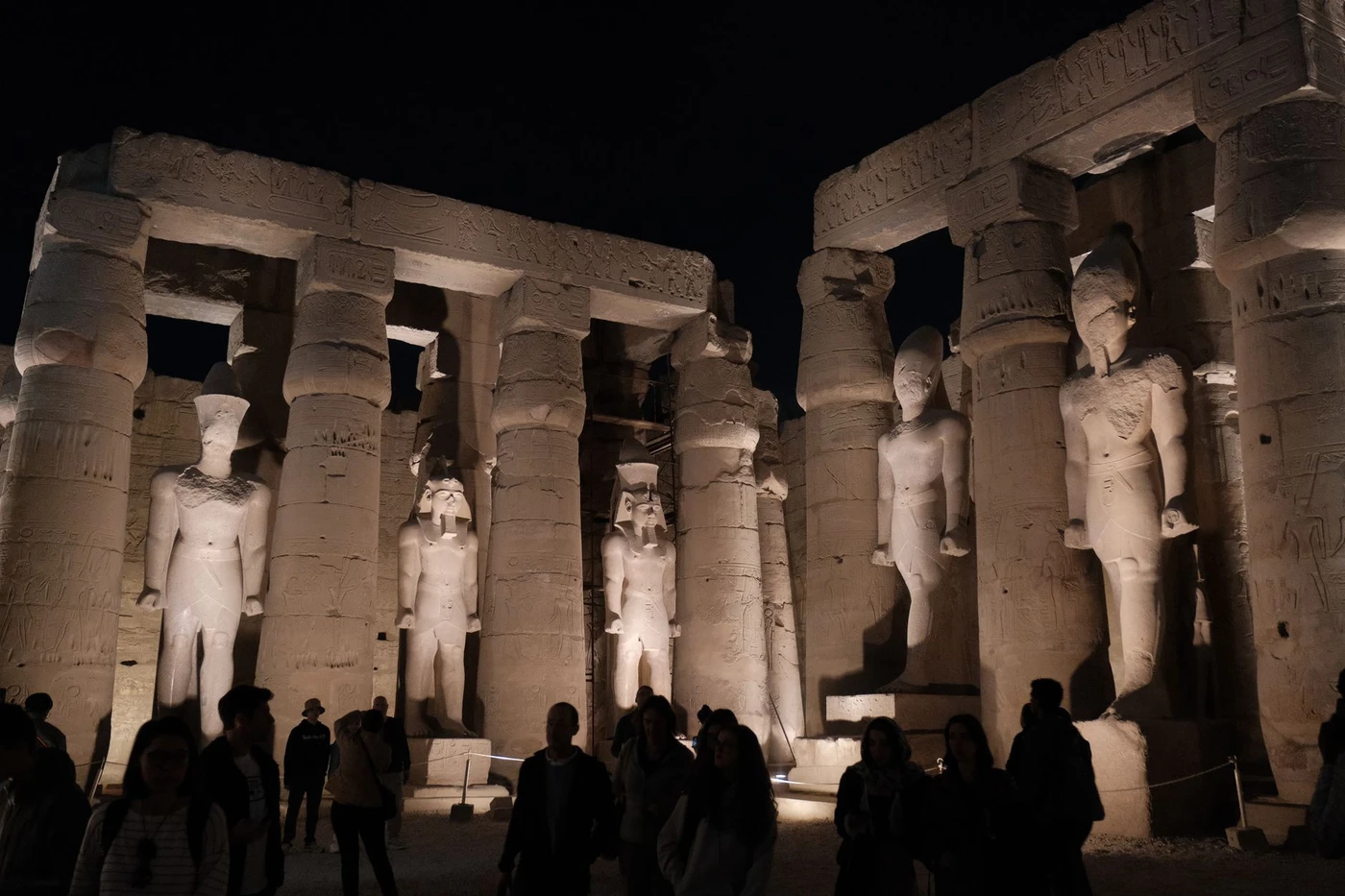
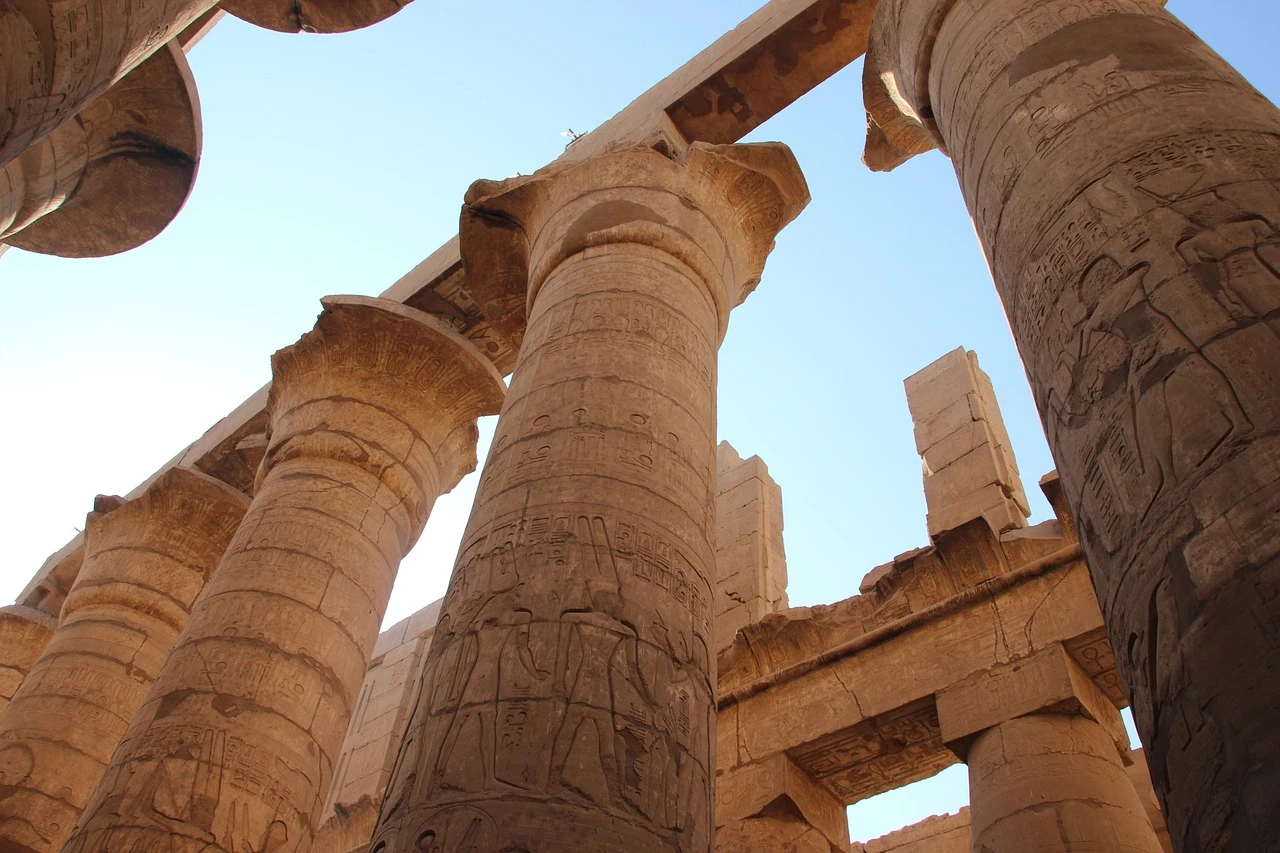
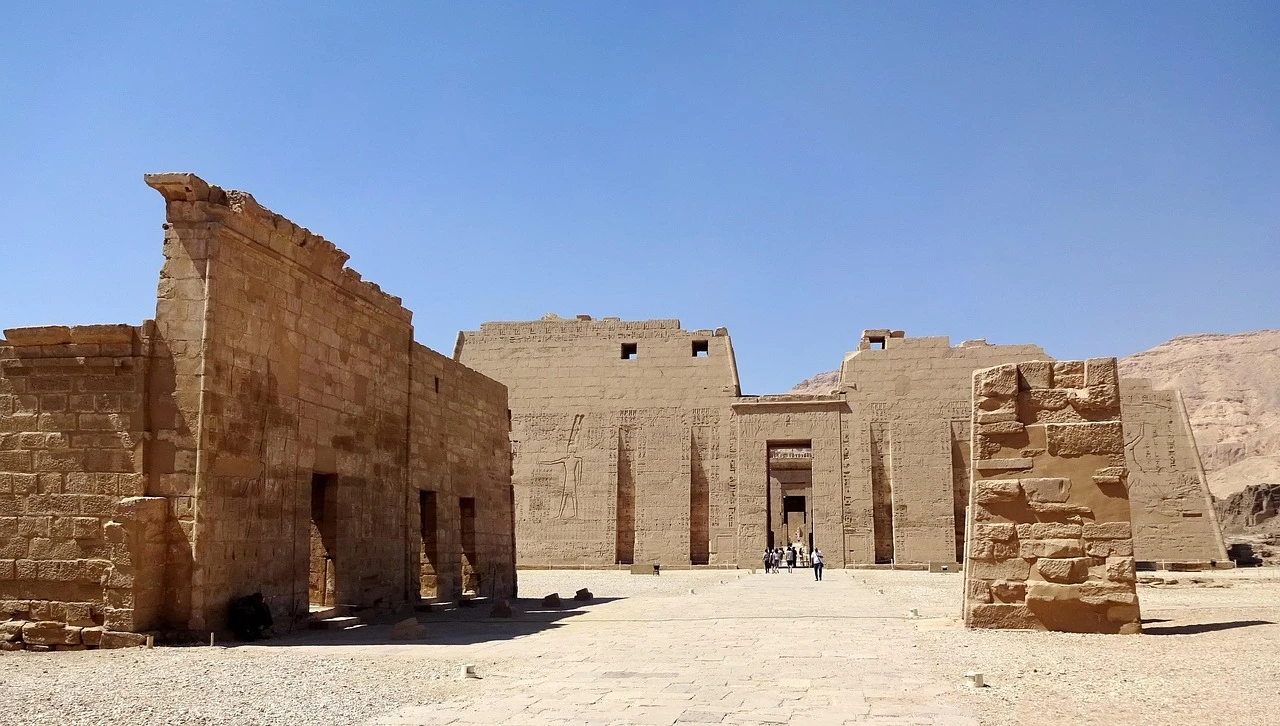
The Luxor Habu Temple Valley of Workers and Queens Tour covers three West Bank sites tied to royal power, skilled craftsmanship and burial. The day starts at Medinet Habu, where the funerary temple of Ramses III still has vivid reliefs of battles, religious ceremonies and daily offerings. Its broad courts and detailed wall scenes are often easier to explore at a steady pace than those at Luxor’s better-known temples.
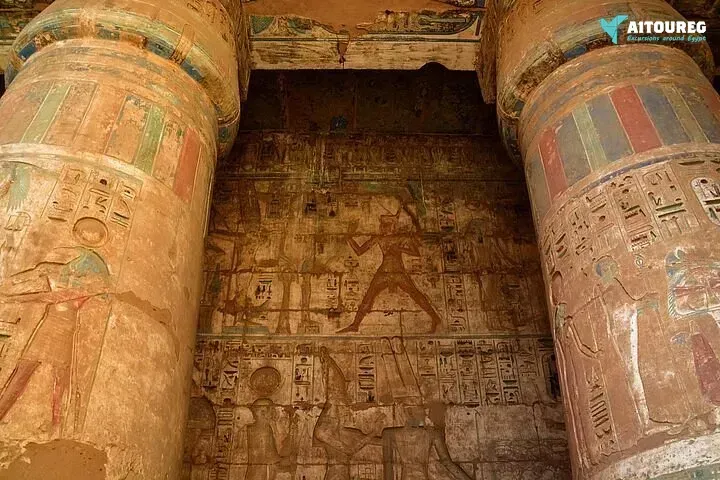
Our guide explains the carvings within their historical setting. Ramses III built Medinet Habu as a mortuary temple and place of worship, and its walls show the king’s relationship with the gods alongside the conflicts of his reign. Look for the high entrance pavilion, the great first pylon and the painted details that remain inside. Colour survives in sheltered areas, so it is worth looking closely rather than making the temple a quick photo stop.
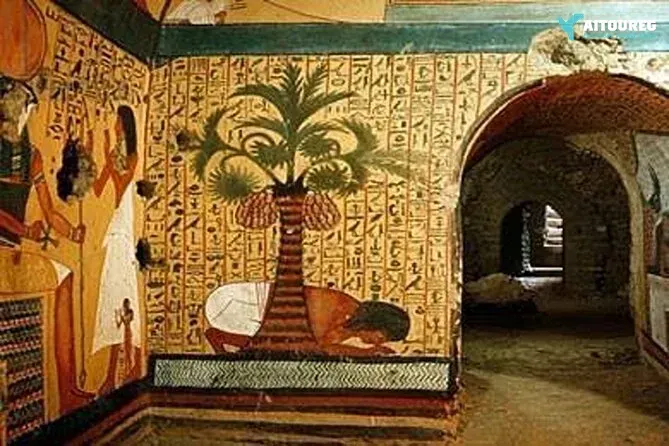
After Medinet Habu, we continue to Deir el-Medina, often called the Valley of the Workers. The small settlement housed the craftsmen who cut and decorated royal tombs in the Valley of the Kings and the Valley of the Queens. Its compact houses, workmen’s chapels and decorated tombs reveal a more personal side of ancient Thebes. Painted scenes show music, farming, food preparation and religious ceremonies, offering a direct view of life beyond the royal monuments.
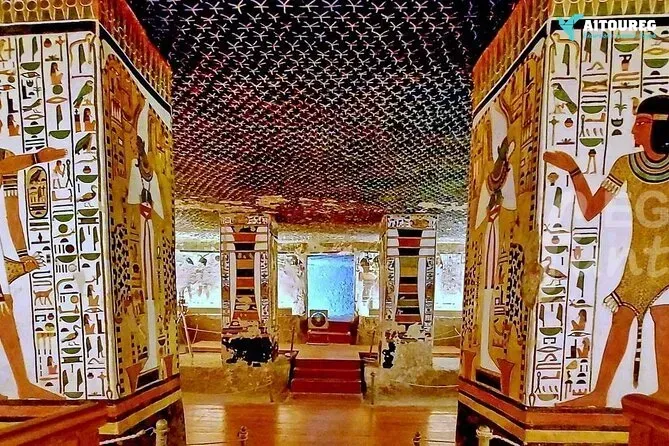
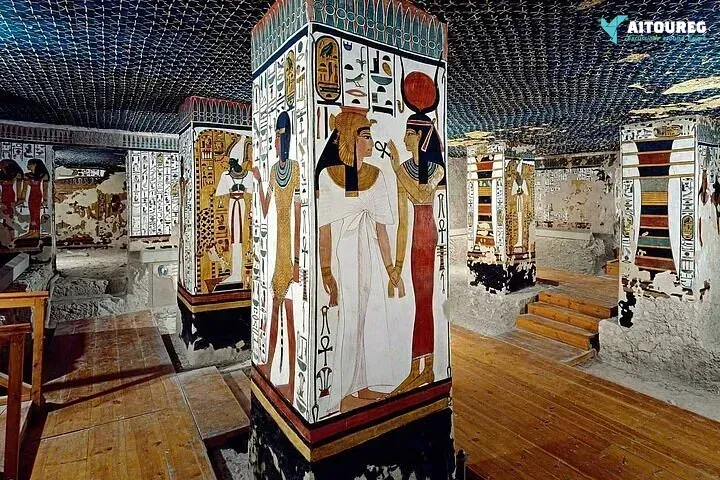
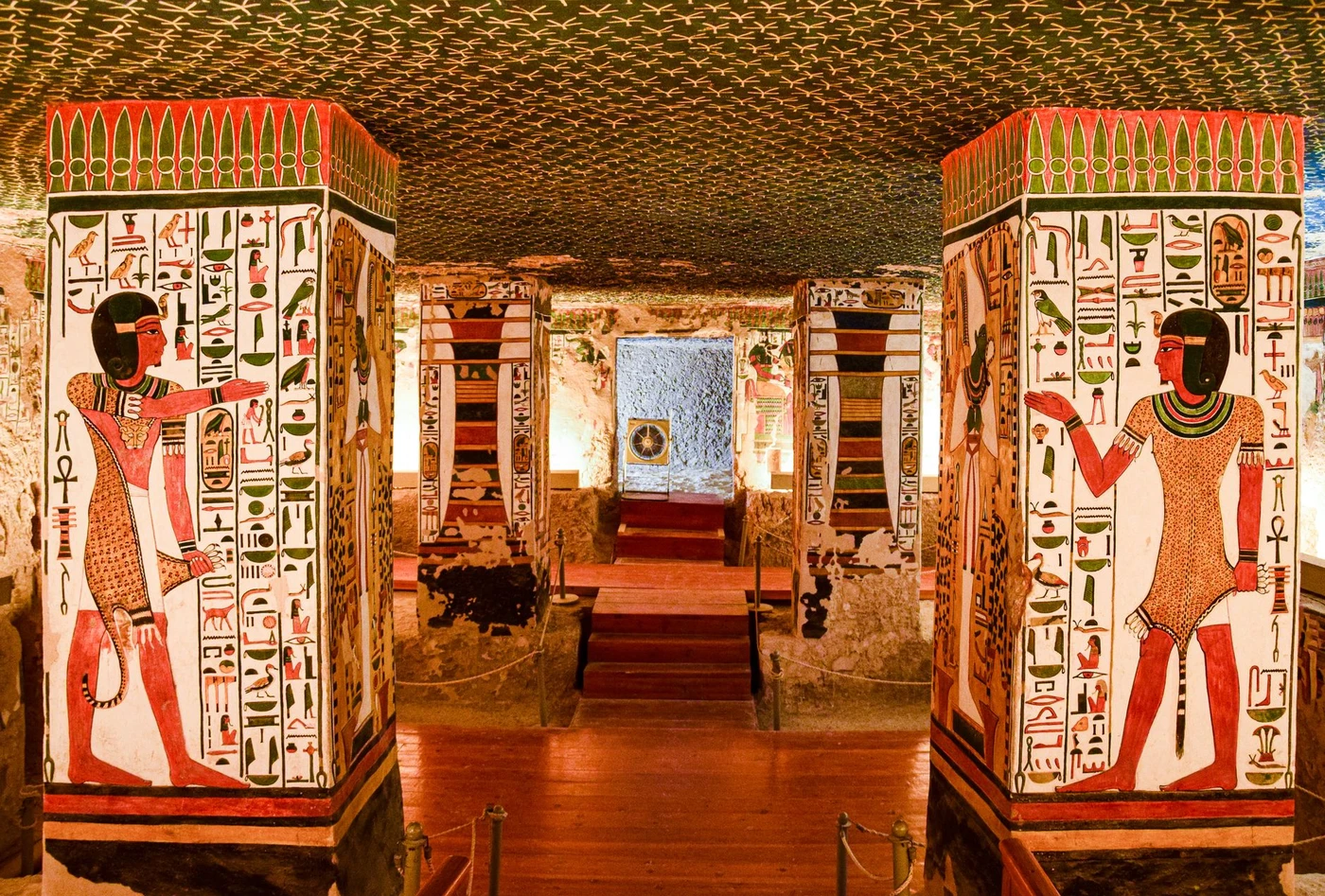
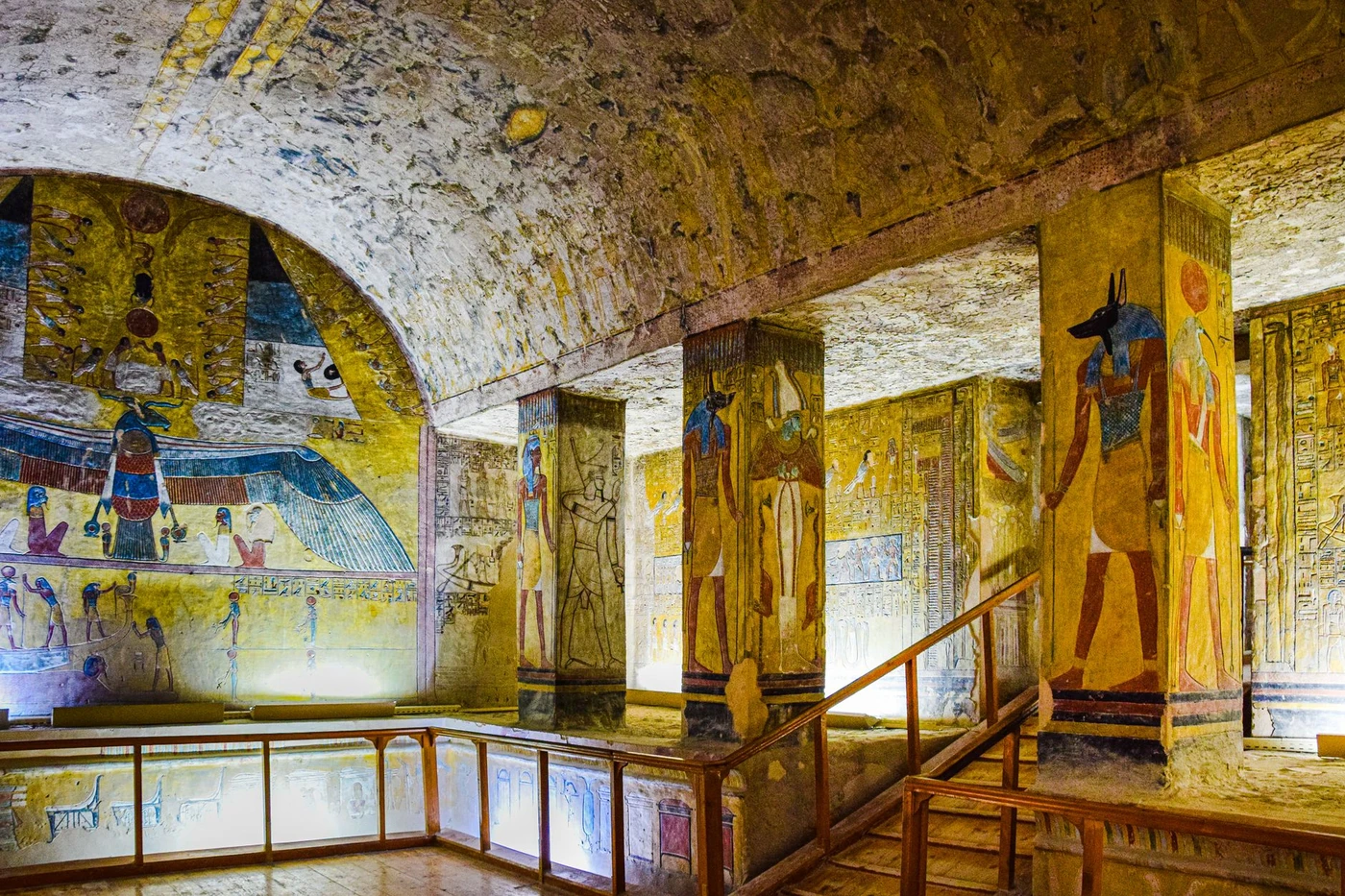
The route then reaches the Valley of the Queens, a quieter limestone valley where queens, princes and other members of the royal family were buried. Your guide explains how these tombs differ from the royal burial places of the kings and points out details to look for in the decorated chambers. The condition and access of individual tombs can vary, so the exact tombs visited depend on the site’s arrangements that day.
During the visit, you can also explore the tomb chapels of divine adorers, linked to women who held important religious offices connected to Amun. Their burial monuments add another part to the story of Thebes, bringing together temple ritual, political influence and elite life. The tour traces the links between the people who ruled, worshipped, built and were buried on the West Bank, rather than treating each place as a separate ruin.
We arrange transport between the sites, leaving you to focus on the monuments instead of planning West Bank routes and local transfers. A licensed Egyptologist guide explains the reliefs in context and allows time for questions. The pace suits travellers who want a detailed historical visit without trying to cover every major Luxor site in one rushed outing. Water, shade and short pauses help in the warmer months, while comfortable clothing makes the open courtyards easier to manage.
This excursion suits history enthusiasts, photographers and travellers interested in ordinary life as well as pharaohs. Some paths are uneven, and tomb entrances may have steps or low ceilings, so the tour can be tiring for anyone with limited mobility. Tell our team about mobility needs before travel so we can explain the practical arrangements. Meals, drinks and personal purchases are generally separate unless your booking details state otherwise; wear suitable shoes and leave some space in your day for the West Bank’s heat.
Assistance from our local tour team
Professional licensed Egyptologist guide
Pickup and drop-off according to your booking arrangement
Transport between the West Bank sites
Gratuities for the guide and driver
Meals and drinks unless specified
Personal expenses
Entrance tickets unless listed as included in your booking details
Comfortable walking shoes
Any mobility information our team should know before pickup
Camera or phone with spare battery
Light, breathable clothing that covers shoulders and knees for temple visits
Sun hat, sunglasses and sunscreen
Water bottle
The Habu Temple, Valley of the Workers and Queens Luxor Tour typically includes a guided visit to Medinet Habu, the funerary temple of Ramses III, Deir el-Medina and the Valley of the Queens, with transport arrangements discussed at booking. A knowledgeable guide explains the reliefs, tombs and daily life of the royal artisans.
Entrance tickets, meals and personal expenses can vary by package, so check the inclusions shown with your selected tour before booking.
This Luxor tour takes several hours and follows a moderate sightseeing pace across three archaeological areas on Luxor’s West Bank. You first explore Medinet Habu’s archaeological wonders, then visit Deir el-Medina and continue to the Valley of the Queens, with time to walk between monuments and listen to your guide.
Warm weather, uneven ground and steps inside some tombs can make the day feel more demanding. We can discuss a slower pace when arranging your tour.
Pickup and a return transfer can usually be arranged for travellers staying in Luxor, with the exact meeting point confirmed before the tour. Our team will explain the vehicle arrangements and help coordinate the route to Medinet Habu, Deir el-Medina and the Valley of the Queens.
If you are staying outside Luxor or arriving from another city, tell us when you enquire so we can check the appropriate transfer plan.
The tour suits children and travellers who are comfortable walking outdoors over uneven surfaces, but the West Bank sites include rough paths, sun exposure and occasional steps. The Valley of the Queens and the tomb chapels of divine adorers may require extra care, especially for anyone with limited mobility.
Wheelchair access can be restricted at historic sites. Please tell our team about mobility needs before booking so we can advise on the most practical visit plan.
Wear light, modest clothing, comfortable walking shoes and a hat for this Valley of the Queens tour, and bring water, sun protection and any required medication. Loose clothing is useful in warm conditions, while sturdy footwear helps on the uneven paths around the monuments.
A camera may be useful where photography is permitted. Site rules can differ inside tombs, so follow your guide’s advice about cameras and flash.
You can enquire with our team to confirm the travel date, pickup details, traveller needs and available package options for the Habu Temple, Valley of the Workers and Queens Luxor Tour. Cancellation terms depend on the booking conditions attached to your selected tour, so review them before payment.
Share any changes as early as possible. We will explain the applicable amendment or cancellation rules for your reservation.
Your unforgettable Egypt journey starts with a booking you can trust.
* Available on selected tours. Flights, cruises and special bookings may have different cancellation policies.
Free cancellation up to 24 hours before activity starts
If you choose to pay online, a secure payment link can be provided after booking. For assistance or alternative payment options, please contact us via WhatsApp.
All our tour operators are licensed and verified by Egyptian tourism authorities.
Learn more about our licensed partners →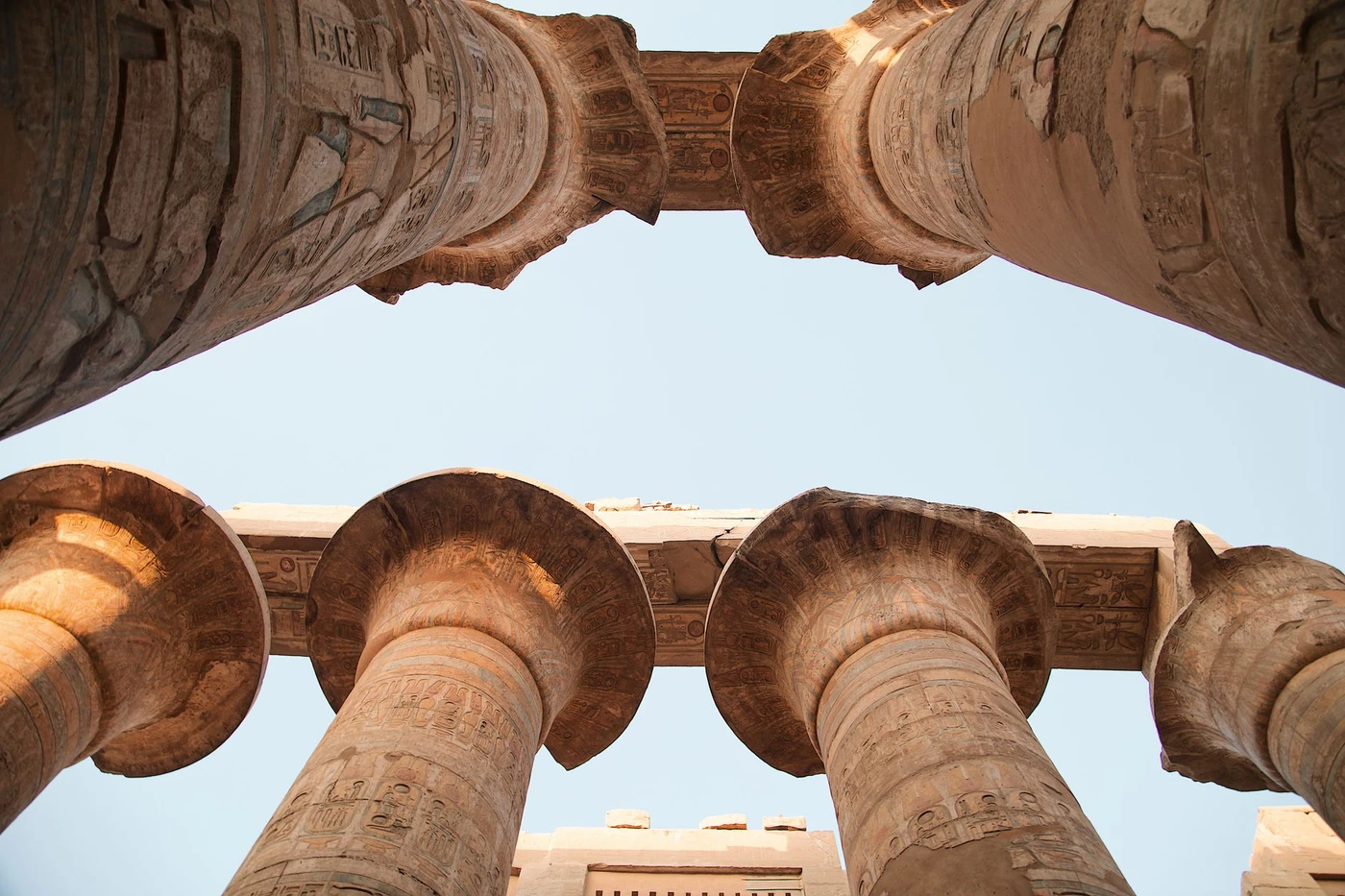





Free cancellation up to 24 hours before activity starts
If you choose to pay online, a secure payment link can be provided after booking. For assistance or alternative payment options, please contact us via WhatsApp.
All our tour operators are licensed and verified by Egyptian tourism authorities.
Learn more about our licensed partners →
Your Itinerary
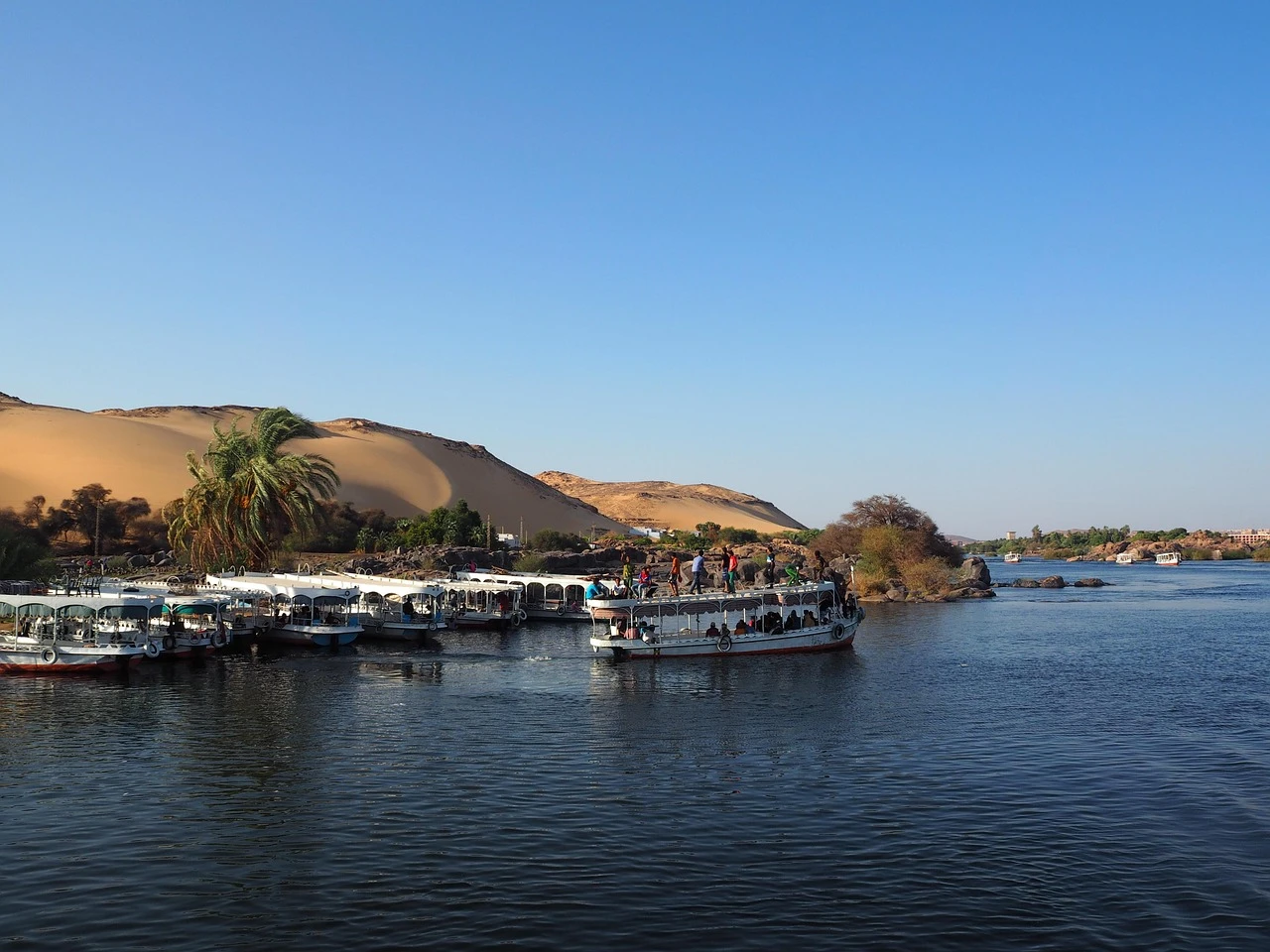
Our team collects you from your Luxor hotel and transfers you across the Nile to the West Bank. Begin by exploring Medinet Habu’s archaeological wonders, including the funerary temple of Ramses III. Walk through the entrance and courtyards to see painted reliefs of royal ceremonies, battles and offerings. Your guide explains how the temple worked as both a place of worship and a memorial for the king.
Continue to Deir el-Medina, the Valley of the Workers, where the artisans who built and decorated royal tombs lived. The small houses and richly painted tombs show details of family life and religious beliefs. After the visit, stop for a local lunch before continuing to the serene Valley of the Queens. Here, you can see selected decorated tombs and hear how queens and royal children were honoured after death. The visit also includes the tomb chapels of divine adorers, with their connection to royal religious traditions explained on site.
After the final visit, board the vehicle for the return transfer across the Nile and drop-off at your Luxor hotel. Bring comfortable walking shoes, water and sun protection; the sites involve uneven ground and limited shade.