3-Day Egypt Highlights Tour from Marsa Alam
The 3-Day Egypt Highlights Tour from Marsa Alam brings Egypt’s major ancient sights together in one planned route. You see the Giza Pyramids and the Sphinx, explore the Cairo Museum and its Treasures of King Tutankhamun, then continue south to Abu Simbel, Aswan and Luxor. The pace is full, but the route gives you a clear look at Egypt’s history across three very different regions.
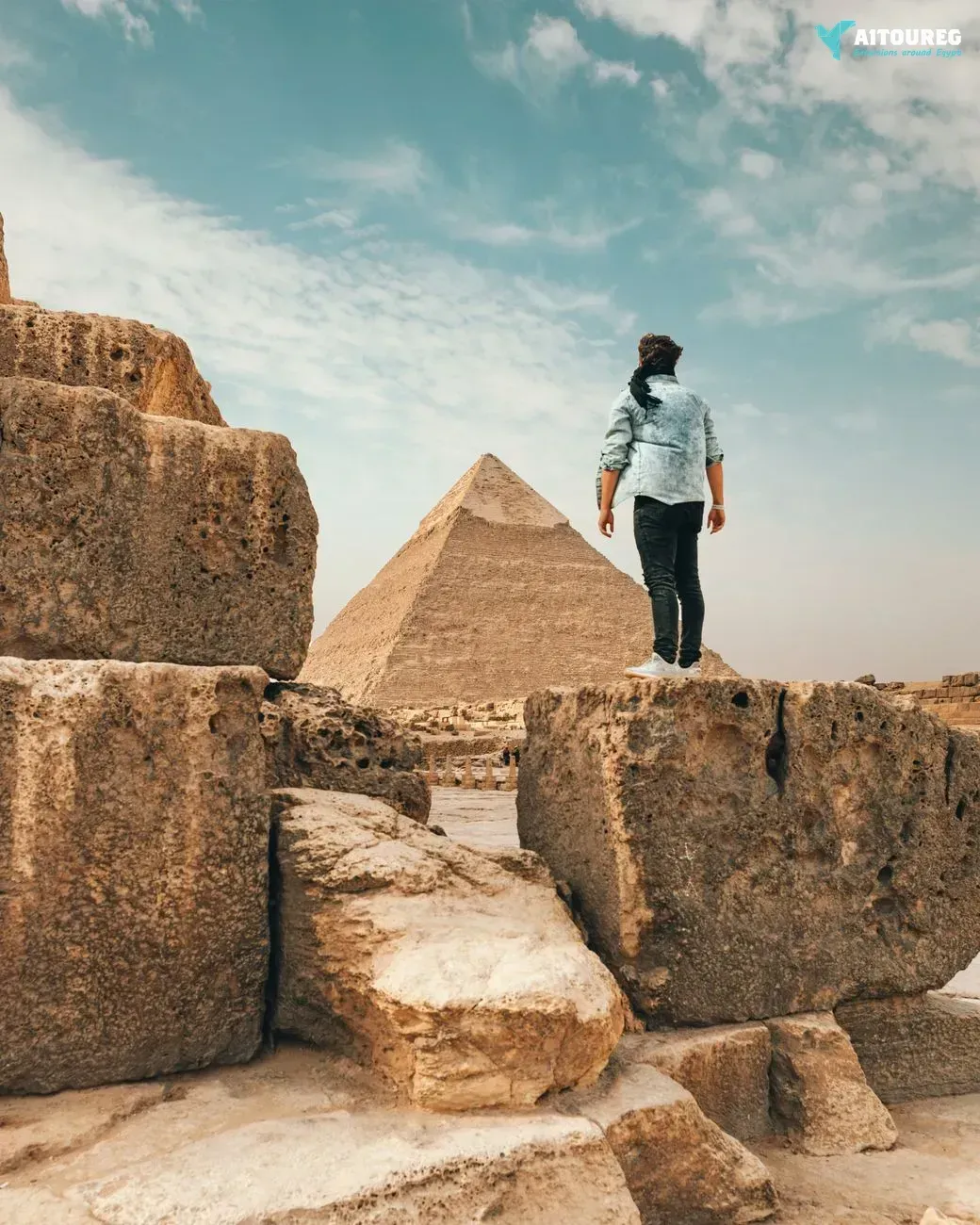
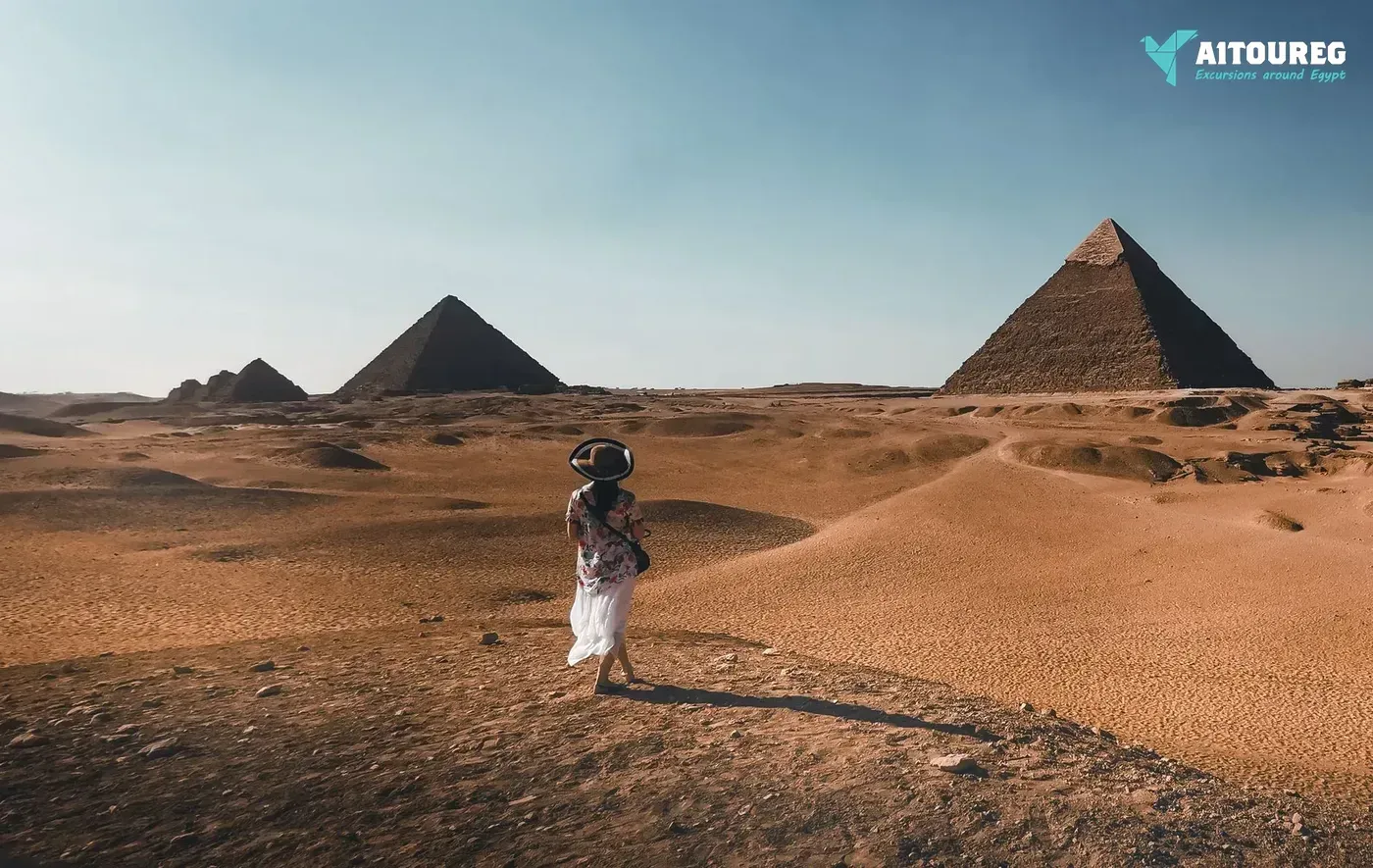
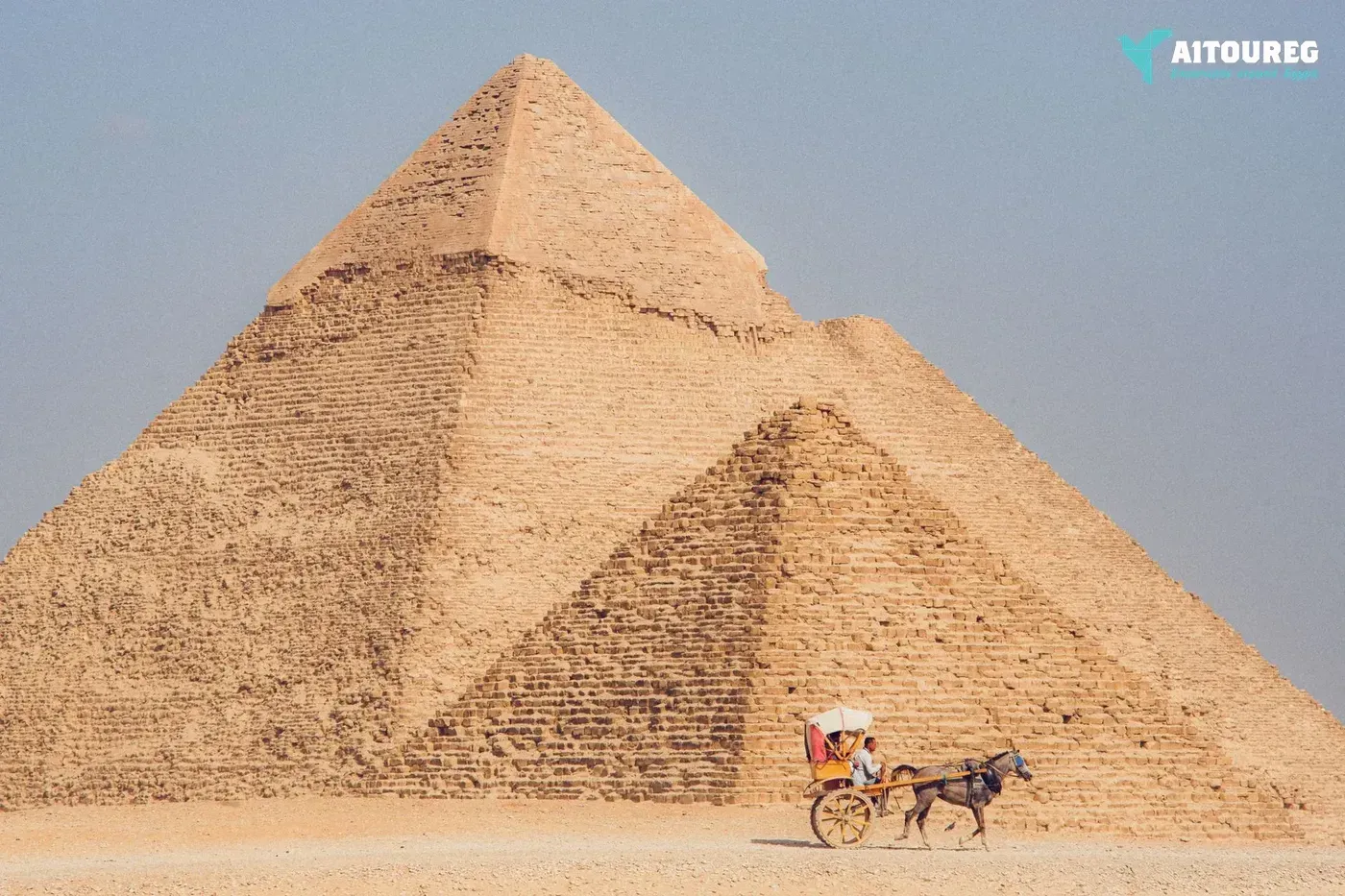
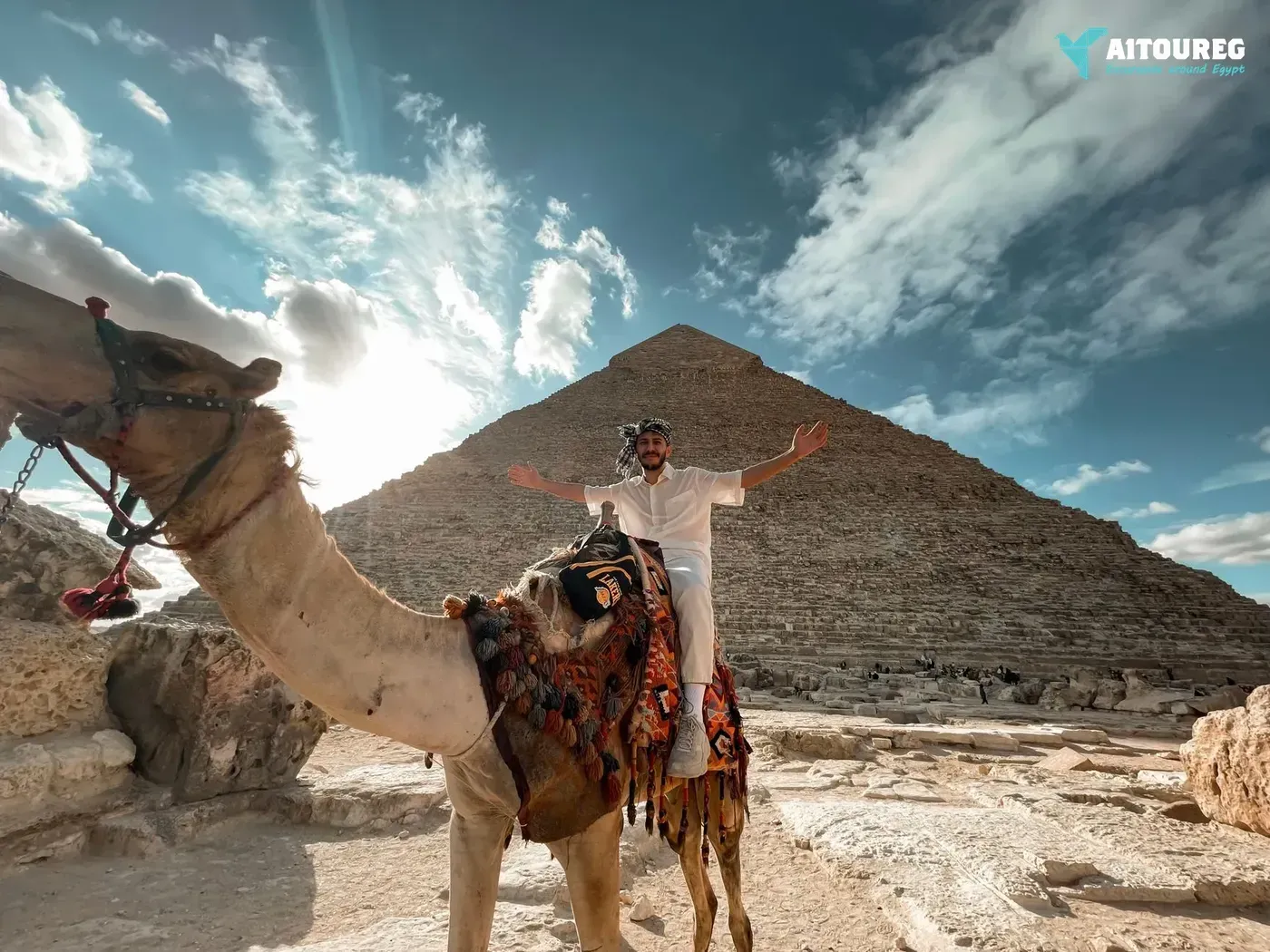
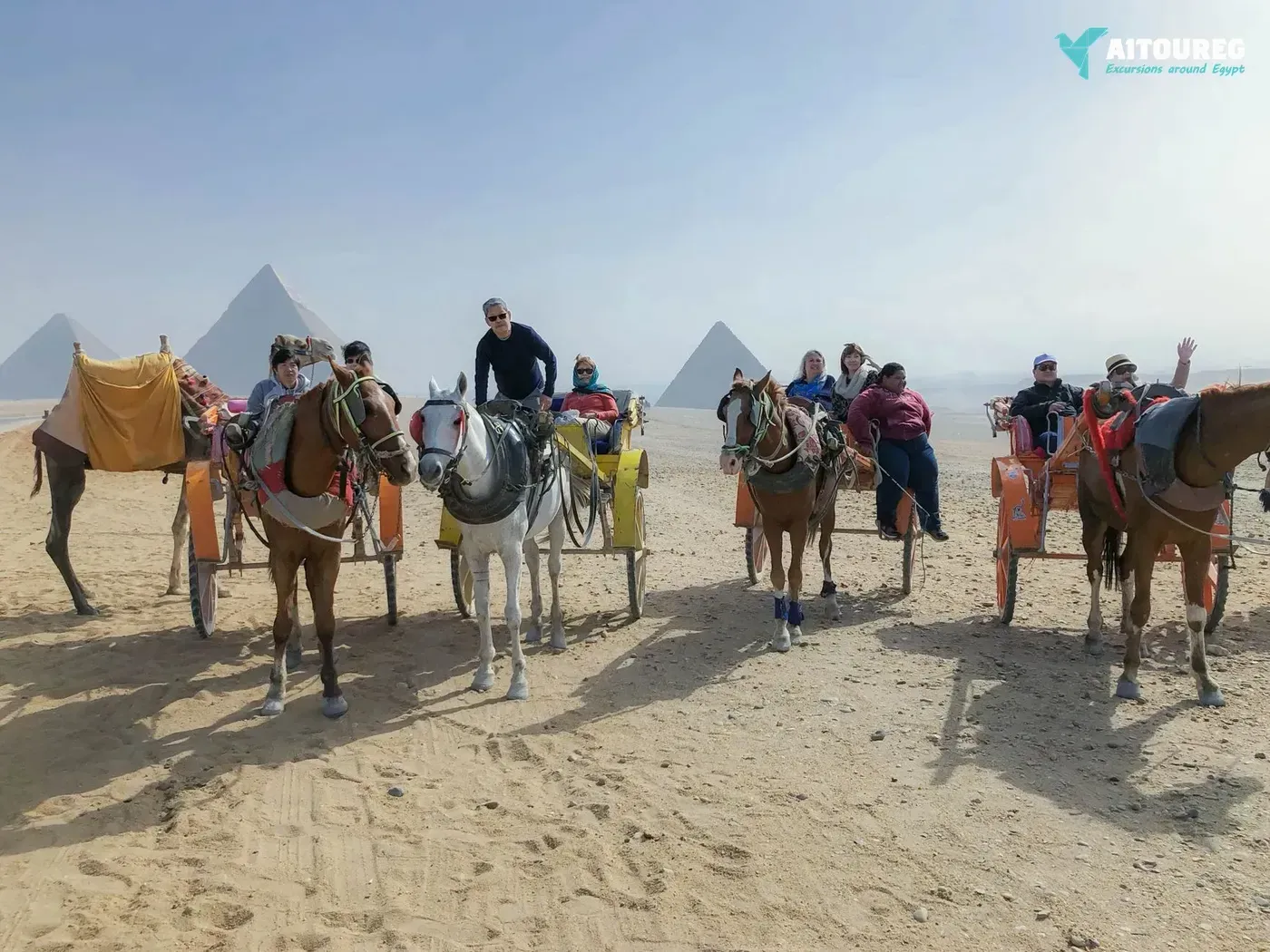
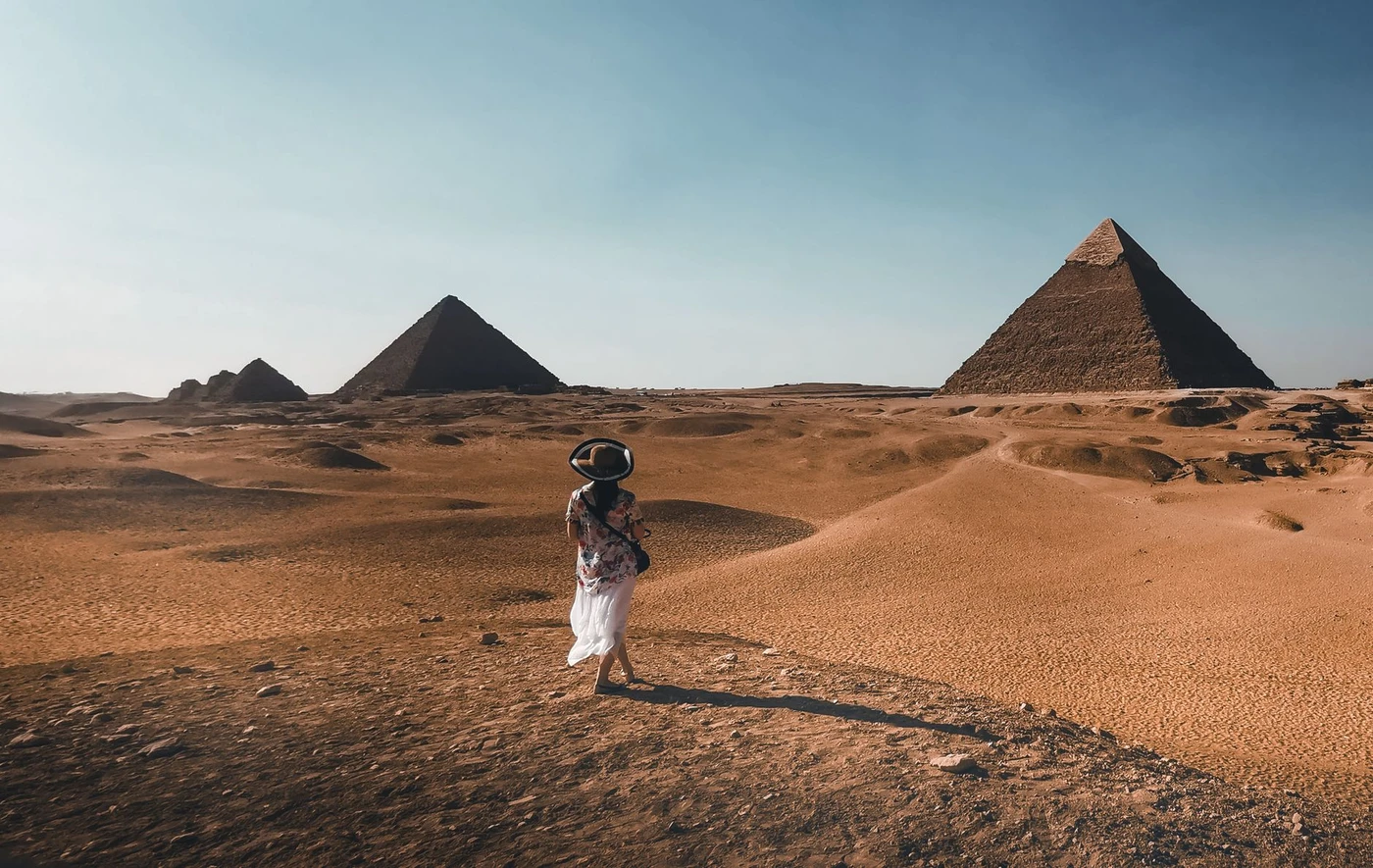
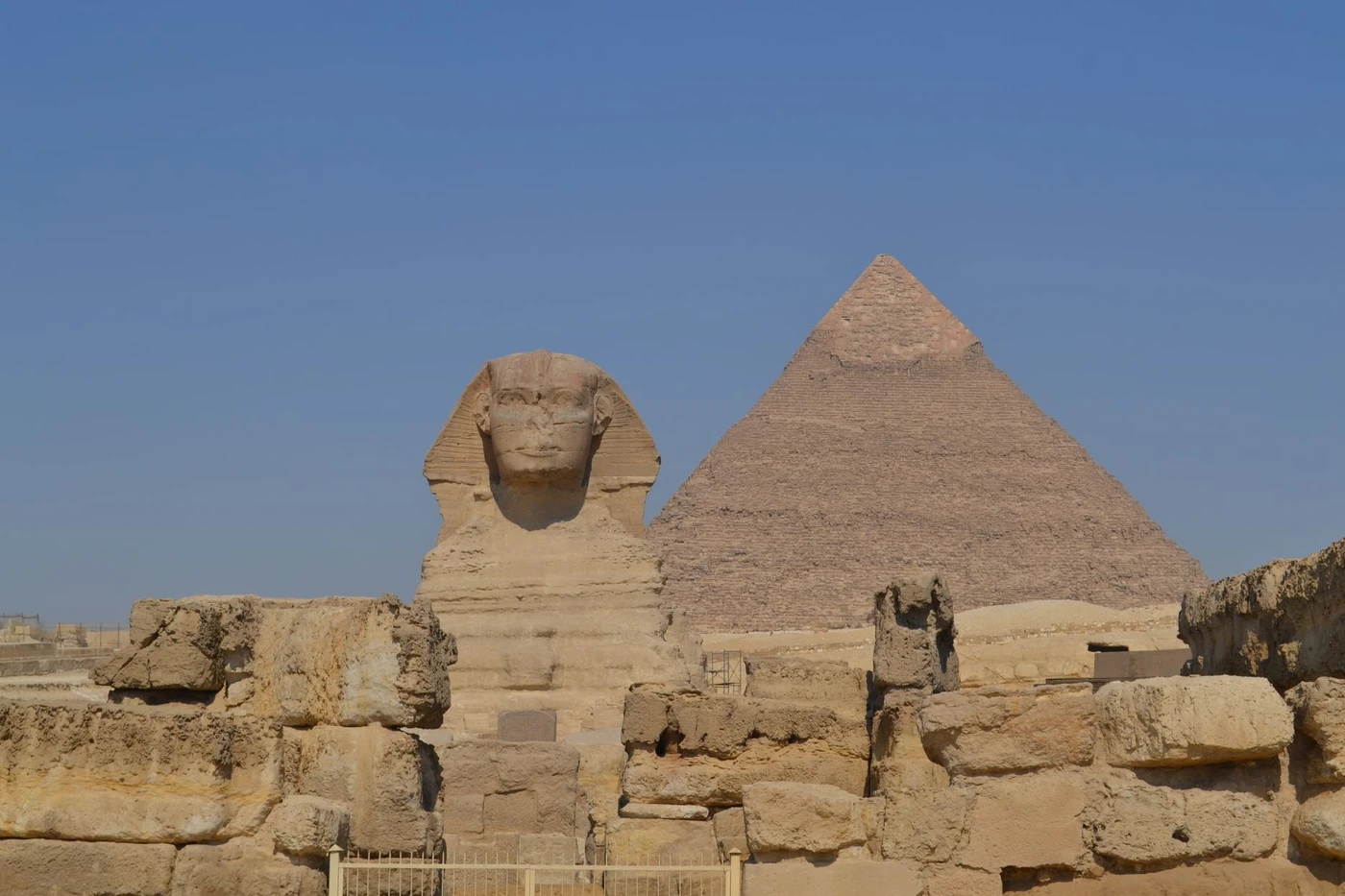
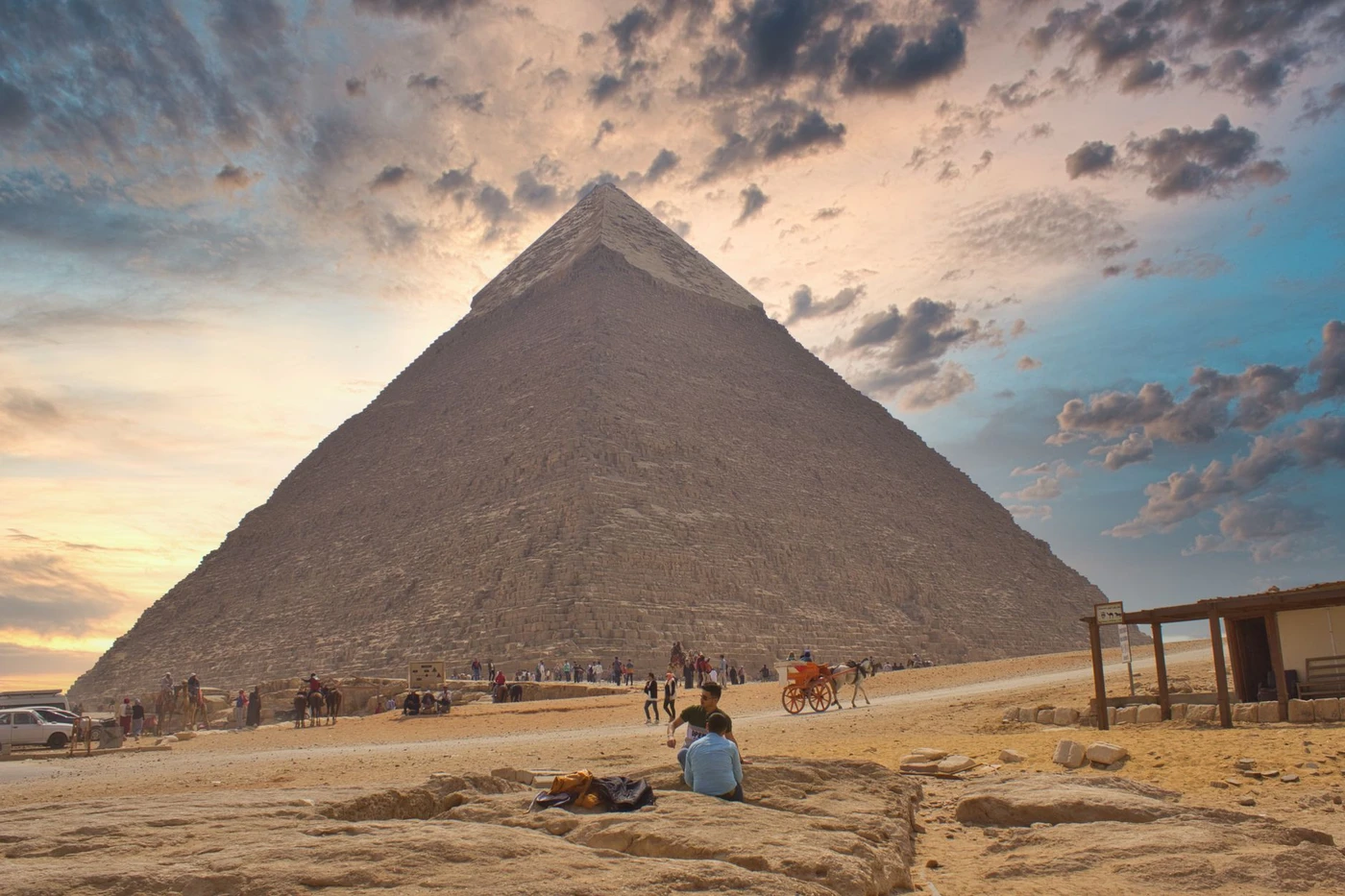
In Cairo, the Giza Pyramids take centre stage. Your guide explains how the pyramid complex was built and points out details that are easy to overlook on your own. The Sphinx is nearby, carved with a human head and a lion’s body, and the plateau gives you time to walk, take photographs and view the monuments from several angles. At the Cairo Museum, you see royal objects, statues and the Treasures of King Tutankhamun, with time to take in the collection at a sensible pace.
The Cairo visit also includes the old Khan el Khalili bazaar. Its narrow lanes are filled with small shops selling spices, metalwork, textiles and souvenirs. You can browse with advice from your guide, stop for a traditional drink if time allows, or watch the movement through the historic market. The open space of Giza and the close, winding streets of Khan el Khalili give this part of the tour more variety than a monuments-only visit.
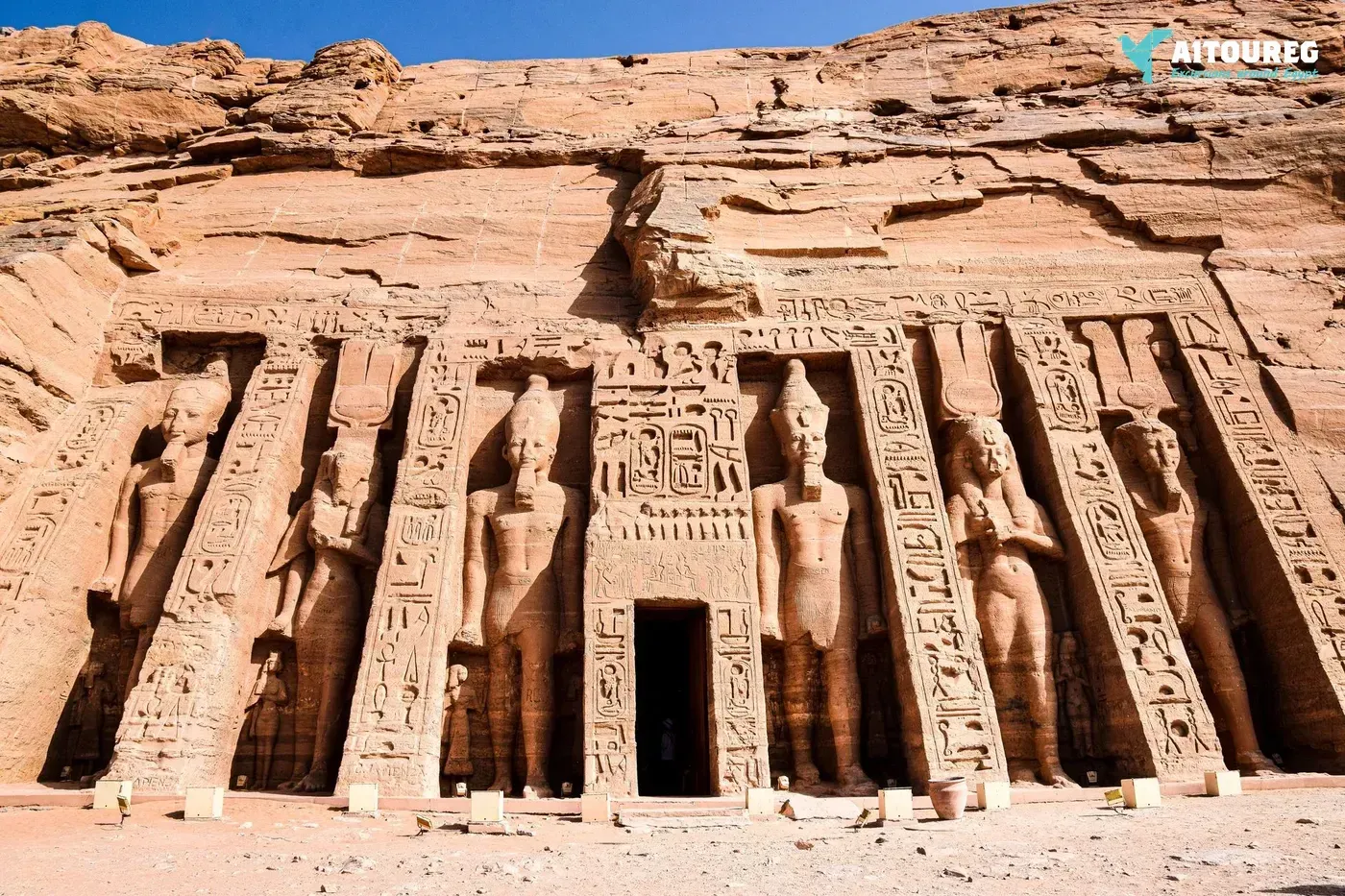
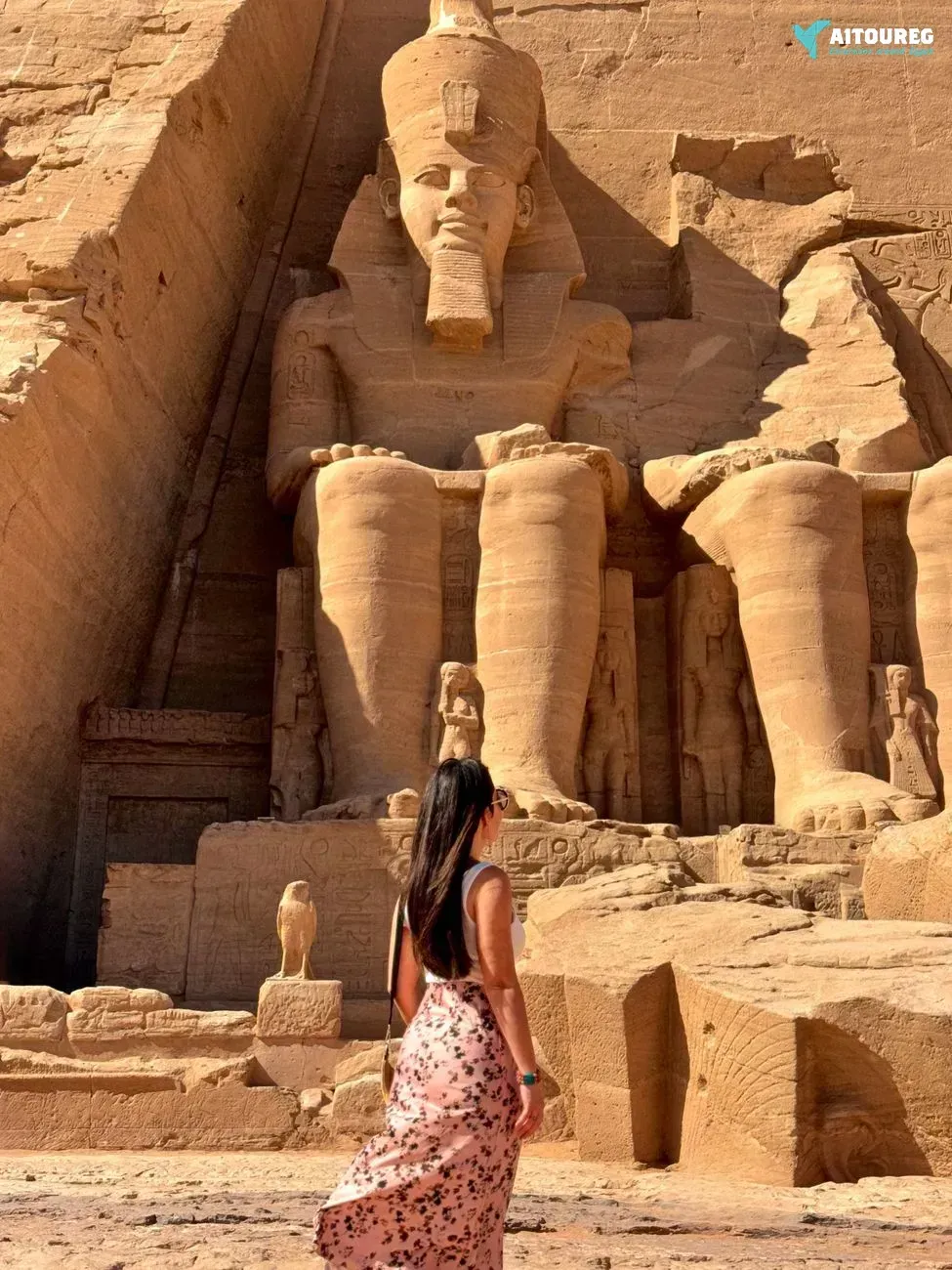
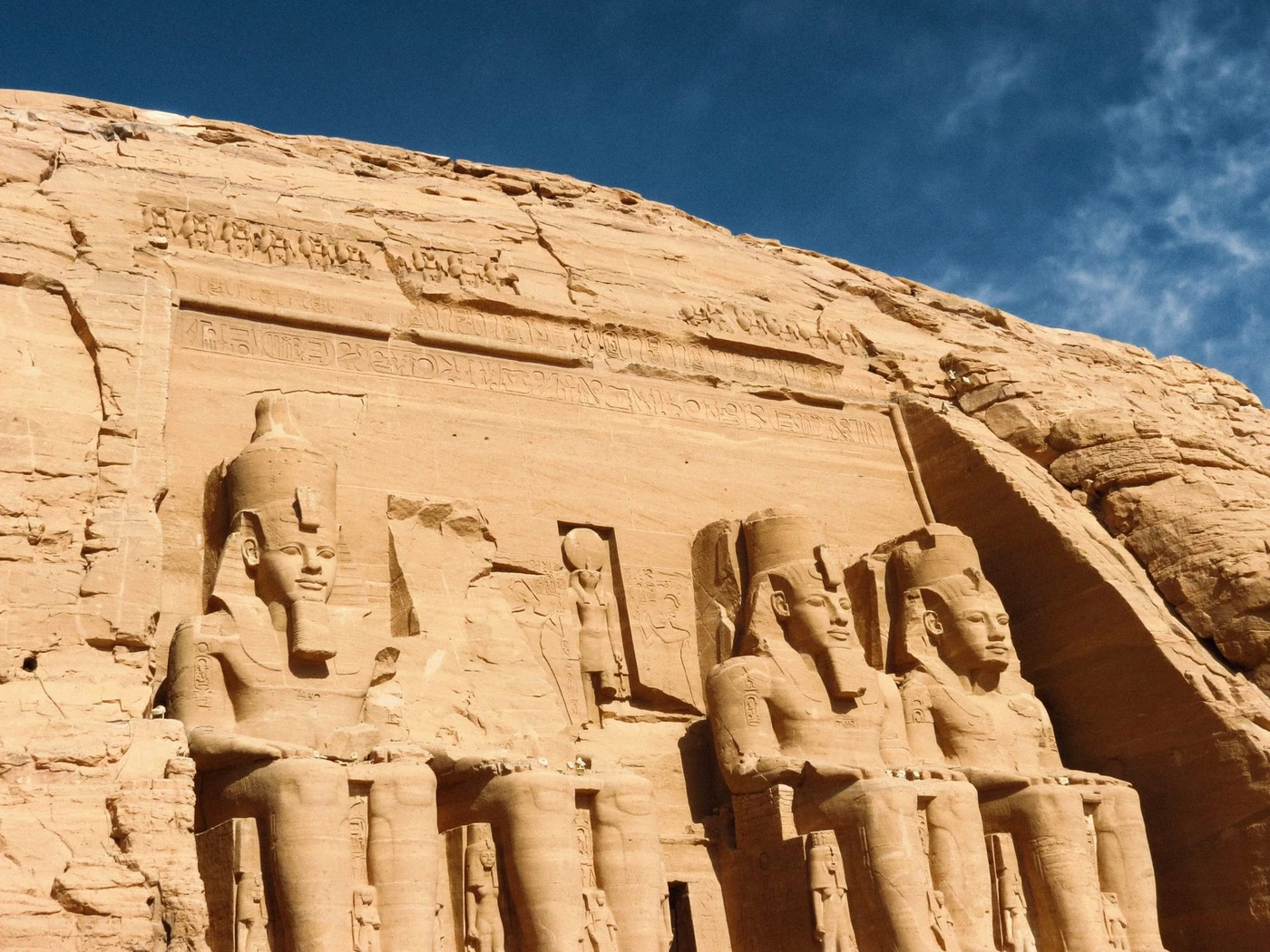
The southern route continues to Abu Simbel, where the temples were cut into the rock during the reign of Ramses II. Large seated figures face the open approach, while the inner halls contain carved scenes linked to the king and the gods. The site requires an early start and a long travel section, so this part suits travellers who are comfortable with a full sightseeing day and little downtime.
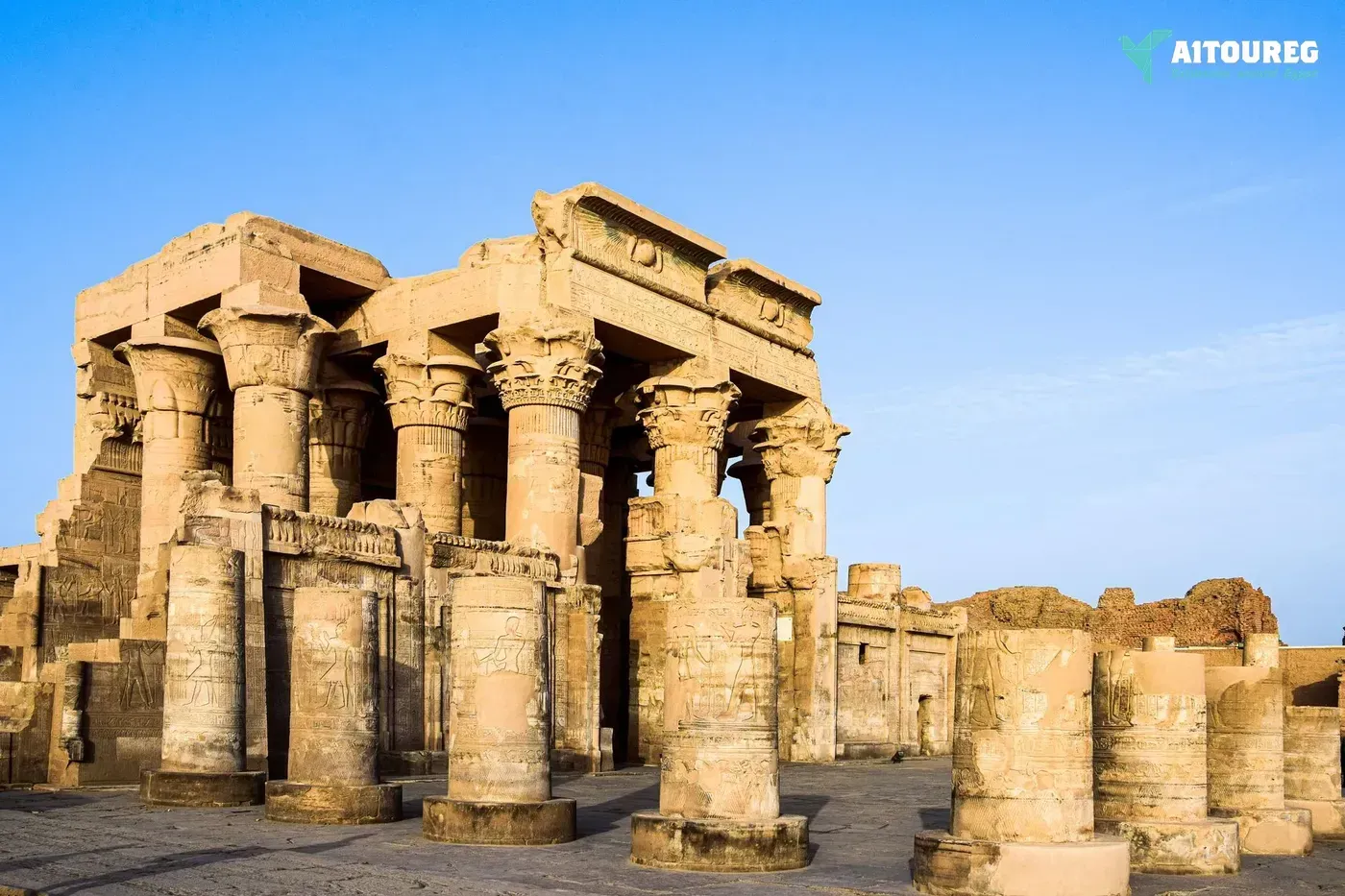
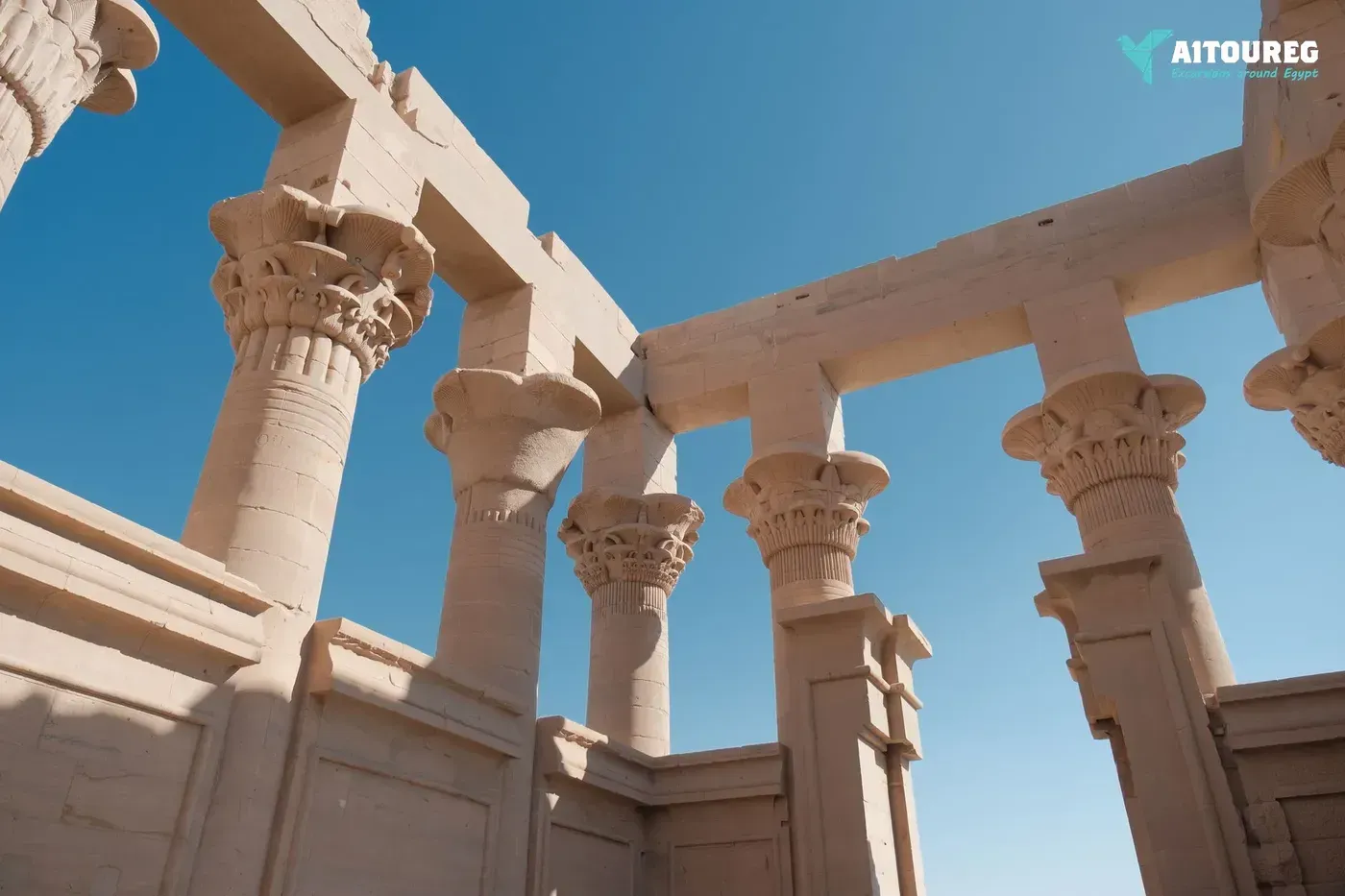
In Aswan, you see the High Dam before continuing to Philae Temple, also written as the temple of Phiala in some tour descriptions. Dedicated to the Goddess Isis, the complex has courtyards, columns and reliefs that are easy to read as you move through the site. Access commonly involves a short boat crossing, with arrangements handled as part of the organised visit when included in your booking.
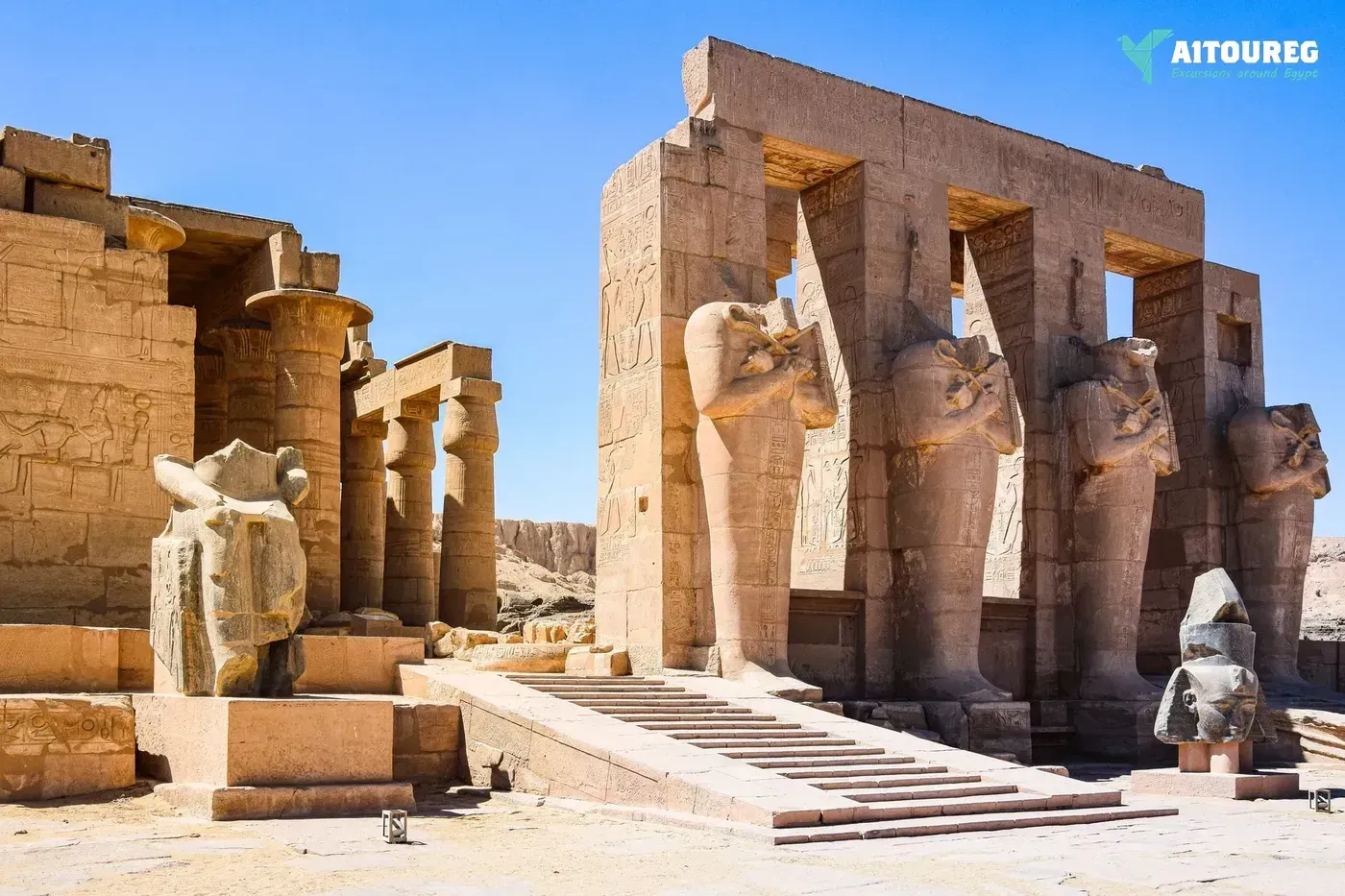
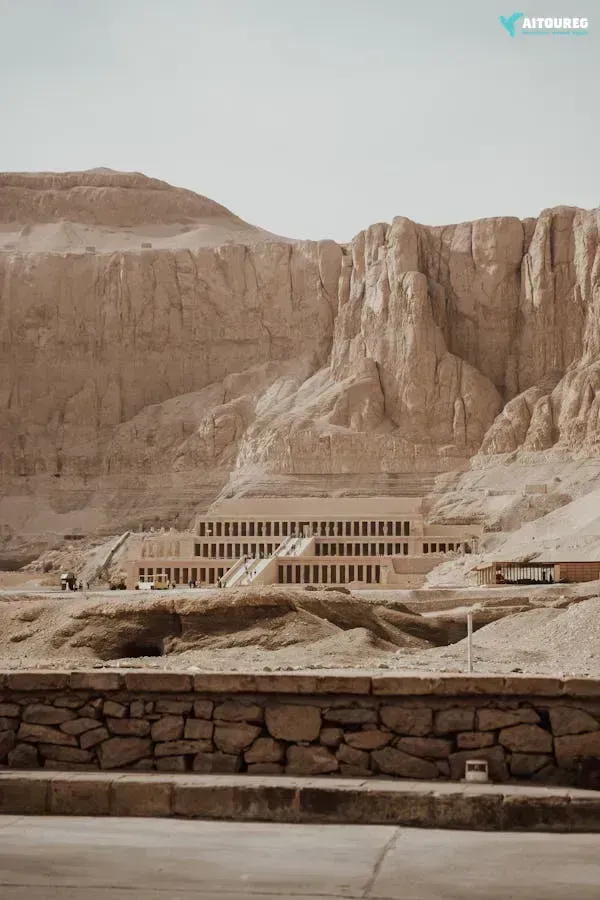
Luxor brings a different setting and a close concentration of ancient sites. On the west bank, the Valley of the Kings contains painted royal tombs cut into the desert hills, and the temple of Hatshepsut rises against the nearby cliffs. The Colossi of Memnon stand along the approach and make a brief photography stop before the tour continues to the east bank and Karnak Temple.
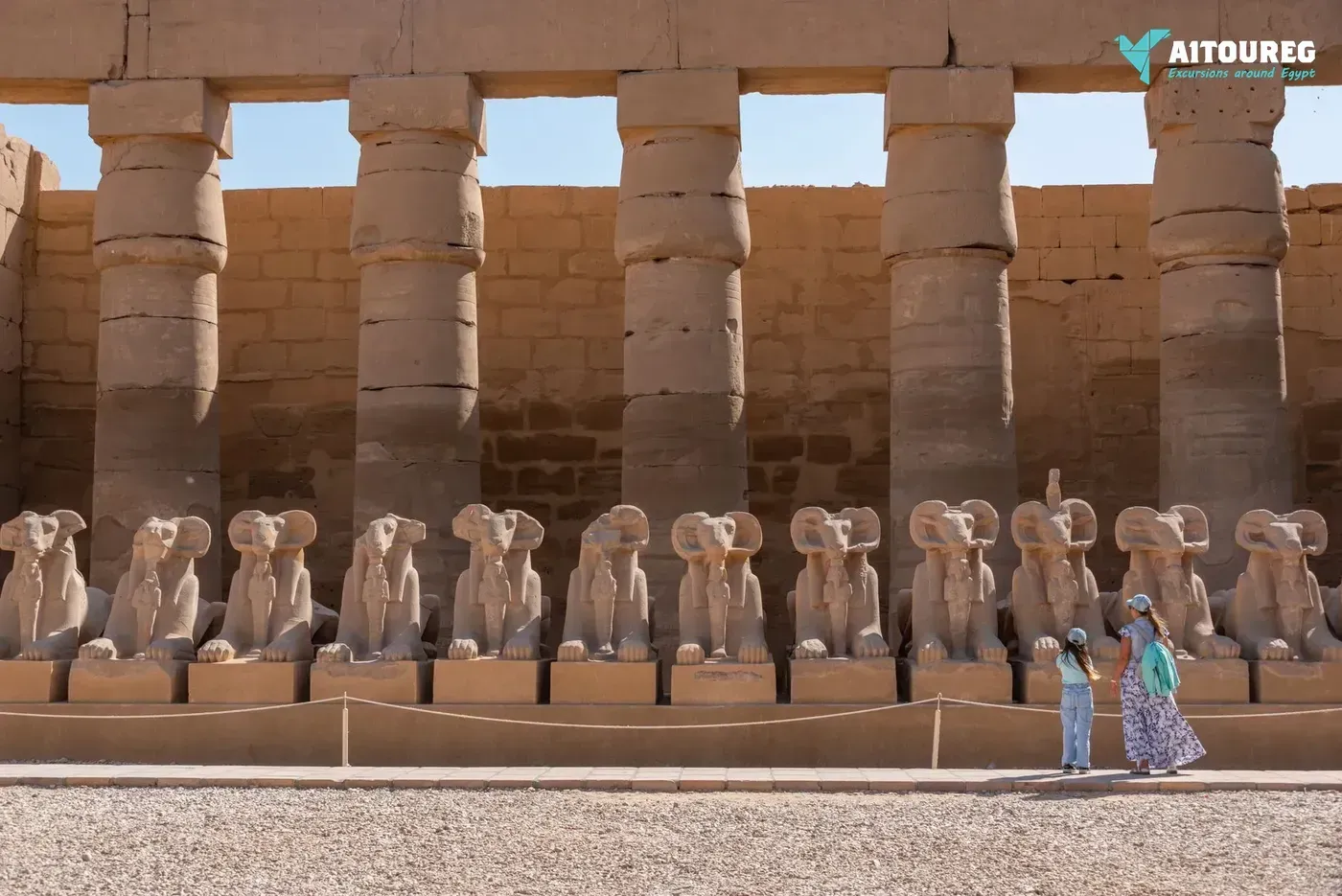
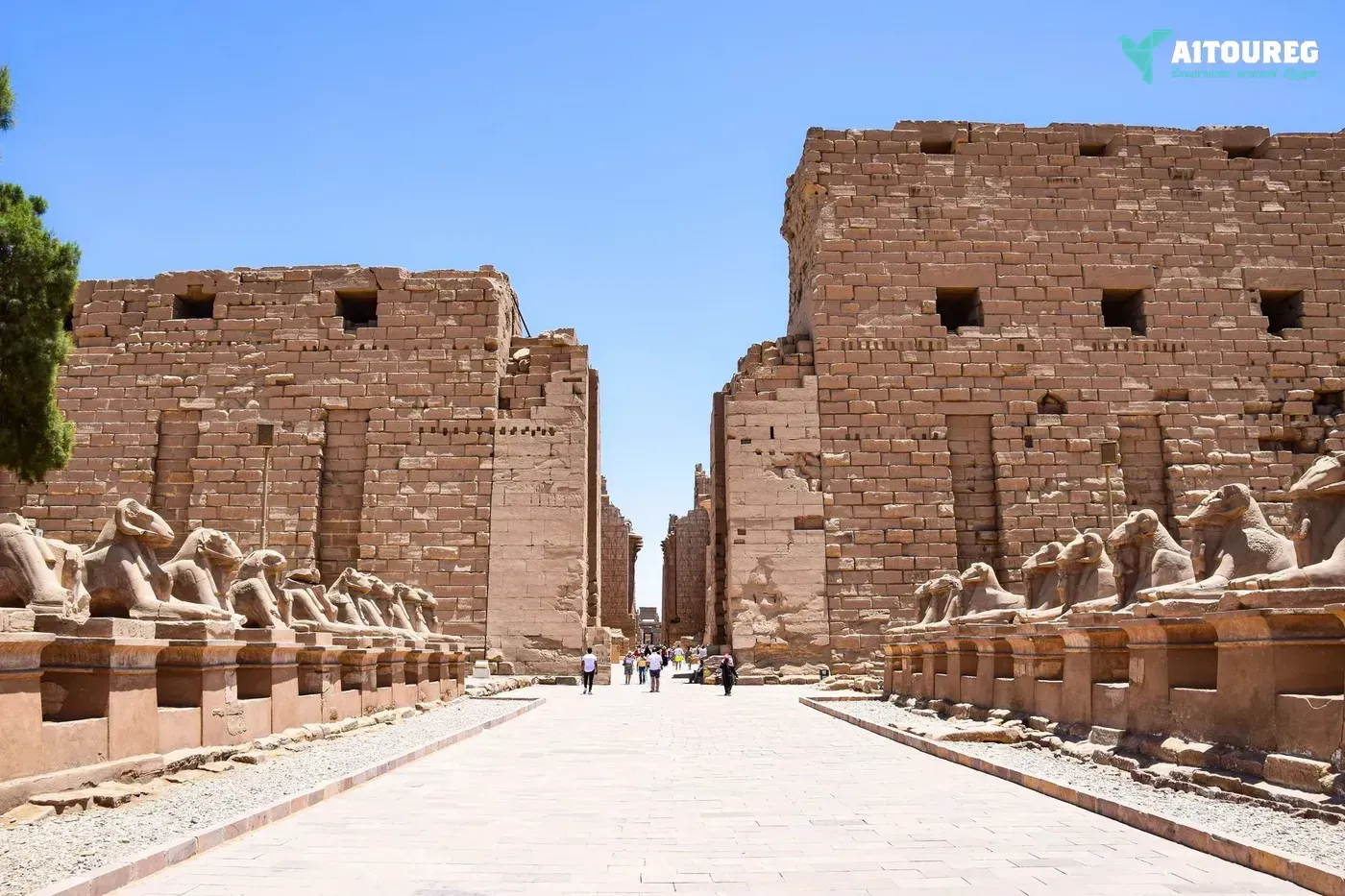
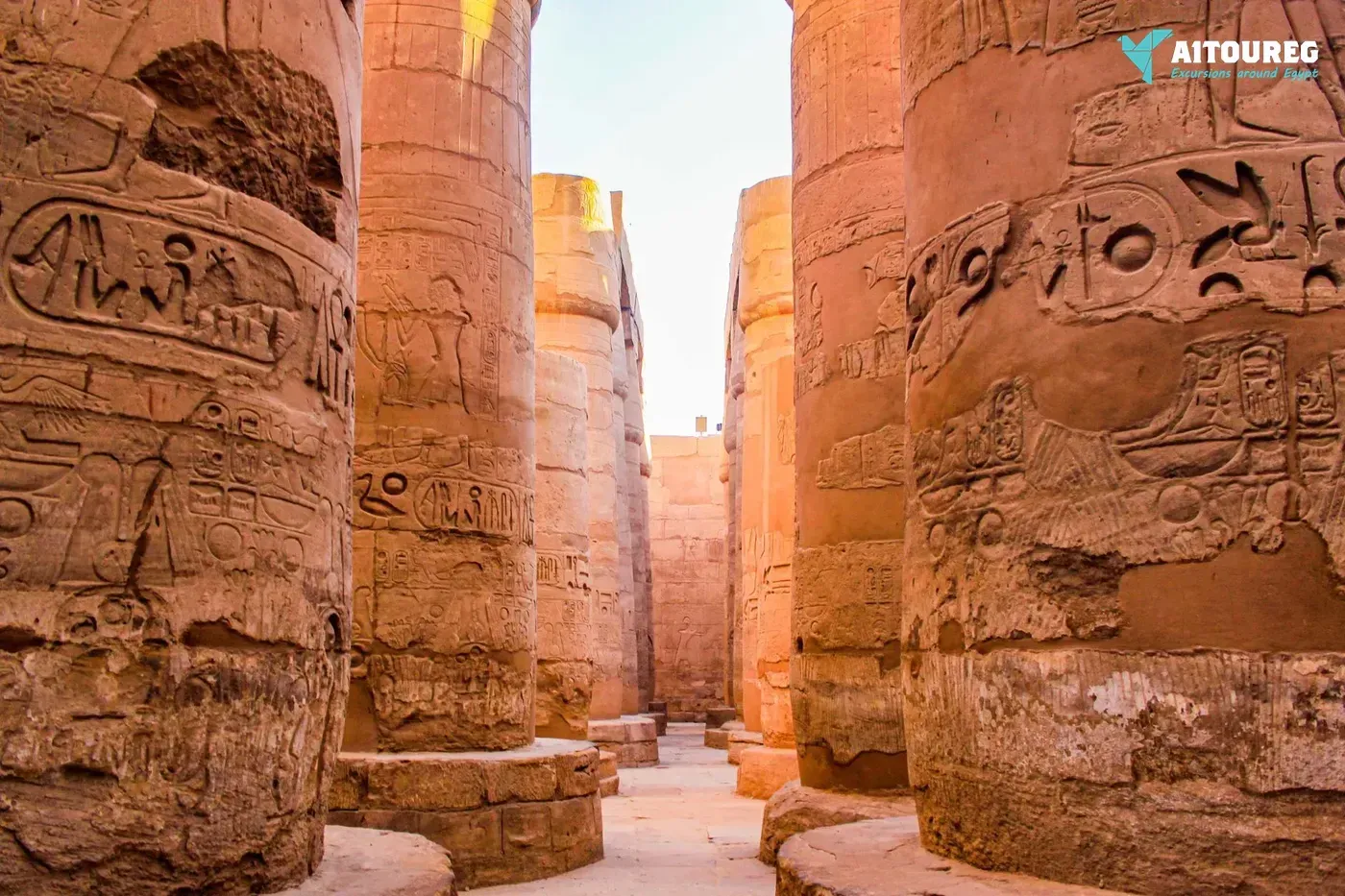
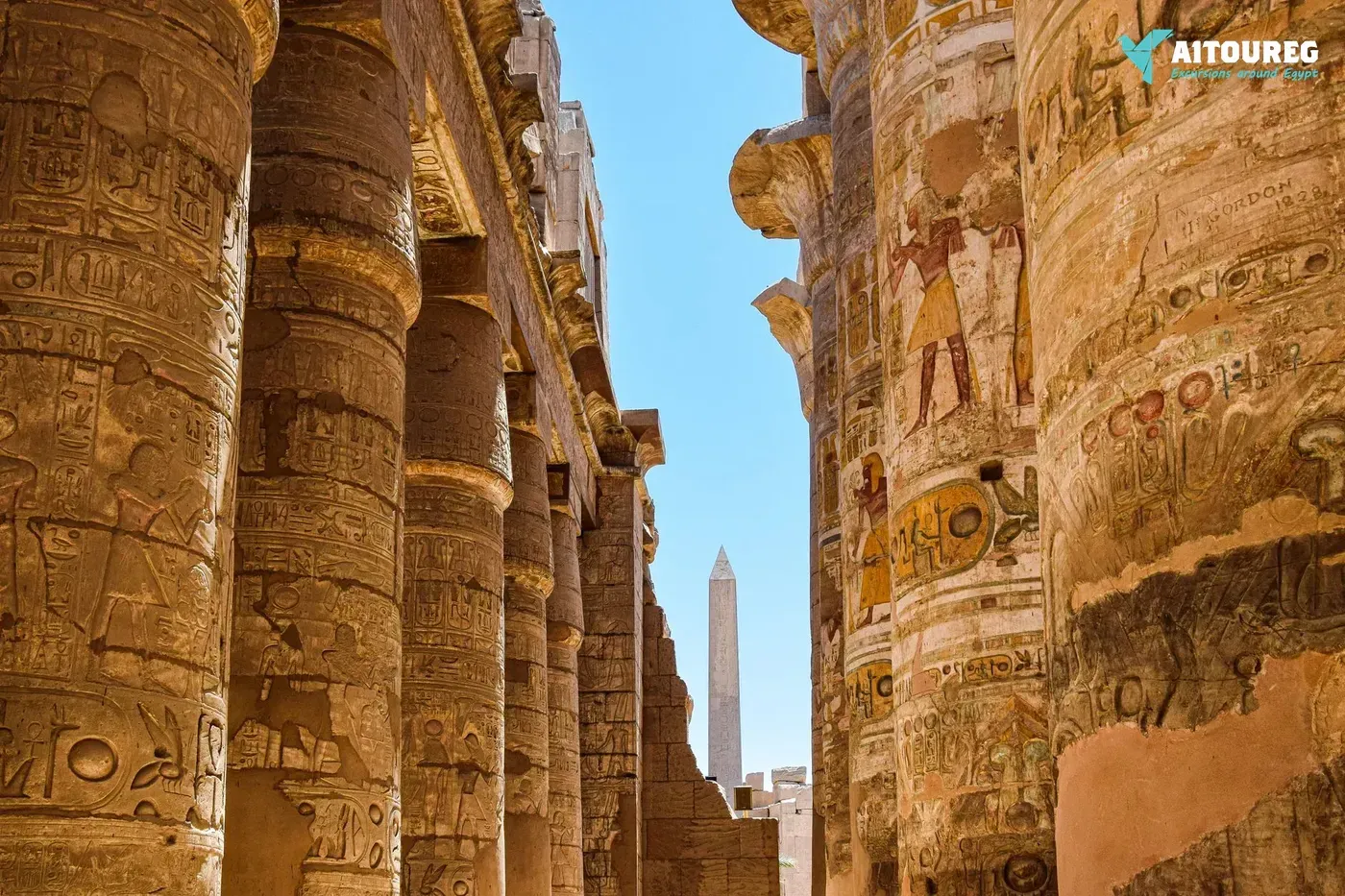
Karnak is easier to understand with a guide because its avenues, pylons, courtyards and columns cover a large area. Your guide sets out the order of the complex and explains the work of successive rulers, making the visit easier to follow than a quick walk without context. Transport between destinations, planned sightseeing stops and local guidance take care of much of the coordination involved in arranging Cairo, Aswan and Luxor independently.
This tour suits travellers who want to cover major sights in a short time and are comfortable with early departures, road travel and several hours on their feet. It is less suitable for anyone seeking a relaxed beach break or a slower archaeological programme. Wear comfortable shoes, carry water and follow your guide’s advice at busy sites. Pickup and drop-off arrangements are confirmed before travel, while the exact transport, accommodation and meal details depend on the selected tour option.
Entrance tickets where specified in the selected tour option
Guided sightseeing at the listed archaeological sites
Pickup and drop-off from Marsa Alam
Accommodation and meals where specified in the selected tour option
Transport during the tour
Gratuities for the guide and driver
Drinks unless stated in the booking details
Optional activities not listed in the tour inclusions
Personal expenses and souvenirs
Any entrance fee or service not specified in the selected tour option
Sunscreen and a reusable water bottle
Comfortable walking shoes
A small bag for daily essentials
Light, breathable clothing and a hat
Any required medication
Cash for personal expenses and optional refreshments
Valid passport or required travel identification
The 3-Day Egypt Highlights Tour from Marsa Alam includes the planned sightseeing route, transfers between the main destinations, and visits to the Giza Pyramids, the renowned Sphinx, the Cairo Museum, Abu Simbel, Aswan, and Luxor with our tour team.
Meals, accommodation, entrance tickets, and any domestic transport depend on the package selected, so check the booking details before you confirm. The Cairo programme can also include the old Khan el Khalili bazaar.
This three-day Egypt tour from Marsa Alam is a fast-paced highlights trip, with Cairo on day one, Aswan and the temples of Abu Simbel on day two, and Luxor on day three. You will see major sights in a short time, but each day involves long transfers, walking, and an early start.
In Cairo, the route includes the Giza Pyramids, the Sphinx, and the Cairo Museum, home to the Treasures of King Tutankhamun. The final day covers the valley of The Kings, the temple of Hatshepsut, the Colossi of Memnon, and the temple of Karnak.
Pickup for the 3-Day Egypt Highlights Tour is arranged from your accommodation in Marsa Alam, followed by organised transport to Cairo, Aswan, and Luxor according to the confirmed itinerary. Your booking confirmation will provide the meeting details and explain the transport arrangements for each part of the trip.
Distances between these destinations are considerable, so the tour is designed around planned transfers rather than free time in each city. We recommend keeping your phone available on the day of pickup in case our team needs to contact you.
The tour can suit children and active older travellers, but it is demanding for anyone with limited mobility because the programme includes long travel days, extended sightseeing, steps, uneven surfaces, and walking around large archaeological sites.
The Giza Pyramids, Abu Simbel, the High Dam, and the temple of Phiala, dedicated to the Goddess Isis, all require some movement outdoors. Tell us about mobility needs before booking so our team can explain the practical conditions and discuss suitable assistance.
Wear light, breathable clothing with comfortable walking shoes, and bring a hat, sunglasses, sunscreen, and enough water for outdoor visits. Modest clothing is respectful and practical at historic and religious sites, while a light layer can help during early departures or air-conditioned transfers.
Keep your passport or accepted identification, booking information, medication, and personal essentials with you. A small day bag is useful for visits to the Cairo Museum, the old Khan el Khalili bazaar, Luxor, and the temples of Abu Simbel.
Book this three-day tour as early as your travel dates allow, especially if you need coordinated transfers from Marsa Alam and the itinerary includes several destinations with limited transport options. The cancellation terms depend on the booking conditions shown for your selected date and package.
Read those terms before confirming, and contact our team as soon as your plans change. We can then explain what changes or cancellation options apply; availability, transport arrangements, and entrance access are subject to confirmation.
Your unforgettable Egypt journey starts with a booking you can trust.
* Available on selected tours. Flights, cruises and special bookings may have different cancellation policies.
Free cancellation up to 24 hours before activity starts
If you choose to pay online, a secure payment link can be provided after booking. For assistance or alternative payment options, please contact us via WhatsApp.
All our tour operators are licensed and verified by Egyptian tourism authorities.
Learn more about our licensed partners →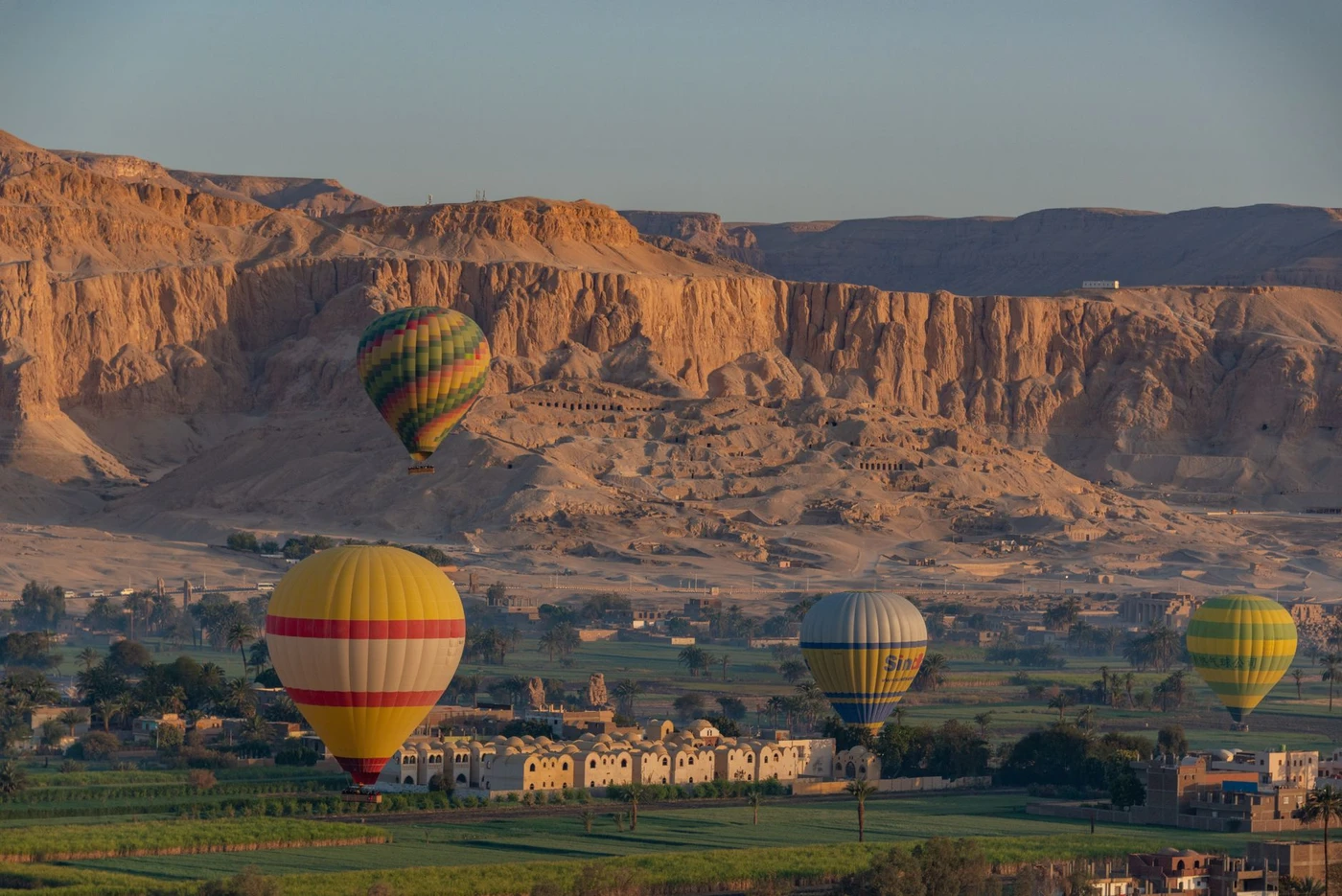

Free cancellation up to 24 hours before activity starts
If you choose to pay online, a secure payment link can be provided after booking. For assistance or alternative payment options, please contact us via WhatsApp.
All our tour operators are licensed and verified by Egyptian tourism authorities.
Learn more about our licensed partners →
Your Itinerary
Your 3-day Egypt Highlights Tour from Marsa Alam begins with a transfer to Cairo, followed by a guided visit to The Giza Pyramids. Walk around the pyramid plateau, hear how the monuments were built, and take time for photographs before continuing to the renowned Sphinx. Your guide explains the symbolism of its lion’s body and royal head while you view it from the main approach.
After lunch, visit The Cairo Museum, home to the Treasures of King Tutankhamun. The collection covers thousands of years of Egyptian history, with time to see royal statues, funerary objects and the famous Tutankhamun galleries. The final stop is the old Khan el Khalili bazaar, where narrow lanes lead past traditional shops and cafés. After the Cairo visits, we arrange the onward journey to Aswan, using the transport connection included in your confirmed programme, so the second day can begin there.
Day two starts in Aswan with the journey to the temples of Abu Simbel. The site includes the Great Temple of Ramses II, cut into the rock beside Lake Nasser, and a smaller temple built for Queen Nefertari. Your guide points out the colossal seated figures, the decorated halls and the sanctuary inside the larger temple. Allow time to walk through both monuments at a steady pace; the approach includes exposed areas, so comfortable shoes, water and sun protection are useful.
Return to Aswan for visits to the High Dam and the temple of Phiala, dedicated to the Goddess Isis. The dam provides a clear view of the lake and its importance to modern Egypt, while the island temple is reached by boat when operating conditions permit. After the sightseeing, continue by road or another arranged connection towards Luxor. The order and transport may be adjusted to match the confirmed flight or transfer schedule, while keeping the listed visits within this full day.
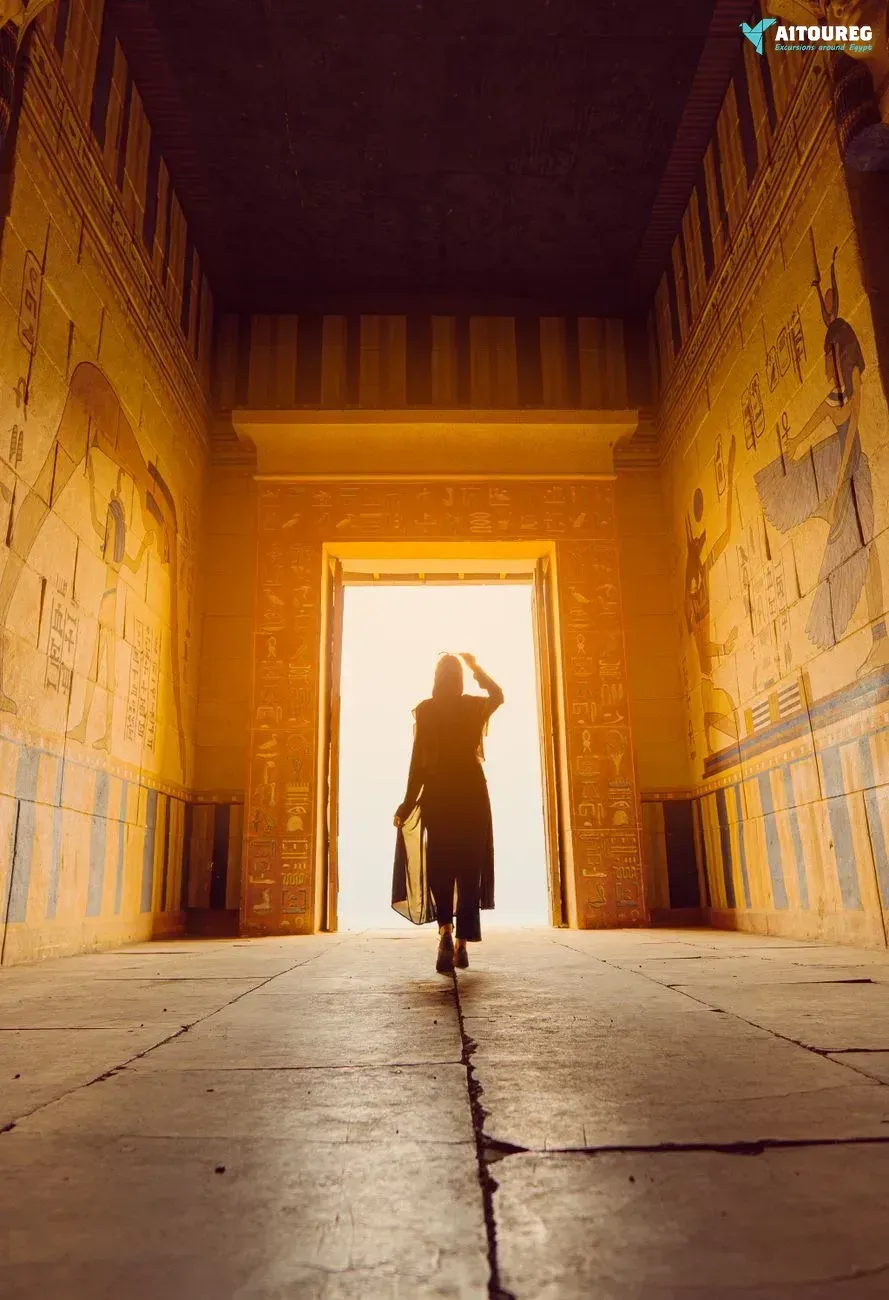
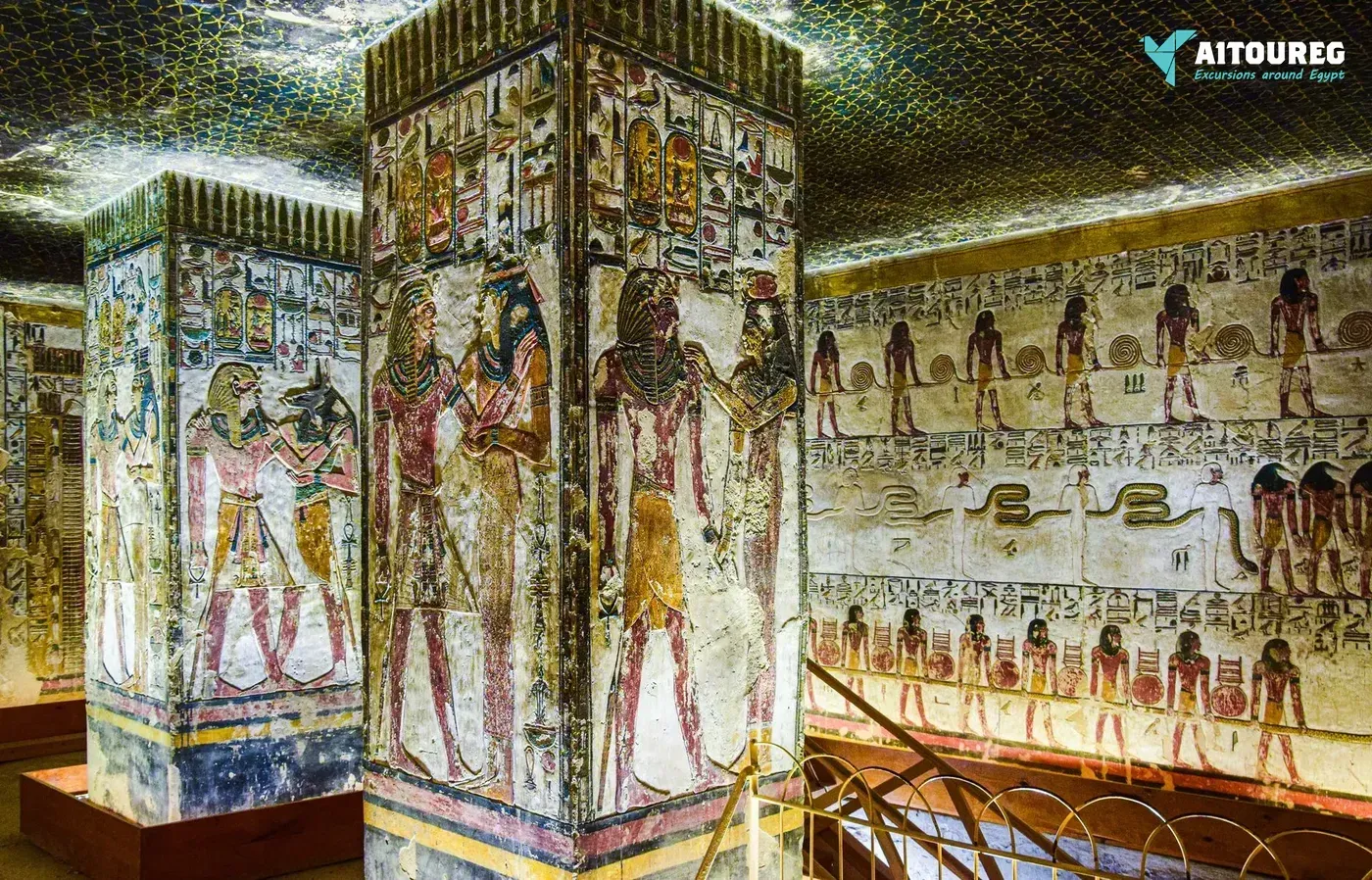
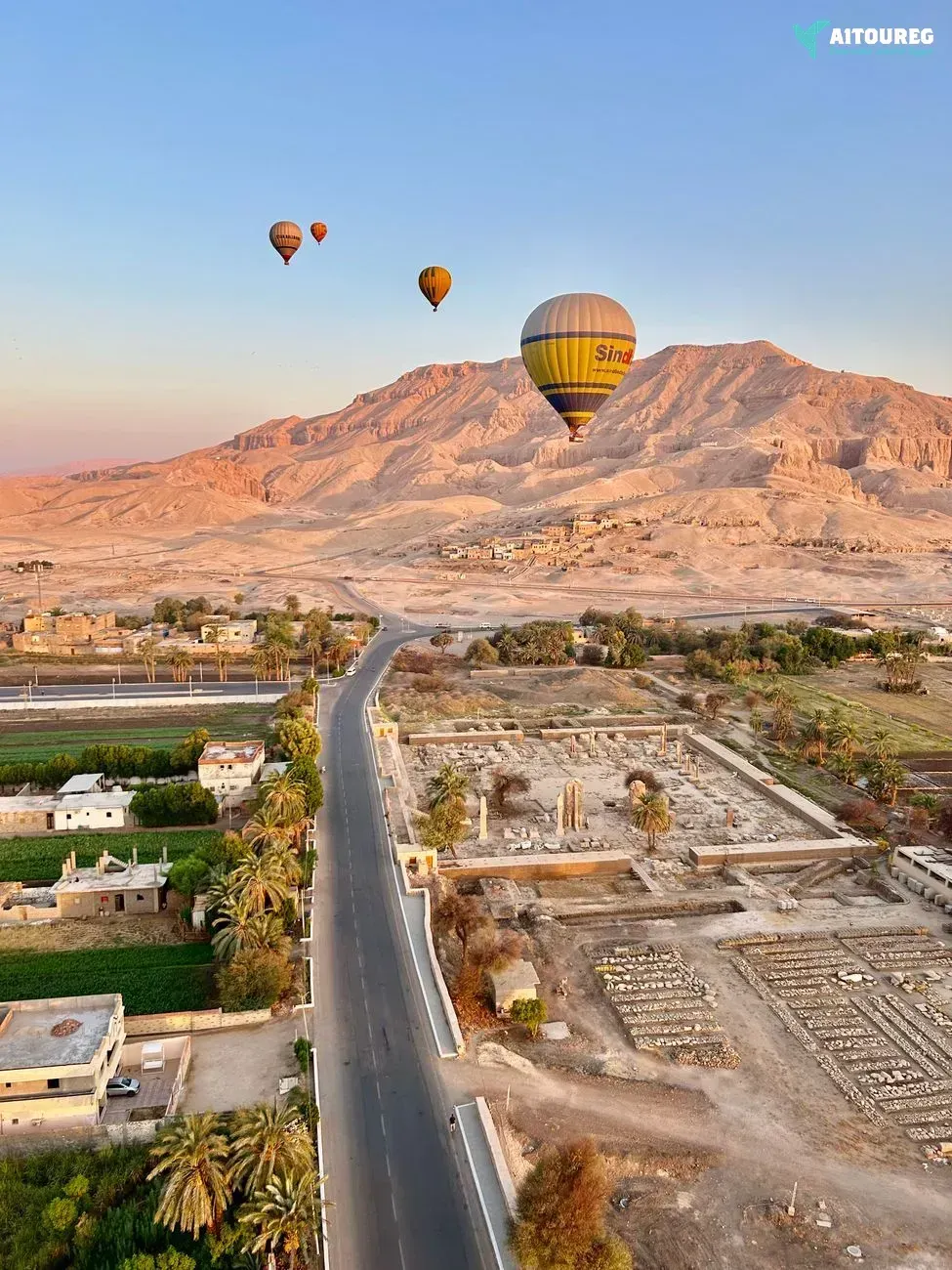
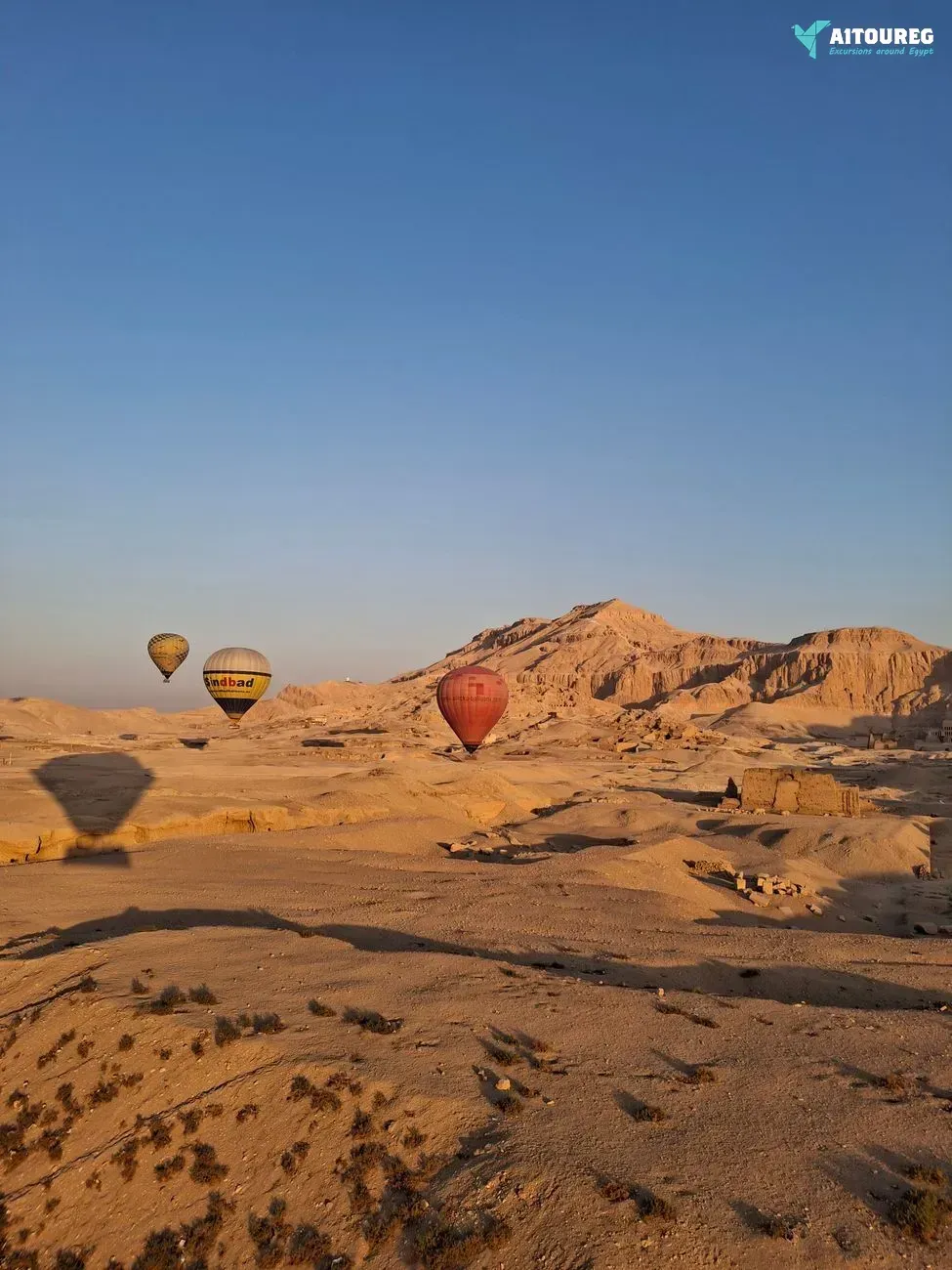
Begin the final day on Luxor’s west bank at the valley of The Kings, where royal tombs were cut into the desert hills. Your guide explains the burial traditions and helps you choose the tombs open for entry on the day. Continue to the temple of Hatshepsut, built against the cliffs and arranged in broad terraces, then stop at the Colossi of Memnon. These large stone figures once guarded the entrance to a much larger temple complex.
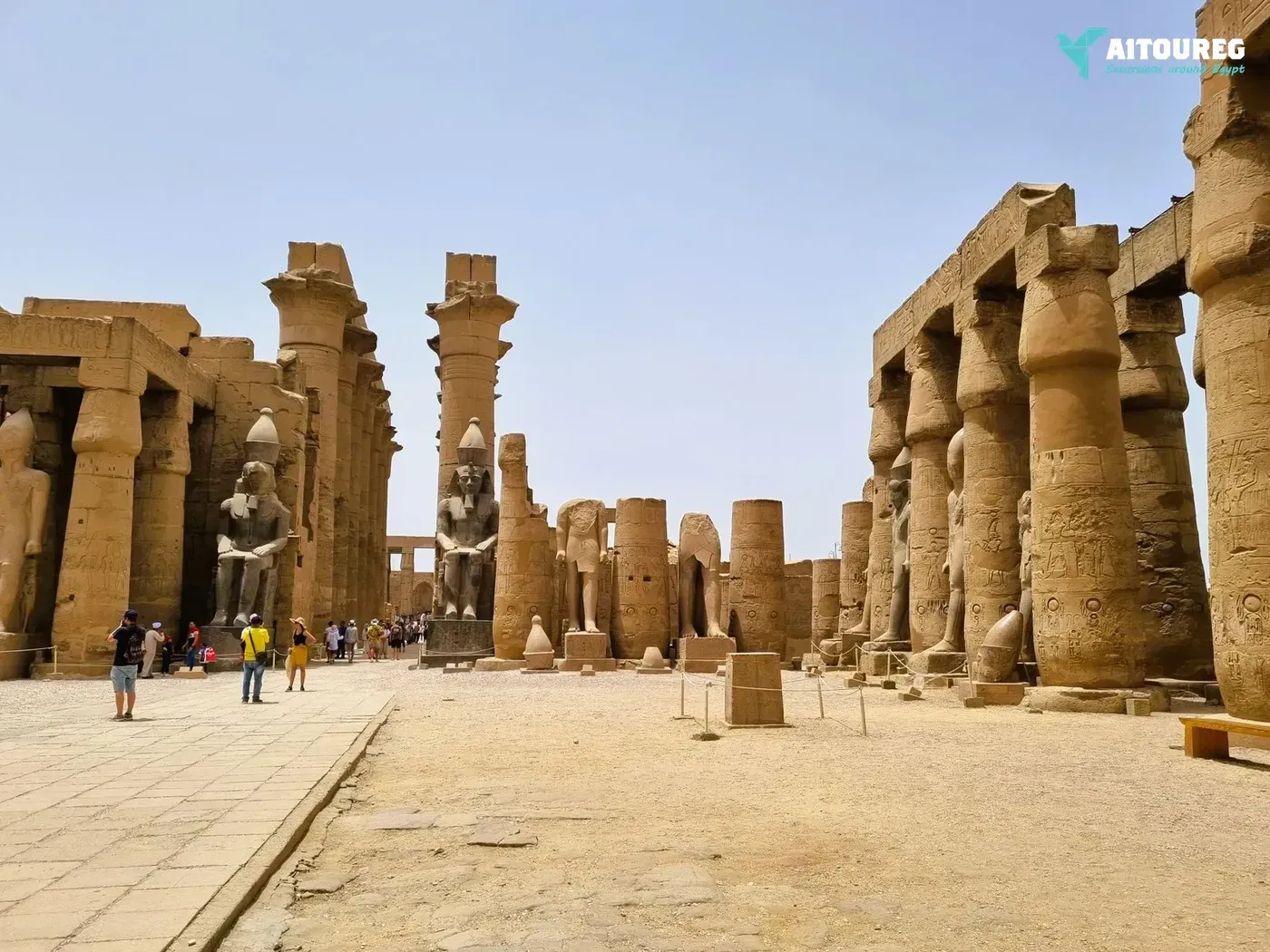
Cross to Luxor’s east bank for the temple of Karnak. Follow the processional avenues into the great precinct, seeing the massive columns, obelisks and carved courts in sequence. The visit involves walking over uneven stone and open ground, so sensible footwear is recommended. After the temple visit, we begin your departure transfer to Marsa Alam. The drive takes several hours and the final arrival time depends on road conditions and the exact departure arrangements confirmed for your tour.