
Marsa Alam 4-Day Nile Cruise to Aswan
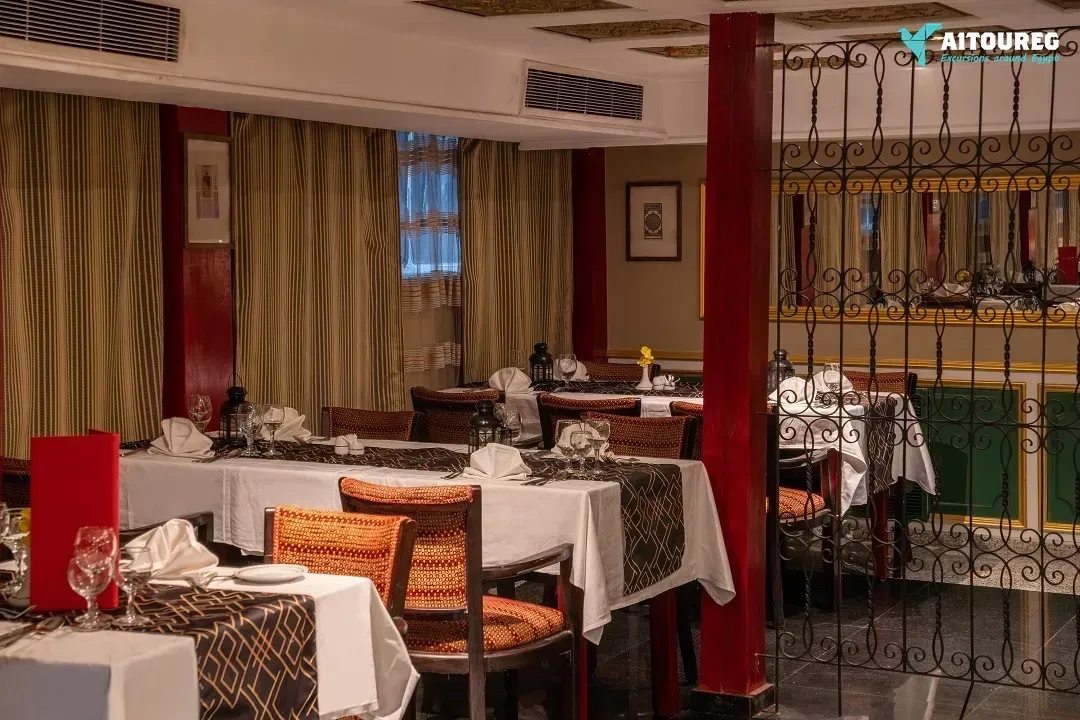
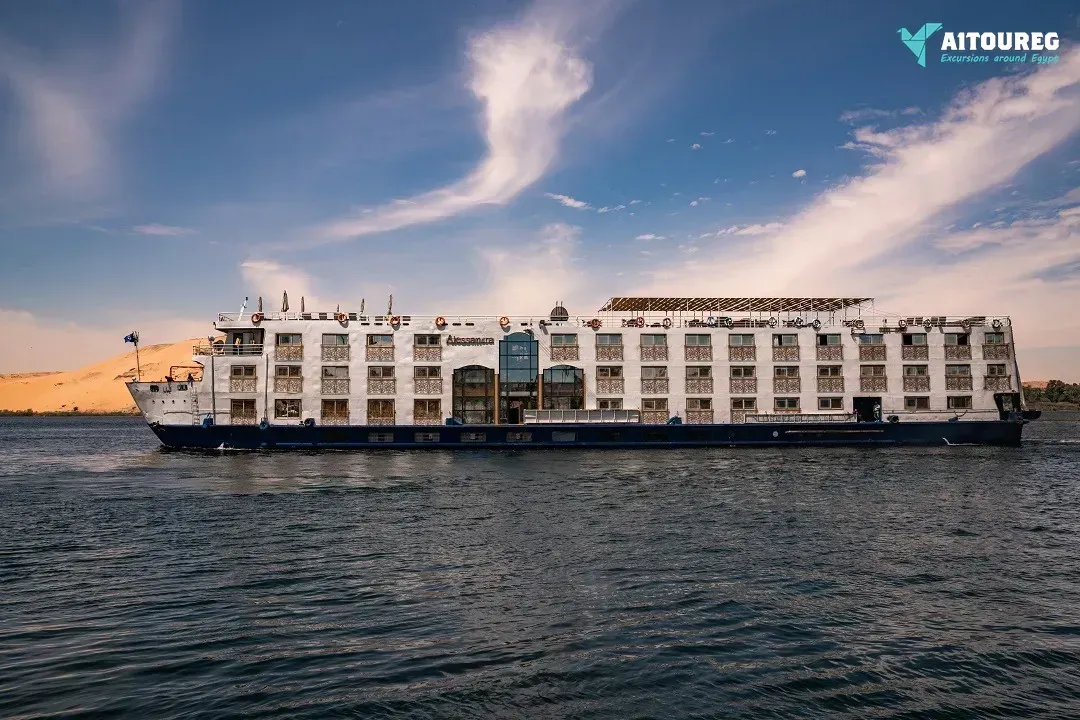
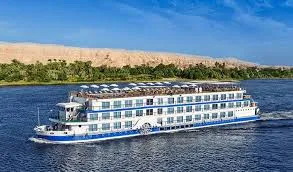
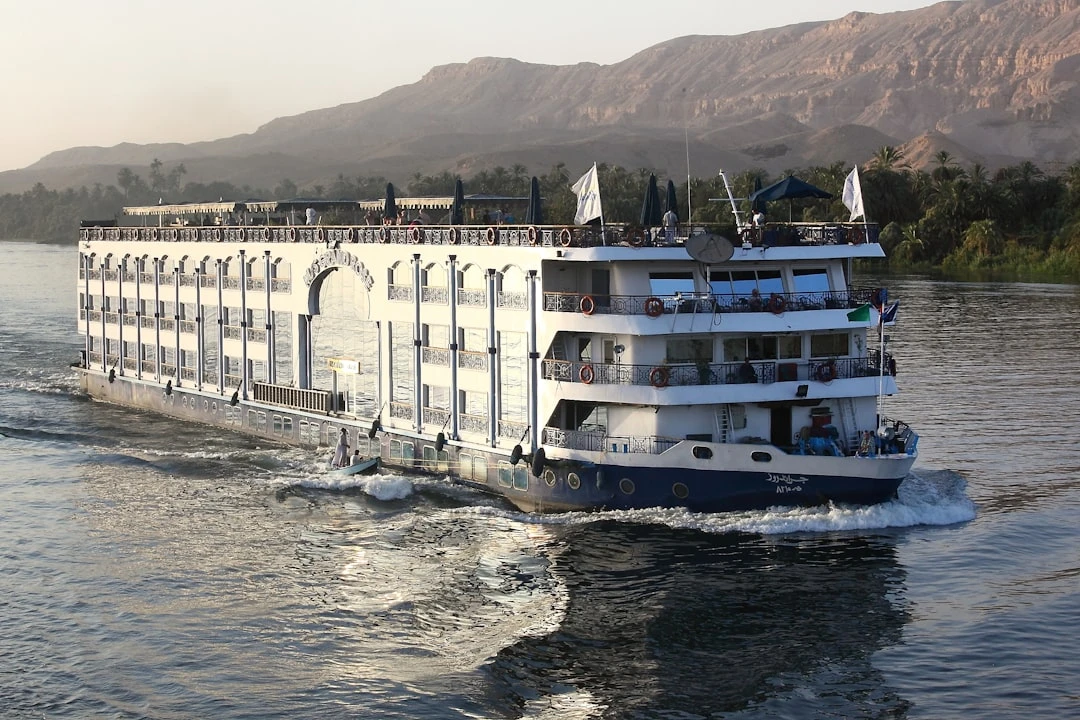
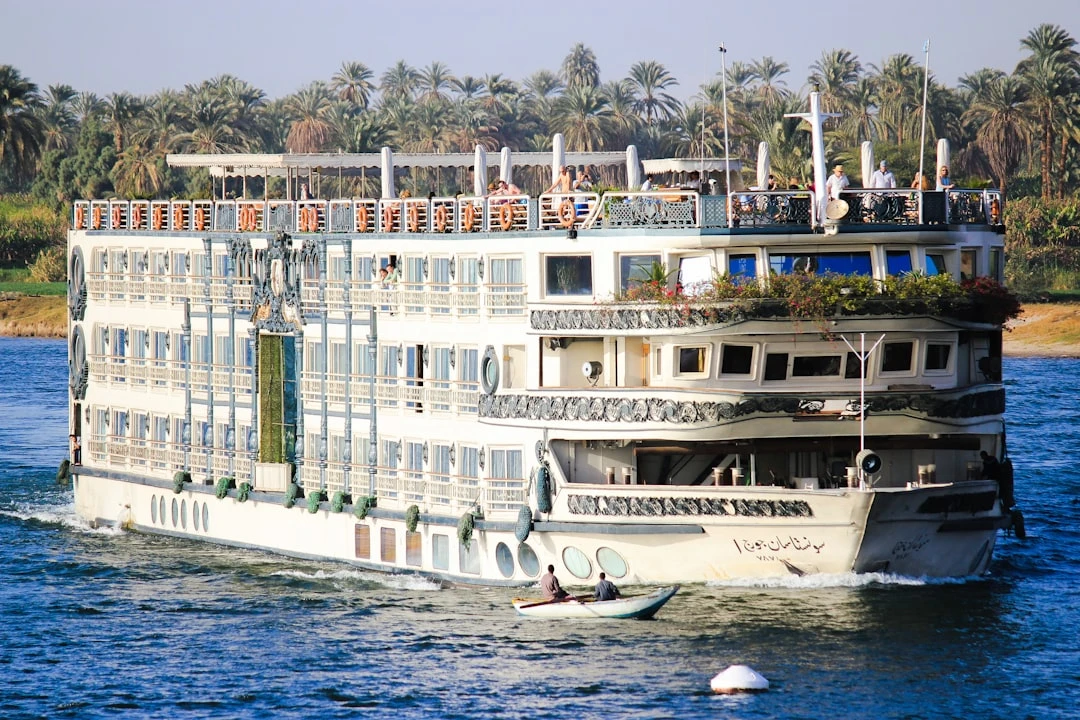
The Marsa Alam 4-day Nile cruise starts with a comfortable transfer to Luxor. There, you board a 5-star ship and sail south towards Aswan. It is a practical way to see several of Egypt’s major sights on one organised trip, with time on the river between guided visits to temples and royal tombs. Meals are served aboard the ship, and the days combine archaeological sites with quieter stretches of Nile scenery.
Luxor sets the historical tone. At Karnak Temple, our guide takes you through the vast sacred complex, including the great hypostyle hall, processional avenues and temple remains built over many centuries. You then visit Luxor Temple, where columns, statues and later Roman and Islamic details show how the site changed over time. The visits follow a measured pace, leaving room to listen, take photographs and ask questions instead of hurrying between monuments.
Across the river, the Valley of the Kings takes you into the burial landscape of Egypt’s New Kingdom rulers. You can enter the tombs included in the day’s visiting arrangements and see painted chambers cut into the limestone hills. Nearby, the temple of Queen Hatshepsut rises in terraces beneath the cliffs at Deir el-Bahari. Its broad courtyards and reliefs show royal power in a different way from the underground tombs, while our licensed Egyptologist explains the stories behind the surviving scenes.
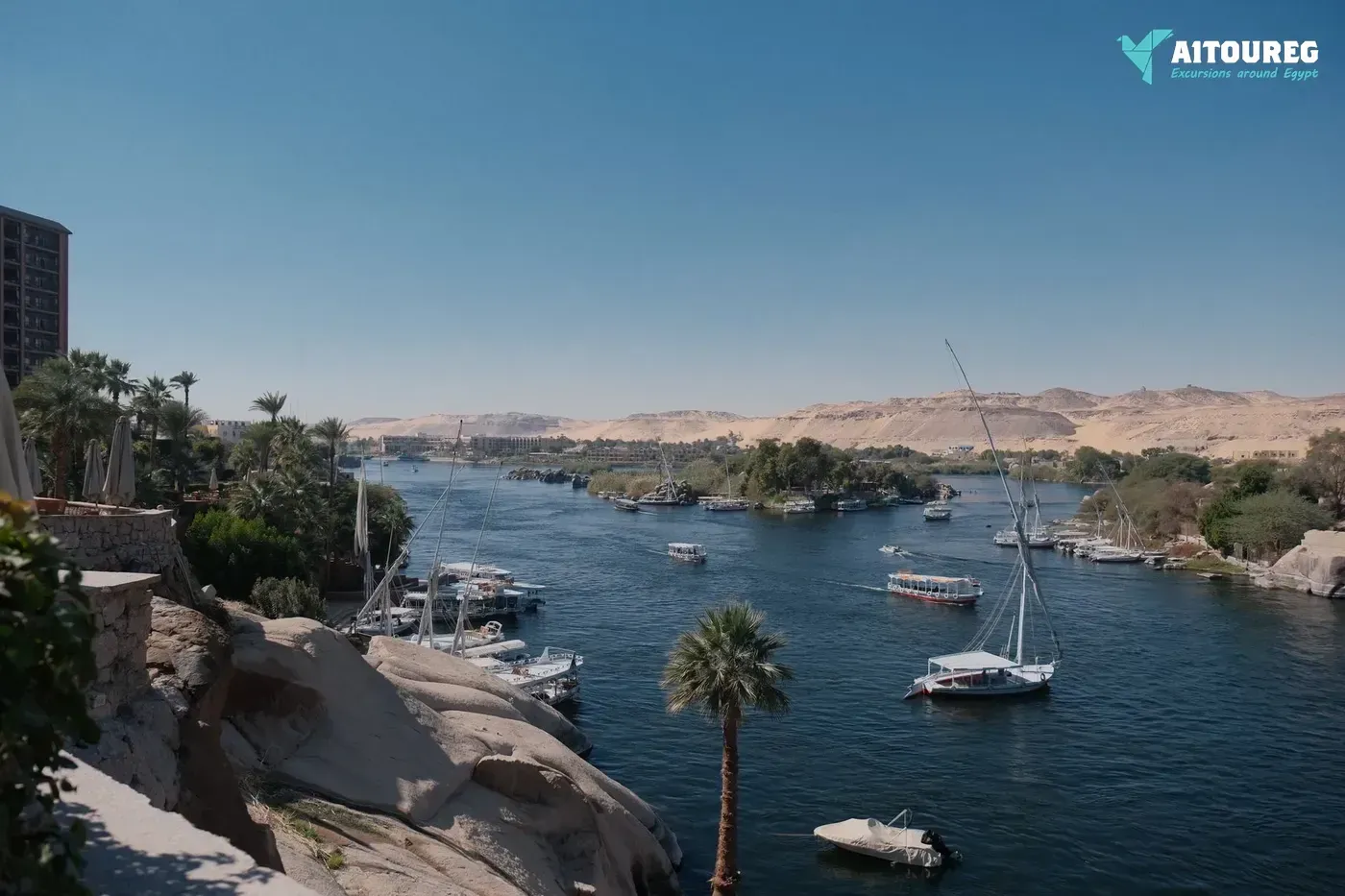
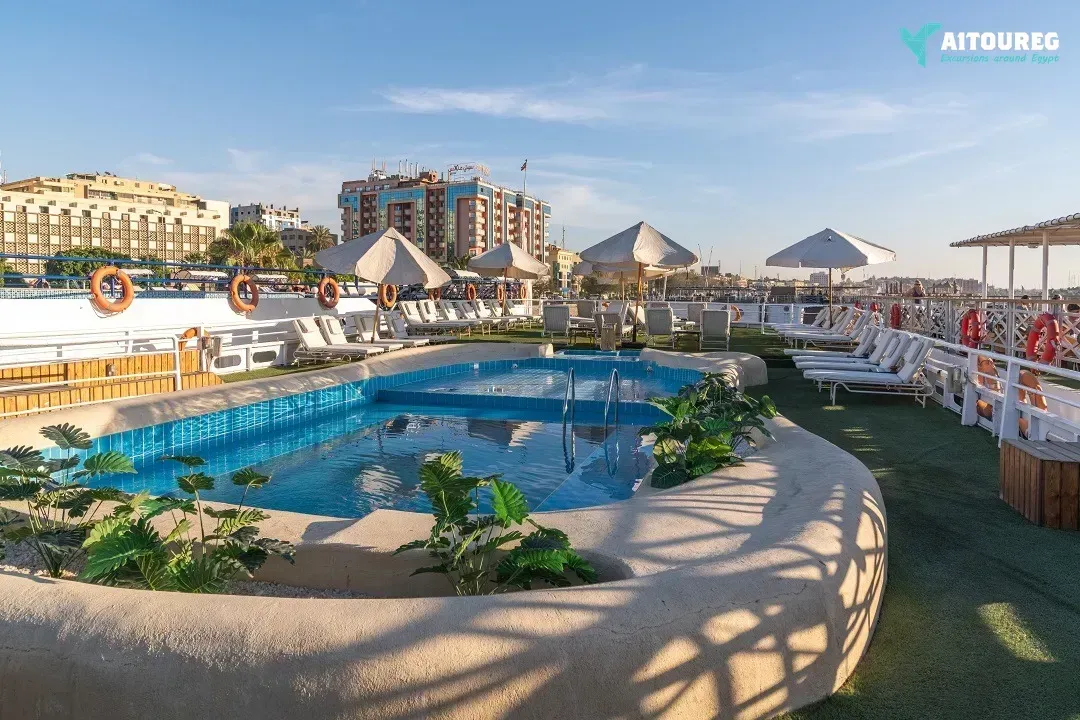
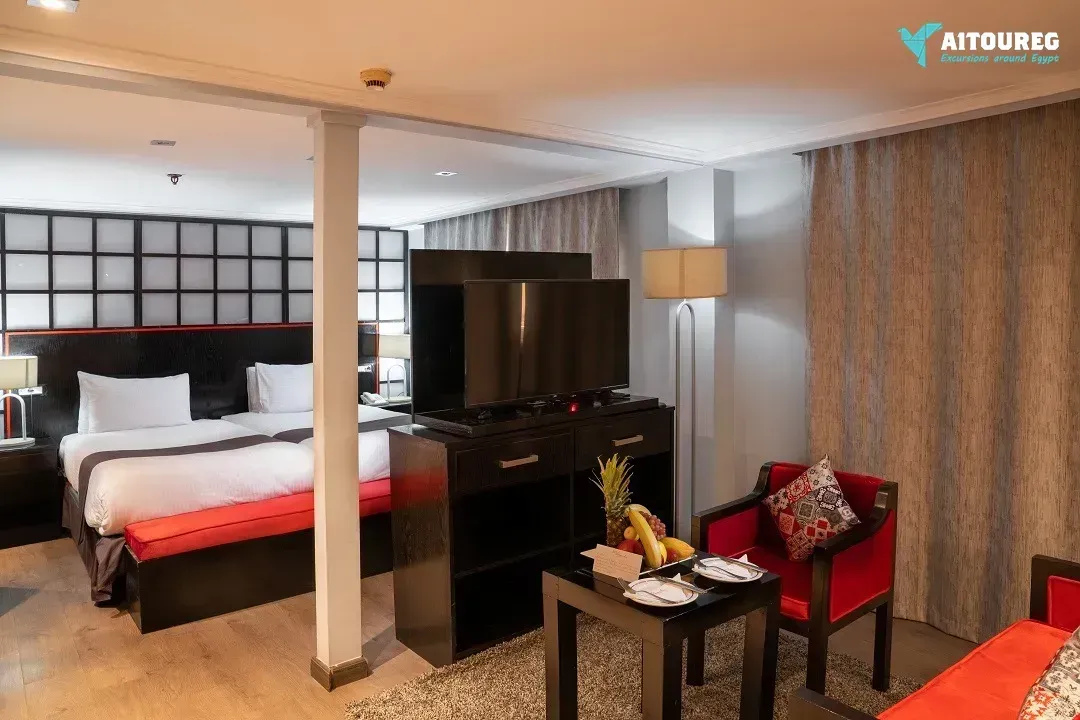
Once the ship is under way, the journey itself becomes part of the day. Sit on deck, watch fields and villages move past the riverbanks, or rest in your cabin between visits. The cruise suits travellers who want plenty of sightseeing without changing hotels each night. Breakfast, lunch and dinner are typically served aboard the ship, and the organised transfers make the long distances between Marsa Alam, Luxor and Aswan easier to manage.
The southern route includes Edfu, where you visit the remarkably well-preserved Temple of Horus. Its towering entrance and enclosed courtyards make the scale easy to grasp, even on a first visit. At Kom Ombo, the temple stands beside the Nile and honours Sobek and Horus the Elder. As you walk through its halls, reliefs and sanctuaries with the guide, the unusual double design becomes easier to follow.
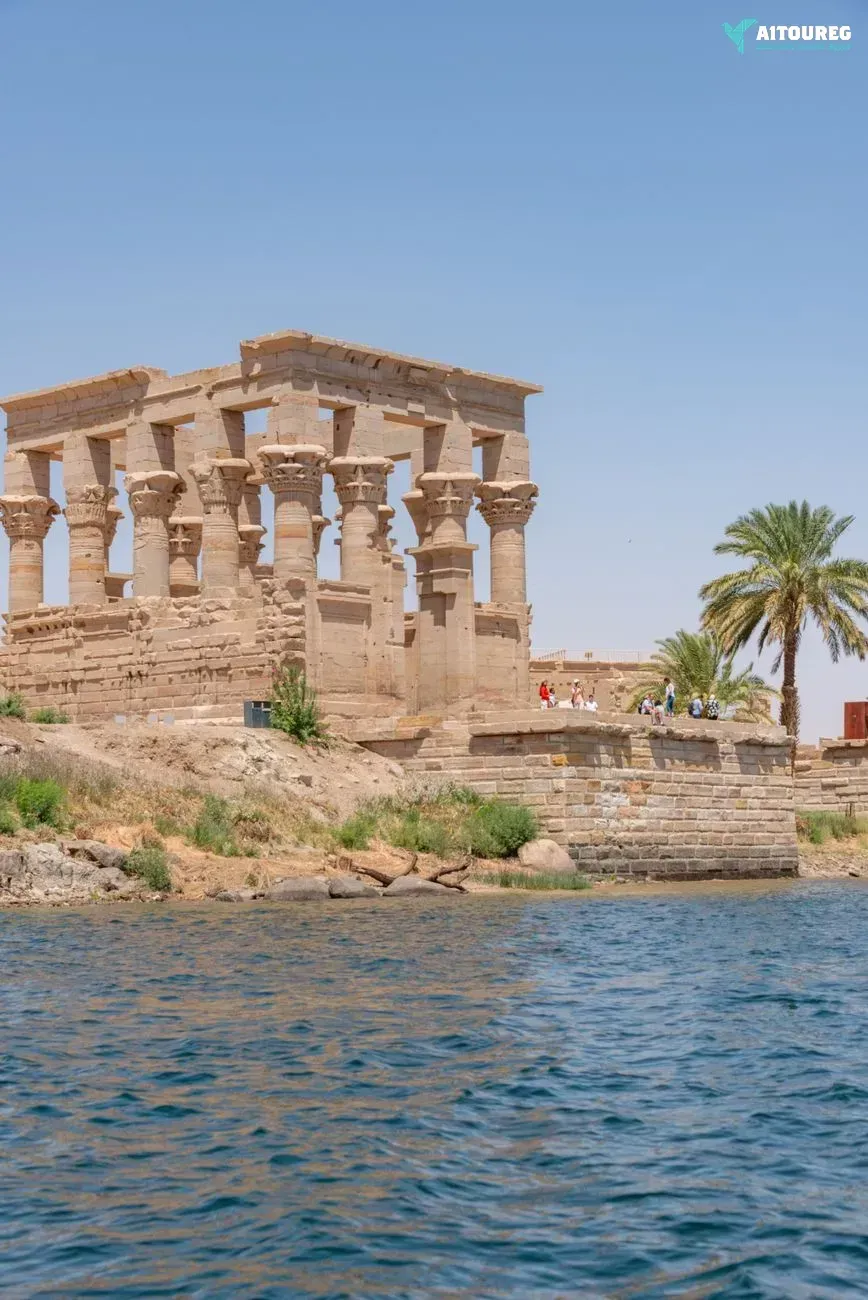
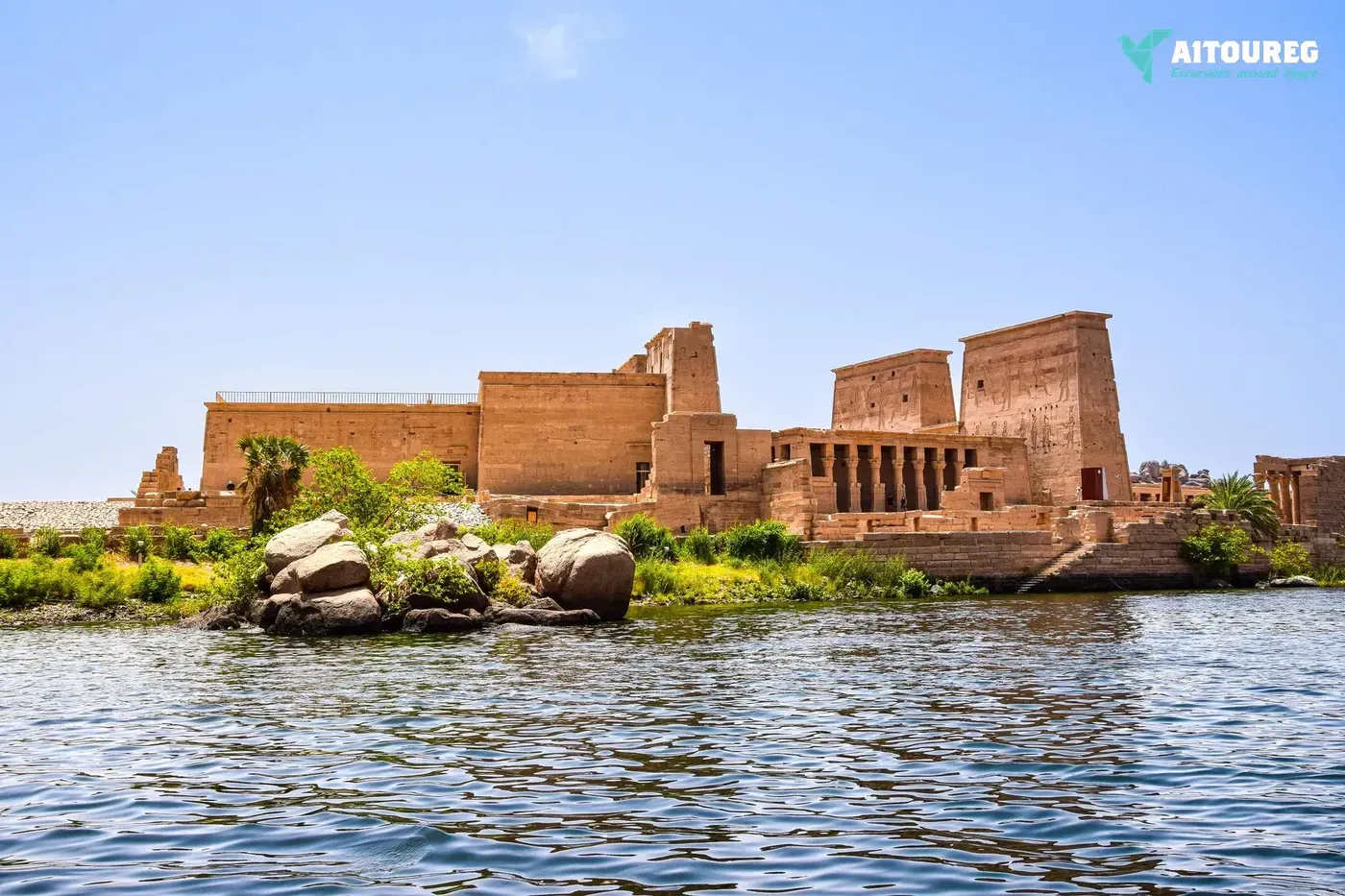
In Aswan, sightseeing continues at the Aswan Dam and Philae Temple. The dam gives you a clear view of the modern engineering project that changed the Nile’s flow, while Philae is reached by boat on the island where the temple complex was relocated. Its island setting sets it apart from the larger mainland sites, with columns and courtyards surrounded by water and granite landscapes.
Abu Simbel is the major optional-feeling highlight included in this Nile cruise package from Marsa Alam, reached by an organised road transfer from Aswan. At the temples of Ramses II, four seated figures cut into the rock face greet you outside; inside, halls and reliefs tell stories linked to the king and the gods. The early departure usually makes this a long sightseeing outing, so travellers should be comfortable with a full day of road travel and walking.
This trip suits adults, families with older children and travellers who want a clear programme, expert explanations and a comfortable base on the river. It is less suitable for anyone who needs completely level access or frequent rest stops, since temple compounds, tomb approaches and boarding areas may involve steps, uneven ground and heat. We coordinate the pickup from Marsa Alam, transfers, cruise arrangements and guided sightseeing, while the final schedule follows the ship’s sailing times and local site access. Bring comfortable shoes and keep your passport with you for the transfers and cruise check-in.
Accommodation aboard a 5-star Nile cruise ship
Pickup and drop-off from Marsa Alam
Entrance fees to the listed archaeological sites
Meals aboard the cruise as stated in the confirmed programme
Transfers between Marsa Alam, Luxor and Aswan as outlined in the programme
Licensed Egyptologist guide during scheduled sightseeing
Boat transfer to Philae Temple
Drinks and meals not specified in the confirmed programme
Gratuities for the guide, drivers and cruise staff
Optional activities or services not listed in the inclusions
Personal expenses and souvenirs
Any entry permits or services not stated in the confirmed booking
Travel insurance
Any personal medication
Sun hat, sunglasses and sunscreen
Passport and any required travel documents
Camera or phone with spare battery or power bank
Light, breathable clothing and a layer for cooler evenings
Small overnight bag for excursions
Refillable water bottle
Comfortable walking shoes with good grip
The Marsa Alam Nile Cruise Getaway includes a 4-day Nile cruise experience aboard a 5-star ship, with planned sightseeing between Luxor and Aswan. The route includes Karnak temple, the Valley of the Kings, Edfu, Kom Ombo, Philae temple and Abu Simbel, while the booking details confirm the exact inclusions for transfers, guides, meals and entry tickets.
We provide the trip arrangements shown in your reservation, so please check those details before travelling. Optional services or personal expenses are not included unless they are listed.
The tour lasts four days and combines time aboard the ship with scheduled visits to Egypt’s leading highlights. You will uncover a wealth of archaeological treasures between Luxor and Aswan, including Karnak temple, the Luxor area, the Valley of the Kings, Edfu, Kom Ombo and Aswan’s Philae temple.
The pace is active during sightseeing, with walking across temple grounds, uneven surfaces and some steps, but there is also time to rest on the ship. Abu Simbel is a separate excursion during the Aswan part of the itinerary.
The tour begins with a road transfer from Marsa Alam towards Luxor, where the Nile cruise itinerary starts, followed by sightseeing and sailing towards Aswan. Your booking confirmation will state the pickup arrangements, meeting point and whether the return transfer to Marsa Alam is included for your selected option.
We recommend giving our team your accommodation details in advance so we can confirm the practical transfer arrangements. Pickup times can vary by location and the day’s sightseeing schedule.
This Nile cruise can suit families and reasonably mobile travellers, but the visits to Karnak temple, the Valley of the Kings, Queen Hatshepsut temple, Edfu and Kom Ombo involve walking outdoors over uneven ground. Ship gangways, steps and busy shore excursions may be difficult for travellers using wheelchairs or with limited mobility.
Children should be comfortable with early starts, warm weather and time on the road, particularly for the Abu Simbel visit. Tell us about mobility needs or travelling with young children before booking so we can check the arrangements.
Wear light, breathable clothing with comfortable walking shoes, and bring sun protection, a hat, sunglasses, water and any personal medication. Modest clothing that covers the shoulders and knees is appropriate when visiting temples and other religious sites, including Philae temple and Abu Simbel.
A light layer can help on the ship in the evening, while a small day bag is useful for shore excursions. Keep your passport, booking documents and valuables secure during transfers and visits.
Cancellation and amendment terms depend on the booking conditions attached to your selected Marsa Alam Nile Cruise Getaway. Check the policy before payment, as the rules can vary according to how close the cancellation is to departure and whether cruise arrangements have already been confirmed.
Contact our team as soon as your plans change. We can explain the applicable terms and check whether an amendment is possible, but changes remain subject to the booking conditions and availability.
Your unforgettable Egypt journey starts with a booking you can trust.
* Available on selected tours. Flights, cruises and special bookings may have different cancellation policies.
Free cancellation up to 24 hours before activity starts
If you choose to pay online, a secure payment link can be provided after booking. For assistance or alternative payment options, please contact us via WhatsApp.
All our tour operators are licensed and verified by Egyptian tourism authorities.
Learn more about our licensed partners →Free cancellation up to 24 hours before activity starts
If you choose to pay online, a secure payment link can be provided after booking. For assistance or alternative payment options, please contact us via WhatsApp.
All our tour operators are licensed and verified by Egyptian tourism authorities.
Learn more about our licensed partners →
Your Itinerary
Your 4-day Nile cruise experience begins with a road transfer from Marsa Alam to Luxor. The journey takes several hours, with a comfort stop arranged along the way when needed. On arrival in Luxor, our team assists with boarding your 5-star cruise ship and settling into your cabin before the afternoon sightseeing begins.
Start at Karnak temple, the largest ancient religious complex in Egypt. Walk through the Great Hypostyle Hall, where rows of towering columns carry carved inscriptions, then continue past chapels, courts, and the sacred lake. Later, visit Luxor Temple, whose entrance avenue and monumental statues are especially atmospheric as the light softens. Return to the ship for dinner and your first night on the Nile. The schedule leaves time to unpack and rest after the transfer from Marsa Alam.
After breakfast, cross the Nile to Luxor’s West Bank for a morning visit to the Valley of the Kings. Your guide explains how the valley became a royal burial ground and leads you to the open tombs included in the visit. Inside, painted scenes and hieroglyphs cover the walls and ceilings, with each tomb offering a different layout and level of decoration. Continue to the Valley of the Queens if it is included in the day’s confirmed program.
Next, visit the Queen Hatshepsut temple, cut into the cliffs at Deir el-Bahari. Its broad terraces, ramps, and reliefs tell the story of Egypt’s female pharaoh and her rule. Return to the ship for lunch, then spend the afternoon sailing south. The river changes from the wide Luxor landscape to quieter farming villages and riverbank fields as the ship heads towards Edfu, where it remains overnight or continues according to the vessel’s navigation schedule.
Begin with a visit to Edfu, reached from the ship by local transfer. The Temple of Horus is one of Egypt’s best-preserved ancient temples, with a massive gateway, detailed wall reliefs, and a clear view of how a Ptolemaic temple was planned. Your guide helps you read the main scenes before you return to the cruise ship for breakfast or the next scheduled meal, depending on the ship’s timetable.
Continue sailing towards Kom Ombo, watching villages, cultivated land, and small boats pass along the banks. At the riverside temple, see the unusual double design dedicated to Sobek and Haroeris. The reliefs, courts, and carved medical instruments provide plenty to examine during the walk. Back on board, the ship continues to Aswan. This is a slower part of the cruise, with time to sit on deck, enjoy the changing scenery, and prepare for the final day’s early visit to Abu Simbel.
Leave Aswan early for Abu Simbel, travelling by road through the desert to the southern edge of Egypt. The temple complex is known for the four seated figures of Ramesses II carved into the rock face. Inside, painted chambers and carved scenes explain the king’s power and religious role. Your guide gives you time to walk through both the larger temple and the nearby temple dedicated to Queen Nefertari before the return journey to Aswan.
After arriving back in Aswan, visit the Aswan Dam to see the structure that created Lake Nasser, then continue by boat to the island setting of Philae temple. Its courtyards, columns, and reliefs were relocated during the dam project, and the boat approach gives you a clear view of the complex from the water. After the visit, disembark and begin your onward transfer. This final day completes a practical route to explore Egypt’s leading highlights while you uncover a wealth of archaeological treasures between Luxor and Aswan.