Luxor and Aswan Nile Cruise from Marsa Alam
The 5-day Nile Cruise from Marsa Alam lets you see the major monuments of Upper Egypt without arranging separate transfers between Luxor and Aswan. We collect you in Marsa Alam and take you to Luxor, where the tour starts among temple columns, royal tombs and the river landscape that shaped ancient Egypt.
In Luxor, a guided visit to Karnak temple takes you through a vast complex of pylons, courtyards and sanctuaries built over many centuries. You also see Luxor Temple, where the remaining columns and statues take on a different feel later in the day. On the west bank, the Valley of the Kings has painted burial chambers cut into the desert hills. The tombs involve uneven ground and some steps, but your guide explains the decoration and beliefs behind each visit.
The west-bank programme also includes the Valley of the Queens and the Queen Hatshepsut temple, a carefully arranged monument set against the cliffs at Deir el-Bahari. Nearby, the Colossi of Memnon make a short outdoor stop beside two monumental seated figures. The sites are close together, so the sightseeing stays focused instead of filling the day with long road transfers.
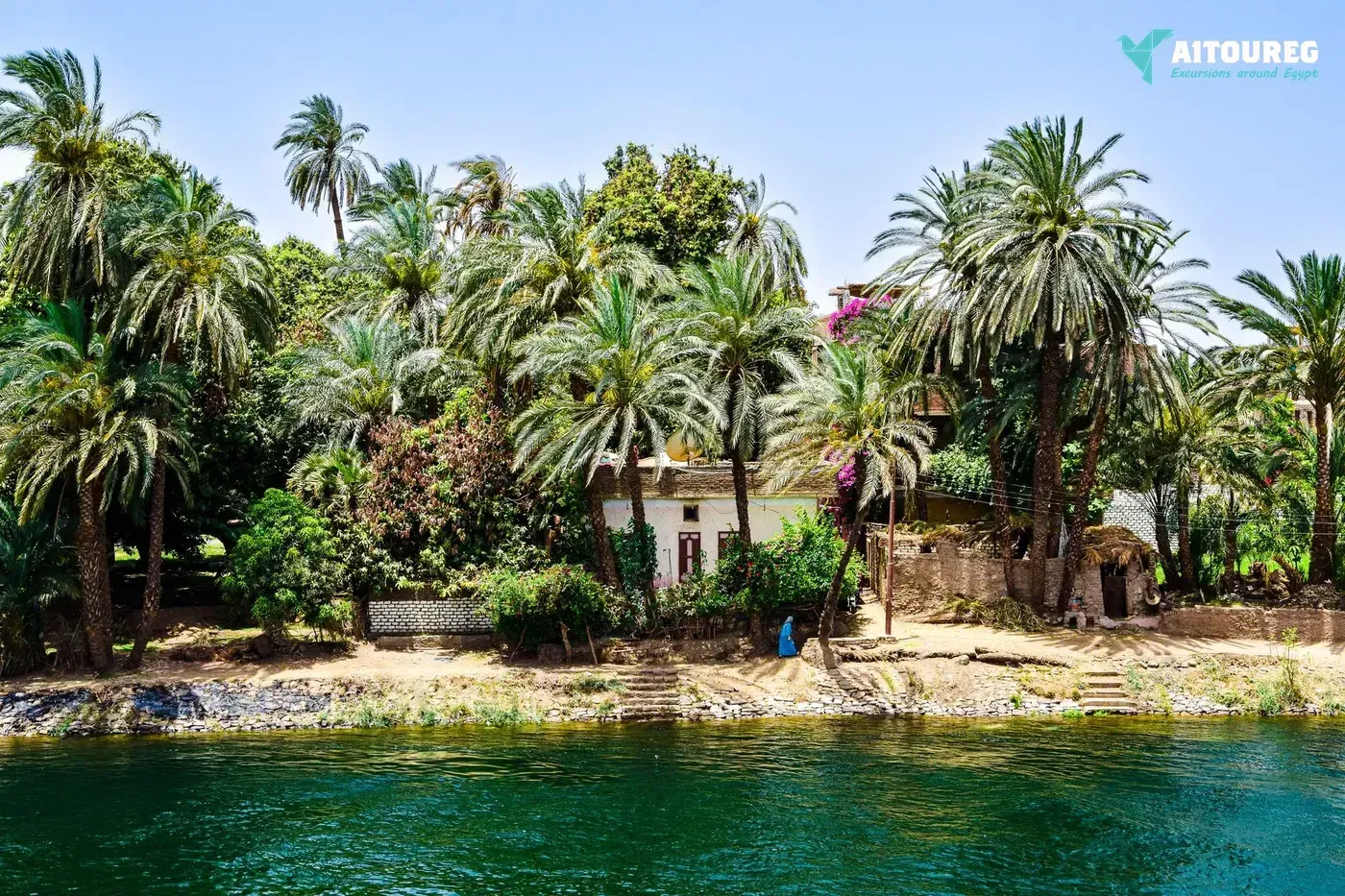
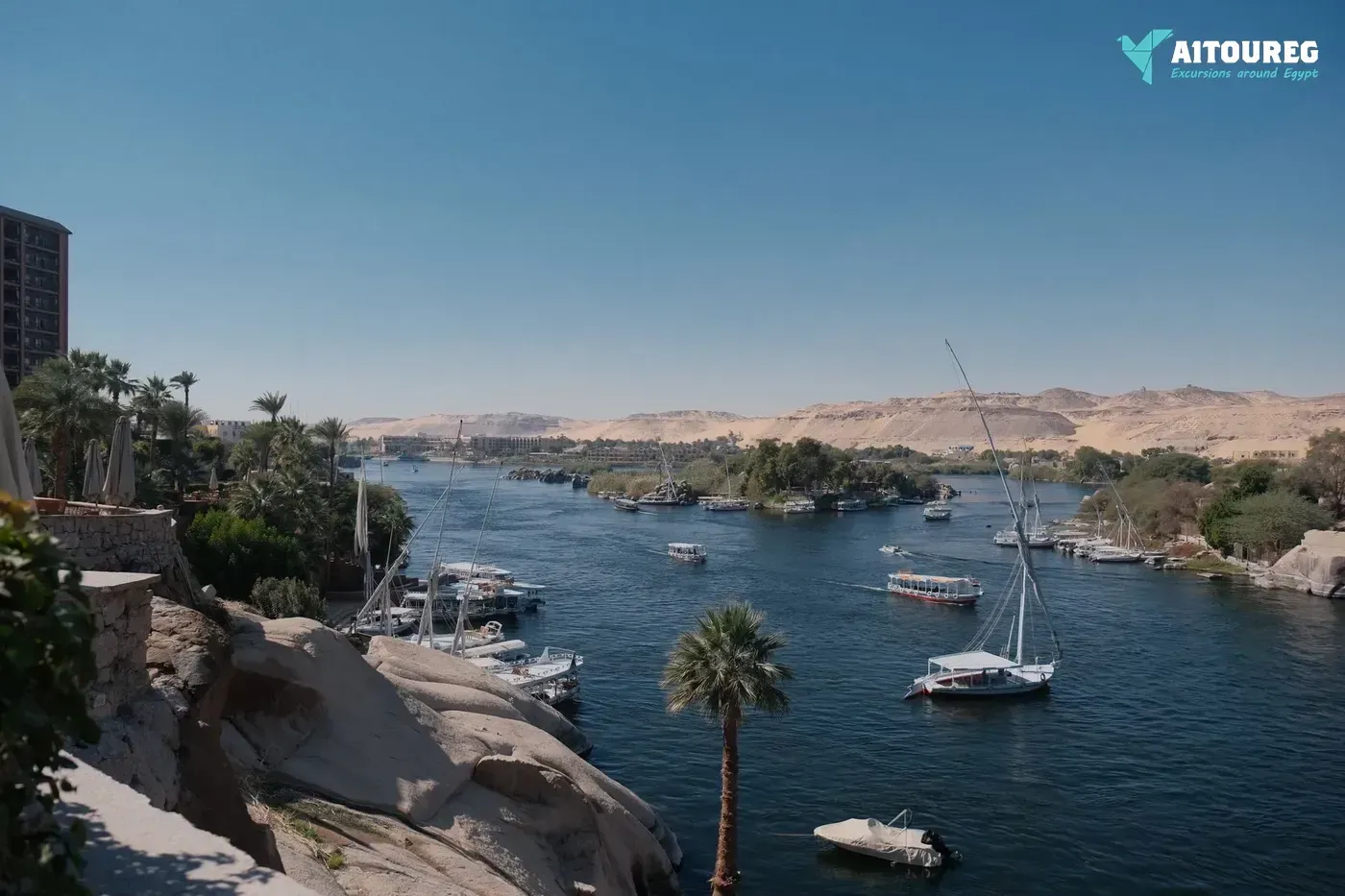
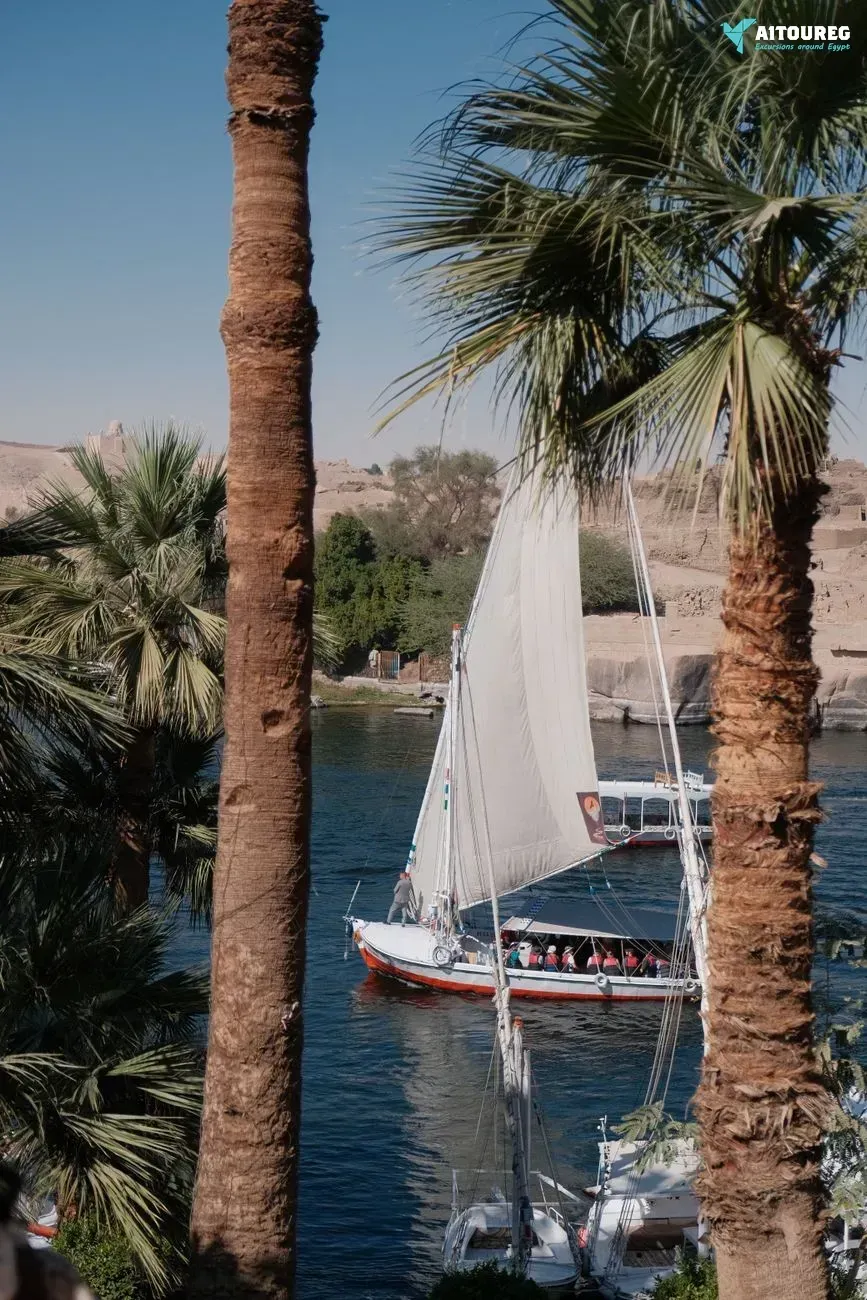
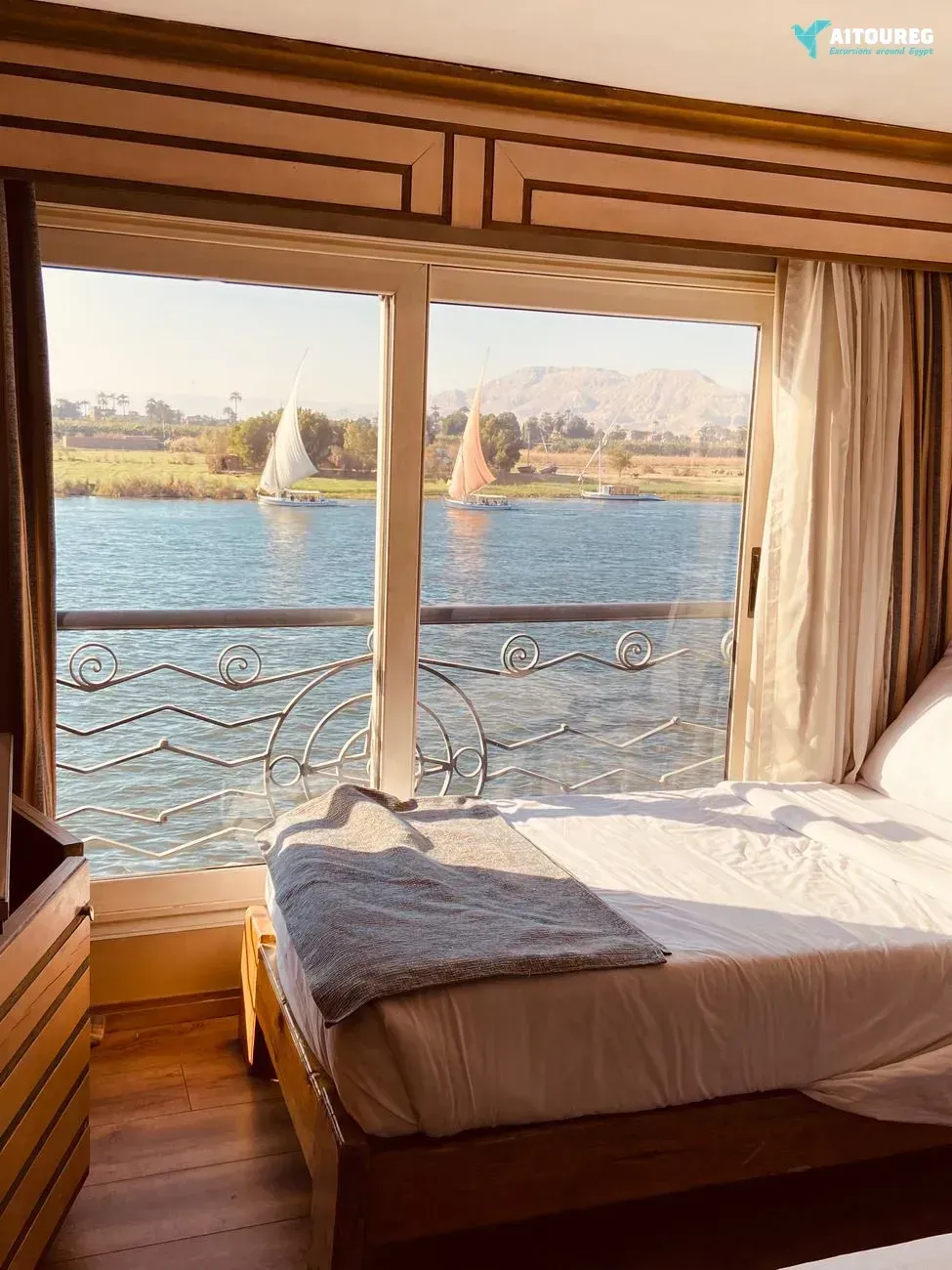
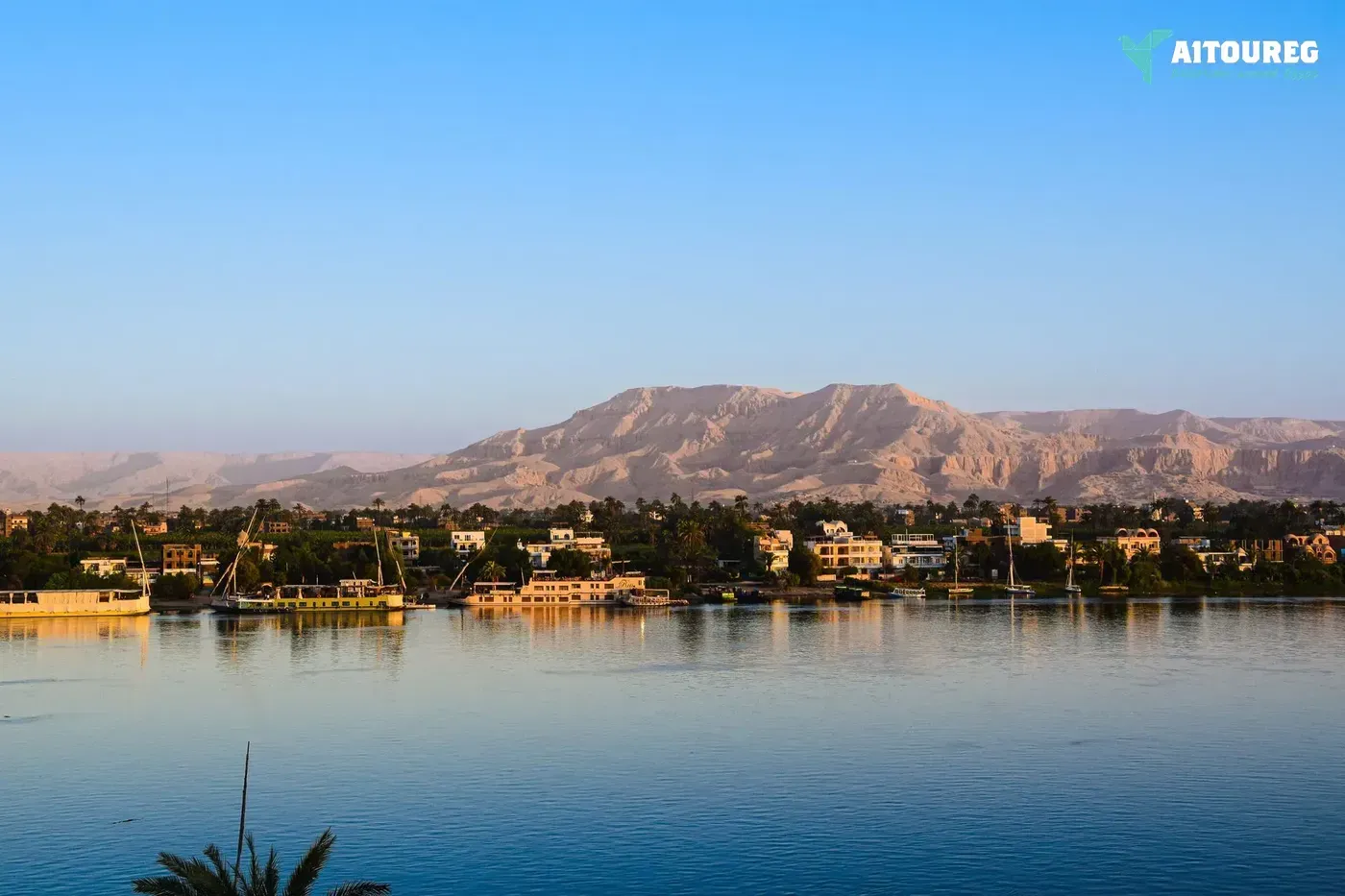
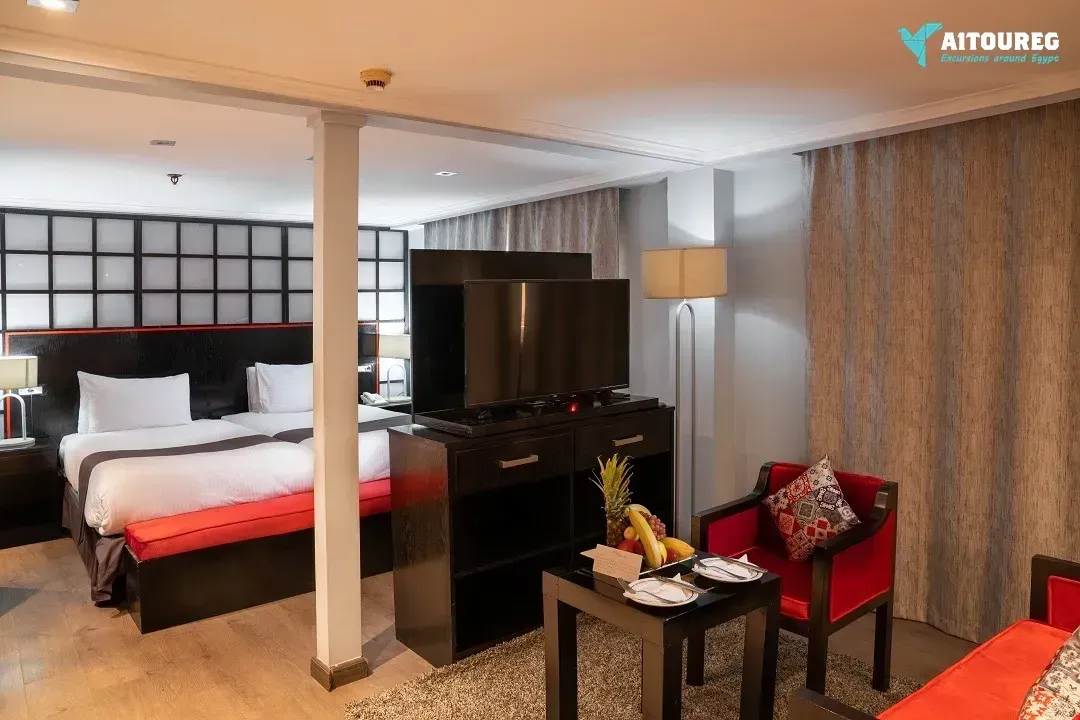
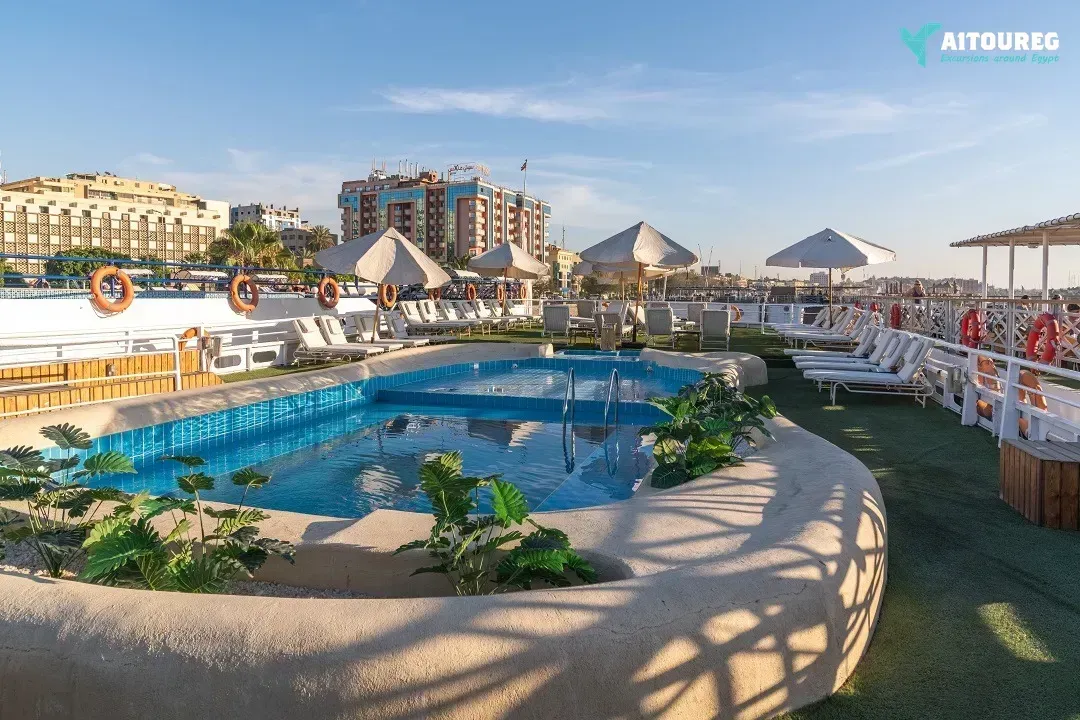
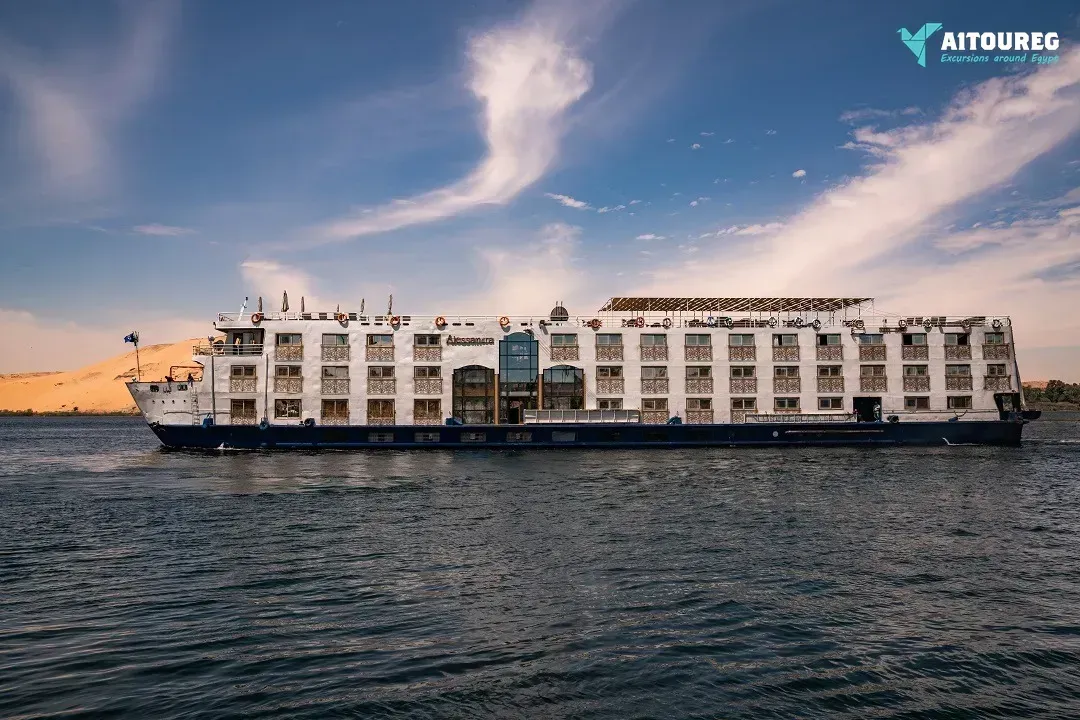
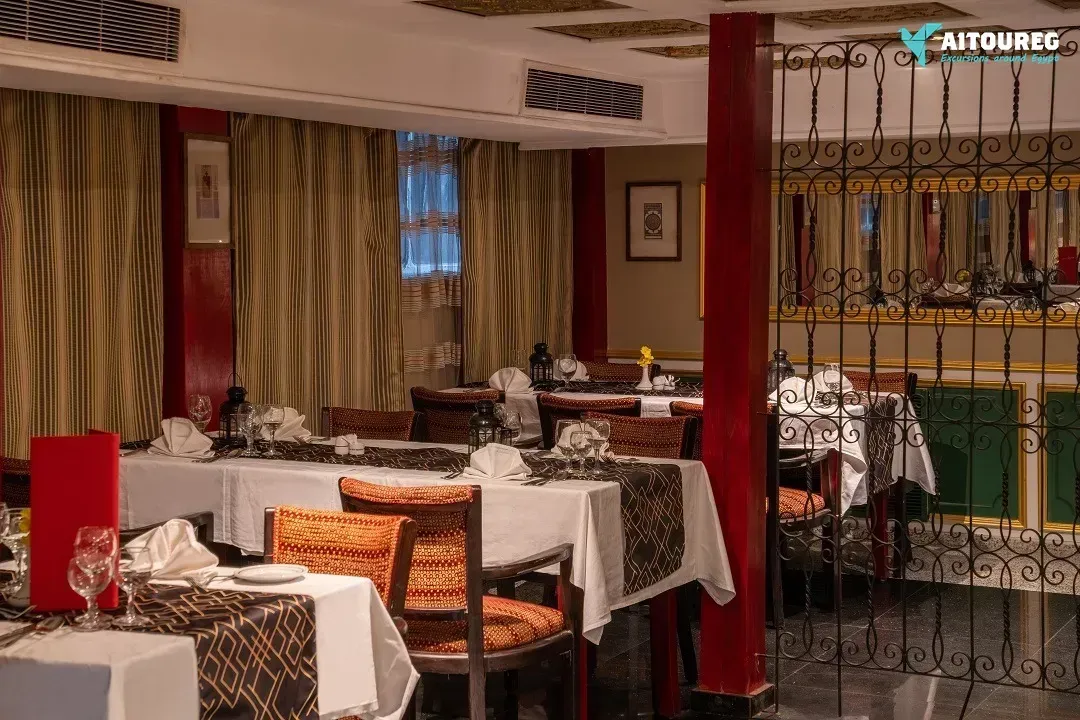
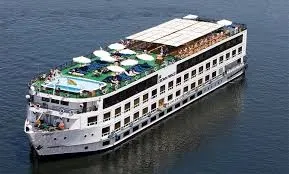
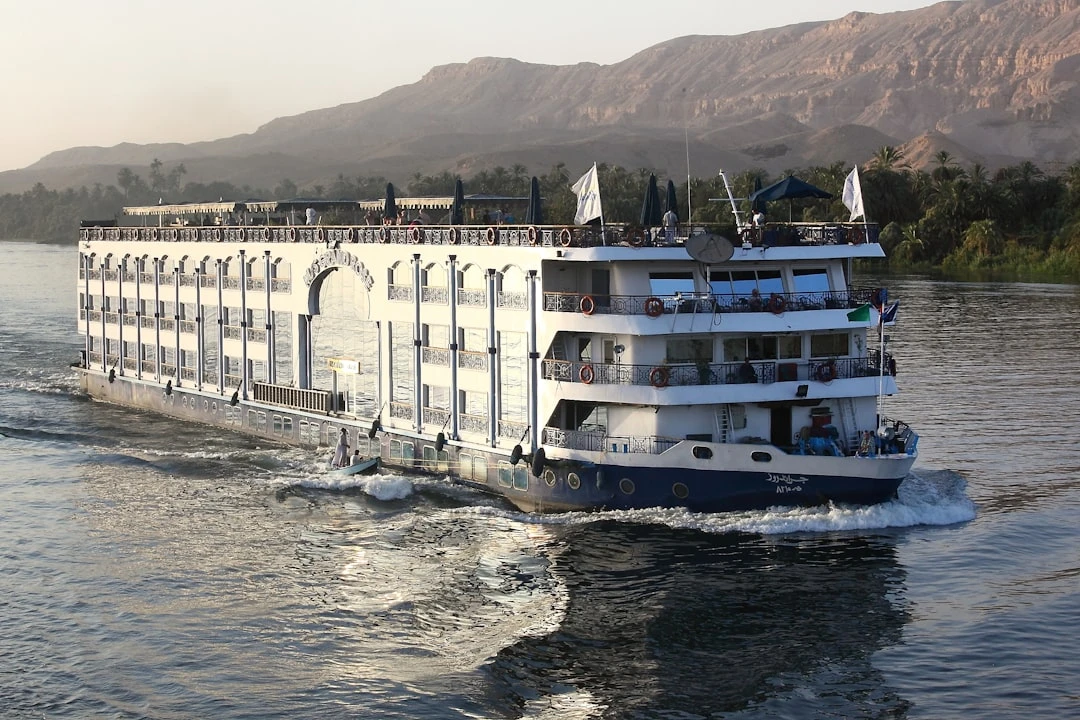
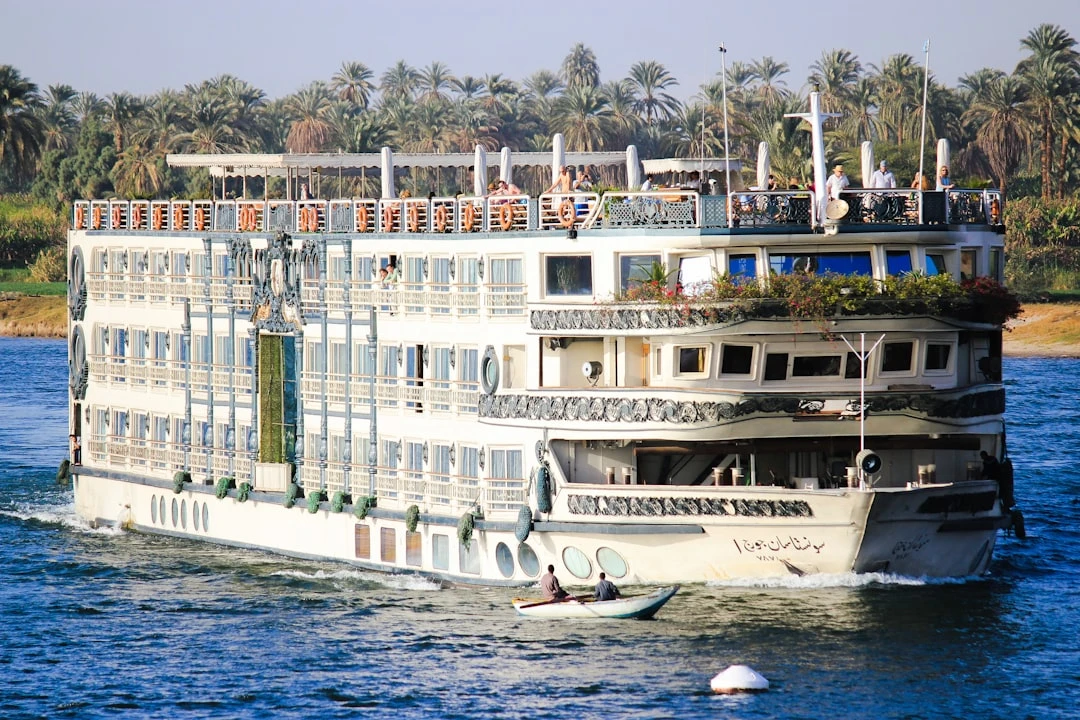
After visiting Luxor, you settle aboard the Nile cruise boat for a slower stretch of the journey. Sailing gives you time to rest between guided excursions, watch agricultural villages and palms pass along the riverbank, and enjoy meals on board. Our team coordinates the road transfers, embarkation and sightseeing, while a licensed Egyptologist explains the monuments in context. The pace suits travellers who want substantial archaeology with time to sit down, cool off and watch the view change.
The cruise stops at Edfu, where a horse-drawn carriage or local transfer typically takes you to the well-preserved Temple of Horus. Its massive entrance and detailed walls make the visit easy to follow, even on a first trip to Egypt. At Kom Ombo, the temple stands beside the Nile and is dedicated to Sobek and Horus. Its reliefs, twin layout and small museum give the stop a different character from the larger temple complexes in Luxor.
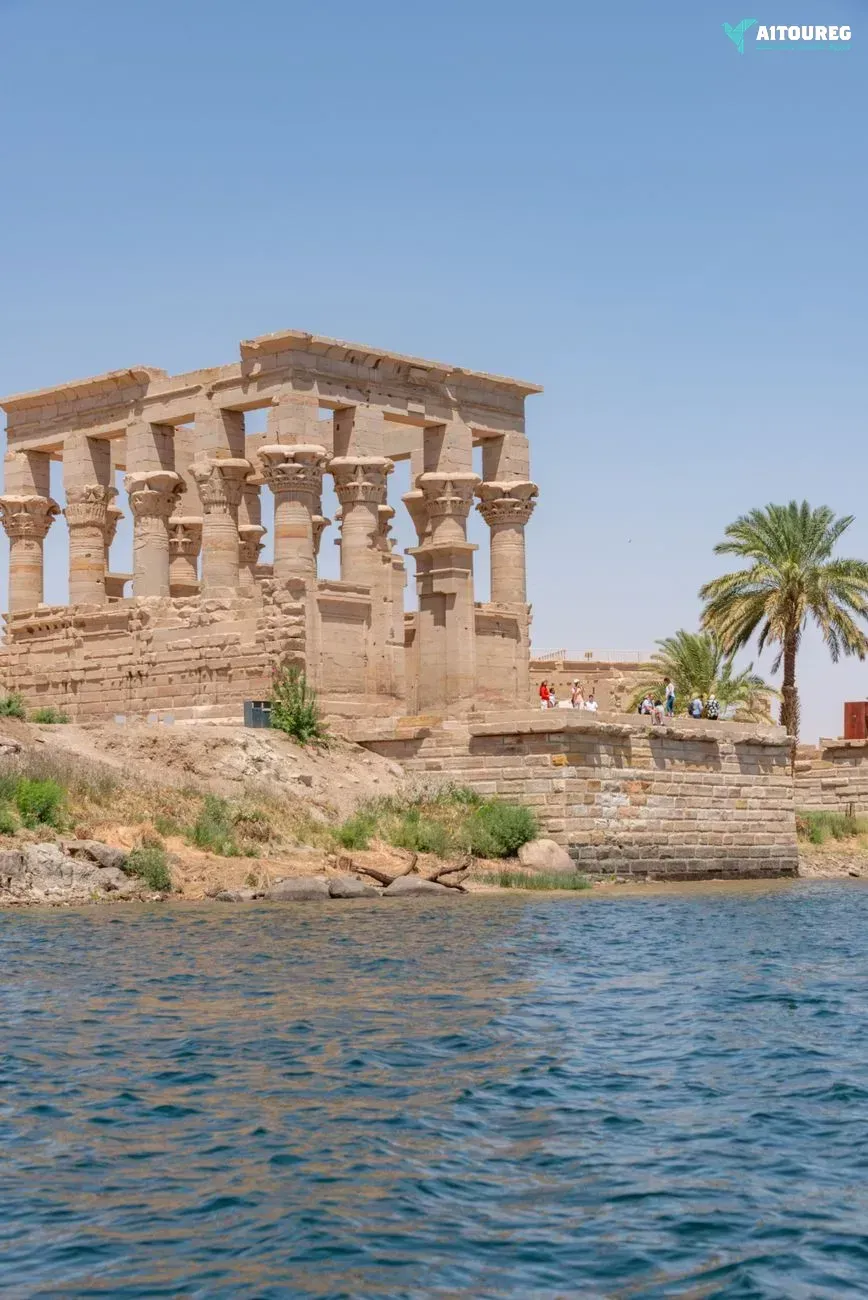
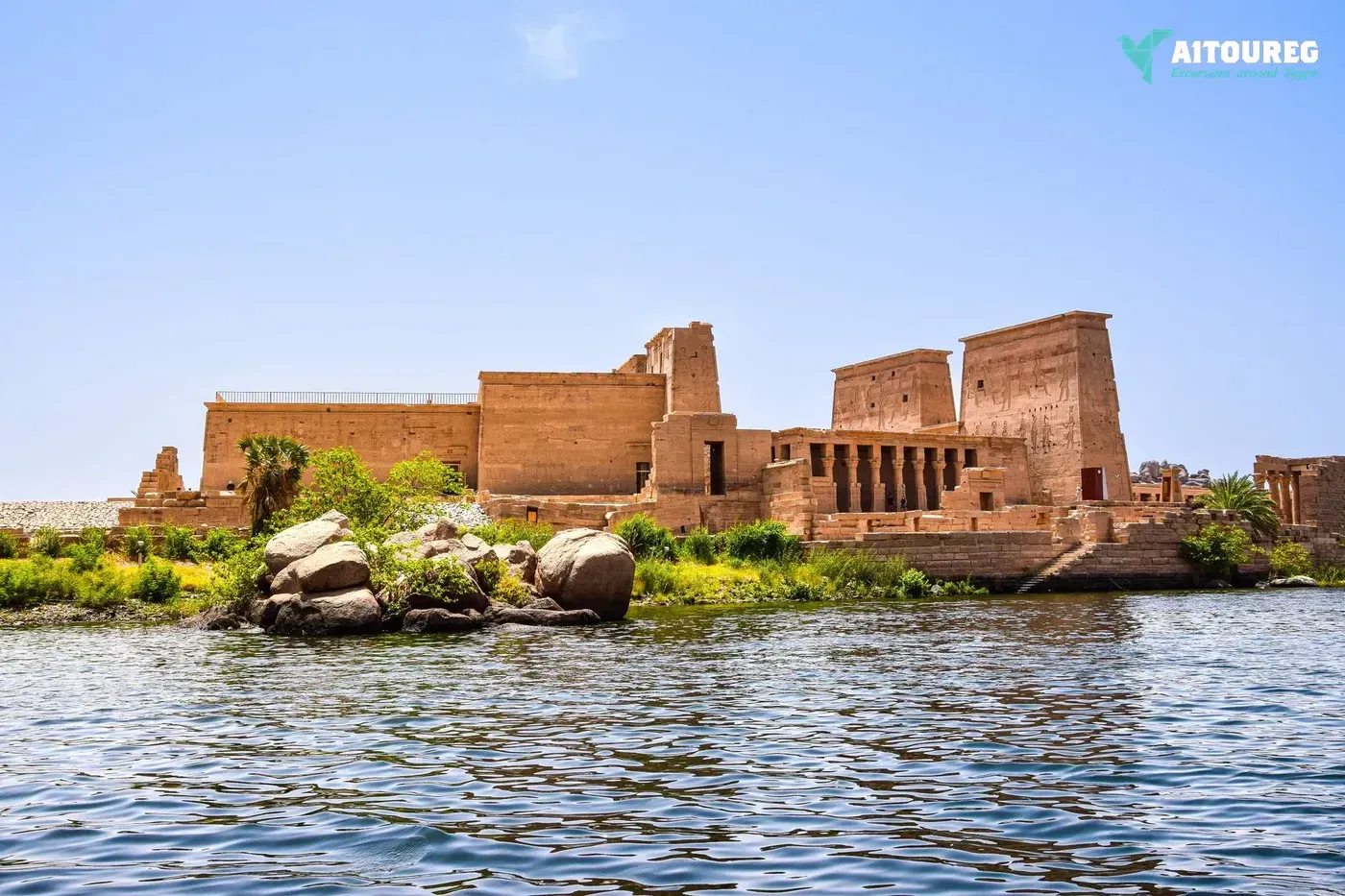
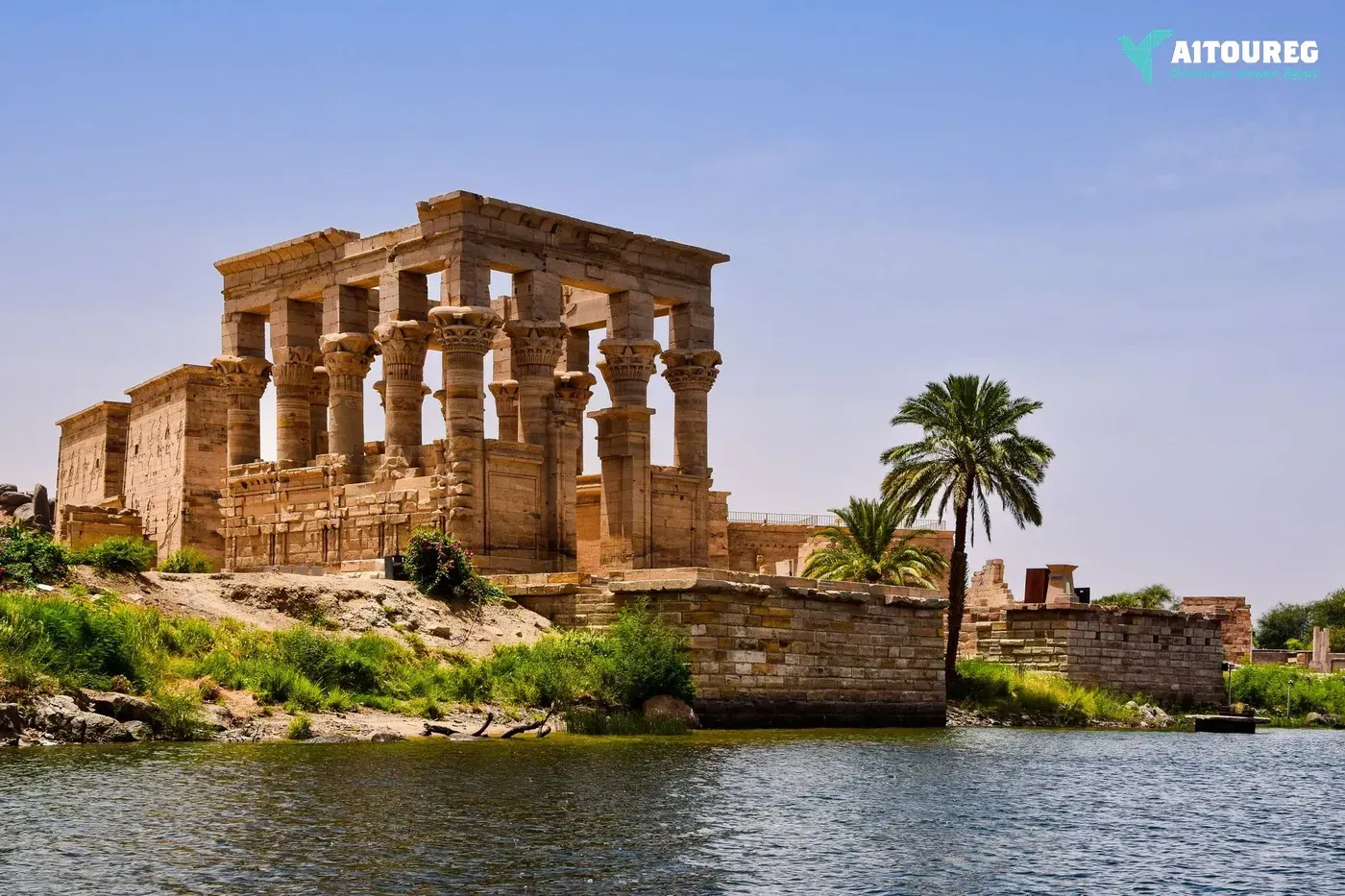
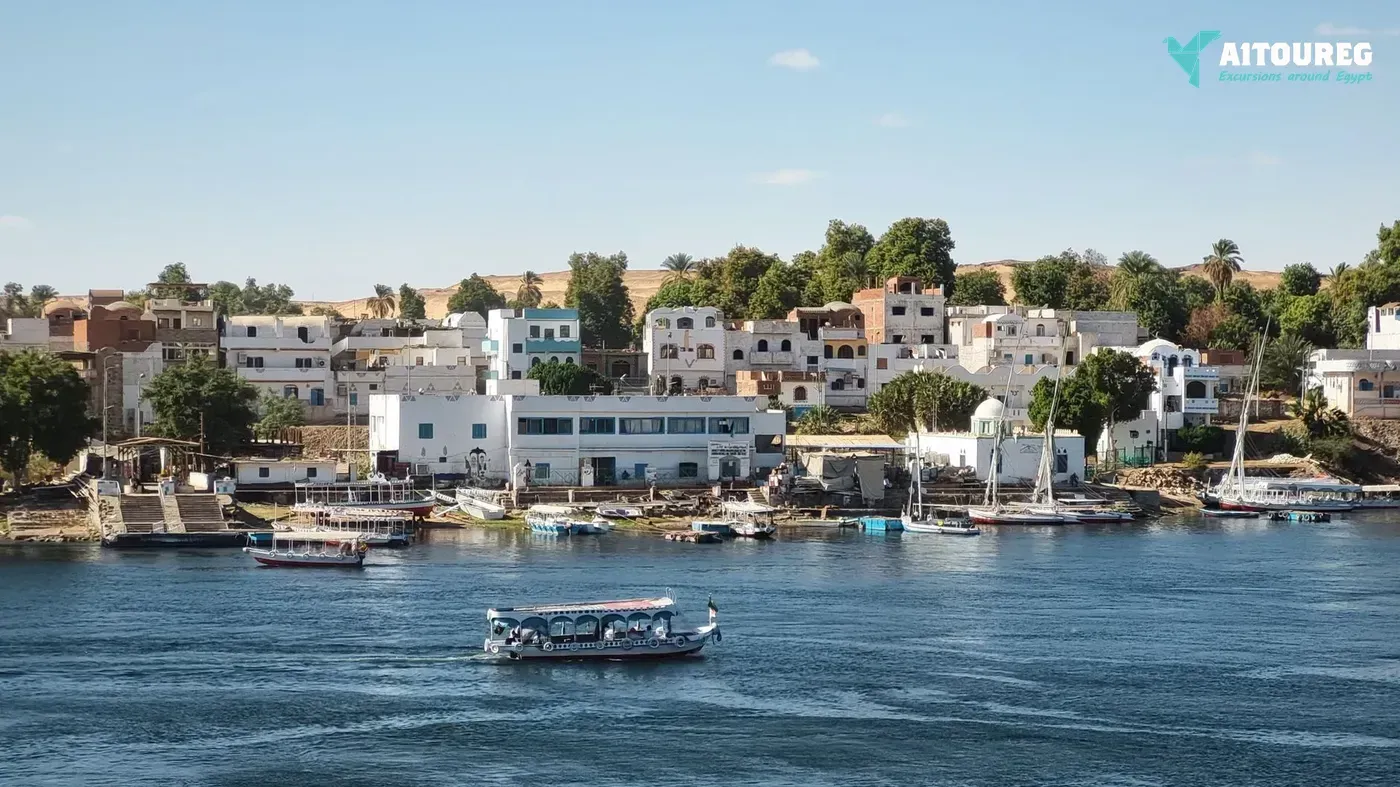
Aswan brings a warmer, more relaxed atmosphere and a strong Nubian presence. You visit the Aswan High Dam, also known simply as the Aswan Dam, to see the structure that changed the flow of the Nile and created Lake Nasser. You reach Philae temple by boat on an island, crossing the water before walking among its courtyards and carved gateways. The Unfinished Obelisk then shows how granite was quarried and shaped, with the abandoned stone still attached to the bedrock.
The Abu Simbel visit completes the main sightseeing programme. Its temples were relocated during the creation of Lake Nasser, and the scale of the seated figures at the entrance is clear as soon as you approach the site. The excursion requires an early start and a long road journey, so it suits travellers who would rather see this major monument during the same organised trip than arrange a separate visit later.
This tour suits adults, families with older children and travellers who prefer a planned route with support on the ground. It is less suitable for anyone who finds repeated walking, steps, early starts or hot outdoor sites difficult. We arrange the included transfers, cruise accommodation, meals and guided visits in one itinerary, so you have less transport to negotiate at each stop. Bring comfortable shoes, sun protection and a refillable water bottle; some sightseeing takes place away from shade.
Visits to the listed temples and archaeological sites
Licensed Egyptologist guide during sightseeing
Nile cruise accommodation for the tour duration
Transfers by air-conditioned vehicle
Pickup and drop-off from Marsa Alam
Meals on board as stated in the cruise programme
Road transfer for the Abu Simbel excursion
Drinks and personal expenses
Optional activities not listed in the itinerary
Entry fees not stated as included in the booking details
Any accommodation or services outside the tour programme
Gratuities for the guide, driver and cruise staff
Comfortable walking shoes with good grip
Passport or valid identification
Medication and any personal travel essentials
Light, breathable clothing and a warmer layer for the boat
Cash for drinks, gratuities and personal expenses
A small bag for the Abu Simbel excursion
Sun hat, sunglasses and high-factor sunscreen
Refillable water bottle
The five-day Nile cruise from Marsa Alam includes the journey to Luxor, a Nile cruise towards Aswan, and guided visits to Karnak Temple, Luxor Temple, the Valley of the Kings, Queen Hatshepsut temple, the Colossi of Memnon, Edfu, Kom Ombo, and key sights in Aswan, with Abu Simbel included in the itinerary.
Exact inclusions, such as meals, accommodation on board and entrance tickets, are confirmed in your booking details. Our team will explain the arrangements before you travel.
This is a five-day itinerary that begins with sightseeing in Luxor before the boat sails south on the Nile towards Aswan, with visits arranged in a practical order at Edfu, Kom Ombo and Aswan. The schedule combines guided sightseeing with time on board between excursions.
Expect early starts on some sightseeing days, especially for Abu Simbel. The ancient sites involve walking outdoors, uneven surfaces and some time in the sun, so the pace may feel active even though the cruise itself is restful.
Pickup from your Marsa Alam accommodation and the overland transfer to the Luxor starting point are arranged according to your confirmed booking, so you do not need to organise separate transport between Marsa Alam and the cruise itinerary.
Pickup details depend on your accommodation and booking arrangements. We will confirm the meeting point and transfer information before departure; please provide accurate hotel details when you book.
The cruise can suit families with older children, but travellers should be comfortable with walking through large archaeological sites, boarding a river boat and managing heat, steps and uneven ground at places such as the Valley of the Kings and Philae temple.
Travellers with limited mobility should contact our team before booking. Access can vary at the boat, temples and transfer stops, including the route to the Aswan High Dam and the Aswan Dam area, so we can discuss what assistance may be possible.
Bring light, modest clothing, comfortable walking shoes, sun protection, a hat, sunglasses, personal medication and a refillable water bottle for the five-day Nile cruise. Shoulders and knees should be covered when visiting temples and other religious or traditional places.
A small day bag is useful for excursions to Karnak Temple, Abu Simbel and the riverside sites. Keep a light layer for cooler mornings and evenings, as temperatures can change during the journey.
You can request the five-day Nile cruise through A1 Toureg by providing your preferred travel date, Marsa Alam accommodation and traveller details; our team will then confirm the itinerary, availability and booking requirements before payment.
Cancellation and amendment terms depend on the booking conditions issued for your travel date and services. Review those terms before confirming, and ask us about any part that is unclear.
Your unforgettable Egypt journey starts with a booking you can trust.
* Available on selected tours. Flights, cruises and special bookings may have different cancellation policies.
Free cancellation up to 24 hours before activity starts
If you choose to pay online, a secure payment link can be provided after booking. For assistance or alternative payment options, please contact us via WhatsApp.
All our tour operators are licensed and verified by Egyptian tourism authorities.
Learn more about our licensed partners →Free cancellation up to 24 hours before activity starts
If you choose to pay online, a secure payment link can be provided after booking. For assistance or alternative payment options, please contact us via WhatsApp.
All our tour operators are licensed and verified by Egyptian tourism authorities.
Learn more about our licensed partners →
Your Itinerary
Our team collects you from your accommodation in Marsa Alam for the road transfer to Luxor. The journey crosses the Eastern Desert and takes several hours, with a comfort stop along the way. After arriving in Luxor, you check in to the Nile cruise boat, meet the crew and have time to settle into your cabin before sightseeing begins.
Your first visit is Karnak temple, the largest temple complex in Luxor. Walk through the avenue of ram-headed sphinxes and the Great Hypostyle Hall, where rows of tall columns carry inscriptions from several ancient reigns. Your guide explains how the complex grew over centuries rather than being built as a single monument.
Later, visit Luxor Temple on the east bank. Its courtyards and columns are especially atmospheric as daylight fades. Return to the boat for dinner and your first night beside the Nile. The schedule may be adjusted around the road transfer, but the day combines arrival, check-in and two major Luxor landmarks without rushing every stop.
After breakfast, cross the Nile to Luxor’s West Bank, where the landscape changes from modern streets to fields, desert cliffs and ancient burial grounds. The first major stop is the Valley of the Kings. Enter the open tombs included in your visit and look closely at the painted scenes, hieroglyphs and steep corridors cut into the rock. Tomb access can vary, so your guide will explain the arrangements on the day.
Continue to the temple of Queen Hatshepsut, built in terraces against the limestone cliffs. Its broad ramps, columned courts and reliefs tell the story of Egypt’s powerful female pharaoh and her trading expedition to Punt. You then stop at the Colossi of Memnon, two huge seated statues that once guarded the entrance to a long-lost temple.
Return to the cruise boat for lunch and begin sailing south. The afternoon is a quieter part of the itinerary: watch cultivated riverbanks pass your deck, attend an onboard briefing and enjoy dinner as the vessel continues towards Edfu. Comfortable shoes, sun protection and water are useful for the morning visits.
The boat continues south after breakfast, with the day shaped around two riverside temple visits. At Edfu, travel from the boat to the temple entrance by local horse-drawn carriage or another arranged transfer, depending on the operating plan. Edfu Temple is dedicated to Horus and is one of Egypt’s best-preserved ancient temples, with a monumental gateway, detailed wall reliefs and a sanctuary at the rear.
After returning to the boat, lunch is served while the cruise resumes. The movement of the river is part of the experience here: villages, farmland and desert edges appear from the open deck, while the crew handles the practical work of sailing and mooring. There is usually time to rest in the afternoon before the next excursion.
Later, visit Kom Ombo Temple, set beside the Nile and dedicated to the combined worship of Sobek and Horus the Elder. Your guide points out the unusual symmetrical layout and reliefs linked to medicine, ritual and the sacred crocodile. Return to the vessel for dinner and continue towards Aswan, where the boat spends the night.
Leave the boat early for the overland excursion to Abu Simbel. The drive from Aswan takes several hours each way, so this is a long day, but the route gives you a chance to see the desert setting beyond the Nile Valley. Our team arranges the road transfer and explains the meeting points before departure; bring breakfast items, water and practical clothing for the outdoor walking.
At Abu Simbel, enter the two rock-cut temples built during the reign of Ramesses II. The larger temple has four colossal figures on its façade, while the smaller temple is dedicated to Queen Nefertari and the goddess Hathor. Inside, the chambers contain large reliefs and painted decoration. Your guide gives context on the temples’ construction, their relocation during the creation of Lake Nasser and the scenes shown on the walls.
Return to Aswan by road later in the day and have time to rest on the boat. Depending on the operating schedule, dinner may be served after the return. Because the excursion involves a lengthy drive and several hours of standing or walking, it suits travellers who are comfortable with an early start and a full sightseeing day.
After breakfast, visit the Aswan High Dam, the major engineering project that changed flood control, irrigation and navigation along the Nile. From the viewpoints, your guide explains the dam’s effect on the river and the creation of Lake Nasser. You will also hear how several ancient monuments were moved to protect them from the rising water.
Continue to the Unfinished Obelisk in the ancient granite quarries. The enormous monument remains connected to the bedrock, showing the cracks that stopped the work. The site gives a practical view of how stone was selected and shaped before being transported. From there, take a short boat ride to Philae temple, located on an island and reached by local motorboat. Walk through its courtyards, pylons and relief-covered chambers, then return across the water.
Return to the boat to collect your luggage before the final transfer from Aswan. The departure arrangements depend on your onward travel plans, so allow enough time for the road transfer to your airport, hotel or next connection. Our team confirms the meeting point and luggage procedure before you leave the cruise.