
8-Day Nile Cruise from Marsa Alam to Aswan
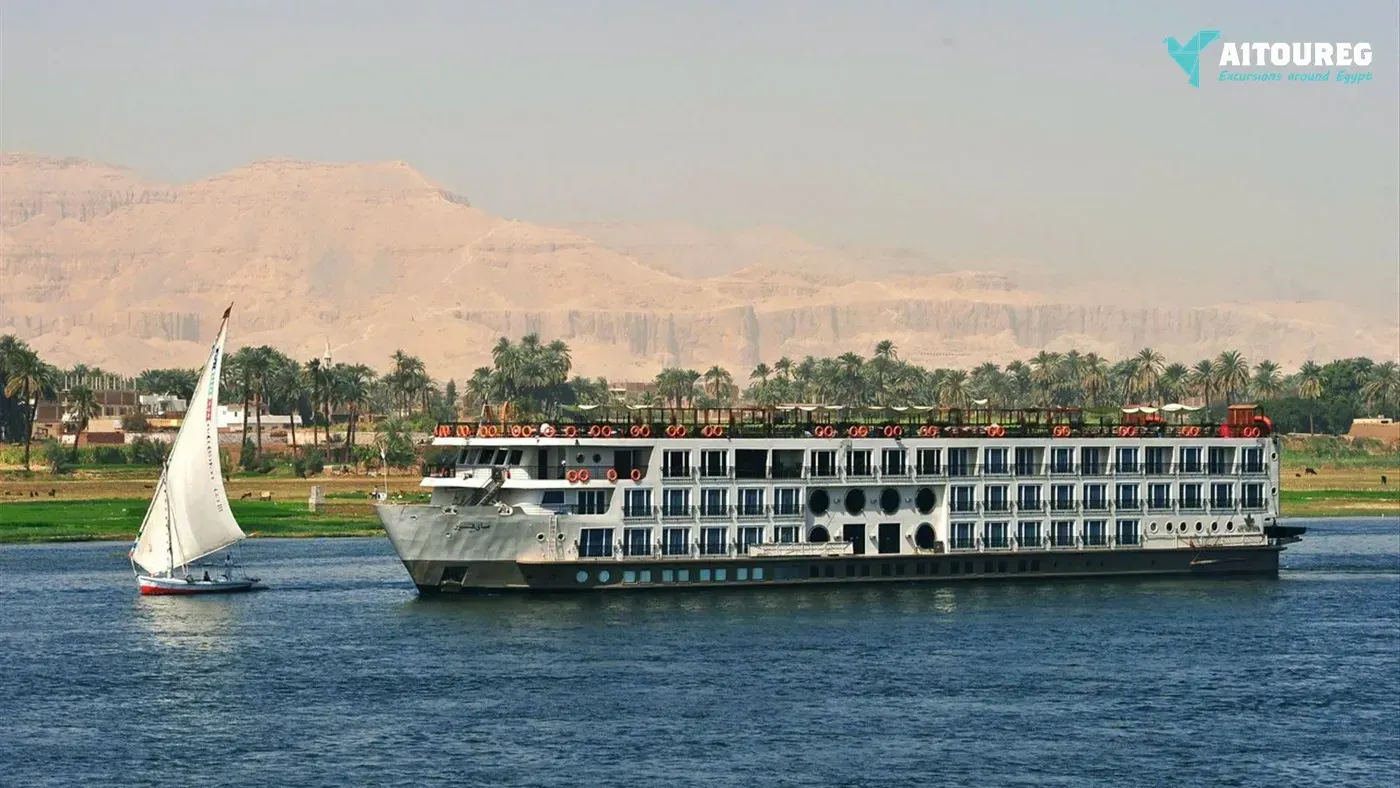
This 8-day Nile cruise from Marsa Alam begins with a road transfer to Luxor, then follows the river south towards Aswan. Over seven nights on board, you visit major archaeological sites between Luxor and Aswan while your guide explains the temples, tombs and stories linked to the Nile Valley. The days mix organised sightseeing with quieter hours on deck, as fields, villages and desert edges move past along the riverbank.
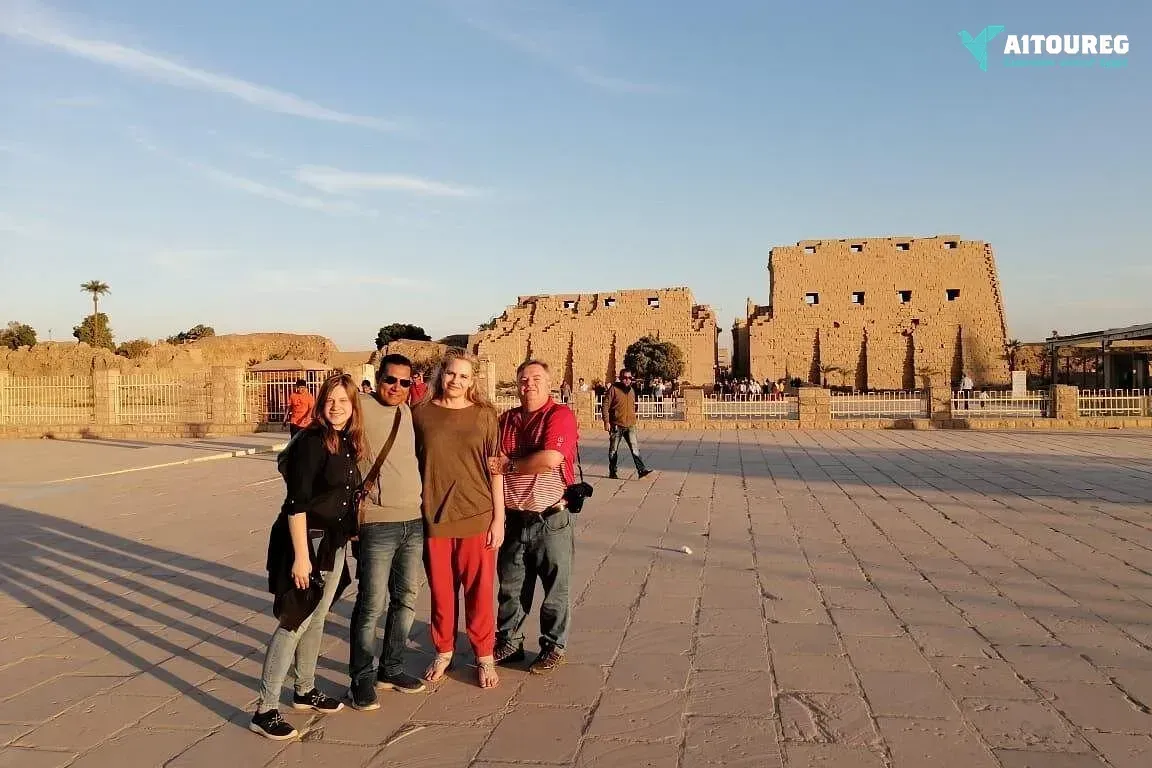
Your Luxor sightseeing starts on the east bank at Karnak temple, a large complex of pylons, courtyards, columns and sanctuaries built and enlarged by successive pharaohs. You then visit Luxor temple, where the avenue, monumental entrance and stonework show another side of the city's religious architecture. The two sites are close to the river but have a different feel: Karnak takes time to explore among its great columns, while Luxor temple follows a more compact route through its courts and halls.
On the west bank, the Valley of the Kings takes you into the burial ground of New Kingdom rulers. Your licensed Egyptologist guide explains the painted scenes and beliefs shown in the tombs open that day; access to individual tombs can vary. Nearby, Queen Hatshepsut temple rises in terraces against the cliffs at Deir el-Bahari. Its broad ramps and carved reliefs make the layout clear as you walk upwards, while the setting gives you a wide view across the valley.
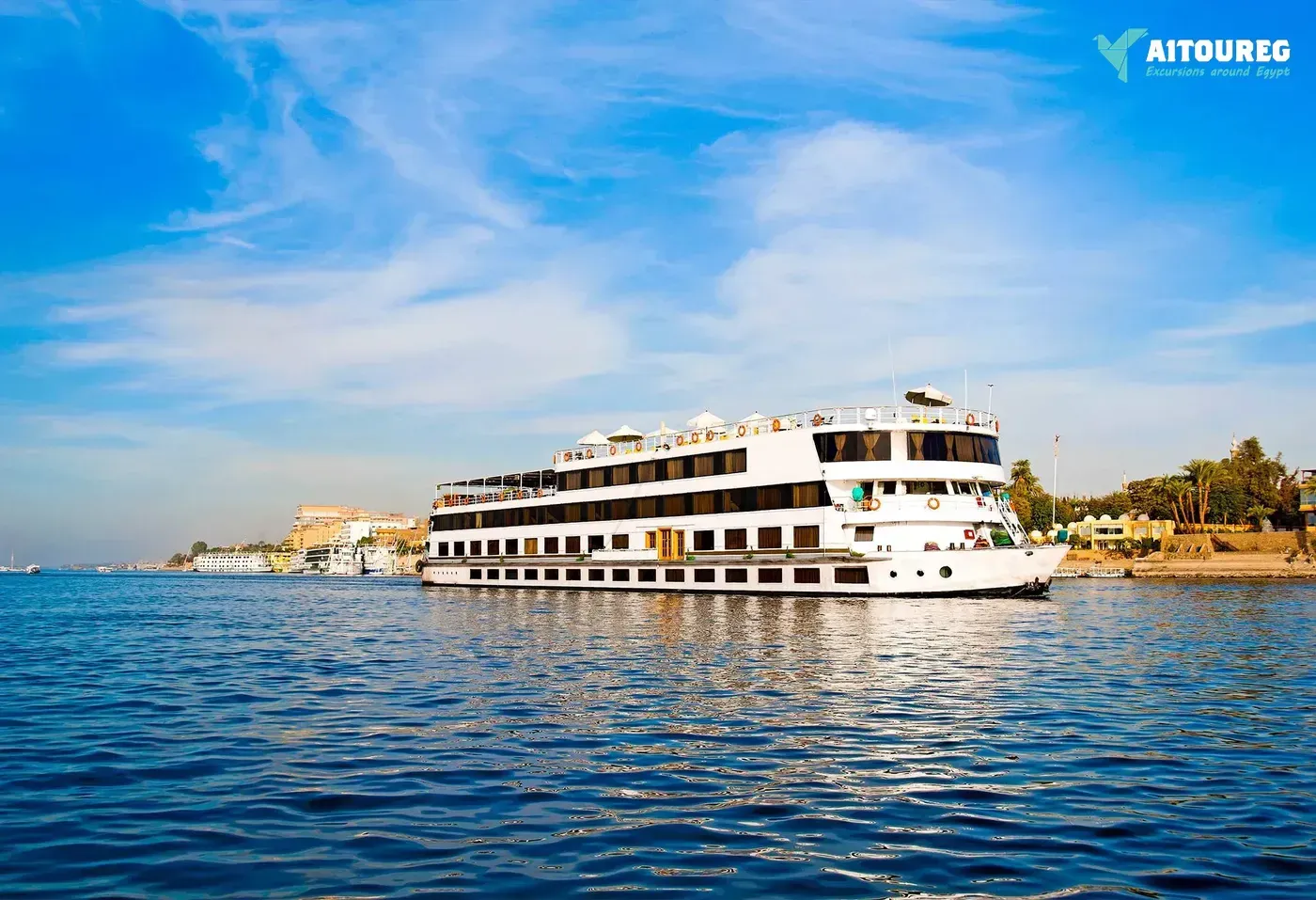
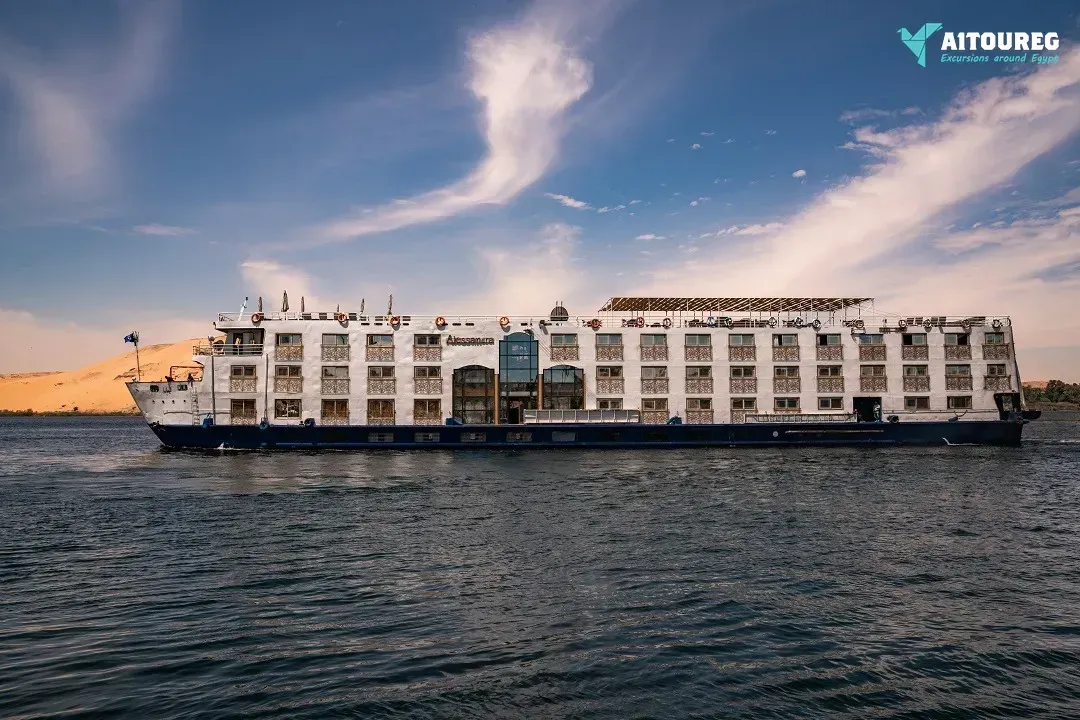
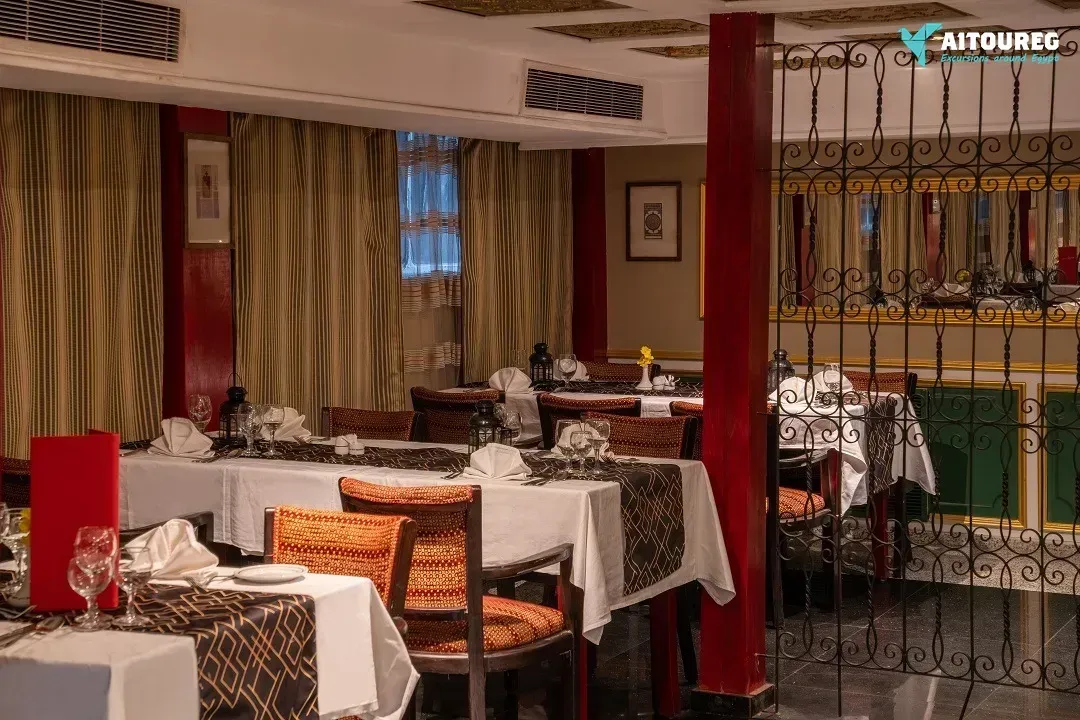
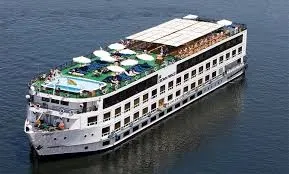
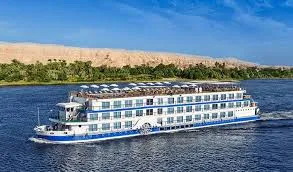
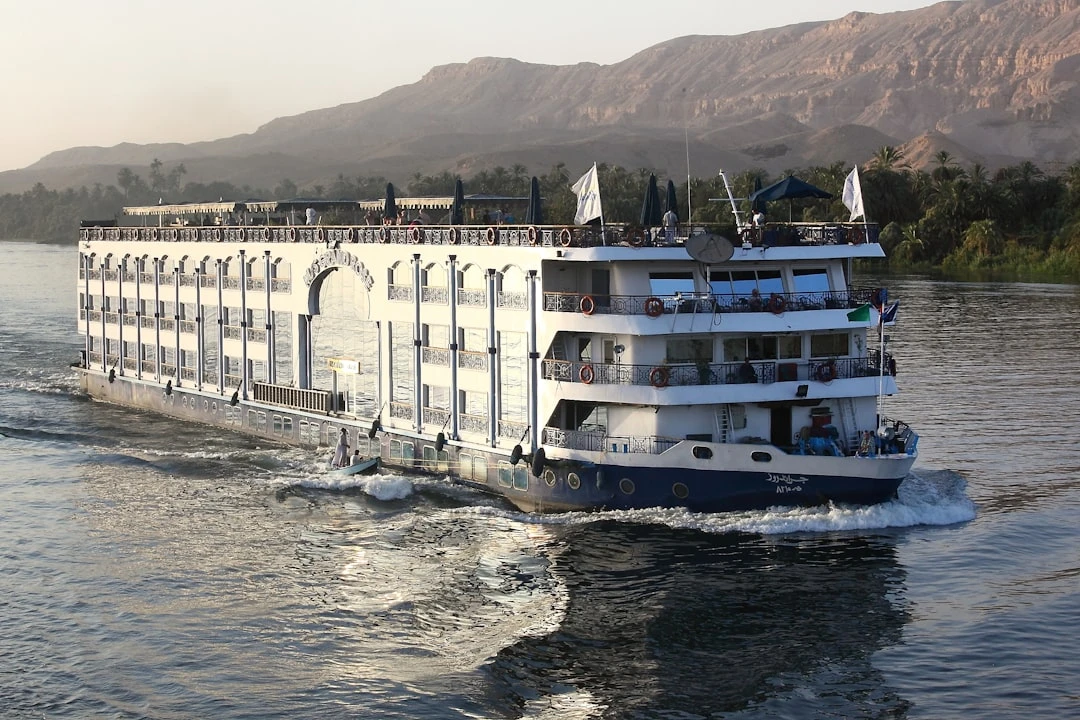
Once the cruise begins, the river becomes part of the day rather than simply the route between monuments. You can watch the landscape shift from the shaded banks near Luxor to the drier ground around the southern temples. Meals are served on board according to the cruise programme, and the vessel provides a comfortable base between excursions. Sightseeing includes uneven ground, steps and exposed areas, so the trip suits travellers who can keep a steady pace and take breaks.
At Edfu, you visit one of Egypt's best-preserved temple complexes, dedicated to Horus. Much of the detail remains on its carved walls, while the monumental entrance shows the scale of Ptolemaic temple design. Kom Ombo temple is unusual because its sanctuary is shared by two deities, Sobek and Horus the Elder. Beside the Nile, it is easy to reach: you leave the ship, cross the site and return to the river with the temple still behind you.
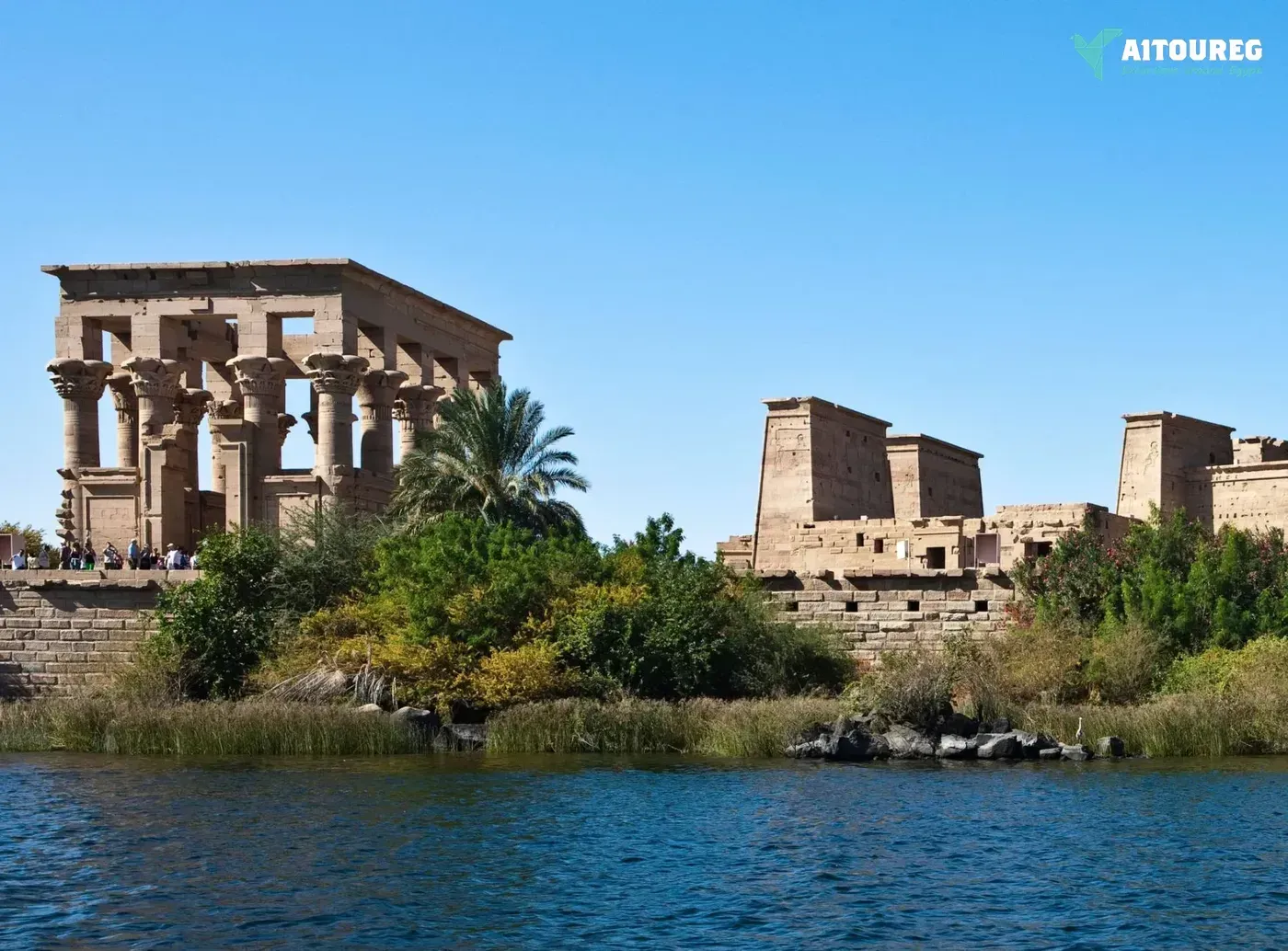
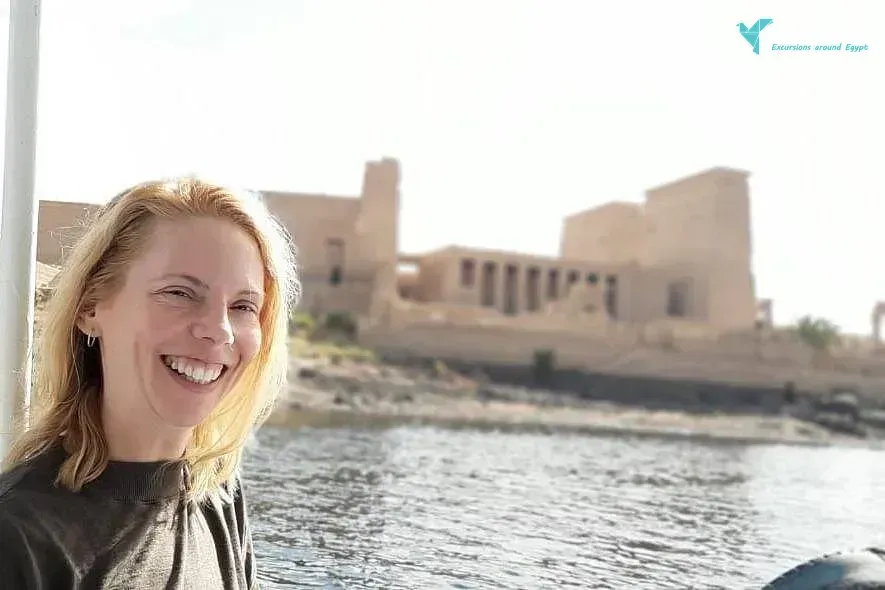
Aswan brings the final major visits. The Aswan High Dam shows how modern water management changed farming, power generation and the shape of the river. At the Unfinished Obelisk, you can see where ancient stoneworkers began shaping a single block before a flaw brought the work to a stop. A boat ride takes you to Philae temple on its island setting, where columns, reliefs and gateways were moved to protect the complex from rising water. Reaching the site by water changes the pace after the road and cruise excursions.
We arrange the transfers between Marsa Alam, Luxor and Aswan, coordinate the sightseeing programme and keep the route clear throughout the cruise. The package suits travellers who want to visit Egypt's main highlights without arranging separate vehicles, tickets and river transport at each stop. It also works well for couples, families with older children and first-time visitors who prefer a guided plan; travellers with limited mobility should ask us about the walking and boat arrangements before booking. After the Aswan visits, our team drives you back to Marsa Alam, so keep essential medication, water and sun protection in your day bag rather than in your main luggage.
Services of a licensed Egyptologist guide during scheduled sightseeing
Visits and transfers included in the tour programme
Pickup and return transfer between Marsa Alam and the Nile cruise route
Transportation in a private air-conditioned vehicle where required
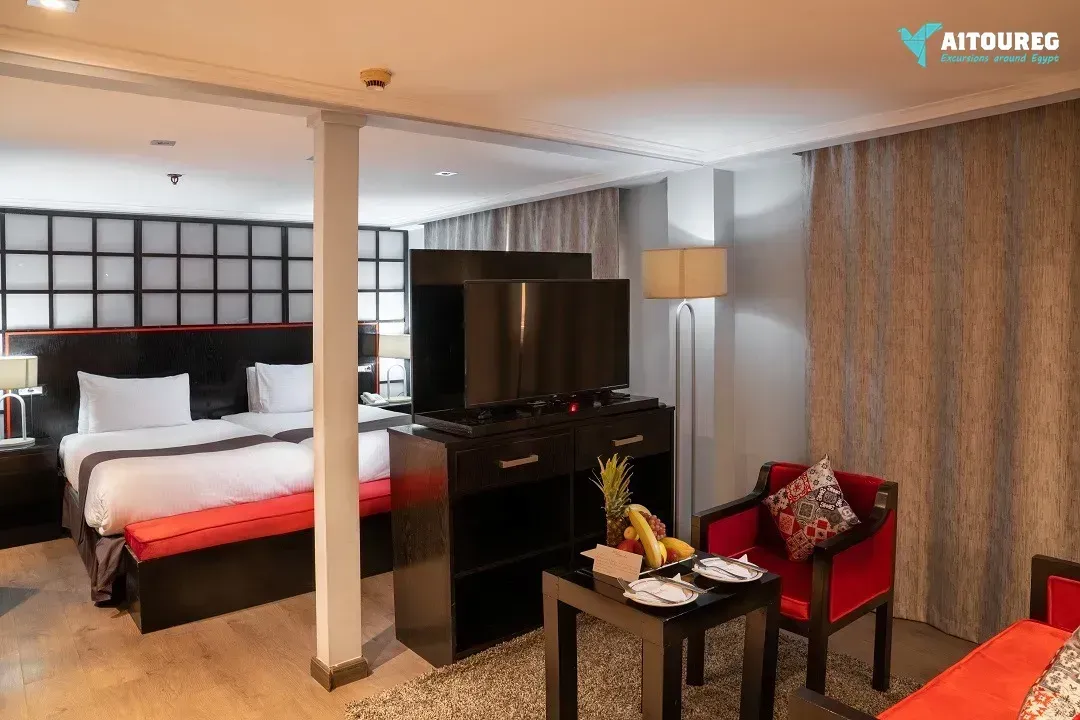
Seven nights of accommodation on a Nile cruise boat
Motorboat transfer to Philae temple
Cruise meals according to the vessel's programme
Personal expenses and laundry
International and domestic flights
Drinks and meals not listed in the cruise programme
Optional activities or extra visits not included in the itinerary
Gratuities for guides, drivers and cruise staff
Visa fees and travel insurance
Refillable water bottle
Hat, sunglasses and high-factor sunscreen
Passport or a clear copy of your passport details
Comfortable walking shoes with good grip
Small day bag for excursions and boat transfers
Any regular medication and essential personal items
Light clothing suitable for warm weather and a modest outfit for temple visits
The 8-day Nile Cruise package from Marsa Alam includes a 7-night Nile cruise between Luxor and Aswan, transfers between Marsa Alam and the cruise starting point, and guided visits to the main temples and ancient sites listed in the itinerary. Our team also arranges the return transfer to Marsa Alam.
Planned sightseeing includes Luxor Temple, Karnak temple, the Valley of the Kings, Queen Hatshepsut temple, Edfu, Kom Ombo temple, Philae temple, the Aswan Dam and the Unfinished Obelisk. Check the booking details for the final list of included entrance tickets, meals and guide services.
This is an 8-day, 7-night Nile Cruise from Marsa Alam, with time divided between sightseeing in Luxor, sailing south and visiting Aswan. The schedule is planned as 8 relaxing days of Nile Cruise touring, although some temple visits involve early starts, walking and steps.
You will uncover a wealth of archaeological treasures between Luxor and Aswan in a clear sequence: Luxor's east bank and west bank first, followed by Edfu and Kom Ombo during the cruise, then Aswan's principal sights before the drive back to Marsa Alam.
Pickup from your accommodation in Marsa Alam is arranged for the road transfer to Luxor, where you join the Nile cruise, and our team arranges the return transfer from Aswan to Marsa Alam after the final sightseeing day. The exact pickup point and departure details are confirmed after booking.
Travel time by road can vary with the route, traffic and scheduled stops. Your guide or transfer representative will provide the practical arrangements for each stage, including where to meet before the cruise and where the return journey begins.
The Nile Cruise is suitable for many families and travellers with a reasonable level of fitness, but the sightseeing includes walking on uneven ground, steps, open archaeological areas and occasionally hot surfaces. Children can enjoy exploring Egypt's leading highlights, provided an accompanying adult can manage the pace and supervision.
Travellers with limited mobility should ask us before booking so we can review the route and boat access. The Valley of the Kings, Queen Hatshepsut temple, Karnak temple and several riverbank sites may not be fully accessible for wheelchairs.
Pack light, breathable clothing, comfortable walking shoes, sun protection, a hat, sunglasses, personal medication and a refillable water bottle for the Nile Cruise from Marsa Alam. Modest clothing that covers the shoulders and knees is useful when visiting temples and other religious or historic sites.
Bring a small day bag for excursions, along with a light layer for cooler mornings or evenings. A camera, travel documents and any required personal items should stay with you rather than in stored luggage during transfers.
You can request the 8-day Nile Cruise from Marsa Alam through our booking team, who will confirm the travel date, traveller details, pickup arrangements and what is included before payment. Cancellation terms depend on the booking conditions for your selected date and the services reserved.
Review those terms carefully before confirming, especially for the cruise, transport and any prepaid entrance arrangements. If your plans change, contact us as soon as possible so we can explain the available options under the applicable conditions.
Your unforgettable Egypt journey starts with a booking you can trust.
* Available on selected tours. Flights, cruises and special bookings may have different cancellation policies.
Free cancellation up to 24 hours before activity starts
If you choose to pay online, a secure payment link can be provided after booking. For assistance or alternative payment options, please contact us via WhatsApp.
All our tour operators are licensed and verified by Egyptian tourism authorities.
Learn more about our licensed partners →Free cancellation up to 24 hours before activity starts
If you choose to pay online, a secure payment link can be provided after booking. For assistance or alternative payment options, please contact us via WhatsApp.
All our tour operators are licensed and verified by Egyptian tourism authorities.
Learn more about our licensed partners →
Your Itinerary
Your 8 relaxing days of Nile Cruise touring begin with a road transfer from Marsa Alam to Luxor. The journey takes several hours, with a stop along the way as needed, so wear comfortable clothing and keep water in your day bag. On arrival, our team helps you board the cruise vessel and settle into your cabin.
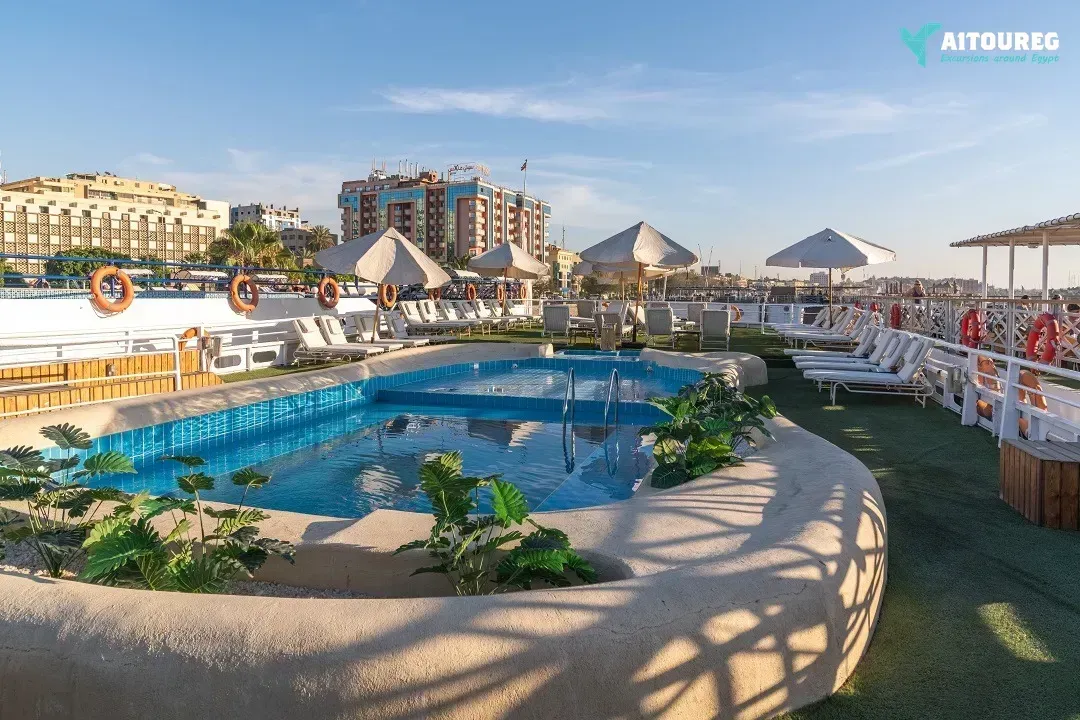
The rest of the day is for getting familiar with the boat and its facilities. You can take lunch on board, enjoy time on deck and watch the Nile landscape change as the vessel prepares for its sailing schedule. Your guide will explain the programme, meal arrangements and meeting points for the excursions ahead. The cruise is your base for the week, with sightseeing arranged around the vessel’s navigation timetable.
After breakfast, begin exploring Luxor’s East Bank with a guided visit to Karnak temple. The complex extends across a large area, so your guide will lead you through its main courts, columns and sacred avenues while explaining how successive pharaohs added to the site. Allow time for an unhurried walk; the scale becomes clearer as you move between the open spaces and the great columned hall.
Continue to Luxor Temple, where the route takes you through monumental gateways, statues and courtyards close to the modern city. The temple’s layout reflects its role in royal ceremonies and religious festivals. Return to the cruise vessel for lunch and downtime. Depending on the boat’s schedule, sailing may begin later in the day, giving you a chance to view the riverbanks from the deck as the first evening of the cruise gets under way.
Today takes you across the Nile to the West Bank, where the burial grounds of ancient rulers reveal a different side of Luxor. At The Valley of the Kings, your guide explains how the tombs were cut into the desert hills and how their painted chambers were prepared for the afterlife. The number of tombs open to visitors can vary, and your guide will direct you to the available interiors.
The next stop is Queen Hatshepsut temple, built against the cliffs at Deir el-Bahari. Its broad terraces and long approach make the setting easy to understand from the lower courtyard, while carved reliefs describe the queen’s reign and major expeditions. After the visits, return to the vessel for lunch and begin the southbound sailing towards Edfu. The afternoon is usually a quieter part of the itinerary, with time to read, rest or sit on deck as villages and farmland pass by.
After breakfast, travel from the riverbank to Edfu by a short local transfer arranged around the cruise schedule. The temple here is dedicated to Horus and is one of the clearest surviving examples of a traditional Egyptian temple plan. Walk through the monumental entrance, open courtyard and columned halls while your guide points out the reliefs, inscriptions and scenes connected with the temple’s rituals.
Edfu is a substantial site, and the visit involves walking across open ground and through uneven stone areas. Comfortable shoes, sun protection and water are useful. Once the tour is complete, return to the vessel for a meal and resume sailing. The rest of the day follows the pace of the river cruise, with views of agricultural land, small settlements and changing desert edges. Your guide will confirm the next meeting time on board, since river traffic and lock procedures can affect the daily sequence.
Today’s shore visit is to Kom Ombo temple, positioned beside the Nile and reached from the vessel’s docking point. The temple has an unusual double design, with paired courts, halls and sanctuaries dedicated to two different deities. Your guide will help you read the layout and explain details such as the carved reliefs, the ancient medical instruments and the Nile-related imagery found on the walls.
The site is compact compared with some of the larger temple complexes, but the riverside setting gives the visit a distinct character. Some paths are uneven, so take your time and follow the group route. After returning to the cruise, have lunch and use the afternoon to rest on deck or join the boat’s usual onboard activities. Sailing continues towards Aswan, and the evening is a practical opportunity to prepare your camera, comfortable shoes and sun protection for the following day’s visits.
After breakfast, start the Aswan sightseeing programme with a visit to the Aswan Dam. The viewpoint helps you understand how the modern structure changed water management, agriculture and settlement along the river. Continue to the Unfinished Obelisk, where the exposed granite quarry shows how workers shaped monumental stone before a flaw brought the project to a halt.
The final visit is to Philae temple, reached by boat across the reservoir. The island approach is part of the experience, and your guide will explain how the temple complex was relocated to protect it from rising water. Allow extra time for the boat transfer and for walking between the entrance and the main courts. After the excursion, return to the cruise vessel for lunch or rest. The day combines modern engineering, an ancient working quarry and a temple whose survival depended on careful relocation.
Day seven leaves space to enjoy the cruise itself after several full sightseeing days. With the principal visits complete, you can have breakfast at a relaxed pace, sit on the sun deck or watch the riverbank scenery from the shaded areas of the vessel. The view changes gradually: cultivated strips of land sit close to the water, while dry desert begins beyond the fields and villages.
Your guide remains available to confirm the day’s onboard arrangements and any sailing details. Use this quieter day to organise photographs, review notes from the temples or simply rest before the return journey. Meals are taken on board, and the exact timing of activities follows the vessel’s operating schedule. This pause also makes the programme suitable for travellers who want to explore Egypt’s leading highlights without filling every hour with another long road excursion.
After breakfast, complete check-out and leave the cruise vessel with assistance from our team. Keep your passport, phone and any medication in your hand luggage, and check your cabin carefully before disembarking. Your guide will confirm the departure arrangements and help coordinate the transfer from the dock.
The road journey back to Marsa Alam takes several hours and crosses changing desert scenery before reaching the Red Sea coast. A rest stop can be arranged during the drive, and the route is handled at a practical pace rather than rushed. Once you arrive in Marsa Alam, we drop you off at the agreed location, bringing your Nile itinerary to an end. The transfer is the final part of the package, so allow enough time for the full drive when planning onward arrangements.