
Marsa Alam 6-Day Nile Cruise and Cairo Tour
The Marsa Alam 6-Day Nile Cruise and Cairo Tour brings Egypt’s major ancient sites into one organised trip. You begin with a 3-night Nile cruise between Aswan and Luxor, then continue to Cairo. Along the way, you visit Abu Simbel, watch villages and fields pass along the river, and explore Luxor’s major monuments. In Cairo, the Giza Pyramids, the Egyptian Museum and Old Cairo add a clear introduction to ancient and Islamic Egypt.
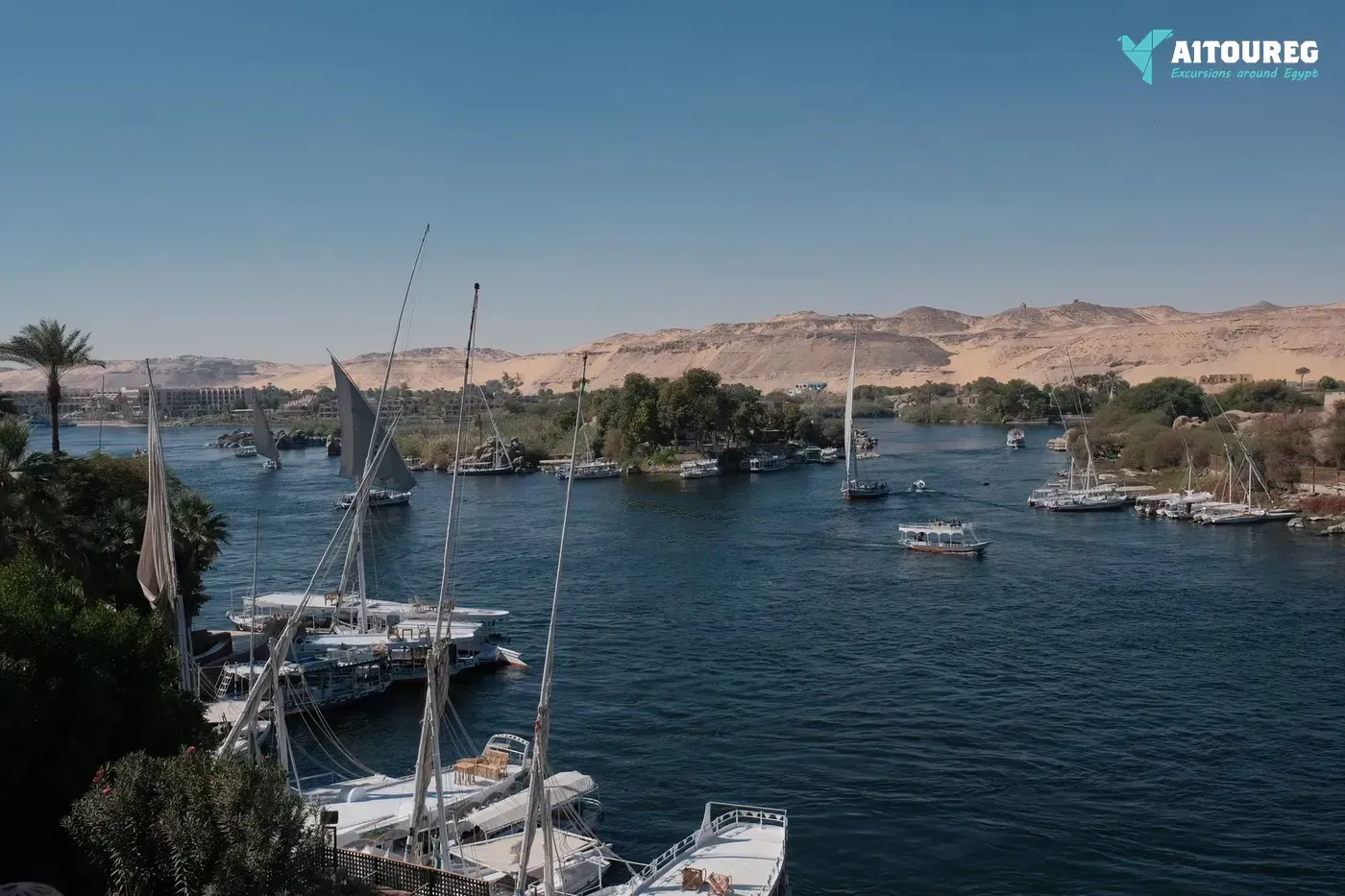
The cruise starts in Aswan, where the river runs between granite islands and desert hills. At Abu Simbel, you see the rock-cut temples of Ramesses II and Queen Nefertari, with their large seated figures and detailed reliefs. Back in Aswan, you visit the temple of Isis on Philae Island by boat, along with the Aswan Dam and the unfinished obelisk. Your Egyptologist guide puts each site into the wider history of southern Egypt, so you do not have to work through the complex alone.
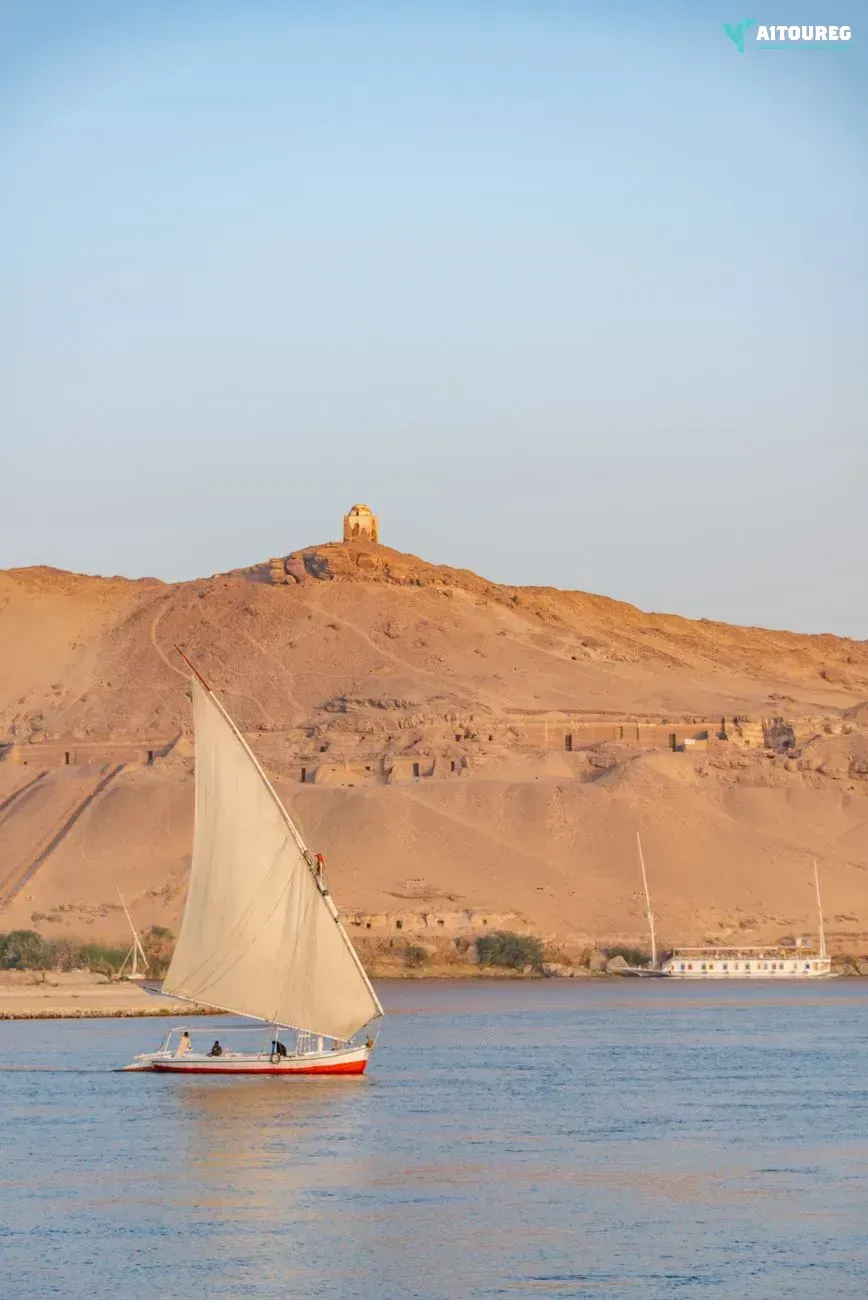
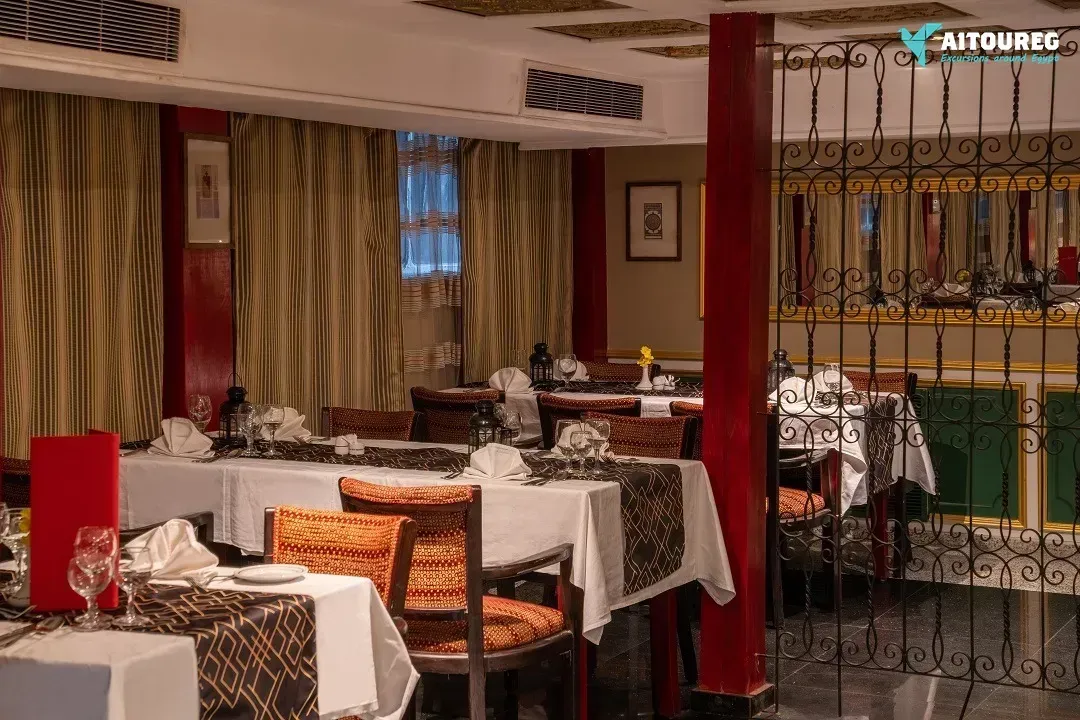
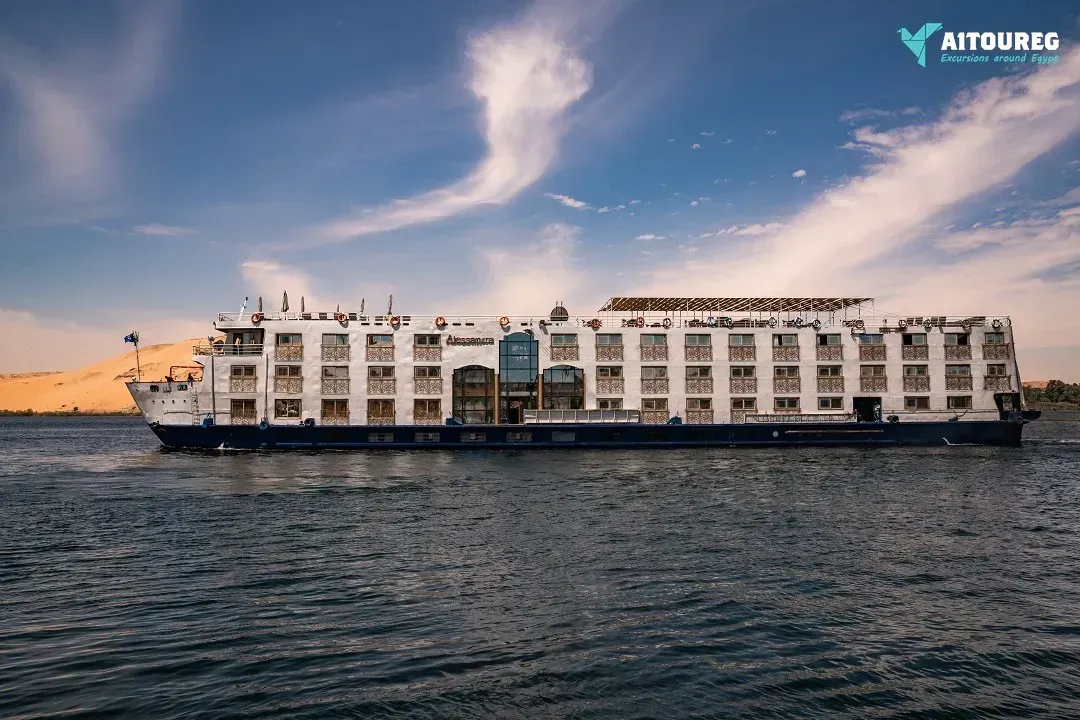
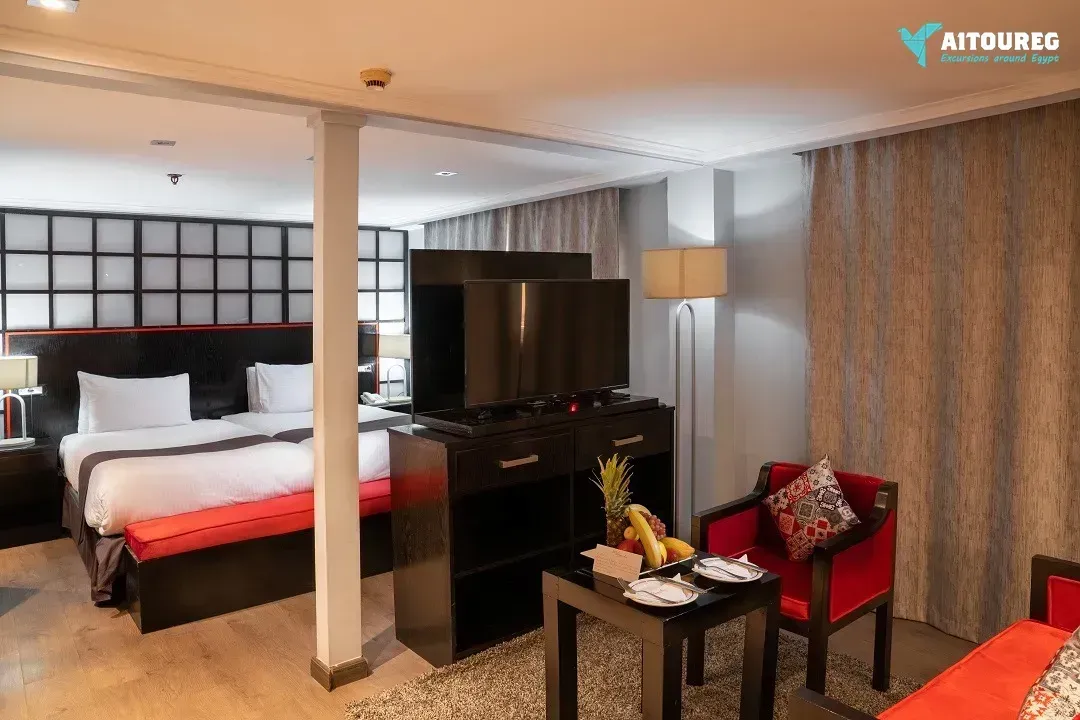
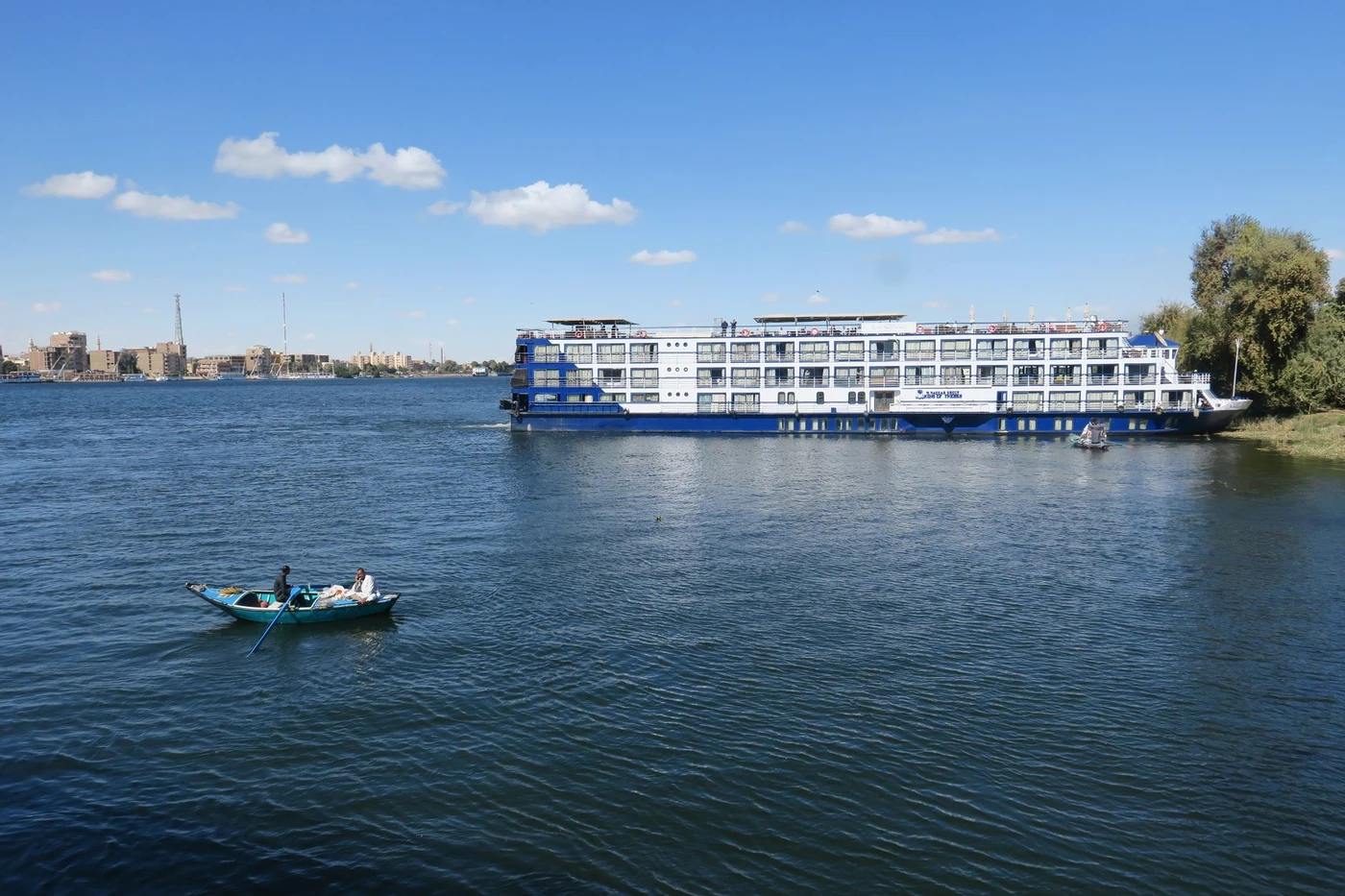
Life on board leaves space between the guided visits. Travellers can watch palm groves and cultivated land give way to open desert along the riverbank. Meals are served on the cruise, and the schedule includes time to rest between excursions. The archaeological visits involve walking over uneven ground and spending time outdoors, while the ship gives you a comfortable base without a hotel change every night.
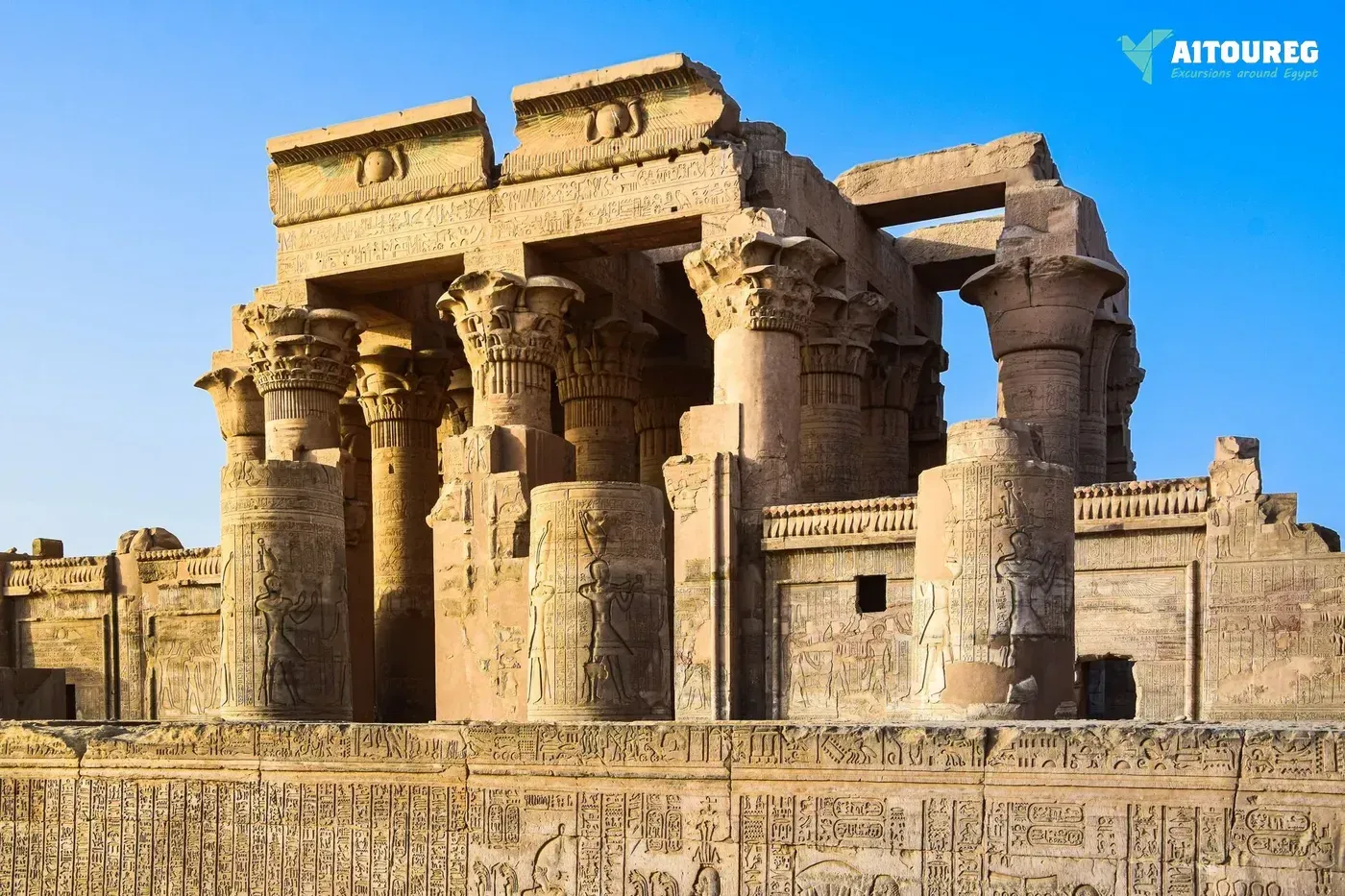
As the ship travels north, you visit the temple of Kom Ombo beside the river. Its unusual double design honours Sobek, the crocodile god, and Horus the Elder. The next major stop is Edfu, home to the well-preserved Temple of Horus, with its huge entrance pylon and long inscriptions. A guide helps bring these reliefs into focus, explaining how temple rituals and river transport shaped daily life.
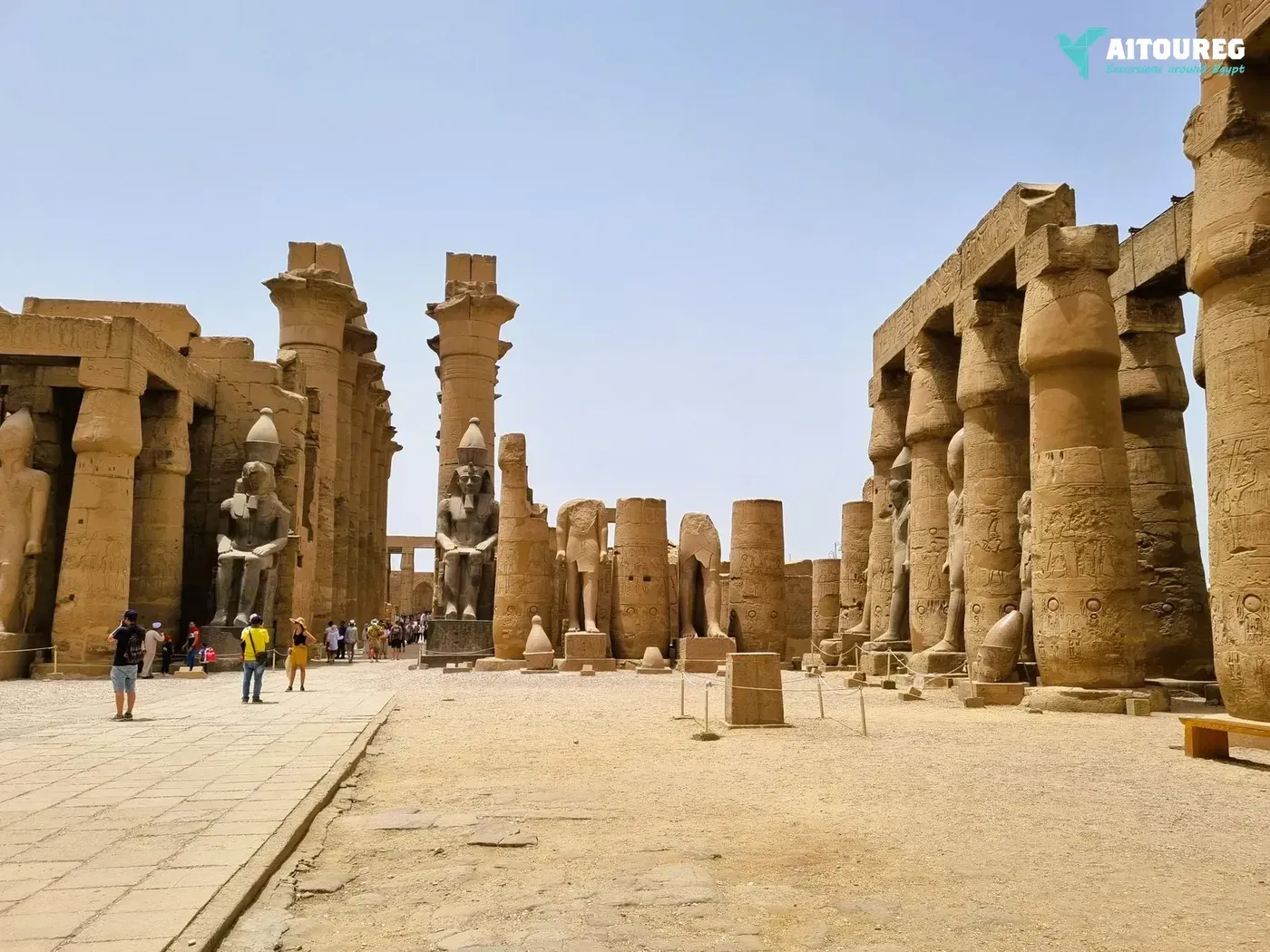
Luxor has the route’s largest concentration of monuments. On the west bank, the Valley of the Kings holds decorated royal tombs cut into the Theban hills. On the east bank, you visit the temple of Luxor and the temples of Karnak. The order may change with the sailing schedule and site opening arrangements, but the day includes tombs, processional avenues, towering columns and views across the Nile valley. Comfortable walking shoes and sun protection help here.
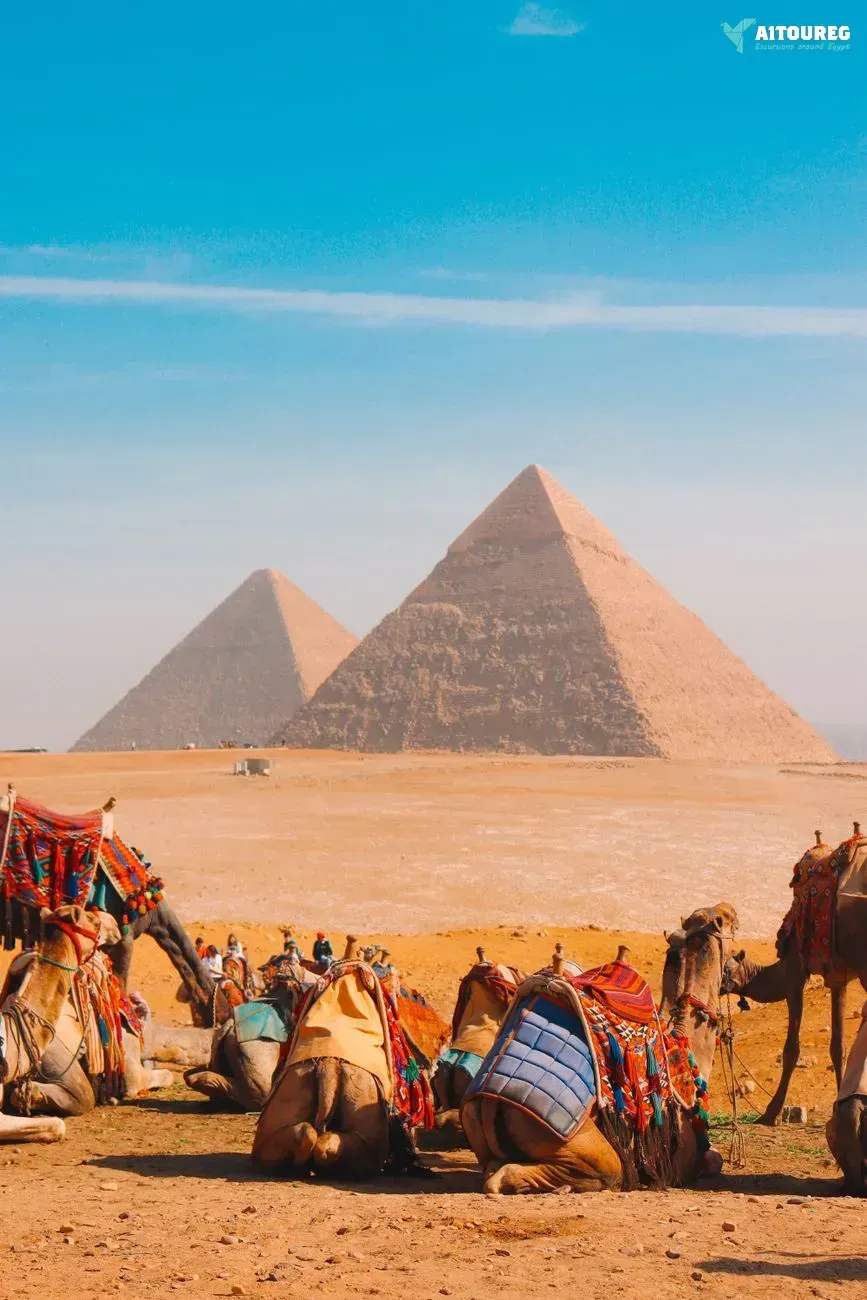
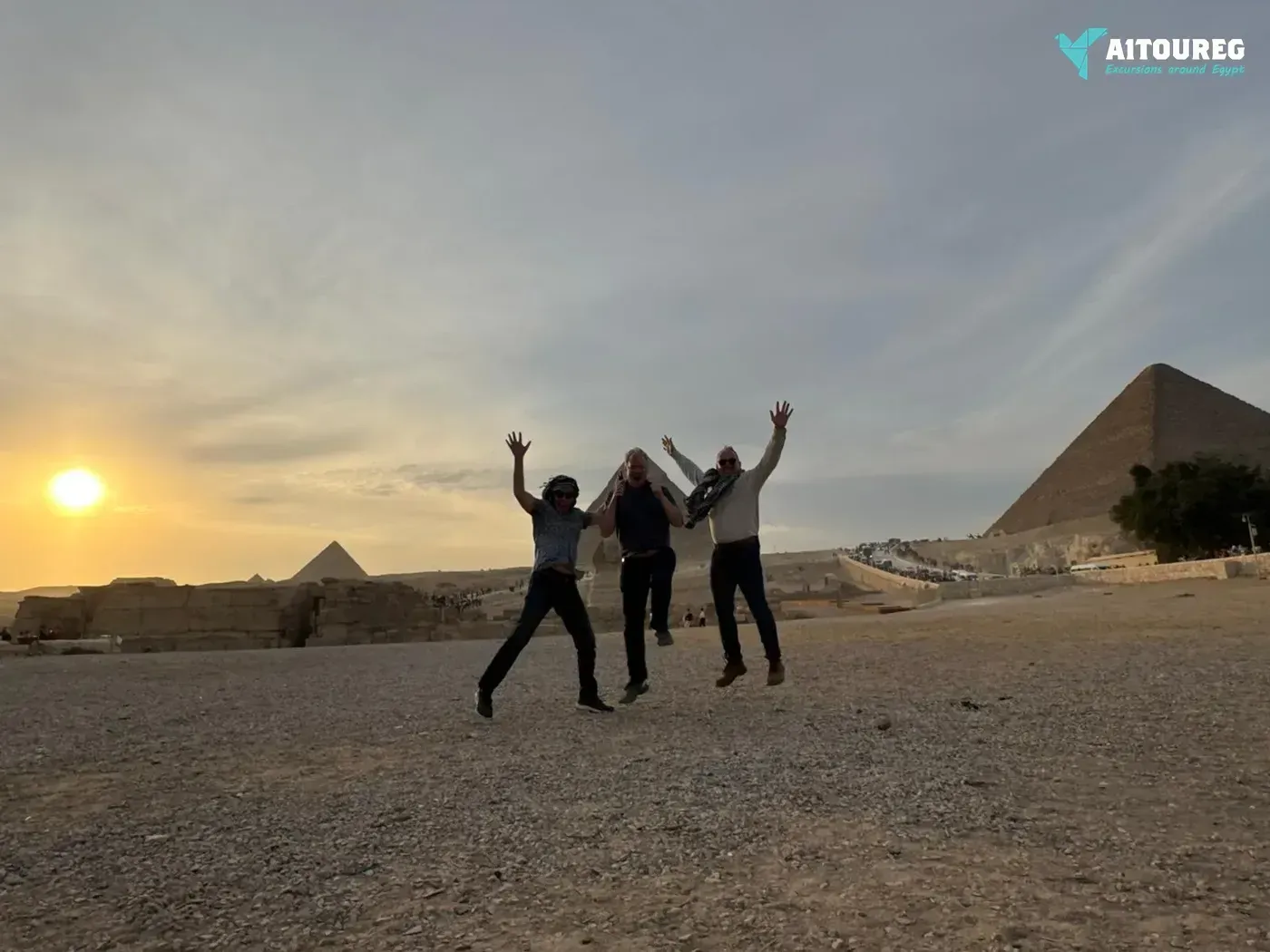
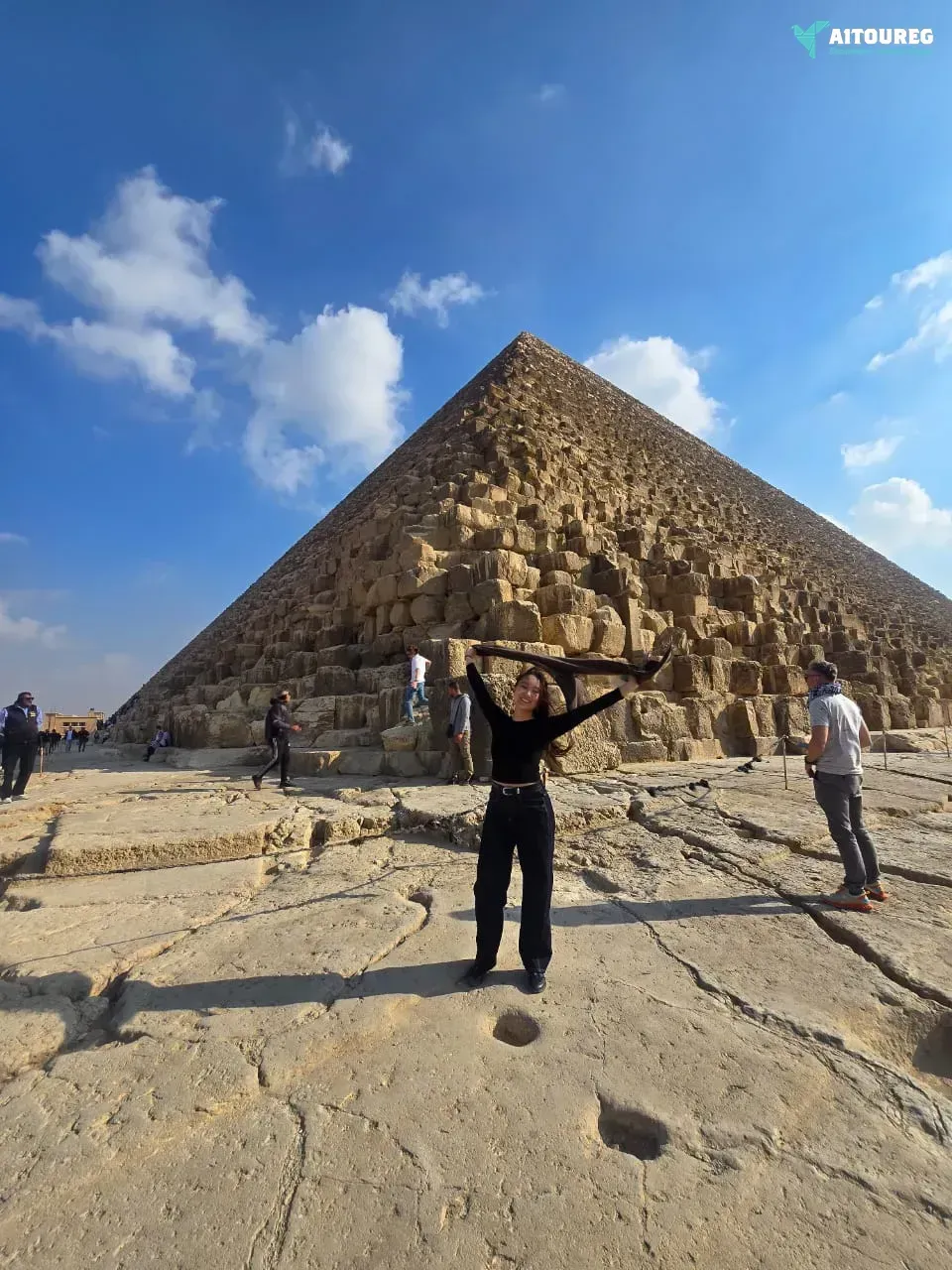
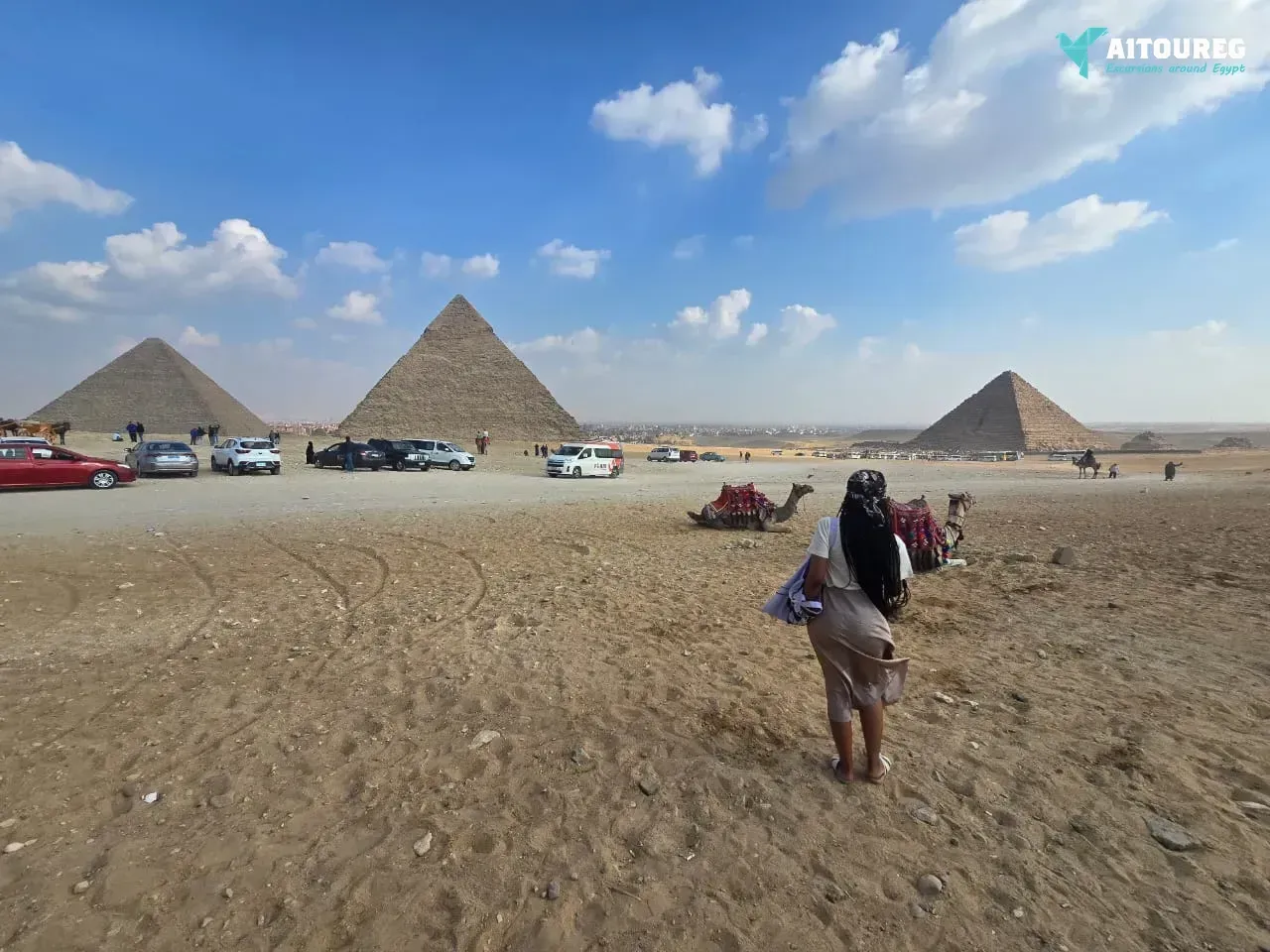
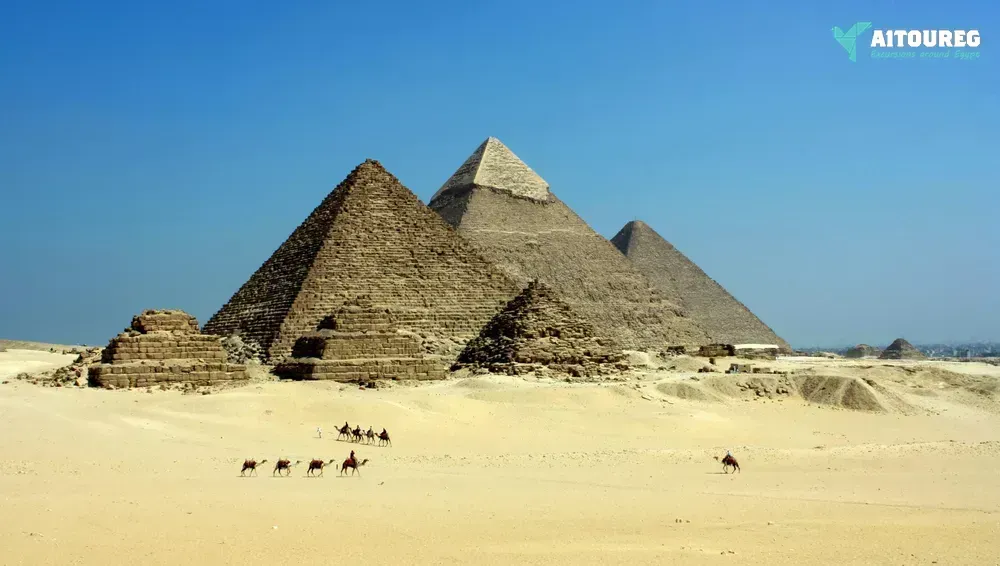
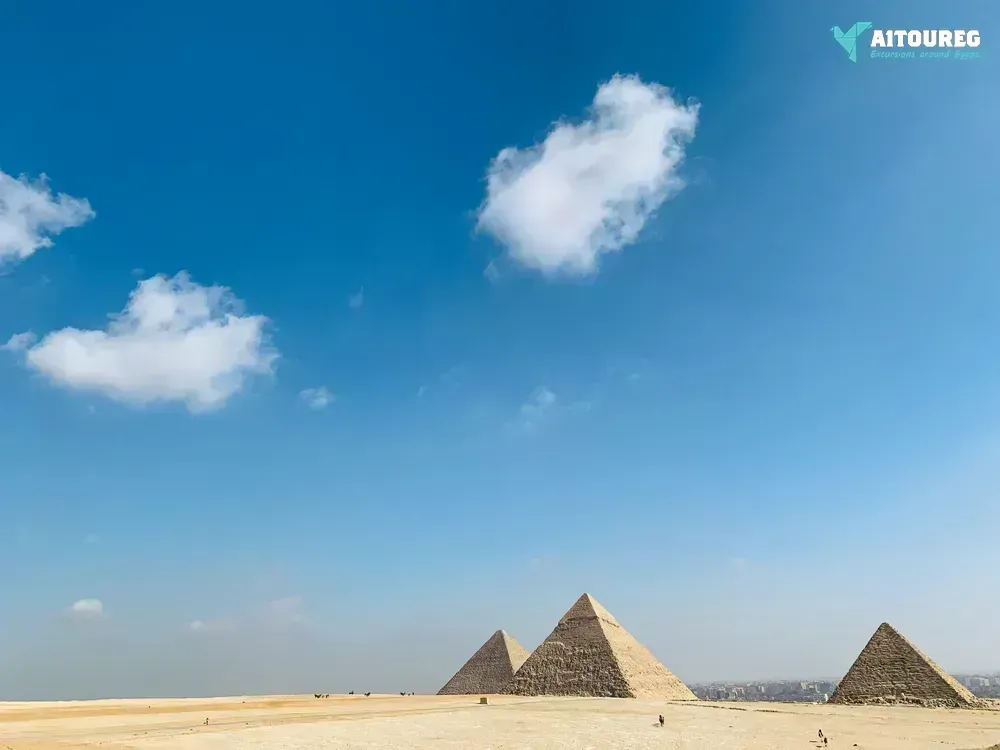
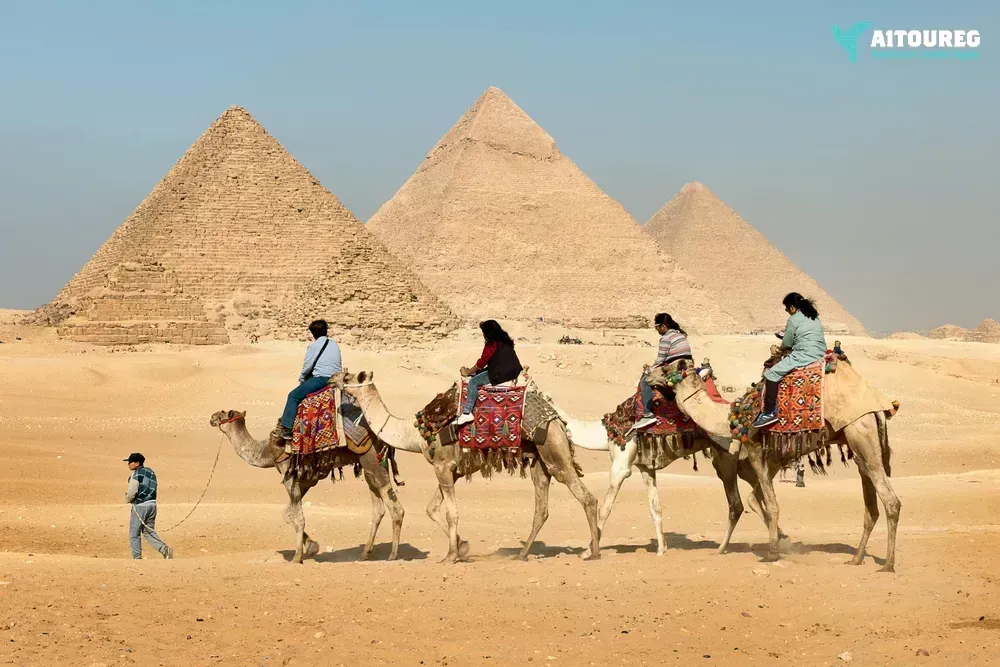
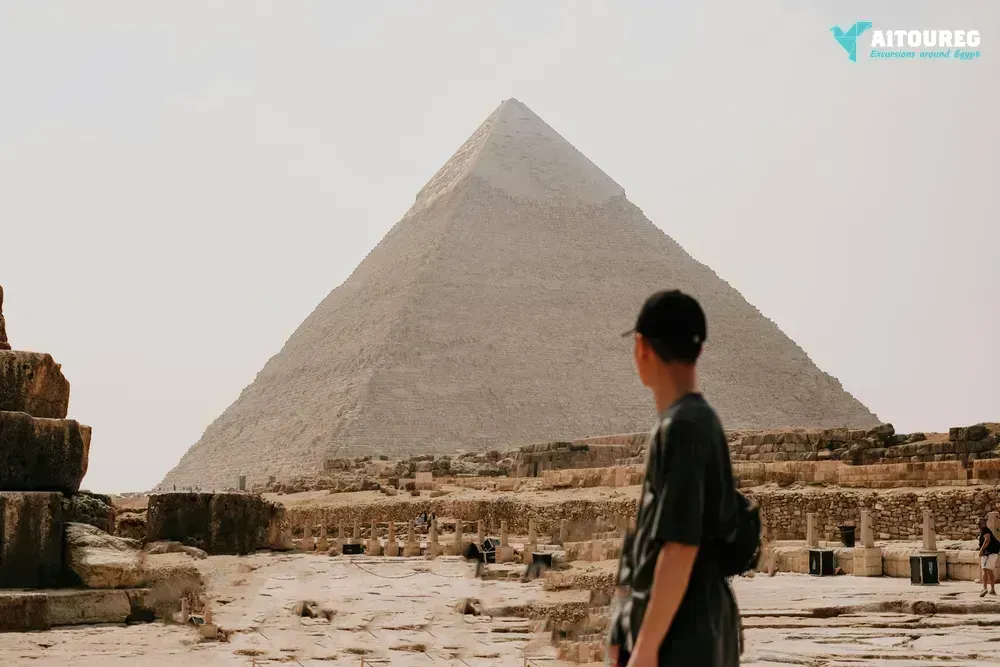
After the cruise, the tour reaches Cairo for its final sightseeing. At the Giza Pyramids, you have time to see the main pyramid complex and the Great Sphinx area while your guide explains how the monuments were planned and built. The Egyptian Museum contains royal statues, funerary objects and other pieces from Egypt’s long history. Displays and access arrangements can change, so the collection you see on the day may vary.
Old Cairo has a different feel, with historic mosques, churches and narrow streets around the old city centre. It gives you a chance to slow down after the open spaces of Giza and the cruise. Our team organises transport between destinations, sightseeing arrangements and local guidance, so you do not have to coordinate long road transfers, river travel and Cairo visits yourself.
This package suits travellers looking for a broad first trip through Egypt and comfortable with early starts, guided touring and several hours of sightseeing on some days. It may not suit anyone seeking a slow beach holiday or travellers who find steps, uneven paving or long outdoor visits difficult. We can explain the walking involved before you travel and advise on suitable preparation. Keep your passport, medication and essential items with you during transfers; luggage limits and domestic travel arrangements are confirmed in your booking details.
Abu Simbel visit
Pickup and drop-off from Marsa Alam
3-night Nile cruise from Aswan to Luxor
Accommodation on the cruise with meals as stated in the booking details
Transfers between Marsa Alam, Aswan, Luxor and Cairo as arranged for the package
Domestic onward travel arrangements between the Nile itinerary and Cairo where stated in the booking details
Licensed Egyptologist guide during scheduled sightseeing
Entrance fees to the listed archaeological sites
Optional activities or additional visits
Tips for guides, drivers and cruise staff
Travel insurance
Any accommodation or transfer not included in the confirmed itinerary
Drinks and meals not stated in the booking details
Personal expenses and shopping
Comfortable walking shoes with good grip
Sun hat, sunglasses and high-factor sunscreen
Reusable water bottle
Cash for personal expenses and optional gratuities
Valid passport and any required travel documents
Personal medication and essential toiletries
Small day bag for sightseeing
Light, breathable clothing with a modest layer for religious sites
A light jacket for cool early mornings or air-conditioned transport
The Marsa Alam 6-day Nile cruise and Cairo tour package includes a 3-night Nile cruise between Aswan and Luxor, sightseeing at Abu Simbel, the Temple of Isis, the Aswan Dam, the unfinished obelisk, the Temple of Kom Ombo, Edfu, the Temple of Luxor, the Valley of the Kings and the temples of Karnak.
The Cairo section includes the Giza Pyramids, the Egyptian Museum and Old Cairo. Your package also covers the planned sightseeing transfers connected with the itinerary; the booking details confirm the exact inclusions for your departure.
This 6-day itinerary is a full sightseeing trip with three nights on the Nile and scheduled visits in Aswan, along the river, Luxor and Cairo. You will see major sites in a set order, so some days include early starts, several hours of touring and time on your feet.
The cruise itself gives you a slower change of scenery between visits, while the Cairo section is more road-based. We recommend allowing time to rest between activities, especially if you are travelling with children or prefer a gentle pace.
Pickup for this package is arranged from Marsa Alam, followed by the transfers needed to connect with the Nile cruise in Aswan and the Cairo sightseeing programme. Your confirmed booking documents will give the meeting point, pickup window and contact details for the day of travel.
Please provide your accommodation or preferred pickup location when booking. Travel times between Marsa Alam, Aswan and Cairo can be long, and the exact transport plan depends on the confirmed itinerary and operating arrangements.
This 6-day Nile cruise and Cairo tour can suit families, but travellers should expect walking over uneven ground, steps, heat and busy sightseeing days. Abu Simbel, the Giza Pyramids, the Valley of the Kings and Old Cairo may be tiring for younger children or anyone with limited mobility.
Boat access, temple entrances and some archaeological paths may not be step-free. Tell our team about mobility needs before booking so we can explain the practical conditions and check which arrangements can be made.
Wear light, breathable clothing with comfortable closed shoes, and bring sun protection, a hat, sunglasses, a reusable water bottle and a light layer for cooler evenings or air-conditioned transport. Modest clothing is appropriate when visiting religious places in Cairo.
Bring your passport, essential medication and any personal travel documents. Comfortable footwear matters at the Giza Pyramids, the unfinished obelisk, the temples of Karnak and the other archaeological sites included in the route.
You can request the Marsa Alam 6-day Nile cruise and Cairo tour by providing your preferred travel dates, traveller details and pickup information; our team will then confirm the available arrangements and booking terms. Cancellation conditions depend on the date of booking and the services reserved.
Read the cancellation and amendment terms before confirming, particularly because the package combines a cruise with intercity transfers and Cairo sightseeing. Ask our team about any planned changes as soon as your dates are known.
Your unforgettable Egypt journey starts with a booking you can trust.
* Available on selected tours. Flights, cruises and special bookings may have different cancellation policies.
Free cancellation up to 24 hours before activity starts
If you choose to pay online, a secure payment link can be provided after booking. For assistance or alternative payment options, please contact us via WhatsApp.
All our tour operators are licensed and verified by Egyptian tourism authorities.
Learn more about our licensed partners →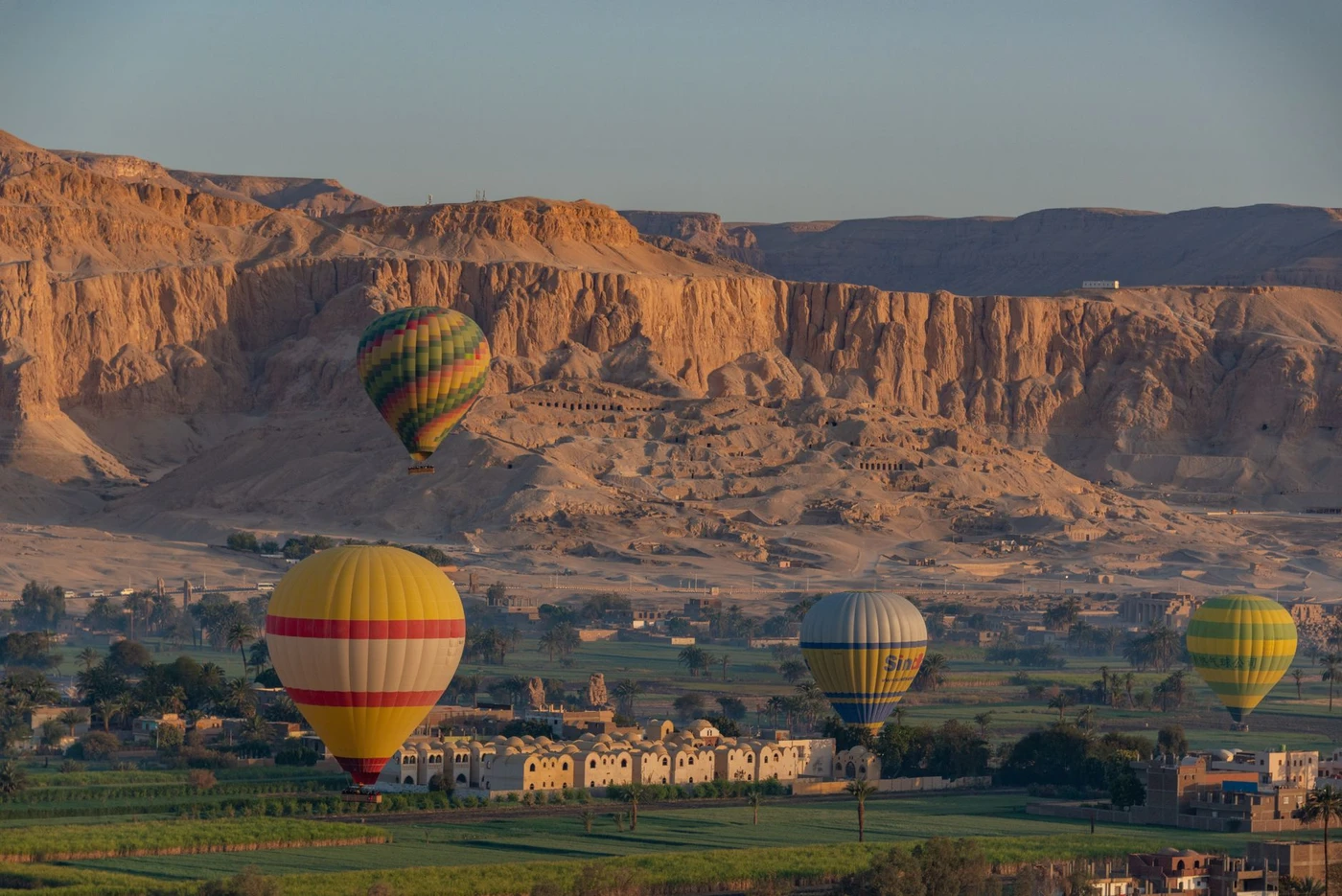

Free cancellation up to 24 hours before activity starts
If you choose to pay online, a secure payment link can be provided after booking. For assistance or alternative payment options, please contact us via WhatsApp.
All our tour operators are licensed and verified by Egyptian tourism authorities.
Learn more about our licensed partners →
Your Itinerary
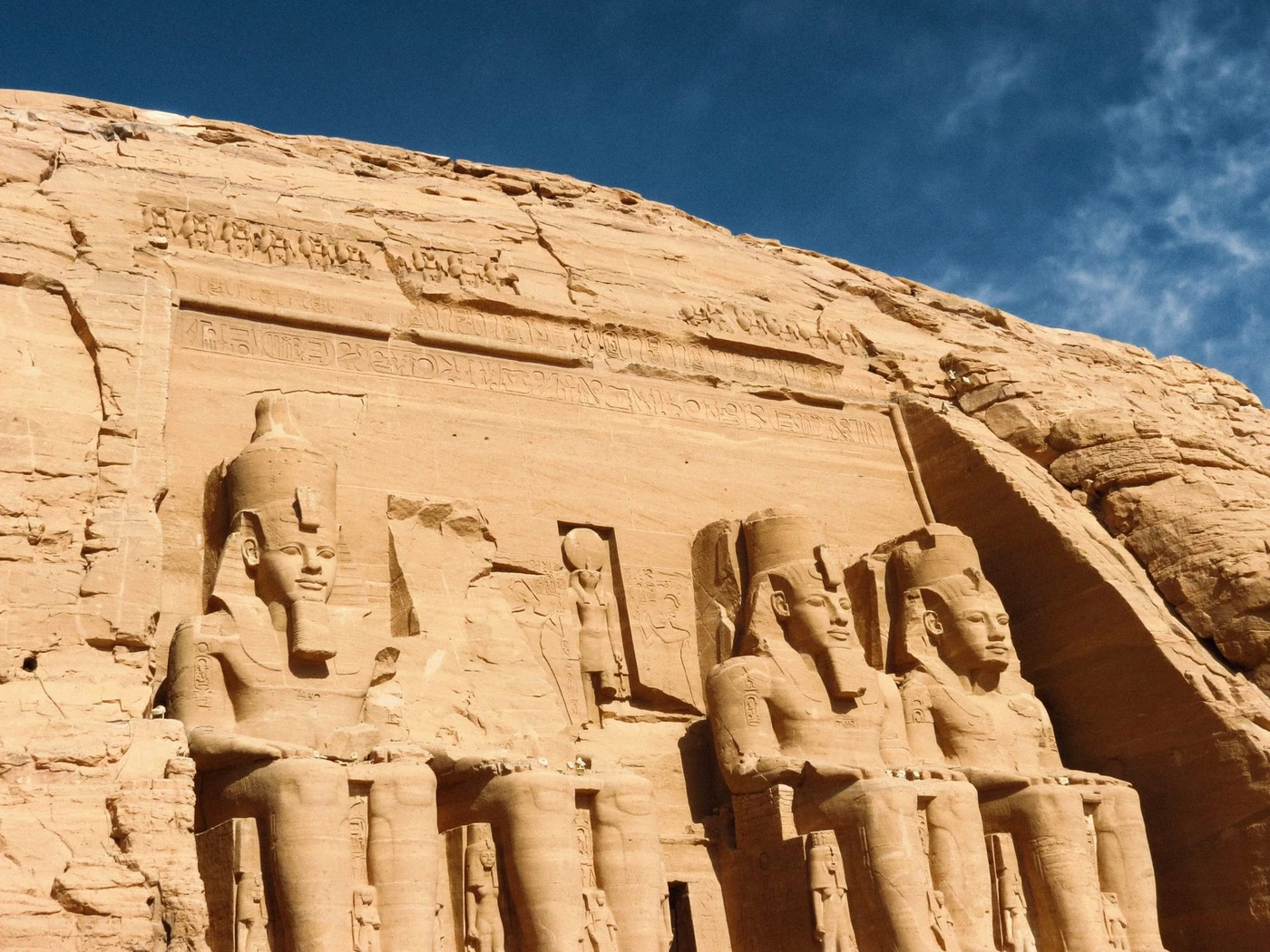
Our team arranges your transfer from Marsa Alam to Aswan, with the journey taking several hours by road. On arrival, continue to Abu Simbel, where the rock-cut temples face Lake Nasser. You have time to walk through the courtyards and halls, see the large statues of Ramesses II, and look closely at the smaller temple built for Queen Nefertari.
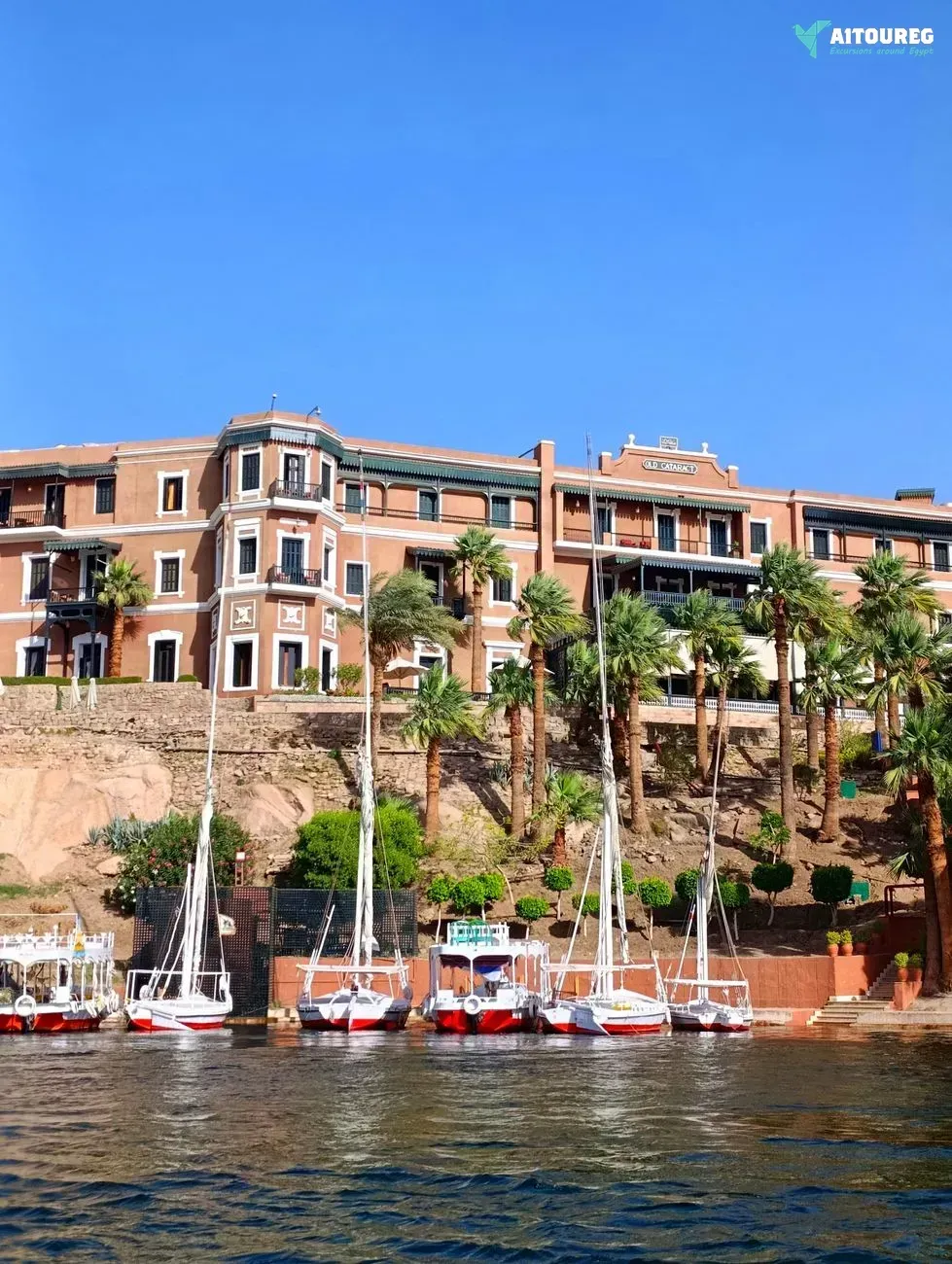
After the visit, return to Aswan and board a 3-night Nile cruise. The crew completes check-in while you settle into your cabin and take in the river views from the deck. Depending on the day’s road conditions and the cruise schedule, the first evening may be a quiet dinner on board or time to rest after the long transfer.
Keep your passport and essential medication with you during the transfer, and wear comfortable shoes for the uneven ground at Abu Simbel. Your cabin, meals and the next day’s sightseeing arrangements are explained on board.
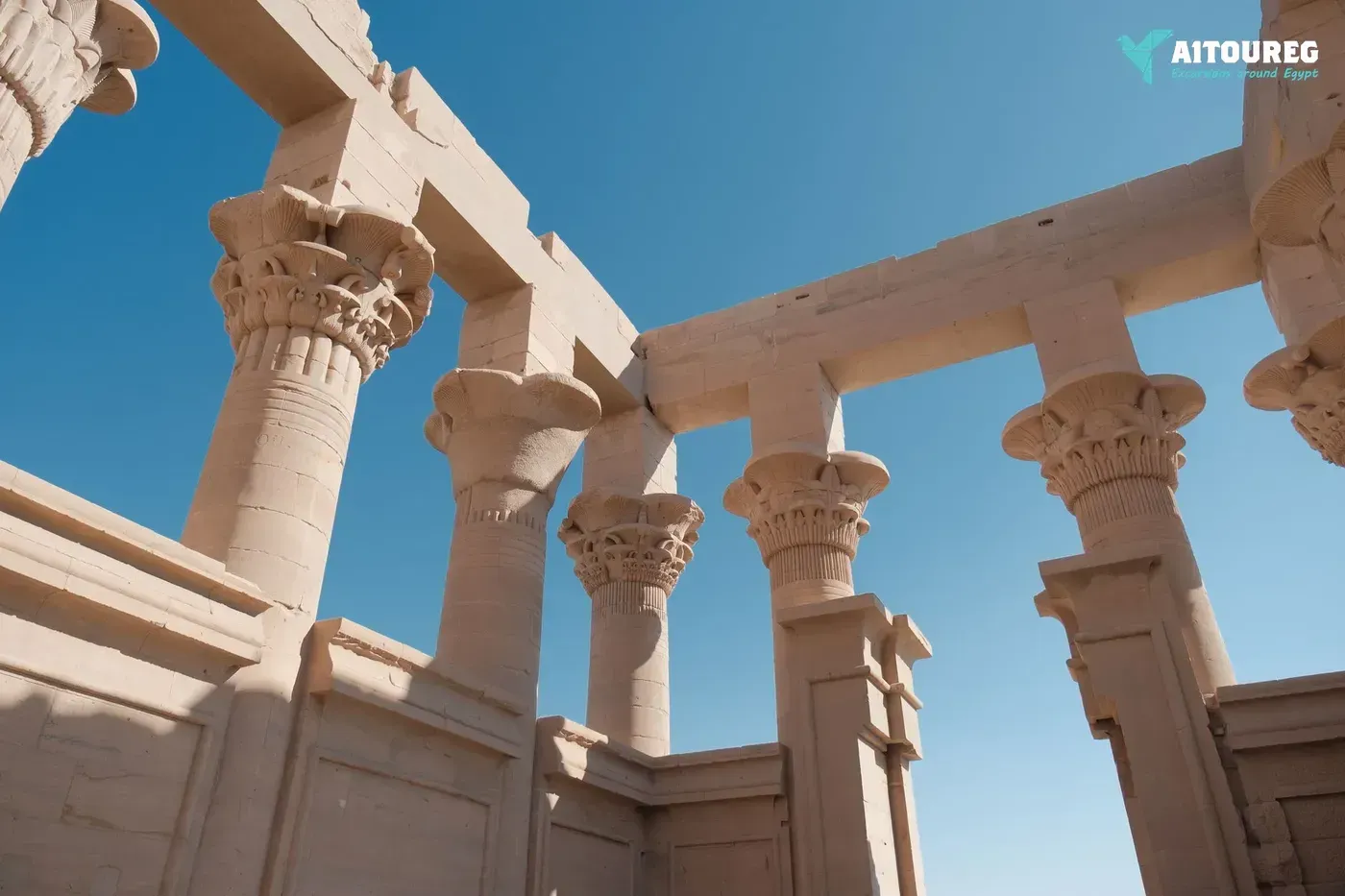
Begin with a guided visit to the temple of Isis on Philae Island. A short boat crossing takes you to the island, where you can see reliefs, columned halls and sanctuaries dedicated to Isis. The water around the temple gives the visit a different setting from the desert sites you see later in the trip.
Continue to the Aswan Dam, an important modern engineering project that changed the movement of water and agriculture along the Nile. The final stop is the unfinished obelisk, still attached to the granite quarry where ancient stoneworkers began shaping it. Your guide explains how cracks in the rock stopped the work and how obelisks were prepared for transport.
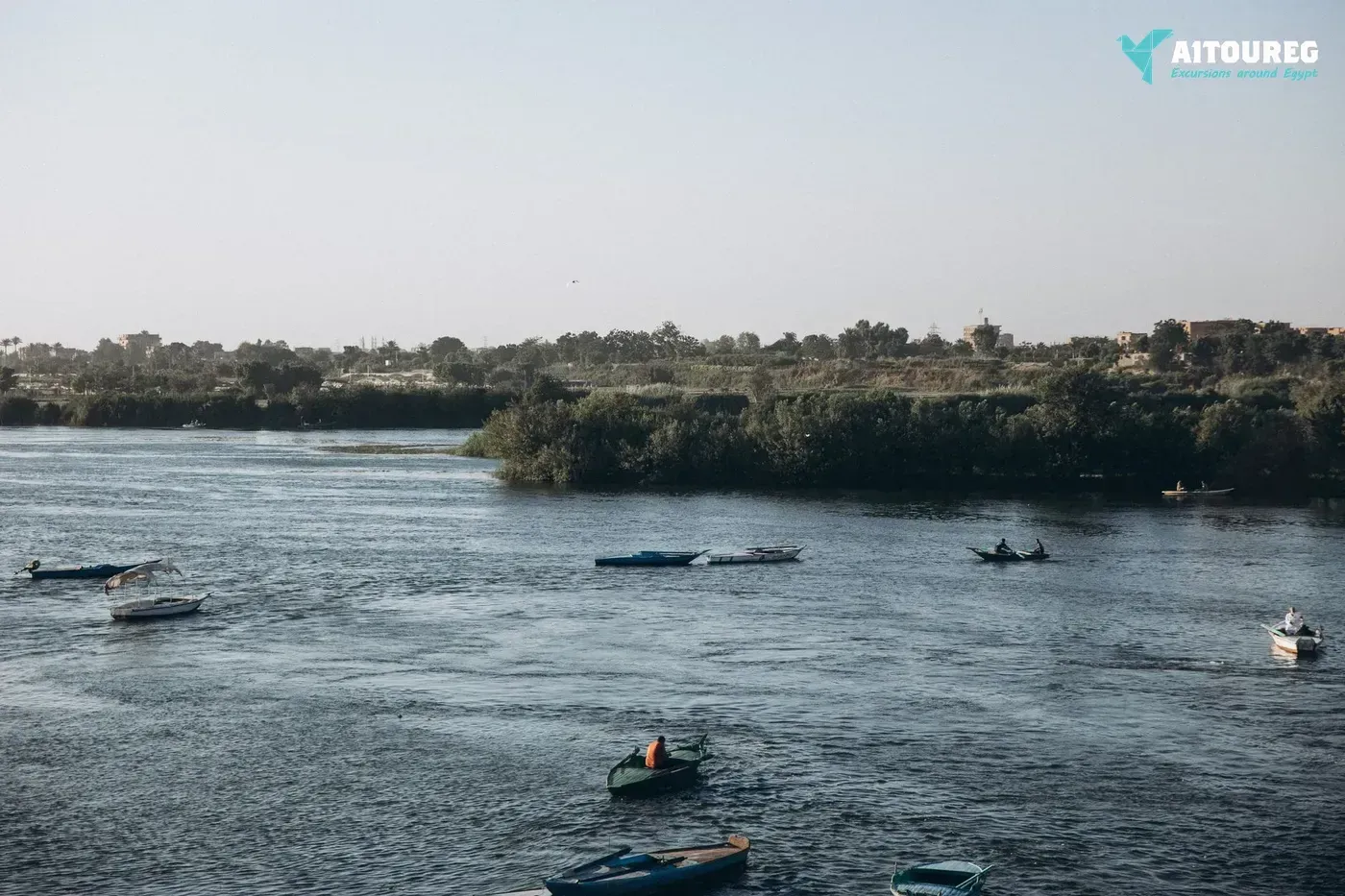
Return to the cruise ship for lunch and an afternoon on the river. Sailing time is a useful pause after the morning’s walking, with meals served on board and the evening spent as the ship continues north.
The ship reaches Kom Ombo during the day, and you walk from the landing point to the temple of Kom Ombo. Its unusual design has two parallel sections, one linked to Sobek and the other to Horus. Your guide points out the carved medical instruments and the reliefs that help explain the temple’s religious role.
Continue by cruise towards Edfu, then take a short transfer from the river to the Temple of Horus. The large gateway, enclosed courtyards and well-preserved inscriptions make this one of the clearest examples of a Ptolemaic temple in Egypt. Allow time for the return journey to the ship and for the group to regroup before sailing again.
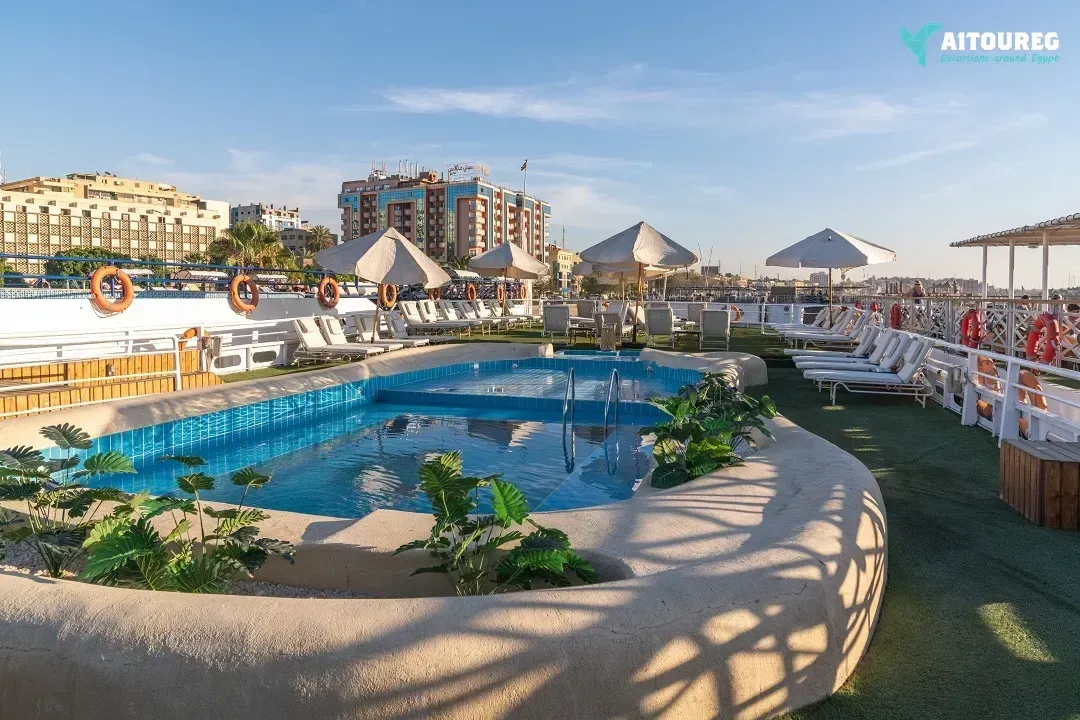
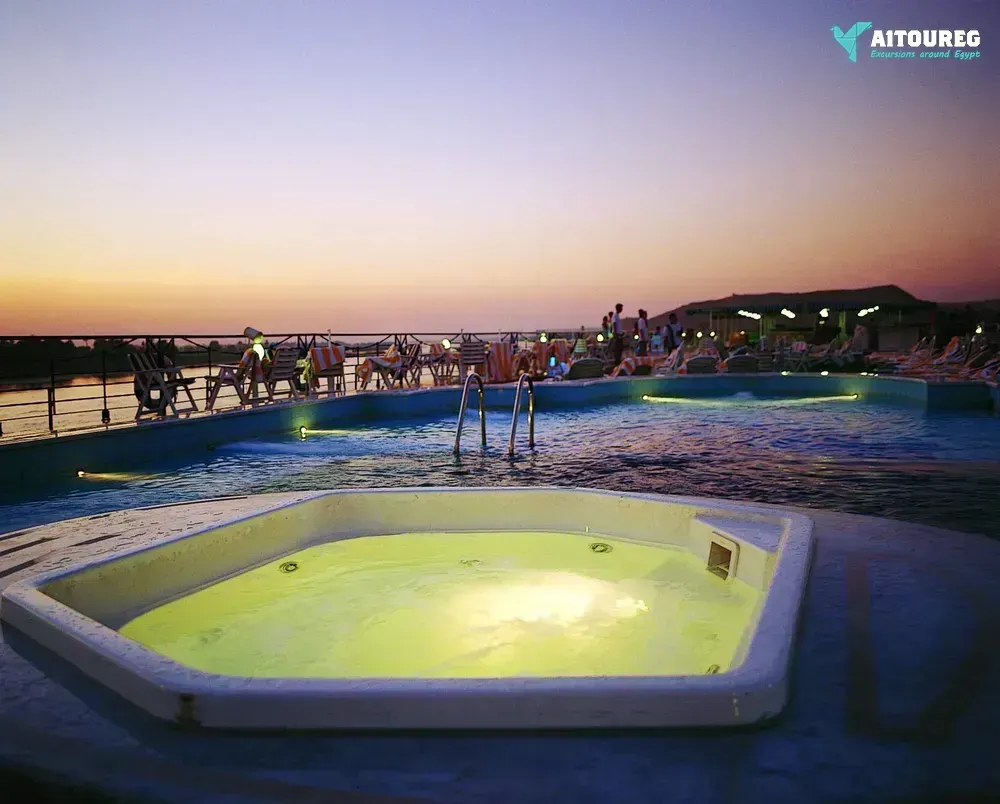
Back on board, the afternoon follows the pace of the river. You can rest, use the sun deck or watch the changing banks from the lounge. This is the final night of the cruise, with the ship continuing towards Luxor for the following morning’s sightseeing.
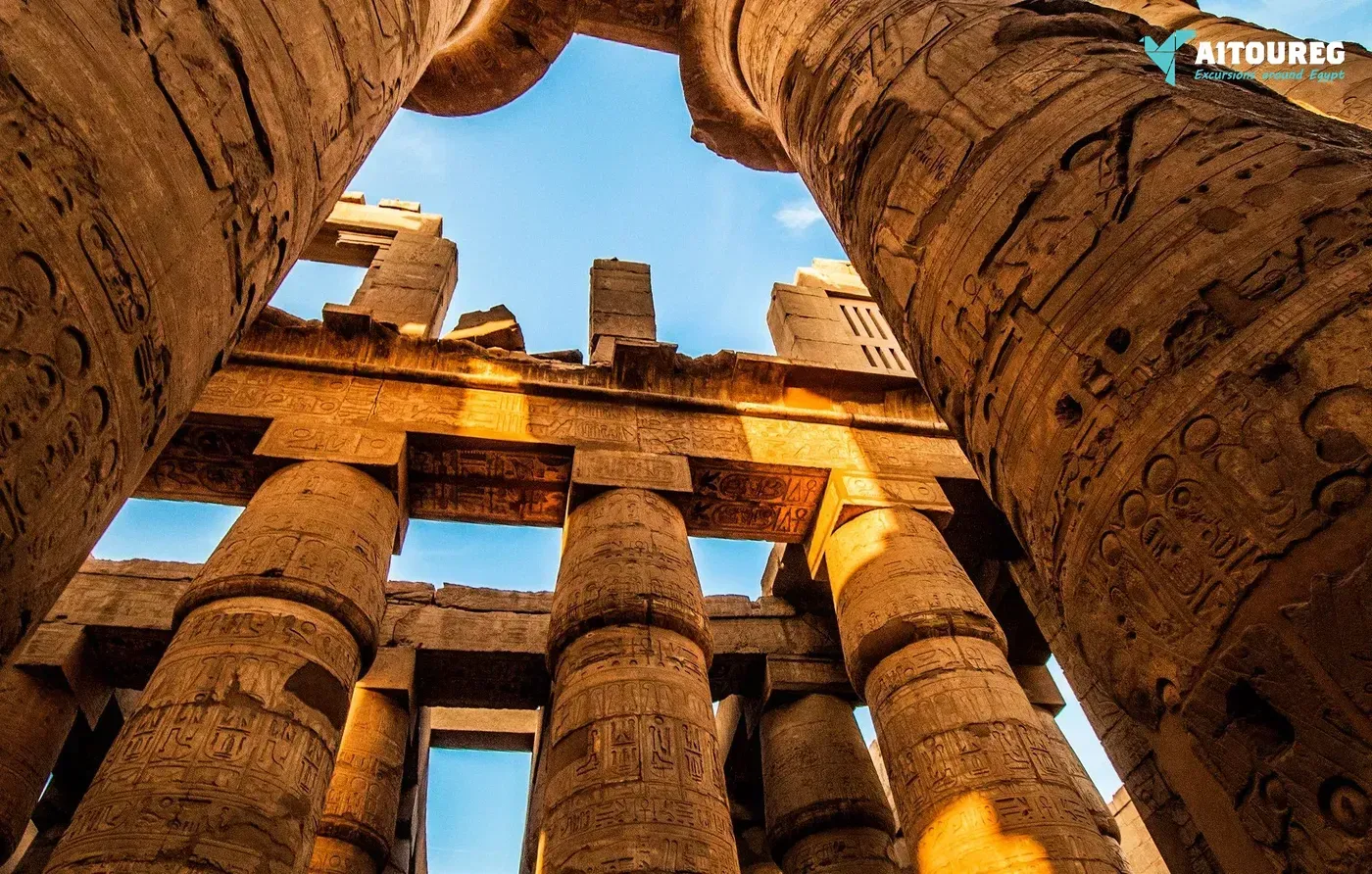
After breakfast, leave the ship in Luxor and begin with the temple of Luxor on the east bank. The avenue, monumental gateway and tall columns show how the complex developed over several periods. Your guide places the carvings and statues in context before you continue to the west bank.
Visit the valley of Kings, where selected tombs are open according to the site schedule. The walk from the visitor area includes uneven paths and some steps, but the tomb interiors give you a close look at painted burial scenes and ancient inscriptions. Comfortable footwear and water are useful in the dry conditions.
Continue to the temples of Karnak, the largest religious complex on the itinerary, before travelling to the airport or station for the onward journey to Cairo, depending on the confirmed arrangements. On arrival, our team transfers you to your Cairo accommodation. The day combines several major sites with a long travel leg, so the evening is kept free for rest.
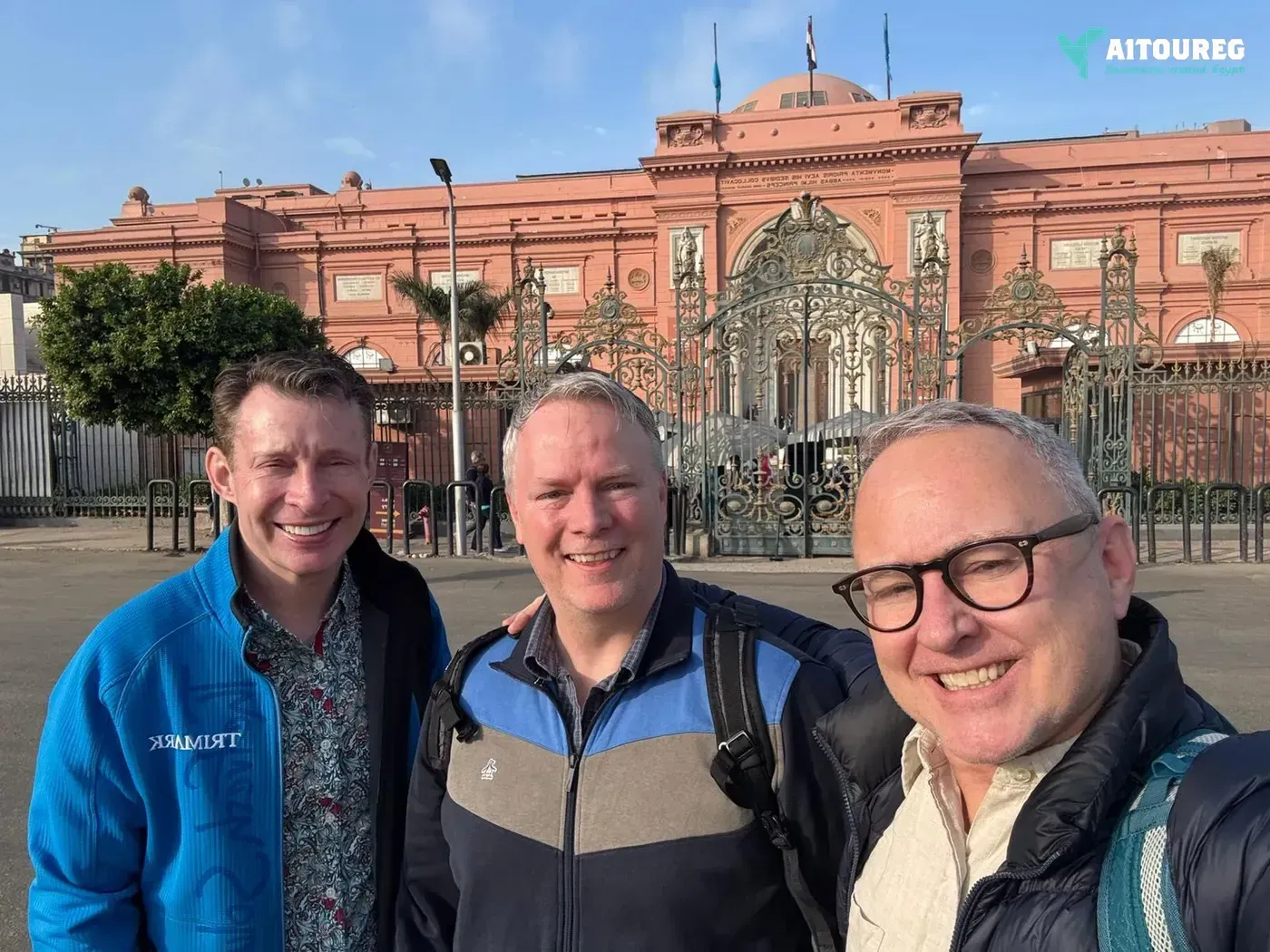
Spend the morning at the Egyptian museum, where the collection includes statues, funerary objects, jewellery and everyday items from several periods of Egyptian history. Move through the galleries with your guide, who explains the key pieces and helps you focus on the objects most relevant to the pharaohs, temples and tombs seen earlier in the tour.
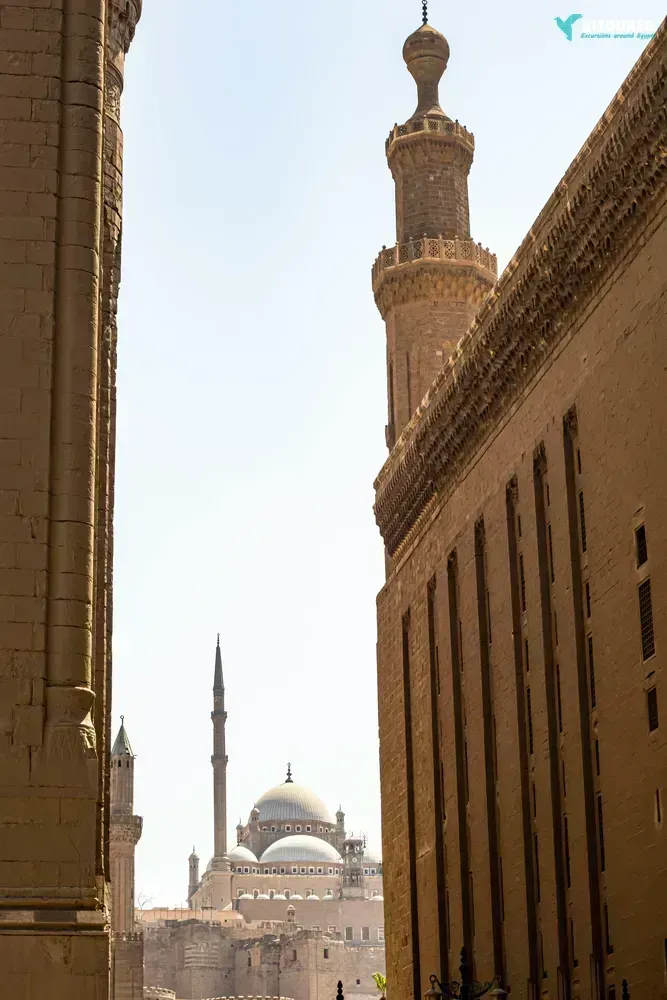
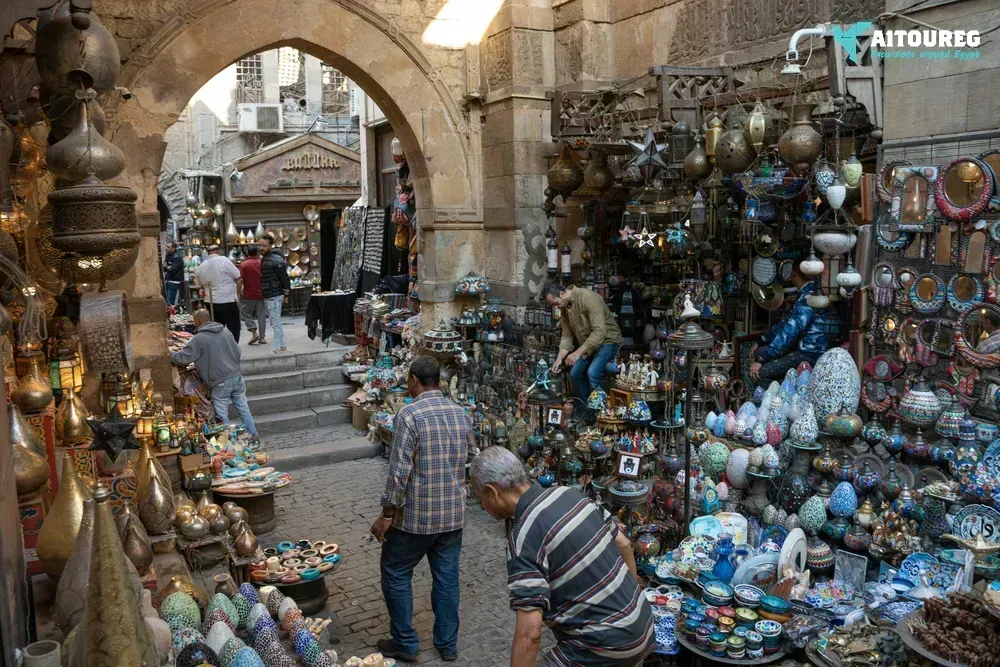
After a break for lunch, continue to Old Cairo. Walk through the historic lanes and visit the area’s important churches and mosques, subject to opening times and local access arrangements. The buildings reflect the layers of Christian and Islamic history that developed around this part of the city.
The schedule allows for a slower afternoon than the cruise days, although some surfaces are uneven and visits involve standing. Return to your accommodation after sightseeing, with the evening available to organise luggage and prepare for the final day. Our team confirms the next day’s pickup and departure arrangements in advance.
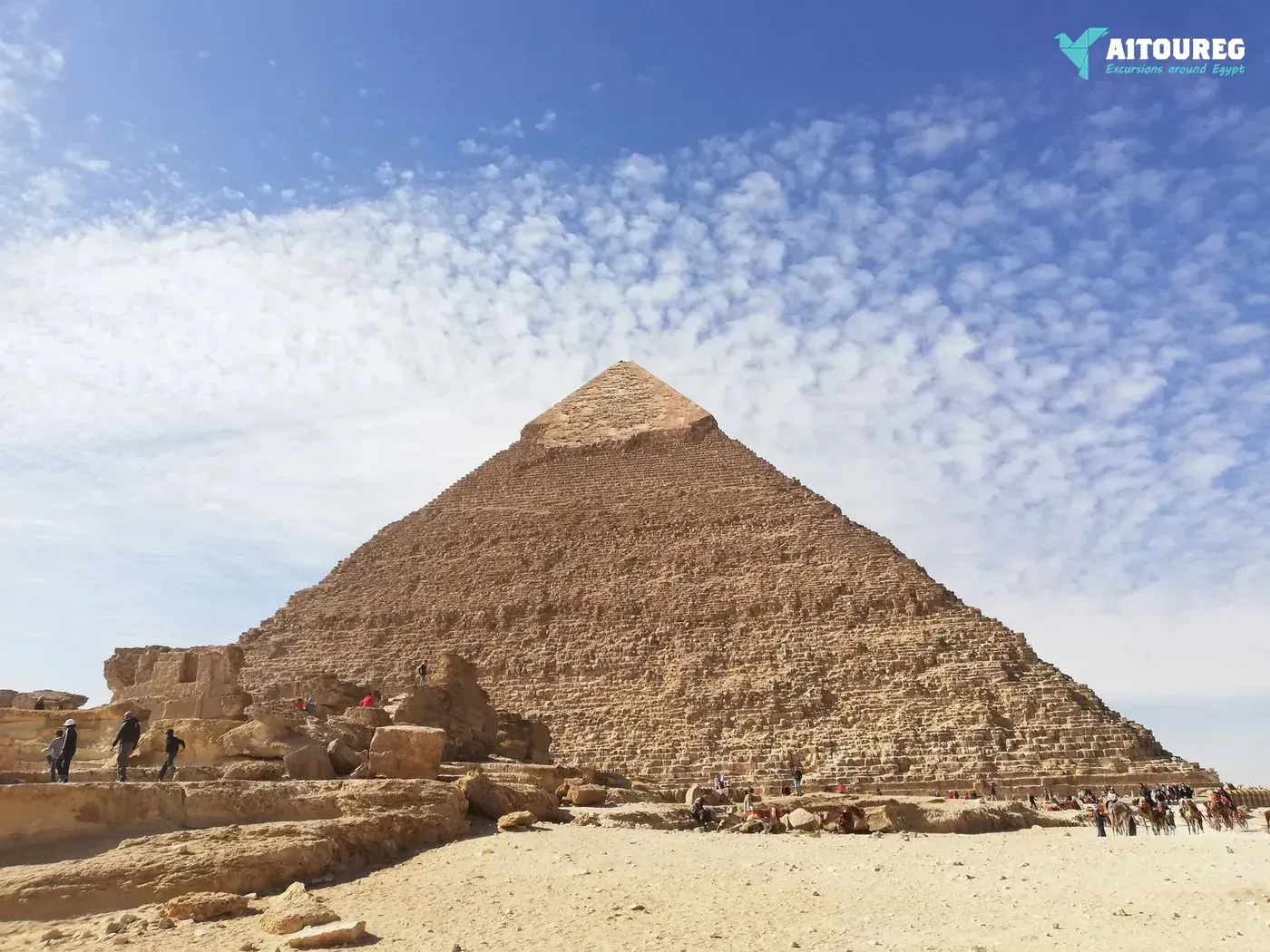
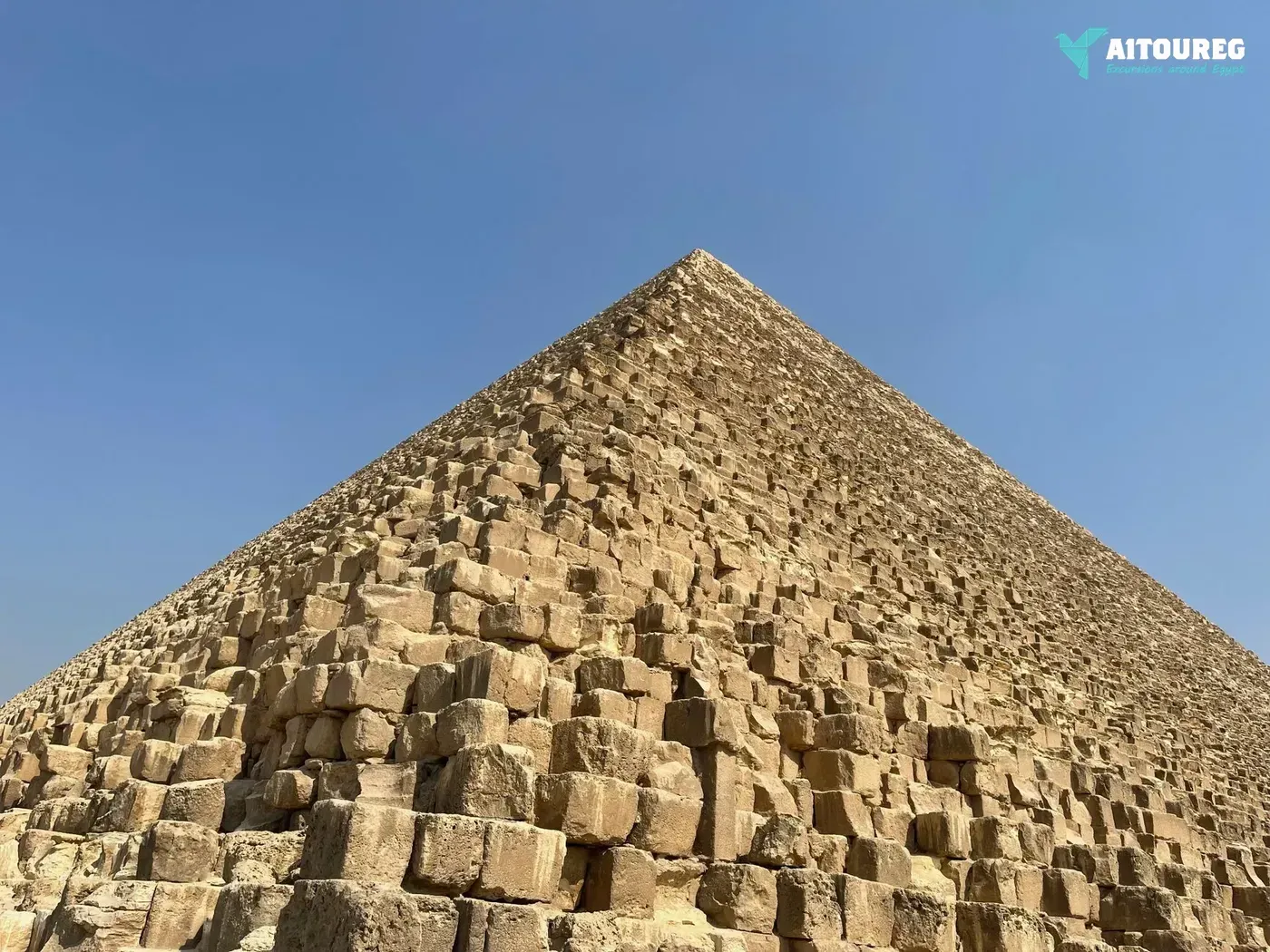
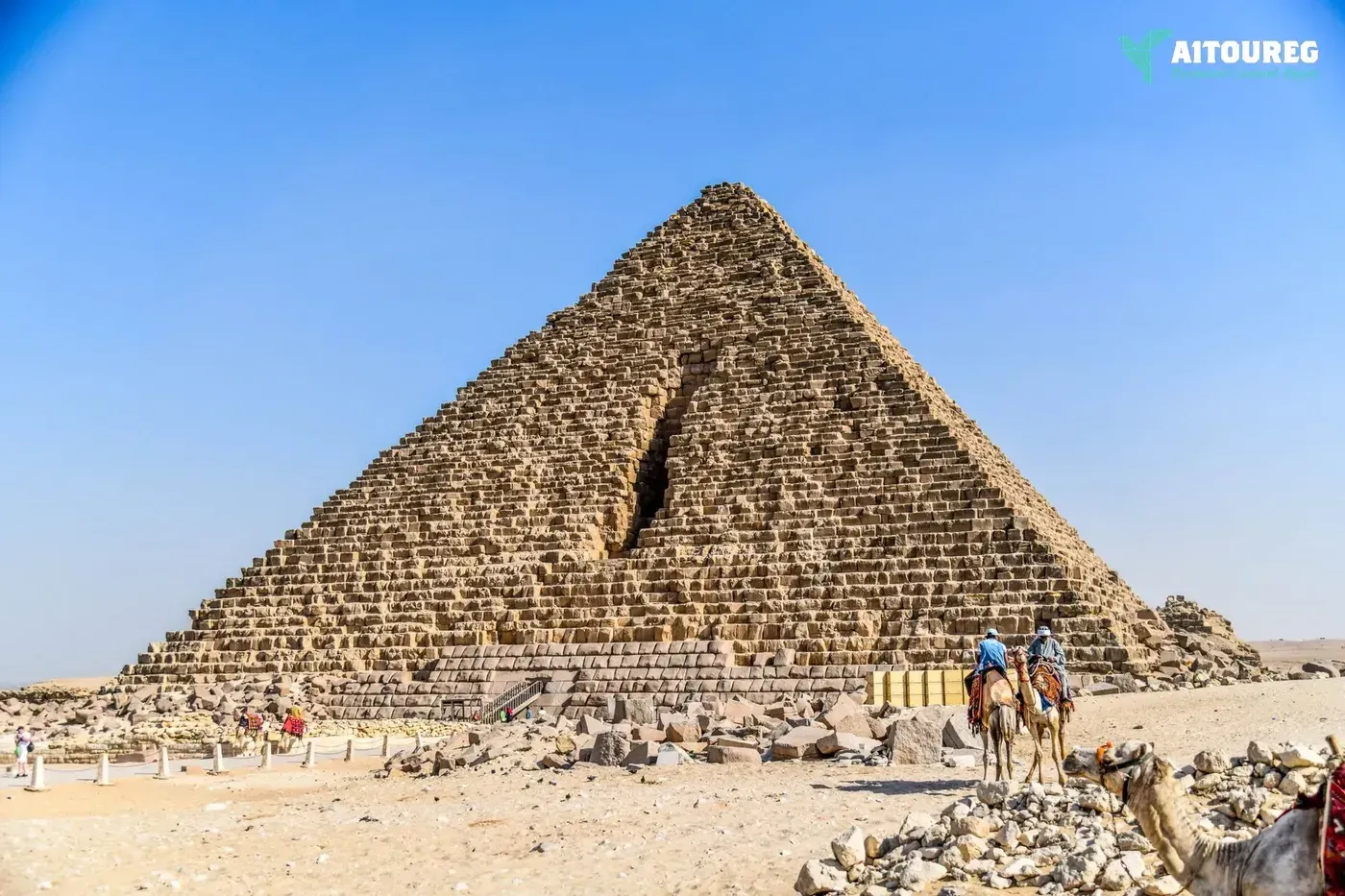
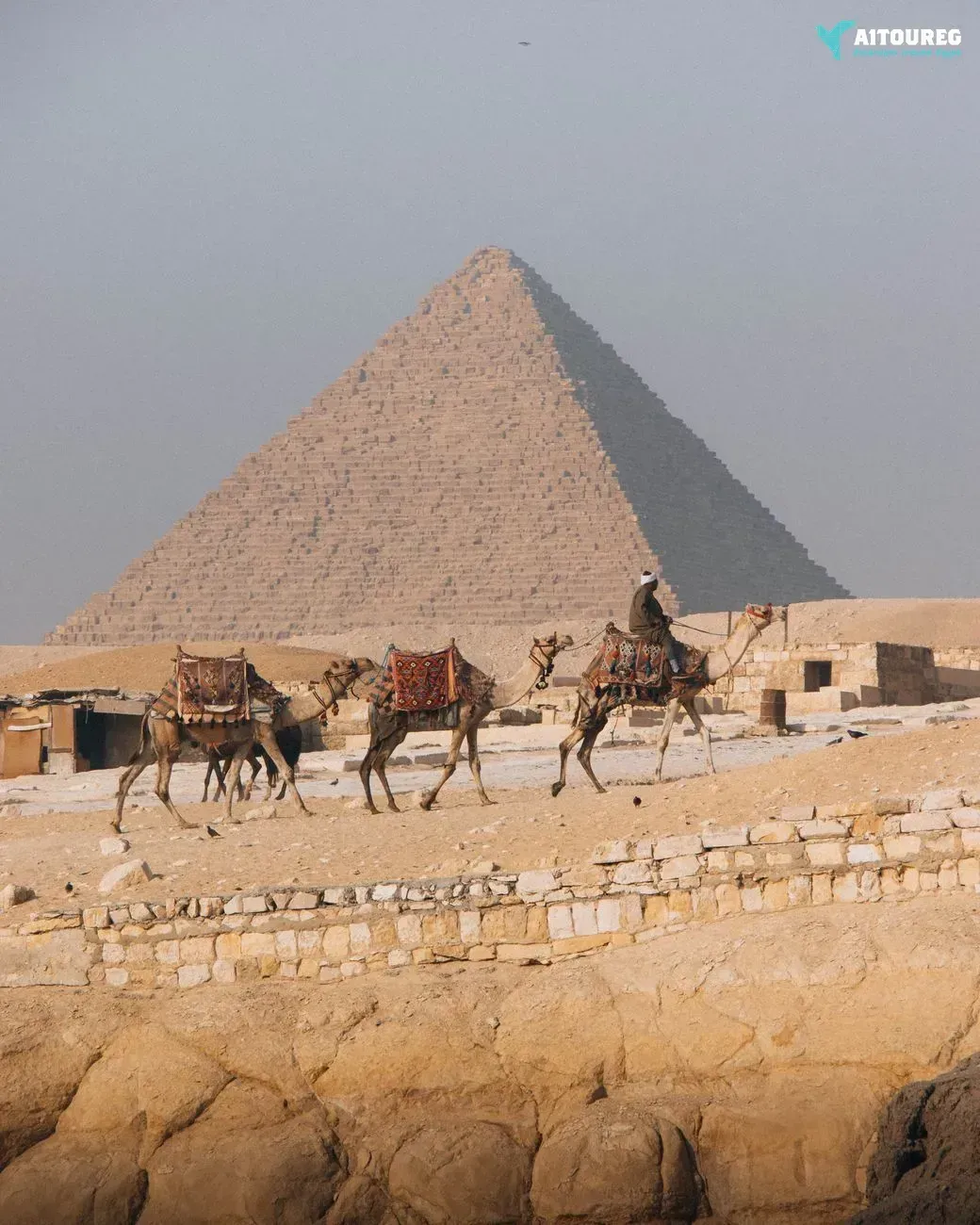
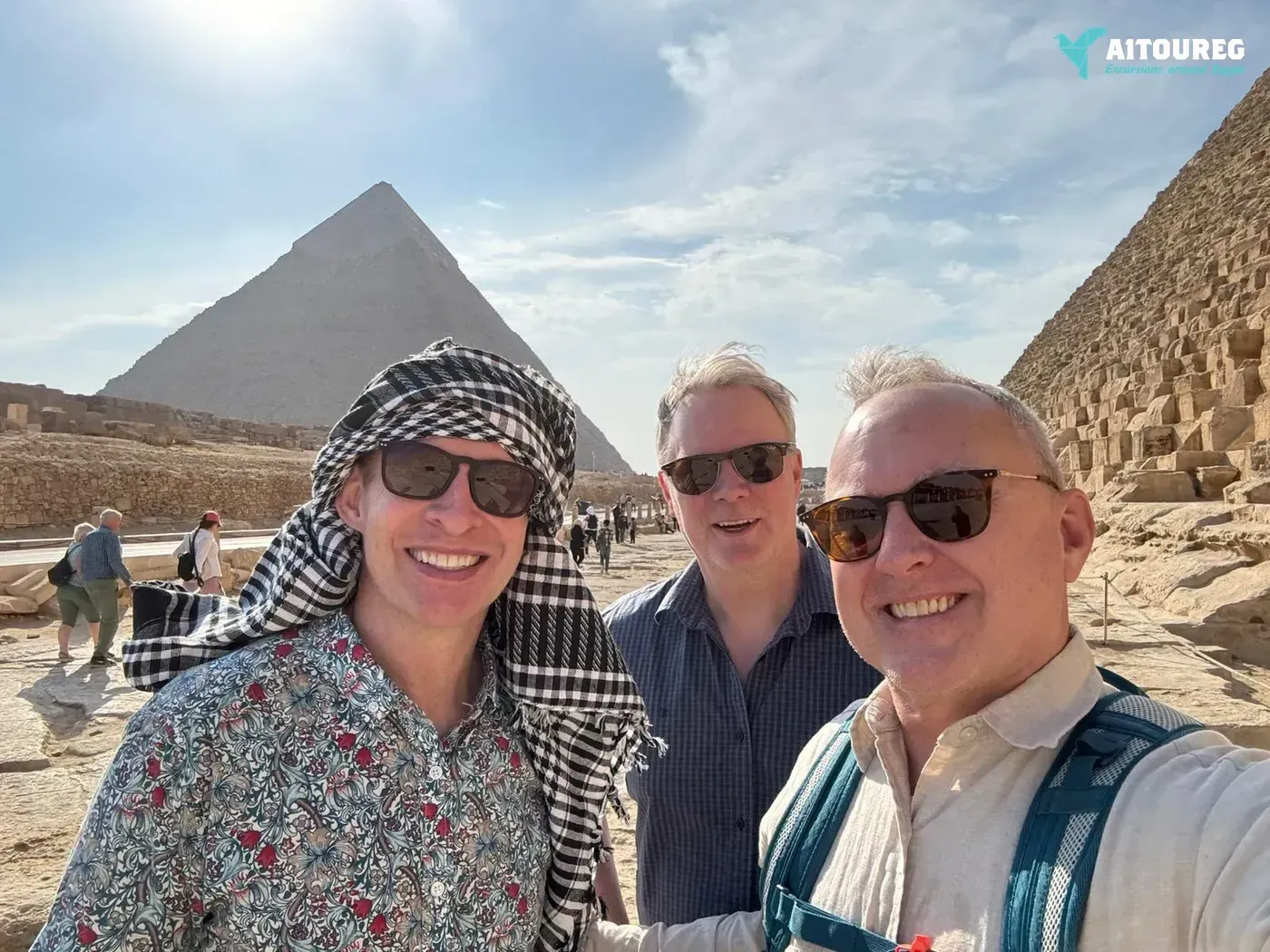
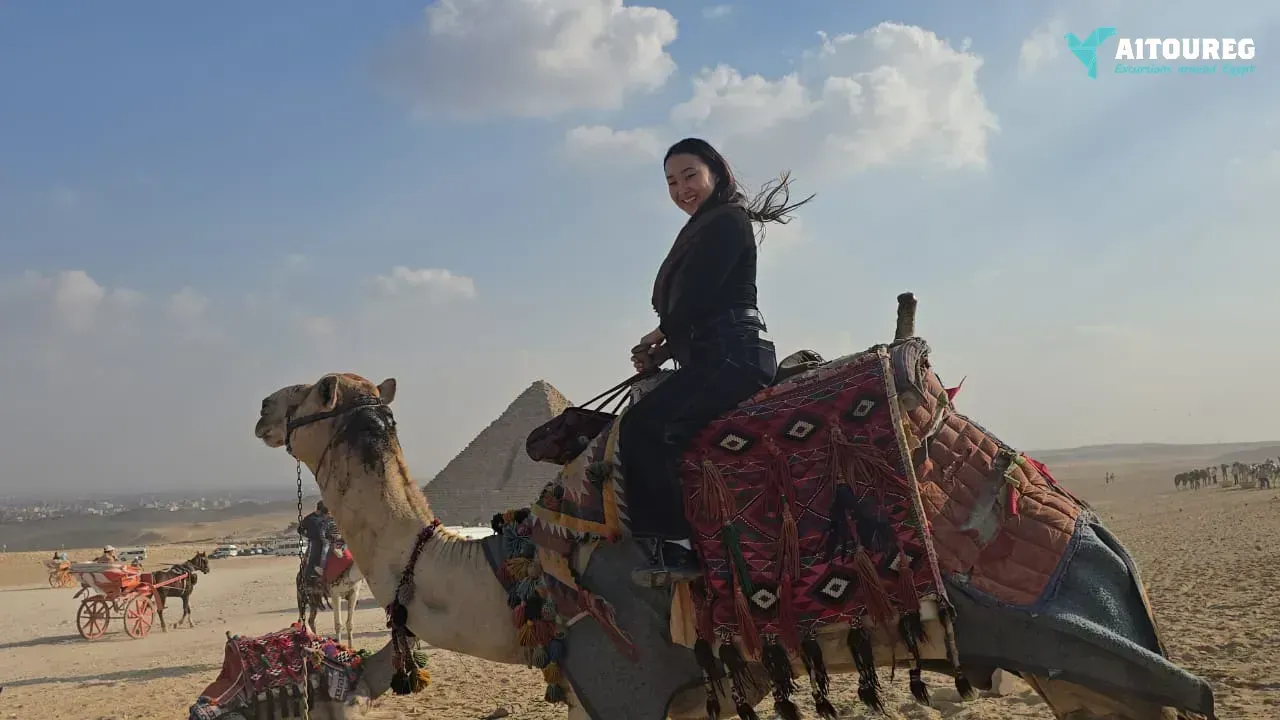
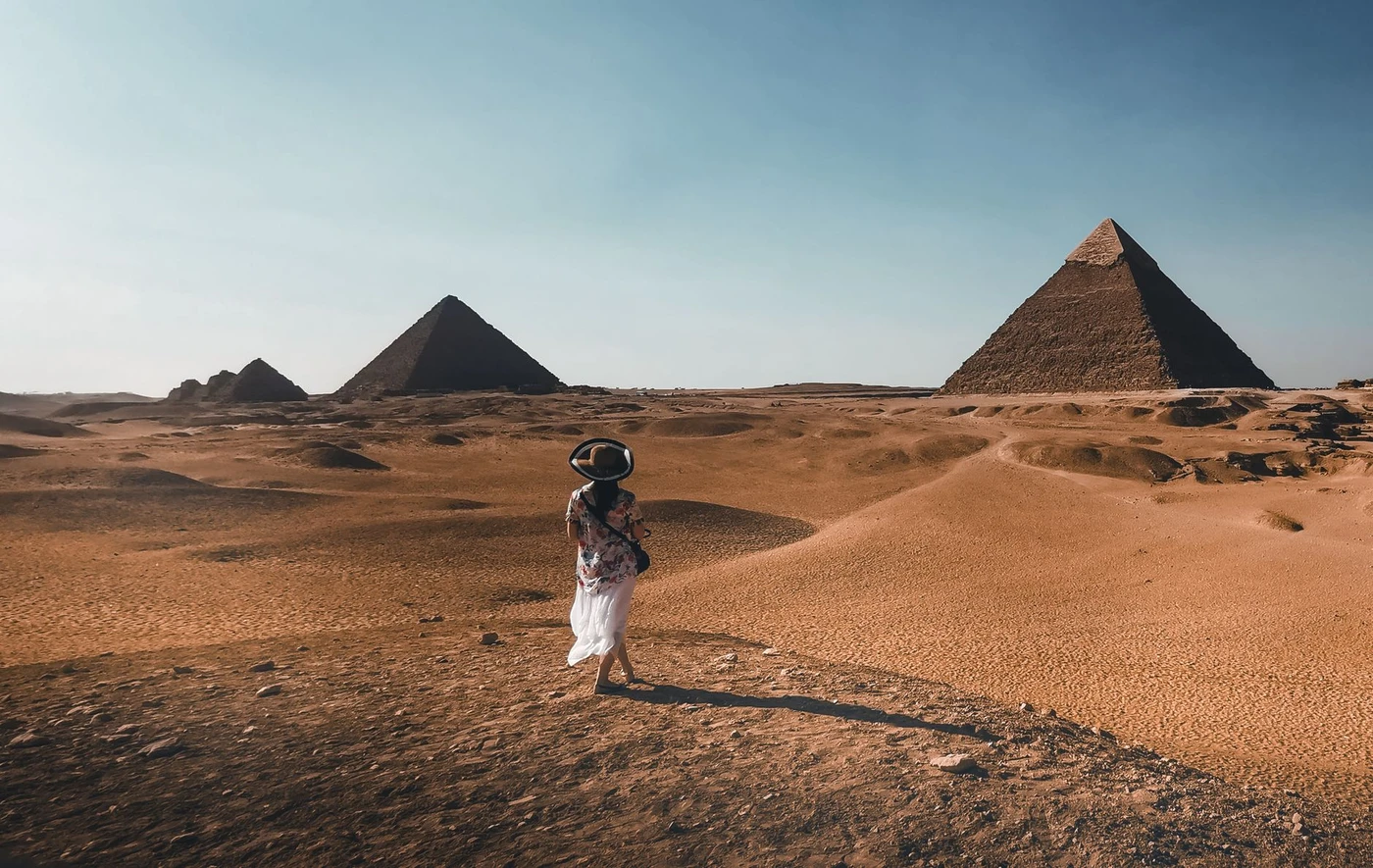
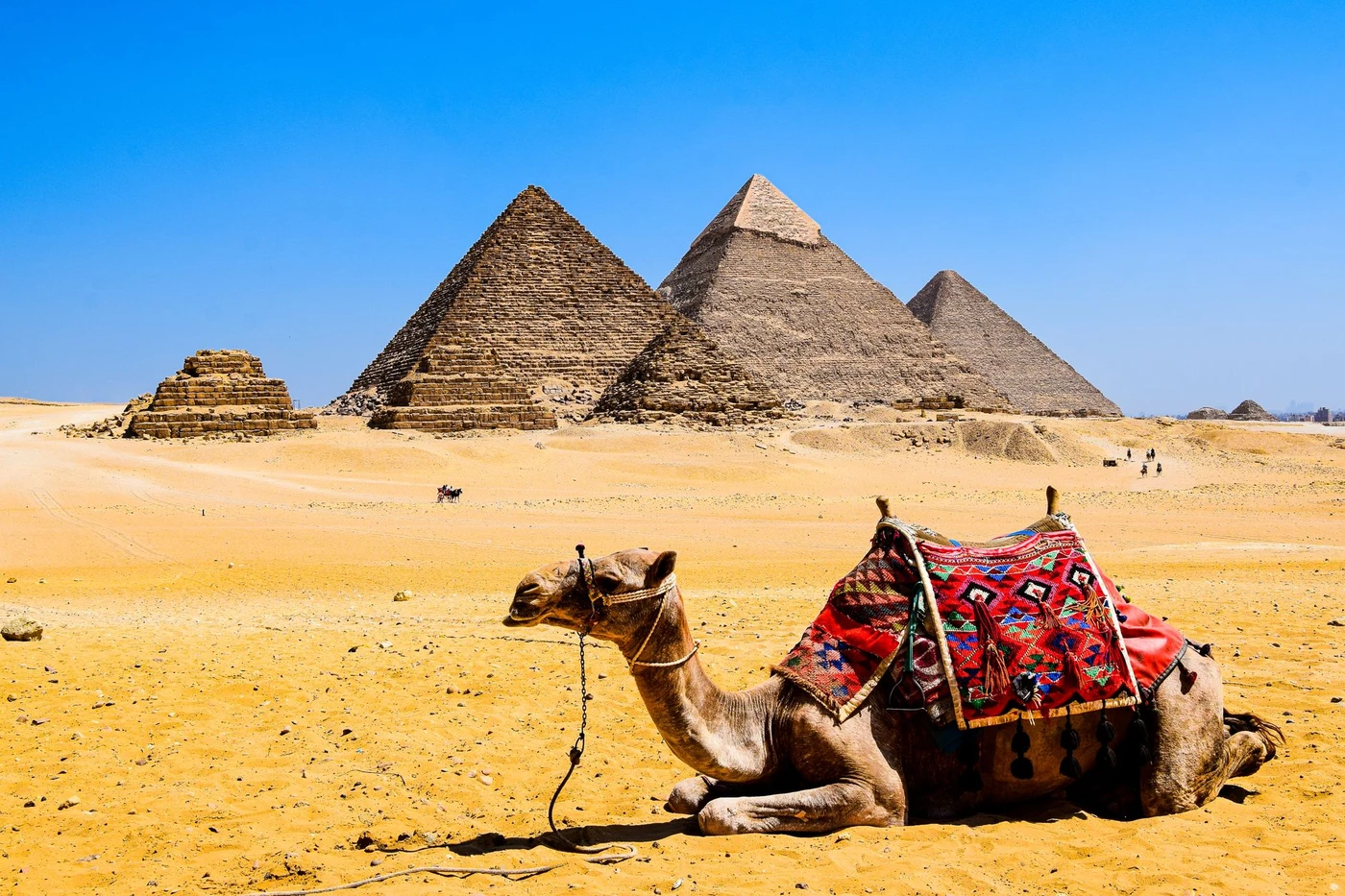
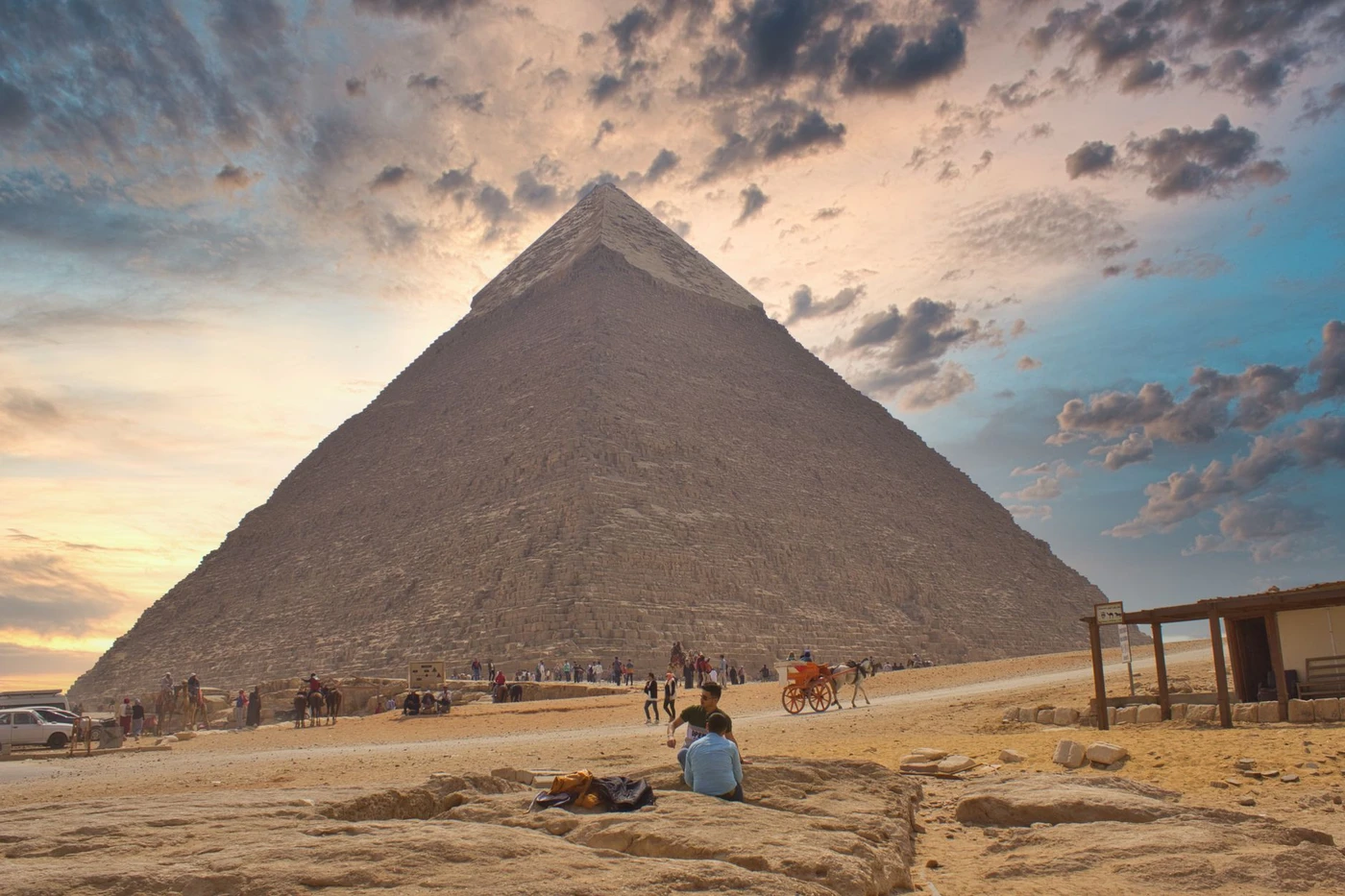
After breakfast and checkout, travel to the Giza Pyramids for the final sightseeing stop. See the pyramids of Khufu, Khafre and Menkaure from the plateau, then walk to the viewpoints that show how the monuments sit together across the desert edge. Your guide explains the construction, funerary purpose and later history of the complex.
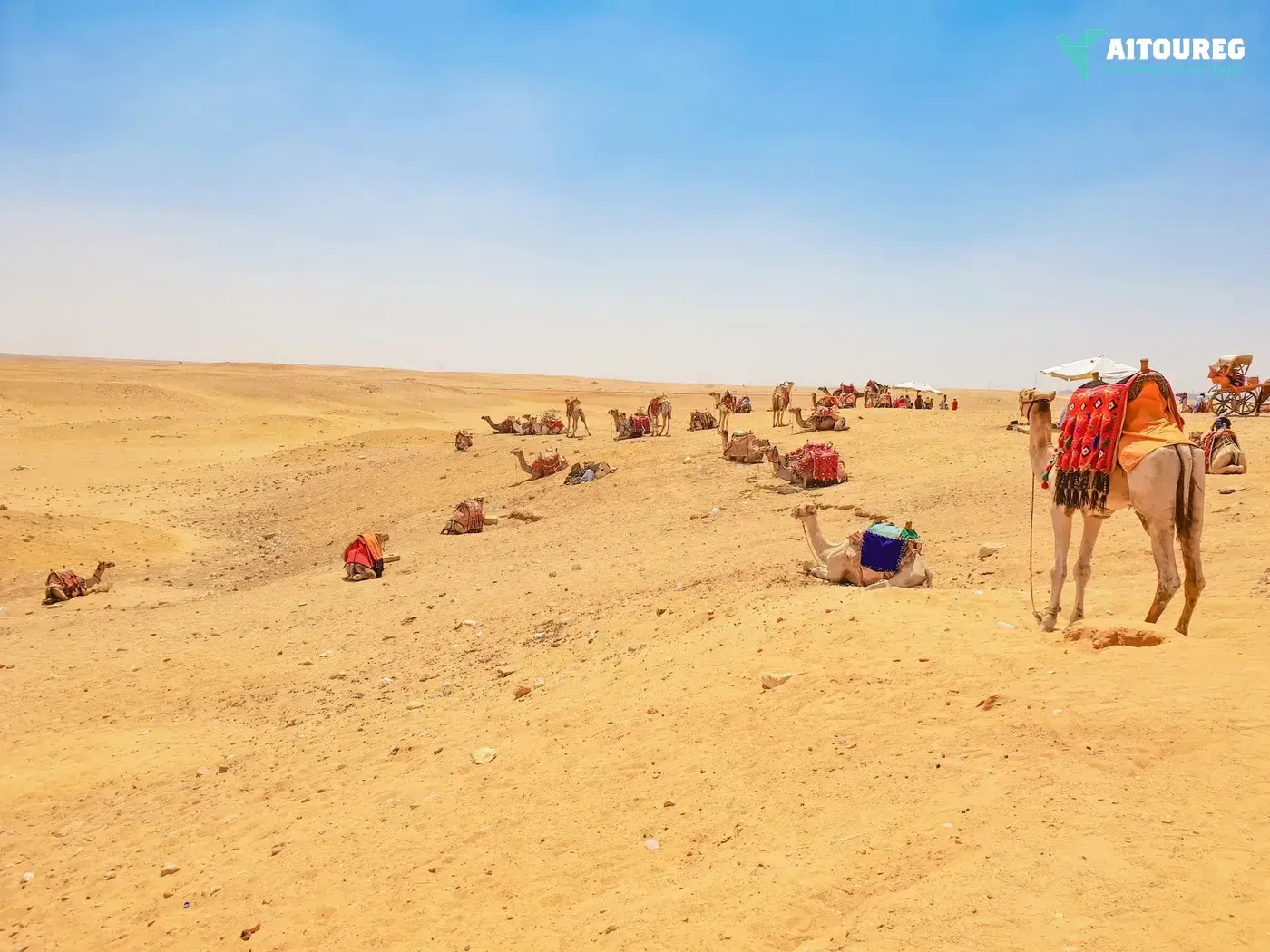
You may have time to view the surrounding temples and take photographs from the designated areas. Entry inside an individual pyramid, when available, is separate from the general plateau visit and involves narrow passages and low ceilings, so ask your guide about the conditions before choosing it.
After the visit, continue by private transfer to Cairo airport or your next accommodation, according to your onward plans. Keep your travel documents, valuables and any items needed during the transfer in your hand luggage. The tour ends when our team completes your Cairo drop-off.