

Luxor, Aswan & Abu Simbel Private Tour from Marsa Alam
Luxor, Aswan and Abu Simbel private tour from Marsa Alam covers southern Egypt's main ancient sites over two full days. You travel in your own vehicle with a guide, moving between the sights without having to arrange separate excursions. The route takes in royal tombs, temple courts, ancient statues and the great monuments beside Lake Nasser.
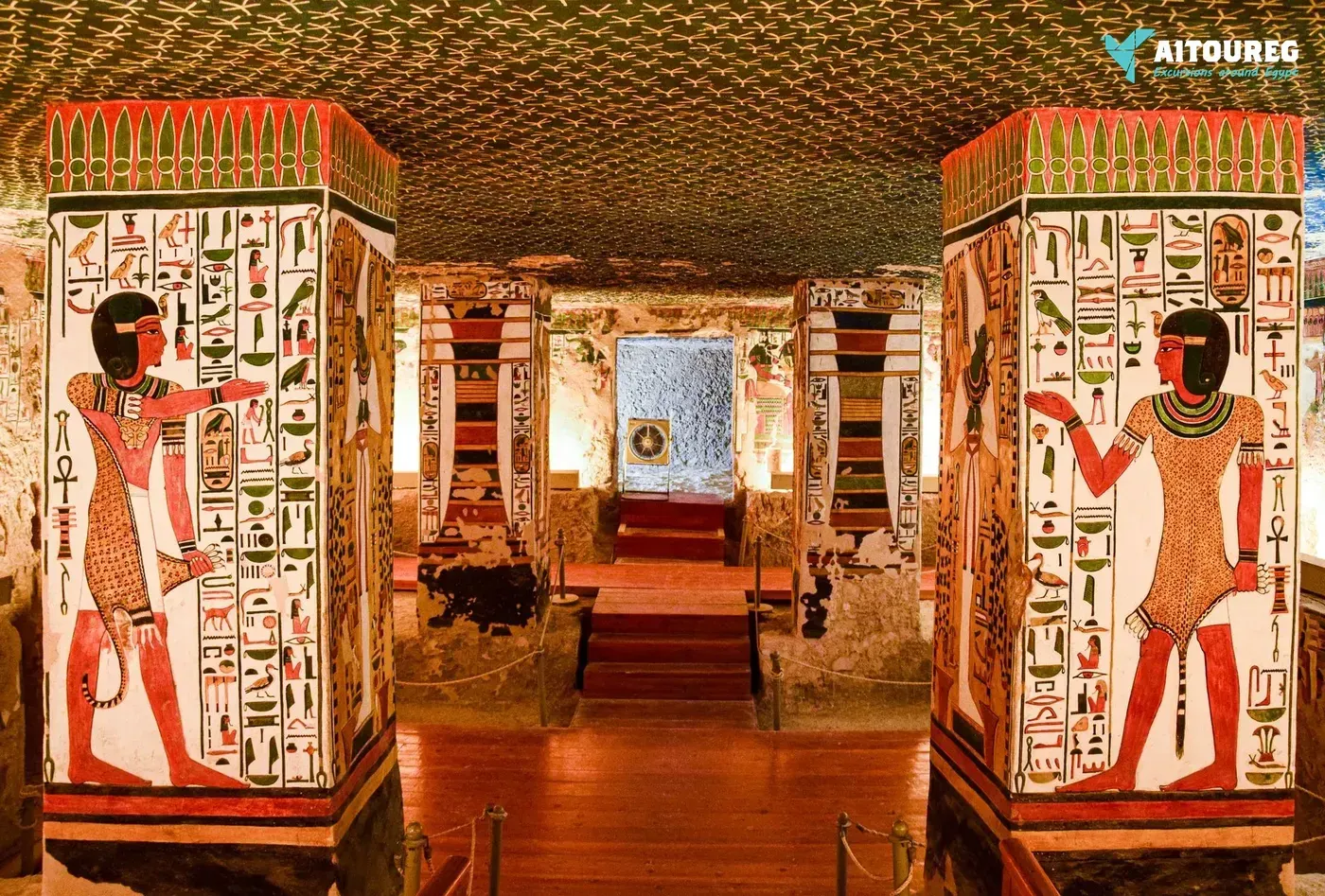
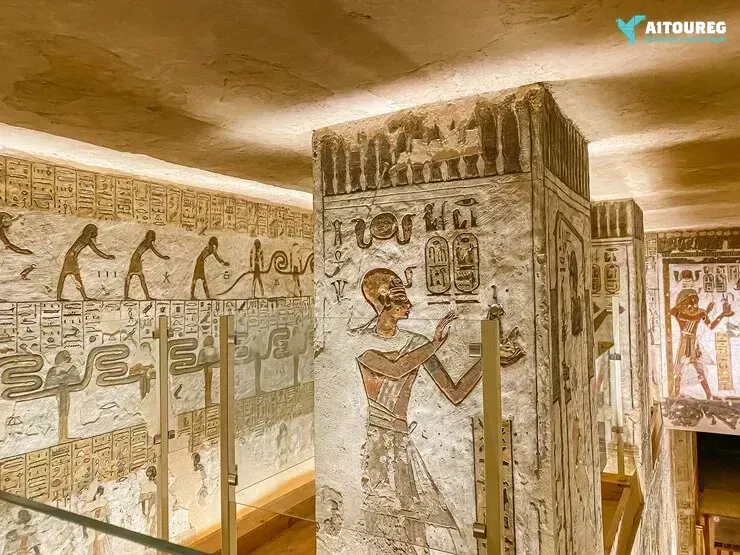
In Luxor, the Valley of the Kings offers a close look at the burial ground of Egypt's New Kingdom rulers. Your guide explains how the tombs were cut into the Theban hills and how the painted walls reflect ancient Egyptian beliefs about the afterlife. The visit includes the Tomb of the young Pharaoh Tutankhamon, subject to site access on the day. It is smaller than many royal chambers, but its link to the famous 1922 discovery makes it an especially interesting stop.
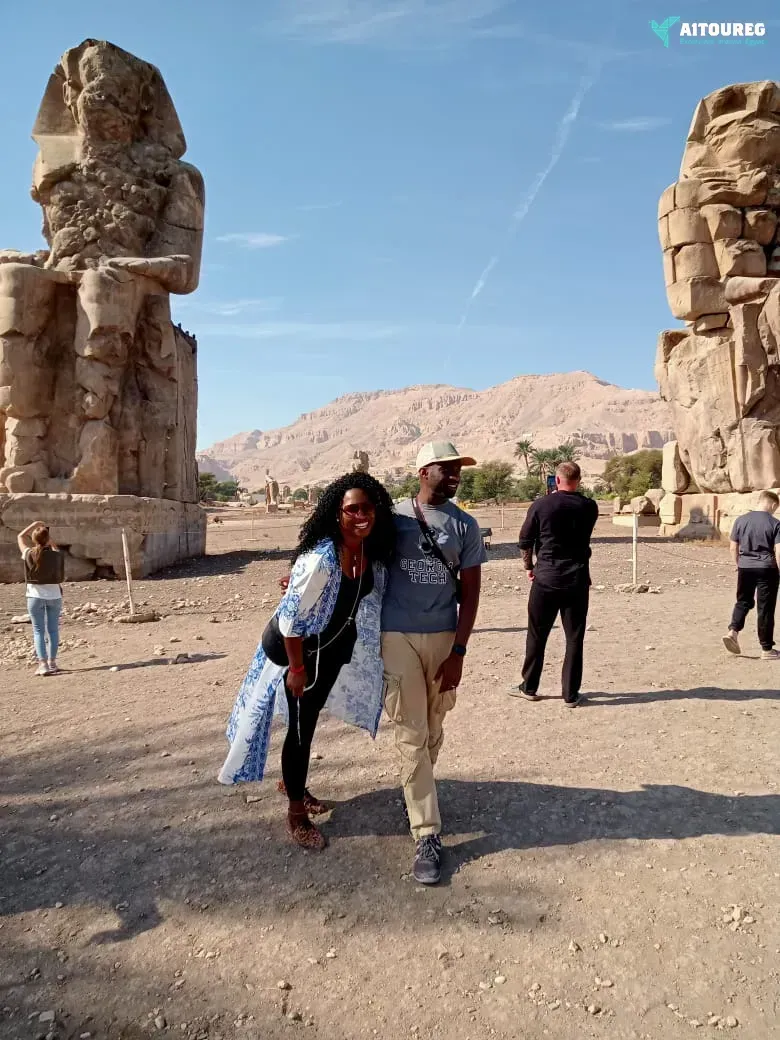
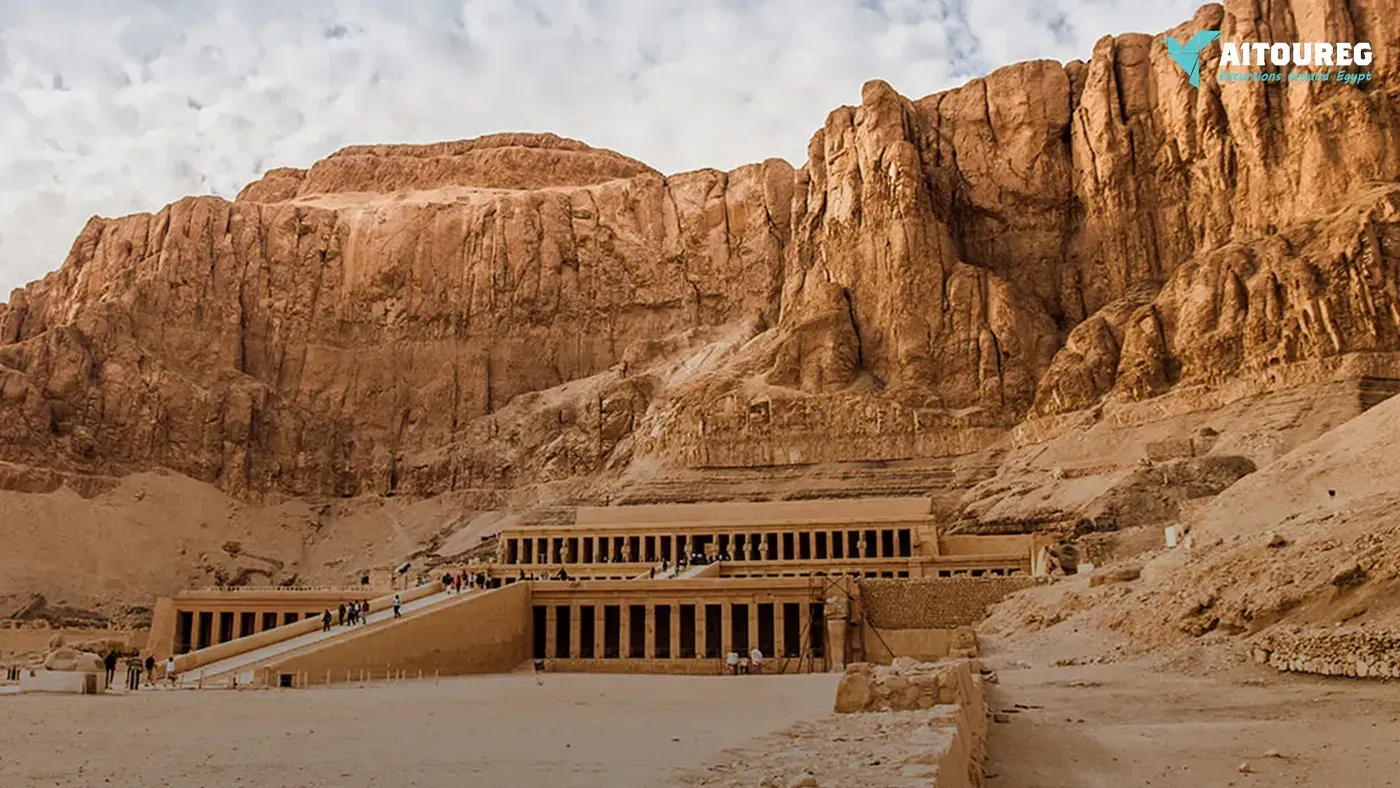
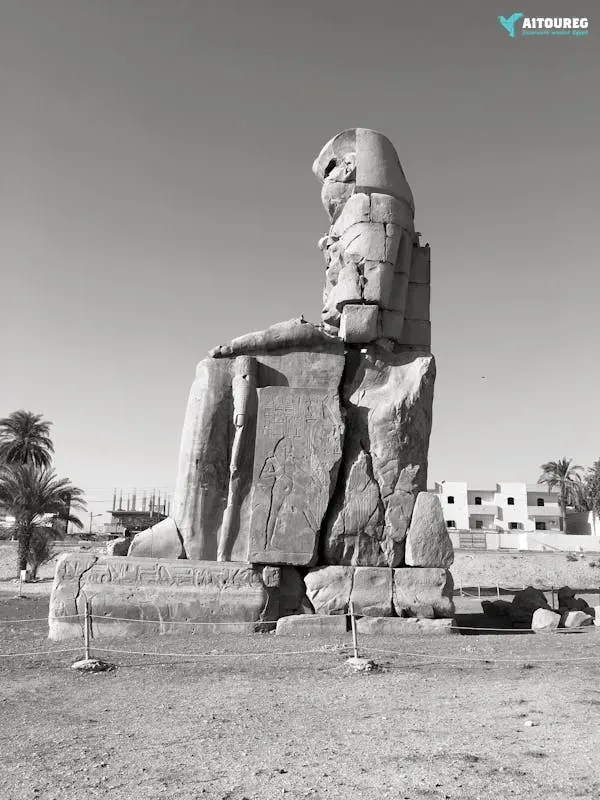
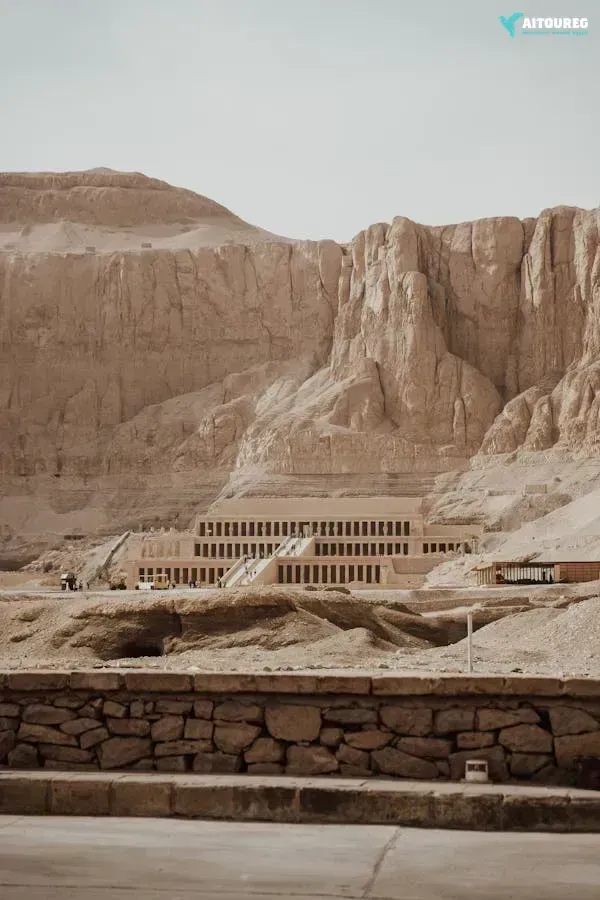
The Temple of Queen Hatshepsut rises in terraces beneath the cliffs on Luxor's west bank. Its broad levels, colonnades and reliefs show how a ruler presented herself as pharaoh. Nearby, the Colossi of Memnon mark what remains of a much larger ancient temple. The two figures are a brief stop, though their scale is clear from ground level, particularly when an Egyptologist explains what once stood around them.
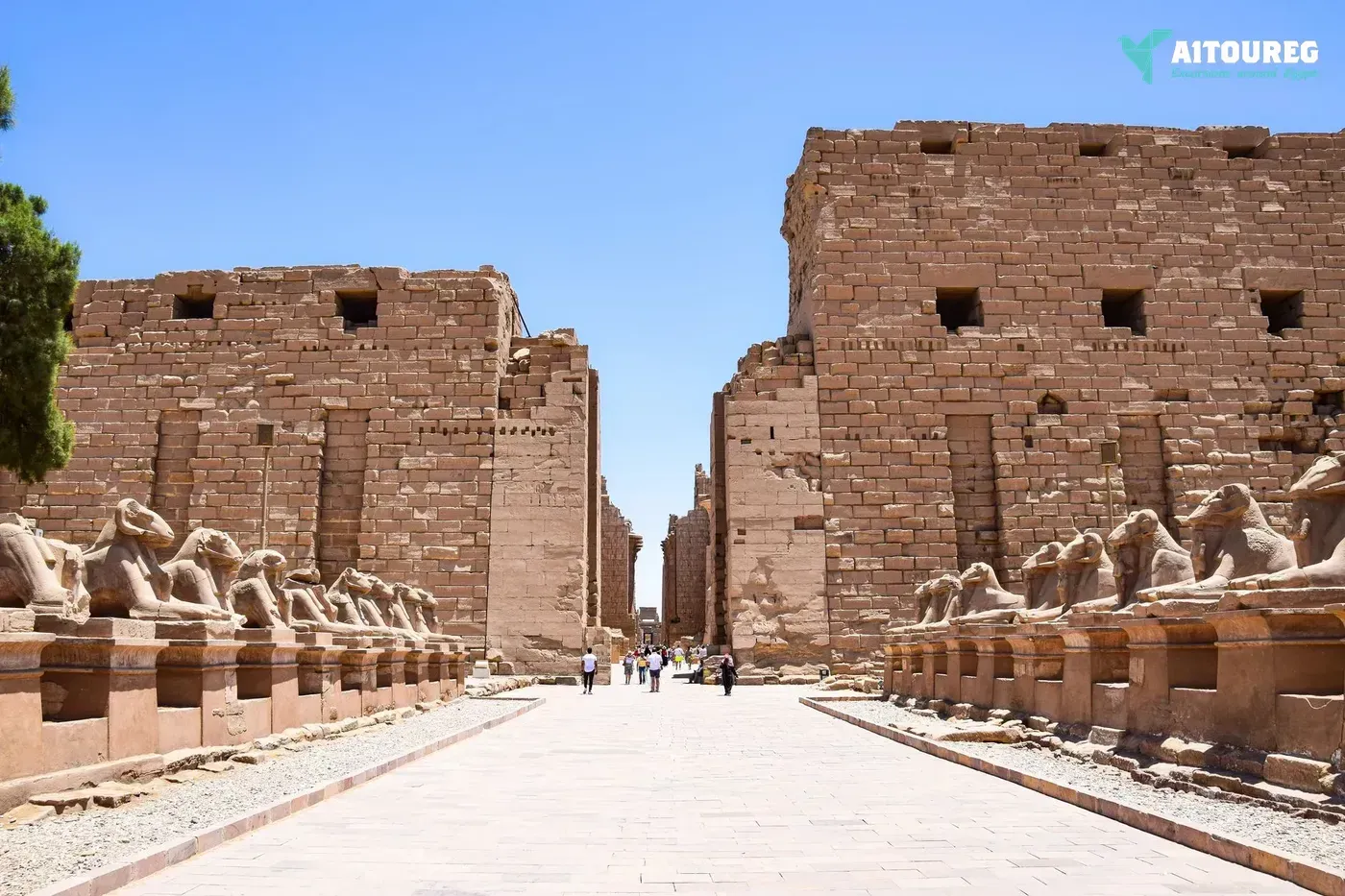
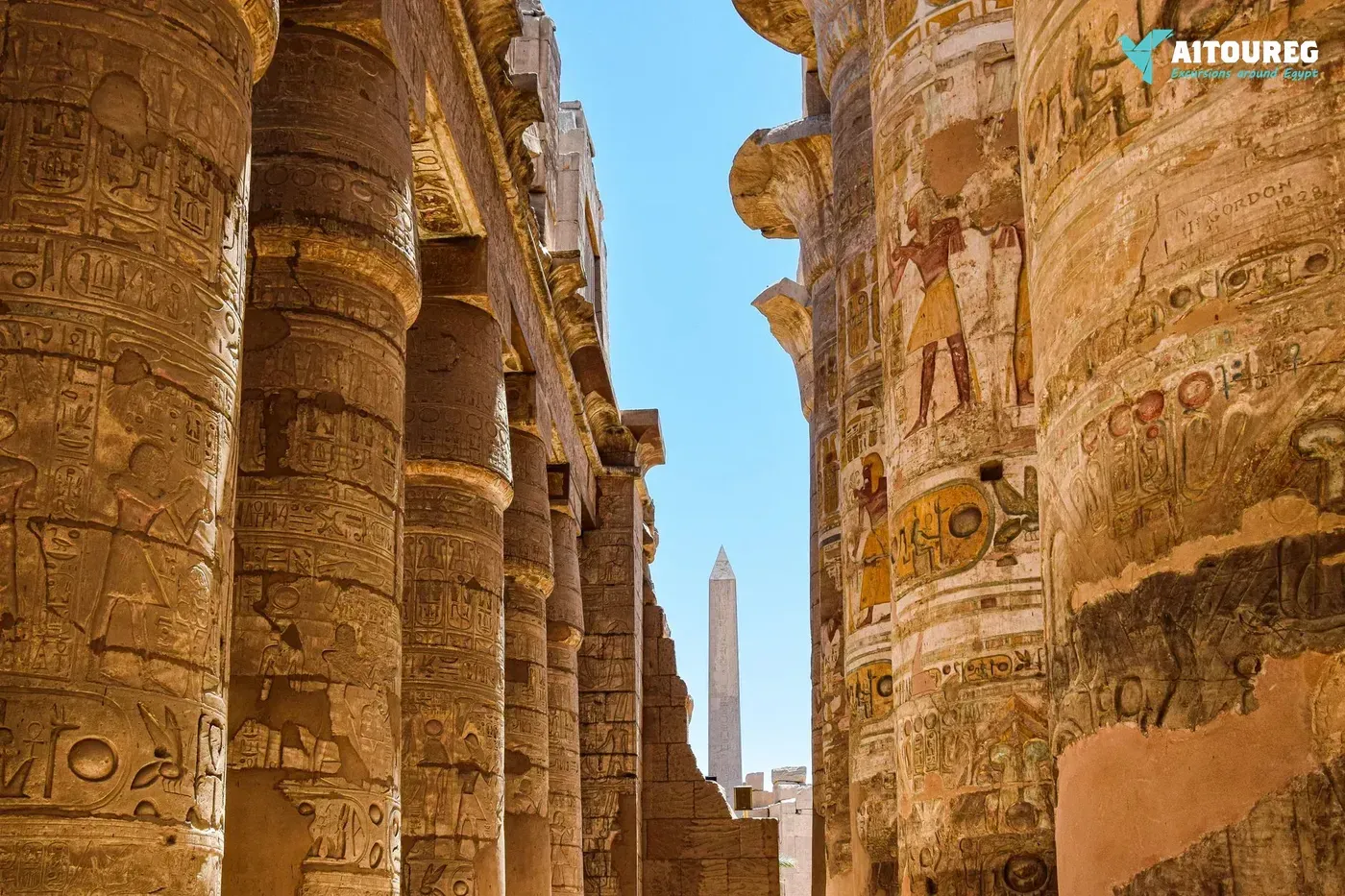
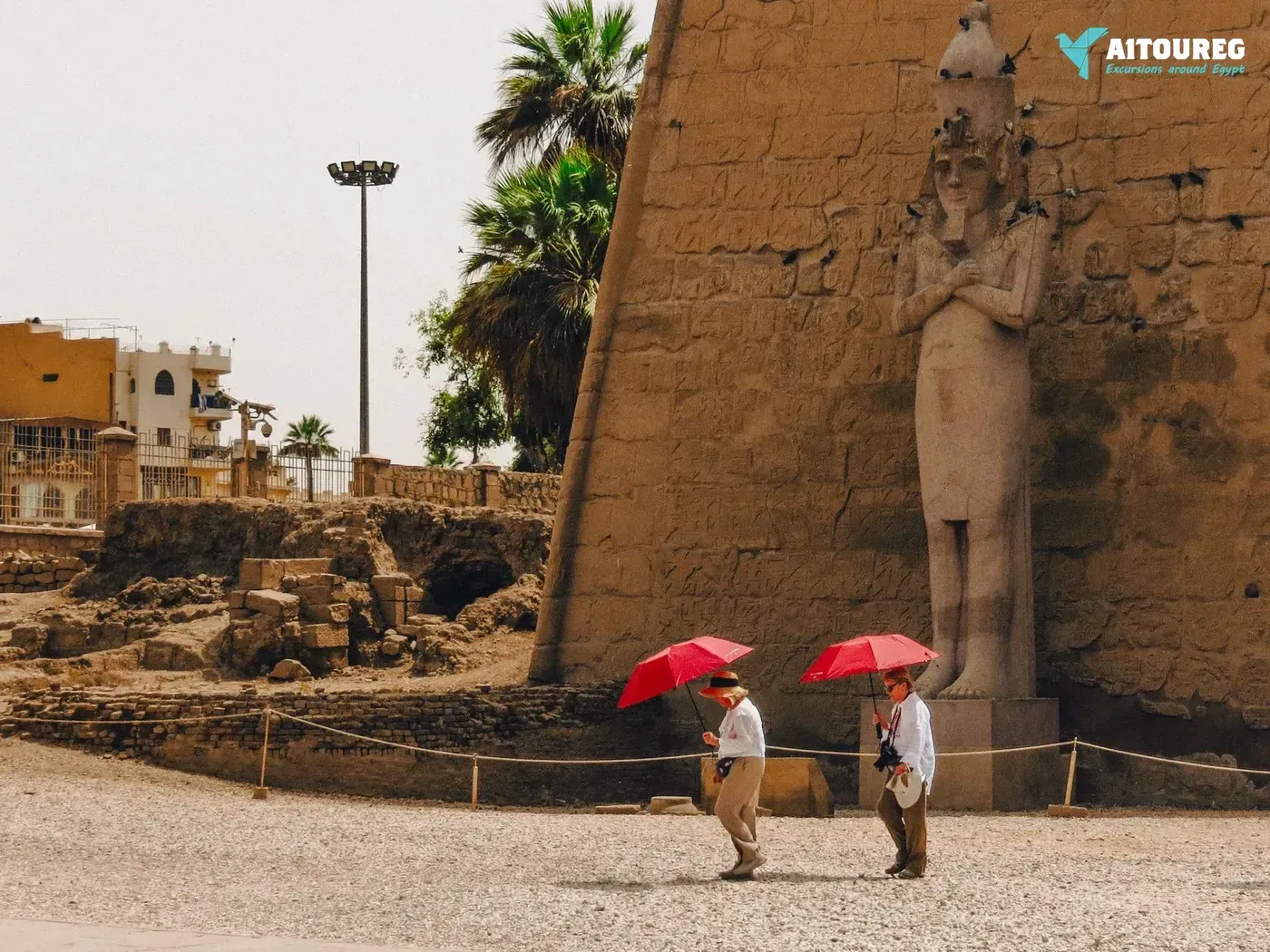
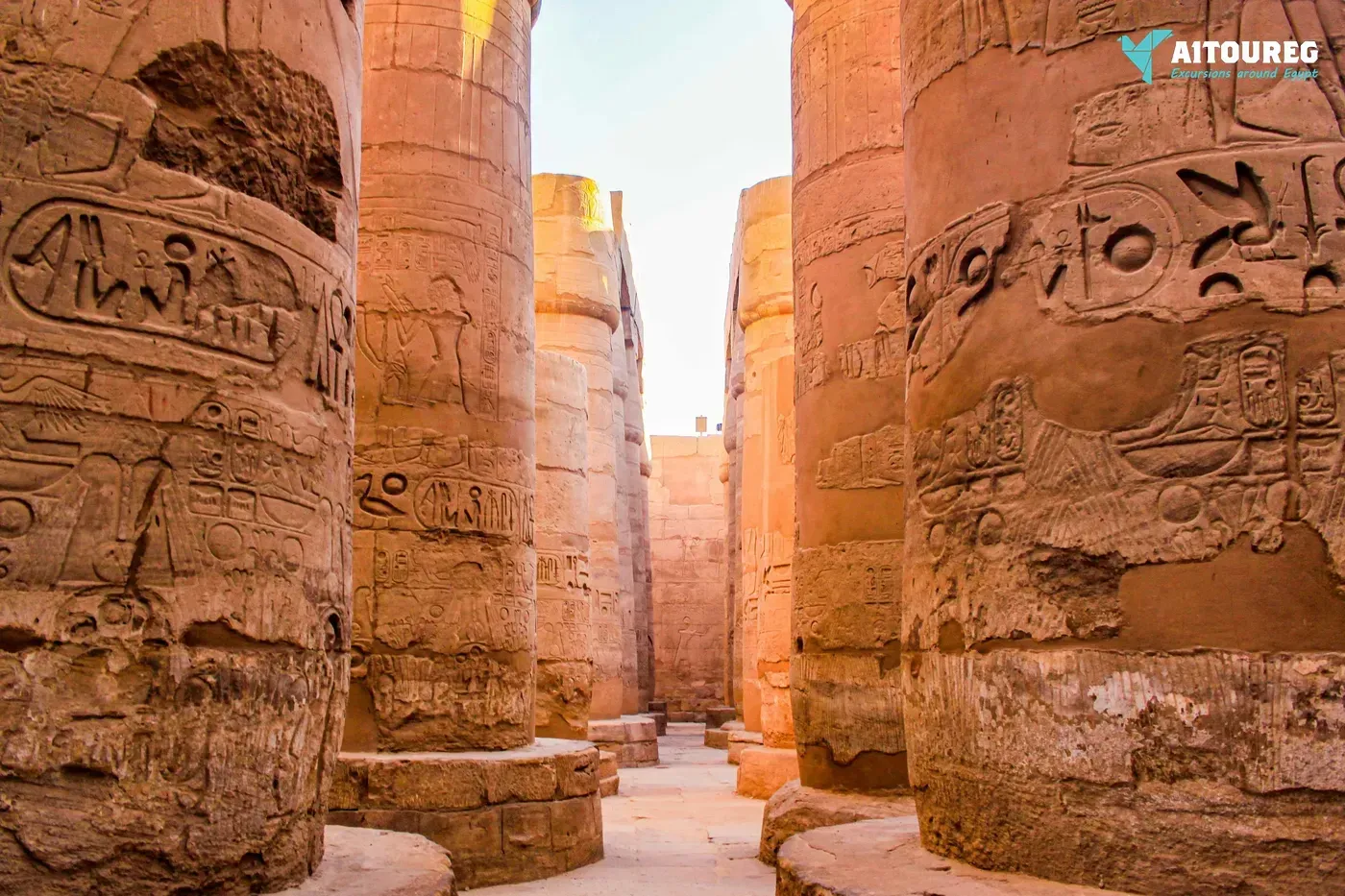
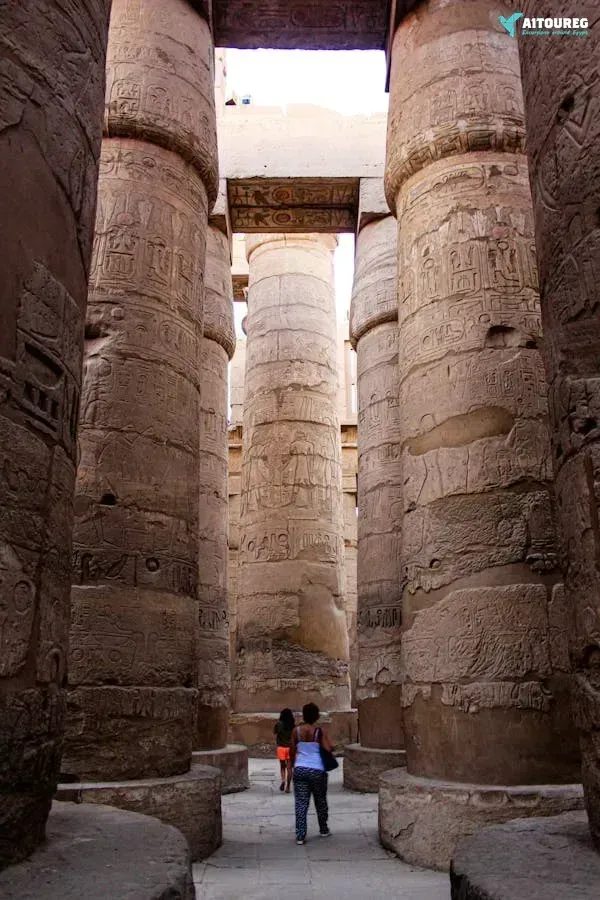
On Luxor's east bank, the Karnak temple complex is easiest to understand as a succession of courts, pylons, halls and sanctuaries built and enlarged by different pharaohs. Walk beneath the tall columns of the Great Hypostyle Hall and examine the inscriptions and reliefs covering the stone. The site is extensive, so comfortable shoes and a readiness to walk will help. Your guide keeps the explanations focused, with time for photographs and a closer look at the details.
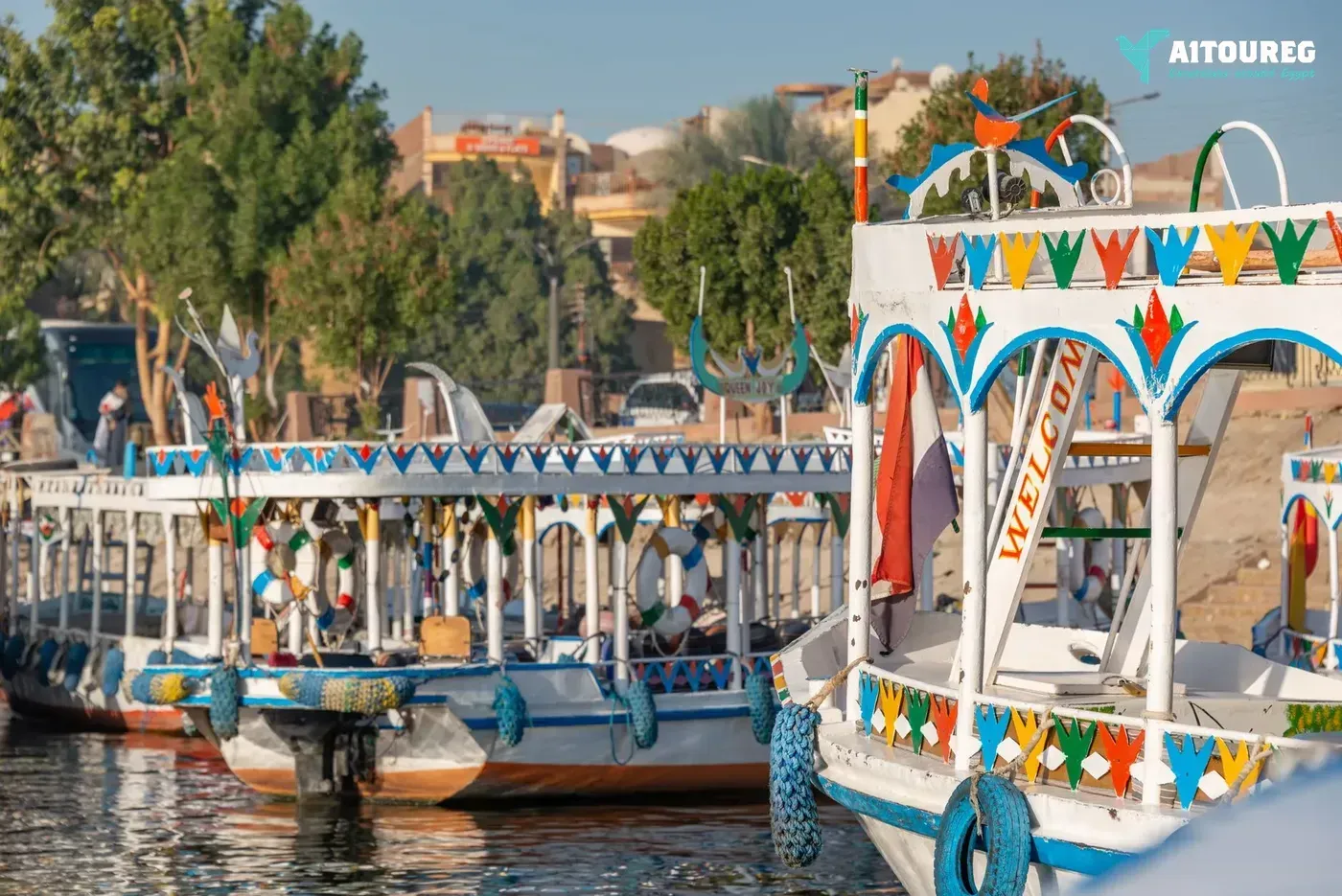
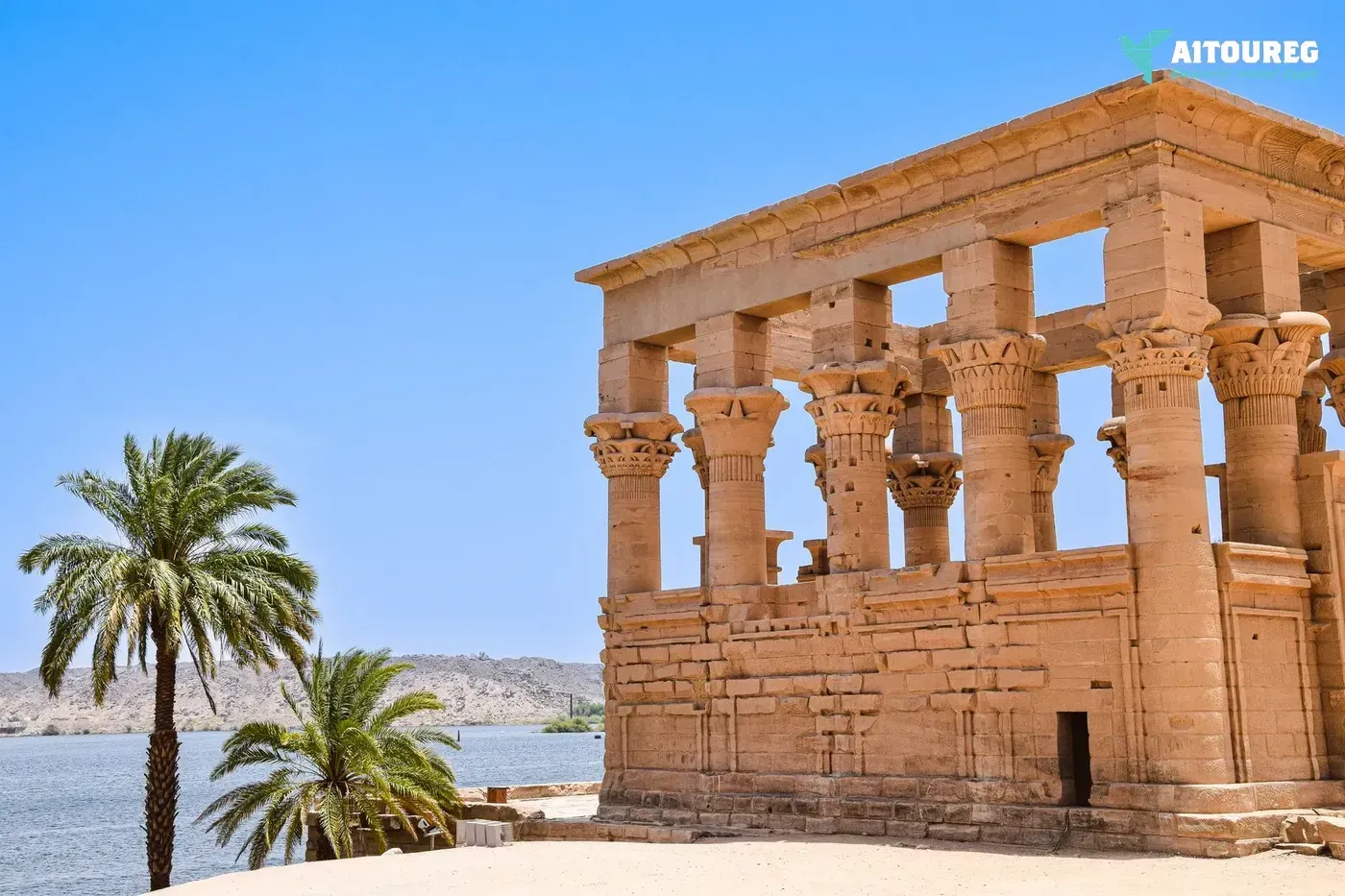
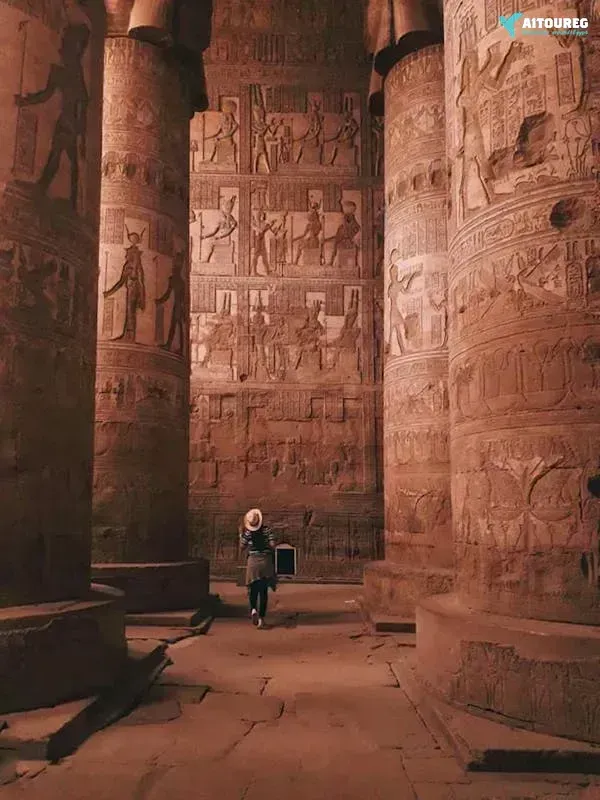
The road then continues south to Aswan, where the Temple of Phiala sits on an island reached by boat. Often called Philae in English, the temple complex was moved to higher ground before the original island was submerged by the Aswan High Dam. Water, granite outcrops and carved gateways give this visit a different feel from Luxor's inland monuments. The boat crossing is part of the experience, and your guide accompanies you while explaining the reliefs of Isis and the other deities.
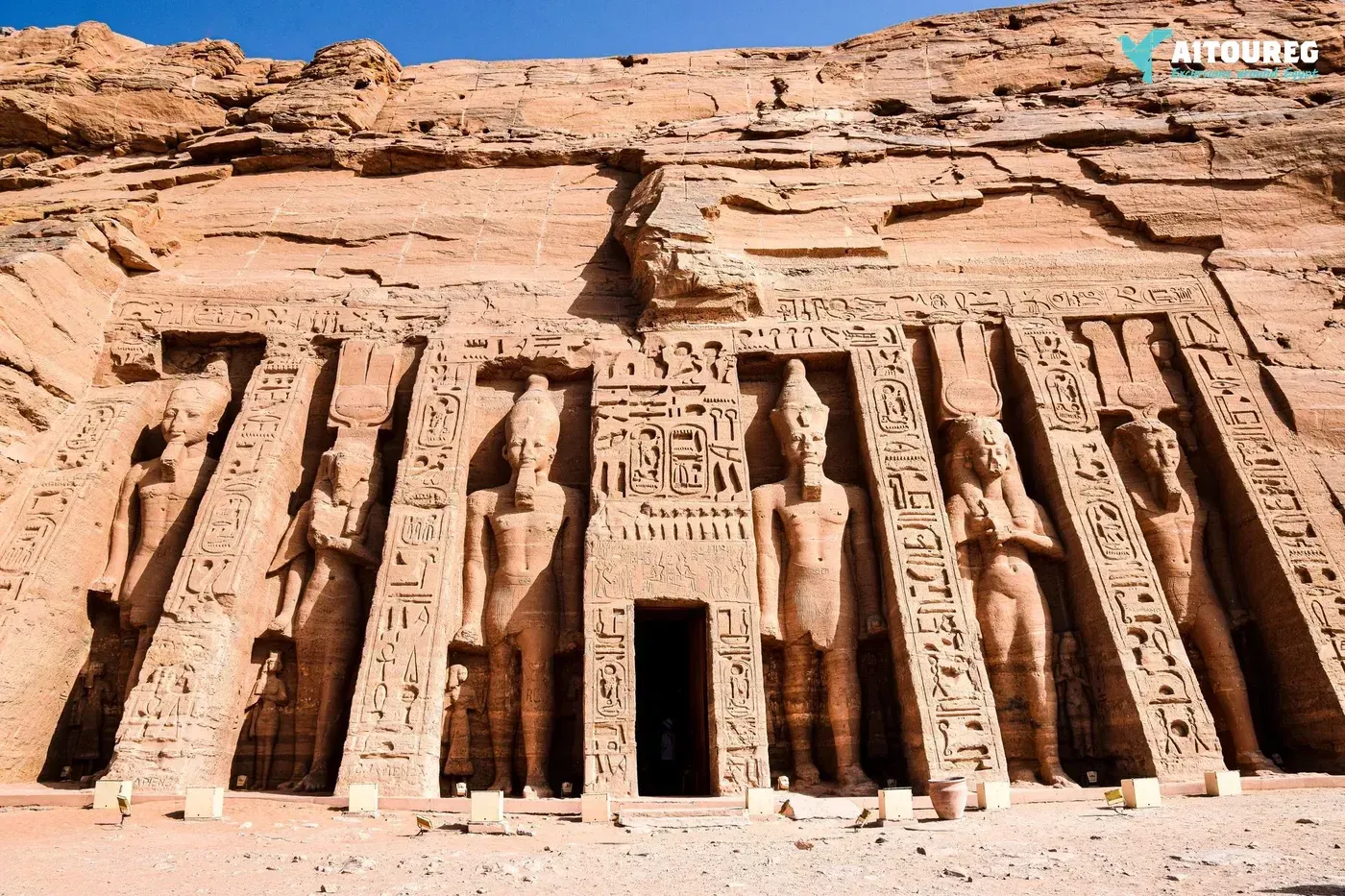
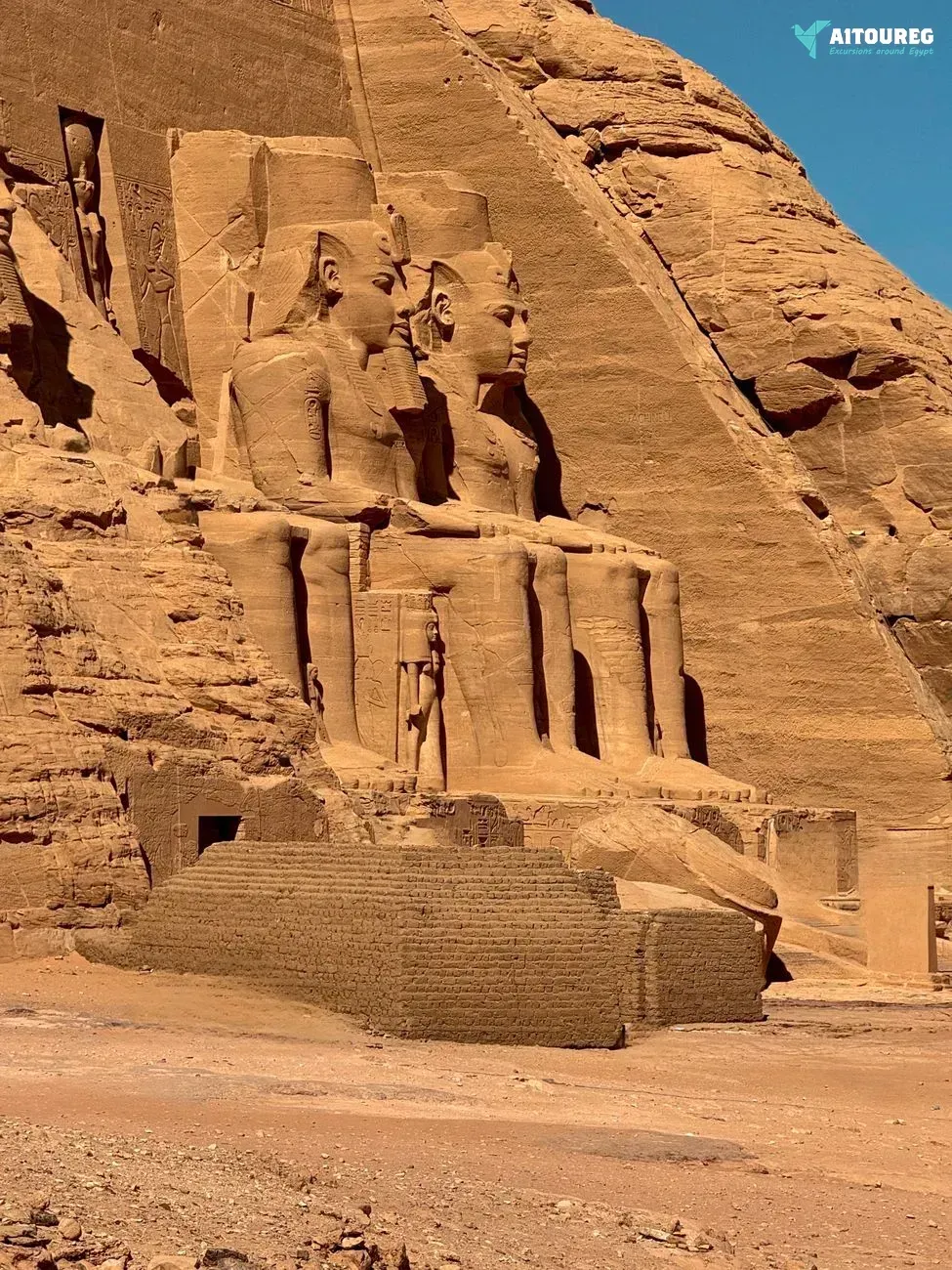
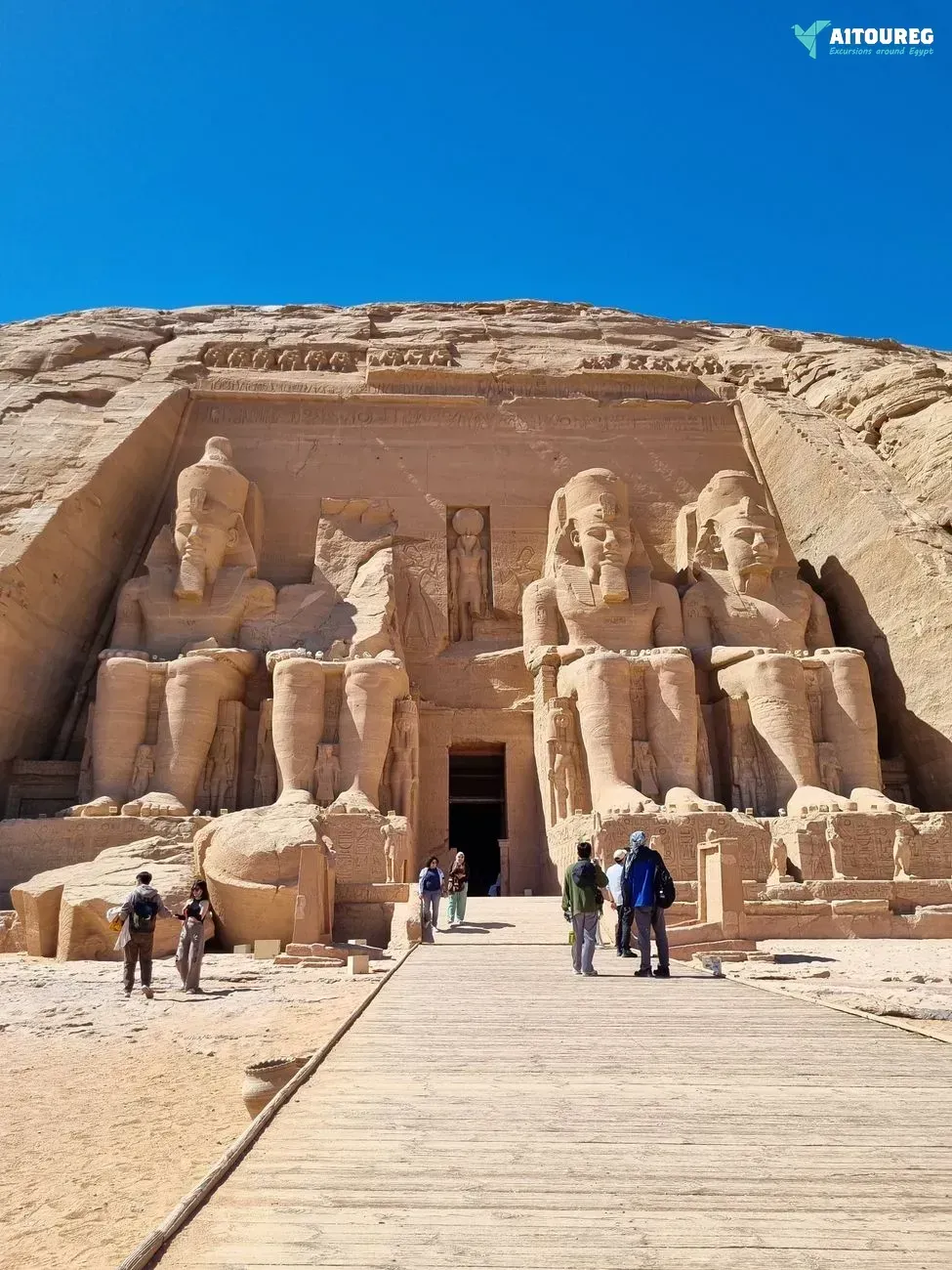
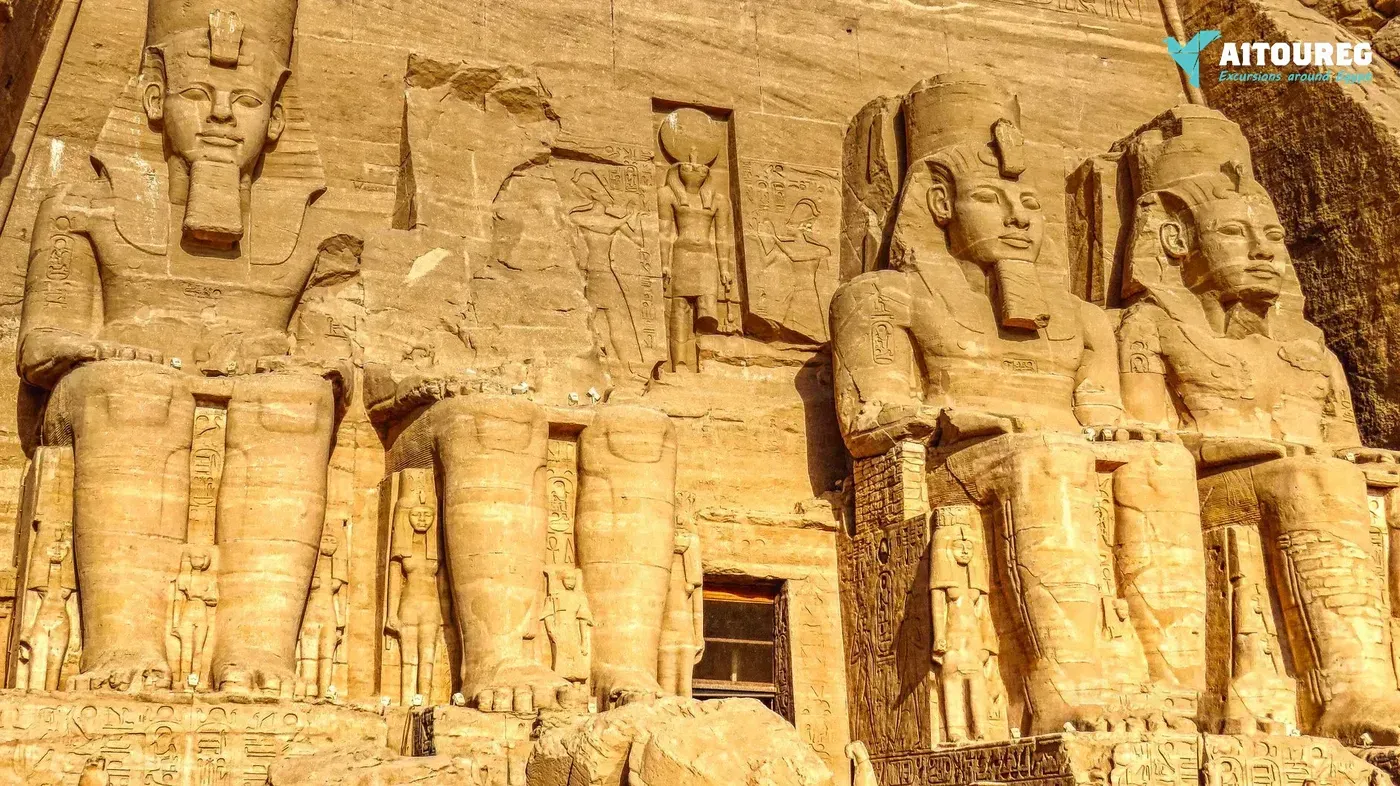
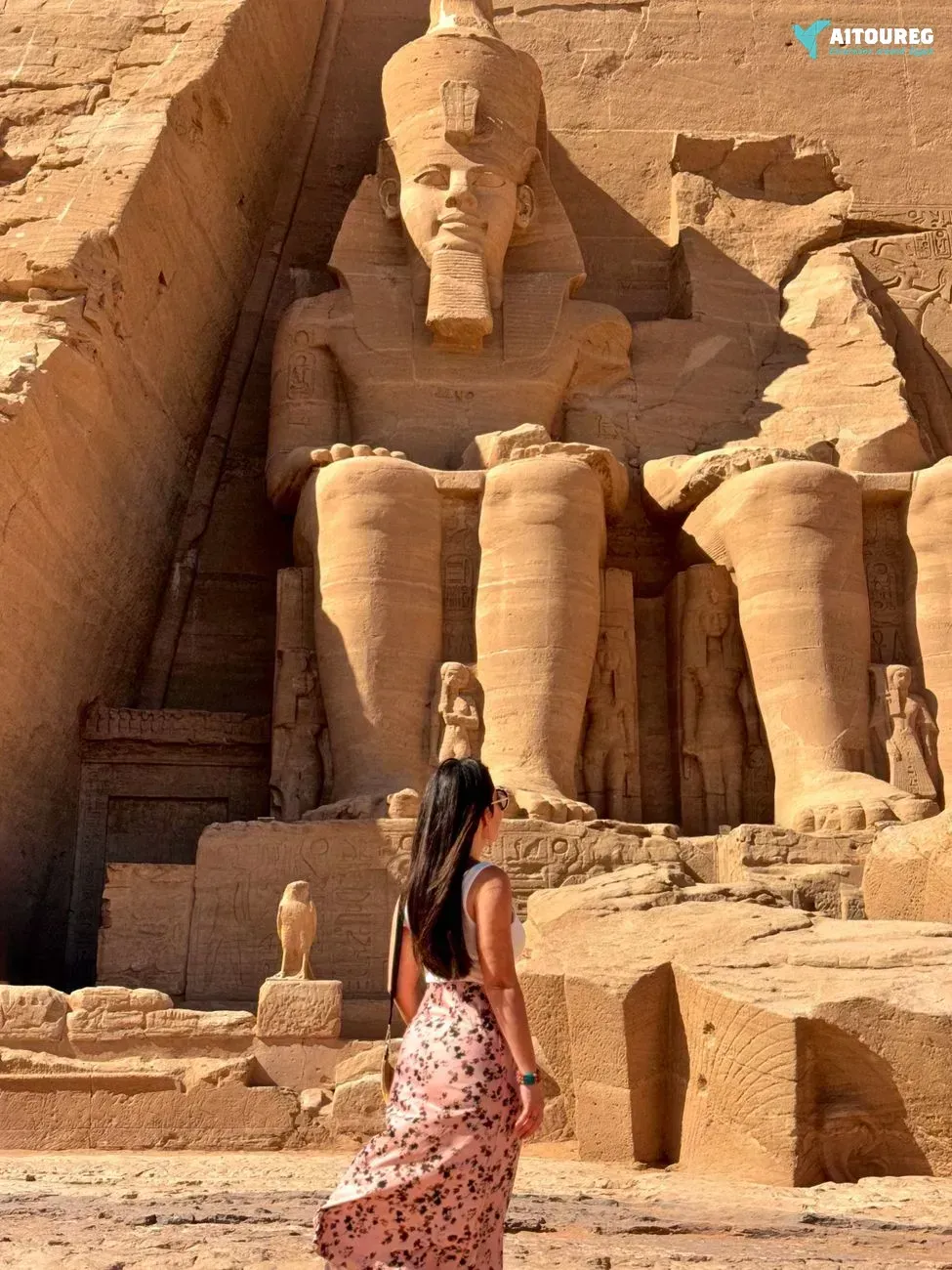
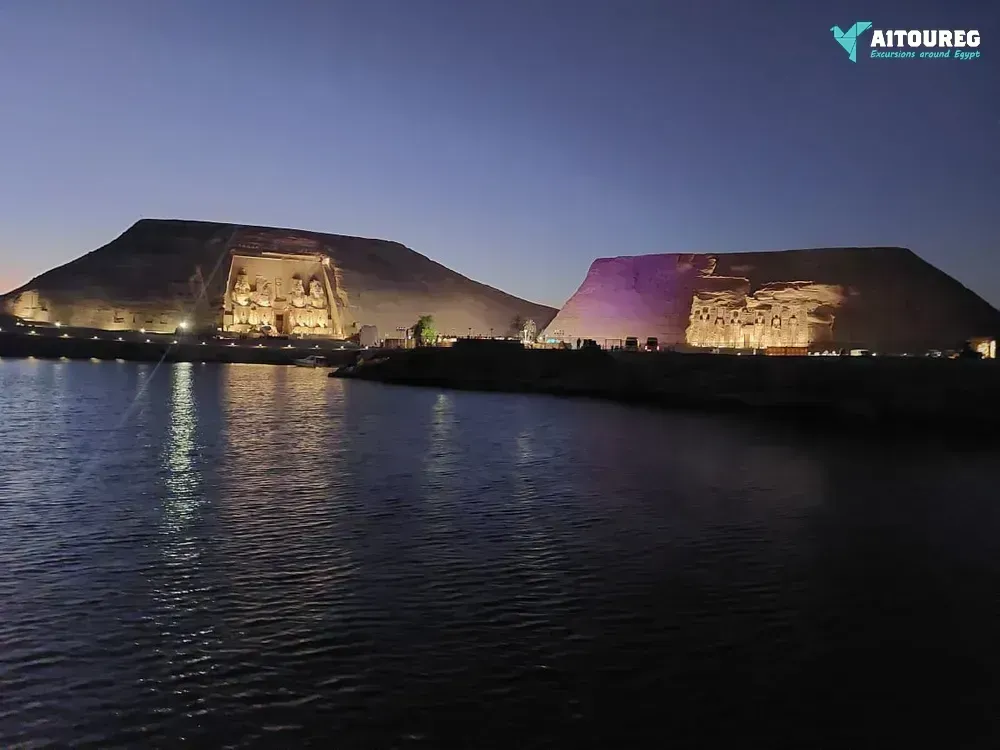
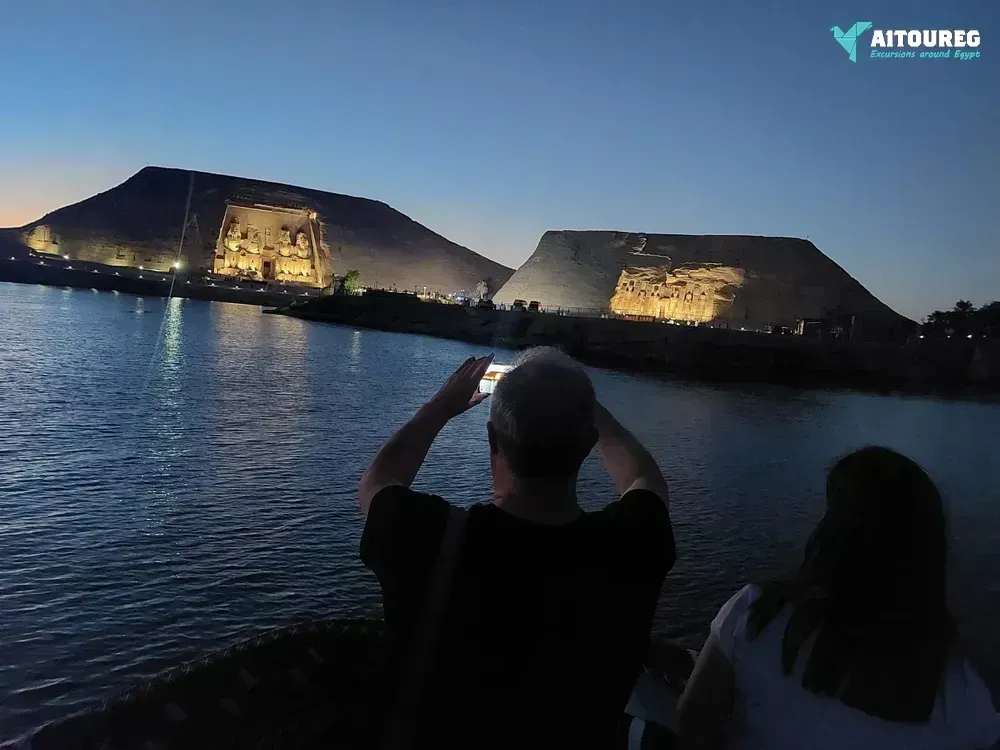
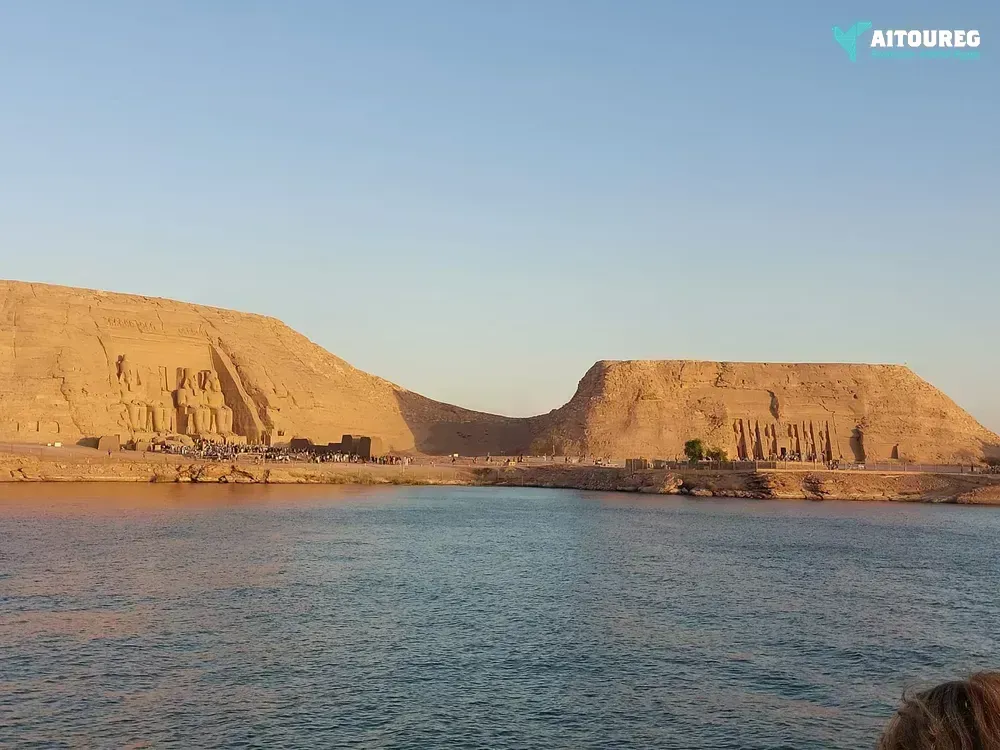
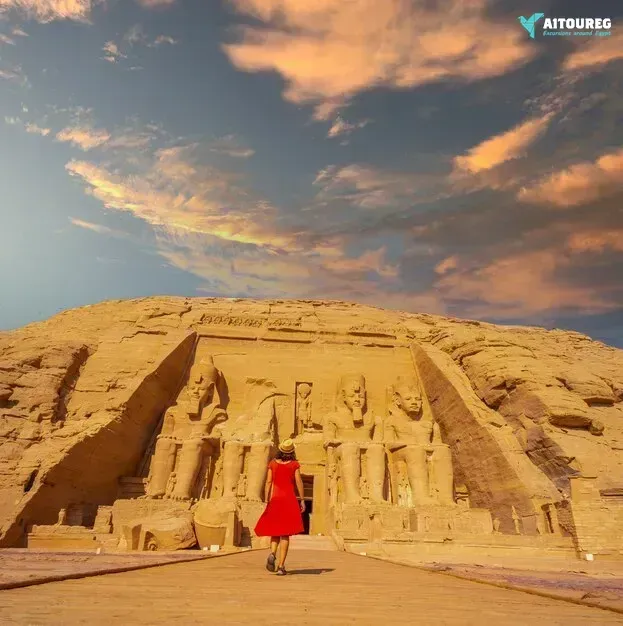
Abu Simbel is the farthest point on the route and a key reason travellers choose this organised two-day journey. The Temples of Abu Simbel were carved into the rock during the reign of Ramesses II and later moved to protect them from the rising waters of Lake Nasser. Four colossal figures of the king sit in front of the larger temple; the smaller one honours Queen Nefertari alongside the goddess Hathor. Inside, look for the deep reliefs, painted surfaces and carefully arranged chambers.
We run the journey with a private vehicle, driver and guide, arranging the long transfers around the sightseeing. The schedule is active: you will spend time on your feet at archaeological sites and travel for several hours between destinations. A simple overnight stop and meals are arranged according to the confirmed itinerary, while the exact hotel and restaurant depend on local availability. This suits travellers who want to see major southern Egypt sights in limited time. It is less suitable for anyone looking for a slow, resort-style break or who finds long road journeys difficult.
Our team plans the route, checks the order of visits and helps you manage tickets, transfers and site access during the trip. Departure and return involve long distances, so we recommend carrying water, keeping your phone charged and taking only the luggage you need for one night. Comfortable shoes make the temple and tomb visits easier, while modest clothing is appropriate for the sites and any stops in local communities.
Private air-conditioned vehicle for the two-day journey
Boat transfer to the island temple in Aswan
Visits to the Valley of the Kings, Temple of Queen Hatshepsut, Colossi of Memnon, Karnak temple complex, Temple of Phiala and Temples of Abu Simbel
Overnight accommodation and meals as stated in the confirmed itinerary
English-speaking guide
Pickup and drop-off from Marsa Alam
Guided sightseeing in Luxor, Aswan and Abu Simbel
Personal expenses and drinks
Any services not listed under inclusions
Entrance tickets to the archaeological sites unless stated in the confirmed booking details
Tips for the guide and driver
Phone charger or power bank
Water and sun protection
Light clothing with shoulders and knees covered for respectful site visits
Comfortable walking shoes
A hat, sunglasses and sunscreen
Passport or valid identification if required for tickets or checkpoints
A small overnight bag
This private two-day journey includes pickup from Marsa Alam, travel in your own vehicle, and the services of a guide as you visit Luxor, Aswan and Abu Simbel. The sightseeing programme includes the Valley of the Kings, Karnak temple complex, the Temple of Queen Hatshepsut, the Colossi of Memnon, the Temple of Phiala and the Temples of Abu Simbel.
Admission tickets, meals, accommodation and any optional activities depend on the booking details for your selected arrangement, so please check the inclusions before confirming.
This is a full two-day private tour from Marsa Alam, planned to cover Luxor, Aswan and Abu Simbel in a practical order with long road transfers between the main sites. You will have time to explore the Valley of the Kings, Karnak temple complex and other key monuments, but the schedule is active rather than leisurely.
Our team can explain the expected driving and sightseeing pattern before booking. Breaks are arranged during the journey, and a private vehicle gives your group more flexibility than a shared excursion.
Pickup for this two-day journey takes place from your accommodation in Marsa Alam, followed by private road transport in your own vehicle with a guide. The route connects Marsa Alam with Luxor, then continues to Aswan and Abu Simbel before the return journey described in your booking arrangements.
The exact pickup time depends on your accommodation and the planned route. Please provide your hotel details when booking so our team can confirm the meeting point and transfer arrangements.
The tour can suit families with children, but its long drives and two-day sightseeing schedule require travellers to manage early starts, heat and time on their feet. The Valley of the Kings, the Temple of Queen Hatshepsut, Karnak temple complex and the Temples of Abu Simbel each involve walking over uneven or exposed ground.
Some monuments may be difficult for wheelchair users or travellers who cannot walk for extended periods. Tell us about mobility needs, children’s ages or medical considerations before booking so we can discuss the route and available assistance.
Wear light, breathable clothing with comfortable walking shoes, and bring sun protection for visits to the Valley of the Kings, the Colossi of Memnon and the Temples of Abu Simbel. A hat, sunglasses, water, personal medicines and a small day bag are useful for the long sightseeing days.
Bring your passport or required identification, booking information and any entry documents requested for the tour. Modest clothing is respectful at historic and religious sites, and a light layer can help during air-conditioned road transfers.
You can request the tour by providing your preferred date, accommodation details in Marsa Alam and the number of travellers; our team will then confirm the arrangements and current availability. The booking covers a private journey to Luxor, Aswan and Abu Simbel, with the final inclusions and meeting details shown before confirmation.
Cancellation terms depend on the booking conditions attached to your reservation, so review them before paying or ask our team to clarify them. Changes may affect transport, guide arrangements or included services.
Your unforgettable Egypt journey starts with a booking you can trust.
* Available on selected tours. Flights, cruises and special bookings may have different cancellation policies.
Free cancellation up to 24 hours before activity starts
If you choose to pay online, a secure payment link can be provided after booking. For assistance or alternative payment options, please contact us via WhatsApp.
All our tour operators are licensed and verified by Egyptian tourism authorities.
Learn more about our licensed partners →

Free cancellation up to 24 hours before activity starts
If you choose to pay online, a secure payment link can be provided after booking. For assistance or alternative payment options, please contact us via WhatsApp.
All our tour operators are licensed and verified by Egyptian tourism authorities.
Learn more about our licensed partners →
Your Itinerary
Our team collects you from your hotel in Marsa Alam for the private road journey to Luxor. You travel in your own vehicle with a guide, with rest stops arranged during the long transfer. On arrival, the west bank visit begins at the Valley of the Kings, where you walk between the desert cliffs and enter the open royal tombs included for your visit. Your guide explains the painted burial chambers and the beliefs behind them. The Tomb of the young Pharaoh Tutankhamon is visited when access is available as part of the day's arrangements.
Continue to the Temple of Queen Hatshepsut, built in terraces against the limestone cliffs, then stop at the Colossi of Memnon for photographs and a close look at the surviving statues. After a meal stop, cross to the east bank for the Karnak temple complex. Follow the avenue, hypostyle hall and temple courts at a steady pace before continuing by road towards Aswan. The evening transfer follows the sightseeing schedule and may include practical rest stops along the way.
After the onward transfer, visit the Temple of Phiala, reached by boat across the water to the island temple site. Your guide points out the gateways, columns and reliefs dedicated to Isis, explaining how the monument was moved to higher ground during the construction of the High Dam. Allow time to walk through the complex and take photographs before returning to the mainland and continuing the journey south.
The final major visit is the Temples of Abu Simbel, carved into the rock for Ramesses II and Queen Nefertari. Inside, the large halls and reliefs show the scale and purpose of the royal monuments; outside, the seated façades face the approach. Visit arrangements depend on the road schedule and site access on the day. After time at the temples, have a meal or refreshment stop where practical, then begin the return transfer to Marsa Alam in the private vehicle. The route is long, so the day includes breaks and a calm pace where possible.