

3-Day Luxor and Aswan Tour from Marsa Alam
This 3-day Luxor and Aswan tour from Marsa Alam covers Dendera, Luxor's main monuments, Aswan, and Abu Simbel by private vehicle with an experienced guide. The route starts at Dendera, continues through Luxor, then follows the Nile south to Aswan and the Abu Simbel temples. It is a substantial trip, but the sights vary from painted tombs to island temples, linking places that are rarely practical to visit independently from the Red Sea coast.
We can arrange pickup from Marsa Alam or Port Ghalib. Travelling by private vehicle gives you more control over the pace than a large group transfer and makes comfort stops easier during the longer road sections. Your guide explains the religious stories, royal history, and details in the stonework as you go, while our team coordinates the route and transfers between sites. The schedule is active, with early starts and several hours on the road, so comfortable clothing and a good night's rest are important.
Dendera makes a memorable start to the tour. The temple complex has well-preserved reliefs, tall columns, and the astronomical ceiling in the Temple of Hathor. In Luxor, the Valley of the Kings leads you into the burial place of New Kingdom rulers, where painted corridors descend into the rock. The number of open tombs can change, and entrance arrangements may vary, but your guide explains which visits are available on the day.
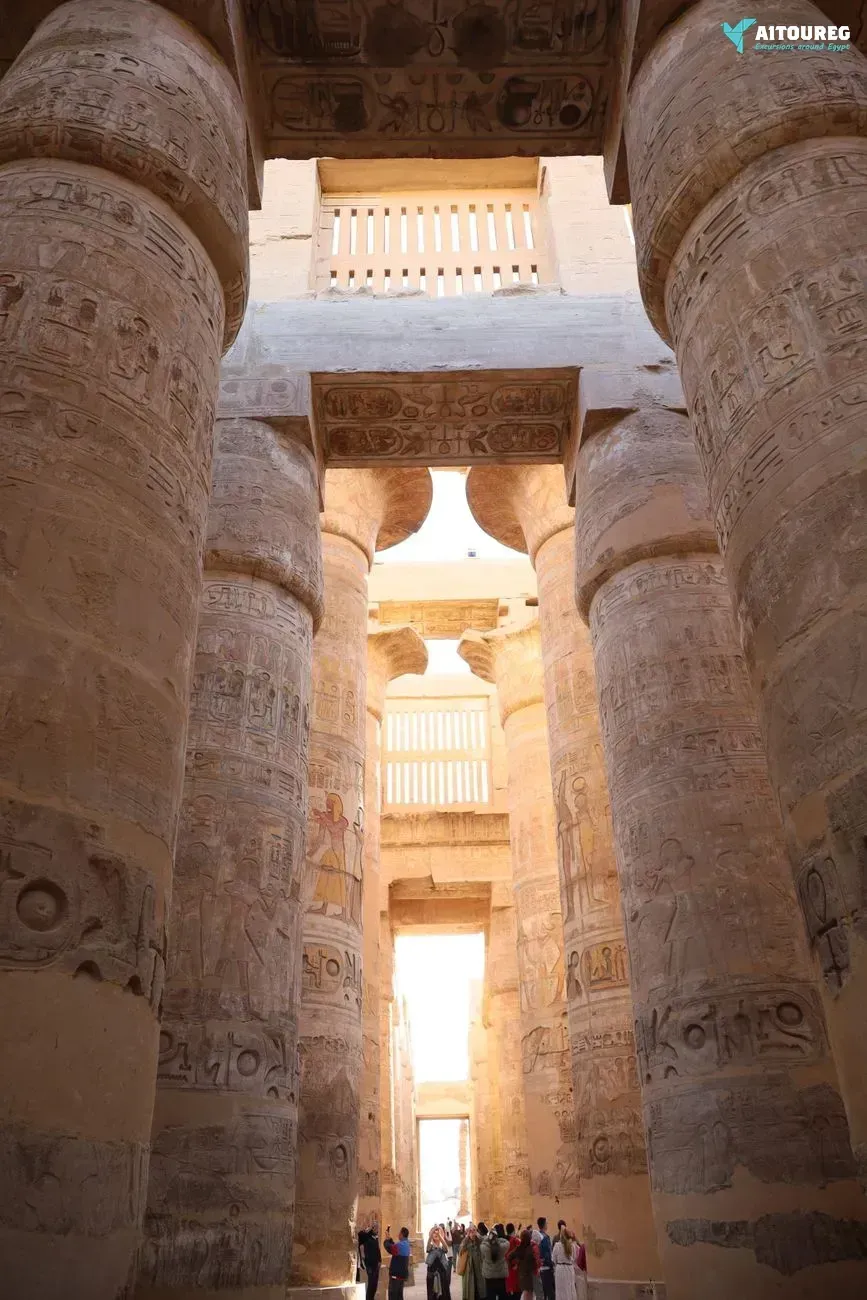
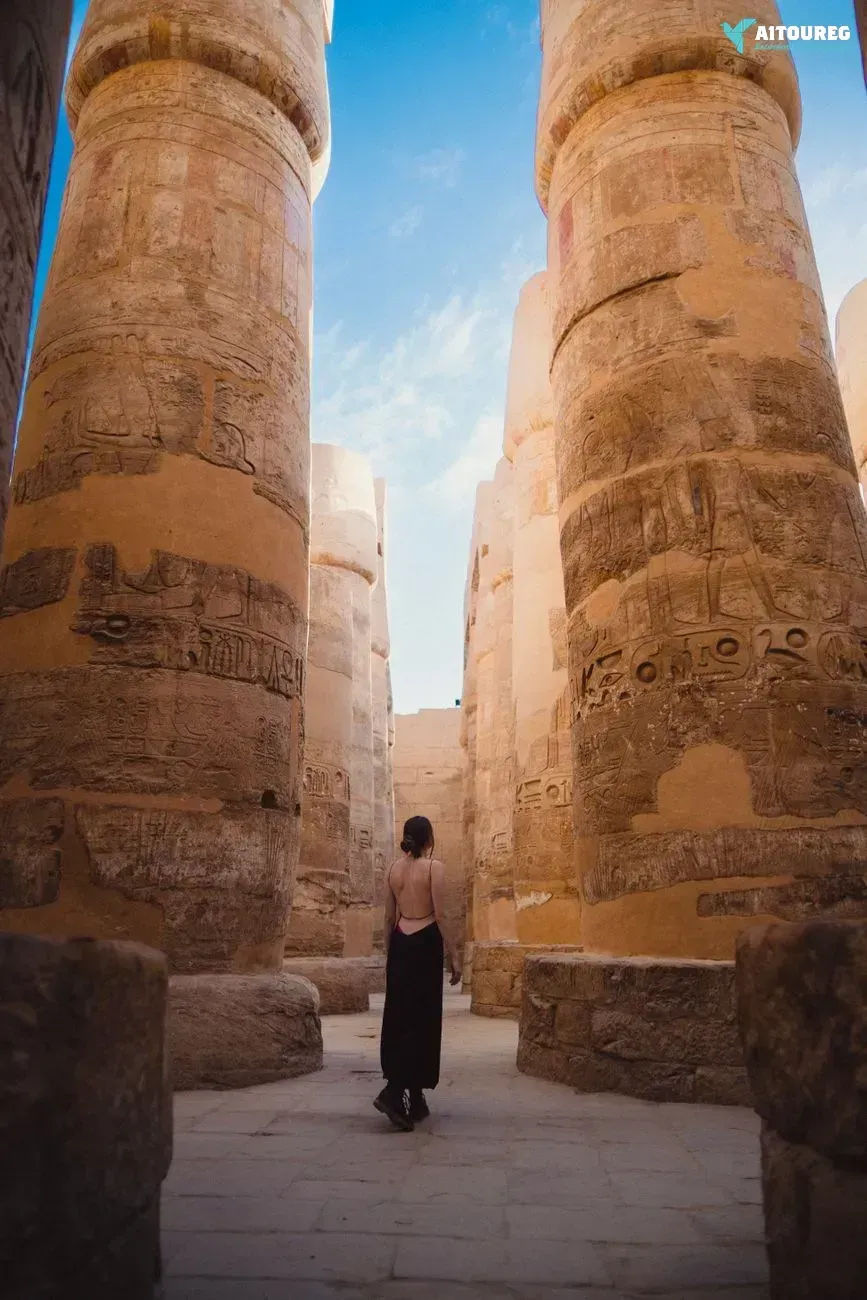
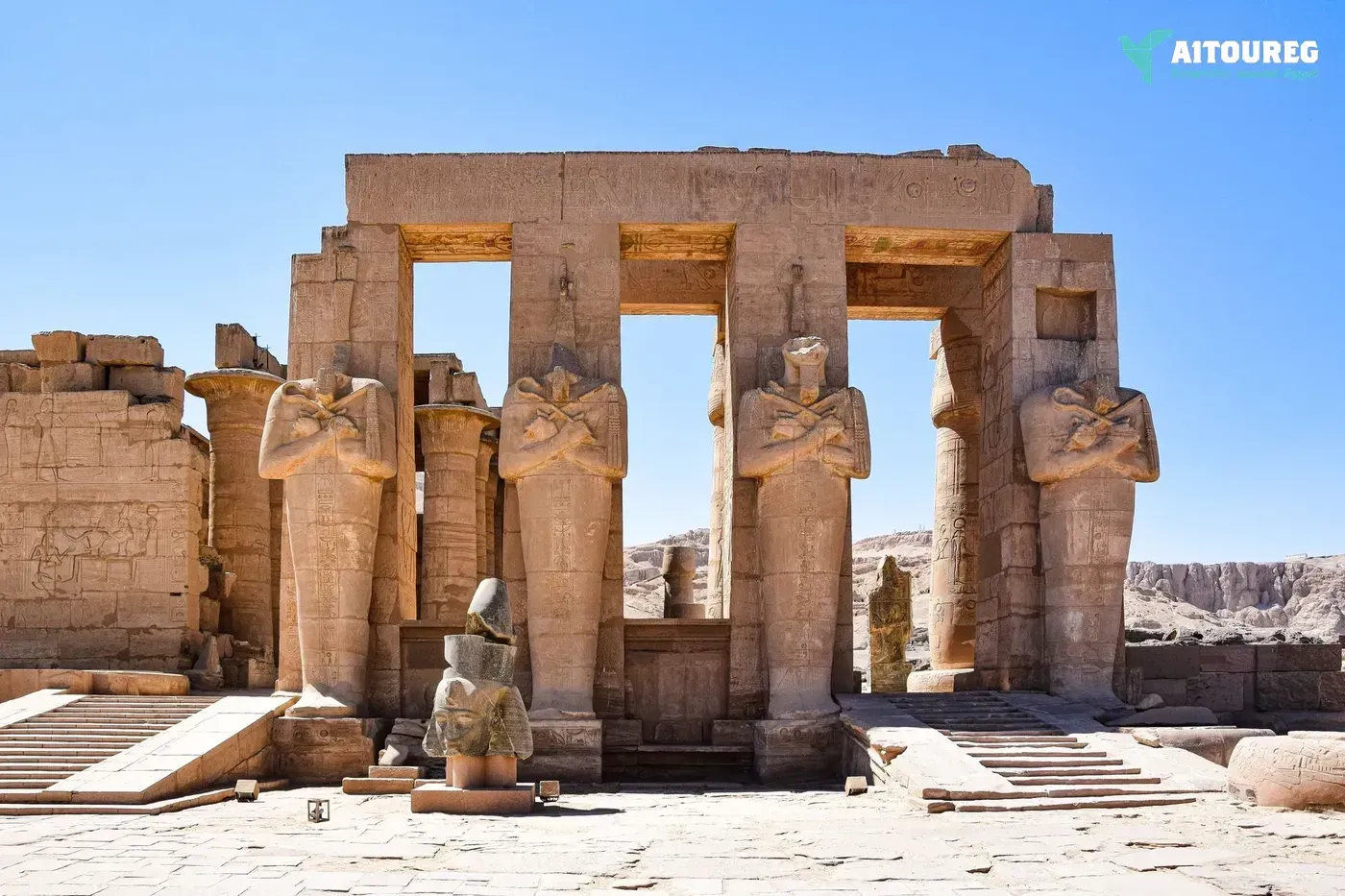
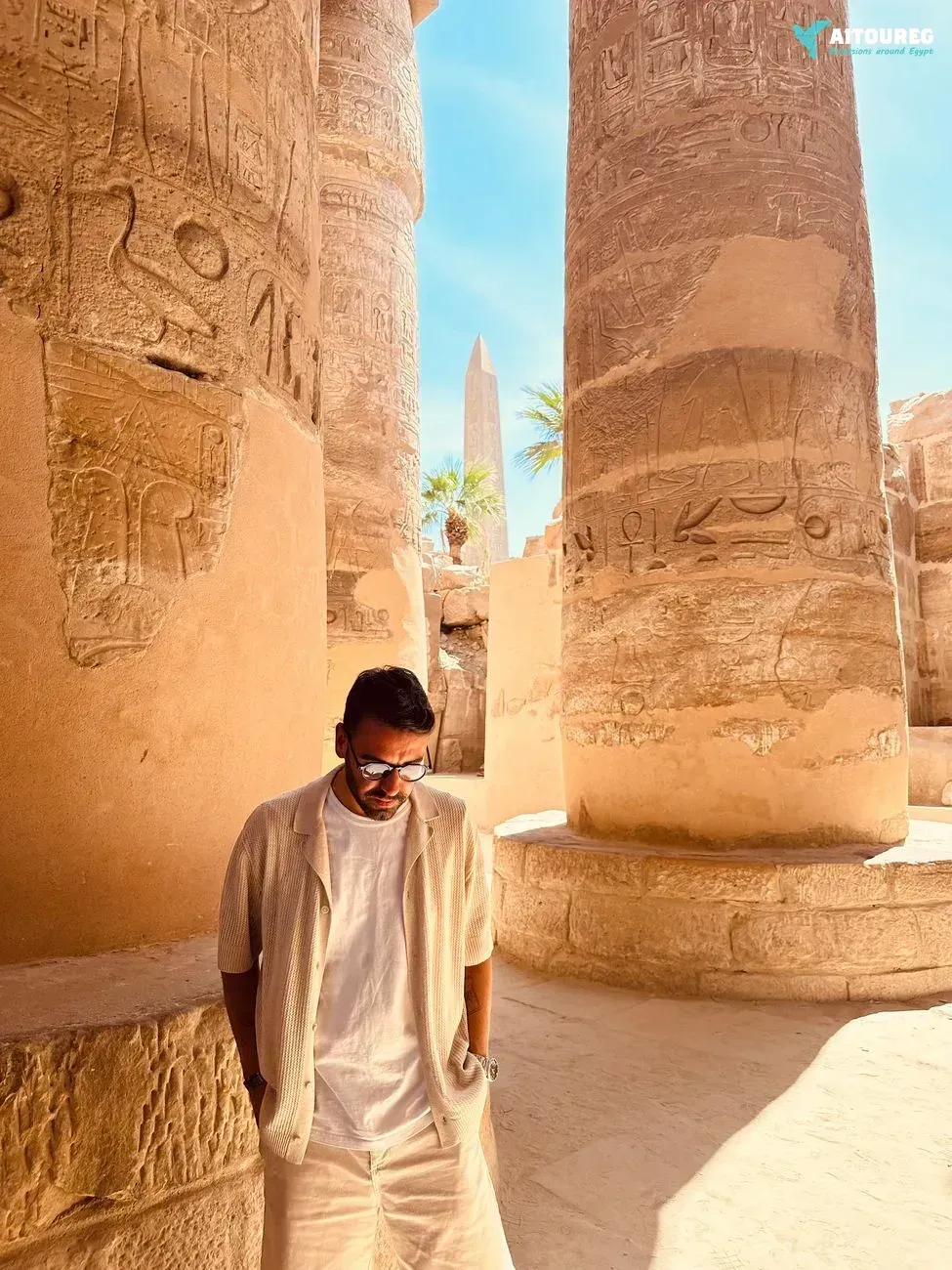
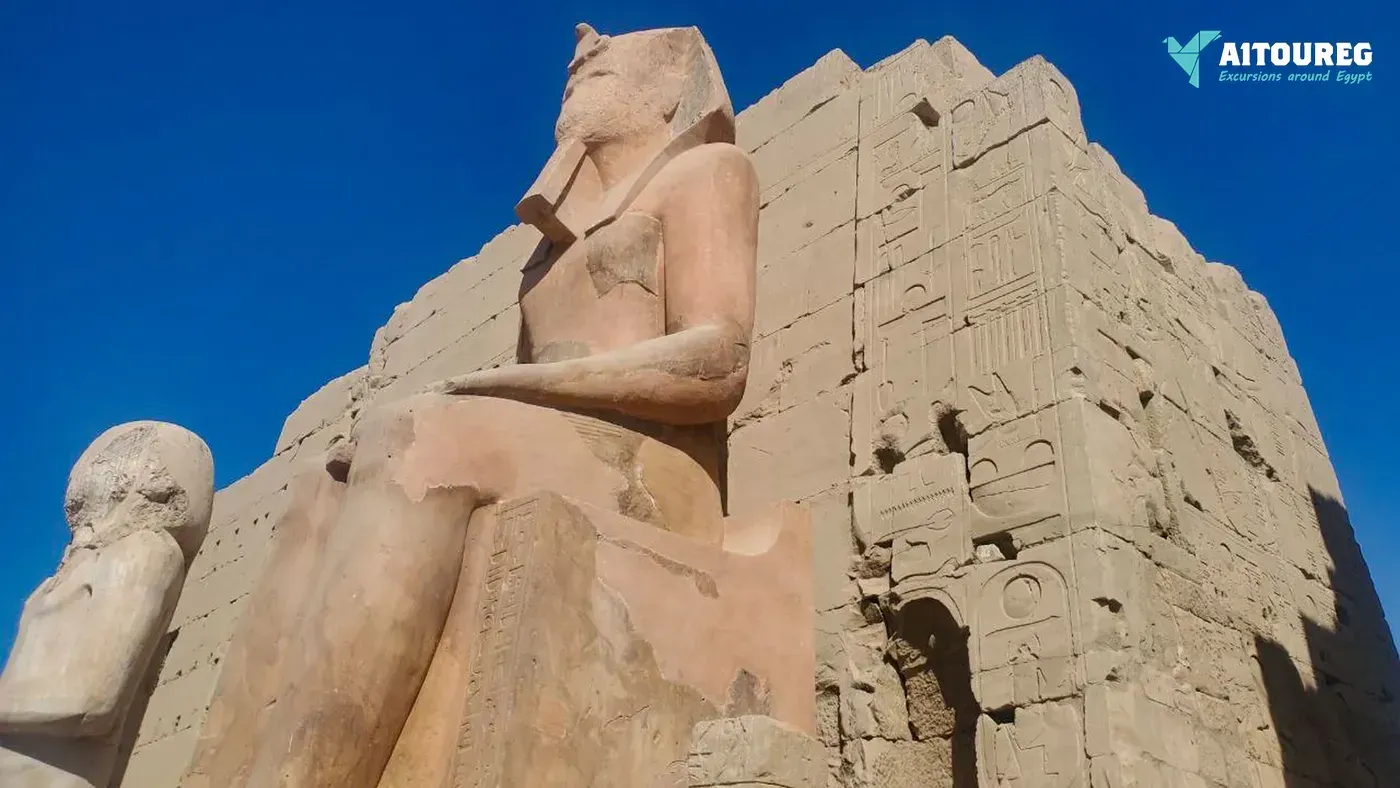
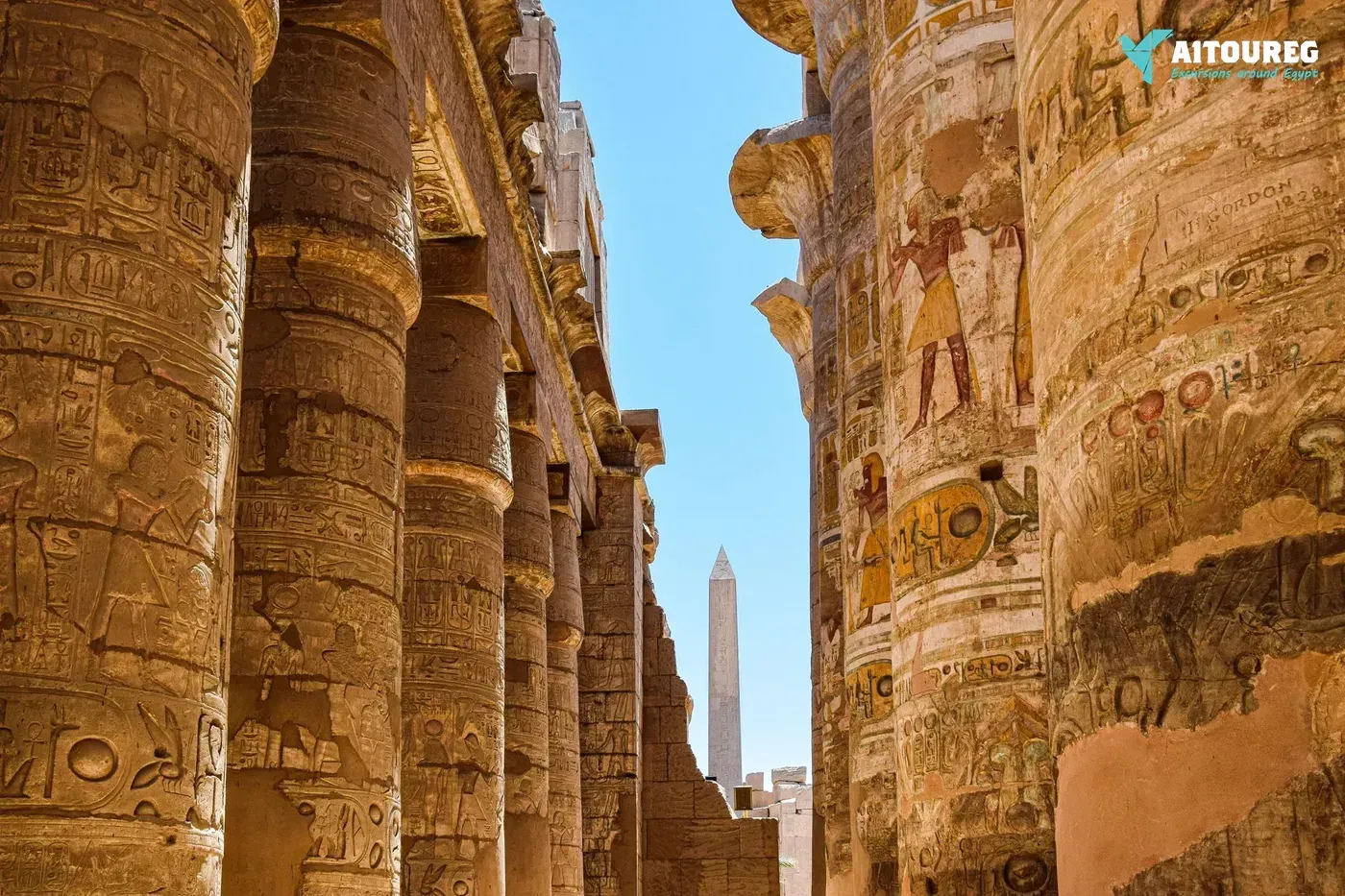
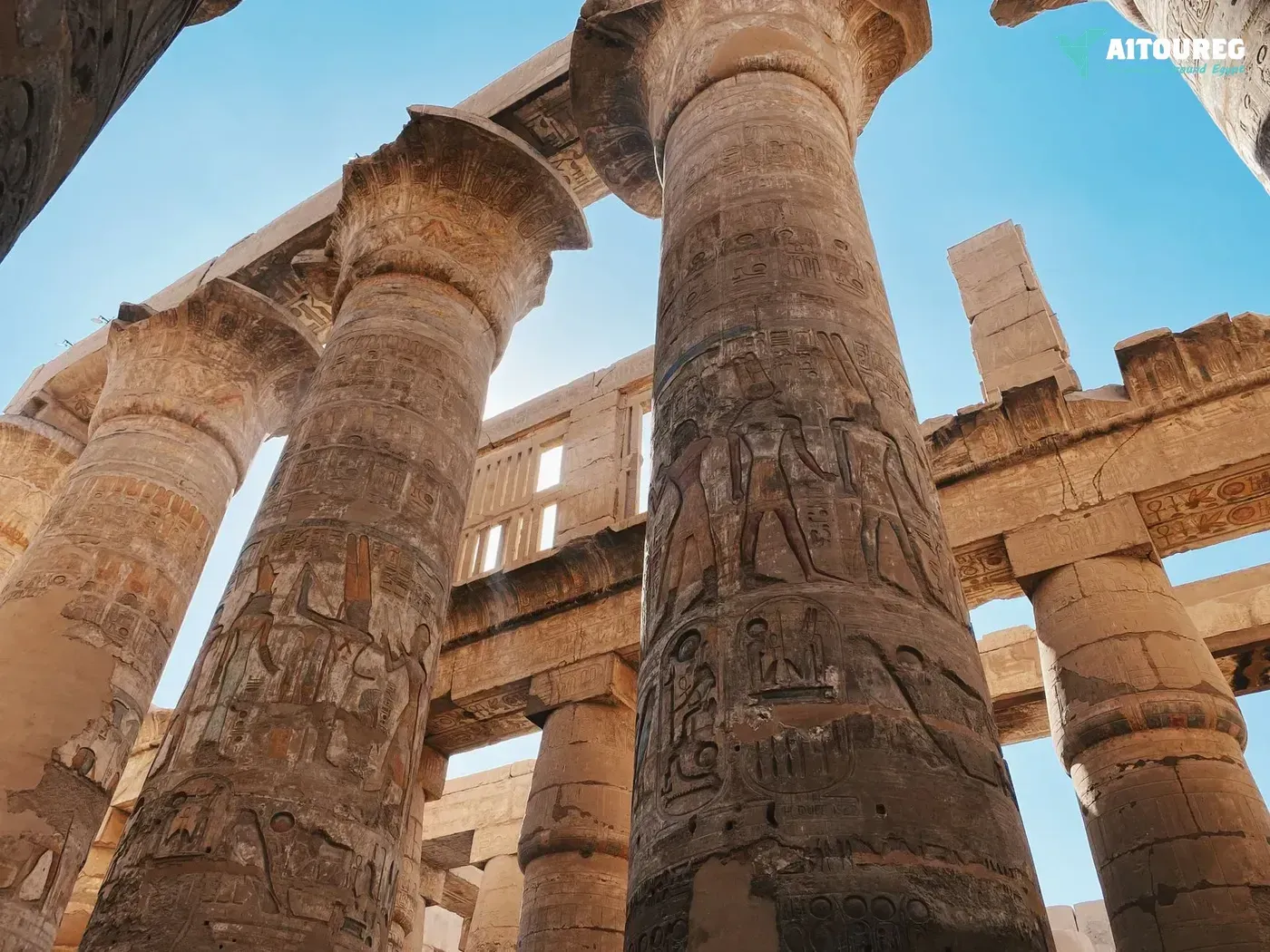
On Luxor's west bank, Queen Hatshepsut's temple rises in terraces below the cliffs. Its broad courtyards and surviving reliefs tell the story of one of Egypt's most capable pharaohs. Nearby, the Colossi of Memnon make a short but worthwhile stop beside two enormous seated statues. Across the Nile, Karnak temple needs more time. You walk through pylons and courts to the Great Hypostyle Hall, where rows of huge columns show the scale of the ancient complex.
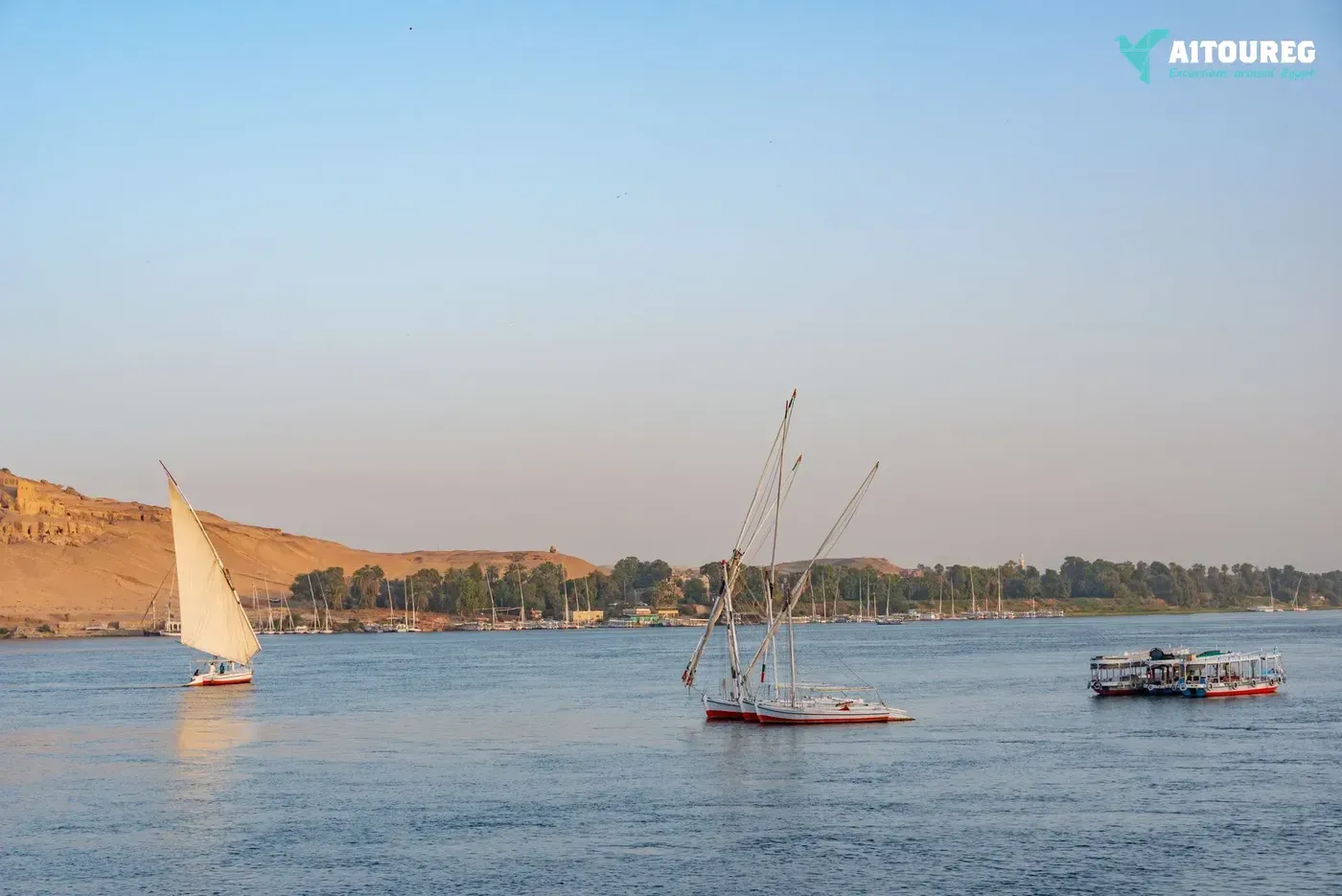
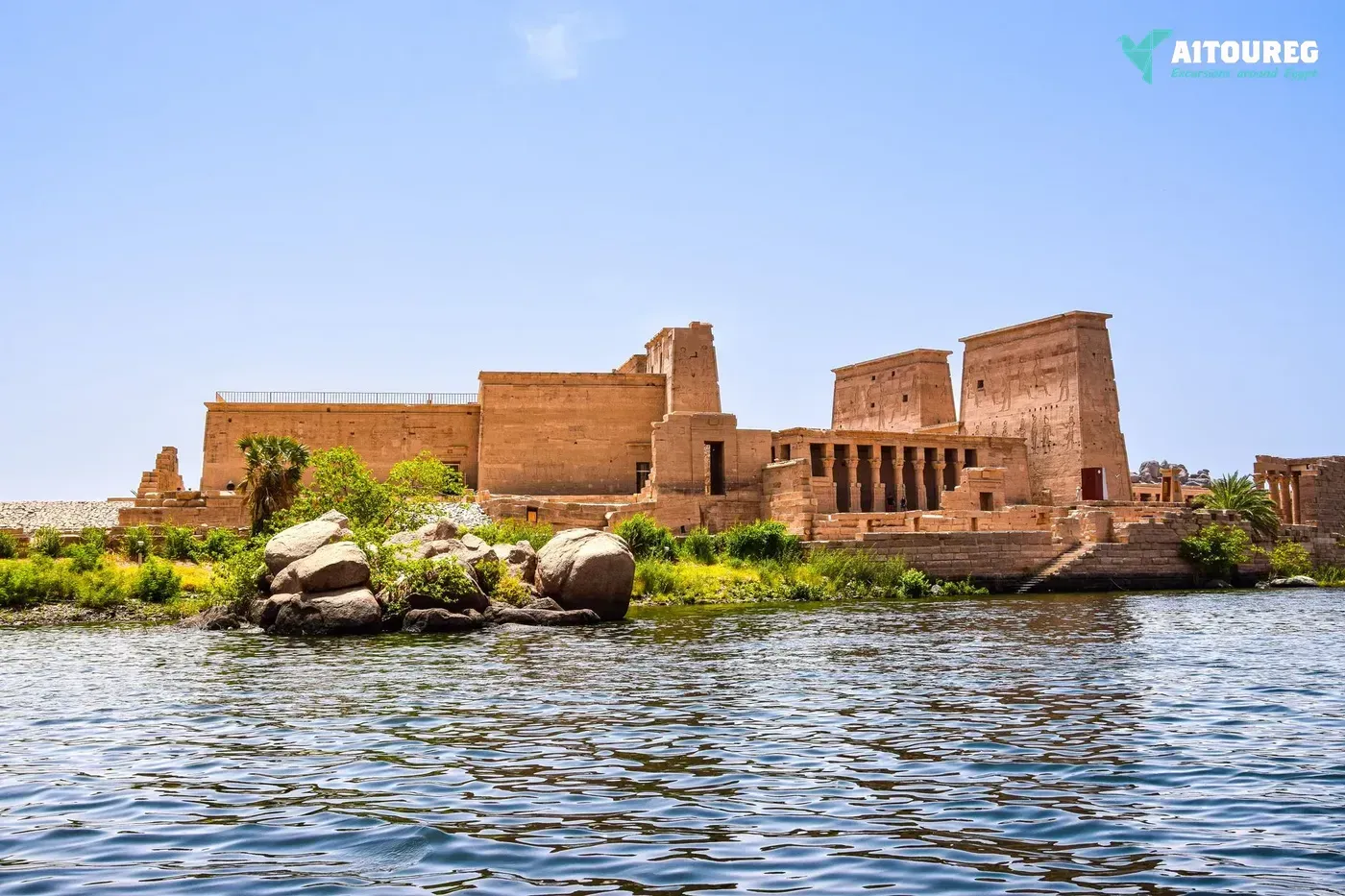
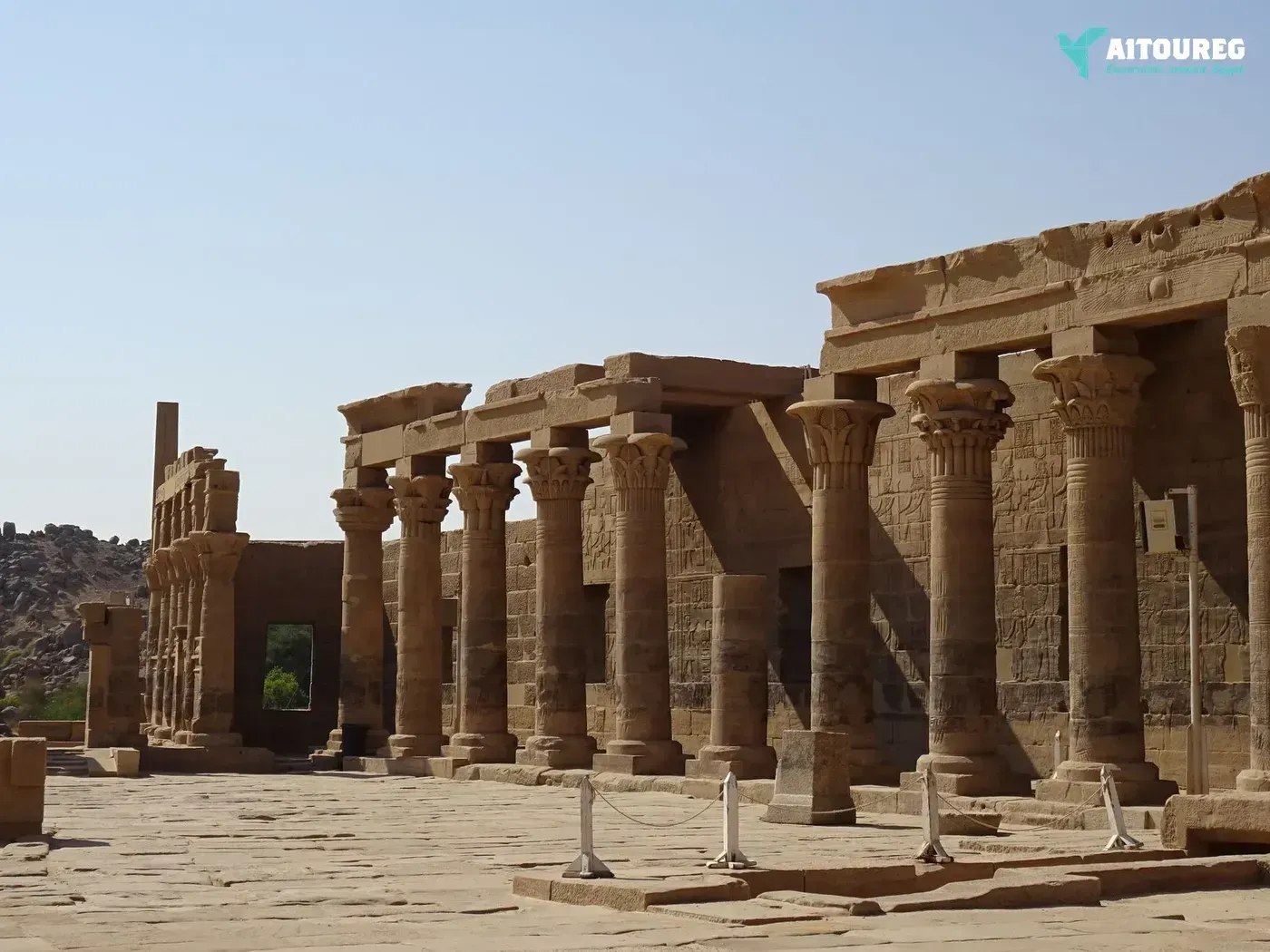
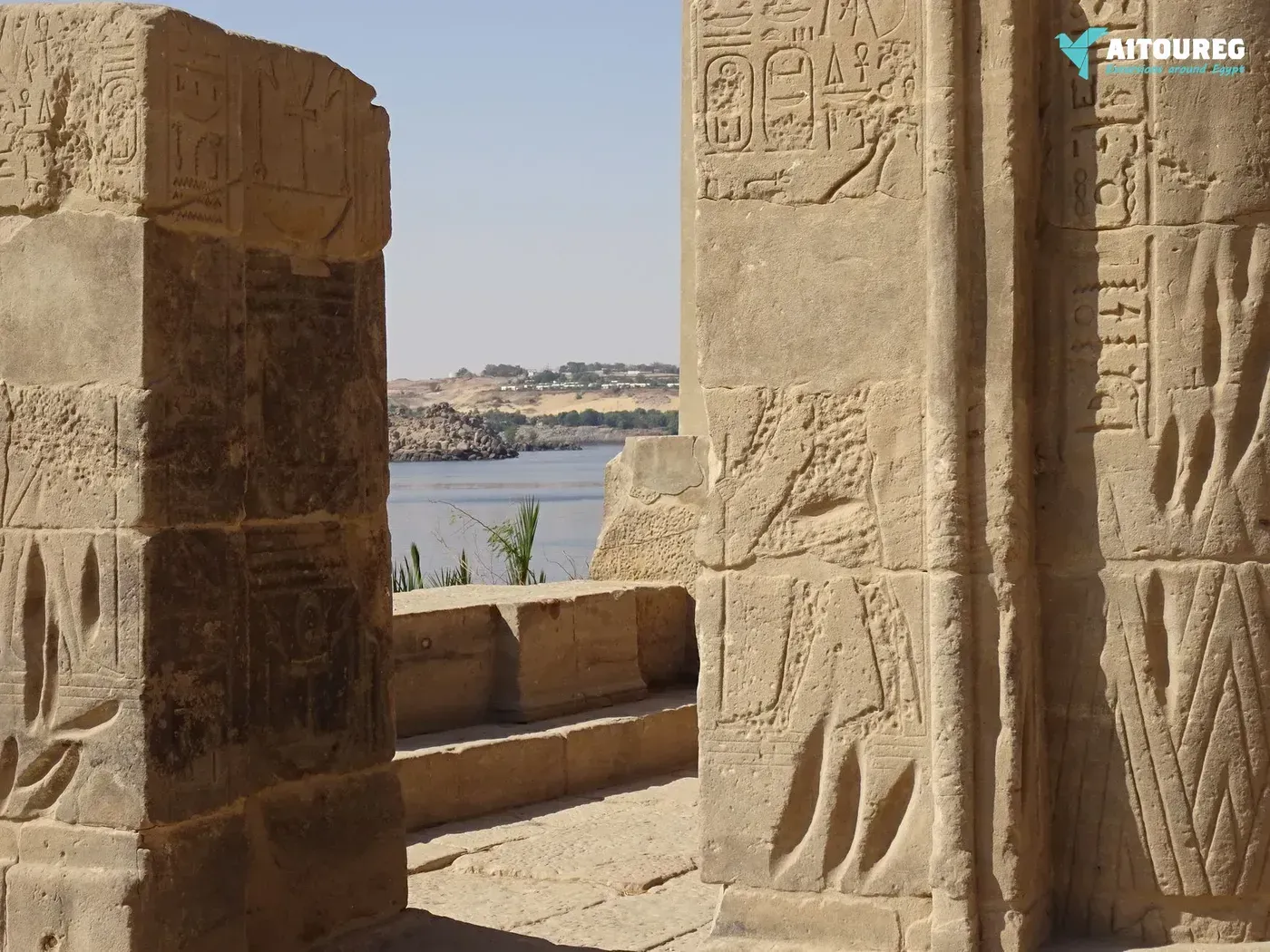
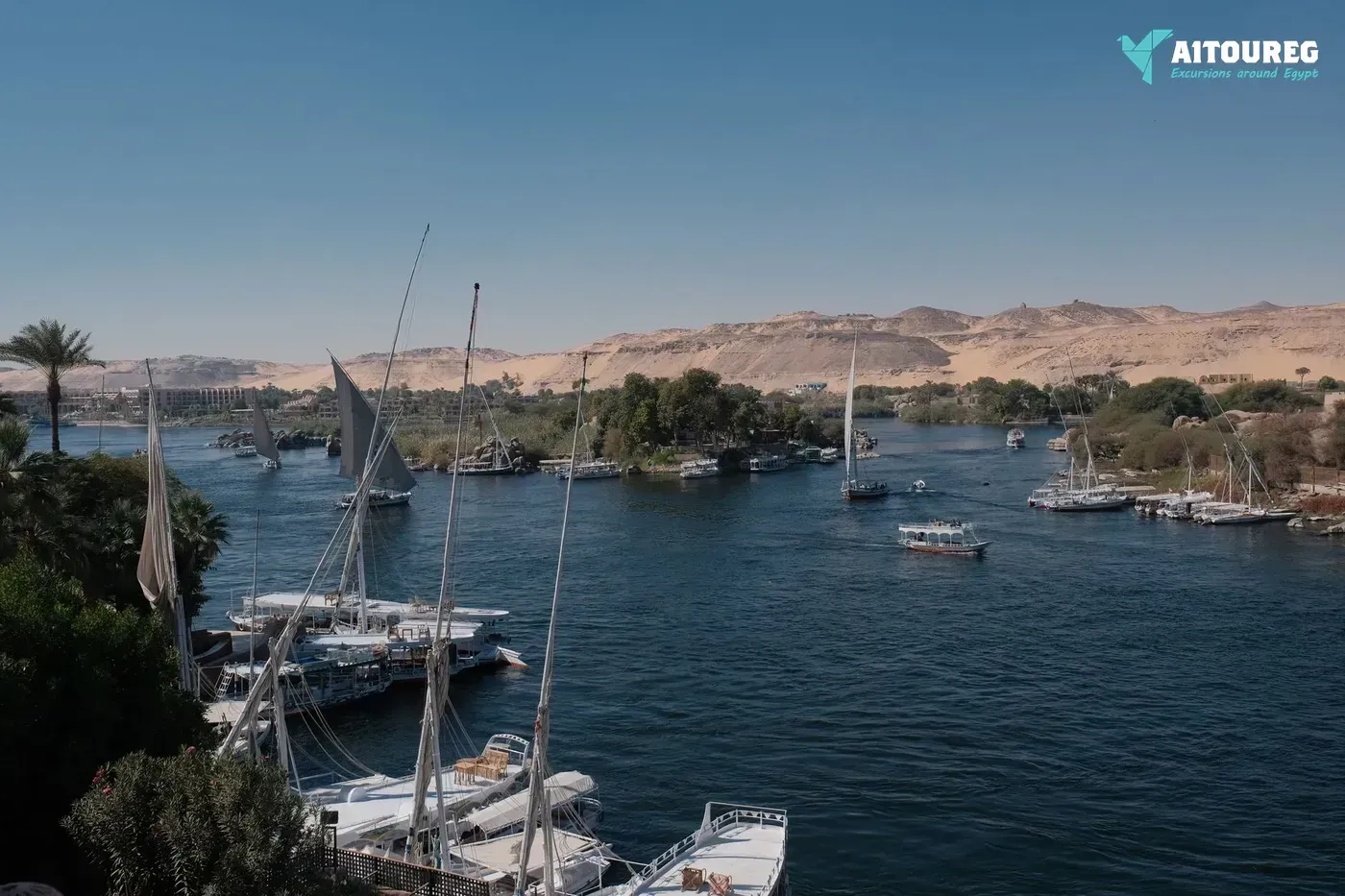
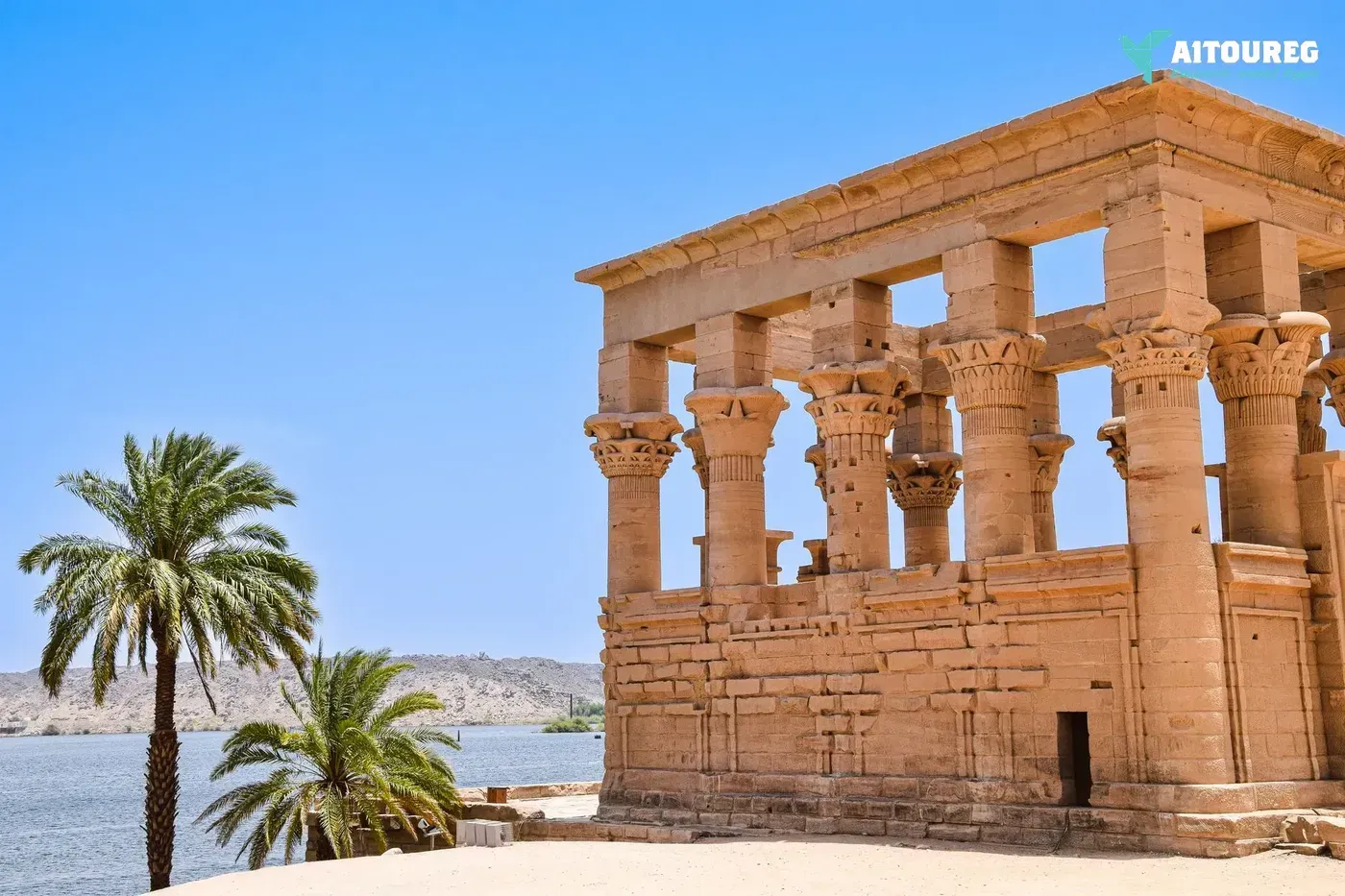
Aswan brings a different setting and a slower pace along the river. You reach Philae temple by boat on an island, then explore sanctuaries dedicated to Isis and other deities. The temple was moved stone by stone to higher ground during the Nubian campaign, a detail that puts the visit in context without disturbing the island's calm. Your guide helps you follow the layout and identify the reliefs, then leaves you time to look around at your own pace.
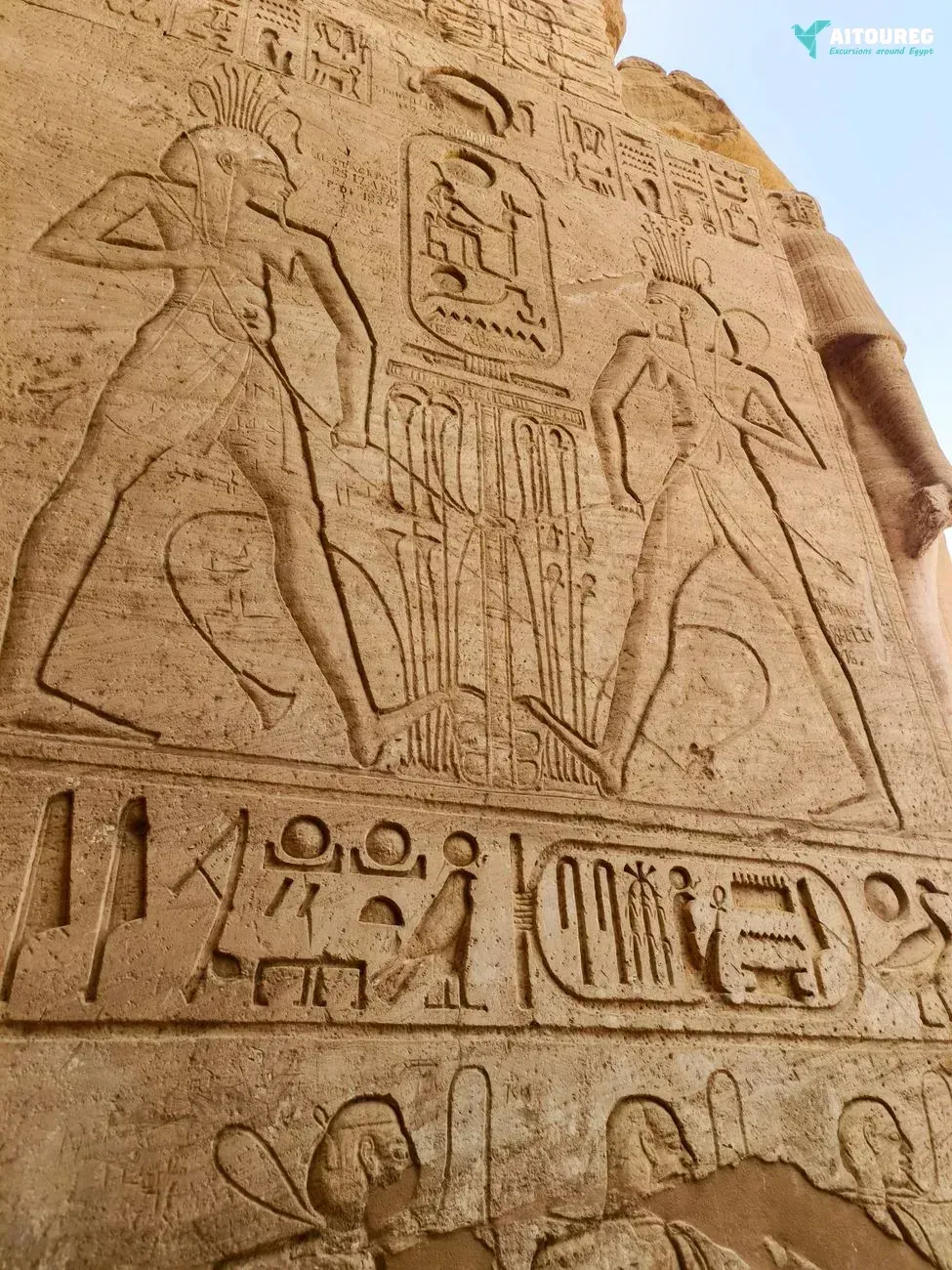
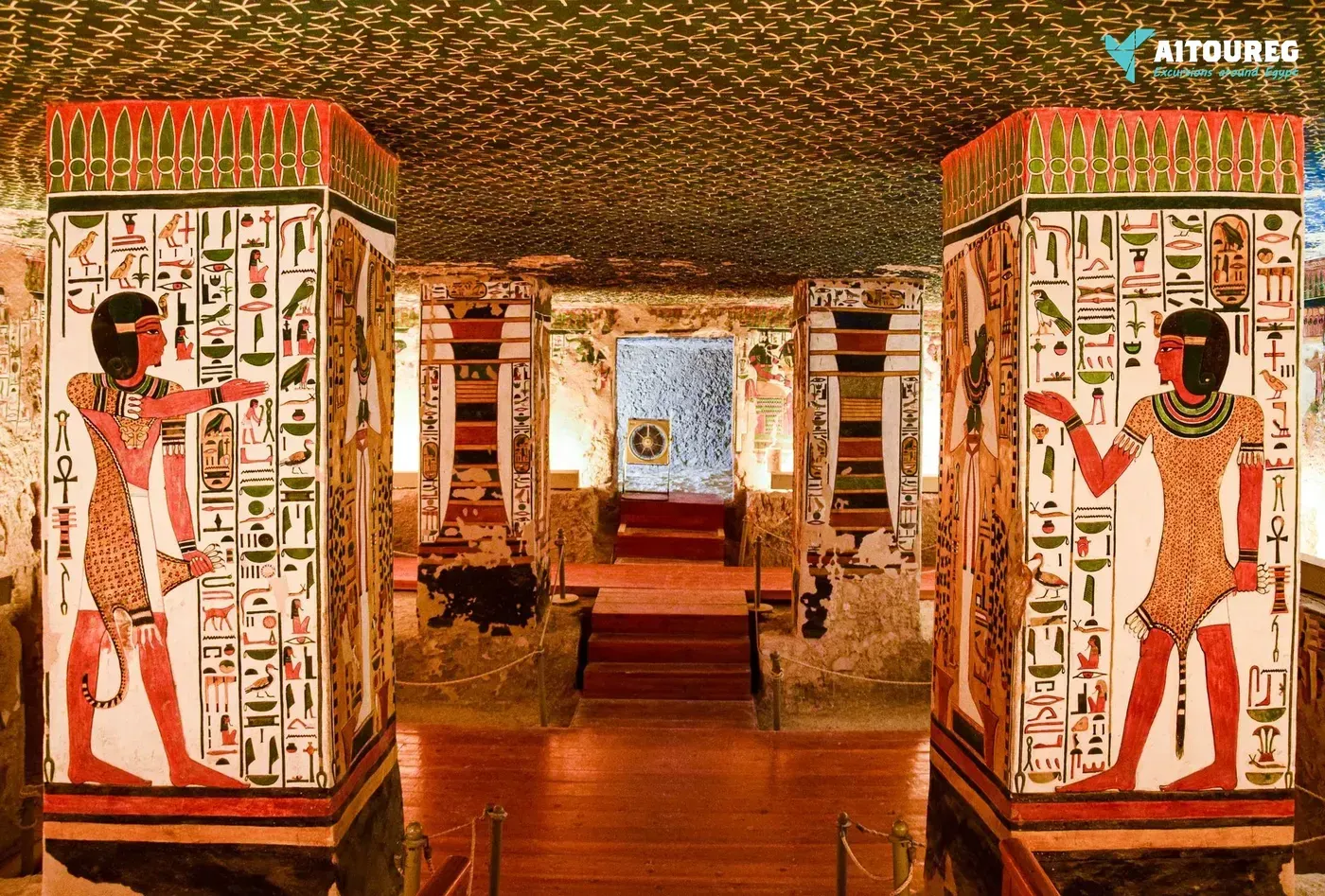
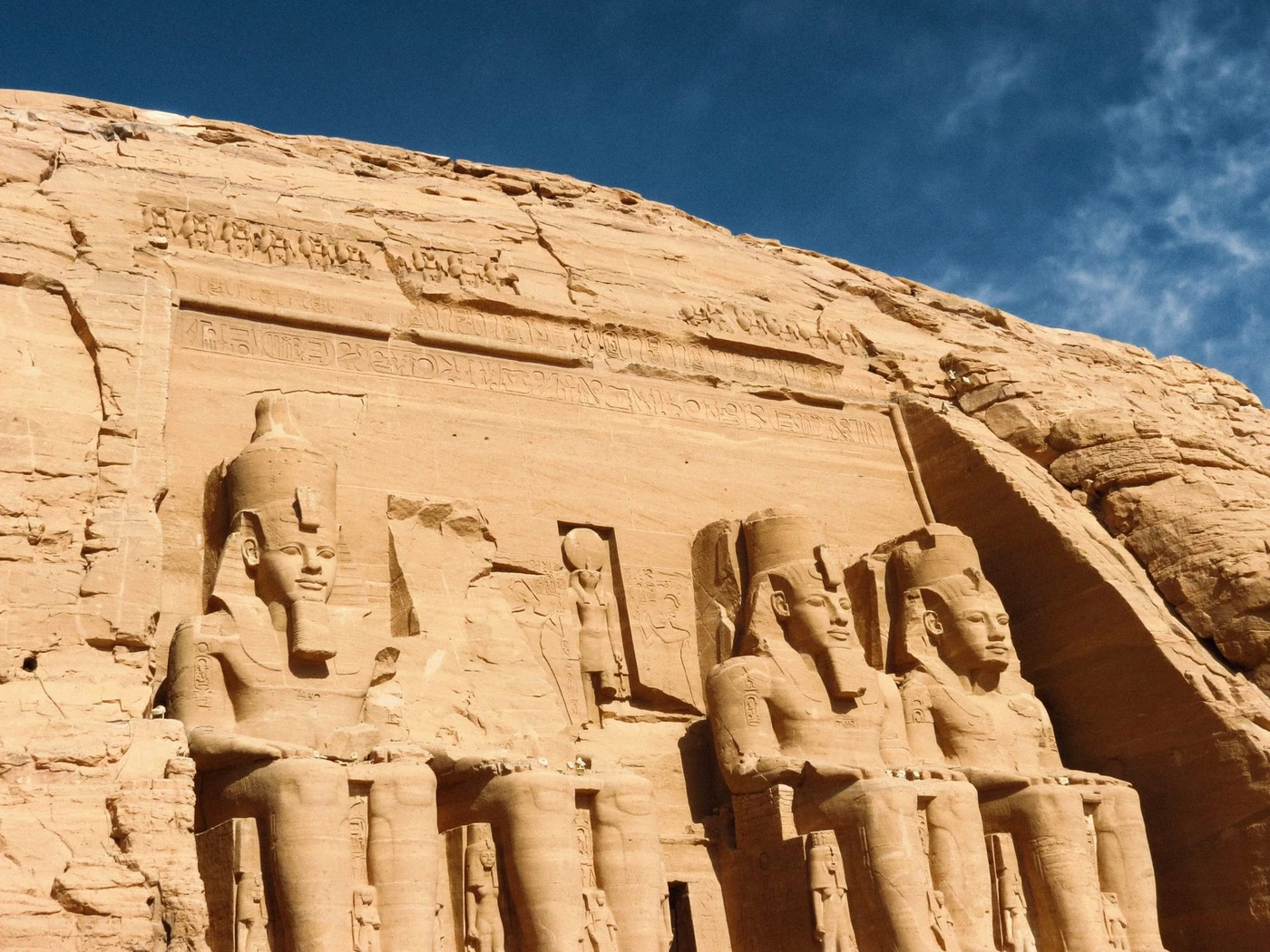
The final major visit is to the Abu Simbel temples, cut into the rock during the reign of Ramesses II. Four seated figures face you at the Great Temple, while the smaller temple nearby is dedicated to Queen Nefertari. This section involves a long transfer, but it takes you to one of southern Egypt's most important sites without arranging separate transport. Expect a full touring pace and keep to the agreed meeting times so the private vehicle can stay on schedule.
This tour suits travellers who want a concentrated introduction to Upper Egypt and prefer our team to handle the transport, route planning, and guiding. It is less suitable for anyone who finds long drives, uneven surfaces, stairs, or early departures difficult. Bring water, sun protection, and shoes with a firm sole; temple floors, tomb entrances, and island paths are not always even. Check the booking details for accommodation, meals, entrance fees, and optional boat arrangements so you know exactly what is covered.
Private vehicle for the tour and intercity transfers
Transport coordination for the listed itinerary
Pickup and drop-off from Marsa Alam or Port Ghalib
Guide service during the visits
Accommodation unless stated in the booking details
Entrance fees unless specified as included
Optional boat trips or additional visits not listed in the itinerary
Meals and drinks
Personal expenses and gratuities
Passport or accepted travel identification
Sun protection, including a hat, sunglasses, and sunscreen
Any prescribed medication and personal travel essentials
Reusable drinking water
Comfortable walking shoes
Light, breathable clothing that covers shoulders and knees when required
The 3-day Luxor and Aswan tour from Marsa Alam or Port Ghalib includes private road transfers in a vehicle with a guide, plus sightseeing at Dendera temple, Luxor’s ancient sites, Aswan, and the Abu Simbel temples. Your booking details will confirm entrance fees, meals, accommodation, and any other inclusions.
We arrange the route in a practical order so you can see the main temples and tombs without joining a large group.
The 3-day Luxor and Aswan trip from Marsa Alam has a full sightseeing pace and includes substantial road travel, but the itinerary spreads the visits across three days. In Luxor, you see the Valley of the Kings, Queen Hatshepsut's temple, the Colossi of Memnon, and Karnak temple before continuing towards Aswan.
Day plans can be discussed with our team before booking, especially if you prefer fewer stops or longer breaks.
Pickup for this Luxor and Aswan tour is available from Marsa Alam or Port Ghalib, with private transfers between the coastal resort area, Luxor, Aswan, and Abu Simbel. We confirm the pickup location and arrangements with you before the tour rather than assigning a shared transfer.
At the end of the journey, the drop-off plan depends on your booked arrangement and travel route.
The 3-day Luxor and Aswan tour can suit families because you travel in a private vehicle and can discuss the pace with our team, but several sites have uneven ground, steps, heat, and walking between monuments. The Valley of the Kings and temple areas may be difficult for travellers who cannot walk or stand for extended periods.
Tell us about mobility needs when booking so we can explain the access at each stop and plan suitable assistance where possible.
Wear light, modest clothing and comfortable closed shoes, and bring a hat, sunscreen, water, personal medication, identification, and a phone or camera. The temples and open archaeological sites can involve sun exposure and walking, including visits to Philae temple and the Abu Simbel temples.
A light layer is useful for early departures or cooler evenings, while a small day bag keeps essentials easy to reach during transfers.
You can request the 3-day tour from Marsa Alam or Port Ghalib by providing your preferred date, pickup point, and traveller details; our team then confirms the arrangements and explains the applicable cancellation terms. Availability, entrance arrangements, and transport details are checked for your requested date.
Cancellation and amendment conditions depend on the booking terms shown before confirmation, so review them carefully if your plans may change.
Your unforgettable Egypt journey starts with a booking you can trust.
* Available on selected tours. Flights, cruises and special bookings may have different cancellation policies.
Free cancellation up to 24 hours before activity starts
If you choose to pay online, a secure payment link can be provided after booking. For assistance or alternative payment options, please contact us via WhatsApp.
All our tour operators are licensed and verified by Egyptian tourism authorities.
Learn more about our licensed partners →

Free cancellation up to 24 hours before activity starts
If you choose to pay online, a secure payment link can be provided after booking. For assistance or alternative payment options, please contact us via WhatsApp.
All our tour operators are licensed and verified by Egyptian tourism authorities.
Learn more about our licensed partners →
Your Itinerary
We collect you from Marsa Alam or Port Ghalib in a private vehicle and begin the drive north towards Luxor. The journey takes several hours, with a break arranged when needed. Your first visit is Dendera temple, dedicated mainly to Hathor, the ancient Egyptian goddess associated with music, motherhood and the sky. Inside, you can see the detailed astronomical ceiling, carved columns and well-preserved reliefs while your guide explains how the temple was used.
After the visit, we continue to Luxor for check-in and time to rest. The evening is kept light after the road journey, giving you the chance to settle in and prepare for an early start on the following day. The exact arrival time depends on the pickup point and road conditions, but the route is planned as a private transfer rather than a shared group journey.
After breakfast, we cross to Luxor’s West Bank, where the morning begins at The Valley of the Kings. Your guide helps you understand the layout of the royal tombs, and you have time to enter the tombs included with your tickets. The visit involves walking on uneven ground and in enclosed spaces, so comfortable shoes and water are useful.
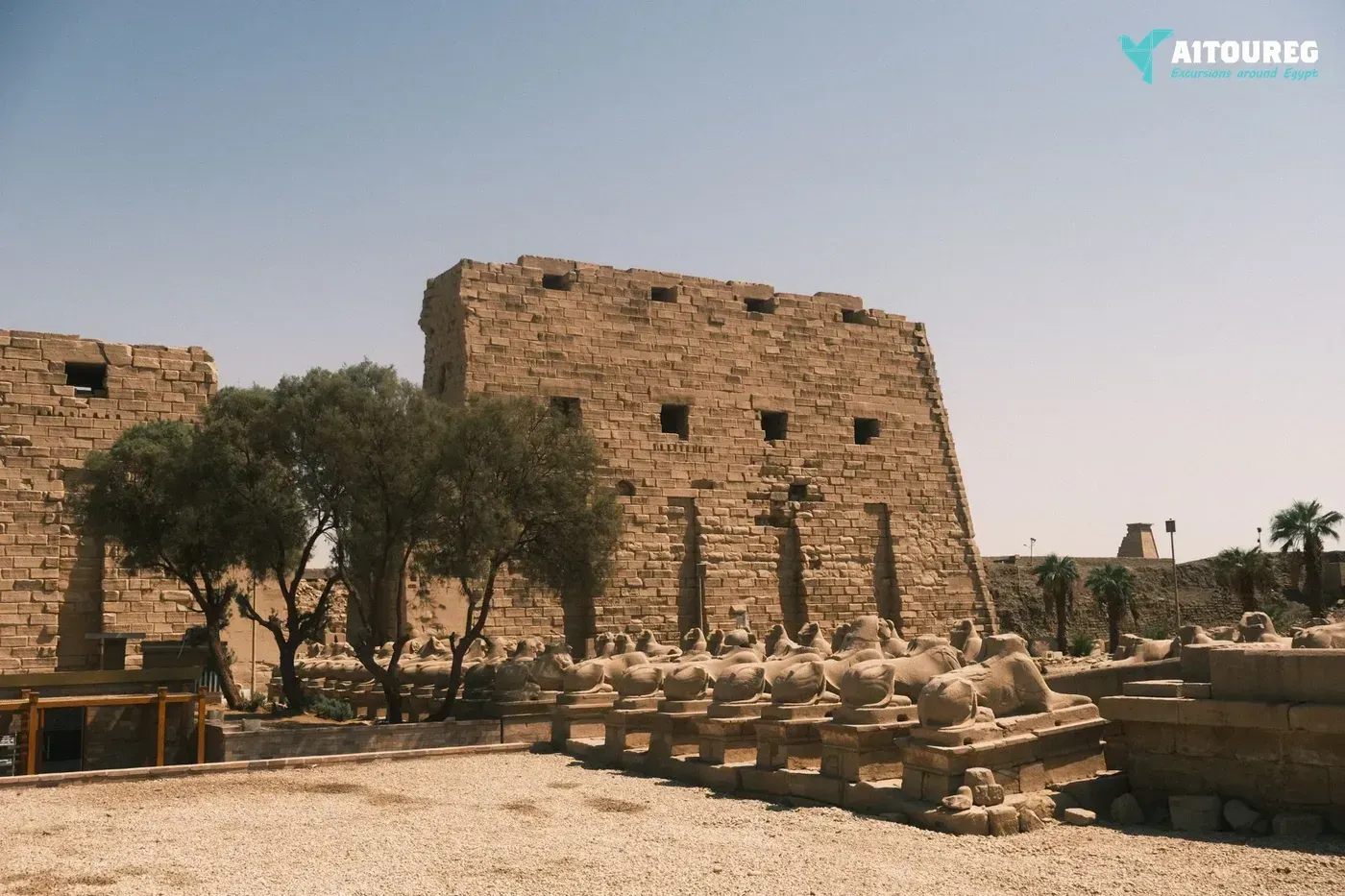
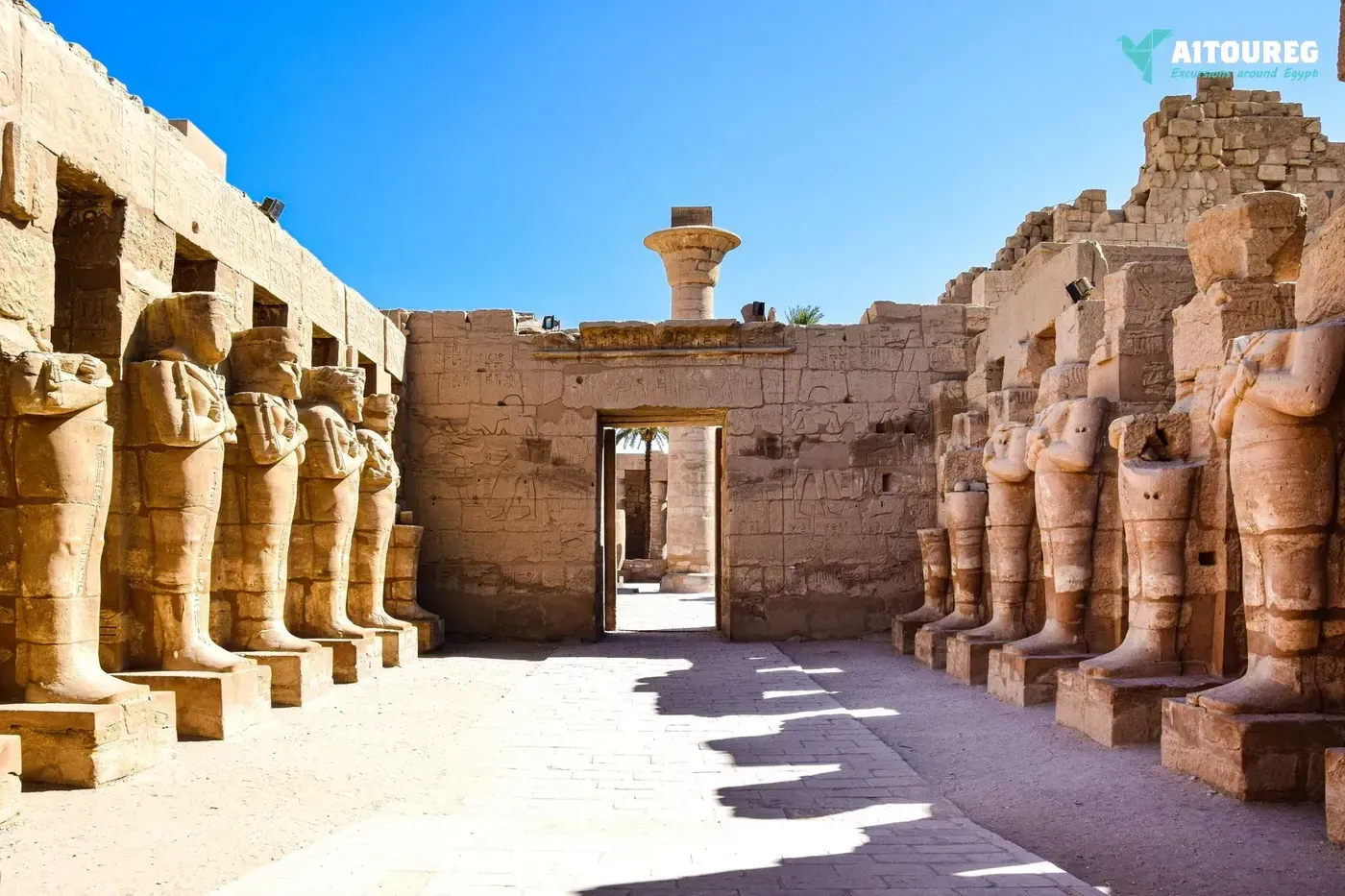
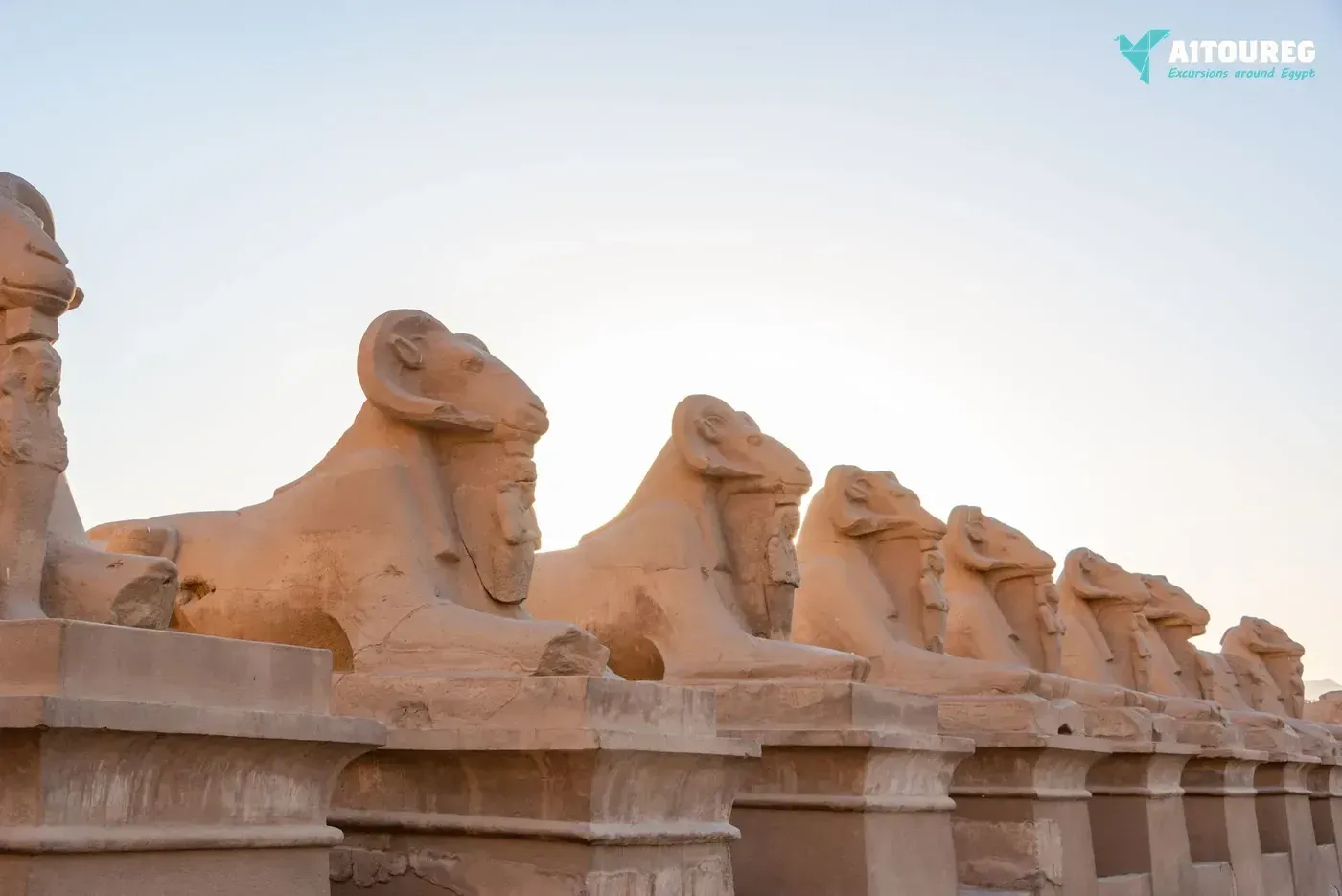
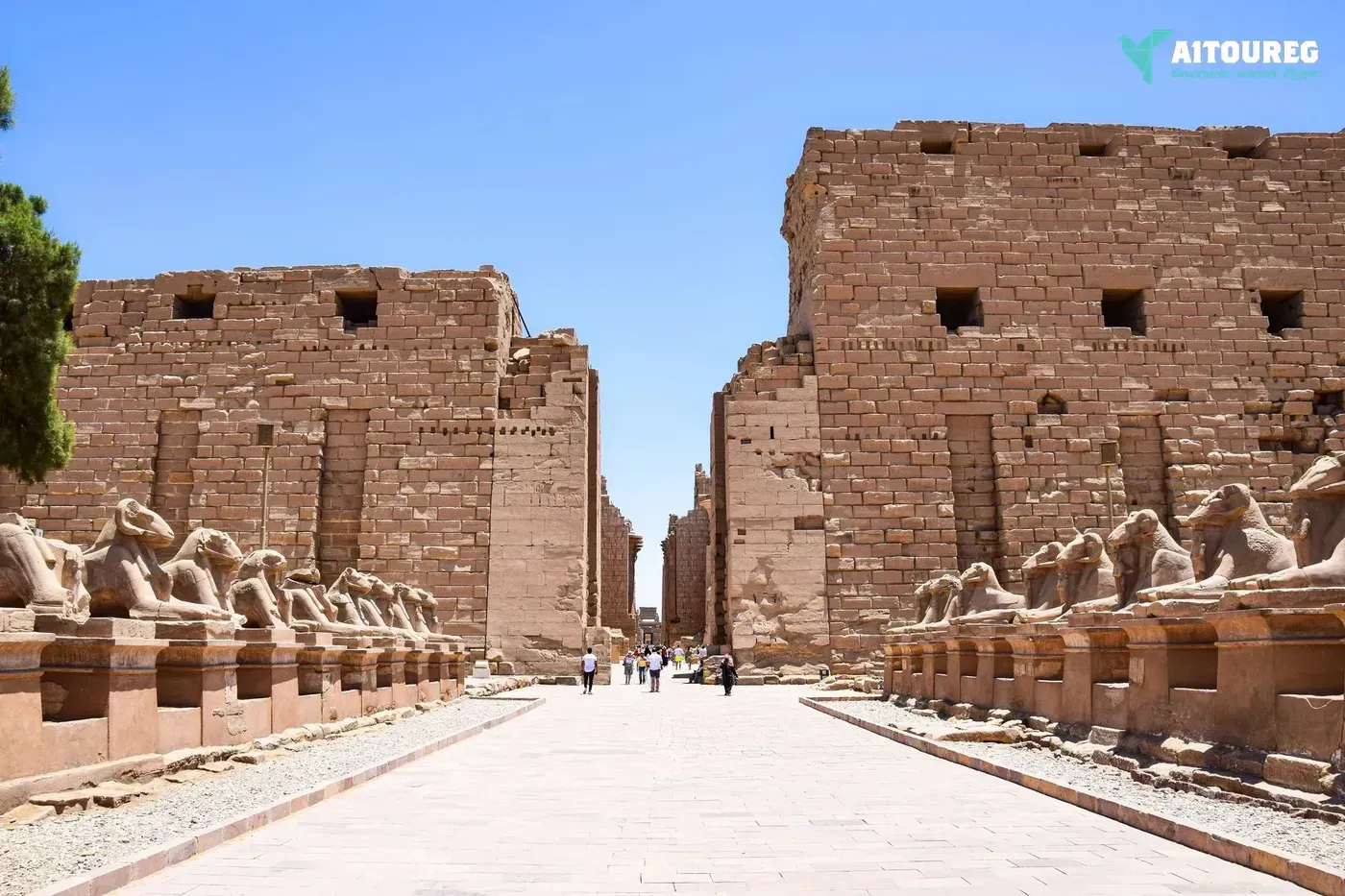
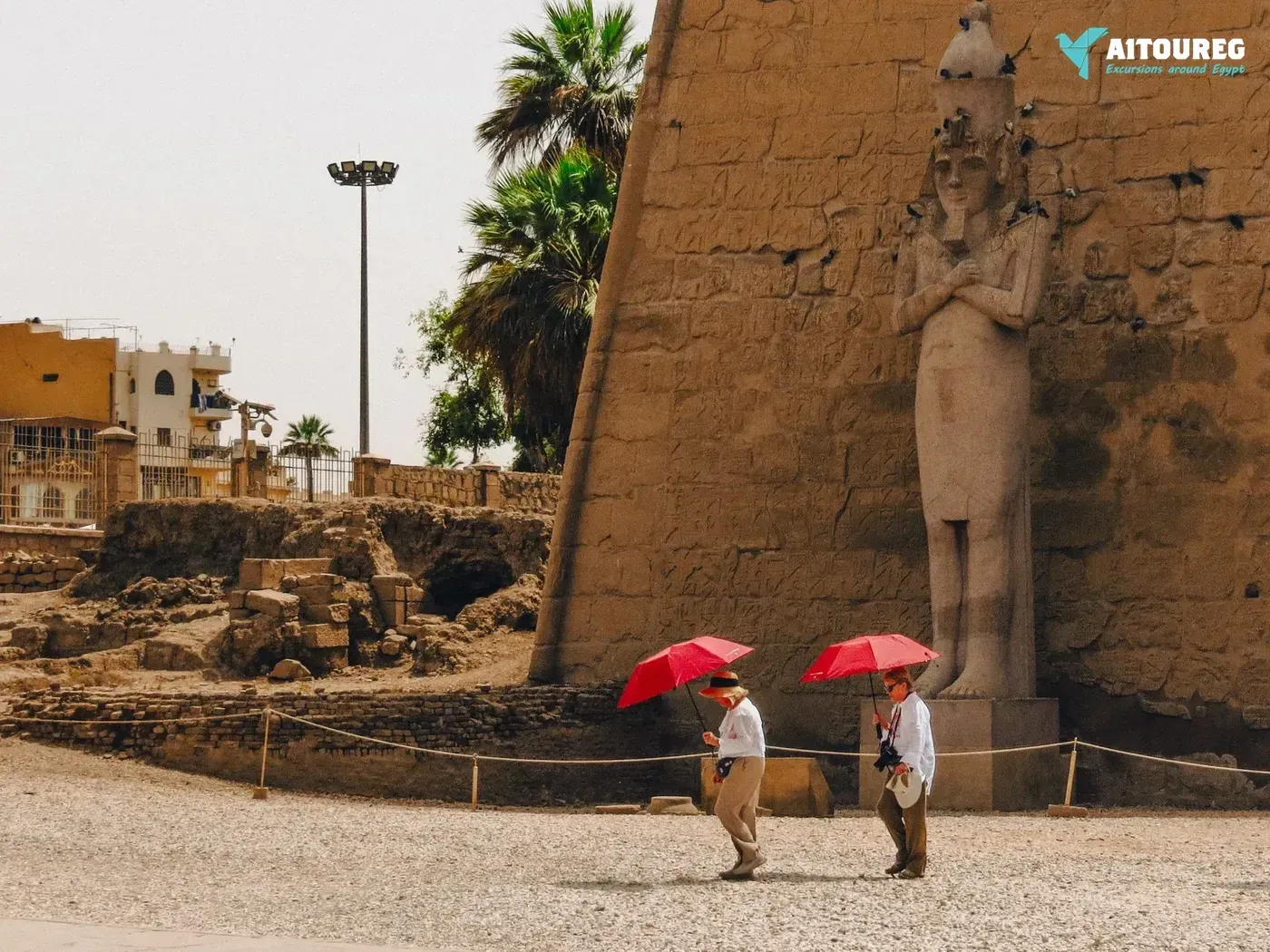
We then continue to Queen Hatshepsut's temple, built into the cliffs at Deir el-Bahari, before stopping at The Colossi of Memnon for a short look and photographs. After crossing back to the East Bank, we visit Karnak temple. Its processional avenue, vast hypostyle hall and successive temple courts make it a substantial final stop in Luxor.
Following lunch or a short rest, we transfer by private vehicle to Aswan. The drive takes several hours, and we arrange the evening around your arrival so you can check in and rest.
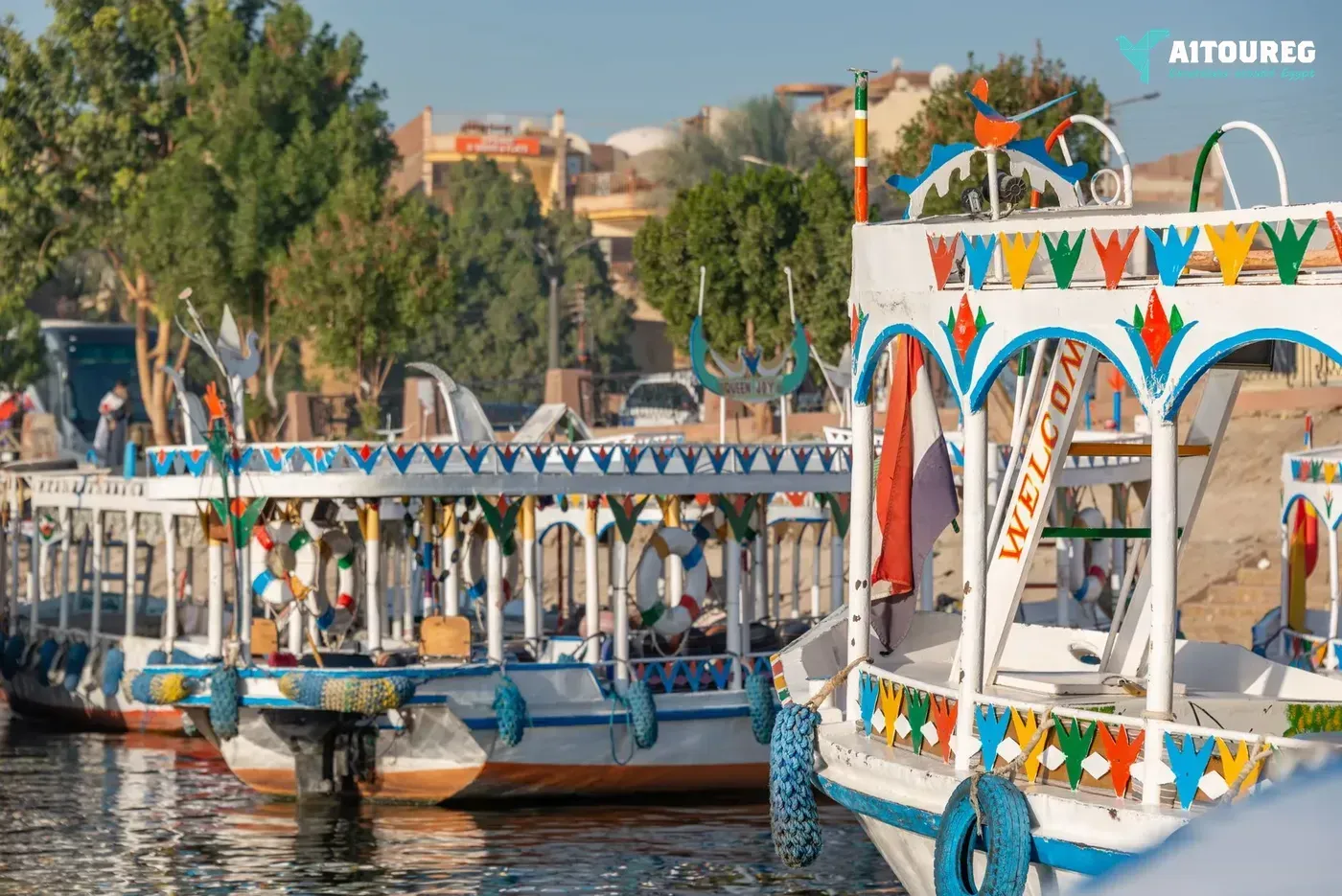
We start in Aswan with a visit to Philae temple, reached by a short boat ride across the water to Agilkia Island. The temple complex was moved from its original island during the construction of the Aswan High Dam. Your guide points out the reliefs, gateways and courtyards before you return by boat to the mainland.
We then drive south to see the Abu Simbel temples. The journey takes several hours each way, but the large rock-cut sanctuaries and their seated royal statues make this one of the major sights on the route. Allow time to walk around both temples with your guide and to take in the carved halls before beginning the return drive.
After the visit, we continue by private vehicle towards Marsa Alam or Port Ghalib for drop-off. This is a long final day, so bring water, sun protection and a light layer for the vehicle. The drop-off point follows the original pickup location where practical.