Desert Safari Adventures in Egypt
Egypt 10-Day Tour with Nile Cruise & White Desert
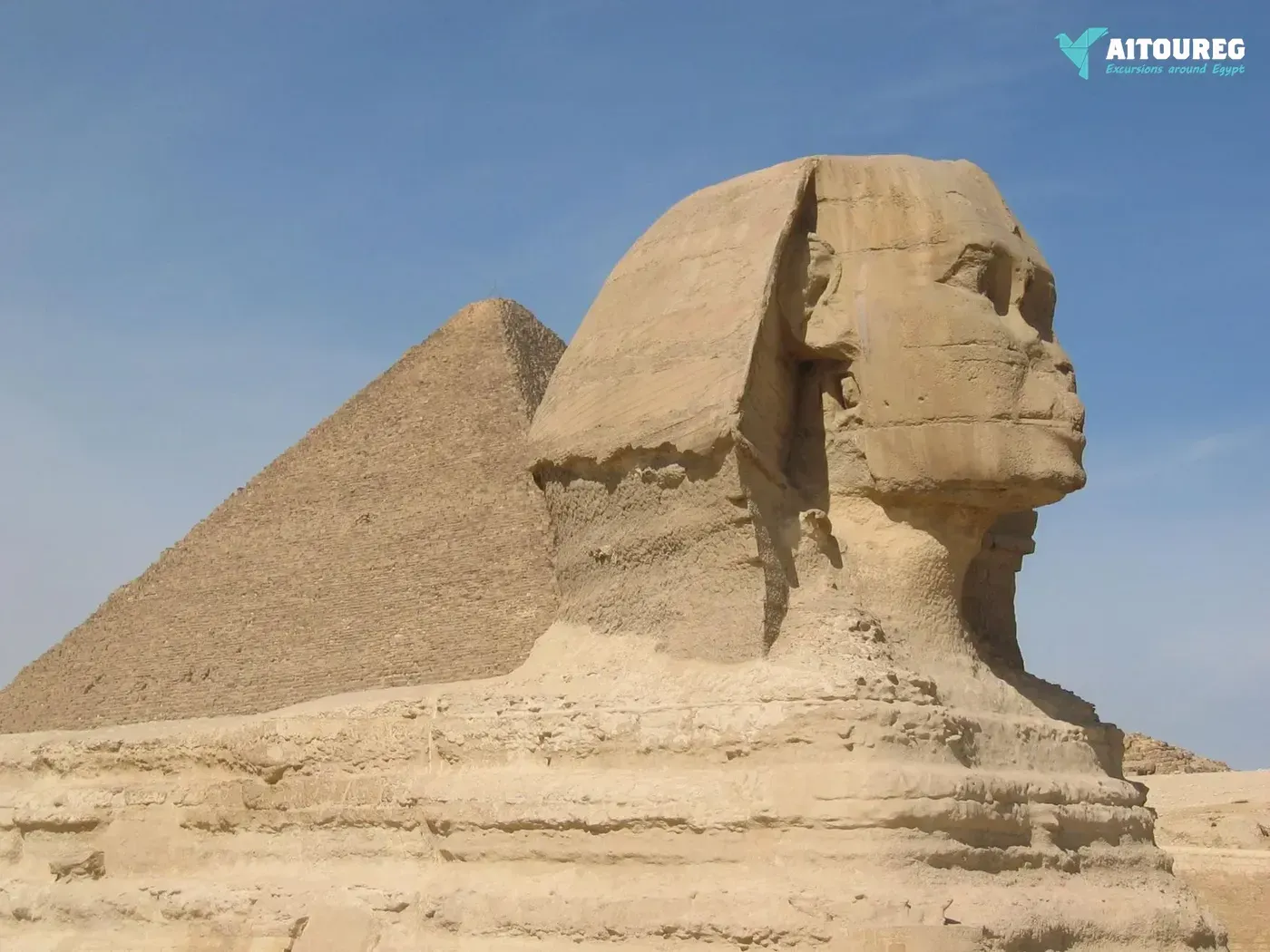
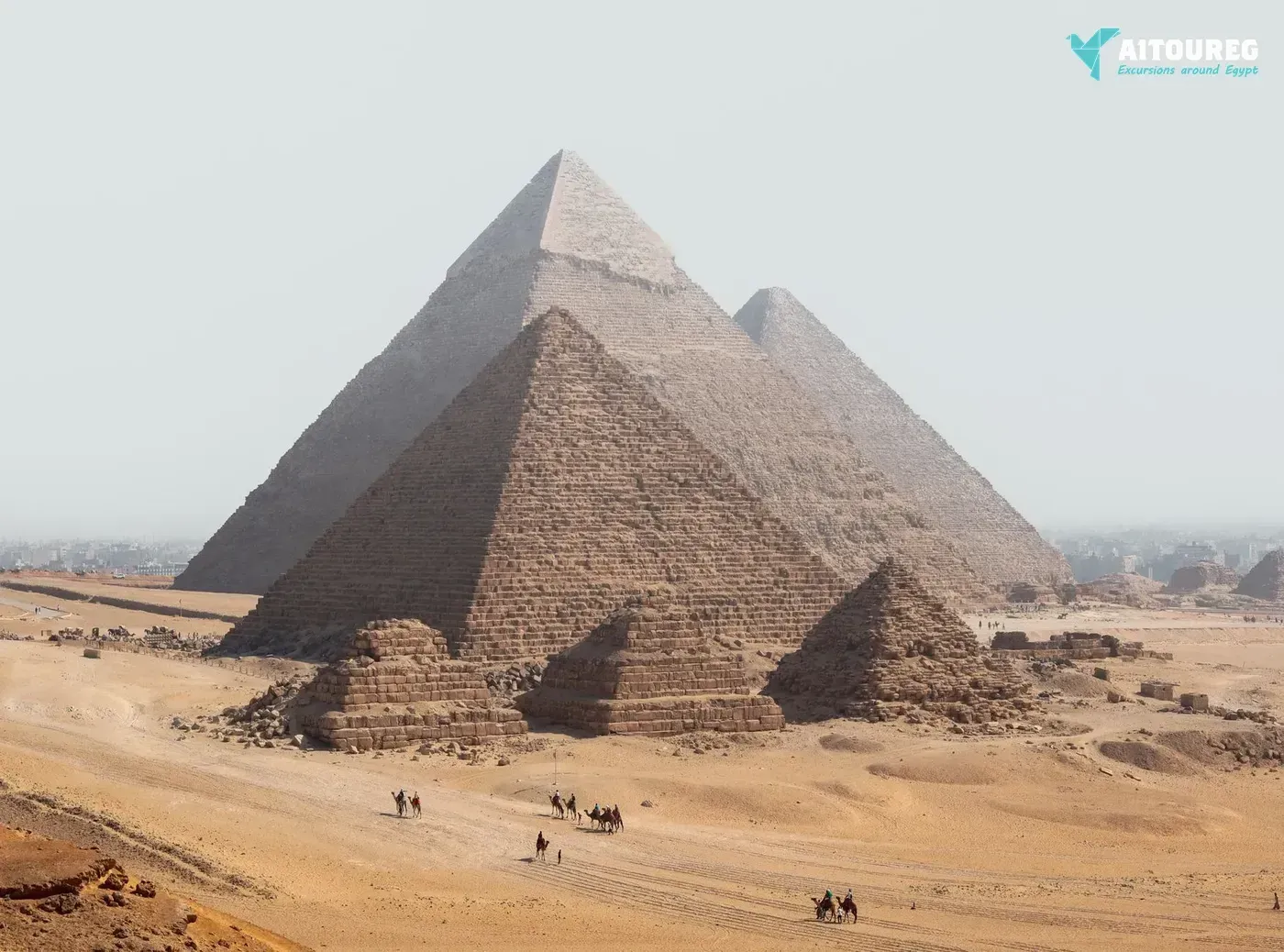
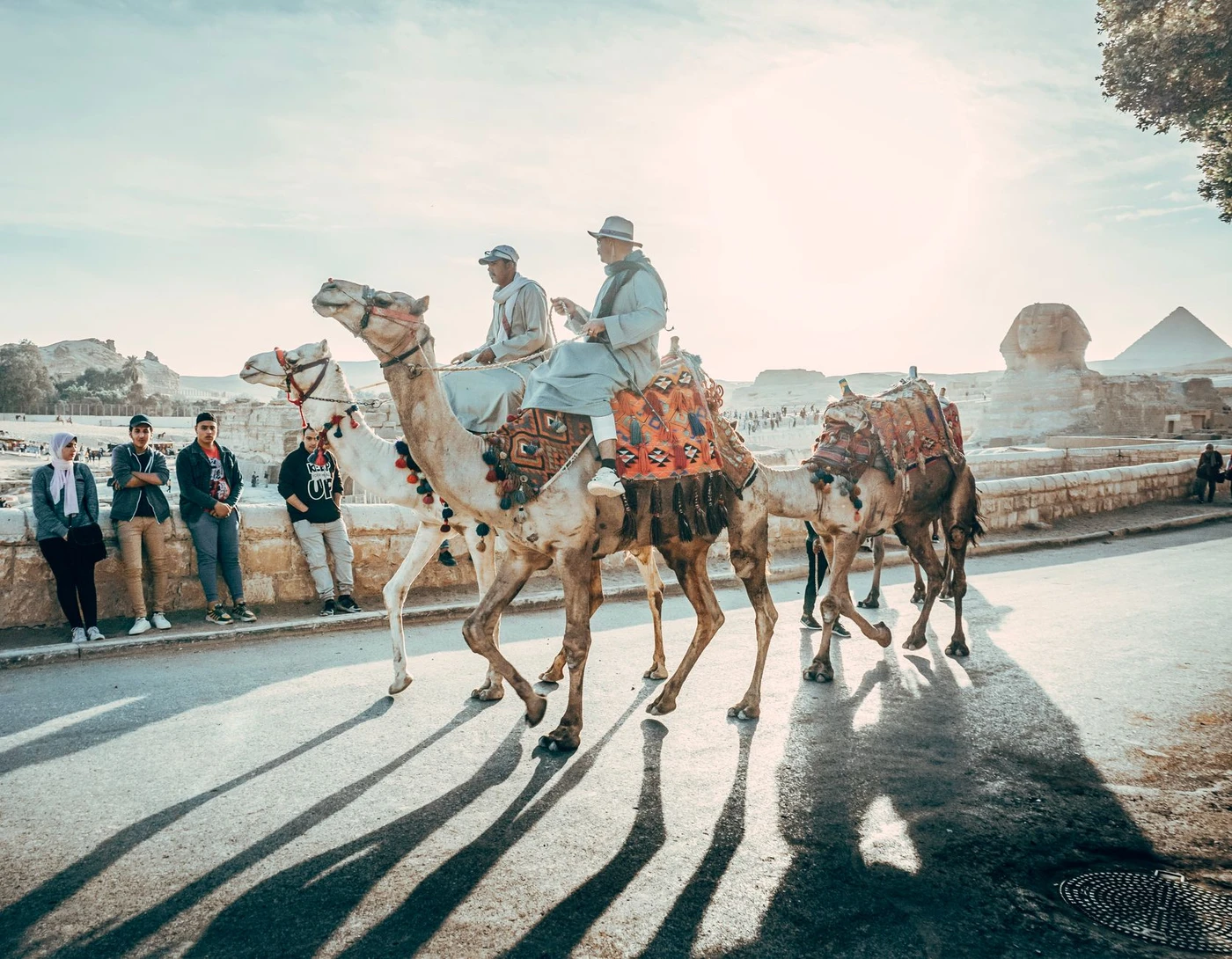
Egypt 10-day tour with Nile Cruise and White Desert covers major ancient sites alongside the country’s quieter desert landscapes on one well-planned route. You begin in Cairo at the Giza Pyramid complex, where your guide explains how the pyramids were planned and built, then walk across to the Great Sphinx monument. Seeing the site on foot gives you time to take in its scale and photograph the main viewpoints without being hurried.
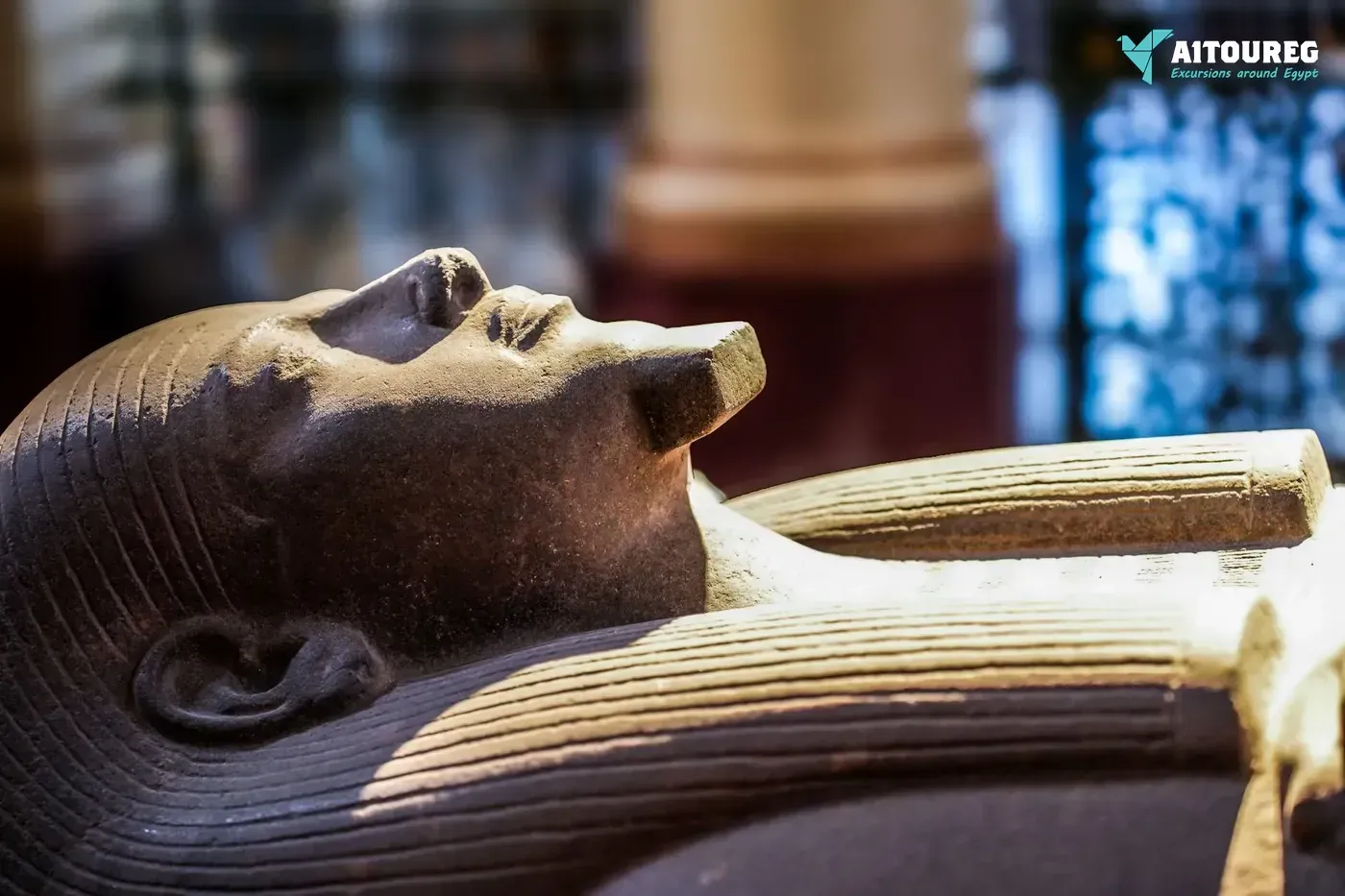
Cairo’s history continues at the Cairo Antiquities Museum, where statues, jewellery, coffins and everyday objects put the monuments into context. Your guide helps you focus on the pieces that matter most instead of trying to cover every gallery. We arrange transfers between the sightseeing areas and your accommodation, which makes moving through Cairo’s busy traffic easier.
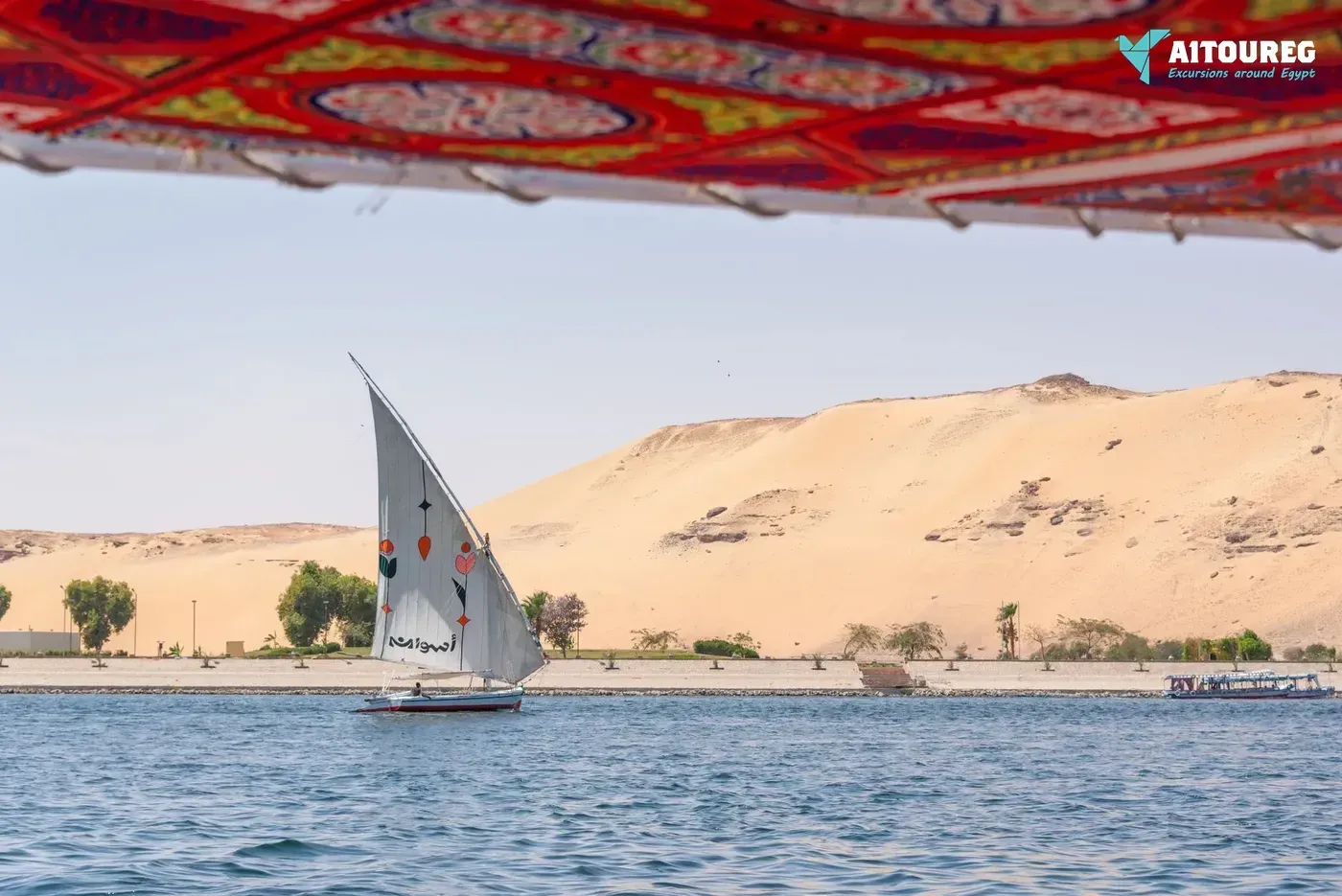
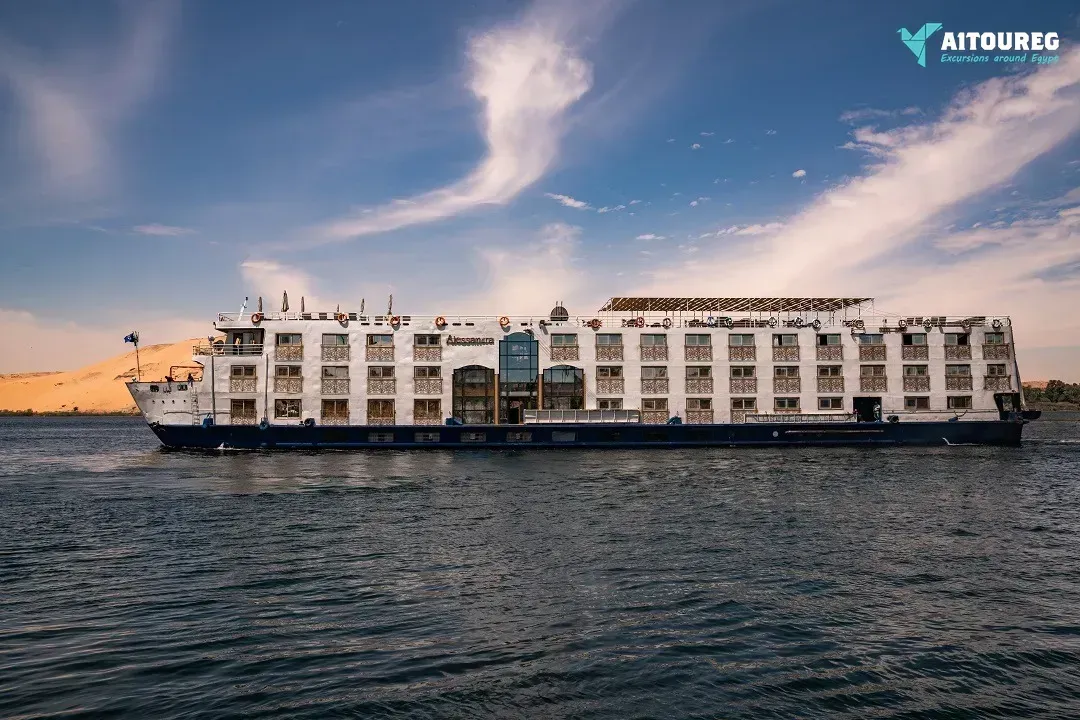
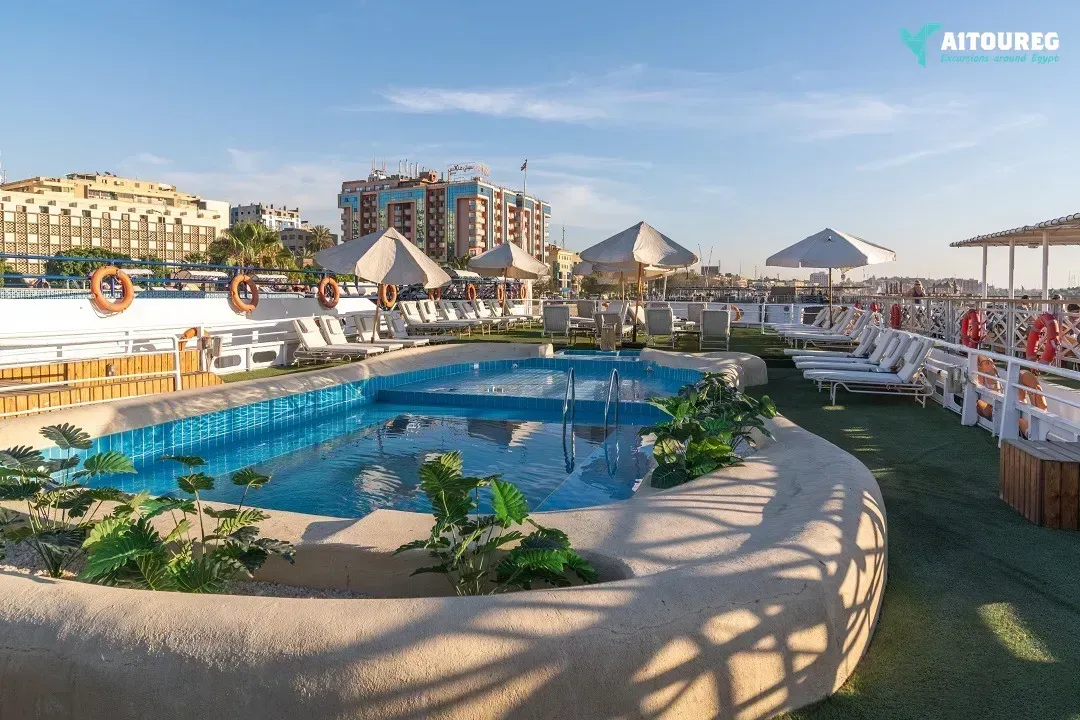
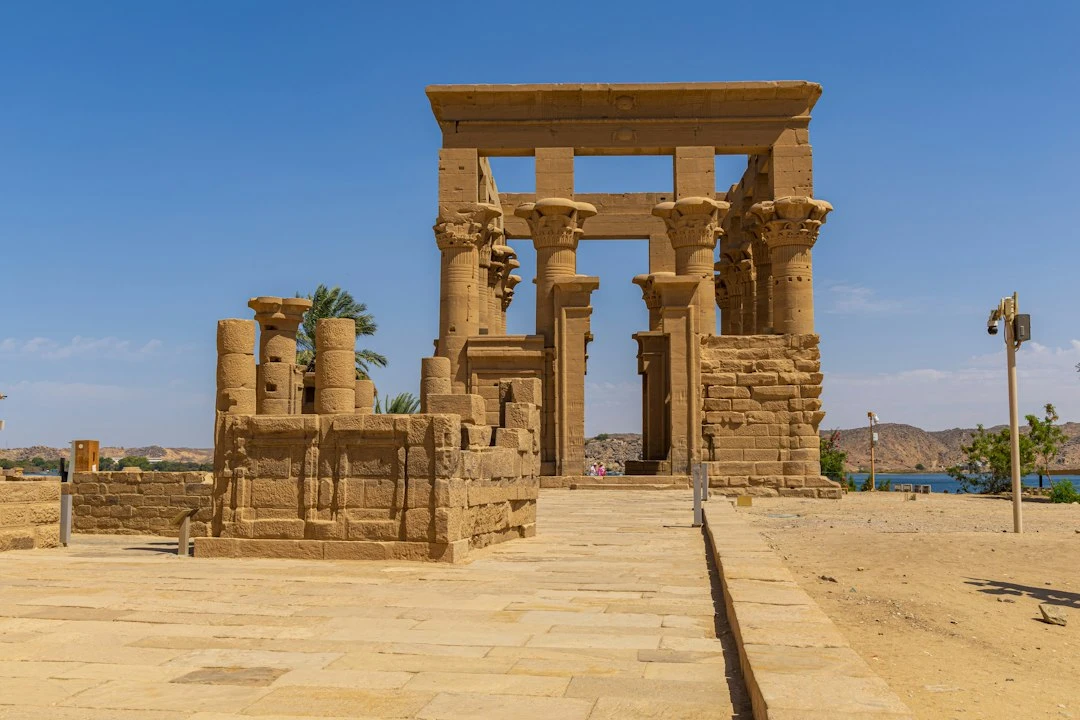
The route then heads south to Aswan for a 4-day Nile Cruise. Before boarding, you visit the Aswan High Dam structure and take a Felucca sailboat experience around the river islands, weather and river conditions permitting. The pace changes here. Mornings bring temples and guided excursions, while time on deck lets you watch villages, cultivated riverbanks and the desert edge slide past. At Philae sacred temple, the island setting and detailed reliefs add another part of the Nile’s history.
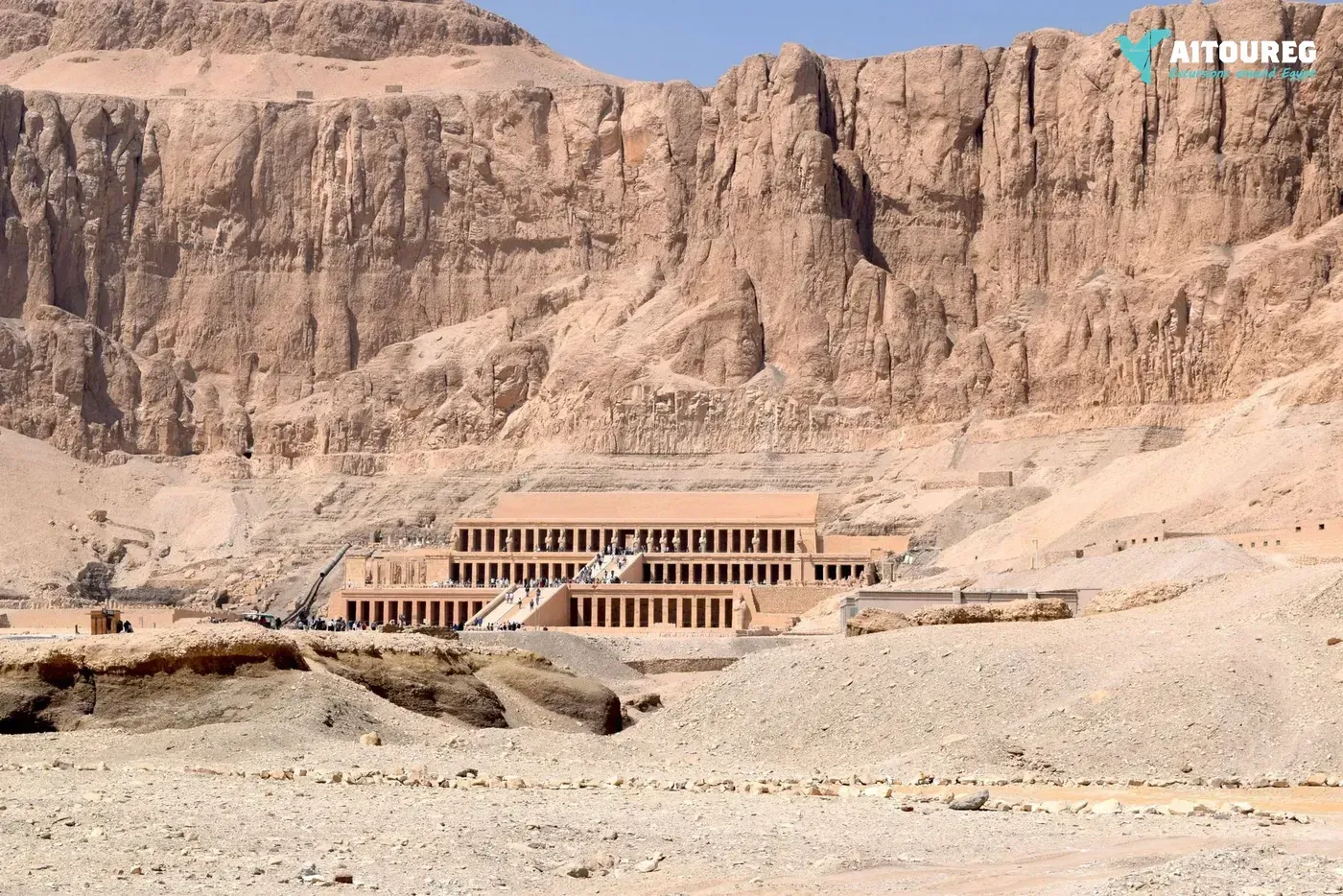
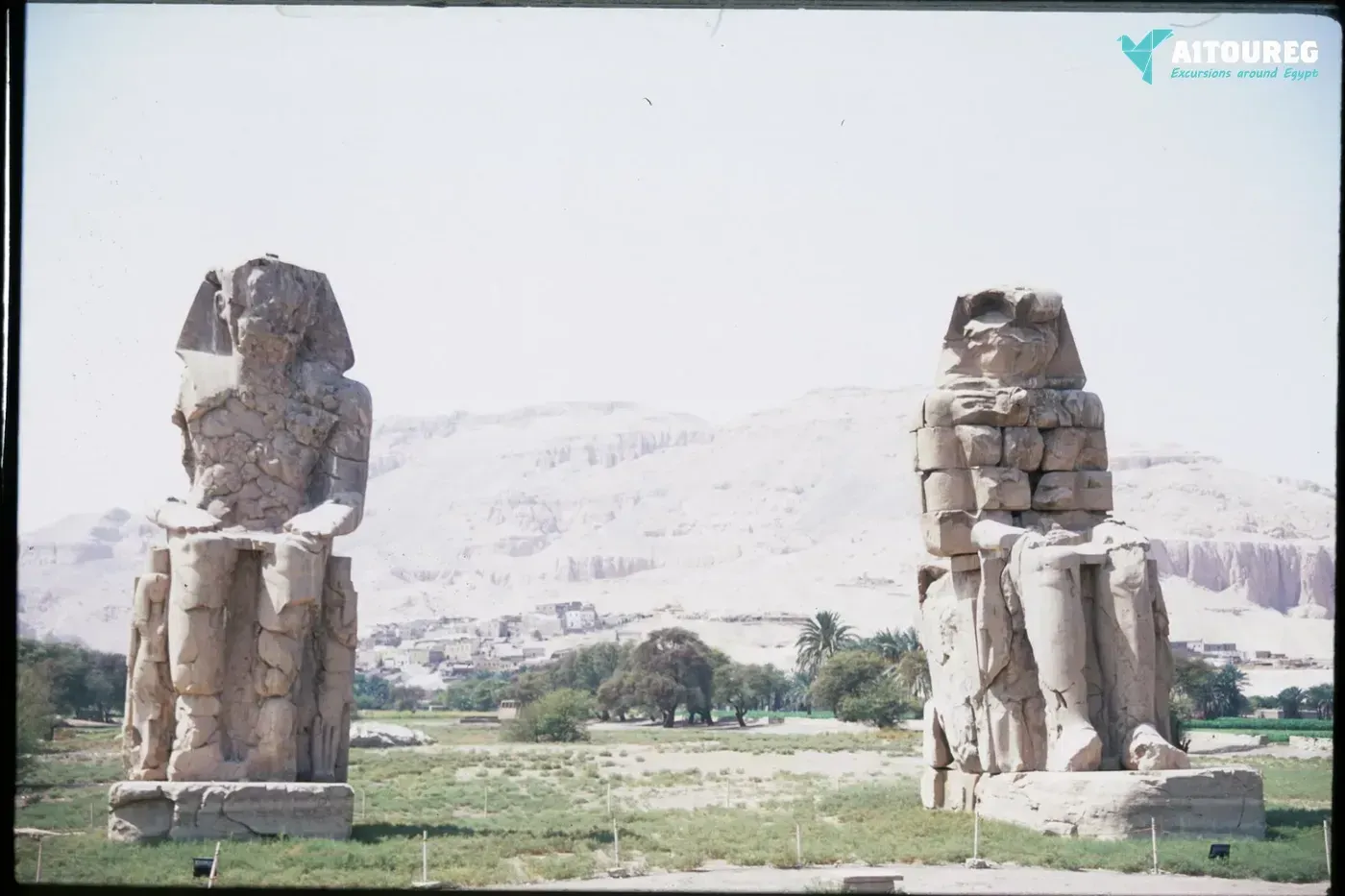
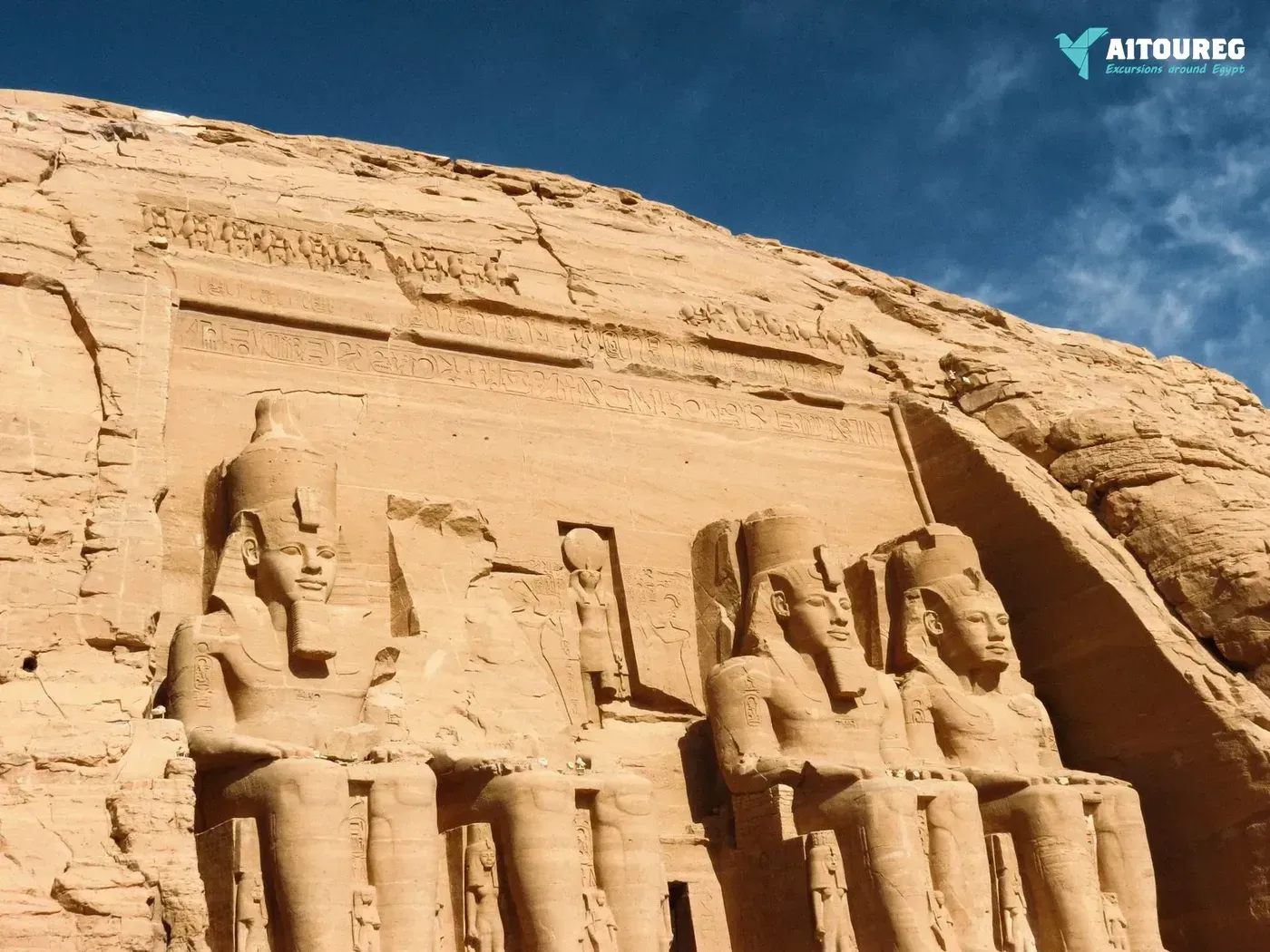
An organised excursion takes you to the Abu Simbel rock-carved temples, with their enormous seated figures of Ramesses II and carefully decorated inner chambers. The cruise then continues towards Luxor, where ancient sites occupy both banks of the Nile. On the west bank, the Valley of the Kings burial grounds hold decorated royal tombs cut into the hills, while the Hatshepsut mortuary temple rises in terraces below the cliffs. You also see the Memnon colossal statues and learn how this side of the river became linked with royal burial.
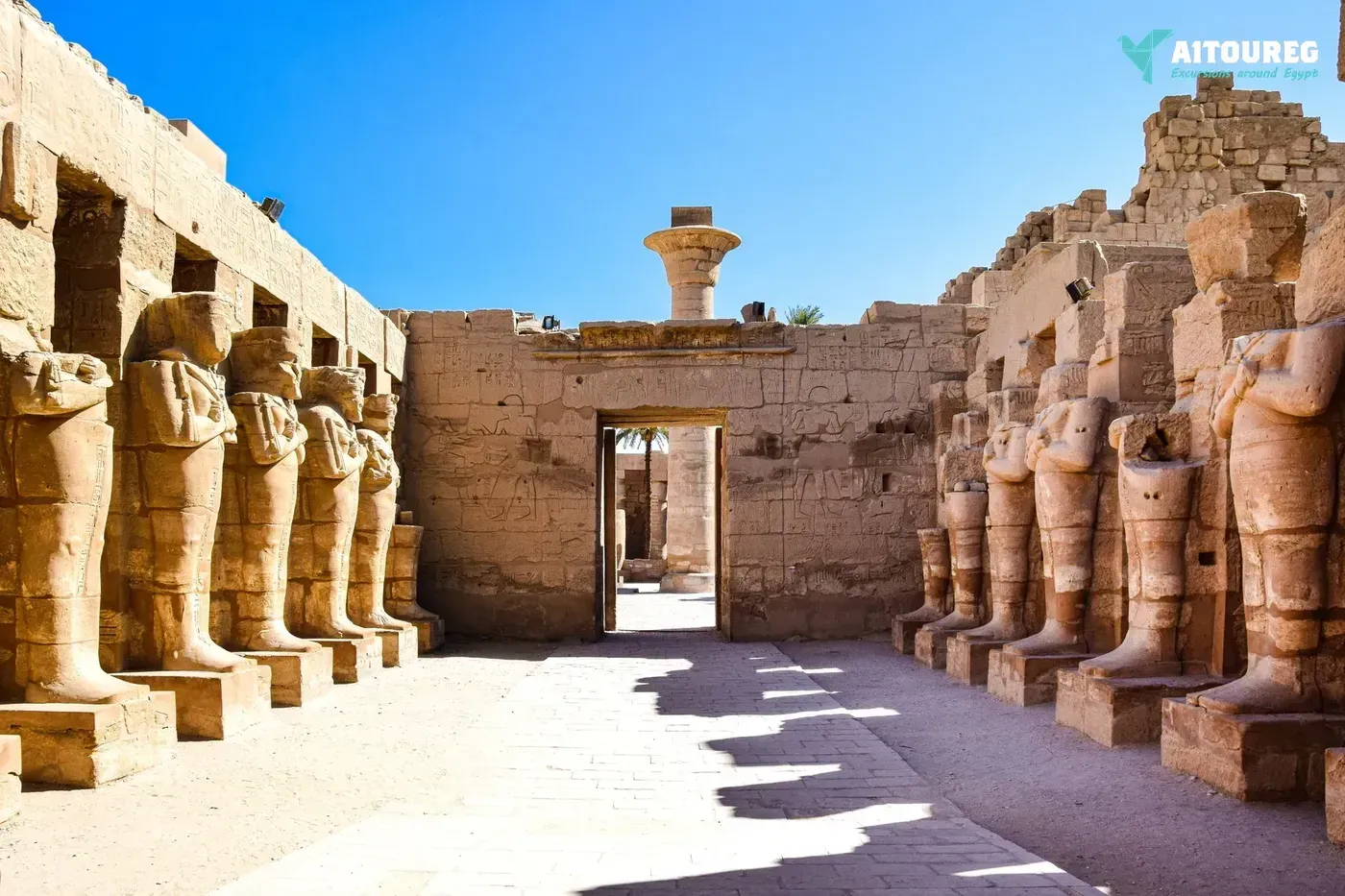
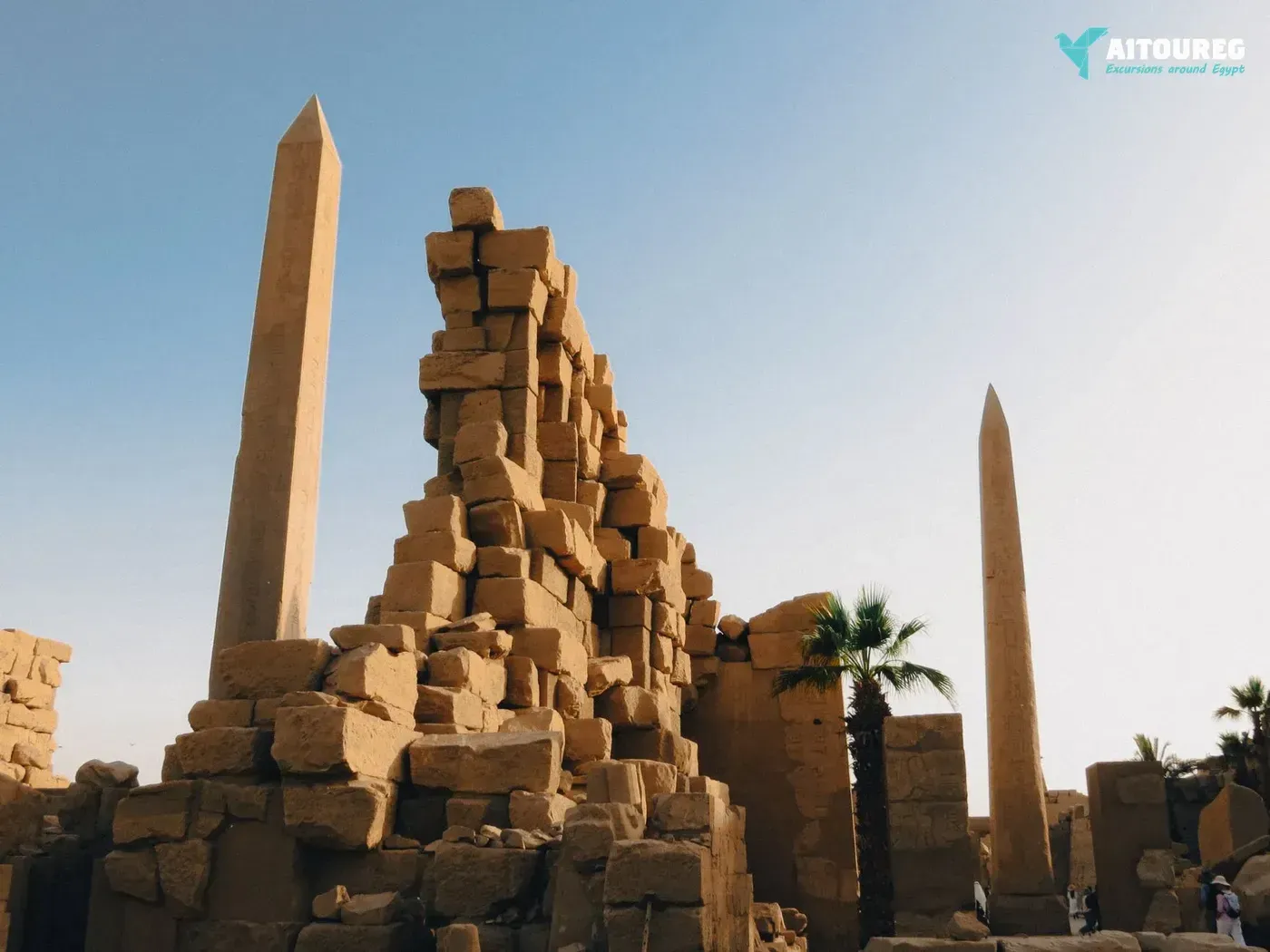
On Luxor’s east bank, the Karnak religious complex is best seen at a steady pace, walking through its courtyards, columns and processional avenues. At the Luxor temple ruins, the route passes monumental gateways and carved columns close to the modern city. Our licensed Egyptologist guide explains the changes made by different rulers, while our team handles transport, boarding arrangements and sightseeing so each day stays manageable.
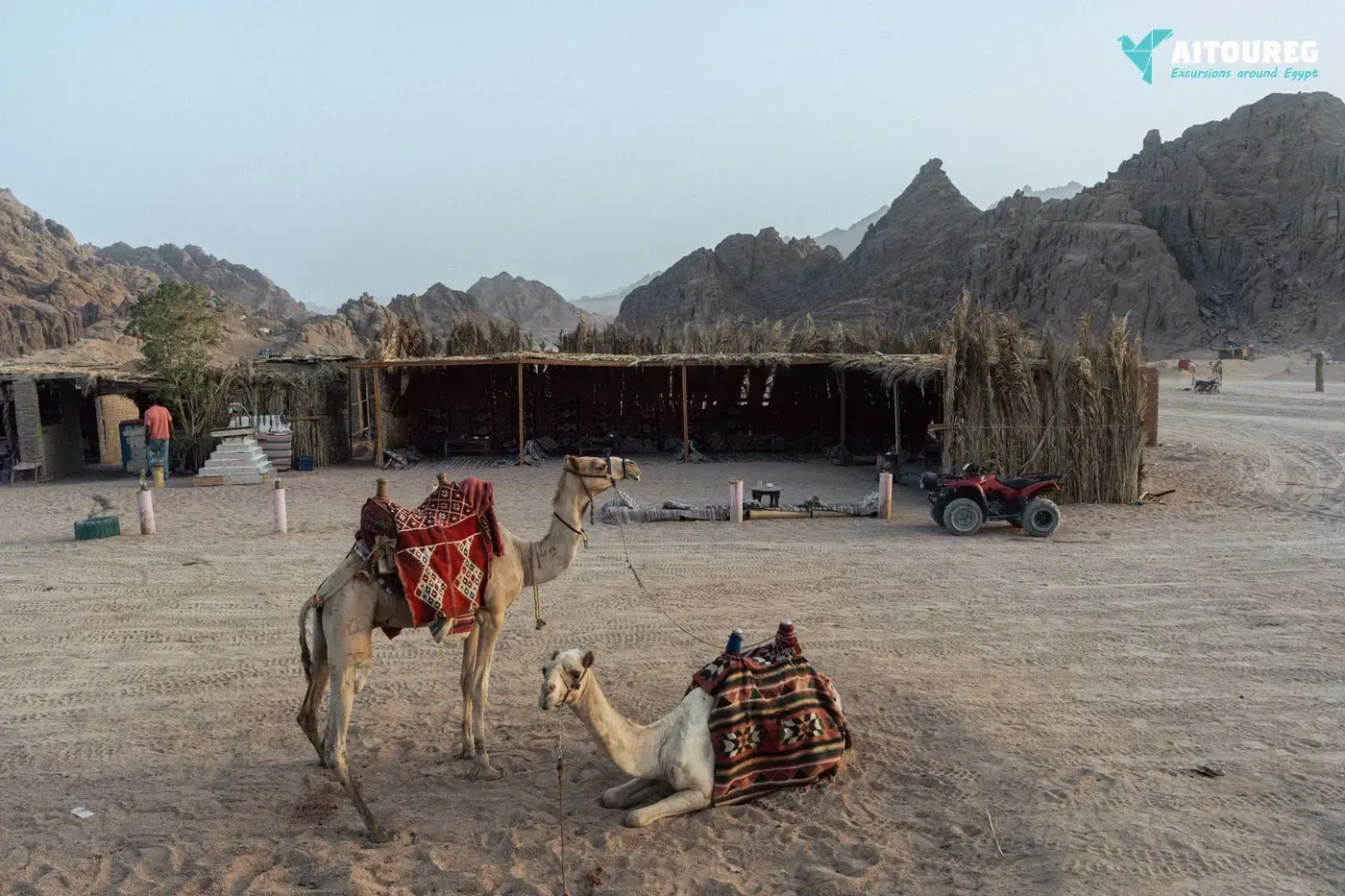
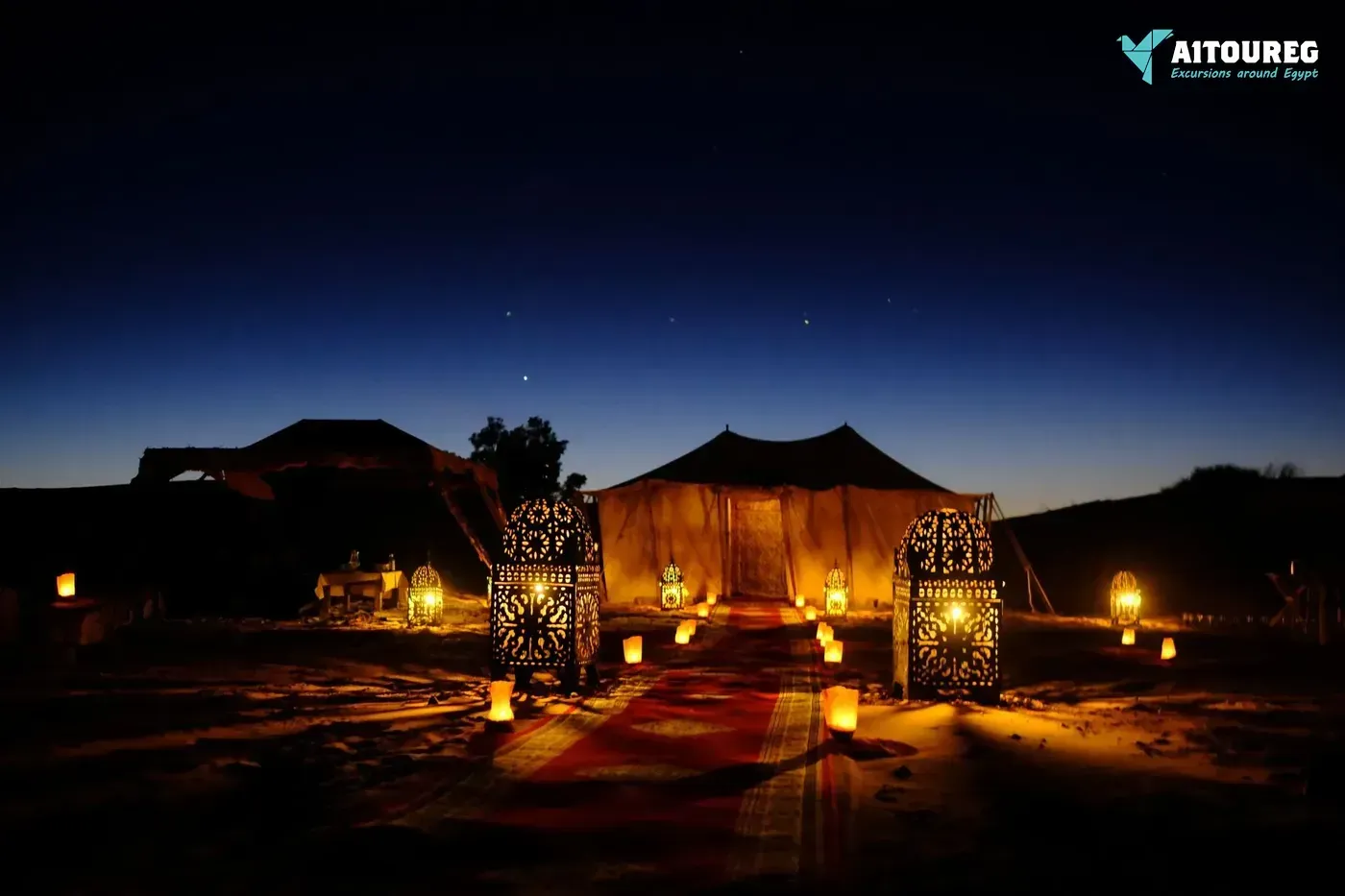
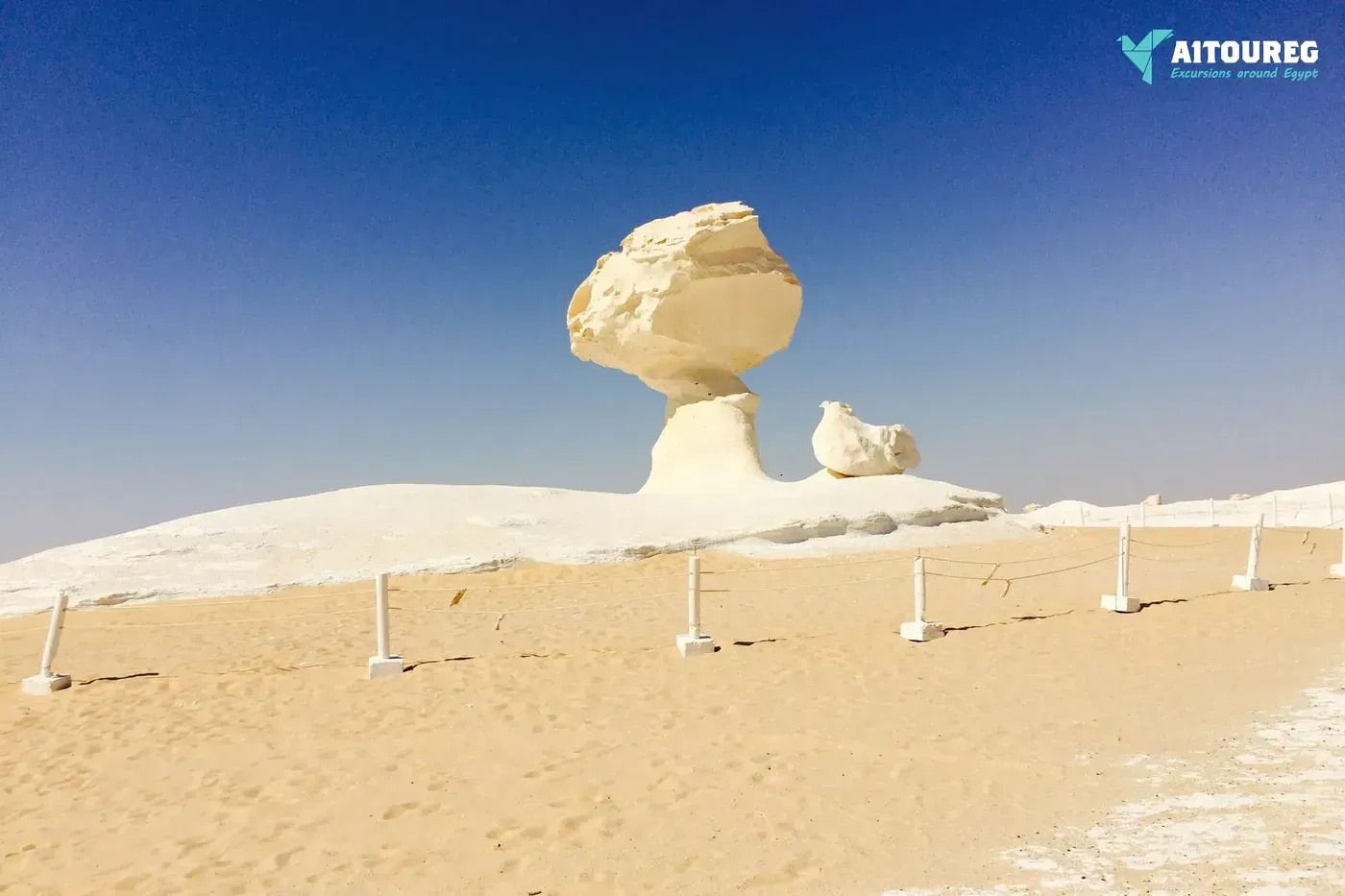
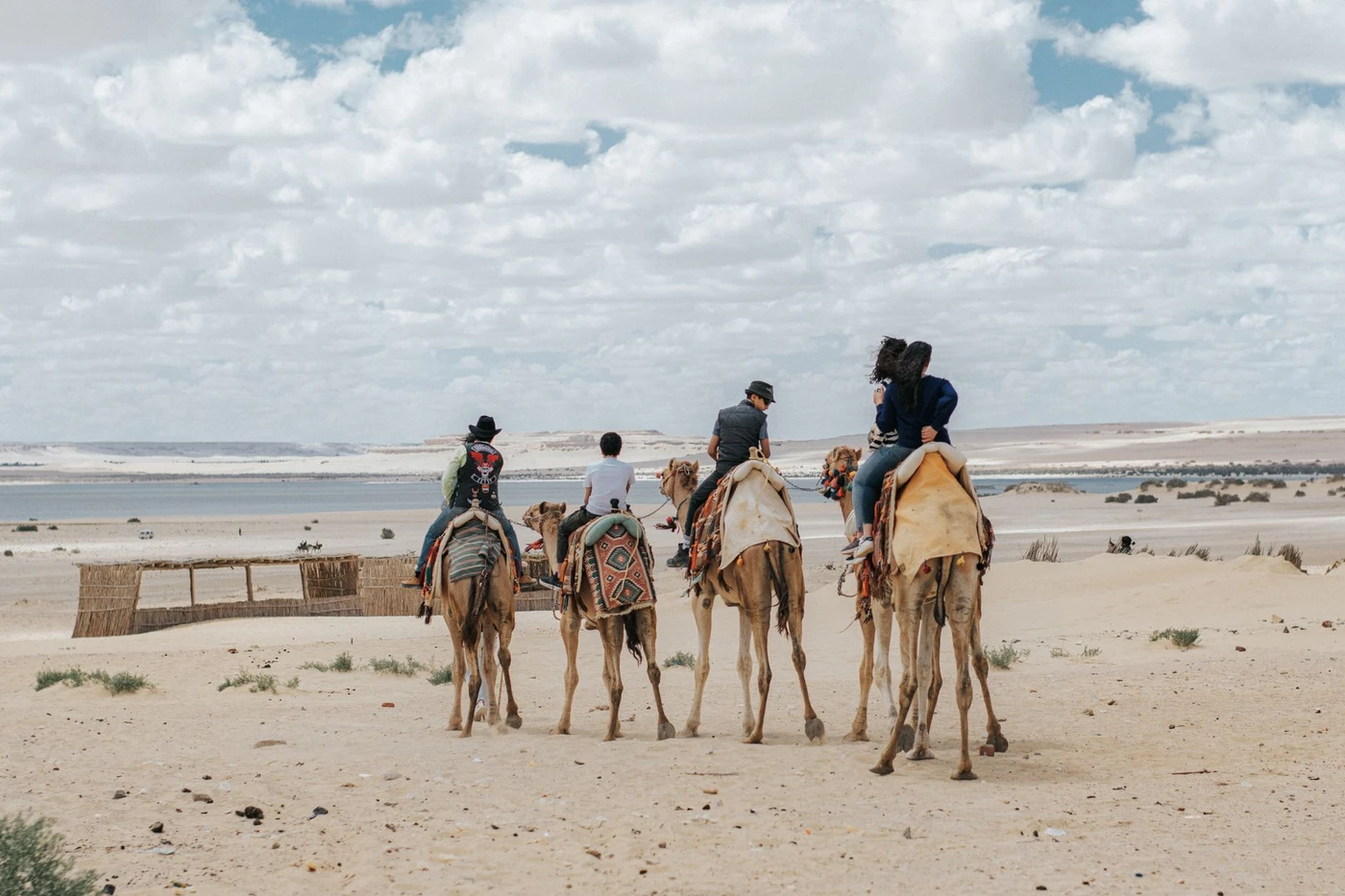
After the Nile section, the tour heads west to the Bahariya oasis settlement, where palm groves, low hills and desert roads replace the river scenery. A 4x4 excursion continues into the White Desert, with its pale limestone and chalk shapes formed by wind and erosion. As evening falls, you settle into Bedouin desert camping, eat a traditional-style meal and look across the open landscape after dark. Desert conditions can change, so the camp route and activities follow local guidance.
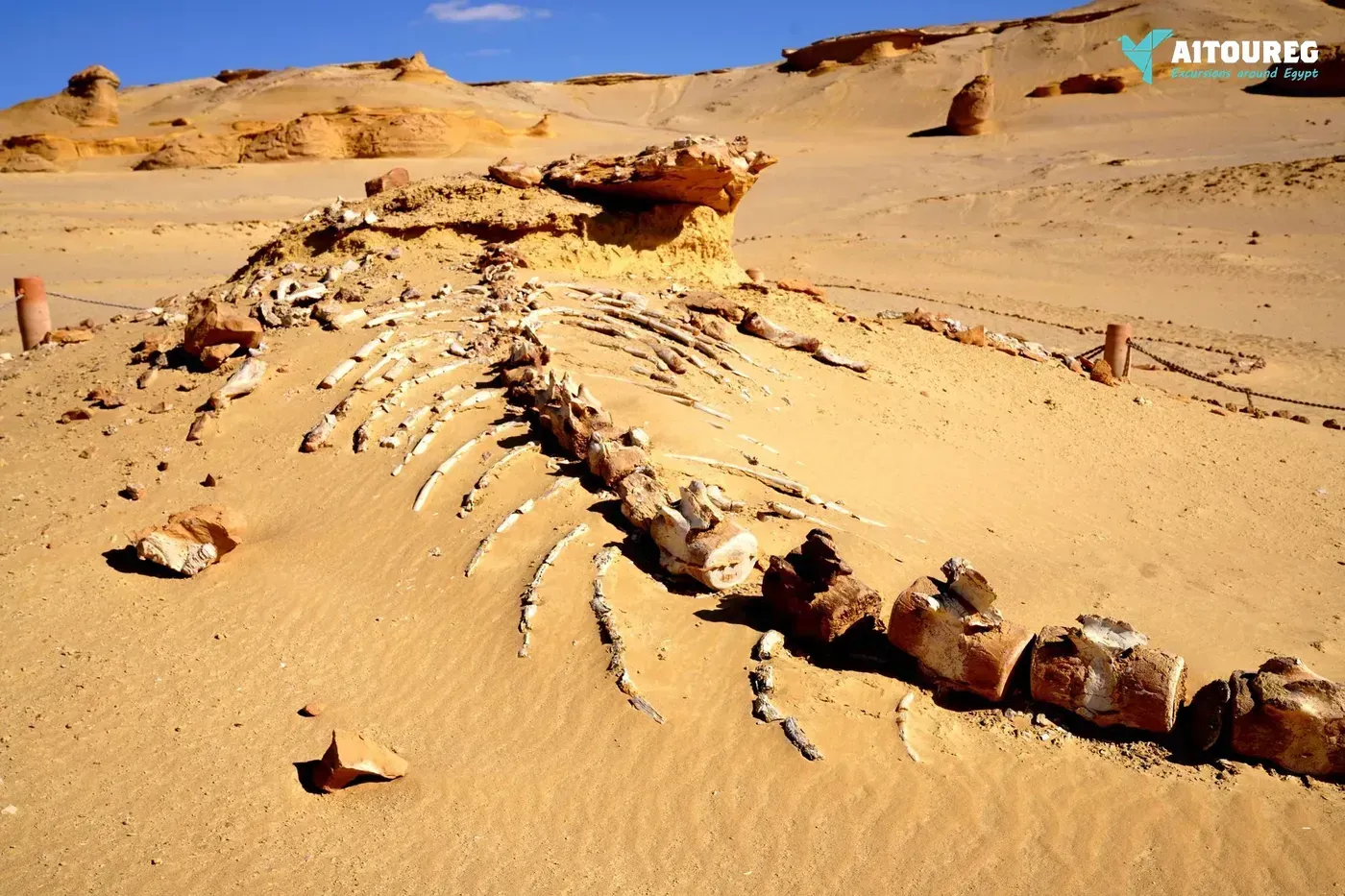
The final desert experience takes you to Wadi el Hitan fossil valley, a protected area where ancient whale fossils show that a sea once covered this part of Egypt. This tour suits travellers looking for a broad first visit who are comfortable with several long transfers, early starts and changing accommodation. It is less suitable for anyone wanting a slow resort break or finding uneven ground, steps and desert travel difficult. We explain each day’s arrangements clearly, provide practical support throughout and keep the sightseeing focused on the sites that define each location.
Local assistance from our Egypt-based team
Transfers between airports, hotels, cruise arrangements and sightseeing locations
Guided sightseeing with a licensed Egyptologist where relevant
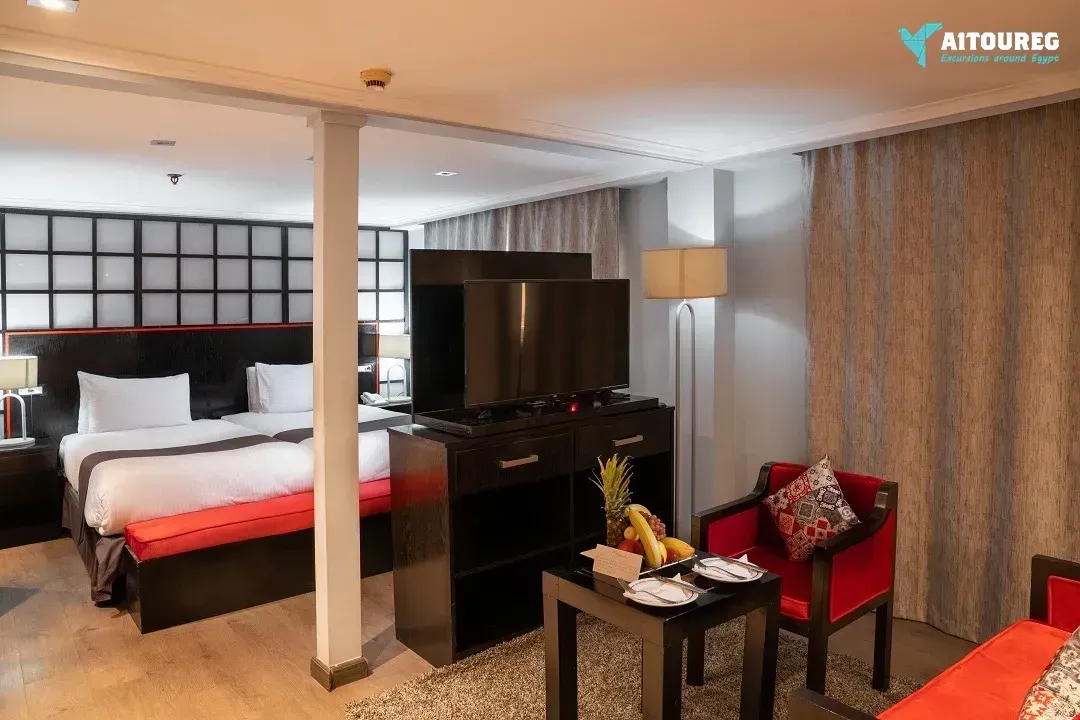
Accommodation during the tour, including the Nile Cruise and desert camp
Excursions to Abu Simbel, the White Desert and Wadi el Hitan
Meals and refreshments provided according to the confirmed tour itinerary
Personal expenses, drinks and optional activities
Gratuities for guides, drivers and cruise staff
Entry visas and personal travel insurance
International or domestic flights unless stated in the confirmed itinerary
Entrance fees not listed in the confirmed tour inclusions
Any accommodation or transfers required outside the tour itinerary
Light, breathable clothing plus a warm layer for the desert evening
Sun protection, including a hat, sunglasses and high-factor sunscreen
Small overnight bag for the cruise and desert camp, if your main luggage remains in storage
Comfortable walking shoes with good grip for temple grounds and desert terrain
Camera or phone with spare power bank
Reusable water bottle and personal medication
A valid passport and any required visa documents
This 10-day Egypt adventure includes the planned sightseeing in Cairo, Giza, Aswan, Luxor, Bahariya oasis settlement and the Western Desert, along with a 4-day Nile Cruise, visits to the Giza Pyramid complex, Great Sphinx monument, Cairo Antiquities Museum, Abu Simbel rock-carved temples and desert camping in the White Desert.
The itinerary also includes the main transfers connected with the tour. Check the booking details for the precise list of accommodation, meals, entrance tickets, guide services and any domestic transport included in your selected package.
This 10-day Egypt tour has a full sightseeing schedule, with early starts possible for major visits, but it balances city touring, a 4-day Nile Cruise and slower desert experiences. You will see the Valley of the Kings burial grounds, Luxor temple ruins, Karnak religious complex and Memnon colossal statues during the Nile section.
The White Desert and Wadi el Hitan fossil valley involve time on uneven desert ground. Travellers should be comfortable walking for several hours on some sightseeing days, with rest during transfers and on the cruise.
Our team arranges the scheduled pickups and transfers shown in your itinerary, connecting your accommodation, airports or stations with the cruise departure and the desert route. We confirm the practical meeting details before travel, so you know where to meet your driver or representative.
The tour moves between Cairo, Aswan, Luxor and the Bahariya oasis settlement, so some transfers are long. The exact pickup location depends on your accommodation and the confirmed order of your travel arrangements.
Children can usually join this Egypt tour, but it suits families who are comfortable with long transfers, warm conditions, early sightseeing and several walks on uneven surfaces. A felucca sailboat experience, the Philae sacred temple and the Aswan High Dam structure are gentler visits, while pyramid areas and desert sites require more care.
Travellers with limited mobility should contact us before booking so we can review each day. Steps, sand, boat access and uneven paths may affect visits to the Giza Pyramid complex, the Valley of the Kings and White Desert mineral formations.
Pack light, breathable clothing that covers shoulders and knees for religious sites, comfortable walking shoes, sun protection and a light layer for cooler evenings. A hat, sunglasses, reusable water bottle and personal medicines are also useful for Cairo, the Nile Cruise and the desert.
For Bedouin desert camping, bring warm nightwear and a small overnight bag if your main luggage remains with the vehicle. Wear shoes with good grip for the White Desert mineral formations and bring a camera, while following local guidance at temples such as Karnak and Hatshepsut mortuary temple.
You can request this 10-day Egypt adventure through our booking process, and our team will confirm the travel arrangements, availability and payment requirements before your booking is final. We will also clarify the planned Nile Cruise, Abu Simbel visit and desert camping arrangements at that stage.
Cancellation terms depend on the booking conditions for your dates and the services reserved, especially cruise cabins and transport. Review the written cancellation policy before paying, and ask us to explain any deadline or non-refundable element that applies.
Your unforgettable Egypt journey starts with a booking you can trust.
* Available on selected tours. Flights, cruises and special bookings may have different cancellation policies.
Free cancellation up to 24 hours before activity starts
If you choose to pay online, a secure payment link can be provided after booking. For assistance or alternative payment options, please contact us via WhatsApp.
All our tour operators are licensed and verified by Egyptian tourism authorities.
Learn more about our licensed partners →Free cancellation up to 24 hours before activity starts
If you choose to pay online, a secure payment link can be provided after booking. For assistance or alternative payment options, please contact us via WhatsApp.
All our tour operators are licensed and verified by Egyptian tourism authorities.
Learn more about our licensed partners →
Your Itinerary
Arrive in Cairo, where our team meets you at the airport and helps with the transfer to your accommodation. After the journey, the rest of the day is kept light so you can settle in, organise your belongings and recover from the flight. Your guide will confirm the next day's plan and answer practical questions about transport, clothing and visiting the archaeological sites.
If your arrival time allows, you can take a short walk near your accommodation or enjoy a relaxed dinner. Cairo is a large city, and traffic can make journeys longer than the map suggests, so we keep the first evening flexible rather than filling it with sightseeing. Overnight in Cairo, ready for an early start into the city's ancient history.
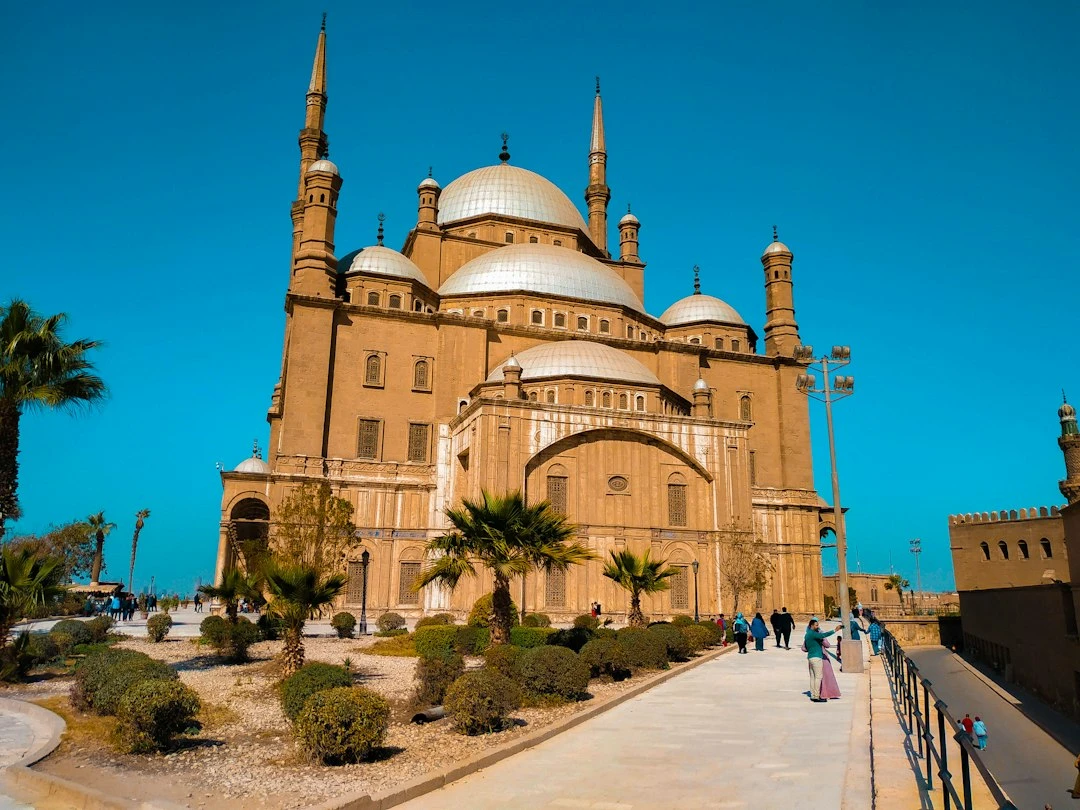
After breakfast, travel to the Giza Pyramid complex, where your guide explains how the pyramids were planned, built and used as royal tombs. You see the Great Pyramid, the Pyramid of Khafre and the Pyramid of Menkaure, with time to walk between the main viewpoints and take photographs. The visit involves uneven ground and open sun, so comfortable shoes, water and a hat are useful.
Continue to the nearby Great Sphinx monument, carved from the limestone bedrock and positioned beside the temple area. Later, return towards central Cairo for the Cairo Antiquities Museum. Its galleries place objects from different periods in context, including royal sculpture, burial goods and everyday pieces. Allow time for security checks and traffic during the transfer back to your accommodation.
Leave Aswan early for the road journey to the Abu Simbel rock-carved temples. The approach reveals the huge seated figures of Ramses II before you enter the temple interiors, where carved scenes and inscriptions cover the walls. Your guide explains how the temples were relocated during the construction of the High Dam. The return journey to Aswan takes several hours, so the morning is active and best suited to travellers comfortable with an early start.
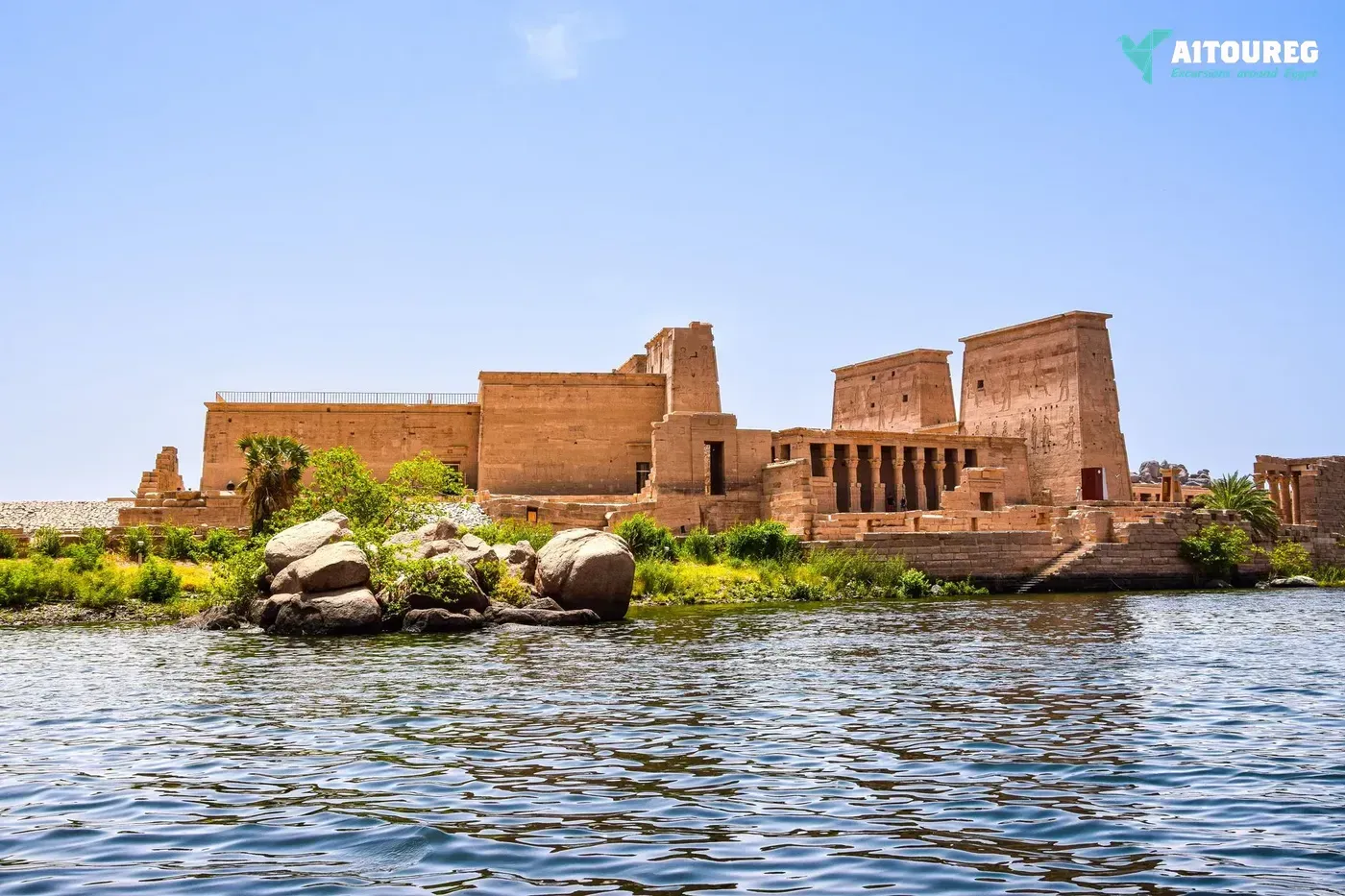
Back in Aswan, visit the Aswan High Dam structure and continue by boat to the island sanctuary of the Philae sacred temple. The water crossing is part of the visit, and the surviving columns and reliefs are especially clear in the open courtyards. Finish with a gentle Felucca sailboat experience before boarding the Nile cruise vessel. Exact sailing arrangements depend on river conditions and the ship's schedule.
The cruise continues north along the Nile, giving you a slower view of rural Egypt between organised visits. From the deck, watch cultivated fields, palm groves and villages pass by while the desert edge remains visible beyond the river valley. Breakfast and meals are taken on board, and there is time to rest, read or sit outside as the vessel follows the day's sailing plan.
Typically, the ship stops at Kom Ombo for its temple, which is dedicated to two different deities and has reliefs showing medical instruments and ritual scenes. The next visit is usually Edfu, reached by a short local transfer from the river. Its well-preserved temple has a monumental gateway and long carved inscriptions. Return to the ship after each visit, allowing time for the crew's boarding procedures before the cruise moves on.
Arrive on Luxor's west bank and begin among the Memnon colossal statues, two large seated figures that once guarded the entrance to a royal temple. Continue to the Hatshepsut mortuary temple, built into the cliffs at Deir el-Bahari. Its broad terraces and columned levels make the approach clear, while your guide explains the queen's reign and the scenes carved on the walls.
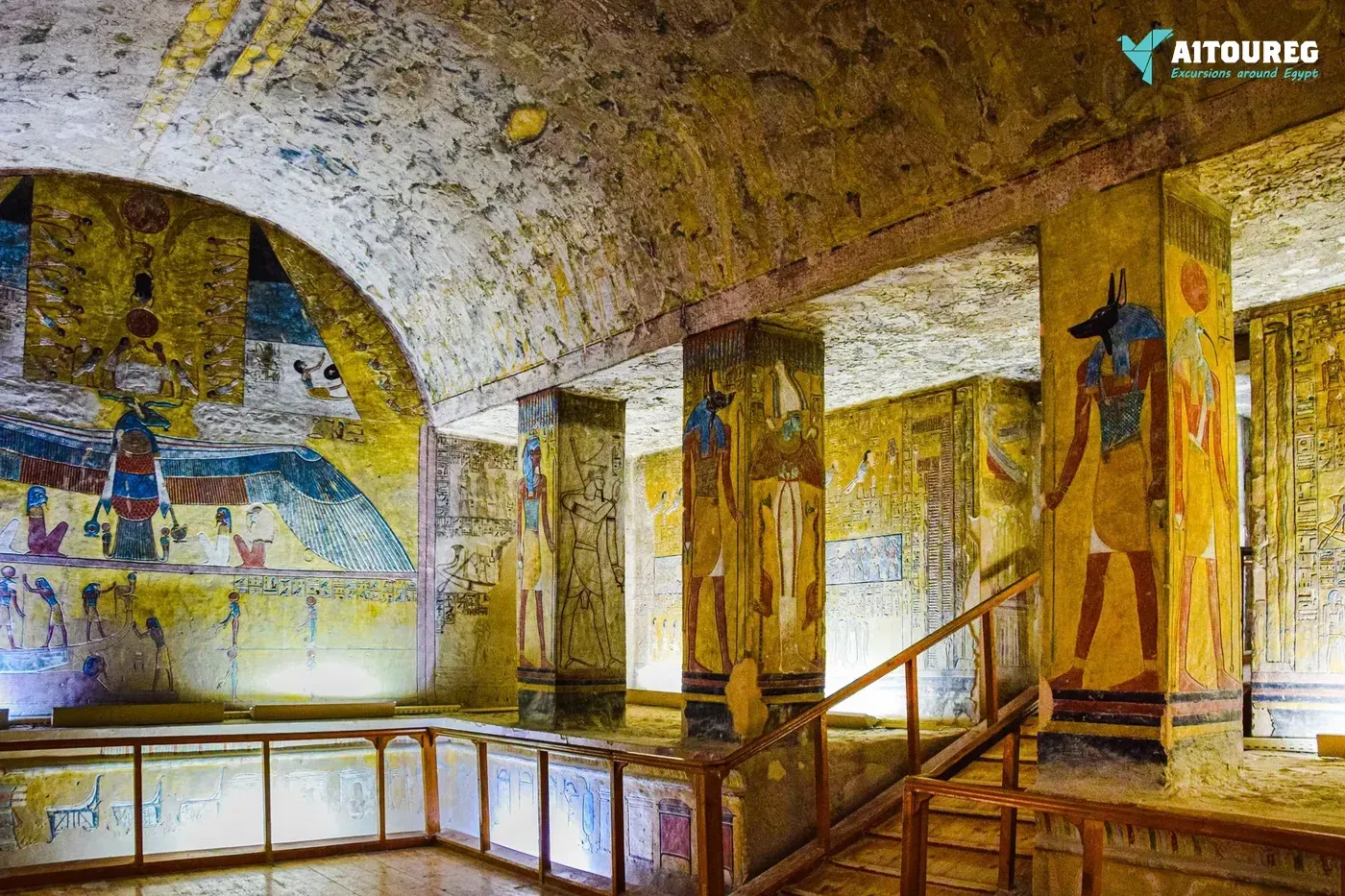
The main visit is the Valley of the Kings burial grounds. Tomb access varies according to the site's current regulations, and your guide will explain which entrances are available on the day. Inside, painted corridors descend into the rock, with detailed scenes linked to the journey after death. The valley is exposed and uneven in places; sensible footwear and water will make the visit more comfortable. Return to the cruise vessel or local accommodation according to the sailing schedule.
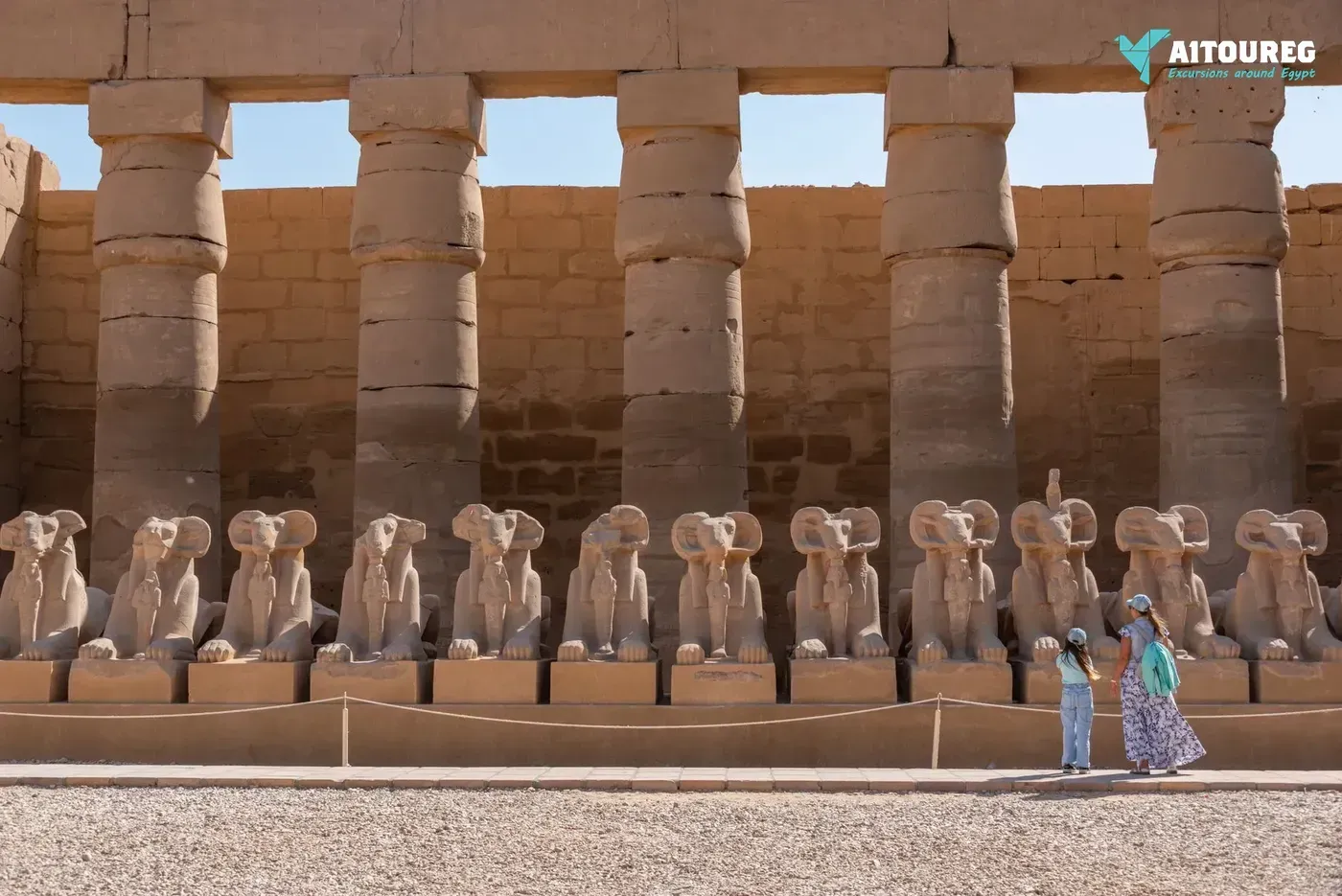
After breakfast, visit the Karnak religious complex, entering through its processional approach and moving into the great courts, halls and sanctuary areas. The Hypostyle Hall is the central highlight, with rows of towering columns covered in inscriptions. Your guide helps separate the different building phases so the site feels easier to follow rather than like one long sequence of ruins.
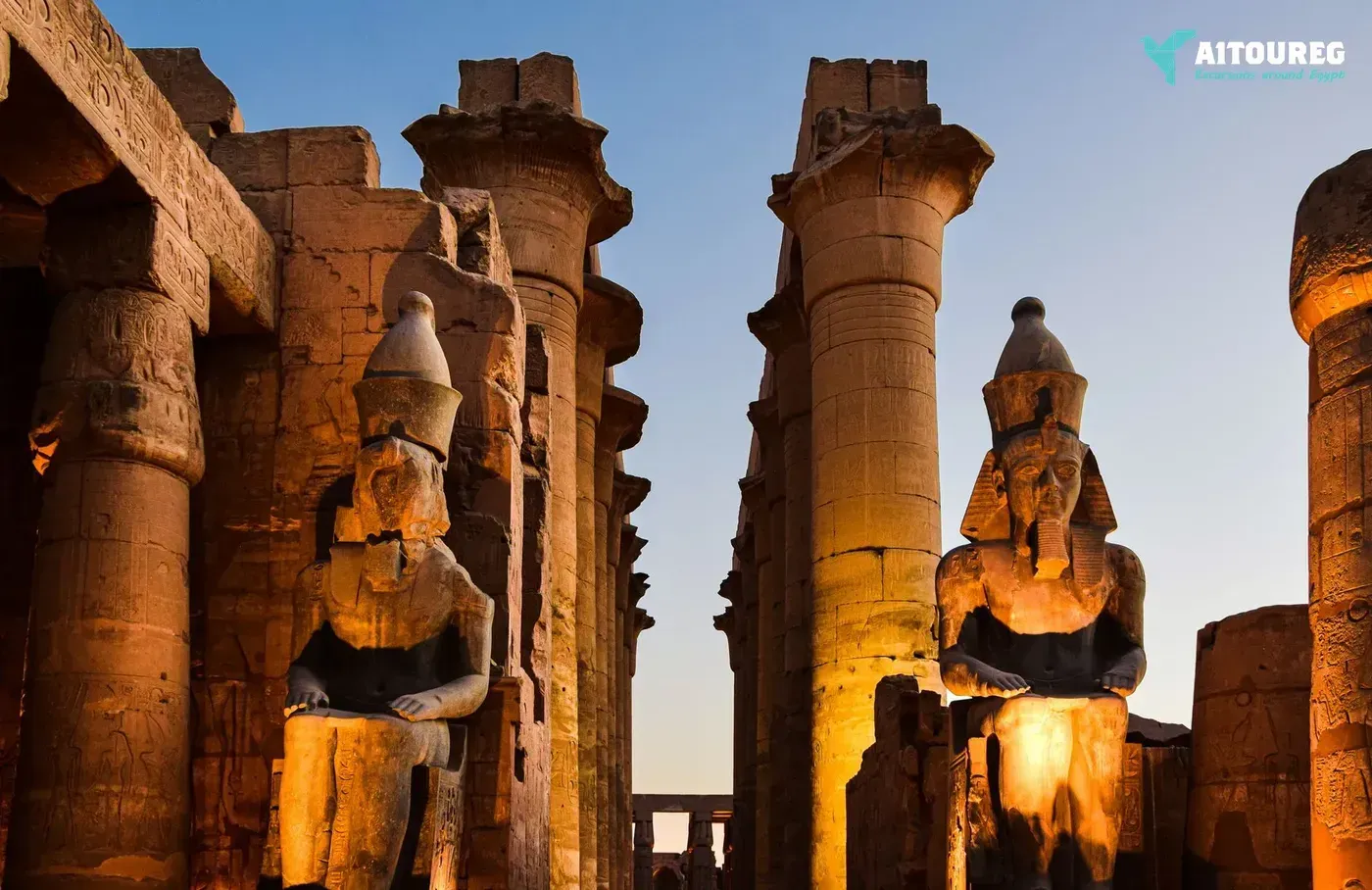
Continue to the Luxor temple ruins, where columns, statues and reliefs line a site that once connected to Karnak by an avenue. After the visit, disembark if required and transfer to the station or airport for the journey back to Cairo. Travel arrangements depend on the confirmed cruise and transport schedule. On arrival, check in and keep the evening free after the long day of sightseeing and travel.
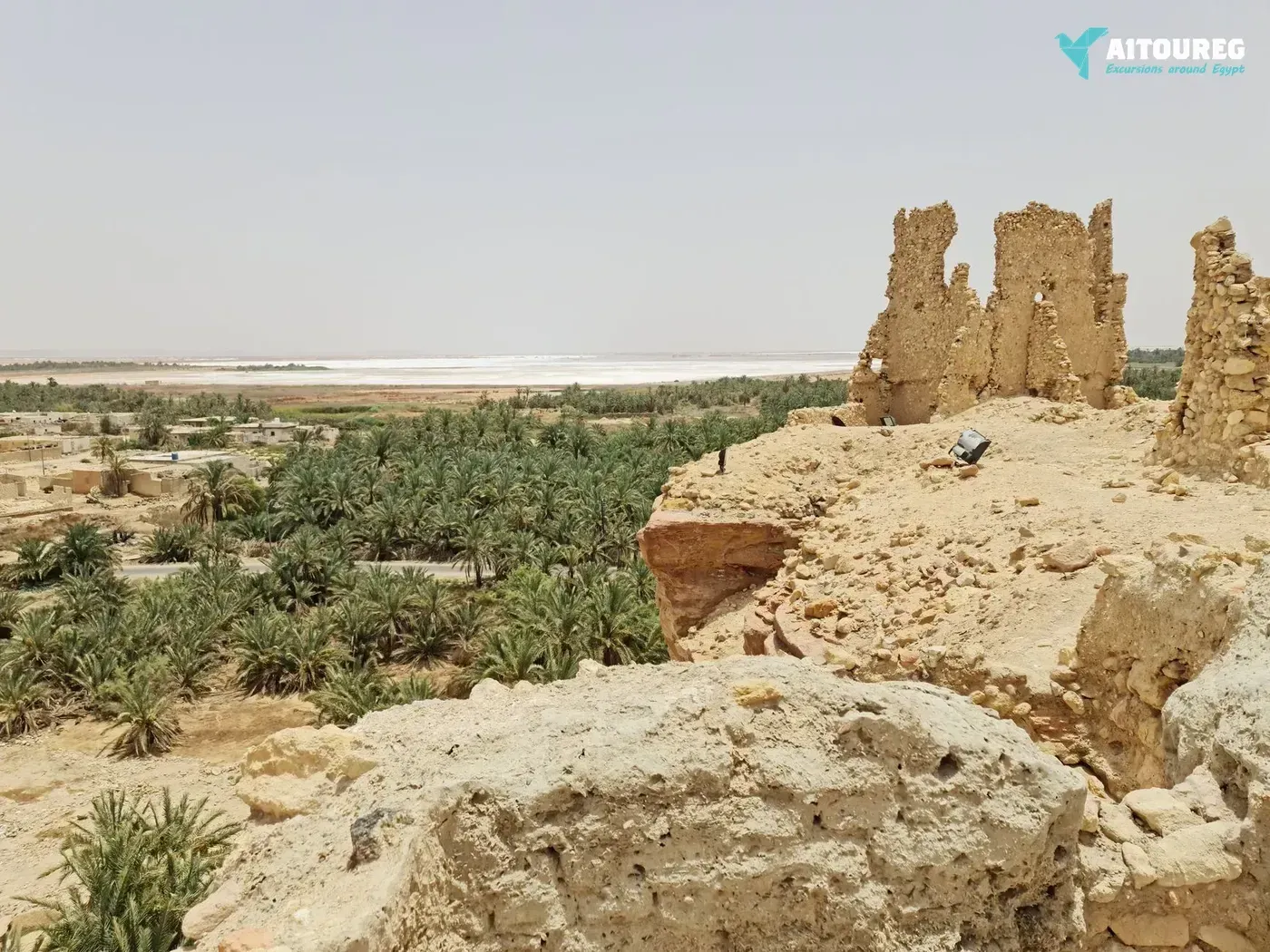
Leave Cairo by road for the Bahariya oasis settlement, a journey across changing desert landscapes that takes several hours. After arrival, pause for lunch and a short break before continuing in a four-wheel-drive vehicle. The oasis is a useful transition point between the cultivated Nile region and the open Western Desert, with palms, low hills and small agricultural areas around its communities.
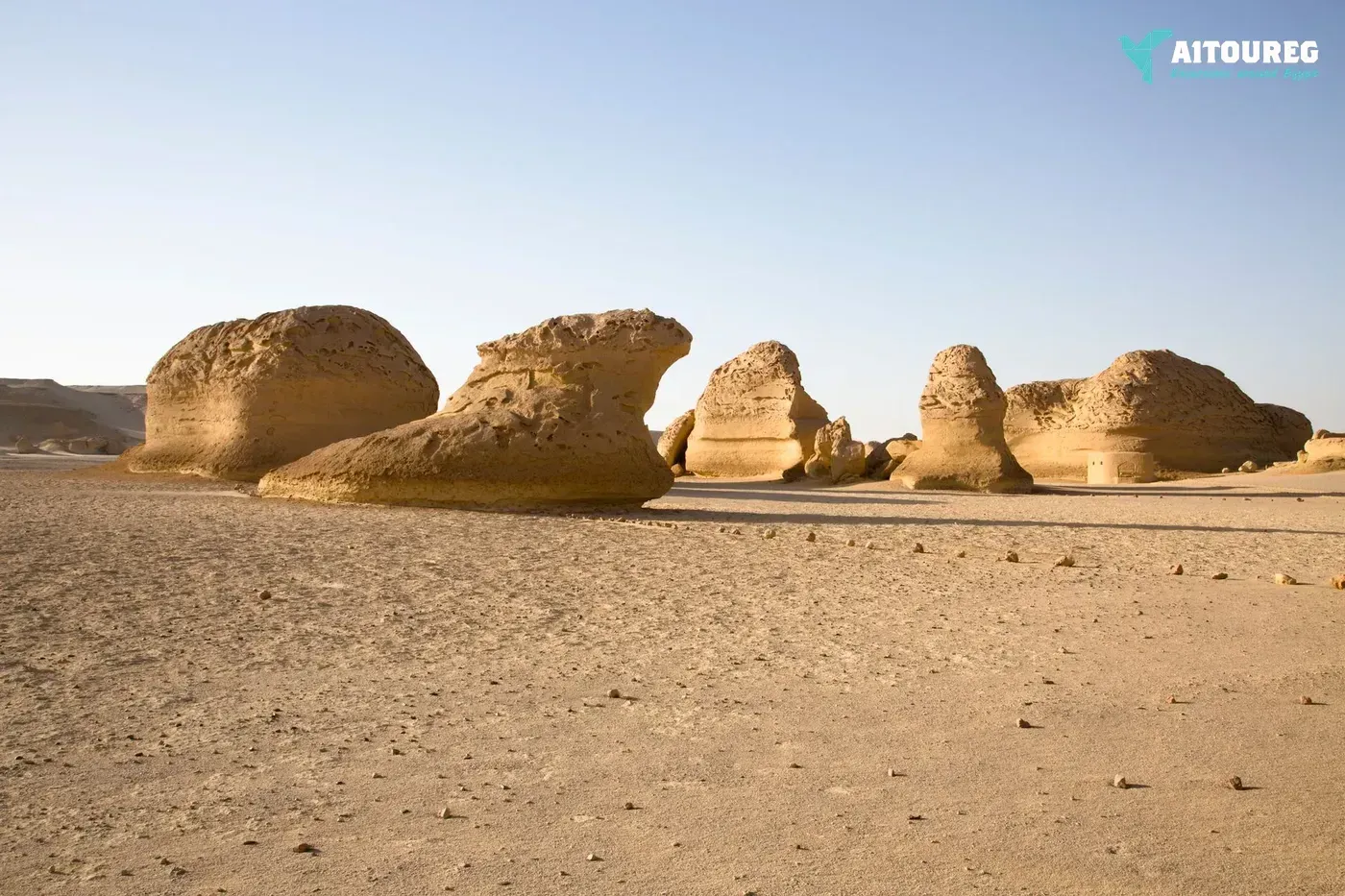
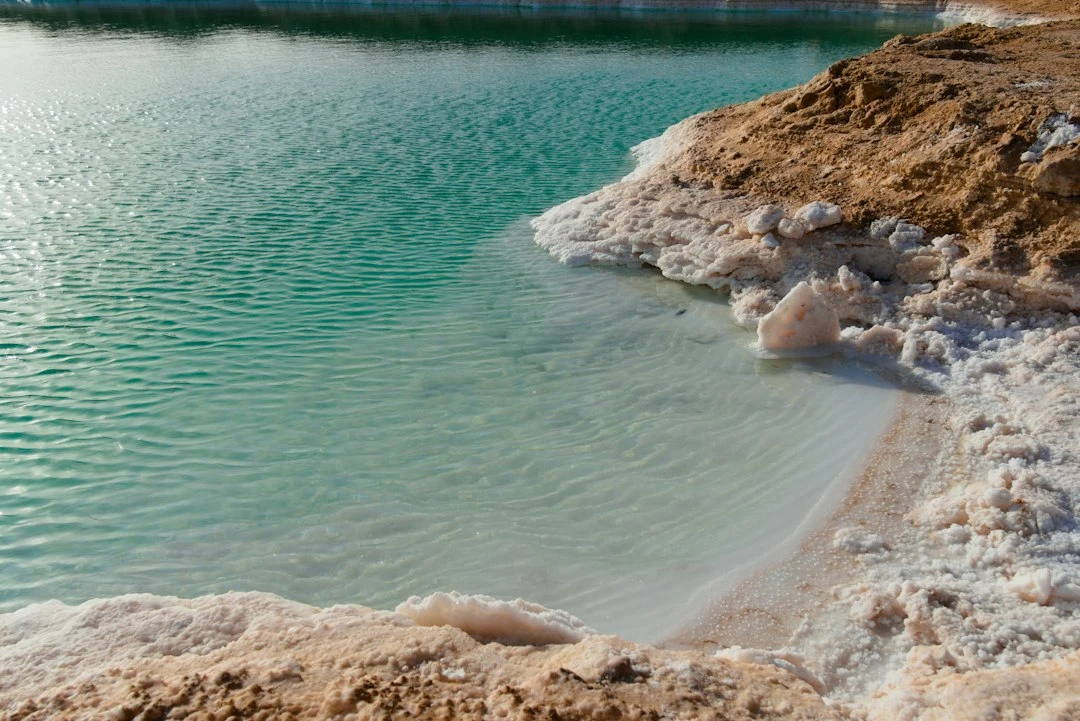
Continue towards the White Desert mineral formations, where pale chalk and limestone shapes rise from the desert floor. Your driver chooses suitable stopping points for photographs and walking, since tracks and conditions can change. As daylight fades, settle into Bedouin desert camping at an arranged site. Dinner is prepared in camp, and facilities are simple rather than hotel-style. Bring a warm layer for the evening, as desert temperatures can fall quickly after sunset.
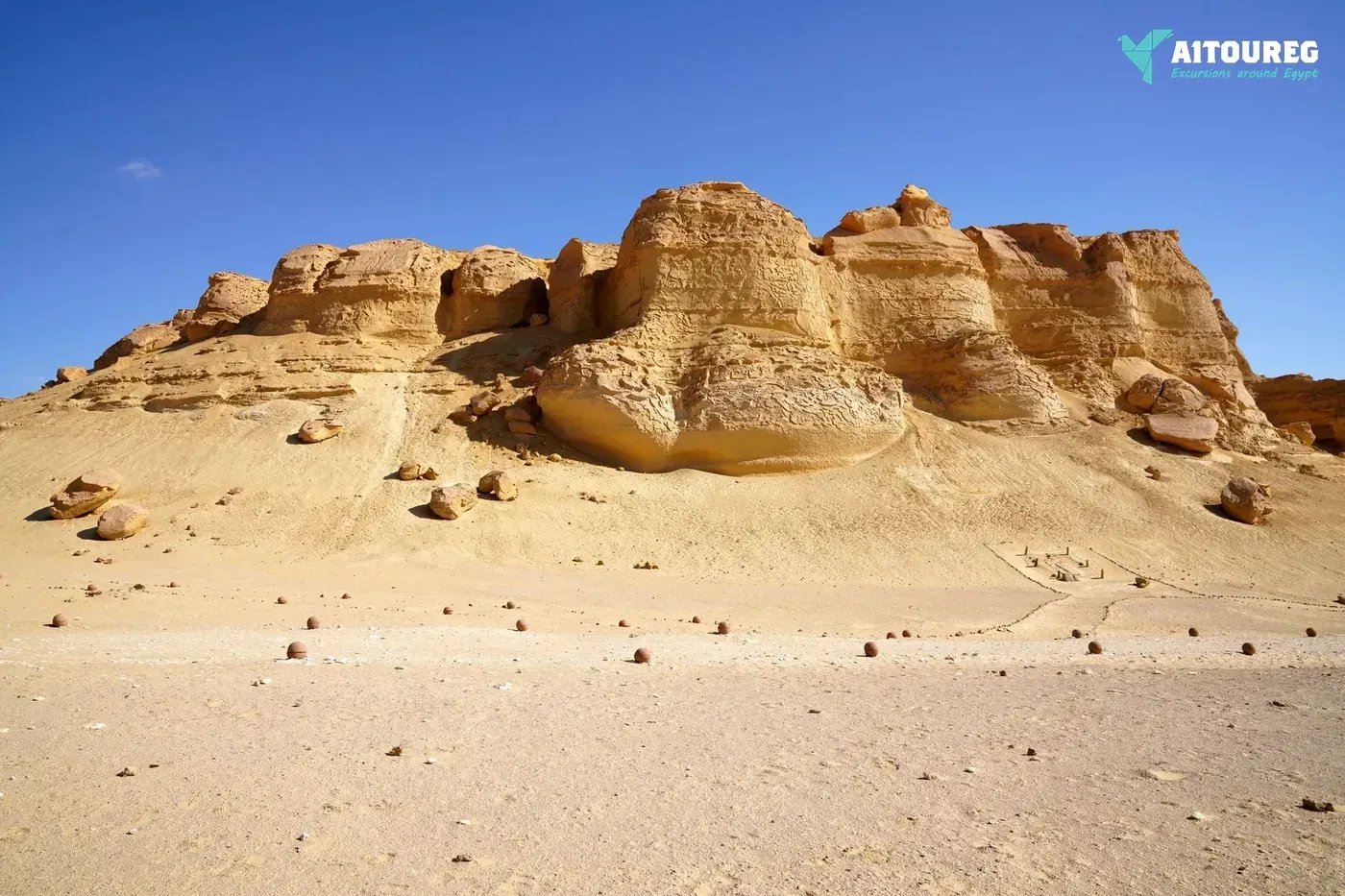
Wake at camp for breakfast, then continue by four-wheel drive towards Wadi el Hitan fossil valley, also called the Valley of the Whales. The protected landscape contains fossilised whale remains that record how this area changed from an ancient sea to the dry desert seen today. A visit to the small museum and marked trails gives you a clear introduction before the return drive begins.
Depending on the day's route and road conditions, there may be time for additional desert viewpoints or a stop near Wadi El Rayan. These pauses are kept practical, with shade and water breaks where possible. Return by road to Cairo and check in for the night. The transfer is long, so expect a quieter evening and keep personal items, sun protection and water within easy reach during the journey.
Use this Cairo day to rest after the desert drive or add a relaxed city experience with our team. You might walk through historic streets, visit a local market or sit beside the Nile for a slower look at daily life in the capital. Any optional plans are arranged around your energy and departure details rather than packed into a fixed sightseeing circuit.
This spare day also gives us room to manage normal travel realities, such as a late return from the desert, changes to domestic transport or extra time for a place you want to see again. Keep your passport and travel documents accessible, and check your luggage before the final night. Our team confirms the airport transfer arrangements and the recommended departure time based on your flight details.
Have breakfast and complete check-out according to your accommodation's arrangements. Our team organises your transfer to Cairo airport with enough allowance for city traffic, luggage drop-off and airport security. The exact pickup time is set from your flight schedule, so keep your passport, tickets and essential medication in your hand luggage.
If your flight leaves later, the morning may remain free at the accommodation, subject to its check-out policy. Once at the airport, allow time for airline procedures and any final security checks before continuing your journey home. This is the end of the 10-day programme, with the transport plan kept clear so departure day feels straightforward after the cruise, Cairo visits and Western Desert route.