

Luxor Day Trips from Marsa Alam | Best Luxor Day Experiences
Luxor Two-Day Private Tour from Marsa Alam
A two-day Luxor tour from Marsa Alam gives you time to explore the west bank beyond the places most visitors see on a first visit. We start around Madinet Habu and the workers’ village at Deir El Madina, then continue to the Valley of the Queens before spending the night in Luxor. The second morning is set aside for Luxor Museum, where well-presented objects connect the monuments you have seen with the people, rulers and beliefs behind them.
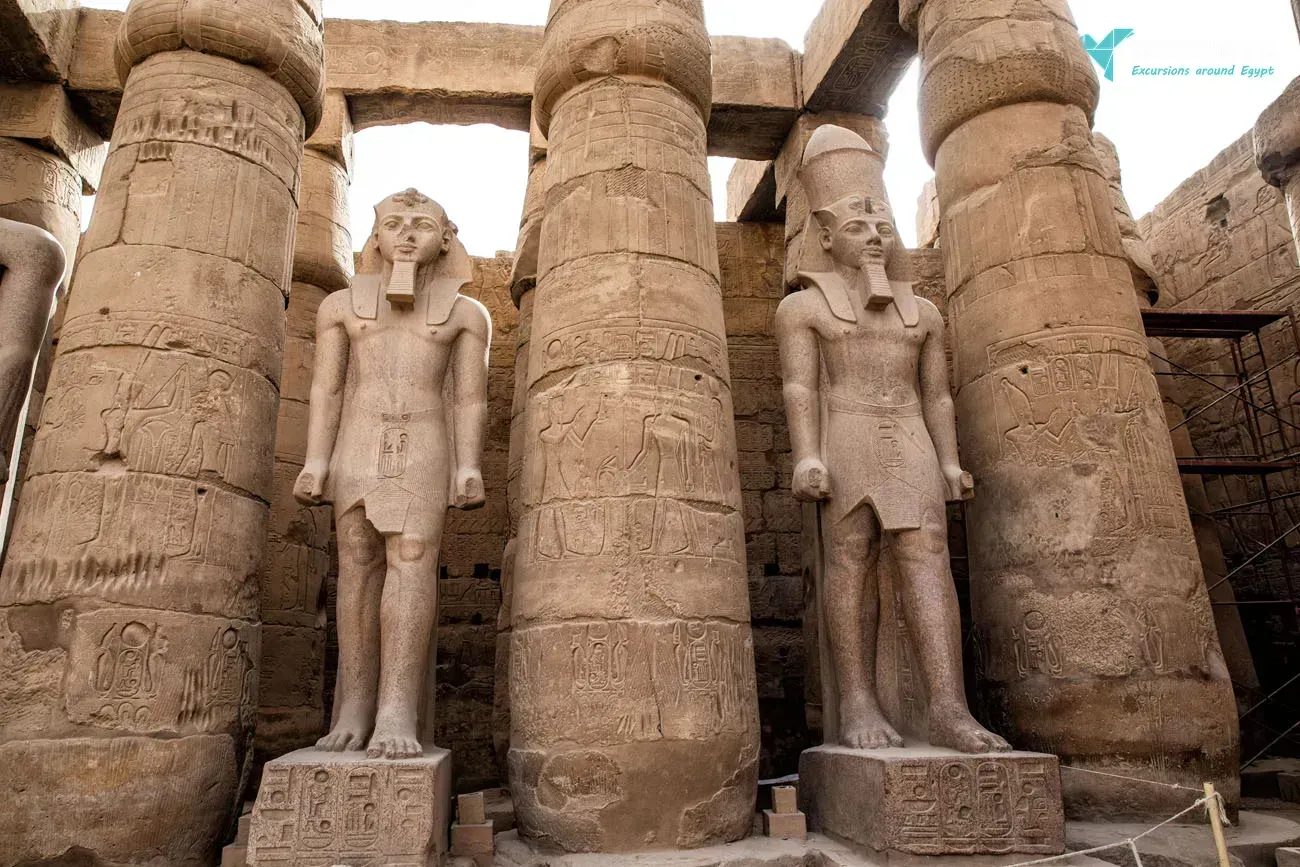
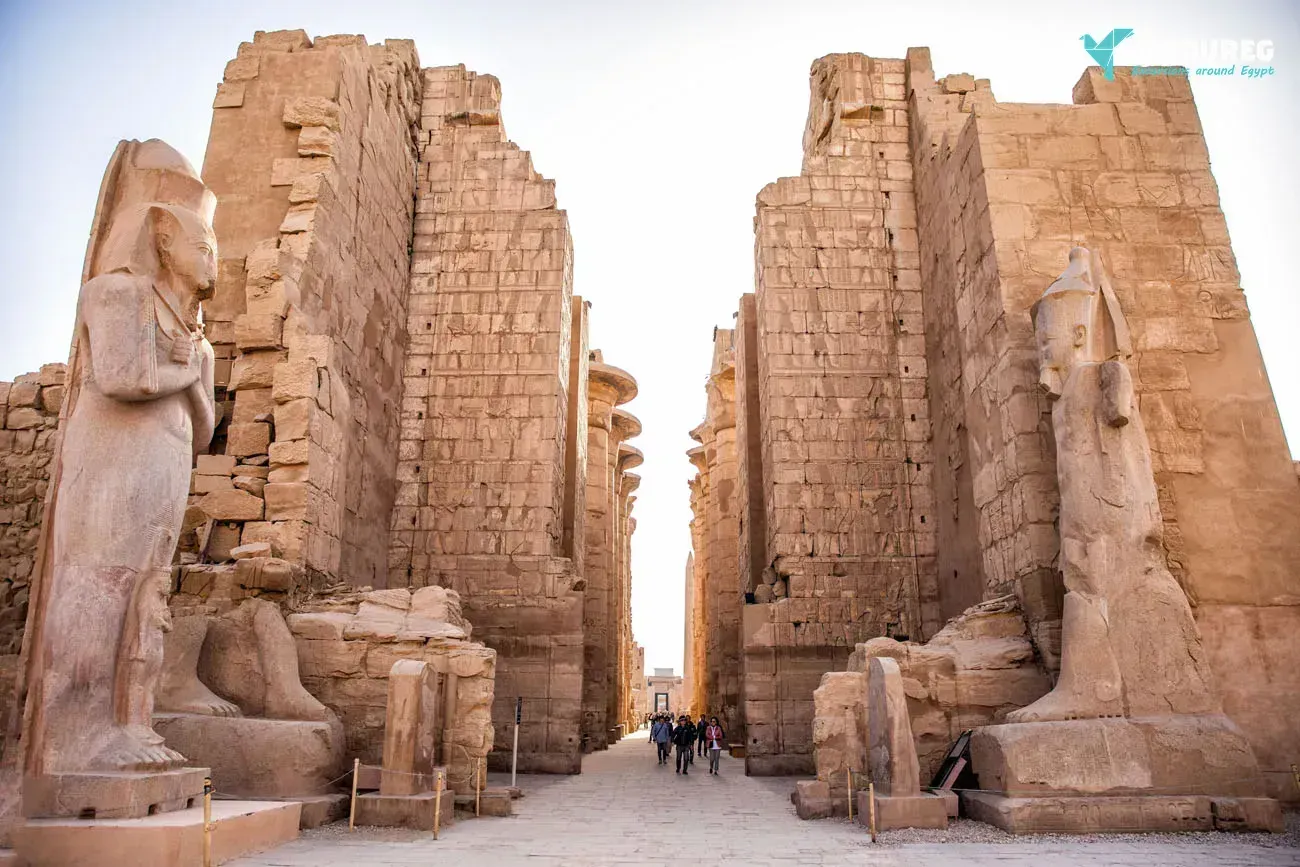
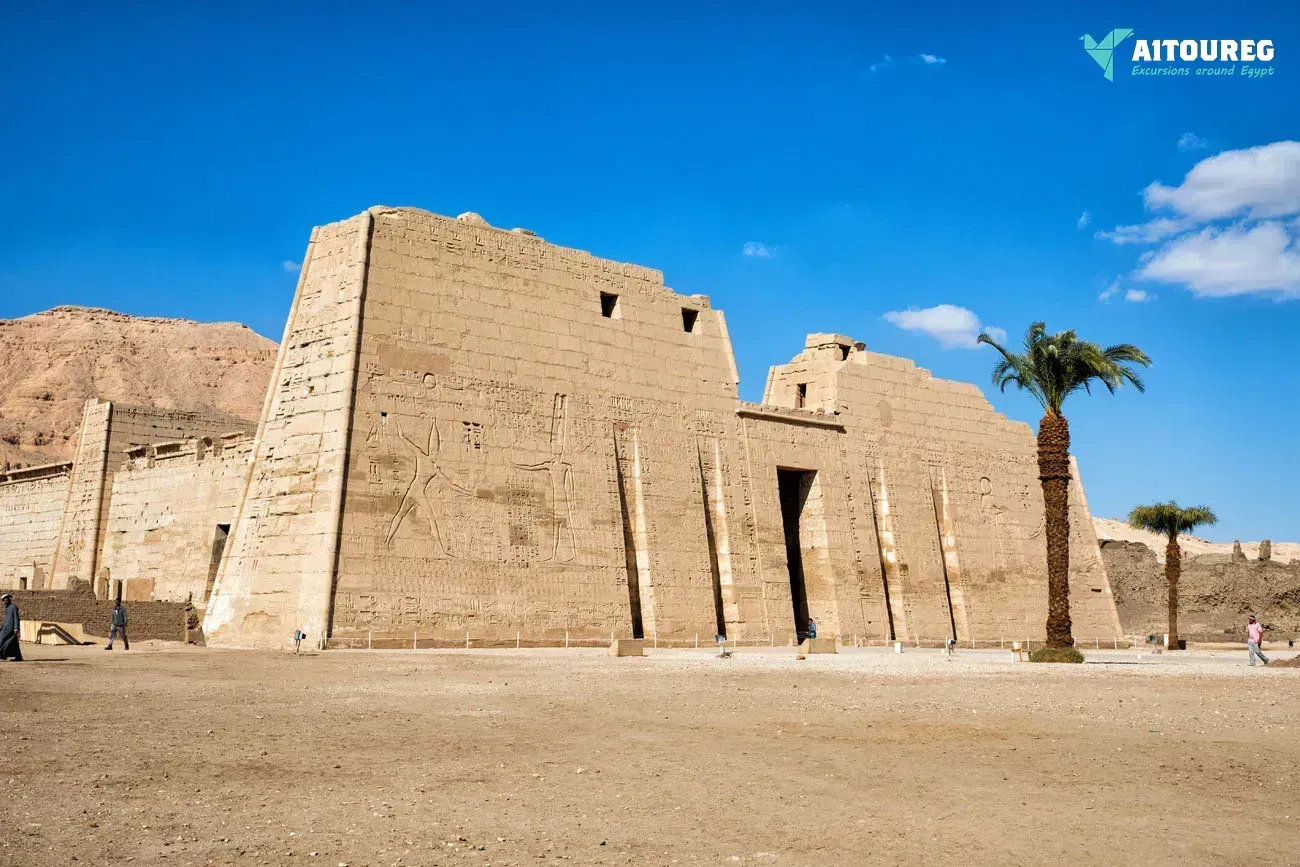
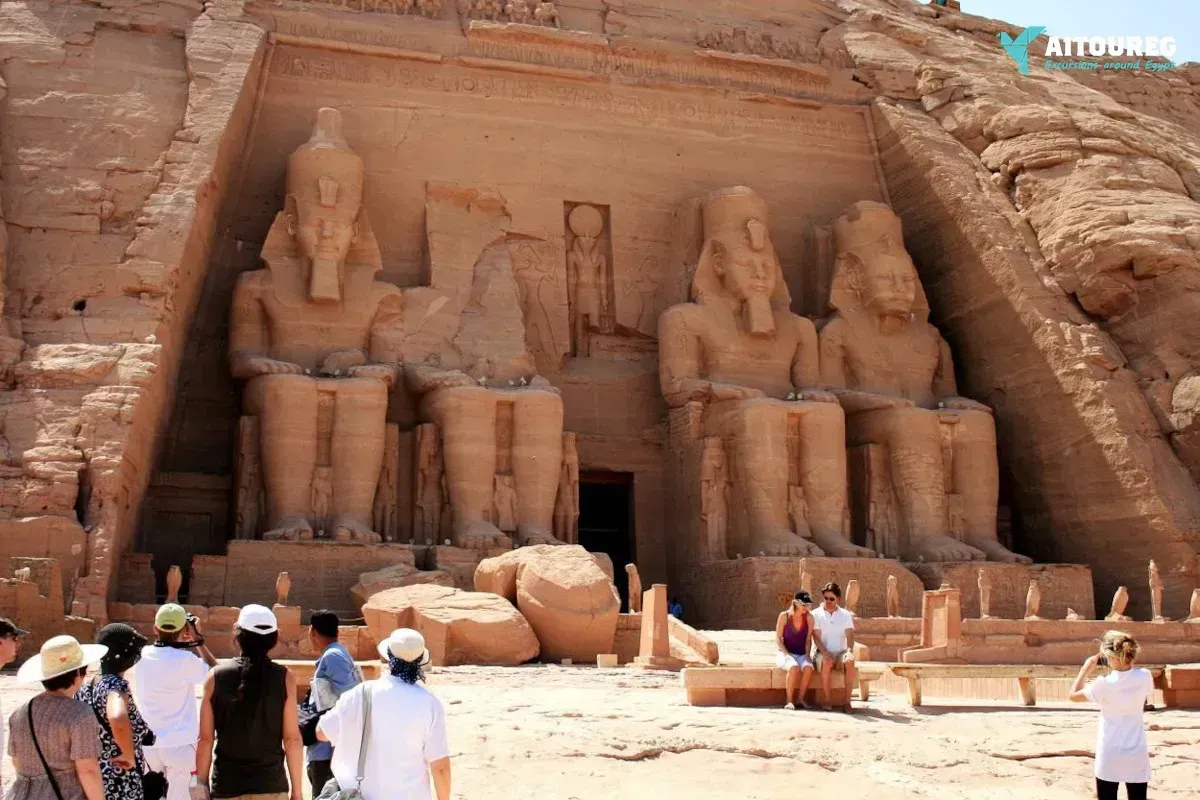
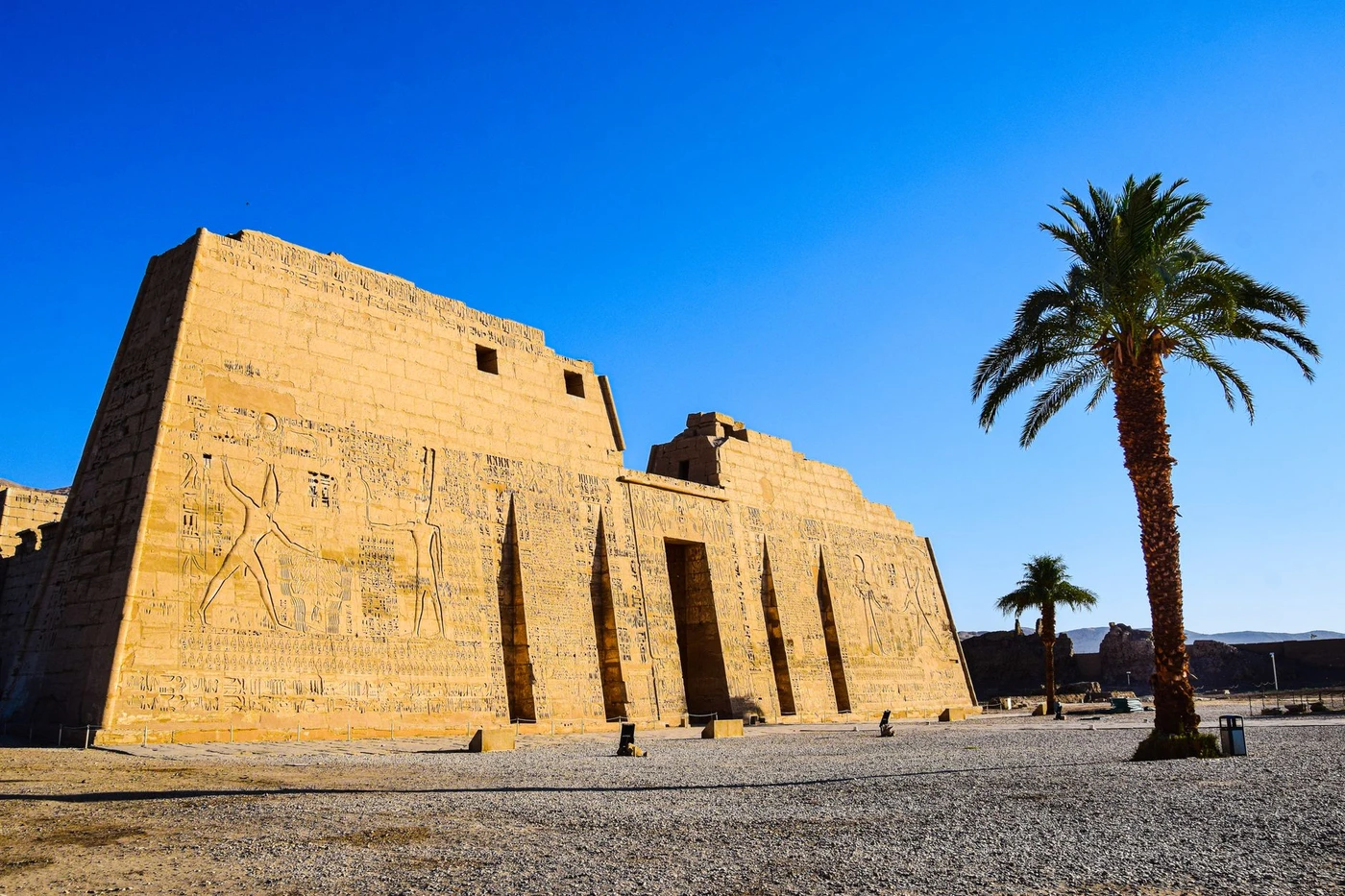
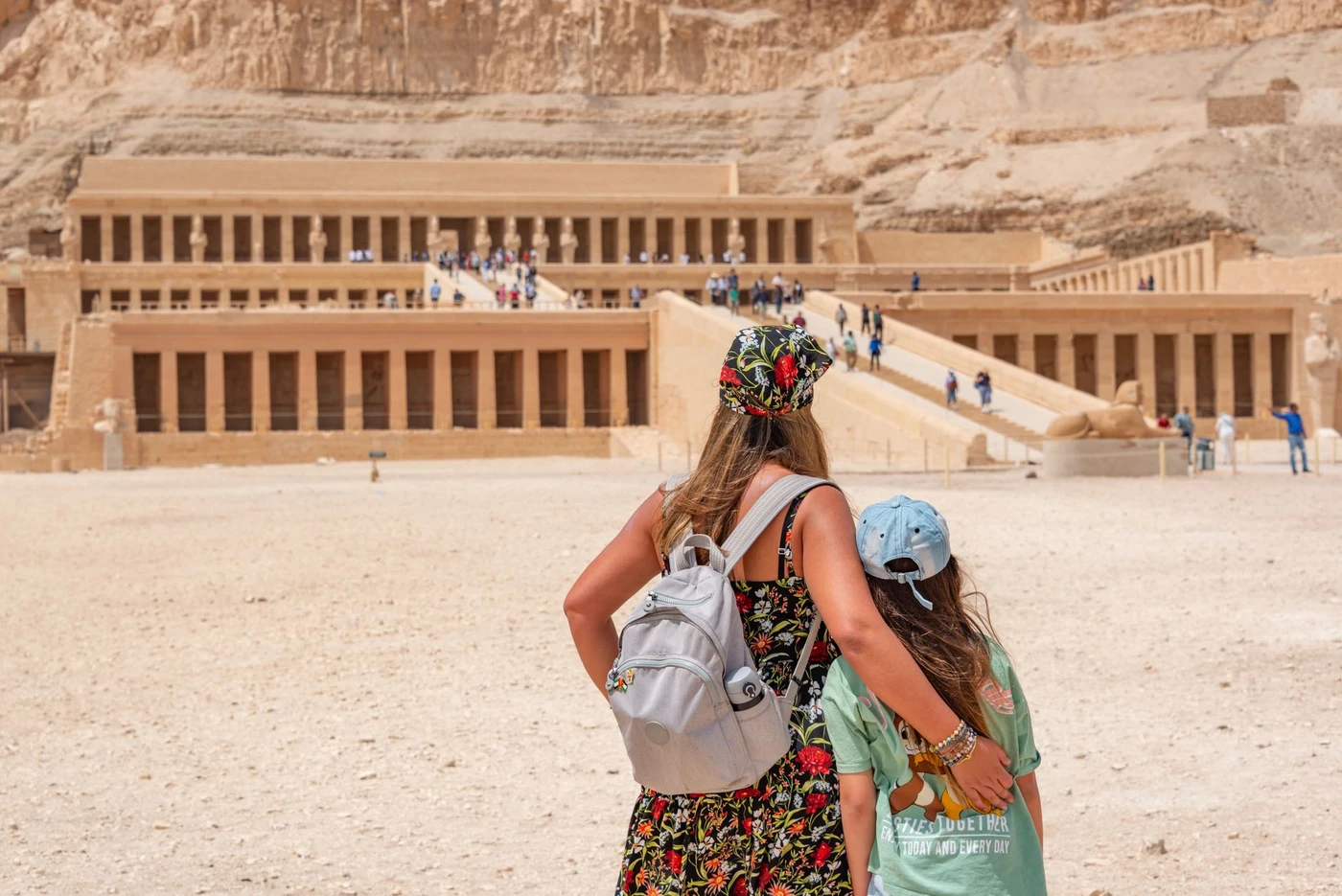
We begin at Madinet Habu Temple, the great mortuary temple of Ramesses III. Its entrance towers and wide courts are covered with detailed reliefs of royal ceremonies, battles and religious scenes. With a guide, you can understand how the temple was used and notice details that are easy to miss while walking through the complex. There is time to explore at a steady pace, without rushing between distant stops.
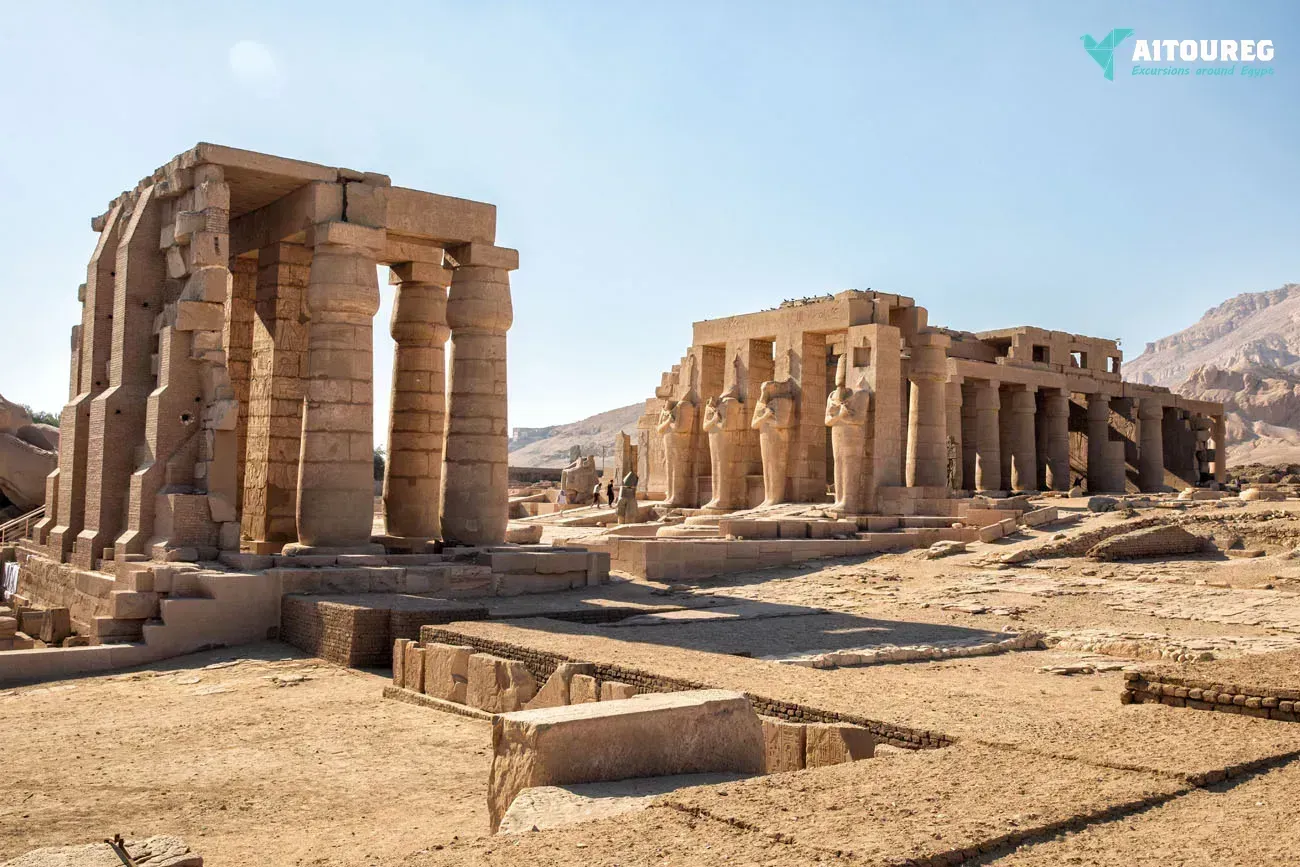
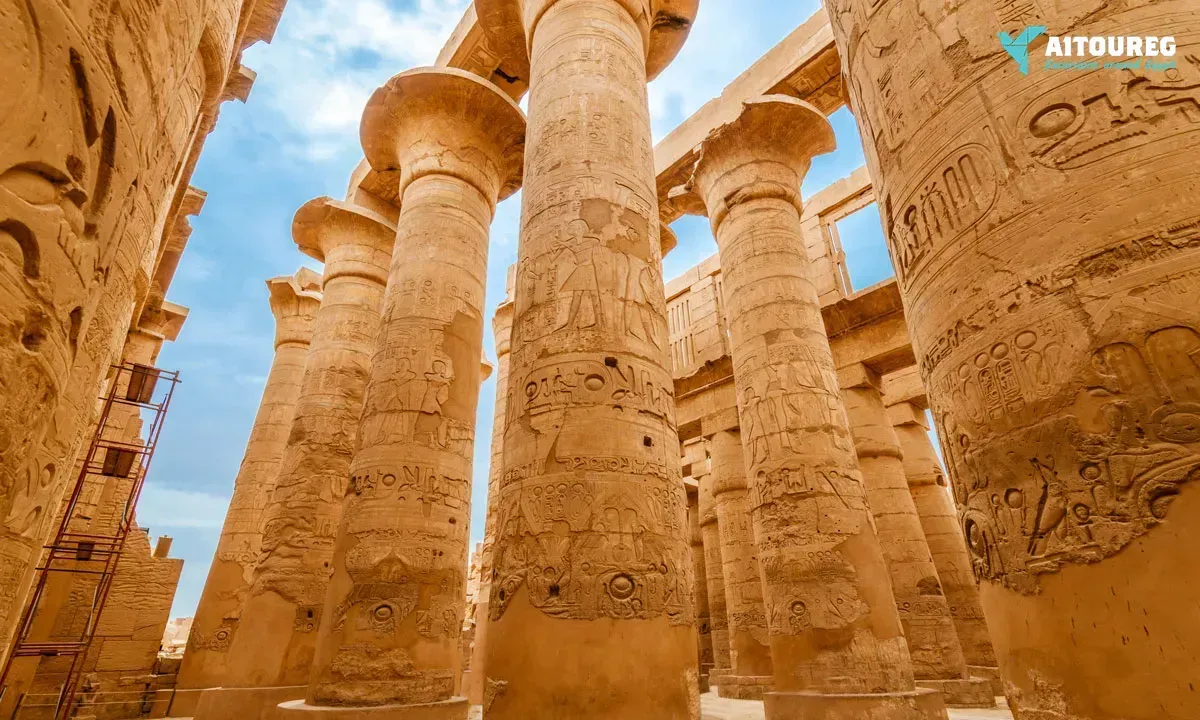
Next is the Ramesseum, the memorial temple of Ramesses II. Much of the structure is open to the sky, with fallen columns and carved fragments scattered across the site. Your guide can help you read the surviving inscriptions and picture the original layout, including the courtyards and areas once used for worship. It is a quieter stop than the busiest Luxor attractions, and the open setting leaves room to examine the stonework.
At Deir El Madina, the focus moves from kings to the skilled workers who built and decorated the royal tombs. The village remains show how these craftsmen lived, while the nearby tombs contain finely painted scenes with striking colour and detail. The visit includes uneven ground and some walking, so comfortable shoes are important. We keep the pace practical and allow breaks when needed, particularly during the warmer parts of the day.
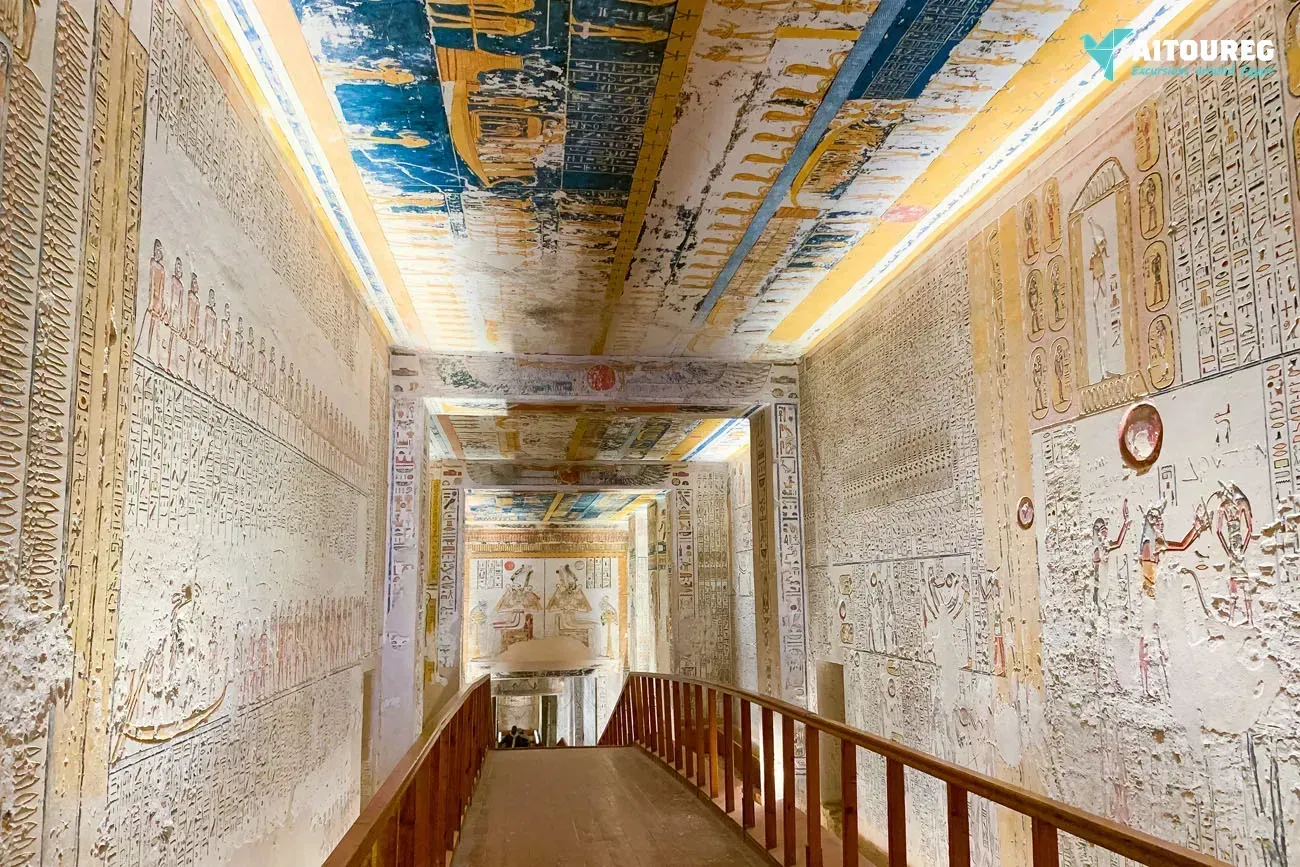
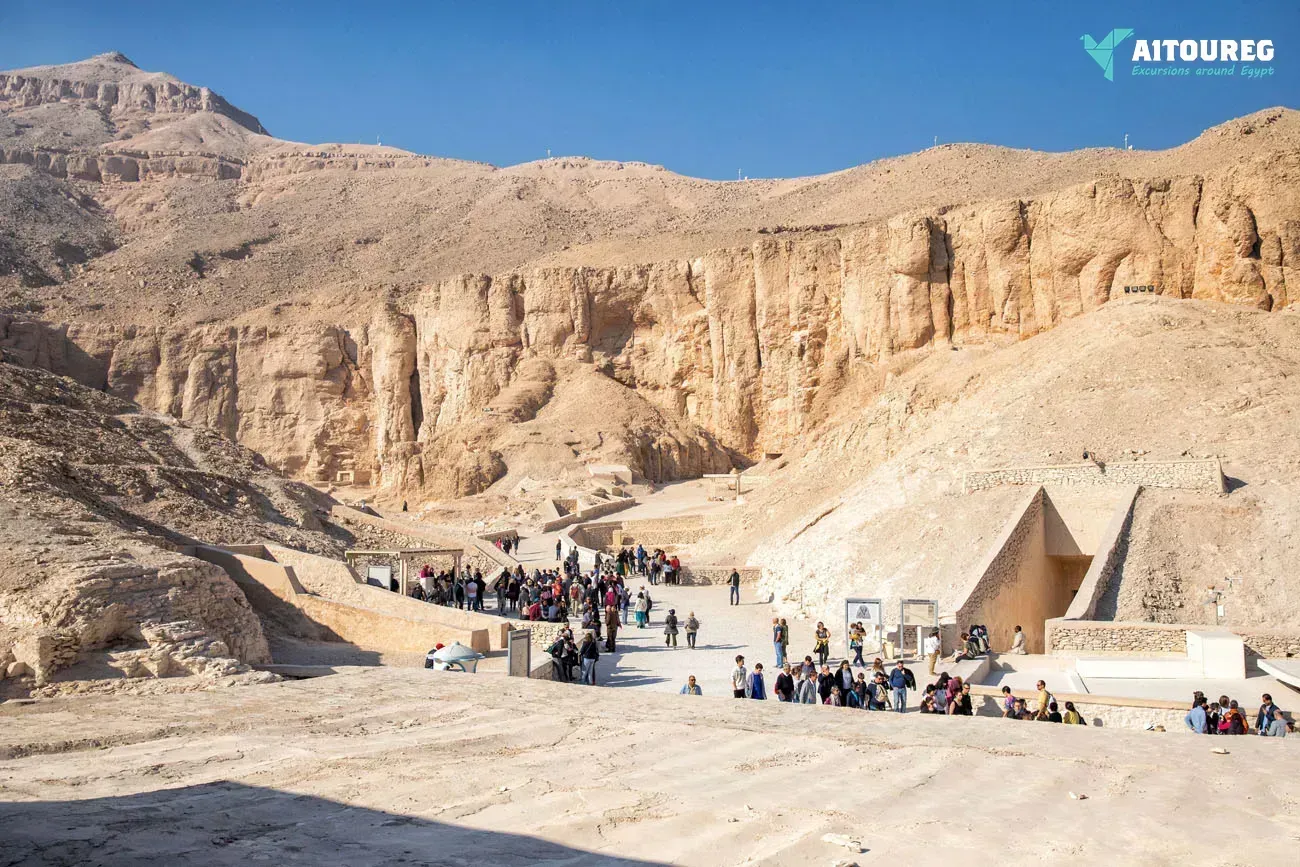
The Valley of the Queens gives you another view of royal burial customs. Several tombs are known for their painted decoration, with scenes that retain colour, figures and religious symbols in a more intimate setting than the large temple walls. Tomb access can vary with local conditions, conservation work and the ticket arrangements on the day, so our guide will explain what is open when you arrive.
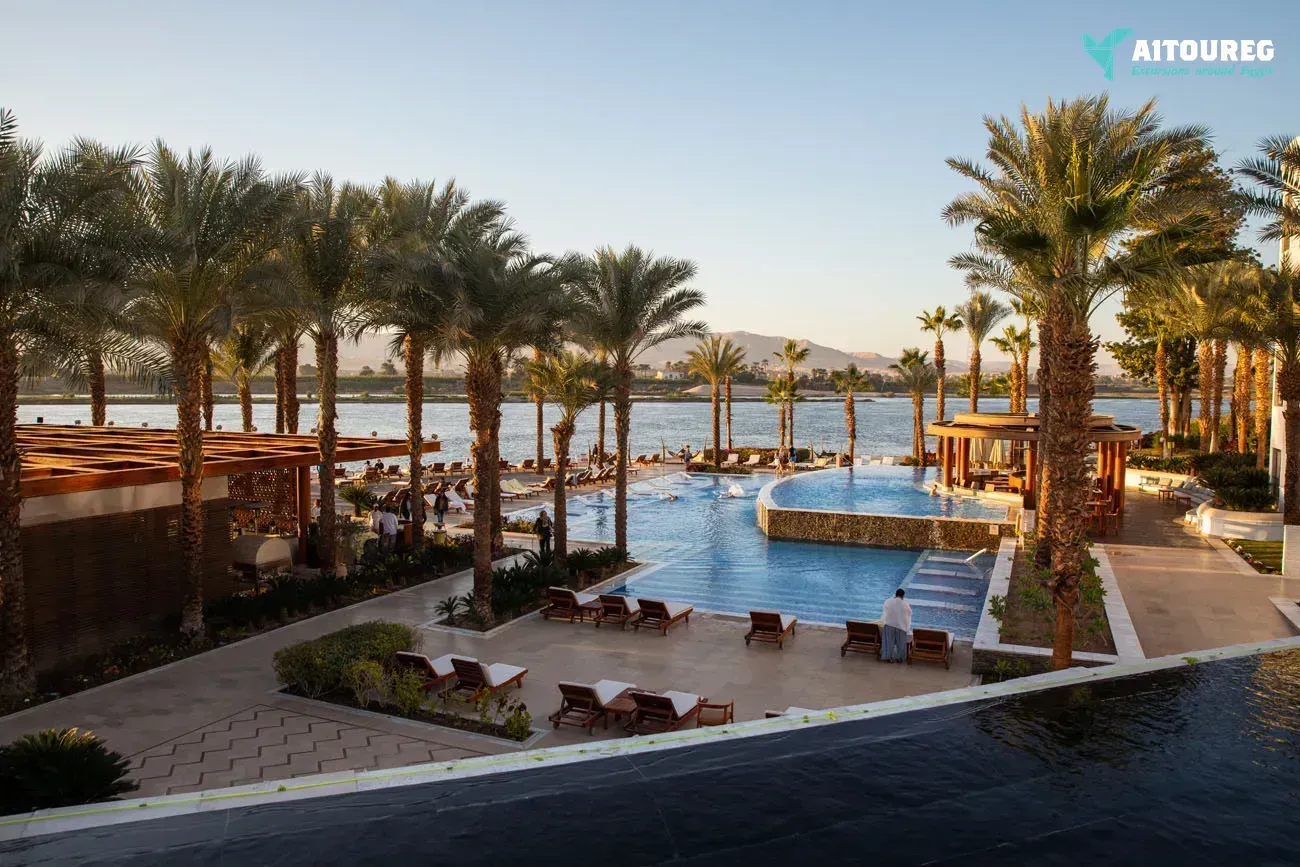
After the west-bank visits, we take you to your hotel in Luxor for the evening. The overnight stay breaks up the long road journey and gives you time to rest before the museum visit. The following day, Luxor Museum displays statues, jewellery, tools and other archaeological finds in a calm, well-organised setting. It makes a useful final stop because the exhibits bring together the history you have encountered outdoors, from the New Kingdom to later periods.
This tour suits travellers who want a private, history-led experience and are comfortable with the long transfer between Marsa Alam and Luxor. It is less suitable for anyone seeking a short excursion with minimal driving or for travellers who need a completely step-free route. We use a private air-conditioned vehicle, arrange the transfer and accommodation, and leave enough time for questions, photographs and rest. Please tell us in advance about mobility needs, dietary requirements or other arrangements that may affect the pace.
One night of hotel accommodation in Luxor
Private air-conditioned vehicle for the Marsa Alam–Luxor transfers and sightseeing
Licensed Egyptologist guide during the visits
Pickup and drop-off from your accommodation in Marsa Alam
Entrance tickets to the sites listed in the itinerary
Meals and drinks unless specifically stated in the final itinerary
Optional tombs or attractions not listed in the itinerary
Personal expenses
Any additional services not mentioned under inclusions
Gratuities
A light layer for the evening and air-conditioned vehicle
Comfortable walking shoes with good grip
Light, breathable clothing and a hat
Any prescribed medication
Valid passport or identification required for the tour
Sunscreen and sunglasses
A refillable water bottle
This private two-day Luxor tour from Marsa Alam includes pickup and return transfer, transport between the sites, visits to Madinet Habu Temple, the Ramesseum, Deir El Madina, the Valley of the Queens and Luxor Museum, plus an overnight hotel stay in Luxor.
Meals and personal expenses should be checked in the booking details, as they may not be included in the tour arrangement.
This private tour lasts two days and follows a steady sightseeing pace, with the main west-bank sites visited on day one, an overnight stay in Luxor, and Luxor Museum followed by the road transfer back to Marsa Alam on day two.
There is time to walk through each site without packing all visits into a single day, although the archaeological areas involve outdoor walking and uneven ground.
Pickup for this private Luxor tour is arranged from your accommodation in Marsa Alam, with a road transfer to Luxor, local transport between the archaeological sites, and a return transfer to Marsa Alam after your visit to Luxor Museum on the second day.
We confirm the pickup details with you before travel, so please provide your accommodation information when booking.
Children can join this private Luxor tour, while travellers with limited mobility should know that Madinet Habu Temple, the Ramesseum, Deir El Madina, the Valley of the Queens and Luxor Museum require some walking and may include uneven surfaces or steps.
The private format makes it easier to discuss a comfortable pace with our team. Tell us about any mobility needs before booking so we can explain the route and practical limitations clearly.
Wear light, comfortable clothing, walking shoes, a hat and sun protection, and bring drinking water, personal medication and any travel documents you need for the hotel stay.
You can request this private two-day Luxor tour by selecting your preferred travel date and providing your Marsa Alam accommodation details, while the applicable cancellation terms are shown during the booking process.
Read the policy before confirming, since cancellation conditions can depend on how close the request is to the travel date. Contact our team if you need to change traveller details or discuss a booking question.
Your unforgettable Egypt journey starts with a booking you can trust.
* Available on selected tours. Flights, cruises and special bookings may have different cancellation policies.
Free cancellation up to 24 hours before activity starts
If you choose to pay online, a secure payment link can be provided after booking. For assistance or alternative payment options, please contact us via WhatsApp.
All our tour operators are licensed and verified by Egyptian tourism authorities.
Learn more about our licensed partners →
Free cancellation up to 24 hours before activity starts
If you choose to pay online, a secure payment link can be provided after booking. For assistance or alternative payment options, please contact us via WhatsApp.
All our tour operators are licensed and verified by Egyptian tourism authorities.
Learn more about our licensed partners →
Your Itinerary
Your private transfer leaves Marsa Alam for Luxor, with the journey taking several hours by road. After arriving on the West Bank, begin at Madinet Habu Temple, the well-preserved mortuary temple of Ramesses III. Your guide will point out the large entrance, reliefs of battles and processions, and the painted details that remain inside the courtyards. There is time to walk through the complex at a comfortable pace and ask questions before continuing.
Next, visit The Ramesseum, the memorial temple built for Ramesses II. Its fallen colossus, columned remains and carved walls give a clear sense of the scale of the original structure. Continue to Deir El Madina, the former village of the artisans who worked on royal tombs. The small decorated tombs here have a different feel from the larger temples, with scenes of daily life and carefully painted figures.
Finish at the Valley of the Queens, where several royal burial places are set among the limestone hills. After the visits, cross back toward the city, check into your hotel and have the evening free to rest after the long transfer and sightseeing day.
After breakfast, spend the morning at Luxor Museum on the East Bank. Its collection is arranged in a calm, easy-to-follow sequence, with statues, jewellery, tools and other objects from temples and tombs around Luxor. Your guide can explain how the pieces fit into the wider history of ancient Thebes, helping you connect what you saw on the previous day with the objects preserved inside the museum.
The museum visit is deliberately unhurried, giving you time to study the displays and ask about individual pieces rather than moving quickly through a long list of exhibits. Depending on the day’s road conditions and the agreed schedule, there may be a little free time for a drink or a short break before departure. Your team will confirm the meeting point and keep the transfer organised.
Then begin the drive back to Marsa Alam in a private vehicle. The return journey takes several hours, so comfortable clothing, water and a small travel bag are useful. You arrive back in Marsa Alam after the two-day Luxor excursion, with drop-off at the agreed location.