Luxor Day Trips from Marsa Alam | Best Luxor Day Experiences
Luxor 3-Day Trip from Marsa Alam with Guide
Luxor 3-Day Trip from Marsa Alam gives you time to visit the ancient sites of Upper Egypt without cramming them into one long excursion. With a dedicated guide and organised transfers, you can explore the Valley of the Kings, walk through temples on Luxor’s west bank and follow the road south to Edfu and Kom Ombo. There is more to see than on a day trip, but the schedule still leaves time for proper visits instead of rushed photo stops.
The Valley of the Kings is the main historical highlight. Cut into the limestone hills on the west bank, its tombs lead underground through painted passages and chambers built for New Kingdom rulers. Your guide explains how the decoration relates to the journey into the afterlife and points out details to look for inside each open tomb. The ground can be uneven and conditions are warm, so comfortable shoes and water make a real difference.
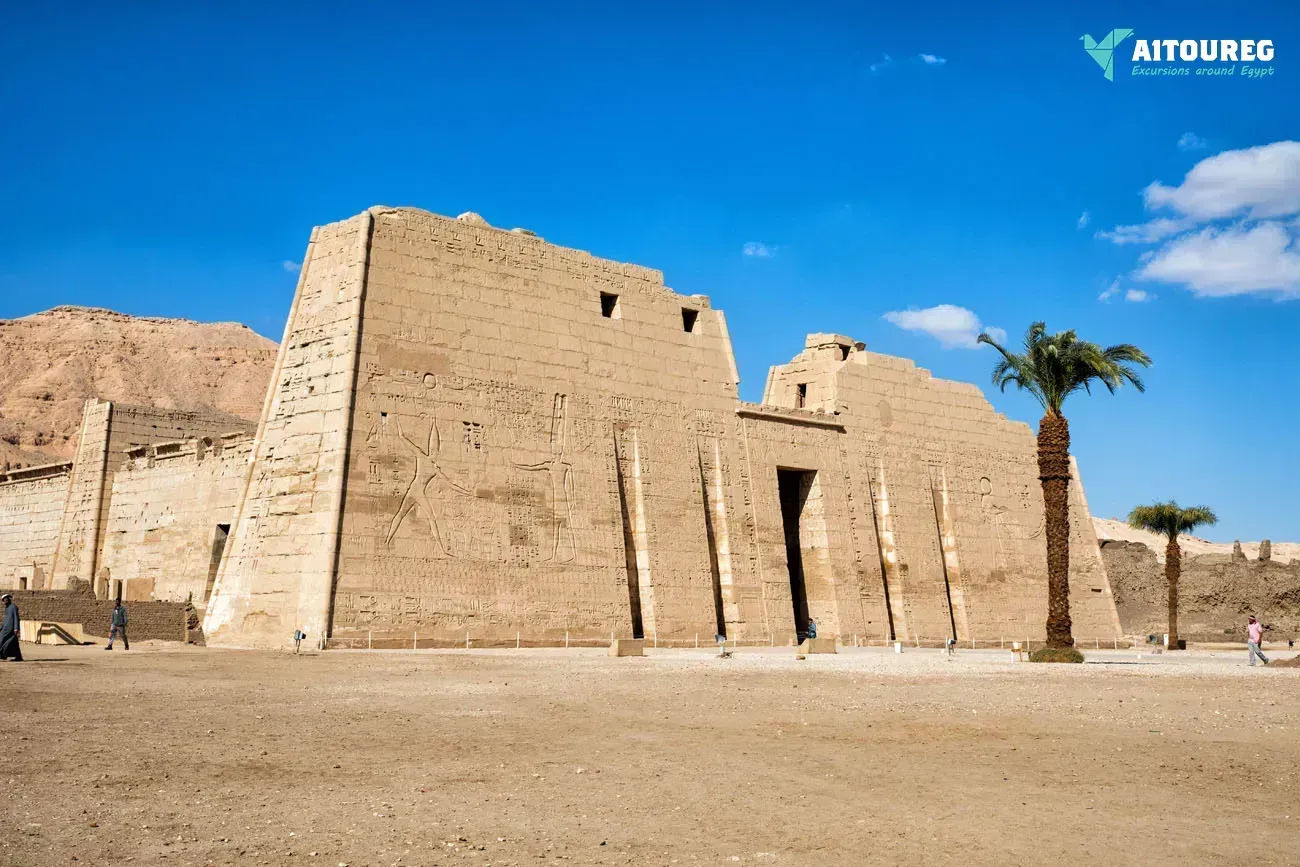
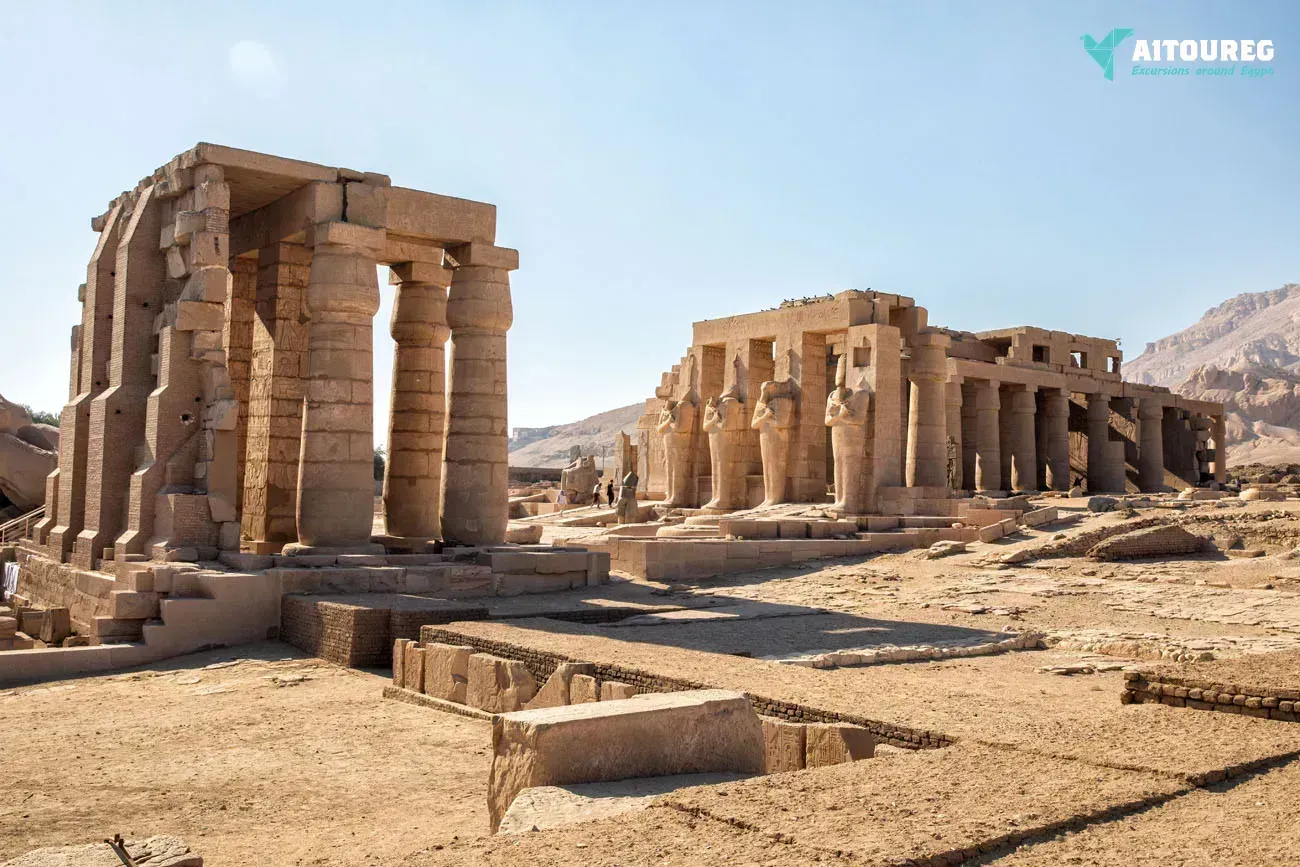
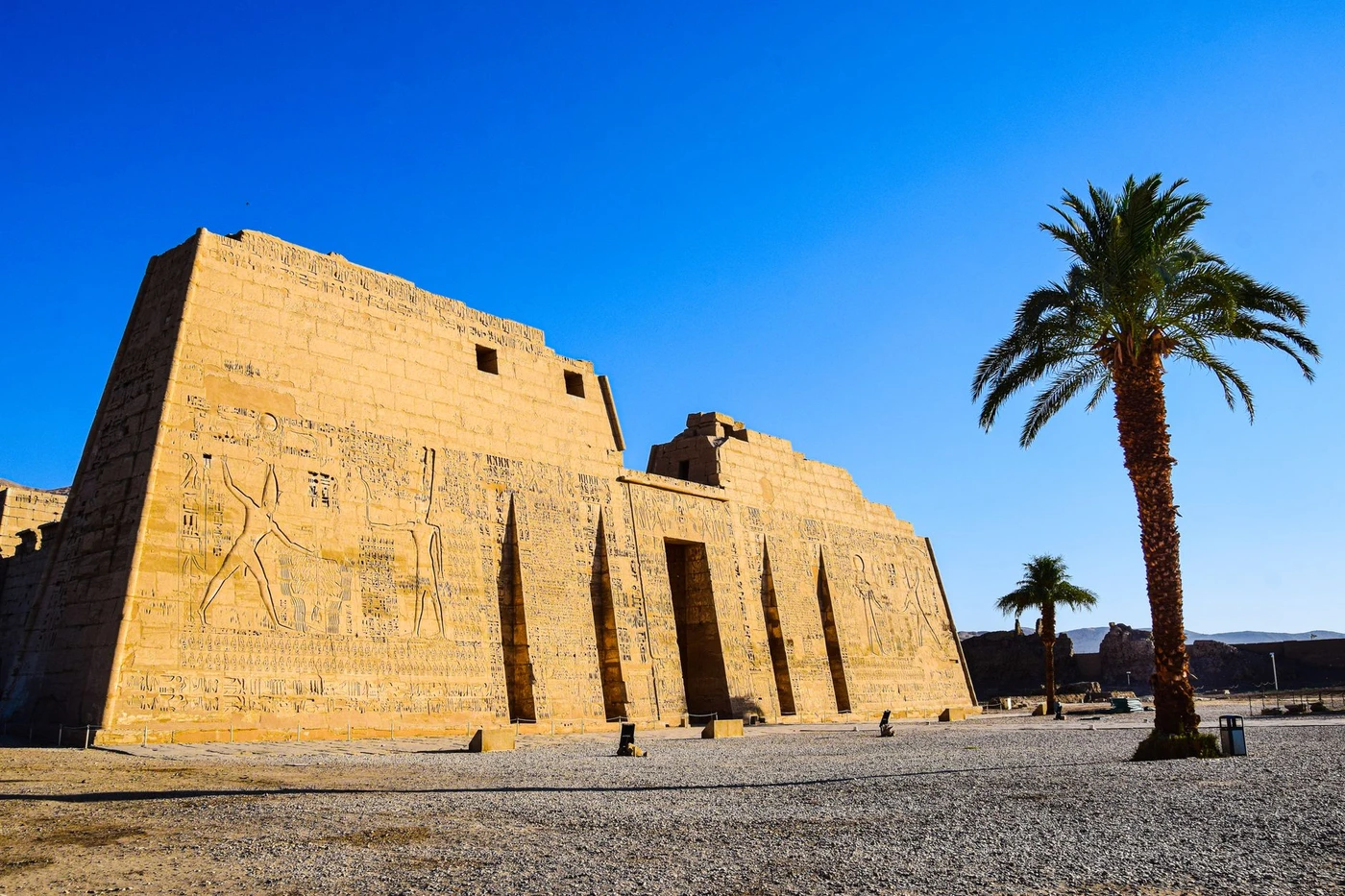
Nearby, Madinet Habu Temple shows another side of royal power. Ramesses III built its broad courts, towers and reliefs, and many carvings remain clear enough to identify processions, battles and religious scenes. The site usually feels more spacious than the busiest monuments, giving you time to study the walls and hear the story behind them without constantly moving with a large group.
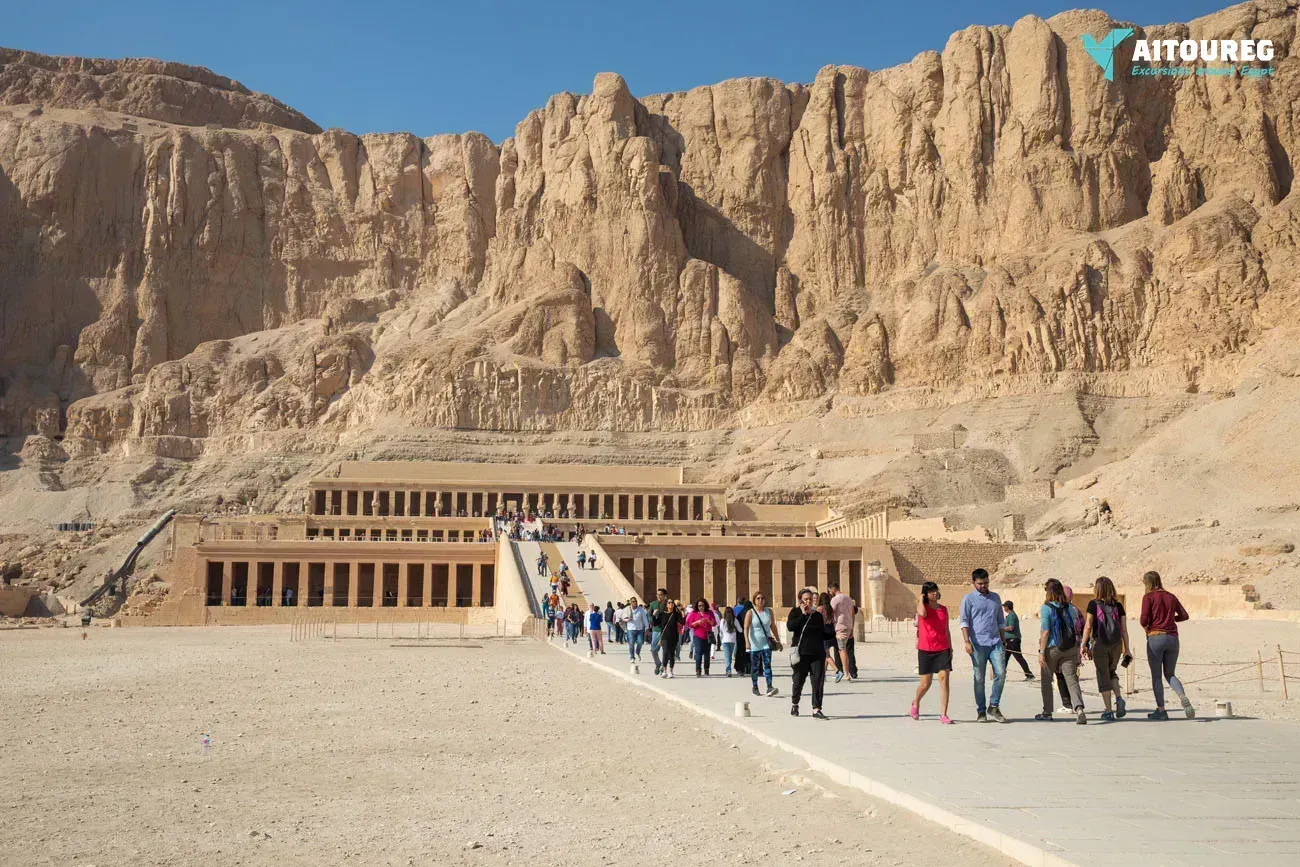
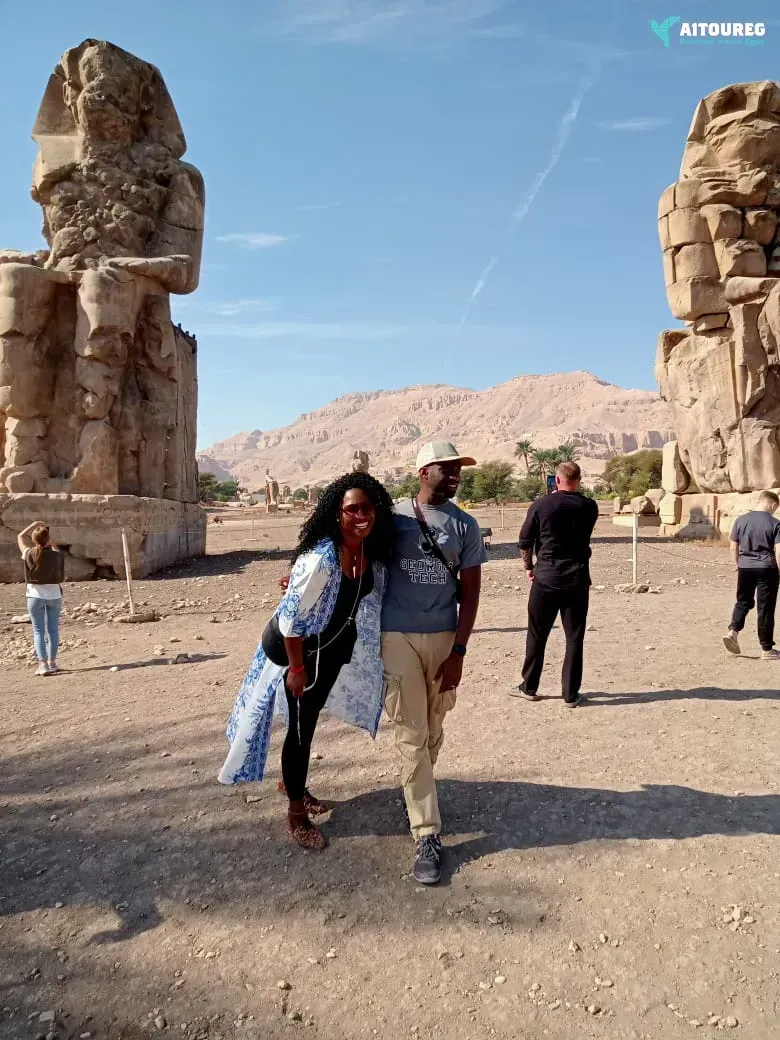
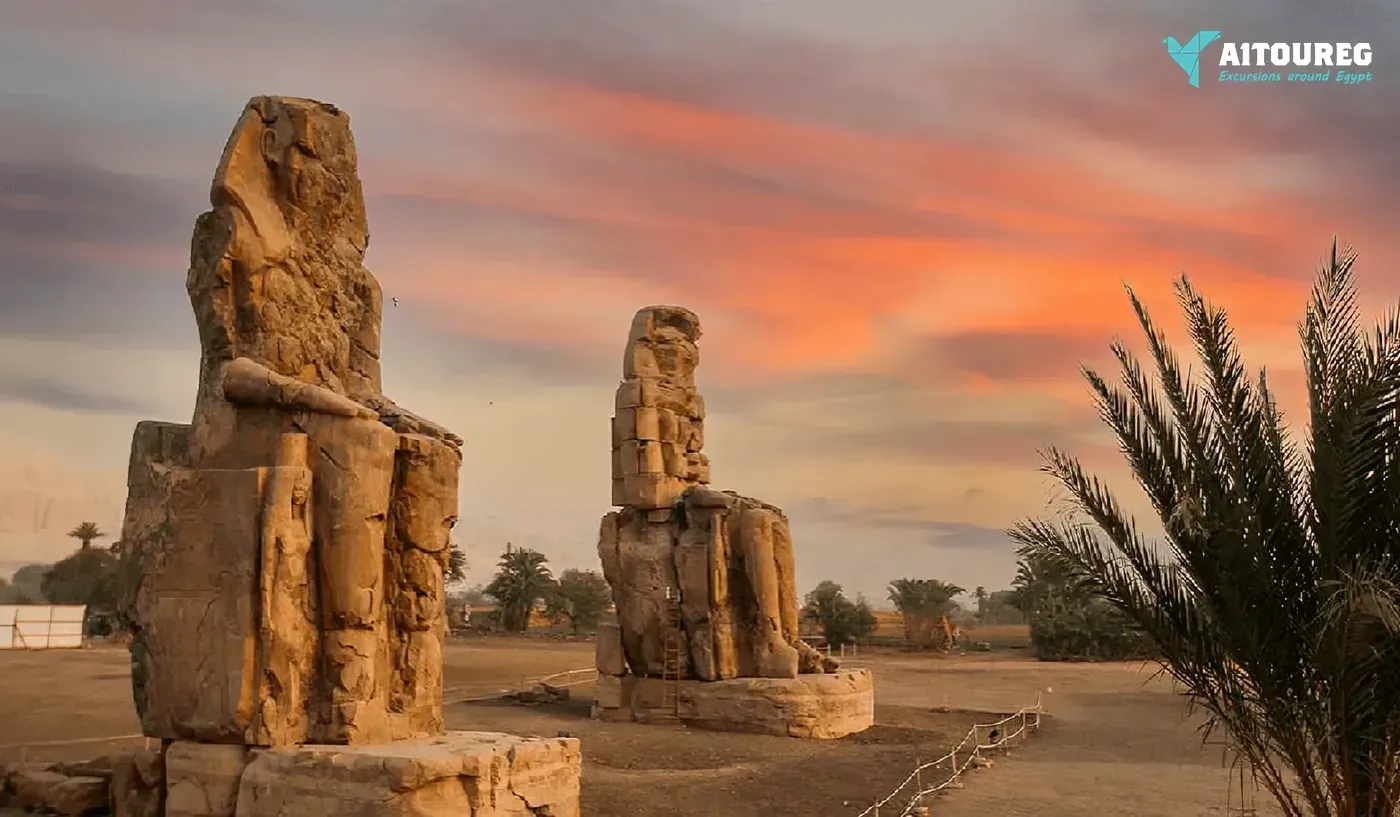
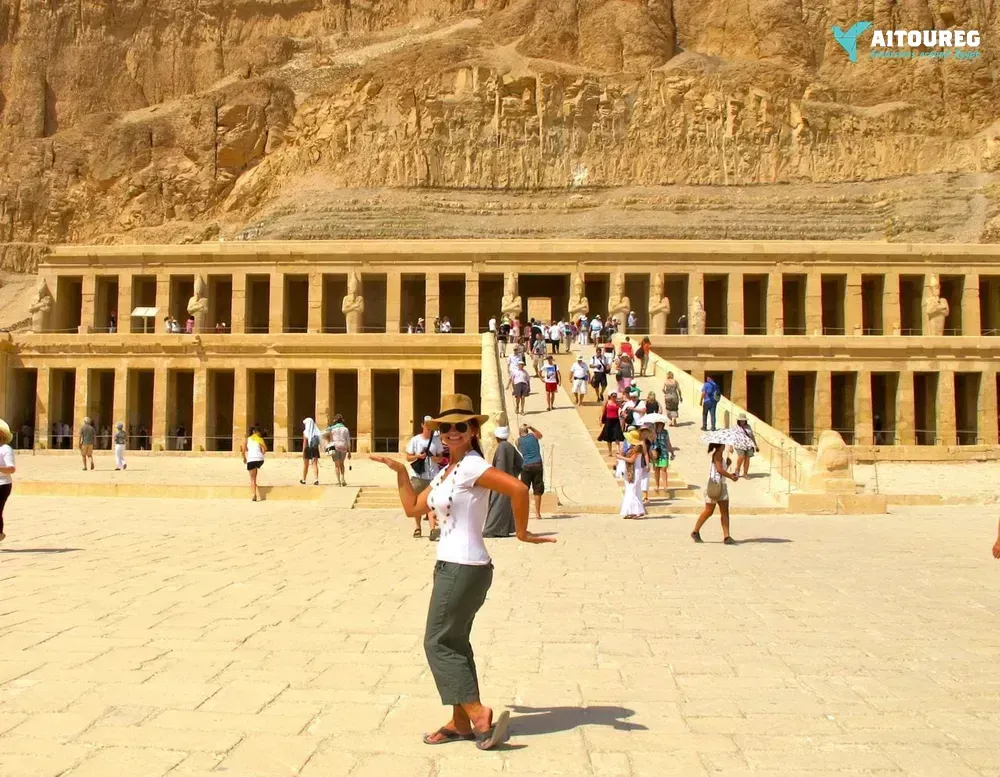
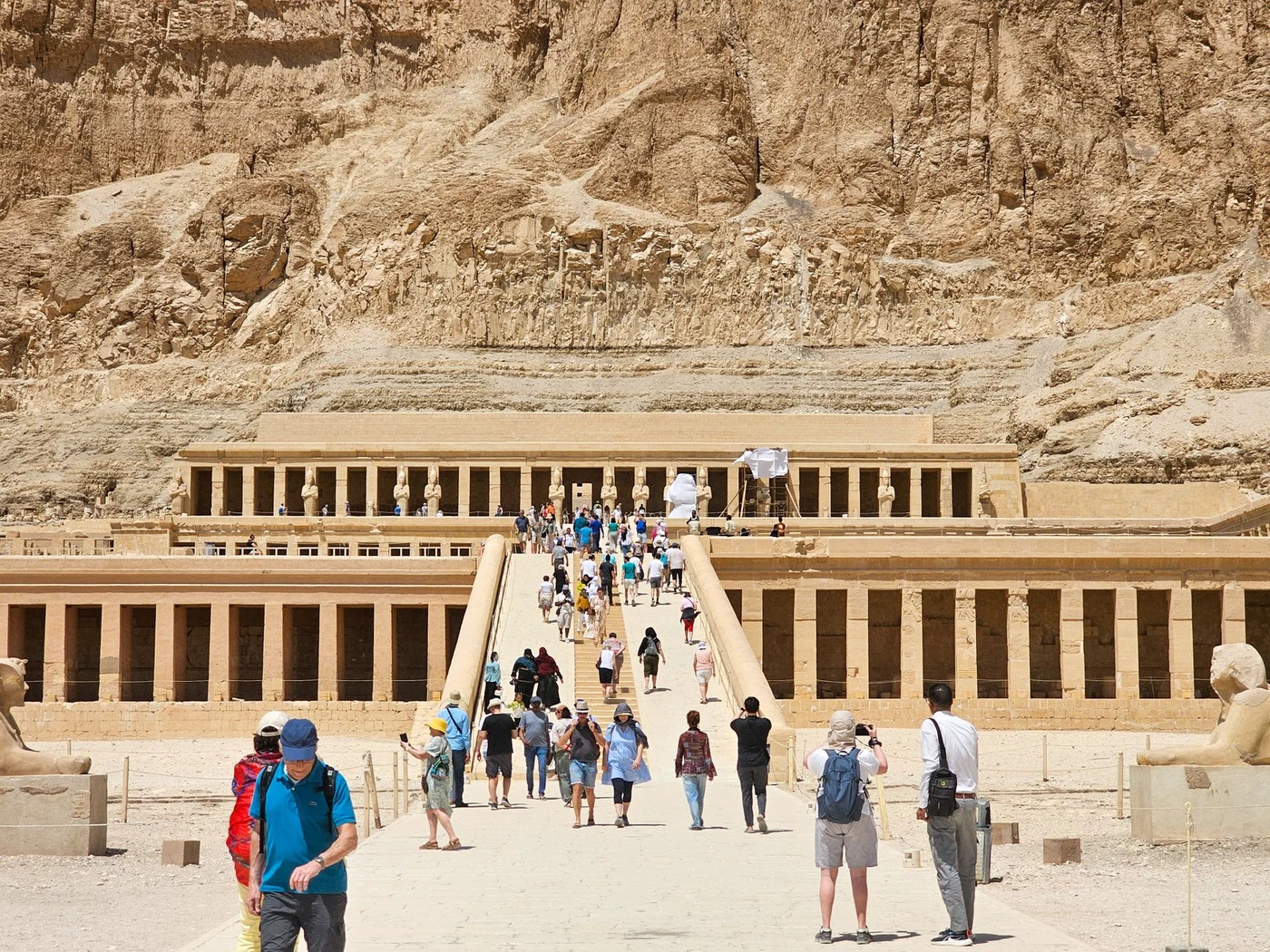
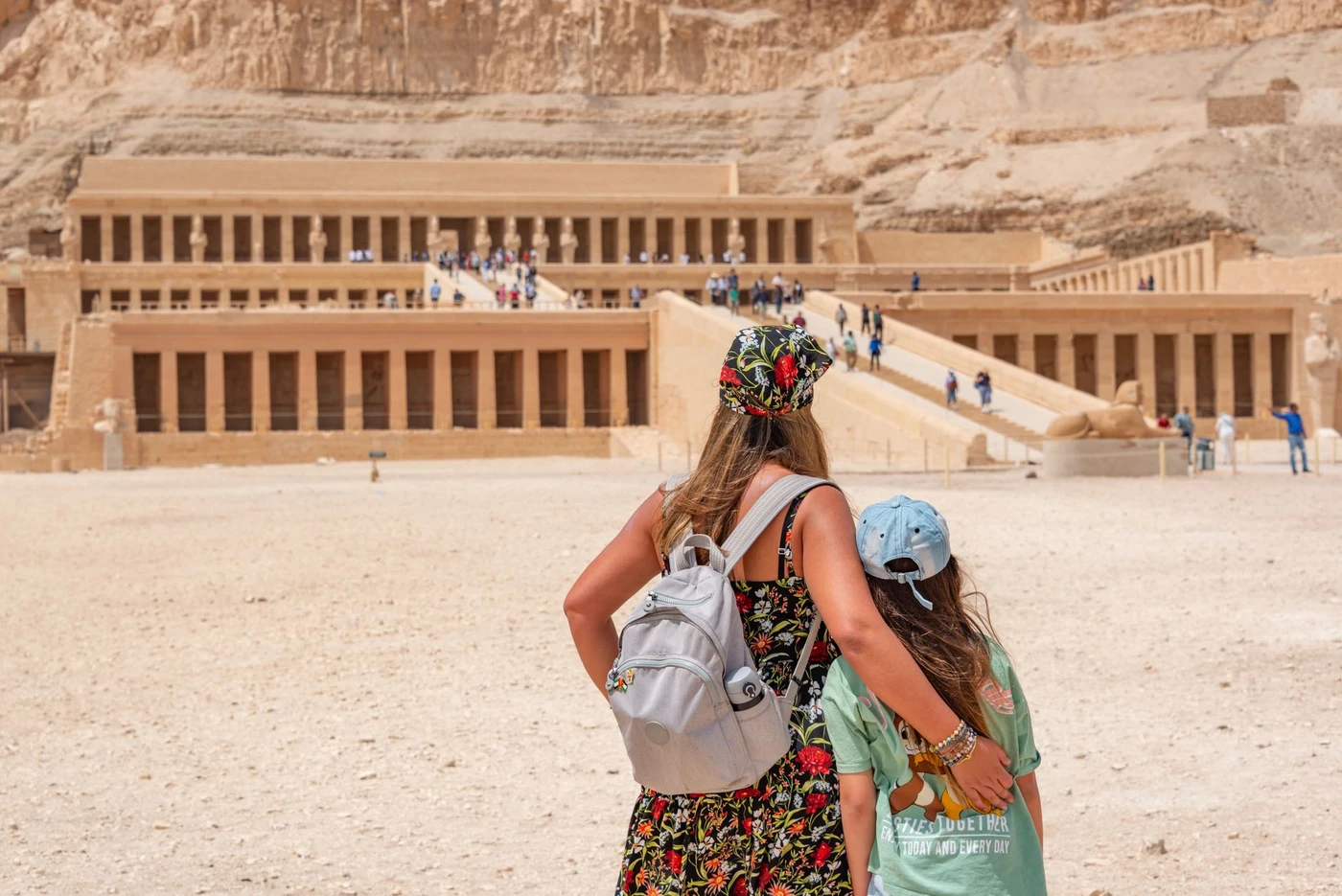
The west-bank visits also include Hatshepsut Temple, built against the cliffs for one of ancient Egypt’s most distinctive rulers. Its terraces rise in stages from the approach to the sanctuary, with reliefs showing the expedition to Punt and ceremonies linked to the temple cult. At the Colossi of Memnon, two huge seated figures stand beside the modern road. The stop is brief, but it helps show how much the ancient landscape has changed.
Valley of the Nobles shows a more personal side of the Theban necropolis. The tombs belonged to officials rather than pharaohs, and their painted scenes depict farming, craftwork, music and family life. The tombs open to visitors can vary, and your guide will explain the current access arrangements. This visit suits travellers who want more than royal monuments and would like to see everyday details preserved in smaller burial chambers.
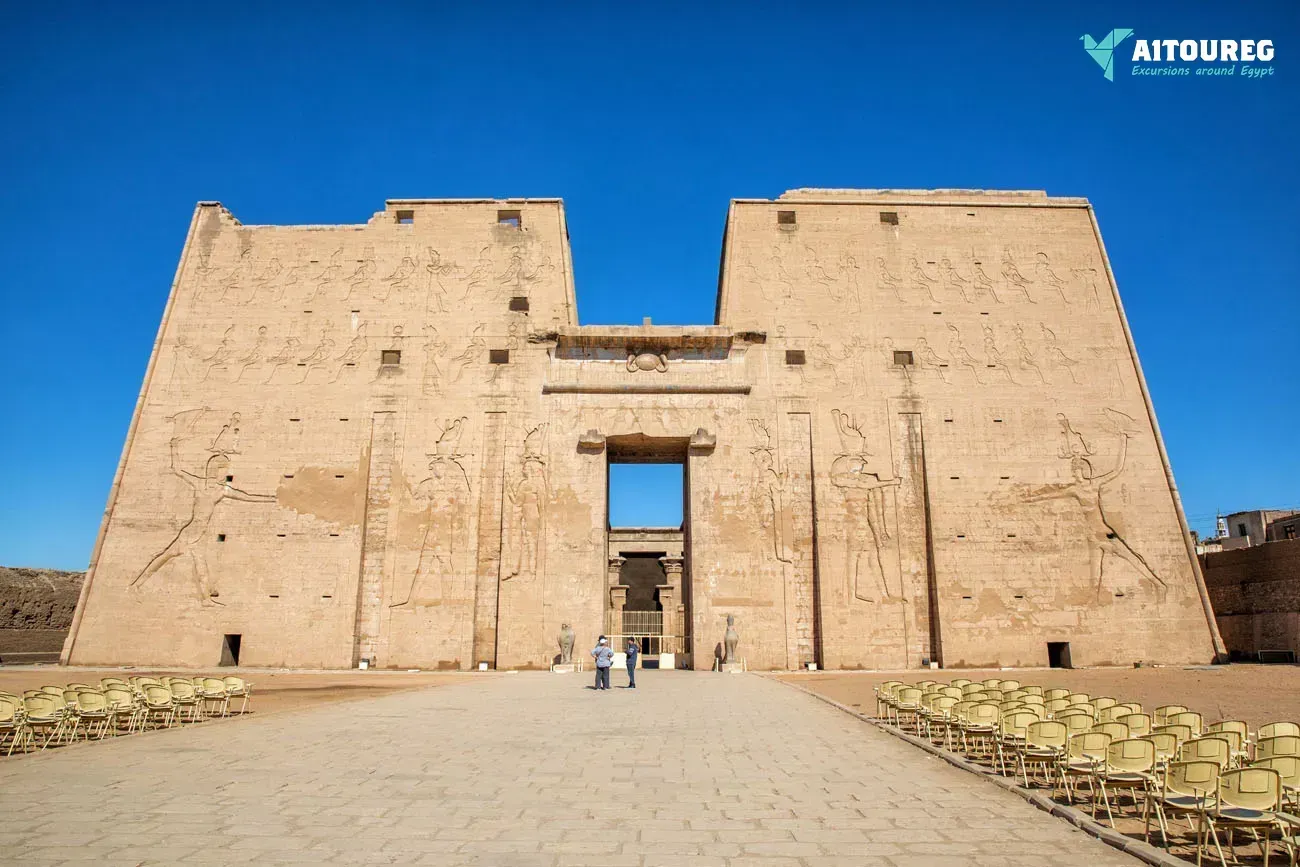
On the road between Luxor and Aswan, Edfu Temple and Kom Ombo Temple add two well-preserved stops to the trip. Edfu Temple is dedicated to Horus and is known for its monumental entrance and long, richly carved walls. Kom Ombo Temple has a rare double design, with separate areas linked to Sobek and Horus. Its riverside setting and unusual layout are easier to understand with a careful explanation than on a quick walk around.
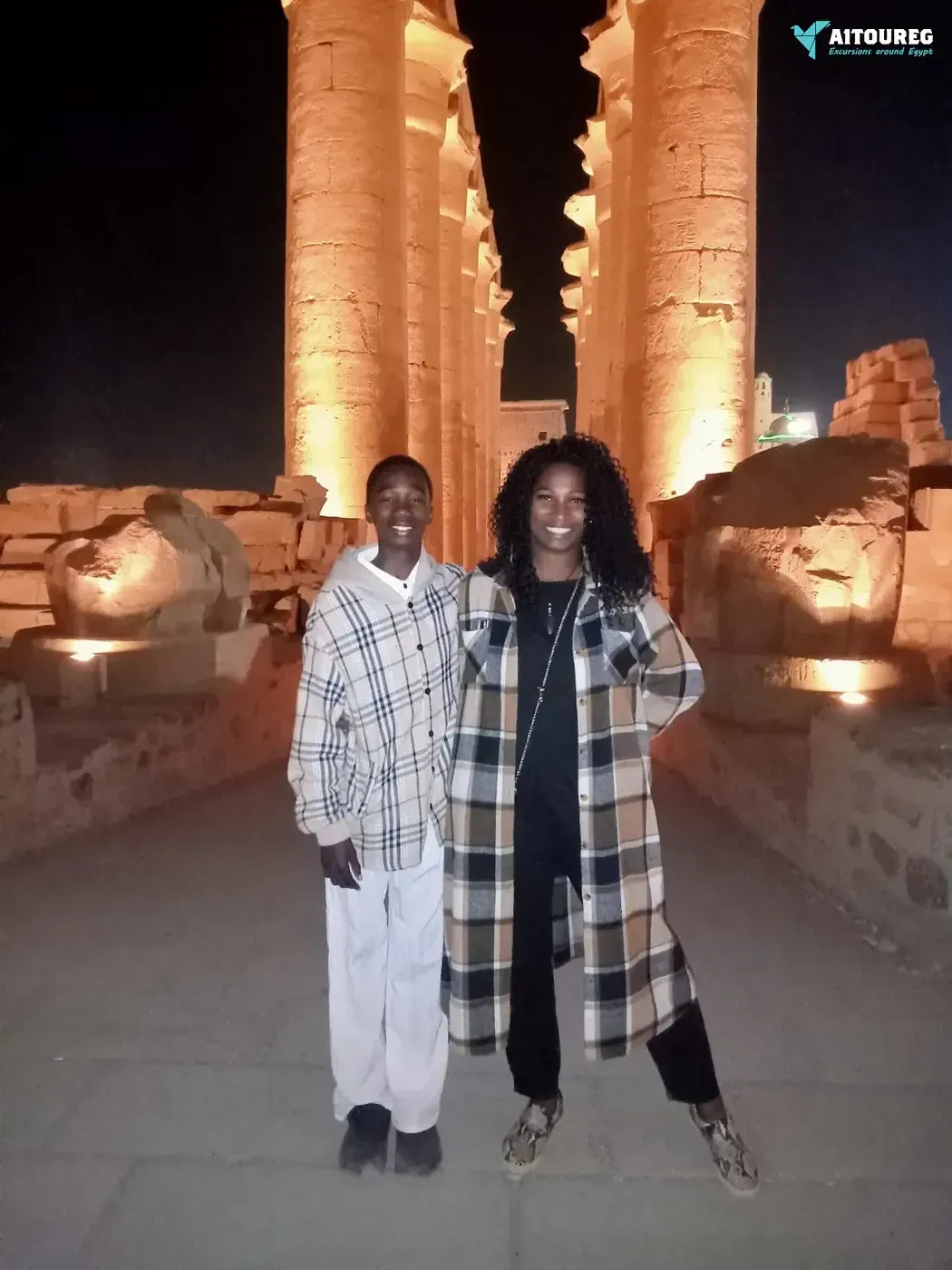
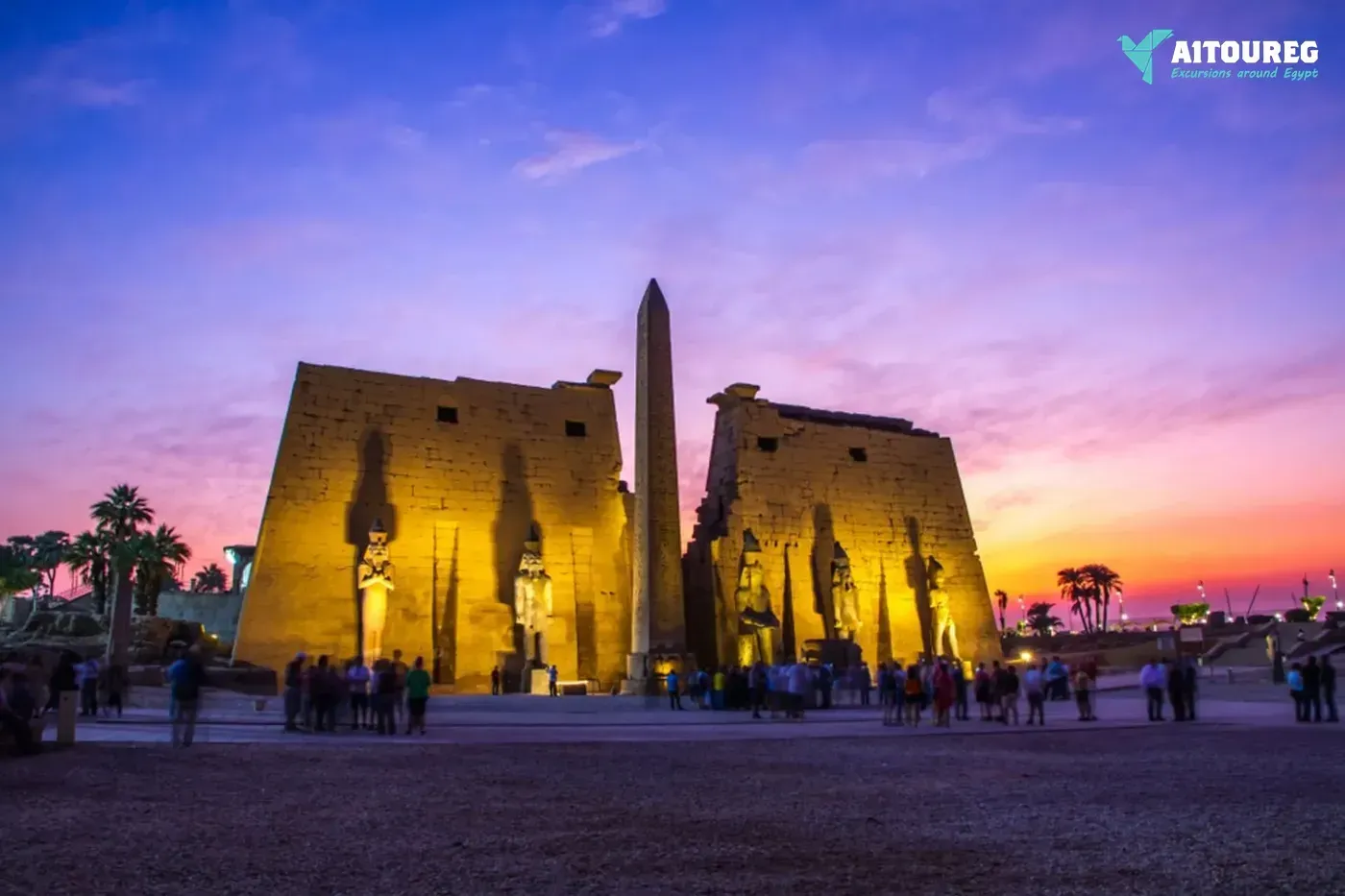
Luxor Temple takes on a different feel later in the day, when the columns and statues are lit and the surrounding city begins to cool. Its long axis, courtyards and reused monuments reflect several periods of Egyptian history. Across the Nile, local traffic, village roads and open desert make the journey part of the experience. We arrange the transport and guide service so you can focus on the sites, with time for meal breaks and rest between visits.
This trip suits travellers who want a broad introduction to Luxor and are comfortable spending several hours on the road, walking over stone surfaces and entering warm tombs. It is less suitable for anyone who needs a completely level route or frequent short transfers. Bring a hat, sunscreen, water and modest clothing for temple visits; your guide can also advise which entrances and tombs are open during your tour.
Meals as specified in the booking details
Entrance fees to the listed archaeological sites
Transport between Marsa Alam, Luxor, Edfu and Kom Ombo
Accommodation during the 3-day trip
Dedicated guide throughout the sightseeing visits
Pickup and drop-off from Marsa Alam
Gratuities
Drinks and extra meals not stated in the booking details
Optional activities or services not listed as included
Personal expenses
Modest clothing for temple visits
Passport or valid identification
Sun hat, sunglasses and sunscreen
Reusable water bottle
Comfortable walking shoes
Light clothing for daytime and a warmer layer for evenings
Any required medication
The 3-day Luxor trip from Marsa Alam includes planned transfers, sightseeing with a dedicated guide, and visits to major ancient sites including the Valley of the Kings, Madinet Habu Temple, Hatshepsut Temple, Valley of the Nobles, Edfu Temple, Kom Ombo Temple and Luxor Temple.
Accommodation, meals, entrance tickets and any optional services depend on the booking option selected, so check the inclusions shown with your tour before confirming.
This three-day Luxor itinerary combines guided visits with the road transfers between Marsa Alam, Luxor and the temples along the route, so the days involve both sightseeing and travel. The visits are arranged at a practical pace, with time to walk through the Valley of the Kings and explore Luxor Temple.
Your guide manages the day’s order and timing. Tell us before departure if you need a slower walking pace or more frequent rest stops.
Pickup is arranged from your accommodation in Marsa Alam, with transfers connecting you to Luxor and the listed archaeological sites during the three-day tour. Your confirmed booking information will provide the pickup arrangements and any instructions needed before departure.
Because travel times and road conditions can affect the schedule, we recommend being ready at the stated pickup point and allowing flexibility during the transfer days.
The Luxor tour can suit families and travellers who are comfortable with long road transfers, outdoor sightseeing and uneven surfaces, but several sites require walking and some areas have steps or limited shade. The Valley of the Nobles, Hatshepsut Temple and Madinet Habu Temple may be challenging for travellers with limited mobility.
Children should stay with an accompanying adult near open areas and ancient structures. Contact our team before booking so we can discuss your mobility needs and the most comfortable arrangements.
Wear light, modest clothing and comfortable walking shoes for the Luxor tour, and bring a hat, sunglasses, sunscreen, water and any medication you need during the day. Shoulders and knees should be covered when entering religious or culturally important places.
A small day bag is useful for personal items. The Valley of the Kings, Edfu Temple and Kom Ombo Temple are largely outdoor visits, so sun protection is important even when temperatures feel comfortable.
You can request the 3-day Luxor Highlights trip from Marsa Alam through the booking form, then review the confirmed itinerary and inclusions before payment. Cancellation terms depend on the booking conditions attached to your selected tour and should be checked before you confirm.
If your plans change, contact our team as soon as possible. We can explain the applicable cancellation or amendment rules for your reservation; availability and any refund depend on those terms.
Your unforgettable Egypt journey starts with a booking you can trust.
* Available on selected tours. Flights, cruises and special bookings may have different cancellation policies.
Free cancellation up to 24 hours before activity starts
If you choose to pay online, a secure payment link can be provided after booking. For assistance or alternative payment options, please contact us via WhatsApp.
All our tour operators are licensed and verified by Egyptian tourism authorities.
Learn more about our licensed partners →
Free cancellation up to 24 hours before activity starts
If you choose to pay online, a secure payment link can be provided after booking. For assistance or alternative payment options, please contact us via WhatsApp.
All our tour operators are licensed and verified by Egyptian tourism authorities.
Learn more about our licensed partners →
Your Itinerary
Your 3-day Luxor trip from Marsa Alam begins with a road transfer into the Nile Valley, accompanied by our team and a dedicated guide. The journey takes several hours, with a planned stop possible along the way so you can stretch, have refreshments and continue comfortably. On arrival in Luxor, settle in before beginning your first sightseeing visit.
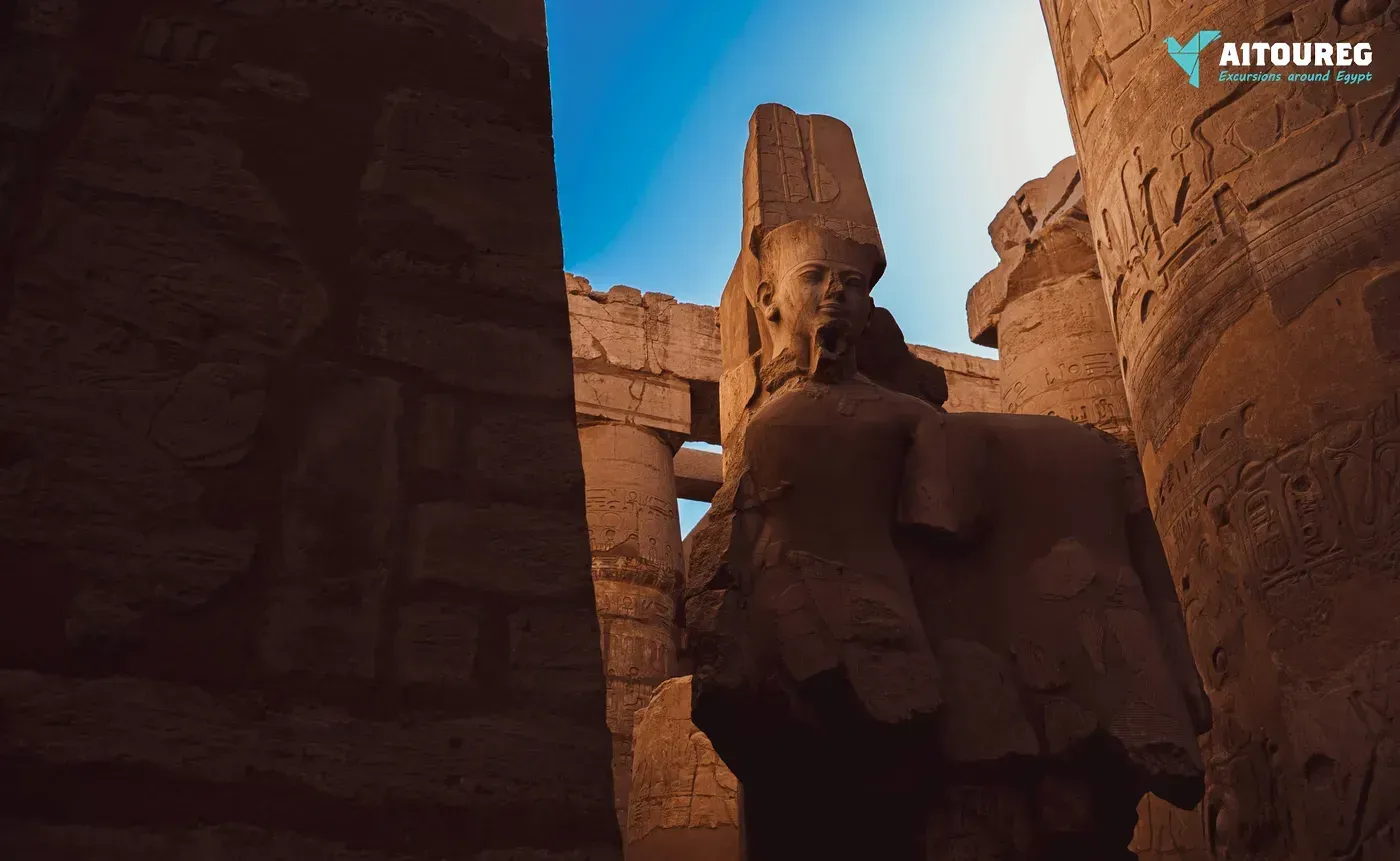
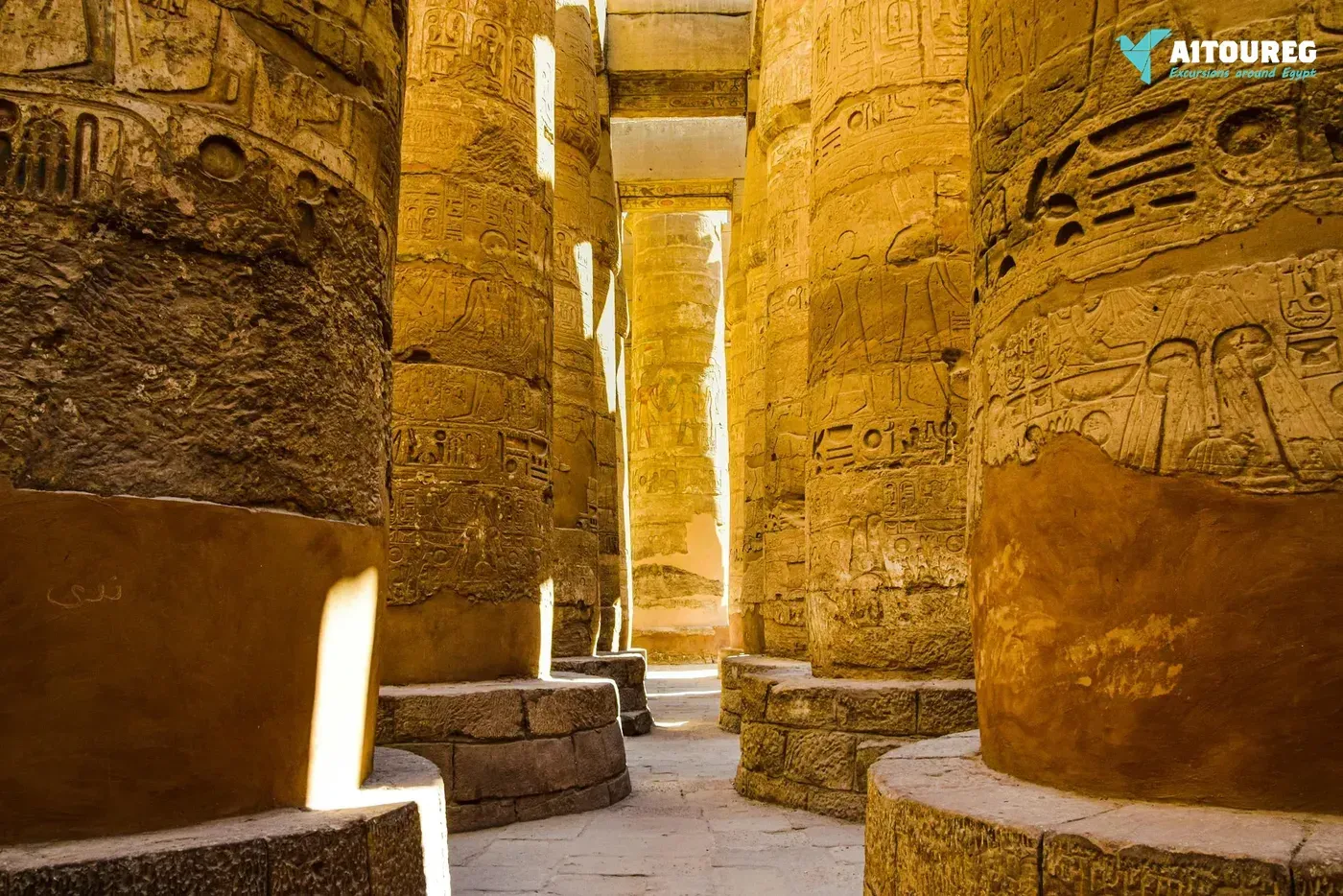
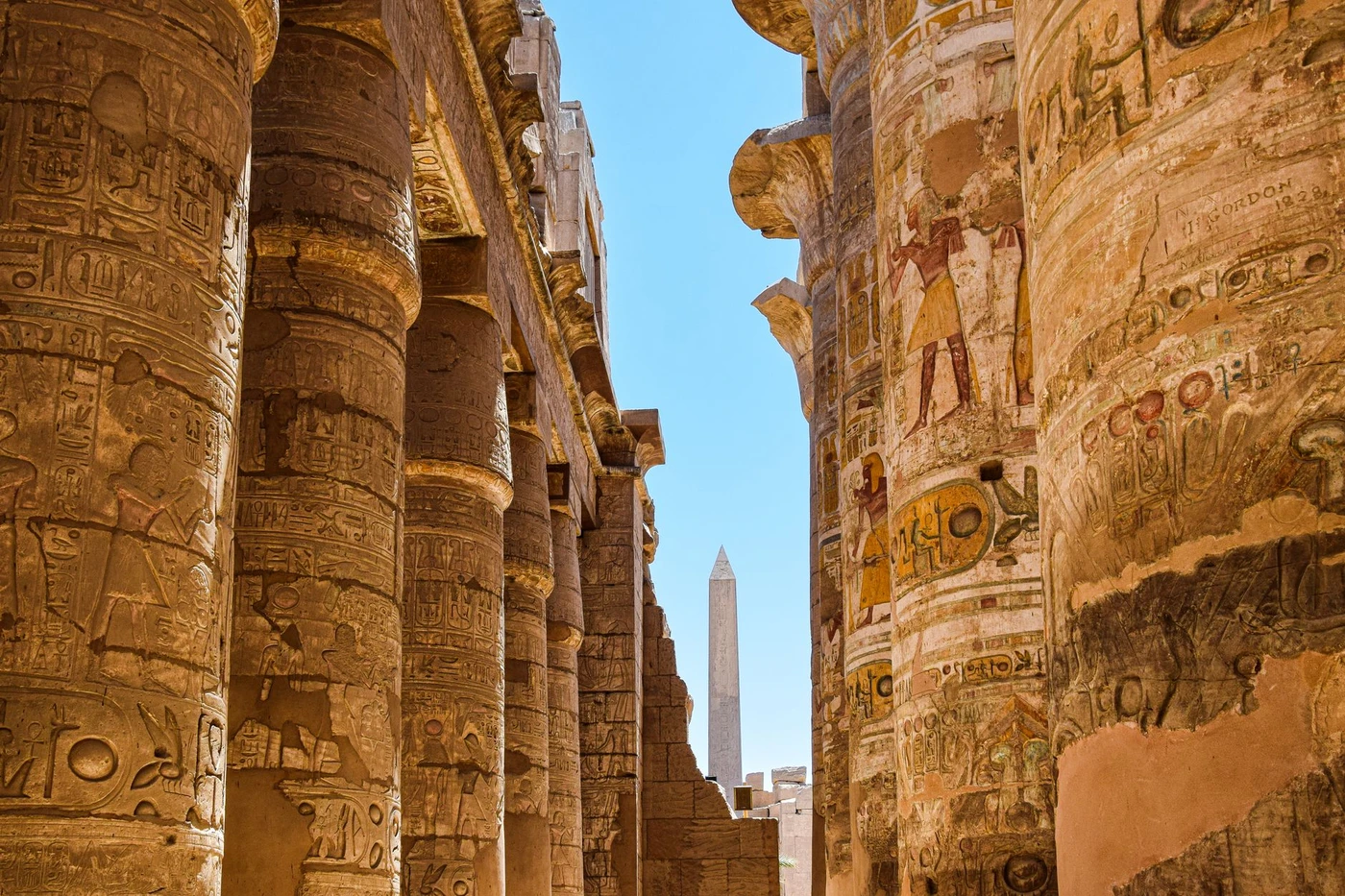
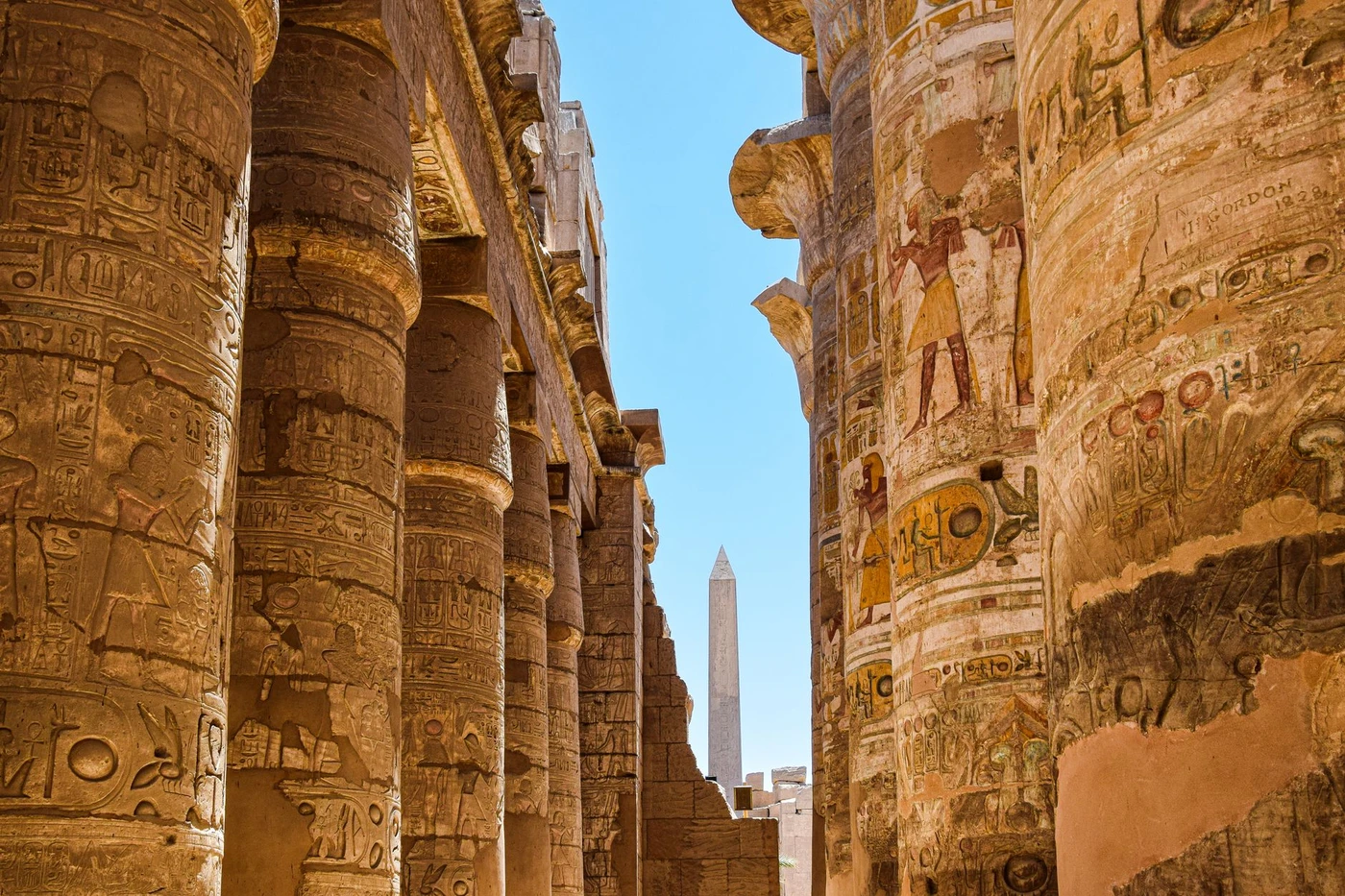
Later, explore Luxor Temple, where the entrance avenue, colossal statues and grand courtyards introduce you to the city’s ancient religious centre. Your guide explains how the temple was connected with Karnak and used during festivals honouring Amun. The visit usually takes around 1–2 hours, depending on your pace and the opening conditions. Afterward, return to your accommodation for the evening and rest before the early west-bank touring day.
After breakfast, cross to Luxor’s West Bank for a full day among royal tombs and temple remains. Begin at the Valley of the Kings, entering the open tombs included with your ticket and walking through painted corridors cut into the limestone hills. The guide helps you read the scenes of gods, rituals and the afterlife; the ground can be uneven, and comfortable shoes are useful.
Continue to Hatshepsut Temple, built in terraces against the cliffs, then visit Madinet Habu Temple, known for its heavy walls, reliefs and surviving colour. Finish at the Valley of the Nobles, where tombs belonging to officials show scenes of farming, workshops and everyday life rather than only royal ceremonies. The sites are spread out, so we use the vehicle between stops and allow time for water, shade and photographs. Return to your accommodation in Luxor in the late afternoon.
Leave Luxor after breakfast for the return journey toward Marsa Alam, using the route through Upper Egypt to visit two important temples. The first stop is Edfu Temple, dedicated to Horus and one of Egypt’s best-preserved temple complexes. Walk through its monumental gateway, courtyards and columned halls while your guide explains the reliefs and the temple’s connection with the Horus myth.
Continue south to Kom Ombo Temple, set beside the Nile and dedicated to Sobek and Horus the Elder. Its unusual double design is easy to understand on foot, with two parallel sanctuaries and carved scenes showing medical instruments, deities and royal rituals. After the visit, continue by road toward Marsa Alam. This is a substantial travel day, so expect several hours in the vehicle, with breaks arranged during the route. Drop-off marks the end of the 3-day trip.