

13-Day Egypt Itinerary: Cairo, Nile & Hurghada
This 13-day Egypt itinerary covers Cairo’s ancient sites, a planned Nile route and time beside the Red Sea. We start in Cairo, where the Pyramids of Giza bring Egypt’s Old Kingdom into view, then travel south to the temples and tombs between Luxor and Aswan before finishing in Hurghada.
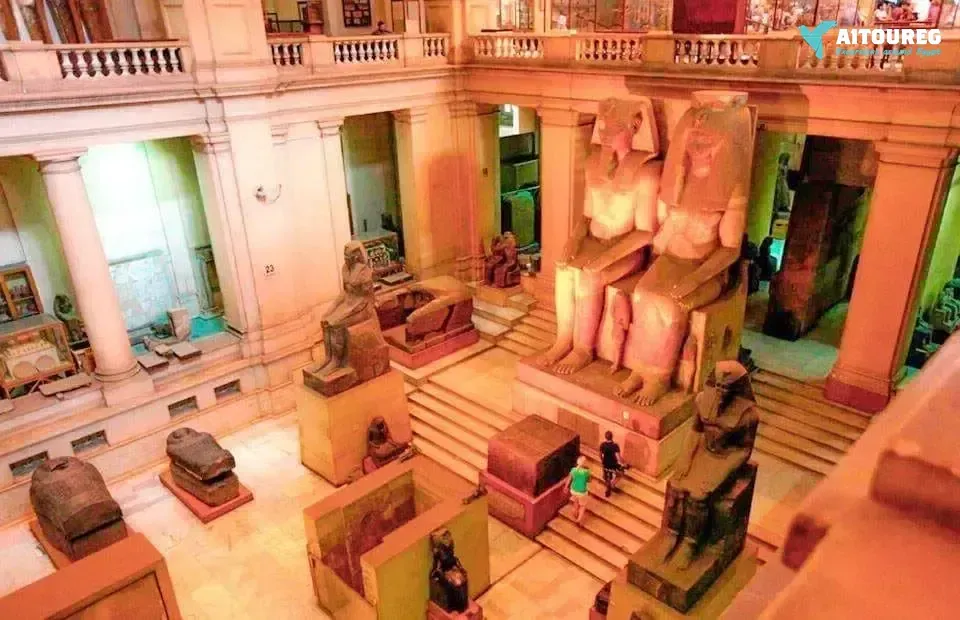
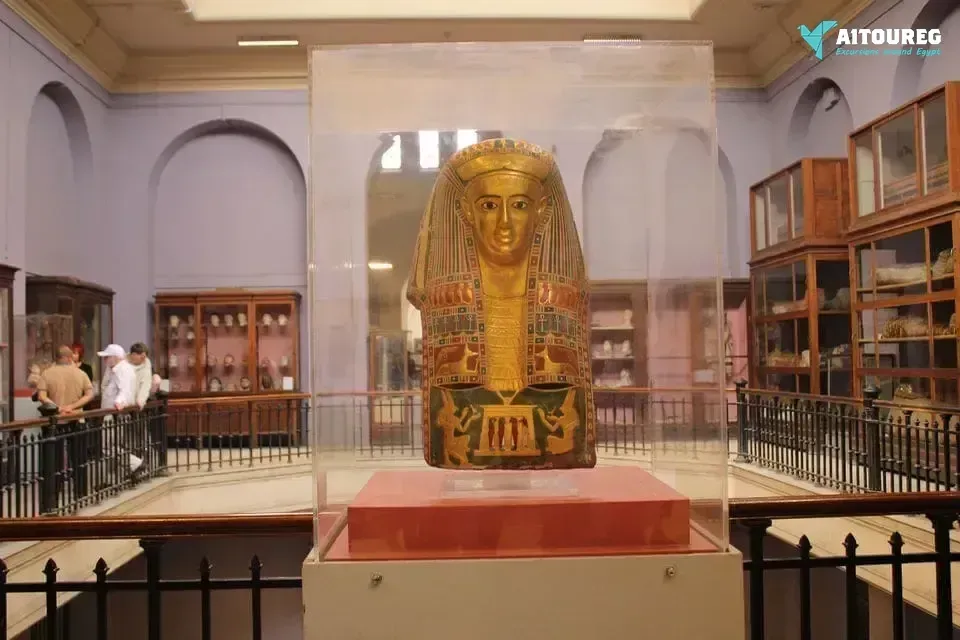
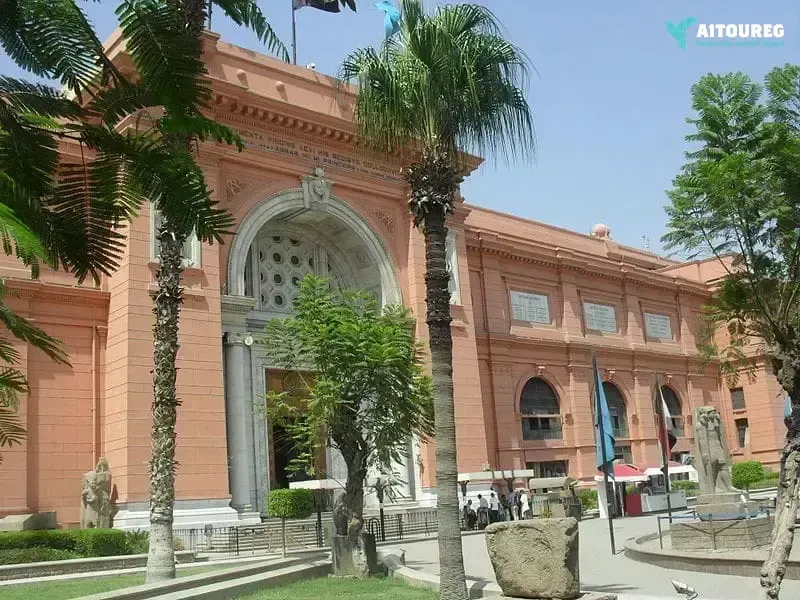
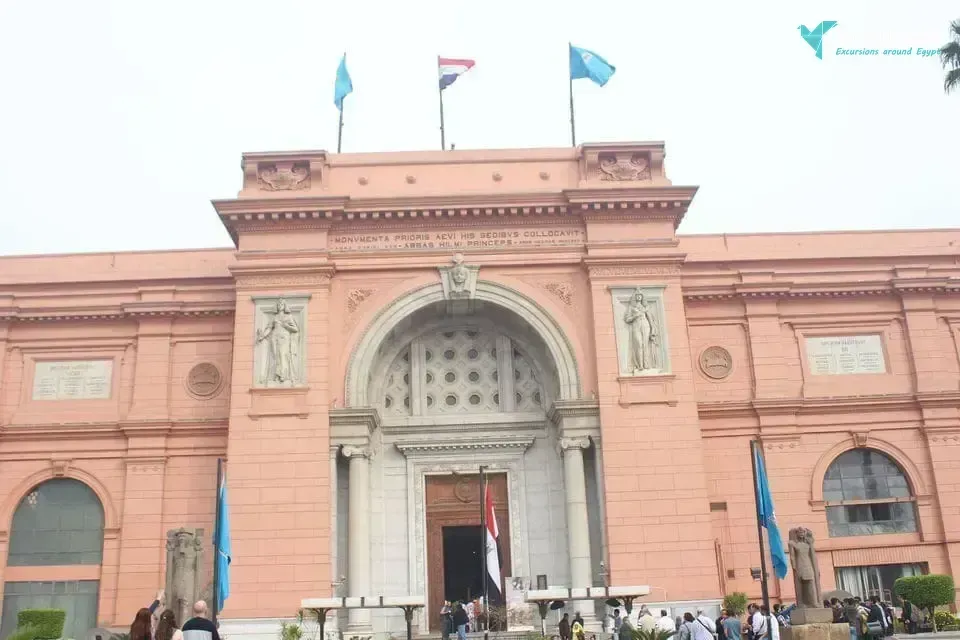
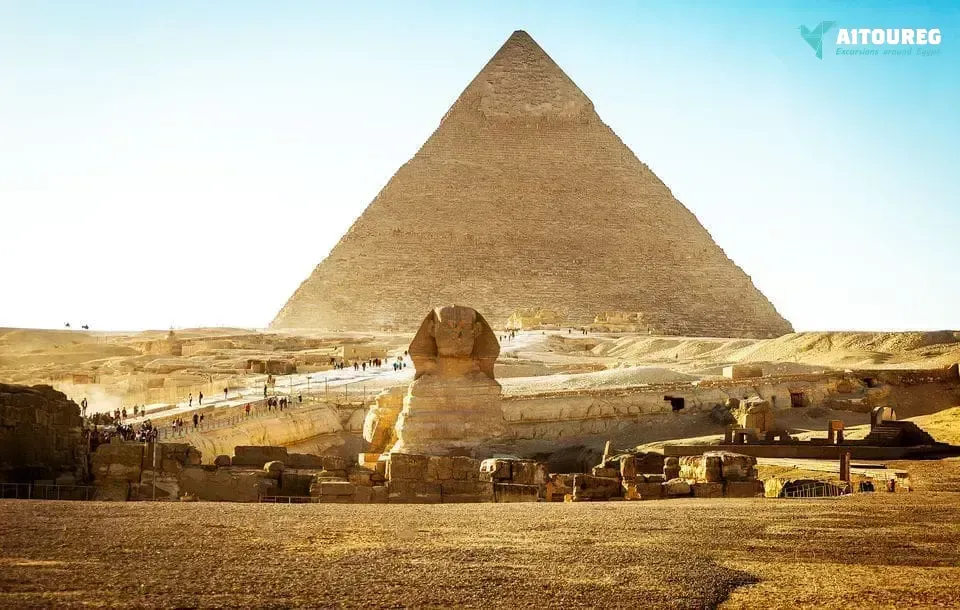
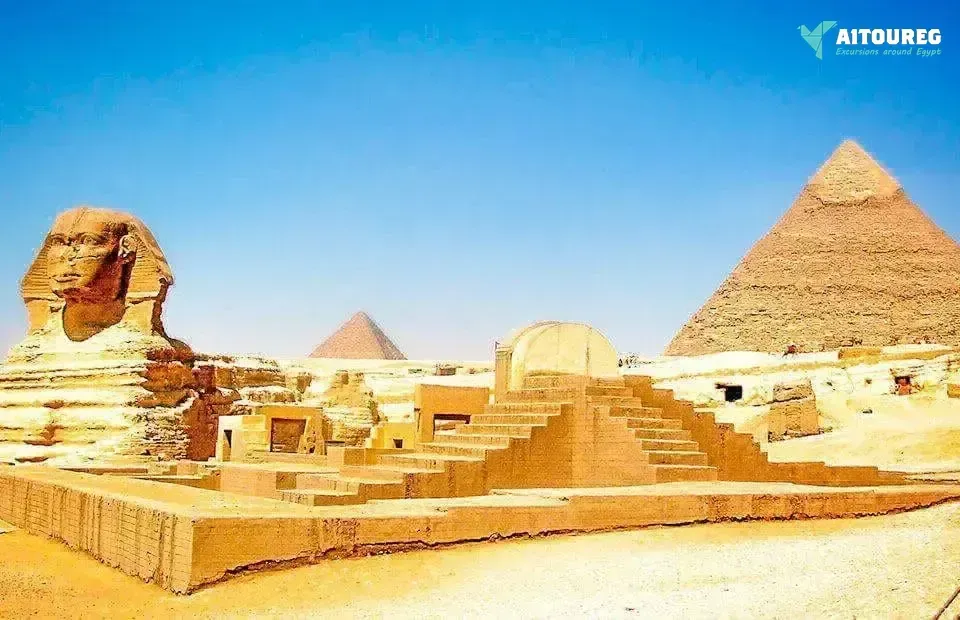
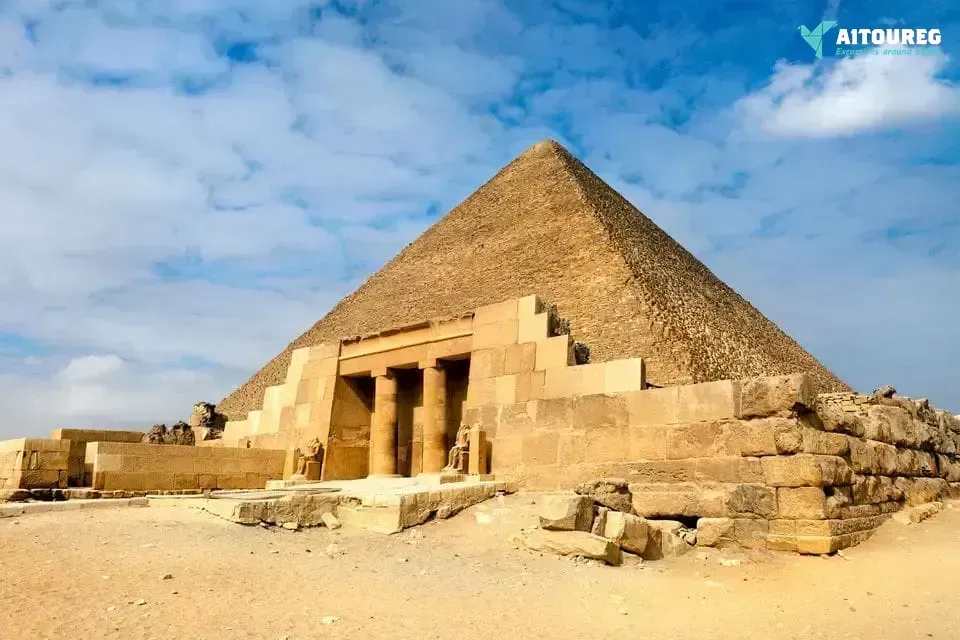
In Cairo, you visit the Pyramids of Giza and the nearby Sphinx area with a licensed Egyptologist, who explains how the complexes were built and used. The Cairo Museum shows another side of the story, with royal statues, funerary objects and everyday items that place the monuments in a wider history. Cairo can feel intense, so our team keeps the day organised and leaves time for meals, transfers and proper rest between major visits.
The itinerary also takes you into the desert landscape known as the Great Sea of Sand. Its broad, open terrain feels very different from the Nile Valley. Desert travel calls for sensible preparation, so we arrange the transport and route details while you take in the changing landscape rather than navigate unfamiliar roads. This section suits travellers who want more than the usual city-and-temple circuit.
Further south, you visit the archaeological sites between Luxor and Aswan. The route includes Edfu and Kom Ombo, where temple reliefs, courtyards and inscriptions remain clear. In Aswan, the Aswan Dam shows how modern engineering reshaped the Nile, while Philae Temple sits on an island reached by boat. You may also see the site called Temple of Phila or Phiala Temple; its columns and reliefs make more sense with a guide who can explain the move that protected it from rising water.
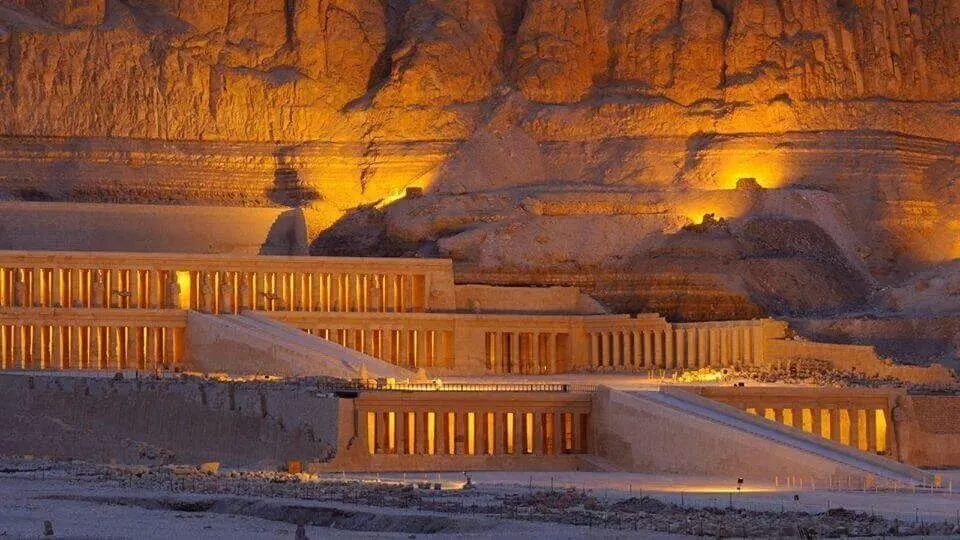
Luxor has the trip’s greatest concentration of ancient sites. In the Valley of the Kings, you enter selected tombs cut into the dry hills and see painted scenes created for the afterlife. The Temple of Queen Hatshepsut stretches across the cliffs at Deir el-Bahari, with terraces that clarify the layout. At Karnak Temple, the scale shifts again: the Hypostyle Hall, processional avenues and successive layers of construction show how the religious centre grew over many centuries. Travel information may also call these landmarks Temple of Hatshepsut, Valley of Kings and Karnak.
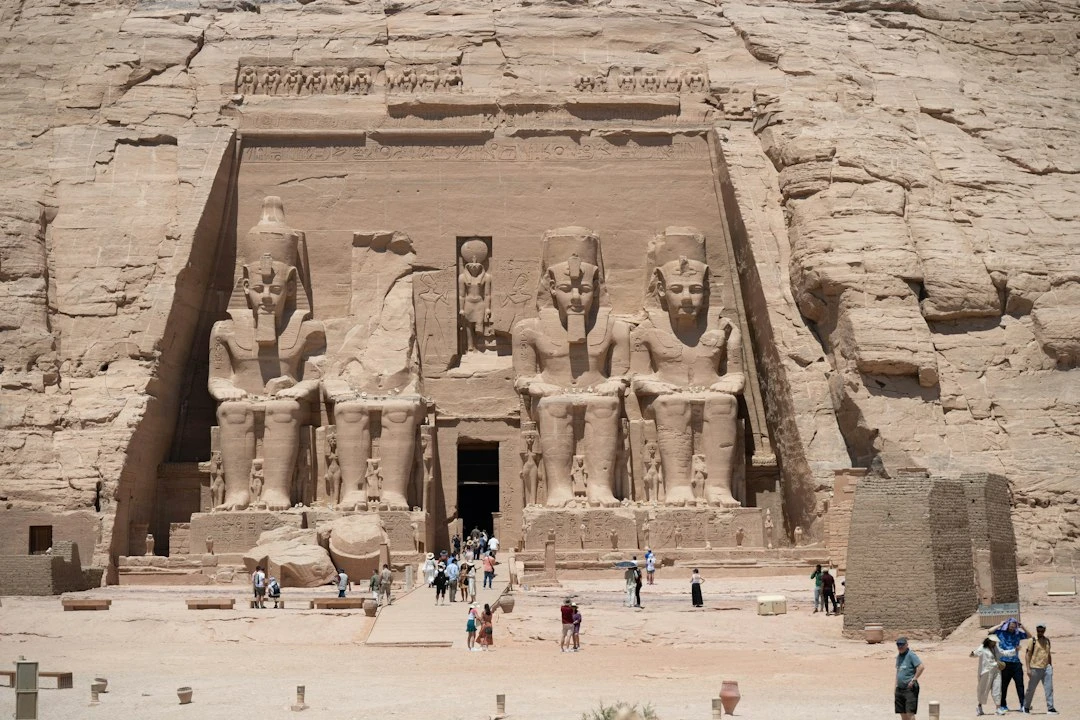
Abu Simbel is a major reason to choose a longer Egypt itinerary. The seated figures outside the temples catch your attention first, while the interior reliefs and carefully arranged chambers reward a slower look. We coordinate this visit as part of the southern route, keeping the day practical and allowing time for photography without making it a rushed stop.
After the archaeological visits, Hurghada gives you time to slow down beside the Red Sea. You can spend time on the coast, swim when conditions allow or choose an optional sea excursion arranged through the local team. The change of pace helps after several early starts. Hurghada also keeps the final part of the holiday simple, with time to rest before your departure arrangements.
Our team manages the main transfers, sightseeing order and local coordination, while guides explain each site in clear, useful detail. The pace suits travellers who want a broad first visit to Egypt and are comfortable with long touring days, uneven ground and some early departures. It is less suitable for anyone looking for a slow beach holiday or a trip without walking. Meals, accommodation and transport follow the confirmed booking details, and we advise on suitable clothing, water and footwear before each stage of the route.
We can explain the practical details before travel, including pickup arrangements, luggage for internal transfers and meeting points for guided visits. Bring a refillable water bottle, sun protection, modest clothing for religious sites and a light layer for early starts; comfortable walking shoes will make the archaeological days much easier.
Visit to Abu Simbel and the main Cairo, Luxor and Aswan sights listed in the itinerary
Support from our local A1 Toureg team during the tour
Entrance arrangements for the included archaeological sites
Guided sightseeing with a licensed Egyptologist where specified
Transportation between the destinations listed in the programme
Accommodation for the 13-day itinerary as confirmed in the booking
Arrival and departure transfers according to the confirmed itinerary
Any sightseeing or transport not included in the final itinerary
Optional Red Sea excursions in Hurghada
Meals and drinks not listed in the confirmed booking
Entry visa and personal travel insurance
Personal expenses, shopping and laundry
International flights
Gratuities for guides, drivers and service staff
Refillable water bottle
Light layer for early mornings and air-conditioned transport
Small day bag for guided visits
Passport and required travel documents
Light, breathable clothing and a modest covering for temples and religious sites
Any required medication and personal toiletries
Comfortable walking shoes with good grip
Sun hat, sunglasses and high-factor sunscreen
This 13-day Egypt itinerary includes the planned sightseeing route through Cairo, Luxor, Aswan, Abu Simbel and Hurghada, with visits to major ancient sites and the transfers needed between destinations as stated in your booking details.
The itinerary covers the Pyramids of Giza, Cairo Museum, the temples of Luxor and Aswan, and time beside the Red Sea. Accommodation, meals, domestic flights or train travel, and entrance fees can vary by package, so check the confirmed inclusions before booking.
This 13-day Egypt itinerary has a full but manageable pace, combining Cairo antiquities, the archaeological treasures between Luxor and Aswan, Abu Simbel, and several days in Hurghada rather than moving to a new site every day.
You can expect the Pyramids of Giza and Cairo Museum first, followed by the Valley of the Kings, Temple of Queen Hatshepsut and Karnak Temple in Luxor. The Aswan section includes Philae Temple, also written Temple of Phila or Phiala Temple, the Aswan Dam, Edfu and Kom Ombo, before the visit to Abu Simbel. The Great Sea of Sand is not a named stop in the supplied route, so ask us if you want a desert extension.
Airport pickup and intercity transfers are arranged according to your confirmed itinerary, connecting the Cairo, Luxor, Aswan, Abu Simbel and Hurghada sections without requiring you to organise each journey alone.
Our team sends the meeting instructions and transfer details for your arrival. Please provide accurate flight and accommodation information, and tell us in advance about any changes, late arrivals or special mobility needs so we can review the arrangements.
This Egypt itinerary can suit families and many travellers with average fitness, but several visits involve walking over uneven ground, steps, stone surfaces and open areas in the sun, especially at the Valley of the Kings, Karnak and the Temple of Hatshepsut.
Children usually enjoy the Pyramids, Abu Simbel and the Red Sea, while younger travellers may need breaks during longer sightseeing days. Step-free access is limited at some archaeological sites and boats, so tell our team about mobility restrictions before booking; we can explain the practical limits of each stop.
Bring light, breathable clothing, comfortable walking shoes, sun protection, a hat, refillable water, a small day bag and a light layer for air-conditioned transport or cooler mornings.
Wear clothing that covers shoulders and knees when visiting religious or traditional areas, and choose secure footwear for the Pyramids of Giza, Karnak, the Valley of the Kings and Temple of Hatshepsut. Swimwear is suitable for Hurghada, while a cover-up helps when walking away from the beach. Carry medication, identification and any required travel documents with you.
You can request this 13-day Egypt itinerary by sending your preferred travel dates, traveller details and accommodation requirements, after which our team confirms the available arrangements and the booking conditions that apply.
Cancellation terms depend on the services reserved, such as accommodation, transport and domestic travel, so they are provided with your quotation or booking confirmation. Ask us about changes before paying a deposit, particularly if you want to add more time to Discover the Red Sea in Hurghada or extend your Visit Egypt plans.
Your unforgettable Egypt journey starts with a booking you can trust.
* Available on selected tours. Flights, cruises and special bookings may have different cancellation policies.
Free cancellation up to 24 hours before activity starts
If you choose to pay online, a secure payment link can be provided after booking. For assistance or alternative payment options, please contact us via WhatsApp.
All our tour operators are licensed and verified by Egyptian tourism authorities.
Learn more about our licensed partners →Free cancellation up to 24 hours before activity starts
If you choose to pay online, a secure payment link can be provided after booking. For assistance or alternative payment options, please contact us via WhatsApp.
All our tour operators are licensed and verified by Egyptian tourism authorities.
Learn more about our licensed partners →
Your Itinerary
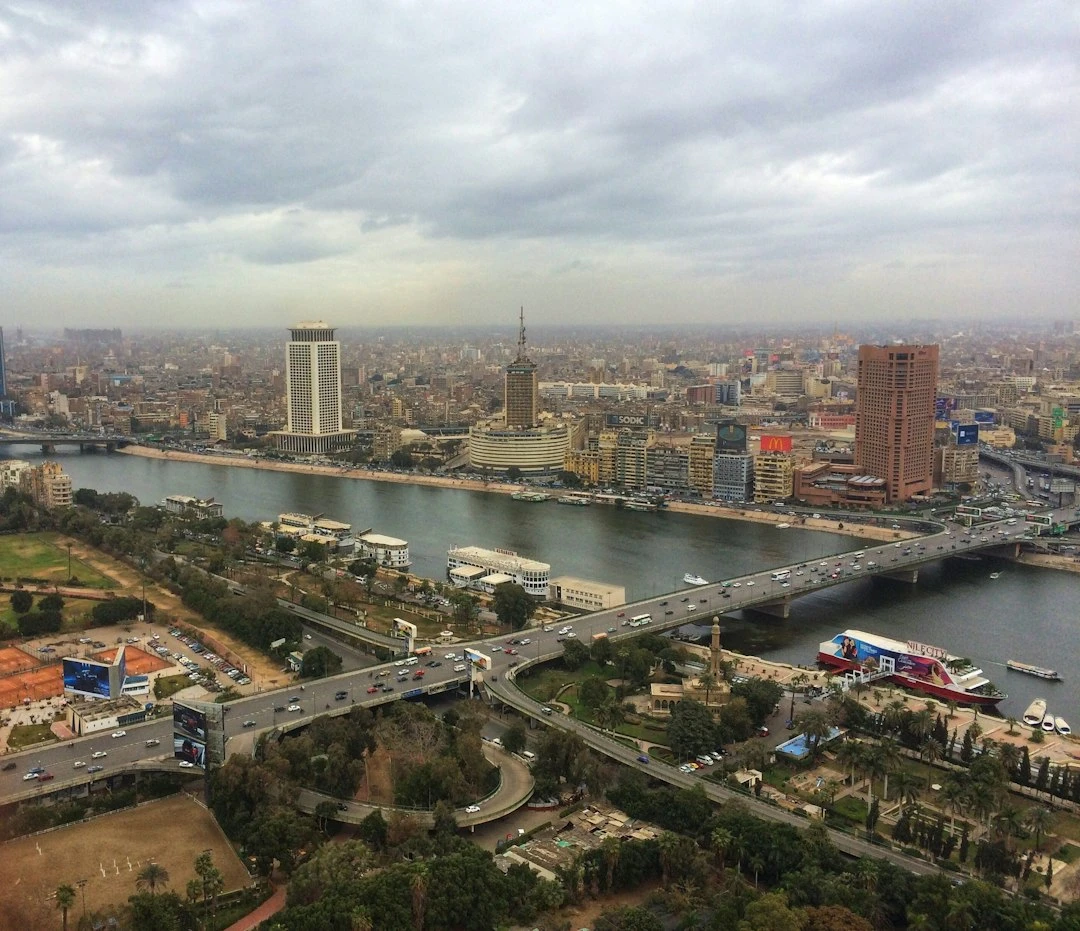
On arrival in Cairo, our team meets you at the airport and helps with the first practical steps, including the transfer to your accommodation. After a long journey, the pace stays easy. You can settle in, rest, and speak with our team about the days ahead.
If your arrival time allows, we can help you take a short first look at the city or arrange a quiet evening nearby. Cairo traffic can be busy, so transfers may take longer than the distance suggests. Your guide will confirm the next day’s plan and explain what to have ready for your visit to Giza.
The first night is kept flexible because travellers arrive on different schedules. Meals and personal expenses are usually arranged according to your booking, while our team remains available for practical help with currency, local transport, and meeting arrangements.
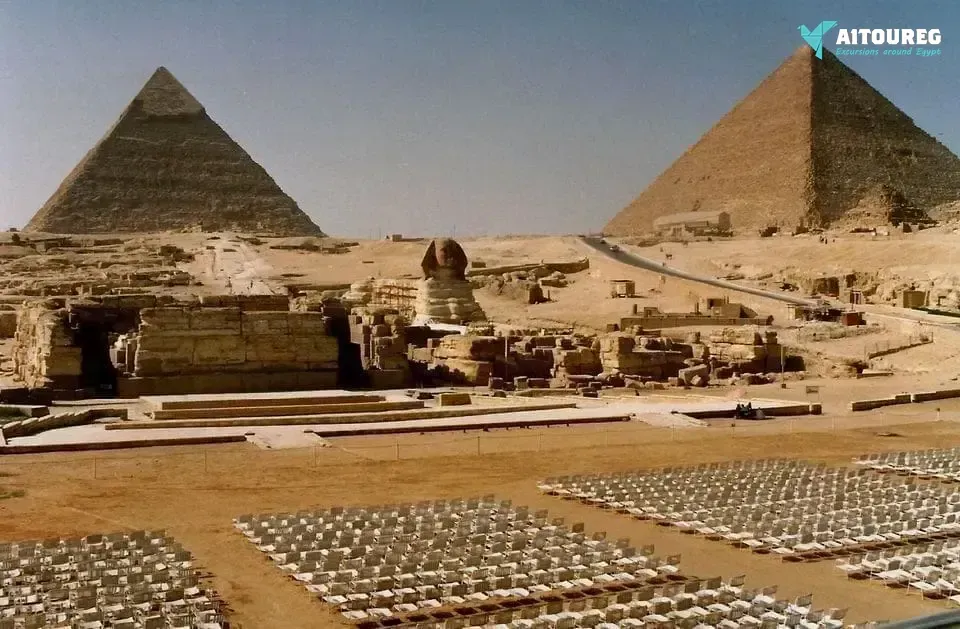
After breakfast, your guide takes you to the Giza Plateau for your first major sightseeing day. You see the Pyramids of Giza in order, beginning with the Great Pyramid before continuing to the pyramids of Khafre and Menkaure. Your guide explains how the royal complex was planned, built, and used.
There is time to walk between the main viewpoints and take photographs, with pauses in the shade where possible. Entry inside a pyramid is optional and involves narrow passages and uneven surfaces, so you can decide on the ground whether it suits you.
The visit continues to the Sphinx and its temple area, where the scale of the limestone monument becomes clearer from ground level. After sightseeing, you return to Cairo for lunch or a break, with the rest of the evening free for a relaxed start to your stay.
Today focuses on Cairo’s antiquities and historic quarters. At the Cairo Museum, your guide leads you through selected galleries rather than expecting you to cover every room. You see royal statues, funerary objects, jewellery, and everyday pieces that show how much of ancient Egyptian life survives beyond the monuments.
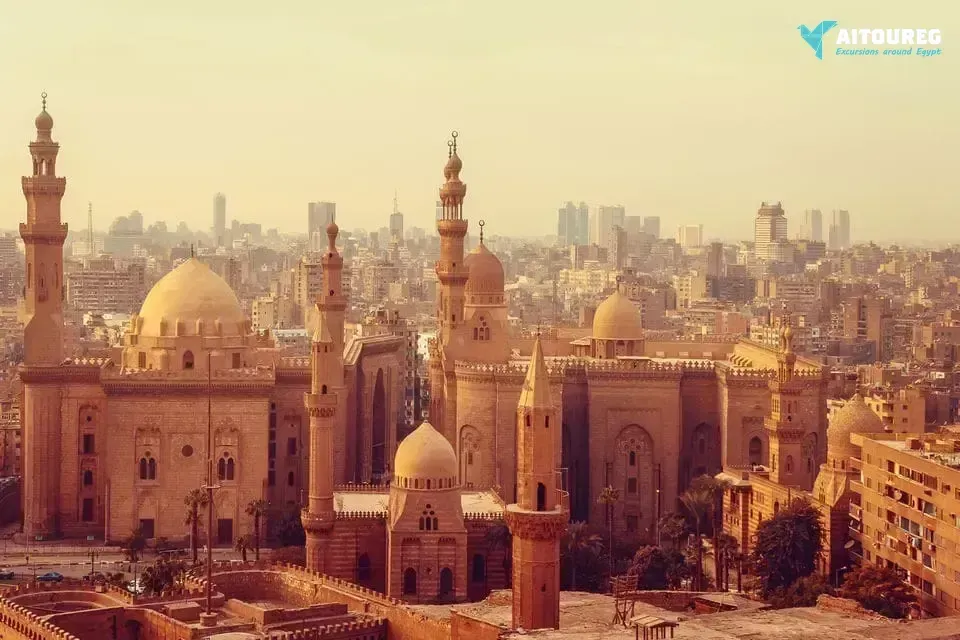
The museum visit is followed by time in Old Cairo, where churches, narrow lanes, and historic religious buildings sit close together. Your guide explains the area’s changing communities and points out details that are easy to miss when walking independently.
The day includes time for a local lunch and a short rest before returning to your accommodation. Museum displays and access arrangements can change, so the precise route inside is confirmed on the day. Keep comfortable shoes with you; the museum and Old Cairo both involve plenty of walking.
Leave Cairo by road for Siwa Oasis, a long overland journey through Egypt’s Western Desert. The route changes gradually from urban streets to open desert, with planned stops for refreshments and rest. The drive takes much of the day, so this is a travel-focused stage rather than a packed sightseeing schedule.
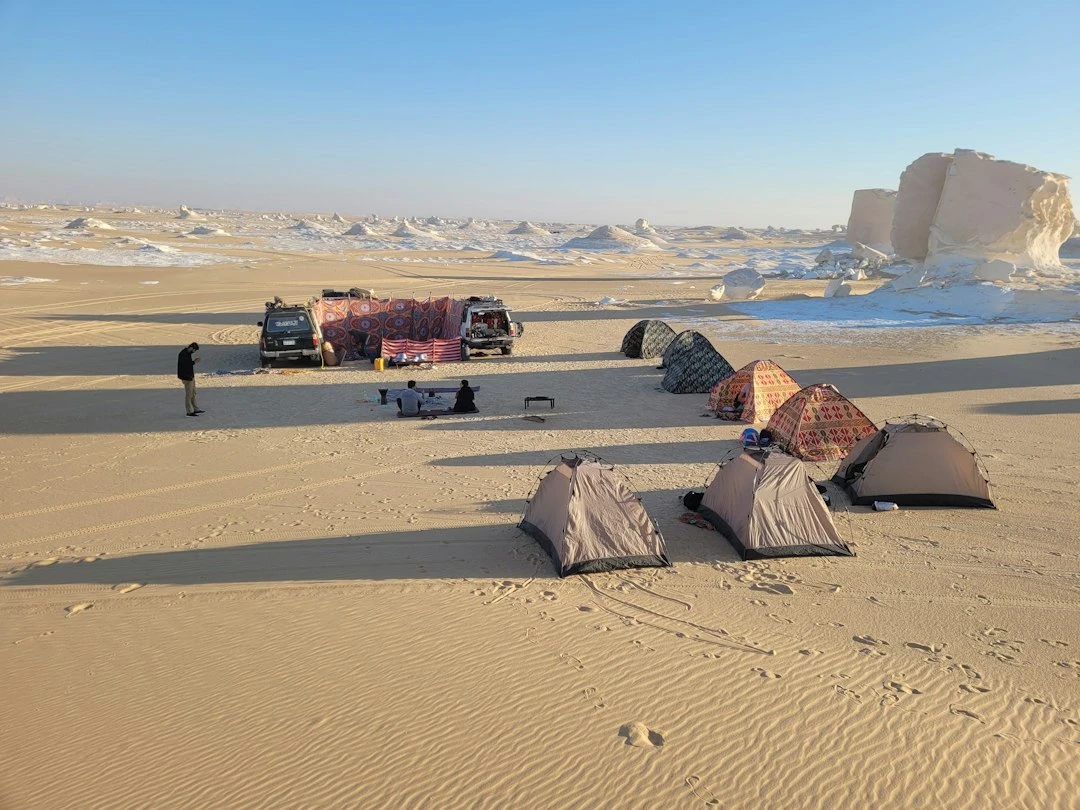
After reaching Siwa, you see the oasis landscape of palms, salt lakes, and low desert ridges. Depending on local conditions and the day’s arrival time, a short four-wheel-drive outing may take you towards the great sea of sand, where broad dunes replace the cultivated oasis.
Your guide explains the practical plan for the following morning and helps you settle in. Desert roads can be tiring, particularly for young children, but regular breaks make the transfer easier. Keep water, sun protection, and a light layer accessible during the journey.
Begin with Siwa’s historic centre and oasis scenery before starting the return journey. The morning may include a visit to the old mud-brick settlement, local springs, and viewpoints over the palm groves, depending on access and the agreed schedule. These places give context to how communities have lived around limited water in the desert.
After a final meal or refreshment stop, travel back towards Cairo by road. The return is another long transfer, with breaks arranged along the way. Our team keeps the route practical and confirms the next connection so you are not left to manage the change between road and air travel alone.
On reaching Cairo, you either rest overnight or continue by domestic flight to Luxor if the tour schedule and transport plan place that connection on the same day. The exact arrangement depends on arrival times and booking logistics, with luggage kept ready for the next stage.
After reaching Luxor and completing the transfer, the day moves to the west bank of the Nile. Your guide takes you into The Valley of the Kings, where royal tombs were cut into the desert hills. The usual visit includes several open tombs, while the choice of individual tombs depends on the current ticketing and conservation arrangements.
Inside, you see painted corridors, burial chambers, and hieroglyphic texts that remain remarkably detailed in the dry climate. The walk includes uneven ground and steps, and the heat can be strong, so carry water and wear shoes with a firm grip.
After the tombs, return across the west bank for lunch or a pause before continuing to the nearby monuments. The afternoon is deliberately measured; tomb visits are more rewarding when you have time to listen to your guide rather than rush between entrances.
Continue exploring Luxor’s west bank at the Temple of Queen Hatshepsut. Its terraces rise against the cliffs, and the approach makes clear how the monument was designed to connect the desert, the mountain, and the cultivated Nile valley. Your guide explains Hatshepsut’s reign and the scenes carved on the surviving walls.
After the west bank, cross the river for lunch and visit Karnak Temple in the afternoon. The complex is broad enough to require a steady walk, passing through pylons, courtyards, and the great hypostyle hall. Look up at the remaining columns and painted details as your guide reconstructs the religious use of the site.
There is time for photographs and a quiet pause before returning to your accommodation or joining the next cruise arrangement. The order may change to suit opening hours and local traffic, but both visits are completed without trying to compress them into a short stop.
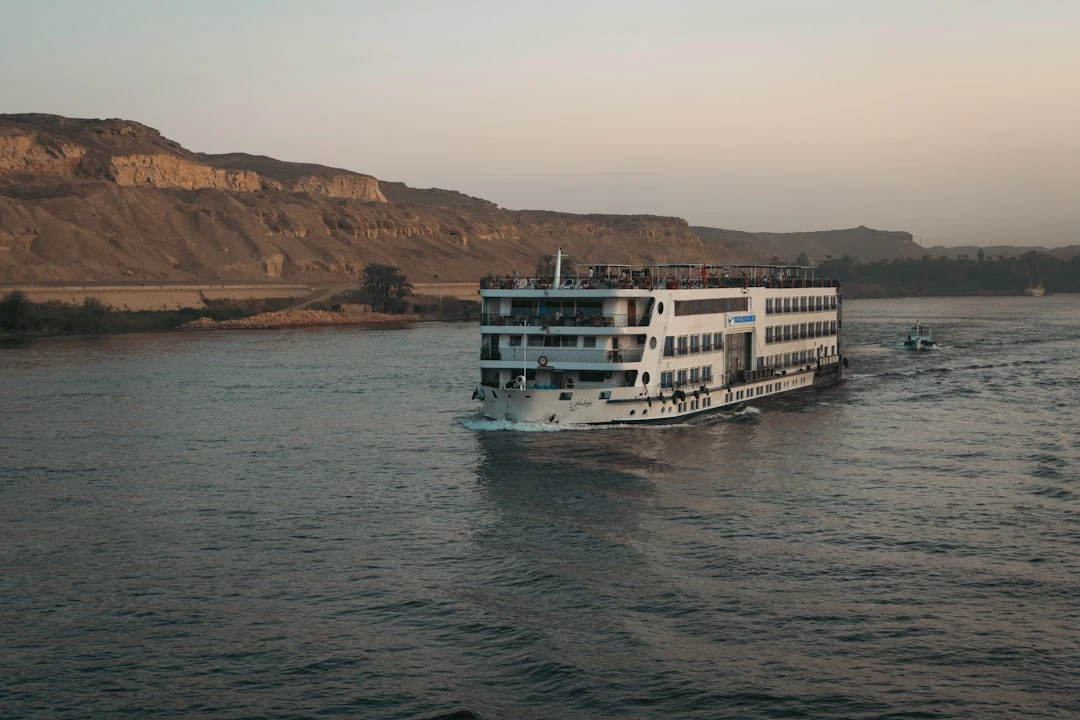
Board your Nile cruise or begin the river journey after breakfast. This is the central day for travellers who want to Discover the many archaeological treasures between Luxor and Aswan, as the landscape changes from farmland to desert edges while the boat moves south.
The main sightseeing visits are grouped around Edfu and Kom Ombo. At Edfu, a horse-drawn carriage or local transfer usually carries you from the river to the temple area, where the large pylons and enclosed courts are dedicated to Horus. Later, visit Kom Ombo, a riverside temple with a distinctive double layout and reliefs linked to two separate deities.
Return to the boat after each excursion for meals and time on deck. Cruise schedules can shift with river traffic and lock arrangements, so your guide confirms the exact landing times. The day combines walking on hot stone surfaces with restful stretches as the Nile scenery passes by.
Arrive in Aswan and travel by boat to the island sanctuary commonly known as the Temple of Phila. From the water, the setting is part of the experience; the temple buildings sit apart from the city and are reached across the lake. Your guide explains how the monument was relocated during the construction of the modern dam.
On the island, walk through the gateways, courtyards, and decorated chambers at a comfortable pace. The reliefs combine ancient Egyptian religious scenes with later additions, and your guide points out the details that show the site’s long history.
Continue to the Aswan Dam for a practical view of the engineering project and its effect on the Nile valley and surrounding communities. The visit involves exposed areas, so sun protection and water are useful. Return to Aswan for lunch, a felucca ride if conditions allow, or time to relax beside the river.
Travel from Aswan to Abu Simbel by road, usually leaving early so there is enough time at the temples before the return journey. The route crosses a broad desert landscape south of the city. Your driver and guide organise the transfer, while you should keep water, snacks, and sun protection within reach.
At the site, enter the Great Temple of Ramesses II and study the enormous seated figures at the entrance before moving through the decorated halls. The nearby temple dedicated to Nefertari has its own reliefs and scale, giving the visit a different feel. Your guide explains the temples’ relocation during the creation of Lake Nasser.
After the visit, return to Aswan by road. It is a full day with several hours of driving, but the sightseeing itself is unhurried. The evening is best kept light, with time to rest and prepare for the transfer to the Red Sea coast.
Leave Aswan after breakfast for the transfer to Hurghada. The journey crosses desert roads and connects the Nile Valley with the Red Sea coast, so expect a substantial travel period with rest stops arranged along the route. Your luggage remains with you, and our team confirms the drop-off details before departure.
As the landscape changes, palms and cultivated fields give way to open desert and then the coastal mountains. On arrival, check in and take time to settle rather than rushing into an activity. The remainder of the day is free for the beach, a walk along the waterfront, or an early dinner.
This transition is useful after several intensive archaeology days. Keep your plans flexible because road conditions and traffic can affect the arrival time. Your guide or local representative explains the next day’s arrangements, including pickup details for any boat trip or water activity.
Today is set aside to Discover the Red Sea at a gentler pace. Depending on your chosen activity and sea conditions, the day may include a boat excursion, swimming, snorkelling, or time on a beach area away from the city. The boat crew explains the safety steps before anyone enters the water.
The Red Sea is known for clear sections of water, colourful reef life, and sheltered coastal sites, but conditions vary. You can remain on board or choose a shorter swim if you prefer. Families should follow the crew’s instructions closely, and travellers who are not confident swimmers can ask about flotation equipment.
Return to Hurghada later in the day for a relaxed evening. Bring swimwear, a hat, reef-safe sun protection where appropriate, and a dry change of clothes. If you prefer to avoid a boat outing, our team can help arrange a land-based coastal day instead, subject to local availability.
Your final morning in Hurghada is kept simple. After breakfast, you have time for a last walk, coffee, or a quiet hour by the water before the airport transfer. Our team confirms the collection plan in advance and allows extra time for the drive, check-in, and airport procedures.
If your departure is later in the day, luggage storage or a late check-out may be discussed directly with your accommodation, subject to availability. Keep passports, travel documents, medicines, and valuables in your hand luggage rather than in bags placed in the vehicle’s luggage area.
The tour ends with your drop-off at the airport. If you are continuing elsewhere in Egypt, including a return to Cairo, the transfer details depend on your confirmed travel arrangements. Our team remains available until the departure handover is complete.