Dendera & Abydos Tour from Sahel Hashesh
Dendera and Abydos Full-Day Tour from Sahel Hashesh
This full-day Dendera and Abydos tour from Sahel Hashesh takes you to Upper Egypt to visit two major temple sites on one organised excursion. The road journey is long, but it leads to detailed reliefs, ancient religious architecture and places linked with Hathor, Osiris and the afterlife. Our team arranges the transport, pickup and return, leaving you free to concentrate on the sites.
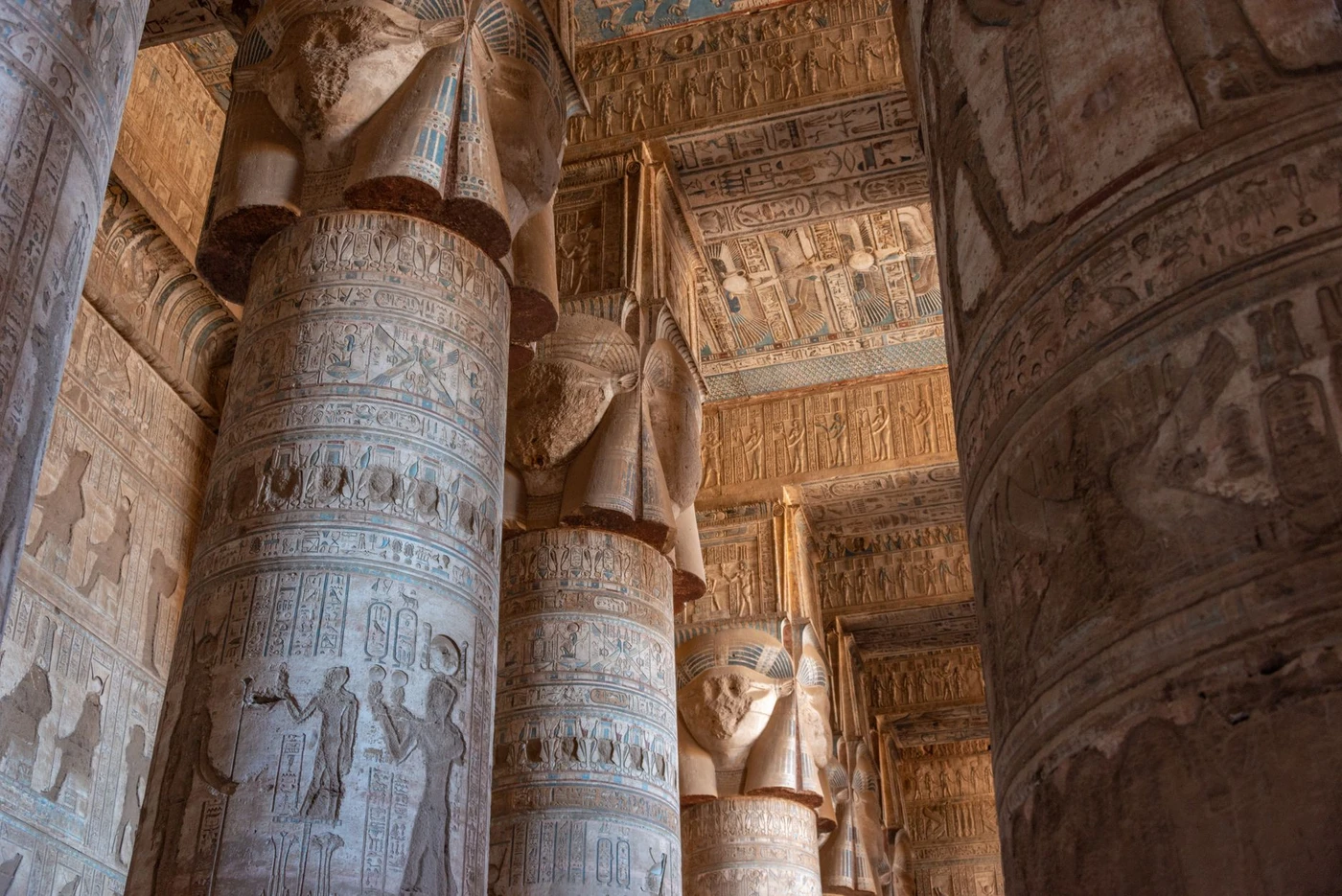
You begin at the ancient Dendera complex, one of Egypt’s best-preserved temple areas. Its main temple was dedicated to Hathor, the goddess associated with love, music, motherhood and healing. Broad columns, carved ceilings and coloured reliefs give you plenty to study, while your guide explains how priests used the complex and how worshippers approached its sacred spaces.
Inside the Hathor temple sanctuary, your guide can point out the famous image of Hathor, astronomical designs on the ceiling and scenes showing the relationship between the gods and the ruling pharaoh. The sanctuary was the temple’s most private area, reached through increasingly restricted spaces. Take time to look up and examine the walls; some details are easy to miss when moving through too quickly.
After Dendera, you continue to Abydos, a major religious centre in ancient Egypt. Abydos was closely associated with Osiris, the god of the afterlife, and many Egyptians hoped to make a pilgrimage there during their lifetime. The site feels quieter and more open than the larger temple areas around Luxor, giving you room to listen to the guide and take in the surrounding desert landscape.
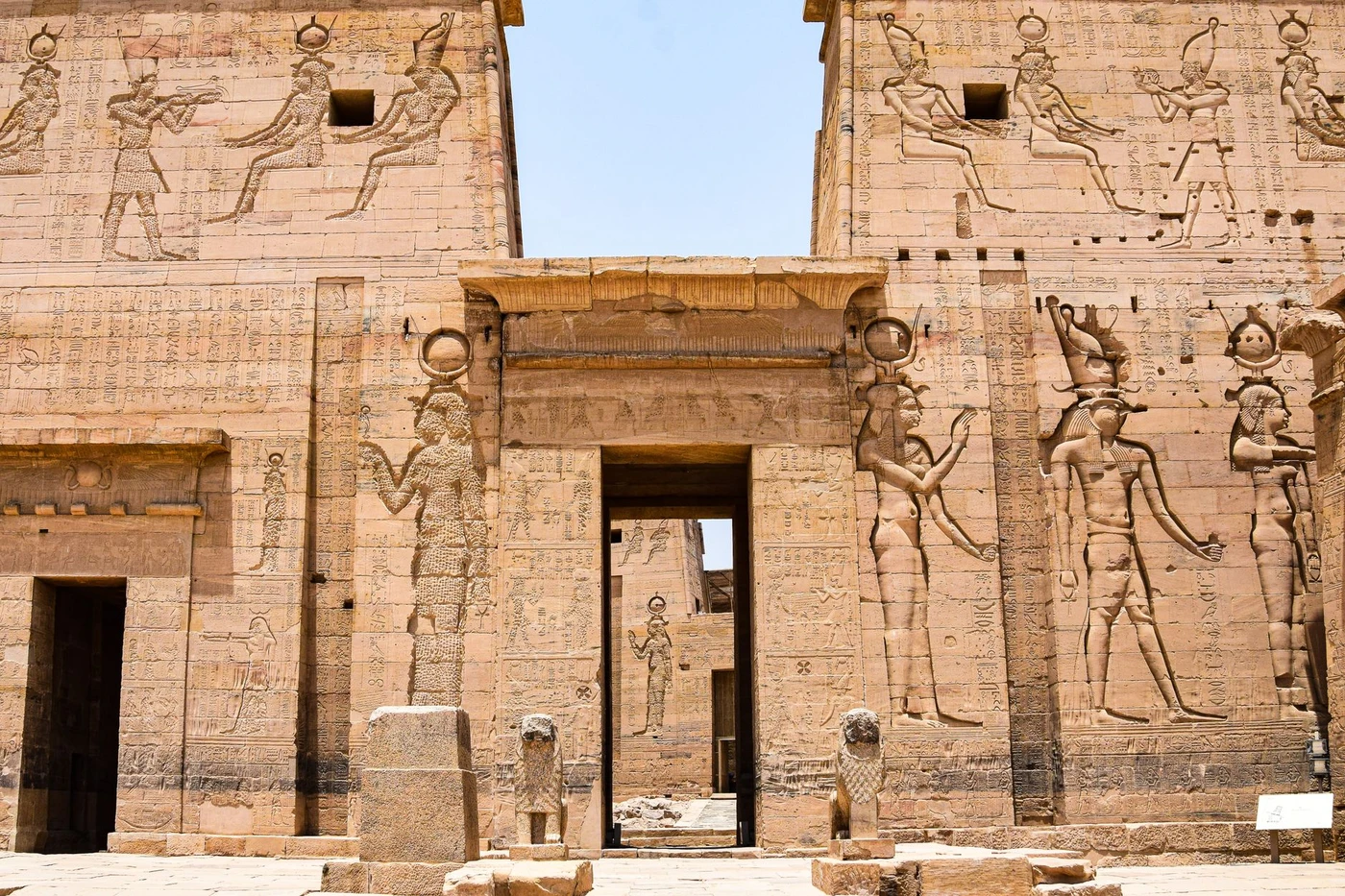
The main visit is to Abydos Temple of Seti I, built by Seti I and completed by his son Ramesses II. Its walls show the king presenting offerings to the gods, alongside finely carved royal and religious inscriptions. Your guide can explain the temple’s link with Osiris and point out the famous king list, which records earlier rulers of Egypt. The reliefs make the long drive worthwhile for travellers interested in Egyptian history, architecture or ancient belief.
The day follows a steady sightseeing pace, with time outside the vehicle at both temple complexes and a road journey between them. Wear comfortable shoes and bring water, sun protection and a light layer for the vehicle. The excursion suits travellers who want to visit lesser-seen temples beyond the usual coastal day trips. It may feel demanding for very young children or anyone uncomfortable with long road journeys, and visitors with mobility concerns should discuss the site conditions with our team before booking.
What is the pickup arrangement? We collect travellers from their accommodation in Sahel Hashesh and return them there after the tour; the exact pickup time depends on the final route and local conditions. Is the tour suitable for families? Families can join, but the full-day duration and long drive need consideration. Our guide keeps explanations practical and can adjust the pace for the group where site conditions allow.
Transport is arranged in an air-conditioned vehicle, and a licensed Egyptologist guide accompanies the sightseeing visits. Entry procedures, road conditions and meal arrangements can vary, so our team confirms the operational details before travel. Bring your passport or a copy if requested for local checks, and keep small essentials in an easy-to-reach day bag.
Entrance fees to the listed temples
Pickup and drop-off from Sahel Hashesh
Air-conditioned road transport
Licensed Egyptologist guide
Meals and drinks unless stated in the booking details
Personal expenses
Any optional services not listed in the inclusions
Gratuities
Hat, sunglasses and sunscreen
Comfortable walking shoes
Water and sun protection
Camera or phone with spare battery
Light clothing with a layer for the vehicle
Passport or a copy if requested
The full-day tour from Sahel Hashesh includes the road transfer to the ancient Dendera complex and Abydos, with visits to the Hathor temple sanctuary and Abydos Temple of Seti I. Entry tickets, guiding, meals and drinks depend on the package selected, so check the inclusions shown with your booking.
Our team can clarify what is covered before you confirm. The day involves several hours on the road, with time to walk around each temple site.
The Dendera and Abydos day trip is a full-day excursion with a long road transfer from Sahel Hashesh and walking at both temple sites. The visit usually follows the route to Dendera first, including the Hathor temple sanctuary, then continues to Abydos Temple of Seti I before the return journey.
The pace is steady rather than rushed, but the early start, warm conditions and time in the vehicle can make this a demanding day. We recommend comfortable shoes and carrying water.
Pickup for the Dendera and Abydos tour is arranged from your accommodation area in Sahel Hashesh, followed by a road transfer to the temples and a drop-off after the return journey. Your confirmed booking provides the pickup details, meeting point and any instructions for the day.
Please be ready at the stated meeting point and keep your phone available in case our team needs to contact you. The drive is long, so bring anything you need for comfort during the transfer.
The Dendera and Abydos tour can suit older children and travellers who are comfortable with a full day of driving and walking, while limited mobility may make the temple visits more difficult. Surfaces at the ancient Dendera complex and Abydos are uneven in places, and there may be steps or areas without smooth access.
Tell our team about mobility needs when booking so we can discuss the vehicle, walking distance and practical arrangements. Young children may find the long transfer tiring, even though the temple visits can be engaging for families.
Wear light, comfortable clothing that covers the shoulders and knees, with supportive shoes for walking around the Hathor temple sanctuary and Abydos Temple of Seti I. Bring water, sun protection, a hat and any medication you need during the full-day excursion.
A small day bag is useful for personal items. Conditions can change during the day, so a light layer for the vehicle and comfortable clothing for the temple visits are sensible.
You can book the full-day Dendera and Abydos tour from Sahel Hashesh by submitting your preferred date and accommodation details through the booking process. Cancellation terms depend on the conditions attached to your reservation, so review them before confirming and contact our team if anything is unclear.
We will use the booking information to arrange the pickup and share the meeting instructions. Tour arrangements can depend on the selected date and local operating conditions.
Your unforgettable Egypt journey starts with a booking you can trust.
* Available on selected tours. Flights, cruises and special bookings may have different cancellation policies.
Free cancellation up to 24 hours before activity starts
If you choose to pay online, a secure payment link can be provided after booking. For assistance or alternative payment options, please contact us via WhatsApp.
All our tour operators are licensed and verified by Egyptian tourism authorities.
Learn more about our licensed partners →Free cancellation up to 24 hours before activity starts
If you choose to pay online, a secure payment link can be provided after booking. For assistance or alternative payment options, please contact us via WhatsApp.
All our tour operators are licensed and verified by Egyptian tourism authorities.
Learn more about our licensed partners →
Your Itinerary
Our team collects you from your hotel in Sahel Hashesh and begins the road journey towards Qena. This is a long day in Upper Egypt, so we recommend travelling in comfortable clothing and carrying water, sun protection and a light layer for the vehicle. The route leaves the Red Sea coast and crosses the Eastern Desert before reaching the Nile Valley.
During the transfer, your guide can explain the order of the visits and the history of the temples ahead. There is time to rest during the drive, and the vehicle stops when needed for comfort. Once we arrive, you will enter the ancient Dendera complex, where the open approach, temple walls and remains of the wider sacred precinct give you a clear sense of how large the religious site once was.
Your visit begins with the wider remains of Dendera, a religious centre used for thousands of years. Your guide points out the surviving gateways, enclosure walls and archaeological layers before leading you towards the main temple area. The site is quieter and more spacious than many of Egypt’s better-known monuments, giving you room to look closely at the stonework and ask questions.
You will see carved scenes of pharaohs presenting offerings to the gods, along with inscriptions that preserve the names and rituals connected with the temple. The guide explains how the complex developed over different periods and how its position near the Nile supported pilgrimage and worship. Allow time to walk across uneven ground and open areas; comfortable shoes are useful, especially in the warmer part of the day.
Inside the main temple area, you will visit the Hathor temple sanctuary, dedicated to Hathor, a goddess associated with music, joy, motherhood and healing. The entrance hall leads into darker interior chambers, where columns and walls carry detailed reliefs. Look up at the ceiling for astronomical imagery and painted decoration, although the surviving colours vary across the rooms.
Your guide will explain how the sanctuary was used by priests and how Hathor’s worship connected Dendera with music, fertility and care. The visit is taken at a measured pace, with time for photographs where permitted and for examining the carved figures at close range. Some floors and thresholds are uneven, and the interior can feel cooler and dimmer than the open courtyard, so take care while moving between chambers.
After leaving Dendera, we continue north through the Nile Valley towards Abydos. A meal stop is arranged during this part of the journey, usually at a suitable local restaurant or hotel-style dining venue. The exact stop depends on the day’s road conditions and opening arrangements. Your guide can help with food choices, and travellers with dietary requirements should tell us in advance.
We then visit Abydos Temple of Seti I, one of Egypt’s most important ancient religious sites. The temple is dedicated to several deities, including Osiris, and its walls contain finely carved reliefs, offering scenes and royal inscriptions. Your guide explains Abydos’s connection with pilgrimage and beliefs about the afterlife. Look for the king list, the long reliefs and the well-preserved colour in parts of the inner rooms. Keep your camera ready, but follow the site’s current photography rules.
After the Abydos visit, we begin the return journey to Sahel Hashesh by road. The drive is another substantial part of the day, so this is a good time to rest, review photographs and talk with your guide about the temples. We plan the return with practical comfort in mind, including breaks when appropriate during the journey.
On arrival, our driver takes you back to your hotel or the agreed drop-off point in Sahel Hashesh. Because the tour covers Upper Egypt in one day, the return can be later than a typical local excursion and may vary with traffic, road conditions and time spent at the sites. Your guide remains available through the transfer to help with any final questions about Dendera, Hathor or Abydos.