Egypt 21-Day Honeymoon Tour with Nile Cruise
Egypt 21-day honeymoon tours give newlyweds time to see the country without turning every visit into a quick photo stop. Our route starts at the Giza Pyramids, then continues through Cairo, Alexandria, Siwa Oasis and the White Desert before a four-day Nile cruise travels from Aswan towards Luxor. The journey finishes in Hurghada, where a slower pace beside the Red Sea gives you time to unwind after the sightseeing.
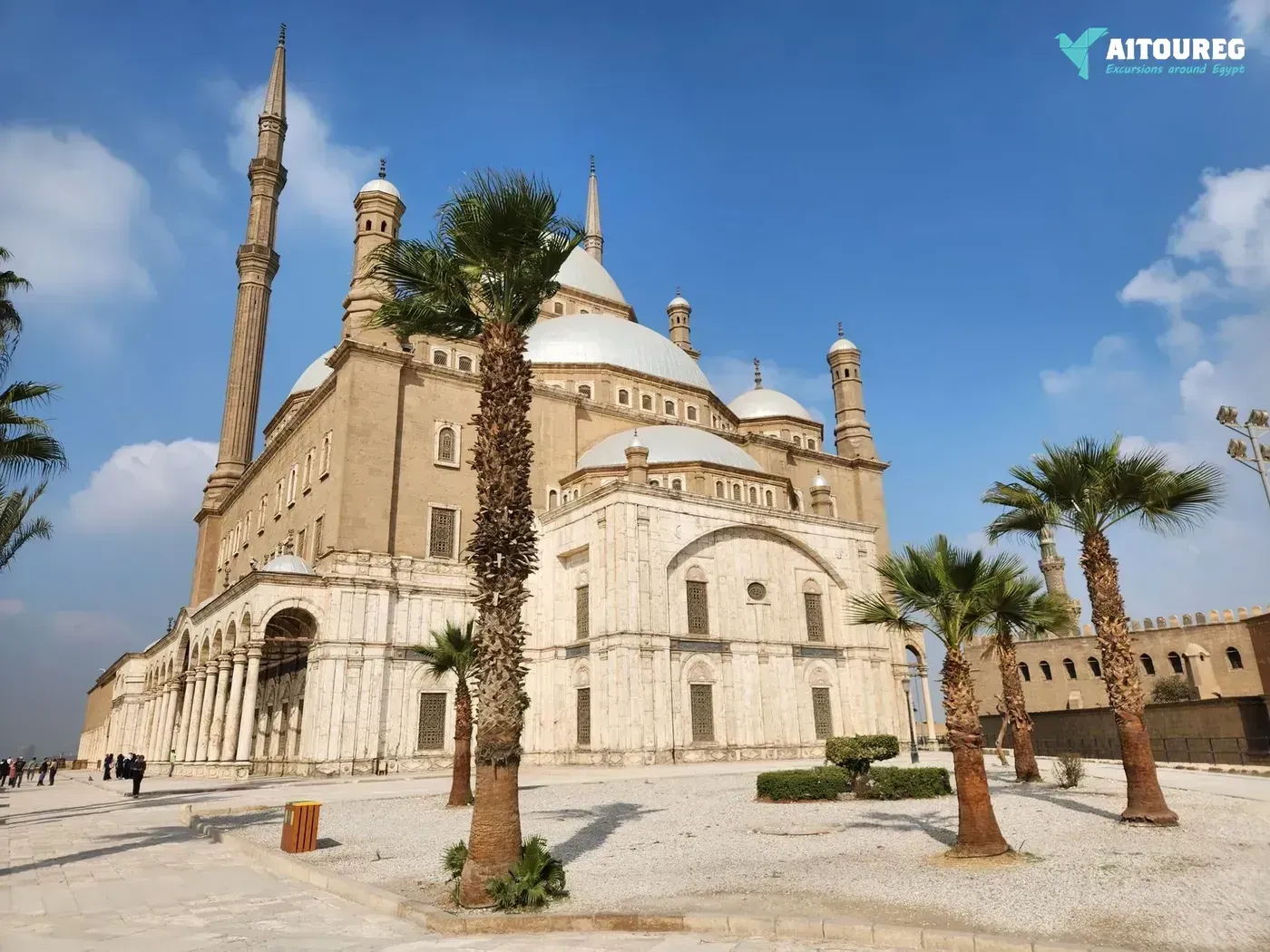
In Cairo, a licensed Egyptologist takes you through the Cairo Museum and the National Museum of Egyptian Civilization, which many travellers simply call The Civilization. You also visit Old Cairo and the Mosque of Mohamed Ali inside the Citadel. The historic setting, layered streets and clear explanations are easier to take in than on a hurried, self-guided route. Transport between the sites, arranged pickups and a measured pace help keep the first part of the honeymoon comfortable.
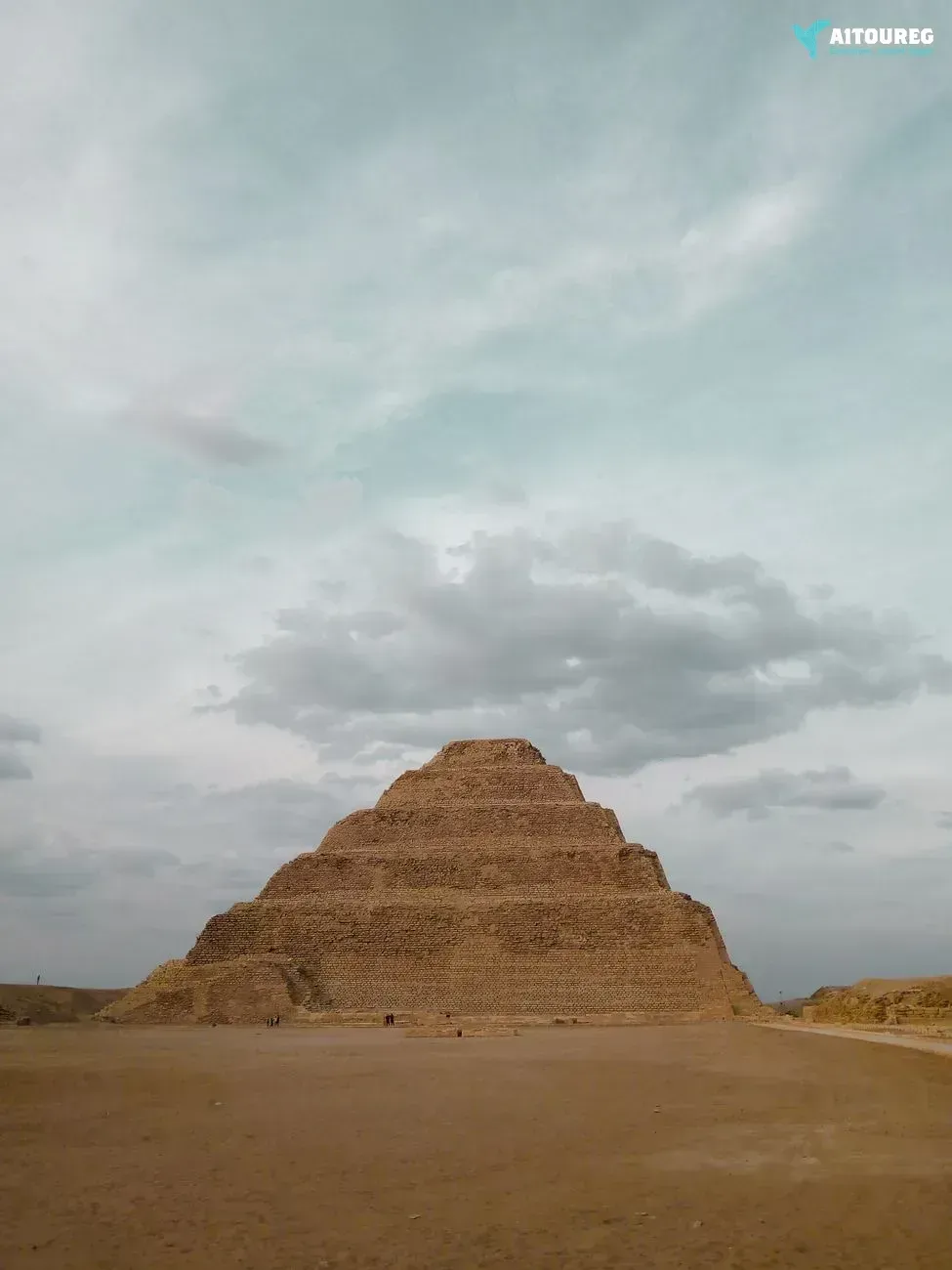
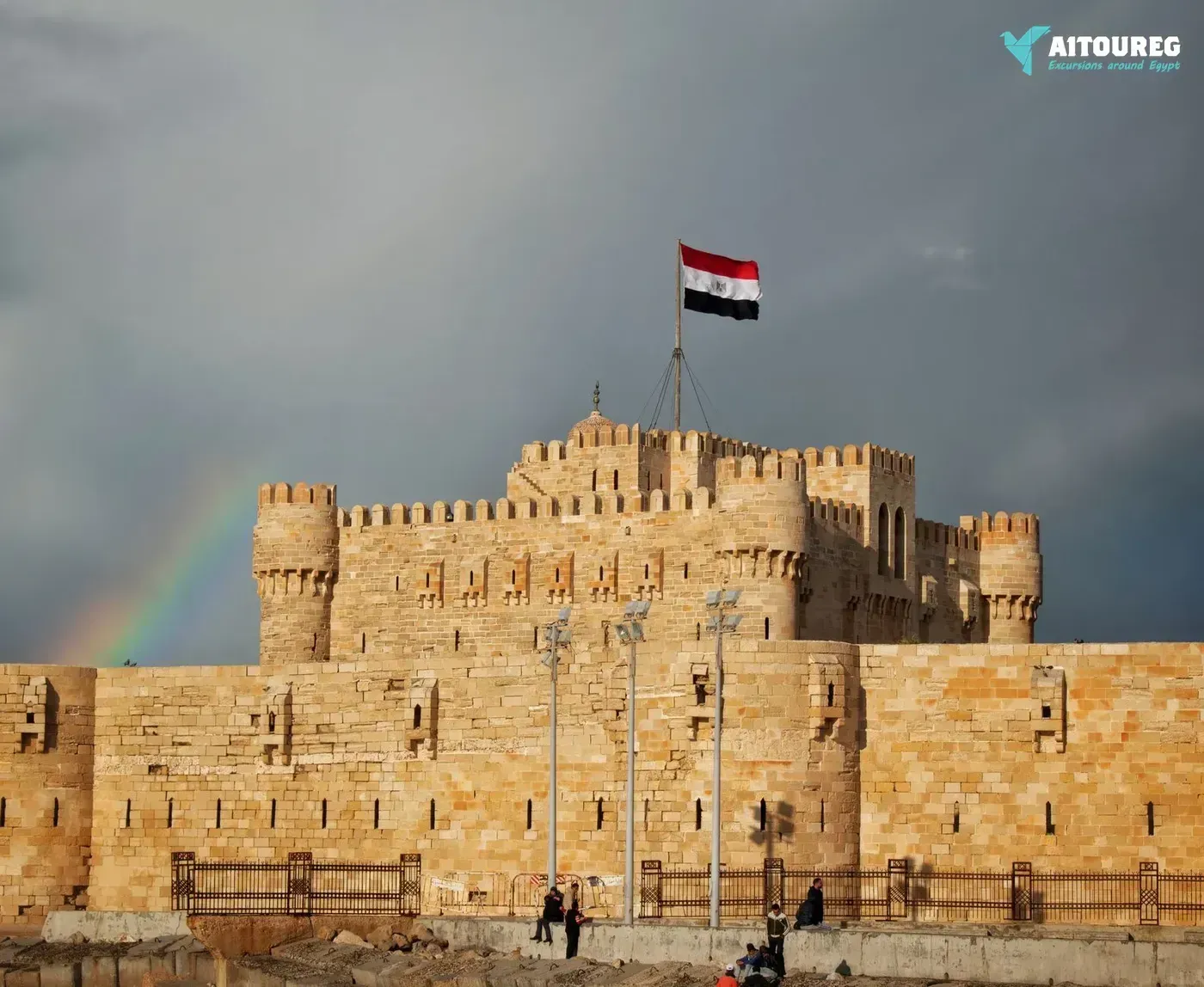
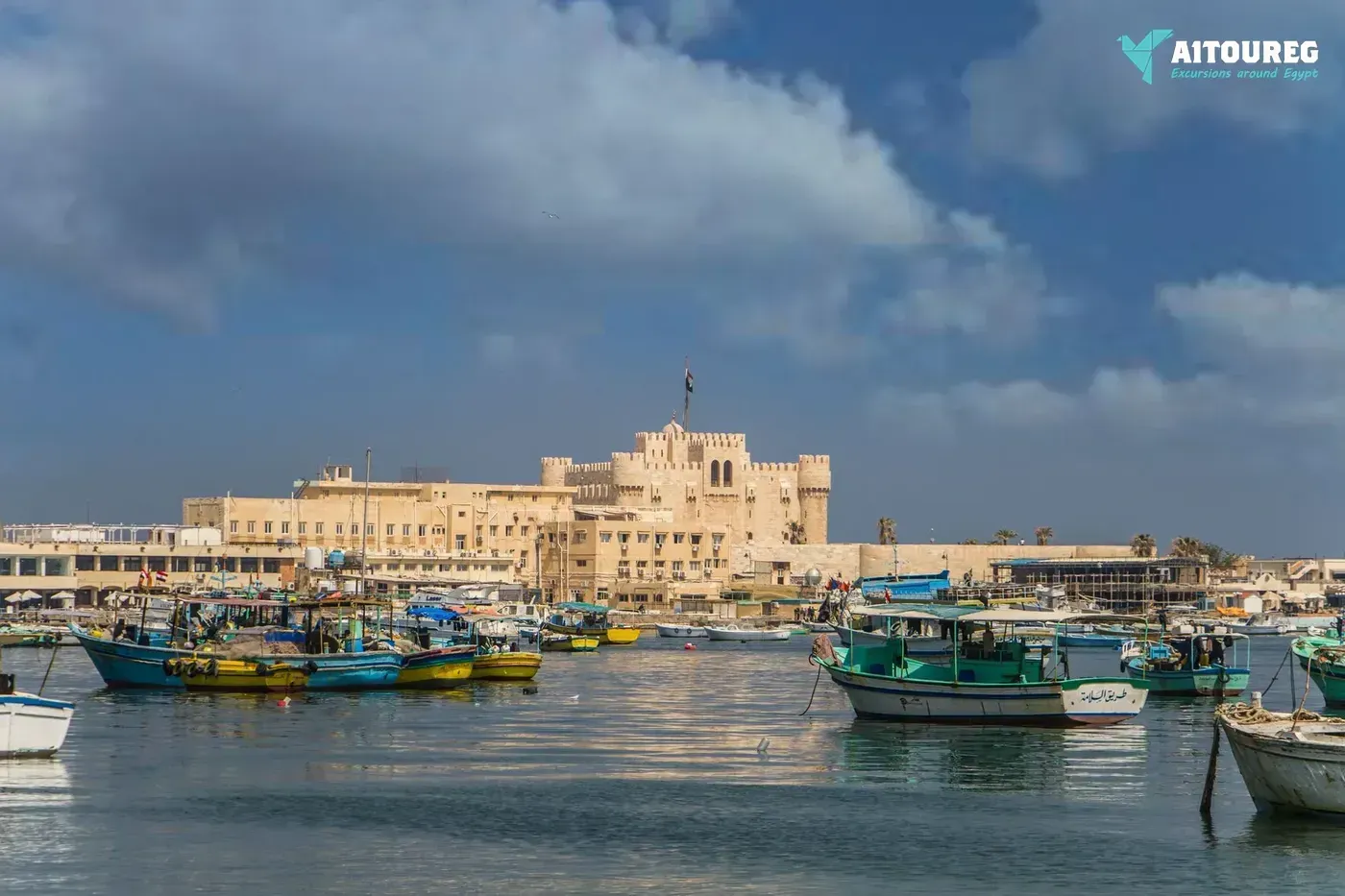
The ancient sites of Memphis, Sakkara and Dahshour make a worthwhile outing beyond central Cairo. You can compare the remains of Egypt's early capital with the Step Pyramid at Sakkara, then see the Bent Pyramid and Red Pyramid area at Dahshour. Alexandria has a different feel, with the Catacombs of Kom el Shoqafa, the Library of Alexandria, Pompei Pillar, the Citadel of Sultan Qeitaby and Al Montazah Palace. The order may change with local conditions, but the day allows time for the main monuments and the Mediterranean waterfront.
Siwa Oasis is a quieter change of scene after Cairo. On the way, the El Alamein Tombs provide historical context before you reach Siwa's palm groves and salt lakes. We take you to the Fortress at Shali, the temple of the Oracle, Gebel Al Mawta and Cleopatra's Bath. There is also time for the drive into Egypt Desert and an adventure trip by four-wheel-drive vehicle across the oasis landscape. Road travel is long in places, so this section suits travellers who value scenery and local character more than a fast schedule.
The desert section includes the great sand sea, the black Mountain, the valley of Agabat and the crystal mountain. You can visit the hot springs before the camp is set up in the White Desert. One night there means a simple desert camp, an evening meal and an overnight beneath open skies when conditions allow. This overnight in the White Desert is remote but practical rather than hotel-style, so tell us in advance about mobility, dietary or sleep requirements.
Aswan begins the Nile portion, with visits to Phila temple and the Aswan Dam before the cruise. Phila temple is also written as Phiala temple in some travel notes; it is the island temple reached by boat. During the four-day Nile cruise, you can relax on deck as we visit the archaeological sites between Luxor and Aswan. Stops include Edfu and Kom Ombo, with guided visits arranged around the ship's sailing schedule and time to rest between excursions.
Luxor brings the Valley of the Kings, Queen Hatshepsut temple and Karnak temple. The Valley of Kings, Hatshepsut temple and Karnak are often highlights for first-time visitors, but the heat and walking surfaces need respect. We plan visits with water breaks and practical transfers where possible. The journey also includes Abu Simbel, with its vast rock-cut temples and carefully arranged reliefs, before the final move to Hurghada. Abu Simbel appears twice in some route descriptions because the temples are often treated as separate highlights; here, the visit is planned as one excursion.
Our team coordinates the long road journeys, local guiding, cruise arrangements and hotel transfers so you can focus on the places rather than the logistics. The trip suits couples who want ancient sites, desert scenery and time by the sea in one extended holiday. It is less suitable for travellers looking for a short resort break or a completely unstructured itinerary. Pack light for internal travel, bring modest clothing for religious sites, and keep sun protection and comfortable walking shoes in your day bag.
Visits to the listed archaeological and cultural sites
Accommodation during the tour
Pickup and drop-off arrangements for included transfers
Meals as stated in the final itinerary
Transport and transfers according to the itinerary
Four-day Nile cruise accommodation and scheduled shore excursions
Guided visits with a licensed Egyptologist where relevant
Desert transport and one night of camping in the White Desert
Entry visa and personal travel insurance
Personal drinks, laundry and other personal expenses
Entrance fees not specified as included in the final itinerary
International flights
Gratuities for guides, drivers and cruise staff
Optional activities not listed in the itinerary
Small overnight bag for the desert camp and cruise excursions
Personal medication and basic toiletries
Comfortable walking shoes with secure soles
Swimwear and a light cover-up for Hurghada
Passport and any required visa documents
Sun hat, sunglasses, sunscreen and reusable water bottle
Light, breathable clothing and a warm layer for desert evenings
Modest clothing for mosques and religious sites
This 21-day Egypt honeymoon itinerary includes guided visits to the Giza Pyramids, Cairo Museum, the National Museum of Egyptian Civilization, Old Cairo, the Mosque of Mohamed Ali, Memphis, Sakkara and Dahshour, followed by Alexandria, Siwa Oasis, a desert camp, a Nile cruise, Abu Simbel, Luxor and Hurghada.
The route also covers Alexandria’s Catacombs of Kom el Shoqafa, Library of Alexandria, Pompei Pillar, Citadel of Sultan Qeitaby and Al Montazah Palace; Siwa’s Fortress at Shali, temple of the Oracle, Gebel Al Mawta and Cleopatra’s Bath; and major Nile Valley sights. Exact inclusions such as meals, entrance fees and domestic flights are confirmed in your booking details.
Yes, 21 days allows a varied Egypt itinerary with time for Cairo and Giza, Alexandria, Siwa Oasis, the White Desert, a four-day Nile cruise, Abu Simbel, Luxor and a Red Sea stay in Hurghada. The schedule combines sightseeing days with travel days, so you can see Egypt’s top highlights at a more comfortable honeymoon pace.
You will discover archaeological treasures between Luxor and Aswan, including Edfu, Kom Ombo, Phila temple and Aswan Dam, before visiting the Valley of the Kings, Queen Hatshepsut temple and Karnak temple. The final days in Hurghada give you time to rest by the Red Sea.
Pickups and private or arranged transfers connect the main stages of the itinerary, including Cairo, Alexandria, Siwa Oasis, the desert camp, the Nile cruise, Abu Simbel, Luxor and Hurghada. Our team confirms each pickup point and transfer plan with you before the relevant travel day.
The Siwa section includes the drive into the Egyptian desert, with stops around the Great Sand Sea and local sights. The desert adventure includes the Black Mountain, Crystal Mountain, the Valley of Agabat, hot springs and one night in the White Desert; road conditions can affect the exact order of stops.
This Egypt honeymoon itinerary can suit families and reasonably active travellers, but it is not fully step-free because several sites involve uneven ground, stairs, sand and walking in heat. The White Desert camping section, Gebel Al Mawta, Valley of the Kings and some archaeological areas require more mobility than the cruise or Hurghada stay.
Tell our team about mobility needs, medical concerns, children’s ages or fitness limits before booking. We can explain the walking involved, review vehicle and cabin arrangements, and suggest practical adjustments where the route and site rules allow.
Bring light, breathable clothing, comfortable walking shoes, sun protection, a hat, sunglasses, a refillable water bottle and a light layer for air-conditioned transport or cooler desert evenings. Modest clothing that covers shoulders and knees is useful when visiting mosques, churches and traditional areas in Cairo, Alexandria and Aswan.
For the overnight in the White Desert, pack warm layers, closed shoes, personal medication and a small overnight bag. Swimwear is useful in Hurghada and at Cleopatra’s Bath, while a daypack helps during visits to Abu Simbel, Karnak, the Valley of Kings and the desert stops.
You can request the 21-day Egypt honeymoon itinerary by sharing your preferred travel dates, traveller details and any accommodation, mobility or celebration requirements with our team. We then confirm the route, available arrangements and the booking terms before you make a final commitment.
Cancellation terms depend on the confirmed services in your booking, including cruise, accommodation, transport and any domestic travel, so they are provided with your final quotation or booking confirmation. Do not book non-refundable personal travel until our team has confirmed the arrangements.
Your unforgettable Egypt journey starts with a booking you can trust.
* Available on selected tours. Flights, cruises and special bookings may have different cancellation policies.
Free cancellation up to 24 hours before activity starts
If you choose to pay online, a secure payment link can be provided after booking. For assistance or alternative payment options, please contact us via WhatsApp.
All our tour operators are licensed and verified by Egyptian tourism authorities.
Learn more about our licensed partners →Free cancellation up to 24 hours before activity starts
If you choose to pay online, a secure payment link can be provided after booking. For assistance or alternative payment options, please contact us via WhatsApp.
All our tour operators are licensed and verified by Egyptian tourism authorities.
Learn more about our licensed partners →
Your Itinerary
Arrive in Cairo, where our representative meets you at the airport and helps with the arrival formalities before your transfer to the hotel. The rest of the day is intentionally light after your flight. You can settle in, rest, and speak with our team about the days ahead, including the desert drives, domestic travel, and Nile Cruise.
Depending on your arrival time, your guide can suggest a gentle evening walk or a meal near the hotel. Keep your passport and travel documents accessible, and carry a small amount of Egyptian pounds for personal expenses. Cairo traffic can make transfers slower than the map suggests, so we allow time rather than rushing the first evening. Your honeymoon begins with a comfortable night in the capital.
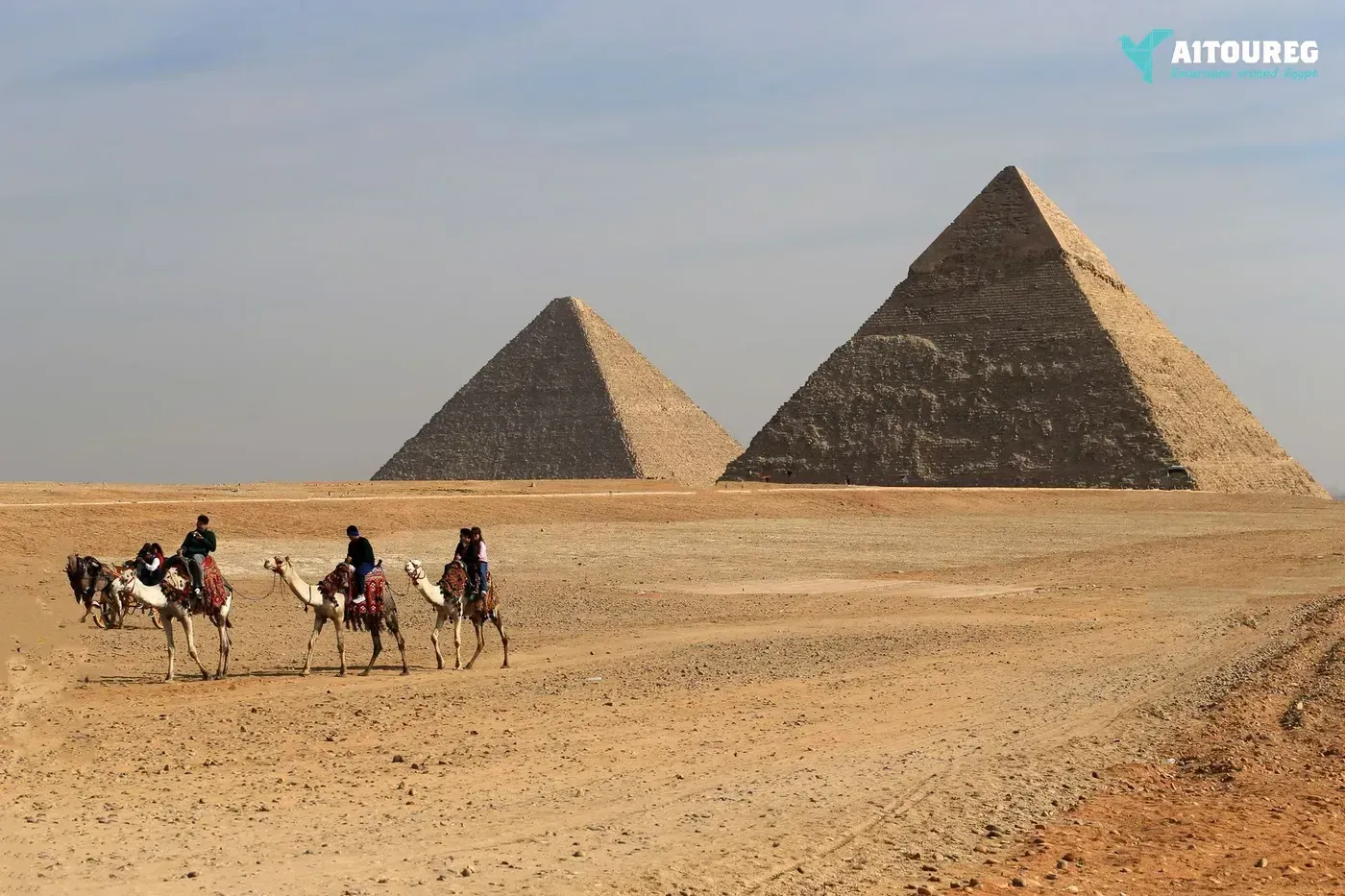
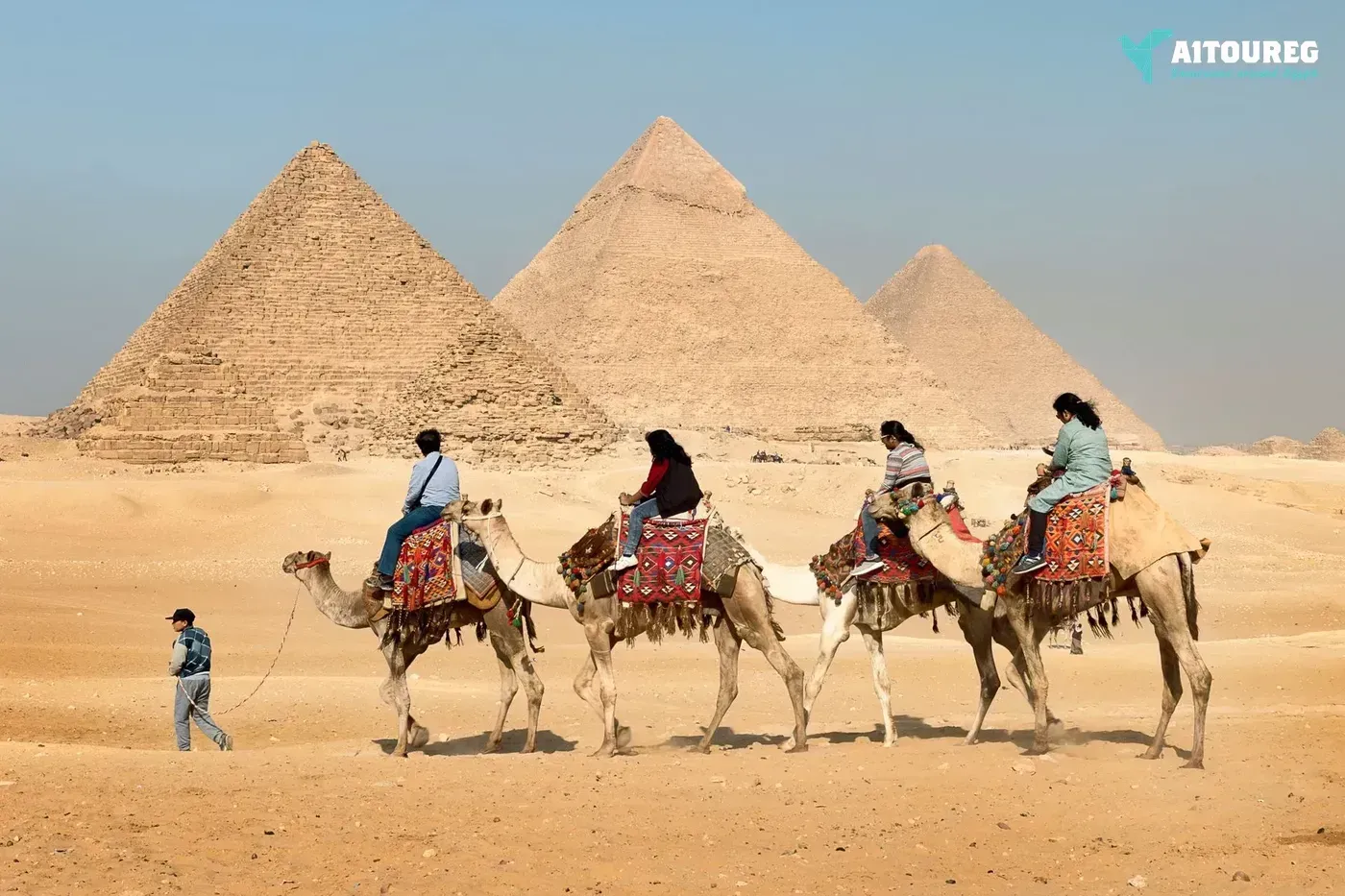
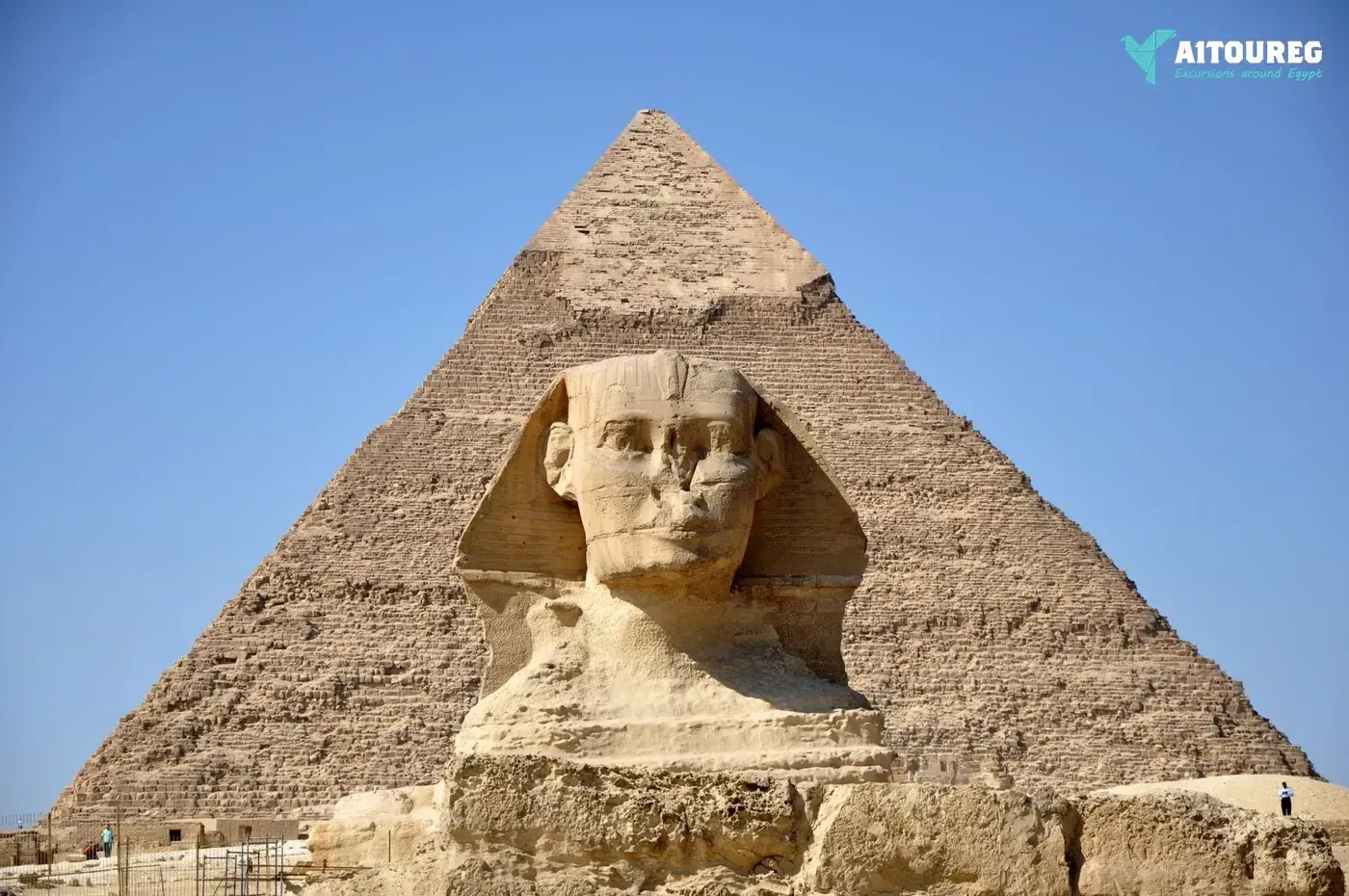
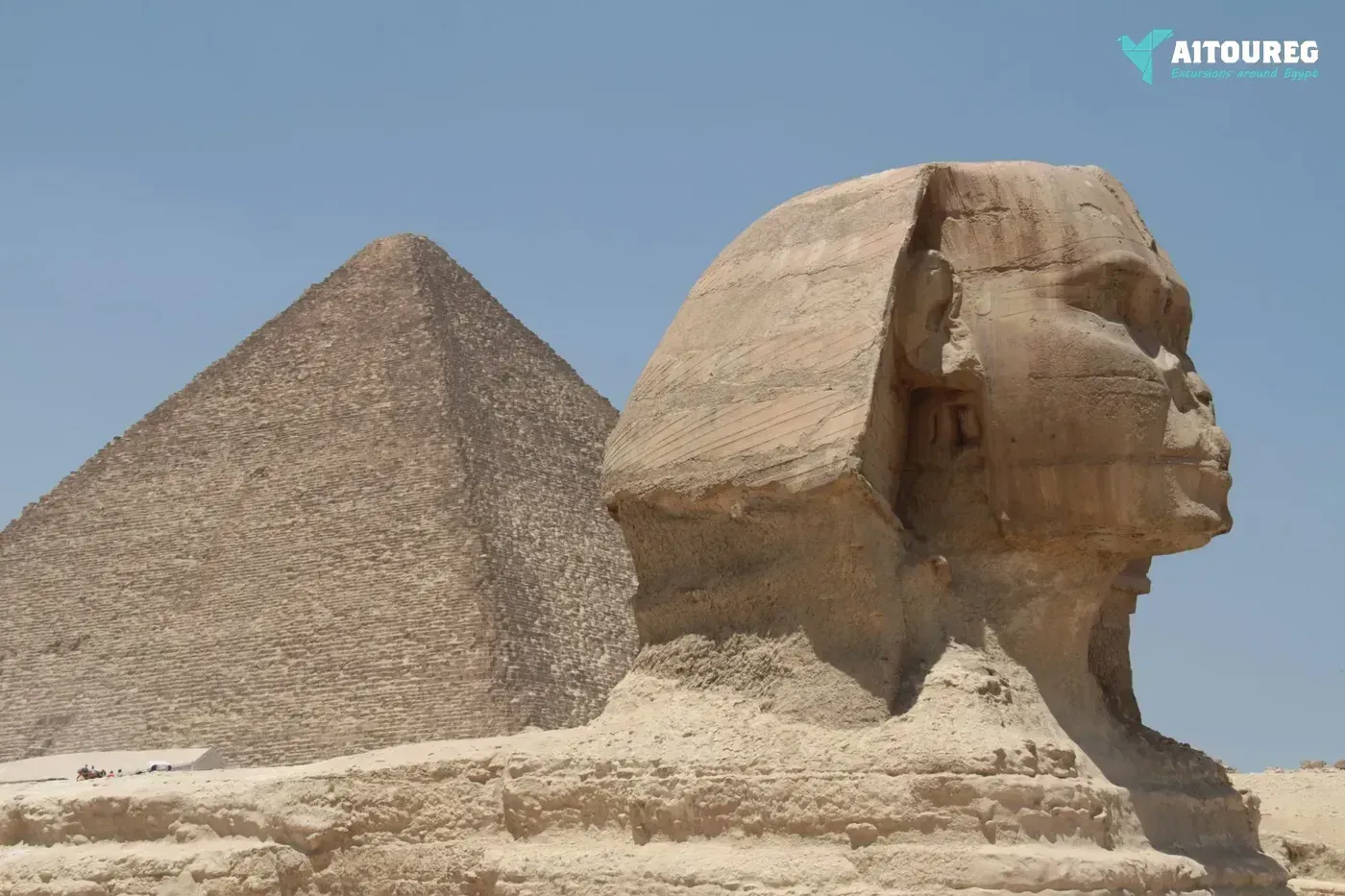
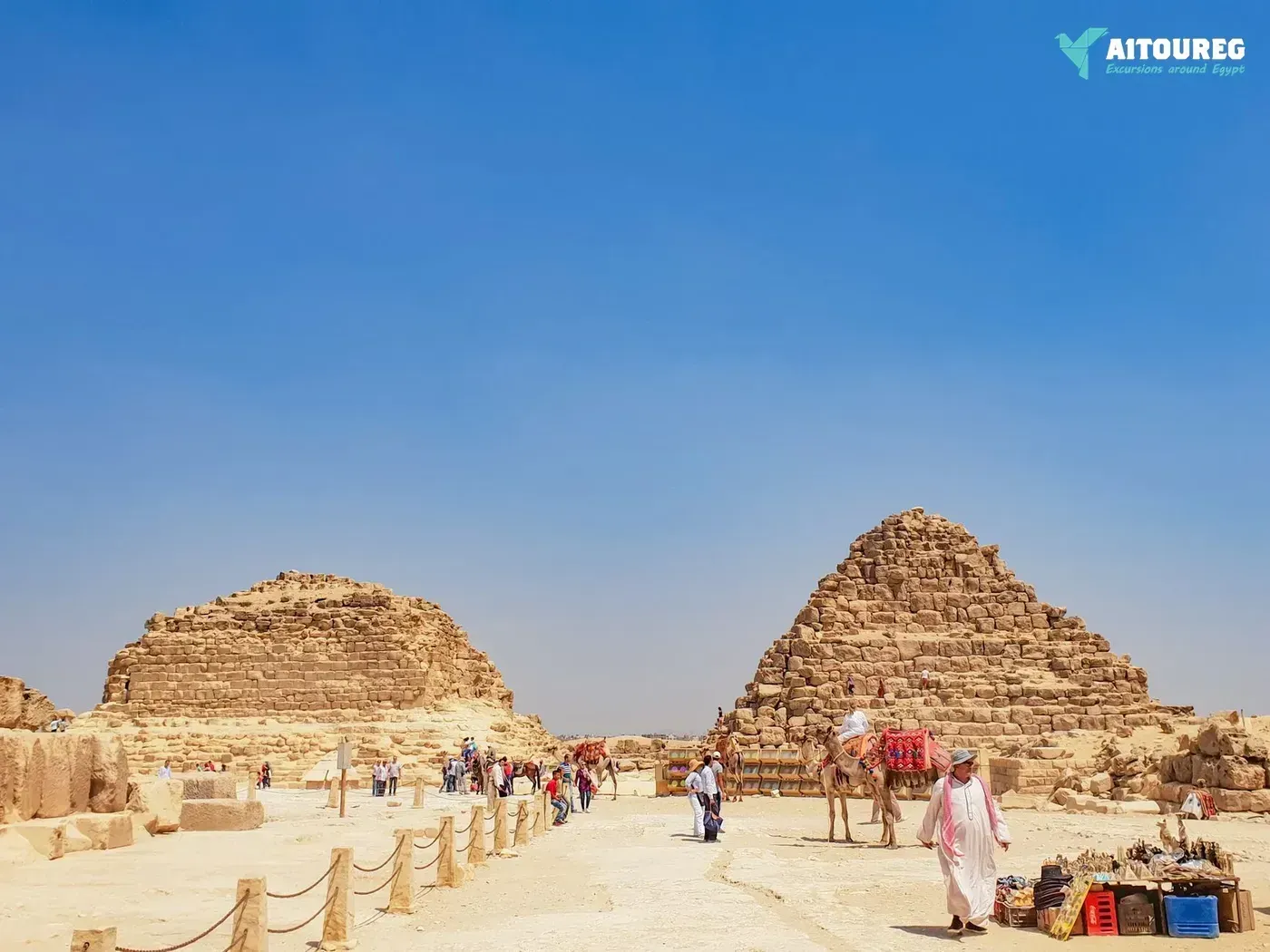
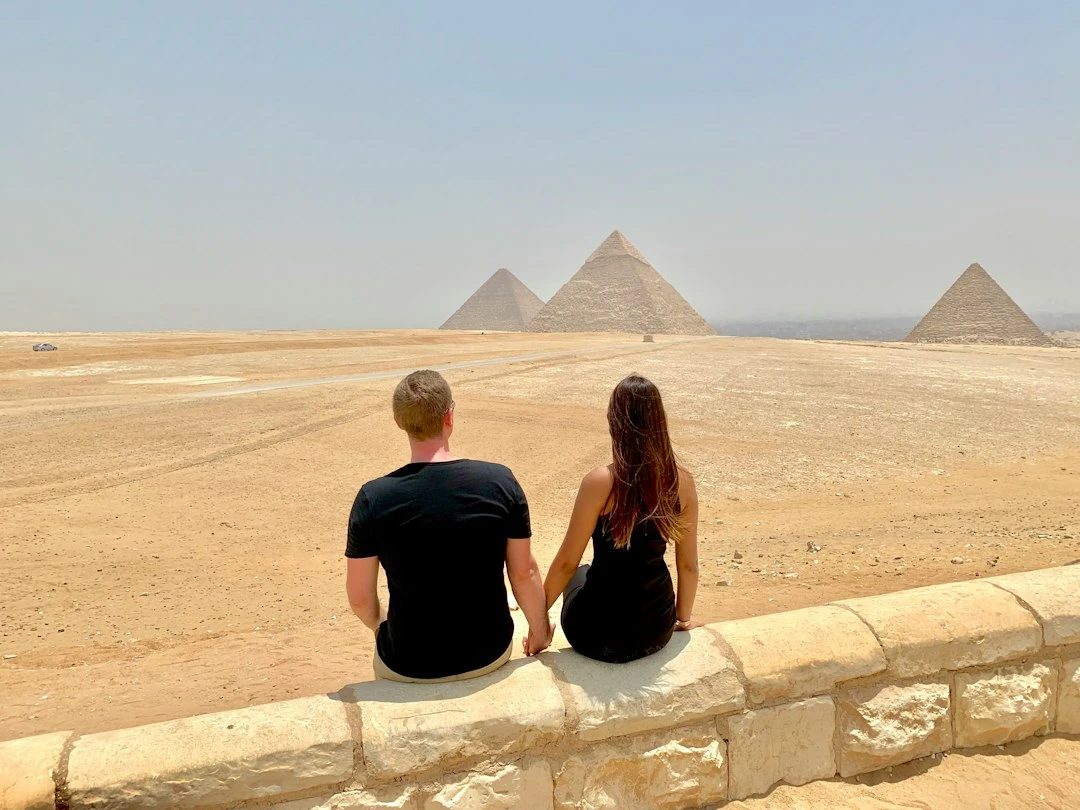
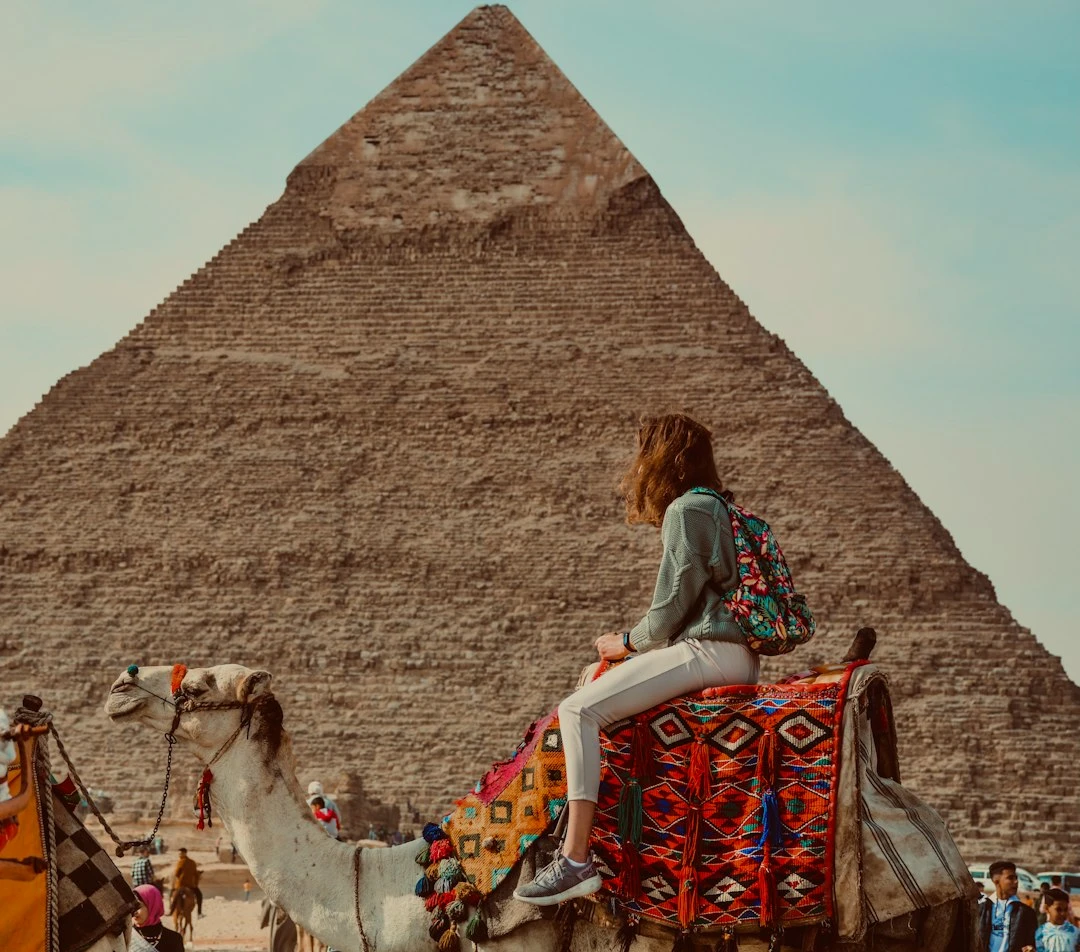
After breakfast, meet your guide for a full day on the west bank of Cairo. Begin at the Giza Pyramids, where you can walk around the Great Pyramid, see the Pyramid of Khafre and the Pyramid of Menkaure, and pause at the Sphinx. Your guide explains how the pyramid complex was planned, supplied, and used as a royal funerary site. Time is left for photographs and, if available, an optional visit inside a pyramid.
Continue south to Memphis, the ancient capital of Egypt, to see the colossal limestone statue of Ramesses II and the alabaster sphinx. The drive then reaches Sakkara, where the Step Pyramid of Djoser introduces the development of pyramid building. Finish at Dahshour, home to the Bent Pyramid and Red Pyramid. The sites are open and sunny, so comfortable shoes, water, and sun protection make the afternoon easier.
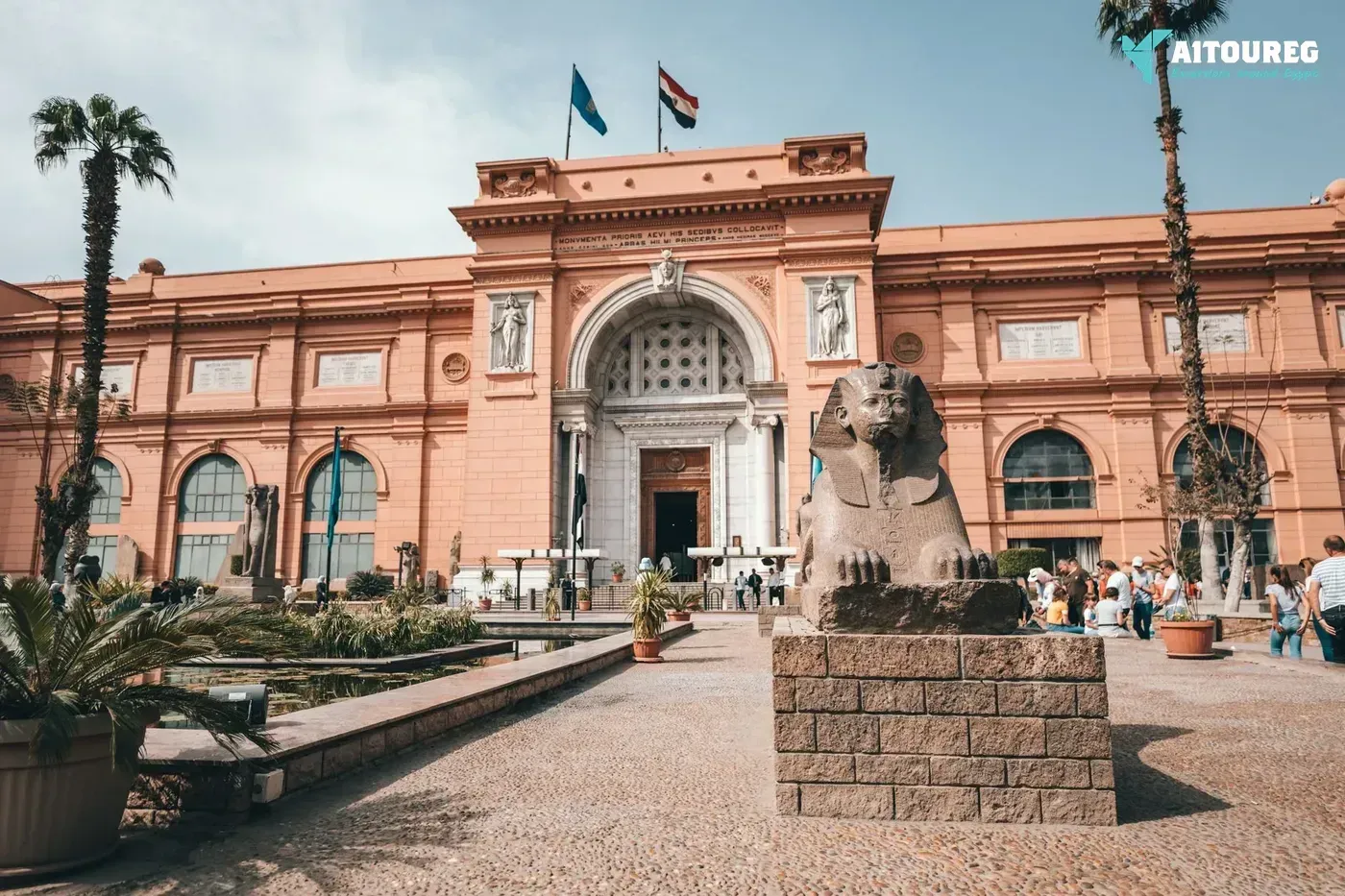
Today begins with the Cairo museum, where cases of royal jewellery, statues, funerary objects, and everyday items trace Egypt’s history across several periods. A licensed Egyptologist guides you through the collections at a manageable pace, explaining the objects rather than trying to cover every room. Allow extra time for the pieces that interest you most.
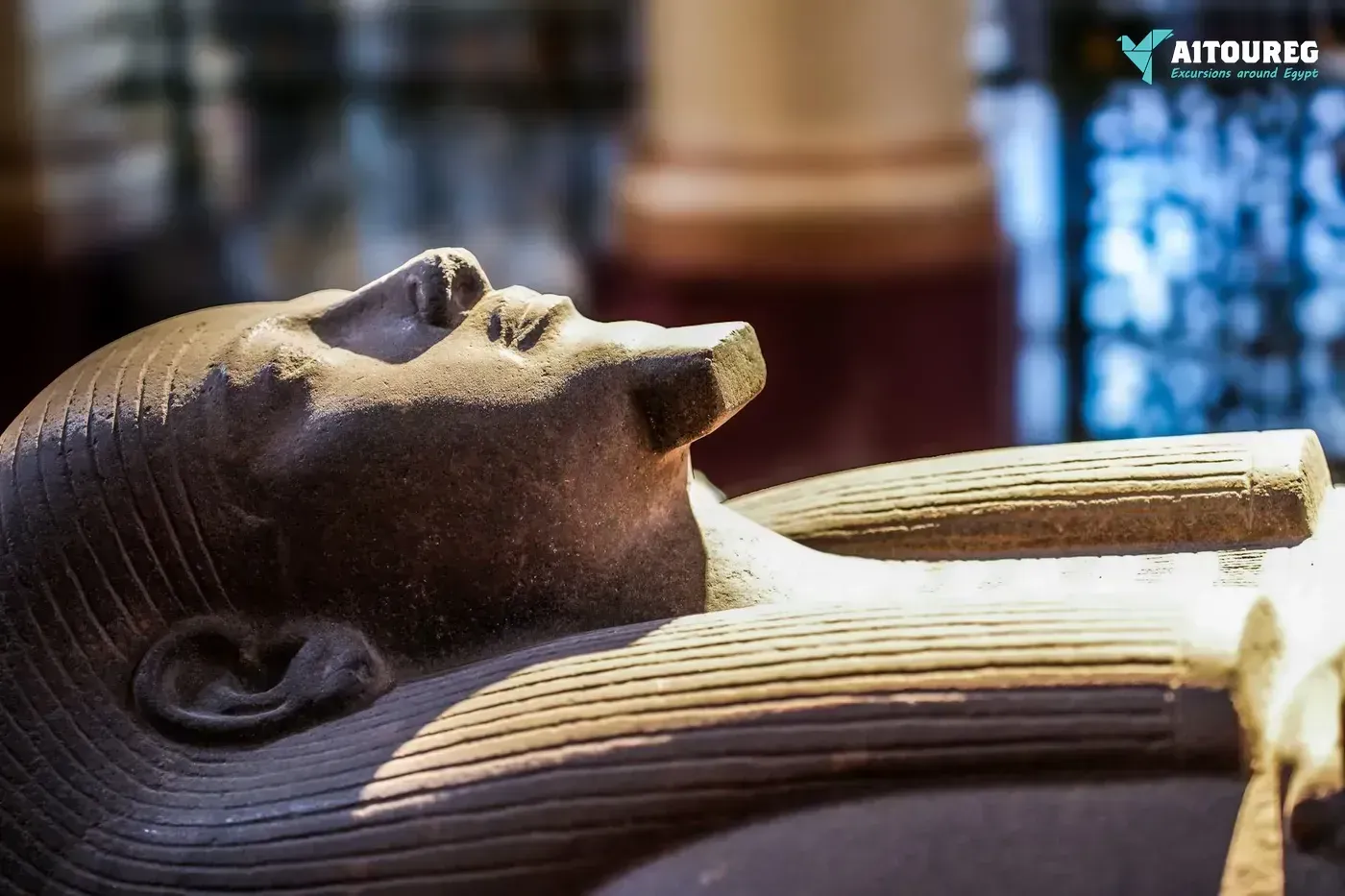
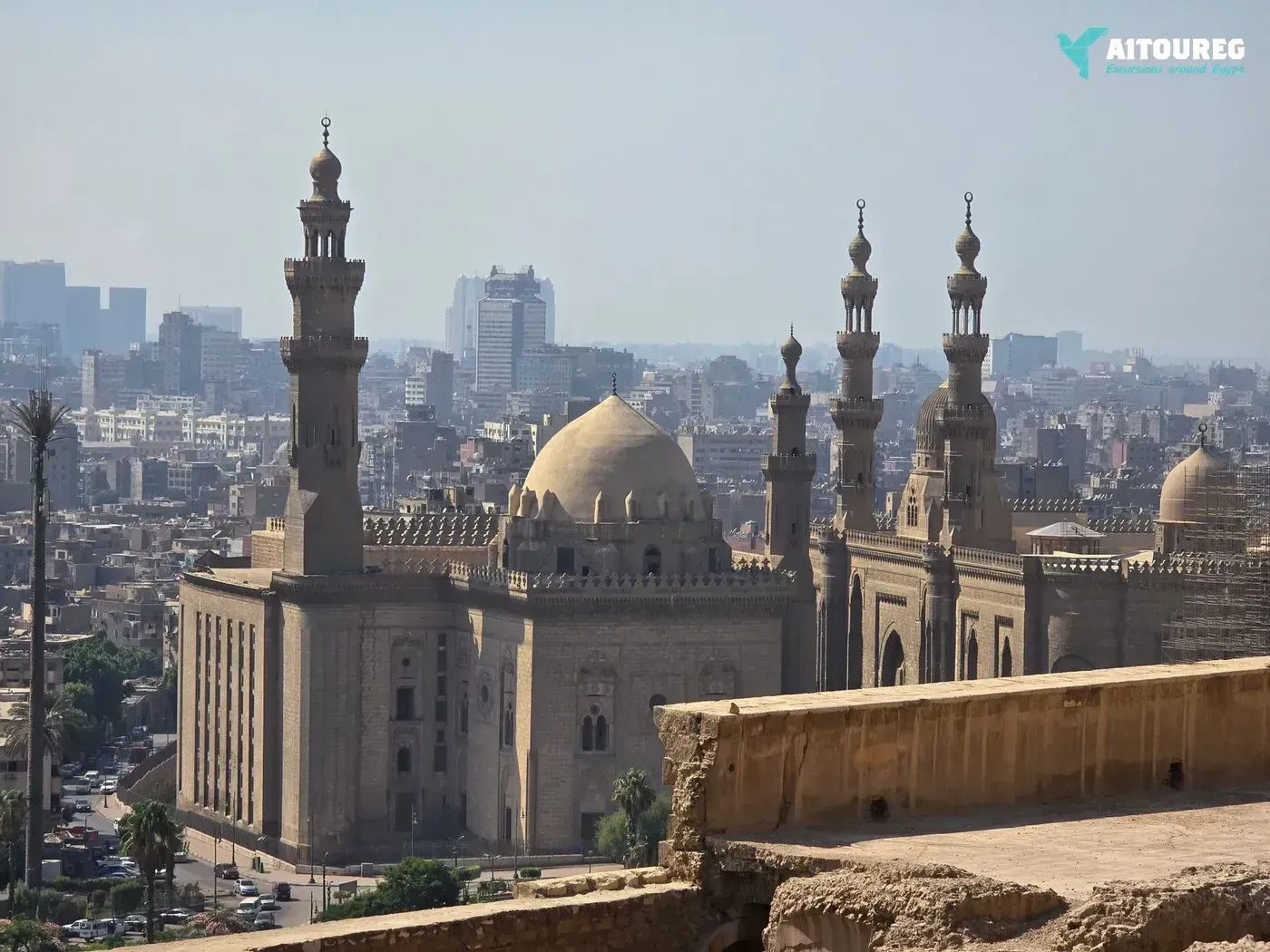
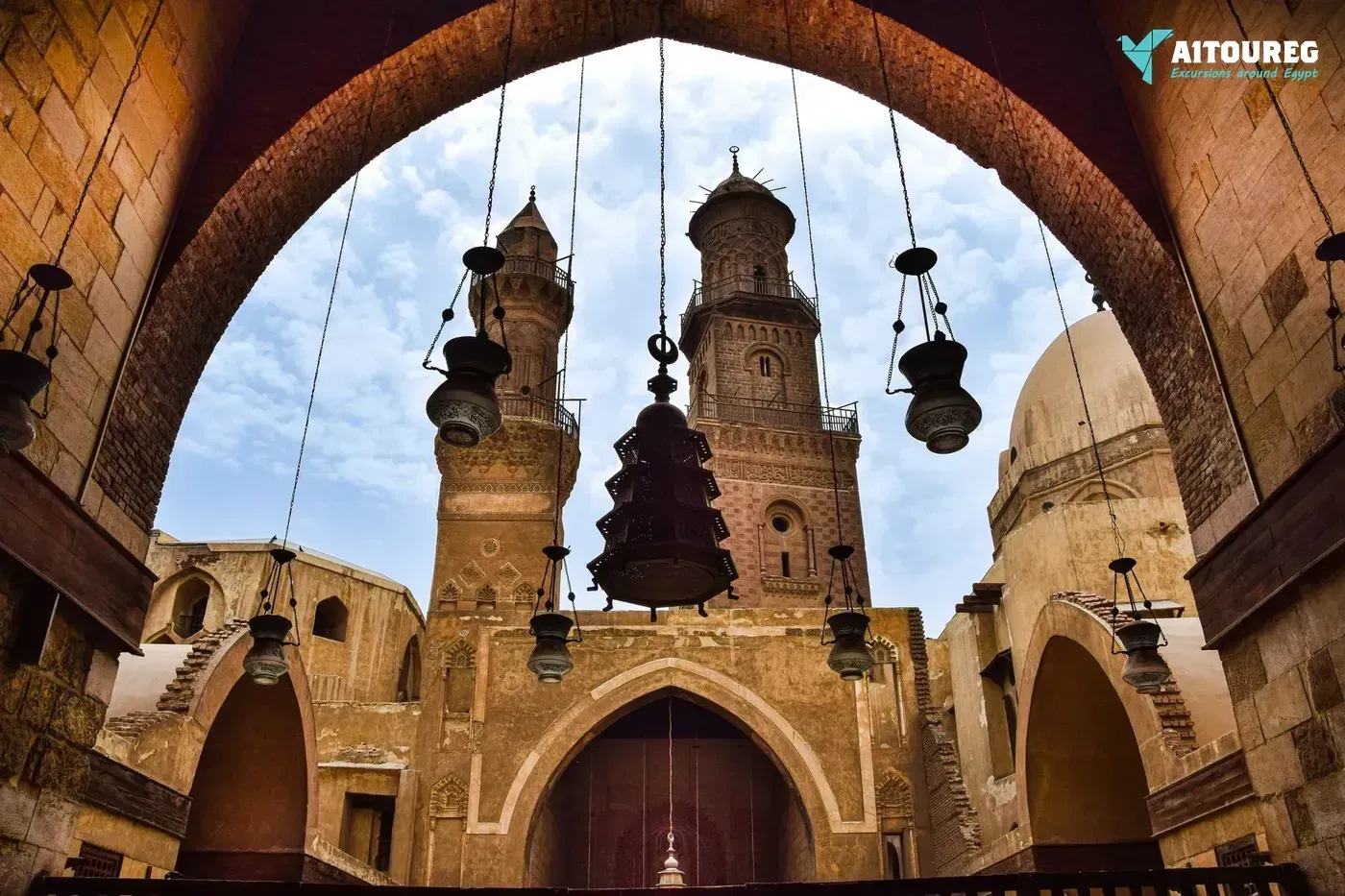
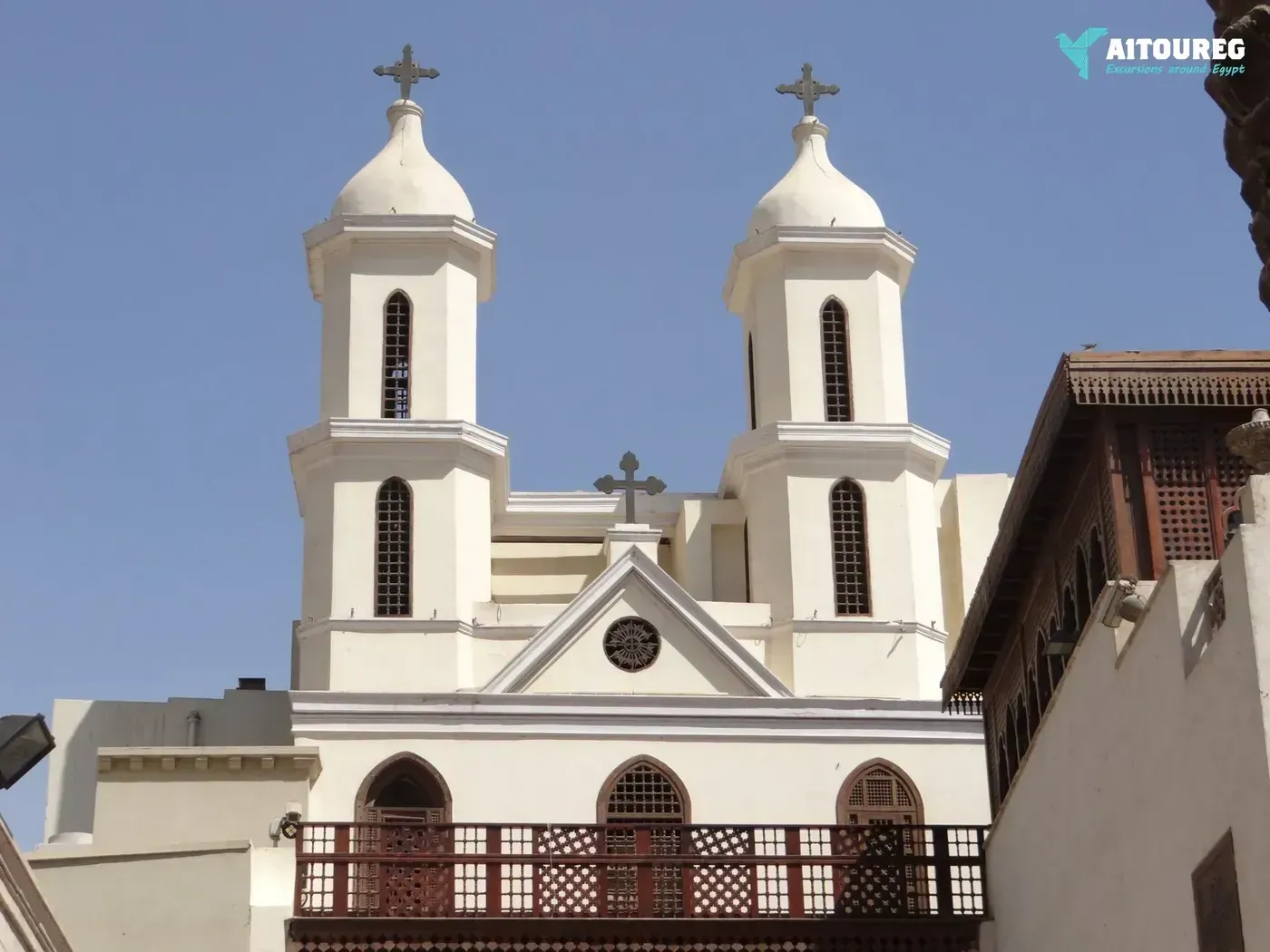
In the afternoon, visit The Civilization at the National Museum of Egyptian Civilization, including its carefully presented Royal Mummies collection when open. Continue to Old Cairo, where churches, narrow lanes, and Islamic monuments sit close together. The Mosque of Mohamed Ali rises within the Citadel and has broad views across Cairo from its courtyard. Dress modestly for religious sites; women may be asked to cover their shoulders, and shoes are removed before entering prayer areas.
Leave Cairo by road for Alexandria, a coastal city with a different pace and a long Mediterranean history. Start at the Catacombs of Kom el Shoqafa, a subterranean necropolis where Egyptian, Greek, and Roman artistic details appear together. The stairways are enclosed and uneven in places, so take your time and tell your guide if you need a slower route.
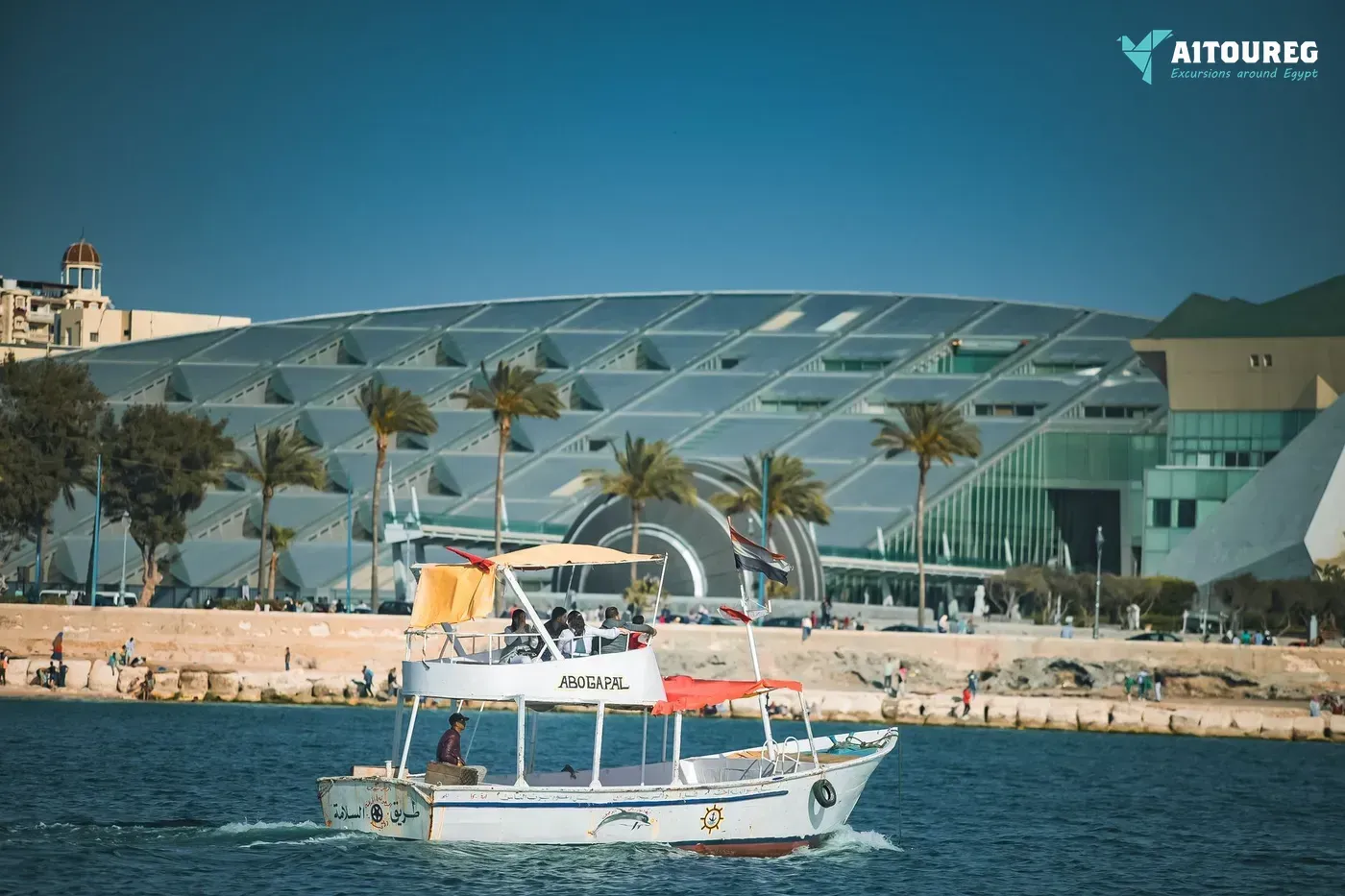
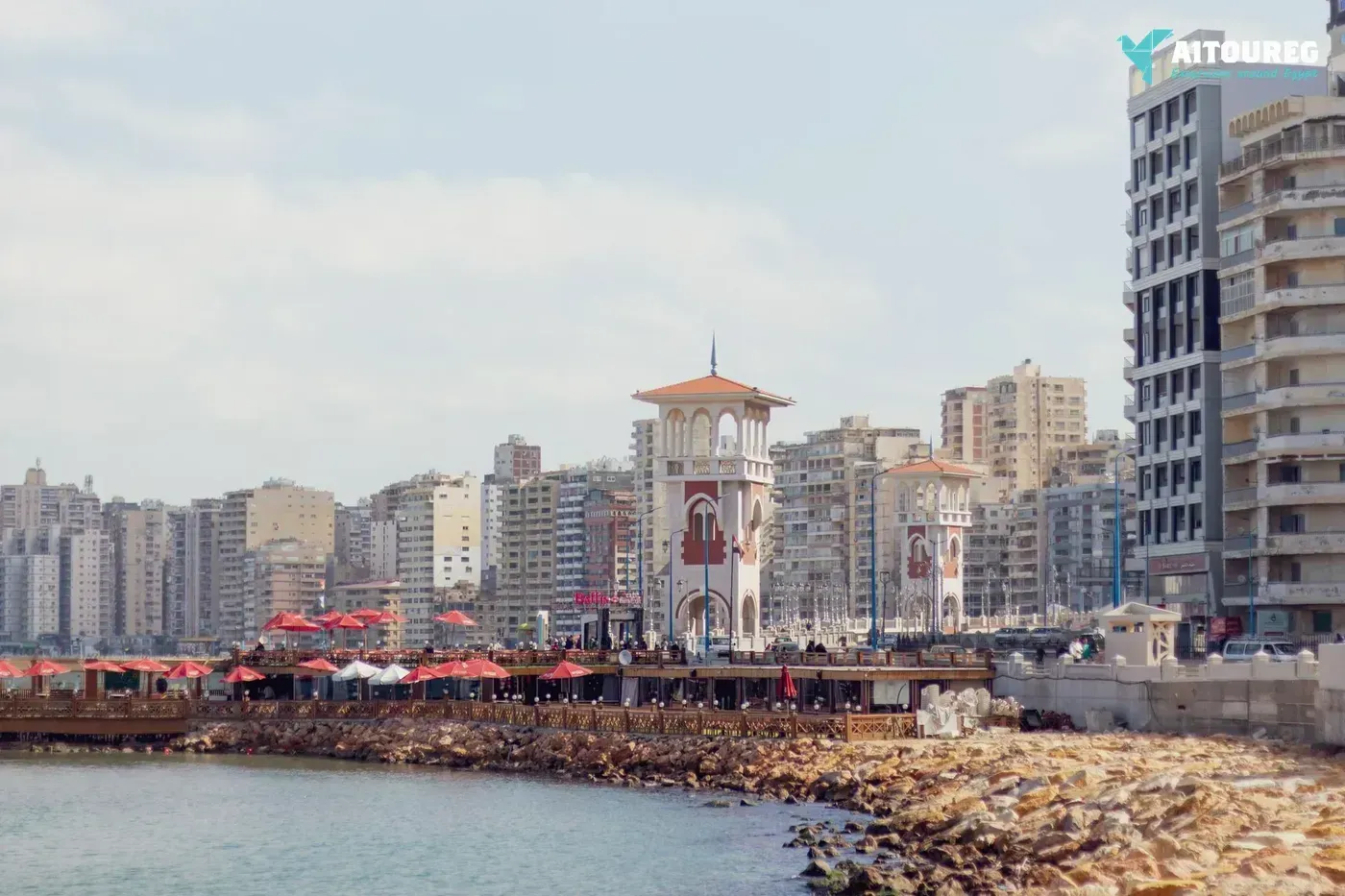
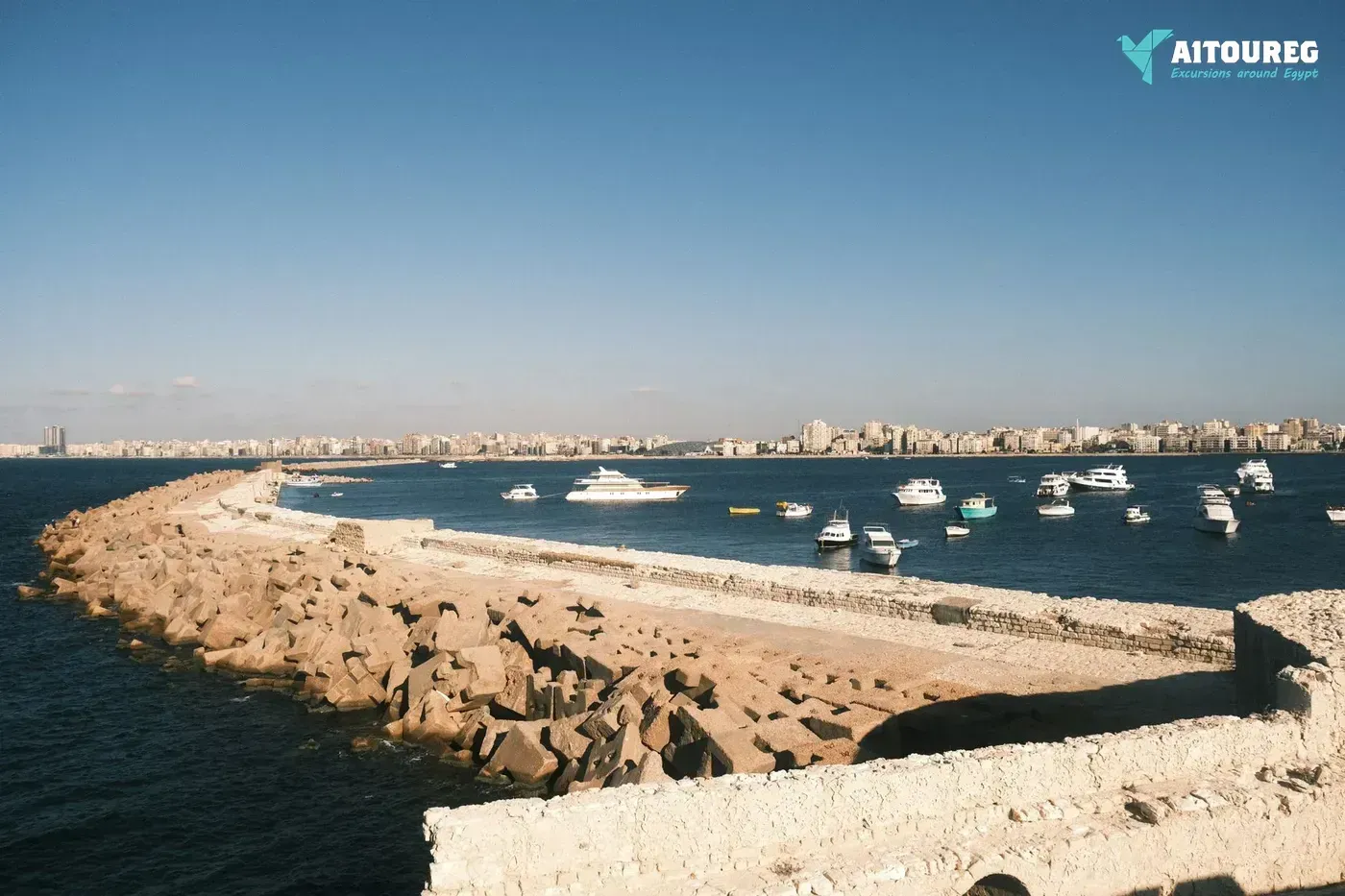
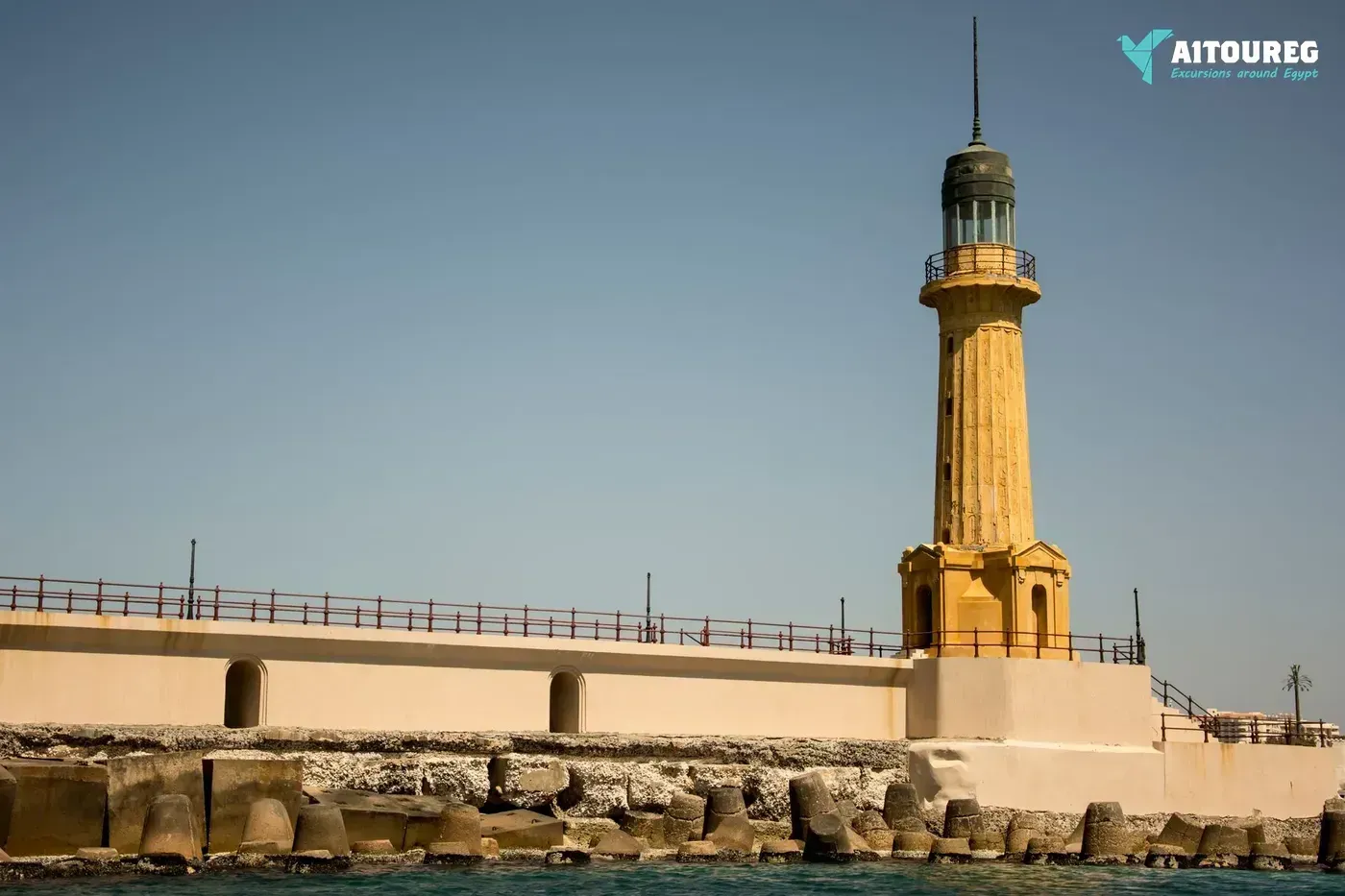
Continue to Pompei Pillar, the remaining column of the ancient Serapeum, then visit the Library of Alexandria and its modern reading hall and exhibition spaces. At the waterfront, see the Citadel of Sultan Qeitaby, built beside the site associated with the ancient Pharos lighthouse. The drive back to Cairo takes several hours, depending on traffic. A packed breakfast or early start may be arranged according to the day’s road schedule.
Return to Alexandria’s eastern side for Al Montazah Palace and its gardens, where paths, palms, and sea views provide a quieter start to the day. The palace grounds are the main focus of the visit; access to particular interiors can vary, so your guide will explain what is open. Afterward, begin the long overland transfer toward Siwa Oasis.
This is a travel-heavy day, with broad desert scenery replacing the built-up coast as you move west. Carry water, snacks, medication, and a charger in your day bag rather than leaving everything in the vehicle’s luggage area. Rest stops are practical rather than elaborate, and mobile coverage can be limited in remote sections. On arrival in Siwa, check in and relax. The oasis is known for palms, springs, salt lakes, and mud-brick architecture, all of which you will explore over the following days.
Explore Siwa after breakfast with a local guide who knows the oasis roads and walking routes. Begin at The Fortress at Shali, the remains of a mud-brick settlement built from kershef, a mixture traditionally made with salt and mud. Climb carefully where the path allows and look across the palm groves from the higher sections. The changing light makes the old walls especially interesting late in the day.
Visit the temple of the Oracle, associated with the ancient sanctuary of Amun and Alexander the Great’s visit to Siwa. Then continue to Gebel Al Mawta, a hill cut with decorated and undecorated tombs. The rock paths can be uneven, so sturdy footwear is useful. End at Cleopatra`s Bath, a natural spring where you can see the clear water and, if conditions and local guidance permit, take a swim. The evening is free for a relaxed meal in the oasis.
Today, make an adventure trip into the Siwa desert by four-wheel-drive vehicle. Leave the palm groves behind and cross dunes at a pace set by the terrain. You will spend time in the great sand sea, where the landscape changes from firm tracks to soft, rolling sand. The driver handles the vehicle while you enjoy the views, take photographs, and stop at suitable points away from the road.
Enjoy the drive into Egypt Desert with regular breaks for water and shade. Sand can enter bags and shoes, so keep cameras and phones protected. Your guide explains local geography and the practical limits of desert travel; routes are adjusted when ground conditions require it. Return to Siwa after the excursion for a quiet evening. The desert day is active but flexible, and you can ask for longer rest periods during the drive.
Leave Siwa after breakfast for the route toward the White Desert. This is a long desert transfer, so most of the day is spent in the vehicle with planned stops. The scenery changes gradually: palms and cultivated land give way to open limestone country, then to the pale formations of the Western Desert. Keep your travel documents and personal medication with you, and use rest stops to stretch your legs.
As the route reaches the camping area, your desert team sets up the evening arrangements. Walk among the white chalk formations before sunset, when low light brings out their rounded shapes and shadows. The White Desert is remote, with simple facilities and little artificial light. Temperatures can fall after dark even when the day is warm, so bring a light layer. Dinner is prepared at camp, followed by time around the fire beneath a wide night sky.
Wake in the desert and enjoy breakfast at camp before a final walk among the chalk rocks. This is your one night in the White Desert, and the morning gives you a different view of the formations than the previous evening. Pack carefully so nothing is left behind in the sand, then begin the return drive toward Cairo.
Along the route, stop at the valley of Agabat, known for its pale rock towers and broad desert views, when the route and access conditions allow. Continue past the black Mountain, a dark volcanic-looking hill that contrasts with the surrounding sand, and the crystal mountain, where quartz pieces catch the light. These stops are short walks rather than developed attractions. Arrive in Cairo later in the day and rest at the hotel after the long transfer.
Travel from Cairo toward the Mediterranean coast to visit the El Alamein Tombs, memorial sites connected with the Second World War’s North African campaign. Your guide sets the military history in context and explains the memorials, cemeteries, and museum displays that are open during your visit. The grounds are spacious and exposed, so a hat and water are useful.
After the visit, return to Cairo by road. The day combines another long transfer with a focused historical stop, so use the journey to rest. Roads and traffic can affect the arrival time, particularly near Cairo. On reaching the city, prepare a small bag for the next stage of the trip and keep valuables in your room safe or with you. A domestic flight or transfer to Aswan follows according to the confirmed travel schedule, and our team explains the arrangements in advance.
Travel to Aswan and begin your southern Egypt sightseeing after arrival and a short rest. Take a motorboat across the water to Phila temple, the island sanctuary dedicated mainly to Isis. The approach by boat is part of the visit: the temple comes into view across the lake, followed by courtyards, carved columns, and reliefs that record later Egyptian and Roman worship.
Continue to the Aswan Dam, an important modern engineering project that changed water management, agriculture, and the position of ancient monuments. Your guide explains how the reservoir affected the region and why temples such as Phila were relocated. Return to Aswan for check-in and a relaxed evening beside the Nile. Keep your cruise documents and a small day bag ready; luggage handling is easier when essential items are separate from your main case.
Start early for Abu Simbel, travelling south through the desert to the two temples built by Ramesses II. The larger temple has colossal royal figures at its entrance, while the smaller temple is dedicated to Queen Nefertari and the goddess Hathor. Inside, your guide points out the processional halls, painted reliefs, and the sanctuary. The temples were moved to higher ground during the creation of Lake Nasser, a detail that adds practical context to the visit.
Return to Aswan and board your Nile Cruise. After lunch or check-in procedures, settle into your cabin and watch the river scenery from the deck. This begins the four-day cruise section, giving you time to relax between guided visits. Keep sun protection, comfortable shoes, and a light layer accessible, as temperatures and shade change during the day. Your exact sailing sequence depends on the vessel’s operating schedule.
The cruise continues north along the Nile, with time to enjoy the riverbanks from the deck before the next shore visit. At Kom Ombo, walk from the vessel to the unusual double temple dedicated to Sobek and Horus. The symmetrical plan, carved medical instruments, and crocodile-related displays help explain how two cults shared one sacred complex. Your guide gives you time to examine the reliefs before returning to the ship.
Depending on the cruise schedule, continue to Edfu by horse-drawn carriage or local transfer for the Temple of Horus. Its tall gateway and long processional axis are among the best-preserved temple remains in Egypt. Follow the route from the entrance through the courts toward the sanctuary, then return to the ship. Bring a scarf or hat for the open areas and agree on the meeting point with your guide before exploring.
Spend the morning sailing through the Nile Valley. Villages, cultivated fields, palm trees, and desert hills pass slowly from the deck, giving you a quieter view of Egypt than the busy cities. Use the time to rest, read, or enjoy the ship’s facilities. The crew will advise you about meal times, docking arrangements, and any onboard dress expectations.
As the vessel reaches Luxor, your guide prepares you for the next day’s West Bank visits. Enjoying 4 days Nile Cruise tours to relax works best when you keep the programme flexible: shore excursions are timed around sailing and lock procedures, while some stops may be reached by road from the dock. Spend the evening at leisure in Luxor. Keep your camera charged and set aside comfortable clothes for an early start among the tombs and temples.
Cross to Luxor’s West Bank after breakfast to visit the valley of the Kings. Walk into selected royal tombs, where painted scenes, hieroglyphs, and long corridors lead toward underground burial chambers. The number of open tombs can change, and an additional ticket may be needed for particular tombs, so your guide explains the choices on the day. Flash photography is restricted inside many tombs.
Continue to Queen Hatshepsut temple, cut into the cliffs at Deir el-Bahari. Its terraces, ramps, and reliefs present the reign of one of Egypt’s most capable rulers. The approach includes open, sunny paths with limited shade. Carry water and wear shoes with good grip. After the visit, return across the Nile for lunch or rest, with time later to enjoy Luxor’s riverside atmosphere without another major monument on the schedule.
Visit Karnak temple in the morning, entering through the outer precincts before reaching the Great Hypostyle Hall. Look up at the forest of columns, then follow the carved walls, obelisks, and sacred lake as your guide explains how successive rulers added to the complex. The site is large, so the walking pace is steady and there are pauses for shade and photographs.
Continue exploring Luxor’s archaeological treasures, with the order of stops shaped by opening hours and local traffic. Your guide connects the temple’s religious role with the royal tombs seen on the West Bank. Later, collect your luggage and prepare for the transfer to Hurghada. The road across the Eastern Desert takes several hours and includes long stretches with few services. Keep water, sun protection, and a light snack in the vehicle rather than packed away.
Arrive in Hurghada and check in after the road transfer from Luxor. The afternoon is reserved for rest, giving you time to settle into the resort, walk along the shore, or use the available leisure facilities. Our team confirms the following day’s arrangements and explains what is included in the sea excursion, including meeting points and equipment procedures.
Today begins the Red Sea portion of the itinerary. Hurghada has a dry coastal climate, but sea conditions and water visibility can change, so boat activities remain subject to the local crew’s judgement. If you swim or snorkel, follow the guide’s instructions and use the provided safety equipment. For a quieter evening, choose a restaurant near the hotel or take a short walk along the promenade. Keep tomorrow’s essentials in a waterproof bag.
Set out from Hurghada for a Red Sea boat excursion. The crew gives a safety briefing before the boat reaches a suitable reef or sheltered area for swimming and snorkelling. You can see the clear shallows, coral formations, and small reef fish when conditions allow. Non-swimmers can remain on board, use a life jacket, and enjoy the sea views without joining the water activities.
Lunch and drinks are arranged according to the excursion plan, with time between stops to relax on deck. Bring swimwear, a towel, reef-friendly sun protection, sunglasses, and any seasickness medication you normally use. Boat routes are selected according to the day’s conditions rather than promised in advance. Return to Hurghada in the afternoon and spend your final evening by the coast, with a calm dinner and time to organise luggage for departure.
Keep this day open in Hurghada after the sightseeing and travel stages. You can enjoy the hotel’s facilities, return to the beach, or arrange an optional activity through our team if you prefer more time on the water. The day is deliberately unhurried, giving you and your partner space to enjoy the coast together without a fixed sequence of monuments.
If you leave the hotel independently, carry identification, water, and only the money you need. Ask our team about suitable transport and the expected return time, particularly if you plan to visit shops or a distant marina. Sea trips and outdoor activities depend on local conditions and are confirmed separately. In the evening, check your flight details and pack valuables in your hand luggage. Your final night is in Hurghada, close to the Red Sea and away from the pace of Cairo.
Have breakfast and complete the hotel check-out according to the property’s departure procedure. Our team arranges your transfer to Hurghada airport or the next agreed point, allowing time for traffic, airport check-in, and security formalities. Keep passports, tickets, medication, phones, and chargers in your hand luggage, and check the room carefully before leaving.
If your flight is later in the day, ask whether luggage storage is available and use the remaining time for a final meal or a short walk near the hotel. Airport schedules and transfer times vary, so we confirm the practical details with you before departure. This 20-day Egypt honeymoon itinerary ends in Hurghada, after Cairo’s ancient sites, Siwa’s desert landscapes, the White Desert camp, the Nile temples, and the Red Sea coast.